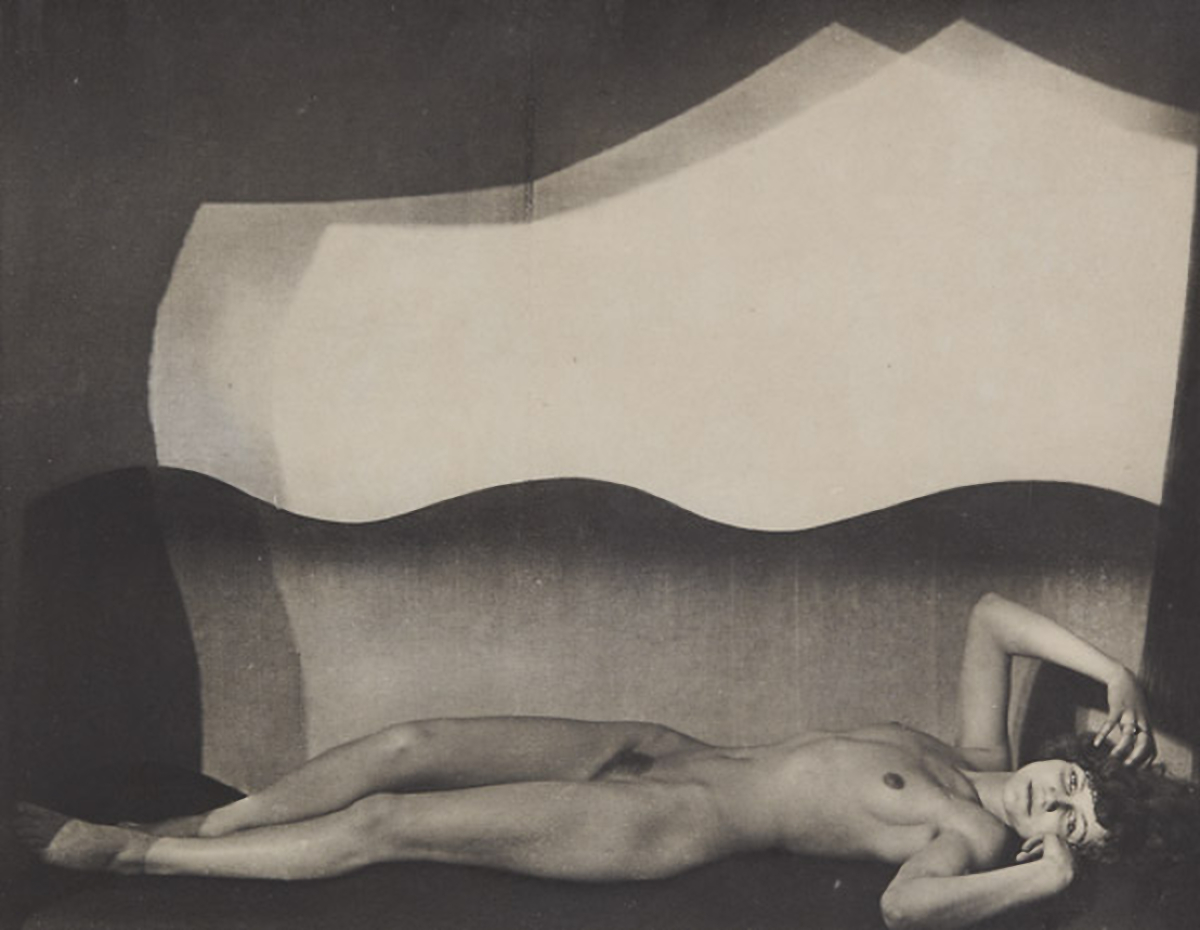
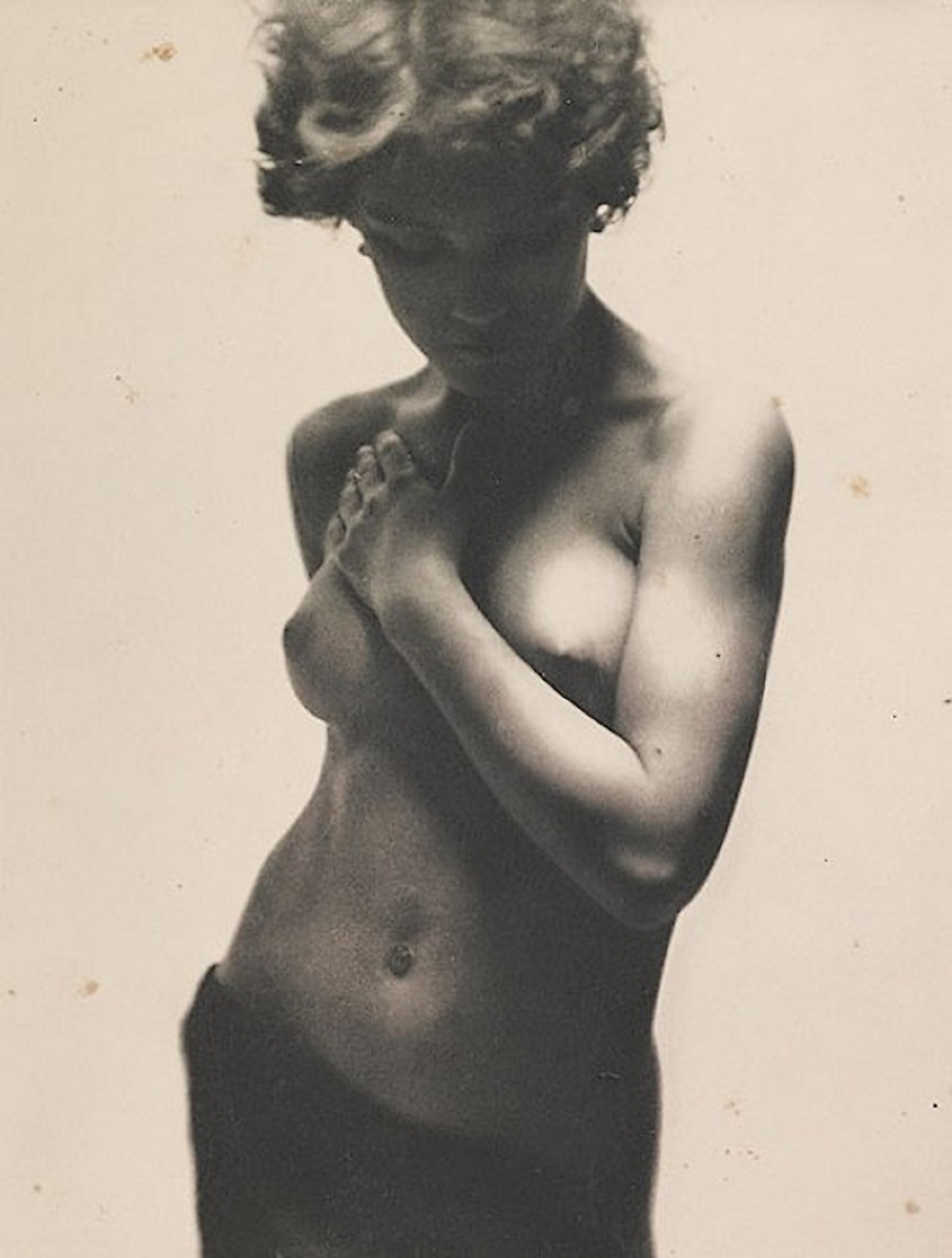
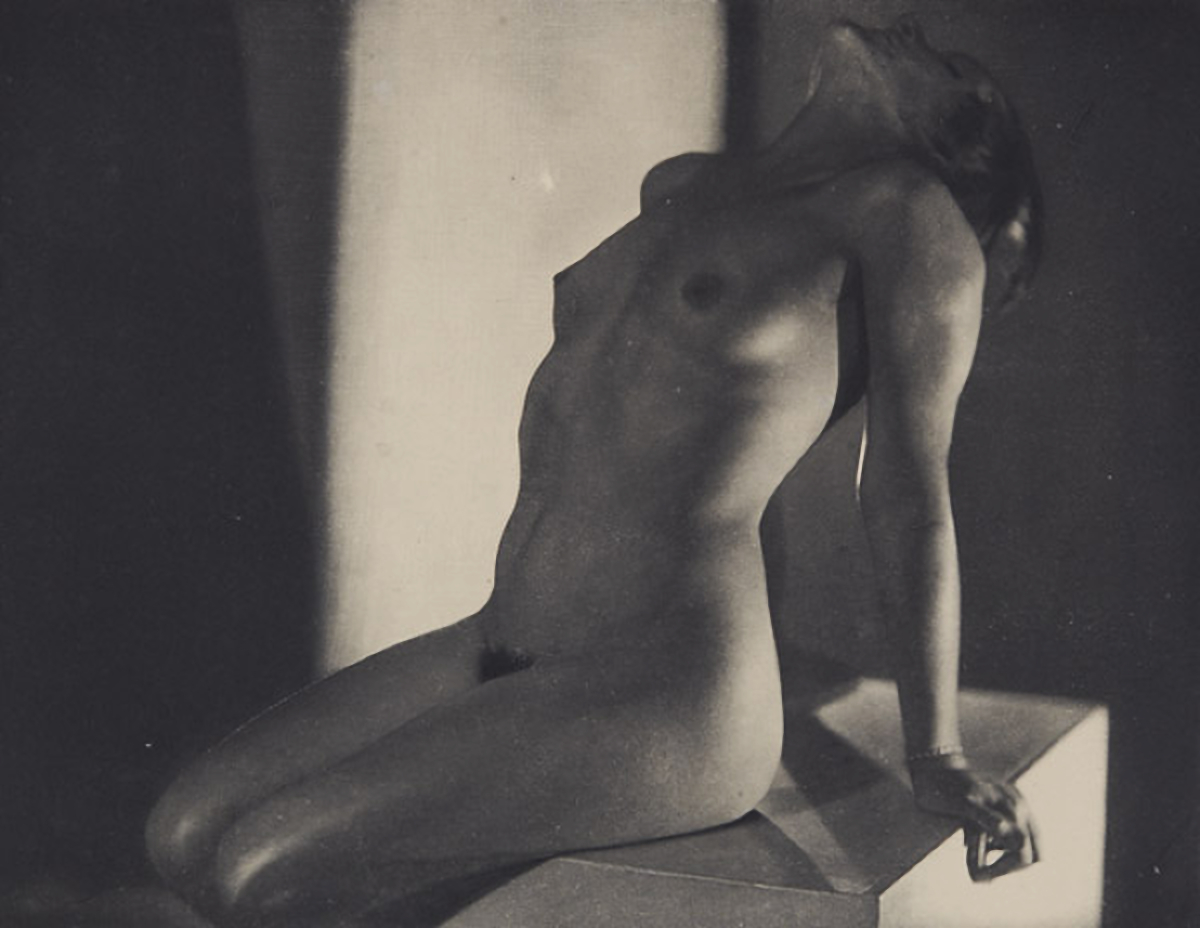
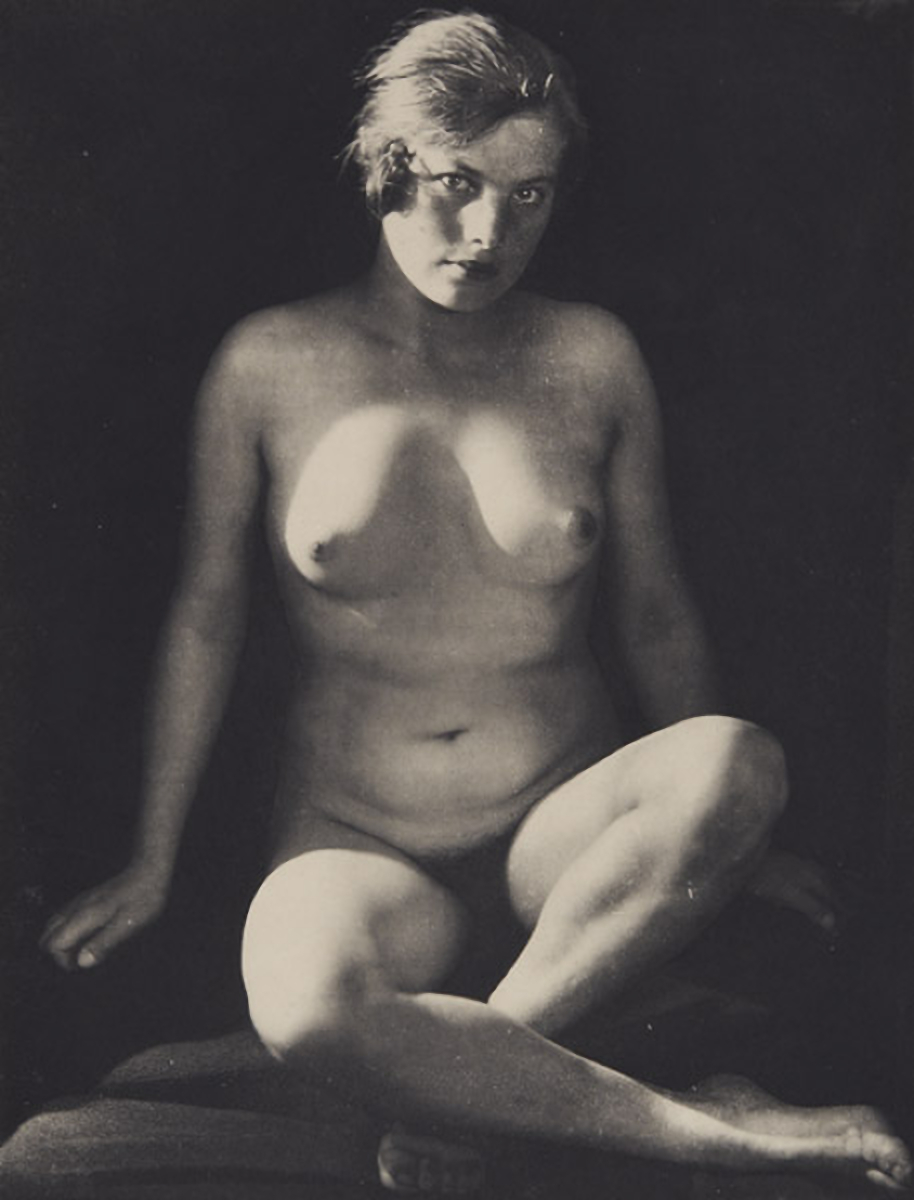
Marta Astfalck- Vietz

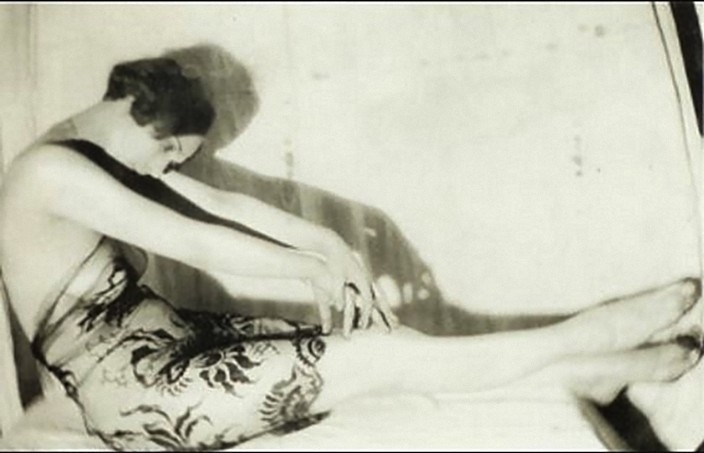
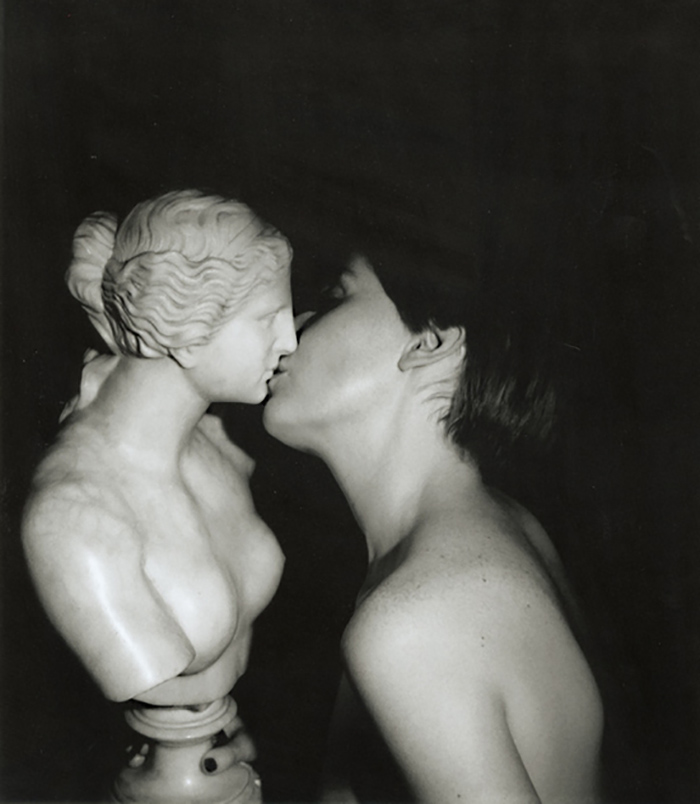
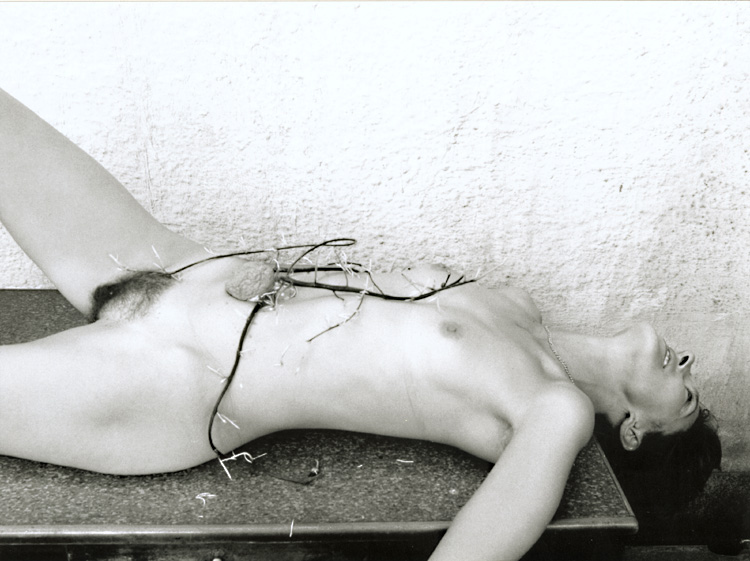
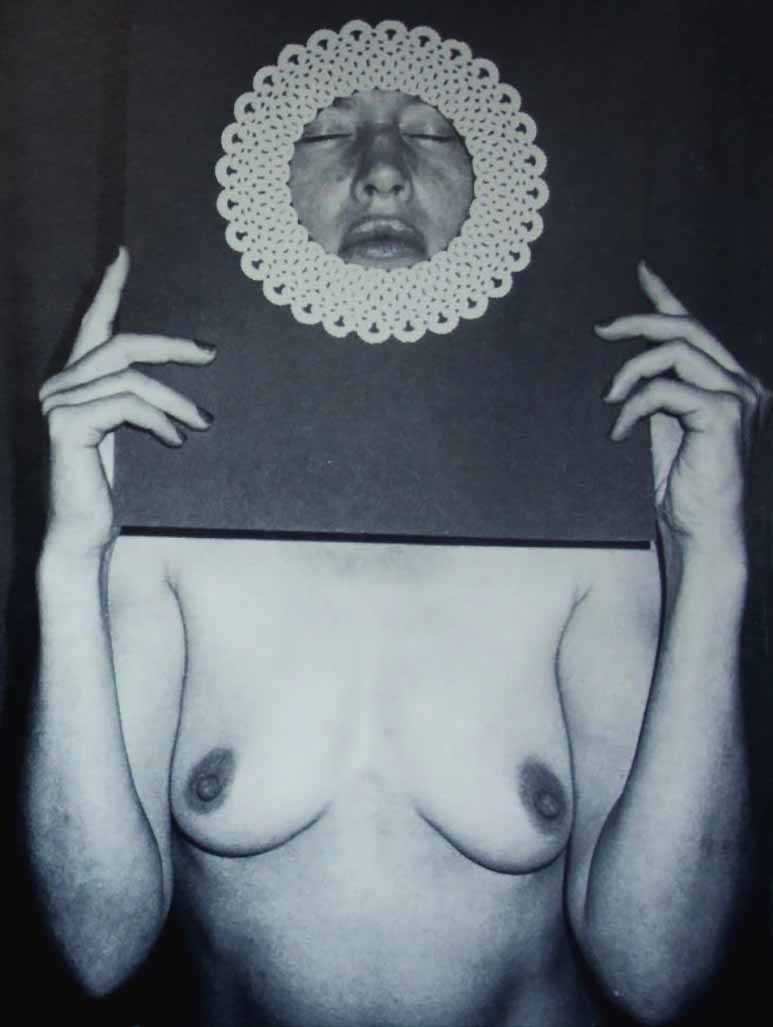
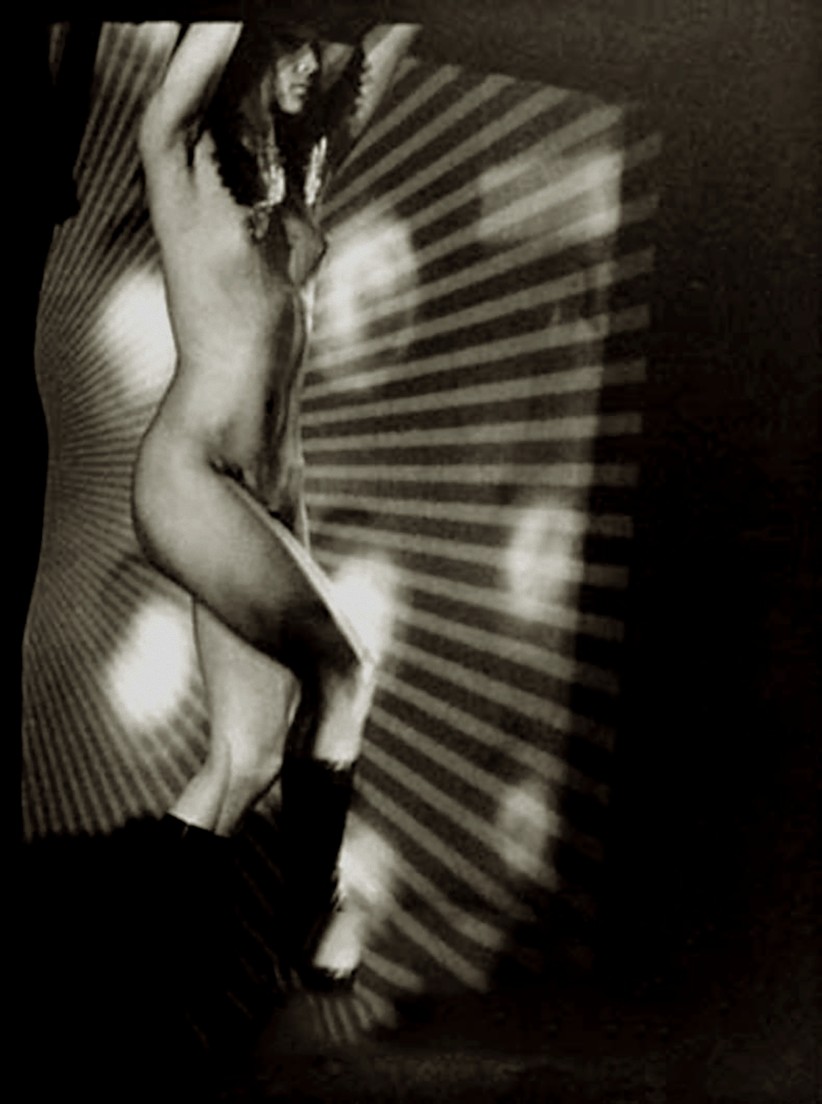
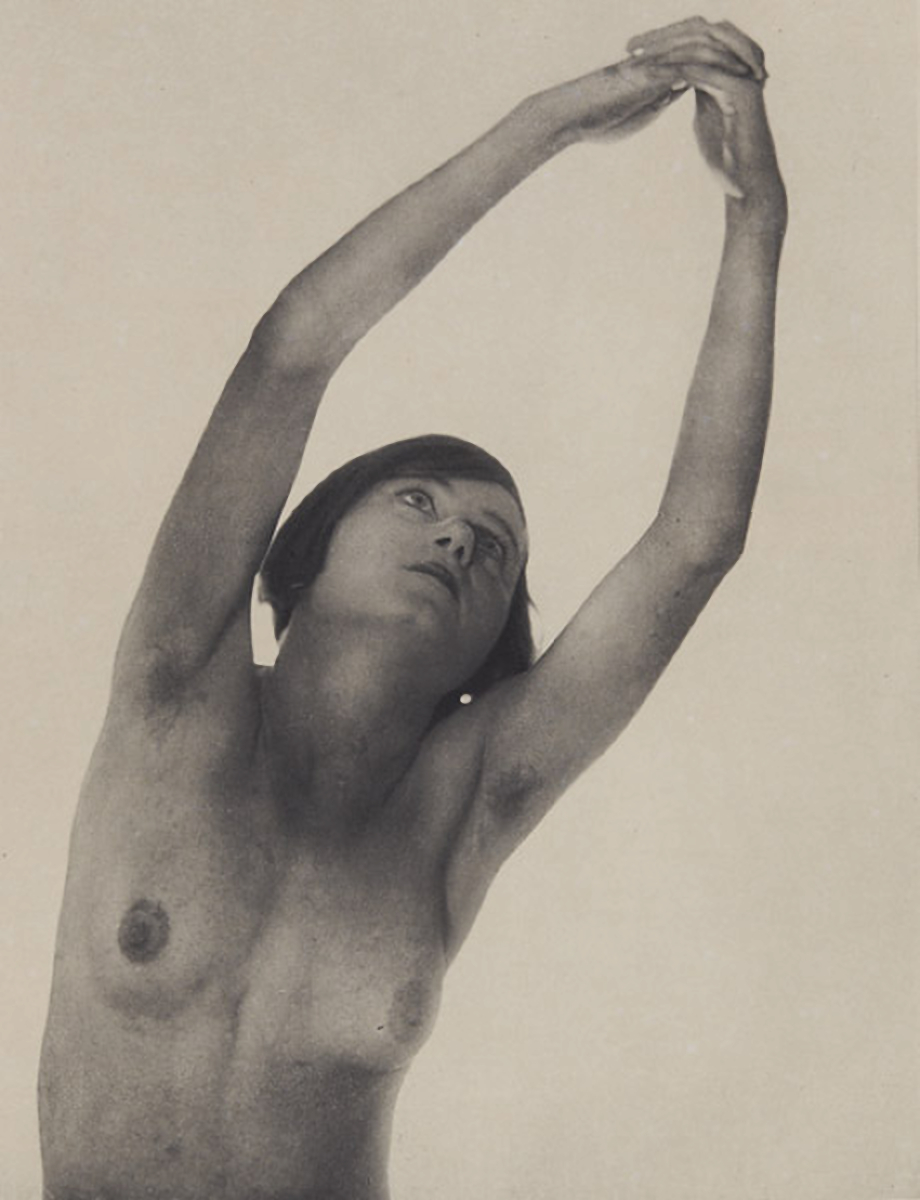
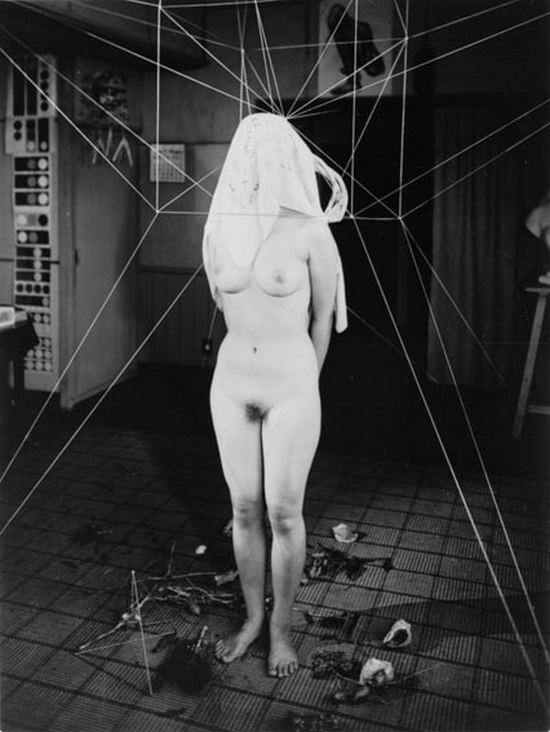
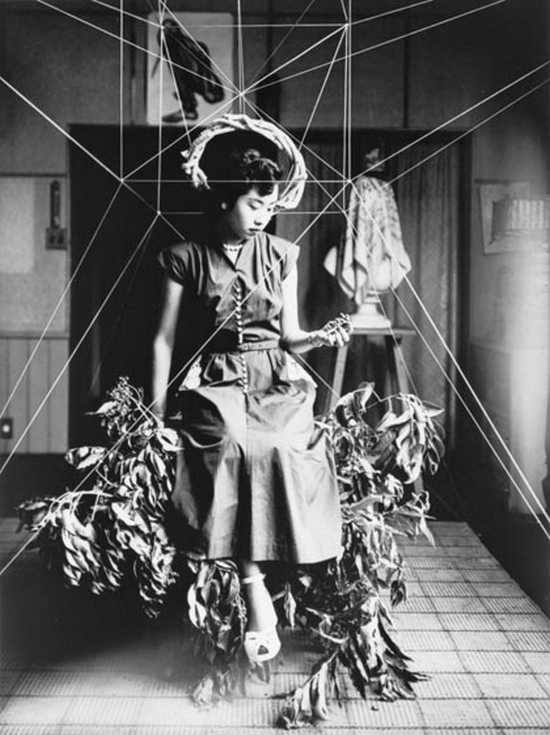
Marta Astfalck-Vietz, No.20 Self-Portrait, no date

Marta Astfalck-Vietz, No.20 Self-Portrait, no date

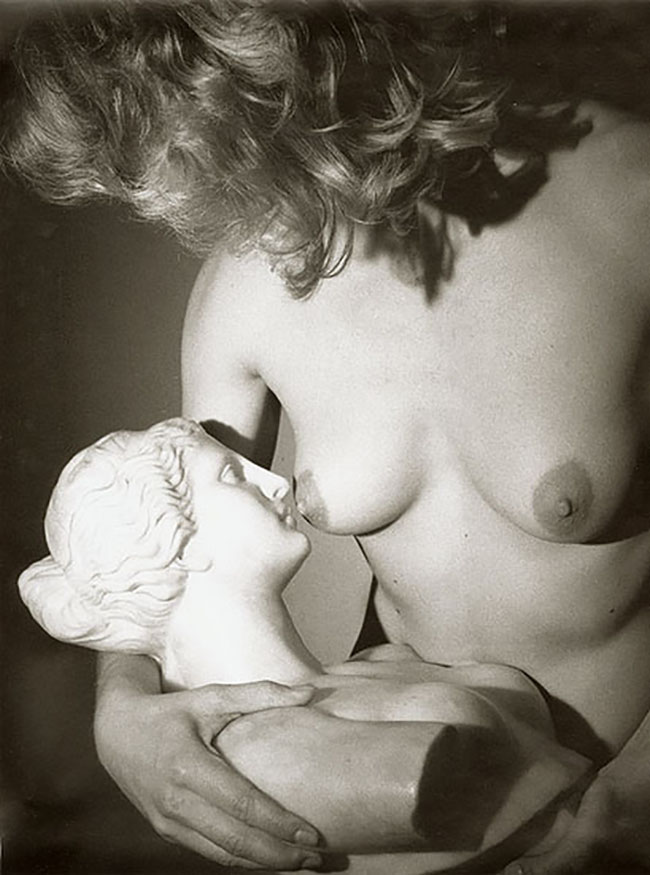
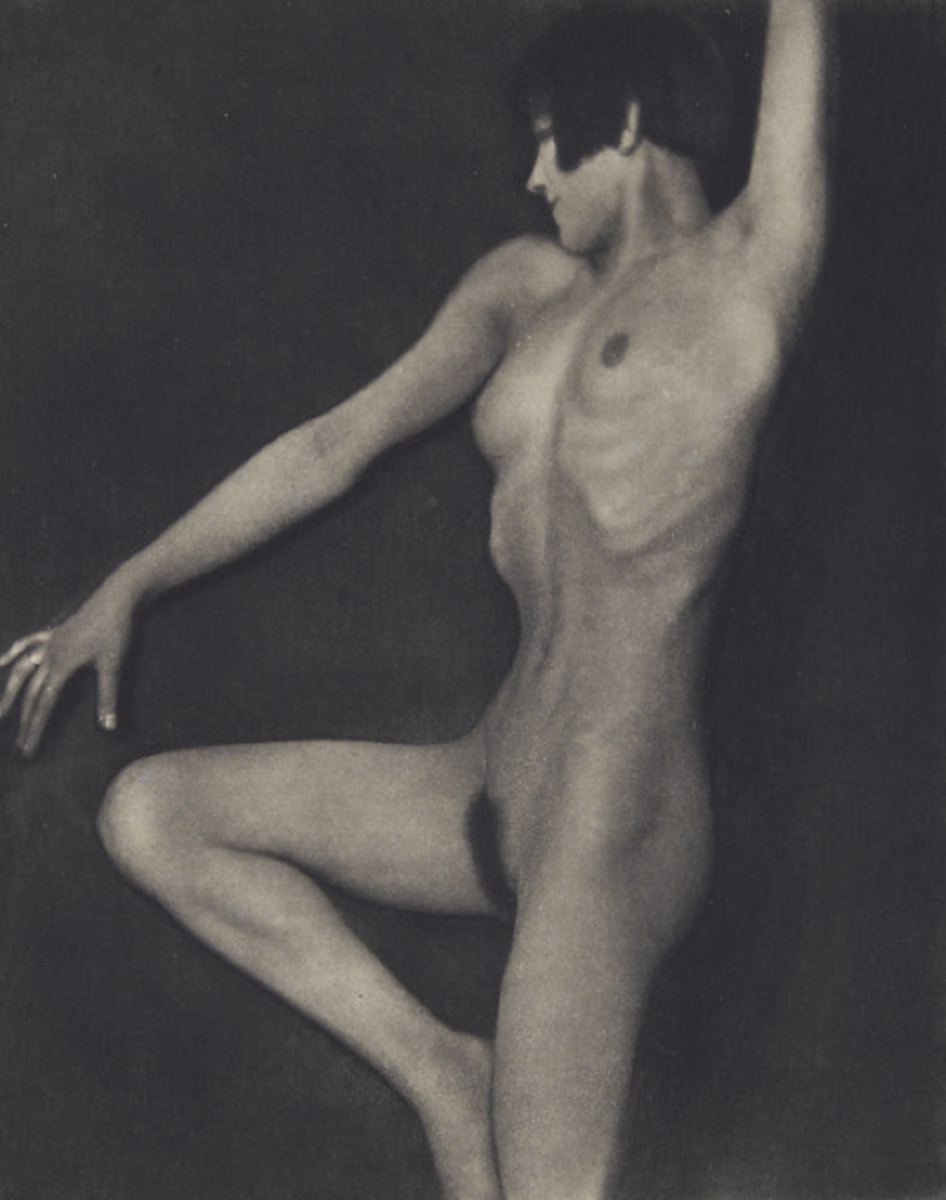
Marta Astfalck- Vietz- Experimental dance, Berlin, 1931

Marta Astfalck- Vietz- Experimental dance, Berlin, 1931

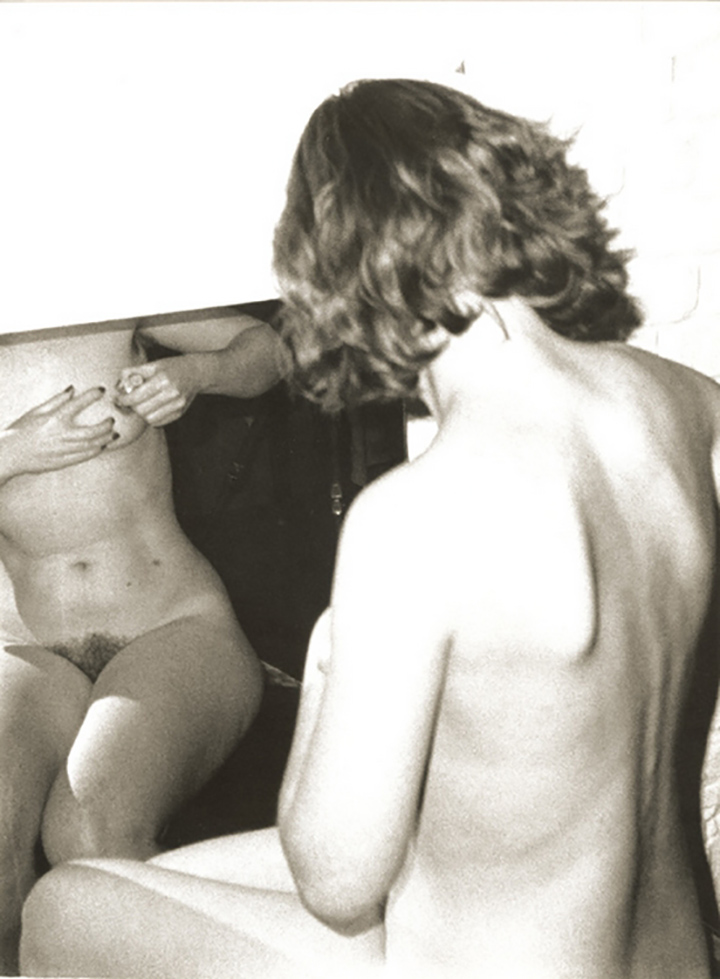
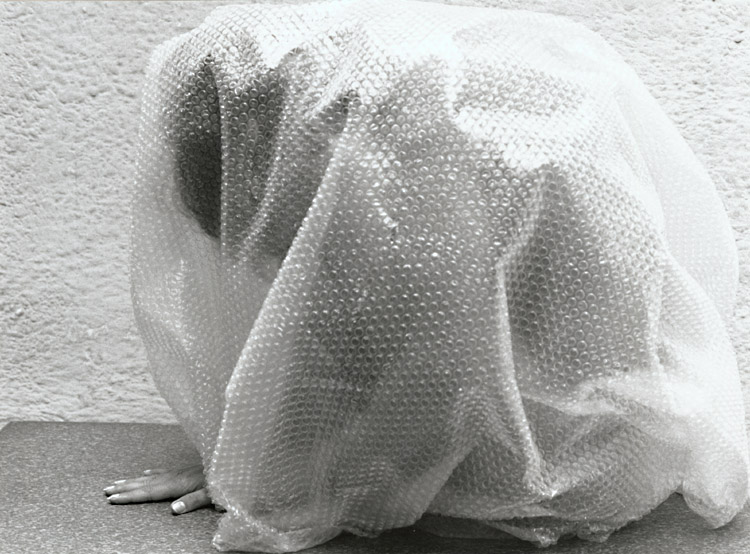
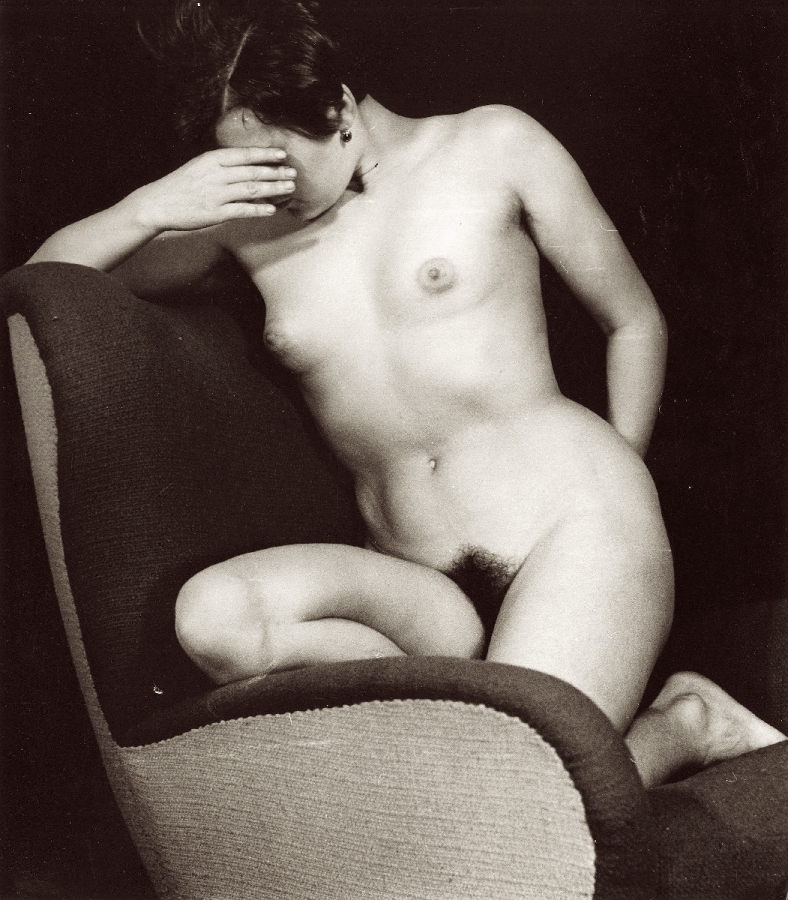
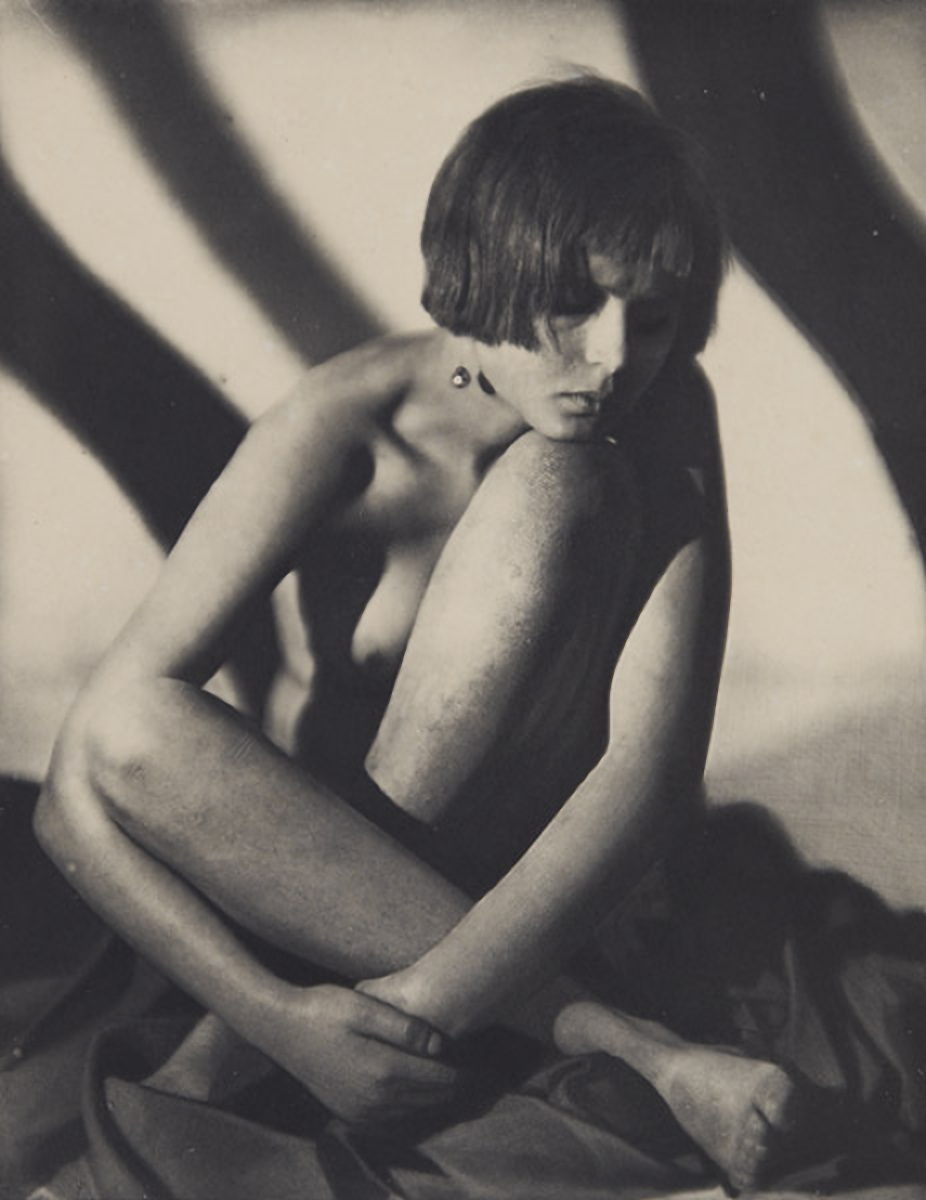
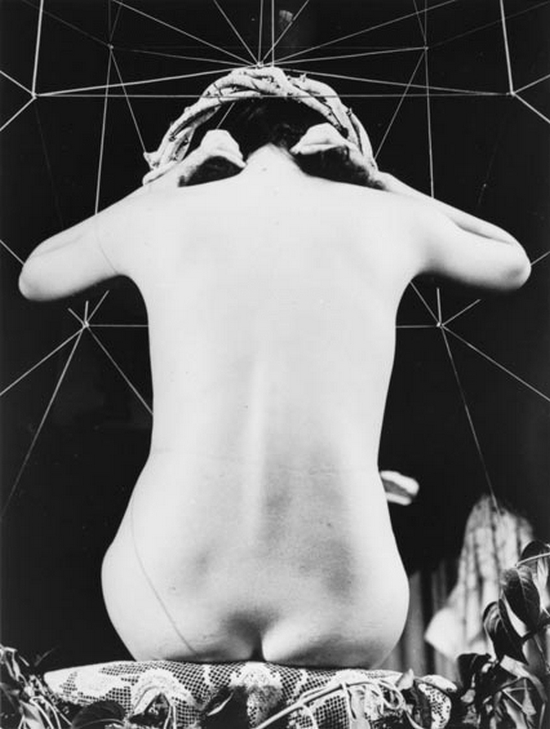
Marta Astfalck- Vietz- Untitled,Sel- portrait, nd

Marta Astfalck- Vietz- Untitled,Sel- portrait, nd

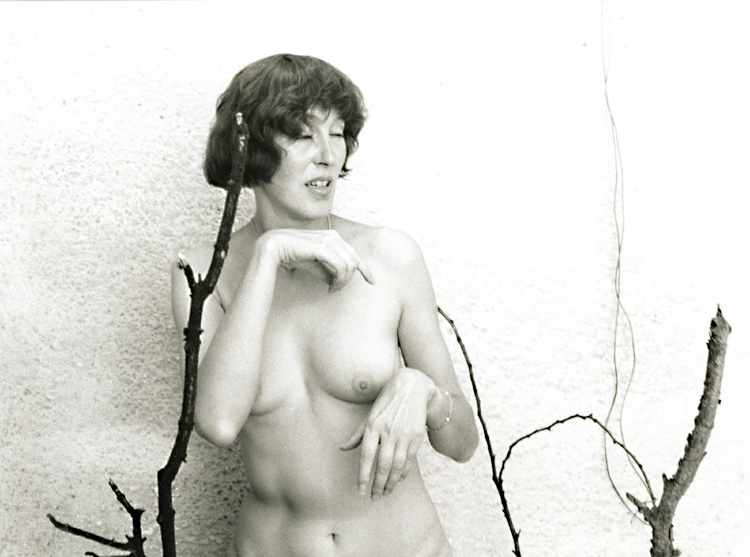
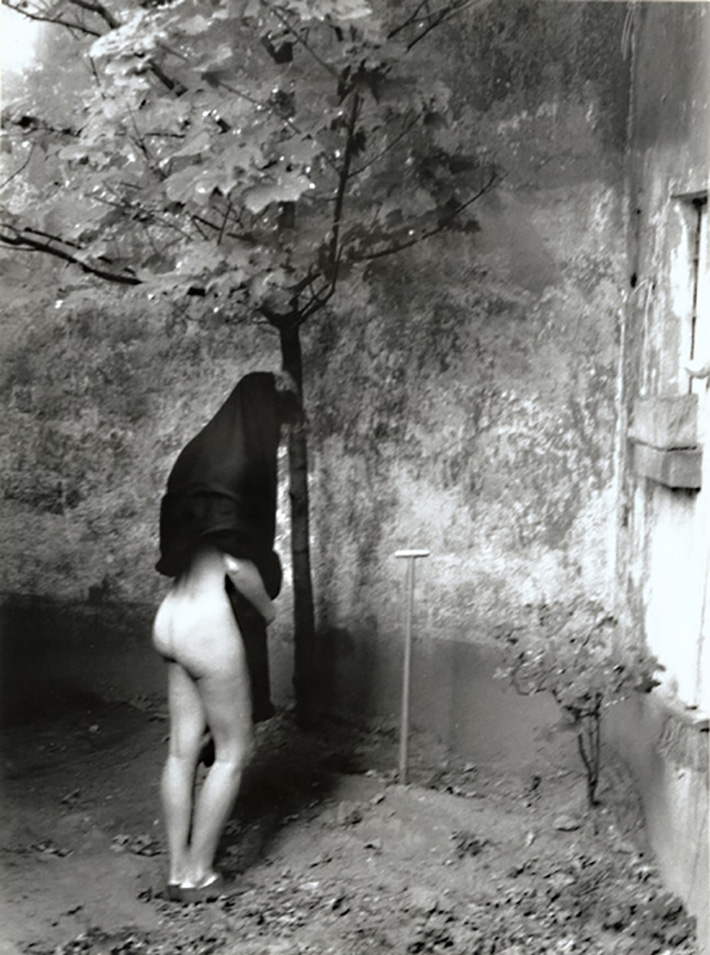
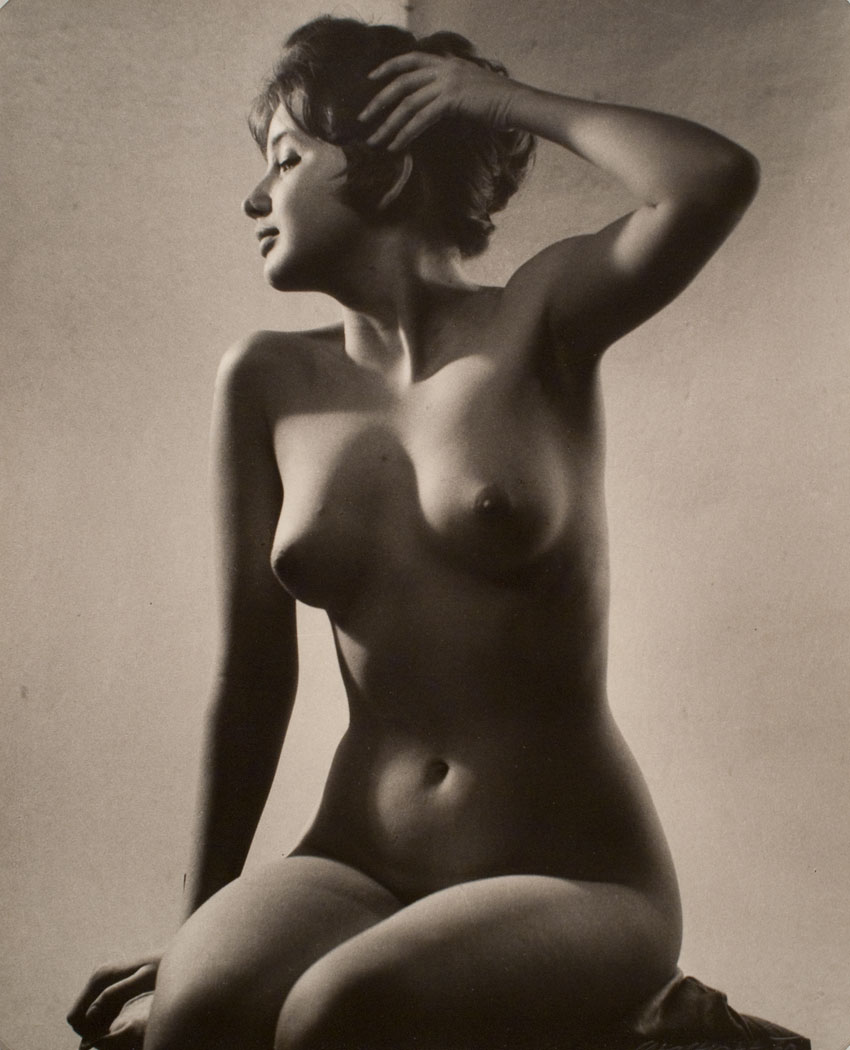
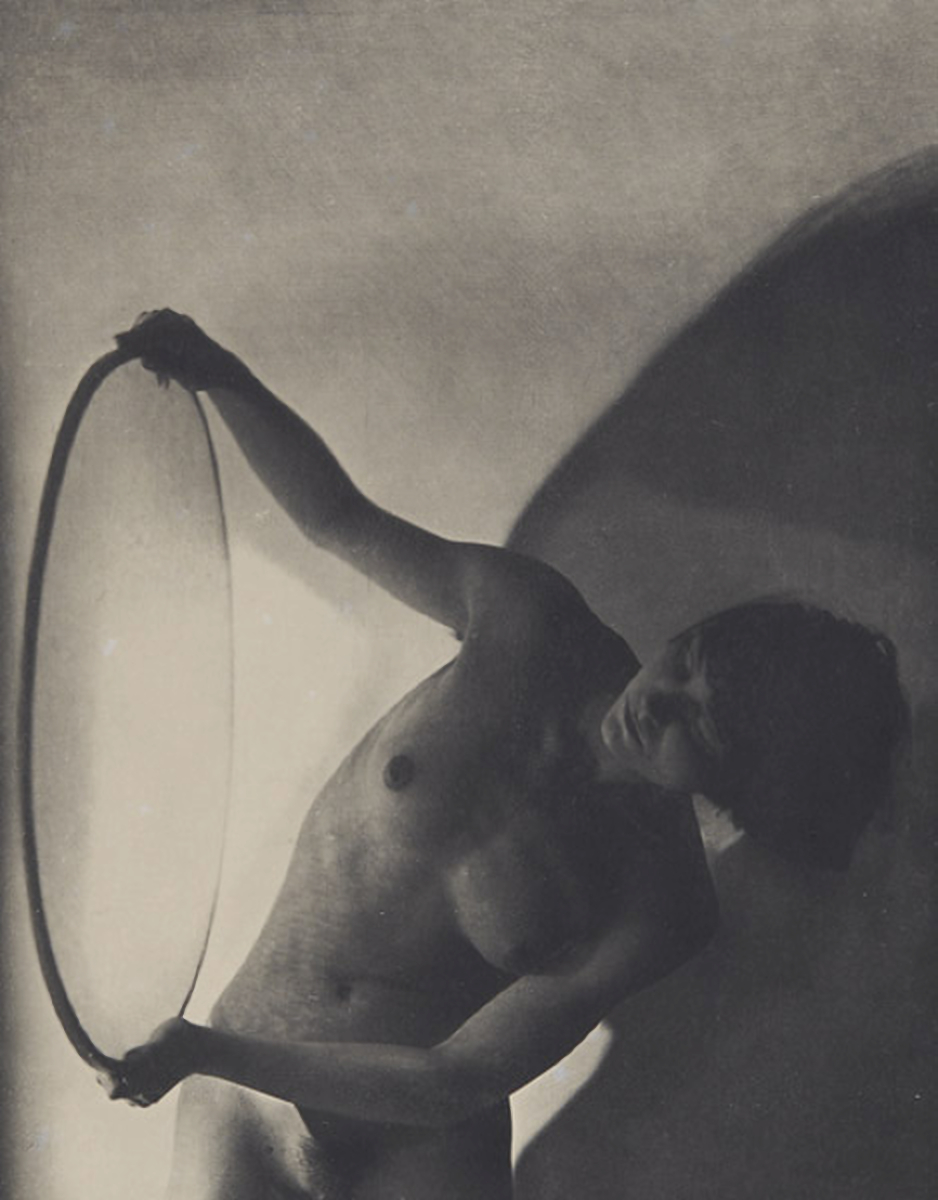
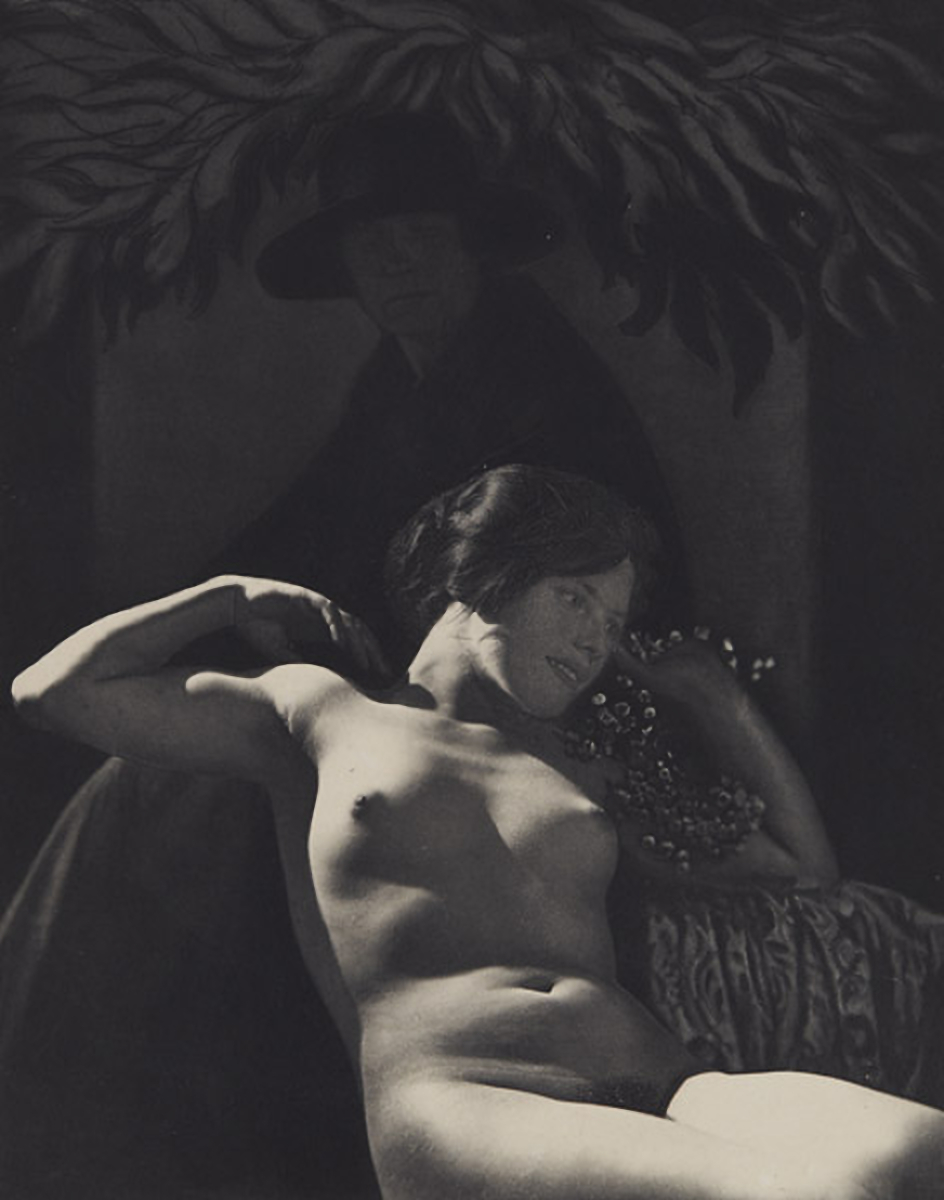
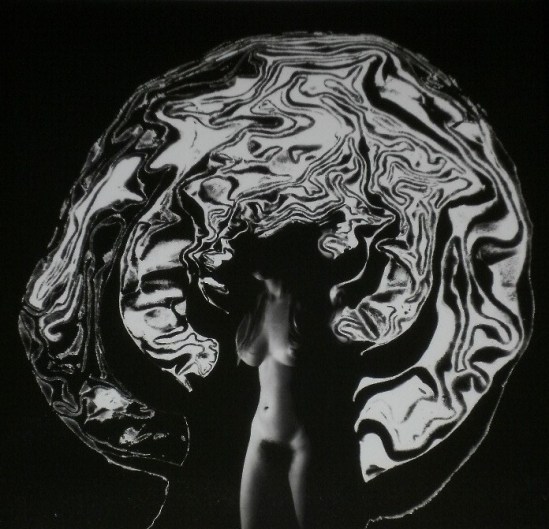
Marta Astfalck Vietz-Self portrait standing nude in black halo, 1930s

Marta Astfalck Vietz-Self portrait standing nude in black halo, 1926

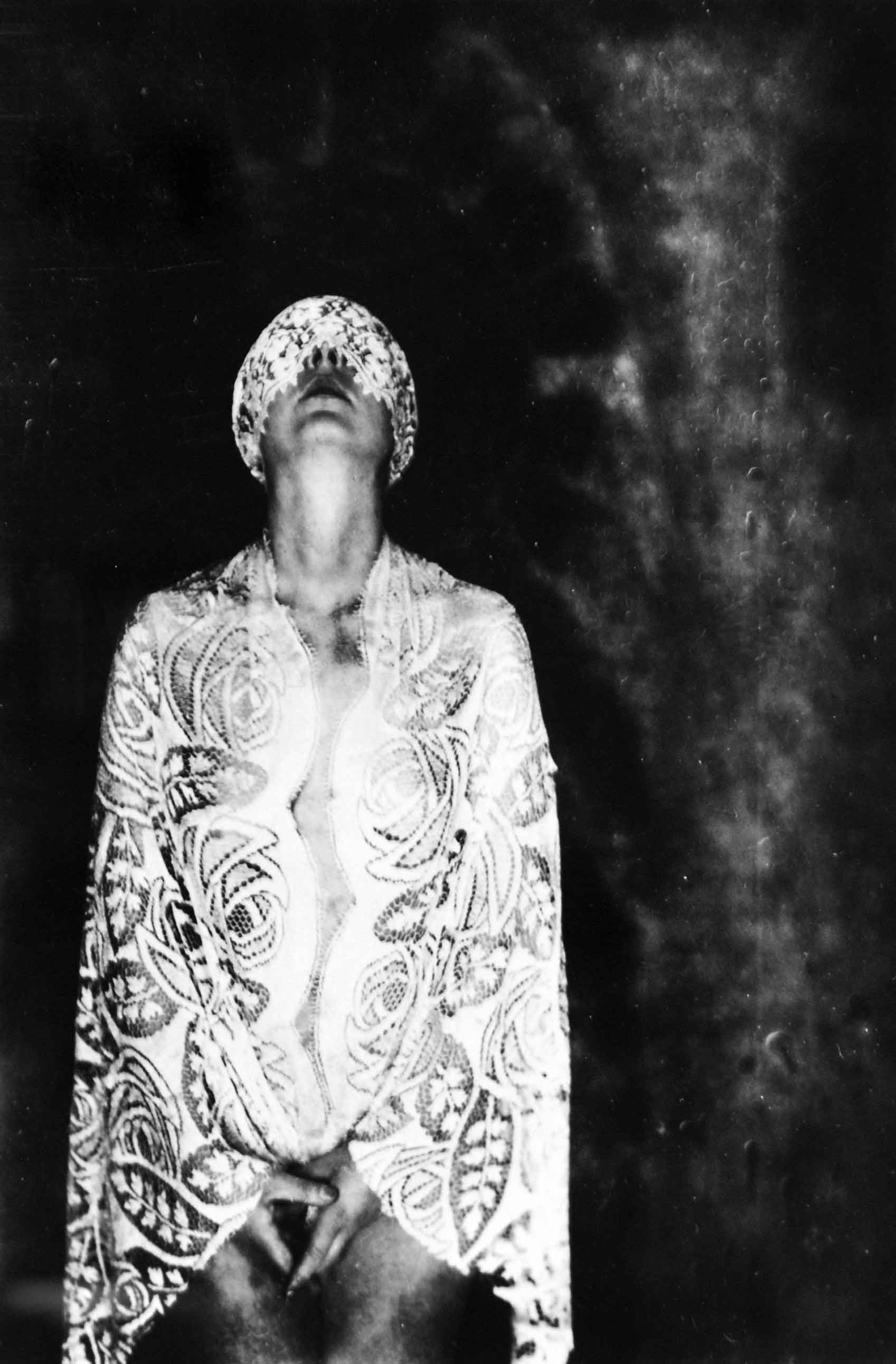
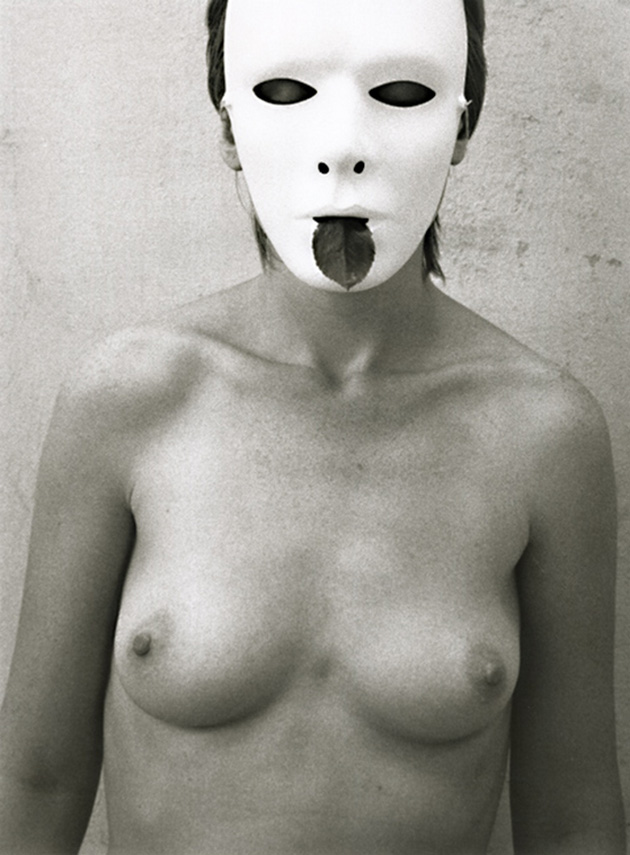
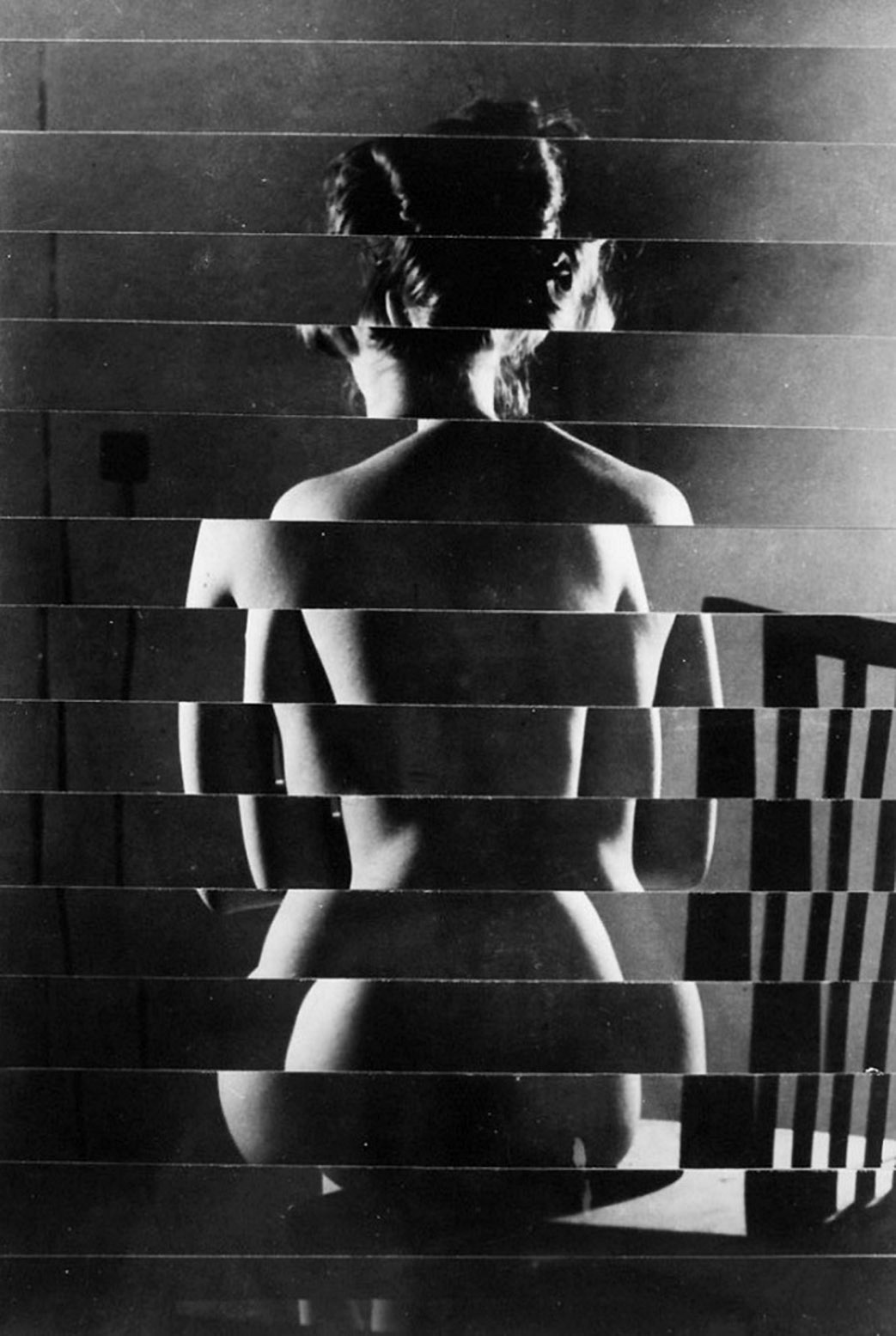
Marta Astfalck Vietz- photography, 1930s ( nude masked ) cover of the catalog Photographien 1922-1935 [Ausstellungskatalog], by Berlinische Galerie, 1991

Marta Astfalck Vietz- photography, 1930s ( nude masked ) cover of the catalog Photographien 1922-1935 [Ausstellungskatalog], by Berlinische Galerie, 1991

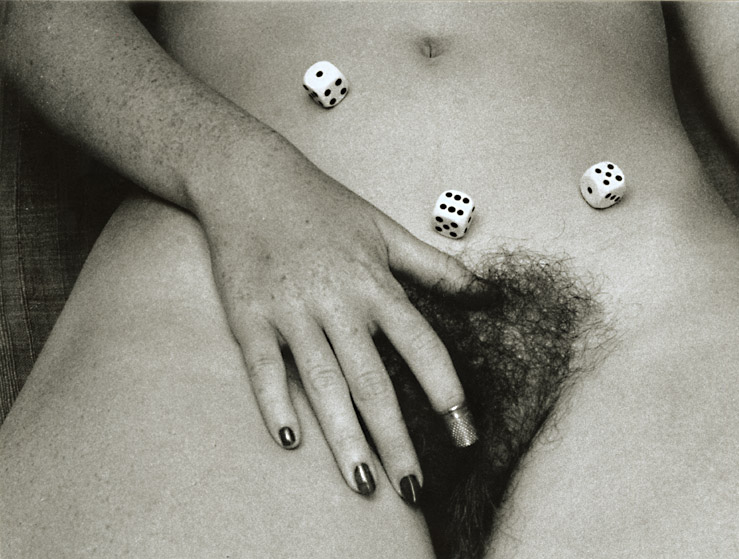
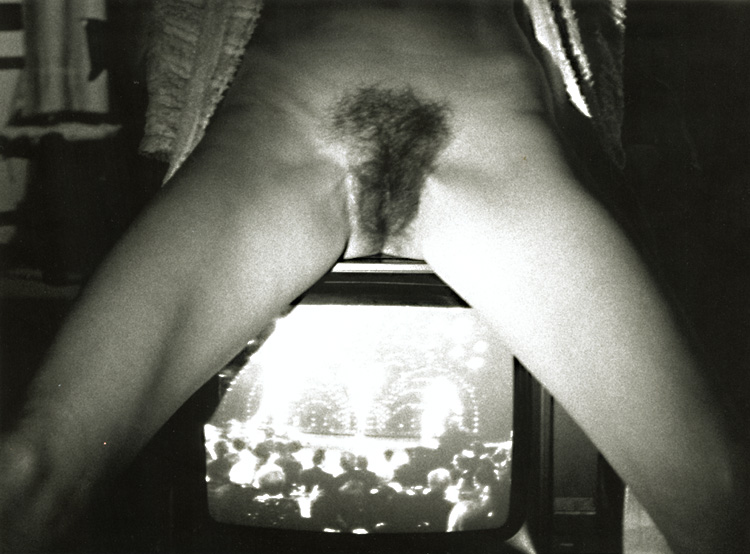
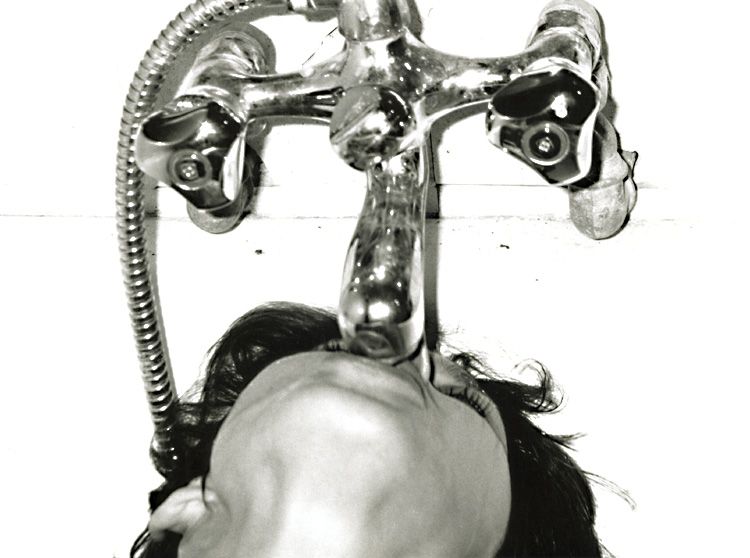
Marcel Mariën ( 1920-1993)

Posté Par Kate

« Les conséquences de ce qu’on ne fait pas sont les plus graves. »MM

 Marcel Mariën provocateur, libre, libertin, poétique , aimant les aphorismes à en crever,  ne se revendiquant de rien sinon d’une désobéissance viscérale, et se présentant  comme le père fondateur de la « Théorie de l’emmerdement maximal » ( abosulemnt fabuleux, n’est-il pas !!!) . Le faussaire surréaliste belge Marcel Mariën. Ecrivain, poète, essayiste, éditeur, photographe, cinéaste, historien du surréalisme, créateur de collages et d’objets insolites, est né à Anvers. il est La figure du Surréalisme Belge. Je ne vous refais pas sa biographie ni ne vous fais un copier coller de  sa Bio sur wilkipedia, car l’article est très complet et je n’en sais pas plus ce l’auteur

Je me concentre aujourd’hui plutôt sur les photographies qu’il a réalisées dans les années 8à, mais vous présentent quelques collages et extraits de correspondance qui font l’objet d’un autre article. [ correspondances part I correspondance ici. ]

Pour ce qu’il en est de L’Imitation du cinéma [un des seuls films qui puisse être qualifié de surréaliste après Le Chien andalou et L’Age d’or, qualifié de «  film ignoble et infâme « , par La centrale catholique, 1960 à sa sortie] vous trouverez de très bons sites en cherchant sur le net. aujourd’hui ce n’était pas notre propos mais je vous conseille celui- ci  et  je vous conseille le livre L’Imitation du cinéma Histoire d’un film ignoble ,Éd. La Maison d’à côté et vous pouvez le télecharger gratuitement sur les plateformes de télechargements ici par exemple ( c’est pas bien légal… mais)

Ceux qui devraient se regarder un peu le sexe dans un miroir pour voir si Freud mon compagnon de travail leur dit quelque chose… « Oh Miroir mon beau miroir quelle identité ai-je donc? qui suis-je? Est-ce mon sexe et donc mon narcissisme qui est bien le centre du monde? Pourquoi donc tant d’engouement soudain pour des figures dont on avait évoqué l’existence jusqu’à ces derniers jours? pourquoi , oui pourquoi? on reste dans le ton de ce  maître-farceur de premier calibre qu’était Marcel Marïen
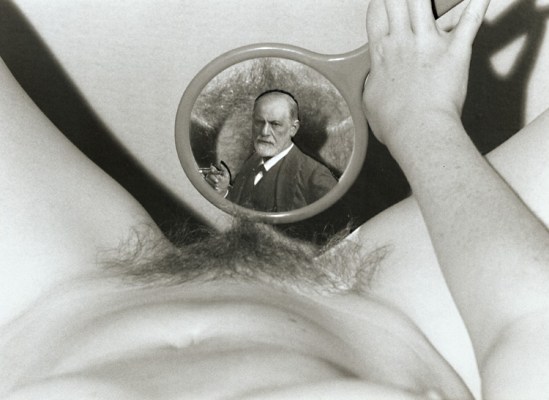
Marcel Marien - Le grillon du foyer, 1986

Marcel Marien – Le grillon du foyer, 1986
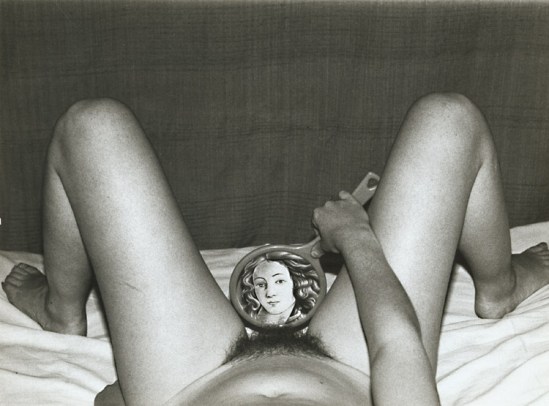
Marcel Marien - The Renaissance, 1980s

Marcel Marien – The Renaissance, 1980s
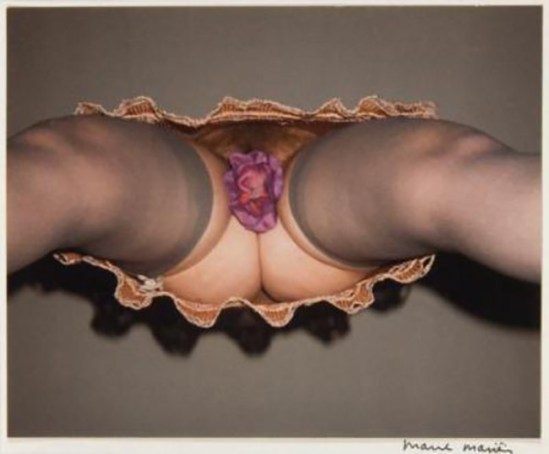
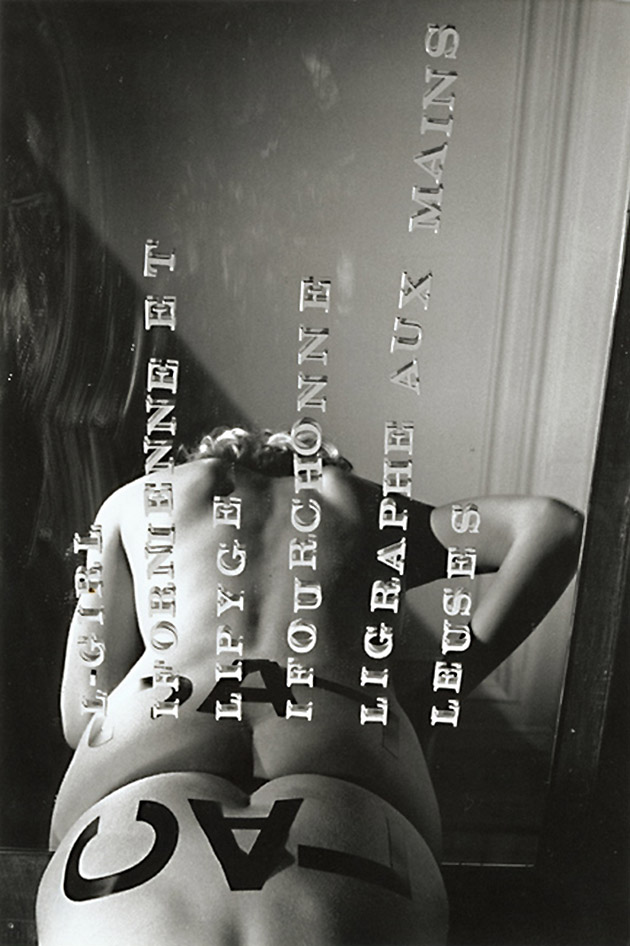
Marcel Mariën - La Cathédrale, 1980

Marcel Mariën – La Cathédrale, 1980

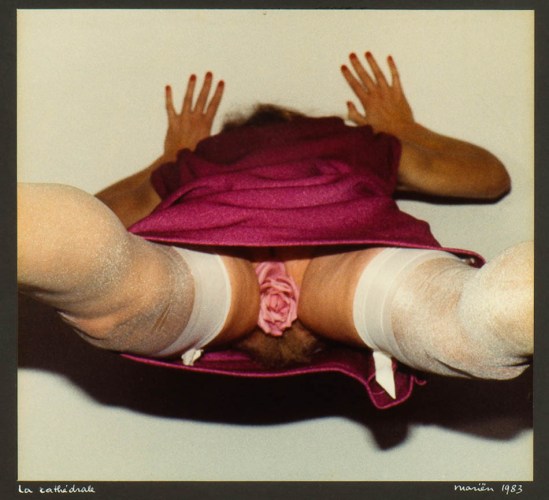
Marcel Mariën- La cathedrale, 1983
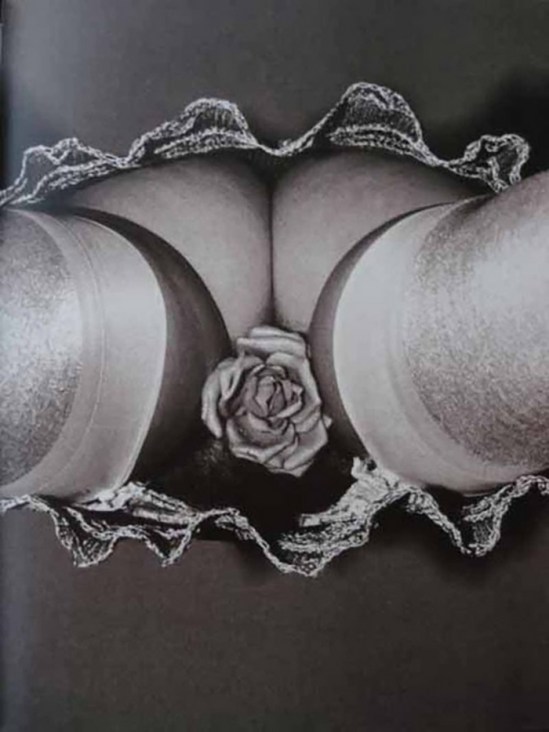
Marcel Mariën- La cathedrale, 1983

Marcel Mariën-la cathedrale 1983
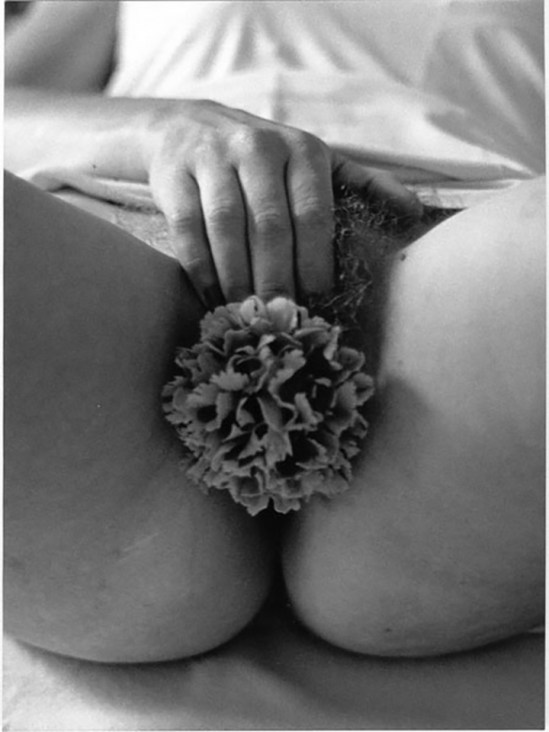
Marcel Mariën-la cathedrale 1983

Marcel Mariën-La pudeur, 1984

Marcel Mariën-La pudeur, 1984

Marcel Mariën -L'invitation au langage 1991

Marcel Mariën -L’invitation au langage 1991
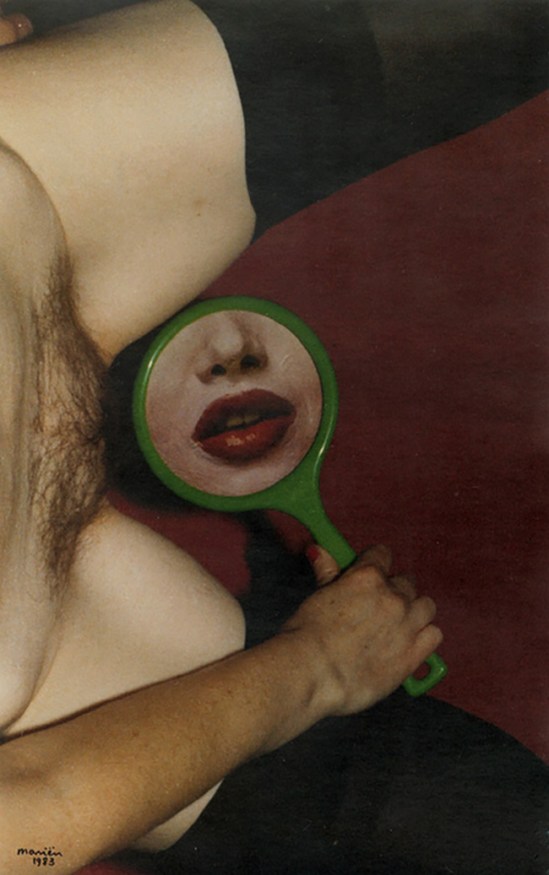
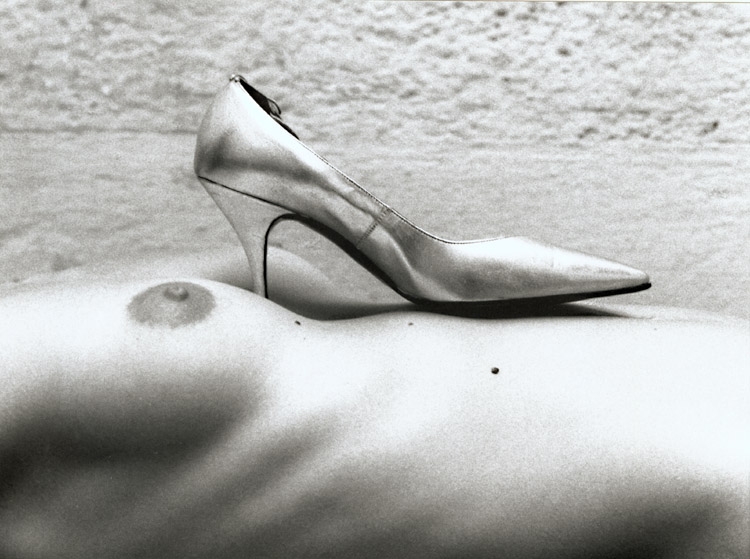
Marcel Marien - Mirror, Lips and Female Nude,1983

Marcel Marien – Mirror, Lips and Female Nude,1983

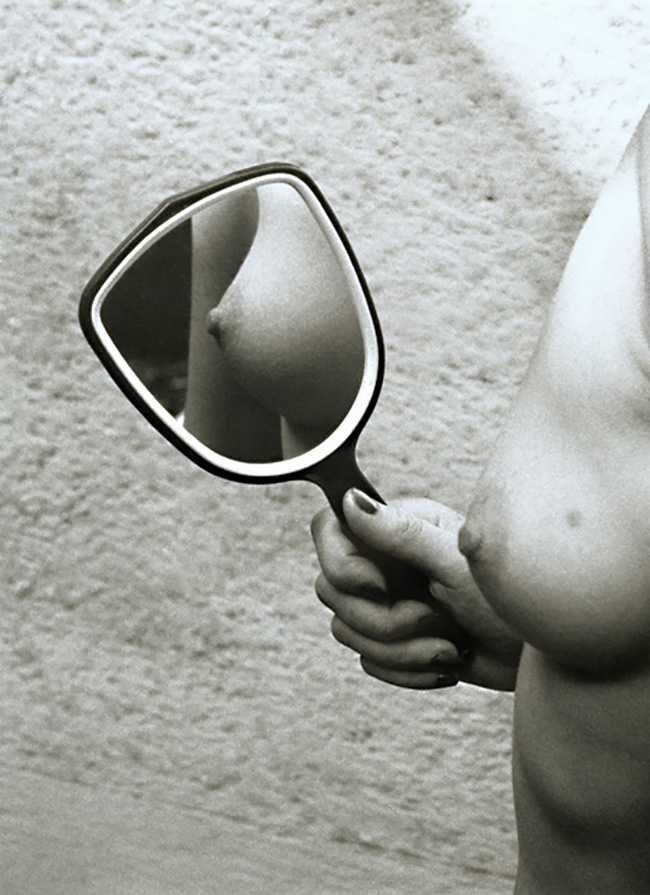
Marcel Marien, Le miroir savant,1980

Marcel Marien, Le miroir savant,1980

Marcel Marien -Projet de Crime Plus ou Moins Sadique (More or Less Sadistic Crime Project),1992
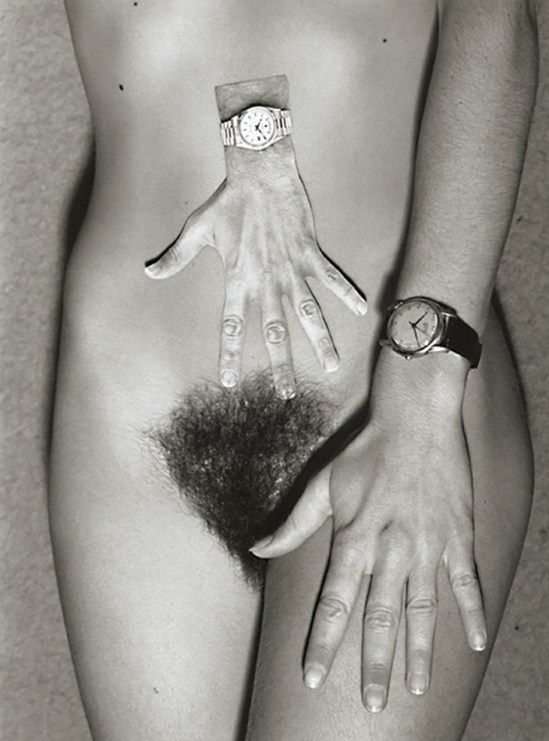
Marcel Marien -Projet de Crime Plus ou Moins Sadique (More or Less Sadistic Crime Project),1992

Marcel Marien -Le Rendez-vous (The Appointment) ,1986

Marcel Marien -Le Rendez-vous (The Appointment) ,1986

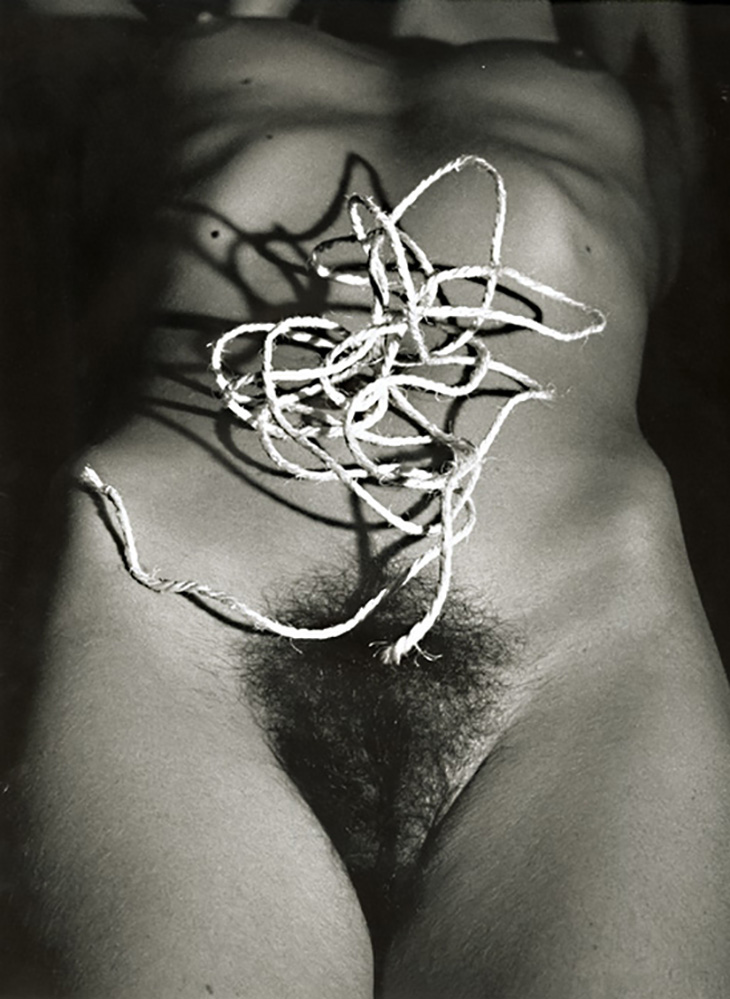
Marcel Marien -Le fil de la vierge, 1985

Marcel Marien -Le fil de la vierge, 1985

Marcel Marien -Le chant du désert, 1985

Marcel Marien -Le chant du désert, 1985

Marcel Marien - The Self Taught, 1980s

Marcel Marien – The Self Taught, 1980s
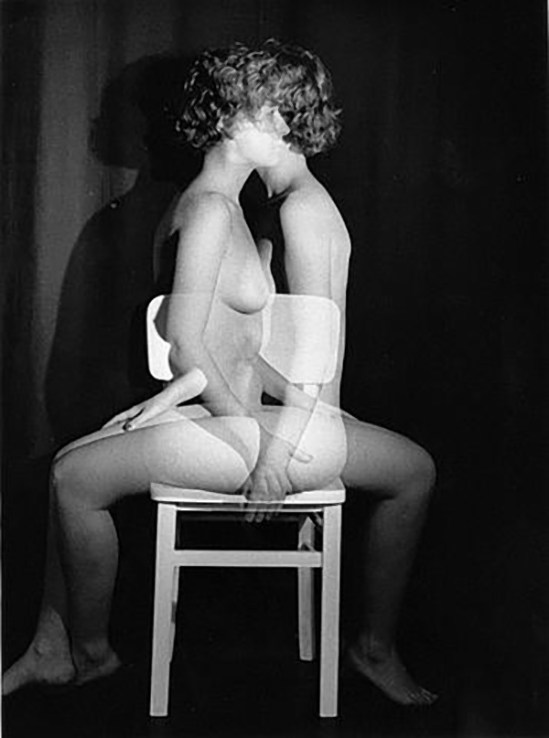
Marcel Marien -Les passagères (miroir charme) ,1987
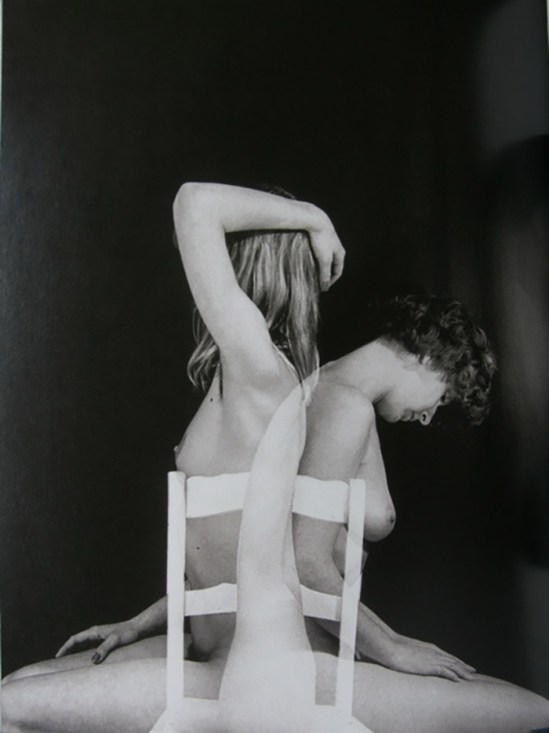
Marcel Marien -Les passagères (miroir charme) ,1987

Marcel Mariën - Le Ressentiment, 1986

Marcel Mariën – Le Ressentiment, 1986

Marcel Mariën -La séparation 1986
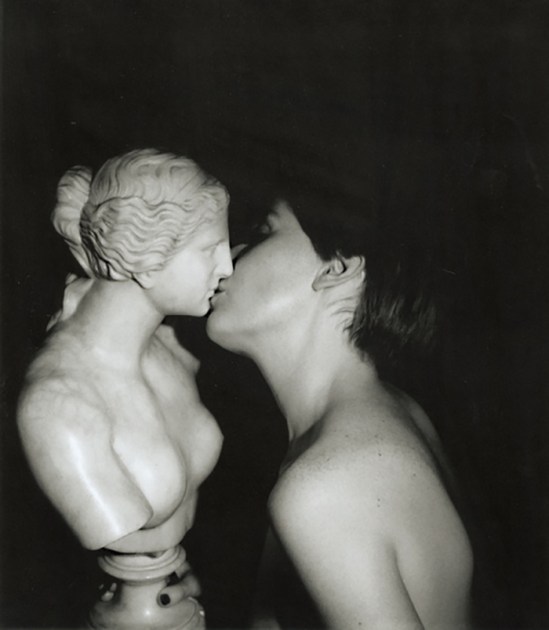
Marcel Mariën -La séparation 1986

Marcel Marien -Le tribut ,1985

Marcel Marien -Le tribut ,1985

Marcel Marien - La Madone de Milo 1983

Marcel Marien – La Madone de Milo 1983
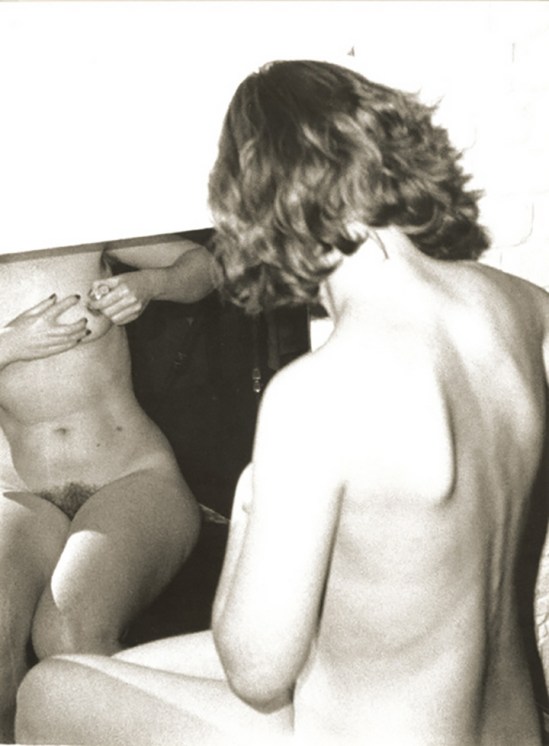
Marcel Marien -Le modèle rougissant, 1987

Marcel Marien -Le modèle rougissant, 1987

Marcel Mariën - Le double usage, 1992

Marcel Mariën – Le double usage, 1992
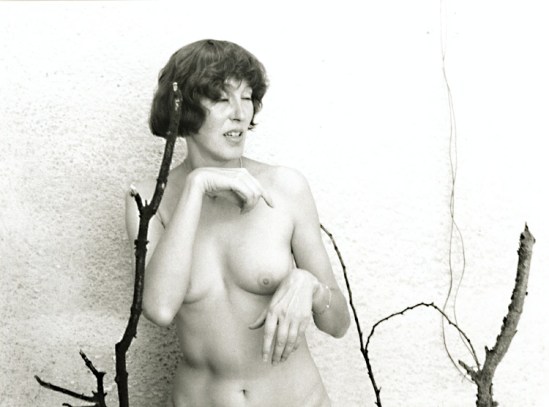
Marcel Marien - Le commencement de la suite, 1991

Marcel Marien – Le commencement de la suite, 1991

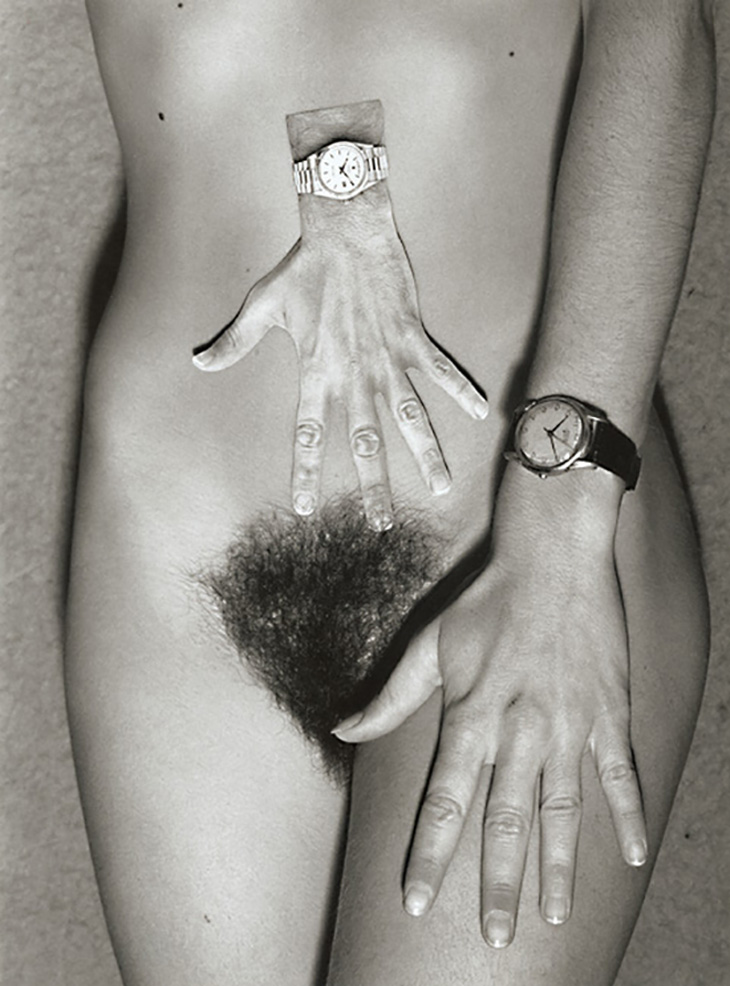
Marcel Marien - Hands, 1980s

Marcel Marien – Hands, 1980s

Marcel Marien - Entrer chair et terre 1991

Marcel Marien – Entrer chair et terre 1991
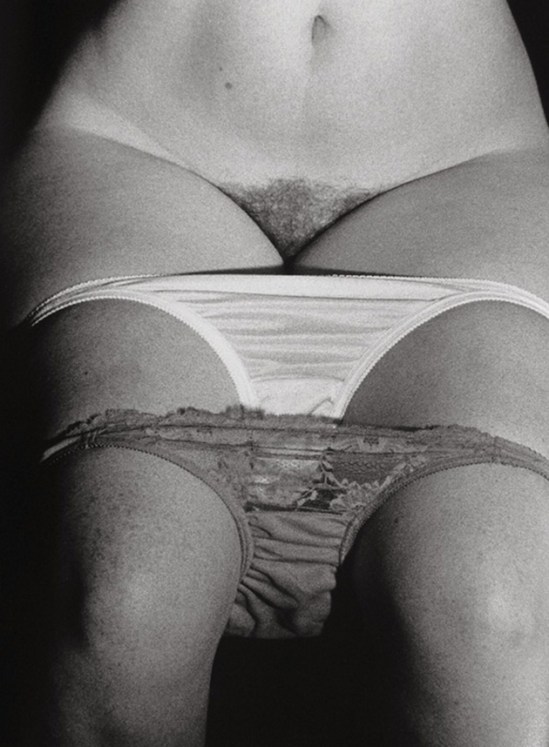
Marcel Marien - Double Underwear 1980s

Marcel Marien – Double Underwear 1980s

Marcel Marien - Underwear on Head 1980s

Marcel Marien – Underwear on Head 1980s
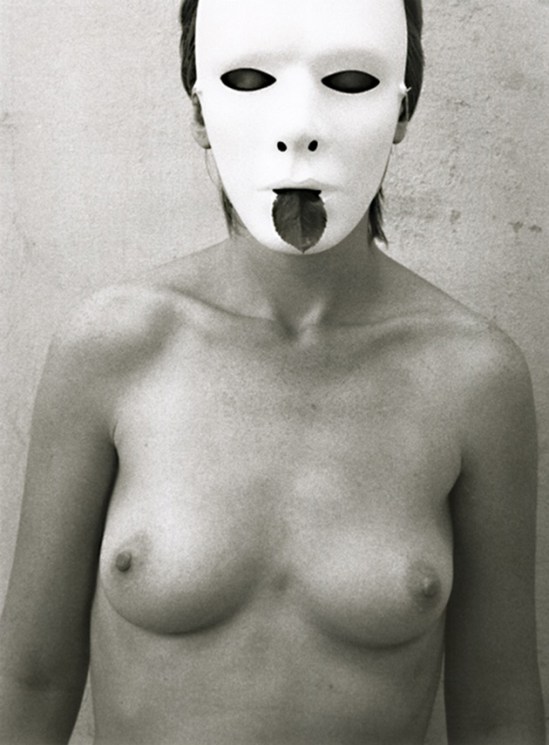
Marcel Marien - The Coarse Tongue, 1983

Marcel Marien – The Coarse Tongue, 1983

Marcel Mariën - La lecture défendue, 1983

Marcel Mariën – La lecture défendue, 1983

Marcel Marien - Alice Devenue Grande (Alice Becomes Large), 1983

Marcel Marien – Alice Devenue Grande (Alice Becomes Large), 1983

Marcel Marien - Haircut, 1980s

Marcel Marien – Haircut, 1980s

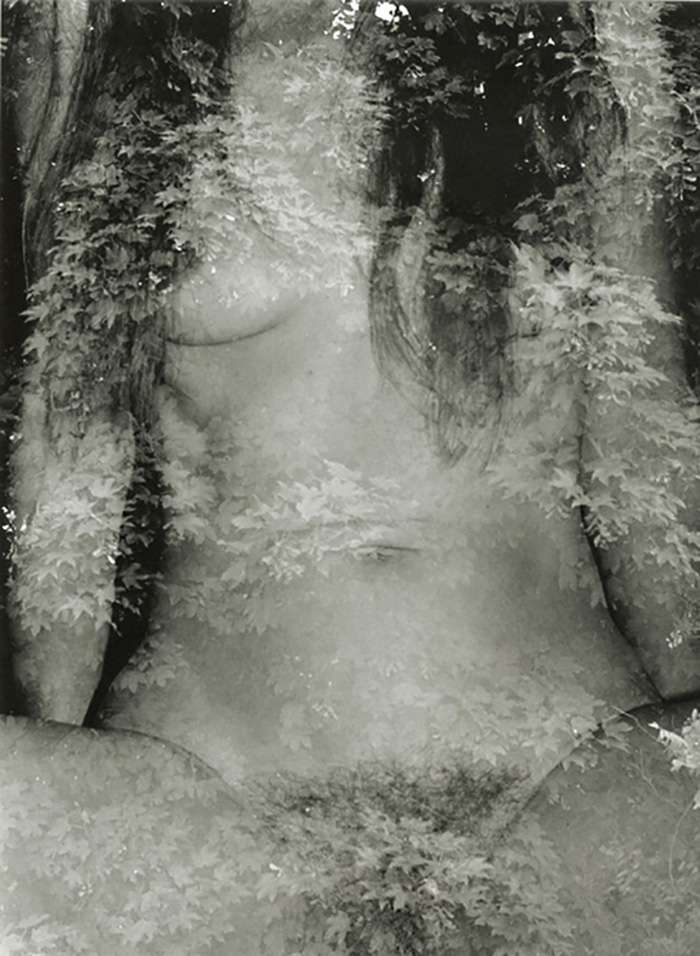
Marcel Marien - The Friendly Wood, Female Nude (Double-Exposure), 1980s
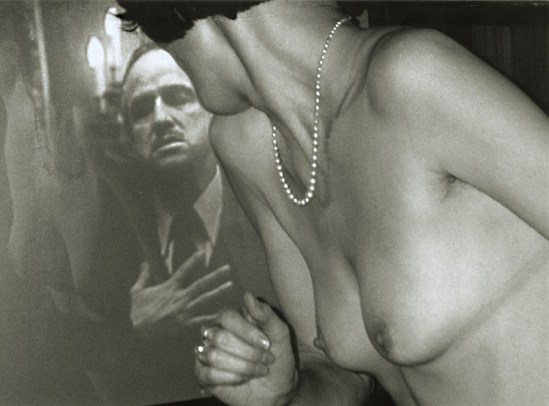
Marcel Marien – The Friendly Wood, Female Nude (Double-Exposure), 1980s

Marcel Marien - Charme des malentendu, 1991

Marcel Marien – Charme des malentendu, 1991

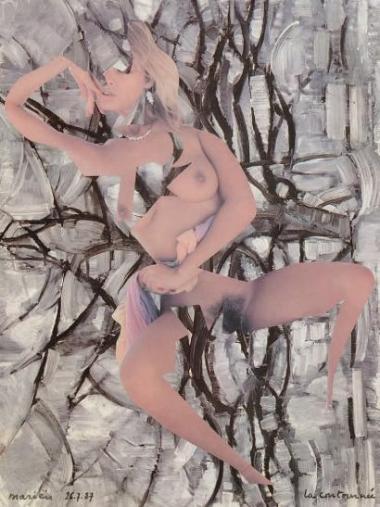
Marcel Marien - Untitled (Nude and Mesh)1985

Marcel Marien – Untitled (Nude and Mesh)1985
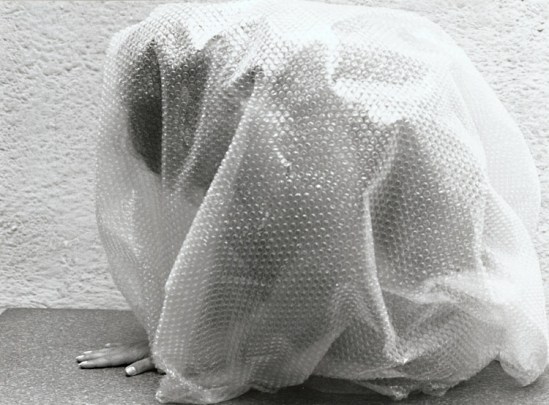
Marcel Mariën -L'absence de sens 1985

Marcel Mariën -L’absence de sens 1985
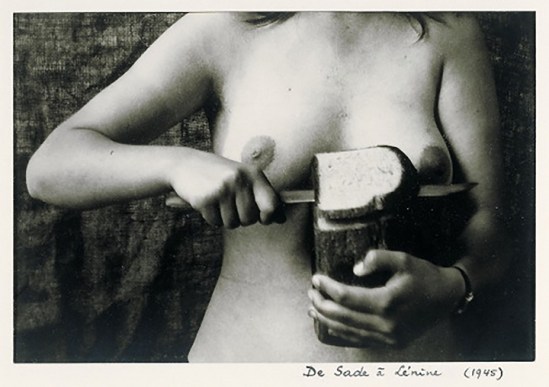
Marcel Mariën’-De Sade à Lénine, 1945

Marcel Mariën’-De Sade à Lénine, 1945

Marcel Mariën - La répétition ca. 1937

Marcel Mariën – La répétition ca. 1937

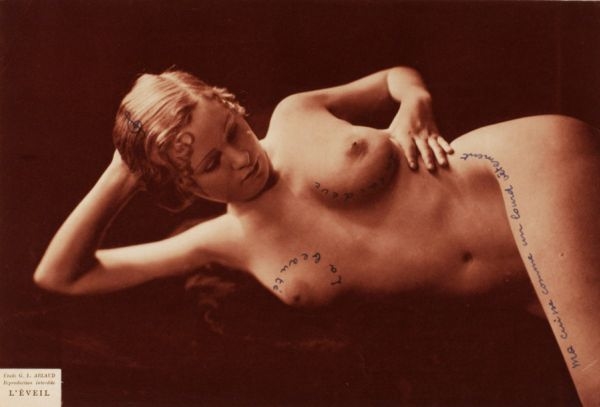
Marcel Marïen - l'eveil ,. 1950s via la FIAC

Marcel Marïen – l’eveil ,. 1950s

Marcel Mariën -Derriere le rideau fin de soleil. 1955.

Marcel Mariën - Les Mots Croises (The Words Cross) 1985
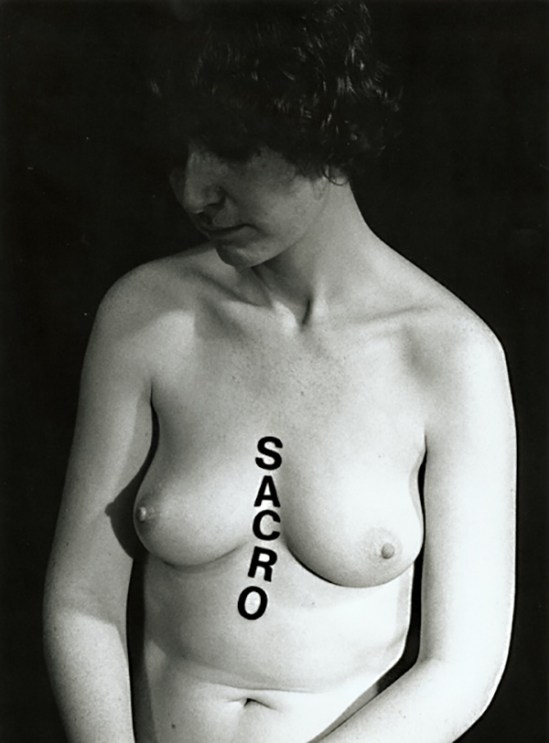
Marcel Mariën – Les Mots Croises (The Words Cross) 1985

Marcel Mariën - Le trait d' union 1986

Marcel Mariën – Le trait d’ union 1986

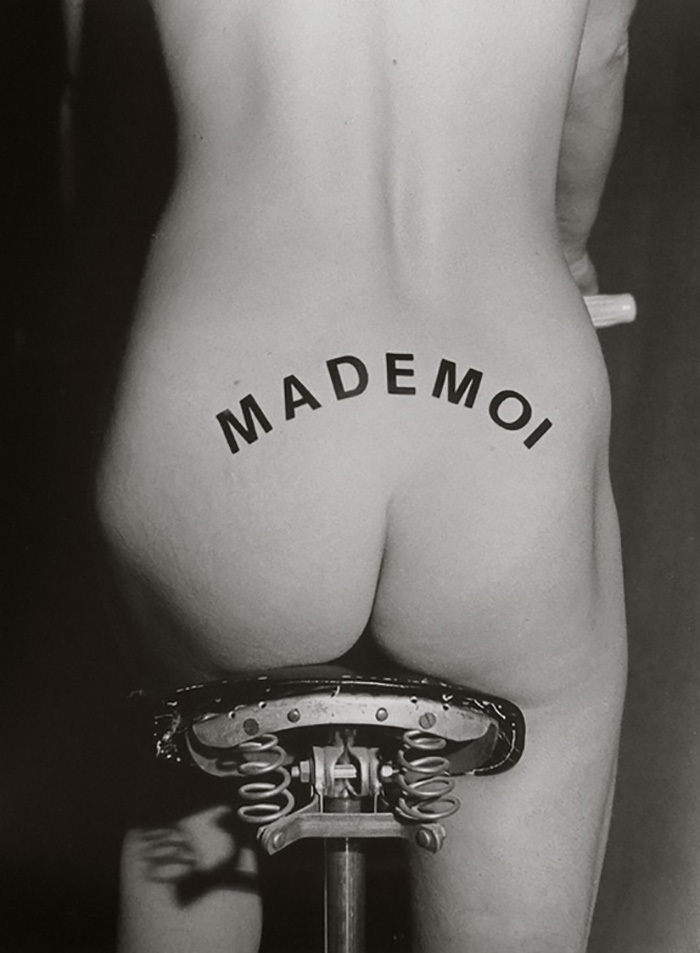
Marcel Marien -Mademoi (Female Nude on Bicycle),1980s

Marcel Marien -Mademoi (Female Nude on Bicycle),1980s

Marcel Marien - Anch'io son E.L.T. Mesens , 1985

Marcel Marien – Anch’io son E.L.T. Mesens , 1985

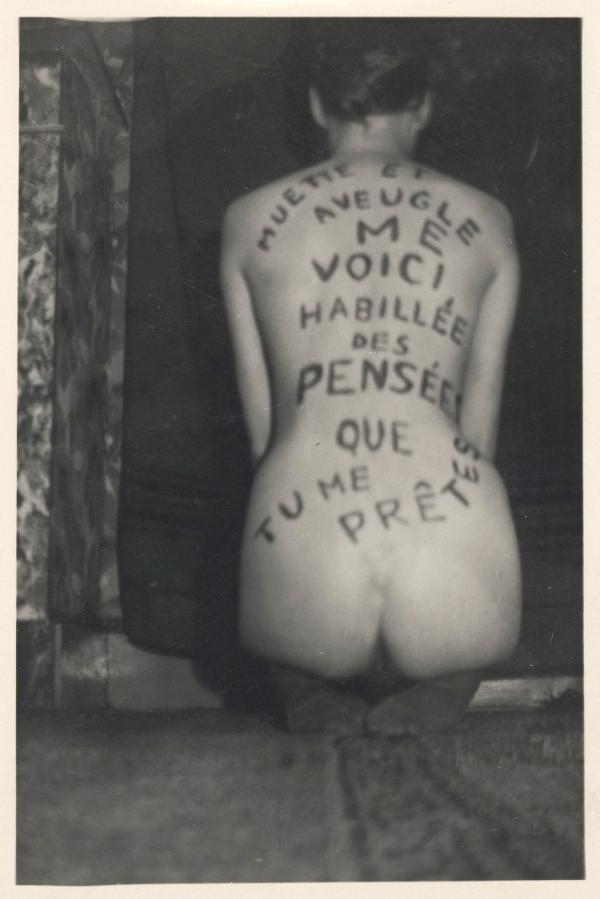
Marcel Marien - Muette et aveugle, 1945

Marcel Marien – Muette et aveugle, 1945

Marcel Mariën -L' établi du rêve 1983

Marcel Mariën -L’ établi du rêve 1983

Marcel Marien -Objet bouleversant 1985
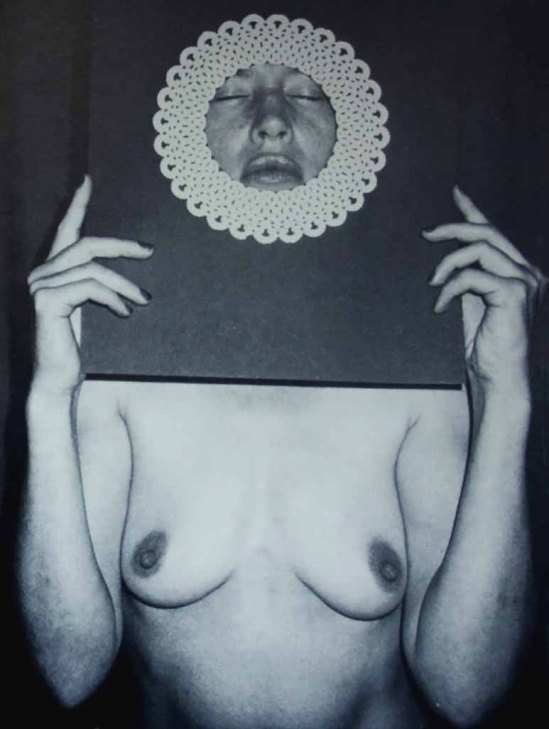
Marcel Marien -Objet bouleversant 1985

Marcel Mariën -from Erik Kessels - Paul Kooiker Terribly awesome photo books marecl marien
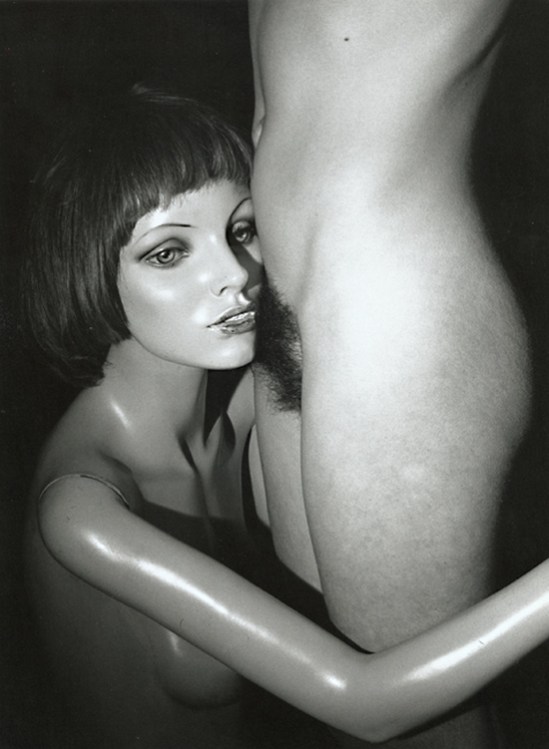
Marcel Mariën -from Erik Kessels – Paul Kooiker Terribly awesome photo books marecl marien

Marcel Marien -Marcel Marien - L'emmuree,1985

Marcel Marien -Marcel Marien – L’emmuree,1985

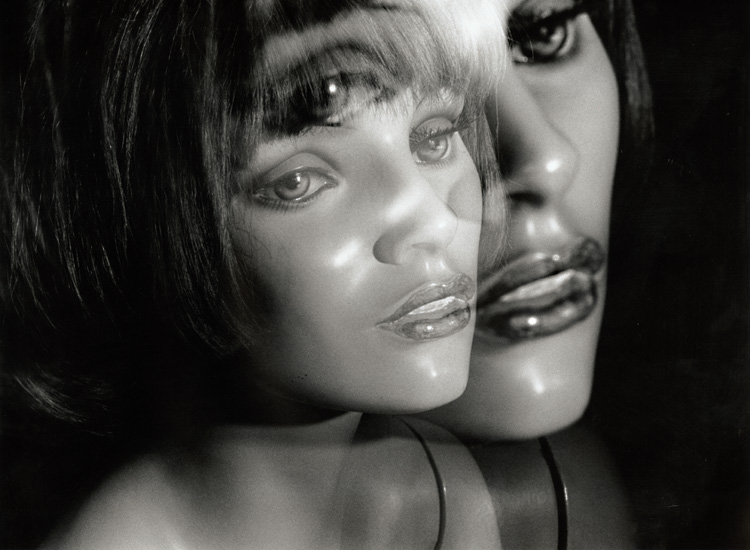
Marcel Marien -Mannequin (Multiple exposure),1980
Marcel Marien -Mannequin (Multiple exposure),1980

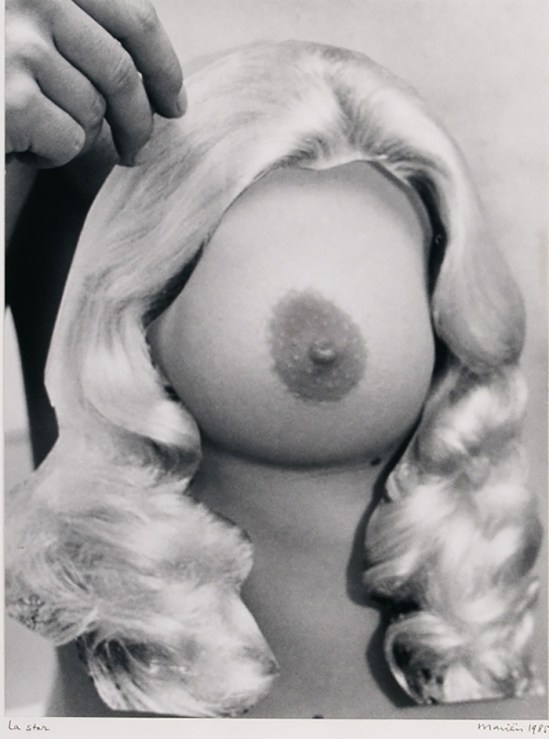
Marcel Marien -”La Star” Étonnante photo de montage d’une perruque sur un sein., 1985
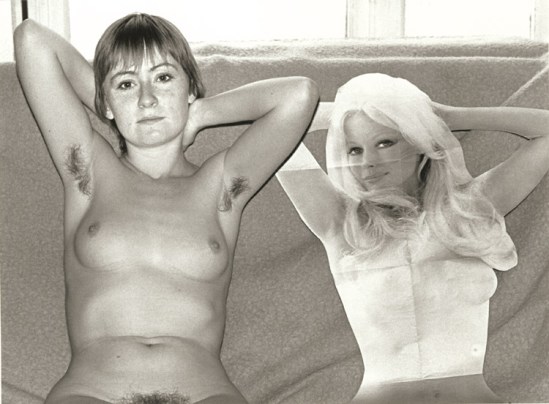
Marcel Marien -”La Star” Étonnante photo de montage d’une perruque sur un sein., 1985

Marcel Marien - Les proies 1985

Marcel Marien – Les proies 1985

Marcel Mariën -L'Empire d'Othello (The Empire of Othello) 1983

Marcel Mariën -L’Empire d’Othello (The Empire of Othello) 1983
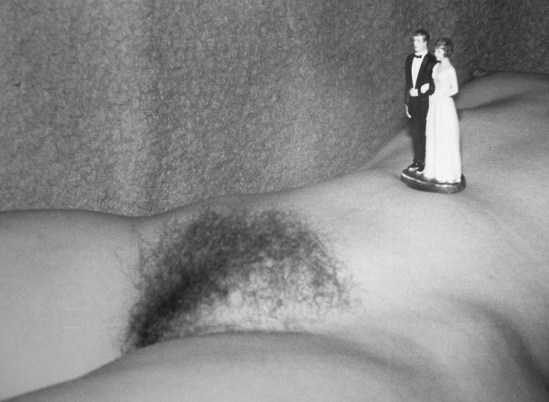
Marcel Mariën -Waste Land 1980s

Marcel Mariën -Waste Land 1980s

Marcel Mariën -The Giantess 1980s
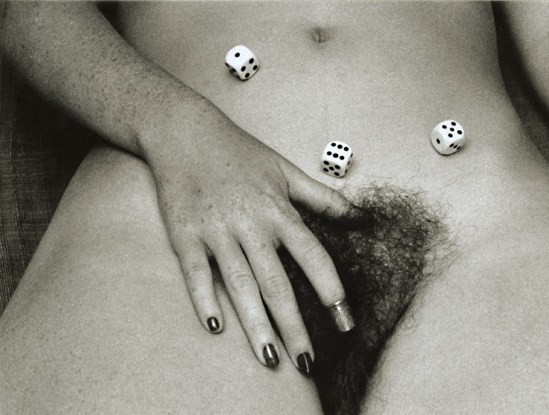
Marcel Mariën -The Giantess 1980s

Marcel Mariën - Le Jeu de l'Amour et du Hasard (The Game of Love and Chance) 1984

Marcel Mariën – Le Jeu de l’Amour et du Hasard (The Game of Love and Chance) 1984

Marcel Mariën -Porte et fracas 1990
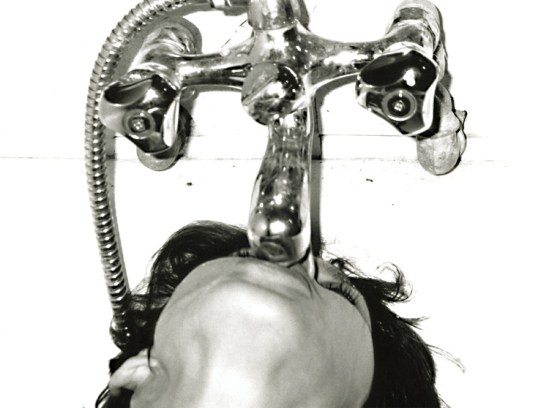
Marcel Mariën -Porte et fracas 1990

Marcel Mariën - La Goule 1991

Marcel Mariën – La Goule 1991

Marcel Mariën - The Celestial Works (La mécanique céleste) 1983

Marcel Mariën – The Celestial Works (La mécanique céleste) 1983

Marcel Marien - Le Fruit Defendu (The Forbidden Fruit), 1992

Marcel Marien – Le Fruit Defendu (The Forbidden Fruit), 1992

Marcel Marien -Le monument au fossoyeur inconnu, 1992

Marcel Marien -Le monument au fossoyeur inconnu, 1992

******************************* Les collages *******************************
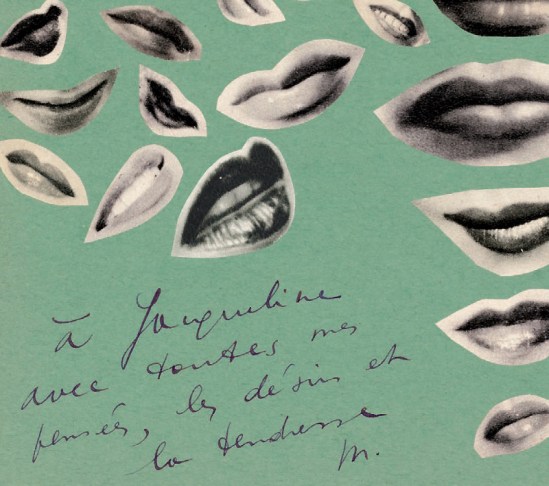
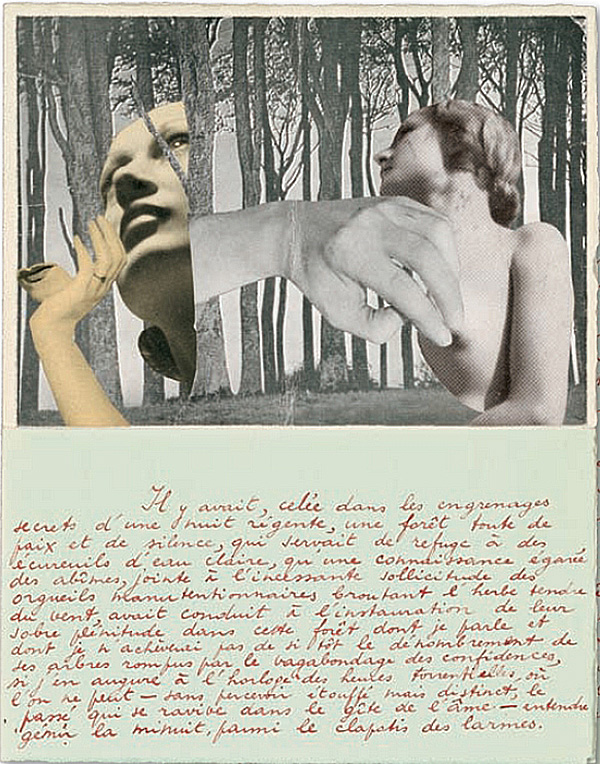
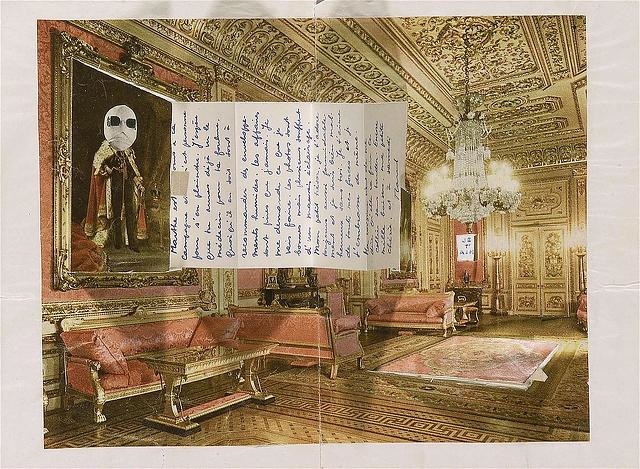
Marcel Marien - collage accompagnant une lettre à Jacqueline , 30 Janvier 1938

Marcel Marien – collage accompagnant une lettre à Jacqueline La collection Jacqueline Nonkels, 30 Janvier 1938 plus sur cette correspondance ici

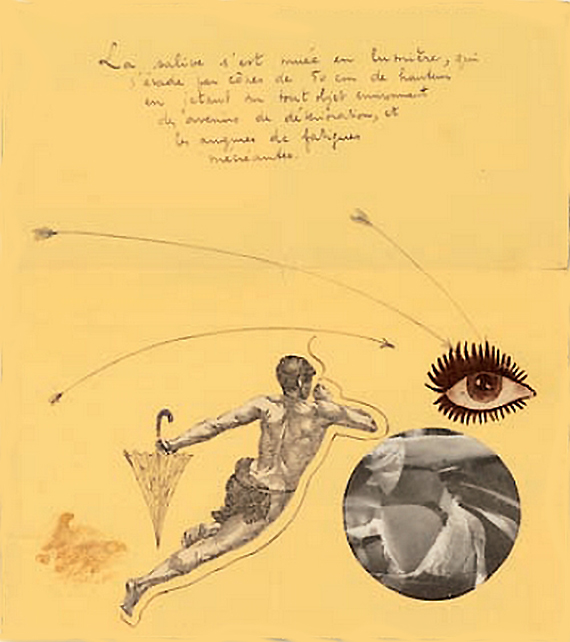
Marcel Marien - collage adressé à Jacqueline , 1938

Marcel Marien – collage adressé à Jacqueline , 1938  plus sur cette correspondance ici

Marcel Mariën- Les touches du silence, poème sans paroles, 1937, collage, ( pour Jacqueline Nonkels his lover)

Marcel Mariën- Les touches du silence, poème sans paroles, 1937, collage, ( pour Jacqueline Nonkels his lover)La collection Jacqueline Nonkelsplus sur cette correspondance ici

Marcel Marien - deux collages adressés à Jacqueline , 1938

Marcel Marien – deux collages adressés à Jacqueline , 1938La collection Jacqueline Nonkels plus sur cette correspondance ici

Marcel Marien - Le parallelogrammes des forces, Décembre 1937

Marcel Marien – Le parallelogrammes des forces, Décembre 1937La collection Jacqueline Nonkels plus sur cette correspondance ici

Marcel Marien -42 collages on a copy of André Breton’s Nadja,1938

Marcel Marien -42 collages on a copy of André Breton’s Nadja,1938

Marcel Mariën’s reading of Breton’s famous book has resulted in a fascinating livre détourné. For the collages Mariën has used, among others, newspaper clippings and cut-up illustrations, a pebble, a dried flower and beads under cellophane, a vintage photograph of himself buried in the sand up to his head. Some pages bear traces of burning, two sheets are sewn with red thread, and ‘the reader’ has added several autograph texts and some small drawings. And two tipped-in envelopes, sort of prequels to the ‘mail-art’ of the 1970s. The first letter addressed to « Mr. André Breton / passant / Boulevard Bonne-Nouvelle / à Paris », annotated « déjà passé » and of course returned to sender by the postal service (on June 8, 1938), contains a typed letter of 2 pages in-8 with a schematic drawing, the letter relating in nearly-scientific detail a meeting that has not taken place between writer and addressee, although both were walking on the same side walk in opposite directions. The second letter was addressed to « Mademoiselle Nadja / au Sphinx-Hotel / Boulevard Magenta / Paris » and also returned (on May 2, 1938), Mrs. Nadja being unknown at the hotel. To this date, the second envelope still is unopened, and the mystery complete. But Mariën’s Nadja is a work of art with an open ending, as he has barred the printing information at the end except for the first word, changing it into ‘inachevé’.  .(Source)

Marcel Mariën-Léda , 1958

Marcel Mariën-Léda , 1958

Marcel Marïen - Untitled, Gloire à la chimie du renard pour Léo Dohmen M.M, 3.4.84 , 1984

Marcel Marïen – Untitled, Gloire à la chimie du renard pour Léo Dohmen M.M, 3.4.84 , 1984

Marcel Marien -La Restauratrice , 1987

Marcel Marien -La Restauratrice , 1987

Marcel Marien -La contournée, 1987

Marcel Marien -La contournée, 1987

Marcel Mariën- Connaissance par les trous, 1987
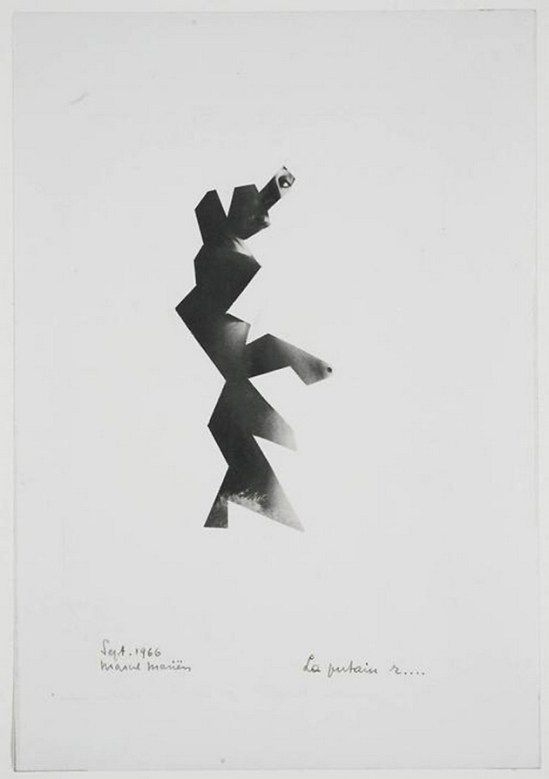
Marcel Mariën- Connaissance par les trous, 1987

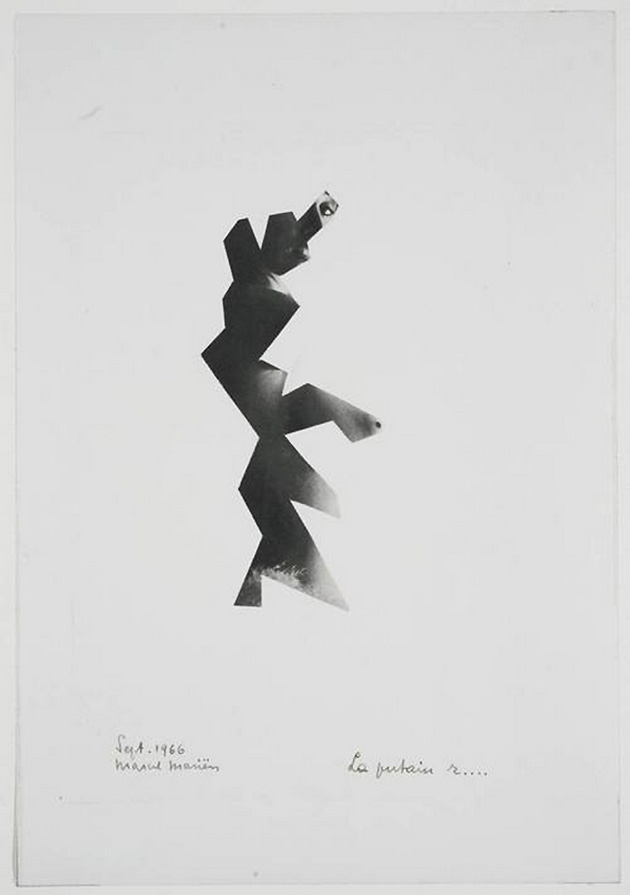
Marcel Marien -La Putain r… ,1966

Marcel Marien -La Putain r… ,1966

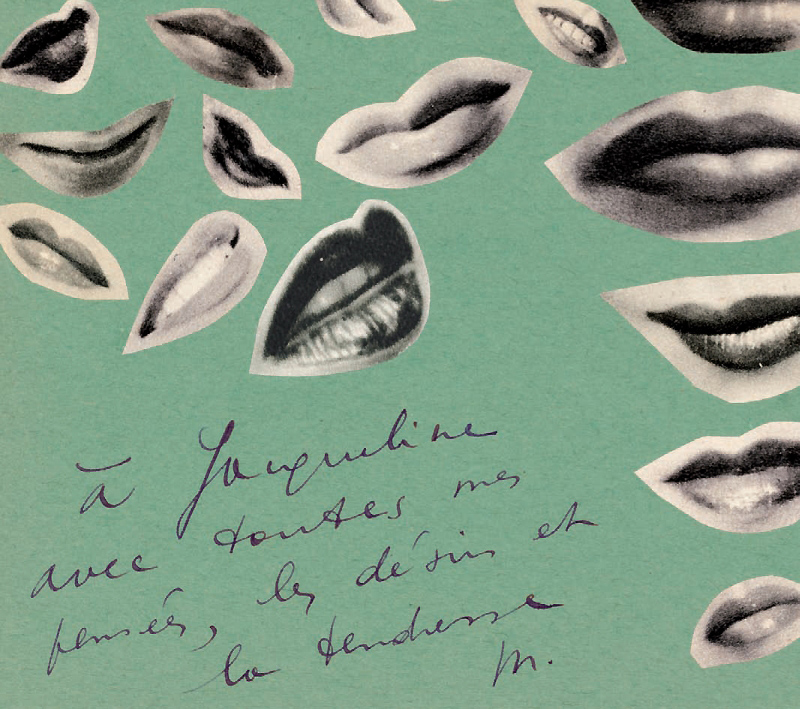
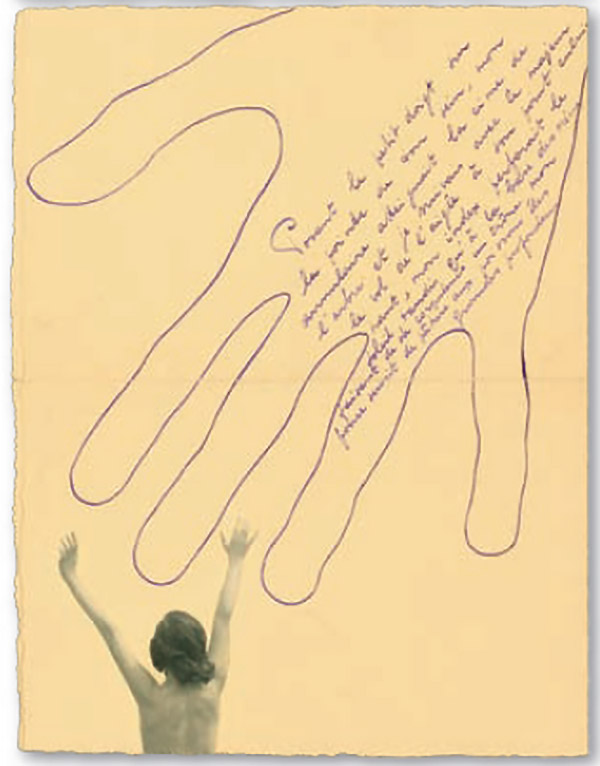
Marcel Marien - Collage et poème adressé à Jacqueline , 1938 1
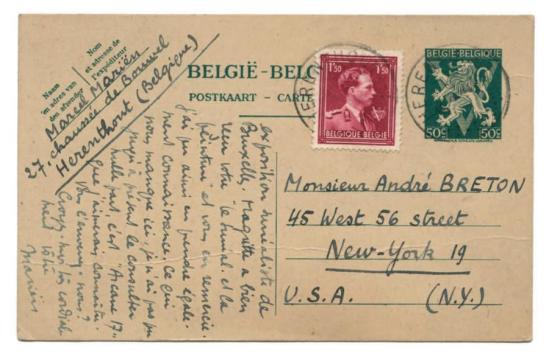
Marcel Marien – Collage et poème adressé à Jacqueline , 1938

Marcel Marien - Collage et poème adressé à Jacqueline , 1938

Marcel Marien – Collage et poème adressé à Jacqueline , 1938 plus sur cette correspondance ici

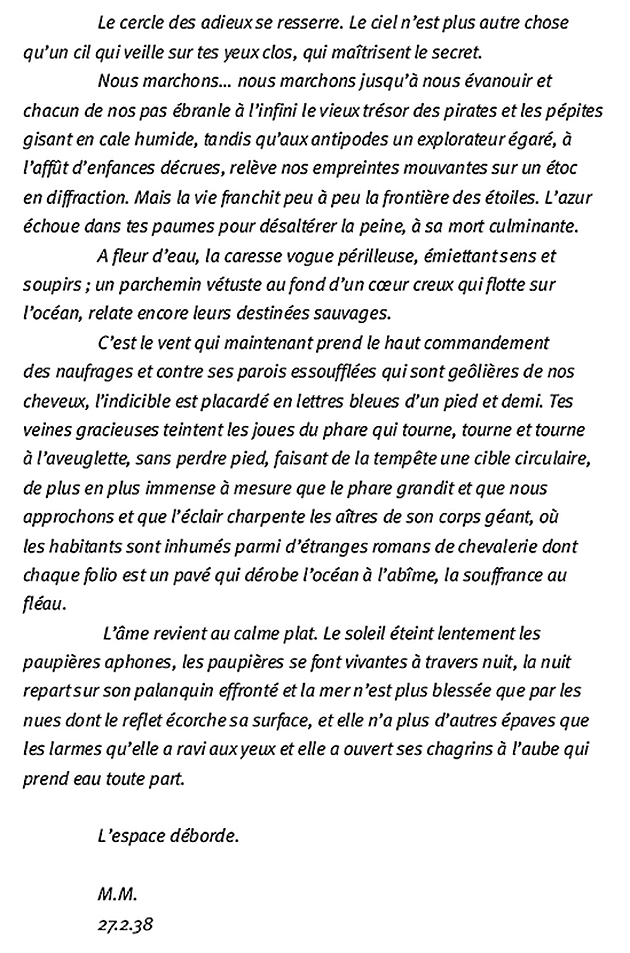
Marcel Marien - lettre à Jacqueline , 27 Fevrier 1938

Marcel Marien – lettre à Jacqueline , 27 Fevrier 1938 plus sur cette correspondance ici

CARTE POSTALE AUTOGRAPHE SIGNÉE ÀANDRÉ BRETON. Bruxelles, 15 février 1946

Carte Postale adressé à André Breton , evoquant l’expostion surréaliste à Bruxelles Bruxelles, 15 février 1946
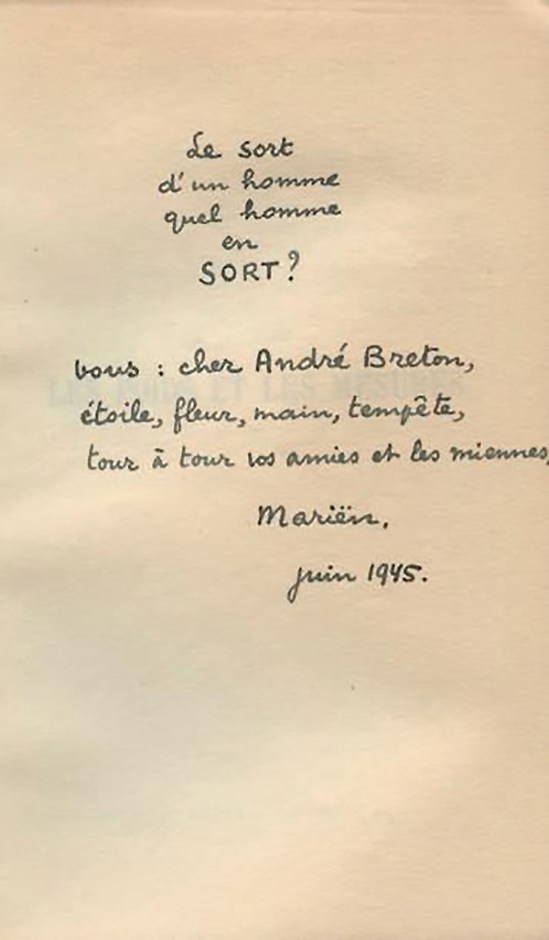
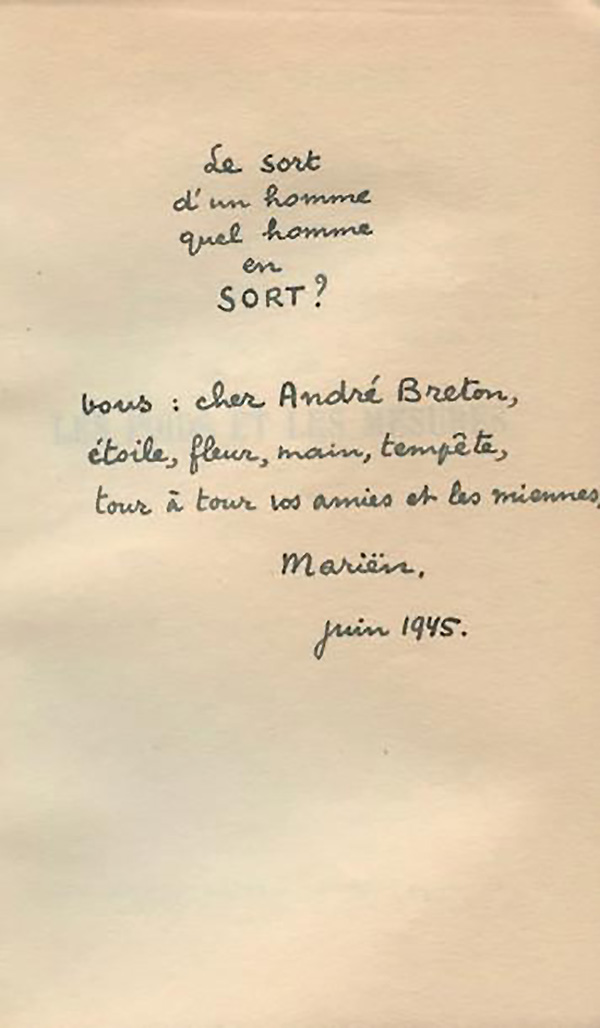
MARIEN Marcel LES POIDS ET LES MESURES. Bruxelles, Les Auteurs Associés, 1943

MARIEN Marcel LES POIDS ET LES MESURES. Bruxelles, Les Auteurs Associés, 1943

Marcel Marïen -Porno douce, accouplement. collage sur papier peint. 19-11-84
Marcel Marïen -Porno douce, accouplement. collage sur papier peint. 19-11-84

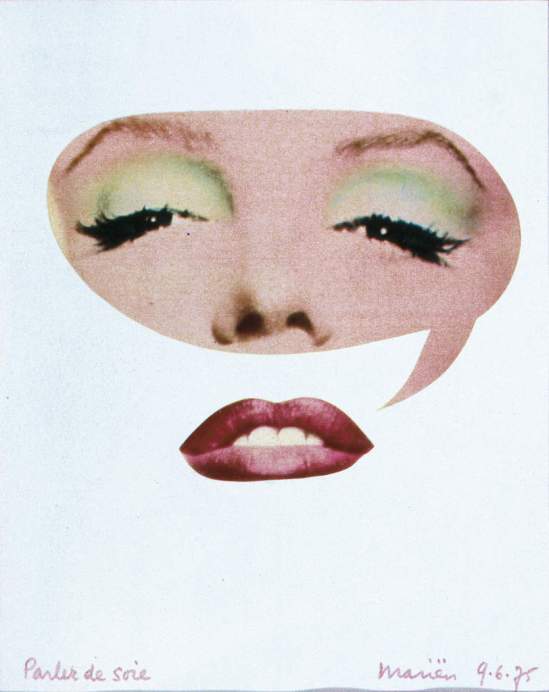
Marcel Mariën -Parlez de soie, 1975

Marcel Mariën -Parlez de soie, 1975

Marcel Mariën- Salon ,lettre collage
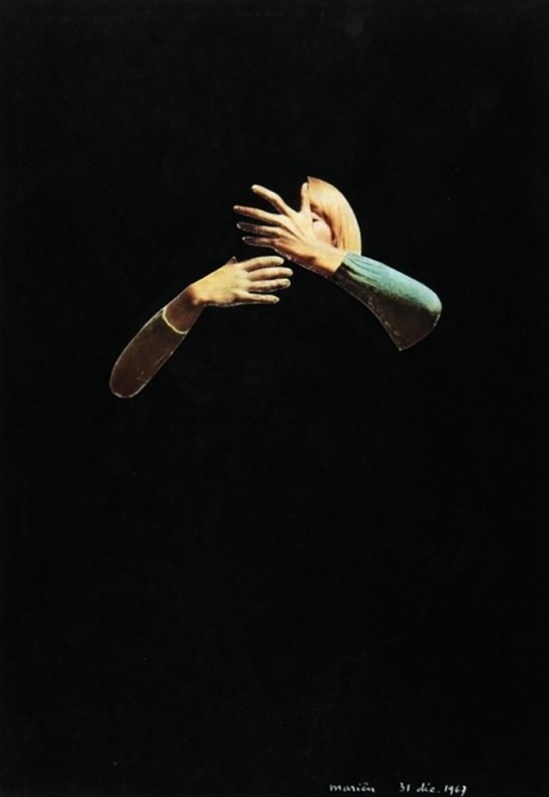
Marcel Mariën- Salon ,lettre collage

Marcel Mariën - L’Oubli d’être en Vie, 1967

Marcel Mariën – L’Oubli d’être en Vie, 1967
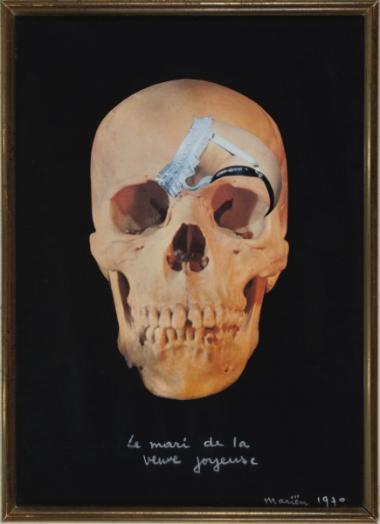
Marcel Marien -Le mari de la veuve Joyeuse, 1970

Marcel Marien -Le mari de la veuve Joyeuse, 1970

Marcel Mariën- La dynastie de l'homme seul ( in memoriam E.L.T) , 1986

Marcel Mariën- La dynastie de l’homme seul ( in memoriam E.L.T) , 1986
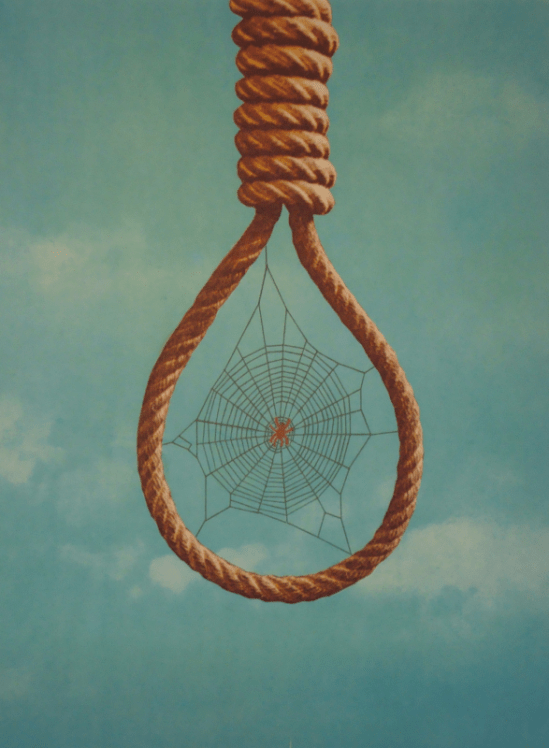
Marcel Mariën- Le rubis de l'espérance, 1972 ( pour l'exposition les 4 verités du surréalisme, 1972) gazette drout

Marcel Mariën- Le rubis de l’espérance, 1972 ( pour l’exposition les 4 verités du surréalisme, 1972) gazette drout

Marcel Mariën - Sculpture Friends 1974

Marcel Mariën – Sculpture Friends 1974
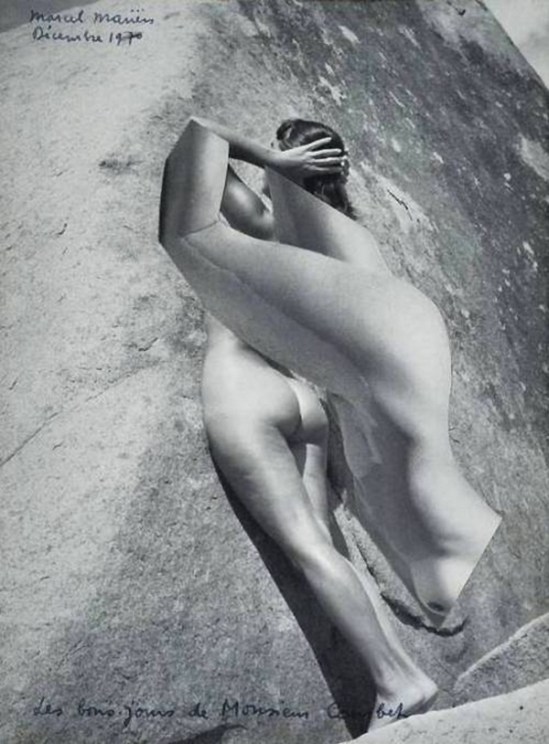
Marcel Mariën - Les Bons jours de Monsieur Courbet, Décembre 1970

Marcel Mariën – Les Bons jours de Monsieur Courbet, Décembre 1970

Marcel Mariën - Fidelité des images ,1980

Marcel Mariën – Fidelité des images ,1980
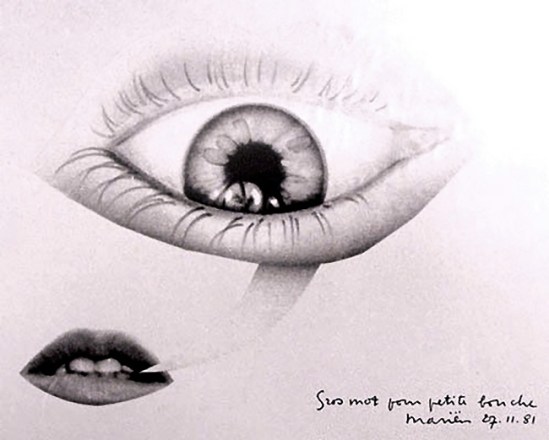
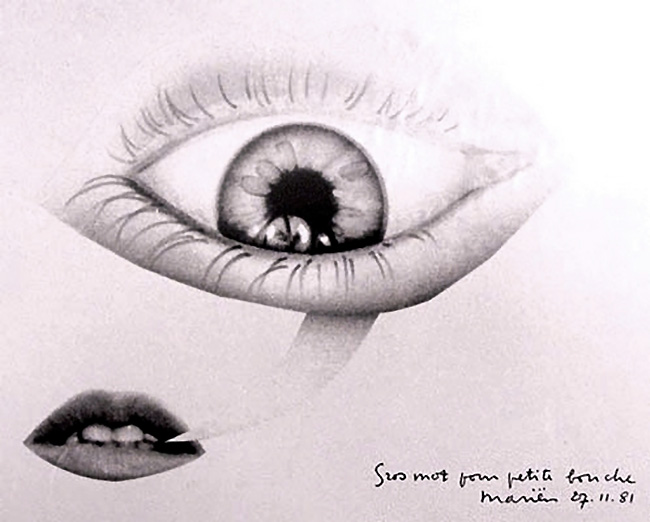
Marcel Mariën - Gros mot pour petite bouche, 1981

Marcel Mariën – Gros mot pour petite bouche, 1981

Le Vent se lève. Brux., Tom Gutt, 31 mai 1963, 2 ff. 8° de 8 pp. Tract cosigné par Yves Bossut, Freddy De Vree, Marcel Mariën, Philippe Soupault et bien d'autres.

Le Vent se lève. Brux., Tom Gutt, 31 mai 1963, 2 ff. 8° de 8 pp. Tract cosigné par Yves Bossut, Freddy De Vree, Marcel Mariën, Philippe Soupault et bien d’autres.
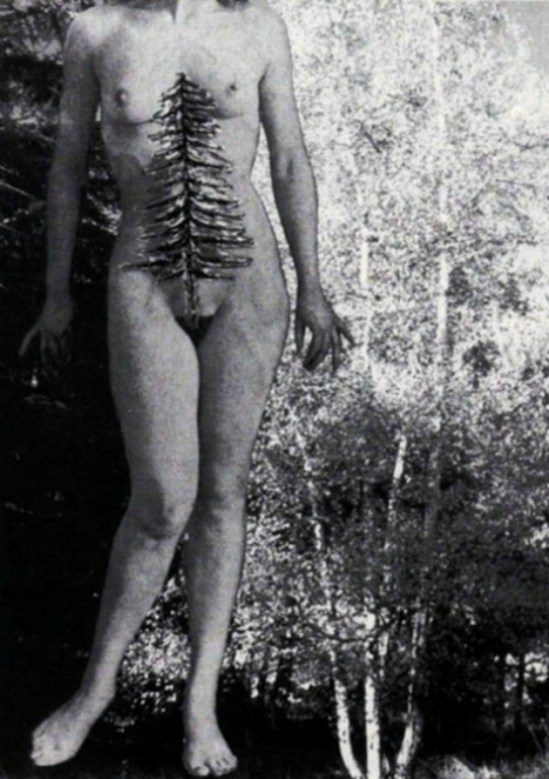
Marcel Marien -L’incognito - cover detail for Les lèvres nues, 1993

Marcel Marien -L’incognito – cover detail for Les lèvres nues, 1993

en ce moment une Exposition à Bruxelles ( dont sont issues les deux dernières photographies que j’ai rahouté à l’article et une Galerie 100 Titres partenaire Ici

Marcel Mariën -J’ai rêvé d’une gomme…, 1955 Collage

Marcel Mariën L’esprit de l’escalier,. 1953.

Quelque aphorismes  extraits de «  Mettez un Kleist dans votre étang. A l’ombre de la proie, 1968″

Optimiste par désespoir.
 
Les grands malheurs font les beaux souvenirs.
 
La vie est interminablement brève.
 
Il manque au monde le commencement et la fin. Nous vivons dans le reste.
 
Il n’y a point de mensonge puisqu’il n’y a pas de vérité.
 
Je ne crois pas un traître mot de ce que je pense.
 
Réponses à une enquête niaise


pour d’autres oeuvres que je n’ai pas proposées dans cette article voir Drouot par exemple…. et Drouot encore André Breton.com

Ici Jacques Chancel dans Radioscopie   interviewe Marcel M  Lors de la sortie de son premier livre édité en France « Figures de Poupe »

 

Maya Deren by Alexand(e)r (Hammid) Hackenschmied

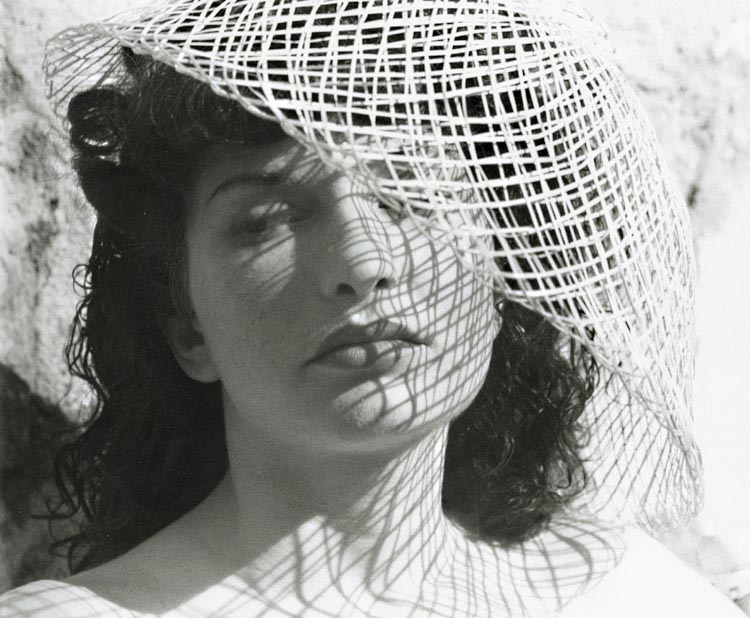
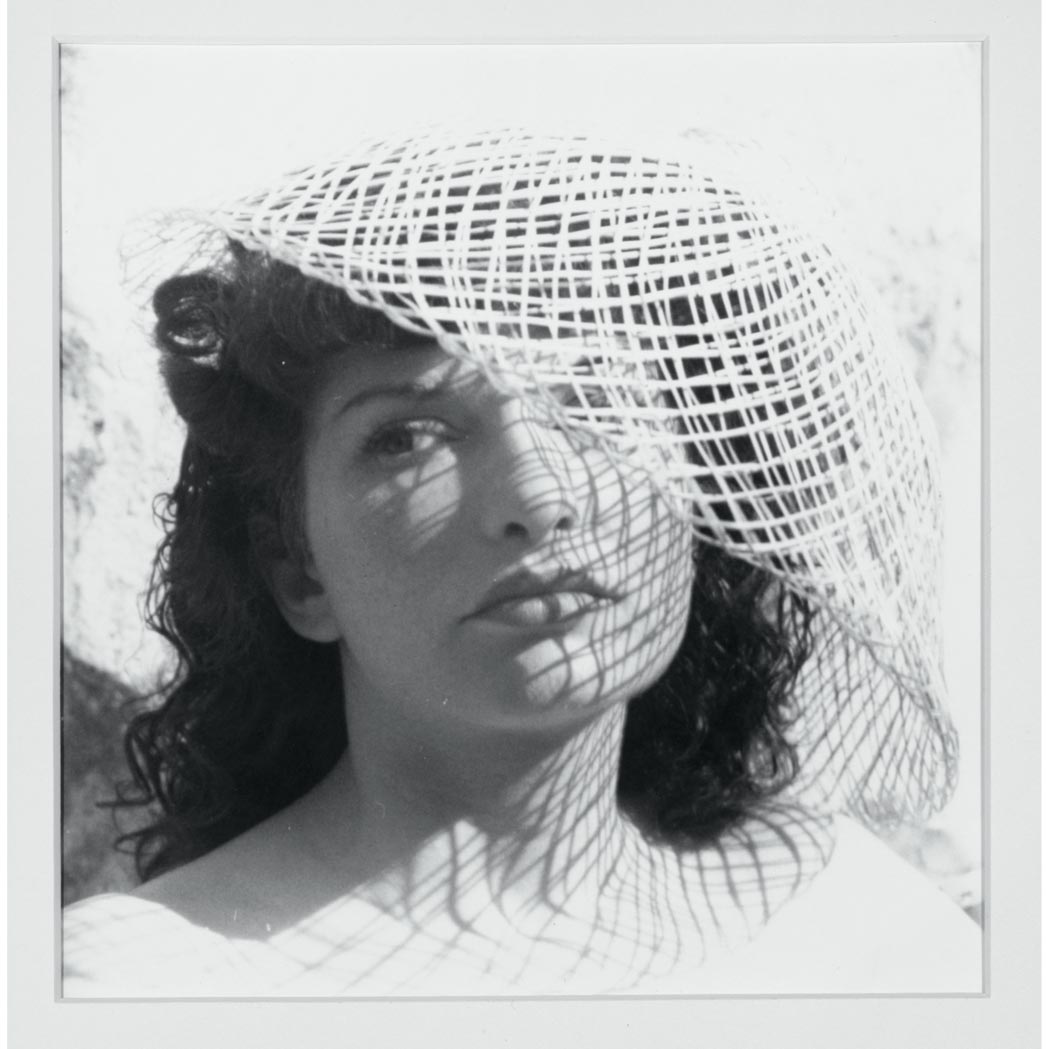
Alexander (Hammid) Hackenschmied Maya (Deren) 1930-1932

Alexander (Hammid) Hackenschmied Maya (Deren) 1930-1932

Alexander (Hammid) Hackenschmied Maya (Deren) 1930-1932


Alexander (Hammid) Hackenschmied - Maya (Deren) 1930-1932

Alexander (Hammid) Hackenschmied – Maya (Deren) 1930-1932

Hackenschmied (Hammid ) Alexander Maya Deren 1942-1943

Hackenschmied Alexander (1907 - 2004) Akt (Maya Deren) 30. léta ( après)

Hackenschmied Alexander (1907 – 2004) Akt (Maya Deren) 30. léta ( après)

Alexander Hackenschmied (1907 - 2004)- Maya ( deren), 1944

Alexander Hackenschmied (1907 – 2004)- Maya ( deren), 1944

Hackenschmied Alexander (1907 - 2004) Akt (Maya Deren) , apres 1930

Hackenschmied Alexander (1907 – 2004) Akt (Maya Deren) , apres 1930

Alexander ( Hammid) Hackenschmied - Maya Deren, nd

Alexander ( Hammid) Hackenschmied – Maya Deren, reflection nd

Alexander Hackenschmied - Maya Deren, nd

Alexander Hackenschmied – Maya Deren, nd

Alexander Hackenschmied - Maya Deren, nd

Alexander Hackenschmied – Maya Deren, nd

Alexander ( Hammid) Hackenschmied- Maya , 1940

Alexander ( Hammid) Hackenschmied- Maya , 1940

Maya Deren with her cat by Alexandr Hackenschmied, 1942 43

Maya Deren with her cat by Alexandr Hackenschmied, 1942 43

Alexandr Hackenschmied -Maya Deren, 1940's

Alexandr Hackenschmied -Maya Deren, 1940’s

Alexander Hammid Hackensch- Portrait of Maya Deren, 1940s

Alexander Hammid Hackensch- Portrait of Maya Deren, 1940s

Alexander (Hammid) Hackenschmied- Portrait of Maya Deren, 1940s

Alexander (Hammid) Hackenschmied- Portrait of Maya Deren, 1940s

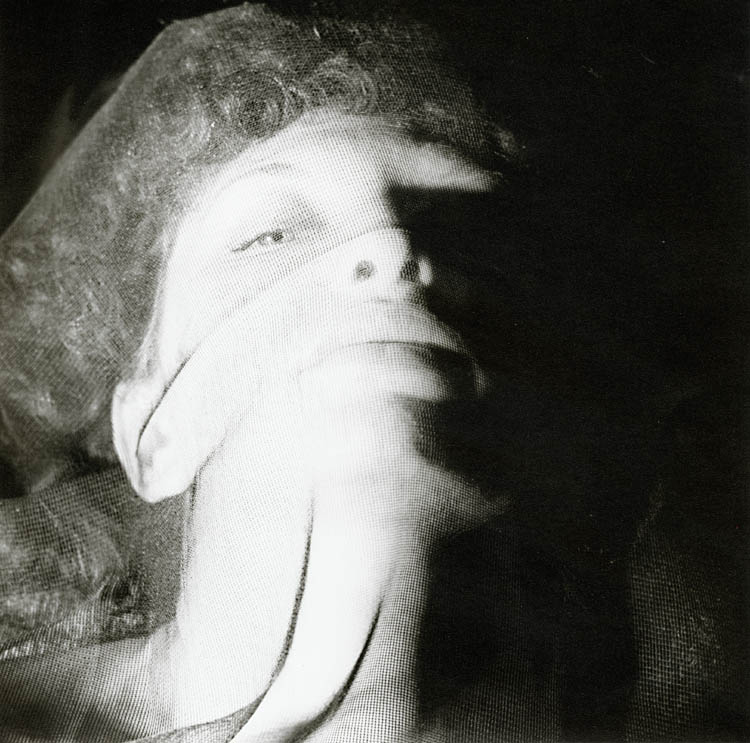
Alexander Hammid American (Linz, Czechoslovakia 1907 - 2004 New York, NY) Film production still portrait of Maya Deren (portrait of Maya Deren covered with gauze-like fabric), 1942-1947

Alexander Hammid American (Linz, Czechoslovakia 1907 – 2004 New York, NY) Film production still portrait of Maya Deren (portrait of Maya Deren covered with gauze-like fabric), 1942-1947


Alexander ( Hammid) Hackenschmied - Maya Deren, 1940

Alexander ( Hammid) Hackenschmied – Maya Deren, 1940

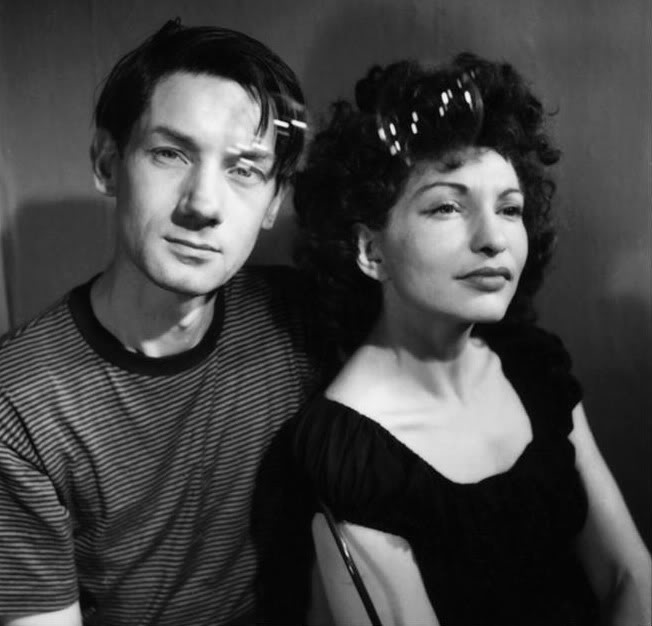
Alexander Hammid (Hackenschmied)- Self-Portrait with Maya Deren 1940

Alexander Hammid (Hackenschmied)- Self-Portrait with Maya Deren 1940

Alexander Hackenschmied (1907 - 2004) Maya Deren Maya Deren film still from At Land 1944 from Inverted Odyseeys Claude Cahun Maya Deren, Cindy Sherman,Ed° Shelley Rice

Alexander Hackenschmied (1907 – 2004) Maya Deren film still from At Land 1944 from Inverted Odyseeys Claude Cahun Maya Deren, Cindy Sherman,Ed° Shelley Rice

Wallace Berman ( 1926-1976)

Wallace Berman est né en 1926 à New York et s’installe avec sa famille à Los Angeles, Californie, en 1930. Il a été expulsé de l’école secondaire pour les jeux, et s’il est impliqué dans le monde du jazz.Il s’est inscrit et a participé à la Jepson école d’art et Chouinard mais n’a pas terminé les études il y a. Au lieu de la poursuite d’un art officiel « carrière » il a travaillé dans une usine de finition des meubles. Ce travail lui a donné l’occasion de sauver rejeter les documents et de rebuts qui lui permet de rendre ses sculptures.

Wallace Berman appartient à cette frange d’artistes de la côte Ouest américaine qui, dans l’ombre des années cinquante et soixante forgent une culture ‘beat’ dont la littérature reste l’aspect le plus connu, mais qui s’élabora aussi dans le cinéma, la peinture, la photographie, les collages et les assemblages.Dans les années 1950, Berman est devenu profondément immergé dans le jazz et le blues, il a même écrit une chanson pour Jimmy Witherspoon et realisé la conception de plusieurs  pochettes de disques.

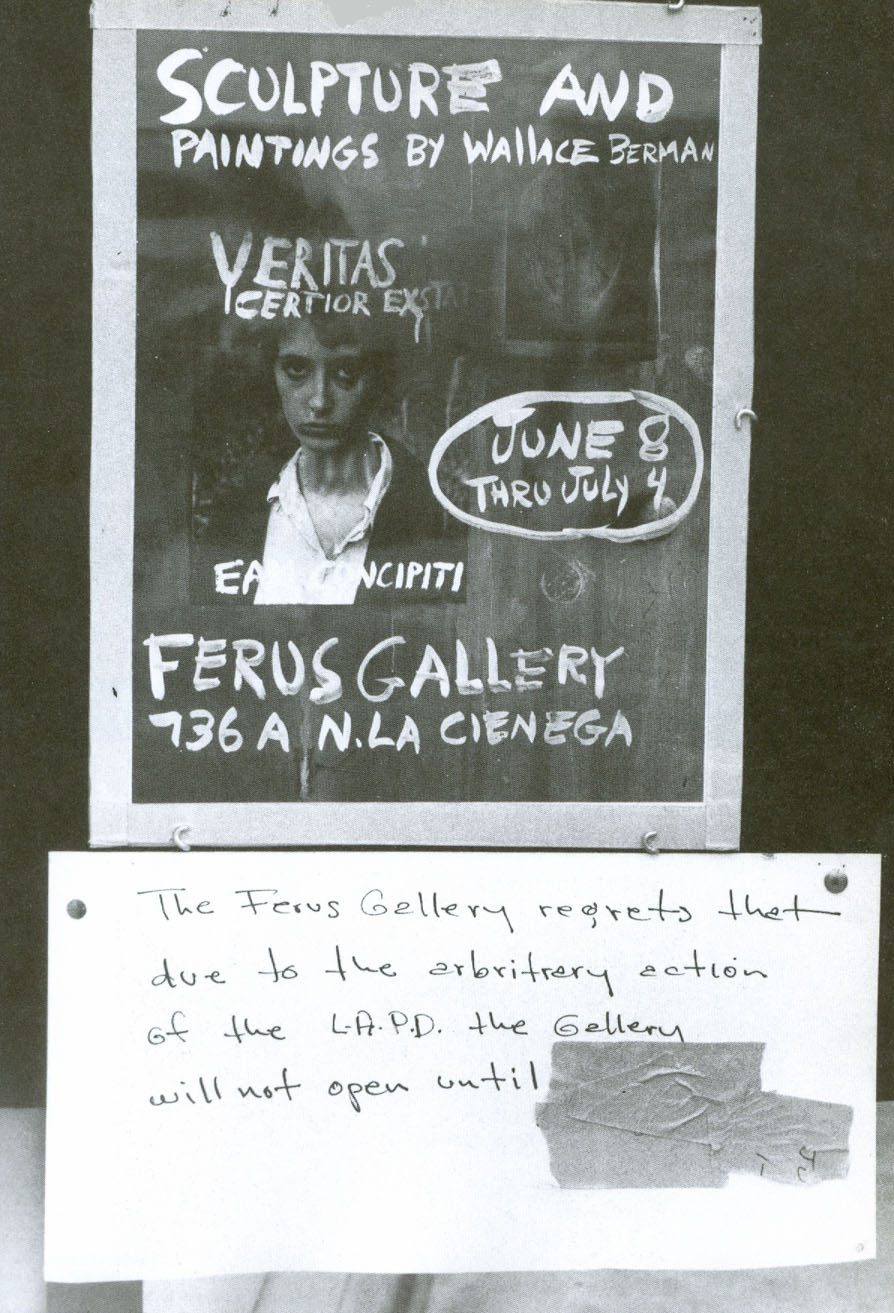
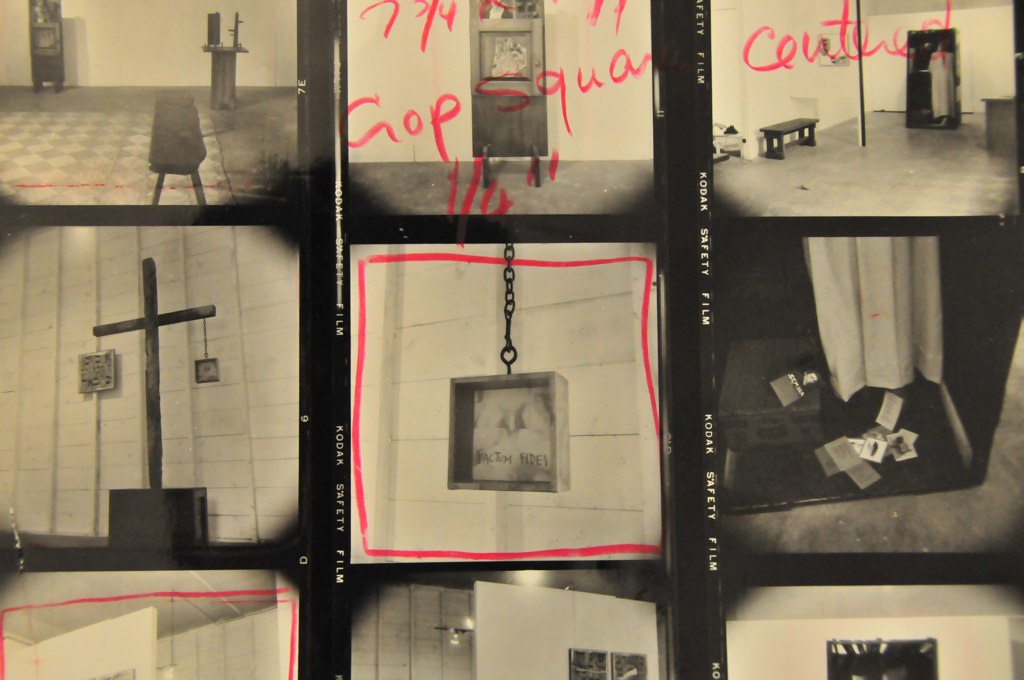
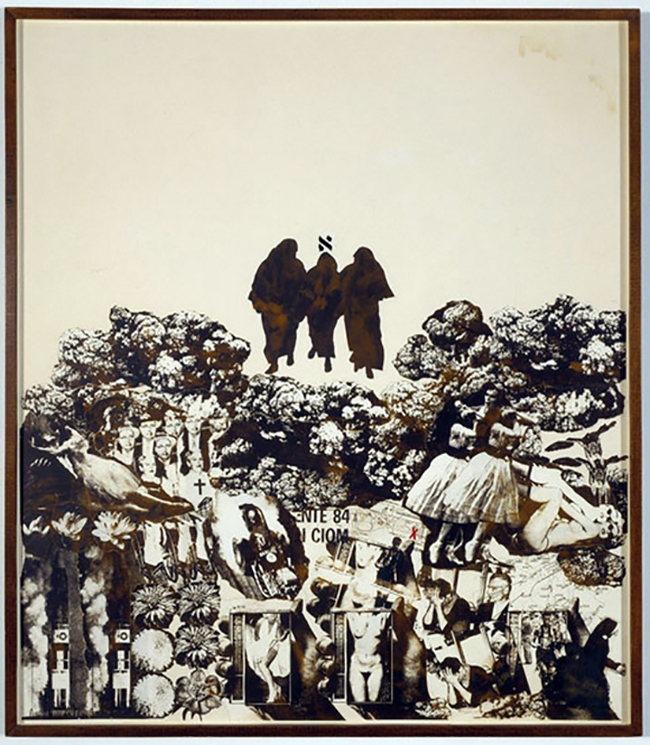
En 1957, la Ferus Gallery de Los Angeles lui consacre sa première « et quasiment dernière » exposition personnelle. Les douze « Dessins parchemins » présents renouent avec ses origines juives : sur du papier teinté au brou de noix s’inscrit au hasard cet alphabet hébraïque qui, selon la Kabbale, constitue l’instrument privilégié de la mise en ordre et de l’interprétation du monde. De grands assemblages – à présent disparus – conjuguent par ailleurs constructions en bois, écriture, évocations religieuses et images érotiques qui provoquent la fermeture de l’exposition par les autorités.

Wallace Berman- affiche exposition Ferus Gallery

Wallace Berman- affiche exposition Ferus Gallery 1957

Wallace Berman Ferus Gallery Exhibition

Wallace Berman Ferus Gallery Exhibition, 1957 seule planche contact et race qu’il reste de cette exposition

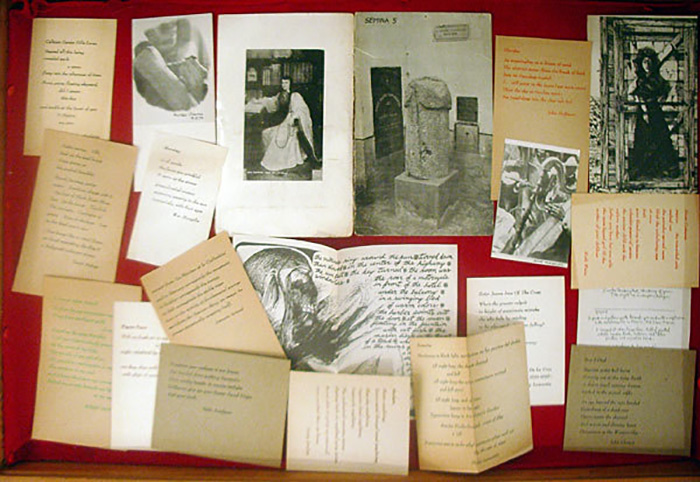
De dépit, W. Berman quitte cette « cité d’anges dégénérés » pour s’établir à San Francisco où la culture ‘beat’ est mieux implantée. Il se repliera désormais sur ce milieu, se refusant à toute vie publique. Il se voue alors à une œuvre plus intime, souple dans sa conception, dans sa manipulation et sa diffusion, la revue « Semina » (1955-1964), dont il imprime les neuf numéros sur une petite presse rudimentaire. Sorte de « méta-collage », « Semina » résume à elle seule tant un certain milieu artistique que la démarche globale de W. Berman. Des pochettes réunissent sur des feuillets libres poèmes, photographies ou collages de W. Berman lui-même comme de ses amis ou des auteurs du passé qu’il admire (Philip Lamantia, Michael McClure, William Burroughs, Hermann Hesse, Antonin Artaud). L’artiste y décline les thèmes en germe dans ses travaux précédents : la drogue, la folie, la violence, la sexualité et l’art rédempteurs, une mystique du quotidien. Grand joueur lui-même, W. Berman propose ici des cartes que chacun peut disposer et ordonner à son gré, recréant indéfiniment l’œuvre.

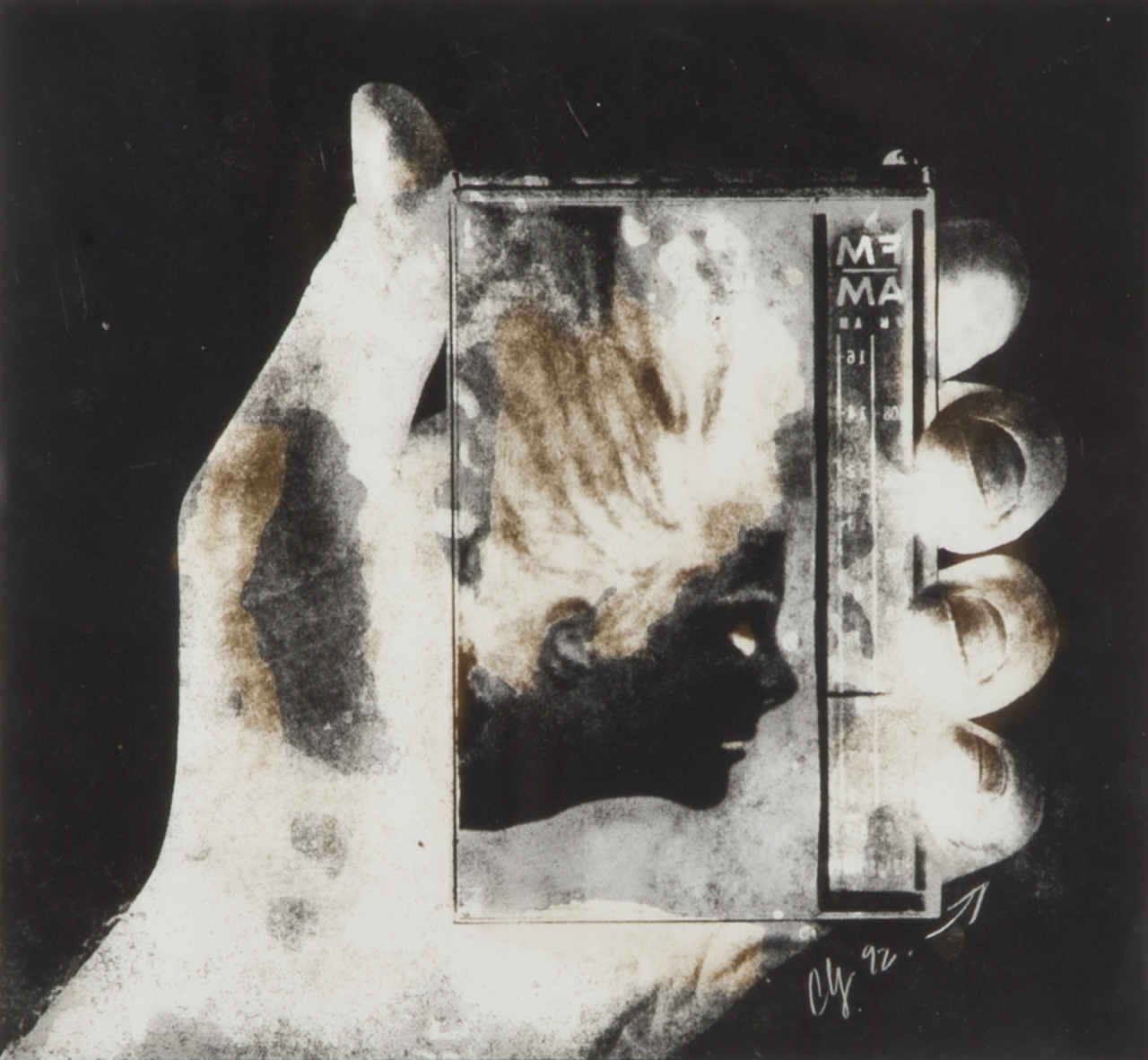
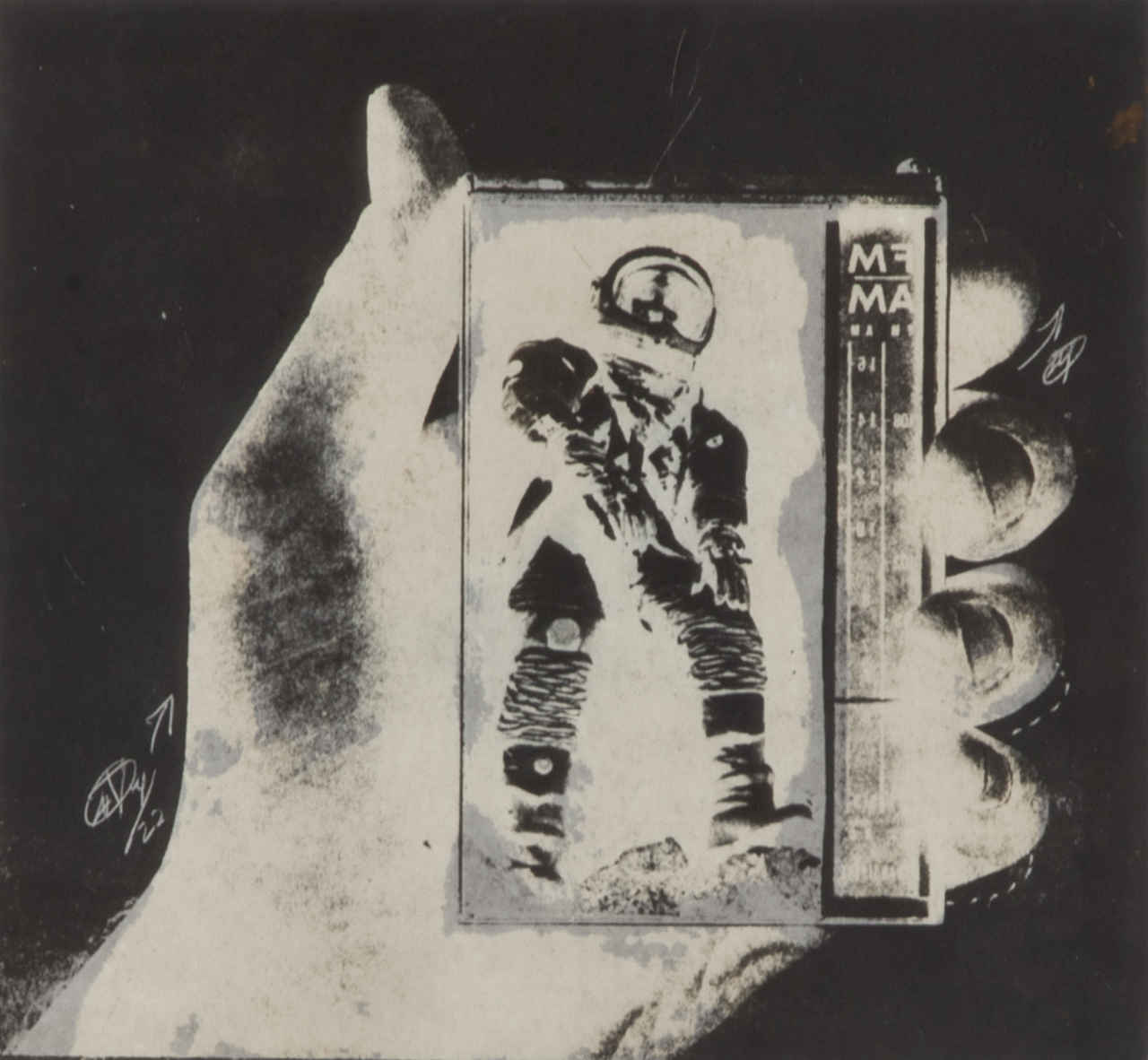
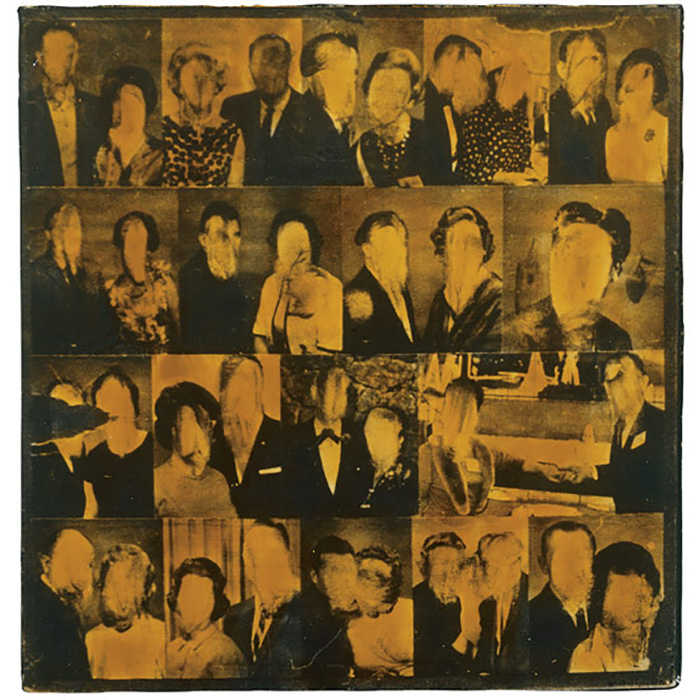
De retour à Los Angeles en 1961, W. Berman se consacre principalement aux « Verifax Collages » (1961-1976), réalisés à l’aide d’une antique photocopieuse dont la neutralité mécanique va pondérer le contenu iconographique. Les visages effacés des premiers « Verifax » constituent autant une critique de la dépersonnalisation qu’un dispositif où chacun peut se projeter. Puis les images se précisent (clichés d’actualité ou historiques, figures de l’’underground’ ou des minorités, images sexuelles et sensuelles, armes menaçantes, symboles religieux, etc.), mais leur accumulation reste souvent hermétique, laissant volontairement libre cours à l’interprétation. Si les premiers « Verifax » rappellent fortement les « Parchemins », leur forme se structure ensuite pour proposer un véritable écran à nos projections individuelles : une main, démiurgique mais anonyme, manipule une radio dont le haut-parleur est remplacé par une image. Les « Verifax » zappent en silence sur les ondes de l’image. La répétitivité quasi incantatoire des derniers collages rythme un monde fragmenté et bégayant, suggère une distribution inépuisable mais aussi le flux de la pellicule filmique. il Collabore aussi à cette époque étroitement avec  Robert Heinecken  ( Article Ici et Ici) et Jay DeFeo avec qui il crée des oeuvres à deux mains.

Avant Fluxus et le mail-art, l’art de W. Berman se veut avant tout un mode de communication « naturel » et banal. « Art is Love is God » : comme le résume la devise de ce personnage déjà mythique de son vivant, l’art est une plaque sensible, un exercice spirituel de réception et de transmission du monde, un exercice d’inversion des valeurs visant à banaliser le sacré et à sacraliser le quotidien.

Il a fait son premier et seul film, Aleph, à partir de 1956-1966. Berman ne donne pas le film un titre, Se référant à elle comme « mon film » ou « mon film » et n’a jamais montré à un grand public, préférant à l’écran sur son studio mur sur la base d’un pour un. Le titre « Aleph » a été donnée au travail par Berman, le fils Tosh, après la mort de l’artiste. ( Tosh Berman écrit sur son père des dizaines d’articles ici, notamment sur sa passion pour le jazz mais aussi sur l’ensemble de son oeuvre)

Il a été tué dans un accident automobile par un conducteur en état d’ébriété en Topanga Canyon en 1976.

Mail Art

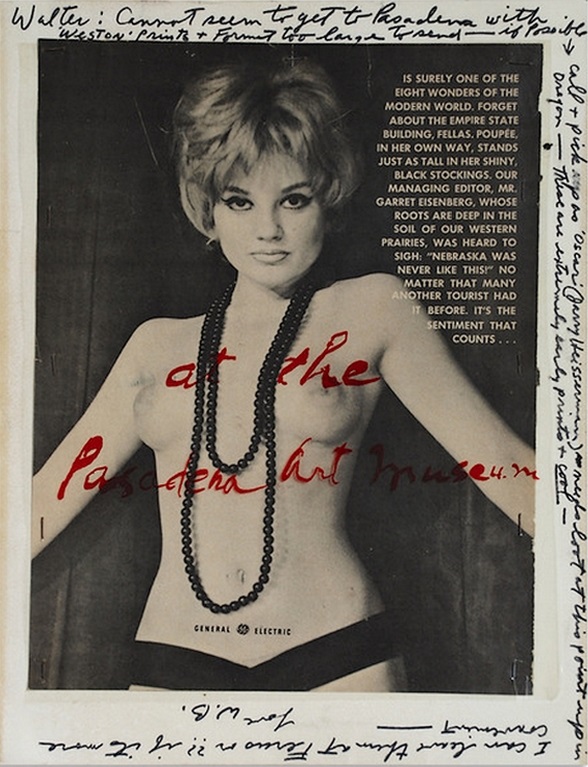
Wallace Berman-collage from 1963, bearing a note to curator Walter Hopps at the Pasadena Art Museumabout some Edward Weston prints

Wallace Berman-collage from 1963, bearing a note to curator Walter Hopps at the Pasadena Art Museumabout some Edward Weston prints

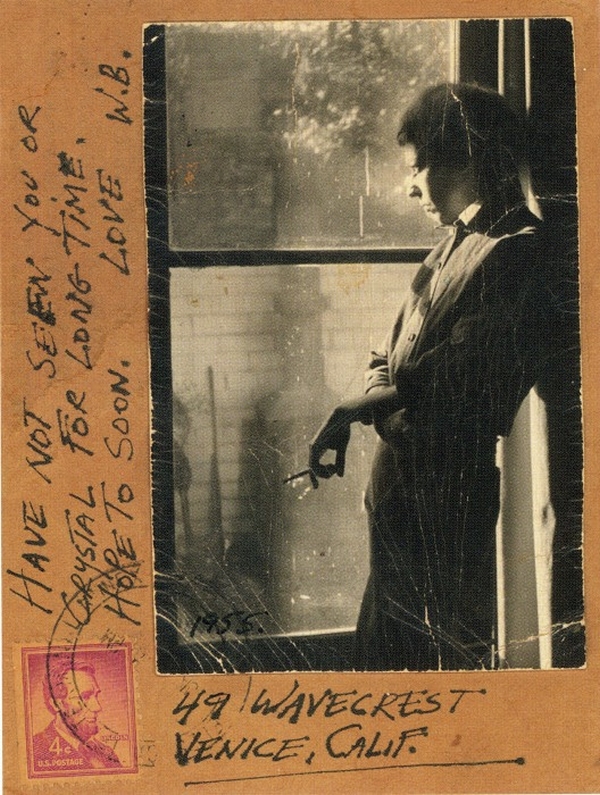
Wallace Berman -Mail Art, 1955

Wallace Berman -Mail Art, 1955

Wallace Berman mail art, 1962 Nov. 27. Robert Alexander

Wallace Berman mail art, 1962 Nov. 27. Robert Alexander

Wallace Berman - Card to Betty Asher, ca. 1965, Wallace Berman. Photomontage

Wallace Berman – Card to Betty Asher, ca. 1965, Wallace Berman. Photomontage

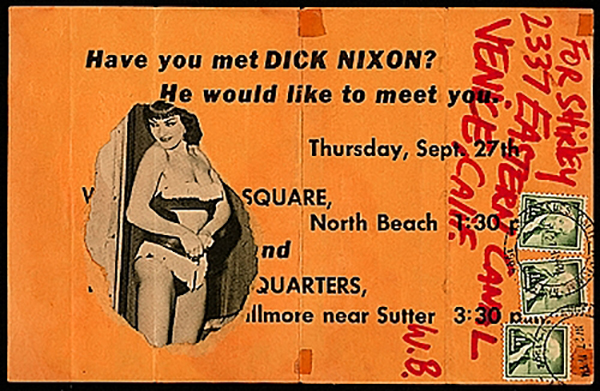
Wallace Berman Card to George Herms, 1967

Wallace Berman Card to George Herms, 1967

Wallace Berman Card to George Herms, 1970,

Wallace Berman Card to George Herms, 1970,

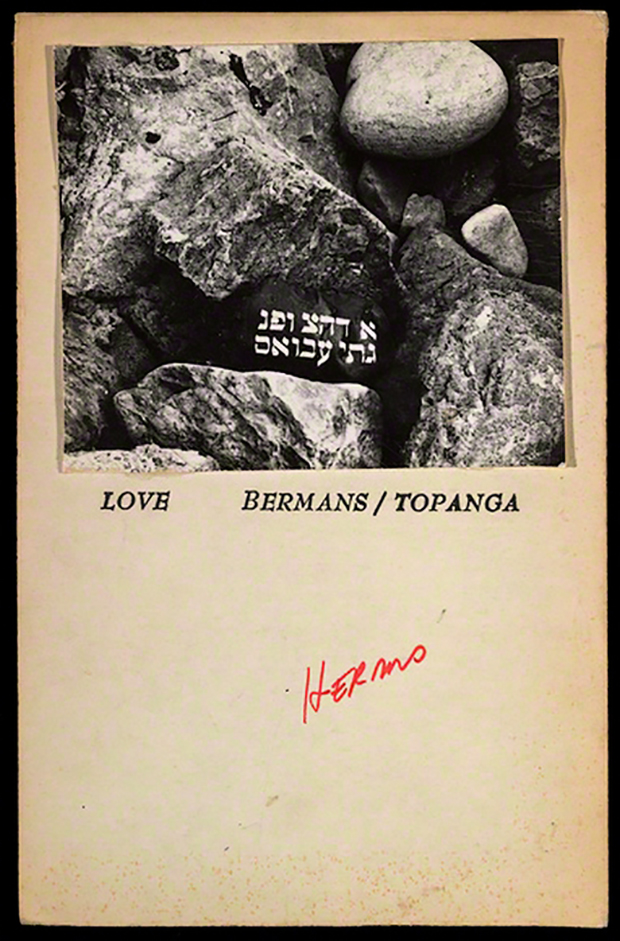
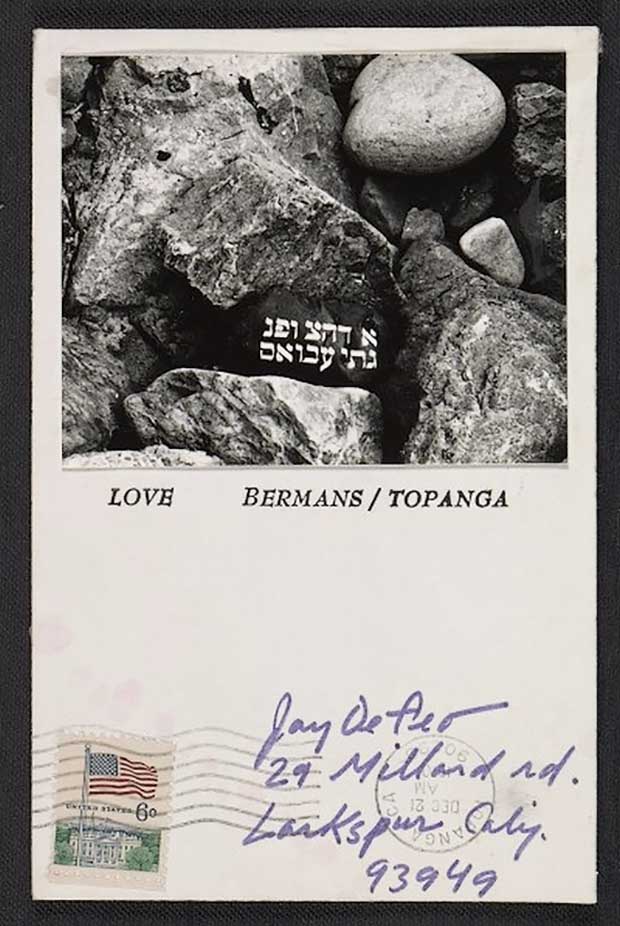
Wallace Berman- mail art for Wallace Berman holiday card to Jay DeFeo, 1970 Dec. 22.,Card features a black and white photo of rocks with white lettering in Hebrew Archives of American Art,

Wallace Berman- mail art for Wallace Berman holiday card to Jay DeFeo, 1970 Dec. 22.,Card features a black and white photo of rocks with white lettering in Hebrew Archives of American Art,

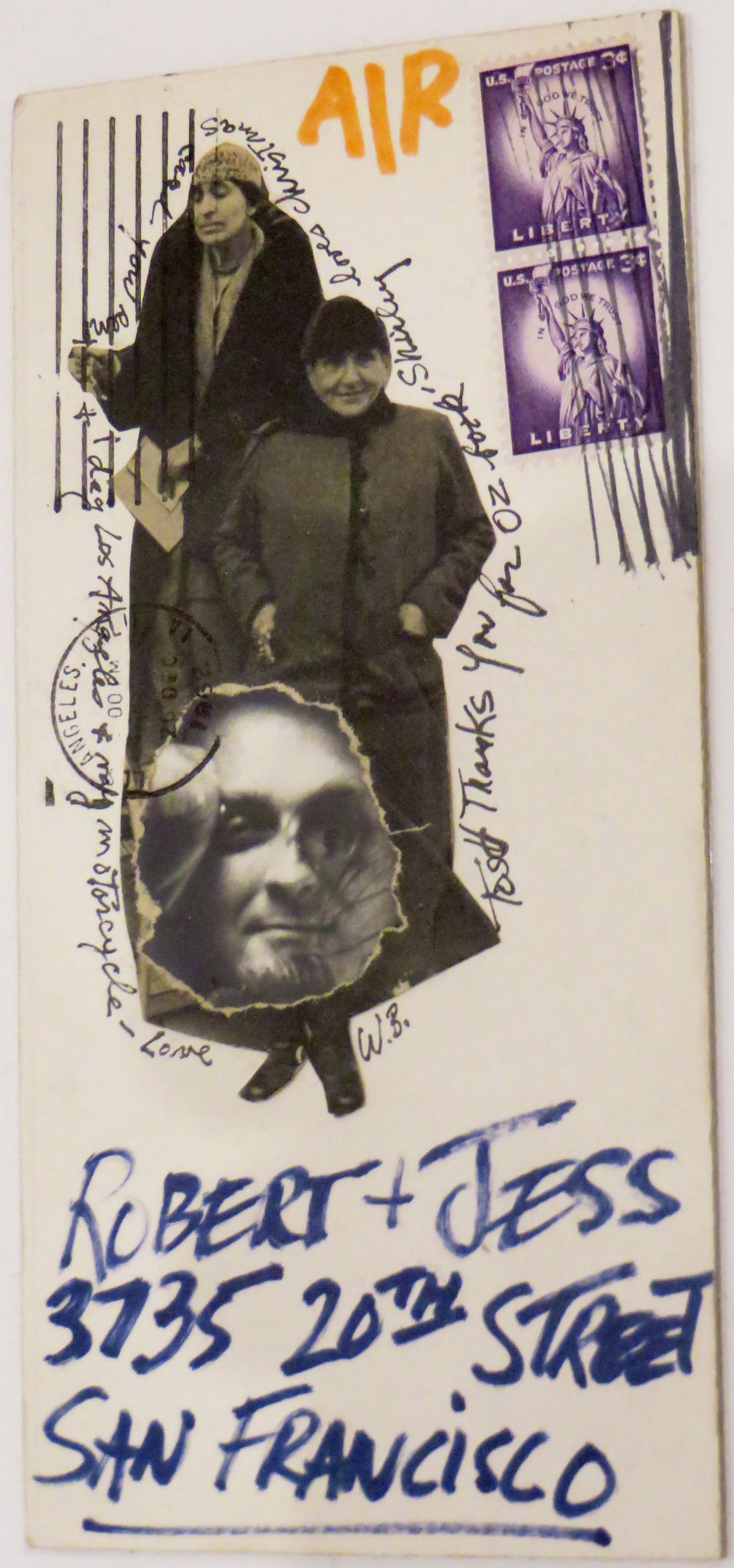
Wallace Berman Mail Art to Robert Duncan and Jess Circa 1962 (Collection Philip Aarons and Shelly Fox Aarons) Courtesy of the Crocker Art Museum

Wallace Berman Mail Art to Robert Duncan and Jess Circa 1962 (Collection Philip Aarons and Shelly Fox Aarons) Courtesy of the Crocker Art Museum

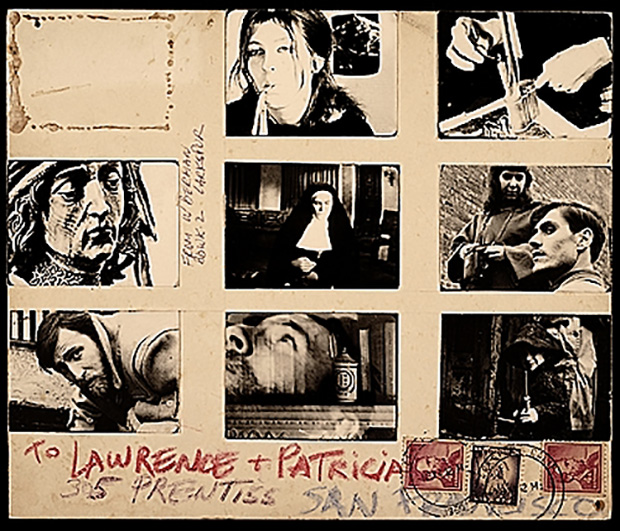
Wallace Berman postcard to Lawrence and Patricia Jordan, 1960.

Wallace Berman postcard to Lawrence and Patricia Jordan, 1960.

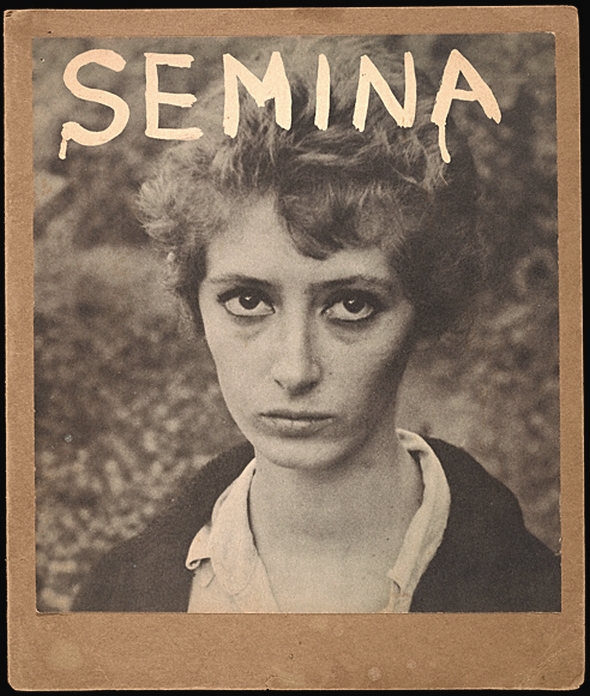
La revue « Semina » (1955-1964)

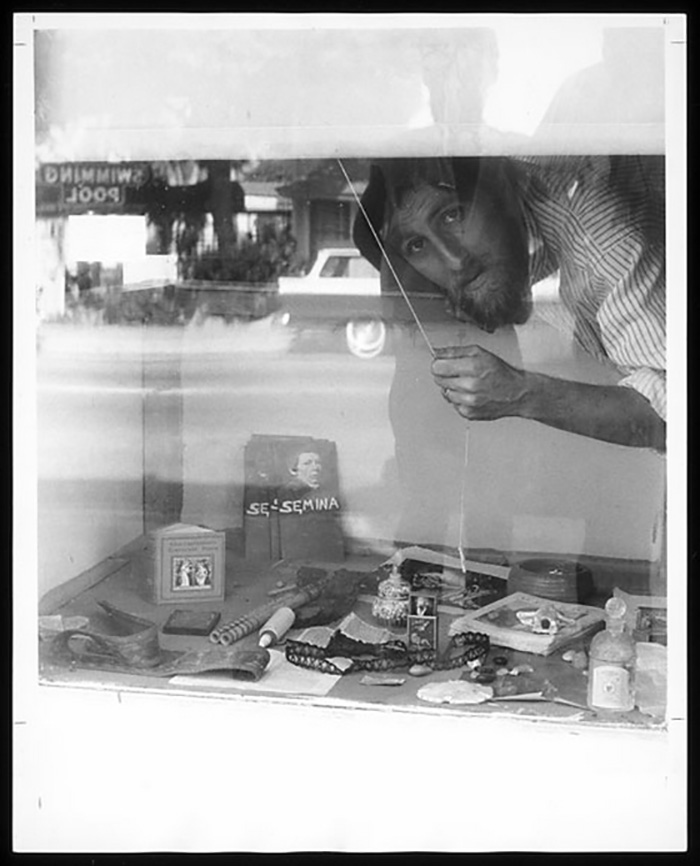
Wallace Berman with a copy of Semina no. 1 in the Stone Brothers Printing display window, 1957 -© J. Paul Getty Trust. Photo by Charles Brittin

Wallace Berman with a copy of Semina no. 1 in the Stone Brothers Printing display window, 1957 -© J. Paul Getty Trust. Photo by Charles Brittin

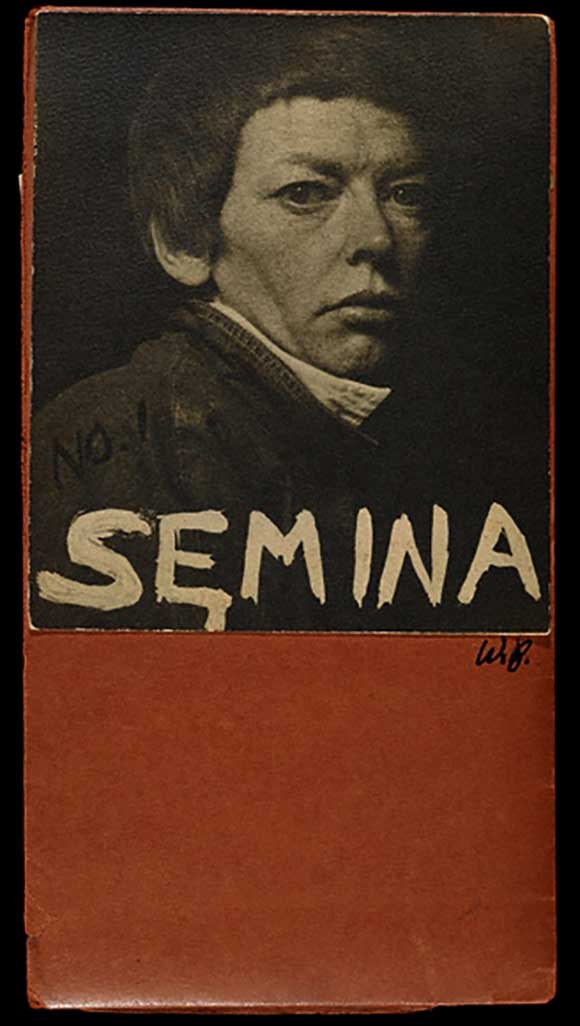
Wallace Berman Semina 1,.jpgSemina cover with photograph of Cameron, 1955, Wallace Berman. Semina journal, no. 1 (1955) -

Wallace Berman Semina 1,.jpgSemina cover with photograph of Cameron, 1955, Wallace Berman. Semina journal, no. 1 (1955)

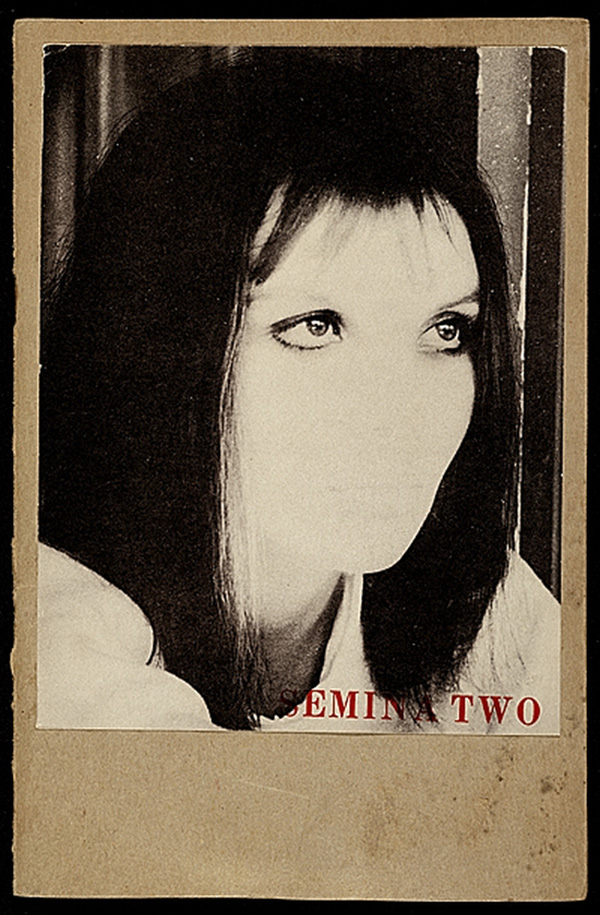
Wallace Berman Semina two, ca. 1956

Wallace Berman Semina two, ca. 1956 l’integralité du no Ici

Wallace Berman- Semina 3,

Wallace Berman- Semina 3,

Wallace Berman- Semina cover with Wife (photograph of Shirley Berman), 1959, Wallace Berman. Semina journal, no. 4 (1959)

Wallace Berman- Semina cover with Wife (photograph of Shirley Berman), 1959, Wallace Berman. Semina journal, no. 4 (1959)

Wallace Berman- semina-journal-no-4? 1959

Wallace Berman- semina-journal-no-4, 1959

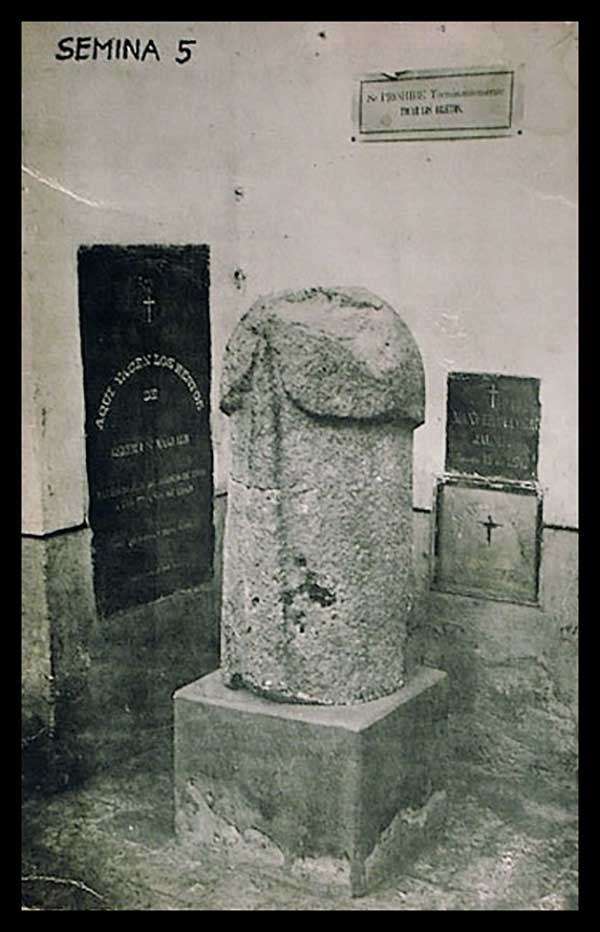
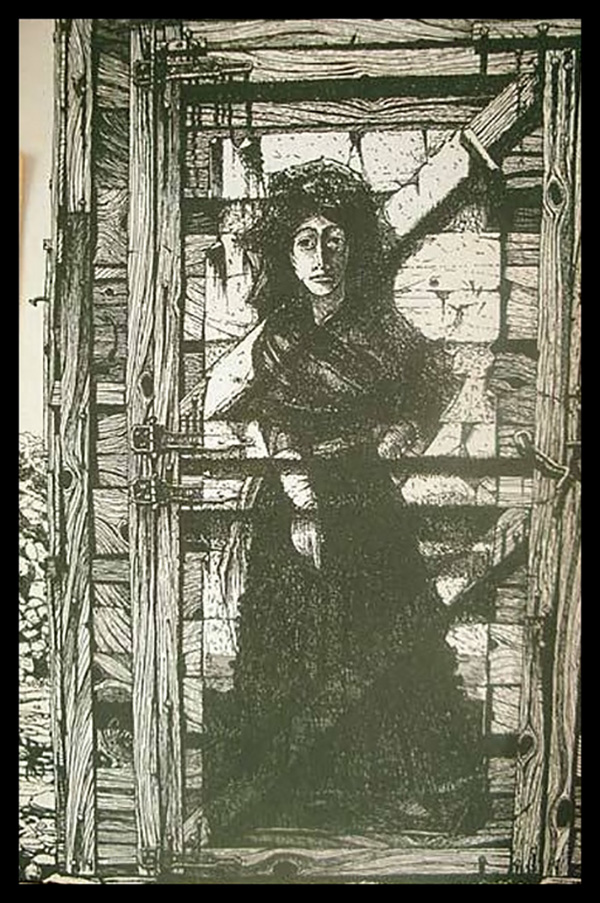
Wallace Berman- Semina 5, 196, Santa Cruz Museum of Art 2

Wallace Berman- Semina 5, 196, Santa Cruz Museum of Art

Wallace Berman- Semina 5, 196, Santa Cruz Museum of Art - Copie

Wallace Berman- Semina 5, 196, Santa Cruz Museum of Art

Wallace Berman- Semina 5, 196, Santa Cruz Museum of Art

Wallace Berman- Semina 5, 196, Santa Cruz Museum of Art

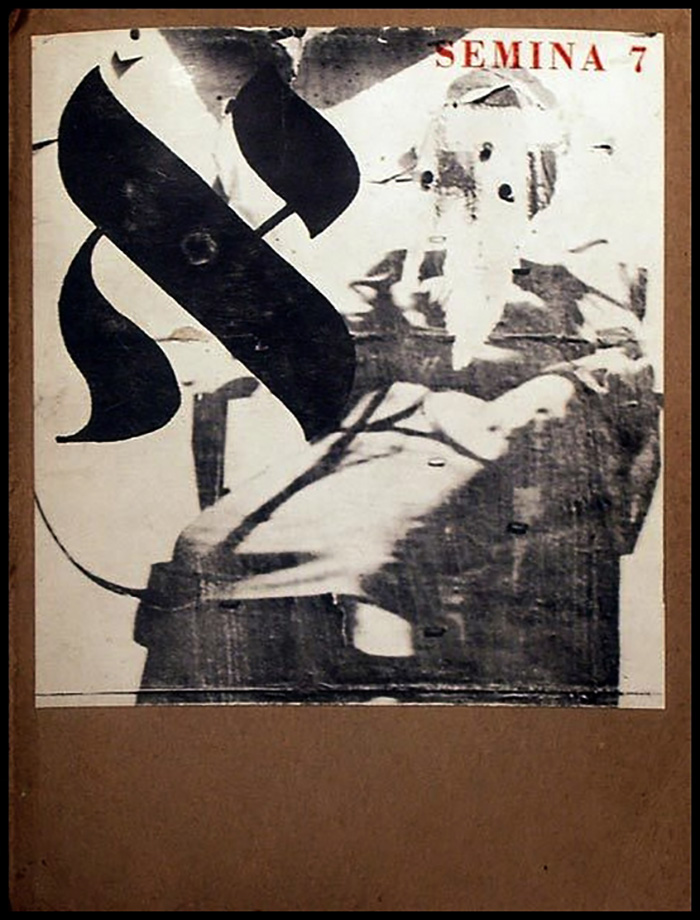
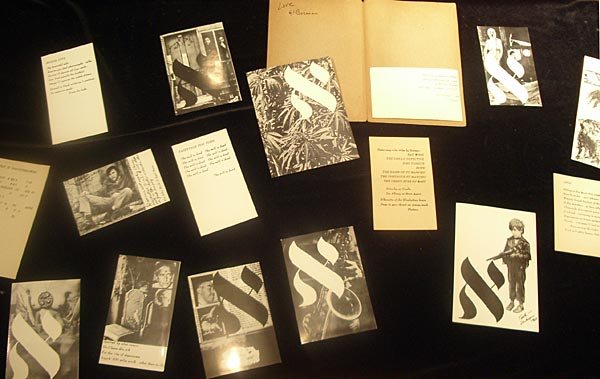
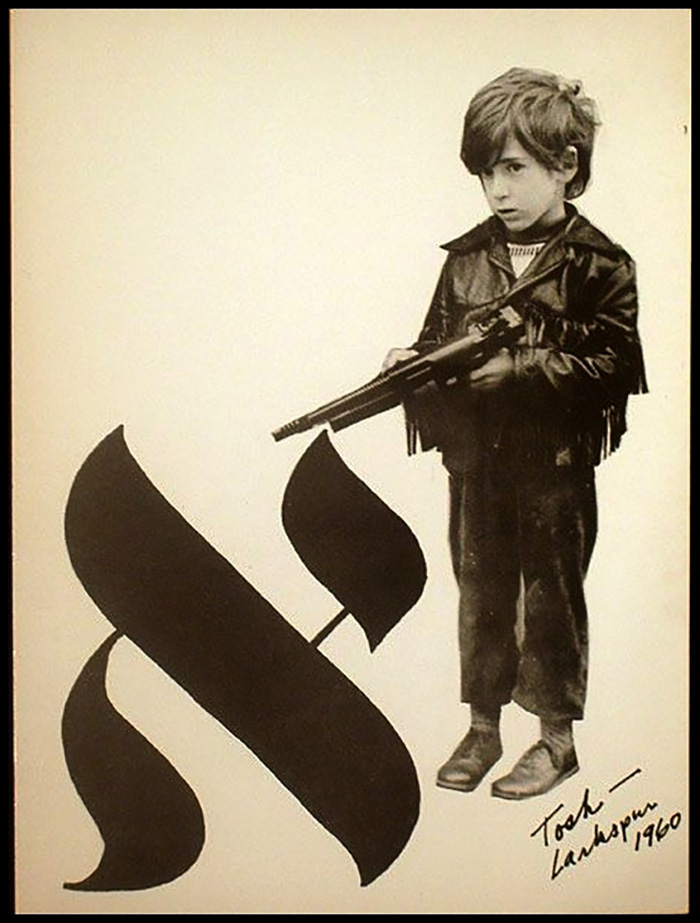
Wallace Berman- Semina 7, 1961, Santa Cruz Museum of Art0

Wallace Berman- Semina 7, 1961, Santa Cruz Museum of Art0

Wallace Berman- Semina 7, 1961, Santa Cruz Museum of Art

Wallace Berman- Semina 7, 1961, Santa Cruz Museum of Art

Wallace Berman- Semina 7, 1961, Santa Cruz Museum of Art 3

Wallace Berman- Semina 7, 1961, Santa Cruz Museum of Art

Wallace Berman- Semina 7, 1961, Santa Cruz Museum of Art 2

Wallace Berman- Semina 7, 1961, Santa Cruz Museum of Art

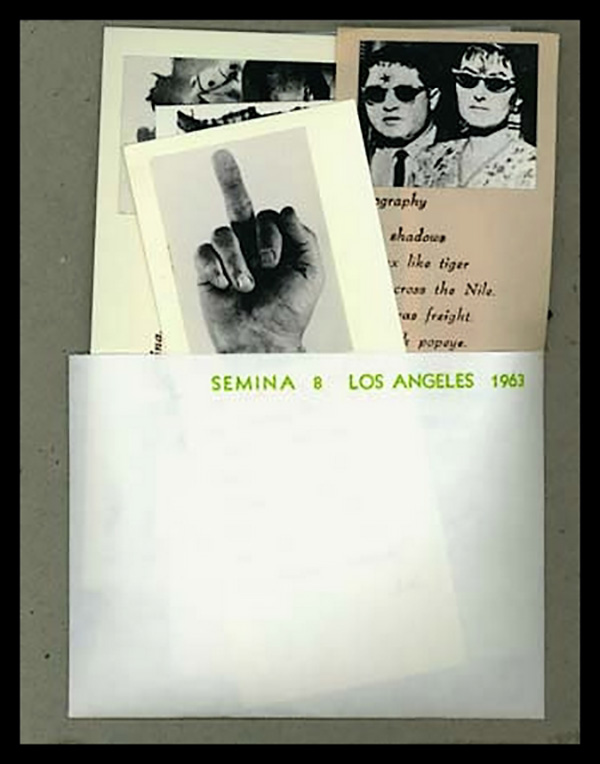
Wallace Berman- Semina 8, 1963

Wallace Berman- Semina 8, 1963 voir l(integralité du no Ici

Wallace Berman- Semina 8 , 1963

Wallace Berman- Semina 8 , 1963

Wallace Berman- Semina

Wallace Berman- Semina 8 , 1963

Verifax Collages

Wallace Berman - Untitled (R.E. Hand, Mexican Dictator), 1976 positive image verifax collage

Wallace Berman – Untitled (R.E. Hand, Mexican Dictator), 1976 positive image verifax collage

Wallace Berman- Untitled 40 , Wallace Berman , from Verifax Collages's series around 1964

Wallace Berman- Untitled 40 , Wallace Berman , from Verifax Collages’s series around 1964

Wallace Berman- Untitled 107, Wallace Berman , from Verifax Collages's series around 1964

Wallace Berman- Untitled 107, Wallace Berman , from Verifax Collages’s series around 1964

Wallace Berman - Untitled (Jack Ruby), c. 1964 positive verifax with poem

Wallace Berman – Untitled (Jack Ruby), c. 1964 positive verifax with poem

Wallace Berman - Scope, 1965 verifax collage on board

Wallace Berman – Scope, 1965 verifax collage on board

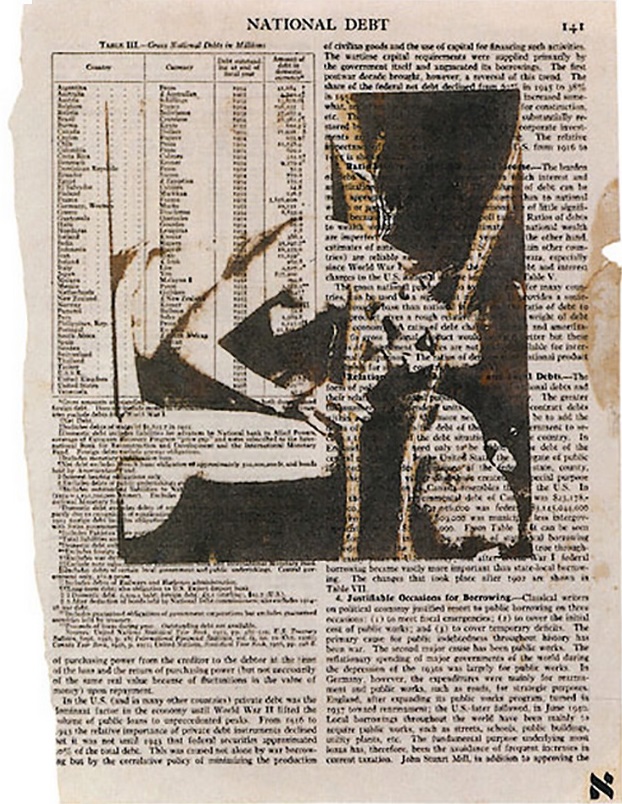
Wallace Berman Untitled (National Debt), c. 1964 verifax on book page with lettraset

Wallace Berman Untitled (National Debt), c. 1964 verifax on book page with lettraset

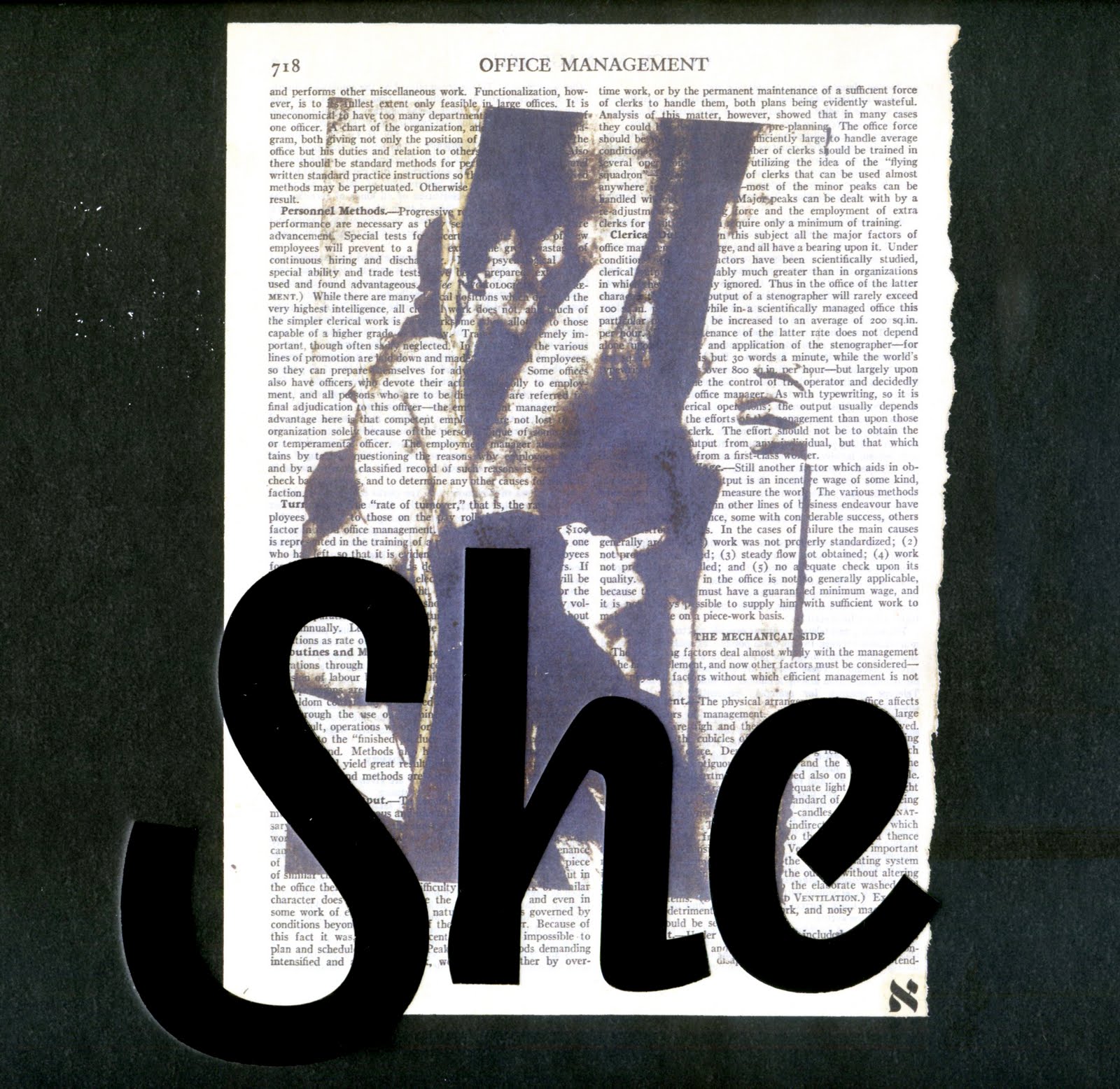
Wallace Berman She, c. 1964 verifax on book page with lettraset

Wallace Berman She, c. 1964 verifax on book page with lettraset

Wallace Berman, “Untitled” (two-ton rock, above and below), Verifax positive, with Polaroid transfer on magazine map.

Wallace Berman, “Untitled” (two-ton rock, above and below), Verifax positive, with Polaroid transfer on magazine map.

Autres travaux photographies Collages, installations, poèmes

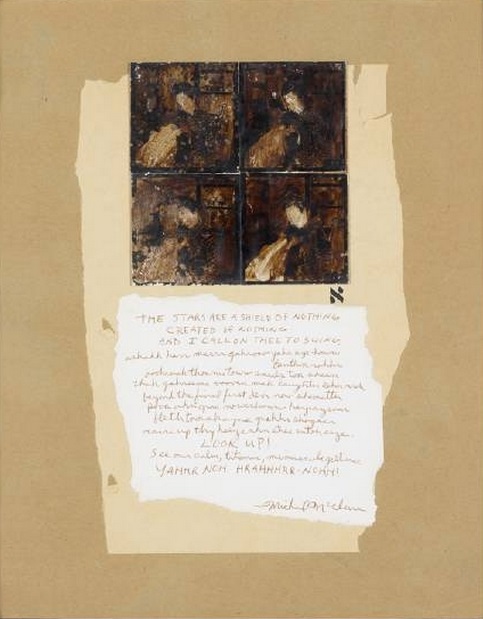
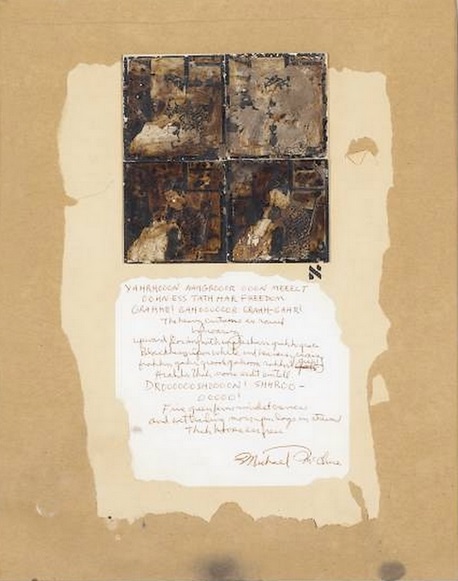
Wallace Berman. Untitled (Michael McClure Poem), 1964

Wallace Berman. Untitled (Michael McClure Poem), 1964

Wallace Berman. Untitled (Michael McClure Poem), 1964 1

Wallace Berman. Untitled (Michael McClure Poem), 1964

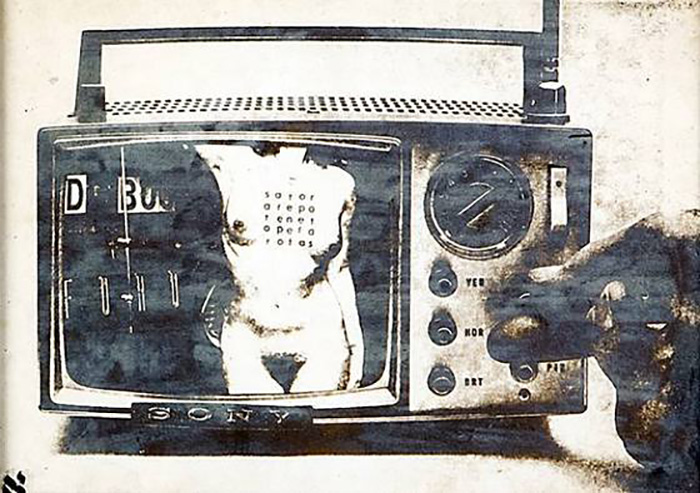
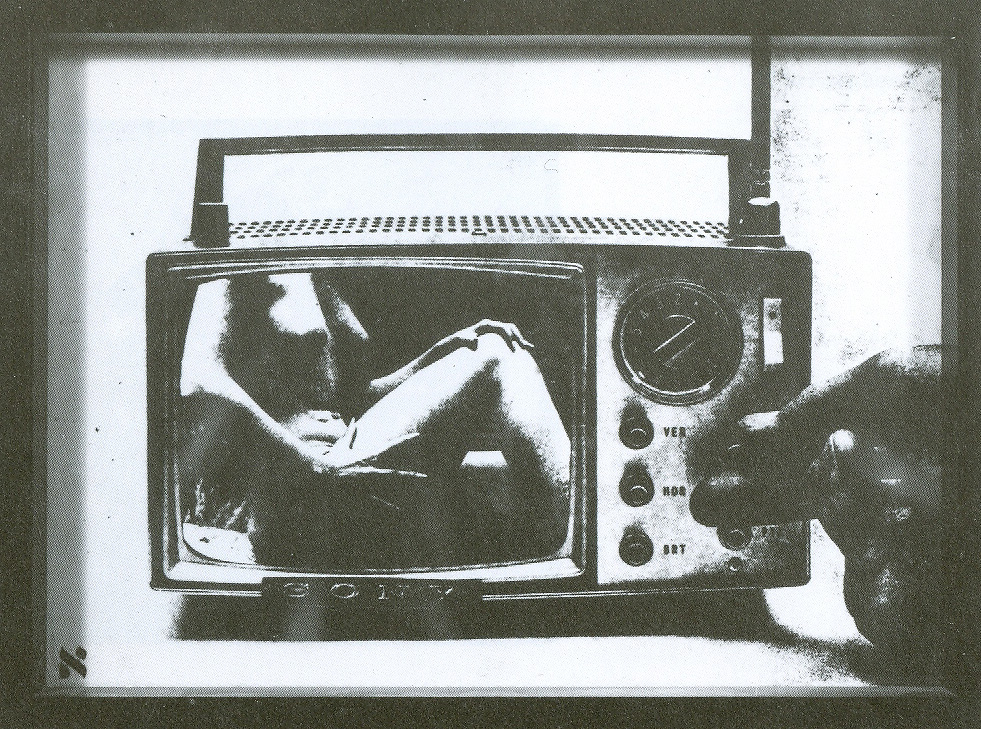
Wallace Berman Untitled (TV), 1964

Wallace Berman Untitled (TV), 1964

Wallace Berman Untitled (TV), 1964 1

Wallace Berman Untitled (TV), 1964

Wallace Berman, Papa’s Got a Brand New Bag, 1964. Mixed-media collage Collection of David Yorkin and Alix Madigan, Los Angeles. Courtesy the estate of Wallace Berman and Michael Kohn Gallery, Los Angeles.

Wallace Berman, Papa’s Got a Brand New Bag, 1964. Mixed-media collage Collection of David Yorkin and Alix Madigan, Los Angeles. Courtesy the estate of Wallace Berman and Michael Kohn Gallery, Los Angeles.

Wallace Berman Untitled (Faceless Faces), 1963 verifax collage

Wallace Berman Untitled (Faceless Faces), 1963 verifax collage

Wallace Berman, Letter to David Meltzer (football players), 1962. Typed letter with photographic collage,

Wallace Berman, Letter to David Meltzer (football players), 1962. Typed letter with photographic collage,

Wallace Berman- Endpiece , 1973

Wallace Berman- Endpiece , 1973

Wallace Berman - See you soon, 1975

Wallace Berman – See you soon, 1975

ay DeFeo &Wallace Berman -Untitled , 1959 (Whitney Museum of American)

Jay DeFeo &Wallace Berman -Untitled , 1959 (Whitney Museum of American)

ay DeFeo &Wallace Berman -Untitled , 1959 (Whitney Museum of American)

Jay DeFeo &Wallace Berman -Untitled , 1959 (Whitney Museum of American)

Wallace Berman- Untitled (Jay DeFeo in front of The Rose), nd

Wallace Berman- Untitled (Jay DeFeo in front of The Rose), nd

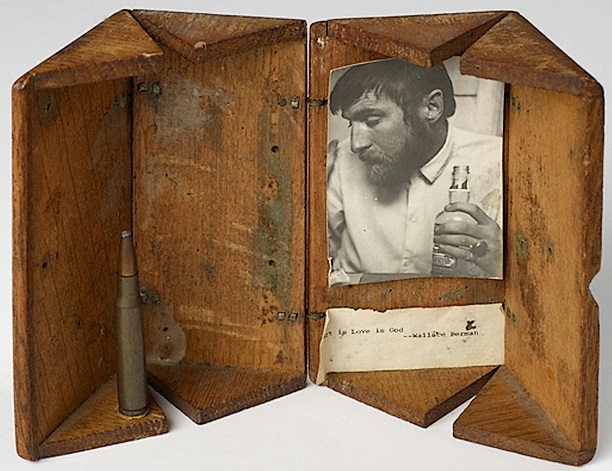
Wallace BermanUntitled (Art is Love is God), 1955, Robert Alexander. Wooden box, photograph, bullet, and paper ourtesy of Galerie Frank Elbaz and Michael Kohn Gallery.

Wallace BermanUntitled (Art is Love is God), 1955, Robert Alexander. Wooden box, photograph, bullet, and paper ourtesy of Galerie Frank Elbaz and Michael Kohn Gallery.

Wallace Berman Semina Case ( exposition, 1957)

Wallace Berman Semina Case ( exposition, 1957)

Wallace Berman Photographs Bob Brannaman, Big Sur, early 1960s

Wallace Berman Photographs Bob Brannaman, Big Sur, early 1960s

Son Film

Très bon article en anglais Ici

Dorothy Wilding ( 1893-1976)

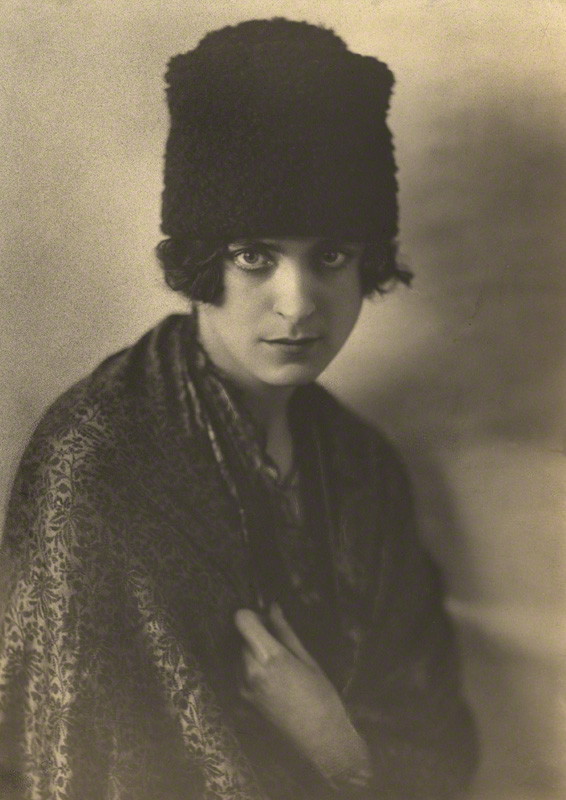
Dorothy Wilding(ou plutôt était) la plus célèbre photographe  de Grande-Bretagne. En fait, elle a été la première femme à recevoir un mandat royal pour être le photographe officiel de la Reine Roi lors de leur couronnement, et une de ses photographies de la reine actuelle (connu sous le nom   «Portrait Wilding») a été utilisé pour une série de timbres en Grande-Bretagne, utilisé entre 1953 et 1967. Elle a travaillé principalement dans le Studio sur Bond Street ( d’abord chez celui  Marian Neilson ,où elle a débuté en tant qu’ apprentie, puis dans son propre studio) , et en 1937 en a ouvert un autre à New York. Elle est surtout connue pour ses compositions linéaires lumineuses photographiées sur un fond blanc. Son autobiographie en quête de perfection a été publié en 1958

Ce n’est pas du tout les portrait des têtes couronnés que je vous présente aujourd’hui, mais des portraits de célébrités ( danseuses actrices..)  de l’époque ainsi que des nus comme d’habitude,  r2alisés entre 1920 et 1930.


Dorothy Wilding- The Silver Turban.1928 © William Hustler and Georgina Hustler

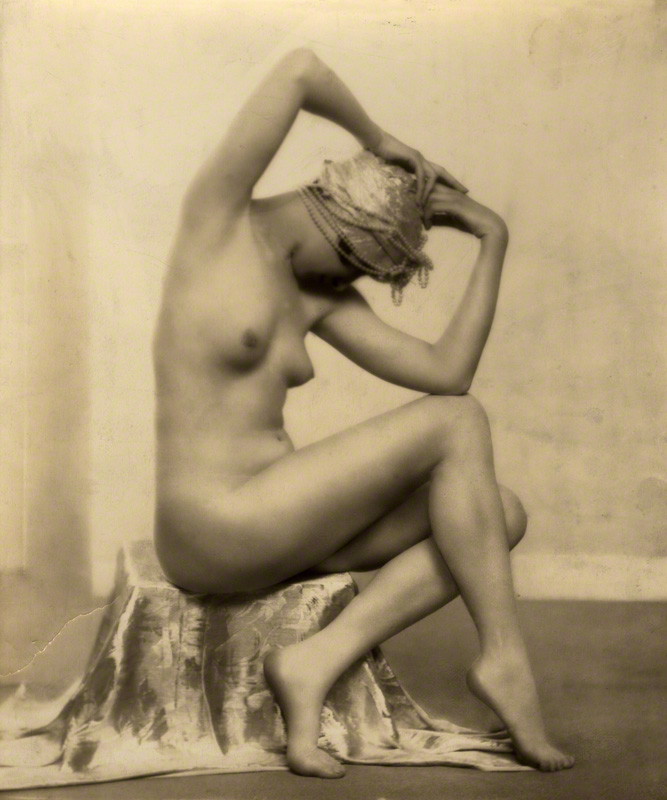
Dorothy Wilding- The Silver Turban.  serie  » hidden face » #1, 1928 © William Hustler and Georgina Hustler

Dorothy Wilding- Hidden face , 1928  © William Hustler and Georgina Hustlerd Georgina Hustler

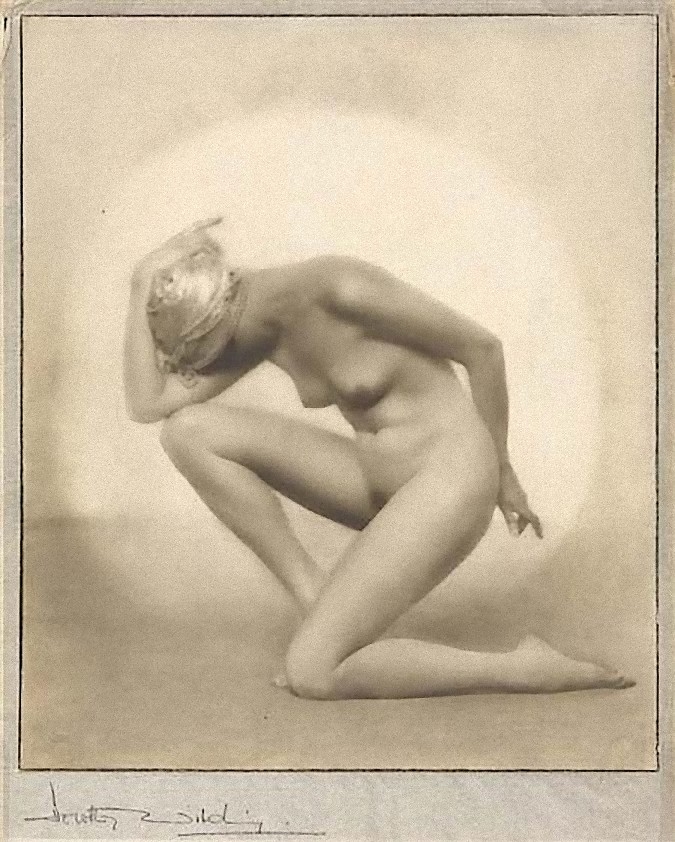
Dorothy Wilding-  The Silver Turbanserie  » hidden face » #4 , 1928 © William Hustler and Georgina Hustlerd Georgina Hustler


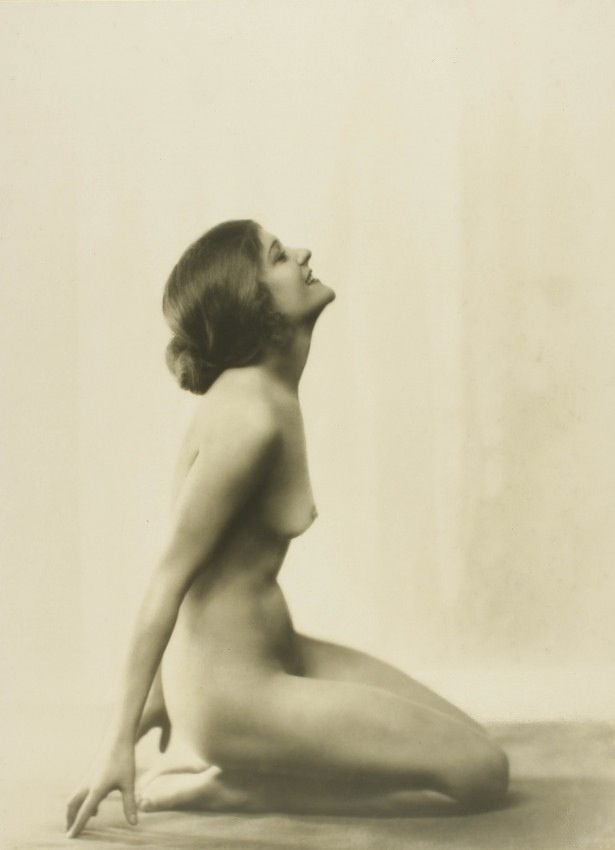
Dorothy Wilding -nude study, 1920 © William Hustler and Georgina Hustler

Dorothy Wilding -The Silver Turban , nude study, serie  » hidden face » # 3 ,1928 © William Hustler and Georgina Hustler

Dorothy Wilding – portrait of Rhoda Beasley, 1932

Dorothy Wilding – Nude study,  portrait of Rhoda Beasley, 1932


Dorothy Wilding - Nude study with veil, 1930 © William Hustler and Georgina Hustler

Dorothy Wilding – Nude study with veil, 1930 © William Hustler and Georgina Hustler


Dorothy Wilding -The Bat, 1927 [chlorobromide print] © William Hustler and Georgina Hustler

Dorothy Wilding -The Bat, 1927 [chlorobromide print] © William Hustler and Georgina Hustler

Dorothy Wilding - Le Matin (Unidentified woman) 1920 © William Hustler and Georgina Hustler

Dorothy Wilding – Le Matin (Unidentified woman) 1920 © William Hustler and Georgina Hustler

Dorothy Wilding - "Le Papillon "(Unidentified woman) 1920 © William Hustler and Georgina Hustler

Dorothy Wilding – « Le Papillon « (Unidentified woman) 1920 © William Hustler and Georgina Hustler

Dorothy Wilding - Ingenue, 1920. © William Hustler and Georgina Hustler

Dorothy Wilding – Ingenue, 1930. © William Hustler and Georgina Hustler

Dorothy Wilding-   'Perles', 1930s  © William Hustler and Georgina Hustler

Dorothy Wilding- ‘Perles’, 1930s © William Hustler and Georgina Hustler

Dorothy Wilding - 'Le Matin ' (Unidentified woman) 1920 © William Hustler and Georgina Hustler

Dorothy Wilding – ‘Le Matin ‘ (Unidentified woman) 1920 © William Hustler and Georgina Hustler

Dorothy Wilding - Le reveil , 1920 © William Hustler and Georgina Hustler

Dorothy Wilding – Le reveil , 1920 © William Hustler and Georgina Hustler


Dorothy Wilding - Anna May Wong ,1938 . Theater Portrait was taken during her successful run in the Broadway production of On the Spot. She would later star in the film version entitled Dangerous to Know ,1938 ©

Dorothy Wilding – Anna May Wong ,1938 . Theater Portrait was taken during her successful run in the Broadway production of On the Spot. She would later star in the film version entitled Dangerous to Know ,1938 ©William Hustler and Georgina Hustler

Dorothy Wilding - Anna May Wong, chlorobromide print on card mount, 1929 © William Hustler and Georgina Hustler

Dorothy Wilding – Anna May Wong, chlorobromide print on card mount, 1929 © William Hustler and Georgina Hustler

Dorothy Wilding-  Iris , Lady Cameron, 1935 © William Hustler and Georgina Hustler

Dorothy Wilding- Iris , Lady Cameron, 1935 © William Hustler and Georgina Hustler

Dorothy Wilding-  Iris , Lady Cameron, 1935 © William Hustler and Georgina Hustler

Dorothy Wilding- Iris , Lady Cameron, 1935 © William Hustler and Georgina Hustler


Dorothy Wilding  The Pianist Harriet Cohen, 1920 © William Hustler and Georgina Hustler

Dorothy Wilding The Pianist Harriet Cohen, 1920 © William Hustler and Georgina Hustler

Dorothy Wilding  The Pianist Harriet Cohen, 1920 © William Hustler and Georgina Hustler

Dorothy Wilding The Pianist Harriet Cohen, 1920 © William Hustler and Georgina Hustler

Dorothy Wilding - Isabel Jeans, 1920 © William Hustler and Georgina Hustler

Dorothy Wilding – Isabel Jeans, 1920 © William Hustler and Georgina Hustler

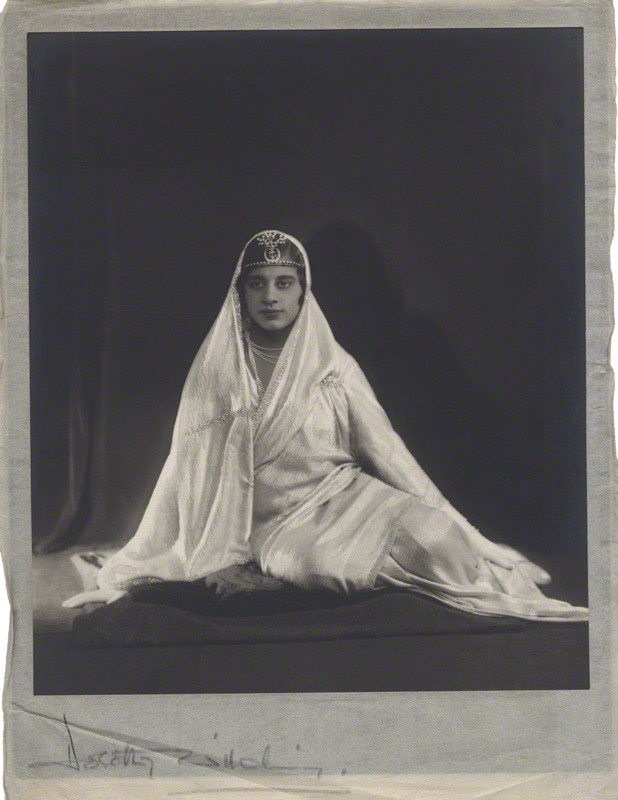
Dorothy Wilding -Maharaj Kumari Sudharani Devi of Burdwan, 1927 © William Hustler and Georgina Hustler

Dorothy Wilding -Maharaj Kumari Sudharani Devi of Burdwan, 1927 © William Hustler and Georgina Hustler

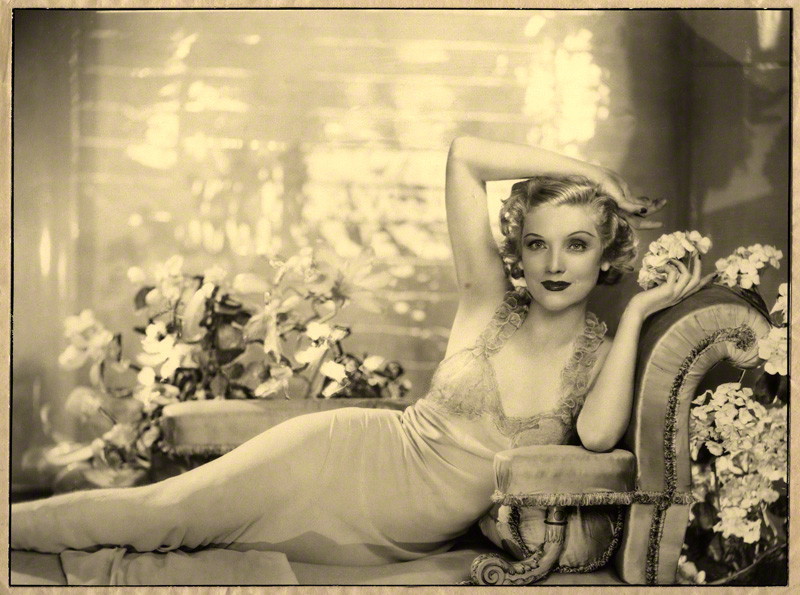
Dorothy Wilding - Portrait of Diana Wynyard, 1937 © William Hustler and Georgina Hustler

Dorothy Wilding – Portrait of Diana Wynyard, 1937 © William Hustler and Georgina Hustler


Dorothy Wilding - Dorothy Dickson, 1937 © William Hustler and Georgina Hustler

Dorothy Wilding – Dorothy Dickson, 1937 © William Hustler and Georgina Hustler

Dorothy Wilding - Dorothy Dickson, nd © William Hustler and Georgina Hustler

Dorothy Wilding – Dorothy Dickson, nd © William Hustler and Georgina Hustler


Dorothy Wilding - Tallulah Bankhead,  1934  © William Hustler and Georgina Hustler

Dorothy Wilding – Tallulah Bankhead, 1934 © William Hustler and Georgina Hustler

Dorothy Wilding - Jacques Cartier,chlorobromide print on tissue and card mount, 1932 © William Hustler and Georgina Hustler

Dorothy Wilding – Jacques Cartier,chlorobromide print on tissue and card mount, 1932 © William Hustler and Georgina Hustler

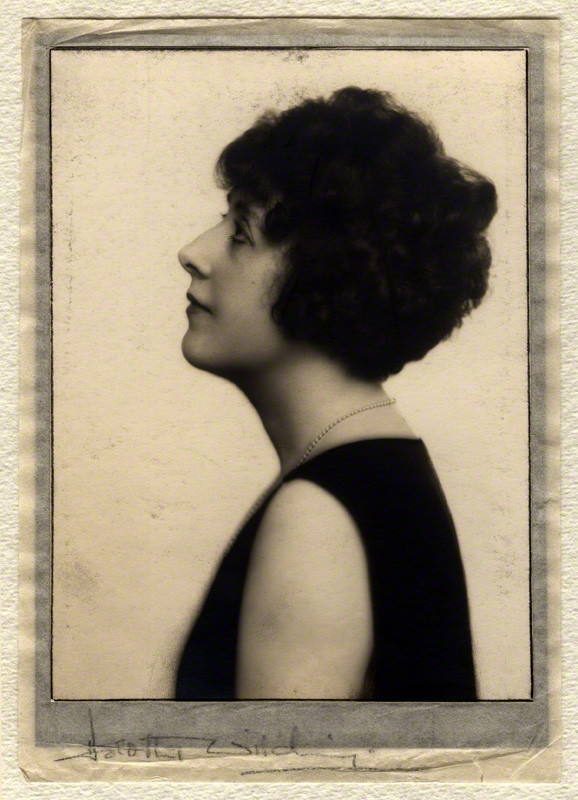
Dorothy Wilding- Self portrait, 1920s© William Hustler and Georgina Hustler

Dorothy Wilding- Self portrait, 1920s© William Hustler and Georgina Hustler

Dorothy Wilding- Self portrait, 1920s© William Hustler and Georgina Hustler

Dorothy Wilding- Self portrait, 1920s© William Hustler and Georgina Hustler

Dorothy Wilding- The studio of Dorothy Wilding 1920s © William Hustler and Georgina Hustlerd Georgina Hustler

Dorothy Wilding- The studio of Dorothy Wilding 1920s © William Hustler and Georgina Hustlerd Georgina Hustler

Protégé : Pécsi József (1889 – 1956)

Cet article est protégé par un mot de passe. Pour le lire, veuillez saisir votre mot de passe ci-dessous :

Václav Chochola (1923- 2005)

 Václav Chochola est un  photographe indépendant  tchèque et enseignant à l’École des arts graphiques. Il a collaboré avec le Théâtre National un certain nombre d’autres troupes. il utilisait des techniques non traditionnelles, photogrammes , photomontages par exemple . au delà de ses photographies de nus, il a réalisé le portrait  de nombreuses célébrités (notamment son célèbre portrait de Dali ) et s’est intéressé à la photographie du sport. Il est à souligné , qu’il a laissé derrière lui un témoignage documentaire photographique sur  l’Insurrection de Prague en mai 1945, qui est inestimable  . et soulignons également qu’une fois encore un artiste fût arrêté, ainsi en 1970 , il a fait quelques de mois de détention pour avoir été photographier la tombe de Jan Palach ( un étudiant en l’histoire et économie politique , qui a sacrifié sa vie pour protester contre la suppression des libertés après l’occupation Tchécoslovaquie par les armées du Pacte de Varsovie et qui est mort en 1966).

Je ne vous présente qu’un bref aperçu de son travail, ceci n’est qu’une infime partie…

 Son site et sa biographie  bien plus complète Ici

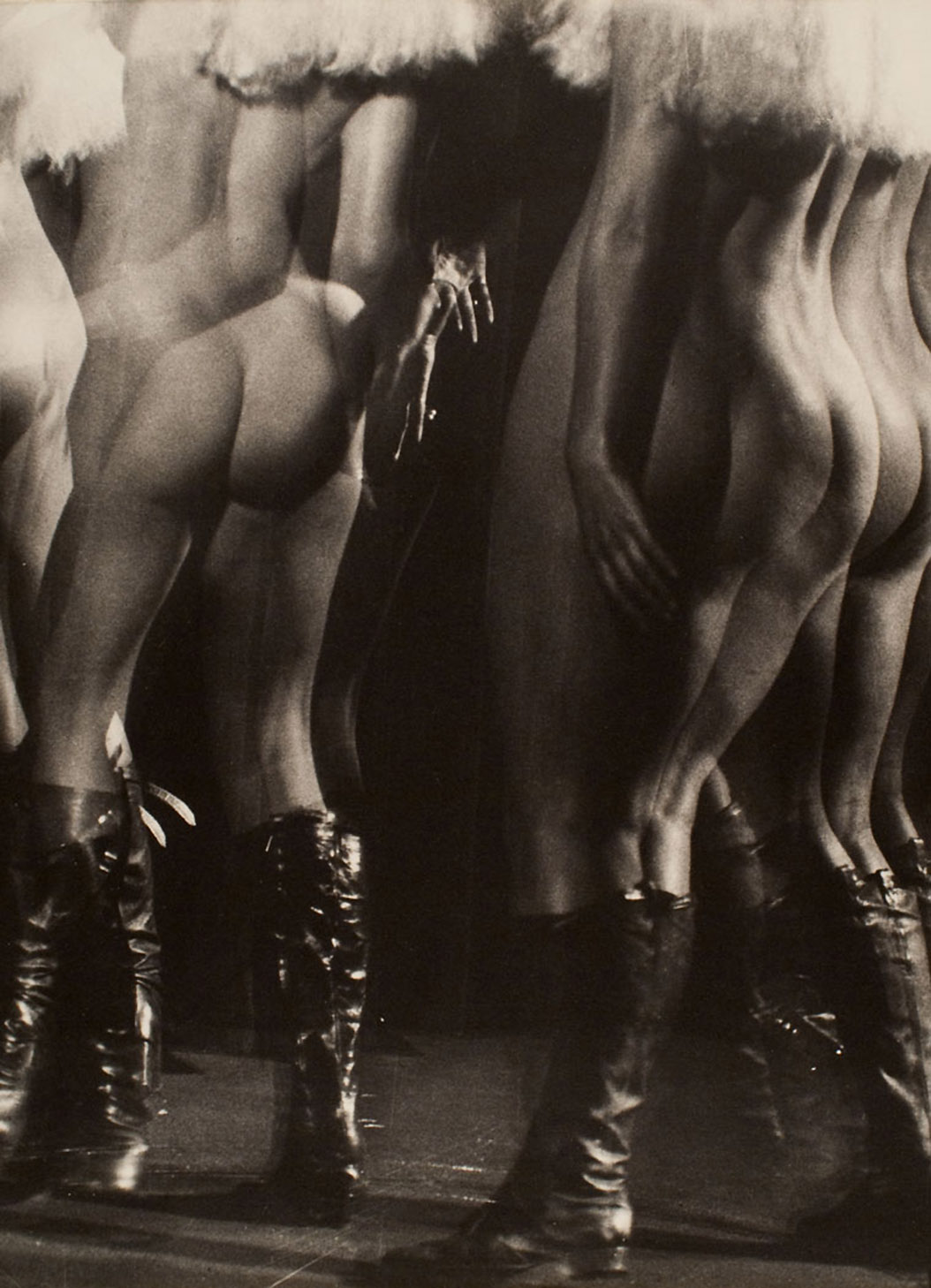
Václav Chochola- Crazy Horse Saloon, Paris ,1968

Václav Chochola-Crazy Horse Saloon, Paris ,1968

Václav Chochola - Crazy Horse Saloon, Paris, 1969

Václav Chochola – Crazy Horse Saloon, Paris, 1969

Václav Chochola -projection - Crazy Horse saloon, Paris, 1960-68

Václav Chochola -projection – Crazy Horse saloon, Paris, 1960-68

Václav Chochola Untitled (Nude at crazy horse),  1965

Václav Chochola Untitled (Nude at crazy horse), 1965

Václav Chochola -Nude, 1950

Václav Chochola -Nude, 1950

Václav Chochola -Nude, 1960

Václav Chochola -Nude, 1960

Václav Chochola -Nudes, 1966

Václav Chochola -Nudes, 1966

Václav Chochola Mädchenakt seitlich im Gegenlicht Nu feminin de côté à contre jour 1960-65

Václav Chochola Mädchenakt seitlich im Gegenlicht Nu feminin de côté à contre jour 1960-65  ( j’ai fais au mieux pour la nettoyer … voyez ici , il n’y a que du bruit…)

Václav Chochola -Nude, 1970

Václav Chochola -Nude, 1970

Jiři Kolář. Václav Chochola -Roláž ( collage)

Jiři Kolář. Václav Chochola -Roláž ( collage), 1960

Jiři Kolář. Václav Chochola -Roláž ( collage), 1960 ( réalisé par Jiři Kolář à partir d’une photographie de Václav Chochola ci dessous)

Jiři Kolář. Václav Chochola -Roláž ( collage), 1960

Jiři Kolář. Václav Chochola -Roláž ( collage), 1960 ( réalisé par Jiři Kolář à partir d’une photographie de Václav Chocholaci dessous)

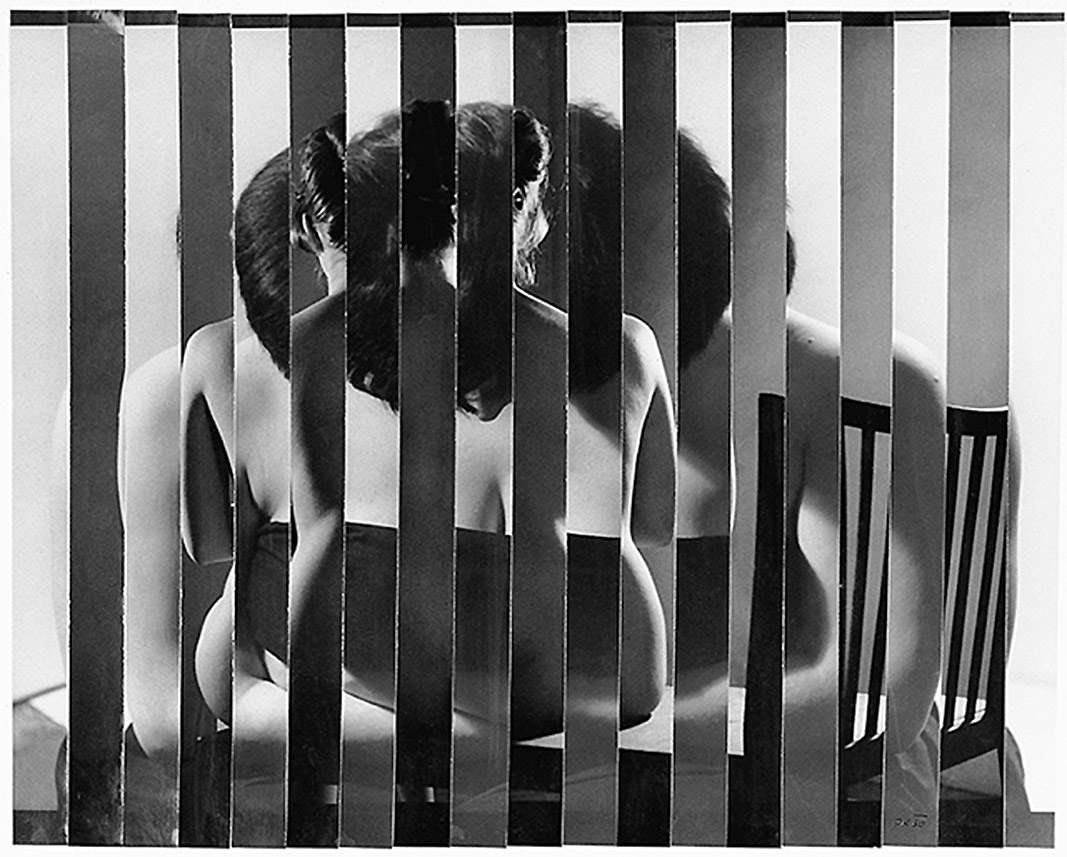
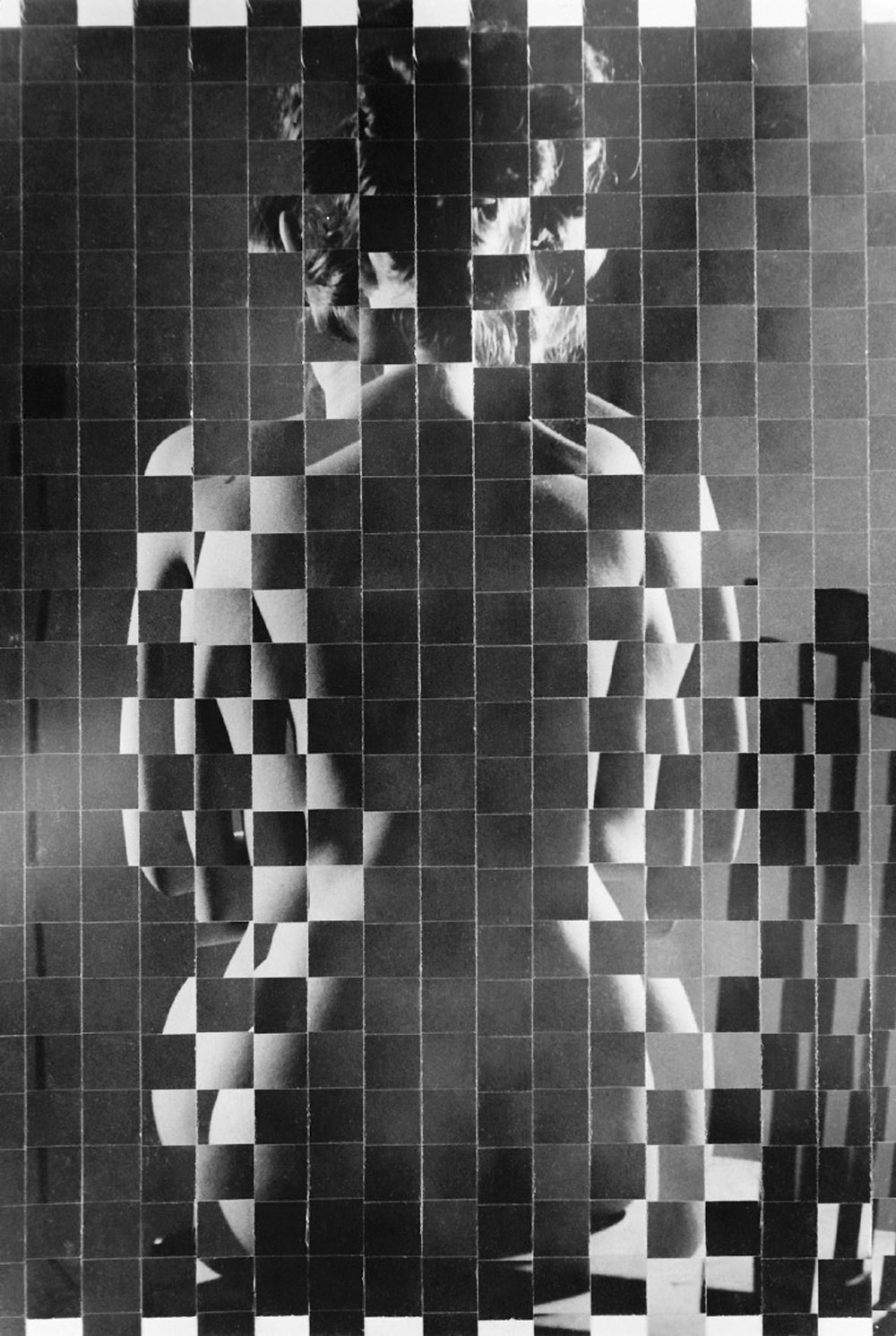
Václav Chochola-Rücken, (de dos) , 1960

Václav Chochola-Rücken, (de dos) , 1960

Jiři Kolář. Václav Chochola -Roláž ( collage), 1960

Jiři Kolář. Václav Chochola -Roláž ( collage), 1960 ( réalisé par Jiři Kolář à partir de deux photographies de Václav Chochola dont celle ci dessus))

Jiři Kolář. Václav Chochola -Roláž ( collage), 1960

Jiři Kolář. Václav Chochola -Roláž ( collage), 1960 ( réalisé par Jiři Kolář à partir d’une photographie de Václav Chocholaci dessous)

Jiři Kolář. Václav Chochola -Roláž ( collage), 1963

Jiři Kolář  Václav Chochola -Roláž ( collage), 1963 ( réalisé par Jiři Kolář à partir d’une photographie de Václav Chochola)

Václav Chochola- portrait 1947

Václav Chochola- portrait masqué ( maska) 1947

Václav Chochola - Šlépěj, 1970

Václav Chochola – Šlépěj, 1970

Václav Chochola – Man Ray, Paris 1968

Václav Chochola – Man Ray, Paris 1968

Václav Chochola-Vésak (Coat, lamp, reflections),1944

Václav Chochola-Vésak  Coat, lamp, reflections,,1944

baruch foundation

Je vous mets le lien google image pour Jiři Kolář, si vous voulez voir plus de son travail….. je ne ferais pas d’article sur lui, je n’apprécie pas vraimant le reste de son travail, il n’en reste pas moins un très grand collagiste, ceci dit , les goûts et les couleurs…

Libor Fára

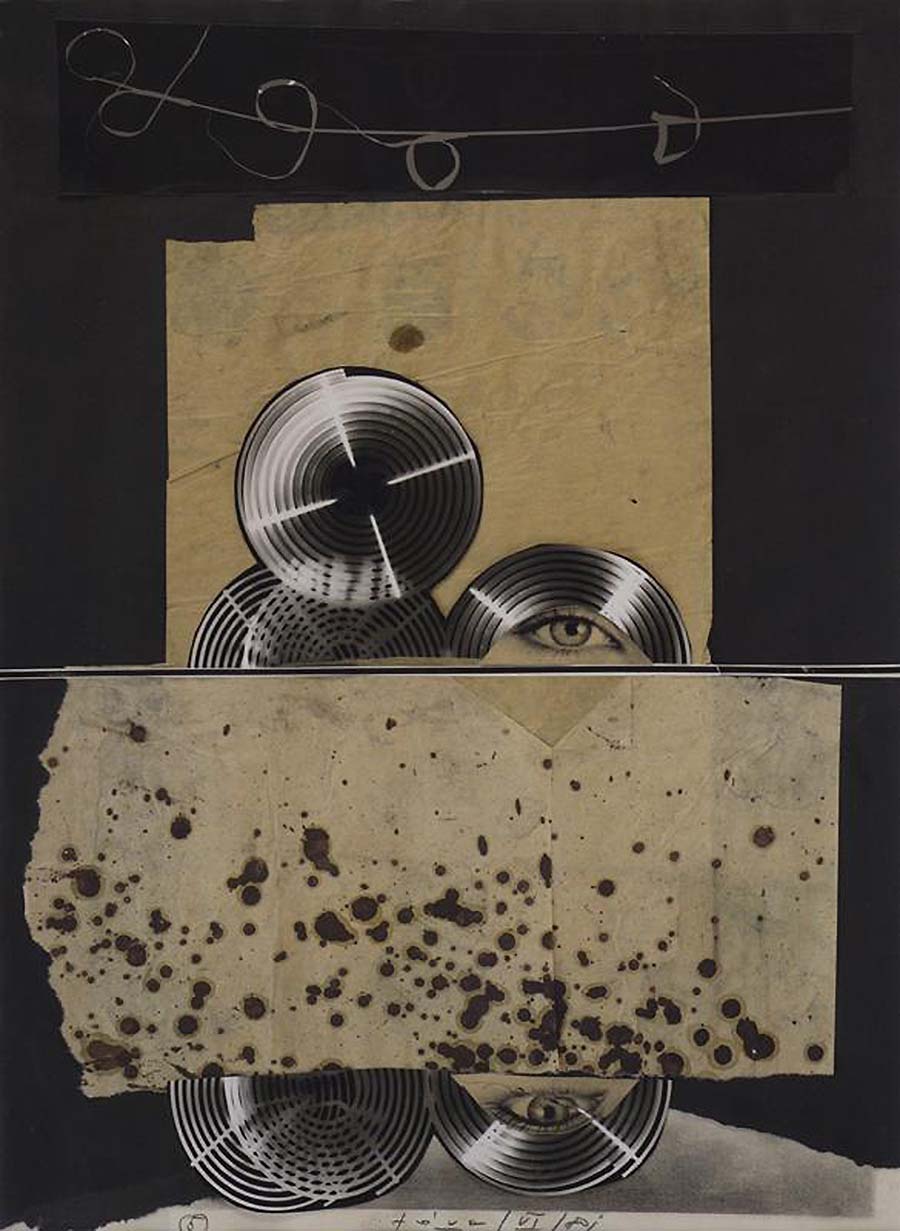
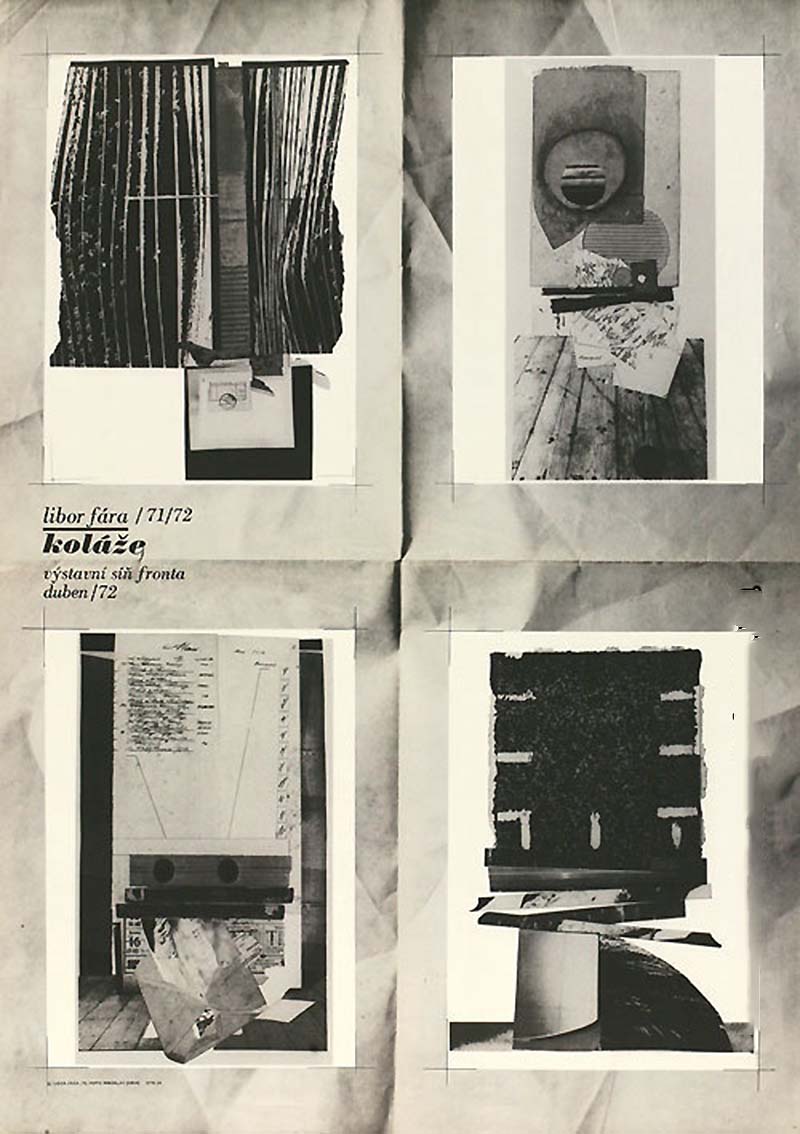
Libor Fára (1925-1988) was Painter, graphic artist, typographer and set designer.His  graduated from the Academy of Applied Arts in Prague in the studio of Emil Filla in the second half of the 1940s, developing his artistic opinion in the circle of the Prague Surrealists. Fára’s oeuvre is characteristic of a clearly defined polarity between improvisation and order, while inclining to magical Abstraction with a strong touch of aesthetics. The main fields of Fára’s interest were collages, assemblages and objects as well as photography. During the 1950s, Fára participated at various activities of artists, writers and theoreticians from the circle of Karel Teige. Even though his works, based on poetic construction were not created spontaneously, they recollect the production of the Fluxus movement. During the 1960s, Fára collaborated with the Prague theater Na Zábradlí for which he created many timeless stage designs and posters. Later he, however, withdrew from public life and ceased exhibiting; he rather focused on collages and large-dimensional assemblages composed of corroded metal sheets.  Member of the group Máj (May; since the year 1957). Over the years 1963 – 1979 created twenty film posters. He focused on stage production after his studies, and he distinguished in it. He cooperated with E.F. Burian theatre from 1953, between 1962 and 68 with theatre Na Zabradli, from 1969 mostly with Cinoherni klub. First painting inspiration of surrealism (Deux visages, 1945) Fara slowly transfered to poetic absurdity, which he realised by collage technique or assemblage. He belongs to founder of Czech action stage design. He is well know because of designs for Jarry´s King Ubu (1964), Waiting for Godot (1965), Cechov´s The Kirschgarten and Hrabal´s Gentle Barbar (1981). He designed the cover and graphic for magazine Theatre between 1958–1970, he participate on graphic layouts of almost all important publications about theatre.

Libor Fára- a Karel Teige, 1951( is the portrait of  K.Teige, on the left)

Libor Fára- a Karel Teige, 1951( is the portrait of K.Teige, on the left)

Libor Fára, Black Sunday 3-1-4, 1981

Libor Fára, Black Sunday 3-1-4, 1981

Libor Fára, Black Sunday 5., 1981

Libor Fára, Black Sunday 5., 1981

Libor Fára, Black Sunday 9.A, 1981

Libor Fára, Black Sunday 9.A, 1981

Libor Fára, Black Sunday 12., 1981

Libor Fára, Black Sunday 12., 1981

Libor Fára- Černá neděle, 1981

Libor Fára- Černá neděle, 1981

Libor Fára- Year of poster origin, 1972

Libor Fára- Year of poster origin, 1972

Libor Fára A chague épogue sa pose, ( french text) ,1949

Libor Fára A chague épogue sa pose, ( french text) ,1949

Libora Fáry cycle Breakfast at midnight (1951), dedicated to Zbyněk Havlíčkovi and used for the cover of  the Australian poet and fiction-writer Louis Armand

Libora Fáry cycle Breakfast at midnight (1951), dedicated to Zbyněk Havlíčkovi and used for the cover of the Australian poet and fiction-writer Louis Armand

Libor Fára -na snímku - Bez názvu, 1985

Libor Fára -na snímku – Bez názvu, 1985

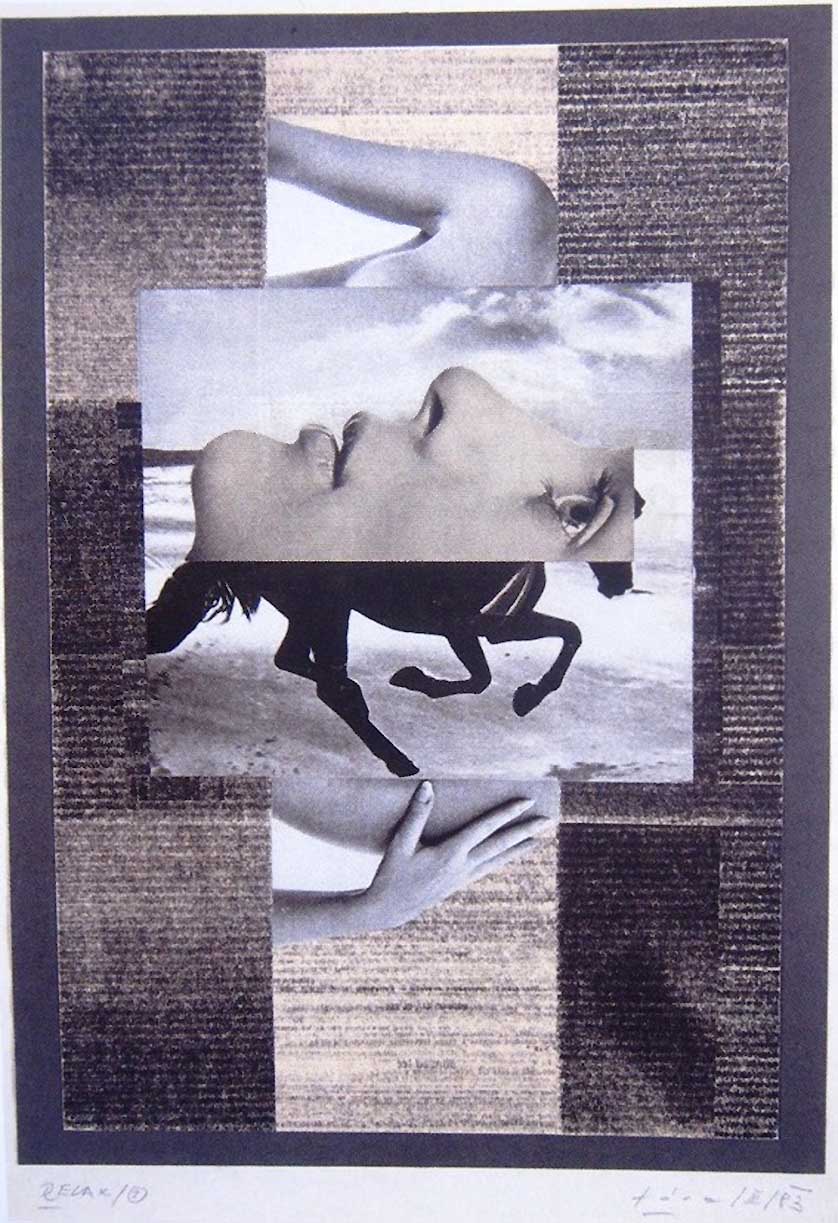
Libor Fára-relax 1, 1983

Libor Fára-relax 1, 1983

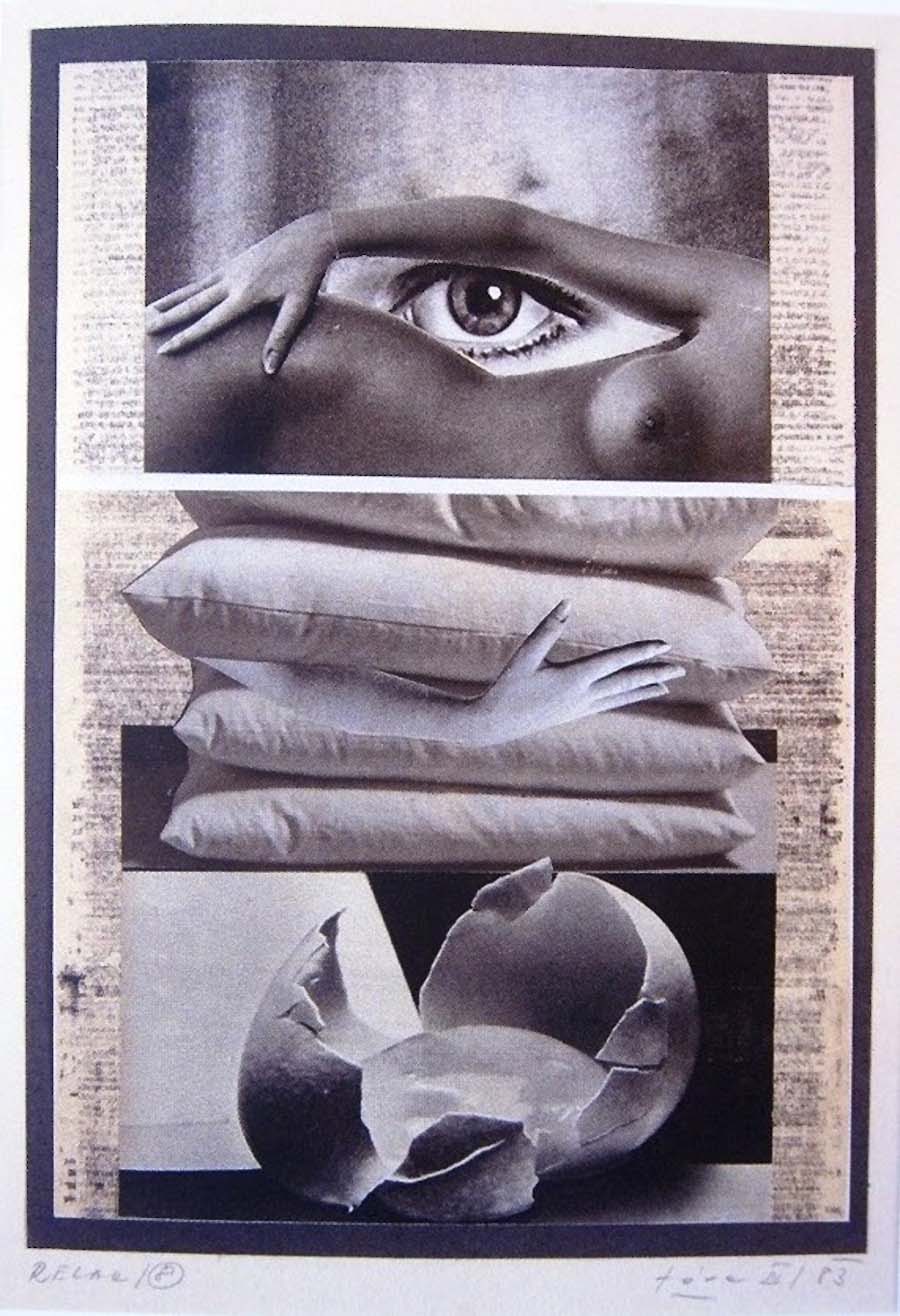
Libor Fára -Relax 8, 1983

Libor Fára -Relax 8, 1983

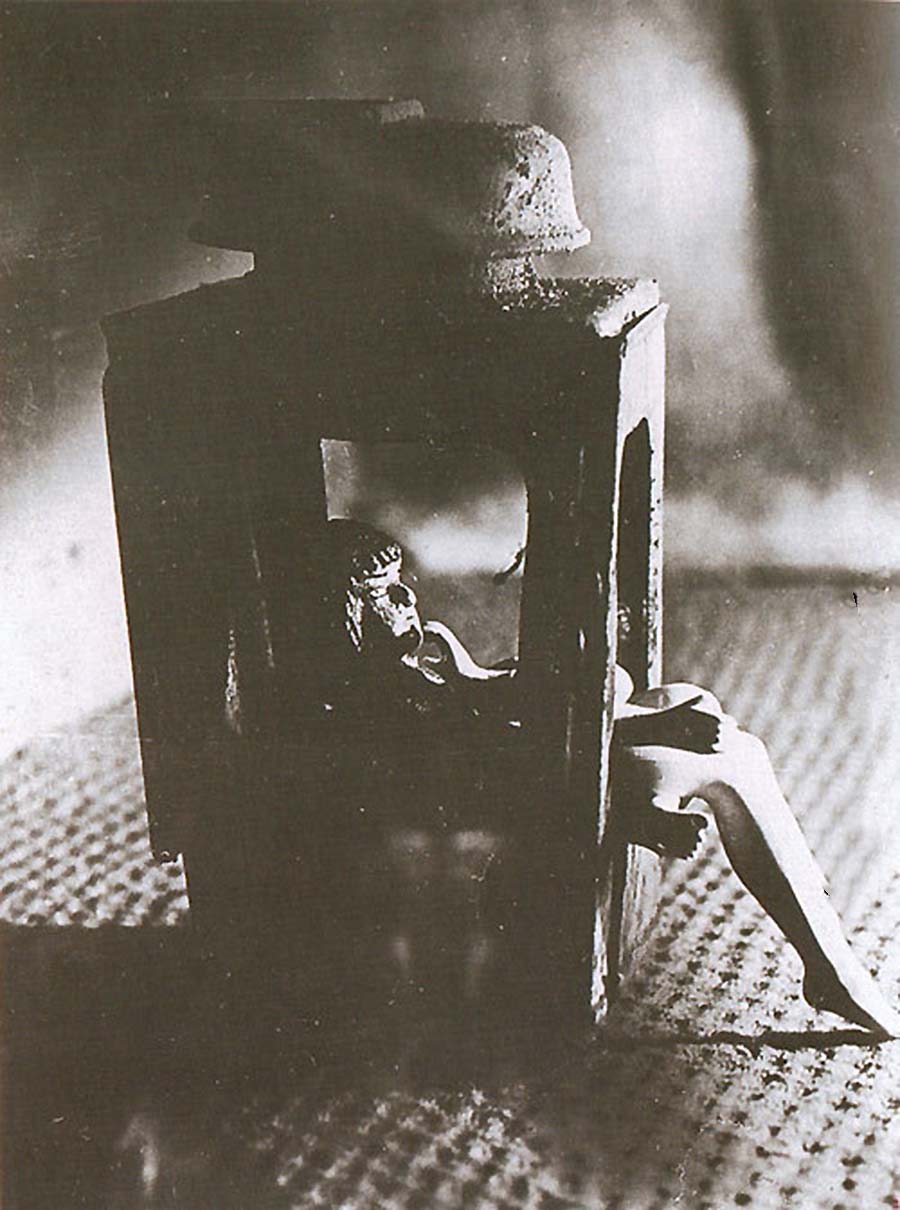
Libor Fára-  Zasravte cas foto objecktu, 1946

Libor Fára- Zasravte cas foto objecktu, 1946

Libor Fára  Sasaek a lampar foto objecktu 1947

Libor Fára- Sasaek a lampar (foto objecktu),  1947

Libor Fára  domino  foto objecktu1945 1

Libor Fára- domino (foto objecktu), 1945

Libor Fára - Dotky (foto objecktu),  1947

Libor Fára – Dotky (foto objecktu), 1947

 More about his work here

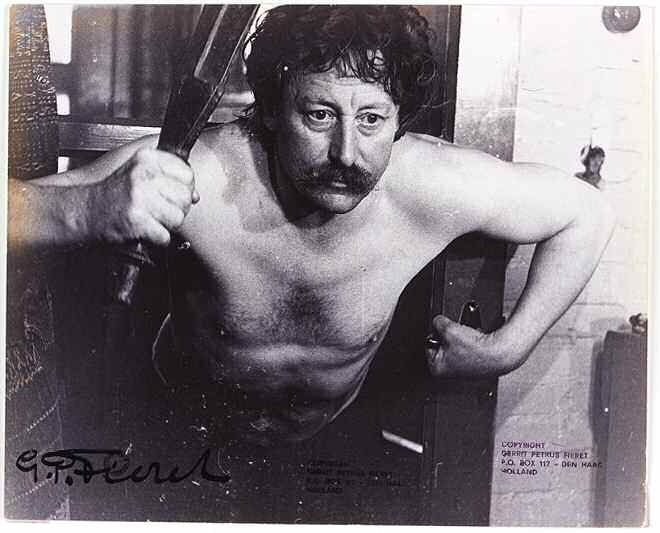
Gerard Petrus-Fieret (1924-2009)

Posted by kate

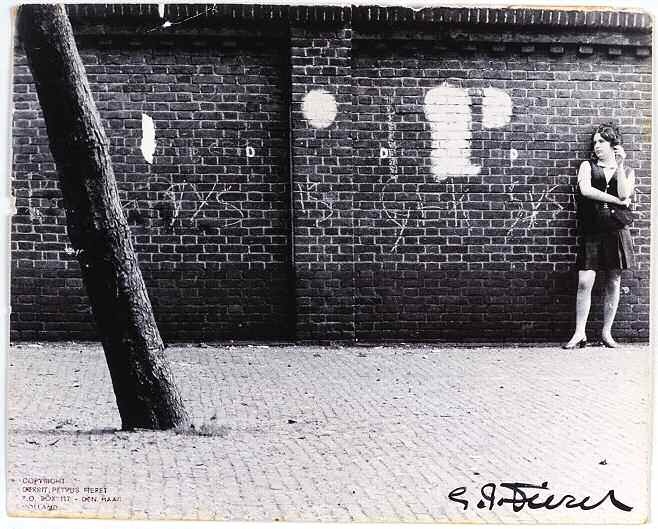
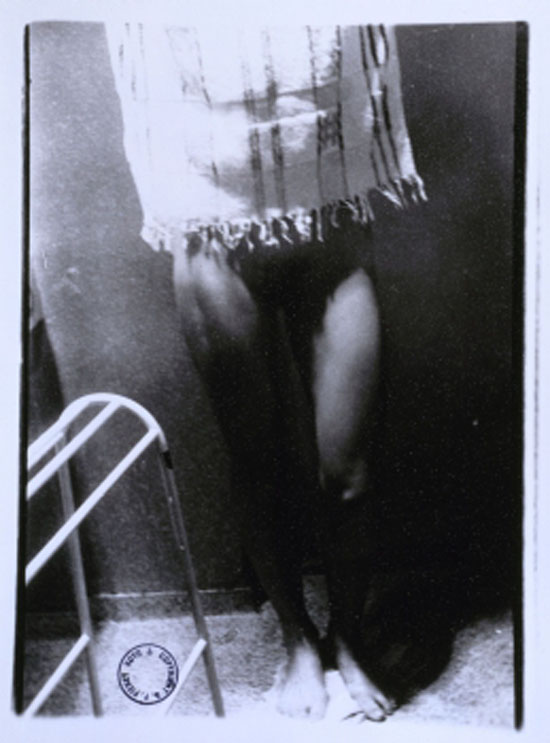
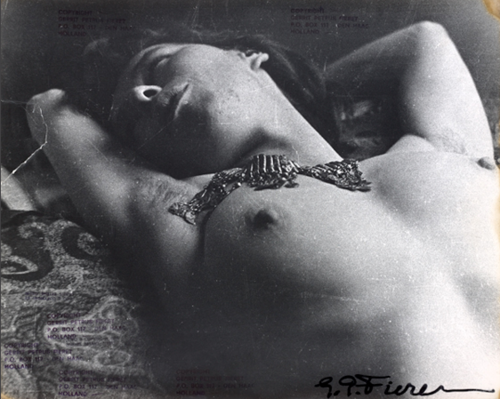
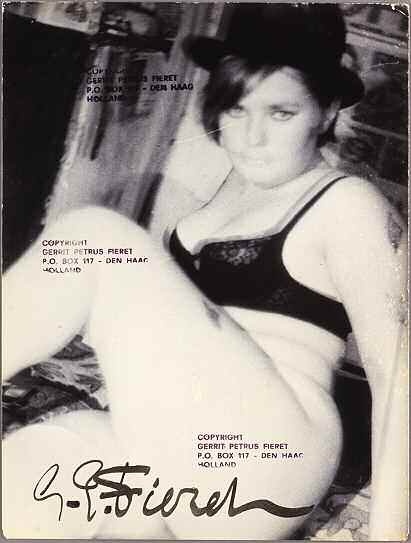
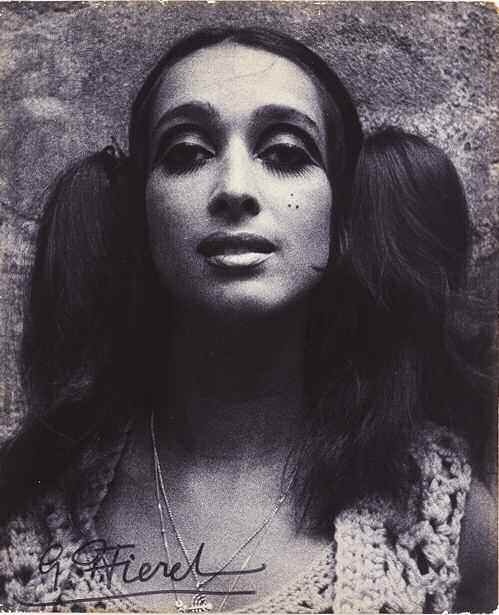
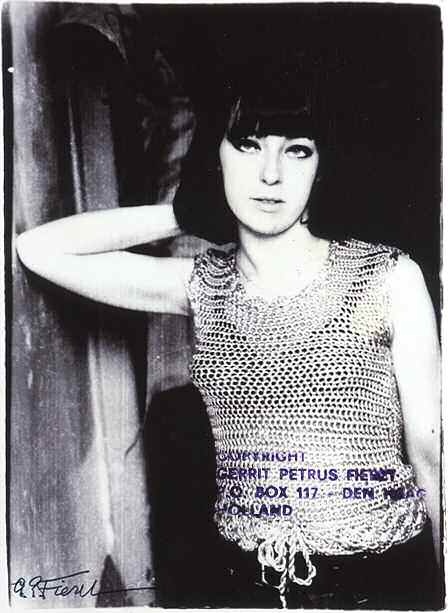
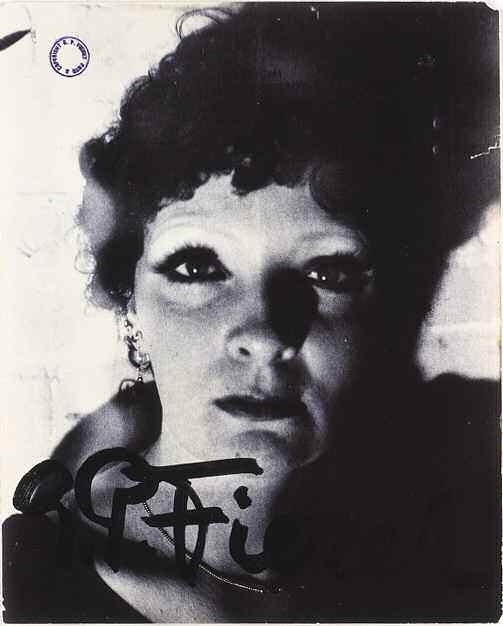
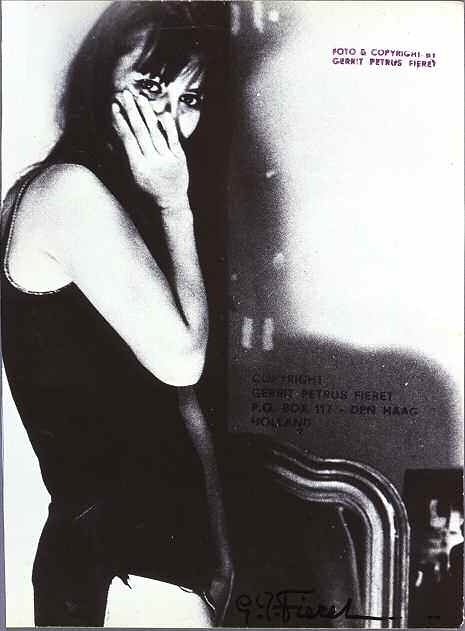
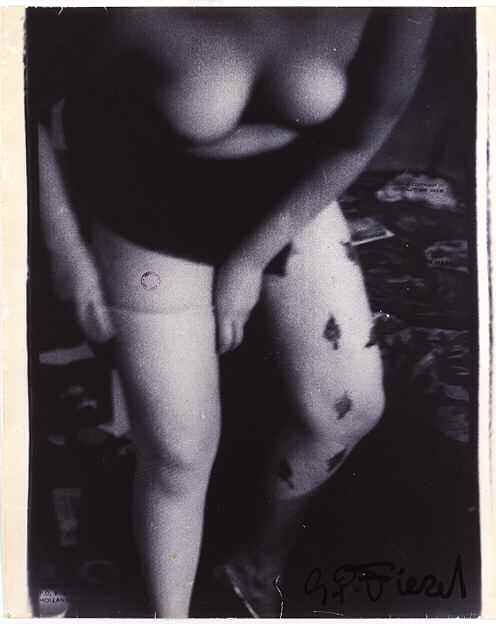
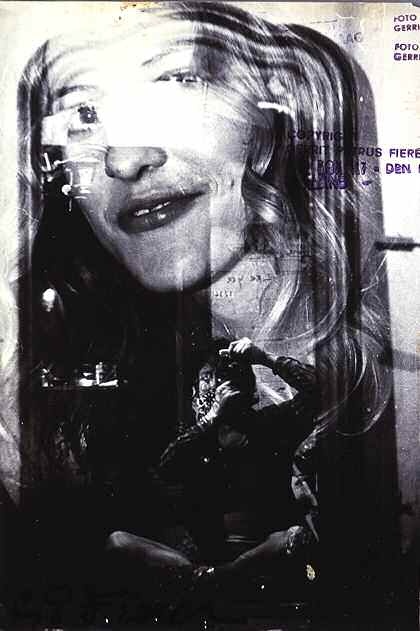
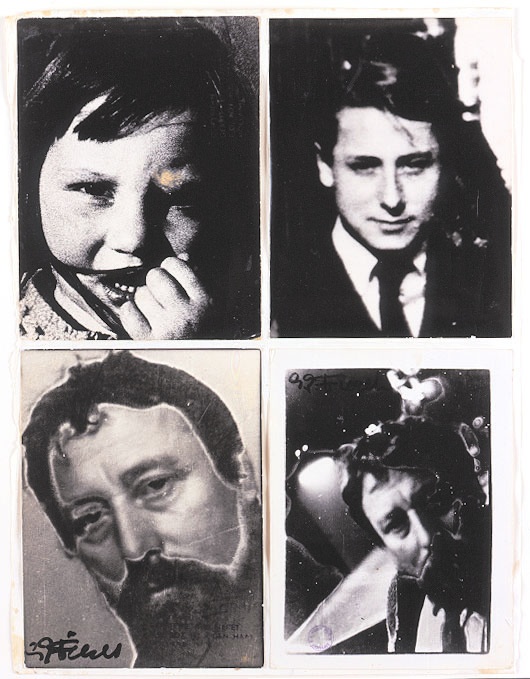
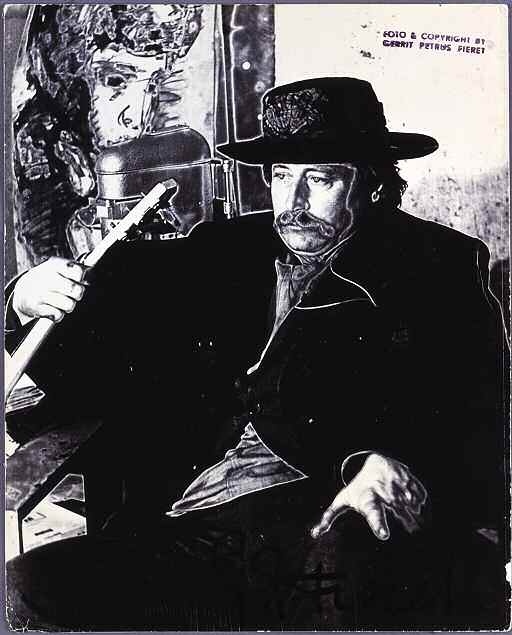
Gerard Petrus-Fieret a étudié la peinture et le dessin à l’Académie Royale d’Art (KABK) à la Haye immédiatement après la Seconde guerre mondiale. Du milieu des années 60 aux années 80, il s’est consacré principalement à la photographie, un moyen qui lui a permis de mettre en valeur tous ses talents créatifs. Au cours de cette période il a produit un flux constant et presque obsédant de photographies noires et blanches, tentant de saisir le monde qu’il l’entoure : Femmes, filles, enfants, animaux et scènes de la rue et sa propre image. Mais il a surtout photographié Les femmes et ce, pendant des rencontres informelles, et le plus fréquemment dans les poses sans complexes, intimes qui donnent une sensation de friser légèrement le voyeurisme.

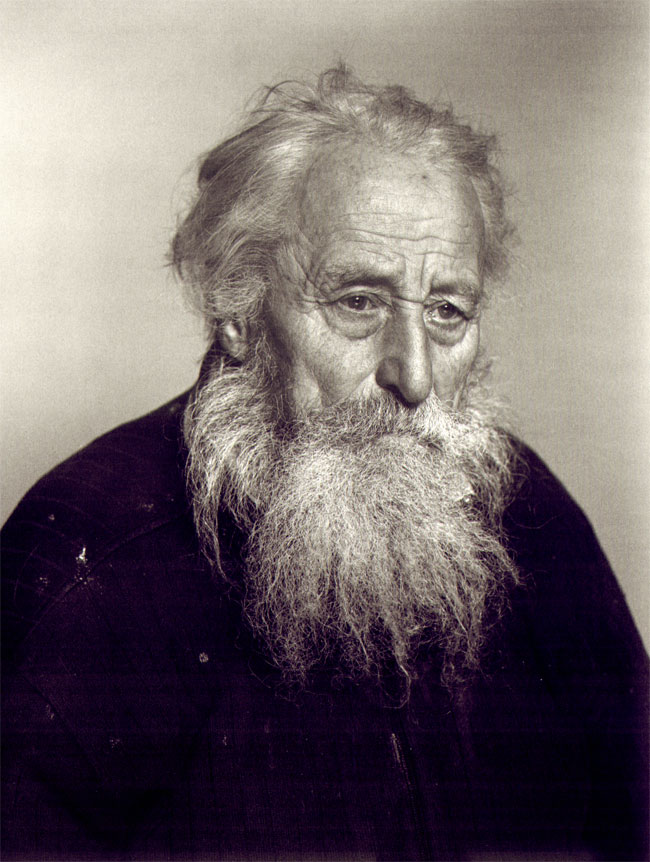
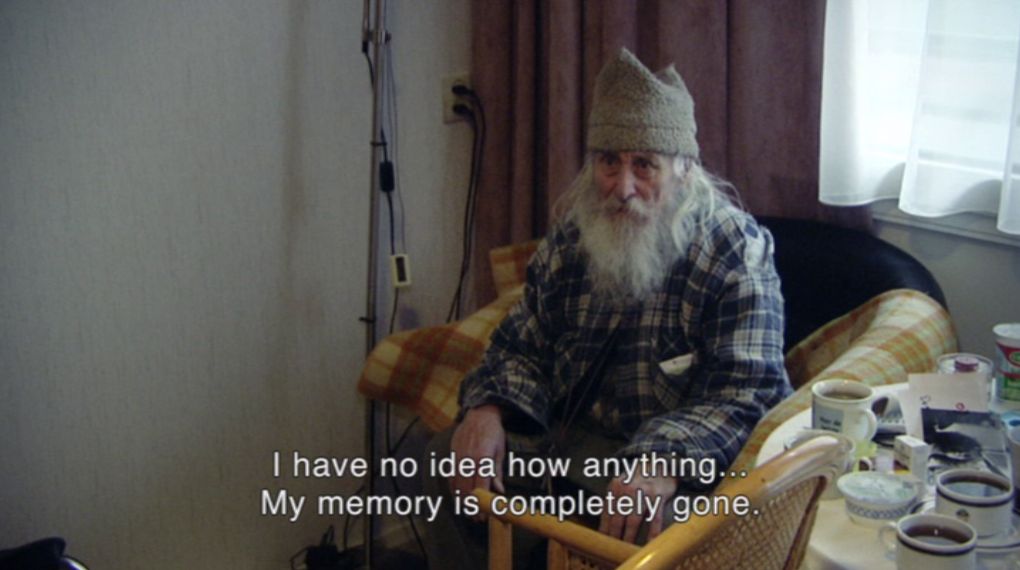
Le travail de Gérard Petrus Fieret présenté ici datent des années 1960. Tout comme Miroslav Tichý ( d’ailleurs leurs œuvres respectives ont des similitudes), Petrus-Fieret n’a que peu daté son travail. Par contre il l’ a minutieusement tamponnés avec son nom et son adresse de manière plutôt paranoïaque, il faut bien l’avouer. il finira sa vie comme vous pourrez le voir plus bas dans les vidéo en ayant perdu sa tête, déambulant dans les rue et passant son temps sur sa bicyclette et à donner à manger au pigeon. La folie produit de grandes œuvres mais laisse les artistes dans de bien tristes situations parfois. l’écouter dans le documentaire est extrêmement touchant

Toutes les photographies sont  (scans personnels)  extraites du livre de Deborah Bell Photographs and Paul M. Hertzmann Inc – “Meeting Gerard Petrus Fieret photographs” ed° Suzan Herzig, 2003, publié conjointement à l’exposition “Gerard Petrus Fieret photographs” qui s’est déroulée en 2003 à la Galerie “Deborah Bell Photographs”, à New- york.

Gerard Petrus Fieret- Untitled,1960s

Gerard Petrus Fieret- Untitled,1960s p07

Gerard Pietrus Fieret- untitled, 1960s p13

Gerard Pietrus Fieret- untitled, 1960s p13

Gerard Pietrus Fieret- untitled, 1960s, P13

Gerard Pietrus Fieret- untitled, 1960s, P13

Gerard Pietrus Fieret- untitled, 1960s p12

Gerard Pietrus Fieret- untitled, 1960s p12

Gerard Petrus Fieret – Untitled Nude, 1970’s p02


Gerard Pietrus Fieret- untitled, 1961 p01

Gerard Pietrus Fieret- untitled, 1961 p01

Gerard Pietrus Fieret -untitled, 1960s p 02

Gerard Pietrus Fieret -untitled, 1960s p 02

Gerard Pietrus Fieret - 4 plates Untitled, 1960s p02

Gerard Pietrus Fieret – 4 plates Untitled, 1960s p02

Gerard Pietrus Fieret - 4 plates Untitled, 1960s p02

Gerard Pietrus Fieret – 4 plates Untitled, 1960s p02

Gerard Petrus Fieret      Untitled  , 1965

Gerard Petrus Fieret Untitled , 1965

Gerard Pietrus Fieret -  Untitled, 1960s p02

Gerard Pietrus Fieret – Untitled, 1960s p02

Gerard Pietrus Fieret - Untitled, 1973 P02

Gerard Pietrus Fieret – Untitled, 1973 P02

Gerard Fieret  Portrait of a Woman  1960s

Gerard Fieret Portrait of a Woman 1960s

Gerard Pietrus Fieret - Untitled, 1971 p01

Gerard Pietrus Fieret – Untitled, 1971 p01

Gerard Pietrus Fieret- untitled, 1960s p12

Gerard Pietrus Fieret- untitled, 1960s p12

Gerard Pietrus Fieret- untitled, 1960s P11

Gerard Pietrus Fieret- untitled, 1960s P11

Gerard Pietrus Fieret- untitled, 1960s p11

Gerard Pietrus Fieret- untitled, 1960s p11

Gerard Pietrus Fieret- untitled, 1960s p1O

Gerard Pietrus Fieret- untitled, 1960s p1O

Gerard Pietrus Fieret- untitled, 1960s p10

Gerard Pietrus Fieret- untitled, 1960s p10

Gerard Pietrus Fieret- untitled, 1960s P09

Gerard Pietrus Fieret- untitled, 1960s P09

Gerard Pietrus Fieret- untitled, 1960s p09

Gerard Pietrus Fieret- untitled, 1960s p09

Gerard Pietrus Fieret- untitled, 1960s p08

Gerard Pietrus Fieret- untitled, 1960s p08

Gerard Pietrus Fieret- untitled, 1960s p08

Gerard Pietrus Fieret- untitled, 1960s p08

Gerard Pietrus Fieret- untitled, 1960s P07

Gerard Pietrus Fieret- untitled, 1960s P07

Gerard Pietrus Fieret- untitled, 1960s p07

Gerard Pietrus Fieret- untitled, 1960s p07

Gerard Pietrus Fieret- untitled, 1960s p06

Gerard Pietrus Fieret- untitled, 1960s p06

Gerard Pietrus Fieret- untitled, 1960s pà6

Gerard Pietrus Fieret- untitled, 1960s pà6

Gerard Pietrus Fieret- untitled, 1960s p06

Gerard Pietrus Fieret- untitled, 1960s p06

Gerard Pietrus Fieret- untitled, 1960s p05

Gerard Pietrus Fieret- untitled, 1960s p05

Gerard Pietrus Fieret- untitled, 1960s p05

Gerard Pietrus Fieret- untitled, 1960s p05

Gerard Pietrus Fieret- untitled, 1960s p04

Gerard Pietrus Fieret- untitled, 1960s p04

Gerard Pietrus Fieret- untitled, 1960s p0"

Gerard Pietrus Fieret- untitled, 1960s p0″

Gerard Pietrus Fieret- untitled, 1960s p01

Gerard Pietrus Fieret- untitled, 1960s p01

Gerard Pietrus Fieret- untitled, 1960s p01

Gerard Pietrus Fieret- untitled, 1960s p01

Gerard Pietrus Fieret- untitled, 1960s p01

Gerard Pietrus Fieret- untitled, 1960s p01

Gerard Petrus Fieret- Untitled, 1960s

Gerard Pietrus Fieret P 16

Gerard Pietrus Fieret  auto portrait P 16

Gerard Pietrus Fieret -autot portrait , 1960S P 14

Gerard Pietrus Fieret -autot portrait , 1960S P 14

Gerard Pietrus Fieret By Kees Breukel 2007-2009

Gerard Pietrus Fieret By Kees Breukel 2007-2009

Gerard Pietrus Fieret By Kees Breukel 2007-2009

Gerard Pietrus Fieret By Kees Breukel 2007-2009

Vous puvez vous procurer la video qui suit en sa totalité Ici

Frank van den Engel's Photo & Copyright by G.P. Fieret (2009)

Frank van den Engel’s Photo & Copyright by G.P. Fieret (2009)

František Drtikol – Les Nus de Drtikol, Edtion Librairie des arts décoratifs, Paris, 1929

« Dans mon travail, je m’appuie sur l’affirmation du Livre de la Genèse que Dieu a créé l’homme à son image. Il est clair qu’il n’a pas créé l’habillement pour l’homme, il est né nu. C’est pourquoi je regarde la nudité comme l’œuvre de Dieu, en sa beauté comme la chose la plus évidente et morale. Je soutiens que l’humanité serait plus naturelle, sincère et belle si elle avait prêté attention au nu plus souvent. Avec la nudité, les distinctions sociales disparaissent et la beauté de l’homme demeure. Dans mon travail, je suis inspiré par trois choses: le mouvement , l’immobilité et l’expression des lignes individuelles . J’utilise ensuite le fond et les accessoires – des objets simples comme des cercles, des lignes ondulées et des colonnes .
Je laisse la beauté de la ligne elle-même avoir un impact, sans fioriture, en supprimant tout ce qui est secondaire. Ou j’illustre une notion et l’intensifie avec la lumière et parfois par suggestion par le biais un simple trait ondulé, cercle, à la surface ou juste avec une ombre portée sur une toile de fond. Ou bien j’utilise le corps comme un objet de décoration, en le positionnant dans divers milieux et sources de lumières. C’est ainsi que je crée toutes mes photos « .František Drtikol

František Drtikol (1883-1961)

František Drtikol n’était pas seulement un brillant photographe, dont les travaux ont influencé toute une génération, mais en même temps un personnage très controversé, dans lequel se mélangeait des contradictions difficiles à comprendre. Drtikol possède plusieurs visages. Il y a František Drtikol l’artisan dans son atelier de photographie dans lequel défilaient les personnages illustres de l’époque, comme les deux présidents Tomáš Garrigue Masaryk et Edvard Beneš. Ensuite, il y a Drtikol l’artiste, dont la facette la plus connue est celle du photographe de nus féminins. C’est d’ailleurs grâce à cette production qu’il a acquis une renommée internationale et qu’il a été récompensé à Paris. (Aux côtés d’autres artistes tchèques, Drtikol a participé à l’exposition Art Déco à Paris en 1925, où il a reçu le Grand Prix. Suite à ce succès, en 1929, on lui a publié un grand portfolio de nus dans une édition de collecteurs que je vous présente aujourd’hui.

Dans les années 1930, il a acquis une bonne réputation aux Etats-Unis, où il a eu plusieurs expositions indépendantes, une expérience tout à fait inédite pour un artiste tchèque) . La diversité de ses approches artistiques est impressionnante , une période Art nouveau avec des portraits, des nus féminins et des paysages, des cut-up, de la peinture, puis un style influencé par l’Avant-garde, le constructivisme( influencé par Jaroslav Rössler qui était employé dans son atelier). Par exemple, pour l’anecdote et illustré le personnage complexe qu’il était, bien qu’il fût issu d’une famille catholique, il a cherché un nouveau chemin spirituel et il devient un pionnier du bouddhisme et du yoga en République Tchèque.

Il débute assez jeune par un apprentissage chez un photographe et peu après commence à se concentrer sur son propre travail photographique. Il approfondit ensuite ses compétences et son talent au cours de l’école de la photographie à Munich. Après des études à Munich et le service militaire, Drtikol a ouvert son premier studio de photographie à Prague, l’établissant comme l’un des studios les plus prospères en Europe pendant les années vingt.

La carrière de Frantiskek Drtikol dans la photographie a grandi pendant les années du Prague Symboliste et les deux mouvements qui influencent profondément ses premières photographies de nus en leur donnant une qualité picturale ‘Art Nouveau’. Toutefois, pendant les années 1920 et 1930, ses influences décalées et il a commencé à créer un nouveau genre de photographie de nu avec une approche avant-gardiste. Souvent il intégrer la danse expressive et style Art déco dans ses photographies de nus. Après son Prix à Paris son Studio est devenu incontournable et , un certain nombre d’artistes talentueux, comme Jan Zrzavý, Vlasta Burian, Josef Čapek ou Alfons Mucha son passé sous son objectif. On peut donc en conclure que, déjà dans les années 1930, Drtikol avait une renommée internationale. Il se consacrait aux nus et portraits principalement à cette époque, mais parallèlement à tout cela il continuait sa quête spirituelle et pratiquait intensivement le bouhdisme. Il traduit des livres, donne des conférences et forme même un groupe d’adeptes. En 1929, il aurait atteint le Nirvana. Dans une de ses lettres, a écrit à ce sujet: « et j’ai été tout et le tout,et en cela je n’étais que rien absolu. ». Cela prenait beaucoup de place dans sa vie, quant bien même il continuait à photographier et peindre. C’est sous l’influence de son développement spirituel que se transforme sa production artistique. En 1923, son style change. Ses photographies contiennent trois éléments – le corps nu de la femme, des formes géométriques simples, le plus souvent une ligne onduleuse, et la lumière. Ce style originel a par la suite évolué vers encore plus de simplicité. Mais dans le milieu des années 1930 Drtikol abandonne complètement la photographie. Il vend son studio, ses plaques de verre, négatifs, et la caméra pour se consacrer à la peinture.

Le paradoxe et les multiples facettes de Drtikol se dévoile aussi dans le fait qu’il fût plus tard un membre actif du Parti communiste , il l’était dès 1945 et ce jusqu’à sa mort en 1961, et même un camarade actif également en 1948, il aurait été témoin au processus dans les années 1950, et en 1968 niant la revolution….

František Drtikol , dessinateur, peintre mais surtout célèbre photographe de format international.fût beaucoup plus apprécié à l’étranger que chez lui., tout comme cela s’applique à d’autres classiques de la photographie tchèque,Jaromír Funke et Josef Sudek pour ne citer qu’eux…

František  Drtikol –  Les Nus de Drtikol, Edtion Librairie des arts décoratifs, Paris, 1929 préface de Claude de Santeul.
[30 planches en héliogravure]

 publiée dans  Les Nus de Drtikol, Edtion Librairie des art décoratifs, Paris 1929

publiée dans Les Nus de Drtikol, Edtion Librairie des art décoratifs, Paris 1929

František Drtikol planche I, 1929

František Drtikol planche I,  publiée dans  Les Nus de Drtikol, Edtion Librairie des arts décoratifs, Paris 1929

František Drtikol- Planche II, 1929

František Drtikol- Planche II,  publiée dans  Les Nus de Drtikol, Edtion Librairie des arts décoratifs, Paris 1929

František Drtikol- Planche III, 1929

František Drtikol- Planche III,  publiée dans  Les Nus de Drtikol, Edtion Librairie des arts décoratifs, Paris 1929

František Drtikol- Planche IV 1929

František Drtikol- Planche IV , publiée dans  Les Nus de Drtikol, Edtion Librairie des arts décoratifs, Paris 1929

František Drtikol- Planche V 1929

František Drtikol- Planche V, « La Priere », 1925  publiée dans  Les Nus de Drtikol, Edtion Librairie des arts décoratifs, Paris 1929

František Drtikol- Planche VI, 1929

František Drtikol- Planche VI, publiée dans  Les Nus de Drtikol, Edtion Librairie des arts décoratifs, Paris 1929

František Drtikol- Planche VII, 1929

František Drtikol- Planche VII, publiée dans  Les Nus de Drtikol, Edtion Librairie des arts décoratifs, Paris 1929

František Drtikol- Planche VIII, 1929

František Drtikol- Planche VIII, publiée dans  Les Nus de Drtikol, Edtion Librairie des arts décoratifs, Paris 1929

František Drtikol- Planche IX, 1929

František Drtikol- Planche IX, « La Mort », 1925  publiée dans  Les Nus de Drtikol, Edtion Librairie des arts décoratifs, Paris 1929

František Drtikol- Planche XVII, publiée dans  Les Nus de Drtikol, Edtion Librairie des art décoratifs, Paris 1929

František Drtikol- Planche XVII, publiée dans Les Nus de Drtikol, Edtion Librairie des arts décoratifs, Paris 1929

František Drtikol- Planche X, 1929

František Drtikol- Planche X,publiée dans  Les Nus de Drtikol, Edtion Librairie des arts décoratifs, Paris 1929

František Drtikol- Planche XI, 1929

František Drtikol- Planche XI, publiée dans  Les Nus de Drtikol, Edtion Librairie des arts décoratifs, Paris 1929

František Drtikol- Planche XII, 1929

František Drtikol- Planche XII,publiée dans  Les Nus de Drtikol, Edtion Librairie des arts décoratifs, Paris 1929

František Drtikol- Planche XIII, publiée dans  Les Nus de Drtikol, Edtion Librairie des art décoratifs, Paris 1929

František Drtikol- Planche XIII, publiée dans Les Nus de Drtikol, Edtion Librairie des arts décoratifs, Paris 1929

František Drtikol- Planche XIV, 1929

František Drtikol- Planche XIV, publiée dans  Les Nus de Drtikol, Edtion Librairie des arts décoratifs, Paris 1929

František Drtikol- Planche XV, 1929 1

František Drtikol- Planche XV, publiée dans  Les Nus de Drtikol, Edtion Librairie des arts décoratifs, Paris 1929

František Drtikol- Planche XVI, 1929

František Drtikol- Planche XVI,publiée dans  Les Nus de Drtikol, Edtion Librairie des arts décoratifs, Paris 1929

František  Drtikol - ,from  Les Nus de Drtikol, Plate XVIII, Edtion Librairie des art décoratifs, Paris, 1929

František Drtikol – Planche  XVIII, publiée dans  Les Nus de Drtikol, Edtion Librairie des arts décoratifs, Paris 1929

František Drtikol- Planche XIX, 1929

František Drtikol- Planche XIX,publiée dans  Les Nus de Drtikol, Edtion Librairie des arts décoratifs, Paris 1929

František Drtikol- Planche XX, 1929

František Drtikol- Planche XX,publiée dans  Les Nus de Drtikol, Edtion Librairie des arts décoratifs, Paris 1929

František Drtikol- Planche XXI, 1929

František Drtikol- Planche XXI,publiée dans  Les Nus de Drtikol, Edtion Librairie des arts décoratifs, Paris 1929

František Drtikol- Planche XXII, 1929

František Drtikol- Planche XXII, publiée dans  Les Nus de Drtikol, Edtion Librairie des arts décoratifs, Paris 1929

František Drtikol- Planche XXIII, 1929

František Drtikol- Planche XXIII,publiée dans  Les Nus de Drtikol, Edtion Librairie des arts décoratifs, Paris 1929

František Drtikol- Planche XXIV, 1929

František Drtikol- Planche XXIV, publiée dans  Les Nus de Drtikol, Edtion Librairie des arts décoratifs, Paris 1929

František Drtikol- Planche XXV, 1929

František Drtikol- Planche XXV, publiée dans  Les Nus de Drtikol, Edtion Librairie des arts décoratifs, Paris 1929

František Drtikol- Planche XXVI, 1929

František Drtikol- Planche XXVI, publiée dans  Les Nus de Drtikol, Edtion Librairie des arts décoratifs, Paris 1929

František Drtikol- Planche XXVII, 1929

František Drtikol- Planche XXVII,publiée dans  Les Nus de Drtikol, Edtion Librairie des arts décoratifs, Paris 1929

František Drtikol- Planche XXVIII, 1929

František Drtikol- Planche XXVIII, publiée dans  Les Nus de Drtikol, Edtion Librairie des arts décoratifs, Paris 1929

František Drtikol- Planche XXIX, 1929

František Drtikol- Planche XXIX, publiée dans  Les Nus de Drtikol, Edtion Librairie des arts décoratifs, Paris 1929

František Drtikol- Planche XXX, 1929

František Drtikol- Planche XXX, publiée dans  Les Nus de Drtikol, Edtion Librairie des arts décoratifs, Paris 1929

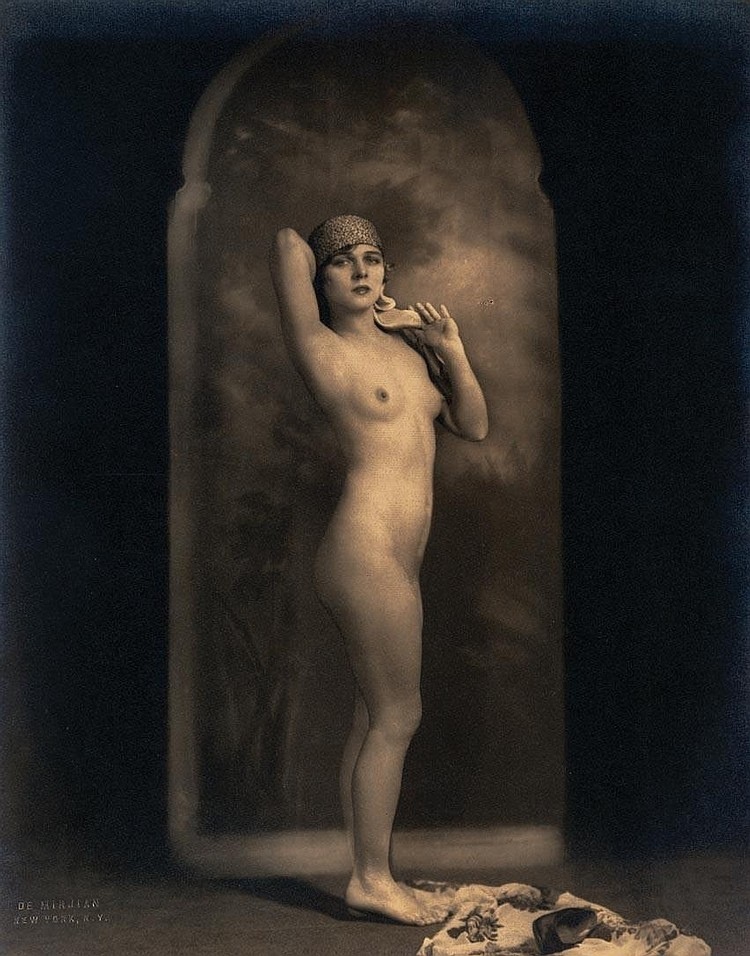
Baron De Mirjian

20131102-160421.jpg
Baron De Mirjian- Nude, 1920s

20131102-161052.jpg
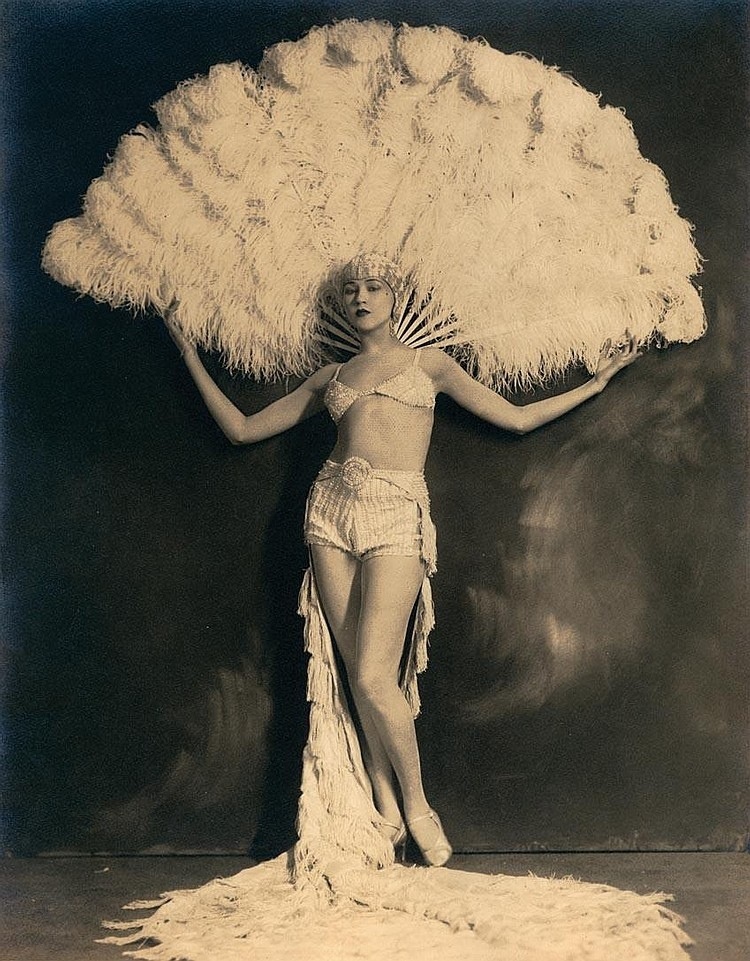
Baron De Mirjian- Woman in Feather Costume, 1920s

Ladislav Postupa

Je vous propose encore une fois particulièrement les nus, mais comme ci mentionné plus haut, une large place aux objets est laissé dans son oeuvre, Il a également beaucoup travaillé  sur des installations architecturales à grande échelle de photographies.


Ladislav Postupa – Conscience, Variant (Female Nude), 1966

Ladislav Postupa – Conscience, Variant (Female Nude), 1966

Ladislav Postupa - Conscience,1966

Ladislav Postupa – Conscience,1966

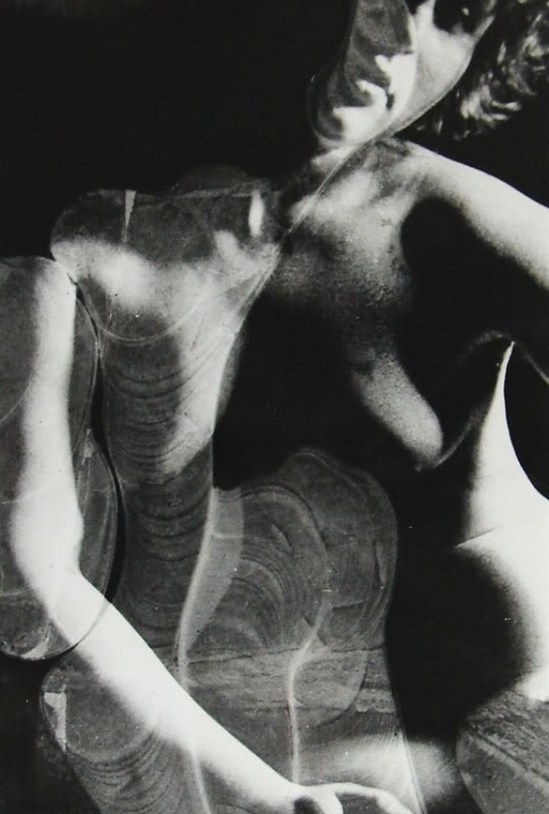
Ladislav Postupa - Punition, double exposure, 1960s

Ladislav Postupa – Punition, double exposure, 1960s

Ladislav Postupa- le mensonge (Ležící ),1963

Ladislav Postupa- le mensonge (Ležící ),1963


Ladislav Postupa - Clair-obscur ,1964

Ladislav Postupa – Clair-obscur ,1964


Ladislav Postupa-Ladislav Postupa - Ladislav Postupa - Female Nude (detail),1970s

Ladislav Postupa-Ladislav Postupa – Ladislav Postupa – Female Nude (detail),1970s

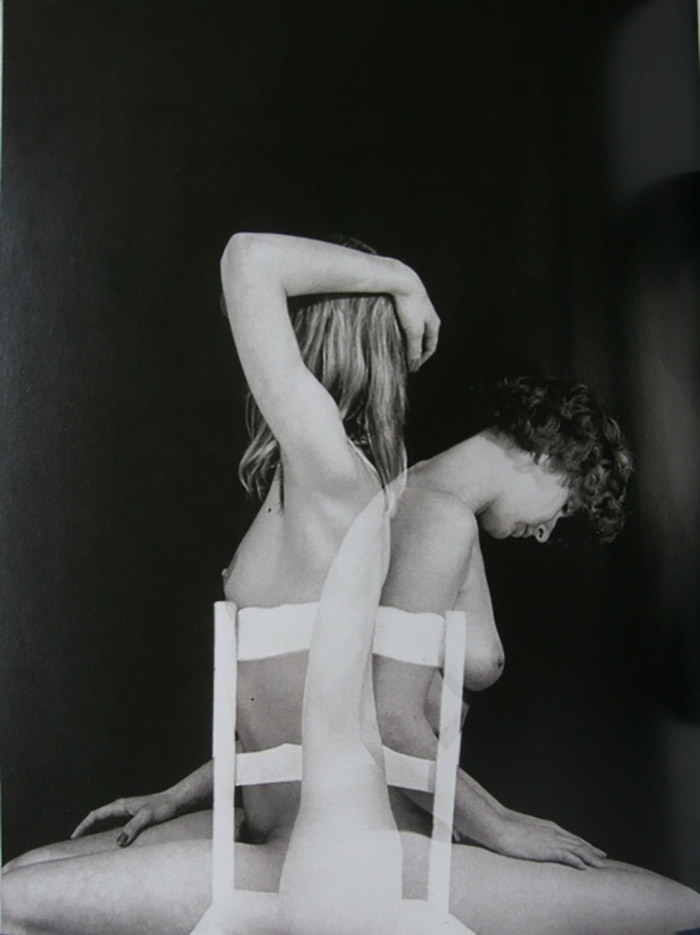
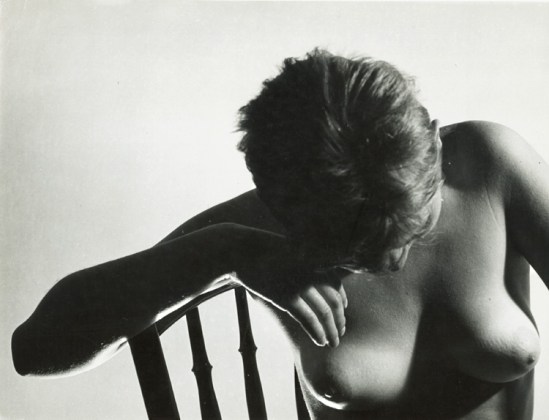
Ladislav Postupa - Female Nude  with Chair, 1970

Ladislav Postupa – Female Nude with Chair, 1970

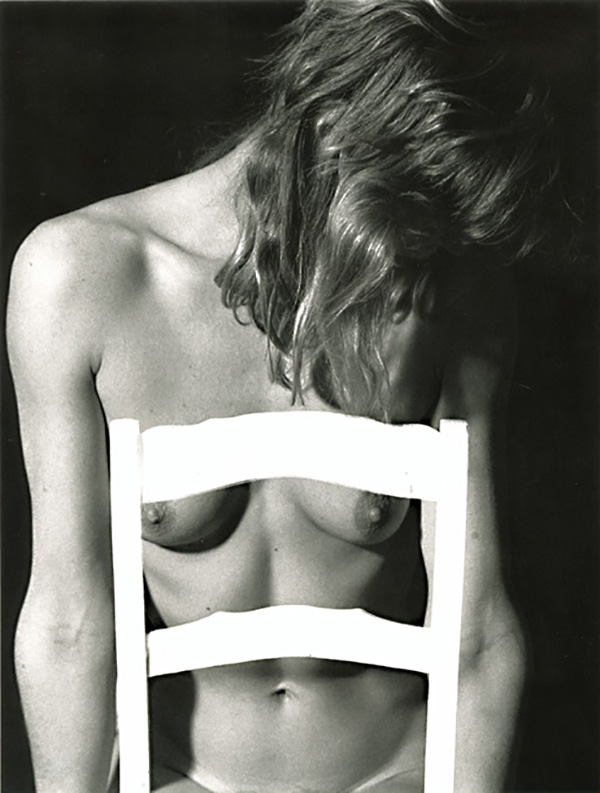
Ladislav Postupa - Female Nude  with Chair, 1970

Ladislav Postupa – Female Nude with Chair, 1970


Ladislav Postupa - Female Nude (detail), 1970s. (2)

Ladislav Postupa – Female Nude (detail), 1970s.

Ladislav Postupa- photomontage ,1964

Ladislav Postupa- photomontage ,1964

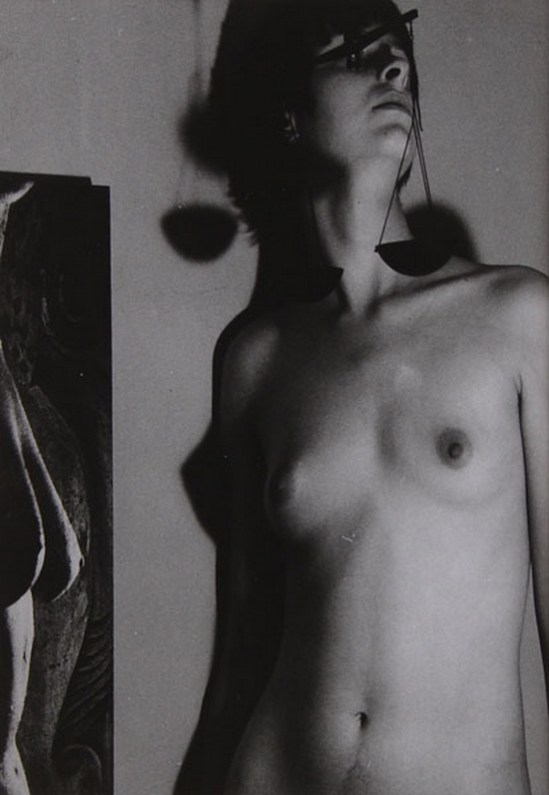
Ladislav Postupa -( Agir avec pondération)  Akt s váhami, 1960s

Ladislav Postupa -( Agir avec pondération) Akt s váhami, 1960s


Ladislav Postupa - Punition, 1965-1969

Ladislav Postupa – Punition, 1965-1969

Ladislav Postupa-Female Nude, 1969

Ladislav Postupa-Female Nude, 1969

Ladislav Postupa - Female Nude (detail),1970s

Ladislav Postupa – Female Nude (detail),1970s

Ladislav Postupa -Female nude in shadow, 1960-1969

Ladislav Postupa -Female nude in shadow, 1960-1969

Ladislav Postupa Zakletá, nd

Ladislav Postupa Zakletá, nd

Ladislav Postupa -Pohádka,nd

Ladislav Postupa -Pohádka,nd

Ladislav Postupa -Memory, 2005

Ladislav Postupa -Memory, 2005

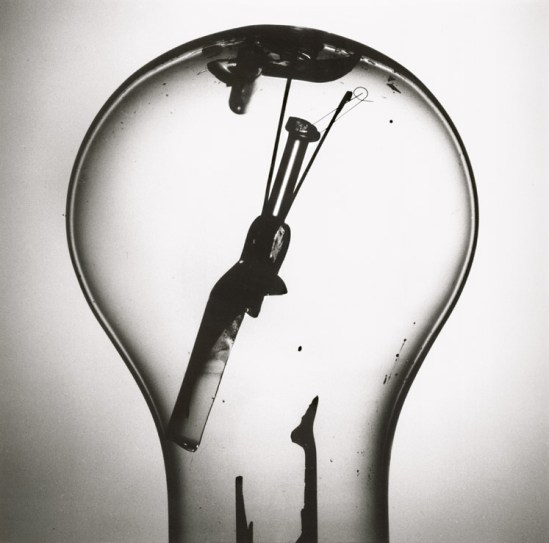
Ladislav Postupa Light Bulb, 1968

Ladislav Postupa Light Bulb, 1968

Postupa Ladislav - Gymnastika 2010

Postupa Ladislav – Gymnastika 2010

Source ici  et  Ici


Kiyoji Ohtsuji

Kiyoji Ohtsuji - Object - in Nubuya Abe's Atelier from Kiyoji Ohtsuji Portfolio, 1950

Kiyoji Ohtsuji – Object ,  in Nubuya Abe’s Atelier from Kiyoji Ohtsuji Portfolio, 1950

Kiyoji Ohtsuji - Object - in Nubuya Abe's Atelier from Kiyoji Ohtsuji Portfolio, 1950

Kiyoji Ohtsuji – Object , in Nubuya Abe’s Atelier from Kiyoji Ohtsuji Portfolio, 1950

Kiyoji Ohtsuji - Portrait of the Artist, Hideko Fukushima  from Kiyoji Ohtsuji Portfolio, 1950

Kiyoji Ohtsuji – Portrait of the Artist, Hideko Fukushima from Kiyoji Ohtsuji Portfolio, 1950


Hans Robertson ( 1883-1978)

“When Lotte Jacobi’s photos were exhibited together for the first time four years ago, reviewers were dazzled by how many of Weimar Germany’s glittering jewels—from Käthe Kollowitz to Martin Buber to the famously vampy Lotte Lenya—had been captured by her lens. She seemed to have single-handedly taken on the task of portraying the immense artistic, psychological, and political fervor of those tumultuous years, which seemed fragile even at the time—an ambitious task for any one photographer, even one as hungry as Jacobi. But her atelier was, in fact, one of 400 in Berlin, and she was just one of the many—mainly Jewish—photographers feverishly recording the dancers, writers, and actors that made this doomed moment in German history so extraordinary. Another photographer who clicked away at an incredible rate and with singular results was Hans Robertson.

To say that an artist has been forgotten is to imply that he was well known in his time. Robertson’s name—like that of Jacobi and most other commercial photographers—was not familiar outside the circle of performers who were his subjects and magazine editors who used his services. But from the evidence of only a fraction of his prolific output, discovered almost by accident and now on display at the Berlinische Galerie in Berlin, his work deserves attention.

Robertson’s specialty was expressionist dance. And expressionist dance was huge in 1920s Germany: the avant-garde innovations that had taken place at the turn of the century in everything from painting to fiction became popularized, and dance was transformed from an aesthetic exercise into an attempt to translate the inner life into movement. The gestures of this modern dance were primitive, dramatic, almost ritualistic, with a fetishistic focus on the human body. Mary Wigman, one of its main innovators, slid across the floor on her knees, eyes closed, fists clenched, performing her Witch Dance. Her school in Dresden became a center of this Ausdruckstanz, producing world-renowned modern dancers like Harald Kreutzberg and Yvonne Georgi.

They all posed for Robertson. His studio on bustling Kurfürstendamm—a boulevard that was both the Fifth Avenue and the 42nd Street of Berlin—saw a steady stream of business in the late 1920s and early ’30s. But the commercial aspect of these photos, which were in demand by popular illustrated journals like the Berliner Illustrierte Zeitung, is less important than the artistic vision that guided their creation. Robertson was trying to use his camera in much the same way the dancers he photographed were using their bodies. From the creative way he manipulated light to his innovative use of multiple exposures, he wanted to capture more than just straightforward ornamental shots of the dancers. He was trying to convey their new art form on its own terms.

This is clear in the photographs. The series called “Leaps,” of Gret Palucca, a favorite muse of expressionist painters and the Bauhaus crowd, catches Palucca in mid-air, limbs splayed. Only part of her body is in focus—the ability to photograph sudden movement was itself a recent technological advancement. In one image her naked torso is twisted, in another her back arched. Then there are the soulful photos of Jo Mihaly, performing her one-woman piece, “Mütter.” She stands in front of a black screen wearing a black turtleneck, her pale, emotive face almost floating in the frame and illuminated from above by a single beam of light. On the more abstract end are Robertson’s photos of Harald Kreutzberg performing his “Lunatic Figures.” Robertson overlays three different exposures of the famously shaved headed dancer, capturing the various expressions of madness Kreutzberg is embodying. Even in Robertson’s more straightforward photo of Kreutzberg as a lunatic, holding a flower and posed loose as a marionette puppet, he captures the dancer as a depersonalized body, a trope of Expressionism that would later inspire, among other post-war dance forms, Japanese Butoh.

Of Robertson’s biography, says the curator of the Berlinische Gallerie show, Thomas Friedrich, “there are more questions then answers.” He was born in Hamburg in 1883. After studying engineering—a profession that inspired a few early photos of construction sites and workers—he changed course and headed to St. Mortiz where he apprenticed for the Swiss landscape photographer Albert Steiner. At 28, Robertson’s first photo spread—a pictorial tour through Holland—appeared in Photographische Rundschau. But his photo career would have to wait until 1918, when he arrived in Berlin. There he joined Lili Baruch—one of the disproportionately high number of Jewish women then making her living with a Leica—who set up the studio on Kurfürstendamm, specializing in dance photography, which Robertson took over in 1928.

To produce the thousands of photos he printed over the next five years, Robertson most likely worked long days and weekends. In addition to dance photography, he shot a wide range of portraits of many of the era’s personalities, from the famous—a nude profile of the boxer Max Schmelling—to the forgottn, such as a close up of the publisher Irmgard Klepenheuer, gazing intently at the camera, a cigarette between her fingers.

In 1933, following Hitler’s appointment as chancellor and the subsequent boycott of Jewish businesses, Robertson had an inkling of what was to come. He handed over the studio to his apprentice, Siegfried Enkelmann. One of the few documents Friedrich, the curator, has been able to uncover is a contract signed by Robertson that makes the transfer final, and describes Enkelmann as “reliable.” And he was. The protégé survived the war and continued photographing dancers (including Mary Wigman) until his death in 1978.

Robertson and his coquettishly beautiful wife, the actress and dancer Inger Vera Kyserlinden (born Levin), escaped to her native Denmark. While the avant-garde movement had been taking place in Berlin, Paris, and Prague, most photographers in Copenhagen were stuck in the pictorial style of the 1910s. As a result, in 1963 Robertson established the first modern photography school in Denmark. But eight years later, just before Hitler began deporting Danish Jews, the Robertsons were forced into exile again, this time fleeing to Stockholm. They returned in May of 1945 and Robertson died just five years later at the age of 67. Thousands of his photographs were turned over to the Royal Library of Denmark following his wife’s death in 1969.

Over time, Robertson was reduced to little more than a footnote. And not just proverbially: It was literally in a footnote in 1992 that Friedrich—a charming, slightly disheveled curator who thrives on the detective work involved in resurrecting dead photos and their makers— discovered his name. He was intrigued, but it took another 14 years (after encountering Hans Robertson’s name in another context) for Friedrich to finally take a trip to Copenhagen to peruse the archive at the Royal Library. What he found there astounded him. Not only did Robertson’s photos offer the most comprehensive catalogue of Weimar dance, but his work was also that of an artist with a unique style and vision. Friedrich still marvels that Robertson’s photos manage to look so distinct from one another, even though they were all taken in the same studio.

The building that housed that studio, on Kurfürstendamm, no longer exists. Like it did in much of Berlin, new construction in the 1950s erased what was before. Now two pharmacies, a clothing store, and a nondescript café look out from the ground floor. There is no trace of the glamour and wild experimentation that was once captured there in pictures. But Hans Robertson himself might yet have an afterlife: Friedrich, it seems, is planning a large retrospective for 2011.” BY Deborah Kolben and Gal Beckerman [ freelance writers living in Berlin.]

Hans Robertson – Le Bain, 1933

Hans Robertson – Alfred Jackson Girls in Wintergarten, Berlin, 1922

Hans Robertson- Expressionist dance dancer unknown, Berlin,1920, (From documented the Weimer era dance scene in the 20′s)

Hans Robertson -The dancer Harald Kreutzberg in Irre Gestalten, Berlin, 1928

Hans Robertson- Unknown Dancer, Berlin, 1920′s

Hans Robertson -Little Viola, 1920′s

Hans Robertson -Zwaniger Jahre Atelier“Lili Baruch”, Berlin,1927

Hans Robertson The famous Weimar dancer Elizabeth Bergner, 1930

Hans Robertson- Lydia Wieser, nd ( probably 1920′s)

Hans Robertson- Gret Palucca, Berlin, 1930

Hans Robertson - Dancer unknown- Berlin, 1930's

Hans Robertson – Dancer unknown- Berlin, 1930′s

Hans Robertson - Dancer unknown ( détail)- Berlin, 1930's

Hans Robertson – Dancer unknown ( détail)- Berlin, 1930′s

Hans Robertson- Gret Palucca, 1920s

Jindřich Štyrský – collages Part III

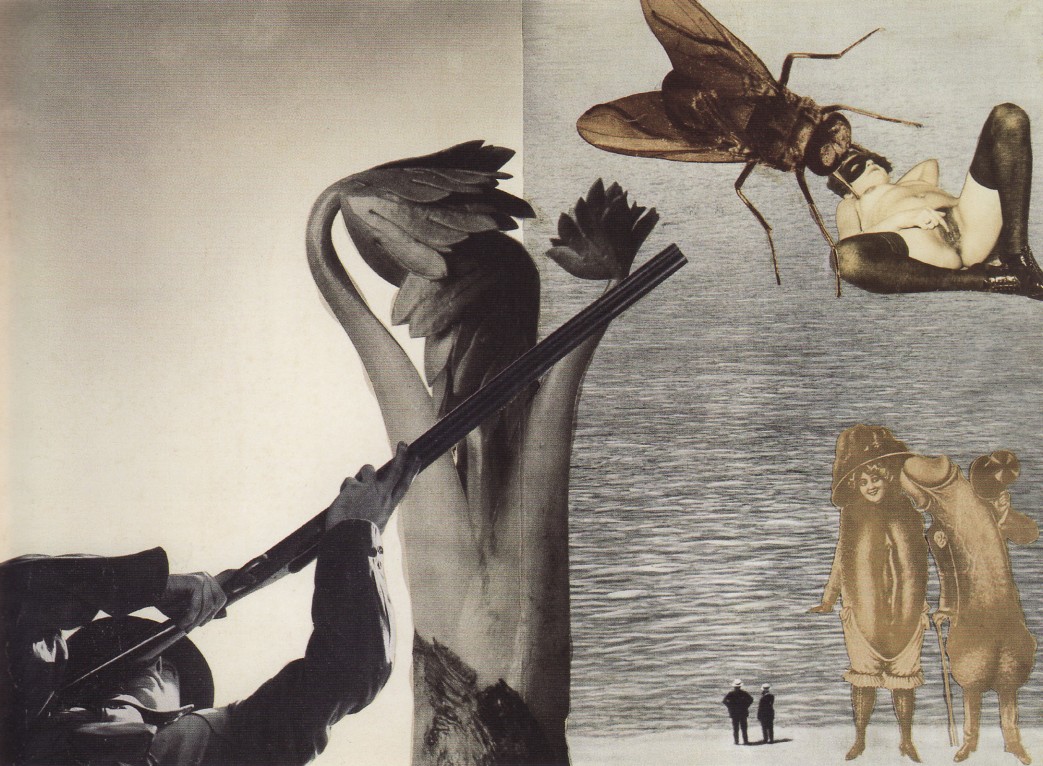
Jindřich Štyrský, Stěhovaci kabinet, 1934. Collage, 41 x 32 cm. Galerie Maldoror, Prague. (Source Argo.)

Jindřich Štyrský- Stěhovací kabinet, 1934

Jindřich Štyrský- Stěhovací kabinet, 1934

Jindřich Štyrský- Untitled, c. 1931. Collage, 15.5 x 11.5 cm. Ubu Gallery NY and Galerie Berinson, Berlin

Jindřich Štyrský- Untitled, c. 1931. Collage, 15.5 x 11.5 cm. Ubu Gallery NY and Galerie Berinson, Berlin

indřich Štyrský- Untitled, c. 1932. Collage, 15.5 x 11.5 cm. Ubu Gallery NY and Galerie Berinson, Berlin

indřich Štyrský- Untitled, c. 1932. Collage, 15.5 x 11.5 cm. Ubu Gallery NY and Galerie Berinson, Berlin

Jindřich Štyrský, Untitled, 1931. Collage, 23.5 x 15 cm. Ubu Gallery NY and Galerie Berinson, Berlin.

Jindřich Štyrský, Untitled, 1931. Collage, 23.5 x 15 cm. Ubu Gallery NY and Galerie Berinson, Berlin.

Jindřich Štyrský, Vilém Tell, 1931. Collage, paper, 28.5 x 39.5 cm. (Ubu Gallery NY and Galerie Berinson, Berlin)

Jindřich Štyrský, Vilém Tell, 1931. Collage, paper, 28.5 x 39.5 cm. (Ubu Gallery NY and Galerie Berinson, Berlin)

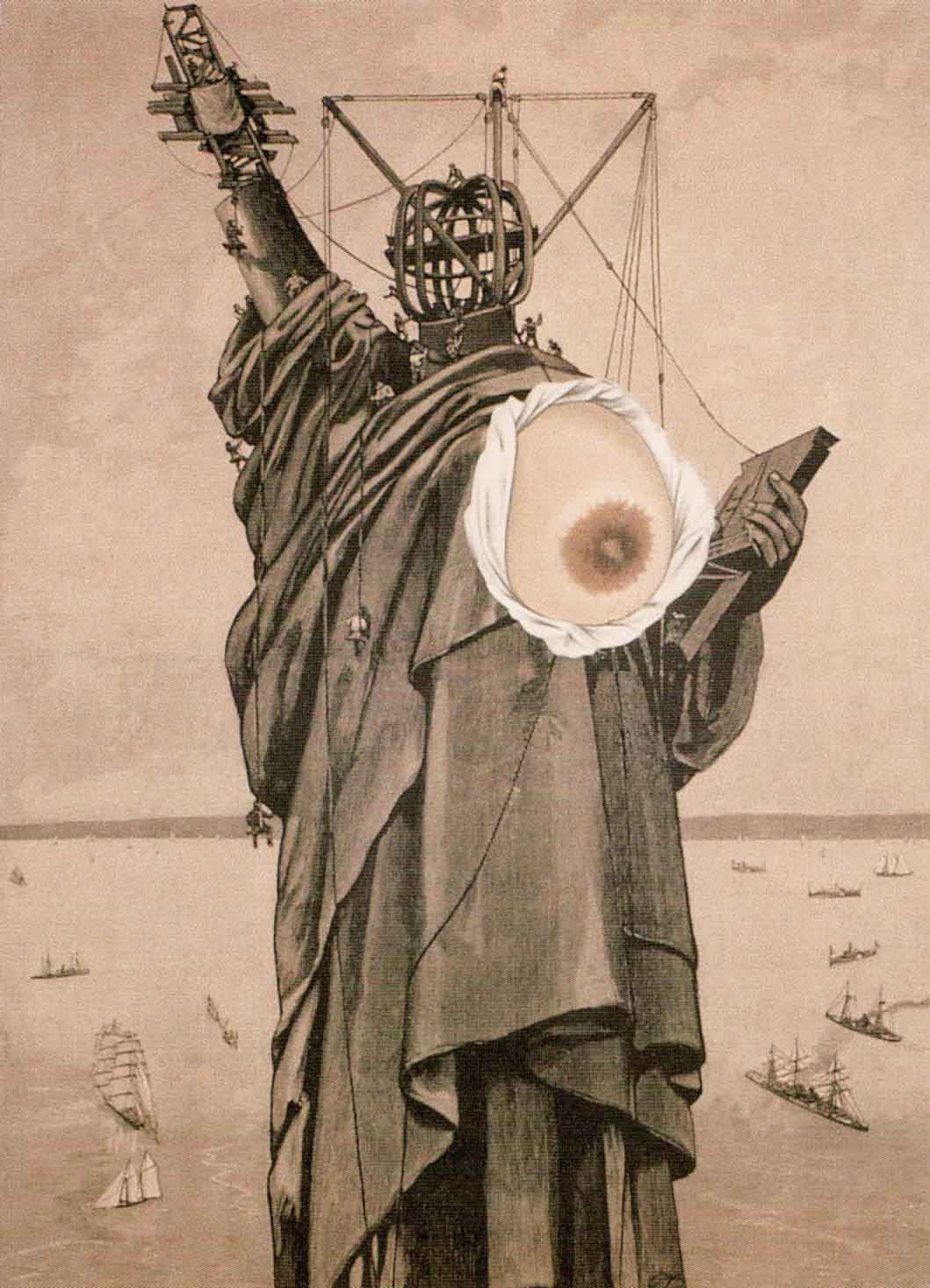
Jindřich Štyrský, Statue of Liberty, 1934 (collec Sny)

Jindřich Štyrský, Statue of Liberty, 1934 (collec Sny)