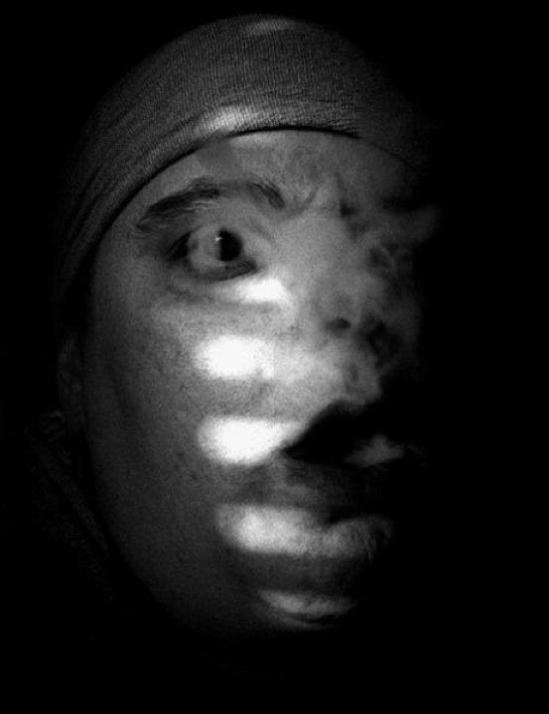
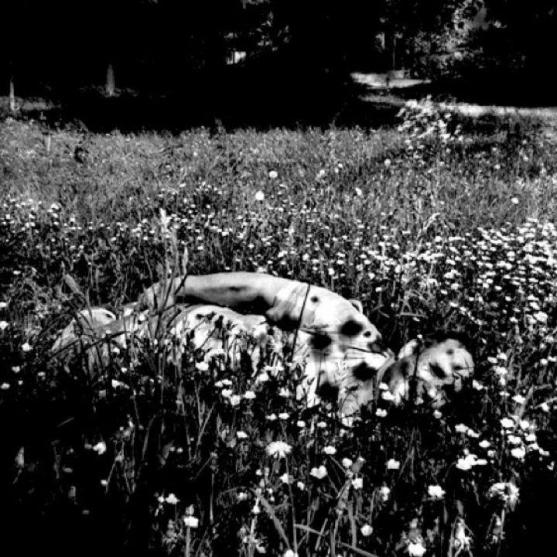
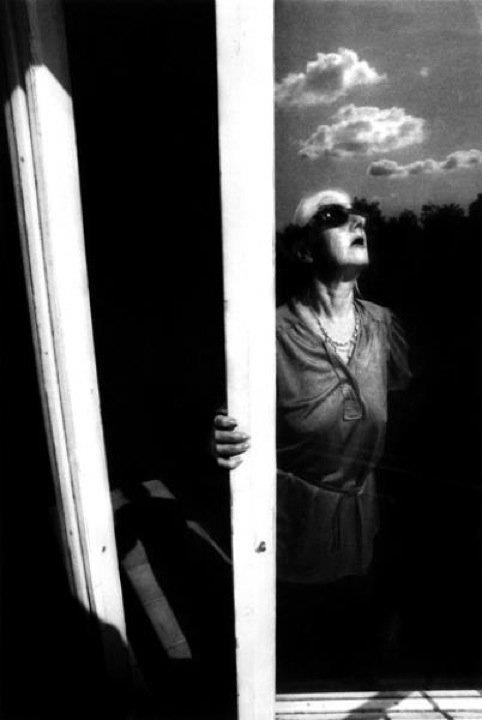
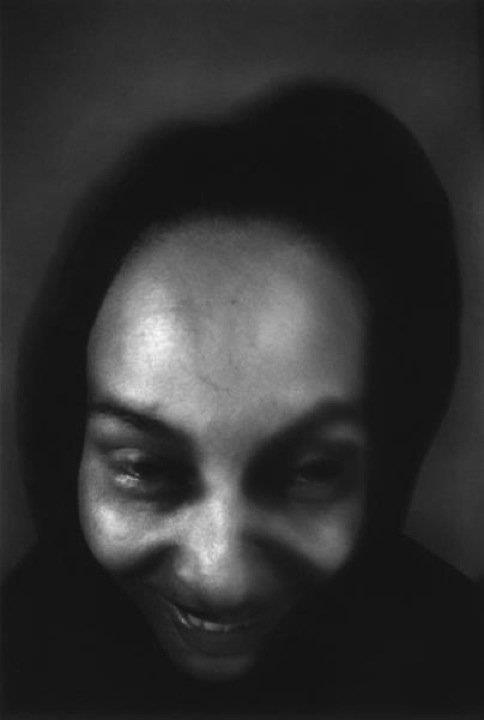
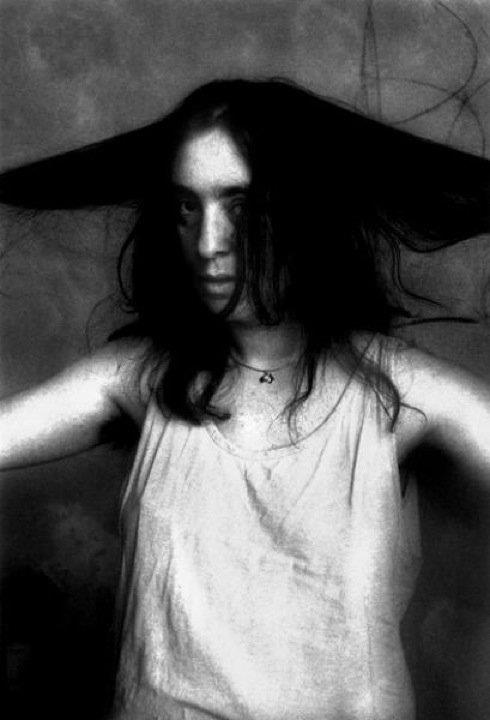
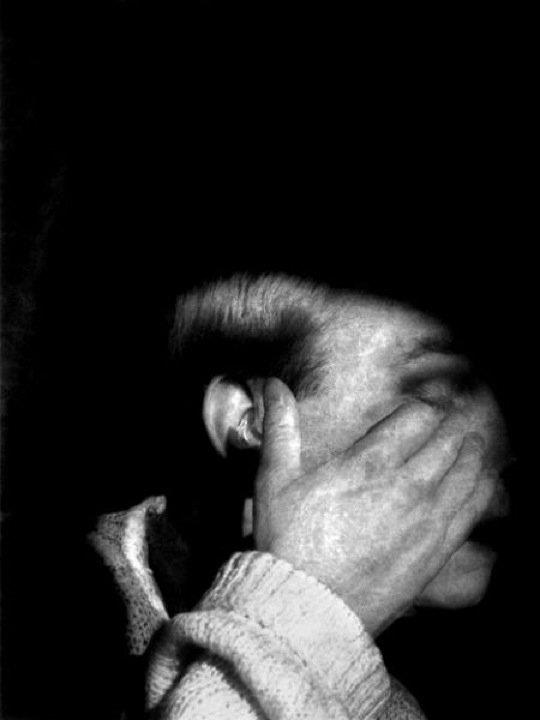
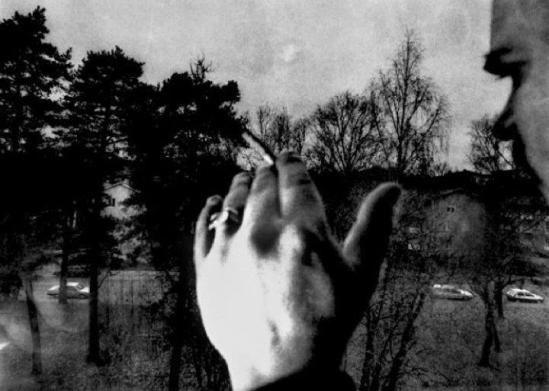
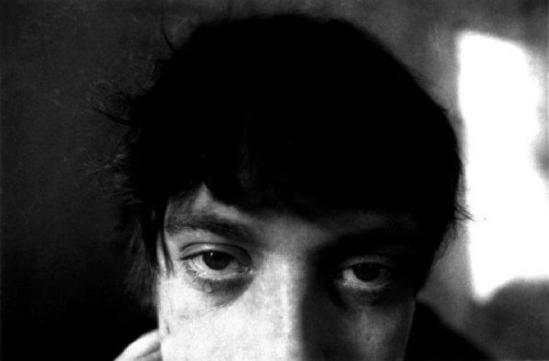
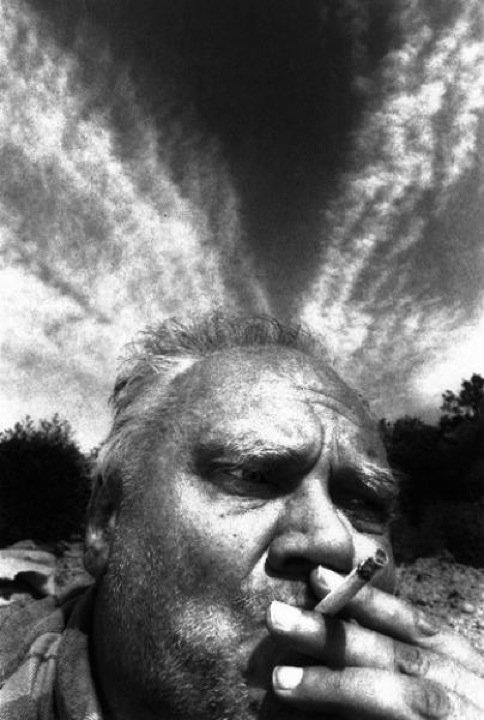
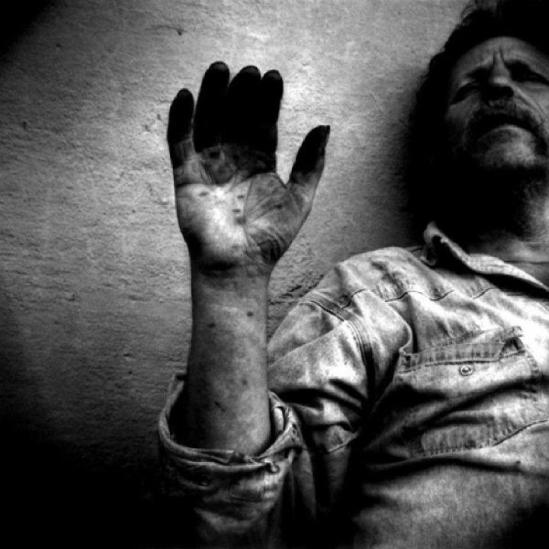
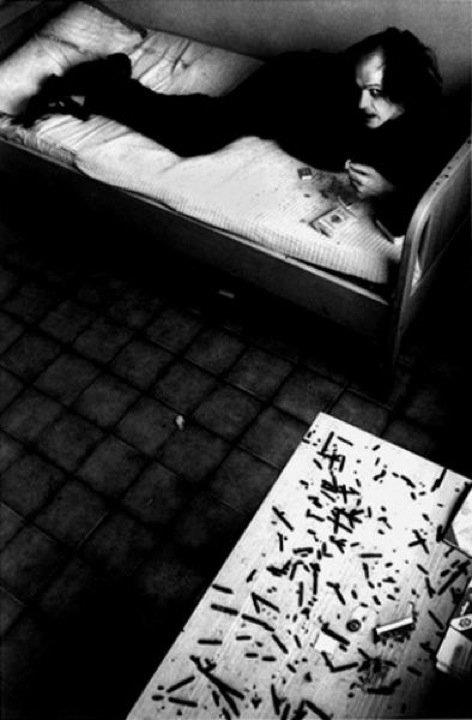
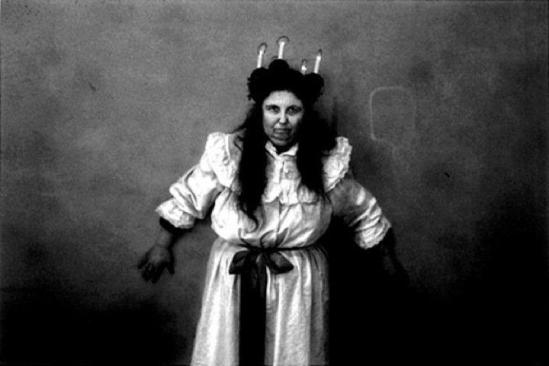
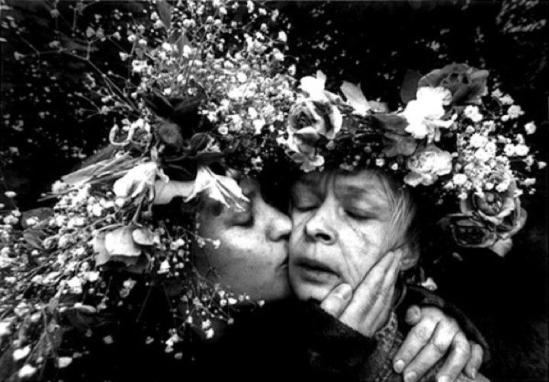
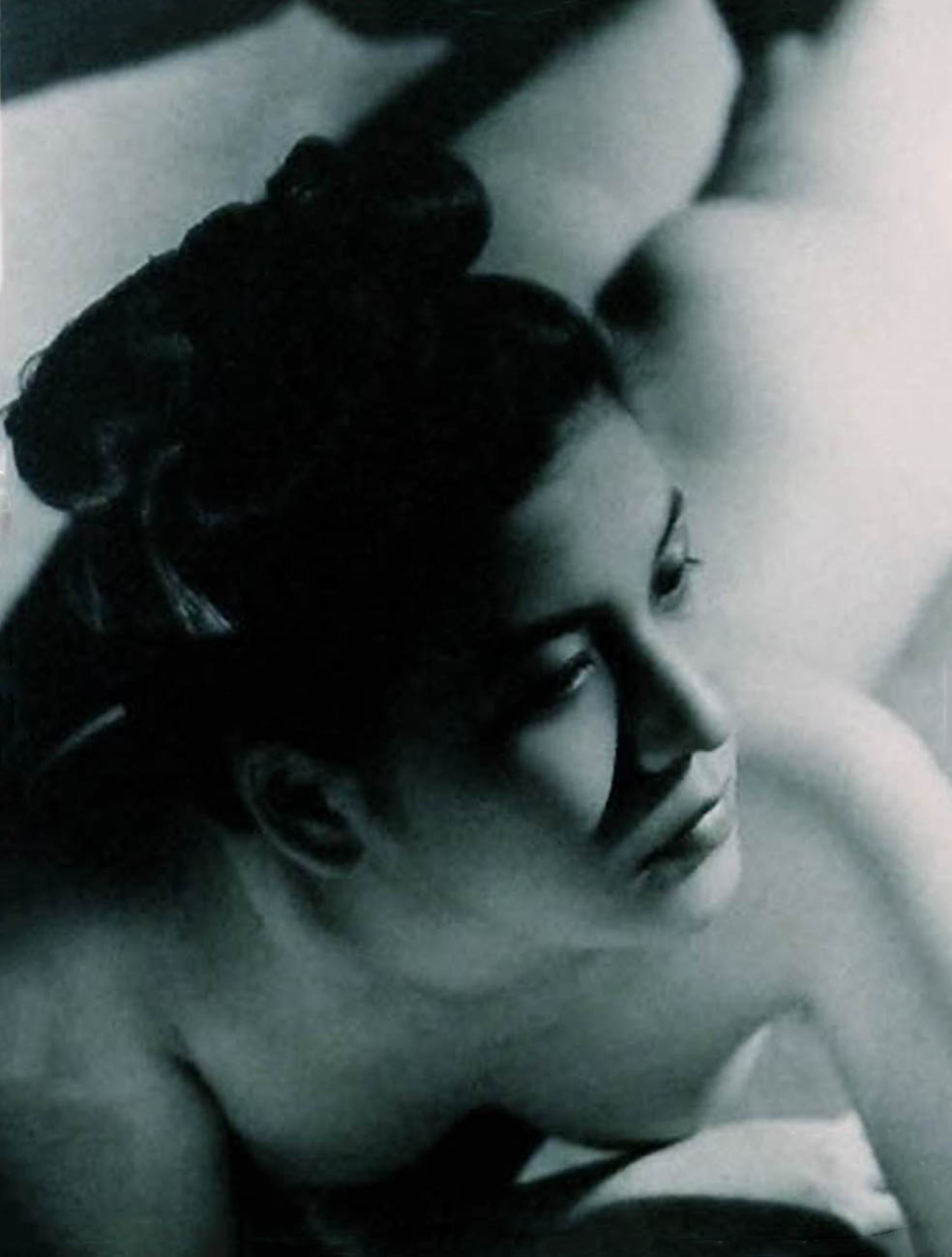
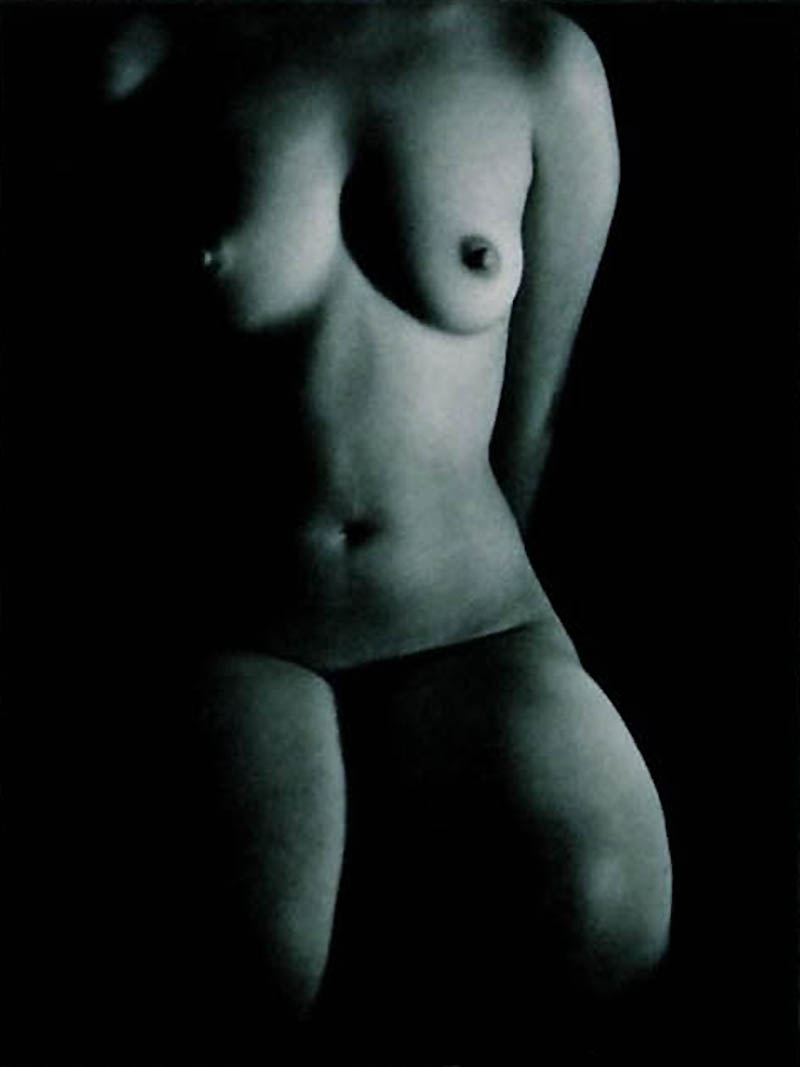
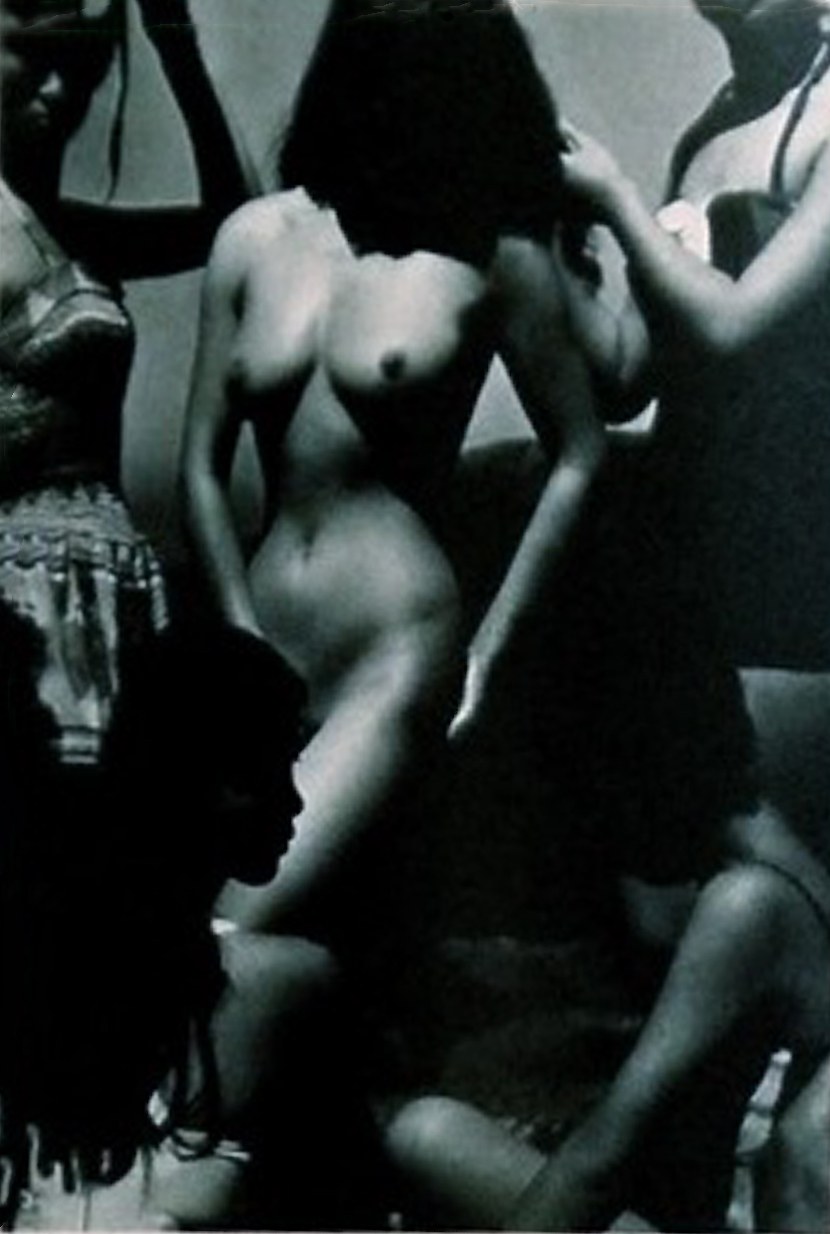
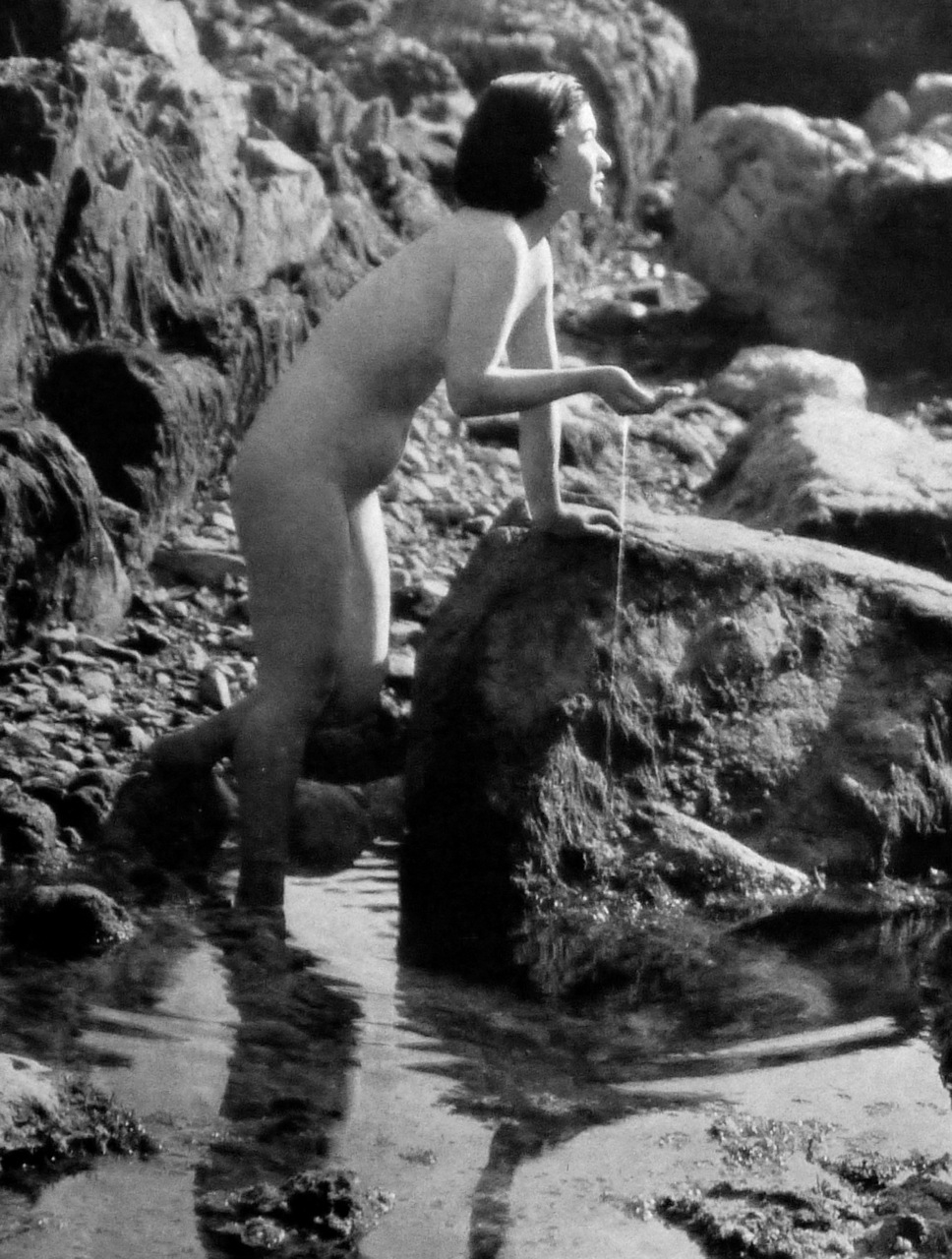
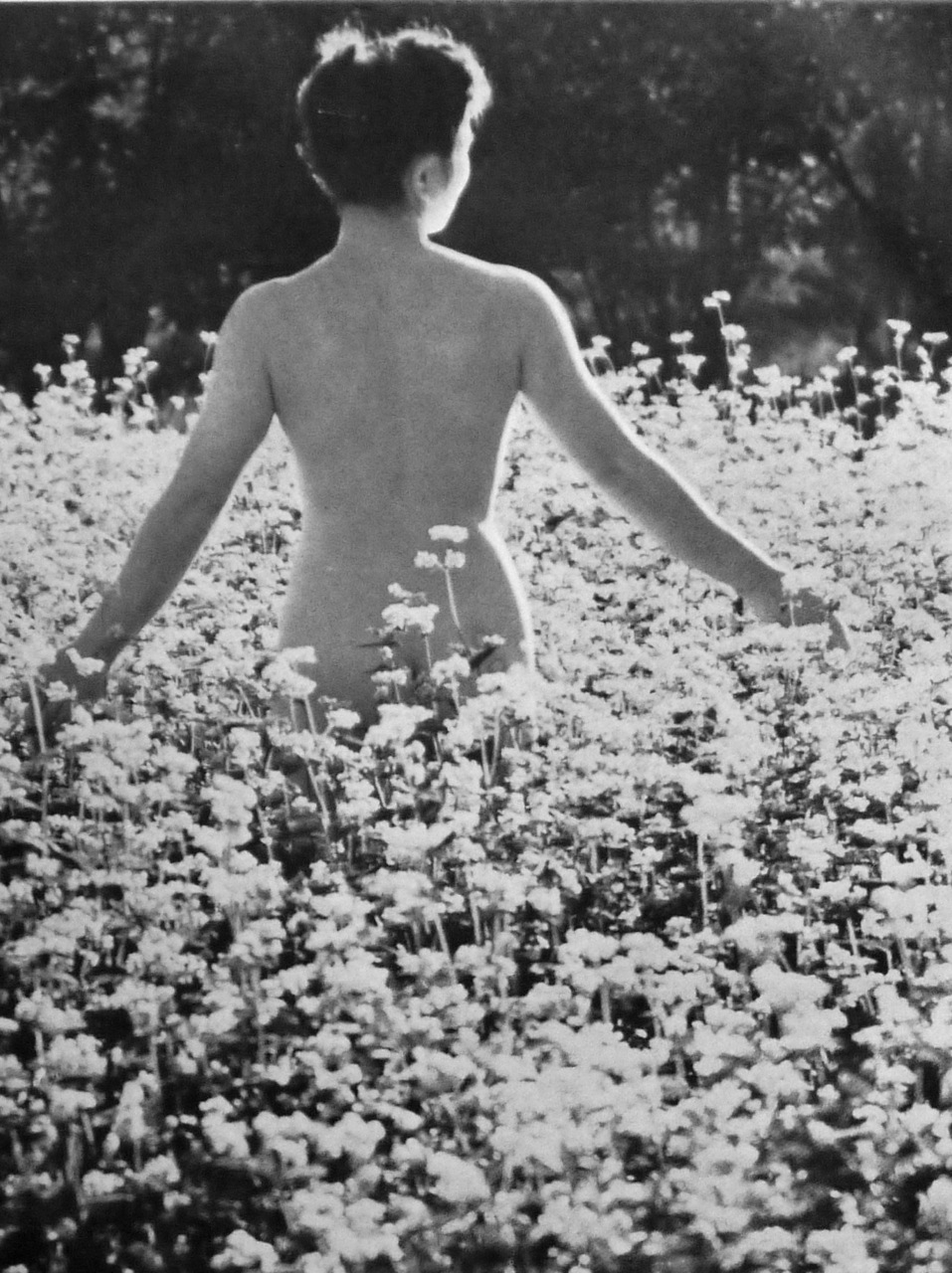
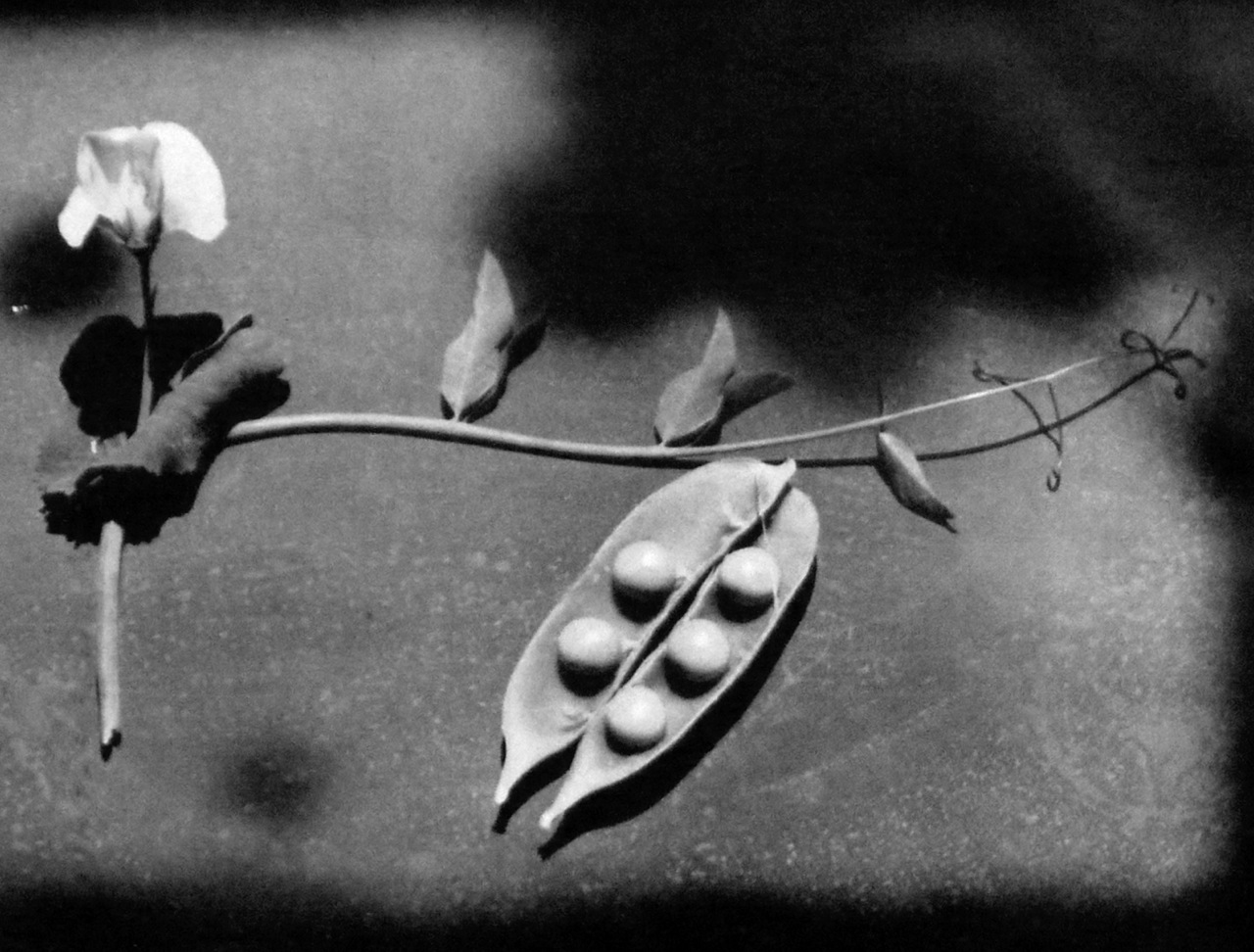
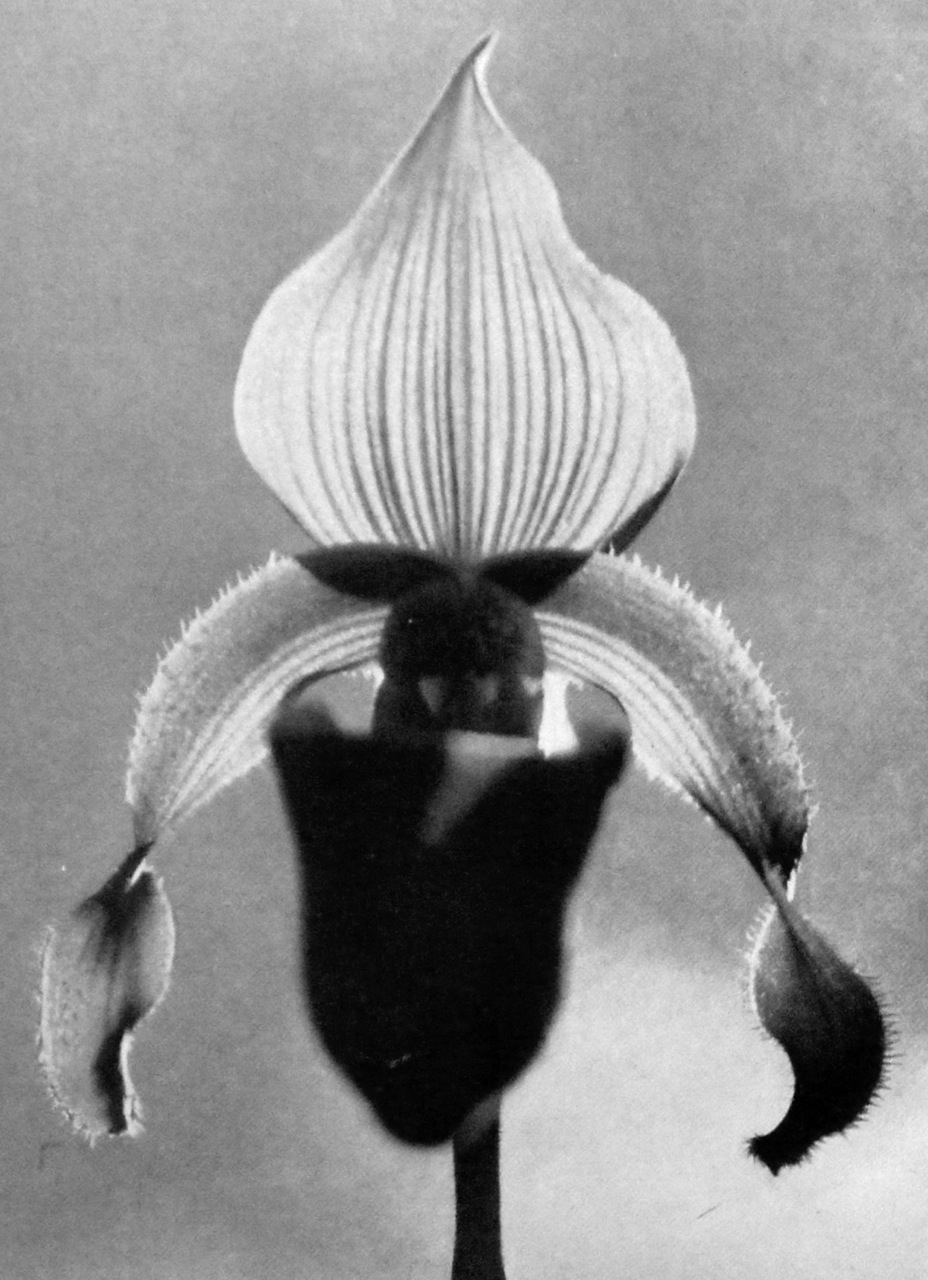
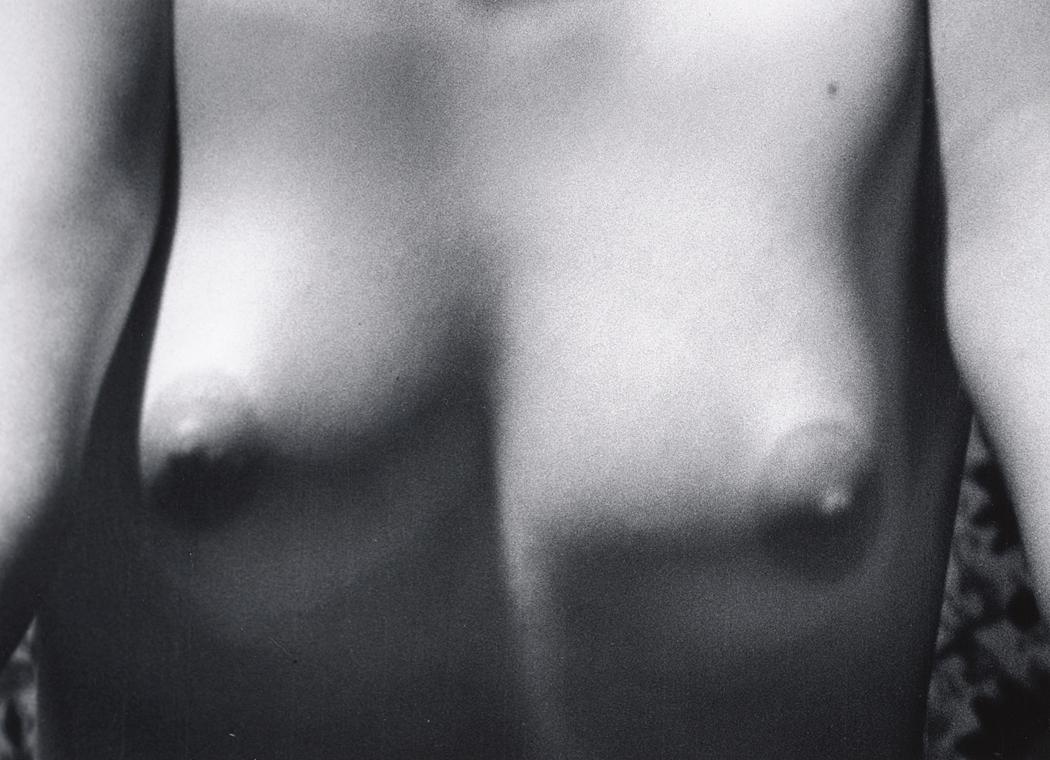
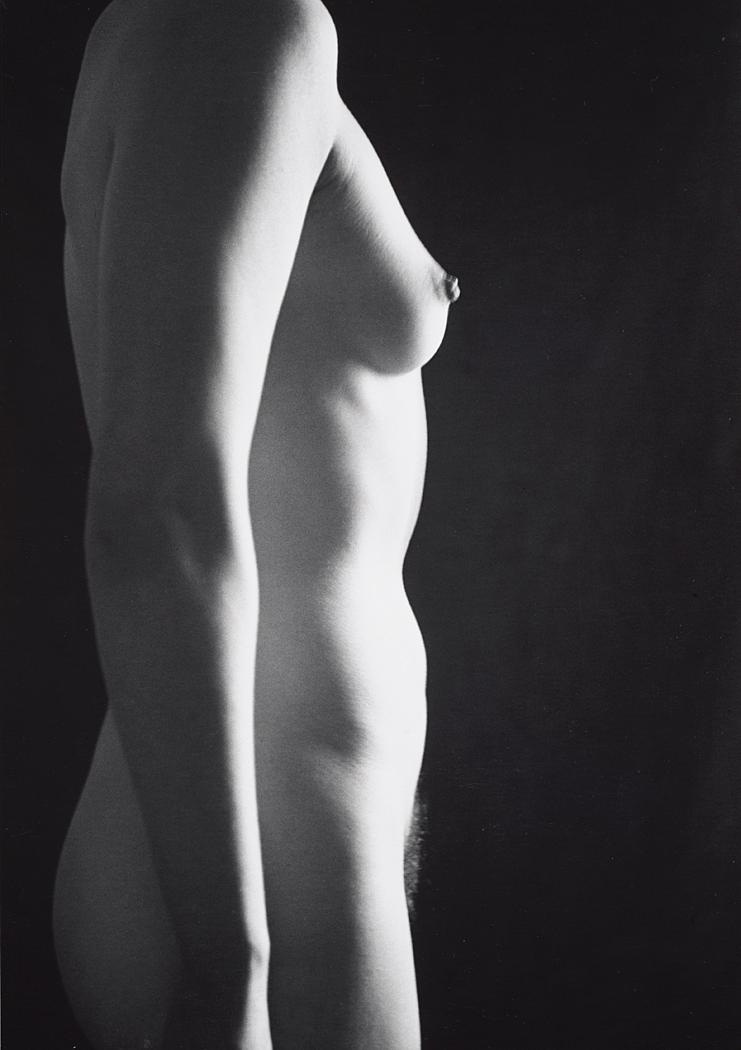
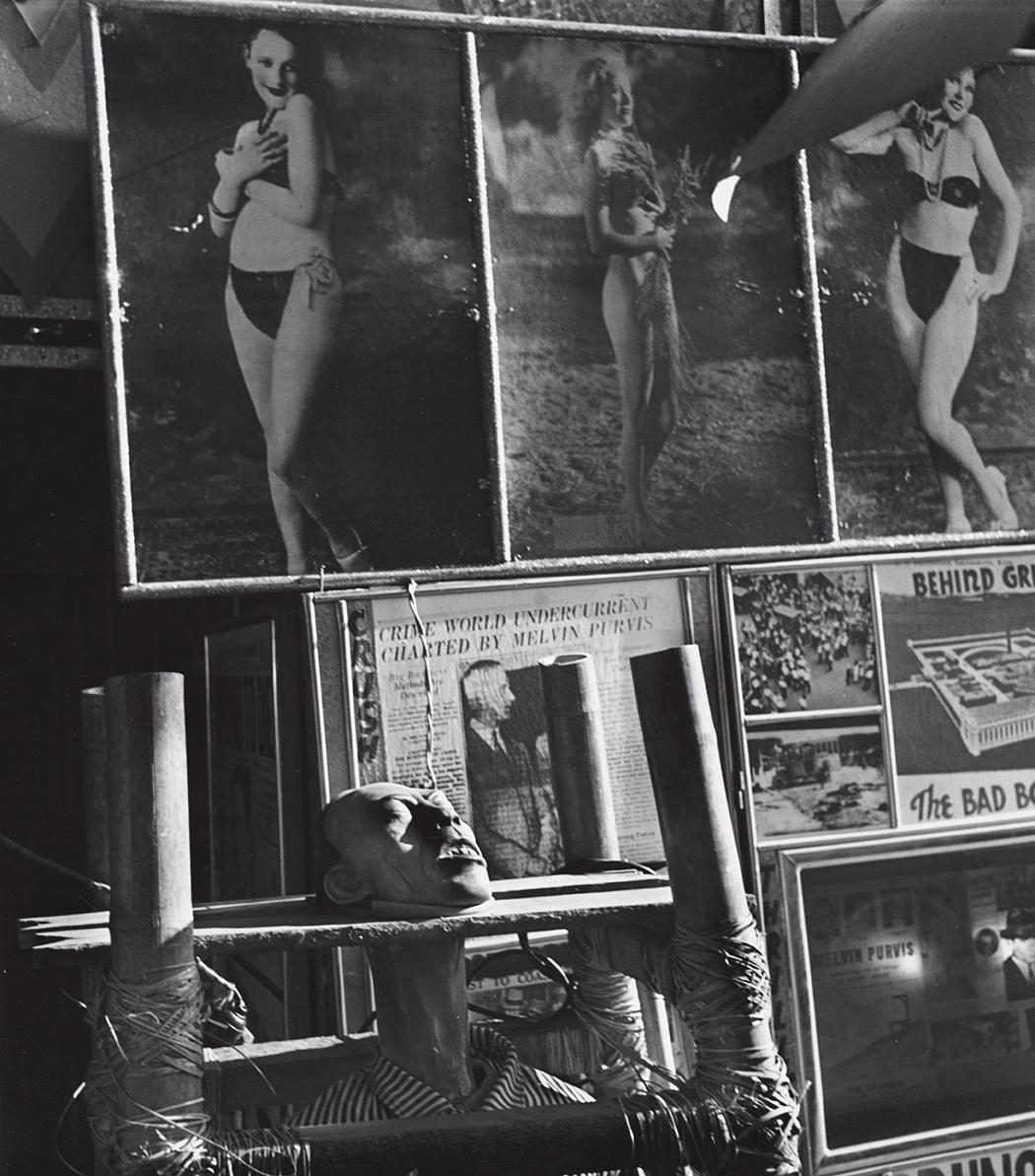
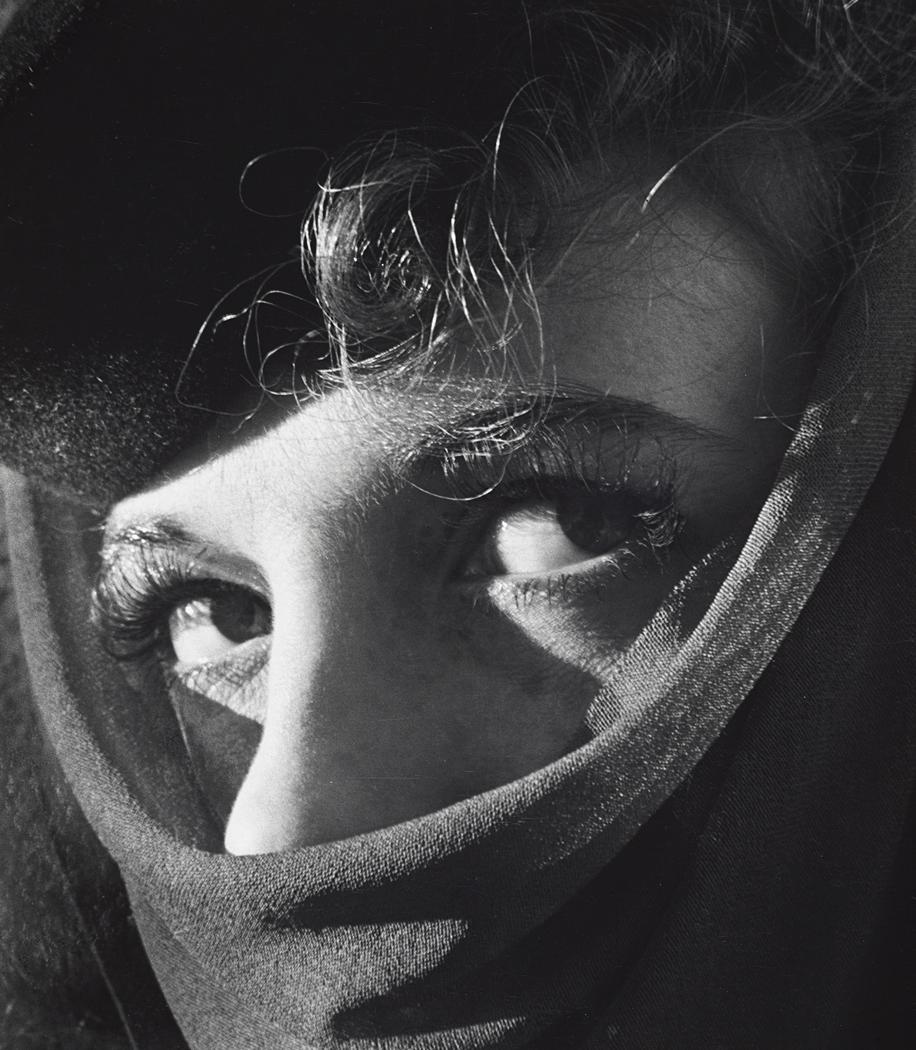
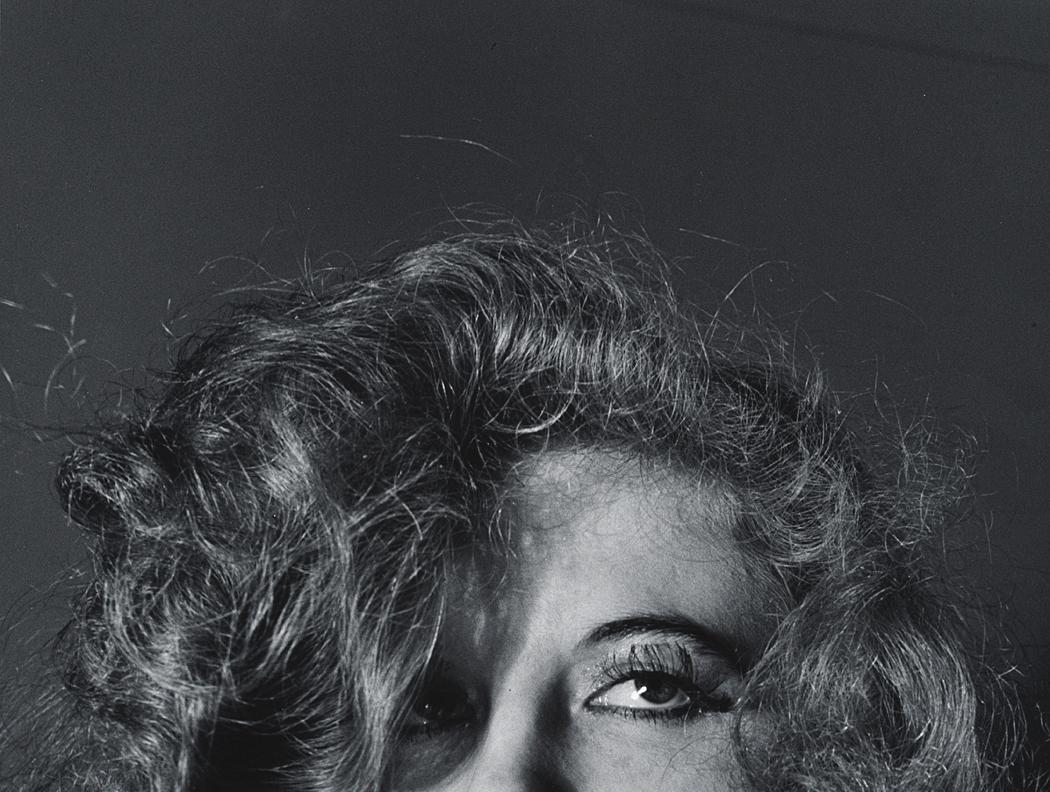
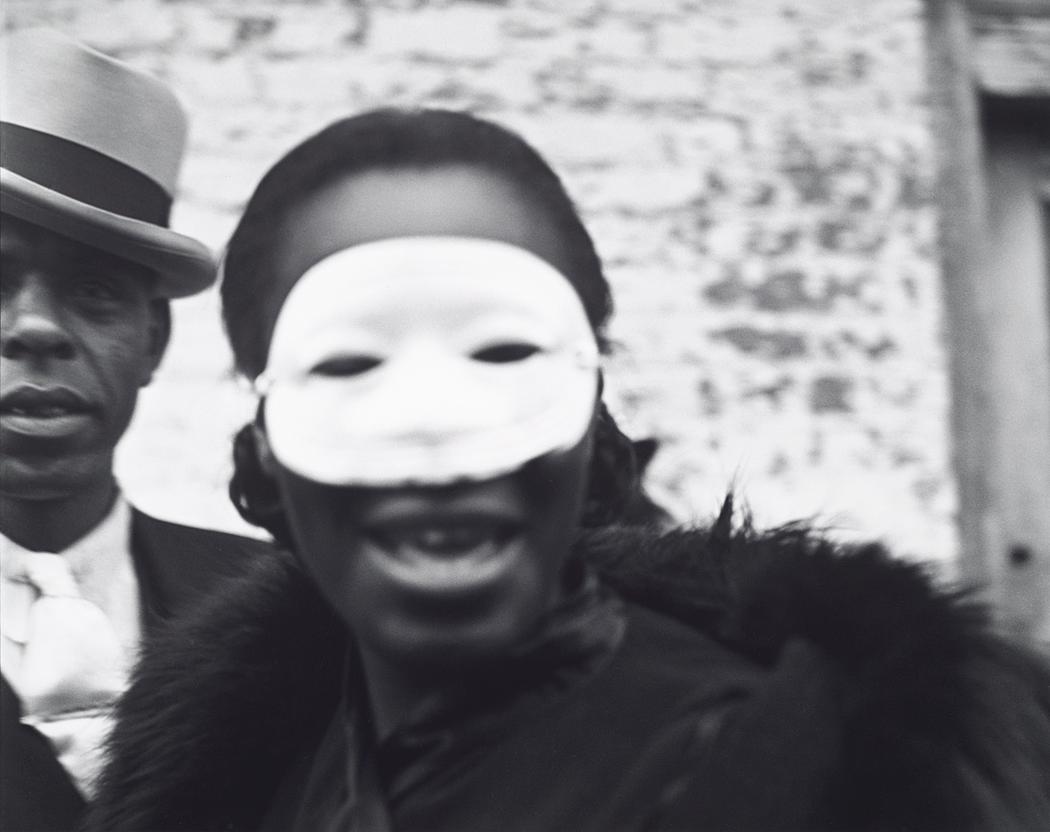
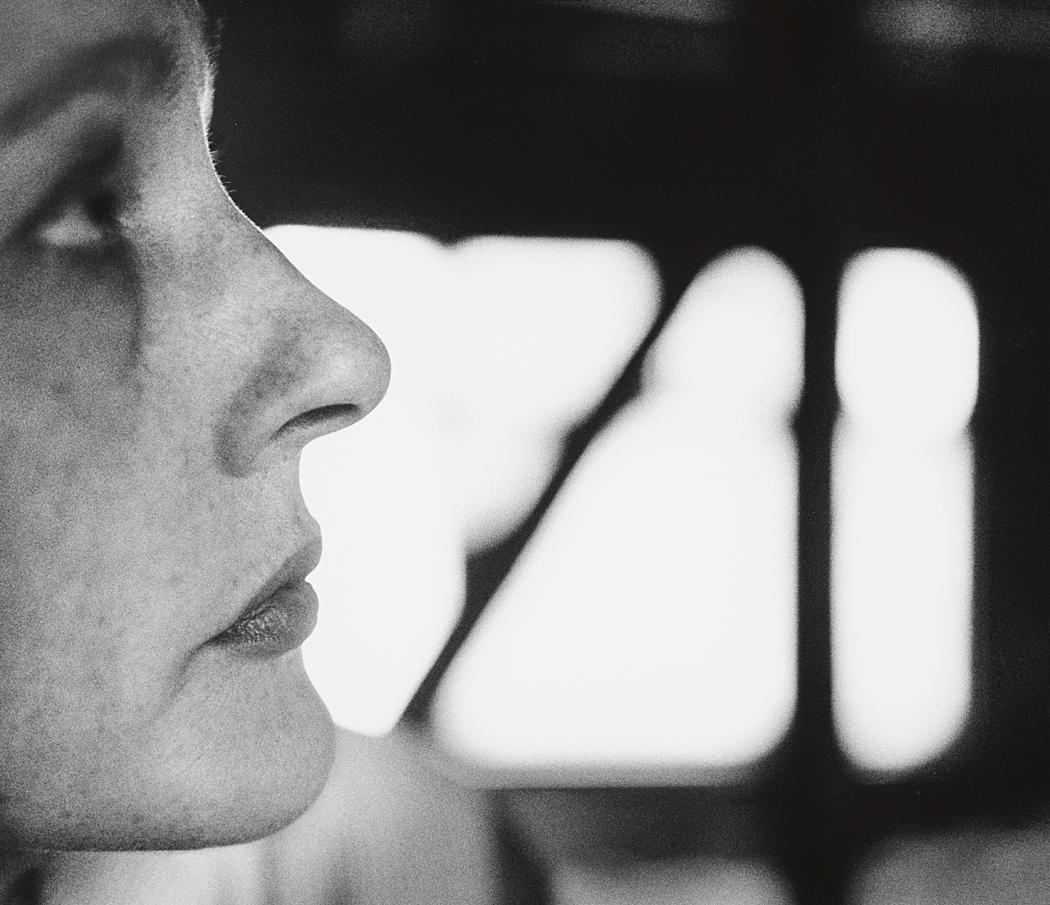
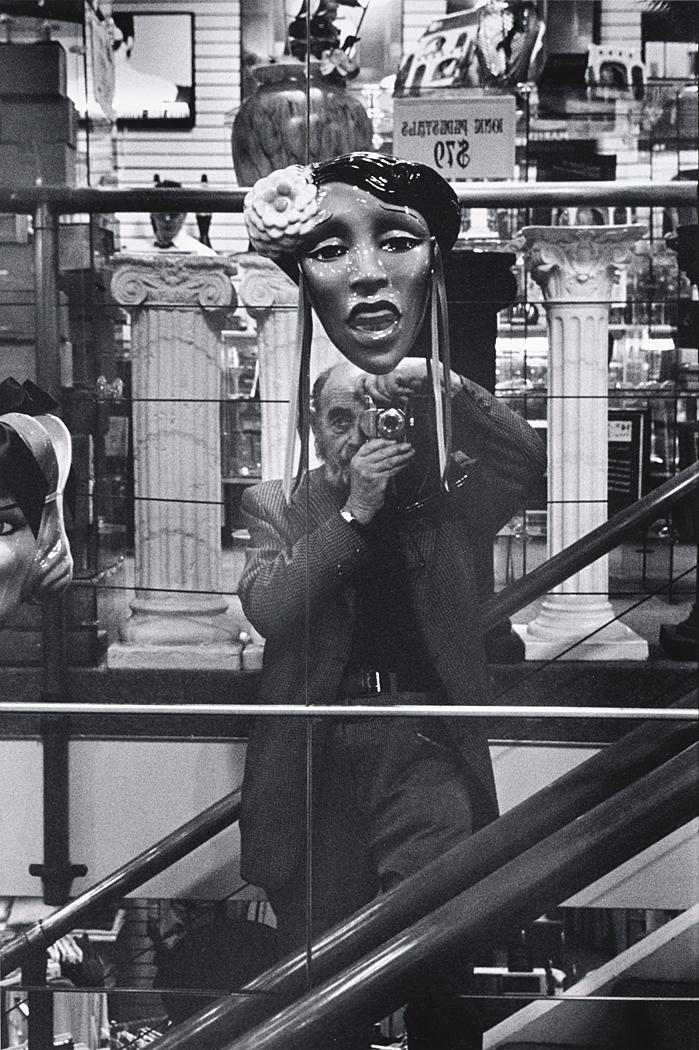
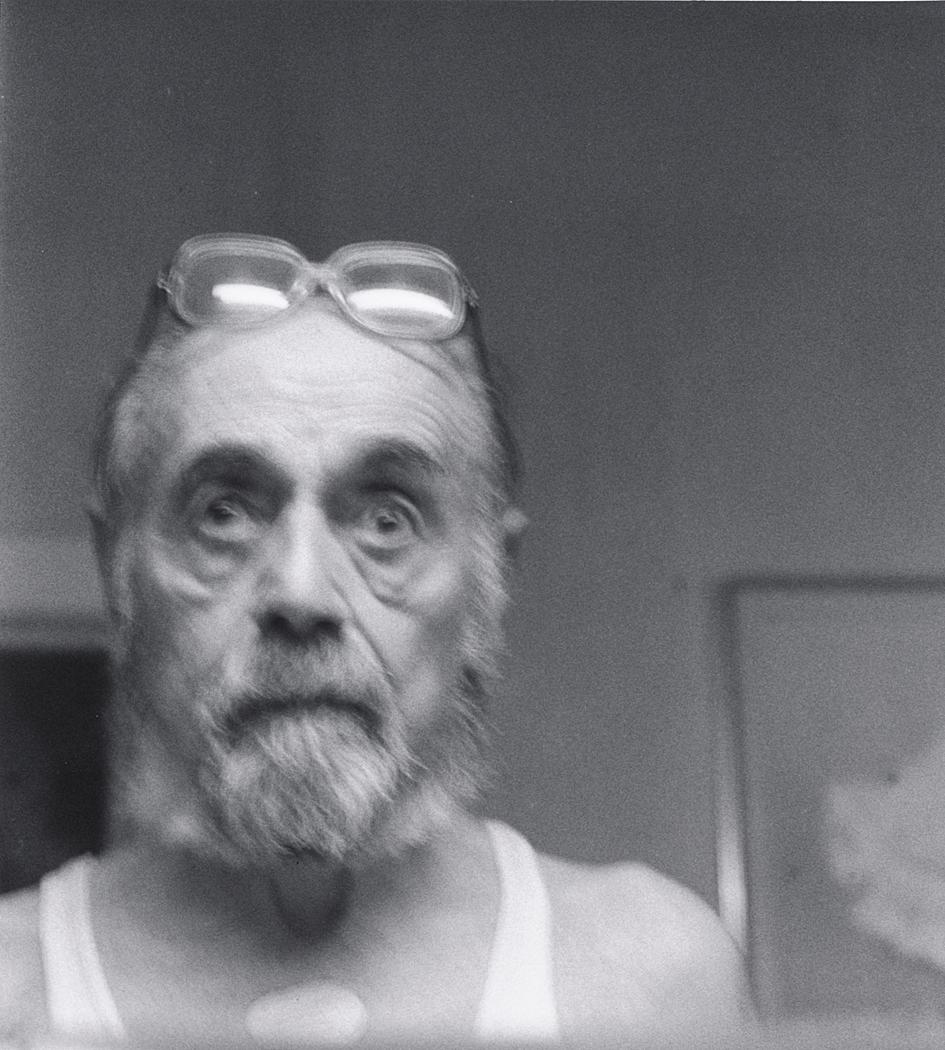
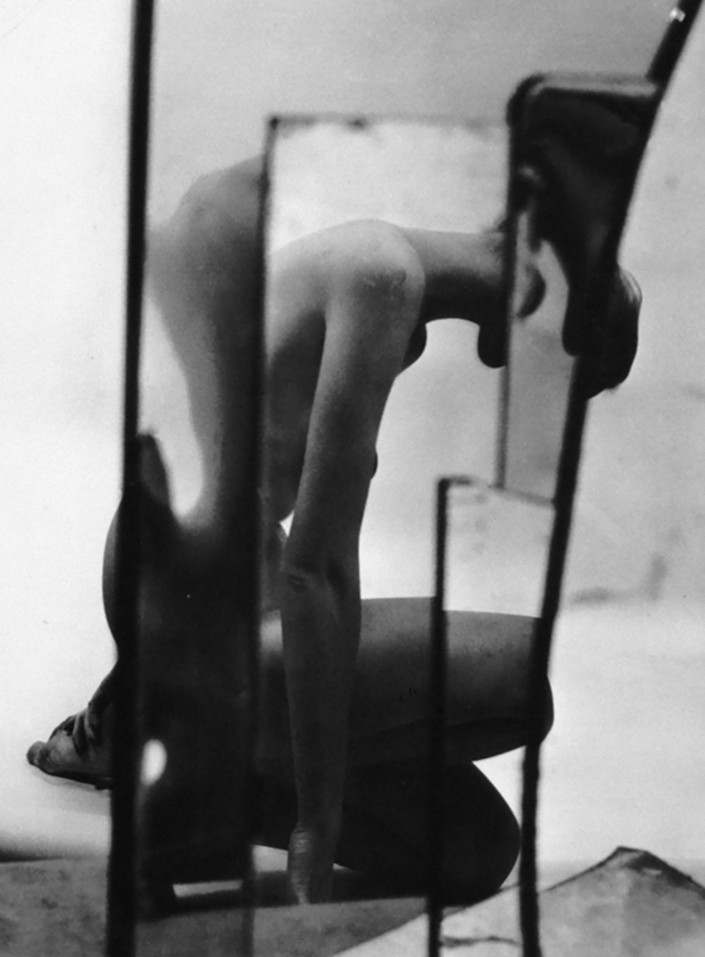
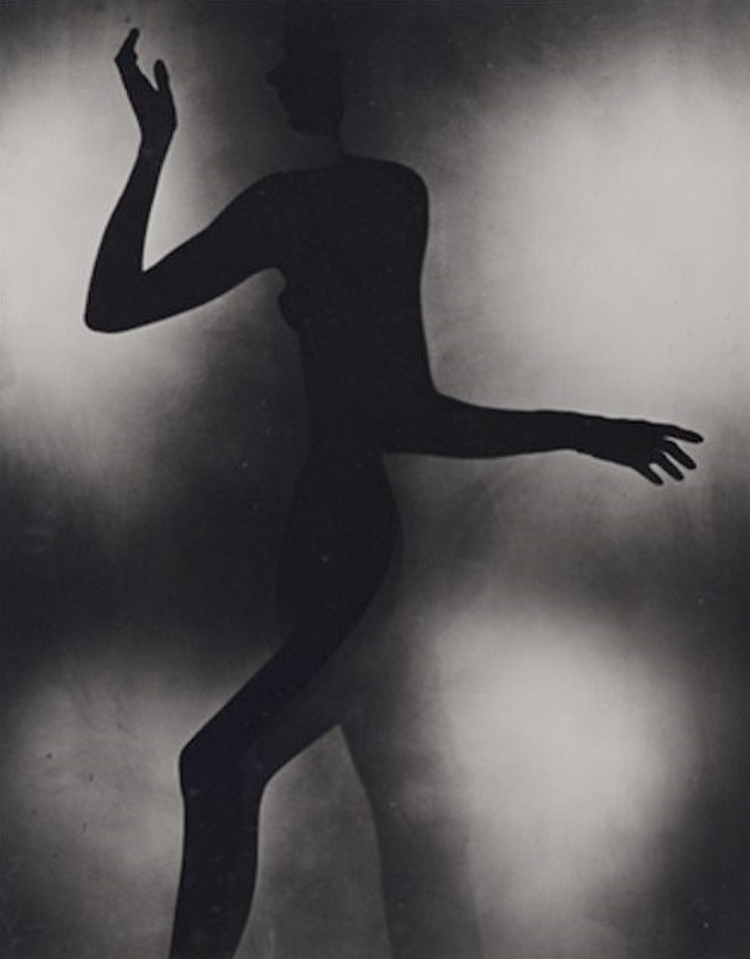
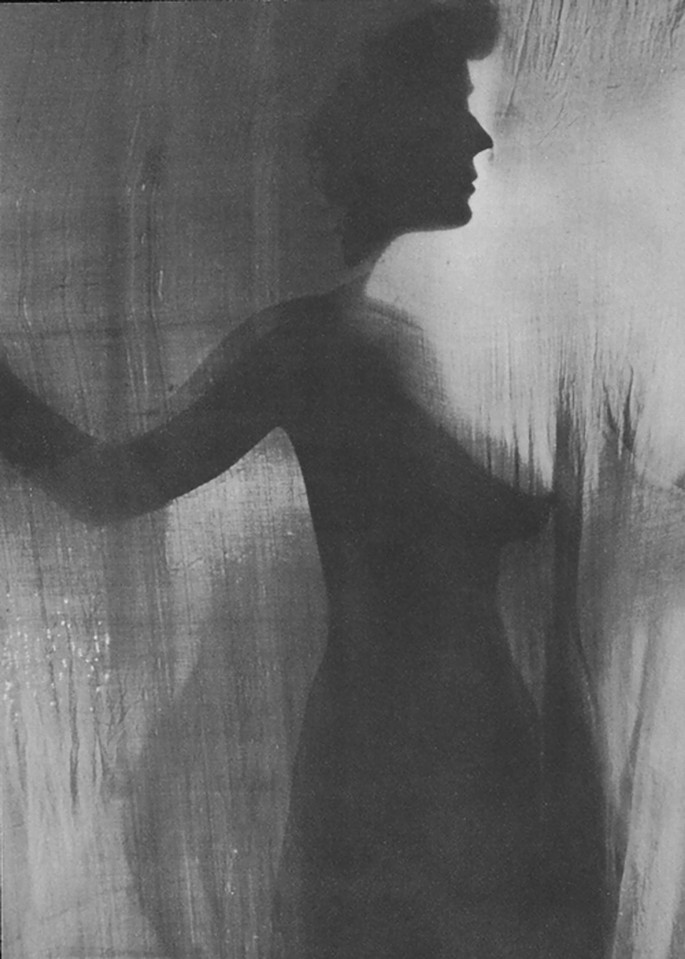
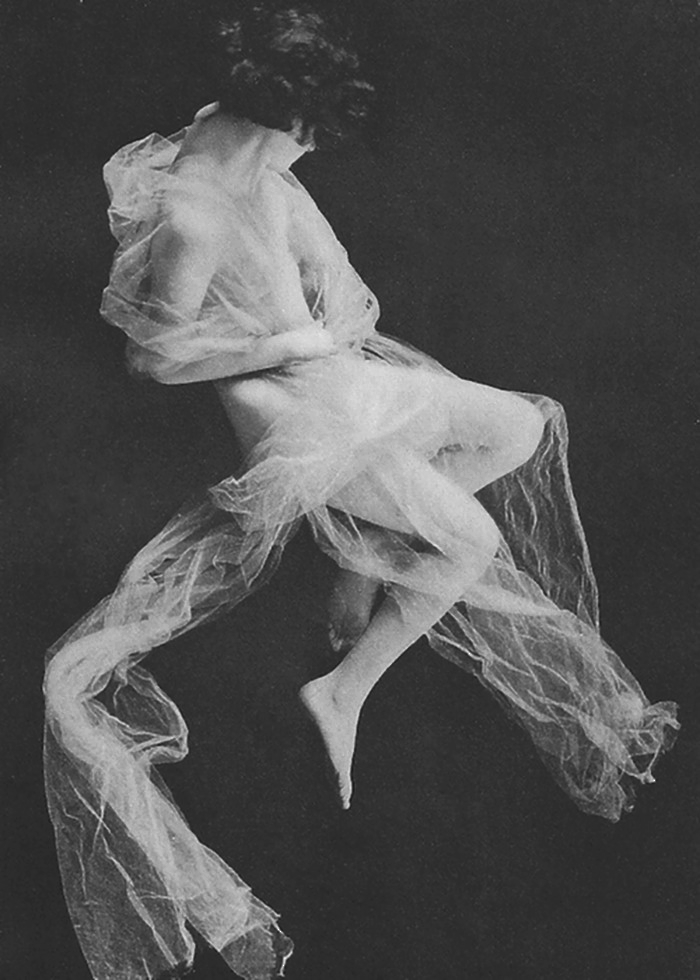
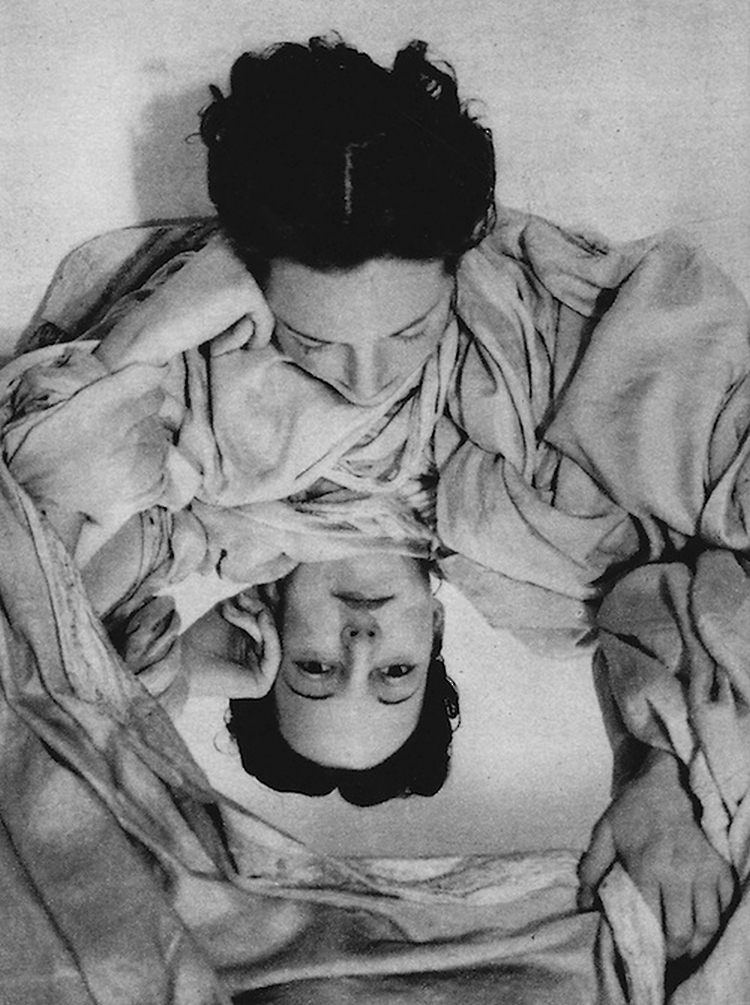
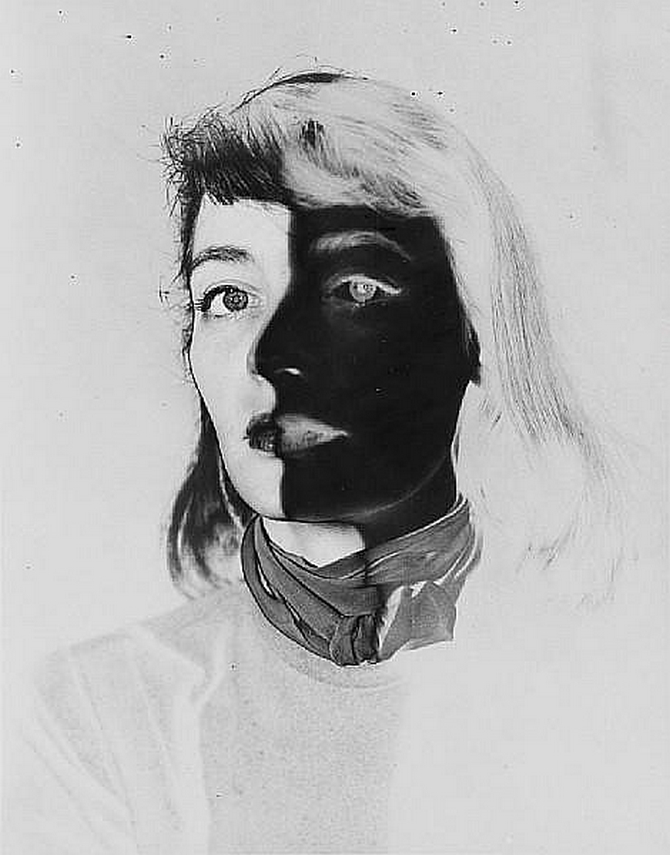
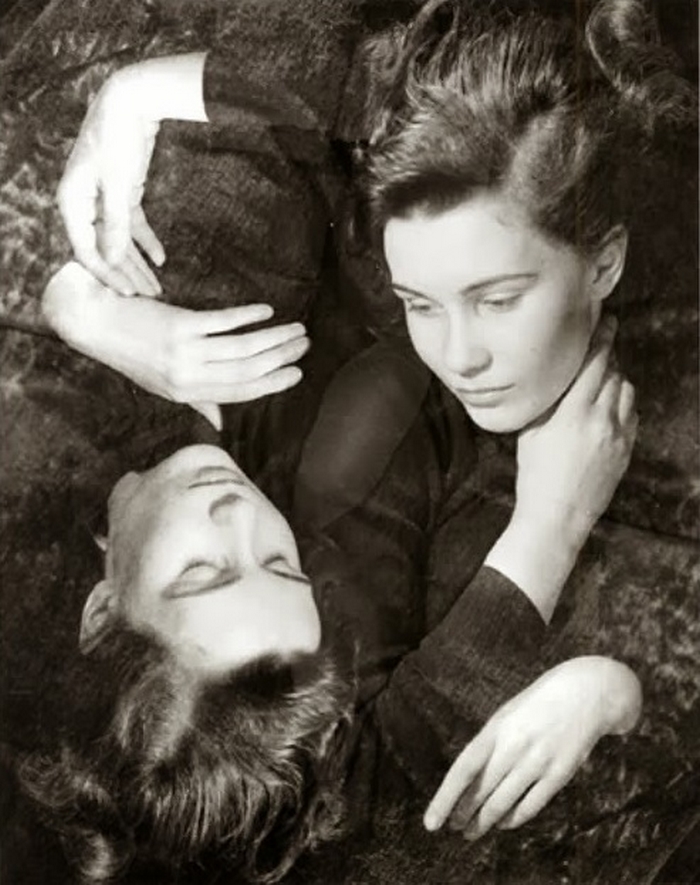
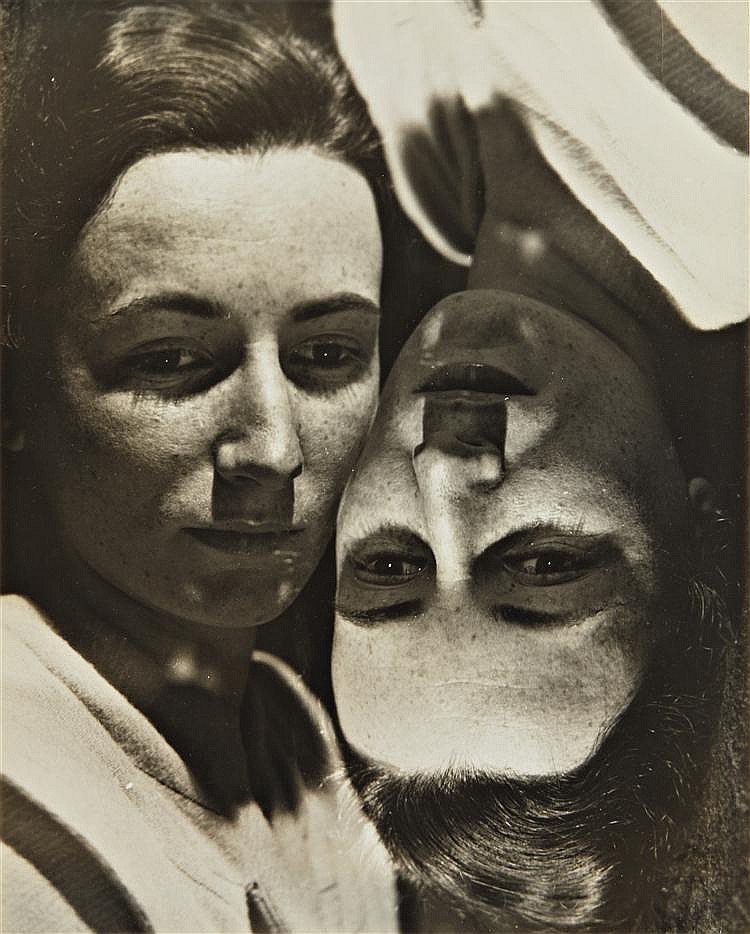
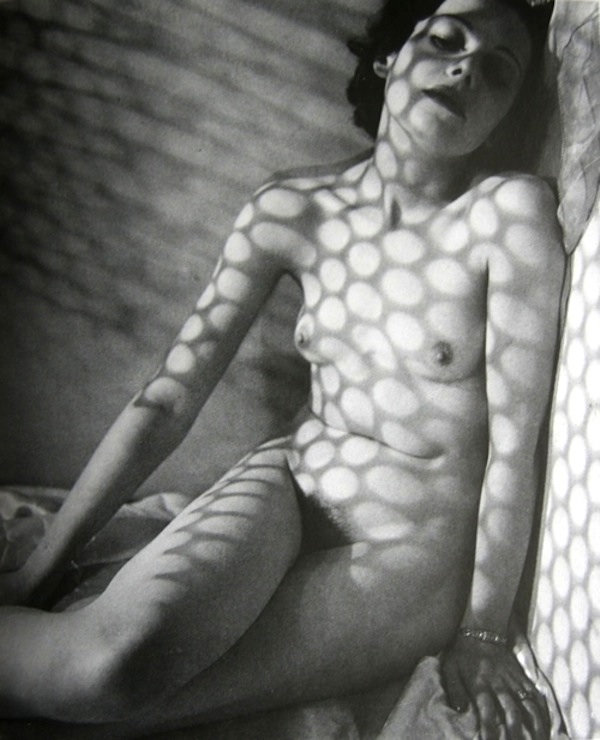
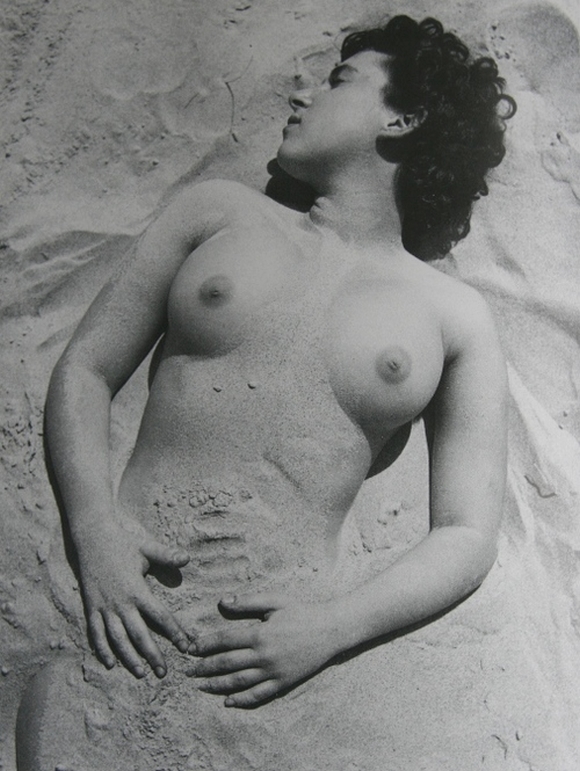
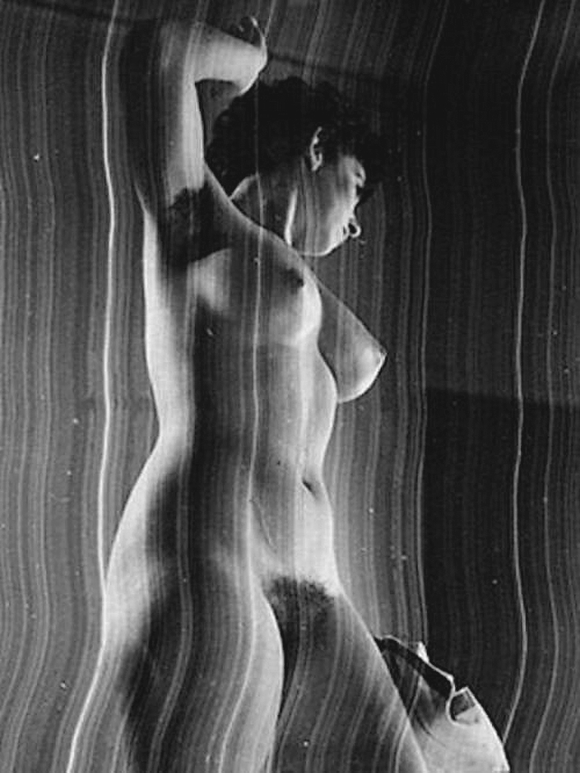
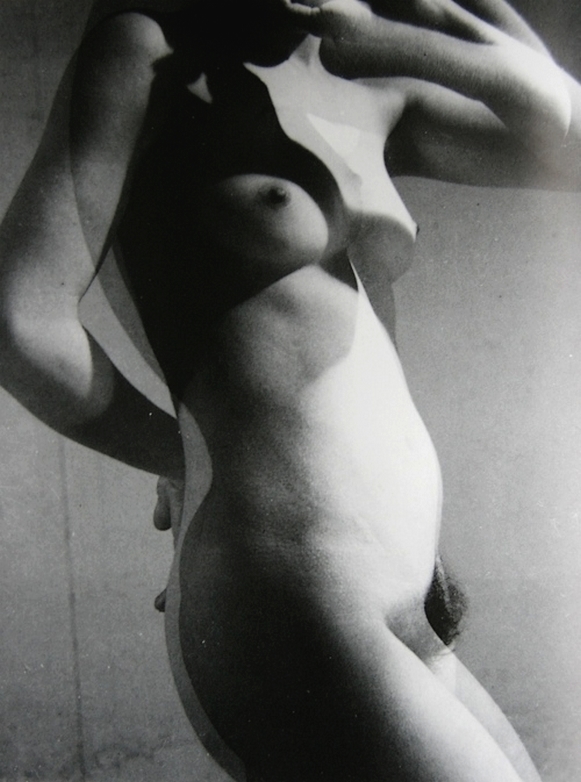
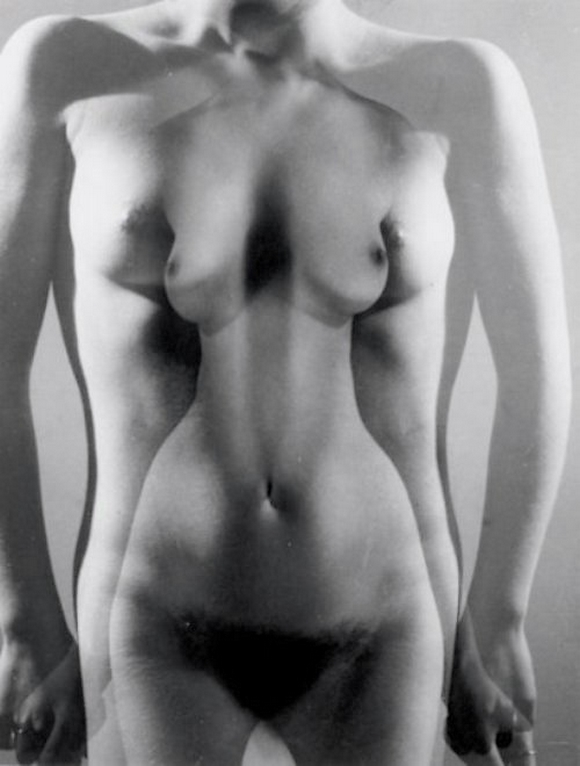
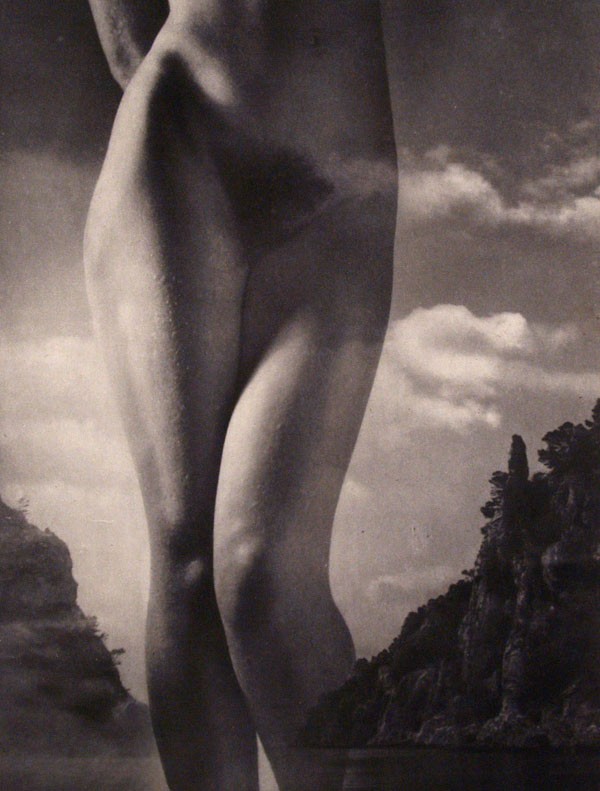
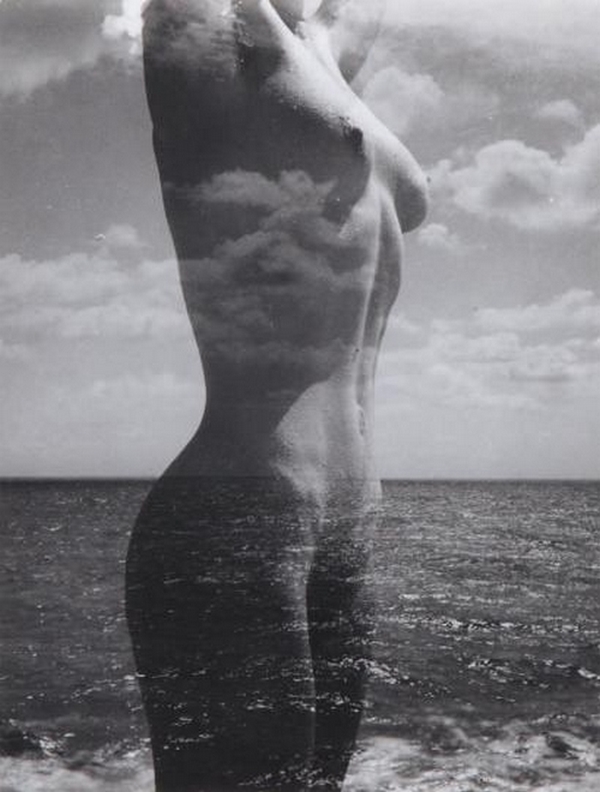
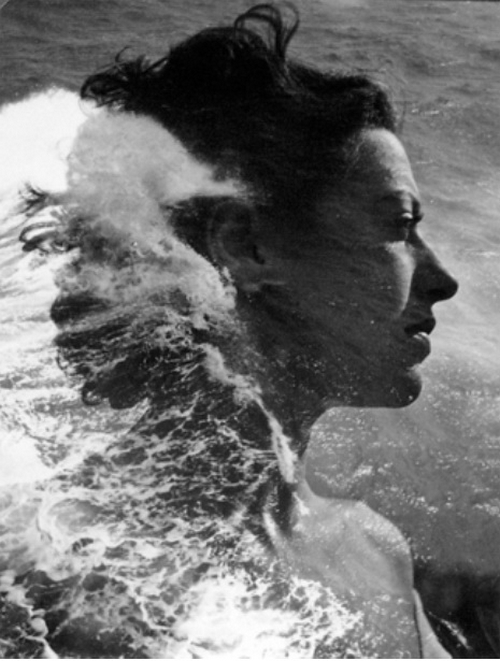
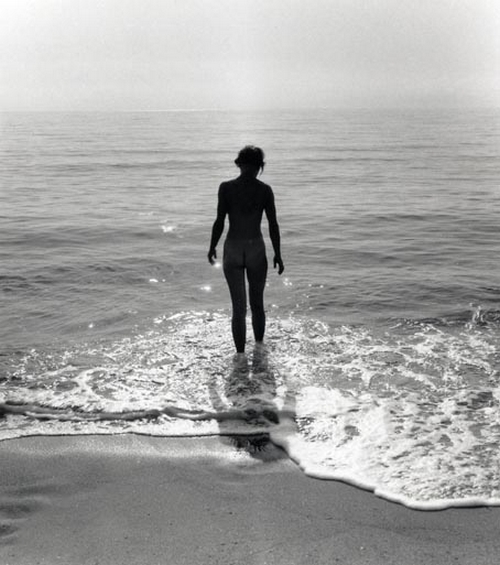
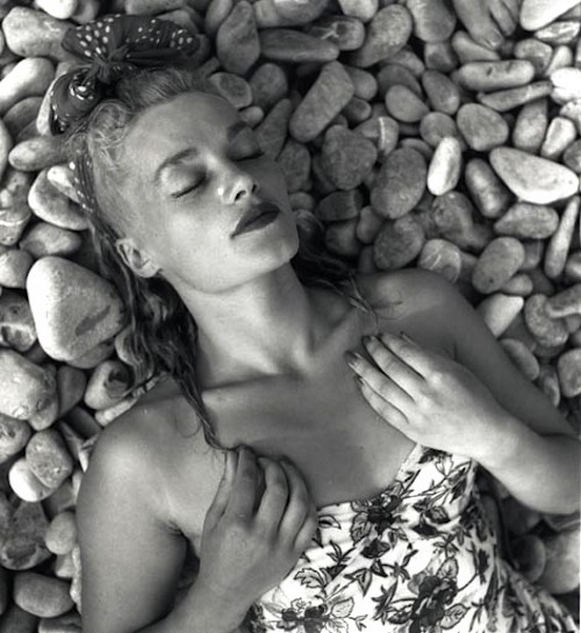
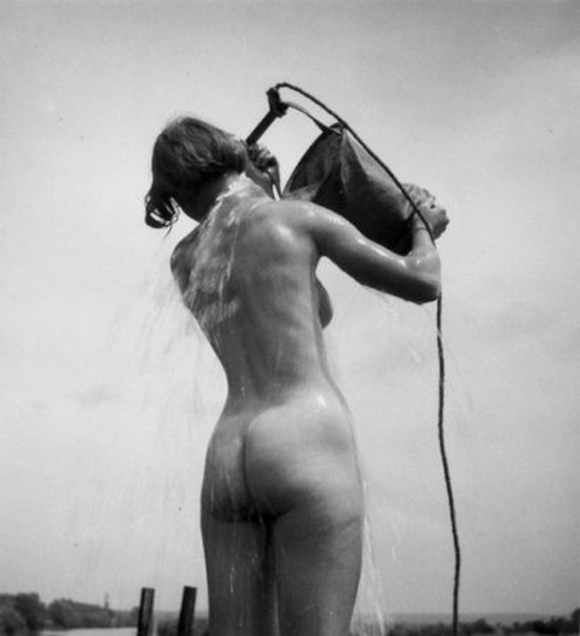
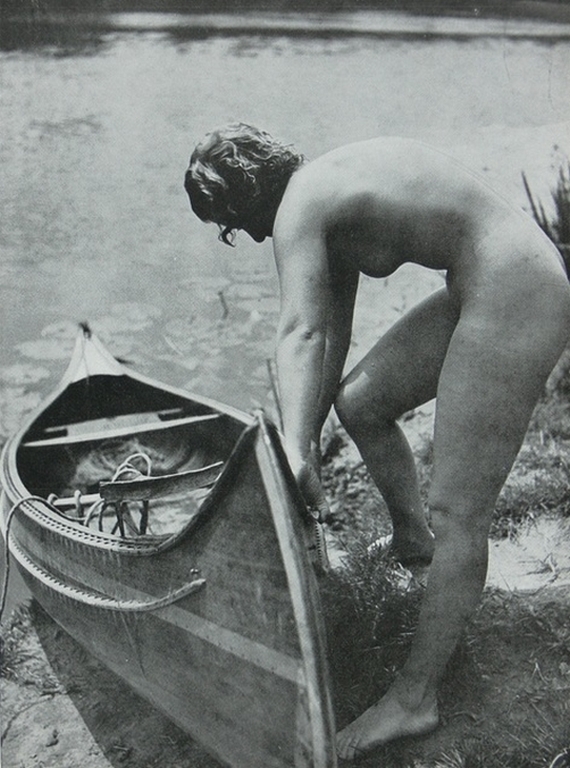
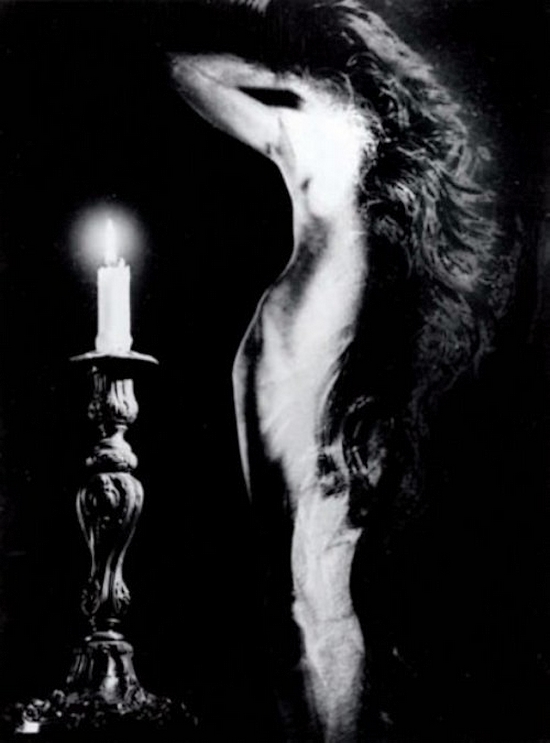
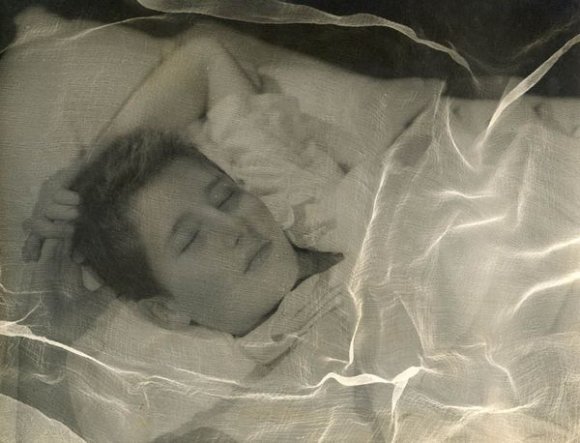
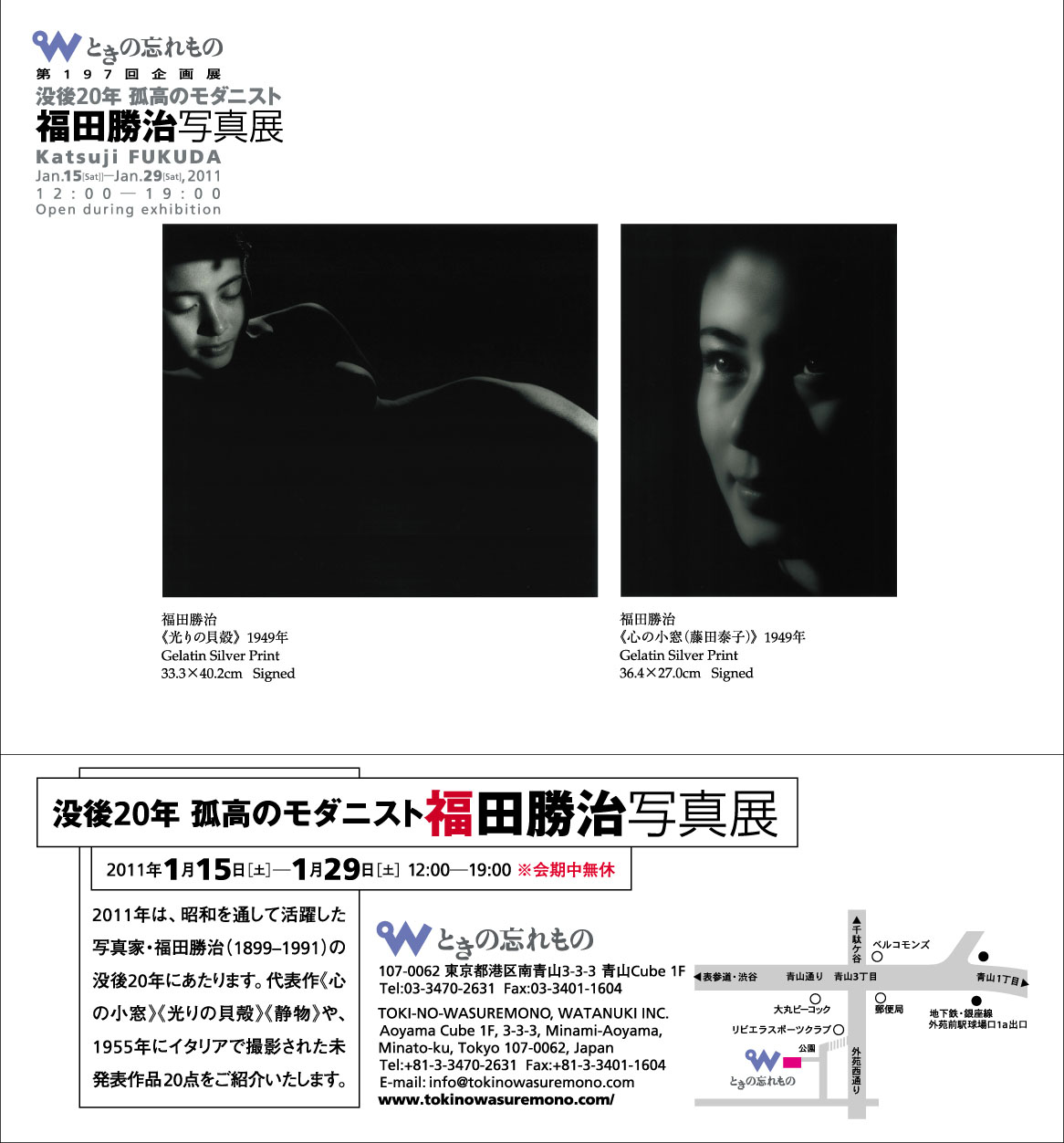
Anders Petersen-Mental Hospital-1995

© Anders Petersen-Mental Hospital-1995

© Anders Petersen-Mental Hospital-1995

© Anders Petersen-Mental Hospital-1995

© Anders Petersen-Mental Hospital-1995

© Anders Petersen-Mental Hospital-1995

© Anders Petersen-Mental Hospital-1995

© Anders Petersen-Mental Hospital-1995

© Anders Petersen-Mental Hospital-1995

© Anders Petersen-Mental Hospital-1995

© Anders Petersen-Mental Hospital-1995

© Anders Petersen-Mental Hospital-1995

© Anders Petersen-Mental Hospital-1995

© Anders Petersen-Mental Hospital-1995

© Anders Petersen-Mental Hospital-1995

© Anders Petersen-Mental Hospital-1995

© Anders Petersen-Mental Hospital-1995

© Anders Petersen-Mental Hospital-1995

© Anders Petersen-Mental Hospital-1995

© Anders Petersen-Mental Hospital-1995

© Anders Petersen-Mental Hospital-1995

© Anders Petersen-Mental Hospital-1995

© Anders Petersen-Mental Hospital-1995

© Anders Petersen-Mental Hospital-1995

© Anders Petersen-Mental Hospital-1995

© Anders Petersen-Mental Hospital-1995

© Anders Petersen-Mental Hospital-1995

© Anders Petersen-Mental Hospital-1995

© Anders Petersen-Mental Hospital-1995

© Anders Petersen-Mental Hospital-1995

© Anders Petersen-Mental Hospital-1995

© Anders Petersen-Mental Hospital-1995

© Anders Petersen-Mental Hospital-1995

© Anders Petersen-Mental Hospital-1995

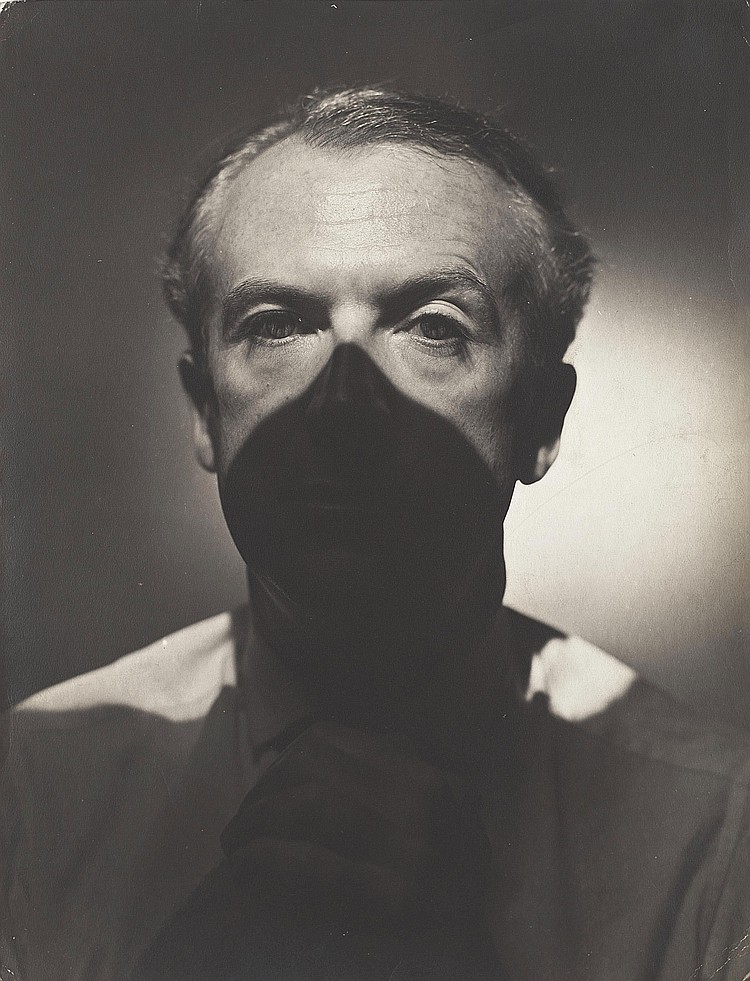
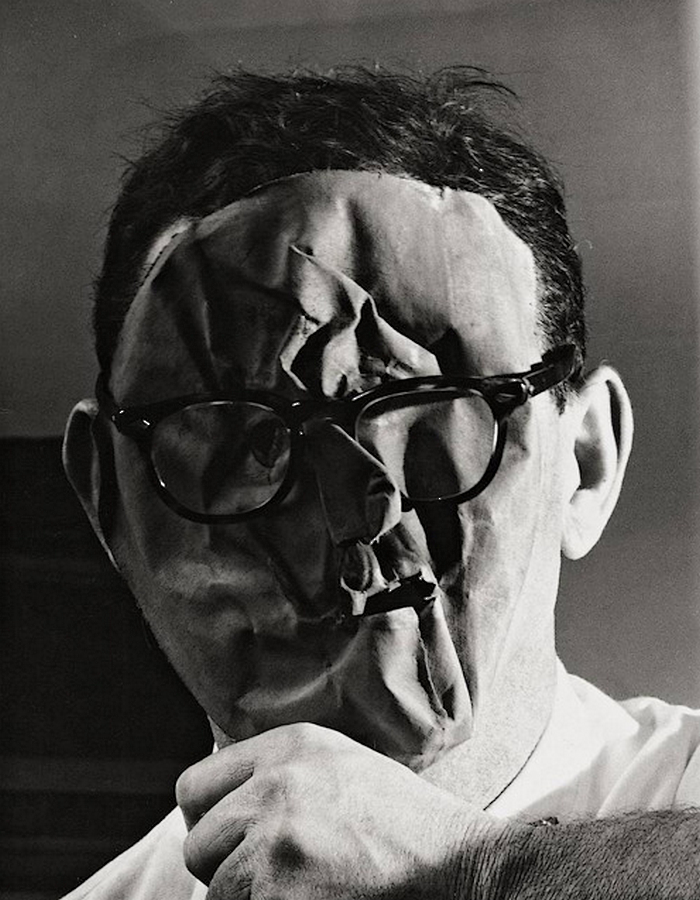
Henri Michaux – Nous deux encore ,1948 photographie par Brassaï

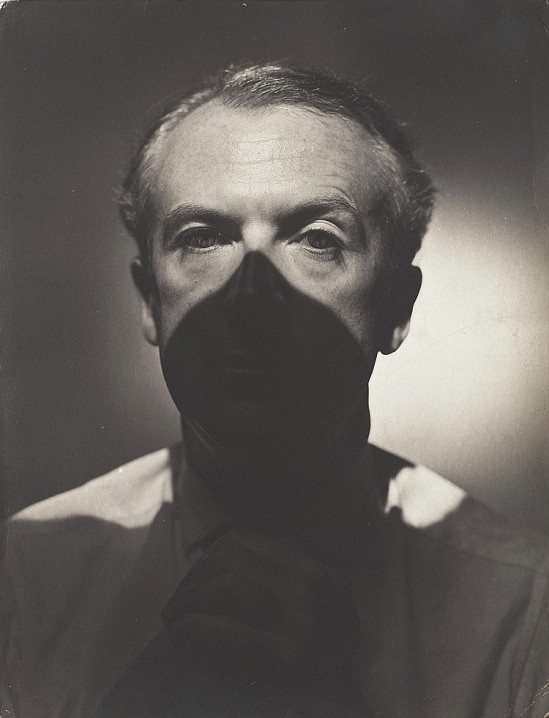
Henri Michaux assis à sa table de travail 1943-1945 photo Brassaï , épreuve gélatino-argentique , Estate Brassaï - RMN-Grand Palais

Henri Michaux assis à sa table de travail 1943-1945 photo Brassaï , (Détail) épreuve gélatino-argentique , Estate Brassaï – RMN-Grand Palais

the original photo isthisone

Henri Michaux assis à sa table de travail 1943-1945 photo Brassaï , épreuve gélatino-argentique , Estate Brassaï - RMN-Grand Palais

Henri Michaux assis à sa table de travail 1943-1945 photo Brassaï , épreuve gélatino-argentique , Estate Brassaï – RMN-Grand Palais

Henri Michaux – Nous deux encore ,1948

 » Air du feu, tu n’as pas su jouer.
Tu as jeté sur ma maison une toile noire. Qu’est-ce que cet opaque partout ? C’est l’opaque qui a bouché mon ciel.Qu’est-ce que ce silence partout ? C’est le silence qui a fait taire mon chant.

L’espoir, il m’eût suffi d’un ruisselet. Mais tu as tout pris. Le son qui vibre m’a été retiré.
Tu n’as pas su jouer. Tu as attrapé les cordes. Mais tu n’as pas su jouer. Tu as tout bousillé tout de suite. Tu as cassé le violon. Tu as jeté une flamme sur la peau de soie.
Pour faire un affreux marais de sang.

Son bonheur riait dans son âme. Mais c’était tout tromperie. Ca n’a pas fait long rire.

Elle était dans un train roulant vers la mer. Elle était dans une fusée filant sur le roc. Elle s’élançait quoiqu’immobile vers le serpent de feu qui allait la consumer. Et fut là tout à coup, saisissant la confiante, tandis qu’elle peignait sa chevelure, contemplant sa félicité dans la glace.
Et lorsqu’elle vit monter cette flamme sur elle, oh…
Dans l’instant la coupe lui a été arrachée. Ses mains n’ont plus rien tenu. Elle a vu qu’on la serrait dans un coin. Elle s’est arrêtée là-dessus comme sur un énorme sujet de méditation à résoudre avant tout. Deux secondes plus tard, deux secondes trop tard, elle fuyait vers la fenêtre, appelant au secours.
Toute la flamme alors l’a entourée.

Elle se retrouve dans un lit, dont la souffrance monte jusqu’au ciel, jusqu’au ciel, sans rencontrer de dieu… dont la souffrance descend jusqu’au fond de l’enfer, jusqu’au fond de l’enfer sans rencontrer de démon.
L’hôpital dort. La brûlure éveille. Son corps, comme un parc abandonné..

Défenestrée d’elle-même, elle cherche comment rentrer. Le vide où elle godille ne répond pas à ses mouvements.
Lentement, dans la grange, son blé brûle.
Aveugle, à travers le long barrage de souffrance, un mois durant, elle remonte le fleuve de vie, nage atroce.
Patiente, dans l’innommable boursouflé elle retrace ses formes élégantes, elle tisse à nouveau la chemise de sa peau fine. La guérison est là. Demain tombe le dernier pansement. Demain…
Air du sang, tu n’as pas su jouer. Toi non plus, tu n’as pas su. Tu as jeté subitement, stupidement, ton sot petit caillot obstructeur en travers d’une nouvelle aurore.
Dans l’instant elle n’a plus trouvé de place. Il a bien fallu se tourner vers la Mort.
A peine si elle a aperçu la route. Une seconde ouvrit l’abîme. La suivante l’y précipitait.
On est resté hébété de ce côté-ci. On n’a pas eu le temps de dire au revoir. On n’a pas eu le temps d’une promesse.
Elle avait disparu du film de cette terre.
Lou
Lou
Lou, dans le rétroviseur d’un bref instant
Lou, ne me vois-tu pas ?
Lou, le destin d’être ensemble à jamais
dans quoi tu avais tellement foi
Eh bien ?
Tu ne vas pas être comme les autres qui jamais plus ne font signe, englouties dans le silence.
Non, il ne doit pas te suffire à toi d’une mort pour t’enlever ton amour.
Dans la pompe horrible
qui t’espace jusqu’à je ne sais quelle millième dilution
tu cherches encore, tu nous cherches place
Mais j’ai peur
On n’a pas pris assez de précautions
On aurait dû être plus renseigné,
Quelqu’un m’écrit que c’est toi, martyre, qui va veiller sur moi à présent.
Oh ! J’en doute.
Quand je touche ton fluide si délicat
demeuré dans ta chambre et tes objets familiers que je presse dans mes mains
ce fluide ténu qu’il fallait toujours protéger
Oh j’en doute, j’en doute et j’ai peur pour toi,
Impétueuse et fragile, offerte aux catastrophes
Cependant, je vais à des bureaux, à la recherche de certificats gaspillant des moments précieux qu’il faudrait utiliser plutôt entre nous précipitamment tandis que tu grelottes
attendant en ta merveilleuse confiance que je vienne t’aider à te tirer de là, pensant « A coup sûr, il viendra
« il a pu être empêché, mais il ne saurait tarder
« il viendra, je le connais
« il ne va pas me laisser seule
« ce n’est pas possible
« il ne va pas laisser seule, sa pauvre Lou…
Je ne connaissais pas ma vie. Ma vie passait à travers toi. Ca devenait simple, cette grande affaire compliquée. Ca devenait simple, malgré le souci.
Ta faiblesse, j’étais raffermi lorsqu’elle s’appuyait sur moi.
Dis, est-ce qu’on ne se rencontrera vraiment plus jamais ?
Lou, je parle une langue morte, maintenant que je ne te parle plus. Tes grands efforts de liane en moi, tu vois ont abouti. Tu le vois au moins ? Il est vrai, jamais tu ne doutas, toi. Il fallait un aveugle comme moi, il lui fallait du temps, lui, il fallait ta longue maladie, ta beauté, ressurgissant de la maigreur et des fièvres, il fallait cette lumière en toi, cette foi, pour percer enfin le mur de la marotte de son autonomie.
Tard j’ai vu. Tard j’ai su. Tard, j’ai appris « ensemble » qui ne semblait pas être dans ma destinée. Mais non trop tard.
Les années ont été pour nous, pas contre nous.
Nos ombres ont respiré ensemble. Sous nous les eaux du fleuve des événements coulaient presque avec silence.
Nos ombres respiraient ensemble et tout en était recouvert.

J’ai eu froid à ton froid. J’ai bu des gorgées de ta peine.
Nous nous perdions dans le lac de nos échanges.
Riche d’un amour immérité, riche qui s’ignorait avec l’inconscience des possédants, j’ai perdu d’être aimé. Ma fortune a fondu en un jour.
Aride, ma vie reprend. Mais je ne me reviens pas. Mon corps demeure en ton corps délicieux et des antennes plumeuses en ma poitrine me font souffrir du vent du retrait. Celle qui n’est plus, prend, et son absence dévoratrice me mange et m’envahit.
J’en suis à regretter les jours de ta souffrance atroce sur le lit d’hôpital, quand j’arrivais par les corridors nauséabonds, traversés de gémissements vers la momie épaisse de ton corps emmailloté et que j’entendais tout à coup émerger comme le « la » de notre alliance, ta voix, douce, musicale, contrôlée, résistant avec fierté à la laideur du désespoir, quand à ton tour tu entendais mon pas, et que tu murmurais, délivrée « Ah tu es là ».
Je posais ma main sur ton genou, par-dessus la couverture souillée et tout alors disparaissait, la puanteur, l’horrible indécence du corps traité comme une barrique ou comme un égout, par des étrangers affairés et soucieux, tout glissait en arrière, laissant nos deux fluides, à travers les pansements, se retrouver, se joindre, se mêler dans un étourdissement du cœur, au comble du malheur, au comble de la douceur.
Les infirmières, l’interne souriaient ; tes yeux pleins de foi éteignaient ceux des autres.
Celui qui est seul, se tourne le soir vers le mur, pour te parler. Il sait ce qui t’animait. Il vient partager la journée. Il a observé avec tes yeux. Il a entendu avec tes oreilles.
Toujours il a des choses pour toi.
Ne me répondras-tu pas un jour ?
Mais peut-être ta personne est devenue comme un air de temps de neige, qui entre par la fenêtre, qu’on referme, pris de frissons ou d’un malaise avant-coureur de drame, comme il m’est arrivé il y a quelques semaines. Le froid s’appliqua soudain sur mes épaules je me couvris précipitamment et me détournai quand c’était toi peut-être et la plus chaude que tu pouvais te rendre, espérant être bien accueillie ; toi, si lucide, tu ne pouvais plus t’exprimer autrement. Qui sait si en ce moment même, tu n’attends pas, anxieuse, que je comprenne enfin, et que je vienne, loin de la vie où tu n’es plus, me joindre à toi, pauvrement, pauvrement certes, sans moyens mais nous deux encore, nous deux…” Henri Michaux

The Vargas Brothers (Carlos & Miguel Vargas)

« Carlos et Miguel Vargas  sont nés dans des circonstances modestes à Arequipa,( isolée de la capitale cosmopolite de Lima,  Carlos en 1885 et Miguel en 1887.

 Ils ont pratiqué l’art de la photographie au  moment où le pictorialisme devenait  international. Ils n’étaient pas les seuls ou les premiers photographes de la ville sud du Pérou d’Arequipa. Carlos Heldt, Emilio Diaz, Max T. Vargas, entre autres, les ont précédés. En fait, le Vargas Brothers a appris le métier et l’entreprise de la photographie de Max T. Vargas (pas de lien familial) En 1900. En Août 1912, Carlos et Miguel ouvre leur propre studio « Estudio de Arte Varga Hermanos »,  en face de la place du studio de Max T, et  dès le début, leur activité semble avoir été un succès, leurs réalisations ont été reconnues en Amérique du Sud et même en Europe. En 1925, ils ont remporté une médaille d’or au Salon  » Primer Arte Fotográfico » à Buenos Aires, et en 1928 ils ont été présentés à  Seville.

Carlos et Miguel Vargas ont consacré leur vie à une création singulière.  Alchimistes de l’argent, de la lumière, celluloïde et du verre, ils sont les témoins qui ont laissés une trace de la ville d’Arequipa,de ses visages,, des rêves et des illusions d’une époque. Le monde qu’ils connaissaient a disparu, mais les photos qu’ils ont laissés derrière eux sont des rappels éloquents d’une époque où les forces irrésistibles de la modernité n’avait pas encore balayé les gracieuses, des rythmes sans hâte d’un âge plus formel et élégant.  » Traduction du texte de Peter Yenne et Adelma Benavente  conservateurs et  co-fondateurs du projet Archive photographique de l’exposition de 2007 « City of Night The Vargas brothers sutios ( 1912-1930) »

The Vargas Brothers Carlos & Miguel Vargas Condessa V., Peru ,1925

The Vargas Brothers Carlos & Miguel Vargas -Condessa V., Peru ,1925

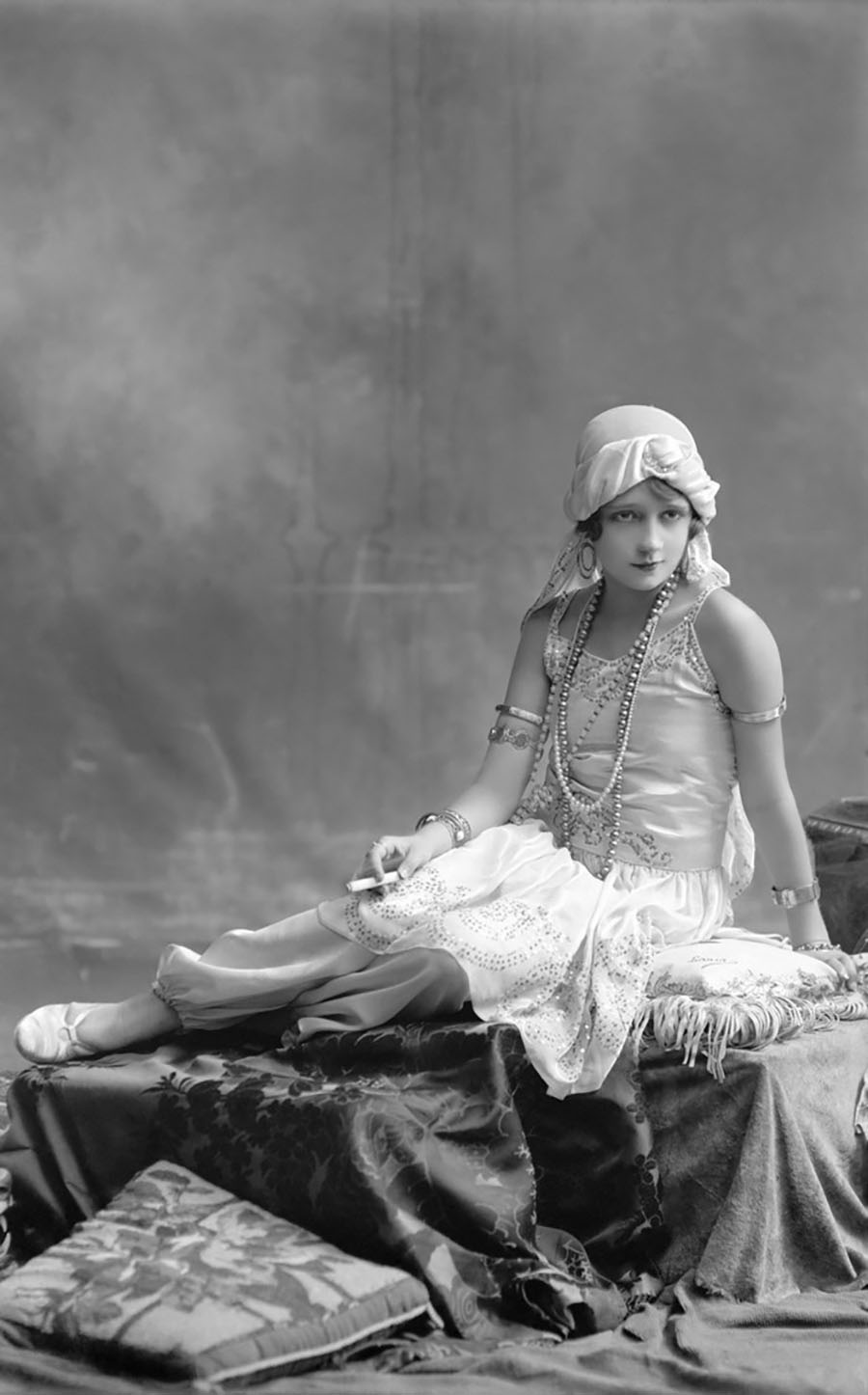
The Vargas Brothers Carlos & Miguel Vargas- The Peruvian exotic dancer,Helba Huara 1924

The Vargas Brothers Carlos & Miguel Vargas- The Peruvian exotic dancer,Helba Huara 1924

The Vargas Brothers Carlos & Miguel Vargas,Isabel Sanchez Osorio, 1926

The Vargas Brothers Carlos & Miguel Vargas,Isabel Sanchez Osorio, Pérou 1926

The Vargas Brothers Carlos & Miguel Vargas, Virgenes del Sol. 1920s

The Vargas Brothers Carlos & Miguel Vargas, Virgenes del Sol. Perou, 1920s

The Vargas Brothers Carlos & Miguel Vargas- Florência Rivero - Arequipa, Peru , 1925

The Vargas Brothers Carlos & Miguel Vargas- Florência Rivero – Arequipa, Perou , 1925

The Vargas Brothers Carlos & Miguel Vargas, Maria Aranguis, Arequipa, Peru, c. 1925

The Vargas Brothers Carlos & Miguel Vargas, Maria Aranguis, Arequipa, Perou, c. 1925

The Vargas Brothers Carlos & Miguel Vargas, Maria Aranguis, Arequipa, Peru, c. 1926

The Vargas Brothers Carlos & Miguel Vargas, Maria Aranguis, Arequipa, and also credired Isabel Sanchez Osorio , Peru  (???) but seems to be the first  Perou, c. 1926

The Vargas Brothers Carlos & Miguel Vargas, Self-Portrait, Arequipa, c. 1922

The Vargas Brothers Carlos & Miguel Vargas, Self-Portrait, Arequipa, Pérou c. 1922

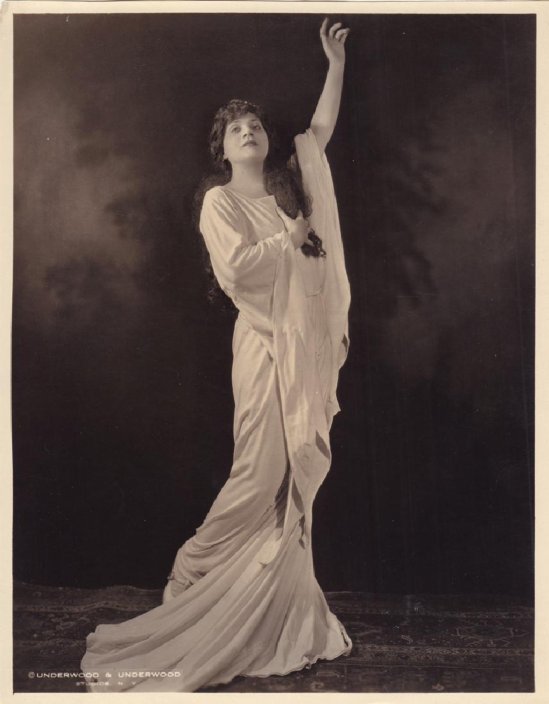
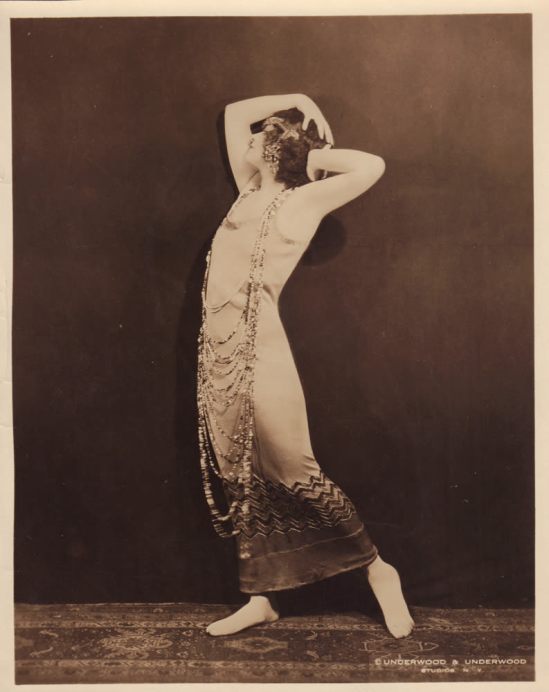
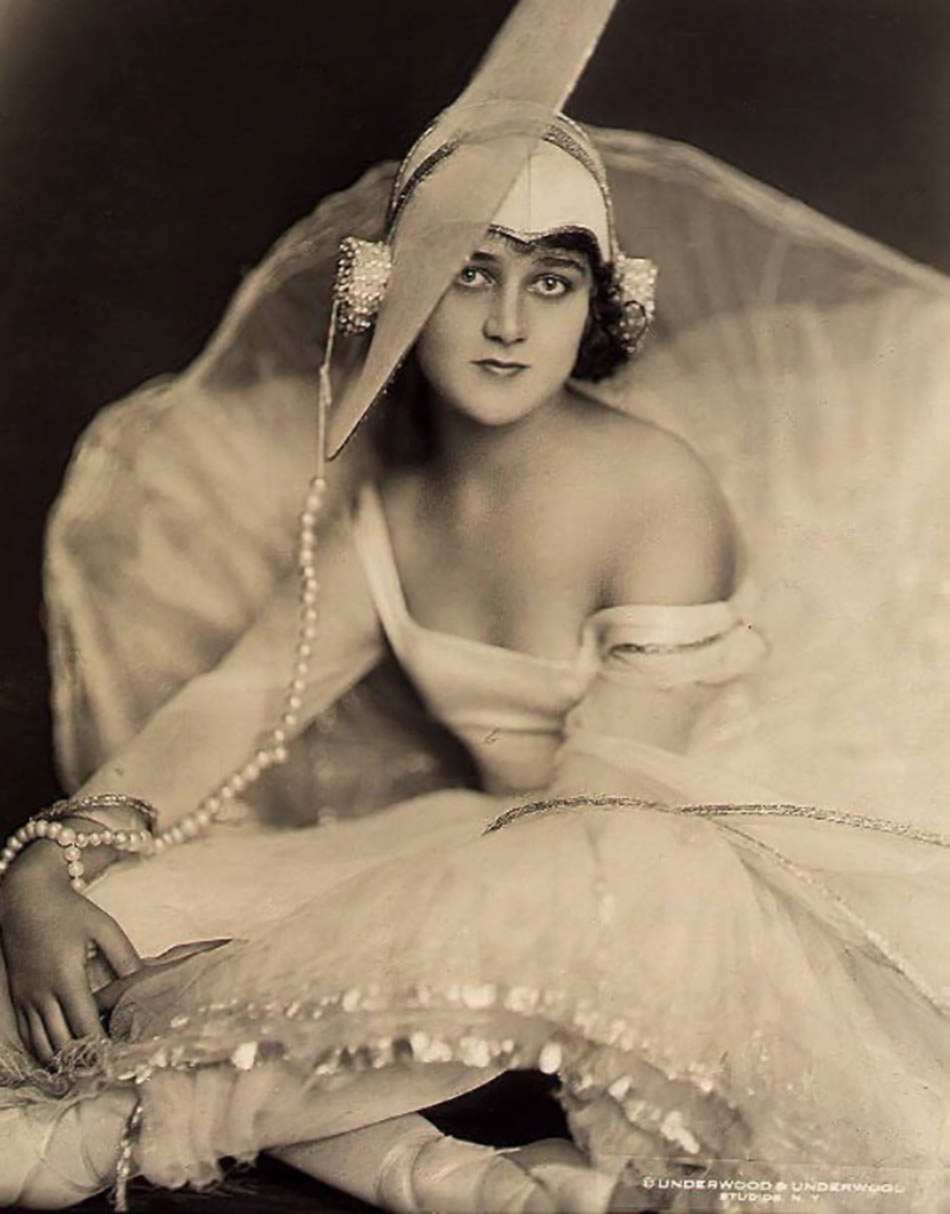
Underwood & Underwood

Underwood & Underwood -active Ottawa, Canada and New York 1880s – 1940s, Photographer (Photography, Stereoscopic, Photojournalism),  Publisher. The Underwood brothers, Elmer (1859-1947) and Bert (1862-1943) began the company by selling stereoscopes door to door.TThe company originally sold stereoscopic , as well as home stereoscope kits. The company grew rapidly, eventually moving to New York (1887), producing its own photographs (1891). By 1901, they were selling 300,000 stereoscopes a year and producing more than 25,000 cards a day. The company established branches in Baltimore, London, and Canada, and relocated their headquarters to New York City in 1891. They providing photographs to newspapers (1896), and establishing a wire-service-like sales agency (1904). They sold their back catalogue and rights to the Keystone View Company (which was subsequently acquired by Mast Industries in the 1970s.) in 1920 and unincorporated in the early 1940’s.

Underwood and Underwood dominated the news-photography industry until 1920

An army of freelance news photographers was fielded and newspaper and magazine publishers seeking to break away from traditional line drawings and wood cut illustrations clamored for Underwood and Underwood prolific output.

Around 1904 they set up a sales agency that would virtually dominate the news photo field for the next 30 years.  For exemple they were activs in the Moffett Studio ( partnership between Evan Albert Evans and camera artist George Moffett in 1905). In the latter 1910s, Moffett turned over the theatrical photography to camera artist Paul R. Stone who, though he was not granted credit on images, was allowed to voice expert opinions under his own name in the press. Stone handled the celebrity shoots until Evan Evans turned over direction of the studio to a management team appointed by Underwood and Underwood in mid-1920s. At that juncture he joined Raymor Studios in Chicago, a gallery that ran a diversified business in the city. Rebranded the Paul R. Stone-Raymor Studios they remained an active business from the 1920s through the 1940s. However, the arrest by the F.B.I. of studio employee Earnest D. Wallis for possession of photographs of classified plans for the A bomb in 1947 fatally damaged the studio’s reputation. In the 1940s, Underwood & Underwood sold Moffett Studio to the partnership of Robert T. McKearnan and Jack Russell.

More on wikipedia.org

Of course, those are not the Stereoscopes interest in their work,  although that is what retains them. Rather, it is the second phase of their development which I like. Beautiful portraits , including the greatest artists of the time. They published mainly in magazines, (I put an example of what they could be asked to produce. ) , Which restricts the possibility of finding proof silver gelatin prints . No Nudes this time , but still the favorites subjects : Actresses years 1910-20s , dance, and the improbable event testimony. The next time i will propose  fashion photos and other artists)

( But i really like this album ( Publisher) ,   » Is Marriage a Failure? »

Underwood & Underwood and the actress Theda Bara

[More about their collaboration HERE]

Underwood and Underwood- Theda Bara, from the book Amillion and one Nights, a history of the motion Picture by Terry Ramsaye . Ed° Routlege, 2012

Underwood and Underwood- Theda Bara, from the book Amillion and one Nights, a history of the motion Picture by Terry Ramsaye . Ed° Routlege, 2012

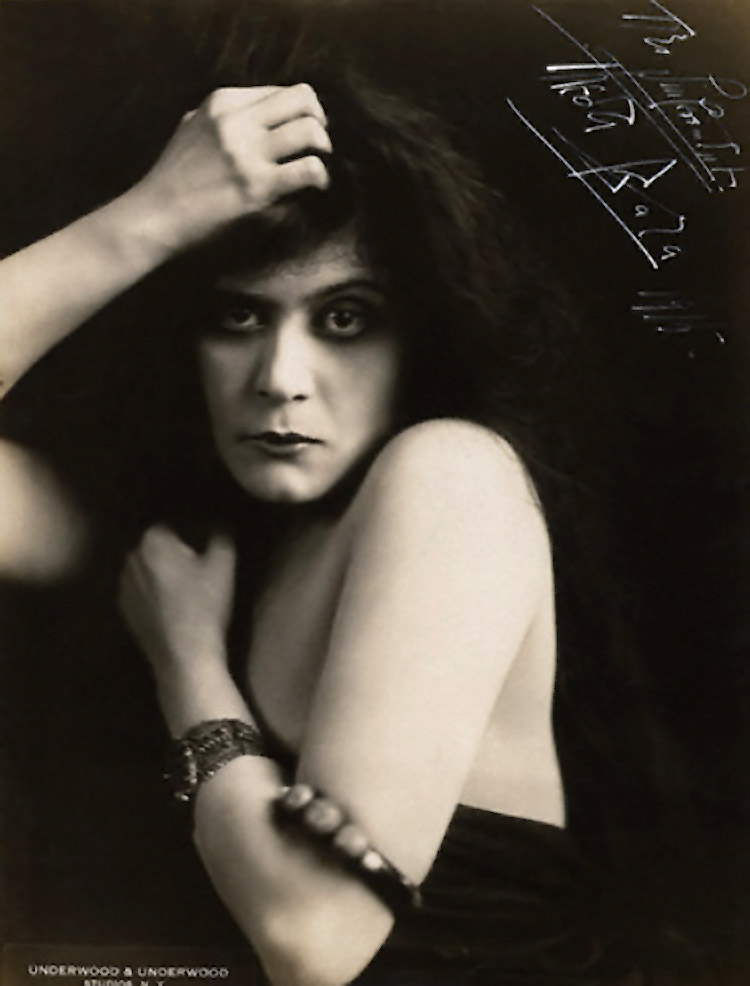
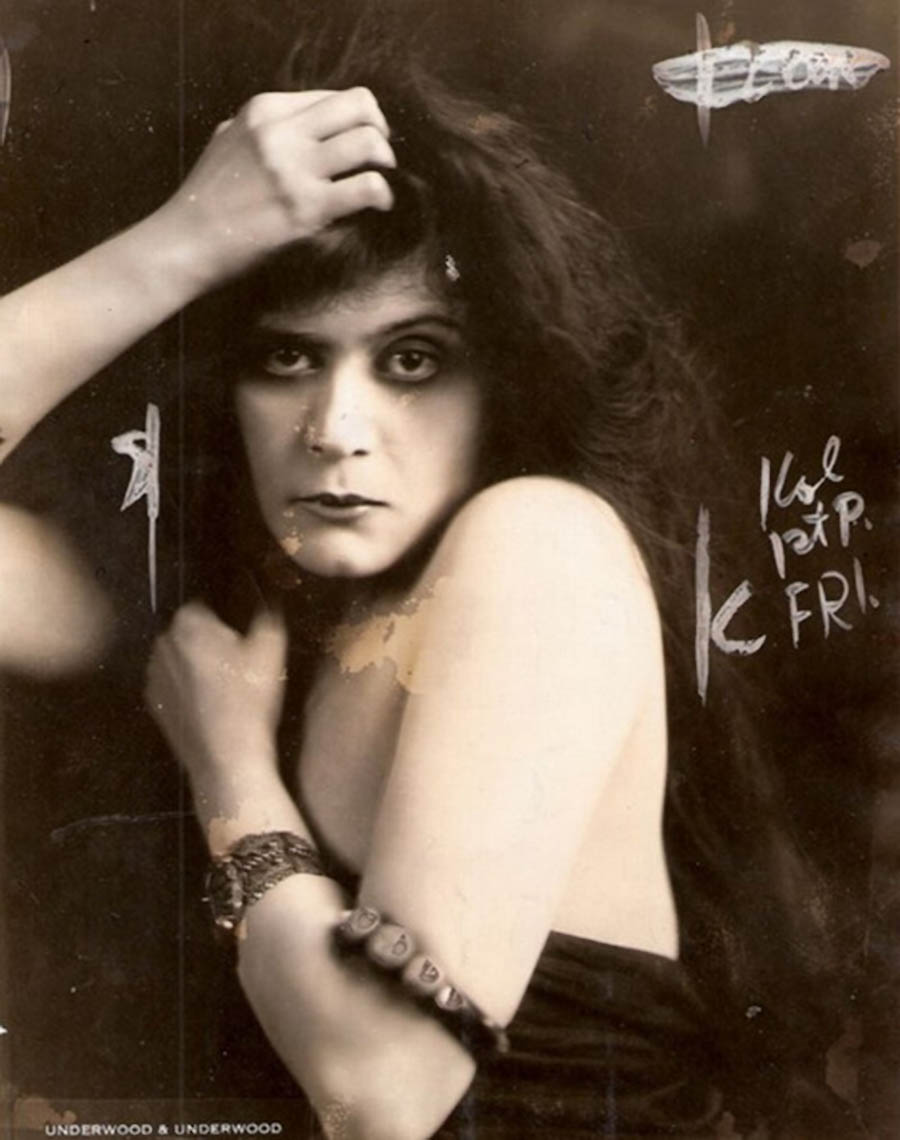
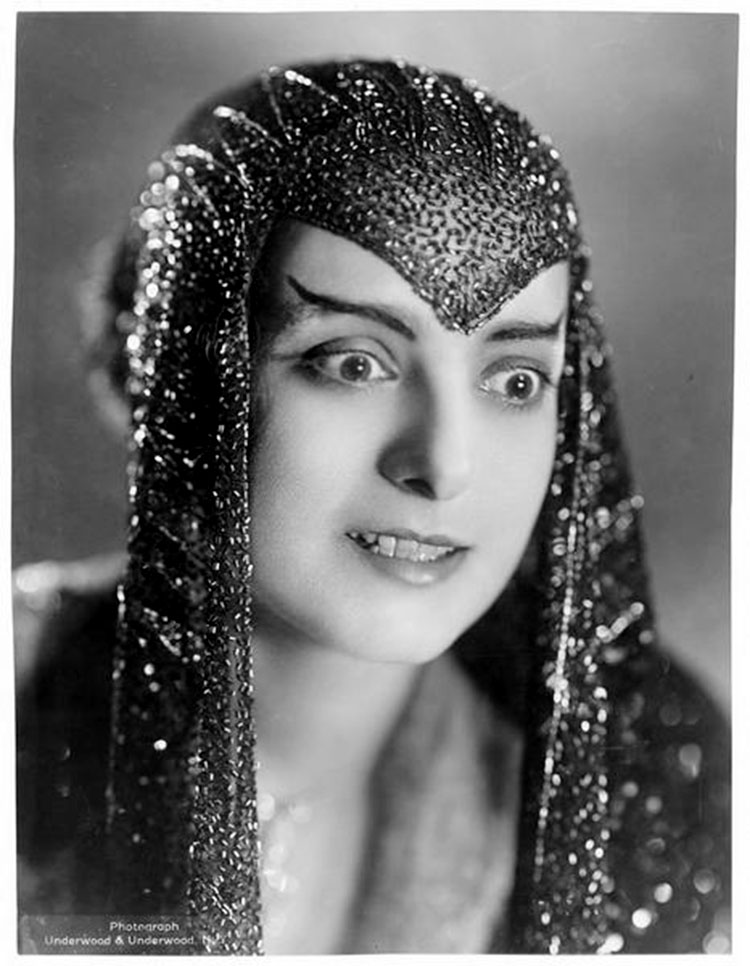
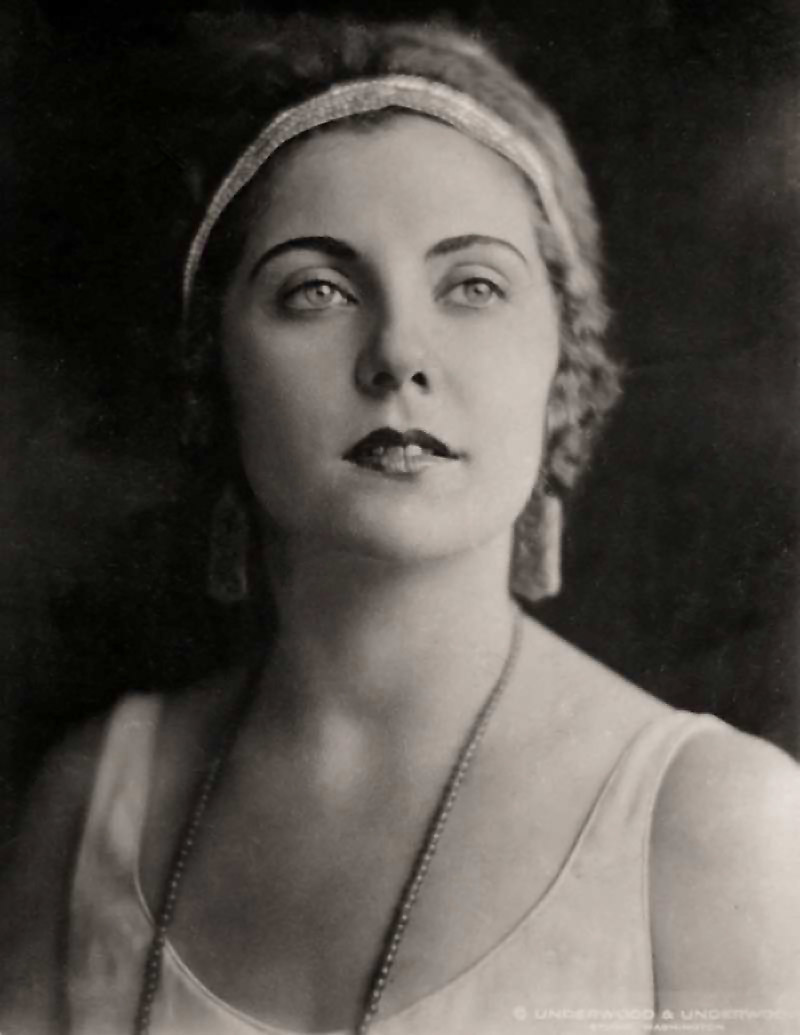
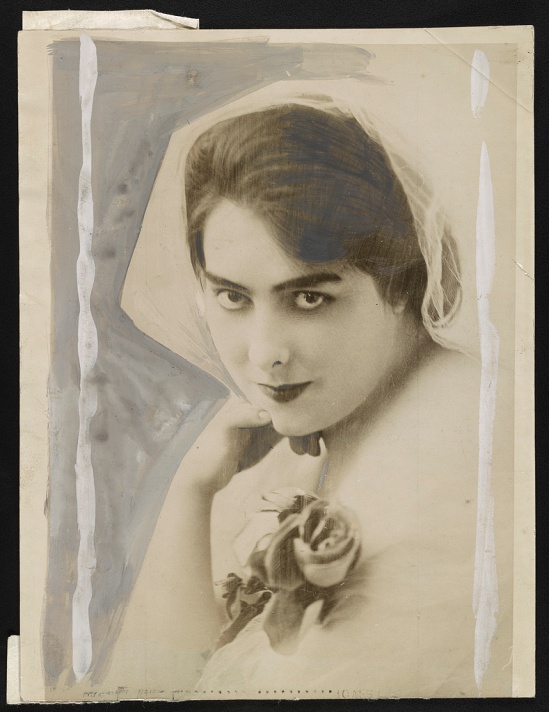
Underwood & Underwood- Portrait of Theda Bara , Autographed © Underwood & Underwood- Corbis

Underwood & Underwood- Portrait of Theda Bara , Autographed , 1915 © Underwood & Underwood- Corbis

Underwood & Underwood - Theda Bara, as the vampire , in A Fool There Was directed by Frank Powell, 1915 variante

Underwood & Underwood – Theda Bara, as the vampire , in A Fool There Was directed by Frank Powell, 1915 variante

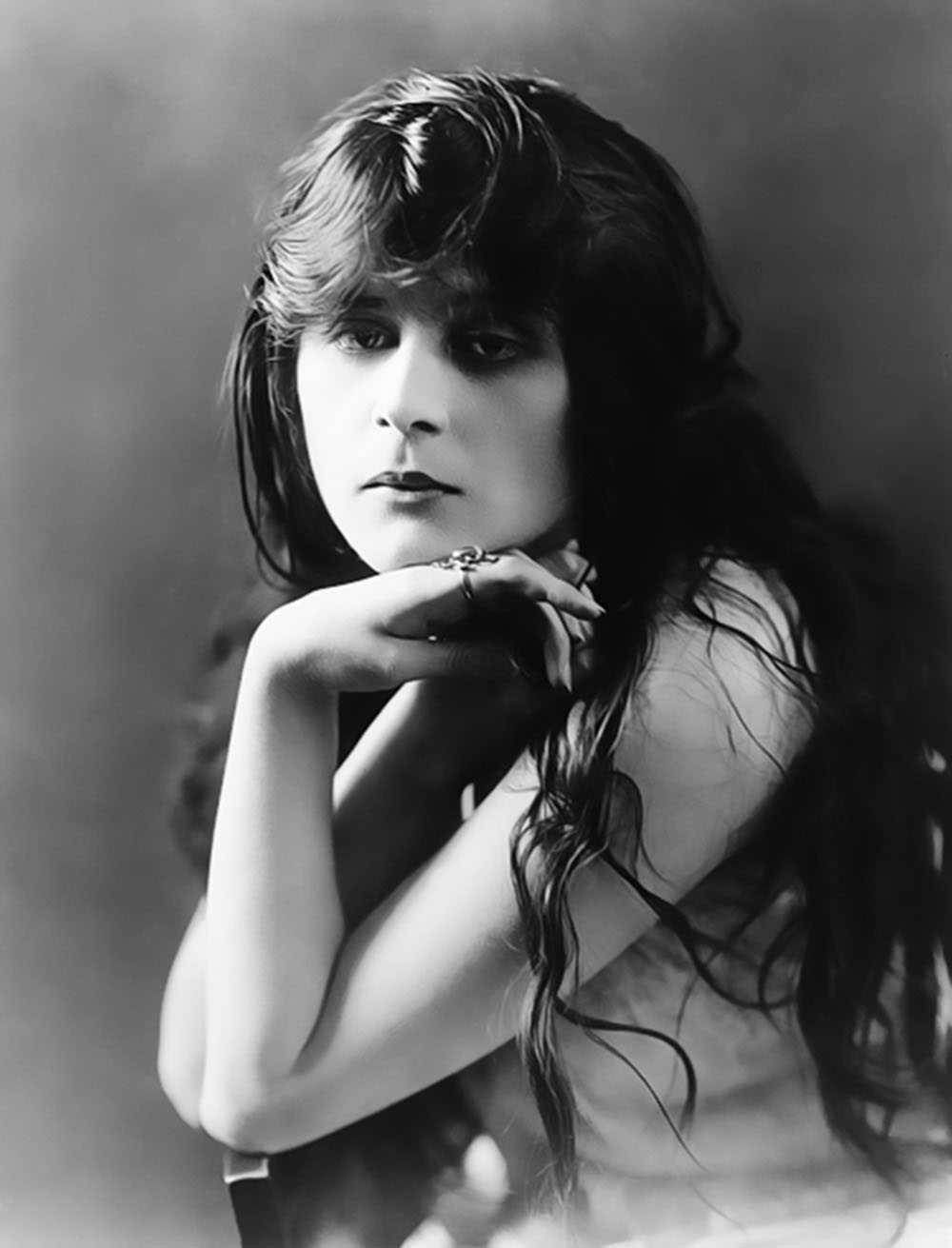
Underwood & Underwood-Theda Bara, 1916

Underwood & Underwood-Theda Bara, 1916

Underwood & Underwood-Theda Bara, 1916, [Direction William Fox], New York publicity For newspaper and magazines ( courtesy UCLA arts library)

Underwood & Underwood-Theda Bara, 1916, [Direction William Fox], New York publicity For newspaper and magazines ( courtesy UCLA arts library)


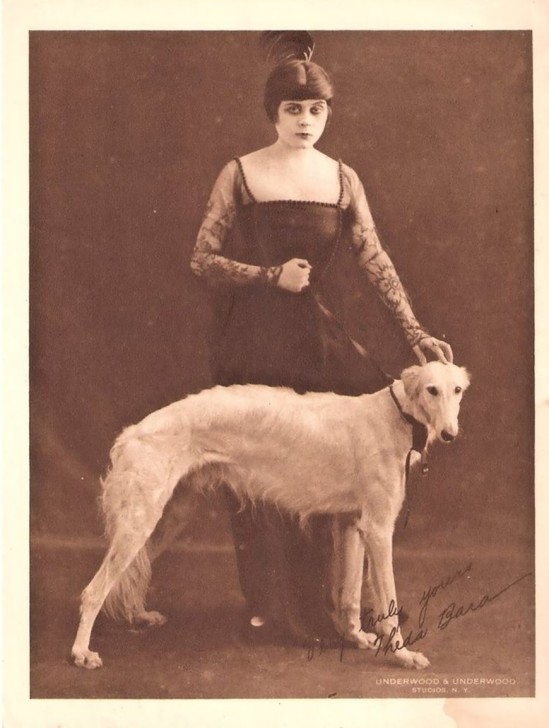
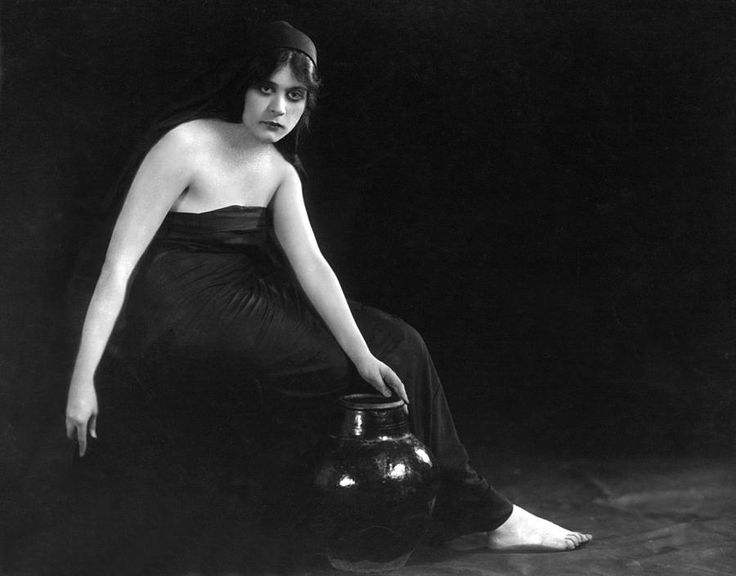
Theda Bara by Underwood & Underwood Studios, N.Y.1915


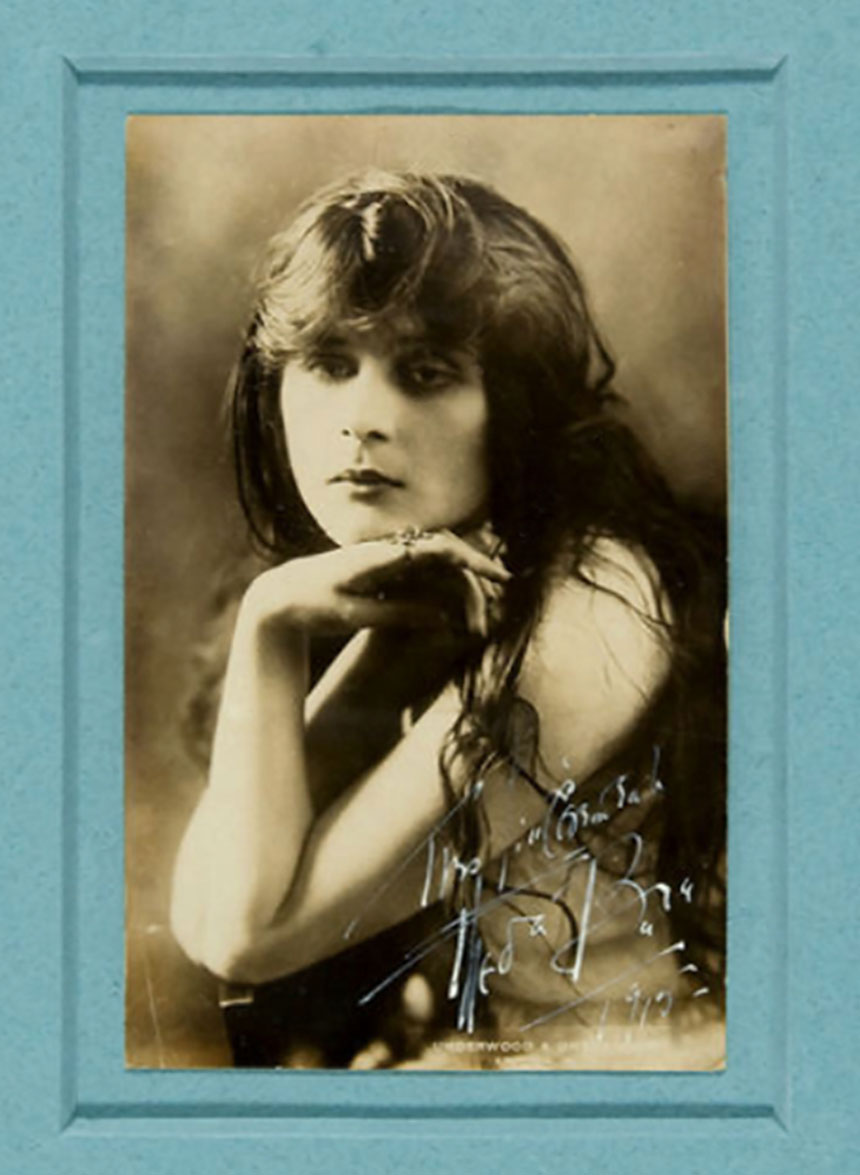
Underwood & Underwood- Theda Bara, 1915

Underwood & Underwood- Theda Bara, 1915

Underwood & Underwood- Theda Bara, 1915

Underwood & Underwood- Theda Bara, 1915

another one chicago tribune.1917

******************************

Underwood & Underwood and Performer,  Personality, Dancer, Painter, Actress, Still Life


The actress Virginia Pearson,posing for a risque shot. by Underwood & Underwood studio, 1926

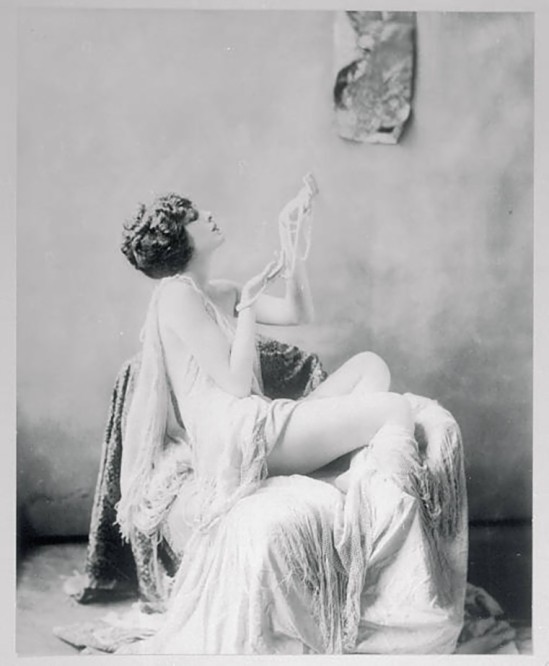
Nude Study of Billie Dove, Motion Picture Star Ziegfeld. Photo by © Underwood & Underwood

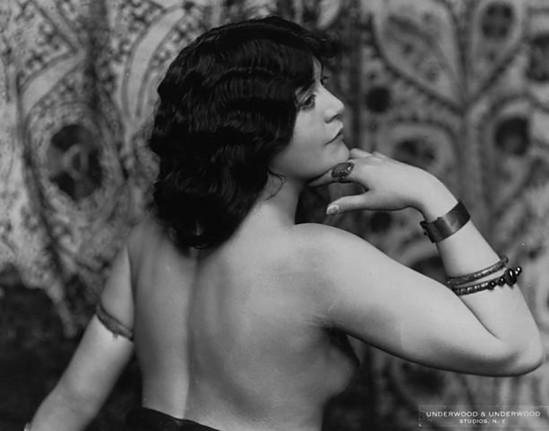
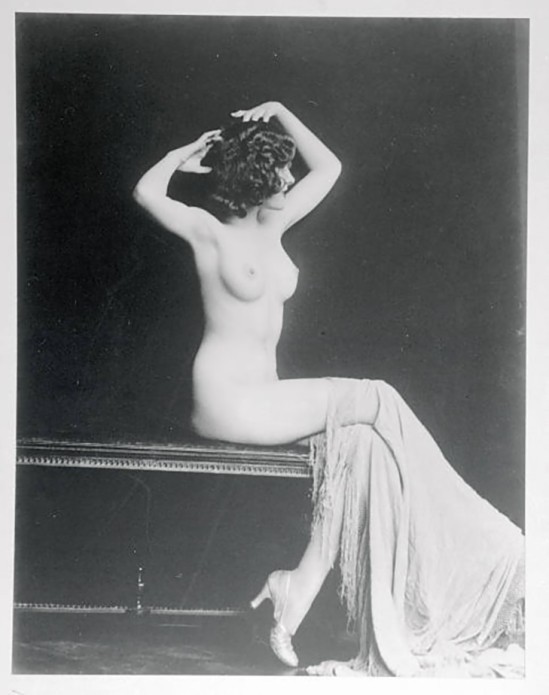
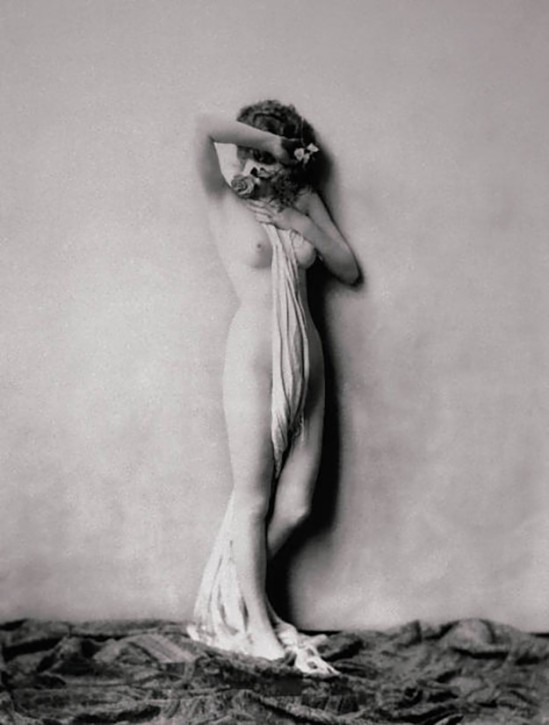
Nude Study by © Underwood & Underwood, around 1915-1920

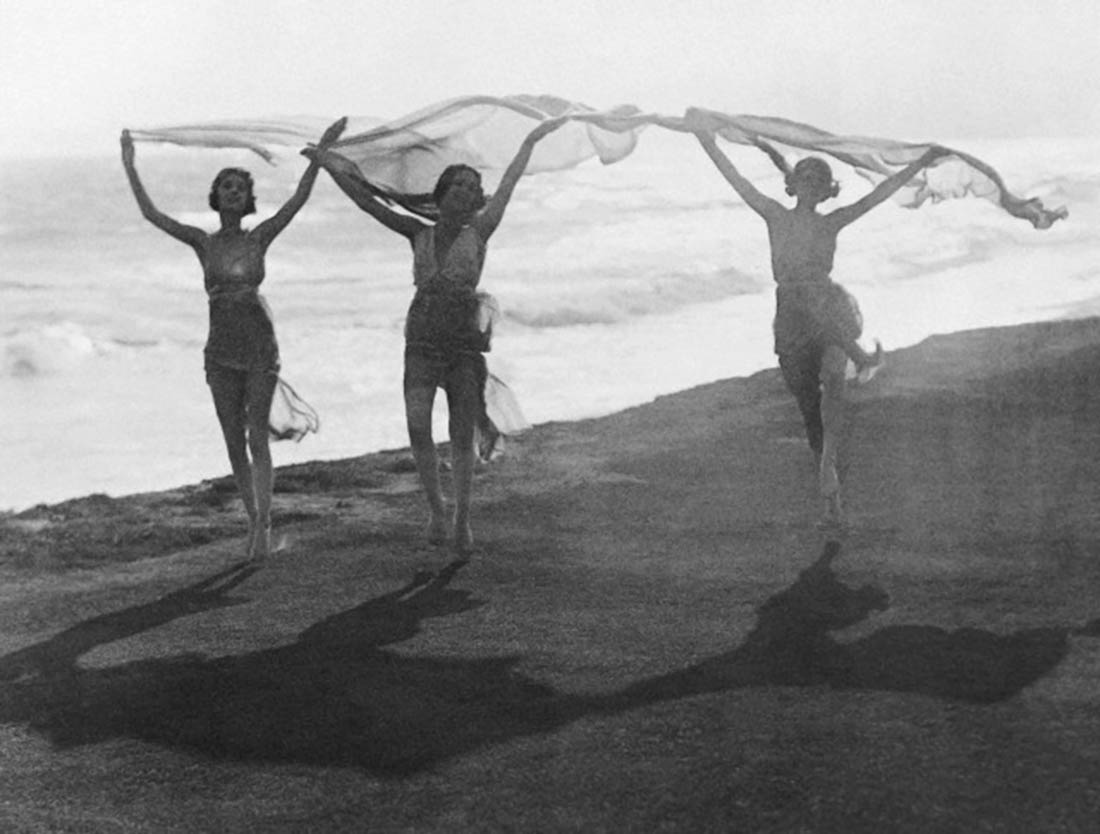
Underwood & Underwood-Isadora Duncan Performing on Beach, 1910s © Underwood & Underwood- Corbis

Underwood & Underwood-Isadora Duncan Performing on Beach, 1910s © Underwood & Underwood- Corbis

Agnes Boone, left,dancing with her sister, Honorita in New York City, March 16, 1927 Photo by Underwood & Underwood

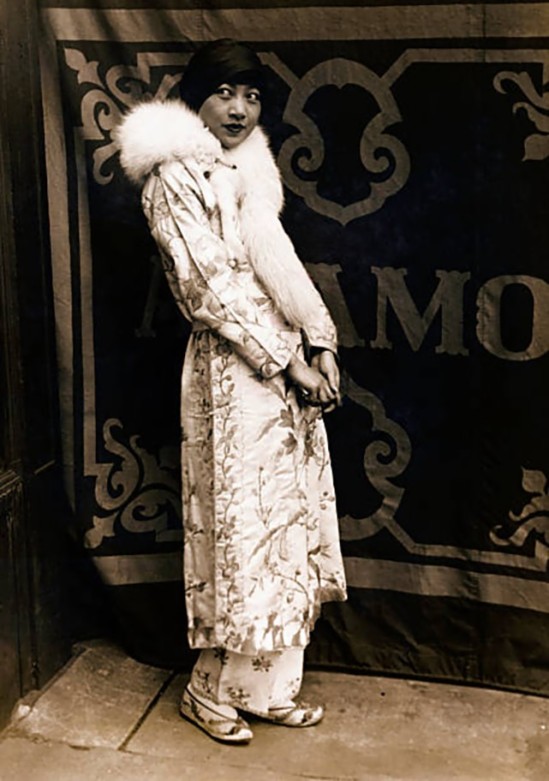
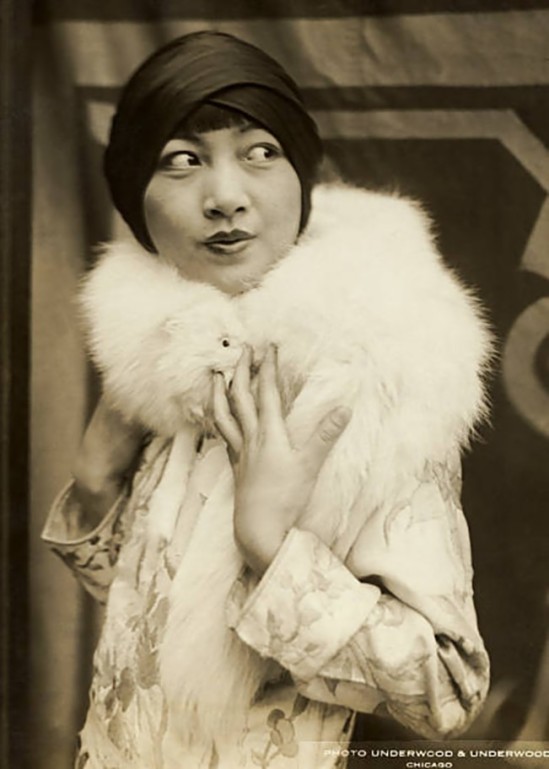
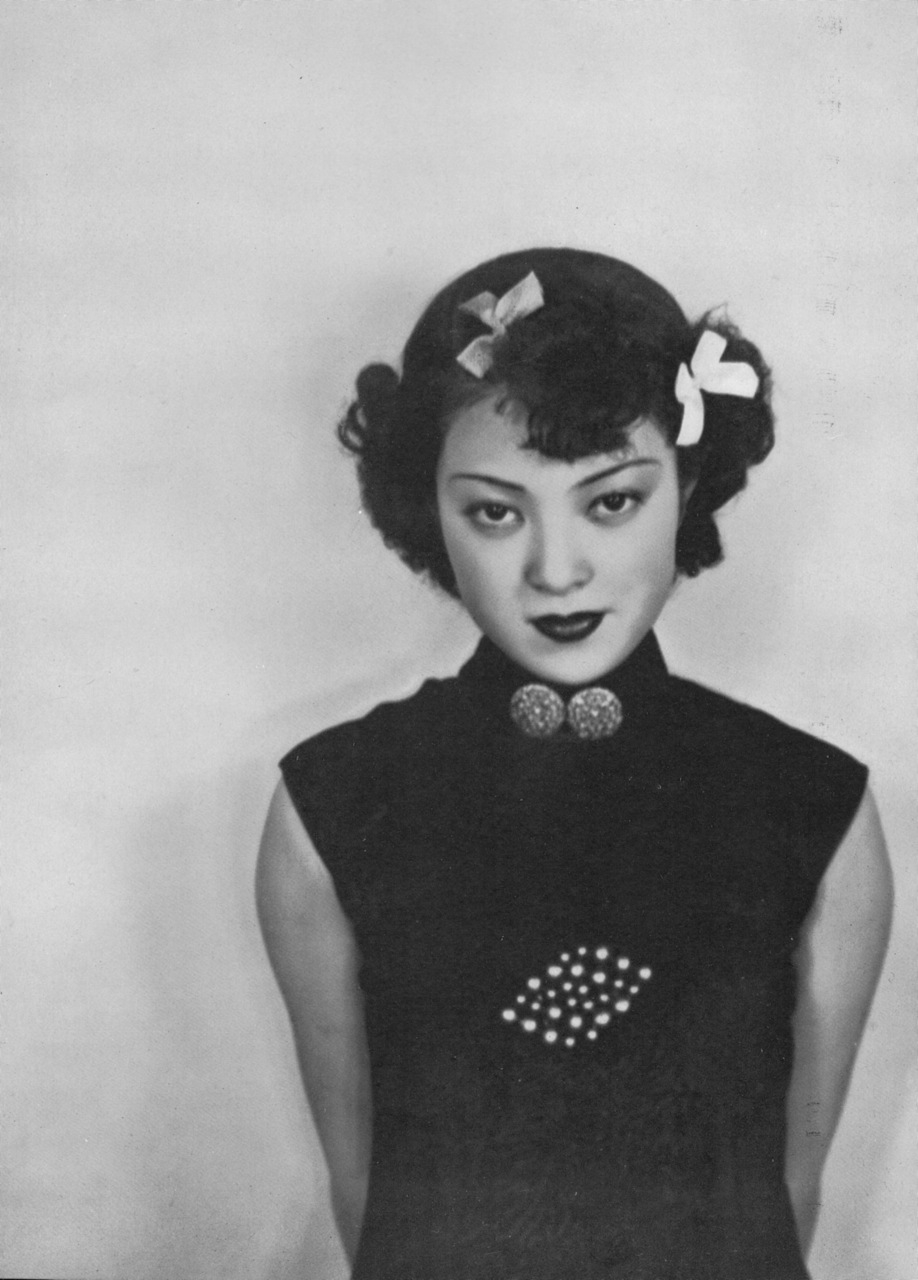
Underwood & Underwood Anna may wong in Chicago1925

Underwood & Underwood Anna may wong in Chicago1925

Billie Dove Posing Nude around 1920 Photo by Underwood & Underwood

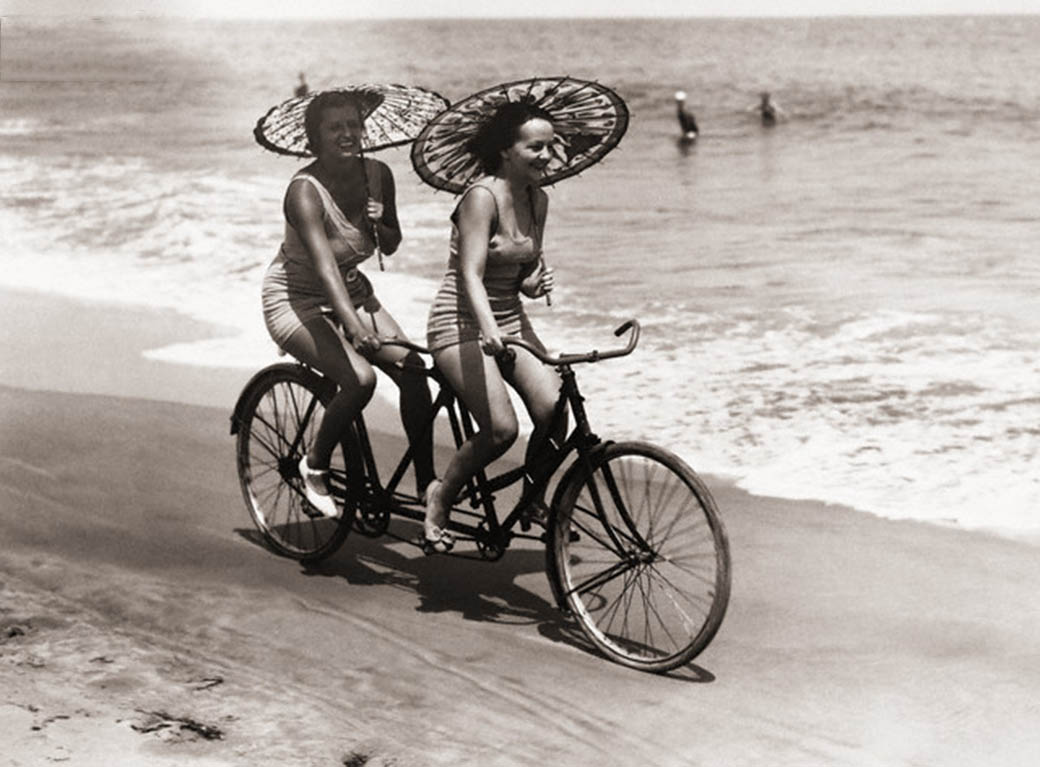
ca. 1910, USA --- Two women in swimwear enjoy a tandem bike ride down the beach with parasols in hand. --- Image by © Underwood & Underwood/Underwood & Underwood/Corbis

ca. 1910, USA — Two women in swimwear enjoy a tandem bike ride down the beach with parasols in hand. — Image by © Underwood & Underwood/Underwood & Underwood/Corbis

Mae West Starring in The Heat’s On1943 Photo by Underwood & Underwood

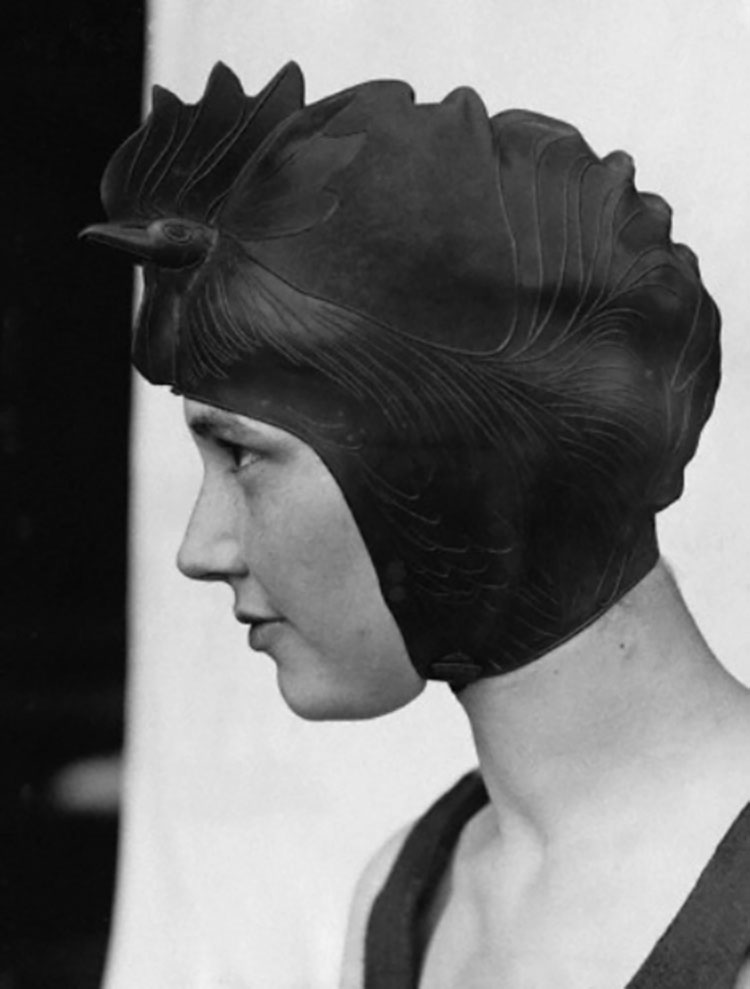
Underwood & Underwood-Miss Helen Mead of Washington Wearing Diving Cap Resembling a Rooster at the Lake Placid Swimming Club.© Underwood & Underwood- Corbis

Underwood & Underwood-Miss Helen Mead of Washington Wearing Diving Cap Resembling a Rooster at the Lake Placid Swimming Club.© Underwood & Underwood- Corbis

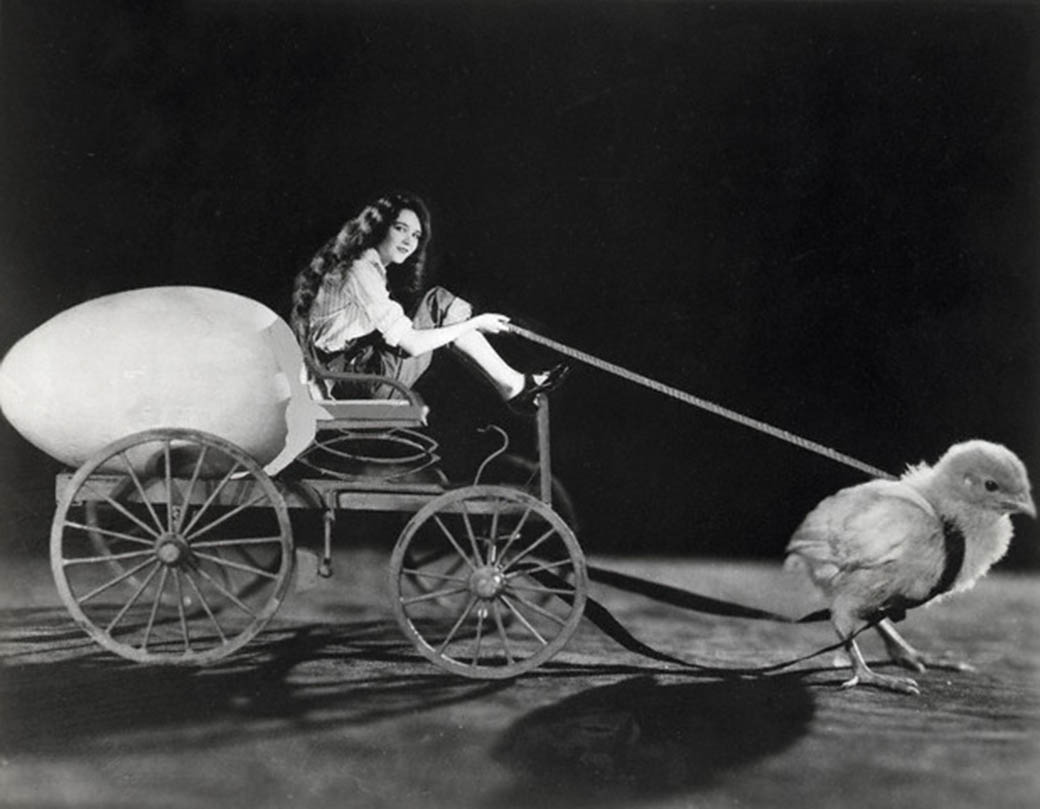
Underwood & Underwood-Mary Philbin on Chick-Drawn Cart Original caption by Rather Novel, nd © Underwood & Underwood- Corbis.

Underwood & Underwood-Mary Philbin on Chick-Drawn Cart Original caption by Rather Novel, nd © Underwood & Underwood- Corbis.

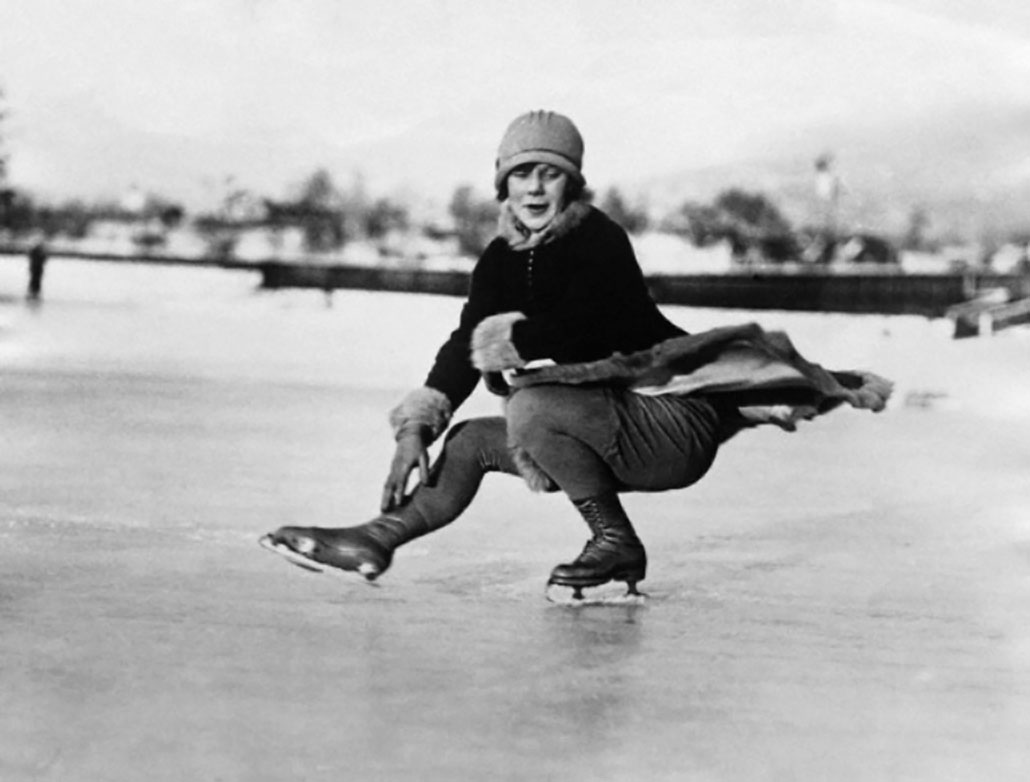
Underwood & Underwood- Miss Sonja Henie (Olympic Games champion)1928 © Underwood & Underwood-Corbis

Underwood & Underwood- Miss Sonja Henie (Olympic Games champion)1928 © Underwood & Underwood-Corbis

Underwood & Underwood- Virginia Pearson 1920s. Gelatin silver print (Coll Roger Corbeau)

Underwood & Underwood- Virginia Pearson 1920s. Gelatin silver print (Coll Roger Corbeau)

Underwood & Underwood- Portrait of Valeska Suratt, 1920s. Gelatin silver print (Coll Roger Corbeau)

Underwood & Underwood- Portrait of Valeska Suratt, 1920s. Gelatin silver print (Coll Roger Corbeau)

Underwood & Underwood- Dorothy Bernard (1890-1955) in 1920s Egypt. Gelatin silver print (Coll Roger Corbeau)

Underwood & Underwood- Dorothy Bernard (1890-1955) in 1920s Egypt. Gelatin silver print (Coll Roger Corbeau)

Underwood & Underwood- Dorothy Bernard (1890-1955) in 1920s Egypt. Gelatin silver print (Coll Roger Corbeau)

Underwood & Underwood- Dorothy Bernard (1890-1955) in 1920s Egypt. Gelatin silver print (Coll Roger Corbeau)

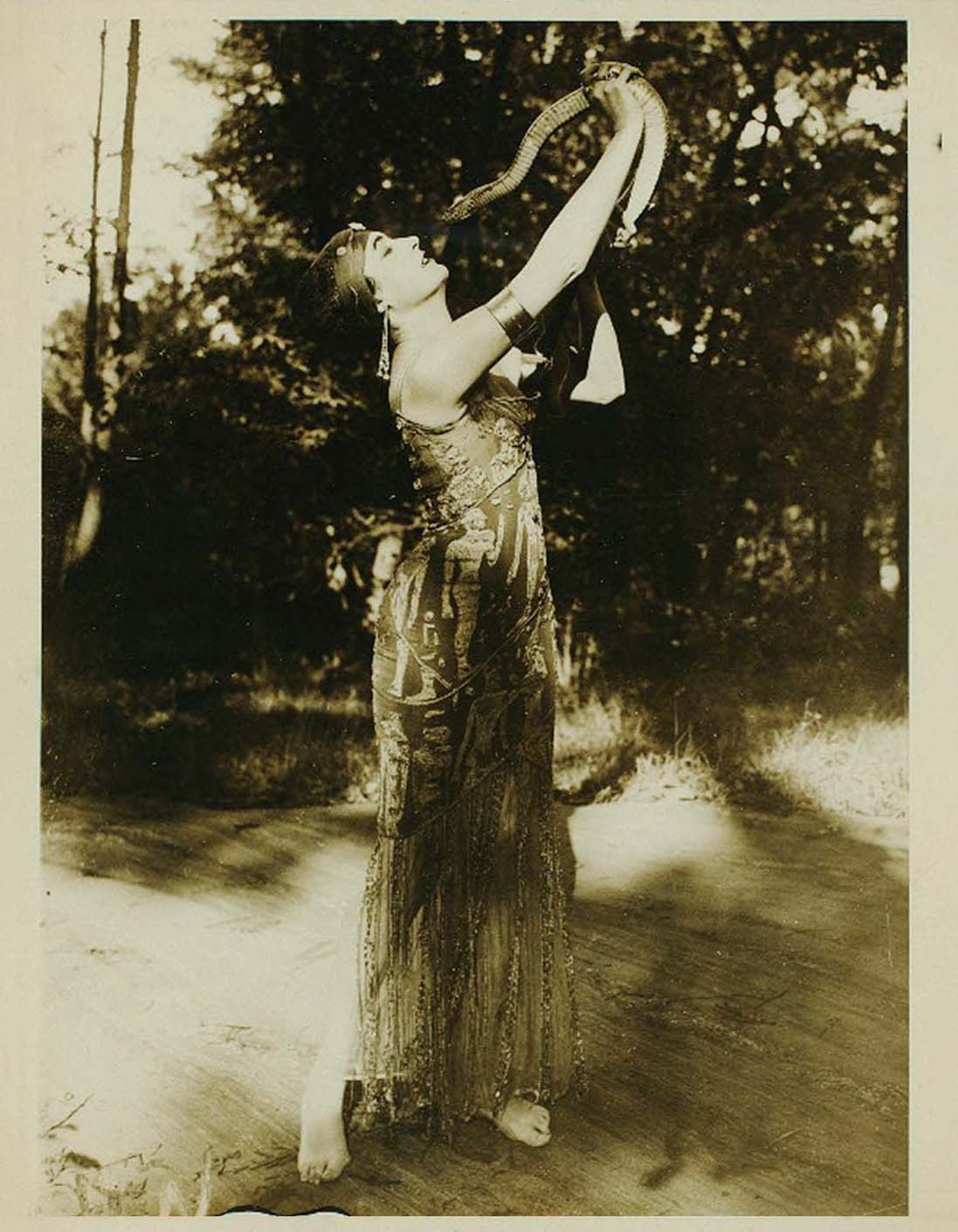
Underwood & Underwood-lore Revalles( russian Dancer) studies the motion of snakes to gain ideas for her new serpent dance, vening public ledger., October 05, 1916

Underwood & Underwood-lore Revalles( russian Dancer) studies the motion of snakes to gain ideas for her new serpent dance, vening public ledger., October 05, 1916 Found Here

Underwood & Underwood- The dancer Flore Revalles with a snake, 1916

Underwood & Underwood- The dancer Flore Revalles with a snake, 1916

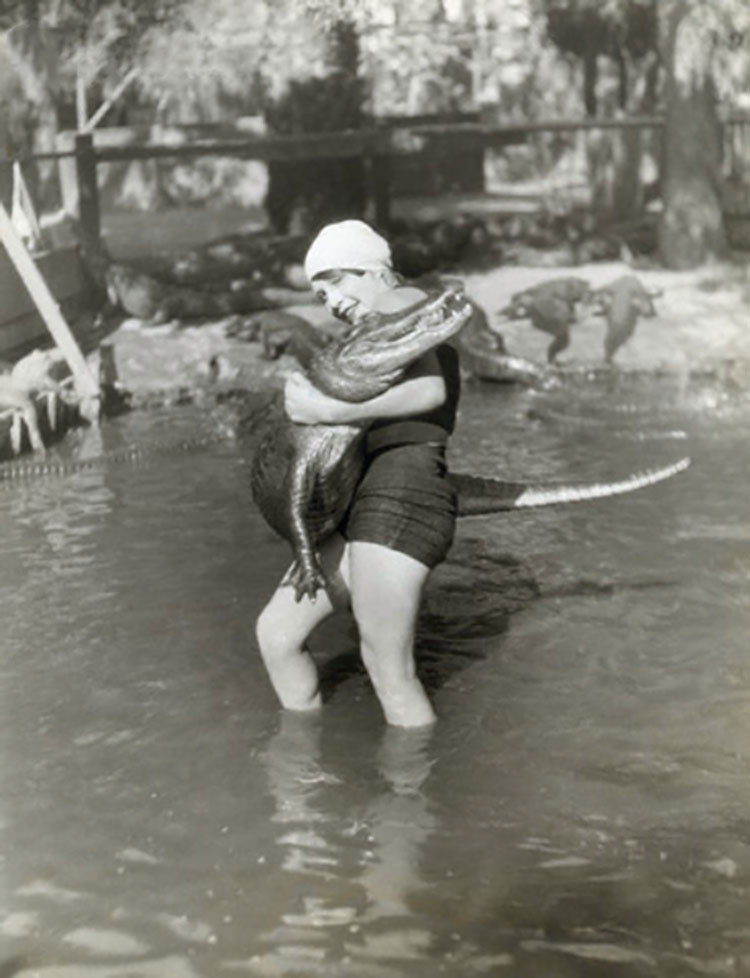
Underwood & Underwood- Miss Eleanor Link, 16 year, Wrestling an Alligator © Underwood & Underwood-Corbis

Underwood & Underwood- Miss Eleanor Link, 16 year, Wrestling an Alligator © Underwood & Underwood-Corbis

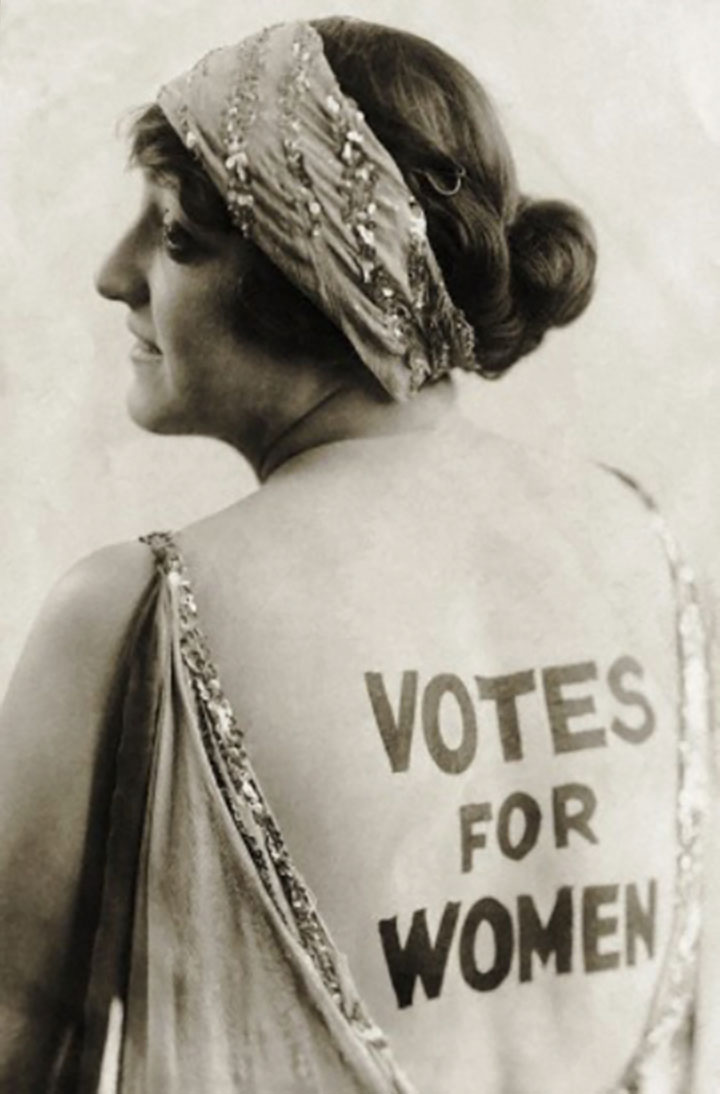
Underwood & Underwood-Dorothy Newell Wearing a Suffrage Slogan, 1900-1910s© Underwood & Underwood- Corbis

Underwood & Underwood-Dorothy Newell Wearing a Suffrage Slogan, 1900-1910s© Underwood & Underwood- Corbis

Underwood and Underwood Studios- Edith de Lis – American Opera singer.

Underwood and Underwood Studios.Photograph of unidentified dancer

Underwood & Underwood - Nina Foch

Underwood & Underwood – Nina Foch, nd

Underwood & Underwood- The Performer Lilyan Tashman, Washington DC, c.1923.

Underwood & Underwood- The Performer Lilyan Tashman, Washington DC, c.1923.

Underwood & Underwood-Margaret Horton, Dr. Waite’s Plaza companion, Mystery Woman in Peck poison case, 1916

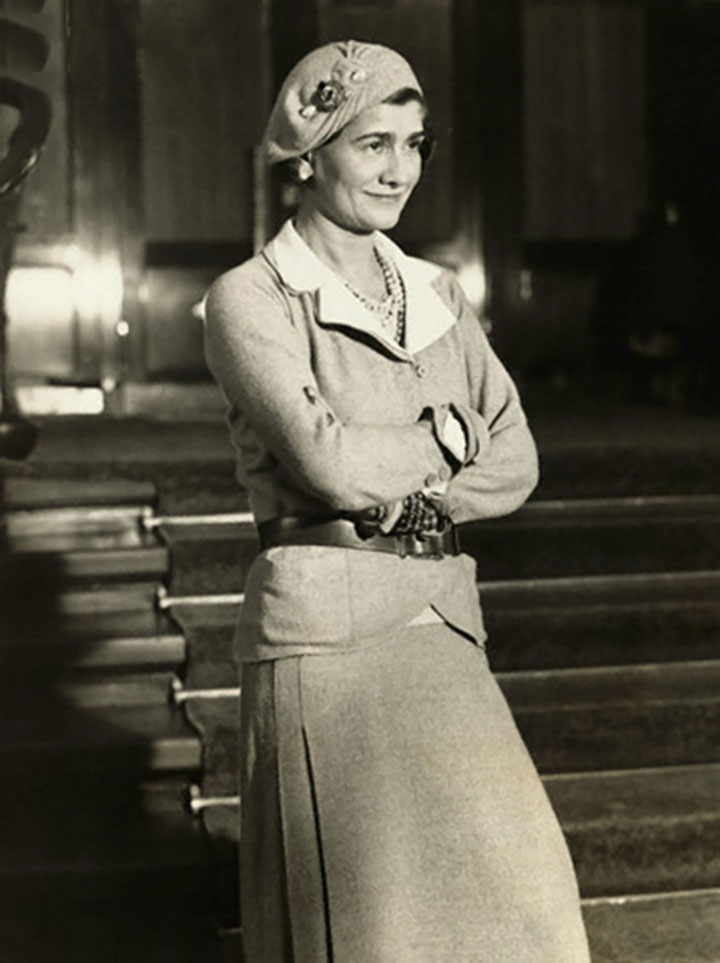
Underwood & Underwood-Gabrielle Coco Chanel in suit and beret, 1931 © Underwood & Underwood-Corbis.

Underwood & Underwood-Gabrielle Coco Chanel in suit and beret, 1931 © Underwood & Underwood-Corbis.

Underwood & Underwood., Nearly a mile straight down and only a step–from Glacier Point (N.W.) across valley to Yosemite Falls, Yosemite, Cal. 1900-1910

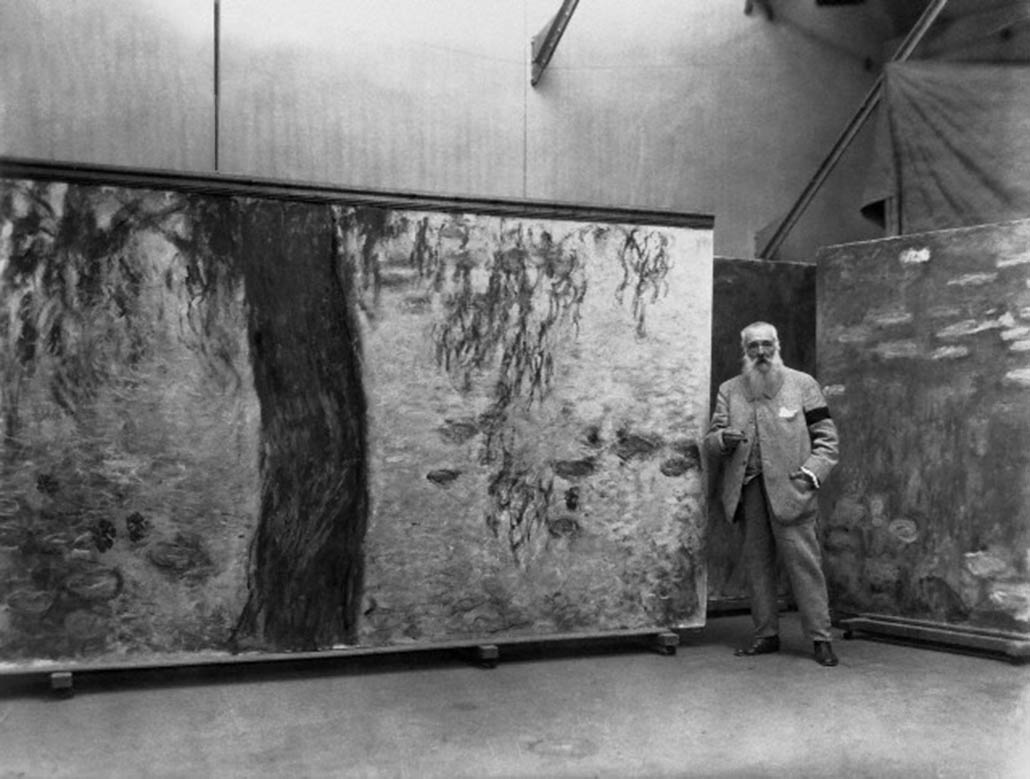
Underwood & Underwood- Claude Monet standing in his studio with a panel of his Nympheas mural., Giverny, France , 1914-18 © Underwood & Underwood-Corbis

Underwood & Underwood- Claude Monet standing in his studio with a panel of his Nympheas mural., Giverny, France , 1914-18 © Underwood & Underwood-Corbis

Daniel Masclet (French, 1892-1969)

 » Il y a de la beauté partout », proclamait Daniel Masclet (1892-1969), photographe ,  critique et éditeur, son travail a été exposé dans de nombreuses expositions en France et à l’étranger à partir de 1927.

Violoncelliste professionnel, Masclet fait ses débuts en photographie en assistant le grand Baron de Meyer. En effet, tôt dans sa carrière, Masclet a été présenté par Robert Demachy  au Baron Adolph de Meyer, qu’il a aidé au « Harper Bazaar ». Sous la coupe de Meyer, Masclet appris une variété de techniques d’éclairage et le potentiel artistique du portrait. Il a également fait des tirages pour de Meyer,qui exigeait de la qualité d’impression d’exception. il apprendra beaucoup auprès de lui, pourtant il s’éloigne assez vite du style pictoraliste de son mentor  pour exceller dans le portrait et la nature morte de la nouvelle photographie des années 30 et produit ses brillants portraits, ( George Wague, Carlègle,  Ginette d’Yd ,  Mona Païva et bien d’autres). Il se consacre aussi aux natures mortes produisant d’étonnantes compositions superbement tirées qui annoncent la nouvelle vision photographique de la fin des années 20, un peu à la  Joseph Sudek. Il a par ailleurs, un attrait pour le paysage urbain et photographie Paris, ses quais de Seine, ses vieilles rues du Marais et de l’Ile Saint-Louis. Je n’aborderai pas cette aspect de son œuvre.

Masclet fût également membre du ‘ Groupe des XV’ dont nous avons dejà parlé ici, ( de grands photographes français de l’époque   comme Marcel Bovis, Robert Doisneau, René-Jacques, Pierre Jahan, Willy Ronis et Emmanuel Sougez). Il a cherché à promouvoir et à préserver l’art de la photographie française.

Masclet a ensuite fondé le Club des 30 x 40  à Paris, qui a soutenu les jeunes photographes,et présentant le travail de grands photographes américains. Il a été commissaire des expositions de travaux d’Edward Weston ainsi que Bérénice Abbott. La révélation sera pour Masclet  la découverte du travail de Edward Weston où il se reconnaît dans la devise de l’Américain, pour lequel la photographie doit être «honnête, droite […], utilisée dans sa pureté».
Masclet saisit le monde quotidien qui l’entoure, s’intéresse aux matières, se promène dans Paris et se passionne pour la photo de rue en saisissant tous les petits instants du quotidien. Entre les années trente et cinquante, Daniel Masclet est avec Emmanuel Sougez et Lucien Lorelle le personnage central de la photographie en France

Masclet a amoureusement photographié sa femme Francesca tout au long de sa carrière. Ses premiers portraits d’elle, qui sont souvent à la fois sensuelle et androgyne, remettent en question les rôles traditionnels. Sans accessoires ni retouches, il photographiera pendant cinquante ans sa femme Francesca.
L’artiste et sa muse, feront une union efficace, pourtant issue d’un mariage arrangé en pleine Première Guerre mondiale.

Son travail a été exposé dans de nombreuses expositions en France et à l’étranger à partir de 1927
Il a également collaboré avec le photographe allemand Otto Steinert et a participé  en tant que professeur  à la  « Subjektive Fotografie 1 et 2 » dirigé par ce dernier.

c’est aussi pour son travail d’éditeur que daniel masclet est connu, d’ailleurs on lui attribue à tord bon nombres de photographies qu’il a éditées dans … par exemple.

« II y a dans le visage humain quelque chose de transcendant. Pour le photographier, les outils n’ont pas une importance prépondérante et la technique elle-même ne compte guère. Ce qui compte avant tout, c’est celle ou celui qui se tient derrière la caméra avec son cerveau, son œil et son cœur. Le cerveau qui doit penser, peser, juger, imaginer, réfléchir, inventer … L’œil qui doit regarder, voir, toucher, découvrir, écouter, enregistrer … Le cœur qui doit sentir et aimer … On réussit un bon portrait quand on a la passion et l’instinct des visages, et il est beau quand le photographe l’a tiré du néant à l’exact instant de plus claire signification.  […..].

Un visage humain doit être senti, aimé, adoré… non examiné!…Alors, l’étincelle jaillira des deux pôles: le pôle positif, le modèle; le pôle négatif, le photographe. Et dans cet ordre… la sympathie, la compréhension surgiront de la caresse des deux regards, et le photographe et le modèle, chacun faisant la moitié du chemin l’un vers l’autre se rapprocheront, entreront en communication et s’uniront, à l’intérieur de cette petite chambre, noire, mystérieuse et magique, où de leur rencontre naîtra l’image… L’acte de connaissance sera remplacé par l’acte d’amour. » Daniel Masclet In  Réflexion sur le portrait en photographie, Photorevue,  Editions De Francia , 1971

Je vous présente donc avant tout Les portraits réalisés par Masclet et notamment ceux de Francesca et  comme d’habitude quelque nus…

Un livre à Lire  Daniel Masclet: Photographe Critique théoricien »(Marval, 2001),  par Christian Bouqueret. Acheter ses livres à des prix corrects [d’occasions ],voir sa bibliographie tout simplement,Ici

Daniel Masclet- Doris, 1933

Daniel Masclet- Doris, 1933

Daniel Masclet-Nu sans titre, 1926 1

Daniel Masclet-Nu sans titre, 1926

Daniel Masclet-Nu sans titre, 1926

Daniel Masclet-Nu sans titre, 1926

Daniel Masclet-Nu , 1928

Daniel Masclet-Nu , 1928

Daniel Masclet- Nu (Mademoiselle O.J.), 1926.

Daniel Masclet- Nu (Mademoiselle O.J.), 1926.

Daniel Masclet – Mona Paiva , photogravure, 1933

Daniel Masclet – Mona Paiva , photogravure, 1933

Daniel Masclet-Nu feminin allongé de dos, vers 1930

Daniel Masclet-Nu feminin allongé de dos, vers 1930

Daniel Masclet- Les yeux clos, 1929

Daniel Masclet- Les yeux clos, 1929

Daniel Masclet Portrait de Francesca Masclet, 1927

Daniel Masclet Portrait de Francesca Masclet, 1927

Daniel Masclet – Fantaisie orientale 1927

Daniel Masclet – Fantaisie orientale 1927

Daniel Masclet- Hindustan 1927

Daniel Masclet- Hindustan 1927

Daniel Masclet- Francesca Masclet, vers 1927

Daniel Masclet- Francesca Masclet, vers 1927

Daniel Masclet- Portrait de Francesca Masclet, vers 1927

Daniel Masclet- Portrait de Francesca Masclet, vers 1927

Daniel Masclet- Grisaille, 1927

Daniel Masclet- Grisaille, 1927

Daniel Masclet-Femme au foulard , (Francesca), 1927

Daniel Masclet-Femme au foulard , (Francesca), 1927

Daniel Masclet- Untitled, ( Model, his wife Francesca) ,1926

Daniel Masclet- Untitled, ( Model, his wife Francesca) ,1926

Daniel Masclet-Ma Femme (Francesca), 1927

Daniel Masclet-Ma Femme (Francesca), 1927

Daniel Masclet- Portrait de Francesca Masclet, 1927

Daniel Masclet- Portrait de Francesca Masclet, 1927

Daniel Masclet-Le grain de beaute, 1929

Daniel Masclet-Le grain de beaute, 1929

Daniel Masclet- Portrait de Francesca Masclet, vers 1937

Daniel Masclet- Portrait de Francesca Masclet, vers 1937

Daniel Masclet- Portrait de Francesca Masclet, vers 1939

Daniel Masclet- Portrait de Francesca Masclet, vers 1939

Daniel Masclet- Portrait solarisé de Francesca Masclet, 1935

Daniel Masclet- Portrait solarisé de Francesca Masclet, 1935

Daniel Masclet- portrait de Francesca, 1928

Daniel Masclet- portrait de Francesca, 1928

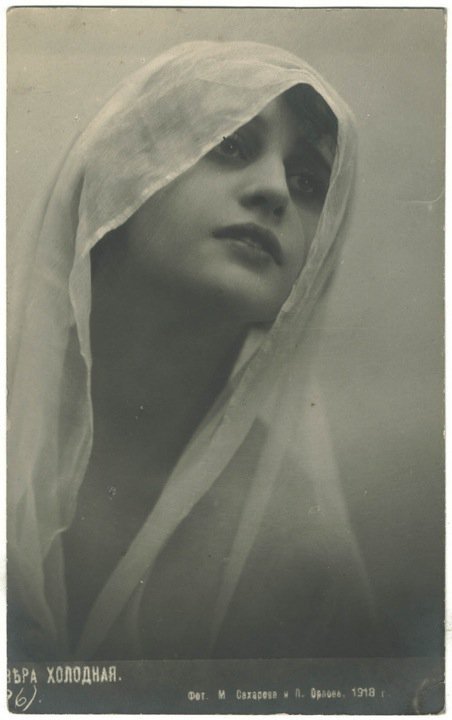
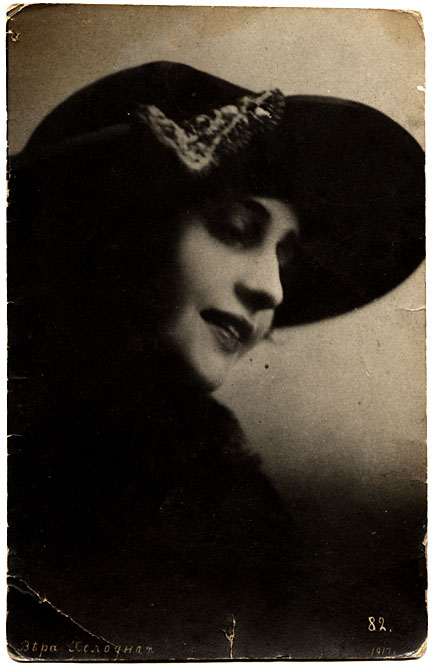
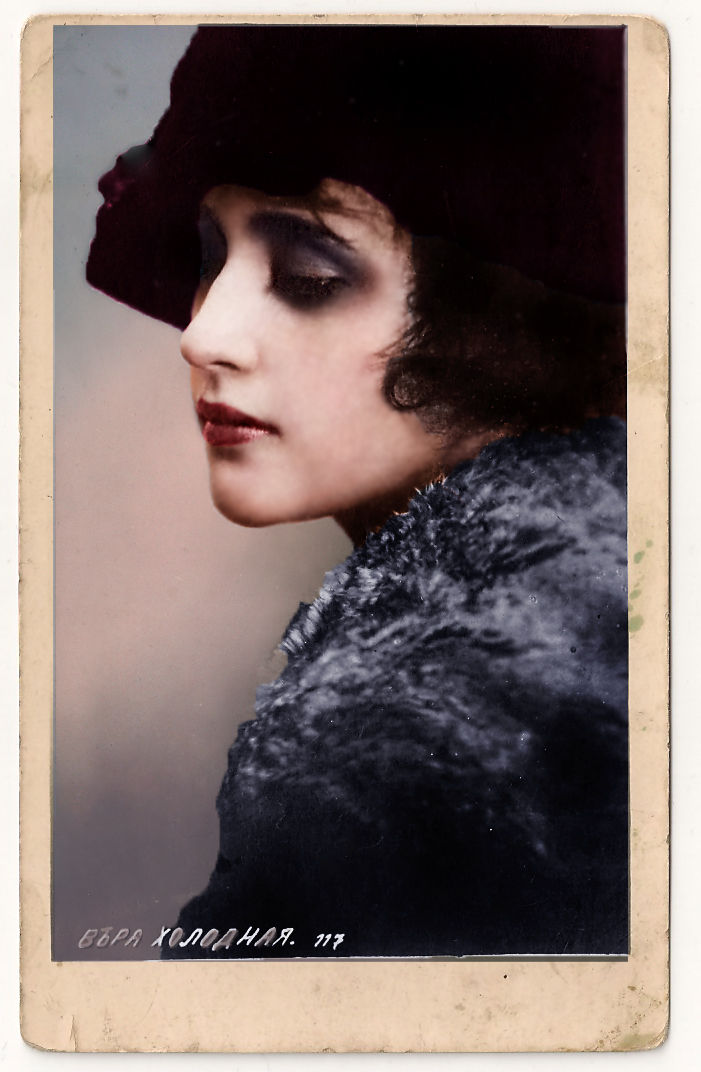
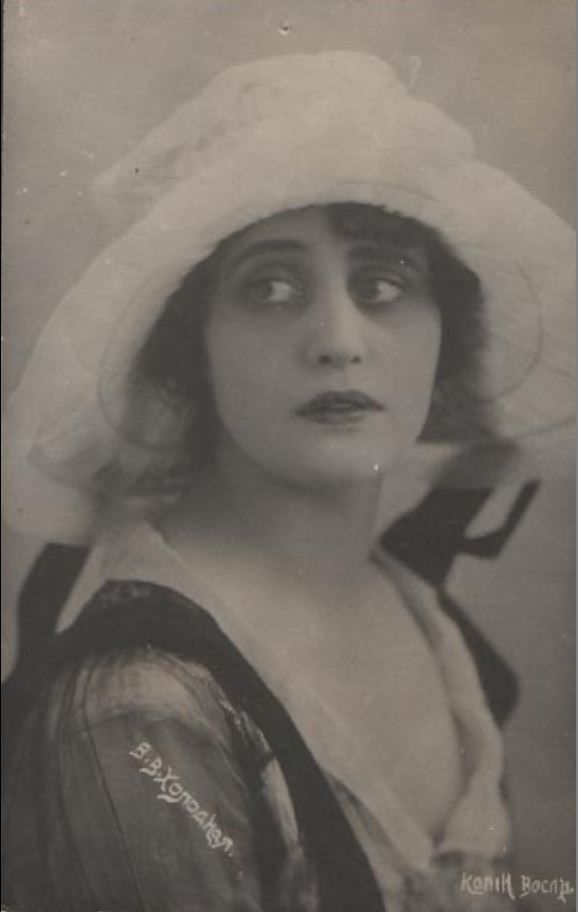
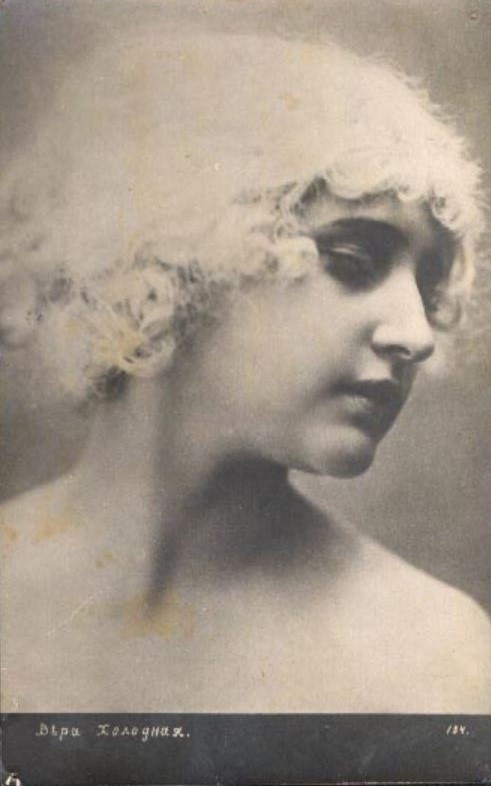
Portrait of Vera Vasilyevna Kholodnaya, (1893-1919), the first star of Russian silent cinema

Vera Vasilyevna Kholodnaya (en russe: Вера Васильевна Холодная, 30 Août, 1893 – le 16 Février 1919), Actrice, Surnommé «La Reine de l’écran», elle a fût le premier film star féminine de la Russie. Bien que la plupart de ses films soient perdus, sa beauté envoûtante et sa mort prématurée ont fait d’elle une figure du cinema russe. Seulement cinq films mettant en vedette sa existent encore de nos jours sur les cinquante à quatre-vingts films, elle a joué en Ils sont les suivants: «Les enfants de l’âge » (1915), « Les mirages » (1916), Une vie pour une vie « (1916), « Le cadavre vivant» (adapté de la pièce de Tolstoï, 1918), et «Taisez-vous, ma douleur, le silence » (1918). Elle est plus souvent associé à des films du début du directeur Evgenii Bauer.

Vera Vasilyevna Levchenko est né à Poltava, en Ukraine, et en grande partie élevée par sa grand-mère à Moscou. Petite fille, elle rêvait d’une carrière en ballet classique et même inscrit à l’école de ballet du théâtre Bolchoï. En 1908, Vera assiste à un spectacle de Francesca da Rimini, avec Vera Komissarzhevskaya dans le rôle-titre. Elle fût profondément impressionné par l’art de Komissarzhevskaya et décide de s’aventurer dans le film d’action. Elle s’approcha de Vladimir Gardin, un grand metteur en scène russe.
En 1910, elle a épousé Vladimir Kholodny, dit être l’un des premiers coureurs automobiles russes et l’éditeur d’un quotidien de sport. Vera serait souvent l’accompagner dans les courses qui ont abouti à des accidents de la route. Elle a également adopté son nom de famille, ce qui se traduit par «une froide ». Plus tard, beaucoup ont pris pour un pseudonyme bien choisi. Leur fille Evgeniya est né en 1912, et ils adoptent un autre enfant un an plus tard.

Elle a commencé à apparaître dans de petits rôles à l’AA Kanjonkov studio de cinéma à la fin de 1914. Evgueni Bauer l’a repéré et prend le pari de lui donner le premier rôle féminin dans ‘Chanson de l’amour triomphant» (1915), une adaptation d’une histoire Tourgueniev, ce qui fait d’elle une star du jour au lendemain. Durant les les trois prochaines années Kholodnaya sera en haut du box-office de la Russie.

Les documents officiels russes affirment que Vera Kholodnaya est mort de la grippe espagnole durant la pandémie de 1919. Bien que cela semble tout à fait probable, il ya beaucoup de spéculations autour de sa mort. Histoires Sexe autre prétendent qu’elle a été empoisonnée par l’ambassadeur français avec qui elle aurait eu une liaison et qui croyait qu’elle était un espion pour les bolcheviks.
Héritage

Portait of The Russian Actress Vera Vasilyevna Kholodnaya (Russian: Вера Васильевна Холодная; August 30, 1893 – February 16, 1919), 1918


Portait of The Russian Actress Vera Vasilyevna Kholodnaya (Russian: Вера Васильевна Холодная; August 30, 1893 – February 16, 1919), 1918

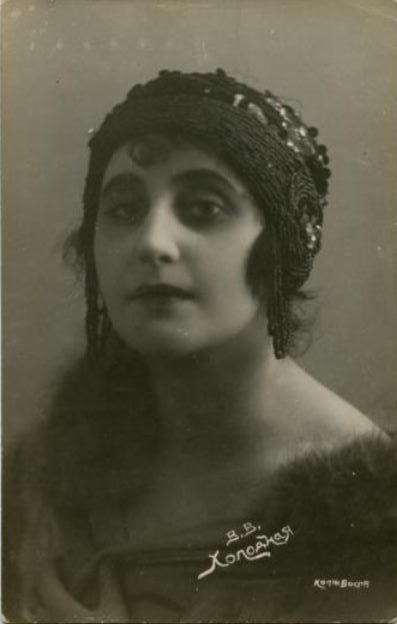
Vera Kholodnaya Photo Postcard, 1920s

Vera Kholodnaya Photo Postcard, 1918

Vera Kholodnaya Photo Postcard, 1920s.

Vera Kholodnaya Photo Postcard, 1920s.


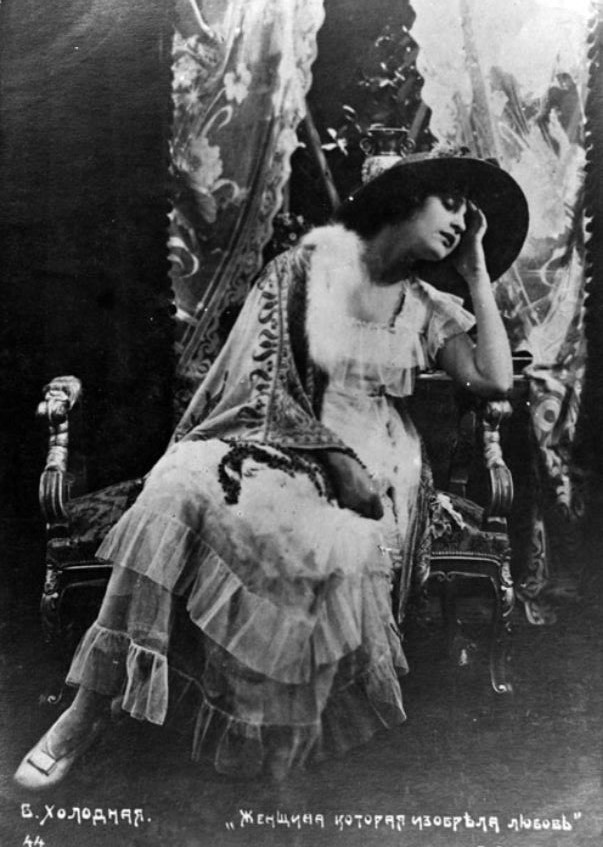
Portrait of Vera Vasilyevna Kholodnaya (1893-1919), the first star of Russian silent cinema, 1917

Vera Kholodnaya Photo Postcard, 1918-20s

Vera Kholodnaya Photo Postcard, 1918-20s

vera kholodnaya 1917

vera kholodnaya 1917

Vera Kholodnaya Photo Postcard, 1918-20s (Vera KARALLI (Krisantemi. 1914)

Vera Kholodnaya Photo Postcard, 1918-20s (Vera KARALLI (Krisantemi. 1914)


Vera Kholodnaya Photo Postcard, 1919.1

Vera Kholodnaya Photo Postcard, 1919.

Vera Kholodnaya Photo Postcard, 1917

Vera Kholodnaya Photo Postcard, 1917

Vera Kholodnaya Photo Postcard,by LEONIDOV

Vera Kholodnaya Photo Postcard,by LEONIDOV

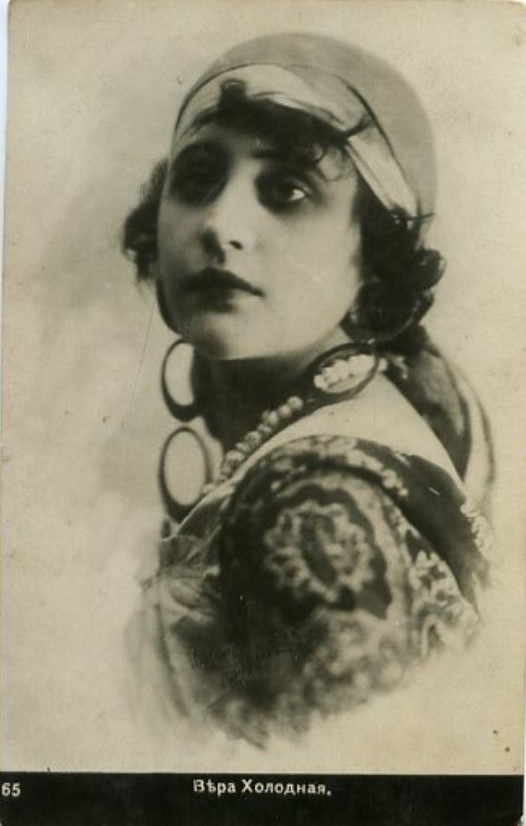
Vera Kholodnaya as a gypsy Photo Postcard, 1918-20s

Vera Kholodnaya as a gypsy Photo Postcard, 1918-20s

Vera Kholodnaya Photo Postcard, 1920s.2

Vera Kholodnaya Photo Postcard, 1920s.

Vera Kholodnaya Photo Postcard, 1919

Vera Kholodnaya Photo Postcard, 1919

Vera Kholodnaya Photo Postcard, 1920s 1

Vera Kholodnaya Photo Postcard, 1920s

Vera-Kholodnaya

Vera-Kholodnaya

Vera Kholodnaya Photo Postcard, in Wig

Vera Kholodnaya Photo Postcard, in Wig


https://youtu.be/7KkVAe3BGmg

Ferdinand Schmutzer

 (21 May 1870 – 26 October 1928) was an Austrian print graphic designer , photographer and portrait painter

Schmutzer came from a traditional Viennese artist family. His great-grandfather Jacob Matthias Schmutzer founded the « kk engraver-Academie » in Vienna, which was soon merged with the « Imperial Academy of Fine Arts United ». Like his grandfather and father Ferdinand Schmutzer initially dealt with sculpture , but subsequently studied at the Vienna Academy , the painting . In a study in the Netherlands, the influence aroused Rembrandt van Rijn’s his interest in the etching . Soon Schmutzer enjoyed great success with his photo portraitsof Viennese society. Prominent contemporaries such as Sigmund Freud, Albert Einstein , Emperor Franz Josef , the Vienna Philharmonic or Karl Lueger stood in his model.

Schmutzer exhibited his works internationally and has received several prizes and awards. In 1901 he was awarded at the Great Berlin Art Exhibition a small gold medal and 1905 a large. One particular innovation was the use of large formats in the technique of etching were unknown until then. 1901 Schmutzer was a member of the Viennese Secession , 1908, he was recognized as a master of his art professor at the Academy of Fine Arts Viennaappointed. In addition to the large formats, he introduced new techniques: he used new etching method and experimented with new needles. From 1922 to 1924 he was the Academy ago as rector. 1928 Ferdinand Schmutzer died 58-year-old in Vienna in his villa in the Sternwartestraße. His daughter was the artist Susanne Peschke-Schmutzer .

Ferdinand Schmutzer- Female Nude, Study for the Ex Libris by Dr. Ing. M. Elias,1915

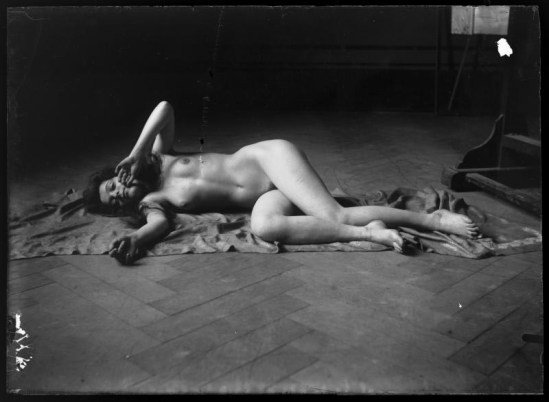
Ferdinand Schmutzer- Lying female nude on a blanket in a studio.1906

Ferdinand Schmutzer-Half figure of a seated naked young woman, left hand raised to the mouth,1905

Ferdinand Schmutzer-Atelier of the sculptor Charles Korschann,1900

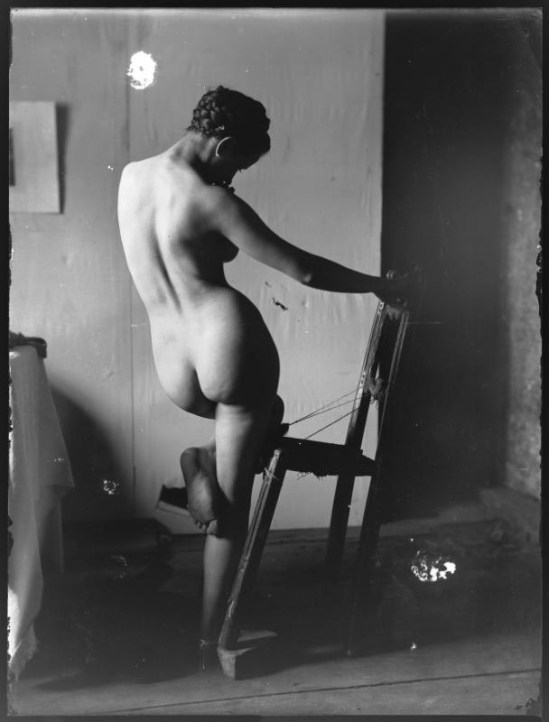
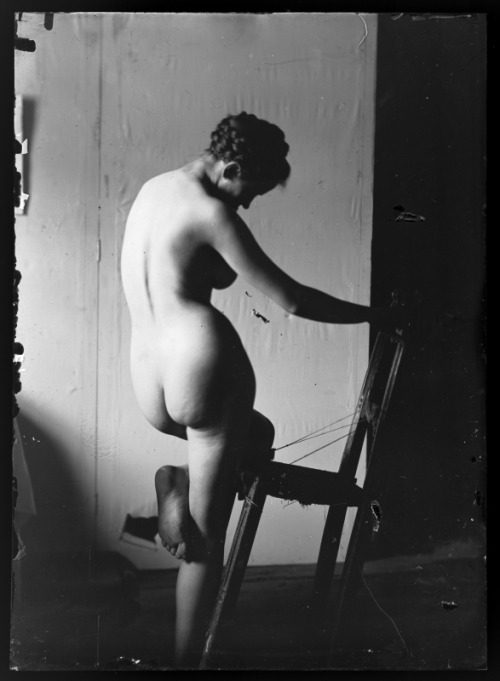
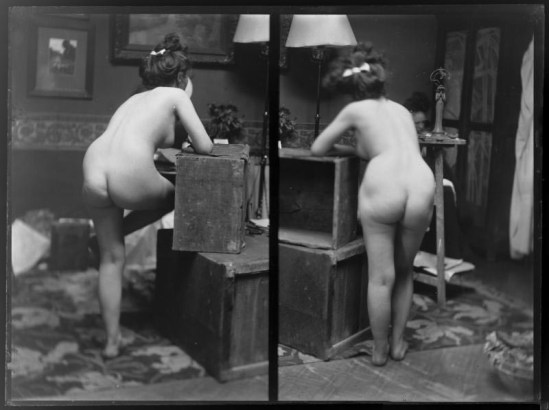
Ferdinand Schmutzer-Back view of a naked woman with short hair, left knee supported on a chair,1905

Ferdinand Schmutzer-nude..1905

Ferdinand SchmutzerFemale nudes from behind,1905

Ferdinand Schmutzer-Sitting female nude,1905

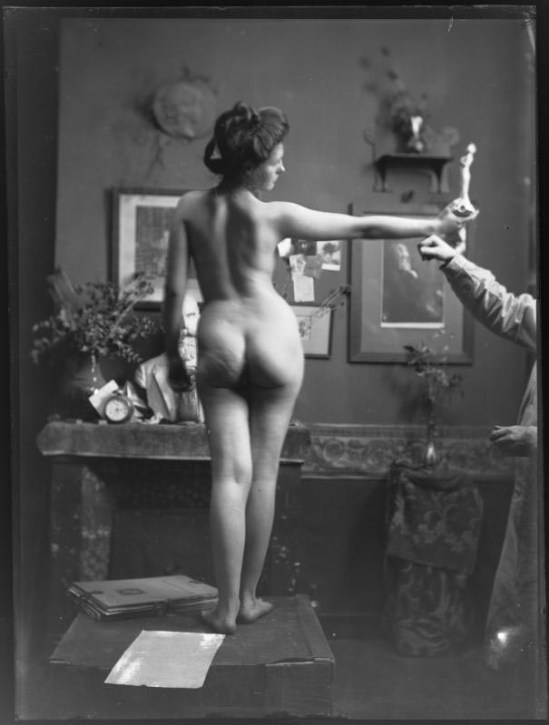
Ferdinand Schmutzer-Naked woman standing on a box from behind. Right arm stretched sideways, small figure in the right hand,1905

Ferdinand Schmutzer-Standing female nude from behind,1905

Ferdinand Schmutzer-Standing female nude playing violin,1905

Ferdinand Schmutzer-Nude photograph in the studio of the sculptor Charles Korschann,1900

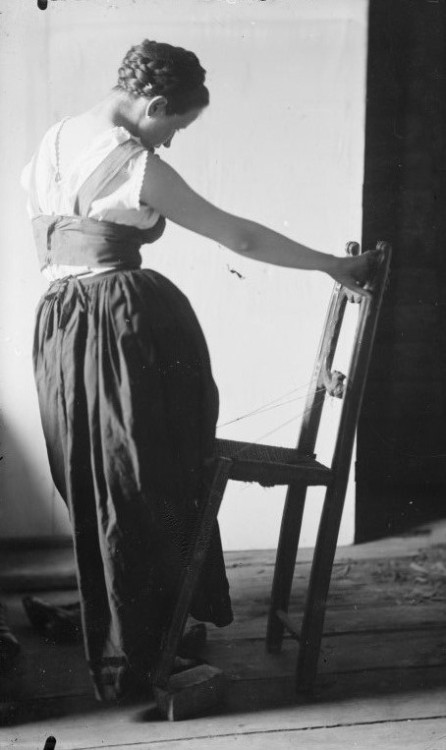
Ferdinand Schmutzer-Variation of a young woman with an inclined chair,1897

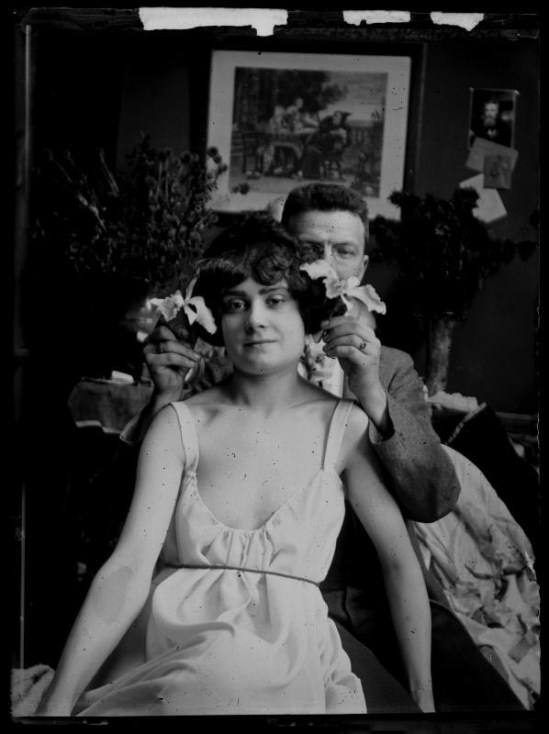
Ferdinand Schmutzer-Woman in light dress, behind him man holding her orchids to the hair in atelier scene.,1903

Ferdinand Schmutzer-Katharina Mautner outdoors,1905

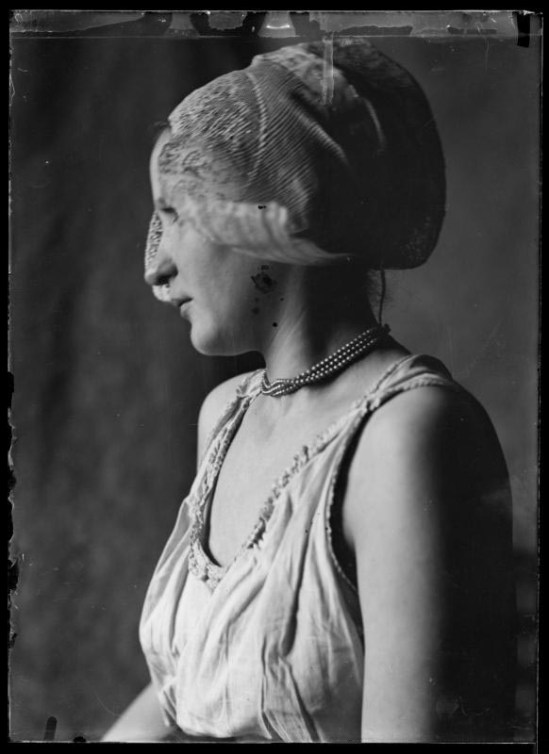
Ferdinand Schmutzerf Half-length portrait of a woman with a pearl necklace, a stylized wing hood and a cut-out dress,1900

Ferdinand Schmutzer-White seamstress in dutch dress in dark room working at the window..,1903

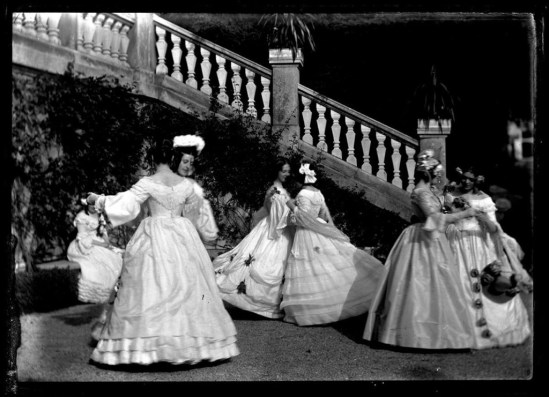
Ferdinand Schmutzer- Garden party in Karl Wittgenstein’s house, ca. 1903 silver gelatin print

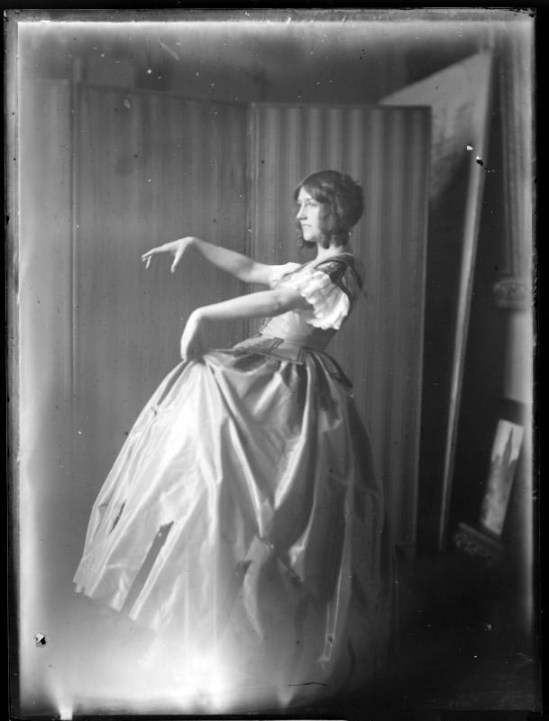
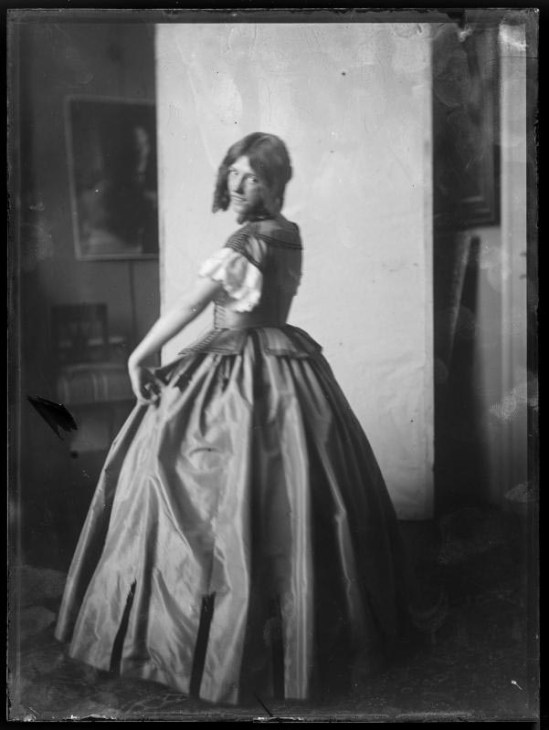
Ferdinand Schmutzer-The dancer Gertrude Barrison in Biedermeier costume, standing whole figure.1907

Ferdinand Schmutzer-The dancer Gertrude Barrison in Biedermeier costume, standing whole figure.1907

Ferdinand Schmutzer-The dancer Gertrude Barrison in Biedermeier costume, standing whole figure.1907

Ferdinand Schmutzer-The dancer Gertrude Barrison in Biedermeier costume, standing whole figure.1907

Ferdinand Schmutzer-The dancer Gertrude Barrison in Biedermeier costume, standing whole figure.1907

Ferdinand Schmutzer- Lady in white dress, fan in hands, leaning forward.1910

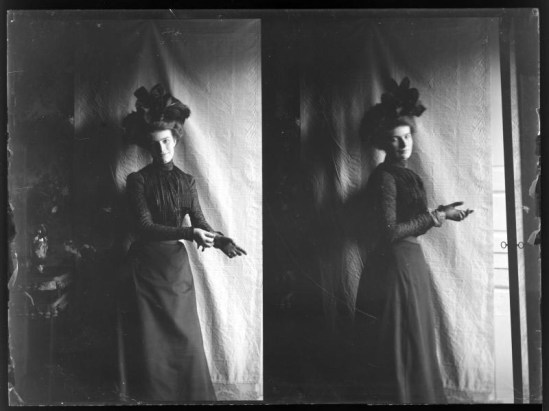
Ferdinand Schmutzer-Lady with hat puts on gloves. Almost whole figure. Two self-contained representations on a plate..1900-1910


Ferdinand Schmutzer Sigmund Freud (1856-1939)1926

Ferdinand SchmutzerFerdinand Schmutzer (the artist’s father), sculptor, ca. 1910silver gelatin print

source : europeana.eu/people/ferdinand-schmutzer

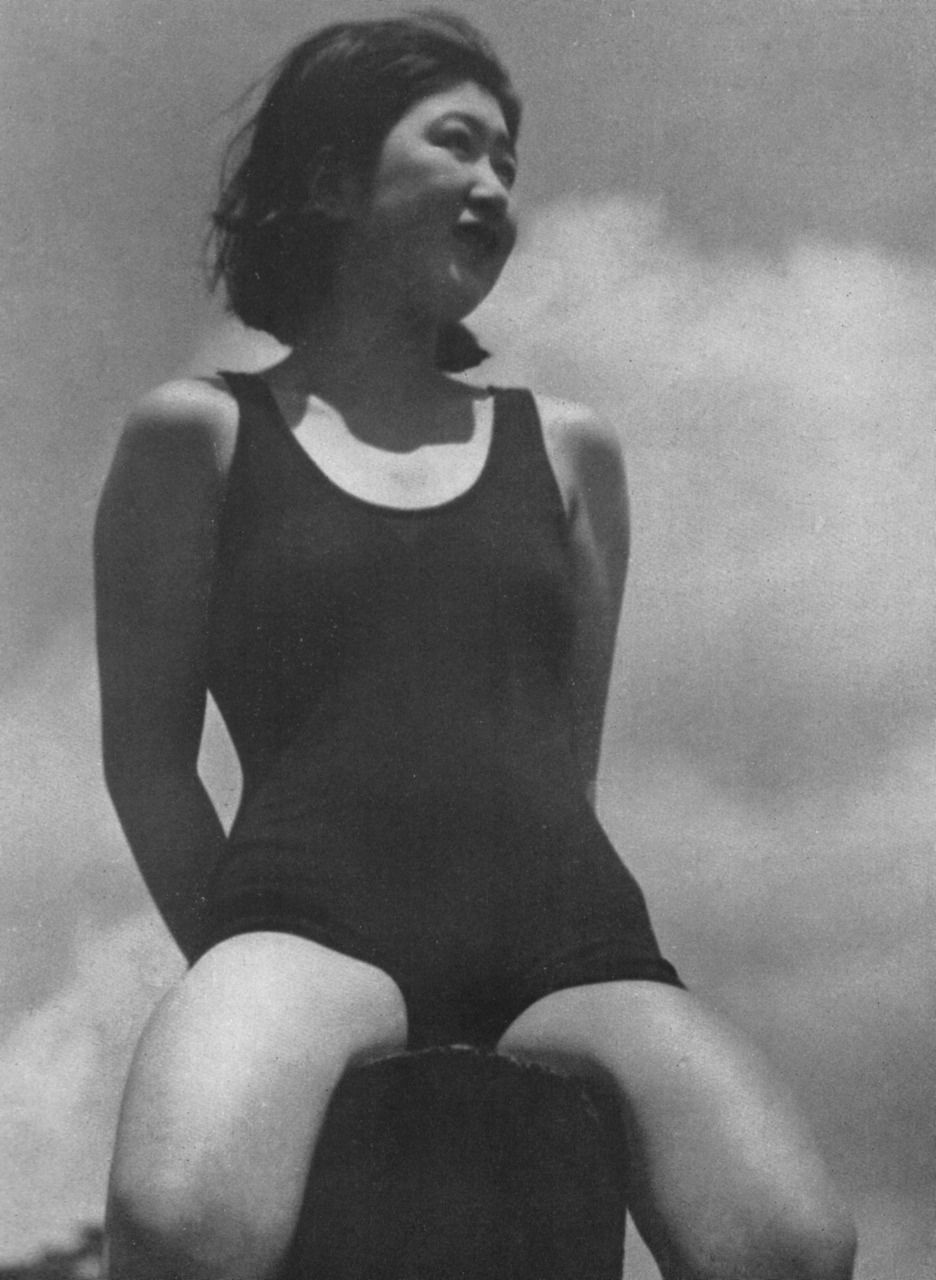
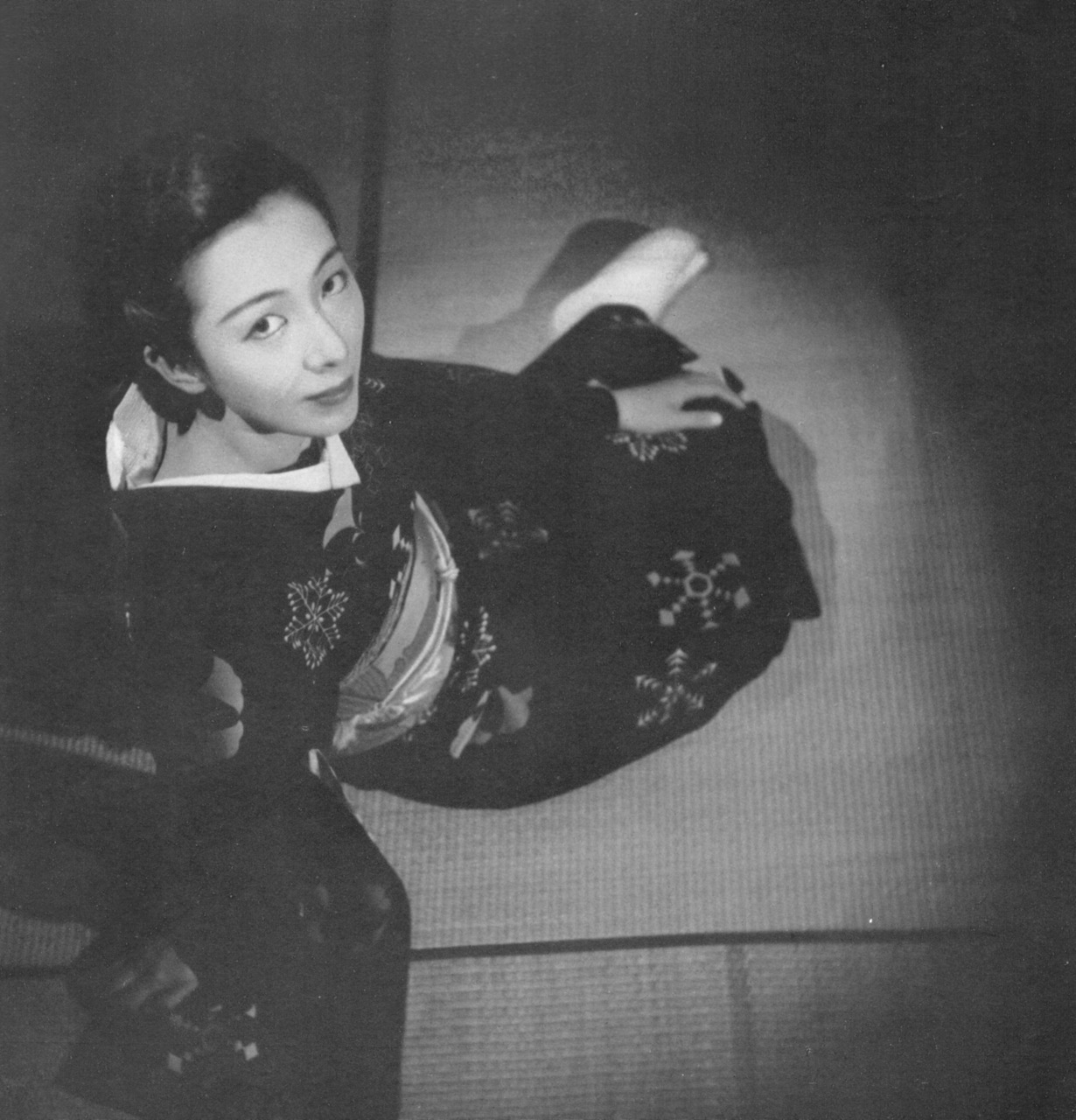
Katsuji Fukuda

« Fukuda Katsuji was born in 1899. Except for a few years after the Great Kanto Earthquake when he was trying to establish his career in places such as Nakanoseki, Sakai, Hiroshima and Osaka, Fukuda spent his long life working in Tokyo.

After returning to Tokyo for good in 1933, Fukuda had a successful career in advertising photography, specializing in still lifes and nudes with modernist influences, as well as authoring practical books on photography. A series of photographs in Asahi Camera in 1936 featuring portraits of Setsuko Hara and Takako Irie were very popular and led to his first photobooks of women.

After the war Fukuda was one of the first prominent photographers to experiment with color and continued to publish collections of nude studies and books on technique. However his emphasis on the aesthetics of beauty made his work seem old-fashioned during the postwar wave of realism led by Ken Domon and the trends that followed. In 1974 he was not among the 100 living photographers profiled by Camera Mainichi.

However, in 1979 his contribution to the famed Sonorama Shashin Sensho, « Psalm » led to reassessments of his contributions. In the afterword of Psalm, Akira Hasegawa pointed out that « …there are no photographers of women in Japan even today who have not been influenced by Fukuda in one way or another. Many techniques commonly used today were developed by Fukuda, a fact which has been forgotten. »

Fukuda continued working in his old age, long enough to see the increasing estimations of his work that has continued to this day. Now he is often anthologized in collections of Modernist and mid-century works. » text From the catalogue A Solitary Modernist Photographer Katsuji Fukuda Exhibition. Japan Yamaguchi Prefectural Museum of Art, 1994

Lapetitemelancolie6 janvier 2013,  les articles avec la date sont sauvegardés sur archives.orgKatsuji Fukuda -Shell of Light, 1949 From the catalogue A Solitary Modernist Photographer Katsuji Fukuda Exhibition. Japan Yamaguchi Prefectural Museum of Art, 1994

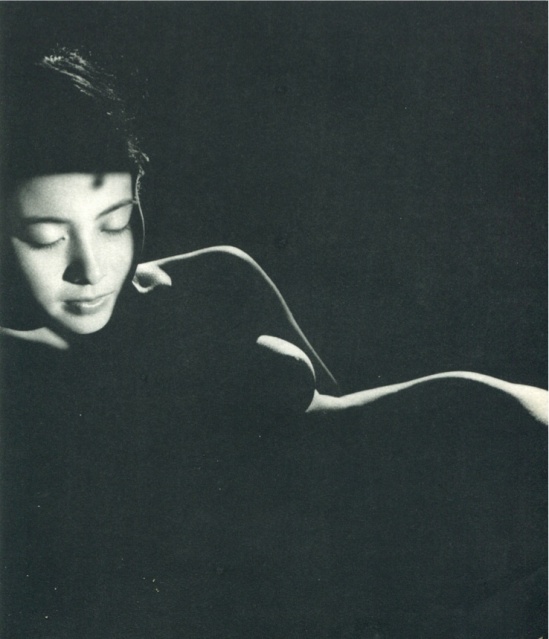
Katsuji Fukuda -Shell of Light, 1949 From the catalogue A Solitary Modernist Photographer Katsuji Fukuda Exhibition. Japan Yamaguchi Prefectural Museum of Art, 1994

Katsuji Fukuda -Shell of Light, 1949 From the catalogue A Solitary Modernist Photographer Katsuji Fukuda Exhibition. Japan Yamaguchi Prefectural Museum of Art, 1994

Katsuji Fukuda -Shell of Light, 1949

Katsuji Fukuda –Shell of Light, 1949 ( detail)

Katsuji Fukuda - Untitled Nude,1951

Katsuji Fukuda – Untitled Nude,1951 From the catalogue A Solitary Modernist Photographer Katsuji Fukuda Exhibition. Japan Yamaguchi Prefectural Museum of Art, 1994

Katsuji Fukuda- nude , 1946 From A Solitary Modernist Photographer Katsuji Fukuda Exhibition. Japan Yamaguchi Prefectural Museum of Art, 1994

Katsuji Fukuda- nude , 1946 From A Solitary Modernist Photographer Katsuji Fukuda Exhibition. Japan Yamaguchi Prefectural Museum of Art, 1994

Katsuji Fukuda- Nude, 1951. A Solitary Modernist Photographer Katsuji Fukuda Exhibition. Japan Yamaguchi Prefectural Museum of Art, 1994

Katsuji Fukuda- Nude, 1951. A Solitary Modernist Photographer Katsuji Fukuda Exhibition. Japan Yamaguchi Prefectural Museum of Art, 1994

Katsuji Fukuda- Nude, 1956 from A Solitary Modernist Photographer Katsuji Fukuda Exhibition. Japan Yamaguchi Prefectural Museum of Art, 1994

Katsuji Fukuda- Nude, 1956 from A Solitary Modernist Photographer Katsuji Fukuda Exhibition. Japan Yamaguchi Prefectural Museum of Art, 1994

Katsuji Fukuda- Untitled,1948 From A Solitary Modernist Photographer Katsuji Fukuda Exhibition. Japan Yamaguchi Prefectural Museum of Art, 1994

Katsuji Fukuda- Untitled,1948 From A Solitary Modernist Photographer Katsuji Fukuda Exhibition. Japan Yamaguchi Prefectural Museum of Art, 1994

Katsuji Fukuda- nude with flower, 1946 From A Solitary Modernist Photographer Katsuji Fukuda Exhibition. Japan Yamaguchi Prefectural Museum of Art, 1994

Katsuji Fukuda- nude with flower, 1946 From A Solitary Modernist Photographer Katsuji Fukuda Exhibition. Japan Yamaguchi Prefectural Museum of Art, 1994

Katsuji Fukuda- Nude, 1951. A Solitary Modernist Photographer Katsuji Fukuda Exhibition. Japan Yamaguchi Prefectural Museum of Art, 1994

Katsuji Fukuda- Nude, 1951. A Solitary Modernist Photographer Katsuji Fukuda Exhibition. Japan Yamaguchi Prefectural Museum of Art, 1994

Katsuji Fukuda- 3 nude From A Solitary Modernist Photographer Katsuji Fukuda Exhibition. Japan Yamaguchi Prefectural Museum of Art, 1994

Katsuji Fukuda- 3 nudes From « A Solitary Modernist Photographer » Katsuji Fukuda Exhibition catalogue. Japan Yamaguchi Prefectural Museum of Art, 1994

************

Katsuji Fukuda nude from the book Hana to Rafu to - Nude et Fleur Japan, Ivuningusuta-sha (Evening Star Sha), 1947

Katsuji Fukuda nude from the book Hana to Rafu to – Nude et Fleur Japan, Ivuningusuta-sha (Evening Star Sha), 1947

Katsuji Fukuda nude from the book Hana to Rafu to - Nude et Fleur Japan, Ivuningusuta-sha (Evening Star Sha), 1947

Katsuji Fukuda nude from the book Hana to Rafu to – Nude et Fleur Japan, Ivuningusuta-sha (Evening Star Sha), 1947

Katsuji Fukuda nude from the book Hana to Rafu to - Nude et Fleur Japan, Ivuningusuta-sha (Evening Star Sha), 1947

Katsuji Fukuda nude from the book Hana to Rafu to – Nude et Fleur Japan, Ivuningusuta-sha (Evening Star Sha), 1947

Katsuji Fukuda nude from the book Hana to Rafu to - Nude et Fleur Japan, Ivuningusuta-sha (Evening Star Sha), 1947

Katsuji Fukuda nude from the book Hana to Rafu to – Nude et Fleur Japan, Ivuningusuta-sha (Evening Star Sha), 1947

Fukuda Katsuku - untitled from the book Hana to Rafu to - Nude et Fleur Japan, Ivuningusuta-sha (Evening Star Sha), 19473

Fukuda Katsuku – untitled from the book Hana to Rafu to – Nude et Fleur Japan, Ivuningusuta-sha (Evening Star Sha), 1947

Fukuda Katsuku - untitled from the book Hana to Rafu to - Nude et Fleur Japan, Ivuningusuta-sha (Evening Star Sha), 1947

Fukuda Katsuku – untitled from the book Hana to Rafu to – Nude et Fleur Japan, Ivuningusuta-sha (Evening Star Sha), 1947

****************

Katsuji Fukuda-Onna no utsushikata -, 1937 from the book Photokunst von Frauen) - How to Photograph Women. Japan ARS,

Katsuji Fukuda-Onna no utsushikata -, 1937 from the book  – How to Photograph Women. Japan ARS

Katsuji Fukuda-portrait-, 1937 from the book How to Photograph Women. Japan ARS

Katsuji Fukuda-portrait-, 1937 from the book How to Photograph Women. Japan ARS

Katsuji Fukuda-portrait cover , 1937 from the book Photokunst von Frauen – How to Photograph Women. Japan ARS

Katsuji Fukuda- portrait cover , 1937 from the book Photokunst von Frauen – How to Photograph Women. Japan ARS

Fukuda Katsuku 1937 from the book - How to Photograph Women. Japan ARS

Fukuda Katsuku 1937 from the book – How to Photograph Women. Japan ARS

Fukuda Katsuku -Portrait from 1937 from the book - How to Photograph Women. Japan ARS

Fukuda Katsuku -Portrait from 1937 from the book – How to Photograph Women. Japan ARS

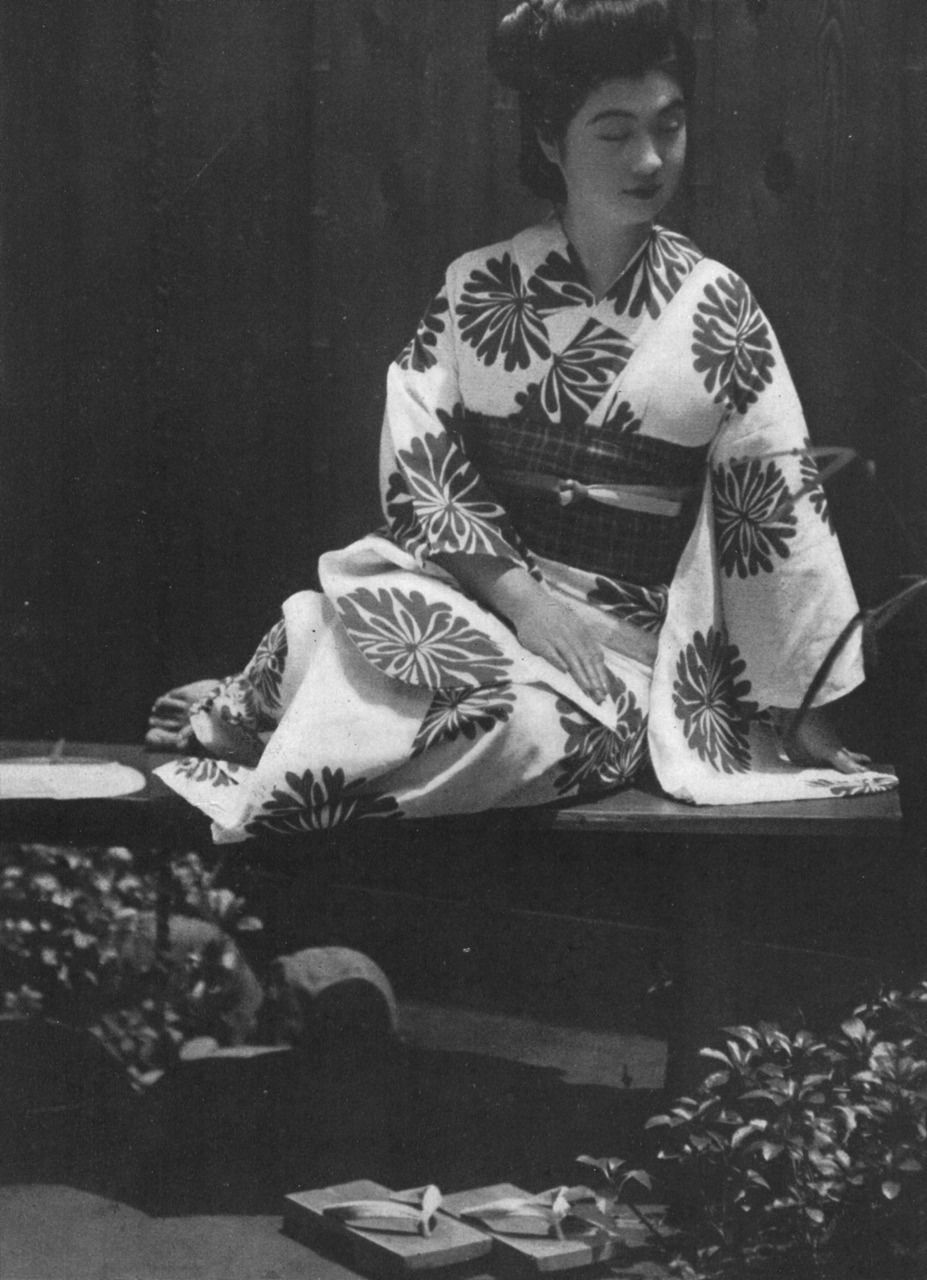
Katsuji Fukuda-Gheisha , 1937 from the book How to Photograph Women. Japan ARS

Katsuji Fukuda-Gheisha , 1937 from the book How to Photograph Women. Japan ARS

Fukuda Katsuku -Portrait from 1937 from the book - How to Photograph Women. Japan ARS

Fukuda Katsuku -Portrait from 1937 from the book – How to Photograph Women. Japan ARS

*********************

Fukuda Katsuku -Portrait from 1939 from the book - How to Photograph Women. Japan ARS

Fukuda Katsuku -Portrait from 1939 from the book – How to Photograph Women. Japan ARS

Fukuda Katsuku -Portrait from 1939 from the book - How to Photograph Women. Japan ARS

Fukuda Katsuku -Portrait from 1939 from the book – How to Photograph Women. Japan ARS

Fukuda Katsuku -Portrait from 1939 from the book - How to Photograph Women. Japan ARS

Fukuda Katsuku -Portrait from 1939 from the book – How to Photograph Women. Japan ARS

Fukuda Katsuku -Portrait from 1939 from the book - How to Photograph Women. Japan ARS

Fukuda Katsuku -Portrait from 1939 from the book – How to Photograph Women. Japan ARS

Fukuda Katsuku -Portrait from 1939 from the book - How to Photograph Women. Japan ARS

Fukuda Katsuku -Portrait from 1939 from the book – How to Photograph Women. Japan ARS

Fukuda Katsuku -Portrait from 1939 from the book - How to Photograph Women. Japan ARS

Fukuda Katsuku -Portrait from 1939 from the book – How to Photograph Women. Japan ARS

Fukuda Katsuku -Portrait from 1939 from the book - How to Photograph Women. Japan ARS 7

Fukuda Katsuku -Portrait from 1939 from the book – How to Photograph Women. Japan ARS

Fukuda Katsuku -Portrait from 1939 from the book - How to Photograph Women. Japan ARS

Fukuda Katsuku -Portrait from 1939 from the book – How to Photograph Women. Japan ARS

Fukuda Katsuku - 1939 from the book - How to Photograph Women. Japan ARS 8

Fukuda Katsuku – 1939 from the book – How to Photograph Women. Japan ARS

John Gutmann Part 2

« John Gutmann (1905–1998) was one of America’s most distinctive photographers. Born in Germany where he trained as an artist and art teacher, he fled the Nazis in 1933 and settled in San Francisco, reinventing himself as a photo-journalist. Gutmann captured images of American culture, celebrating signs of a vibrant democracy, however imperfect. His own status as an outsider—a Jew in Germany, a naturalized citizen in the United States—informed his focus on individuals from the Asian-American, African-American, and gay communities, as well as his photography in India, Burma, and China during World War II. Gutmann’s interests in painting and filmmaking, his collections of non-Western art and artifacts, and his pedagogy, all figure in a body of work at once celebratory and mysterious.

Gutmann was born to prosperous German-Jewish parents, in Breslau, Germany (since 1945, Wrocław, Poland). At age twenty-two, he graduated from the regional Academy of Arts and Crafts, where he studied with leading Expressionist painter Otto Müller. In 1927 Gutmann moved to Berlin, where he taught art to schoolchildren, participated in group exhibitions, and in 1931 had a solo show at the prestigious Gurlitt Gallery. However, his career was interrupted by the rise to power of the National Socialists in early 1933. While his family made plans to immigrate to New York, Gutmann set out on his own with San Francisco as his destination, and photography as his new profession. Before departing Germany, he acquired a Rolleiflex camera, hastily shot three rolls of film, and managed to secure a contract from the Berlin office of Presse-Photo. Making the most of a bad situation, he explored a new life as a foreign correspondent who would supply the very modern European illustrated press with views and reports from the American West.

By 1936, he had broken his contract with the Berlin press agency and made a new one with Pix in New York. By 1937, he had begun to teach art regularly at San Francisco College (later San Francisco State University), and this became his primary profession after a World War II era stint in the U.S. army. Gutmann retired his professorship in 1973 and began to reassess his body of work, sorting through boxes of negatives and making new prints of selected examples from the 1930s. It was a well-timed exercise: not only did Gutmann’s images satisfy a growing historical appetite for Depression-era photography, they also seemed compatible with certain kinds of experimental photography then emerging in the contemporary art scene. Before his death in 1998, Gutmann had seen his work featured in gallery and museum exhibitions, catalogues, and monographs.

By bequeathing his rich archive of nearly 5000 modern photographic prints, negatives, tearsheets, letters, and some drawings and early art prints to the CCP, John Gutmann has left us with the task of pursuing the rich knots, braids, tangles and threads in his complex life and work that unfolded over a most tumultuous and provocative century of modernity  » By ccp

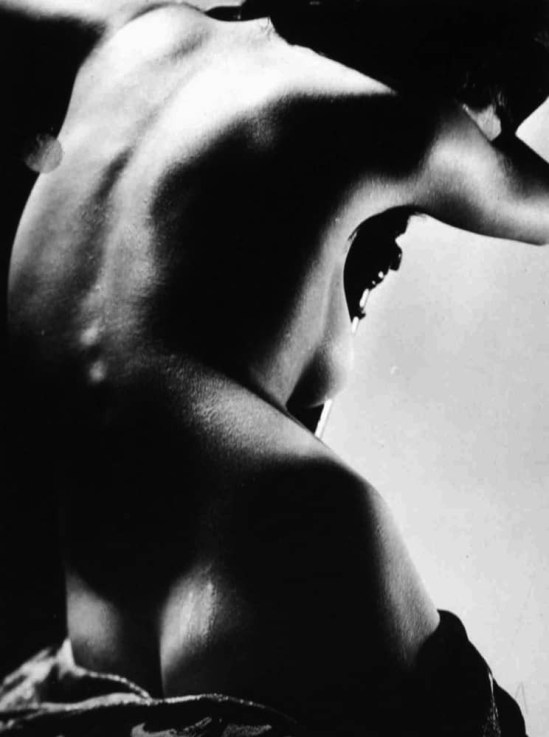
John Gutmann-Arm-Breast Abstract, 1935

John Gutmann-Arm-Breast Abstract, 1935 click on for full size

John Gutmann-Naked Save the Veil,1939

John Gutmann-Naked Save the Veil,1939

John Gutmann-Naked Breasts, Covered Face, 1939

John Gutmann-Naked Breasts, Covered Face, 1939

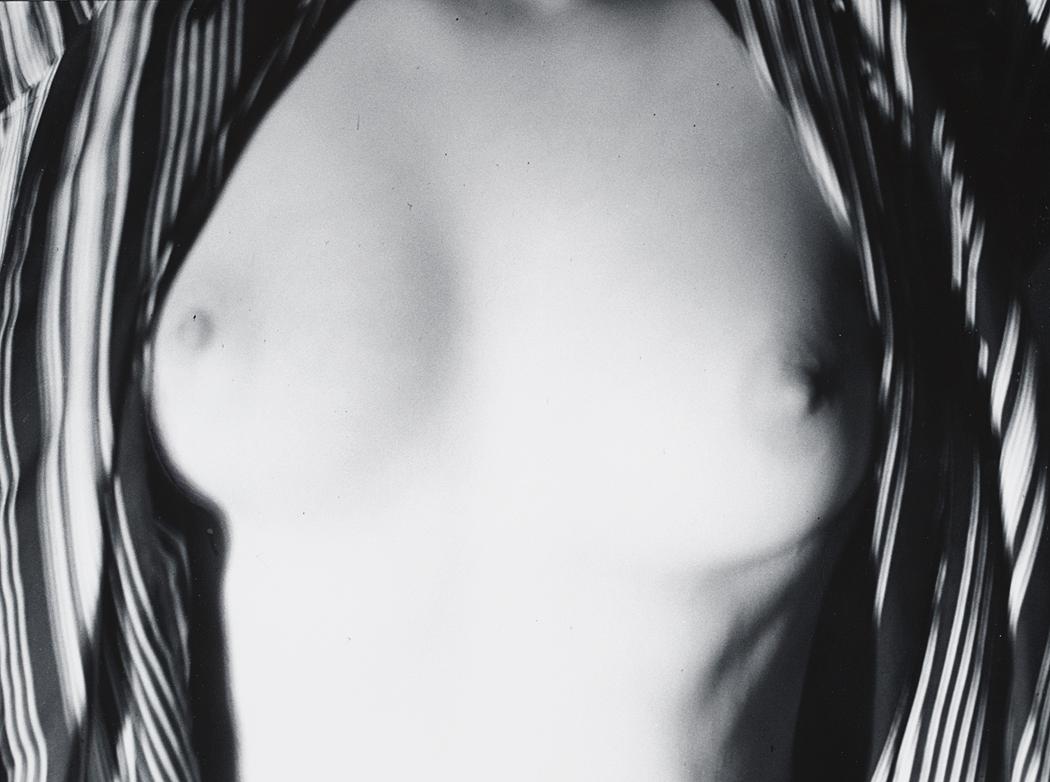
John Gutmann-Her Breasts in My Robe, 1937

John Gutmann-Her Breasts in My Robe, 1937

John Gutmann-Two Nudes Attracted,1937

John Gutmann-Two Nudes Attracted,1937

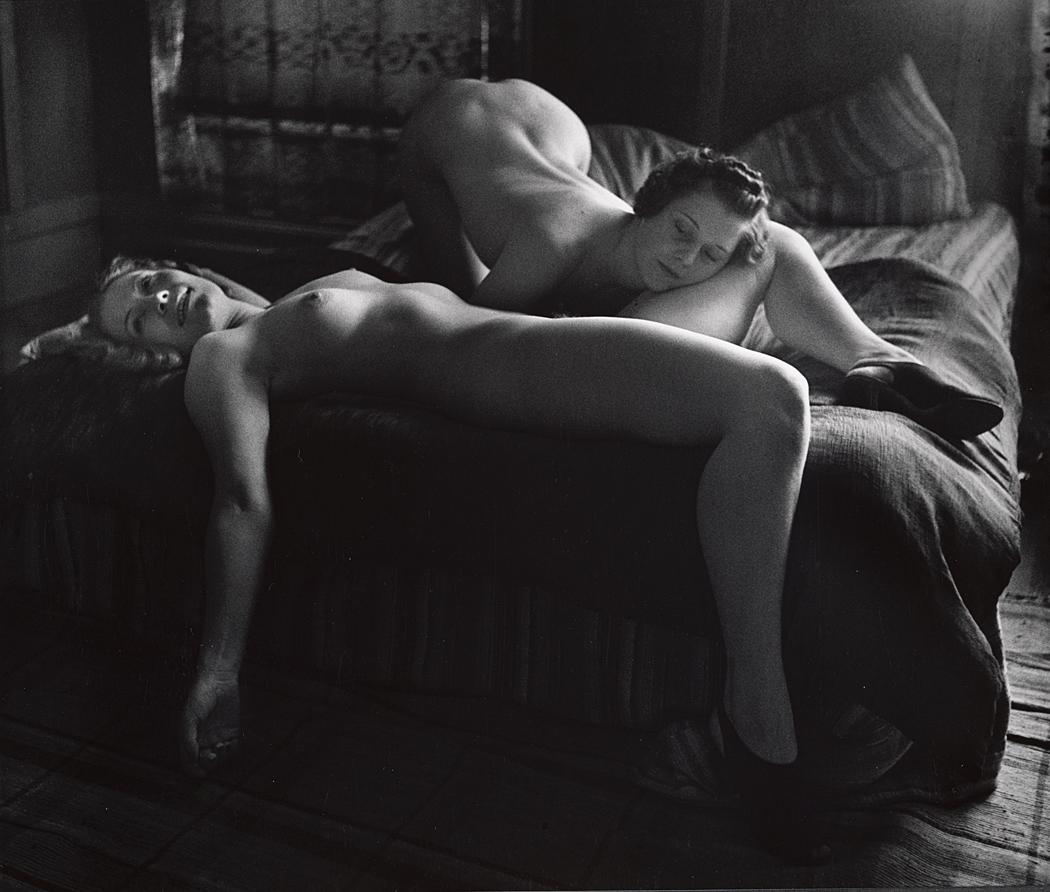
John Gutmann-Lesbian Foreplay, 1937

John Gutmann-Lesbian Foreplay, 1937

John Gutmann-Love Play, 1937

John Gutmann-Love Play, 1937

John Gutmann- elevation ,1935

John Gutmann- elevation ,1935

John Gutmann-Two Beauties, 1935

John Gutmann-Two Beauties, 1935

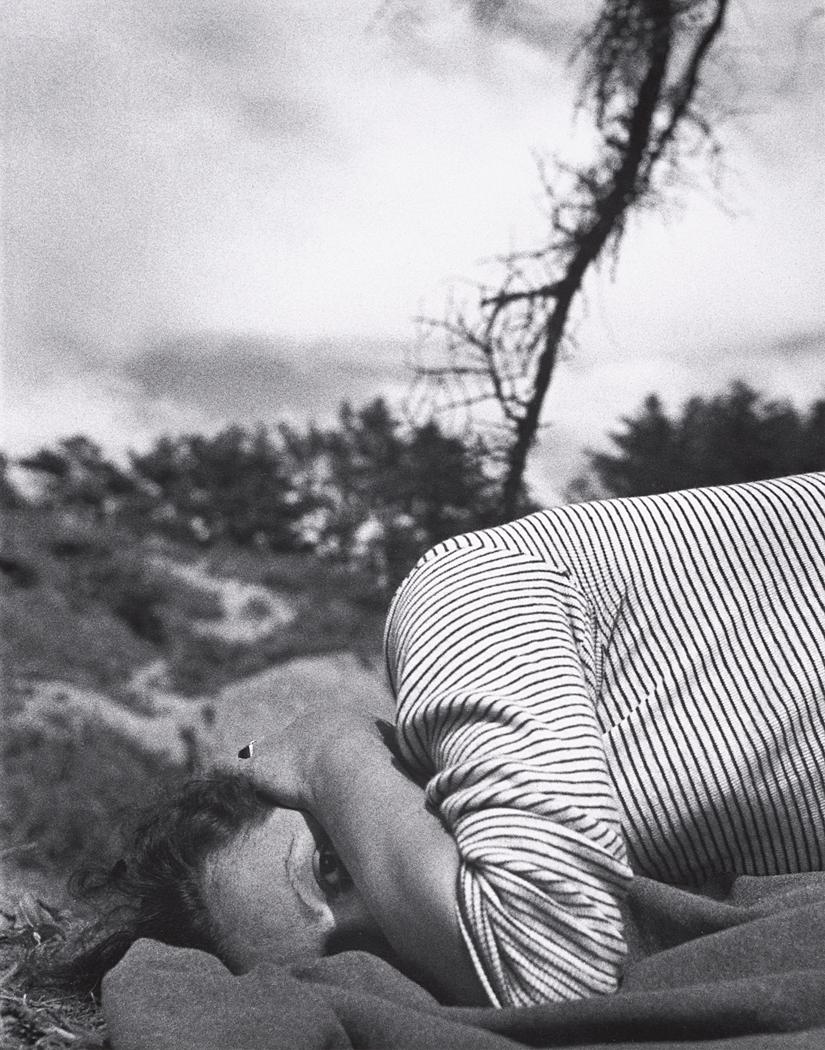
John Gutmann-Striped Sweater on Blanket, Oregon, 1934 -

John Gutmann-Striped Sweater on Blanket, Oregon, 1934

John Gutmann-Obsessive Fixation, 1935

John Gutmann-Obsessive Fixation, 1935

John Gutmann-Light Through Shades on Ruthie, 1935

John Gutmann-Light Through Shades on Ruthie, 1935

John Gutmann-Upside-Down Nude in Studio, 1937

John Gutmann-Upside-Down Nude in Studio, 1937

John Gutmann-Profile Torso,1937

John Gutmann-Profile Torso,1937

John Gutmann-Celestial Body, 1935

John Gutmann-Celestial Body, 1935

John Gutmann-Woman-Body, 1935

John Gutmann-Woman-Body, 1935

John Gutmann-Breast and Steel, 1934

John Gutmann-Breast and Steel, 1934

John Gutmann-Nude on Studio Couch, Contacts on Wall, 1935 -

John Gutmann-Nude on Studio Couch, Contacts on Wall, 1935 –

John Gutmann-Billy on My Couch, 1935

John Gutmann-Billy on My Couch, 1935

John Gutmann-Nude on Couch, 1937

John Gutmann-Nude on Couch, 1937

John Gutmann-Long Hair, 1937 - Copie

John Gutmann-Long Hair, 1937

John Gutmann-Looking Down at Nude Akiko, 1934

John Gutmann-Looking Down at Nude Akiko, 1934

John Gutmann-Sex and Crime,1935

John Gutmann-Sex and Crime,1935

John Gutmann-Eyes, 1939

John Gutmann-Eyes, 1939

John Gutmann-Irene in Pillbox Cowled, 1939

John Gutmann-Irene in Pillbox Cowled, 1939

John Gutmann-Eye of Seduction, 1939

John Gutmann-Eye of Seduction, 1939

John Gutmann-Young Eyes, Flowers for the Prom, 1940

John Gutmann-Young Eyes, Flowers for the Prom, 1940

John Gutmann-In the Background-The Pimp, New Orleans, 1937

John Gutmann-In the Background-The Pimp, New Orleans, 1937

John Gutmann-Li in Round Hat, 1937

John Gutmann-Li in Round Hat, 1937

John Gutmann-Laura, 1934

John Gutmann-Laura, 1934

John Gutmann-Beautiful Vanessae, 1935

John Gutmann-Beautiful Vanessae, 1935

John Gutmann-Friedel, Berlin, 1935

John Gutmann-Friedel, Berlin, 1935

John Gutmann-Memory of Friedel, Berlin, 1937

John Gutmann-Memory of Friedel, Berlin, 1937

John Gutmann-Phenomenal Self Portrait, 1937

John Gutmann-Phenomenal Self Portrait, 1937

John Gutmann-Red Hair Adorned, 1939

John Gutmann-Red Hair Adorned, 1939

John Gutmann-Sweet Ruthie,1935

John Gutmann-Sweet Ruthie,1935

John Gutmann-Billy, Singer and WPA Actress, 1935

John Gutmann-Billy, Singer and WPA Actress, 1935

John Gutmann-Veiled Profile,1941

John Gutmann-Veiled Profile,1941

John Gutmann-Cup of Coffee and Cigarette, 1950

John Gutmann-Cup of Coffee and Cigarette, 1950

John Gutmann-Very Close Profile,1962

John Gutmann-Very Close Profile,1962

John Gutmann-The Stare, 1939

John Gutmann-The Stare, 1939

John Gutmann-The Cry, 1939

John Gutmann-The Cry, 1939

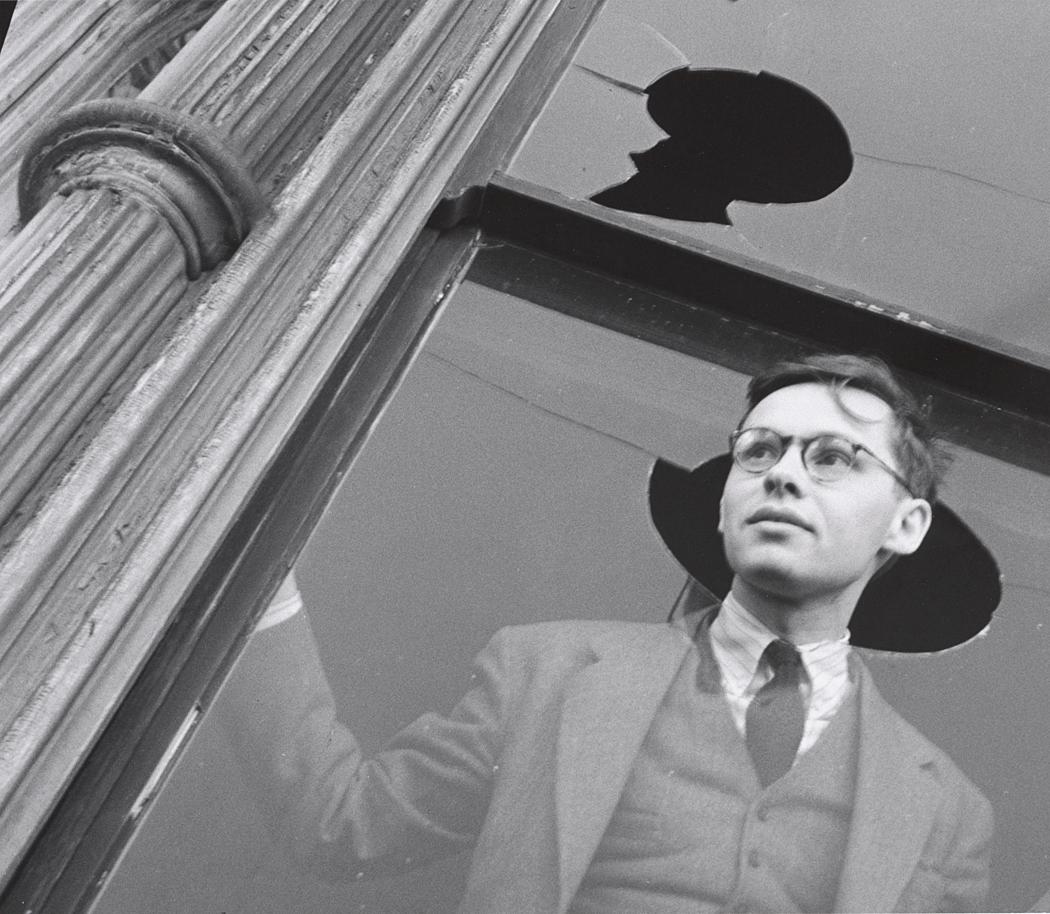
John Gutmann-Innocence, Young H.B. Through the Broken Glass of a Window, 1939

John Gutmann-Innocence, Young H.B. Through the Broken Glass of a Window, 1939

John Gutmann-Self Portrait,Sick, 1934

John Gutmann-Self Portrait,Sick, 1934

John Gutmann-Death Trap, Self Portrait 1936

John Gutmann-Death Trap, Self Portrait 1936

John Gutmann-Phenomenal Self Portrait, 1937

John Gutmann-Phenomenal Self Portrait, 1937

John Gutmann-Protoplasmic Self Portrait, 1937

John Gutmann-Protoplasmic Self Portrait, 1937

John Gutmann-Self Portrait,Sick, 1934

John Gutmann-Self Portrait,Sick, 1934

John Gutmann-The Dream, 1935

John Gutmann-The Dream, 1935

John Gutmann-Shrug of the Shoulder,1935

John Gutmann-Shrug of the Shoulder,1935

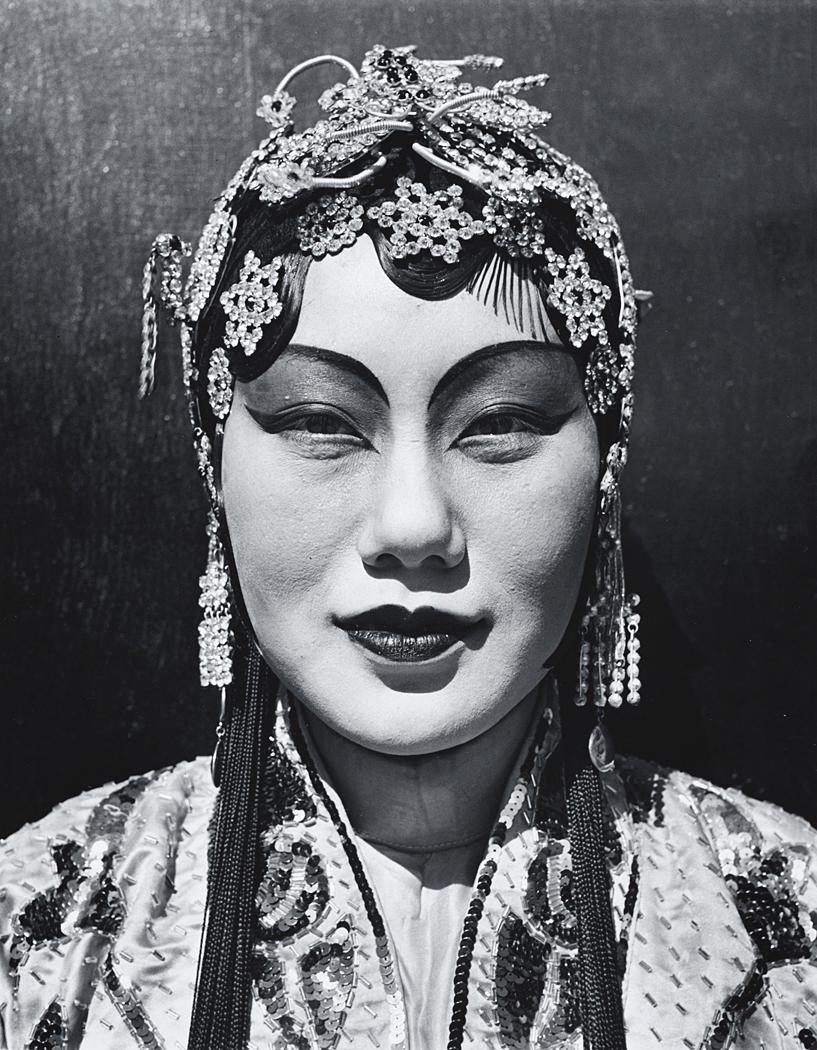
John Gutmann-Portrait of a Chinese Opera Actor in Female Roles, 1939

John Gutmann-Portrait of a Chinese Opera Actor in Female Roles, 1939

John Gutmann-Striped Sweater on Blanket, Oregon, 1934

John Gutmann-Striped Sweater on Blanket, Oregon, 1934

John Gutmann-Hats, New York, 1987

John Gutmann-Hats, New York, 1987

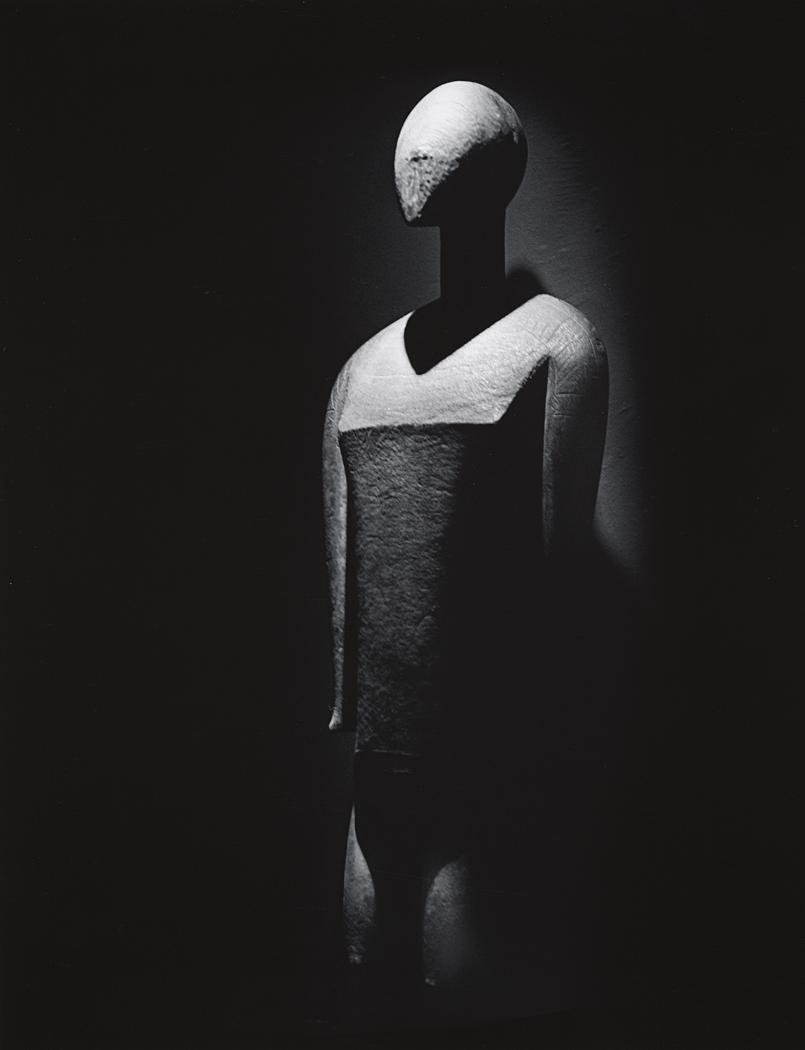
John Gutmann-The Ancestor1970

John Gutmann-The Ancestor1970

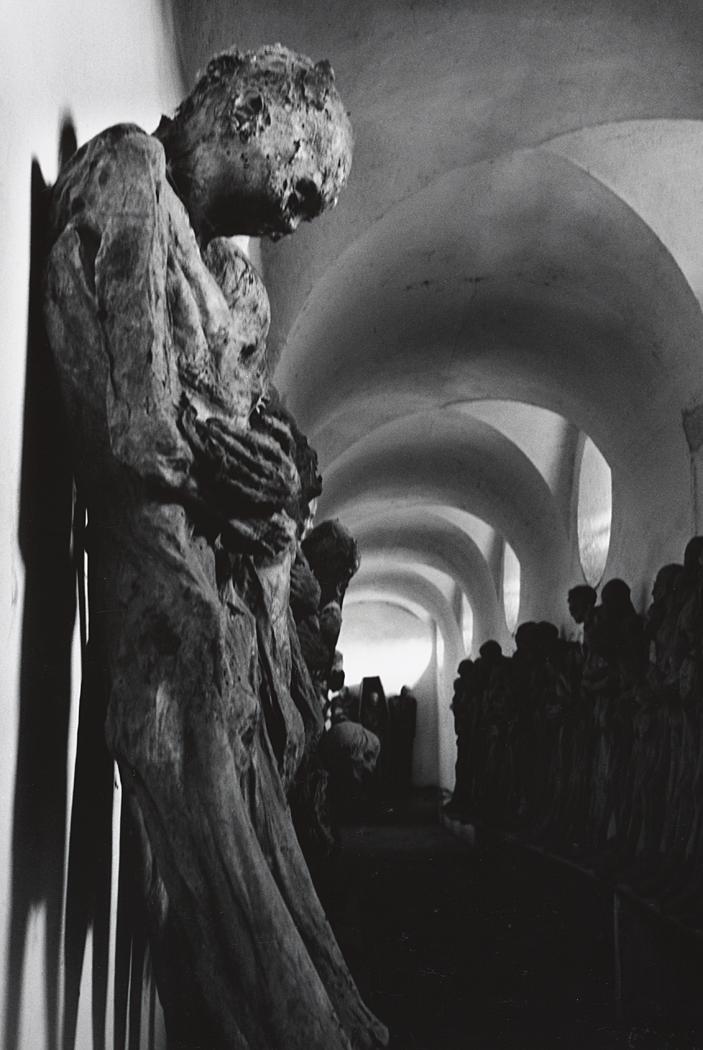
John Gutmann-Corridor of the Catacombs, Guanajuato, Mexico, 1960

John Gutmann-Corridor of the Catacombs, Guanajuato, Mexico, 1960

John Gutmann-Mummies in the Catacombs of Guanajuato, Mexico, 1960

John Gutmann-Mummies in the Catacombs of Guanajuato, Mexico, 1960

John Gutmann-Mexican Women and Nuns Worshipping, 1960

John Gutmann-Mexican Women and Nuns Worshipping, 1960

John Gutmann-Self-Portrait with Lady Day, 1989

John Gutmann-Self-Portrait with Lady Day, 1989

John Gutmann-Self Portrait with Nitro Patch, New York, 1989

John Gutmann-Self Portrait with Nitro Patch, New York, 1989

See also the first article

Ira Bordo/Octavio Paz

les fleuves de ton corps
pays de battements
entrer en toi
pays d’yeux clos
eau sans pensées
entrer en moi
à l’orée de ton corps
pays de miroirs en éveil
pays d’eau qui veille
dans la nuit endormie
je me regarde en ce que je vois
comme entrer par mes yeux
dans un oeil plus limpide
tout ce que je vois me regarde
deltas des bras du désir
sur une couche de vertiges
la transparence est tout ce qui demeure

Octavio Paz -Blanc

Ira Bordo

Ira Bordo


Erwin Blumenfeld (1897-1969) – nudes and portraits

Erwin Blumenfeld est un photographe des plus influents  du 20ème siècle et notamment dans la mode, mais aussi du nu, il sera   l’un des photographes les mieux payés de son époque. Il a fait la une des plus grands magazines de modes des années 40 et 50 ( il signe ses premiers contrats en 1939  avec Harper’s Bazaar et produisait dejà depuis une année des photos pour Vogue. Mais en 1940 Blumenfeld est interné dans les camps de concentration de Montbard-Marmagne, Vernet d’Ariège et Catus, à sa sortie il part vivre au États unis. Il fût un novateur approfondissant  ses recherches et techniques audacieuses qui vont de pair avec celles de Man Ray par exemple, la photomanipulation ou  la solarisation était  ses grands dadas..

Ah Dada justement !!! Bien avant l’époque de la fin des année 30, Blumenfeld fît parti d’un  groupe Dada où il se lia avec George Grosz, juste avant de s’installer à  Amsterdam, où il fonda la Centrale Dada avec Paul Citroen.( son ami depuis l’enfance, d’ailleurs Erwin se mariera avec sa soeur …).  Il réalise à cette époque beaucoup de collages de dessin et des photomontages ( voir article Ici ). Il pratique la photographie « expérimentale » en tant qu’amateur jusqu’en 1936, date à laquelle il devint professionnel et s’installe à Paris où il participa à l’activité surréaliste, ses clichés étant reproduits dans les revues Minotaure et Verve, pour ne citer que celle- ci.

Aujourd’hui c’est plutôt cette époque que nous allons voir, celle qui précède les photographie de mode et la couleur ( quelques planches  ici ) , nous nous arrêterons aux années 50, et même si plusieurs planches ont été publiées dans des magazines de modes , il n’en reste pas moins qu’elles présentent malgré tout cette technique

Le site d’Erwin Blumenfeld la biographie de wikipedia est très bien voir aussi le  site de Vogue   et un bon pdf sur sa bio

d’autres articles ou photographies ici

Littérature : The Naked and the Veiled. The Photographic Nudes of Erwin Blumenfeld. Photographs by Erwin Blumenfeld. ed° Thames & Hudson, New York, 1999.
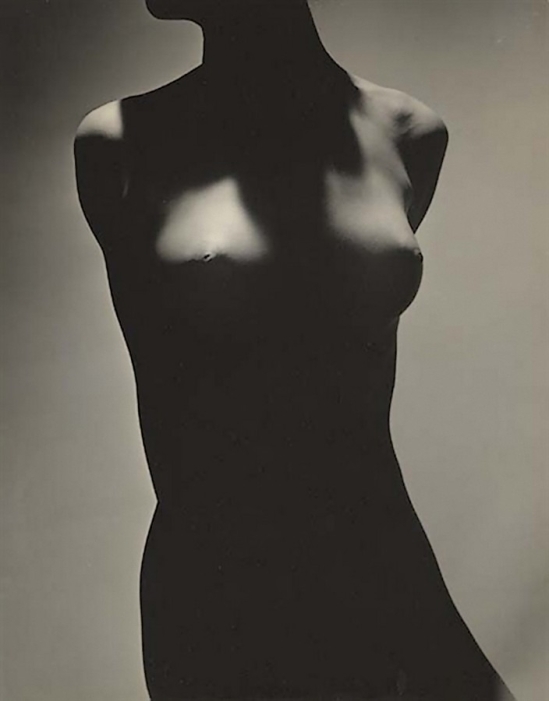
Erwin Blumenfeld - Nude study, 1948

Erwin Blumenfeld – Nude study, 1948

Erwin Blumenfeld – Nu, New York,  1945
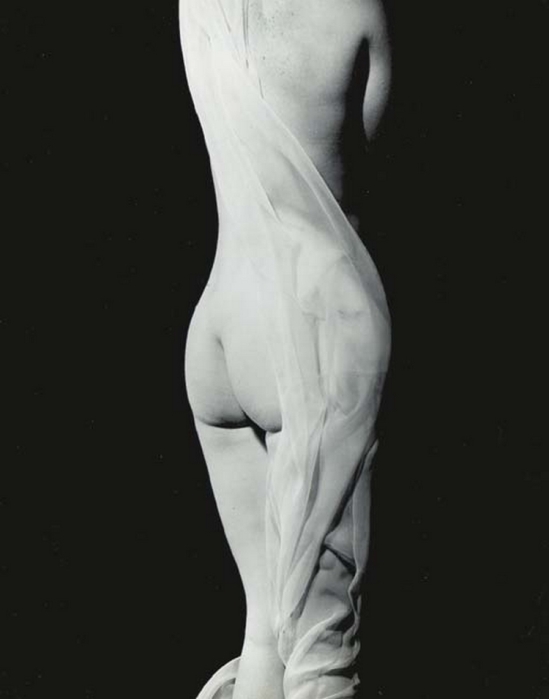
Erwin Blumenfeld – Nu, New York, 1945

Erwin Blumenfeld - Nude, Paris, 1936

Erwin Blumenfeld – Nude, Paris, 1936

Edwin Blumenfeld -Nude With Shadows, 1950

Edwin Blumenfeld -Nude With Shadows, 1950

Erwin Blumenfeld -  Untitled 1937

Erwin Blumenfeld – Untitled 1937

Edwin Blumenfeld -Striped Nude, 1950

Edwin Blumenfeld -Striped Nude, 1950

Edwin Blumenfeld -Striped Nude   détail, 1950
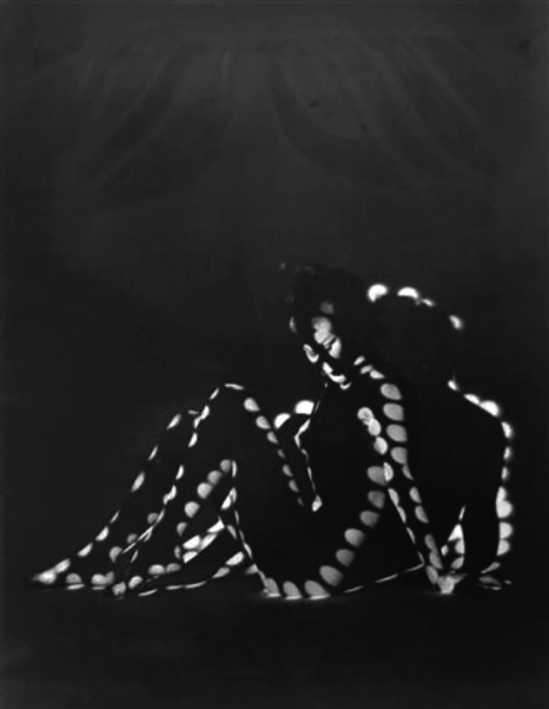
Edwin Blumenfeld -Striped Nude détail, 1950

Erwin Blumenfeld, New York, 1952

Erwin Blumenfeld, New York, 1952

Erwin Blumenfeld - Nude behind glass,1940s

Erwin Blumenfeld – Nude behind glass,1940s
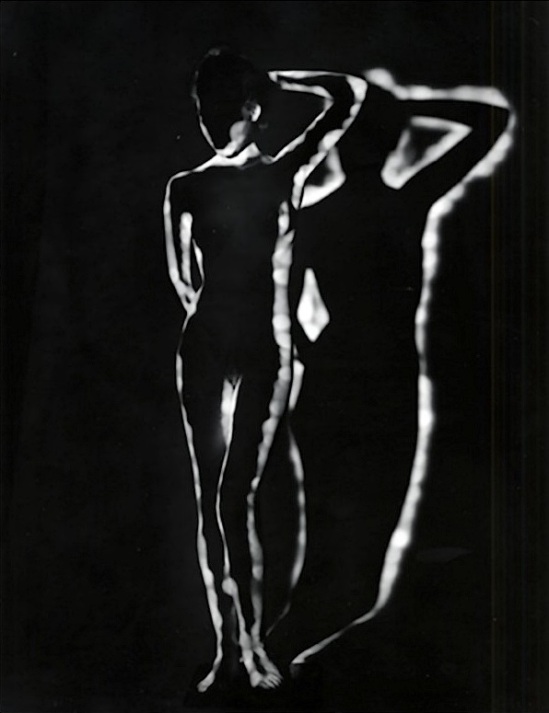
Erwin Blumeneld- Nude Light,Shadow, New York, 1952

Erwin Blumeneld- Nude Light,Shadow, New York, 1952

Edwin Blumenfeld -unknown title , 1948
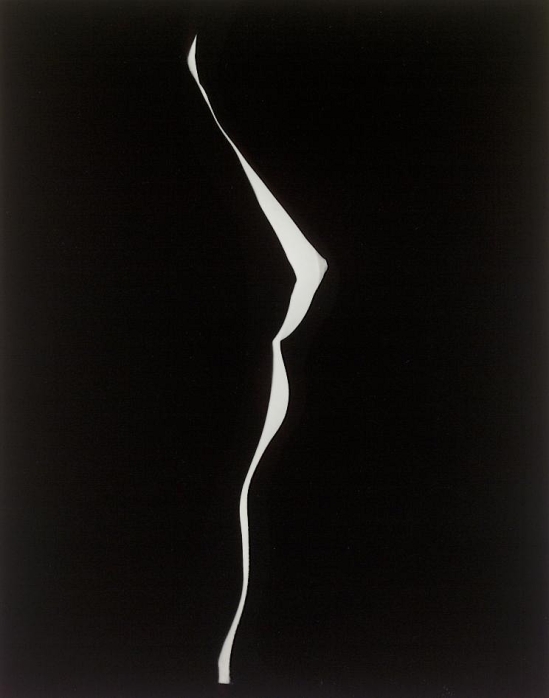
Edwin Blumenfeld -unknown title , 1948

Edwin Blumenfeld -Breast Outline, 1948
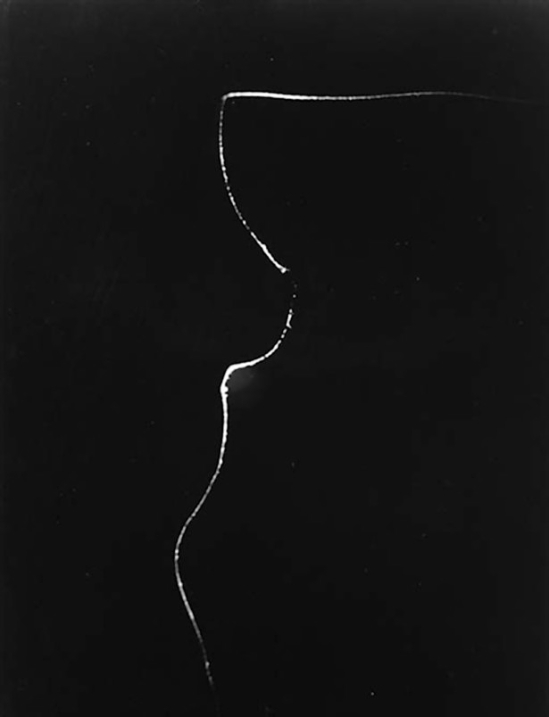
Edwin Blumenfeld -Breast Outline, 1948

Edwin Blumenfeld - Nude, New York, 1950

Edwin Blumenfeld – Nude, New York, 1950

Erwin BlumenfeldMinor Spotlight, New York Minor Spotlight, New York

Erwin Blumenfeld Minor Spotlight, New York, 1955

Erwin Blumenfeld 1957

Erwin Blumenfeld 1957

Edwin Blumenfeld -Nude Outline  1963
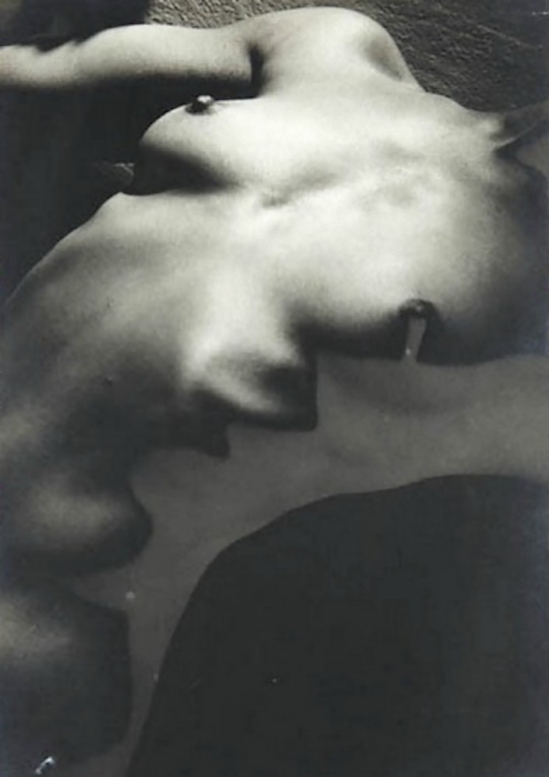
Edwin Blumenfeld -Nude Outline 1963

Edwin Blumenfeld -Solarized Nude ,  1950
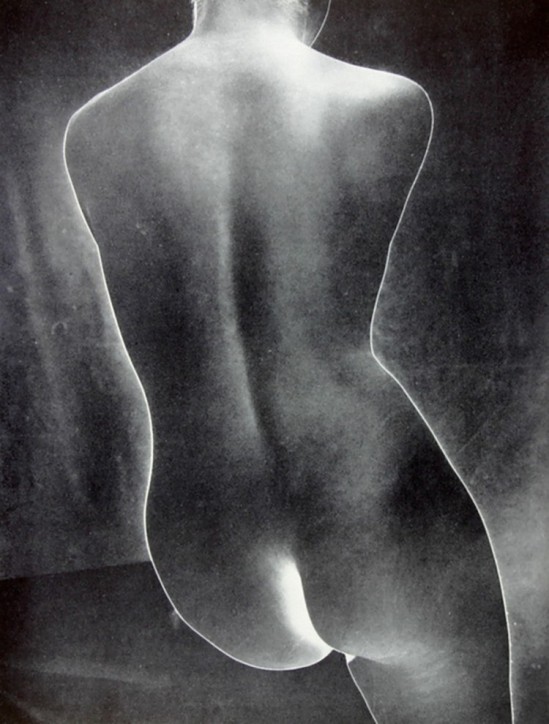
Edwin Blumenfeld -Solarized Nude , 1950

Erwin Blumenfeld -Torso (solarized), Paris,1938
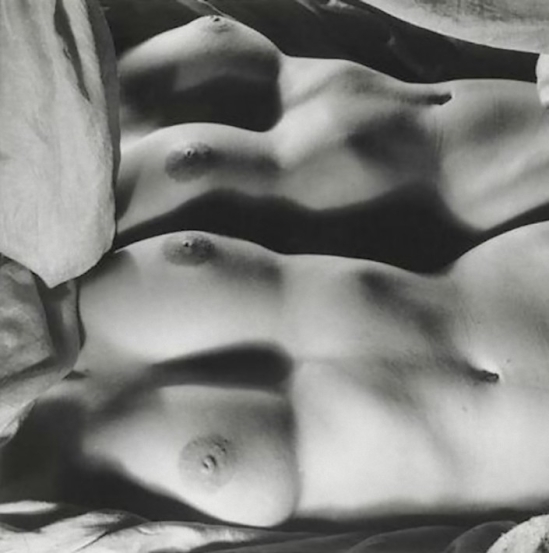
Erwin Blumenfeld -Torso (solarized), Paris,1938

Edwin Blumenfeld -Nude in Mirror , 1938
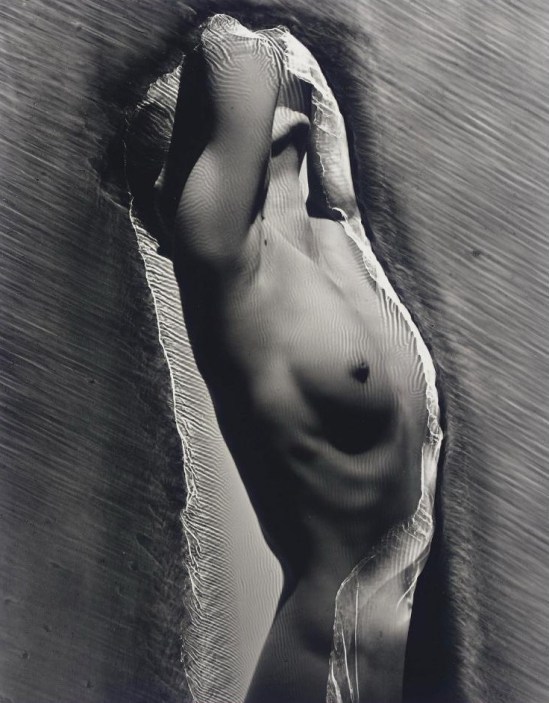
Edwin Blumenfeld -Nude in Mirror , 1938

Erwin Blumenfeld Nude. .1947

Erwin Blumenfeld Nude. .1947

Erwin Blumenfeld-Veiled Beauty, 1937
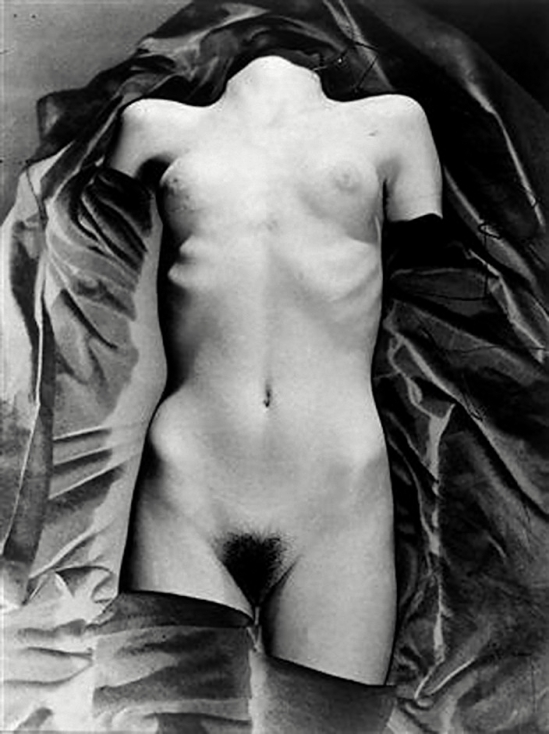
Erwin Blumenfeld-Veiled Beauty, 1937

Edwin Blumenfeld -Torso , 1936

Edwin Blumenfeld -Torso , 1936

Erwin Blumenfeld-Nude on Coca Cola Chair, 1944
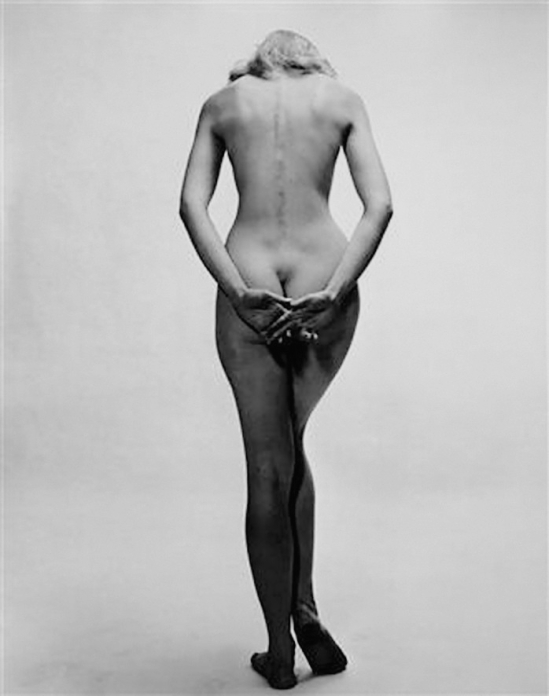
Erwin Blumenfeld-Nude on Coca Cola Chair, 1944
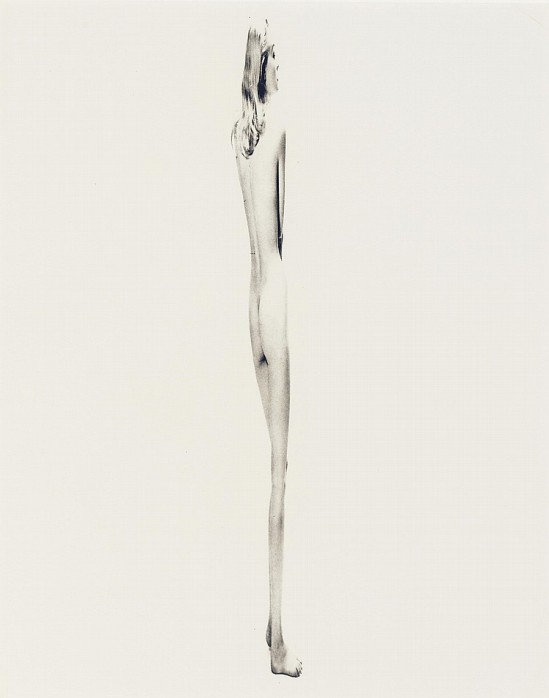
Erwin Blumenfeld -Hommage à Giacometti, 1955

Erwin Blumenfeld - untitled, 1937

Erwin Blumenfeld – untitled, New York, .1958
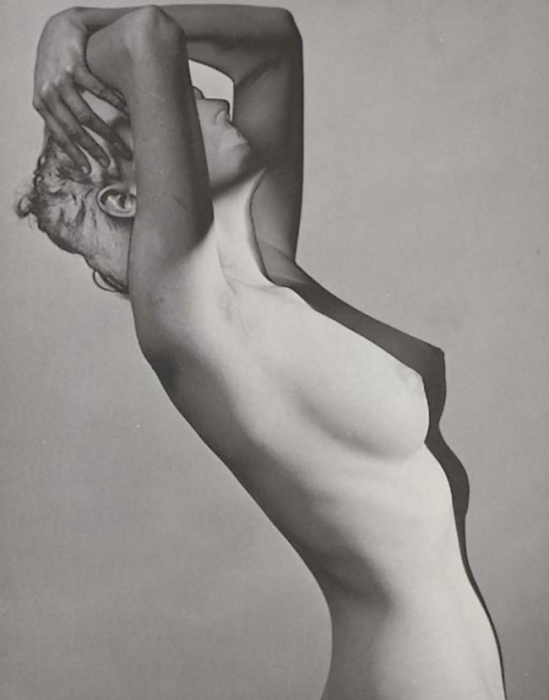
Erwin Blumenfeld - untitled, 1937

Erwin Blumenfeld – untitled, 1937

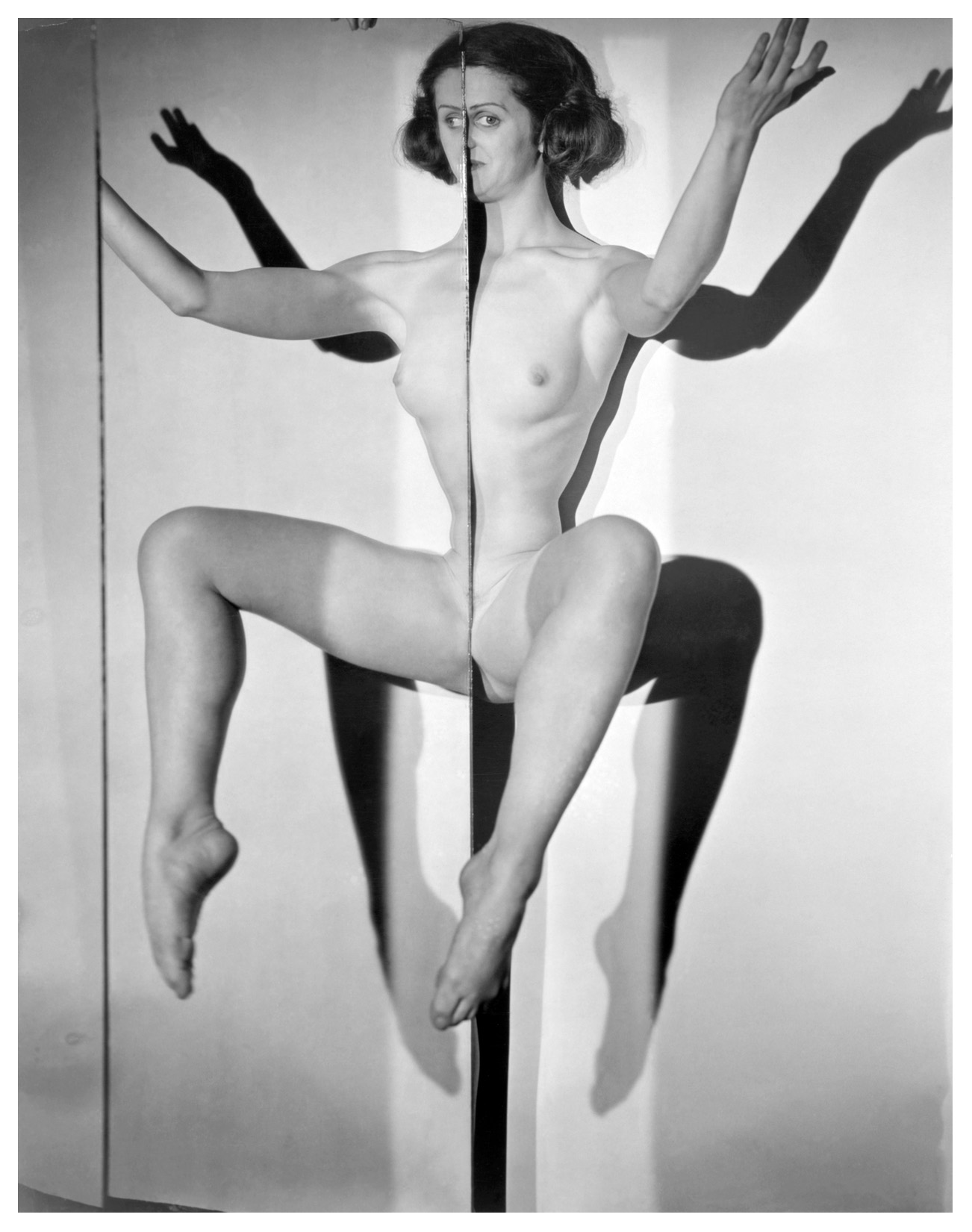
Erwin Blumenfeld-Model in Minced Mirrors

Erwin Blumenfeld- Teddy Thurman in Minced Mirrors , New York, 1948
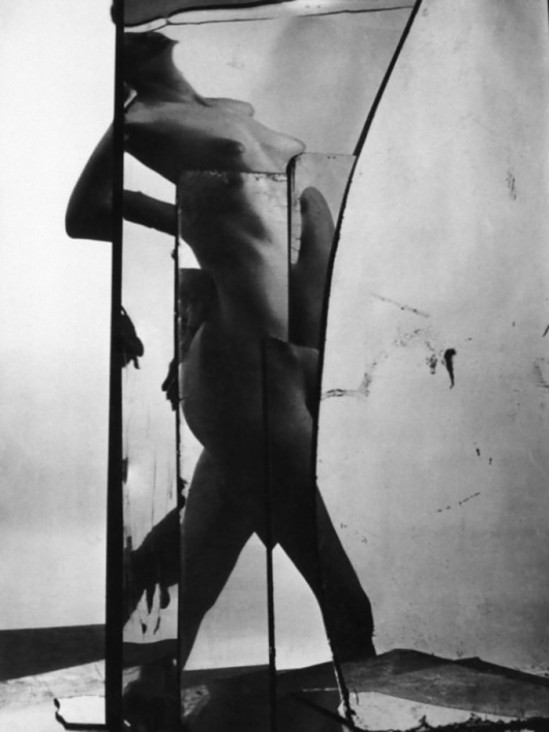
Erwin Blumenfeld mirror

Erwin Blumenfeld  Teddy Thurman in Minced Mirrors , New York, 1948
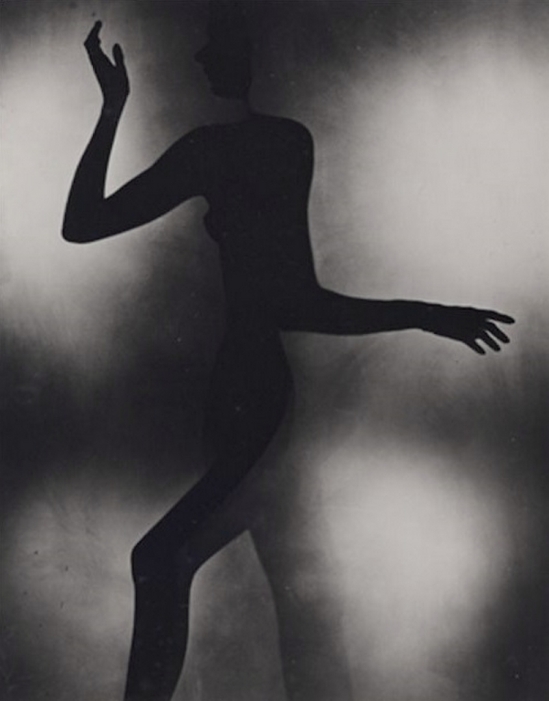
Erwin Blumenfeld - Gestes, 1942

Erwin Blumenfeld – Gestes, 1942

Erwin BlumenfeldEtude in 2-4 Time, Coronet Magazine, January 1938

Erwin BlumenfeldEtude in 2-4 Time, Coronet Magazine, January 1938

Erwin BlumenfeldUntitled Coronet Magazine, June 1938

Erwin BlumenfeldUntitled Coronet Magazine, June 1938

Erwin Blumenfeld-Untitled Nude , Coronet Magazine, August 1938_e

Erwin Blumenfeld-Untitled Nude , Coronet Magazine, August 1938

Edwin Blumenfeld -Diaphanous, Coronet Magazine, May 1938

Edwin Blumenfeld -Diaphanous, Coronet Magazine, May 1938

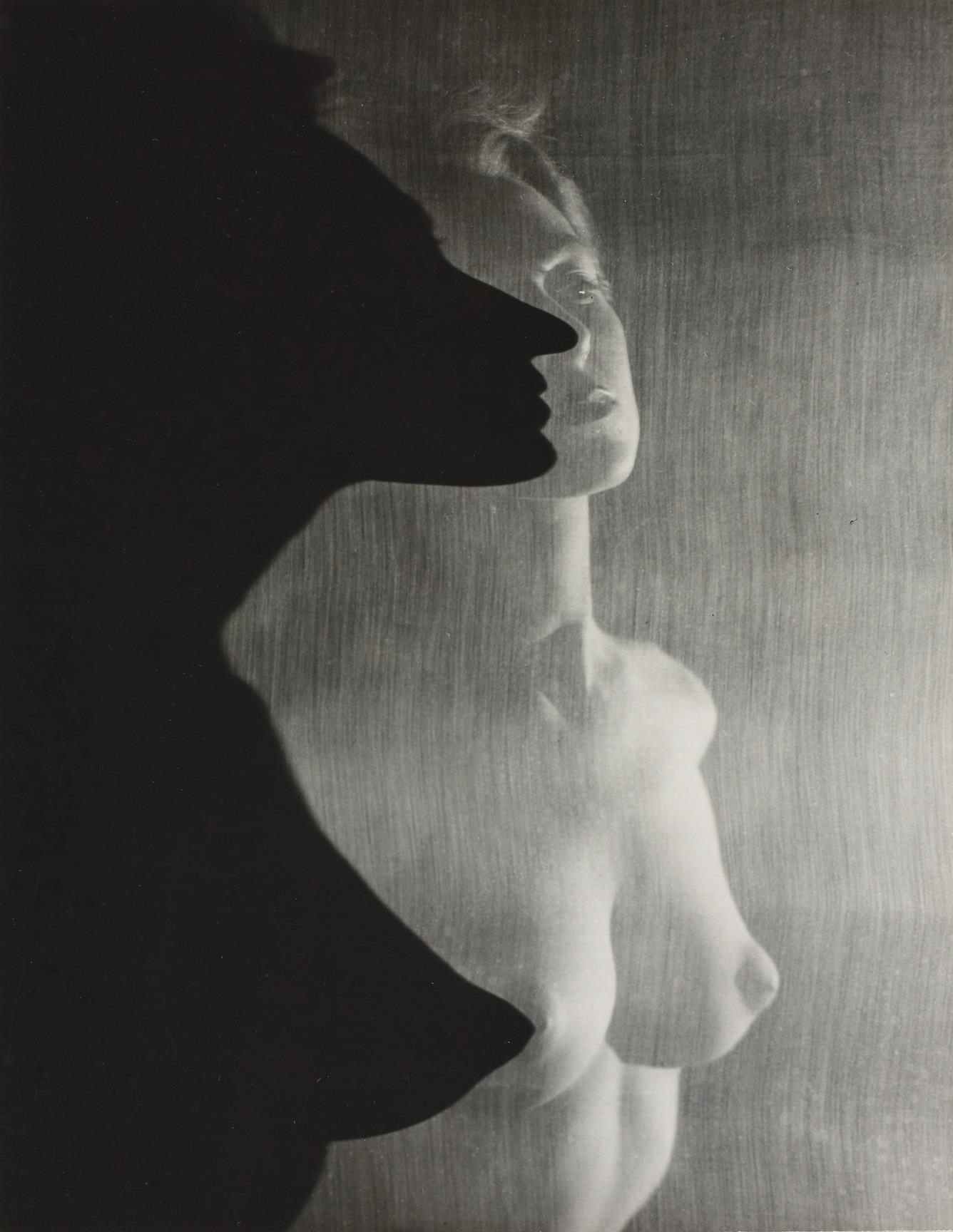
Erwin Blumenfeld- Shadow Profile Behind Veil, 1943

Erwin Blumenfeld- Shadow Profile Behind Veil, 1943

Erwin Blumenfeld- Nude, 1938
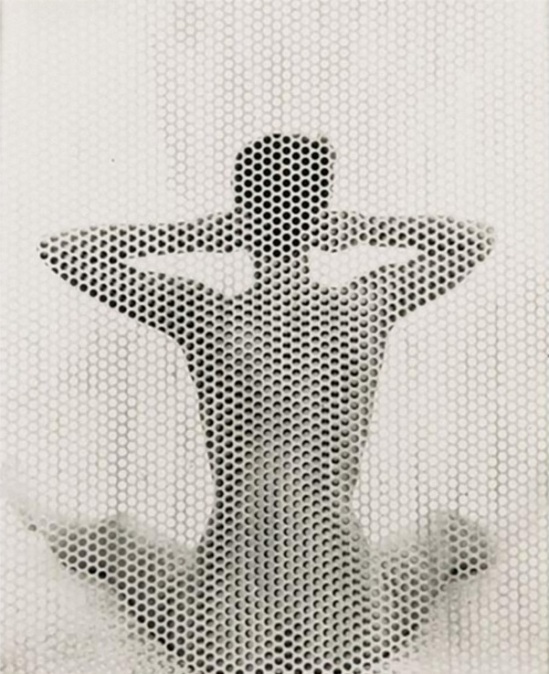
Erwin Blumenfeld- Nude, 1938

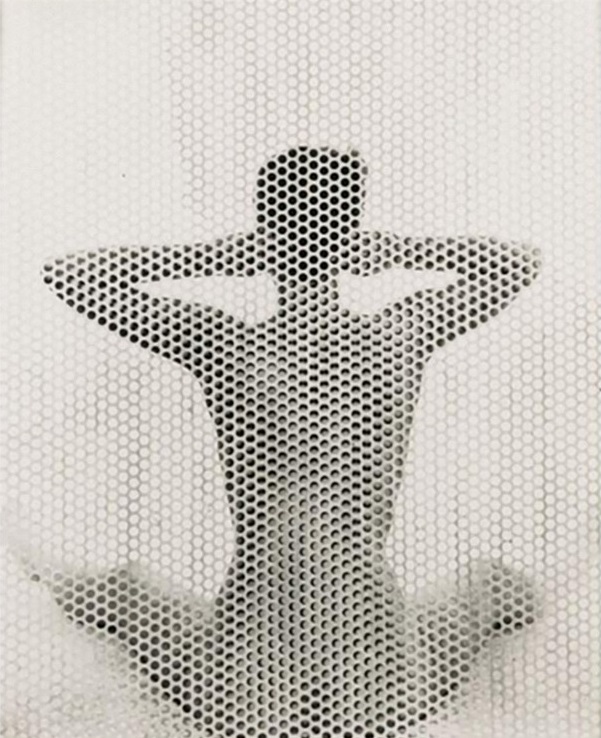
Erwin Blumenfeld -Seated Nude behind perforated screen, New York, 1955
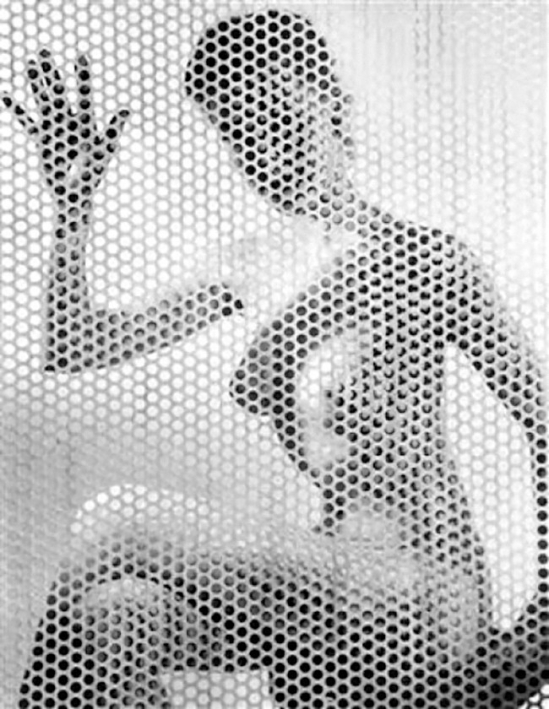
Erwin Blumenfeld -Seated Nude behind perforated screen, New York, 1955

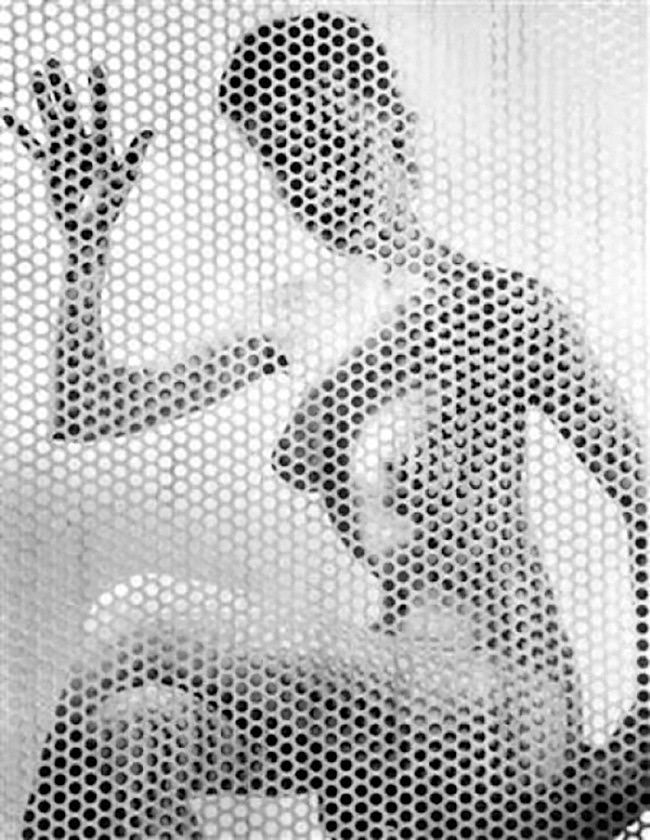
Erwin Blumenfeld - Nude Waving behind Perforated Screen, New York, 1955_e

Erwin Blumenfeld – Nude Waving behind Perforated Screen, New York, 1955

Erwin Blumenfeld-Untitled 1952
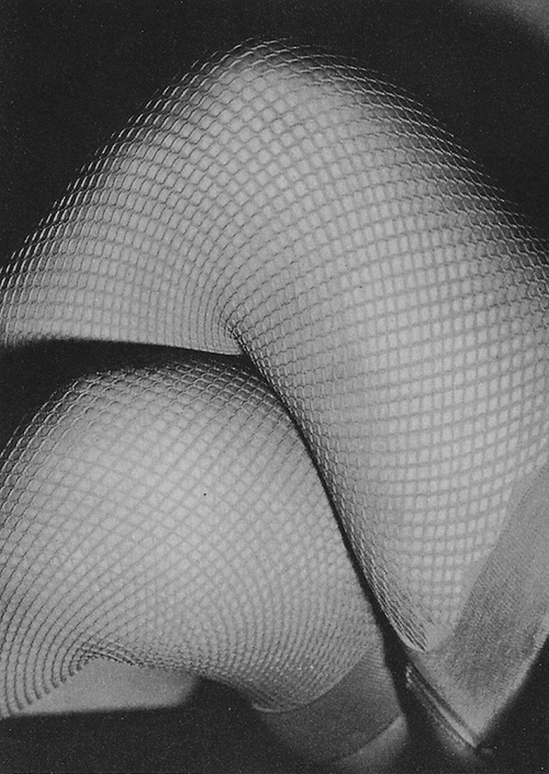
Erwin Blumenfeld-Untitled 1952

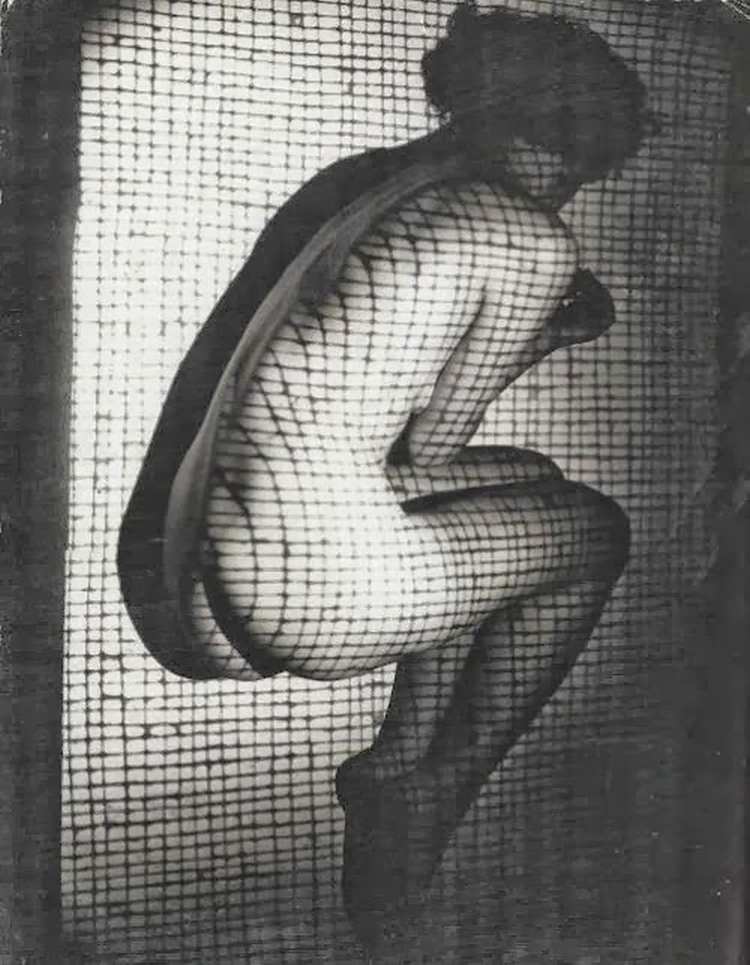
Erwin Blumenfeld-  Mesh, published in Coronet Magazine, May 1938
Erwin Blumenfeld- Mesh, published in Coronet Magazine, May 1938

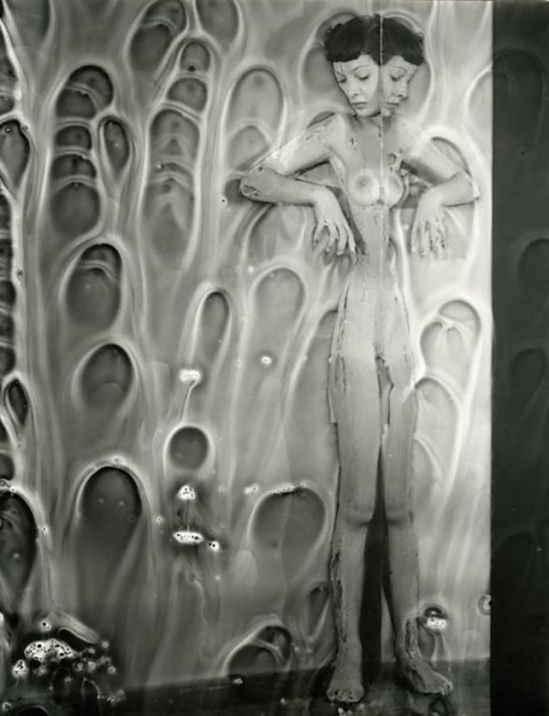
Erwin Blumenfeld - Mirror Nude with Chemicals, NYC 1950s.
Erwin Blumenfeld – Mirror Nude with Chemicals, NYC 1950s.

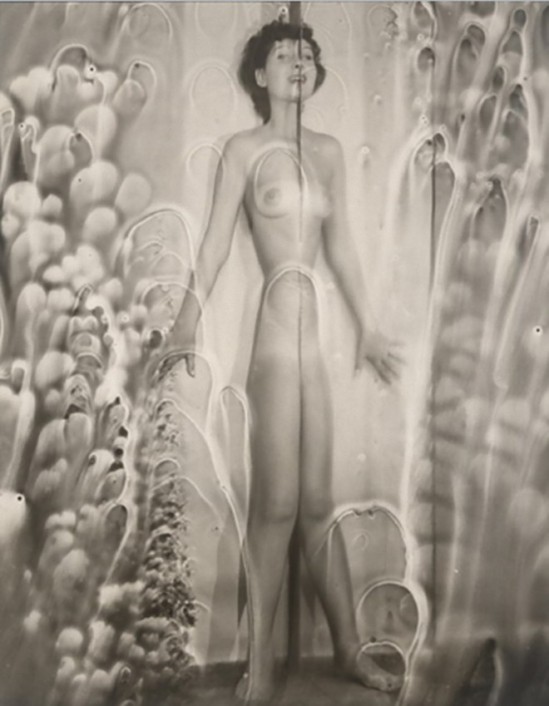
Erwin Blumenfeld -Distorted Nude With Bubbles- New York, 1950
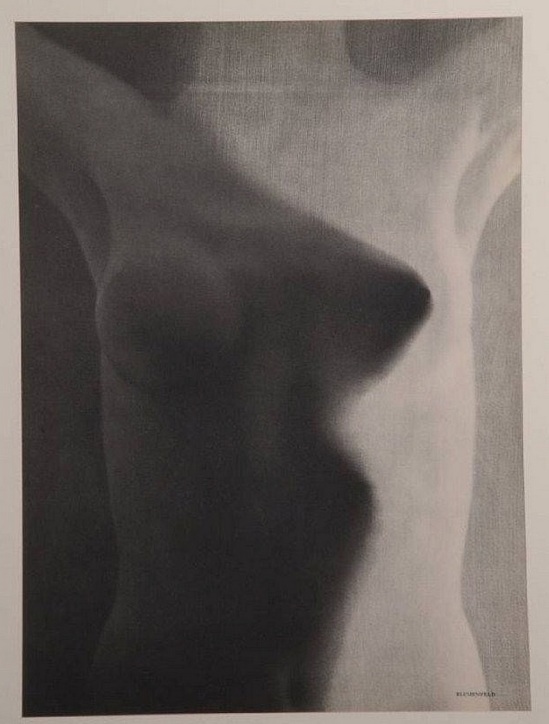
Erwin Blumenfeld -Distorted Nude With Bubbles- New York, 1950

Erwin Blumenfeld Nude. Akt, publié dans verve 1938
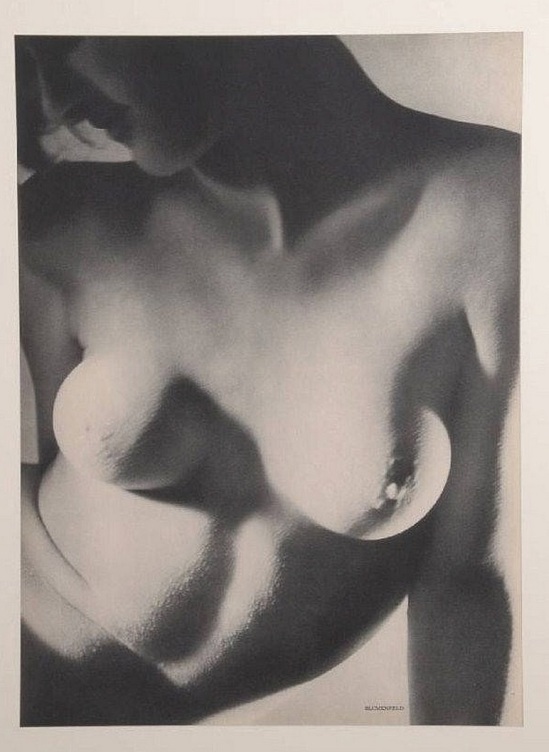
Erwin Blumenfeld Nude. Akt, publié dans verve 1938

Erwin Blumenfeld Nude. Akt, publié dans verve 1938

Erwin Blumenfeld Nude. Akt, publié dans verve 1938

Erwin Blumenfeld -Torso [solarized],photogravure. ,1937
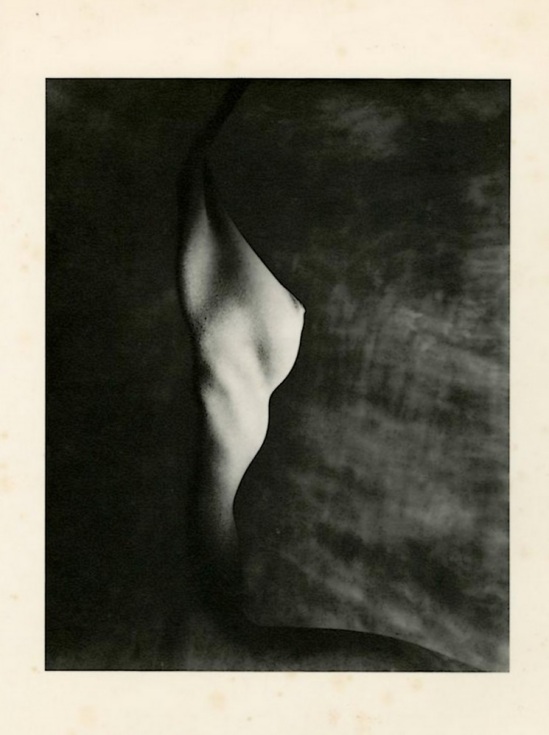
Erwin Blumenfeld -Torso [solarized],photogravure. ,1937

Erwin Blumenfeld - Profile of Bust ,photogravure. c1947

Erwin Blumenfeld – Profile of Bust ,photogravure.1947
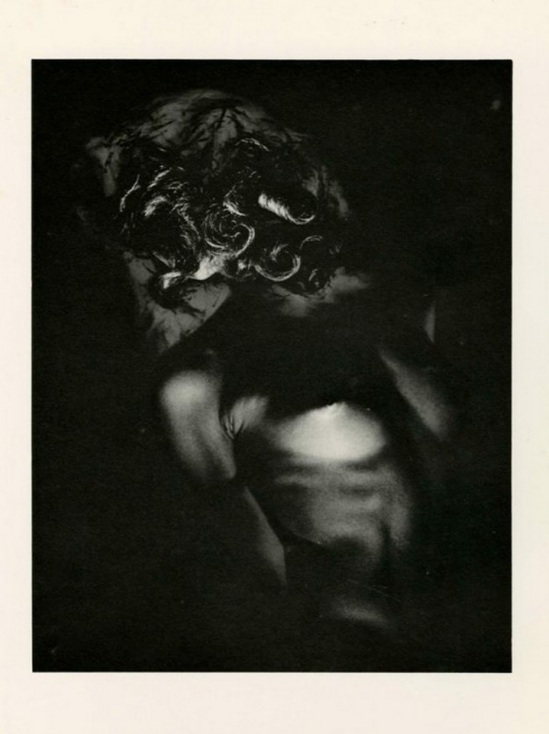
Erwin Blumenfeld -Solarized Nude,photogravure. c1943
Erwin Blumenfeld -Solarized Nude,photogravure. c1943

Edwin Blumenfeld -Double Breast, 1948
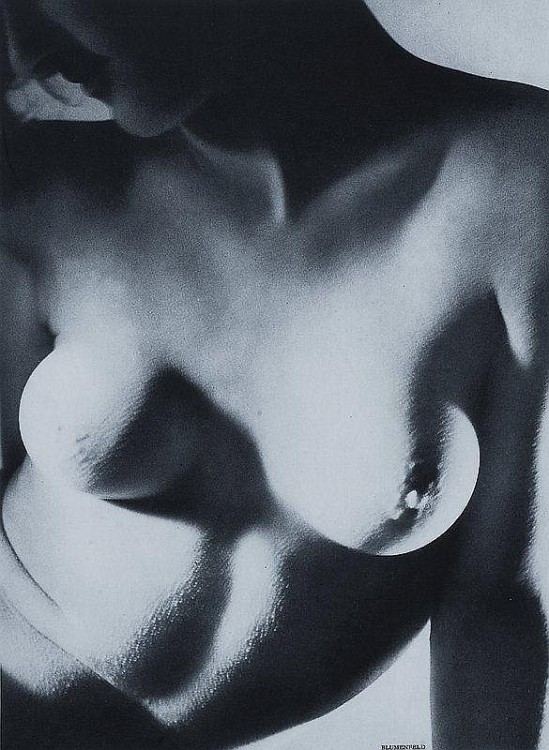
Edwin Blumenfeld -Double Breast, 1948

Erwin Blumenfeld Nude. Akt, publié dans verve 1938 print later ( 1968)

Erwin Blumenfeld Nude. Akt, publié dans verve 1938 print later ( 1968)

Erwin Blumenfeld, New York, 1950s

Erwin Blumenfeld, New York, 1950s

Erwin Blumenfeld, New York, 1950s

Erwin Blumenfeld, New York, 1950s

Erwin Blumenfeld Les 3 Grâces or Les 3 Nymphes,1936 [In the studio of sculptor Aristide Maillol]

Erwin Blumenfeld Les 3 Grâces or Les 3 Nymphes,1936 [In the studio of sculptor Aristide Maillol]

Erwin Blumenfeld Lisette, 1944

Erwin Blumenfeld Lisette, distostion behin glass, 1944
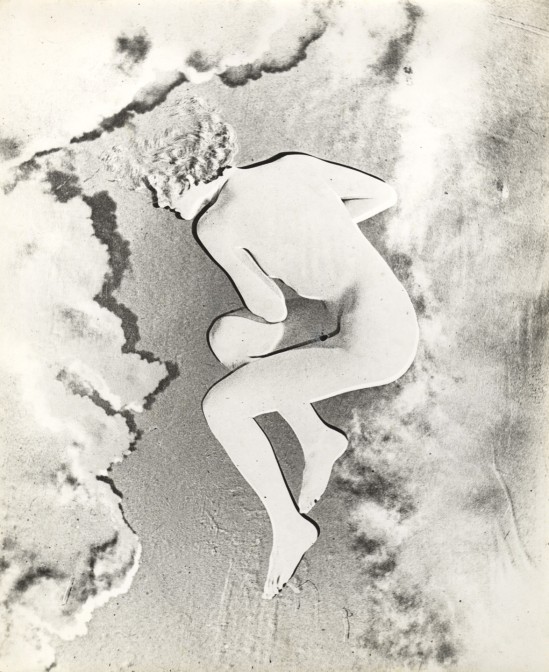
Erwin Blumenfeld Nude (Lisette) Paris, 1937

Erwin Blumenfeld Nude (Lisette) Paris, 1937

Erwin Blumenfeld Lisette, Paris, 1937

Erwin Blumenfeld Lisette, Paris, 1937

Erwin Blumenfeld -Pudeur , Lisette, (Photogravure). 1938

Erwin Blumenfeld -Pudeur , Lisette, (Photogravure). 1938

Erwin Blumendeld- Lisette, Paris, 1937
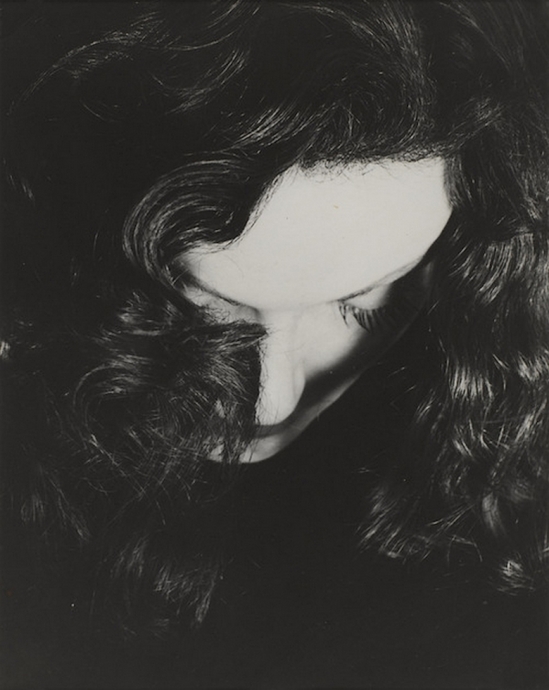
Erwin Blumendeld- Lisette, Paris, 1937

Erwin Blumenfeld - Portrait de Manina Jouffroy, 1936

Erwin Blumenfeld – Portrait de Manina Jouffroy, 1936
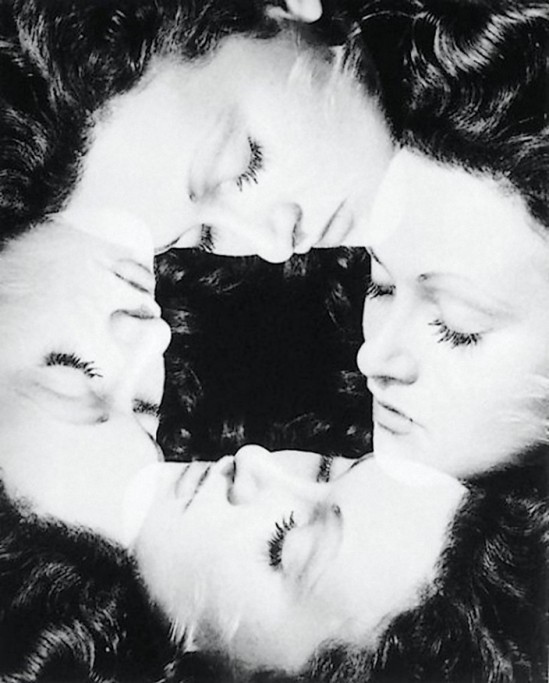
Erwin Blumendeld- four  faces, 1938
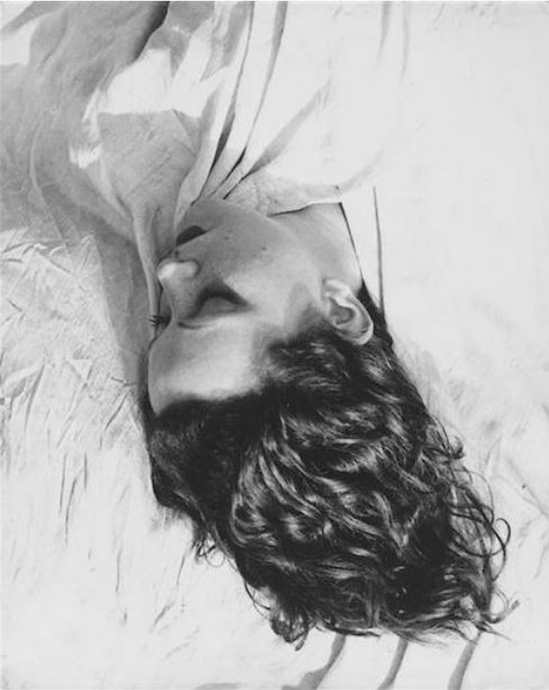
Erwin Blumendeld- four faces, 1938

Erwin Blumendeld- Portrait de Manina, vers 1936
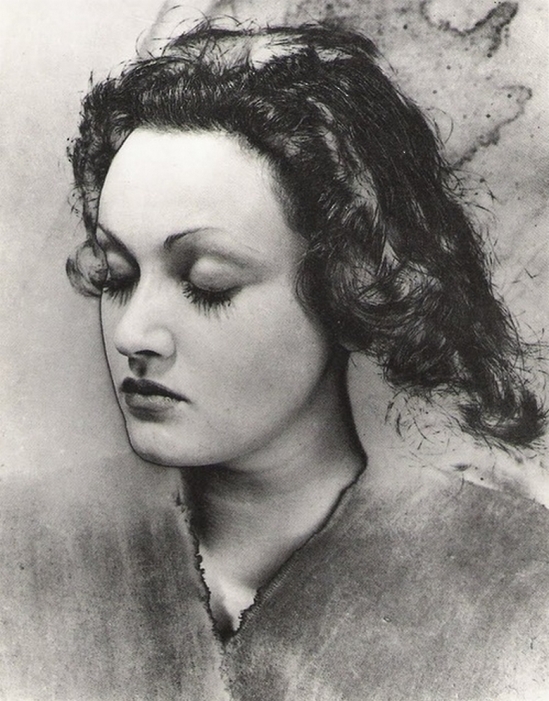
Erwin Blumendeld- Portrait de Manina, vers 1936

Erwin Blumendeld- Portrait de Manina, 1942

Erwin Blumendeld- Portrait de Manina, 1942

Erwin Blumenfield- Manina, 1936

Erwin Blumenfield- Manina, 1936

Erwin Blumendeld- Manina ou l'Ame du torse, 1934  au Musée national d'art moderne de Paris

Erwin Blumendeld- Manina ou l’Ame du torse, 1934 au Musée national d’art moderne de Paris

Erwin Blumenfeld -Manina,1943-45
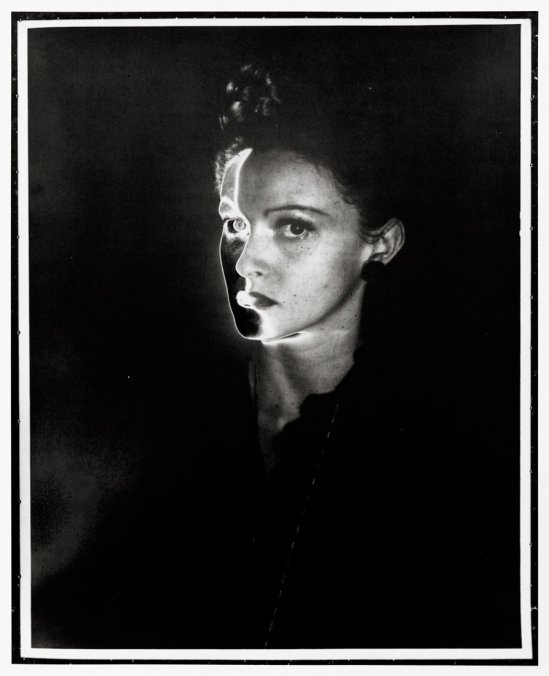
Erwin Blumenfeld -Manina,1943-45

Erwin Blumenfeld- Female Portrait, Solarized - ( Manina). 1943

Erwin Blumenfeld- Female Portrait, Solarized – ( Manina). 1943

Erwin Blumenfeld -Solarized Portrait, 1940s
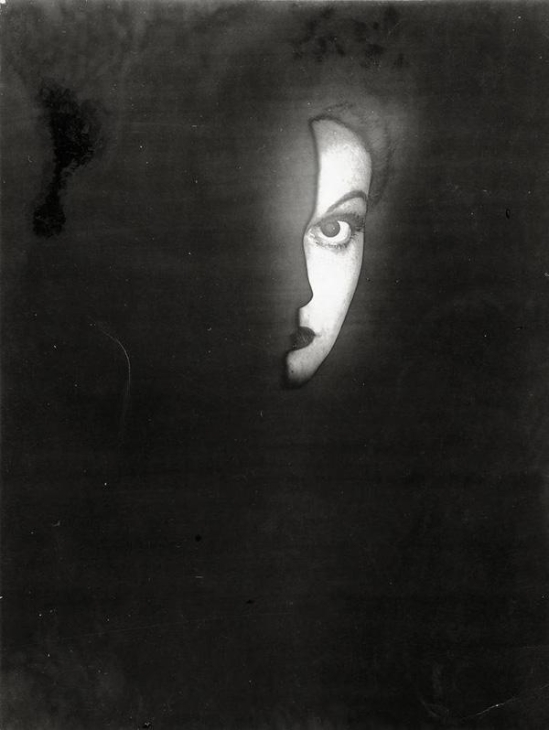
Erwin Blumenfeld -Solarized Portrait, 1940s

Erwin Blumenfeld Nu, couché, 1945
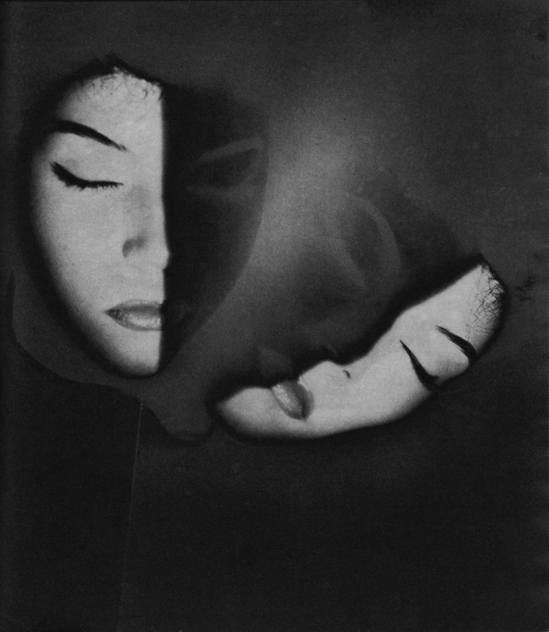
Erwin Blumenfeld Nu, couché, 1945

Erwin Blumenfeld-Au Miroir (Marova), 1942 1

Erwin Blumenfeld-Au Miroir (Marova), 1942

Erwin Blumenfeld-Marua Motherwell , 1941 version I
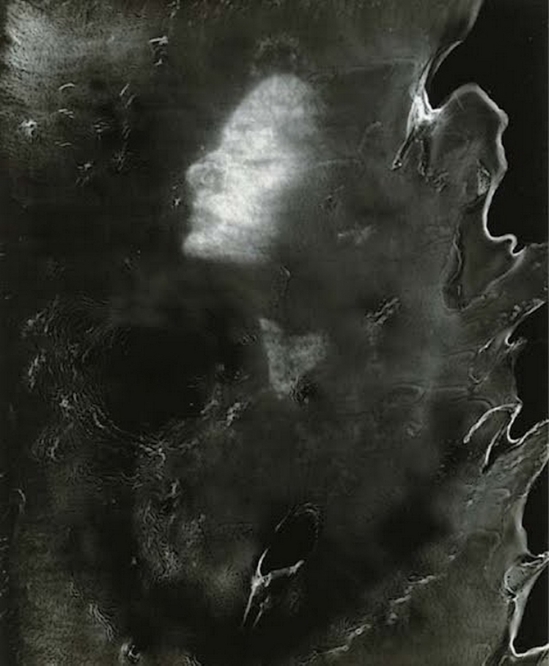
Erwin Blumenfeld-Marua Motherwell , 1941 version I

Erwin Blumenfeld-Marua Motherwell , 1941

Erwin Blumenfeld-Marua Motherwell , 1941

Erwin Blumenfield- Portrait New York, 1950

Erwin Blumenfield- Portrait New York, 1950

Erwin Blumenfeld - Natalia Pasco, 1920s

Erwin Blumenfeld – Natalia Pasco, 1920s
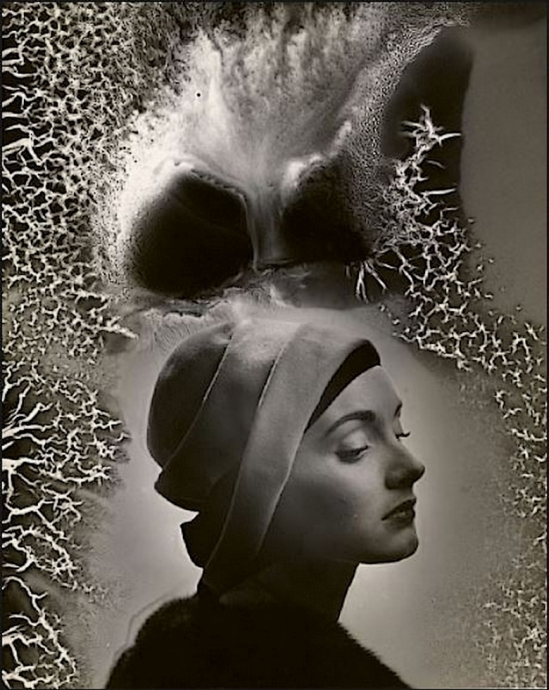
Erwin Blumendeld- Untitled, 1946
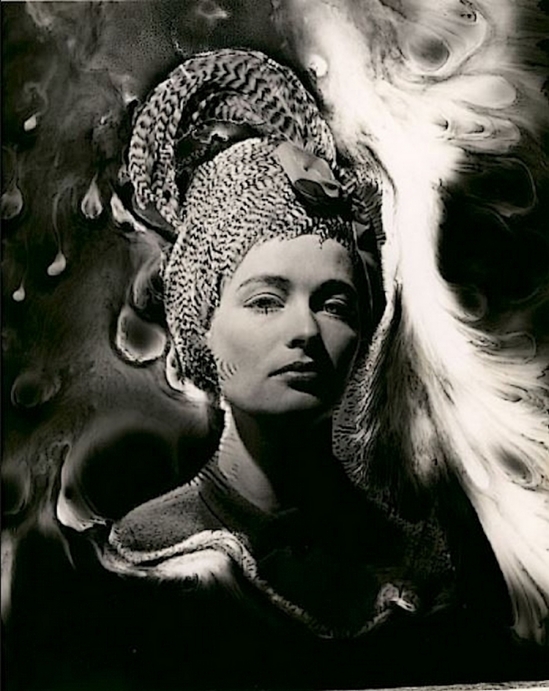
Erwin Blumendeld- Untitled, 1946

Erwin Blumendeld- Untitled, probably 1946
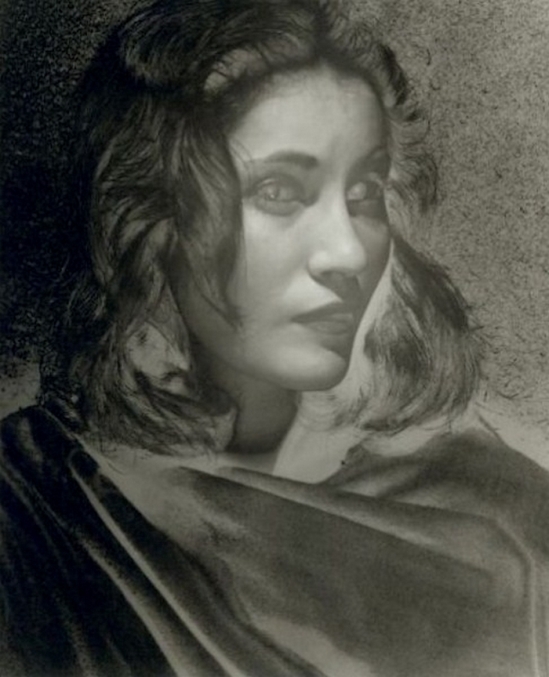
Erwin Blumendeld- Untitled, probably 1946

Erwin Blumenfeld - Solarized Portrait of a Woman, 1944.

Erwin Blumenfeld – Solarized Portrait of a Woman, 1944.

Erwin Blumenfeld- Untitled, Paris, 1937
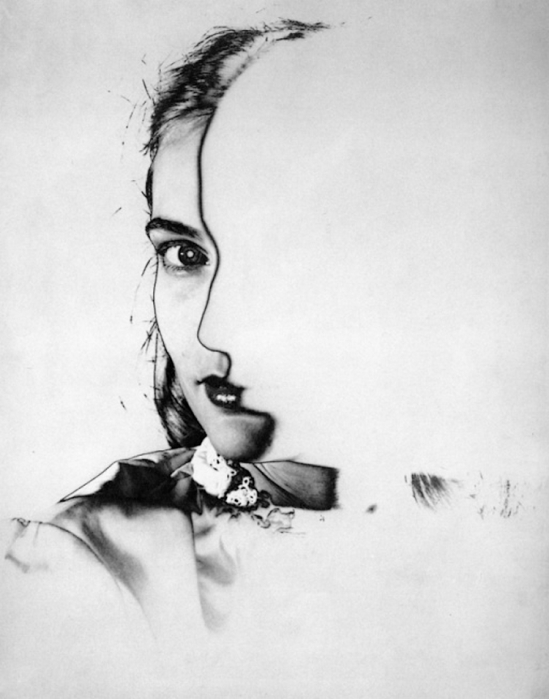
Erwin Blumenfeld- Untitled, Paris, 1937

Erwin Blumenfeld – Photography-Collage solorised – Nd

Erwin Blumenfeld – Photography-Collage solorised – Nd

Erwin Blumenfeld - Asleep,

Erwin Blumenfeld – Asleep,

Erwin Blumenfeld     Veiled Face ,1932

Erwin Blumenfeld Veiled Face ,1932

Erwin Blumenfeld - veiled portrait ,195os

Erwin Blumenfeld – Violettes de Montezin for Point de Vue de Vogue, French Vogue, October 1938
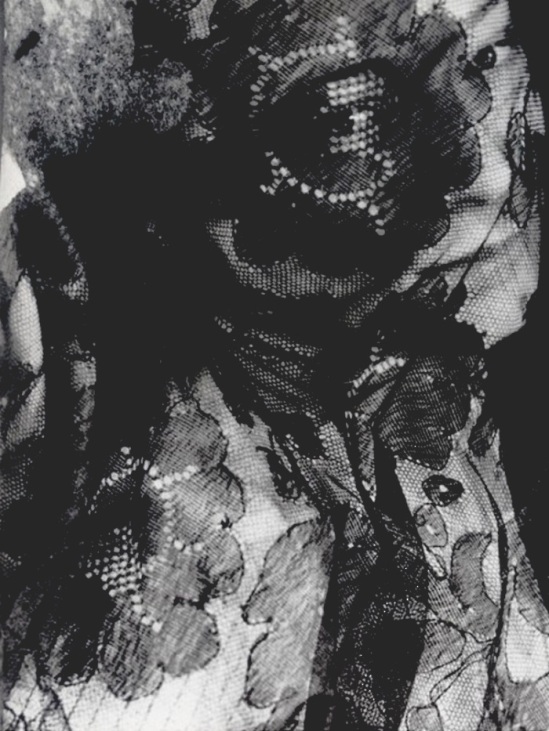
Erwin Blumenfeld- Veil , 1935
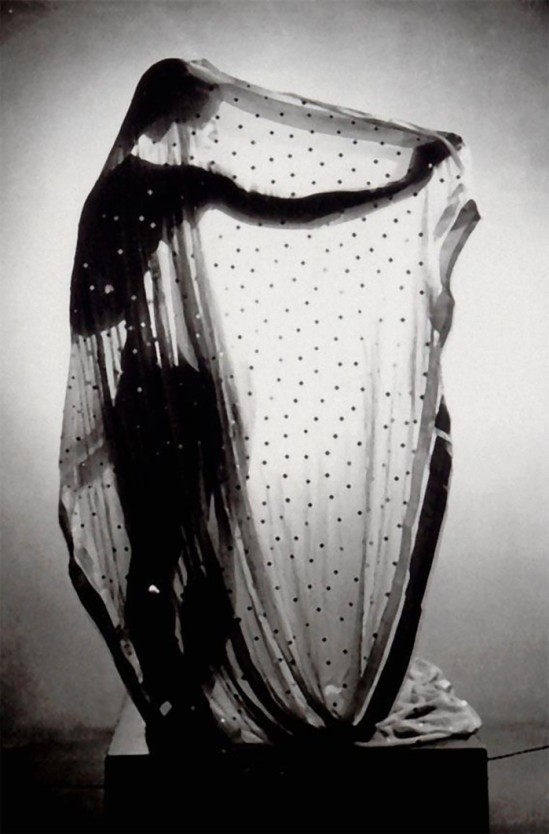
Erwin Blumenfeld- Veil , 1935

Erwin Blumenfeld -Veiled dancer, c.1933 Froù the Book Erwin Blumenfeld His Dutch Years (1918-1936) Ed. The Hague Museum of Photography, The Hague, 2006
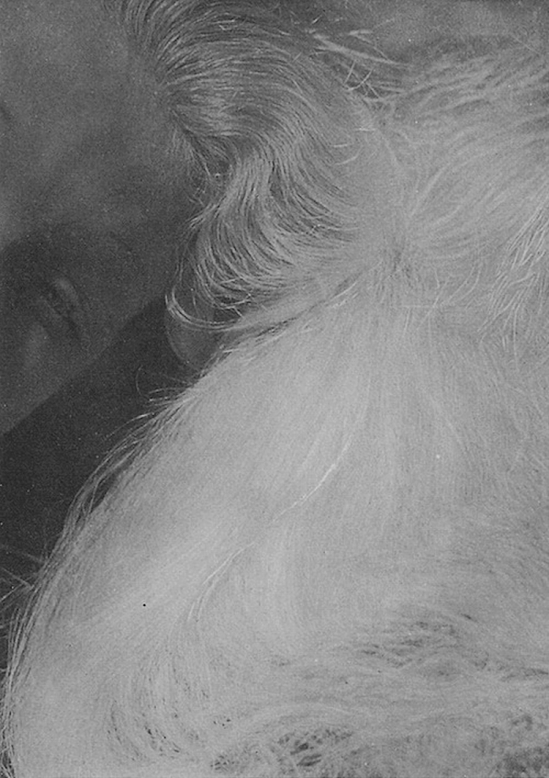
Erwin Blumenfeld -Veiled dancer, c.1933 Froù the Book Erwin Blumenfeld His Dutch Years (1918-1936) Ed. The Hague Museum of Photography, The Hague, 2006

Erwin Blumenfield- Chevelure Coronet Magazine, January 1938

Erwin Blumenfield- Chevelure Coronet Magazine, January 1938

Erwin Blumenfeld- Living Mummy [solarization],photogravure, 1935. and published as Requeiscat, in Coronet Magazine, June 1938

Erwin Blumenfeld- Living Mummy [solarization],photogravure, 1935. and published as Requeiscat, in Coronet Magazine, June 1938

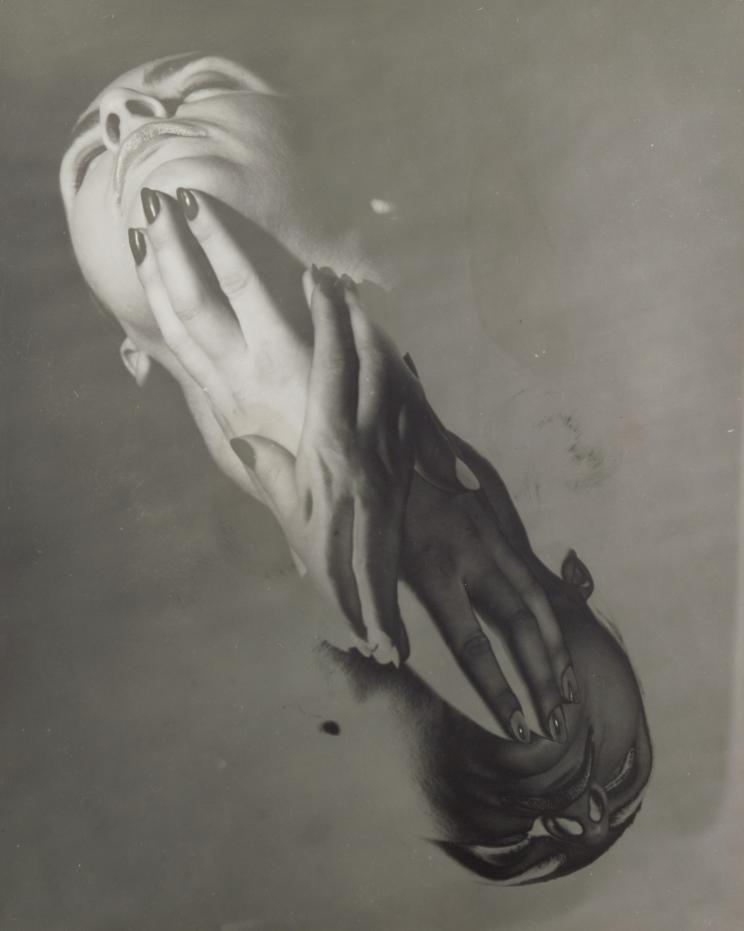
Erwin Blumenfeld - Solarized Hands , 1944

Erwin Blumenfeld – Solarized Hands , 1944

Erwin Blumenfeld - Solarised Hands c.1933  {from Erwin Blumenfeld - His Dutch Years (1918-1936)}

Erwin Blumenfeld – Solarised Hands c.1933 {from Erwin Blumenfeld – His Dutch Years (1918-1936)}

Erwin Blumenfeld Solarized Nude, 1943
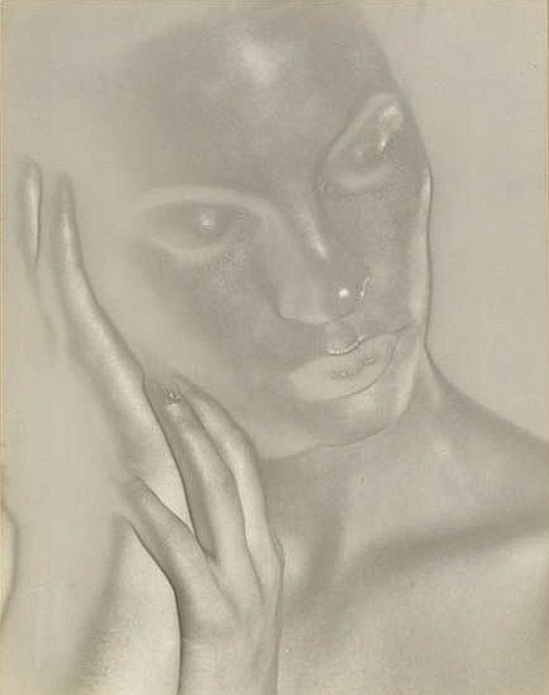
Erwin Blumenfeld Solarized Nude, 1943

Erwin Blumenfeld Solarized head, 1940

Erwin Blumenfeld Solarized head, 1940

Erwin Blumenfeld - The Mobled Queen, Coronet Magazine, December 1939
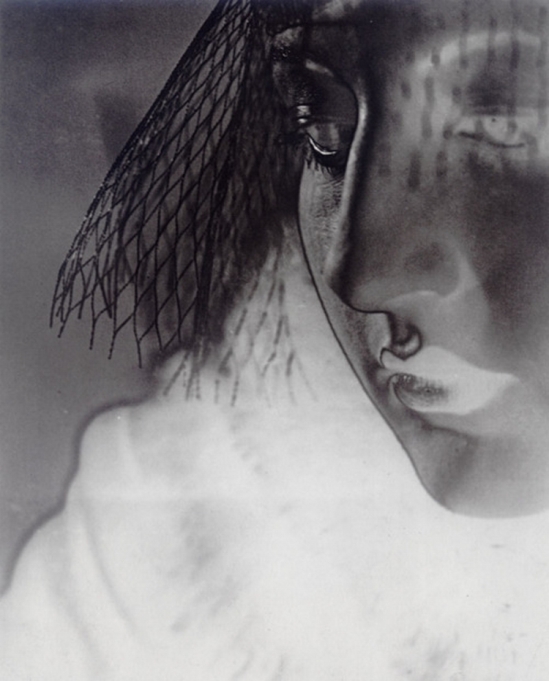
Erwin Blumenfeld – The Mobled Queen, Coronet Magazine, December 1939

Erwin Blumenfeld -Solarized portrait, c.1933
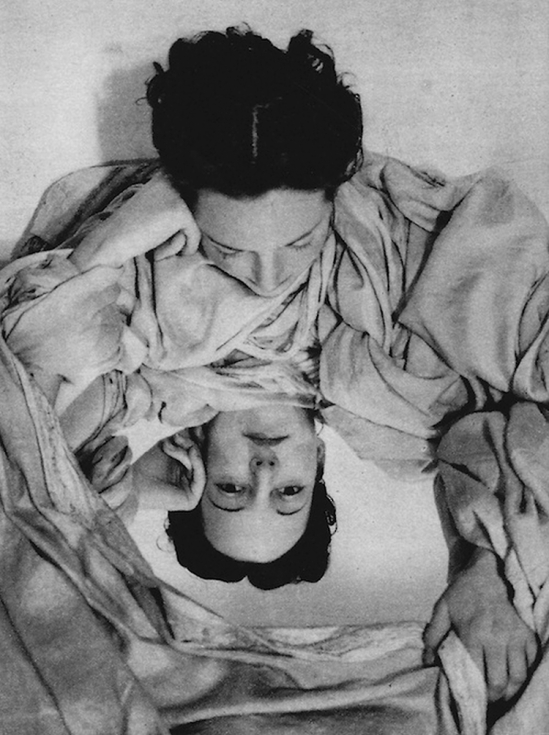
Erwin Blumenfeld -Solarized portrait, c.1933

Erwin Blumenfeld - Know Thyself, Coronet Magazine, December 1939
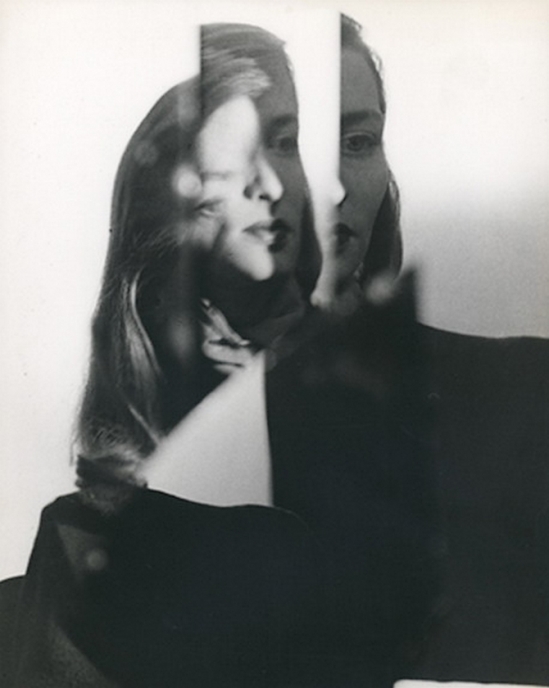
Erwin Blumenfeld – Know Thyself, Coronet Magazine, December 1939

Erwin Blumenfield- Teddy Thurman in New York, 1948
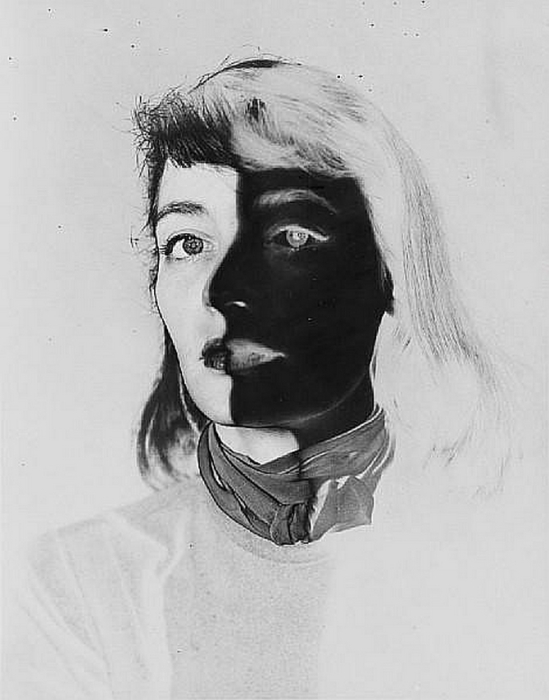
Erwin Blumenfield- Teddy Thurman in New York, 1948

Erwin Blumenfeld - Teddy Thurman, 1940s

Erwin Blumenfeld – Teddy Thurman, 1940s

Erwin Blumenfeld - Double Portrait, (Modele Jill), 1936

Erwin Blumenfeld – Double Portrait, (Modele Jill), 1936
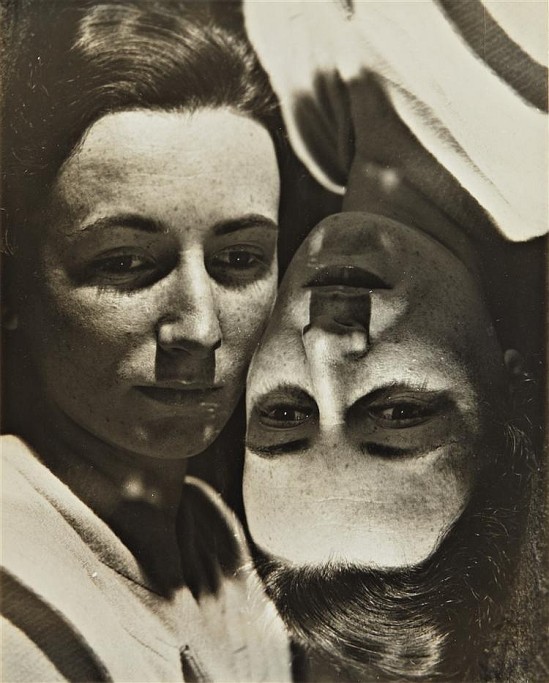
Erwin Blumenfeld Marianne Breslauer (later Feilchenfeldt), Amsterdam Annotated 'Tweelingen' (Twins)  Amsterdam, 1930

Erwin Blumenfeld Marianne Breslauer (later Feilchenfeldt), Amsterdam Annotated ‘Tweelingen’ (Twins) Amsterdam, 1930
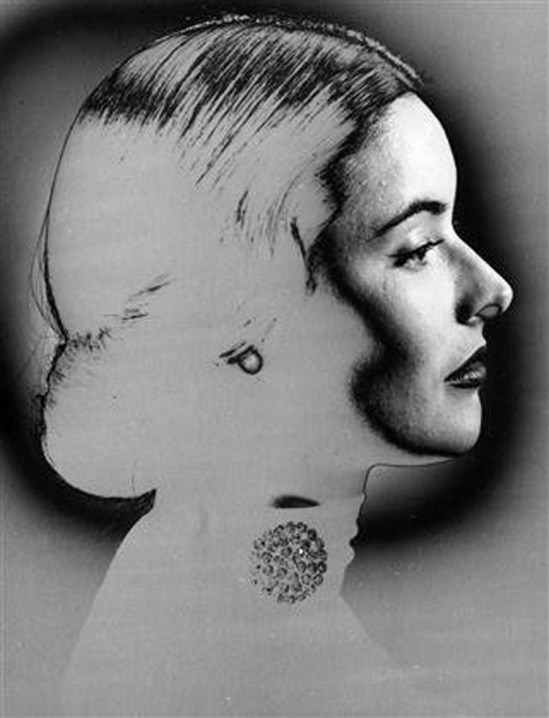
ErwinBlumenfeld --Solarized portrait

ErwinBlumenfeld –Solarized portrait

Erwin Blumenfield- Audrey Hepburn New York, années 1950
Erwin Blumenfield- Audrey Hepburn New York, années 1950

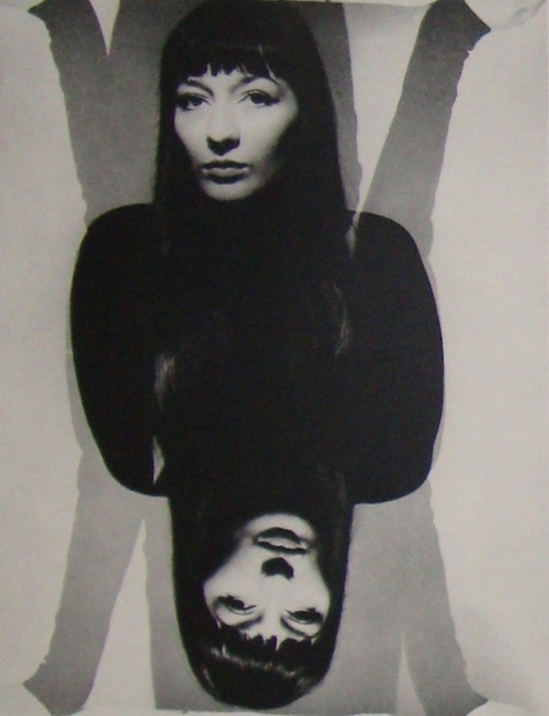
Erwin Blumendeld- Portraitt of Juliette Greco, 1951
Erwin Blumendeld- Portraitt of Juliette Greco, 1951

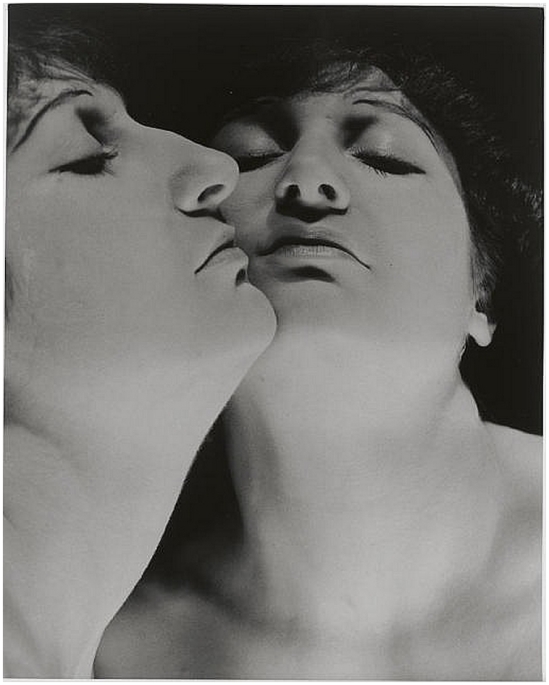
Erwin Blumenfeld -  Double Portrait of Paule Baudesson, 1940s
Erwin Blumenfeld – Double Portrait of Paule Baudesson, 1940s

Erwin Blumenfeld - Kabarettkünstlerin Valeska Gert,1938

Erwin Blumenfeld – Kabarettkünstlerin Valeska Gert,1938

Erwin Blumenfeld - Surrealist Mirror, Paris,1938

Erwin Blumenfeld – Surrealist Mirror, Paris,1938

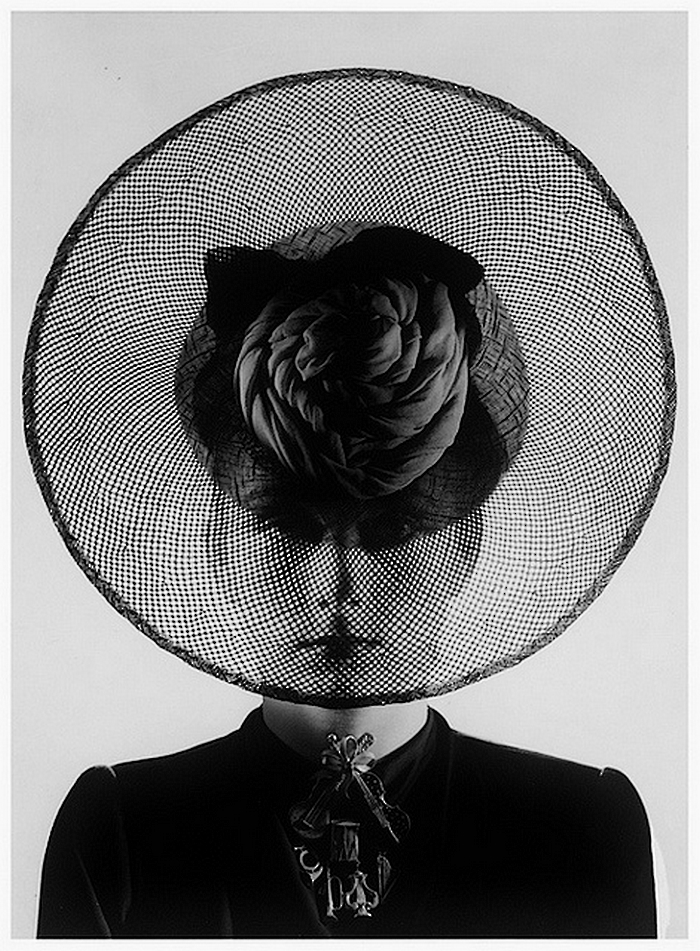
Erwin Blumenfeld Hat and Jewelry, {Probably by Schiaparelli}, Paris, 1938 (2)
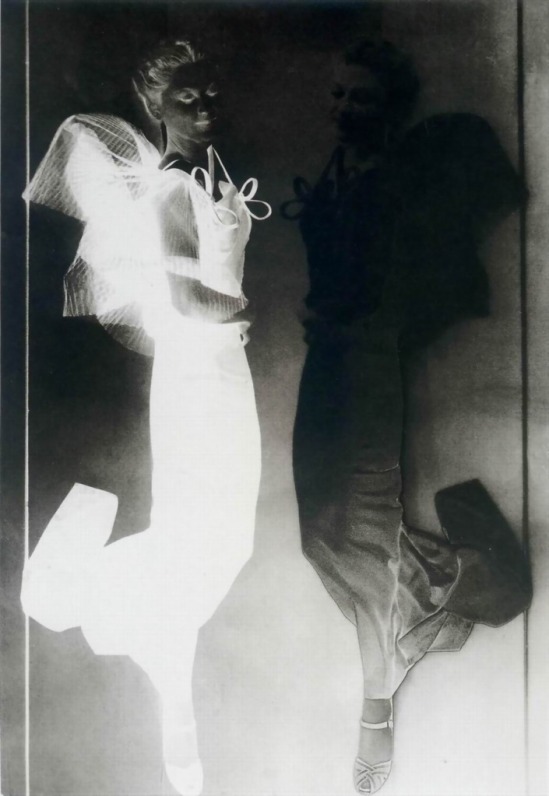
Erwin Blumenfeld Hat and Jewelry, {Probably by Schiaparelli}, Paris, 1938 (2)

Erwin Blumenfeld- solarization - 1938

Erwin Blumenfeld- solarization – 1938

Erwin Blumenfield Half Solarized Face,1948

Erwin Blumenfield Half Solarized Face,1948

Erwin Blumenfield- Charley Toorop, c. 1932

Erwin Blumenfield- Charley Toorop, c. 1932

Erwin Blumenfield- Cheesecake, New York, 1943

Erwin Blumenfield- Cheesecake, New York, 1943

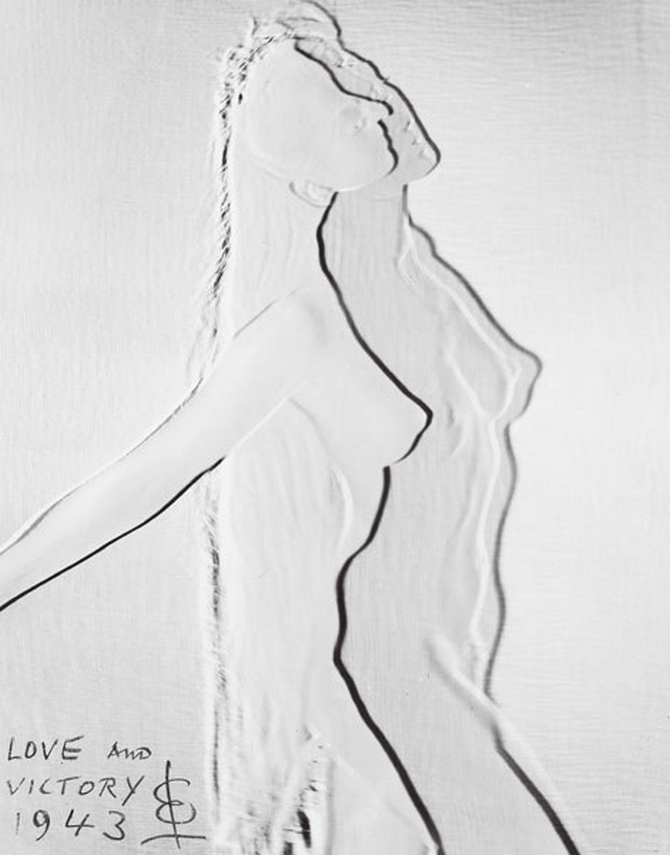
Erwin Blumenfeld -  love and vicory ( solarization), Paris, 1937
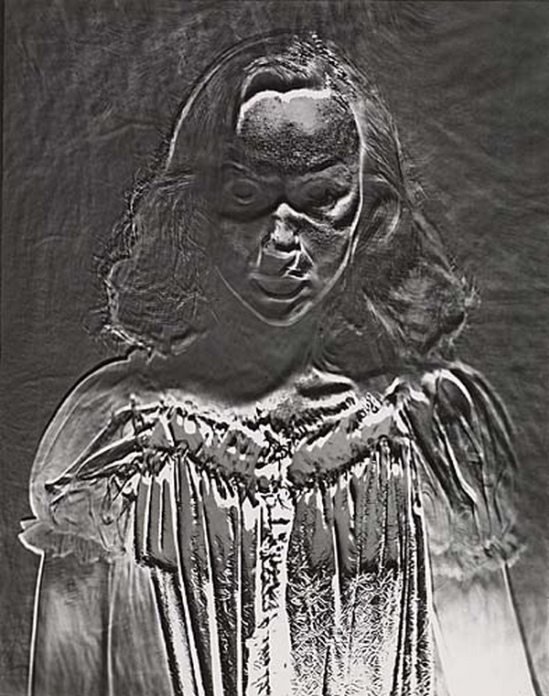
Erwin Blumenfeld – love and vicory ( solarization), Paris, 1937

Erwin Blumenfeld - Solarized figure.1953

Erwin Blumenfeld – Solarized figure.1953

Erwin Blumenfeld -  Portrait a la Fresque  combine des négatifs.
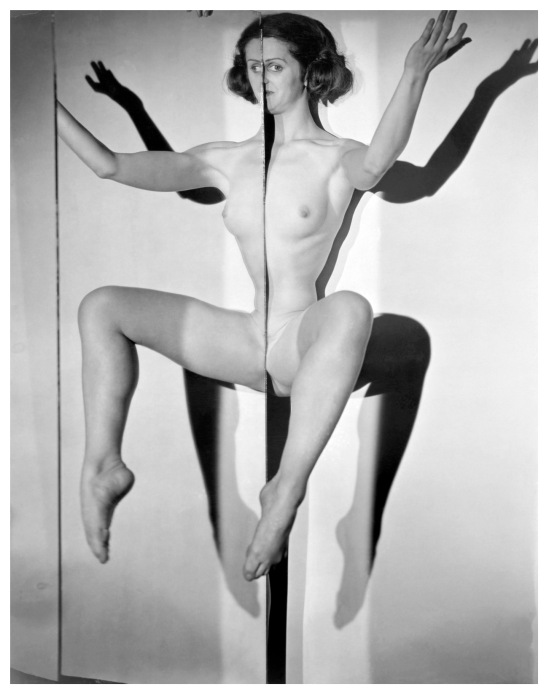
Erwin Blumenfeld – Portrait a la Fresque combine des négatifs.

Erwin Blumenfeld-Yvette Blumenfeld, photo photomontage

Erwin Blumenfeld-Yvette Blumenfeld, photo photomontage

Erwin Blumenfeld Untitled, New York, 1944
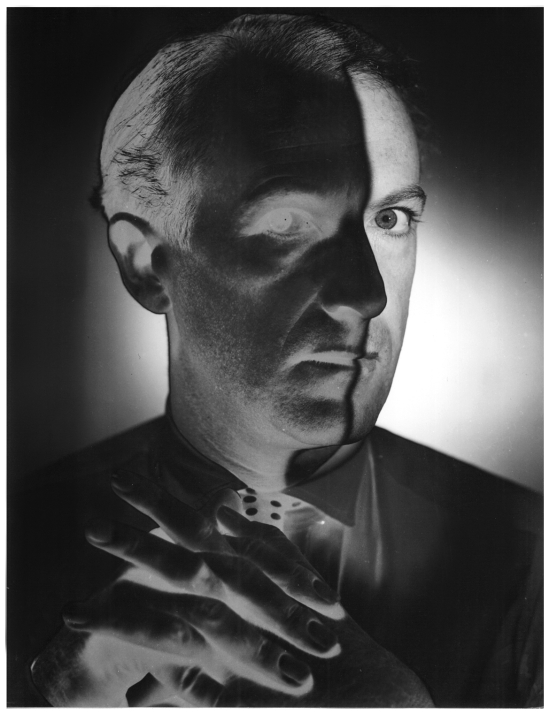
Erwin Blumenfeld Untitled, New York, 1944

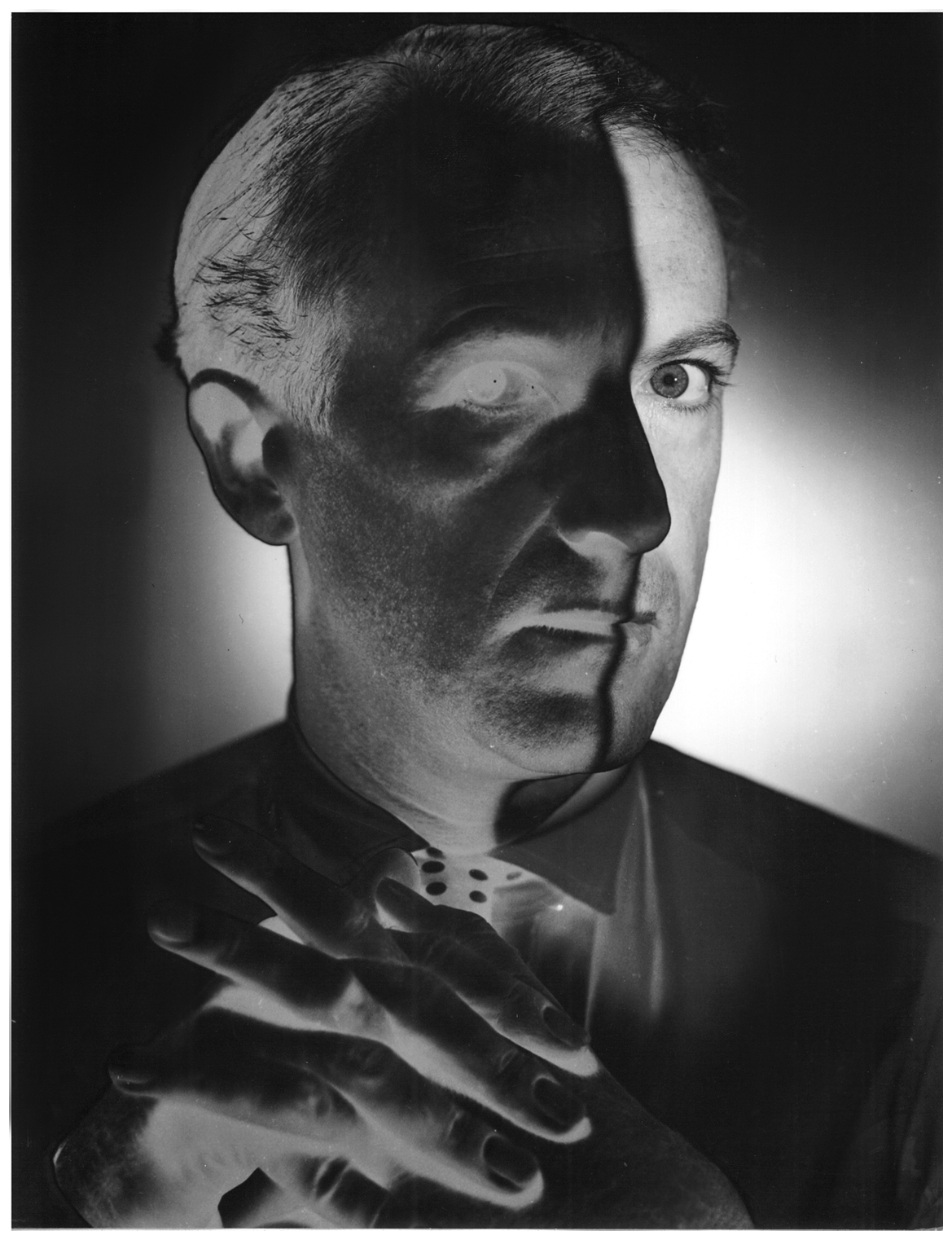
Erwin Blumendeld- Cecil Beaton, 19'-

Erwin Blumendeld- Cecil Beaton, 1946

Erwin Blumenfeld Portrait of Cecil Beaton, 1945
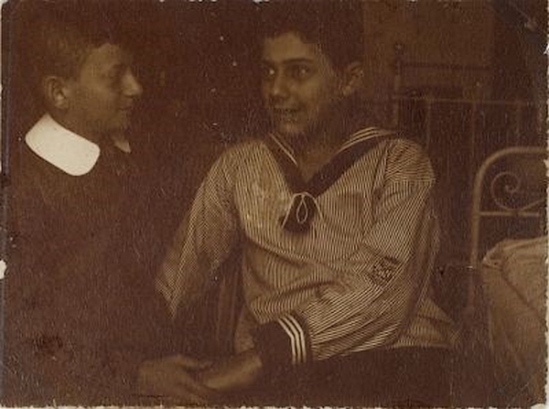
Erwin Blumenfeld Portrait of Cecil Beaton, 1945

Erwin Blumenfield- double portrait  Erwin Blumenfeld  et paul Citoenn, 1908, ( museé amsterdam)
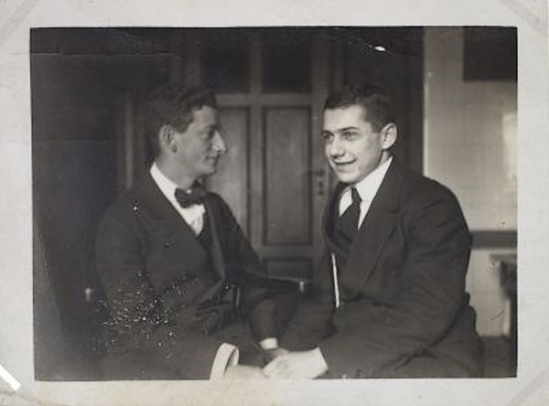
Erwin Blumenfield- double portrait Erwin Blumenfeld et paul Citoenn, 1908, ( museé amsterdam)

Erwin Blumenfield- double portrait  Erwin Blumenfeld  et paul Citoenn, 1916, ( museé amsterdam)

Erwin Blumenfield- double portrait Erwin Blumenfeld et paul Citoenn, 1916, ( museé amsterdam)
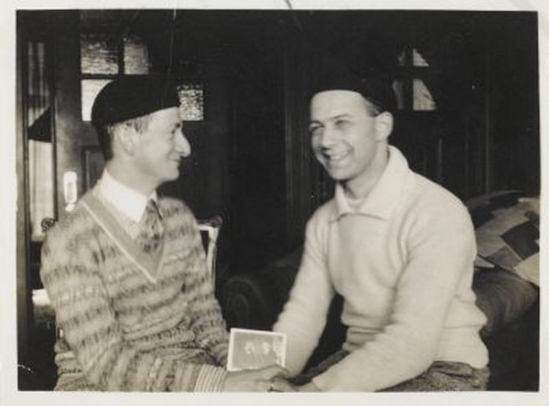
Erwin Blumenfield- double portrait  Erwin Blumenfeld  et paul Citoenn, 1926, ( museé amsterdam)

Erwin Blumenfield- double portrait Erwin Blumenfeld et paul Citoenn, 1926, ( museé amsterdam)
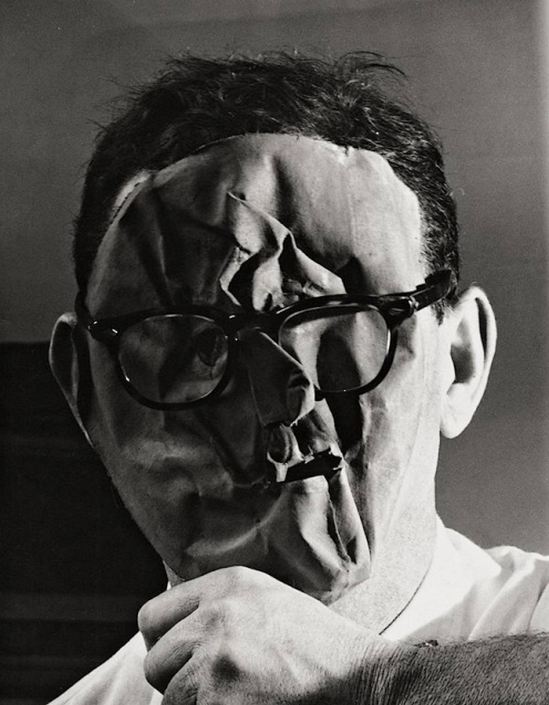
Erwin Blumenfeld “Self-Portrait (1958)”

Erwin Blumenfeld “Self-Portrait (1958)

pour trouver toutes les sources et les ventes aux enchères artsy

Erwin Blumenfeld- Double portrait, ( double exposure) 1932

Erwin Blumenfeld- Double portrait, ( double exposure) 1932

Erwin Blumenfeld- Double portrait, ( double exposure) 1932

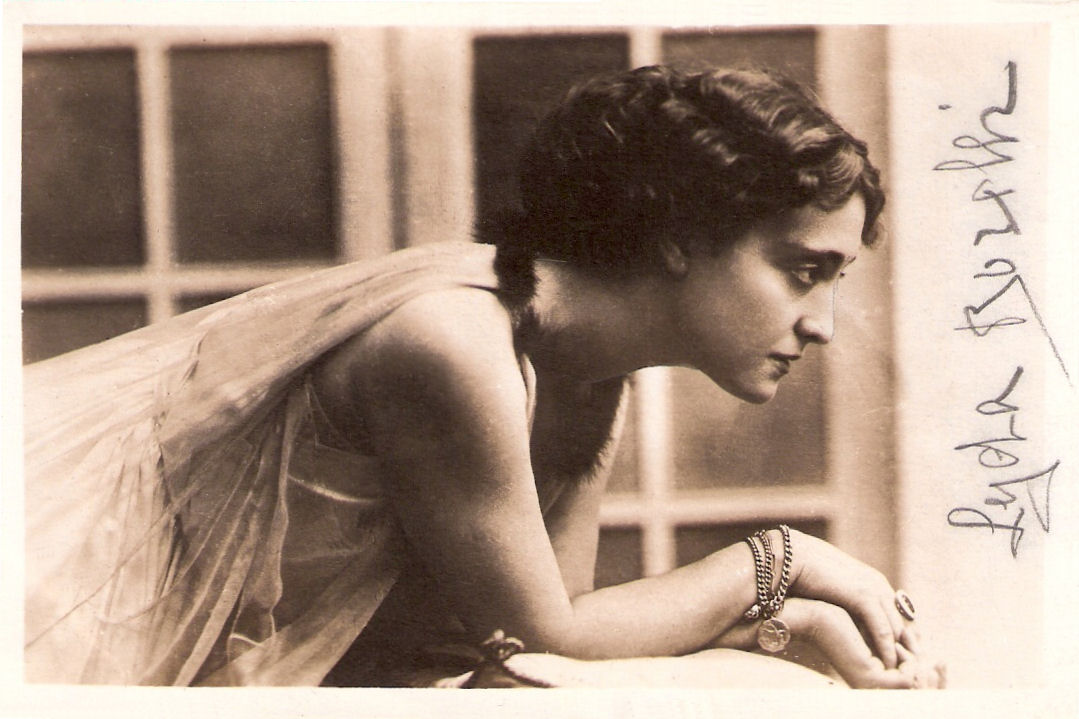
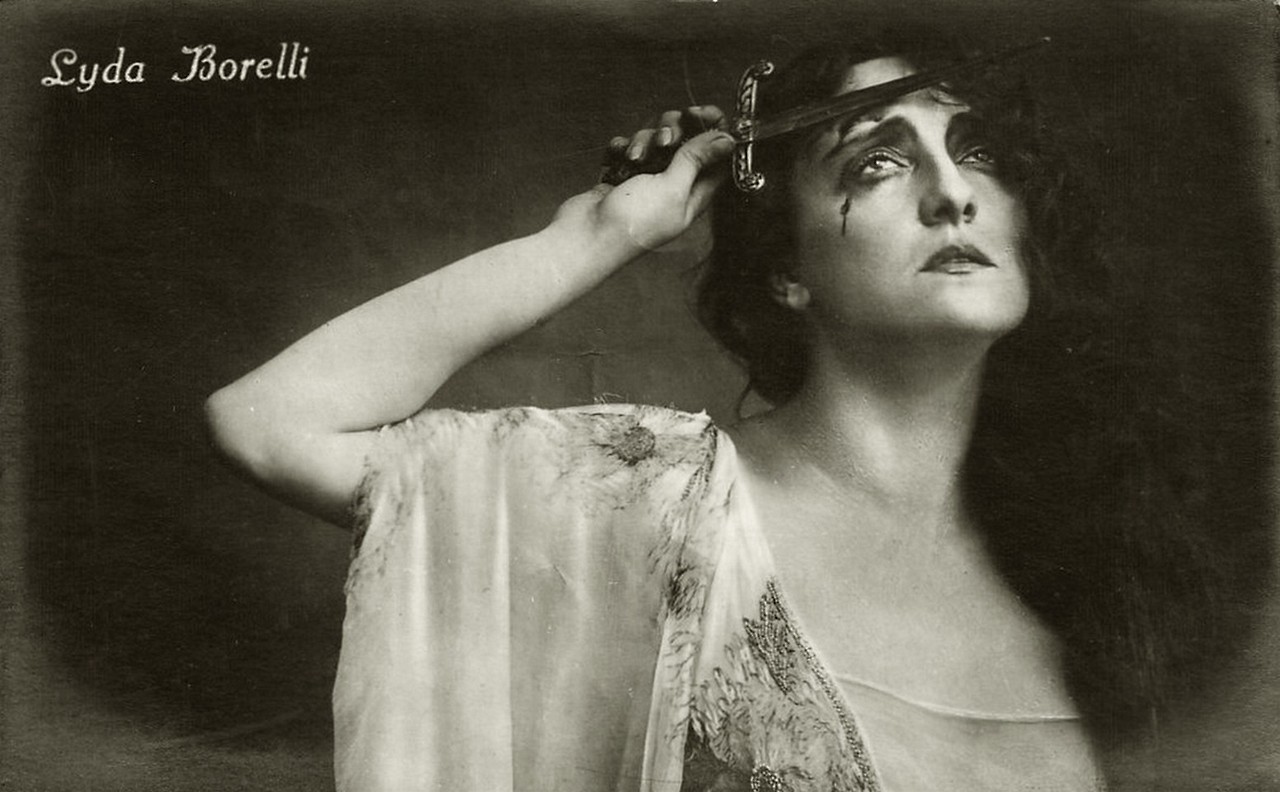
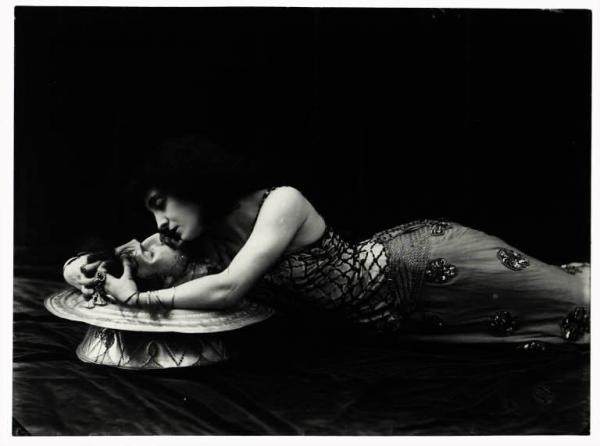
Lyda Borelli

Lyda Borelli (1884 – 1959) fut une actrice au théâtre et au cinéma et une diva du cinéma muet italien.

Portrait of Lyda Borelli,  1920 Italian postcard by A.G.F.

Portrait of Lyda Borelli, 1920s  Italian postcard by A.G.F.

Italian actress Lyda Borelli,  1920s.

Lyda Borelli, 1915- 1920.( non creditée)

Lyda Borelli as Salomé ( Oscar Wilde), 1915-20 by Mario Nunes Vais

Lyda Borelli as Salomé ( Oscar Wilde), 1915-20 by Mario Nunes Vais

Lyda Borelli by Emilio Sommarive, 1911

Lyda Borelli as Salomé ( oscar Wilde) by Emilio Sommarive, 1911

Lyda Borelli by Emilio Sommarive, 1911

Lyda Borelli by Emilio Sommarive, 1911

Lyda Borelli by Badidi fotographia , 1910-15s

Lyda Borelli by Badidi fotographia , 1910-15s

Lyda Borelli by Badidi fotographia , 1910-15s

Lyda Borelli by Badidi fotographia , 1910-15s

Sa Biograghie ici sa filmographie complète sur IMDB

Elio Luxardo (1908-1969)

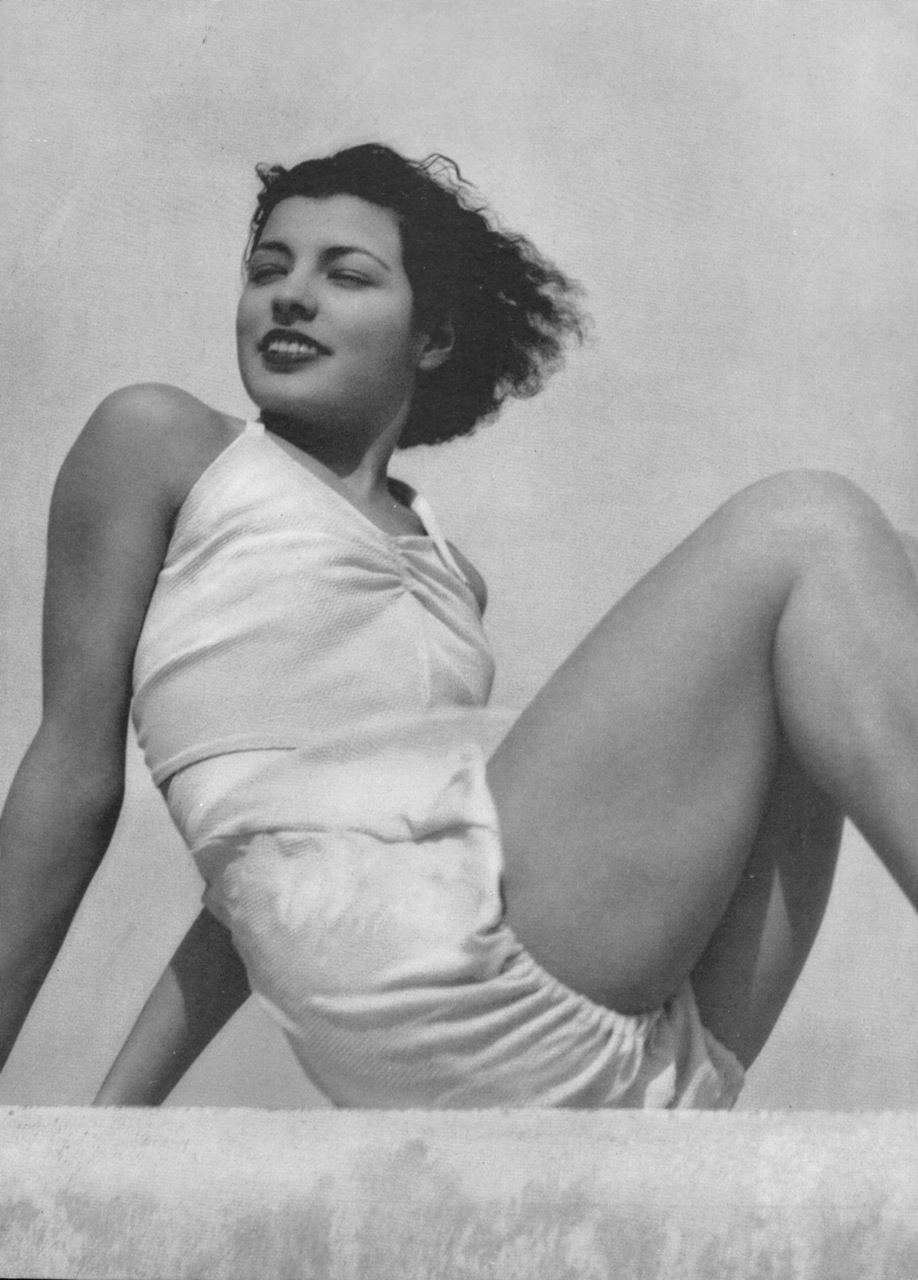
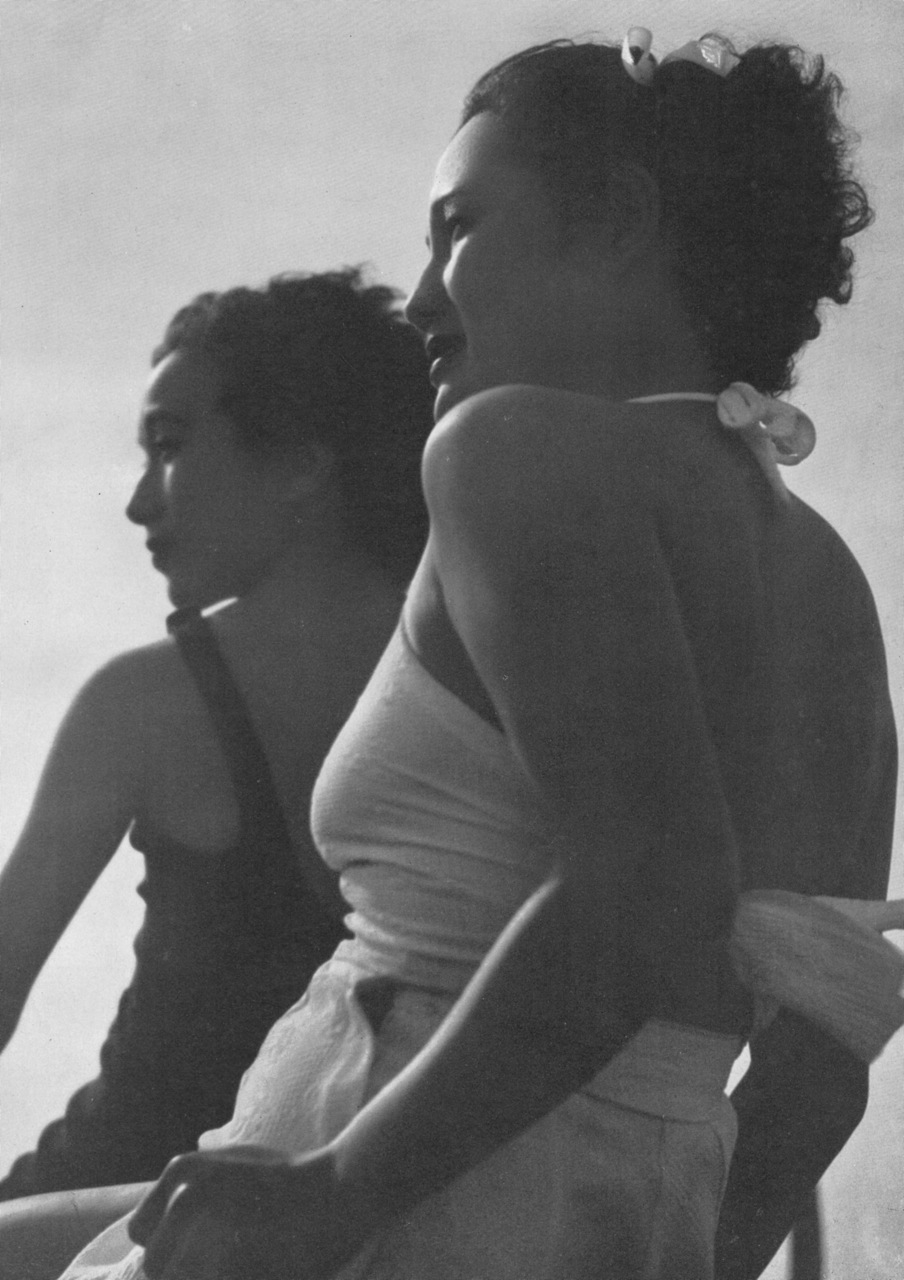
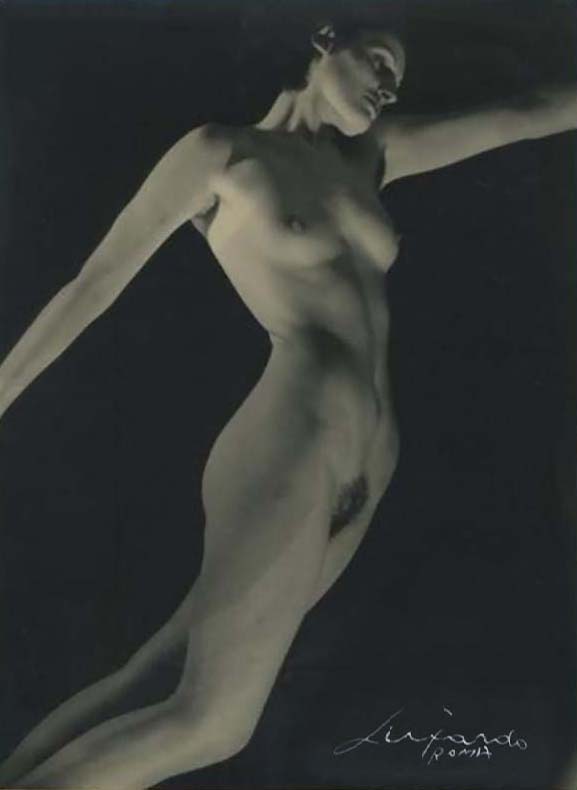
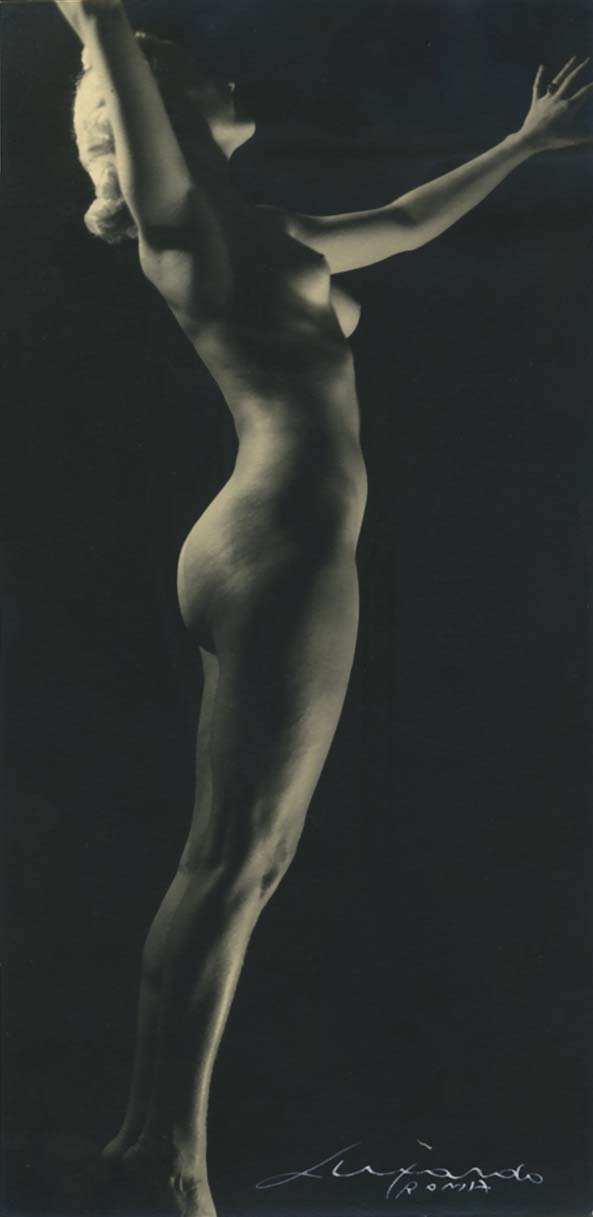
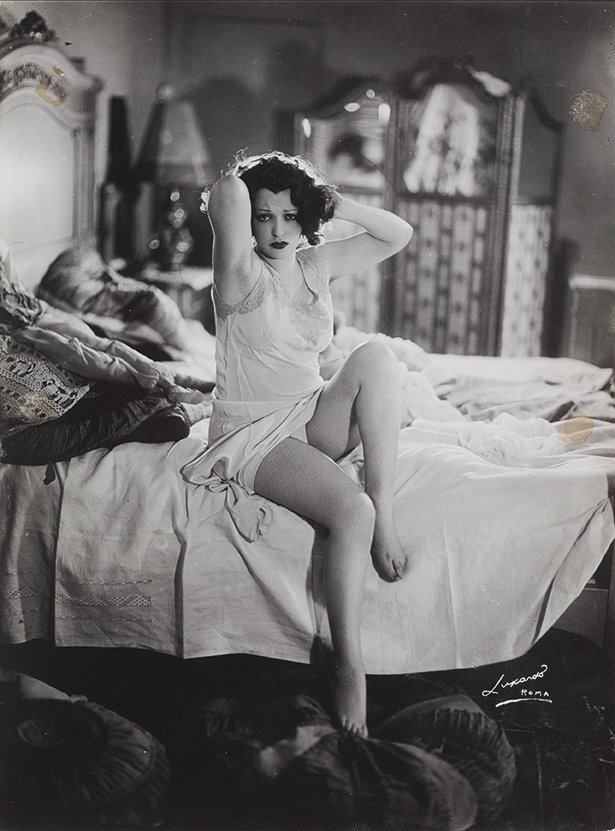
Elio Luxardo- Nudo, c. 1937


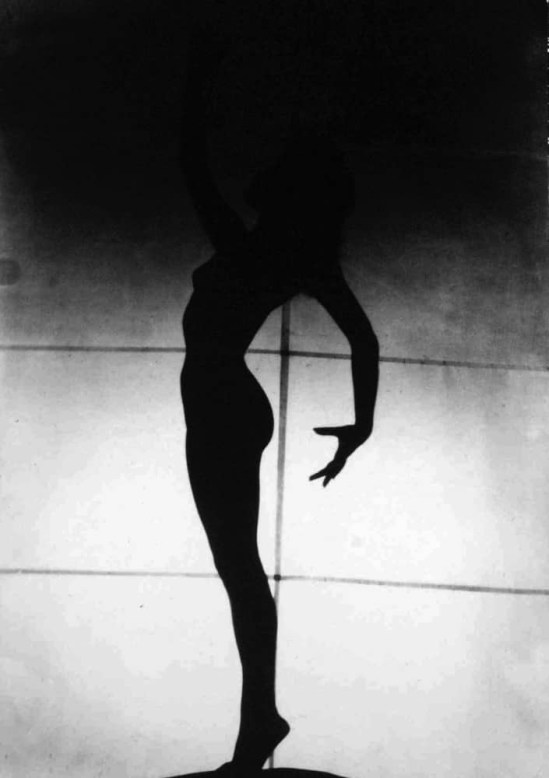
Elio Luxardo- Sinuose armonie (Sinuous harmonies) , 1936

« The history of the Luxardos began in the first years of the 20th century when the young photographer Aldo Luxardo decided to leave Pise (Pisa) and set his lens on far objects: America. Alfredo, with his wife Margherita, stopped at S. Paul in Brazil – country that will mark the destiny of the whole Luxardo family. His subject changed, from the American myth to the Amazonian tribes: group photos and portraits developed and printed in absolute empirical ways. In Brazil his three children were born: Elio, Elda and Aldo. In 1928 Alfredo Luxardo returned in Italy where he took over the photo studio Sam Bosch (Photographer of the Royal House) in via XX Settembre. Here began the history of the liaison Rome-Luxardo.The three children, Elio, who previusly joined the Experimental Center of Cinematography, Aldo and Elda worked in their father’s studio. It was the thirties and the famous studio in via del Tritone fixed some features that developped a following and signed a epoch. Diffuse lights, combined with reflexes, dark settings and light cuttings that carved faces and designed bodies. In few words the Myth of Beauty was born, the cult of the body. The studio was populated of divas and sports champions, intellectuals and artists, from Pirandello to Marinetti, from Assia Noris to Isa Miranda, from Valentina Cortese to Alida Valli, to the world champion Primo Carnera. In the postwar period there was a cooperation with the « Folie de Broadway » and than the beginning of the contest Miss Italia from which came celebrities like Loren and Lollobrigida. The Dolce Vita – the intense friendship with Federico Fellini – movies like « Poveri ma Belli » (« Poor but Beautiful »), actors like Mastrianni and Gassmann. These were the images of the sixties. The last dream of Elio Luxardo has been Sperlonga, where he retired to live. On the Mediterranean coast, the photographer looked for the lights and colors of the native country, but in vain. He died in 1969 at the age of 59. His brother Aldo continued to work alone in the family studio – that his sister Elda left marrying the producer Argento, father of the director, Dario. But the recall of the land of origin became stronger and stronger and, at the end, Aldo decided to go back to Brazil. » Luxario gallery

Elio Luxardo -Nudo femminile , 1932

Elio Luxardo -Nudo femminile , 1932

Elio Luxardo -Nudo femminile , 1932

Elio Luxardo -Nudo femminile , 1932

Elio Luxardo -Nudo femminile , 1932

Elio Luxardo -Nudo femminile , 1932

Elio Luxardo - Nudo femminile, 1940s

Elio Luxardo – Nudo femminile, 1940s

Elio Luxardo- Nudo, 1935

Elio Luxardo- Nudo, 1935

Elio Luxardo – Nudo femminile N.2 – 1935


Elio Luxardo-Nudo femminile N. 3 - 1935

Elio Luxardo-Nudo femminile N. 3 – 1935

Elio Luxardo-Nudo femminile N. 4 – 1935

Elio Luxardo - Nudo di donna, ca. 1930, Galleria Luxardo, Roma

Elio Luxardo – Nudo di donna, ca. 1930, Galleria Luxardo, Roma

Elio Luxardo- Nudo femminile, Roma, 1940

Elio Luxardo- Nudo femminile, Roma, 1940

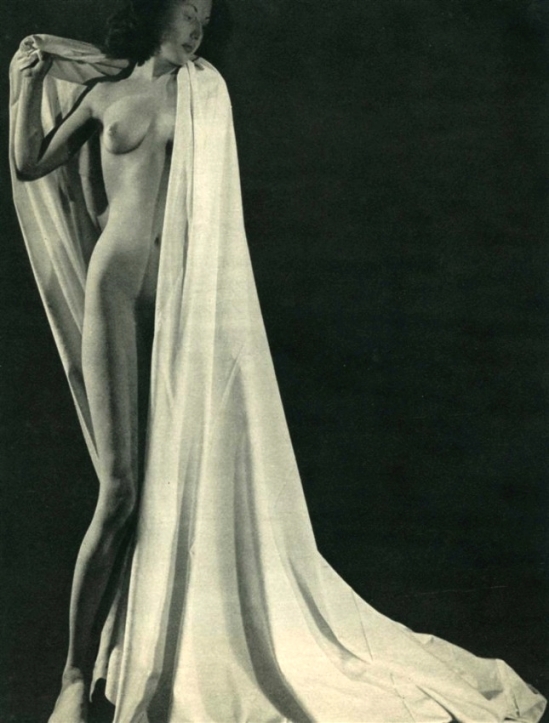
Elio Luxardo- Nudo con drappo, 1937

Elio Luxardo- Sin titulo, c.1930~1950

Elio Luxardo- Sguardo in fiore, (Look in bloom) 1939

Elio Luxardo- Ritratto,c.1930~1950

Elio Luxardo- Ritratto, c.1930~1950

Elio Luxardo- Confessione nd

Elio Luxardo- Aria, 1941

Elio Luxardo- Silhouette, 1939-40

Elio Luxardo- Nudo femminile , 1940

Elio Luxardo- Nudo femminile , 1940

Elio Luxardo - nudo 1940s

Elio Luxardo – nudo 1940s

Elio Luxardo – Girandole di fuoco, (Laura Nucci), 1939

Elio Luxardo – Girandole di fuoco, (Laura Nucci), 1939

Elio Luxardo - Marisa Maresca, 1955

Elio Luxardo – Marisa Maresca, 1955

Elio Luxardo – Marina Maresca, 1955

Elio Luxardo - Portrait of the photographer Ghitta Carell, 1955

Elio Luxardo – Portrait of the photographer Ghitta Carell, 1955

Elio Luxardo Doris Duranti Luxardo Mazzota fotografia L’italica Bellezza Turroni (Giuseppe), 1960 Gabriele Mazzotta editore

Elio Luxardo Doris Duranti Luxardo Mazzota fotografia L’italica Bellezza Turroni (Giuseppe), 1960 Gabriele Mazzotta editore

Elio Luxardo- Isa Barzizza,from Luxardo Mazzota fotografia L’italica Bellezza Turroni (Giuseppe), 1960 Gabriele Mazzotta editore

Elio Luxardo- Isa Barzizza,from Luxardo Mazzota fotografia L’italica Bellezza Turroni (Giuseppe), 1960 Gabriele Mazzotta editore

Elio Luxardo Ritratto femminile 1950′s

Elio Luxardo Ritratto femminile 1950′s

Elio Luxardo- Doris Duranti,1940

Elio Luxardo- Doris Duranti,1940

Elio Luxardo- L'attrice Marisa Maresca,1955

Elio Luxardo- L’attrice Marisa Maresca,1955

Elio Luxardo - Isa Pola “La signora dell’Oves

Elio Luxardo – Isa Pola “La signora dell’Oves

Elio Luxardo -Germana Paolieri, 1937

Elio Luxardo -Germana Paolieri, 1937

Elio Luxardo- ritrato per conecorso, 1941

Elio Luxardo- ritrato per conecorso, 1941

Elio Luxardo- Giungla Luxardo Mazzota fotografia L’italica Bellezza Turroni (Giuseppe), 1960 Gabriele Mazzotta editore

Elio Luxardo- Giungla Luxardo Mazzota fotografia L’italica Bellezza Turroni (Giuseppe), 1960 Gabriele Mazzotta editore

Elio Luxardo - Pamela Palma' 1940

Elio Luxardo – Pamela Palma’ 1940

Elio Luxardo, Modella indossa un abito nero con paillettes fuma, Italia, 1948

Elio Luxardo, Modella indossa un abito nero con paillettes fuma, Italia, 1948

Elio Luxardo- L'Italia Bellezza, 1950

Elio Luxardo- L’Italia Bellezza, 1950

Elio Luxardo- Valentina Cortese, 1950

Elio Luxardo- Valentina Cortese, 1950

Elio Luxardo- Valentina Cortese, 1950

Elio Luxardo- Valentina Cortese, 1950

Elio Luxardo -Portrait of a lady, ca. 1940

Elio Luxardo -Portrait of a lady, ca. 1940

Elio Luxardo - Una soubrette , 1945

Elio Luxardo – Una soubrette , 1945

Elio Luxardo-Leda Gloria, 1940

Elio Luxardo-Leda Gloria, 1940


Elio Luxardo - Bellezza Italica, ca. 1930 Vintage gelatin silver print Galleria Luxardo, Roma

Elio Luxardo – Bellezza Italica, ca. 1930 Vintage gelatin silver print Galleria Luxardo, Roma

Elio Luxardo - Bellezza Italica, ca. 1930 Vintage gelatin silver print Galleria Luxardo, Roma

Elio Luxardo – Bellezza Italica, ca. 1930 Vintage gelatin silver print Galleria Luxardo, Roma

Elio Luxardo biographie

More gallery


Pierre Boucher (1908-2000)

Graphiste de formation, Pierre Boucher s’est formé à l’Ecole d’arts appliqués à l’Industrie, dans l’atelier de publicité, et a été influencé par les arts décoratifs, l’architecture de Le Corbusier et par l’art moderne.Sa curiosité pour ces différents domaines conduit le photographe à s’appuyer sur des recherches personnelles pour répondre à des commandes. Il utilise des techniques mécaniques d’imagerie à des fins détournées. Il se libère en partie de la chambre noire. Le photomontage le conduit à créer un univers singulier et original, comme dans Electra, pour laquelle il utilise un nu hiératique dont il remplace la tête par un élément issu d’un reportage industriel pour une compagnie d’électricité. D’ailleurs la quatrième de couverture de Pierre Boucher Photomonteur paru en 2003 le décrit très bien….. Acteur majeur de la Nouvelle Vision, Pierre Boucher expérimente toutes les techniques de photographie avant-gardiste et

 » (Son oeuvre)  est protéiforme, comme la plupart de la production photographique de ses contemporains. Il colle à tous les registres de cette photographie moderne comme l’expérimentation avec les photogrammes, photocollages, solarisations et surimpressions. Esprit curieux, cultivé et sportif, Pierre Boucher produit aussi bien des nus surréalistes que des publicités recherchées et bien construites, mais il documente aussi la nouvelle société du temps libre et des loisirs qui s’annonce dès 1936 avec les congés payés accordés par le Front populaire. Que ce soit dans le document ou dans la photographie industrielle, Pierre Boucher déclenche avec ses images chez le spectateur une grande proximité et une empathie avec le sujet représenté. Refusant toute spécialisation que lui permettait encore son époque, Pierre Boucher a photographié toute sa vie ce qu’il aimait  « . Editions Marval. 2003. 4eme de couverture
Un autre aspect essentiel de son oeuvre réside dans le nu, ( sujet de prédilection sur ce blog) ,qu’il expérimente d’abord dans le style de la Nouvelle Objectivité ( sous des angles inédits de corps fragmentés aux courbes dynamiques) . Il pratique ensuite le nu surréaliste ( la surimpression de formes, la solarisation et le photomontage) et le nu néo-classique( l’harmonie et la beauté dans la célébration du corps sur le modèle grec.)Contrairement à ses photographies surréalistes ou publicitaires, ses nus se révèlent dans leur authenticité, sous des angles singuliers. Ils reflètent aussi l’époque des années 1930, avec la libération et la sublimation du corps en harmonie avec la nature.
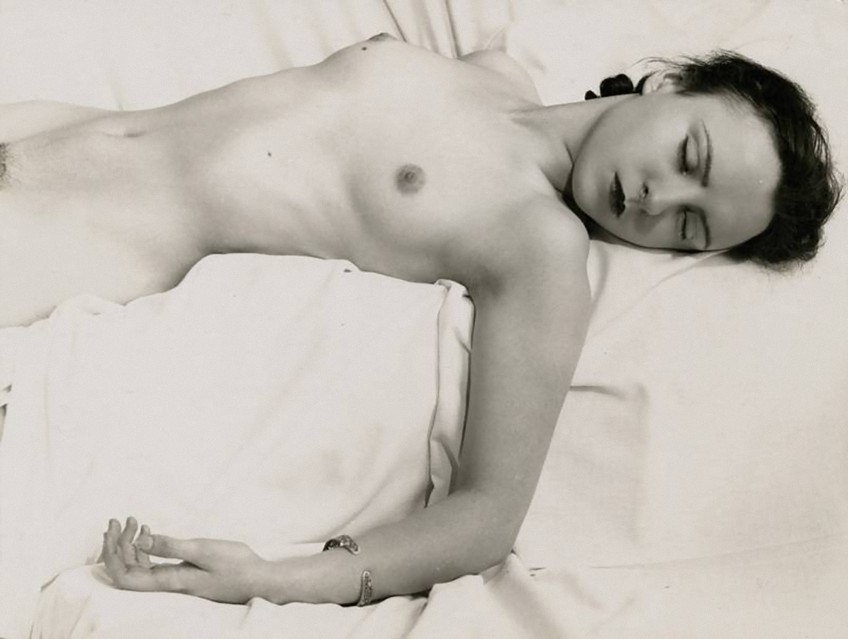
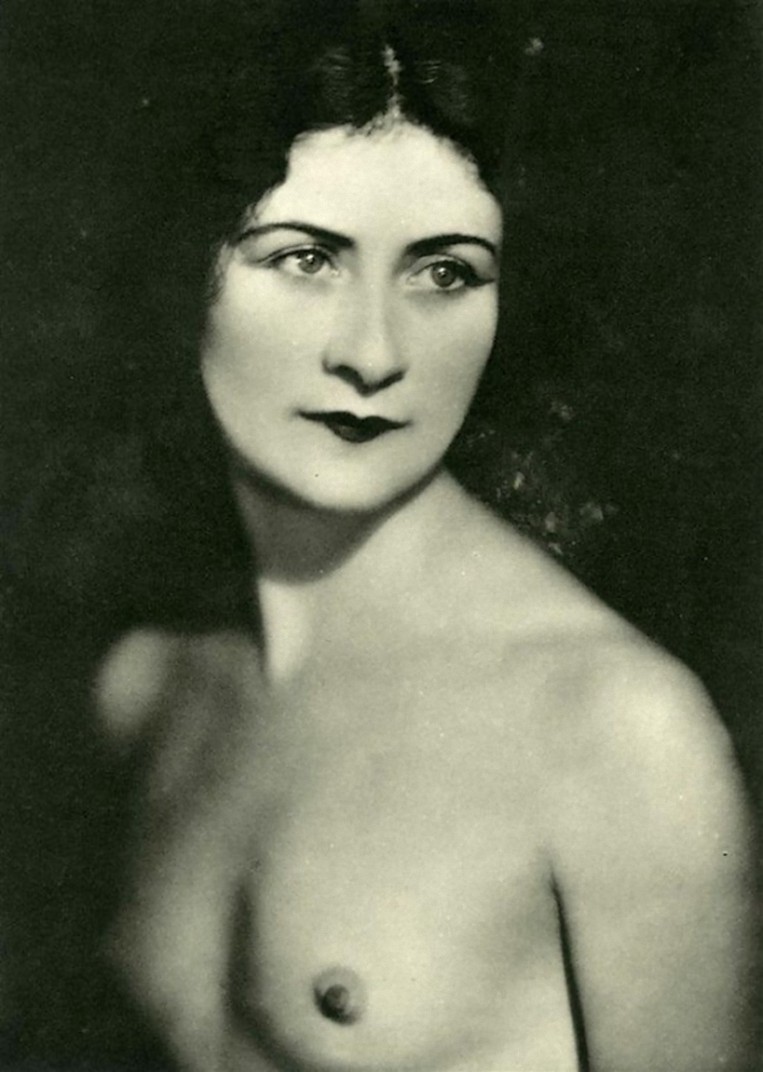
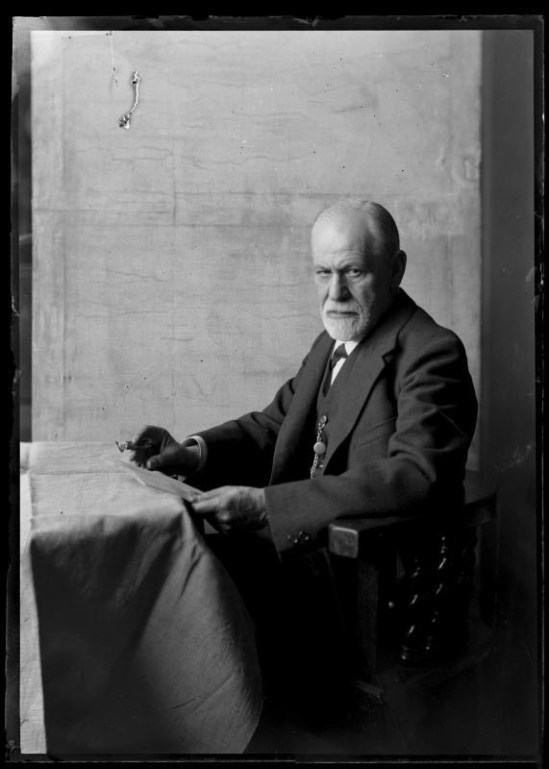
Parmi ses autres thèmes de prédilection : le sport. Le mouvement, la vitesse, le rythme, le dynamisme, l’élan, le corps en plein effort sont autant de caractéristiques de ses photographies dans ce domaine, il aime aussi les vues urbaines et d’architecture. Ses clichés constituent des témoignages de la société de l’époque.

Enfin, il rapporte également de nombreuses photographies et dessins de ses fréquents voyages ( Maroc Espagne Egypte). Une dimension graphique, issue de son regard formé par ses premières années d’études, se retrouve dans l’ensemble de son travail. Par exemple au milieu des années 30, au Maroc, Pierre Boucher a surtout travaillé dans l’ethnographie des Berbères de l’Atlas. il s’est servi de photos prises dans l’Atlas et à Volubilis pour ses photomontages

Je choisie de vous proposer les photomontages de la série « Fantasmagorie du nu », les surimpressions et double exposition ainsi que les nus, mais son oeuvre ne s’arrête pas là, vous trouverez son travail sur le sport, l’archicture et la publicité sur le net.

Les Fantasmagories du Nu

Pierre Boucher- Les Fantasmagories du Nu #1, 1937

Pierre Boucher- Les Fantasmagories du Nu #1, 1937

Pierre Boucher -Les Fantasmagories du Nu #002., 1937, Original vintage photogravure. c1949.

Pierre Boucher -Les Fantasmagories du Nu #002., 1937,  ( print Original vintage photogravure. c1949.)

Pierre Boucher- nu solarisé (Femme Fleur) Les Fantasmagories du Nu, N° 5, 1935

Pierre Boucher- nu solarisé (Femme Fleur) Les Fantasmagories du Nu, N° 5, 1935

Pierre-Boucher-Antique nude, Volubilis ruins in Morocco,1936 from Les Fantasmagories du Nu# 6 , 1937

Pierre-Boucher-Antique nude, Volubilis ruins in Morocco,1936 from Les Fantasmagories du Nu# 6 , 1937

Pierre boucher Nu - Ruines de Volubilis,1937 from Les Fantasmagories du Nu # 7

Pierre boucher Nu – Ruines de Volubilis,1937 from Les Fantasmagories du Nu # 7

Pierre boucher Nu - Ruines de Volubilis, #8 1937 from Les Fantasmagories du Nu series 1 - Copie

Pierre boucher Nu – Ruines de Volubilis, #8 1937 from Les Fantasmagories du Nu series

Pierre boucher Nu - Ruines de Volubilis,1937 , Les Fantasmagories du Nu 9

Pierre boucher Nu – Ruines de Volubilis,1937 , Les Fantasmagories du Nu# 9

Pierre Boucher- Collage, Les ruines romaines de Volubilis du Maroc , 1936 from les fantasmagories du nu. #10 1937

Pierre Boucher- Collage, Les ruines romaines de Volubilis du Maroc , 1936 from les fantasmagories du nu. #10 1937

Pierre Boucher, Nu à Télouet, Maroc,1936 #11 1937 from Les Fantasmagories du Nu

Pierre Boucher, Nu à Télouet, Maroc,1936 #11 1937 from Les Fantasmagories du Nu

Pierre-Boucher-Les Fantasmagories du Nu # 12,1937

Pierre-Boucher-Les Fantasmagories du Nu # 12,1937

Pierre Boucher- photomontage les fantasmagories du nu.#13, 1937

Pierre Boucher- photomontage les fantasmagories du nu.#13, 1937

Pierre Boucher - Les Fantasmagories du Nu #15A, 1936.

Pierre Boucher – Les Fantasmagories du Nu #15A, 1936.

Pierre Boucher -Les Fantasmagories du Nu #14, 1937

Pierre Boucher -Les Fantasmagories du Nu #14, 1937

Pierre Boucher, Le nu à la plume,1932

Pierre Boucher- Le nu à la plume,1932 surimpression

Pierre-Boucher-les trois grâces,1949

Pierre-Boucher-Les trois grâces,1949 surimpression

Pierre Boucher, Nu à la chevelure, 1943 photomontage,

Pierre Boucher, Nu à la chevelure, 1943 photomontage,

Pierre Boucher - Bras sur le Guadalquivir, 1934

Pierre Boucher – Bras sur le Guadalquivir, 1934

Pierre Boucher - Jeanine Prévert à la loupe, 1938

Pierre Boucher – Jeanine Prévert à la loupe, 1938

Pierre Boucher, Electra ,1961

Pierre Boucher- Electra ,1961

Pierre-Boucher-Photomontage La revolte, 1936

Pierre-Boucher-Photomontage La revolte, 1936

Pierre Boucher- La chute des corps, 1936

Pierre Boucher- La chute des corps, 1936

Pierre Boucher - La chute d’un corps, Photocollage, 1936.

Pierre Boucher – La chute d’un corps, Photocollage, 1936.

Pierre Boucher- Ondine, 1937 photomontge

Pierre Boucher- Ondine, 1937 photomontge

 Pierre Boucher -Nu féminin, 1936

Pierre Boucher -Nu féminin, 1936

Pierre Boucher - Nu avec Résilles de Lumière , 1936

Pierre Boucher – Nu avec Résilles de Lumière , 1936

Pierre Boucher - Nu avec Résilles de Lumière, 1936

Pierre Boucher – Nu avec Résilles de Lumière, 1936

Pierre Boucher - Nude, 1936

Pierre Boucher – Nude, 1936

Pierre Boucher-Nu à tête romaine, 1936

Pierre Boucher-Nu à tête romaine, 1936

Pierre Boucher - Nu ensablé, 1930

Pierre Boucher – Nu ensablé, 1930

Pierre boucher-Femme nue, 1937

Pierre boucher-Femme nue, 1937

Pierre Boucher- Ombre portée, 1938

Pierre Boucher- Ombre portée, 1938

Pierre Boucher - Nu rayé, 1935

Pierre Boucher – Nu rayé, 1935

Pierre Boucher - Nu, 1937

Pierre Boucher – Nu, 1937

Pierre Boucher - Nu surimpression, 1934

Pierre Boucher – Nu surimpression, 1934

Pierre Boucher - Nu , Surimpression, 1935

Pierre Boucher – Nu , Surimpression, 1935

Pierre Boucher, Female Nude, 1935

Pierre Boucher, Female Nude, 1935

Pierre Boucher - Nu au violon, 1938

Pierre Boucher – Nu au violon, 1938

Pierre Boucher-Surimpression II.photogravure. c1933

Pierre Boucher-Surimpression II.photogravure. c1933

Pierre Boucher -Nu dans la mer, Surimpression, 1932

Pierre Boucher -Nu dans la mer, Surimpression, 1932

Pierre Boucher-portrait à la vague,1936-1938, surimpression

Pierre Boucher-portrait à la vague,1936-1938, surimpression

Pierre Boucher-Etude de Nu , 1933

Pierre Boucher-Etude de Nu , 1933

Pierre Boucher La Sirene, 1936

Pierre Boucher La Sirene, 1936

Pierre Boucher - Untitled, Nu, 1935.

Pierre Boucher – Untitled, Nu, 1935

Pierre Boucher- Nu en extérieur, 1935

Pierre Boucher- Nu en extérieur, 1935

Pierre Boucher- Deux penseurs, 1935

Pierre Boucher- Deux penseurs, 1935

Pierre Boucher- Nu #06, 1933

Pierre Boucher- Nu #06, 1933

Pierre Boucher- Nu #19, .1936

Pierre Boucher- Nu #19, .1936

Pierre Boucher - Nu couché 1935

Pierre Boucher – Nu couché 1935

Pierre Boucher - L’eau, 1935

Pierre Boucher – L’eau, 1935

Pierre Boucher- Solarized Arm and Hand, 1933

Pierre Boucher- Solarized Arm and Hand, 1933

Pierre Boucher. Portrait tramé, 1939-46

Pierre Boucher. Portrait tramé, 1939-46

Pierre Boucher - Regard de Janine ( prévert) , 1938

Pierre Boucher – Regard de Janine ( prévert) , 1938

Pierre Boucher - Nu au chandelier, 1948

Pierre Boucher – Nu au chandelier, 1948

Pierre Boucher- Portrait (enfant endormi), 1935

Pierre Boucher- Portrait (enfant endormi), 1935

Pierre Boucher Etude de nu. Rayogramme. 1930.

Pierre Boucher Etude de nu. Rayogramme. 1930.

source Pierre Boucher Photomonteur Edition Marval 2003

Arnet, Rmn, Mutual art, Gazette Drout.