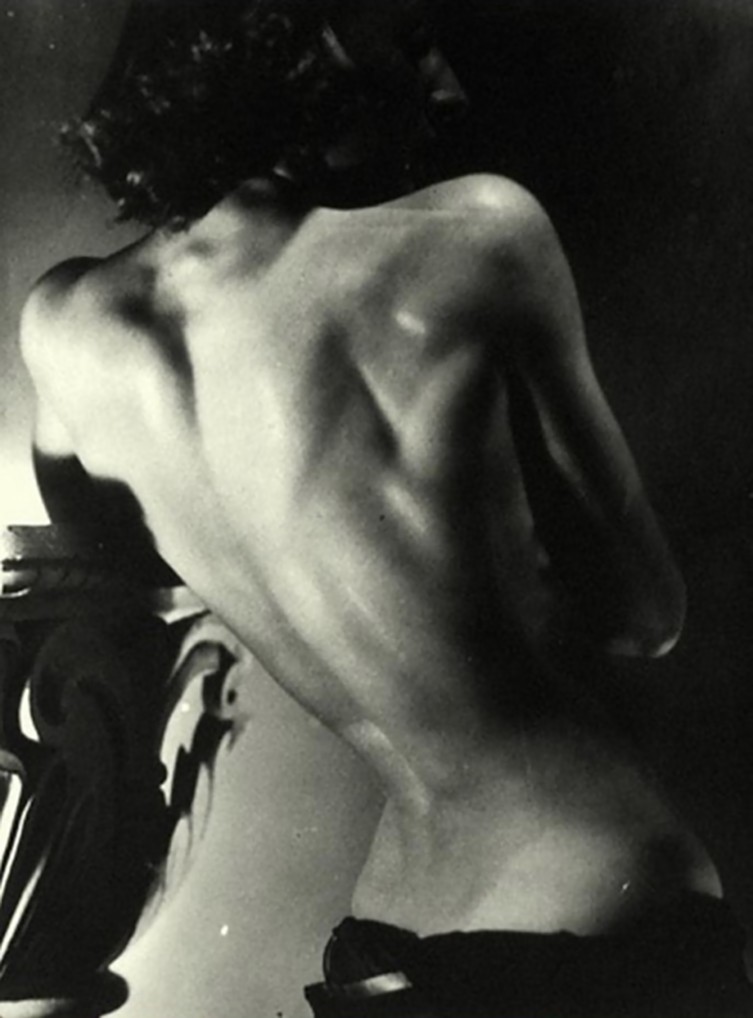
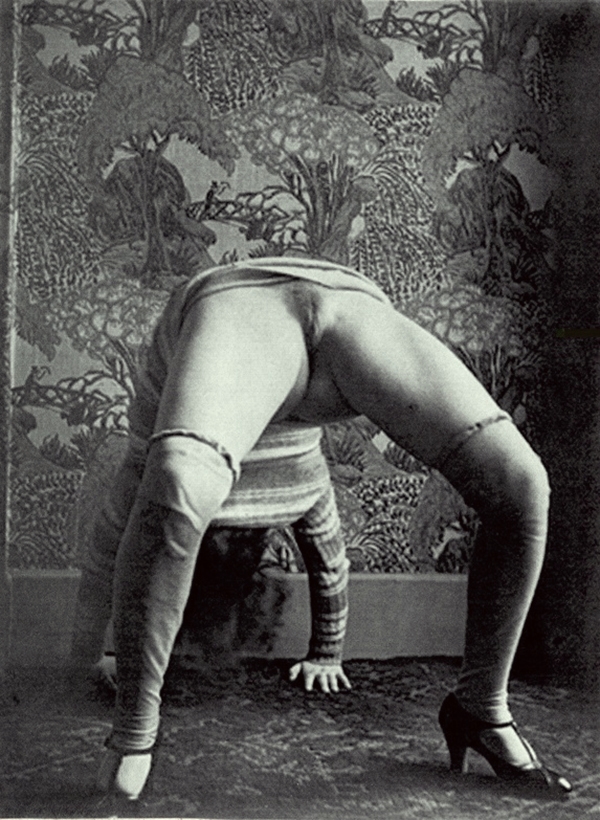
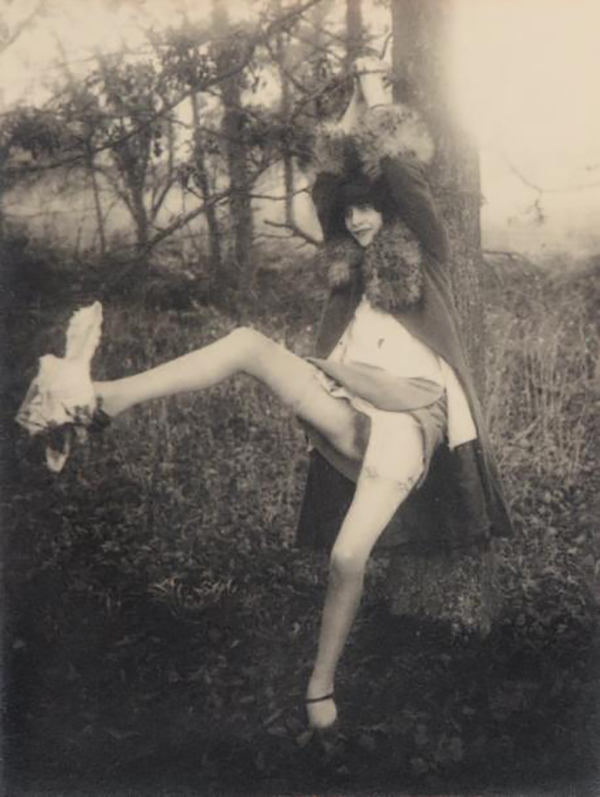
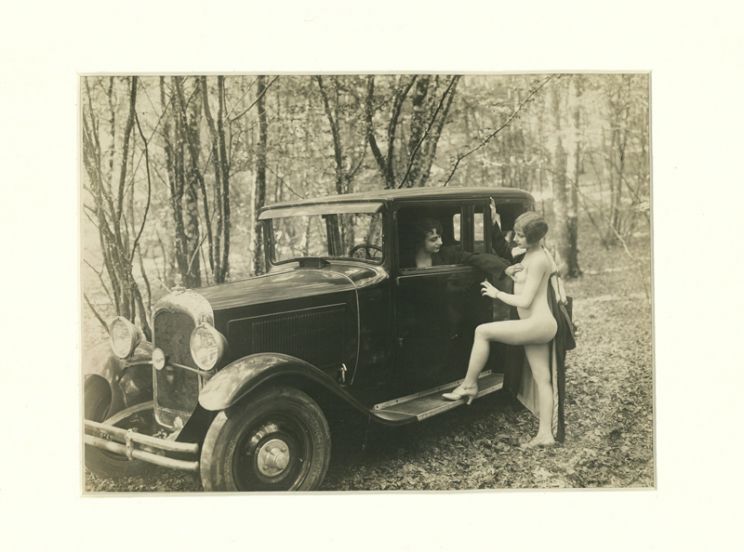
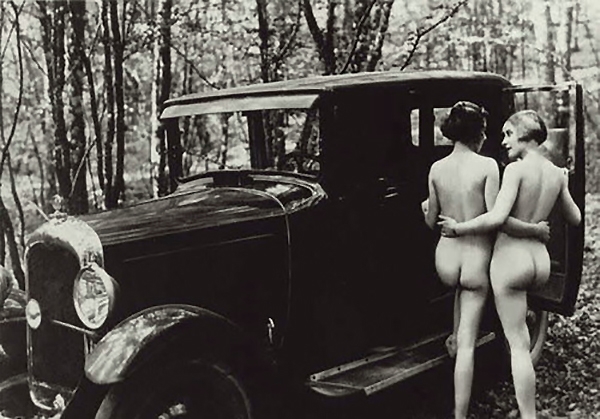
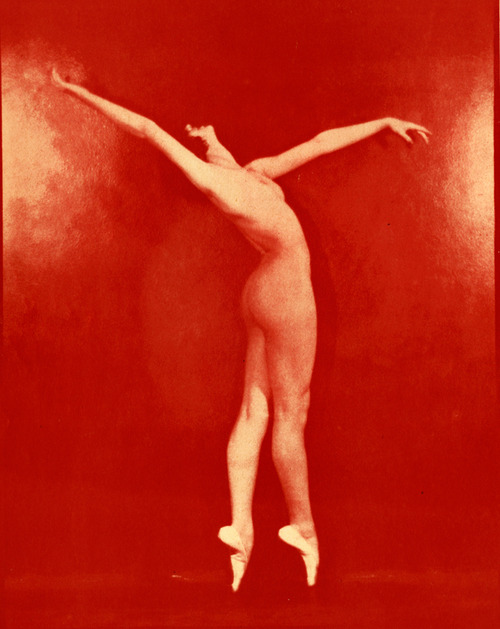
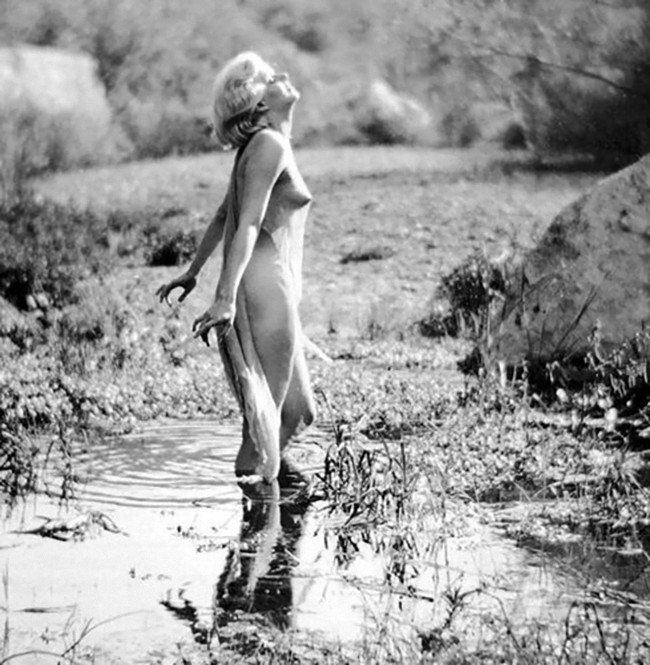
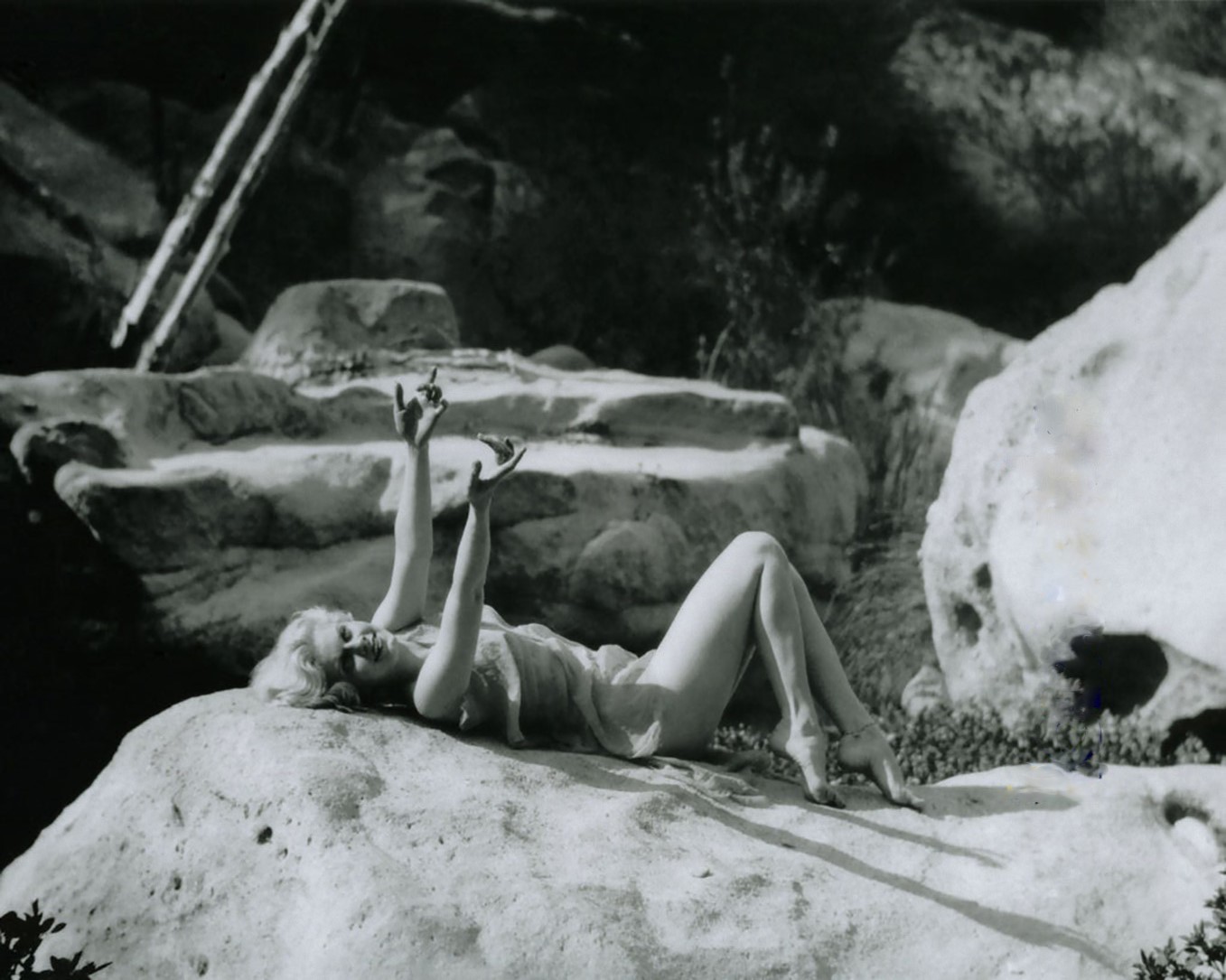
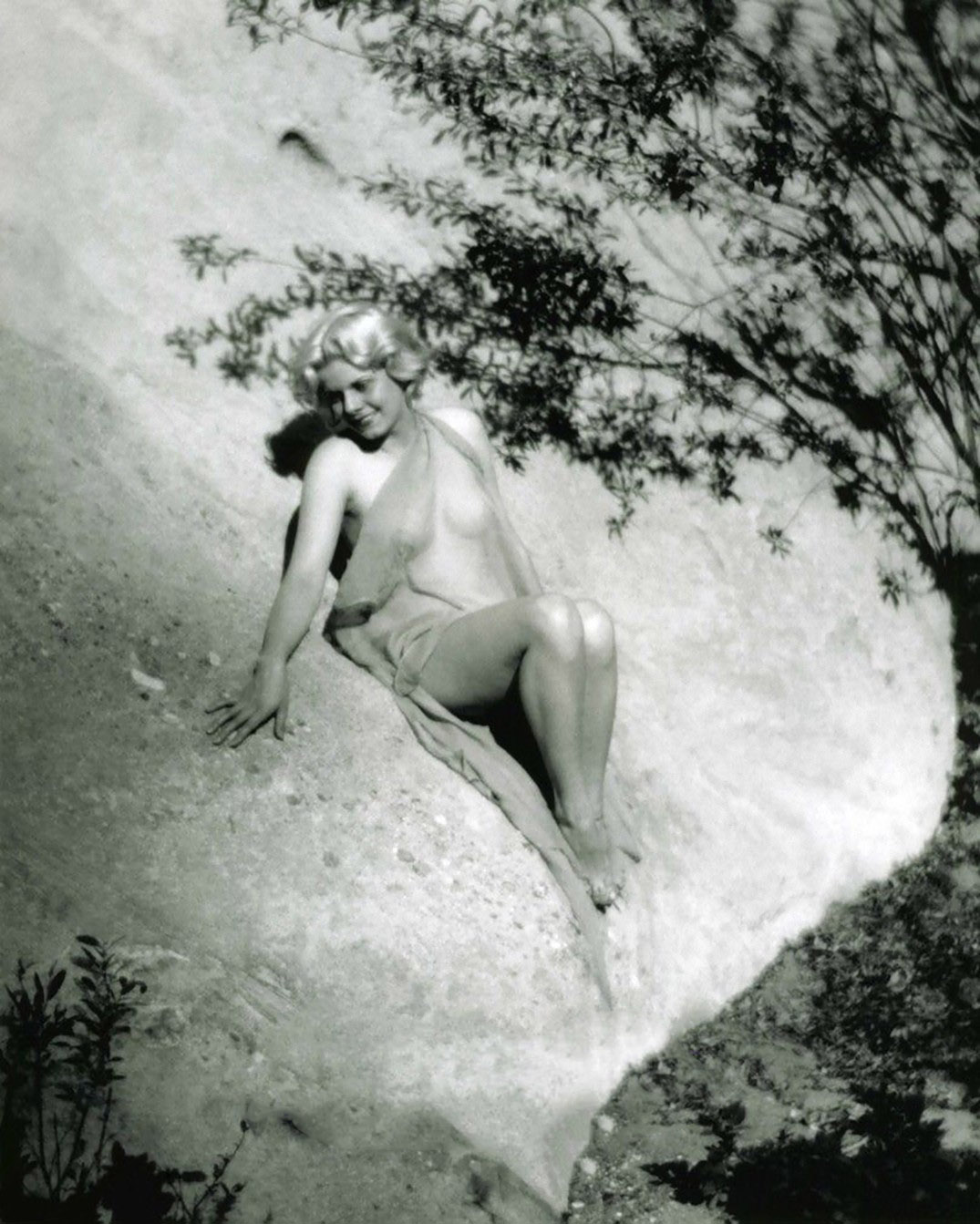
Max Dupain (1911-1992)

Max Dupain (1911-1992) Publié par kate le 02/06/2013

Max Dupain – Title page (candle) , from the album Photographs by Max Dupain 1930s circa 1930

« Max Dupain découvre la photographie à l’âge de 13 ans et gagne à 17 ans le « Carter Memorial Prize for Productive Use of Spare Time « [pour l’usage productif du temps libre].

Il rejoint en 1929 la Photographic Society of New South Wales et commence en 1930 sa carrière photographique comme apprenti dans l’atelier de Cecil Bostock à Sydney. En 1934 Dupain se met à son compte en ouvrant son propre studio, sur la Bond Street à Sydney.

Son approche est d’abord pictorialiste, mais très influencé par le mouvement allemand de la « Nouvelle objectivité », il délaisse les sujets romantiques et s’oriente vers le monde contemporain, ses hommes et leurs réalisations. Il devient ainsi l’un des pionniers de la photographie moderne en Australie. Son sujet de prédilections à cette époque est industrie et tout ce qui s’y rapporte et qu’il traite dans un style radicalement différent : des lumières plus brutales et des formes bien découpées. Ses photographies sont publiées dans des revues telles que The home ou Art in Australia.

Il est influencé , comme tant d’autres, par certains photographes européens tel que  Man Ray et par le mouvement surréaliste qui se développe à cette époque.

Max Dupain – Title page (hand and compass photo-montage) , nd
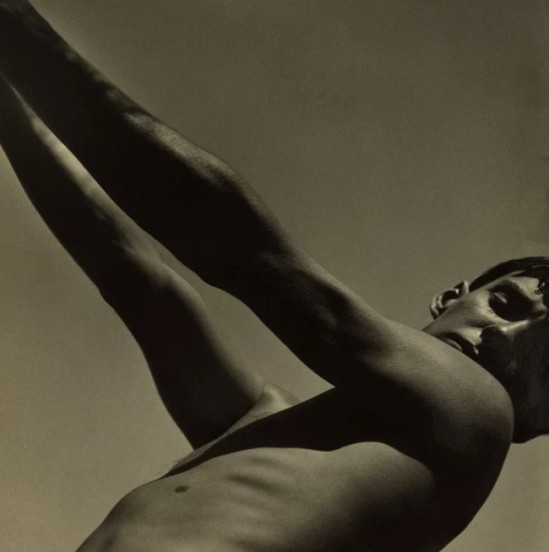
Max Dupain-Superman 1934
Max Dupain-Birth of Venus 1939
Max Dupain-Rayograph with water c. 1936
Max Dupain-Rayograph 1937
Max Dupain-Advertisement for Hardy’s hose 1937
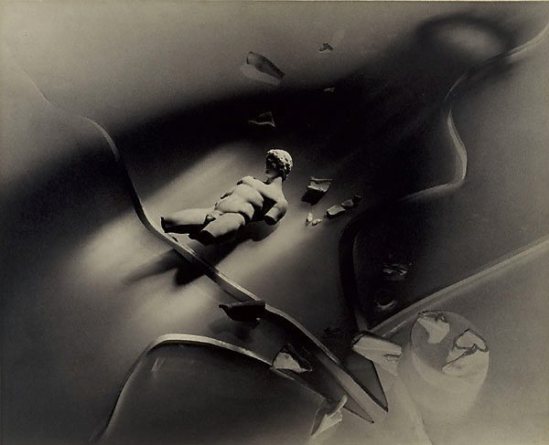
Max Dupain – Intimité brisée1936
Max Dupain – Abstract movement 1935
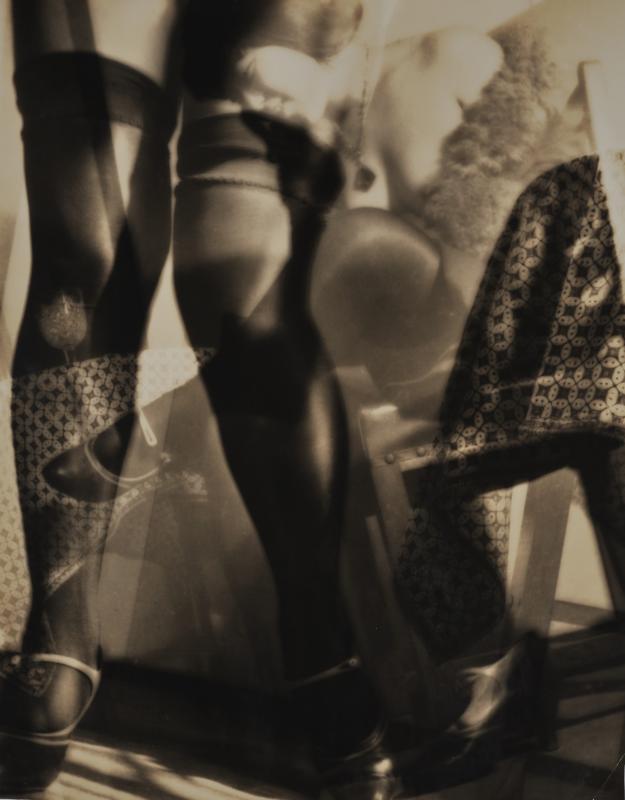
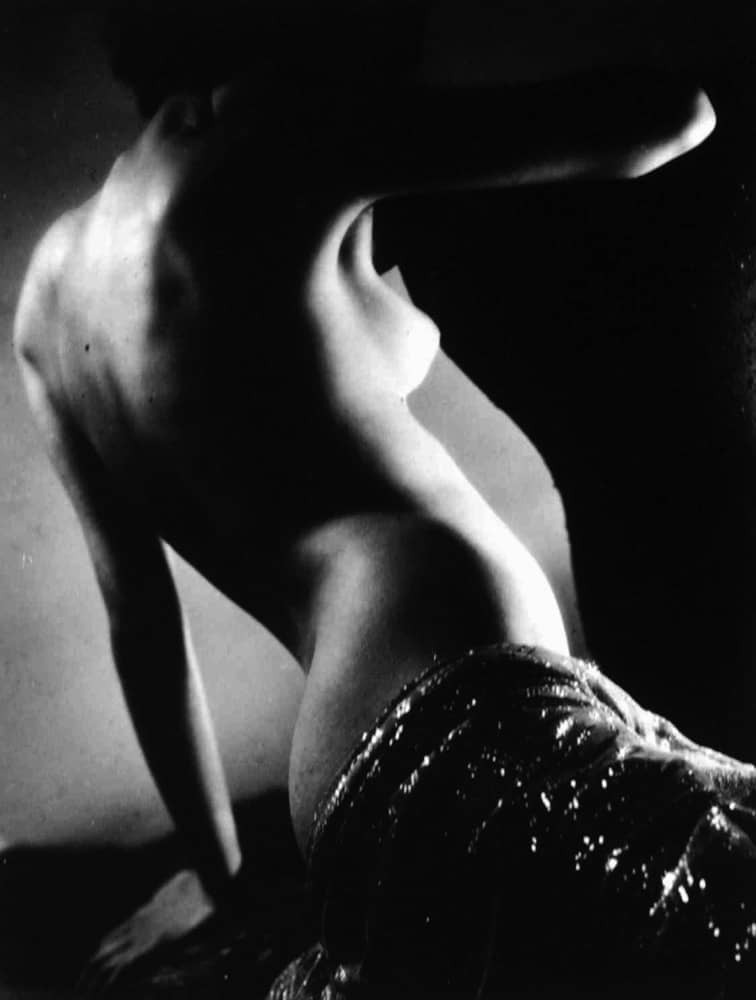
Max Dupain -Untitled (Female nude with cloth overlay) 1930s
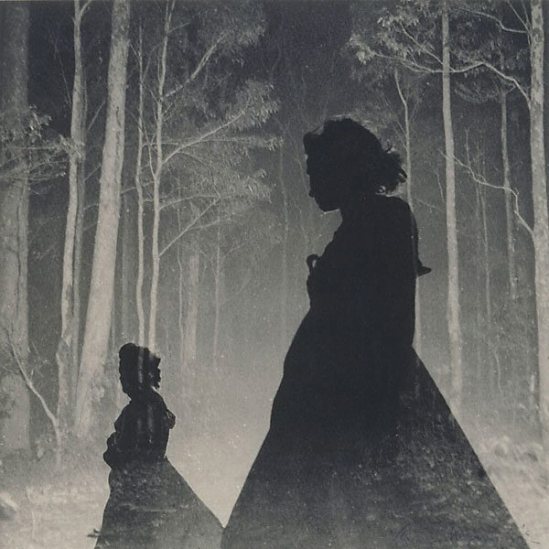
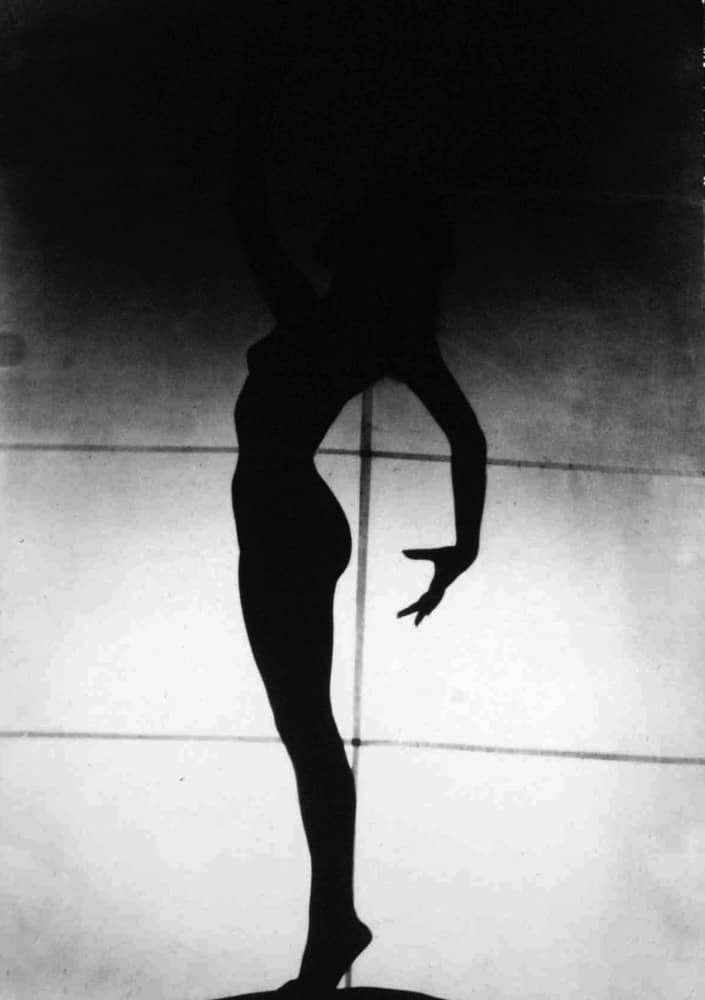
Max Dupain – Untitled (Women silhouettes and trees) 1930s
Max Dupain – Photo synthesis (woman & trees) 1930s
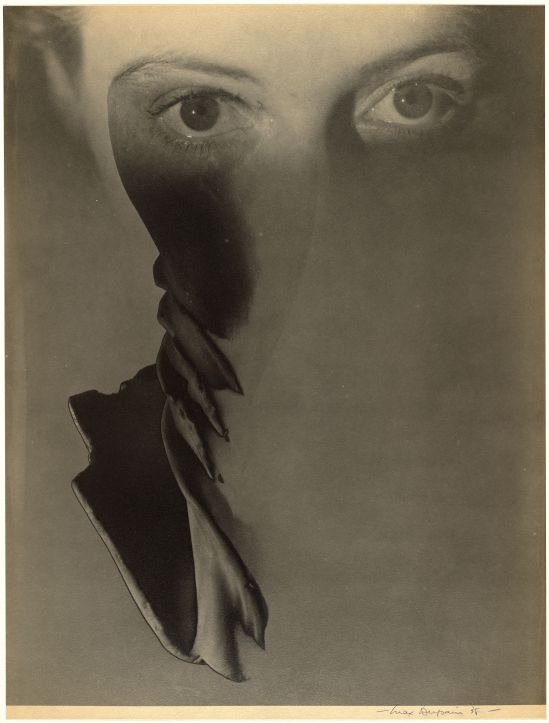
Max Dupain – Untitled (Surrealist face in woods) 1930s
Max Dupain – Untitled (Woman profile and trees) 1930s
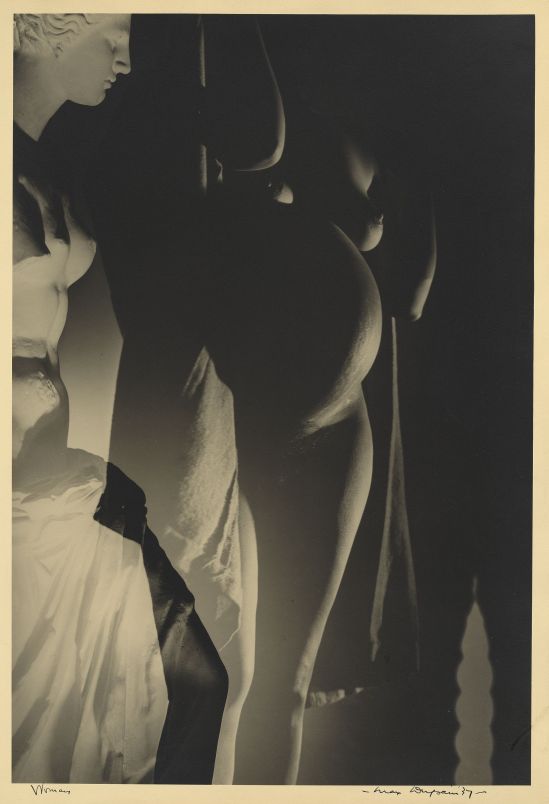
Max Dupain-Woman 1937
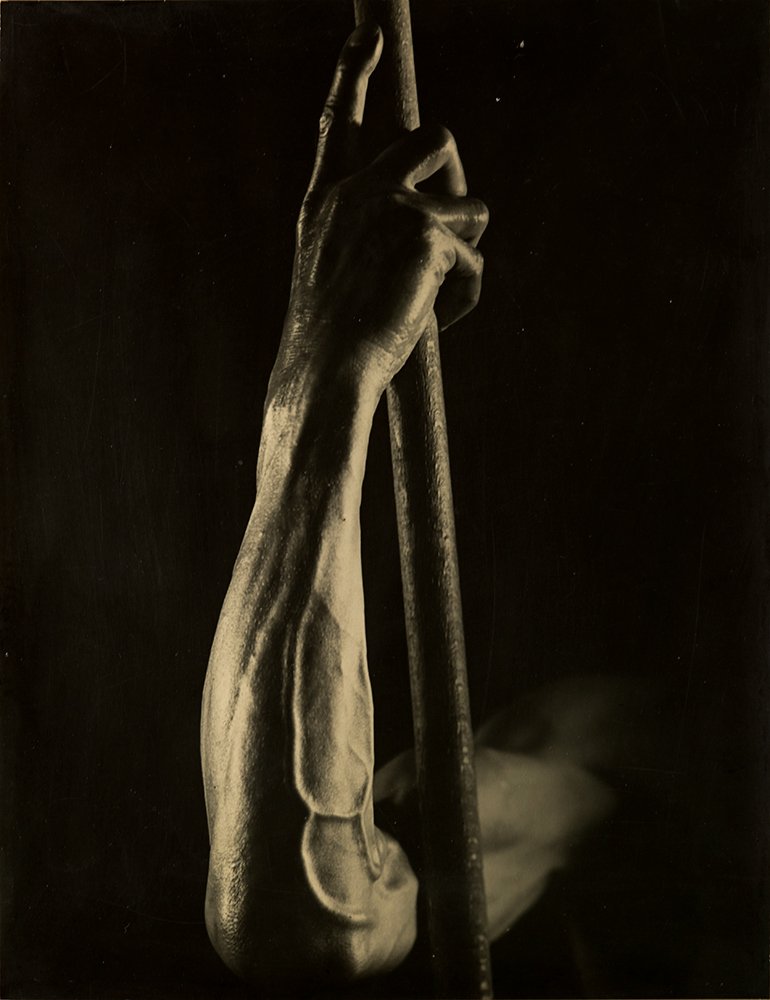
Max Dupain-Hands and movement c. 1935
Max Dupain-Lelia Roussova 1937
Max Dupain-Surrealist study 1938
Max Dupain-Hot rhythm, 1936

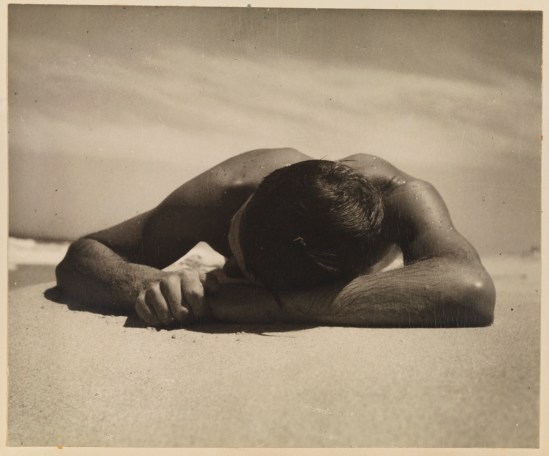
En 1937, alors qu’il est sur la côte des Nouvelles Galles du Sud::: (galerie de photographies avec le lien) , il prend une photo de la tête et des épaules de son ami Harold Savage allongé sur le sable de la plage de Cullburra Beach. Cette photographie intitulée Sunbaker deviendra une de ses plus célèbres de ses clichés.

Max Dupain -Sunbaker, 1937

En 1938, Dupain participe à la création du Contemporary Camera Group, une association qui s’oppose au mouvement pictorialiste alors largement dominant en Australie. En 1939, il épouse Olive Cotton, une autre photographe, mais ils divorcent peu de temps après.

Max Dupain-Portrait of Olive Cotton in the 1930s
Max Dupain (Australian, 1911 – 1992) Untitled [Olive Cotton in Wheat Fields] Nd (probably late 1930s)
Olive Cotton Camping trips on Culburra Beach, N.S.W., 1937 BY Max Dupain 1937
Olive Cotton – Max, 1935
Max Dupain -Camping trips on Culburra Beach (olive cotton), N.S.W., 1937
Olive Cotton – Max, 1936

Pendant la seconde guerre mondiale, Dupain s’ engage dans la Royal Australian Air Force, il sert dans les Territoires du Nord ainsi qu’en Papouasie-Nouvelle-Guinée, où il participe à la réalisation de camouflages. Très affecté par la guerre, il essaie par la suite de trouver une vision de la vérité dans un travail plus documentaire et en 1945, il travaille pour le compte de l’État australien sur un projet de promotion de son pays.


il reprend à partir de 1947 ses activités de studio mais abandonne ce qu’il appelle cosmetic lie of fashion photography or advertising illustration, autrement dit « le mensonge cosmétique de la photographie de mode et de l’illustration publicitaire ».
La photographie moderne, dit-il, doit faire plus que distraire, Elle doit inciter à réfléchir et ce, en montrant clairement les aspects de la Réalité, visant une meilleure compréhension des Hommes et des Femmes, de ce qu’ils vivent et créent».

En 1947, Dupain épouse Diana Illingworth dont il a une fille, Danina, et un fils, Rex, qui devint lui aussi photographe.Le travail documentaire de cette période est bien représenté par la photographie The meat queue, qui date de 1946. Le style naturaliste est bien expliqué par Dupain : « enregistrer un instant de la vie quotidienne vaut mieux que tenter un commentaire sociologique ».

Dupain travaille ensuite pour l’Université des Nouvelles Galles du Sud et fait de nombreux voyages dans l’Australie du Nord, à l’intérieur des terres et sur la côte. Dès 1947 mais surtout dans les années 1950, l’arrivée de la société de consommation lui donne l’occasion de réaliser de nombreuses photographies publicitaires et de travailler pour des magazines, des agences de publicité et des société industrielles. Cependant, il se tournera définitivement vers l’architecture, domaine auquel il se consacre à temps plein pendant près de 30 ans, produisant à partir des années 1960 des images de plus en plus abstraites.Cette activité de photographe d’architecture dure jusqu’à sa mort, survenue en 1992

En 1954, il devient membre du groupe des VI et il sera un peu plus tard affilié au Royal Australian Institute of Architects.

Je vais maintenant poster des photographies qui datent des années 1930’s au années 1980’s, par thématiques. je ne couvrirais pas la photographie d’architecture ni les phorographies sur les peuples indgènes. ce n’est pas l’objet de mon blog. mais vous pouvez les retrouver très aisement.

Les nus

Max Dupain – Nu dans l’ombre, 1941
Max Dupain – No. 1 nude composition 1934
Max Dupain-(Female torso with water) 1936
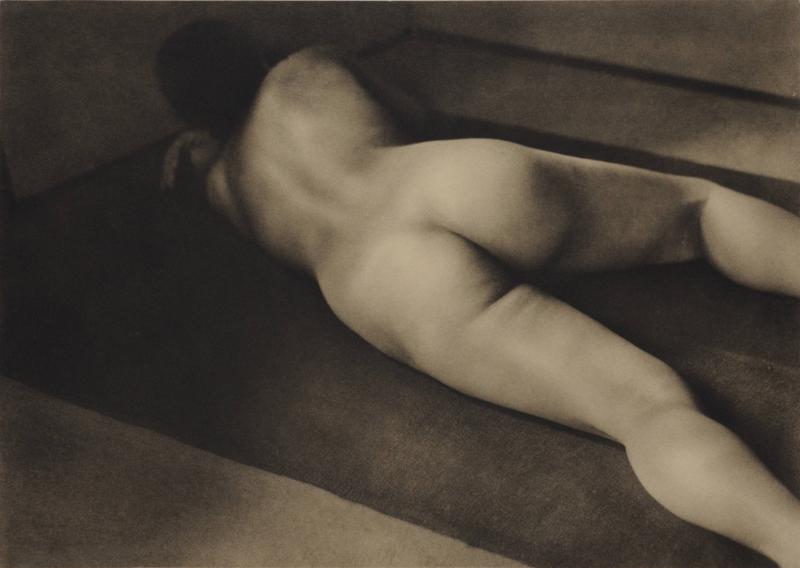
Max Dupain-Reclining nude 1935
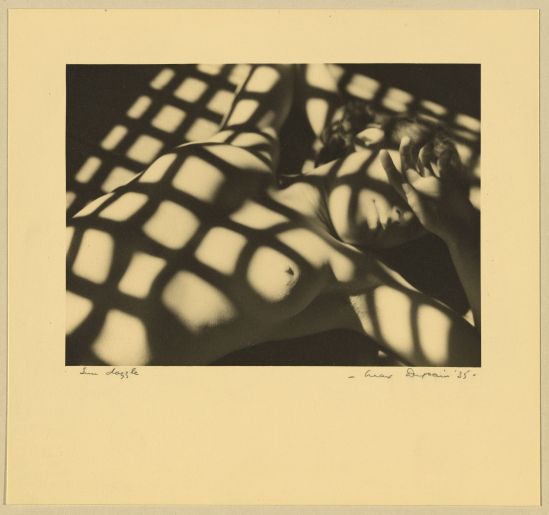
Max Dupain-Sun dazzle 1935
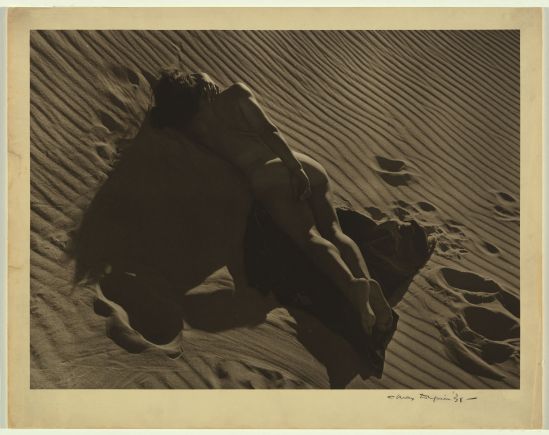
Max Dupain-(Nude on ribbed sand) 1938
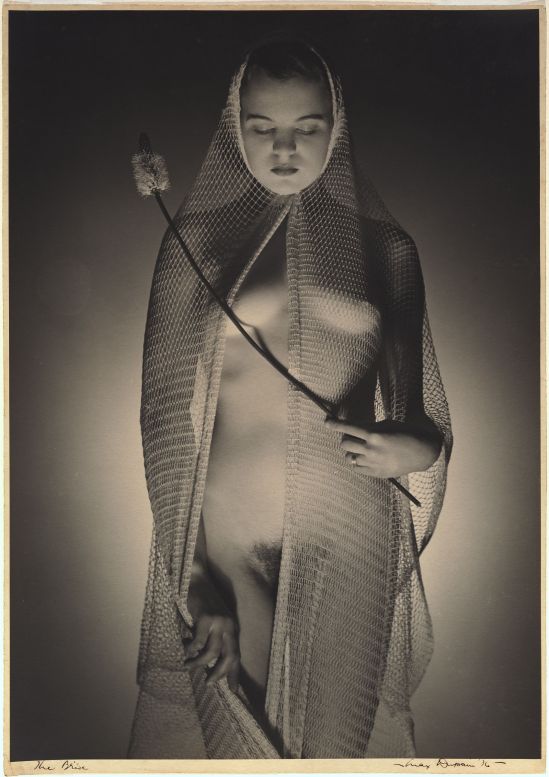
Max Dupain-The bride 1936
Max Dupain – Nude 1938
Max Dupain – Untitled (Jean with wire mesh) 1936
Max Dupain – Untitled (Nude behind screen) , from Portfolio No.4 The female form 1934
Max Dupain – Nude in grass , from Portfolio No.4 The female form 1939,
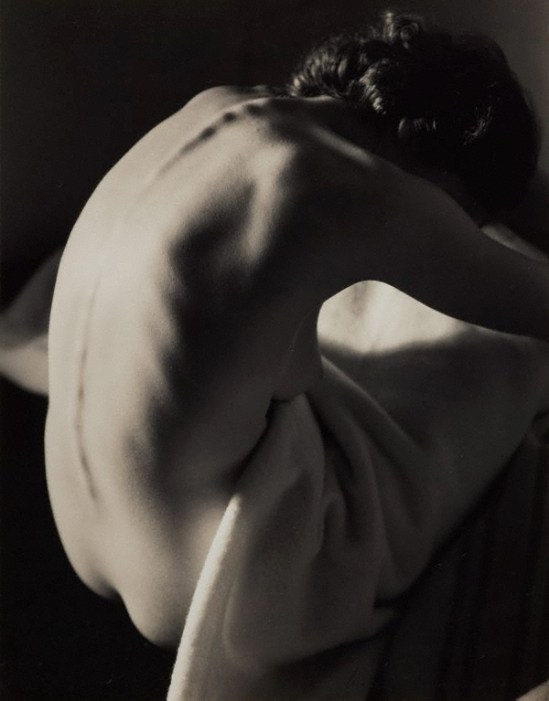
Max Dupain – Untitled (Nude – back) , from Portfolio No.4 The female form 1930s, ,
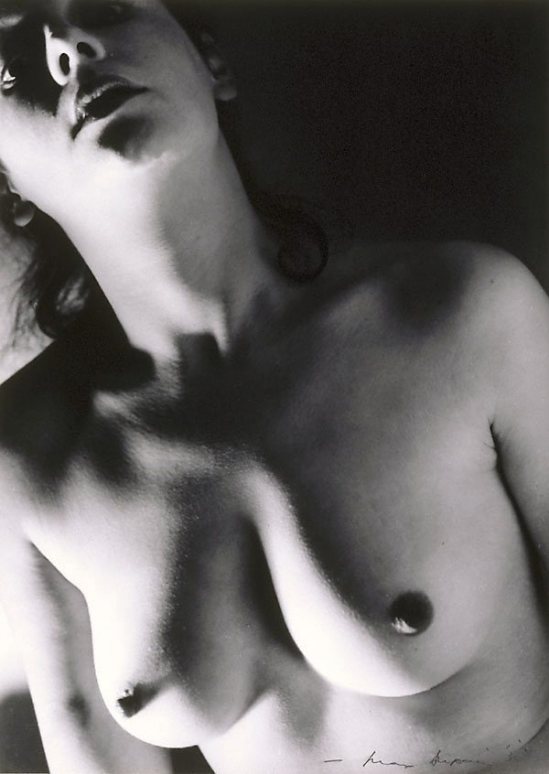
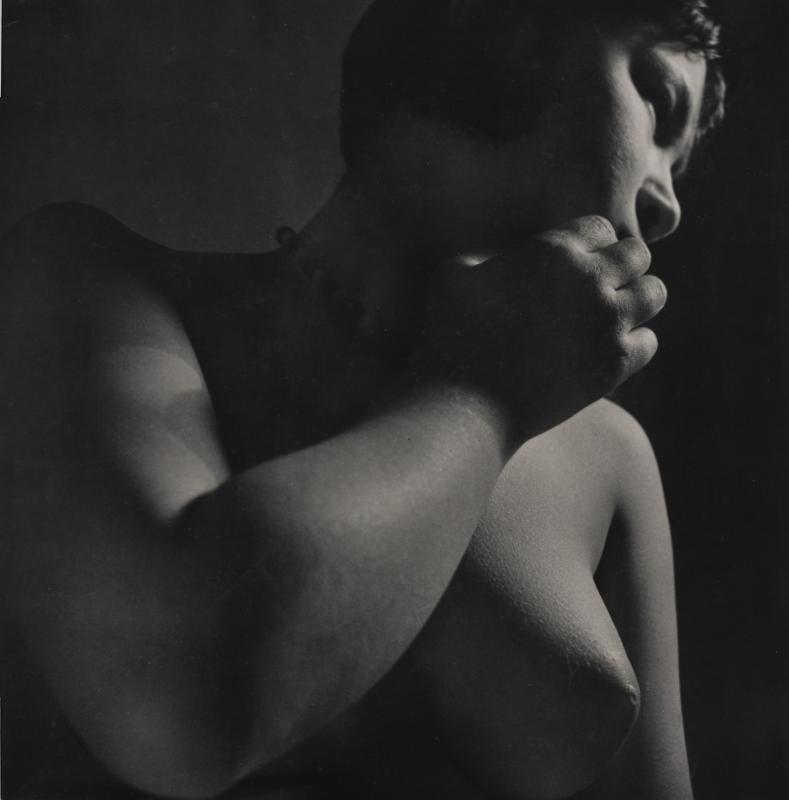
Max Dupain – Untitled (Nude – head & shoulders diagonal) , from Portfolio No.4 The female form 1930s,
Max Dupain – Untitled (Nude behind screen) , from Portfolio No.4 The female form 1940s
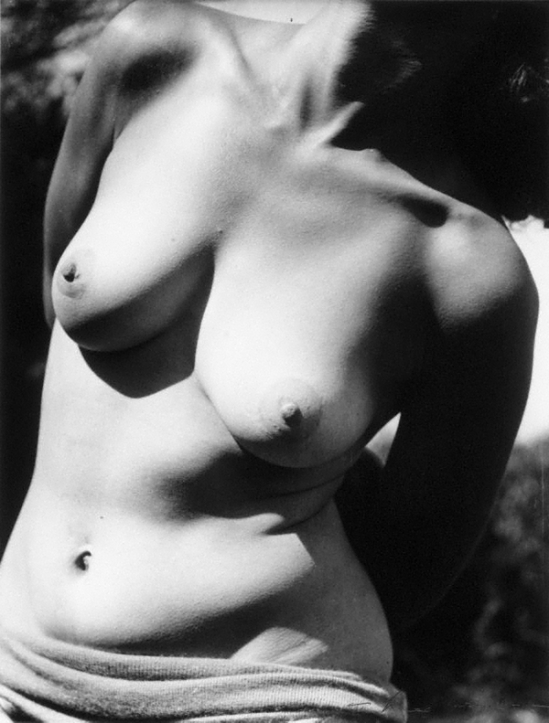
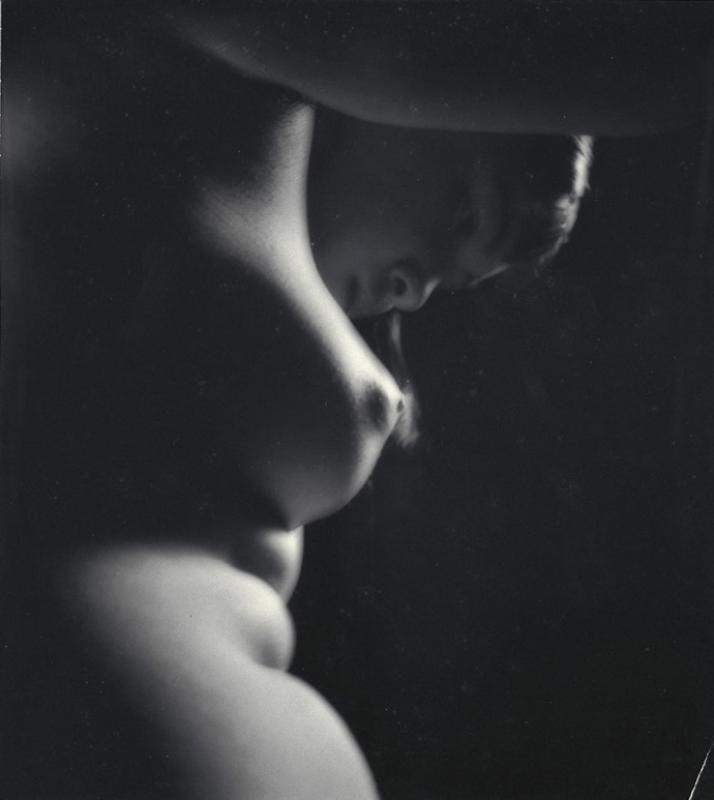
Max Dupain – Untitled (Nude torso in sunlight) , from Portfolio No.4 The female form 1941,
Max Dupain – Untitled (Reclining silhouette) , from Portfolio No.4 The female form 1940s
Max Dupain – Untitled (Nude behind screen) , from Portfolio No.4 The female form 1930s
Max Dupain – Untitled (Nude in mirror) , from Portfolio No.4 The female form 1930s,

La danse

Max Dupain – No. 1 nude composition 1934
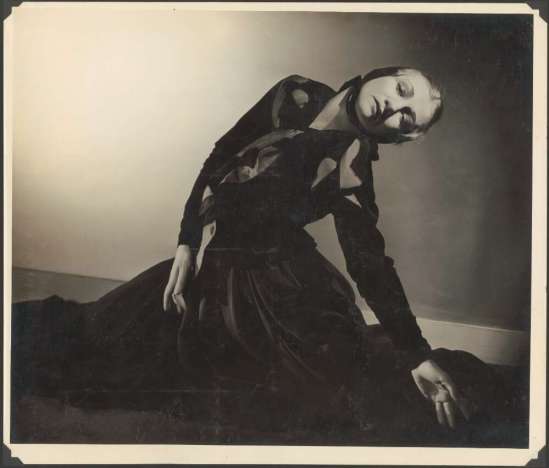
Max Dupain-Portrait of Nina Raievska between 1936-1937
Max Dupain-Portrait of Emmy Towsey (Taussig) and Evelyn Ippen1939
Max Dupain-Portrait of Evelyn Ippen, Bettina Vernon, Emmy Towsey and Shona Dunlop from the Bodenwieser Ballet1939
Max Dupain-Bodenwieser Group ,1941
Max Dupain- ortrait of Irina Baronova in Choreartium,1938-39
Max Dupain- David Lichine in L’apres-midi d’un faune, 1940
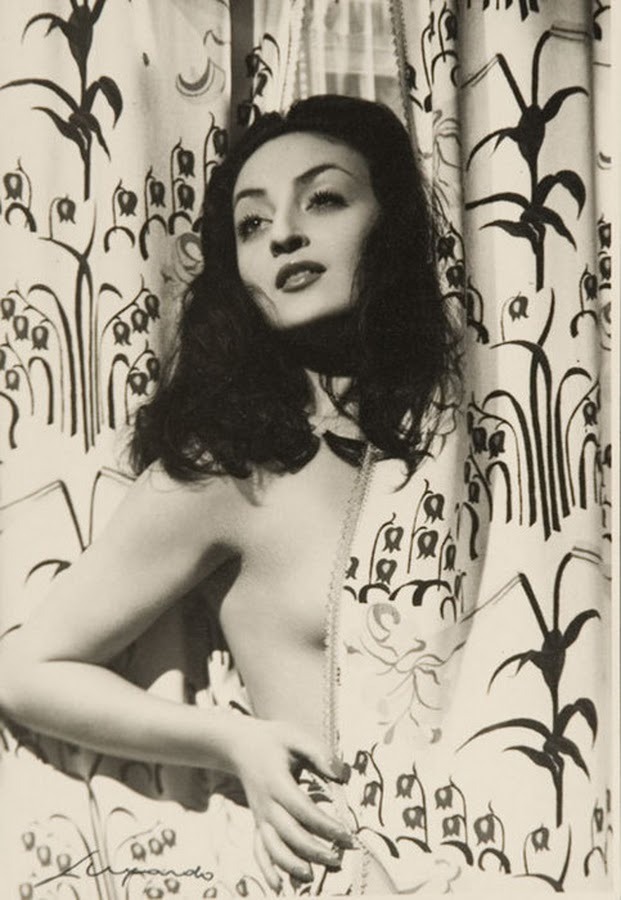
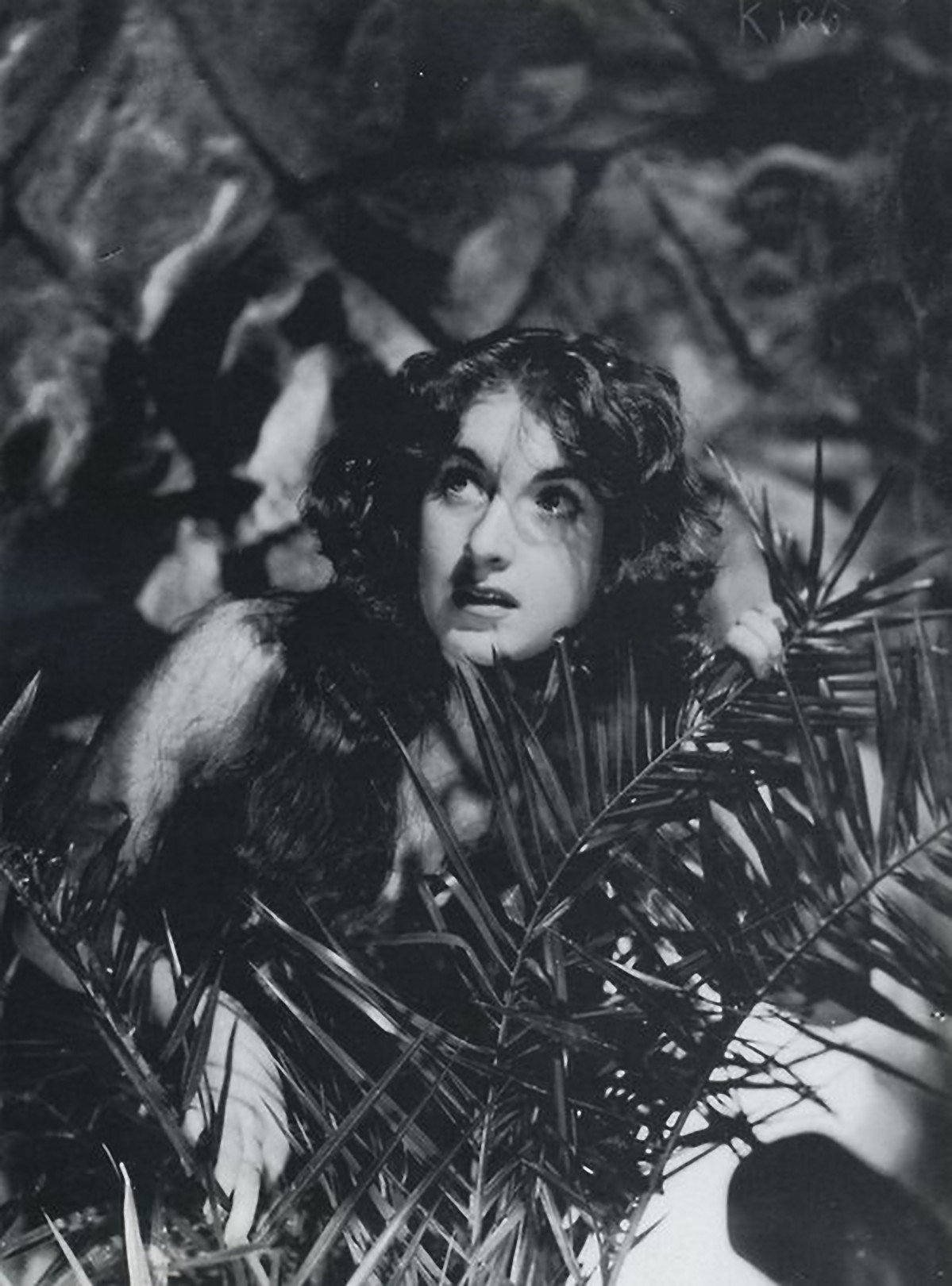
Max Dupain-Portrait of Hélène Kirsova, as the Widow in L’Amour sorcier for the Monte Carlo Russian Ballet, 1936-1937
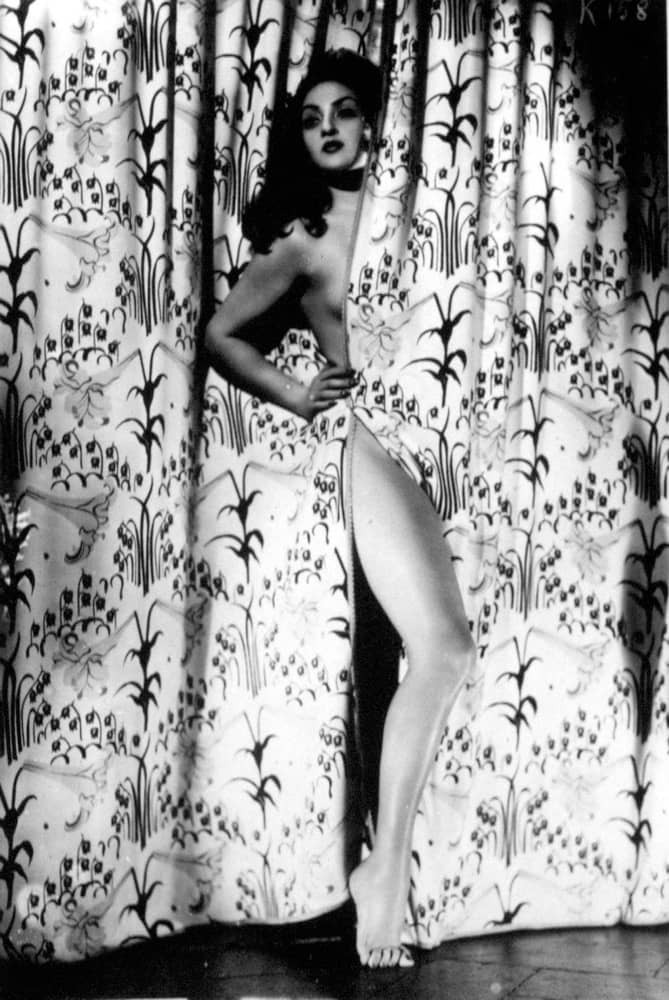
Max Dupain -Helene Kirsova as the Widow in L’amour Sorcier, 1936-1937
Max Dupain -Helene Kirsova as Little Anna in Revolution of the Umbrellas. 1936-1937

Max Dupain- Portrait of Serge Lifar in The firebird, Original Ballet Russe Australian tour1940
Max Dupain-Portrait of Sono Osato in Scheherazade, 1938
Max Dupain-Portrait of Tamara Toumanova and Paul Petroff in Frenchs Forest, 1940
Max Dupain-Portrait of Ludmilla Lvova out of doors, Frenchs Forest, 1940
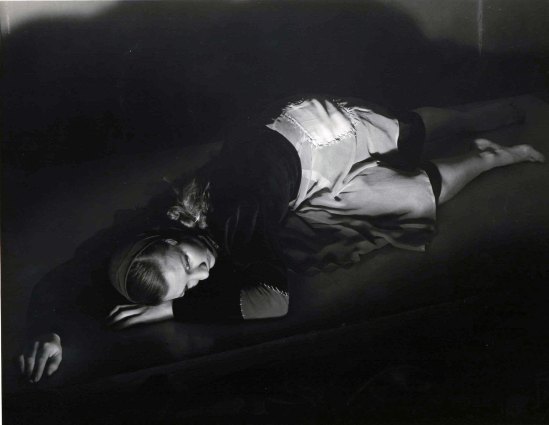
Max Dupain – Untitled , from Portfolio No.4 The female form 1940s,, ,
Max Dupain – Dancer dancing 1940s
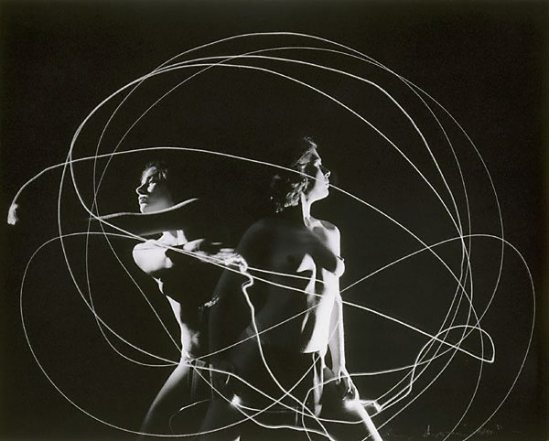
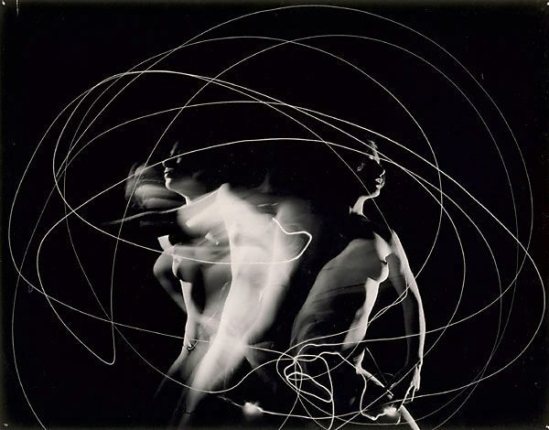
Max Dupain – Untitled (Nude with light traces) , from Portfolio No.4 The female form 1938
,

Max Dupain – Untitled (Dancer) 1937

Les portraits

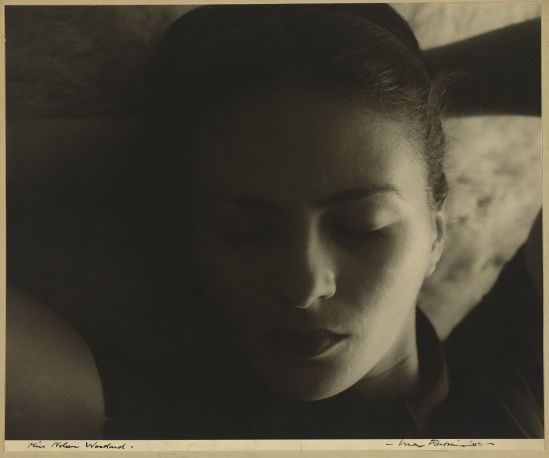
Max Dupain-Miss Noleen Woodward 1940
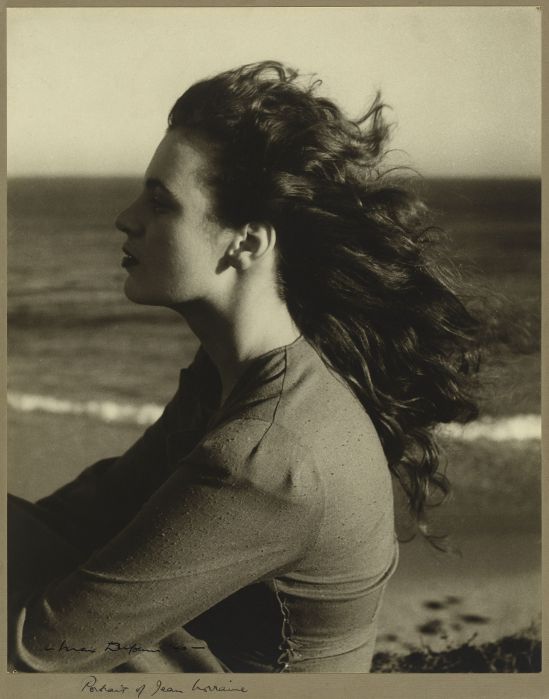
Max Dupain-Jean 1940
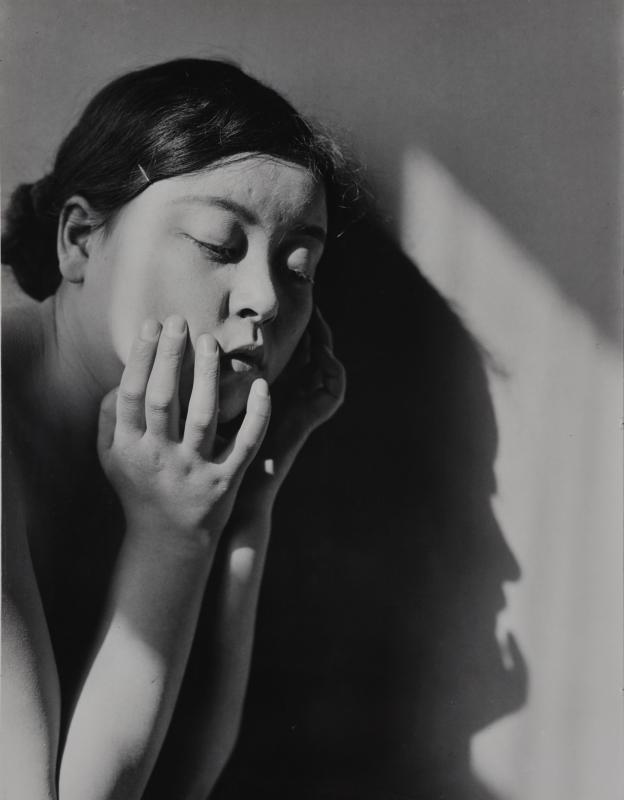
Max Dupain – Untitled (Vesta Davies, face profile) 1938

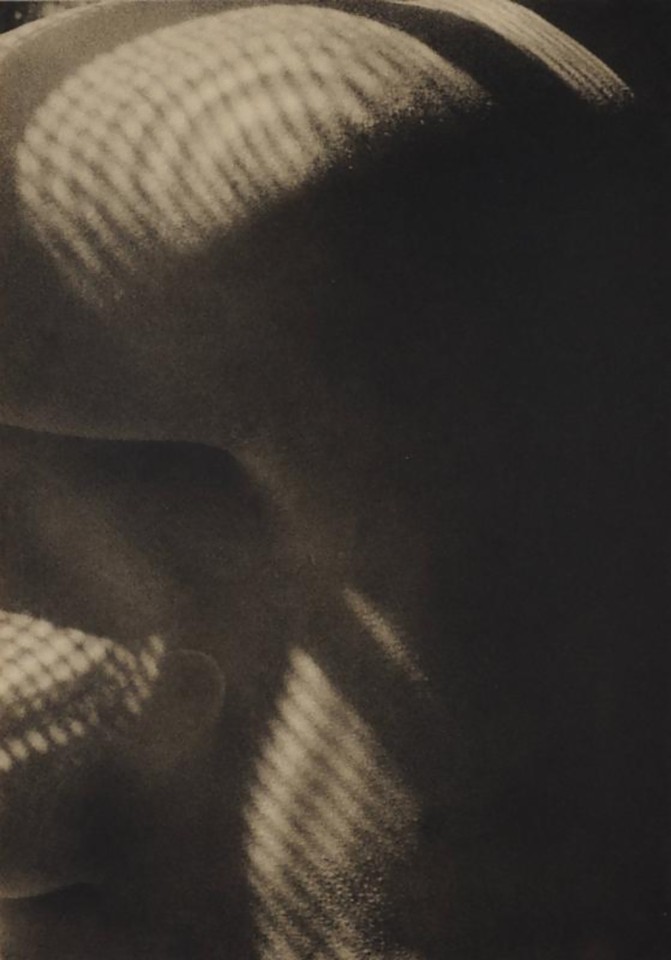
Max Dupain-(Hat advertisement) 1937
Max Dupain-Greta 1940
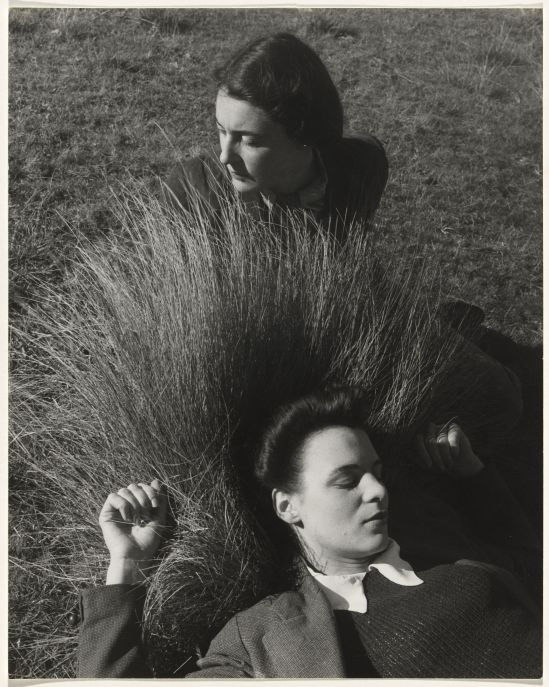
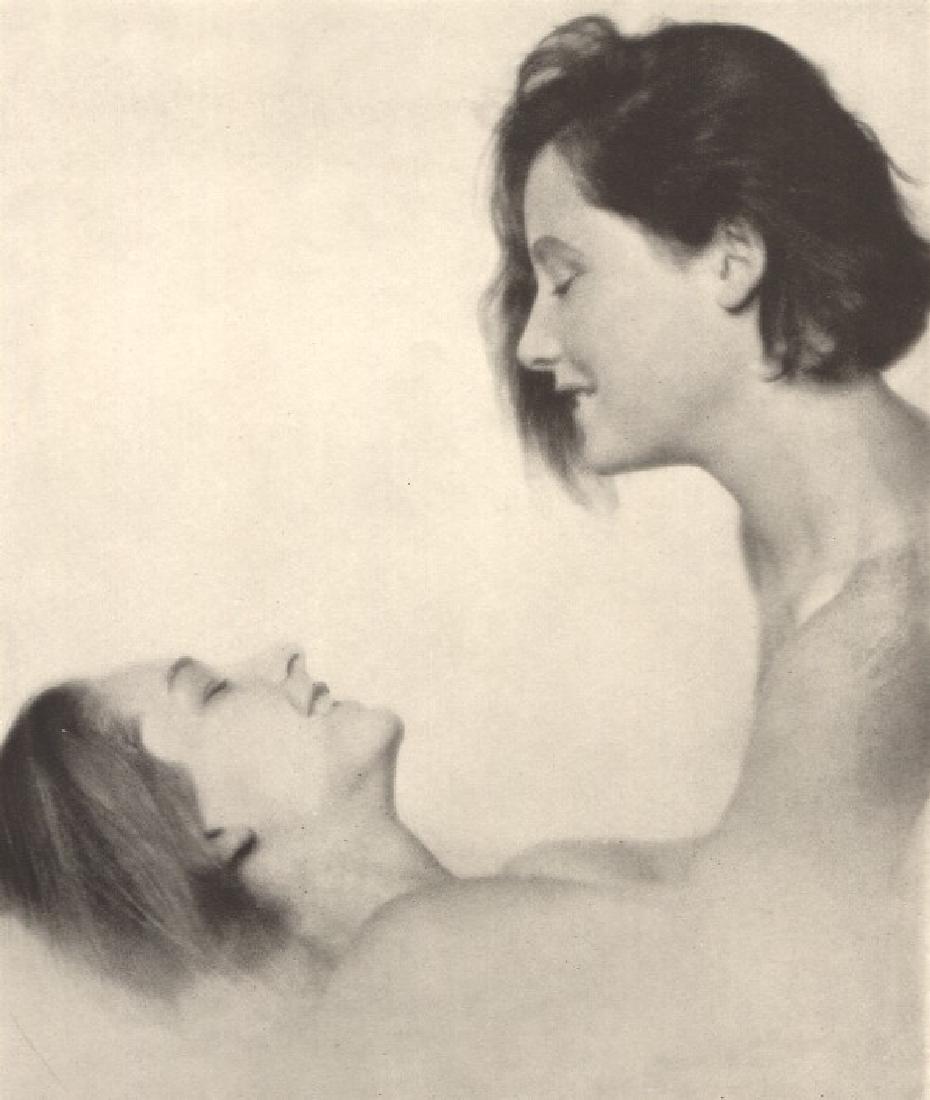
Max Dupain-Two girls [Portrait of Olive Cotton and Jean Laurraine] 1939
Artist : Max Dupain (Australia, b.1911, d.1992) Title : Date : 1951-1952 Medium Description: grey cloth bound album, 50 gelatin silver photographs Dimensions : Credit Line : Gift of Diana Dupain 2003 Image Credit Line : Accession Number : 98.2003.a-xx
Max Dupain – Fashion shoot III, Cronulla 1937
Max Dupain – Fashion shoot II, Cronulla 1937
Max Dupain – Fashion shoot I, Cronulla 1937

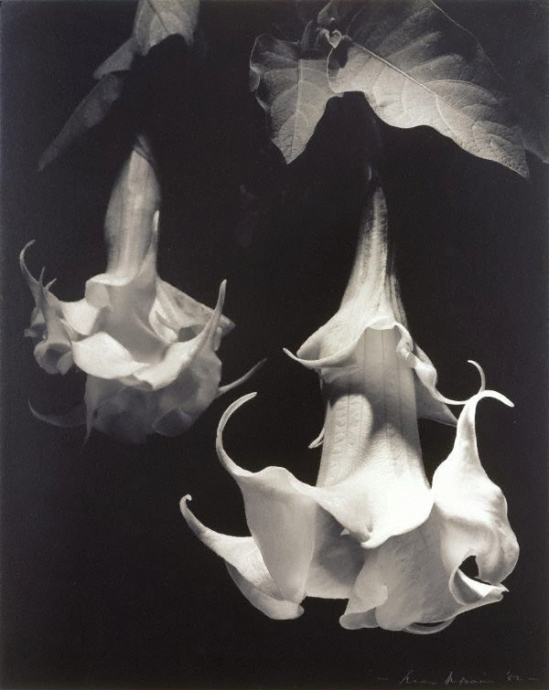
Les fleurs

Max Dupain – Untitled 1938-194
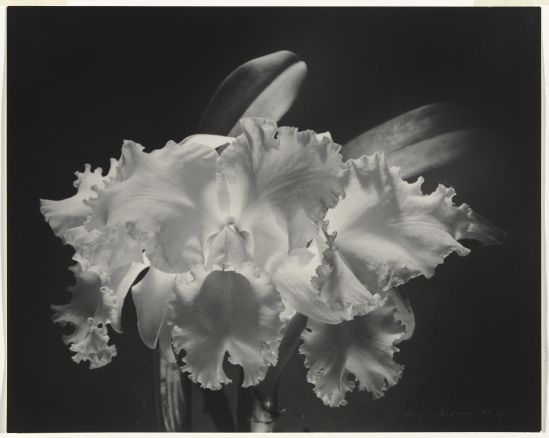
Max Dupain-Catalya orchid 1991
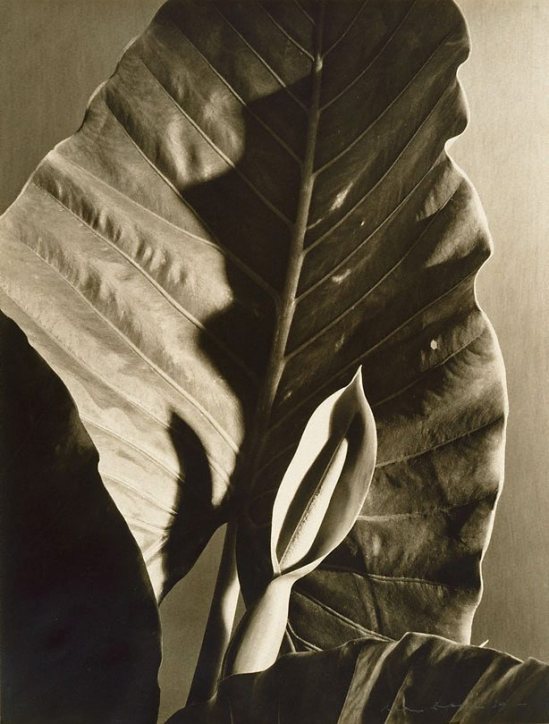
Max Dupain – Monstera deliciosa 1970
Max Dupain – Magnolia at night 1983 –
Max Dupain – Monstera Gigantous 1984
Max Dupain – Salvadorium Dalii 1982
Max Dupain – Untitled (open Lily) 1984
Max Dupain – Protea 1982
Max Dupain – Nasturtium leaves 1981
Max Dupain – Hawaiian Lilies at night 1983
Max Dupain – Camelias 1982-1984
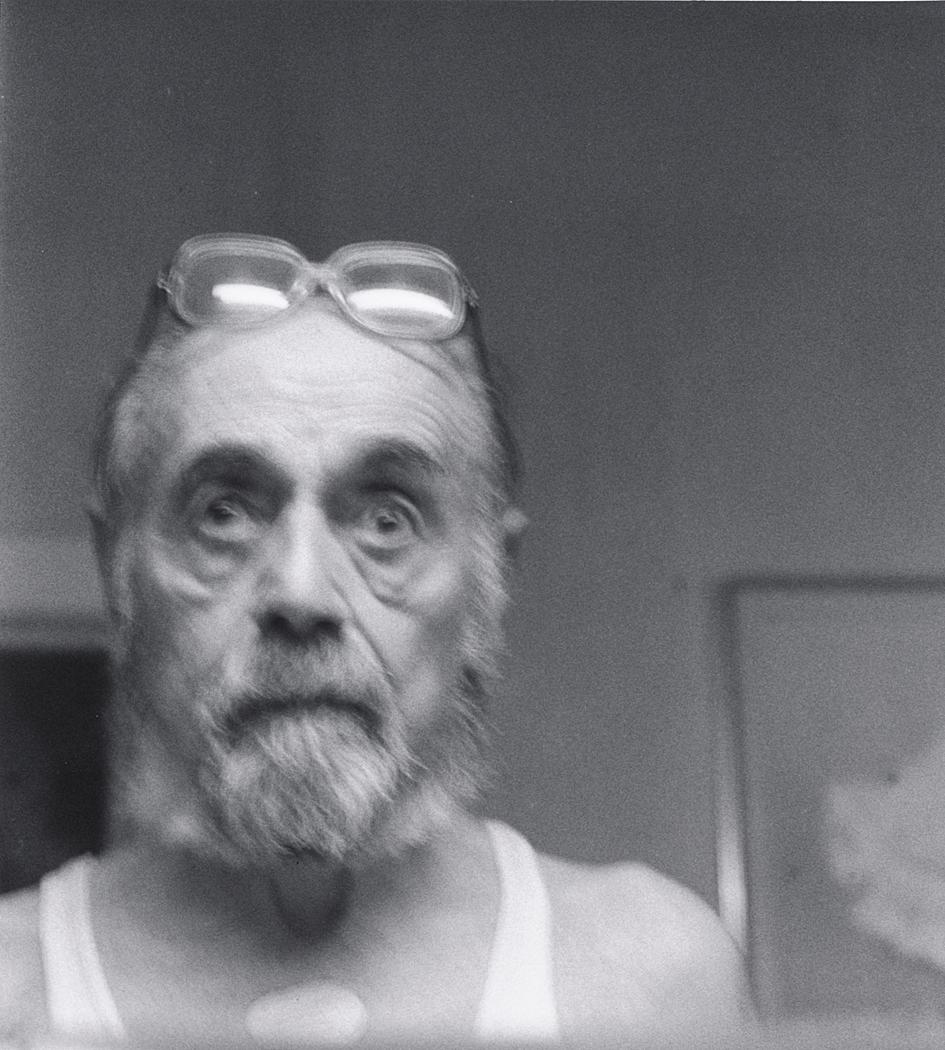
Max Dupain – Untitled (self portrait) , 1930s

Sources ici et ici et ici

Mario von Bucovich

Mario von Bucovich (16 February 1884 – 30 November 1947) was also known as Marius von Bucovich. He was born at Pula in the Istrian region of the Austro-Hungarian Empire and held the title of Baron. His father, August, Freiherr von Bucovich, was a former Corvette Captain in the Austro-Hungarian navy and later an entrepreneur in the railroad concession sector. His mother was Greek.

Despite the wide circulation of his photographs (to the present day) and popularity of his publications (from the 1920s to the 40s), there has been limited interest in Mario von Bucovich in the history of photography, which may reflect a somewhat ungenerous assessment. Although much of his work was conventional, he was a creative and talented photographer. He also took the initiative to produce books of his photographs dedicated to New York and various European cities. In a privately published volume of 1935, intended simultaneously to de-mystify and elevate photography, Bucovich expressed his views on photography and his own practice of the craft. But he reveals almost nothing of a personal nature. Both authors of this article, before learning of each other’s work—coming from German Studies and Jewish Studies, respectively—were struck by the disparity between the quantity and quality of the material legacy of Mario von Bucovich, and the lack of a substantial biography.

He worked primarily in Germany in the 1920s and 30s, as well as traveled to France and England. In his published work he was most noted for his urban studies with a focus on streetscapes, but his studio work undertaken at the Atelier Karl Schenker was often of entertainment personalities of Weimar period stage and screen. Amongst his most notable books were Berlin, Das Gesicht Der Stadt (Berlin, Portrait of a City) and Paris (with a forward by Paul Morand). The Paris book included photos by Germaine Krull. The Berlin book published originally by Albertus Verlag, a publishing house he founded in 1928, had a forward written by the author Alfred Döblin.

He had a base in Berlin during his most productive years between the wars, being linked to the Atelier Schenker. During the late 1920s his photos appeared across the gamut of German photo journalism including the titles: Der Querschnitt, Uhu, Die Dame, Die neue Linie, Das Magazin, Skizzen, Welt-Magazin, Kölnische Illustrierte Zeitung, Revue des Monats, Das Kriminalmagazin, Das Leben, Das Kunstblatt, Farbe und Form, Das deutsche Lichtbild, Deutscher Kamera Almanach, Die Reklame, Der Photo-Freund.

He moved to New York during the 1930s where he worked for a publishing house on 41st Street. In his American period he published two photographic essays, Washington D.C. City Beautiful and Manhattan Magic. A Collection of Eighty-Five Photographs. He moved to Mexico and was working there through at least the early part of that decade, until his death on 30 November 1947 in a traffic accident in Mexico City.

His work was shown at major photography salons of the day, including the Fourth International Exhibition of Pictorial Photography at the California Palace of the Legion of Honor, the Third International Exhibition of Pictorial Photography Seattle Camera Club, and the 15th and 16th Annual Pittsburgh Salon of Photographic Art at the Carnegie Institute.

His work is in the collections of the New Orleans Museum of Art, the National Museum of Mexican Art and the National Gallery of Canada.

He photographed Marlene Dietrich and Leni Riefenstahl (in her days as a dancer, preceding her career as a film director). His views of Girona in Spain taken in 1933 were published in the National Geographic magazine. The Berliner Morgenpost in 2009 described him as « one of the great unknown photographers of 20th Century European photography ».

Mario von Bucovich’s wife, Marie, was also a photographer. source wilkipedia


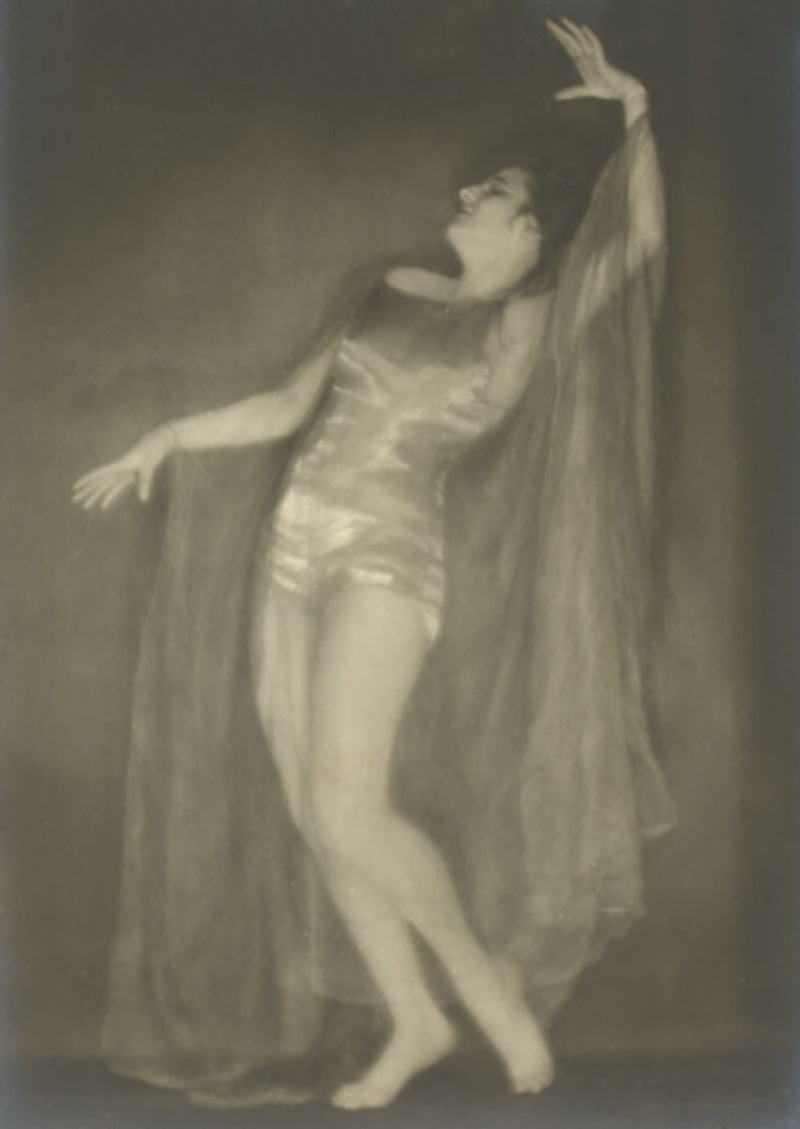
Mario von Bucovich (Atelier Karl Schenker) -Ruth Walker, Danseur, USA - Portrait - vers 1928

Mario von Bucovich (Atelier Karl Schenker) -Ruth Walker, Danseur, USA – Portrait – vers 1928

Mario von Bucovich (Atelier Karl Schenker) -Ruth Walker, Danseur, USA - Portrait - vers 1928

Mario von Bucovich (Atelier Karl Schenker) -Ruth Walker, Danseur, USA – Portrait – vers 1928

Mario von Bucovich (Atelier Karl Schenker) -Ruth Walker, Danseur, USA - Portrait - vers 1928

Mario von Bucovich (Atelier Karl Schenker) -Ruth Walker, Danseur, USA – Portrait – vers 1928

Mario von Bucovich (Atelier Karl Schenker) -Ruth Walker, Danseur, USA - Portrait - vers 1928

Mario von Bucovich (Atelier Karl Schenker) -Ruth Walker, Danseur, USA – Portrait – vers 1928

Mario von Bucovich (Atelier Karl Schenker) -Ruth Walker, Danseur, USA - Portrait - vers 1928

Mario von Bucovich (Atelier Karl Schenker) -Ruth Walker, Danseur, USA – Portrait – vers 1928

Mario von Bucovich (Atelier Karl Schenker) -Ruth Walker, Danseur, USA - Portrait - vers 1928

Mario von Bucovich (Atelier Karl Schenker) -Ruth Walker, Danseur, USA – Portrait – vers 1928

Mario von Bucovich (Atelier Karl Schenker) -Ruth Walker, Danseur, USA - Portrait - vers 1928

Mario von Bucovich (Atelier Karl Schenker) -Ruth Walker, Danseur, USA – Portrait – vers 1928

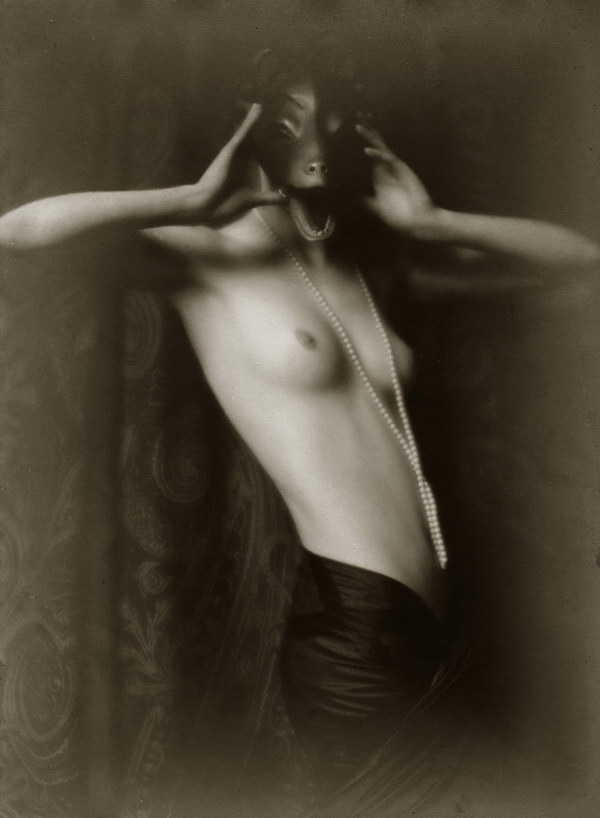
Mario von Bucovich -Naakt rencontré masker en werd Berlin 1927 de la bookVoluptuous Panic Le monde érotique de Weimar Berlin, Feral House, 2000. photo courte

Mario von Bucovich -Naakt rencontré masker en werd Berlin 1927 de la bookVoluptuous Panic Le monde érotique de Weimar Berlin, Feral House, 2000. photo courte

Mario Von Bucovich-'Naakt avec un masque "et était Berlin 1927

Mario Von Bucovich-‘Naakt avec un masque « et était Berlin 1927

Mario von Bucovich

Mario von Bucovich

Mario von Bucovich

Mario Buchovich- Reclining nude 1935

Mario Buchovich- Reclining nude 1935 Vintage toned matte gelatin silver print

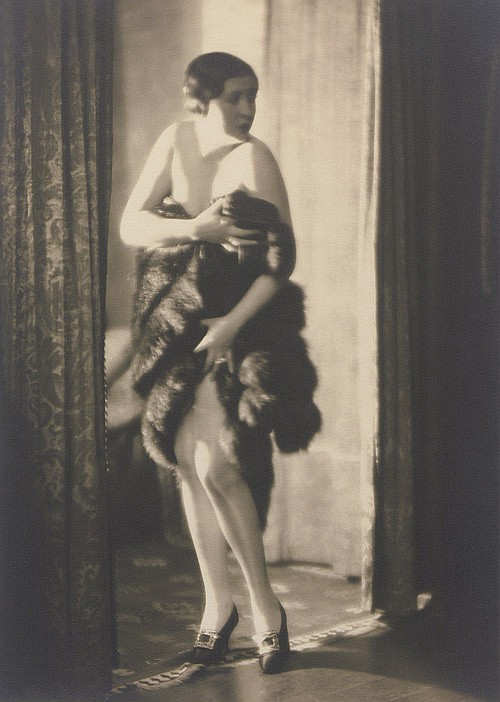
Mario von Bucovich- Female nude in shoes holding a fur stole. 1927. Vintage toned matte gelatin silver print

Mario de Bucovich- Nude 1927

Mario de Bucovich- Nude 1927

Mario de Bucovich -Repose, Study ,Photoengraving,1935

Mario von Bucovich- Nude, 1920

Mario von Bucovich- Nude, 1920

Mario von Bucovich (Atelier Karl Schenker) - (1884-1934) - Untitled (Nude), 1920

Mario von Bucovich (Atelier Karl Schenker) – (1884-1934) – Untitled (Nude), 1920

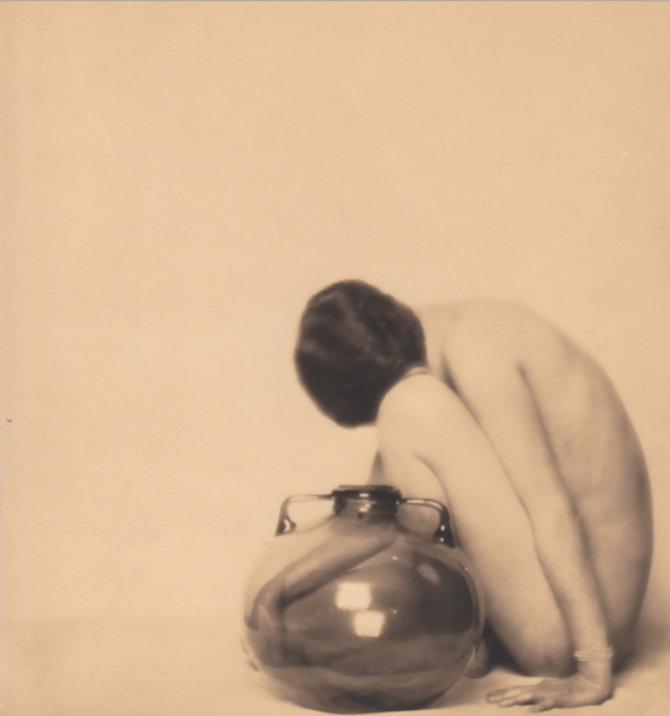
Mario Buchovich- Nude with Murano Vase ,1935

Mario Buchovich- Nude with Murano Vase ,1935

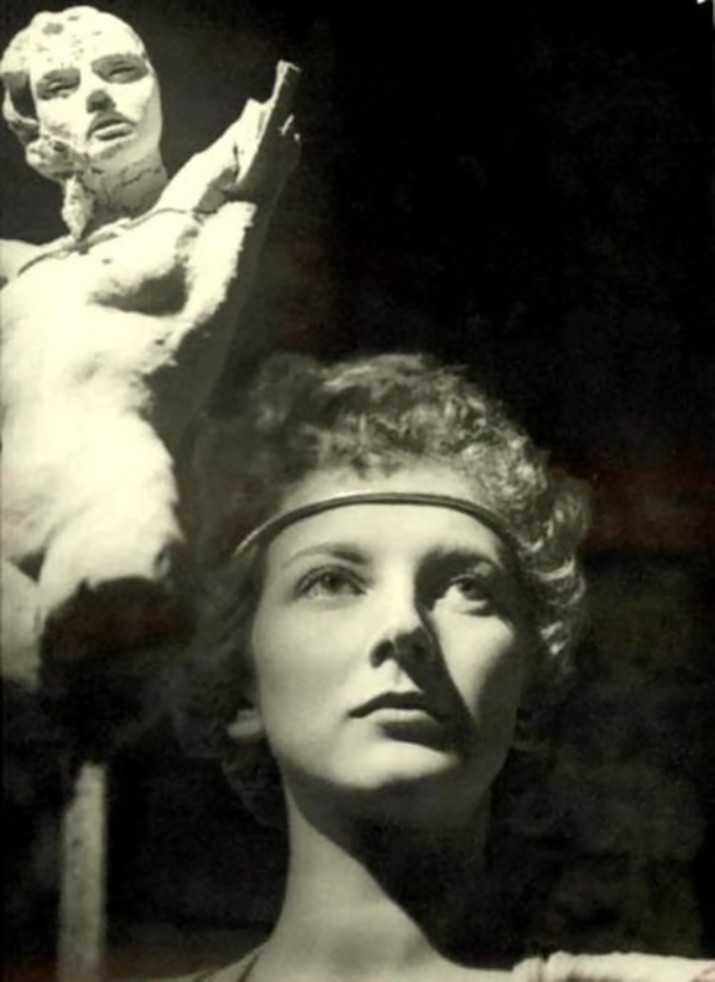
Mario v. Bucovich - Portrait de femme et sculpture, Épreuve argentique, 1928. Ader Nordmann

Mario v. Bucovich – Portrait de femme et sculpture, Épreuve argentique, 1928. Ader Nordmann

Mario de Bucovich - Leni Riefenstahl, Age 25, 1927

Mario de Bucovich – Leni Riefenstahl, Age 25, 1927

Mario von Bucovich- Hilde Zimmermann, la reine de la mode allemande published in Revue Des Monats, Avril 1927

Mario von Bucovich- Hilde Zimmermann, la reine de la mode allemande published in Revue Des Monats, Avril 1927

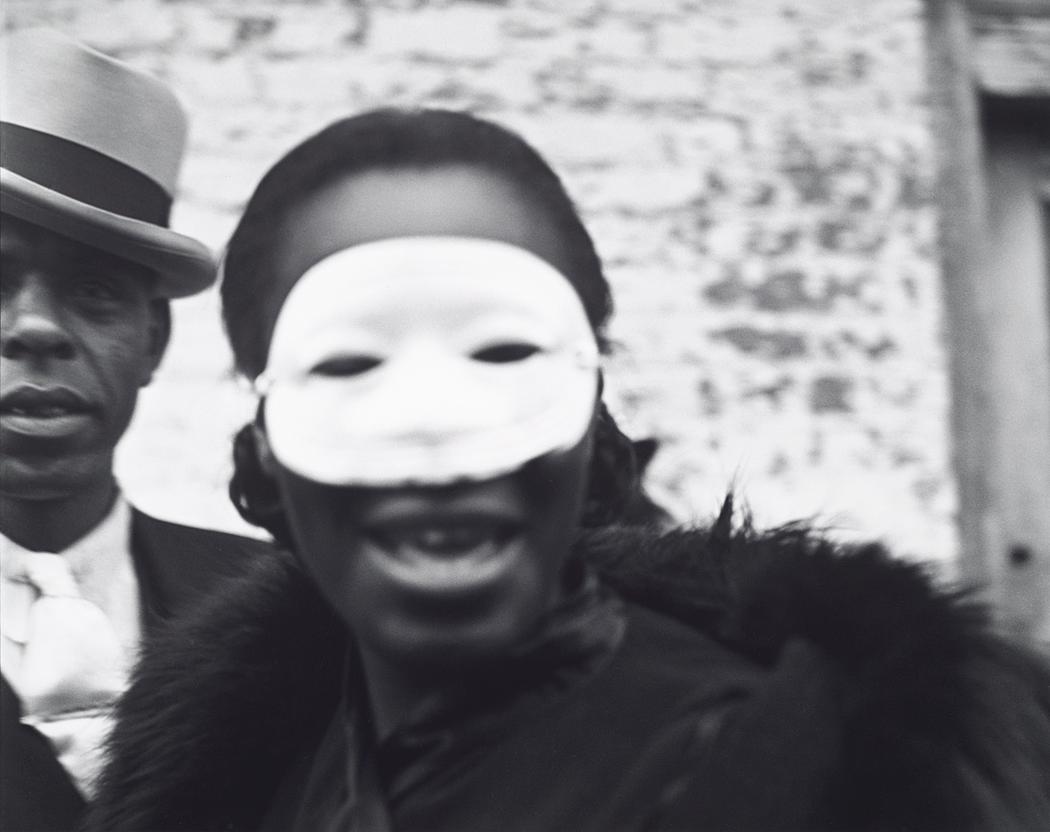
Mario von Bucovich-Incognito publiée dans la revue Des Monats, Janvier, 1928

Mario von Bucovich-Incognito publiée dans la revue Des Monats, Janvier, 1928

MARIO BUCOVICH – Study of Two Heads, Barcelona , 1935, Photoengraving

MARIO BUCOVICH – Peggy, Barcelona , 1935, Photoengraving

Mario Buchovich- Mrs Mary Booker, London, 1935

Mario Buchovich- Kneeling,Photoengraving,1932

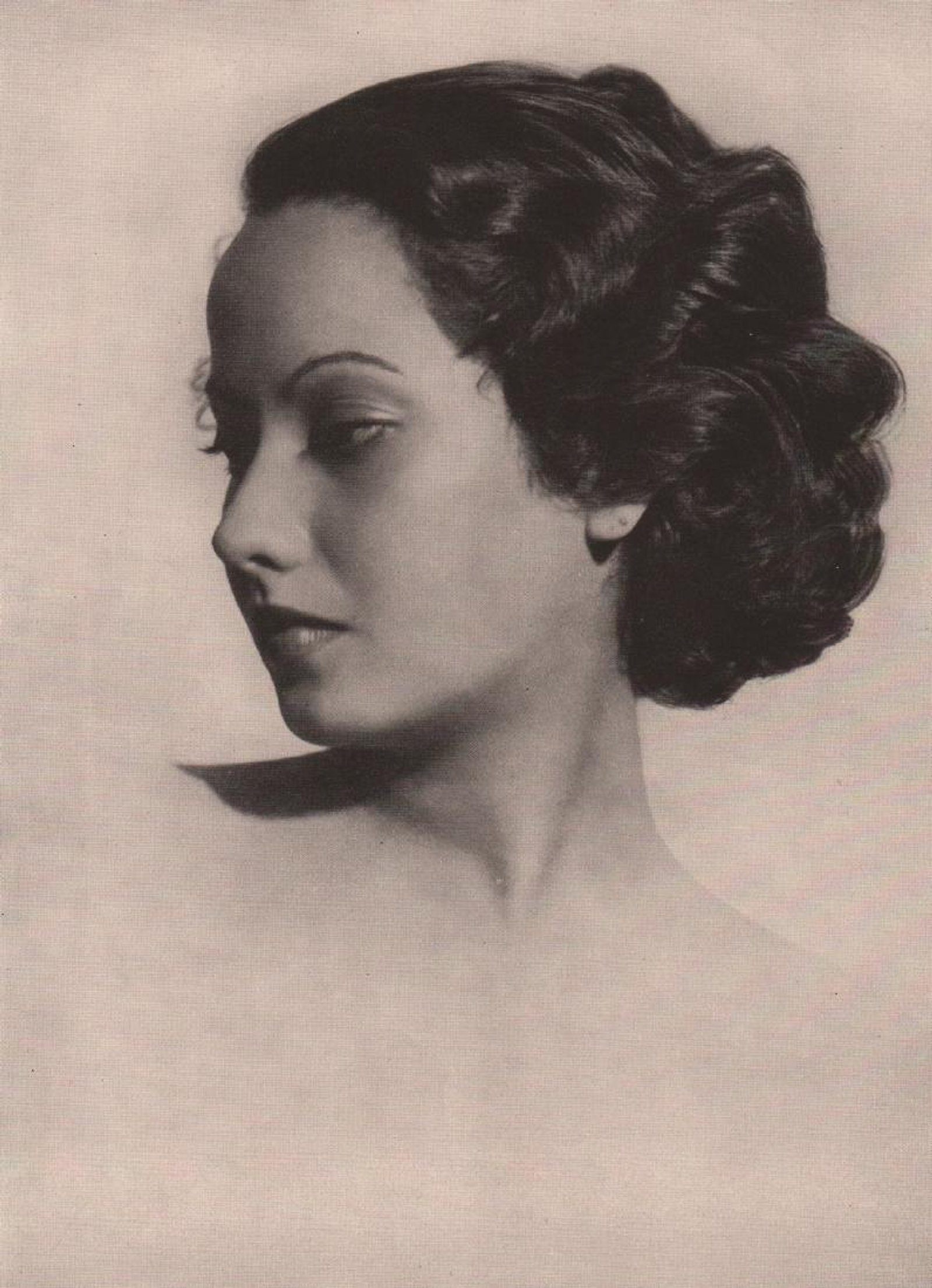
Mario Buchovich- Miss Merle Oberon ,Photoengraving,1935

Mario Buchovich- Nude with Murano Vase ,Photoengraving,1935

Mario Buchovich- Mrs. Mary Booker, London ,Photoengraving,1935

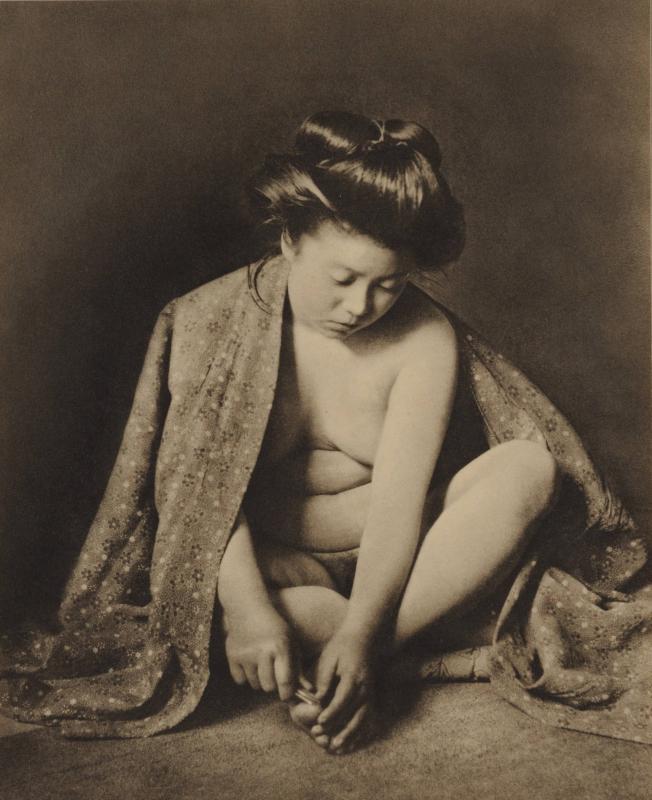
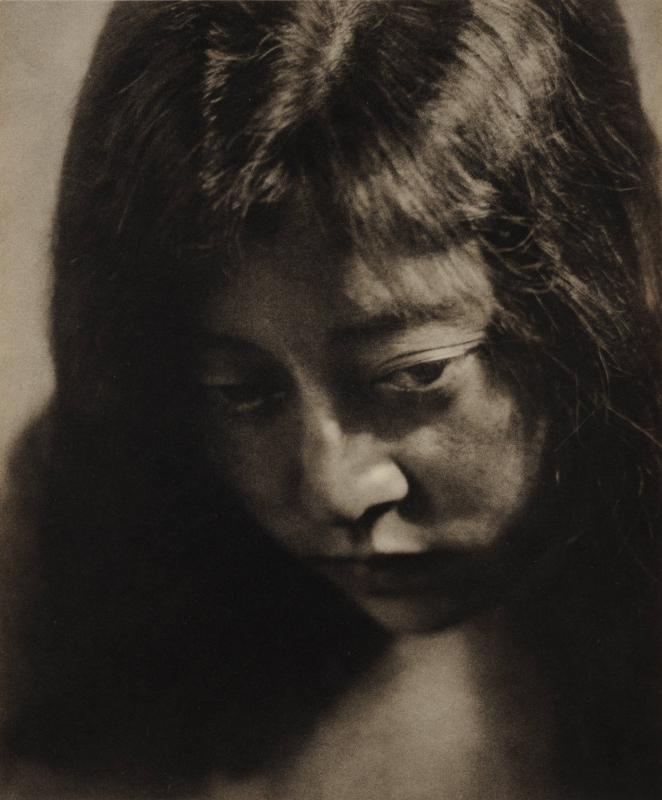
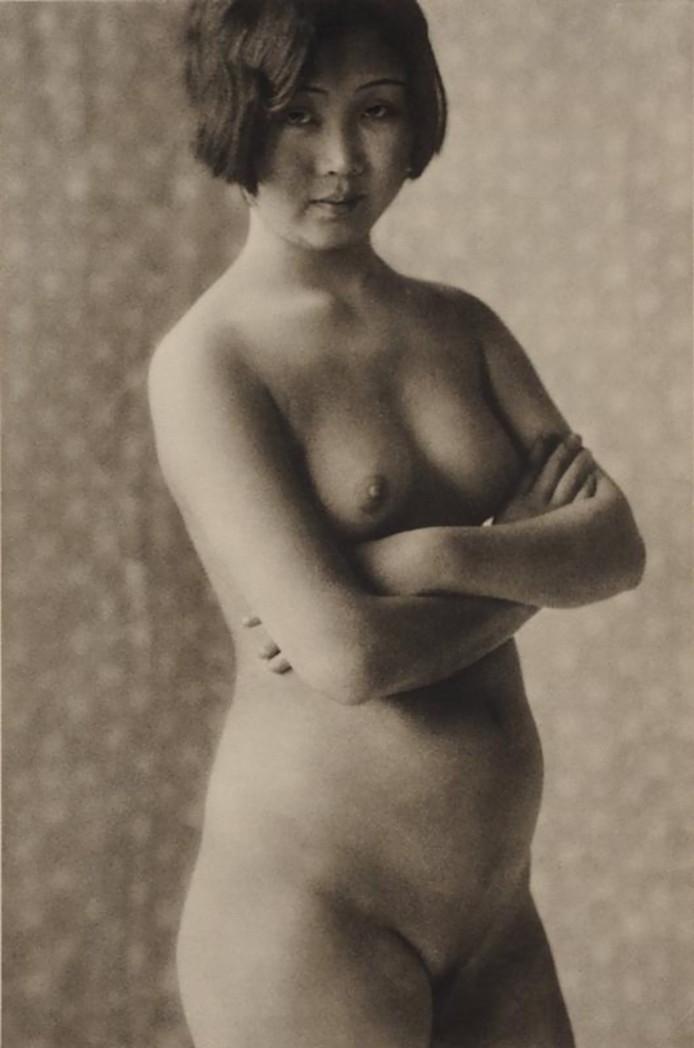
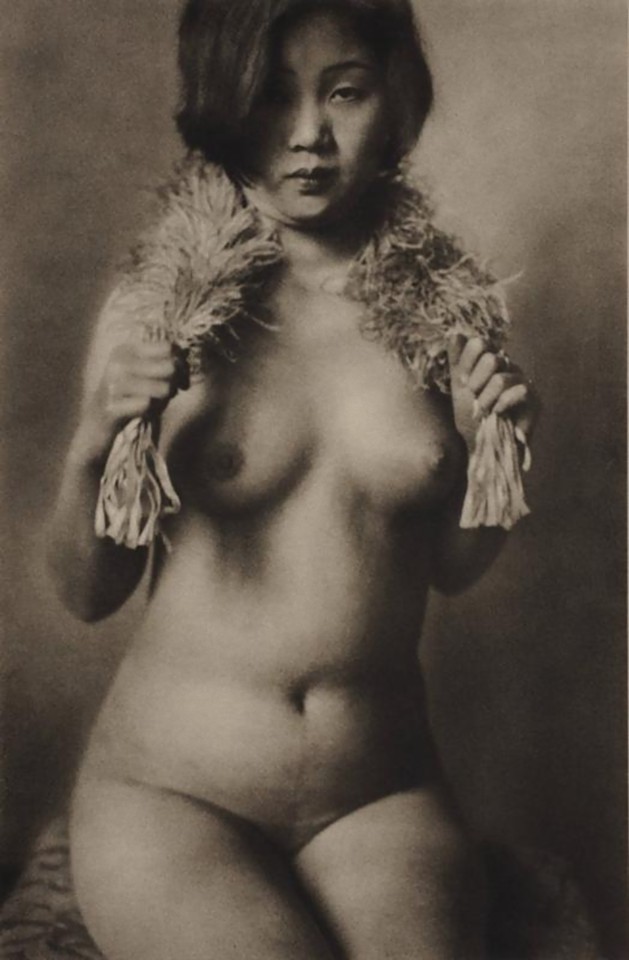
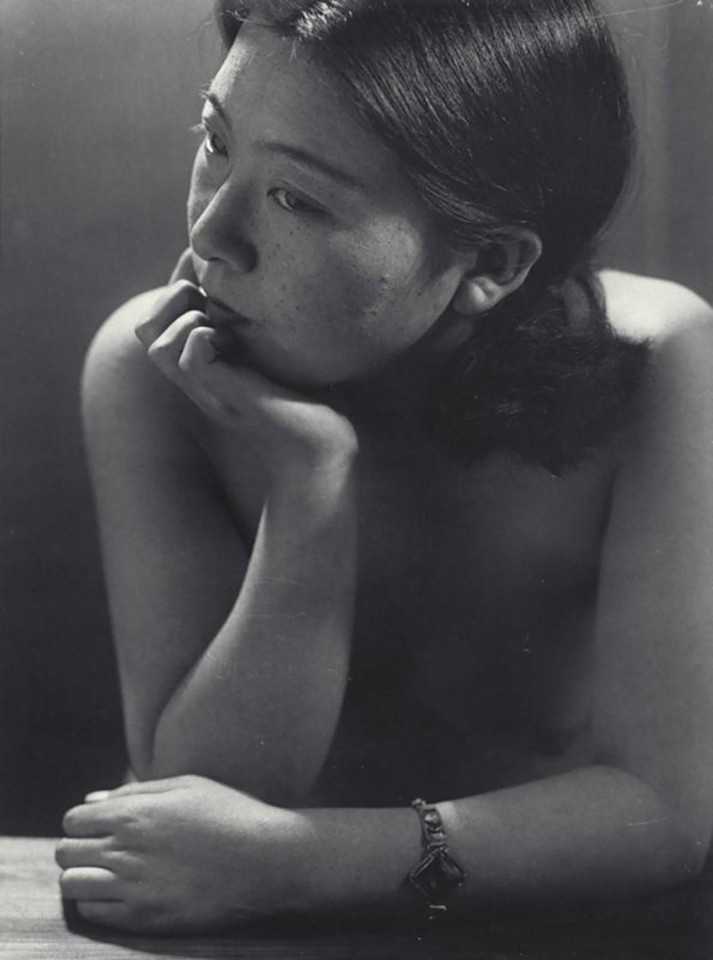
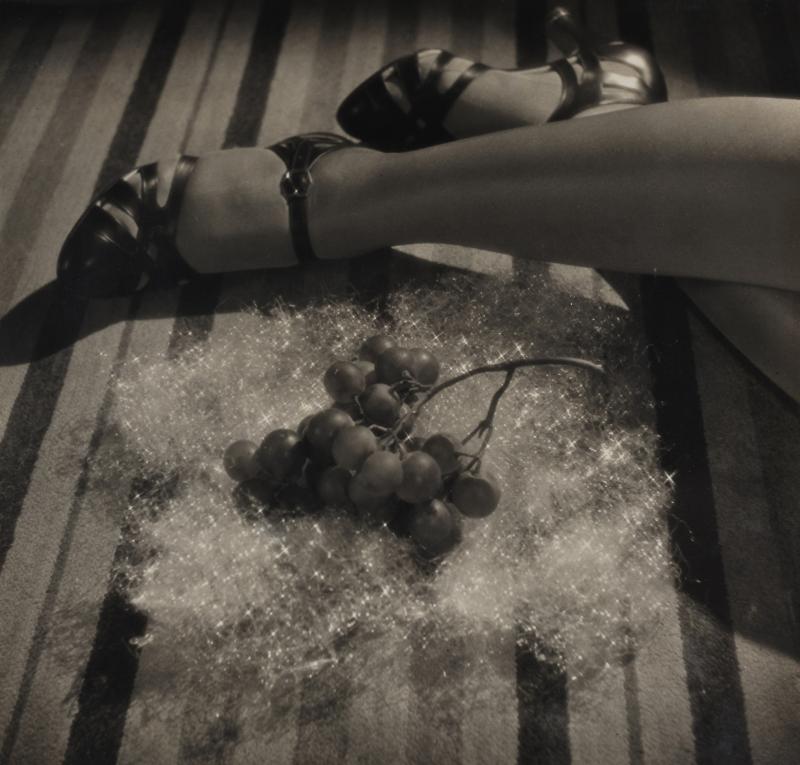
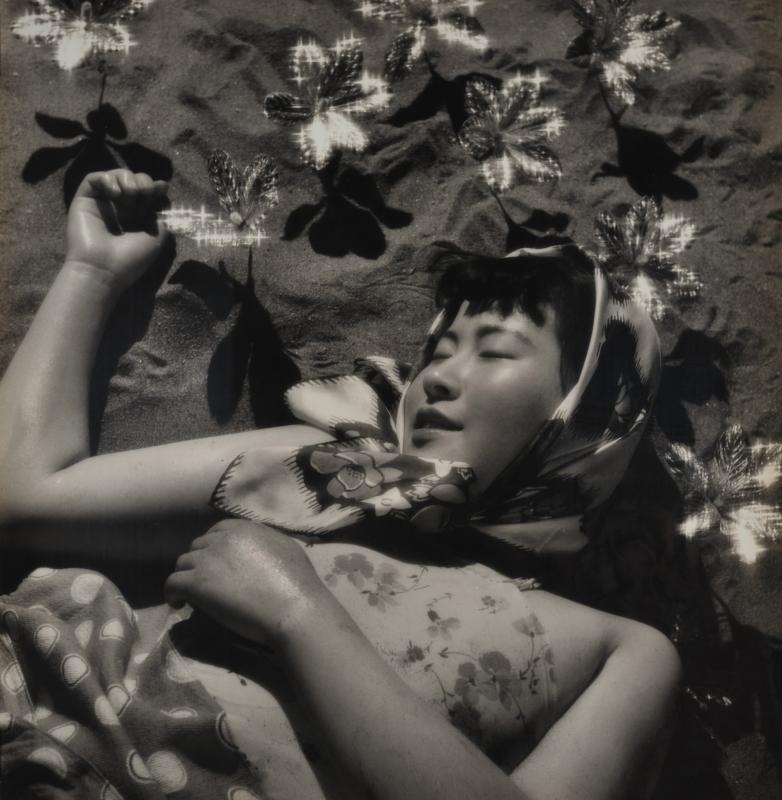
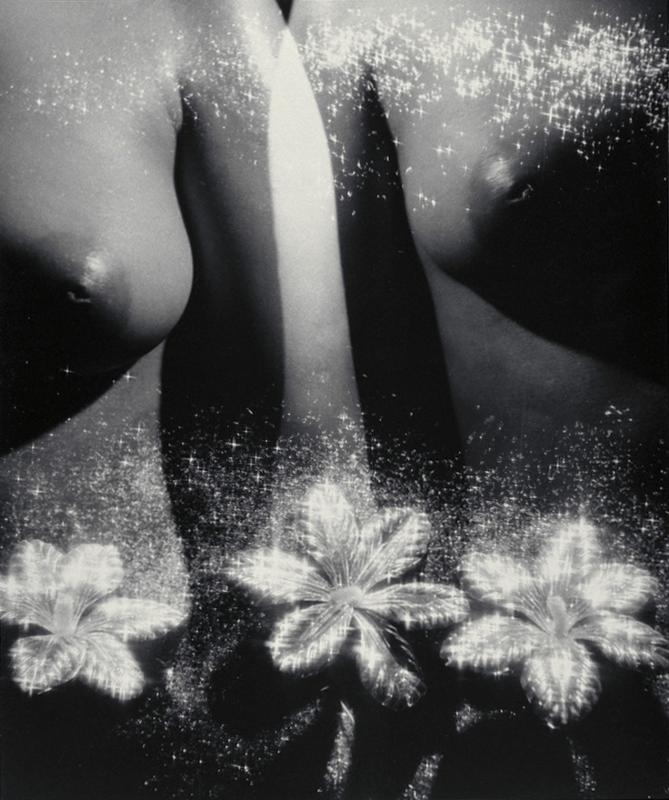
Yasuzo Nojima (1889 – 1964)

Yasuzo Nojima (1889 – 1964) est bien connu pour ses contributions au monde la photographie  en tant qu’artiste , éditeur et galeriste.  Il a contribué à élever le statut de la photographie comme un art au Japon dans les années 1930. Il a publié le magazine Koga périodique en 1932. Ce magazine fût le premier consacré à la photographie moderne au Japon et le premier à présenter  les photographes japonais au reste du monde.

Il est l’une des figures les plus importantes de l’histoire de la photographie japonaise moderne, Son travail allant de Kaiga shugi shashin (La photographie picturale) à Shinko shashin ( La nouvelle photographie ) du début du XXe siècle .Nojima a introduit une nouvelle esthétique photographique au Japon, qui s’est concentré sur les qualités techniques et esthétiques de la photographie dans son propre droit, plutôt que comme une imitation de peintures.

Nojima était aussi connu comme un amateur d’art passionné et défenseur de l’art contemporain de son temps,  et tout naturellement il ouvre une galerie appelée «Kabutoya Gado» (1919-1920) à Tokyo, à ses frais, en organisant des expositions d’œuvres , mais aussi des rencontres d’ artistes, surtout ceux de la Shirakaba-ha (White Birch Groupe), un mouvement littéraire qui comprenait des artistes tels que peintres renommés Umehara  Ryuzaburo (1888-1986) et Kishida  Ryūsei (1891-1929). Il était ce qu’on peut qualifier de guide pour tous ces artistes.

Les premiers travaux de Nojima, qui étaient  des gravures gomme bichromatique , plus tard ses natures mortes et ses nus, toujours doux ,se feront en tirages argentiques mais seront plus frappantes dans leurs formes simples et directs.

Ses premières œuvres de Nojima sont caractérisés par une densité et le lourd écho  du pictorialisme, basées sur sa sensibilité subtile allié au processus d’impression de pigments (méthode d’impression la plus courante de l’époque).

Dans les années 1930, son style prend un tournant radical sous l’influence des nouvelles tendances de la photographie allemande, se déplaçant vers  la gélatine d’argent dans la poursuite d’une forme d’expression qui est unique dans le milieu.

Le magazine de photographie Kōga (Photos légères; 1932-1933), qu’ il co-fonde avec  Nakayama Iwata (1895-1949) et Kimura (1901-1974 ), que  Nojima a principalement financé , a joué un rôle extrêmement important dans le développement ultérieur de « Shinko shashin » ( La nouvelle photographie ) en introduisant les  théories importantes de la photographie arrivant de l’étranger et en fournissant une plateforme indispensable pour une jeune génération de photographes.
Nojima était aussi connu comme un amateur d’art passionné et défenseur de l’art contemporain de son temps,  et tout naturellement il ouvre une galerie appelée «Kabutoya Gado» (1919-1920) à Tokyo, à ses frais, en organisant des expositions d’œuvres , mais aussi des rencontres d’ artistes, surtout ceux de la Shirakaba-ha (White Birch Groupe), un mouvement littéraire qui comprenait des artistes tels que peintres renommés Umehara  Ryuzaburo (1888-1986) et Kishida  Ryūsei (1891-1929). Il était ce qu’on peut qualifier de guide pour tous ces artistes.

Je vous présente les œuvres des tirages bromoil  à ceux de la gélatine d’argent , pas forcément dans l’ordre chronologique, je n’ai choisi que quelques œuvres des années 1910-20, préférant son travail des années 1930 et 1940… ceci reste tout à fait exhaustif. par exemple vous pouvez trouver des photographies de paysages de lui.

 Les photographies sont issues du Livre Yasuzo Nojima. Photographies de Yasuzo Nojima.  AKAAKA Art Publishing, 2009. 

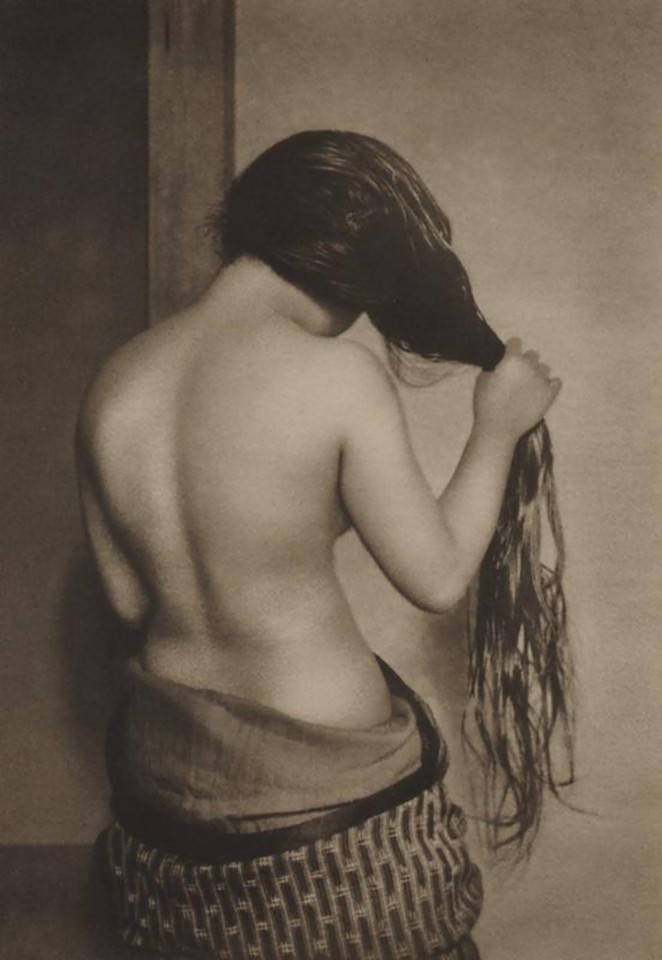
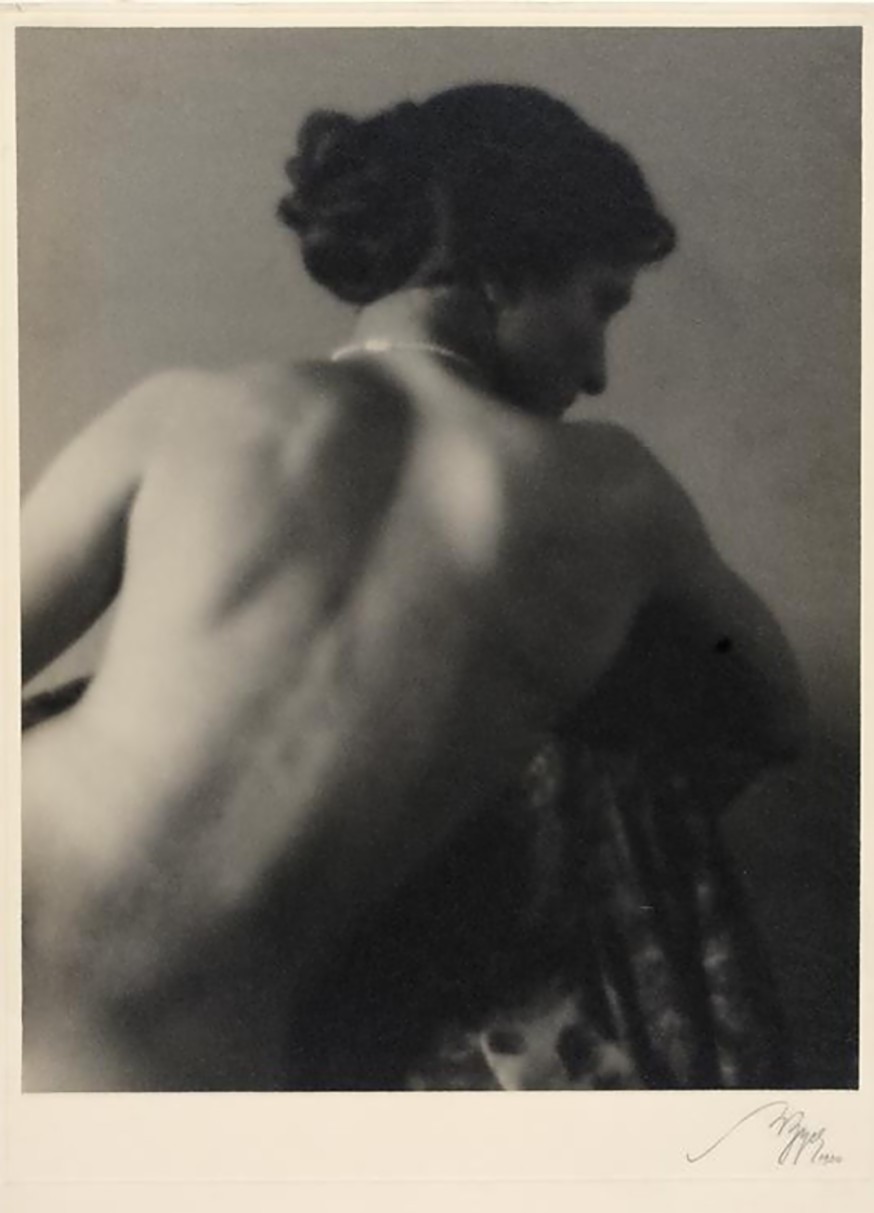
Yasuzo Nojima - Nude from Rear, 1930

Yasuzo Nojima – Nude from Rear, 1930

Yasuzo Nozima-Nude Torso, 1930 bromoil print

Yasuzo Nozima-Nude Torso, 1930 bromoil print

Yasuzo Nozima-sans titre , 1931 bromiol print

Yasuzo Nozima-sans titre , 1931 bromiol print

Yasuzo Nojima- Title unknown (Model F.) , 1931

Yasuzo Nojima- Title unknown (Model F.) , 1931

Yasuzo Nozima-sans titre , 1931 bromiol print

Yasuzo Nozima-sans titre , 1931 bromiol print

Yasuzo Nozima-sans titre , 1931 bromiol print

Yasuzo Nozima-sans titre , 1931 bromiol print

Yasuzo Nozima-sans titre , 1931 bromiol print

Yasuzo Nozima-sans titre , 1931 bromiol print

Yasuzo Nozima-sans titre ,1931 bichromate print

Yasuzo Nozima-sans titre ,1931 bichromate print

Yasuzo Nozima-sans titre , 1931 bromiol print

Yasuzo Nozima-sans titre , 1931 bromiol print

Yasuzo Nozima-sans titre , 1931 bromiol print

Yasuzo Nozima-sans titre , 1931 bromiol print

Yasuzo Nozima-sans titre , 1931 bromiol print

Yasuzo Nozima-sans titre , 1931 bromiol print

Yasuzo Nozima-sans titre , 1931 bromiol print

Yasuzo Nozima-sans titre , 1931 bromiol print

Yasuzo Nozima-sans titre ,1931 bichromate print

Yasuzo Nozima-sans titre ,1931 bichromate print

Yasuzo Nojima- Title unknown (Model F.) , 1931

Yasuzo Nojima- Title unknown (Model F.) , 1931

Yasuzo Nojima- Title unknown (Model F.) , 1931

Yasuzo Nojima- Title unknown (Model F.) , 1931

Yasuzo Nojima- Title unknown (Model F.) , 1931

Yasuzo Nojima- Title unknown (Model F.) , 1931

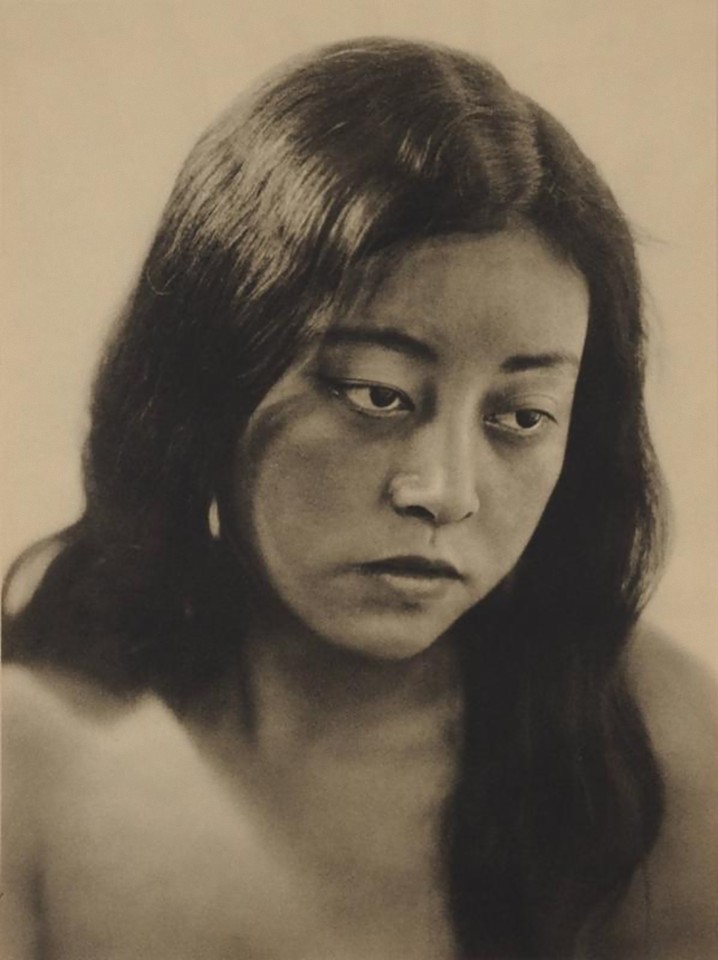
Yasuzo Nojima- Une jeune Fille , 1931_

Yasuzo Nojima- Une jeune Fille , 1931_

Yasuzo Nozima-Miss T. , 1931

Yasuzo Nozima-Miss T. , 1931

Yasuzo Nozima-sans titre , 1931 bromiol print

Yasuzo Nozima-sans titre , 1931 bromiol print

Yasuzo Nozima-sans titre , 1932

Yasuzo Nozima-sans titre , 1932

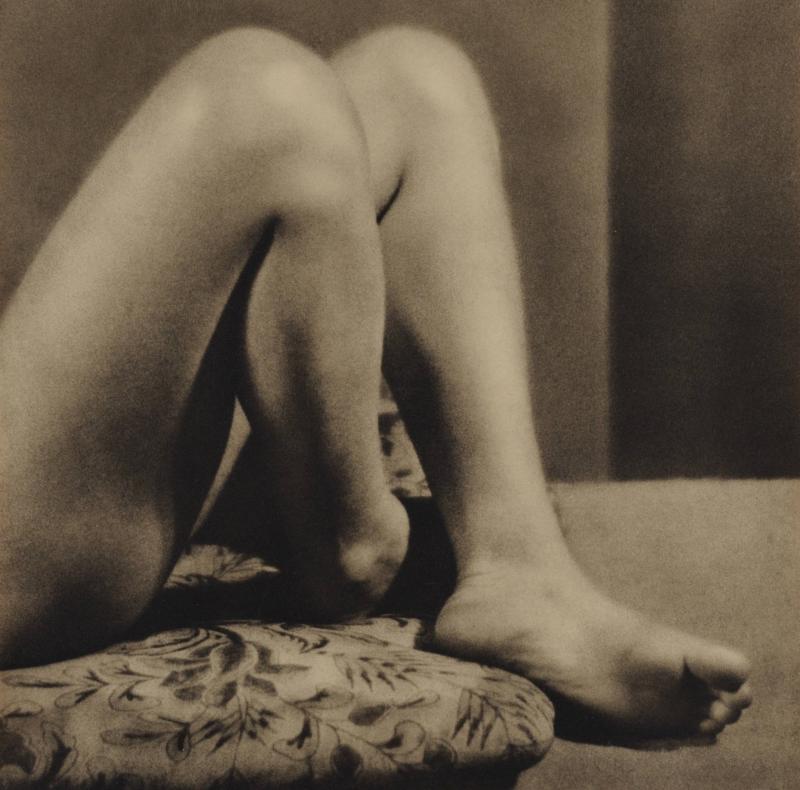
Yasuzo Nozima-Legs ,1931 bromiol print

Yasuzo Nozima-Legs ,1931 bromiol print

Yasuzo Nojima- Portrait (Model F.), 1931

Yasuzo Nojima- Portrait (Model F.), 1931

Yasuzo Nojima- Portrait (Model F.), 1931

Yasuzo Nojima- Portrait (Model F.), 1931

Yasuzo Nojima- Portrait (Model F.), 1931

Yasuzo Nojima- Portrait (Model F.), 1931

Yasuzo Nojima- Face (Model F.), 1931_e

Yasuzo Nojima- Face (Model F.), 1931

Yasuzo Nojima- Face, 1931

Yasuzo Nojima- Face, 1931

Yasuzo Nojima- Model E , 1931

Yasuzo Nojima- Model E , 1931

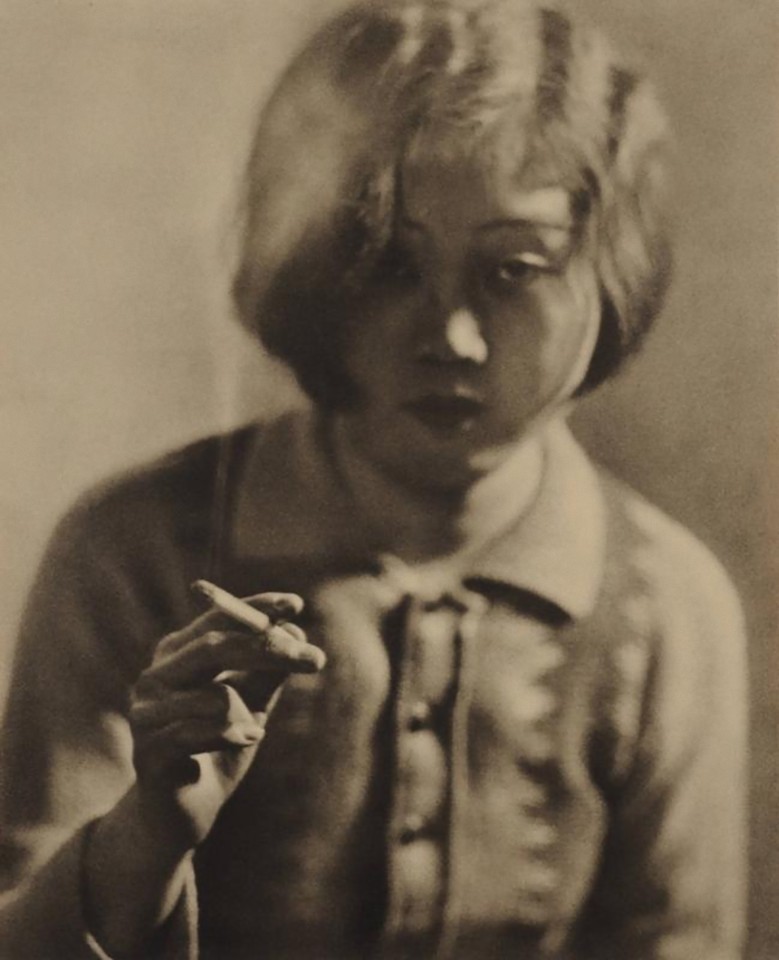
Yasuzo Nojima- Femme assise fumant, 1931

Yasuzo Nojima- Femme assise fumant, 1931

Yasuzo Nojima- Miss Chikako Hosokawa, 1932

Yasuzo Nojima- Miss Chikako Hosokawa, 1932

Yasuzo Nojima - Miss Chikako Hosokawa, 1932

Yasuzo Nojima – Miss Chikako Hosokawa, 1932

Yasuzo Nozima-sans titre , 1932

Yasuzo Nozima-sans titre , 1932

Yasuzo Nozima-sans titre , 1930 gum bichromate print

Yasuzo Nozima-sans titre , 1930 gum bichromate print

Yasuzo Nozima-Portrait ., 1930

Yasuzo Nozima-Portrait ., 1930

Yasuzo Nozima-Portrait , 1923

Yasuzo Nozima-Portrait , 1923

Yasuzo Nozima-Portrait de Mr. S., 1921

Yasuzo Nozima-Portrait de Mr. S., 1921

Yasuzo Nozima-Sans titre , 1920 gum bichromate print

Yasuzo Nozima-Sans titre , 1920 gum bichromate print

Yasuzo Nozima- Woman Combing Her Hair, 1914

Yasuzo Nozima- Woman Combing Her Hair, 1914

Yasuzo Nozima-Woman , 1920 gum bichromate print

Yasuzo Nozima-Woman , 1920 gum bichromate print

Yasuzo Nozima-sans titre , 1921gum bichromate print

Yasuzo Nozima-sans titre , 1921gum bichromate print

Yasuzo Nozima-Woman , 1918gum bichromate print_

Yasuzo Nozima-Woman , 1918 gum bichromate print

Yasuzo Nozima-Standing Woman , 1917gum bichromate

Yasuzo Nozima-Standing Woman , 1917 gum bichromate

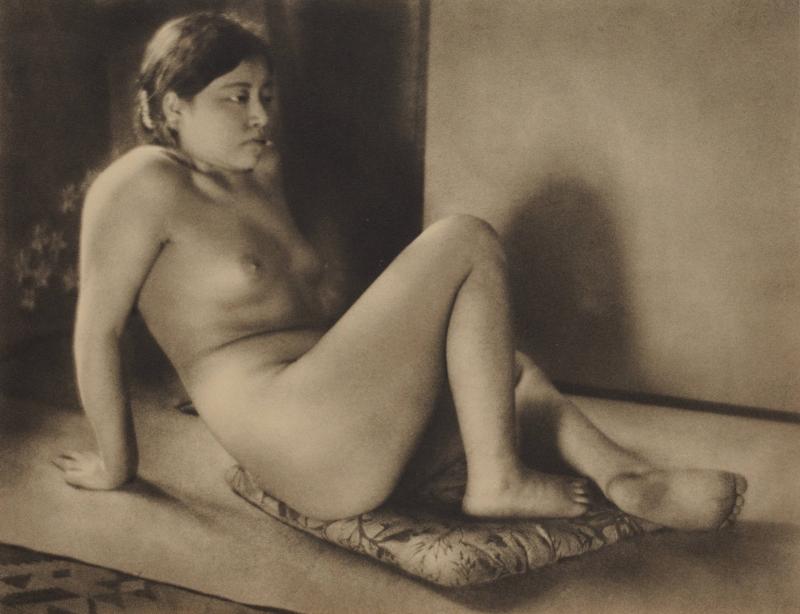
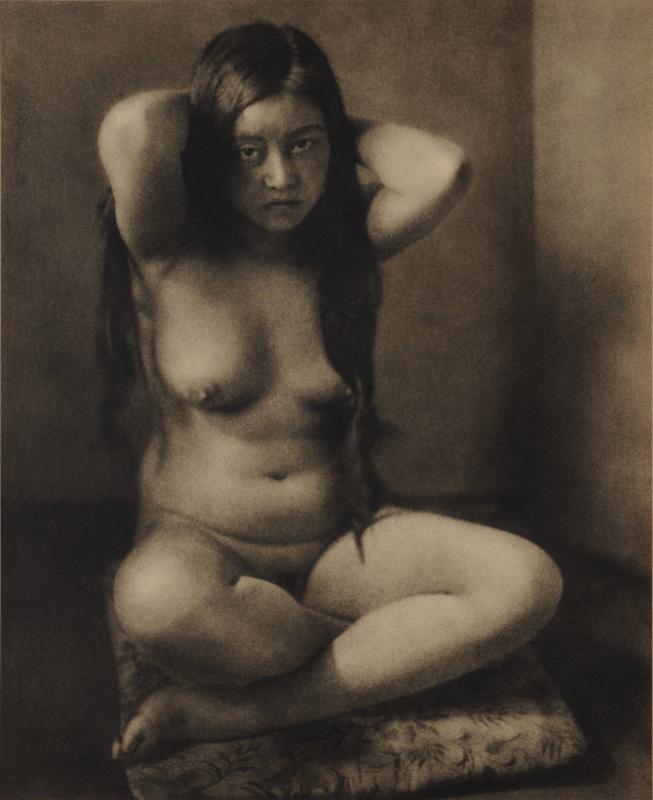
Yasuzo Nozima-femme nue, 1921gum bichromate print

Yasuzo Nozima-femme nue, 1921gum bichromate print

Yasuzo Nozima-femme nue de dos , 1921gum bichromate print

Yasuzo Nozima-femme nue de dos , 1921 gum bichromate print

Yasuzo Nozima-sans titre , 1921 1gum bichromate print

Yasuzo Nozima-sans titre , 1921 gum bichromate print

Yasuzo Nozima-sans titre , 1931-32

Yasuzo Nozima-sans titre , 1931-32

Yasuzo Nozima-Femme, 1933 gelatin silver print

Yasuzo Nozima-Femme, 1933 gelatin silver print

Yasuzo Nozima-Seins, 1933 gelatin silver print

Yasuzo Nozima-Seins, 1933 gelatin silver print

Yasuzo Nozima-Seins I, 1933 gelatin silver print

Yasuzo Nozima-Seins I, 1933 gelatin silver print

Yasuzo Nozima-Sans tire double exposition, 1933 gelatin silver print

Yasuzo Nozima-Sans tire double exposition, 1933 gelatin silver print

Yasuzo Nozima-sans titre , 1933

Yasuzo Nozima-sans titre , 1933

Yasuzo Nozima-Portrait, 1933 gelatin silver print

Yasuzo Nozima-Portrait, 1933 gelatin silver print

Yasuzo Nozima-Femme, 1932 gelatin silver print

Yasuzo Nozima-Femme, 1932 gelatin silver print

Yasuzo Nozima-Femme nue de dos, 1932 gelatin silver print

Yasuzo Nozima-Femme nue de dos, 1932 gelatin silver print

Yasuzo Nozima-Femme, 1933 gelatin silver print

Yasuzo Nozima-Femme, 1933 gelatin silver print

Yasuzo Nozima-Femme, 1932 gelatin silver print

Yasuzo Nozima-Femme, 1932 gelatin silver print

Yasuzo Nozima-Femme, 1932 gelatin silver print

Yasuzo Nozima-Femme, 1932 gelatin silver print

Yasuzo Nozima-Femme au miroir , 1933

Yasuzo Nozima-Femme au miroir , 1933

Yasuzo Nojima- model F, 1933

Yasuzo Nojima- model F, 1933

Yasuzo Nojima- Portrait à la cigarette, nd (1930's)_e

Yasuzo Nojima- Portrait à la cigarette, nd (1930’s)

Yasuzo Nojima- Model K , 1937

Yasuzo Nojima- Model K , 1937

Yasuzo Nojima- Model K , 1938

Yasuzo Nojima- Model K , 1938

Yasuzo Nozima-Sans titre , 1938

Yasuzo Nozima-Sans titre , 1938

Yasuzo Nojima- Style life, 1933

Yasuzo Nojima- Style life, 1933

Yasuzo Nojima- Model K, 1937

Yasuzo Nojima- Model K, 1937

Yasuzo Nozima-Sans titre deux jeunes femmes aux chapeaux , 1938

Yasuzo Nozima-Sans titre deux jeunes femmes aux chapeaux , 1938

Yasuzo Nozima- Miss Tazue Sato, Karuizawa, 1939

Yasuzo Nozima- Miss Tazue Sato, Karuizawa, 1939

Yasuzo Nojima -Miss S, 1939

Yasuzo Nojima -Miss S, 1939

Yasuzo Nozima-Sans titre , 1939

Yasuzo Nozima-Sans titre , 1939

Yasuzo Nozima-Sans titre 1941

Yasuzo Nozima-Sans titre 1941

Yasuzo Nozima- sans titre 1940

Yasuzo Nozima- sans titre 1940

Yasuzo Nozima- Ginreika (Loosestrife) 1940

Yasuzo Nozima- Ginreika (Loosestrife) 1940

Yasuzo Nozima- Ginreika (Loosestrife) 1941

Yasuzo Nozima- Ginreika (Loosestrife) 1941

Yasuzo Nozima- Ginreika (Loosestrife) 1941

Yasuzo Nozima- Ginreika (Loosestrife) 1941

Yasuzo Nojima- Model K , 1951

Yasuzo Nojima- Model K , 1951

cover book

cover book Portrait of Yasuzo Nojima

Josef Breitenbach (1896 – 1984) Part II

Je vous propose aujourd’hui de poursuivre la découverte de Josef Breitenbach. Cette fois-ci nous laisserons de côté ses influences surréalistes et nous admirons ses fabuleux portraits, et nus et quelques photographies de voyages .

[Je vous suggère de ne pas manquer le premier article qui complète ce dernier, et qui vous permettra d’avoir une vue d’ensemble de l’entendue de son oeuvre ]

En 1932, Breitenbach ouvre son premier studio de photographie. Ses clients étaient des membres éminents de la bohème de Munich, (y compris les acteurs et actrices de la scène dans le théâtre de Munich.)  qui était alors un bastion des défenseurs des libertés et des personnes raffinées. Mais ce  monde a disparu en 1933 avec la prise de pouvoir d’Hitler.Plus que ses racines juives, le passé politique du photographe fait de  lui une cible à persécuter.  En Août 1933, avec son passeport, Breitenbach arrive en France, rejoignant d’autres exilés Allemands qui cherchent refuge à Paris.

La «révolution» surréaliste allait alors devenir dominante dans la scène artistique parisienne. Peu après son arrivée, Breitenbach est entré en contact avec André Breton et son entourage. Préférant conserver son indépendance, il n’a jamais été un membre du groupe surréaliste, mais a participé à des expositions importantes de la photographie surréaliste aux côtés de Man Ray, Jacques-André Boiffard, Brassaï, Eli Lotar, Henri Cartier-Bresson, et Roger Parry.

Breitenbach n’a vécu à Paris  que six ans, jusqu’à ce que la guerre  éclate en 1939, et pourtant, pendant cette période , il a produit certains de ses travaux les plus inventifs.  (Il a adopté plusieurs techniques favorisées par de nouveaux photographes tels que la surimpression, le montage, la solarisation, l’impression en négatif, et le photogramme. Plus important encore, il était l’un des rares artistes des années d’avant-guerre à produire des photographies en couleurs, ce qu’il a fait en utilisant des procédés tels que le blanchiment, la tonification et la pigmentation.)

La guerre interrompit ce deuxième chapitre de la vie du photographe. Interné par les Français comme un étranger suspect, puis rédigé dans un corps civil composé d’étrangers, Breitenbach finalement échappé à la France  de Marseille en 1941 pour New York . Il parvient à retenir l’attention de Walker Evans, qui  publie ses travaux  dans Fortune .

À l’été 1944,  à l’invitation de Josef Albers,  Breitenbach enseigne la photographie au Black Mountain College.  En 1946, il est devenu un citoyen des États-Unis et a rejoint la faculté de la Cooper Union .

For a biography in English go down Article


Josef Breitenbach- Night, Paris (Edith Schultze-Westrum)c. 1935, Vintage gelatin silver print collage

Josef Breitenbach- Night, Paris (Edith Schultze-Westrum), 1935, Vintage gelatin silver print collage ©The Josef Breitenbach Trust.
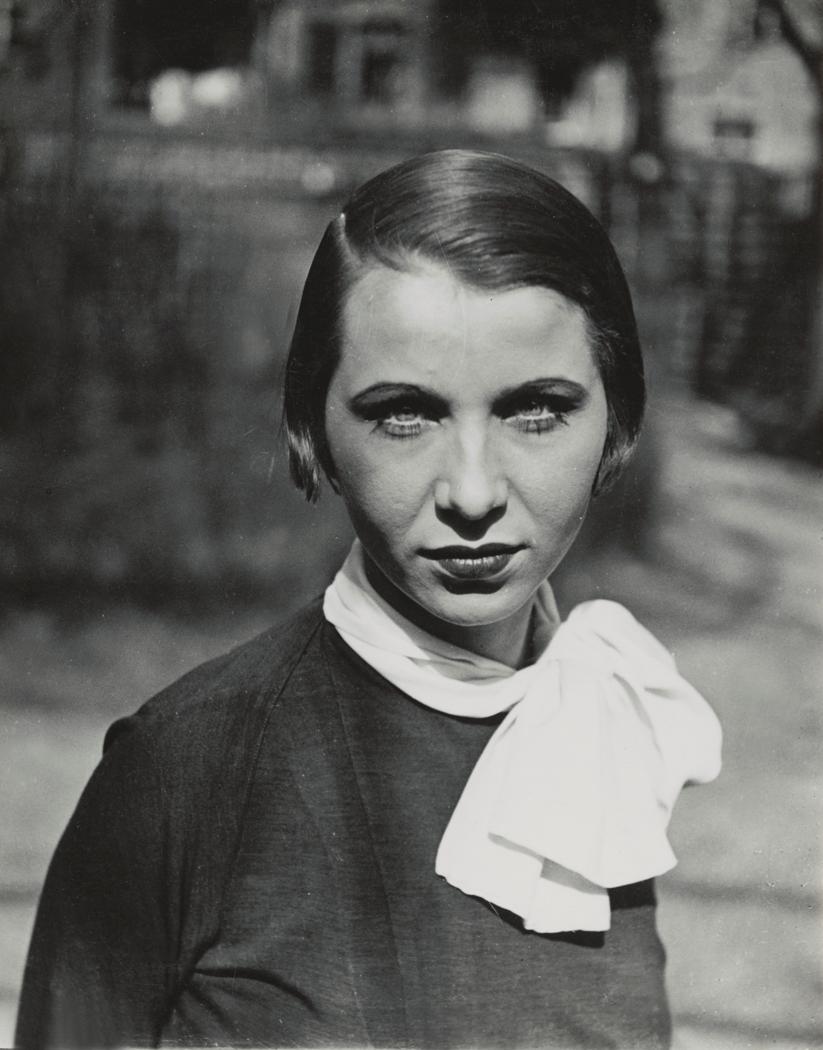
 

Josef Breitenbach-Edith Schultze-Westrum, 1932, Gelatin silver print© The Josef Breitenbach Trust.
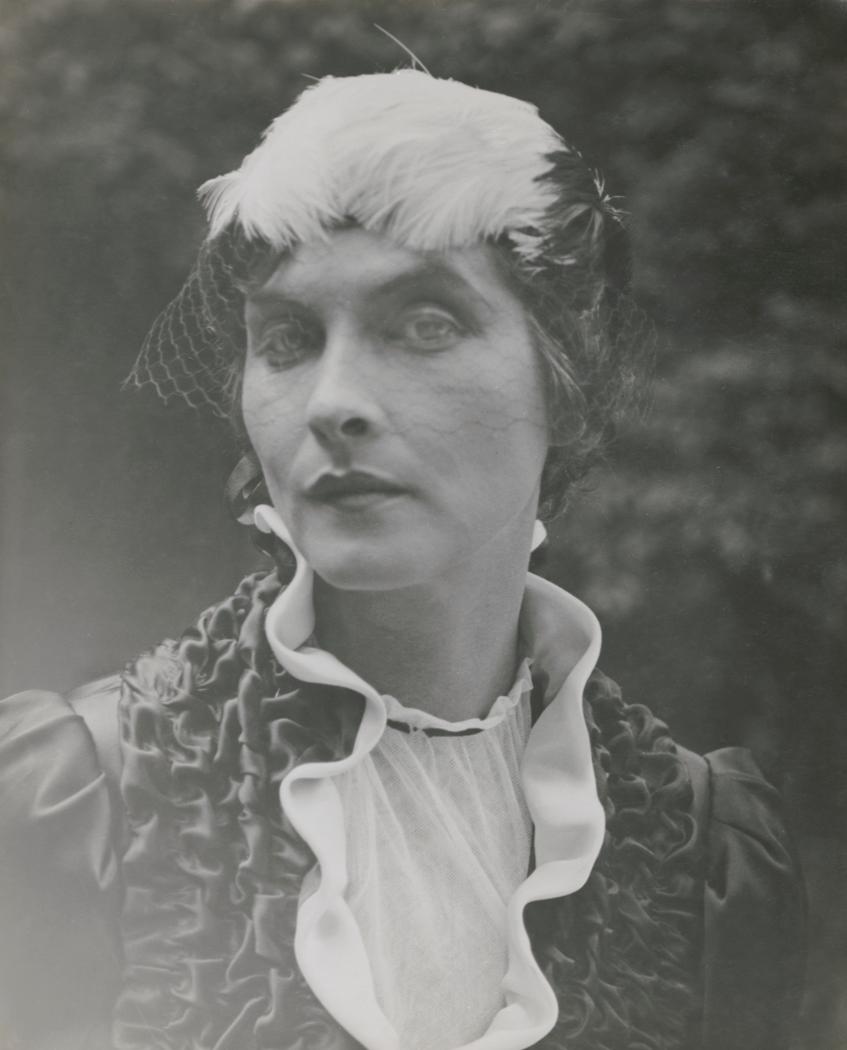
Josef Breitenbach-Edith Schultze-Westrum, 1932, Gelatin silver print© The Josef Breitenbach Trust.


Josef Breitenbach- Portrait of the  actress Sybille Binder, Munich, Before 1933, Gelatin silver print© The Josef Breitenbach Trust.

Josef Breitenbach- Portrait of the actress Sybille Binder, Munich, Before 1933, Gelatin silver print© The Josef Breitenbach Trust.


Josef Breitenbach- Portrait of the  actress Sybille Binder, Munich, Before 1933, Gelatin silver print© The Josef Breitenbach Trust

Josef Breitenbach- Portrait of the actress Sybille Binder, Munich, Before 1933, Gelatin silver print© The Josef Breitenbach Trust
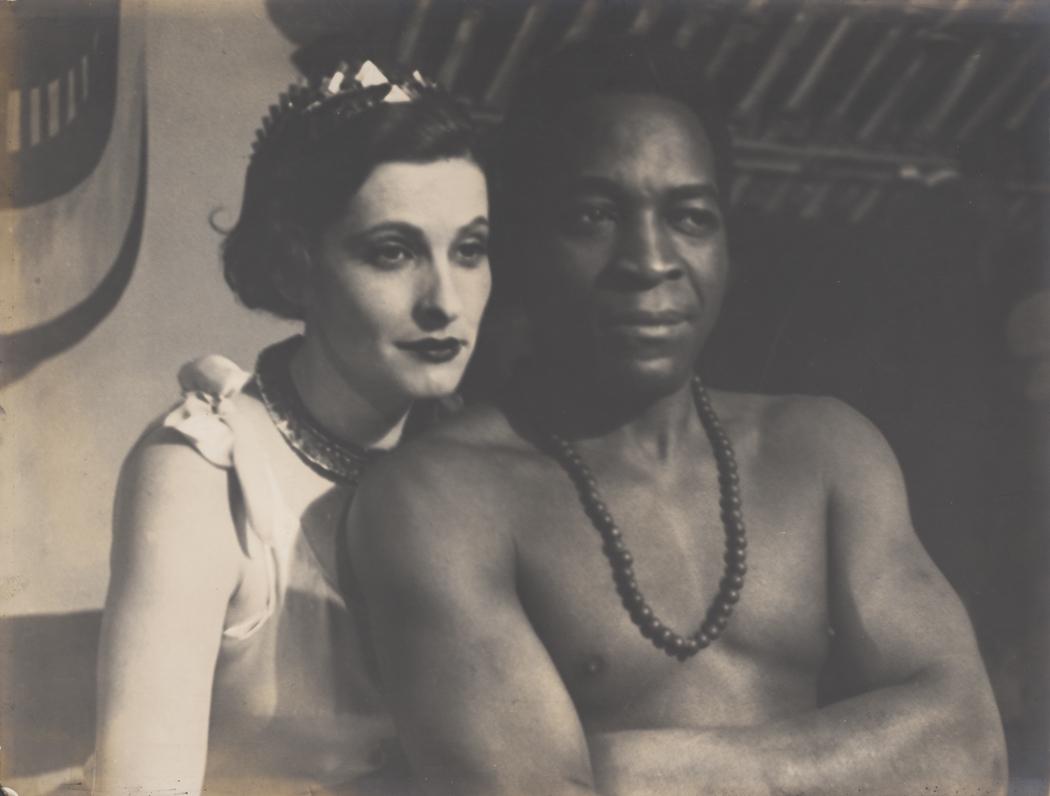

Josef Breitenbach- Portrait of the  actress Sybille Binder and Paul Robeson, in Othello, Munich,  1932, Gelatin silver print© The Josef Breitenbach Trust

Josef Breitenbach- Portrait of the actress Sybille Binder and Paul Robeson, in Othello, Munich, 1932, Gelatin silver print© The Josef Breitenbach Trust


Josef Breitenbach- Portrait of the  actressSybille Binder  Circa 1932, gelatin silver print, © The Josef Breitenbach Trust.

Josef Breitenbach- Portrait of the actressSybille Binder Circa 1932, gelatin silver print, © The Josef Breitenbach Trust.
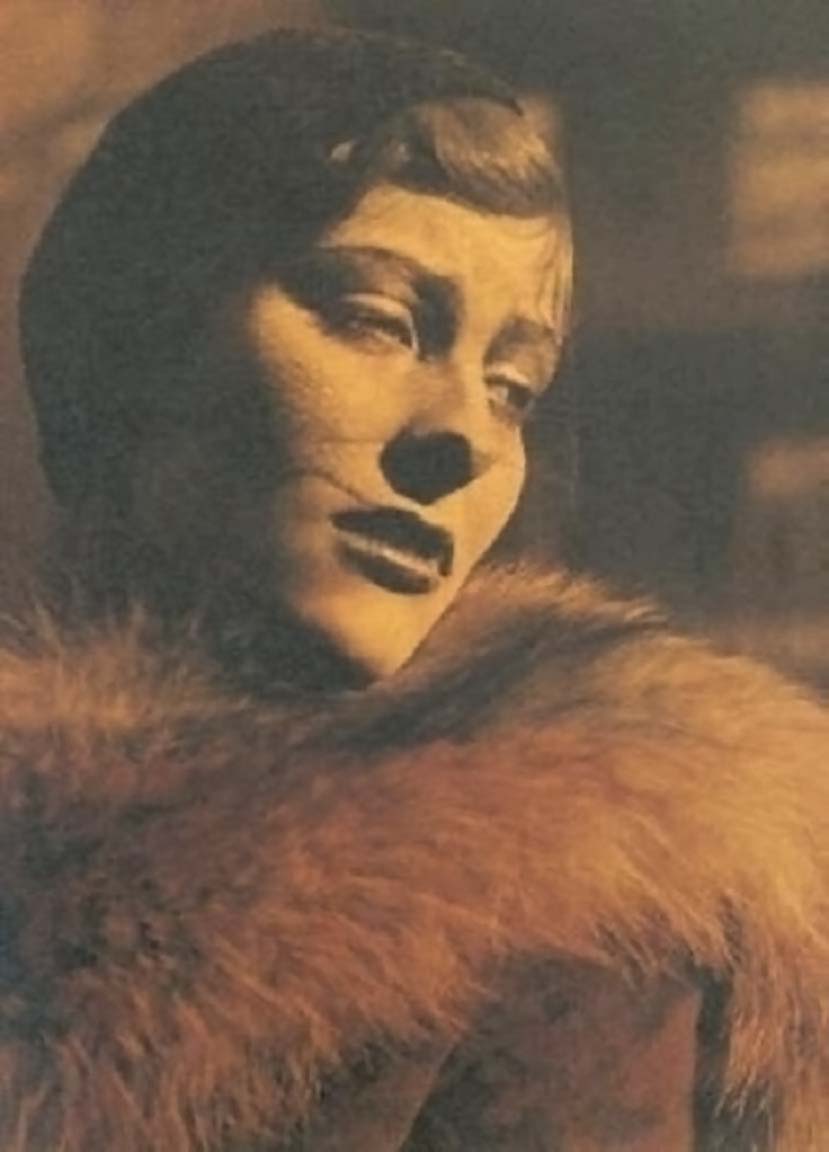

Josef Breitenbach – Portrait of the actress Marianne Hoppe, 1933

Josef Breitenbach – Portrait of the actress Marianne Hoppe, 1933 ©The Josef Breitenbach Trust.
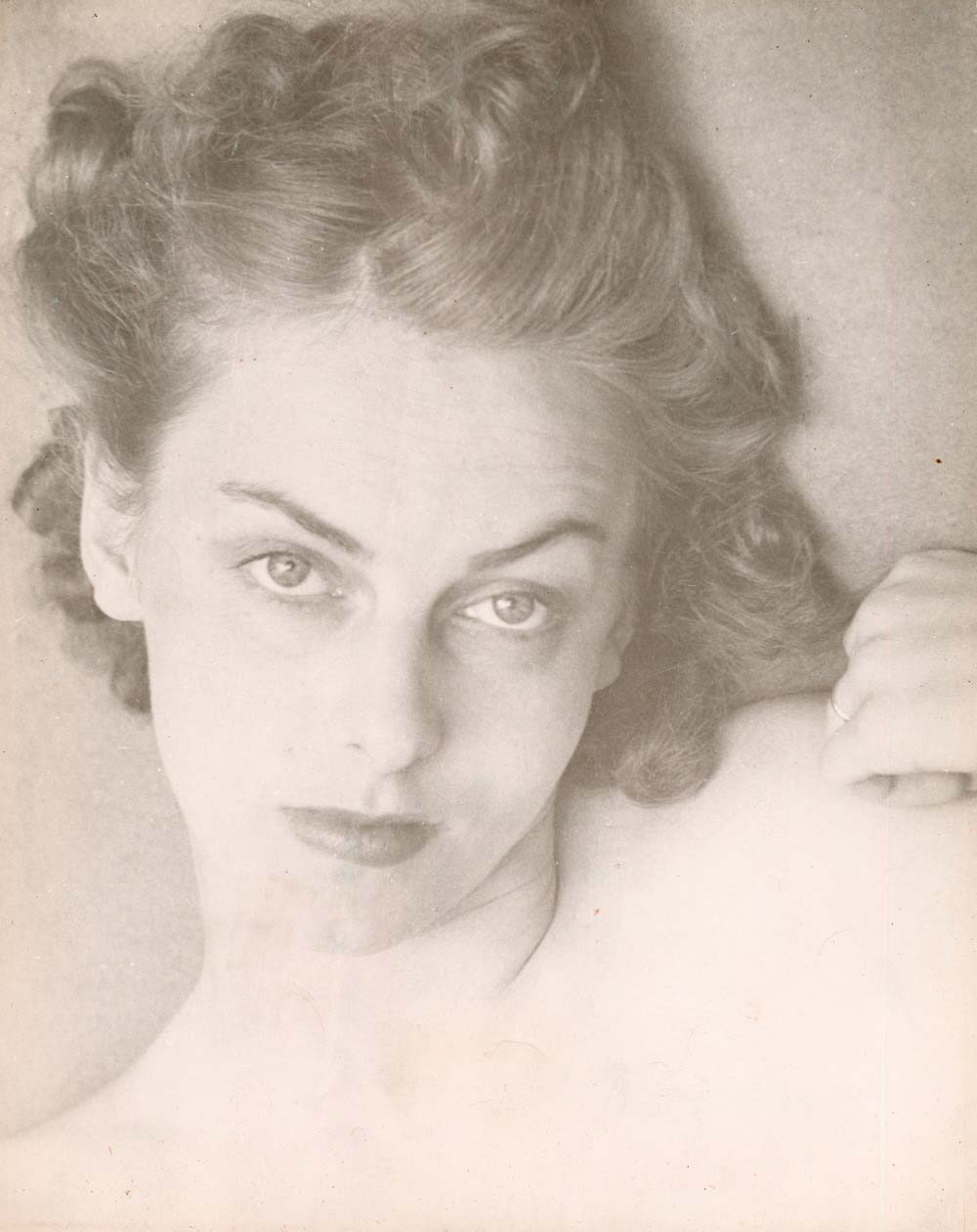

Josef Breitenbach-  Sheila ,New York, 1942

Josef Breitenbach- Sheila ,New York, 1942 ©The Josef Breitenbach Trust.
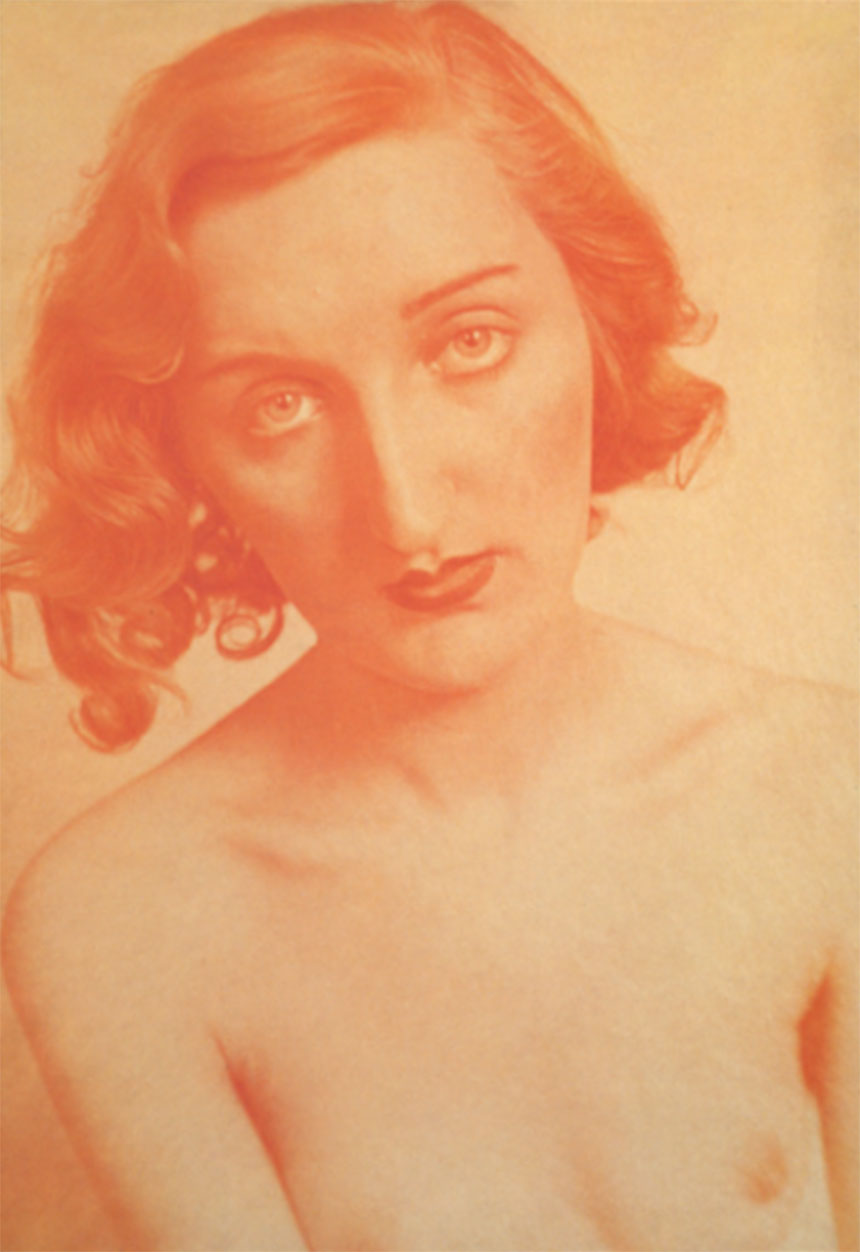

Josef Breitenbach-Aktportrait, Paris, 1933-1939 ©The Josef Breitenbach Trust.

Josef Breitenbach-Aktportrait, Paris, 1933-1939. © The Josef Breitenbach Trust.


Josef Breitenbach-Portrait,  1930s , Gelatin silver print © The Josef Breitenbach Trust.

Josef Breitenbach-Portrait, 1930s , Gelatin silver print © The Josef Breitenbach Trust.
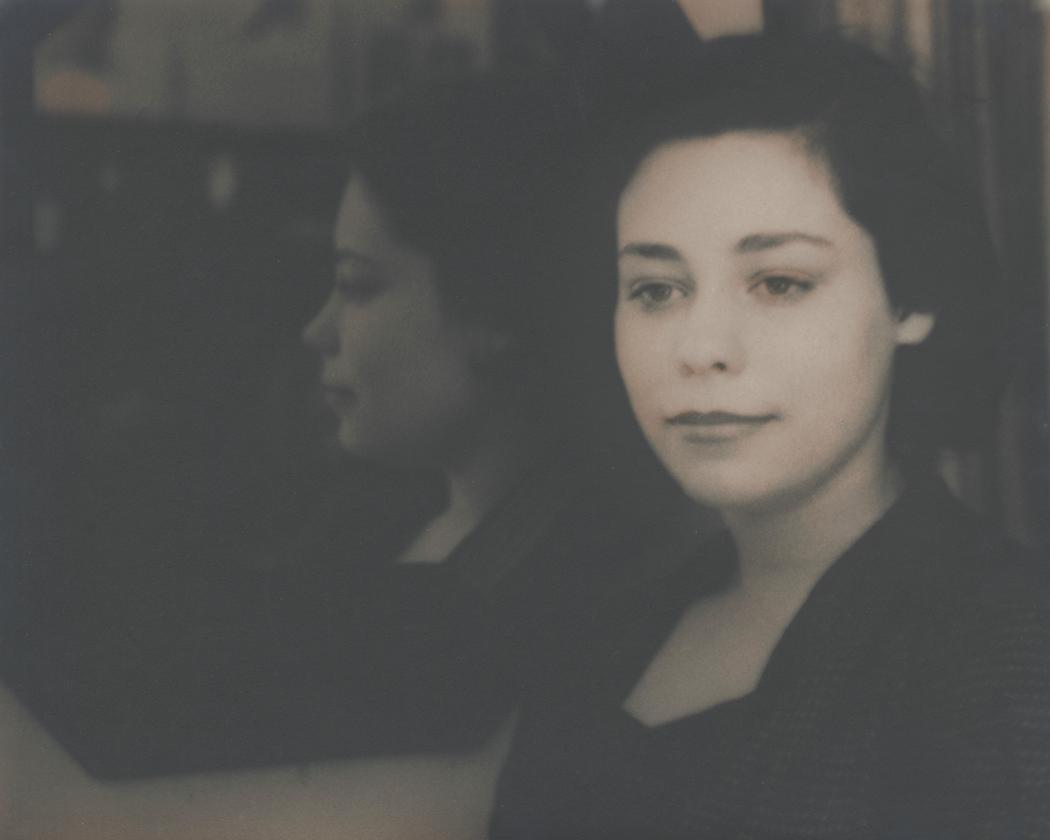

Josef Breitenbach-Portrait,  1930s , Gelatin silver print © The Josef Breitenbach Trust.

Josef Breitenbach-Portrait, 1930s , Gelatin silver print © The Josef Breitenbach Trust.
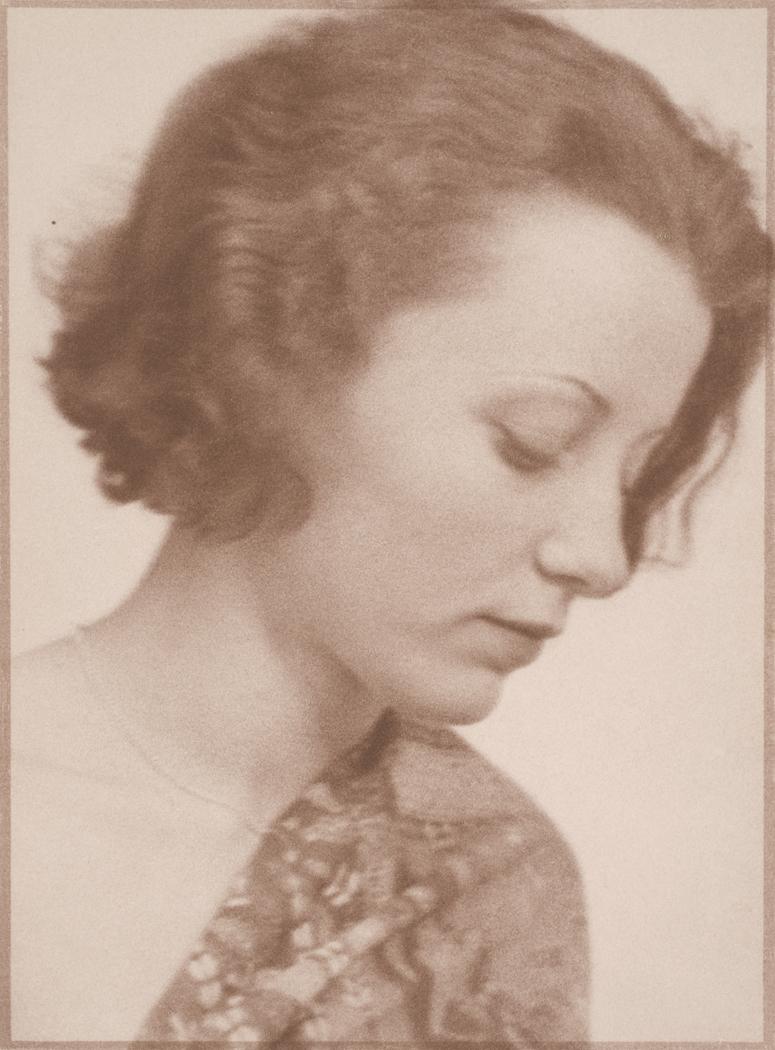

Josef Breitenbach- Portrait of a lady, Munich, 1932,  Munich,, Gelatin silver print© The Josef Breitenbach Trust.

Josef Breitenbach- Portrait of a lady, Munich, 1932, Munich,, Gelatin silver print© The Josef Breitenbach Trust.
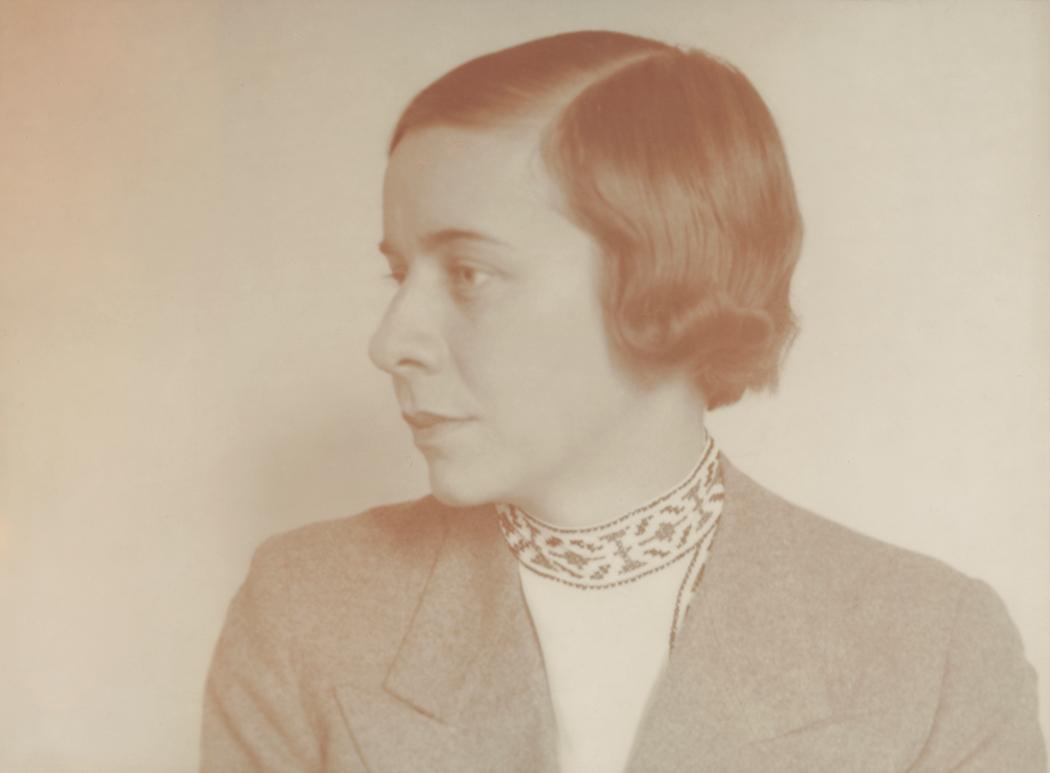

Josef Breitenbach-untitled , Paris 1936

Josef Breitenbach-Untitled , Paris 1936 © The Josef Breitenbach Trust.
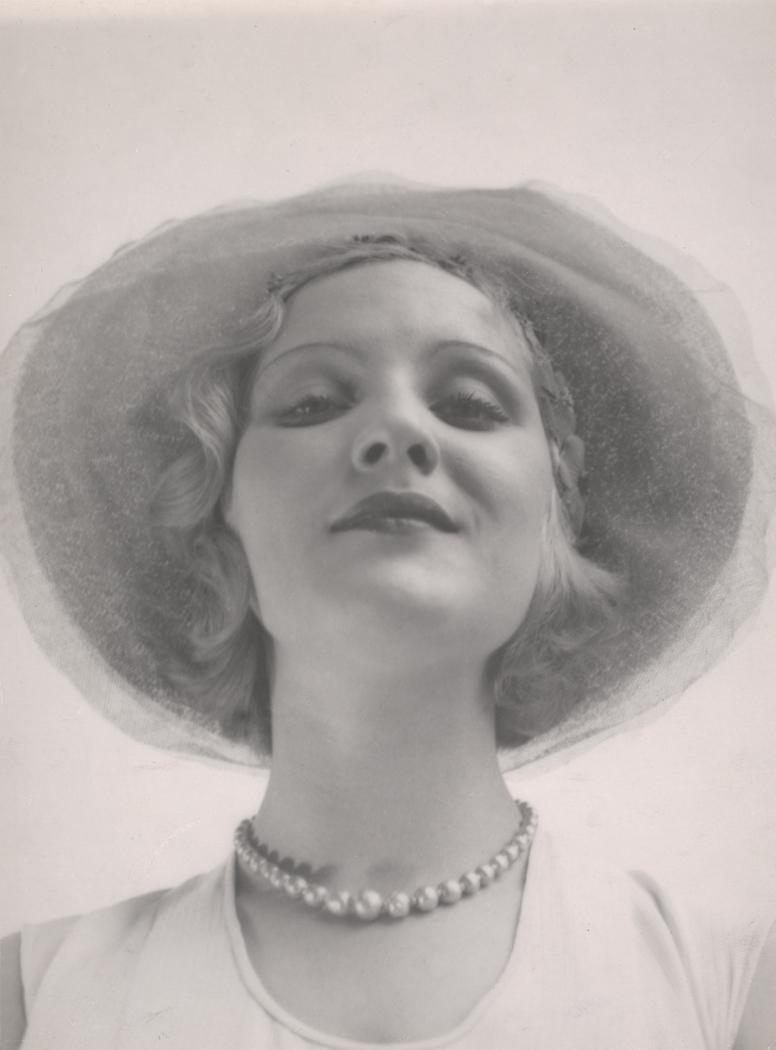

Josef Breitenbach-Edith d'Amara, 1932,  Munich,, Gelatin silver print© The Josef Breitenbach Trust.

Josef Breitenbach-Edith d’Amara, 1932, Munich,, Gelatin silver print© The Josef Breitenbach Trust.


Josef Breitenbach- Patricia, New York, 1942, Vintage toned gelatin silver print © The Josef Breitenbach Trust
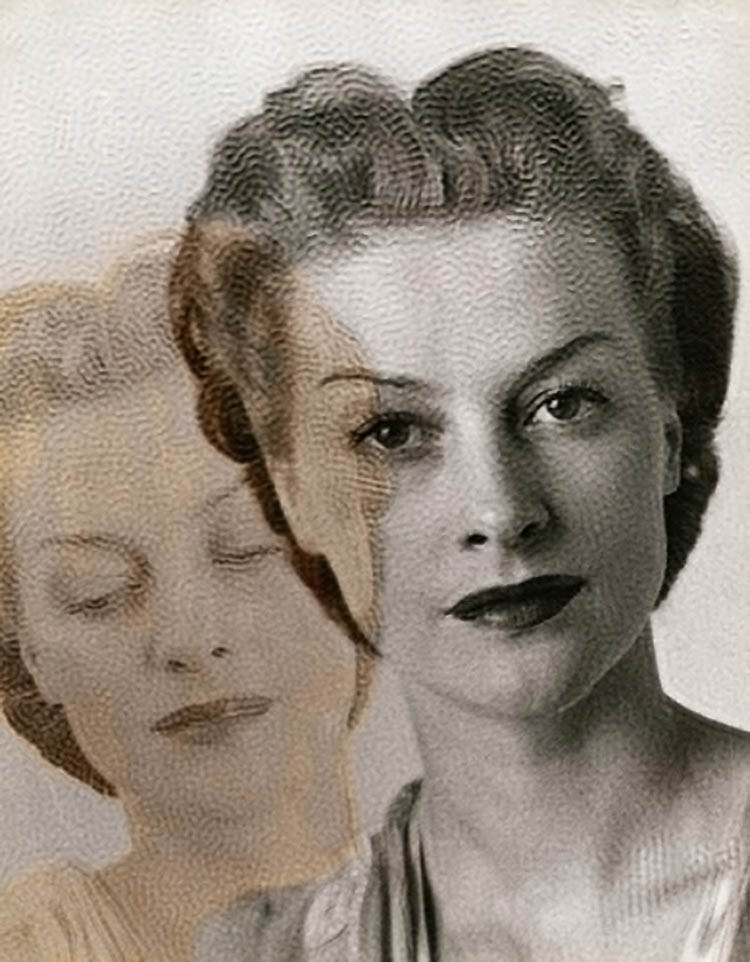
Josef Breitenbach- Patricia, New York, 1942, Vintage toned gelatin silver print © The Josef Breitenbach Trust


Josef Breitenbach- A Woman and Her Conscience, New York, 1945, Vintage toned gelatin silver print ©The Josef Breitenbach Trust.

Josef Breitenbach- A Woman and Her Conscience, New York, 1945, Vintage toned gelatin silver print ©The Josef Breitenbach Trust.


Josef Breitenbach- Annabella, 1933-39, Vintage gelatin silver print ©The Josef Breitenbach Trust.

Josef Breitenbach- Annabella, 1933-39, Vintage gelatin silver print ©The Josef Breitenbach Trust.


Josef Breitenbach-woman in costume of shiny material with cape and hood, 1930s

Josef Breitenbach- Woman in costume of shiny material with cape and hood, 1930s © The Josef Breitenbach Trust
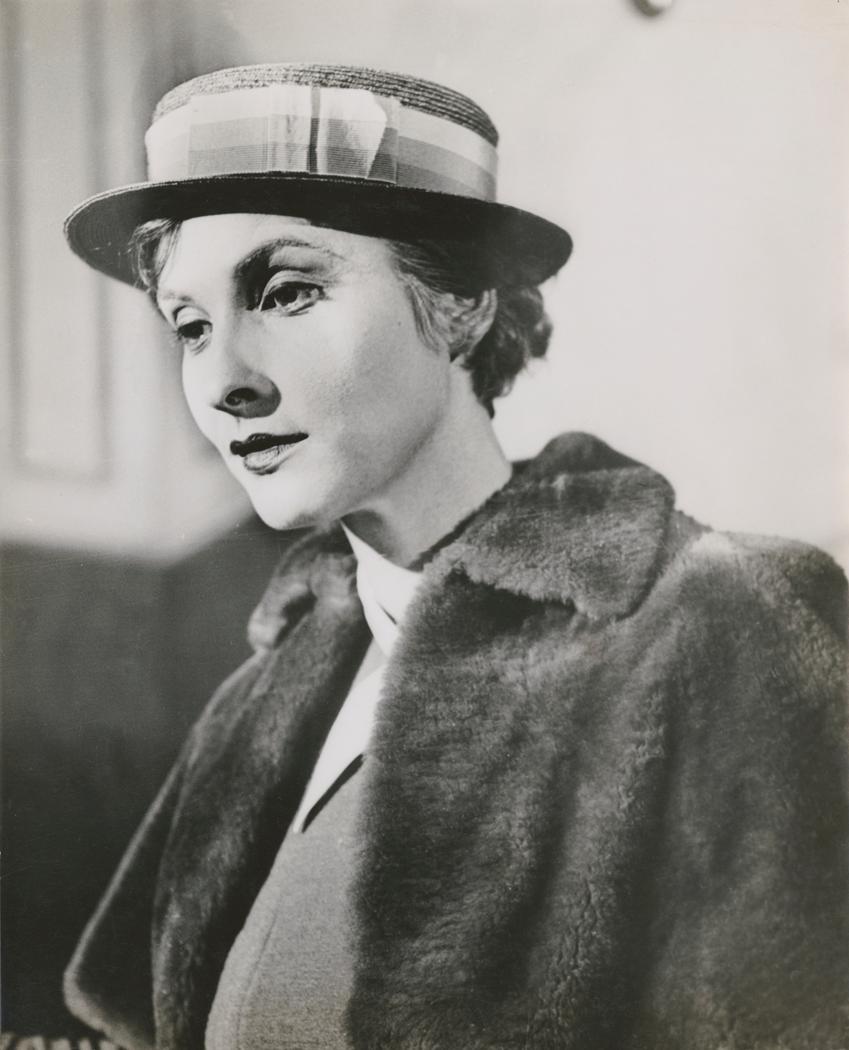

Josef Breitenbach-Sybille Binder, in fur coat. 1932

Josef Breitenbach-Sybille Binder, 1932 © The Josef Breitenbach Trust
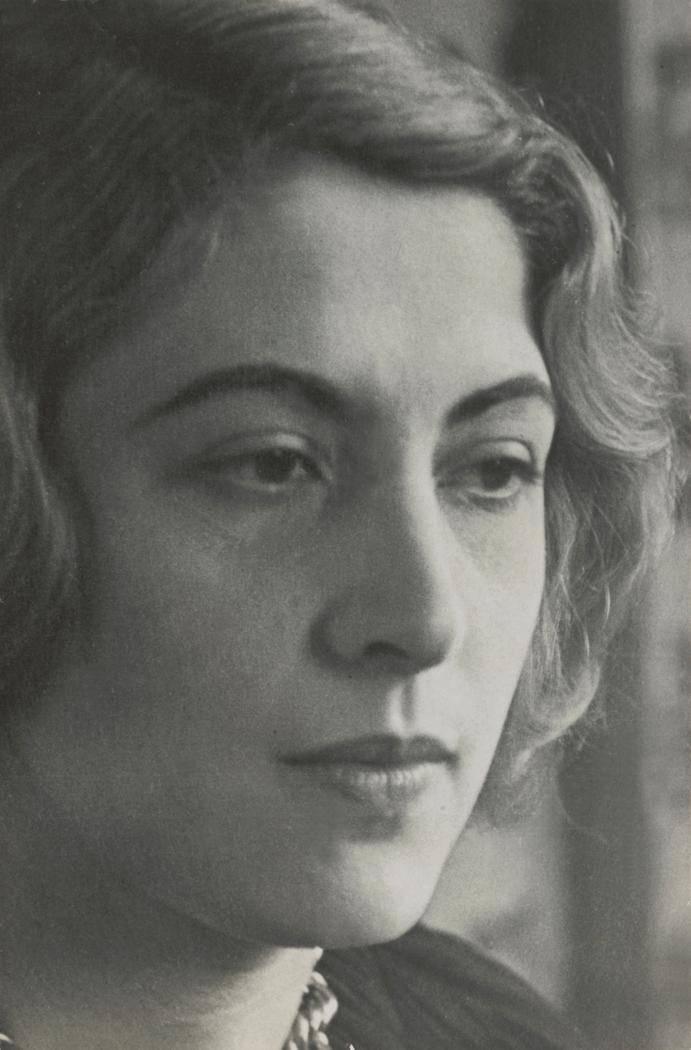

Josef Breitenbach-Portrait ofSchoura Alperin, 1934 Paris, Gelatin silver print © The Josef Breitenbach Trust.
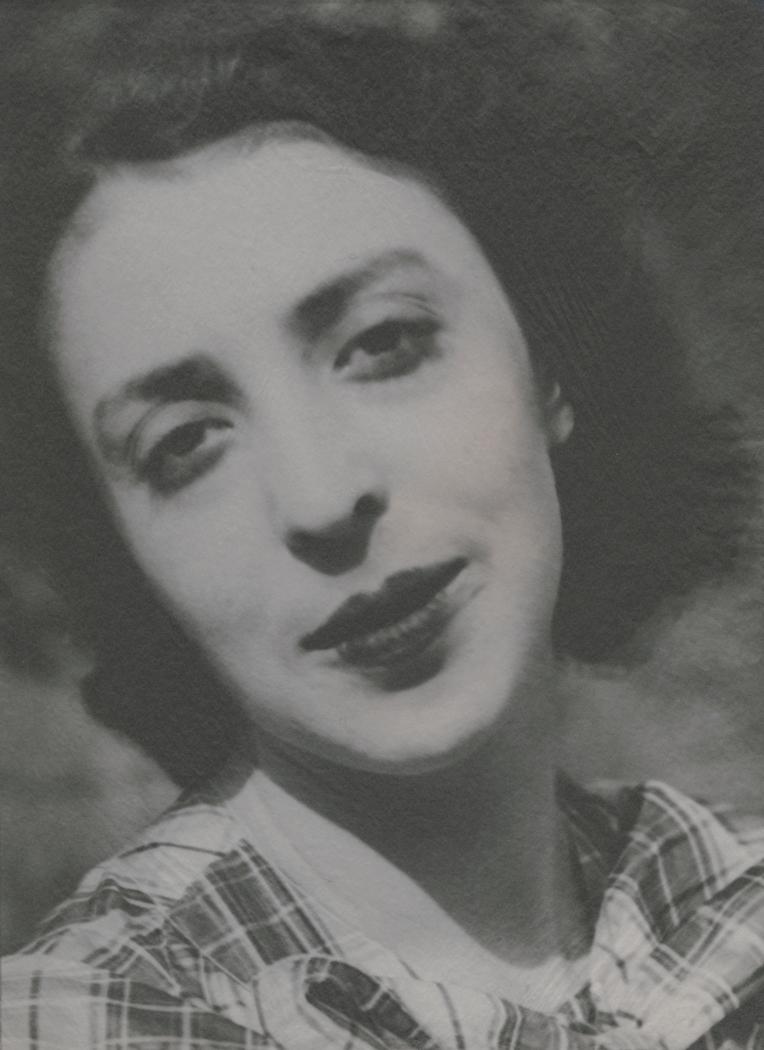
Josef Breitenbach-Portrait ofSchoura Alperin, 1934 Paris, Gelatin silver print © The Josef Breitenbach Trust.


Josef Breitenbach-Portrait,  1935 Paris, Gelatin silver print © The Josef Breitenbach Trust.

Josef Breitenbach-Portrait, 1935 Paris, Gelatin silver print © The Josef Breitenbach Trust.


Josef Breitenbach-Portrait of Ruth Harris 1933-39 Paris, Gelatin silver print © The Josef Breitenbach Trust.

Josef Breitenbach-Portrait of Ruth Harris 1933-39 Paris, Gelatin silver print © The Josef Breitenbach Trust.


Josef Breitenbach-Aristide Maillol, Marly-Le-Roy, 1934  © The Josef Breitenbach Trust

Josef Breitenbach-Aristide Maillol, Marly-Le-Roy, 1934 © The Josef Breitenbach Trust


Josef Breitenbach- Portrait of Man Ray, 1967, Gelatin silver print © The Josef Breitenbach Trust.

Josef Breitenbach- Portrait of Man Ray, 1967, Gelatin silver print © The Josef Breitenbach Trust.


Josef Breitenbach-Portrait of Max Ernst and Marie-Berthe Aurenche, 1936 Paris, Gelatin silver print © The Josef Breitenbach Trust.
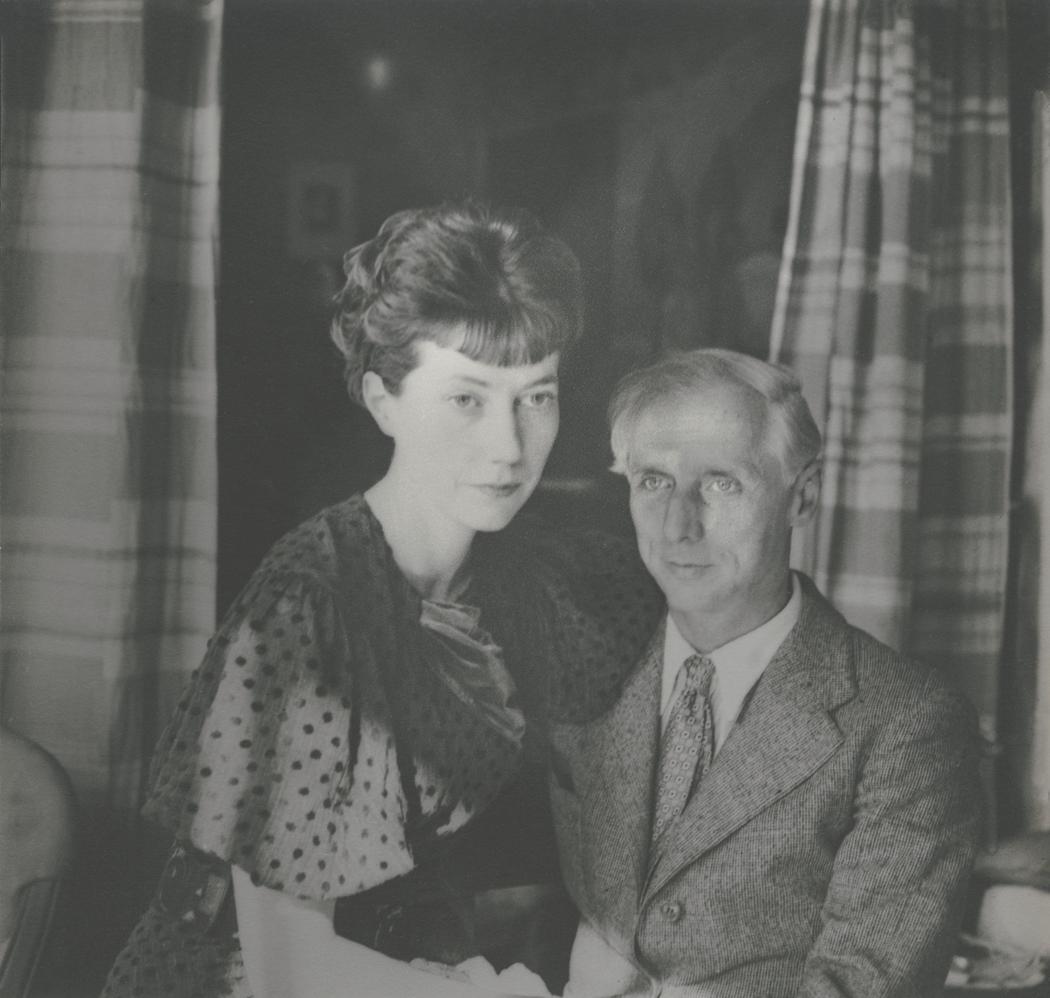
Josef Breitenbach-Portrait of Max Ernst and Marie-Berthe Aurenche, 1936 Paris, Gelatin silver print © The Josef Breitenbach Trust.


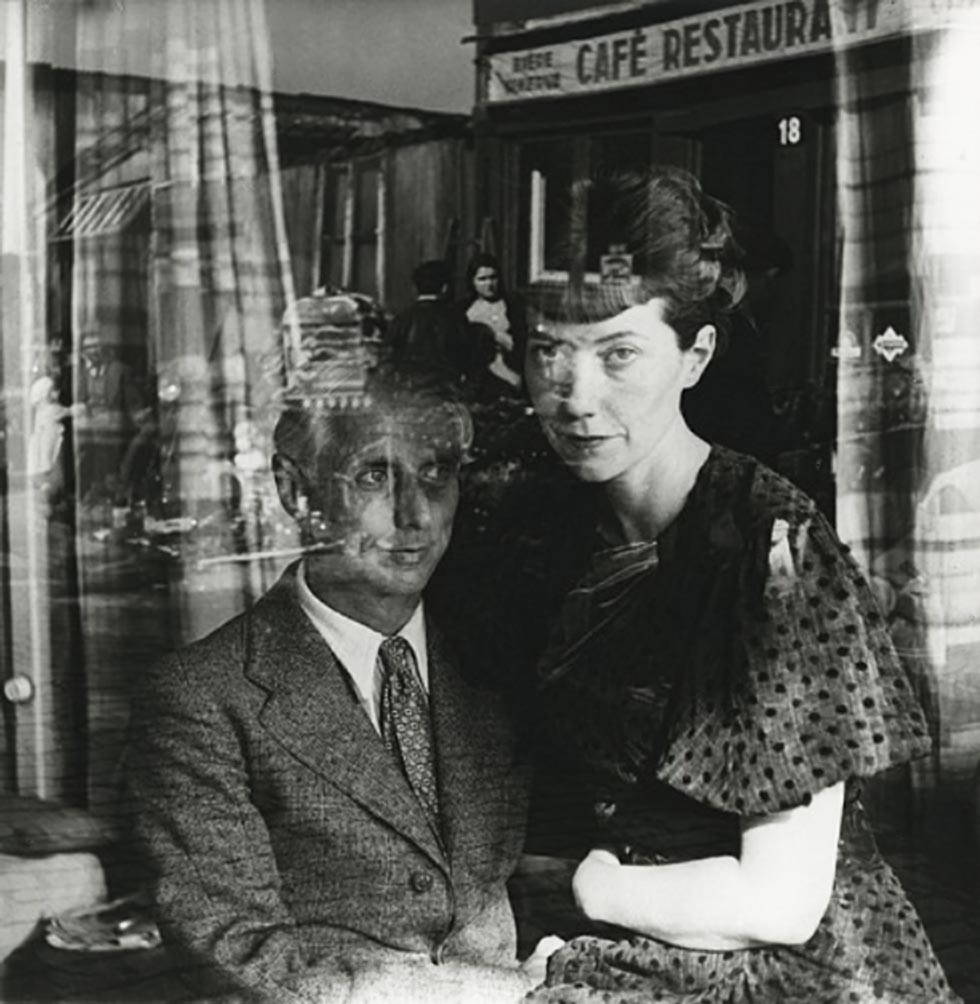
Josef Breitenbach-Portrait of Max Ernst and Marie-Berthe Aurenche, 1936 Paris, Gelatin silver print © The Josef Breitenbach Trust.

Josef Breitenbach-Portrait of Max Ernst and Marie-Berthe Aurenche, 1936 Paris, Gelatin silver print © The Josef Breitenbach Trust.


Josef Breitenbach-Portrait of Max Ernst , 1938 Paris, Gelatin silver print © The Josef Breitenbach Trust.
Josef Breitenbach-Portrait of Max Ernst , 1938 Paris, Gelatin silver print © The Josef Breitenbach Trust.


Josef Breitenbach- Max Ernst and his wife, Marie-Berthe Aurenche, Paris, 1936, Early gelatin silver print; printed c. 1942-1948 © The Josef Breitenbach Trust
Josef Breitenbach- Max Ernst and his wife, Marie-Berthe Aurenche, Paris, 1936, Early gelatin silver print; printed c. 1942-1948 © The Josef Breitenbach Trust


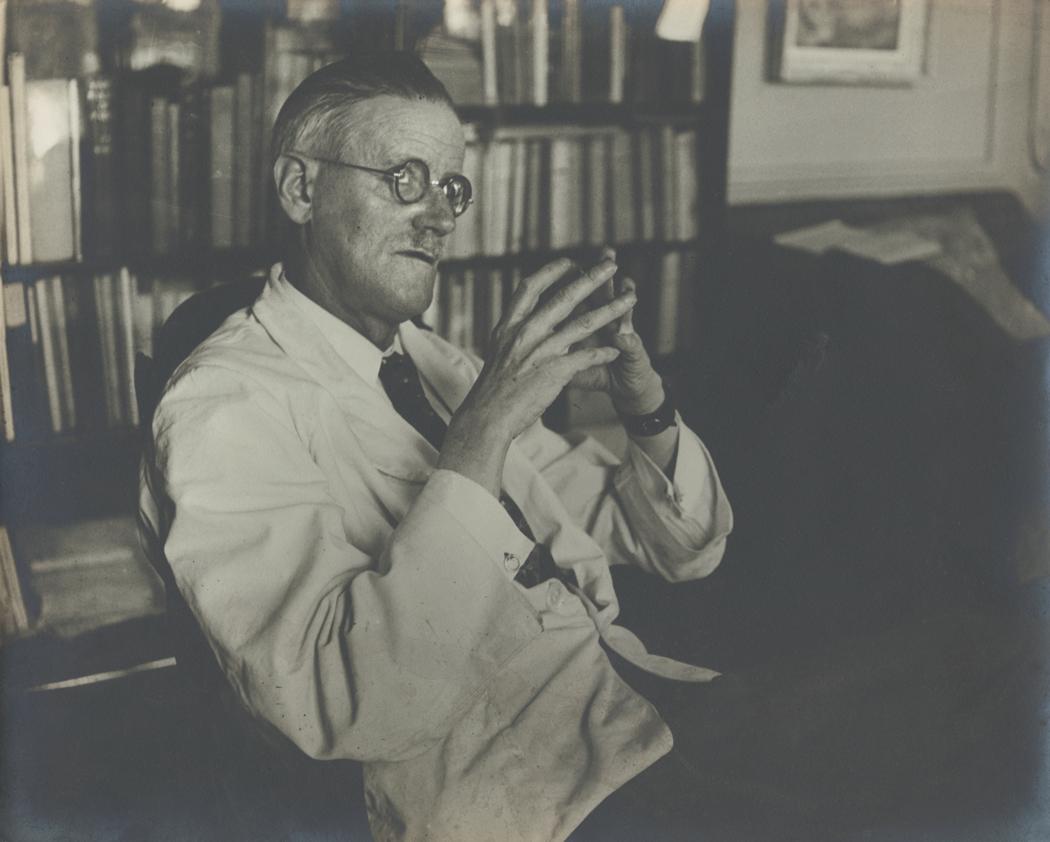
Josef Breitenbach-James Joyce, Paris , 1937

Josef Breitenbach- James Joyce, Paris, 1937 © The Josef Breitenbach Trust


Josef Breitenbach-Wassily Kandinsky, Neuilly-sur-Seine 1938

Josef Breitenbach-Wassily Kandinsky, Neuilly-sur-Seine 1938 © The Josef Breitenbach Trust
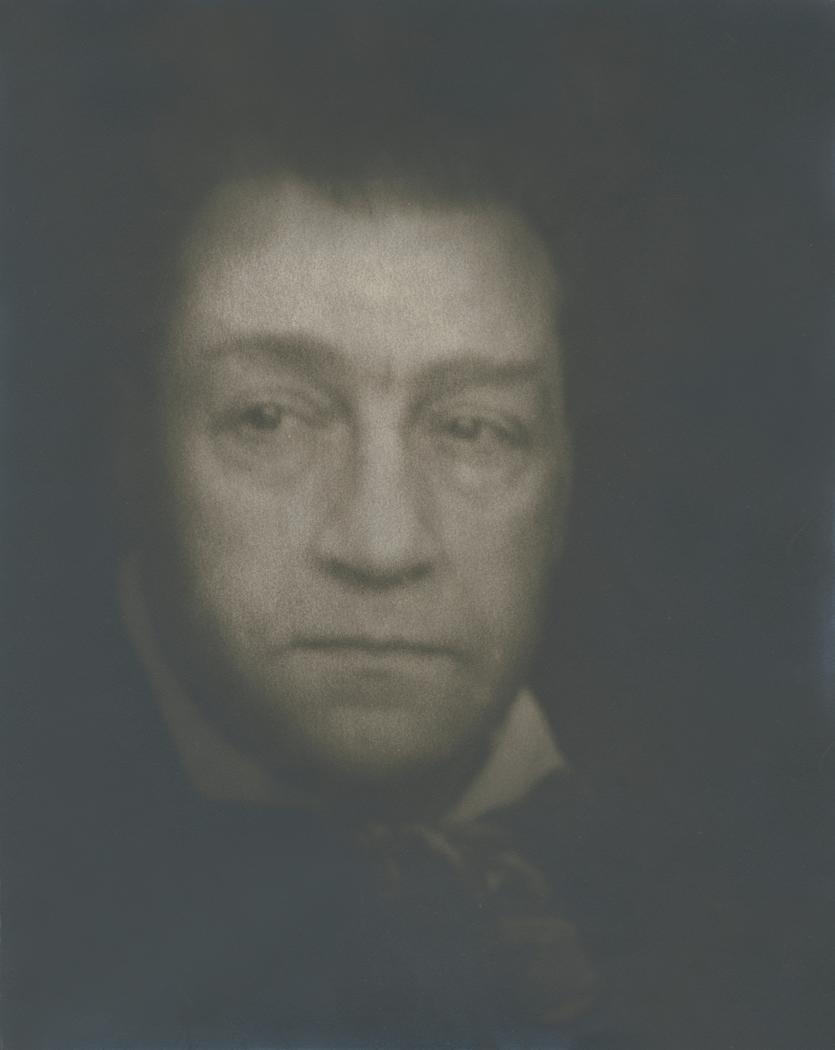
 

Josef Breitenbach- Portrait  of the Actor Sacha Guitry, Paris, 1938, Gelatin silver print © The Josef Breitenbach Trust.

Josef Breitenbach- Portrait of the Actor Sacha Guitry, Paris, 1938, Gelatin silver print © The Josef Breitenbach Trust.


Josef Breitenbach-Japanese female mask, fabric background], ca. 1940s

Josef Breitenbach-Japanese female mask, fabric background], ca. 1940s


Josef Breitenbach-Close-up of woman’s eye, 1940s © The Josef Breitenbach Trust


Josef Breitenbach-Sculpture Academy, Paris,  1935, gelatin silver print © The Josef Breitenbach Trust

Josef Breitenbach-Sculpture Academy, Paris, 1935, gelatin silver print © The Josef Breitenbach Trust


Josef Breitenbach-Sculpture Academy, Paris,  1935, gelatin silver print © The Josef Breitenbach Trust

Josef Breitenbach-Sculpture Academy, Paris, 1935, gelatin silver print © The Josef Breitenbach Trust


Josef Breitenbach-Standing Nude (Back), 1930-39, Gelatin silver print© The Josef Breitenbach Trust.
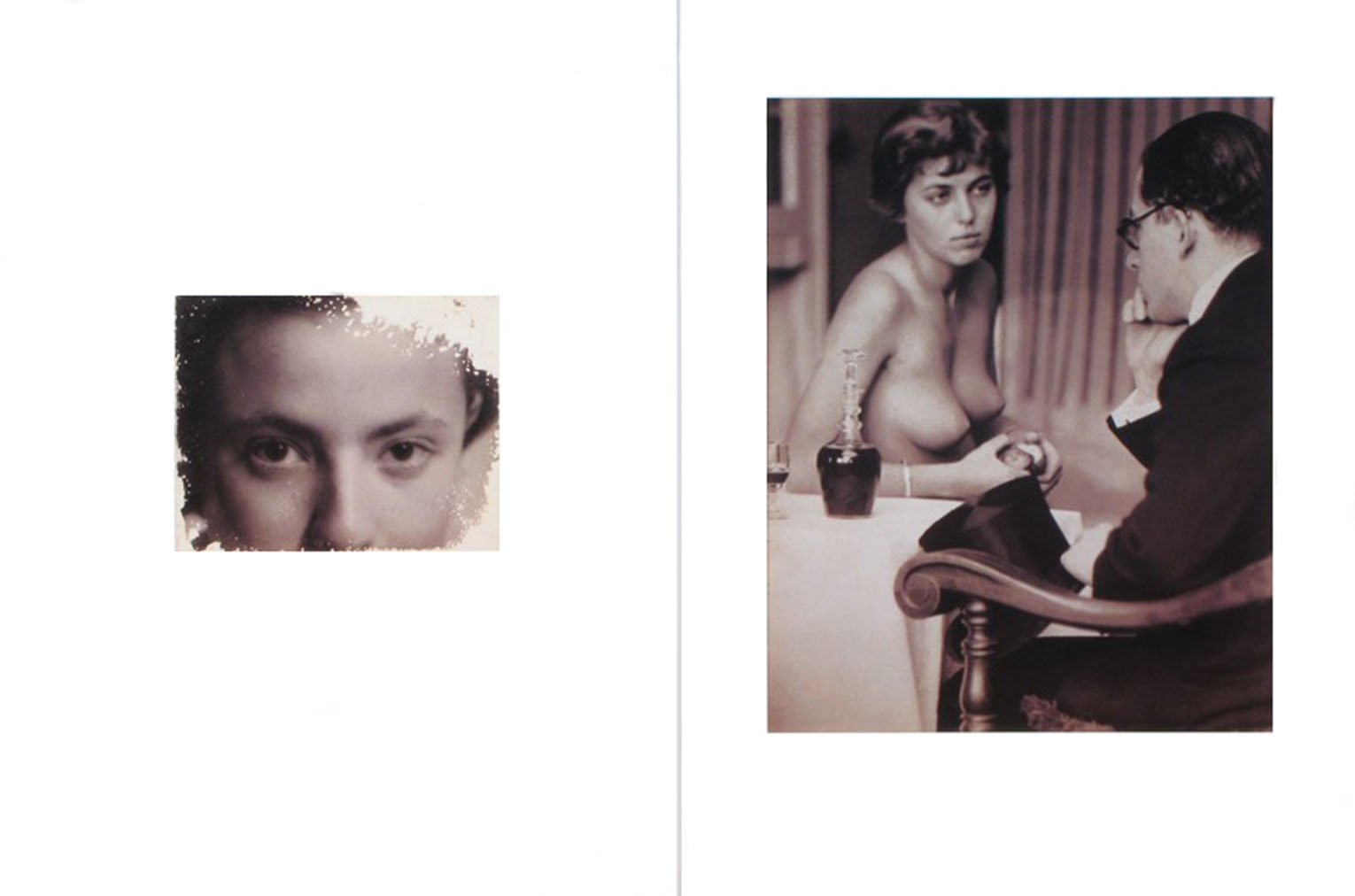
Josef Breitenbach-Standing Nude (Back), 1930-39, Gelatin silver print© The Josef Breitenbach Trust.


Josef Breitenbach-Dr. Riegler & J. Greno, Munich 1933 © The Josef Breitenbach Trust. from Manifesto By Josef Breitenbach , Ed° Nazraeli Press , 2008

Josef Breitenbach-Dr. Riegler & J. Greno, Munich 1933 © The Josef Breitenbach Trust. from Manifesto By Josef Breitenbach , Ed° Nazraeli Press , 2008


Josef Breitenbach, Dr. Riegler and J. Greno, Munich, 1933

Josef Breitenbach, Dr. Riegler and J. Greno, Munich, 1933  © The Josef Breitenbach Trust


Josef Breitenbach.Dr. Riegler and J. Greno - Munich,1933 Photogravure on wove paper

Josef Breitenbach.Dr. Riegler and J. Greno – Munich,1933 Photogravure on wove paper © The Josef Breitenbach Trust


Josef Breitenbach-Dr. Riegler & J. Greno, Munich 1933 © The Josef Breitenbach Trust. from Manifesto By Josef Breitenbach , Ed° Nazraeli Press , 2008
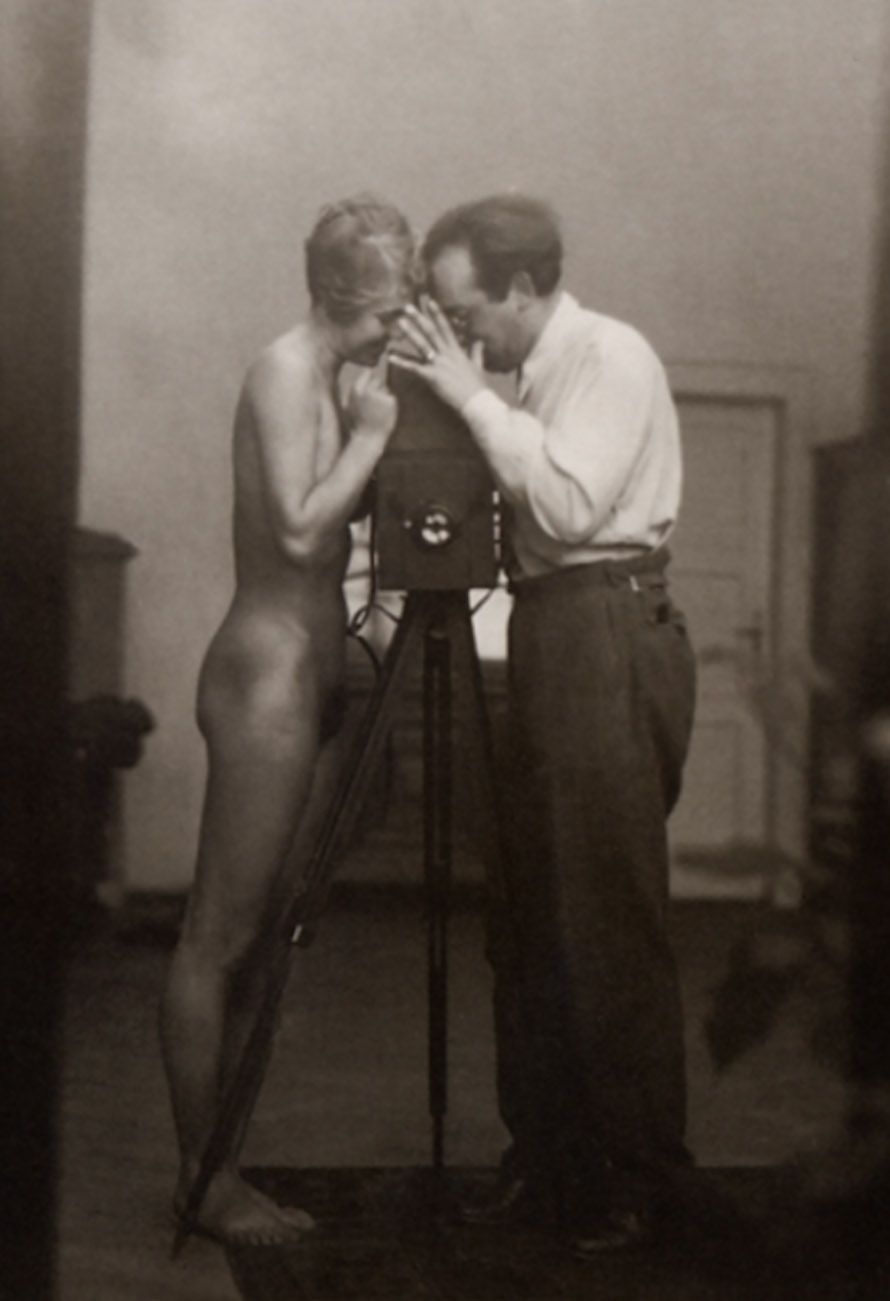
Josef Breitenbach-Dr. Riegler & J. Greno, Munich 1933 © The Josef Breitenbach Trust. from Manifesto By Josef Breitenbach , Ed° Nazraeli Press , 2008


Josef Breitenbach - Self-Portrait with J. Greno ,1933 © The Josef Breitenbach Trust

Josef Breitenbach – Self-Portrait with J. Greno ,1933 © The Josef Breitenbach Trust


Josef Breitenbach-Female Nude posing, , Nd,, Gelatin silver print© The Josef Breitenbach Trust.

Josef Breitenbach-Female Nude posing, , Nd,, Gelatin silver print© The Josef Breitenbach Trust.


Josef Breitenbach-soft-focus bust of nude woman holding grapes, Paris, . 1933

Josef Breitenbach- Soft-focus bust of nude woman holding grapes, Paris, 1933   © The Josef Breitenbach Trust


Josef Breitenbach-Sonja, Munich, 1930-33, Gelatin silver print© The Josef Breitenbach Trust.
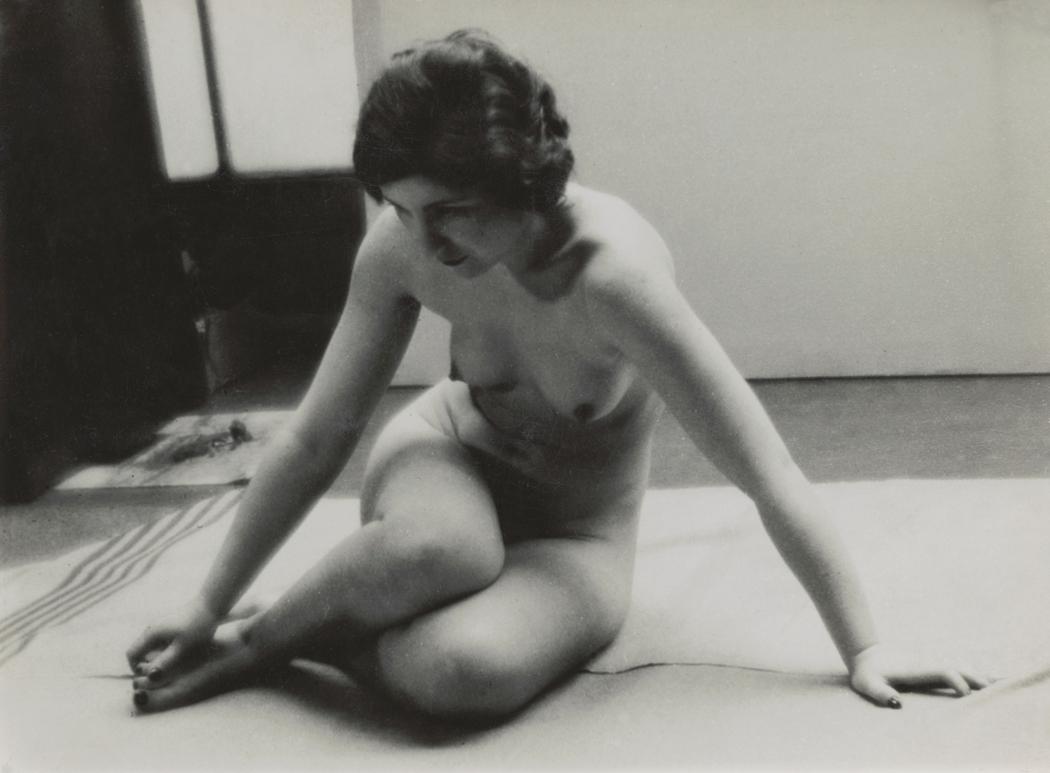
Josef Breitenbach-Sonja, Munich, 1930-33, Gelatin silver print© The Josef Breitenbach Trust.


Josef Breitenbach- Female nude sitting on blanket,  1935, Gelatin silver print © The Josef Breitenbach Trust.

Josef Breitenbach- Female nude sitting on blanket, 1935, Gelatin silver print © The Josef Breitenbach Trust.


Josef Breitenbach-standing female nude - front view, furnishings, 1932

Josef Breitenbach- Standing female nude – front view, furnishings, 1932 © The Josef Breitenbach Trust


Josef Breitenbach-untitled , female nude with dark fur and ornaments, 1940s

Josef Breitenbach- Untitled , female nude with dark fur and ornaments, 1940s © The Josef Breitenbach Trust


Josef Breitenbach-untitled , female nude with dark fur and ornaments, 1940s

Josef Breitenbach- Untitled , female nude with dark fur and ornaments, 1940s  © The Josef Breitenbach Trust
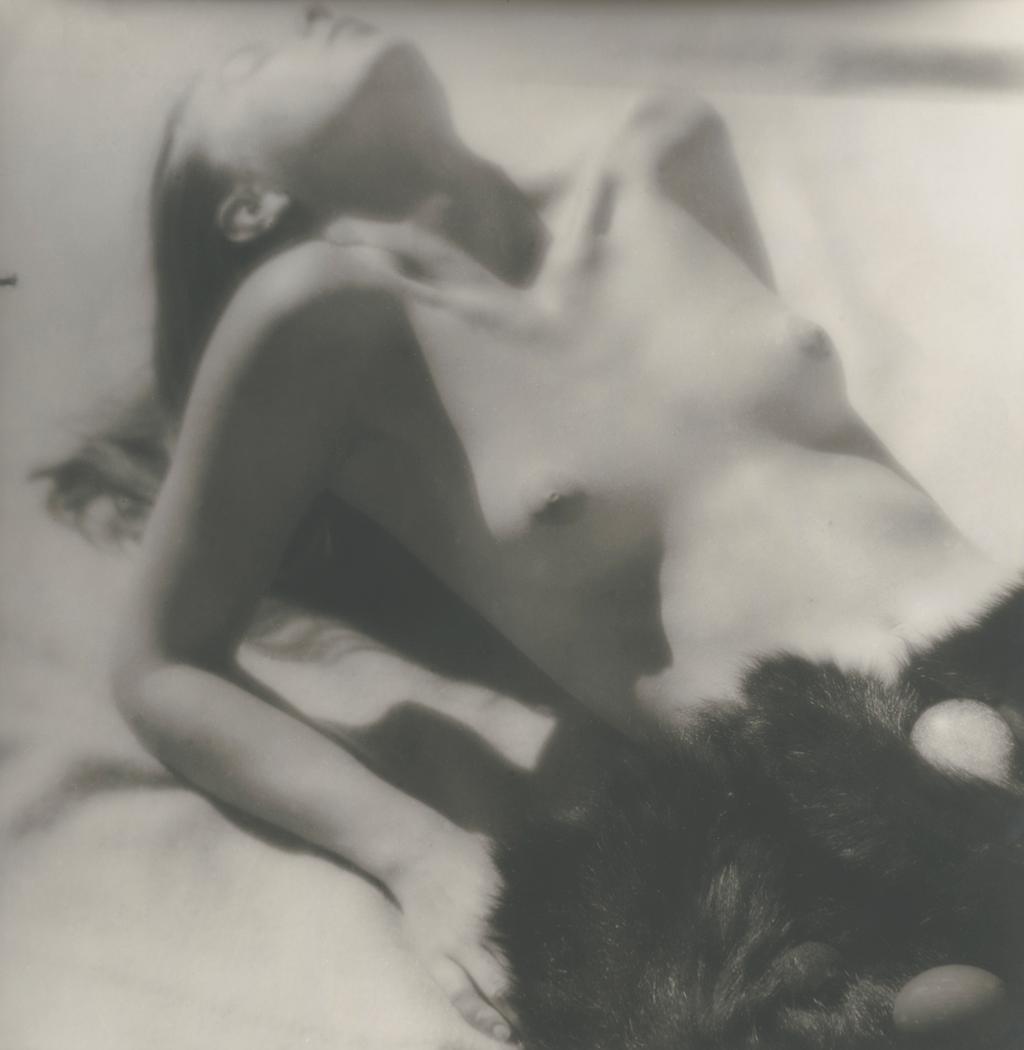

Josef Breitenbach -untitled, 1940s

Josef Breitenbach -Untitled, 1940s © The Josef Breitenbach Trust


Josef Breitenbach-We New Yorkers, 1942 © The Josef Breitenbach Trust


Josef Breitenbach- Electric Back, New York, 1949  toned gelatin silver print , montage © The Josef Breitenbach Trust

Josef Breitenbach- Electric Back, New York, 1949 toned gelatin silver print , montage © The Josef Breitenbach Trust
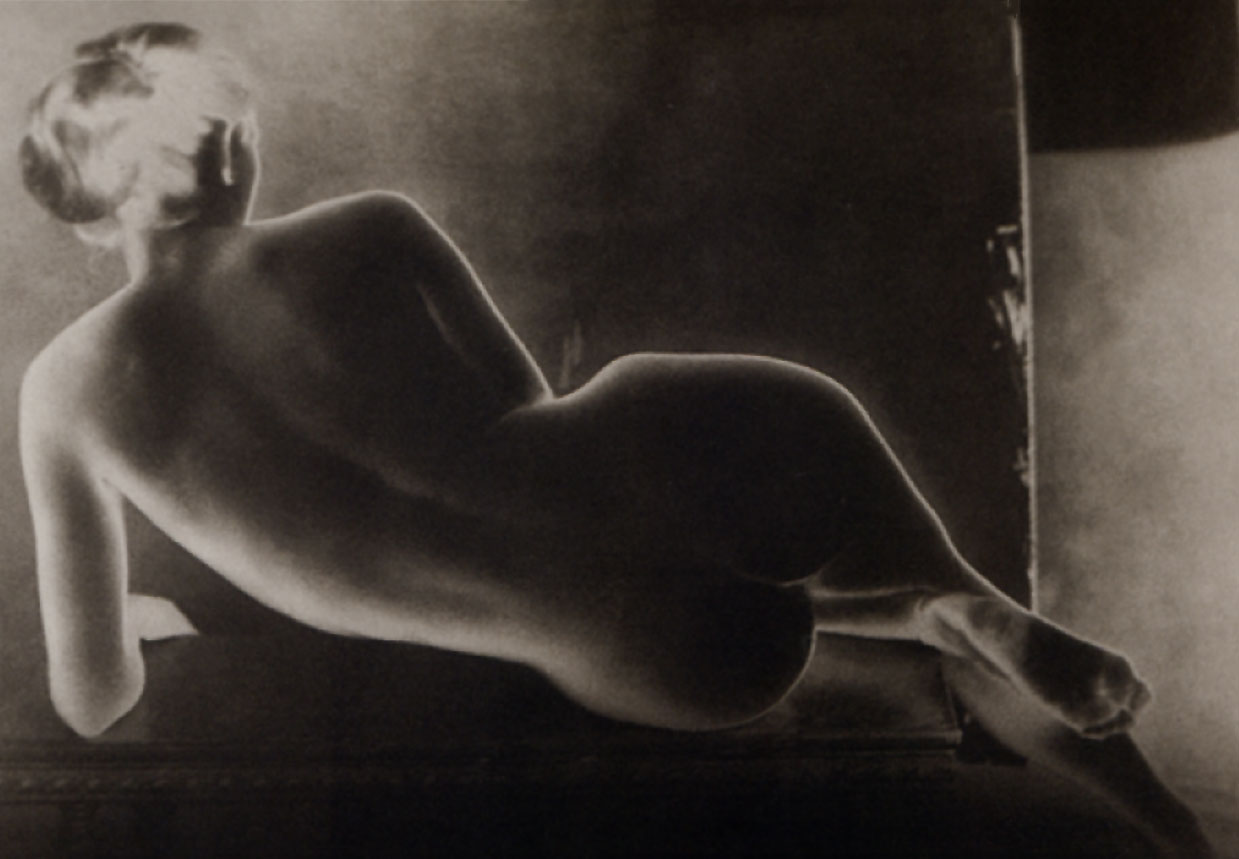

Josef Breitenbach- Medical Illustration, New York, 1949 Aus einer Serie für McCalls Magazine © The Josef Breitenbach Trust

Josef Breitenbach- Medical Illustration, New York, 1949 Aus einer Serie für McCalls Magazine © The Josef Breitenbach Trust


Josef Breitenbach- Emerging Torso, 1942-48, toned gelatin silver print © The Josef Breitenbach Trust
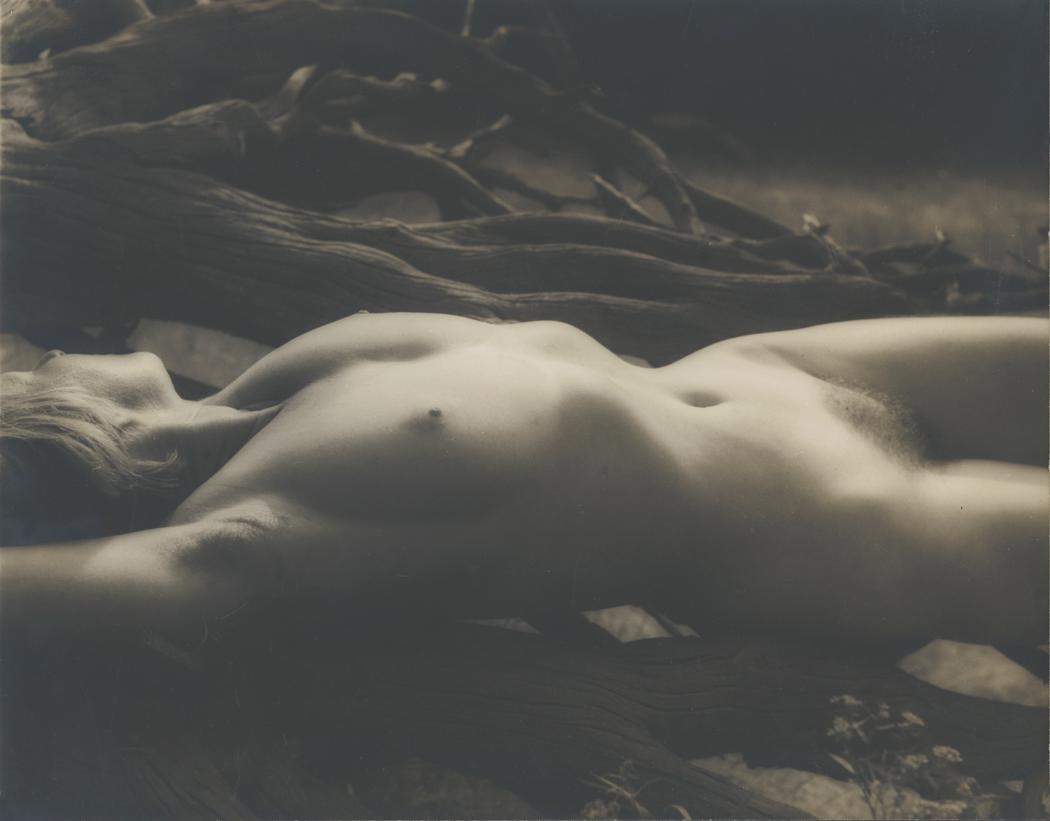
Josef Breitenbach- Emerging Torso, 1942-48, toned gelatin silver print © The Josef Breitenbach Trust


Josef Breitenbach-Adirondacks, , 1948,, Gelatin silver print© The Josef Breitenbach Trust.

Josef Breitenbach-Adirondacks, , 1948,, Gelatin silver print© The Josef Breitenbach Trust.


Josef Breitenbach-  Portraits with Make Up,model Patricia & Josef Breitenbach,  New York, 1945, Vintage gelatin silver print© The Josef Breitenbach Trust

Josef Breitenbach- Portraits with Make Up,model Patricia & Josef Breitenbach, New York, 1945, Vintage gelatin silver print© The Josef Breitenbach Trust
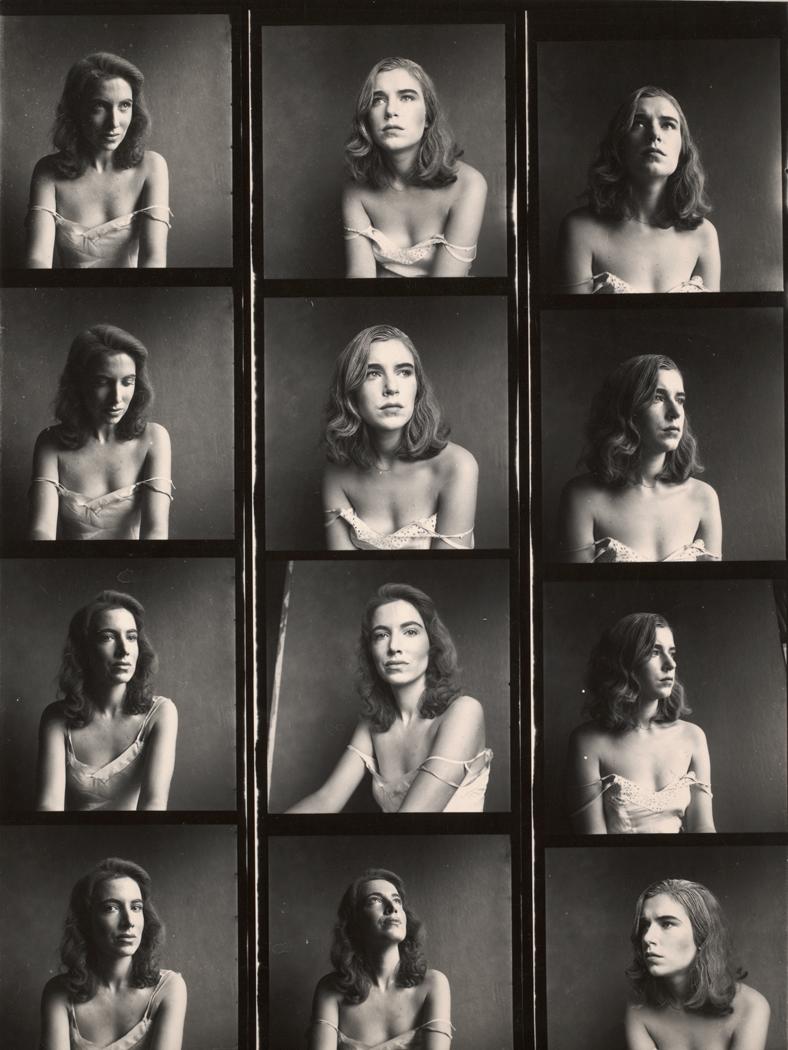

Josef Breitenbach-  Woman Transformed, model Patricia, New York  1942

Josef Breitenbach- Woman Transformed, model Patricia, New York 1942 © The Josef Breitenbach Trust
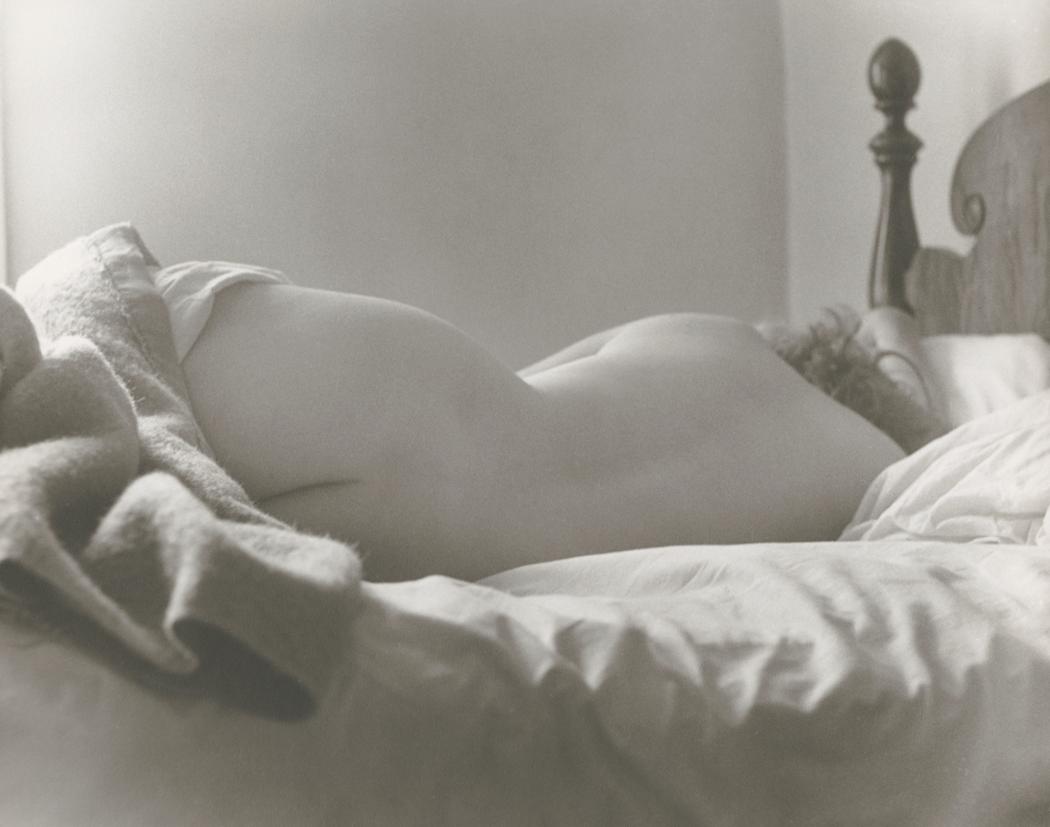

Josef Breitenbach -Morning, 1950

Josef Breitenbach -Morning, 1950 © The Josef Breitenbach Trust


Josef Breitenbach - Nu, 1950s

Josef Breitenbach – Untitled, 1950s  © The Josef Breitenbach Trust


Josef Breitenbach-Untitled , 1950s

Josef Breitenbach- Untitled ,Nude, 1950s  © The Josef Breitenbach Trust


Josef Breitenbach- Portrait, Paris, 1933-39, Vintage gelatin silver print ©The Josef Breitenbach Trust.
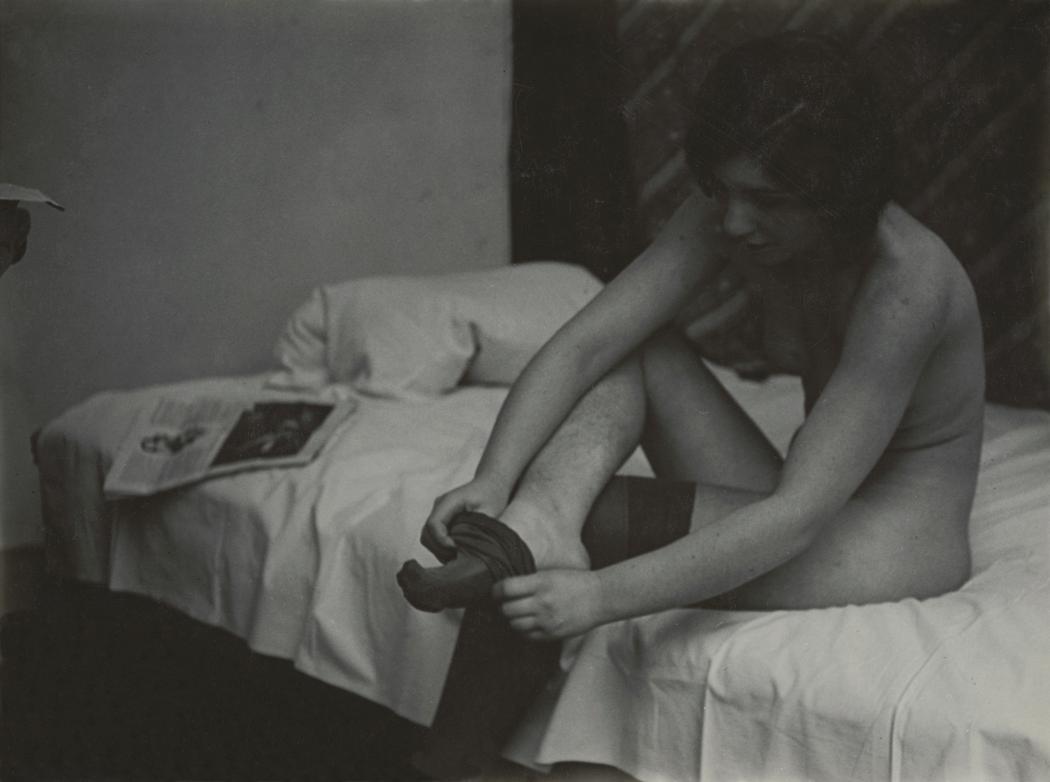
Josef Breitenbach- Portrait, Paris, 1933-39, Vintage gelatin silver print ©The Josef Breitenbach Trust.


Josef Breitenbach- Untitled , 1935  © The Josef Breitenbach Trust
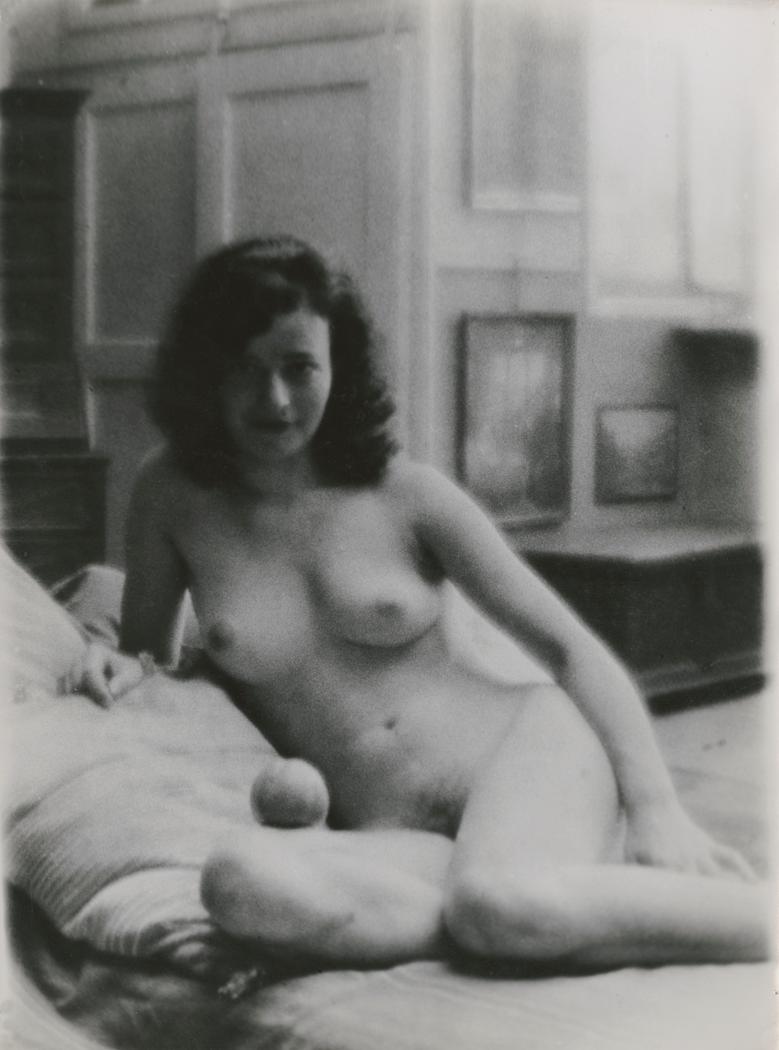

Josef Breitenbach-Untitled , Germany, Munich, 1932

Josef Breitenbach- Untitled , Germany, Munich, 1933  © The Josef Breitenbach Trust
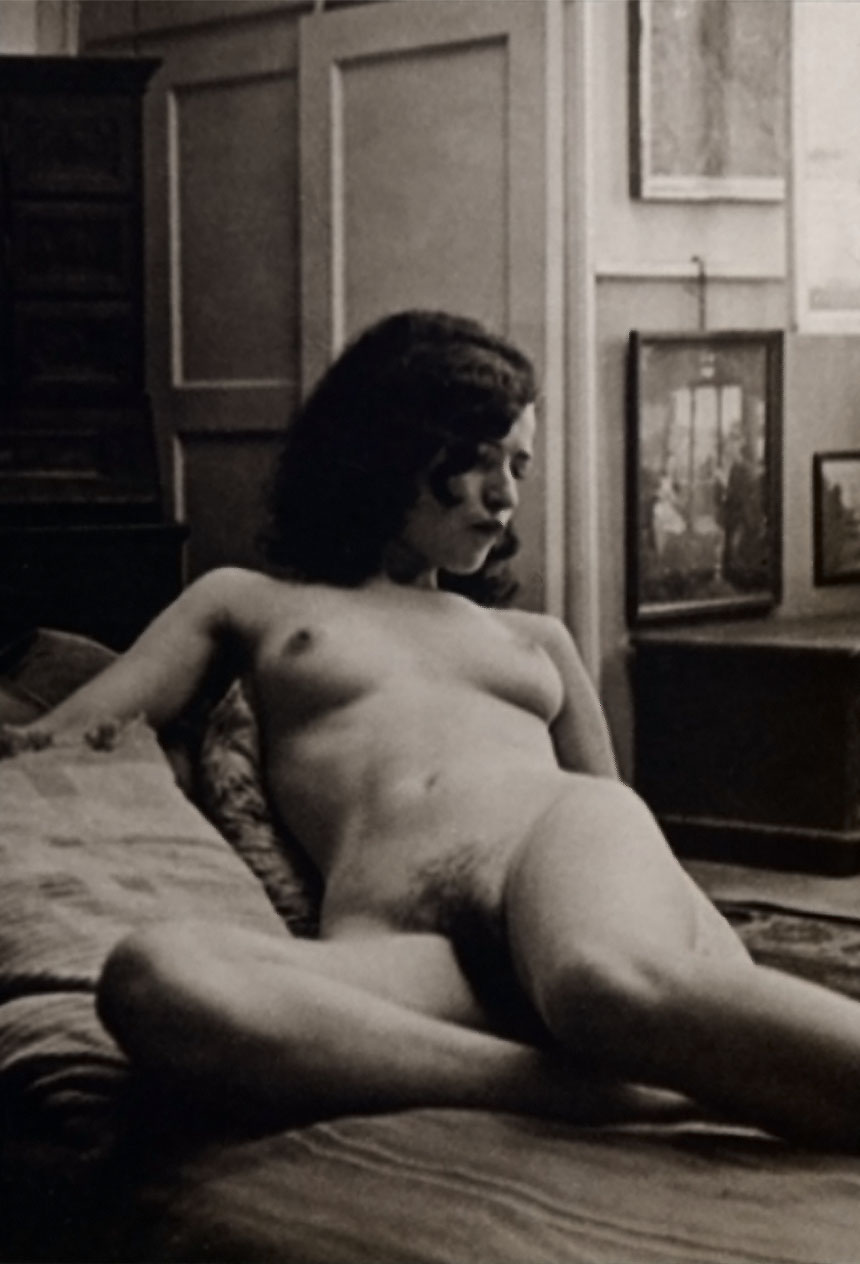

Josef Breitenbach- Akt, München, 1933 © The Josef Breitenbach Trust

Josef Breitenbach- Nu, Germany, Munich, , 1933 © The Josef Breitenbach Trust


Josef Breitenbach-nude girl lying in gras, 1950s

Josef Breitenbach-nude girl lying in gras, 1950s  © The Josef Breitenbach Trust


Josef Breitenbach- Nude woman in the river,New York, 1953, , Gelatin silver print © The Josef Breitenbach Trust.
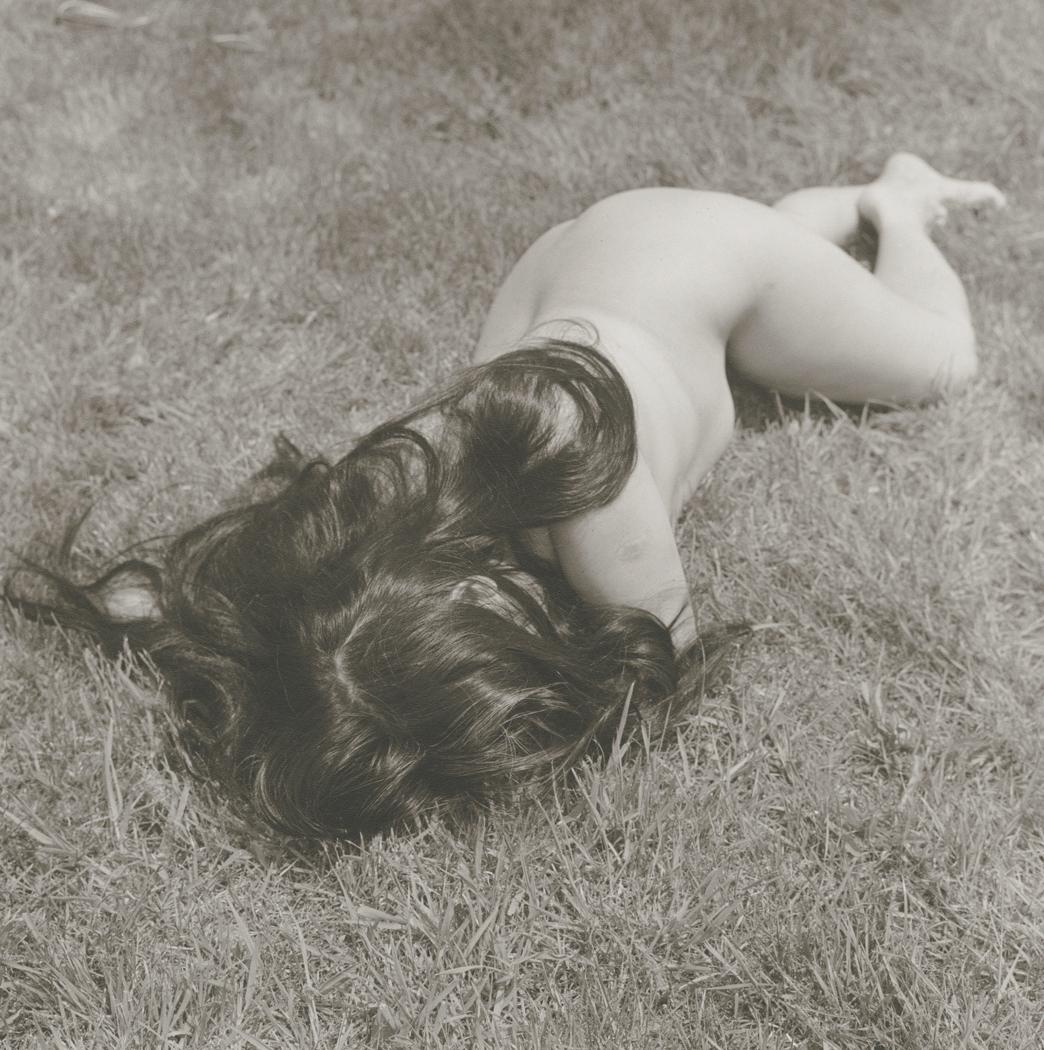
Josef Breitenbach- Nude woman in the river,New York, 1953, , Gelatin silver print © The Josef Breitenbach Trust.


Josef Breitenbach-female nude with long dark hair lying on side on grass, 1961

Josef Breitenbach-female nude with long dark hair lying on side on grass, USA, 1961  © The Josef Breitenbach Trust
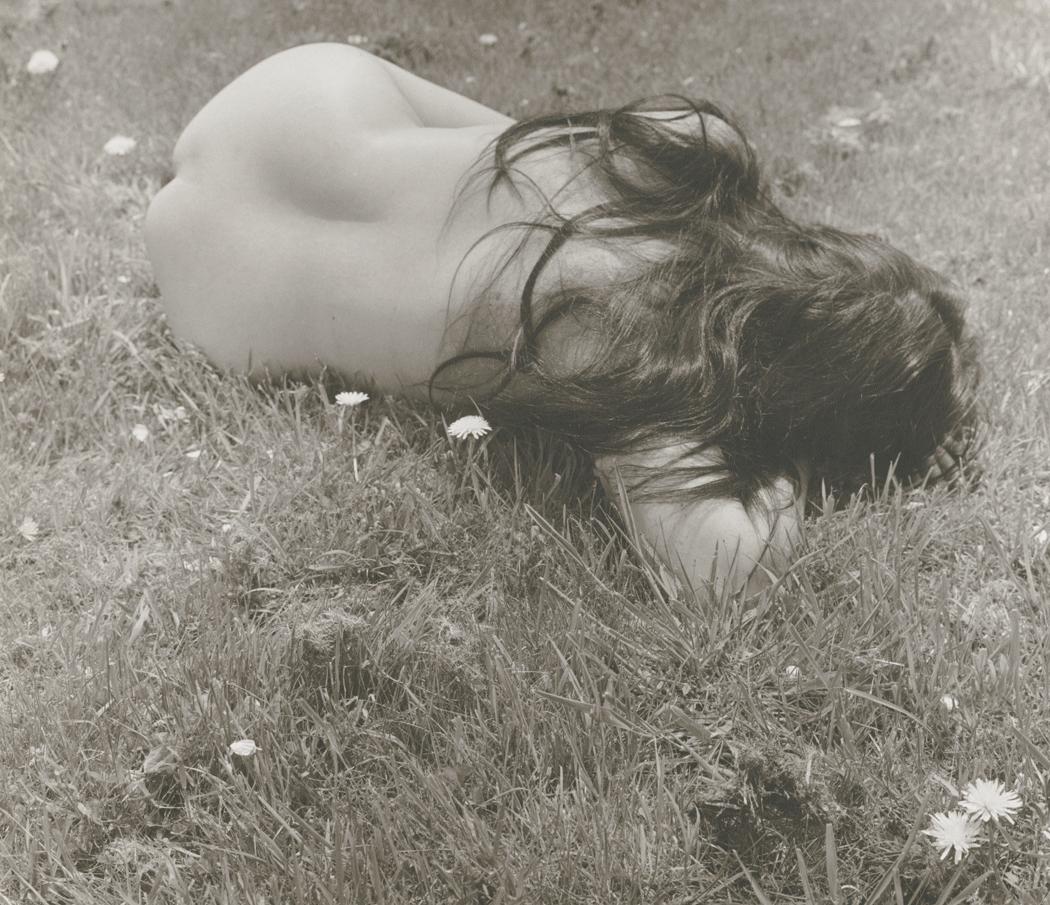

Josef Breitenbach-back view of female nude with long dark hair lying curled on grass, 1961

Josef Breitenbach-back view of female nude with long dark hair lying curled on grass, USA, 1961 © The Josef Breitenbach Trust
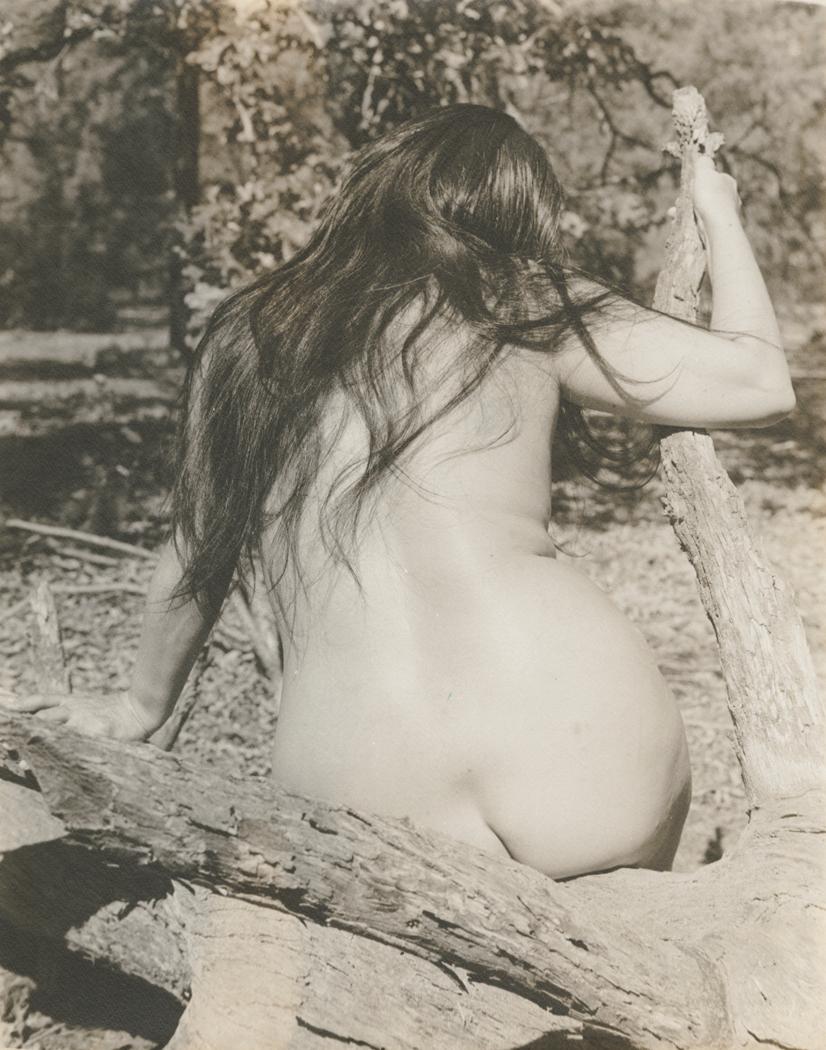

Josef Breitenbach-back of female nude with long dark hair, seated outdoors on branching log, Sept. 1961

Josef Breitenbach-back of female nude with long dark hair, seated outdoors on branching log, USA, Sept. 1961 © The Josef Breitenbach Trust
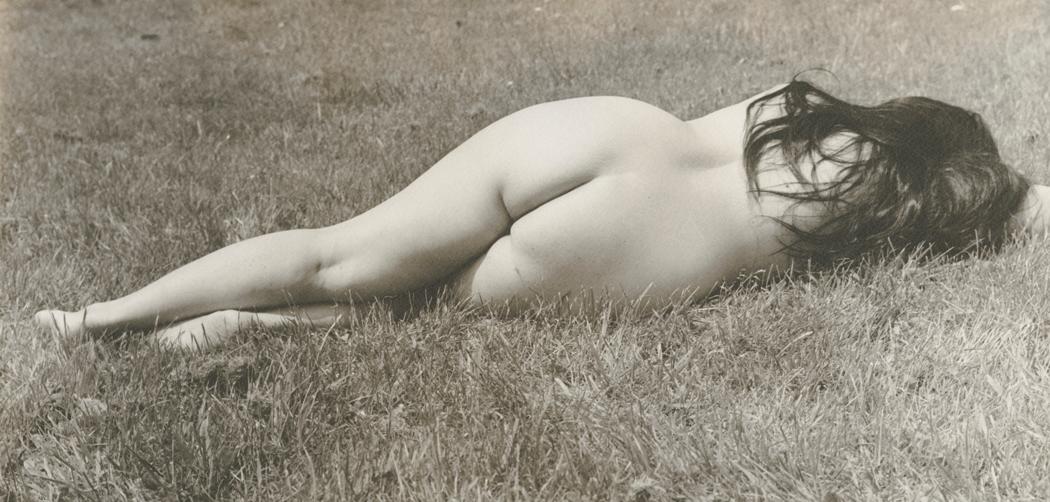

Josef Breitenbach-female nude with long dark hair, lying face-down on grass, full length with feet at left, 1961

Josef Breitenbach-Untitlrd (Female nude with long dark hair, lying face-down on grass, full length with feet at left), USA, 1961  © The Josef Breitenbach Trust
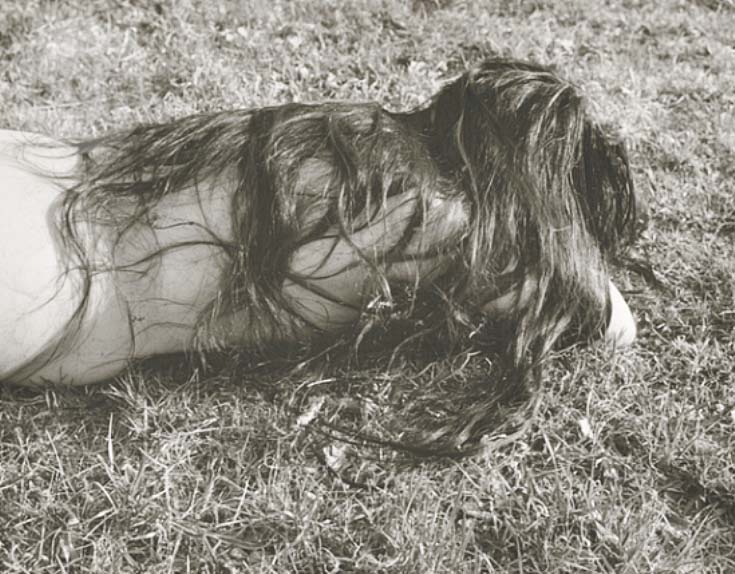

Josef Breitenbach- Untitled ,  (Female nude with long dark hair, lying face-down on grass,) USA , 1961 © The Josef Breitenbach Trust

Josef Breitenbach – Untitled , (Female nude with long dark hair, lying face-down on grass,) USA , 1961 © The Josef Breitenbach Trust


Josef Breitenbach -buttocks and back of female nude with long dark hair, kneeling outdoors, , 1961

Josef Breitenbach -Untitled (Buttocks and back of female nude with long dark hair,kneeling outdoors), USA, 1961. © The Josef Breitenbach Trust


Josef Breitenbach-untitled ,female nude with long dark hair lying face-down on grass , USA  1961

Josef Breitenbach-Untitled (female nude with long dark hair lying face-down on grass) ,USA ,1961.           © The Josef Breitenbach Trust


Josef Breitenbach-untitled ,female nude with long dark hair lying face-down on grass , USA  1961

Josef Breitenbach-Untitled (emale nude with long dark hair lying face-down on grass), USA ,1961.            © The Josef Breitenbach Trust


Josef Breitenbach -back of female nude bending over in water, Sept. 1961 © The Josef Breitenbach Trust

Josef Breitenbach -Untitled (Back of female nude bending over in water), USA, Sept 1961. © The Josef Breitenbach Trust

Les années 1950 et 1960 ont été des années d’intense activité pour Breitenbach.  Il a fait reportage photographique en Asie pour les Nations Unies et d’autres entreprises variées, documentant le travail des secours.

Il exposera ses photographies largement dans les Etats-Unis à partir des années 1940 jusqu’au milieu des années 1960, notamment au Museum of Modern Art et le Metropolitan Museum of Art

Josef Breitenbach-untitled ,woman curled on side in dried grass,  1952 Korea or Japan

Josef Breitenbach-Untitled (woman curled on side in dried grass), Korea or Japan , 1952 © The Josef Breitenbach Trust
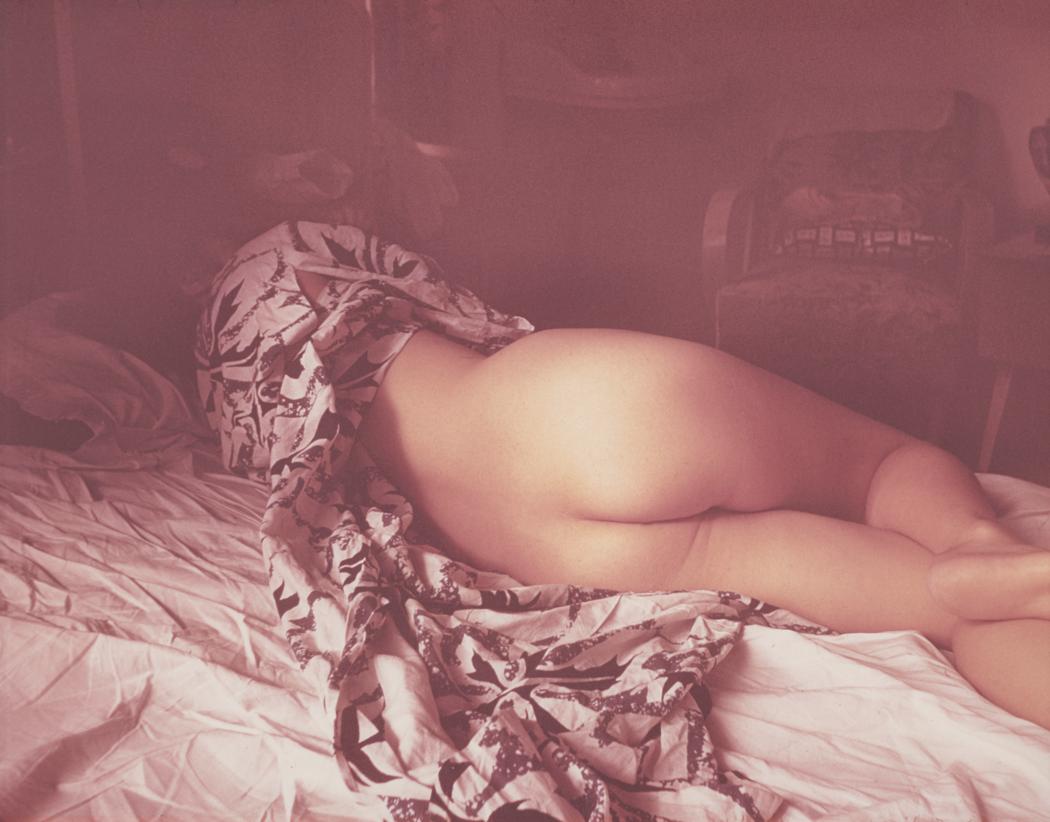

Josef Breitenbach- nude woman in black, Tokyo, 1953, Chromogenic print. © The Josef Breitenbach Trust.

Josef Breitenbach- nude woman in black, Tokyo, 1953, Chromogenic print. © The Josef Breitenbach Trust.


Josef Breitenbach-Sleeping Japanese Girl, Japan, 1968.        © The Josef Breitenbach Trust

Josef Breitenbach-Sleeping Japanese Girl, Japan, 1968. © The Josef Breitenbach Trust


Josef Breitenbach- Dancing in the Streets (Bon Odori), Kyoto, 1956

Josef Breitenbach- Dancing in the Streets (Bon Odori), Kyoto, 1956 © The Josef Breitenbach Trust
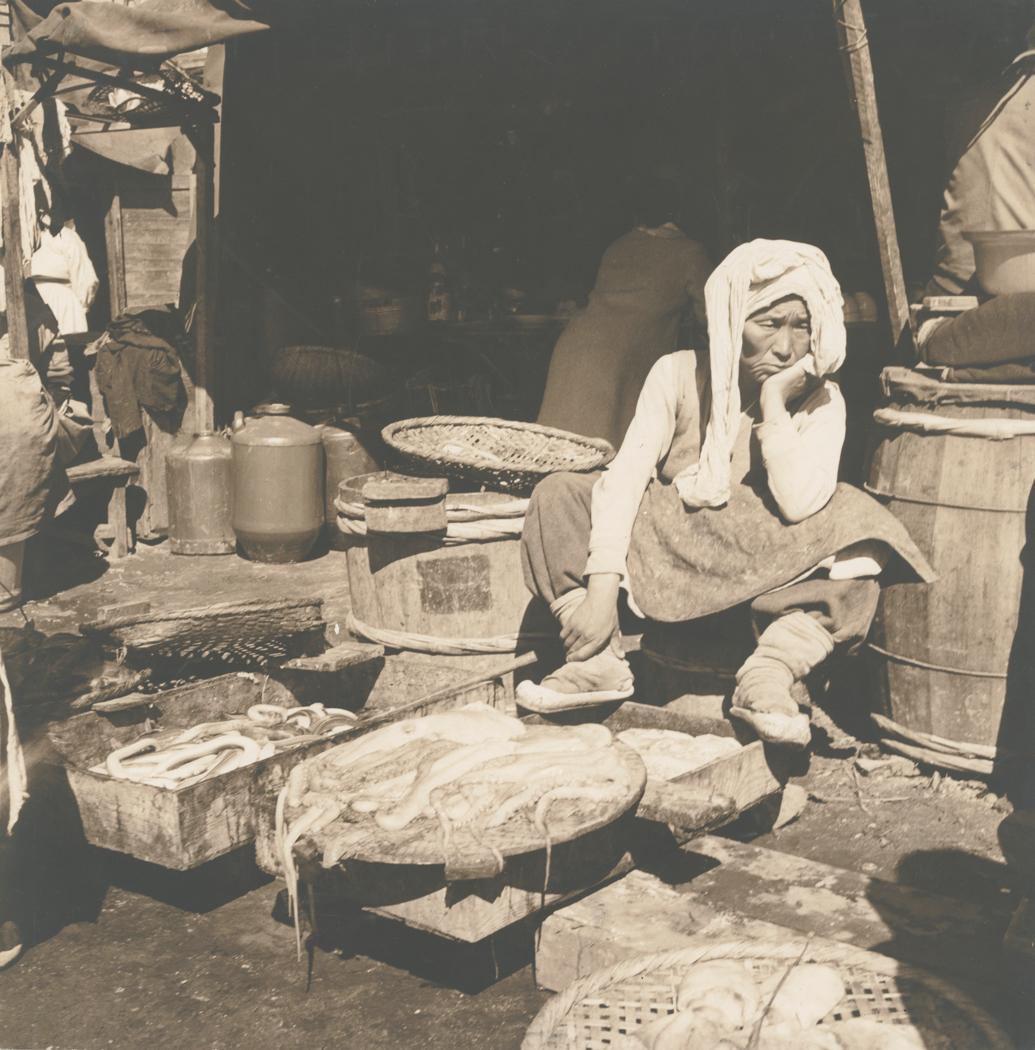

Josef Breitenbach-Eels and octopus. Pusan, Korea, 1953

Josef Breitenbach-Eels and octopus. Pusan, Korea, 1953 © The Josef Breitenbach Trust


Josef Breitenbach-India, Construction Worker, Bombay, 1960

Josef Breitenbach-India, Construction Worker, Bombay, 1960  © The Josef Breitenbach Trust


Josef Breitenbach-  Woman Transformed, New York  1942

Josef Breitenbach- Woman Transformed, New York 1942  © The Josef Breitenbach Trust


Josef Breitenbach-Mother with Sick Child, Patan, Nepal,Nepal, Patan, 1968, Gelatin silver print © The Josef Breitenbach Trust.

You can see more on Gitterman Gallery

Des portraits du photographe par des anonymes ici  sur wordpress sur le blog  A la loupe

  Voir les résultats des actions le concernant sur Mutualart

Conseil de lecture  :

Manifesto By Josef Breitenbach , Ed° Nazraeli Press , 2008

Josef Breitenbach: by Josef Breitenbach Photographs and text (in German) by Josef Breitenbach. Essays (in German) by Peter C. Jones, and Others , Published on the occasion of the 1996-1997 exhibition Josef Breitenbach: Photographien at the Staatliche Galerie Moritzburg Halle and the Fotomuseum im Münchner Stadtmuseum, Ed° Schirmer-Mosel, 1996

Munich, Paris, New York Paperback – 2003 by Josef and Paul Berlanga, Exhibit Catalogue, edition Stephen Daiter Gallery, 2003

Josef Breitenbach » by Larisa Dryansky, Editions de l’Amateur, 2001

Cover of the Book "Josef Breitenbach" by Larisa Dryansky,  Editions de l'Amateur, 2001

Cover of the Book « Josef Breitenbach » by Larisa Dryansky, Editions de l’Amateur, 2001

 English Bio

Josef Breitenbach was born on the 3rd of April 1896. He attended Ludwig-Maximillian University in Munich (philosophy and art history, 1914 to 1917) and became active in the Youth Section and later the Pacifist wing of the Social Democratic Party. In 1918, he took part in the Soviet-inspired Bavarian coup d’état, which was the first spark of the revolutionary fire that swept over Germany in the wake of the armistice. For a few months, Breitenbach also occupied an official position in the new government. Although the revolution was short-lived, the ties he forged with the radical circles of Munich’s intelligentsia later helped him establish his reputation as a photographer.

In 1932, Breitenbach opened his first photographic studio. His clients were prominent members of Munich’s bohemia, including actors and actresses performing in the Munich theater. Munich was a stronghold of libertarians and refined people, whose spirit Breitenbach captured in theatrical portraits of his friend, the journalist Theo Riegler. This world vanished in 1933 with Hitler’s takeover.

More than his Jewish roots, the photographer’s political past made him a target for persecution. In August, 1933, with his passport , Breitenbach made his way to France , joining other German exiles seeking refuge in Paris.

The Surrealist “revolution” had by then become dominant in the Parisian art scene. Soon after his arrival, Breitenbach came into contact with André Breton and his circle. Preferring to retain his independence, he never became a member of the Surrealist group, but did show work in important exhibitions of Surrealist photography alongside Man Ray, Jacques-André Boiffard, Brassaï, Eli Lotar, Henri Cartier-Bresson, et Roger Parry.

Breitenbach only lived in Paris for six years, until the war broke out in 1939. During this period, he produced some of his most inventive work. He adopted several techniques favored by new photographers such as superimpression, montage, solarization, printing in negative, and the photogram. More importantly, he was one of the rare artists of the pre-War years to produce color photographs, which he did by using processes of bleaching, toning and pigmentation. Examples are the images “Montparnasse”, or Forever and Ever.

During his years in Paris, he was also an active member of the German exile community, which alerted the democratic world to the threat of fascism. He participated in the 1938 exhibition by the Union des Artistes Allemandes Libres, “Five Years of Hitler Dictatorship”. A high point for Breitenbach was his collaboration with Bertolt Brecht, summarized by portraits of the playwright. The war interrupted this second chapter of the photographer’s life. Interned by the French as a suspicious alien, then drafted into a civilian corps composed of foreigners, Breitenbach eventually escaped to New York from Marseille in 1941.He came to the attention of Walker Evans, who published his work in Fortune. In the summer of 1944, at the invitation of Josef Albers, Breitenbach taught photography at Black Mountain College. In 1946 he became a United States citizen and joined the faculty at Cooper Union and later The New School. Breitenbach continued to create distinctive and innovative work, including a striking group of camera-less photographs. These works hover in the liminal space between Surrealism and Abstract Expressionism. The 1950s and 1960s were years of intense activity for Breitenbach. He did photographic reportage in Asia for the United Nations and other varied businesses, documenting relief work. He exhibited his photographs extensively in the United States from the 1940s to the mid-1960s, including at the Museum of Modern Art and the Metropolitan Museum of Art.

I proposed today to browse some facets Josef Breitenbach left us behind. This was mainly the result of the encounter with the Surrealists and accompanied throughout his adventure. Through his portraits, montages , collage, photogram , naked, and some memories , moreover

Bernard Leedham

For the  really sympathic James…. many thanks for all , your vision your words and your support.

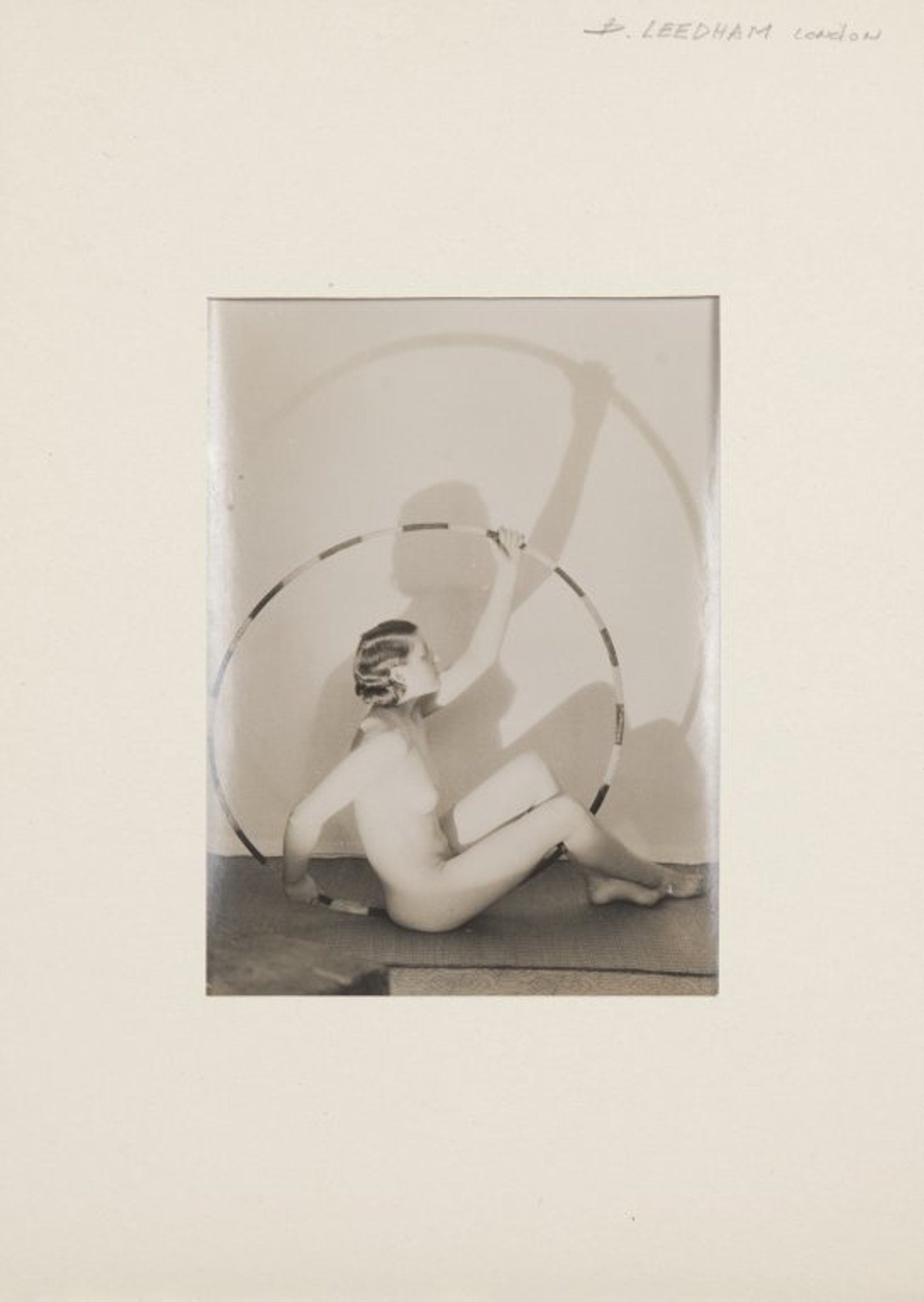
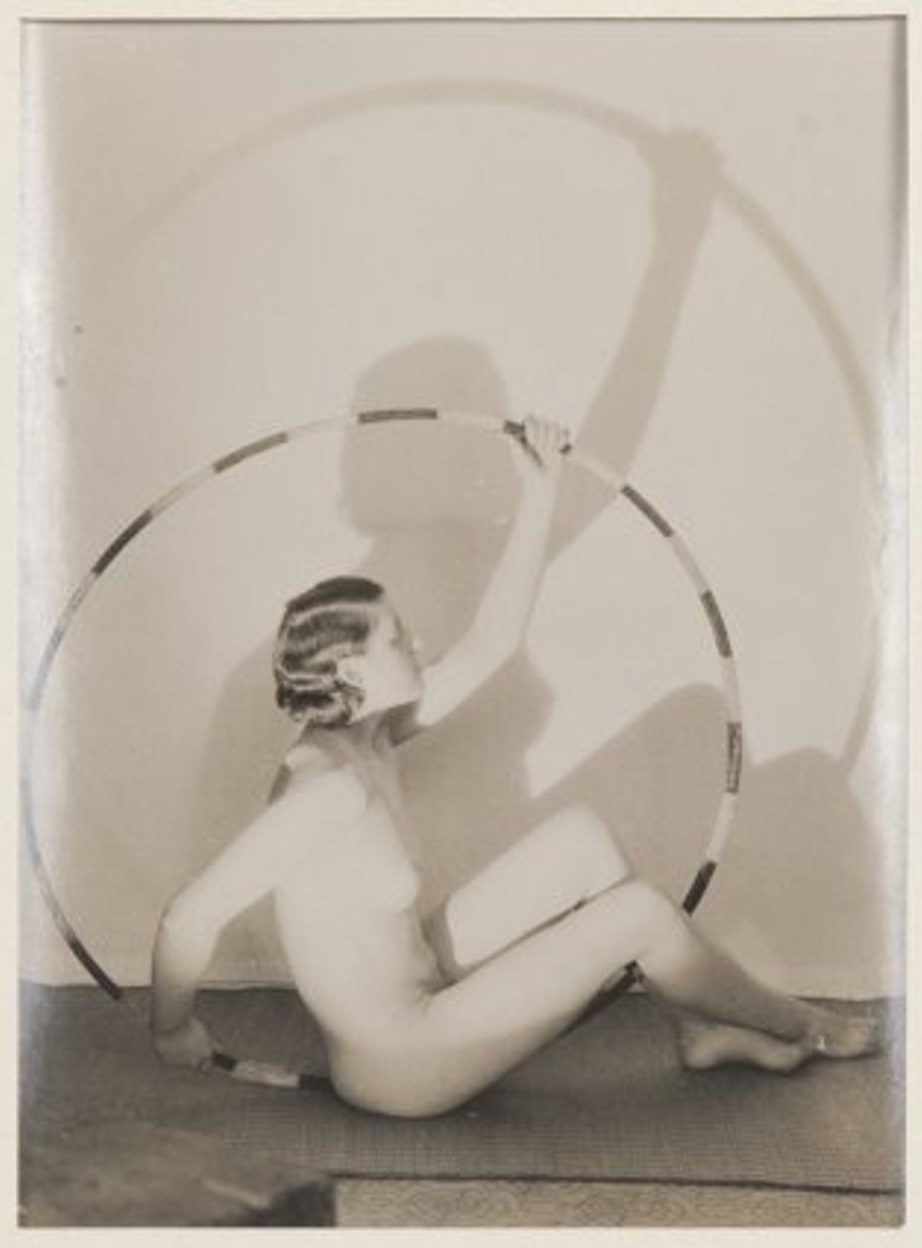
Bernard Leedham (British) -Vintage nude study -Gelatine silver print, 1929

Bernard Leedham (British) -Vintage nude study -Gelatine silver print, 1929

Bernard Leedham (British) -Vintage nude study -Gelatine silver print, 1929

Bernard Leedham- Nude, 1920

Bernard Leedham (British) -Vintage nude study -Gelatine silver print, 1929

Bernard Leedham (British) -Vintage nude study -Gelatine silver print, 1929

Bernard Leedham (British) -Vintage nude study -Gelatine silver print, 1929

Bernard Leedham (British) -Vintage nude study -Gelatine silver print, 1929

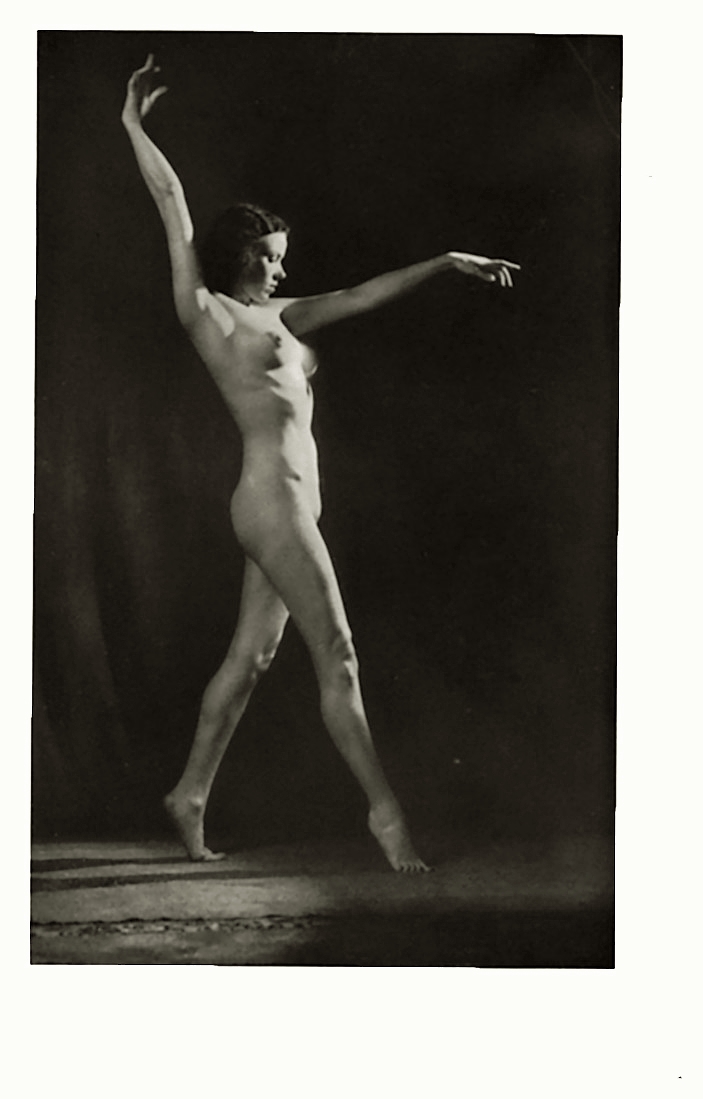
Bernard Leedham (British) -Vintage nude study -Gelatine silver print Study of mouvement , 1929

Bernard Leedham (British) -Vintage nude study -Gelatine silver print Study of mouvement , 1929

Bernard Leedham (British) -Vintage nude study -Gelatine silver print, 1929

Bernard Leedham (British) -Vintage nude study -Gelatine silver print, 1929

Bernard Leedham (British) -Vintage nude study -Gelatine silver print, 1929


bid.igavelauctions.com

Bernard Leedham The Sun Goddess, 1930

Bernard Leedham The Sun Goddess, 1930


Bernard Leedham nude study Le Globe - Gravure printed by Braun & Cie - France in 1933

Bernard Leedham nude study Le Globe – Gravure printed by Braun & Cie – France in 1933

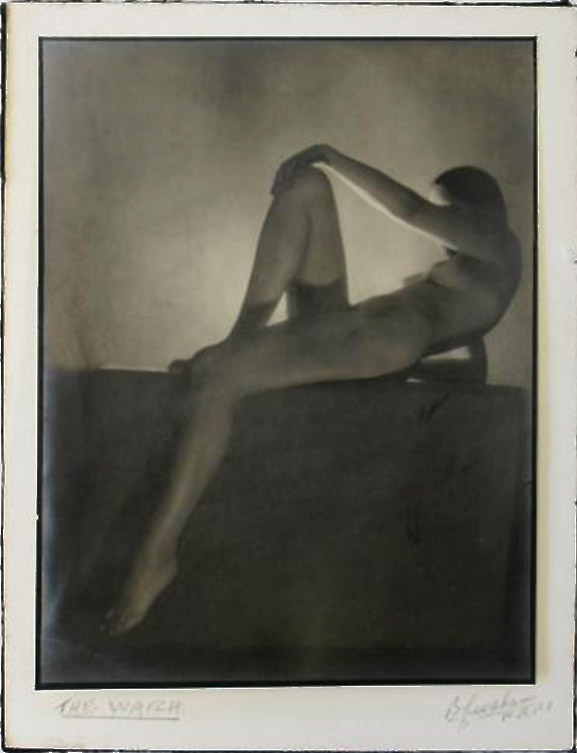
Bernard Leedham nude study 'The Watch, 1930

Bernard Leedham nude study ‘The Watch, 1930

Bernard Leedham (British) -Vintage nude study -Gelatine silver print, 1930

Bernard Leedham- Etude de nu artistique, 1930

Bernard Leedham- Nude study, c 1920

Alois Zych (1874 – 1943)

Alois Zych ajoué un rôle important dans la promotion de la photographie tchèque moderne. Bien qu’il n’ai ne soit pas devenu  lui-même un photographe professionnel, il a été très influent dans le mouvement de la photographie amateur et il fût malgrè  tout un des premier Tchèque à être exposé individuellement .

En 1908, il a co-fondé le Club de photographes amateurs de Prague. Les membres de ce club sont par exemple  R. A. Šimon, J. Imlauf, J. Srp, A. Myška, F. Oliverius, Diviš J., D. J. Růžička, J. S. Krofta, J. Jeníček, P. Koblic, Johann A., J. Pelech, J. Voříšek, Anders J. et L. Sitenský.

Alois Zych a « gagné » sa reconnaissance surtout pour ses images érotiques uniques. Plus tard il trouvera aussi une reconnaissance pour ses photographies de paysages et en tant que promoteur de la photographie de l’histoire nationale. tchèque.

Alois Zych - study , Prague, 1933

Alois Zych – study , Prague, 1933

Alois Zych - Loi Studies, 1929 ( bon)

Alois Zych – Loi Studies, 1929

Alois Zych- Dvojakt, around 1930

Alois Zych- Akt , 1912-1915

Alois Zych- Akt , 1912-1915

Alois Zych Bez názvu Akt , vers 1920s (2)

Alois Zych Bez názvu Akt , vers 1920s

Alois Zych- Bez názvu,( untitled) 1928

Alois Zych- Bez názvu,( untitled) 1928

Alois Zych- Akt, 1930

Alois Zych- Akt, 1930

Alois Zych- Nude ,1930

Alois Zych- Akt ,1927

Alois Zych- Akt ,1927

Alois Zych-portrét, 1932

Alois Zych- Zátiší, (Still Life), 1929

Alois Zych- Zátiší, (Still Life), 1929

Alois Zych-Untitled, 1930


Alois Zych-Akt III, 1930

Alois Zych-Untitled, 1930

Alois Zych-Untitled, 1930

Alois Zych- nude study, 1934

Alois Zych-Akt 1931

Alois Zych- Nude Study 12,1926

Alois Zych- Untitled ,1927

Alois Zych- Study,1920–1929

Alois Zych- Study,1920–1929

Alois Zych- around 1914

Alois Zych- nude study, around 1914

Bibliographie « Alois Zych Dvacet Aktu [Twenty Nudes], Prague Rozhledy fotografa Amatera, , 1926 . text ( an essay on nude photography)  by Vladamir Fanderlik.

John Gutmann Part 2

« John Gutmann (1905–1998) was one of America’s most distinctive photographers. Born in Germany where he trained as an artist and art teacher, he fled the Nazis in 1933 and settled in San Francisco, reinventing himself as a photo-journalist. Gutmann captured images of American culture, celebrating signs of a vibrant democracy, however imperfect. His own status as an outsider—a Jew in Germany, a naturalized citizen in the United States—informed his focus on individuals from the Asian-American, African-American, and gay communities, as well as his photography in India, Burma, and China during World War II. Gutmann’s interests in painting and filmmaking, his collections of non-Western art and artifacts, and his pedagogy, all figure in a body of work at once celebratory and mysterious.

Gutmann was born to prosperous German-Jewish parents, in Breslau, Germany (since 1945, Wrocław, Poland). At age twenty-two, he graduated from the regional Academy of Arts and Crafts, where he studied with leading Expressionist painter Otto Müller. In 1927 Gutmann moved to Berlin, where he taught art to schoolchildren, participated in group exhibitions, and in 1931 had a solo show at the prestigious Gurlitt Gallery. However, his career was interrupted by the rise to power of the National Socialists in early 1933. While his family made plans to immigrate to New York, Gutmann set out on his own with San Francisco as his destination, and photography as his new profession. Before departing Germany, he acquired a Rolleiflex camera, hastily shot three rolls of film, and managed to secure a contract from the Berlin office of Presse-Photo. Making the most of a bad situation, he explored a new life as a foreign correspondent who would supply the very modern European illustrated press with views and reports from the American West.

By 1936, he had broken his contract with the Berlin press agency and made a new one with Pix in New York. By 1937, he had begun to teach art regularly at San Francisco College (later San Francisco State University), and this became his primary profession after a World War II era stint in the U.S. army. Gutmann retired his professorship in 1973 and began to reassess his body of work, sorting through boxes of negatives and making new prints of selected examples from the 1930s. It was a well-timed exercise: not only did Gutmann’s images satisfy a growing historical appetite for Depression-era photography, they also seemed compatible with certain kinds of experimental photography then emerging in the contemporary art scene. Before his death in 1998, Gutmann had seen his work featured in gallery and museum exhibitions, catalogues, and monographs.

By bequeathing his rich archive of nearly 5000 modern photographic prints, negatives, tearsheets, letters, and some drawings and early art prints to the CCP, John Gutmann has left us with the task of pursuing the rich knots, braids, tangles and threads in his complex life and work that unfolded over a most tumultuous and provocative century of modernity  » By ccp
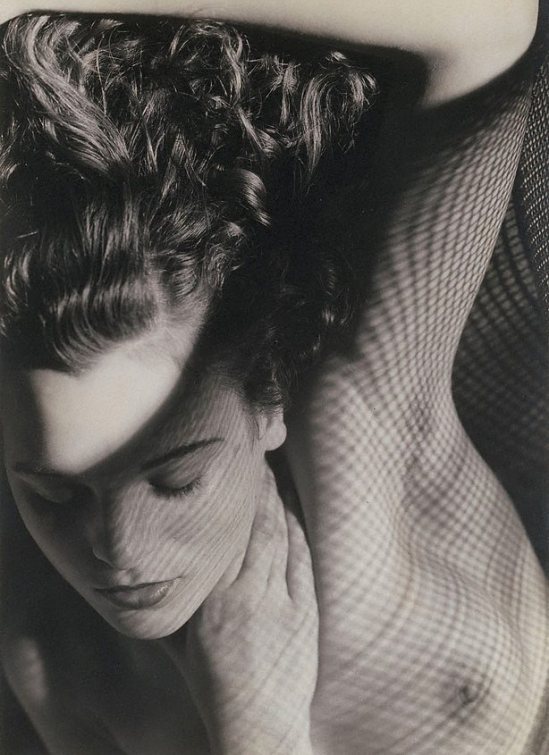
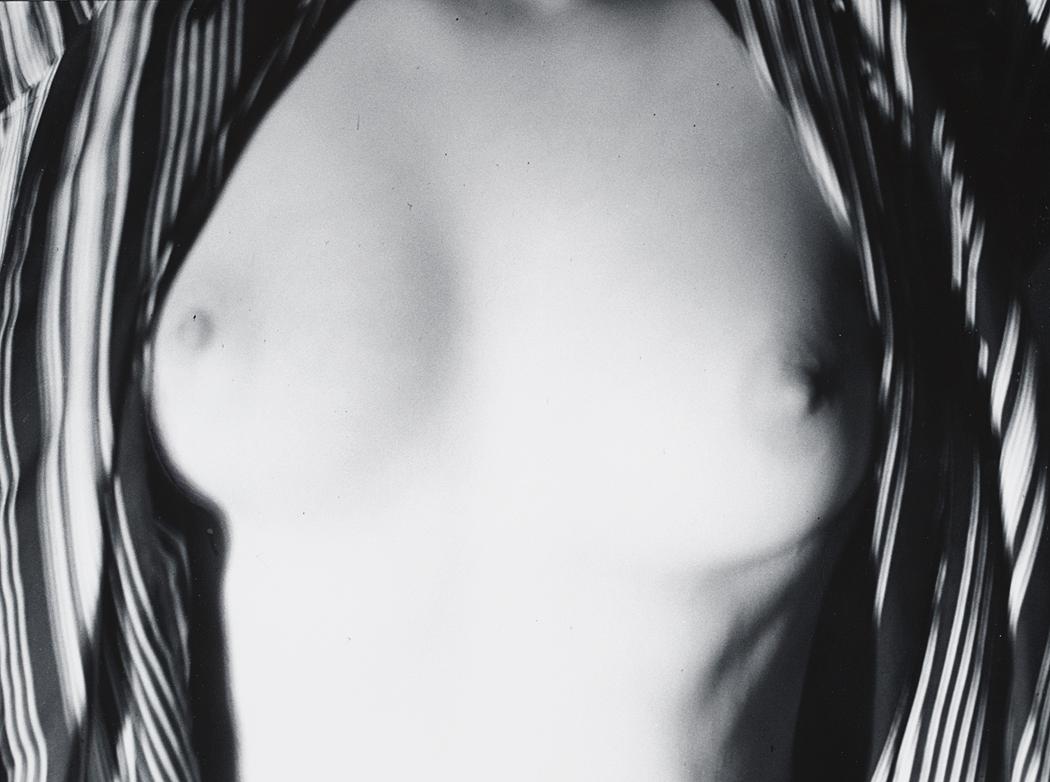
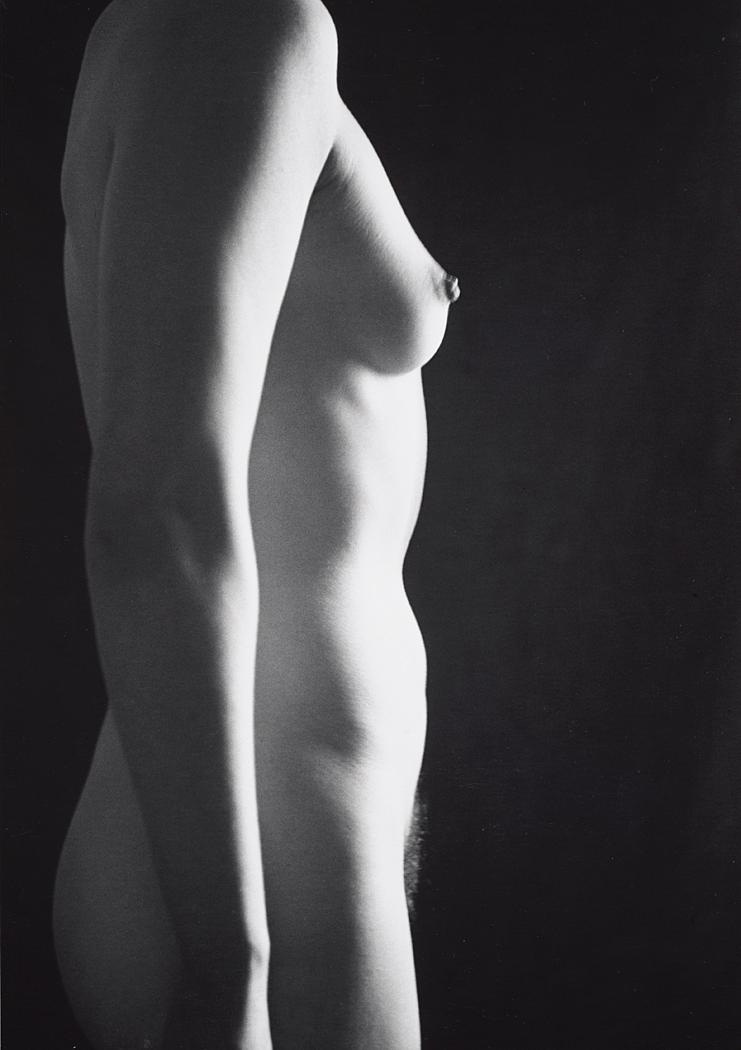
John Gutmann-Arm-Breast Abstract, 1935

John Gutmann-Arm-Breast Abstract, 1935 click on for full size

John Gutmann-Naked Save the Veil,1939

John Gutmann-Naked Save the Veil,1939

John Gutmann-Naked Breasts, Covered Face, 1939

John Gutmann-Naked Breasts, Covered Face, 1939

John Gutmann-Her Breasts in My Robe, 1937

John Gutmann-Her Breasts in My Robe, 1937

John Gutmann-Two Nudes Attracted,1937

John Gutmann-Two Nudes Attracted,1937

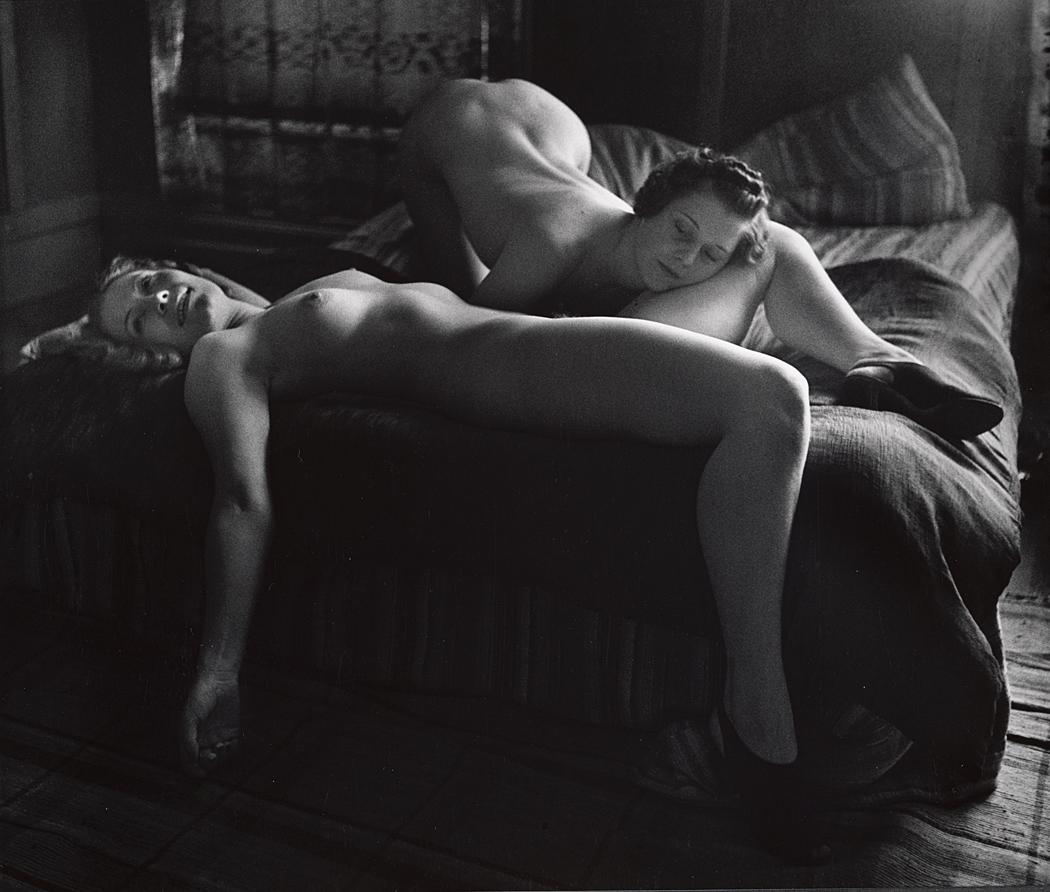
John Gutmann-Lesbian Foreplay, 1937

John Gutmann-Lesbian Foreplay, 1937

John Gutmann-Love Play, 1937

John Gutmann-Love Play, 1937

John Gutmann- elevation ,1935

John Gutmann- elevation ,1935

John Gutmann-Two Beauties, 1935

John Gutmann-Two Beauties, 1935

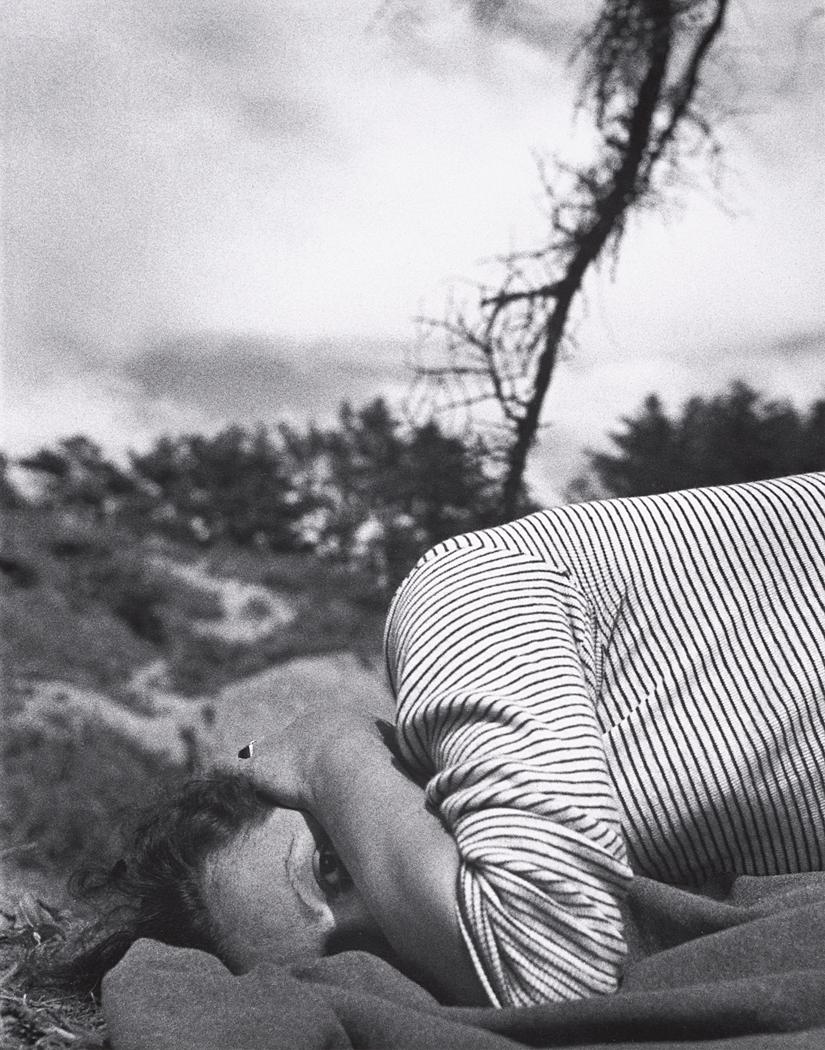
John Gutmann-Striped Sweater on Blanket, Oregon, 1934 -

John Gutmann-Striped Sweater on Blanket, Oregon, 1934

John Gutmann-Obsessive Fixation, 1935

John Gutmann-Obsessive Fixation, 1935

John Gutmann-Light Through Shades on Ruthie, 1935

John Gutmann-Light Through Shades on Ruthie, 1935

John Gutmann-Upside-Down Nude in Studio, 1937

John Gutmann-Upside-Down Nude in Studio, 1937

John Gutmann-Profile Torso,1937

John Gutmann-Profile Torso,1937

John Gutmann-Celestial Body, 1935

John Gutmann-Celestial Body, 1935

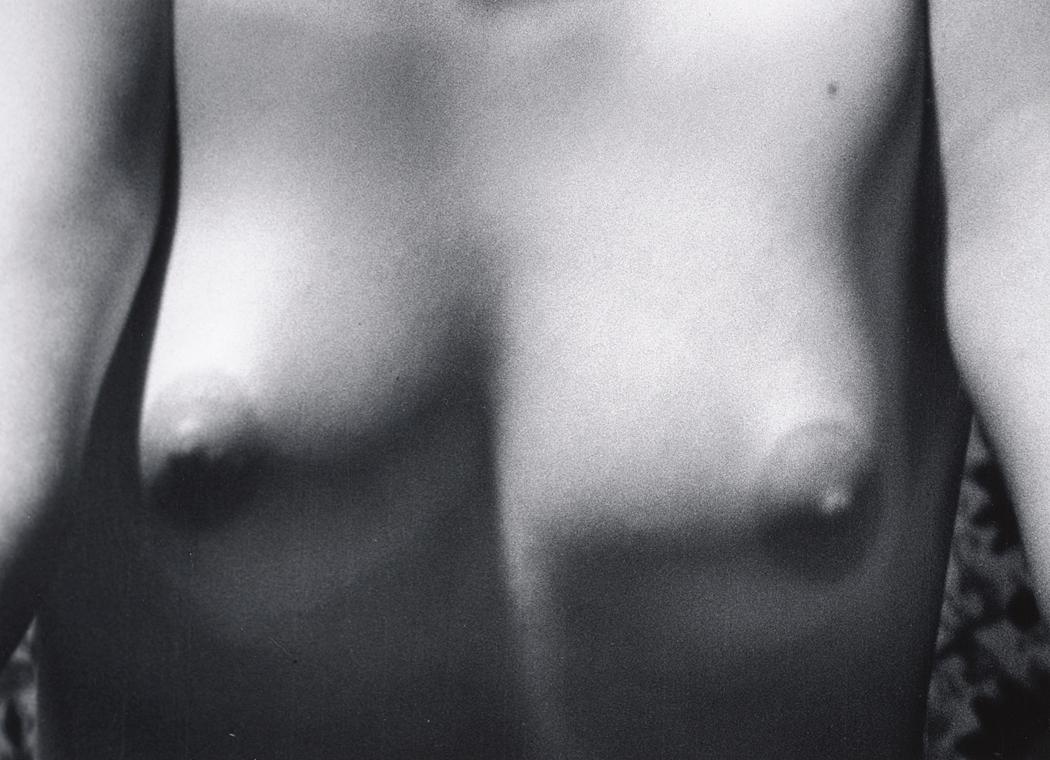
John Gutmann-Woman-Body, 1935

John Gutmann-Woman-Body, 1935

John Gutmann-Breast and Steel, 1934

John Gutmann-Breast and Steel, 1934

John Gutmann-Nude on Studio Couch, Contacts on Wall, 1935 -

John Gutmann-Nude on Studio Couch, Contacts on Wall, 1935 –

John Gutmann-Billy on My Couch, 1935

John Gutmann-Billy on My Couch, 1935

John Gutmann-Nude on Couch, 1937

John Gutmann-Nude on Couch, 1937

John Gutmann-Long Hair, 1937 - Copie

John Gutmann-Long Hair, 1937

John Gutmann-Looking Down at Nude Akiko, 1934

John Gutmann-Looking Down at Nude Akiko, 1934

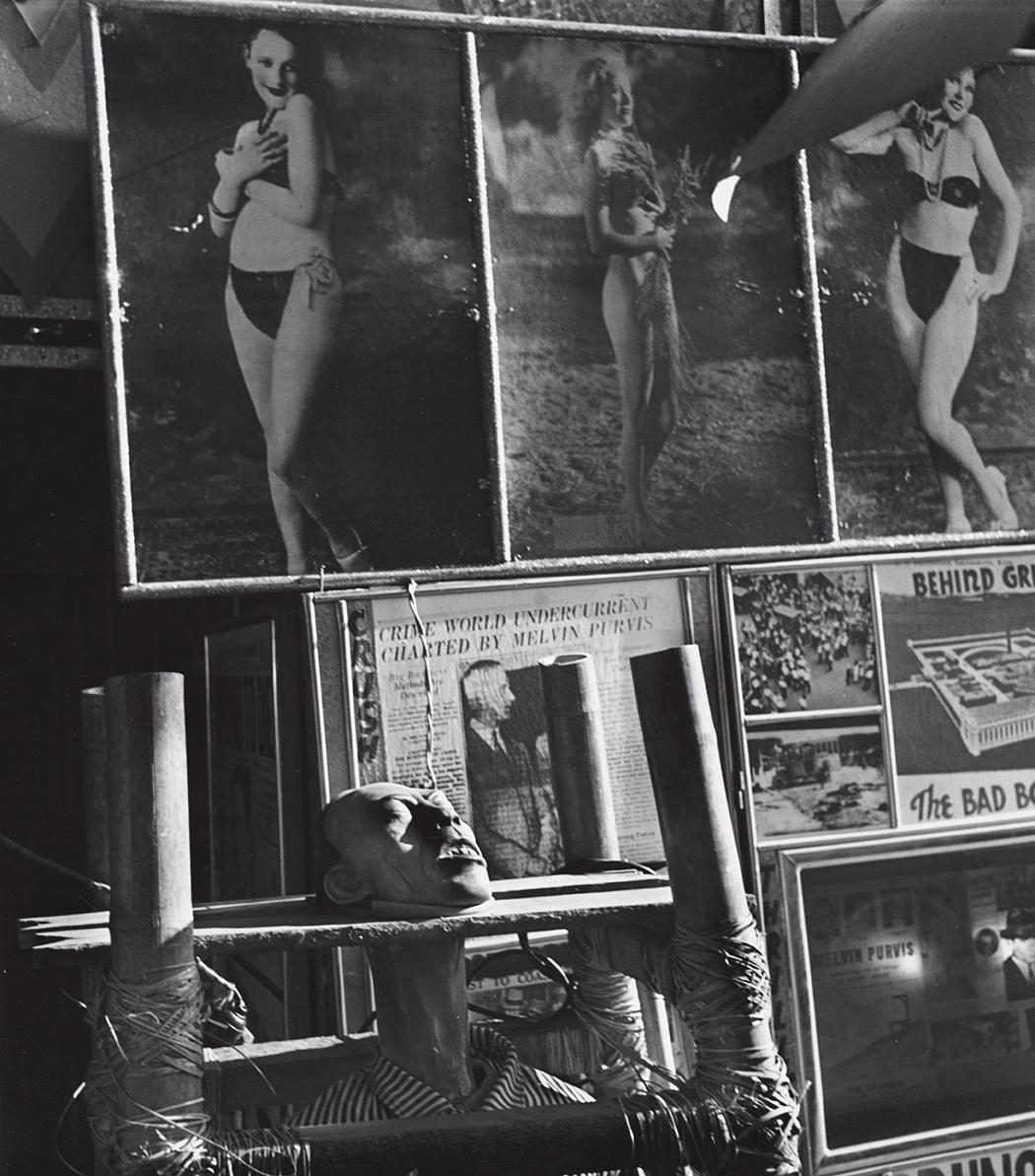
John Gutmann-Sex and Crime,1935

John Gutmann-Sex and Crime,1935

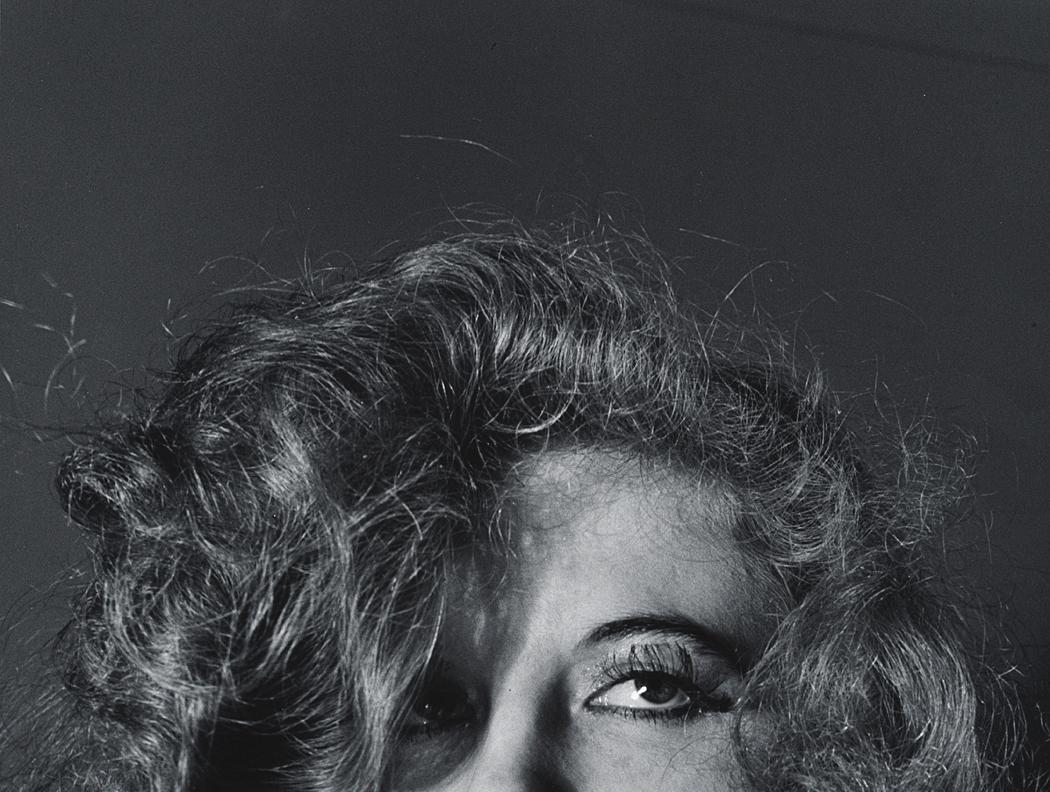
John Gutmann-Eyes, 1939

John Gutmann-Eyes, 1939

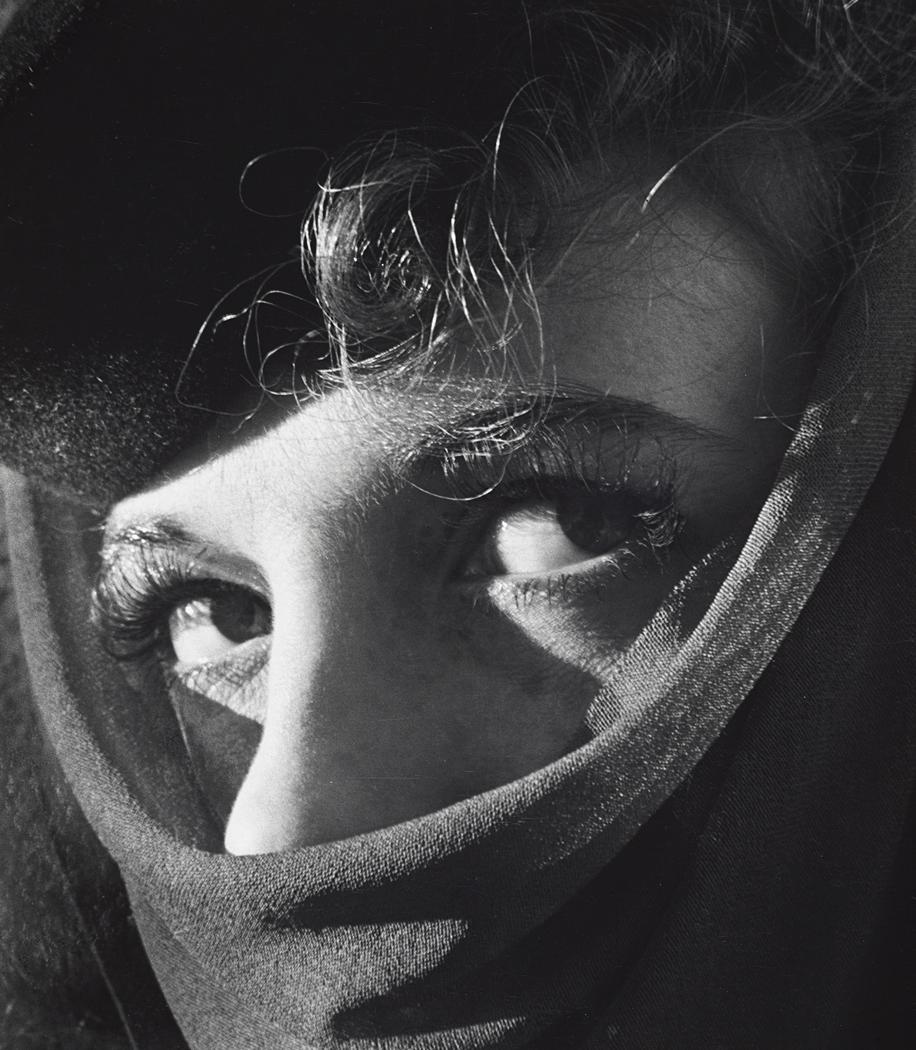
John Gutmann-Irene in Pillbox Cowled, 1939

John Gutmann-Irene in Pillbox Cowled, 1939

John Gutmann-Eye of Seduction, 1939

John Gutmann-Eye of Seduction, 1939

John Gutmann-Young Eyes, Flowers for the Prom, 1940

John Gutmann-Young Eyes, Flowers for the Prom, 1940

John Gutmann-In the Background-The Pimp, New Orleans, 1937

John Gutmann-In the Background-The Pimp, New Orleans, 1937

John Gutmann-Li in Round Hat, 1937

John Gutmann-Li in Round Hat, 1937

John Gutmann-Laura, 1934

John Gutmann-Laura, 1934

John Gutmann-Beautiful Vanessae, 1935

John Gutmann-Beautiful Vanessae, 1935

John Gutmann-Friedel, Berlin, 1935

John Gutmann-Friedel, Berlin, 1935

John Gutmann-Memory of Friedel, Berlin, 1937

John Gutmann-Memory of Friedel, Berlin, 1937

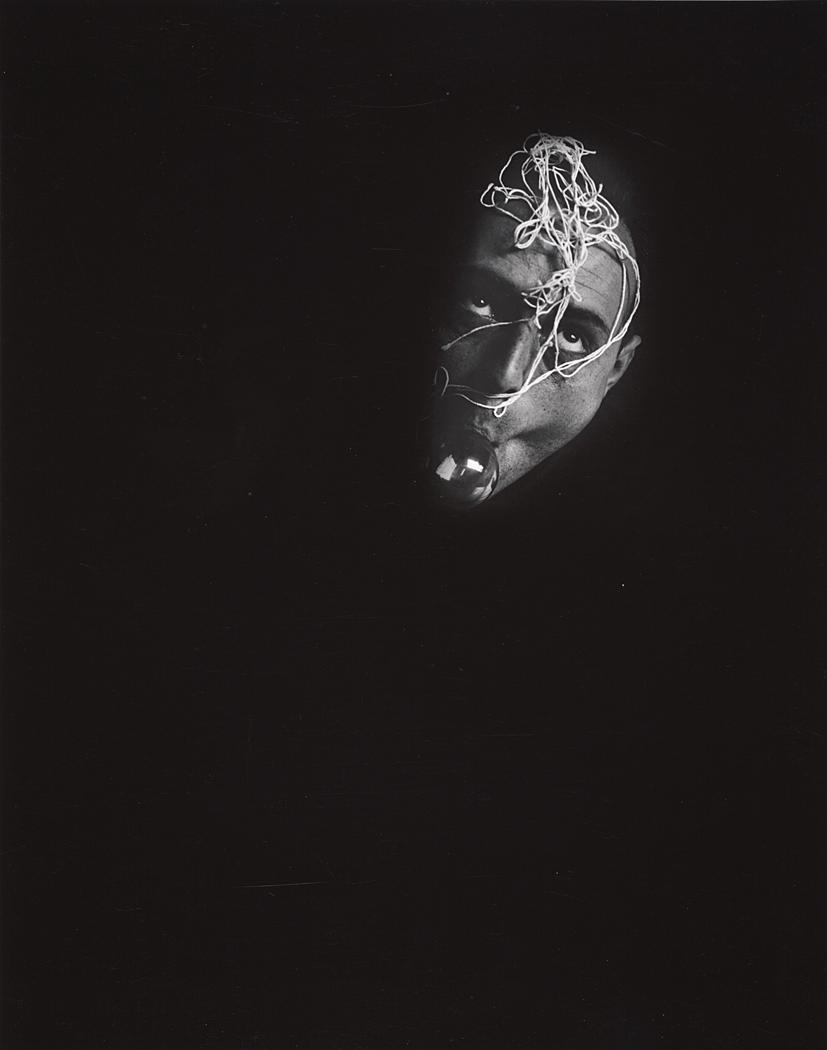
John Gutmann-Phenomenal Self Portrait, 1937

John Gutmann-Phenomenal Self Portrait, 1937

John Gutmann-Red Hair Adorned, 1939

John Gutmann-Red Hair Adorned, 1939

John Gutmann-Sweet Ruthie,1935

John Gutmann-Sweet Ruthie,1935

John Gutmann-Billy, Singer and WPA Actress, 1935

John Gutmann-Billy, Singer and WPA Actress, 1935

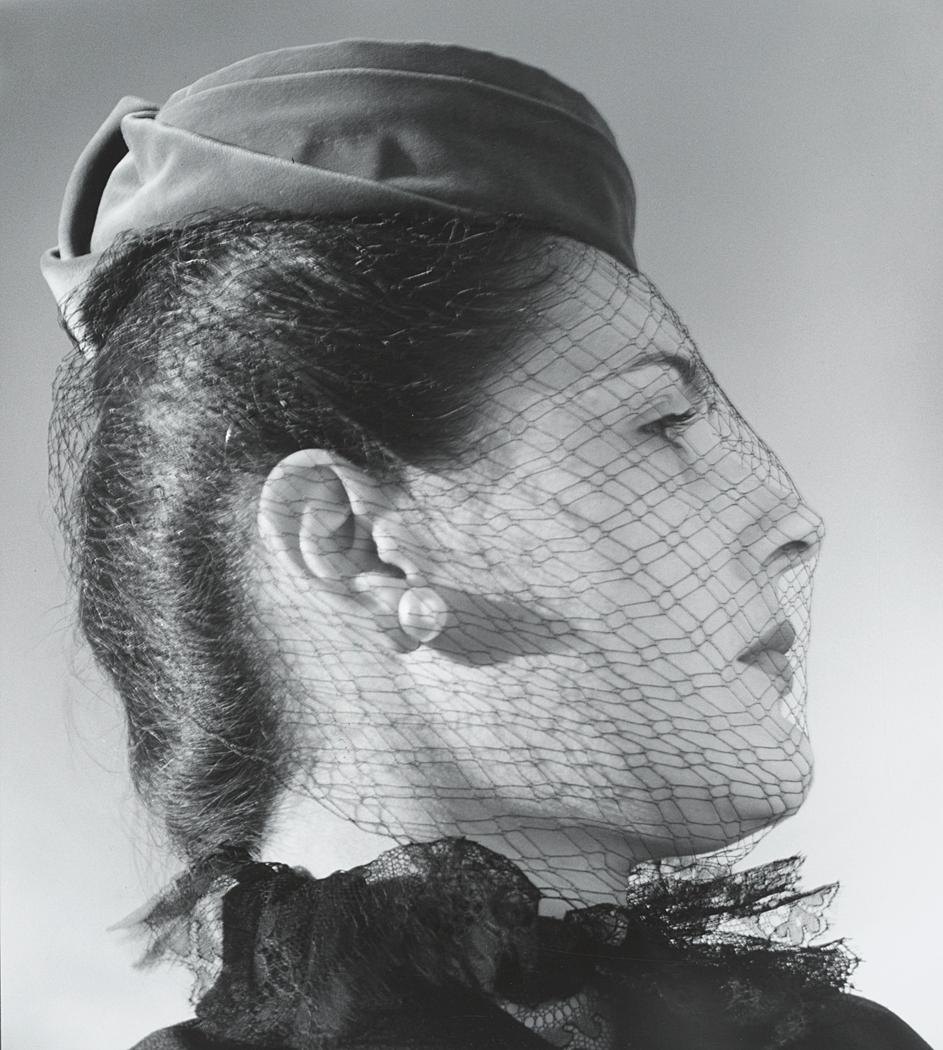
John Gutmann-Veiled Profile,1941

John Gutmann-Veiled Profile,1941

John Gutmann-Cup of Coffee and Cigarette, 1950

John Gutmann-Cup of Coffee and Cigarette, 1950

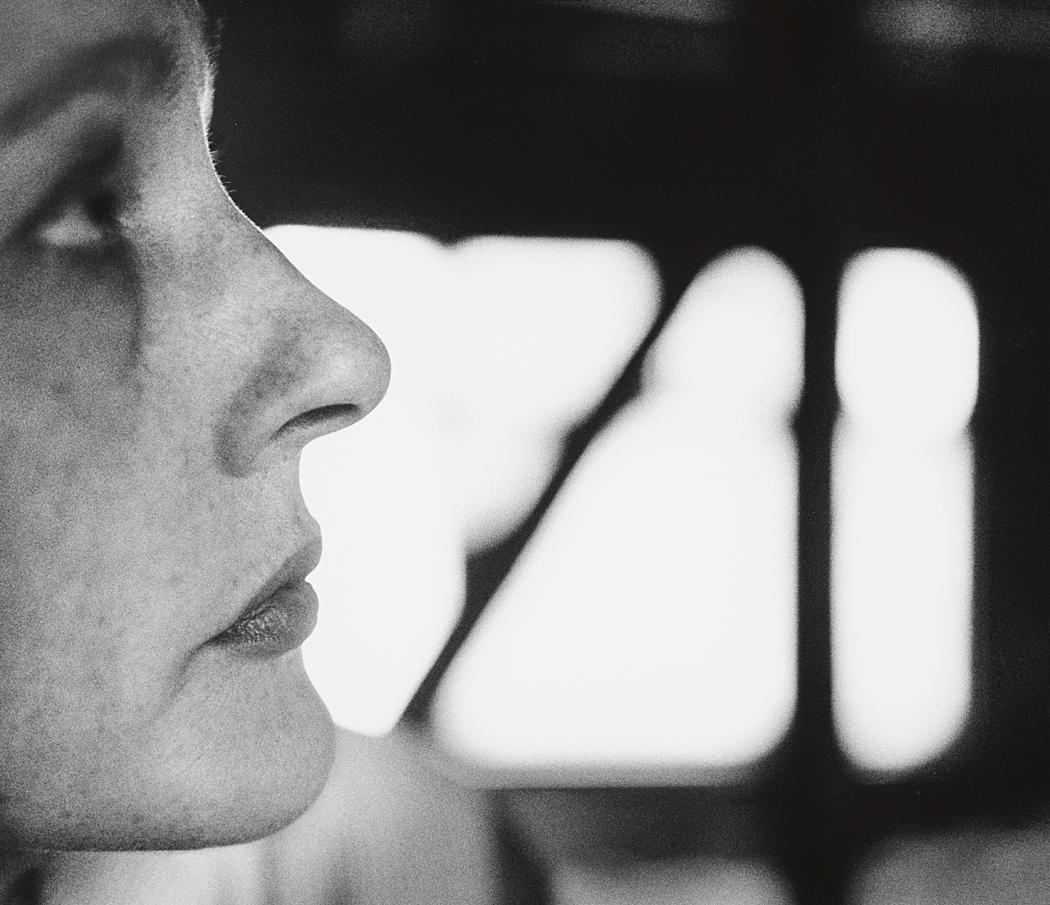
John Gutmann-Very Close Profile,1962

John Gutmann-Very Close Profile,1962

John Gutmann-The Stare, 1939

John Gutmann-The Stare, 1939

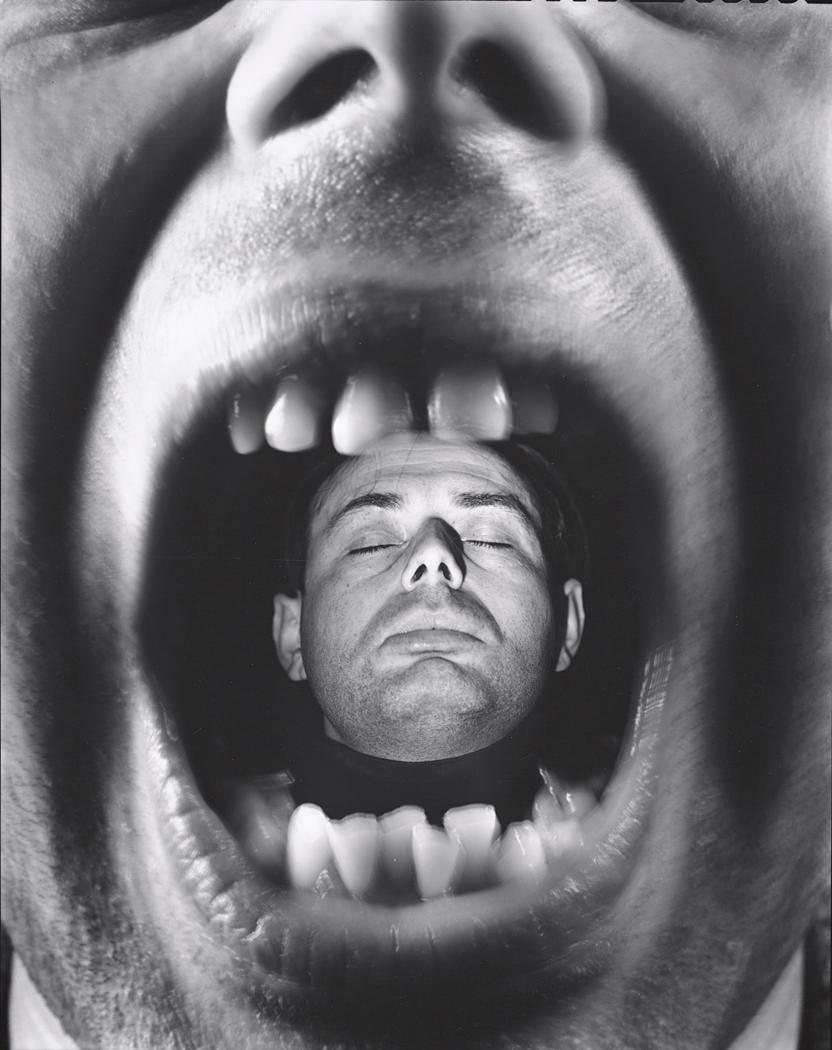
John Gutmann-The Cry, 1939

John Gutmann-The Cry, 1939

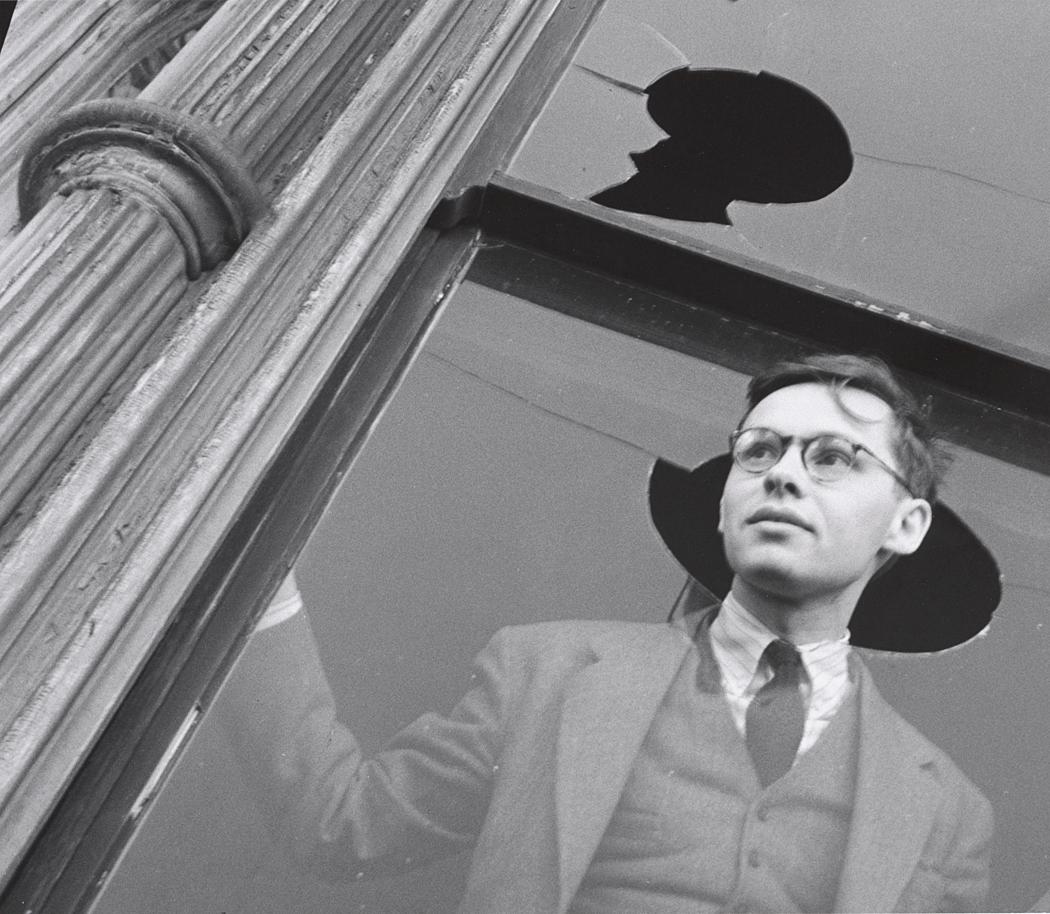
John Gutmann-Innocence, Young H.B. Through the Broken Glass of a Window, 1939

John Gutmann-Innocence, Young H.B. Through the Broken Glass of a Window, 1939

John Gutmann-Self Portrait,Sick, 1934

John Gutmann-Self Portrait,Sick, 1934

John Gutmann-Death Trap, Self Portrait 1936

John Gutmann-Death Trap, Self Portrait 1936

John Gutmann-Phenomenal Self Portrait, 1937

John Gutmann-Phenomenal Self Portrait, 1937

John Gutmann-Protoplasmic Self Portrait, 1937

John Gutmann-Protoplasmic Self Portrait, 1937

John Gutmann-Self Portrait,Sick, 1934

John Gutmann-Self Portrait,Sick, 1934

John Gutmann-The Dream, 1935

John Gutmann-The Dream, 1935

John Gutmann-Shrug of the Shoulder,1935

John Gutmann-Shrug of the Shoulder,1935

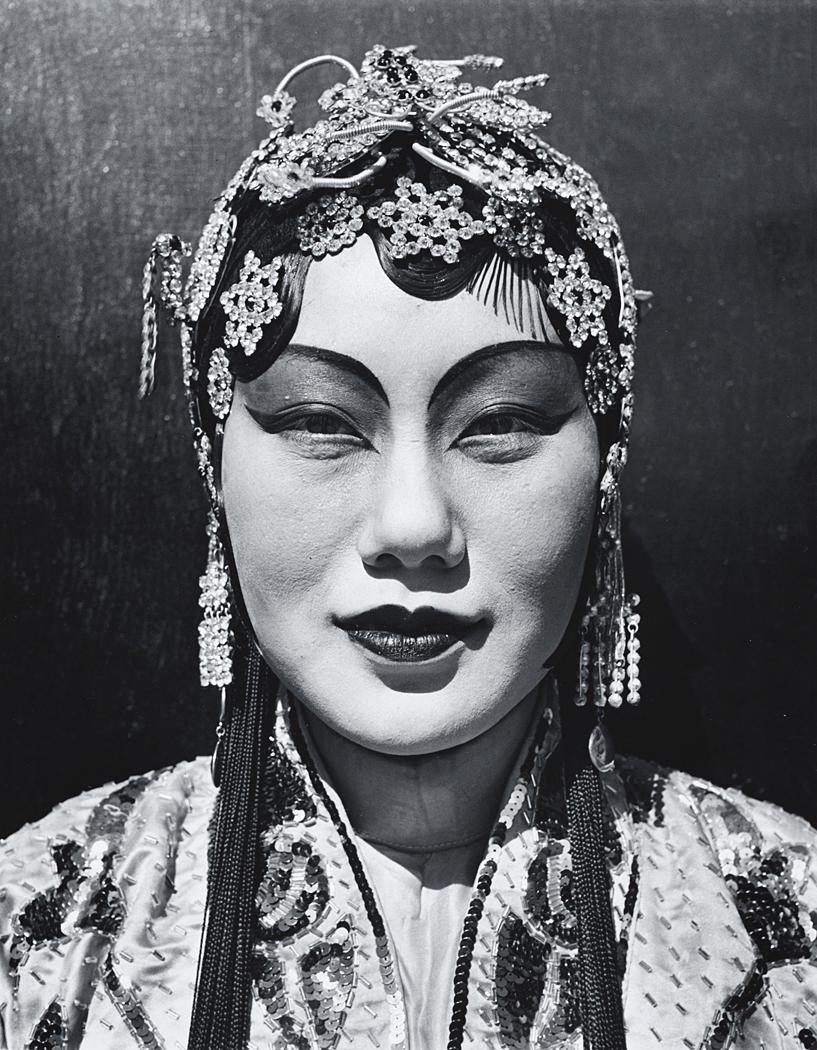
John Gutmann-Portrait of a Chinese Opera Actor in Female Roles, 1939

John Gutmann-Portrait of a Chinese Opera Actor in Female Roles, 1939

John Gutmann-Striped Sweater on Blanket, Oregon, 1934

John Gutmann-Striped Sweater on Blanket, Oregon, 1934

John Gutmann-Hats, New York, 1987

John Gutmann-Hats, New York, 1987

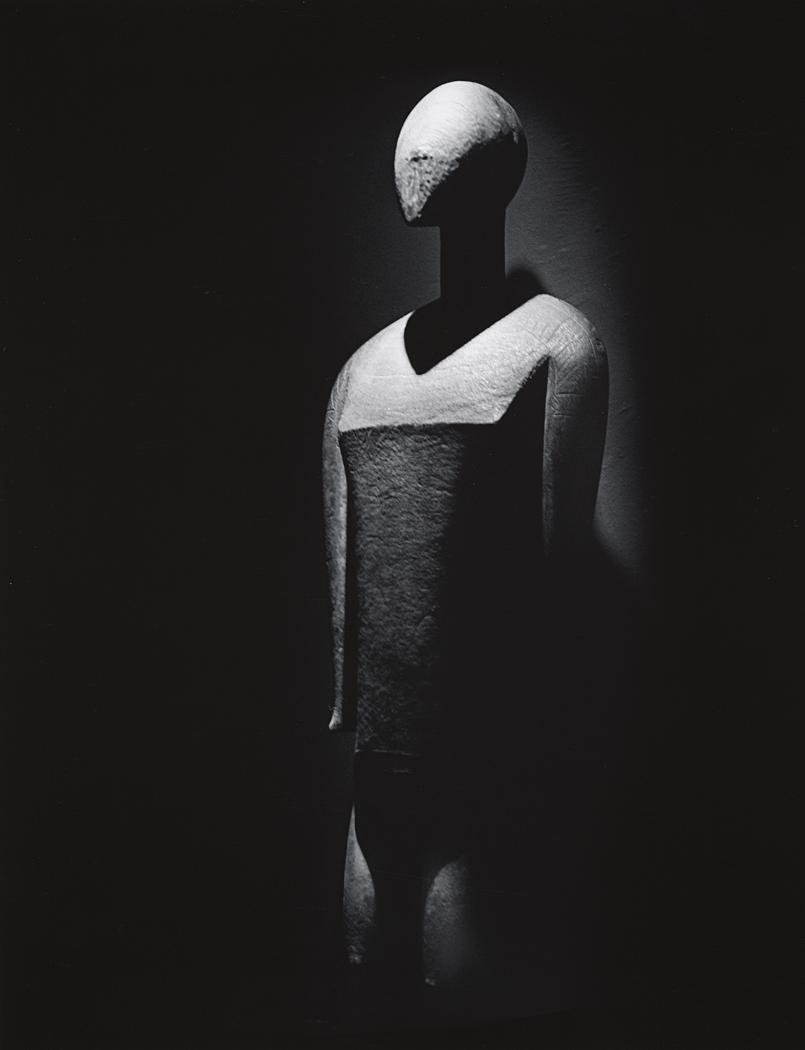
John Gutmann-The Ancestor1970

John Gutmann-The Ancestor1970

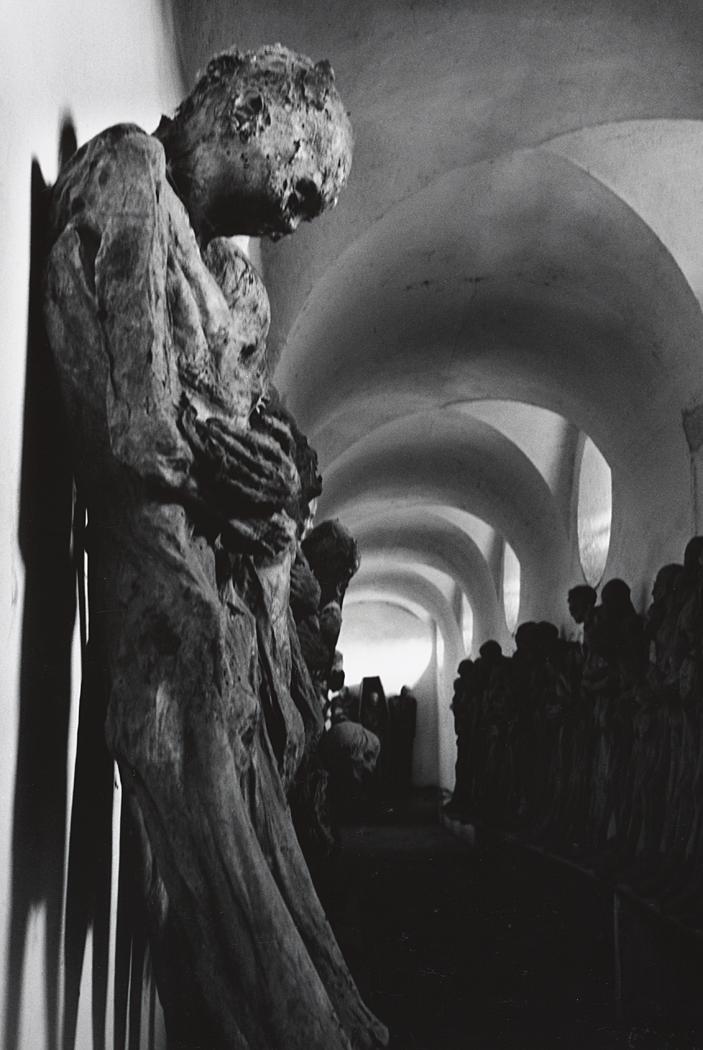
John Gutmann-Corridor of the Catacombs, Guanajuato, Mexico, 1960

John Gutmann-Corridor of the Catacombs, Guanajuato, Mexico, 1960

John Gutmann-Mummies in the Catacombs of Guanajuato, Mexico, 1960

John Gutmann-Mummies in the Catacombs of Guanajuato, Mexico, 1960

John Gutmann-Mexican Women and Nuns Worshipping, 1960

John Gutmann-Mexican Women and Nuns Worshipping, 1960

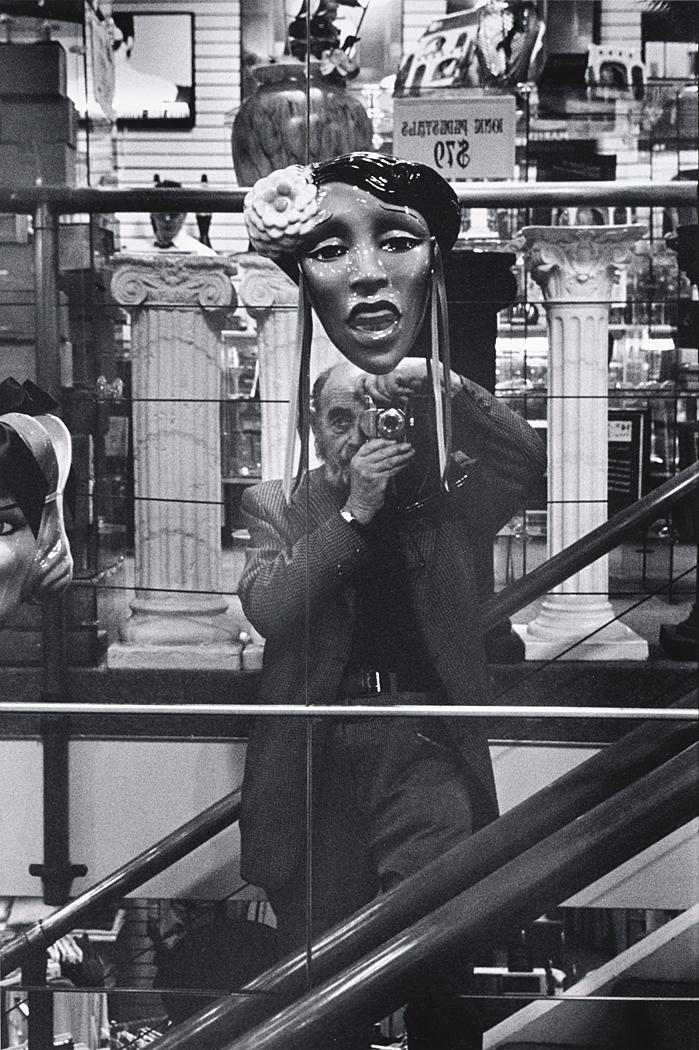
John Gutmann-Self-Portrait with Lady Day, 1989

John Gutmann-Self-Portrait with Lady Day, 1989

John Gutmann-Self Portrait with Nitro Patch, New York, 1989

John Gutmann-Self Portrait with Nitro Patch, New York, 1989

See also the first article

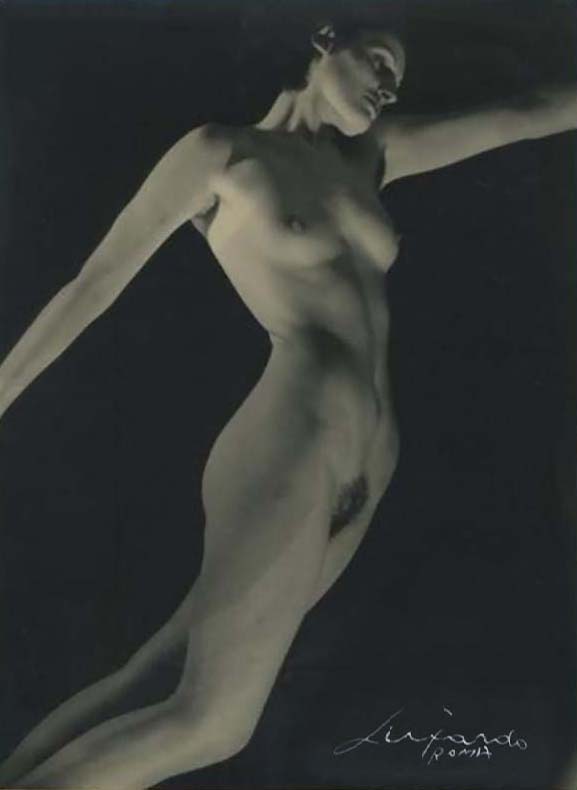
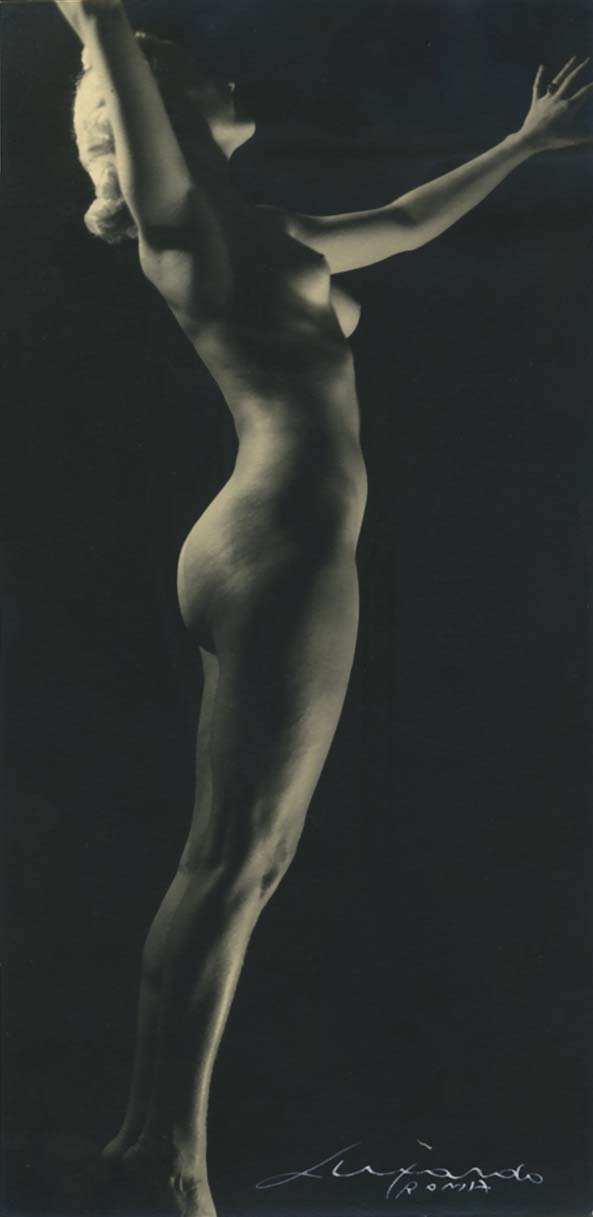
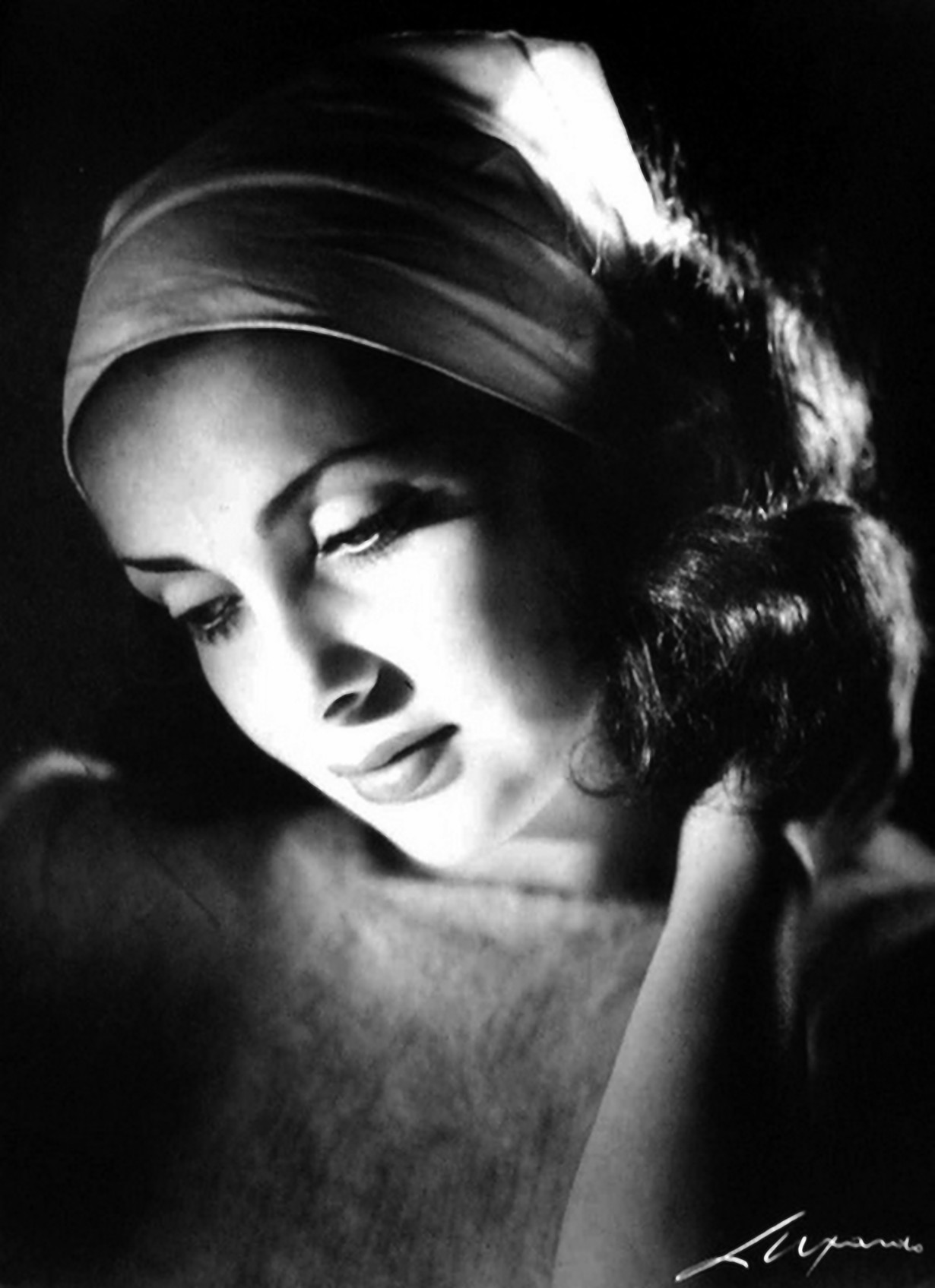
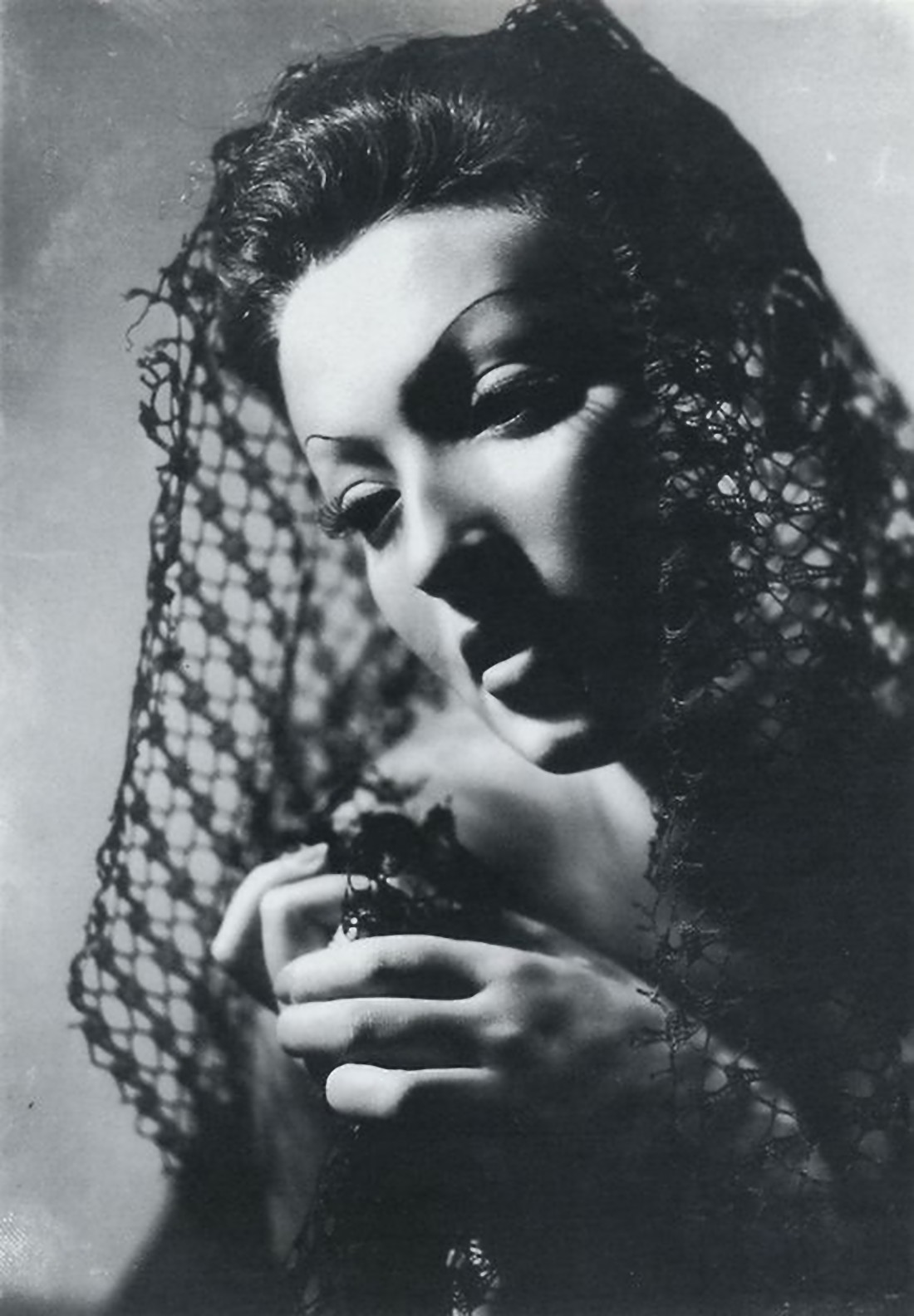
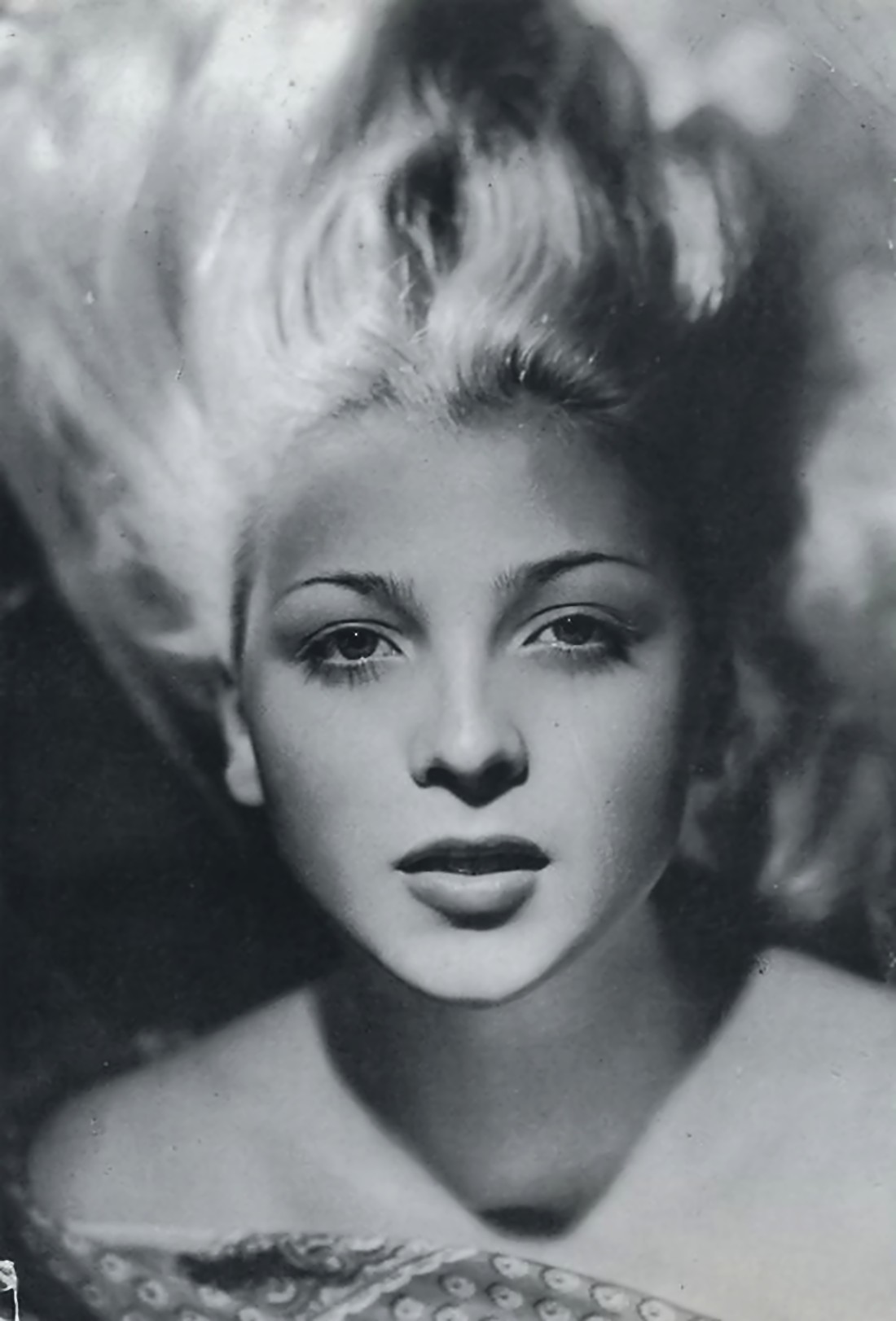
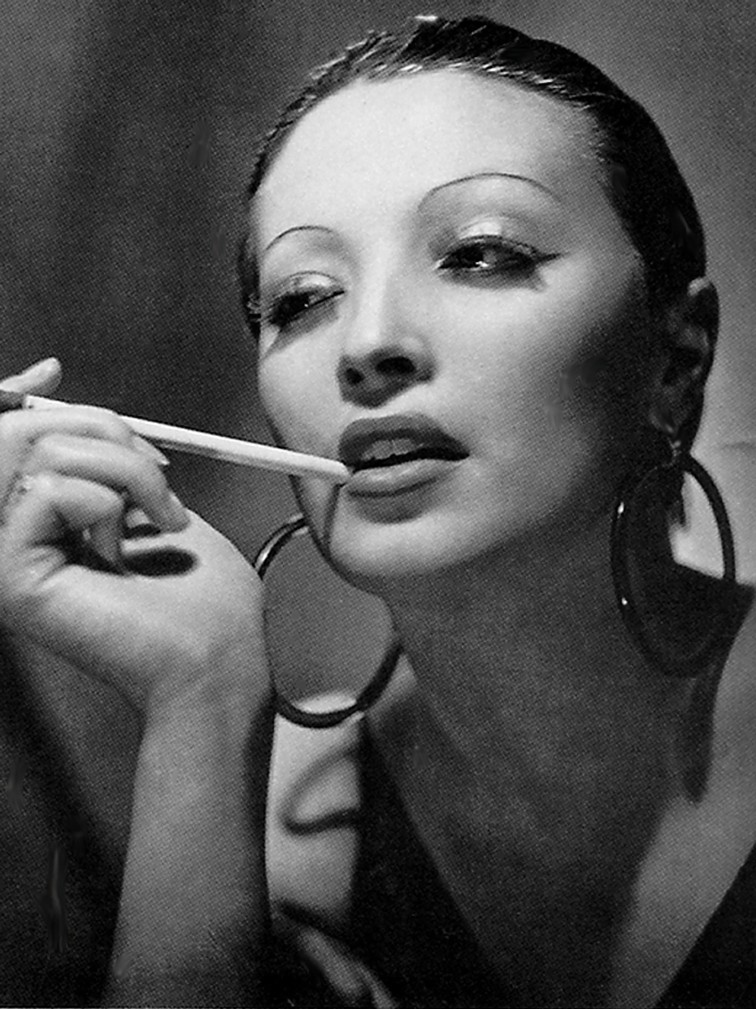
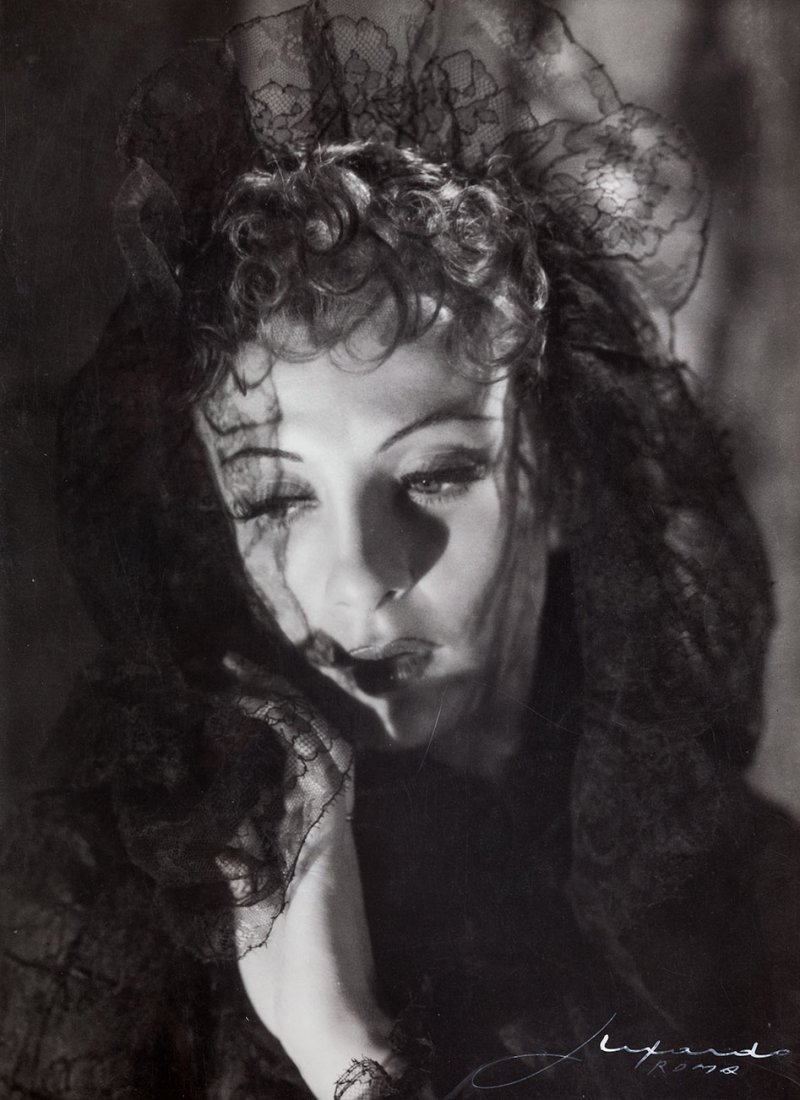
Elio Luxardo (1908-1969)

Elio Luxardo- Nudo, c. 1937


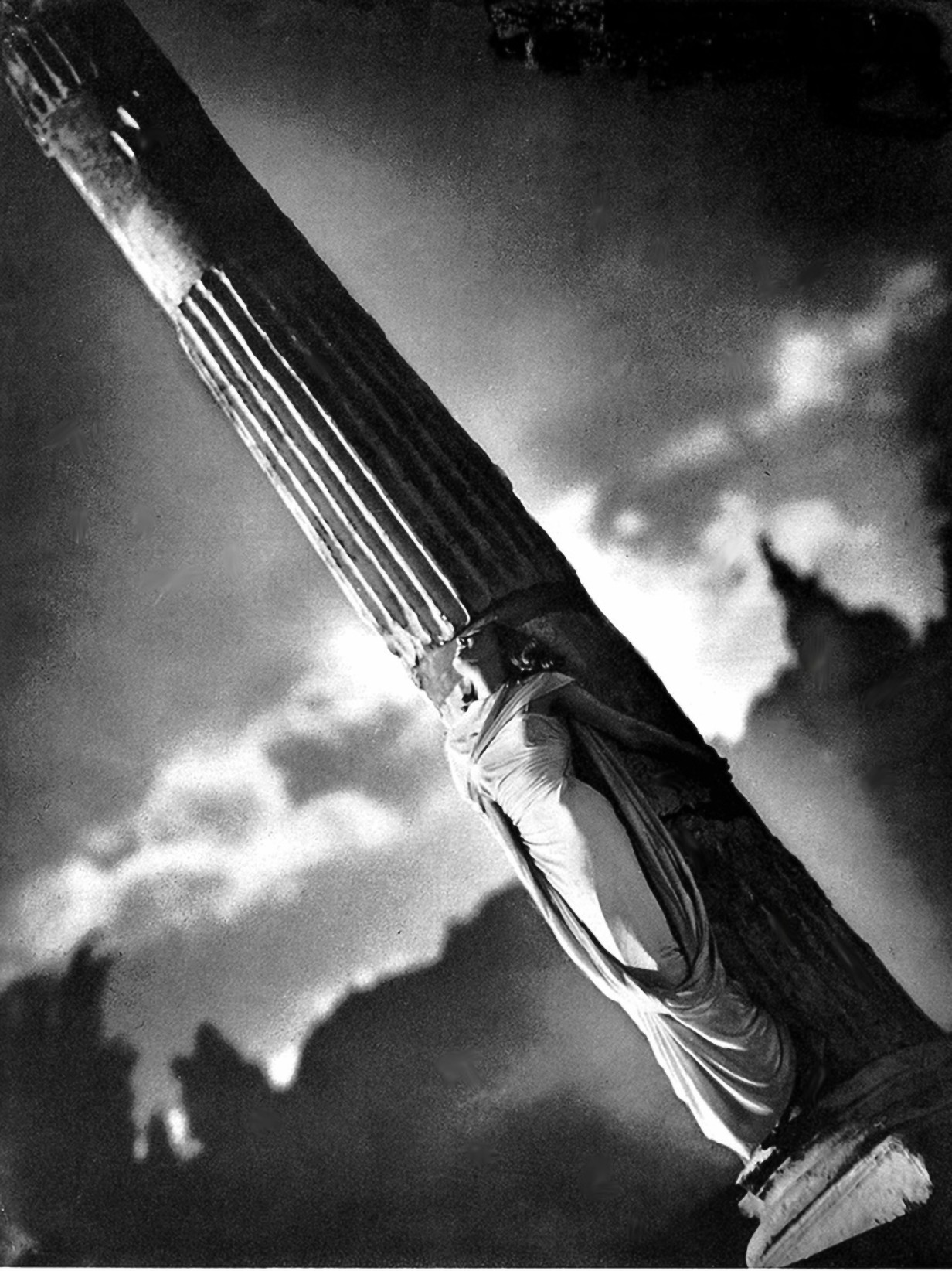
Elio Luxardo- Sinuose armonie (Sinuous harmonies) , 1936

« The history of the Luxardos began in the first years of the 20th century when the young photographer Aldo Luxardo decided to leave Pise (Pisa) and set his lens on far objects: America. Alfredo, with his wife Margherita, stopped at S. Paul in Brazil – country that will mark the destiny of the whole Luxardo family. His subject changed, from the American myth to the Amazonian tribes: group photos and portraits developed and printed in absolute empirical ways. In Brazil his three children were born: Elio, Elda and Aldo. In 1928 Alfredo Luxardo returned in Italy where he took over the photo studio Sam Bosch (Photographer of the Royal House) in via XX Settembre. Here began the history of the liaison Rome-Luxardo.The three children, Elio, who previusly joined the Experimental Center of Cinematography, Aldo and Elda worked in their father’s studio. It was the thirties and the famous studio in via del Tritone fixed some features that developped a following and signed a epoch. Diffuse lights, combined with reflexes, dark settings and light cuttings that carved faces and designed bodies. In few words the Myth of Beauty was born, the cult of the body. The studio was populated of divas and sports champions, intellectuals and artists, from Pirandello to Marinetti, from Assia Noris to Isa Miranda, from Valentina Cortese to Alida Valli, to the world champion Primo Carnera. In the postwar period there was a cooperation with the « Folie de Broadway » and than the beginning of the contest Miss Italia from which came celebrities like Loren and Lollobrigida. The Dolce Vita – the intense friendship with Federico Fellini – movies like « Poveri ma Belli » (« Poor but Beautiful »), actors like Mastrianni and Gassmann. These were the images of the sixties. The last dream of Elio Luxardo has been Sperlonga, where he retired to live. On the Mediterranean coast, the photographer looked for the lights and colors of the native country, but in vain. He died in 1969 at the age of 59. His brother Aldo continued to work alone in the family studio – that his sister Elda left marrying the producer Argento, father of the director, Dario. But the recall of the land of origin became stronger and stronger and, at the end, Aldo decided to go back to Brazil. » Luxario gallery
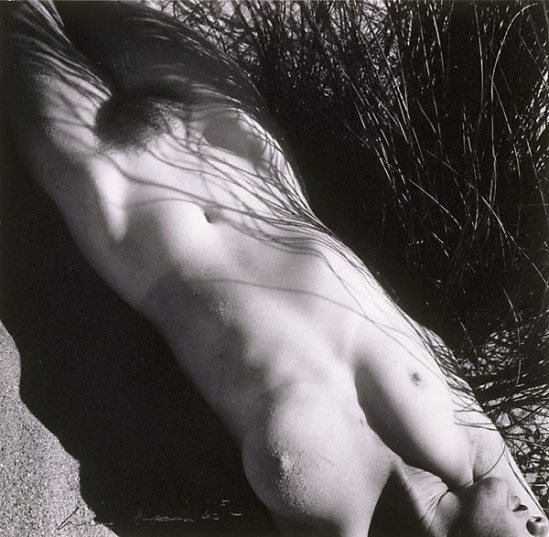
Elio Luxardo -Nudo femminile , 1932

Elio Luxardo -Nudo femminile , 1932

Elio Luxardo -Nudo femminile , 1932

Elio Luxardo -Nudo femminile , 1932

Elio Luxardo -Nudo femminile , 1932

Elio Luxardo -Nudo femminile , 1932

Elio Luxardo - Nudo femminile, 1940s

Elio Luxardo – Nudo femminile, 1940s

Elio Luxardo- Nudo, 1935

Elio Luxardo- Nudo, 1935

Elio Luxardo – Nudo femminile N.2 – 1935


Elio Luxardo-Nudo femminile N. 3 - 1935

Elio Luxardo-Nudo femminile N. 3 – 1935

Elio Luxardo-Nudo femminile N. 4 – 1935

Elio Luxardo - Nudo di donna, ca. 1930, Galleria Luxardo, Roma

Elio Luxardo – Nudo di donna, ca. 1930, Galleria Luxardo, Roma

Elio Luxardo- Nudo femminile, Roma, 1940

Elio Luxardo- Nudo femminile, Roma, 1940

Elio Luxardo- Nudo con drappo, 1937

Elio Luxardo- Sin titulo, c.1930~1950

Elio Luxardo- Sguardo in fiore, (Look in bloom) 1939

Elio Luxardo- Ritratto,c.1930~1950

Elio Luxardo- Ritratto, c.1930~1950

Elio Luxardo- Confessione nd

Elio Luxardo- Aria, 1941

Elio Luxardo- Silhouette, 1939-40

Elio Luxardo- Nudo femminile , 1940

Elio Luxardo- Nudo femminile , 1940

Elio Luxardo - nudo 1940s

Elio Luxardo – nudo 1940s

Elio Luxardo – Girandole di fuoco, (Laura Nucci), 1939

Elio Luxardo – Girandole di fuoco, (Laura Nucci), 1939

Elio Luxardo - Marisa Maresca, 1955

Elio Luxardo – Marisa Maresca, 1955

Elio Luxardo – Marina Maresca, 1955

Elio Luxardo - Portrait of the photographer Ghitta Carell, 1955

Elio Luxardo – Portrait of the photographer Ghitta Carell, 1955

Elio Luxardo Doris Duranti Luxardo Mazzota fotografia L’italica Bellezza Turroni (Giuseppe), 1960 Gabriele Mazzotta editore

Elio Luxardo Doris Duranti Luxardo Mazzota fotografia L’italica Bellezza Turroni (Giuseppe), 1960 Gabriele Mazzotta editore

Elio Luxardo- Isa Barzizza,from Luxardo Mazzota fotografia L’italica Bellezza Turroni (Giuseppe), 1960 Gabriele Mazzotta editore

Elio Luxardo- Isa Barzizza,from Luxardo Mazzota fotografia L’italica Bellezza Turroni (Giuseppe), 1960 Gabriele Mazzotta editore

Elio Luxardo Ritratto femminile 1950′s

Elio Luxardo Ritratto femminile 1950′s

Elio Luxardo- Doris Duranti,1940

Elio Luxardo- Doris Duranti,1940

Elio Luxardo- L'attrice Marisa Maresca,1955

Elio Luxardo- L’attrice Marisa Maresca,1955

Elio Luxardo - Isa Pola “La signora dell’Oves

Elio Luxardo – Isa Pola “La signora dell’Oves

Elio Luxardo -Germana Paolieri, 1937

Elio Luxardo -Germana Paolieri, 1937

Elio Luxardo- ritrato per conecorso, 1941

Elio Luxardo- ritrato per conecorso, 1941

Elio Luxardo- Giungla Luxardo Mazzota fotografia L’italica Bellezza Turroni (Giuseppe), 1960 Gabriele Mazzotta editore

Elio Luxardo- Giungla Luxardo Mazzota fotografia L’italica Bellezza Turroni (Giuseppe), 1960 Gabriele Mazzotta editore

Elio Luxardo - Pamela Palma' 1940

Elio Luxardo – Pamela Palma’ 1940

Elio Luxardo, Modella indossa un abito nero con paillettes fuma, Italia, 1948

Elio Luxardo, Modella indossa un abito nero con paillettes fuma, Italia, 1948

Elio Luxardo- L'Italia Bellezza, 1950

Elio Luxardo- L’Italia Bellezza, 1950

Elio Luxardo- Valentina Cortese, 1950

Elio Luxardo- Valentina Cortese, 1950

Elio Luxardo- Valentina Cortese, 1950

Elio Luxardo- Valentina Cortese, 1950

Elio Luxardo -Portrait of a lady, ca. 1940

Elio Luxardo -Portrait of a lady, ca. 1940

Elio Luxardo - Una soubrette , 1945

Elio Luxardo – Una soubrette , 1945

Elio Luxardo-Leda Gloria, 1940

Elio Luxardo-Leda Gloria, 1940


Elio Luxardo - Bellezza Italica, ca. 1930 Vintage gelatin silver print Galleria Luxardo, Roma
Elio Luxardo – Bellezza Italica, ca. 1930 Vintage gelatin silver print Galleria Luxardo, Roma

Elio Luxardo - Bellezza Italica, ca. 1930 Vintage gelatin silver print Galleria Luxardo, Roma

Elio Luxardo – Bellezza Italica, ca. 1930 Vintage gelatin silver print Galleria Luxardo, Roma

Elio Luxardo biographie

More gallery


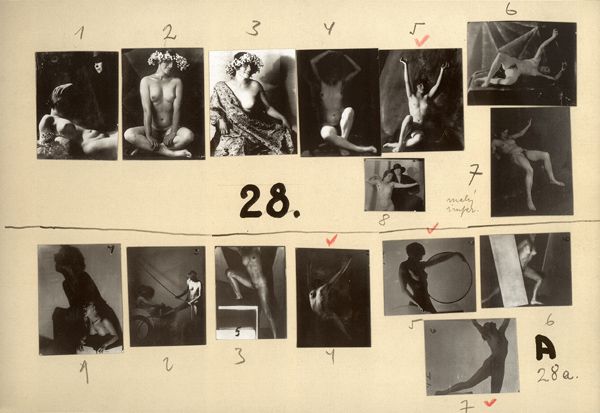
František Drtikol- Carnets de travail (workbooks)

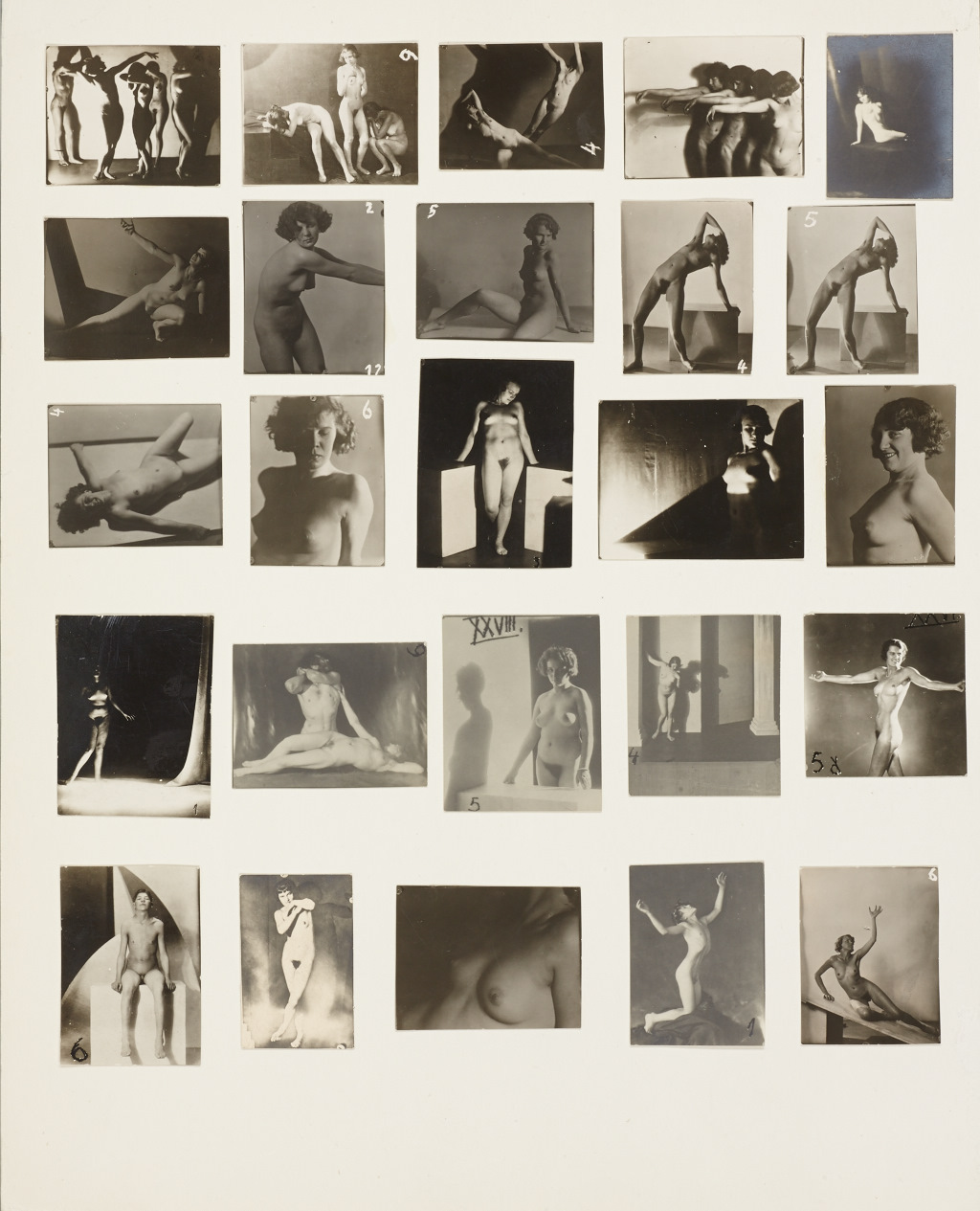
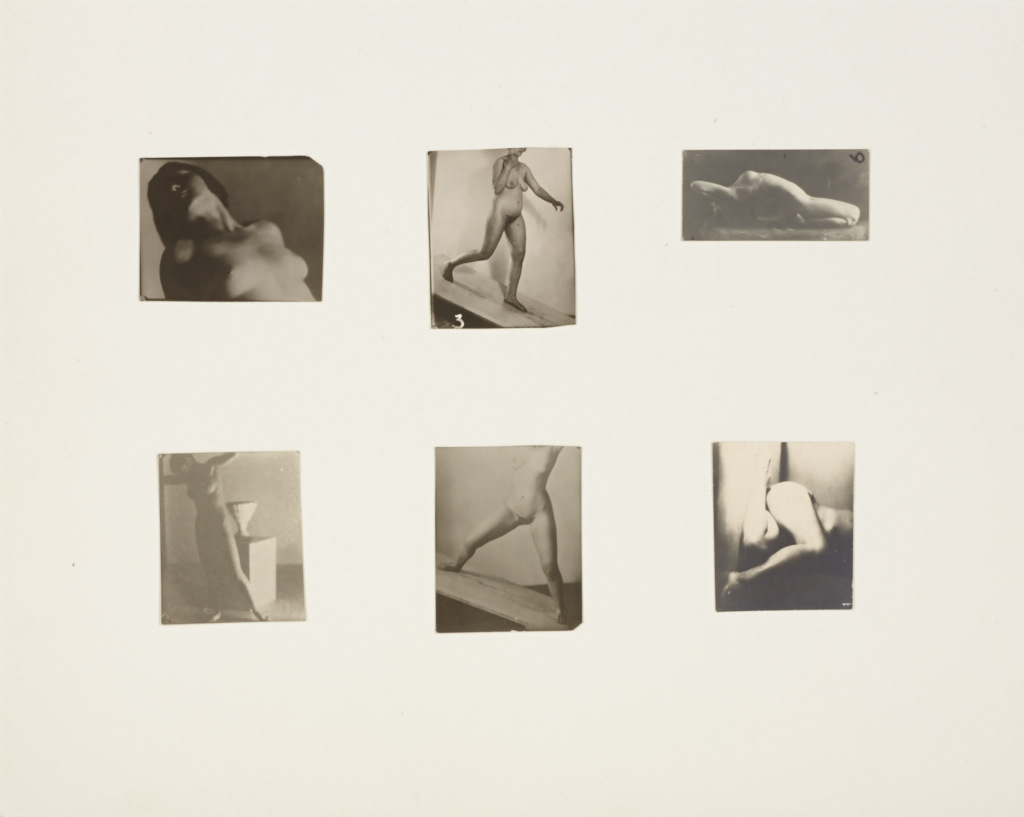
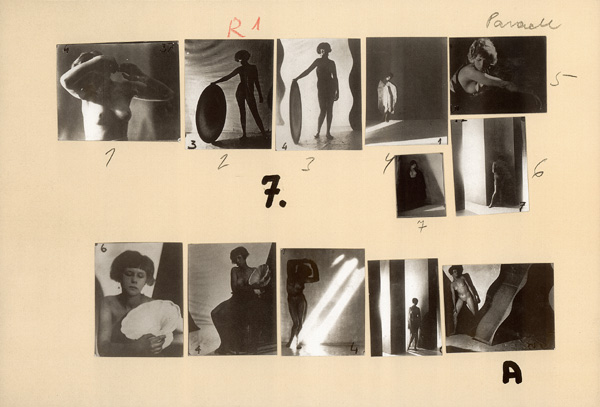
Pour son travail, de préparations des livres Drtikol fait de petites photos de ses photographies – (prises principalement avec des appareils de grand format )- il existe un grand nombres de « livres de travail » de lui. Pour ces planches contacts , il  épinglait  sur une feuille  ses photographies sur un mur  avec des punaises ( la trace est visible sur les photos) et photographiait les compilations de chaque travaux qu’il avait réalisés , contenant à chaque fois de  quatre à dix planches des séries. Il a appelé ces photographies ‘vzorníky’ (échantillonneur).  En coupant les épreuves,  il obtenait ces petites images qui représentaient une base centrale pour la réflexion et le développement de son travail. Ici nous avons 100 images fournissant un très large aperçu de sa période la plus importante autour de la photographie de nu entre environ 1915 et 1930. D’un point de vue stylistique, les compositions couvrent la gamme complète de sa maîtrise créative de la photographie d’art de Prague en passant  du symbolisme  jusqu’à  l’art Deco.

**********

For his workbooks, Drtikol produced tiny pictures of the photographs he took, mostly with large-format cameras. In order to do so, he pinned contact prints (sometimes the pins were even visible on the tiny pictures) to the wall and took photographs of arrangements of four to ten works. He called these photographs ‘vzorníky’ (samplers).By cutting the contact prints of these ‘vzorníky’ he got the small format pictures that, on different sorts of paper and in different arrangements, represent a central basis for the reflection and the development of his work. The offered pages, with 100 pictures in total, provide a deep insight into his most important creative period of nude photography between 1915 and 1930. The compositions encompass stylistically the full range of his artistic mastery, ranging from art photography and Prague symbolism to Art Deco.


František Drtikol - A collection of 100 nude studies, c. 1915-1930 from František Drtikol, Pracouní kniha fotografií, hrsgg. v. Stanislav Doleža

František Drtikol – A collection of  nude studies, from his  workbooks,c. 1915-1930 from František Drtikol, Pracouní kniha fotografií, hrsgg. v. Stanislav Doleža Prague 2006

František Drtikol - A collection of 100 nude studies, c. 1915-1930 from František Drtikol, Pracouní kniha fotografií, hrsgg. v. Stanislav Doleža

František Drtikol – A collection of nude studies, from his  workbooks, c. 1915-1930 from František Drtikol, Pracouní kniha fotografií, hrsgg. v. Stanislav Doleža Prague 2006

František Drtikol - A collection of 100 nude studies, c. 1915-1930 from František Drtikol, Pracouní kniha fotografií, hrsgg. v. Stanislav Doleža

František Drtikol – A collection of  nude studies, from his  workbooks, c. 1915-1930 from František Drtikol, Pracouní kniha fotografií, hrsgg. v. Stanislav Doleža  Prague 2006

František Drtikol - A collection of 100 nude studies, c. 1915-1930 from František Drtikol, Pracouní kniha fotografií, hrsgg. v. Stanislav Doleža

František Drtikol – A collection of  nude studies, from his  workbooks,c. 1915-1930 from František Drtikol, Pracouní kniha fotografií, hrsgg. v. Stanislav Doleža Prague 2006

František Drtikol - A collection of 100 nude studies, c. 1915-1930 from František Drtikol, Pracouní kniha fotografií, hrsgg. v. Stanislav Doleža

František Drtikol – A collection of  nude studies, from his  workbooks, c. 1915-1930 from František Drtikol, Pracouní kniha fotografií, hrsgg. v. Stanislav Doleža Prague 2006

Frantisek Drtikol -Workbook of Photographs . Text Stanislav Dolezal and Anna Farova, czech and english Svet publishers

Frantisek Drtikol – plate , c. 1915-1930  from Workbook of Photographs .Svet publishers 2006

Frantisek Drtikol - plate from Workbook of Photographs . Svet publishers, 2006

Frantisek Drtikol – plate from Workbook of Photographs . Svet publishers, 2006

Frantisek Drtikol - plate from Workbook of Photographs . Svet publishers, 2006

Frantisek Drtikol – plate from Workbook of Photographs . Svet publishers, 2006

Frantisek Drtikol -Workbook of Photographs . Text Stanislav Dolezal and Anna Farova, czech and english Svet publishers 2

Frantisek Drtikol – c. 1915-1930  from Workbook of Photographs . Svet publishers 2006

Frantisek Drtikol -Workbook of Photographs . Text Stanislav Dolezal and Anna Farova, czech and english Svet publishers

Frantisek Drtikol -Workbook of Photographs . Svet publishers 2006

Frantisek Drtikol -Workbook of Photographs . Text Stanislav Dolezal and Anna Farova, czech and english Svet publishers 2

Frantisek Drtikol -plate , c. 1915-1930  from  Workbook of Photographs . Svet publishers 2006

Frantisek Drtikol - plate from Workbook of Photographs . Svet publishers, 2006

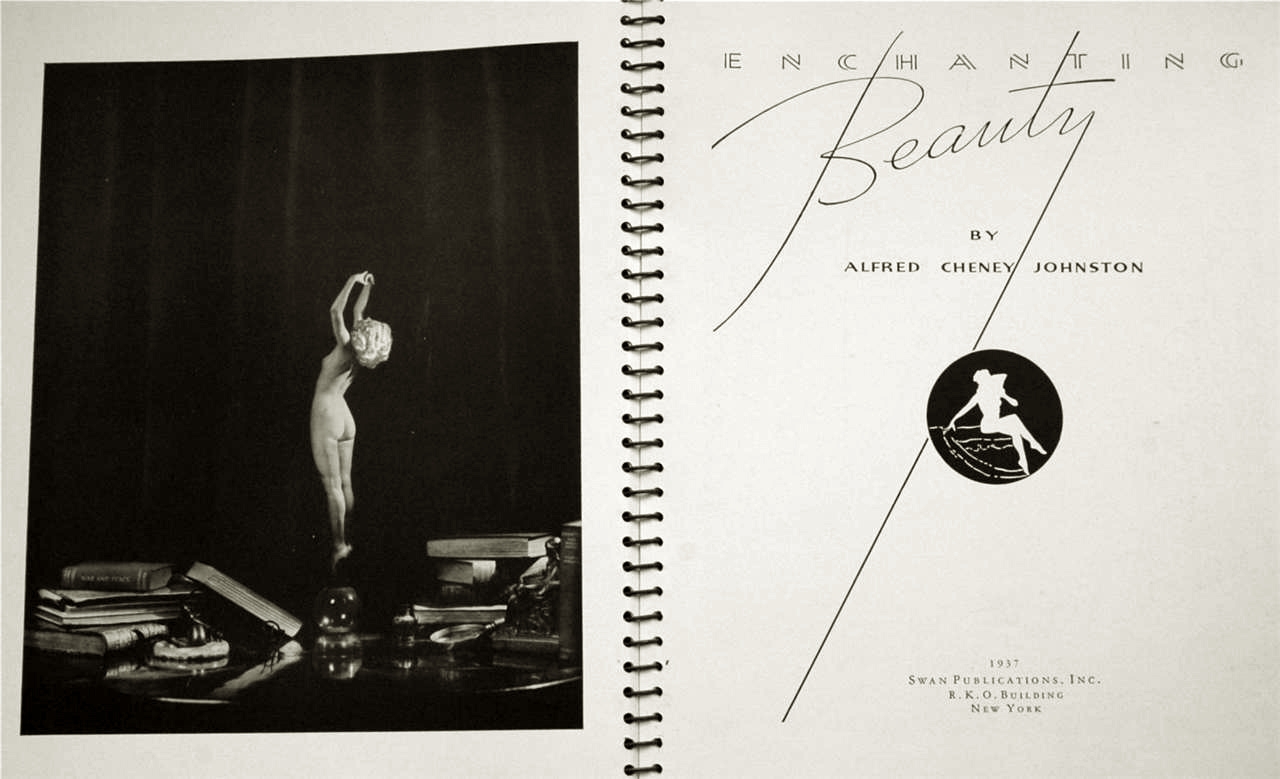
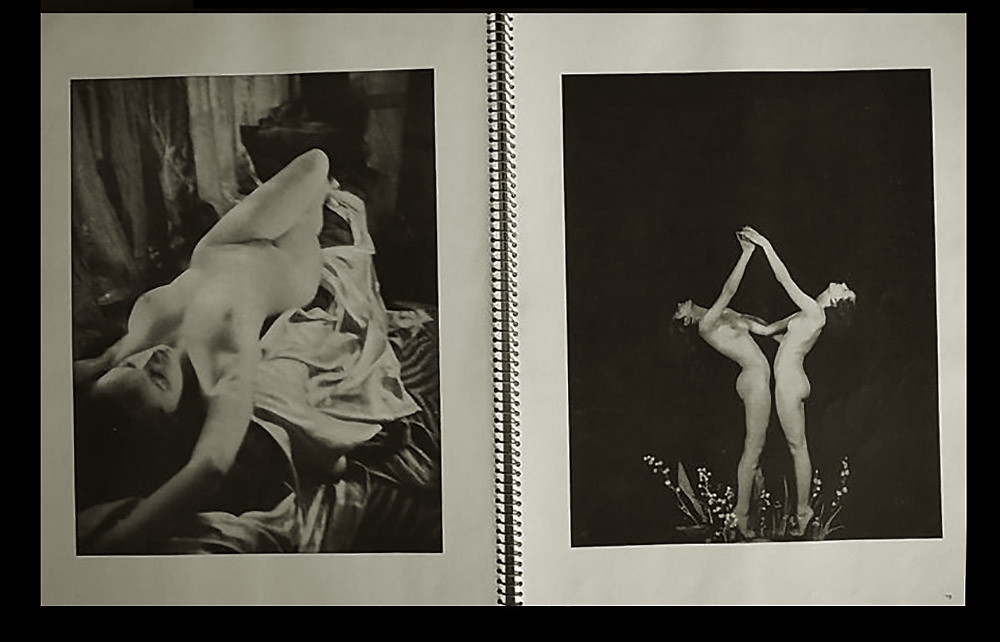
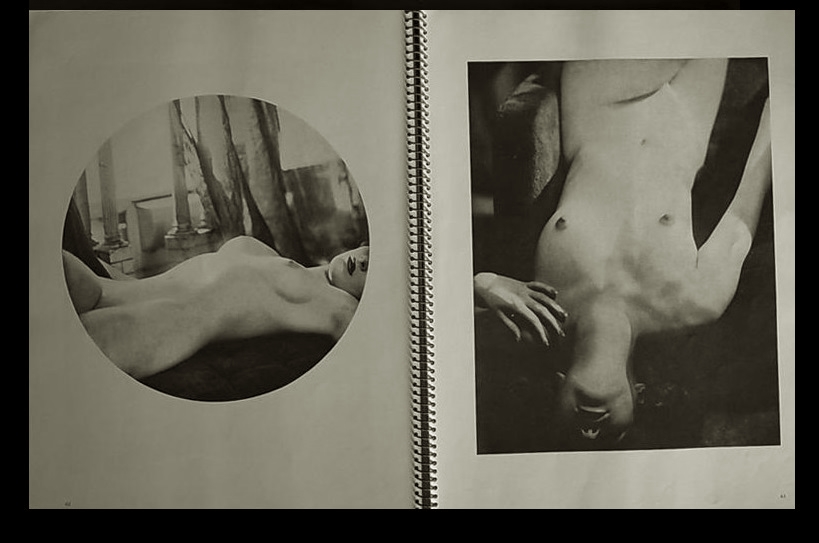
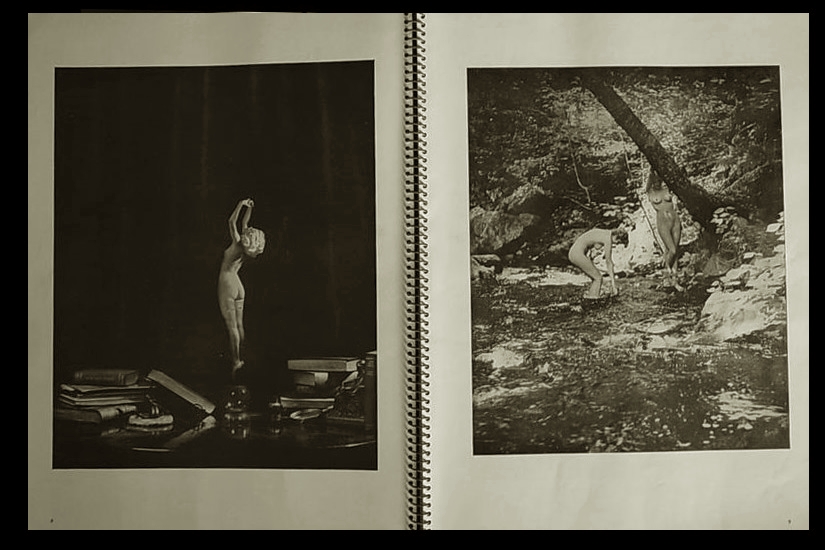
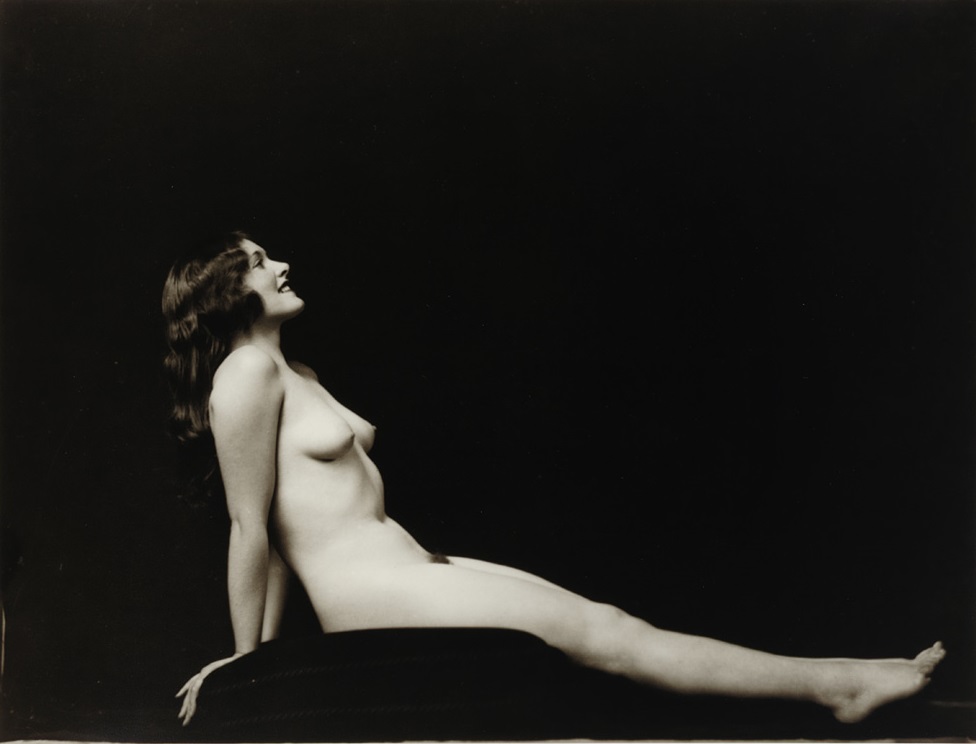
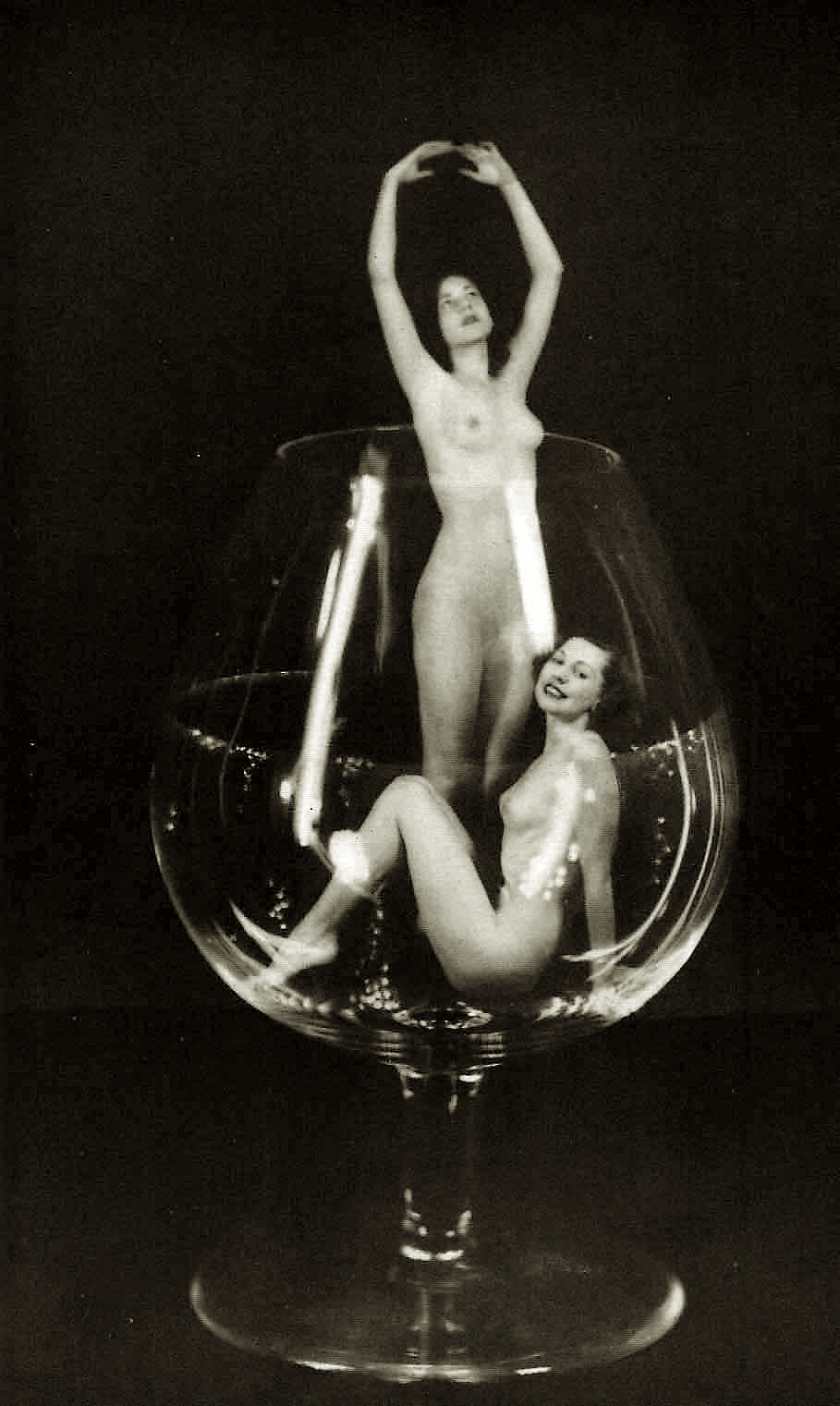
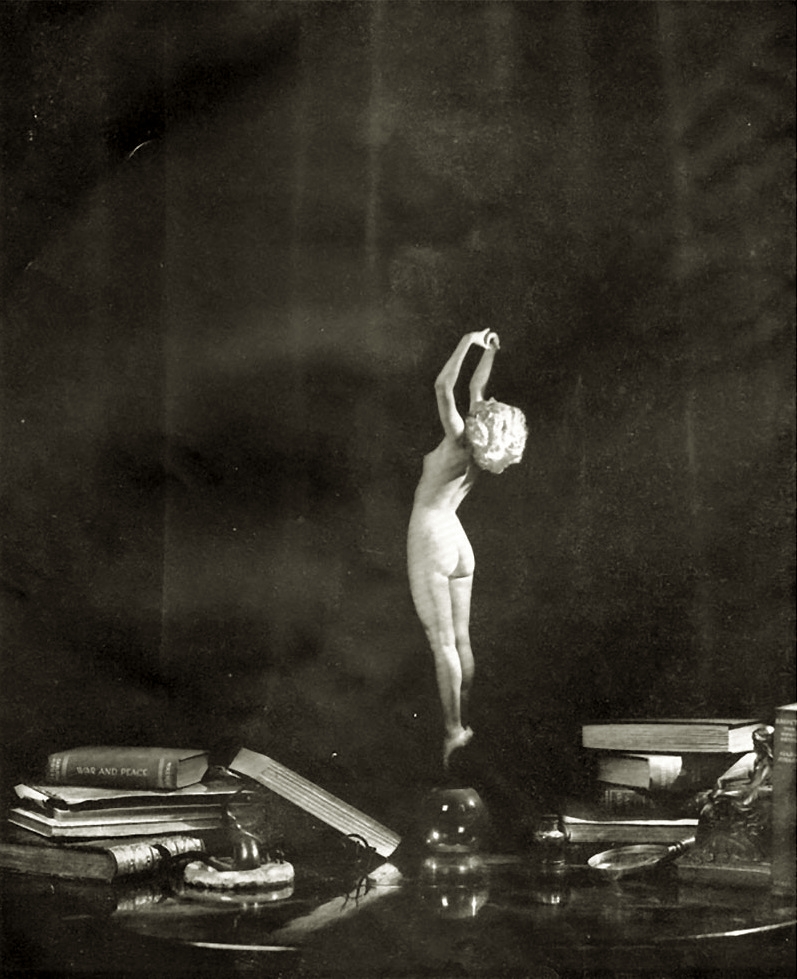
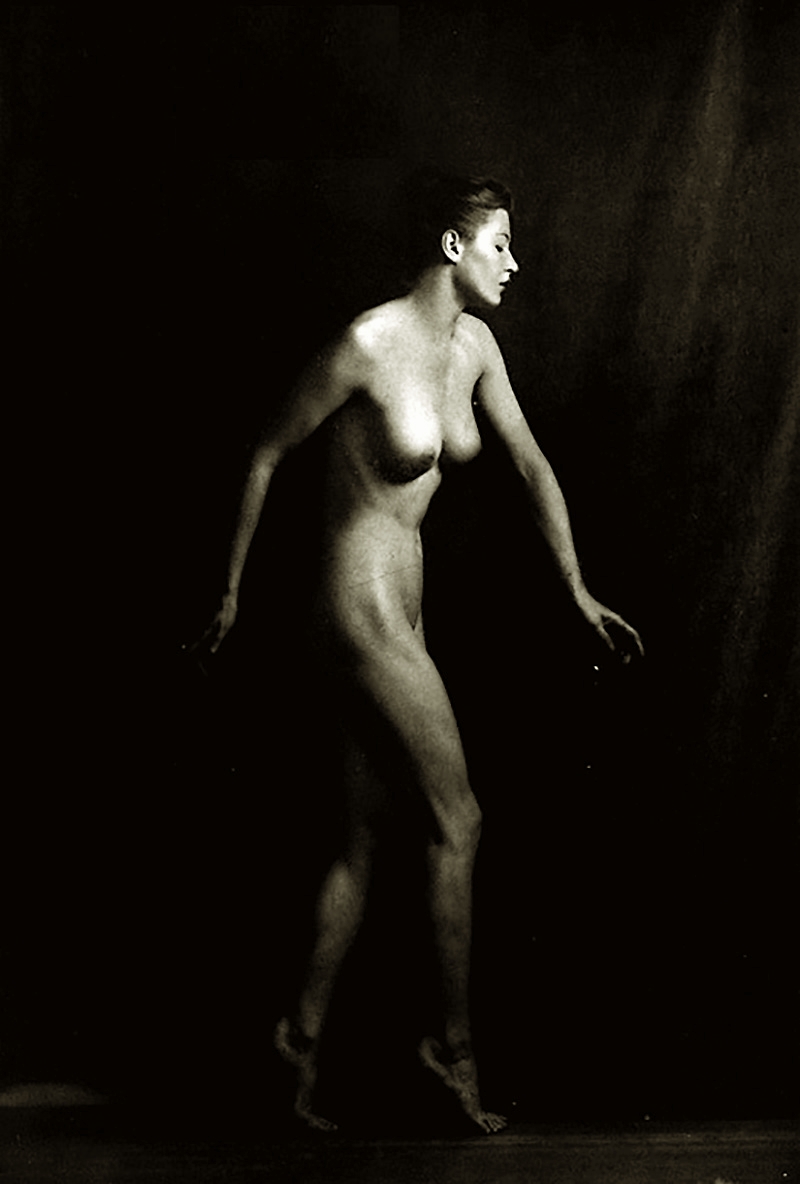
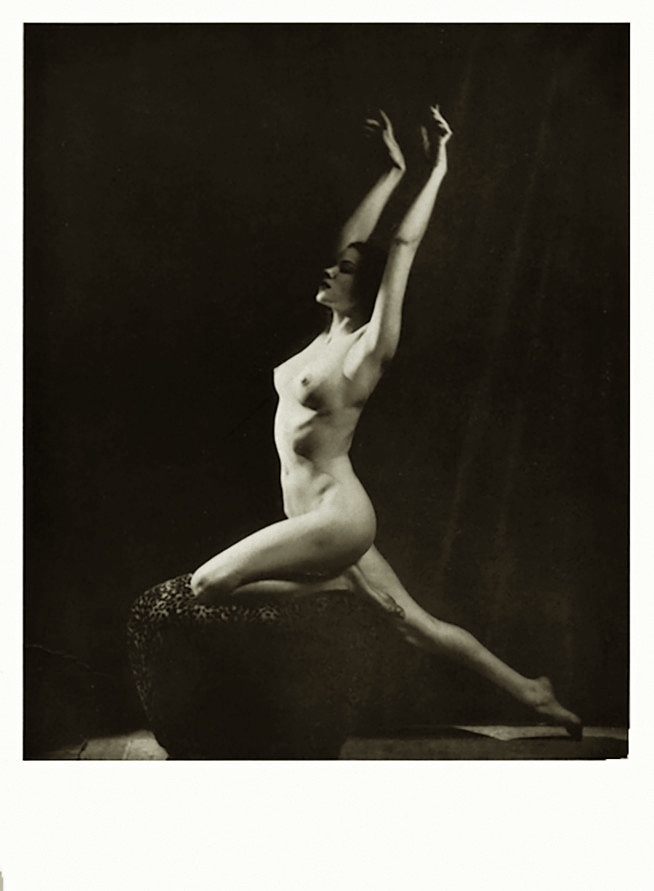
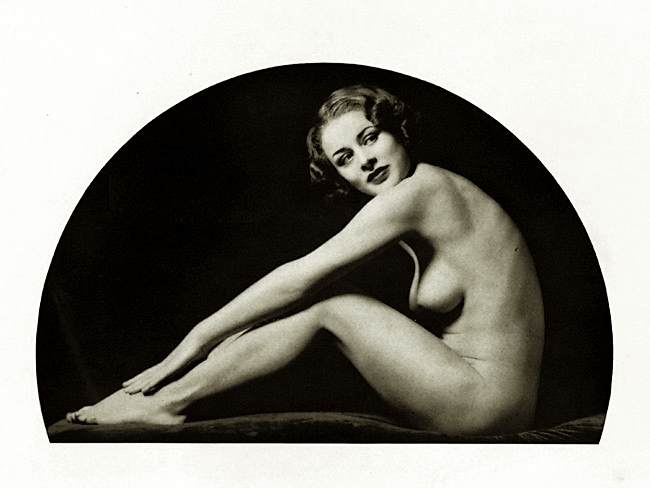
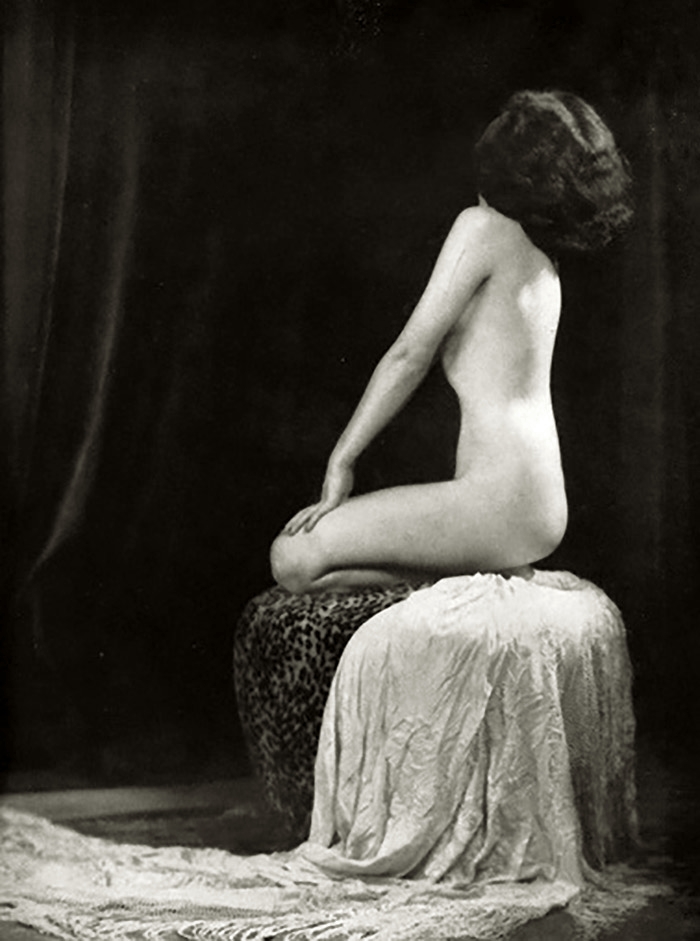
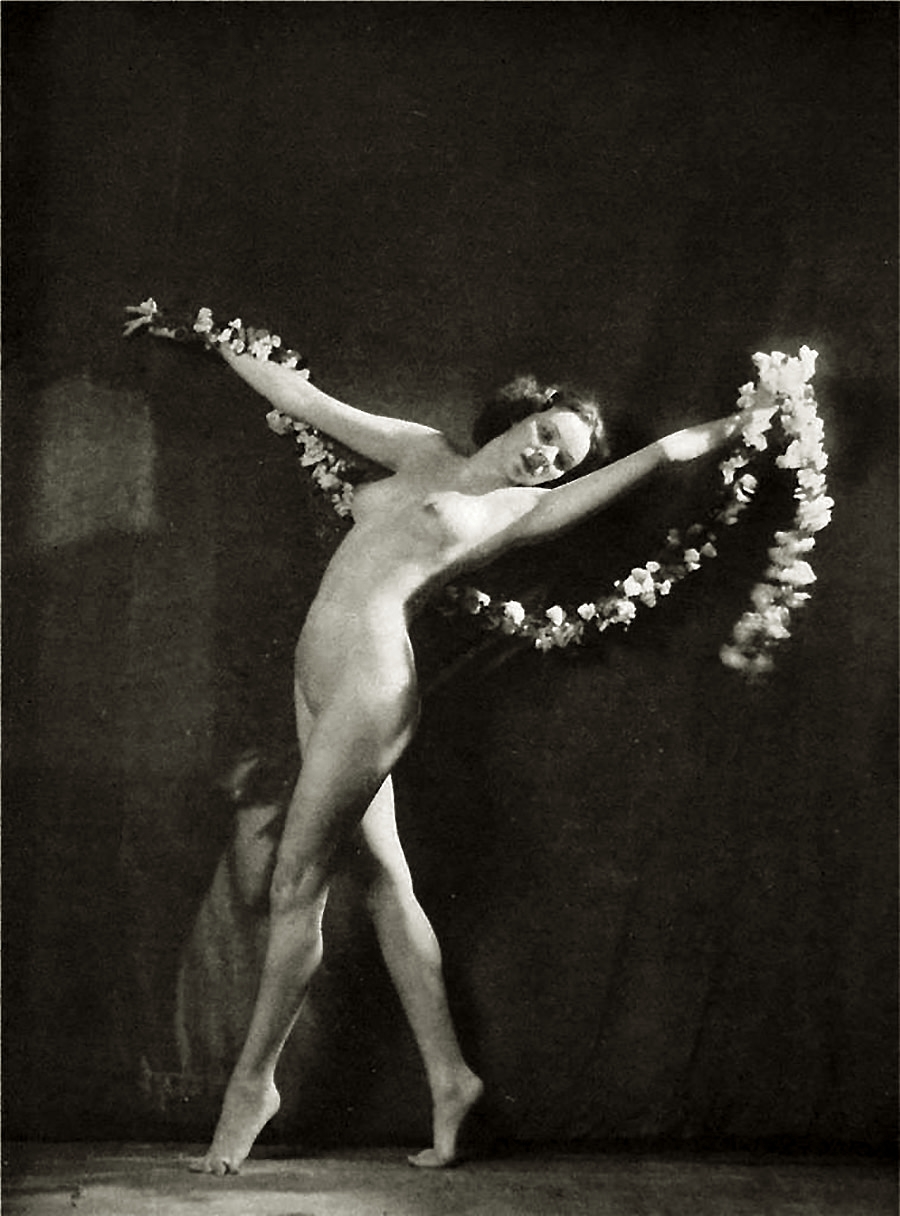
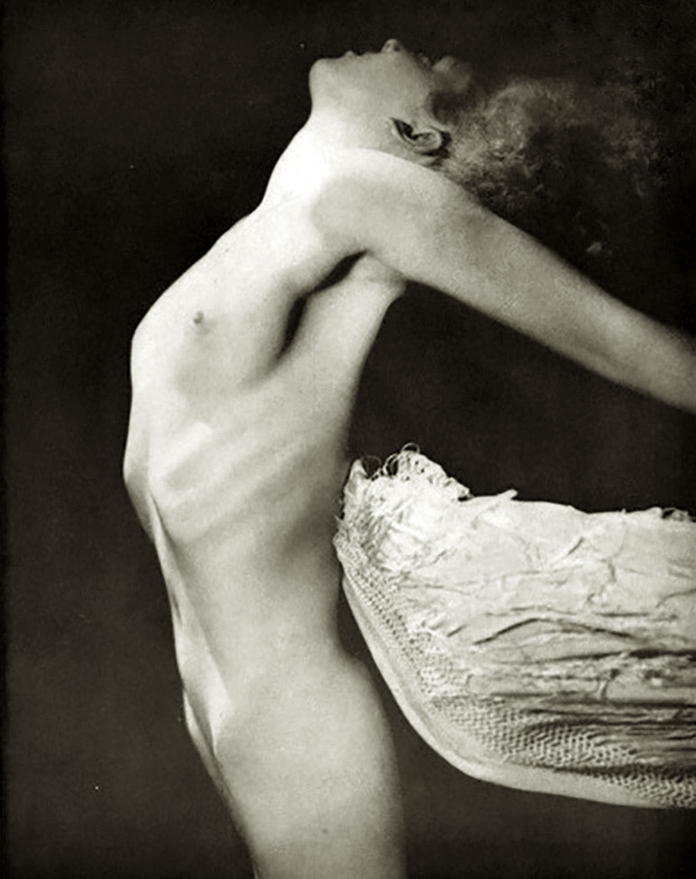
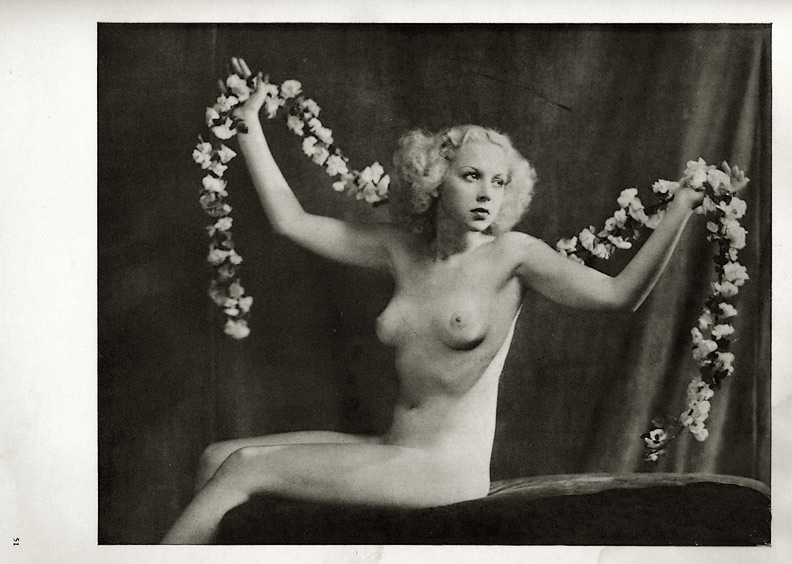
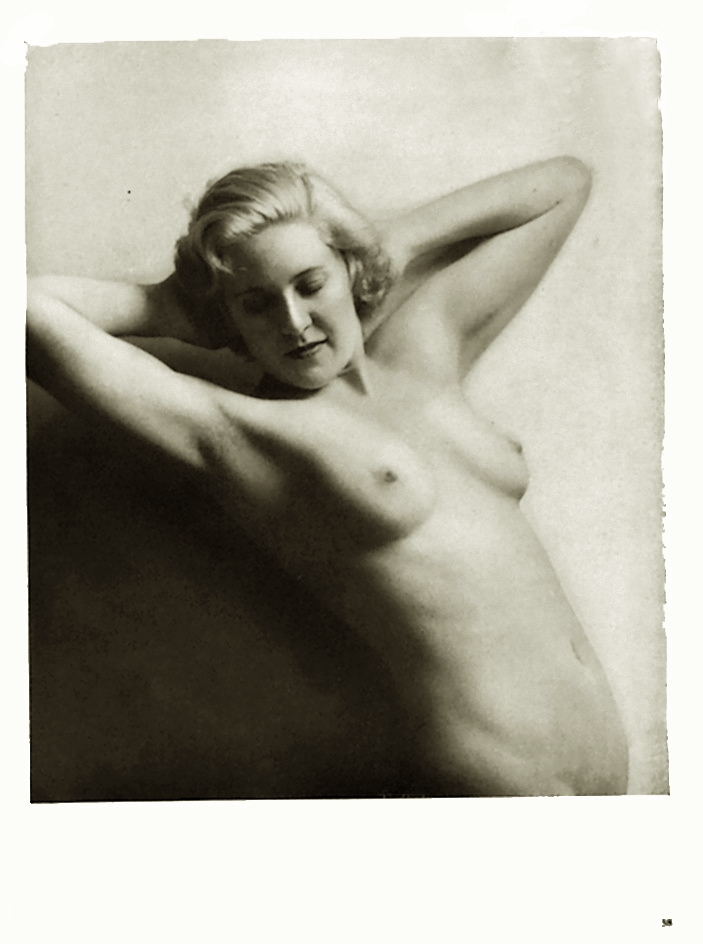
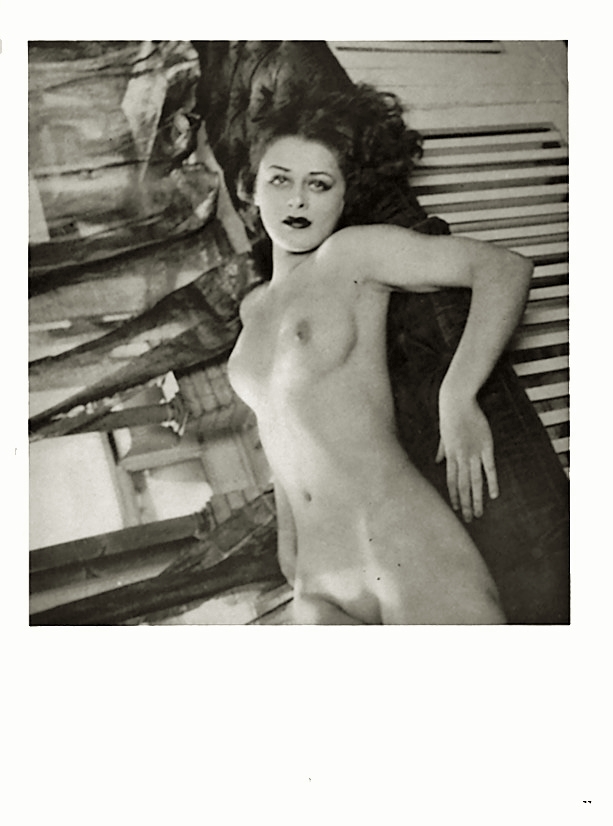
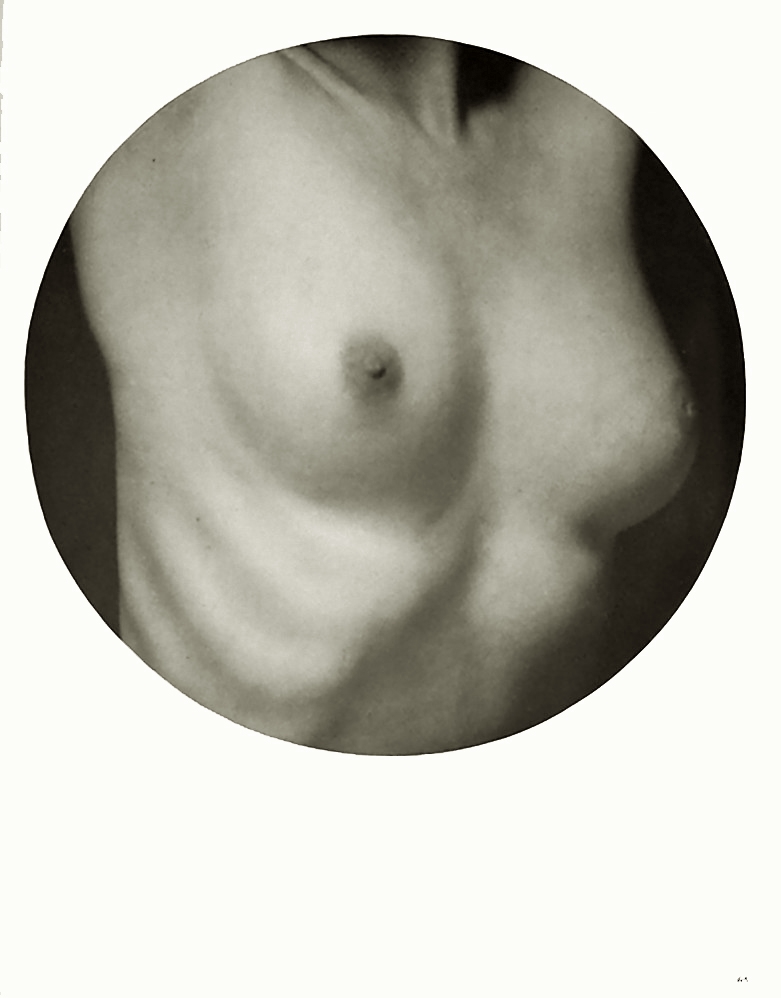
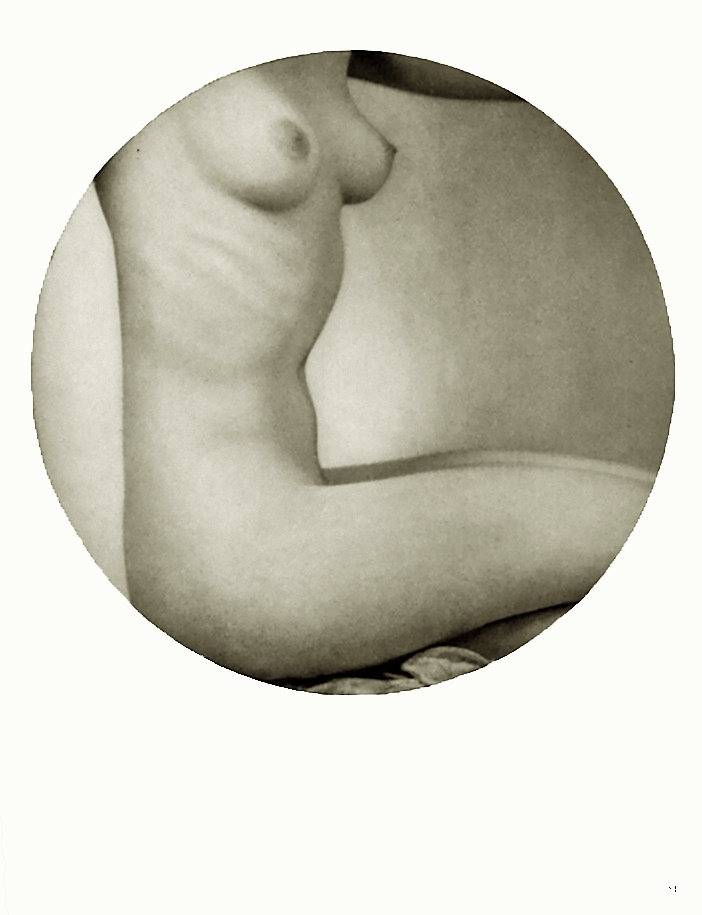
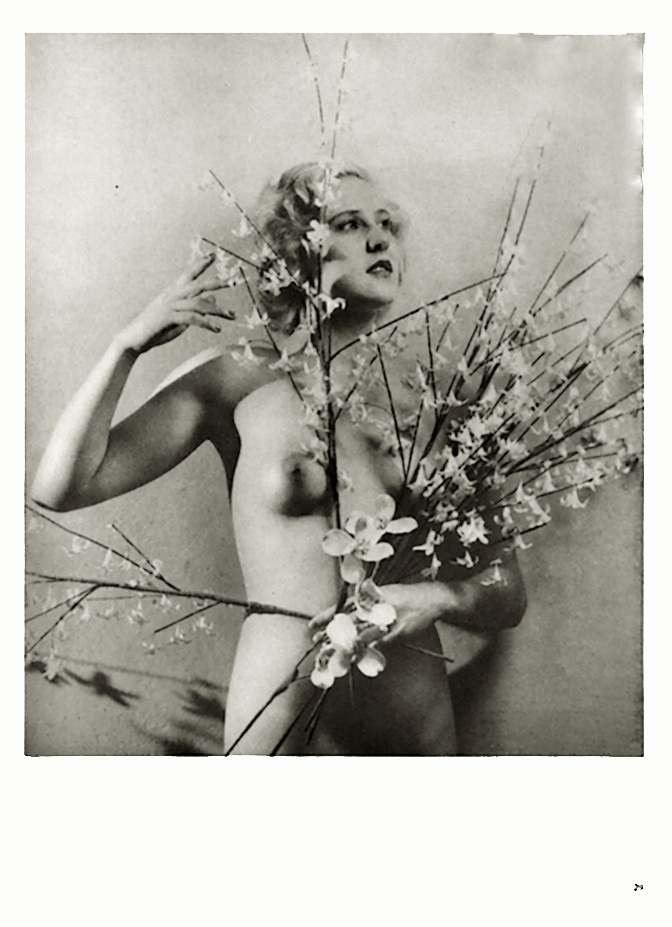
Alfred Cheney Johnston – Enchanting Beauty, 1937

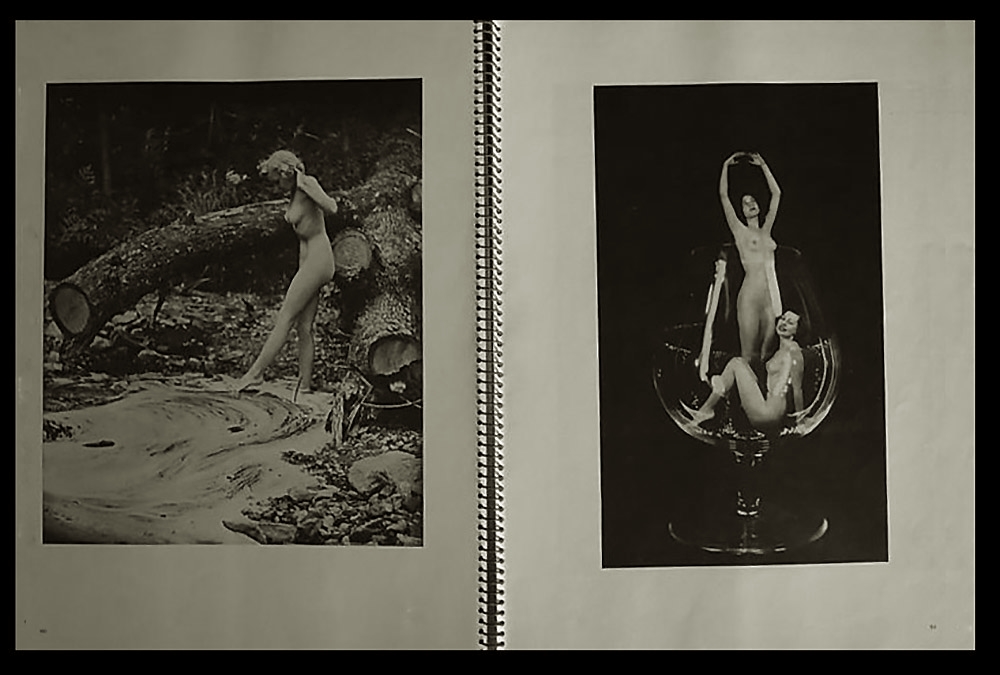
Alfred Cheney Johnston – Enchanting Beauty, 1937 est un livre réunissant un très grands nombres des travaux de Johnston sur le nu (en dehors des Ziegfeld  girls). Elles sont toutes datées de 1937, (date de parution du livre), mais elles ont étaient prisent entre les années 1920 et 1937. Un exemplaire a été offert au superbe site , Historical Ziegfeld  . Malheureusement  le livre offert par AJC au group Historical est taché ( probablement un verre renversé sur le livre)  sur toutes les pages comme Ici, ce qui gâche vraiment les photos. Pourtant il comporte de très rares photographies de la danseuse Tilly Loch, ( 7 ou 8), nue, ce qui est extrêmement rare. Possédant un exemplaire je vous le propose aujourd’hui.

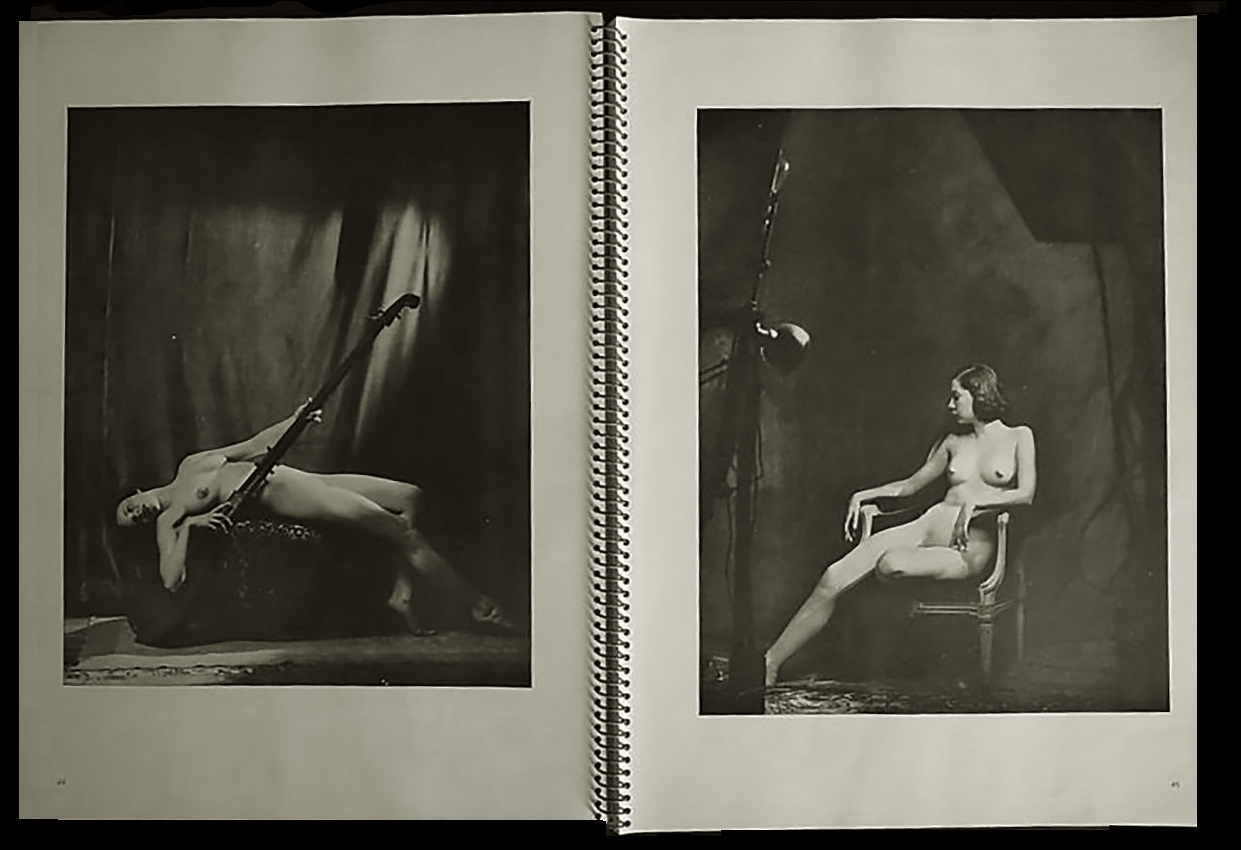
J’ai alterné planche entière du livre avec no de page et photo  afin que l’on se rende compte de l’agencement , l’encadrement et du format réel des photographies. la teinte est sepia un peu jaunie par le temps.. je n’ai pas mis toutes les photos, il y en a trois fois plus… Je ne les poste pas dans l’ordre du livre, et je vois en les téléchargeant que je n’ai pas noté toutes les pages, je m’en excuse.

Alfred Cheney Johnston - Enchanting Beauty, 1937

Alfred Cheney Johnston – Enchanting Beauty, 1937

Alfred Cheney Johnston - Enchanting Beauty, 1937

Alfred Cheney Johnston – Enchanting Beauty, 1937

Alfred Cheney 2 plates , Johnston Enchanting Beauty, 1937

Alfred Cheney 2 plates , Johnston Enchanting Beauty, 1937

Alfred Cheney 2 plates , Johnston Enchanting Beauty, 1937

Alfred Cheney 2 plates , Johnston Enchanting Beauty, 1937

Alfred Cheney 2 plates , Johnston Enchanting Beauty, 1937

Alfred Cheney 2 plates , Johnston Enchanting Beauty, 1937

Alfred Cheney 2 plates , Johnston Enchanting Beauty, 1937 (3)

Alfred Cheney 2 plates , Johnston Enchanting Beauty, 1937 (3)

Alfred Cheney 2 plates , Johnston Enchanting Beauty, 1937

Alfred Cheney 2 plates , Johnston Enchanting Beauty, 1937


Alfred Cheney Johnston -Nude, 1937from Enchanting Beauty, 1937

Alfred Cheney Johnston -Nude, 1937from Enchanting Beauty, 1937

Alfred Cheney Johnston -Nude, 1937from Enchanting Beauty, 1937

Alfred Cheney Johnston -Nude, 1937from Enchanting Beauty, 1937

Alfred Cheney Johnston -Nude, 1937from Enchanting Beauty, 1937 (2)

Alfred Cheney Johnston -Nude, 1937from Enchanting Beauty, 1937

Alfred Cheney Johnston -Nude, 1937 from Enchanting Beauty, 1937 (2)

Alfred Cheney Johnston -Nude, 1937 from Enchanting Beauty, 1937

Alfred Cheney Johnston- Nude study , 1937from Enchanting Beauty, 1937p 44

Alfred Cheney Johnston- Nude study , 1937from Enchanting Beauty, 1937p 44

Alfred Cheney Johnston Enchanting Beauty, 1937 71

Alfred Cheney Johnston Enchanting Beauty, 1937 p71

Alfred Cheney Johnston - Female nude study, 1937p74

Alfred Cheney Johnston – Female nude study, 1937 p74


Alfred Cheney Johnston Enchanting Beauty, 1937 69 BON

Alfred Cheney Johnston Enchanting Beauty, 1937 p69

Alfred Cheney Johnston - Female nude study, 1937

Alfred Cheney Johnston – Female nude study, 1937


Alfred Cheney Johnston Enchanting Beauty, 1937 76

Alfred Cheney Johnston Enchanting Beauty, 1937 p76

Alfred Cheney Johnston- Nude study , from Enchanting Beauty, 1937 p35

Alfred Cheney Johnston- Nude study , from Enchanting Beauty, 1937 p35

Alfred Cheney Johnston Enchanting Beauty, 1937 58

Alfred Cheney Johnston Enchanting Beauty, 1937 p58


Alfred Cheney Johnston Enchanting Beauty, 1937 52

Alfred Cheney Johnston Enchanting Beauty, 1937p 52

Alfred Cheney Johnston - Model tilly Losch, from Enchanting Beauty, 1937p 10

Alfred Cheney Johnston – Model tilly Losch, from Enchanting Beauty, 1937p 10

Alfred Cheney Johnston - Model tilly Losch, from Enchanting Beauty, 1937 331

Alfred Cheney Johnston – Model tilly Losch, from Enchanting Beauty, 1937

Alfred Cheney Johnston - Model tilly Losch, from Enchanting Beauty, 1937 p87

Alfred Cheney Johnston – Model tilly Losch, from Enchanting Beauty, 1937 p87

Alfred Cheney Johnston - Model tilly Loch, from Enchanting Beauty, 1937

Alfred Cheney Johnston – Model tilly Loch, from Enchanting Beauty, 1937

Alfred Cheney Johnston - Model tilly Losch, from Enchanting Beauty, 1937p62

Alfred Cheney Johnston – Model tilly Losch, from Enchanting Beauty, 1937p62

Alfred Cheney Johnston - Model tilly Losch, from Enchanting Beauty, 1937 p68

Alfred Cheney Johnston – Model tilly Losch, from Enchanting Beauty, 1937 p68

Alfred Cheney Johnston - Model tilly Losch, from Enchanting Beauty, 1937 p61

Alfred Cheney Johnston – Model tilly Losch, from Enchanting Beauty, 1937 p61

Alfred Cheney Johnston - Model tilly Losch, from Enchanting Beauty, 1937

Alfred Cheney Johnston – Model tilly Losch, from Enchanting Beauty, 1937


Alfred Cheney Johnston - Model tilly Losch, from Enchanting Beauty, 1937 9

Alfred Cheney Johnston – Model tilly Losch, from Enchanting Beauty, 1937 9

Alfred Cheney Johnston - Model tilly Losch, from Enchanting Beauty, 1937 7

Alfred Cheney Johnston – Model tilly Losch, from Enchanting Beauty, 1937 7

Alfred Cheney Johnston - from Enchanting Beauty, 1937

Alfred Cheney Johnston – from Enchanting Beauty, 1937

Alfred Cheney Johnston - from Enchanting Beauty, 1937 p33

Alfred Cheney Johnston – from Enchanting Beauty, 1937 p33

Alfred Cheney Johnston - from Enchanting Beauty, 1937p 12

Alfred Cheney Johnston – from Enchanting Beauty, 1937p 12

Alfred Cheney Johnston - from Enchanting Beauty, 1937 (2)

Alfred Cheney Johnston – from Enchanting Beauty, 1937

Alfred Cheney Johnston Enchanting Beauty, 1937 51

Alfred Cheney Johnston Enchanting Beauty, 1937 51

Alfred Cheney Johnston Enchanting Beauty, 1937 42

Alfred Cheney Johnston Enchanting Beauty, 1937 42

Alfred Cheney Johnston Enchanting Beauty, 1937 38

Alfred Cheney Johnston Enchanting Beauty, 1937 38

Alfred Cheney Johnston Enchanting Beauty, 1937 22

Alfred Cheney Johnston Enchanting Beauty, 1937 22


Alfred Cheney Johnston Enchanting Beauty, 1937 06

Alfred Cheney Johnston Enchanting Beauty, 1937 06

Alfred Cheney Johnston Enchanting Beauty, 1937 5

Alfred Cheney Johnston Enchanting Beauty, 1937 5

Alfred Cheney Johnston -Anne (nude with pearls), 1920sfrom Enchanting Beauty, 1937_e

Alfred Cheney Johnston -Anne (nude with pearls), 1920sfrom Enchanting Beauty, 1937_e

Alfred Cheney Johnston- Nude , 1937p 70

Alfred Cheney Johnston- Nude , 1937p 70

Alfred Cheney Johnston Enchanting Beauty, 1937 p50

Alfred Cheney Johnston Enchanting Beauty, 1937 p50

Alfred Cheney Johnston Enchanting Beauty, 1937 77_e

Alfred Cheney Johnston Enchanting Beauty, 1937 77_e

Alfred Cheney Johnston Enchanting Beauty, 1937 66

Alfred Cheney Johnston Enchanting Beauty, 1937 66

Alfred Cheney Johnston Enchanting Beauty, 1937 65

Alfred Cheney Johnston Enchanting Beauty, 1937 65

Alfred Cheney Johnston Enchanting Beauty, 1937 31_e

Alfred Cheney Johnston Enchanting Beauty, 1937 31_e

Alfred Cheney Johnston - Model tilly Losch, from Enchanting Beauty, 1937 7

Alfred Cheney Johnston – Model tilly Losch, from Enchanting Beauty, 1937 7

Alfred Cheney Johnston Enchanting Beauty, 1937 p57

Alfred Cheney Johnston Enchanting Beauty, 1937 p57

Alfred Cheney Johnston Enchanting Beauty, 1937 p29

Alfred Cheney Johnston Enchanting Beauty, 1937 p29

Alfred Cheney Johnston Enchanting Beauty, 1937 90

Alfred Cheney Johnston Enchanting Beauty, 1937 90

Alfred Cheney Johnston Enchanting Beauty, 1937 86

Alfred Cheney Johnston Enchanting Beauty, 1937 86

Alfred Cheney Johnston - from Enchanting Beauty, 1937 p33

Alfred Cheney Johnston – from Enchanting Beauty, 1937 p33


Alfred Cheney Johnston Enchanting Beauty, 1937 79

Alfred Cheney Johnston Enchanting Beauty, 1937 79

Alfred Cheney Johnston Enchanting Beauty, 1937 69

Alfred Cheney Johnston Enchanting Beauty, 1937 69

Alfred Cheney Johnston Enchanting Beauty, 1937 59

Alfred Cheney Johnston Enchanting Beauty, 1937 59

Alfred Cheney Johnston - from Enchanting Beauty, 1937

Alfred Cheney Johnston – from Enchanting Beauty, 1937

Alfred Cheney Johnston Enchanting Beauty, 1937 53

Alfred Cheney Johnston Enchanting Beauty, 1937 53

Alfred Cheney Johnston Enchanting Beauty, 1937 79

Alfred Cheney Johnston Enchanting Beauty, 1937 79

Alfred Cheney Johnston Enchanting Beauty, 1937 p41 (2)

Alfred Cheney Johnston Enchanting Beauty, 1937 p41

Monsieur X ( actif 1920-30- mort vers 1980)

En ayant assez de trouver des agrandissements pourris, des copier- coller des Drouot ou autres ventes aux enchères, je vous propose aujourd’hui, l’histoire de Monsieur X, avec a taille adéquat ces photographies faisaient 18cm sur 15 cm donc on ne va pas faire de miracle en terme de taille, sauf si nous avons eu le livre en main…

C’est un ancien article posté en 2012 que je remets en avant aujourd’hui.

« Monsieur X, ce Photographe anonyme a laissé derrière lui plus de cinq mille clichés datant des années folles. Autour d’une passion: les femmes et leur sexe. Baptisé ainsi par un le libraire à qui il avait vendu son fond photographique, puisqu’il n’ avait jamais pu l’identifier , ses clichés ont été découverts il y a une quarantaine d’années , fortuitement par un acheteur au sein de cette dite librairie . Le propriétaire possédait des caisses de photos de l’inconnu, à qui Monsieur X avait en vendant,   certifié qu’il jetait ses négatifs dans la Seine, rendant impossible toute reproduction.  Pourtant il restait grand nombre de planches contact, qui après être passées dans plusieurs mains ont été rachetées par Alexandre Dupouy, ( propriétaire de galerie Les Larmes d’Eros et qui a ecrit plusieurs livre à son sujet), intrigant le « milieu »de la photographie . C’est grâce à ce dernier que Monsieur X est aujourd’hui une figure de la photographie érotique , il a d’ailleurs choisit de ne pas chercher à l’identifier, mais on sait qu’il est probablement mort Il est décédé vers 1980 .

C’est donc un photographe des années 20-30s, inspiré par les grands photographes de l’époque tel que Brassaï par exemple. On retrouve des photographies noir et blanc, sépia, mais aussi des autochromes Monsieur X apparaît sur certaines planches ,plutôt bel homme d’ailleurs , aux côtés de femmes nues( on le voir dans une glace) .Derrière les planches contact, quarante-neuf prénoms, à réciter comme un poème surréaliste: «Andrée, Angèle, Babette, Cécile, Charlotte, Christiane, Colette, Denise, Didich, Etiennette, Fanfan, Gaby»… jusqu’à «Yasmina, Yvonne et Zita». Monsieur X est  un  » fou »  du sexe de la femme, et des femmes qui, pour lui plaire, exhibent leur sexe devant son objectif . Sa posture préférée: une ou deux femmes en exhibant une autre. Alexandre Dupouy, écrit de lui qu’il est « fasciné par le tableau de Courbet L’Origine du Monde , et qu’il en fait une déclinaison photographique « .Ses modèles, à l’évidence, étaient pensionnaires dans une maison close tenue par un de ses amis Masculin. Monsieur X, ne « batifolait » pas si l’on puis dire avec ces jeunes femmes prostitué. Il rémunérait en effet ses modèles pour qu’elles s’amusent entre elles. C’est une façon de « batifoler » comme une autre me direz vous, lorsqu’on est un voyeur, fasciné par le sexe de la femme, et à la fois photographe amateur, dans un bordel , où les fantasmes sont multiples. Il les photographie aussi en plein air, et ce parfois avec des mises en scènes très académiques. Ses photographies sont d’une rare qualité quant à la mise en scène et au cadrage pour un amateur.ils le photographies aussi en plein air, et ce parfois avec des mises en scènes très académiques. »  Alexandre Dupuy avec quelques note en plus rajoutée.

Lire et acheter  ce livre  dont le texte est issu, si vous le pouvez (on le trouve d’occasion pour une somme modique sur les sites bien connus) . Alexandre Dupouy, « Collection privée de Monsieur X, L’oeuvre Inedite D’un Photographe Anonyme Des Années 30 »,   Ed°Astarte Paris, 1996. voir la dernière photo, et existe un autre livre de lui sur le sujet à consulter égalément.

Monsieur X-Deux filles nues de maison close et gravure sur négatif ,France, 1930

Monsieur X-Deux filles nues de maison close et gravure sur négatif ,France, 1930

Monsieur X Femme à la canne 1930

Monsieur X Femme à la canne 1930

Monsieur X - Nu erotique , vers 1930

Monsieur X – Nu erotique , vers 1930

Monsieur X - Nu, femme de maison ,1930s

Monsieur X – Nu, femme de maison ,1930s  ( ???)

Monsieur X - Deux femmes de maison close,1925-30

Monsieur X – Deux femmes de maison close,1925-30

Monsieur X - Deux femmes de maison close, 1925

Monsieur X – Deux femmes de maison close, 1925

Monsieur X - Deux femmes de maison close  , 1930

Monsieur X – Deux femmes de maison close , 1925-30

Monsieur X - Trois femmes de maison close , 1930

Monsieur X – Trois femmes de maison close , 1930

Monsieur X - les deux amies 1930

Monsieur X – les deux amies 1930

Monsieur X - Contemplation, ca. 1935

Monsieur X – Contemplation, 1935

Monsieur  X- Rêverie, ca. 1930

Monsieur X- Rêverie, . 1930

monsieur X- Deux femmes, 1925.

monsieur X- Deux femmes de maison close, 1925.

Monsieur X - Nu allongé, 1930

Monsieur X – Nu allongé, 1930

Monsieur X - Nu erotique ,femme de maison alangie 1930

Monsieur X – Nu erotique ,femme de maison alanguie 1930

Monsieur X- Jeune femme au chapeau, 1930 1

Monsieur X- Jeune femme au chapeau, 1930

Monsieur X -jambes écartées 1930

Monsieur X -jambes écartées 1930

Monsieur X Filles de maisons closes en nuisette, vers 1930

Monsieur X Filles de maisons closes en nuisette, vers 1930

Monsieur X Filles de maisons closes enlacées, vers 1930

Monsieur X Filles de maisons closes enlacées, vers 1930

Monsieur X -Fille de maison close au miroir, vers 1930

Monsieur X -Fille de maison close au miroir, vers 1930

Monsieur X - ransparence de dentelle,  1930

Monsieur X – ransparence de dentelle, 1930

Monsieur X - Trois Graces, 1925

Monsieur X – Trois Graces, 1925

Monsieur X – Baisers 1930

Monsieur X – Baisers
1930

Monsieur X -  Acrobatie, 1930

Monsieur X – Acrobatie, 1930

Monsieur X- Femmes espiègles 1930

Monsieur X- Femmes espiègles 1930

Monsieur X Femme au fume cigarette 1930

Monsieur X Femme au fume cigarette 1930

Monsieur X -Sur la chaise 1930

Monsieur X -Sur la chaise 1930

Monsieur X - Femme À L'arbre, 1935

Monsieur X – Femme À L’arbre, 1935

Monsieur X Dans le Bois de Vincennes 1930

Monsieur X Dans le Bois de Vincennes 1930

Monsieur X - Nus et voiture dans la foret , 1930

Creditée Monsieur X – Nus et voiture dans la foret , 1930 sur liveactionner et rectification de Monsieur Dupuy ( Biederer Ostra studio…)

Monsieur X - Nus et voiture dans la foret , 1930

Creditée Monsieur X – Nus et voiture dans la foret , 1930 sur liveactionner et rectification de Monsieur Dupuy ( Biederer Ostra studio…)

Monsieur X- Deux filles de maisons closes, dans un près vers 1930

Monsieur X- Deux filles de maisons closes, dans un près vers 1930

Monsieur X Trois filles de maisons closes s'amusant dans un près, vers 1930

Monsieur X Trois filles de maisons closes s’amusant dans un près, vers 1930

Monsieur X Trois filles de maisons closes s'amusant dans un près, vers 1930

Monsieur X Trois filles de maisons closes s’amusant dans un près, vers 1930

Monsieur X Trois filles de maisons closes s'amusant dans un près, vers 1930

Monsieur X Trois filles de maisons closes s’amusant dans un près, vers 1930

Monsieur X Fille de maison close dans un sous-bois, vers 1930.

Monsieur X Fille de maison close dans un sous-bois, vers 1930.

Monsieur X Filles de maison close dans un sous-bois, vers 1930.

Monsieur X Filles de maison close dans un sous-bois, vers 1930.

Monsieur X - Portraits de femmes. Scènes de famille, c. 1930.

Monsieur X – Portraits de femmes. Scènes de famille,  1930.

Monsieur X - Portraits de femmes. Scènes de famille, c. 1930. - Copie

Monsieur X – Portraits de femmes. Scènes de famille, . 1930.

Alexandre Dupouy, Collection privée de Monsieur X, L'oeuvre Inedite D'un Photographe Anonyme Des Annees 30,   Ed°Astarte Paris, 1996.

Alexandre Dupouy, Collection privée de Monsieur X, L’oeuvre Inedite D’un Photographe Anonyme Des Annees 30, Ed°Astarte Paris, 1996.

suite au prochain épisode….

Edwin Bower Hesser (1893-1962) Magazines et études de nus

De 1923  jusqu’au milieu des années 1930, Edwin Bower Hesser, [éminent photographe qui a travaillé à New York et Los Angeles pendant l’âge d’or d’Hollywood et mis au point son propre système de photographie couleur appelée Hessercolor] a édité et produit  des photographies pour 7  Magazines d’Art conçus et pensés  pour aider Les étudiants  en Art ( sous toutes ses formes) et notamment ceux de l’ Art Institute of Chicago , par lequel il est passé, autour de la question du nu et des formes du corps humain  « the Hesser Arts Monthly « Art classic », « Art Studies » , « Camera Art », « Classic Art », « Real Art studies », « Screen art studies », « Studio art studies ». Hesser aimait les parcs , les plages, il aimait le plein air , il aimait les filles nues, et il aimait l’art et cela se trouve dans toutes ses photographies , même celles de portraits de stars du cinéma).

Edwin Bower Hesser-for Daw Physiology, Eugenics, Art &Love, 1928

Edwin Bower Hesser-Facing the East. for Daw Physiology, Eugenics, Art &; Love, 1928

Edwin Bower Hesser-Fruit for Daw Physiology, Eugenics, Art & Love, 1928

Edwin Bower Hesser-Rejuvenation for Daw Physiology, Eugenics, Art &; Love, 1928

Edwin Bower Hesser-Spoils of the Sea for Daw Physiology, Eugenics, Art &Love, 1928

Edwin Bower Hesser-The Sea for Daw Physiology, Eugenics, Art &; Love, 1928

Edwin Bower Hesser-Thoughts in Solitude. for Daw Physiology, Eugenics, Art & Love, 1928

Edwin Bower Hesser- The Enchanted Forest for Daw Physiology, Eugenics, Art &Love, 1928

Edwin Bower Hesser- Sunlight & Shadow. for Daw Physiology, Eugenics, Art &; Love, 1928

Edwin Bower Hesser-Anatomical Study for Daw Physiology, Eugenics, Art & Love, 1928

Edwin Bower Hesser-Curse of India for Daw Physiology, Eugenics, Art & Love, 1928

Edwin Bower Hesser-Hesser-Maid of Araby for Daw Physiology, Eugenics, Art & Love, 1928

Edwin Bower Hesser-Julie De Valeria for Daw Physiology, Eugenics, Art & Love, 1928

Edwin Bower Hesser-Palm Beach for Daw Physiology, Eugenics, Art & Love, 1928

Edwin Bower Hesser-Pensively Pretty. for Daw Physiology, Eugenics, Art &Love, 1928

****************

Edward Bower Hesser- Nude Study , Gri.. park, La, 1922 Arts (Monthly Pictorial)

Edward Bower Hesser- Nude Study , Gri.. park, La, 1922 Arts (Monthly Pictorial) – The magazine of Pictures for Artists ans Art Students founded and edited in 1922 by Edward Bower Hesser

Edward Bower Hesser- Nude Study , Gri.. park, La, 1922 Arts (Monthly Pictorial) – The magazine of Pictures for Artists ans Art Students founded and edited in 1922 by Edward Bower Hesser

Edward Bower Hesser- Nude Study , Gri.. park, La, 1922 Arts (Monthly Pictorial) – The magazine of Pictures for Artists ans Art Students founded and edited in 1922 by Edward Bower Hesser

**************************

Edwin Bower Hesser – Artist’s notebook , 1931

Edwin Bower Hesser –two plates from Atrist’s NoteBook, 1930

*************

Edward Bower Hesser -Mercy Robbins, with mask of W.T. Benda, 1920 sart-studies-magazine-january-1926

Edwin Bower Hesser- The Toe Dancer, Frances Mildern, 1926 art-studies-magazine-january-1926

Edward Bower-Mignon Laird Night Club Star, 1926 art-studies-magazine-january-1926

il est indéniable qu’ Edwin Bower Hesser fût très inspiré par Les photographies faites autour d’Isadora Duncan et ses danseurs ( mouvement de la danse grecque)  aux modèles  en plein air, ( plage, parc, bois) nus ou avec de légers voiles. Il existait à cette époque une très forte croyance en les idéaux du mouvement de culture physique, du corps parfait  , de la beauté corporelle, de l hygiène et de la sexualité expressive qui émanait du corps. Isadora Duncan, tout comme Ted Shawn, Annette Kellerman, Margaret Edwards, ou Douglas Fairbanks en étaient les portes paroles, avec cette volonté  de montrer au  public ce à quoi ressemblerait la splendeur de ce qu’ils nommaient le « Temple de Dieu, » le physique humain.Heisser s’accrochant à se mouvement en est devenu ce qu’on pourrait qualifié de  » fanatique », espérant proposer un modèle parfait de la « future race humaine » ( propos quelque peu discutables et emprunt d’un certain eugénisme, ce qui lui fût reproché….). Ceci dit, On ne peut pas lui enlever le fait qu’il a su mettre en scène une harmonie entre formes humaines et formes de la nature.

Edward Bower Hesser – Jean Harlow, 1929


Edward Bower Hesser – Jean Harlow, 1930s

Edward Bower Hesser – Jean Harlow, 1930s

Edward Bower Hesser – Jean Harlow, 1930s

Edwin Bower Hesser Jean Harlow, Griffith Park, 1929

Edward Bower- Studies in Type of Body,1926,

Edward Bower Hesser- Nude Study , Gri.. park, La, 1922

Edwin Bower Hesser- Female Nude, 1929

Edwin Bower Hesser- Female Nude-, 1929

Edwin Bower Hesser- Female Nude at Griffith Park L.A, 1920s

Edwin Bower Hesser- Flapper in Pool, 1920

Edwin Bower Hesser – nude in lake , 1920

Edwin Bower Hesser- nude in lake , 1920

Edwin Bower Hesser – nude in lake , 1920

Edwin Bower Hesser – The Lady of the rocks , a Study in consrasts Magazine Theatre october, 1922

Edwin Bower Hesser- nude CALIFORNIA COAST , 1920

Edwin Bower Hesser- Nude at Griffith Park L.A, 1920s

Edwin Bower Hesser- Nude study outdoor , 1920s

Edwin Bower Hesser- Nymph, 1922

Edwin Bower Hesser- The Three Graces,Norma Talmadge Marion Davies Irene Castles 1925

Edwin Bower Hesser- Nude study , 1930

Edwin Bower Hesser Marjorie Leet in Garden of Girls November,1925

Edwin Bower Hesser- Nude, 1920s

Edwin Bower Hesser bessie love 1919

Edwin Bower Hesser Bessie Love in Garden of Girls 1920’s

Source ici et Ebay où vous pouvez trouvez des clichés peu cher, et parfois ses magazines.


Marcel Paul Meys (1885-1972)

« Marcel Meys est surtout connu aujourd’hui comme photographe. Il débuta cependant sa carrière en tant que peintre, et fit ses études dans les ateliers de Jules-Élie Delaunay, Pierre Puvis de Chavannes et Gustave Moreau.Son tableau intitulé Néréis fut présenté au Salon de 1882. Il fut primé et permit à l’artiste de remporter une bourse de voyage de 4000 francs afin de se rendre dans une ville italienne de son choix. A la fin du XIXe, Marcel Meys semble se consacrer uniquement à la photographie. On retrouvera avec ce nouveau procédé, le même goût de l’artiste pour des figures féminines posant en bord de mer. »  By lanouvelleathenes ( vous trouverez sur ce site un dessin Néréis de Meys )

Marcel Meys- girl nue avec des raisins, Paris, 1910

Marcel Meys- Nu à la grappe, Paris, 1910

Marcel Meys – nu à la grappe Paris , around 1910

Marcel Meys- Léda et le Cygne, 1920

Marcel Meys- Léda et le Cygne, 1920

Marcel Meys- Etude de nu à la plage, 1930

Marcel Meys- Etude de nu à la plage ( bondage), 1930

Marcel Meys- Nu ( bondage à l'exterieur), 1930 1

Marcel Meys- Nu ( bondage à l’exterieur), 1930

Marcel Meys - ETUDE DE NUS DANS LA NATURE, vers 1930

Marcel Meys – Etude de nu à la plage, (Bondage) 1930

Marcel Meys- Etude de nu à la plage, 1930

Marcel Meys- Etude de nu à la plage, 1930

Marcel Meys- Narcisse, 1930

Marcel Meys- Narcisse, 1930

Marcel Meys- Akt (même serie et modèle que Narcisse) , 1930

Marcel Meys-  Nu  (même serie et modèle que Narcisse) , 1930

Marcel Meys- Akt (même serie et modèle que Narcisse) , 1930

Marcel Meys-  Nu  (même serie et modèle que Narcisse) , 1930

Marcel Meys- Akt (même serie et modèle que Narcisse) , 1930

Marcel Meys-  Nu  (même serie et modèle que Narcisse) , 1930

Marcel Meys- Akt (même serie et modèle que Narcisse) , 1930

Marcel Meys-  Nu  (même serie et modèle que Narcisse) , 1930

Marcel Meys- Akt (même serie et modèle que Narcisse) , 1930

Marcel Meys-  Nu  (même serie et modèle que Narcisse) , 1930

Marcel Meys- Akt (même serie et modèle que Narcisse) , 1930

Marcel Meys-  Nu  (même serie et modèle que Narcisse) , 1930

Marcel Meys femmes Nude Study extérieure 1920

Marcel Meys -Etude de nu en extérieur, 1920

Marcel Meys femmes Nude Study extérieure 1920

Marcel Meys -Etude de nu en extérieur, 1920

Marcel Meys femmes Étude de nu extérieur, 1920-1930

Marcel Meys -Etude de nu  en extérieur 1920

Marcel Meys - Nu devant la cascade, 1930

Marcel Meys – Nu devant la cascade, 1930

Marcel Meys - Nude par une chute d'eau, 1930

Marcel Meys – Nu près de la cascade,  1930

Marcel Meys - Femmes Nu anatomique étude extérieure, 1930

Marcel Meys -Etude de nu anatomique  en extérieur, 1920

Marcel Meys Les Femmes Nu Nu anatomique extérieure sur un affleurement rocheux, vers 1920

Marcel Meys Etude de Nu anatomique en  extérieur, femme sur un éperon rocheux, vers 1920

Marcel Meys - Escalade nue une médaille d'argent d'impression roche de gélatine, vers 1920

Marcel Meys – l’escalade du rocher gelatin silver print, 1920

Montagne Meys Marcel- nude 1920

Meys Marcel-Nu à la montagne, 1920

Marcel Meys - Etude de nu dans la nature, vers 1930

Marcel Meys – Etude de nu dans la nature, vers 1930

Marcel Meys - Femmes Nu anatomique étude extérieure 1930

Marcel Meys – Etude de Nu anatomique en  extérieur 1930

Marcel Meys - Etude à la flûte de pan, ca. 1925.

Marcel Meys – Etude à la flûte de pan, 1925.

Meys Marcel- Plein Air ( cover) , Les éditions de Paris, Paris 1931 ( comprenant 32 nus)

Meys Marcel- Plein Air ( cover) , Les éditions de Paris, Paris 1931 ( comprenant 32 nus)

Marcel Meys Femmes Nu anatomique étude extérieure, 1930

Marcel Meys- Etude de nu anatomique en extérieure , 1930 from Plein Air , Les éditions de Paris, Paris 1931

Marcel Meys - Femmes Nu anatomique étude extérieure, 1930

Marcel Meys – Etude de nu anatomique en extérieur ,1930 from Plein Air , Les éditions de Paris, Paris 1931

Meys Marcel- Plein Air deux planches, Les éditions de Paris, Paris 1931 ( comprenant 32 nus)

Meys Marcel- Plein Air deux planches, Les éditions de Paris, Paris 1931 ( comprenant 32 nus)

Meys Marcel- Plein Air deux planches, Les éditions de Paris, Paris 1931 ( comprenant 32 nus)

Meys Marcel- Plein Air deux planches, Les éditions de Paris, Paris 1931 ( comprenant 32 nus)

Marcel Meys femmes Étude de nu extérieur, 1930

Marcel Meys-Etude de nu en extérieur, 1930

Marcel Meys femmes Étude de nu en plein air, de 1920 à 1930 (2)

Marcel Meys-Etude de nu en extérieur, 1930

Marcel Meys- femmes Étude de nu extérieur, 1930

Marcel Meys-Etude de nu en extérieur, 1930

Marcel Meys- Études de nus féminins dans la nature, 1930 from Plein Air , Les éditions de Paris, Paris 1931

Marcel Meys- Études de nus féminins dans la nature, 1930 from Plein Air , Les éditions de Paris, Paris 1931

Marcel Meys- Études de nus féminins dans la nature, 1920

Marcel Meys- Études de nus féminins dans la nature, 1930 from Plein Air , Les éditions de Paris, Paris 1931

Marcel Paul Meys- Femme nue sur un rocher, Salt impression papier 1920

Marcel Paul Meys-Femme nue sur un rocher, sel sur papier 1920

Marcel Meys -Algeriennes. photogravure. 1933. ( publiée dans le célèbre

Marcel Meys -Algeriennes. photogravure. 1933. ( publiée dans le célèbre « La Beauté de la Femme », Daniel Masclet, Album du premier Salon International du Nu photographique , Paris 1933

Marcel Meys - Désert Algerie, 1950s

Marcel Meys – Désert Algerie, 1950s

Marcel Meys - Trois vues stéréo de nus.Tirages argentiques , 1930

Marcel Meys – Trois vues stéréo de nus.Tirages argentiques , 1930

Marcel Meys- Quatre vues stéréo de nus.Tirages argentiques , 1930

Marcel Meys- Quatre vues stéréo de nus.Tirages argentiques , 1930

Marcel Meys- Nu ( bondage à l'exterieur), 1925-30

Marcel Meys- Nu ( bondage à l’exterieur), 1925-30

Marcel Meys- For -An article  » le rideau de la volupé », in Pour Lire a Deux of January 1935

Ses Autochromes

Meys Marcel- Etude de nu, autochrome. 1ree moitiée du 20e s

Marcel Meys- Etude de nu, autochrome. 1re moitié du 20e siecle

Marcel Meys- Portrait d’une femme jouant de la flute, autochrome. 1ere moitié du 20em siecle

Marcel Meys- Portrait d’une femme au drapé bleu, autochrome. 1ere moitié du 20e siecle

Marcel Meys - Autochrome, circa 1910

Marcel Meys – Autochrome, circa 1910

Marcel Meys - Autochrome , circa 1913

Marcel Meys – Autochrome , circa 1913

Vous pouvez aussi voir des stéréotypes en 3D qu’il a réalisés Ici

Article très complet sur sa biographie,  écrit par un basque, ( Les Pyrénées étaient effectivement le lieu, où il a réalisé ses grands classique de « nus et paysages » et  » plein air ».

Ajout 07 JUILLET 2015 //

MERCI à la Revue Le Temps.( ch ) de citer mes recherches dans sa rubrique Culture.


Nelly’s – Nelly Sougioultzoglou, Mona Paeva, 1927

Nelly Sougioultzoglou is born in Aidini of Asia Minor, in 1899. In 1912 she finds herself a pupil at the Omirio Girl’s School of Smyrni and in 1919 she lives through the destruction of her homeland by the Turks. The daughter of the wealthy merchant Christos Sougioultzoglou then leaves for Dresden to study music and painting. In 1922 her family settles in Athens and Nelly decides to study photography, hoping to make a living out of it. Her teacher is initially the well-known Hugo Erfurt. Later she is tutored by the modernist Franz Fiedler.

Miss Sougioultzoglou returns to Greece in 1924 and opens her first photo studio in Ermou St. The city’s bourgeoisie considers it a sign of fine taste to have their portraits done by the young artist who at the same time practices her art by taking pictures of ancient monuments and small yards of Athenian houses. It is thus that Nelly’s era begins.

Nelly’s focuses on the pure orders of the Acropolis monuments that fascinate her. She soon decides to give them a face and set them in motion. She meets Mona Paiva, the Comedie Francaise dancer, and suggests to her that it would be a good idea if she could pose for her in the nude on the holy rock. Permission is granted by the authorities as she is by then well known and accepted by the Athens high society. Paiva obliges, and starts to dance inside the Parthenon holding an olive branch. The Leica of Nelly’s captures her smooth motion, creating a series of unique shots. The dancer takes with her this exceptional piece of work, which will be published a little later in a French illustrated magazine. The scandal breaks out immediately in prudish Athenian society.

Nelly’s [Elli Souyioultzoglou-Seraidari] -Nikolska, a hungarian dancer at the Parthenon, Acropolis-Athens, Greece -1929

Nelly’s [Elli Souyioultzoglou-Seraidari] -Nikolska, a hungarian dancer at the Parthenon, Acropolis-Athens, Greece -1929

Her avant-garde pictures of nude Mona Paeva on the Parthenon were published at the French magazine Illustration de Paris and caused a scandal in the small city of Athens of that time. She was defended by Pavlos Nirvanas in his column in Elefthero Vima newspaper (May 1929). he wrote,  »the beautiful priestess, unfastening her girdle in front of Apollo, throwing all the robes covering her divine nudity and bathing in the light, a body like a statue and a rosy complexion like the smile of dawn. And on the other hand I see respectable gentlemen sitting around a table, scratching their heads and writing about desecration. Desecration would occur if, in the throes of archaeological enthusiasm, they happened to throw off their clothes on the Parthenon marbles and pretended to be Hermes of Praxiteles… »
Since her studies and her nudes at Fiedler’s studio in Germany, Nelly removed the background’s elements by focusing her attention on the theme, resulting in reversing voluntarily the references of orientation and the final image to be formed as a mix of realistic and abstract types.
In that way, she managed to incorporate the spectator’s wonder as an element of the image. Knowing that she is the one directing the spectator’s gaze through the lens of the camera and that he will identify with her position, she accentuated the wonder by giving viewers the chance to read the image in a double way in relation to the earth’s horizon.
Her classical education and admiration of Ancient Greek civilization contributed to her photographic work in Acropolis in a way that the latter has become decisive for the artist and also for the history of photography and architecturel.
In her portraits Nelly’s uses artificial light, leaving one part of the form in the dark, while the background remains empty, as a reference to the Great Masters of the Renaissance. The aim of this work was the search for the spiritual element, the poetic atmosphere and the demonstration of the form’s most profound essence.
During World War II, she went to the United States, where she stayed for 27 years and The Metropolitan Museum of New York bought a large series of her Acropolis photographs.
In 1966 she returned to Greece and presented her work in numerous exhibitions, with the last being Nelly’s: The Body, the Light and Ancient Greece, the official Greek participation in the Cultural Olympiad of Barcelona in 1992.

Nelly’s [Elli Souyioultzoglou-Seraidari] - Mona Paeva, 1927

Nelly’s [Elli Souyioultzoglou-Seraidari] – Mona Paeva, 1927

Nelly’s [Elli Souyioultzoglou-Seraidari] - Mona Paeva, 1927

Nelly’s [Elli Souyioultzoglou-Seraidari] – Mona Paeva, 1927

Nelly’s [Elli Souyioultzoglou-Seraidari] -Nikolska, a hungarian dancer at the Parthenon, Acropolis-Athens, Greece -1929

Nelly’s [Elli Souyioultzoglou-Seraidari] -Nikolska, a hungarian dancer at the Parthenon, Acropolis-Athens, Greece -1929

Nelly’s [Elli Souyioultzoglou-Seraidari] -Nikolska, a hungarian dancer at the Parthenon, Acropolis-Athens, Greece -1929

Nelly’s [Elli Souyioultzoglou-Seraidari] -Nikolska, a hungarian dancer at the Parthenon, Acropolis-Athens, Greece -1929

Nelly’s [Elli Souyioultzoglou-Seraidari] -Nikolska, a hungarian dancer at the Parthenon, Acropolis-Athens, Greece -1929

Nelly’s [Elli Souyioultzoglou-Seraidari] -Nikolska, a hungarian dancer at the Parthenon, Acropolis-Athens, Greece -1929


Nelly’s [Elli Souyioultzoglou-Seraidari] -Nikolska, a hungarian dancer at the Parthenon, Acropolis-Athens, Greece -1929

Nelly’s [Elli Souyioultzoglou-Seraidari] -Nikolska, a hungarian dancer at the Parthenon, Acropolis-Athens, Greece -1929

Nelly’s [Elli Souyioultzoglou-Seraidari] -Nikolska, a hungarian dancer at the Parthenon, Acropolis-Athens, Greece -1929

Nelly’s [Elli Souyioultzoglou-Seraidari] -Nikolska, a hungarian dancer at the Parthenon, Acropolis-Athens, Greece -1929

Nelly’s [Elli Souyioultzoglou-Seraidari] -Nikolska, a hungarian dancer at the Parthenon, Acropolis-Athens, Greece -1929

Nelly’s [Elli Souyioultzoglou-Seraidari] -Nikolska, a hungarian dancer at the Parthenon, Acropolis-Athens, Greece -1929

Nelly’s [Elli Souyioultzoglou-Seraidari] -Nikolska, a hungarian dancer at the Parthenon, Acropolis-Athens, Greece -1929

Nelly’s [Elli Souyioultzoglou-Seraidari] -Nikolska, a hungarian dancer at the Parthenon, Acropolis-Athens, Greece -1929


gellypapalouca

 benaki

 ethniko.net

 academia.edu


Edmund Kesting Quelques nus

Sa Biographie Ici

Edmund Kesting-Shin and shadow, 1924

Edmund Kesting-Shin and shadow, 1924

Edmund Kesting - Bild mit Glaskugel 'Bildbauwerk', 1923 -1924

Edmund Kesting – Bild mit Glaskugel ‘Bildbauwerk’, 1923 -1924

Edmund Kesting - Akt, 1935

Edmund Kesting – Akt, 1935

Edmund Kesting - Nina Heisig ,1933

Edmund Kesting – Nina Heisig ,1933

Edmund Kesting - Aktaufnahme, 1940

Edmund Kesting – Aktaufnahme, 1940

Edmund Kesting -female nude double exposure , 1930

Edmund Kesting -female nude double exposure , 1930

Edmund Kesting - Rhythmischer Akt, 1933

Edmund Kesting – Rhythmischer Akt, 1933

Edmund Kesting- Nude, 1932

Edmund Kesting- Nude, 1932