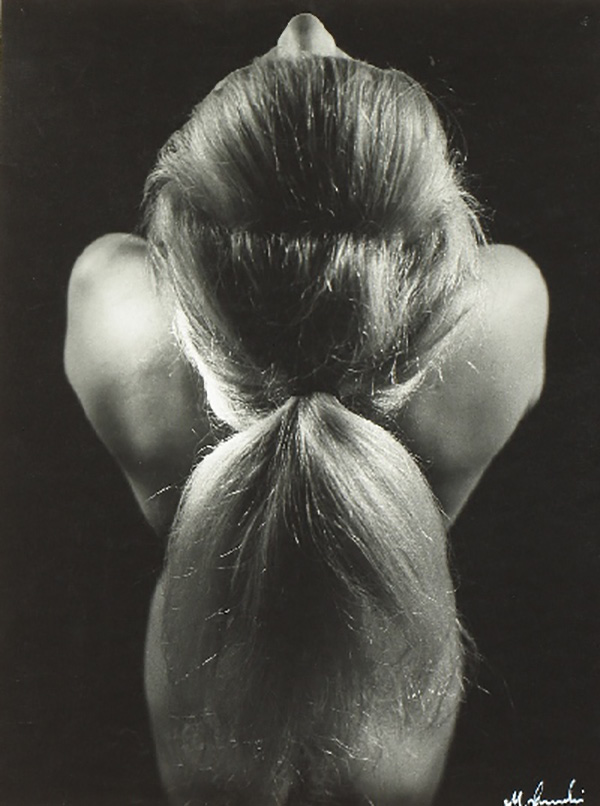
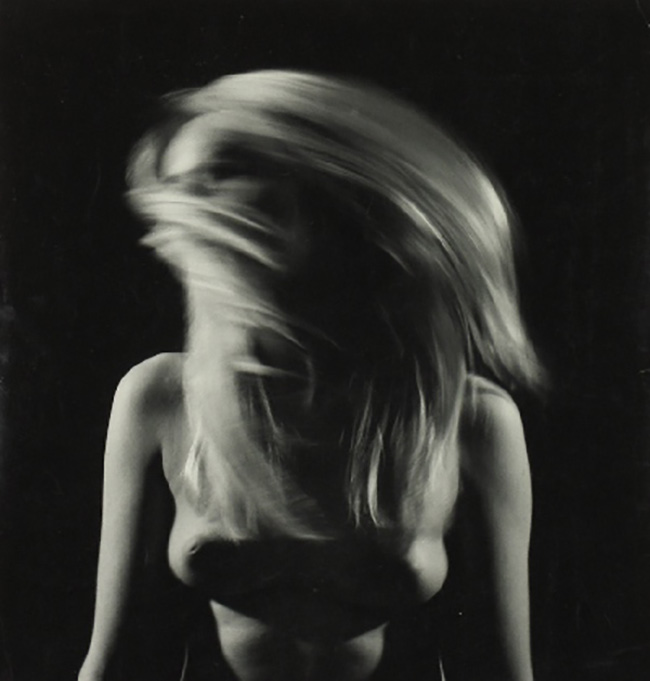
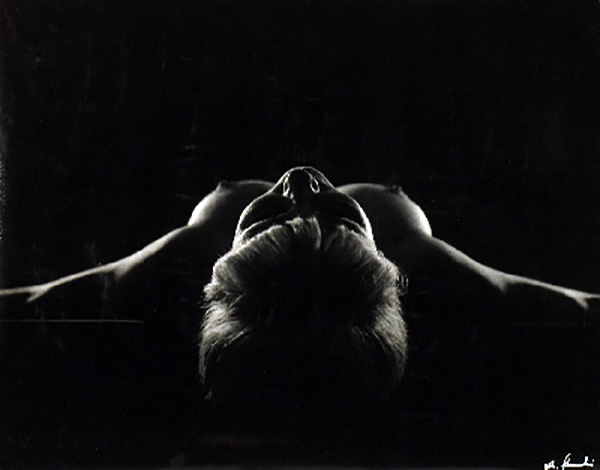
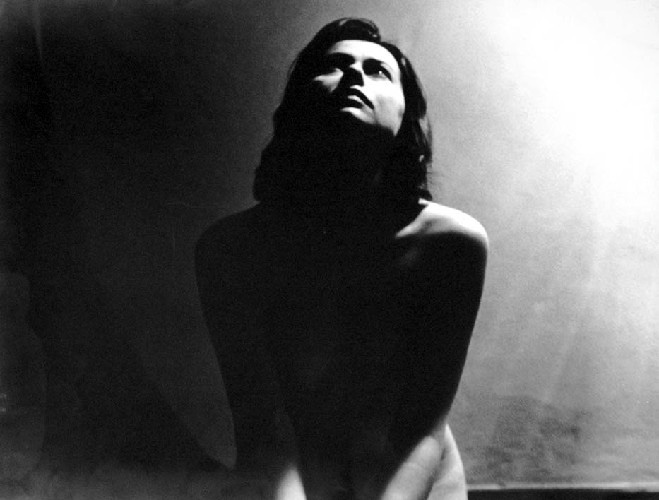
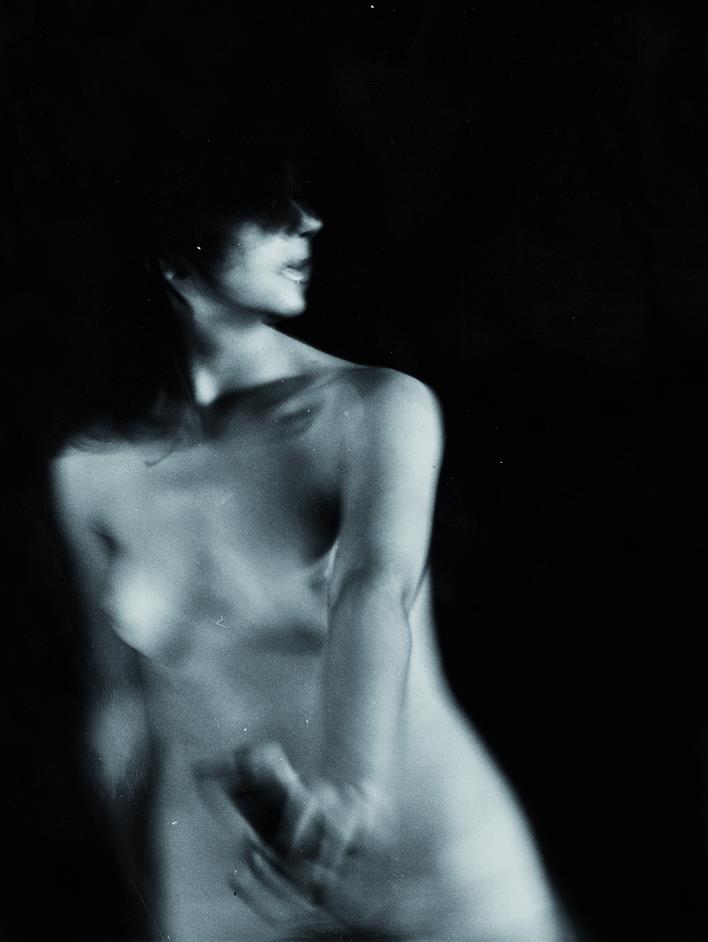
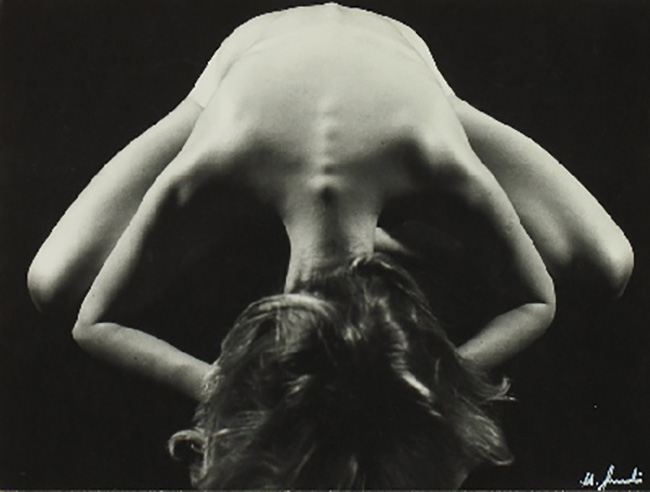
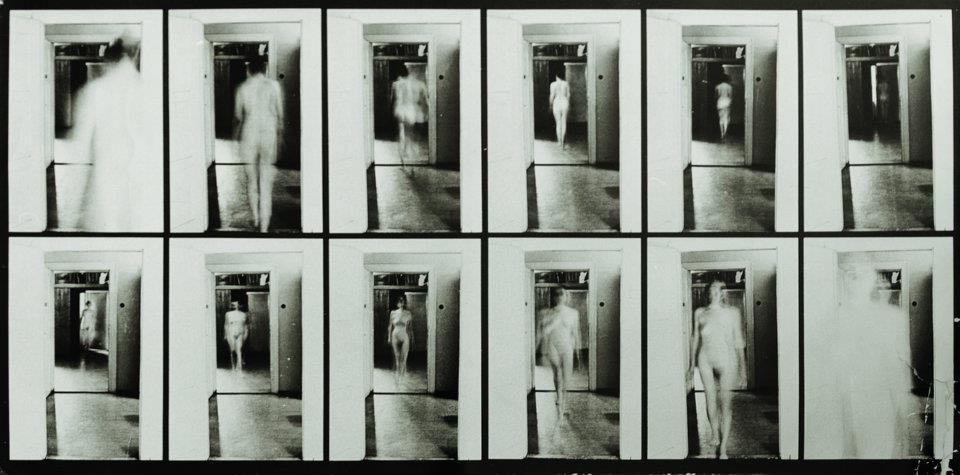
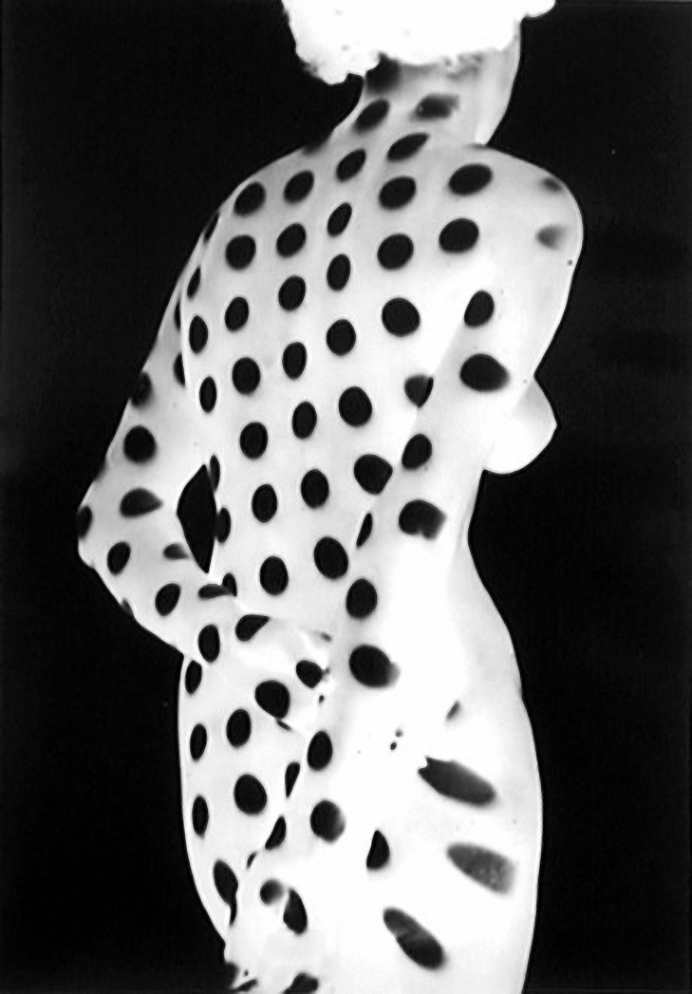
Tom Millea

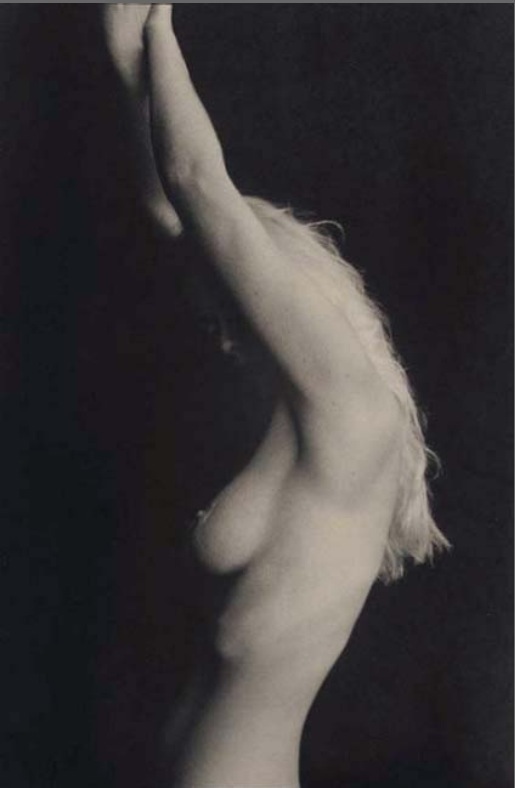
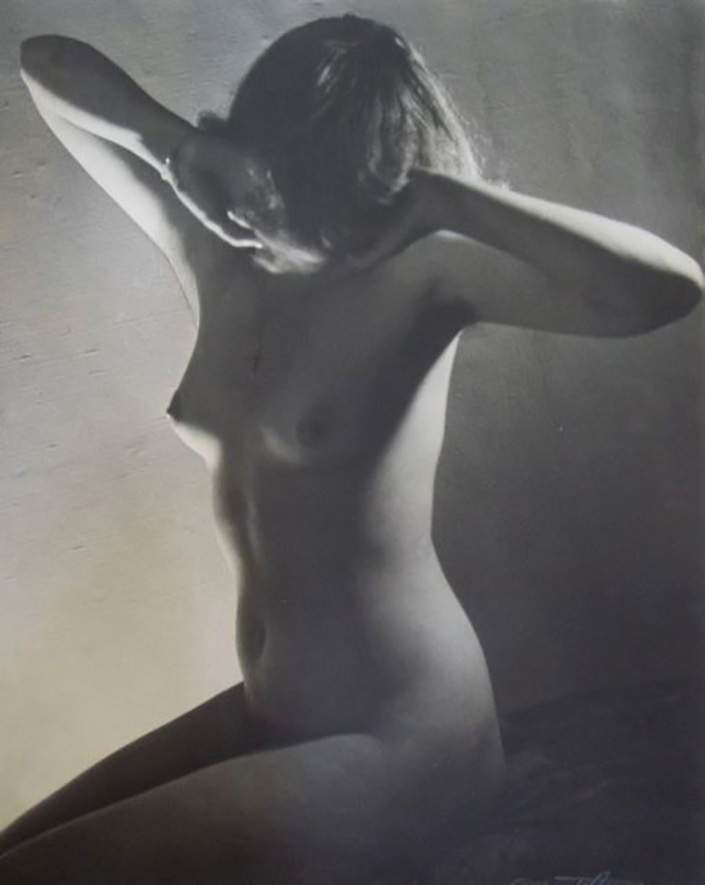
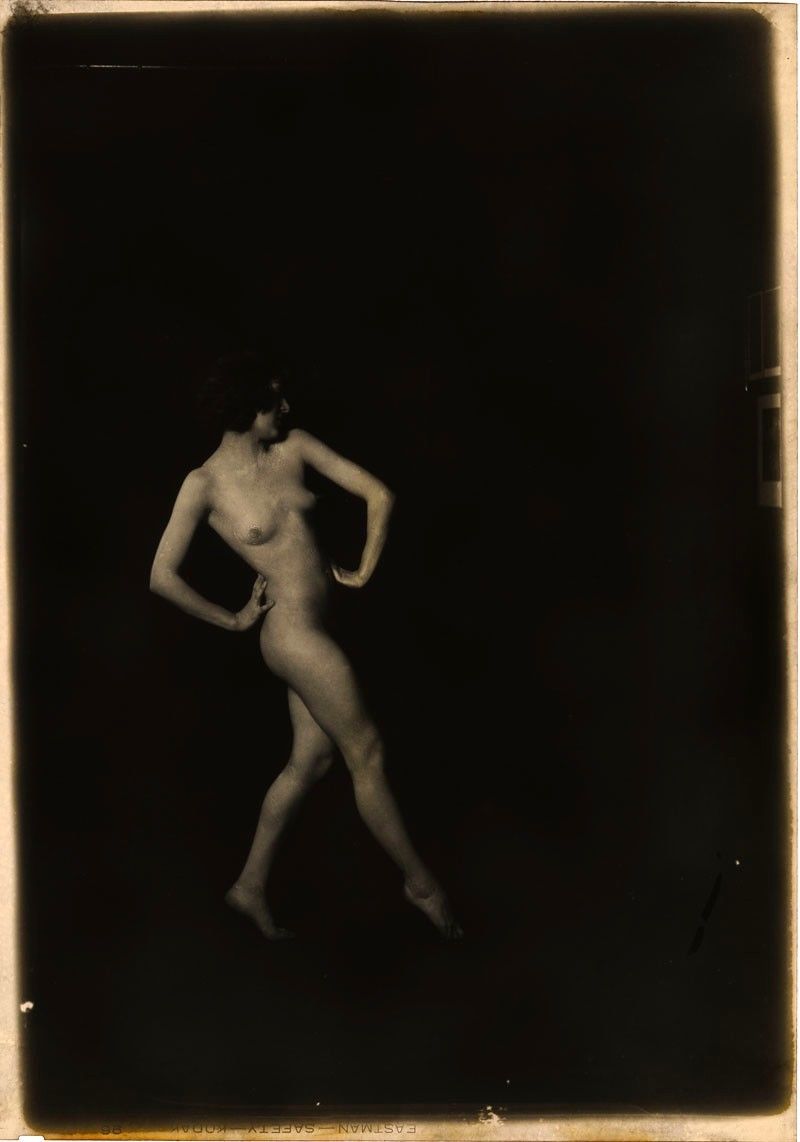
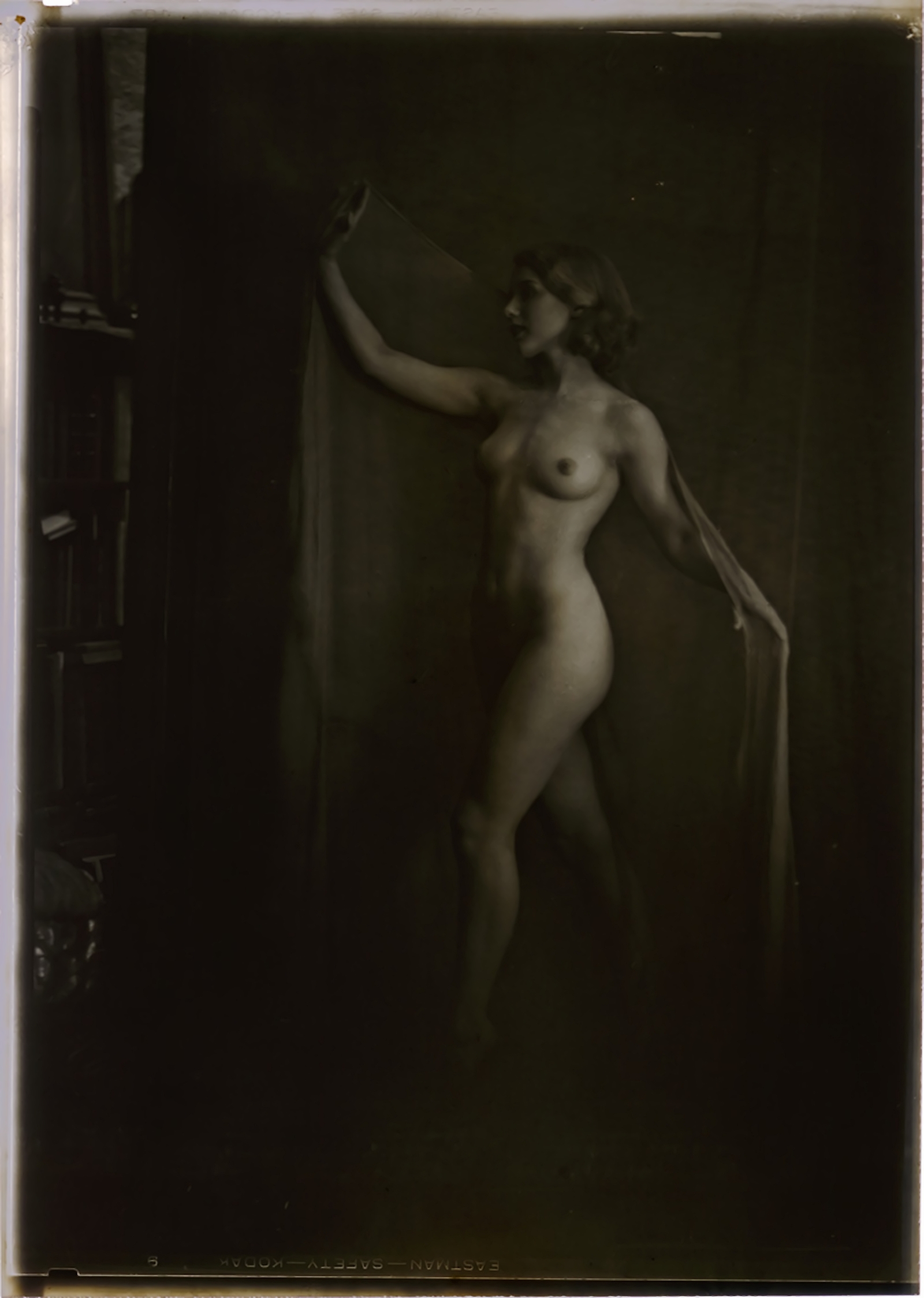
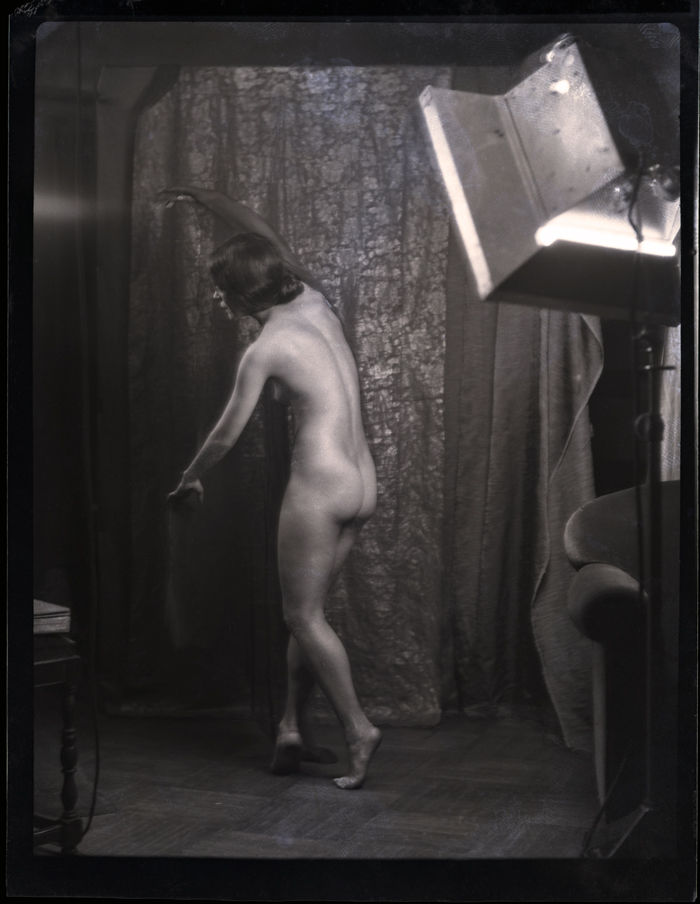
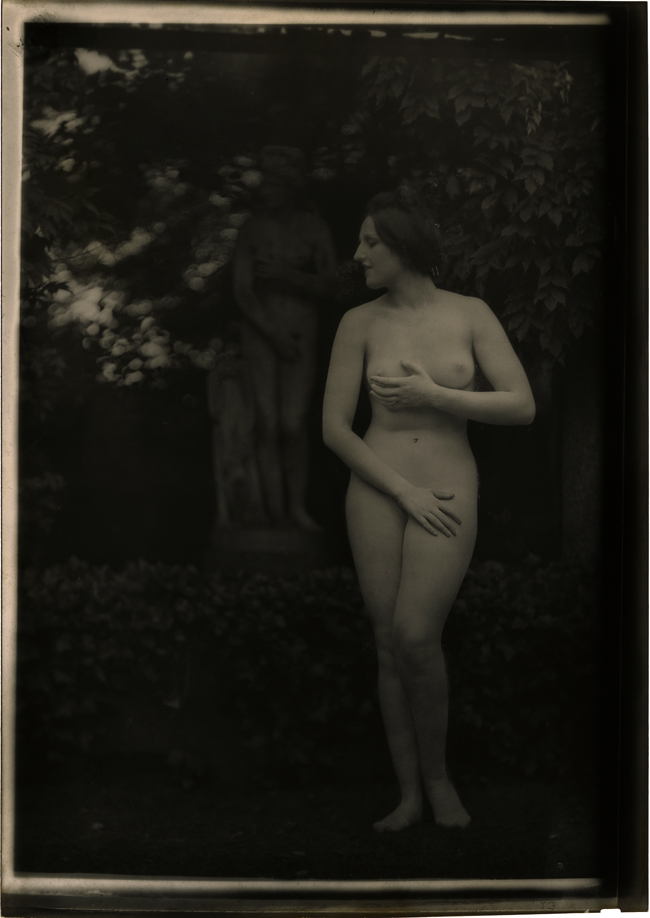
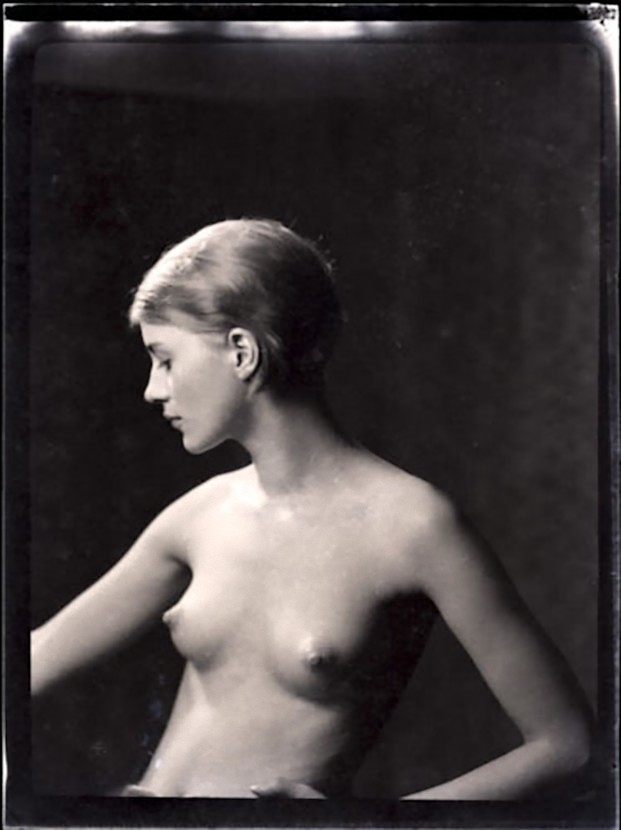
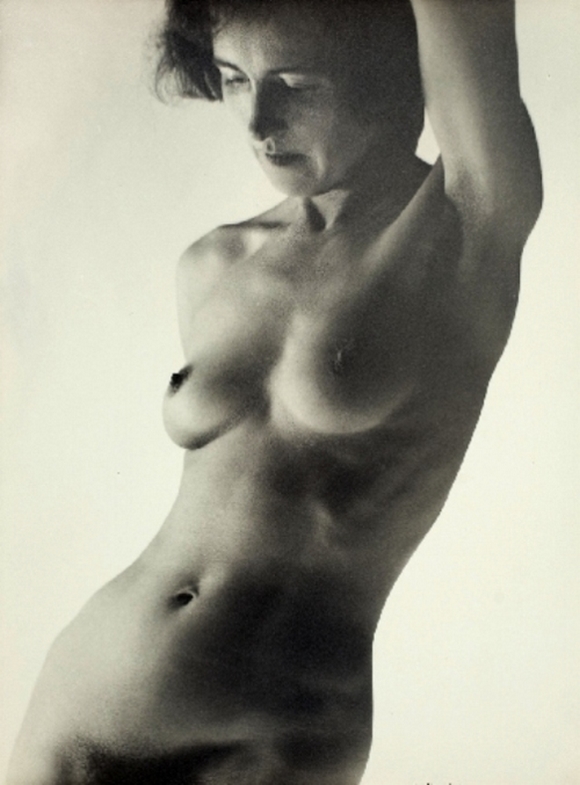
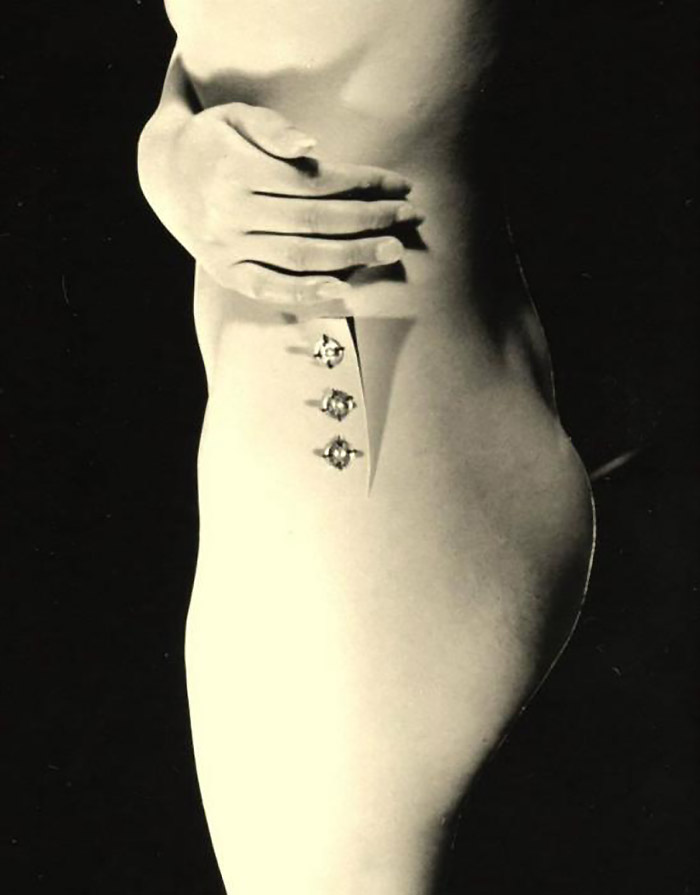
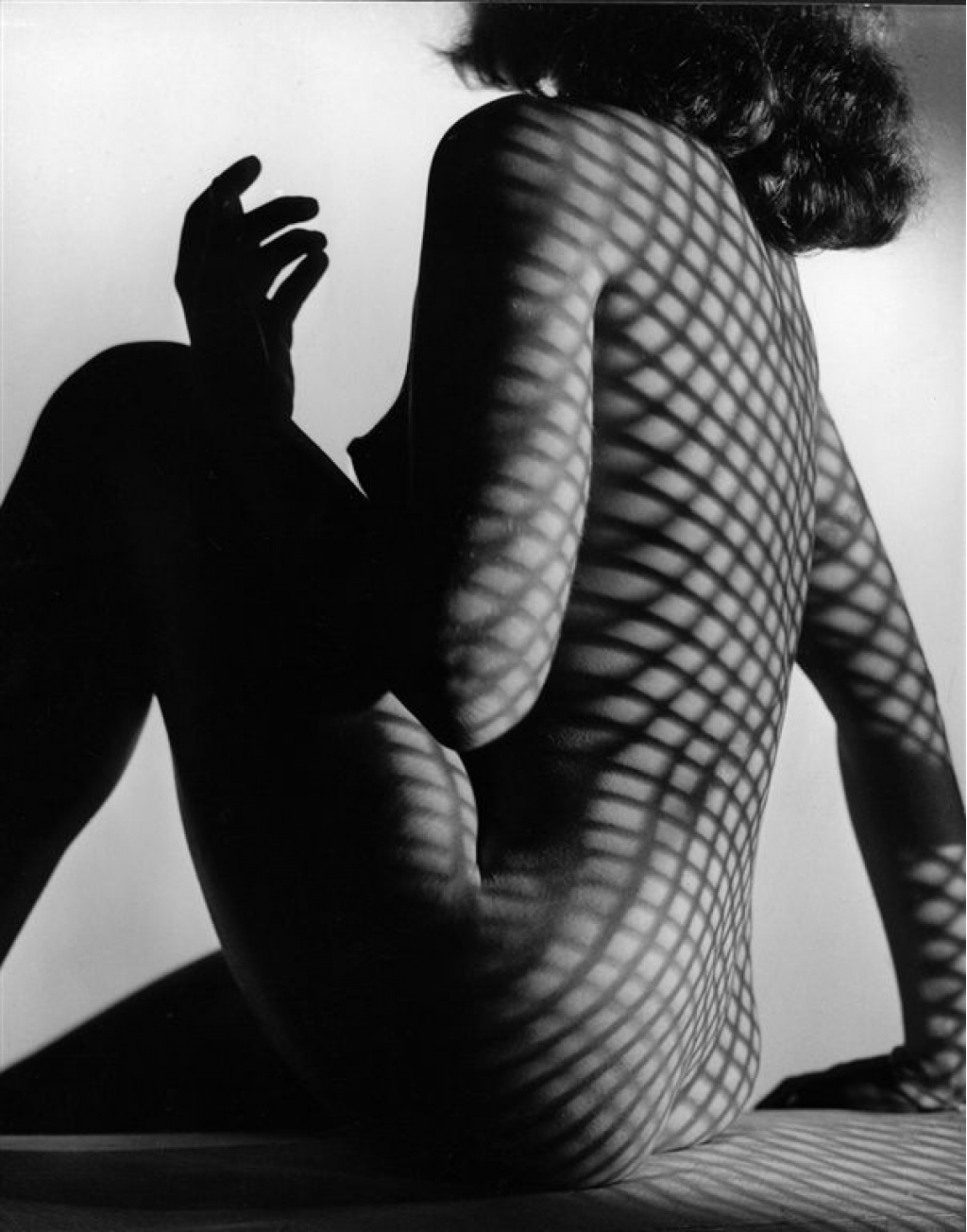
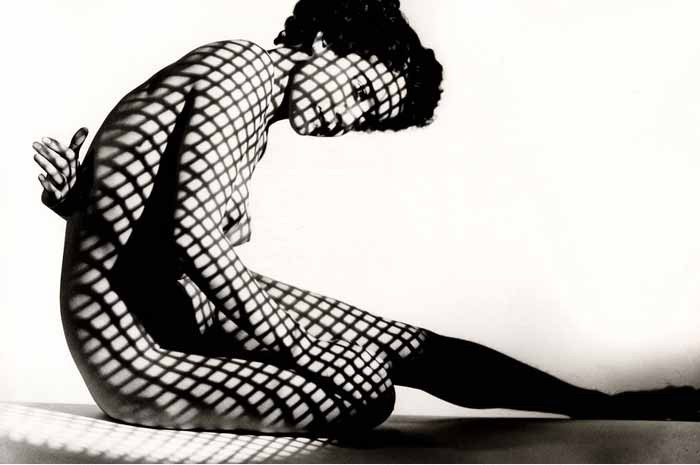
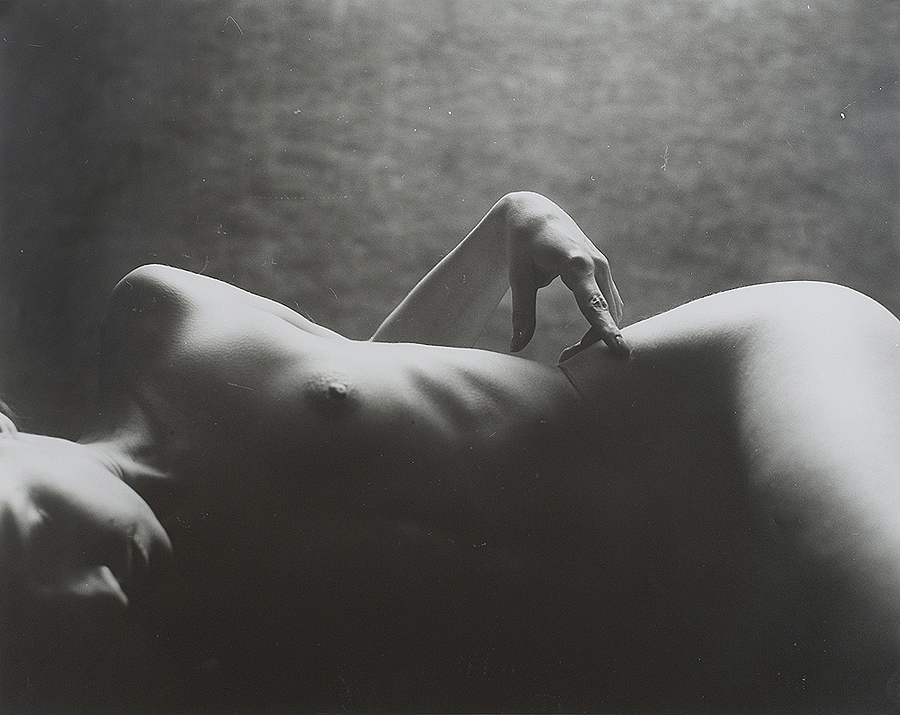
Tom Millea- Reclining Nude, nd

Tom Millea- Reclining Nude, nd

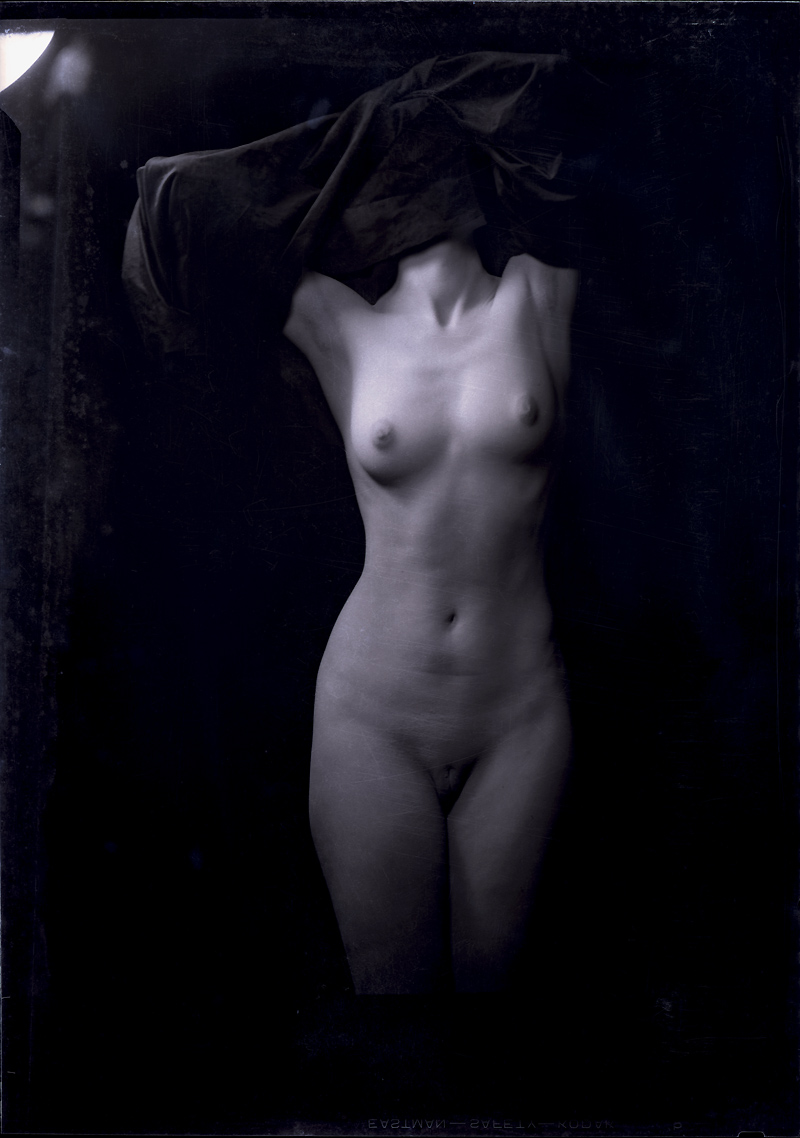
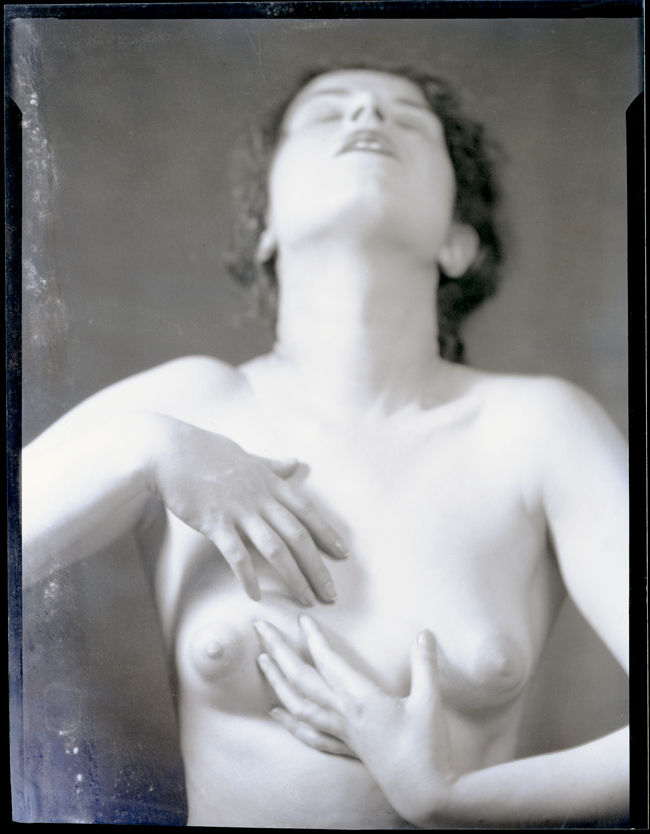
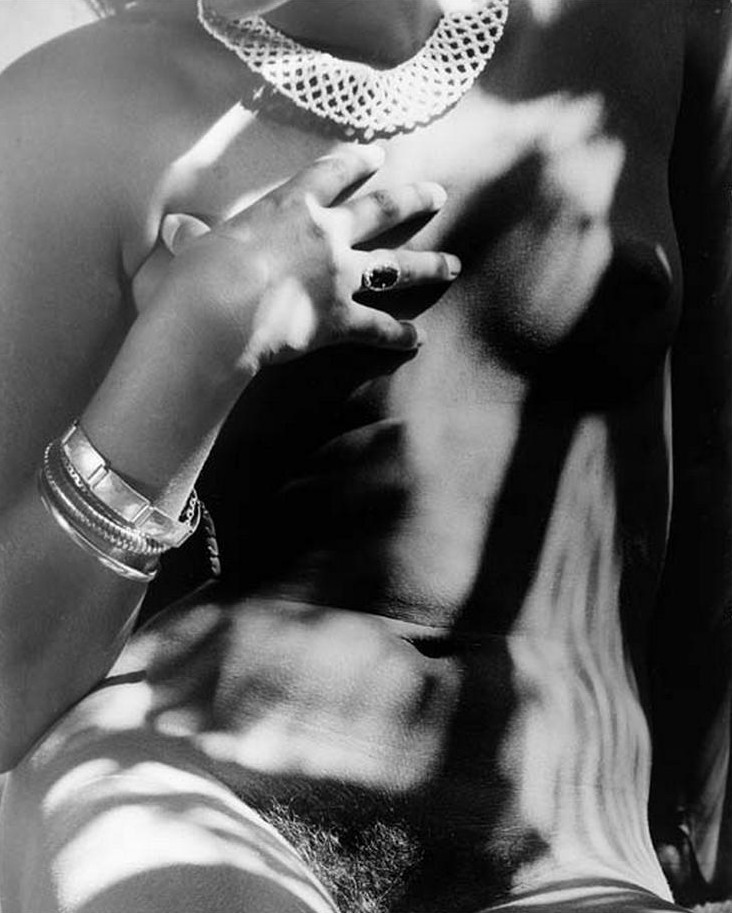
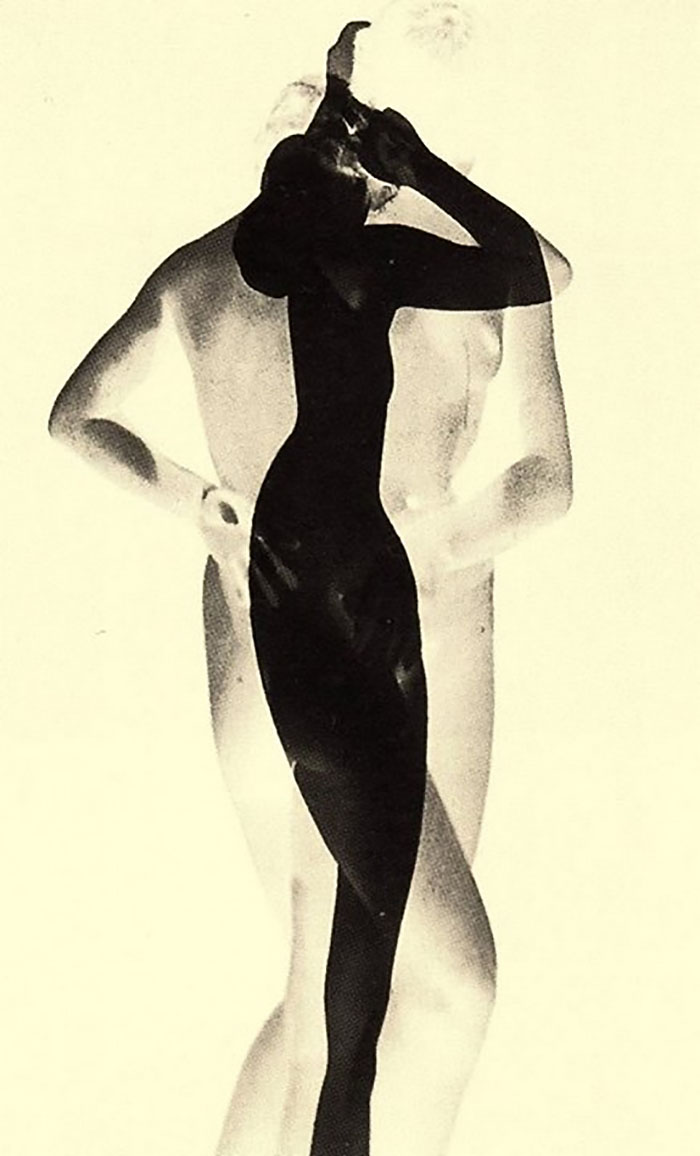
Tom Millea -Nude of Two Women's Torsos, Nd

Tom Millea -Nude of Two Women’s Torsos, Nd

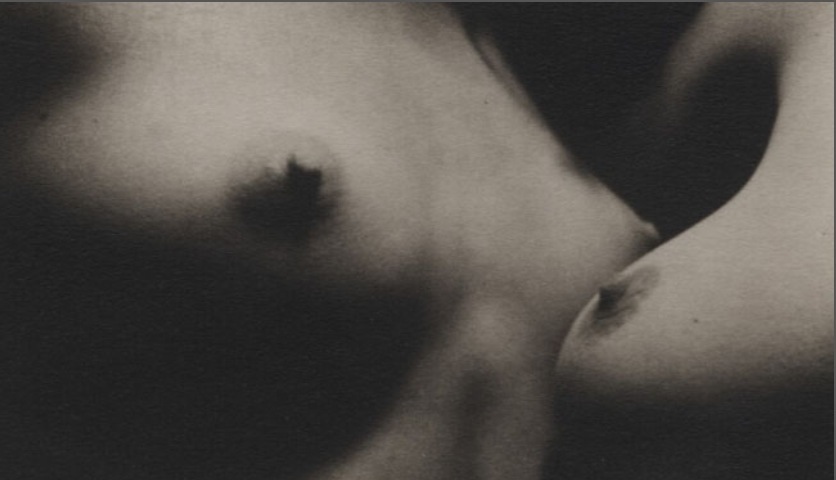
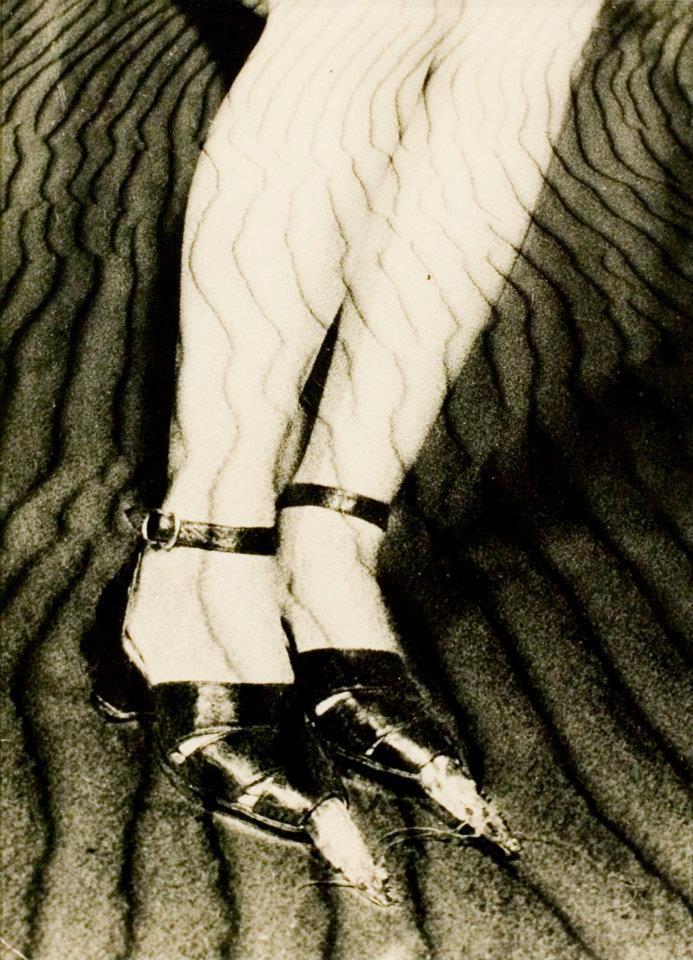
Tom Millea Nude of Women Licking Her Breast, nd

Tom Millea Nude of Women Licking Her Breast, nd

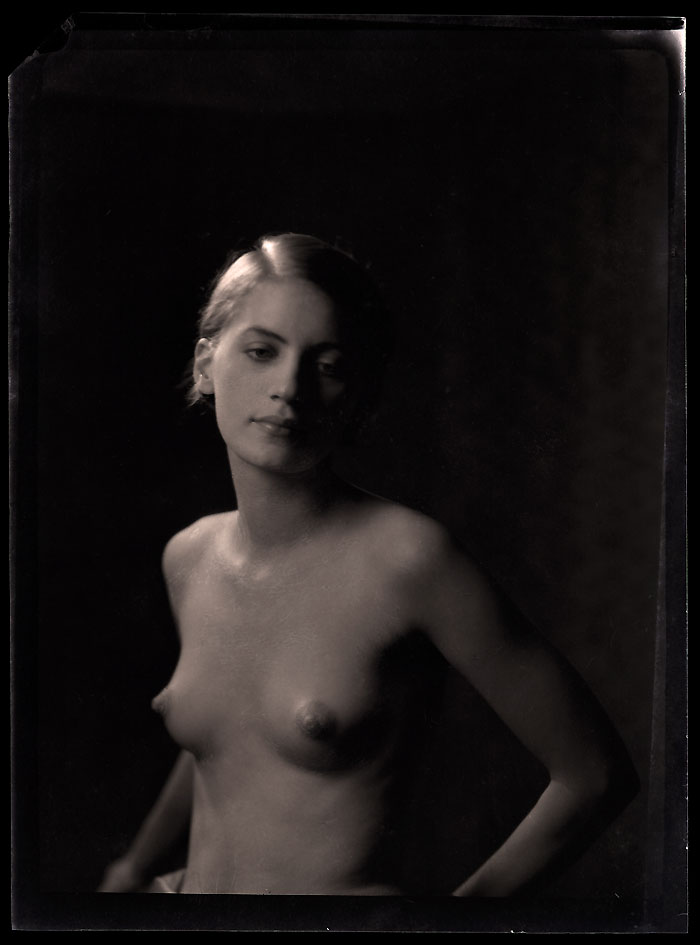
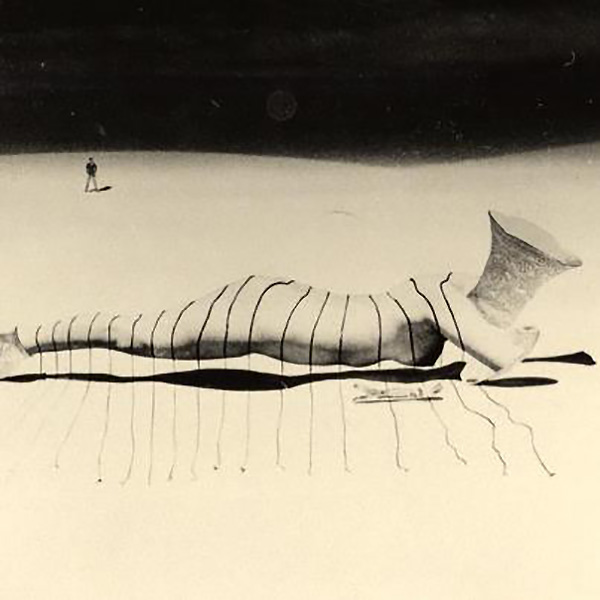
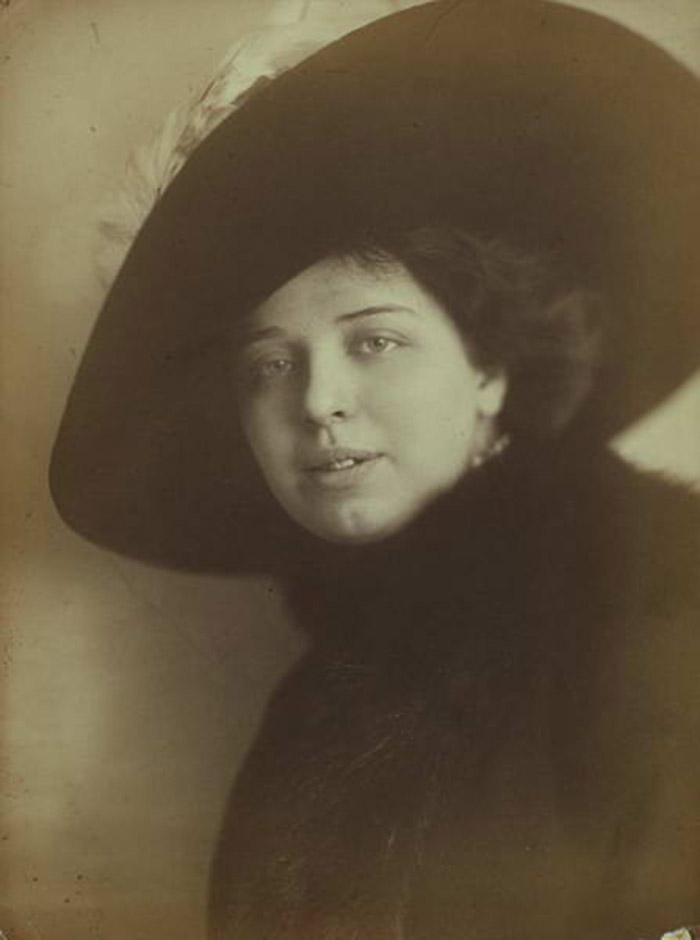
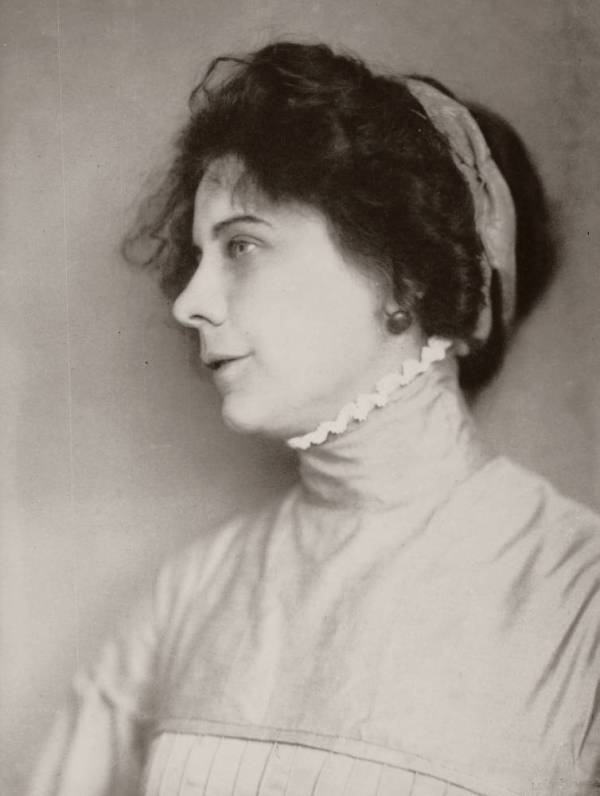
Tom Millea- Portrait, nd

Tom Millea- Portrait, nd

Tom Millea- Carrie, Nd

Tom Millea- Carrie, Nd

Tom Millea- Reclining Nude, Yasmine, nd

Tom Millea- Reclining Nude, Yasmine,nd

Tom Millea-Tom Millea -Nude of Larmie, 2003

Tom Millea -Nude of Larmie, 2003

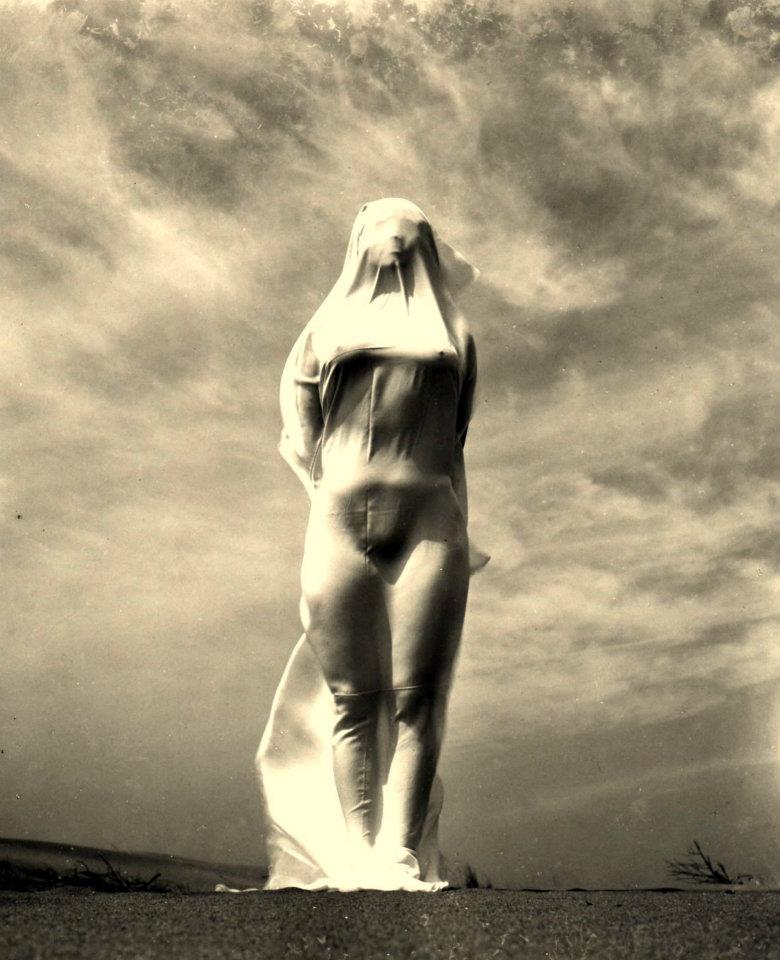
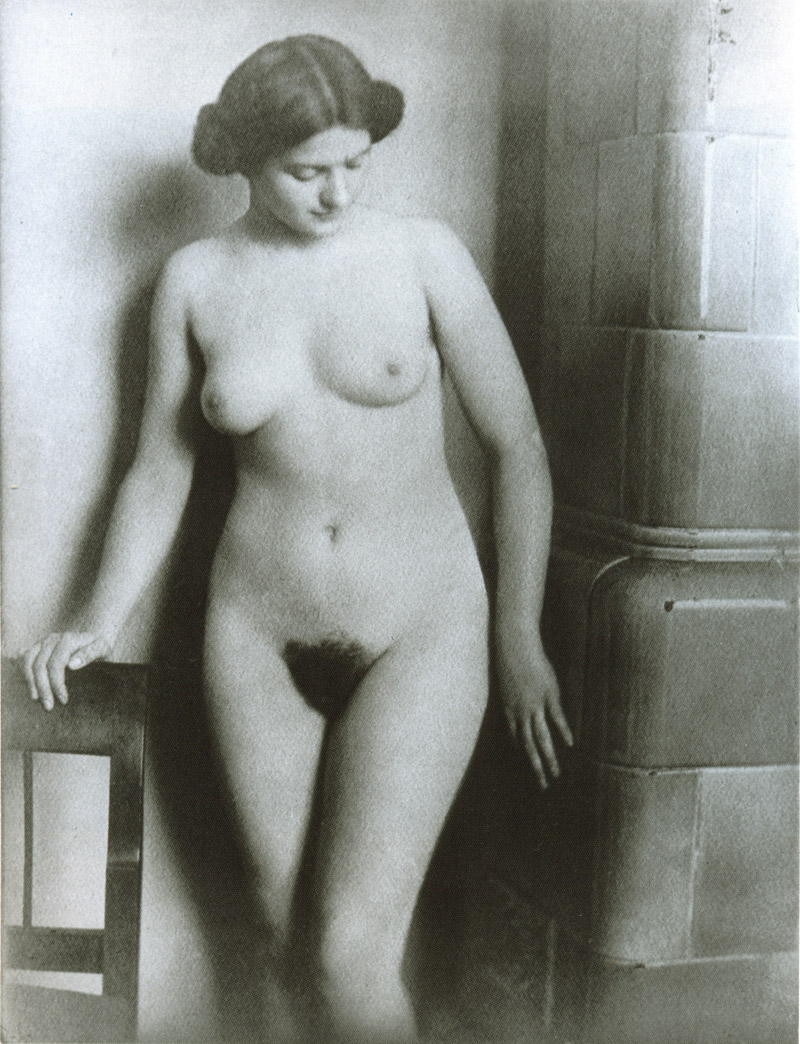
Tom Millea - Nude, 1976

Tom Millea – Nude, 1976

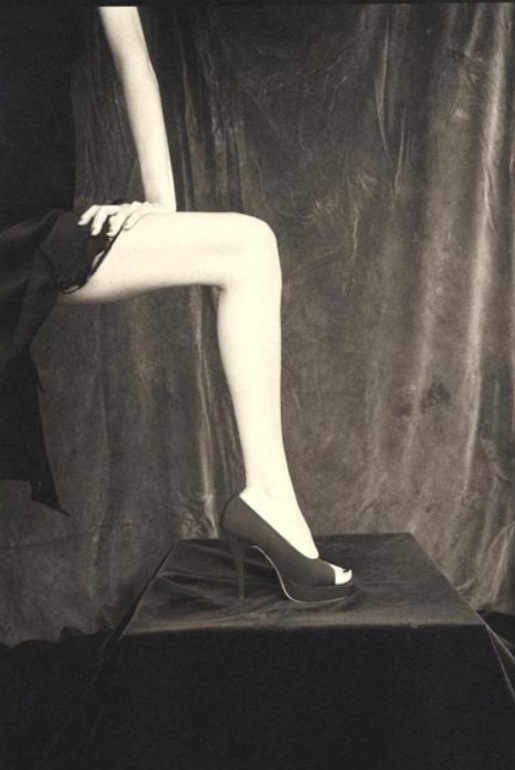
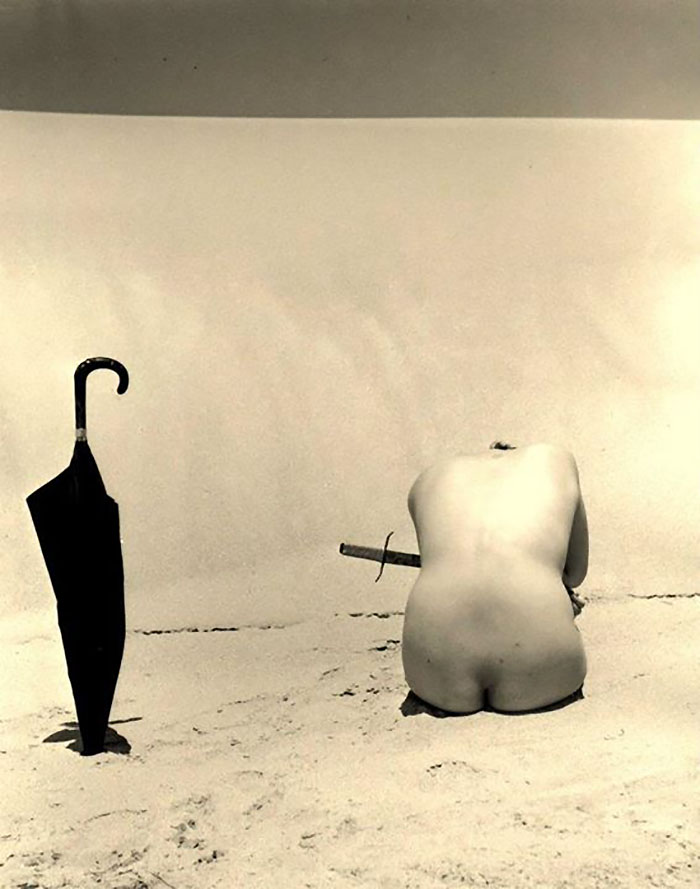
Tom Millea- Nude With Garter, 1995

Tom Millea- Nude With Garter, 1995

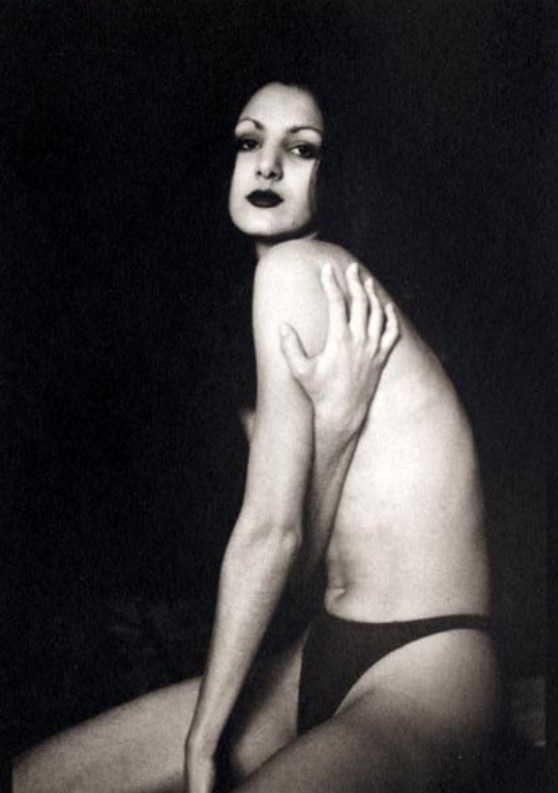
Tom Millea - Malika, 2000

Tom Millea – Malika, 2000

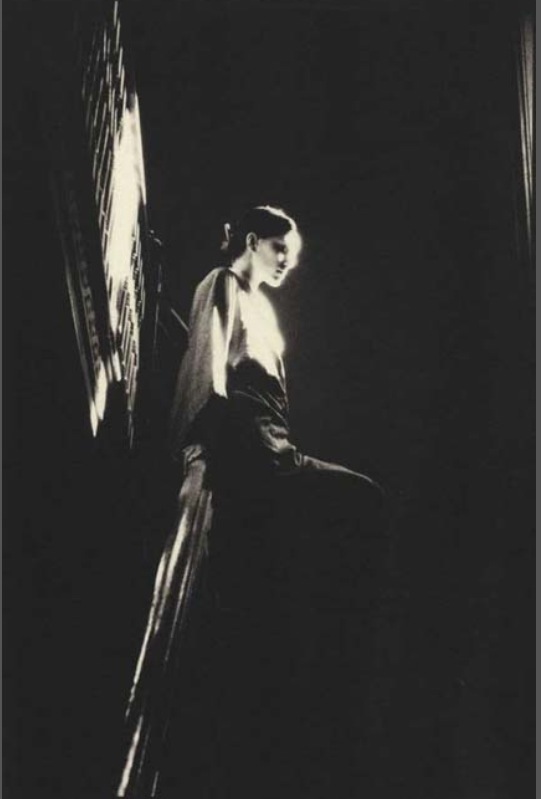
Tom Millea- Milika in Stairway,1996

Tom Millea- Milika in Stairway,1996

Tom Millea -Nude of Malika, 1999

Tom Millea -Nude of Malika, 1999

Quinto Albicocco (1913-1995)

 D’origine italienne, Quinto Albicocco s’installera assez jeune à Cannes où il commencera sa carrière comme photographe . De 1934 à 1945 il y aura un atelier de photographie  et y  créera le Ciné Club de Cannes en 1946.  Son succés  s’intensifiera à cette époque, et des premières récompenses viennent couronner ses œuvres. Il travaille sur la technique et procédés à effets spéciaux, (trucage sur négatifpar exemple). Il est à cette époque comme Thorek un grand nom de la photographie. C’est d’ailleurs ainsi qu’il viendra au cinéma ( ou que le cinéma viendra à lui pkus exactement). En effet na notoriété de photographe lui permet d’être engagé comme assistant caméraman auprès de Sica et ensuite Rosselini. A partir de ce moment là, il occupera le poste de directeur de la photographie et collaborera à de nombreux tournages. inévitablement, si l’on puis dire, il se tourne vers la mise en scène ( ainsi que producteur) . retrouver sa filmographie Ici et sur IMB

bien sur c’est le photographe que je vous propose de découvrir aujourd’hui et toujours les nus…

Quinto Albicocco - study of nude, 1935-40

Quinto Albicocco – study of nude, 1935-40

Quinto Albicocco - nude in the river 1935-40

Quinto Albicocco – nude in the river 1935-40

Quinto Albicocco - nude in the river , 1935-40 - Copie

Quinto Albicocco – nude in the river , 1935-40 – Copie

Quinto Albicocco - study of nude, 1935-40

Quinto Albicocco – study of nude, 1935-40

Quinto Albicocco - nude study, double exposure, 1930s

Quinto Albicocco – nude study, double exposure, 1930s

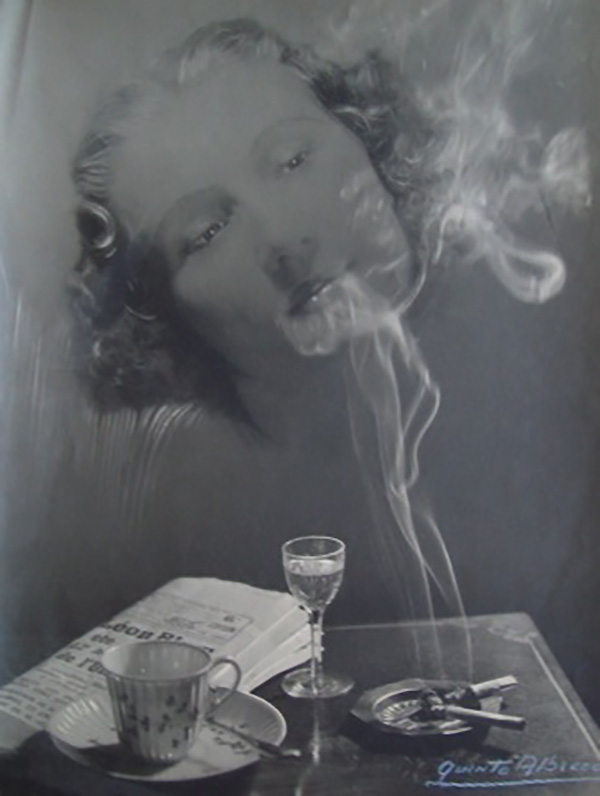
Quinto Albicocco - portrait aux cigarettes double exposure,1930s

Quinto Albicocco – portrait aux cigarettes double exposure,1930s


 Association Quinto A


Nelly’s – Nelly Sougioultzoglou, Mona Paeva, 1927

Nelly Sougioultzoglou is born in Aidini of Asia Minor, in 1899. In 1912 she finds herself a pupil at the Omirio Girl’s School of Smyrni and in 1919 she lives through the destruction of her homeland by the Turks. The daughter of the wealthy merchant Christos Sougioultzoglou then leaves for Dresden to study music and painting. In 1922 her family settles in Athens and Nelly decides to study photography, hoping to make a living out of it. Her teacher is initially the well-known Hugo Erfurt. Later she is tutored by the modernist Franz Fiedler.

Miss Sougioultzoglou returns to Greece in 1924 and opens her first photo studio in Ermou St. The city’s bourgeoisie considers it a sign of fine taste to have their portraits done by the young artist who at the same time practices her art by taking pictures of ancient monuments and small yards of Athenian houses. It is thus that Nelly’s era begins.

Nelly’s focuses on the pure orders of the Acropolis monuments that fascinate her. She soon decides to give them a face and set them in motion. She meets Mona Paiva, the Comedie Francaise dancer, and suggests to her that it would be a good idea if she could pose for her in the nude on the holy rock. Permission is granted by the authorities as she is by then well known and accepted by the Athens high society. Paiva obliges, and starts to dance inside the Parthenon holding an olive branch. The Leica of Nelly’s captures her smooth motion, creating a series of unique shots. The dancer takes with her this exceptional piece of work, which will be published a little later in a French illustrated magazine. The scandal breaks out immediately in prudish Athenian society.

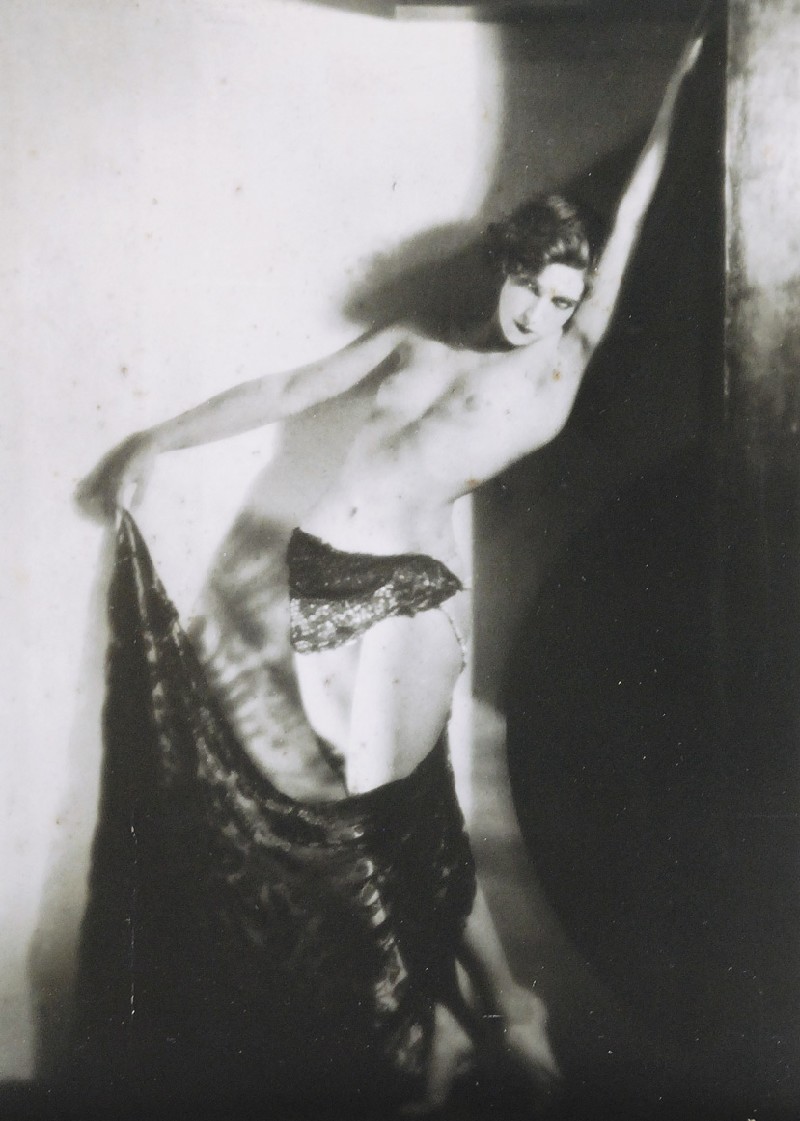
Nelly’s [Elli Souyioultzoglou-Seraidari] -Nikolska, a hungarian dancer at the Parthenon, Acropolis-Athens, Greece -1929

Nelly’s [Elli Souyioultzoglou-Seraidari] -Nikolska, a hungarian dancer at the Parthenon, Acropolis-Athens, Greece -1929

Her avant-garde pictures of nude Mona Paeva on the Parthenon were published at the French magazine Illustration de Paris and caused a scandal in the small city of Athens of that time. She was defended by Pavlos Nirvanas in his column in Elefthero Vima newspaper (May 1929). he wrote,  »the beautiful priestess, unfastening her girdle in front of Apollo, throwing all the robes covering her divine nudity and bathing in the light, a body like a statue and a rosy complexion like the smile of dawn. And on the other hand I see respectable gentlemen sitting around a table, scratching their heads and writing about desecration. Desecration would occur if, in the throes of archaeological enthusiasm, they happened to throw off their clothes on the Parthenon marbles and pretended to be Hermes of Praxiteles… »
Since her studies and her nudes at Fiedler’s studio in Germany, Nelly removed the background’s elements by focusing her attention on the theme, resulting in reversing voluntarily the references of orientation and the final image to be formed as a mix of realistic and abstract types.
In that way, she managed to incorporate the spectator’s wonder as an element of the image. Knowing that she is the one directing the spectator’s gaze through the lens of the camera and that he will identify with her position, she accentuated the wonder by giving viewers the chance to read the image in a double way in relation to the earth’s horizon.
Her classical education and admiration of Ancient Greek civilization contributed to her photographic work in Acropolis in a way that the latter has become decisive for the artist and also for the history of photography and architecturel.
In her portraits Nelly’s uses artificial light, leaving one part of the form in the dark, while the background remains empty, as a reference to the Great Masters of the Renaissance. The aim of this work was the search for the spiritual element, the poetic atmosphere and the demonstration of the form’s most profound essence.
During World War II, she went to the United States, where she stayed for 27 years and The Metropolitan Museum of New York bought a large series of her Acropolis photographs.
In 1966 she returned to Greece and presented her work in numerous exhibitions, with the last being Nelly’s: The Body, the Light and Ancient Greece, the official Greek participation in the Cultural Olympiad of Barcelona in 1992.

Nelly’s [Elli Souyioultzoglou-Seraidari] - Mona Paeva, 1927

Nelly’s [Elli Souyioultzoglou-Seraidari] – Mona Paeva, 1927

Nelly’s [Elli Souyioultzoglou-Seraidari] - Mona Paeva, 1927

Nelly’s [Elli Souyioultzoglou-Seraidari] – Mona Paeva, 1927

Nelly’s [Elli Souyioultzoglou-Seraidari] -Nikolska, a hungarian dancer at the Parthenon, Acropolis-Athens, Greece -1929

Nelly’s [Elli Souyioultzoglou-Seraidari] -Nikolska, a hungarian dancer at the Parthenon, Acropolis-Athens, Greece -1929

Nelly’s [Elli Souyioultzoglou-Seraidari] -Nikolska, a hungarian dancer at the Parthenon, Acropolis-Athens, Greece -1929

Nelly’s [Elli Souyioultzoglou-Seraidari] -Nikolska, a hungarian dancer at the Parthenon, Acropolis-Athens, Greece -1929

Nelly’s [Elli Souyioultzoglou-Seraidari] -Nikolska, a hungarian dancer at the Parthenon, Acropolis-Athens, Greece -1929

Nelly’s [Elli Souyioultzoglou-Seraidari] -Nikolska, a hungarian dancer at the Parthenon, Acropolis-Athens, Greece -1929


Nelly’s [Elli Souyioultzoglou-Seraidari] -Nikolska, a hungarian dancer at the Parthenon, Acropolis-Athens, Greece -1929

Nelly’s [Elli Souyioultzoglou-Seraidari] -Nikolska, a hungarian dancer at the Parthenon, Acropolis-Athens, Greece -1929

Nelly’s [Elli Souyioultzoglou-Seraidari] -Nikolska, a hungarian dancer at the Parthenon, Acropolis-Athens, Greece -1929

Nelly’s [Elli Souyioultzoglou-Seraidari] -Nikolska, a hungarian dancer at the Parthenon, Acropolis-Athens, Greece -1929

Nelly’s [Elli Souyioultzoglou-Seraidari] -Nikolska, a hungarian dancer at the Parthenon, Acropolis-Athens, Greece -1929

Nelly’s [Elli Souyioultzoglou-Seraidari] -Nikolska, a hungarian dancer at the Parthenon, Acropolis-Athens, Greece -1929

Nelly’s [Elli Souyioultzoglou-Seraidari] -Nikolska, a hungarian dancer at the Parthenon, Acropolis-Athens, Greece -1929

Nelly’s [Elli Souyioultzoglou-Seraidari] -Nikolska, a hungarian dancer at the Parthenon, Acropolis-Athens, Greece -1929


gellypapalouca

 benaki

 ethniko.net

 academia.edu


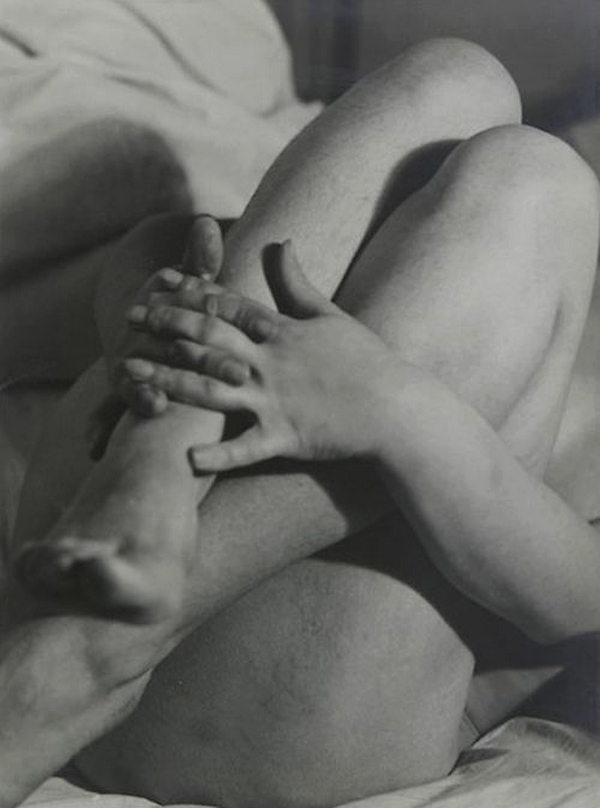
Braig- Nu, for Paris Magazine , May 1935

Braig - Etude de nu, Paris Magazine, May 1935

Braig – Etude de nu, Paris Magazine, May 1935

Braig - Etude de nu, Paris Magazine, May 1935

Braig – Etude de nu, Paris Magazine, May 1935

Braig- Nu, for Paris Magazine , May 1935

Braig - Etude de nu, Paris Magazine, May 1935

Braig – Etude de nu, Paris Magazine, May 1935

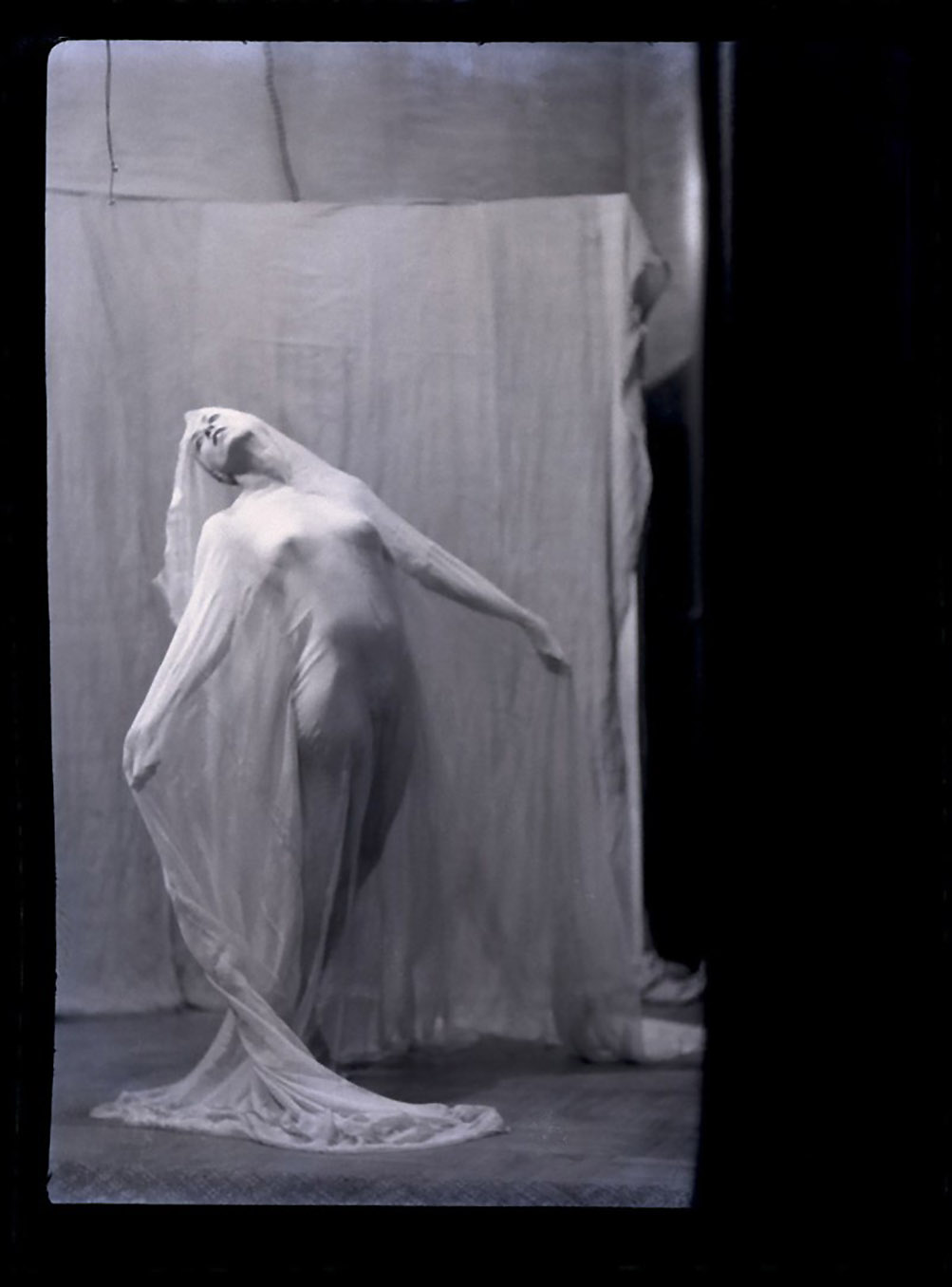
Arnold Genthe Some nudes

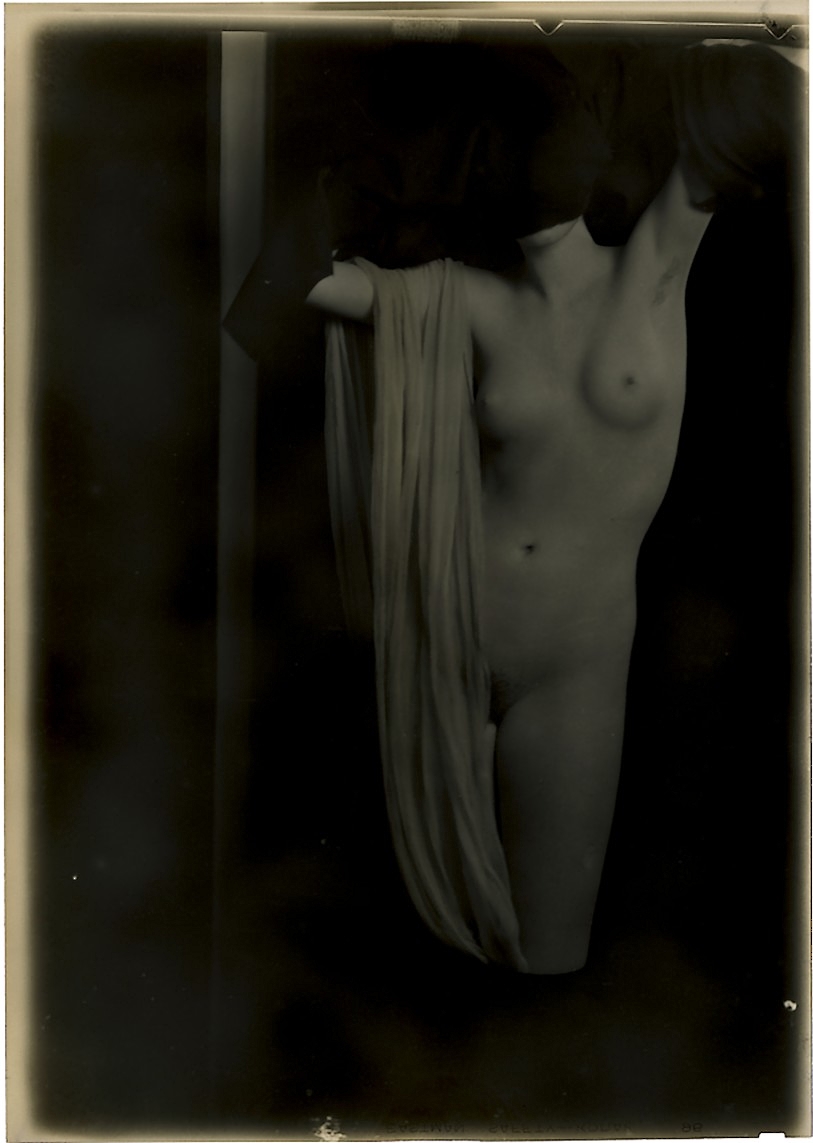
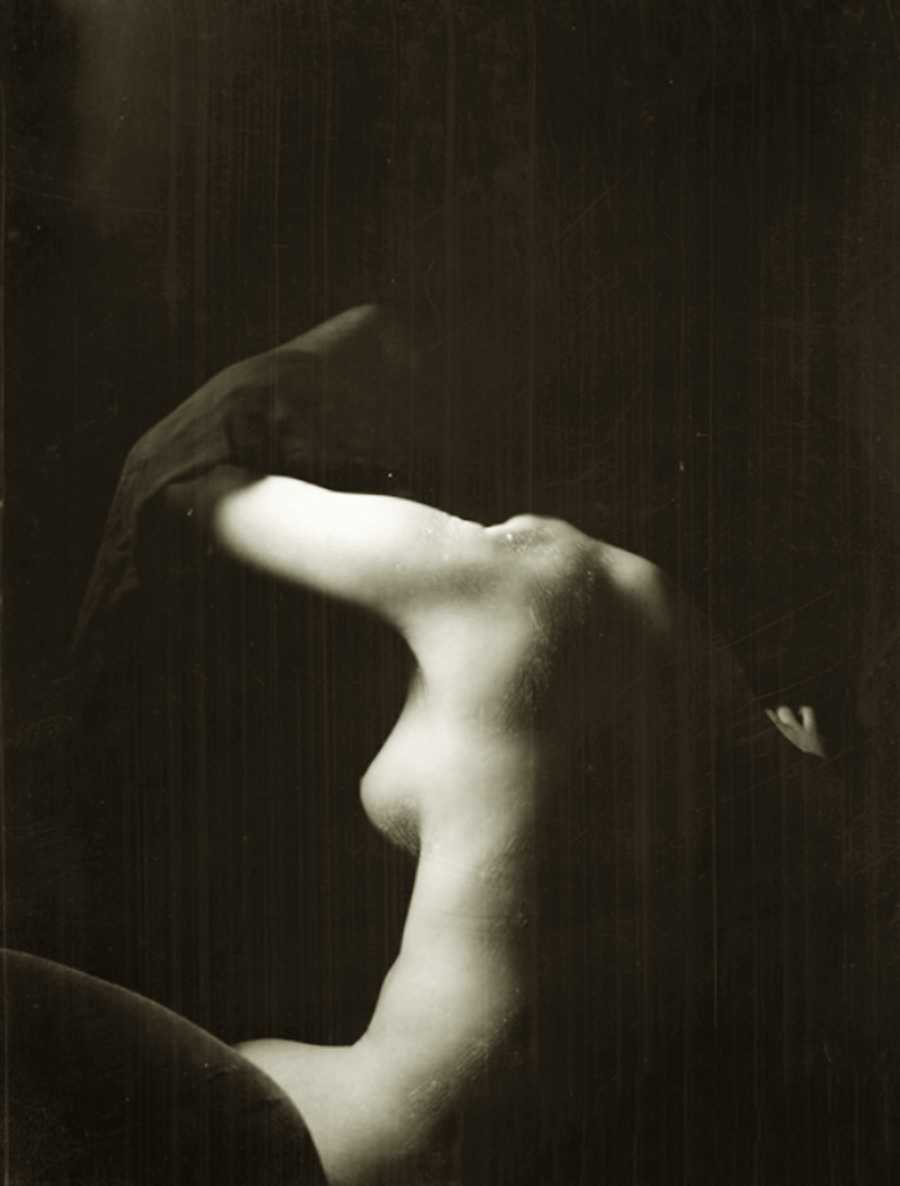
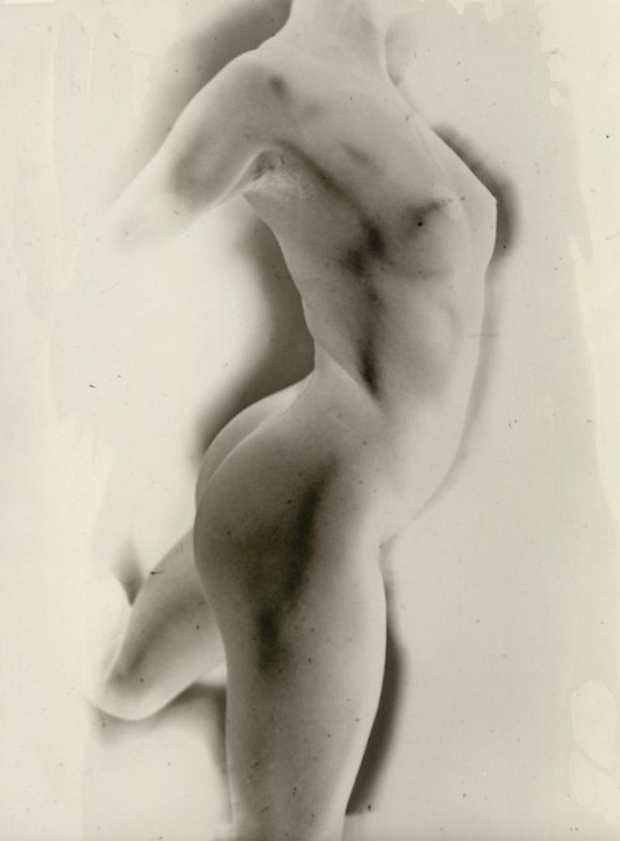
Arnold Genthe - Modern Nude in Transparency, 1920 Silver Nitrate Camera

Arnold Genthe – Modern Nude in Transparency, 1920 Silver Nitrate Camera

Arnold Genthe. Carolyn m Pierson, 1928

Arnold Genthe. Carolyn m Pierson, 1928

Arnold Genthe -  Nude in Transparency, 1920 Silver Nitrate Camera

Arnold Genthe – Nude in Transparency, 1920 Silver Nitrate Camera


Arnold Genthe - Nude 1929 Arnold Genthe - nude 1929 Silver Nitrate Camera

Arnold Genthe – Nude 1929 Arnold Genthe – nude 1929 Silver Nitrate Camera

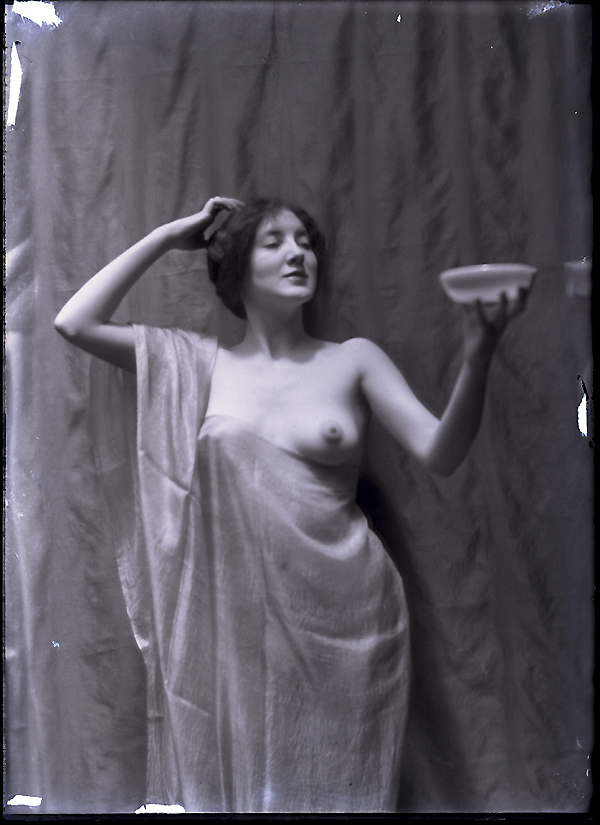
Arnold Genthe-Allegretto, Nude woman in dance pose., 1910

Arnold Genthe-Allegretto, Nude woman in dance pose., 1910


Arnold Genthe -Torso Study, 1920

Arnold Genthe -Torso Study, 1920

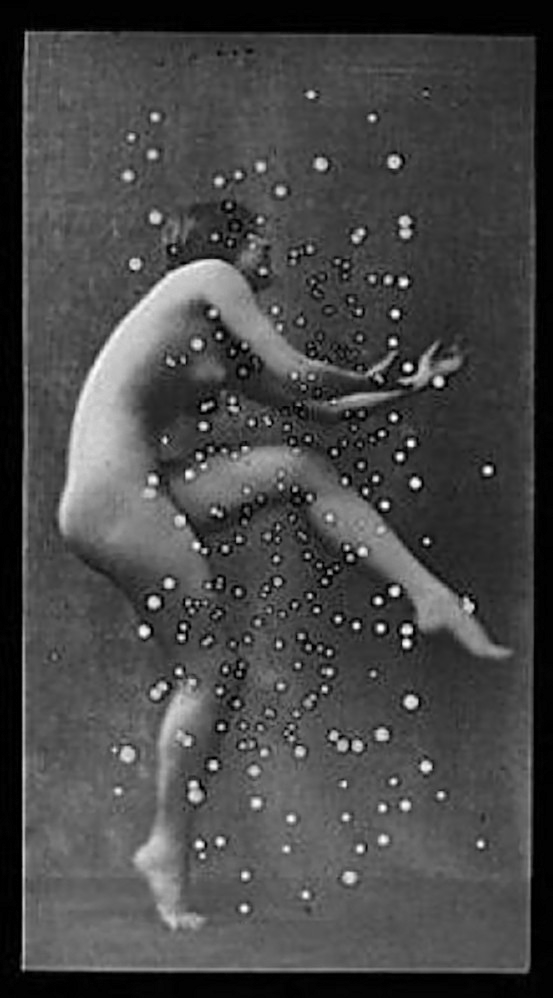
Arnold Genthe - nude Modern ballet  1929.

Arnold Genthe – nude Modern ballet 1929.

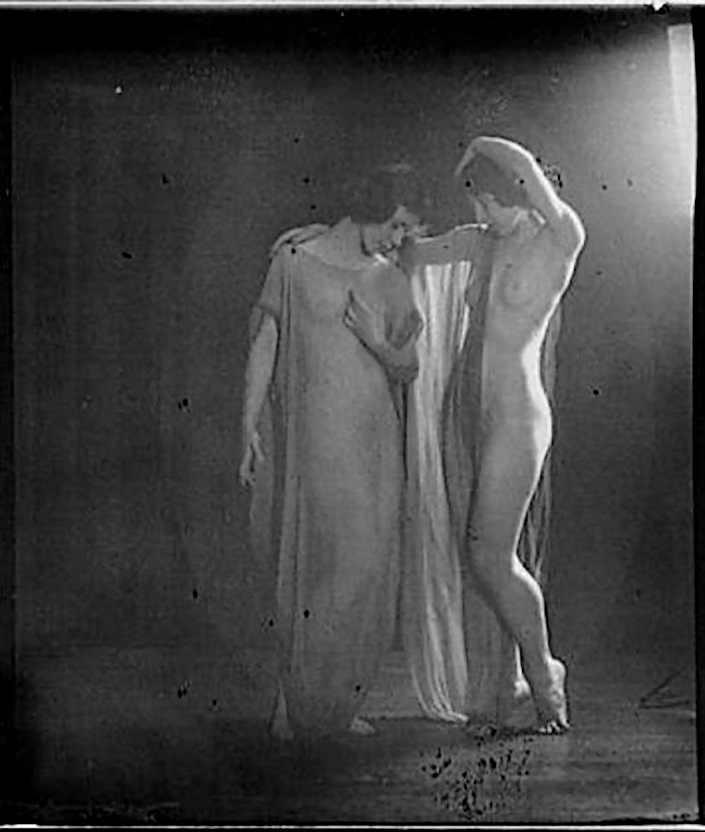
Arnold Genthe -Two nudes ( Irma Duncan dancers) March, 1929

Arnold Genthe -Two nudes ( Irma Duncan dancers) March, 1929

Arnold Genthe -the model as  the statue , late 1920

Arnold Genthe -the model as the statue , late 1920

Arnold Genthe- Lee Miller, 1920s

Arnold Genthe- Lee Miller, 1920s

Arnold Genthe- Lee Miller, 1920s

Arnold Genthe- Lee Miller, 1920s


Arnold Genthe -Mildred Gillars( aka Axis Sally), 1910

Arnold Genthe -Mildred Gillars( aka Axis Sally), 1910

Arnold Genthe -Martha Graham, 1928

Arnold Genthe -Martha Graham, 1928

Arnold Genthe- The dancer Arnold Genthe, 1921

Arnold Genthe- The dancer  Desha Delteil, 1921


Arnold Genthe - Desha and Leah dancing , 1921._e

Arnold Genthe – Desha and Leah dancing , 1921.

Arnold Genthe -Violet Marcellus dancing,1918_e

Arnold Genthe -Violet Marcellus dancing,1918


Arnold Genthe - The dance, allegro [Model, Hilda, 1918-21

Arnold Genthe – The dance, allegro [Model, Hilda], 1918-21

Arnold Genthe -Irene Marcellus,( Ziegfeld Follies girl) 1920s

Arnold Genthe -Irene Marcellus,( Ziegfeld Follies girl) 1920s


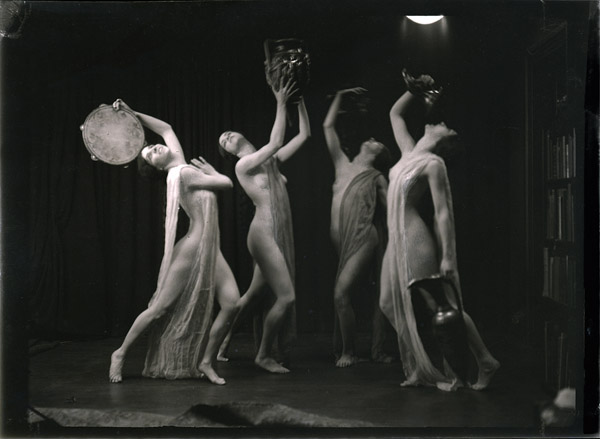
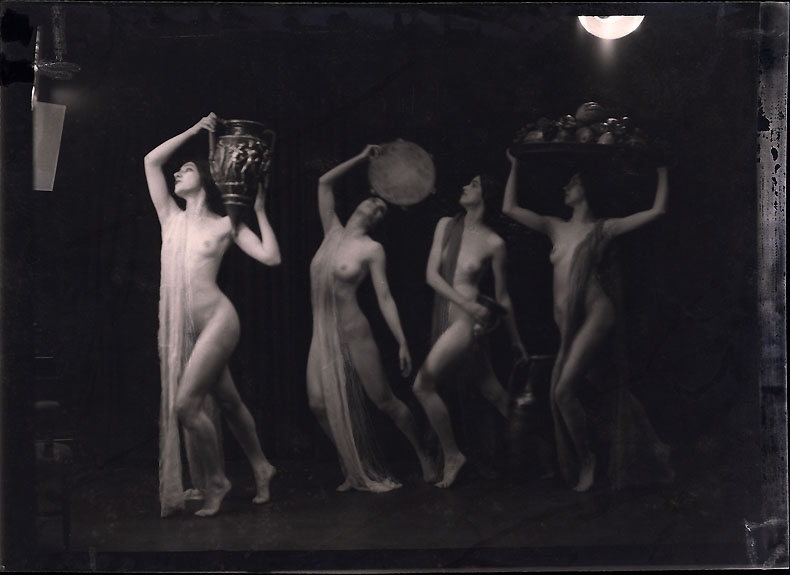
Arnold Genthe -four nude dancers in a Grecian tableau from the troupe of Marion Morgan Dancers, March 1922

Arnold Genthe -four nude dancers in a Grecian tableau from the troupe of Marion Morgan Dancers, March 1922 [The Marion Morgan Dancers was a troupe of predominantly female dancers founded and led by Marion Morgan  who performed interpretative dances based on classical legends and antiquity. they appeared nearly 1916 ]@ New-York Historical Society

Arnold Genthe -four nude dancers in a Grecian tableau from the troupe of Marion Morgan Dancers, March 1922

Arnold Genthe -four nude dancers in a Grecian tableau from the troupe of Marion Morgan Dancers, March 1922 [The Marion Morgan Dancers was a troupe of predominantly female dancers founded and led by Marion Morgan  who performed interpretative dances based on classical legends and antiquity. they appeared nearly 1916 ]@ New-York Historical Society

Arnold Genthe. Mme Erna carise with dog, 1928

Arnold Genthe. Mme Erna Carise with dog, 1928

Les autochromes

Arnold Genthe-  Marion Morgan Dancers 1906-17

Arnold Genthe- Marion Morgan Dancers 1906-17

Robert Heinecken (1931-2006)

“Many pictures turn out to be limp translations of the known world instead of vital objects which create an intrinsic world of their own. There is a vast difference between taking a picture and making a photograph.”  Robert Heinecken

Au cours de sa carrière, Robert Heinecken , a beaucoup amusé, instruit et souvent choqué à travers ses œuvres photographiques pointues et  irrévérencieuses. En effet ses sujets étaient  très provocateurs – la Guerre du Viêt Nam, la politique pornographique, sexuelle, le marché médiatique, que beaucoup de critiques et d’autres observateurs ont detesté ou adoré. Il a toujours  était  difficile de l’appeler “un photographe” au sens strict du terme , parce qu’il utilisait rarement un appareil photo pour faire ses images. Heinecken utilisait des moyens photographiques qu’ on pourrait considérer en marge, comme un artiste qui aurait utilisé la photographie seulement comme le moyen à une fin artistique. Les rares fois où  qu’il utilisait appareil photo, c’était  un Polaroïd pour ensuite re-photographier  ces tirages avec d’autres photographies.

Heinecken est né à Denver, dans le Colorado, et fût le seul enfant d’un ministre Luthérien. En 1942 la famille déménage en Californie du Sud, où Heinecken, apres  le lycée et ensuite le collège, il obtiendra un DEUG en Art en 1951. Pendant les deux annnéess suivantes, il étudie à l’Université de la Californie, à Los Angeles.  En 1953, il fait son servive Militaire dans la  Marine, où il  apprend à piloter des avions. En 1954, il rejoint le Corps de la Marine comme un pilote de chasse.

En 1957, une fois dégagé de ses obligations, il integre l’université  G.I. Bill, obtenant ainsi in,  BA dans l’art en 1959 et MA l’année suivante. Tandis qu’ à l’ Université Heinecken se concentre surtout sur le travail  du développement, il présentera pour son diplôme diplômé, il présentera  un travail photographique aux idées pré pop art de Robert Rauschenberg et d’autres artistes qui utilisaient des images photographiques.

En 1960, Heinecken  est nommé  assistant formateur dans le Département d’Art à UCLA, enseignant le dessin, le design(la conception) et développement . En deux ans,  il introduit un programme d’études photographiques pour le département et est nommé Professeur adjoint en 1962, pour les Licences. Pendant les trois décennies suivantes, l’influence d’Heinecken en tant que  professeur fût profonde; il a encouragé ses étudiants à s’approcher de l’art – et particulièrement la photographie – dans un  esprit d’expérimentation avec lequel,  il s’est abordé de son propre travail. Favorisé en partie par les événements sociaux et politiques du jour – la Guerre du Viêt Nam, le mouvement de femme et la croissance de la contreculture – sa salle de cours est devenue un endroit  pour le dialogue et l’auto-évaluation.

Quand Heinecken est apparu sur  la scène de l’art de Californie du Sud au milieu des années 1960, il éxistait un nombre croissant d’ artistes qui avaient commencé à incorporer des photographies et d’autres images dans leur art comme une façon de renégocier la nature et la signification d’art contemporain. D’autres artistes de Los Angeles, comme Ed Ruscha et John Baldessari, pratiquaient la photographie  comme un moyen d’art conceptuel. Inspiré par ces nouvelles approches, Heinecken a saisi l’occasion de transformer un moyen restreint et retenu par les principes  d’un  modernisme puriste en l’entrelaçant   avec la culture populaire.

Pour arriver au-dessous de la surface, il crée une oeuvre qui regarde souvent au-delà de l’image que nous voyons initialement.  Par exemple, en créant les copies de contact de pages de magazines, il présente une image qui est un composé des deux côtés de la page avec les résultats qui sont surréalistes, embrouillants, satiriques, comiques et culturellement critiques.
Il utilise un Cibachrome ou une technique Ilfochrome qui est une façon d’imprimer des images positives d’autre positif (traditionnellement une diapositive, mais aussi d’une empreinte de contact).
Heinecken a aussi conçu un système dans lequel il plaçait le film photographique sur l’écran de télévision et capturerait une image d’empreinte de contact de l’émission. Il a ainsi créé une série de ces “vidéogrammes” basés autour du discours inaugural de Ronald Reagan en 1980.

j’ai choisi de proposer principalement ses travaux tirés de ” Are You Rea” , d”Autoeroticism”, ainsi que ses “Etudes” qui me semblent être un bel exemple de son œuvre, plus quelques autres travaux.

[Throughout his career, Robert Heinecken (1931–2006) amused, educated, and often shocked viewers with his pointed, irreverent photographic works. So provocative were Heinecken’s subjects—the Vietnam War, pornography, sexual politics, the media marketplace—that many critics and other observers rank either as avid fans or staunch detractors. It has always been difficult to call him a “photographer” in the strict sense of the word, because he rarely used a camera to make his pictures. Rather, Heinecken worked on the fringes of the photographic medium, and in the margins of what might be considered acceptable subject matter, as an artist who used photography only as a means to an artistic end.

Heinecken was born in Denver, Colorado, the only child of a Lutheran minister. In 1942 the family moved to Southern California, where Heinecken attended public high school and then community college in Riverside, earning an Associate’s Degree in Art in 1951. For the next two years, Heinecken studied at the University of California, Los Angeles. He dropped out in 1953 to enlist in the United States Navy, where he learned to fly airplanes. In 1954 he joined the Marine Corps as a fighter pilot. When he was discharged in 1957, he returned to university on the GI Bill, earning a BA in art in 1959 and an MA the following year. While in school, Heinecken concentrated mostly on printmaking, but by the end of his graduate study, he was introduced to photography and to the pre–Pop art ideas of Robert Rauschenberg and other artists who were using photographic imagery.

In 1960, Heinecken was appointed as an instructor in the Department of Art at UCLA, teaching drawing, design, and printmaking. Within two years he had initiated a photographic curriculum for the department and was appointed Assistant Professor in 1962, overseeing a regular series of courses in undergraduate photography. Over the next three decades, Heinecken’s influence as a teacher was profound; he encouraged his students to approach art—and particularly photography—in the same spirit of experimentation with which he approached his own work. Fostered in part by social and political events of the day—the Vietnam war, the women’s movement, and the growth of the counterculture—the classroom became a place for dialogue and self-evaluation.

When Heinecken emerged in the Southern California art scene in the mid-1960s, he was one of a growing number of artists who had begun to incorporate photographs and other images into their art as a way to renegotiate the nature and meaning of contemporary art. Other Los Angeles artists, like Ed Ruscha and John Baldessari, practiced photography as a medium of conceptual art. Inspired by these new approaches, Heinecken seized the opportunity to transform a medium restrained at one time by the purist principles of modernism into one increasingly intertwined with popular culture.]

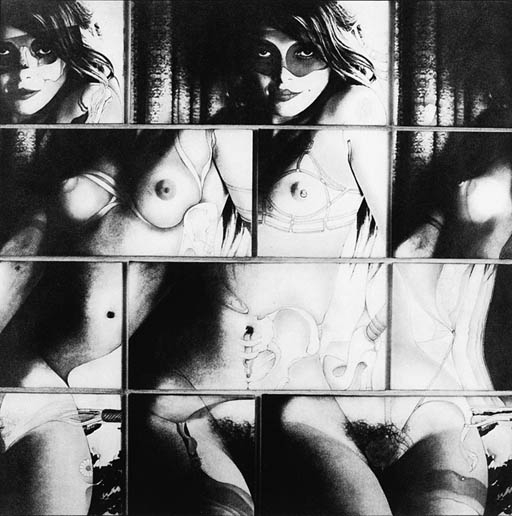
Robert Heinecken, Cliche Vary: Lesbianism, 1974
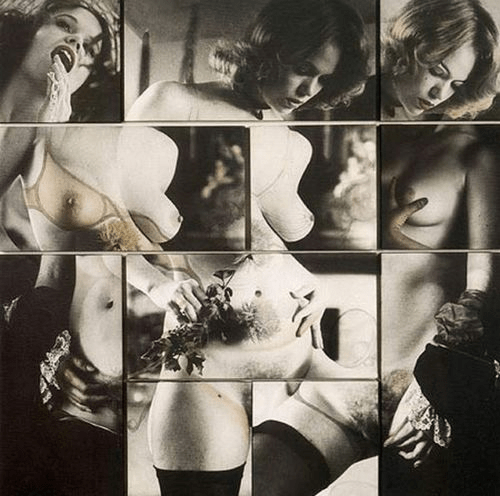
Robert Heinecken- Cliche-Verre, Autoeroticism, 1975.
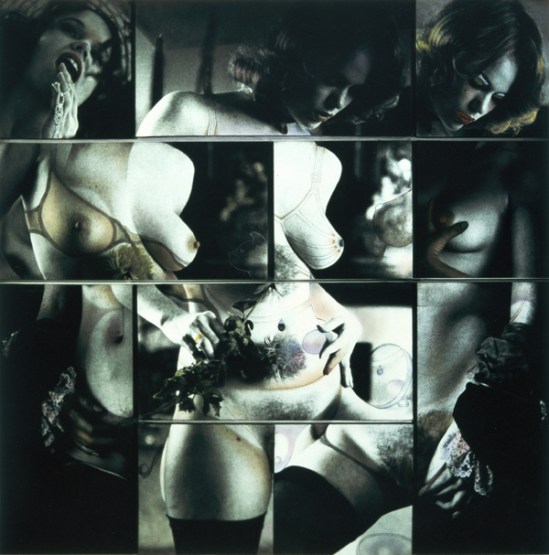
Robert Heinecken, Cliché Vary, Autoeroticism, 1974, photographic emulsion on canvas and pastel chalk
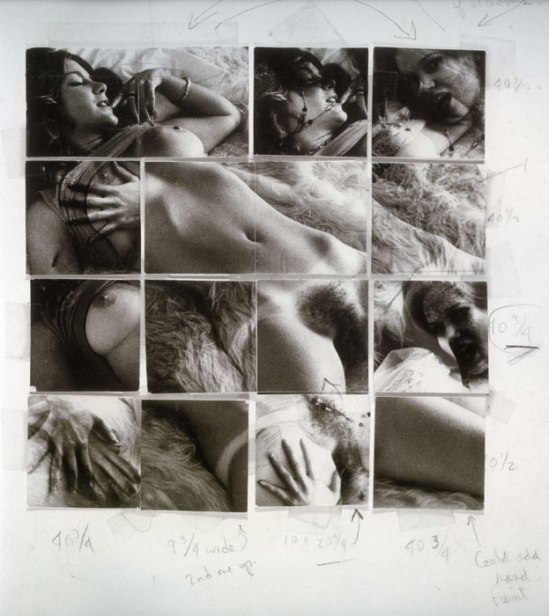
Robert Heinecken, Cliché Vary, Autoeroticism, 1974, photographic emulsion on canvas and pastel chalk

Robert Heinecken, Cliche Vary: Lesbianism 1974 (photographic lithograph)

Robert Heinecken - from 12 Figure Squares #2, 1967

Robert Heinecken – from 12 Figure Squares #2, 1967

Robert Heinecken -Invitation to Metamorphosis 1975

Robert Heinecken -Invitation to Metamorphosis 1975

Robert Heinecken -Film Strip #2 & #4 ,1972 Transparent lithographic film
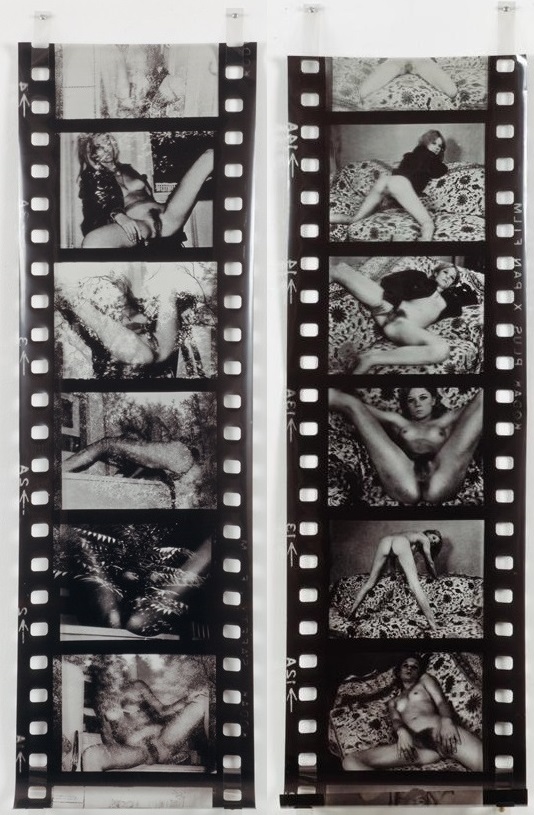
Robert Heinecken -Film Strip #2 & #4 ,1972 Transparent lithographic film

Robert Heinecken- Porno film strip #2 & #4 , 1974

Robert Heinecken- Porno film strip #2 & #4 , 1974

Robert Heinecken - Breast Bomb, 1967

Robert Heinecken – Breast Bomb, 1967

Are You Rea by Robert Heinecken, 1964

Are You Rea by Robert Heinecken, 1964

Robert Heinecken from the portfolio Are You Rea 1969

Robert Heinecken from the portfolio Are You Rea 1969

Robert Heinecken- Are You Rea #20, 1964-68
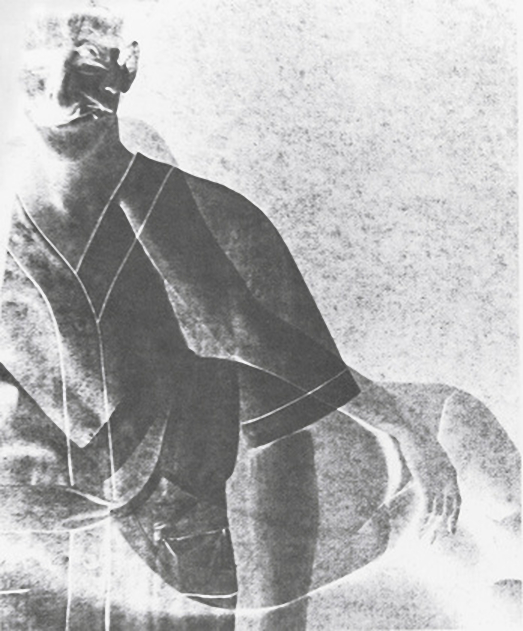
Robert Heinecken- Are You Rea #20, 1964-68

Robert Heinecken- Are You Rea #17, 1964-68

Robert Heinecken- Are You Rea #17, 1964-68

Robert Heinecken- Are You Rea #4, 1964-68

Robert Heinecken- Are You Rea #4, 1964-68

Robert Heinecken- Are You Rea #2,1964-68

Robert Heinecken- Are You Rea #2,1964-68

Robert Heinecken - Are You Rea #13 , 1967

Robert Heinecken – Are You Rea #13 , 1967

© robert heinecken (1931-2006) - are you rea, 1968

Robert Heinecken – Are you rea, 1968

Robert Heinecken- Are You Rea #12,1964-68
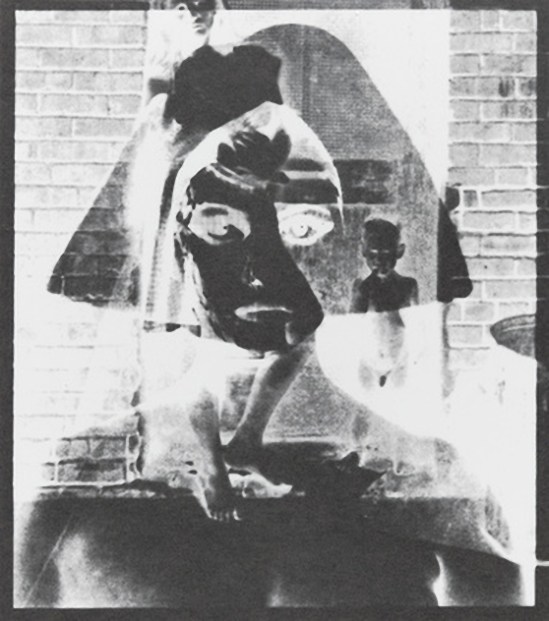
Robert Heinecken- Are You Rea #12,1964-68

Robert Heinecken- Are You Rea #11,1964-68

Robert Heinecken- Are You Rea #11,1964-68

Robert Heinecken- Cream six single, 1970
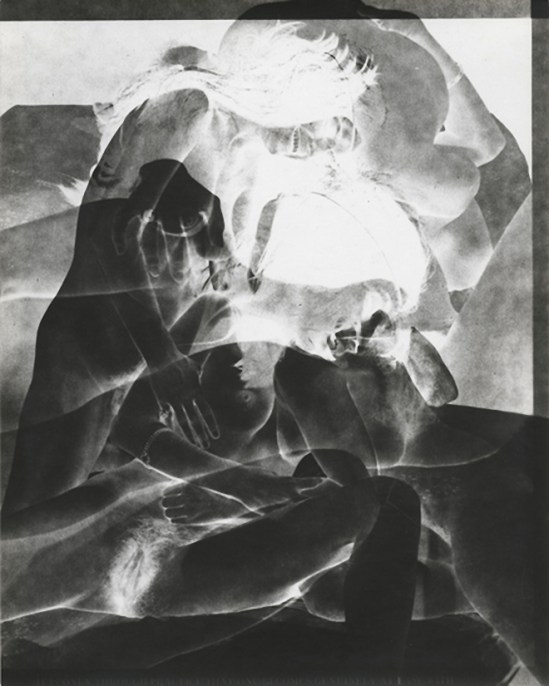
Robert Heinecken- Cream six single, 1970

Robert Heinecken- Study 31 ,1970 ,Black and white photogram
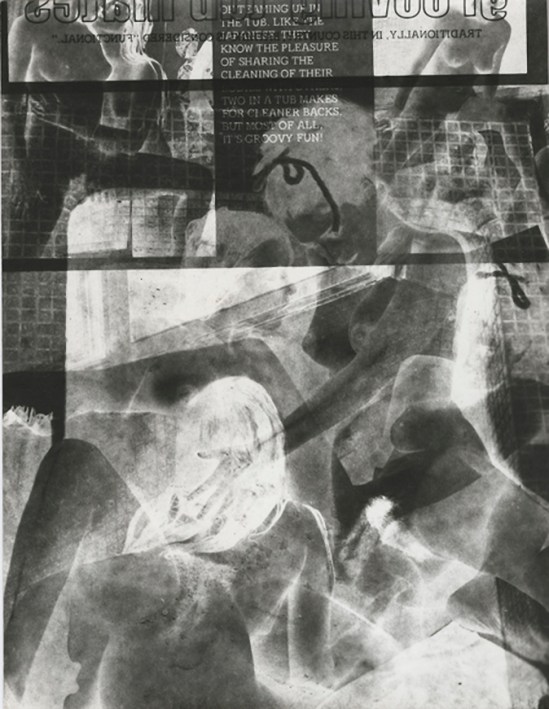
Robert Heinecken- Study 31 ,1970 ,Black and white photogram

Robert Heinecken -Study #25 ,1970

Robert Heinecken -Study #25 ,1970

Robert Heinecken -Study #21 by Robert Heinecken, 1970

Robert Heinecken -Study #21 by Robert Heinecken, 1970

Robert-Heinecken-Study# , 1970

Robert-Heinecken-Study#7 , 1970

Robert Heinecken- Study 1970s

Robert Heinecken- Study 1970s

Robert Heinecken Jay Girls, 1972

Robert Heinecken Jay Girls, 1972

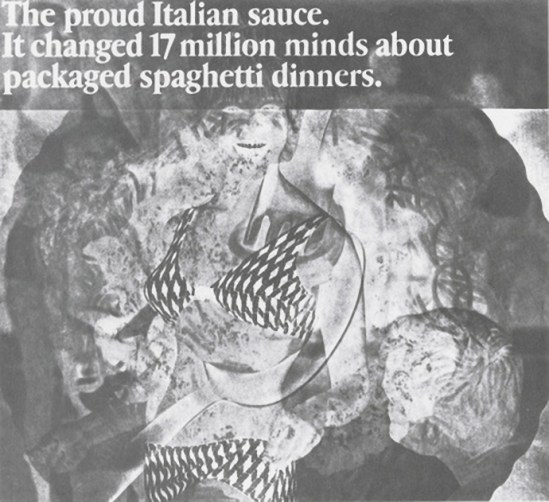
Robert Heinecken - Mademoiselle 1972

Robert Heinecken – Mademoiselle 1972
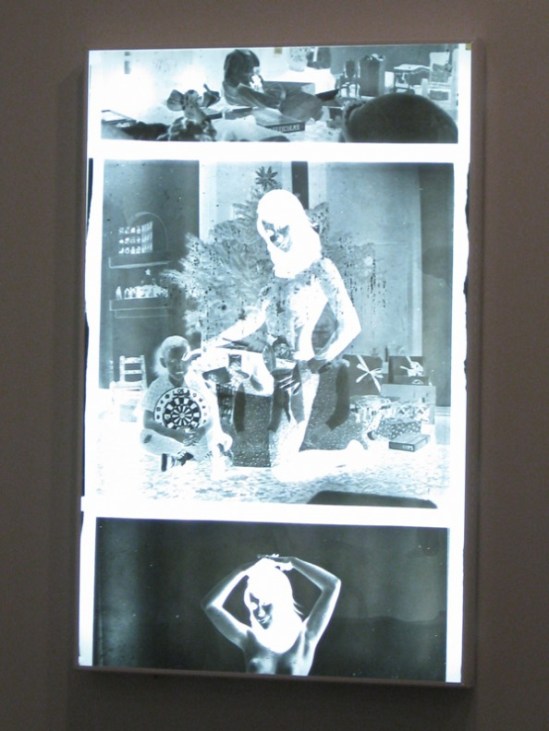
Robert Heinecken, 1970’s
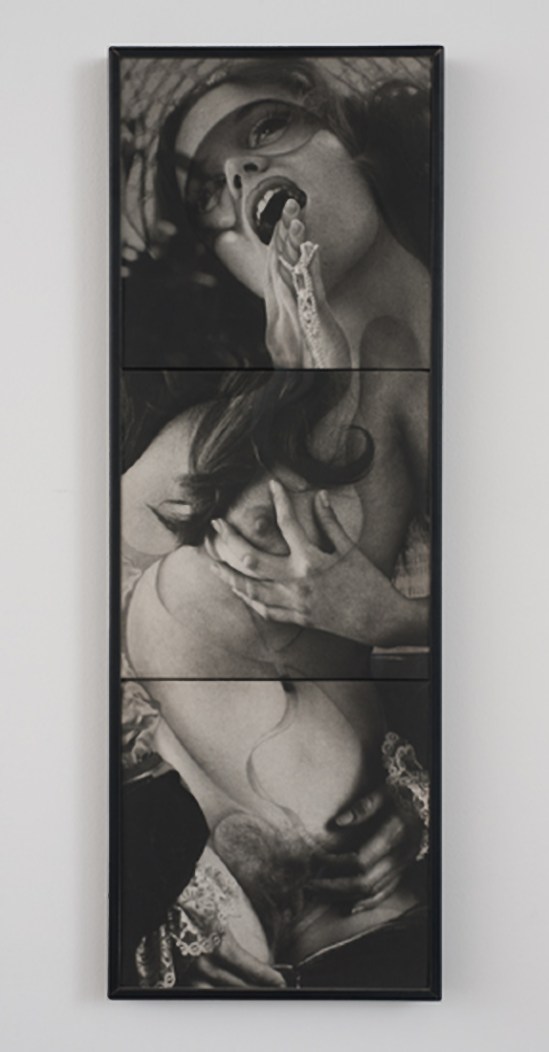
 

Robert Heinecken - Untitled, July 1974

Robert Heinecken – Untitled, July 1974
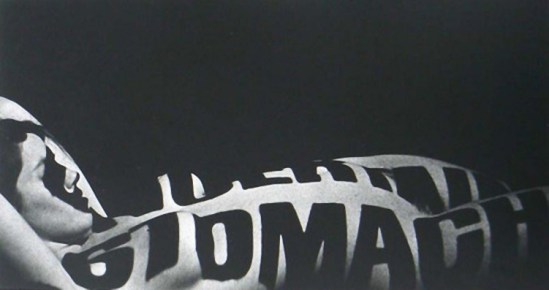
Robert Heinecken - typographic nude, 1965

Robert Heinecken – typographic nude, 1965

Robert Heinecken - Figure Parts Hair 1967

Robert Heinecken – Figure Parts Hair 1967
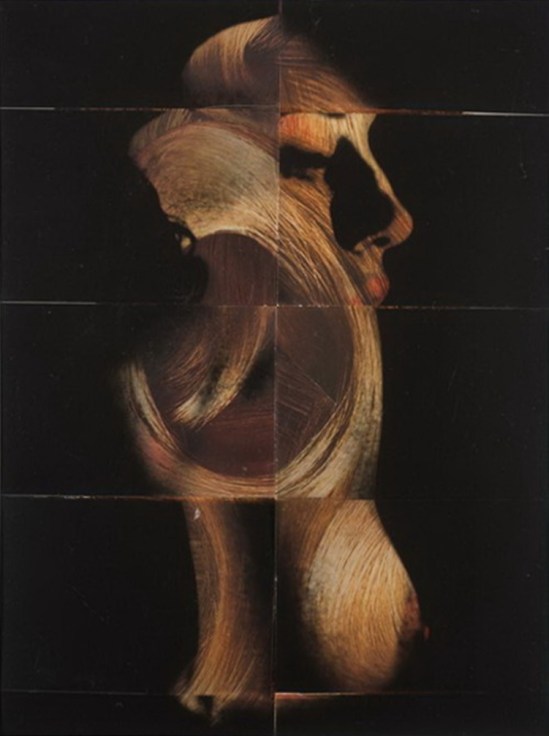
Robert Heinecken - Figure Parts Hair 1967

Robert Heinecken – Figure Parts Hair 1967
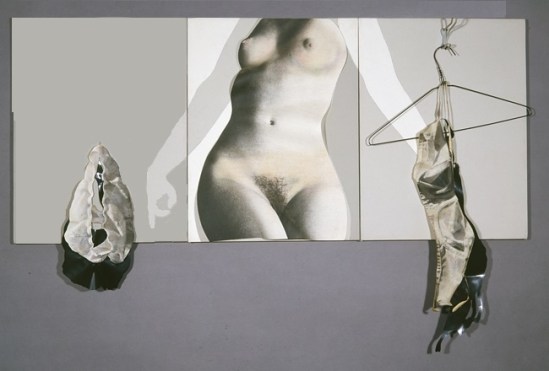
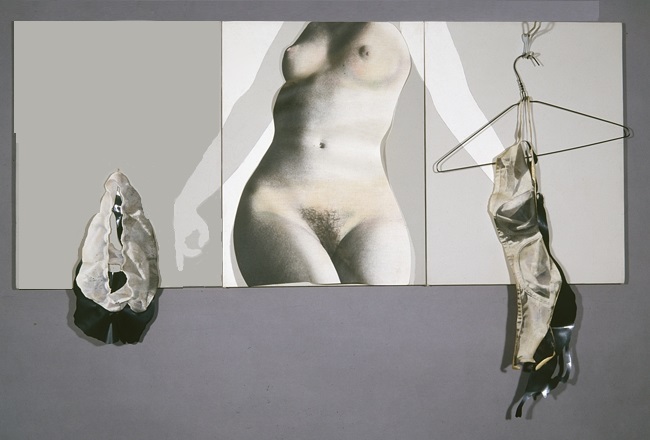
Robert Heinecken -Lingerie for a Feminist Suntan #5, 1973

Robert Heinecken -Lingerie for a Feminist Suntan #5, 1973

The Big Lie” project.

mocp.org

Edmund Kesting Quelques nus

Sa Biographie Ici

Edmund Kesting-Shin and shadow, 1924

Edmund Kesting-Shin and shadow, 1924

Edmund Kesting - Bild mit Glaskugel 'Bildbauwerk', 1923 -1924

Edmund Kesting – Bild mit Glaskugel ‘Bildbauwerk’, 1923 -1924

Edmund Kesting - Akt, 1935

Edmund Kesting – Akt, 1935

Edmund Kesting - Nina Heisig ,1933

Edmund Kesting – Nina Heisig ,1933

Edmund Kesting - Aktaufnahme, 1940

Edmund Kesting – Aktaufnahme, 1940

Edmund Kesting -female nude double exposure , 1930

Edmund Kesting -female nude double exposure , 1930

Edmund Kesting - Rhythmischer Akt, 1933

Edmund Kesting – Rhythmischer Akt, 1933

Edmund Kesting- Nude, 1932

Edmund Kesting- Nude, 1932

Yamamoto Kansuke


Yamamoto Kansuke - untilteld, ca. 1950

Yamamoto Kansuke – untilteld, ca. 1950

Yamamoto Kansuke- ca. 1950

Yamamoto Kansuke- ca. 1950

Yamamoto Kansuke –from Suddenly in the Morning, 1968

Yamamoto Kansuke –from Suddenly in the Morning, 1968

Kansuke Yamamoto, 1950

Kansuke Yamamoto, 1950

Yamamoto Kansuke -In the Mirror , 1956

Yamamoto Kansuke -In the Mirror , 1956

Yamamoto Kansuke -Gorgeous Deprature, 1950 from Map Of Labyrinth

Yamamoto Kansuke -Gorgeous Deprature, 1950 from Map Of Labyrinth

Yamamoto Kansuke- Icarus’s Episode 1949

Yamamoto Kansuke- Icarus’s Episode 1949

Yamamoto Kansuke Title Unknown 1938

Yamamoto Kansuke Title Unknown 1938

Yamamoto Kansuke- Coeur en mouvement, 1950,

Yamamoto Kansuke- Coeur en mouvement, 1950,

Kansuke Yamamoto Butterfly From The Magician’s Newspaper, 1970

Kansuke Yamamoto Butterfly From The Magician’s Newspaper, 1970

Yamamoto Kansuke - from map of Labyrinth 1949

Yamamoto Kansuke – from map of Labyrinth 1949


All Content Copyright ©Toshio Yamamoto. All rights


Sowiński Michał

 Michał Sowiński- Akt ,1970

Michał Sowiński- Akt ,1970

Michał Sowiński-  Nude (Akt), 1964

Michał Sowiński- Nude (Akt), 1964

Michał Sowiński- Untitled, 1970s

Michał Sowiński- Untitled, 1970s

Michał Sowiński-Untitled, 1970s

Michał Sowiński-Untitled, 1970s

 Michał Sowiński-Untitled ,1960s

Michał Sowiński-Untitled ,1960s

 Michał Sowiński- The human form I ,1963

Michał Sowiński- The human form I ,1963

 Michał Sowiński- The human form  ,1963

Michał Sowiński- The human form ,1963

Michał Sowiński- The human form  ,1963

Michał Sowiński- The human form ,1963

Michał Sowiński-The human forms III ,1963

Michał Sowiński-The human forms III ,1963

 Michał Sowiński-Demitologizacje I ( demysthifier I), 1970s

Michał Sowiński-Demitologizacje I ( demysthifier I), 1970s

Michał Sowiński-Untitled, 1980 2

Michał Sowiński-Untitled, 1980

Michał Sowiński-Untitled, 1975

Michał Sowiński-Untitled, 1975

Michał Sowiński-Untitled, 1980

Michał Sowiński-Untitled, 1980

Michał Sowiński-  Halb-akt (semi nude) nd

Michał Sowiński- Halb-akt (semi nude) nd

Michał Sowiński- Akt, 1958

 Michał Sowiński- Akt Multiplikacje ,1980

Michał Sowiński- Akt Multiplikacje ,1980

Michał Sowiński-Untitled, 1980

Michał Sowiński-Untitled, 1980

Michał Sowiński-Dezintegracje  (Désintégration), 1985

Michał Sowiński-Dezintegracje (Désintégration), 1985

Michał Sowiński- Nude ( Akt),  1970

Michał Sowiński- Nude ( Akt), 1970


Michał Sowiński-Untitled, 1994

Michał Sowiński-Untitled, 1994

Michał Sowiński- Odejscia - powroty (  leaving - Returns) , 1985

Michał Sowiński- Odejscia – powroty ( leaving – Returns) , 1985


Heinrich Heidersberger

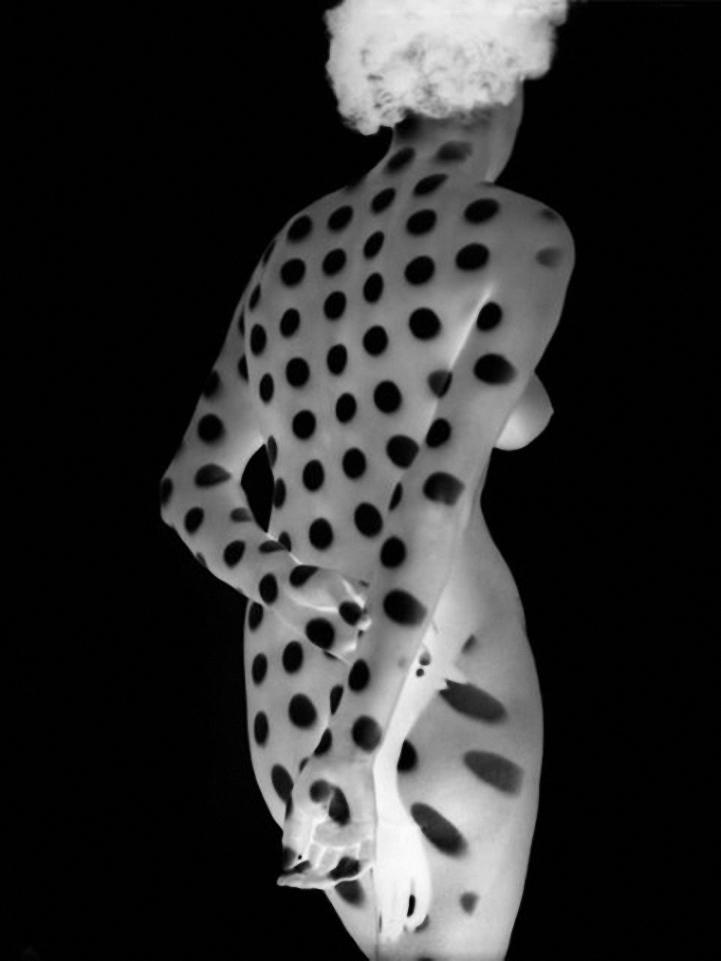
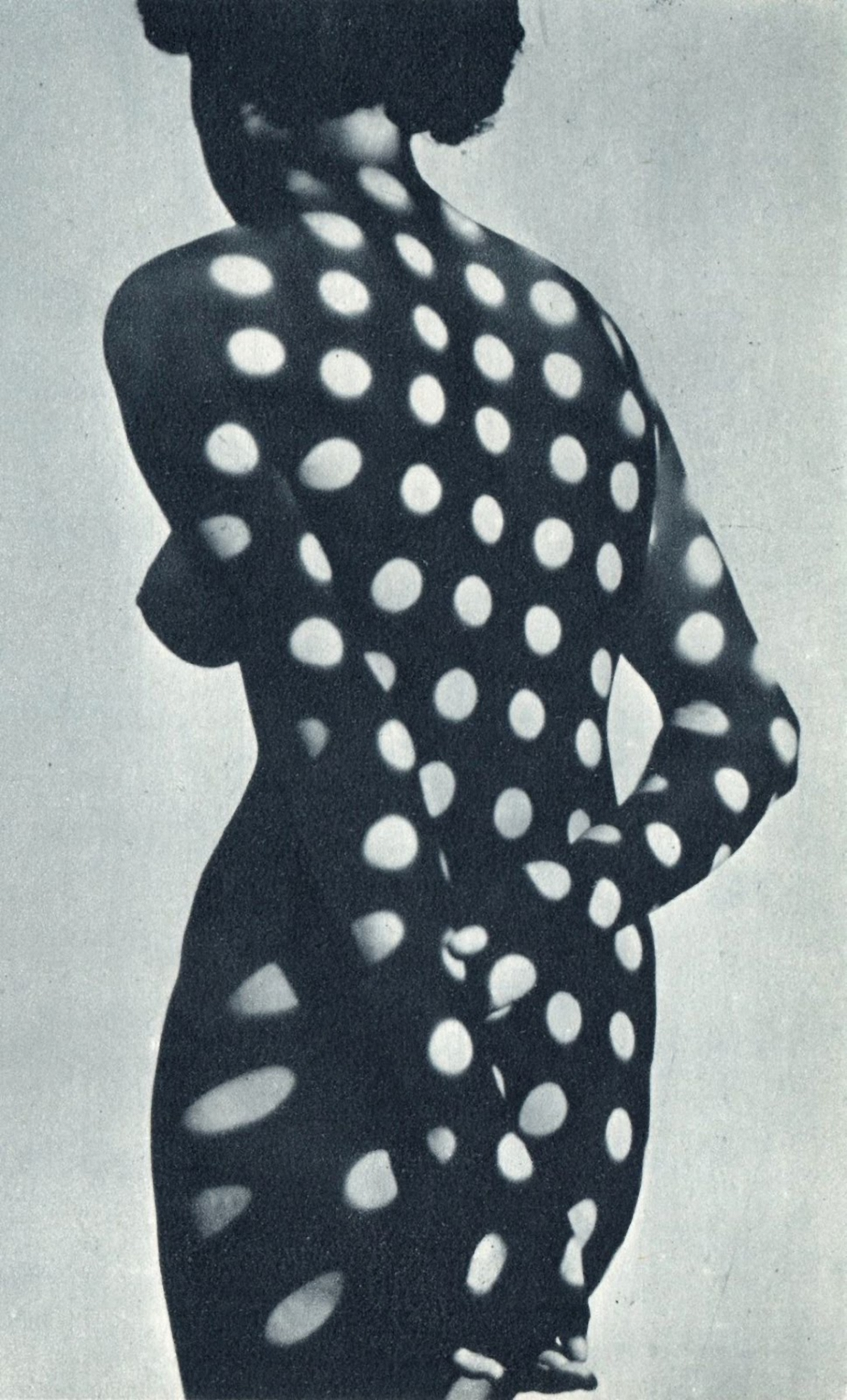
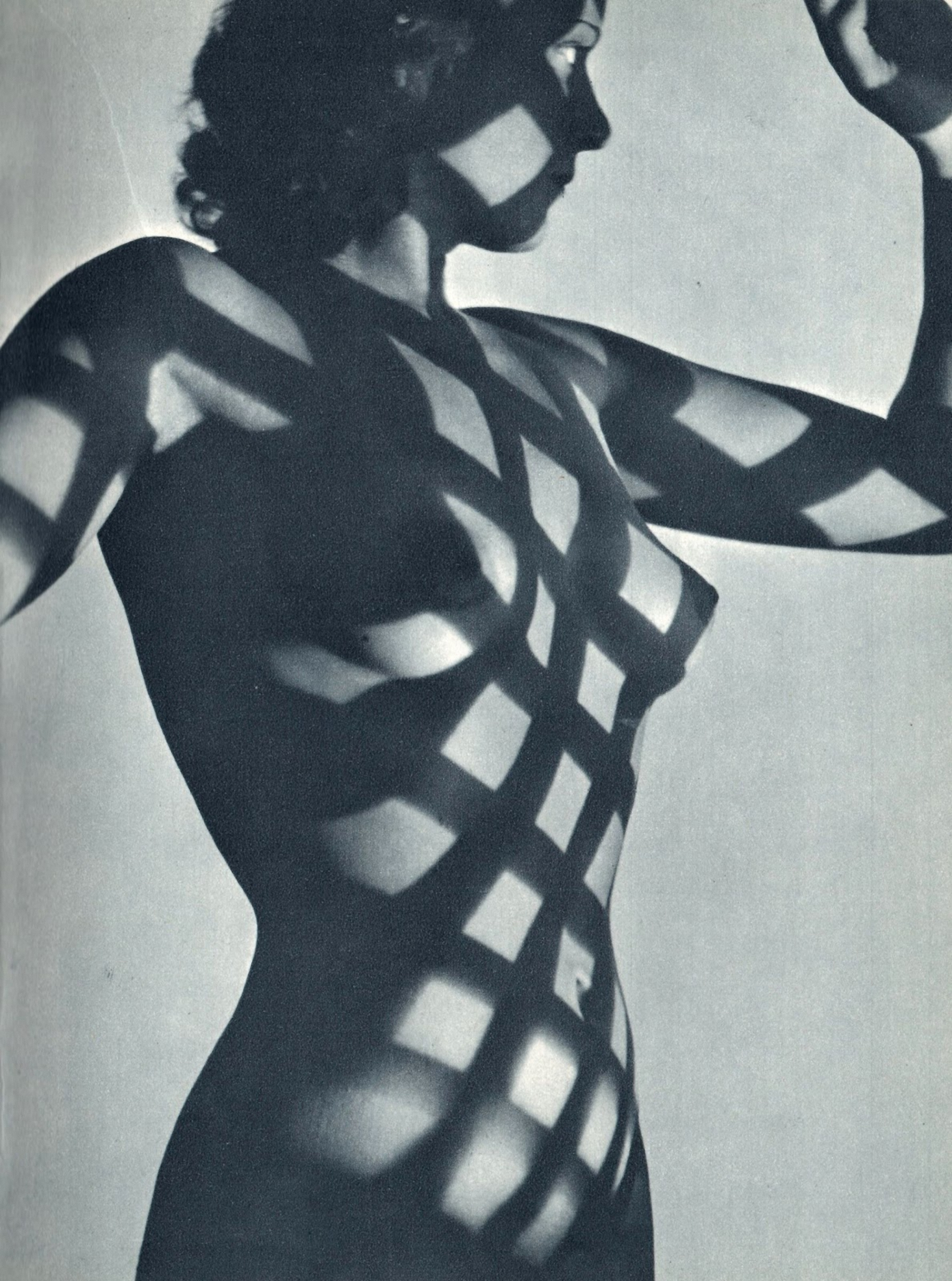
Heinrich Heidersberger- Kleid aus light, ( Robe de lumière), 1949

Heinrich Heidersberger- Kleid aus light, ( Robe de lumière), 1949

Heinrich Heidersberger- Kleid aus light, ( Robe de lumière), 1949

Heinrich Heidersberger- Kleid aus light, ( Robe de lumière), 1949

Heinrich Heidersberger- Kleid aus light, ( Robe de lumière), 1949

Heinrich Heidersberger- Kleid aus light, ( Robe de lumière), 1949

Heinrich Heidersberger- Kleid aus light, ( Robe de lumière), 1949

Heinrich Heidersberger- Kleid aus light, ( Robe de lumière), 1949

Heinrich Heidersberger- Kleid aus light, ( Robe de lumière), 1949

Heinrich Heidersberger- Kleid aus light, ( Robe de lumière), 1949

Heinrich Heidersberger- Kleid aus light, ( Robe de lumière), 1949

Heinrich Heidersberger- Kleid aus light, ( Robe de lumière), 1949

Heinrich Heidersberger- Kleid aus light, ( Robe de lumière), 1949

Heinrich Heidersberger- Kleid aus light, ( Robe de lumière), 1949

Heinrich Heidersberger -Federprisma, nd ( 1950s)

Heinrich Heidersberger -Federprisma, nd ( 1950s)

Zbigniew Łagocki (1927-2009)

Zbigniew ŁagockiAerotica I,  (or found V in another place?) 1960s


Zbigniew Łagocki Aerotica XII, 1965s

Zbigniew Łagocki Aerotica XII, 1965s

Zbigniew Łagocki  Aerotica VI , 1967

Zbigniew Łagocki Aerotica VI , 1967


Zbigniew Łagocki Nude from Poliformia series

Zbigniew Łagocki Nude from Poliformia series

Zbigniew Łagocki- Akt, nd

Zbigniew Łagocki- Akt, nd

Galerie Serie Body Bulding Ici

Lire Ici ( traduction google en français du polonais )et Ici ( anglais) Ici ( traduction google)

Jerzy Benedykt Dorys (1901-1990)

Benedykt Jerzy Dorys est principalement connu en tant que très grand portraitiste (photographique). Son studio, basé à Varsovie, déjà avant la guerre, était un lieu des plus tendance pour ne pas dire « branché » de la Ville de Varsovie et et se faire photographier Dorys n’était pas seulement de bon goût, mais révélait un signe d’appartenance à crème de la crème de l’époque.

Moins connues, mais tout aussi intéressantes sont ses photos de mode et ses quelques photos artistiques du corps nus. Dorys adorait les femmes et a su en sublimer toute les beauté et ce que je vous propose aujourd’hui à travers des portraits et des nus

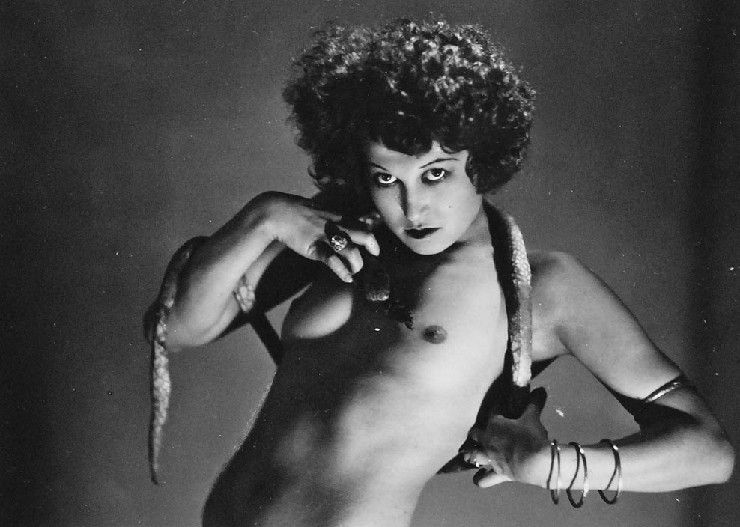
Jerzy Benedykt DORYS (1901-1990) Tancerka z wężem , 1930s

Dorys Jerzy Benedykt- Tancerka z wężem , 1930s

Jerzy Dorys Benedykt- Act II, 1932

Jerzy Dorys Benedykt- Act II, 1932

Jerzy Benedykt DORYS (1901-1990) Akt, przed 1939

Dorys Jerzy Benedykt- Akt, przed 1939

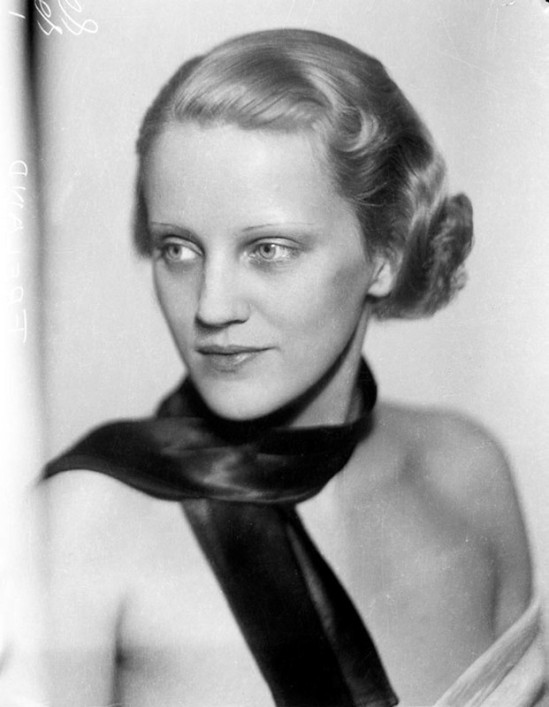
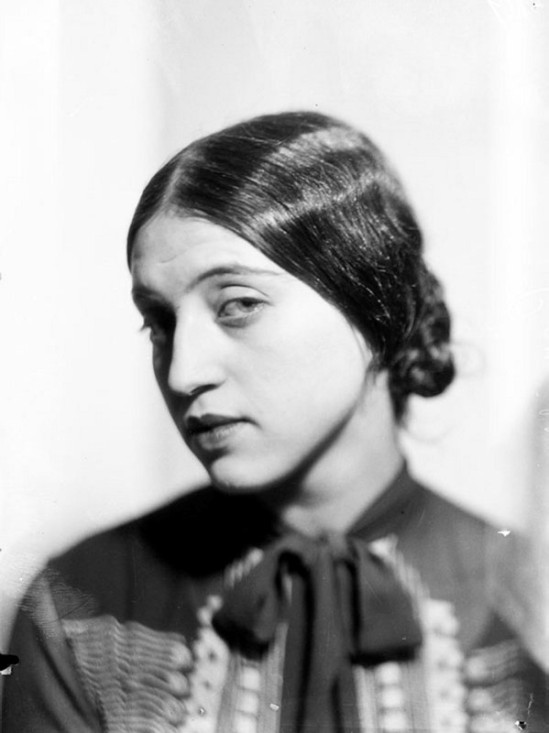
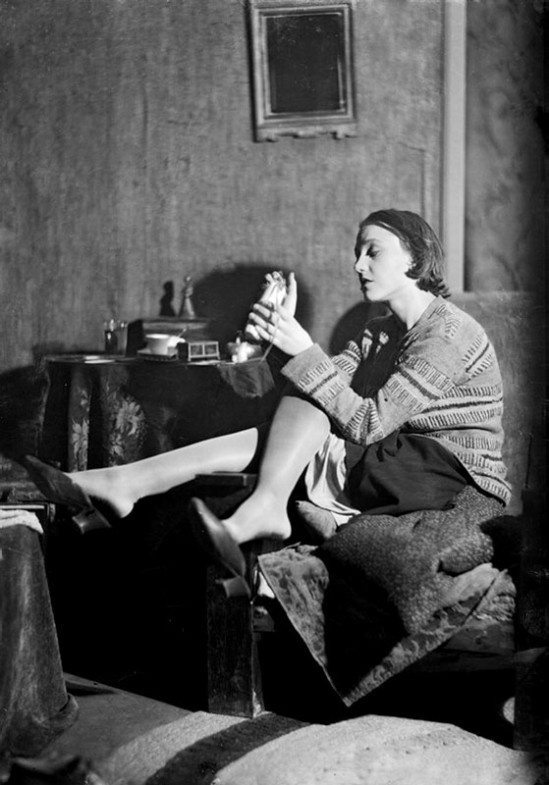
Jerzy Benedykt DORYS Maria Gorczyńska, 1935

Dorys Jerzy Benedykt – Maria Gorczyńska, 1935

Jan De Meyere (Sweden) 1879-1950

 Mise en avant de l’article de 2013 puisque si je les re publie (on pourrait penser comme les précédents que je vole… ,mais non, ils sont là depuis longtemps… Donc je les mettrais en avant désormais puisque je peux le faire il vous suffit de chercher dans juillet 2013)

Jan de Meyere (en réalité Johannes (Jan) Cornelis Jacob de Meijere), né le 4 septembre 1879 à Ysselmonde aux Pays-Bas, décédé le 23 janvier 1950 à Stockholm.

Après avoir obtenu leur diplôme de médecine , il l’a bien vite  abandonnée pour l’art et la photographie. Il créa son studio en 1925 et son art du portrait  devint rapidement populaire et attira l’attention. Au fil du temps, il a développé son propre style dans leurs images et la soi-disant « technologie de pointe » est devenue sa signature, c’est-à-dire que les photographies sont dominées par des tons clairs (rehauts) et ne contiennent presque pas d’ombres.

Jan de Meyere a souvent mené des discussions sur les objectifs et les méthodes de la photographie et, à travers des expositions dans le monde entier, il a représenté la photographie suédoise. En plus de son travail de photographe, il a travaillé comme peintre paysagiste et sculpteur et acteur (néerlando-suédois). Meyere est représenté avec des dessins et des photographies au Modern Museum

Jan De Meyere ( photographe, artiste et acteur) . –Al Rane, 1933 [print from the Art Deco album Nus: La Beauté de la Femme, edited by Daniel Masclet and published as part of the first Salon International du Nu Photographique, held in Paris in 1933.  photogravure  printed by Braun et Cie.]

Daniel MASCLET : La beauté de la femme. Nus. Daniel Masclet, Paris , 1936 photographies en noir et blanc,  reproduites en héliogravure des plus grands photographes de nu du temps : Christian Aegerter, Laure Albin-guillot, Roberto Baccarini, Maurice Beck, Nickolas Boris, Pierre Boucher, L. Caillaud, J. Capstack, Keith Dannatt, Frank Davis, František Drtikol, J. Dudley-Johnston, Evansmith, Franz Feiler, Andreas Feininger, Franz Fiedler, Gilchrist, Alfred Grabner, Walden Hammond, Forman Hanna, Ludwig Harren, Ewald Hoinkis, E.-O. Hoppé; Charles Hurault, Ergy Landau, Bernard Leedham, Carlo Leonetti, Manassé, Daniel Masclet, Jan de Meyere, Marcel Meys, Moholy-Nagy, Jean Moral, William Mortensen, Harold Orne, Bertram ParkJozsef Pecsi, Fred P. Peel, George Platt Lynes, Heinz Von Perckhammer , Man Ray, Richardson-Cremer, Hans Robertson, Denes Ronay, Pietro Sacchi, Bruno Schultz, K. Schuwerack, Walter Sussmann, Kalman Szollosy, Verneuil, Peter Weller, Yva, Willy Zielke, Alois Zych.

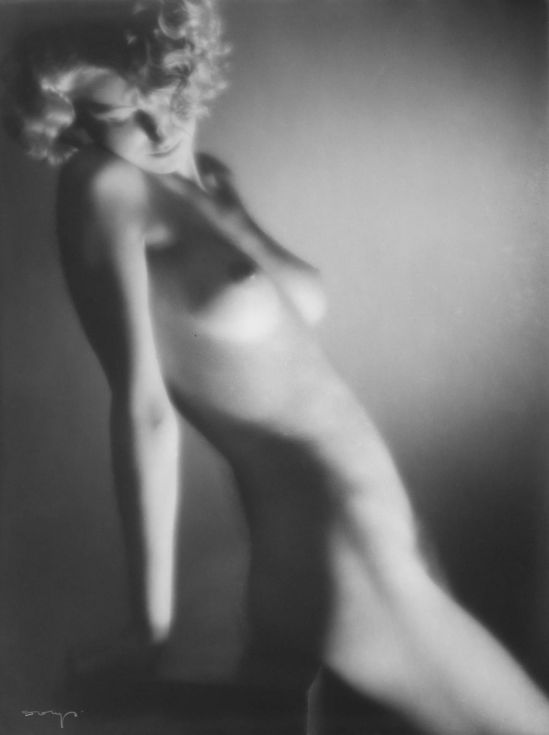
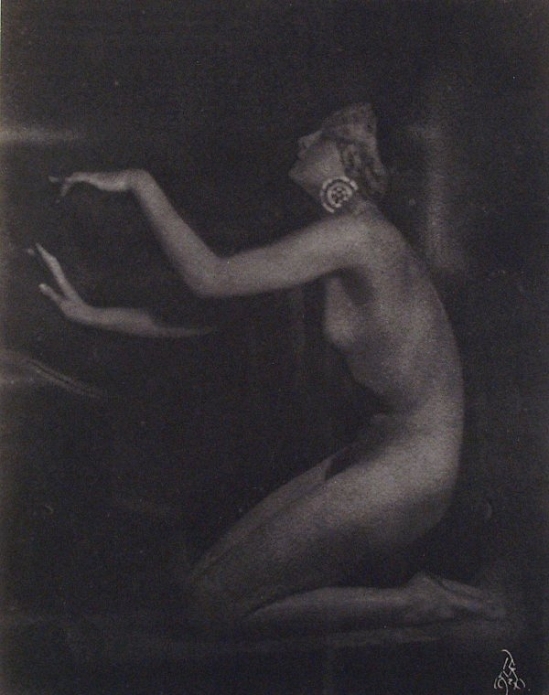
Jan de Meyere - La Prière ,1927

Jan de Meyere – La Prière ,1927

Jan de Meyere- Harald Kreutzberg, 1937, silver gelatin photography

Jan de Meyere-Amazons, 1935, silver gelatin photography

Jan de Meyere- Title missing, silver gelatin photographyca 1935’s


Jan de Meyere - ' Dagmar ', 1933 ( heliogravure)

Jan de Meyere – ‘ Dagmar ‘, 1932 ( heliogravure)

Jan de Meyere-Woman in full figure with stretched arm, 1935, silver gelatin photography

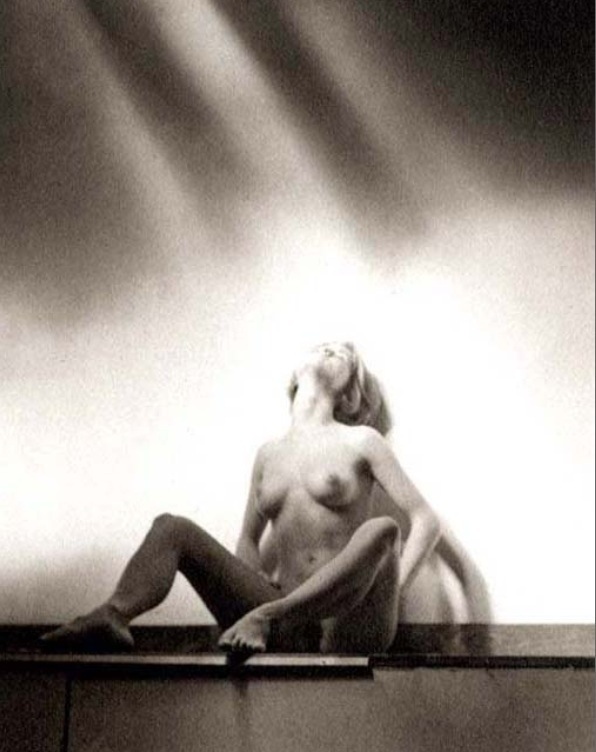
Jan de Meyere-Dancer in light cone, 1938, silver gelatin photography

Jan de Meyere - Esther Roeck-Hansen, vers 1940

Jan de Meyere – Esther Roeck-Hansen, vers 1940

Jan de Meyere-Sitting woman with hat, 1938, silver gelatin photography

Jan de Meyere-Signe Hasso, 1939, silver gelatin photography

Jan de Meyere-Portrait of the actress Anna Lindahl , 1937, silver gelatin photography

Jan de Meyere-Kraka, 1938, silver gelatin photography

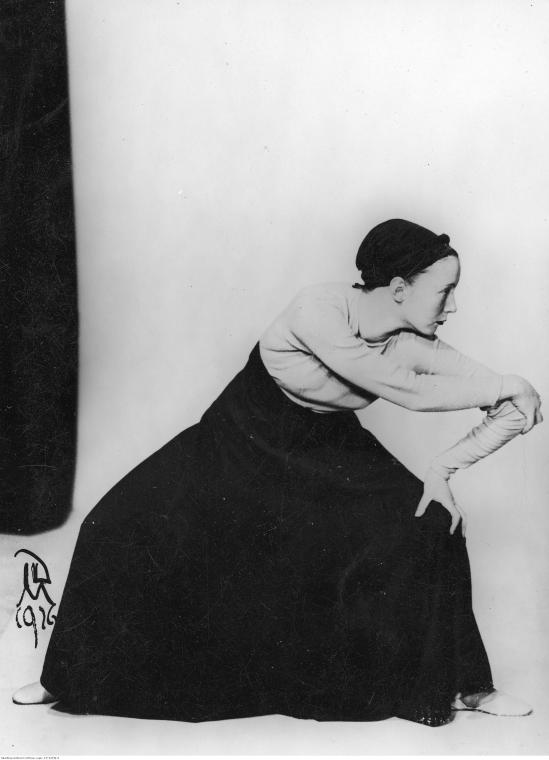
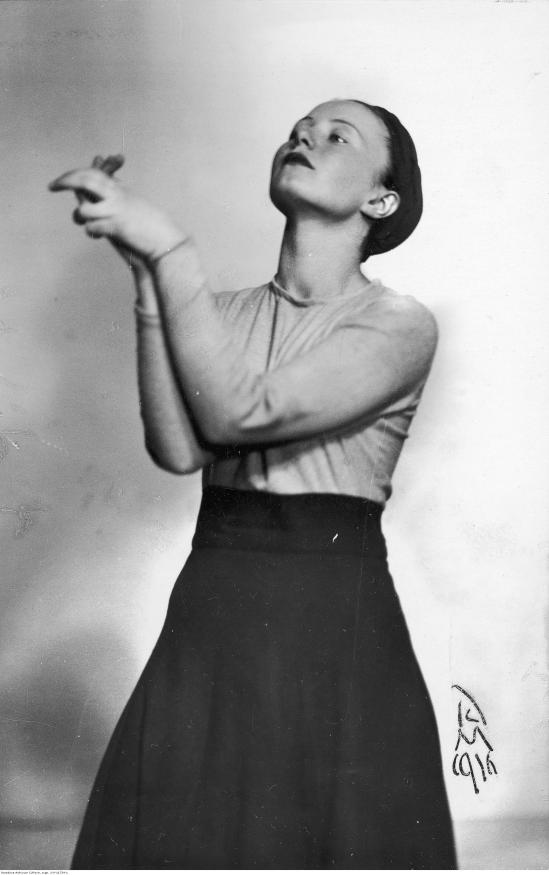
Jan De Meyere- Ziuta Buczyńska, a dancer. Situational photography made in the atelier (in the Robotnica dance, which she performed at the Summer Olympics in 1936

Jan De Meyere- Ziuta Buczyńska, a dancer. Situational photography made in the atelier in the Robotnica dance, which she performed at the Summer Olympics in 1936 in Berlin

Jan De Meyere- Ziuta Buczyńska, dancer. Situational photography made in the atelier (in the Robotnica dance, which she performed at the Summer Olympics in 1936 in Berlin

Jan de Meyere-Rosalia Chladek, 1938, silver gelatin photography

Jan de Meyere Portrait of the actress Inga Tidblad,1935

Jan de Meyere Portrait of the actress Anna Lindahl 1925

Jan de Meyere Portrait of the actress Anna Lindahl,around 1925

Jan de Meyere Porträtt av skådespelerskan Elissa Landi., 1930

Jan de Meyere- Portrait de Lardi., 1925-30

Jan de Meyere-Portrait de la chanteuse et actrice Zarah Leander.. 1930s

Jan de Meyere-Mrs Zoya, 1935, silver gelatin photography

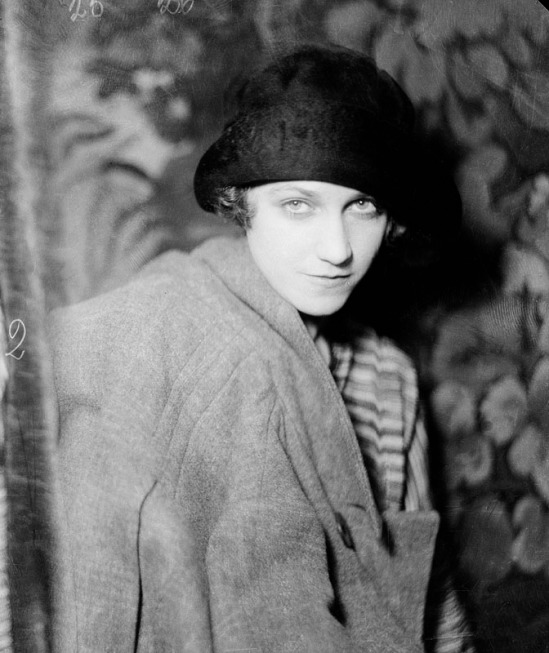
Jan de Meyere- Portrait de l’actrice Linnéa Hillberg.1925s

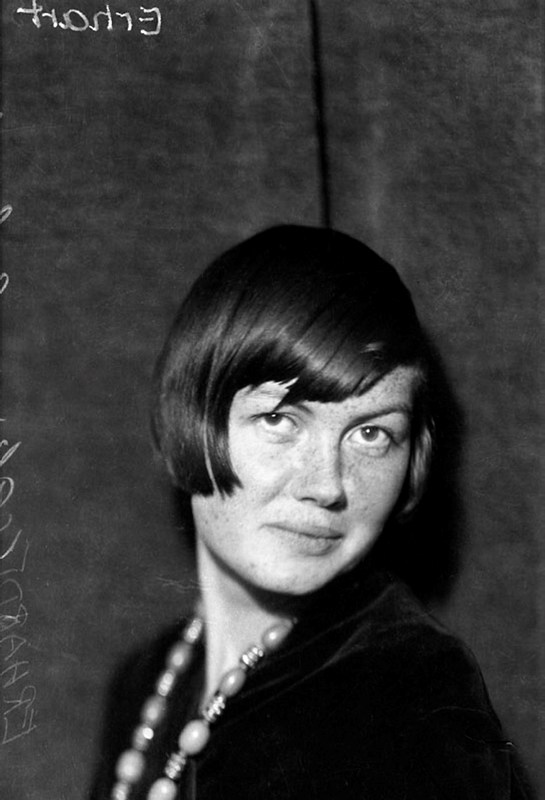
Jan de Meyere- Portrait d’Erhart, 1925

Jan de Meyere- Portrait de Freland., 1922

Jan de Meyere-Portrait de carmen 1930s

Jan de Meyere-Portrait de l’actrice Anna Lindahl 1930-35


Jan de Meyere Portrait of the actress Anna Lindahl 1925-41

Jan de Meyere Portrait of the actress Inga Tidblad around 1925

source & more works of Jan de Meyere

Máté Olga (1878–1961)

Olga est née à Saint-Pétersbourg issue d’une famille de cinq enfants .Tous les membres de sa famille porte un intérêt à la photographie. Un de ses frères est aussi connu sous le nom de Matheo ou MATEO. Pour cette raison, Elle a donc pu suivre des cours en Allemagne, puis au Etats- Unis. en Rentrant, en 1889,  à son retour, elle ouvre un studio à Budapest, ayant appris  les dernières techniques. Olga Máté est devenue en quelques années une  portraitiste remarquable et bien connue. En 1912, elle peut s’installer dans un Studio plus grand qui devient rapidement  e un lieu important de la réunion des écrivains, des artistes, des philosophes, de l’époque. Avec Joseph Pécsi son ami, elle remporte une médaille d’or à Stuttgart pour son travail. Elle a aussi été impliquée, notons le,  dans le  mouvement  de  l’égalité des droits des femmes dans les années 30. Je vous présente simplement quelques nus mais ce n’est qu’un aperçu de son œuvre.

Conseil de Lecture « Photographes hongroises » Csilla Csorba , Edition Enciklopédia, 2001.

MátéOlga Félakt 1920

MátéOlga Félakt 1920

Máté Olga Akt tanulmány (tükör elõtt), 1914

Máté Olga-Nu devant le miroir  (Akt tanulmány (tükör elõtt)), 1914

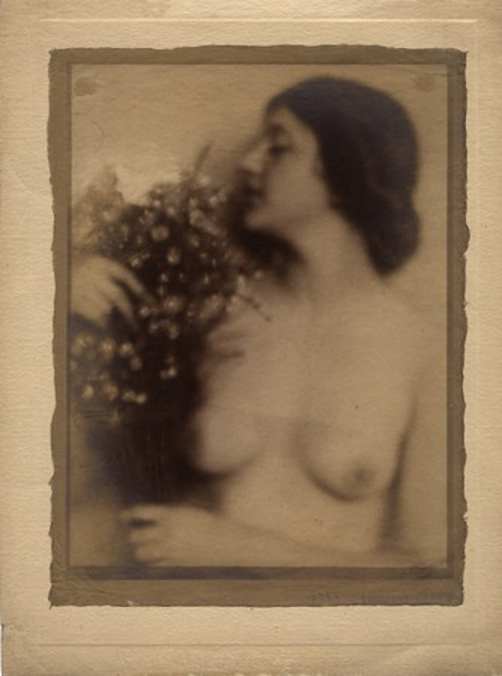
Máté Olga Félakt (virággal) 1920

Máté Olga – Nu aux fleurs (Félakt virággal), 1920

Máté Olga -Félakt,1918

Máté Olga – Nu (Félakt) ,1918

Máté Olga -Ülõ akt, 1918

Máté Olga -Nu assis (Ülõ akt), 1918

Máté Olga Nöi képmás műteremben Female image in the Studio  , 1910

Máté Olga Nöi képmás műteremben Female image in the Studio , 1910

Máté Olga- unknow person 1917

Máté Olga- unknow person 1917

Máté Olga- unknow person 1917

Máté Olga- unknow person 1917

Máté Olga Tulipánok 1920

Máté Olga Tulipánok 1920

Máté Olga Cserepes virág, Potted Flower 1910-20

Máté Olga Cserepes virág, Potted Flower 1910-20

Máté Olga Kölnivíz reklám Eau de toilette advertisement 1920

Máté Olga Kölnivíz reklám Eau de toilette advertisement 1920

Máté Olga- Hölgy kalapban 1920

Máté Olga- Hölgy kalapban 1920

Máté Olga- Kaffka Margit, 1910

Máté Olga- Kaffka Margit, 1910

Máté Olga Fehér ruhás nő White-clad woman 1910

Máté Olga Fehér ruhás nő White-clad woman 1910

Máté Olga- Hatvany Jolán 1917

Máté Olga- Hatvany Jolán 1917

Máté Olga- Haár Irén 1930

Máté Olga- Haár Irén 1930


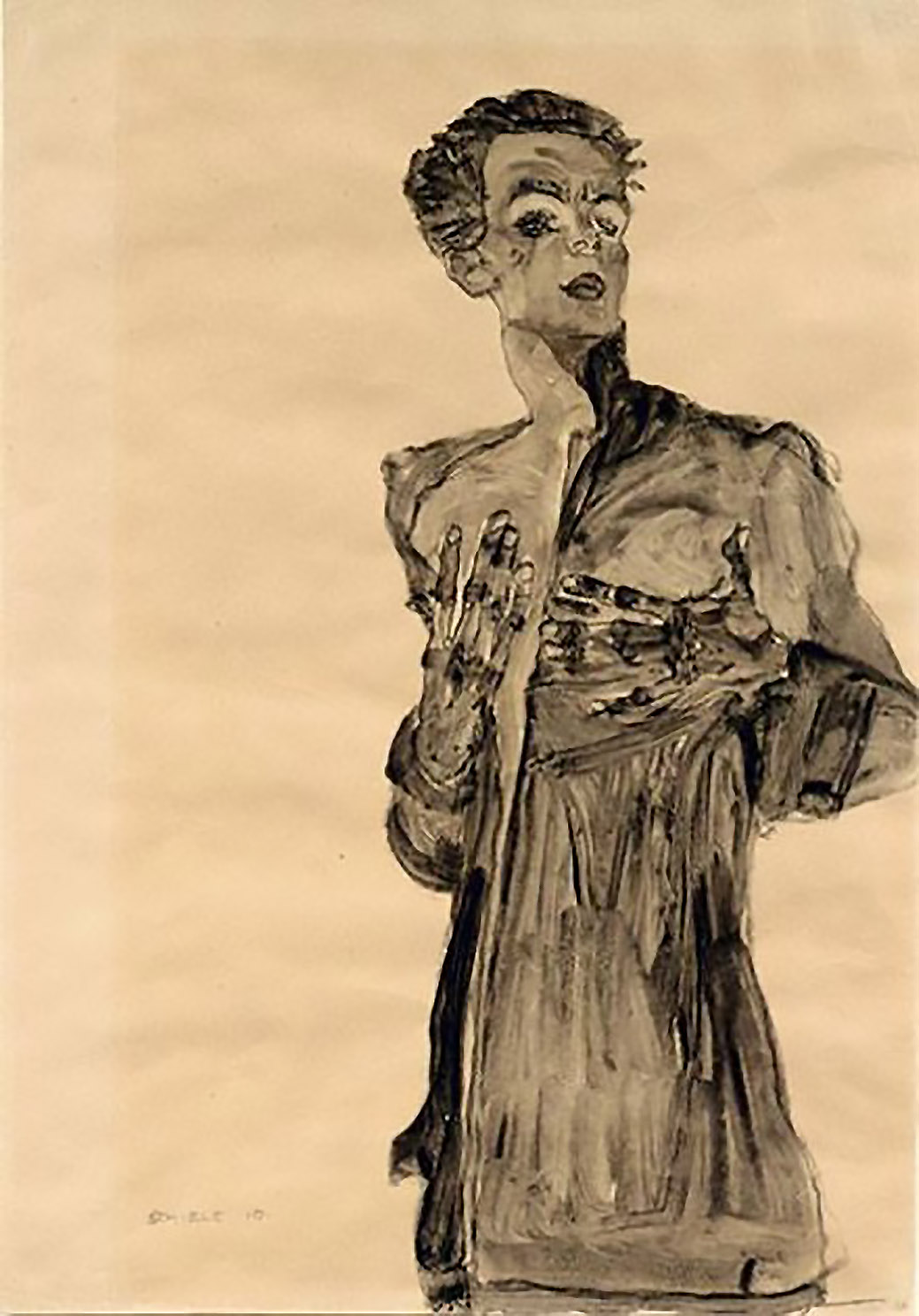
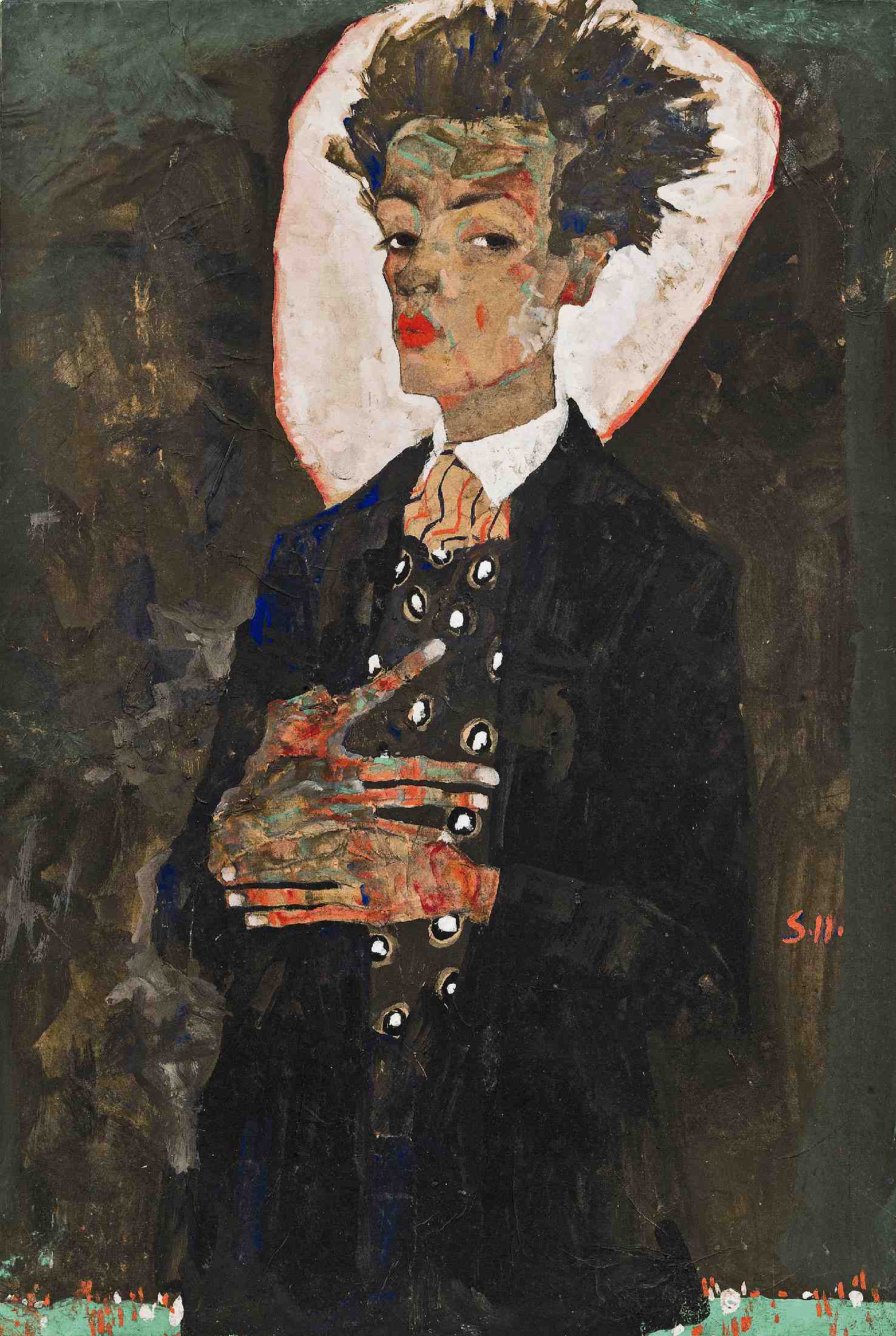
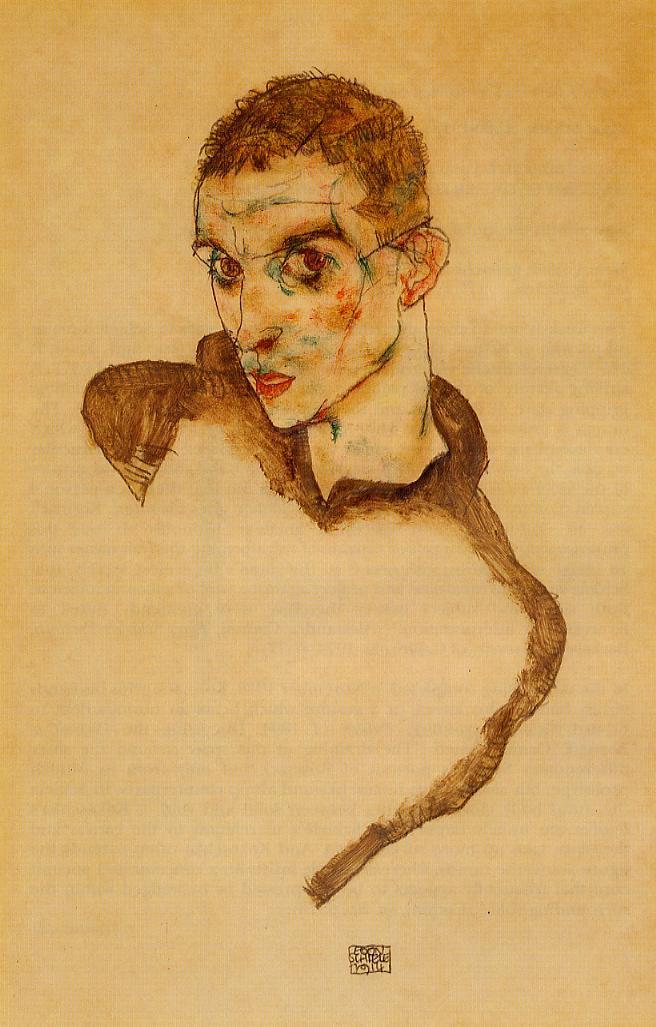
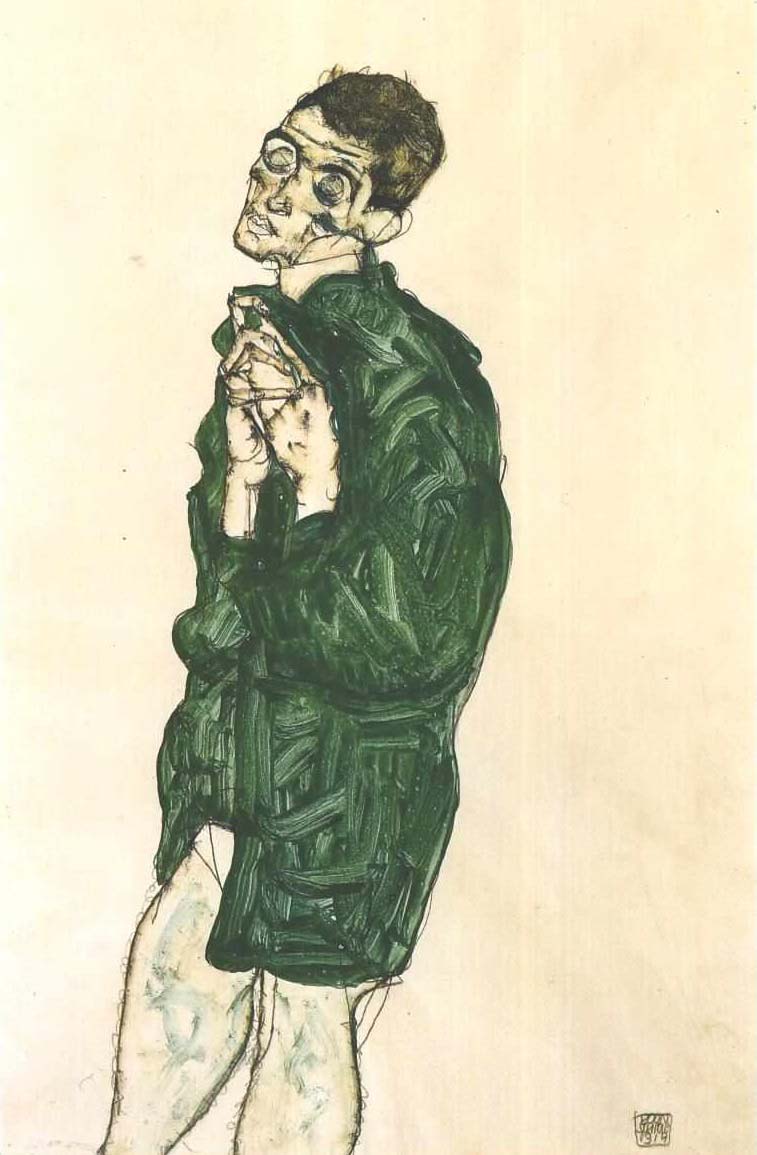
Egon Schiele auto portrait, self-portrait, selporträt

 « l’art n’est jamais moderne, il est éternel » E. Schiele.

Pour commencer je voudrais vous signaler Ici un merveilleux article avec une approche hautement psychanalytique du travail d’égon schiele à lire absolument. rien ne sert de le copier coller, aller le lire, il est riche, empli de référence de citations d’auteurs experts en la matière. https://egonschieleselfportrait.wordpress.com/category/loeuvre-degon-schiele/

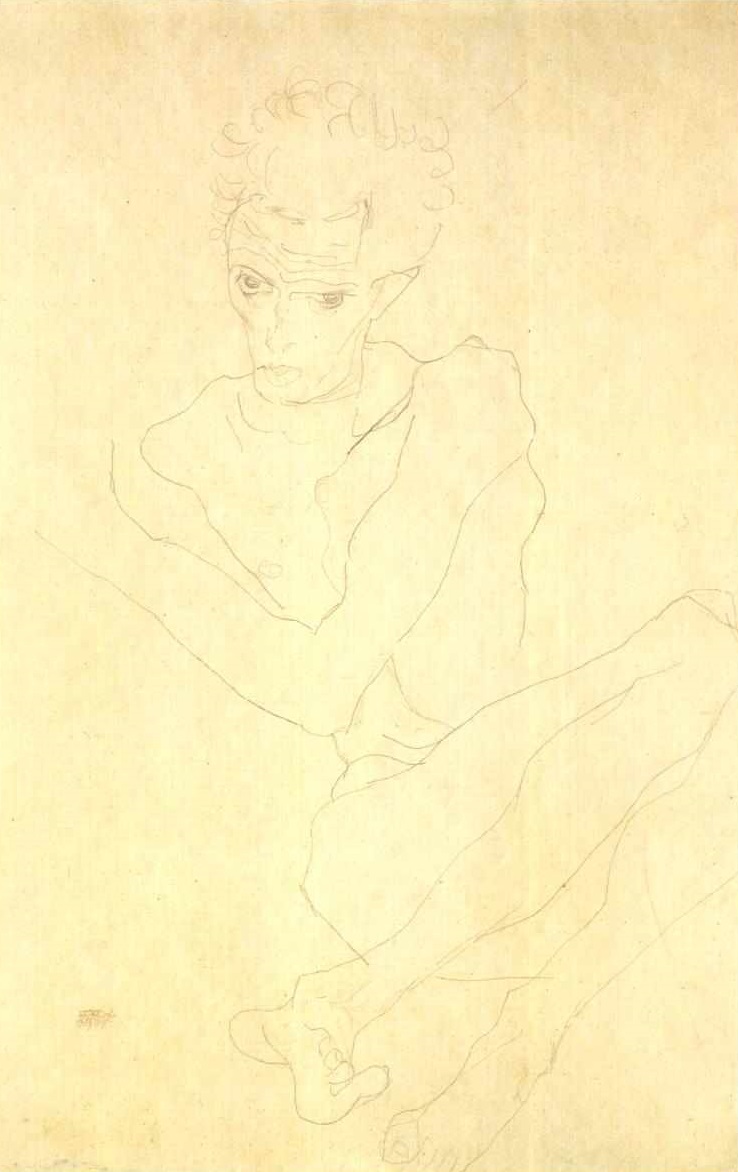
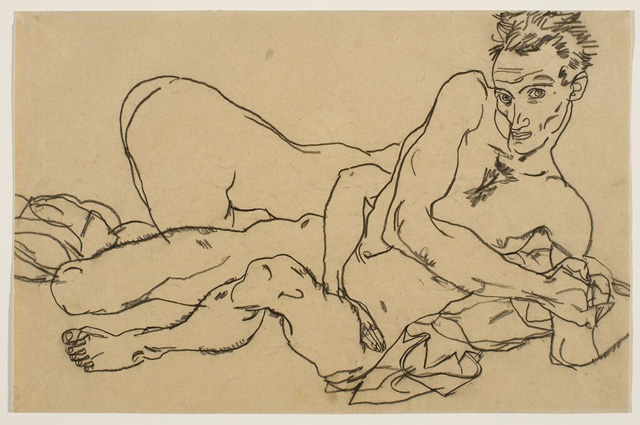
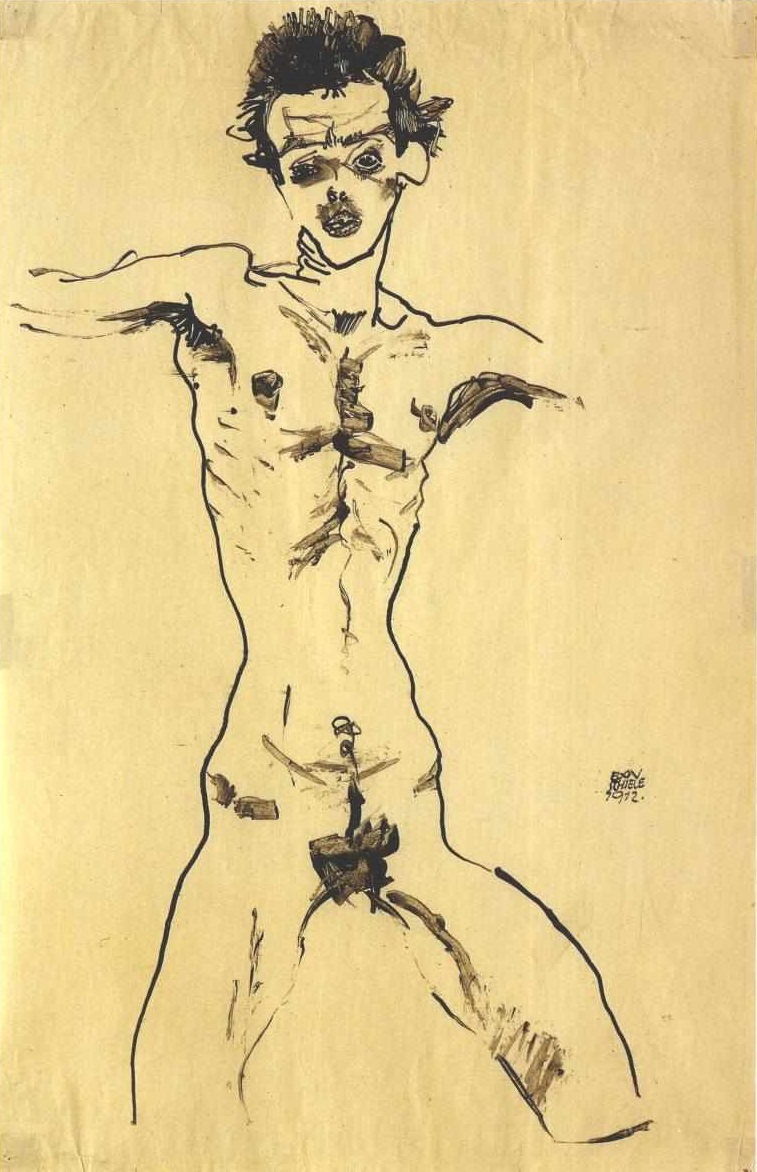
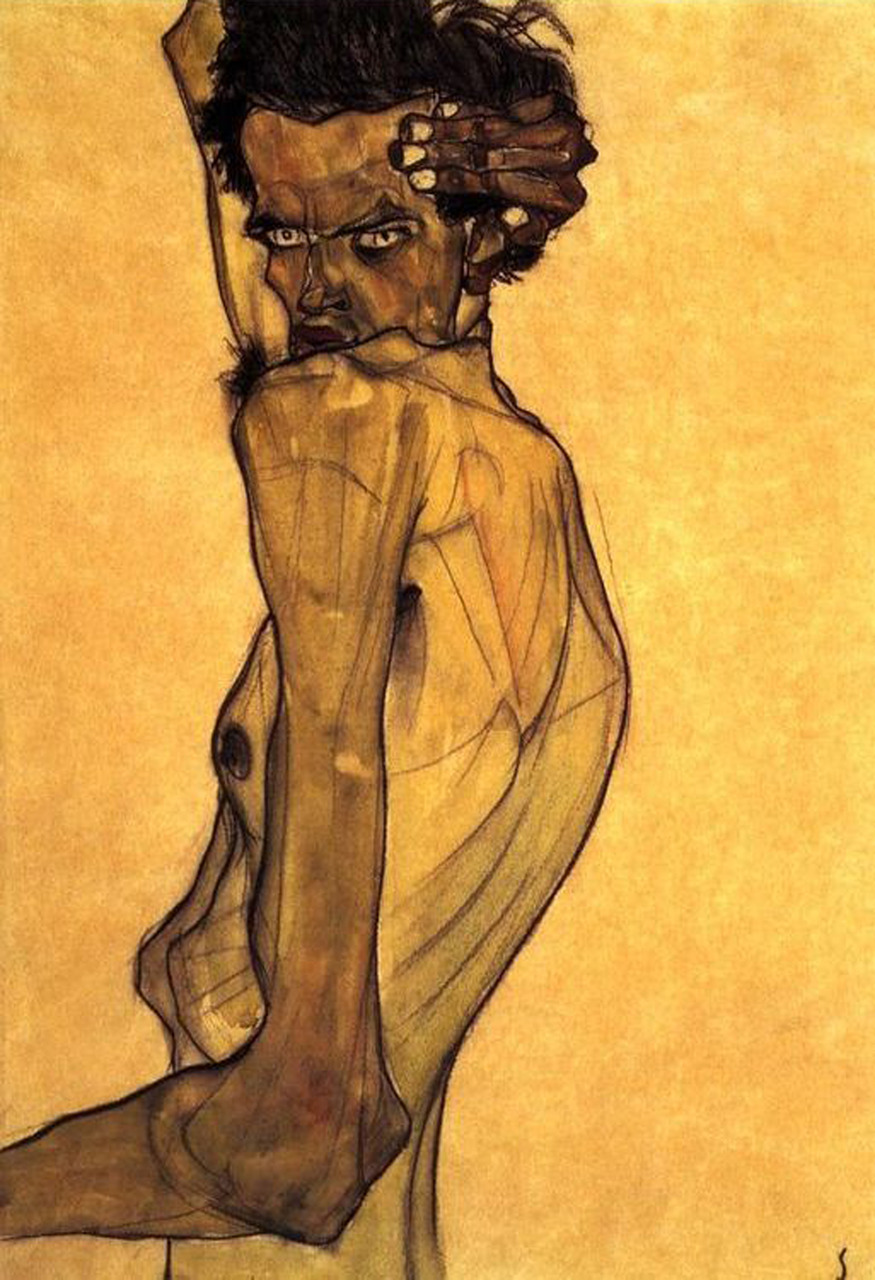
«Rarement un artiste aura autant été autant le modèle de son art que Schiele. «Seul Rembrandt a peut-être peint davantage d’autoportraits», a dit  l’historienne  Jane Kallir

Il a réalisé plus de cent autoportraits avec une quête angoissée de l’identité,créant ainsi un dédoublement du moi, autrement dit, l’image d’un alter ego . Des jumeaux exprimant la souffrance de celui qui découvre en lui une ambivalence, des forces opposées, contradictoires et chaotiques. Nul besoin de rappeler combien Egon était un être déchiré et tourmenté.

Une incessante question revient finalement à lui dans son travail d’auto-portrait  « Qui suis-je ? ».  Il se dessine  en double , sous deux angles différents dans un même tableau par exemple , toujours cet autre en lui et cette ambivalence.

Egon  s’est peint sous toutesles coutures et sous toutes sortes de costumes, tantôt sous les traits d’un pervers se masturbant, puis d’un saint Sébastien ou d’un saint moine auréolé, sous la figure du prisonnier, du soldat agressif, du dandy séducteur et, bien sûr, souvent le plus nu et toujours avec ses traits  torturés.

« L’artiste est celui qui rit, alors qu’il est brisé au plus intime de lui-même »

Tous les auto-portraits de Schiele dégage une séduction très forte ( tantôt sensuelle, vénale ou désespérée) . Tous ces visages cherchent à séduire, à attendrit, à tirer la pitié, à faire tendre une main, et Egon déploie toute la « panoplie»  si l’on puis dire  de la séduction . Il attire le regard sur lui , et il nous regarde,  parfois de façon homosexuelle, parfois tel un provocateur  ou avec  tendresse, tristesse ou désespoir.

Les auto-portraits  d’Egon Schiele sont  un grand cri , celui d’un homme ayant  tellement provoqué la mentalité ambiante qu’il fut arrêté par la police car ses toiles étaient jugées comme une atteinte à la pudeur publique et qui  ne se défendit  que par ces mots « Brimer un artiste est un crime, c’est tuer le germe de la vie ».

Schiele dévoile au grand jour le désir inextinguible de tout  homme ( ou femme) d’être estimé, reconnu, regardé, accueilli par un regard de tendresse et de miséricorde.

Texte en parti remanié mais extrait du Catalogue d’Expostion de 2011 au Musée belvédère en Allemagne. ( Merci à Werner D. pour l’aide à la traduction…)

Je vous conseille de lire ce livre aussi, il y a 25 pages disponibles sur google book… je vous mets le lien vers la page 31  qui évoque les auto-portraits et note que Schiele était un très bel homme !!!! ( mais vous pouvez voir toutes les pages bien sur )

Vous avez aussi un texte  intéressant avec une approche aussi psychanalytique ( Schiele et son oeuvre ont été le fruits de nombreuses recherches psychanalytiques)  sur Artsplas  traitant des ses auto-portraits  et qui l’est aussi  car il note toutes les nuances de la langue allemande et notamment pour ce mot d’auto portrait.

Je choisis bien sur quelques oeuvres, celles que je trouve les plus significatives de ce que je viens d’évoquer plus haut, c’est à dire, la tourmente, l’autre en soi, la figure du double, lea figure du séducteur, celle de l’exhibitionniste.

Il y a mille sites sur le net, où vous trouverez les autoportraits de Schiele, c’est plus les mots ici qui prime….  je vous mets les liens des sites à Vienne à la fin et d’autre liens… et vous avez aussi.

Je vous conseille aussi de lire Agnes and Jane Kallir (editors) et al. EGON SCHIELE- Self-Portraits and Portraits par Husslein-Arco, ed° Agnes and Jane Kallir , Vienna, Belvedere, and Munich, London, New York, Prestel Publishing, 2011 ( 200 illustrations), si vous êtes intéressé par le sujet.

Egon Schiele- Selbstporträt in einem Wams mit rechten Ellbog (Self-portrait in a jerkin with right elbow raised), 1914. {goache,pencil,chalk}

Egon Schiele- Selbstporträt in einem Wams mit rechten Ellbog (Self-portrait in a jerkin with right elbow raised), 1914. {goache,pencil,chalk}

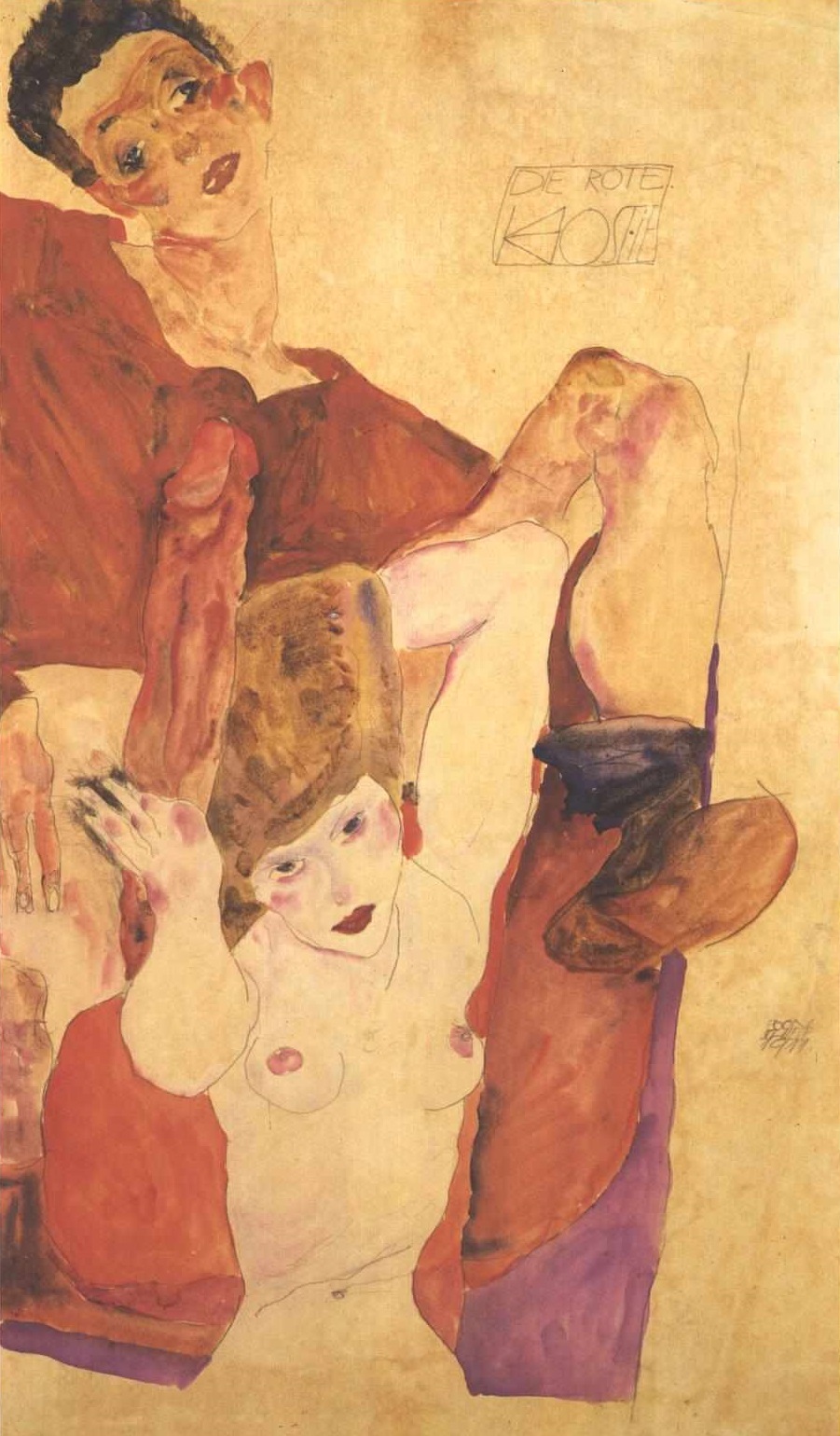
Egon Schiele - Die Rote Hostie (L'hostie rouge), 1911

Egon Schiele – Die Rote Hostie (L’hostie rouge), 1911

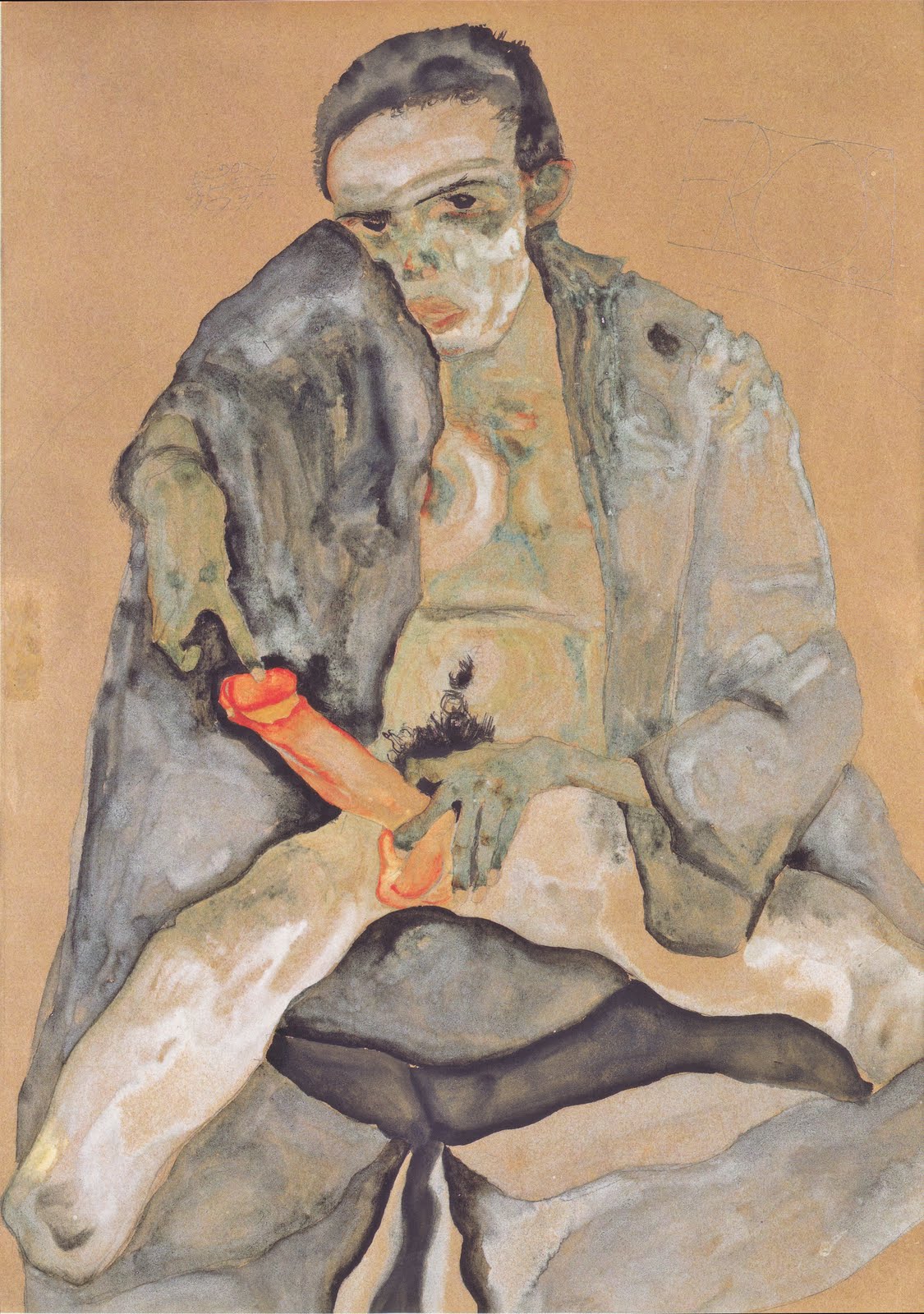
Egon Schiele - Selbstbildnis maturbierend (Autoportrait se masturbant), 1911

Egon Schiele – Selbstbildnis maturbierend (Autoportrait se masturbant), 1911

Egon Schiele- Nackt Selbstportrait 1916 (Self Nude), 1916

Egon Schiele- Nackt Selbstportrait 1916 (Self Nude), 1916

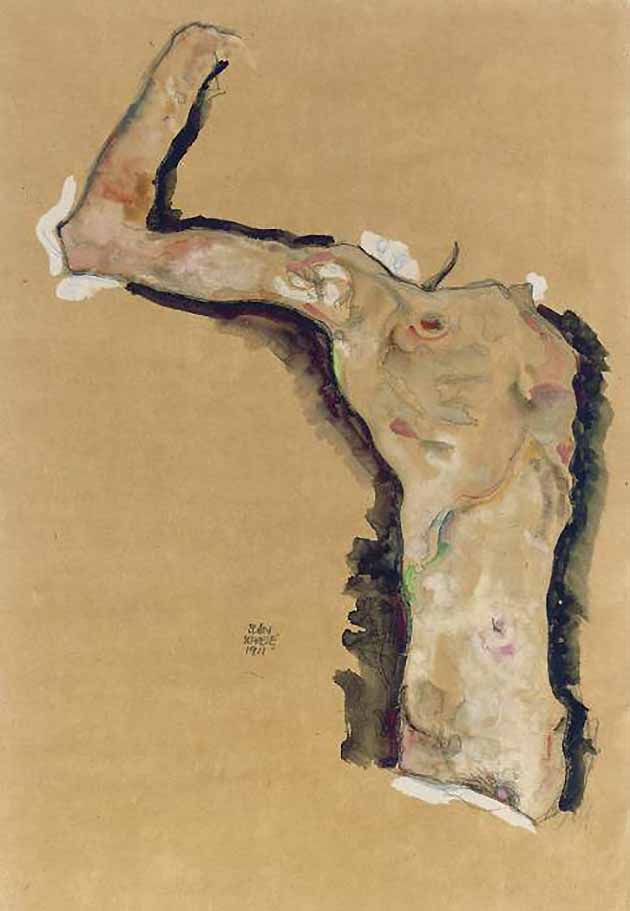
Egon Schiele- Headless self-portrait 1911

Egon Schiele- Headless self-portrait 1911

Egon Schiele - Selbstporträt  (Self-Portrait)  , 1910

Egon Schiele – Selbstporträt (Self-Portrait) , 1910

 Egon Schiele -Selbstporträt,Self Portrait, 1910

Egon Schiele -Selbstporträt,Self Portrait, 1910

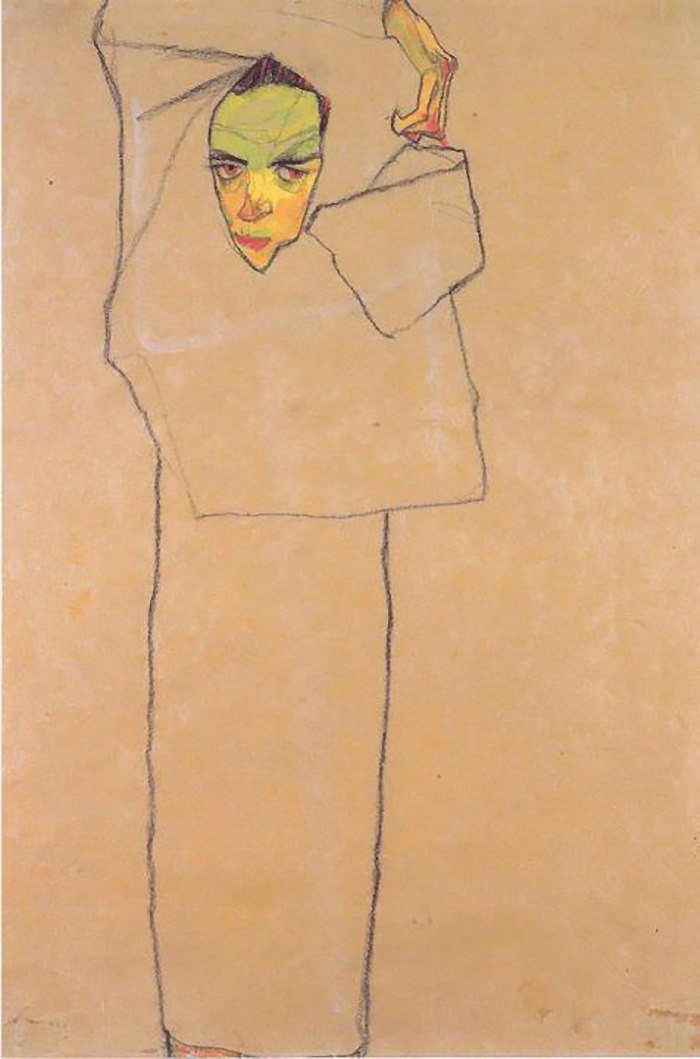
Egon Schiele- Self-portrait with hands on chest (date unknown)

Egon Schiele- Self-portrait with hands on chest (date unknown)

Egon Schiele -Stehender Mann, Selbstporträt, 1911

Egon Schiele -Stehender Mann, Selbstporträt, 1911

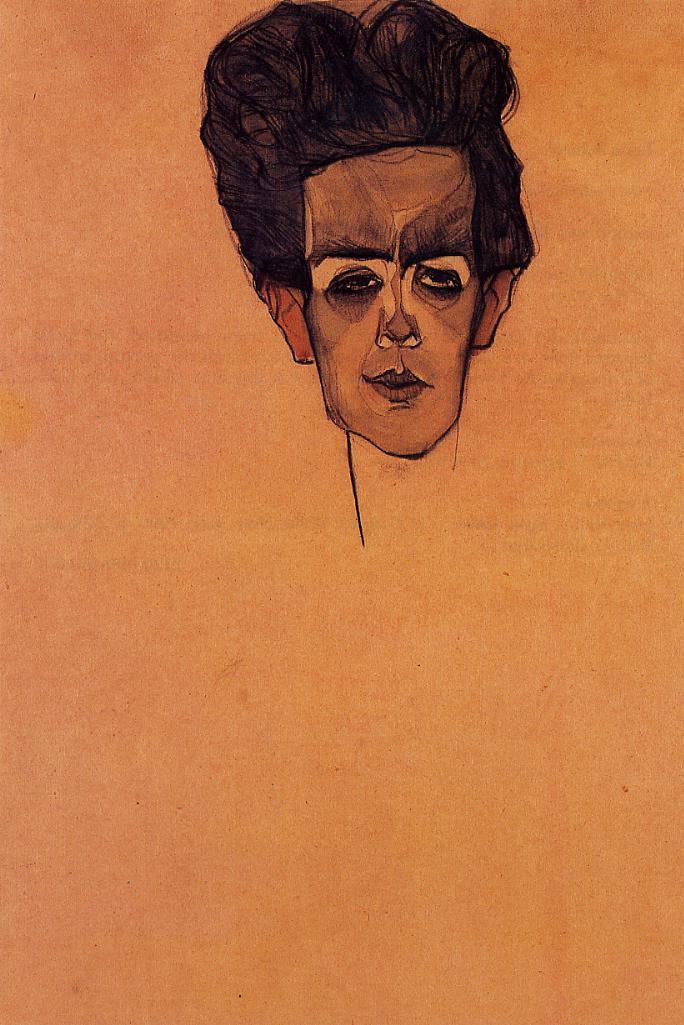
Egon Schiele- Selbstbildnis, 1910

Egon Schiele- Selbstbildnis, 1910

Egon Schiele - Selbstportrait Gefangenen (Self-portrait prisoner ) 1912

Egon Schiele – Selbstportrait Gefangenen (Self-portrait prisoner ) 1912

Egon Schiele- Selbstbildnis, 1910

Egon Schiele- Selbstbildnis, 1910

Egon Schiele- Selbstbildnis hockend (Auto-portrait accroupi), nd

Egon Schiele- Selbstbildnis hockend (Auto-portrait accroupi), nd

Egon Schiele -Selbstbildnis mit Weiblicher Akt Self-Portrait with Female Nude,  1917-18.

Egon Schiele -Selbstbildnis mit Weiblicher Akt Self-Portrait with Female Nude, 1917-18.

Egon Schiele-Männlicher Akt (Selbstporträt) I, 1912

Egon Schiele-Männlicher Akt (Selbstporträt) I, 1912

Egon Schiele- Selbstakt, Studie zur Sema Mappe (Autoportrait, Etude pour le groupe Sema), 1912

Egon Schiele- Selbstakt, Studie zur Sema Mappe (Autoportrait, Etude pour le groupe Sema), 1912

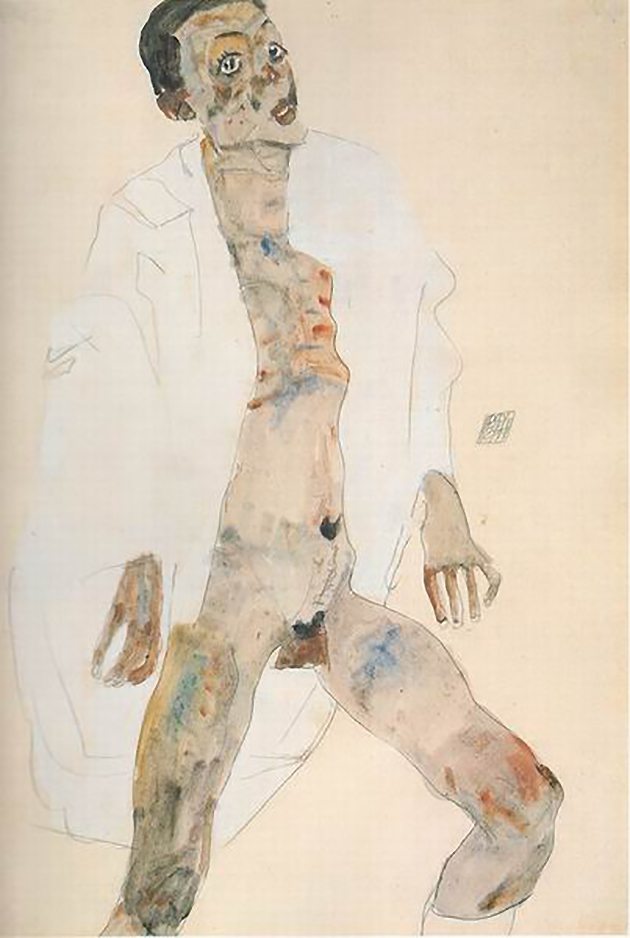
Egon Schiele- Selbstakt in Grau mit offenem Mund (Autoportrait nu en gris avec la bouche ouverte), 1910

Egon Schiele- Selbstakt in Grau mit offenem Mund (Autoportrait nu en gris avec la bouche ouverte), 1910

Egon Schiele- Selbstporträt mit Arm Verdrehung oben Kopf (Autoportrait avec le bras tordu au dessus de la tête), 1910

Egon Schiele- Selbstporträt mit Arm Verdrehung oben Kopf (Autoportrait avec le bras tordu au dessus de la tête), 1910

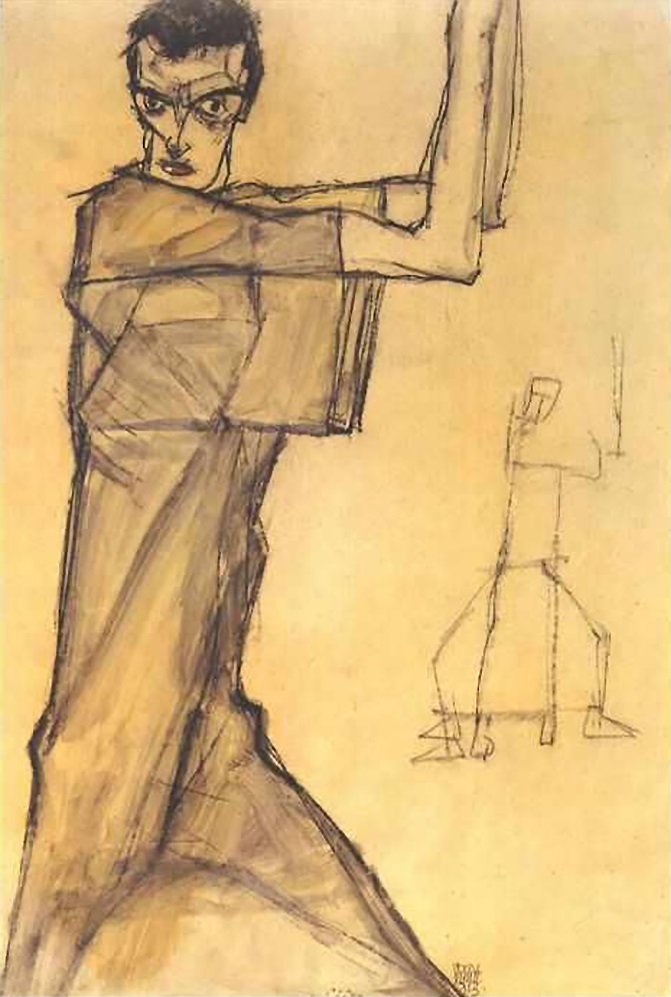
Egon Schiele - Self portrait with raised arms , 1

Egon Schiele – Self portrait with raised arms , 1913

 Egon Schiele -Dreifach-Selbstporträt, triple Self Portrait, 1913

Egon Schiele -Dreifach-Selbstporträt, triple Self Portrait, 1913

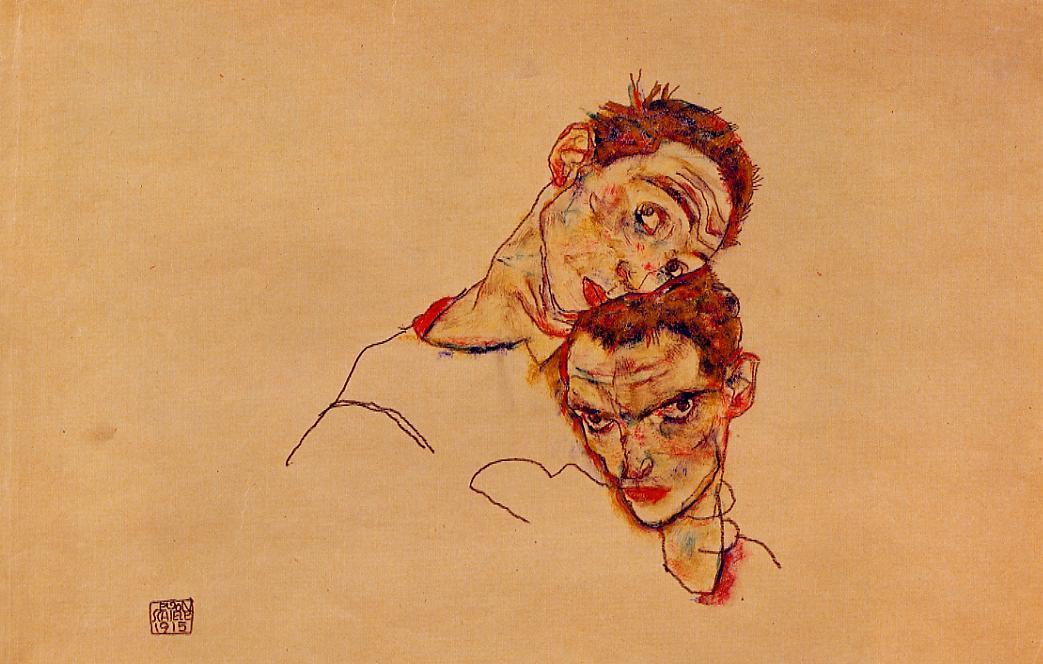
Egon Schiele - Doppelselbstporträt,double auto portrait, 1915

Egon Schiele – Doppelselbstporträt,double auto portrait, 1915

Egon Schiele-Die Rote Hostie (L'hostie rouge), 1911

Egon Schiele-Die Rote Hostie (L’hostie rouge), 1911

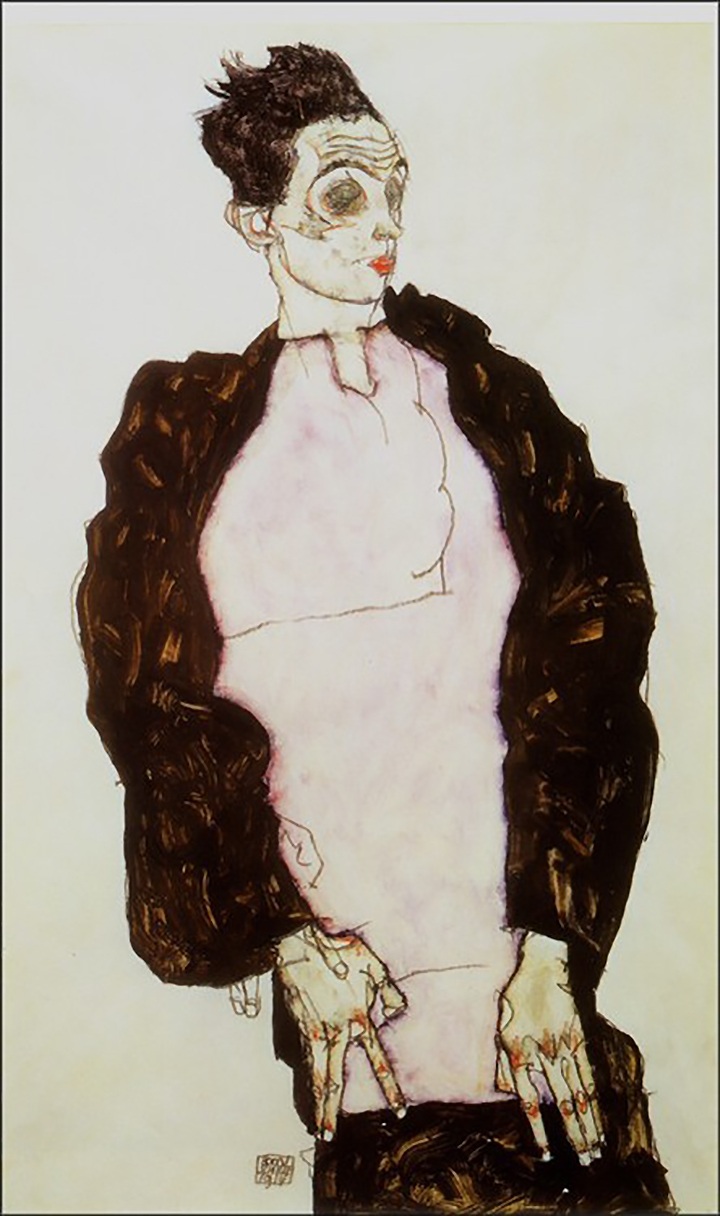
Egon Schiele- Selbstporträt in Lavendel Hemd und dunklen Anzug, stehend (self-portrait in lavander shirt and dark suit, standing)  ,1914
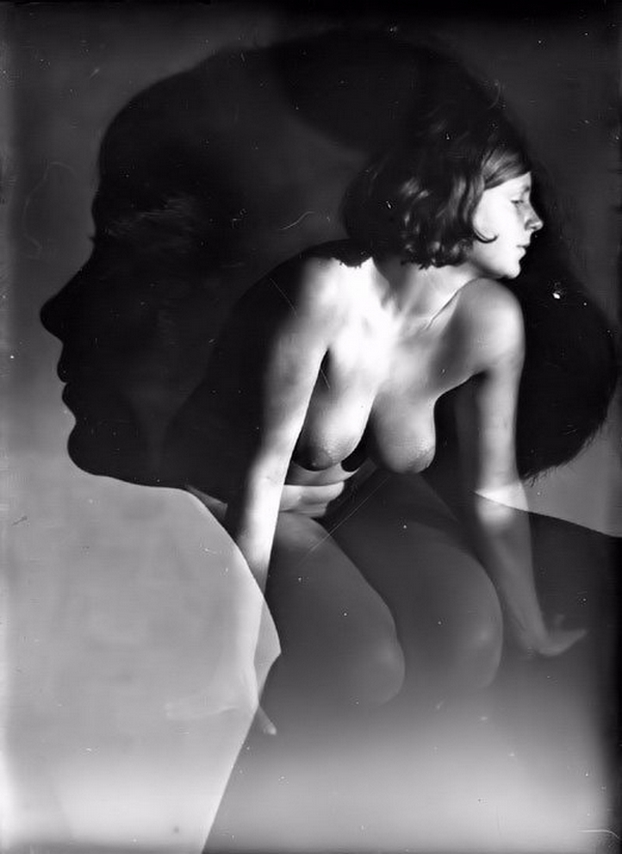
Egon Schiele- Selbstporträt in Lavendel Hemd und dunklen Anzug, stehend (self-portrait in lavander shirt and dark suit, standing) ,1914

Egon Schiele -Self-Portrait in Street Clothes 1910

Egon Schiele -Self-Portrait in Street Clothes 1910

Egon Schiele -Selbstporträt mit Pfauen Westen,Self-portrait with peacock West, 1911.

Egon Schiele -Selbstporträt mit Pfauen Westen,Self-portrait with peacock West, 1911.

Egon Schiele -Selbstporträt  1914

Egon Schiele -Selbstporträt 1914

Egon Schiele- Selbstdarstellung mit geschlossenen Augen (auto-représentation aux yeux fermés), 1914

Egon Schiele- Selbstdarstellung mit geschlossenen Augen (auto-représentation aux yeux fermés), 1914

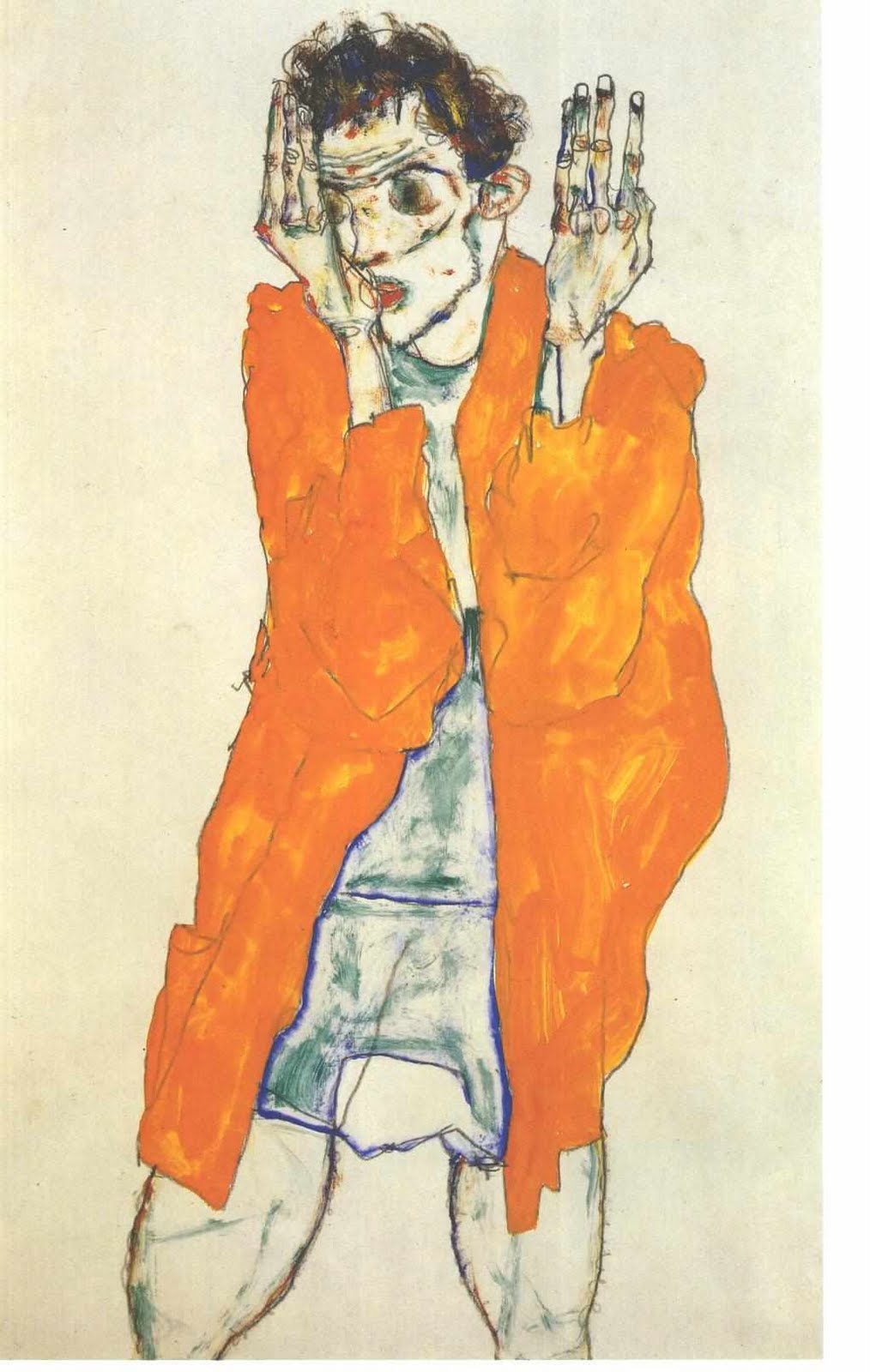
Egon Schiele- Selbstbildnis mit rotem Hemd (Auto-portrait avec une chemise rouge)
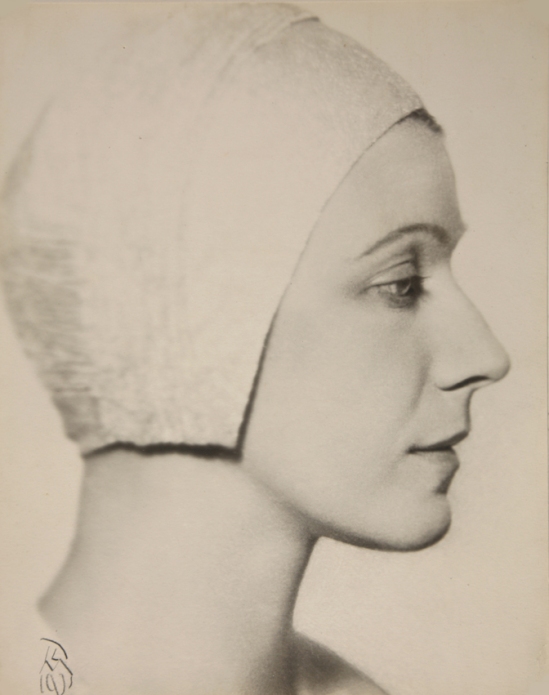
Egon Schiele- Selbstbildnis mit rotem Hemd (Auto-portrait avec une chemise orange)

Egon Schiele - Selbstbildnis, 1913

Egon Schiele – Selbstbildnis, 1913

Egon Schiele - Selbstporträt St. Sebastian (Self-Portrait as St. Sebastian)  1914

Egon Schiele – Selbstporträt St. Sebastian (Self-Portrait as St. Sebastian) 1914

egonschiele  Poster with Self-Portrait as Saint Sebastian, Egon Schiele (1915)

egonschiele Poster with Self-Portrait as Saint Sebastian, Egon Schiele (1915)

Vous trouverez beaucoupo de chose sur wikipainting, attention, tout n’est pas toujours fiable, wiki est fait par tout à chacun, plutot se fier aux musées, http://www.wikipaintings.org/en/egon-schiele

les musées où sont exposé Egon Schiele

Albertina, Vienna
Along with 200 watercolors and drawings by Schiele, the Albertina also looks after the “Egon Schiele Archive” founded by Max Wagner (1882-1954).
Leopold Museum, Vienna
The Leopold Museum owns 42 oil paintings as well as 188 watercolors and drawings by Egon Schiele. The collection built by Rudolf Leopold (1925-2010)
Wienbibliothek im Rathaus, Vienna
Comprising more than 200 letters, the autograph collection of the Vienna City Library boasts a comprehensive compilation of correspondence by Egon Schiele, particularly with the art critic Arthur Roessler (1877-1955) and the collector Heinrich Benesch (1862-1947).