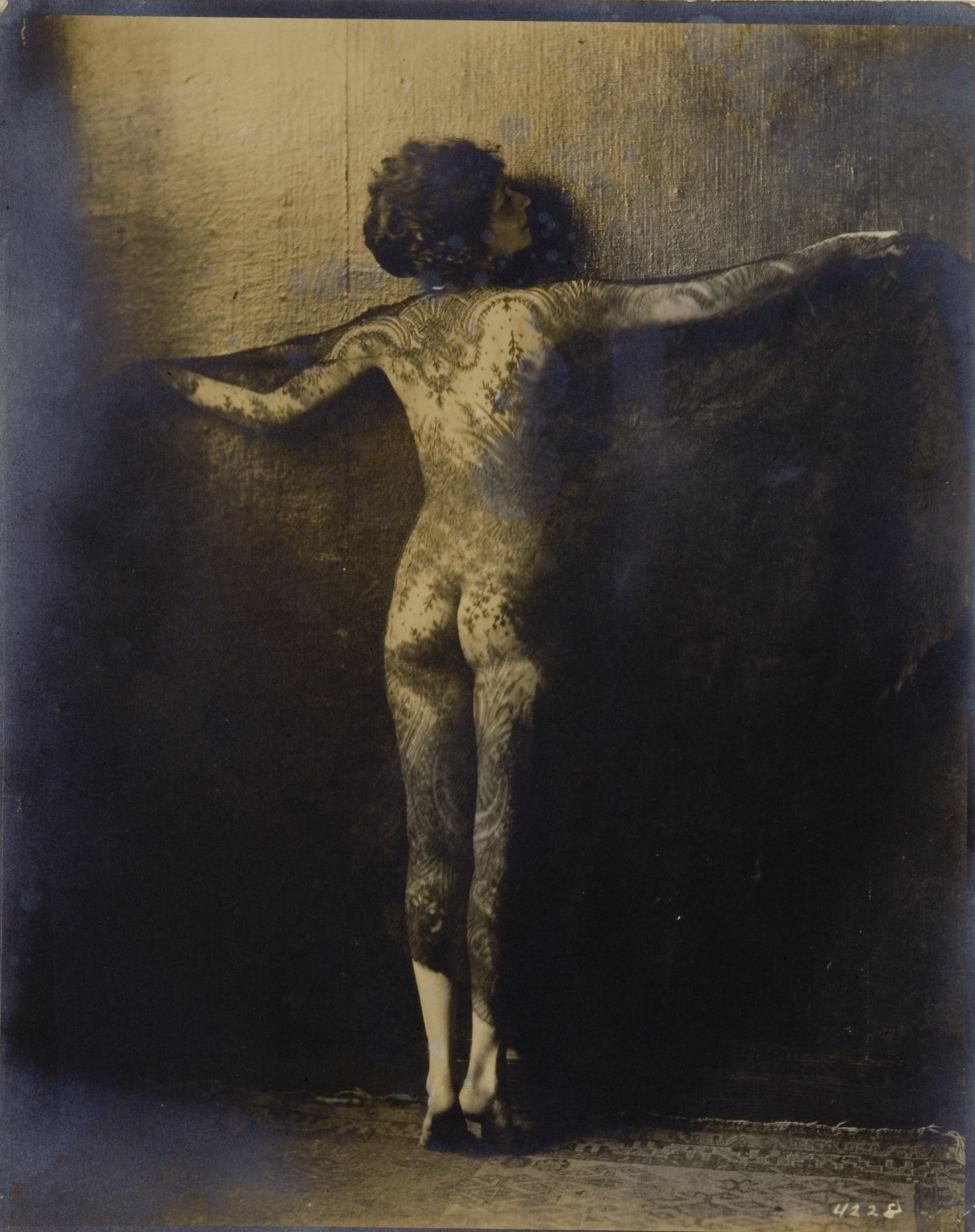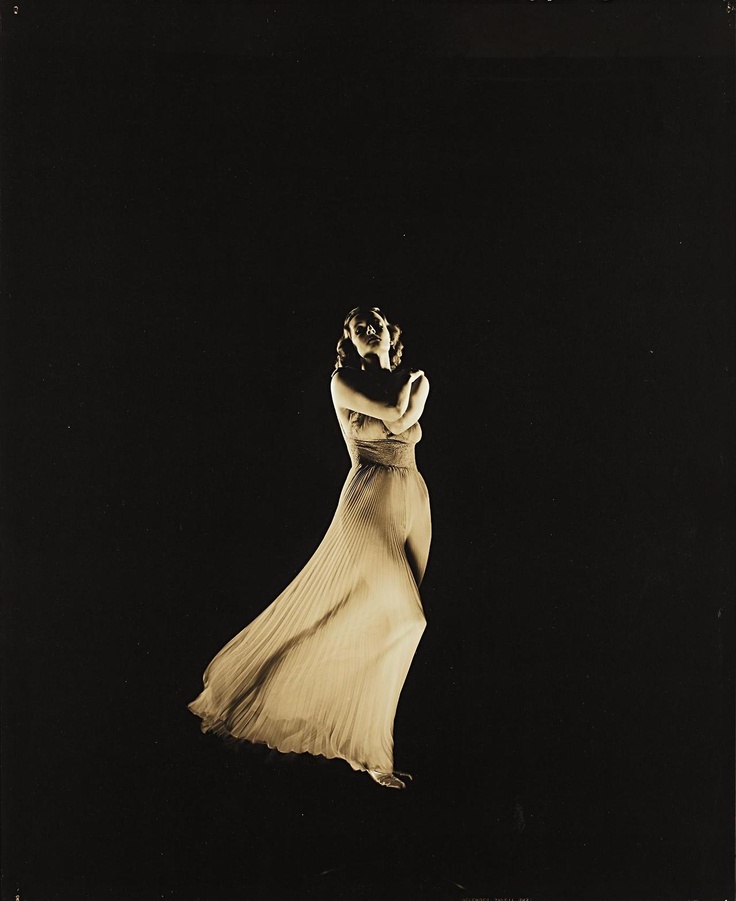
Arnold Genthe- an Isadora Duncan’s dancers , 1915

Arnold Genthe- an Isadora Duncan's dancers  , 1915

Arnold Genthe- an Isadora Duncan’s dancers , 1915

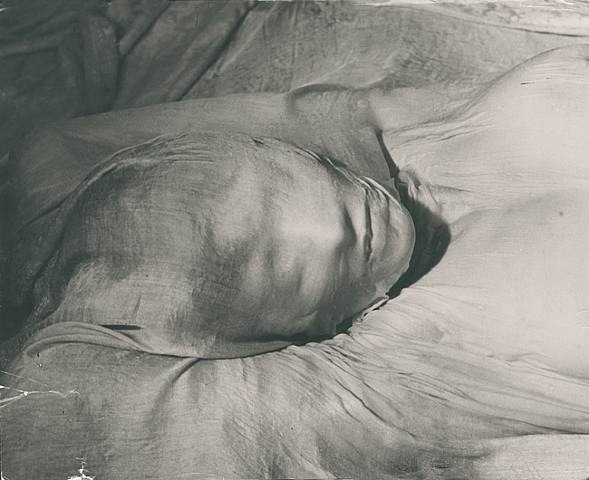
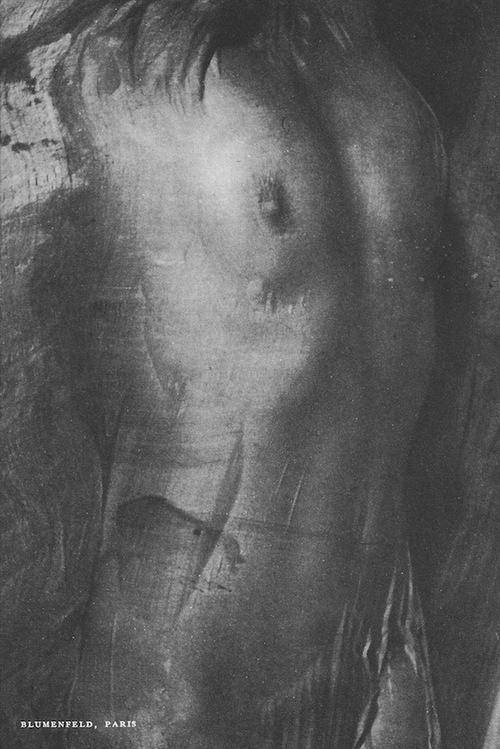
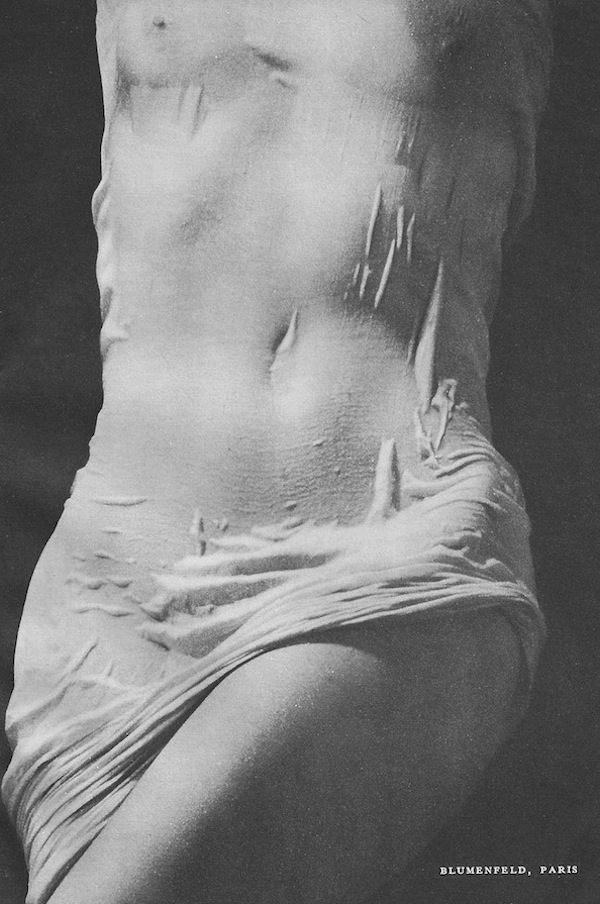
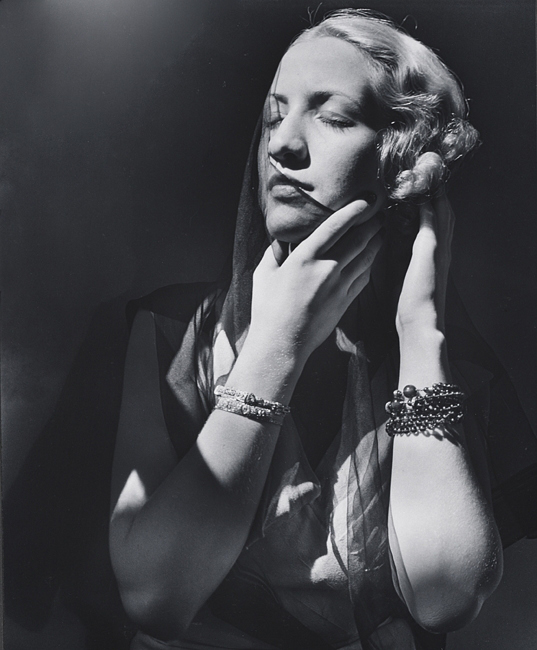
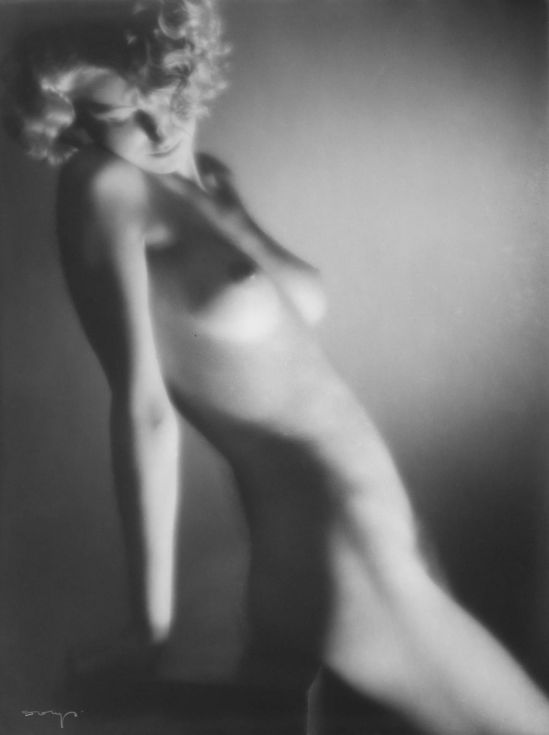
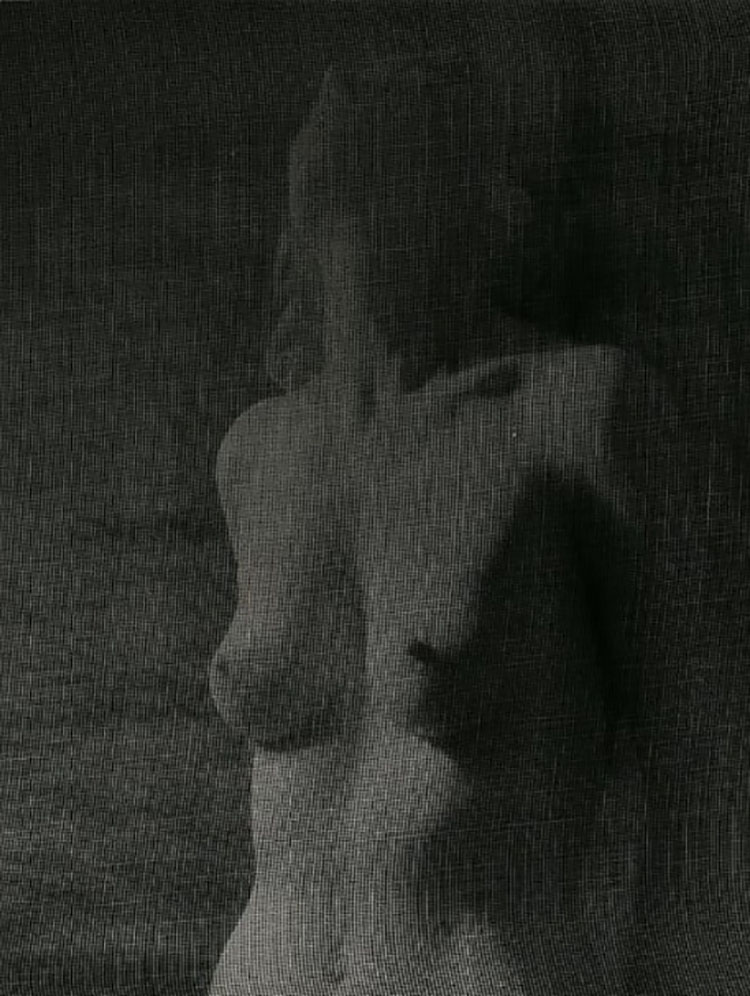
Erwin Blumenfeld – Série Wet Silk (modèle Marguerite von Sivers), Paris, 1937


Erwin Blumenfeld trouvé la célébrité en 1938 avec la publication de 14 photographies de nus sensationnels dans le premier numero de Verve magazine, en voici quelques une. Il y présentera aussi des clichés de l’atelier de A. Maillol par exemple.

20131008-143625.jpg

Erwin Blumenfeld- Nude Under Wet Silk, Paris, circa 1937

Erwin Blumenfeld - Nude under Wet Silk, Paris, 1939

Erwin Blumenfeld – Nude under Wet Silk, Paris, 1937

20131008-144422.jpg

Erwin Blumenfeld- Nude Under Wet Silk, Paris, circa 1937

20131008-144239.jpg

Erwin Blumenfeld- Nude Under Wet Silk, Paris, circa 1937

Erwin Blumenfeld6 Nude Wet, published in The Coronet Magazine, March 1938, taken in 1937

Erwin Blumenfeld-   Wet Silk, published in The Coronet Magazine, March 1938, taken in 1937

20131008-143920.jpg

Erwin Blumenfeld- Wet Silk published in The Coronet Magazine, March 1938, taken in 1937

20131008-143813.jpg

Erwin Blumenfeld- Legs and Wet Silk (Solarization) Paris, Circa 1937

Erwin Blumenfeld -Marguerite von Sivers sur le toit du studio 9, rue Delambre, Paris, 1937

Erwin Blumenfeld -Marguerite von Sivers sur le toit du studio 9, rue Delambre, Paris, 1937

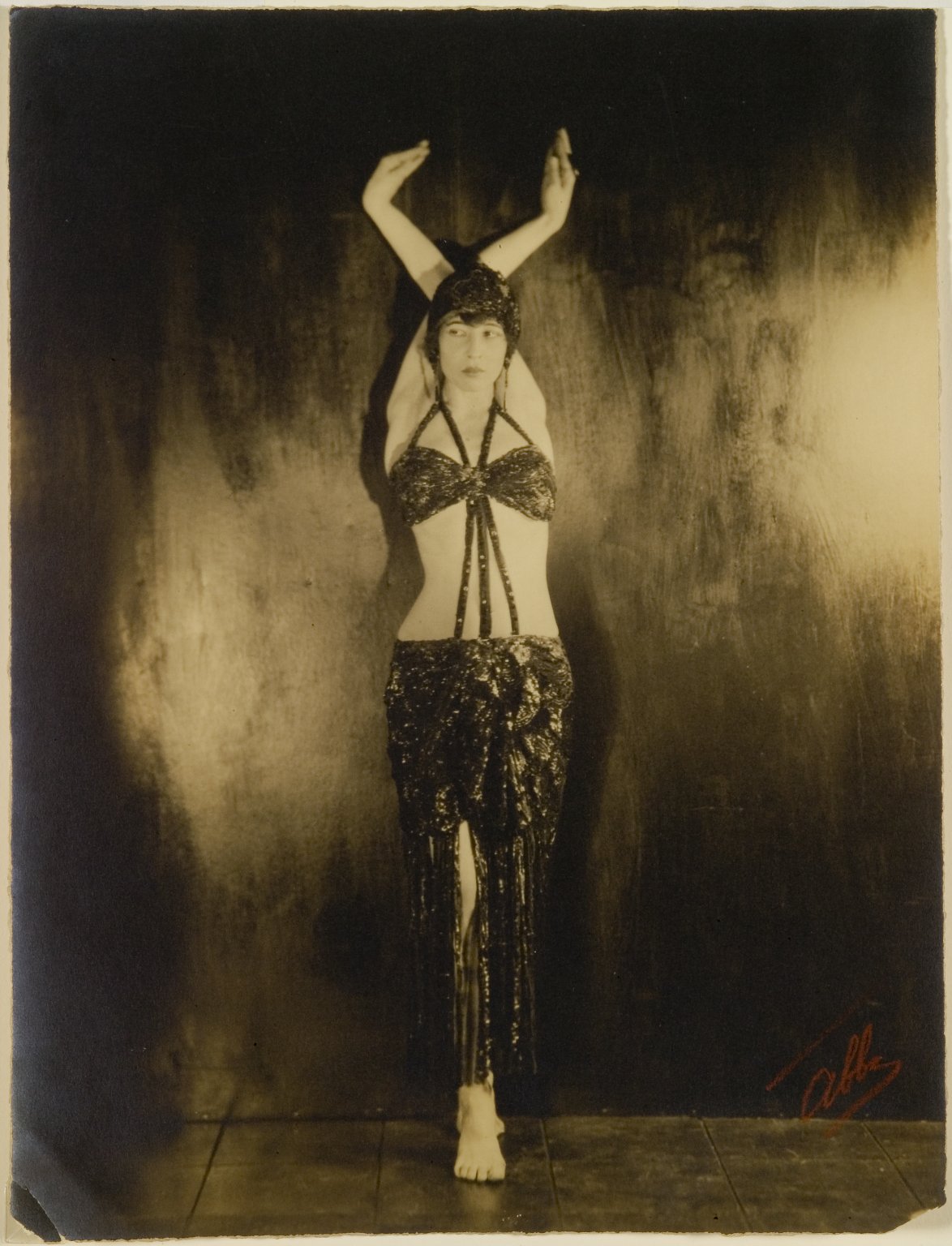
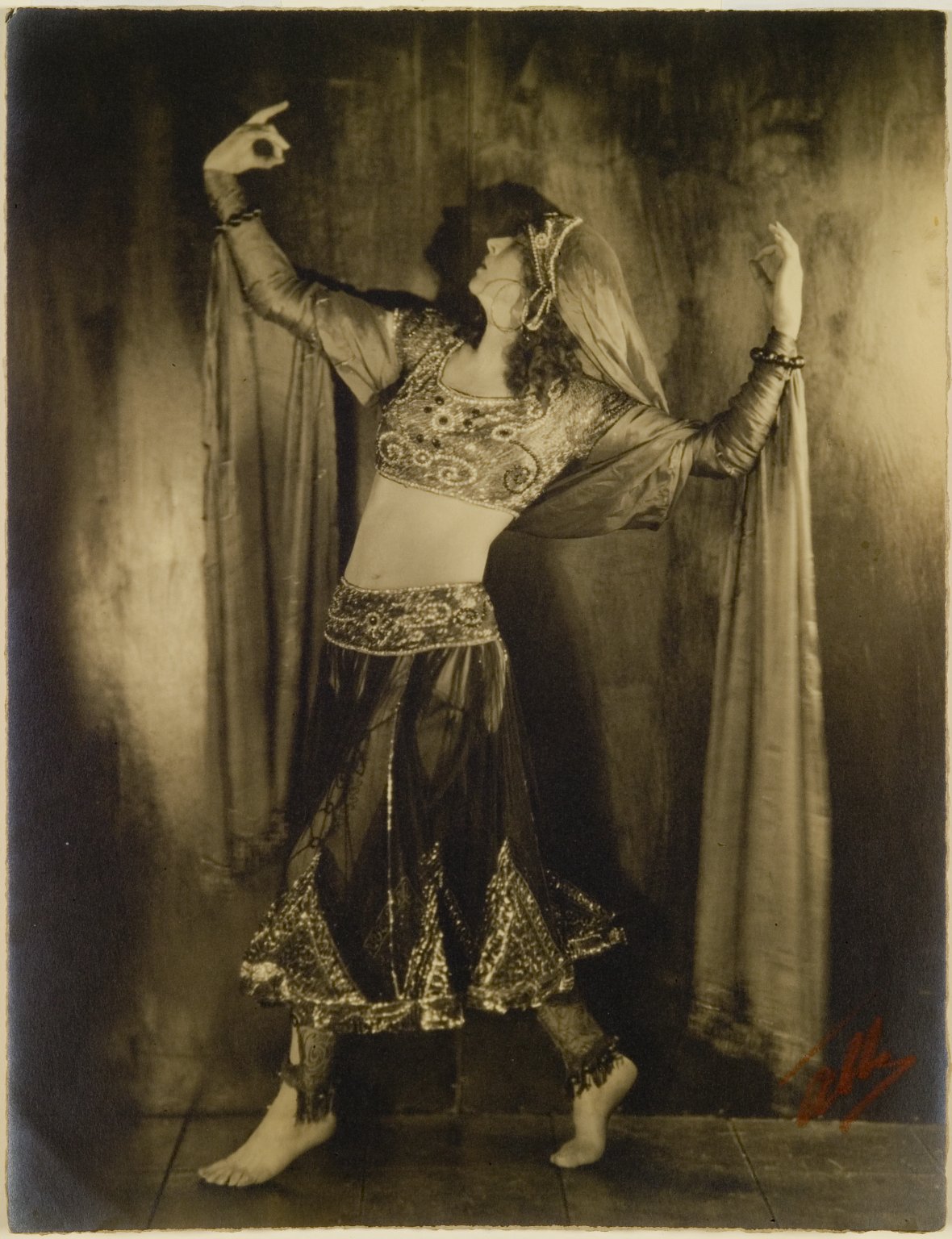
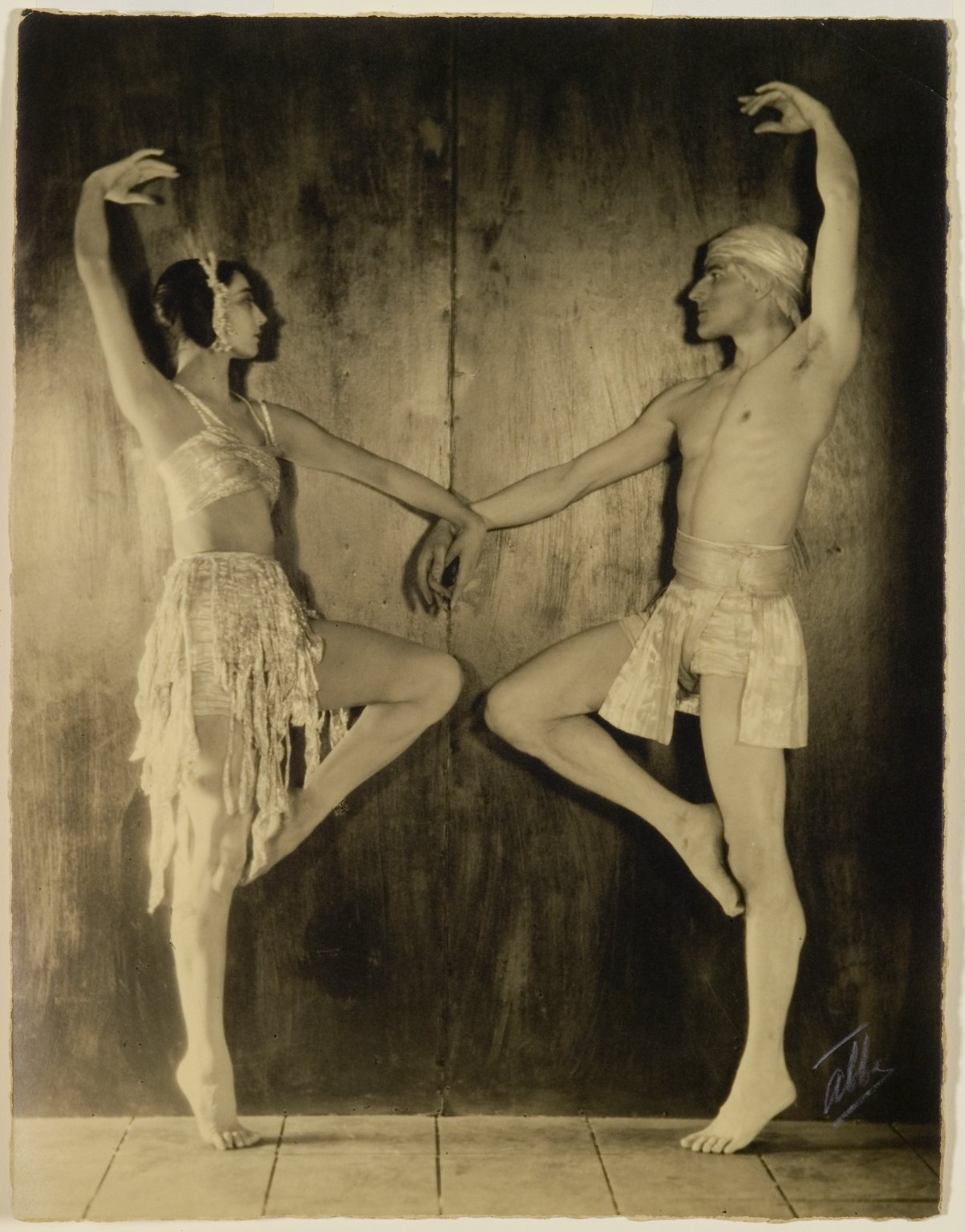
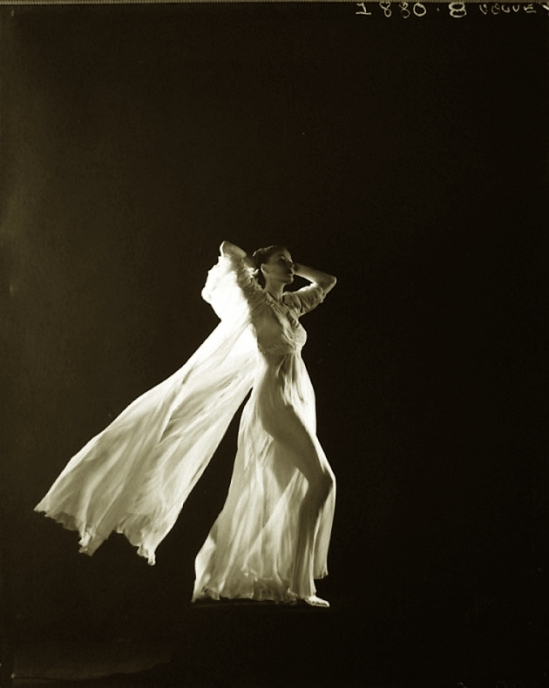
James Edward Abbe – Danse

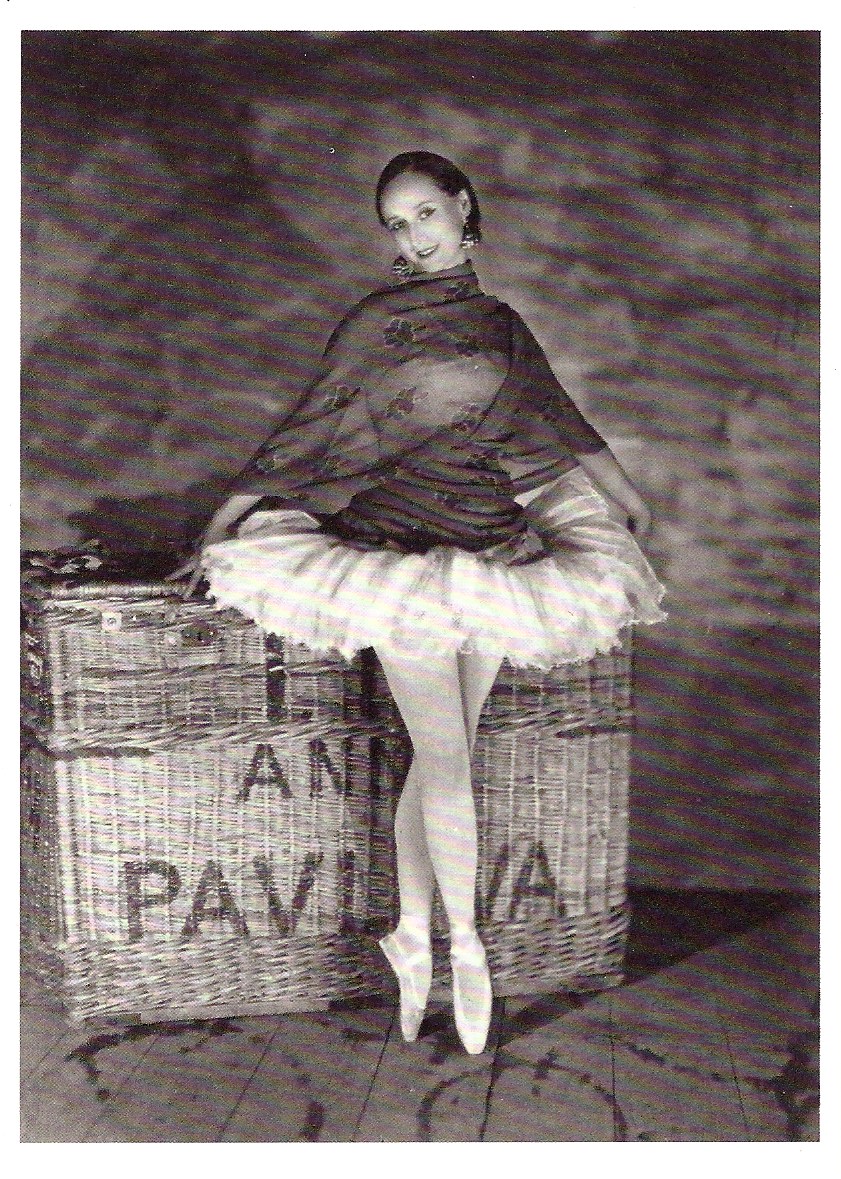
James Abbe (1883-1973) was an American photographer who moved to Paris in the 1920s after working in Hollywood and began focusing on fashion. His work was published in such magazines as American Vogue, Vogue France, Harper’s Bazaar, and Vanity Fair. Like many other fashion photographers of the time period many of his subjects were actors and his subjects included Fred and Adele Astaire, Louise Brooks, Gloria Swanson, and the Russian ballerina Anna Pavlova. In the 1930s he began photographing the Spanish Civil War and then continued to work as a photojournalist throughout World War II, and eventually took Josef Stalin’s first official potraits.

James Edward- Abbe untitled , 1920s

James Edward- Abbe untitled , 1920s

James Edward Abbe untitled (Kyra in Artists and Models) , 1920s

James Edward Abbe untitled (Kyra in Artists and Models) , 1920s

James Edward Abbe untitled (Kyra in Artists and Models) , 1920s

James Edward Abbe untitled (Kyra in Artists and Models) , 1920s

James Edward- Abbe untitled , 1920s

James Edward- Abbe untitled , 1920s

James Abbe - Anna Pavlova, Théatre des Champs Elysées, Paris - 1927

James Abbe – Anna Pavlova, Théatre des Champs Elysées, Paris – 1927

George Maillard Kesslere (1894-1979)


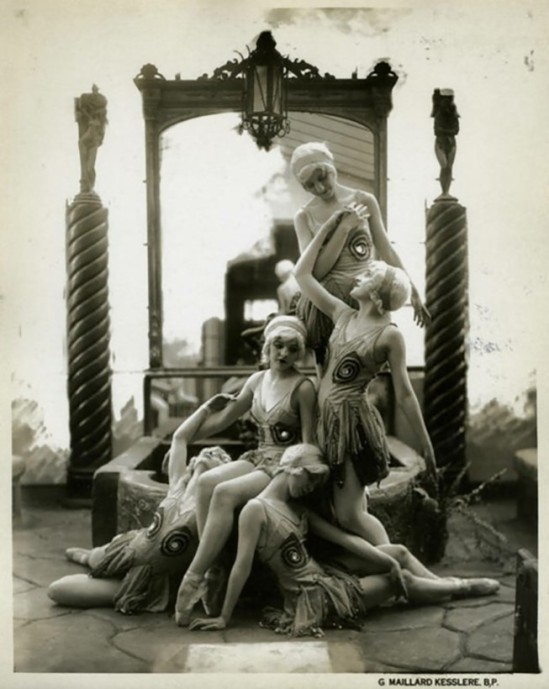
George Maillard Kesslere- Maria Gambarelli et sa troupe, 1925

George Maillard Kesslere était un photographe et peintre américain. Diplômé de l’Université de Syracuse, Kesslere était l’un des derniers élèves du peintre impressionniste américain, William Merritt Chase. Après l’optention de son diplome, il a créé un studio ( surtout de portrait) à Syracuse,Etat de New York, où il a pratiqué la photographie et la peinture. Il a également collaboré à plusieurs projets muraux.

Bien que son travail de photographe ait gagné une reconnaissance immédiate pour son talent artistique, Kesslere ne put jamais gagner sa vie à ses debuts,car le prix des photogravure étant trop élevées. Donc, en 1921, The Debutante (La débutante), un périodique de New York peu cher, le convie à devenir éditeur d’art, Kesslere saute sur l’occasion, le déplacement à New York en Août 1921. Pour une brève période, il a maintenu les deux lieux de travail, mais son succès en tant que photographe à New York fit obturateur studio Syracuse en 1922.

La Débutante disparue, Il plublie un ensemble de portraits de Dorothy Dickson dans Vanity Fair qui cimente sa reputation comme un artiste photographe talentueux , ce qui lui a valu une clientèle de ville.Esthète, snob, bisexuels libertin, et le parti-donateur, il est devenu une figure importante dans la consolidation des liens culturels entre la communauté des arts et de la haute société homosexuels dans la période entre les deux guerres.

George Maillard Kesslere-Dorothy Dickson , November 1920

Remarquant la vogue dans les magazines culturels pour les photos floues de danseuses nues, Kesslere en 1923 a commencé à développer une série de peintures et pastels de filles nues drapées diaphonously fonctionnant à l’air libre. Ce genre arty de la peinture de pin-up a attiré l’attention de Broadway chair marchand, Earl Carroll qui a installé Kesslere comme son photographe officiel après la mort de John De Mirjian (voir article sur Lui ICI) en 1928. Les programmes pour « Vanités » série Carroll sélectionnée peintures et photos par Kesslere, et une appréciation effusive de son art par certains luminaire culturelle de la journée.

George Maillard Kesslere- Two nude with aveil in the wind,photo-painting 1924-25

George Maillard Kessler- Untitled, 1930 credited by in the date by 1000 nude, ed Taschen, 2005, but it seems to be from the same serie of the wind in 1924

George Maillard Kesslere-Early Morning 1924-30s

Dans le monde de la photographie théâtrale, la renommée de Kesslere reposait sur des représentations du corps, autant que ses traitements évocateurs et expérimentaux de la tête. Il était l’un des plus beaux des photographes de format de buste de la fin des années 1920 et 1930. Il excellait dans le traitement pictural de buste.Pour ses portraits, il a reçu la reconnaissance de l’Académie royale britannique de la photographie

Le 26 Mars 1935, Kesslere expose 500 de ses photographies, peintures, dessins, gravures et dans le salon de Ziegfeld Theater Patricia Loew. Le 1er Juillet 1947, une exposition itinérante du travail de Kesslere, «Stars d’hier et d’aujourd’hui, »fait le tour des Etats-Unis .

En 1952, Kesslere fait don de 6000 photographies et 500 tableaux à la Collection Théâtre de la New York Public Library. Malheureusement, l’atelier de Kesslere, a pris feu peu de temps avant le transfert des images, et la plupart des articles qui ont été enregistrés et transférés à la collecte NYPL souffrent de dégâts d’eau et une manipulation brutale. Texte de David S. Shields traduit par mes soins.
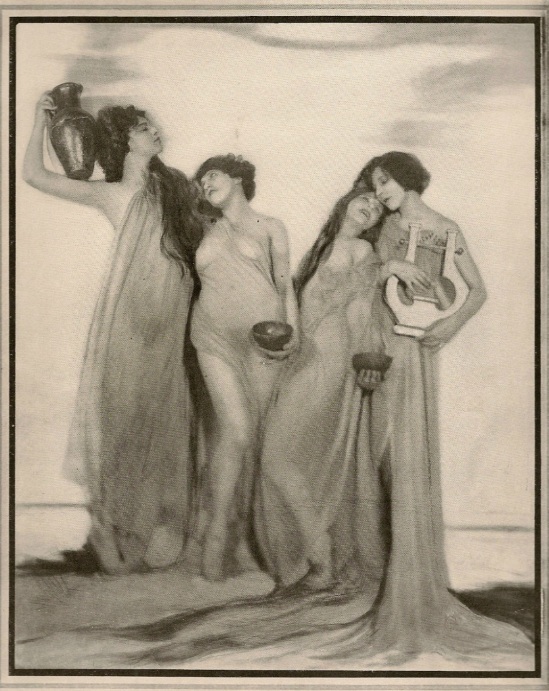
George Maillard. Kesslere- The Graces, posed by The Muller Dancers,pubished in Theatre Magazine, september 1923
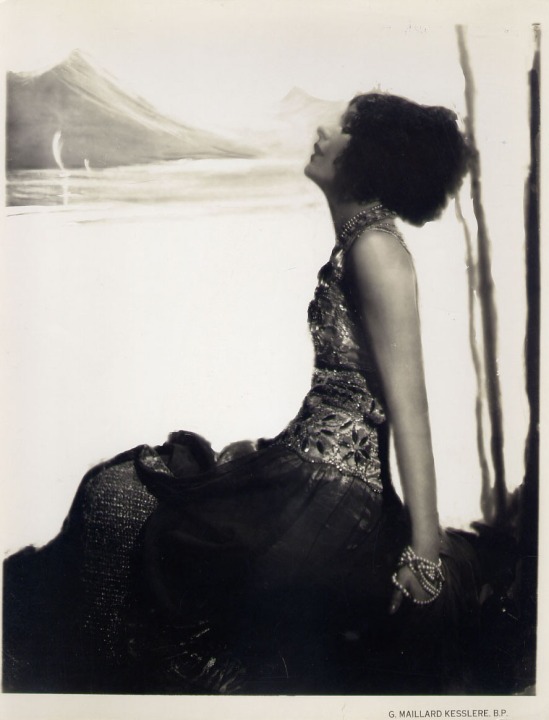
George Maillard Kesslere Norma Talmadge ,1920-1925

George Maillard Kesslere-Norma Talmadge, 1924-27

George Maillard Kesslere Nude, Womanhood, 1925
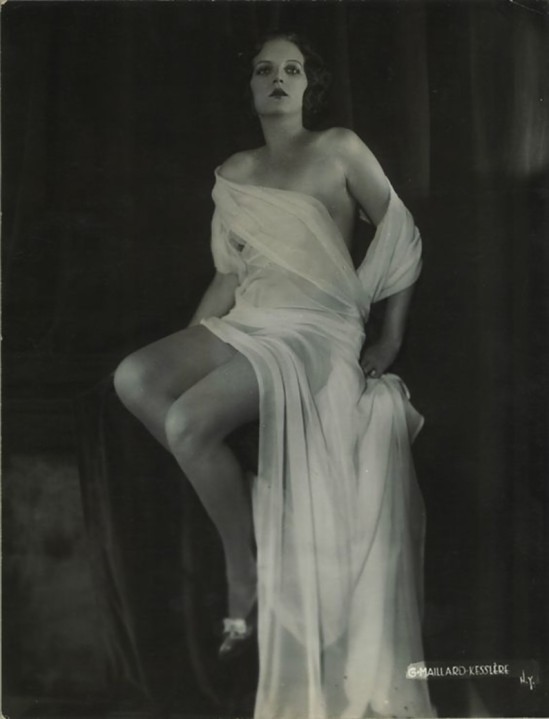
George Maillard Kesslere Sultry Shirley 1922-25
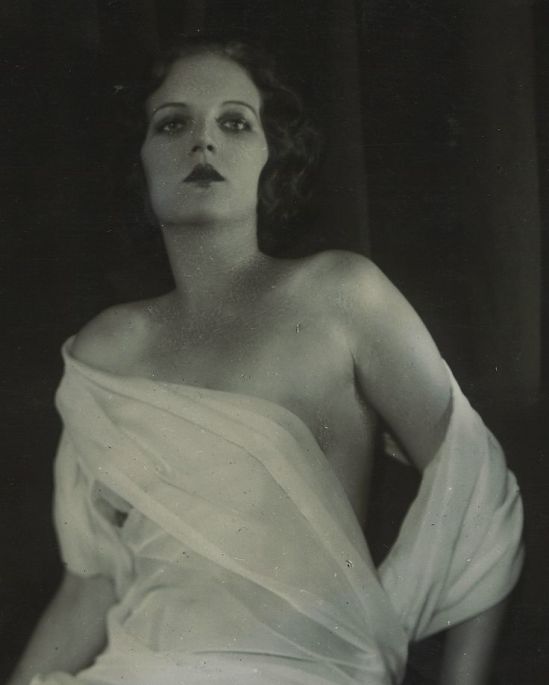
George Maillard Kessler- Sultry Shirley in parshall (Série Earl Carrols Vanities), {Crop} 1931[source ebay]

Kesslere consacré son art photographique du portrait de théâtre et de la mode. Peintre de formation, il a poursuivi une carrière parallèle comme un bel artiste, excellant dans des tons pastels. De la première, il illustré l’approche-Hollywood lutte contre picturale, des photographes de Kansas City et les racloirs de New York négatifs. Il a rénové et modernisé le style de la photographie vignette fin du 19ème siècle . Le succès de ces portraits de médias mixtes conduit d’autres, comme Hal Phyfe , John De Mirjian , et même Irving Chidnoff , a expérimenter avec le style, conduisant à un moment en 1926-27 quand un style distinct de New York de l’art du portrait a prévalu. Même dans les années 1930 plus tard, quand un style rectiligne de représentation est devenu la norme, les images de Kesslere ont été si lourdement retouchées qu’ils semblaient graphique plutôt que photographique.

George Maillard Kesslere – Maria Gambarelli ( greatest dancer of the Metropolitan Opera ballet school, 1920s

George Maillard Kesslere- Portrait of Maria Gambarelli ( greatest dancer of the Metropolitan Opera ballet school, 1920s

George Maillard Kesslere- Jacqueline Logan
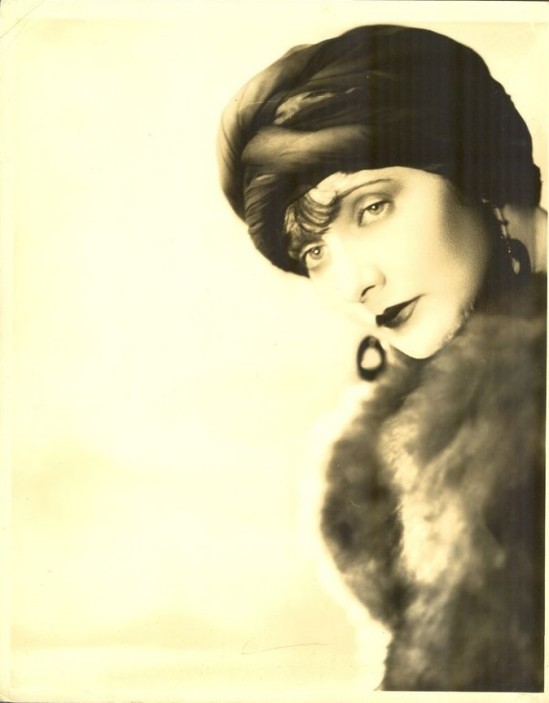
George Maillard Kesslere-Betty Blythe 1924
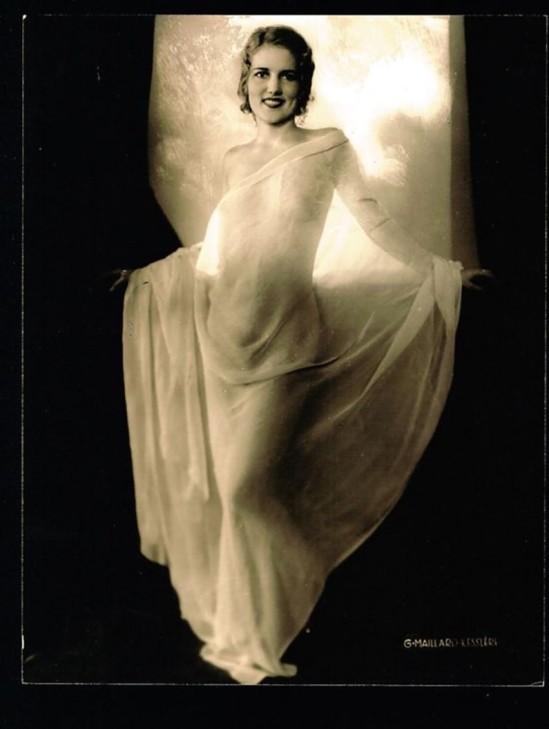
G MAILLIARD KESSLERE VIVIAN KEEFER SEMI NUDE 1920’S

George Maillard Kesslere – Maria Gambarelli ( greatest dancer of the Metropolitan Opera ballet school, 1922
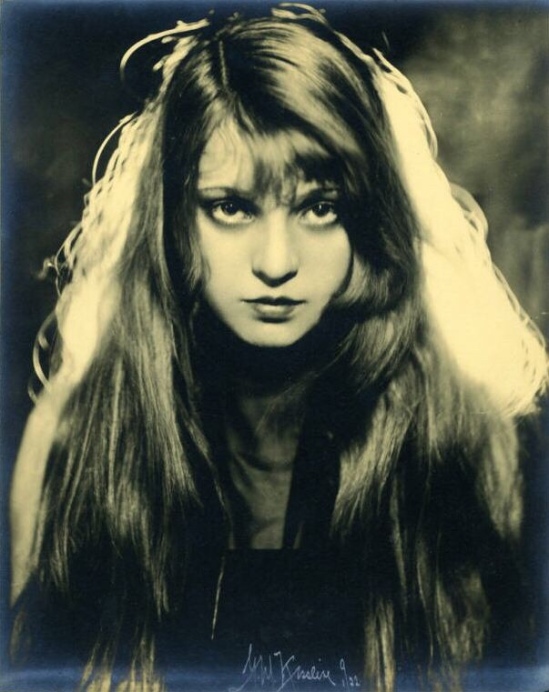
George Maillard Kesslere – Maria Gambarelli ( greatest dancer of the Metropolitan Opera ballet school, 1922 ( ebay)

George Maillard Kesslere – Maria Gambarelli ( greatest dancer of the Metropolitan Opera ballet school, 1922

George Maillard Kesslere – Maria Gambarelli ( greatest dancer of the Metropolitan Opera ballet school, 1922

George Maillard Kesslere – Maria Gambarelli ( greatest dancer of the Metropolitan Opera ballet school, 1922

George Maillard Kesslere – Maria Gambarelli ( greatest dancer of the Metropolitan Opera ballet school, 1922

George Maillard Kesslere -Annette Margules, 1924
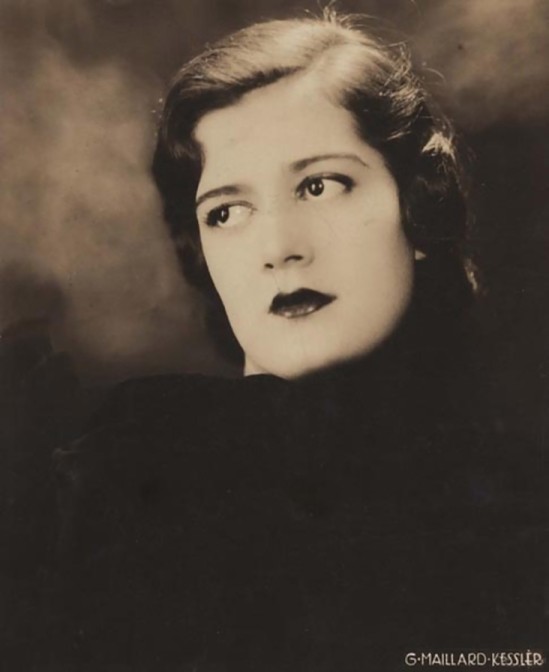
George Maillard Kesslere- Alice Burragen 1922-24

George Maillard Kesslere- Belle Bennett ( actress), 1920s
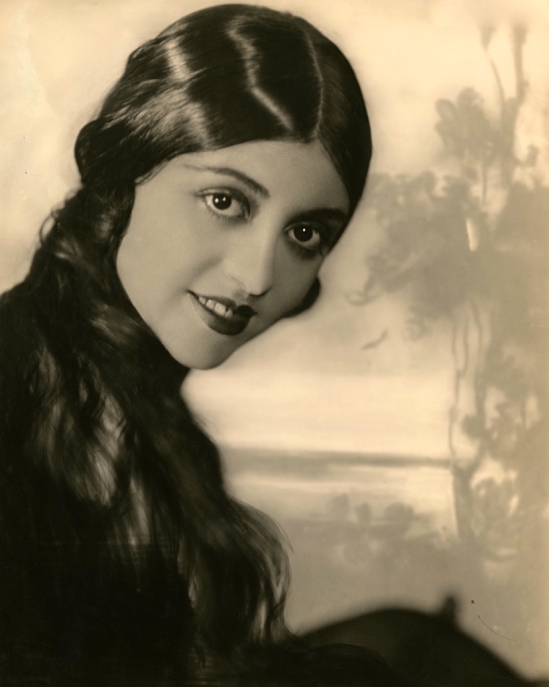
George Maillard Kesslere -Ethelind Terry, 1920s

George Maillard Kesslere-Betty Blythe 1924

George Maillard Kesslere- unknown model, 1924

George Maillard Kesslere-Dorothy Dickson , November 1920
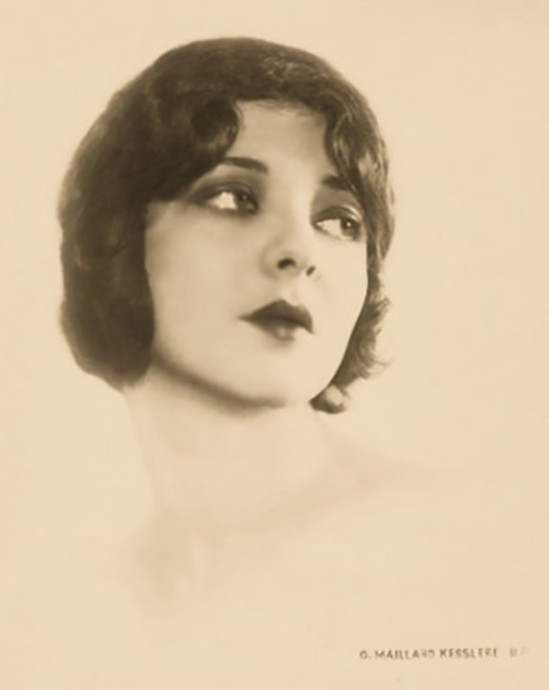
George Maillard Kesslere -Marion Benda, 1920s

George Maillard Kesslere- Evangeline Raleigh ( miss Brodway, Sunny days), 1928
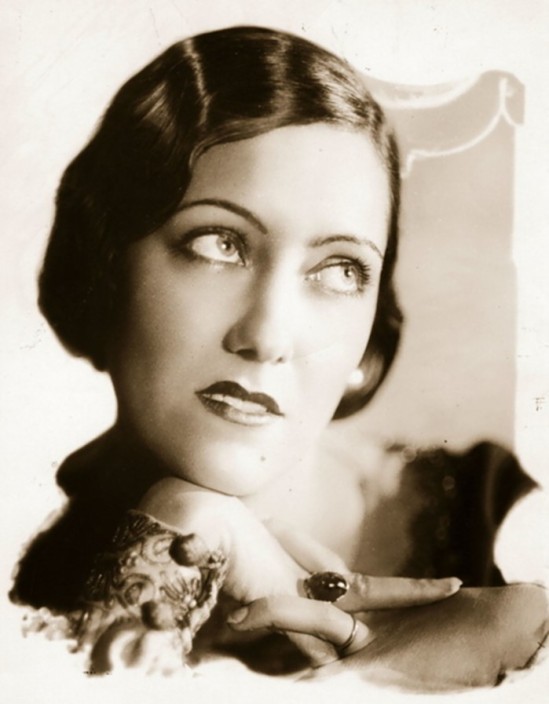
George Maillard Kesslere -Gloria Swanson, 1927
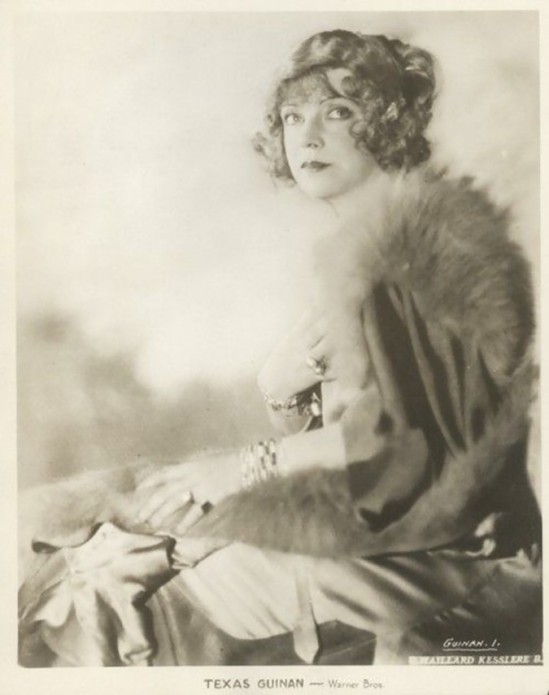
George Maillard Kesslere- silent Western star and speakeasy ownerunknown model, 1924, 1924-26
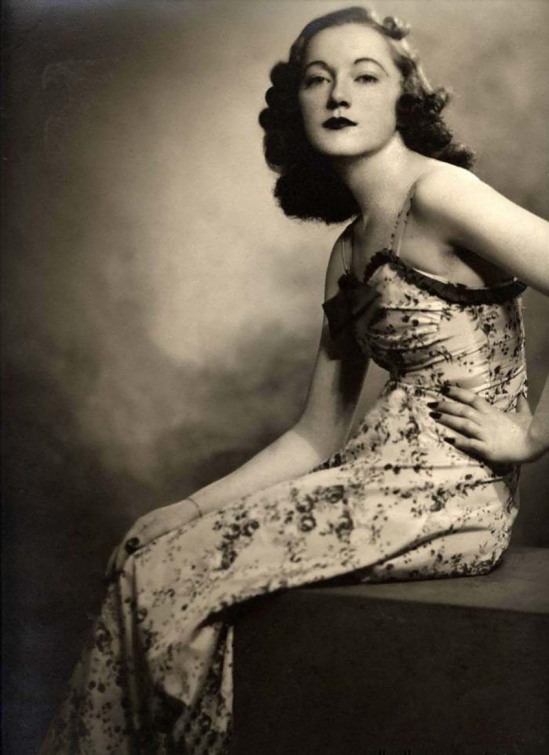
George Maillard Kesslere- unknown model, 1924

George Maillard Kesslere -The showgirl, dancer and actress Lota Cheek, 1924

George Maillard Kesslere -the showgirl dancer and actress Lota Cheek, 1924 police gazette COVER_

George Maillard Kessler- Womanhood, 1925
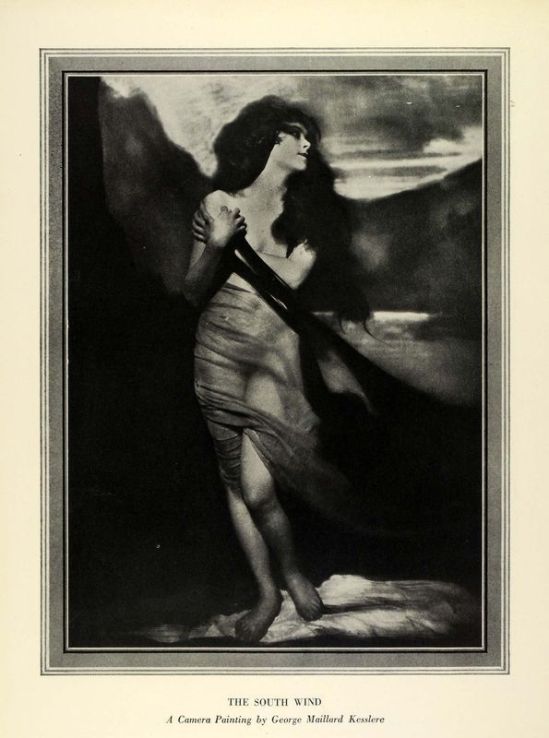
George Maillard Kesslere – The south wind, 1924
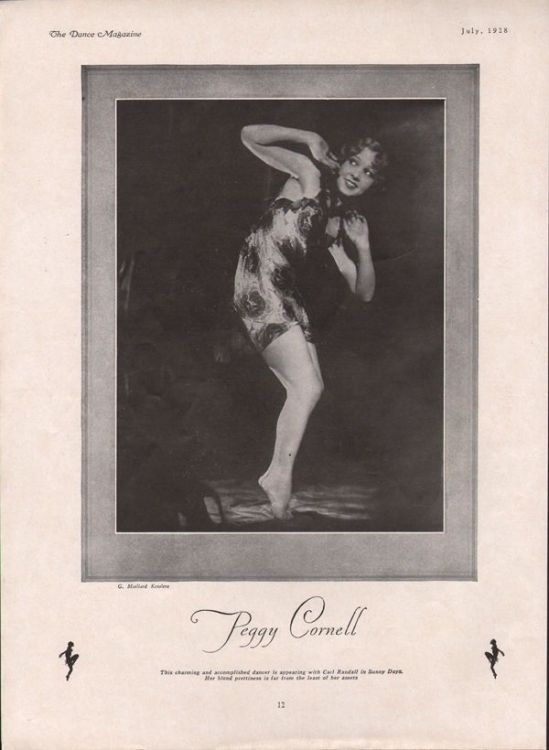
George Maillard Kesslere -Peggy Cornell, 1928

George Maillard Kesslere -Fowler and Tamara Dancers – Pierrot 1925 Magazine

George Maillard Kesslere -Gloria Swanson, For the magazine the Tatler 1927

George Maillard Kesslere -Gloria Swanson, 1927
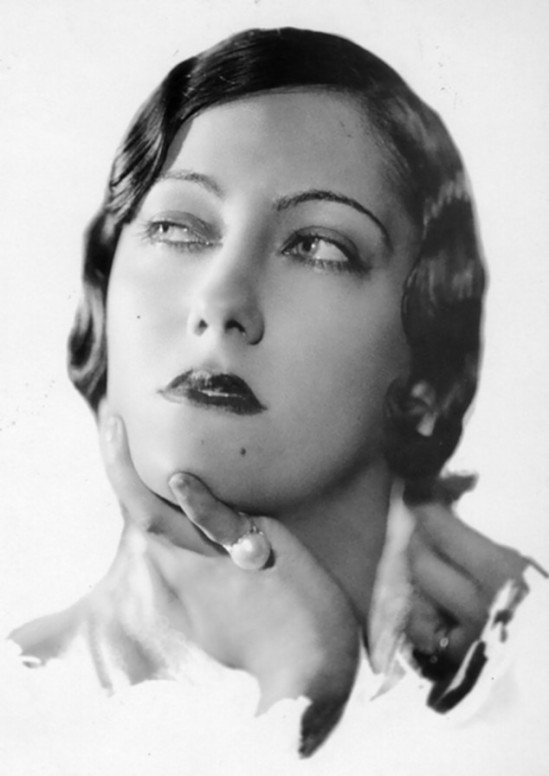
George Maillard Kesslere -Gloria Swanson, 1927

George Maillard Kessler- Tallulah Bankhead, 1935

George Maillard Kesslere- Earl Carroll Vanities, 1921

George Maillard Kesslere- Earl Carroll Vanities, 1922
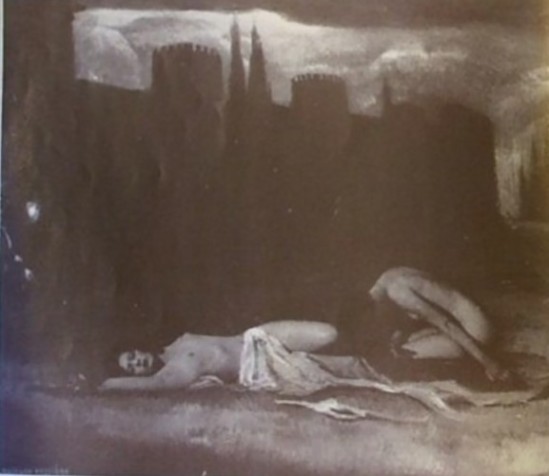
George Maillard Kesslere- Earl Carroll Vanities,

George Maillard Kesslere -Ruth Page and Adolph Bolm in Visions Fugitives, c1922_e

George Maillard Kesslère -Ruth Page in the Music Box Revue, 1922 and 1924 npgl
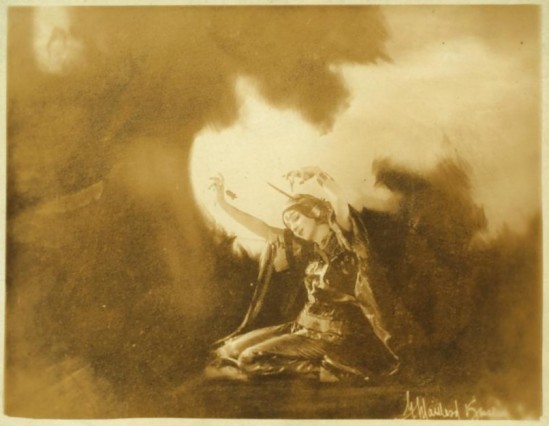
George Maillard Kesslère -Ruth Page in the Music Box Revue, 1922 and 1924 npgl

George Maillard Kesslère -Ruth Page in the Music Box Revue, 1922 and 1924

Cécile Bortoletti- Jean Anouilh

« Je veux savoir comment je m’y prendrai, moi aussi, pour être
heureuse. Tout de suite, puisque c’est tout de suite qu’il faut choisir. Vous dîtes que c’est si beau la vie.
Je veux savoir comment je m’y prendrai pour vivre. »

Jean Anouilh, In Antigone

Cécile Bortoletti- My Suicidal Sweetheart, Lurve Magazine-Issue: #5 Winter 2011,

Cécile Bortoletti- My Suicidal Sweetheart, Lurve Magazine-Issue: #5 Winter 2011,

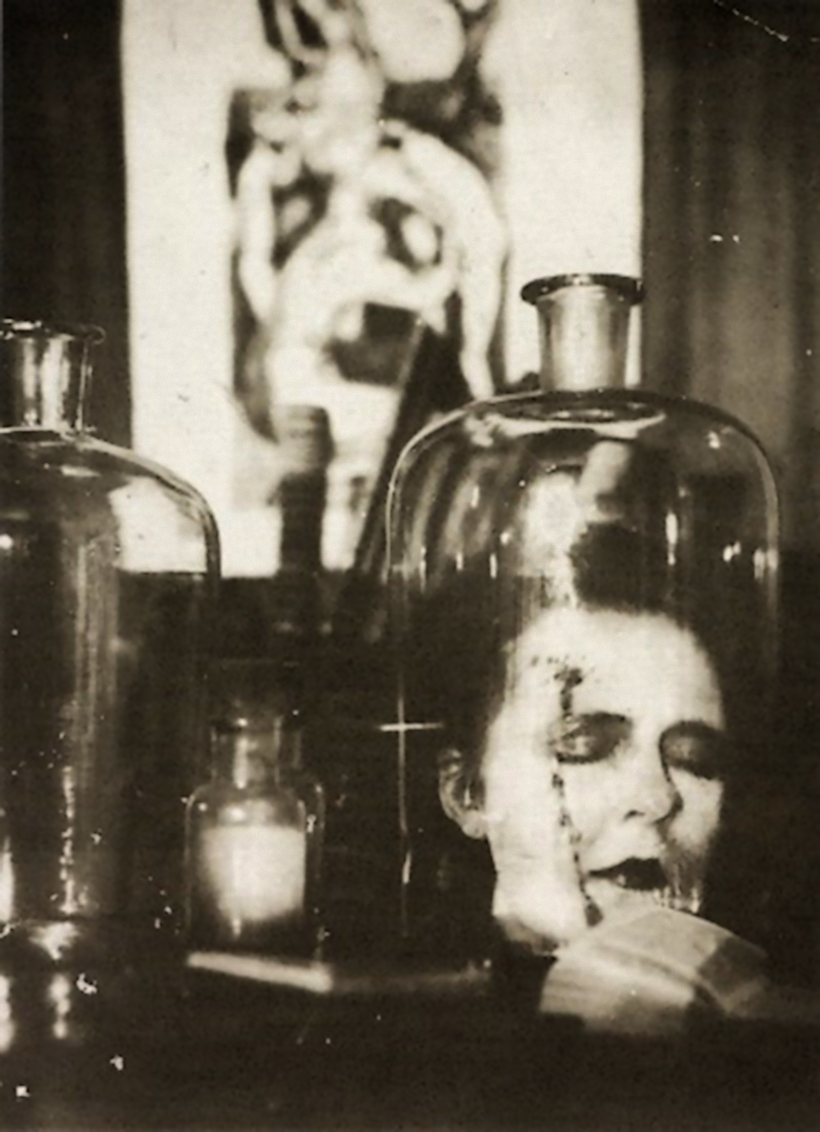
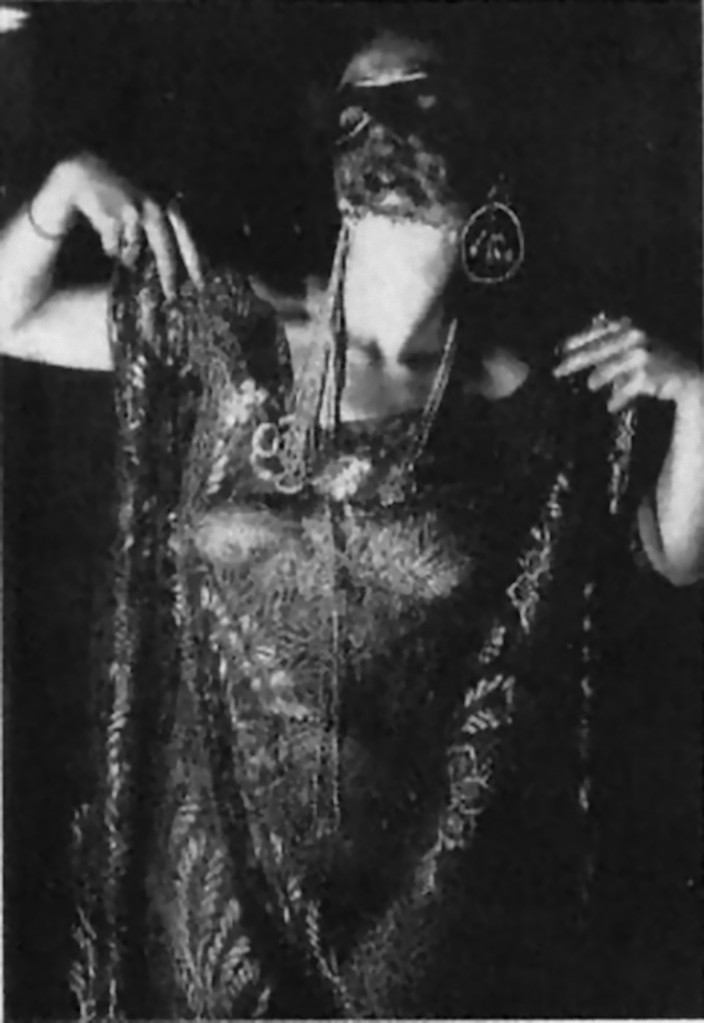
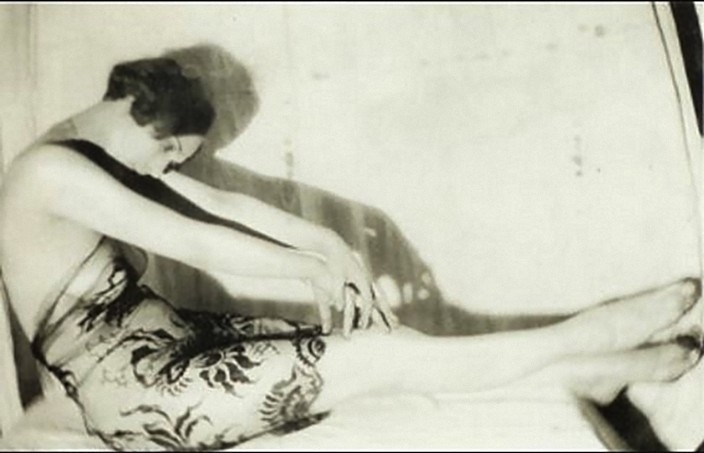
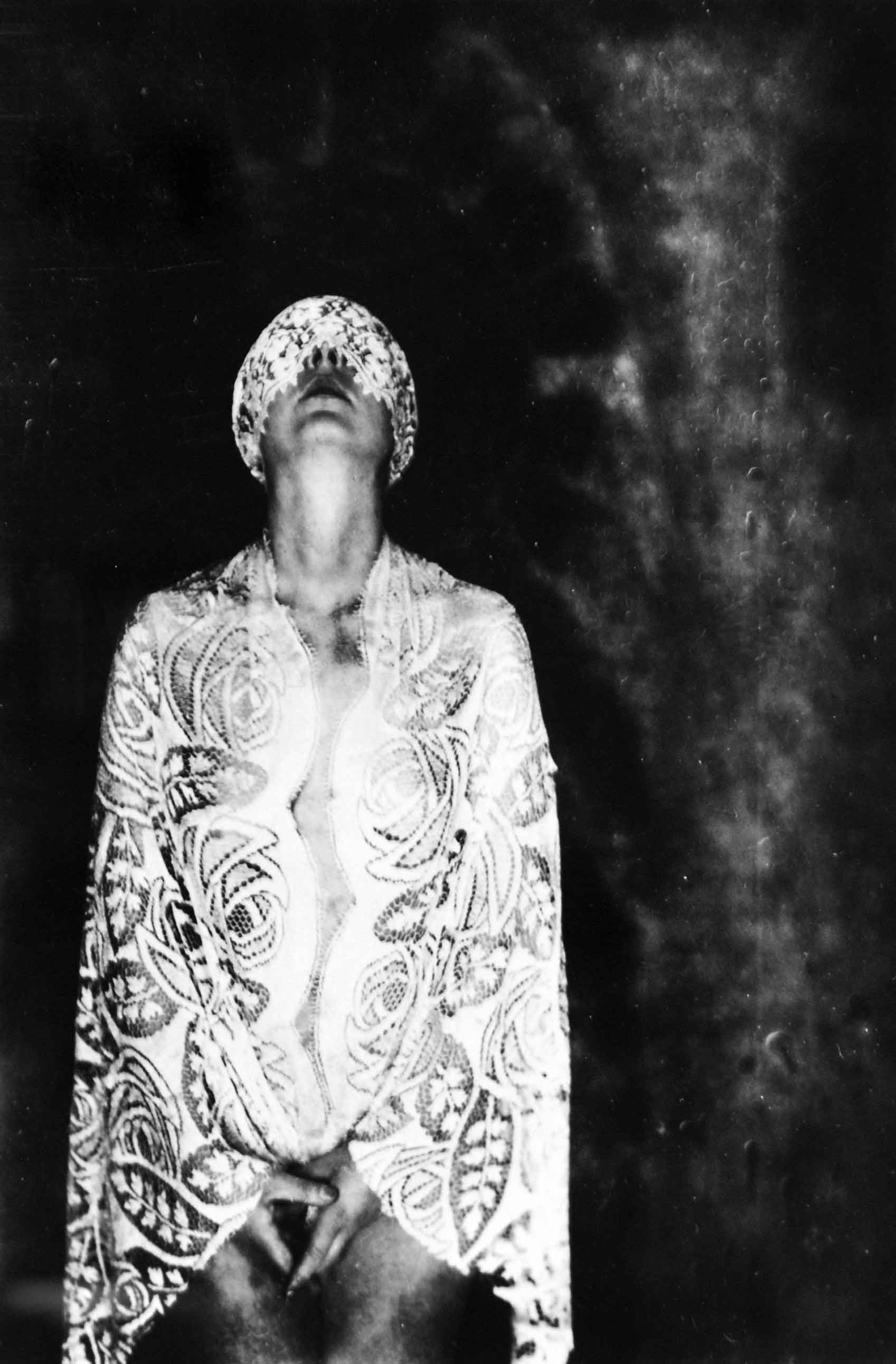
Marta Astfalck- Vietz

Marta Astfalck-Vietz, No.20 Self-Portrait, no date

Marta Astfalck-Vietz, No.20 Self-Portrait, no date

Marta Astfalck- Vietz- Experimental dance, Berlin, 1931

Marta Astfalck- Vietz- Experimental dance, Berlin, 1931

Marta Astfalck- Vietz- Untitled,Sel- portrait, nd

Marta Astfalck- Vietz- Untitled,Sel- portrait, nd

Marta Astfalck Vietz-Self portrait standing nude in black halo, 1930s

Marta Astfalck Vietz-Self portrait standing nude in black halo, 1926

Marta Astfalck Vietz- photography, 1930s ( nude masked ) cover of the catalog Photographien 1922-1935 [Ausstellungskatalog], by Berlinische Galerie, 1991

Marta Astfalck Vietz- photography, 1930s ( nude masked ) cover of the catalog Photographien 1922-1935 [Ausstellungskatalog], by Berlinische Galerie, 1991

Protégé : Pécsi József (1889 – 1956)

Cet article est protégé par un mot de passe. Pour le lire, veuillez saisir votre mot de passe ci-dessous :

John Gutmann Part I

« John Gutmann (1905–1998) was one of America’s most distinctive photographers. Born in Germany where he trained as an artist and art teacher, he fled the Nazis in 1933 and settled in San Francisco, reinventing himself as a photo-journalist. Gutmann captured images of American culture, celebrating signs of a vibrant democracy, however imperfect. His own status as an outsider—a Jew in Germany, a naturalized citizen in the United States—informed his focus on individuals from the Asian-American, African-American, and gay communities, as well as his photography in India, Burma, and China during World War II. Gutmann’s interests in painting and filmmaking, his collections of non-Western art and artifacts, and his pedagogy, all figure in a body of work at once celebratory and mysterious.

Gutmann was born to prosperous German-Jewish parents, in Breslau, Germany (since 1945, Wrocław, Poland). At age twenty-two, he graduated from the regional Academy of Arts and Crafts, where he studied with leading Expressionist painter Otto Müller. In 1927 Gutmann moved to Berlin, where he taught art to schoolchildren, participated in group exhibitions, and in 1931 had a solo show at the prestigious Gurlitt Gallery. However, his career was interrupted by the rise to power of the National Socialists in early 1933. While his family made plans to immigrate to New York, Gutmann set out on his own with San Francisco as his destination, and photography as his new profession. Before departing Germany, he acquired a Rolleiflex camera, hastily shot three rolls of film, and managed to secure a contract from the Berlin office of Presse-Photo. Making the most of a bad situation, he explored a new life as a foreign correspondent who would supply the very modern European illustrated press with views and reports from the American West.

By 1936, he had broken his contract with the Berlin press agency and made a new one with Pix in New York. By 1937, he had begun to teach art regularly at San Francisco College (later San Francisco State University), and this became his primary profession after a World War II era stint in the U.S. army. Gutmann retired his professorship in 1973 and began to reassess his body of work, sorting through boxes of negatives and making new prints of selected examples from the 1930s. It was a well-timed exercise: not only did Gutmann’s images satisfy a growing historical appetite for Depression-era photography, they also seemed compatible with certain kinds of experimental photography then emerging in the contemporary art scene. Before his death in 1998, Gutmann had seen his work featured in gallery and museum exhibitions, catalogues, and monographs.

By bequeathing his rich archive of nearly 5000 modern photographic prints, negatives, tearsheets, letters, and some drawings and early art prints to the CCP, John Gutmann has left us with the task of pursuing the rich knots, braids, tangles and threads in his complex life and work that unfolded over a most tumultuous and provocative century of modernity  » ccp-emuseum.

John Gutmann- “Memory”,1939

John Gutmann- “Memory”,1939 © Arizona Board of Regents

John Gutmann-Veiled Nude with Raised Arms,1939

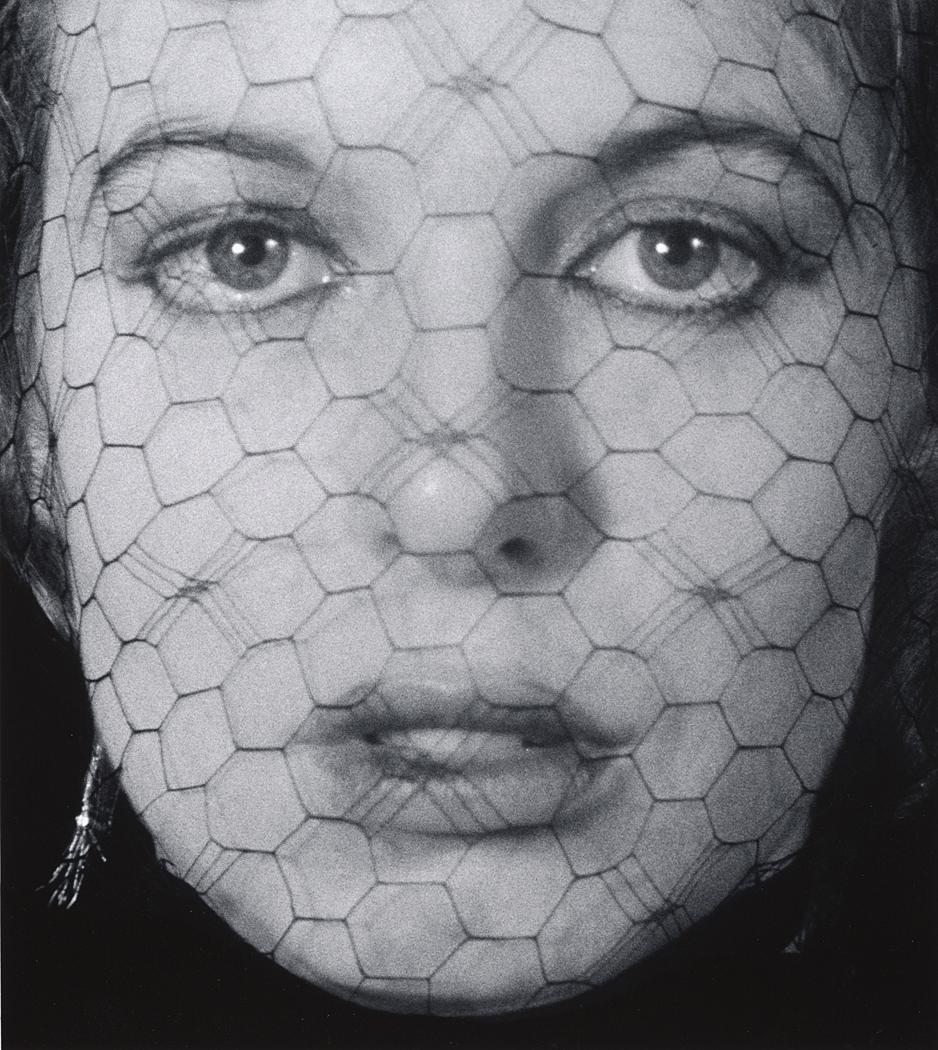
John Gutmann-In Veiled Face, Blue Eyes, 1939

John Gutmann-In Veiled Face, Blue Eyes, 1939

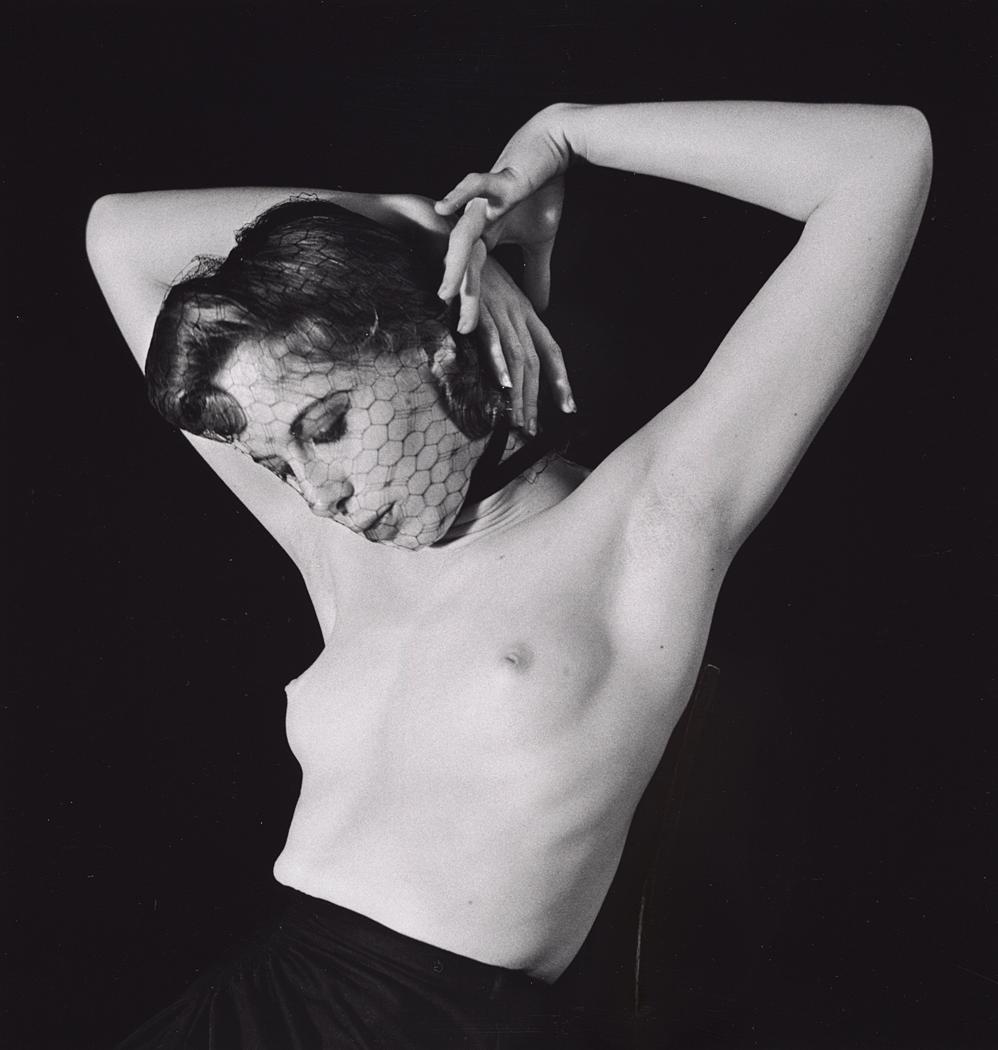
John Gutmann-Half-Nude with Veiled Face 1939

John Gutmann-Half-Nude with Veiled Face ,1939 © Arizona Board of Regents

John Gutmann - Oracle, 1949

John Gutmann – Oracle,( Gerrie von Pribosic- Gutmann, on right 1949 © Arizona Board of Regents

John Gutmann-Rhinestones and Pearls( gerrie von pribosic gutmann), 1954

John Gutmann-Rhinestones and Pearls( gerrie von pribosic gutmann), 1954

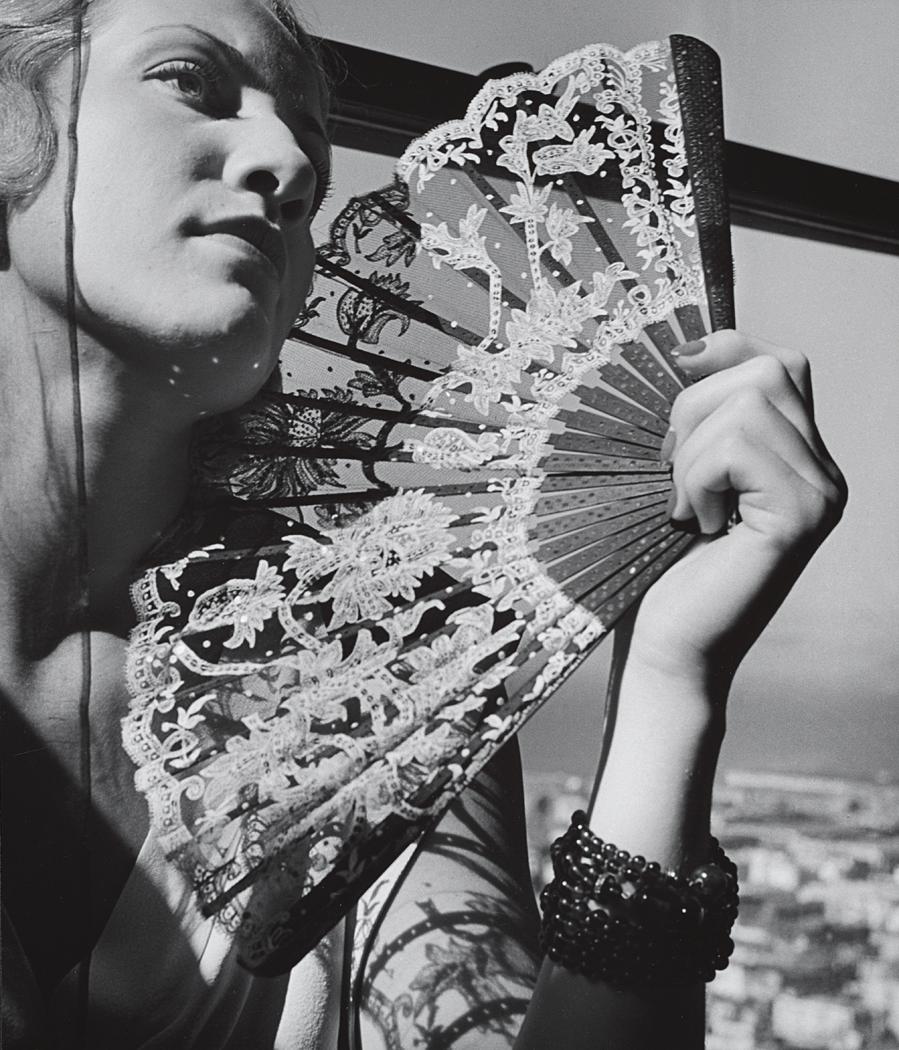
John Gutmann-Behind the Fan, 1935

John Gutmann-Behind the Fan, 1935 © Arizona Board of Regents

John Gutmann-The Fan, 1935

John Gutmann-The Fan, 1935

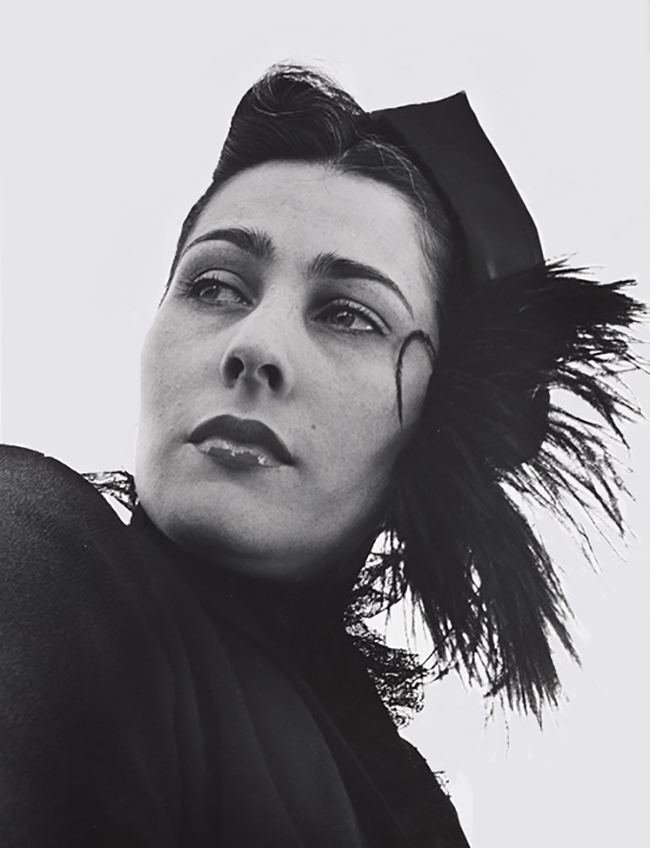
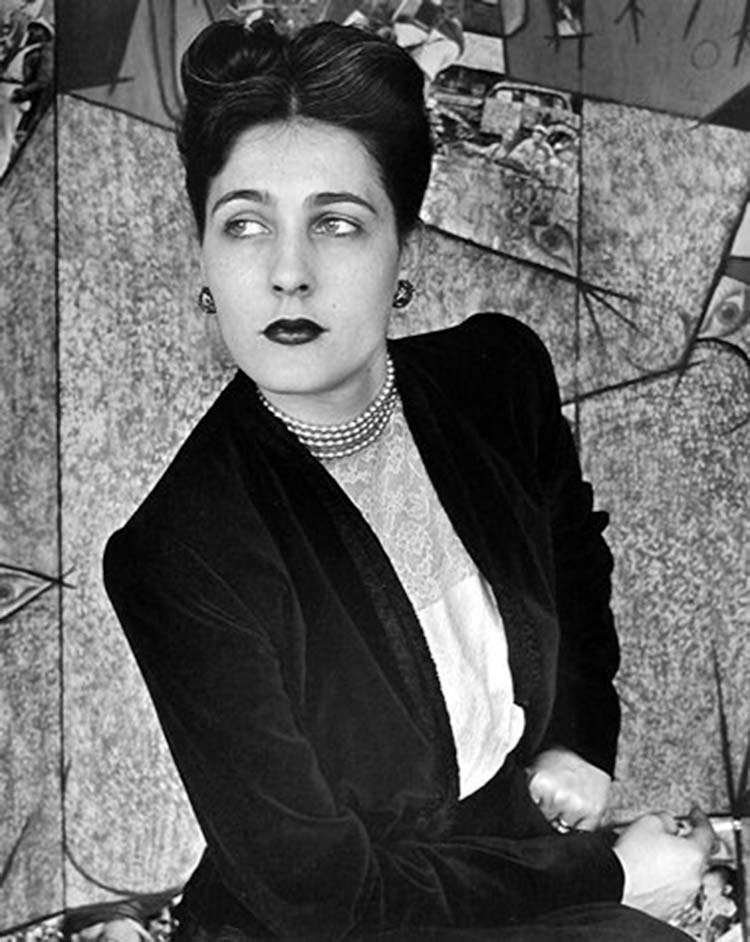
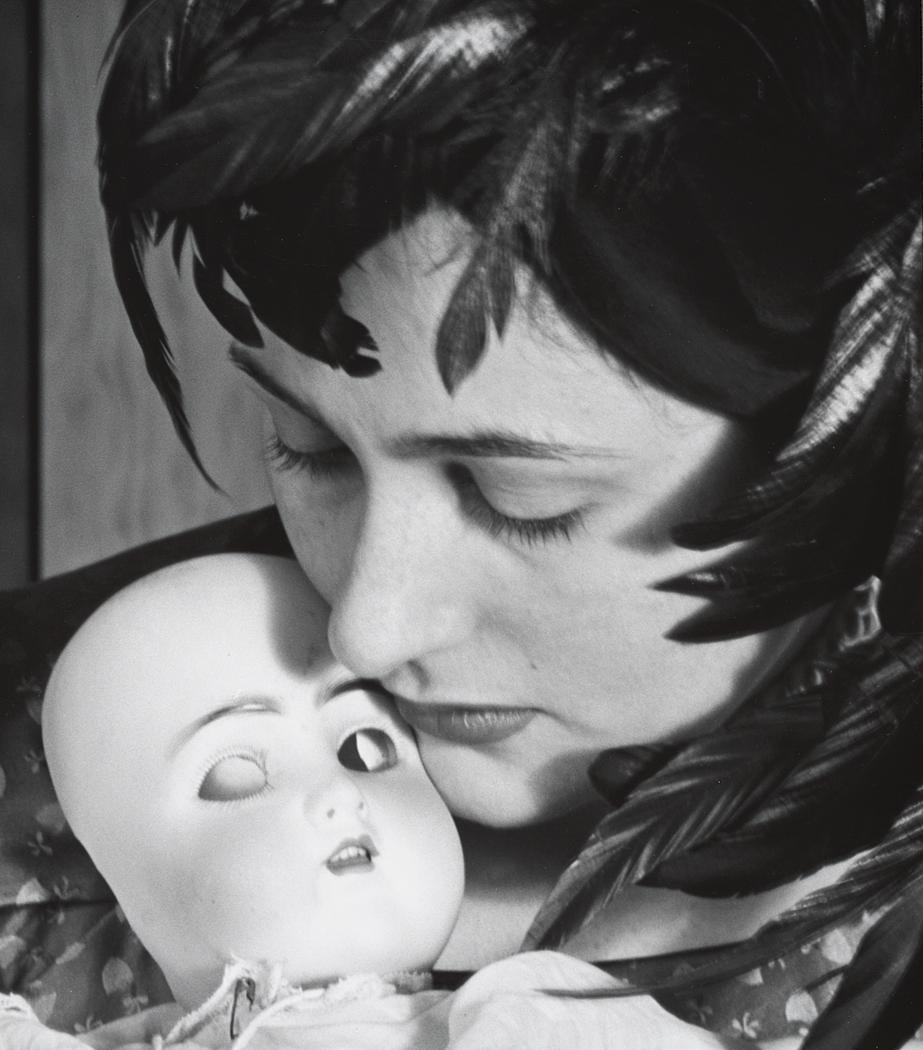
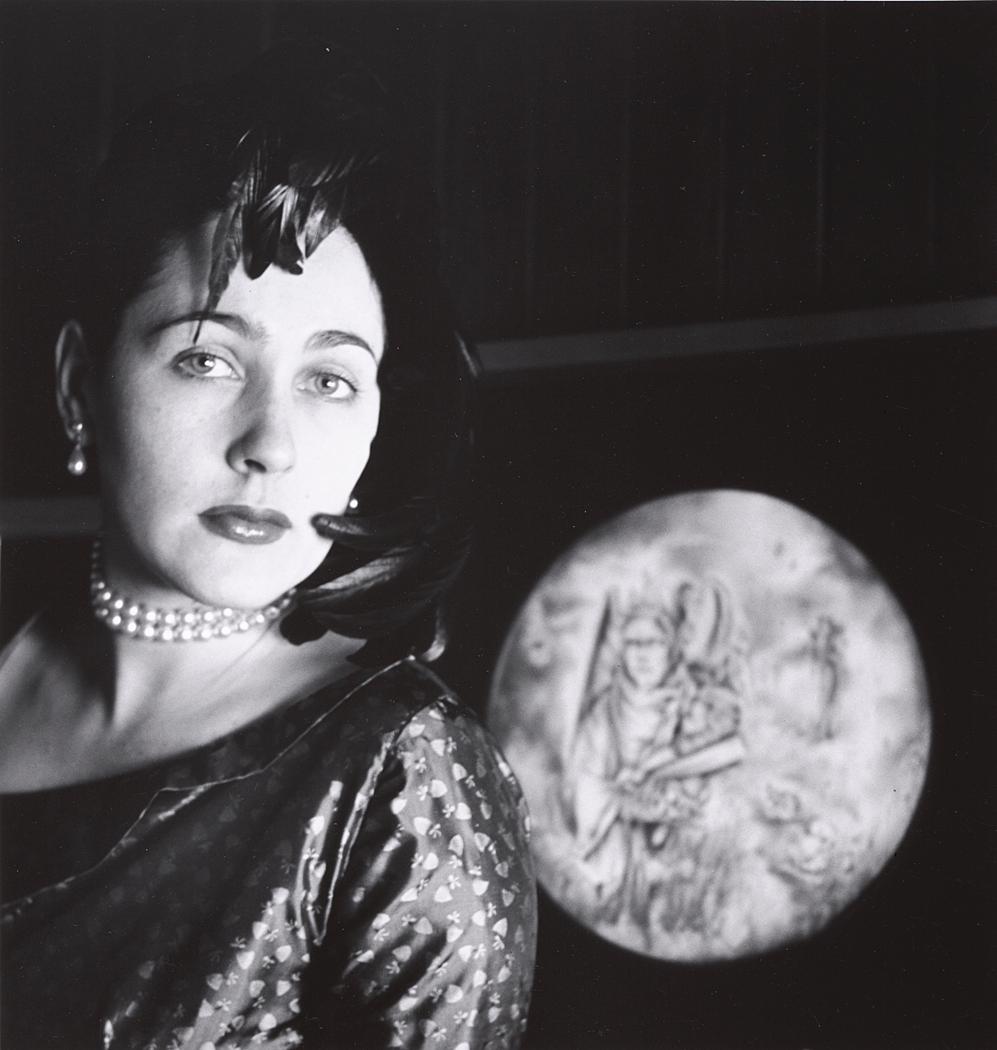
John Gutmann-Feather Hat and Black Lace( gerrie von pribosic gutmann), 1951

John Gutmann-Feather Hat and Black Lace( gerrie von pribosic gutmann), 1951 © Arizona Board of Regents

John Gutmann- Turning to look, 1935 1

John Gutmann- Turning to look, 1935 © Arizona Board of Regents

John Gutmann-Closed eyes, 1935

John Gutmann-Closed eyes, 1935 © Arizona Board of Regents

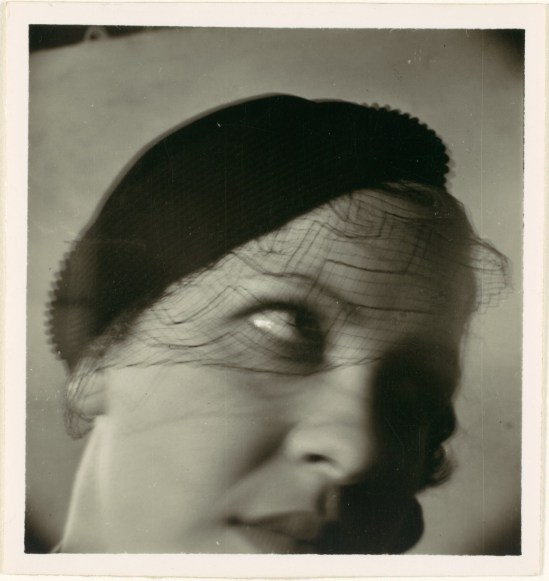
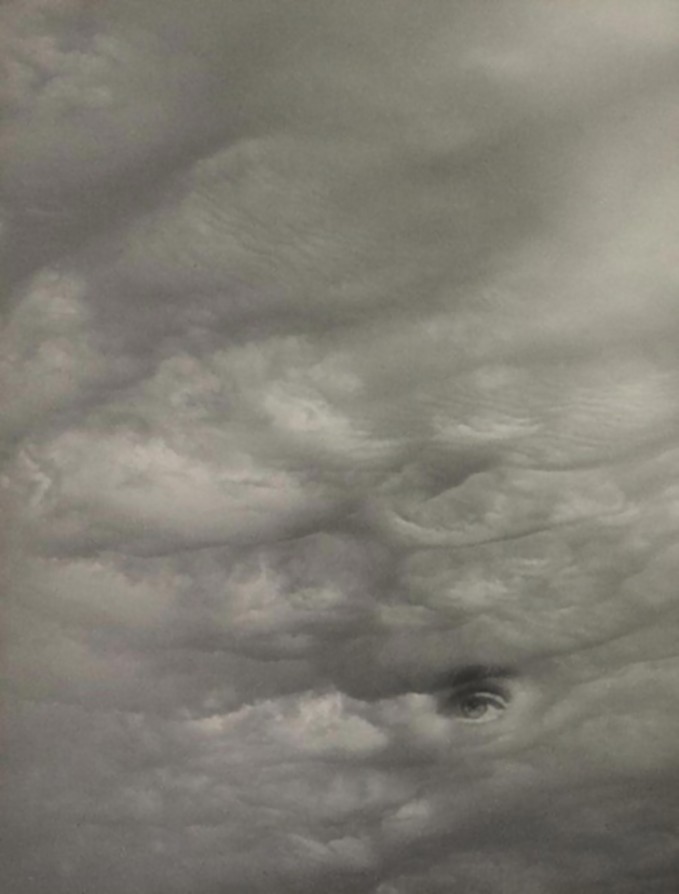
John Gutmann- Above the Veil, Her Eyes, 1935 11

John Gutmann- Above the Veil, Her Eyes, 1935 © Arizona Board of Regents

John Gutmann- Dancer Topless, 1939 © Arizona Board of Regents

John Gutmann- Dancer Topless, 1939 © Arizona Board of Regents


John Gutmann- Dancer Topless, 1939 © Arizona Board of Regents

John Gutmann- Dancer Topless, 1939 © Arizona Board of Regents

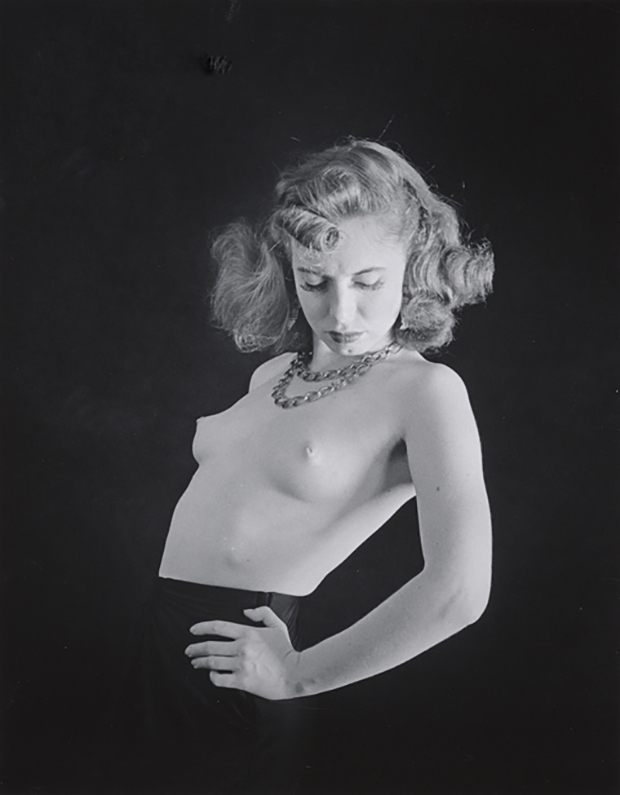
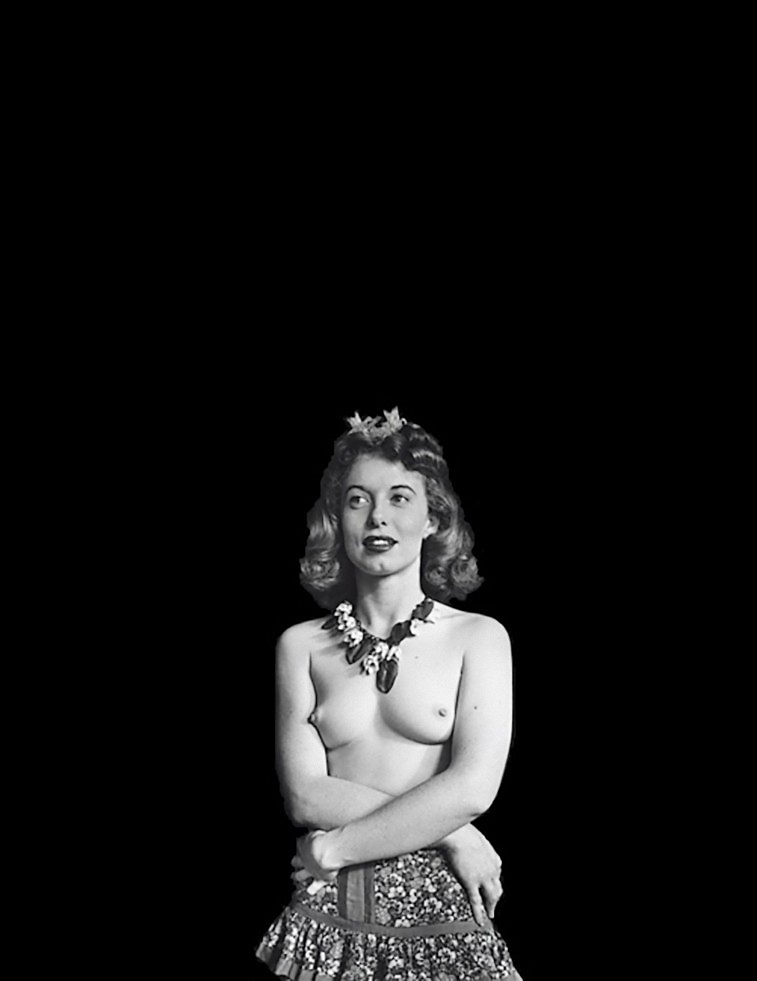
John Gutmann-Blonde Topless in Black Space, 1939

John Gutmann-Blonde Topless in Black Space, 1939 © Arizona Board of Regents

John Gutmann-Close- up, 1935 1

John Gutmann-Close- up, 1935 © Arizona Board of Regents

John Gutmann-Web of Light (Akiko), 1934

John Gutmann-Web of Light (Akiko), 1934

John Gutmann - Web of Light, 1934

John Gutmann – Web of Light, 1934 © Arizona Board of Regents

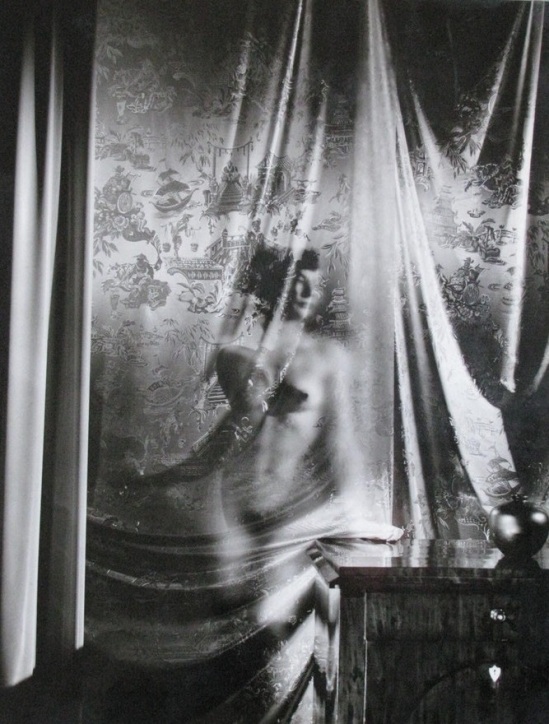
John Gutmann- Face Behind Curtain, 1937 © Arizona Board of Regents

John Gutmann- Face Behind Curtain, 1937 © Arizona Board of Regents

John Gutmann- Double Portrait, 1938-39_

John Gutmann- Double Portrait, 1938-39 © Arizona Board of Regents

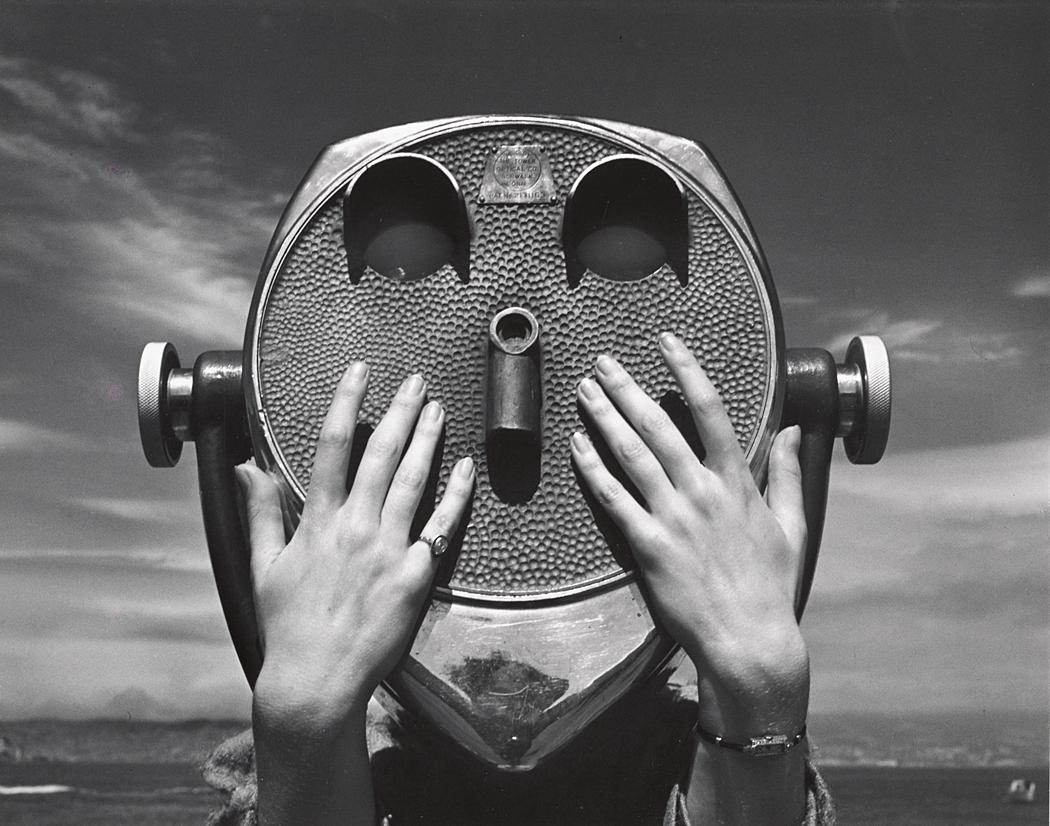
John Gutmann-Hands on Teleface, 1938

John Gutmann-Hands on Teleface, 1938


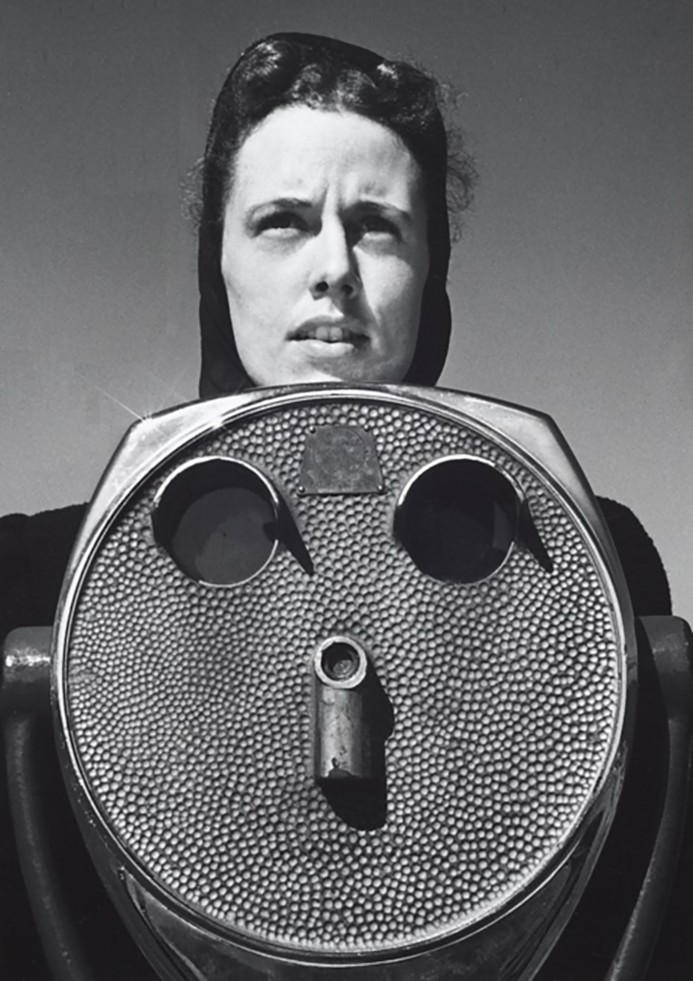
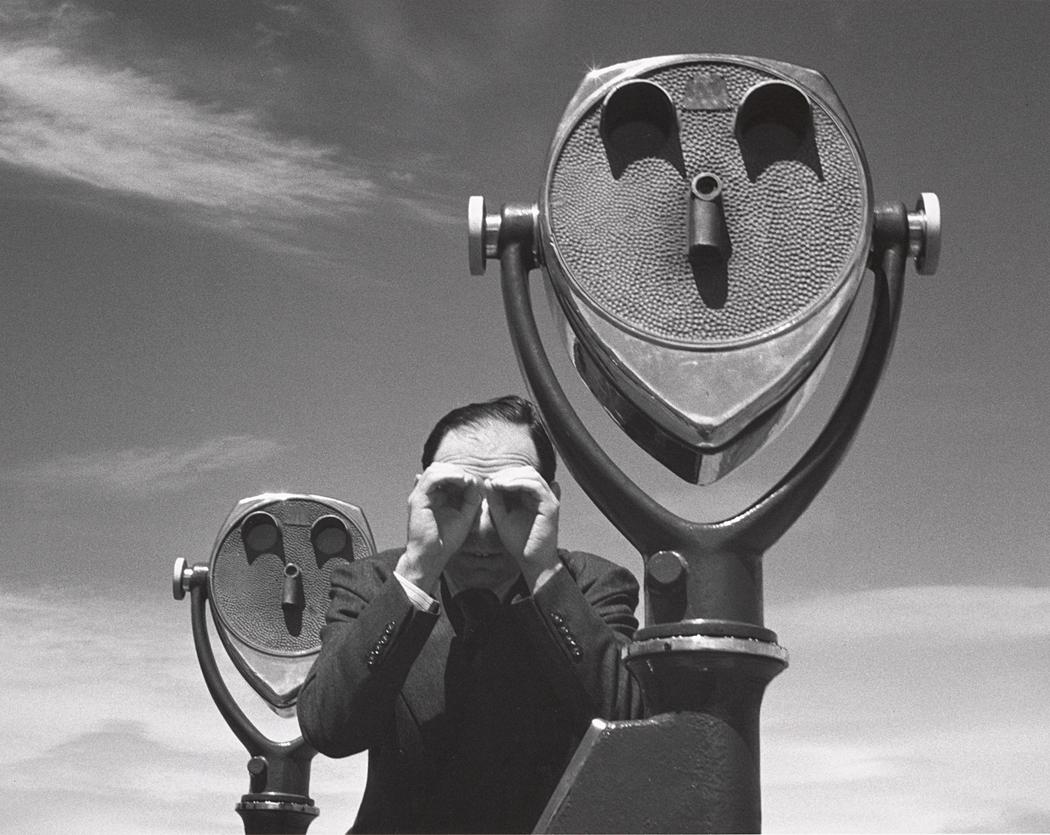
John Gutmann-J.G. Searching for Distant Views, 1938

John Gutmann-J.G. Searching for Distant Views, 1938

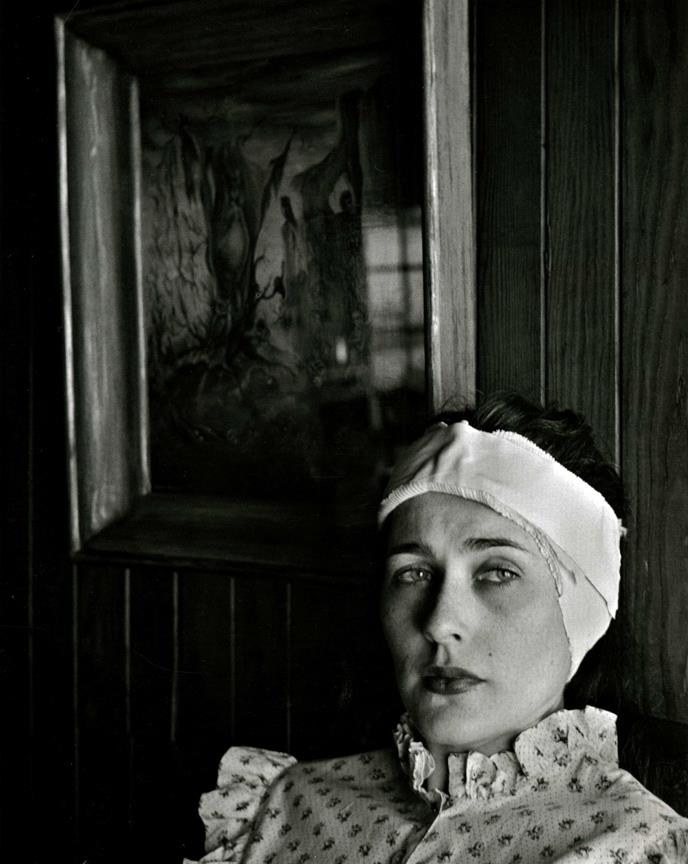
John Gutmann- Post-Surgical Portrait of an Artist, 1952

John Gutmann- Post-Surgical Portrait of an Artist, 1952 [Gerrie von Pribosic- Gutmann , with head wrapped in white bandage, dark framed work in background] © Arizona Board of Regents

John Gutmann, The Cigarette, ( gerrie von pribosic gutmann),1950

John Gutmann, The Cigarette, ( gerrie von pribosic gutmann),1950

John Gutmann - The game , New orleans, 1937

John Gutmann – The game , New orleans, 1937 © Arizona Board of Regents

John Gutmann-Death at the Mardi Gras, New Orleans, 1937

John Gutmann-Death at the Mardi Gras, New Orleans, 1937

John Gutmann-Death with Flowers, New Orleans, 1937

John Gutmann-Death with Flowers, New Orleans, 1937

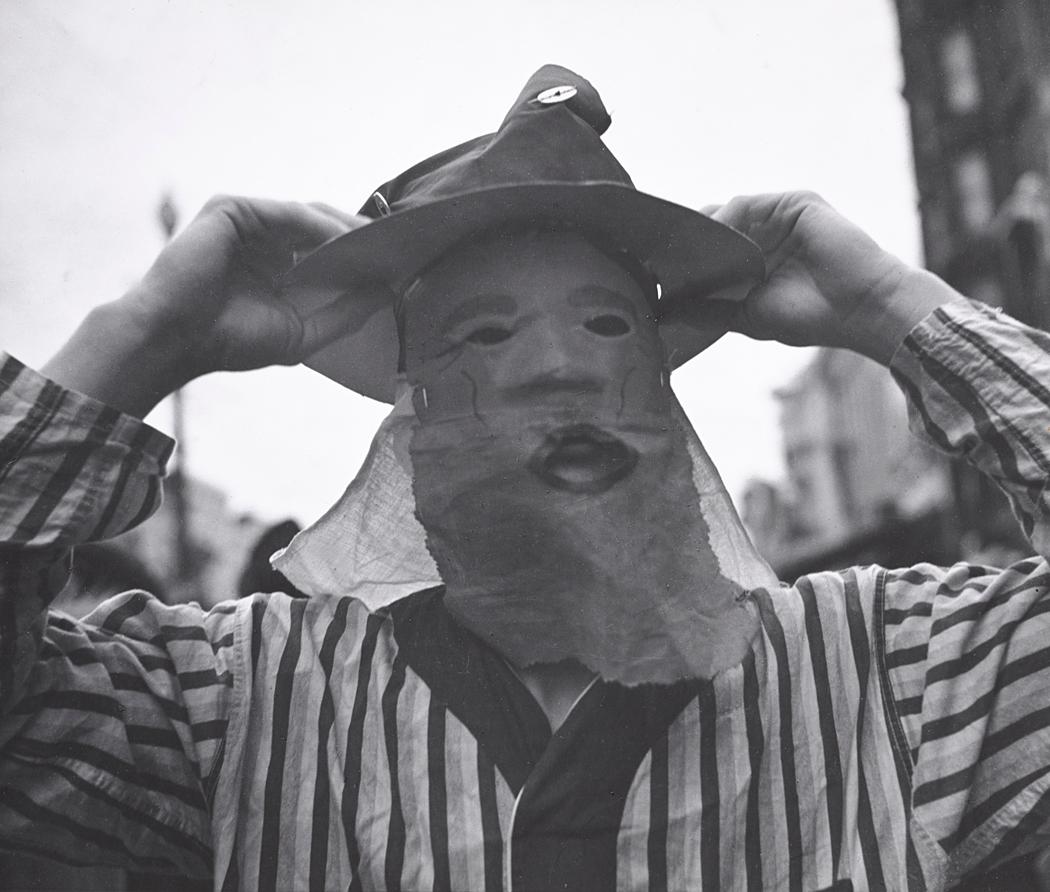
John Gutmann-Man Placing Hat Over Mask, Mardi Gras, New Orleans, 1937

John Gutmann-Man Placing Hat Over Mask, Mardi Gras, New Orleans, 1937


John Gutmann-The Father, New Orleans, 1937

John Gutmann-The Father, New Orleans, 1937

John Gutmann-The trip, 1955

John Gutmann-The trip, 1955 © Arizona Board of Regents

John Gutmann - Out of the pool, 1934

John Gutmann – Out of the pool, 1934 © Arizona Board of Regents

John Gutmann- After Her Dive, Watching a Rival, 1936

John Gutmann- After Her Dive, Watching a Rival, 1936 © Arizona Board of Regents

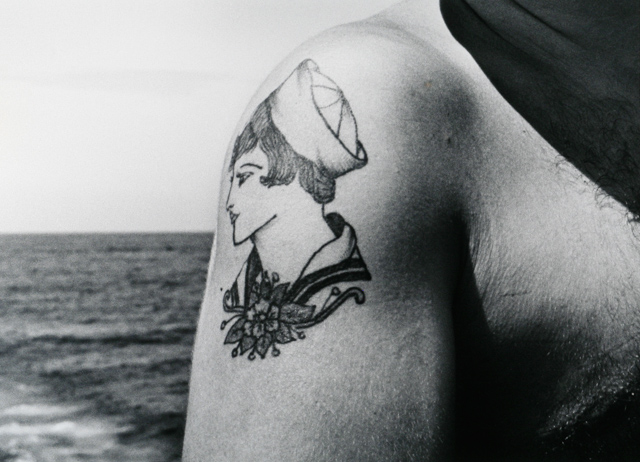
John Gutmann - Sailor girl Tatoo, 1945

John Gutmann – Sailor girl Tatoo, 1945 © Arizona Board of Regents

John Gutmann - That Inner Eye, 1940’s

John Gutmann – That Inner Eye, 1940 © Arizona Board of Regents

John Gutmann-Self Portrait with Irene, 1940

John Gutmann-Self Portrait with Irene, 1940

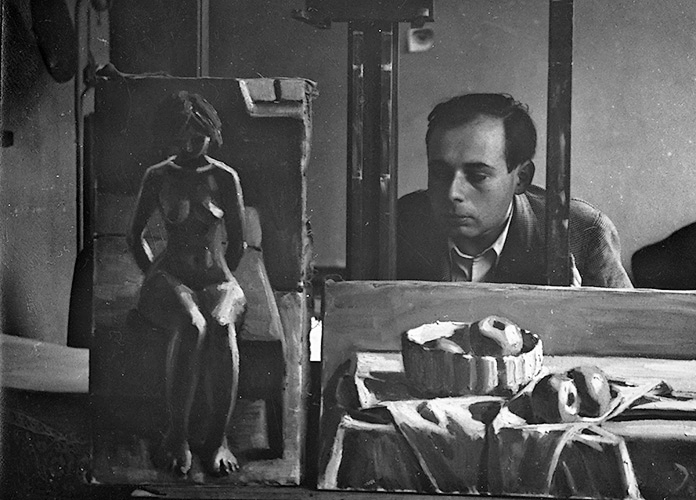
John Gutmann - Self -portrait , with his paintings Nude and Still Life with Apples , 1932

John Gutmann – Self -portrait , with his paintings Nude and Still Life with Apples , 1932 © Arizona Board of Regents

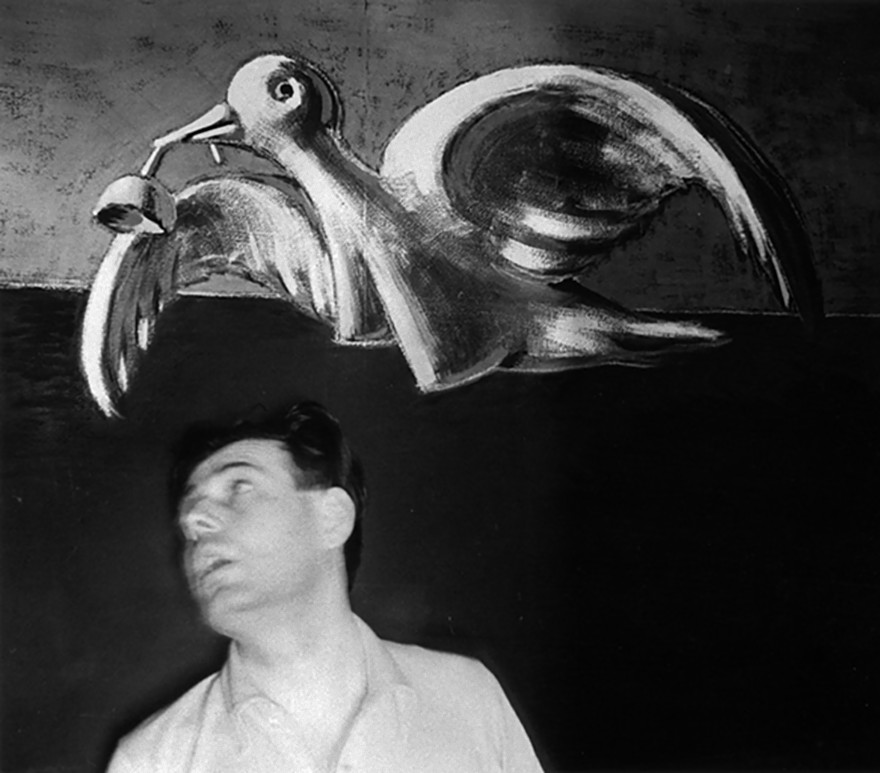
John Gutmann-Self portrait with LoveBird, 1934

John Gutmann-Self portrait with LoveBird, 1934 © Arizona Board of Regents

John Gutmann-Father Doll, 1951

John Gutmann-Father Doll, 1951

John Gutmann-Very Beautiful in Feather Hat, 1951

John Gutmann-Very Beautiful in Feather Hat, 1951

John Gutmann-Gerrie and Circular Drawing 1951

johngutmann.org

Moma Collection


Frédérique Jouval

20131012-110451.jpg
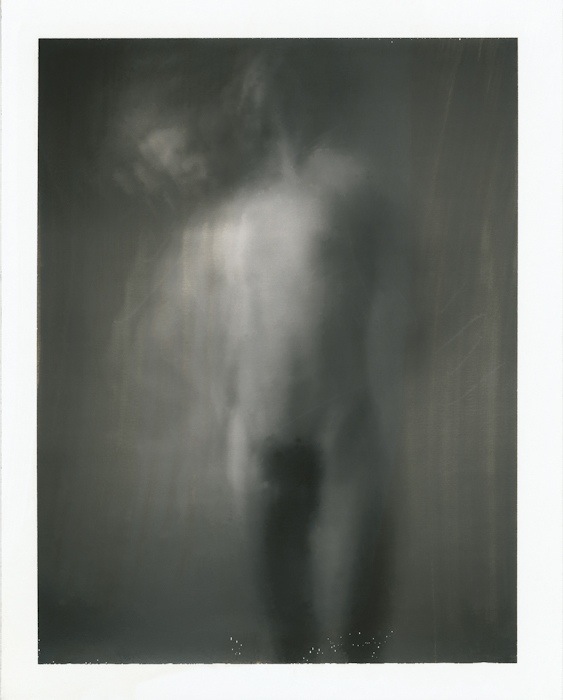
Frédérique Jouval -Apparitions

20131012-110514.jpg
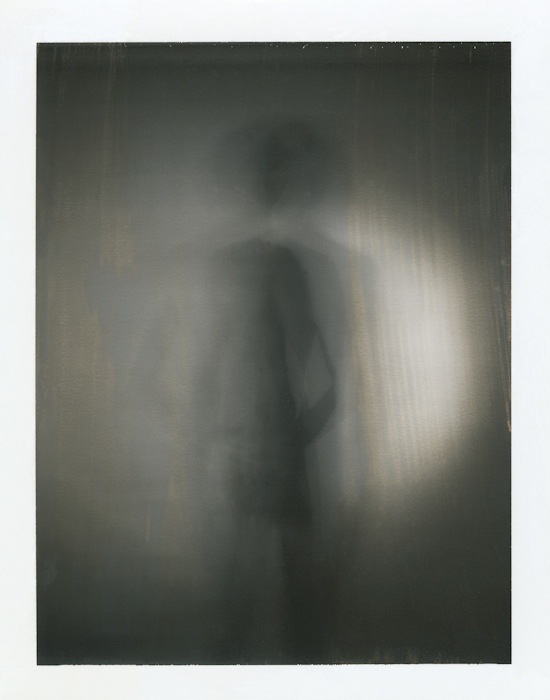
Frédérique Jouval -Apparitions

20131012-110540.jpg
Frédérique Jouval -Apparitions

20131012-110606.jpg
Frédérique Jouval -Apparitions

20131012-110625.jpg
Frédérique Jouval -Apparitions
Son site Frederique Jouval

Nelly’s – Nelly Sougioultzoglou, Mona Paeva, 1927

Nelly Sougioultzoglou is born in Aidini of Asia Minor, in 1899. In 1912 she finds herself a pupil at the Omirio Girl’s School of Smyrni and in 1919 she lives through the destruction of her homeland by the Turks. The daughter of the wealthy merchant Christos Sougioultzoglou then leaves for Dresden to study music and painting. In 1922 her family settles in Athens and Nelly decides to study photography, hoping to make a living out of it. Her teacher is initially the well-known Hugo Erfurt. Later she is tutored by the modernist Franz Fiedler.

Miss Sougioultzoglou returns to Greece in 1924 and opens her first photo studio in Ermou St. The city’s bourgeoisie considers it a sign of fine taste to have their portraits done by the young artist who at the same time practices her art by taking pictures of ancient monuments and small yards of Athenian houses. It is thus that Nelly’s era begins.

Nelly’s focuses on the pure orders of the Acropolis monuments that fascinate her. She soon decides to give them a face and set them in motion. She meets Mona Paiva, the Comedie Francaise dancer, and suggests to her that it would be a good idea if she could pose for her in the nude on the holy rock. Permission is granted by the authorities as she is by then well known and accepted by the Athens high society. Paiva obliges, and starts to dance inside the Parthenon holding an olive branch. The Leica of Nelly’s captures her smooth motion, creating a series of unique shots. The dancer takes with her this exceptional piece of work, which will be published a little later in a French illustrated magazine. The scandal breaks out immediately in prudish Athenian society.

Nelly’s [Elli Souyioultzoglou-Seraidari] -Nikolska, a hungarian dancer at the Parthenon, Acropolis-Athens, Greece -1929

Nelly’s [Elli Souyioultzoglou-Seraidari] -Nikolska, a hungarian dancer at the Parthenon, Acropolis-Athens, Greece -1929

Her avant-garde pictures of nude Mona Paeva on the Parthenon were published at the French magazine Illustration de Paris and caused a scandal in the small city of Athens of that time. She was defended by Pavlos Nirvanas in his column in Elefthero Vima newspaper (May 1929). he wrote,  »the beautiful priestess, unfastening her girdle in front of Apollo, throwing all the robes covering her divine nudity and bathing in the light, a body like a statue and a rosy complexion like the smile of dawn. And on the other hand I see respectable gentlemen sitting around a table, scratching their heads and writing about desecration. Desecration would occur if, in the throes of archaeological enthusiasm, they happened to throw off their clothes on the Parthenon marbles and pretended to be Hermes of Praxiteles… »
Since her studies and her nudes at Fiedler’s studio in Germany, Nelly removed the background’s elements by focusing her attention on the theme, resulting in reversing voluntarily the references of orientation and the final image to be formed as a mix of realistic and abstract types.
In that way, she managed to incorporate the spectator’s wonder as an element of the image. Knowing that she is the one directing the spectator’s gaze through the lens of the camera and that he will identify with her position, she accentuated the wonder by giving viewers the chance to read the image in a double way in relation to the earth’s horizon.
Her classical education and admiration of Ancient Greek civilization contributed to her photographic work in Acropolis in a way that the latter has become decisive for the artist and also for the history of photography and architecturel.
In her portraits Nelly’s uses artificial light, leaving one part of the form in the dark, while the background remains empty, as a reference to the Great Masters of the Renaissance. The aim of this work was the search for the spiritual element, the poetic atmosphere and the demonstration of the form’s most profound essence.
During World War II, she went to the United States, where she stayed for 27 years and The Metropolitan Museum of New York bought a large series of her Acropolis photographs.
In 1966 she returned to Greece and presented her work in numerous exhibitions, with the last being Nelly’s: The Body, the Light and Ancient Greece, the official Greek participation in the Cultural Olympiad of Barcelona in 1992.

Nelly’s [Elli Souyioultzoglou-Seraidari] - Mona Paeva, 1927

Nelly’s [Elli Souyioultzoglou-Seraidari] – Mona Paeva, 1927

Nelly’s [Elli Souyioultzoglou-Seraidari] - Mona Paeva, 1927

Nelly’s [Elli Souyioultzoglou-Seraidari] – Mona Paeva, 1927

Nelly’s [Elli Souyioultzoglou-Seraidari] -Nikolska, a hungarian dancer at the Parthenon, Acropolis-Athens, Greece -1929

Nelly’s [Elli Souyioultzoglou-Seraidari] -Nikolska, a hungarian dancer at the Parthenon, Acropolis-Athens, Greece -1929

Nelly’s [Elli Souyioultzoglou-Seraidari] -Nikolska, a hungarian dancer at the Parthenon, Acropolis-Athens, Greece -1929

Nelly’s [Elli Souyioultzoglou-Seraidari] -Nikolska, a hungarian dancer at the Parthenon, Acropolis-Athens, Greece -1929

Nelly’s [Elli Souyioultzoglou-Seraidari] -Nikolska, a hungarian dancer at the Parthenon, Acropolis-Athens, Greece -1929

Nelly’s [Elli Souyioultzoglou-Seraidari] -Nikolska, a hungarian dancer at the Parthenon, Acropolis-Athens, Greece -1929


Nelly’s [Elli Souyioultzoglou-Seraidari] -Nikolska, a hungarian dancer at the Parthenon, Acropolis-Athens, Greece -1929

Nelly’s [Elli Souyioultzoglou-Seraidari] -Nikolska, a hungarian dancer at the Parthenon, Acropolis-Athens, Greece -1929

Nelly’s [Elli Souyioultzoglou-Seraidari] -Nikolska, a hungarian dancer at the Parthenon, Acropolis-Athens, Greece -1929

Nelly’s [Elli Souyioultzoglou-Seraidari] -Nikolska, a hungarian dancer at the Parthenon, Acropolis-Athens, Greece -1929

Nelly’s [Elli Souyioultzoglou-Seraidari] -Nikolska, a hungarian dancer at the Parthenon, Acropolis-Athens, Greece -1929

Nelly’s [Elli Souyioultzoglou-Seraidari] -Nikolska, a hungarian dancer at the Parthenon, Acropolis-Athens, Greece -1929

Nelly’s [Elli Souyioultzoglou-Seraidari] -Nikolska, a hungarian dancer at the Parthenon, Acropolis-Athens, Greece -1929

Nelly’s [Elli Souyioultzoglou-Seraidari] -Nikolska, a hungarian dancer at the Parthenon, Acropolis-Athens, Greece -1929


gellypapalouca

 benaki

 ethniko.net

 academia.edu


Edward Steichen

Edward Steichen – Modefoto, 1931

Edward Steichen – photo de mode pour Vogue modèle G. André , 1931


Edward Steichen- G. Andre for Vogue, 1937

Edward Steichen- Photo de mode modèle  G. André , Vogue, 1937

Heinrich Heidersberger

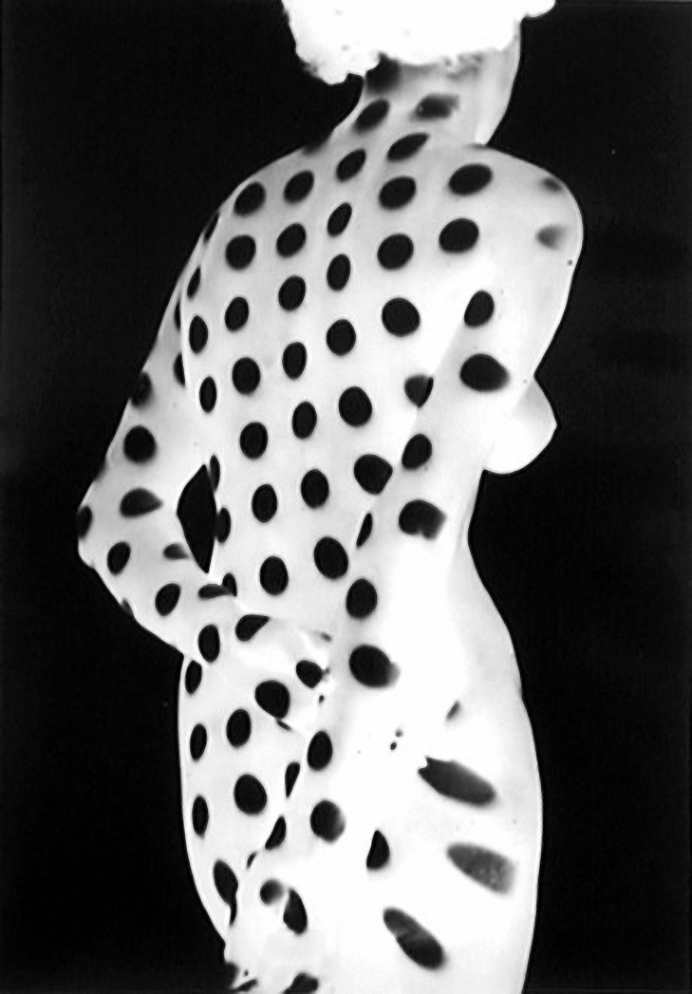
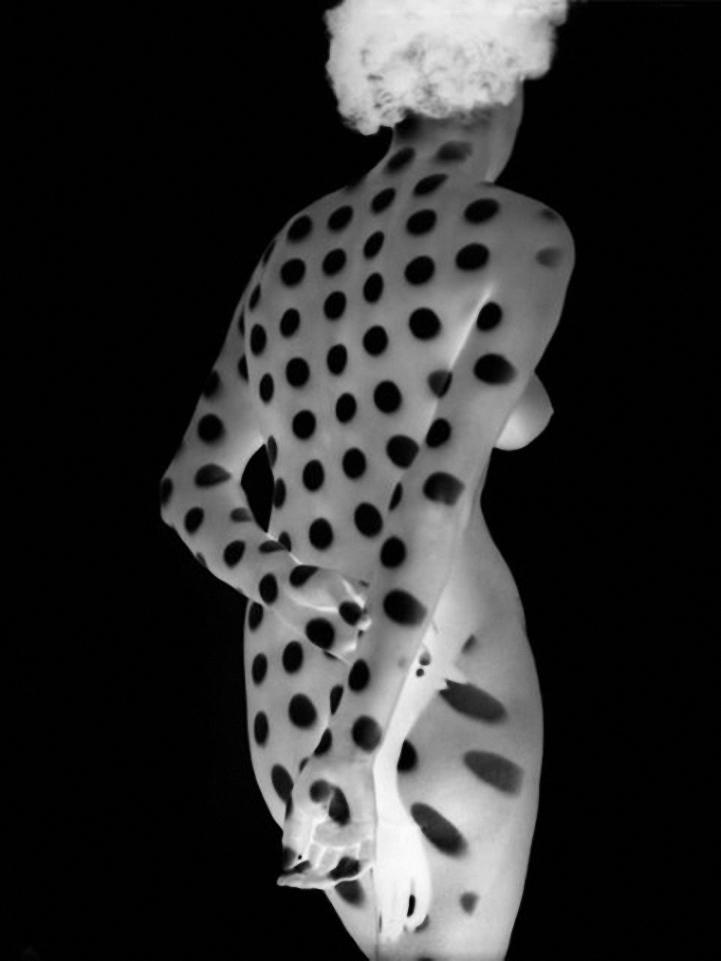
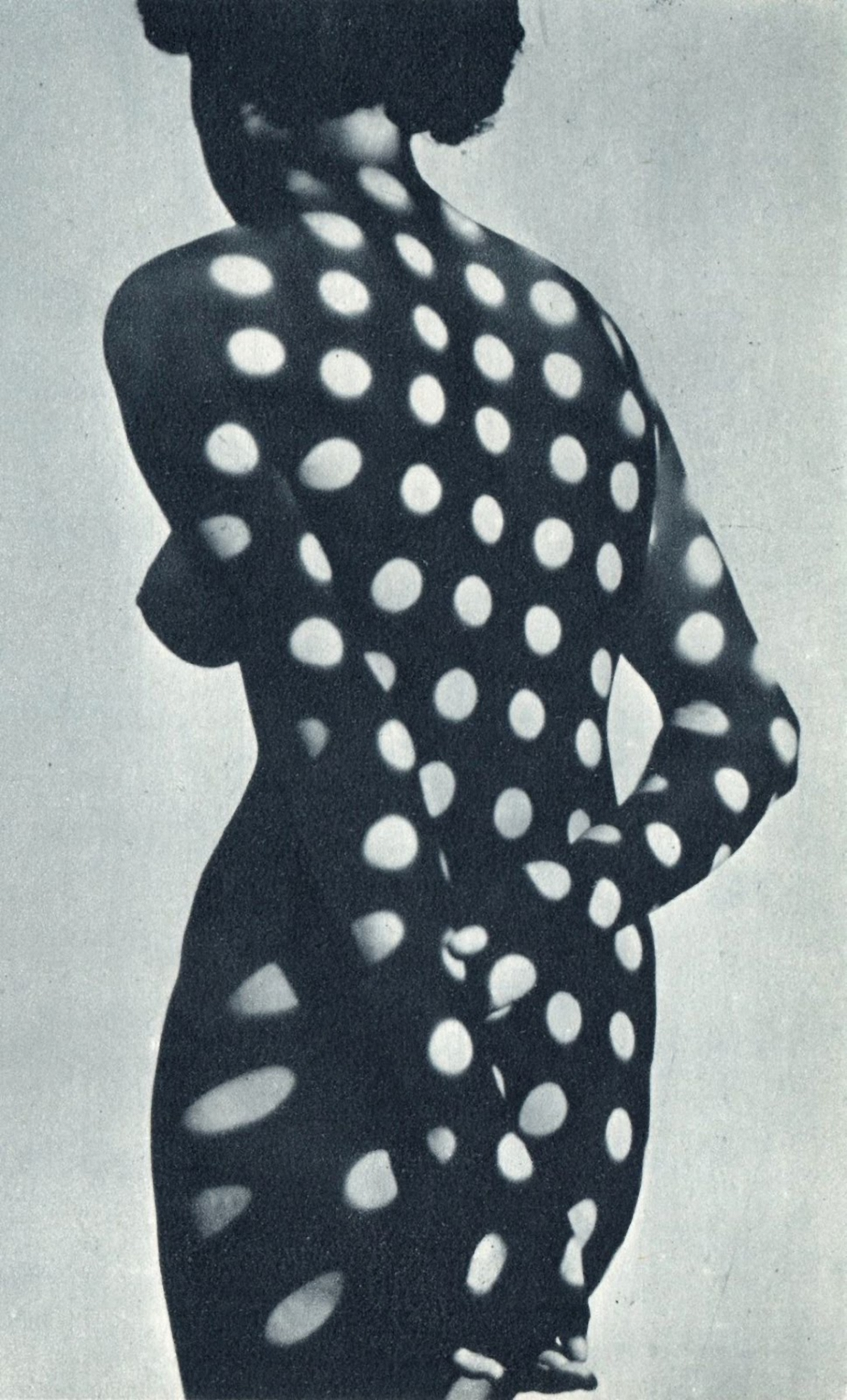
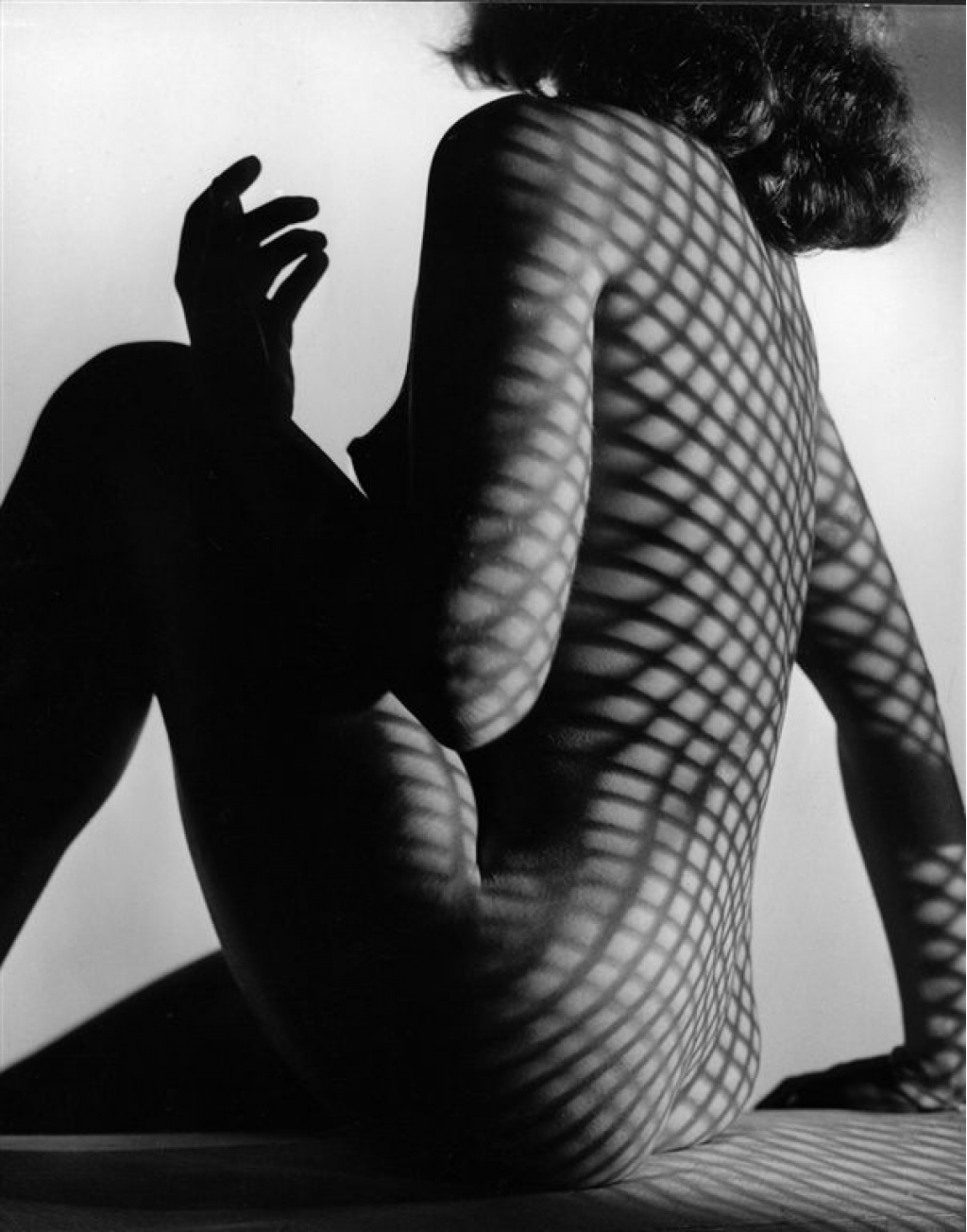
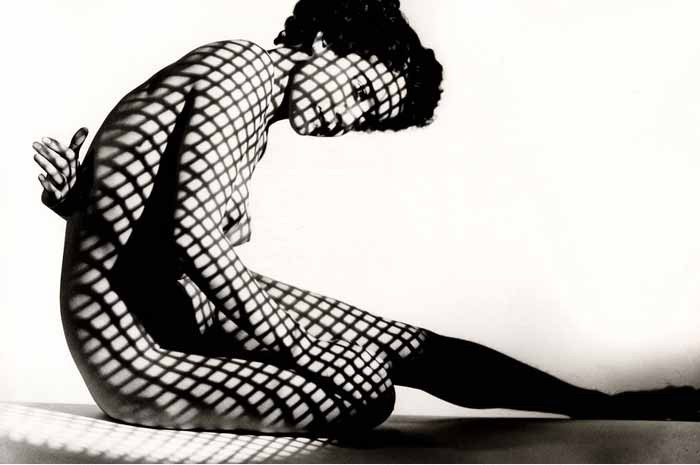
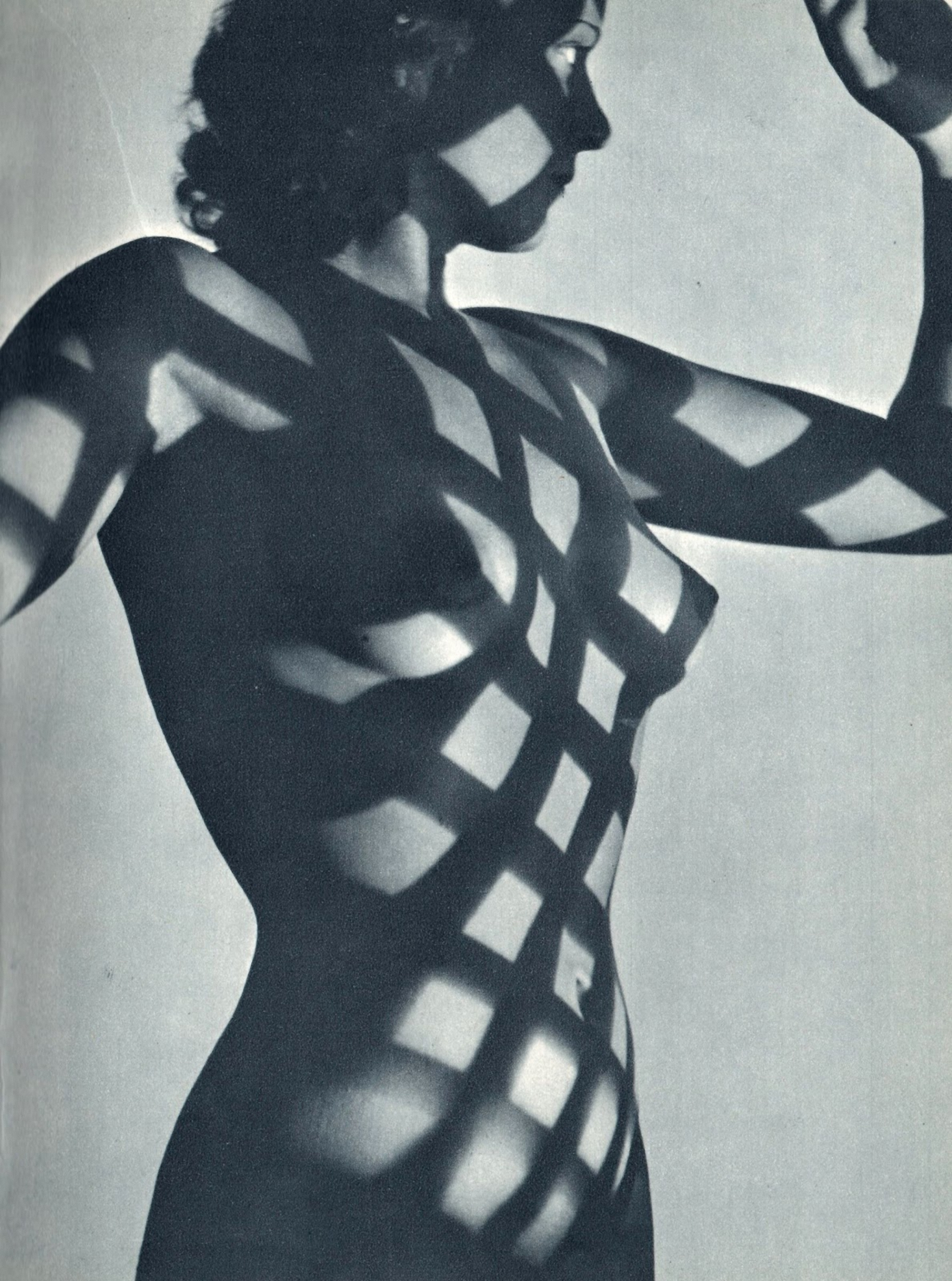
Heinrich Heidersberger- Kleid aus light, ( Robe de lumière), 1949

Heinrich Heidersberger- Kleid aus light, ( Robe de lumière), 1949

Heinrich Heidersberger- Kleid aus light, ( Robe de lumière), 1949

Heinrich Heidersberger- Kleid aus light, ( Robe de lumière), 1949

Heinrich Heidersberger- Kleid aus light, ( Robe de lumière), 1949

Heinrich Heidersberger- Kleid aus light, ( Robe de lumière), 1949

Heinrich Heidersberger- Kleid aus light, ( Robe de lumière), 1949

Heinrich Heidersberger- Kleid aus light, ( Robe de lumière), 1949

Heinrich Heidersberger- Kleid aus light, ( Robe de lumière), 1949

Heinrich Heidersberger- Kleid aus light, ( Robe de lumière), 1949

Heinrich Heidersberger- Kleid aus light, ( Robe de lumière), 1949

Heinrich Heidersberger- Kleid aus light, ( Robe de lumière), 1949

Heinrich Heidersberger- Kleid aus light, ( Robe de lumière), 1949

Heinrich Heidersberger- Kleid aus light, ( Robe de lumière), 1949

Heinrich Heidersberger -Federprisma, nd ( 1950s)

Heinrich Heidersberger -Federprisma, nd ( 1950s)

Jerzy Benedykt Dorys (1901-1990)

Benedykt Jerzy Dorys est principalement connu en tant que très grand portraitiste (photographique). Son studio, basé à Varsovie, déjà avant la guerre, était un lieu des plus tendance pour ne pas dire « branché » de la Ville de Varsovie et et se faire photographier Dorys n’était pas seulement de bon goût, mais révélait un signe d’appartenance à crème de la crème de l’époque.

Moins connues, mais tout aussi intéressantes sont ses photos de mode et ses quelques photos artistiques du corps nus. Dorys adorait les femmes et a su en sublimer toute les beauté et ce que je vous propose aujourd’hui à travers des portraits et des nus

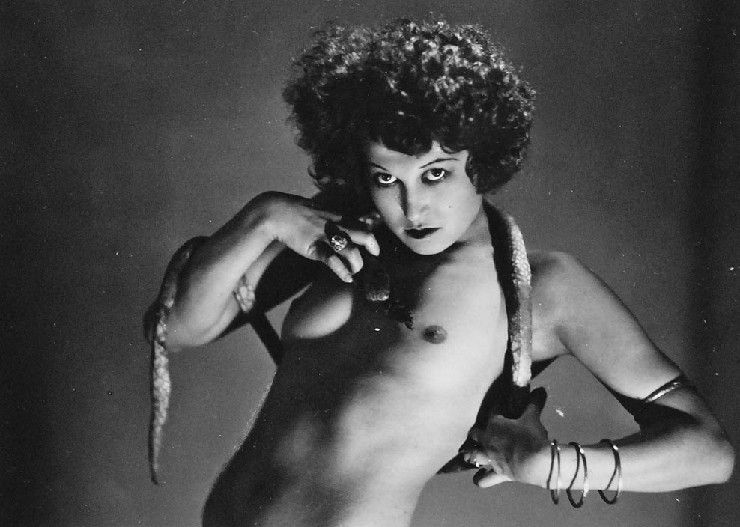
Jerzy Benedykt DORYS (1901-1990) Tancerka z wężem , 1930s

Dorys Jerzy Benedykt- Tancerka z wężem , 1930s

Jerzy Dorys Benedykt- Act II, 1932

Jerzy Dorys Benedykt- Act II, 1932

Jerzy Benedykt DORYS (1901-1990) Akt, przed 1939

Dorys Jerzy Benedykt- Akt, przed 1939

Jerzy Benedykt DORYS Maria Gorczyńska, 1935

Dorys Jerzy Benedykt – Maria Gorczyńska, 1935

Basil Bailey

Basil Bailey était un photographe Englais qui travaillait pour des journaux et magazines notamment « The British Journal », durant  le milieu des années 30. Il avait son propre studio « Basil Bailey », sur Parc road Londres n8.

Basil Bailey- Disdain, vintage collodiun , 1930

Basil Bailey- Disdain, vintage collodiun , 1930

Basil Bailey - Fantasy, 1930

Basil Bailey – Fantasy, 1930

Basil Bailey- Sculpture Imitative, bromide print,1930

Basil Bailey- Sculpture Imitative, bromide print,1930


Basil Bailey- Half Veil . 1940

Basil Bailey- Half Veil . 1940

Bill Brandt- Paris 1932

Bill Brandt- Paris 1932

Bill Brandt- Paris 1932