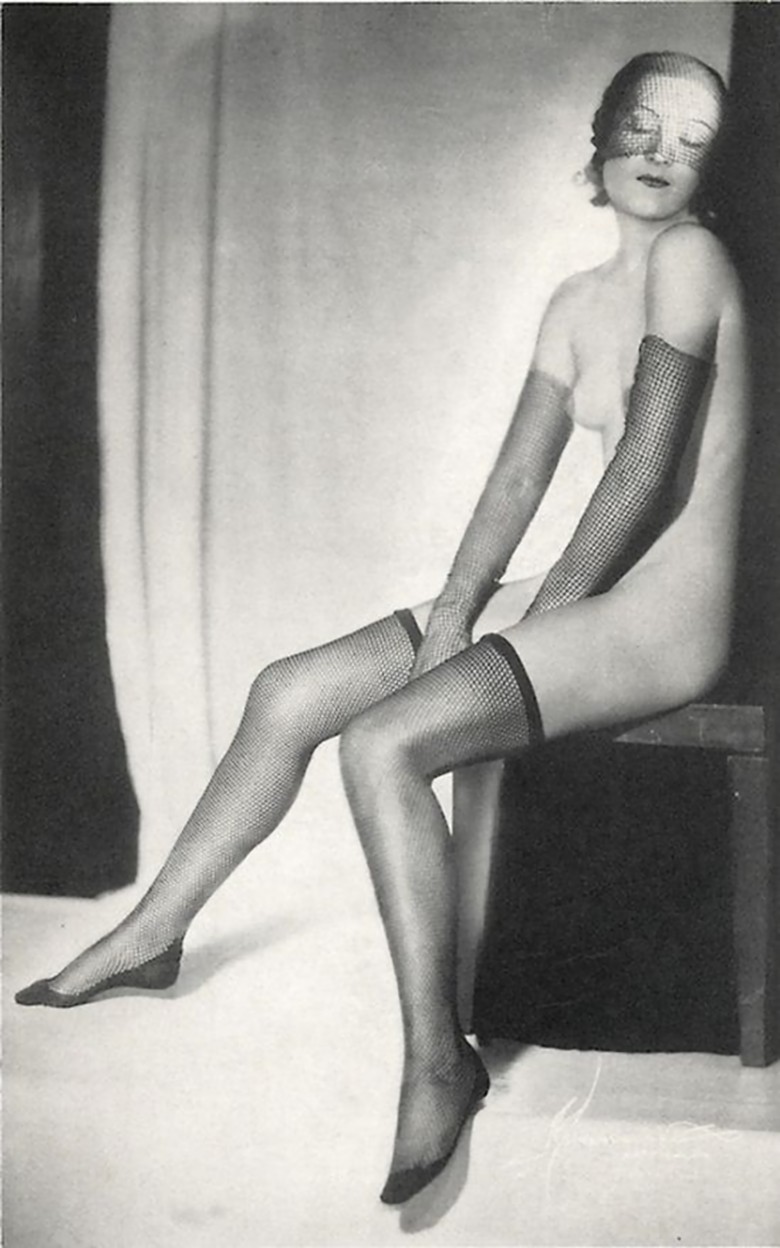
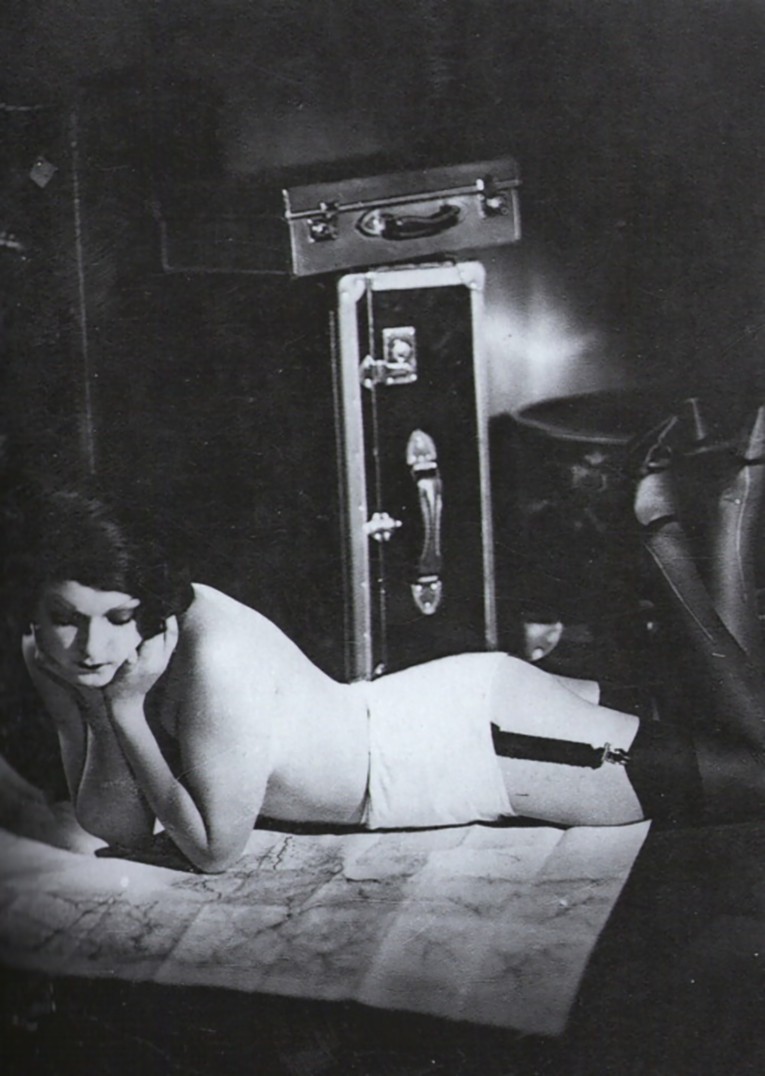
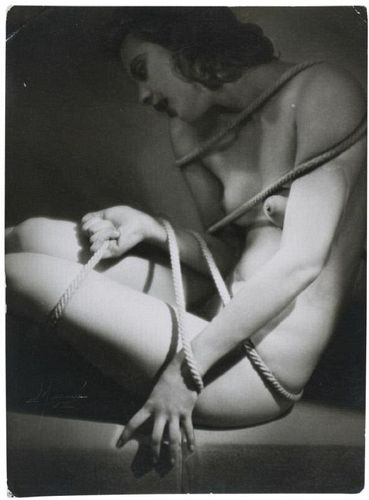
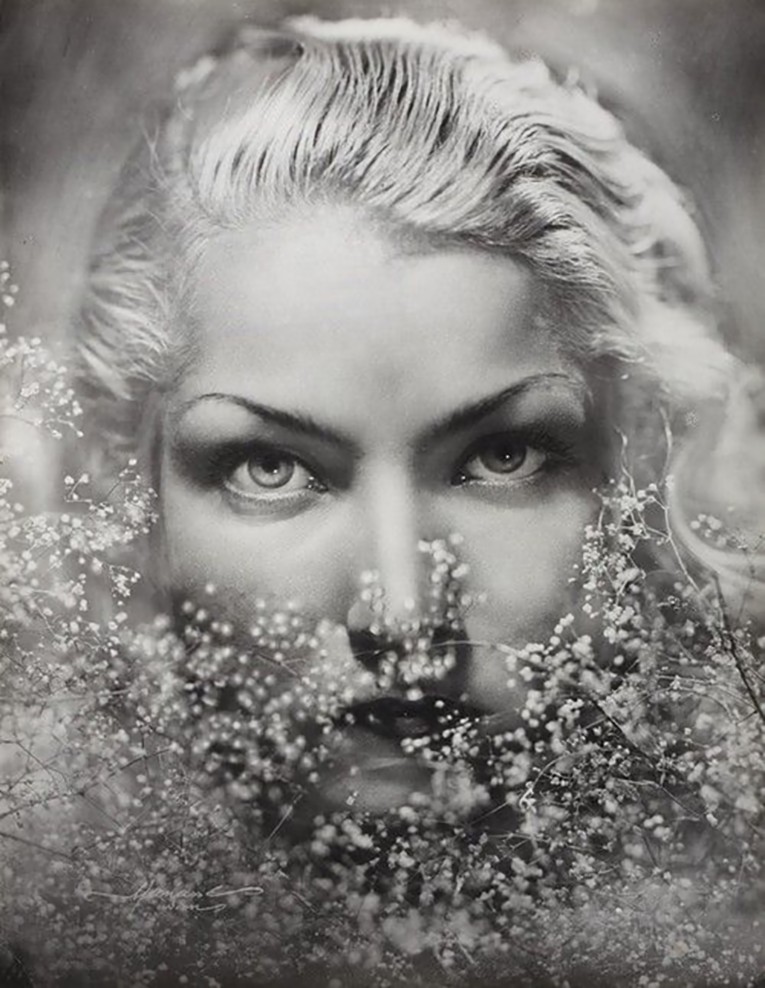
Max Dupain (1911-1992)

Max Dupain (1911-1992) Publié par kate le 02/06/2013

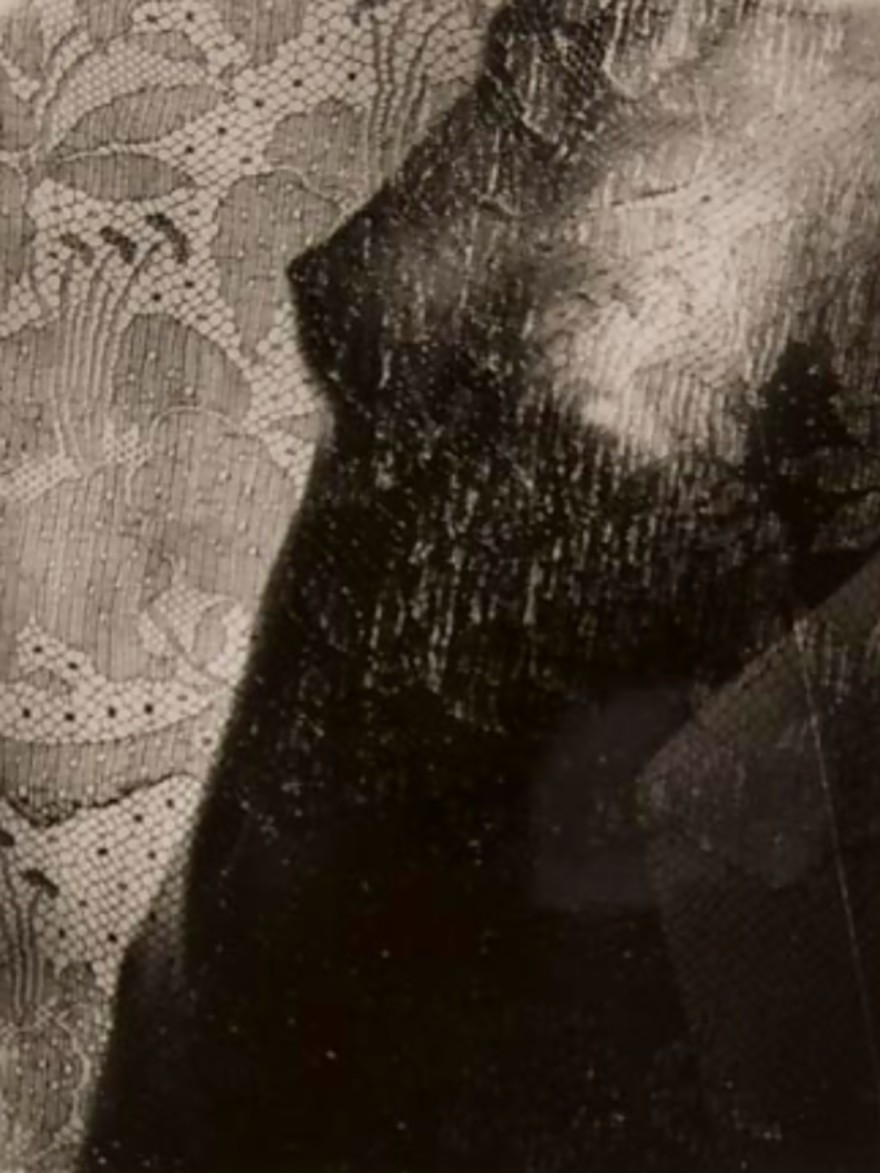
Max Dupain – Title page (candle) , from the album Photographs by Max Dupain 1930s circa 1930

« Max Dupain découvre la photographie à l’âge de 13 ans et gagne à 17 ans le « Carter Memorial Prize for Productive Use of Spare Time « [pour l’usage productif du temps libre].

Il rejoint en 1929 la Photographic Society of New South Wales et commence en 1930 sa carrière photographique comme apprenti dans l’atelier de Cecil Bostock à Sydney. En 1934 Dupain se met à son compte en ouvrant son propre studio, sur la Bond Street à Sydney.

Son approche est d’abord pictorialiste, mais très influencé par le mouvement allemand de la « Nouvelle objectivité », il délaisse les sujets romantiques et s’oriente vers le monde contemporain, ses hommes et leurs réalisations. Il devient ainsi l’un des pionniers de la photographie moderne en Australie. Son sujet de prédilections à cette époque est industrie et tout ce qui s’y rapporte et qu’il traite dans un style radicalement différent : des lumières plus brutales et des formes bien découpées. Ses photographies sont publiées dans des revues telles que The home ou Art in Australia.

Il est influencé , comme tant d’autres, par certains photographes européens tel que  Man Ray et par le mouvement surréaliste qui se développe à cette époque.

Max Dupain – Title page (hand and compass photo-montage) , nd
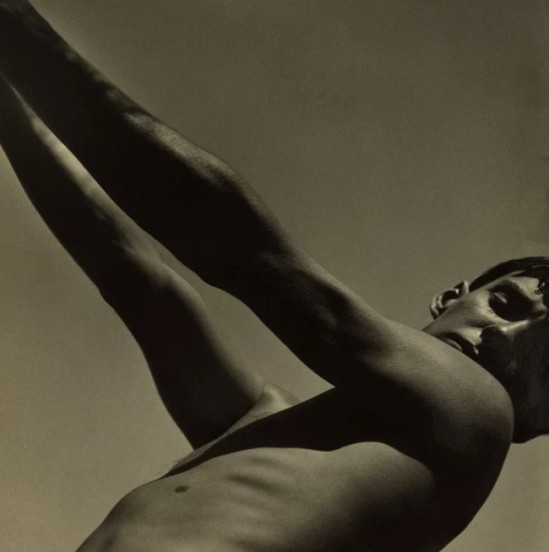
Max Dupain-Superman 1934
Max Dupain-Birth of Venus 1939
Max Dupain-Rayograph with water c. 1936
Max Dupain-Rayograph 1937
Max Dupain-Advertisement for Hardy’s hose 1937
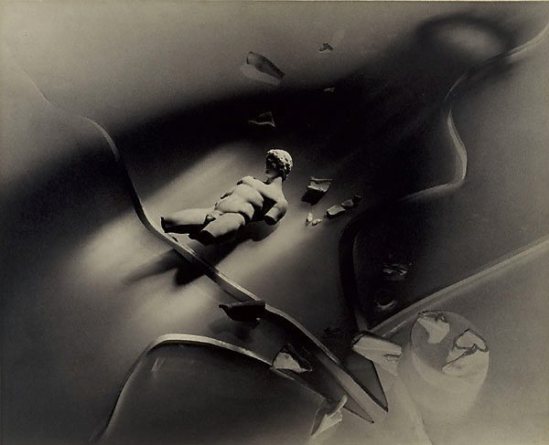
Max Dupain – Intimité brisée1936
Max Dupain – Abstract movement 1935
Max Dupain -Untitled (Female nude with cloth overlay) 1930s
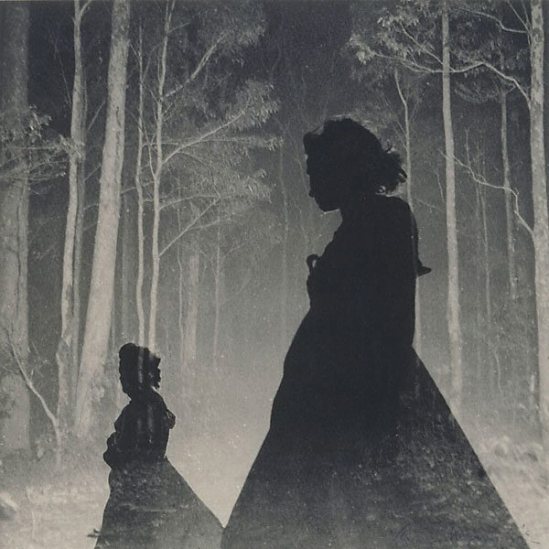
Max Dupain – Untitled (Women silhouettes and trees) 1930s
Max Dupain – Photo synthesis (woman & trees) 1930s
Max Dupain – Untitled (Surrealist face in woods) 1930s
Max Dupain – Untitled (Woman profile and trees) 1930s
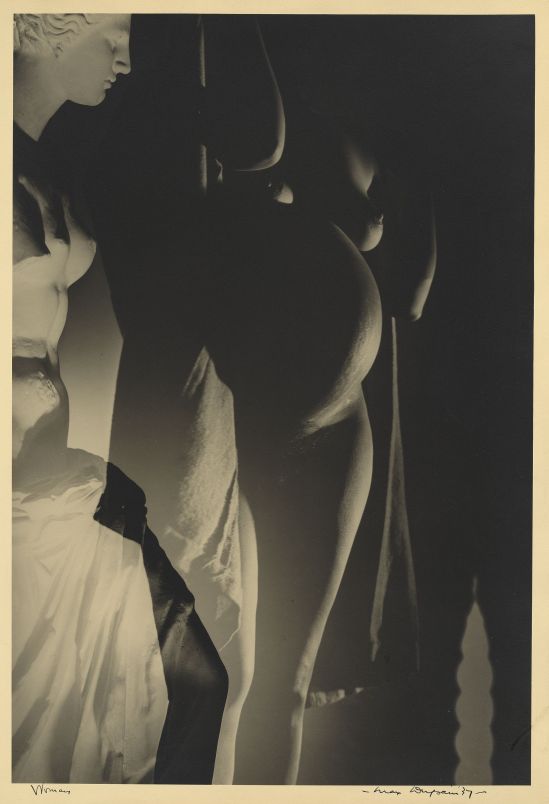
Max Dupain-Woman 1937
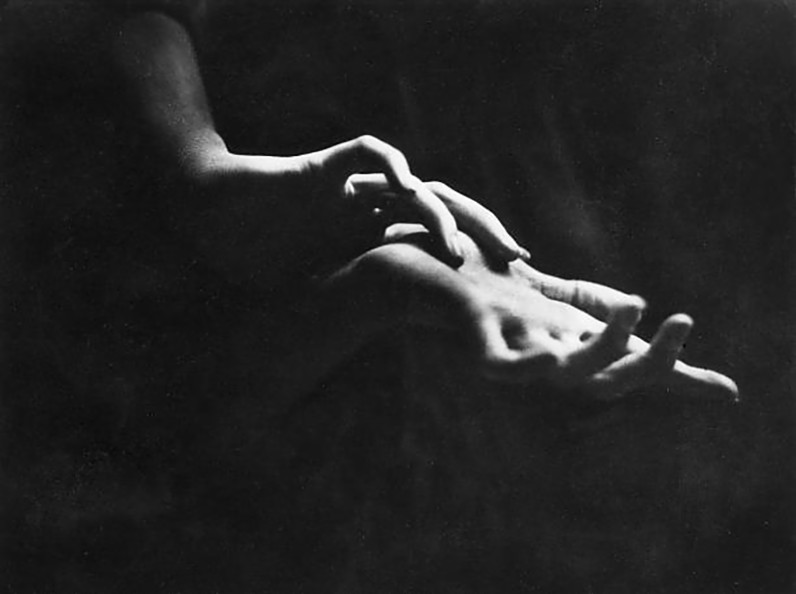
Max Dupain-Hands and movement c. 1935
Max Dupain-Lelia Roussova 1937
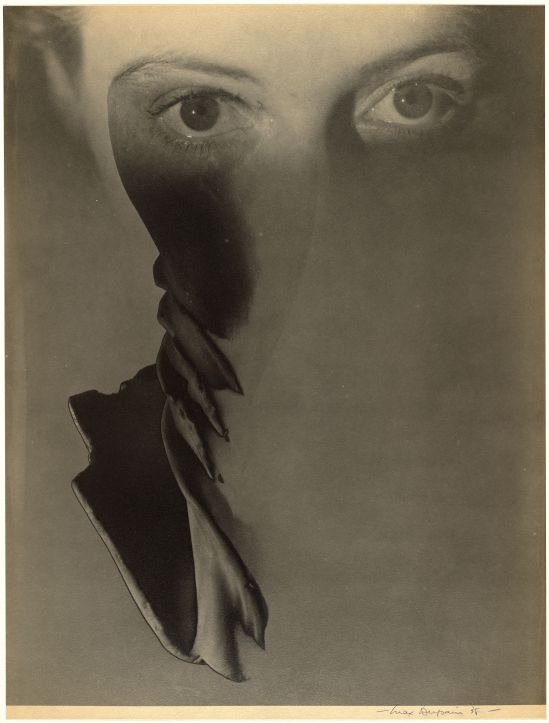
Max Dupain-Surrealist study 1938
Max Dupain-Hot rhythm, 1936

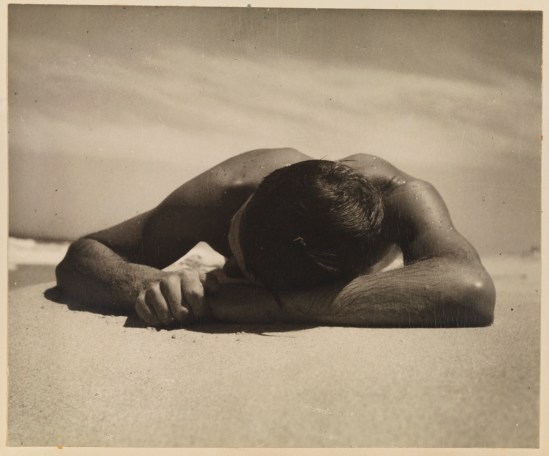
En 1937, alors qu’il est sur la côte des Nouvelles Galles du Sud::: (galerie de photographies avec le lien) , il prend une photo de la tête et des épaules de son ami Harold Savage allongé sur le sable de la plage de Cullburra Beach. Cette photographie intitulée Sunbaker deviendra une de ses plus célèbres de ses clichés.

Max Dupain -Sunbaker, 1937

En 1938, Dupain participe à la création du Contemporary Camera Group, une association qui s’oppose au mouvement pictorialiste alors largement dominant en Australie. En 1939, il épouse Olive Cotton, une autre photographe, mais ils divorcent peu de temps après.

Max Dupain-Portrait of Olive Cotton in the 1930s
Max Dupain (Australian, 1911 – 1992) Untitled [Olive Cotton in Wheat Fields] Nd (probably late 1930s)
Olive Cotton Camping trips on Culburra Beach, N.S.W., 1937 BY Max Dupain 1937
Olive Cotton – Max, 1935
Max Dupain -Camping trips on Culburra Beach (olive cotton), N.S.W., 1937
Olive Cotton – Max, 1936

Pendant la seconde guerre mondiale, Dupain s’ engage dans la Royal Australian Air Force, il sert dans les Territoires du Nord ainsi qu’en Papouasie-Nouvelle-Guinée, où il participe à la réalisation de camouflages. Très affecté par la guerre, il essaie par la suite de trouver une vision de la vérité dans un travail plus documentaire et en 1945, il travaille pour le compte de l’État australien sur un projet de promotion de son pays.


il reprend à partir de 1947 ses activités de studio mais abandonne ce qu’il appelle cosmetic lie of fashion photography or advertising illustration, autrement dit « le mensonge cosmétique de la photographie de mode et de l’illustration publicitaire ».
La photographie moderne, dit-il, doit faire plus que distraire, Elle doit inciter à réfléchir et ce, en montrant clairement les aspects de la Réalité, visant une meilleure compréhension des Hommes et des Femmes, de ce qu’ils vivent et créent».

En 1947, Dupain épouse Diana Illingworth dont il a une fille, Danina, et un fils, Rex, qui devint lui aussi photographe.Le travail documentaire de cette période est bien représenté par la photographie The meat queue, qui date de 1946. Le style naturaliste est bien expliqué par Dupain : « enregistrer un instant de la vie quotidienne vaut mieux que tenter un commentaire sociologique ».

Dupain travaille ensuite pour l’Université des Nouvelles Galles du Sud et fait de nombreux voyages dans l’Australie du Nord, à l’intérieur des terres et sur la côte. Dès 1947 mais surtout dans les années 1950, l’arrivée de la société de consommation lui donne l’occasion de réaliser de nombreuses photographies publicitaires et de travailler pour des magazines, des agences de publicité et des société industrielles. Cependant, il se tournera définitivement vers l’architecture, domaine auquel il se consacre à temps plein pendant près de 30 ans, produisant à partir des années 1960 des images de plus en plus abstraites.Cette activité de photographe d’architecture dure jusqu’à sa mort, survenue en 1992

En 1954, il devient membre du groupe des VI et il sera un peu plus tard affilié au Royal Australian Institute of Architects.

Je vais maintenant poster des photographies qui datent des années 1930’s au années 1980’s, par thématiques. je ne couvrirais pas la photographie d’architecture ni les phorographies sur les peuples indgènes. ce n’est pas l’objet de mon blog. mais vous pouvez les retrouver très aisement.

Les nus

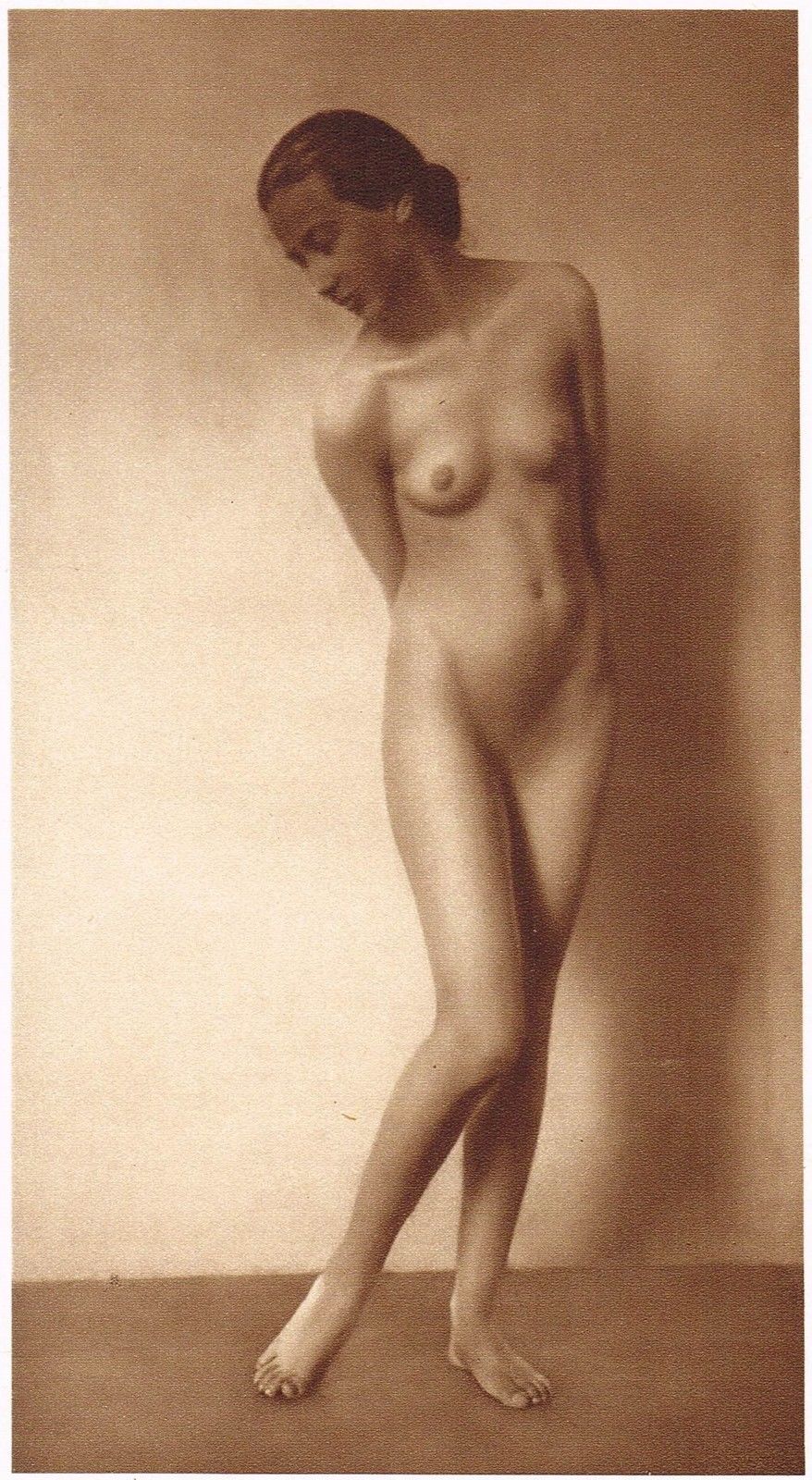
Max Dupain – Nu dans l’ombre, 1941
Max Dupain – No. 1 nude composition 1934
Max Dupain-(Female torso with water) 1936
Max Dupain-Reclining nude 1935
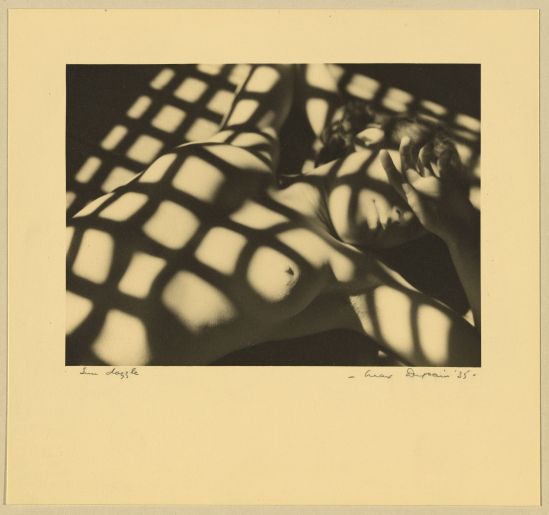
Max Dupain-Sun dazzle 1935
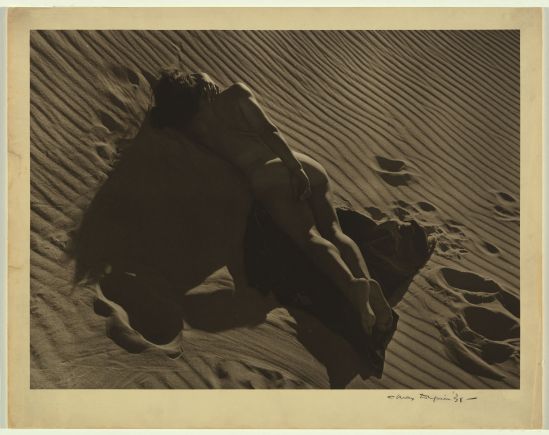
Max Dupain-(Nude on ribbed sand) 1938
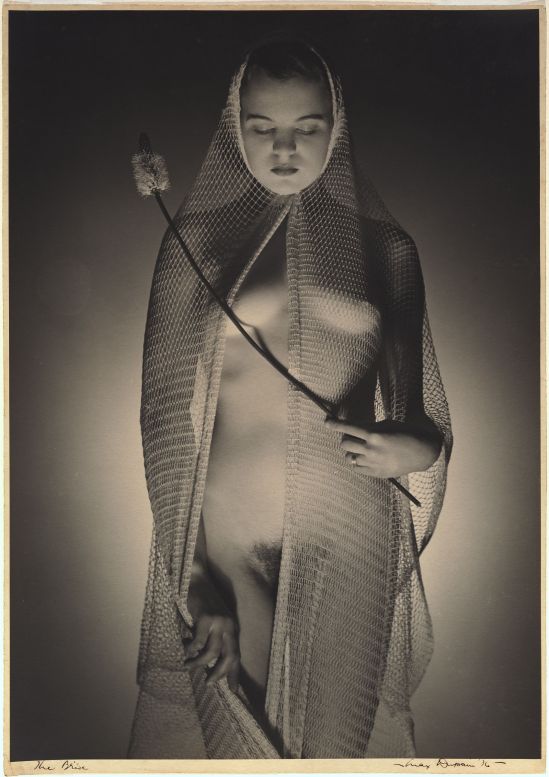
Max Dupain-The bride 1936
Max Dupain – Nude 1938
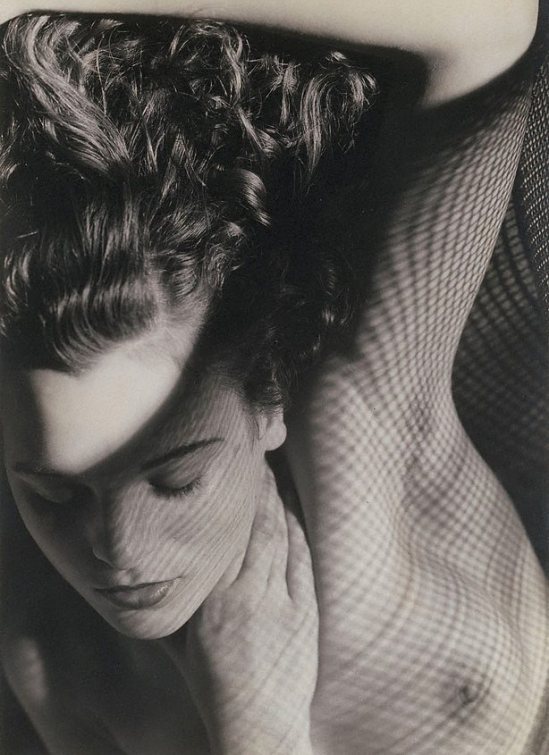
Max Dupain – Untitled (Jean with wire mesh) 1936
Max Dupain – Untitled (Nude behind screen) , from Portfolio No.4 The female form 1934
Max Dupain – Nude in grass , from Portfolio No.4 The female form 1939,
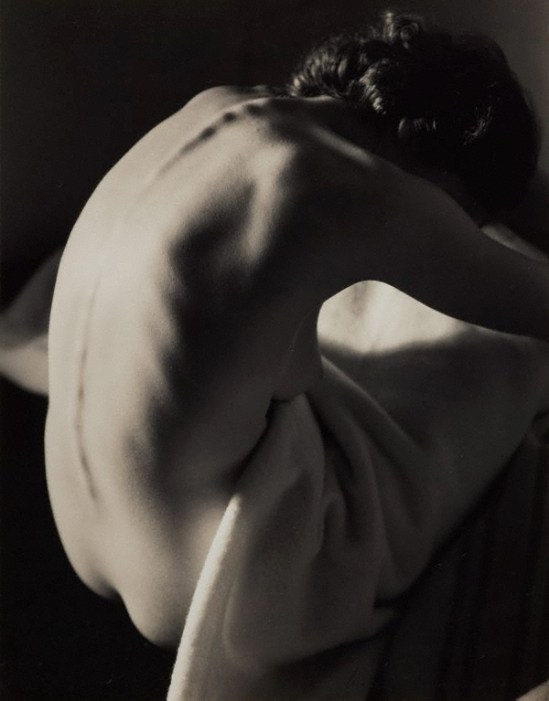
Max Dupain – Untitled (Nude – back) , from Portfolio No.4 The female form 1930s, ,
Max Dupain – Untitled (Nude – head & shoulders diagonal) , from Portfolio No.4 The female form 1930s,
Max Dupain – Untitled (Nude behind screen) , from Portfolio No.4 The female form 1940s
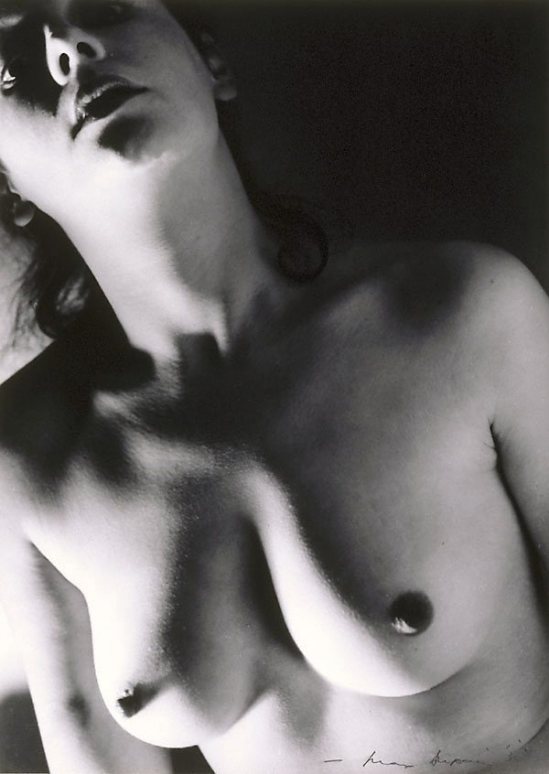
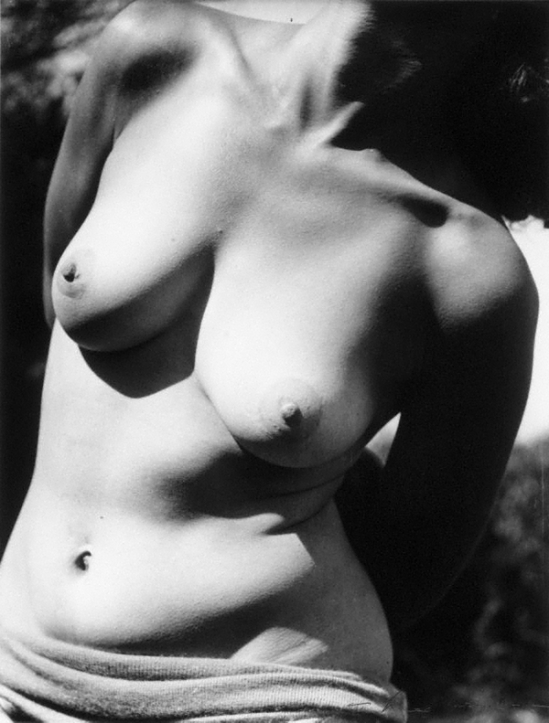
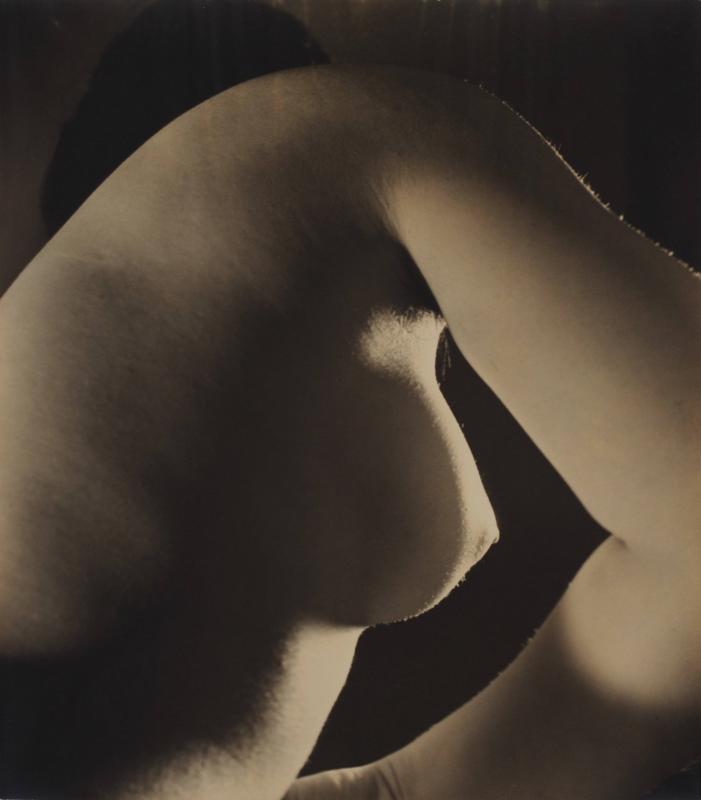
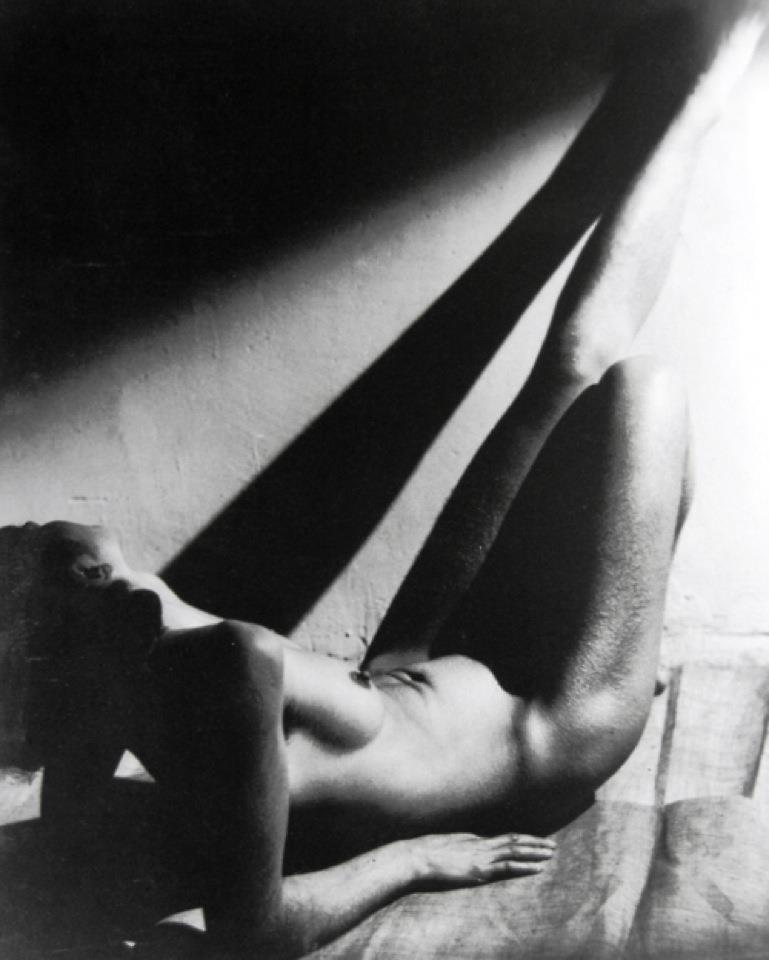
Max Dupain – Untitled (Nude torso in sunlight) , from Portfolio No.4 The female form 1941,
Max Dupain – Untitled (Reclining silhouette) , from Portfolio No.4 The female form 1940s
Max Dupain – Untitled (Nude behind screen) , from Portfolio No.4 The female form 1930s
Max Dupain – Untitled (Nude in mirror) , from Portfolio No.4 The female form 1930s,

La danse

Max Dupain – No. 1 nude composition 1934
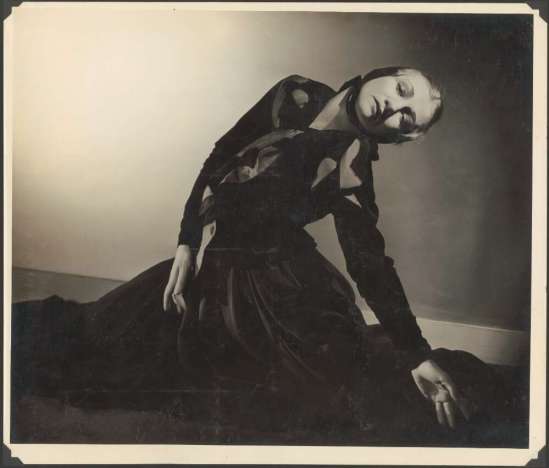
Max Dupain-Portrait of Nina Raievska between 1936-1937
Max Dupain-Portrait of Emmy Towsey (Taussig) and Evelyn Ippen1939
Max Dupain-Portrait of Evelyn Ippen, Bettina Vernon, Emmy Towsey and Shona Dunlop from the Bodenwieser Ballet1939
Max Dupain-Bodenwieser Group ,1941
Max Dupain- ortrait of Irina Baronova in Choreartium,1938-39
Max Dupain- David Lichine in L’apres-midi d’un faune, 1940
Max Dupain-Portrait of Hélène Kirsova, as the Widow in L’Amour sorcier for the Monte Carlo Russian Ballet, 1936-1937
Max Dupain -Helene Kirsova as the Widow in L’amour Sorcier, 1936-1937
Max Dupain -Helene Kirsova as Little Anna in Revolution of the Umbrellas. 1936-1937

Max Dupain- Portrait of Serge Lifar in The firebird, Original Ballet Russe Australian tour1940
Max Dupain-Portrait of Sono Osato in Scheherazade, 1938
Max Dupain-Portrait of Tamara Toumanova and Paul Petroff in Frenchs Forest, 1940
Max Dupain-Portrait of Ludmilla Lvova out of doors, Frenchs Forest, 1940
Max Dupain – Untitled , from Portfolio No.4 The female form 1940s,, ,
Max Dupain – Dancer dancing 1940s
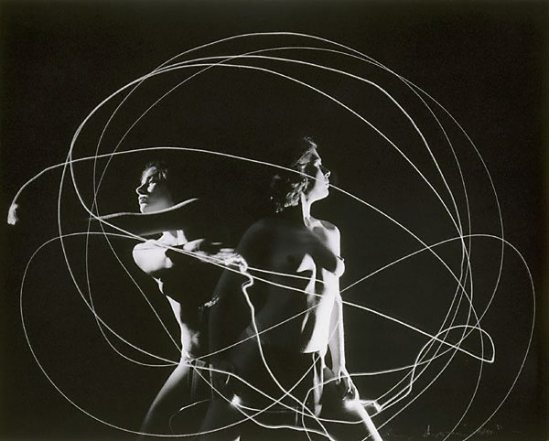
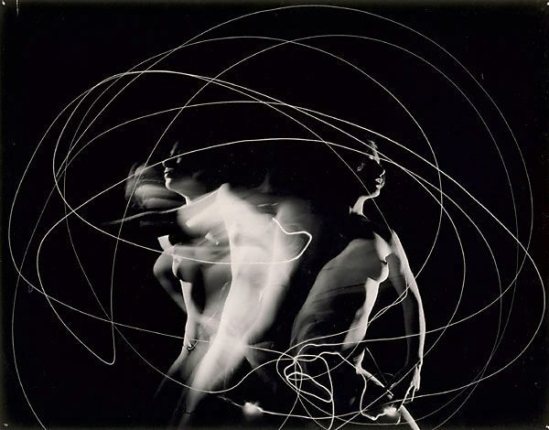
Max Dupain – Untitled (Nude with light traces) , from Portfolio No.4 The female form 1938
,

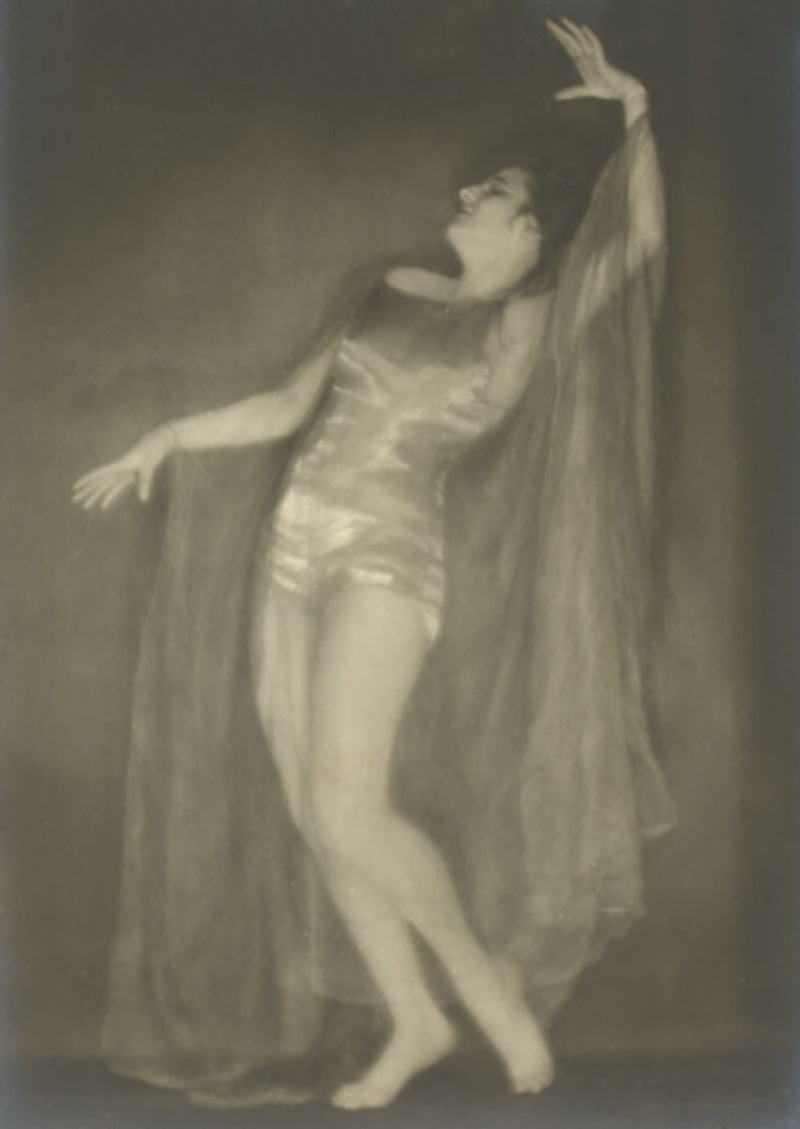
Max Dupain – Untitled (Dancer) 1937

Les portraits

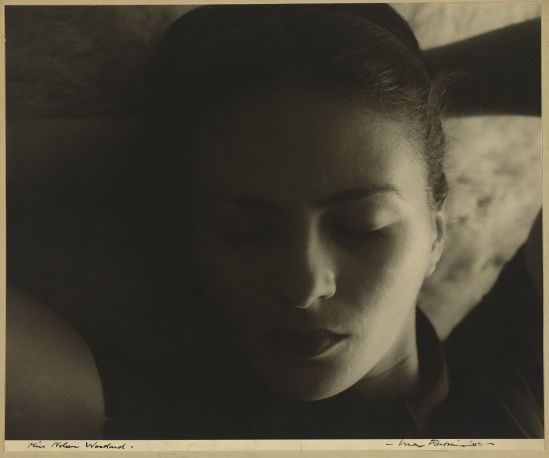
Max Dupain-Miss Noleen Woodward 1940
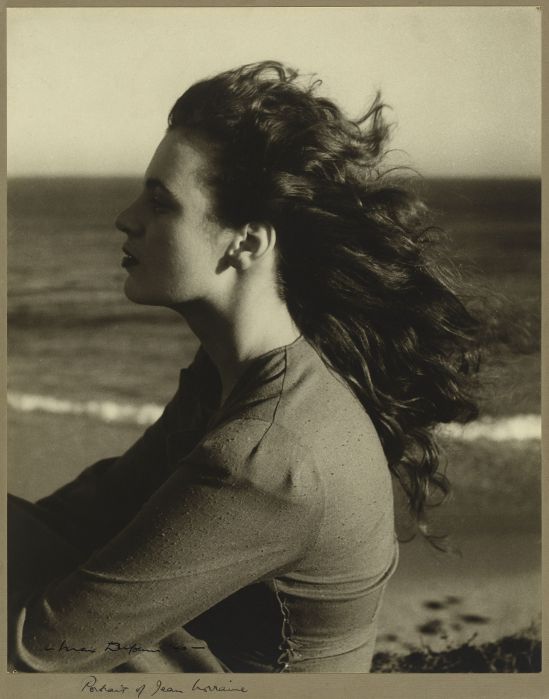
Max Dupain-Jean 1940
Max Dupain – Untitled (Vesta Davies, face profile) 1938

Max Dupain-(Hat advertisement) 1937
Max Dupain-Greta 1940
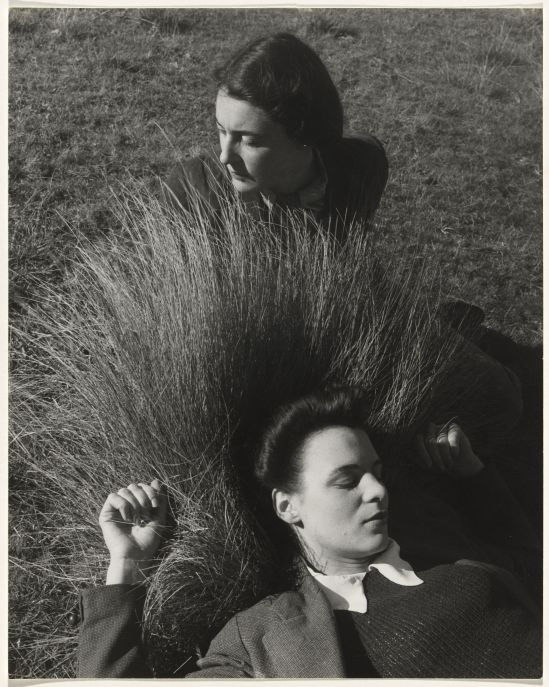
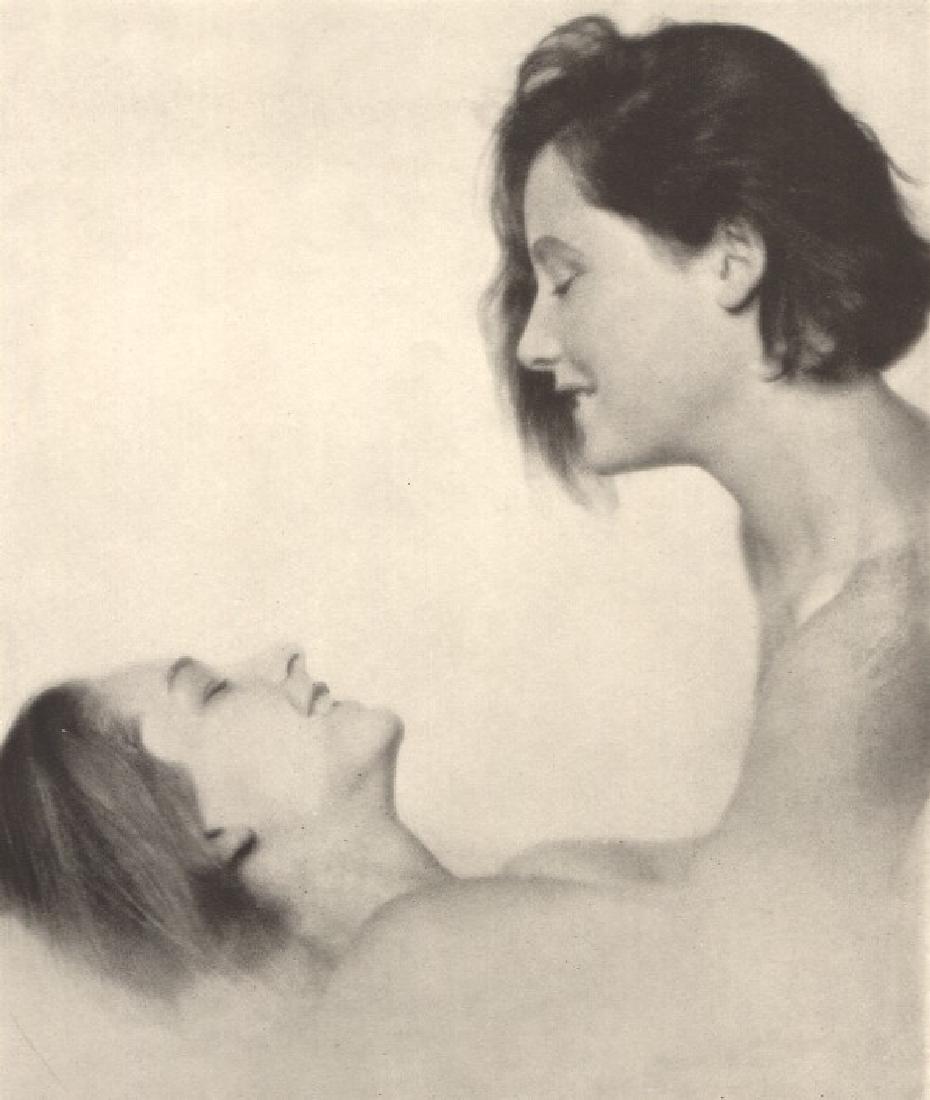
Max Dupain-Two girls [Portrait of Olive Cotton and Jean Laurraine] 1939
Artist : Max Dupain (Australia, b.1911, d.1992) Title : Date : 1951-1952 Medium Description: grey cloth bound album, 50 gelatin silver photographs Dimensions : Credit Line : Gift of Diana Dupain 2003 Image Credit Line : Accession Number : 98.2003.a-xx
Max Dupain – Fashion shoot III, Cronulla 1937
Max Dupain – Fashion shoot II, Cronulla 1937
Max Dupain – Fashion shoot I, Cronulla 1937

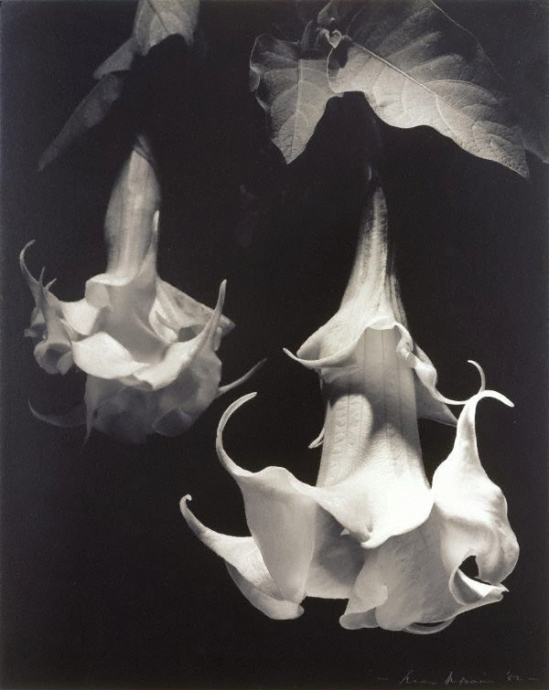
Les fleurs

Max Dupain – Untitled 1938-194
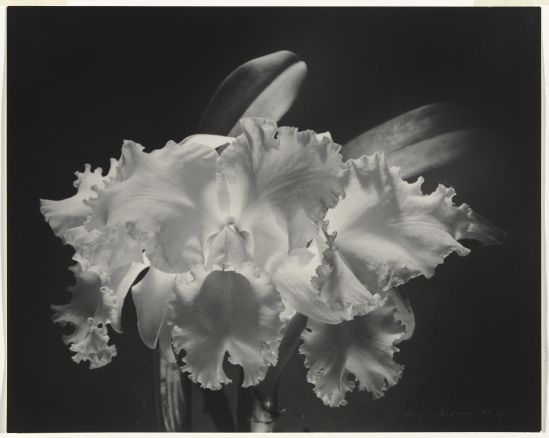
Max Dupain-Catalya orchid 1991
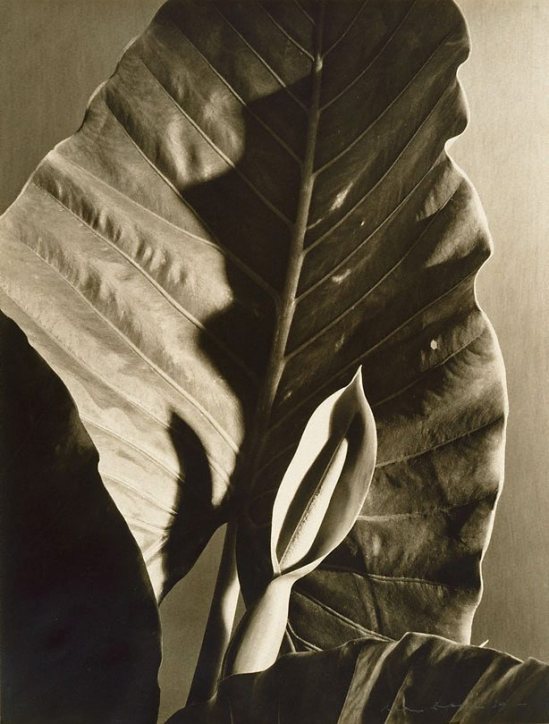
Max Dupain – Monstera deliciosa 1970
Max Dupain – Magnolia at night 1983 –
Max Dupain – Monstera Gigantous 1984
Max Dupain – Salvadorium Dalii 1982
Max Dupain – Untitled (open Lily) 1984
Max Dupain – Protea 1982
Max Dupain – Nasturtium leaves 1981
Max Dupain – Hawaiian Lilies at night 1983
Max Dupain – Camelias 1982-1984
Max Dupain – Untitled (self portrait) , 1930s

Sources ici et ici et ici

Mario von Bucovich

Mario von Bucovich (16 February 1884 – 30 November 1947) was also known as Marius von Bucovich. He was born at Pula in the Istrian region of the Austro-Hungarian Empire and held the title of Baron. His father, August, Freiherr von Bucovich, was a former Corvette Captain in the Austro-Hungarian navy and later an entrepreneur in the railroad concession sector. His mother was Greek.

Despite the wide circulation of his photographs (to the present day) and popularity of his publications (from the 1920s to the 40s), there has been limited interest in Mario von Bucovich in the history of photography, which may reflect a somewhat ungenerous assessment. Although much of his work was conventional, he was a creative and talented photographer. He also took the initiative to produce books of his photographs dedicated to New York and various European cities. In a privately published volume of 1935, intended simultaneously to de-mystify and elevate photography, Bucovich expressed his views on photography and his own practice of the craft. But he reveals almost nothing of a personal nature. Both authors of this article, before learning of each other’s work—coming from German Studies and Jewish Studies, respectively—were struck by the disparity between the quantity and quality of the material legacy of Mario von Bucovich, and the lack of a substantial biography.

He worked primarily in Germany in the 1920s and 30s, as well as traveled to France and England. In his published work he was most noted for his urban studies with a focus on streetscapes, but his studio work undertaken at the Atelier Karl Schenker was often of entertainment personalities of Weimar period stage and screen. Amongst his most notable books were Berlin, Das Gesicht Der Stadt (Berlin, Portrait of a City) and Paris (with a forward by Paul Morand). The Paris book included photos by Germaine Krull. The Berlin book published originally by Albertus Verlag, a publishing house he founded in 1928, had a forward written by the author Alfred Döblin.

He had a base in Berlin during his most productive years between the wars, being linked to the Atelier Schenker. During the late 1920s his photos appeared across the gamut of German photo journalism including the titles: Der Querschnitt, Uhu, Die Dame, Die neue Linie, Das Magazin, Skizzen, Welt-Magazin, Kölnische Illustrierte Zeitung, Revue des Monats, Das Kriminalmagazin, Das Leben, Das Kunstblatt, Farbe und Form, Das deutsche Lichtbild, Deutscher Kamera Almanach, Die Reklame, Der Photo-Freund.

He moved to New York during the 1930s where he worked for a publishing house on 41st Street. In his American period he published two photographic essays, Washington D.C. City Beautiful and Manhattan Magic. A Collection of Eighty-Five Photographs. He moved to Mexico and was working there through at least the early part of that decade, until his death on 30 November 1947 in a traffic accident in Mexico City.

His work was shown at major photography salons of the day, including the Fourth International Exhibition of Pictorial Photography at the California Palace of the Legion of Honor, the Third International Exhibition of Pictorial Photography Seattle Camera Club, and the 15th and 16th Annual Pittsburgh Salon of Photographic Art at the Carnegie Institute.

His work is in the collections of the New Orleans Museum of Art, the National Museum of Mexican Art and the National Gallery of Canada.

He photographed Marlene Dietrich and Leni Riefenstahl (in her days as a dancer, preceding her career as a film director). His views of Girona in Spain taken in 1933 were published in the National Geographic magazine. The Berliner Morgenpost in 2009 described him as « one of the great unknown photographers of 20th Century European photography ».

Mario von Bucovich’s wife, Marie, was also a photographer. source wilkipedia


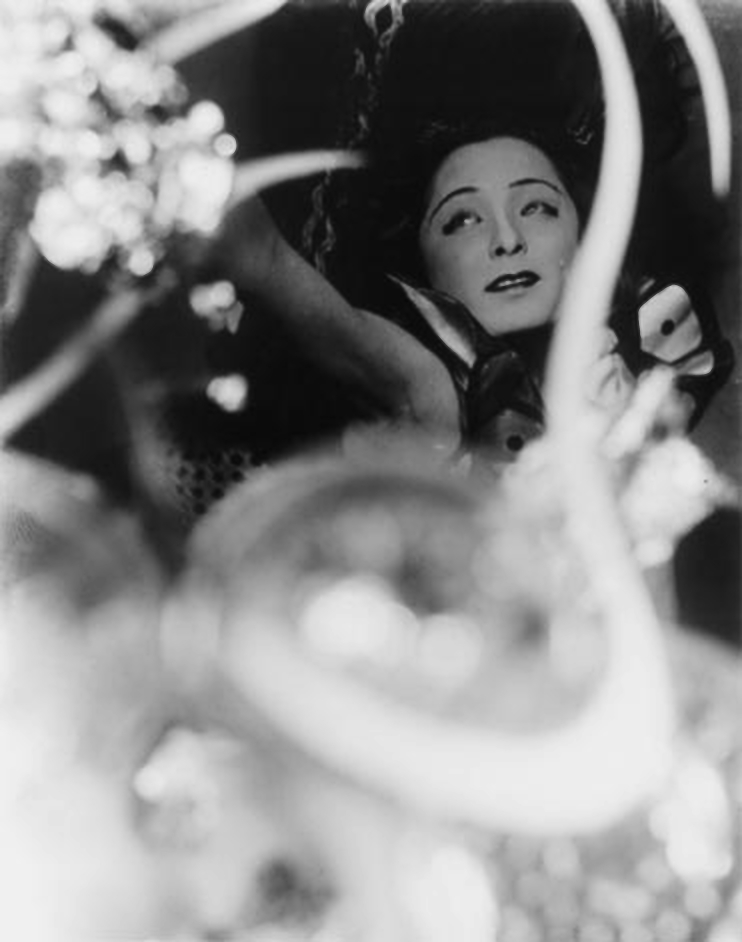
Mario von Bucovich (Atelier Karl Schenker) -Ruth Walker, Danseur, USA - Portrait - vers 1928

Mario von Bucovich (Atelier Karl Schenker) -Ruth Walker, Danseur, USA – Portrait – vers 1928

Mario von Bucovich (Atelier Karl Schenker) -Ruth Walker, Danseur, USA - Portrait - vers 1928

Mario von Bucovich (Atelier Karl Schenker) -Ruth Walker, Danseur, USA – Portrait – vers 1928

Mario von Bucovich (Atelier Karl Schenker) -Ruth Walker, Danseur, USA - Portrait - vers 1928

Mario von Bucovich (Atelier Karl Schenker) -Ruth Walker, Danseur, USA – Portrait – vers 1928

Mario von Bucovich (Atelier Karl Schenker) -Ruth Walker, Danseur, USA - Portrait - vers 1928

Mario von Bucovich (Atelier Karl Schenker) -Ruth Walker, Danseur, USA – Portrait – vers 1928

Mario von Bucovich (Atelier Karl Schenker) -Ruth Walker, Danseur, USA - Portrait - vers 1928

Mario von Bucovich (Atelier Karl Schenker) -Ruth Walker, Danseur, USA – Portrait – vers 1928

Mario von Bucovich (Atelier Karl Schenker) -Ruth Walker, Danseur, USA - Portrait - vers 1928

Mario von Bucovich (Atelier Karl Schenker) -Ruth Walker, Danseur, USA – Portrait – vers 1928

Mario von Bucovich (Atelier Karl Schenker) -Ruth Walker, Danseur, USA - Portrait - vers 1928

Mario von Bucovich (Atelier Karl Schenker) -Ruth Walker, Danseur, USA – Portrait – vers 1928

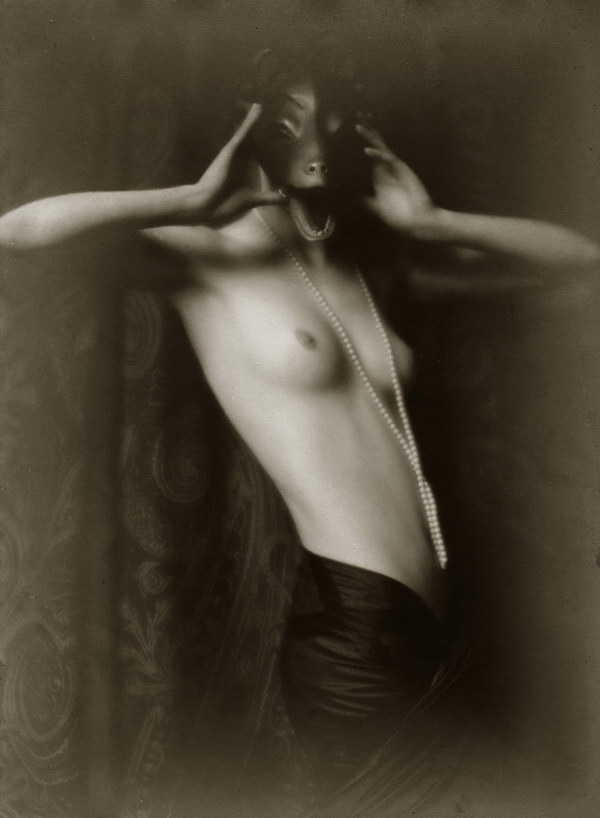
Mario von Bucovich -Naakt rencontré masker en werd Berlin 1927 de la bookVoluptuous Panic Le monde érotique de Weimar Berlin, Feral House, 2000. photo courte

Mario von Bucovich -Naakt rencontré masker en werd Berlin 1927 de la bookVoluptuous Panic Le monde érotique de Weimar Berlin, Feral House, 2000. photo courte

Mario Von Bucovich-'Naakt avec un masque "et était Berlin 1927

Mario Von Bucovich-‘Naakt avec un masque « et était Berlin 1927

Mario von Bucovich

Mario von Bucovich

Mario von Bucovich

Mario Buchovich- Reclining nude 1935

Mario Buchovich- Reclining nude 1935 Vintage toned matte gelatin silver print

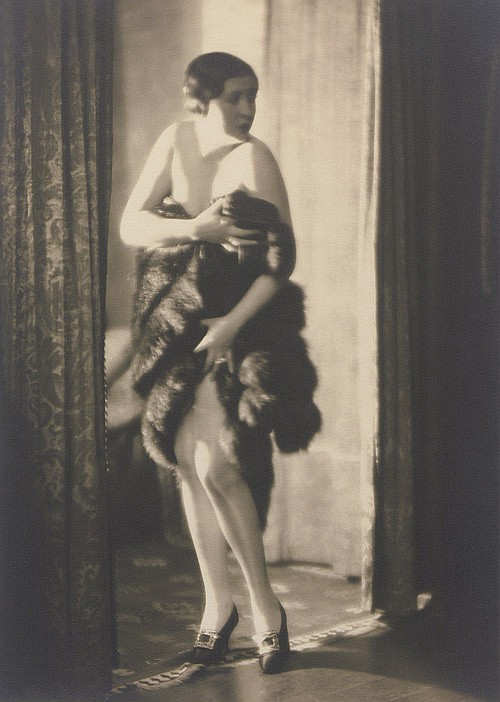
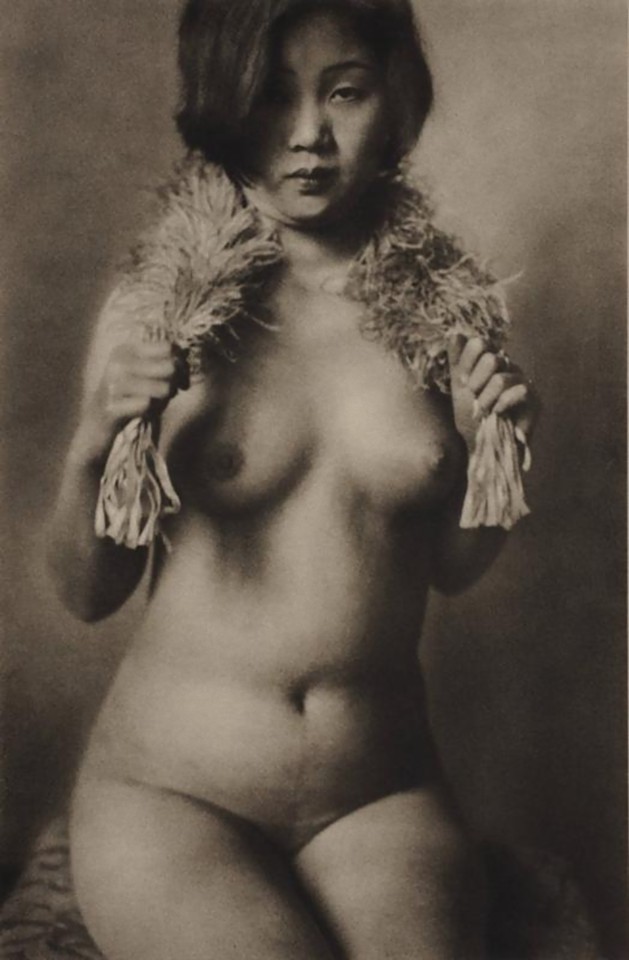
Mario von Bucovich- Female nude in shoes holding a fur stole. 1927. Vintage toned matte gelatin silver print

Mario de Bucovich- Nude 1927

Mario de Bucovich- Nude 1927

Mario de Bucovich -Repose, Study ,Photoengraving,1935

Mario von Bucovich- Nude, 1920

Mario von Bucovich- Nude, 1920

Mario von Bucovich (Atelier Karl Schenker) - (1884-1934) - Untitled (Nude), 1920

Mario von Bucovich (Atelier Karl Schenker) – (1884-1934) – Untitled (Nude), 1920

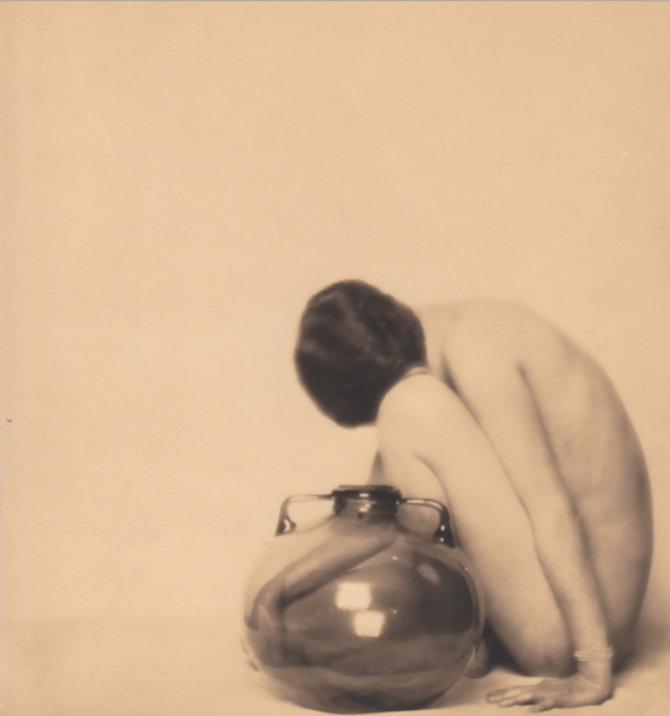
Mario Buchovich- Nude with Murano Vase ,1935

Mario Buchovich- Nude with Murano Vase ,1935

Mario v. Bucovich - Portrait de femme et sculpture, Épreuve argentique, 1928. Ader Nordmann

Mario v. Bucovich – Portrait de femme et sculpture, Épreuve argentique, 1928. Ader Nordmann

Mario de Bucovich - Leni Riefenstahl, Age 25, 1927

Mario de Bucovich – Leni Riefenstahl, Age 25, 1927

Mario von Bucovich- Hilde Zimmermann, la reine de la mode allemande published in Revue Des Monats, Avril 1927

Mario von Bucovich- Hilde Zimmermann, la reine de la mode allemande published in Revue Des Monats, Avril 1927

Mario von Bucovich-Incognito publiée dans la revue Des Monats, Janvier, 1928

Mario von Bucovich-Incognito publiée dans la revue Des Monats, Janvier, 1928

MARIO BUCOVICH – Study of Two Heads, Barcelona , 1935, Photoengraving

MARIO BUCOVICH – Peggy, Barcelona , 1935, Photoengraving

Mario Buchovich- Mrs Mary Booker, London, 1935

Mario Buchovich- Kneeling,Photoengraving,1932

Mario Buchovich- Miss Merle Oberon ,Photoengraving,1935

Mario Buchovich- Nude with Murano Vase ,Photoengraving,1935

Mario Buchovich- Mrs. Mary Booker, London ,Photoengraving,1935

Iwata Nakayama (1895-1949)

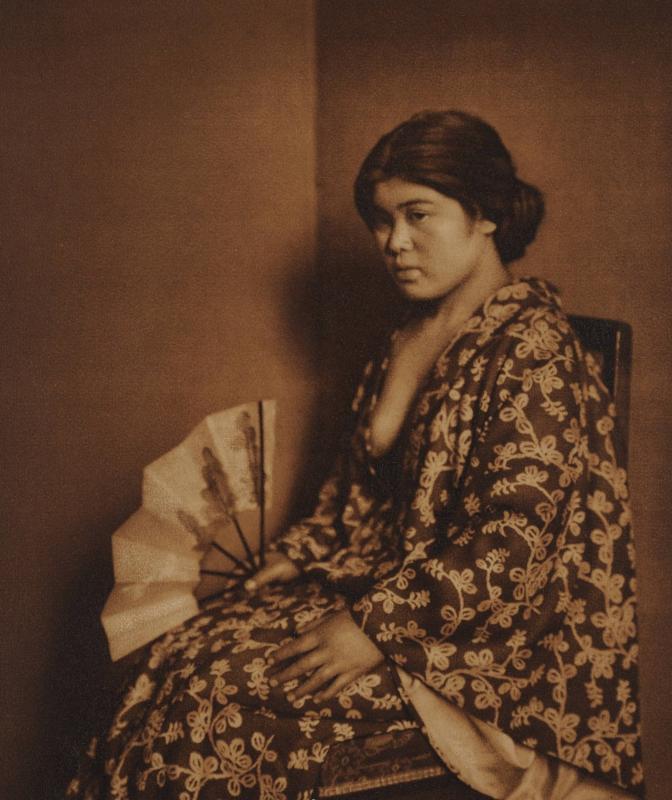
Nakayama est un photographe Japonais actif dans les années 1930à 1950 . Après  avoir  suivi des cours de photographie à  l’université des arts de Tokyo, il s’installe aux États-Unis en 1918,  afin de poursuivre ses études, mais il les abandonne très vite préférant travailler dans un studio dirigé par Tōyō Kikuchi (菊池東陽) à New York. Suite à cet apprentissage fructueux il créera son propre studio, le « Laquan studio », à New York. Nakayama voyagera en Europe dans le milieu des années 20, et lors de son séjour  à Paris  il fera la connaissance de Man Ray et László Moholy-Nagyy .

Après le retour au Japon en 1927 , il commence à travailler comme photographe professionnel à Kōbe et se retrouve à la tête de l’avant-garde japonaise Arts photo. Il s’associe au Ashiya Camera Kurabu (芦屋カメラクラブ) et forme certains de ses disciples encore adolescents. Il publie quelques travaux dans les magazines Asahi Camera, Nihon Shashin Nenkan (日本写真年鑑) etc.

Par ailleurs, il réalisera l’un des premiers montages photographiques commercial japonais en 1930

En 1932, il publie en compagnie de Yasuzō Nojima, Nobuo Ina le mensuel Kōga (光画). Ce magazine représente un tournant critique et majeur de la photographie artistique japonaise. Nakayama est un pionnier de la photographie japonaise avant-gardiste et inspire de nombreux photographes japonais par le biais de ses œuvres.

Au cours de la Seconde Guerre mondiale, il ne peut travailler pleinement. Ses œuvres deviennent de plus en plus abstraites. La guerre terminée, il reprend son travail professionnel et crée de nouvelles pièces artistiques mais en 1949, il meurt subitement à l’âge de 54 ans quelques jours après avoir été choisi pour occuper la fonction de gérant de l’Association de la photographie japonaise.

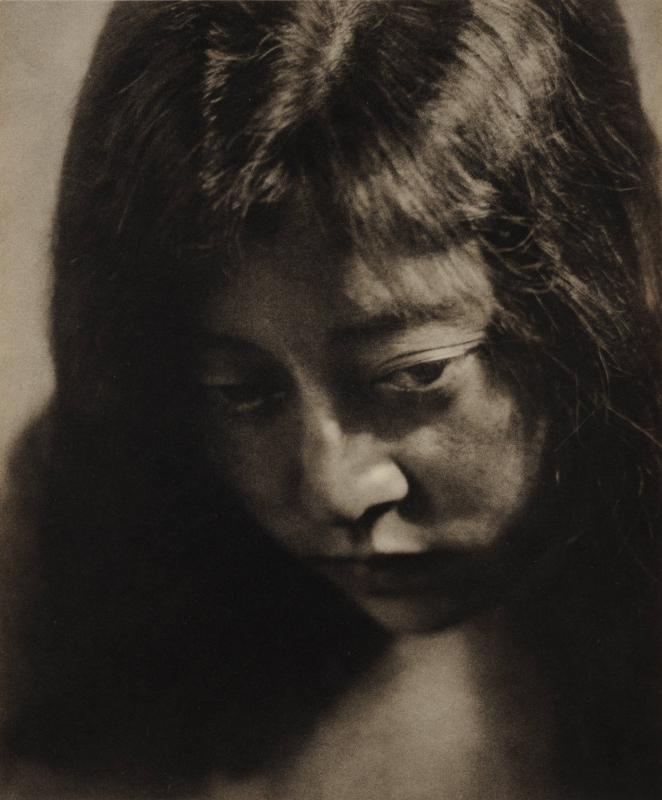
Iwata Nakayama -Portrait (son visage), 1920-25

Iwata Nakayama -Portrait (son visage), 1920-25

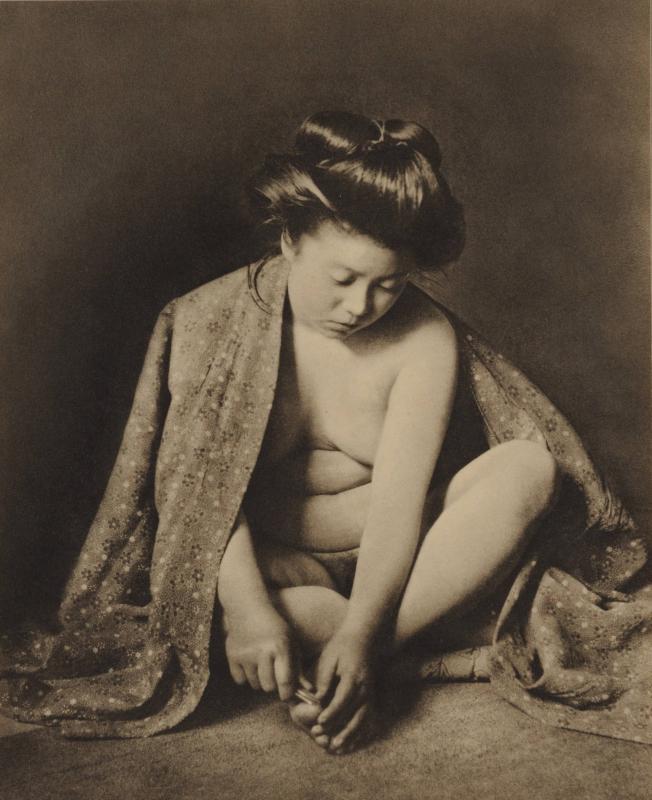
Iwata Nakayama- Woman from Shanghai 1936

Iwata Nakayama- Woman from Shanghai 1936

Iwata Nakayama- Woman from Shanghai 1936 1

Iwata Nakayama- Woman from Shanghai 1936

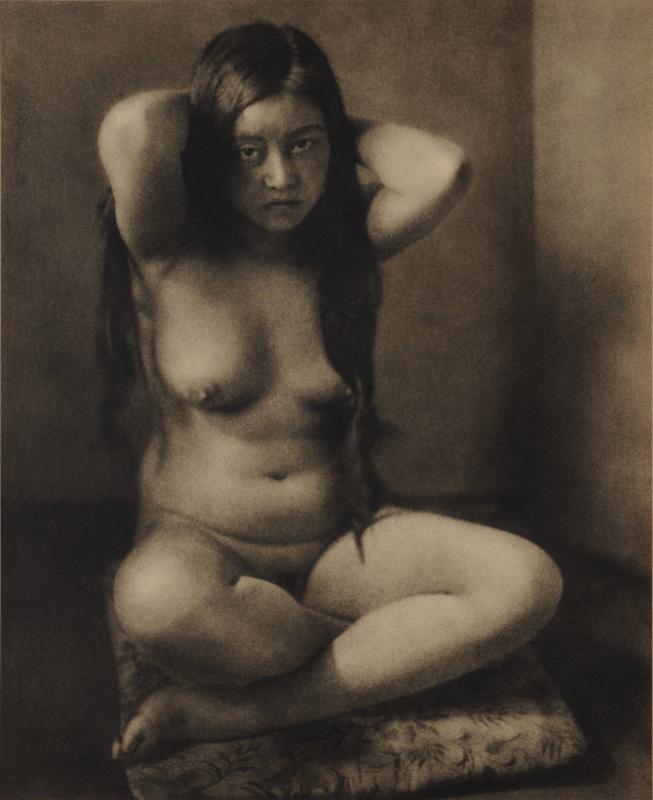
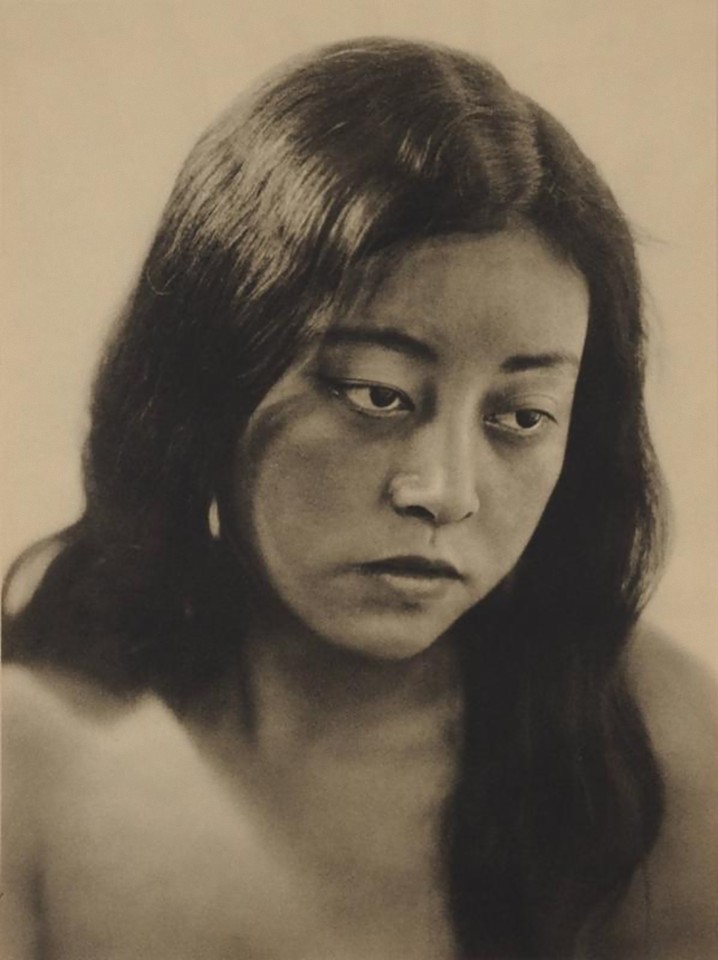
Iwata Nakayama- Woman with Long Hair , 1933

Iwata Nakayama- Woman with Long Hair , 1933

Iwata Nakayama- Untitled, 1933

Iwata Nakayama- Untitled, 1933

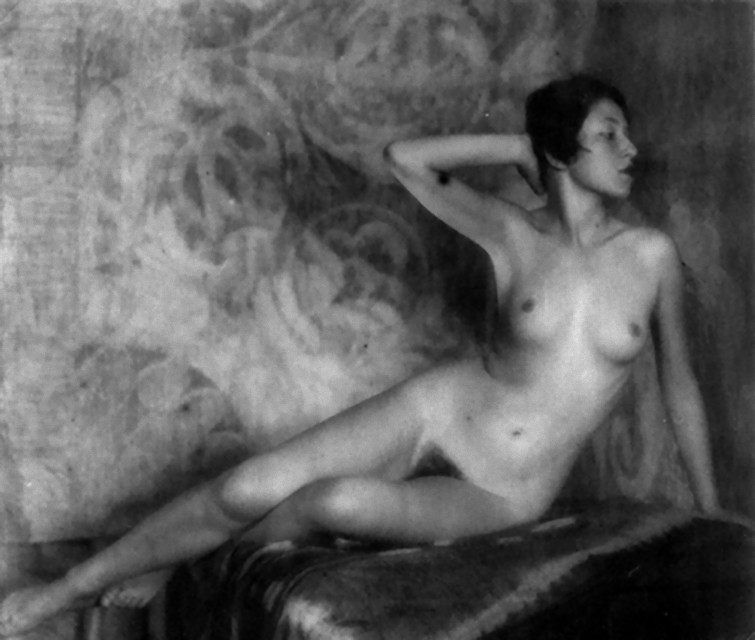
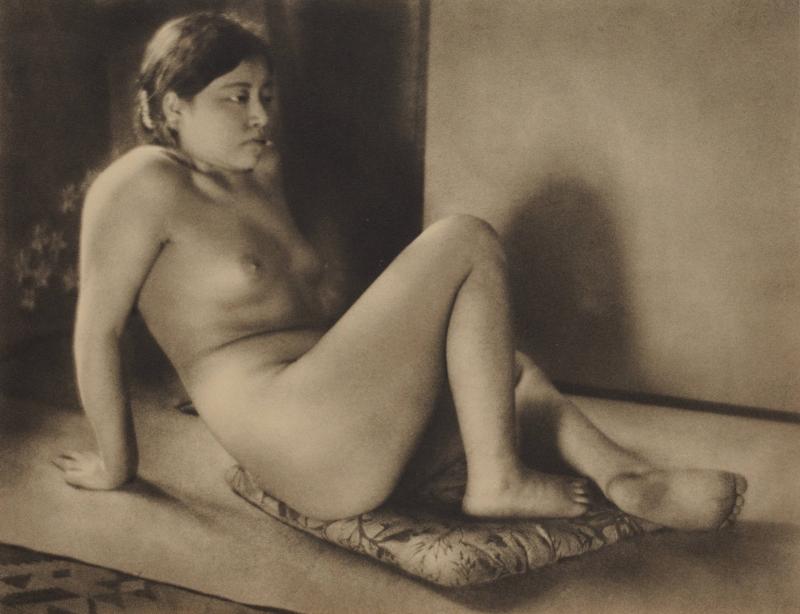
Iwata Nakayama- Nude, 1932

Iwata Nakayama- Nude, 1932

Iwata Nakayama- Nude , 1932

Iwata Nakayama- Nude , 1932

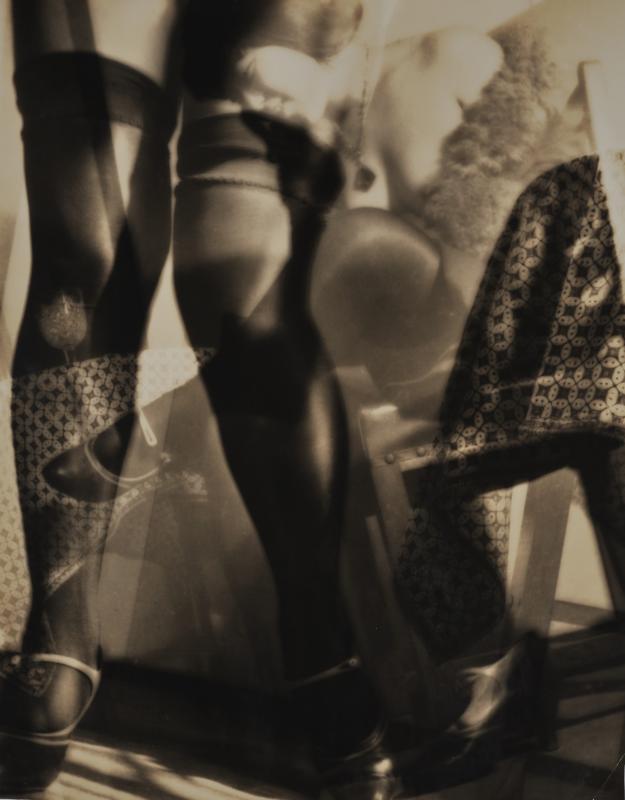
Iwata Nakayama-Festival Demon, photomontage, 1948 Composition (Nude and Glass), photomontage , 1935

Iwata Nakayama-Festival Demon, photomontage, 1948 Composition (Nude and Glass), photomontage , 1935

Iwata Nakayama-Festival Demon, photomontage, 1948

Iwata Nakayama-Festival Demon, photomontage, 1948

Iwata Nakayama- Composition , photomontage, 1935

Iwata Nakayama- Composition , photomontage, 1935

Iwata Nakayama- Composition , 1935

Iwata Nakayama- Composition , 1935

Iwata Nakayama- Butterfly , 1941

Iwata Nakayama- Butterfly , 1941

Iwata Nakayama- Portrait , The dancer, Komori Toshi), 1927

Iwata Nakayama- Portrait , The dancer, Komori Toshi), 1927

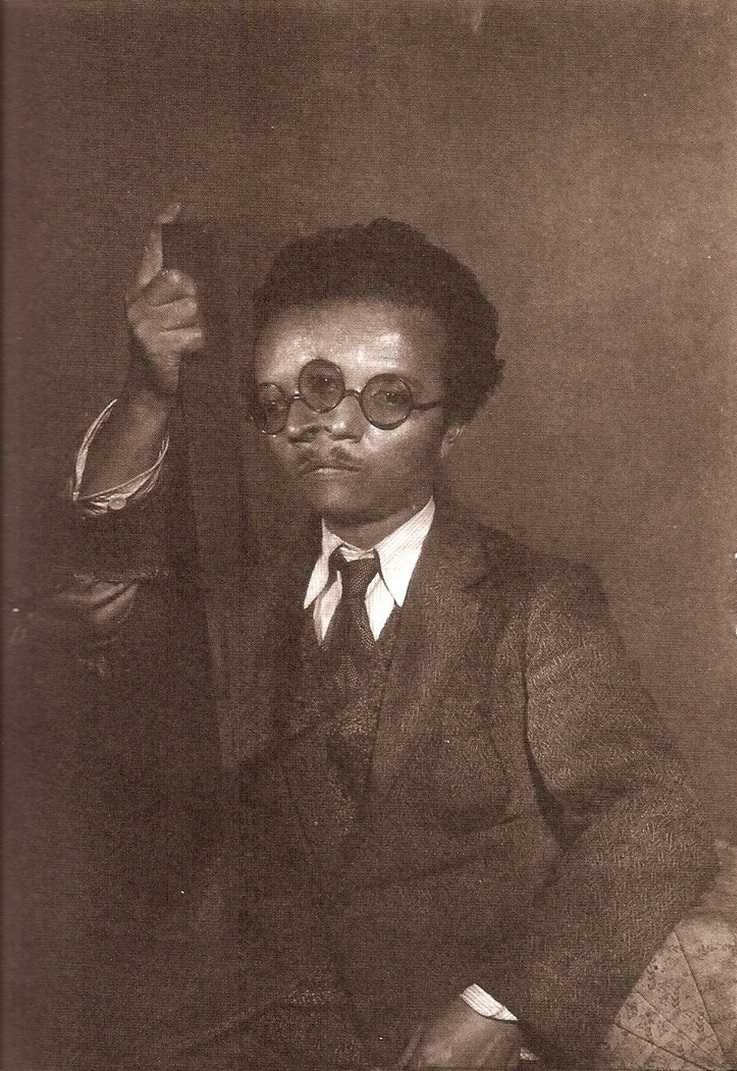
Iwata Nakayama Foujita , 1926

Iwata Nakayama Foujita , 1926

Iwata Nakayama - The painter Foujita et Kiki de montparnasse, Paris, 1926

Iwata Nakayama – The painter Foujita et Kiki de montparnasse, Paris, 1926

Iwata Nakayama - ニュタ・インニョカ Nioûta-In'nyoka ( serie l 'ère de New York), 1924 from Photo magazine japoN, issue 26

Iwata Nakayama – ニュタ・インニョカ Nioûta-In’nyoka ( serie l ‘ère de New York), 1924

Iwata Nakayama - self portrait, 1933 from Photo magazine japo, issue 26

Iwata Nakayama – self portrait, 1933

Iwata Nakayama -Self Portrait ,1931

Iwata Nakayama -Self Portrait ,1931

Alexander Danilovich Grinberg (1885-1979)

Alexander Danilovich Grinberg -Nude Study with veil ( The Theatre of Meyerhold ), 1913-14

Alexander Danilovich Grinberg -Nude Study with veil ( The Theatre of Meyerhold ), 1913-14

Posted by kate

Alex(s)ander Danilovich Grinberg  est un des photographes russes les plus respectés du vingtième siècle. Il a connu la révolution russe, la guerre civile, deux guerres mondiales et la répression stalinienne durant ses 94 années de vie.

Il a étudié à l’Université de Moscou, au Département de physique et de mathématiques, et au Stroganov Art College. En 1907 Gringberg est devenu membre de la Société photographique de Russie (RFO) à Moscou, en 1912 et l’un de ses administrateurs. En 1909 il reçoit sa première médaille d’or à l’exposition internationale de Dresde.   En 1914 il  commence à travailler avec le studio de cinéma « khanzhankov  » à Moscou, en devenant responsable de la publicité des films, mais il est également assistant réalisateur et ses films les plus connus sont  « les Descendants arabes » et « Deux amies (modèle et fille) ».

De 1922 à 1930 Grinberg enseigne la composition photographique au cinéma au « State College « (plus tard renommé en Russie State University Cinématographie). Dans la même période, il a enseigné à la société photographique professionnelle de Moscou  et a également travaillé comme caméraman à la First State Film Studio. Il travaille aussi beaucoup avec Vsevolod Meyerhold ( directeur d’une troupe de théatre) et d’autre troupe de théatre, et est proche d’un certain nombre d’acteurs ainsi de que de grand nom de la photographie.

En 1929, lors de la  révolution culturelle, la « vieille école” de la photographie soviétique ( dont il fait partie)  est désignée comme une photographie réalisée par  « dépravé » et il perd sa notoriété et n’est plus le photographe à qui l’on accorde des faveurs. En effet, la nouvelle politique culturelle a dicté que n’importe quel érotisme sous quelque  forme artistique que ce soit était un « restant d’oisiveté bourgeoise » et inconvenant pour la société soviétique.

Pourtant Grinberg , continue et en 1935 il  expose des photographies  de femmes partiellement habillées , ce qui lui vaut son arrestation et une condamnation par le Comité spécial de NKVD (Commissariat populaire de l’Intérieur) au bagne ( autrement dit Goulag)pour  diffusion de pornographie.Au bout de quatre année d’enfer,  il est finalement libéré pour la bonne conduite ,en 1939.

[Vous verrez que la plupart de ses clichés de nus sont réalisés entre les années 1900 et 1930 , aujourd’hui l’histoire écrite, on comprend pourquoi il n’a pu continué librement à exercer son art. Tous les travaux de cette époque n’ont pas été détruits que cela arrivait généralement et ce grâce à son frère aîné qui a réussi à cacher les négatifs durant de nombreuses années. C’est donc pourquoi, la majorité des photos que vous verrez , ont été retirées après la seconde guerre mondiale, et n’ont plus ce grain si particulier du pictoralisme. Rares sont les photographies qui sont tirées dans des teintes particulières. ]

A sa sortie du goulag, il a repris rapidement son travail de photographe et il collabore avec de nombreuses d’institutions, des musées et enseigne la photographie. Après la guerre il a travaillé avec les modèles et les couturiers tout au long des années 1950.

Sa vie entière a été consacrée à la photographie, qu’il n’a jamais abandonnée, même dans les plus difficiles de circonstances. Encore une fois, cet homme est la preuve, que de tout temps les artistes sont persécutés et emprisonnés , nous en avons déjà parlé et bons nombres d’artistes présentés sur le blog ont été dans le même cas.

Biographie  plus complète sur le site Russian Photographs [ English],  ( ce texte a été ecrit par © Evgeny Berezner and Irina Tchmyrevapour l’exposition   » Russian Pictorialism » en  2002, et pas par la personne qui vend les photographies ( mais çà aussi , ce n’est pas cité )

La majorité des photographies se trouvent  sur le site Russian Photographs, mais les dates sont approximatives , ainsi que les noms des personnes photographiées manquantes , vous y trouverez également d’autres travaux, en plus petits formats bien entendu,  comme la publicité, les portraits des têtes couronnées de l’époque, des paysages, sa série l’art du Mouvement dans l’esprit de la nouvelle culture russe : « Un corps parfait pour une civilisation parfaite ».

[Rajout Le 17 février  2012/  Je n’ai rien changé aux tonalités des photographies ce qui ne semblerait être une hérésie, ( plus haut  il est expliqué que les négatifs ont été cachés et ce durant plus de 15 années pour éviter que les autorités Russes ne détruisent tout son fond). Un site qui est sur wordpress ( dantébea pour ne pas la citer,  a changé toutes les tonalités des photographies ( Quel respect pour les artistes, au passage… ) et qui de surcroit se contente de vous dire via russian photographer,  sans hyper lien, c’est tellement plus facile…), et qui copie joyeusement mes articles,  Quel respect pour les artistes, au passage… tout n’est que copié collé et bien sur sans le copyright) . Dans toutes les photos qu’elle a prises elle les a coloriser dans une teinte jaunâtre, , allez trouver ce genre de jaune dans un bon tirage photographique et surtout dans le mouvement pictoraliste !!!!!  jamais de teinte jaunâtre( ou alors le photographe ou le développeur était vraiment mauvais) ….Par ailleurs le texte figurant sur le site

ICI  vous avez ici les dates précises, ainsi que le noms des modèles, acteurs, danseurs, personnalités , la source étant le livre  « Aleksandr Grinberg, Khranitel` Traditsii: 1885-1979. – Il. – (Fotograficheskoe Nasledie).Lazarev M.P.Edité par Art-Rodnik, Russian Federation, 2012 ( il ne vaut pas très cher, moins de 20 euros, mais il est en russe… ensuite il faut traduire..) ici sur amazon ( il semble plus cher deux années après….)

Les nus voilés 1910-1930

Alexander Danilovich Grinberg- Nude with veil and pearls, 1928

Alexander Danilovich Grinberg- Nude with veil and pearls, 1928 (portrait de Веры Холодной? voir plus bas The Theatre of Meyerhold )

Alexander Danilovich Grinberg - Portrait, Moscou, 1928

Alexander Danilovich Grinberg – Portrait, Moscou, 1928 (portrait de Веры Холодной? voir plus bas The Theatre of Meyerhold )

Alexander Danilovich Grinberg - Nude,(Akt) , 1928

Alexander Danilovich Grinberg – Nude,(Akt) , 1928 (portrait de Веры Холодной? voir plus bas The Theatre of Meyerhold )

Alexander Danilovich Grinberg - Nude,(Akt) , 1928

Alexander Danilovich Grinberg – Nude,(Akt) , 1928 (portrait de Веры Холодной? voir plus bas The Theatre of Meyerhold )

Alexander Danilovich Grinberg -Study of nude, 1920

Alexander Danilovich Grinberg -Study of nude, 1920

Alexander Danilovich Grinberg - nude study (Stranger II) , Nataliya Grinberg, 1926 - Copie

Alexander Danilovich Grinberg – nude study (Stranger II) , Nataliya Grinberg, 1926 – Copie

Alexander Danilovich Grinberg - nude study (Stranger) , 1926

Alexander Danilovich Grinberg – nude study (Stranger) , 1926

Alexander Danilovich Grinberg -Nude- 1913-14_e

Alexander Danilovich Grinberg -Nude- 1913-14

Alexander Danilovich Grinberg - Portrait du femme-1913-14_e

Alexander Danilovich Grinberg – Portrait du femme-1913-14

Alexander Danilovich Grinberg - Portrait du femme ( remanié, 1920)

Alexander Danilovich Grinberg – Portrait du femme ( remanié, 1920)

Alexander Danilovich Grinberg - Nude study Moscou, 1920

Alexander Danilovich Grinberg – Nude study Moscou, 1920

Alexander Danilovich Grinberg -Untitled, 1920′s

Alexander Danilovich Grinberg -Untitled, 1923

Alexander Danilovich Grinberg -Untitled, 1920′s

Alexander Danilovich Grinberg -Untitled, 1923

Alexander Danilovich Grinberg - Nude study with veil Moscou, 1920s

Alexander Danilovich Grinberg – Nude study with veil Moscou, 1920s

Alexander Grinberg- Veiled nude study 1920

Alexander Grinberg- Veiled nude study 1920

Les nus des années 1910-1930

Alexander Danilovich Grinberg -Tamara Lavrova, 1920

Alexander Danilovich Grinberg -Tamara Lavrova, 1925-30

Alexander Danilovich Grinberg - Study of Nude,Tamara Lavrova 1925 s

Alexander Danilovich Grinberg – Study of Nude,Tamara Lavrova 1925

Alexander Danilovich Grinberg - nude study Moscou, 1929

Alexander Danilovich Grinberg – nude study Moscou, 1929

Alexandre Grinberg - Nude Study with veil, 1920s

Alexandre Grinberg – Nude Study with veil, 1925-30

Alexander Danilovich Grinberg - Nude study, 1920-e

Alexander Danilovich Grinberg – Nude study, 1928

Alexander Danilovich Grinberg - Nude study Moscou, 1920

Alexander Danilovich Grinberg – Nude study Moscou, 1928

Alexander Danilovich Grinberg -Baigneuse. 1924-25_e

Alexander Danilovich Grinberg -Baigneuse. 1924-25

Alexander Danilovich Grinberg- Study of nude, Maria Peschanaya, 1920s 1_e

Alexander Danilovich Grinberg- Study of nude, Maria Peschanaya, 1928

Alexander Danilovich Grinberg - Asya Zagorskaya, 1920

Alexander Danilovich Grinberg – Asya Zagorskaya, 1925-30

Alexander Danilovich Grinberg -Marguerite Chardinina, 1920 1_e

Alexander Danilovich Grinberg -Marguerite Chardinina, 1925-30

Alexander Danilovich Grinberg- Study of nude, Marguerite Chardinina ,1920s

Alexander Danilovich Grinberg- Study of nude, Marguerite Chardinina ,1925-30

Alexander Danilovich Grinberg- Study of nude, Marguerite Chardinina ,1925-30

Alexander Danilovich Grinberg- Study of nude, Marguerite Chardinina ,1925-30

Alexander Danilovich Grinberg -Marguerite Chardinina, 1920

Alexander Danilovich Grinberg -Marguerite Chardinina, 1920

Alexander Danilovich Grinberg- Nude Study, Marguerite Chardinina 1920

Alexander Danilovich Grinberg- Nude Study, ( peut -être Marguerite Chardinina) 1920

Alexander Danilovich Grinberg -Nina Fralou, 1920

Alexander Danilovich Grinberg -Nina Fralou, 1920

Alexander Danilovich Grinberg- Study of nude, Nina Fralou1925-30

Alexander Danilovich Grinberg- Study of nude, Nina Fralou1925-30

Alexander Danilovich Grinberg- Nude Study with umbrella, 1926

Alexander Danilovich Grinberg- Nude Study with umbrella, 1926

Alexander Danilovich Grinberg- Nude Study 1920

Alexander Danilovich Grinberg- Seated nude with a cup, 1928

Alexander Danilovich Grinberg Reclining nude, 1925 (3)

Alexander Danilovich Grinberg- Reclining nude, 1925

Alexander Grinberg-Bather, (Badende) , 1924

Alexander Danilovich Grinberg-Bather, (Badende) , 1924

Alexander Grinberg- Nude Study ,1928

Alexander Grinberg- Nude Study ,1928

Alexander Danilovich Grinberg - Nude with Beads, 1928

Alexander Danilovich Grinberg – Nude with Beads, 1928

Alexander Grinberg- Nude Study with ball, 1930

Alexander Grinberg- Nude Study with ball, 1930

Alexander Danilovich Grinberg -Catherine Lopatina, 1924 4

Alexander Danilovich Grinberg -Catherine Lopatina, 1924

Alexander Danilovich Grinberg - nude study Moscou, 1920

Alexander Danilovich Grinberg – nude study Moscou, 1925-30

Alexander Danilovich Grinberg- Study of nude, -Catherine Lopatina , 1920s

Alexander Danilovich Grinberg- Study of nude, -Catherine Lopatina , 1925-30

Alexander Danilovich Grinberg -Catherine Lopatina, 1924

Alexander Danilovich Grinberg -Catherine Lopatina, 1924

Alexander Danilovich Grinberg -Catherine Lopatina, 1924

Alexander Danilovich Grinberg -Catherine Lopatina, 1924

Alexander Danilovich Grinberg - Nude study, Moscou, 1930

Alexander Danilovich Grinberg – Nude study, Moscou, 1930

Alexander Danilovich Grinberg - Nude study, Moscou, 1928

Alexander Danilovich Grinberg – Nude study, Moscou, 1928

Alexander Danilovich Grinberg -Study of nude, 1930 (Mosel Galya)

Alexander Danilovich Grinberg -Study of nude, 1930 (Mosel Galya)

Alexander Danilovich Grinberg -Study of nude, 1930 Maria Peschanaya

Alexander Danilovich Grinberg -Study of nude, 1930 Maria Peschanaya

Alexander Danilovich Grinberg -Study of nude, 1930 (Maria-Peschanaya)

Alexander Danilovich Grinberg -Study of nude, 1930 (Maria-Peschanaya)

Alexander Danilovich Grinberg - nude Nataliya Grinberg, 1925s

Alexander Danilovich Grinberg – nude Nataliya Grinberg, 1925s

Alexander Danilovich Grinberg - Nude study Moscou, 1920s

Alexander Danilovich Grinberg – Nude study Moscou, 1920-24

Alexander Danilovich Grinberg - Nude study Moscou, 1920

Alexander Danilovich Grinberg – Nude study Moscou, 1920

Alexander Danilovich Grinberg - Nude study Moscou, 1920

Alexander Danilovich Grinberg – Nude study Moscou, 1920

Alexander Danilovich Grinberg - Nude study Moscou, 1920

Alexander Danilovich Grinberg – Nude study Moscou, 1920

Alexander Danilovich Grinberg -Study of nude, 1930 (Barskaya Chardynina)

Alexander Danilovich Grinberg -Study of nude, 1930 (Barskaya Chardynina)

Alexander Danilovich Grinberg- Study of nude, 1930s_

Alexander Danilovich Grinberg- Study of nude, 1930s

Alexander Danilovich Grinberg - Nude, 1930

Alexander Danilovich Grinberg – Nude, 1930

Alexander Danilovich Grinberg-, Nude dark tonality, 1926

Alexander Danilovich Grinberg-, Nude dark tonality, 1926

Alexander Danilovich Grinberg-, Nude dark tonality, 1926

Alexander Danilovich Grinberg-, Nude dark tonality, 1926

Alexander Danilovich Grinberg- Reclining Nude Study, Dark Tone, 1930

Alexander Danilovich Grinberg- Reclining Nude Study, Dark Tone, 1930

Alexander Grinberg -Reclining Nude Study, Dark Tone, 1930

Alexander Grinberg -Reclining Nude Study, Dark Tone, 1930

Alexander Grinberg- Nude Study, Dark Tone, 1930

Alexander Grinberg- Nude Study, Dark Tone, 1930

Alexander Danilovich Grinberg -Study of nude, 1930_e1

Alexander Danilovich Grinberg -Study of nude, 1930

Alexander Danilovich Grinberg -Study of nude, 1930

Alexander Danilovich Grinberg -Study of nude, 1930

The Theatre of Meyerhold

Meyerhold est reconnu comme un important innovateur de théâtre du XXe siècle et notamment le créateur d’un nouveau système d’acte a appelé “biomechanics”( En insistant fortement sur ​​la nécessité de la simplicité et la puissance d’une scène nue, dans les années 1920, il a commencé à utiliser un mode de conception de jeu appelé constructivisme. Cette approche axée sur la fonction de décor et jeux à niveaux multiples , avec des rampes  entre les plates-formes) .  il a étudié à l’école de théâtre de la Société philharmonique de Moscou et rejoint le Théâtre d’Art de Moscou de l ‘(MAT) société agissant en 1898.
Ses approches et innovations ont laissé une impression durable sur le monde du théâtre et son influence est évidente dans le travail du célèbre metteur en scène et dramaturge, Bertolt Brecht.  plus d’ Informations  sur Vsevolod Meyerhold et Ici ( Anglais)

Alexander Danilovich Grinberg -Nude Study with veil ( The Theatre of Meyerhold ), 1913-14

Alexander Danilovich Grinberg -Nude Study with veil ( The Theatre of Meyerhold ), 1913-14

Alexander Danilovich Grinberg - The Theatre of Meyerhold ,1920

Alexander Danilovich Grinberg – The Theatre of Meyerhold ,1920

Alexander Danilovich Grinberg - Portrait de l'actrice Веры Холодной ( trad Robe de foi!!!) dans un costume bohémien, The Theatre of Meyerhold, 1914

Alexander Danilovich Grinberg – Portrait de l’actrice Веры Холодной ( trad Robe de foi!!!) dans un costume bohémien, The Theatre of Meyerhold, 1914

Alexander Danilovich Grinberg -Ballet dancer Maria Pechananya 1926

Alexander Danilovich Grinberg -Ballet dancer Maria Pechananya 1926

pour la photo suivante,  je vous mets les deux tirages, afin de voir la différence entre les tirages  datant de l’époque et ceux réalisés plus tard ( premier cliché source Musée Russe, second cliché , le livre cité plus haut). la différence est énorme.

Alexander Danilovich Grinberg - Oriental Dance, Ballet dancer Maria Pechananya 1926

Alexander Danilovich Grinberg – Oriental Dance, Ballet dancer Maria Pechananya 1926

Alexander Danilovich Grinberg - , Ballet dancer Maria Pechananya 1926

Alexander Danilovich Grinberg – , Ballet dancer Maria Pechananya 1926

Alexander Danilovich Grinberg - , Ballet dancer Maria Pechananya, 1926

Alexander Danilovich Grinberg – , Ballet dancer Maria Pechananya, 1926

Alexander Danilovich Grinberg - Maria Peschanaya The Theatre of Meyerhold, 1920

Alexander Danilovich Grinberg – Maria Peschanaya The Theatre of Meyerhold, 1920

Alexander Danilovich Grinberg - Maria Peschanaya The Theatre of Meyerhold, 1920

Alexander Danilovich Grinberg – Maria Peschanaya The Theatre of Meyerhold, 1920

Alexander Danilovich Grinberg - Maria Peschanaya The Theatre of Meyerhold, 1920

Alexander Danilovich Grinberg – Maria Peschanaya The Theatre of Meyerhold, 1920

Alexander Danilovich Grinberg - Portrait of two actors of The Theatre of Meyerhold, 1920s

Alexander Danilovich Grinberg – Portrait of two actors of The Theatre of Meyerhold, 1920

Alexander Danilovich Grinberg - Portrait an actor of , The Theatre of Meyerhold, 1920s Moscou,

Alexander Danilovich Grinberg – Portrait an actor of , The Theatre of Meyerhold, 1920s Moscou,

Alexander Danilovich Grinberg L'Étude, Ballet dancer Maria Pechan ( The Theatre of Meyerhold, 1926

Alexander Danilovich Grinberg L’Étude, Ballet dancer Maria Pechan ( The Theatre of Meyerhold, 1926

Alexander Danilovich Grinberg - Maria Peschanaya The Theatre of Meyerhold, 1920

Alexander Danilovich Grinberg – Maria Peschanaya The Theatre of Meyerhold, 1920

Alexander Danilovich Grinberg - Maria Peschanaya The Theatre of Meyerhold, 1920

Alexander Danilovich Grinberg – Maria Peschanaya The Theatre of Meyerhold, 1920

Alexander Danilovich Grinberg -Tamara Lavrova, -Actress The theatre of meyerhold, 1920

Alexander Danilovich Grinberg -Tamara Lavrova, -Actress The theatre of meyerhold, 1920

Autres Portraits de différents acteurs de l’époque

Alexander Danilovich Grinberg -Portrait Vera Kholodnaya, ca 1914

Alexander Danilovich Grinberg -Portrait Vera Kholodnaya, ca 1914

Alexander Danilovich Grinberg -Vera Kholodnaya ,1910

Alexander Danilovich Grinberg -Vera Kholodnaya ,1910

Alexander Danilovich Grinberg -Vera Kholodnaya ,1910-15

Alexander Danilovich Grinberg -Vera Kholodnaya ,1910-15

Alexander Danilovich Grinberg Vera Kholodnayaca and a friend, 1910

Alexander Danilovich Grinberg Vera Kholodnayaca and a friend, 1910

Alexander Danilovich Grinberg - Vera Kholodnaia, 1919

Alexander Danilovich Grinberg – Vera Kholodnaia, 1919

Alexander Danilovich Grinberg -Portrait of Nataliya Grinberg, ca 1920

Alexander Danilovich Grinberg -Portrait of Nataliya Grinberg, ca 1920

Alexander Danilovich Grinberg -Portrait of Nataliya Grinberg, 1920

Alexander Danilovich Grinberg -Portrait of Nataliya Grinberg, 1920

Alexander Danilovich Grinberg - Portrait actress , 1920s

Alexander Danilovich Grinberg – Portrait actress , 1920s

Alexander Danilovich Grinberg - Portrait of an unknown actress, 1923

Alexander Danilovich Grinberg – Portrait of an unknown actress, 1923

Alexander Danilovich Grinberg - Portrait, Woman with star, 1923

Alexander Danilovich Grinberg – Portrait, Woman with star, 1923

Alexander Danilovich Grinberg -Portrait of Zina Kal'menkova, , 1920

Alexander Danilovich Grinberg -Portrait of Zina Kal’menkova, , 1920 ( pas tirage d’époque)

Alexander Danilovich Grinberg -Portrait of Zina Kal'menkova, ca 1920

Alexander Danilovich Grinberg -Portrait of Zina Kal’menkova, ca 1920

Alexander Danilovich Grinberg -Portrait of Zina Kal'menkova, ca 1920

Alexander Danilovich Grinberg -Portrait of Zina Kal’menkova, ca 1920

Alexander Danilovich Grinberg -Portrait of Zina Kal'menkova, ca 1920

Alexander Danilovich Grinberg -Portrait of Zina Kal’menkova, ca 1920

Alexander Danilovich Grinberg- Portrait of an actress, 1925

Alexander Danilovich Grinberg- Portrait of an actress, 1925

Alexander Danilovich Grinberg -Portrait de Natacha, 1910-15

Alexander Danilovich Grinberg -Portrait de Natacha, 1910-15

Alexander Danilovich Grinberg -Portrait de Natacha, 1925s_e

Alexander Danilovich Grinberg -Portrait de Natacha, 1925s

Alexander Danilovich Grinberg - Portrait, Moscou, , 1910-15

Alexander Danilovich Grinberg – Portrait, Moscou, , 1910-15

Alexander Danilovich Grinberg - Portrait, Moscou, 1910-15

Alexander Danilovich Grinberg – Portrait, Moscou, 1910-15

Alexander Danilovich Grinberg -unknown model, Actress’ Portrait.1910

Alexander Danilovich Grinberg -unknown model, Actress’ Portrait.1910

Alexander Danilovich Grinberg - Portrait, , 1920

Alexander Danilovich Grinberg – Portrait, , 1920

Alexander Danilovich Grinberg - Portrait, 1920

Alexander Danilovich Grinberg – Portrait, 1920

Alexander Danilovich Grinberg - Portrait, , 1926

Alexander Danilovich Grinberg – Portrait, , 1926

Alexander Danilovich Grinberg - Self-Portrait, 1916

Alexander Danilovich Grinberg – Self-Portrait, 1916


More article about Alexander Danilovich Grinberg

Yasuzo Nojima (1889 – 1964)

Yasuzo Nojima (1889 – 1964) est bien connu pour ses contributions au monde la photographie  en tant qu’artiste , éditeur et galeriste.  Il a contribué à élever le statut de la photographie comme un art au Japon dans les années 1930. Il a publié le magazine Koga périodique en 1932. Ce magazine fût le premier consacré à la photographie moderne au Japon et le premier à présenter  les photographes japonais au reste du monde.

Il est l’une des figures les plus importantes de l’histoire de la photographie japonaise moderne, Son travail allant de Kaiga shugi shashin (La photographie picturale) à Shinko shashin ( La nouvelle photographie ) du début du XXe siècle .Nojima a introduit une nouvelle esthétique photographique au Japon, qui s’est concentré sur les qualités techniques et esthétiques de la photographie dans son propre droit, plutôt que comme une imitation de peintures.

Nojima était aussi connu comme un amateur d’art passionné et défenseur de l’art contemporain de son temps,  et tout naturellement il ouvre une galerie appelée «Kabutoya Gado» (1919-1920) à Tokyo, à ses frais, en organisant des expositions d’œuvres , mais aussi des rencontres d’ artistes, surtout ceux de la Shirakaba-ha (White Birch Groupe), un mouvement littéraire qui comprenait des artistes tels que peintres renommés Umehara  Ryuzaburo (1888-1986) et Kishida  Ryūsei (1891-1929). Il était ce qu’on peut qualifier de guide pour tous ces artistes.

Les premiers travaux de Nojima, qui étaient  des gravures gomme bichromatique , plus tard ses natures mortes et ses nus, toujours doux ,se feront en tirages argentiques mais seront plus frappantes dans leurs formes simples et directs.

Ses premières œuvres de Nojima sont caractérisés par une densité et le lourd écho  du pictorialisme, basées sur sa sensibilité subtile allié au processus d’impression de pigments (méthode d’impression la plus courante de l’époque).

Dans les années 1930, son style prend un tournant radical sous l’influence des nouvelles tendances de la photographie allemande, se déplaçant vers  la gélatine d’argent dans la poursuite d’une forme d’expression qui est unique dans le milieu.

Le magazine de photographie Kōga (Photos légères; 1932-1933), qu’ il co-fonde avec  Nakayama Iwata (1895-1949) et Kimura (1901-1974 ), que  Nojima a principalement financé , a joué un rôle extrêmement important dans le développement ultérieur de « Shinko shashin » ( La nouvelle photographie ) en introduisant les  théories importantes de la photographie arrivant de l’étranger et en fournissant une plateforme indispensable pour une jeune génération de photographes.
Nojima était aussi connu comme un amateur d’art passionné et défenseur de l’art contemporain de son temps,  et tout naturellement il ouvre une galerie appelée «Kabutoya Gado» (1919-1920) à Tokyo, à ses frais, en organisant des expositions d’œuvres , mais aussi des rencontres d’ artistes, surtout ceux de la Shirakaba-ha (White Birch Groupe), un mouvement littéraire qui comprenait des artistes tels que peintres renommés Umehara  Ryuzaburo (1888-1986) et Kishida  Ryūsei (1891-1929). Il était ce qu’on peut qualifier de guide pour tous ces artistes.

Je vous présente les œuvres des tirages bromoil  à ceux de la gélatine d’argent , pas forcément dans l’ordre chronologique, je n’ai choisi que quelques œuvres des années 1910-20, préférant son travail des années 1930 et 1940… ceci reste tout à fait exhaustif. par exemple vous pouvez trouver des photographies de paysages de lui.

 Les photographies sont issues du Livre Yasuzo Nojima. Photographies de Yasuzo Nojima.  AKAAKA Art Publishing, 2009. 

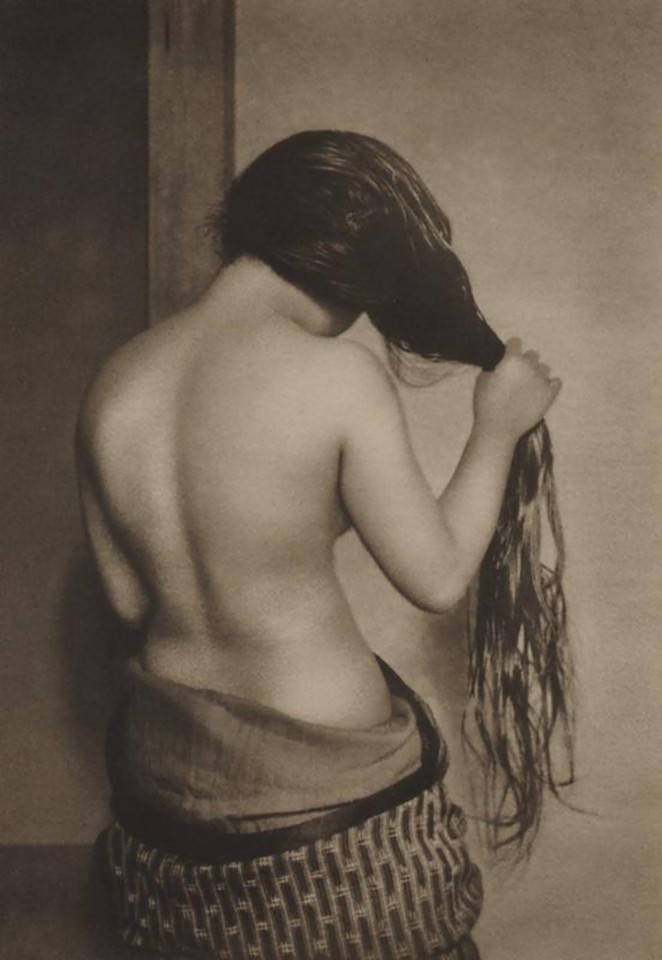
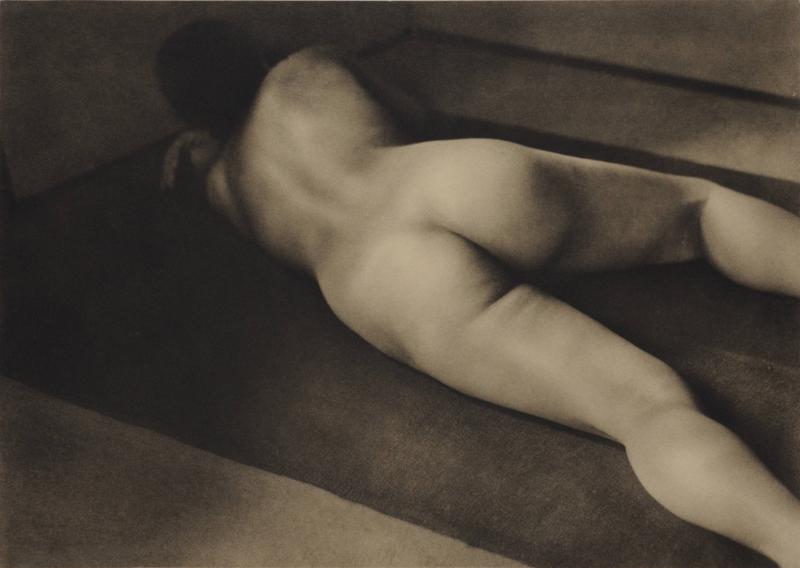
Yasuzo Nojima - Nude from Rear, 1930

Yasuzo Nojima – Nude from Rear, 1930

Yasuzo Nozima-Nude Torso, 1930 bromoil print

Yasuzo Nozima-Nude Torso, 1930 bromoil print

Yasuzo Nozima-sans titre , 1931 bromiol print

Yasuzo Nozima-sans titre , 1931 bromiol print

Yasuzo Nojima- Title unknown (Model F.) , 1931

Yasuzo Nojima- Title unknown (Model F.) , 1931

Yasuzo Nozima-sans titre , 1931 bromiol print

Yasuzo Nozima-sans titre , 1931 bromiol print

Yasuzo Nozima-sans titre , 1931 bromiol print

Yasuzo Nozima-sans titre , 1931 bromiol print

Yasuzo Nozima-sans titre , 1931 bromiol print

Yasuzo Nozima-sans titre , 1931 bromiol print

Yasuzo Nozima-sans titre ,1931 bichromate print

Yasuzo Nozima-sans titre ,1931 bichromate print

Yasuzo Nozima-sans titre , 1931 bromiol print

Yasuzo Nozima-sans titre , 1931 bromiol print

Yasuzo Nozima-sans titre , 1931 bromiol print

Yasuzo Nozima-sans titre , 1931 bromiol print

Yasuzo Nozima-sans titre , 1931 bromiol print

Yasuzo Nozima-sans titre , 1931 bromiol print

Yasuzo Nozima-sans titre , 1931 bromiol print

Yasuzo Nozima-sans titre , 1931 bromiol print

Yasuzo Nozima-sans titre ,1931 bichromate print

Yasuzo Nozima-sans titre ,1931 bichromate print

Yasuzo Nojima- Title unknown (Model F.) , 1931

Yasuzo Nojima- Title unknown (Model F.) , 1931

Yasuzo Nojima- Title unknown (Model F.) , 1931

Yasuzo Nojima- Title unknown (Model F.) , 1931

Yasuzo Nojima- Title unknown (Model F.) , 1931

Yasuzo Nojima- Title unknown (Model F.) , 1931

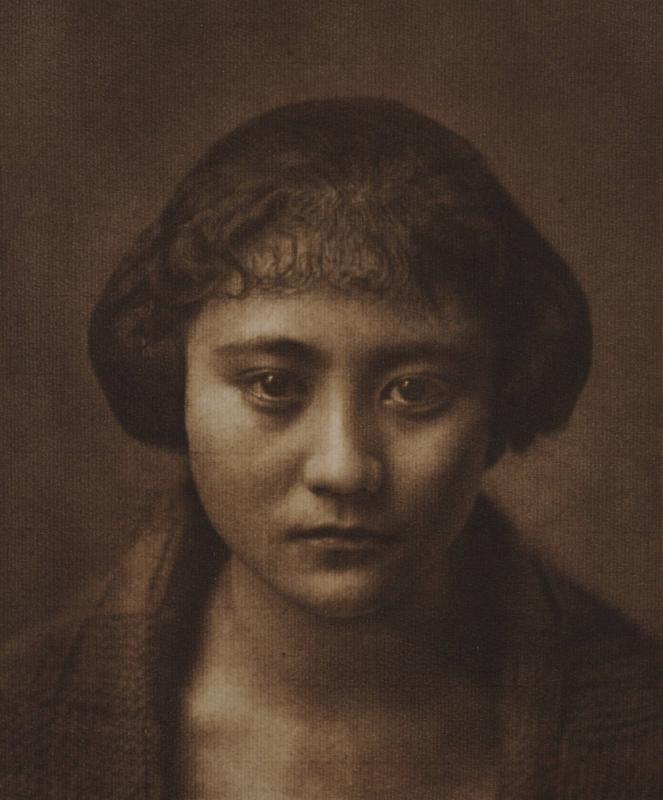
Yasuzo Nojima- Une jeune Fille , 1931_

Yasuzo Nojima- Une jeune Fille , 1931_

Yasuzo Nozima-Miss T. , 1931

Yasuzo Nozima-Miss T. , 1931

Yasuzo Nozima-sans titre , 1931 bromiol print

Yasuzo Nozima-sans titre , 1931 bromiol print

Yasuzo Nozima-sans titre , 1932

Yasuzo Nozima-sans titre , 1932

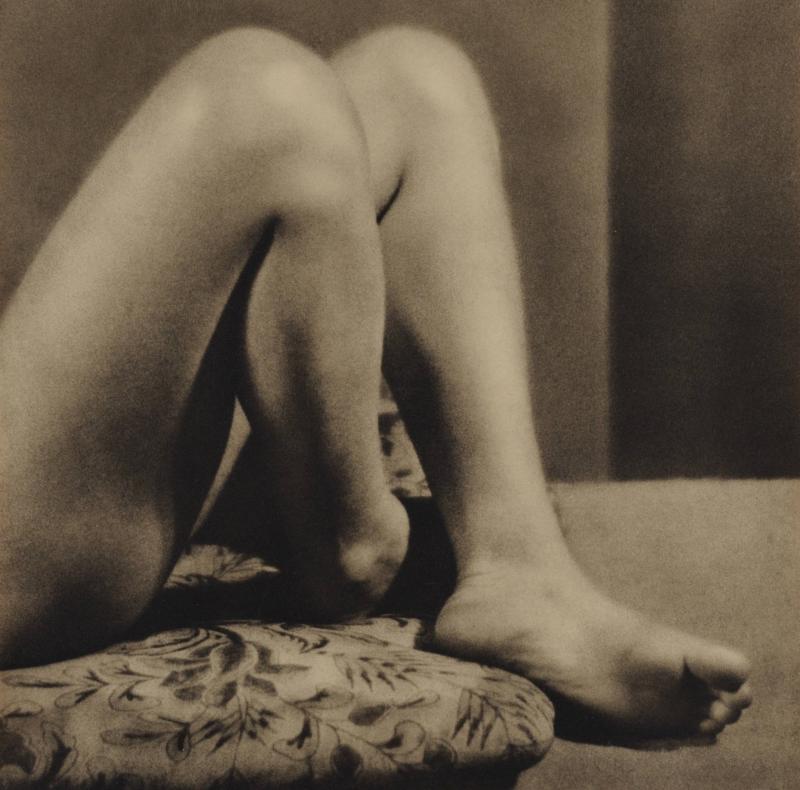
Yasuzo Nozima-Legs ,1931 bromiol print

Yasuzo Nozima-Legs ,1931 bromiol print

Yasuzo Nojima- Portrait (Model F.), 1931

Yasuzo Nojima- Portrait (Model F.), 1931

Yasuzo Nojima- Portrait (Model F.), 1931

Yasuzo Nojima- Portrait (Model F.), 1931

Yasuzo Nojima- Portrait (Model F.), 1931

Yasuzo Nojima- Portrait (Model F.), 1931

Yasuzo Nojima- Face (Model F.), 1931_e

Yasuzo Nojima- Face (Model F.), 1931

Yasuzo Nojima- Face, 1931

Yasuzo Nojima- Face, 1931

Yasuzo Nojima- Model E , 1931

Yasuzo Nojima- Model E , 1931

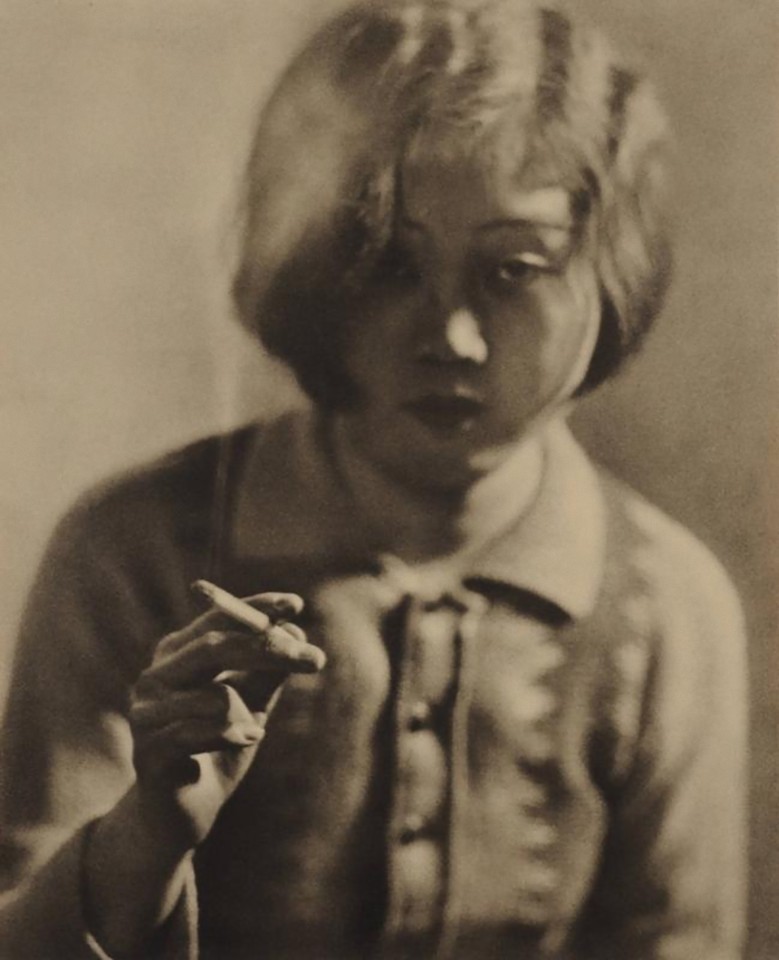
Yasuzo Nojima- Femme assise fumant, 1931

Yasuzo Nojima- Femme assise fumant, 1931

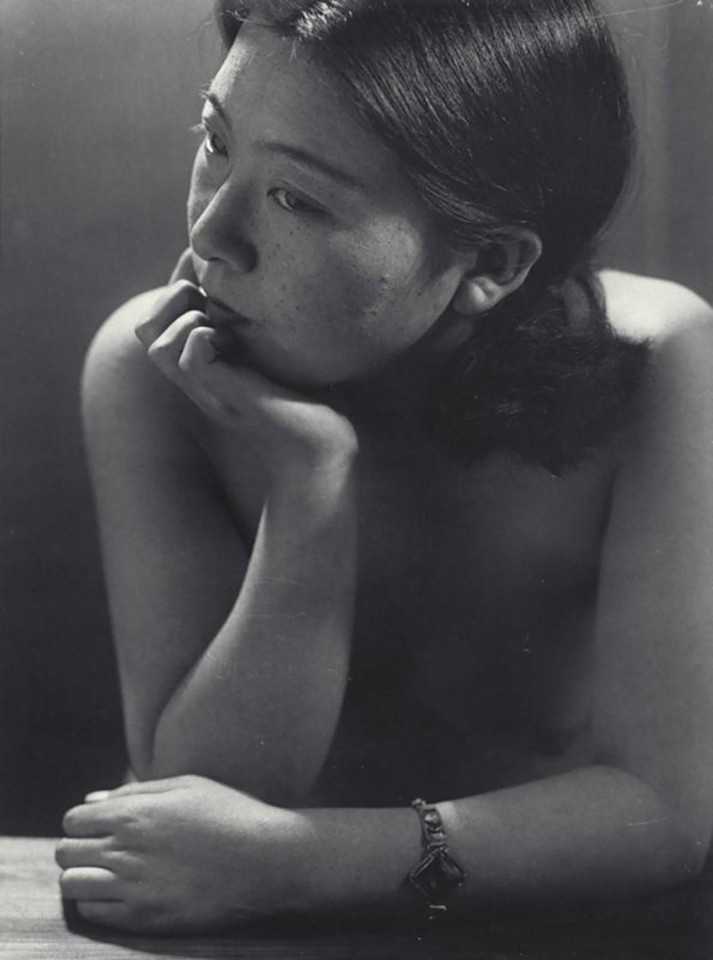
Yasuzo Nojima- Miss Chikako Hosokawa, 1932

Yasuzo Nojima- Miss Chikako Hosokawa, 1932

Yasuzo Nojima - Miss Chikako Hosokawa, 1932

Yasuzo Nojima – Miss Chikako Hosokawa, 1932

Yasuzo Nozima-sans titre , 1932

Yasuzo Nozima-sans titre , 1932

Yasuzo Nozima-sans titre , 1930 gum bichromate print

Yasuzo Nozima-sans titre , 1930 gum bichromate print

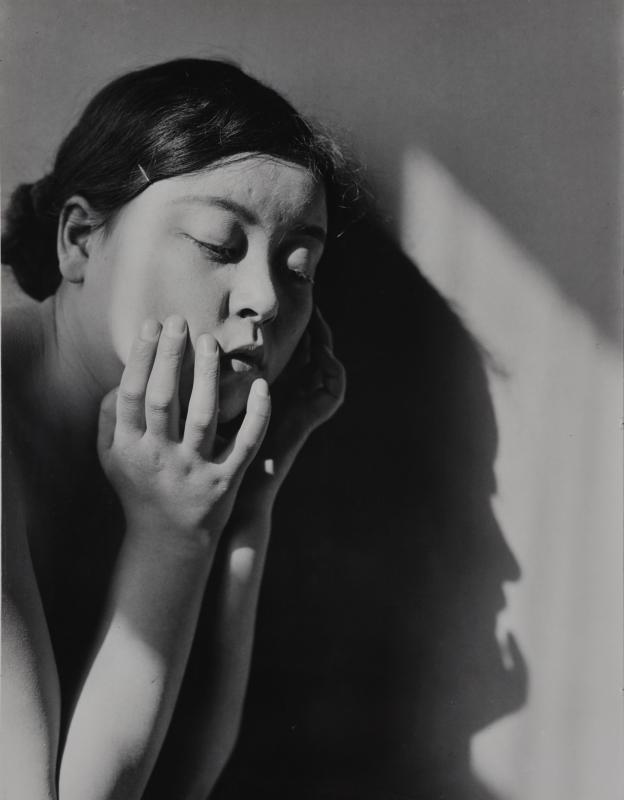
Yasuzo Nozima-Portrait ., 1930

Yasuzo Nozima-Portrait ., 1930

Yasuzo Nozima-Portrait , 1923

Yasuzo Nozima-Portrait , 1923

Yasuzo Nozima-Portrait de Mr. S., 1921

Yasuzo Nozima-Portrait de Mr. S., 1921

Yasuzo Nozima-Sans titre , 1920 gum bichromate print

Yasuzo Nozima-Sans titre , 1920 gum bichromate print

Yasuzo Nozima- Woman Combing Her Hair, 1914

Yasuzo Nozima- Woman Combing Her Hair, 1914

Yasuzo Nozima-Woman , 1920 gum bichromate print

Yasuzo Nozima-Woman , 1920 gum bichromate print

Yasuzo Nozima-sans titre , 1921gum bichromate print

Yasuzo Nozima-sans titre , 1921gum bichromate print

Yasuzo Nozima-Woman , 1918gum bichromate print_

Yasuzo Nozima-Woman , 1918 gum bichromate print

Yasuzo Nozima-Standing Woman , 1917gum bichromate

Yasuzo Nozima-Standing Woman , 1917 gum bichromate

Yasuzo Nozima-femme nue, 1921gum bichromate print

Yasuzo Nozima-femme nue, 1921gum bichromate print

Yasuzo Nozima-femme nue de dos , 1921gum bichromate print

Yasuzo Nozima-femme nue de dos , 1921 gum bichromate print

Yasuzo Nozima-sans titre , 1921 1gum bichromate print

Yasuzo Nozima-sans titre , 1921 gum bichromate print

Yasuzo Nozima-sans titre , 1931-32

Yasuzo Nozima-sans titre , 1931-32

Yasuzo Nozima-Femme, 1933 gelatin silver print

Yasuzo Nozima-Femme, 1933 gelatin silver print

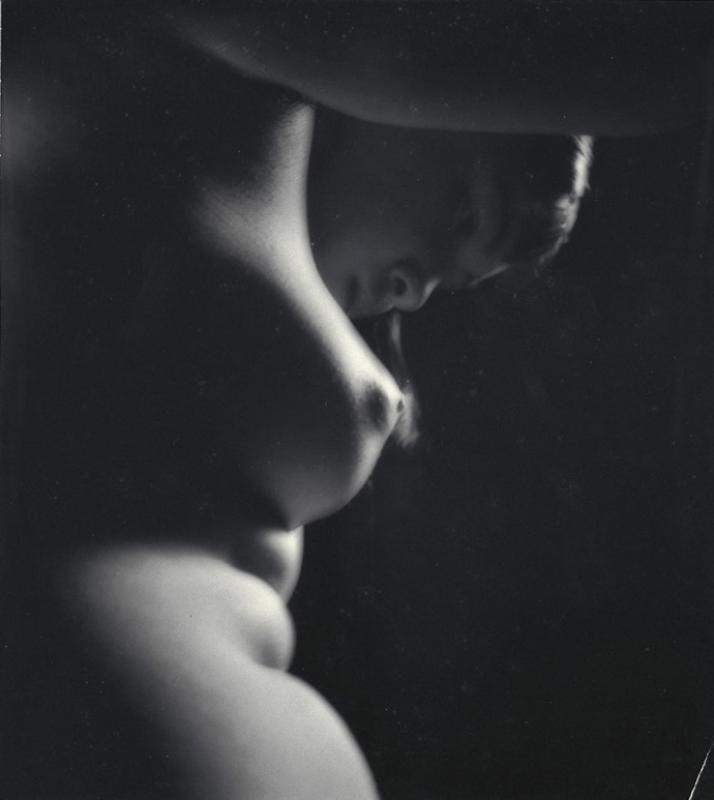
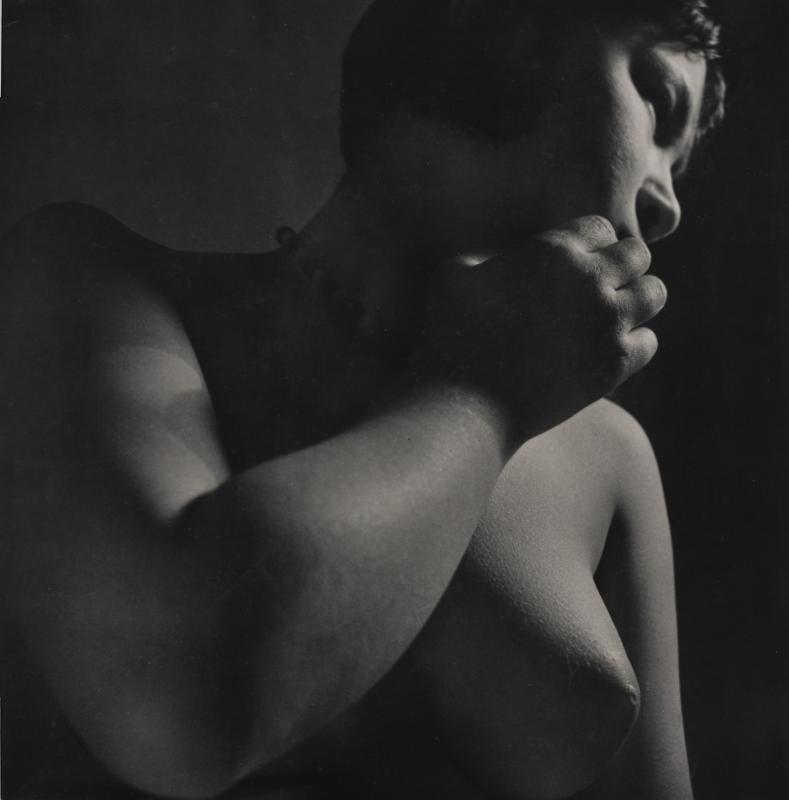
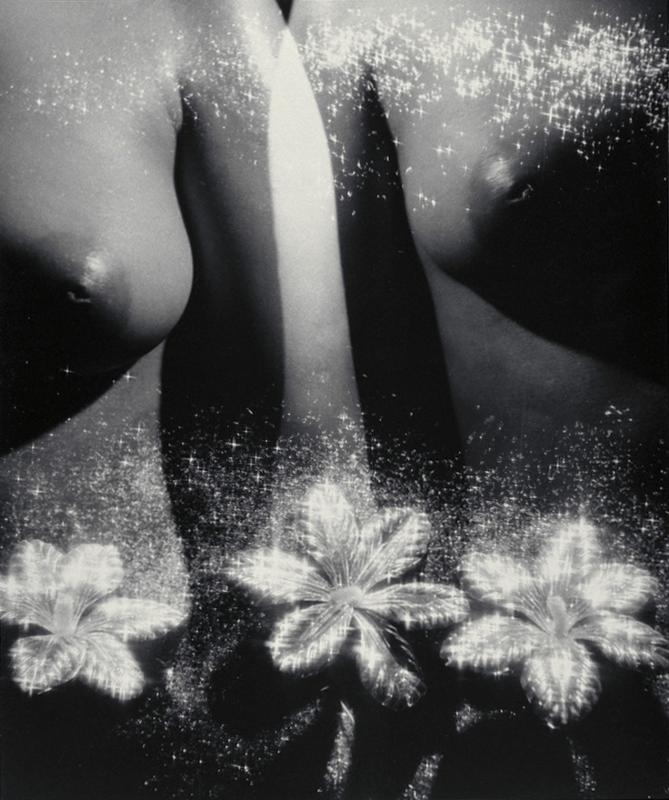
Yasuzo Nozima-Seins, 1933 gelatin silver print

Yasuzo Nozima-Seins, 1933 gelatin silver print

Yasuzo Nozima-Seins I, 1933 gelatin silver print

Yasuzo Nozima-Seins I, 1933 gelatin silver print

Yasuzo Nozima-Sans tire double exposition, 1933 gelatin silver print

Yasuzo Nozima-Sans tire double exposition, 1933 gelatin silver print

Yasuzo Nozima-sans titre , 1933

Yasuzo Nozima-sans titre , 1933

Yasuzo Nozima-Portrait, 1933 gelatin silver print

Yasuzo Nozima-Portrait, 1933 gelatin silver print

Yasuzo Nozima-Femme, 1932 gelatin silver print

Yasuzo Nozima-Femme, 1932 gelatin silver print

Yasuzo Nozima-Femme nue de dos, 1932 gelatin silver print

Yasuzo Nozima-Femme nue de dos, 1932 gelatin silver print

Yasuzo Nozima-Femme, 1933 gelatin silver print

Yasuzo Nozima-Femme, 1933 gelatin silver print

Yasuzo Nozima-Femme, 1932 gelatin silver print

Yasuzo Nozima-Femme, 1932 gelatin silver print

Yasuzo Nozima-Femme, 1932 gelatin silver print

Yasuzo Nozima-Femme, 1932 gelatin silver print

Yasuzo Nozima-Femme au miroir , 1933

Yasuzo Nozima-Femme au miroir , 1933

Yasuzo Nojima- model F, 1933

Yasuzo Nojima- model F, 1933

Yasuzo Nojima- Portrait à la cigarette, nd (1930's)_e

Yasuzo Nojima- Portrait à la cigarette, nd (1930’s)

Yasuzo Nojima- Model K , 1937

Yasuzo Nojima- Model K , 1937

Yasuzo Nojima- Model K , 1938

Yasuzo Nojima- Model K , 1938

Yasuzo Nozima-Sans titre , 1938

Yasuzo Nozima-Sans titre , 1938

Yasuzo Nojima- Style life, 1933

Yasuzo Nojima- Style life, 1933

Yasuzo Nojima- Model K, 1937

Yasuzo Nojima- Model K, 1937

Yasuzo Nozima-Sans titre deux jeunes femmes aux chapeaux , 1938

Yasuzo Nozima-Sans titre deux jeunes femmes aux chapeaux , 1938

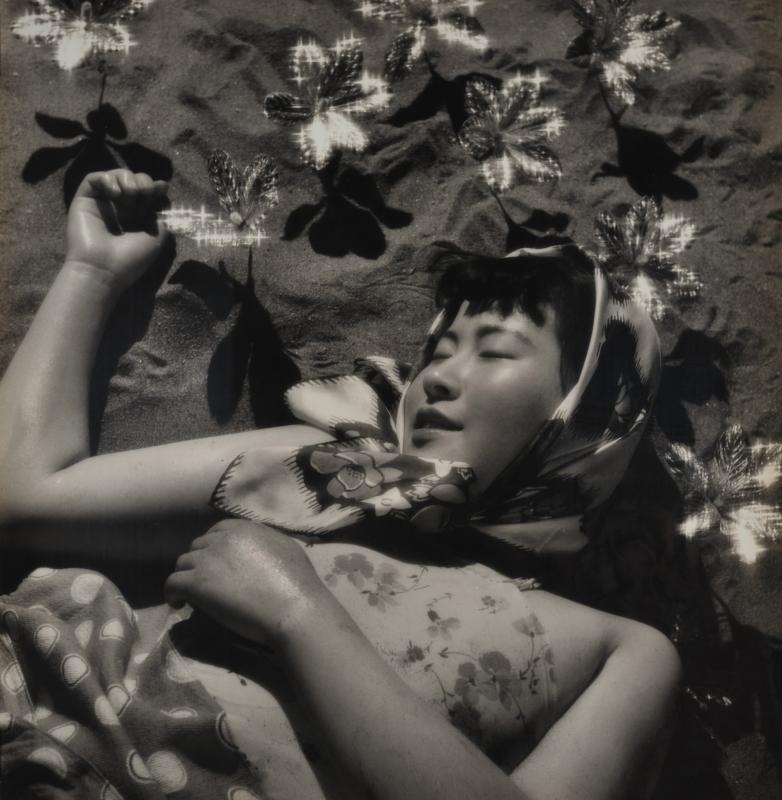
Yasuzo Nozima- Miss Tazue Sato, Karuizawa, 1939

Yasuzo Nozima- Miss Tazue Sato, Karuizawa, 1939

Yasuzo Nojima -Miss S, 1939

Yasuzo Nojima -Miss S, 1939

Yasuzo Nozima-Sans titre , 1939

Yasuzo Nozima-Sans titre , 1939

Yasuzo Nozima-Sans titre 1941

Yasuzo Nozima-Sans titre 1941

Yasuzo Nozima- sans titre 1940

Yasuzo Nozima- sans titre 1940

Yasuzo Nozima- Ginreika (Loosestrife) 1940

Yasuzo Nozima- Ginreika (Loosestrife) 1940

Yasuzo Nozima- Ginreika (Loosestrife) 1941

Yasuzo Nozima- Ginreika (Loosestrife) 1941

Yasuzo Nozima- Ginreika (Loosestrife) 1941

Yasuzo Nozima- Ginreika (Loosestrife) 1941

Yasuzo Nojima- Model K , 1951

Yasuzo Nojima- Model K , 1951

cover book

cover book Portrait of Yasuzo Nojima

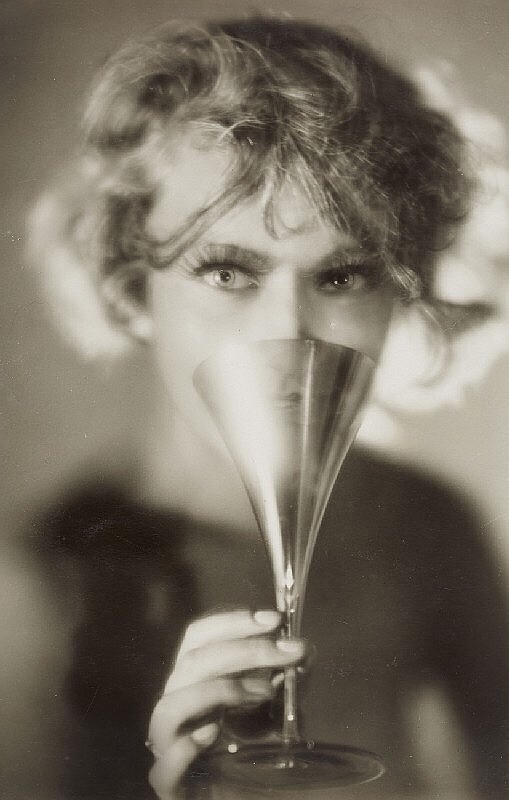
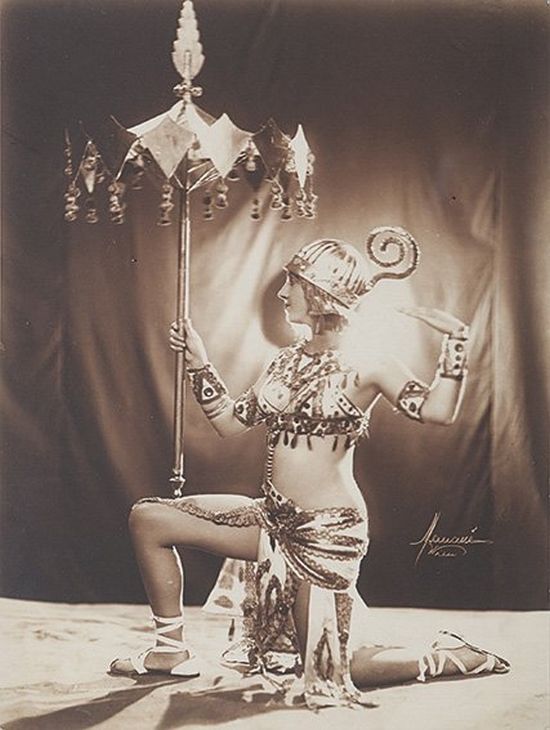
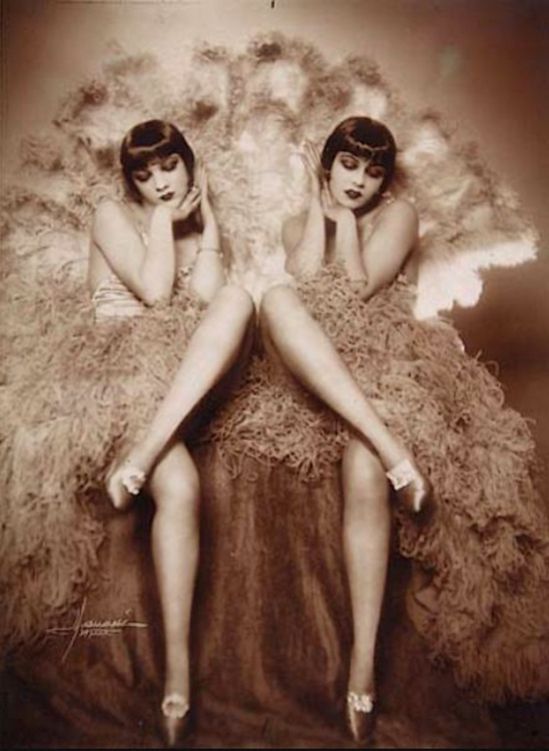
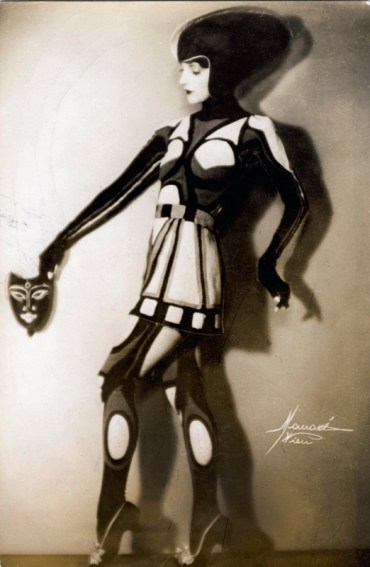
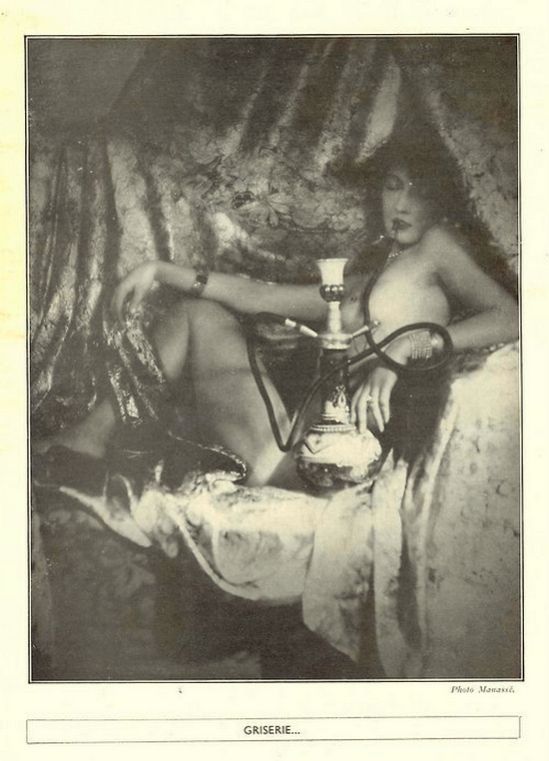
Studio Manassé


Studio Manassé - Nude with spider’s web , 1930

Studio Manassé – Nude with spider’s web , 1930


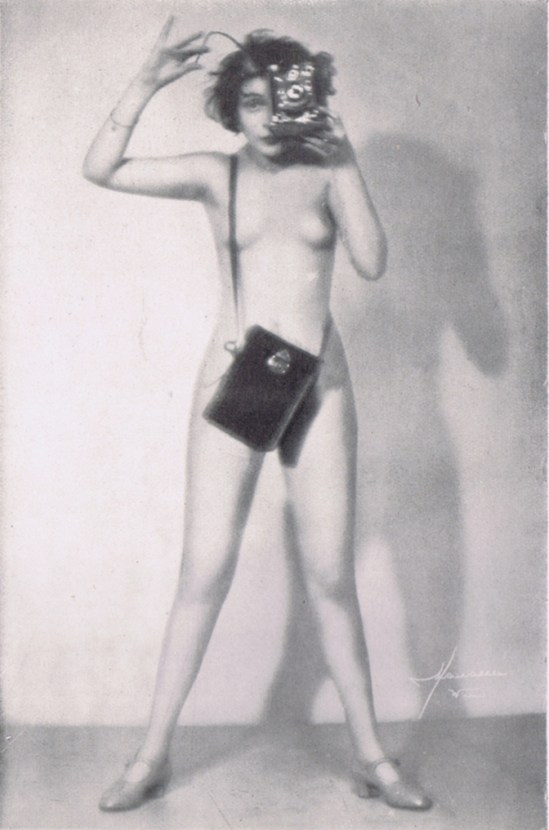
Studio Manassé -Fräulein Reporterin, 1930’s

Studio Manassé -Fräulein Reporterin, 1930’s


Atelier Manassé, The dancer Bea Egervári, Vienna c. 1928

Atelier Manassé, The dancer Bea Egervári, Vienna c. 1928

Studio Manassé -« Dans le Bain », 1933

Studio Manassé -« Dans le Bain », 1933

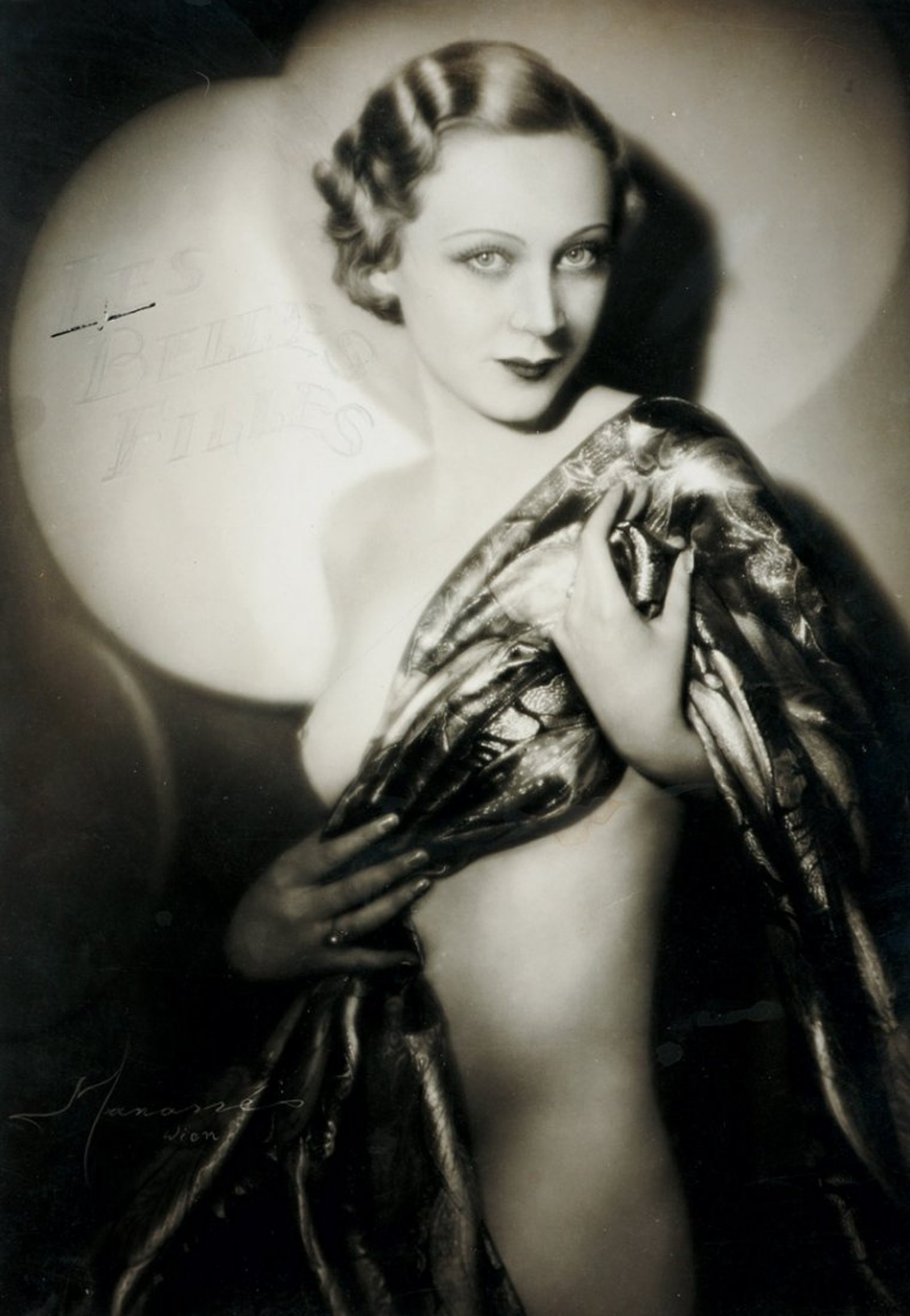
Atelier Manassé, Les Belles Filles, Vienna c. 1928

Atelier Manassé, Les Belles Filles, Vienna c. 1928

Atelier Manassé-portrait-Tala Birell , 1927

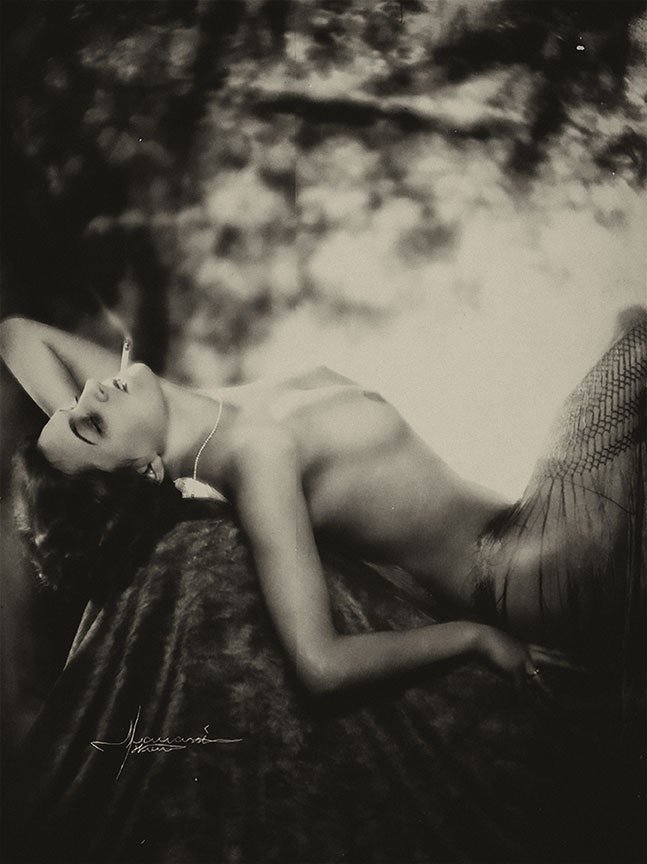
Atelier Manassé- Femme fumant, 1928

Atelier Manassé- Femme fumant, 1928

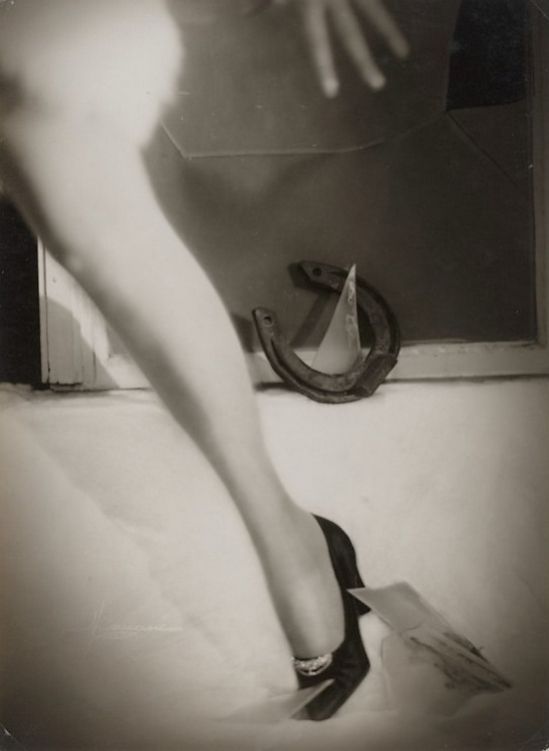
Atelier Manassé- Porte bonheur 1932

Atelier Manassé- Porte bonheur 1932

Studio Manassé- Untitled ,c.1932

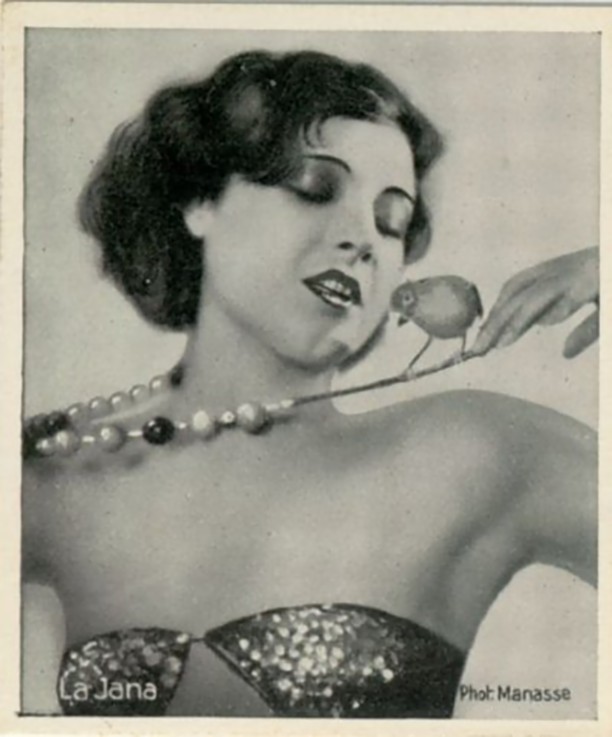
Studio Manasse La Jana . 1930

Studio Manasse La Jana . 1930

Studio Manassé – Dagmar Helsing, Tanzerin, 1930

Studio Manassé – Dagmar Helsing, Tanzerin, 1930

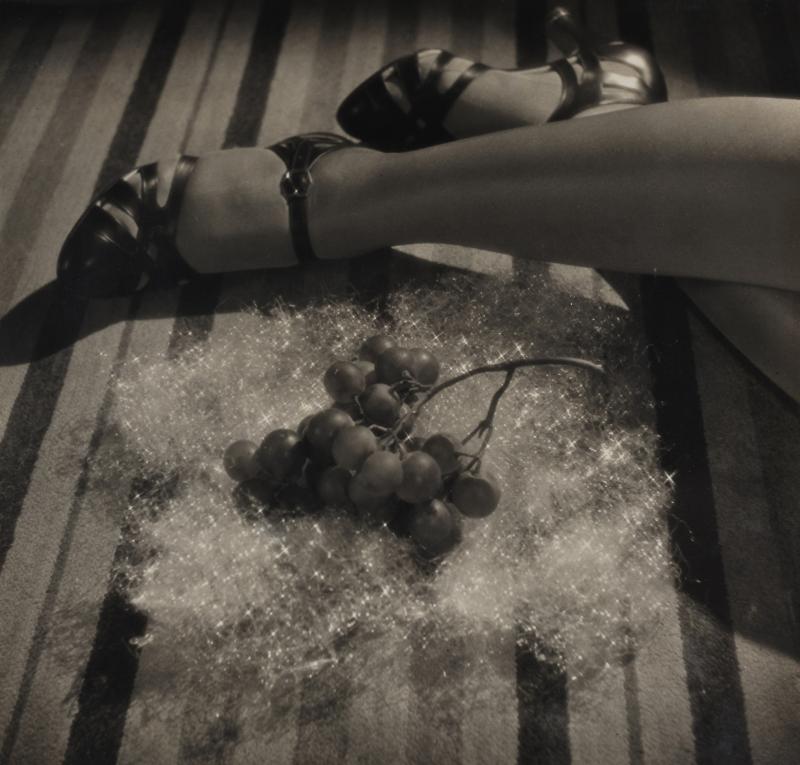
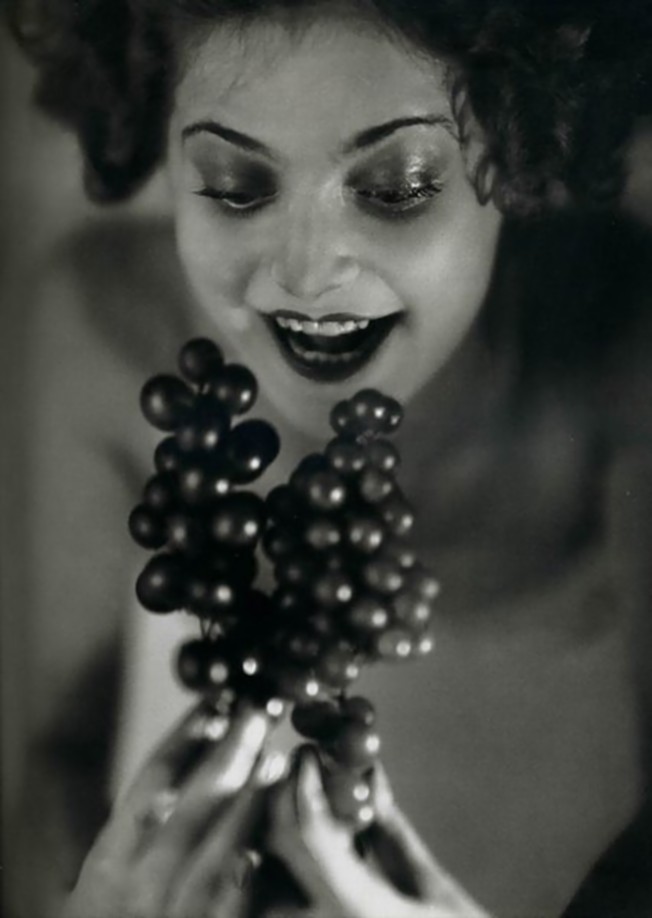
Studio Manassé –Femme à la grappe c. 1928

Studio Manassé –Femme à la grappe c. 1928

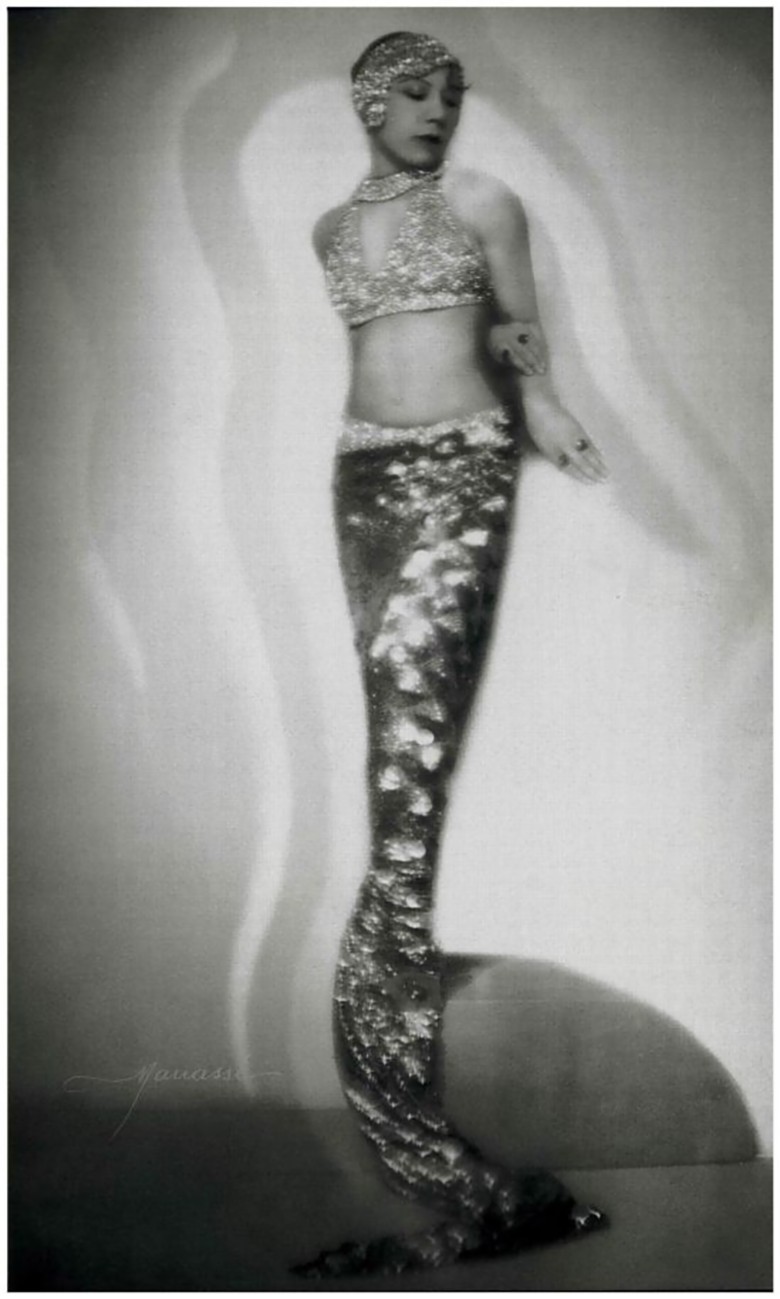
Atelier Manassé- Rêve Doré,1926

Atelier Manassé- Rêve Doré,1926

Atelier Manassé- Studie / Study, Vienna c. 1935


Atelier Manassé- Darmora , 1927

Atelier Manassé- Darmora , 1927

Studio Manassé – Dagmar Helsing, Tanzerin, 1930

Studio Manassé – Dagmar Helsing, Tanzerin, 1930

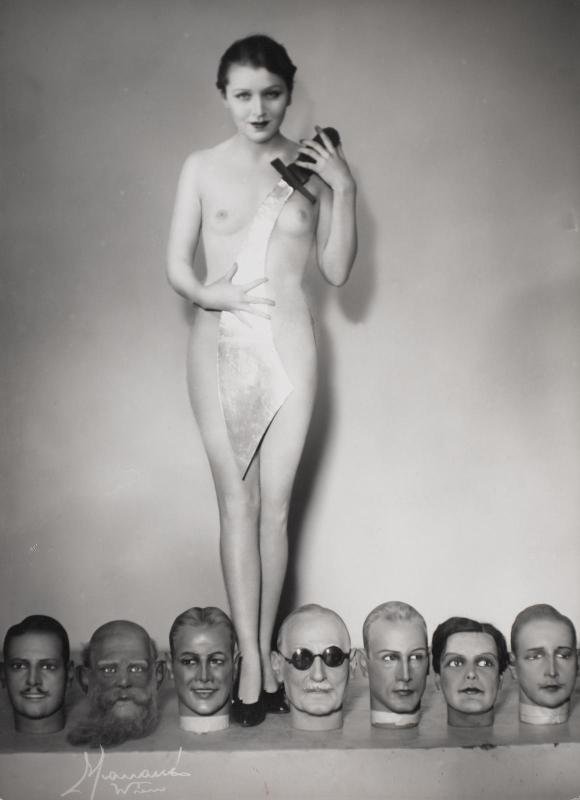
Atelier Manassé– Masked naked, 1931

Atelier Manassé– Masked naked, 1931

Studio Manassé –la valise, c.1930s

Studio Manassé –la valise, c.1930s

Atelier Manassé-Portrait de Grelt Berndt, 1930s

Atelier Manassé-Portrait de Grelt Berndt, 1930s


Studio Manassé- Ellentétes érzelmek, 1950

Studio Manassé- Ellentétes érzelmek, 1950

Atelier Manassé- Studie / Study, Vienna c. 1935

Atelier Manassé- Studie / Study, Vienna c. 1935


Studio Manassé -Portrait de femme, 1930. [Tirage argentique d’époque.]source verdeau

Studio Manassé -Portrait de femme, 1930. [Tirage argentique d’époque.]source verdeau

Atelier Manassé-Gry Doresku, 1928

Atelier Manassé-Griserie 1926.

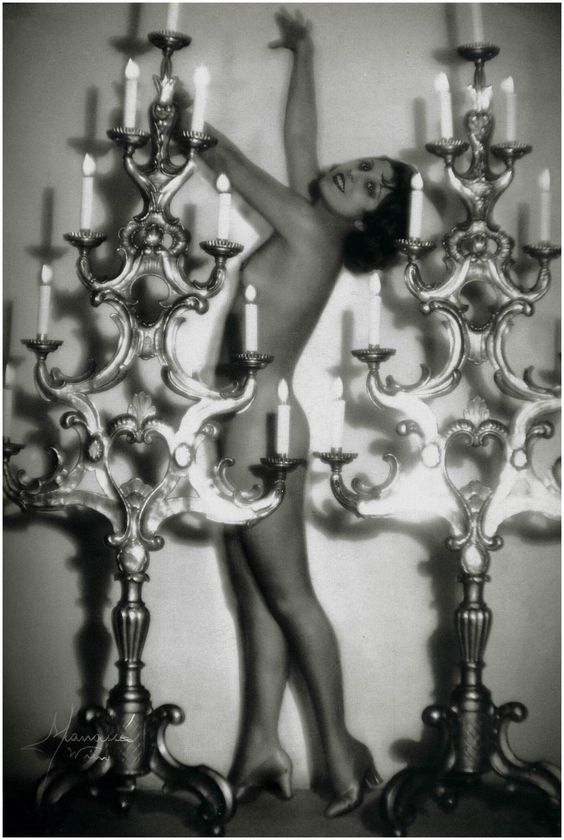
Atelier Manassé-portrait-Femme aux chandeliers, 1930

Studio Manassé- Photomontage with nude and flowers. Circa 1935

Studio Manassé- Photomontage with nude and flowers. Circa 1935

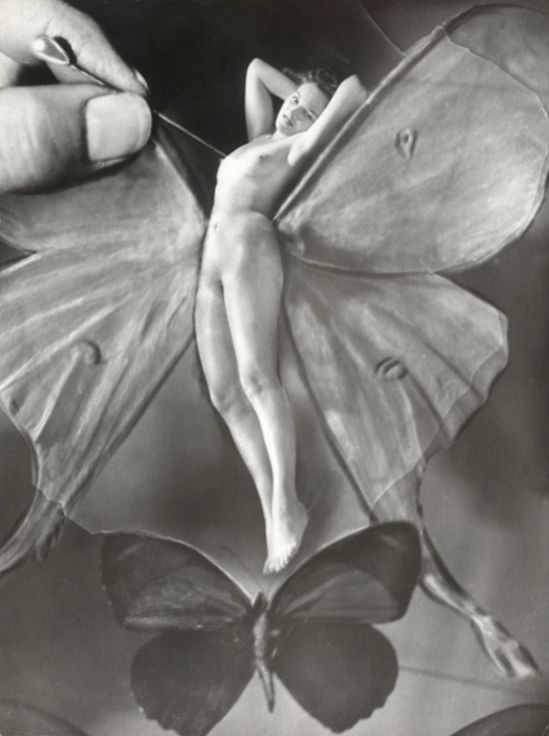
Atelier Manassé- Collectionneur de papillons, 1950

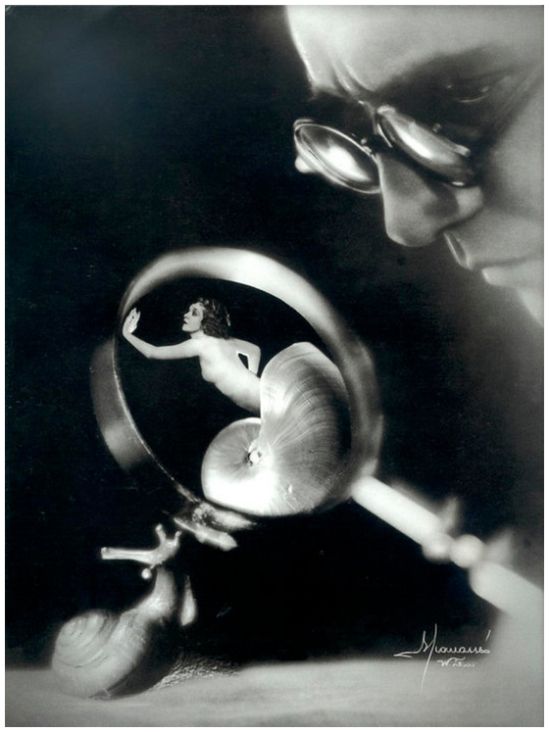
Atelier Manassé-l’ homme à la loupe, 1927

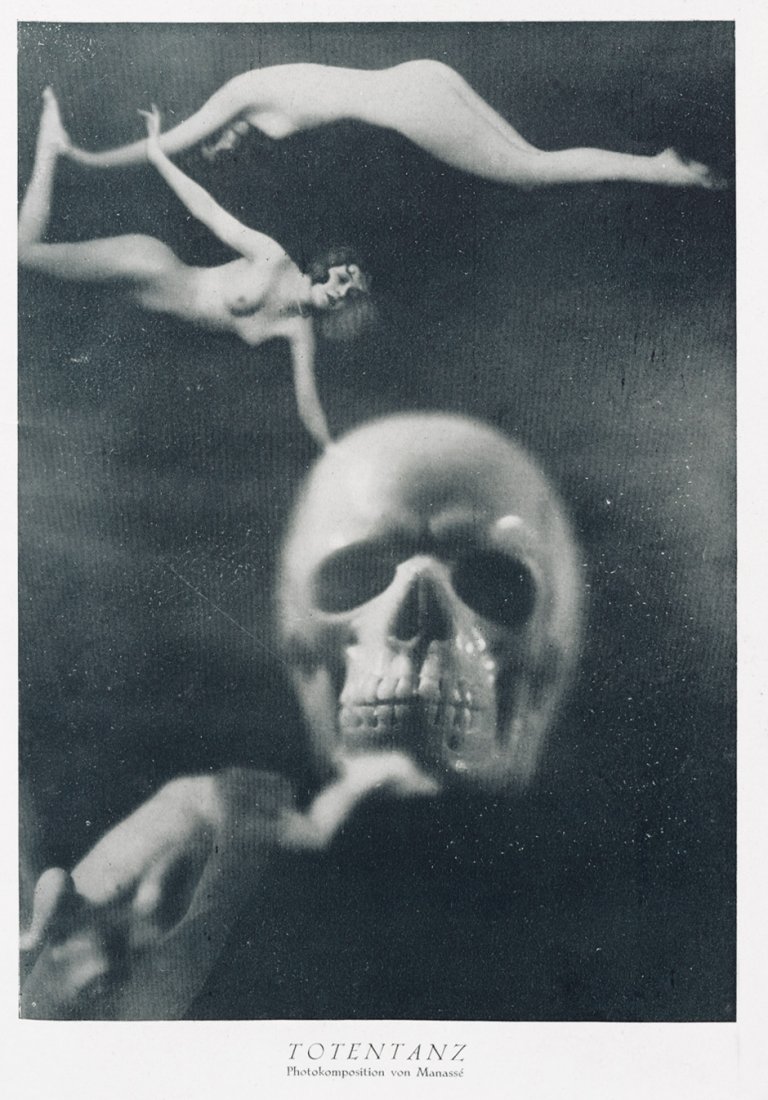
Manassé la cruauté (nosferatu)gelatin silver print, circa 1930

Manassé la cruauté (nosferatu)gelatin silver print, circa 1930


Roger Parry (1905-1977) part I

Né en 1905, Roger Parry se forme à l’Ecole nationale des Arts décoratifs avant de découvrir la photographie. Il devient l’assistant de Maurice Tabard en 1928, au studio de photographie publicitaire Deberny-Peignot. A l’aide d’images aussi dépouillées qu’efficaces, il introduit dans cet art appliqué qu’est la photographie publicitaire les audaces formelles des avant-gardes (photogrammes, photomontages, solarisations…).

Très vite, il prépare avec Fabien Loris l’illustration photographique d’un recueil de poèmes de Léon-Paul Fargue, Banalité. Sa publication en 1931 va le faire apprécier des milieux intellectuels ; il participe alors aux expositions collectives qui réunissent de nombreux talents de l’époque comme Kertész ou Man Ray.

A partir de 1931, Parry est chargé de la promotion de romans publiés à la NRF (Nouvelle Revue Française) qui lui commande plus de 200 couvertures pour des collections populaires.

Il est aussi photographe de plateau sur L’Atalante de Jean Vigo, illustrateur et portraitiste pour Gallimard ou collaborateur de Voilà et Détective.

En 1932, il s’embarque pour un long voyage vers les îles de la Polynésie française, où il réalise un reportage « tendant simplement à présenter un tableau aussi fidèle que possible de la vie actuelle à Tahiti et aux Iles sous le Vent» (Préface de « Tahiti »).
Ces photographies sont publiées dans Tahiti en 1934, ouvrage élaboré avec la complicité de Malraux.

En 1938, utilisant le prétexte de la publication de Zuyderzee (roman de Jeff Last aux éditions Gallimard), il effectue un reportage dans les polders hollandais. Dans une recherche constante de l’envers du décor, il y affine l’orientation documentaire de sa pratique personnelle.

Réformé en 1939, il intègre pendant la guerre la rédaction de Match et de Marie-Claire, avant de publier régulièrement dans La Semaine, principal hebdomadaire de divertissement sous l’Occupation. Il photographie alors les galas, les expositions ou les pièces de théâtre d’un Paris occupé dont la vie culturelle continue malgré tout.

En août 1944, il rejoint le Comité de Libération des reporters photographes de presse après avoir photographié le soulèvement populaire de Paris.

En tant que correspondant de guerre, il suit ensuite les Alliés jusqu’au printemps 1945, de l’Alsace à la poche de Royan.

Après la guerre, il couvre pour l’AFP la visite officielle du Général de Gaulle à New York en 1945 et la Conférence de Moscou en 1947. A la fin des années 1940 il délaisse progressivement le reportage de presse.

A partir de 1948, aux côtés d’André Malraux, il collabore aux collections de la « Galerie de La Pléiade » et surtout de « l’Univers des formes » dont il est le directeur technique pour les premiers volumes, révélant ainsi la vaste palette de ses talents d’illustrateur, de graphiste, de maquettiste et de photographe.

Il décède en 1977, quelques mois après André Malraux.

 Voir tous les articles sur Roger Parry

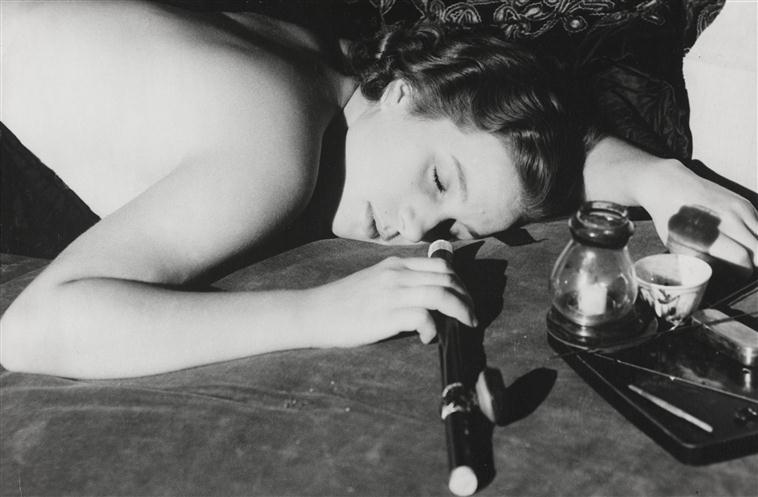
Roger Parry -Etude pour la couverture de Les Trois jeunes filles de Vienne (fumeuse d'opium), 1934

Roger Parry -Etude pour la couverture de Les Trois jeunes filles de Vienne (fumeuse d’opium), 1934

Roger Parry - Sans Titre, 1933-1934

Roger Parry – Sans Titre, 1933-1934

Roger Parry-Nu couché , 1933-34

Roger Parry -Nu (bras allongés°, 1930

Roger Parry -Nu (bras allongés°, 1930

Roger Parry-Nu, années 1930

Roger Parry-Nu, années 1930

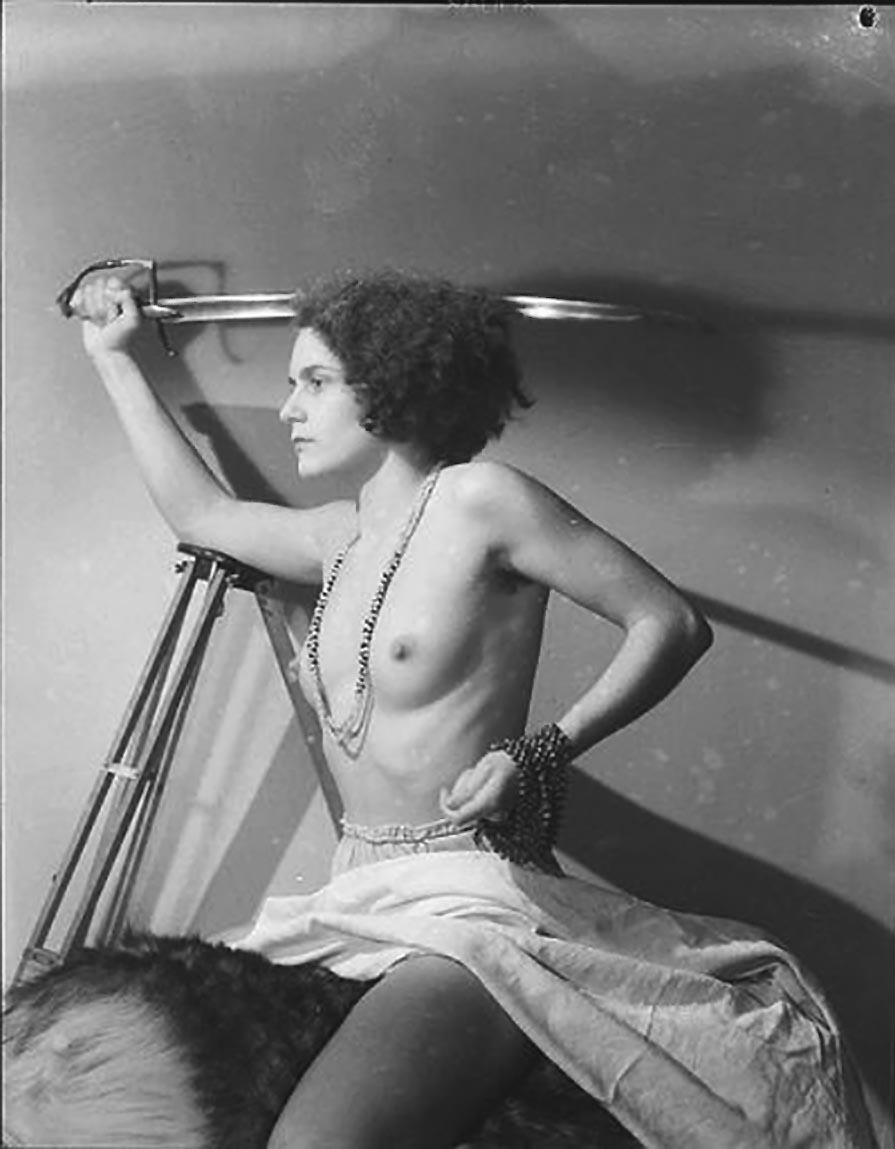
Roger Parry- Une femme aux seins nus brandit un sabre à cheval sur une peau de bête, 1933-34( Etudes ; Illustrations de romans populaires, Collection Détective de Gallimard

Roger Parry- Une femme aux seins nus brandit un sabre à cheval sur une peau de bête, 1933-34( Etudes ; Illustrations de romans populaires, Collection Détective de Gallimard

Roger Parry-Bas et porte-jarretelles, 1935

Roger Parry-Bas et porte-jarretelles, 1935

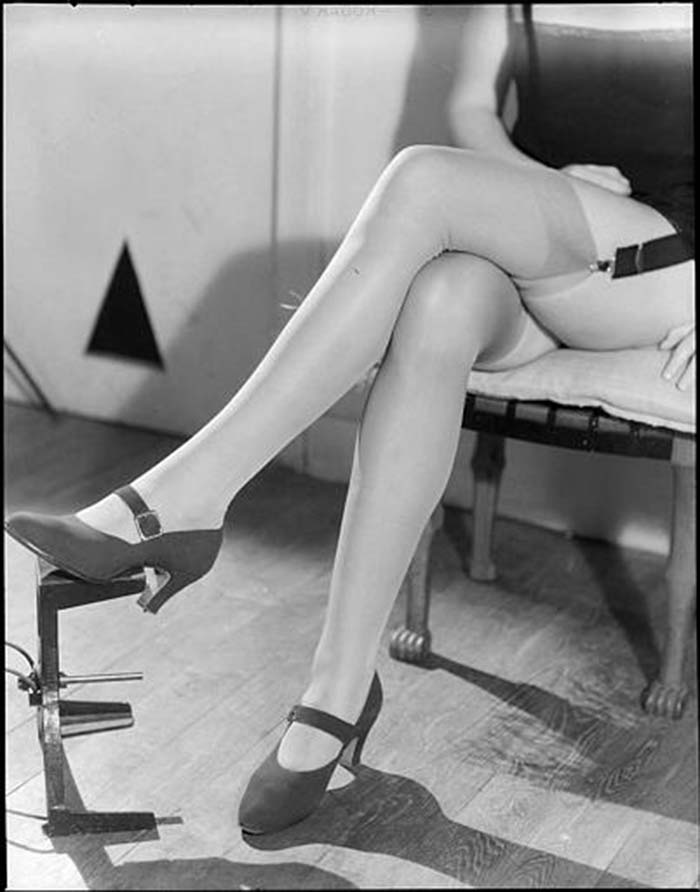
Roger Parry-Femme les jambes croisées portant des bas, 1935

Roger Parry-Femme les jambes croisées portant des bas, 1935

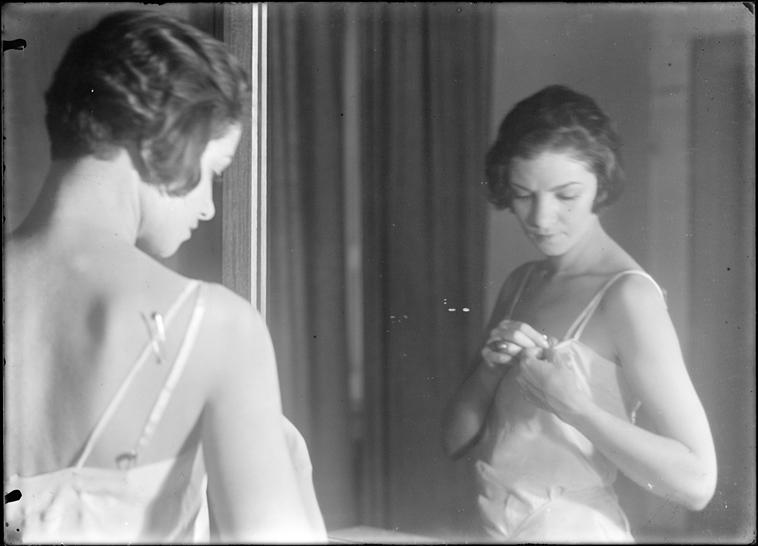
Roger Parry Femme s'habillant devant un miroir, Reportage. Publicité pour grande maison de blanc - Mode vers 1930

Roger Parry Femme s’habillant devant un miroir, Reportage. Publicité pour grande maison de blanc – Mode vers 1930

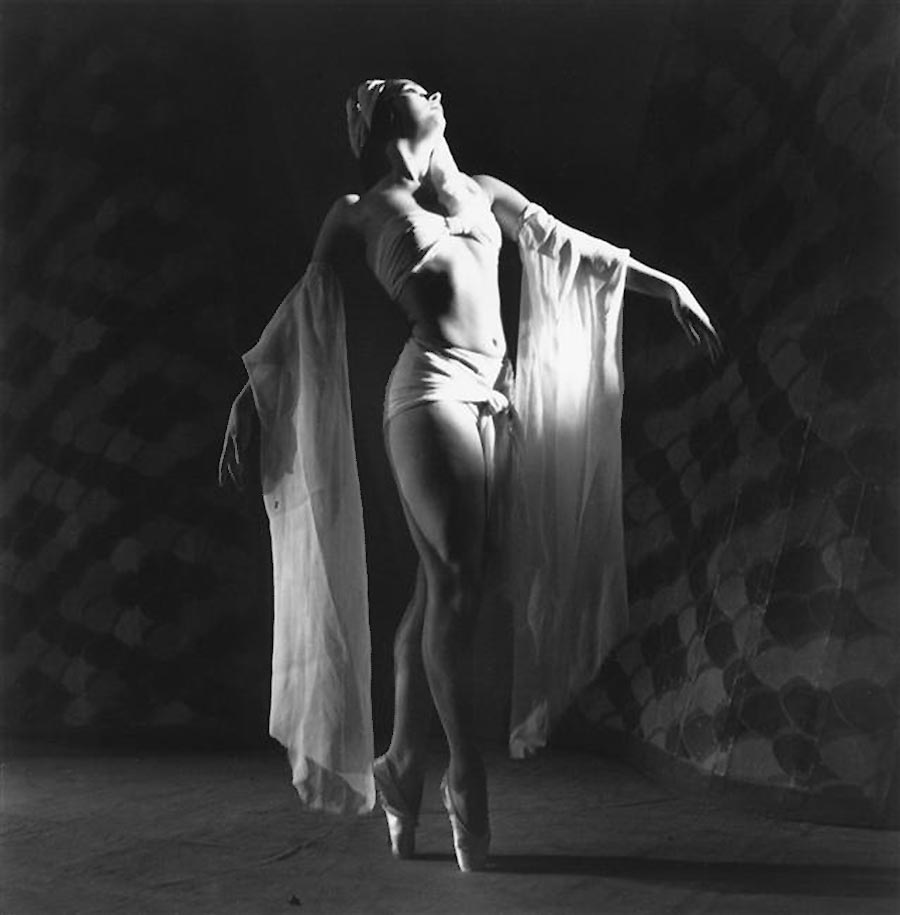
Roger Parry- Ludmilla Tcherina pour un spectacle de danse à Nice-Monte-Carlo , novembre 1943

Roger Parry- Ludmilla Tcherina pour un spectacle de danse à Nice-Monte-Carlo , novembre 1943

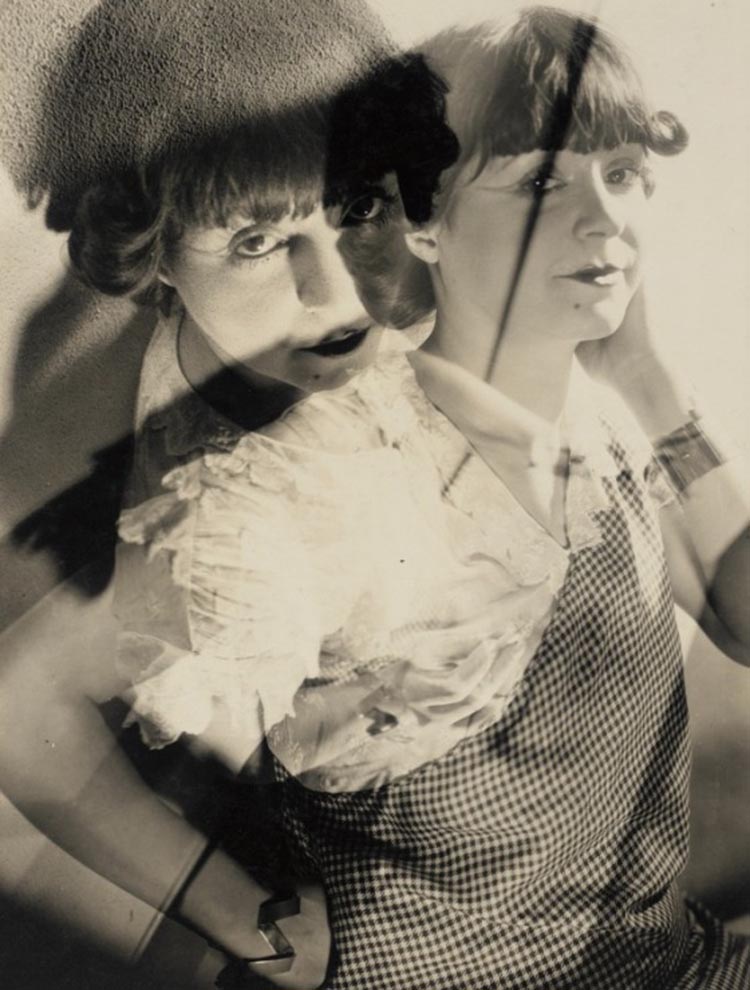
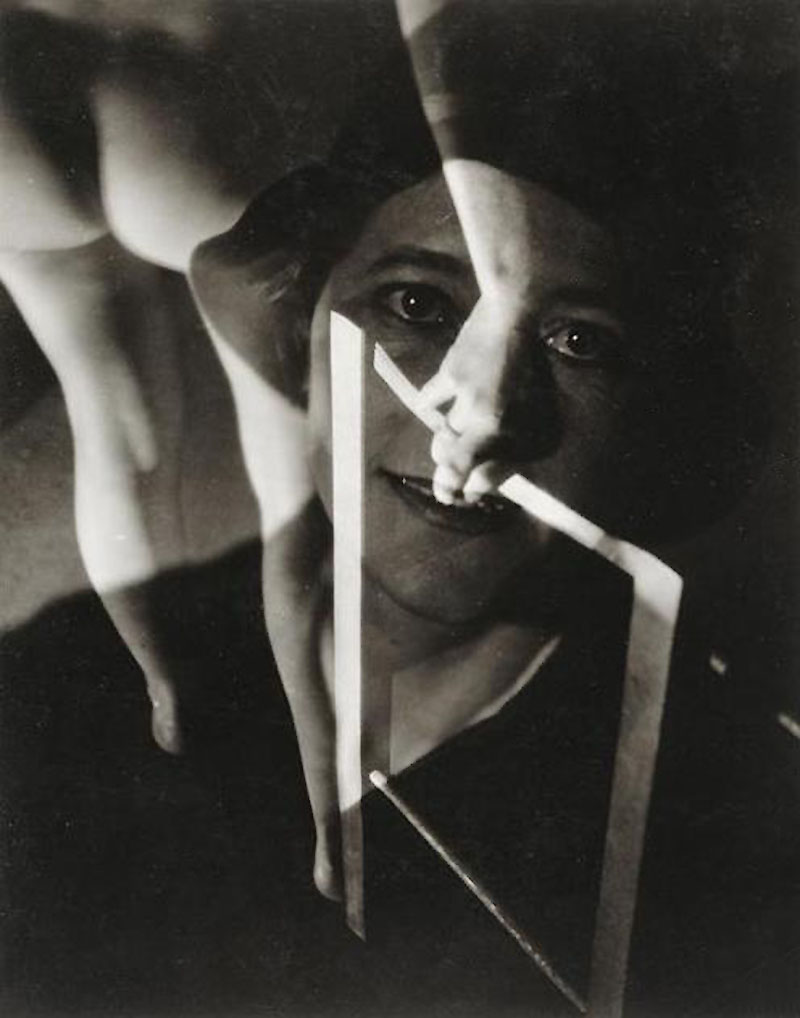
Roger Parry -Portrait de Femme Double Image, 1928

Roger Parry -Portrait de Femme Double Image, 1928

Roger Parry -Nu, 1928

Roger Parry -Nu, 1928

Roger Parry - Sans Titre, 1928 - 1930

Roger Parry – Sans Titre, 1928 – 1930

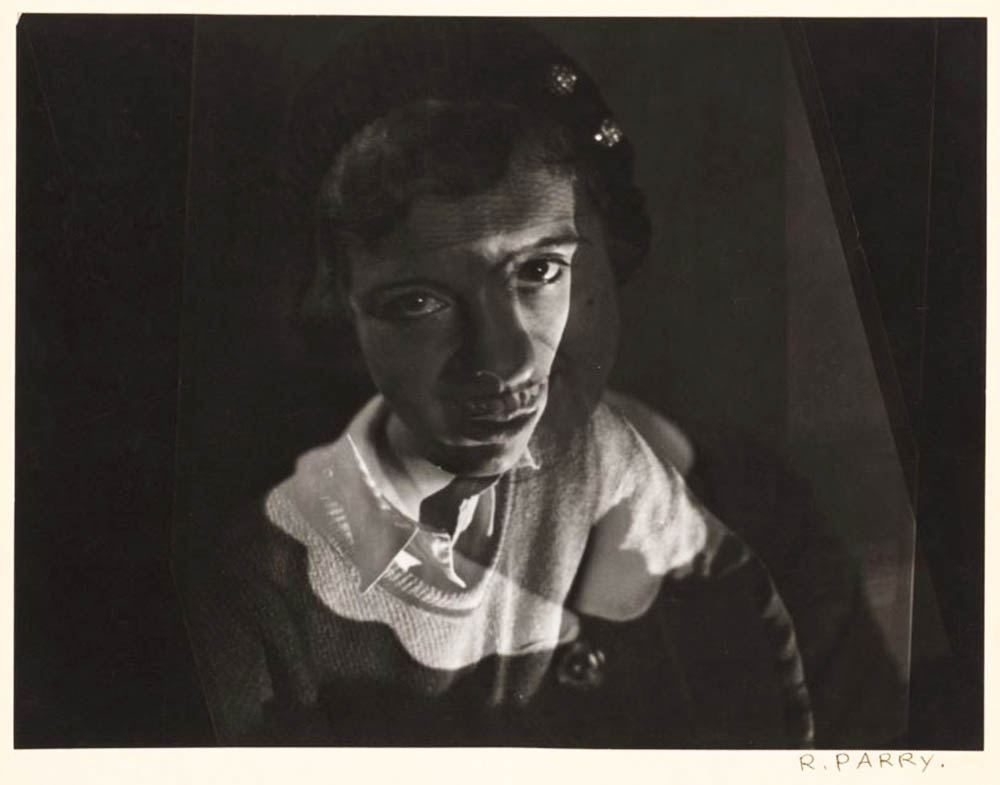
Roger Parry. Double Exposure, Robert Couturier, 1931© Ministère de la Culture - Médiathèque du Patrimoine

Roger Parry. Double Exposure, Robert Couturier, 1931© Ministère de la Culture – Médiathèque du Patrimoine

Roger Parry.- femme dans un lit, double exposition 1933.© Ministère de la Culture - Médiathèque du Patrimoine.&

Roger Parry.- femme dans un lit, double exposition 1933.© Ministère de la Culture – Médiathèque du Patrimoine.&

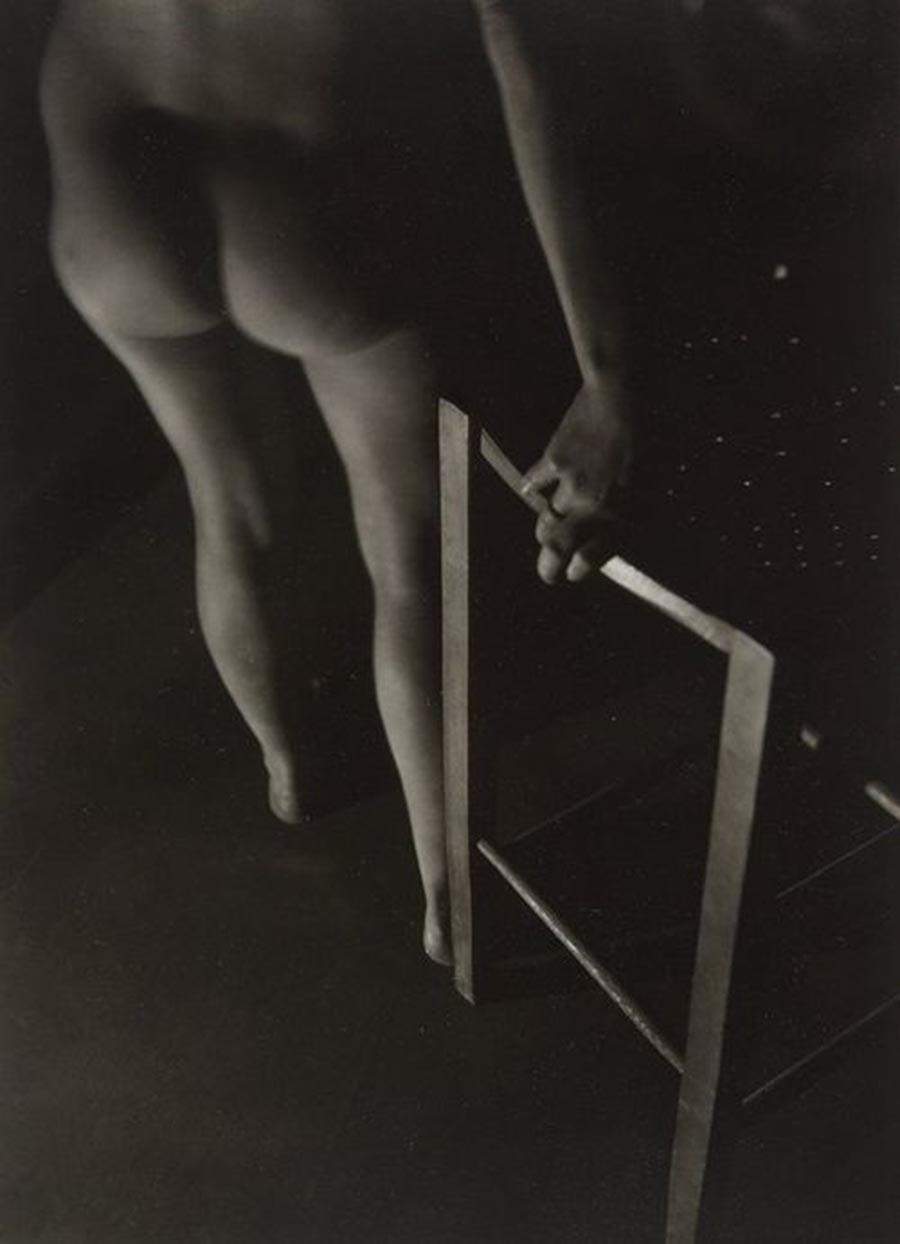
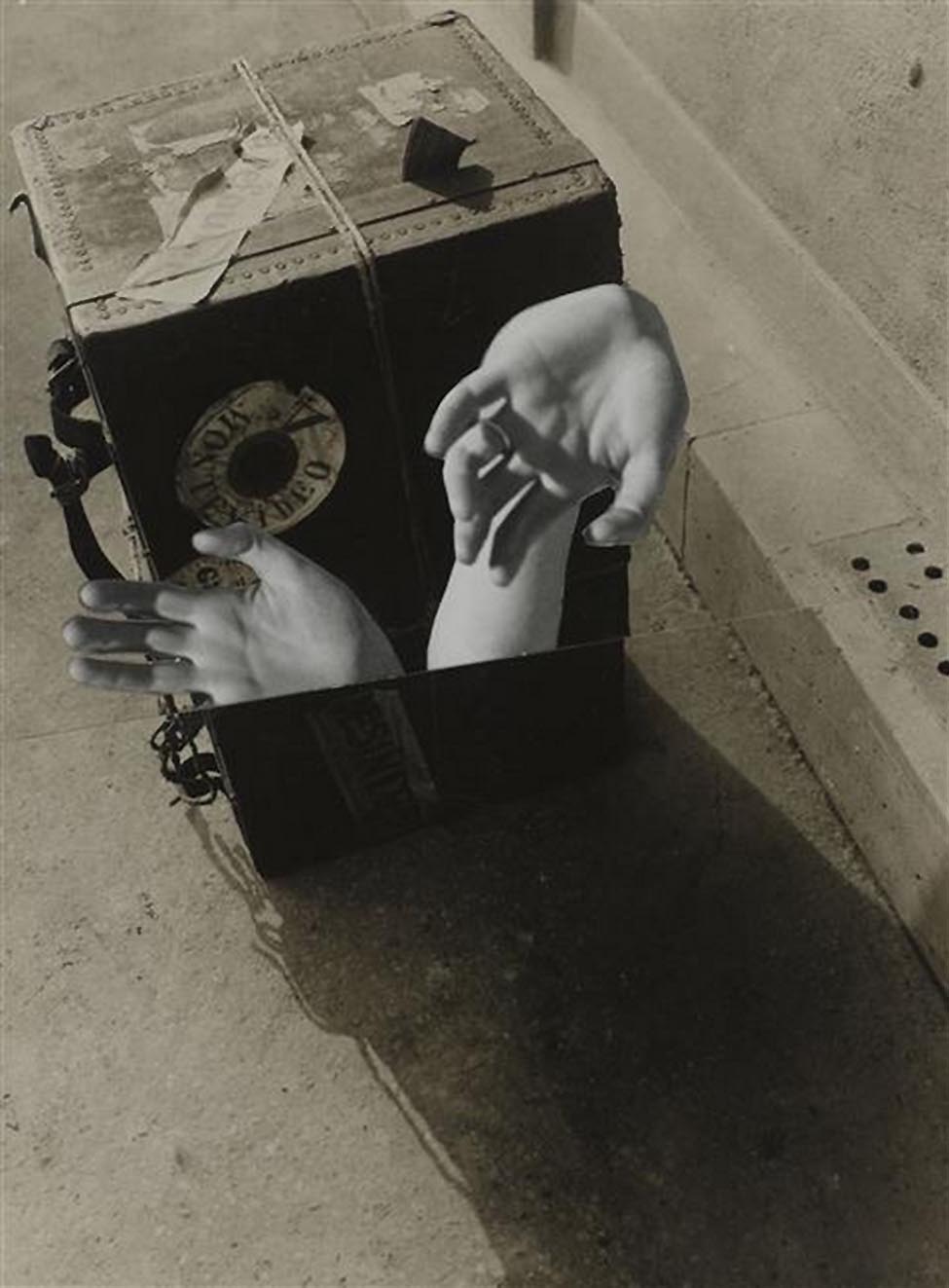
Roger Parry- La Malle,vers 1929

Roger Parry- La Malle,vers 1929

Roger Parry- Untitled, 1930s

Roger Parry- Untitled, 1930s

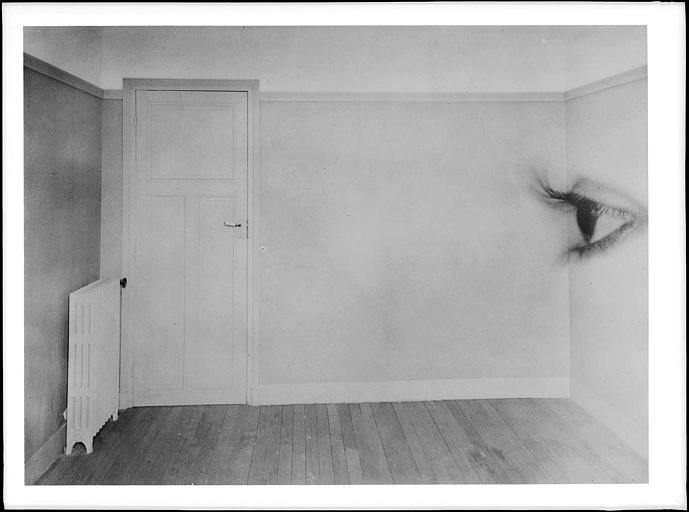
Roger Parry -Pièce vide et œil (double exposition), 1929

Roger Parry -Pièce vide et œil (double exposition), 1929

Roger Parry-Banalité 3, 1930

Roger Parry-Banalité 3, 1930

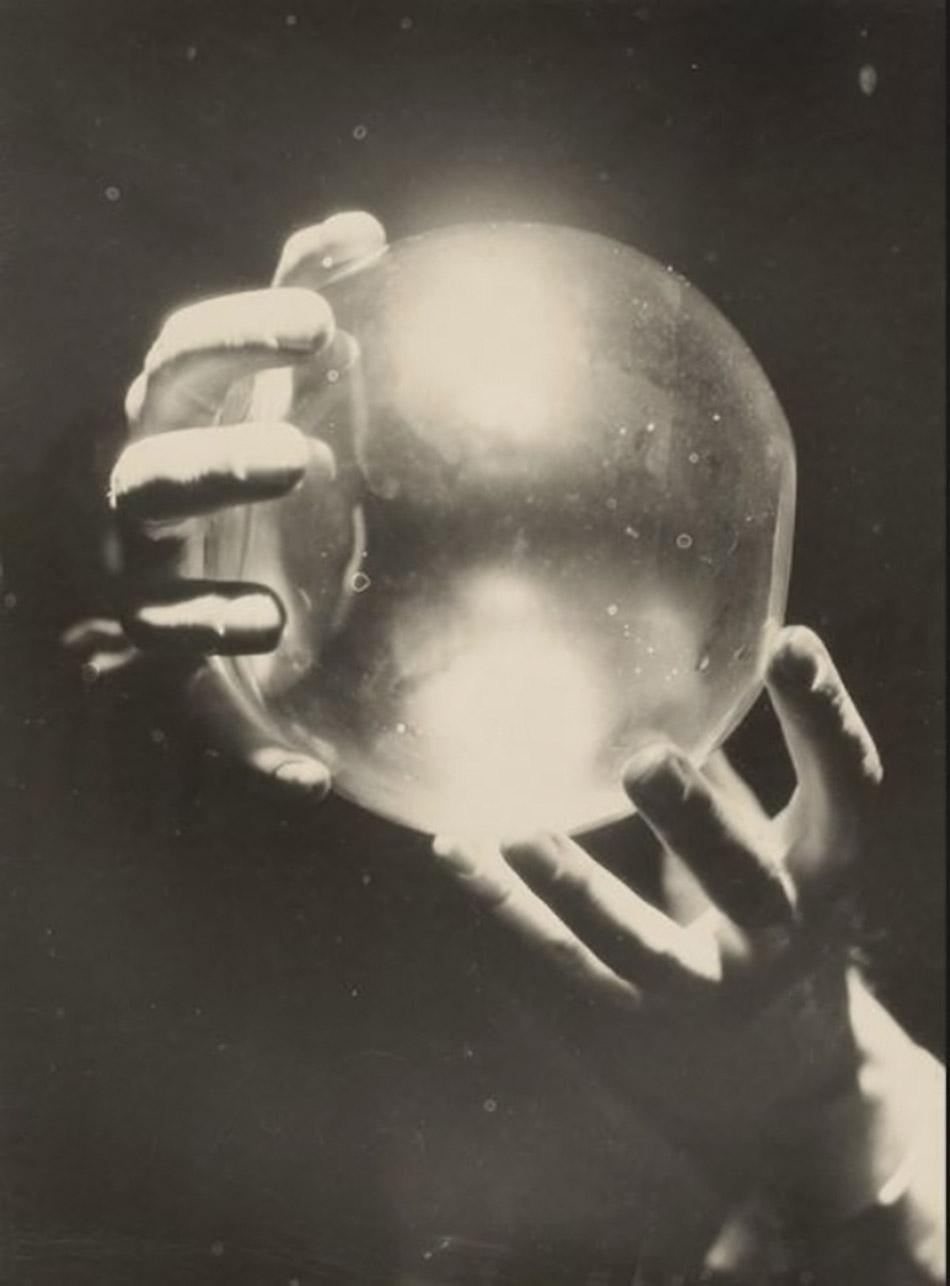
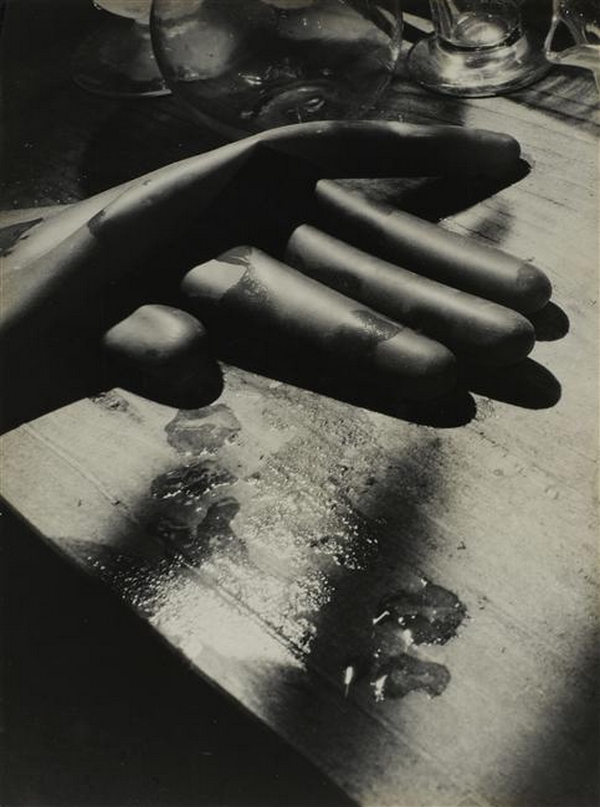
Roger Parry- Mains avec boule de cristal, Variation, 1930 © Ministère de la Culture - Médiathèque du Patrimoine edité pour for André Maurois’ Le peseur d’âmes en1932

Roger Parry- Mains avec boule de cristal, Variation, 1930 © Ministère de la Culture – Médiathèque du Patrimoine edité pour for André Maurois’ Le peseur d’âmes en1932

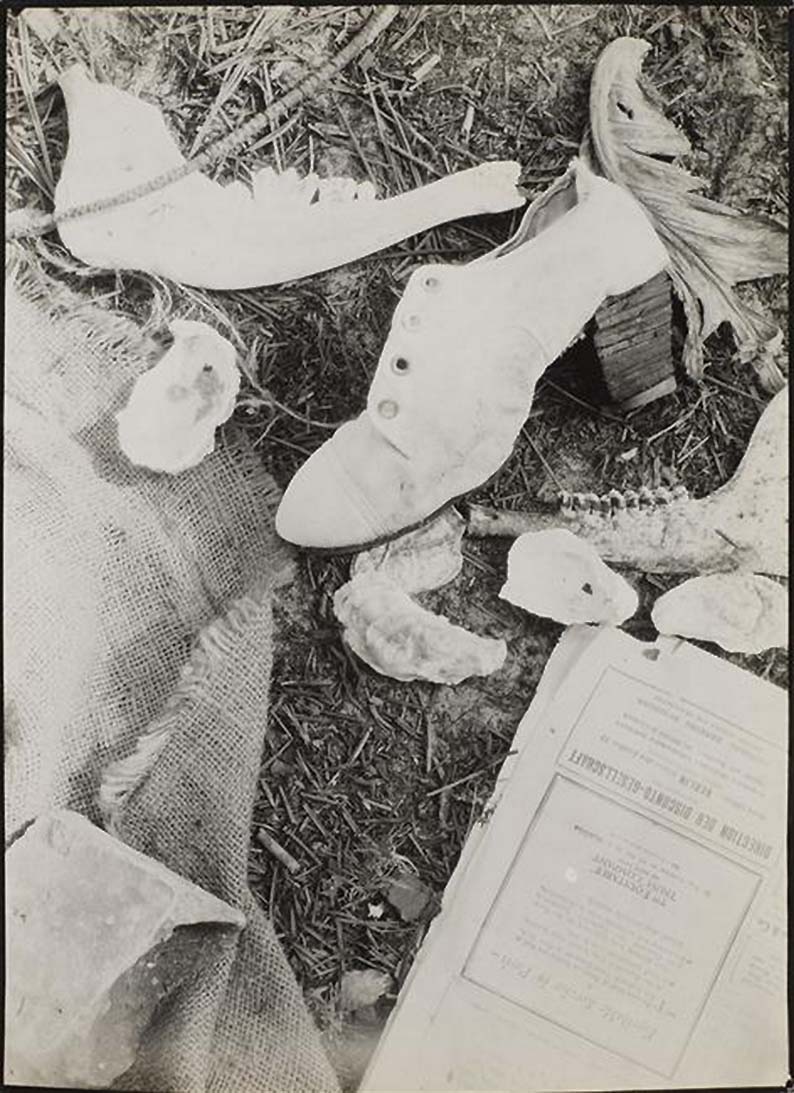
Roger Parry- Nature morte, 1929

Roger Parry- Nature morte, 1929

Roger Parry- Etude, 1930

Roger Parry- Etude, 1930

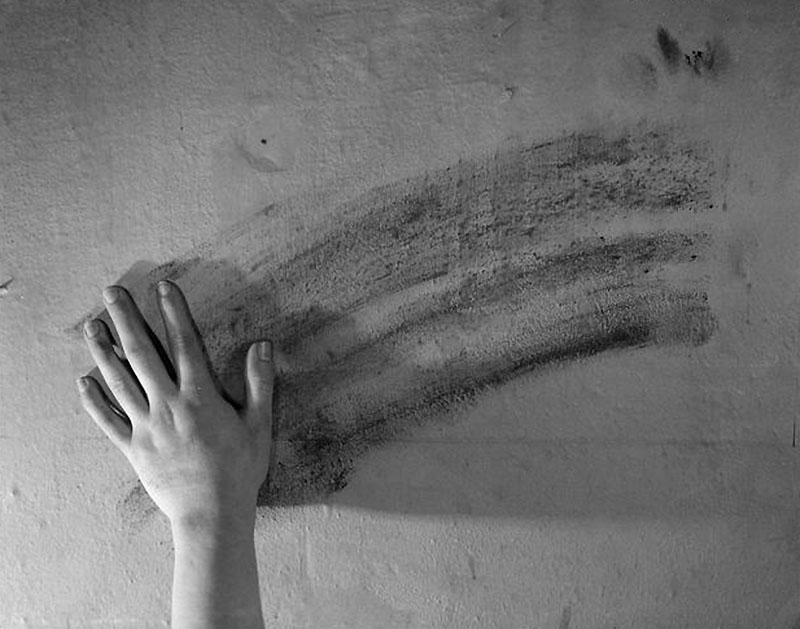
Roger Parry Main sur crépis avec traînée, 1928

Roger Parry Main sur crépis avec traînée, 1928

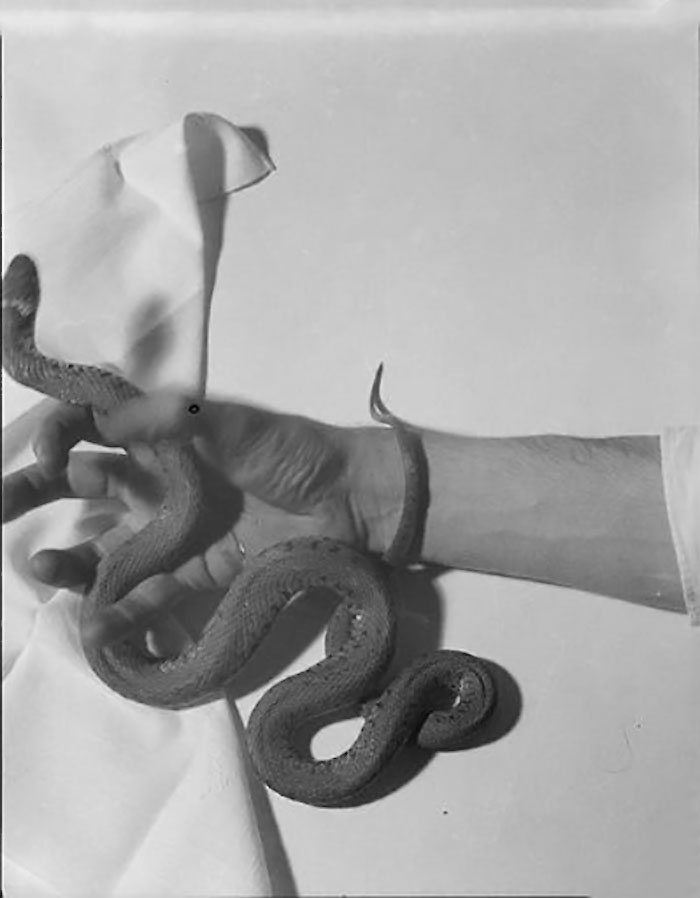
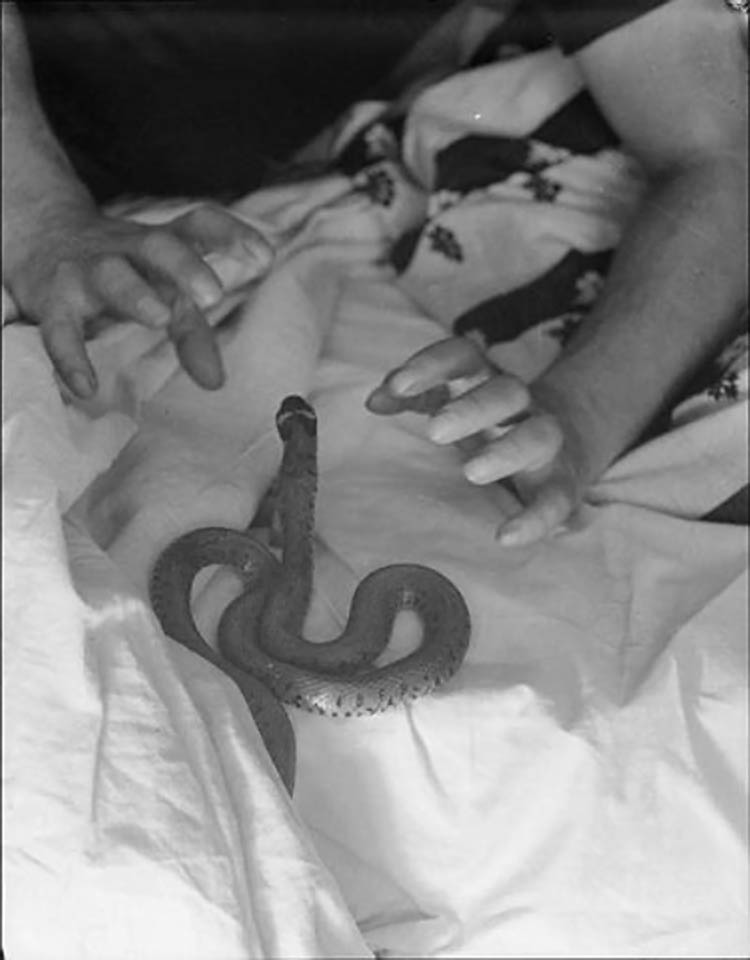
Roger Parry-Un serpent s'enroule autour des doigts et du poignet d'un homme 1933

Roger Parry-Un serpent s’enroule autour des doigts et du poignet d’un homme 1933

Roger Parry -Illustration pour la couverture d'un roman de Sidney Fairway , Un serpent et une main crispée,1933

Roger Parry -Illustration pour la couverture d’un roman de Sidney Fairway , Un serpent et une main crispée,1933

Roger Parry- Un serpent dans des draps et deux mains crispées, 1933

Roger Parry- Un serpent dans des draps et deux mains crispées, 1933

Roger Parry-Illustration de la couverture d'un roman de Maurice Marrou ; Une femme renversée et une valise1933

Roger Parry-Illustration de la couverture d’un roman de Maurice Marrou ; Une femme renversée et une valise, 1933

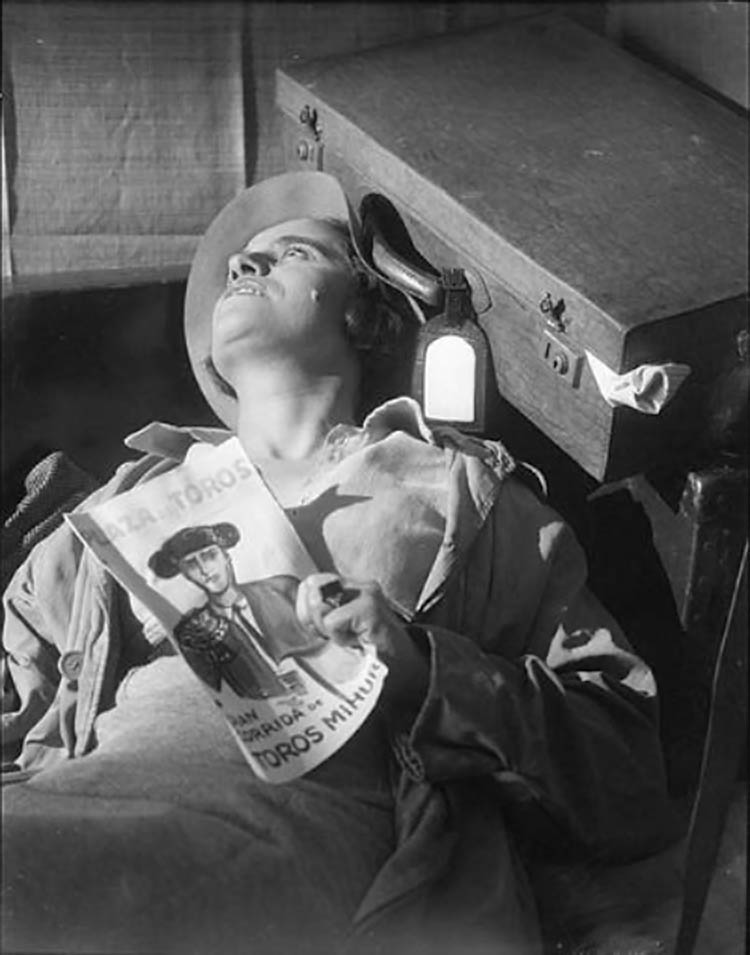
Roger Parry- Une femme étendue sur le dos, les yeux ouverts, la tête contre une valise et une revue de tauromachie dans une main1933

Roger Parry- Une femme étendue sur le dos, les yeux ouverts, la tête contre une valise et une revue de tauromachie dans une main, 1933

Roger Parry Une femme inconsciente est soutenue par une rambarde 1934

Roger Parry Une femme inconsciente est soutenue par une rambarde 1934

Roger Parry- Femme soufflant dans un gros coquillage,nd1

Roger Parry- Femme soufflant dans un gros coquillage,nd1

Roger Parry- Femme soufflant dans un gros coquillage,nd

Roger Parry- Femme soufflant dans un gros coquillage,nd

Roger Parry-autoportrait, , 1942

Roger Parry-autoportrait, , 1942

Othon Lloyd


Otho Lloyd- Nude study, 1940

Otho Lloyd- Rest (Back Study) 1946

Otho Lloyd- Study in Nude1946.

Otho Lloyd- Study in Nude1946

Otho Lloyd – Nude study, 1940-50

Otho Lloyd- Portrait,1944

Otho Lloyd- Potrait Claude Collet 1944

Otho Lloyd- untitled 1944

Otho Lloyd- Untitled,1946

Otho Lloyd- Untitled,1940-50.

Otho Lloyd- Untitled,1940-50.

Otho Lloyd- Untitled,1940-50


© Museu Nacional d’Art de Catalunya. MNAC. Foto: Calveras / Mèrida/ Sagristà

Josef Ehm (1909-1989)

Josef Ehm was a Czech photographer, teacher and editor. From 1934 – 1946, Ehm taught at the State School of Graphic Arts in Prague and, between 1939 and 1941, he edited with Funke magazine Photo horizon. In 1943, Ehm participated as the author of several shots for a portfolio of modern Czech photography.

In its free form, Ehm’s work was a remarkable representative of the stream based on the New Objectivity. In his work, the link between a sense of purist photography and perfection crafts is apparent. From the thirties to the sixties, Ehm’s work created a chamber ensemble of instruments, portraits, natural and urban landscapes and original ideas. He is one of the few photographers whose work is in the retaining elements which helped create a new pragmatism after 1945.

Josef Ehm- Woman with Veil 1946 vintage gelatin silver print

Josef Ehm, Untitled, 1946

Josef Ehm – Portrait behind black lace, 1945

Josef Ehm – Nude with Golden Lace I1946.Gelatin silver print_e

Josef Ehm – Rovina , Circa 1935. Gelatin silver print

Josef Ehm – Nude with Sabattier’s Effect, 1946. Gelatin silver print.

Josef Ehm – Krajkovaná Žena.Gelatin silver print

Josef Ehm – Nude with Seabattier_s Effect II1946.Gelatin silver print

Josef Ehm – NUDE (SOLARISATION), 1936Vintage gelatin silver print.

Josef Ehm – Nude with Golden Lace I 1946.Gelatin silver print

Josef Ehm – Nude on a Chair 1960 .Gelatin silver print

Josef Ehm – Nude on a Chair 1960 .Gelatin silver print

Benedykt Jerzy Dorys (1901-1990)

Benedykt Jerzy Dorys  est principalement connu en tant que très grand portraitiste  (photographique). Son studio, basé à Varsovie était,  déjà avant la guerre, un lieu des plus tendance pour ne pas dire « branché » de la Ville de Varsovie et  se faire photographier par Dorys n’était pas seulement de bon goût, mais révélait un signe d’appartenance à la crème de la crème de l’époque. Cependant,  Dorys n’était pas uniquement focalisé sur les élites. En effet ses photographies des pauvres de Kazimierz Dolny dans les années 1930 sont aussi connues et ont tout autant marquées l’histoire de la photographie polonaise.

Moins connues, mais tout aussi intéressantes sont ses photos de mode et ses quelques photos artistiques du corps nu. Dorys adorait les femmes et a su en sublimer toute les beauté et ce que je vous propose aujourd’hui à travers des portraits ‘( sérés ou de plein pied), et par ses photographies de modes .

Mais Dorys a bien entendu photographié bon nombres d’hommes, mais vous connaissez mon goût pour La femme , le nu  ou l’érotisme.

Vous pouvez retrouver quelques nus dans un précédent post Ici

Jerzy Dorys Benedykt - Portrait of Zofia Batycka, Miss Poland, 1930

Jerzy Dorys Benedykt – Portrait of Zofia Batycka, Miss Poland, 1930

Jerzy Dorys Benedykt - Portrait of Zofii Batyckiej, 1930 2

Jerzy Dorys Benedykt – Portrait of Zofii Batyckiej, 1930

Jerzy Dorys Benedykt - Portrait of Zofii Batyckiej, 1930

Jerzy Dorys Benedykt – Portrait of Zofii Batyckiej, 1930

Jerzy Dorys Benedykt - Portrait of Zofia Batycka, Miss Poland, 1930

Jerzy Dorys Benedykt – Portrait of Zofia Batycka, Miss Poland, 1930

Dorys Jerzy Benedykt -Portrait of Sophia Batycka, 1930s

Dorys Jerzy Benedykt -Portrait of Sophia Batycka, 1930s

Jerzy Dorys Benedykt - Portrait of Zofii Batyckiej, 1930

Jerzy Dorys Benedykt – Portrait of Zofii Batyckiej, 1930

Jerzy Dorys Benedykt - Portrait ofNiny Grudzińskiej, 1932

Jerzy Dorys Benedykt – Portrait ofNiny Grudzińskiej, 1932

Jerzy Dorys Benedykt - portrait de Karoliny Lubieńskiej, 1932

Jerzy Dorys Benedykt – portrait de Karoliny Lubieńskiej, 1932

Jerzy Dorys Benedykt Loda Halama w tanecznej pozie], 1932 (2)

Jerzy Dorys Benedykt Loda Halama w tanecznej pozie, 1932

Jerzy Dorys Benedykt- Portrait of a man in scarf and coat with the collar , 1933 gif by Bill Domonkos is a visual artist and filmmaker.

Jerzy Dorys Benedykt- Portrait of a man in scarf and coat with the collar , 1933 gif by Bill Domonkos is a visual artist and filmmaker.

Jerzy Dorys Benedykt - Portrait ofOlgi Kamieńskiej, 1930

Jerzy Dorys Benedykt – Portrait ofOlgi Kamieńskiej, 1930

Jerzy Dorys Benedykt- Portret Marii Gorczyńskiej z flakonikiem perfum „Amour amour” firmy Jean Patout, 1930 gif by Bill Domonkos is a visual artist and filmmaker.

Jerzy Dorys Benedykt- Portret Marii Gorczyńskiej z flakonikiem perfum „Amour amour” firmy Jean Patout, 1930 gif by Bill Domonkos is a visual artist and filmmaker.

Jerzy Dorys Benedykt -Marii Malickiej, 1930.WEB

Jerzy Dorys Benedykt -Marii Malickiej, 1930.

Jerzy Dorys Benedykt - Portrait of Marii Gorczyńskiej, 1931

Jerzy Dorys Benedykt – Portrait of Marii Gorczyńskiej, 1931

Jerzy Dorys Benedykt -Halina Hulanicka dansant Halina Hulanicka dancing, 1930

Jerzy Dorys Benedykt -Halina Hulanicka dansant Halina Hulanicka dancing, 1930

Jerzy Dorys Benedykt -Anthony Nellé dance, 1933

Jerzy Dorys Benedykt -Anthony Nellé dance, 1933

Jerzy Dorys Benedykt -autoportret, 1930

Jerzy Dorys Benedykt -autoportret, 1930

Josef Breitenbach (1896 – 1984) Part II

Je vous propose aujourd’hui de poursuivre la découverte de Josef Breitenbach. Cette fois-ci nous laisserons de côté ses influences surréalistes et nous admirons ses fabuleux portraits, et nus et quelques photographies de voyages .

[Je vous suggère de ne pas manquer le premier article qui complète ce dernier, et qui vous permettra d’avoir une vue d’ensemble de l’entendue de son oeuvre ]

En 1932, Breitenbach ouvre son premier studio de photographie. Ses clients étaient des membres éminents de la bohème de Munich, (y compris les acteurs et actrices de la scène dans le théâtre de Munich.)  qui était alors un bastion des défenseurs des libertés et des personnes raffinées. Mais ce  monde a disparu en 1933 avec la prise de pouvoir d’Hitler.Plus que ses racines juives, le passé politique du photographe fait de  lui une cible à persécuter.  En Août 1933, avec son passeport, Breitenbach arrive en France, rejoignant d’autres exilés Allemands qui cherchent refuge à Paris.

La «révolution» surréaliste allait alors devenir dominante dans la scène artistique parisienne. Peu après son arrivée, Breitenbach est entré en contact avec André Breton et son entourage. Préférant conserver son indépendance, il n’a jamais été un membre du groupe surréaliste, mais a participé à des expositions importantes de la photographie surréaliste aux côtés de Man Ray, Jacques-André Boiffard, Brassaï, Eli Lotar, Henri Cartier-Bresson, et Roger Parry.

Breitenbach n’a vécu à Paris  que six ans, jusqu’à ce que la guerre  éclate en 1939, et pourtant, pendant cette période , il a produit certains de ses travaux les plus inventifs.  (Il a adopté plusieurs techniques favorisées par de nouveaux photographes tels que la surimpression, le montage, la solarisation, l’impression en négatif, et le photogramme. Plus important encore, il était l’un des rares artistes des années d’avant-guerre à produire des photographies en couleurs, ce qu’il a fait en utilisant des procédés tels que le blanchiment, la tonification et la pigmentation.)

La guerre interrompit ce deuxième chapitre de la vie du photographe. Interné par les Français comme un étranger suspect, puis rédigé dans un corps civil composé d’étrangers, Breitenbach finalement échappé à la France  de Marseille en 1941 pour New York . Il parvient à retenir l’attention de Walker Evans, qui  publie ses travaux  dans Fortune .

À l’été 1944,  à l’invitation de Josef Albers,  Breitenbach enseigne la photographie au Black Mountain College.  En 1946, il est devenu un citoyen des États-Unis et a rejoint la faculté de la Cooper Union .

For a biography in English go down Article


Josef Breitenbach- Night, Paris (Edith Schultze-Westrum)c. 1935, Vintage gelatin silver print collage

Josef Breitenbach- Night, Paris (Edith Schultze-Westrum), 1935, Vintage gelatin silver print collage ©The Josef Breitenbach Trust.
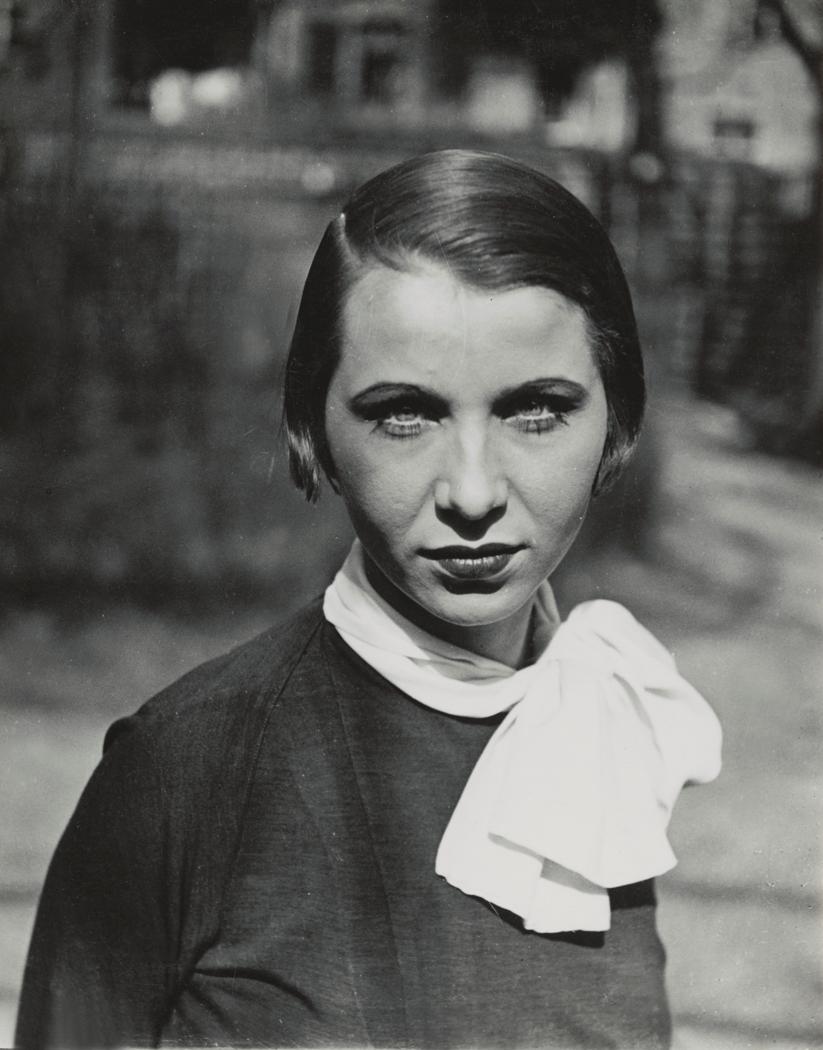
 

Josef Breitenbach-Edith Schultze-Westrum, 1932, Gelatin silver print© The Josef Breitenbach Trust.
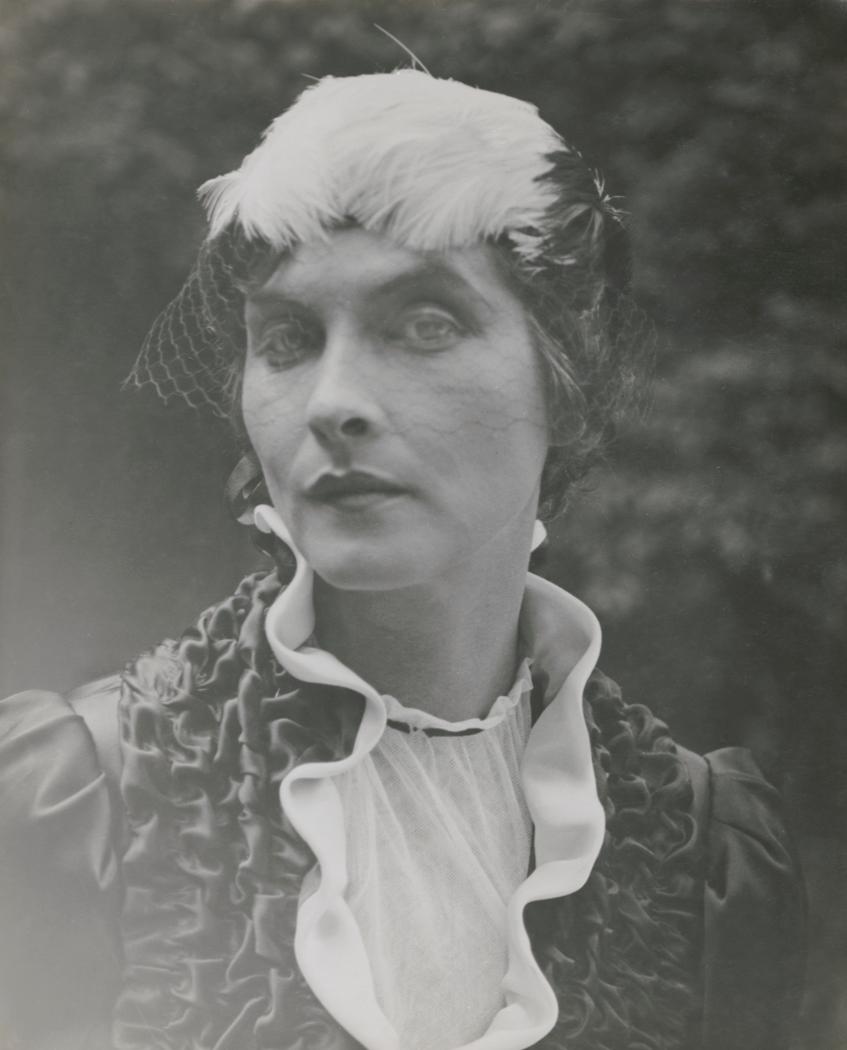
Josef Breitenbach-Edith Schultze-Westrum, 1932, Gelatin silver print© The Josef Breitenbach Trust.


Josef Breitenbach- Portrait of the  actress Sybille Binder, Munich, Before 1933, Gelatin silver print© The Josef Breitenbach Trust.

Josef Breitenbach- Portrait of the actress Sybille Binder, Munich, Before 1933, Gelatin silver print© The Josef Breitenbach Trust.


Josef Breitenbach- Portrait of the  actress Sybille Binder, Munich, Before 1933, Gelatin silver print© The Josef Breitenbach Trust

Josef Breitenbach- Portrait of the actress Sybille Binder, Munich, Before 1933, Gelatin silver print© The Josef Breitenbach Trust
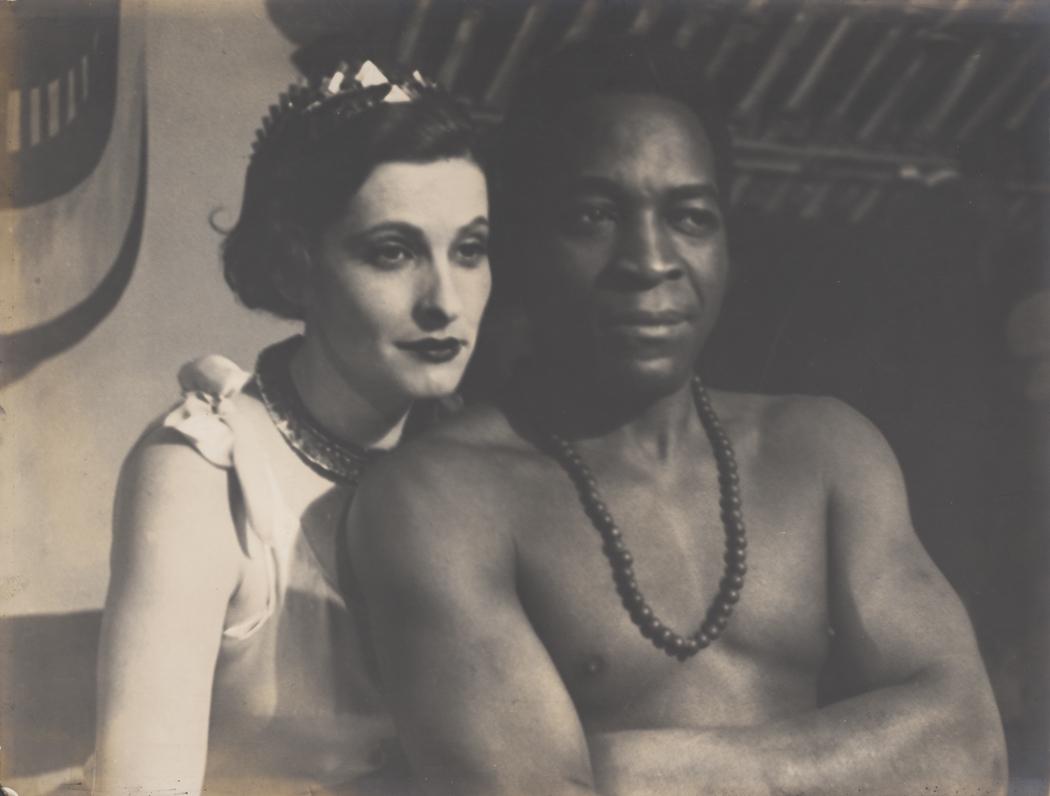

Josef Breitenbach- Portrait of the  actress Sybille Binder and Paul Robeson, in Othello, Munich,  1932, Gelatin silver print© The Josef Breitenbach Trust

Josef Breitenbach- Portrait of the actress Sybille Binder and Paul Robeson, in Othello, Munich, 1932, Gelatin silver print© The Josef Breitenbach Trust


Josef Breitenbach- Portrait of the  actressSybille Binder  Circa 1932, gelatin silver print, © The Josef Breitenbach Trust.

Josef Breitenbach- Portrait of the actressSybille Binder Circa 1932, gelatin silver print, © The Josef Breitenbach Trust.
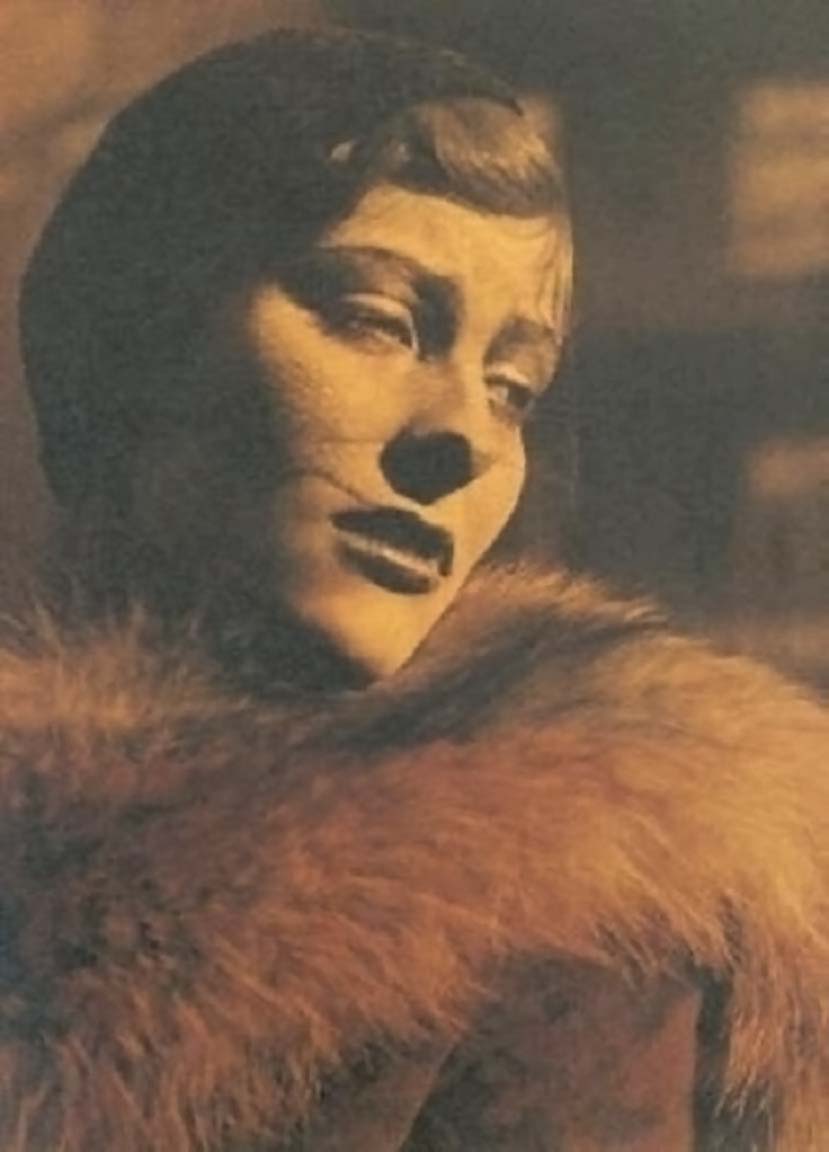

Josef Breitenbach – Portrait of the actress Marianne Hoppe, 1933

Josef Breitenbach – Portrait of the actress Marianne Hoppe, 1933 ©The Josef Breitenbach Trust.
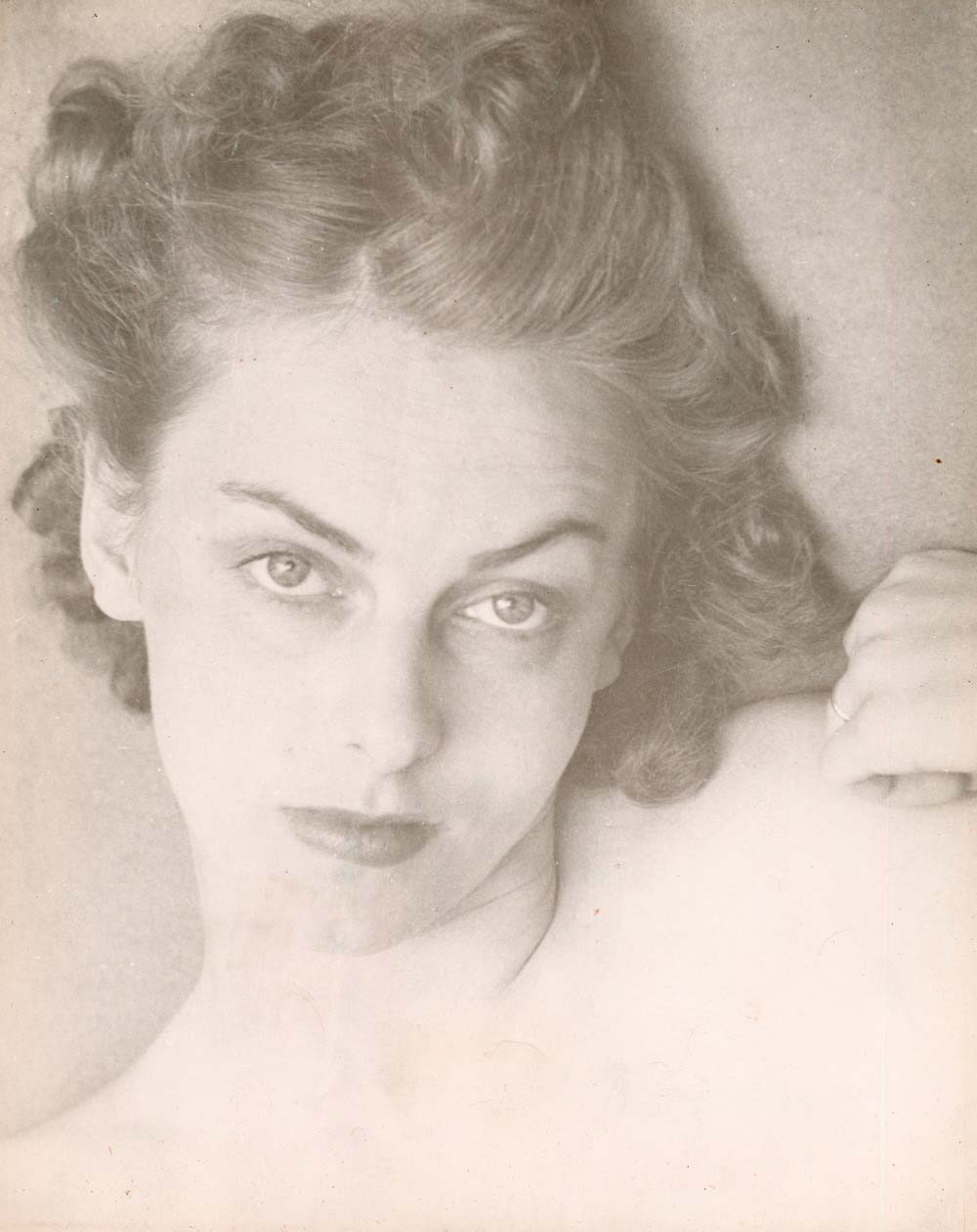

Josef Breitenbach-  Sheila ,New York, 1942

Josef Breitenbach- Sheila ,New York, 1942 ©The Josef Breitenbach Trust.
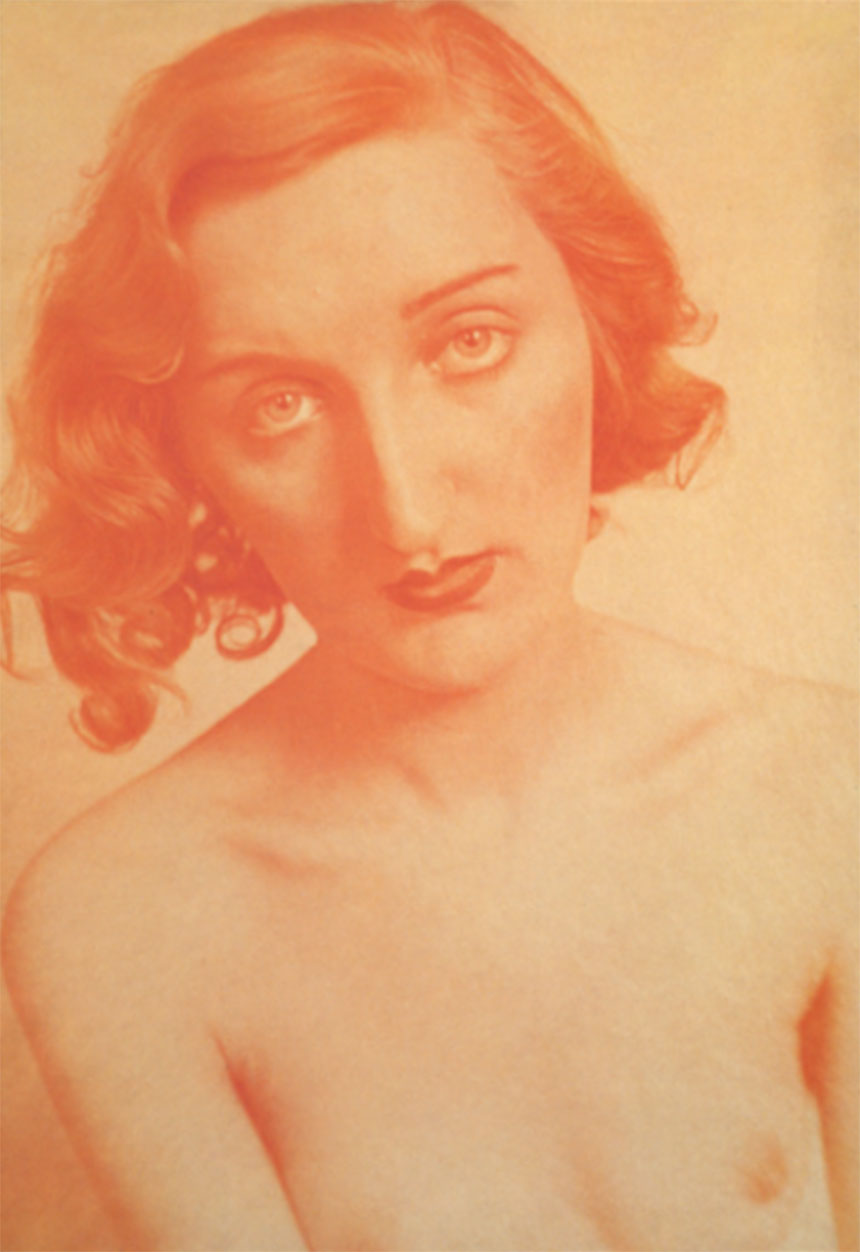

Josef Breitenbach-Aktportrait, Paris, 1933-1939 ©The Josef Breitenbach Trust.

Josef Breitenbach-Aktportrait, Paris, 1933-1939. © The Josef Breitenbach Trust.


Josef Breitenbach-Portrait,  1930s , Gelatin silver print © The Josef Breitenbach Trust.

Josef Breitenbach-Portrait, 1930s , Gelatin silver print © The Josef Breitenbach Trust.
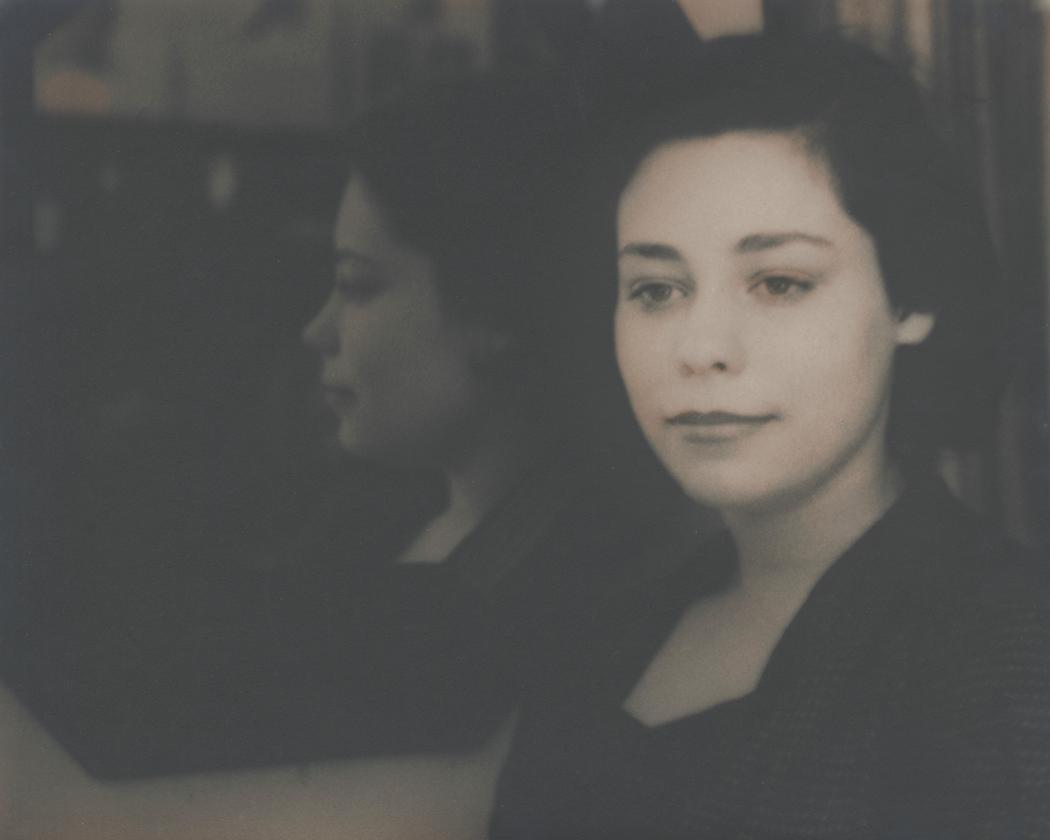

Josef Breitenbach-Portrait,  1930s , Gelatin silver print © The Josef Breitenbach Trust.

Josef Breitenbach-Portrait, 1930s , Gelatin silver print © The Josef Breitenbach Trust.
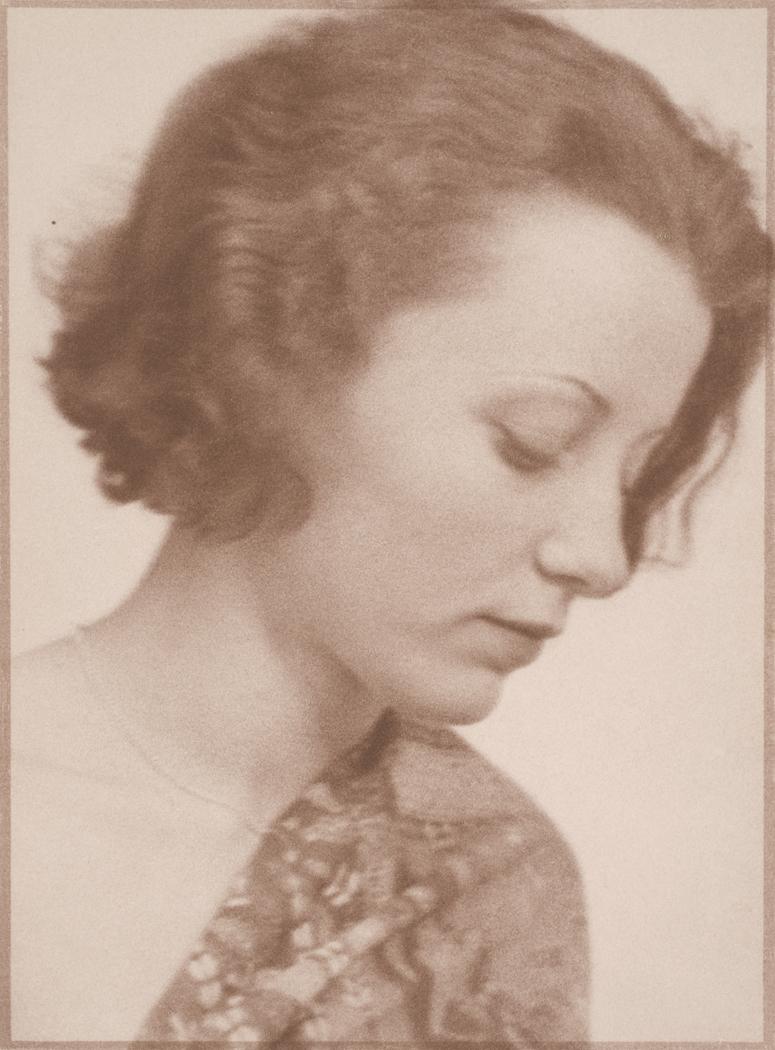

Josef Breitenbach- Portrait of a lady, Munich, 1932,  Munich,, Gelatin silver print© The Josef Breitenbach Trust.

Josef Breitenbach- Portrait of a lady, Munich, 1932, Munich,, Gelatin silver print© The Josef Breitenbach Trust.
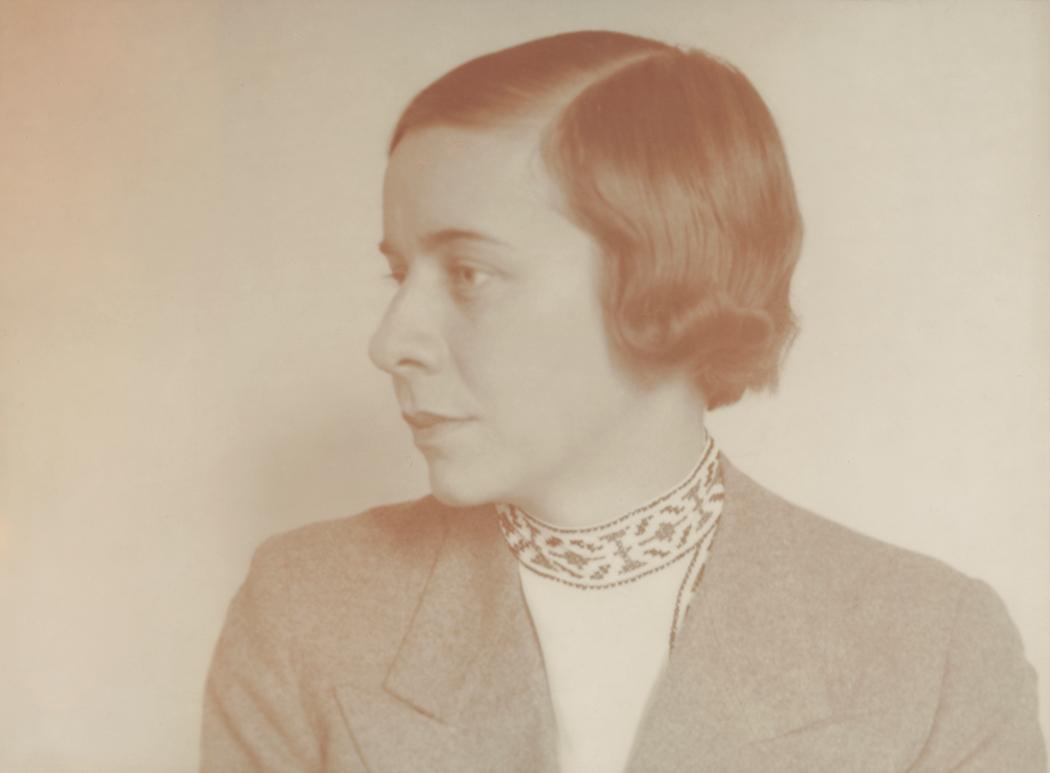

Josef Breitenbach-untitled , Paris 1936

Josef Breitenbach-Untitled , Paris 1936 © The Josef Breitenbach Trust.
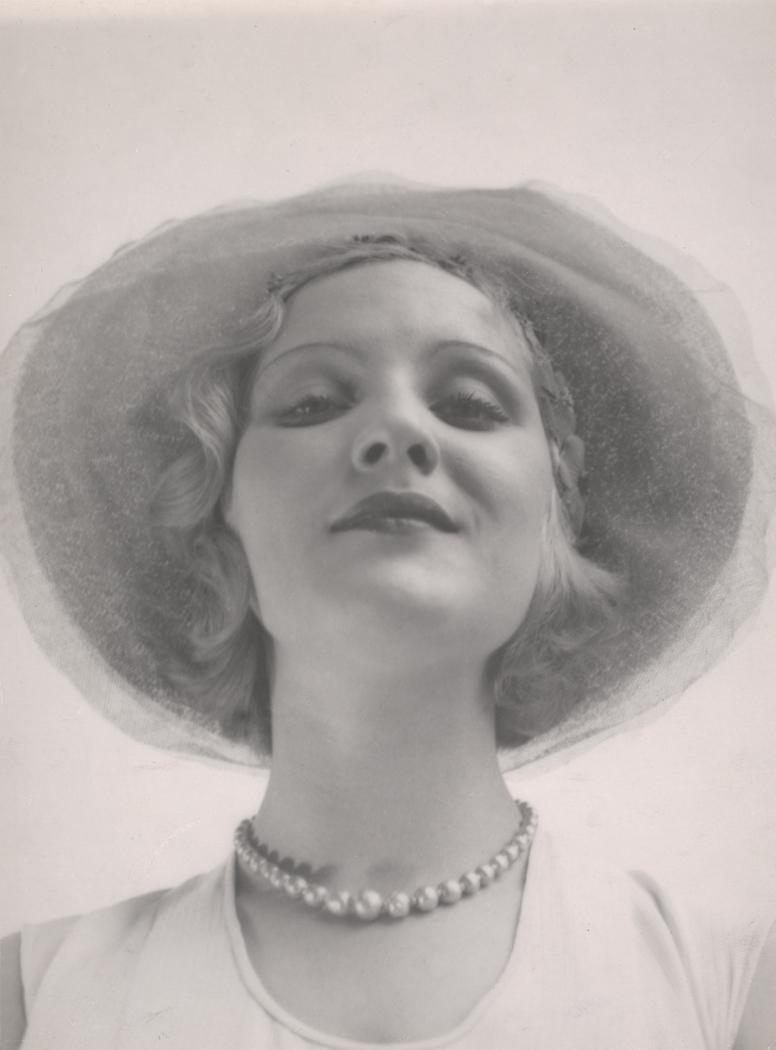

Josef Breitenbach-Edith d'Amara, 1932,  Munich,, Gelatin silver print© The Josef Breitenbach Trust.

Josef Breitenbach-Edith d’Amara, 1932, Munich,, Gelatin silver print© The Josef Breitenbach Trust.


Josef Breitenbach- Patricia, New York, 1942, Vintage toned gelatin silver print © The Josef Breitenbach Trust
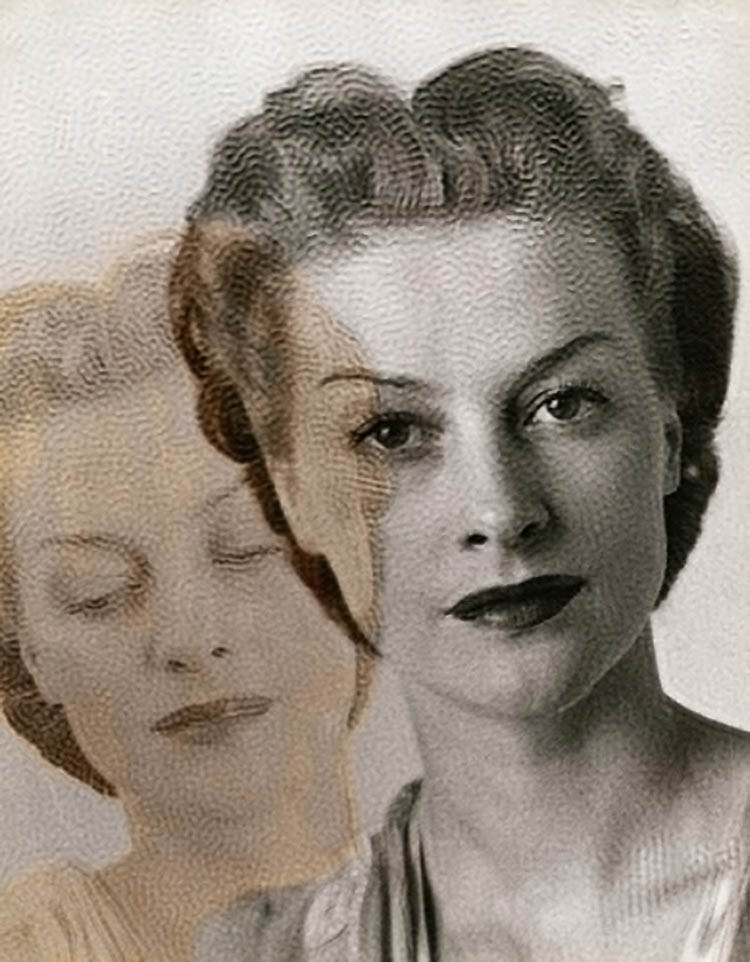
Josef Breitenbach- Patricia, New York, 1942, Vintage toned gelatin silver print © The Josef Breitenbach Trust


Josef Breitenbach- A Woman and Her Conscience, New York, 1945, Vintage toned gelatin silver print ©The Josef Breitenbach Trust.

Josef Breitenbach- A Woman and Her Conscience, New York, 1945, Vintage toned gelatin silver print ©The Josef Breitenbach Trust.


Josef Breitenbach- Annabella, 1933-39, Vintage gelatin silver print ©The Josef Breitenbach Trust.

Josef Breitenbach- Annabella, 1933-39, Vintage gelatin silver print ©The Josef Breitenbach Trust.


Josef Breitenbach-woman in costume of shiny material with cape and hood, 1930s

Josef Breitenbach- Woman in costume of shiny material with cape and hood, 1930s © The Josef Breitenbach Trust
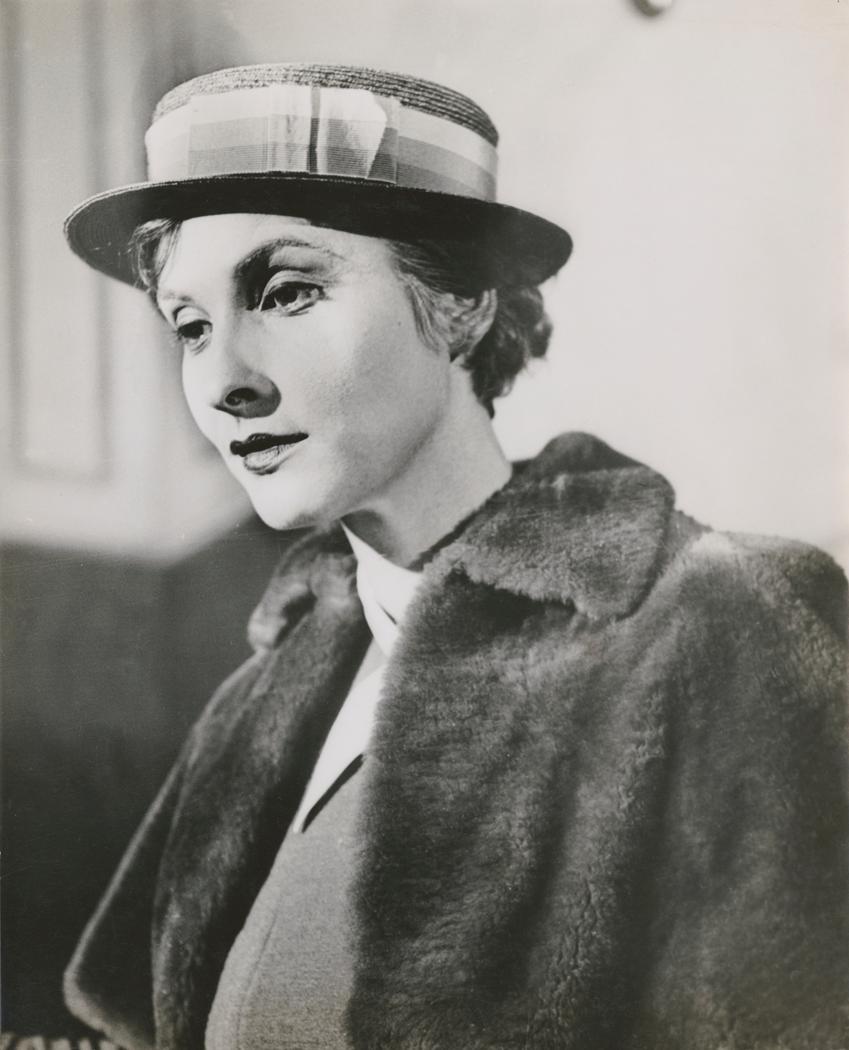

Josef Breitenbach-Sybille Binder, in fur coat. 1932

Josef Breitenbach-Sybille Binder, 1932 © The Josef Breitenbach Trust
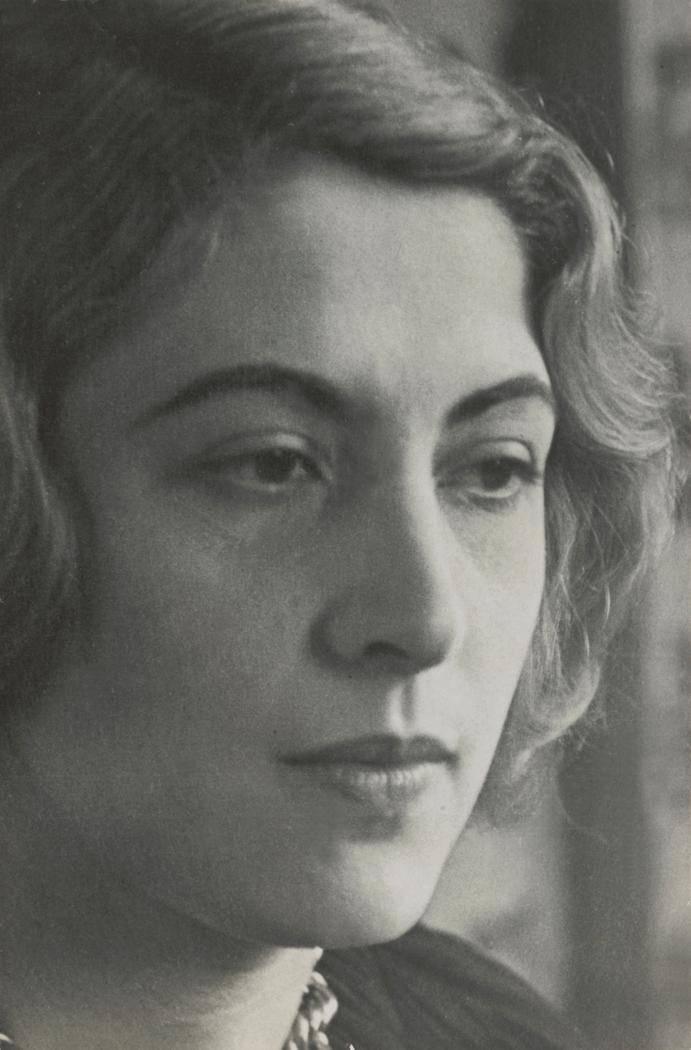

Josef Breitenbach-Portrait ofSchoura Alperin, 1934 Paris, Gelatin silver print © The Josef Breitenbach Trust.
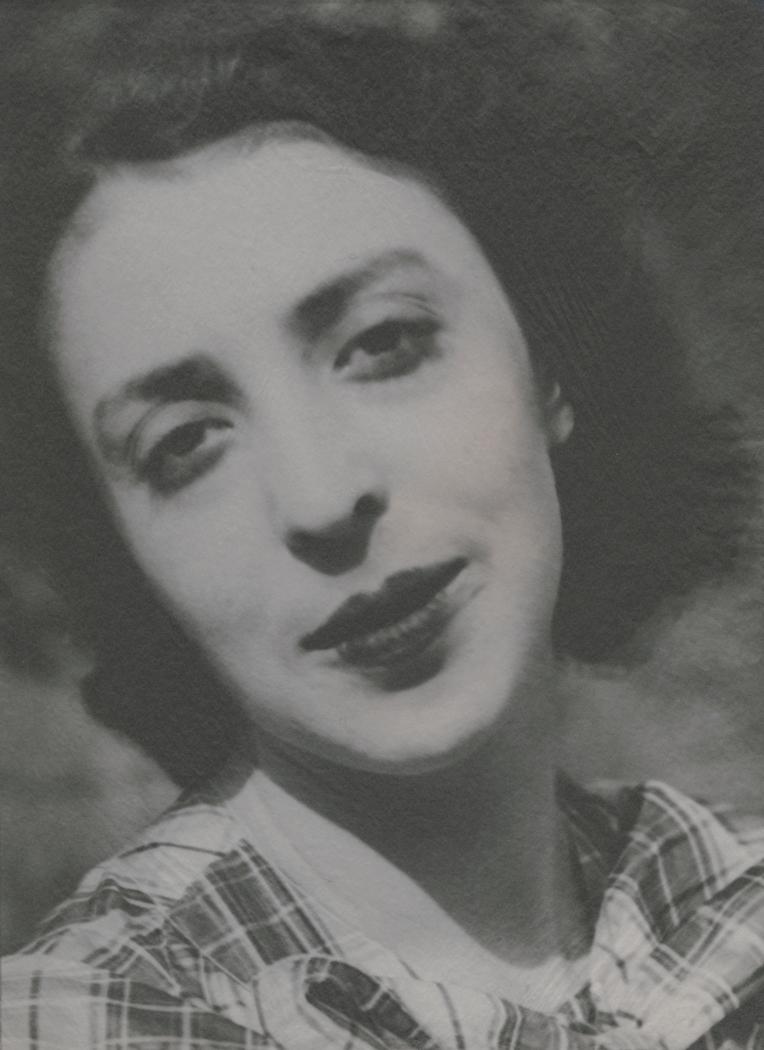
Josef Breitenbach-Portrait ofSchoura Alperin, 1934 Paris, Gelatin silver print © The Josef Breitenbach Trust.


Josef Breitenbach-Portrait,  1935 Paris, Gelatin silver print © The Josef Breitenbach Trust.

Josef Breitenbach-Portrait, 1935 Paris, Gelatin silver print © The Josef Breitenbach Trust.


Josef Breitenbach-Portrait of Ruth Harris 1933-39 Paris, Gelatin silver print © The Josef Breitenbach Trust.

Josef Breitenbach-Portrait of Ruth Harris 1933-39 Paris, Gelatin silver print © The Josef Breitenbach Trust.


Josef Breitenbach-Aristide Maillol, Marly-Le-Roy, 1934  © The Josef Breitenbach Trust

Josef Breitenbach-Aristide Maillol, Marly-Le-Roy, 1934 © The Josef Breitenbach Trust


Josef Breitenbach- Portrait of Man Ray, 1967, Gelatin silver print © The Josef Breitenbach Trust.

Josef Breitenbach- Portrait of Man Ray, 1967, Gelatin silver print © The Josef Breitenbach Trust.


Josef Breitenbach-Portrait of Max Ernst and Marie-Berthe Aurenche, 1936 Paris, Gelatin silver print © The Josef Breitenbach Trust.
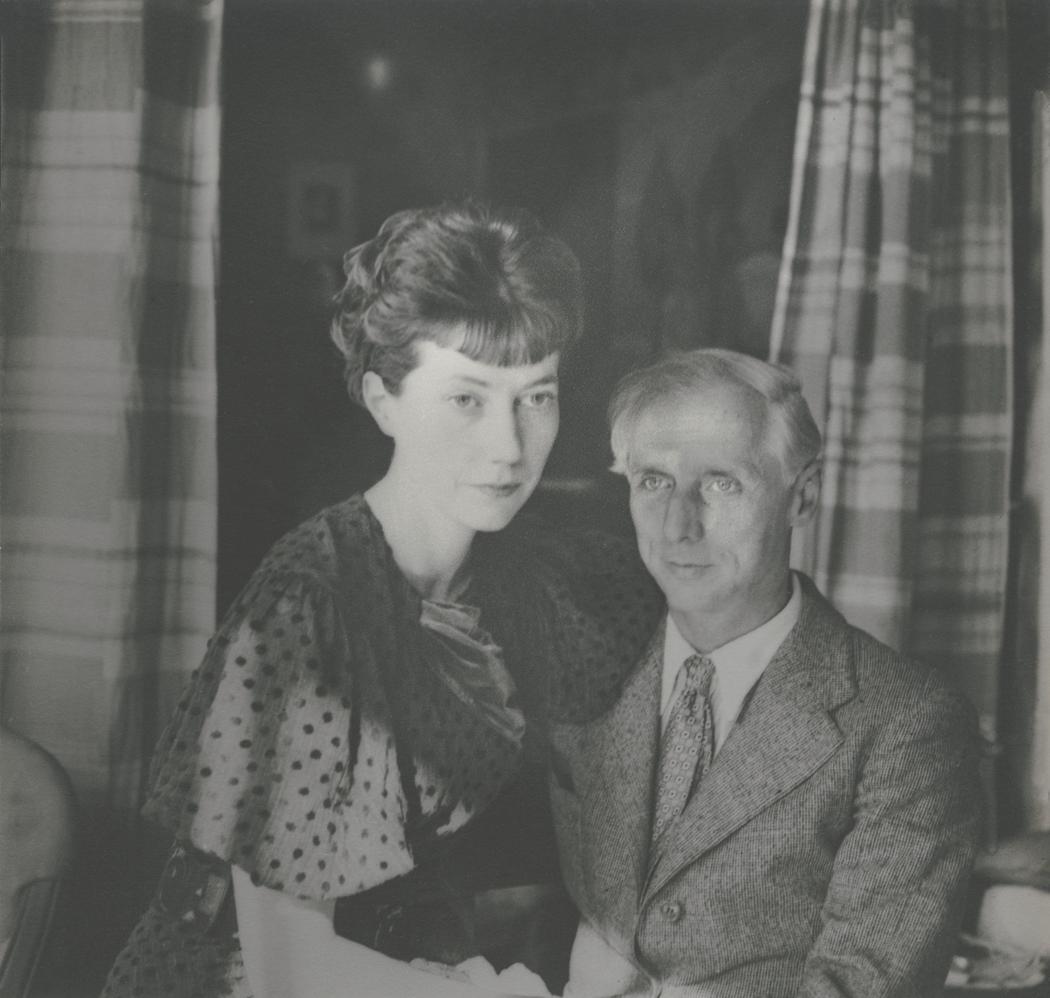
Josef Breitenbach-Portrait of Max Ernst and Marie-Berthe Aurenche, 1936 Paris, Gelatin silver print © The Josef Breitenbach Trust.


Josef Breitenbach-Portrait of Max Ernst and Marie-Berthe Aurenche, 1936 Paris, Gelatin silver print © The Josef Breitenbach Trust.

Josef Breitenbach-Portrait of Max Ernst and Marie-Berthe Aurenche, 1936 Paris, Gelatin silver print © The Josef Breitenbach Trust.


Josef Breitenbach-Portrait of Max Ernst , 1938 Paris, Gelatin silver print © The Josef Breitenbach Trust.
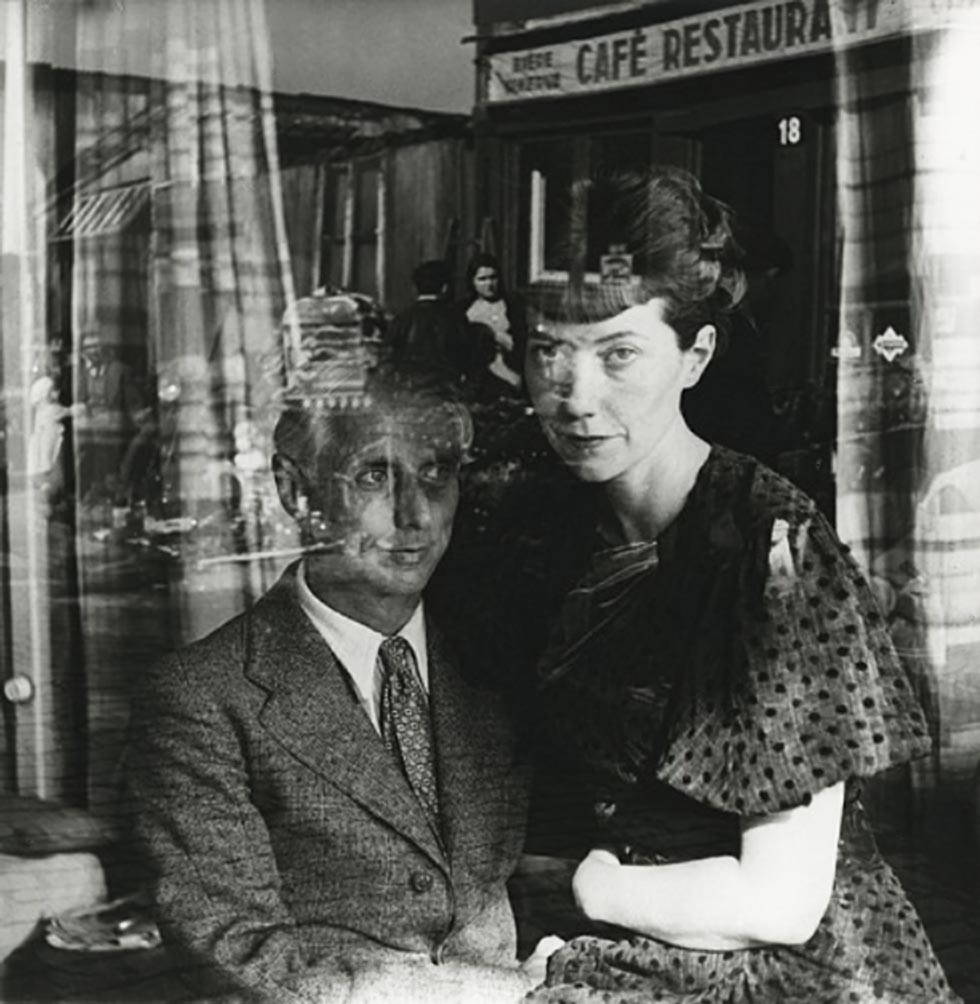
Josef Breitenbach-Portrait of Max Ernst , 1938 Paris, Gelatin silver print © The Josef Breitenbach Trust.


Josef Breitenbach- Max Ernst and his wife, Marie-Berthe Aurenche, Paris, 1936, Early gelatin silver print; printed c. 1942-1948 © The Josef Breitenbach Trust
Josef Breitenbach- Max Ernst and his wife, Marie-Berthe Aurenche, Paris, 1936, Early gelatin silver print; printed c. 1942-1948 © The Josef Breitenbach Trust


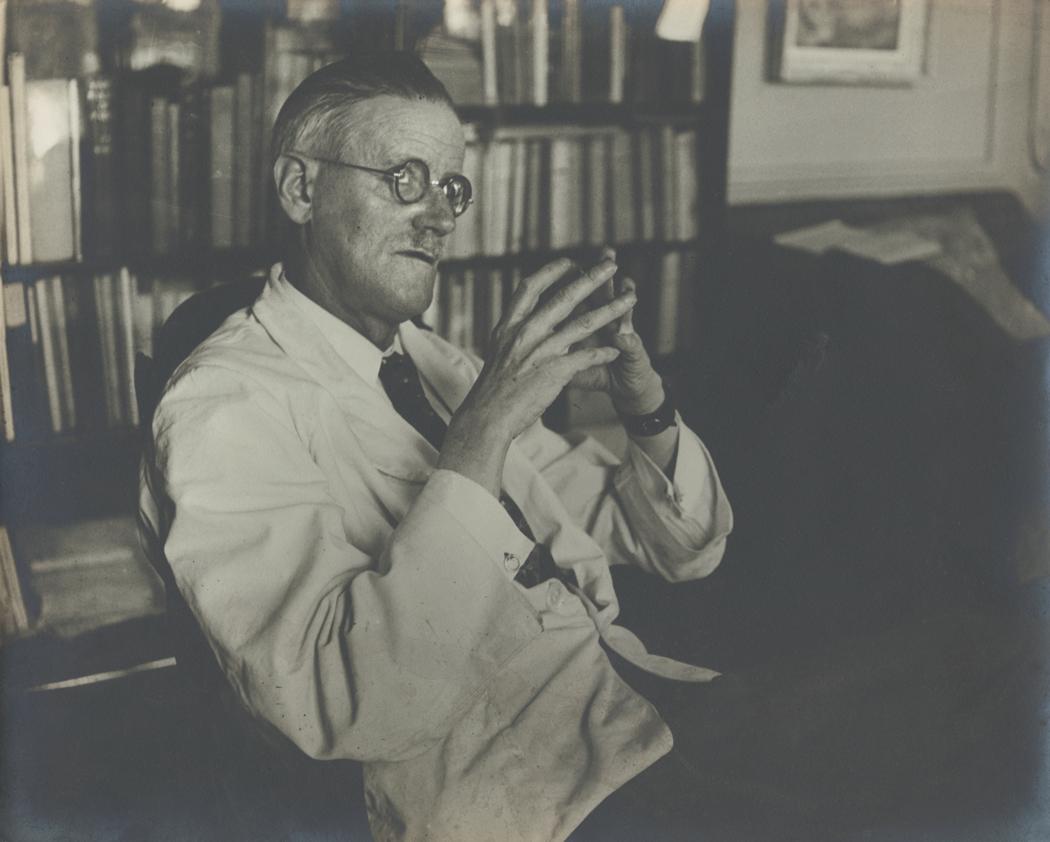
Josef Breitenbach-James Joyce, Paris , 1937

Josef Breitenbach- James Joyce, Paris, 1937 © The Josef Breitenbach Trust


Josef Breitenbach-Wassily Kandinsky, Neuilly-sur-Seine 1938

Josef Breitenbach-Wassily Kandinsky, Neuilly-sur-Seine 1938 © The Josef Breitenbach Trust
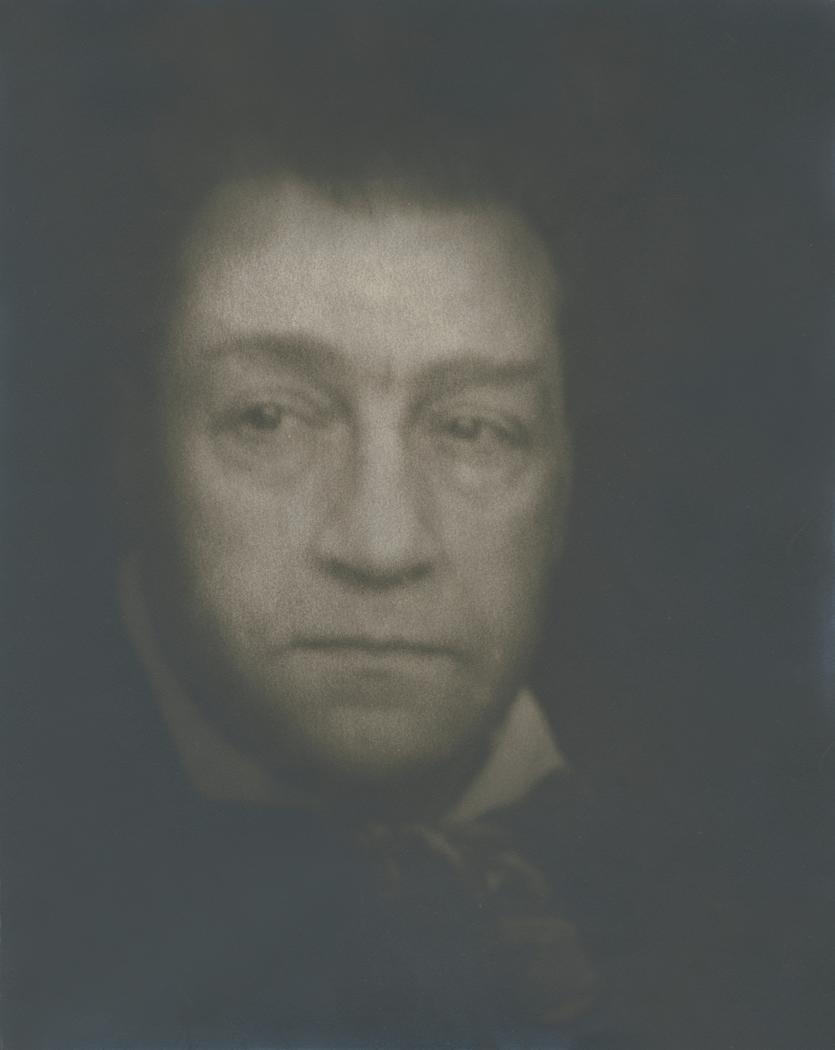
 

Josef Breitenbach- Portrait  of the Actor Sacha Guitry, Paris, 1938, Gelatin silver print © The Josef Breitenbach Trust.

Josef Breitenbach- Portrait of the Actor Sacha Guitry, Paris, 1938, Gelatin silver print © The Josef Breitenbach Trust.


Josef Breitenbach-Japanese female mask, fabric background], ca. 1940s

Josef Breitenbach-Japanese female mask, fabric background], ca. 1940s


Josef Breitenbach-Close-up of woman’s eye, 1940s © The Josef Breitenbach Trust


Josef Breitenbach-Sculpture Academy, Paris,  1935, gelatin silver print © The Josef Breitenbach Trust

Josef Breitenbach-Sculpture Academy, Paris, 1935, gelatin silver print © The Josef Breitenbach Trust


Josef Breitenbach-Sculpture Academy, Paris,  1935, gelatin silver print © The Josef Breitenbach Trust

Josef Breitenbach-Sculpture Academy, Paris, 1935, gelatin silver print © The Josef Breitenbach Trust


Josef Breitenbach-Standing Nude (Back), 1930-39, Gelatin silver print© The Josef Breitenbach Trust.
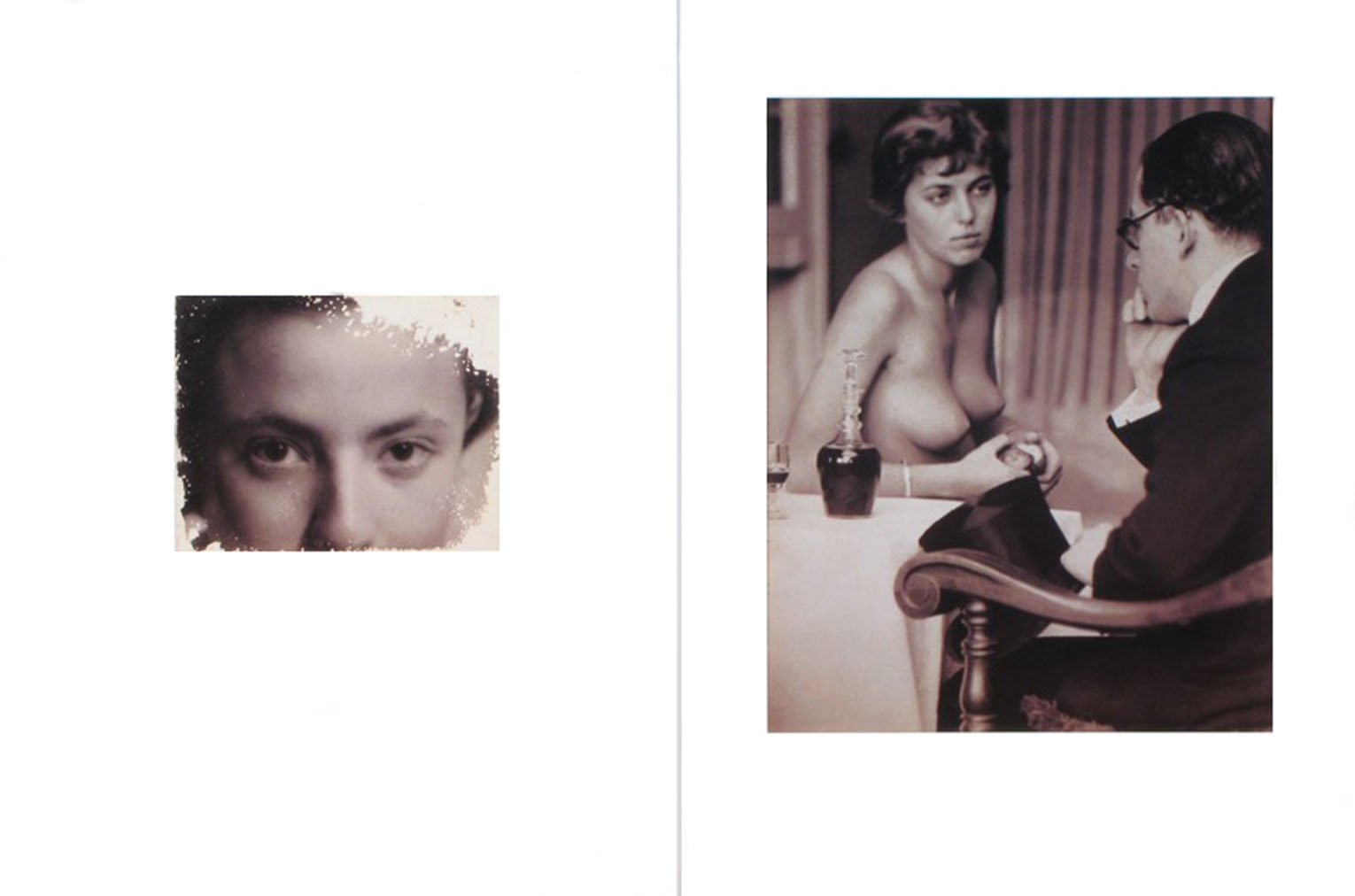
Josef Breitenbach-Standing Nude (Back), 1930-39, Gelatin silver print© The Josef Breitenbach Trust.


Josef Breitenbach-Dr. Riegler & J. Greno, Munich 1933 © The Josef Breitenbach Trust. from Manifesto By Josef Breitenbach , Ed° Nazraeli Press , 2008

Josef Breitenbach-Dr. Riegler & J. Greno, Munich 1933 © The Josef Breitenbach Trust. from Manifesto By Josef Breitenbach , Ed° Nazraeli Press , 2008


Josef Breitenbach, Dr. Riegler and J. Greno, Munich, 1933

Josef Breitenbach, Dr. Riegler and J. Greno, Munich, 1933  © The Josef Breitenbach Trust


Josef Breitenbach.Dr. Riegler and J. Greno - Munich,1933 Photogravure on wove paper

Josef Breitenbach.Dr. Riegler and J. Greno – Munich,1933 Photogravure on wove paper © The Josef Breitenbach Trust


Josef Breitenbach-Dr. Riegler & J. Greno, Munich 1933 © The Josef Breitenbach Trust. from Manifesto By Josef Breitenbach , Ed° Nazraeli Press , 2008
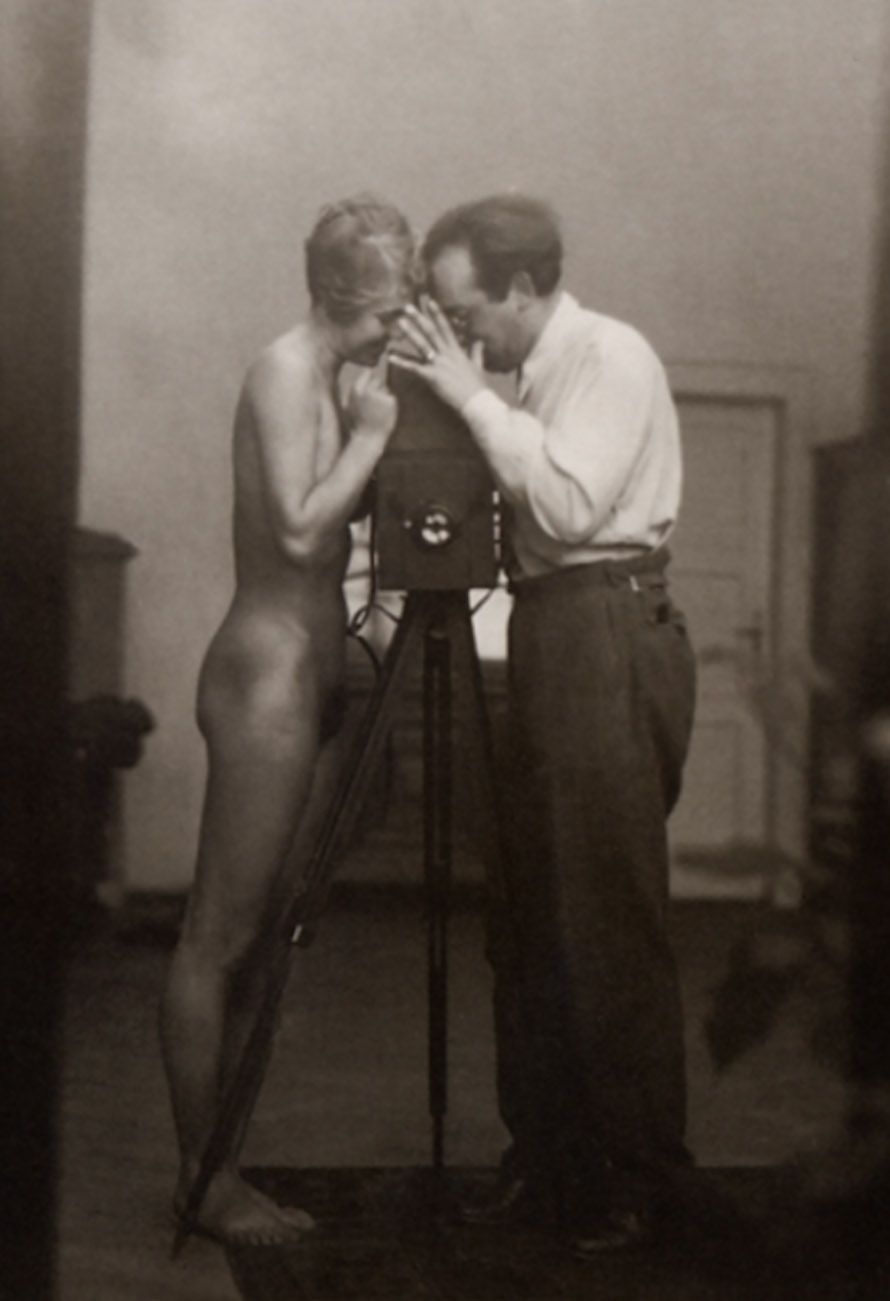
Josef Breitenbach-Dr. Riegler & J. Greno, Munich 1933 © The Josef Breitenbach Trust. from Manifesto By Josef Breitenbach , Ed° Nazraeli Press , 2008


Josef Breitenbach - Self-Portrait with J. Greno ,1933 © The Josef Breitenbach Trust

Josef Breitenbach – Self-Portrait with J. Greno ,1933 © The Josef Breitenbach Trust


Josef Breitenbach-Female Nude posing, , Nd,, Gelatin silver print© The Josef Breitenbach Trust.

Josef Breitenbach-Female Nude posing, , Nd,, Gelatin silver print© The Josef Breitenbach Trust.


Josef Breitenbach-soft-focus bust of nude woman holding grapes, Paris, . 1933

Josef Breitenbach- Soft-focus bust of nude woman holding grapes, Paris, 1933   © The Josef Breitenbach Trust


Josef Breitenbach-Sonja, Munich, 1930-33, Gelatin silver print© The Josef Breitenbach Trust.
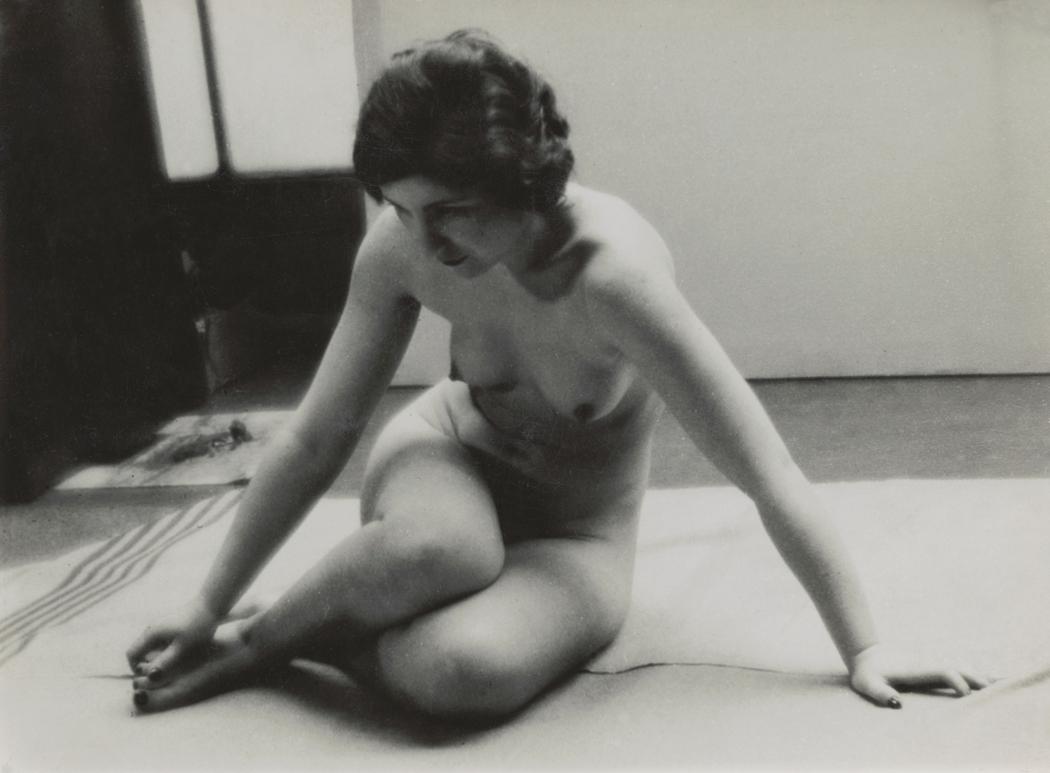
Josef Breitenbach-Sonja, Munich, 1930-33, Gelatin silver print© The Josef Breitenbach Trust.


Josef Breitenbach- Female nude sitting on blanket,  1935, Gelatin silver print © The Josef Breitenbach Trust.

Josef Breitenbach- Female nude sitting on blanket, 1935, Gelatin silver print © The Josef Breitenbach Trust.


Josef Breitenbach-standing female nude - front view, furnishings, 1932

Josef Breitenbach- Standing female nude – front view, furnishings, 1932 © The Josef Breitenbach Trust


Josef Breitenbach-untitled , female nude with dark fur and ornaments, 1940s

Josef Breitenbach- Untitled , female nude with dark fur and ornaments, 1940s © The Josef Breitenbach Trust


Josef Breitenbach-untitled , female nude with dark fur and ornaments, 1940s

Josef Breitenbach- Untitled , female nude with dark fur and ornaments, 1940s  © The Josef Breitenbach Trust
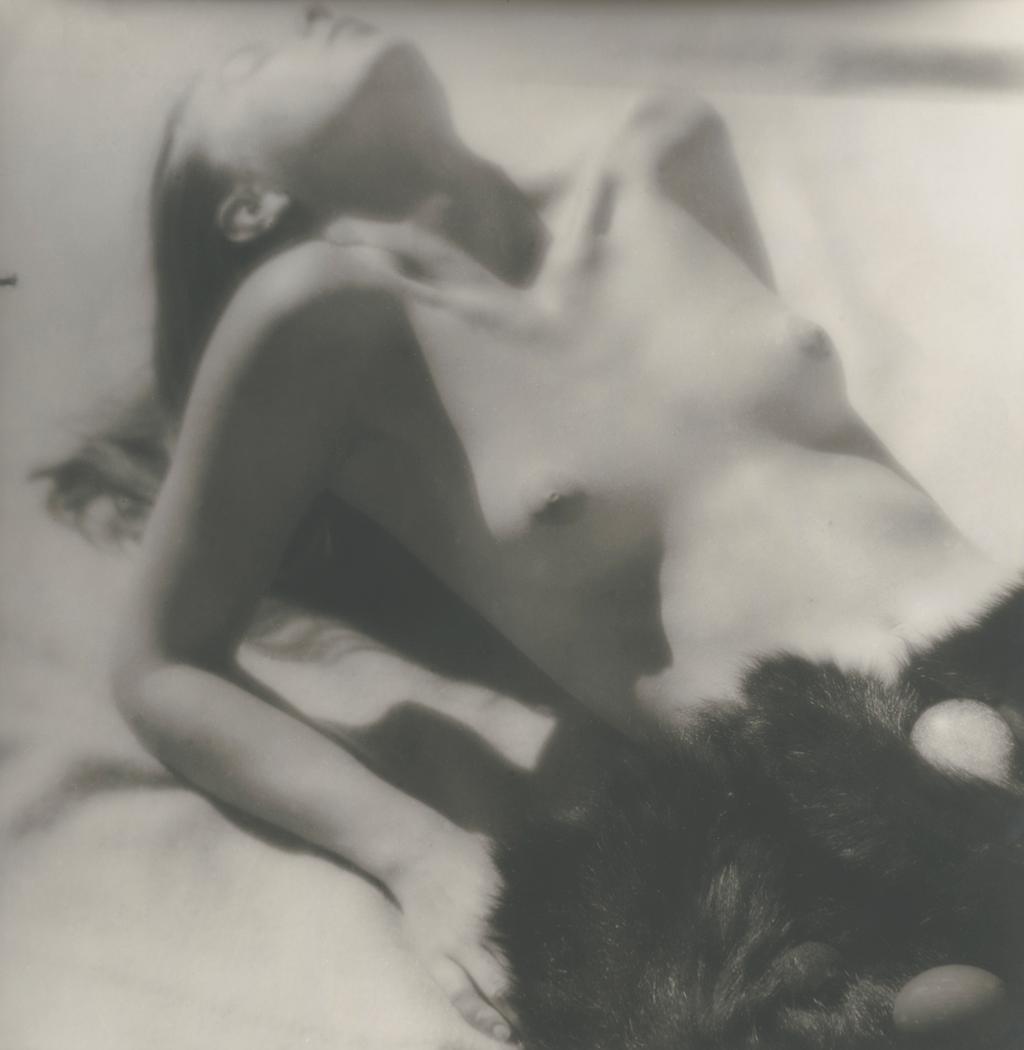

Josef Breitenbach -untitled, 1940s

Josef Breitenbach -Untitled, 1940s © The Josef Breitenbach Trust


Josef Breitenbach-We New Yorkers, 1942 © The Josef Breitenbach Trust


Josef Breitenbach- Electric Back, New York, 1949  toned gelatin silver print , montage © The Josef Breitenbach Trust

Josef Breitenbach- Electric Back, New York, 1949 toned gelatin silver print , montage © The Josef Breitenbach Trust
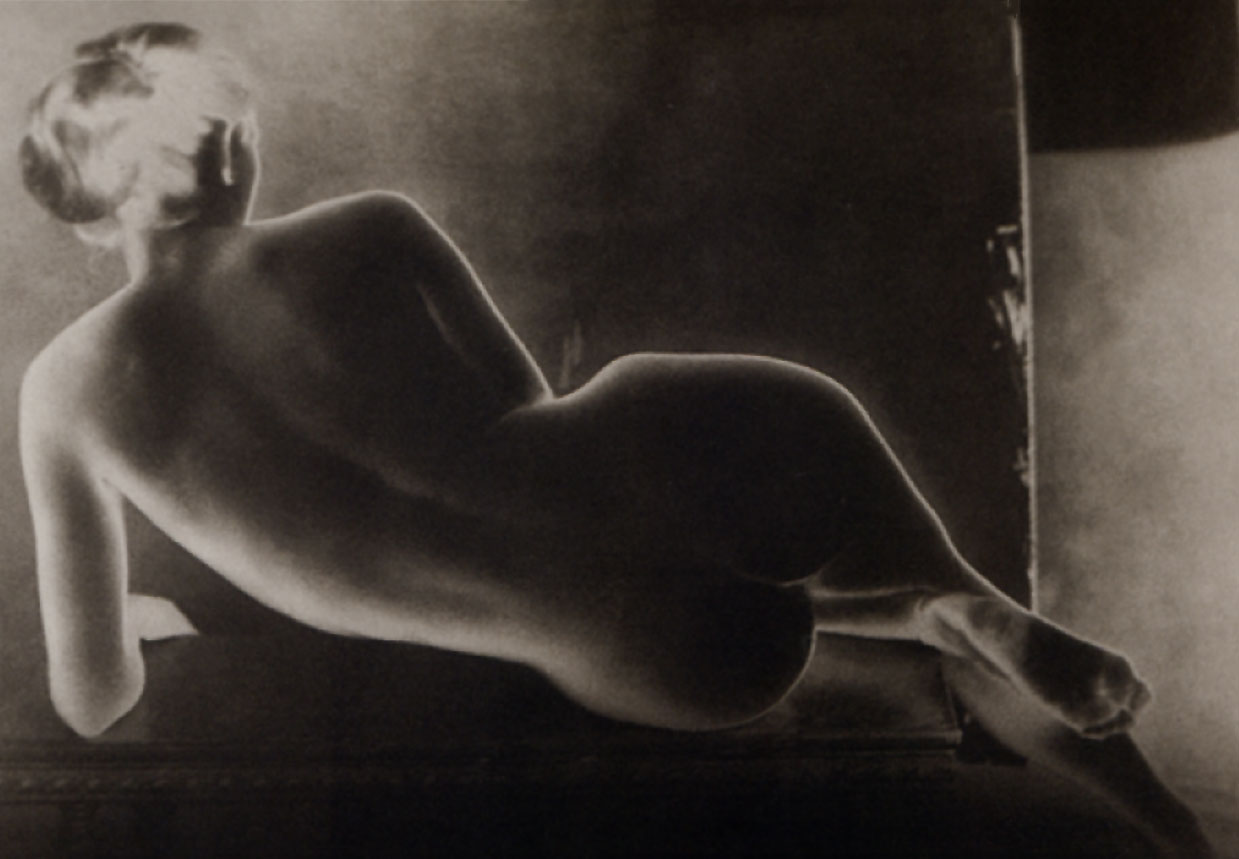

Josef Breitenbach- Medical Illustration, New York, 1949 Aus einer Serie für McCalls Magazine © The Josef Breitenbach Trust

Josef Breitenbach- Medical Illustration, New York, 1949 Aus einer Serie für McCalls Magazine © The Josef Breitenbach Trust


Josef Breitenbach- Emerging Torso, 1942-48, toned gelatin silver print © The Josef Breitenbach Trust
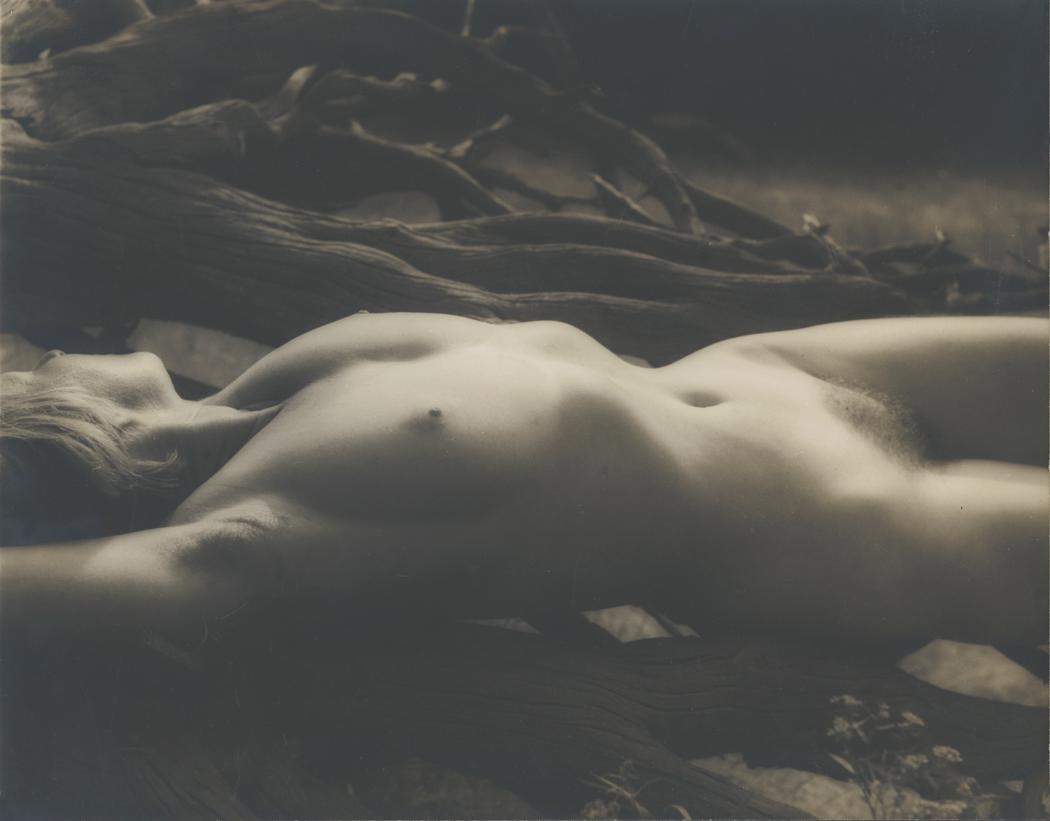
Josef Breitenbach- Emerging Torso, 1942-48, toned gelatin silver print © The Josef Breitenbach Trust


Josef Breitenbach-Adirondacks, , 1948,, Gelatin silver print© The Josef Breitenbach Trust.

Josef Breitenbach-Adirondacks, , 1948,, Gelatin silver print© The Josef Breitenbach Trust.


Josef Breitenbach-  Portraits with Make Up,model Patricia & Josef Breitenbach,  New York, 1945, Vintage gelatin silver print© The Josef Breitenbach Trust

Josef Breitenbach- Portraits with Make Up,model Patricia & Josef Breitenbach, New York, 1945, Vintage gelatin silver print© The Josef Breitenbach Trust
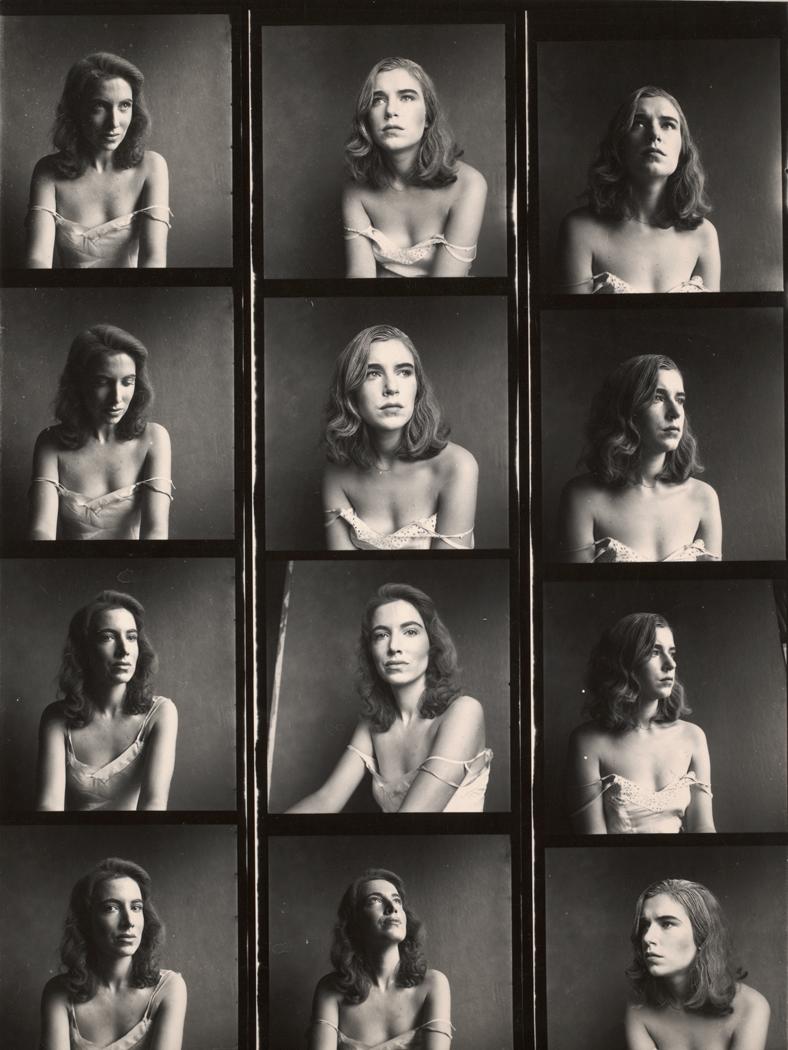

Josef Breitenbach-  Woman Transformed, model Patricia, New York  1942

Josef Breitenbach- Woman Transformed, model Patricia, New York 1942 © The Josef Breitenbach Trust
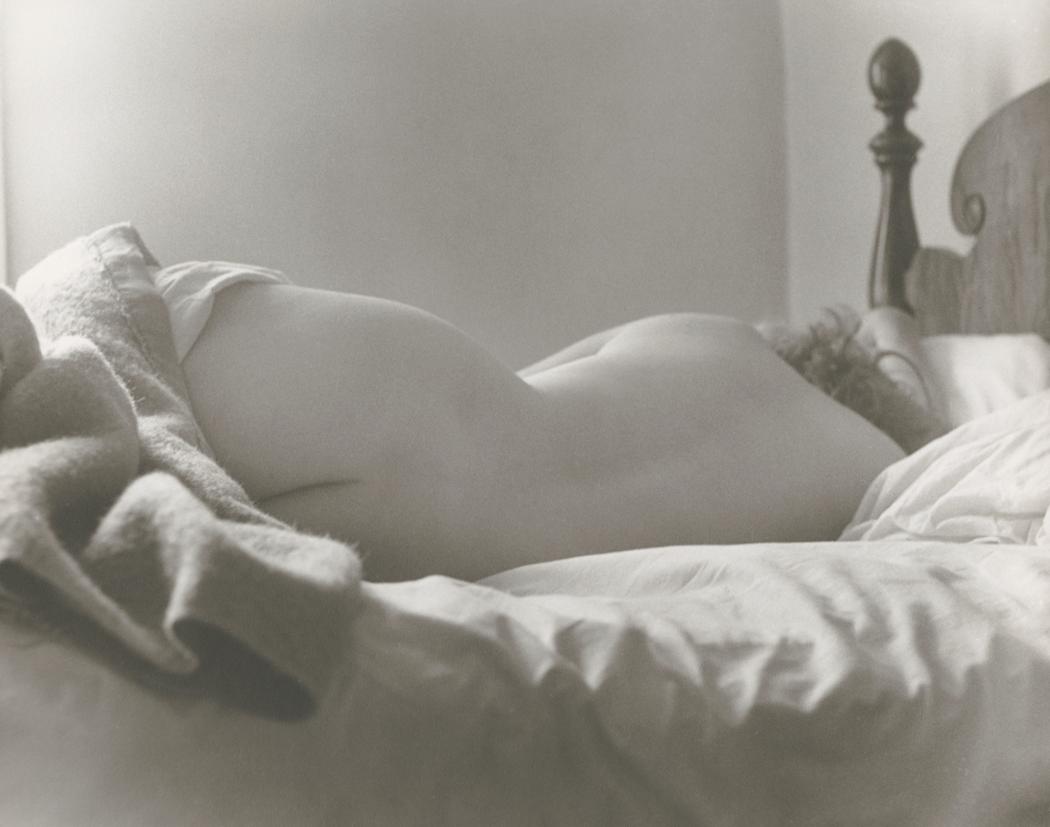

Josef Breitenbach -Morning, 1950

Josef Breitenbach -Morning, 1950 © The Josef Breitenbach Trust


Josef Breitenbach - Nu, 1950s

Josef Breitenbach – Untitled, 1950s  © The Josef Breitenbach Trust


Josef Breitenbach-Untitled , 1950s

Josef Breitenbach- Untitled ,Nude, 1950s  © The Josef Breitenbach Trust


Josef Breitenbach- Portrait, Paris, 1933-39, Vintage gelatin silver print ©The Josef Breitenbach Trust.
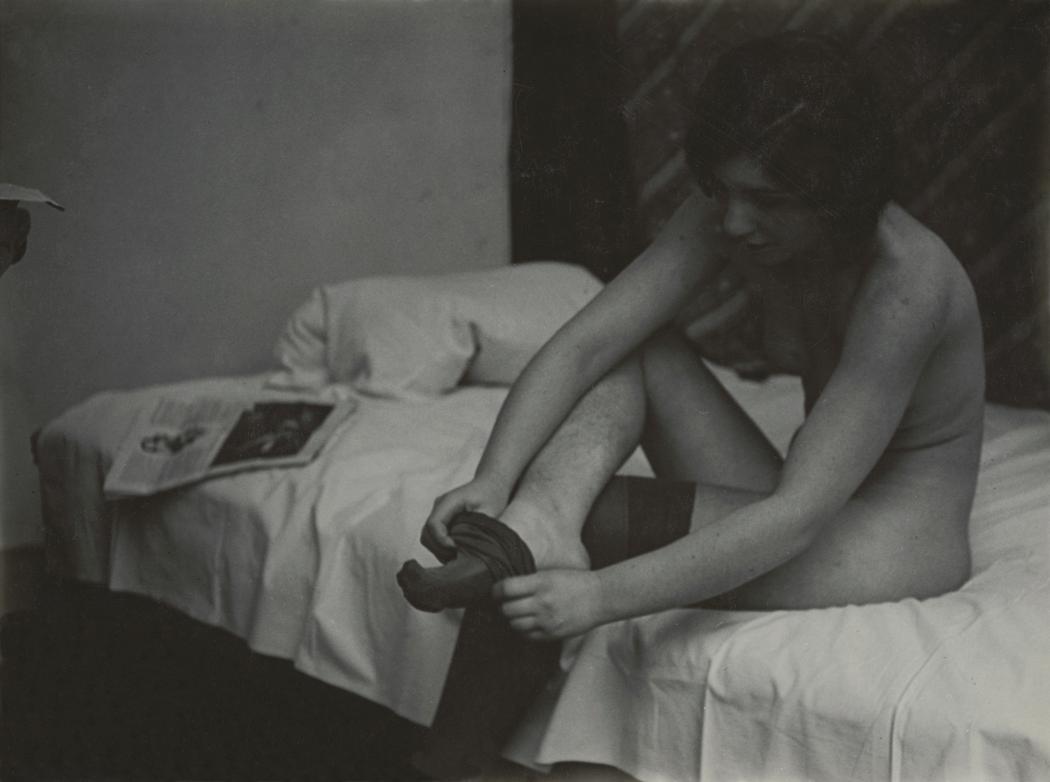
Josef Breitenbach- Portrait, Paris, 1933-39, Vintage gelatin silver print ©The Josef Breitenbach Trust.


Josef Breitenbach- Untitled , 1935  © The Josef Breitenbach Trust
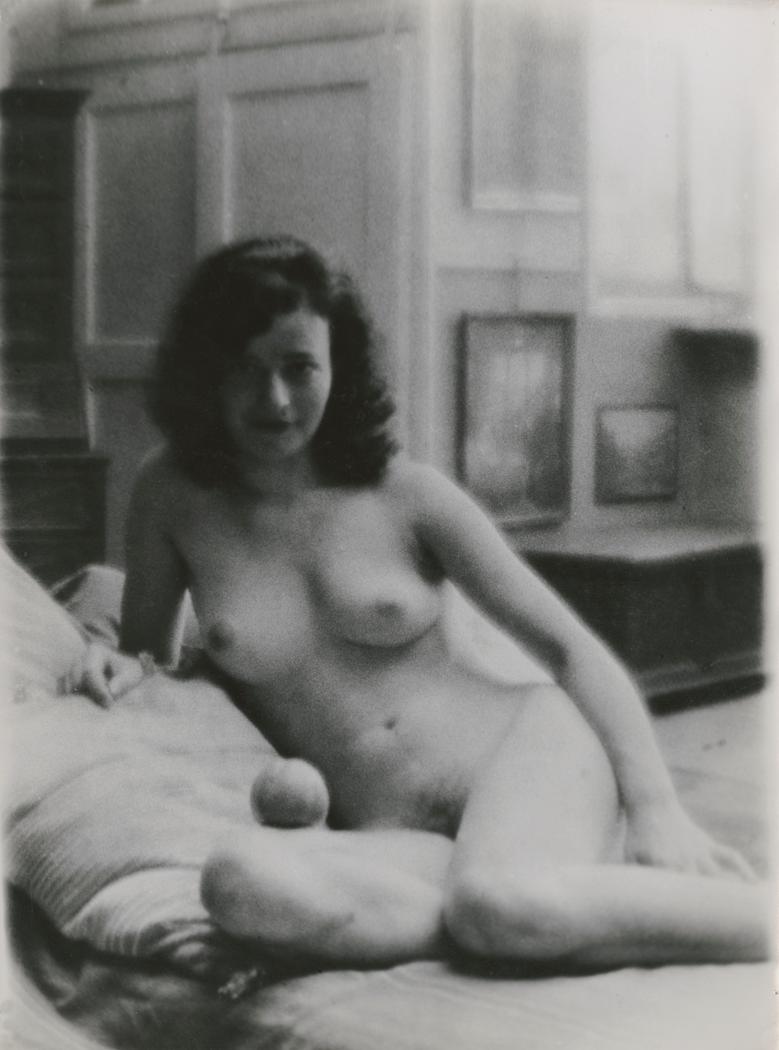

Josef Breitenbach-Untitled , Germany, Munich, 1932

Josef Breitenbach- Untitled , Germany, Munich, 1933  © The Josef Breitenbach Trust
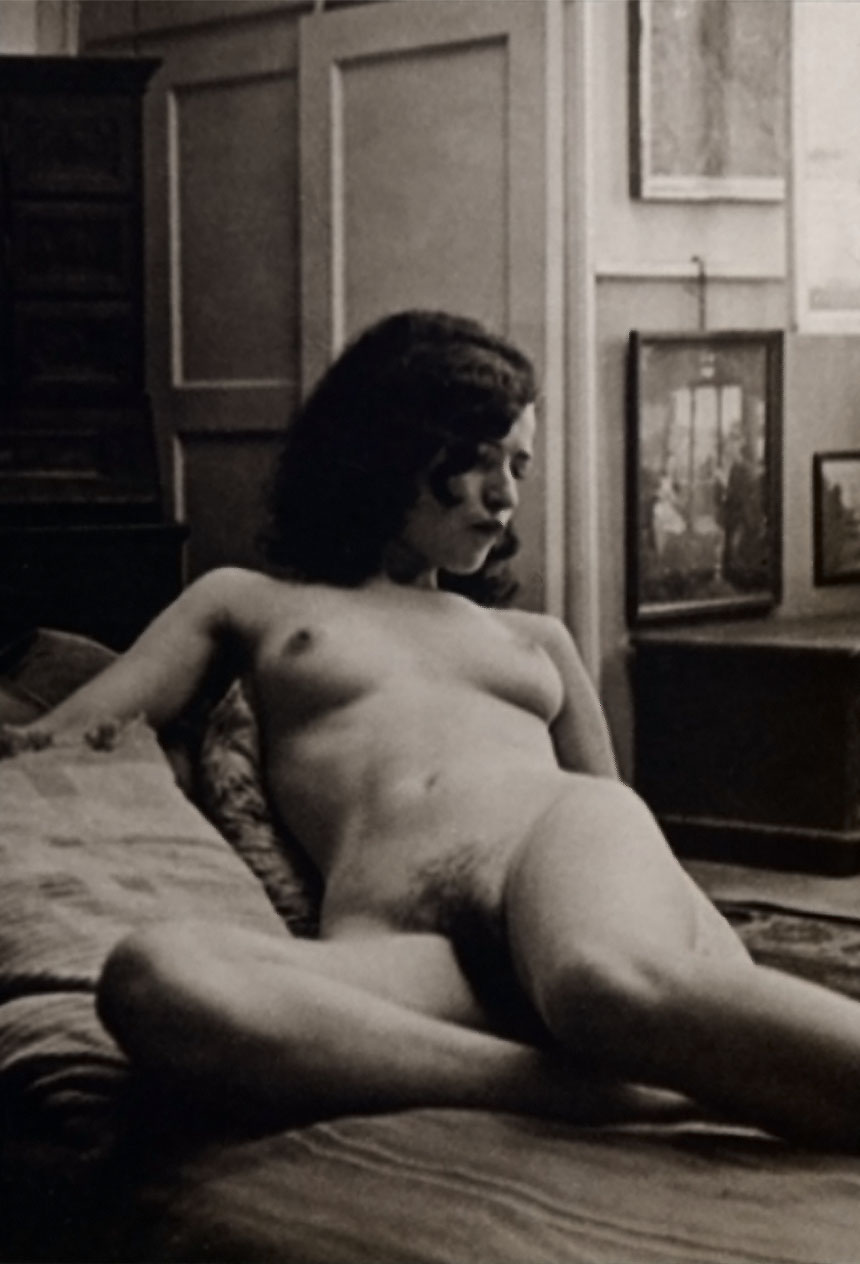

Josef Breitenbach- Akt, München, 1933 © The Josef Breitenbach Trust

Josef Breitenbach- Nu, Germany, Munich, , 1933 © The Josef Breitenbach Trust


Josef Breitenbach-nude girl lying in gras, 1950s

Josef Breitenbach-nude girl lying in gras, 1950s  © The Josef Breitenbach Trust


Josef Breitenbach- Nude woman in the river,New York, 1953, , Gelatin silver print © The Josef Breitenbach Trust.
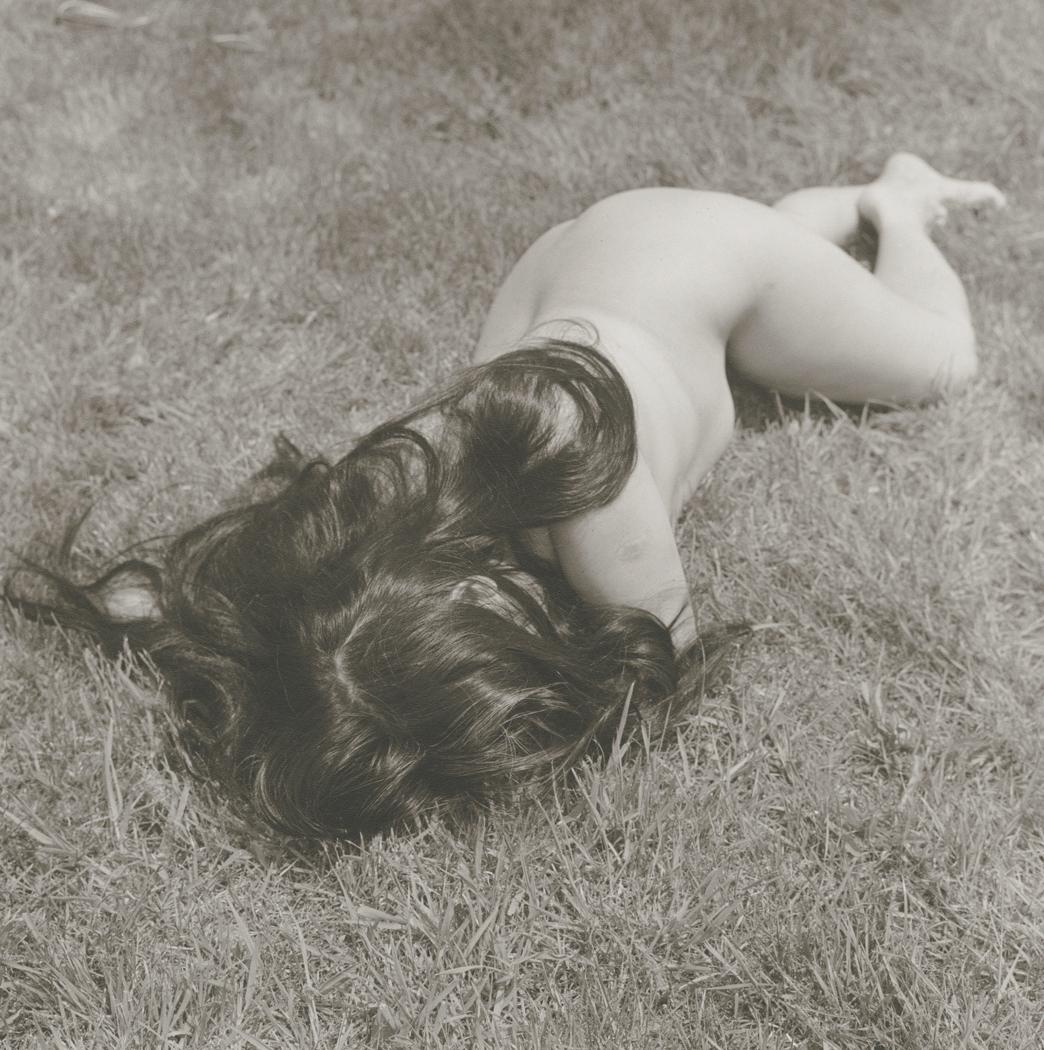
Josef Breitenbach- Nude woman in the river,New York, 1953, , Gelatin silver print © The Josef Breitenbach Trust.


Josef Breitenbach-female nude with long dark hair lying on side on grass, 1961

Josef Breitenbach-female nude with long dark hair lying on side on grass, USA, 1961  © The Josef Breitenbach Trust
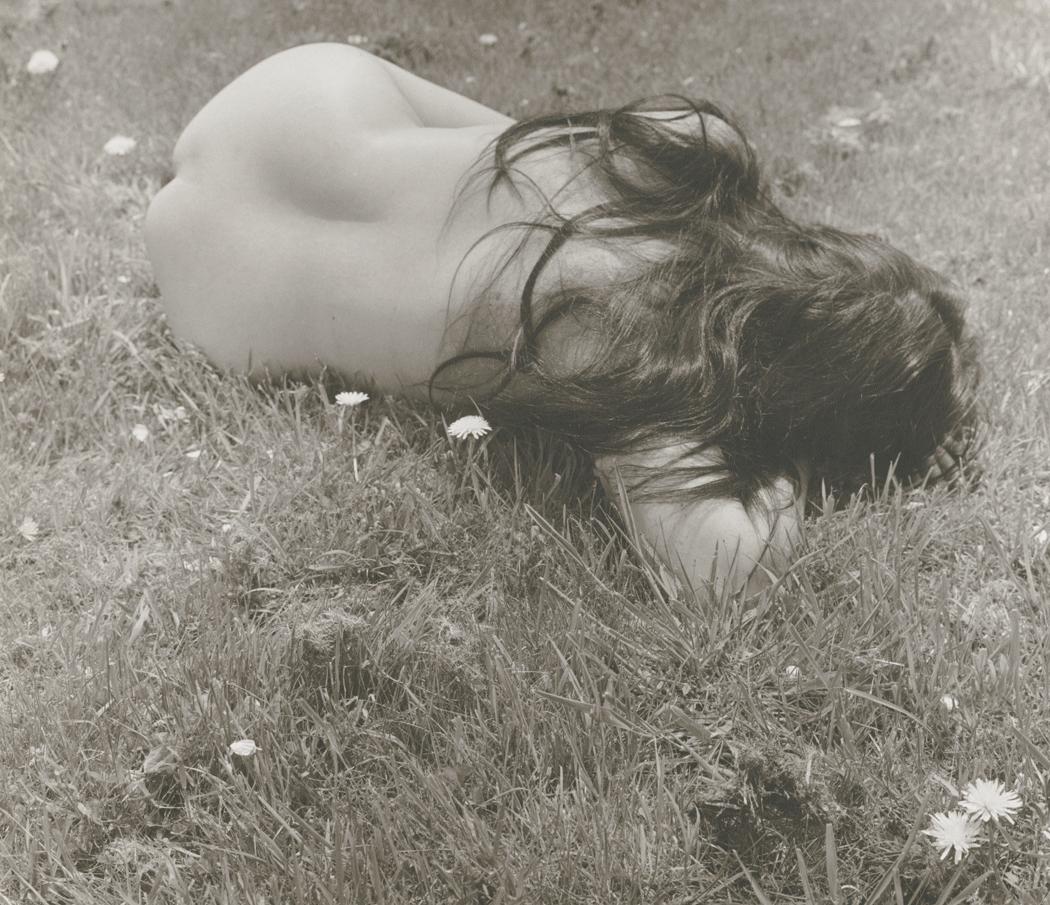

Josef Breitenbach-back view of female nude with long dark hair lying curled on grass, 1961

Josef Breitenbach-back view of female nude with long dark hair lying curled on grass, USA, 1961 © The Josef Breitenbach Trust
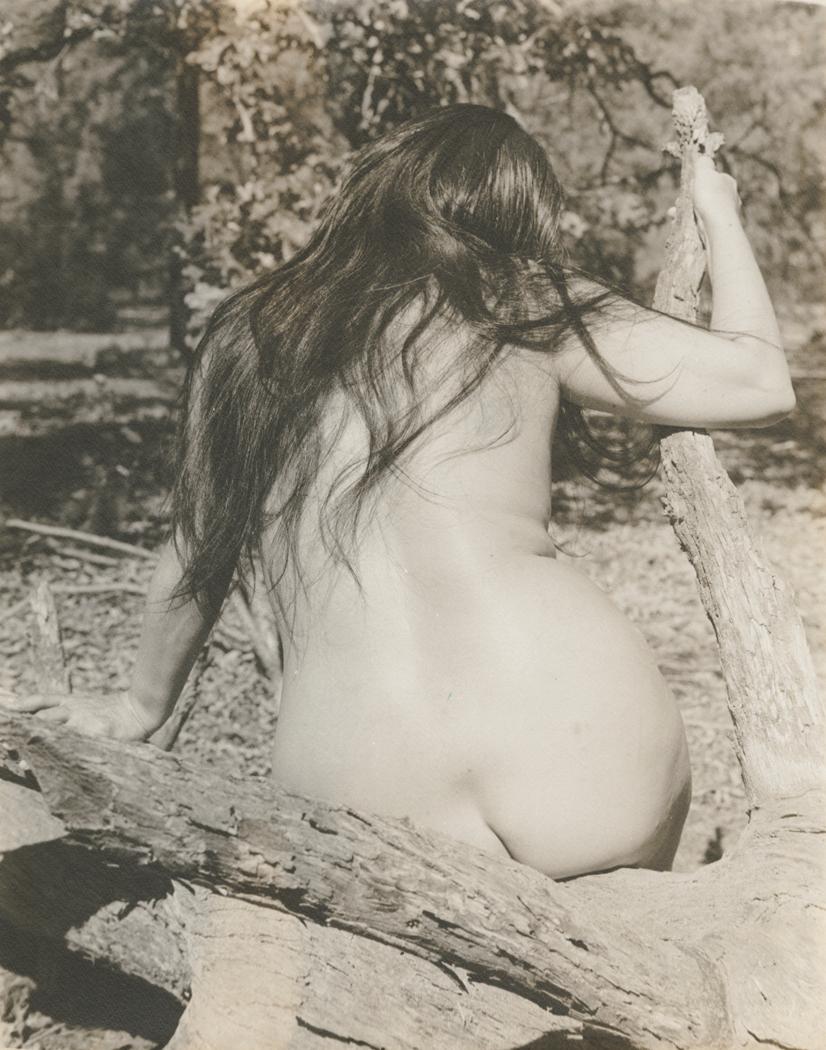

Josef Breitenbach-back of female nude with long dark hair, seated outdoors on branching log, Sept. 1961

Josef Breitenbach-back of female nude with long dark hair, seated outdoors on branching log, USA, Sept. 1961 © The Josef Breitenbach Trust
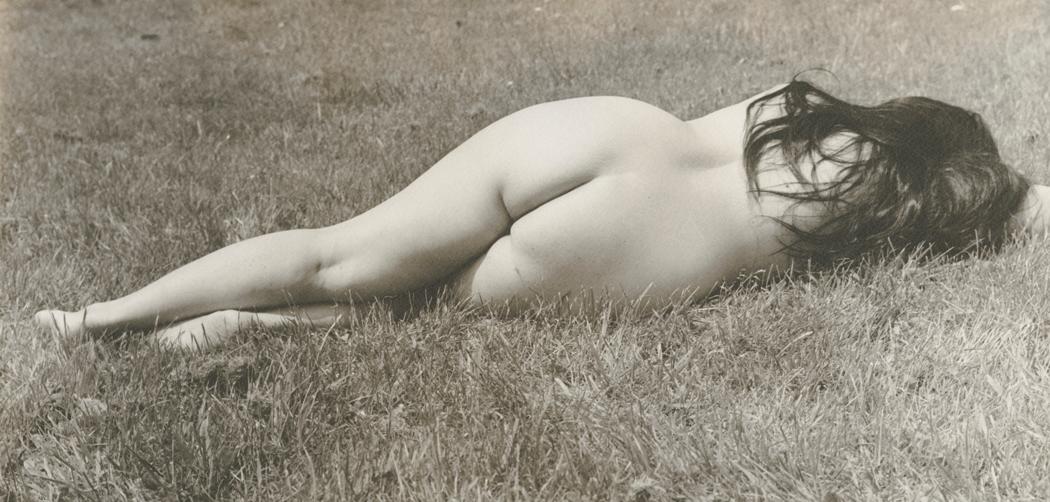

Josef Breitenbach-female nude with long dark hair, lying face-down on grass, full length with feet at left, 1961

Josef Breitenbach-Untitlrd (Female nude with long dark hair, lying face-down on grass, full length with feet at left), USA, 1961  © The Josef Breitenbach Trust
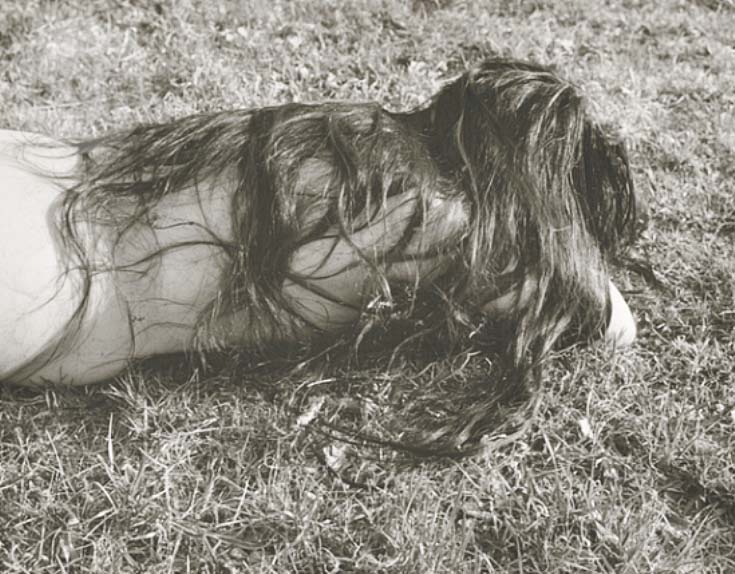

Josef Breitenbach- Untitled ,  (Female nude with long dark hair, lying face-down on grass,) USA , 1961 © The Josef Breitenbach Trust

Josef Breitenbach – Untitled , (Female nude with long dark hair, lying face-down on grass,) USA , 1961 © The Josef Breitenbach Trust


Josef Breitenbach -buttocks and back of female nude with long dark hair, kneeling outdoors, , 1961

Josef Breitenbach -Untitled (Buttocks and back of female nude with long dark hair,kneeling outdoors), USA, 1961. © The Josef Breitenbach Trust


Josef Breitenbach-untitled ,female nude with long dark hair lying face-down on grass , USA  1961

Josef Breitenbach-Untitled (female nude with long dark hair lying face-down on grass) ,USA ,1961.           © The Josef Breitenbach Trust


Josef Breitenbach-untitled ,female nude with long dark hair lying face-down on grass , USA  1961

Josef Breitenbach-Untitled (emale nude with long dark hair lying face-down on grass), USA ,1961.            © The Josef Breitenbach Trust


Josef Breitenbach -back of female nude bending over in water, Sept. 1961 © The Josef Breitenbach Trust

Josef Breitenbach -Untitled (Back of female nude bending over in water), USA, Sept 1961. © The Josef Breitenbach Trust

Les années 1950 et 1960 ont été des années d’intense activité pour Breitenbach.  Il a fait reportage photographique en Asie pour les Nations Unies et d’autres entreprises variées, documentant le travail des secours.

Il exposera ses photographies largement dans les Etats-Unis à partir des années 1940 jusqu’au milieu des années 1960, notamment au Museum of Modern Art et le Metropolitan Museum of Art

Josef Breitenbach-untitled ,woman curled on side in dried grass,  1952 Korea or Japan

Josef Breitenbach-Untitled (woman curled on side in dried grass), Korea or Japan , 1952 © The Josef Breitenbach Trust
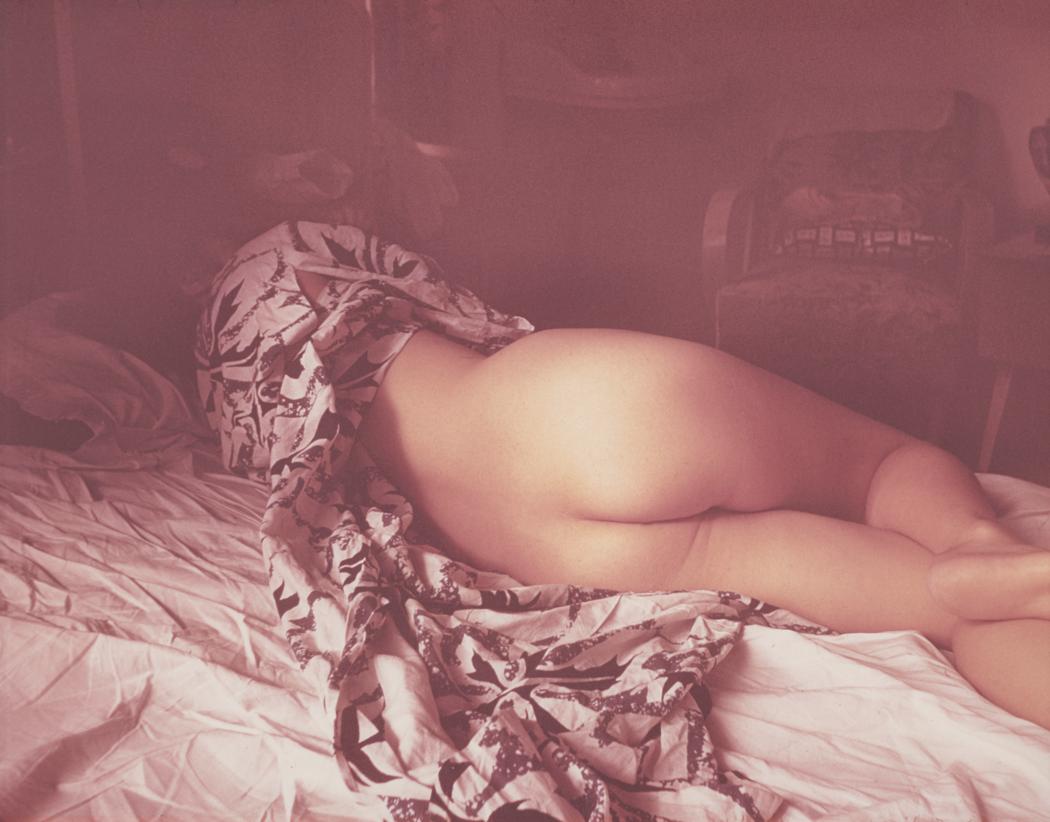

Josef Breitenbach- nude woman in black, Tokyo, 1953, Chromogenic print. © The Josef Breitenbach Trust.

Josef Breitenbach- nude woman in black, Tokyo, 1953, Chromogenic print. © The Josef Breitenbach Trust.


Josef Breitenbach-Sleeping Japanese Girl, Japan, 1968.        © The Josef Breitenbach Trust

Josef Breitenbach-Sleeping Japanese Girl, Japan, 1968. © The Josef Breitenbach Trust


Josef Breitenbach- Dancing in the Streets (Bon Odori), Kyoto, 1956

Josef Breitenbach- Dancing in the Streets (Bon Odori), Kyoto, 1956 © The Josef Breitenbach Trust
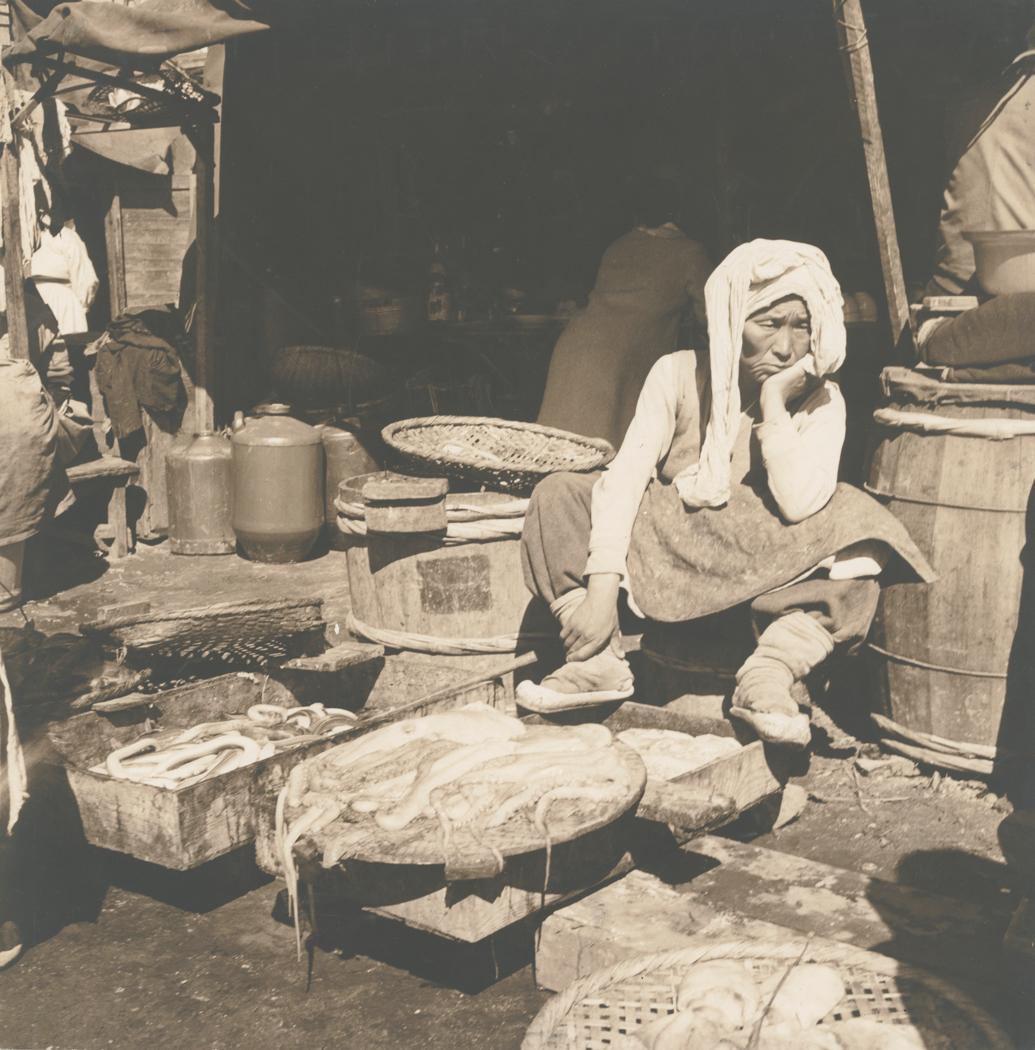

Josef Breitenbach-Eels and octopus. Pusan, Korea, 1953

Josef Breitenbach-Eels and octopus. Pusan, Korea, 1953 © The Josef Breitenbach Trust


Josef Breitenbach-India, Construction Worker, Bombay, 1960

Josef Breitenbach-India, Construction Worker, Bombay, 1960  © The Josef Breitenbach Trust


Josef Breitenbach-  Woman Transformed, New York  1942

Josef Breitenbach- Woman Transformed, New York 1942  © The Josef Breitenbach Trust


Josef Breitenbach-Mother with Sick Child, Patan, Nepal,Nepal, Patan, 1968, Gelatin silver print © The Josef Breitenbach Trust.

You can see more on Gitterman Gallery

Des portraits du photographe par des anonymes ici  sur wordpress sur le blog  A la loupe

  Voir les résultats des actions le concernant sur Mutualart

Conseil de lecture  :

Manifesto By Josef Breitenbach , Ed° Nazraeli Press , 2008

Josef Breitenbach: by Josef Breitenbach Photographs and text (in German) by Josef Breitenbach. Essays (in German) by Peter C. Jones, and Others , Published on the occasion of the 1996-1997 exhibition Josef Breitenbach: Photographien at the Staatliche Galerie Moritzburg Halle and the Fotomuseum im Münchner Stadtmuseum, Ed° Schirmer-Mosel, 1996

Munich, Paris, New York Paperback – 2003 by Josef and Paul Berlanga, Exhibit Catalogue, edition Stephen Daiter Gallery, 2003

Josef Breitenbach » by Larisa Dryansky, Editions de l’Amateur, 2001

Cover of the Book "Josef Breitenbach" by Larisa Dryansky,  Editions de l'Amateur, 2001

Cover of the Book « Josef Breitenbach » by Larisa Dryansky, Editions de l’Amateur, 2001

 English Bio

Josef Breitenbach was born on the 3rd of April 1896. He attended Ludwig-Maximillian University in Munich (philosophy and art history, 1914 to 1917) and became active in the Youth Section and later the Pacifist wing of the Social Democratic Party. In 1918, he took part in the Soviet-inspired Bavarian coup d’état, which was the first spark of the revolutionary fire that swept over Germany in the wake of the armistice. For a few months, Breitenbach also occupied an official position in the new government. Although the revolution was short-lived, the ties he forged with the radical circles of Munich’s intelligentsia later helped him establish his reputation as a photographer.

In 1932, Breitenbach opened his first photographic studio. His clients were prominent members of Munich’s bohemia, including actors and actresses performing in the Munich theater. Munich was a stronghold of libertarians and refined people, whose spirit Breitenbach captured in theatrical portraits of his friend, the journalist Theo Riegler. This world vanished in 1933 with Hitler’s takeover.

More than his Jewish roots, the photographer’s political past made him a target for persecution. In August, 1933, with his passport , Breitenbach made his way to France , joining other German exiles seeking refuge in Paris.

The Surrealist “revolution” had by then become dominant in the Parisian art scene. Soon after his arrival, Breitenbach came into contact with André Breton and his circle. Preferring to retain his independence, he never became a member of the Surrealist group, but did show work in important exhibitions of Surrealist photography alongside Man Ray, Jacques-André Boiffard, Brassaï, Eli Lotar, Henri Cartier-Bresson, et Roger Parry.

Breitenbach only lived in Paris for six years, until the war broke out in 1939. During this period, he produced some of his most inventive work. He adopted several techniques favored by new photographers such as superimpression, montage, solarization, printing in negative, and the photogram. More importantly, he was one of the rare artists of the pre-War years to produce color photographs, which he did by using processes of bleaching, toning and pigmentation. Examples are the images “Montparnasse”, or Forever and Ever.

During his years in Paris, he was also an active member of the German exile community, which alerted the democratic world to the threat of fascism. He participated in the 1938 exhibition by the Union des Artistes Allemandes Libres, “Five Years of Hitler Dictatorship”. A high point for Breitenbach was his collaboration with Bertolt Brecht, summarized by portraits of the playwright. The war interrupted this second chapter of the photographer’s life. Interned by the French as a suspicious alien, then drafted into a civilian corps composed of foreigners, Breitenbach eventually escaped to New York from Marseille in 1941.He came to the attention of Walker Evans, who published his work in Fortune. In the summer of 1944, at the invitation of Josef Albers, Breitenbach taught photography at Black Mountain College. In 1946 he became a United States citizen and joined the faculty at Cooper Union and later The New School. Breitenbach continued to create distinctive and innovative work, including a striking group of camera-less photographs. These works hover in the liminal space between Surrealism and Abstract Expressionism. The 1950s and 1960s were years of intense activity for Breitenbach. He did photographic reportage in Asia for the United Nations and other varied businesses, documenting relief work. He exhibited his photographs extensively in the United States from the 1940s to the mid-1960s, including at the Museum of Modern Art and the Metropolitan Museum of Art.

I proposed today to browse some facets Josef Breitenbach left us behind. This was mainly the result of the encounter with the Surrealists and accompanied throughout his adventure. Through his portraits, montages , collage, photogram , naked, and some memories , moreover

Frieda Gertrude Riess

Riess was born in Czarnikau in the Prussian Province of Posen where her Jewish parents were shopkeepers. At the end of the 1890s, the family moved to Berlin where she first studied sculpture under Hugo Lederer (c. 1907) and later photography at the Berlin « Photographischen Lehranstalt », receiving her diploma in the summer of 1915.

In 1918, she opened a business on the prestigious Kurfürstendamm; it became one of the most popular studios in the city. Partly as a result of her marriage to the journalist Rudolf Leonhard in the early 1920s, she extended her clientele to celebrities such as playwright Walter Hasenclever, novelist Gerhart Hauptmann and actors and actresses including Tilla Durieux, Asta Nielsen and Emil Jannings. While on a trip to Italy in 1929, she was invited to photograph Benito Mussolini. In addition, she contributed to the journals and magazines of the day including Die Dame, Berliner Illustrierte Zeitung, Der Weltspiegel, Querschnit and Koralle

Her success in Berlin was however short-lived. In 1932, after falling in love with the elderly French ambassador in Berlin, she moved to Paris with him, disappearing from the public eye. Even the date of her death cannot be clearly established and her place of burial remains unknown  (source wilkipedia)
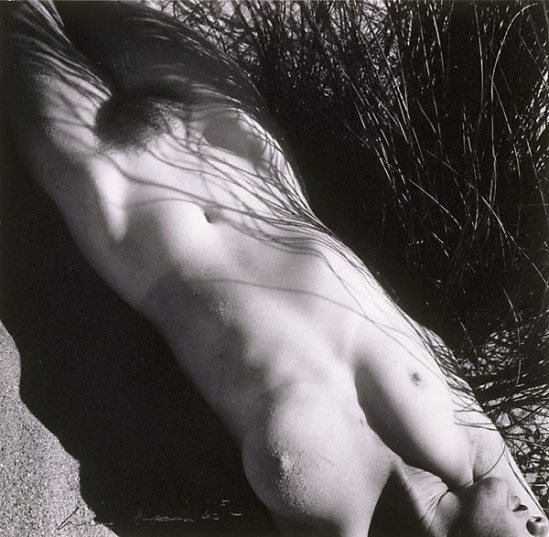
 

Frieda Riess- Toni Freeden – Dancer, Germany  in a dancing pose – 1927 via getty images

Frieda Riess- The dancer Grit Helgesa Portrait in the role of a Harlekin Vintage,1920 via getty images

Frieda Riess- Ellen Petz Dancer, choreographer, Germany with a partner in the Petz Kainer Ballet ‘Scherzo’; costumes designed by Ludwig Kainer – 1920 via getty images

Frieda Riess- Portrait of Margo Lion, Cabaret Artist, Chansonniere, Actress, Germany, Portrait singing the couplet ‘Die Linie der Mode’ in the Wilde Bühne in Berlin 1924 via getty images

Frieda Riess- Hands Beautiful female hands , 1924 via getty images

Frieda Riess- Portrait of The dancer Grit Hegesa,1919 via getty images

Frieda Riess-Mria Schreker, Opera SingerWife of the composer Franz Schreker ,1922 via getty images

Frieda Riess- Lotte Pritzel Costume designer, doll artist,1925 via getty images

Frieda Riess- Lally Horstmann1920 via getty images

Frieda Riess- Lani Mohr-Solf,1931 via getty images

Frieda Riess- Portrait of the actress Leontine Kühnbergy 1925 via getty images

Frieda Riess- Dare Vare The daughter of the Italian Ambassador in China, wearing a white dress in the summer,1933 via getty images

Frieda Riess-Trude  Hesterberg – Actress, SingerPortrait in the cabaret Wilde Bühne, dressed in a long dress Vintage,1922 via getty images

Frieda Gertrud Riess The Sculptor Renée Sintenis (Die Bildhauerin Renée Sintenis) Gelatin silver print, 1925-35 Via moma
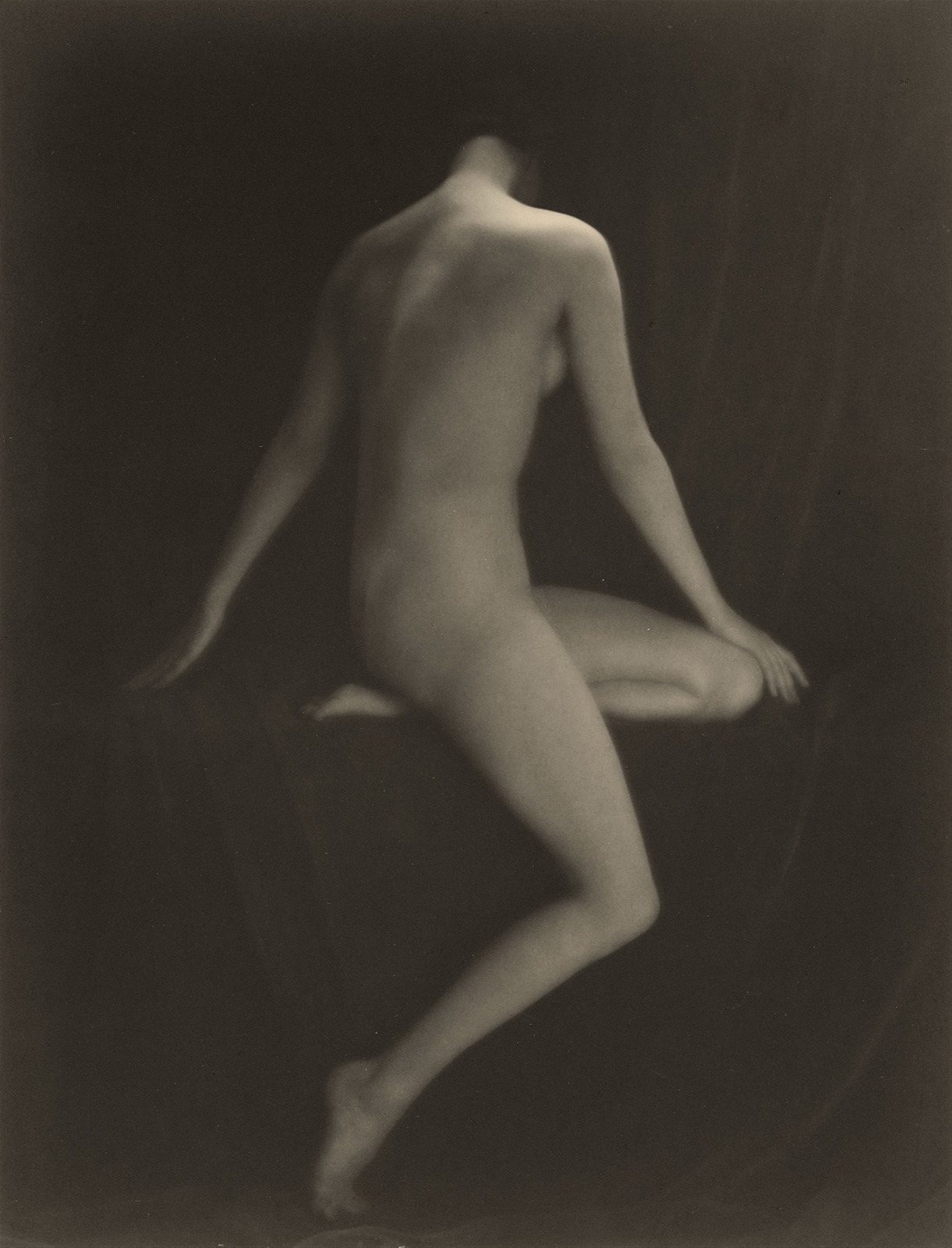
Frieda Gertrud Riess – Woman’s handS, 1924 via


Frieda Ries- Renee Sintenis, sculptor, Germany 1925 via

Frieda Riess-Baroness Nadine Uexküll dressed as Nefertiti,1928

Atelier Riess (Frieda Gertrud). Bara – Die Tänzerin Charlotte Bara. Ca. 1926-28.

Frieda Gertrud Riess Nude Model ,photogravure, 1925 via ebay

Frieda Gertrud Riess Nude Model ,photogravure, 1925 via ebay

Frieda Gertrud Riess Nude Model ,photogravure, 1920 via ebay

Frieda Gertrud Riess Nude Model ,photogravure 1920 via ebay

Atelier Jacob Merkelbach

« Jacob Merkelbach was the founder of one of the most famous Amsterdam portrait photography studios of the twentieth century on the fifth floor of fashion house Hirsch at Leidseplein Studio J Merkelbach ( Atelier Merkelbach) In the luxurious studio above the fashion warehouse Hirsch on the Leidseplein, he photographed almost all famous Dutch people from the theater world, writers, artists, businessmen and the wealthy Amsterdam bourgeoisie. Taking pictures of Abel Herzberg, André Herzberger, Carel Asser Daniel comme Mata Hari , Fien de la Mar , Théo Mann-Bouwmeester , Willem Mengelberg et Abel Herzberg , se sont fait capturer sur l’album sensible.and many others. His photographs are unique and of exceptional quality. You can see here the galery of protraits  .The personal signature in the design and execution of each portrait, the technical knowledge of the staff and the professional cooperation of the daughter and son-in-law made this workshop a well-running company that, after Merkelbach’s death, could be continued until 1969.
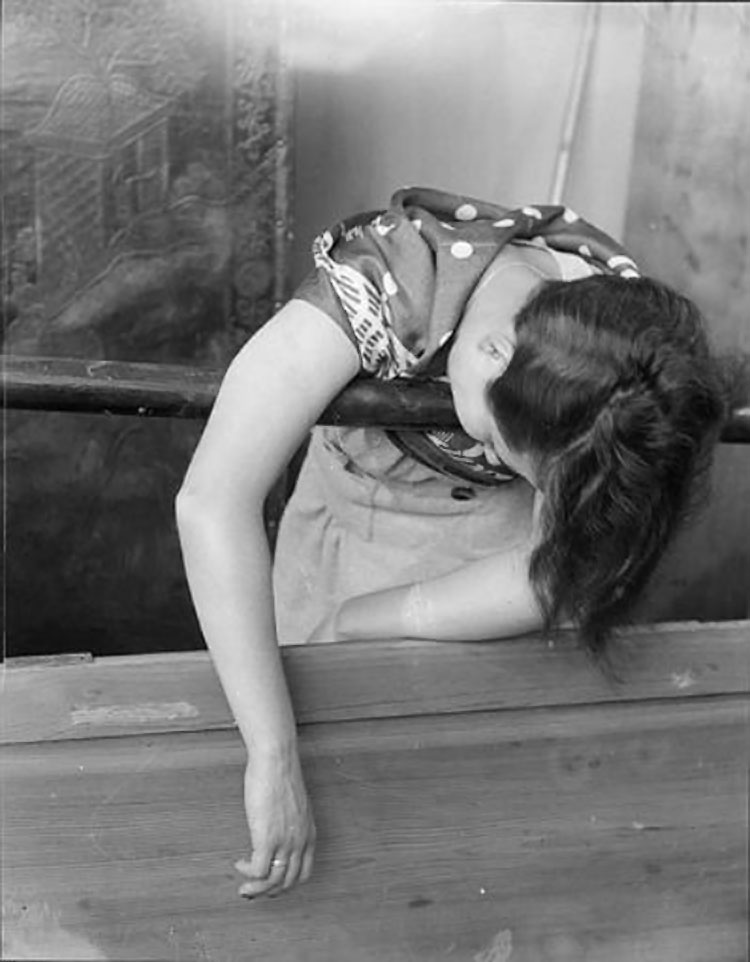
 

Jacob was born on April 29, 1877 and was the son of John Wilhelm Merkelbach and Maria Antonia van Schaik. His parents had a shop on the Nieuwendijk 57-59, which was sold mainly technical toys, and a fireworks factory in Amsterdam.
The fireworks factory was rebuilt in the 90s of the 19th century to a daylight film. This father did after he came into contact with Lumiére. Financially it was not profitable and father decided to go into all the photography. The case on the Nieuwendijk was an important place for the sale of photographic equipment. Above the case opens the son-father Machiel Laddé a workshop.
This workshop is Jacob works and continues to do so for about 10 years. There he learned the profession. In 1902 married with Josephine Harmsen and get on April 21 1904 they can daughter Maria Antonia (Mies). Later, Mies goes to work in the photo studio.
In 1913 own studio opens on Leidseplein 29, on the 5th floor of Hirsch. In 1924 Mies is working in the studio after she completed training at the Dagteken- Art and Craft School for Girls in Amsterdam. Her work in the studio is to retouch, enhance, and print photos.

In 1932 comes Lambert JM Rosenboom (15 Feb 1905, also known as Bobby) in the company work. Mies married him in 1939.
On February 6, 1942 dies Jacob Merkelbach. His daughter Mies puts the company on, her husband Bobby is arrested in 1941 and the remainder of the war in German captivity. Mies makes this period illegal passport photos in the studio, while the Germans regularly on the floor is due to the anti-aircraft guns on the roof of Hirsch & Cie.
Atelier Merkelbach gets in 1948 the honorable mission to Queen Wilhelmina portraits, one of the pictures the ceremonial of the Queen is.
In the 50’s declining interest in portrait photography. Photography is available for consumers by becoming less expensive devices. This also affects Atelier Merkelbach. In 1969, the company, on April 29 – the birthday of Jacob Merkelbach – lifted. There are 150,000 glass negatives of exceptional historical value. These will be donated to the City of Amsterdam. « by  scherptediepte.nl

I made the choice to propose you the photographs which represent dancers or nudes and some delicate portraits
********************************************************************
Dancers

Studio Merkelbach Alice Sally Mary (Lili) Green,1915

Studio Merkelbach Johanna Wittrock,1919

Studio Merkelbach Adriana (Henriette Blazer) Blaaser,1923

Studio Merkelbach Luise Aguste Julie (Luise) Marheineke,1919

Studio Merkelbach Angèle Sydow,1916

Jacob Merkelbach Angèle Sijdow, 1917-19

Jacob Merkelbach, the dancer Claire de Jongh in profile in tight dance pose 1927 – 1928

Jacob Merkelbach, the dancers Menagerie Folmer   and Claire de Jongh with right leg raised 1927 – 1928

Atelier Jacob Merkelbach-The dancers Gerie Folmer and Claire de Jongh in a symmetrical pose , 1927-28

Studio Merkelbach Wilhelmina (Mien) Loevendie,1930

Studio Merkelbach Mary Wigman,1922

Jacob Merkelbach Mary Wigman , 1922

Atelier Jacob Merkelbach -Mary Wigman .19120-30

Studio Merkelbach 1920

Studio Merkelbach Wilhelmina (Mien) Loevendie ,1915

Studio Merkelbach Wilhelmina (Mien) Loevendie ,1915

Studio Merkelbach Wilhelmina (Mien) Loevendie ,1915

Studio Merkelbach Wilhelmina (Mien) Loevendie ,1915

Studio Merkelbach Wilhelmina (Mien) Loevendie ,1915

Studio Merkelbach Lydia Lyta ,1915

Studio Merkelbach Alice Sally Mary (Lili) Green ,1915


Studio Merkelbach Wilhelmina (Mien)- 1918

Studio Merkelbach Wilhelmina (Mien)- Angele Sydow 1916

Studio Merkelbach Mies Rosenboom-Merkelbach, Angele Sydow,1916

Studio Merkelbach Mies Rosenboom-Merkelbach, Angele Sydow,1916

Studio Merkelbach Mies Rosenboom-Merkelbach, Angele Sydow,1916

Studio Merkelbach Mies Rosenboom-Merkelbach, Angele Sydow,1916

Studio Merkelbach Margaret Walker,1915


Studio Merkelbach, 1928

Jacob Merkelbach- Josephina Johanna (Fien) de la Mar (1898-1965), 1919

Atelier Jacob Merkelbach-The dancer Gerie Folmer .1927

Atelier Jacob Merkelbach-The dancer Gerie Folmer, half-legged, with bare-chested, 1927-28

Jacob Merkelbach-Danseres met lichtbol, , 1920

Studio Merkelbach, 1928

Studio Merkelbach Mies Rosenboom-Merkelbach, Angele Sydow,1919

****************************************************************

Nudes

Studio Merkelbach Johanna Wittrock,1918

studio-merkelbach-mies-rosenboom-merkelbach-19132

Jacob Merkelbach-naakt, 1925 – 1940

Jacob Merkelbach- Porrtret van Mies Rosenboom-Merkelbach als zittend naakt, 1925 – 1940

Studio Merkelbach mies-rosenboom-merkelbach-1913

Jacob Merkelbach (Attributed to) – Portrait of a seated nude, 1915-1930

Jacob Merkelbach- Naked woman sitting with hands held up to a white circle painted been light, 1925 – 1945

Studio Merkelbach Johanna Suers ,1933

Studio Merkelbach Johanna Suers ,1933

Studio Merkelbach Johanna Suers ,1933

Studio Merkelbach Johanna Suers ,1933

*******************************************************

Portraits

Studio Merkelbach 1920

Studio Merkelbach 1920


Atelier Jacob Merkelbach-Woman’s portrait with eyes closed on behalf of Film Productie Maatschappij ‘Neerlandia’.1938

Studio Merkelbach Wilhelmina (Mien)-Portrait 1921

Atelier Jacob Merkelbach-Nola Hatterman, 1922

Atelier Jacob Merkelbach-Beschrijving A. Roland Holst de Meester , 1927

Atelier Jacob Merkelbach-Beschrijving Helena Dorothea Catharina .1919

Atelier Jacob Merkelbach-Fashion photo for ‘De Prijslijst’, Reguliersbreestraat 15-17,1920-22

Atelier Jacob Merkelbach-Toneelplayer Mien van Kerckhoven-Kling (1894-1966), 1914

Jacob Merkelbach- Mevr. Brandes met sigaret en roos in het haar,1910 – 1919

Atelier Jacob Merkelbach-Corry Schiller-Italiaander (1886-1971), 1907

Atelier Jacob Merkelbach-Corry Schiller-Italiaander , nd

Atelier Jacob Merkelbach-Corry Schiller-Italiaander .1917

Studio Merkelbach 1918

Studio Merkelbach 1918

Studio Jacob Merkelbach Mevr. van Kerkhoven, 1927

Studio Jacob Merkelbach Mevr. Kauffeld, 1926

Studio Jacob Merkelbach Mevr. Meyer, 1927

Studio Jacob Merkelbach Mevr. Jonas, 1928

Studio Jacob Merkelbach Mevr. Dresden, 1921

Studio Jacob Merkelbach Mej. Meijer, 1913

Jacob Merkelbach-Chaja Goldstein tijdens toneelspel,1930 – 1960

Atelier Jacob Merkelbach-Portrait of a young woman in white dress, 1920-22

Atelier Jacob Merkelbach-Maria Antonia (Mies) Merkelbach .1922

Atelier Jacob Merkelbach-Sophie Davids .1917

Atelier Jacob Merkelbach-Teddy Schaenk, nd

Jacob Merkelbach-Portret van Mies Rosenboom-Merkelbach,1920 – 1930

Jacob Merkelbach-Portret van Mies Rosenboom – Merkelbach met witte hoofdbedekking, 1930 – 1970

Jacob Merkelbach-Reclamefoto, voor het atelier van Merkelbach, met danseres Angèle Sydow,1916

Jacob Merkelbach-Portret van Manuela del Rio gekleed in Griekse jurk,1915 – 1930

Jacob Merkelbach-Portret van gesluierde vrouw,, ca. 1920 – ca. 1930

Jacob Merkelbach- Portrait Of Young Woman With Necklace, 1920 – 1930

Jacob Merkelbach-Portret Mies Rosenboom-Merkelbach in blauwe jurk, 1920 – 1930


Jacob Merkelbach- Portrait Of A Woman In A Red Dress, 1920 – 1930

Studio Merkelbach, [Portrait of an unknown woman], between 1919 and 1929, Jos-Pé colour process

Studio Merkelbach divas,

Atelier Jacob Merkelbach-Fashion Photo with lying model in evening dress, neck necklace and earrings, 1935

Atelier Jacob MerkelbachTeixeira de Mattos, 1930

Atelier Jacob Merkelbach-Margaretha Geertruida (Mata Hari) .1915

Studio Merkelbach 1921

Studio Merkelbach 1920

Studio Merkelbach 1920

             http://redeenportret.nl/

Unknown phototgrapher- Myrna Loy as a dancer, 1923


Unknown phototgrapher- Myrna Loy as a dancer, 1923

Unknown phototgrapher- Myrna Loy as a dancer, 1923

 the original is one

Unknown phototgrapher- Myrna Loy as a dancer, 1923

Unknown phototgrapher- Myrna Loy as a dancer, 1923

Anders Petersen- Serie, Close Distance-2002

© Anders Petersen- Serie, Close Distance-2002

© Anders Petersen- Serie, Close Distance-2002

© Anders Petersen- Serie, Close Distance-2002

© Anders Petersen- Serie, Close Distance-2002

© Anders Petersen- Serie, Close Distance-2002

Anders Petersen- Serie, Close Distance-2002

Anders Petersen- Serie, Close Distance-2002

© Anders Petersen- Serie, Close Distance-2002

© Anders Petersen- Serie, Close Distance-2002

© Anders Petersen- Serie, Close Distance-2002

© Anders Petersen- Serie, Close Distance-2002

© Anders Petersen- Serie, Close Distance-2002

© Anders Petersen- Serie, Close Distance-2002

© Anders Petersen- Serie, Close Distance-2002

© Anders Petersen- Serie, Close Distance-2002

© Anders Petersen- Serie, Close Distance-2002

© Anders Petersen- Serie, Close Distance-2002

© Anders Petersen- Serie, Close Distance-2002

© Anders Petersen- Serie, Close Distance-2002

© Anders Petersen- Serie, Close Distance-2002

© Anders Petersen- Serie, Close Distance-2002

© Anders Petersen- Serie, Close Distance-2002

© Anders Petersen- Serie, Close Distance-2002

© Anders Petersen- Serie, Close Distance-2002

© Anders Petersen- Serie, Close Distance-2002

© Anders Petersen- Serie, Close Distance-2002

© Anders Petersen- Serie, Close Distance-2002