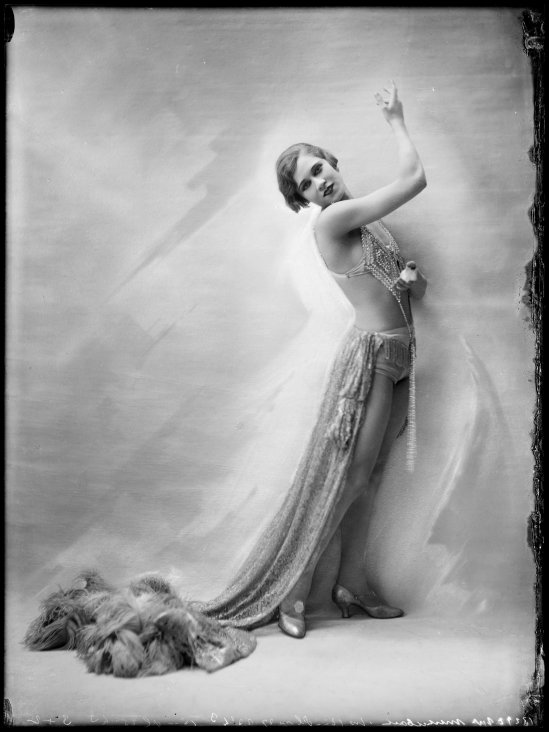
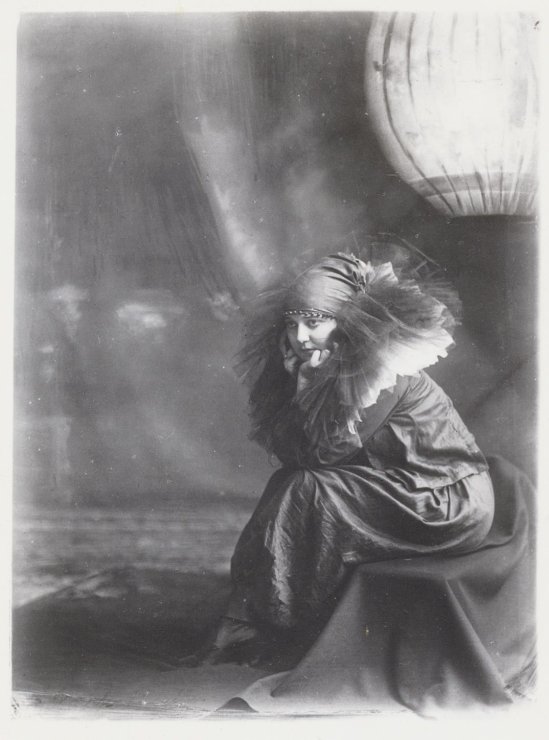
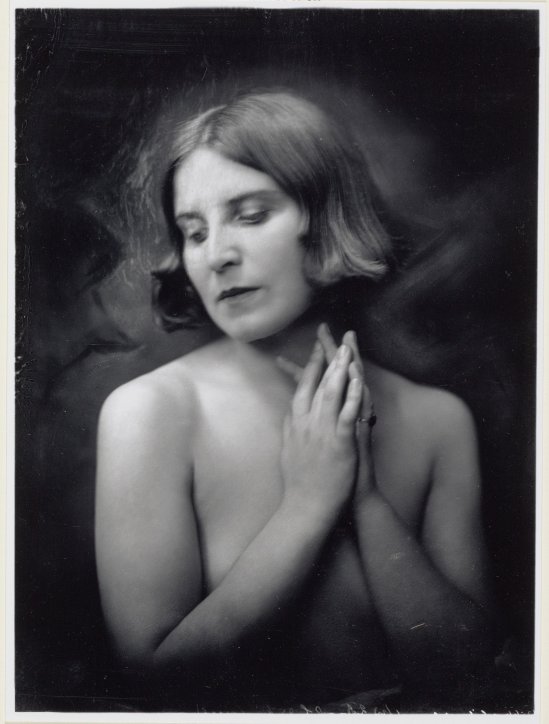
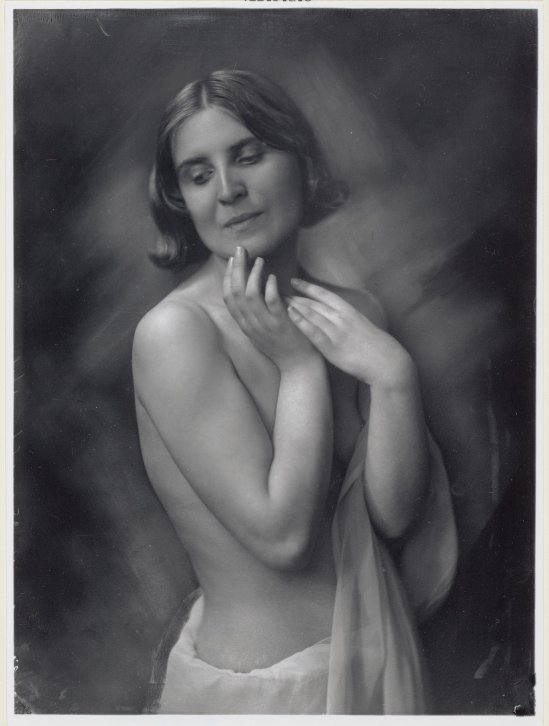
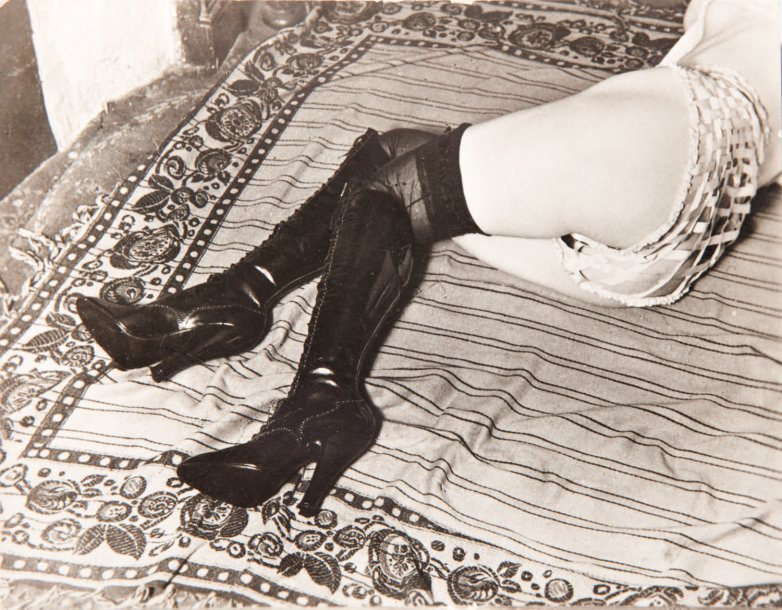
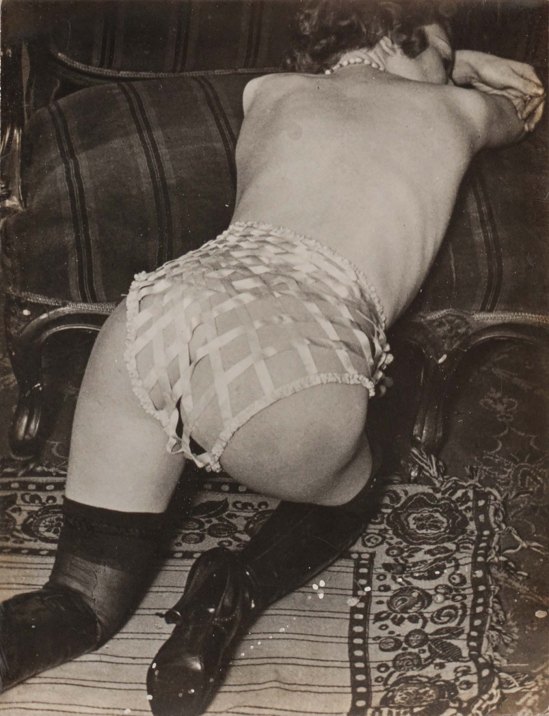
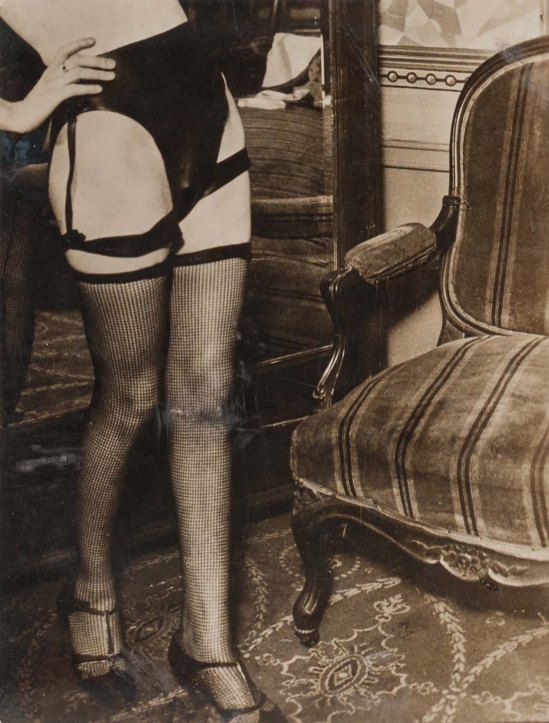
Lou LANDAUER (1897-1980)

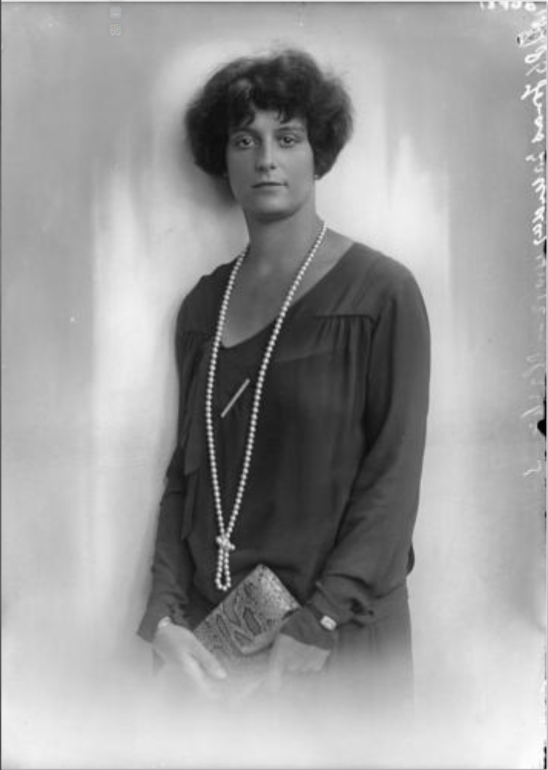
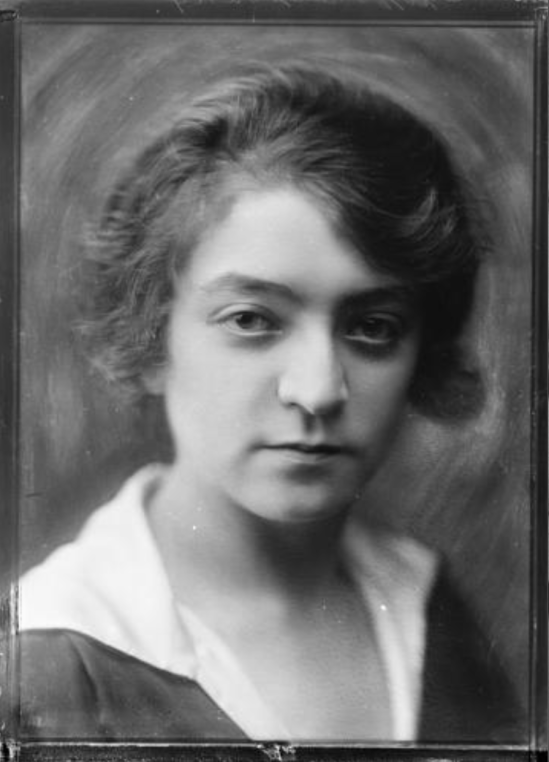
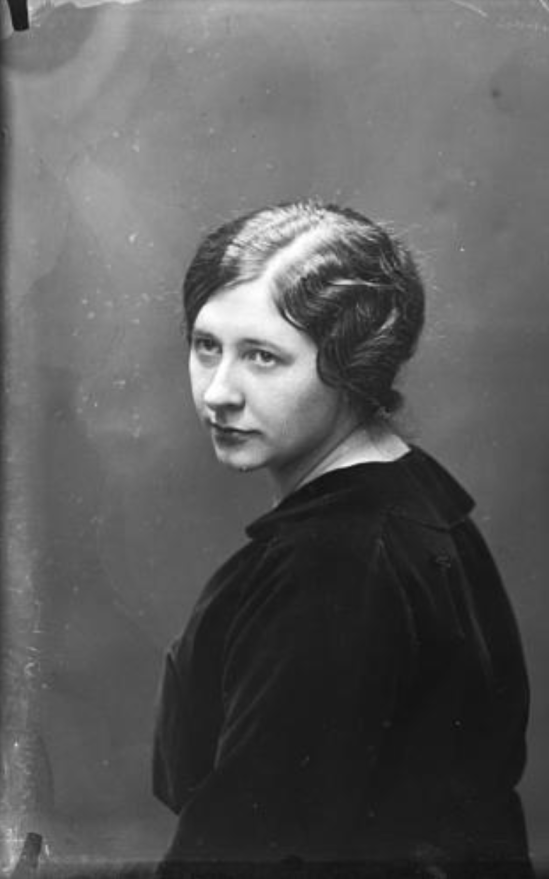
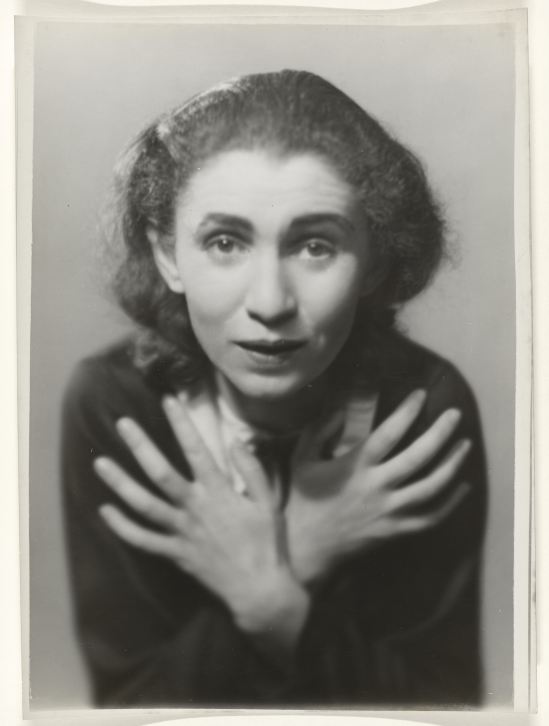
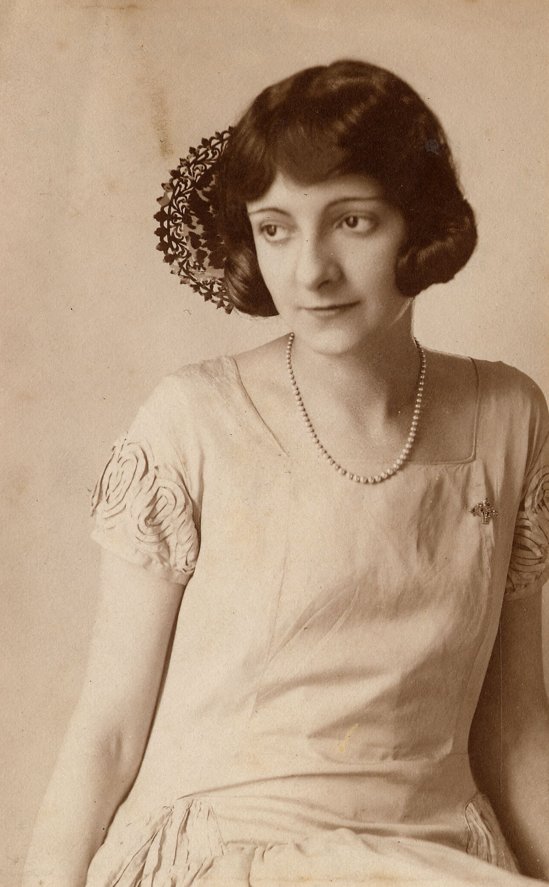
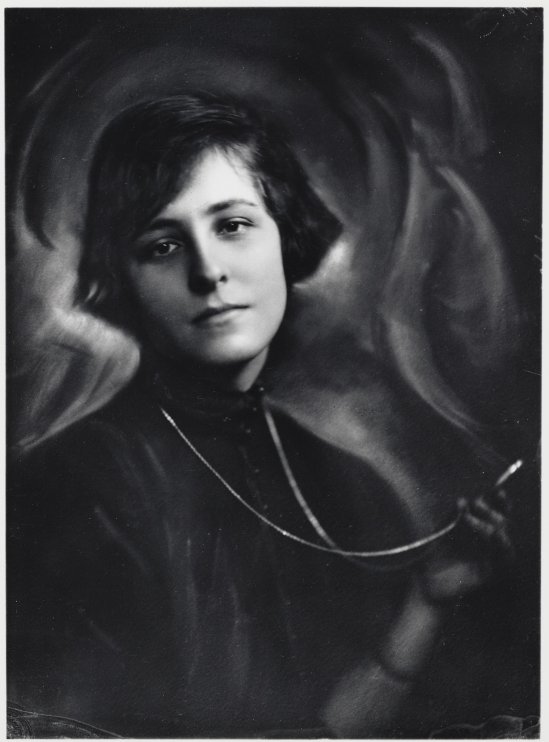
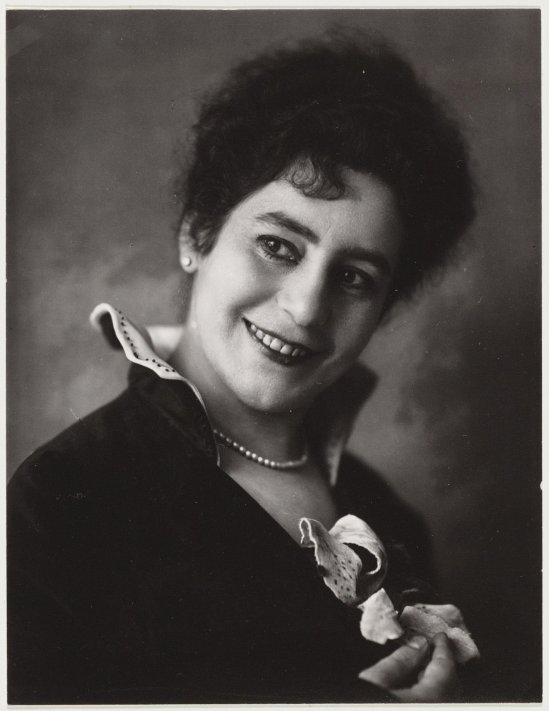
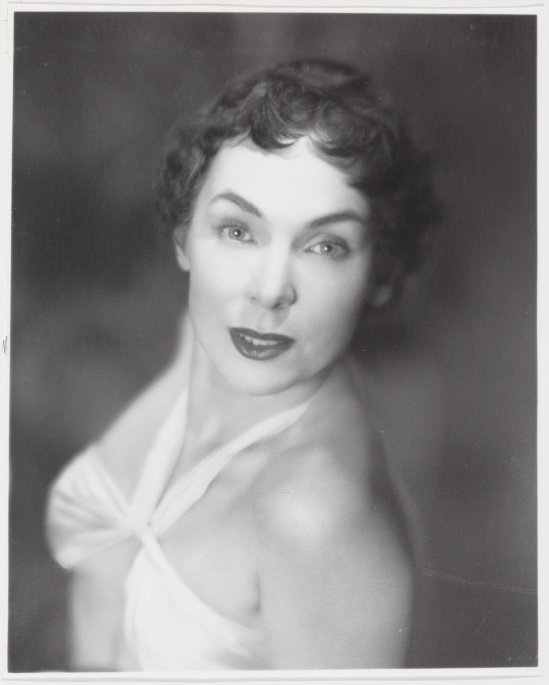
Lou Landauer was a German woman photographer

« Lou Levi was born 1897 in Cologne where she grew up with her two sisters Stefani and Bella. At the age of 26, in 1923, Lou married the lawyer Georg Landauer (1895 – 1954). Landauer was an important Zionist politician who over the years had many central positions. After WWII he was involved in the reparation negotiations between Germany and the State of Israel.
After her marriage and training at the Trade Academy in Cologne in 1924, Lou Landauer appears to have developed an interest in photography and registered at the Staatliche Fotoschule München where her name is in the student list of 1928/29.

In 1930, she moved to Berlin, where she continued her photography studies possibly at the Lette-Verein. The archive of the Lette-Verein is unfortunately incomplete and there is no information regarding her time there. The magazine Life in Palastine, Nr. 22, 1946 refers to Lou Landauer as “…a former student of famous schools in Munich and Berlin”. The only existing document from her Berlin time is a photograph taken in her apartment which shows her together with her parents.

In 1934 she and her husband emigrated together with her parents to Palastine. As of 1933 her husband Georg was the director of the German department of the Jewish Agency for Palestine and director of the Central Bureau for the Settlement of German Jews.
Lou Landauer first worked as a press photographer for the Jüdische Rundschau, which was still published in Berlin. The magazine published her photographs of the ceremonial laying of the foundation stone (March 19, 1935) of the new AHAWA building in Kirjat Bialik near Haifa. The children’s home of the same name in Auguststr., Berlin had been closed a year before in 1934 by the National Socialists.

In the spring of 1936 the filming of the documentary “Aufbruch der Jugend” was completed: Lou Landauer was producer and camerawoman (director: Eva Stern, Marta Goldberg). The Arbeitsgemeinschaft Kinder- und Jugend-Alijah Berlin contracted the film. The premiere took place on May 25, 1936 at the Berlin Logenhaus where Leo Baeck gave an introductory speech.

The day after the premiere Rachel Wischnitzer-Bernstein wrote about the event in the Gemeindeblatt and particularly praised the “achievement and sensitivity” of the photographer and camerawoman Lou Landauer. The CV-Zeitung also reported in detail about the film. Today the film resides in the Steven Spielberg Archive, Jerusalem.

Until now the whereabouts of Lou Landauer’s correspondence or larger estate is unknown. The only secured correspondence is that with Else Lasker-Schüler which are documented among the works and letters of the poetess (compiled by Dr. Karl Jürgen Strotzki, Lohmar).
In 1942 she began her work as a teacher at the Bezalel Hechadasch, the new Applied Arts School in Jerusalem. The former Applied Arts School existed between 1906 – 1928 and was later newly founded with the help of the Mandats administration and the Jewish Agency.

In the 1940s Lou Landauer taught courses in the department of artistic photography and she is referred to as “Instructor of Photography at Bezalel” (Life in Palestine, 22, 1946). Among the directors of the new school were Hermann Struck and Erich Mendelsohn.
Here she most likely met the photographer Helmar Lerski who had his own photography school in Tel Aviv. In 1945 H. Lerski showed his portraits at Bezalel and in December of the same year Lou Landauer also exhibited there, showing a cross section of her work for the first time, including photograms, nature studies, portraits (double exposures) and still lifes. A poster of the exhibition and various newspaper articles attest to this such as Jedioth Chadaschoth (‘Neueste Nachrichten’) Dec. 7, 1945 and The Palestine Post, Dec. 10, 1945.
In 1949, Landauer went to the USA to attempt a new start. There she worked as a commercial photographer for various magazines and experimented with the technically complicated color carbro process. By the 1950s, she appears to have given up professional photography all together and worked as an assistant librarian at the Leo Baeck Institute in New York.
A small album from her estate contains photographs (1960-1981) from various Swiss locations, most showing her with her sisters and other relatives.
Lou Landauer died in 1991, presumably in Lugano, Switzerland. » Provenance: From the estate of Lou Landauer.

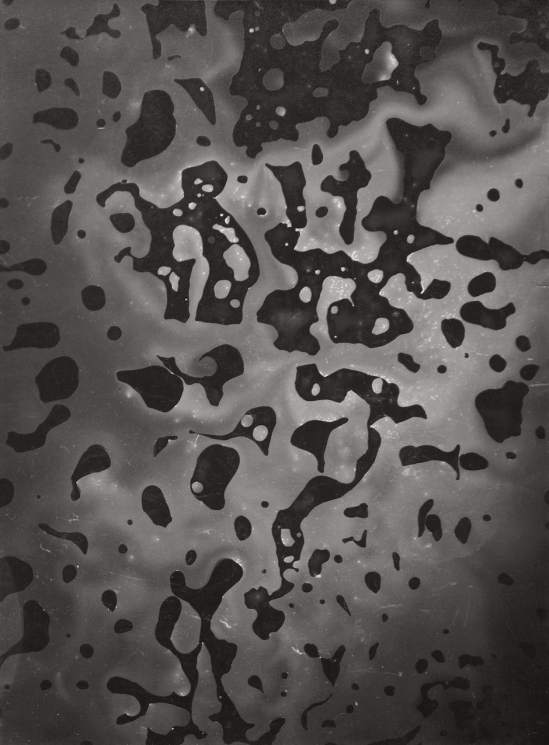
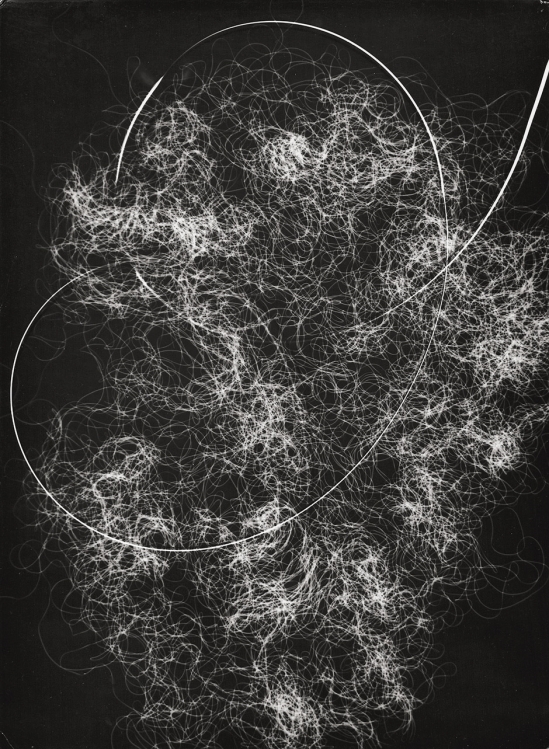
Lou Landauer -Abstract study, Circa 1945. Vintage gelatin silver print

Lou Landauer Abstract study , 1941 Vintage gelatin silver print

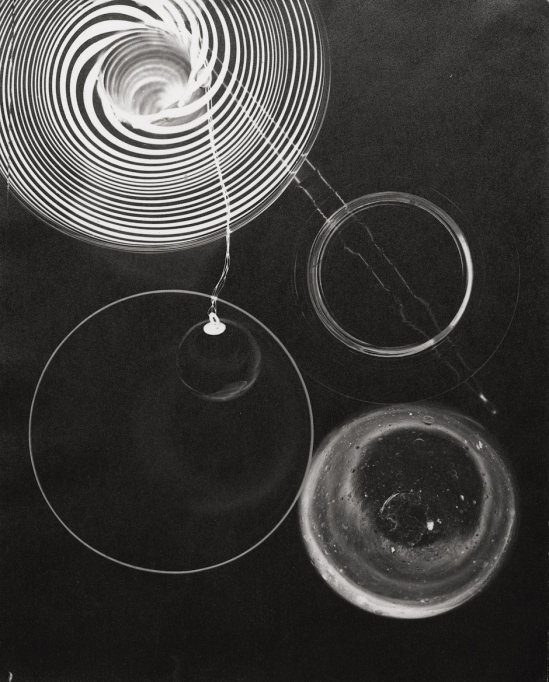
Lou Landauer Photogram of glasses , 1940s Vintage gelatin silver print on strong paper

Lou Landauer Photogram of photo lamps , 1941 Vintage ferrotyped gelatin silver print

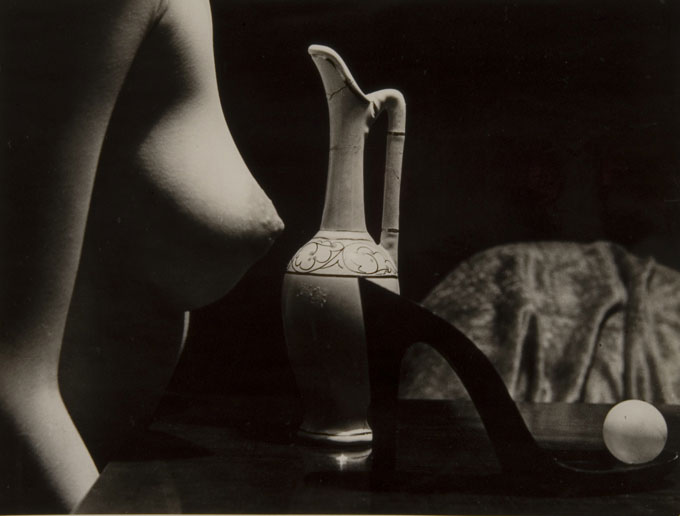
Lou Landauer -Abstract study with glass 1942. Vintage ferrotyped gelatin silver print

Lou Landauer -Abstract botanical study Abstract botanical study (multiple exposure with photogram negatives). 1940s. Vintage gelatin silver print.

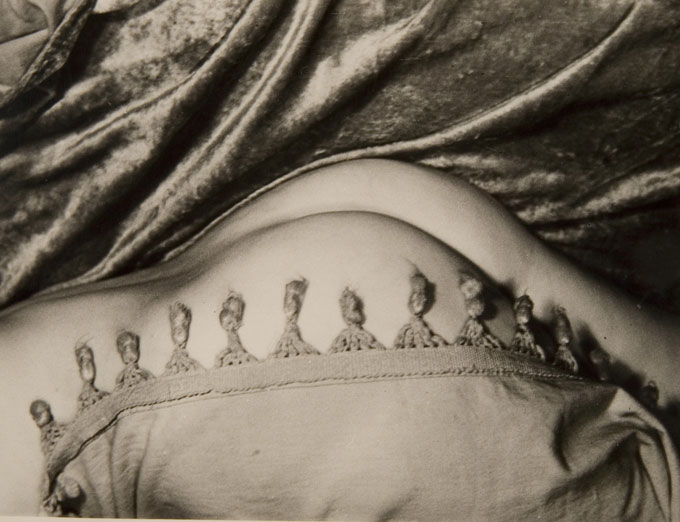
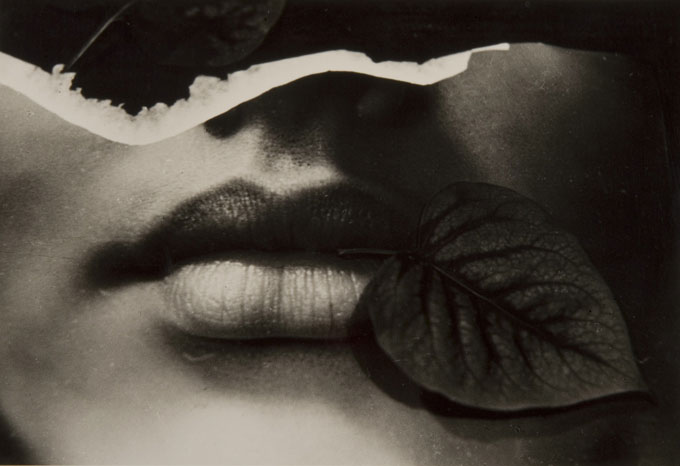
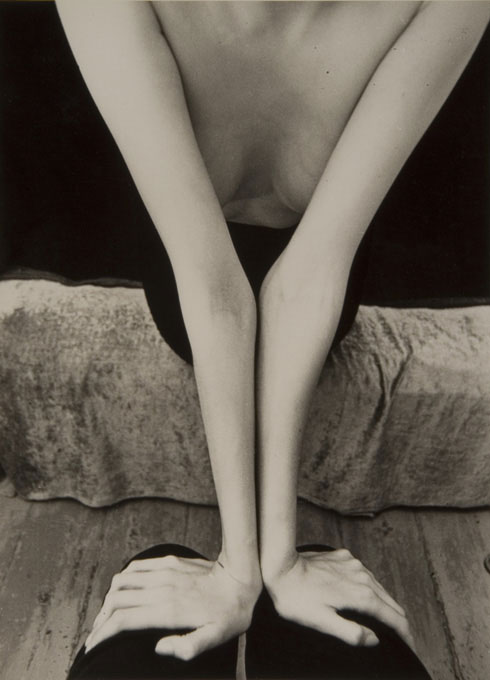
Lou Landauer -Detail studie, Circa 1945

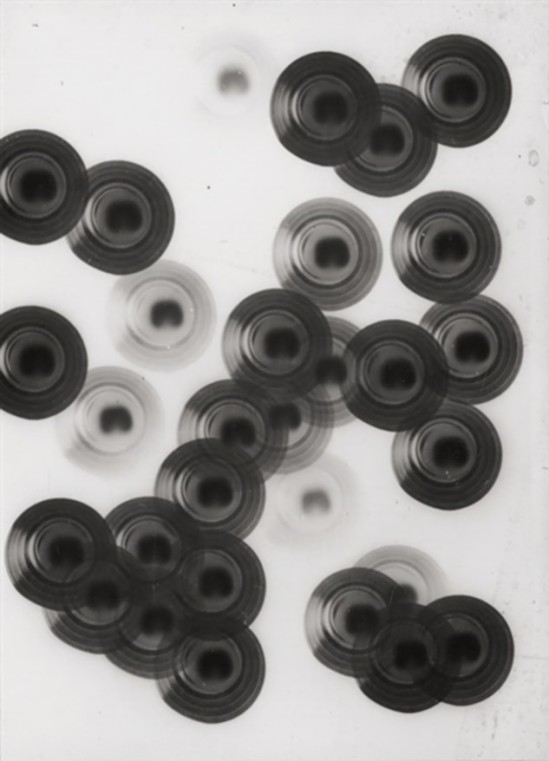
Lou Landauer- Photogram. 1942. vintage gelatin silver print

Lou Landauer- Photogram . 1942. vintage gelatin silver print

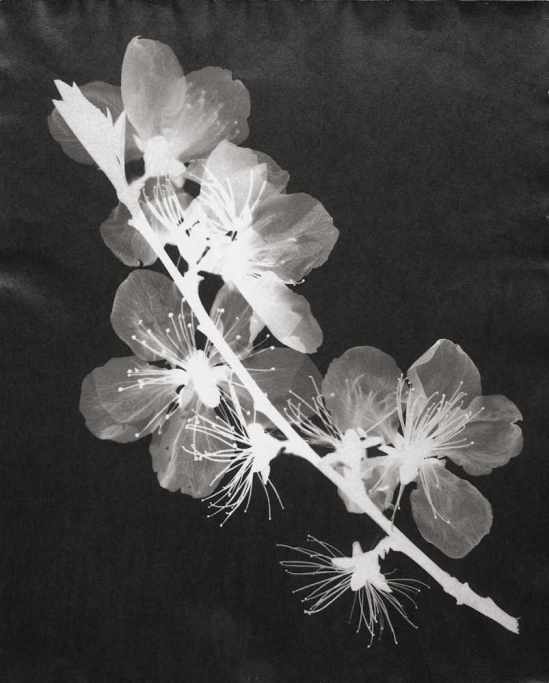
Lou Landauer Photogram of violets Vintage gelatin silver print on strong paper

Lou Landauer Photograms of flowers vintage gelatin silver print

Lou Landauer-Detail studie, Circa 1945

Lou Landauer – Cover for a crime novel cover Design for crime novel book cover. 1943. Vintage matte gelatin silver print

Lou Landauer- Design for a book cover for Arsenic and Old Lace by Joseph Kesselring.1946. Vintage matte gelatin silver print with hand painted titles in red

Lou Landauer – Photogram , 1940s Vintage ferrotyped gelatin silver print

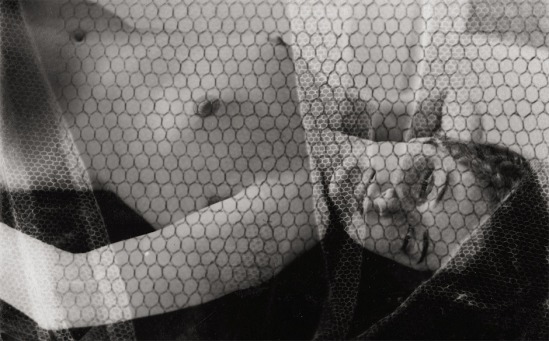
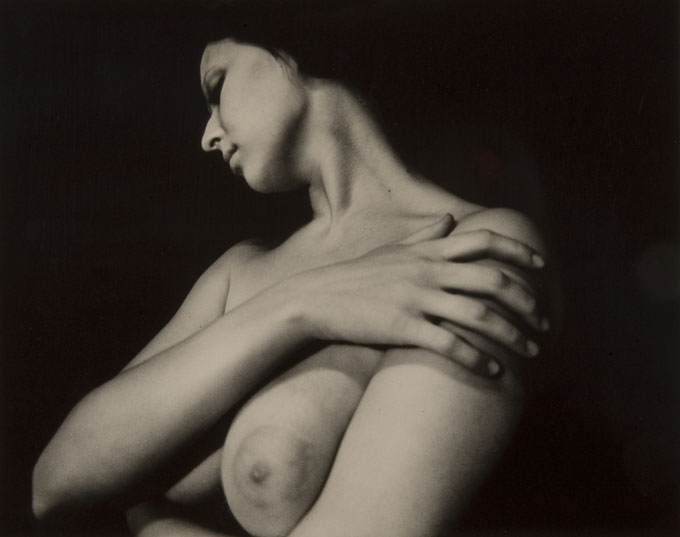
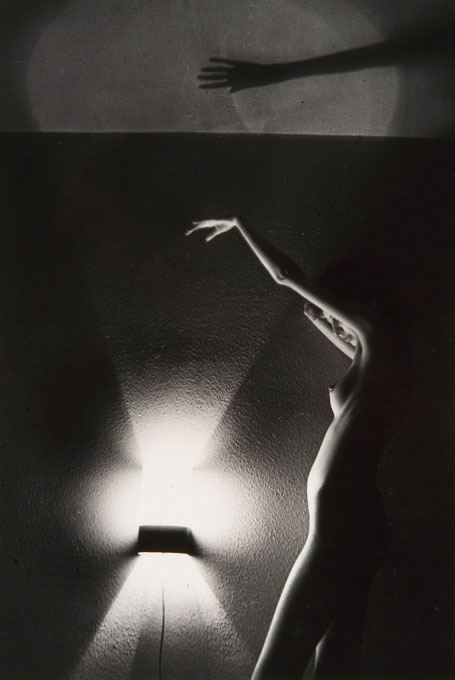
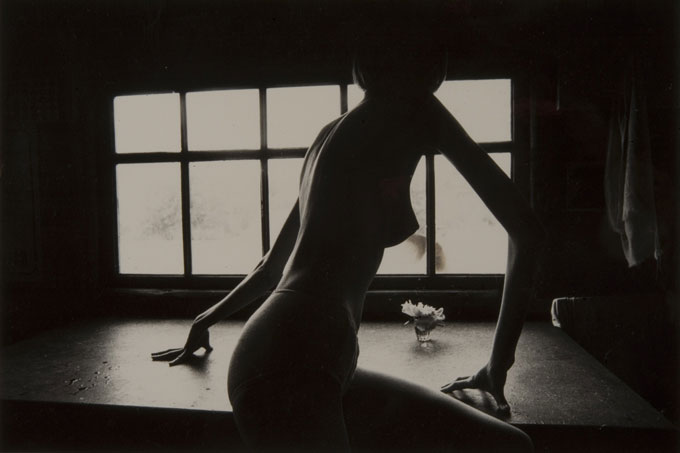
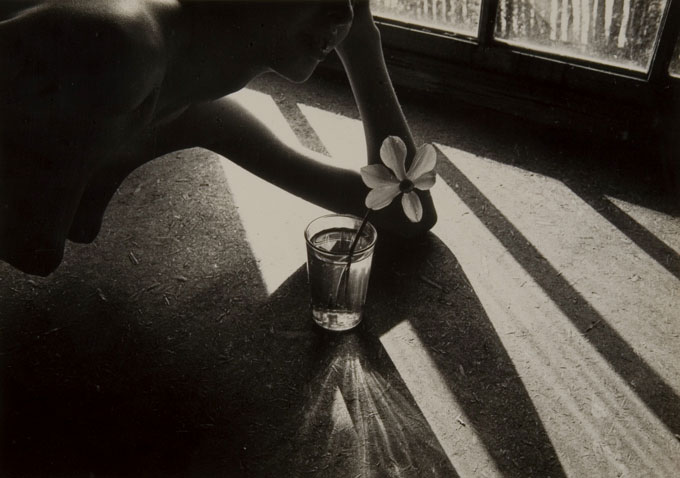
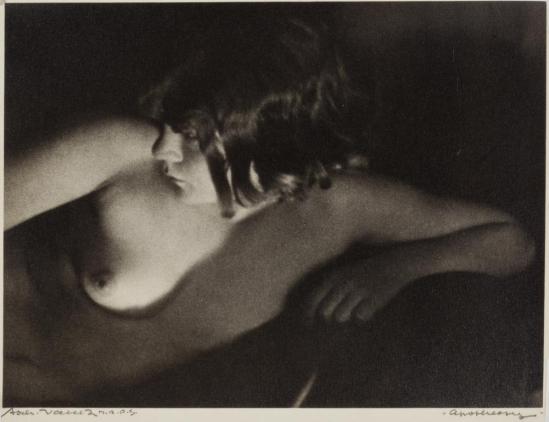
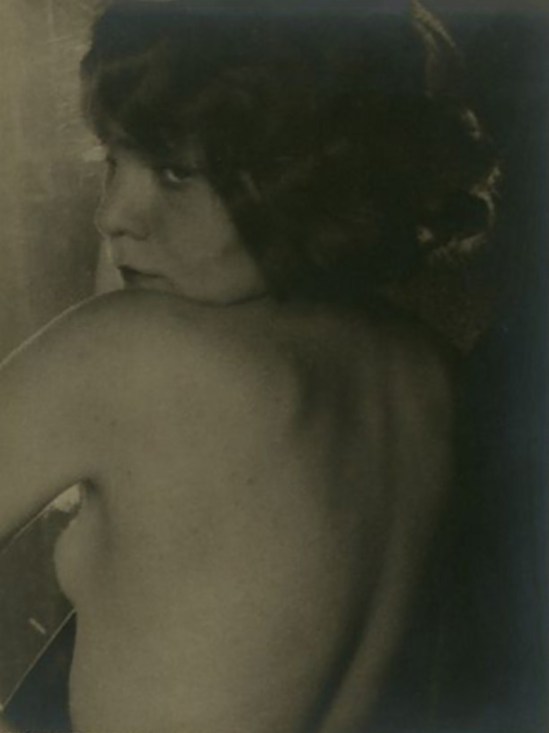
Lou Landauer- Female nude and net (double exposures). 1930. vintage ferrotyped gelatin silver print

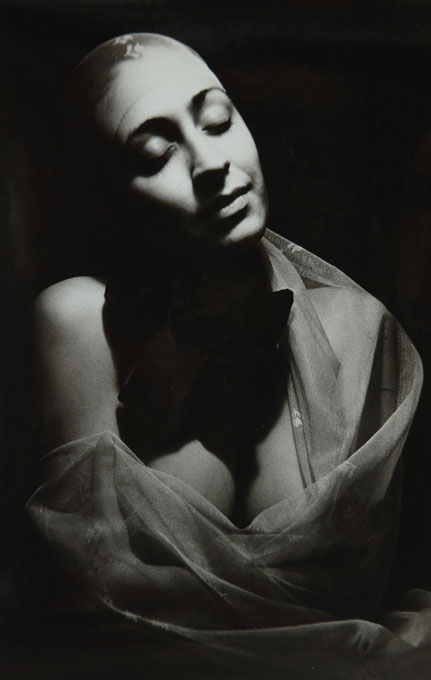
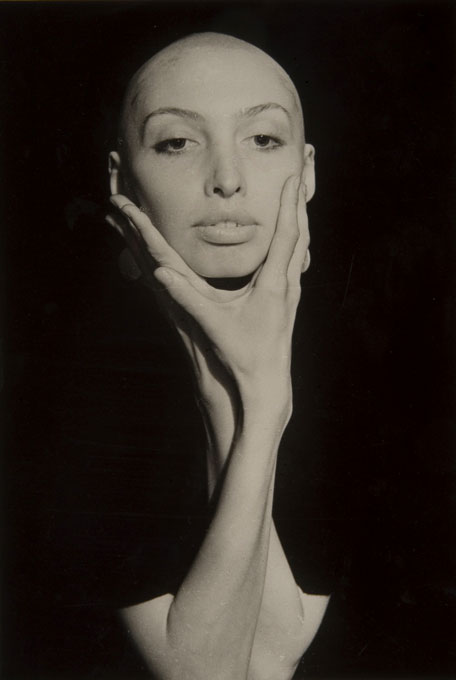
Lou Landauer- Self-Portrait in Israel , 1943 vintage semi-matte gelatin silver print

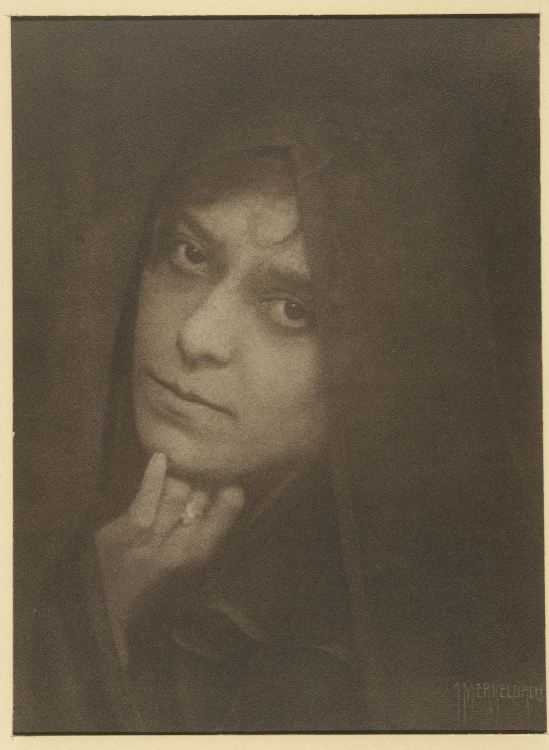
Atelier Jacob Merkelbach

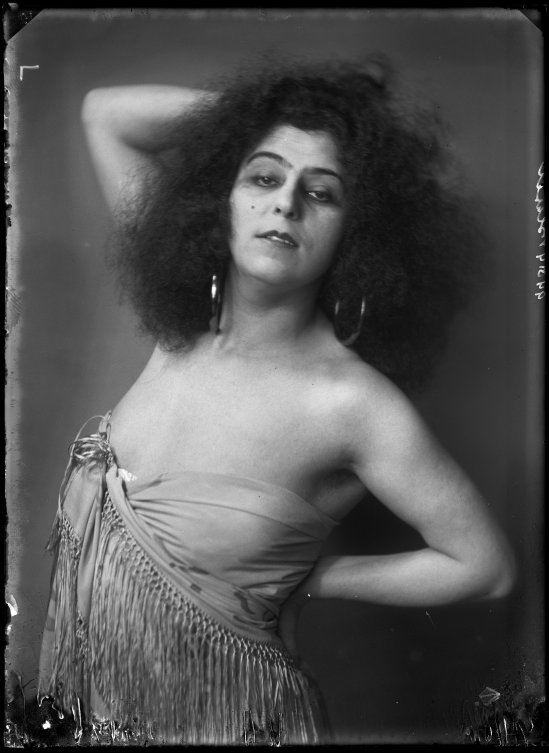
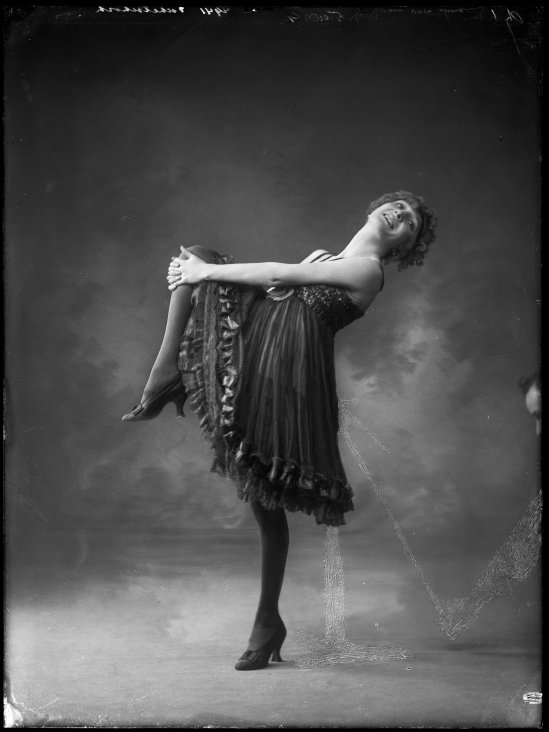
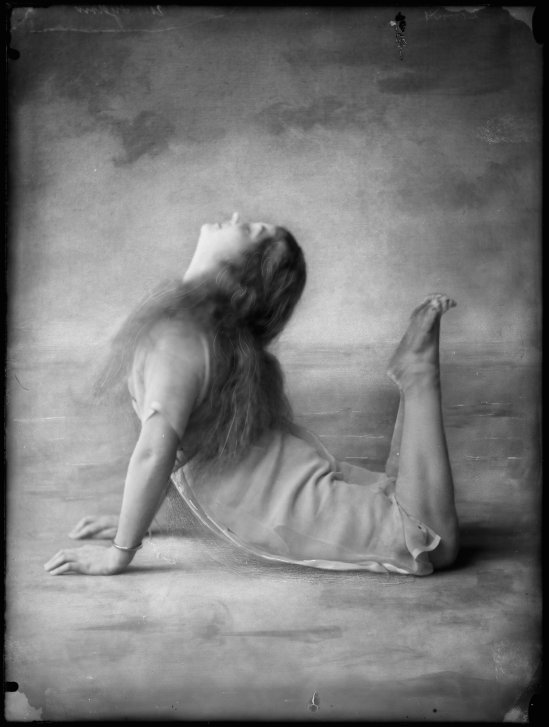
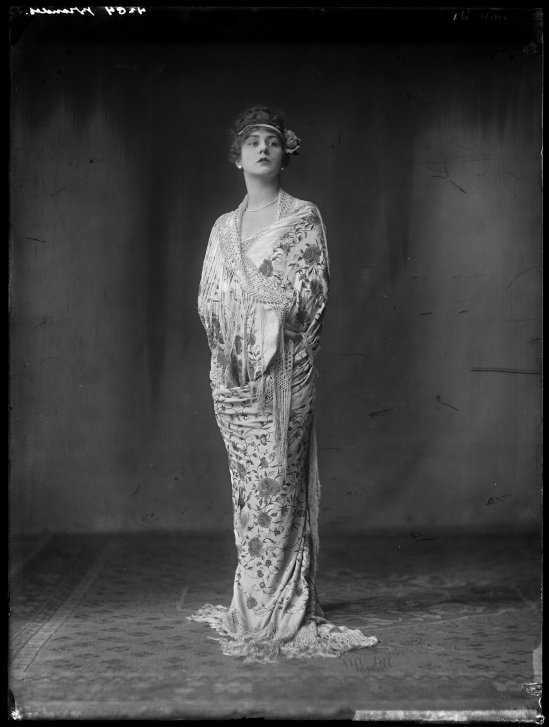
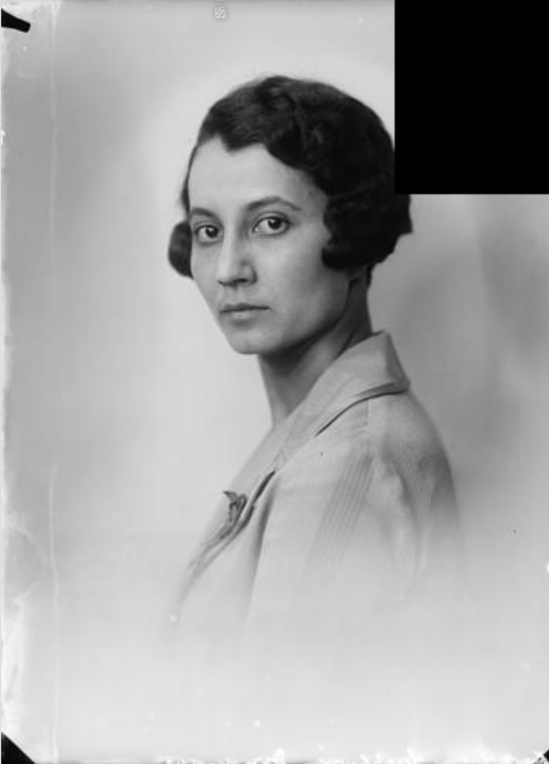
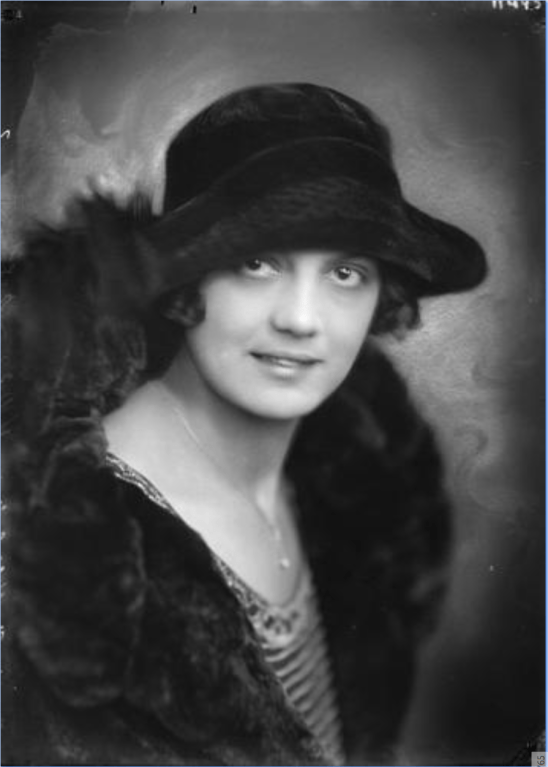
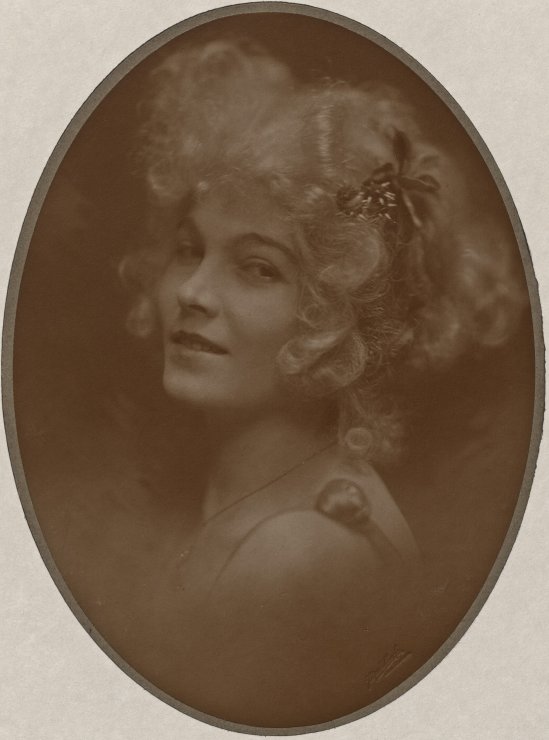
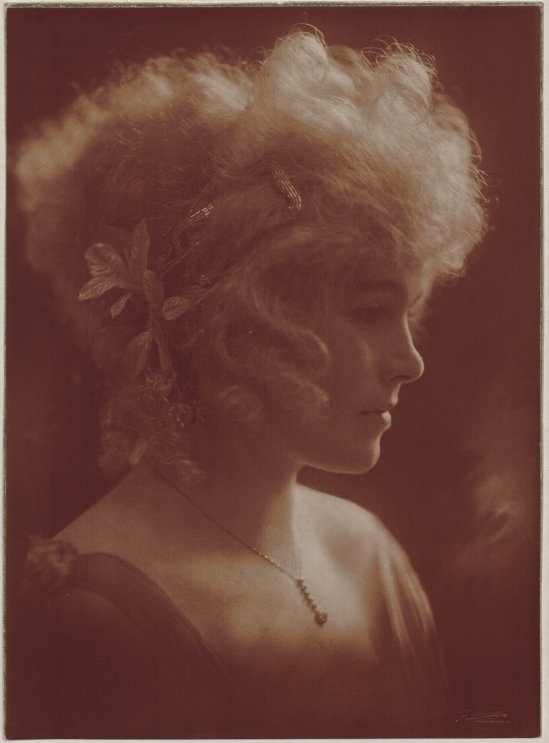
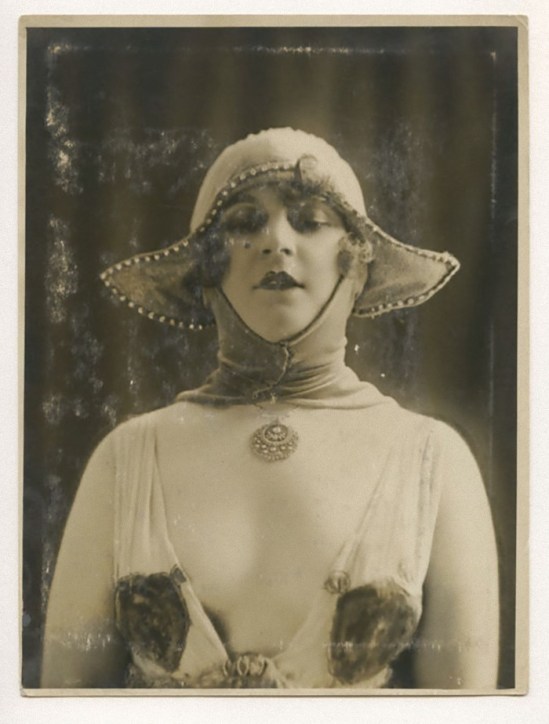
« Jacob Merkelbach was the founder of one of the most famous Amsterdam portrait photography studios of the twentieth century on the fifth floor of fashion house Hirsch at Leidseplein Studio J Merkelbach ( Atelier Merkelbach) In the luxurious studio above the fashion warehouse Hirsch on the Leidseplein, he photographed almost all famous Dutch people from the theater world, writers, artists, businessmen and the wealthy Amsterdam bourgeoisie. Taking pictures of Abel Herzberg, André Herzberger, Carel Asser Daniel comme Mata Hari , Fien de la Mar , Théo Mann-Bouwmeester , Willem Mengelberg et Abel Herzberg , se sont fait capturer sur l’album sensible.and many others. His photographs are unique and of exceptional quality. You can see here the galery of protraits  .The personal signature in the design and execution of each portrait, the technical knowledge of the staff and the professional cooperation of the daughter and son-in-law made this workshop a well-running company that, after Merkelbach’s death, could be continued until 1969.


Jacob was born on April 29, 1877 and was the son of John Wilhelm Merkelbach and Maria Antonia van Schaik. His parents had a shop on the Nieuwendijk 57-59, which was sold mainly technical toys, and a fireworks factory in Amsterdam.
The fireworks factory was rebuilt in the 90s of the 19th century to a daylight film. This father did after he came into contact with Lumiére. Financially it was not profitable and father decided to go into all the photography. The case on the Nieuwendijk was an important place for the sale of photographic equipment. Above the case opens the son-father Machiel Laddé a workshop.
This workshop is Jacob works and continues to do so for about 10 years. There he learned the profession. In 1902 married with Josephine Harmsen and get on April 21 1904 they can daughter Maria Antonia (Mies). Later, Mies goes to work in the photo studio.
In 1913 own studio opens on Leidseplein 29, on the 5th floor of Hirsch. In 1924 Mies is working in the studio after she completed training at the Dagteken- Art and Craft School for Girls in Amsterdam. Her work in the studio is to retouch, enhance, and print photos.

In 1932 comes Lambert JM Rosenboom (15 Feb 1905, also known as Bobby) in the company work. Mies married him in 1939.
On February 6, 1942 dies Jacob Merkelbach. His daughter Mies puts the company on, her husband Bobby is arrested in 1941 and the remainder of the war in German captivity. Mies makes this period illegal passport photos in the studio, while the Germans regularly on the floor is due to the anti-aircraft guns on the roof of Hirsch & Cie.
Atelier Merkelbach gets in 1948 the honorable mission to Queen Wilhelmina portraits, one of the pictures the ceremonial of the Queen is.
In the 50’s declining interest in portrait photography. Photography is available for consumers by becoming less expensive devices. This also affects Atelier Merkelbach. In 1969, the company, on April 29 – the birthday of Jacob Merkelbach – lifted. There are 150,000 glass negatives of exceptional historical value. These will be donated to the City of Amsterdam. « by  scherptediepte.nl

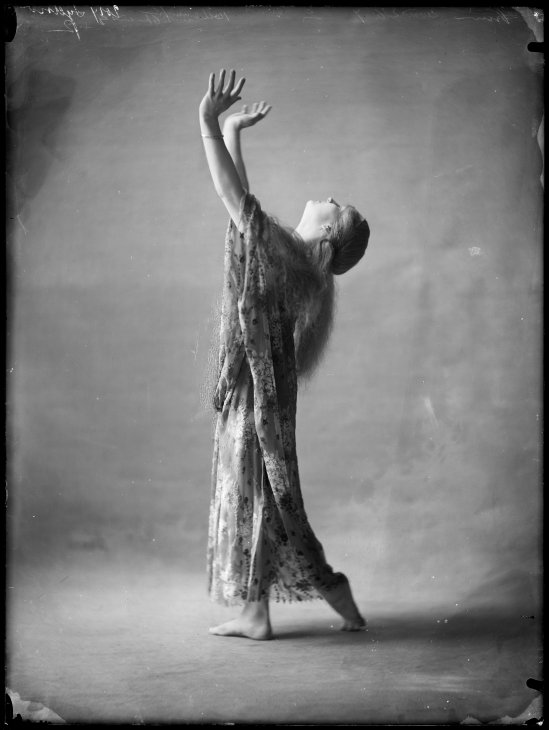
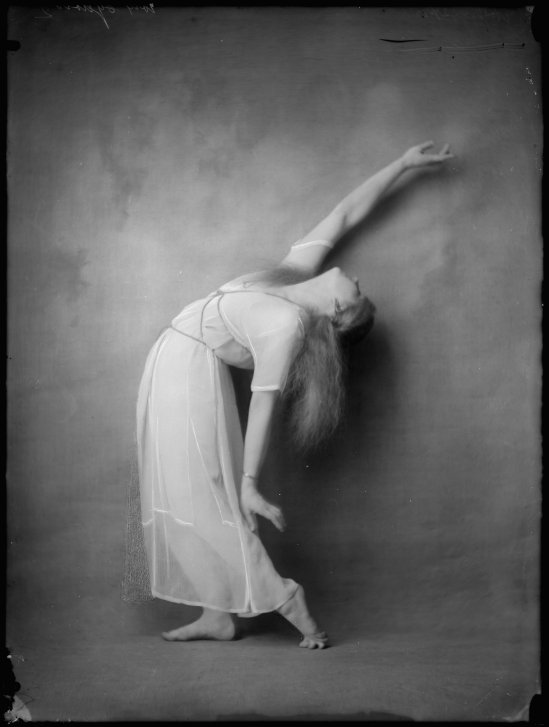
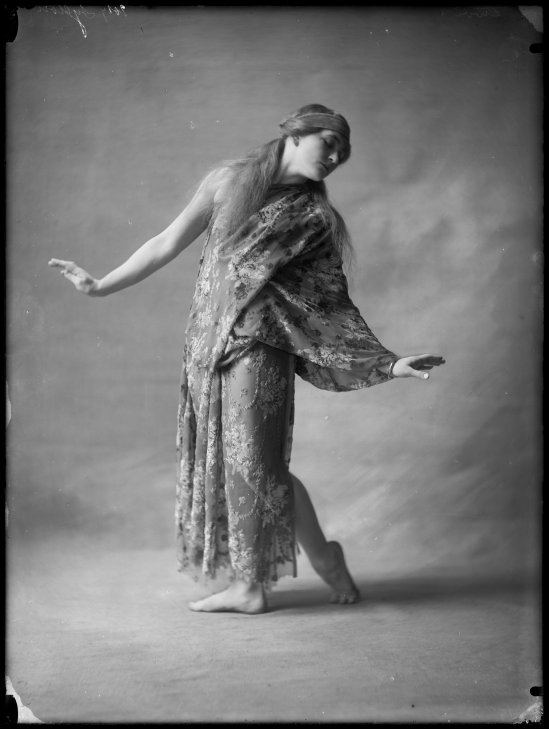
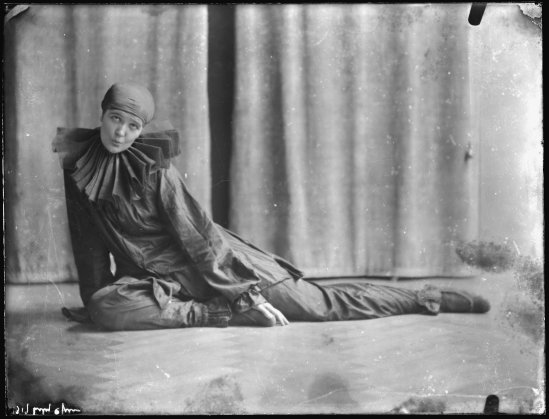
I made the choice to propose you the photographs which represent dancers or nudes and some delicate portraits
********************************************************************
Dancers

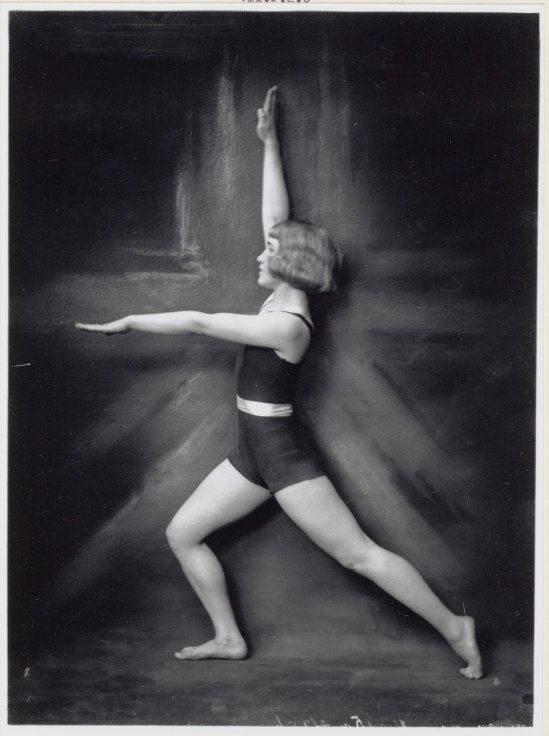
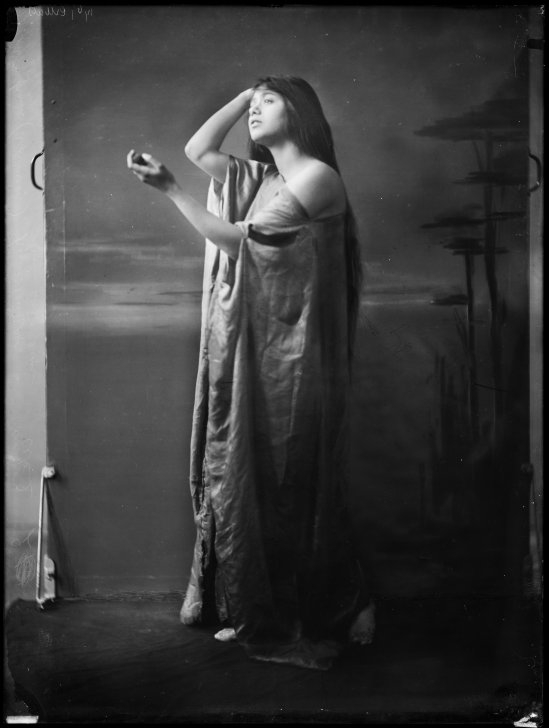
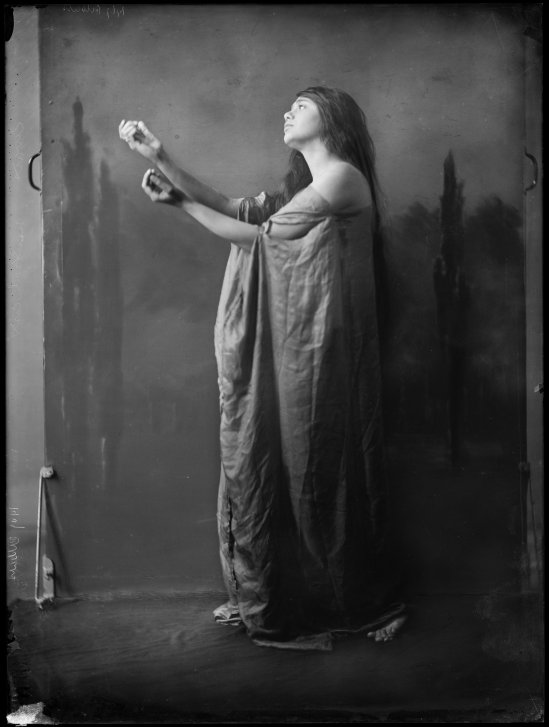
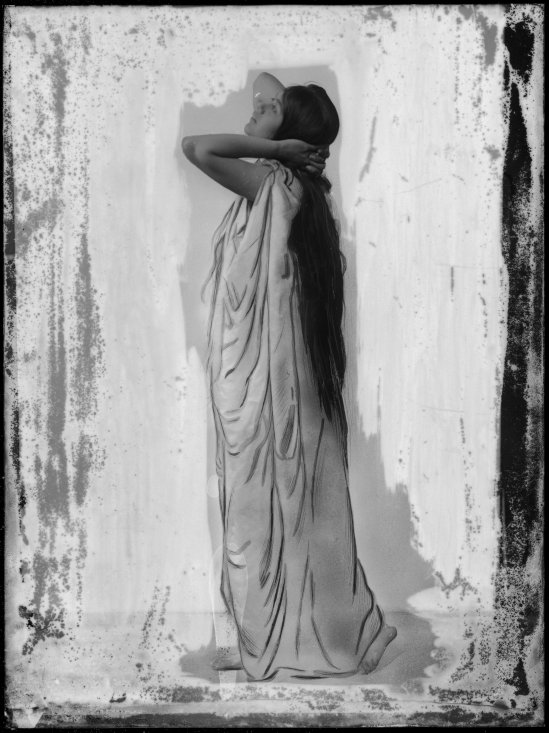
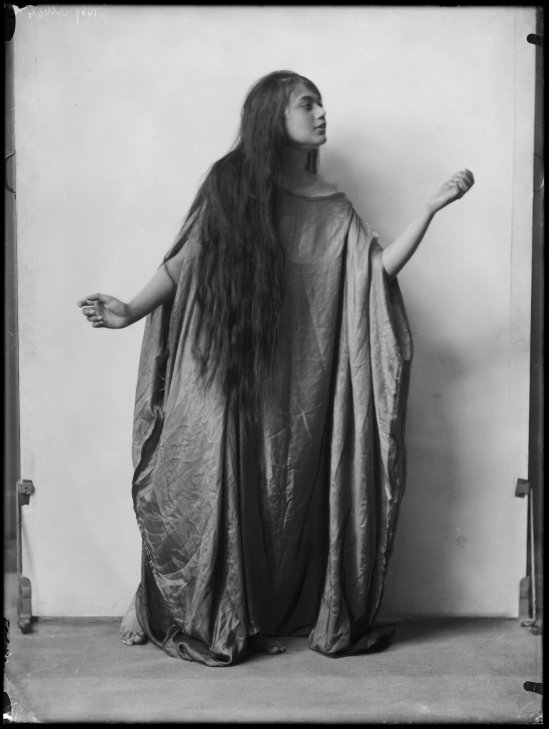
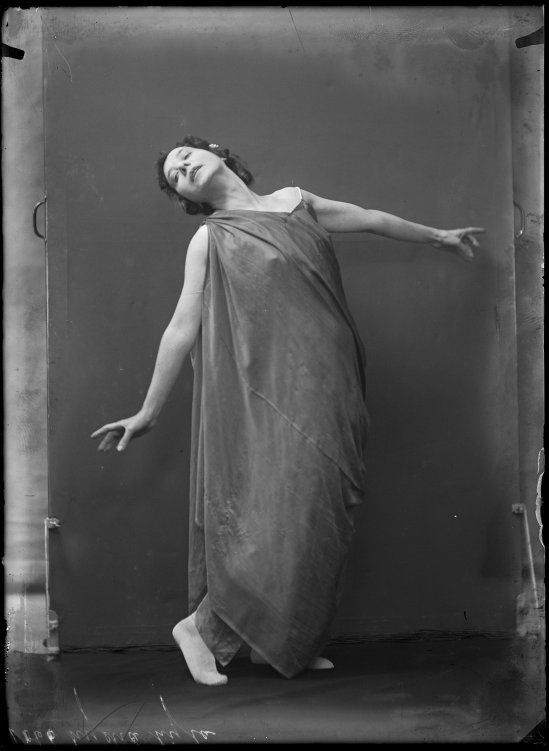
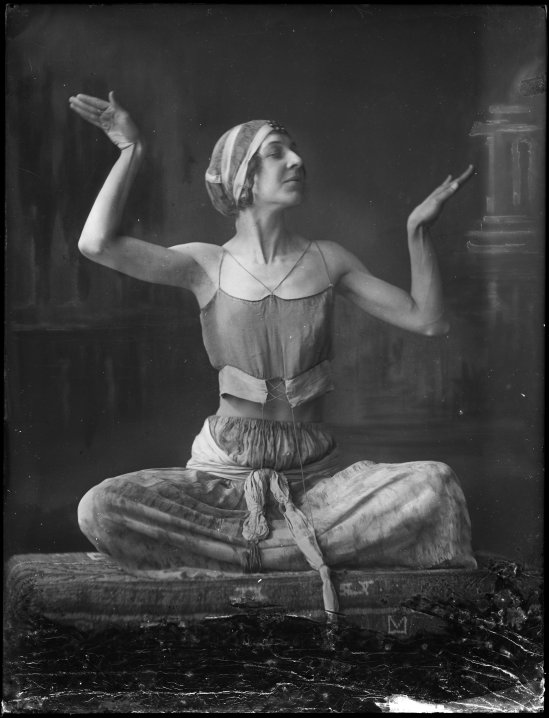
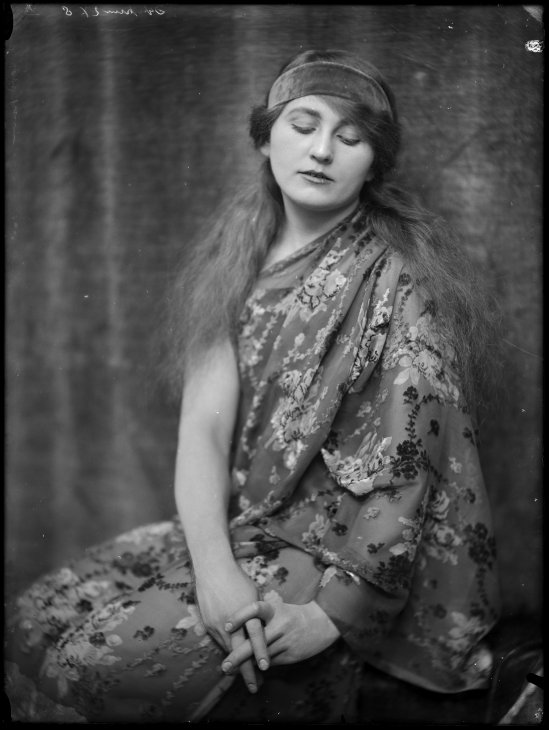
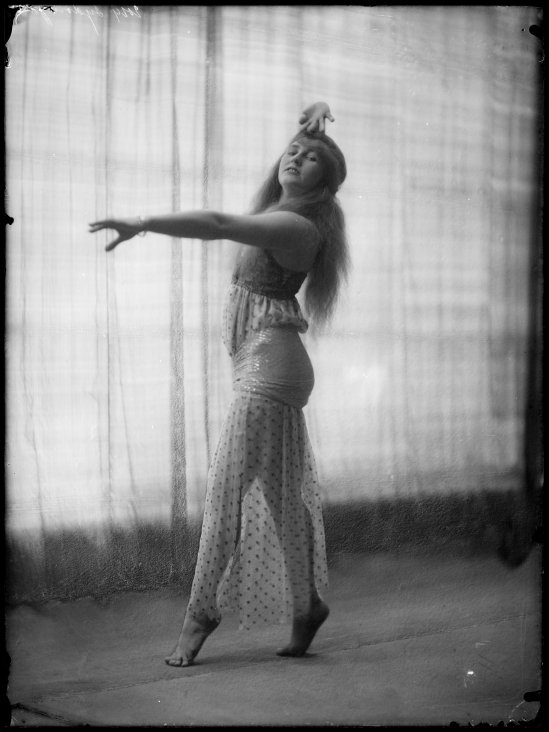
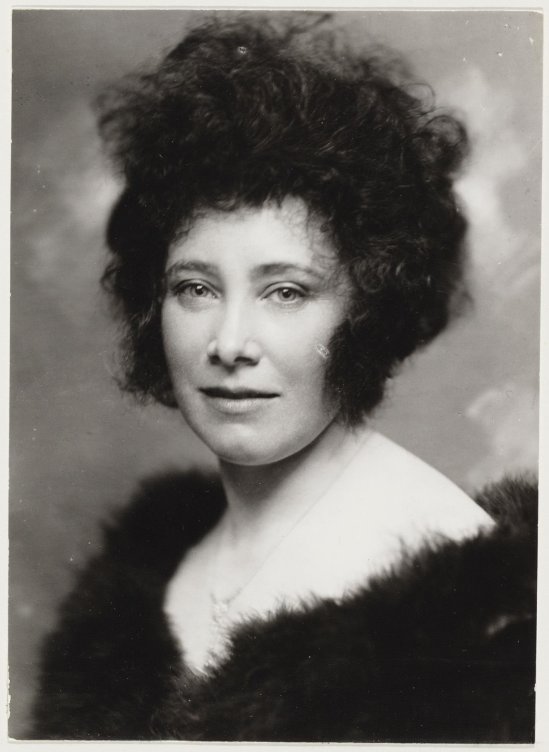
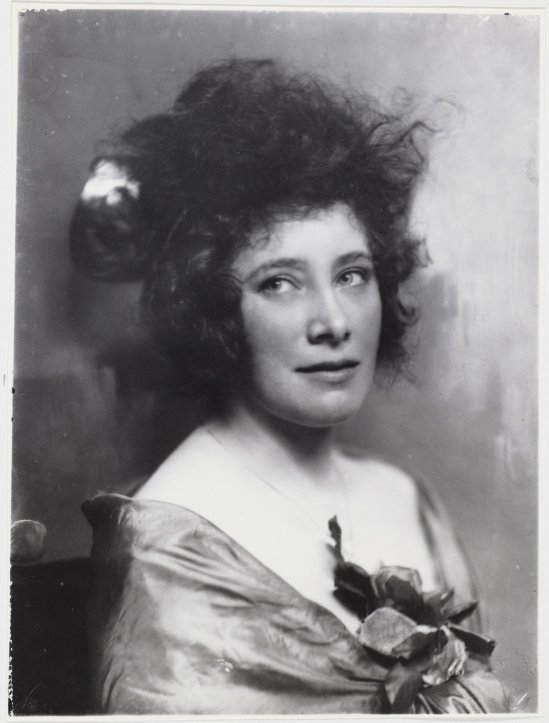
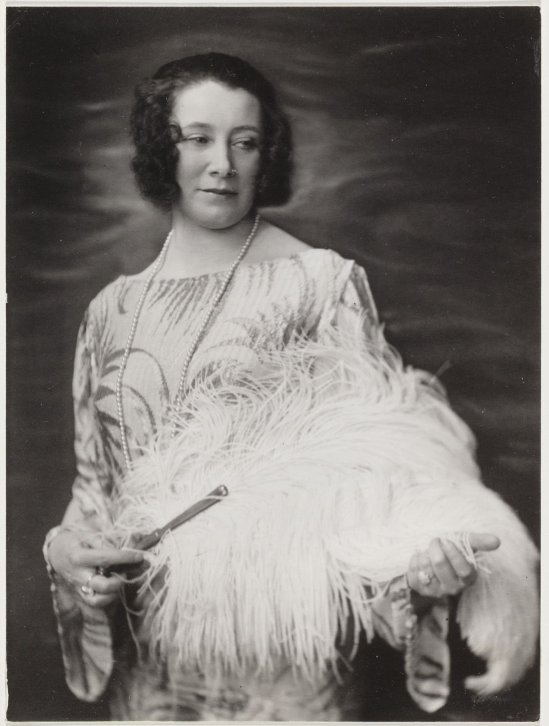
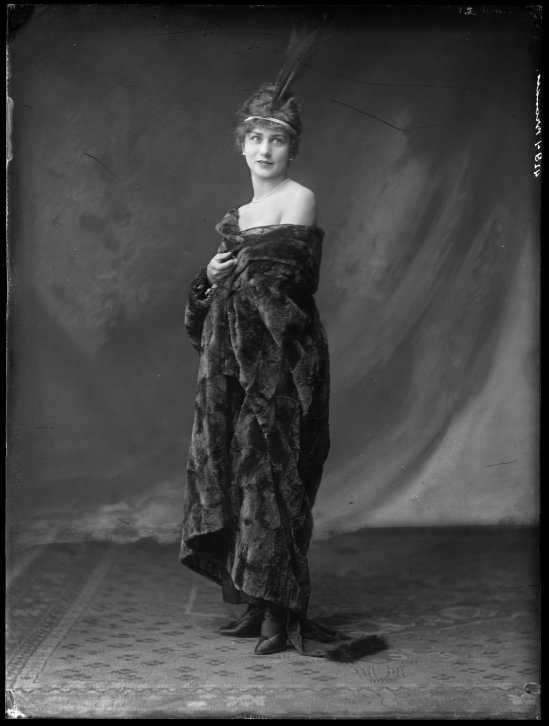
Studio Merkelbach Alice Sally Mary (Lili) Green,1915

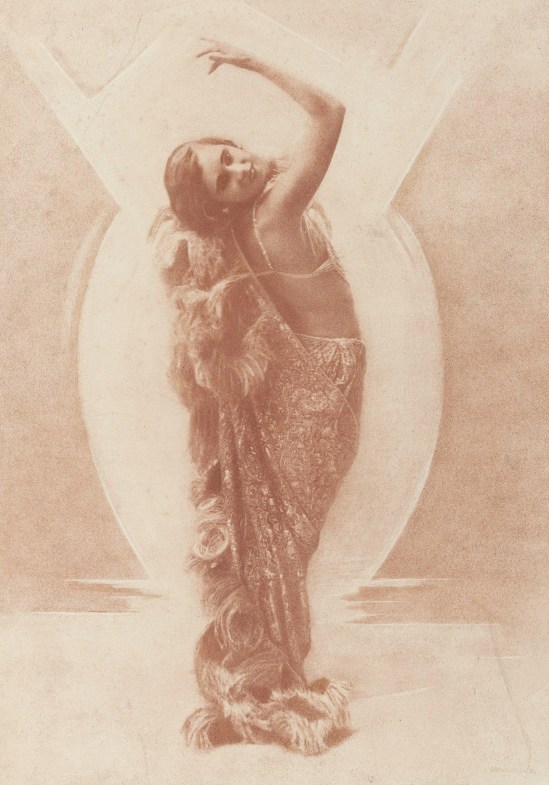
Studio Merkelbach Johanna Wittrock,1919

Studio Merkelbach Adriana (Henriette Blazer) Blaaser,1923

Studio Merkelbach Luise Aguste Julie (Luise) Marheineke,1919

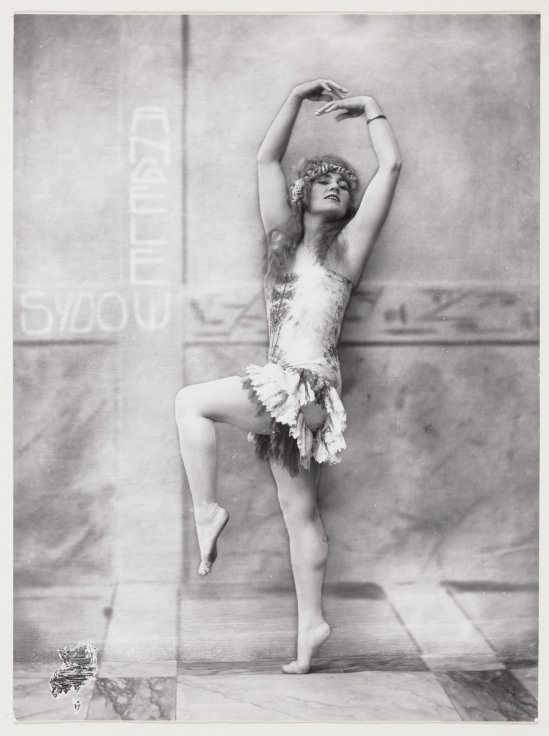
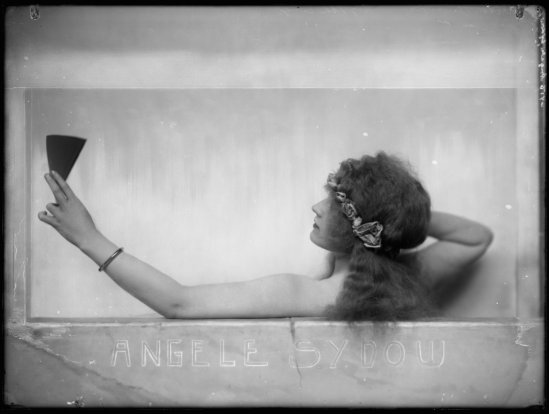
Studio Merkelbach Angèle Sydow,1916

Jacob Merkelbach Angèle Sijdow, 1917-19

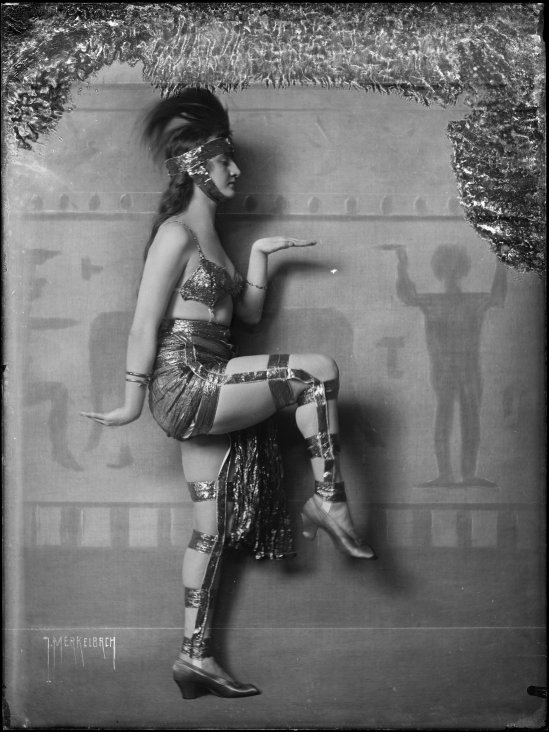
Jacob Merkelbach, the dancer Claire de Jongh in profile in tight dance pose 1927 – 1928

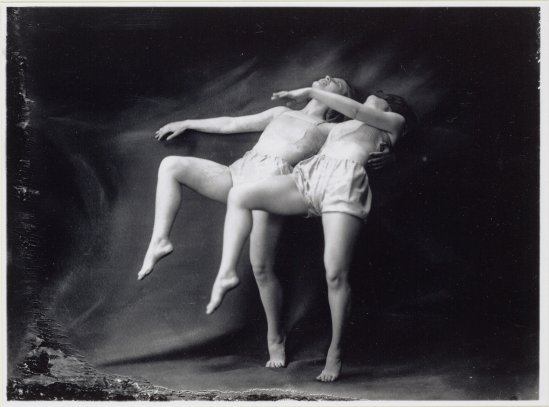
Jacob Merkelbach, the dancers Menagerie Folmer   and Claire de Jongh with right leg raised 1927 – 1928

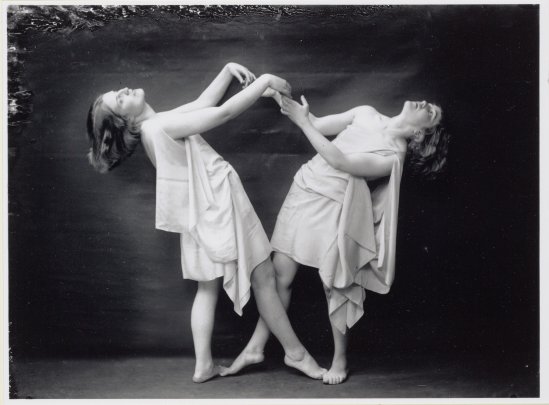
Atelier Jacob Merkelbach-The dancers Gerie Folmer and Claire de Jongh in a symmetrical pose , 1927-28

Studio Merkelbach Wilhelmina (Mien) Loevendie,1930

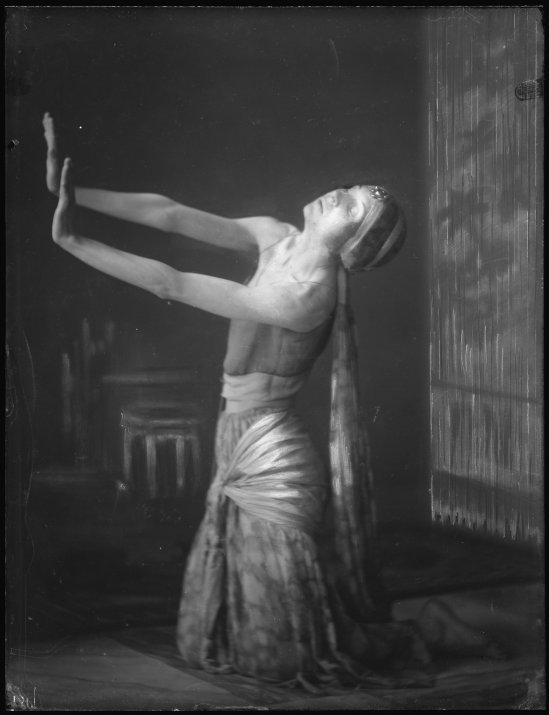
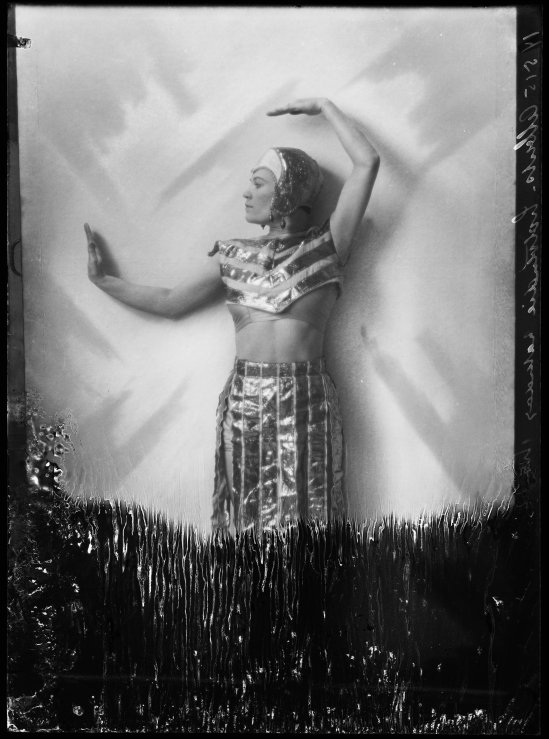
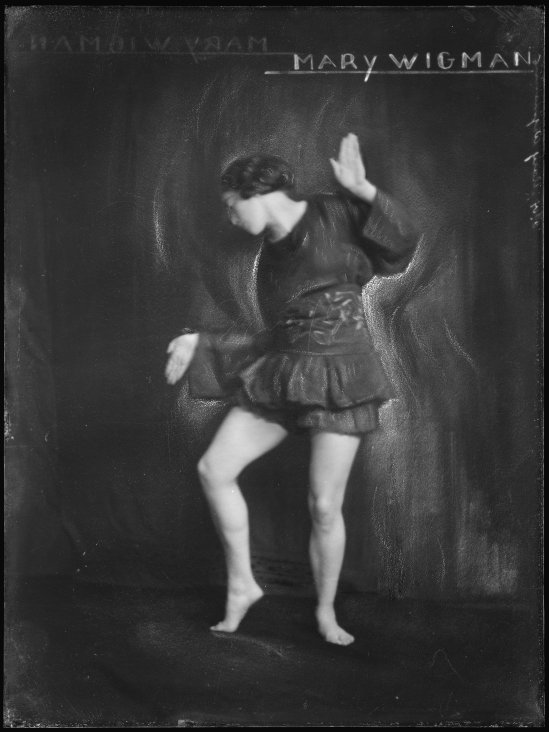
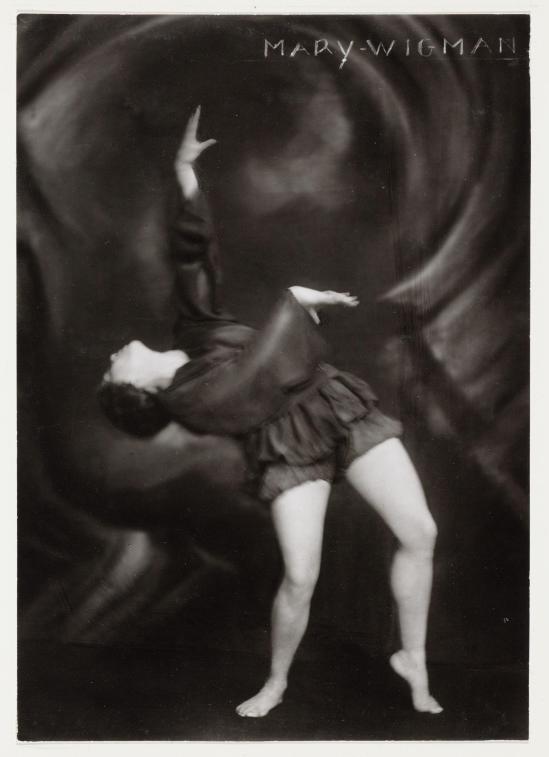
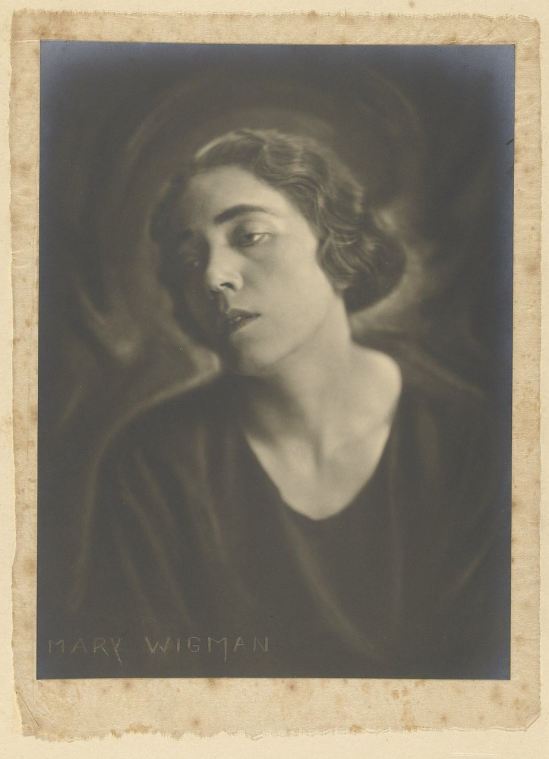
Studio Merkelbach Mary Wigman,1922

Jacob Merkelbach Mary Wigman , 1922

Atelier Jacob Merkelbach -Mary Wigman .19120-30

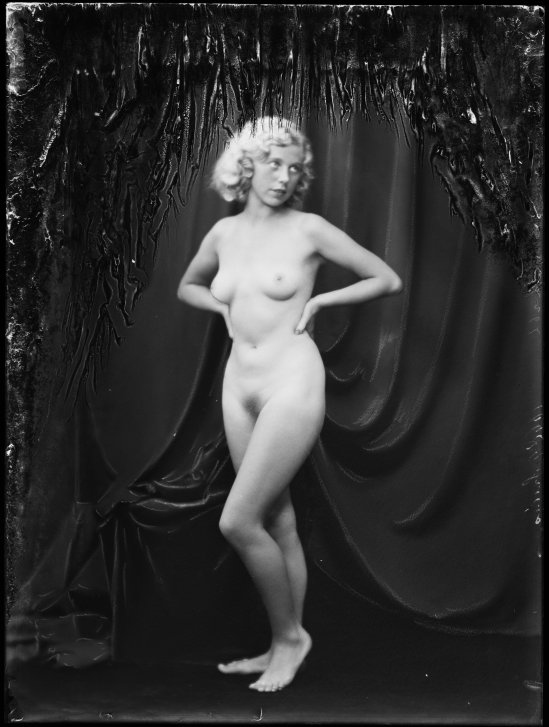
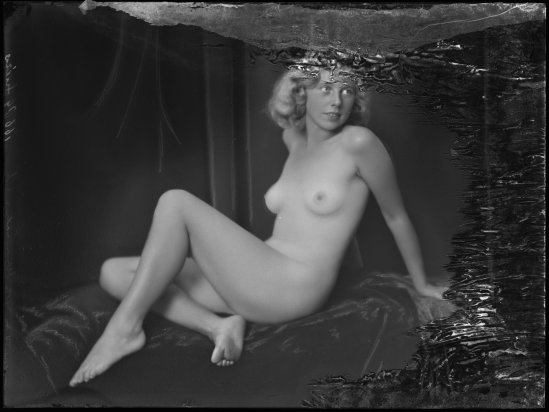
Studio Merkelbach 1920

Studio Merkelbach Wilhelmina (Mien) Loevendie ,1915

Studio Merkelbach Wilhelmina (Mien) Loevendie ,1915

Studio Merkelbach Wilhelmina (Mien) Loevendie ,1915

Studio Merkelbach Wilhelmina (Mien) Loevendie ,1915

Studio Merkelbach Wilhelmina (Mien) Loevendie ,1915

Studio Merkelbach Lydia Lyta ,1915

Studio Merkelbach Alice Sally Mary (Lili) Green ,1915


Studio Merkelbach Wilhelmina (Mien)- 1918

Studio Merkelbach Wilhelmina (Mien)- Angele Sydow 1916

Studio Merkelbach Mies Rosenboom-Merkelbach, Angele Sydow,1916

Studio Merkelbach Mies Rosenboom-Merkelbach, Angele Sydow,1916

Studio Merkelbach Mies Rosenboom-Merkelbach, Angele Sydow,1916

Studio Merkelbach Mies Rosenboom-Merkelbach, Angele Sydow,1916

Studio Merkelbach Margaret Walker,1915


Studio Merkelbach, 1928

Jacob Merkelbach- Josephina Johanna (Fien) de la Mar (1898-1965), 1919

Atelier Jacob Merkelbach-The dancer Gerie Folmer .1927

Atelier Jacob Merkelbach-The dancer Gerie Folmer, half-legged, with bare-chested, 1927-28

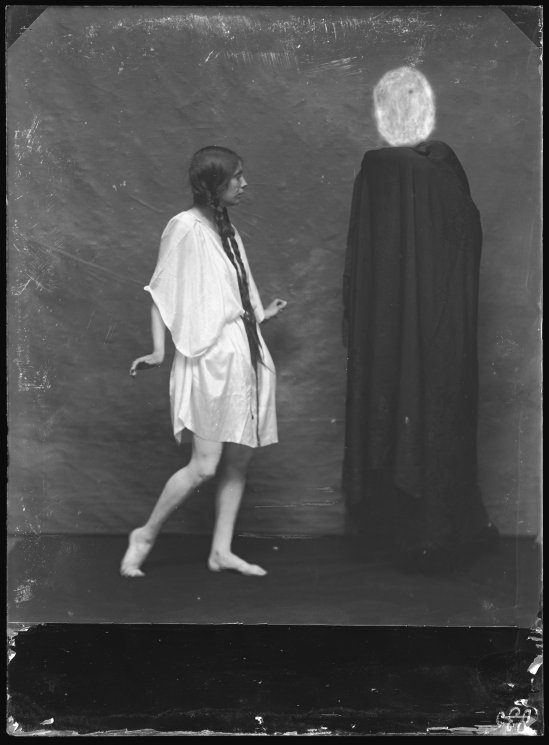
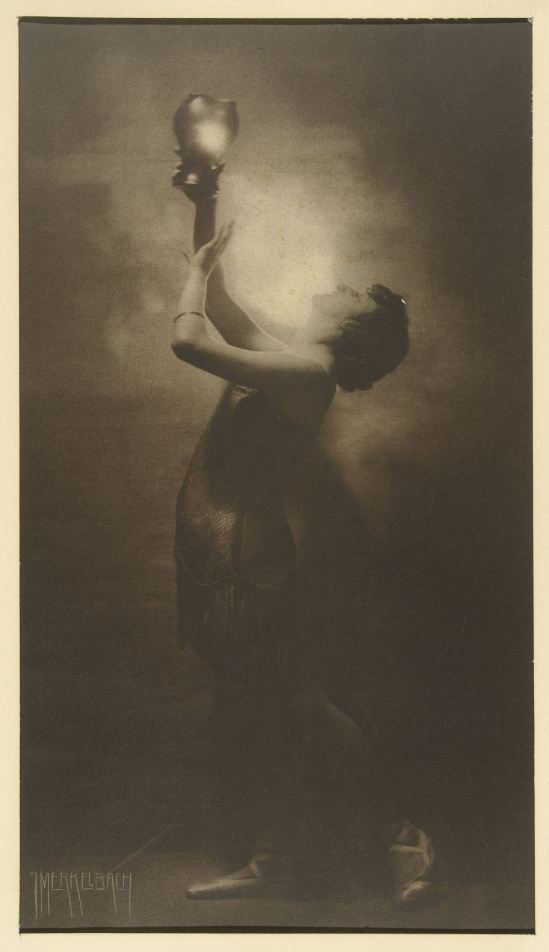
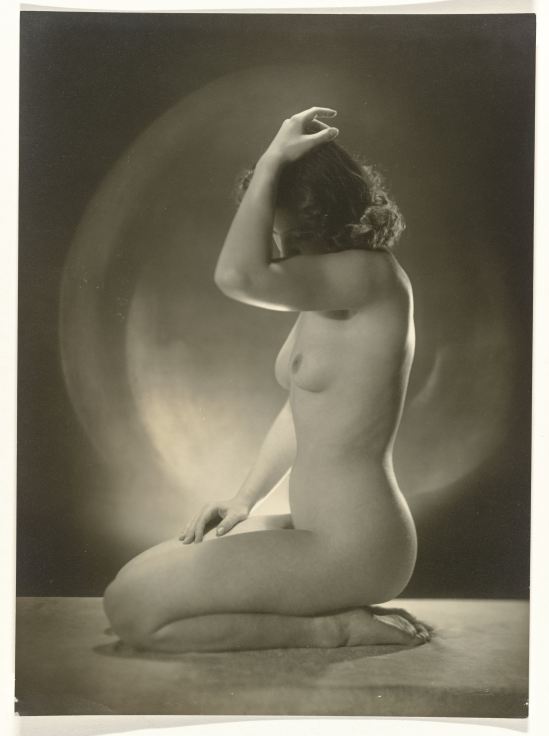
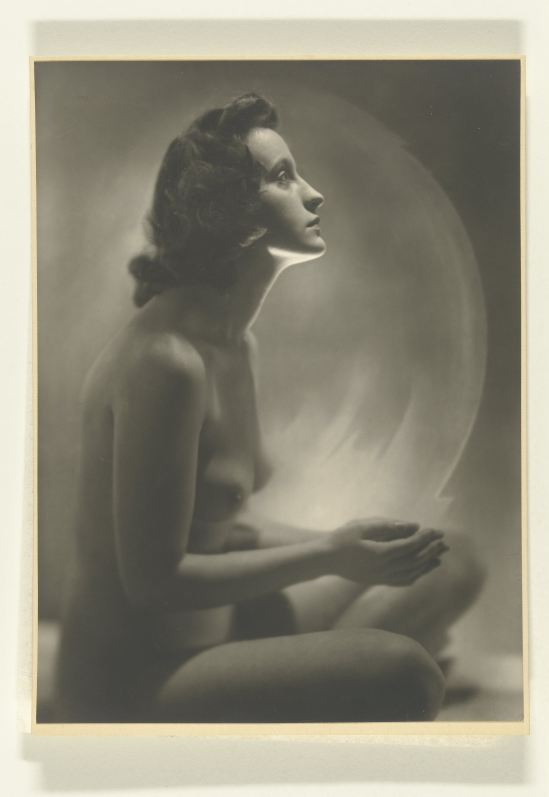
Jacob Merkelbach-Danseres met lichtbol, , 1920

Studio Merkelbach, 1928

Studio Merkelbach Mies Rosenboom-Merkelbach, Angele Sydow,1919

****************************************************************

Nudes

Studio Merkelbach Johanna Wittrock,1918

studio-merkelbach-mies-rosenboom-merkelbach-19132

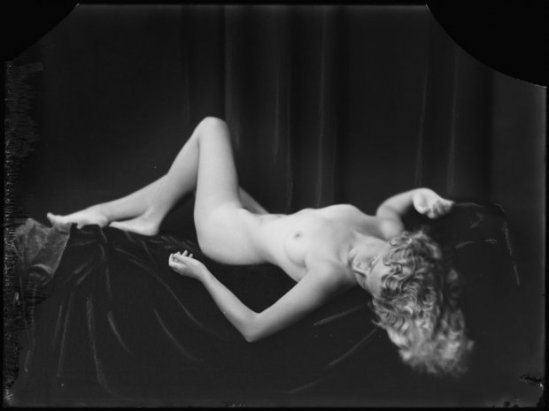
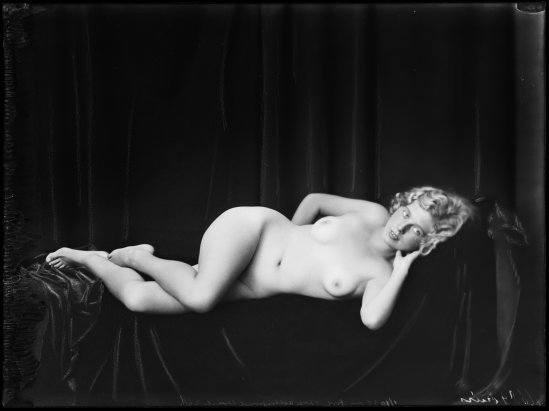
Jacob Merkelbach-naakt, 1925 – 1940

Jacob Merkelbach- Porrtret van Mies Rosenboom-Merkelbach als zittend naakt, 1925 – 1940

Studio Merkelbach mies-rosenboom-merkelbach-1913

Jacob Merkelbach (Attributed to) – Portrait of a seated nude, 1915-1930

Jacob Merkelbach- Naked woman sitting with hands held up to a white circle painted been light, 1925 – 1945

Studio Merkelbach Johanna Suers ,1933

Studio Merkelbach Johanna Suers ,1933

Studio Merkelbach Johanna Suers ,1933

Studio Merkelbach Johanna Suers ,1933

*******************************************************

Portraits

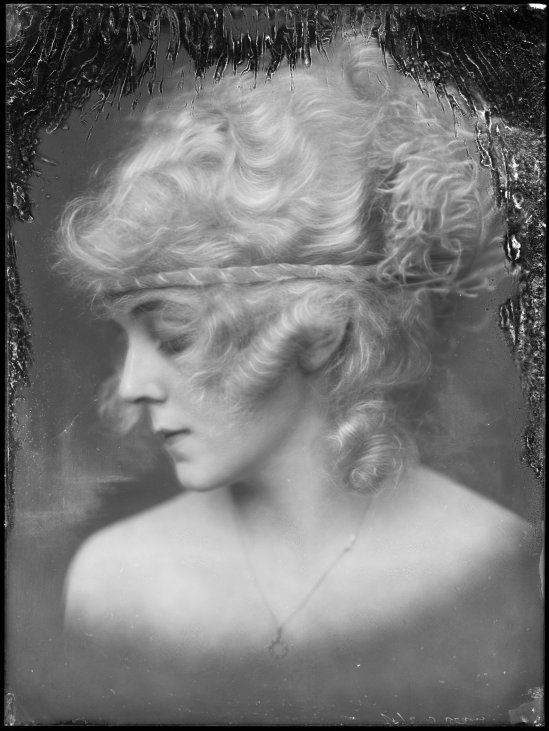
Studio Merkelbach 1920

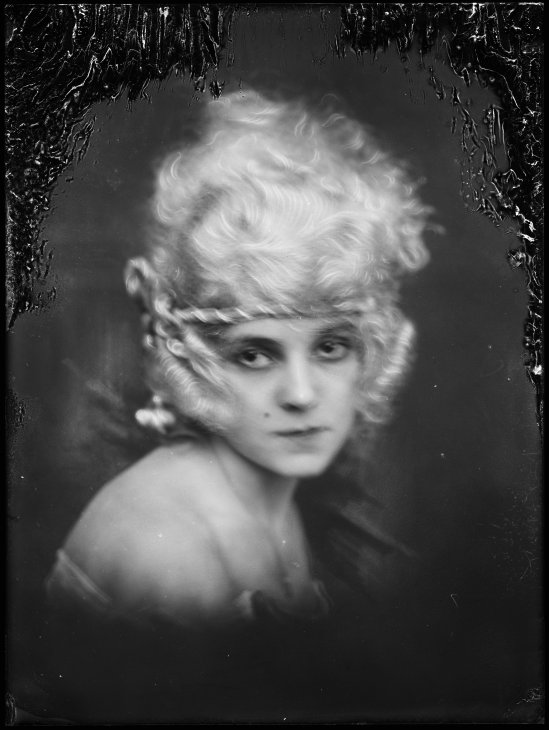
Studio Merkelbach 1920


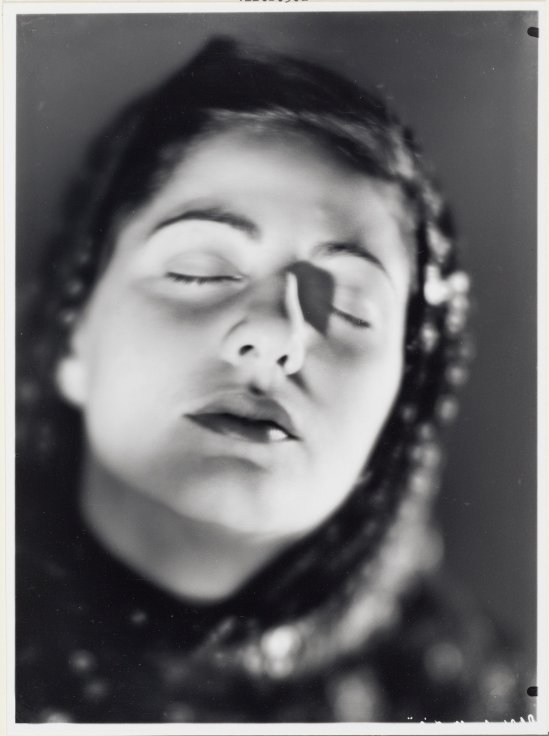
Atelier Jacob Merkelbach-Woman’s portrait with eyes closed on behalf of Film Productie Maatschappij ‘Neerlandia’.1938

Studio Merkelbach Wilhelmina (Mien)-Portrait 1921

Atelier Jacob Merkelbach-Nola Hatterman, 1922

Atelier Jacob Merkelbach-Beschrijving A. Roland Holst de Meester , 1927

Atelier Jacob Merkelbach-Beschrijving Helena Dorothea Catharina .1919

Atelier Jacob Merkelbach-Fashion photo for ‘De Prijslijst’, Reguliersbreestraat 15-17,1920-22

Atelier Jacob Merkelbach-Toneelplayer Mien van Kerckhoven-Kling (1894-1966), 1914

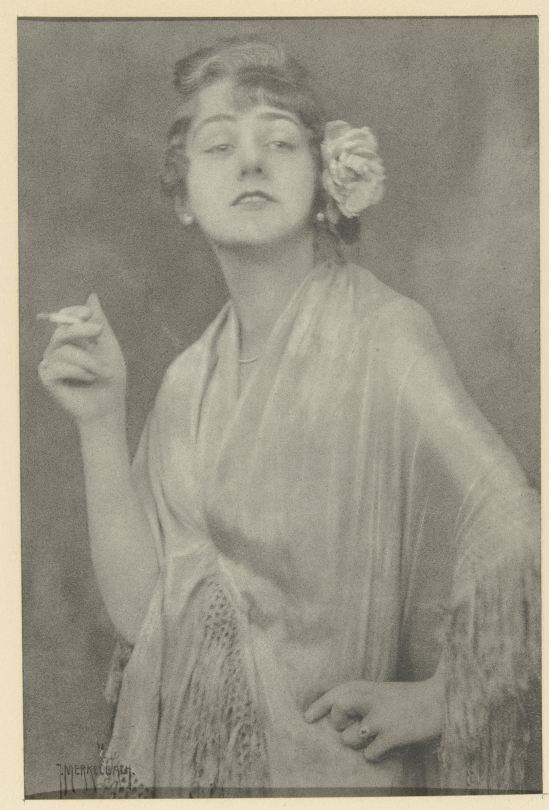
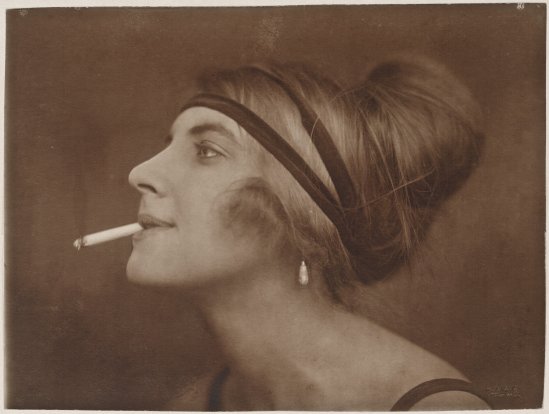
Jacob Merkelbach- Mevr. Brandes met sigaret en roos in het haar,1910 – 1919

Atelier Jacob Merkelbach-Corry Schiller-Italiaander (1886-1971), 1907

Atelier Jacob Merkelbach-Corry Schiller-Italiaander , nd

Atelier Jacob Merkelbach-Corry Schiller-Italiaander .1917

Studio Merkelbach 1918

Studio Merkelbach 1918

Studio Jacob Merkelbach Mevr. van Kerkhoven, 1927

Studio Jacob Merkelbach Mevr. Kauffeld, 1926

Studio Jacob Merkelbach Mevr. Meyer, 1927

Studio Jacob Merkelbach Mevr. Jonas, 1928

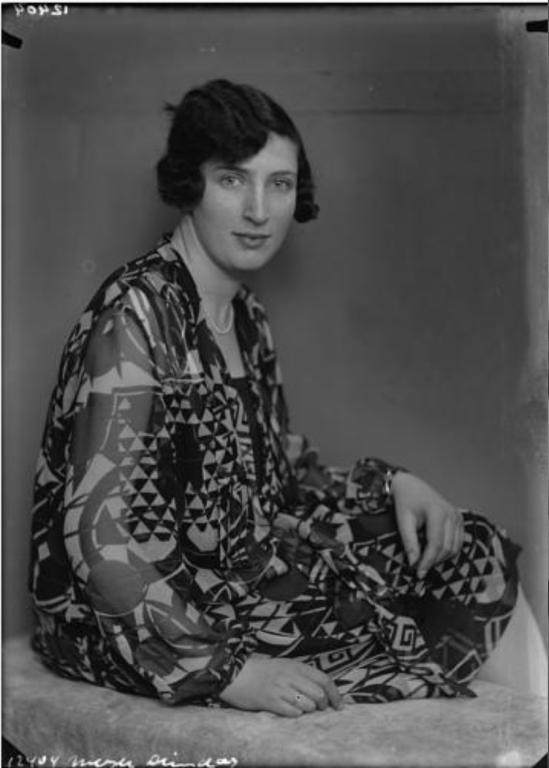
Studio Jacob Merkelbach Mevr. Dresden, 1921

Studio Jacob Merkelbach Mej. Meijer, 1913

Jacob Merkelbach-Chaja Goldstein tijdens toneelspel,1930 – 1960

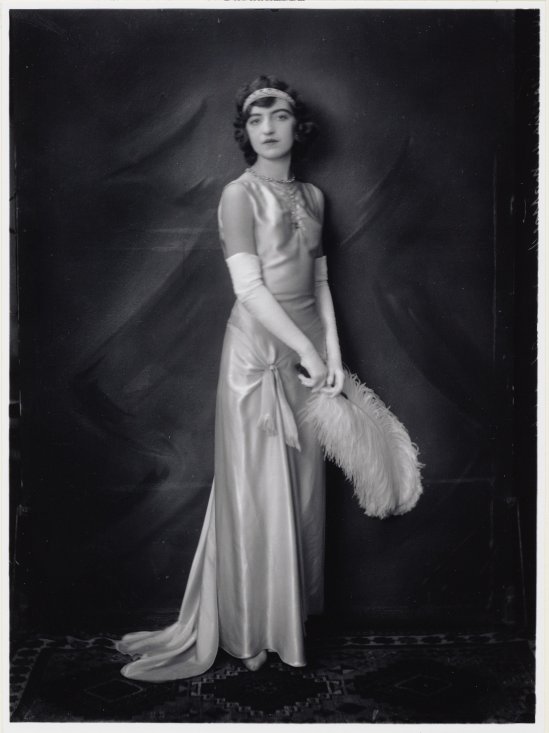
Atelier Jacob Merkelbach-Portrait of a young woman in white dress, 1920-22

Atelier Jacob Merkelbach-Maria Antonia (Mies) Merkelbach .1922

Atelier Jacob Merkelbach-Sophie Davids .1917

Atelier Jacob Merkelbach-Teddy Schaenk, nd

Jacob Merkelbach-Portret van Mies Rosenboom-Merkelbach,1920 – 1930

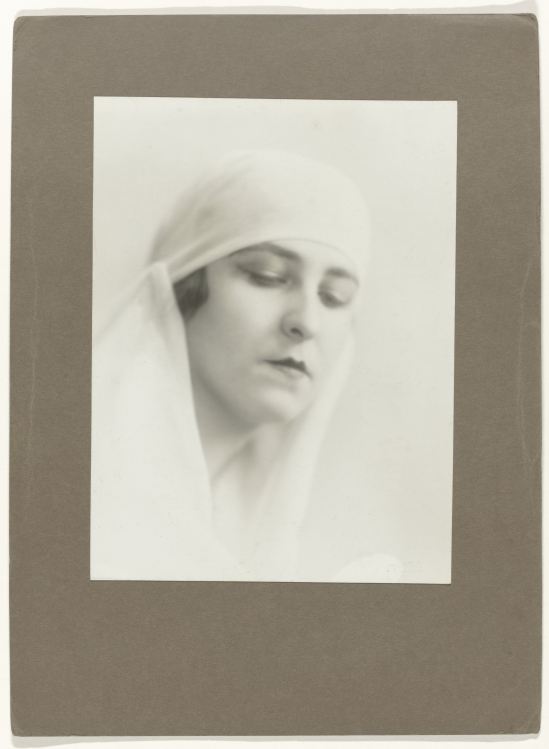
Jacob Merkelbach-Portret van Mies Rosenboom – Merkelbach met witte hoofdbedekking, 1930 – 1970

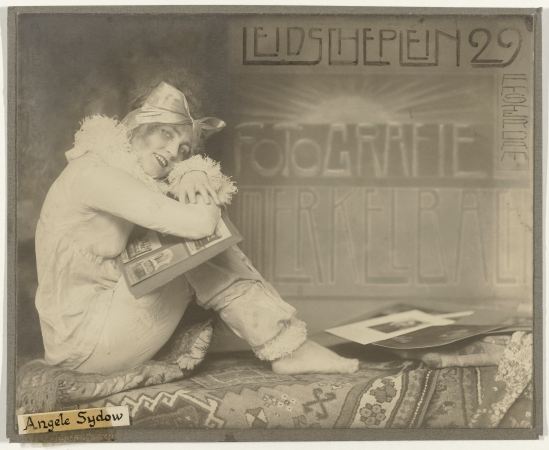
Jacob Merkelbach-Reclamefoto, voor het atelier van Merkelbach, met danseres Angèle Sydow,1916

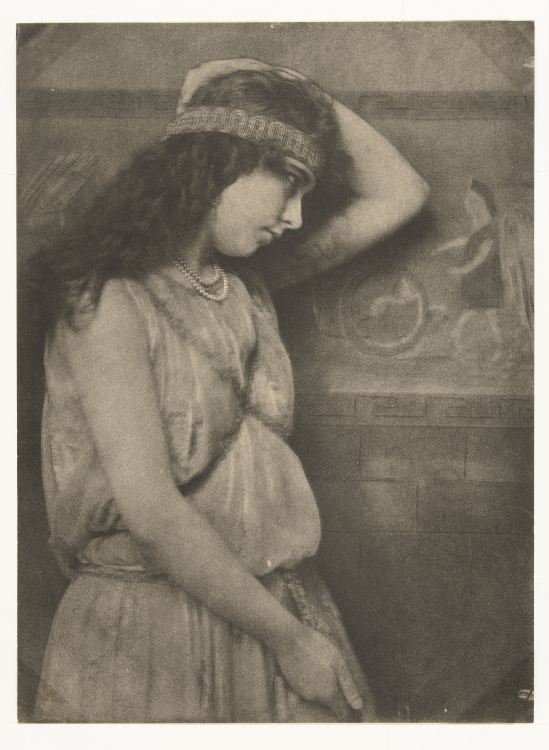
Jacob Merkelbach-Portret van Manuela del Rio gekleed in Griekse jurk,1915 – 1930

Jacob Merkelbach-Portret van gesluierde vrouw,, ca. 1920 – ca. 1930

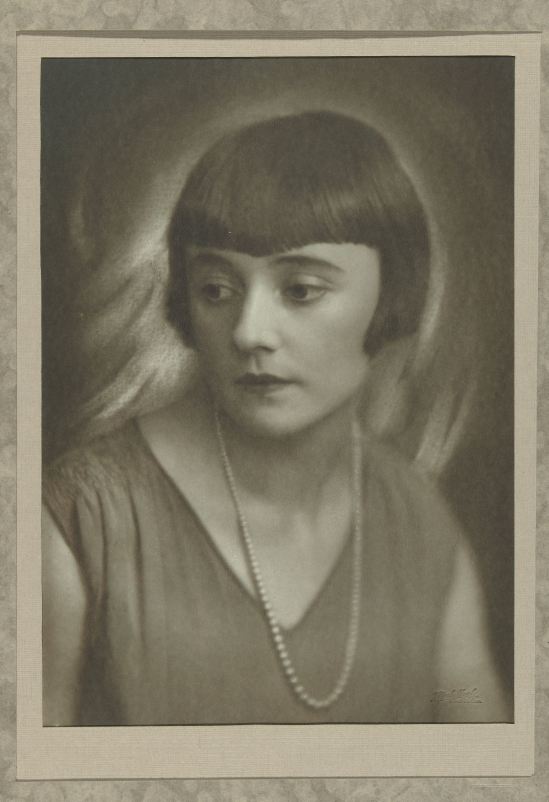
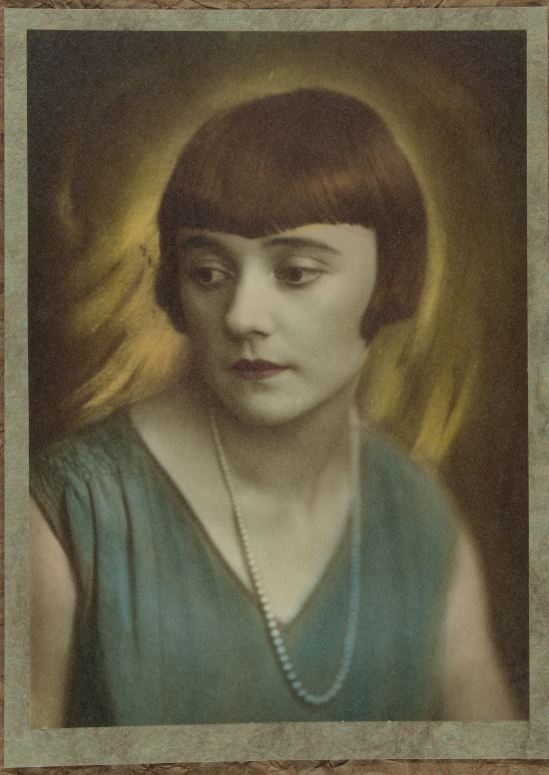
Jacob Merkelbach- Portrait Of Young Woman With Necklace, 1920 – 1930

Jacob Merkelbach-Portret Mies Rosenboom-Merkelbach in blauwe jurk, 1920 – 1930


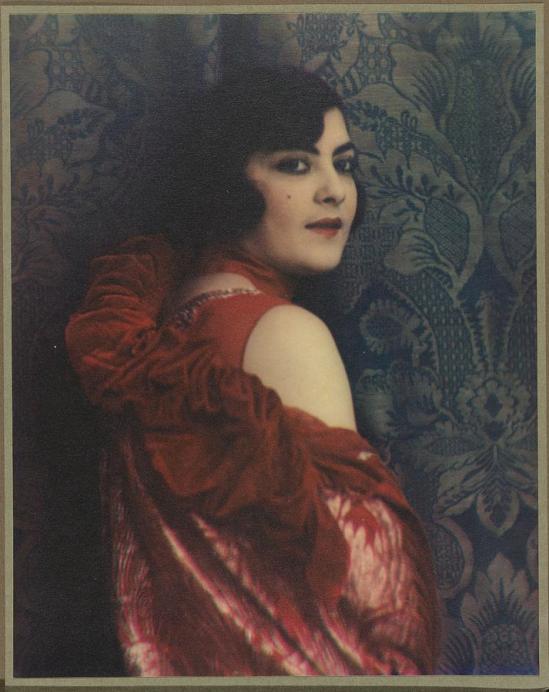
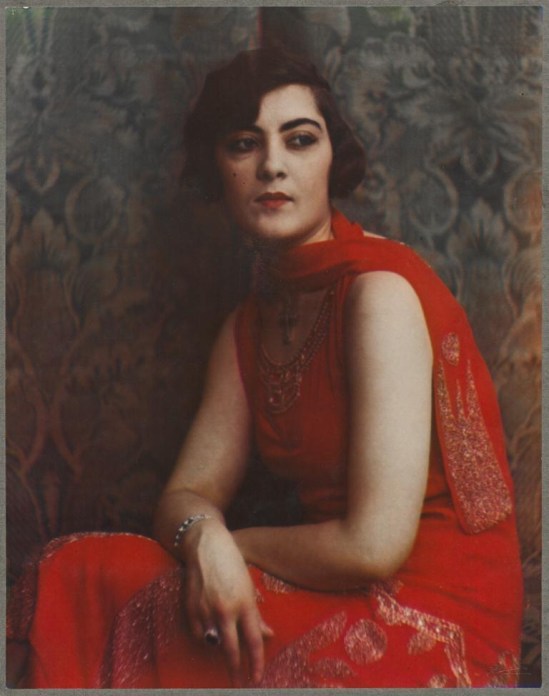
Jacob Merkelbach- Portrait Of A Woman In A Red Dress, 1920 – 1930

Studio Merkelbach, [Portrait of an unknown woman], between 1919 and 1929, Jos-Pé colour process

Studio Merkelbach divas,

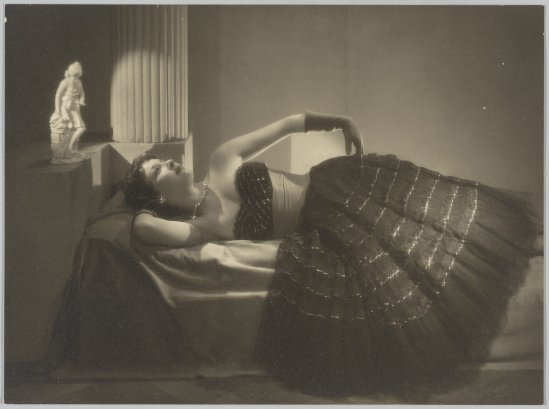
Atelier Jacob Merkelbach-Fashion Photo with lying model in evening dress, neck necklace and earrings, 1935

Atelier Jacob MerkelbachTeixeira de Mattos, 1930

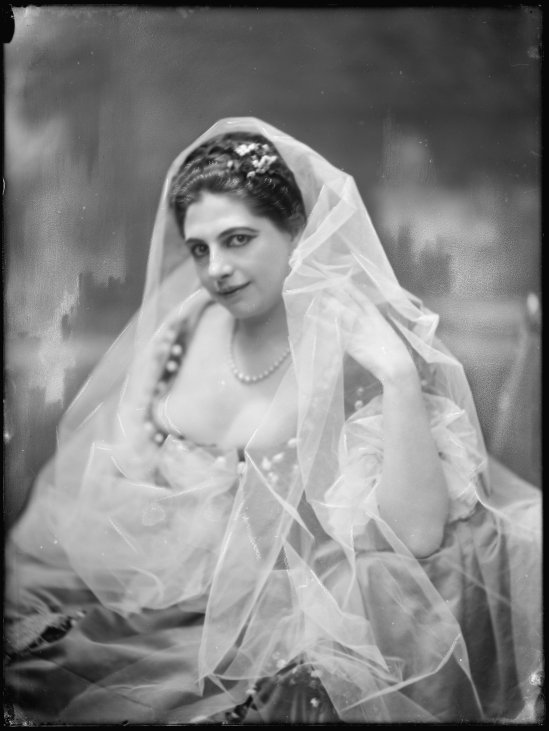
Atelier Jacob Merkelbach-Margaretha Geertruida (Mata Hari) .1915

Studio Merkelbach 1921

Studio Merkelbach 1920

Studio Merkelbach 1920

             http://redeenportret.nl/

Albert Wyndham


Albert Wyndham -Contorsion Paris, fin des années 1920 Épreuve argentique

Albert Wyndham -Tension Paris, fin des années 1920 Épreuve argentique

Albert Wyndham -untitled Paris – stamped – 1920s silver gelatin

Albert Wyndham -Untitled 1930s, silver gelatin print

Albert Wyndham -Untitled 1930s, silver gelatin print

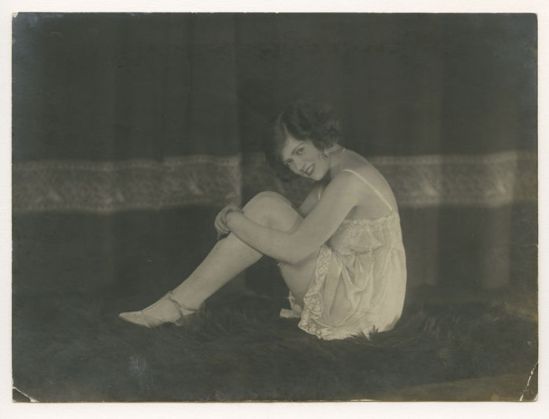
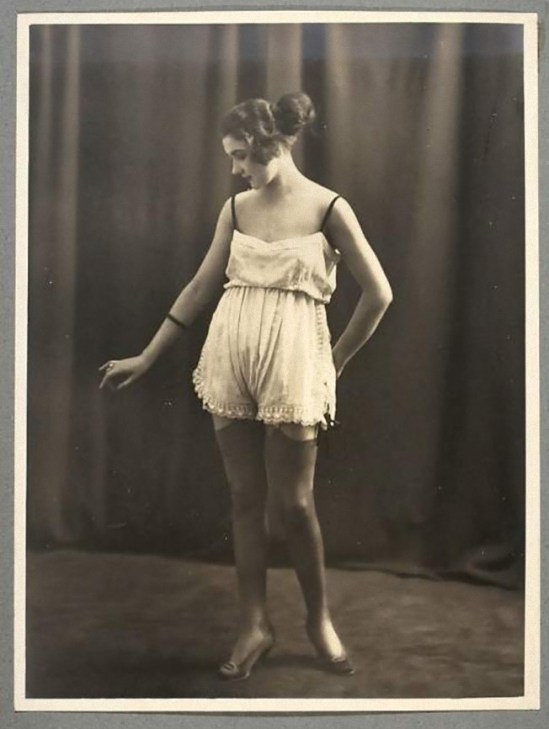
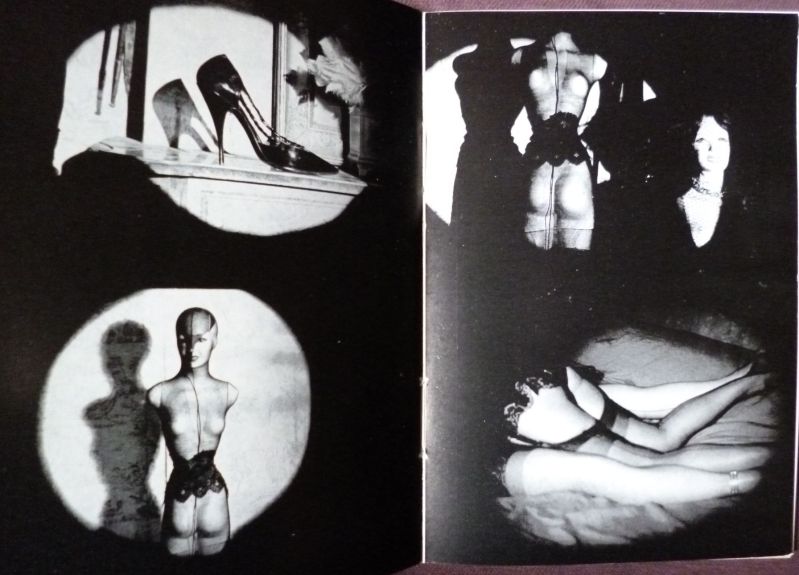
Albert Wyndham – from Album of Original Gelatin Silver Prints Erotic, Dessous by Albert Wyndham, c. 1930

Albert Wyndham – from Album of Original Gelatin Silver Prints Erotic, Dessous by Albert Wyndham, c. 1930

Albert Wyndham – from Album of Original Gelatin Silver Prints Erotic, Dessous by Albert Wyndham, c. 1930

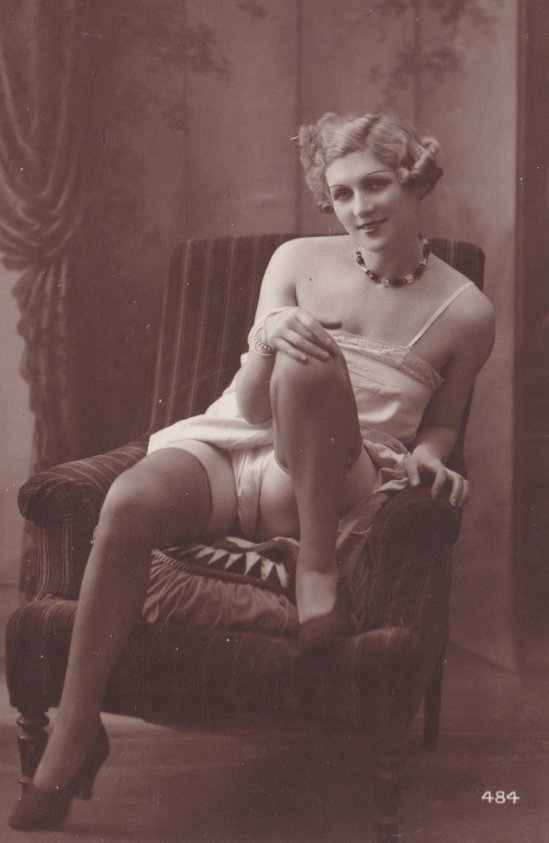
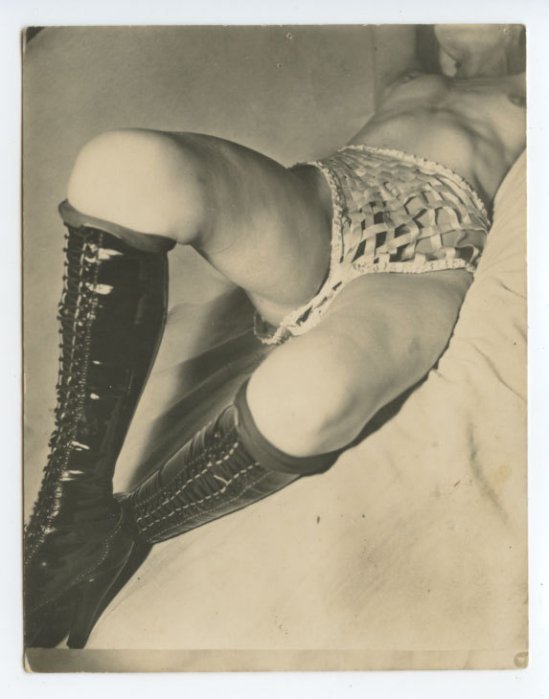
Albert Wyndham -Untitled French Lingerie 1930s, silver gelatin print

Albert Wyndham – Untitled , Paris around 1919 with the courtesy of the personal collection © Siegfried Sander


Albert Wyndham -Untitled 1920s, silver gelatin print

Albert Wyndham -Down by the River 1930s, silver gelatin print

Albert Wyndham -Untitled 1920s, silver gelatin print

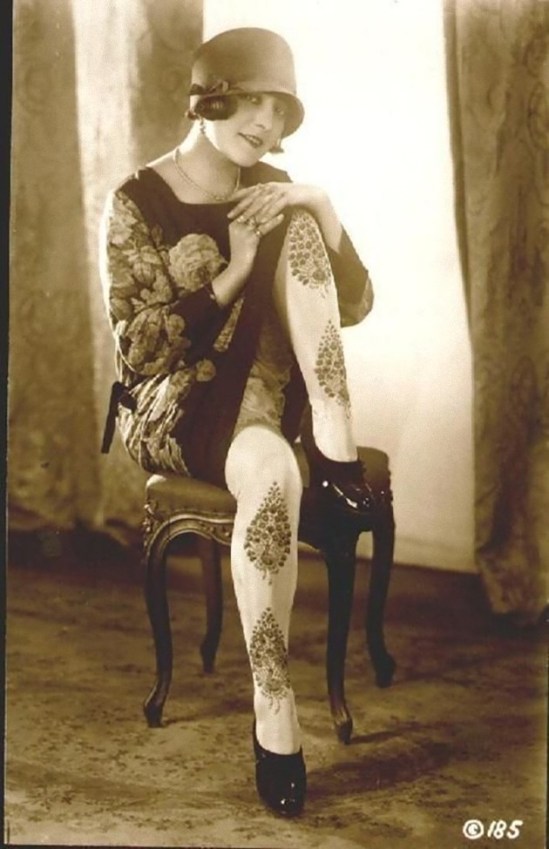
Albert Wyndham -Stylish Gal with a pair of unique hosiery 1930s, silver gelatin print

Albert Wyndham – Untitled 1930 , gelatine silver print From EroticPhotography by Alexandre Dupuyp 183 , 2011

Albert Wyndham -untitled 1920s to 1930s silver gelatin print

Albert Wyndham -untitled 1920s to 1930s silver gelatin print

Albert Wyndham -untitled 1920s to 1930s silver gelatin print

Albert Wyndham -untitled 1920s to 1930s silver gelatin print

Albert Wyndham -Untitled 1930s, silver gelatin print

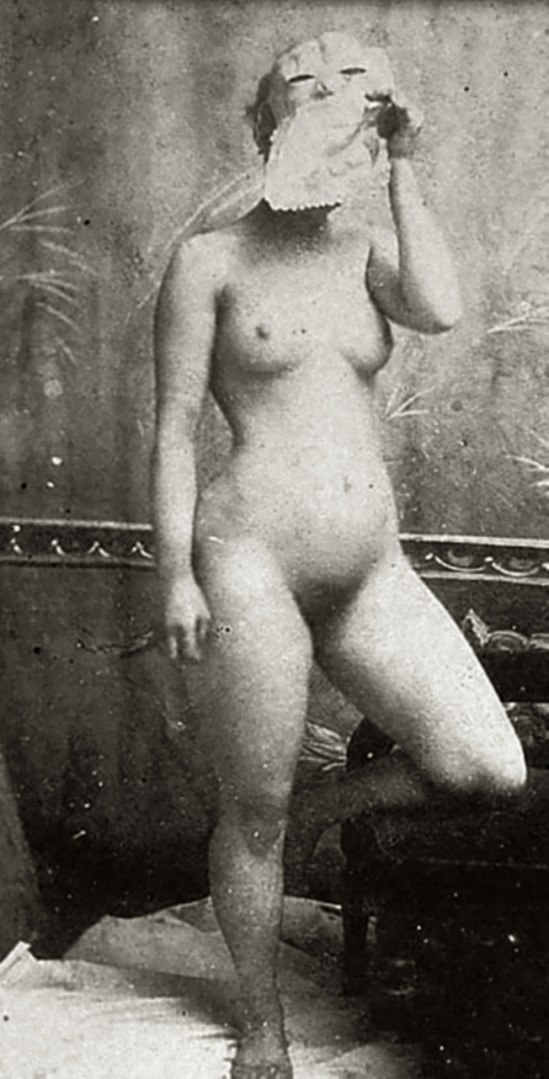
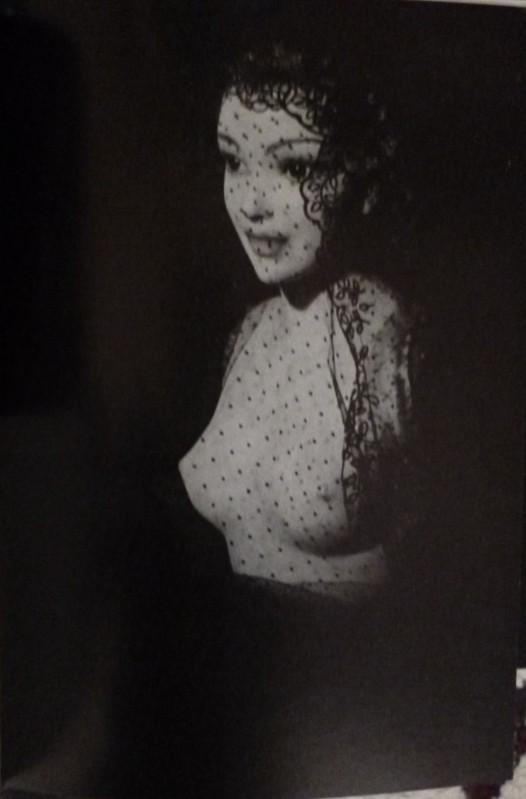
Albert Wyndham Female Nude Wearing Black Hat and Mask, circa 1900


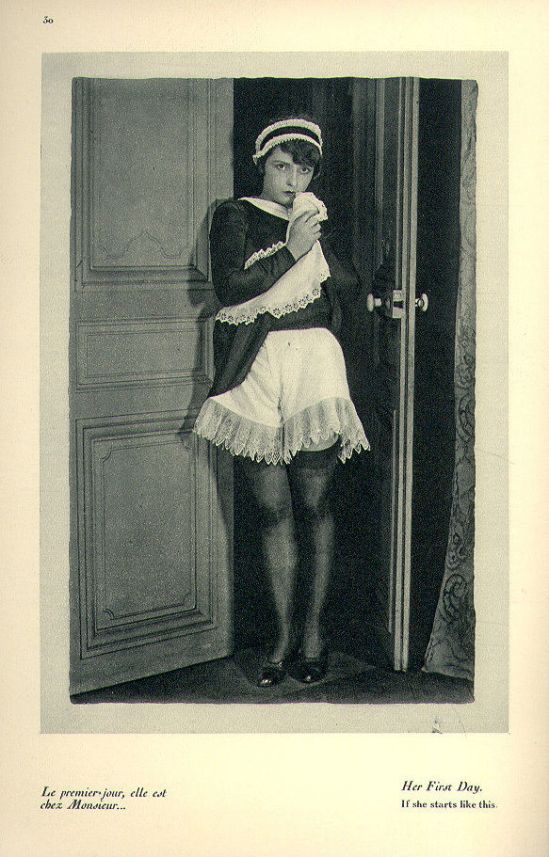
PETIT CHOC Les Deux Tournelles, 1930. Photographs by Albert Wyndham

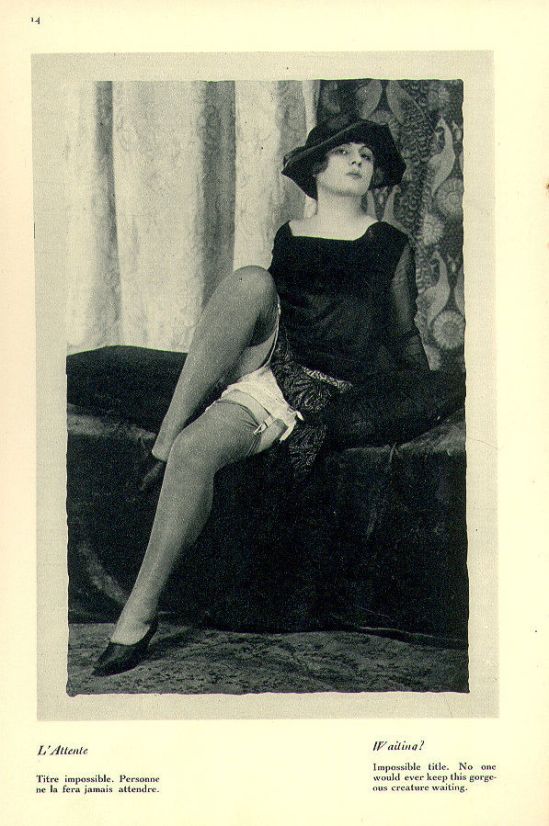
PETIT CHOC Les Deux Tournelles, l’attente 1930. Photographs by Albert Wyndham

PETIT CHOC Les Deux Tournelles, 1930. Photographs by Albert Wyndham

PETIT CHOC Les Deux Tournelles,1930. Photographs by Albert Wyndham

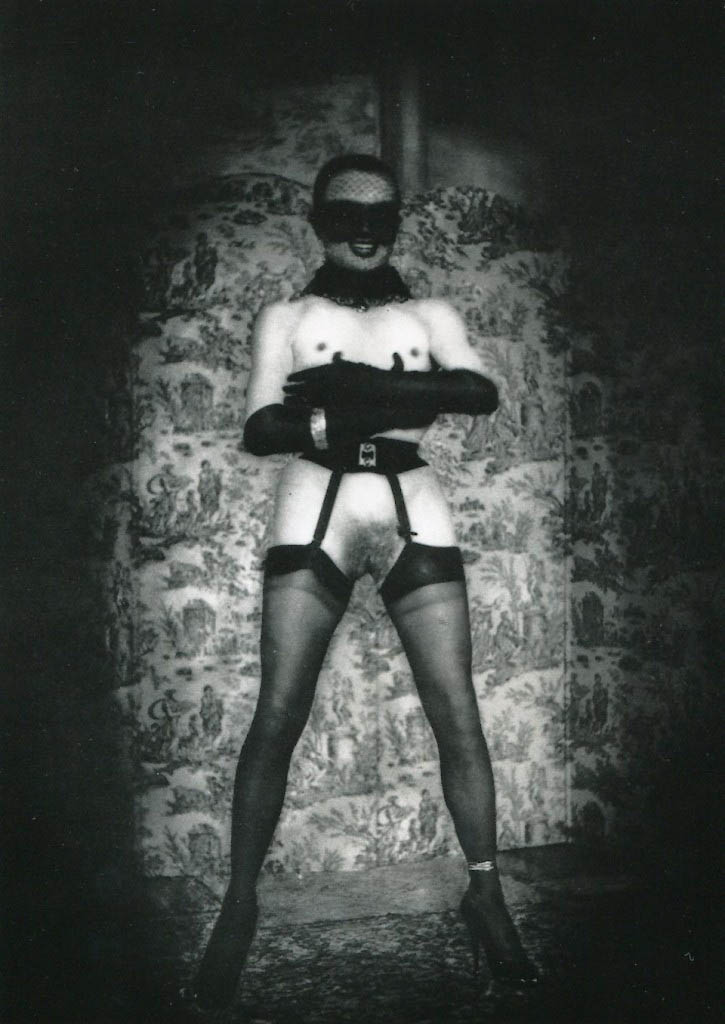
PETIT CHOC #4 Fetish Photos, Photographs by Albert Wyndham

PETIT CHOC #4 Fetish photos, Photographs by Albert Wyndham 1930

PETIT CHOC #4 Fetish Photos, Photographs by Albert Wyndham 1930

PETIT CHOC #4 Fetish Photos, Photographs by Albert Wyndham

Albert Arthur Allen-Nudes outdoors

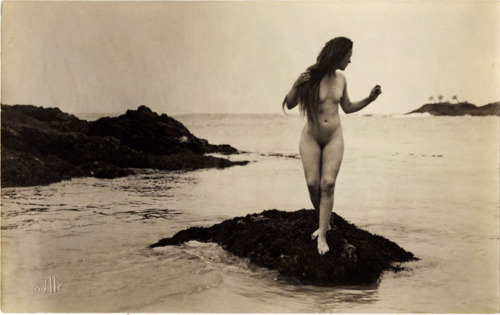
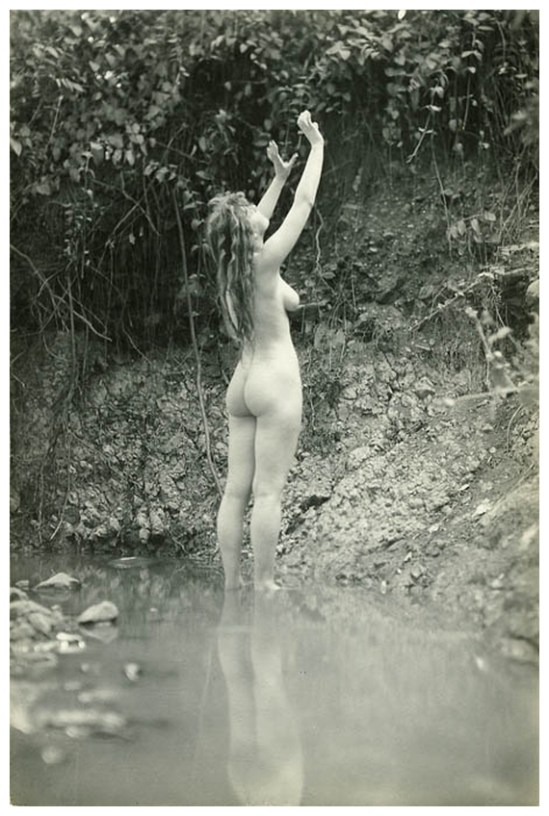
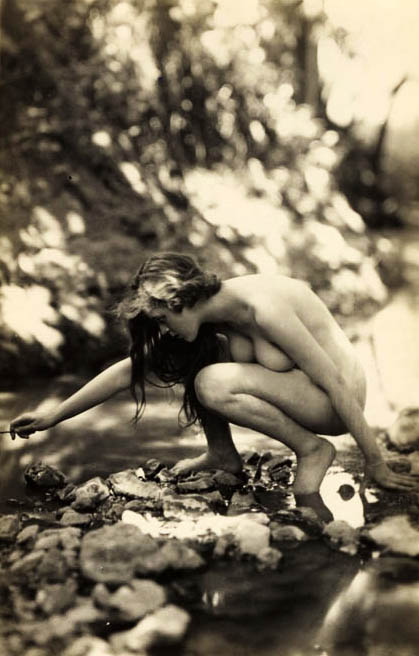
Albert Arthur Allen- Nude,The Isle , 1920s

Nude study,1920 by Albert Arthur Allen

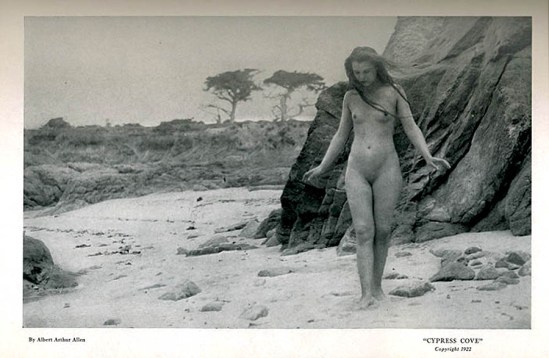
Albert Arthur Allen- Cypress Cove, 1922, Oakland, California.

Albert Arthur Allen – 1919

Albert Arthur Allen – 1919

Albert Arthur Allen

Albert Arthur Allen

Albert Arthur Allen -, 1919

Albert Arthur Allen- Nude, From Out of the Sea , 1920

Albert Arthur Allen -, 1919

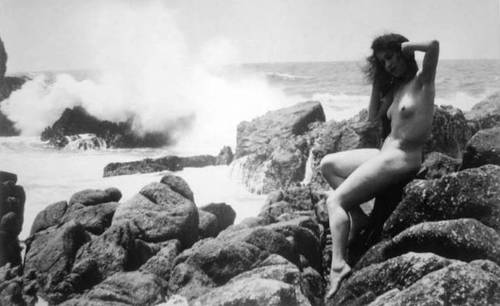
Albert Arthur Allen- Breakers

Albert Arthur Allen – 1919

Albert Arthur Allen Daisy,

Albert Arthur Allen Daisy,

Albert Arthur Allen Molly

Albert Arthur Allen Daisy,

Albert Arthur Allen Daisy,

Albert Arthur Allen Janet

Albert Arthur Allen Molly

Albert Arthur Allen Molly

Albert Arthur Allen Molly

Albert Arthur Allen Janet

Albert Arthur Allen Janet

Albert Arthur Allen Molly

Albert Arthur Allen Molly

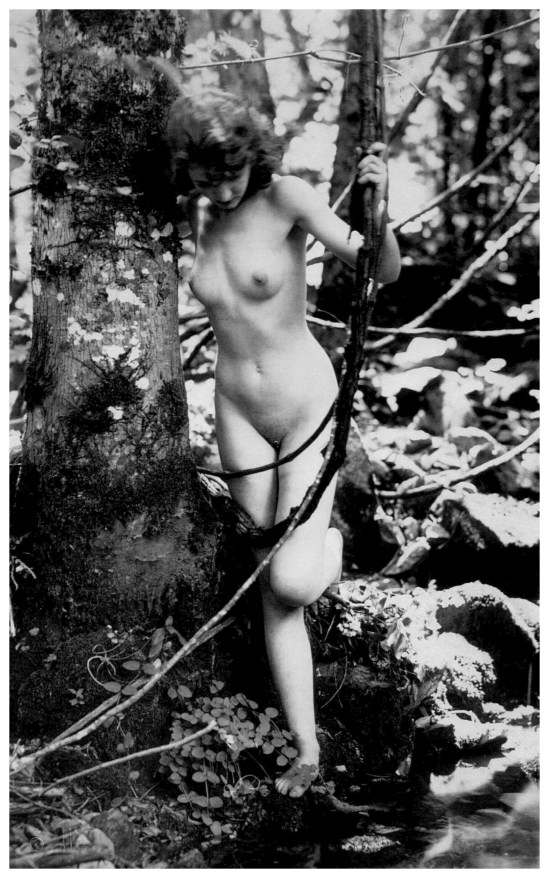
Albert Arthur Allen Promotional Brochure from Alo Studios Oakland- Sepentine forest, 1922

Albert Arthur Allen Promotional Brochure from Alo Studios Oakland- Sepentine forest, 1922

Albert Arthur Allen Promotional Brochure from Alo Studios Oakland- Sepentine forest, 1922

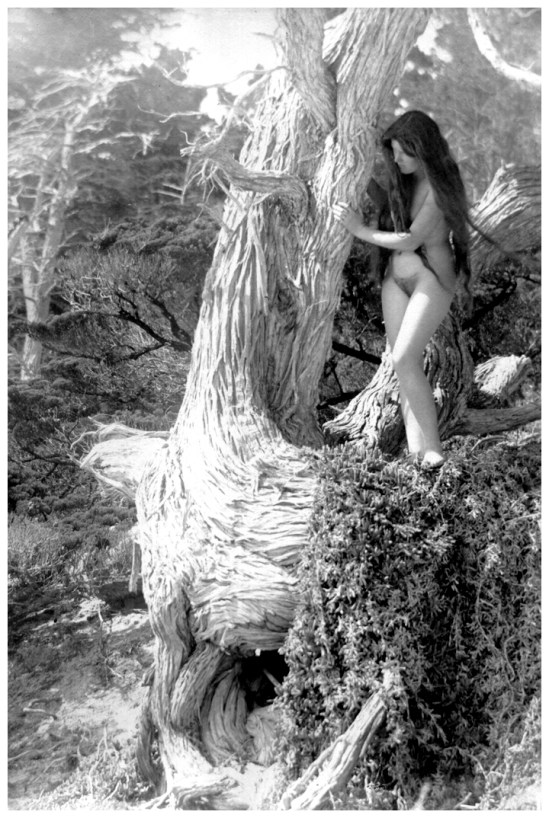
Albert Arthur Allen The Soul of the Cypress,1922

Albert Arthur Allen- Nude-The Soul of the Cypress 1,920s

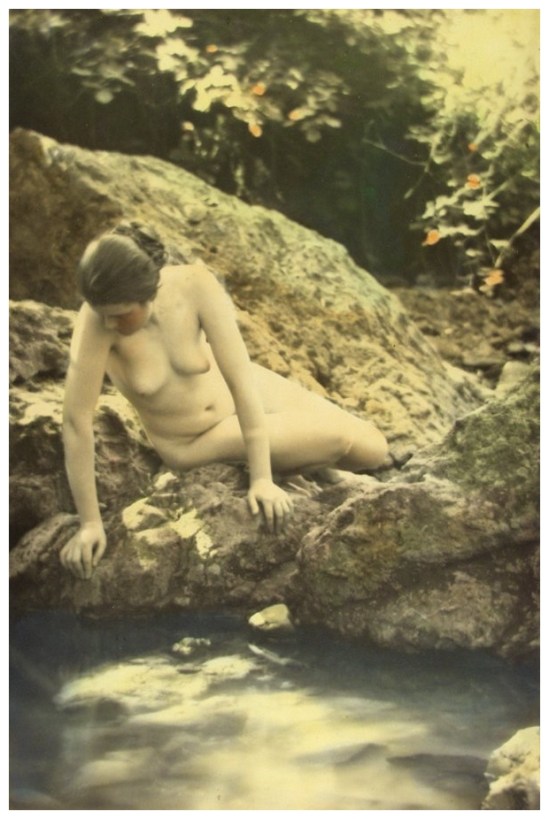
Albert Arthur Allen- The Pool , from The Grotto Series,1920s

Albert Arthur Allen, The Silver Pond Girl, 1920s,

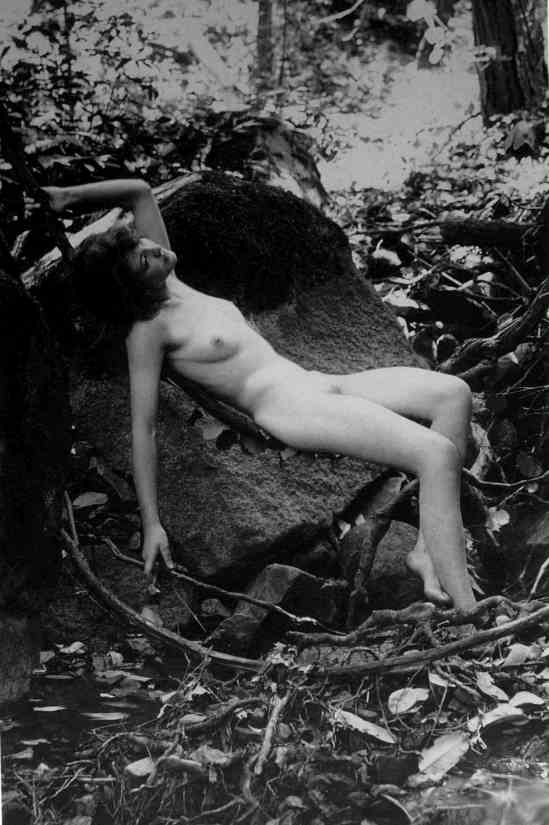
Albert Arthur Allen – Sepentine forest, 1922

Albert Arthur Allen

Albert Arthur Allen

Albert Arthur Allen Nude, 1916

Albert Arthur Allen Nude, 1916

More Articles about Albert Arthur Allen

Boris Sergeevich Davydov

Boris Sergeevich Davydov - Untitled, 1970s

Boris Sergeevich Davydov – Untitled, 1970s

Boris Sergeevich Davydov - Untitled, 1970s

Boris Sergeevich Davydov – Untitled, 1970s

Boris Sergeevich Davydov - Untitled, 1970s

Boris Sergeevich Davydov – Untitled, 1970s

Boris Sergeevich Davydov - Untitled, 1970s 5

Boris Sergeevich Davydov – Untitled, 1970s

Boris Sergeevich Davydov - Untitled, 1970s

Boris Sergeevich Davydov – Untitled, 1970s

Boris Sergeevich Davydov - Untitled, 1970s

Boris Sergeevich Davydov – Untitled, 1970s

Boris Sergeevich Davydov - Untitled, 1970s

Boris Sergeevich Davydov – Untitled, 1970s

Boris Sergeevich Davydov - Untitled, 1970s

Boris Sergeevich Davydov – Untitled, 1970s

Boris Sergeevich Davydov - Untitled, 1970s 6

Boris Sergeevich Davydov – Untitled, 1970s

Boris Sergeevich Davydov - Untitled, 1970s 2

Boris Sergeevich Davydov – Untitled, 1970s

Boris Sergeevich Davydov - Untitled, 1970s 1

Boris Sergeevich Davydov – Untitled, 1970s

Boris Sergeevich Davydov - Untitled, 1970s 4

Boris Sergeevich Davydov – Untitled, 1970s

Boris Sergeevich Davydov - Untitled, 1970s 3

Boris Sergeevich Davydov – Untitled, 1970s

Brassaï – Série Filles dans un hôtel de passe, rue Quincampoix, 1932

« Brassaï, pseudonyme de Gyula Halász, né le 9 septembre 1899 à Brașov (hongrois: Brassó – ville alors austro-hongroise et rattachée à la Roumanie depuis) et mort le 8 juillet 1984 à Nice (Alpes-Maritimes), était un photographe français d’origine hongroise, et aussi dessinateur, peintre, sculpteur et écrivain.

Gyula Halász a trois ans quand sa famille emménage à Paris où ils rejoignent le père qui enseigne la littérature à la Sorbonne. Jeune homme, Gyula Halász étudie la peinture et la sculpture à l’école des Beaux-Arts de Budapest avant de rejoindre la cavalerie austro-hongroise pour y servir durant la Première Guerre mondiale. En 1920 il se rend à Berlin où il y travaillera en tant que journaliste, tout en suivant les cours de l’académie des Beaux-Arts Berlin-Charlottenburg.

Halász déménage en 1924 pour Paris. Seul, il apprend le français en lisant les œuvres de Marcel Proust. Installé à Montparnasse, au cœur du Paris artistique des années 1920, il se lie à Henry Miller, Léon-Paul Fargue et Jacques Prévert.

Il reprend sa carrière de journaliste. Il écrivit plus tard que la photo l’avait aidé à saisir la nuit Parisienne, la beauté des rues et des jardins, qu’il pleuve ou qu’il vente. En utilisant son lieu de naissance, Gyula Halász se forge dès 1923 le pseudonyme de Brassaï qui signifie « de Brassó ». C’est sous ce nom qu’il s’impose comme celui qui a su capturer l’essence de la ville dans ses clichés, publiant un premier recueil en 1932 intitulé « Paris de nuit » qui reçoit un grand succès et le fera même surnommer « l’œil de Paris » par Miller dans l’un de ses essais. En dehors de ses photos du Paris interlope et sombre, Brassaï s’est aussi intéressé à la haute société, aux intellectuels, à la danse et à l’opéra. Il photographia nombre d’entre ses contemporains, tels Salvador Dalí, Pablo Picasso, Henri Matisse, Alberto Giacometti et certains des écrivains majeurs de l’époque : Jean Genet, Henri Michaux. Une de ses photographies de la série des Graffiti sera utilisée en couverture du recueil de Jacques Prévert Paroles en 1946.

Ses photographies offrirent à Brassaï une célébrité internationale. En 1956, son film « Tant qu’il y aura des bêtes » gagne un prix à Cannes, puis en 1974, il est élevé au rang de Chevalier des Arts et des Lettres, avant de recevoir en 1976, la Légion d’honneur. Il gagne le premier « Grand Prix national de la photographie », deux ans plus tard, à Paris. Il est exposé aux Rencontres d’Arles, (France), lors des soirées de projection au Théâtre Antique, en 1970 pour “Brassaï” de Jean-Marie Drot,et en 1972 pour “Brassaï si, Vominino” de René Burri. Il est l’invité d’honneur des Rencontres en 1974. Une exposition et une soirée d’hommage lui y sont consacrées.

En plus de ses œuvres photographiques, Brassaï écrivit dix-sept livres et de nombreux articles, dont en particulier Histoire de Marie, publié avec une introduction de Henry Miller.

Brassaï est enterré au Cimetière du Montparnasse, à Paris « (Wilkipia)

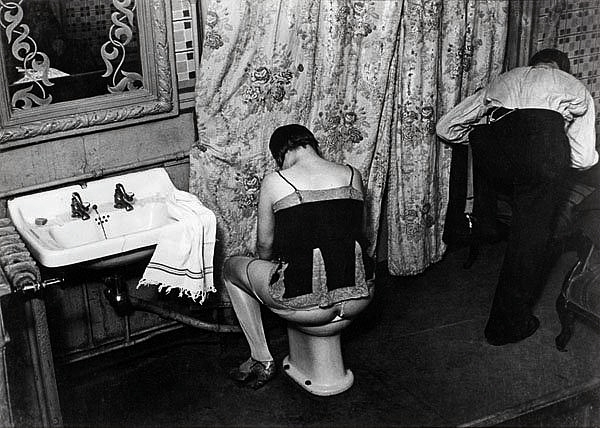
Brassaï-  Hôtel de passe, rue Quincampoix, 1932 ( Diana Slip Co Lingerie,)

Brassaï- Hôtel de passe, rue Quincampoix, c.1932

Brassai sans titre Fille dans un hôtel de passe, rue Quincampoix, 1932 Culotte et talons hauts, Diana Slip Co

Brassaï -Hôtel de passe rue Quincampoix, publicité pour la lingerie féminine Diana Slip 1932

Brassaï -Hôtel de passe rue Quincampoix, publicité pour la lingerie féminine Diana Slip 1932

Brassai sans titre Fille dans un hôtel de passe, rue Quincampoix, 1932 Culotte et talons hauts, Diana Slip Co

Brassai sans titre Fille dans un hôtel de passe, rue Quincampoix, 1932 Culotte et talons hauts, Diana Slip Co

Brassaï -Hôtel de passe rue Quincampoix, publicité pour la lingerie féminine Diana Slip 1932

Brassaï -Hôtel de passe rue Quincampoix, publicité pour la lingerie féminine Diana Slip 1932

brassai-hotel-de-passe-rue-quincampoix-publicites-pour-la-lingerie-feminine-diana-slip-1932-1

Brassaï -Hôtel de passe rue Quincampoix, publicité pour la lingerie féminine Diana Slip 1932

brassai-hotel-de-passe-rue-quincampoix-publicites-pour-la-lingerie-feminine-diana-slip-1932-3

Brassaï -Hôtel de passe rue Quincampoix, publicité pour la lingerie féminine Diana Slip 1932

Brassaï -Hôtel de passe rue Quincampoix, publicité pour la lingerie féminine Diana Slip 1932

Brassaï -Hôtel de passe rue Quincampoix, publicité pour la lingerie féminine Diana Slip 1932

Brassaï -Hôtel de passe rue Quincampoix, publicité pour la lingerie féminine Diana Slip 1932

Brassaï -Hôtel de passe rue Quincampoix, publicité pour la lingerie féminine Diana Slip 1932

Brassai sans titre Fille dans un hôtel de passe, rue Quincampoix, 1932 Culotte et talons hauts, Diana Slip Co

Brassai sans titre Fille dans un hôtel de passe, rue Quincampoix, 1932 Culotte et talons hauts, Diana Slip Co

Brassaï- Fille dans un hôtel de passe, rue Quincampoix,1932

Brassaï – Fille dans un hôtel de passe, rue Quincampoix, 1932 Culotte et bas, Diana Slip & Co

Brassaï-Hotel de passe , rue Quincampoix-1932

Brassaï – Fille dans un hôtel de passe, rue Quincampoix, 1932 Culotte et bas, Diana Slip & Co

Brassaï -Hôtel de passe rue Quincampoix, publicité pour la lingerie féminine Diana Slip 1932

Brassaï -Hôtel de passe rue Quincampoix, publicité pour la lingerie féminine Diana Slip 1932

Brassaï -Hôtel de passe rue Quincampoix, publicité pour la lingerie féminine Diana Slip 1932

Brassaï -Hôtel de passe rue Quincampoix, publicité pour la lingerie féminine Diana Slip 1932

Brassaï - Fille dans un hôtel de passe, rue Quincampoix, 1932 Culotte et bas et talons hauts, Diana Slip & Co

Brassaï – Fille dans un hôtel de passe, rue Quincampoix, 1932 Culotte et bas et talons hauts, Diana Slip & Co

Brassai sans titre Fille dans un hôtel de passe, rue Quincampoix, 1932 Culotte et talons hauts, Diana Slip Co

Brassaï – Fille dans un hôtel de passe, rue Quincampoix, 1932 Corset et talons hauts, Diana Slip & Co


Brassaï-La toilette, rue Quincampoix, vers 1932 &

Brassaï-La toilette, rue Quincampoix, vers 1932

Jaroslav Vávra

Jaroslav Vávra- untitled, 1964

Jaroslav Vávra- Untitled, 1964 1

Jaroslav Vávra- Untitled, 1964

Jaroslav Vávra- Studie IV (Šrafůra) or Šachové, 1969

Jaroslav Vávra- Studie IV (Šrafůra) or Šachové, 1969

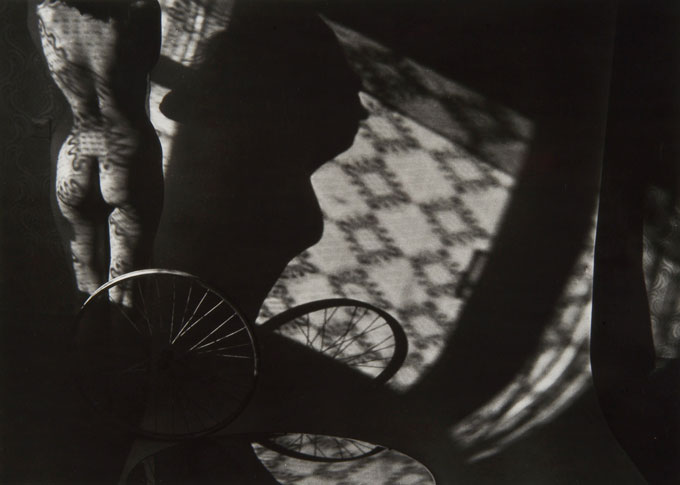
Jaroslav Vávra- Striped Nude , 1966

Jaroslav Vávra- Striped Nude , 1966

Jaroslav Vávra- Arkady, 1964

Jaroslav Vávra- Arkady, 1964

Jaroslav Vávra- Srovnání, 1969

Jaroslav Vávra- Srovnání, 1969

Jaroslav Vávra - Spona, 1960Ss

Jaroslav Vávra – Spona, 1960Ss

Jaroslav Vávra- Checkered Nude ,  1966

Jaroslav Vávra- Checkered Nude , 1966

Jaroslav Vávra -Akt, 1969

Jaroslav Vávra -Akt, 1969

Jaroslav Vávra – Untitled,1969

Jaroslav Vávra – Untitled,1969

Jaroslav Vávra – Untitled,1969

Jaroslav Vávra – Untitled,1969

Jaroslav Vavra - Akt, , 1965

Jaroslav Vavra – Akt, , 1965

Jaroslav Vávra, Toaleta, 1969

Jaroslav Vávra, Toaleta, 1969

Jaroslav Vávra,  Lovec obrazů, 1969

Jaroslav Vávra, Lovec obrazů, 1969

Jaroslav Vávra -Op Art Nude, 1969

Jaroslav Vávra -Op Art Nude, 1969

Jaroslav Vávra- untitled, 1964

Jaroslav Vávra- untitled, 1964

 Jaroslav Vávra- Studie IV (Šrafůra), 1964

Jaroslav Vávra- Studie IV (Šrafůra), 1964

Jaroslav Vávra  1969

Jaroslav Vávra – Cover Akt 1969

Jaroslav Vávra - Plates from Fom Akty, 1969

Jaroslav Vávra – Plates from Fom Akty, 1969

Jaroslav Vávra -untitled nude, 1969

Jaroslav Vávra -untitled nude, 1969

Jaroslav Vávra -untitled nude, 1969

Jaroslav Vávra -untitled nude, 1969

Jaroslav Vávra -untitled nude, 1969

Jaroslav Vávra -untitled nude, 1969

Jaroslav Vávra -untitled nude, 1969

Jaroslav Vávra -untitled nude, 1969

Jaroslav Vávra -untitled nude, 1969

Jaroslav Vávra -untitled nude, 1969

Jaroslav Vávra -untitled nude, 1969 1

Jaroslav Vávra -untitled nude, 1969

 Jaroslav Vávra -Akt, 1969

Jaroslav Vávra -Akt, 1969

Jaroslav Vávra -untitled nude, 1969 Fom Akty, 1969

Jaroslav Vávra -untitled nude, 1969 Fom Akty, 1969

Jaroslav Vávra - Plates from Fom Akty, 1969

Jaroslav Vávra – Plates from Fom Akty, 1969

Jaroslav Vávra - Plates from Fom Akty, 1969

Jaroslav Vávra – Plates from Fom Akty, 1969

Jaroslav Vávra - Plates from Fom Akty, 1969

Jaroslav Vávra – Plates from Fom Akty, 1969

Jaroslav Vávra - Plates ,1969, from Fom Akty, 1971

Jaroslav Vávra – Plates ,1969, from Fom Akty, 1971

Jaroslav Vávra - Plates ,1969, from Fom Akty, 1971

Jaroslav Vávra – Plates ,1969, from Fom Akty, 1971

Jaroslav Vávra - Plates ,1969, from Fom Akty, 1971

Jaroslav Vávra – Plates ,1969, from Fom Akty, 1971

&

Jaroslav Vávra – Plates ,1969, from Fom Akty, 1971

William Goldman

« Working Girls: An American Brothel Circa 1892 featuring unseen photographs of a 19th-century brothel by William I. Goldman. The exhibit debuts in conjunction with the release of a recently published book by art historian and curator Robert Flynn Johnson, titled Working Girls. The exhibition and book feature imaginative and artful photographs, which capture the artist’s deep appreciation and understanding for women who, circa 1892, lived and worked at an upscale brothel in Reading, PA.

The project began nearly 15 years ago when Johnson came across the bordello scenes at a vintage paper fair in Concord, Calif. Fascinated by the beautiful, Degas-like images, Johnson shared the shots with Serge and Tatiana Sorokko who went on to purchase a large portion of the collection. Over a decade later, Sorokko, a prominent art dealer, publisher and owner of Serge Sorokko Gallery in San Francisco, will showcase 25 photographs by Goldman, for which no negatives are known to exist, including 20 never-before-seen images and five images featured in Working Girls.

“Robert is a talented author, brilliant curator and a dear friend. When he reached out to me almost 15 years ago regarding these striking photographs of unnamed women, I knew immediately he must have come across something extraordinary. At the time, our knowledge about the pieces was minimal – what we saw were captivating, raw and provocative images that captured the authenticity of these women’s everyday lives,” recalled Sorokko. “After more than a decade of exhaustive research executed by Robert, it was then that we confirmed our earlier impression of the uniqueness and artistic and historical significance of the photographs. Providing glimpses of modernism and insights into the culture, sociology and fashion of the times, I am proud to debut them to the world at Serge Sorokko Gallery.”

As famed burlesque dancer and Working Girls contributing writer Dita Von Teese notes, “The local photographer and his anonymous muses appear to straddle an artful titillation, at times striving toward Degas nudes and at another, more in the spirit of a strip and tease. There is beauty in even the most mundane moments.” Von Teese, along with Professor Ruth Rosen and Dennita Sewell, are among three distinguished female authors enlisted by Johnson to provide insightful essays into the significance of these photos, which are of the same subject matter explored by artists like Degas, Lautrec, and Picasso in the 19th and 20th Centuries.

In addition to their evocative, sometimes ravishing nature, the photographs present insight into the era’s fashion often spotlighting stockings as seductresses’ accessories. The various fashion ensembles highlighted in these works help to further tell the stories of the women pictured.

Johnson commented, “These images were compelling individually but as a whole, they captured an unseen world of negotiated passion in American life, written about extensively but rarely, for good reason, documented visually. Multiple feelings of curiosity and excitement came over me after finally realizing the potential importance of these photographs. There was also a recognition that their acquisition carried responsibility to find out the story, which lay hidden behind those faces and figures from another era.”

With each image carrying a persona of its own, Johnson, curious to know more, began an investigation into their origin, authorship, and purpose and unearthed an impressive trove of information about more than two hundred vintage photographs of the Reading women. From inside the brothel, posing artistically for the camera, to their off-duty routines, the images portray the depth and diversity of the subject matters while offering a deeper understanding of the private world of the Reading brothel and the women who inhabited it ». source Juxtapose


From Working Girls by Robert Flynn Johnson, copyright © 2018, published by Glitterati Editions , 1892 by William Goldman

From Working Girls by Robert Flynn Johnson, copyright © 2018, published by Glitterati Editions , 1892 by  William Goldman

rom Working Girls by Robert Flynn Johnson, copyright © 2018, published by Glitterati Editions , 1892 by William Goldman

rom Working Girls by Robert Flynn Johnson, copyright © 2018, published by Glitterati Editions , 1892 by William Goldman

From Working Girls by Robert Flynn Johnson, copyright © 2018, published by Glitterati Editions , 1892 by William Goldman

From Working Girls by Robert Flynn Johnson, copyright © 2018, published by Glitterati Editions , 1892 by  William Goldman


From Working Girls by Robert Flynn Johnson, copyright © 2018, published by Glitterati Editions , 1892 by William Goldman

From Working Girls by Robert Flynn Johnson, copyright © 2018, published by Glitterati Editions , 1892 by  William Goldman


From Working Girls by Robert Flynn Johnson, copyright © 2018, published by Glitterati Editions , 1892 by William Goldman

From Working Girls by Robert Flynn Johnson, copyright © 2018, published by Glitterati Editions , 1892 by  William Goldman

From Working Girls by Robert Flynn Johnson, copyright © 2018, published by Glitterati Editions , 1892 by William Goldman

From Working Girls by Robert Flynn Johnson, copyright © 2018, published by Glitterati Editions , 1892 by  William Goldman


From Working Girls by Robert Flynn Johnson, copyright © 2018, published by Glitterati Editions , 1892 by  William Goldman

From Working Girls by Robert Flynn Johnson, copyright © 2018, published by Glitterati Editions , 1892 by  William Goldman

From Working Girls by Robert Flynn Johnson, copyright © 2018, published by Glitterati Editions , 1892 by William Goldman

Buy the book;Here & Here


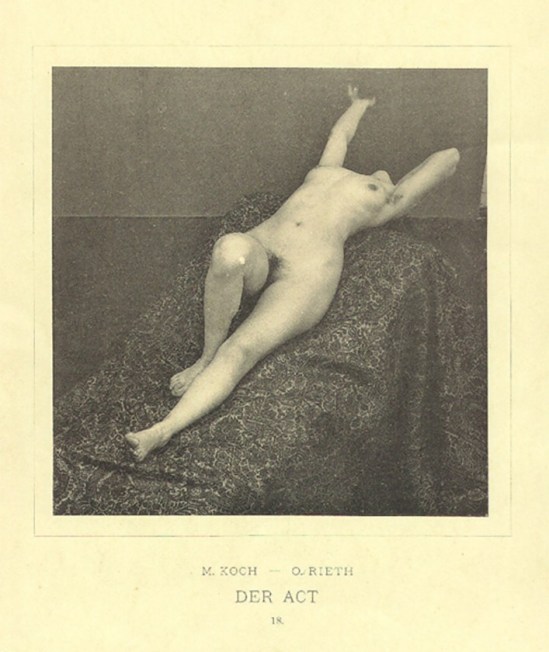
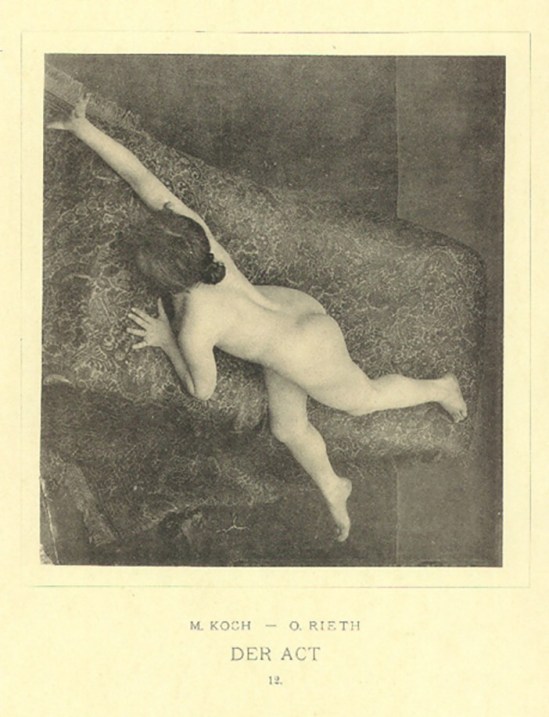
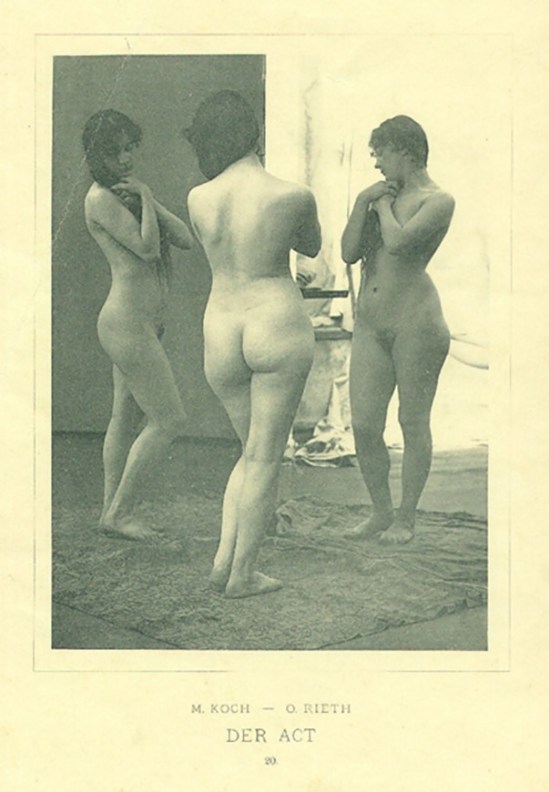
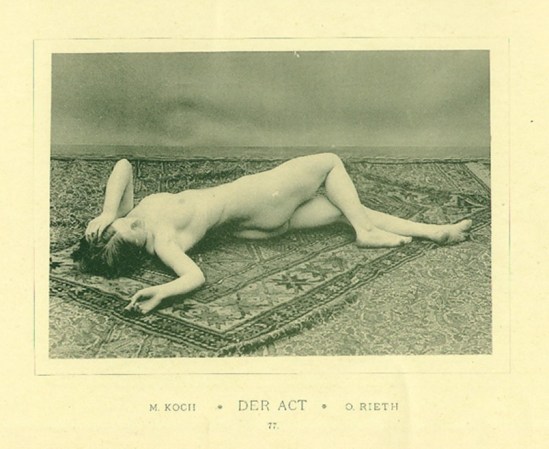
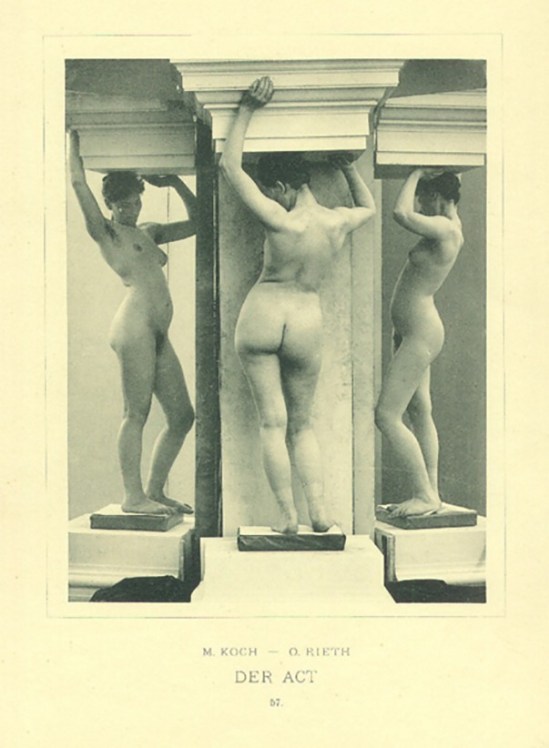
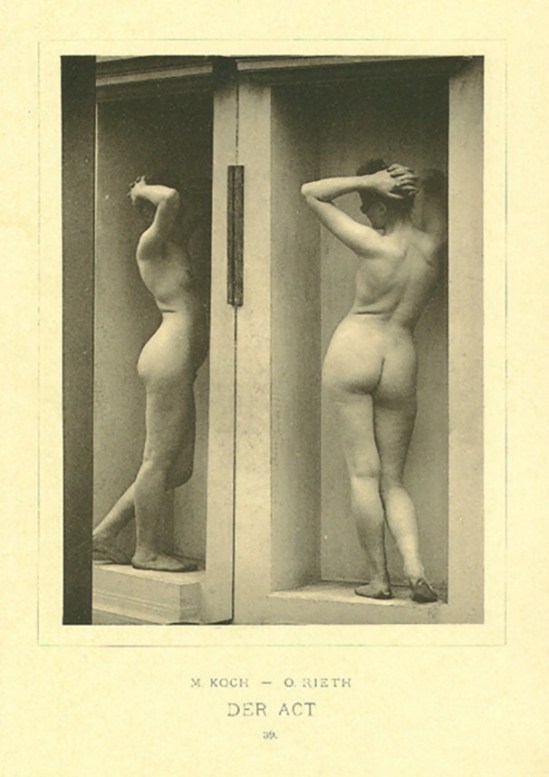
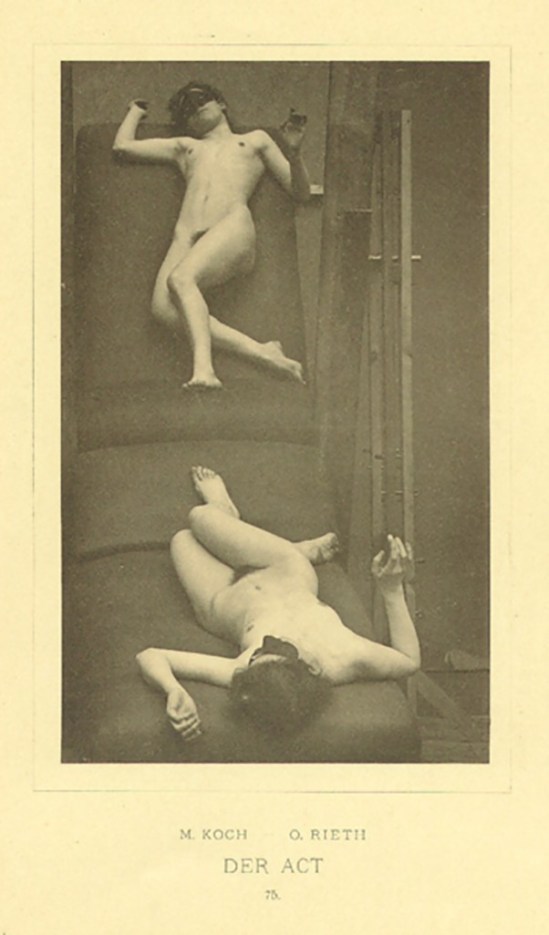
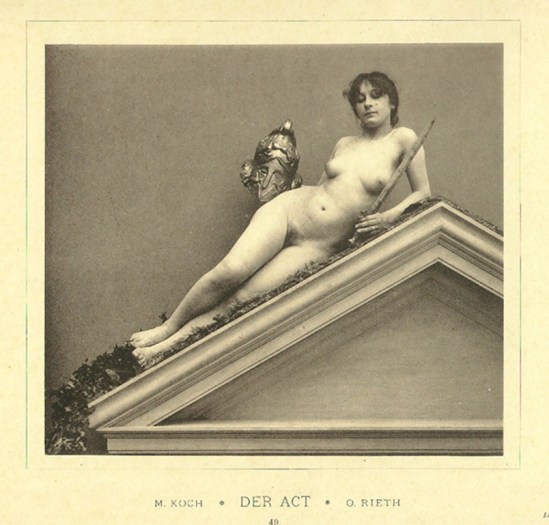
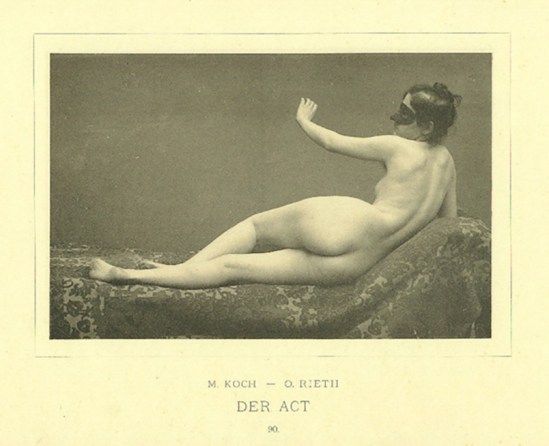
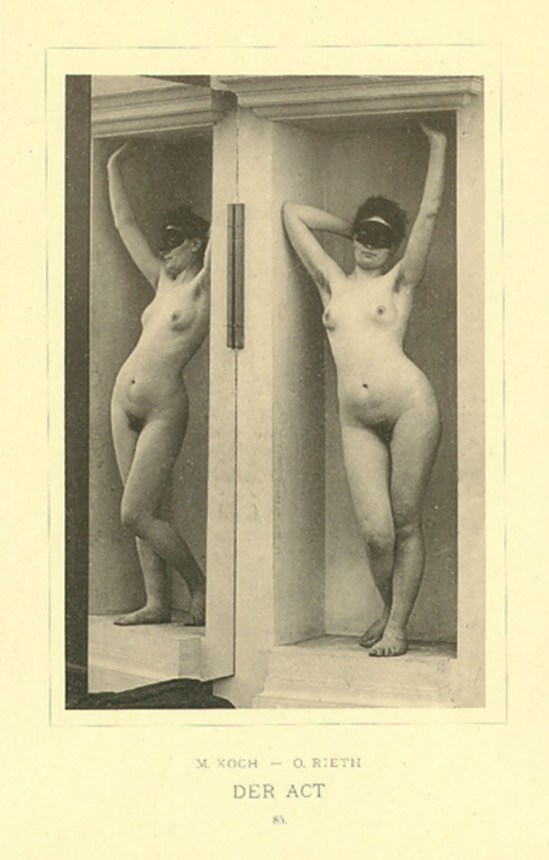
Max Koch &Otto Rieth Der Akt portfolio of collotypes 1894-95

Max Koch & Otto Rieth Der Akt portfolio of collotypes 1894-95

Max Koch & Otto Rieth Der Akt portfolio of collotypes 1894-95

Max Koch & Otto Rieth Der Akt portfolio of collotypes 1894-95

Max Koch & Otto Rieth Der Akt portfolio of collotypes 1894-95

Max Koch & Otto Rieth Der Akt portfolio of collotypes 1894-95

Max Koch & Otto Rieth Der Akt portfolio of collotypes 1894-95

Max Koch & Otto Rieth Der Akt portfolio of collotypes 1894-95

Max Koch & Otto Rieth Der Akt portfolio of collotypes 1894-95

Max Koch & Otto Rieth Der Akt portfolio of collotypes 1894-95

Max Koch & Otto Rieth Der Akt portfolio of collotypes 1894-95

Max Koch & Otto Rieth Der Akt portfolio of collotypes 1894-95

Max Koch & Otto Rieth Der Akt portfolio of collotypes 1894-95

Max Koch & Otto Rieth Der Akt portfolio of collotypes 1894-95

Max Koch & Otto Rieth Der Akt portfolio of collotypes 1894-95

Max Koch & Otto Rieth Der Akt portfolio of collotypes 1894-95


Max Koch & Otto Rieth Der Akt portfolio of collotypes 1894-95

Max Koch & Otto Rieth Der Akt portfolio of collotypes 1894-95

Max Koch & Otto Rieth Der Akt portfolio of collotypes 1894-95

Max Koch & Otto Rieth Der Akt portfolio of collotypes 1894-95

Max Koch & Otto Rieth Der Akt portfolio of collotypes 1894-95

Max Koch & Otto Rieth Der Akt portfolio of collotypes 1894-95

Max Koch & Otto Rieth Der Akt portfolio of collotypes 1894-95

Max Koch & Otto Rieth Der Akt portfolio of collotypes 1894-95

Max Koch & Otto Rieth Der Akt portfolio of collotypes 1894-95

Max Koch & Otto Rieth Der Akt portfolio of collotypes 1894-95


Pierre Molinier (1900-1976)

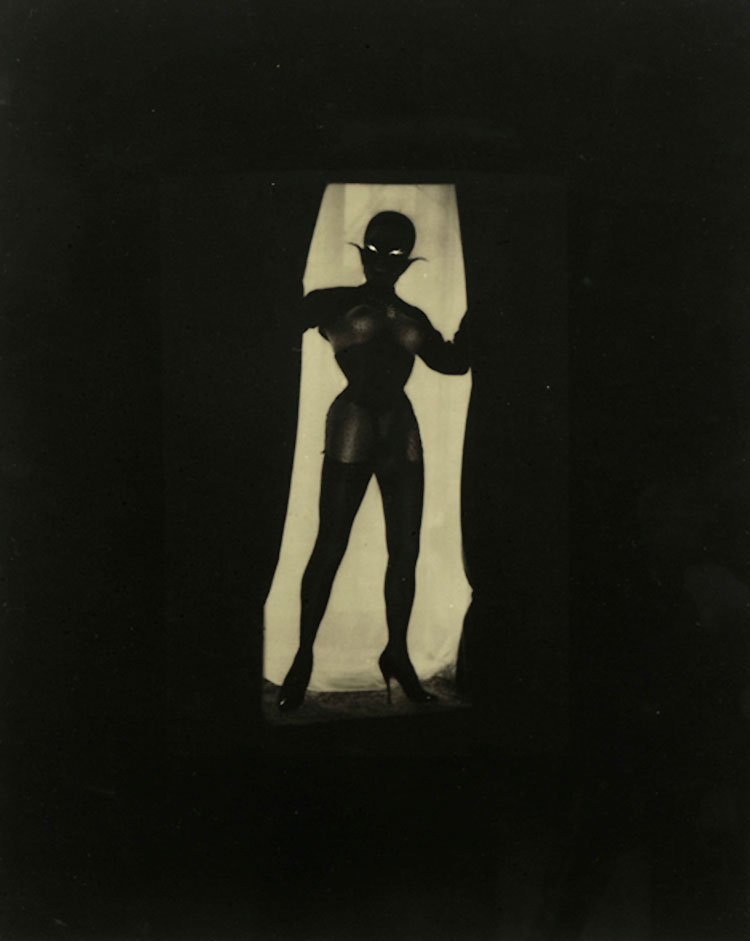
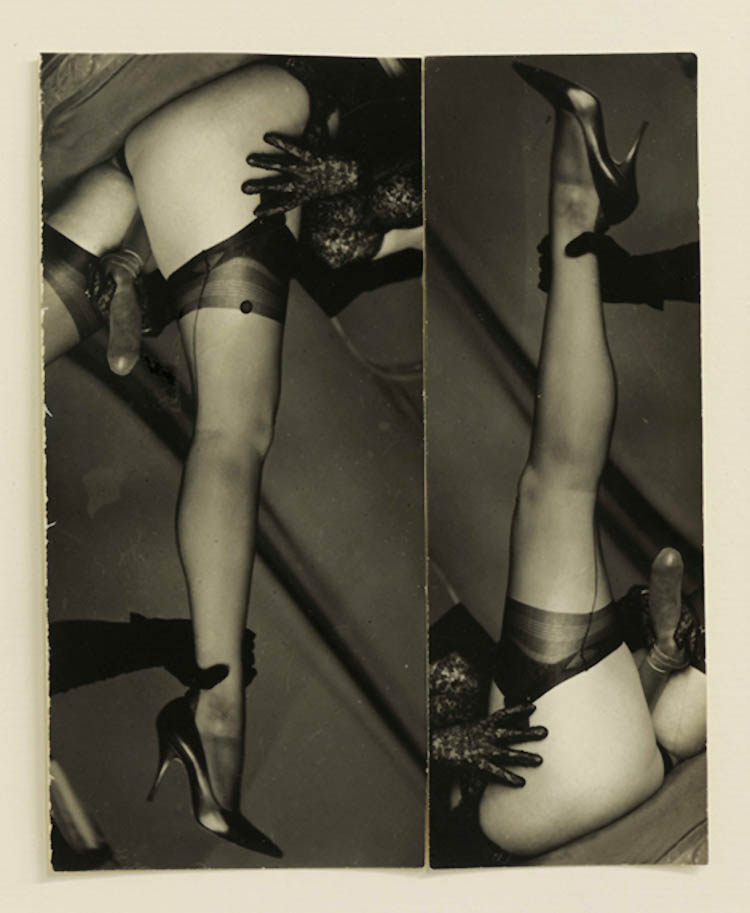
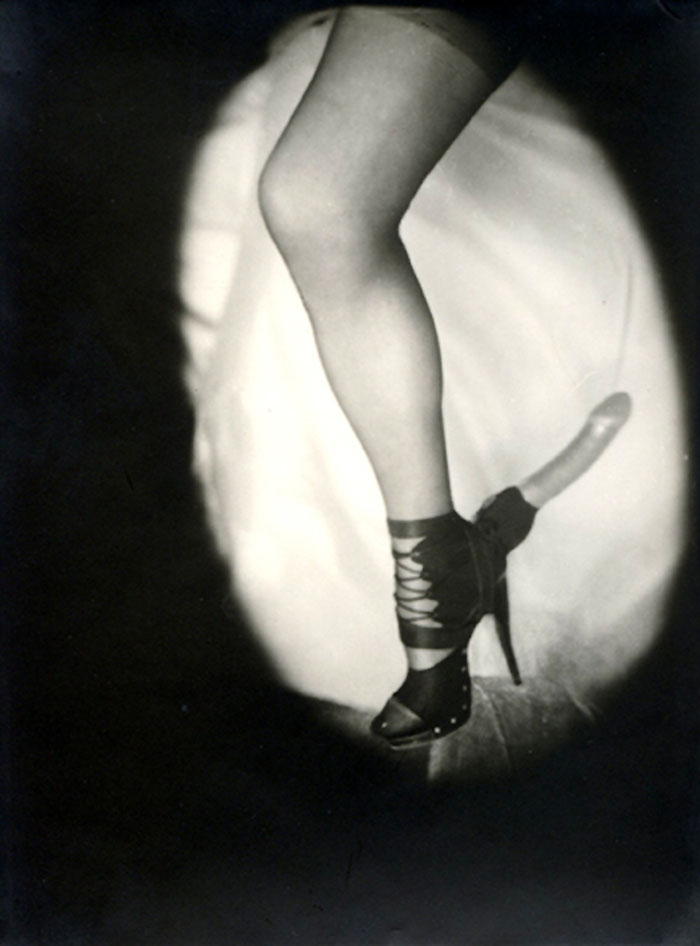
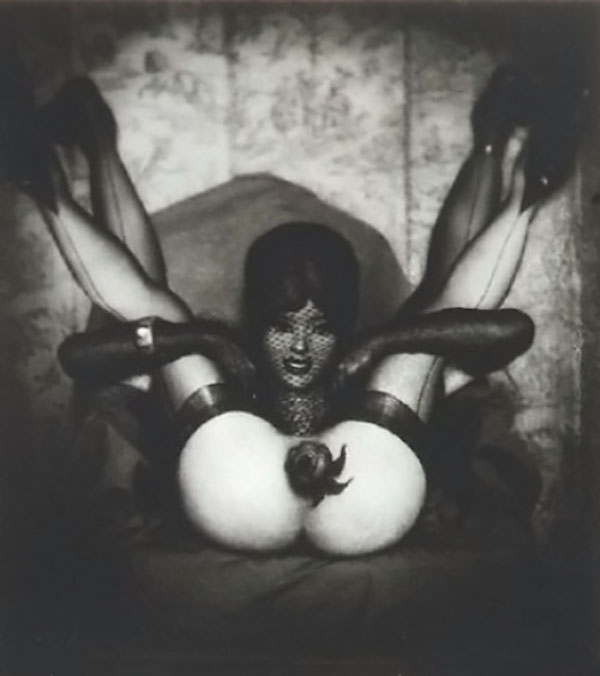
Né en 1900, Pierre Molinier est connu pour ses photographies, ses photomontages et pour ses peintures érotiques qui interrogent l’identité sexuelle de tout à chacun, imposant  l’androgynie,  le fétichisme et les pratiques sexuelles de toutes sortes qui ne peuvent nullement laisser indifférent par ce qui se donne à voir au travers son oeuvre et de sa quête purement personnelle, ceux qui la regarde, l’approche de près ou de loin.

Il a fait de son corps et sa psyché un terrain d’expérimentation et de création sans limites et cela lui a en tous les cas permis de vivre jusqu’à ce qu’il se suicide en se masturbant, et en  se tirant une balle dans la tête dans son appartement à Bordeaux en 1976.

Il étudie dans une institution religieuse  Chrétienne  et c’est tout jeune qu’il commence à peindre, dessiner et faire des photographies de lui-même et de sa famille. Il dit avoir eu une vie sexuelle très précoce et l’on peut sans nul doute souligner que sa pratique fût dès l’origine  déviante et pathologique (la nécrophagie ou inceste par exemple),  intéressé par les jambes des femmes dès ses 3 ans, caressant celles de sa sœur à 10 ans, faisant l’amour pour la première fois vers 13 ans avec une prostituée qui le gardera longtemps comme amant et avec laquelle il aurait eu une fille.  En 1918, depuis longtemps amoureux de sa soeur cadette, il raconte qu’il aurait caressé les jambes  du cadavre de  cette dernière, alors qu’il était agé de 15 ans , après l’avoir photographié sur son lit de mort et dira de cet acte : « Même morte,  elle était très belle ! Je lui ai éjaculé sur le ventre et les jambes, dans sa robe de communiante : elle est partie avec le meilleur de moi-même ! « . Que dire, que penser d’un tel discours ci ce n’est qu’il n’est peut-être que Fantasme, invention ,  et que s’il s’avère être de l’ordre de la réalité, il signe là, un discours pervers (c’est à dire dénué de toute culpabilité, mais bien au contraitre qui semble le rendre tout puissant )  , début de mythomanie et de se créer une autre histoire une nouvelle identité, mais déjà le processus est en route et n’ira que croissant. Il raconte avoir commencé à se travestir vers 18 ans et à sortir dans les bals avec des amis… et avoir eu à 20 ans, une fille, Monique, qu’il retrouvera plus tard, à Bordeaux, prostituée de son état et qui serait devenue sa maîtresse… encore une fois, Et ajoutons que quelques années après le suicide de son père, il le fera exhumer et gardera ses ossements dans un petit cercueil rue des Faussets ( appartement dans lequel il vivra 45 années).  Le cadre est à présent posé, ce retour sur de tels faits marquants s’imposait selon moi, afin d’aborder avec un peu plus d’outils, l’oeuvre de cet Homme qui proclamait « Notre mission sur la Terre est de transformer le monde en immense bordel »

© Pierre Molinier (1900-1976) -Untitled- nd

Au début des années 1920, il suit des cours de dessin à Agen et étudie les oeuvres des maîtres anciens. Après son service militaire vers 22 ans,  après un détour par Paris, Pierre  retourne à Bordeaux, où il s’était installé en 1919 et avait crée une entreprise de peinture en bâtiment, et maintien une vie conventionnelle en apparence, il se marie, a deux enfants : Françoise et Jacques. Mais ses fantasmes sont plus forts que tout, il a de très nombreuses maîtresses qu’il ramène chez lui. Molinier dira même avoir été amoureux de sa fille Françoise, ce dont sa femme s’était rendue compte. 1940 Il est mobilisé comme infirmier, fait prisonnier, à sa libération, il s’installe avec sa famille dans la campagne bordelaise. Son  » Couple ‘ survivra jusqu’en 1949 date où sa femme quitte le domicile. Un an après son départ Pierre érige sa « Tombe prématurée » surmontée d’une croix noire portant comme inscription: « Ci-gît/Pierre MOLINIER/né le 13 avril 1900 mort vers 1950/ce fut un homme sans moralité/il s’en fit gloire et honneur/Inutile/de/P.P.L. » Il se photographie dans son atelier, les bras en croix, en suicidé, puis, dans son appartement, sur son lit de mort.Cette rupture fût probablement un choc pour lui.

De 1946 jusqu’en 1951, c’est une période de rupture avec la vie conventionnelle et l’affirmation de sa liberté par la radicalisation de son comportement , ce qu’on retrouve inévitablement dans son œuvre , par exemple  » Les Orphéons Magiques  » ( poèmes reconnus par Breton comme surréalistes ), sa peinture aussi

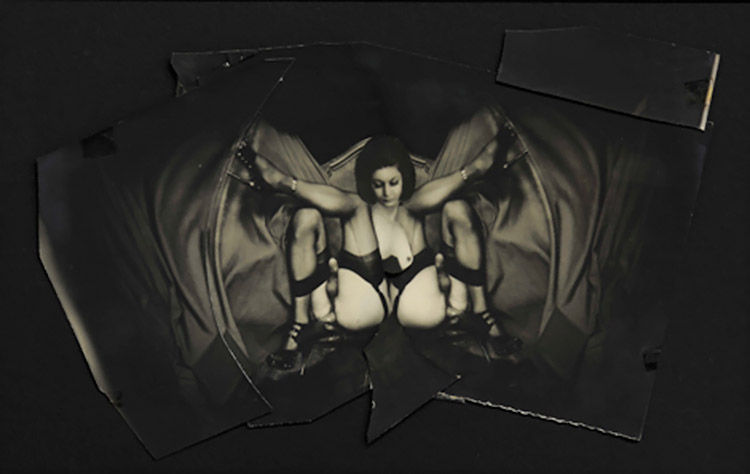
De 1951 à 1966, il fait ses autoportraits photographiques, travesti, exprimant son fétichisme des jambes  , tout seul dans son atelier, photos qu’il ne montre qu’aux très rares personnes venant le voir. De ces photos, il fait des découpages pour obtenir  » ses inventions érotiques  » c’est à dire ses photomontages.

En 1955 Il écrit à André Breton et lui envoie un port-folio de photographies de ses oeuvres. André Breton se prend de passion pour ces « oeuvres magiques » et manifeste son enthousiasme pkus partuclièrement face à deux tableaux érotiques que lui adresse Molinier, Les Dames voilées et LaComtesse Midralgar.et lui adresse une série de lettres enthousiastes dans lesquelles il lui écrira notamment « Vous êtes aujourd’hui le maître du vertige, d’un de ces vertiges que Rimbaud s’était donné à tâche de fixer, et peut-être du pire.».

Il lui propose d’exposer plusieurs oeuvres (dix-huit peintures au total dont « Comtesse Midralgar » la voir sur le site Ici)  début 1956 à Paris à la galerie de  » l’Étoile Scellée « .Le jour du vernissage, sont diffusées dans la pièce les chansons d’un inconnu, Léo Ferré.Il en reste un petit catalogue.Préfacé par Breton.

Il fait la connaissance d’ Hans Bellmer, Man Ray Max Ernst etc…. Mais c’est lui qui présente Joyce Mansour à Breton. Elle est une superbe égyptienne très riche et surtout très talentueuse, très grande poétesse érotique. Elle a d’ailleurs écrit Sens interdits , évocateur poème pour son ami….

« Sur le fil sans fin
De sa toile-écran
Funambule du burin
Faux cils excès de joie bas résille
Cris rauques sous le vernis
Sperme amidon fécule et albumine
Des femmes fleurs s’ouvrent dans l’œil du
printemps
Ocelles de plumes sur un pan de mur évanoui
Leur pubis un volcan
Brûlant et stérile
Leur plaie un lac pierre de lune
Un masque une chimère
Couvre leur visage de nuit
La peinture sèche
Un nœud d’angoisse durcit
Un drap défait bande en spirales
Le délire de Pierre Molinier
Vit. »

Joyce Mansour, « Sens interdits » ,1979

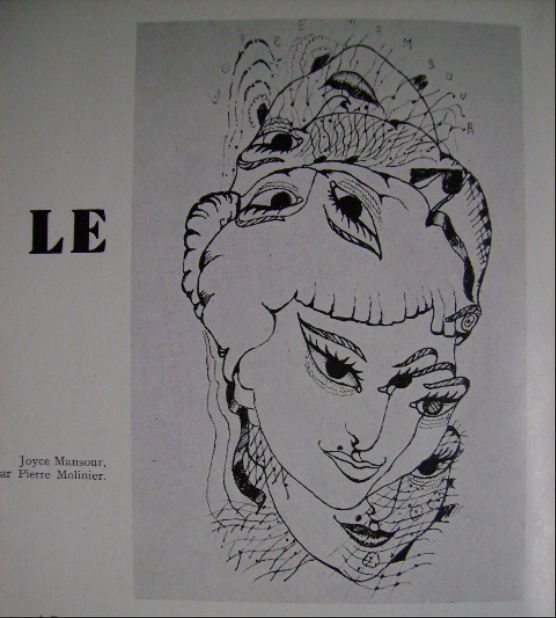
Par la suite, Molinier Réalisera le portrait de son amie Joycee pour  le N° 1  de la revue Le Surréalisme même Et fera la couverture du n°2
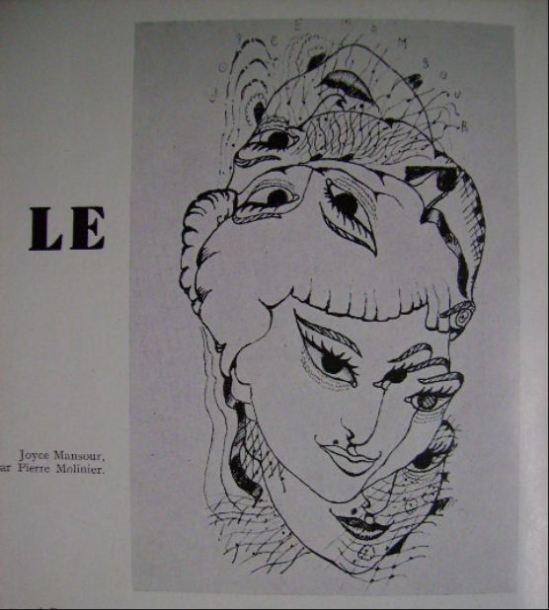
Pierre Molinier- Portrait de Joyce Monsour illustration pour Le Surréalisme, MEME n°1, superviseur andré Breton 1957, Paris, Jean-Jacques Pauvert ed

Pierre Molinier- Portrait de Joyce Monsour illustration pour Le Surréalisme, Même n°1, superviseur andré Breton 1957, Paris, Jean-Jacques Pauvert ed


Pierre Molinier- le surréalisme, même 2, printemps 1957. Cover by Pierre Molinier.

Cover by Pierre Molinier- Le Surréalisme Même N°2, printemps 1957. Superviseur André Breton , Paris, Jean-Jacques Pauvert ed°

Convié par Breton, il exposera une toile à la 8e Exposition internationale du Surréalisme dédiée à Eros, en 1969.


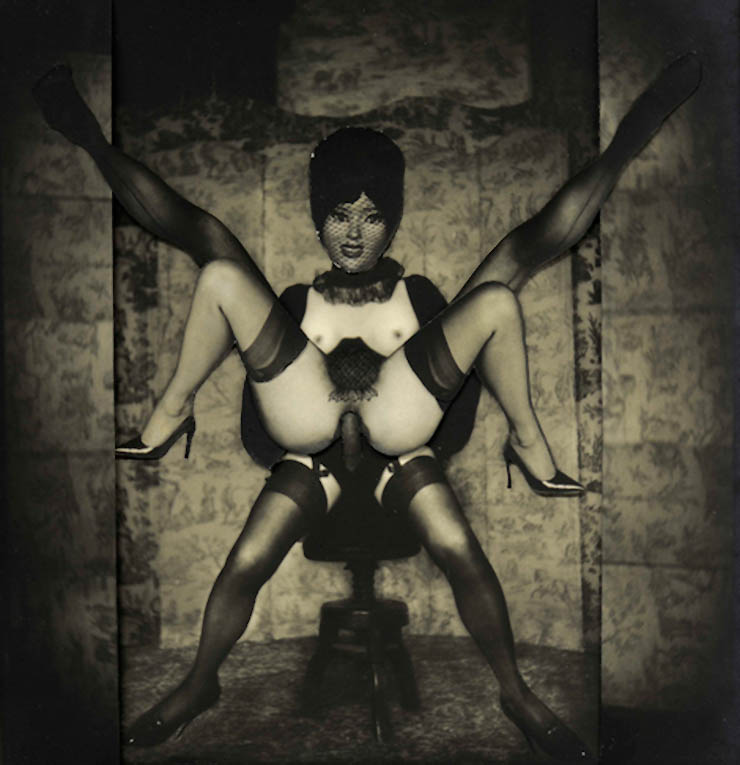
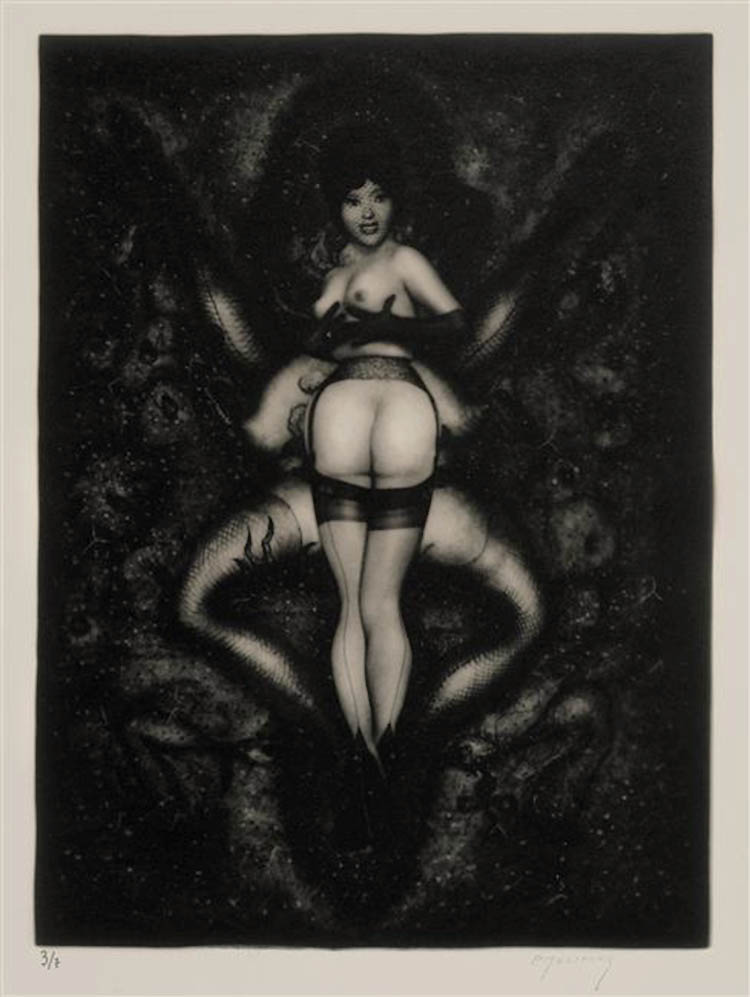
À partir des années 1960, c’est Le grand tournant, il se consacre  totalement à son œuvre photographique et picturale, abandonnant son métier de peintre en bâtiment. Molinier se met en scène en se travestissant ou en faisant poser ses amis. Il fait ses premiers essais photographiques de photomontages dans lesquels il réunit, à partir de photographies d’éléments travestis et découpés de son propre corps, les genres masculin et féminin. Montages qu’il re photographie pour parvenir à des tirages les plus propres possibles. Il participe aux manifestations du groupe surréaliste, participe au journal.  Dès lors, l’important, sera  sa collaboration aux publications surréalistes avec ses photomontages qui le font connaître dans le monde entier, mais il continue bien sur à peindre et ses tableaux deviennent fortement érotiques : pour ses glacis, symboliquement, il mélange même son propre sperme aux pigments de couleur.

Mais les 10 années d’amitié avec André Breton qui décrit sa peinture comme  » magique  »  achoppent sur le titre d’un tableau blasphématoire : « Oh !…Marie, Mère de Dieu », réalisé en 1965 (où deux femmes pratiquent une fellation et une sodomie sur un Christ crucifié). En effet ce tableau  parvient même à dissuader André Breton de l’intégrer à l’Exposition Internationale du Surréalisme.

Puisque vous pouvez retrouver la Peinture sur le site je vous propose plutôt deux auto-portraits l’un durant la réalisation de la toile et l’autre une fois achevée. Toujours avec une mise en scène bien léchée…
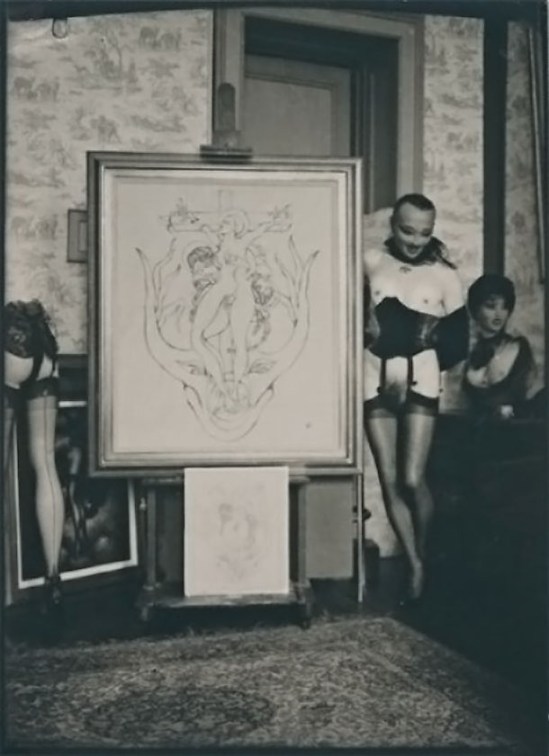
Pierre Molinier- Molinier autoportrait devant sa toile en cours « Oh !...Marie, Mère de Dieu », 1965, tirage argentique

Pierre Molinier- Molinier autoportrait devant sa toile en cours « Oh !…Marie, Mère de Dieu », 1965, tirage argentique

Pierre Molinier- Molinier autoportrait devant sa toile « Oh !...Marie, Mère de Dieu »finie, 1965, tirage argentique

Pierre Molinier- Molinier autoportrait devant sa toile « Oh !…Marie, Mère de Dieu »finie, 1965, tirage argentique

De cette époque là date aussi sa  » carte de visite  » le représentant en auto-fellation dont il dira qu’il a mis deux ans à y arriver grâce à un joug en fer, pour faire comme les yogis, et qu’il est resté « 18 jours sans rien bouffer d’autre que son sperme ».

Pierre Molinier-Autofellation, ca. 1955-1960

Pierre Molinier-Autofellation, ca. 1955-1960


En 1962 Raymond Borde lui consacre un film, projeté à Bordeaux en privé en 1964 et projection publique de la version censurée en 1966.  Borde publiera « Pierre Molinier », Un film de Raymond Borde. Texte et commentaire d’ André Breton [reprend l’essentiel de la préface rédigée pour l’exposition à L’Étoile scellée] ,Paris,  Le Terrain Vague ,1964, où les images du film sont reproduites et accompagnées des mots de Breton.  Molinier lui-même tournera en 1965 une sorte d’auto-portrait de 10 minutes sur ses  » Jambes  »
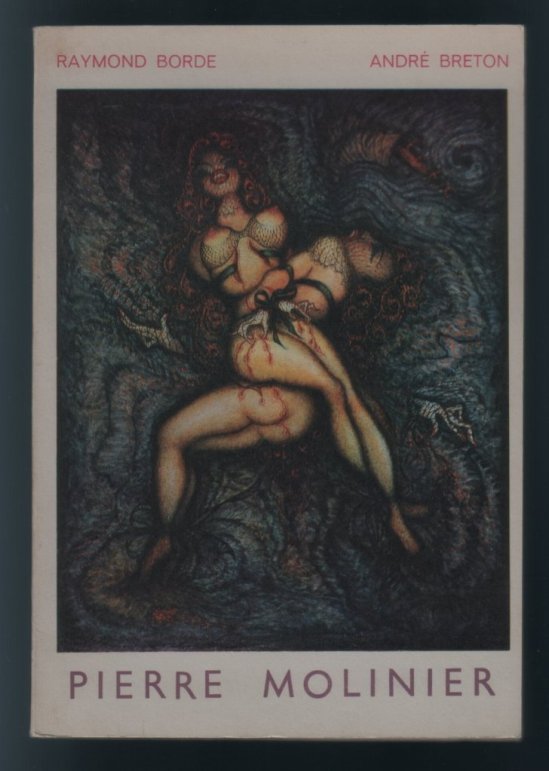
 

Pierre Molinier. Un film de Raymond Borde. Texte de André Breton. (Paris), Le Terrain Vague (1964).

Pierre Molinier. Un film de Raymond Borde. Texte de André Breton. ,Paris, Le Terrain Vague 1964.
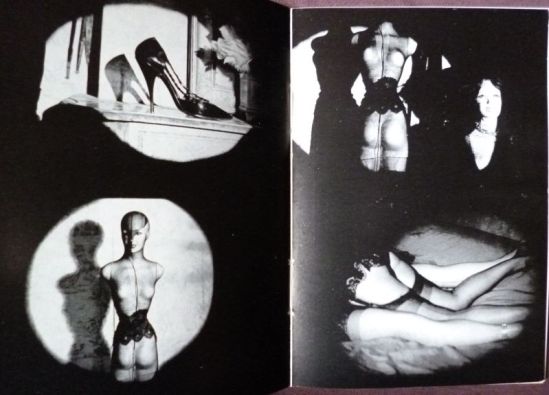
 

Pierre Molinier. Un film de Raymond Borde. Texte de André Breton. (Paris), Le Terrain Vague (1964).

Pierre Molinier. Un film de Raymond Borde. Texte de André Breton. Paris, Le Terrain Vague ,1964.

Pierre Molinier. Un film de Raymond Borde. Texte de André Breton. (Paris), Le Terrain Vague (1964).

Pierre Molinier. Un film de Raymond Borde. Texte de André Breton. Paris, Le Terrain Vague, 1964.

 Le Temps de la mort est peint la même année qu’a lieu le tournage du film de Raymond Borde consacré à l’œuvre de Pierre Molinier (le premier d’une importante filmographie). Les papiers réunis par Jean-Luc Mercié permettent de suivre la genèse du documentaire (21 min.) et de constater l’incidence des prises de vue sur l’évolution des peintures. D’abord écarté, Le Temps de la mort est finalement intégré au film dans des plans additionnels par rapport au script original. Molinier insiste sur l’importance du travail de Raymond Borde et reconnaît sa dette envers le film qui l’a incité à retravailler certains tableaux.  À propos du tableau Le Temps de la mort, Molinier déclare : « Pour moi ce tableau est un acte de foi […], puisque la gastronomie et autre buvaillerie sont célébrées, pourquoi pas un culte de la volupté. La volupté qui se rapproche si bien de la béatitude de la mort. » Il est reproduit pour la première fois  en mars 1963 dans le quatrième numéro de la revue La Brèche.( voir le site Melusine surréalisme qui a mis en ligne ces précieux documents et qui nous le font partager. Merci à Eux. ( vous n’y verrez que les texte, mais néanmois il est bien notifié dans le N°4 que Molinier est un des illustrateur.

Pierre Molinier-Le Temps de la mort n° 1, 1962 Huile sur isorel in Pierre Molinier, Paris, Les Presses du réel Kamel Mennour, 2010

Pierre Molinier-Le Temps de la mort n° 1, 1962 Huile sur isorel in Pierre Molinier, Paris, Les Presses du réel Kamel Mennour, 2010

Dans les années 1966-1967, Molinier prépare un ouvrage sur ses peintures (publié chez Pauvert en 1969)  et il  va multiplier les rencontres avec des peintres surréalistes et commence à réunir ses photomontages dans la perspective d’en éditer un  recueil  VOIR ICI  http://www.geocities.jp/belial1313xx/m_selfportrait.html « Le Chaman et ses Créatures » dans lequel apparaissent les visages de deux de ses inspiratrices Emmanuelle Arsan ( avec qui il a pris contact et avec laquelle ils ont entretenu une forte relation epistolaire. et Hanel Koeck,  , «Déesse de l’érotisme» .

Le « Chaman et ses Créatures »est une  réalisation qui lui prendra pas moins de 5 années et bien que le projet  prenne forme,  de nombreux éditeurs renonceront à publier l’album. En effet, ses photographies illustrent ses préférences sexuelles et certaines tendances  (masturbation, éjaculation précoce, sodomie avec godemichés, auto-fellation, masochisme, transvestisme et fétichisme), ce qui n’est pas du goût de tout le monde, Mais Il cessera jamais de modifier la maquette du recueil qui ne sera finalement pas publié de son vivant. Il  sera finalement édité en 1995,  par William Blake & Co.Edit.

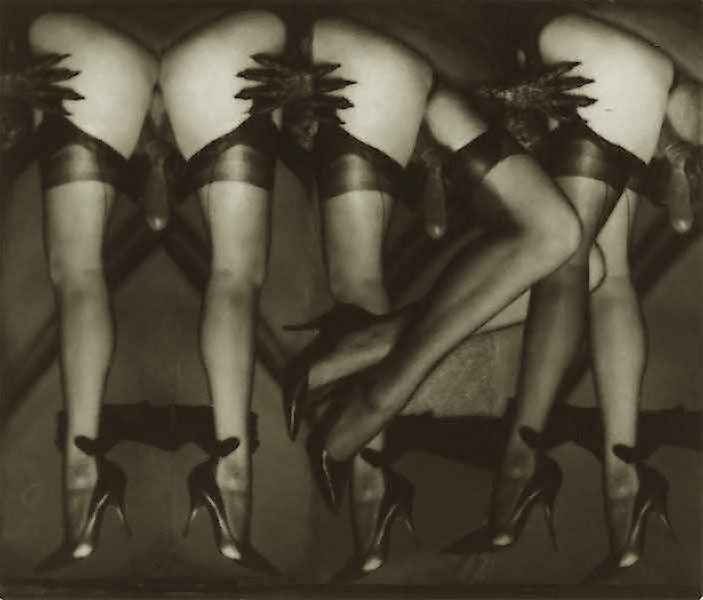
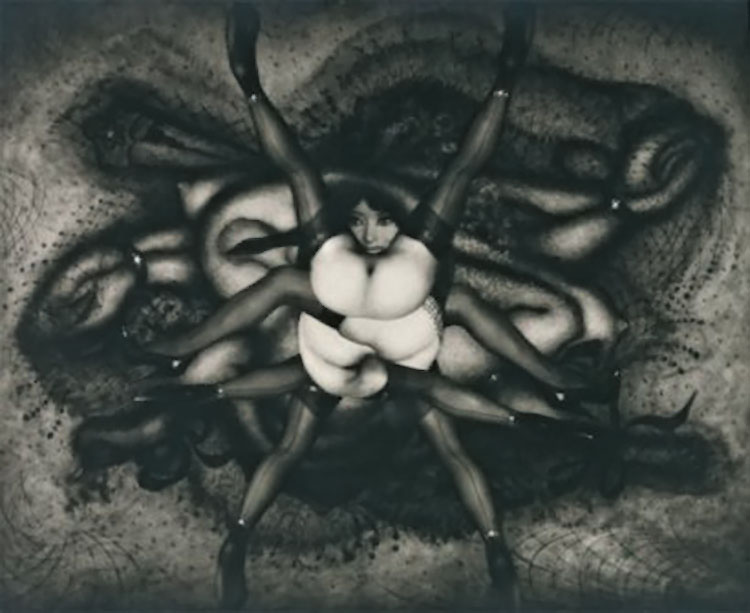
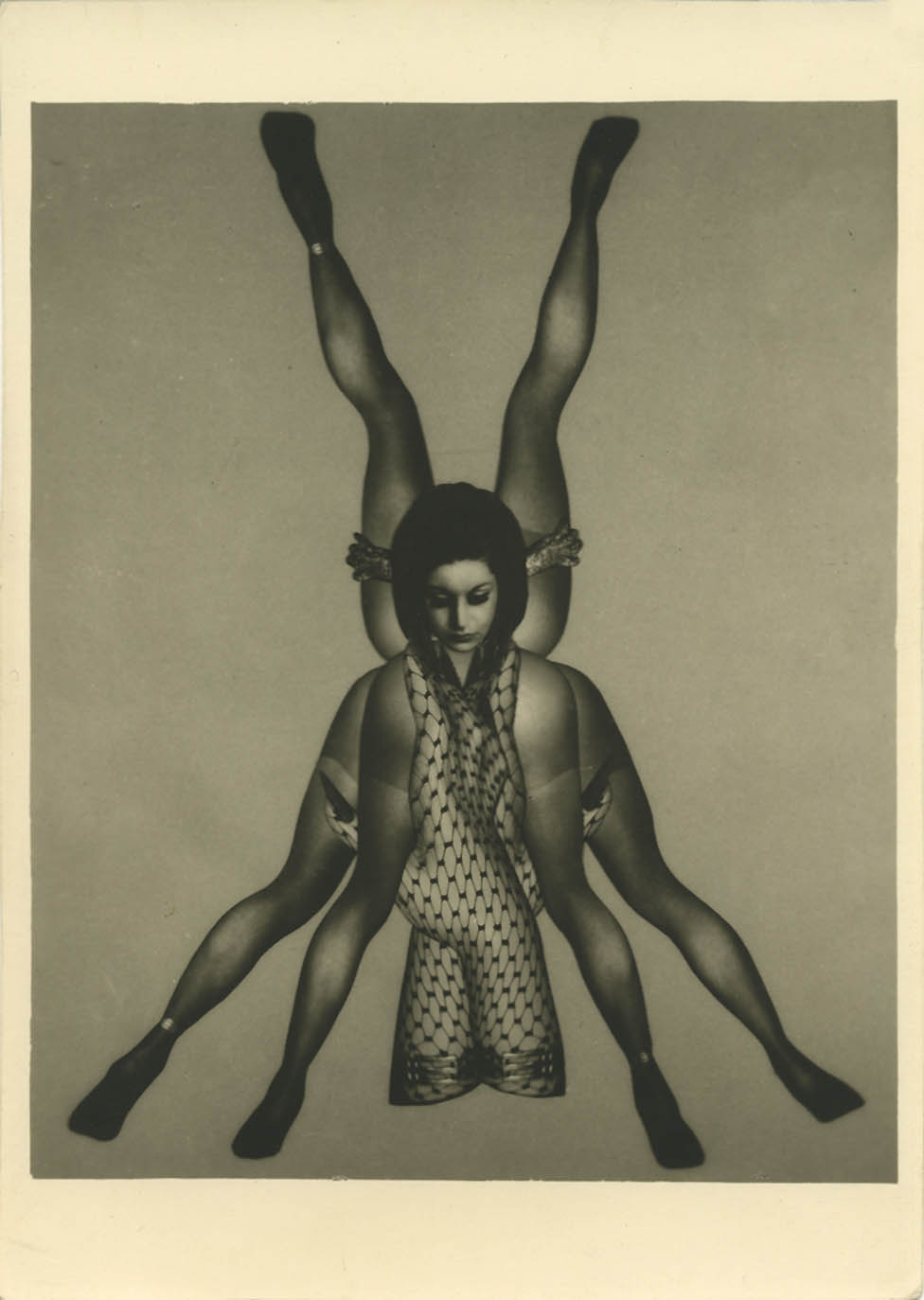
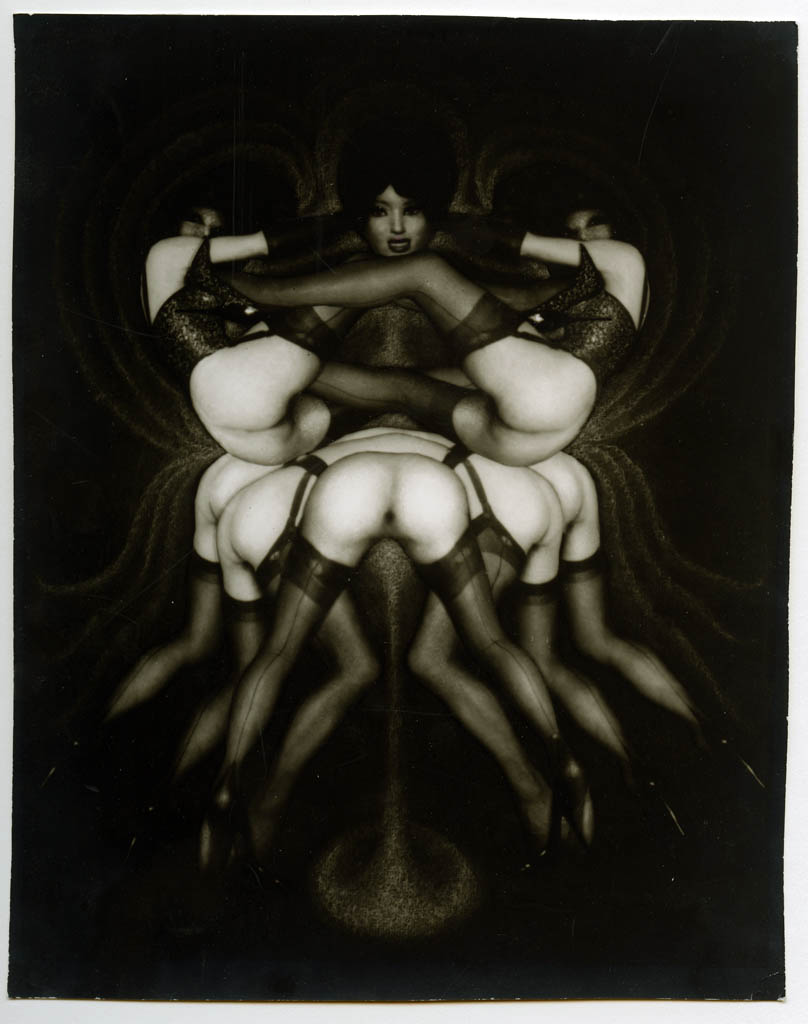
Le Chaman et ses créatures est articulé autour de deux figures tutélaires, Emmanuelle et Hanel Koeck, dont l’évolution des relations sentimentales influe sur la distribution des images, leur rythme et leur ordre. Il se documente et exploite abondamment le livre de Mircea Eliade sur le chamanisme : « Le chamanisme est une des techniques archaïques de l’extase, à la fois mystique, magie et “religion” dans le sens large du terme » (préface, Payot, 1950). Les répétitions de bras et de jambes ainsi que la symétrie qui caractérisent les photomontages trouvent leur source autant dans les représentations de Shiva ou dans le tantrisme1 que dans une publicité de machine à laver découpée et conservée par Molinier. Sur le pavois, la planche 26 du Chaman, est citée par l’écrivaine, journaliste et éditrice féministe Xavière Gaut hier dans son étude Surréalisme et sexualité (Gallimard, 1971) qui dresse un bilan sévère du rapport des surréalistes au corps et à l’amour.

Pierre Molinier-  Le chaman et ses créatures , William Blake & Co.Edit. 1995
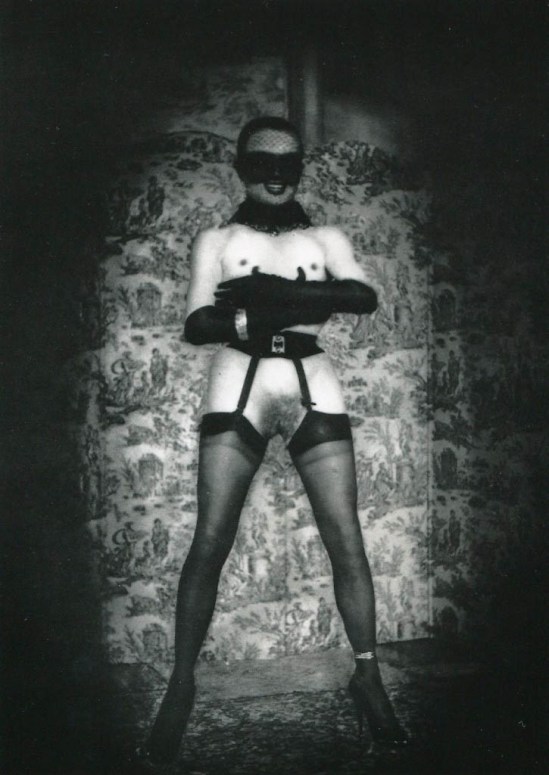
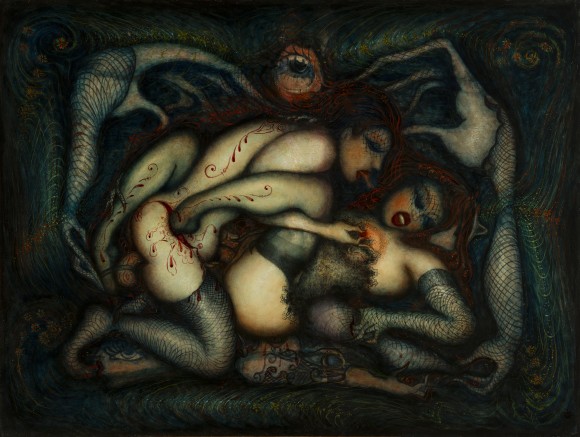
Pierre Molinier, Chaman I, 1968

Pierre Molinier, Chaman I, 1968

Pierre Molinier Le Chaman, à Toute Marge, planche 1 " Chaman et ses créatures”, 1965

Pierre Molinier Le Chaman, à Toute Marge, planche 1  » Chaman et ses créatures”, 1965

Pierre Molinier- Le Chaman, variante de la planche qui ouvre Chaman et ses créatures.1965-1968
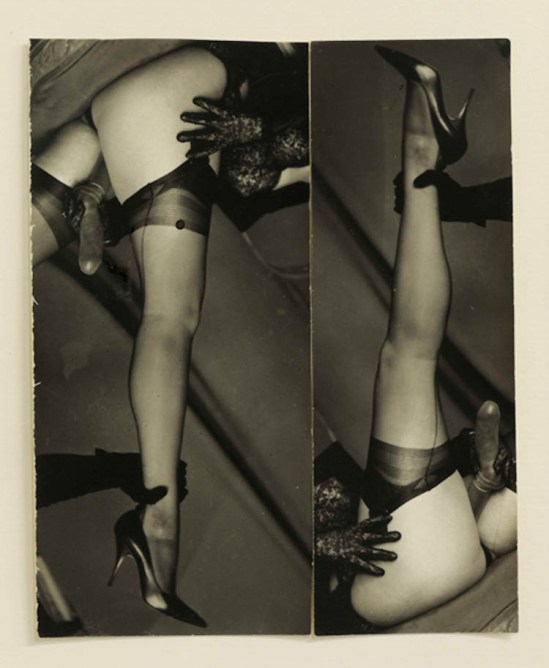
Pierre Molinier- Le Chaman, variante de la planche qui ouvre Chaman et ses créatures.1965-1968

© Pierre Molinier- Introit-Collage préparatoire inédit (n°1) pour le photomontage Introït, planche 2 de l'album Le Chaman et ses créatures

© Pierre Molinier- Introit-Collage préparatoire inédit (n°1) pour le photomontage Introït, planche 2 de l’album Le Chaman et ses créatures

Pierre Molinier - Collage préparatoire inédit (n°2) pour Introït, planche 2 du Chaman et ses créatures, 1965-1968

Pierre Molinier – Collage préparatoire inédit (n°2) pour Introït, planche 2 du Chaman et ses créatures, 1965-1968

Pierre Molinier- Collage préparatoire inédit (n°3), avant dernier état pour Introït, planche 2 du Chaman et ses créatures, 1965-1968
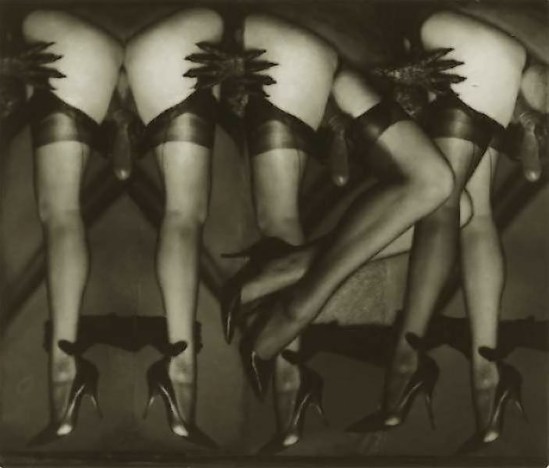
Pierre Molinier- Collage préparatoire inédit (n°3), avant dernier état pour Introït, planche 2 du Chaman et ses créatures, 1965-1968

Pierre Molinier- Introit planche 02 du "Chaman et ses créatures”, 1966

Pierre Molinier- Introit planche 02 du « Chaman et ses créatures”, 1966

Pierre Molinier-Effigie, planche 03, 1961 pour le chaman et ses créatures

Pierre Molinier-Effigie, planche 03, 1961 pour le chaman et ses créatures

Pierre Molinier- Rêve, ou Les pieds amoureux, photomontage, planche 7 du Chaman et ses créatures, 1968
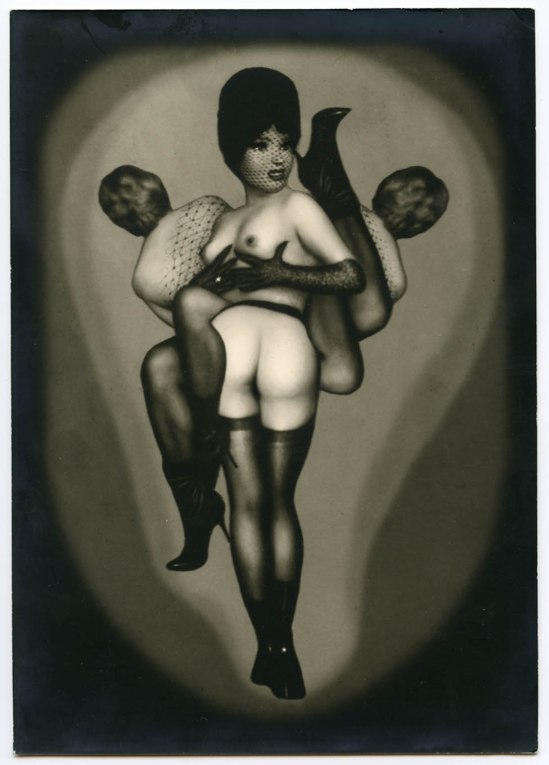
Pierre Molinier- Rêve, ou Les pieds amoureux, photomontage, planche 7 du Chaman et ses créatures, 1968

Pierre Molinier- Les bottes , planche 13, pour le chaman et ses créatures 1966-68

Pierre Molinier- Les bottes , planche 13, pour le chaman et ses créatures 1966-68

Pierre Molinier- Collage inédit (réutilisant deux images du Stylite), planche 14 du Chaman et ses créatures, 1965-1968
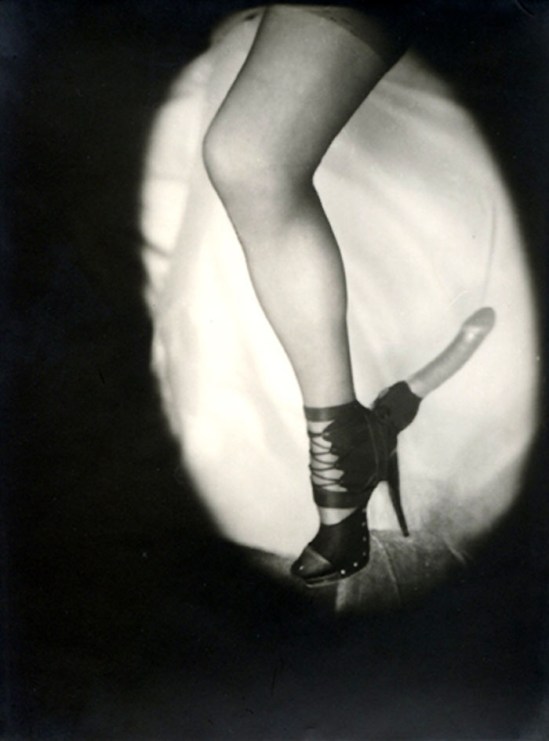
Pierre Molinier- Collage inédit (réutilisant deux images du Stylite), planche 14 du Chaman et ses créatures, 1965-1968

Pierre Molinier, L’éperon d’amour, Planche 15,du Chaman et ses créatures, 1966-68
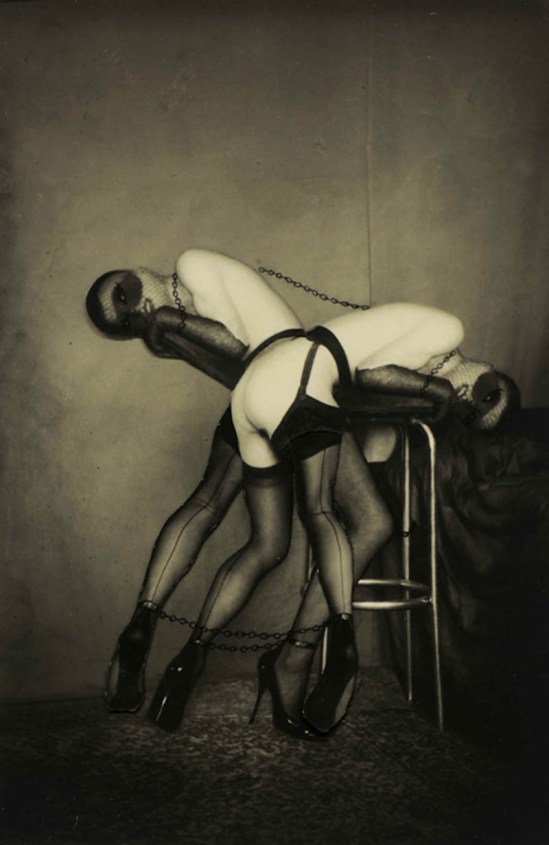
Pierre Molinier, L’éperon d’amour, Planche 15,du Chaman et ses créatures, 1966-68

Pierre Molinier- Pantomine céleste ,Collage, planche 19 , Chaman et ses créatures, 1965-1968

Pierre Molinier- Pantomine céleste ,Collage, planche 19 , Chaman et ses créatures, 1965-1968

Pierre Molinier- La rose noire , planche 23, 1965 pour le chaman et ses créatures (2)

Pierre Molinier- La rose noire , planche 23, 1965 pour le chaman et ses créatures (2)

Pierre Molinier-La Victoire , planche 24 Photomontage pour le chaman et ses créatures 1966-68

Pierre Molinier-La Victoire , planche 24 Photomontage pour le chaman et ses créatures 1966-68

Pierre Molinier -Photomontage Portrait d'Hanel planche 30 du Chaman et ses créatures, 1965-1968

Pierre Molinier -Photomontage Portrait d’Hanel planche 30 du Chaman et ses créatures, 1965-1968

Pierre Molinier- Féminin pluriel est triste, planche 32, 1967, Le Chaman et ses créatures, 1965-1968

Pierre Molinier- Féminin pluriel est triste, planche 32, 1967, Le Chaman et ses créatures, 1965-1968

Pierre Molinier- Ossipago-Collage planche 35 du Chaman et ses créatures , 1967
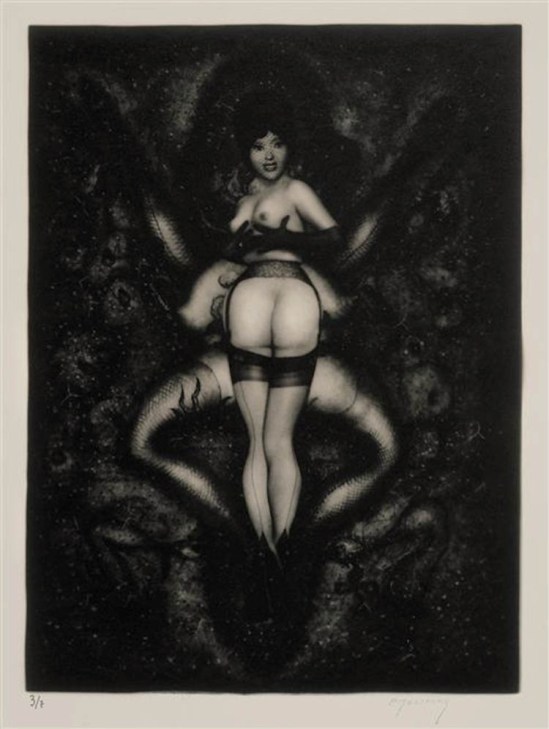
Pierre Molinier- Ossipago-Collage planche 35 du Chaman et ses créatures , 1967

Pierre Molinier -Le Podex d’amour, planche 39 pour le chaman et ses créatures 1966-68
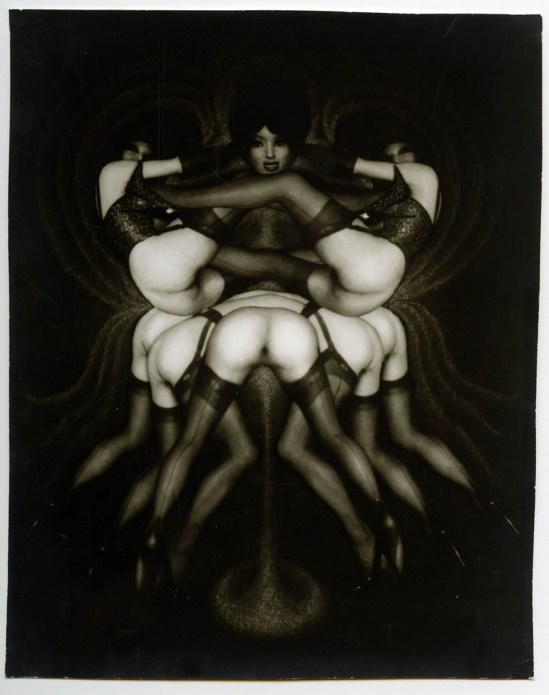
Pierre Molinier -Le Podex d’amour, planche 39 pour le chaman et ses créatures 1966-68

Pierre Molinier- Le triomphe des tribades ou Sur le pavois, 1967 pour le chaman et ses créatures
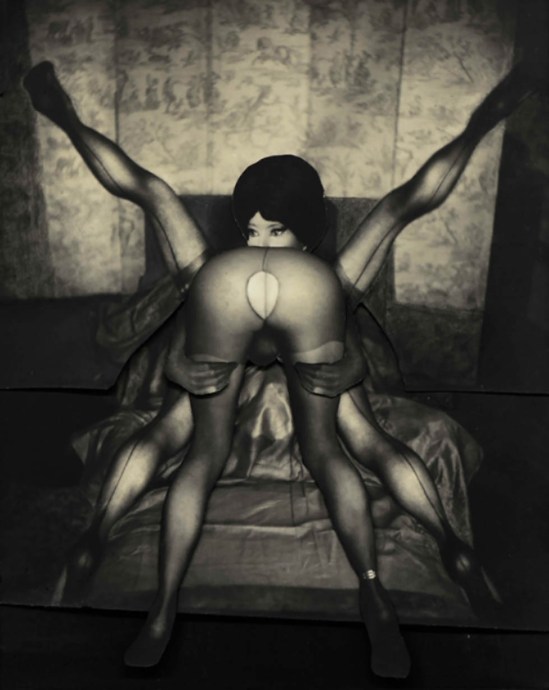
Pierre Molinier- Le triomphe des tribades ou Sur le pavois, 1967 pour le chaman et ses créatures

pierre molinier -Collage Festin de Manès, planche 40 du Chaman et ses créatures, 1965-1968
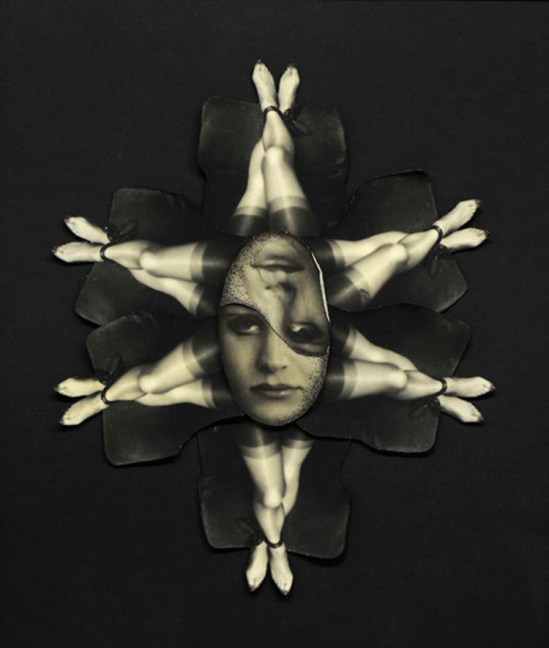
pierre molinier -Collage Festin de Manès, planche 40 du Chaman et ses créatures, 1965-1968

Pierre Molinier- Collage L'étoile de six, planche 43 Le Chaman et ses créatures 1965-1968

Pierre Molinier- Collage L’étoile de six, planche 43 Le Chaman et ses créatures 1965-1968

Pierre Molinier- collage d'Emmanuelle, planche 49 du Chaman et ses créatures, 1965-1968

Pierre Molinier- collage d’Emmanuelle, planche 49 du Chaman et ses créatures, 1965-1968


Pierre Molinier- Hanel 1, Cliché 51, pour le chaman et ses créatures 1965

Pierre Molinier- Hanel 1, Cliché 51, pour le chaman et ses créatures 1965

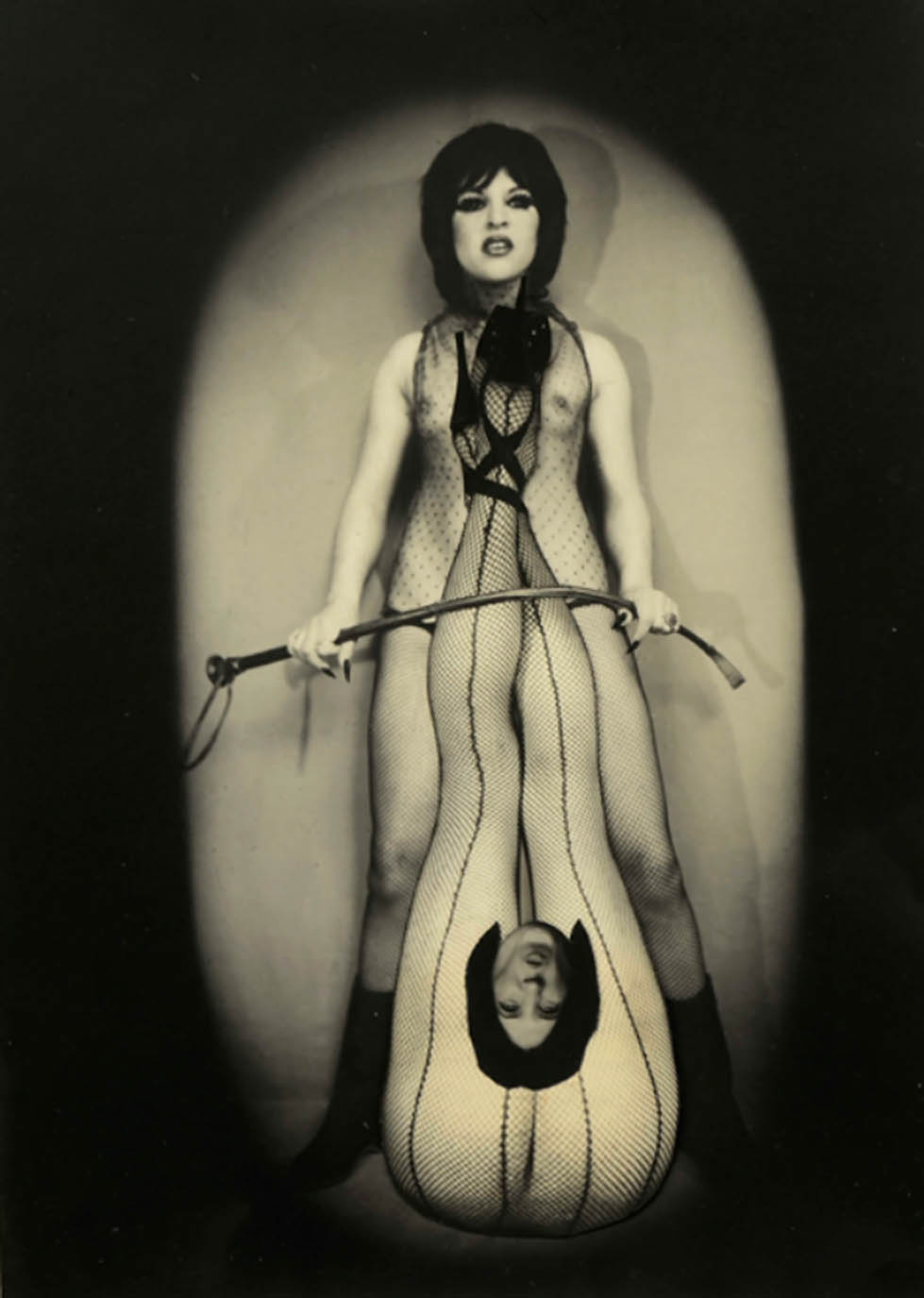
Pierre Molinier- Collage Cravache, planche 53 du Chaman et ses créatures, 1965-1968

Pierre Molinier- Collage Cravache, planche 53 du Chaman et ses créatures, 1965-1968

Parallèlement à cela il travaille à la série « L’œuvre, le peintre et son fétiche » et vers 1968, il créé « La grande mêlée », apothéose de ses photomontages destinés au « Chaman et ses Créatures »

Pierre Molinier La grande mélée, 1969

Pierre Molinier La grande mélée, 1969

D’autre part il sera recherché tous les documents possibles sur les contacts avec les cinéastes Simsolo et Berlanga, sachant que la relation avec Luciano Castelli a fait l’objet d’un dossier complet par les bons soins de la Maison Européenne de la Photographie. Cette exposition fait suite à un ensemble de manifestations autour de Pierre Molinier, organisées par l’Enseigne des Oudin, à l’occasion de la publication d’un dossier par l’éditeur bordelais Jour de Lettre et d’un recueil de souvenirs, de poésies et de photos de Pierre Molinier et de Pierre Bourgeade en co-édition par Voix-Richard Meier et L’Enseigne des Oudin en 1996 et 97, dans lequel  Bourgeade écrira  « La liberté vécue entre ces quatre murs, le problème de l’humanité (qu’est-ce qu’être homme, et comment l’être ?) sans cesse posé dans sa tête, on comprend que Molinier n’ait cessé d’hésiter au bord de ce gouffre : être homme – et pourquoi n’être pas femme ? Le mot homme a deux sens et, comme dans ces illusions d’optique où sitôt que la conscience saisit un dessin c’est un autre dessin qui veut apparaître, en même temps qu’il était le plus homme de tous, Molinier, par la force des choses, l’était le moins. »recueil de souvenirs, de poésies et de photos de Pierre Molinier et de Pierre Bourgeade en co-édition par Voix-Richard Meier et L’Enseigne des Oudin en 1996 et 97. 



Pierre Molinier – Le Modele, 1970


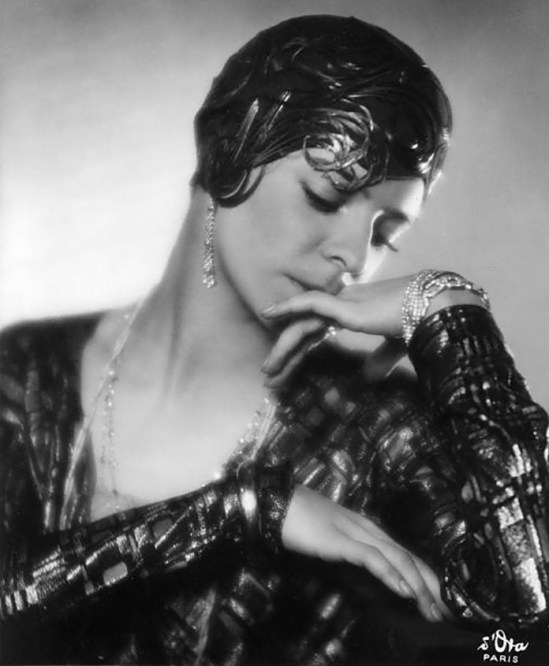
Madame d’Ora

Madame d’Ora – Walk in the parck 1930s

Madame D'Ora- The Dancer Rigmor Rasmussen, phtogravure, ca. 1927
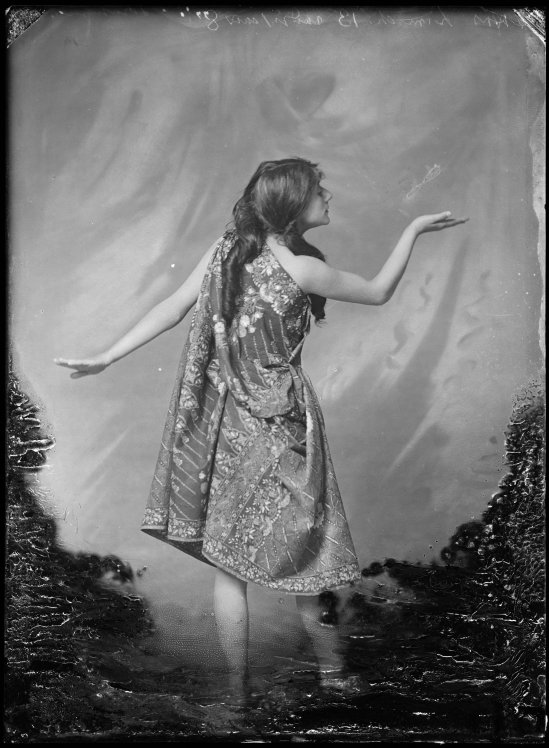
Madame D’Ora- The Dancer Rigmor Rasmussen, phtogravure, ca. 1927
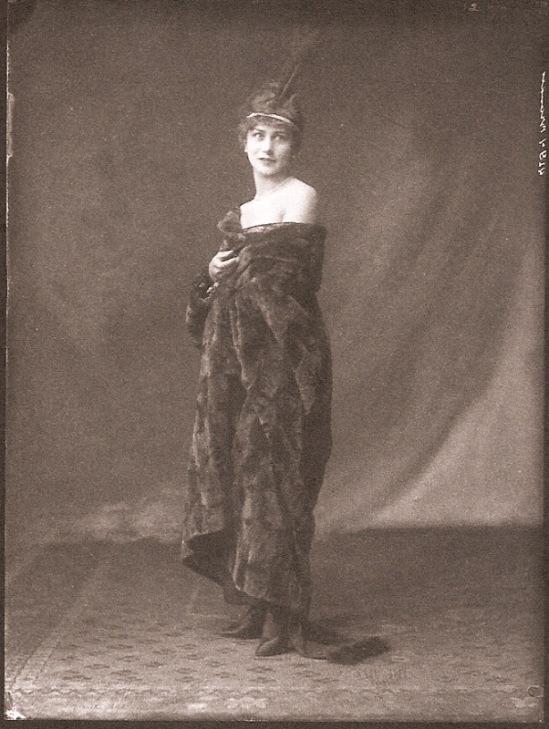
Madame D'Ora- The Dancer Rigmor Rasmussen, phtogravure, ca. 1927

Madame D’Ora- The Dancer Rigmor Rasmussen, phtogravure, ca. 1927

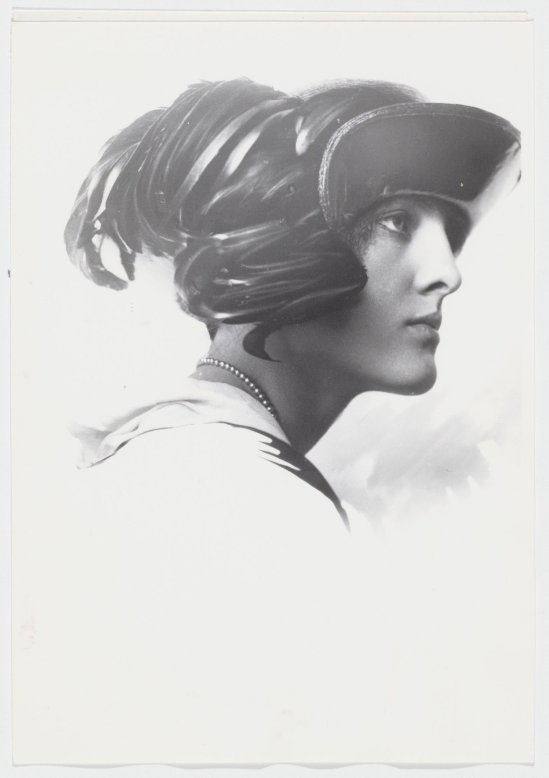
Madame d'Ora -Dancer Alice Nikitinamit portrait with a brown felt toque covered with brown glycerinized rooster feathers curled around the head._e

Madame d’Ora -Dancer Alice Nikitinamit portrait with a brown felt toque covered with brown glycerinized rooster feathers curled around the head.

Madame d'Ora (Arthur Benda) -Sent M_Ahesa, nd

Madame d’Ora (Arthur Benda) -Sent M’Ahesa, nd

Madame d’Ora-Frl. Eskenasy, Aktstudie. Circa 1924. Vintage warm-toned gelatin silver print

Madame d’Ora- Benda Vanessa, 1930s

Madame d’Ora Girl with duvet 1920s

Madame D’Ora- Princess Ileana’s Trousseau, Glossy fiber silver gelatin , 1931

Madame d’Ora -Mary Wigman and her company. Vienna. 1924.

Madame d’Ora -Bodenwieser-Schule, Vienna 1925

OTHERS ARTICLES MADAME D’ORA

Jindřich Vaněk

Jindřich Vaněk (1888-1965)

Jindřich Vaněk was born 9th of August 1888 In Rokycany, died 19th November 1965 in Prague. He studied architecture in Darmstadt in Germany, later he worked with famous Czech architect Josef Gocar.

In 1914 he opened photographic studio in Prague “Vanek and Kanderal”, from 1918 had his own studio in Prague. He was famous mainly for his nudes. An album of his nudes was published in 1932 titled “Apotheosis”. He also made portraits of celebrities. Several of his works were included in the exhibition “The Nude in Czech Photography” curated by Vladamir Birgus (Prague Castle, 1999). Four of his full page photographs are in Czech/English catalogue published by KANT in Prague. He was one of the most important Czech photographers of nudes and portraits between two world wars

Jindřich Vaněk- Nude study ,from the portofolio Apotheosis1930 Vintage silver bromide print

Jindřich Vaněk- nude from the portofolio Apotheosis,Gelatin silver print 1930s

Jindřich Vaněk- Studie,1920–1927

Jindřich Vaněk -Juventa,1920–1929

Jindřich Vaněk -Juventa,1920–1929

Jindřich Vaněk-Sitting act.1920–1929

Jindřich Vaněk – Nude study , Apotheosy,1930 Vintage silver bromide print

Jindřich Vaněk -Nude study , Apotheosy,1930 Vintage silver bromide print

Jindřich Vaněk-Woman’s act.’Light pouring in ‘.1920–1927

Jindřich Vaněk- Nude study ,1930 Vintage silver bromide print


Nini & Carry Hess

Nini & Carry Hess nude 1920s Photo Gravure

Nini & Carry Hess nude 1920s Photo Gravure

Nini & Carry Hess nude 1920s Photo Gravure

Magnus Weidemann

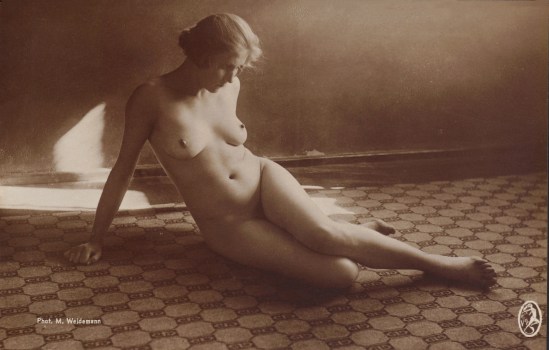
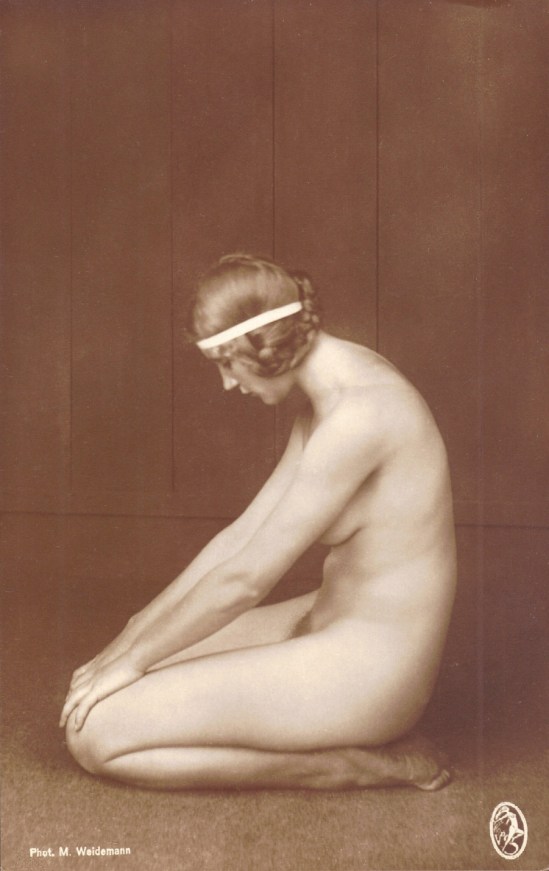
Magnus Weidemann 1930

Magnus Weidemann nude, 1920

Magnus Weidemann nude 1930

Magnus Weidemann nude, 1925

Magnus weidemann, Female girl nude ver c.1925

Magnus Weidemann Molli Tuch im Wind

MAHA- Nude Bondage Study, Austian Postcard,1920′s

MAHA-  Nude Bondage Study, Austian Postcard,1920′s