Sergio Larrain (1931 – 2012)

« Sergio Larrain  grandit dans une famille de la haute société chilienne. Son père, architecte est très sensible à l’art et tout le milieu culturel de l’époque se retrouve dans la maison familiale pour débattre sur les idées modernistes. La bibliothèque familiale est très riche, composée de livres d’art, architecture et littérature. Cet ensemble permettra à Sergio Larrain d’éduquer son œil et de développer son goût pour l’art. Les relations avec son père sont difficiles et Sergio Larrain ne se sent pas à l’aise dans ce monde bourgeois et frivole. En 1949, il décide de partir étudier aux États – Unis , d’abord en Californie puis dans le Michigan. Cette même année, il achète, à crédit, son premier Leica ,
« A l’époque, j’ai acheté mon premier appareil sans imaginer que la photographie allait devenir mon métier », dit-il .
En 1951, suite au décès accidentel de son jeune frère, Sergio Larrain, qui a abandonné ses études aux Etats – Unis, décide d’accompagner sa famille dans un long voyage qui les mènent en Europe et au Moyen-Orient. Suite à ce périple, il se recentre sur la photographie et s’installe à La Reina où il s’intéresse à la philosophie orientale et pratique de longues séances de méditation.
Cet éloignement est compromis en 1952 par le service militaire obligatoire qui lui laisse de mauvais souvenirs : Au sein du régiment, je me sentais humilié, brutalisé . Tout ce à quoi j’aspirais, c’était un peu de tranquillité. Il se lance alors dans son premier travail conséquent en s’intéressant aux enfants abandonnés de Santiago qui errent dans les rues et sur les rives du fleuve Mapocho.
Comme le souligne Gonzalo Leiva Quijada dans son essai, à travers son objectif, son regard de compassion saisit ces exclus qui deviennent des personnes. Sergio Larrain ne fait qu’un avec eux. Il est leur ami, leur alter ego, lui aussi vagabond, découvrant l’invisibilité.
En 1954, Sergio Larrain devient photographe free – lance et décide d’envoyer un portfolio de ses meilleurs clichés à Edward Steichen au MoMA qui lui achète quatre tirages. Deux ans plus tard, il devient photographe pigiste pour le magazine brésilien O Cruzeiro Internacional.
Très concerné par la scène culturelle de Santiago, Larrain se lie d’amitié avec de nombreux artistes chiliens. Il voyage avec l’artiste américaine Sheila Hicks dans le sud du Chili à la fin de 1957. Le fruit de ce voyage sera présenté en 1958 lors d’une exposition commune au Palacio de Bellas Artes de Santiago puis à Buenos Aires. Dès 1952 , Larrain réalise ses premières images de Valparaiso et rend un vibrant hommage à la ville qu’il qualifie de balcon chilien face au Pacifique . Il retournera plusieurs fois dans cette ville jusqu’en 1963 pour obtenir, au fil des ans, un essai photographique d’une puissance exceptionnelle.
Au cours de l’hiver 1958 – 1959, 20 ans après Bill Brandt qu’il admire, Larrain passe quatre mois à Londres grâce à une bourse du British Council. Dès le début de sa carrière,le photographe rêvait d’intégrer l’agence Magnum et c’est lors de ce voyage en Europe que son rêve va se concrétiser. En effet, il rencontre Henri Cartier-Bresson en 1959 et ce dernier lui propose de rejoindre l’agence après avoir vu ses images des enfants abandonnés. Pour Larrain, le photographe français est « le maître absolu, un génie, appartenant à une catégorie à part » . Pour plus de facilité, Larrain s’installe pendant deux ans à Paris et les commandes vont alors se multiplier, il va couvrir de nombreux sujets, tous très différents ; le mariage du shah d’Iran , la guerre d’Algérie, le tremblement de terre au Chili en 1960, la mafia sicilienne….
Mais très vite, Larrain a des doutes sur les prouesses qu’il faut déployer pour réaliser des sujets publiables pour la presse . Je crois que la pression du monde journalistique – être prêt à sauter sur n’importe quel sujet – détruit mon amour et ma concentration pour le travail , écrit – il à Henri Cartier-Bresson en 1965 . Il décide finalement de rentrer au Chili.
Son premier livre, « El rectangulo en la mano », entièrement conçu par lui, est publié en 1963 . En 1965, le photographe réalise les photos et la mise en page de « En el Siglo XX » , publication soutenue par la Fondation Mi Casa et destiné e à solliciter l’aide des donateurs pour venir en aide aux enfants abandonnés. L’année suivante, il photographie la maison du poète Pablo Neruda à la Isla Negra ; accompagnées de textes du poète, les images sont publiées dans le livre Una casa en la arena.
Au milieu des années 1960, il fonde une agence de communication artistique et s’entoure de nombreux artistes, il collabore également aux magazines Paula et Vea . Il rejoint la communauté d’Arica en 1969 pour y suivre l’enseignement d’Oscar Ichazo et décide , à partir de 1972 , de poursuivre seul sa quête spirituelle ; en 1978, il s’installe définitivement à Tulahuén. Il mène une vie discrète et fuit les sollicitations .
À partir de cette date, il poursuit sa quête à travers le yoga et la peinture tandis que Magnum continue à diffuser ses archives. C’est à cette époque qu’Agnès Sire découvre son travail et commence à entretenir une longue correspondance avec le photographe. Grâce à cette relation épistolaire et au travail de Magnum , Larrain accepte de publier un ouvrage sur Valparaiso (1991) puis Londres (1998).
Le medium photographique devient alors un accompagnement pour les nombreux textes qu’il rédige, un moyen pour tenter de communiquer son goût pour l’essentiel. Ses rares images deviennent des sortes de haïku, des satori, accompagnant avec des dessins les nombreuses lettres qu’il adresse à ses amis.
L’exposition organisée en 1999 à l’ IVAM, Valencia est le dernier évènement important organisé autour de l’œuvre de Larrain , le photographe ayant refusé tous les autres projets. Selon Agnès Sire, les termes employés par Sergio Larrain pour décrire l’état de grâce dans lequel il faut nécessairement se trouver pour « accueillir » une bonne image, sont ceux du mysticisme, voire du spiritisme comme si les images étaient déjà là dans le cosmos et que le photographe agissait comme un medium : « libéré des conventions », « pureté », « concentration », « miracle »… et si les conditions sont réunies « les images arriveront comme des fantômes, des esprits  » Texte d’Agnès Sire et Gonzalo Leiva Quijad tiré du livre  Sergio Larrain , Monographie Vagabondages, Ed° Xavier, Barral,2013

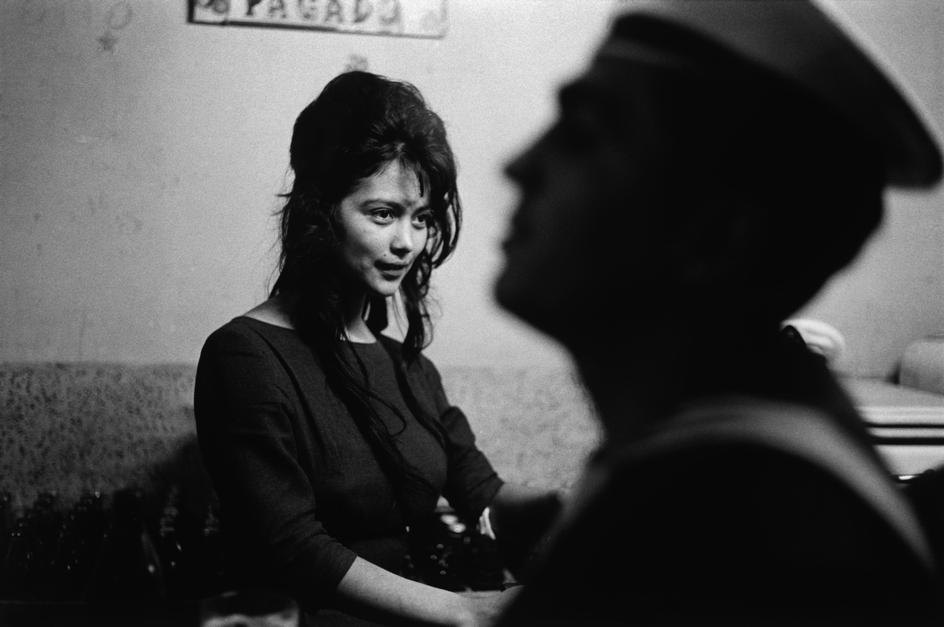
Sergio Larrain Cafe- Valparaiso, Chile 1963
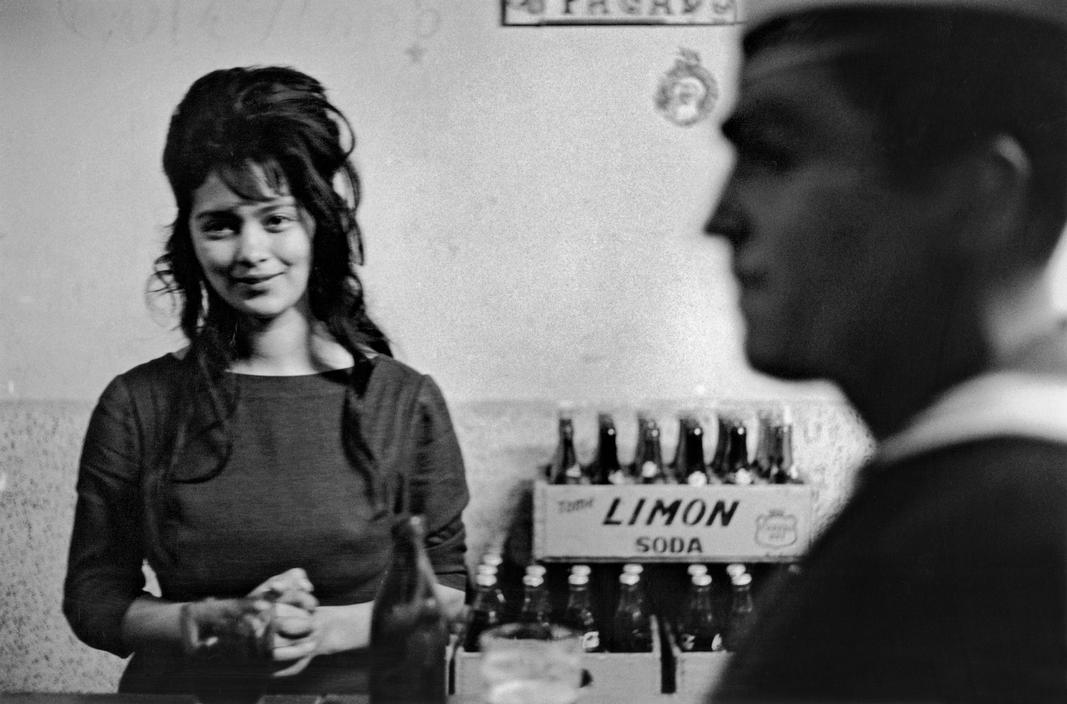
Sergio Larrain Cafe- Valparaiso, Chile 1963

Sergio Larrain- Cafe, Valparaiso, Chile 1963
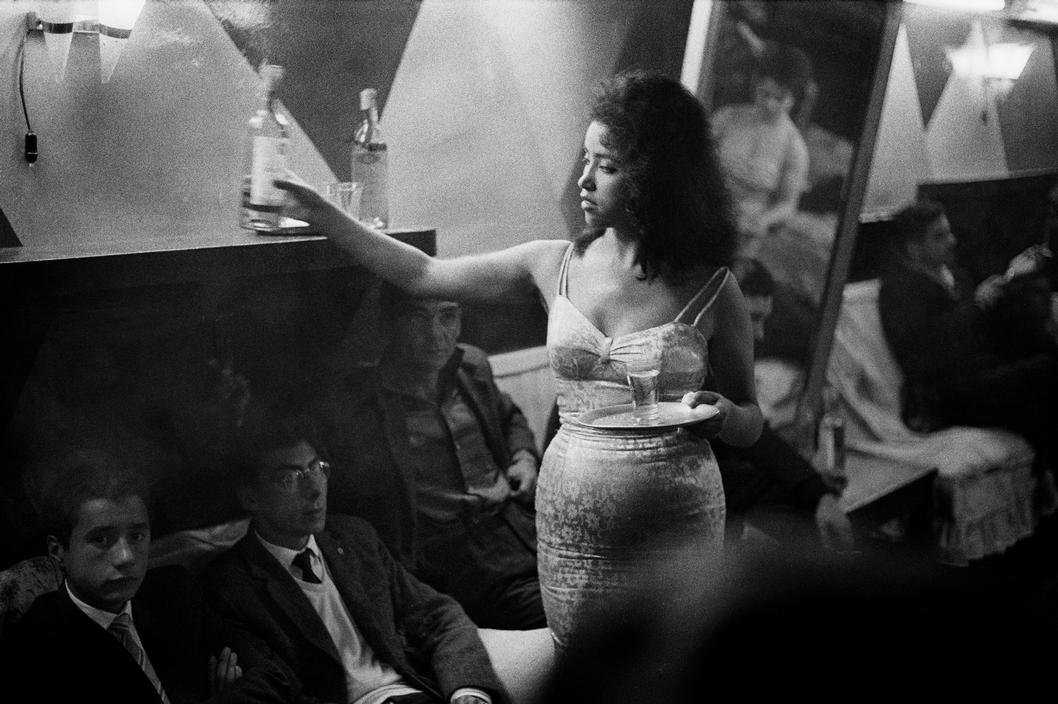
Sergio Larrain- Cafe, Valparaiso, Chile 1963

Sergio Larrain Bar. Valparaiso 1963.

Sergio Larrain Bar. Valparaiso 1963.

Sergio Larrain Bar. Valparaiso, 1963.

Sergio Larrain Bar. Valparaiso, 1963

Sergio Larrain- Between Chiloe Island and Puerto Montt. chile, 1957

Sergio Larrain- Between Chiloe Island and Puerto Montt. chile, 1957
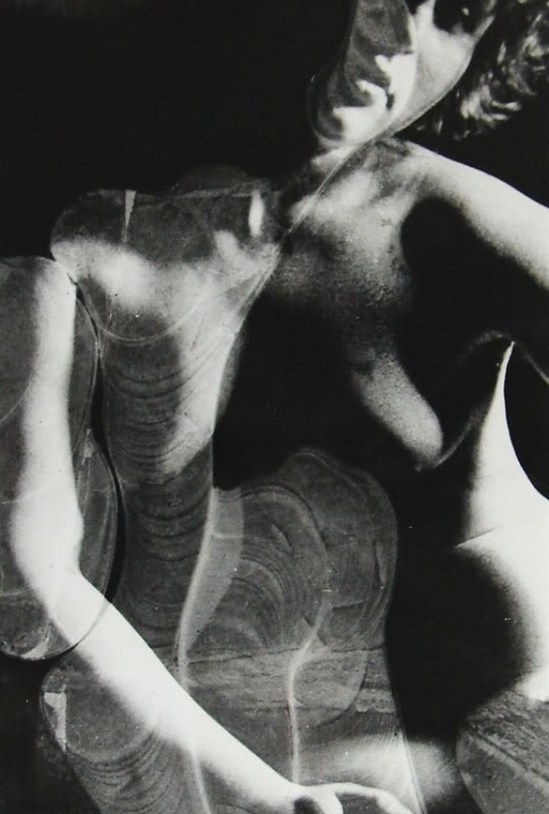
 

Son travail Site Magnum photo

un très bel article sur le beau blog esprit nomade

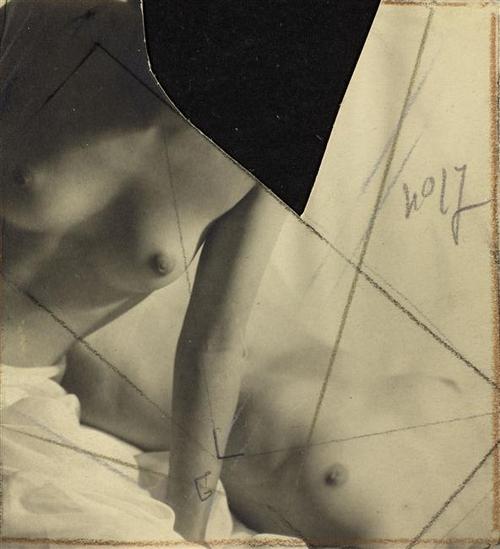
Ladislav Postupa

Je vous propose encore une fois particulièrement les nus, mais comme ci mentionné plus haut, une large place aux objets est laissé dans son oeuvre, Il a également beaucoup travaillé  sur des installations architecturales à grande échelle de photographies.


Ladislav Postupa – Conscience, Variant (Female Nude), 1966

Ladislav Postupa – Conscience, Variant (Female Nude), 1966

Ladislav Postupa - Conscience,1966

Ladislav Postupa – Conscience,1966

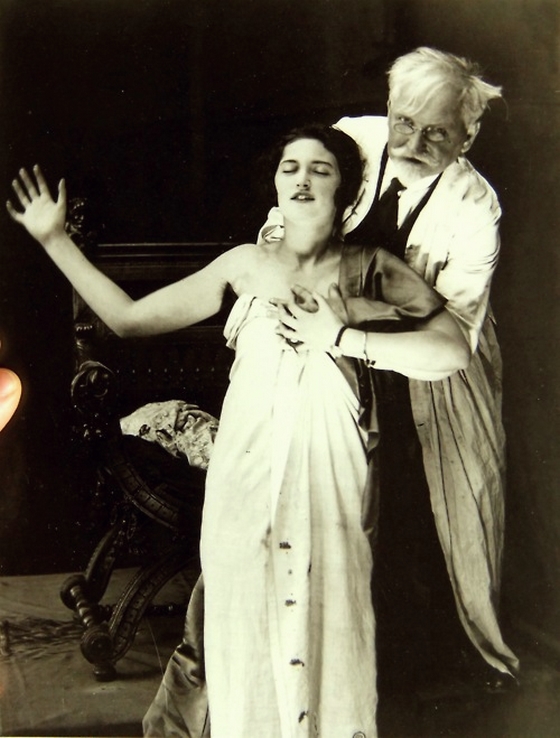
Ladislav Postupa - Punition, double exposure, 1960s

Ladislav Postupa – Punition, double exposure, 1960s

Ladislav Postupa- le mensonge (Ležící ),1963

Ladislav Postupa- le mensonge (Ležící ),1963


Ladislav Postupa - Clair-obscur ,1964

Ladislav Postupa – Clair-obscur ,1964


Ladislav Postupa-Ladislav Postupa - Ladislav Postupa - Female Nude (detail),1970s

Ladislav Postupa-Ladislav Postupa – Ladislav Postupa – Female Nude (detail),1970s

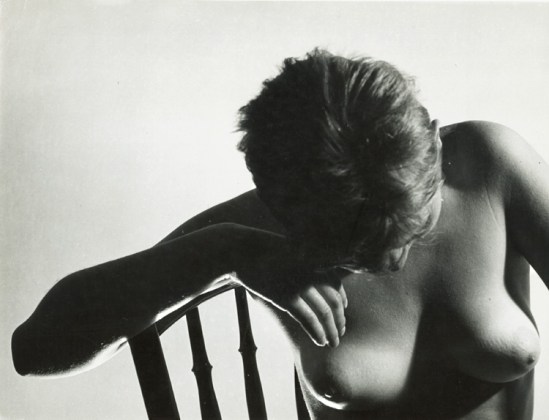
Ladislav Postupa - Female Nude  with Chair, 1970

Ladislav Postupa – Female Nude with Chair, 1970

Ladislav Postupa - Female Nude  with Chair, 1970

Ladislav Postupa – Female Nude with Chair, 1970


Ladislav Postupa - Female Nude (detail), 1970s. (2)

Ladislav Postupa – Female Nude (detail), 1970s.

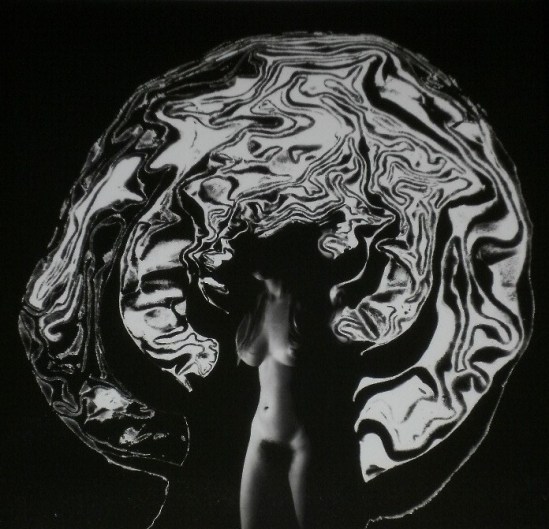
Ladislav Postupa- photomontage ,1964

Ladislav Postupa- photomontage ,1964

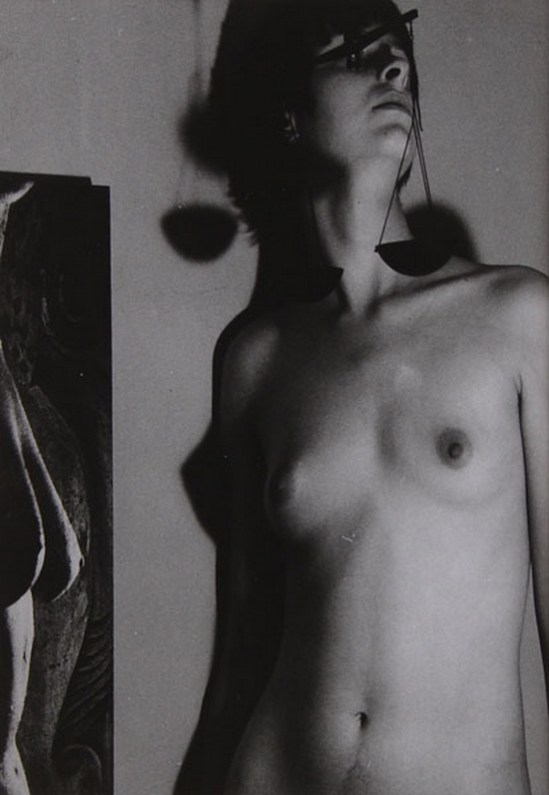
Ladislav Postupa -( Agir avec pondération)  Akt s váhami, 1960s

Ladislav Postupa -( Agir avec pondération) Akt s váhami, 1960s


Ladislav Postupa - Punition, 1965-1969

Ladislav Postupa – Punition, 1965-1969

Ladislav Postupa-Female Nude, 1969

Ladislav Postupa-Female Nude, 1969

Ladislav Postupa - Female Nude (detail),1970s

Ladislav Postupa – Female Nude (detail),1970s

Ladislav Postupa -Female nude in shadow, 1960-1969

Ladislav Postupa -Female nude in shadow, 1960-1969

Ladislav Postupa Zakletá, nd

Ladislav Postupa Zakletá, nd

Ladislav Postupa -Pohádka,nd

Ladislav Postupa -Pohádka,nd

Ladislav Postupa -Memory, 2005

Ladislav Postupa -Memory, 2005

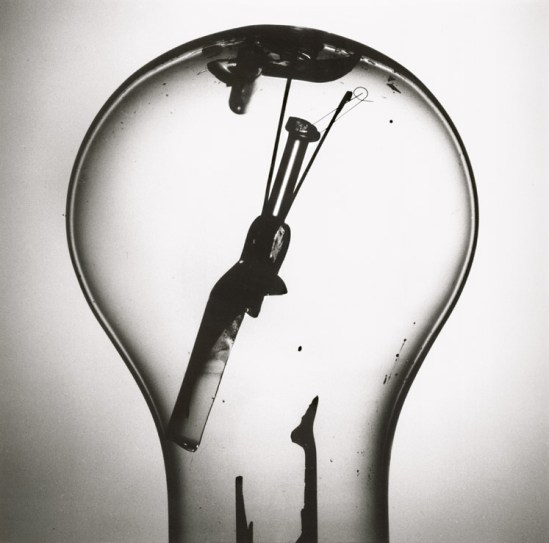
Ladislav Postupa Light Bulb, 1968

Ladislav Postupa Light Bulb, 1968

Postupa Ladislav - Gymnastika 2010

Postupa Ladislav – Gymnastika 2010

Source ici  et  Ici


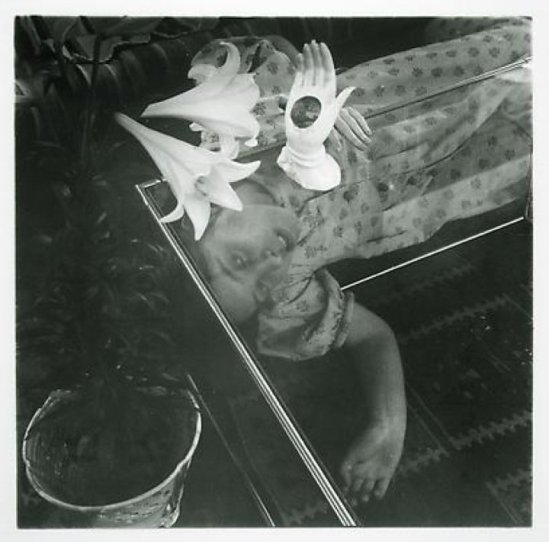
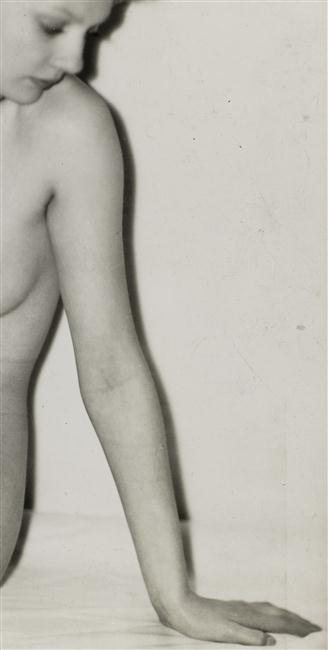
Francesca Woodman, Providence, Rhode Island, 1978

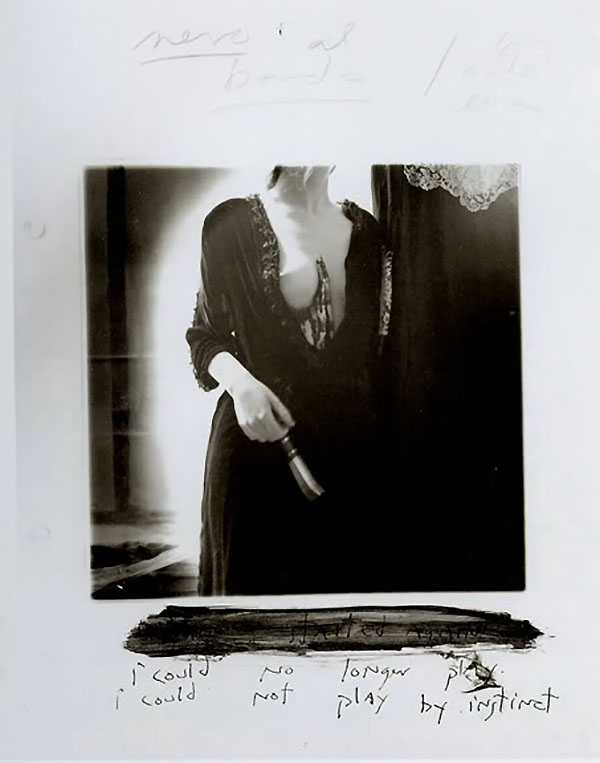
Francesca Woodman- I could no longer play, Providence, Rhode Island 1978

Francesca Woodman- I could no longer play, Providence, Rhode Island 1978

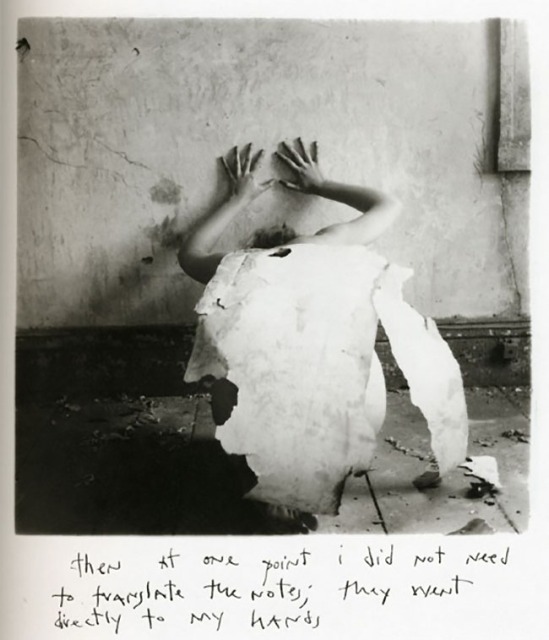
© Francesca Woodman- Then at one point Providence, Rhode Island, 1978

Francesca Woodman-Liza, Providence, Rhode Island 1976

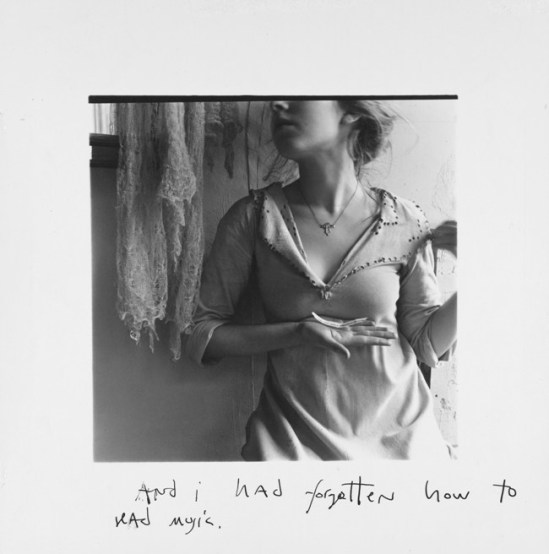
Francesca Woodman “And I had forgotten how to read music”, 1976.

Francesca Woodman, Stop playing the piano, Providence, Rhode Island, 1978

© Francesca Woodman-Selfportrait, talking to vince

© Francesca Woodman- After aaron, Providence, Rhode Island, 1978

Francesca Woodman Boulder Colorado

Francesca Woodman – untitled- Boulder Colorado, 1976.

« Did my mother bring me to this place?
Will others come to take my place?
In total isolation…
Surrounded by crowds…
Too many tears…
From too many clowns… Isolation…
Surrounded by crowds…
When you think on it…
We’re all souls in isolation…. »
Francesca Woodman


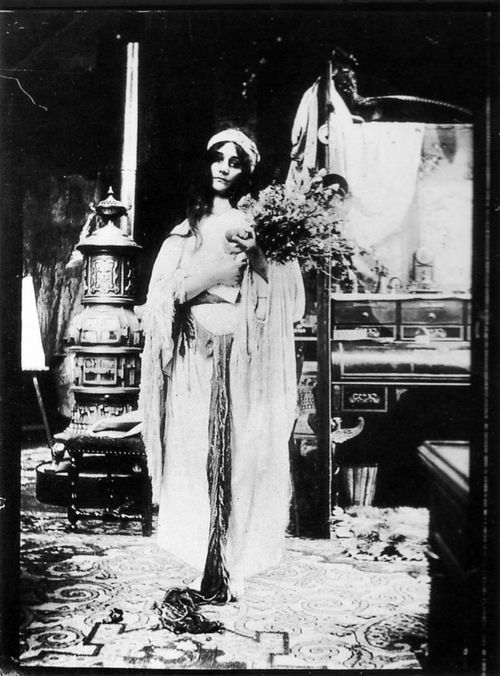
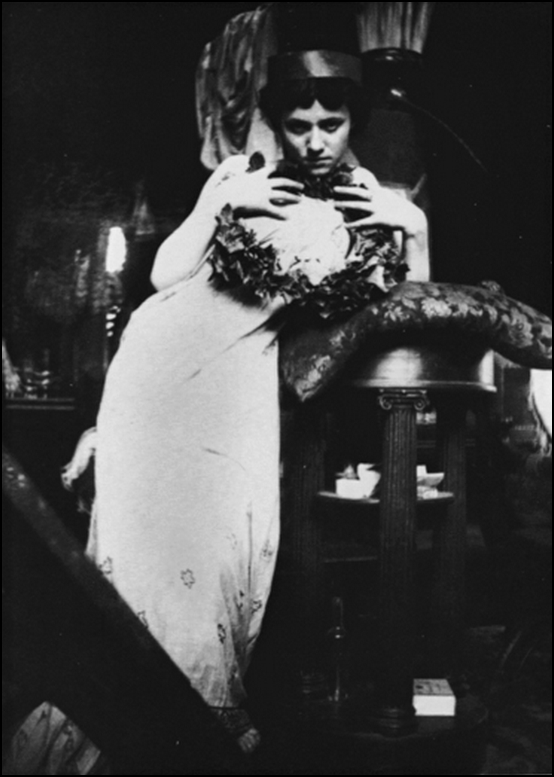
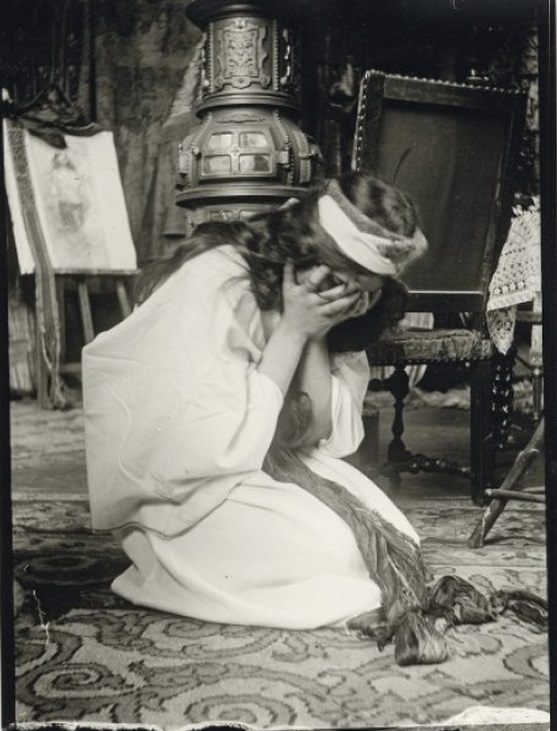
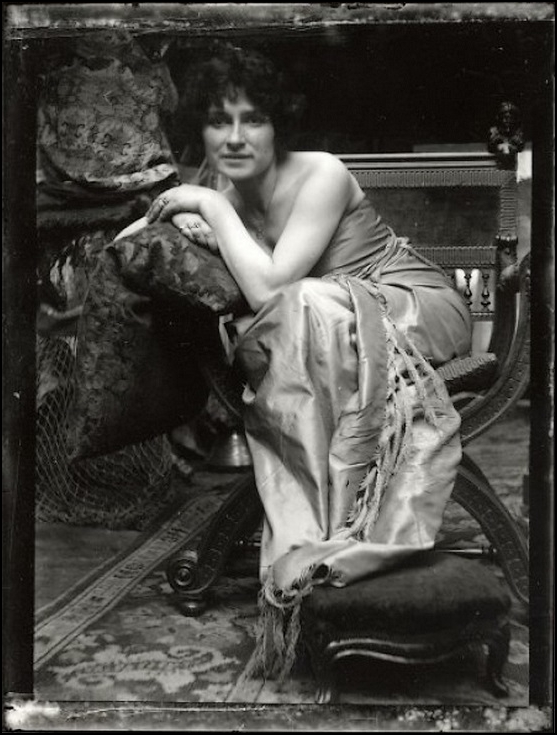
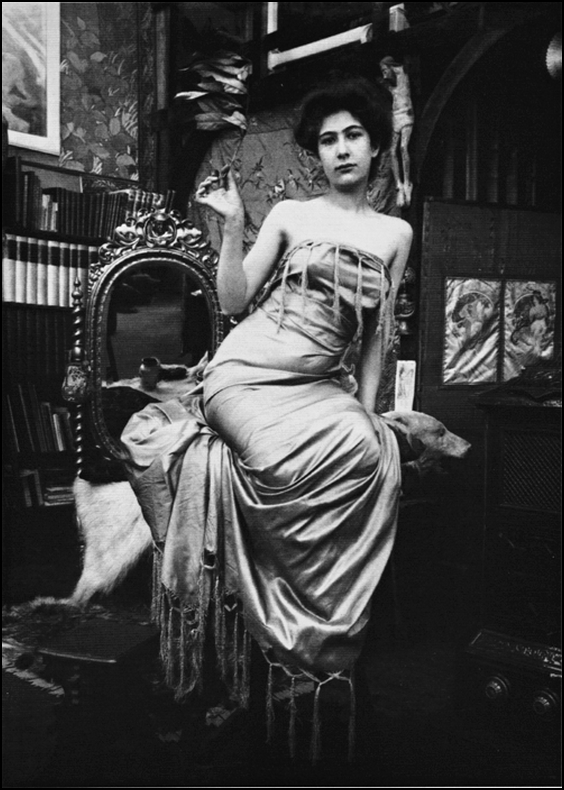
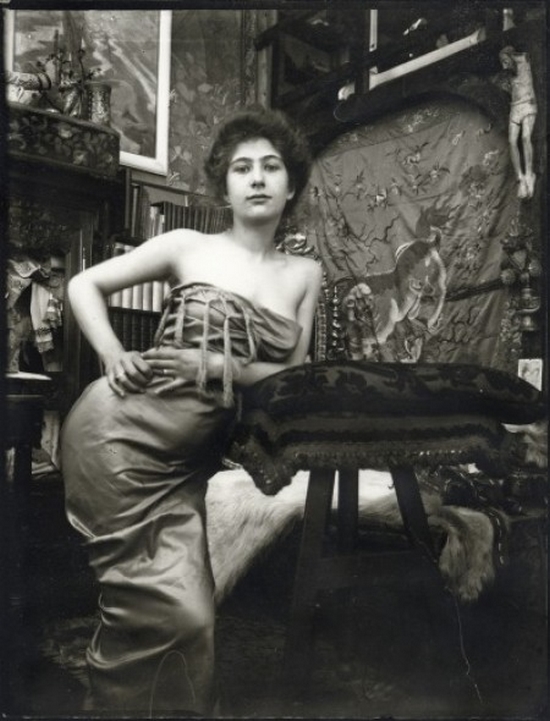
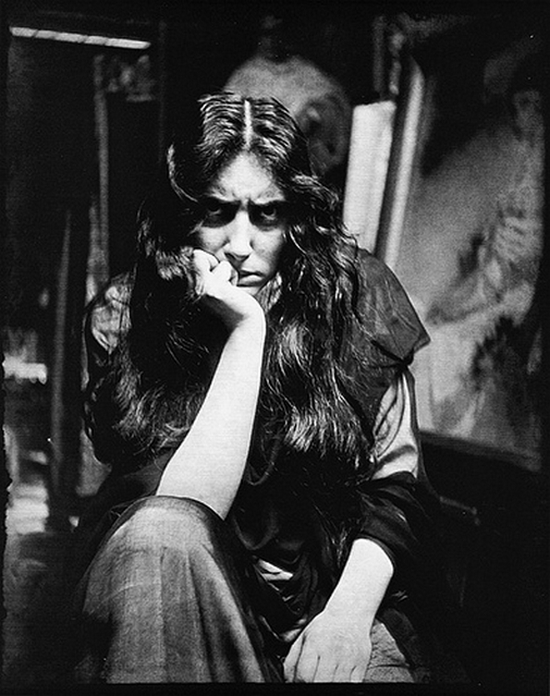
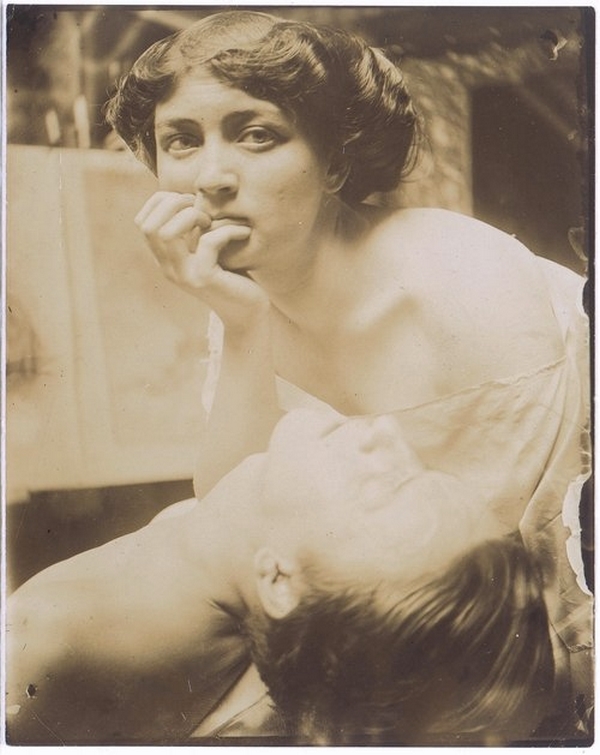
Alphonse Maria Mucha – Modèles

« Mucha began to take photographs in the early 1880s, probably in Vienna, with a borrowed camera. It was not until he had gained some recognition in Paris and sufficient funds that he purchased his first camera. Mucha’s photographic output grew dramatically after his move to a large studio in the rue du Val de Grâce in 1896. In the new studio, where he had considerably more light thanks to large windows and a glass ceiling, he photographed on a virtually daily basis.

Between 1896 and the early 1900s Mucha made a remarkable series of photographs of the models posing for him. The use of photography as an inexpensive medium for preliminary studies was common among Mucha’s Parisian contemporaries. However, Mucha’s photographs are more than just an alternative to sketches because they also capture the inimitable atmosphere of Mucha’s studio – a world of art in its own right. It was in his studio that that Mucha entertained countless Parisian artists, writers and musicians. It was also the setting for one of the earliest cinematic projections given by the Lumière brothers, whom Mucha had met in 1895, and for psychic experiments with Camille Flammarion and Albert de Rochas. In the background of the studies of models, examples of Mucha’s work may be seen, surrounded by his collection of objets d’art, books and furniture, many of which survive to this day.

The majority of Mucha’s Parisian photographs were not taken for a specific project – he preferred to improvise a number of poses in front of the camera, creating an archive of variants from which he could select what he considered most suitable for the subject of each new commission. However, some photographs were obviously directed, with his friends and models posing as characters for book illustration. Later this practice grew into a part of his experimentation with his models to express his philosophical ideas through theatrical poses and gestures.

Mucha’s theatrical approach culminated in his preparatory work for the Slav Epic canvases. Before working on each canvas Mucha produced numerous staged photographs documenting costumed models posing under his ‘theatre’ directions. From these photographs he selected appropriate images and synthesised them to create a complicated historical event on a single canvas. Although the images were intended as studies for his final paintings, Mucha’s approach to image-making has much in common with filmmaking.
Read less »  Conservatoire Musée Mucha Prague.

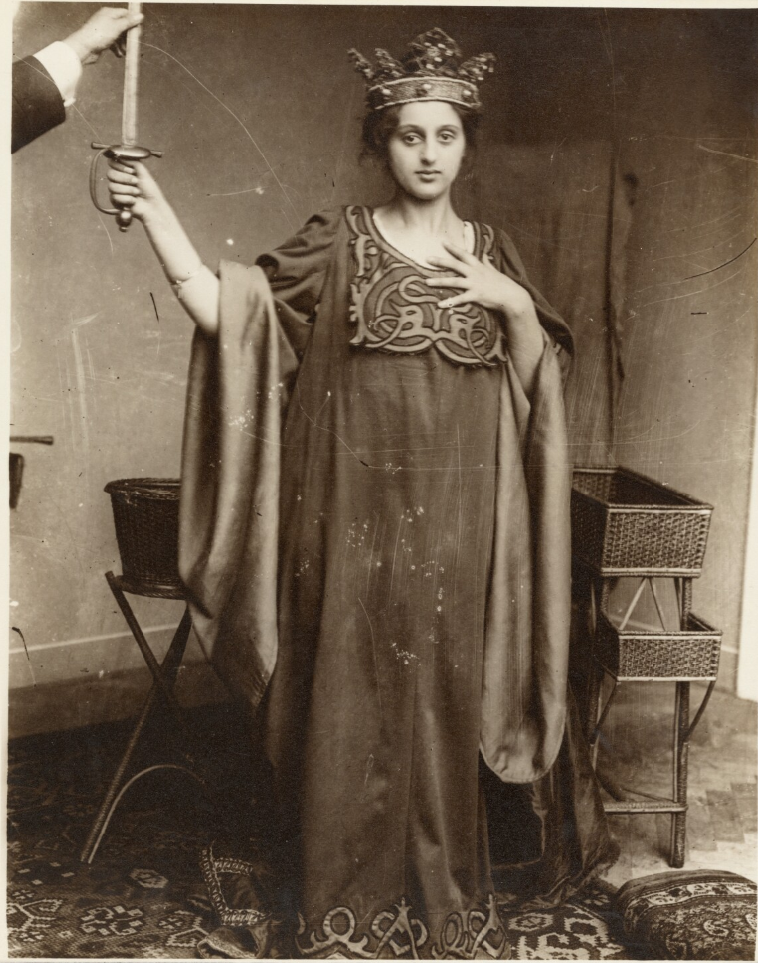
Alphonse Maria Mucha - female moel wearing crow and holding sword, negative 1900s; print about 1980

Alphonse Maria Mucha – female moel wearing crow and holding sword, negative 1900s; print about 1980

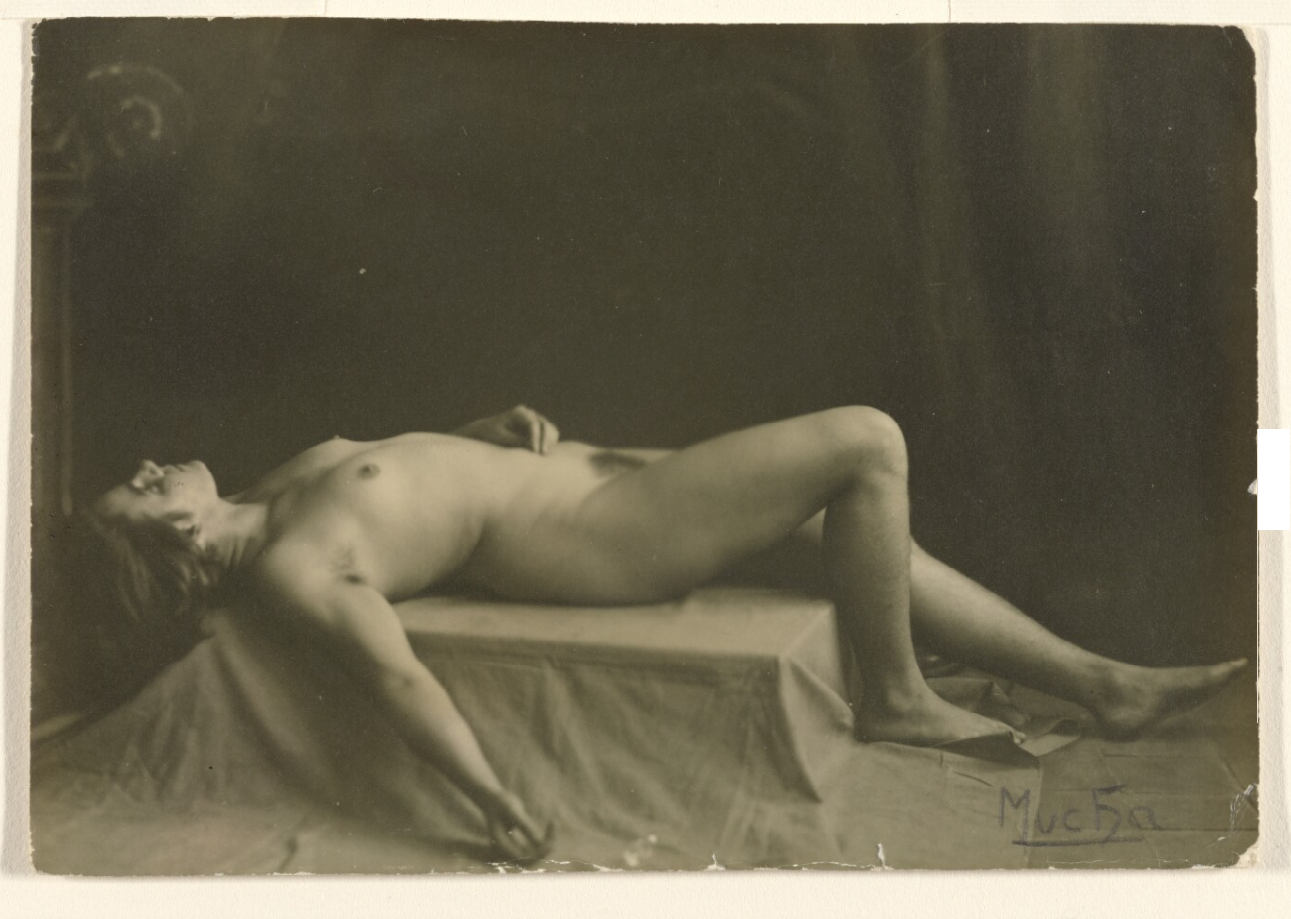
Alphonse Maria Mucha - Reclining Nude, about 1900s

Alphonse Maria Mucha – Reclining Nude, about 1900s

Alphonse Maria Mucha – Model in studio, 1900s From the book  “Osobnosti české fotografie  I », by  Fárová Anna 1974, ed° UPM Praha typo by Libor Fara © Alphonse Mucha Trust

Alphonse Maria Mucha -Model , Studio du Val de grâce for Documents Décoratifs, Paris,  1900 © Alphonse Mucha Trust

Alphonse Maria Mucha -Model , Studio du Val de grâce for Documents Décoratifs, Paris, 1900 © Alphonse Mucha Trust

Alphonse Maria Mucha -Model , Studio du Val de grâce for Documents Décoratifs, Paris,  1900 © Alphonse Mucha Trust

Alphonse Maria Mucha -Model , Studio du Val de grâce for Documents Décoratifs, Paris, 1900 © Alphonse Mucha Trust

Alphonse Maria Mucha -Model , Studio du Val de grâce for Documents Décoratifs, Paris,  1900 © Alphonse Mucha Trust

Alphonse Maria Mucha -Model , Studio du Val de grâce for Documents Décoratifs, Paris, 1900 © Alphonse Mucha Trust

Alphonse Maria Mucha -  Model-Study for Figures Decoratives Rue du Val de Grace, 1901© Alphonse Mucha Trust

Alphonse Maria Mucha – Model-Study for Figures Decoratives Rue du Val de Grace, 1901© Alphonse Mucha Trust

Alphonse Maria Mucha - Model for Medee -1898 (1)

Alphonse Maria Mucha – Model for Medee -1898 (1)

Alphonse Maria Mucha - -Model for Medee ,1898 © Alphonse Mucha Trust

Alphonse Maria Mucha – -Model for Medee ,1898 © Alphonse Mucha Trust

Alphonse Maria Mucha -  Model posing , 1898-89

Alphonse Maria Mucha – Model posing , 1898-89 © Alphonse Mucha Trust

Alphonse Maria Mucha - Model called “La Bise”, pour Cocorico N 3 du 1er fevrier 1899.© Alphonse Mucha Trust

Alphonse Maria Mucha – Model called “La Bise”, pour Cocorico N 3 du 1er fevrier 1899.© Alphonse Mucha Trust

Alphonse Maria Mucha -H ands pose  Paris,  1908 © Alphonse Mucha Trust

Alphonse Maria Mucha -Hands pose Paris, 1908 © Alphonse Mucha Trust

Alphonse Maria Mucha -Ce modèle servit à illustrer l’article de Maurice Pillard Verneuil De l’emploi de la couleur en impression Trois impressions paru en 1902 dans Art et Décoration. Atelier Mucha, Paris, 1900. © Alphonse Mucha Trust

Alphonse Maria Mucha –  Photographie du modèle , Atelier Mucha, Paris. 1900 m^me chose que la photo précédente  Ce modèle servit à illustrer l’article de Maurice Pillard Verneuil De l’emploi de la couleur en impression Trois impressions paru en 1902 dans Art et Décoration © Alphonse Mucha Trust

Alphonse Maria Mucha -Model , Studio du Val de grâce, Paris, 1900 © Alphonse Mucha Trust (2)

Alphonse Maria Mucha -Model , Studio du Val de grâce, Paris, 1900 © Alphonse Mucha Trust

Alphonse Maria Mucha -Model , Studio du Val de grâce, Paris, 1901

Alphonse Maria Mucha -Model , Studio du Val de grâce, Paris, 1901

Alphonse Maria Mucha -Model , Studio du Val de grâce, Paris, 1900 © Alphonse Mucha Trust

Alphonse Maria Mucha -Model , Studio du Val de grâce, Paris, 1900 © Alphonse Mucha Trust

Alphonse Maria Mucha -Model , Studio du Val de grâce, Paris, 1899 © Alphonse Mucha Trust

Alphonse Maria Mucha -Model , Studio du Val de grâce, Paris, 1899 © Alphonse Mucha Trust

Alphonse Maria Mucha -Model , Studio du Val de grâce, Paris, 1900 © Alphonse Mucha Trust (3)

Alphonse Maria Mucha -Model , Studio du Val de grâce, Paris, 1900 © Alphonse Mucha Trust

Alphonse Maria Mucha -Model , Studio du Val de grâce, Paris, 1900 © Alphonse Mucha Trust

Alphonse Maria Mucha -Model , Studio du Val de grâce, Paris, 1900 © Alphonse Mucha Trust

Alphonse Maria Mucha -Model , Studio du Val de grâce, Paris, 1900 © Alphonse Mucha Trust

Alphonse Maria Mucha -Model , Studio du Val de grâce, Paris, 1900 © Alphonse Mucha Trust

Alphonse Maria Mucha -Model , Studio du Val de grâce, Paris, 1_çè © Alphonse Mucha Trust

Alphonse Maria Mucha -Model , Studio du Val de grâce, Paris, 1897 © Alphonse Mucha Trust

Alphonse Maria Mucha -Model , Studio du Val de grâce, Paris, 1899 © Alphonse Mucha Trust (4)

Alphonse Maria Mucha -Model , Studio du Val de grâce, Paris, 1899 © Alphonse Mucha Trust

Alphonse Maria Mucha - Model posing  1918 © Alphonse Mucha Trust

Alphonse Maria Mucha – Model posing 1918 © Alphonse Mucha Trust

Alphonse Maria Mucha – Reclining Half-Nude Model, posing, nd, (1890s) © Alphonse Mucha Trust

Alphonse Maria Mucha –  Model Draped in a Shawl posed against Mucha posters, after 1896 © Alphonse Mucha Trust

Alphonse Maria Mucha -Model (  to illustrated the E. Gebhart New York , 1908   © Alphonse Mucha Trust

Alphonse Maria Mucha -Miss Reichl (Max Reinhardt’s Company’s leading actress) posing for ‘Tragedy’, a German Theatre mural, in Mucha’s studio, New York 1908 © Alphonse Mucha Trust

Alphonse Maria Mucha -Studio photography  His Daughter 1925s© Alphonse Mucha Trust

Alphonse Maria Mucha -Studio photography His Daughter 1925s© Alphonse Mucha Trust

Alphonse Maria Mucha - 1919© Alphonse Mucha Trust

Alphonse Maria Mucha – 1919© Alphonse Mucha Trust

Alphonse Marie Mucha, 1908© Alphonse Mucha Trust

Alphonse Marie Mucha, 1908© Alphonse Mucha Trust

Alphonse Maria Mucha  and his daughter, Jaroslava 1926 © Alphonse Mucha Trust (2)

Alphonse Maria Mucha and his daughter, Jaroslava 1926 © Alphonse Mucha Trust

Plus de Photos Ici

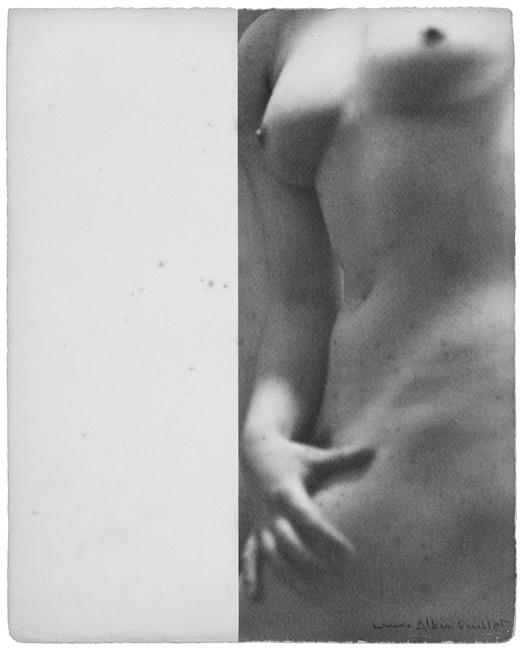
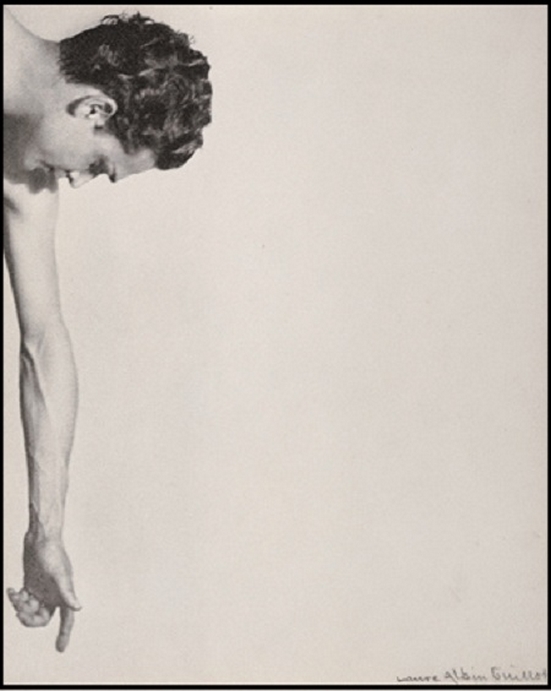
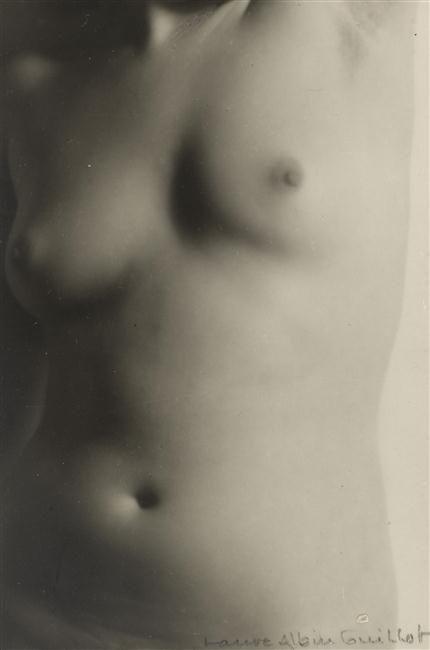
Laure Albin Guillot – La Cantate du Narcisse, Paul Valéry, Paris, imp. Artra, 1942

Laure Albin Guillot- Planche 44  , issue de Paul Valéry, La Cantate du Narcisse, Paris, imp. Artra, 1942

Laure Albin Guillot - La Cantate du narcisse ,1934

Laure Albin Guillot – Nu masculin, 1934, La Cantate du Narcisse, Paul Valéry, Paris, imp. Artra, 1942

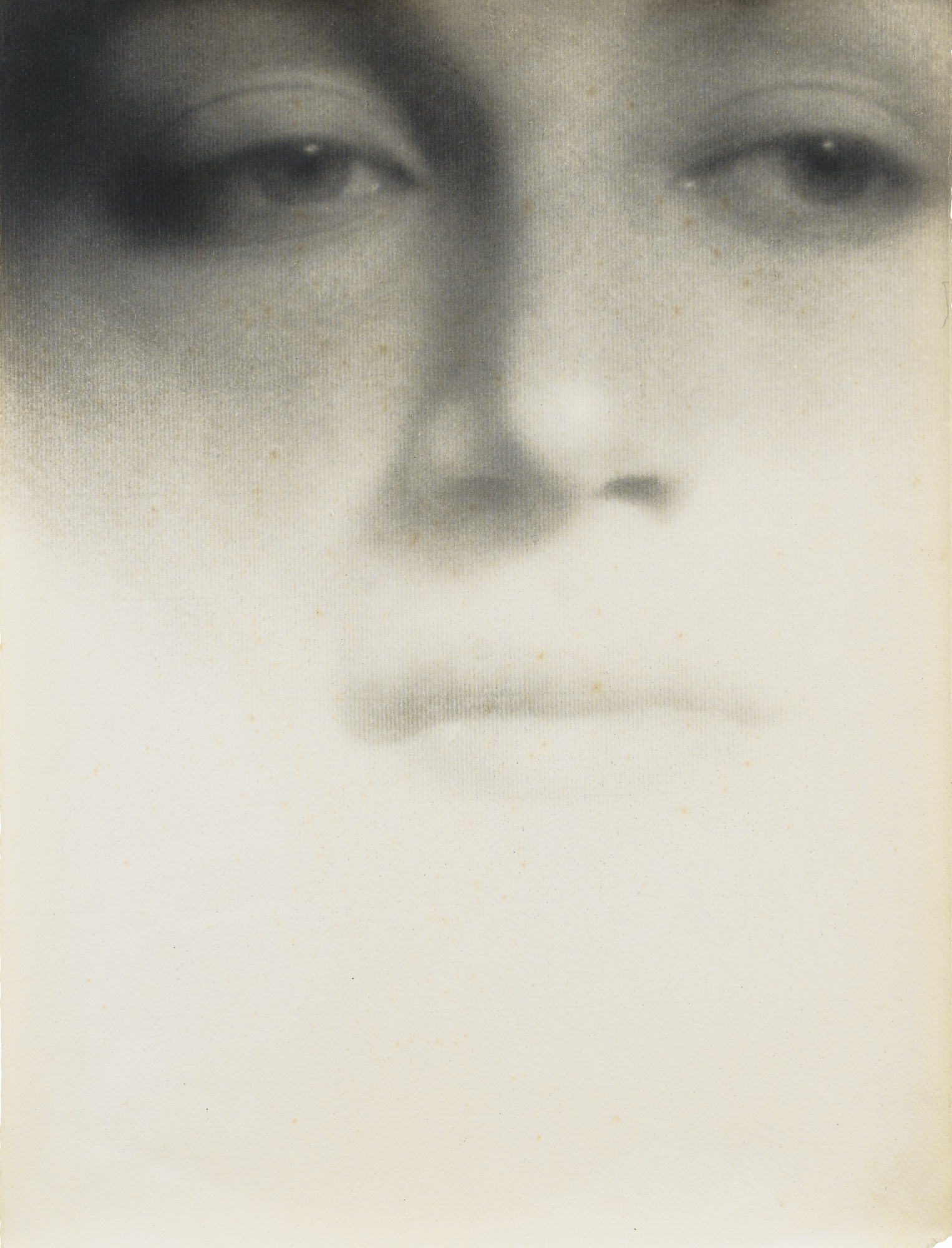
Laure Albin Guillot - les Yeux Mêmes et Noirs de Leur Âme, from Paul Valéry’s La Cantate du Narcisse, 1942 (2)

Laure Albin Guillot – les Yeux Mêmes et Noirs de Leur Âme, La Cantate du Narcisse, Paul Valéry, Paris, imp. Artra, 1942

Laure Albin Guillot - Etude pour La Cantate du Narcisse (Paul Valery), 1941

Laure Albin Guillot – Etude , 1941 pur La Cantate du Narcisse, Paul Valéry, Paris, imp. Artra, 1942

Laure Albin Guillot - Etude pour La Cantate du Narcisse 1931 (Paul Valery), 1941

Laure Albin Guillot – Nu, 1931La Cantate du Narcisse, Paul Valéry, Paris, imp. Artra, 1942

Laure Albin Guillot - Etude, nd pour La Cantate du Narcisse (Paul Valery), 1941

Laure Albin Guillot – Etude, nd La Cantate du Narcisse, Paul Valéry, Paris, imp. Artra, 1942

More articles about Laure Albin- Guillot

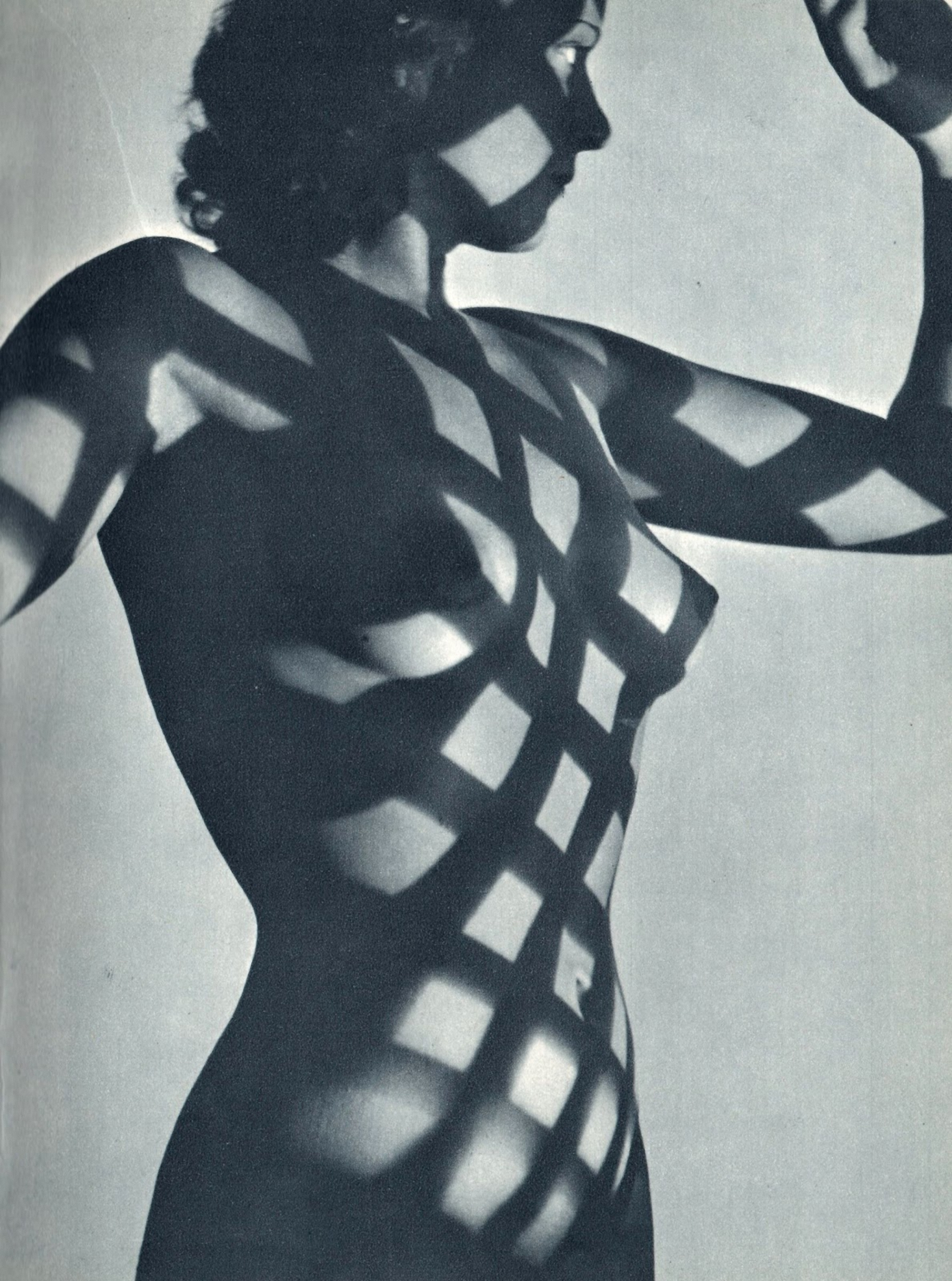
Heinrich Heidersberger

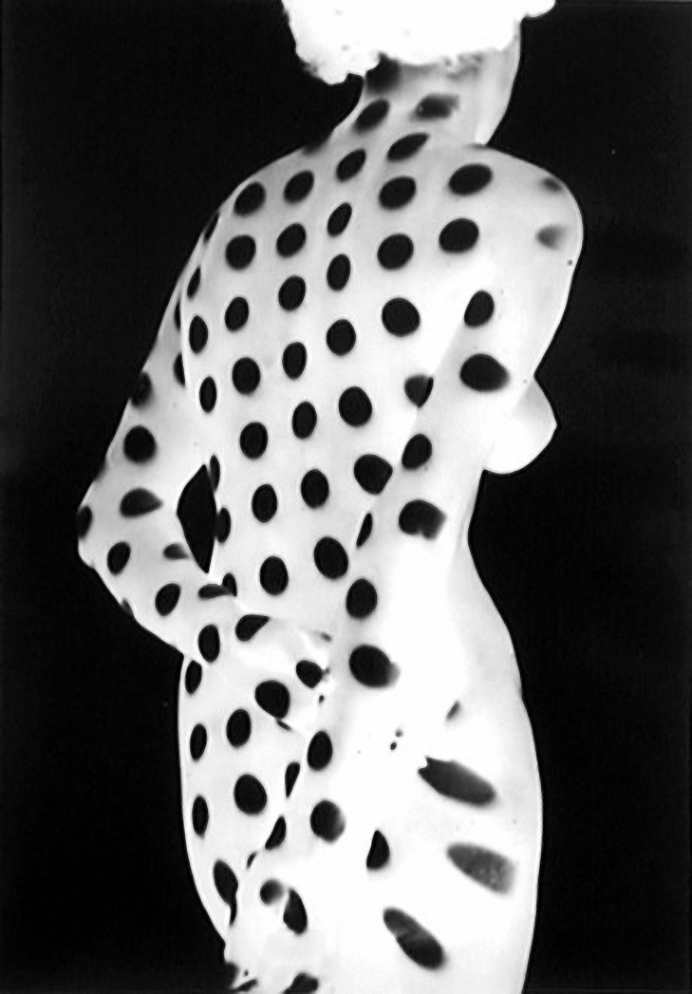
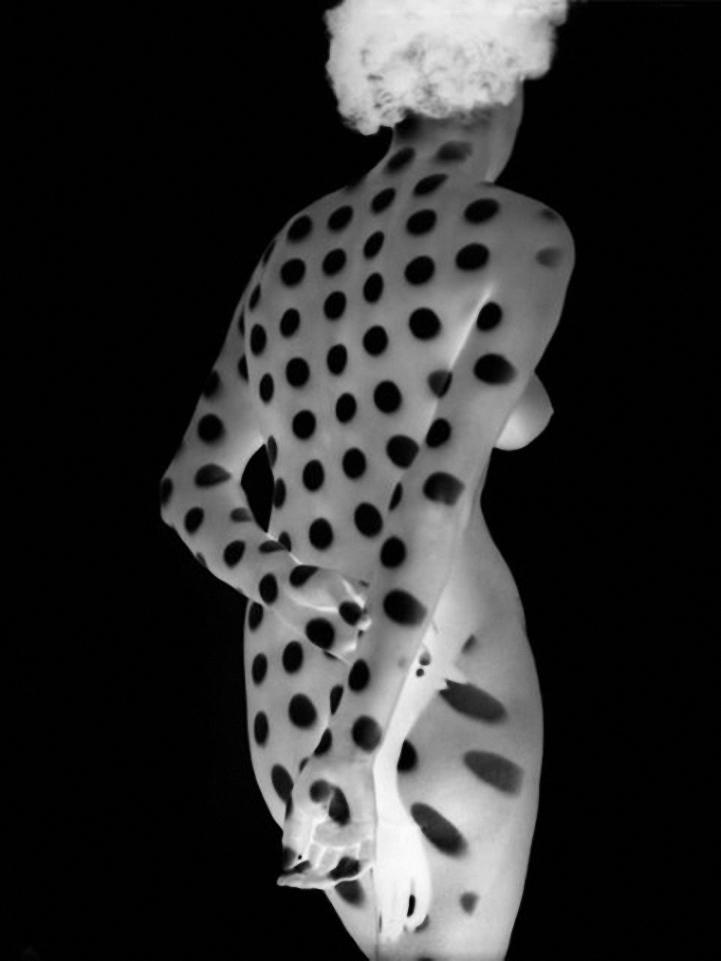
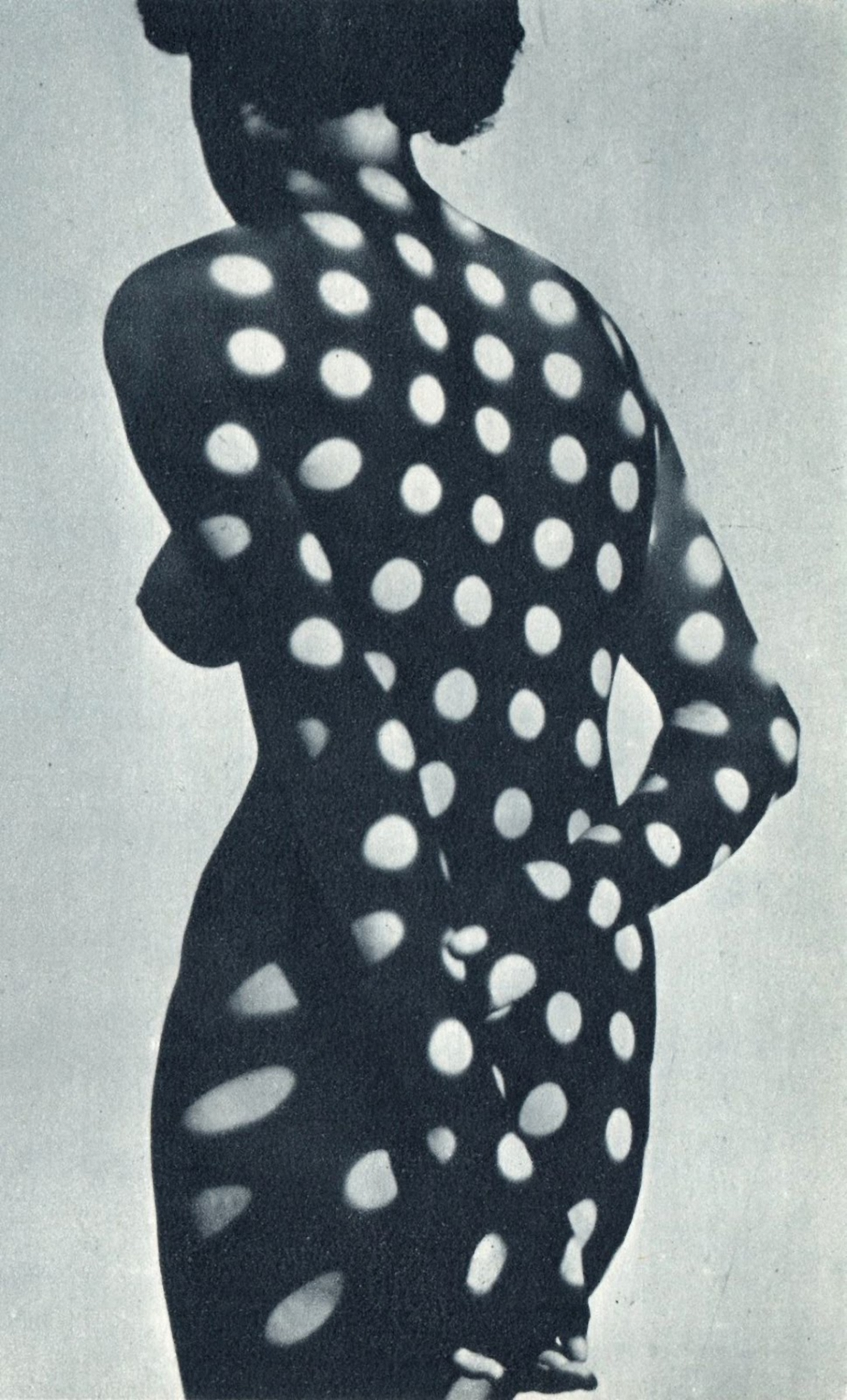
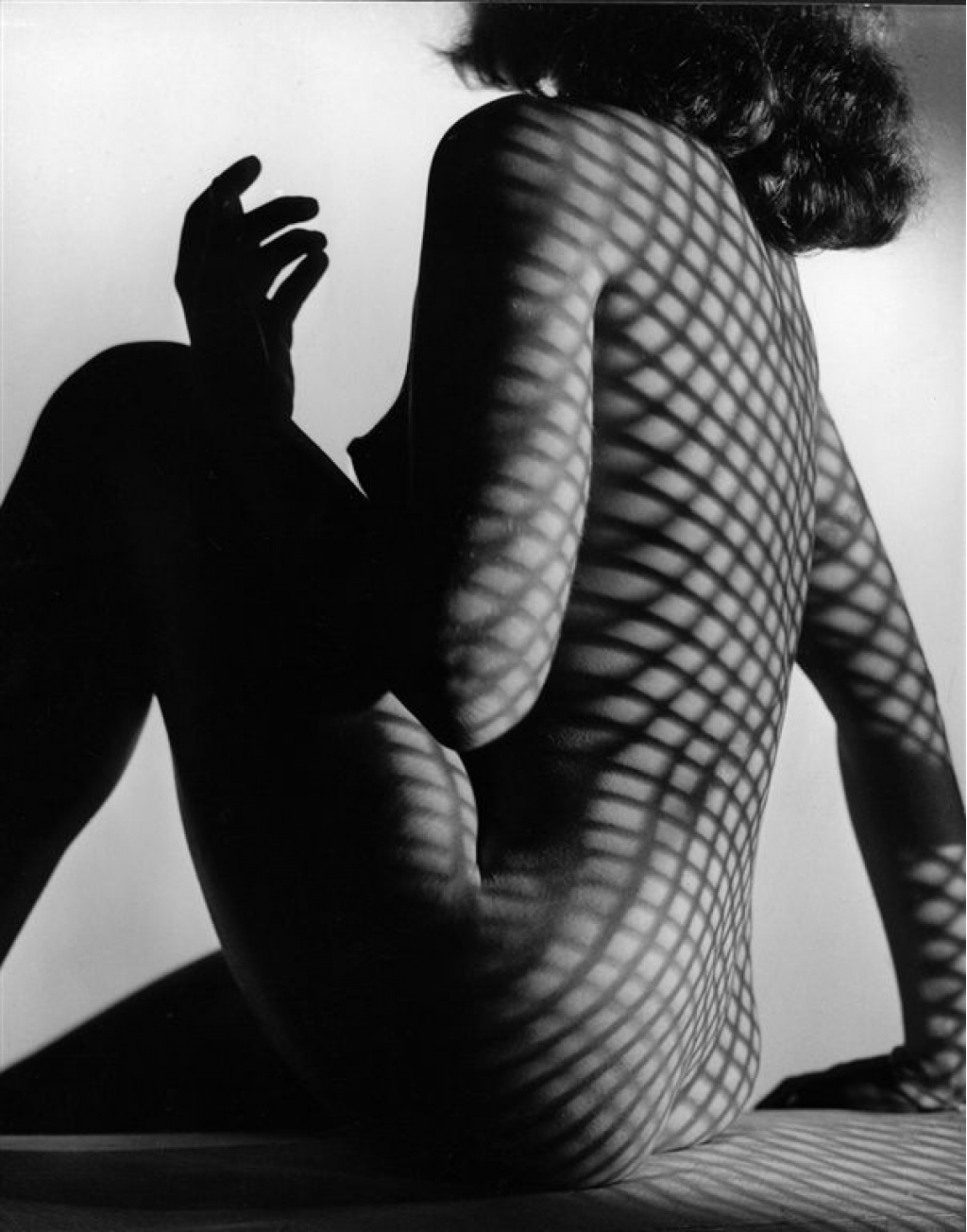
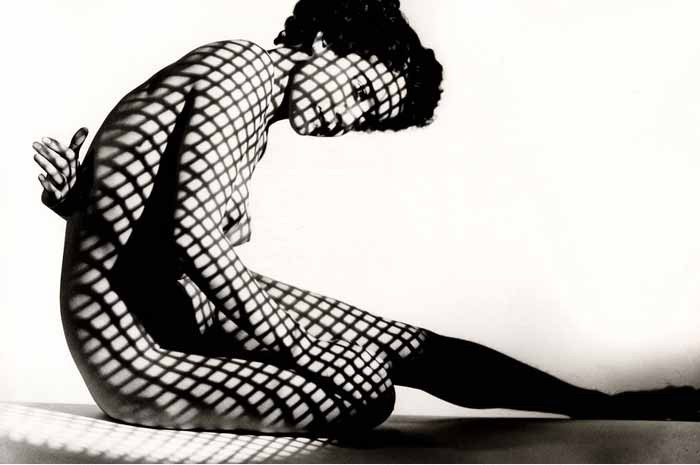
Heinrich Heidersberger- Kleid aus light, ( Robe de lumière), 1949

Heinrich Heidersberger- Kleid aus light, ( Robe de lumière), 1949

Heinrich Heidersberger- Kleid aus light, ( Robe de lumière), 1949

Heinrich Heidersberger- Kleid aus light, ( Robe de lumière), 1949

Heinrich Heidersberger- Kleid aus light, ( Robe de lumière), 1949

Heinrich Heidersberger- Kleid aus light, ( Robe de lumière), 1949

Heinrich Heidersberger- Kleid aus light, ( Robe de lumière), 1949

Heinrich Heidersberger- Kleid aus light, ( Robe de lumière), 1949

Heinrich Heidersberger- Kleid aus light, ( Robe de lumière), 1949

Heinrich Heidersberger- Kleid aus light, ( Robe de lumière), 1949

Heinrich Heidersberger- Kleid aus light, ( Robe de lumière), 1949

Heinrich Heidersberger- Kleid aus light, ( Robe de lumière), 1949

Heinrich Heidersberger- Kleid aus light, ( Robe de lumière), 1949

Heinrich Heidersberger- Kleid aus light, ( Robe de lumière), 1949

Heinrich Heidersberger -Federprisma, nd ( 1950s)

Heinrich Heidersberger -Federprisma, nd ( 1950s)

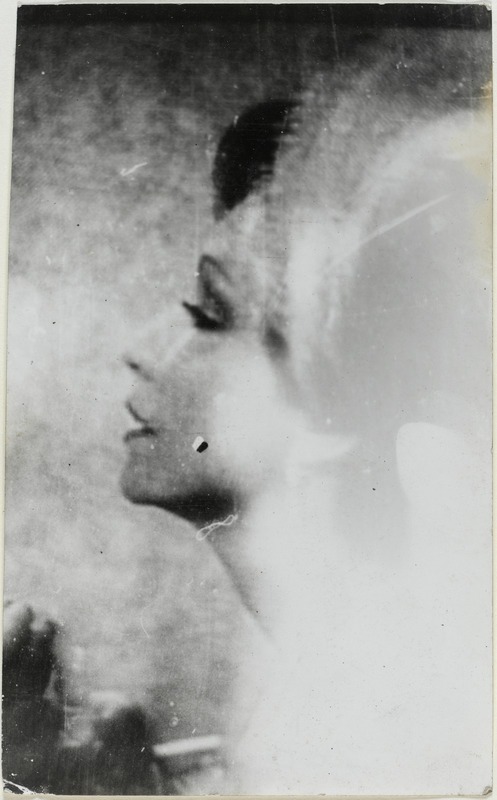
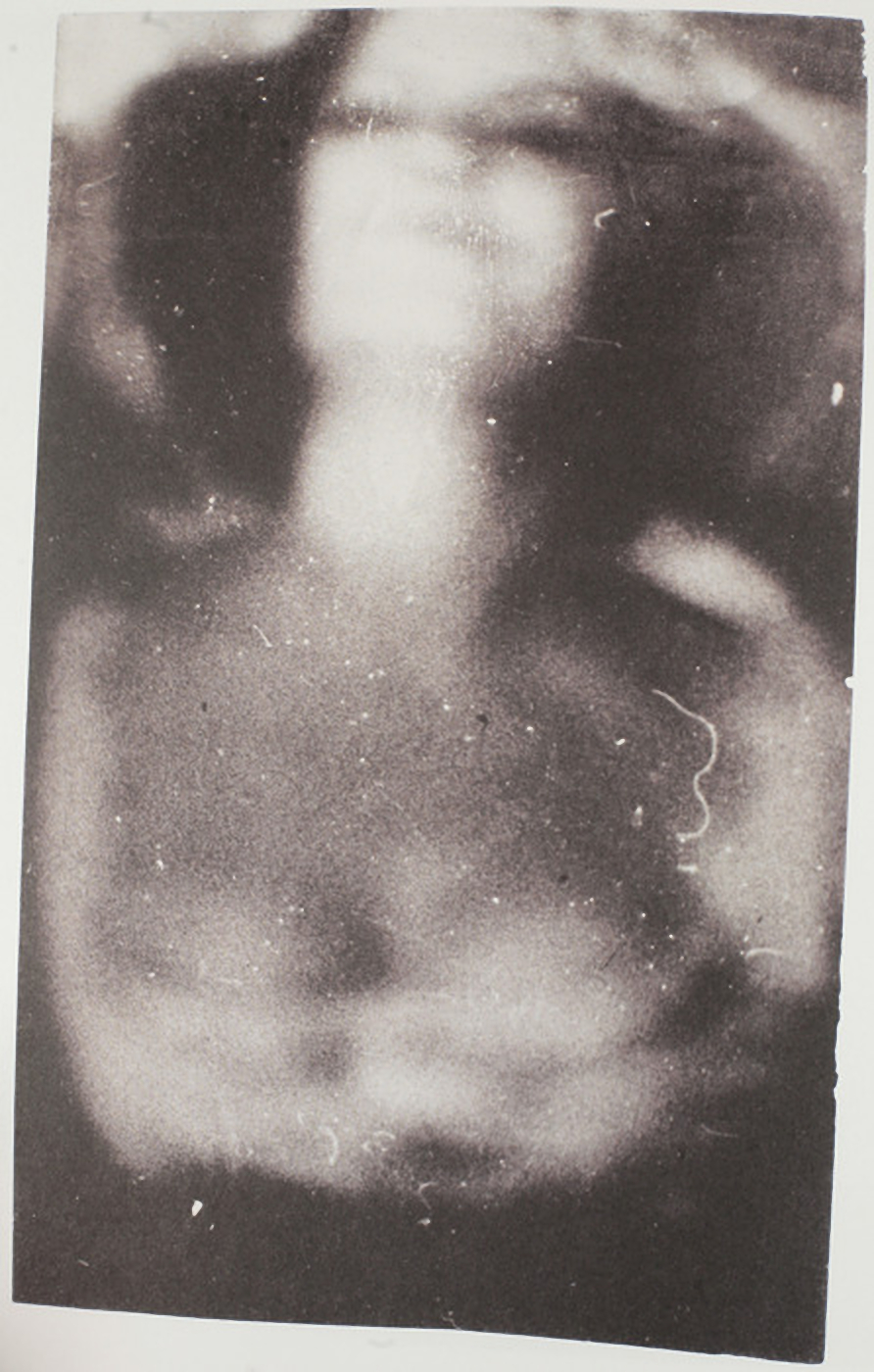
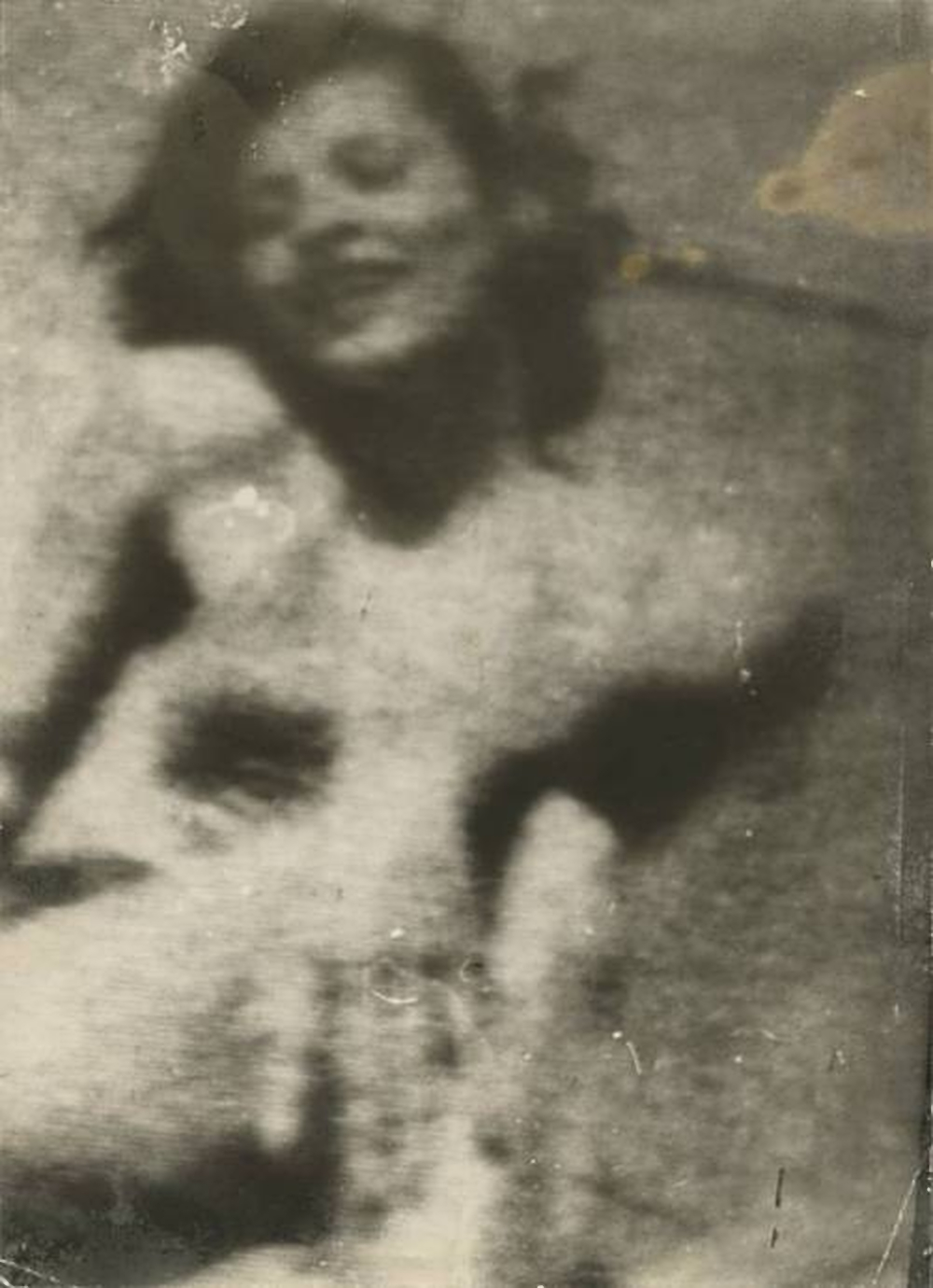
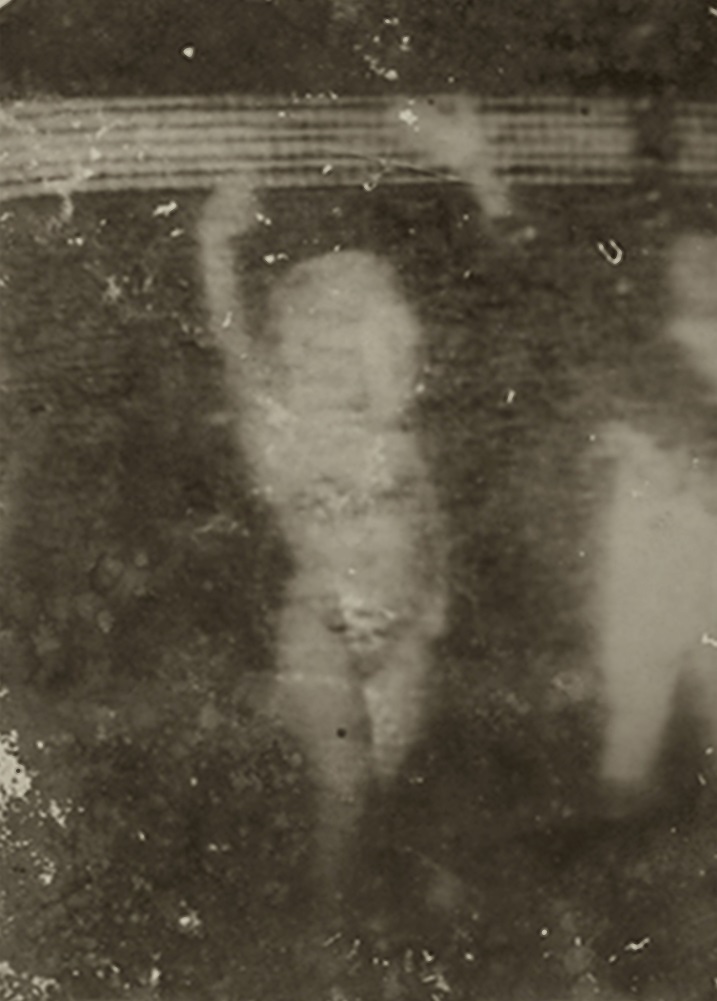
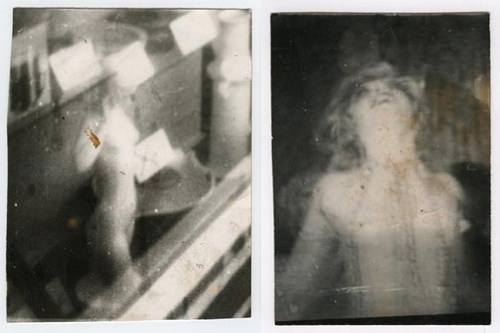
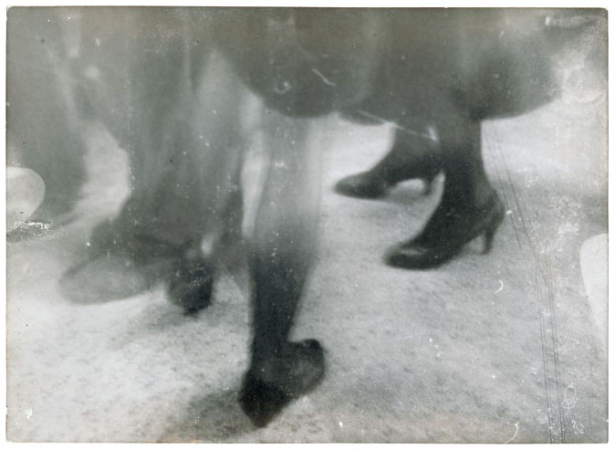
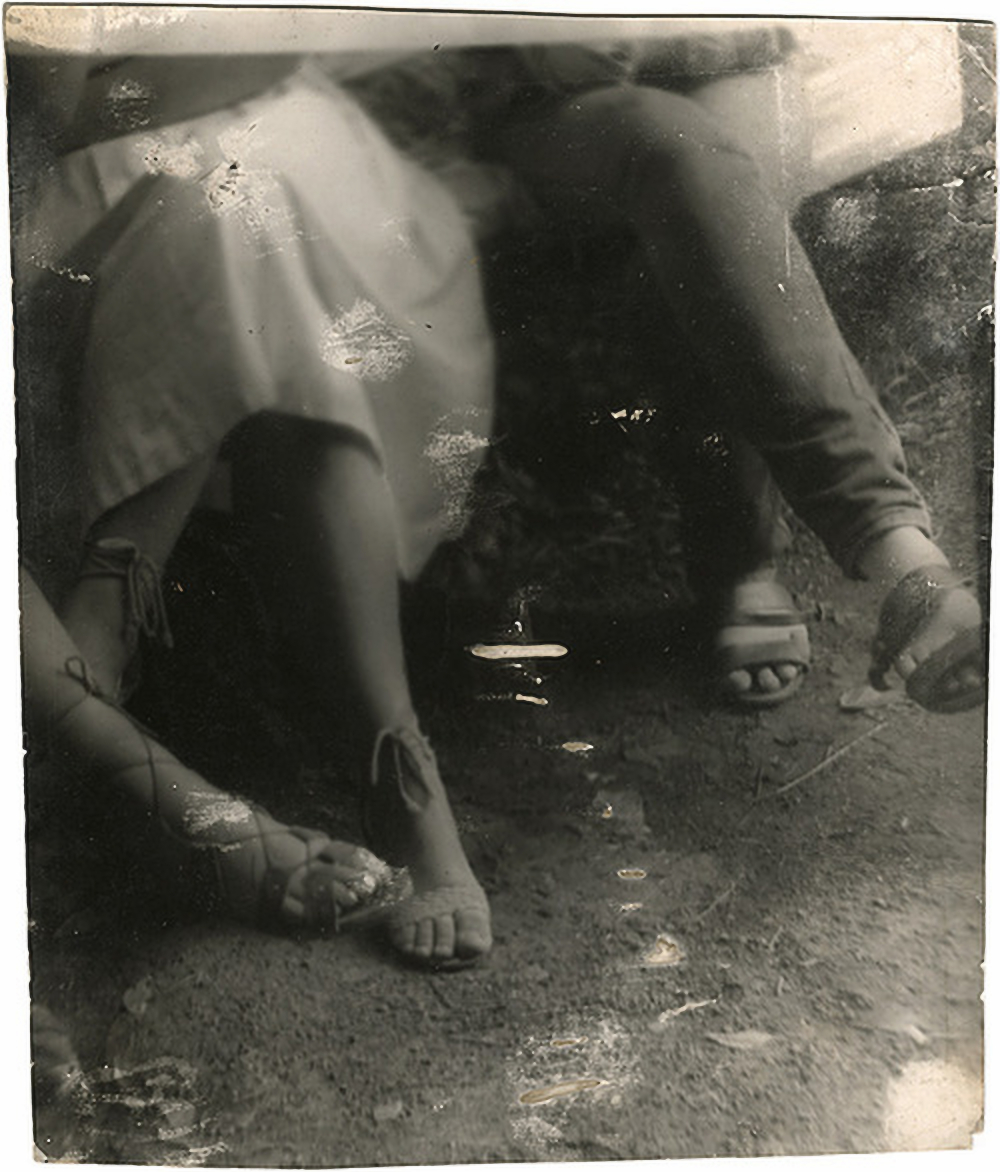
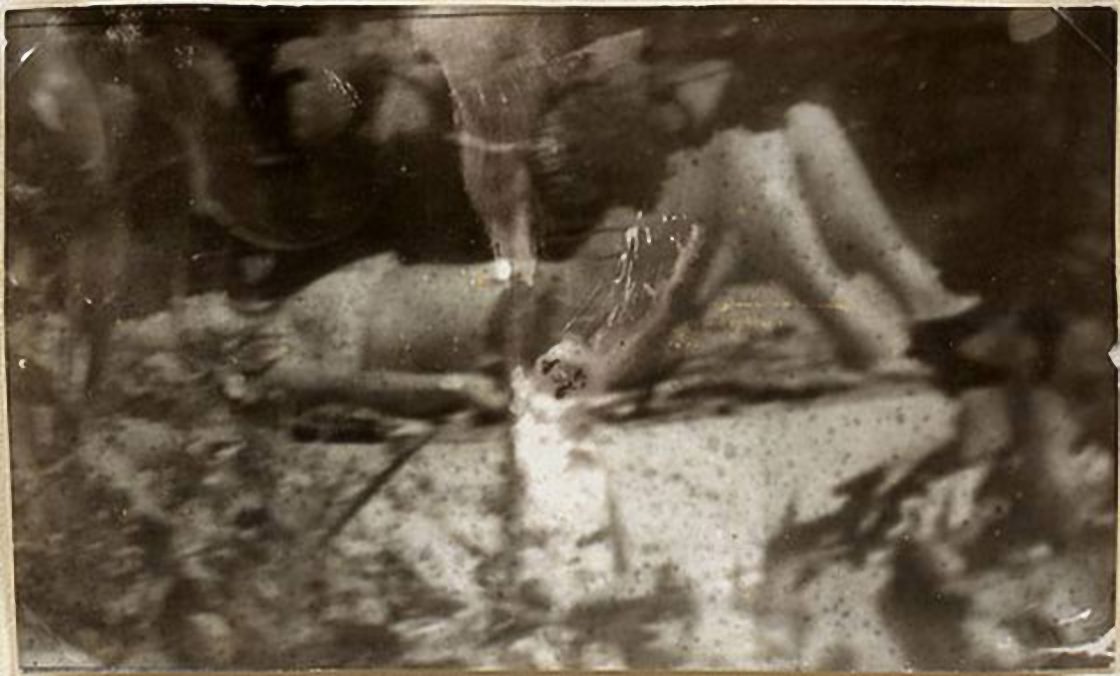
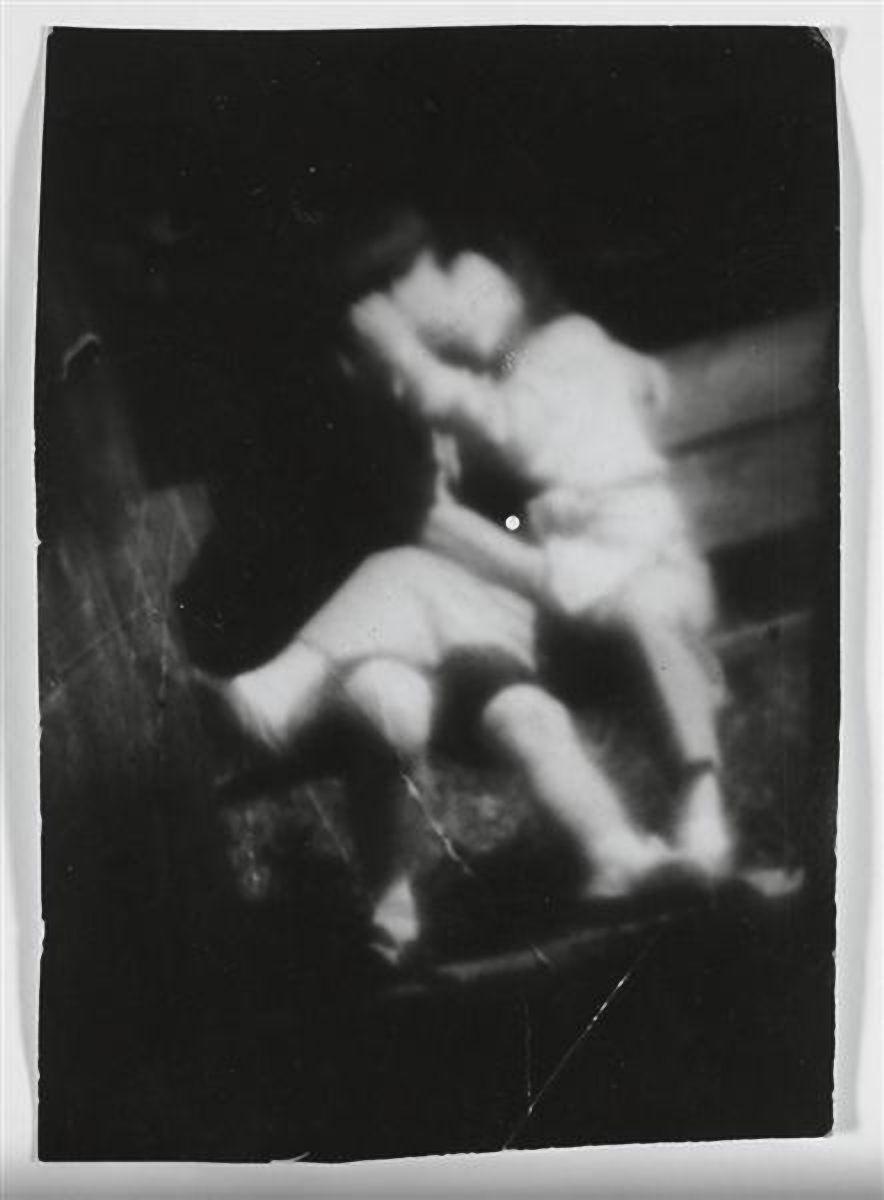
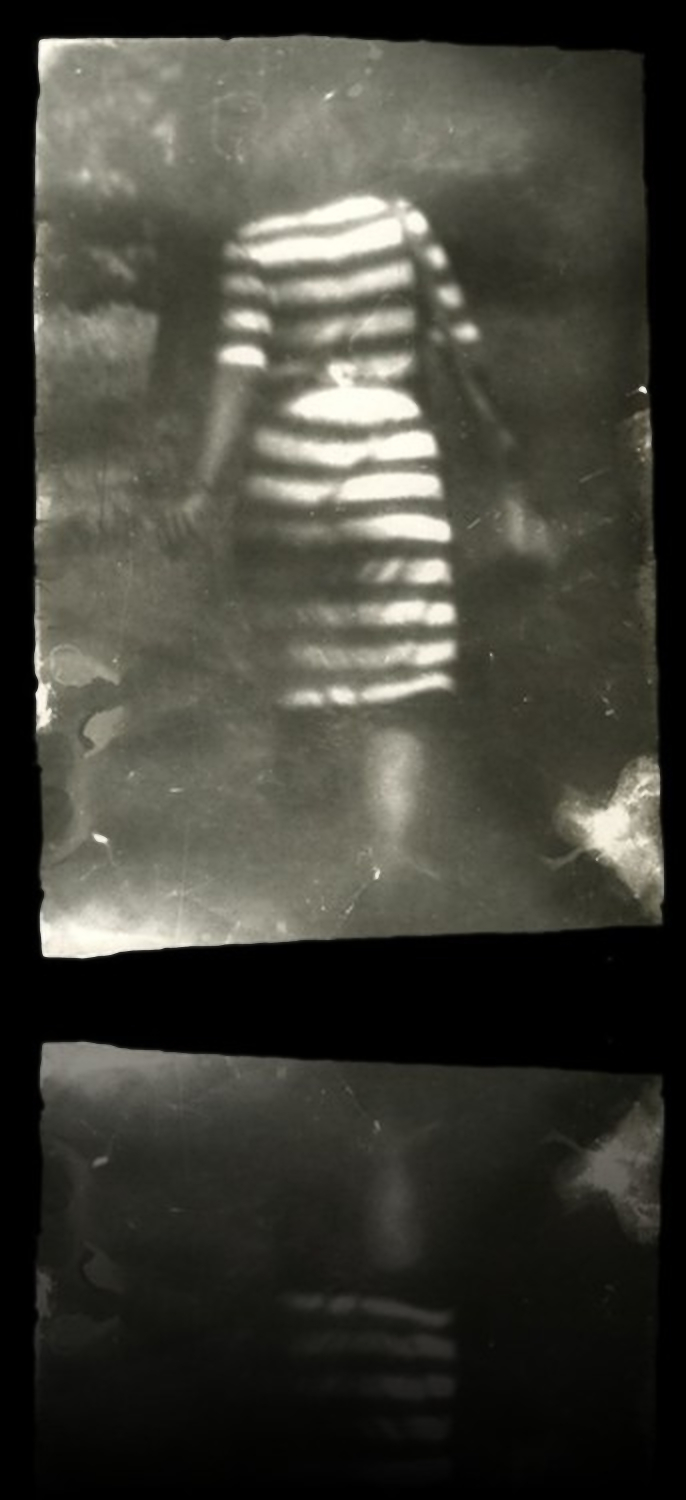
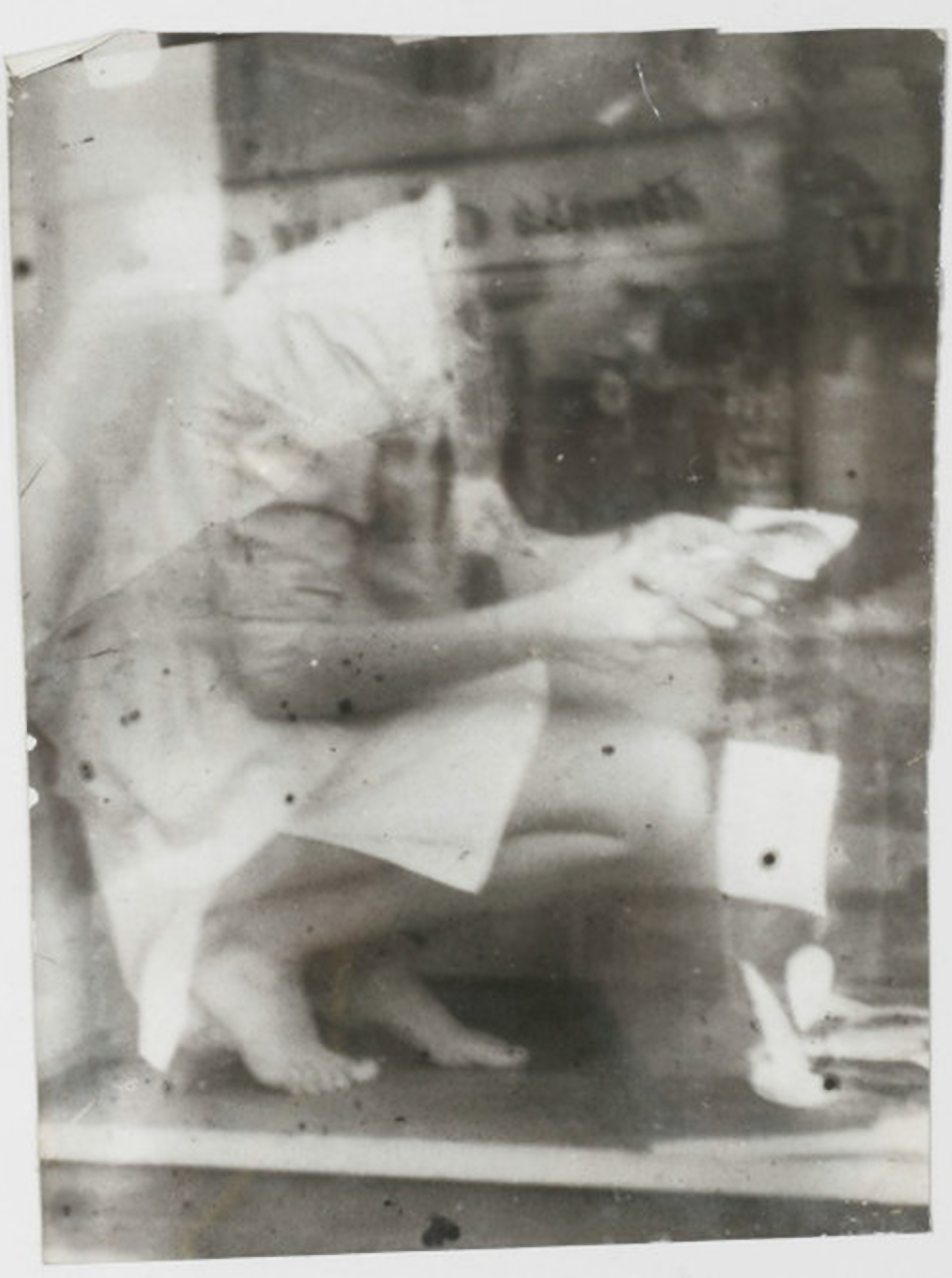
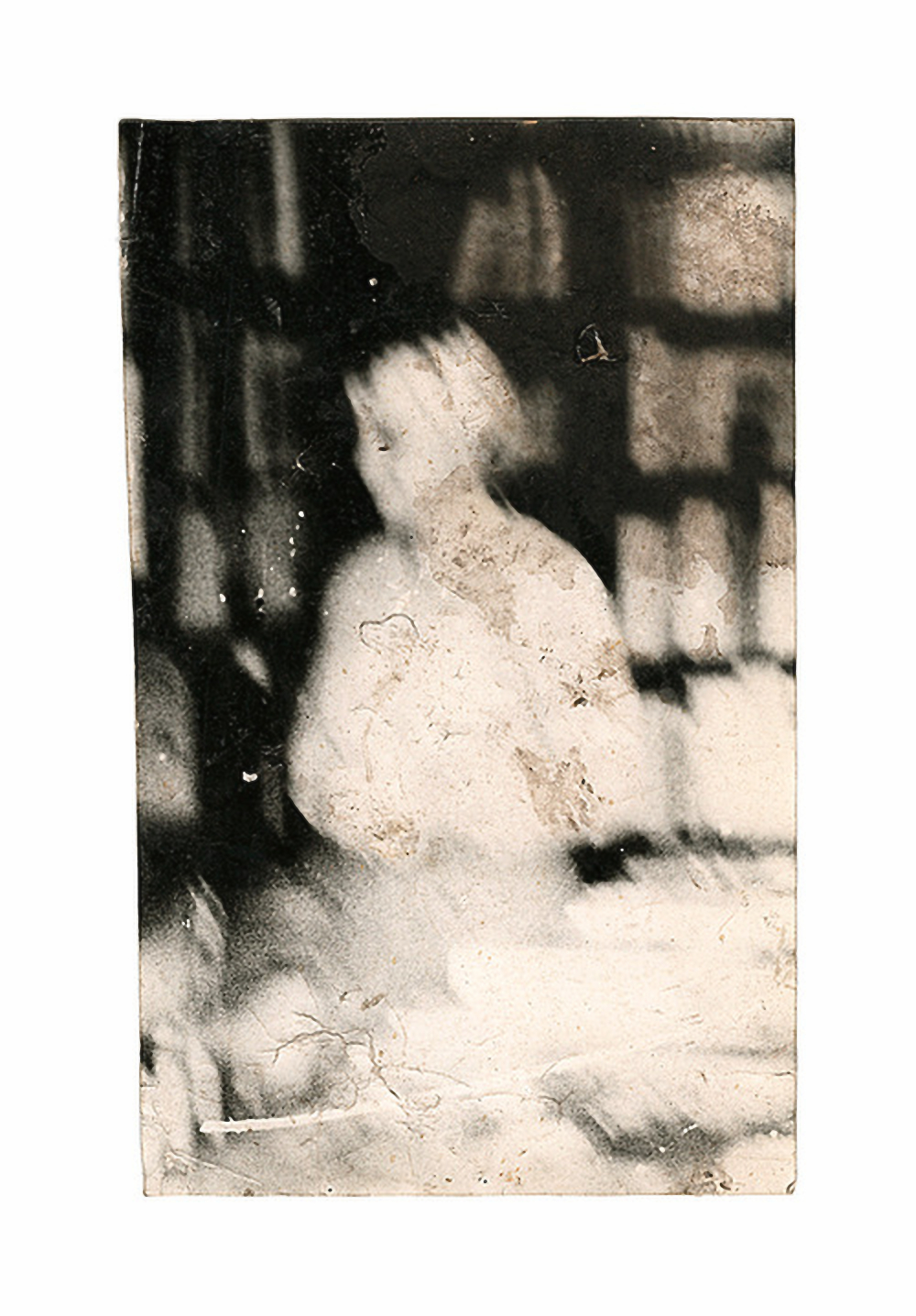
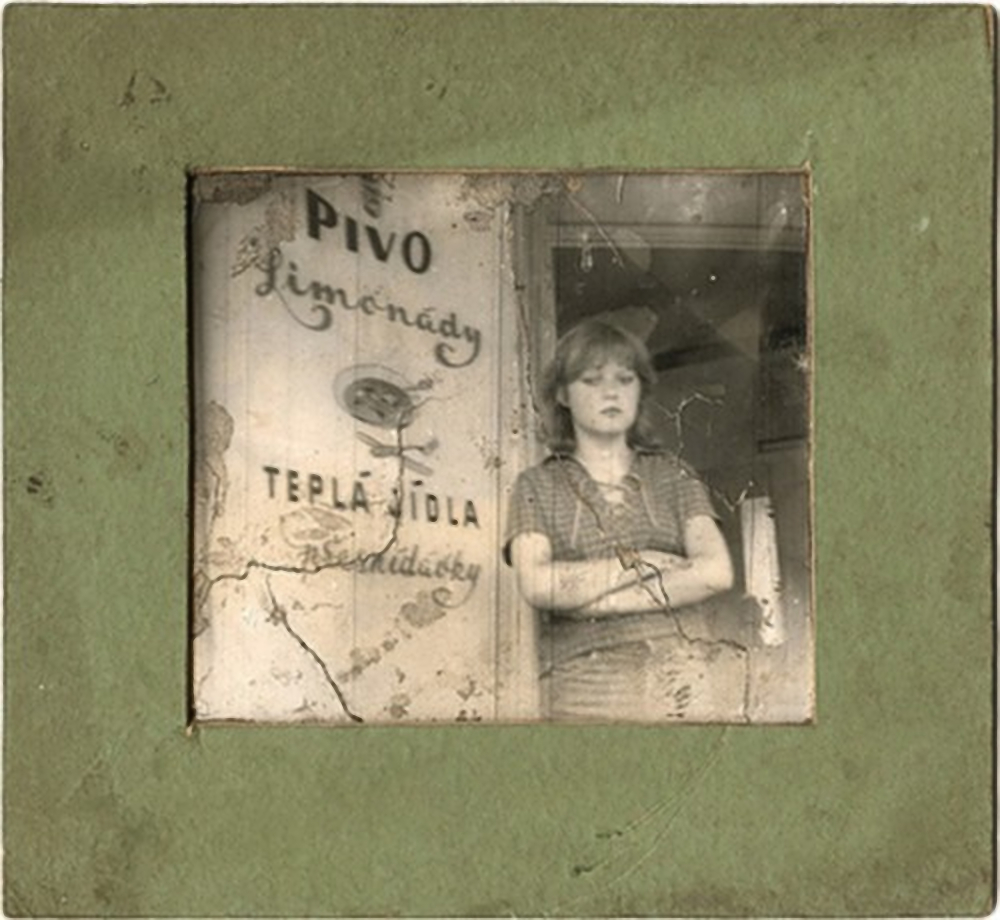
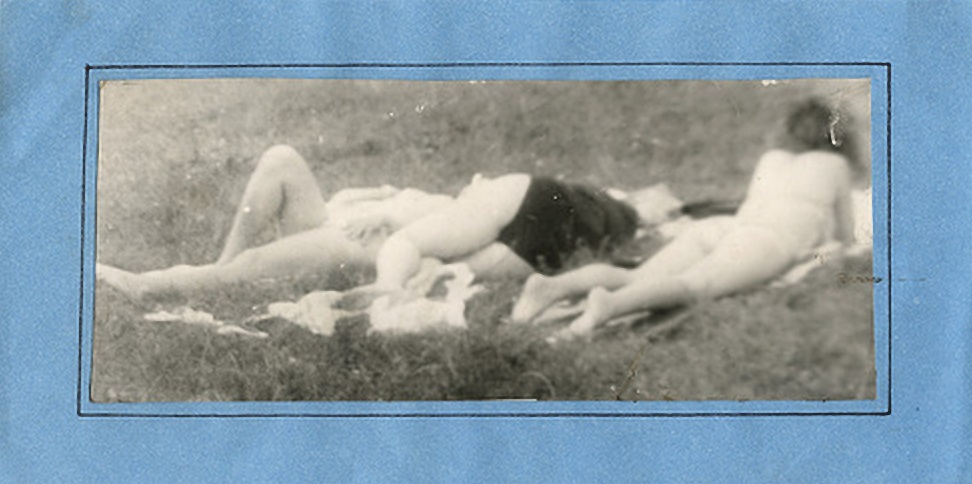
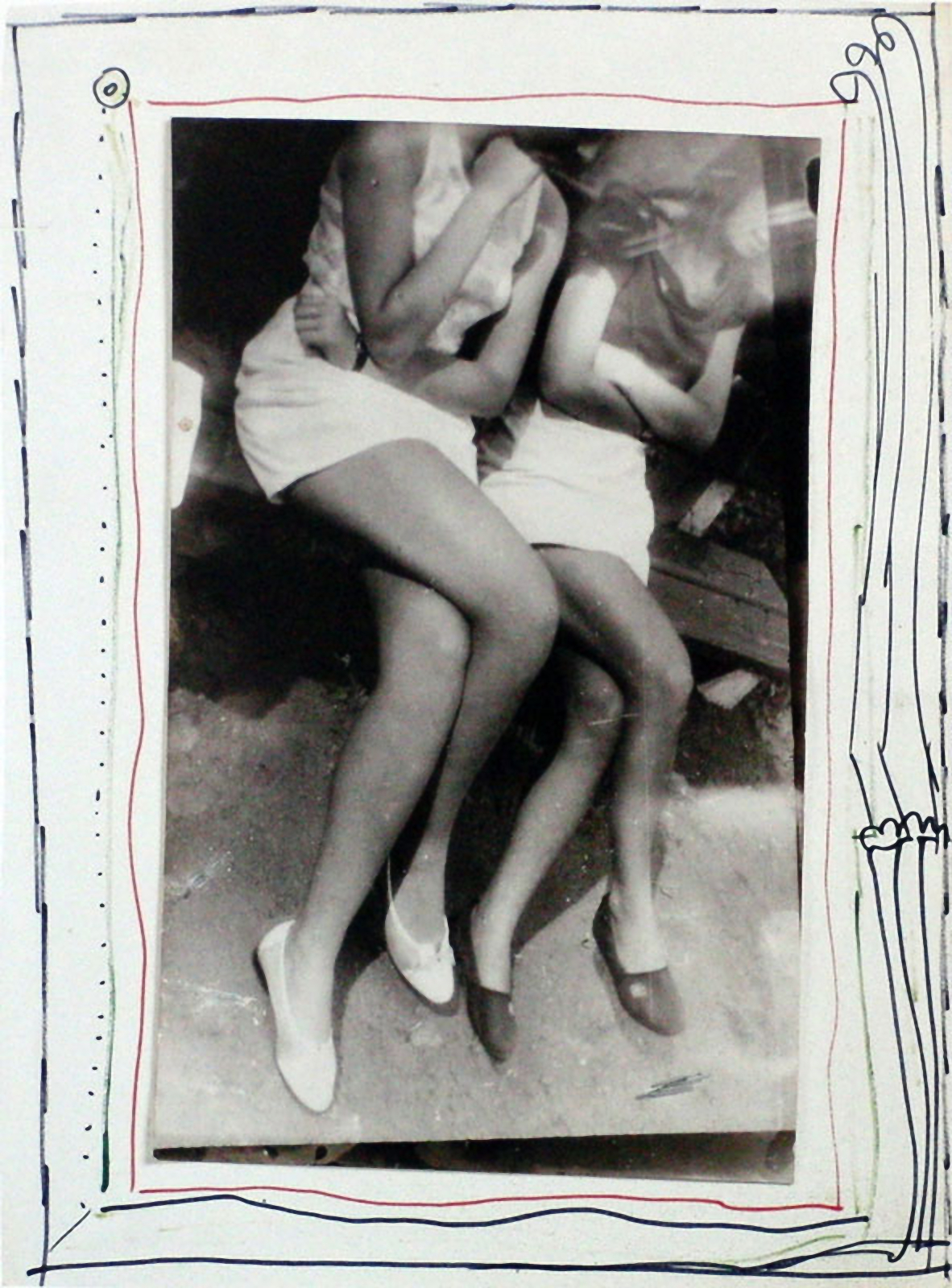
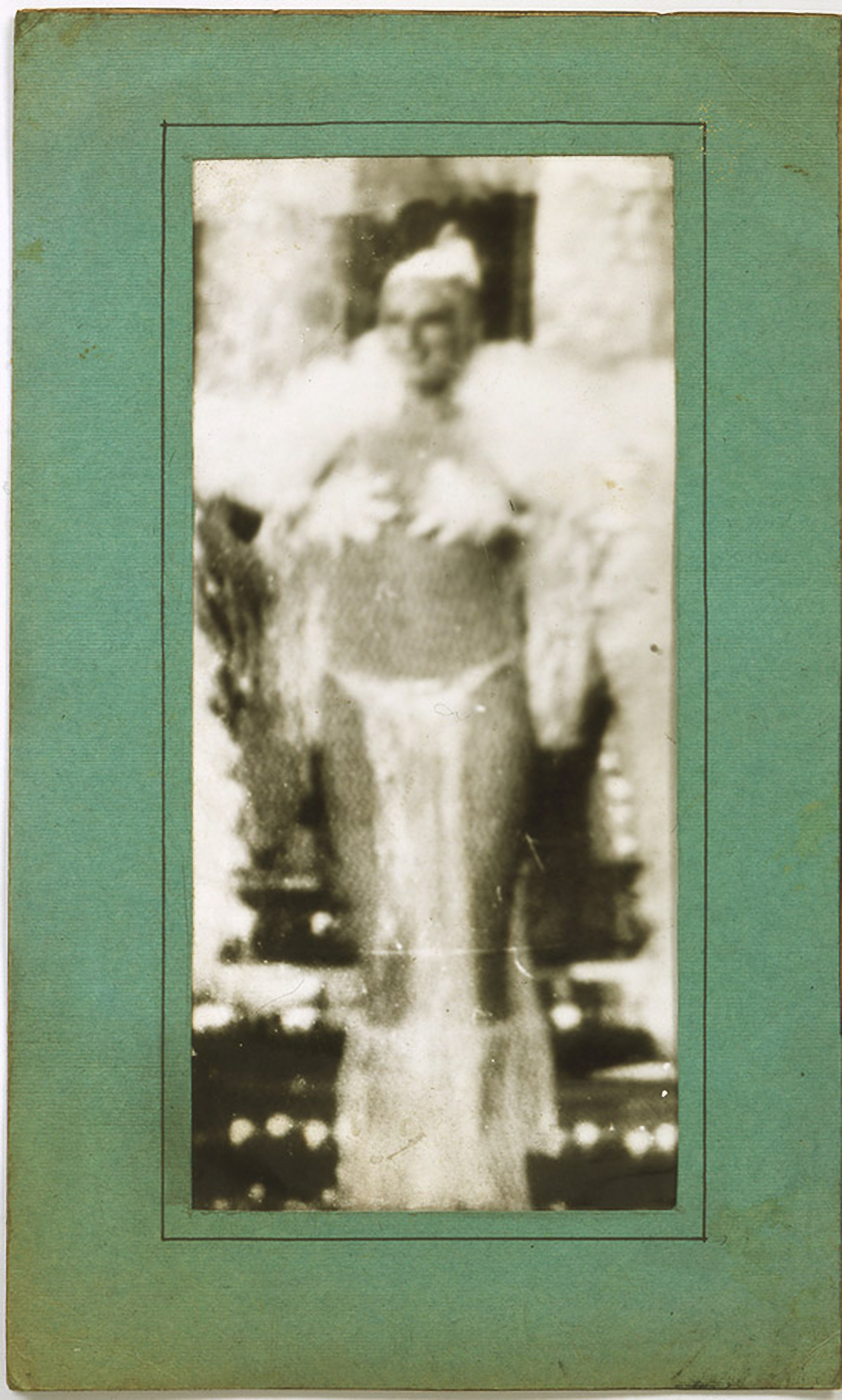
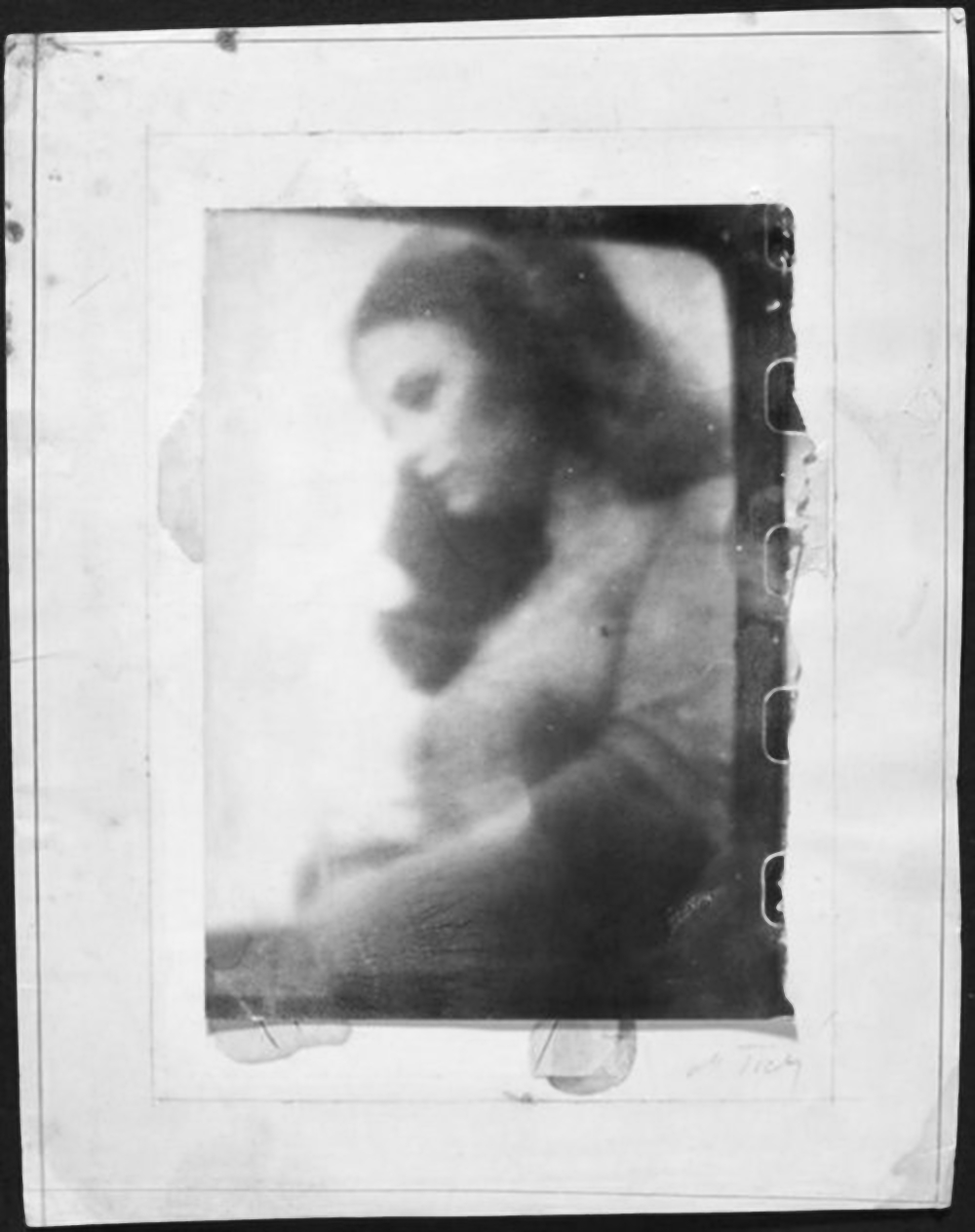
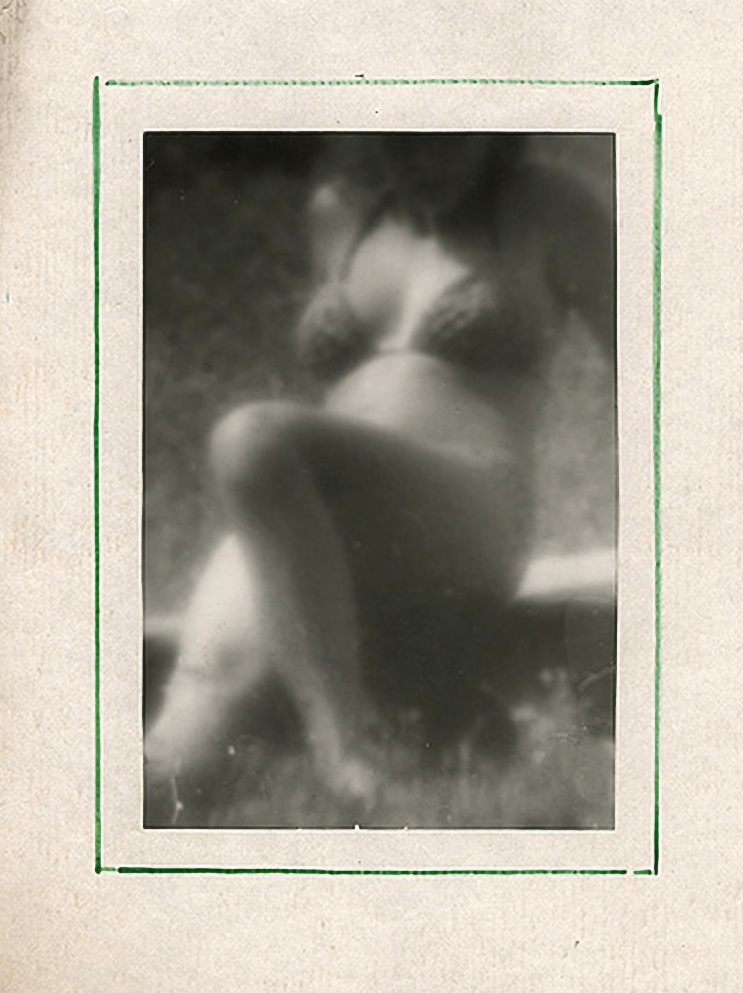
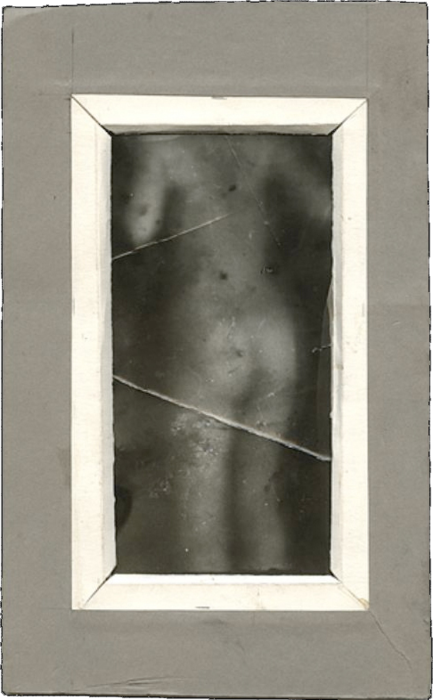
Miroslav Tichý

« I am a prophet of decay and a pioneer of chaos, because only from chaos does something new emerge. »

Miroslav Tichý

Miroslav Tichý - Untitled, 1980’s

Miroslav Tichý – Untitled, 1980’s

Miroslav Tichý - Untitled , 1980s

Miroslav Tichý – Untitled , 1980s (Courtesy of Howard Greenberg Gallery, New York)

Miroslav Tichý - Untitled 1980s

Miroslav Tichý – Untitled 1980s

Miroslav Tichý - Untitled , -1980 s

Miroslav Tichý – Untitled , -1980 s

Miroslav Tichý-Untitled c. 1980

Miroslav Tichý- Untitled , 1960-80

Miroslav Tichý – Untitled, 1960-80s

Miroslav Tichý- Untitled , 1960-80

Miroslav Tichý - Ohne Titel, 1950-80 Courtesy michael hoppen gallery

Miroslav Tichý – Ohne Titel, 1950-80 Courtesy michael hoppen gallery

Miroslav Tichý  - Untitled, n.d.

Miroslav Tichý  – Untitled, n.d.

Miroslav Tichý -Sans titre 1960 – 1980’s

Miroslav Tichý - Untitled, 1980’s

Miroslav Tichý – Untitled, 1980’s

Miroslav Tichý - Untitled, 1980’s

Miroslav Tichý – Untitled, 1980’s

Miroslav Tichý Untitled, c. 1960s-1980s 1

Miroslav Tichý- Untitled, c. 1960s-1980s

Miroslav Tichý Untitled, c. 1960s-1980s2

Miroslav Tichý Untitled, c. 1960s-1980s

Miroslav Tichý  – untitled, 1960-1980s

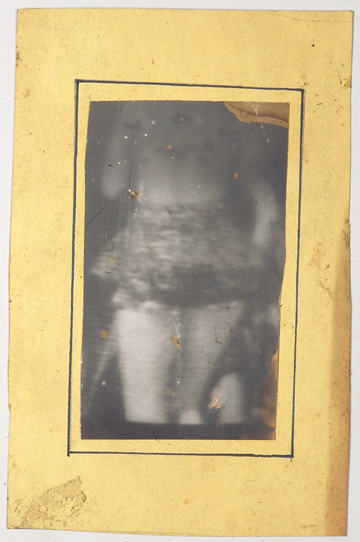
Miroslav Tichý, MT Inv. No 2-6, undated, gelatin silver print.

Miroslav Tichý, MT Inv. No 2-6, undated, gelatin silver print.

Miroslav Tichý - Untitled , 1950-1980s

Miroslav Tichý – Untitled , 1950-1980s

Miroslav Tichý - Untitled , 1960-1980s (6)

Miroslav Tichý – Untitled , 1960-1980s

Miroslav Tichý - Untitled , 1950-1980s

Miroslav Tichý – Untitled , 1950-1980s

Miroslav Tichý - Untitled, 1980’s

Miroslav Tichý – Untitled, 1980’s

Miroslav Tichý - Untitled , 1960-1980s (3)

Miroslav Tichý – Untitled , 1960-1980s

Miroslav Tichý - Untitled , 1950-1980s (3)

Miroslav Tichý – Untitled , 1950-1980s

Miroslav Tichý - Untitled , 1950-1980 3

Miroslav Tichý – Untitled , 1950-1980

Miroslav Tichý - Untitled, 1980’s

Miroslav Tichý – Untitled, 1980’s

Miroslav Tichý– Untitled , 1960/80′s

Miroslav Tichý Untitled, nude with violin, 1960s-1980s

Miroslav Tichý Untitled, nude with violin, 1960s-1980s

Miroslav Tichý - Ohne Titel, 1950-80 Courtesy Tichý Foundation

Miroslav Tichý – Ohne Titel, 1950-80 Courtesy Tichý Foundation

Miroslav Tichý - Untitled , 1960-1980s (8)

Miroslav Tichý – Untitled , 1960-1980s

Miroslav Tichý - Ohne Titel, 1979 Courtesy of Christophe Guye Galerie, Zürich

Miroslav Tichý – Ohne Titel, 1979 Courtesy of Christophe Guye Galerie, Zürich

Miroslav Tichý - Untitled, 1980’s

Miroslav Tichý – Untitled, 1980’s

Miroslav Tichý Untitled, c. 1960s-1980s

Miroslav Tichý Untitled, c. 1960s-1980s

Miroslav Tichý - Untitled , 1950-1980

Miroslav Tichý – Untitled , 1950-1980

Miroslav Tichý - Untitled , 1960-1980s

Miroslav Tichý – Untitled , 1960-1980s

Miroslav Tichý - Untitled , 1980s

Miroslav Tichý – Untitled , 1980s

Miroslav Tich‪ý‬- Untitled, 1960-80’s

Miroslav Tich‪ý‬- Untitled, 1960-80’s

Miroslav Tichý- Woman by an ice cream machine nd (source Zelouna Auction House)

Miroslav Tichý- Woman by an ice cream machine nd (source Zelouna Auction House)

Miroslav Tichý - Untitled , 1960-1980s (4)

Miroslav Tichý – Untitled , 1960-1980s

Miroslav Tichý - Untitled, 1970’s

Miroslav Tichý – Untitled, 1970’s

Miroslav Tichý - Untitled, 1970’s

Miroslav Tichý – Untitled, 1970’s

Miroslav Tichý - Untitled , 1960-1980s (7)

Miroslav Tichý – Untitled , 1960-1980s

Miroslav Tichý - Untitled , 1950-1980s

Miroslav Tichý – Untitled , 1950-1980s

Miroslav Tich‪ý‬ – Untitled, 1960-80’s

Miroslav Tichý - Untitled , 1960-1980s

Miroslav Tichý – Untitled , 1960-1980s

Miroslav Tichý - Untitled , 1960-1980s

Miroslav Tichý – Untitled , 1960-1980s

Miroslav Tichý - Untitled , 1950-1980s (5)

Miroslav Tichý – Untitled , 1950-1980s

Miroslav Tichý - Untitled, 1980’s

Miroslav Tichý – Untitled, 1980’s

Miroslav Tichý - Untitled , 1960-1980s

Miroslav Tichý – Untitled , 1960-1980s

Miroslav Tichý, Inv. -Nr. 6-12-7, (catalogue Centre Pompidou)

Miroslav Tichý, Inv. -Nr 4-11-23, (catalogue Centre Pompidou)

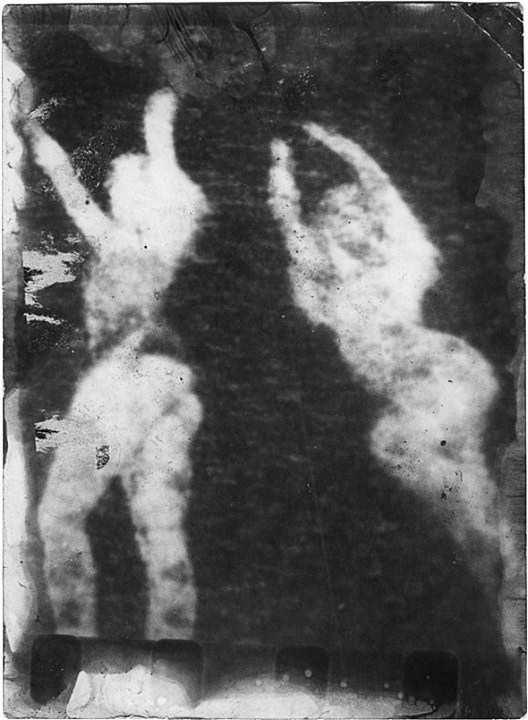
Miroslav Tichý-Photogram, depicting author´s drawings with woman nude (source Zelouna Auction House)

Miroslav Tichý-Photogram, depicting author´s drawings with woman nude (source Zelouna Auction House)

MT. Inv. no. 93-74, courtesy Foundation Tichy Ocean

MT. Inv. no. 93-74, courtesy Foundation Tichy Ocean

MT. Inv. no. 93-277, courtesy Foundation Tichy Ocean

MT. Inv. no. 93-277, courtesy Foundation Tichy Ocean

Miroslav Tichý- Photogram, nd (source Zelouna Auction House)

Miroslav Tichý- Photogram, nd (source Zelouna Auction House)

Exif_JPEG_PICTURE

FOUNDATION Miroslav Tichý

James Hubert

James Hubert-Two Graces, from ‘Cameo’. 1982

Bill Brandt

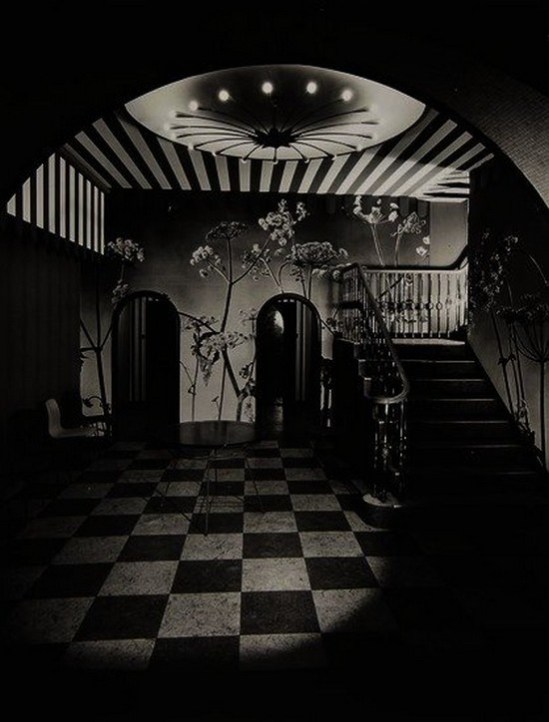
Bill Brandt -Nightwalk Series (dream phantasy), 1940

John McCann

John McCann -The Academy Cinema, Oxford Street, ca.1954

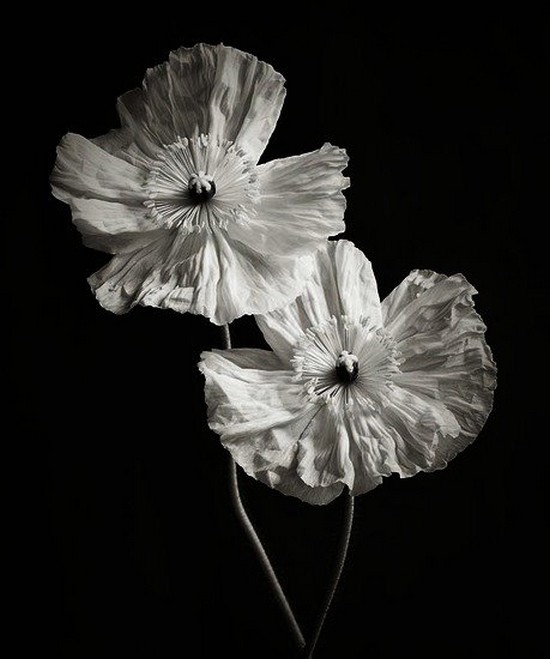
Richard Freestone – Poppy Duo, 2010

Richard Freestone - Poppy Duo, 2010

Richard Freestone – Poppy Duo, 2010


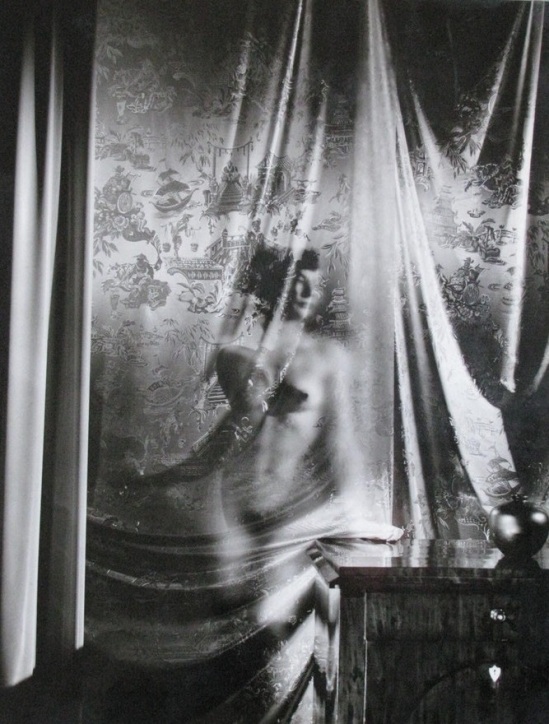
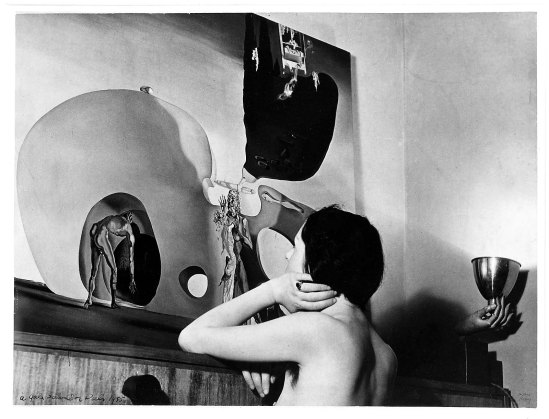
Man Ray – Gala Dali and The Birth of Liquid Desires, 1935© 2011 Man Ray Trust

Man Ray - Gala Dali and The Birth of Liquid Desires, 1935©  Man Ray Trust

Man Ray – Gala Dali and The Birth of Liquid Desires, 1935© 2011 Man Ray Trust 

Deanna M Witman

Deanna is a artist living and working on the coast of Maine, and is a native of Pennsylvania. She holds a M.F.A. in Photography from Maine Media College and a B.S. Degree in Environmental Biology from Kutztown University. As an artist/educator, she strives to impart the passion for creating. She has taught photography and the History of Photography at Project Basho, the Community College of Philadelphia, Maine Media Workshops, and the Farnsworth Art Museum. Her work has been exhibited nationally and internationally and is held in private collections via Her Site

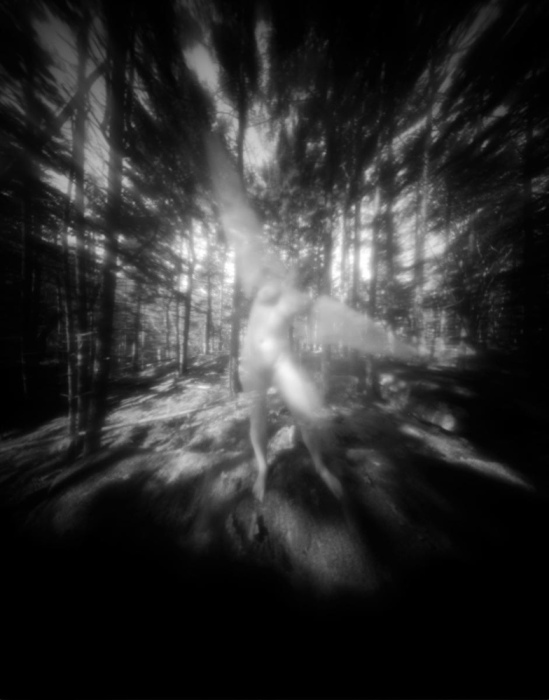
Deanna M Witman -Untitled, 2011


Barbara Morgan- Dancer #69, 1947
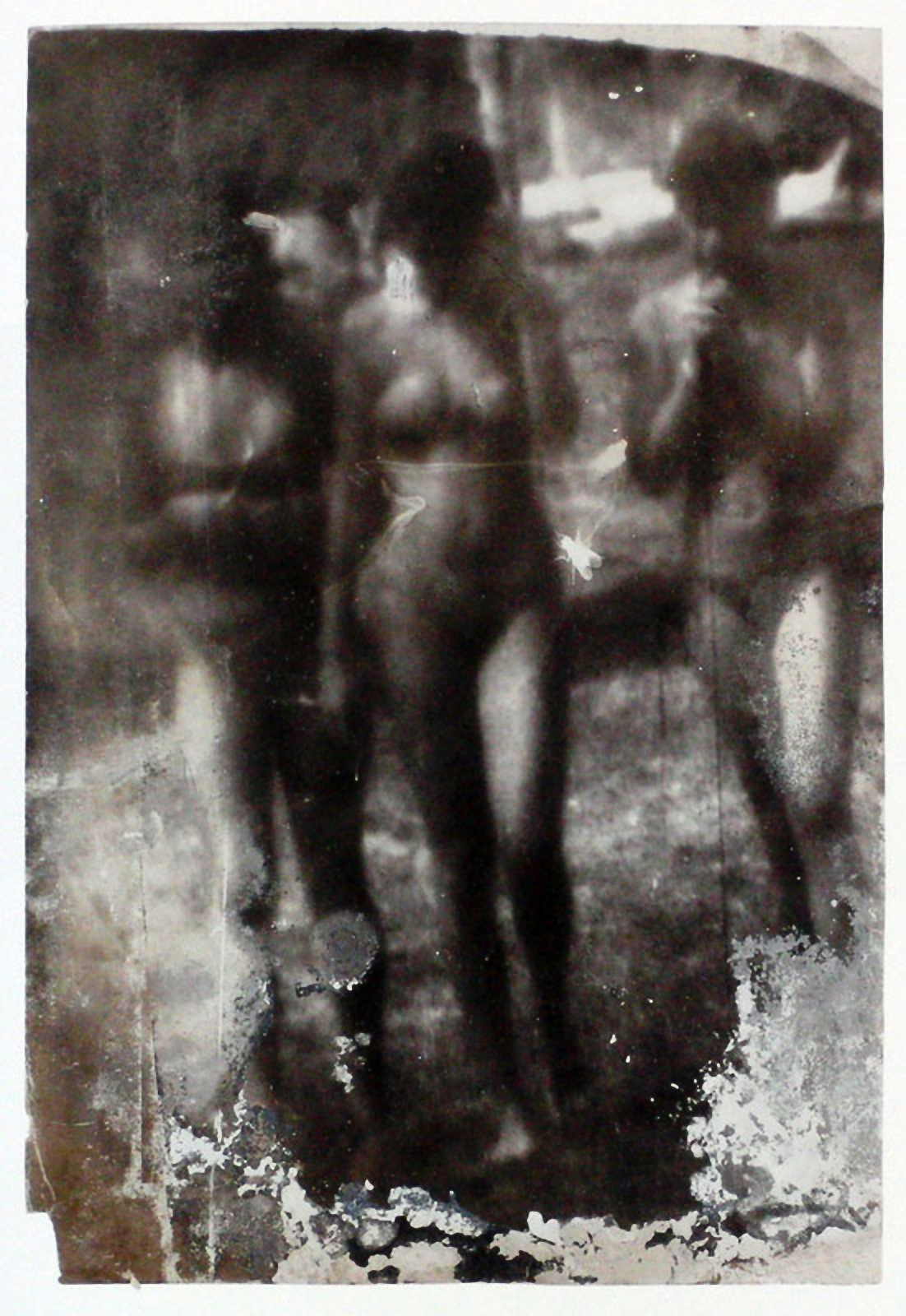
Barbara Morgan- Dancer #69, 1947