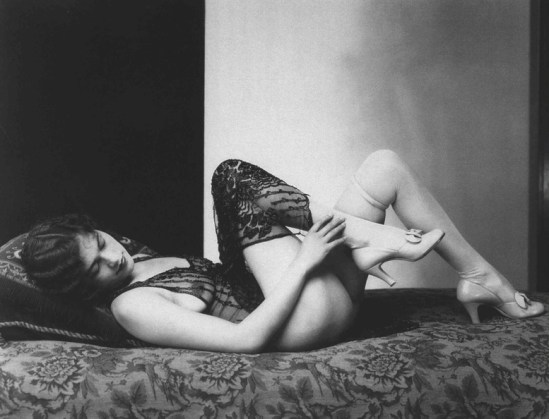
Albert Arthur Allen-Nude Follies
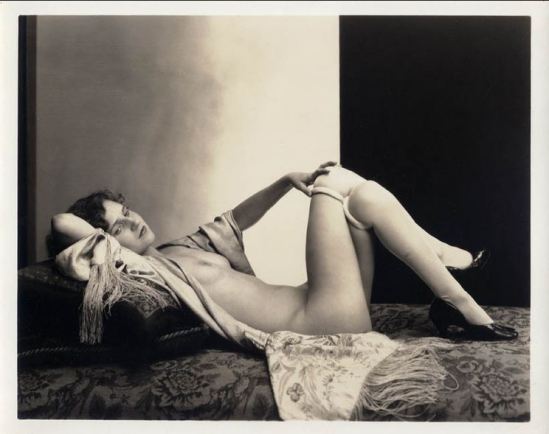
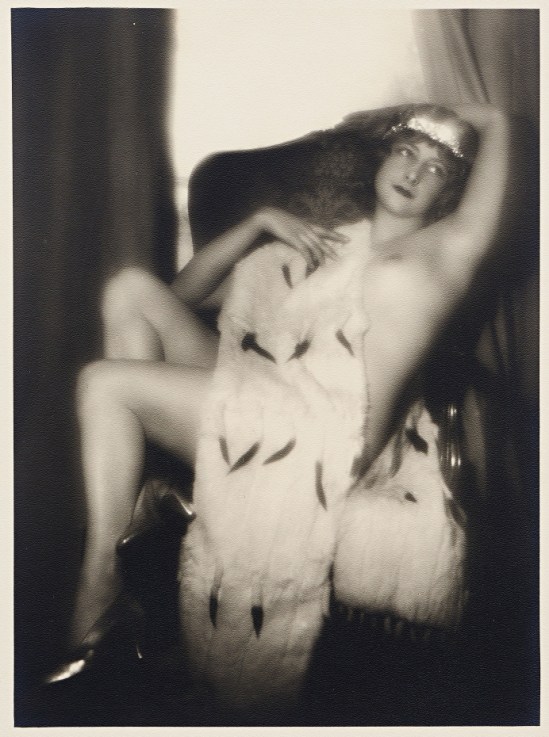
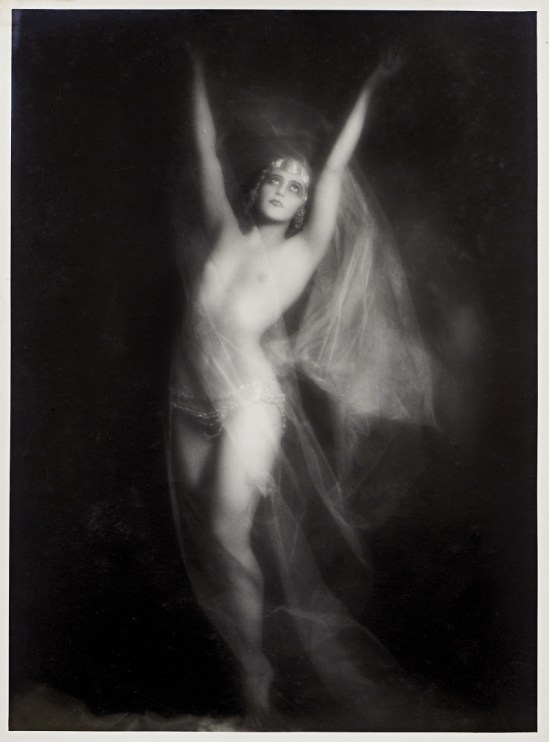
Nude Follies C Evelane Hadden Albert Arthur Allen

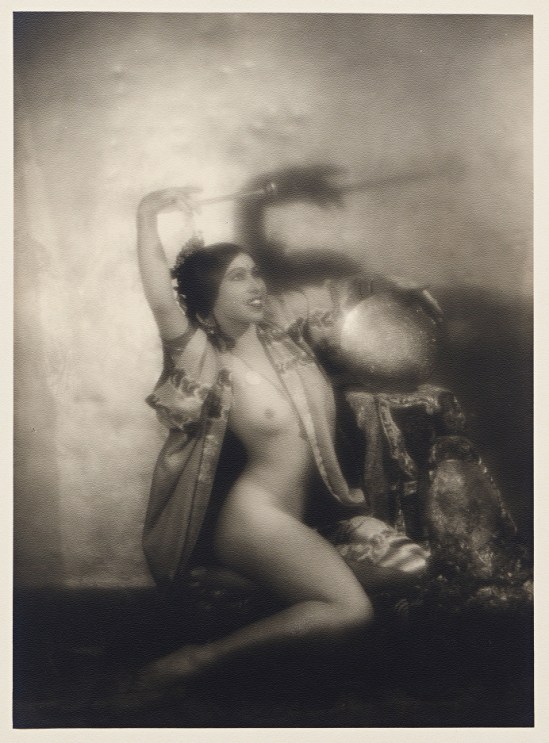
Albert Arthur Allen-Nude Follies A Ruth Melbourne
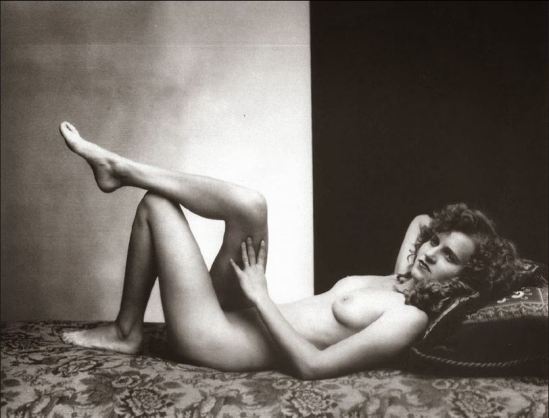
Albert Arthur Allen-Nude Follies C Evelane Hadden
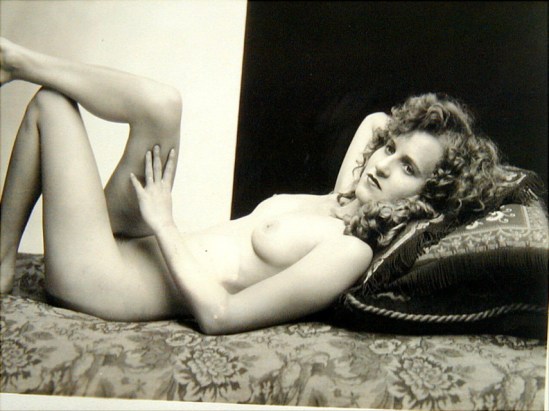
Albert Arthur Allen-Nude Follies C Evelane Hadden

Albert Arthur Allen-Nude Follies
Nude Follies C Evelane Hadden Albert Arthur Allen
Albert Arthur Allen-Nude Follies A Ruth Melbourne
Albert Arthur Allen-Nude Follies C Evelane Hadden
Albert Arthur Allen-Nude Follies C Evelane Hadden

Jules Richard ( Attribued to)- Andrée nude , [crop from] stéréoview, 1900-1910

Jules Richard ( Attribued to)- Andrée nude , [crop from] stéréoview, 1900-1910

Jules Richard ( Attribued to)- Andrée nude , [crop from] stéréoview, 1900-1910

Jules Richard ( Attribued to)- Andrée nude , [crop from] stéréoview, 1900-1910

Jules Richard ( Attribued to-) Andrée nude , [crop from] stéréoview, 1900-1910
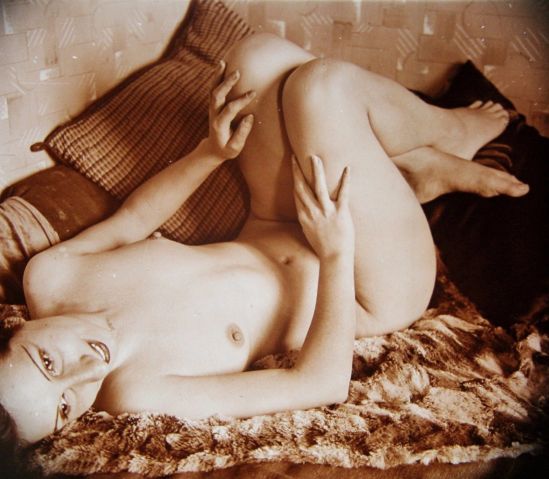
Jules Richard ( Attribued to)- Andrée nude , [crop from] stéréoview, 1900-1910 (2)
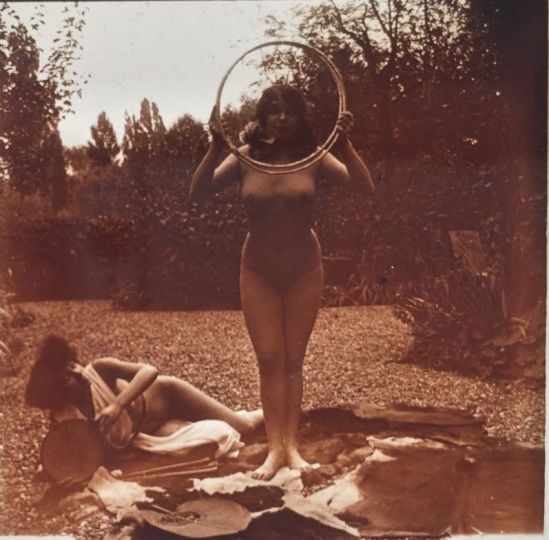
Jules Richard- French Nude, 1908-10
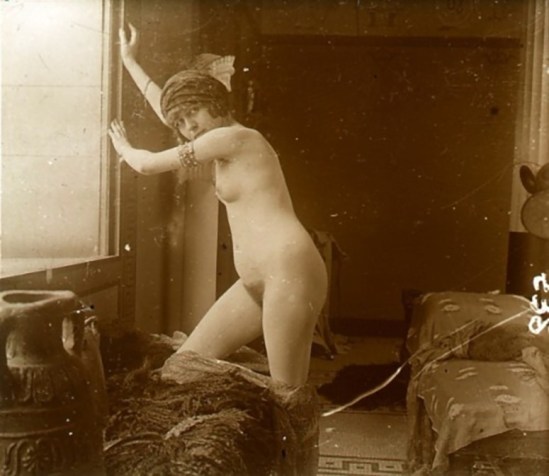
Jules Richard – Nude Study, 1900s
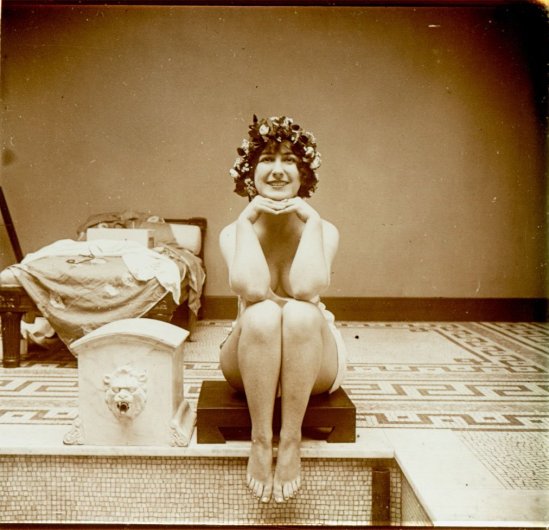
Jules Richard- French Nude, [ crop stéréotype], 1908-10
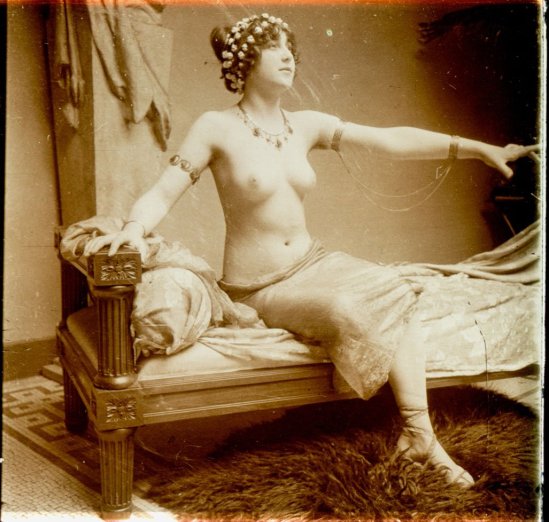
Jules Richard- French Nude, [ crop stéréotype], 1908-10

Jules Richard- French Nude, [ crop stéréotype], 1908-10
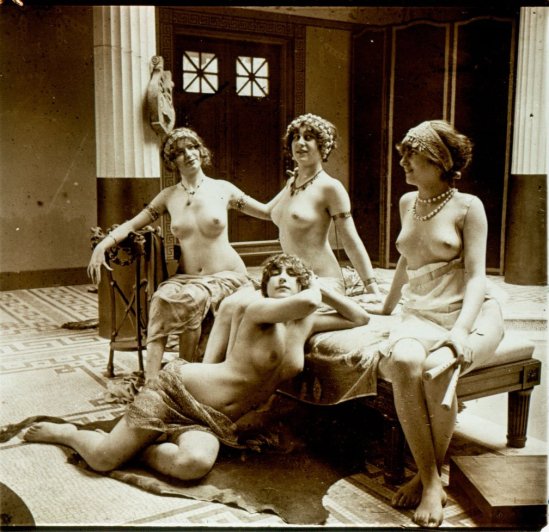
Jules Richard- French Nude, [ crop stéréotype], 1908-10
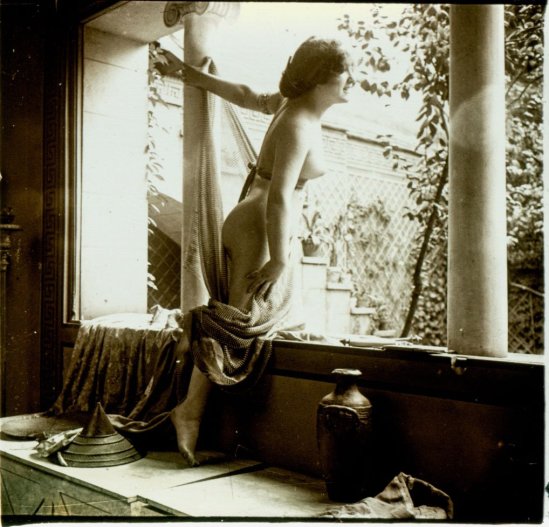
Jules Richard- French Nude, [ crop stéréotype], 1908-10

Jules Richard- French Nude, [ crop stéréotype], 1908-10

Jules Richard- French Nude, [ crop stéréotype], 1908-10

Jules Richard- French Nude, [ crop stéréotype], 1908-10
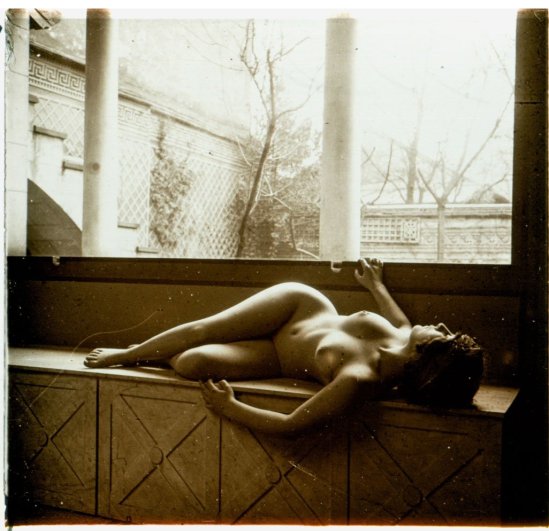
Jules Richard- French Nude, [ crop stéréotype], 1908-10
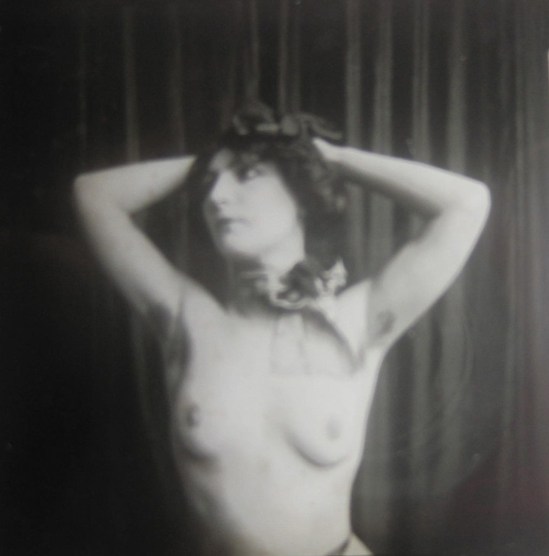
Jules Richard ( Attribued to) – Zibeline ,[crop from] stéréoview, 1900-1910

Jules Richard ( Attribued to- Andrée Untitled , [crop from] stéréoview, 1900-1910
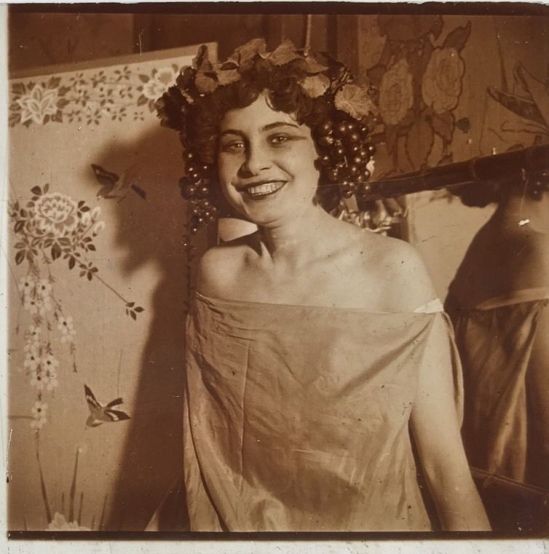
Jules Richard ( Attribued to- Andrée nude , [crop from] stéréoview, 1900-1910
Born Ottilie Godeffroy, the daughter of the Austrian chemist Richard Godeffroy (1847–1895), she trained as an actress in Vienna, her native town, and gave her debut at the Moravian Theatre in Olmütz (Olomouc) in 1901/02.
The next season she got an engagement in Breslau (Wrocław). From 1903 she worked with Max Reinhardt at the Deutsches Theater in Berlin and with a group of expressionist artists around Kurt Hiller and Jakob van Hoddis.
In 1911 Durieux entered the stage of the Lessing Theater where, on November 1, 1913, she became the second actress to perform the role Eliza Doolittle in a German language production of George Bernard Shaw’s play Pygmalion, half a year before its English premiere on April 11, 1914. From 1915 she performed at the Royal Schauspielhaus Berlin.[ In 1904, Durieux married the Berlin Secession painter Eugen Spiro, and after their divorce, she remarried in 1910 the successful art dealer and editor Paul Cassirer, who committed suicide in a room next to the court room that pronounced their divorce. Soon after, Durieux married general director Ludwig Katzenellenbogen. In 1927 they were the main financiers of Erwin Piscator’s Neues Schauspielhaus project. Durieux was a public character of 1920s Berlin and associated with numerous celebrities like the famous photographer Frieda Riess.
In 1933, Durieux and her husband left Germany for Switzerland to escape Nazi rule. She continued to perform at the Vienna Theater in der Josefstadt and in Prague.
In 1937 she moved to Zagreb, Croatia (then in the Kingdom of Yugoslavia) where she became a member of the International Red Aid. Durieux unsuccessfully tried to obtain visa for the United States; in 1941 Ludwig Katzenellenbogen was arrested by Gestapo agents in Thessaloniki and deported to Sachsenhausen concentration camp, where he was killed in 1944.
Durieux returned to West Germany in 1952, appearing on stages in Berlin, Hamburg and Münster.
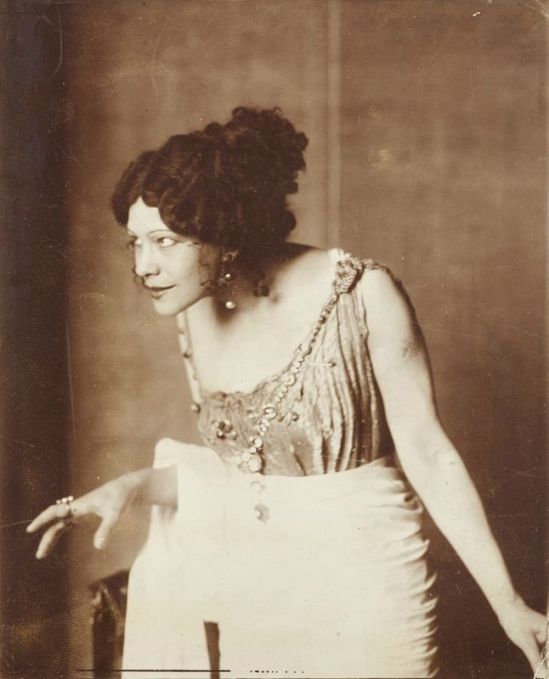
Franz von Stuck (or Mary von Stuck) showing Tilla Durieux in the role of Circe. 1912 The photo served as a model for the painting Tilla Durieux as Circe by Franz von Stuck
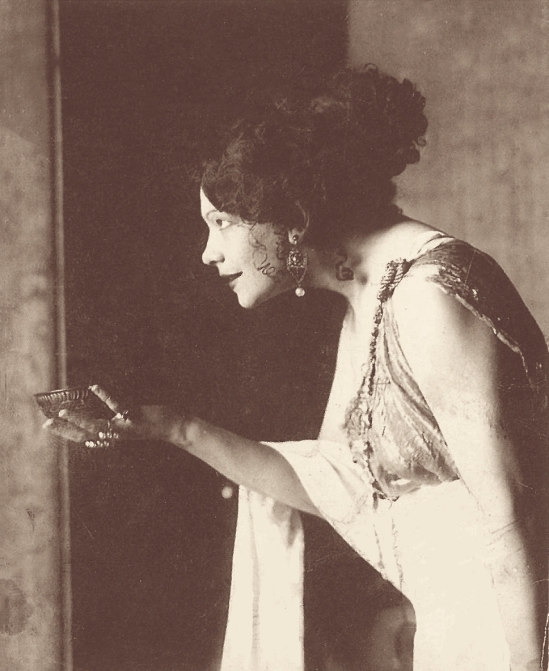
Franz von Stuck (or Mary von Stuck) showing Tilla Durieux in the role of Circe. 1912 The photo served as a model for the painting Tilla Durieux as Circe by Franz von Stuck
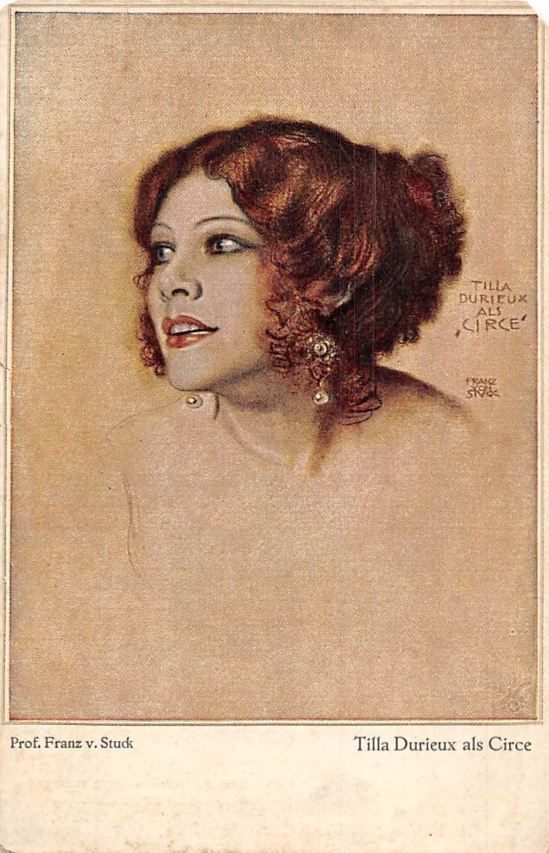
Tilla Durieux as Circe by Franz von Stuck
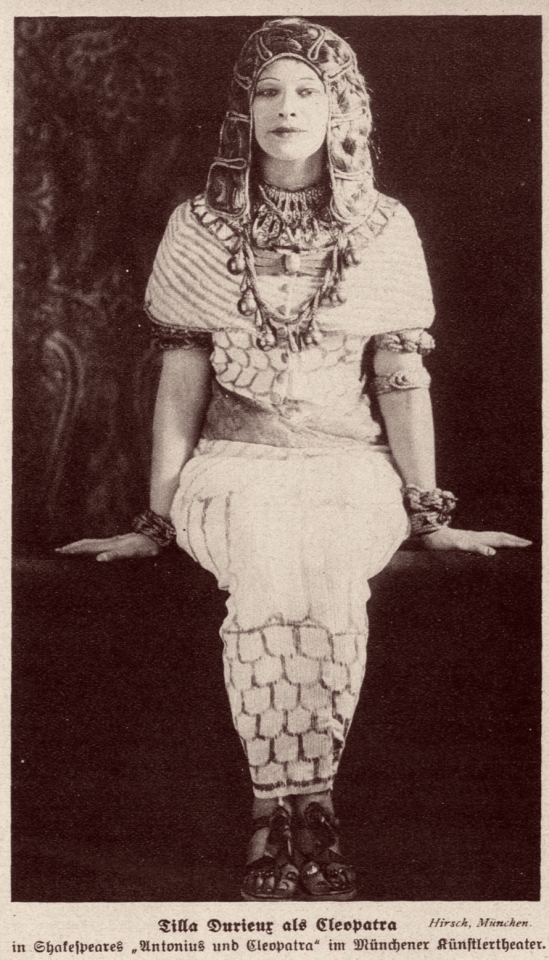
Tilla Durieux als Cleopatra im Münchener Künstlertheater von 1913 by Isidore Hirsch München
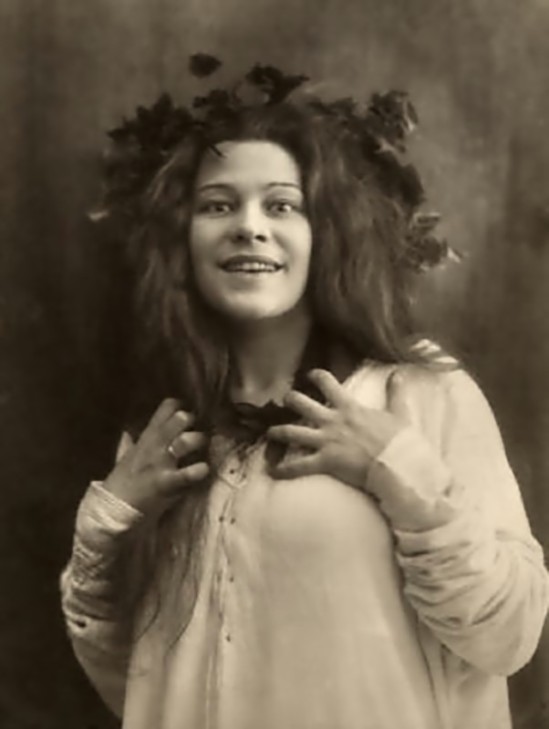
Portrait of the actress Tilla Durieux by Isidor Hirsch, 1908
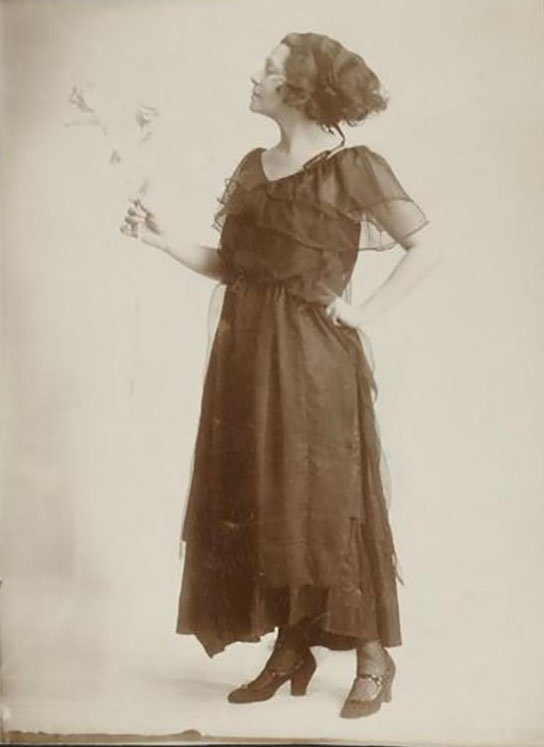
Tilla Durieux-as Anna Countess Werdenfels in The Marquis of Keith 192s Picture by arelier Becker & Maaß

Tilla Durieux-as Anna Countess Werdenfels in The Marquis of Keith 192s Picture by arelier Becker & Maaß
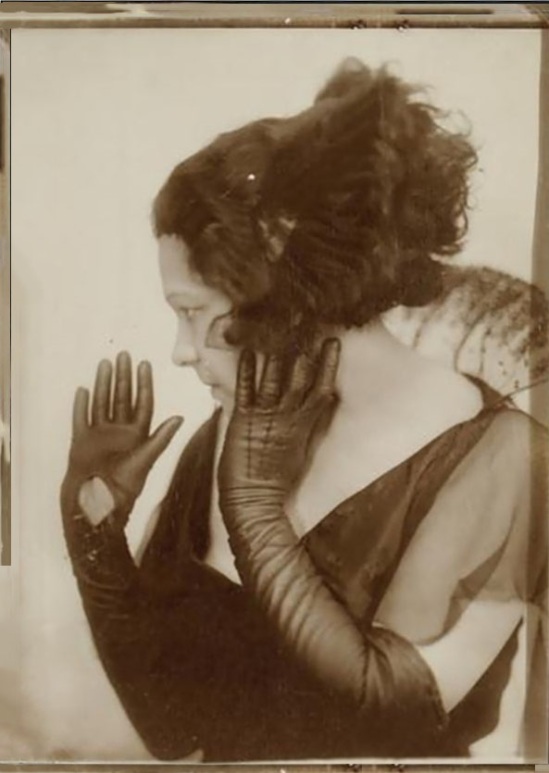
Tilla Durieux-as Anna Countess Werdenfels in The Marquis of Keith 192s Picture by arelier Becker & Maaß
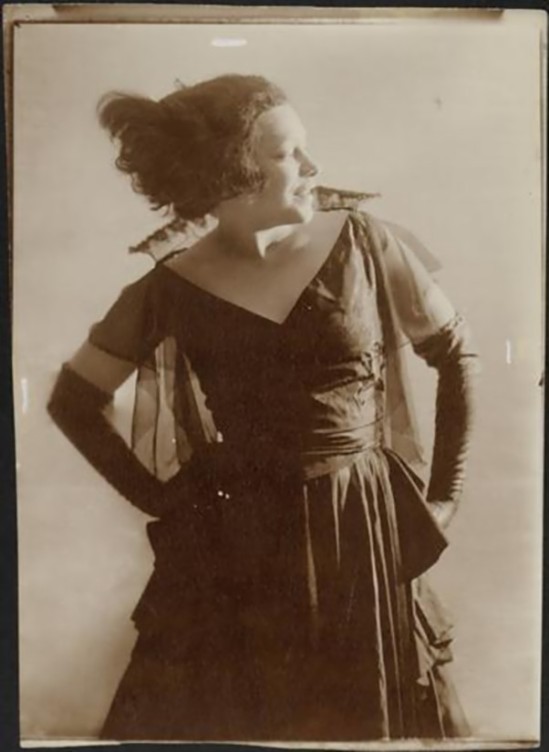
Tilla Durieux-as Anna Countess Werdenfels in The Marquis of Keith 1920s Picture by arelier Becker & Maaß
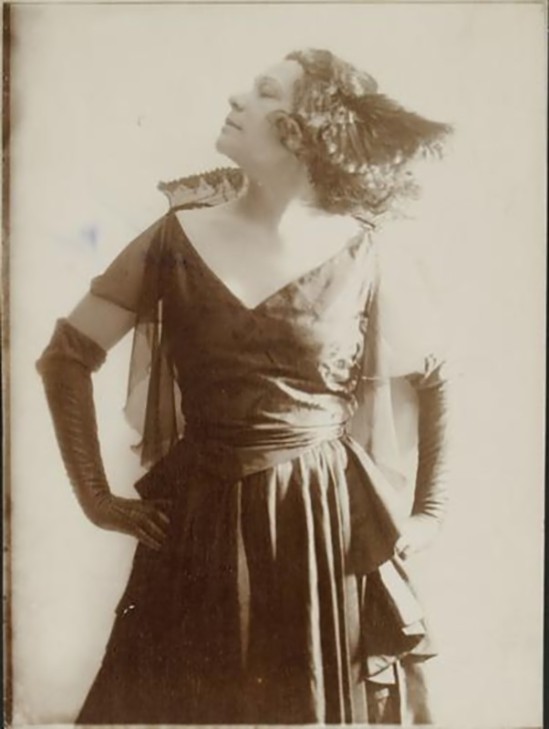
Tilla Durieux-as Anna Countess Werdenfels in The Marquis of Keith 192s Picture by arelier Becker & Maaß

Tilla Durieux-as Anna Countess Werdenfels in The Marquis of Keith 192s Picture by arelier Becker & Maaß
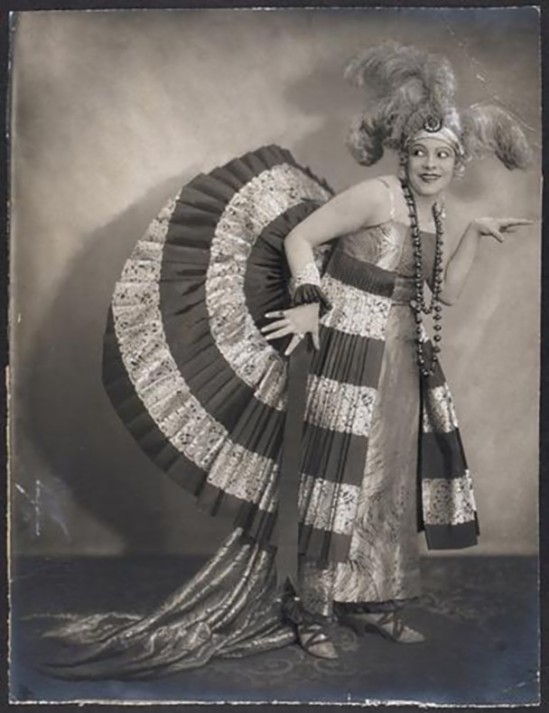
Tilla Durieux-as Potiphar’s wife in the ballet Josefslegende in Berlin 1921 Picture by arelier Becker & Maaß
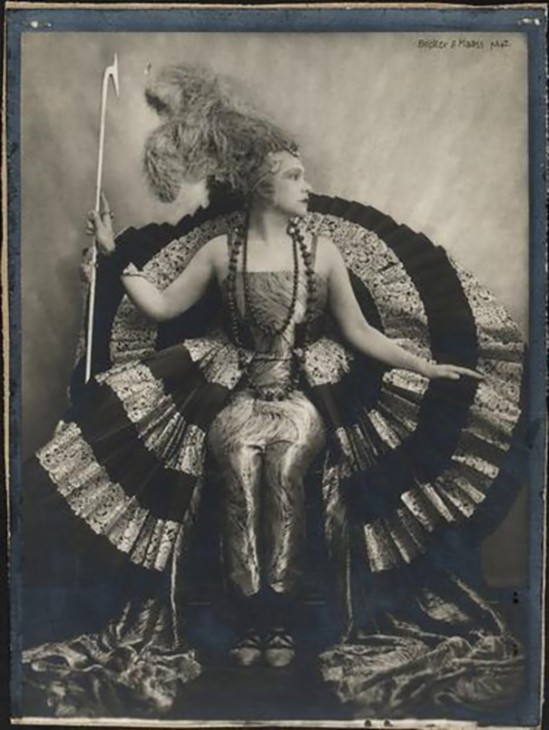
Tilla Durieux-as Potiphar’s wife in the ballet Josefslegende in Berlin 1921 Picture by arelier Becker & Maaß
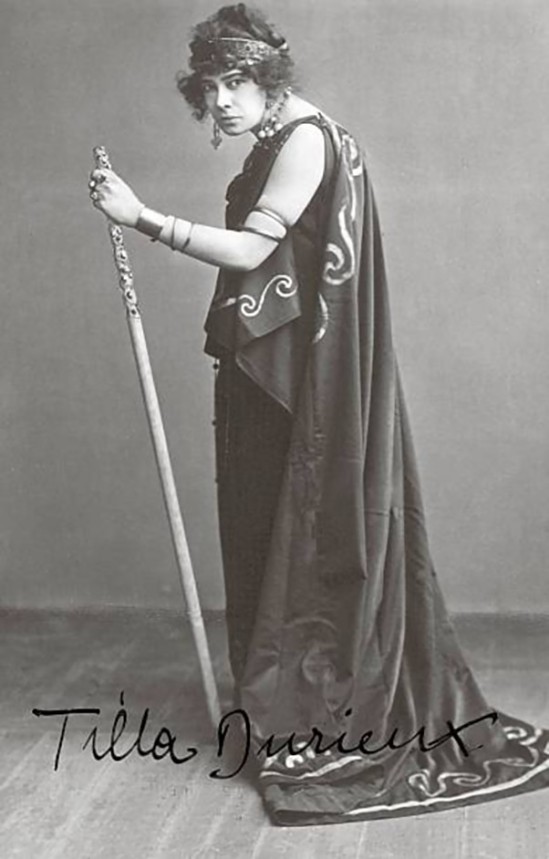
Tilla Durieux, German actress. Photography.1914. Photo by Imagno
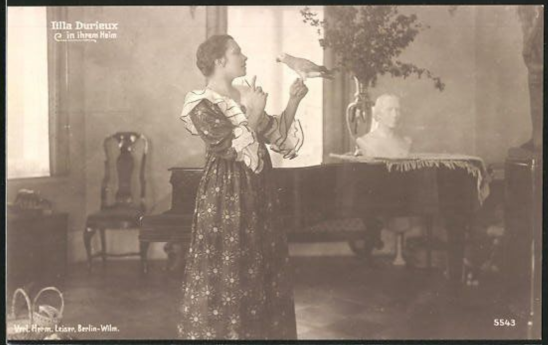
Tilla Durieux in her home by V.H.Leiser, Berlin, 1910s
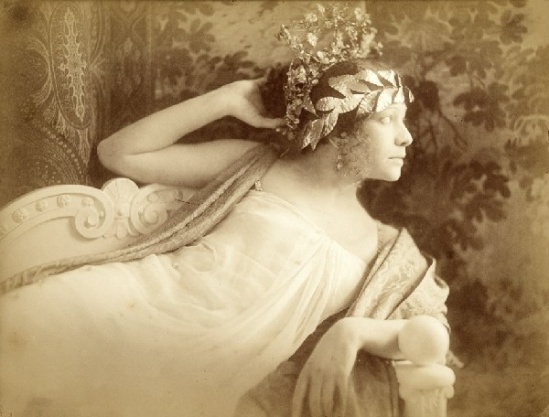
Tilla Durieux Photo by Isidor Hirsch, 1910s

Tilla Durieux 1905 Foto Jacob Hilsdorf

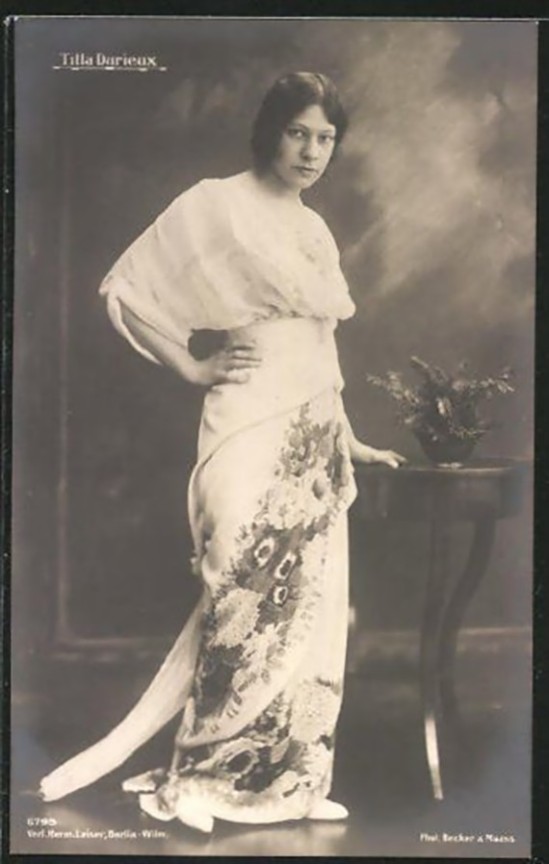
Tilla Durieux-1910 Picture by arelier Becker & Maaß

Tilla Durieux-1910 Picture by arelier Becker & Maaß

Tilla Durieux- in ‘Josephs legende’, 1921 Picture by arelier Becker & Maaß
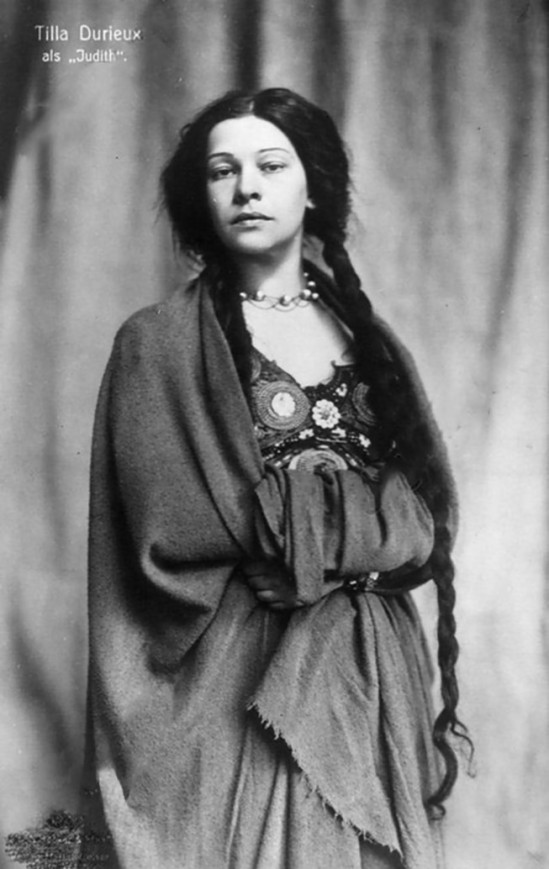
Tilla Durieux as Hebbel, Judith, 1910 postcard, Picture by arelier Becker

Tilla Durieux as ‘Delila’ in the play ‘Simson’ by Frank Wedekind, 1914, Picture by Becker & Maaß
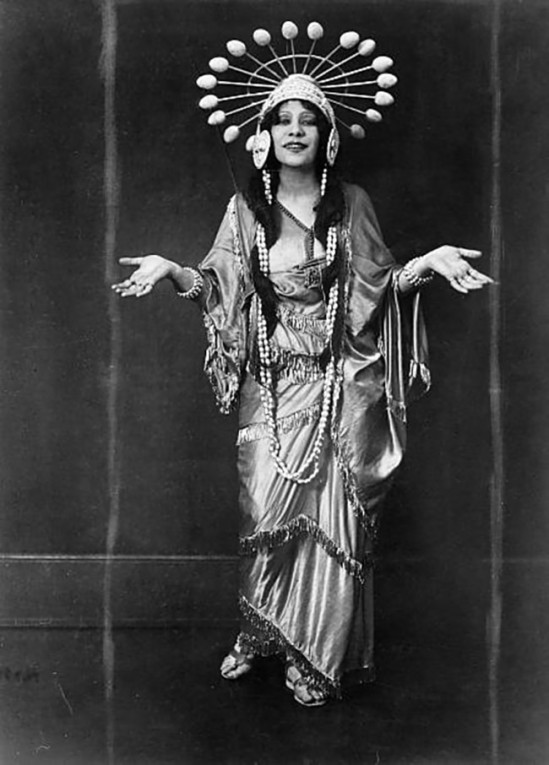
Tilla Durieux as ‘Delila’ in the play ‘Simson’ by Frank Wedekind, 1914, Picture by Becker & Maaß

Tilla Durieux William Shakespeare, Sommernachtstraum Tilla Durieux als Oberon- vermutl. 1905 Photo by ullstein bild
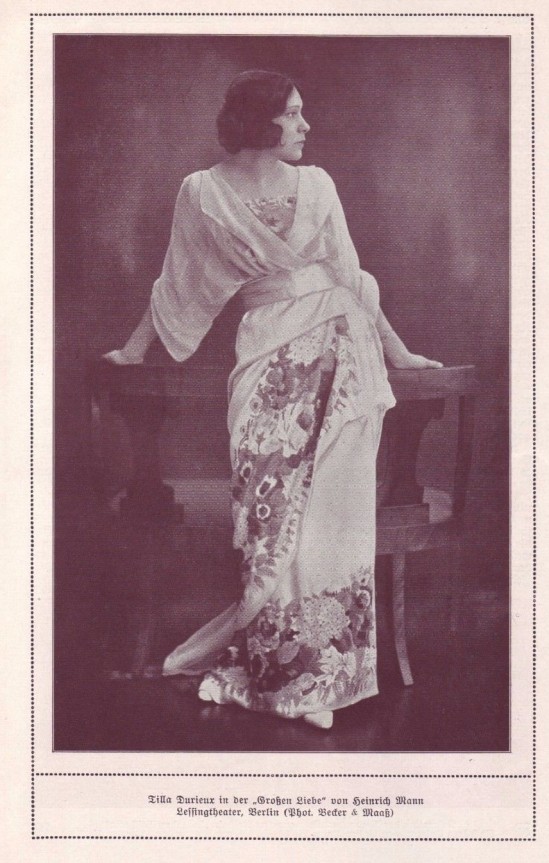
Tilla Durieux in « Grosse Liebe » bt Heinrich Mann photo by Berker and Maaß,1913
Alexander ‘Sasha’ Stewart, born 1892 in Edinburgh, moved to London and launched his professional photography career in 1914. In 1920, Sasha opened his first London studio in Bloomsbury. A technical virtuoso and popular amongst the upper class, the photographer’s theatrical and society portraits were frequently seen in sophisticated journals such as The Tatler, The Sketch and Illustrated London News.
As brilliant as he was charming, Sasha was known for his inventions and studio innovations, none more so than the Sashalite. Produced by General Electric with key input from the photographer, the Sashalite debuted in 1930 and was the first commercial flashbulb available in the UK. Sasha used the powerful light generated by the bulbs to capture his trendsetting and signature dramatic shadows and frozen motion.

Esme Fitzgibbon British actress in costume as Madeline for a stage production of ‘The Ratby sasha.1924

The English ballerina Dame Margot Fonteyn (Margaret Hookham) (1919 – 1991) holding a mask by sasha. 1920-30

Marika Rokk looking into a crystal ball.1930 by sasha
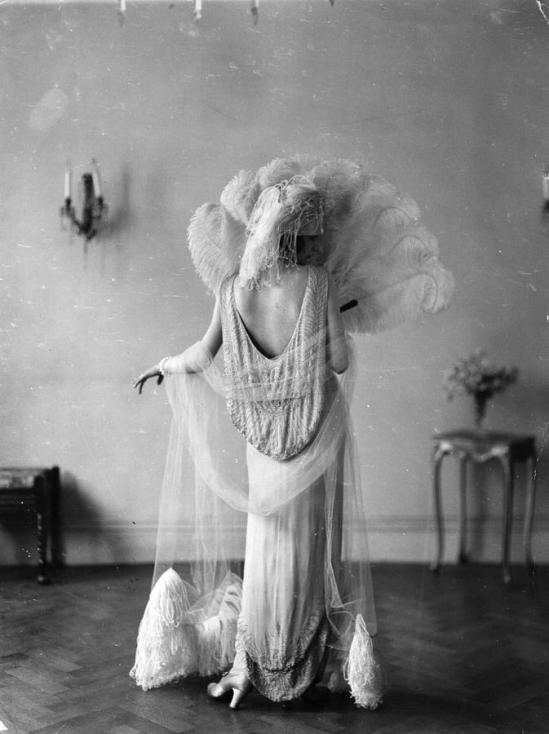
A Norman Hartnell evening gown. by sasha. 1920-30
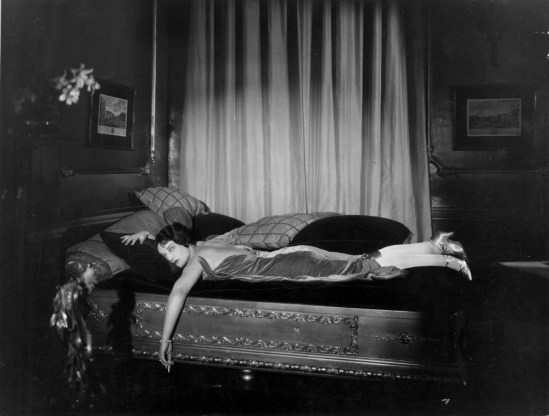
The Australian beauty Dorothy Blanchard, who has just left London to join the Ziegfeld Follies, reclining on a sumptuous bed. by sasha. 1925
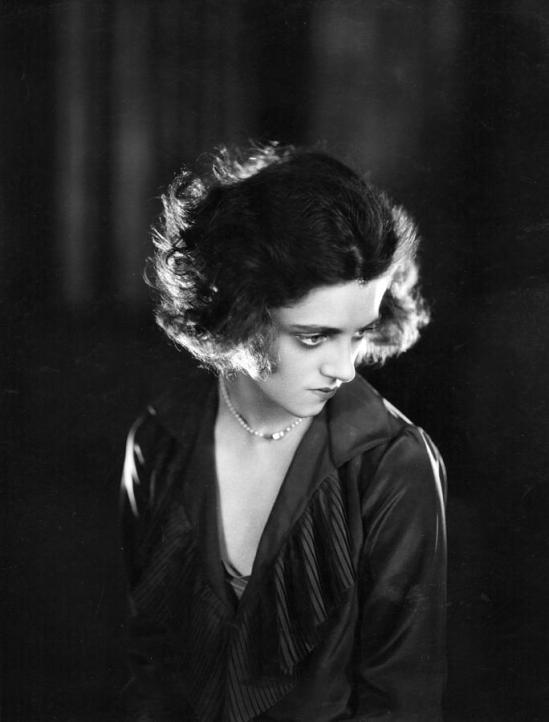
The English actress Hermione Baddeley (1906 – 1986).. by sasha. 19220-30
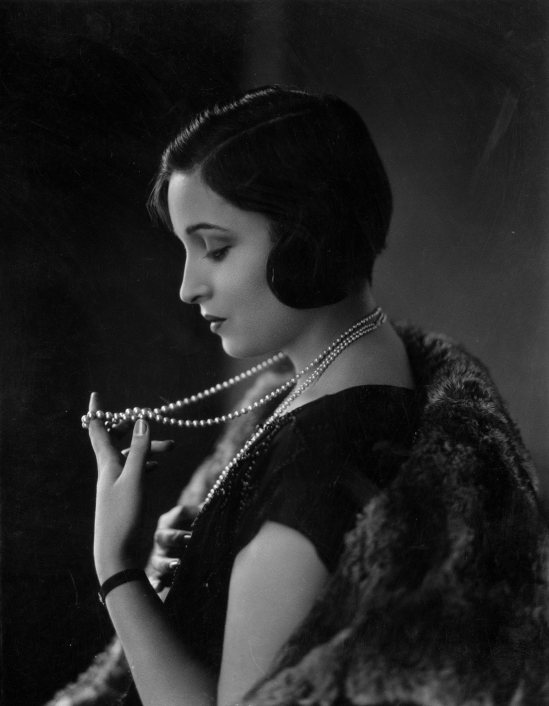
Alice Joyce (1890 – 1955) in London to play the lead in a film, ‘The Passionate Adventure’. by sasha.1925
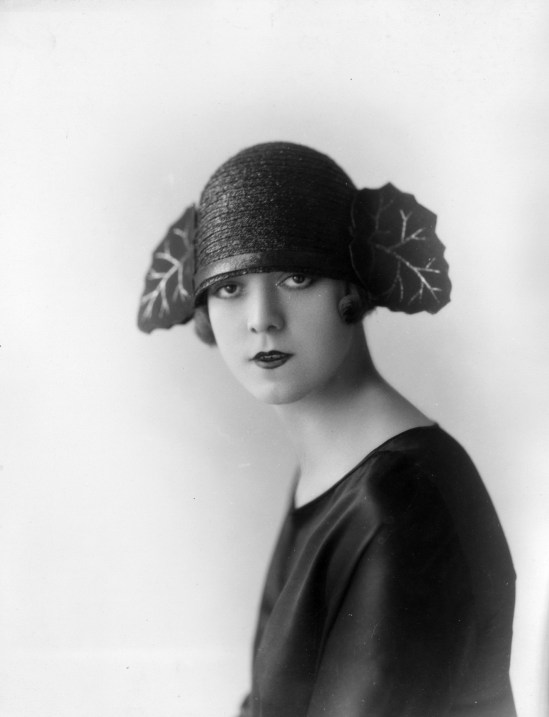
A woman wearing a fashionable hat decorated with leaf motifs by Peron. by sasha. 1925
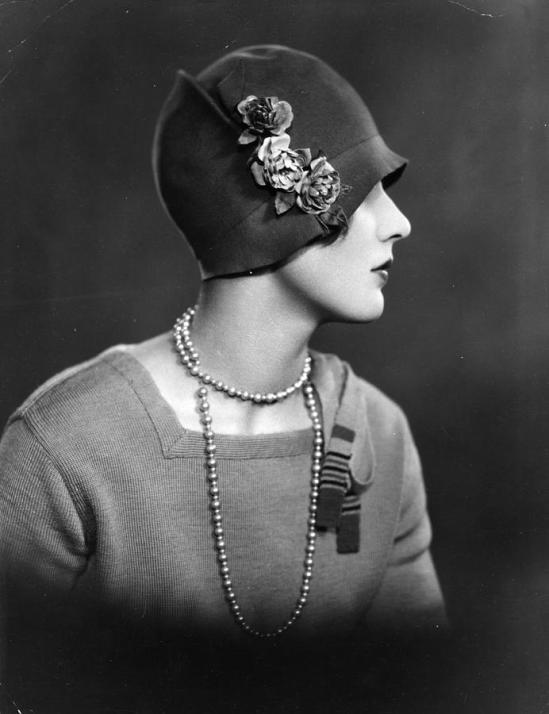
A woman wearing a cloche hat decorated with flowers by sasha.1925-30

A unknown model wearing a Paquin feathered headdress. by sasha.1920-25

A woman wearing a fashionable woven hat decorated with jewellery by Peron. by sasha. 1925

A woman wearing a jewelled headdress designed by Paquin by sasha.1924

advertissement for A Schiaparelli hat by sasha. 1930s

An actress appearing in the play ‘Libel’ at the Playhouse theatre. . by sasha.1934

Portrait if the Dancer Kyra Alanova. . by sasha.1929
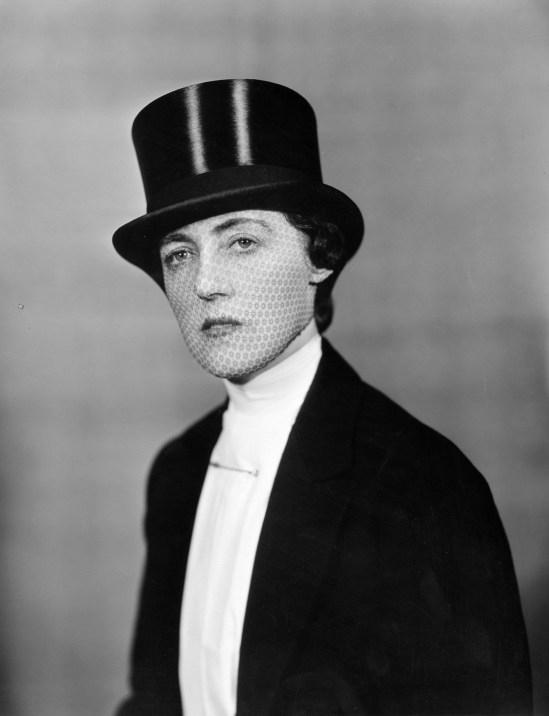
Show ring rider Mrs Sam Marsh wearing a top hat and a veil over her face. . by sasha.1920

The English actress Vivien Leigh (1913 – 1967). Original Publication in People Disc by sasha.Nd

Frances Day (1907 – 1984) in ‘Floodlight’.by sasha.1925
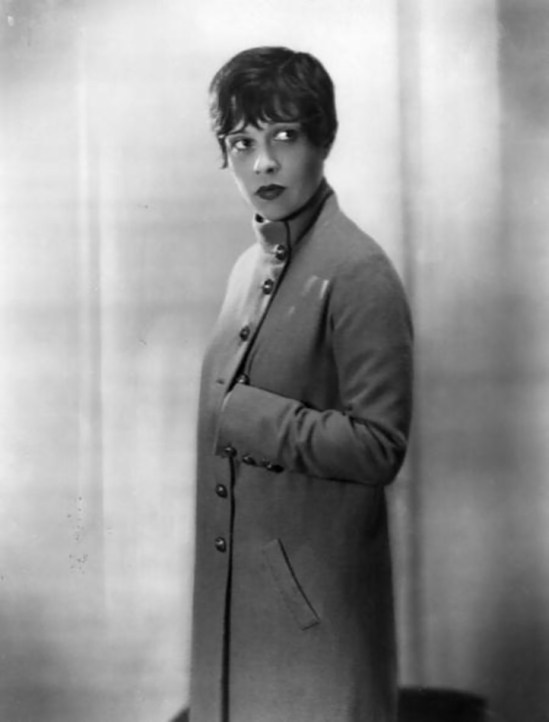
American authoress Anita Loos, who wrote ‘Gentleman Prefer Blondes’.. by sasha. nd
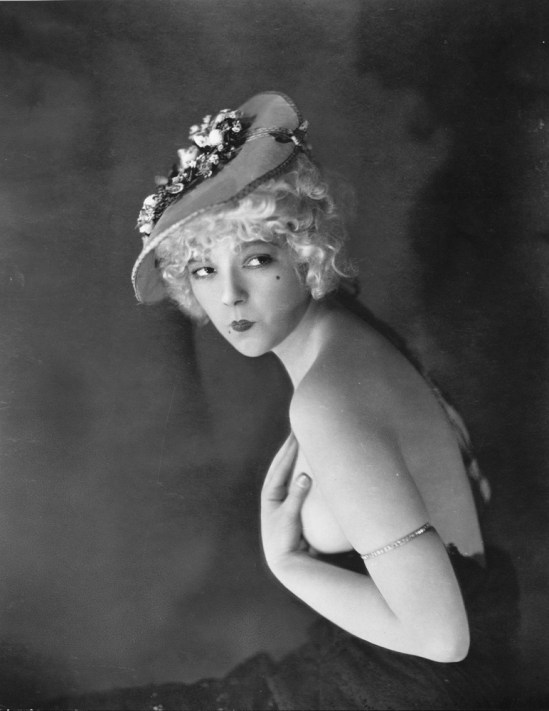
British actress Dorothy Seacombe by sasha. 1926
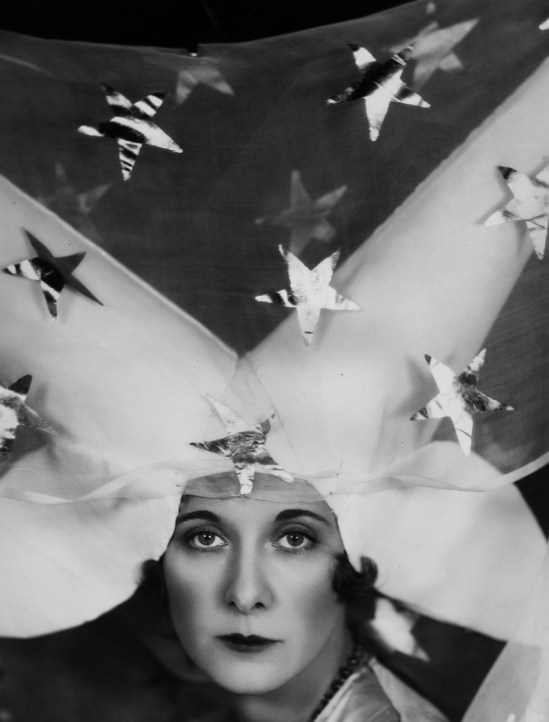
Lady Castlerosse modelling the medieval-style costume and wimple she will wear to the Galaxy Ball Pageant, held at London’s Park Lane Hotel. by sasha.1929

The American dancer, Ardath de Sales in costume for ‘Mercenary’, a show at London’s Hippodrome Theatre. by sasha. 1925

Entertainer Elsa McFarlane stands on the bonnet of a Rolls Royce car, mimicking the Silver Lady figurine, in a production of ‘The Co-Optimists’, at the Vaudeville Theatre in Londonby sasha. 1929

Dancer Muriel Gaunt by sasha. 1939

The Australian dancer Dorothy Blanchard, who has just left London to join the Ziegfeld Follies, sitting by the fireplace by sasha. 1925
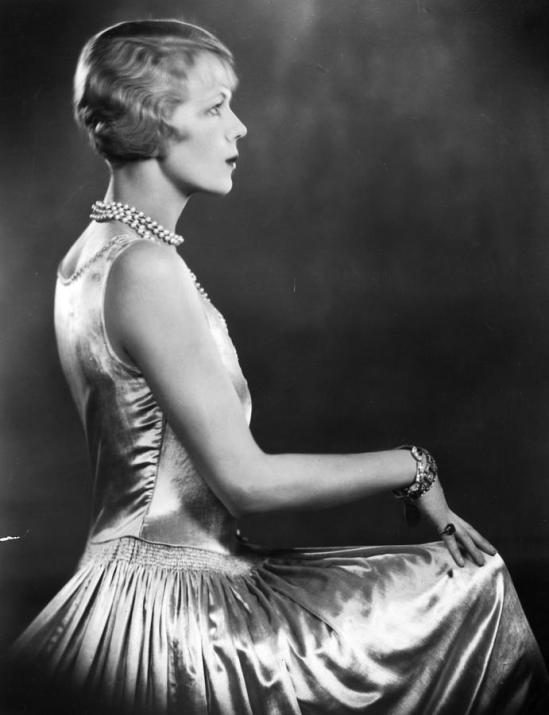
The Film actress Marjory Brooks. by sasha.1927

Cecily Byrne as Lydia Webster in the Lyric Theatre’s production of ‘Baby Cyclone’. by sasha.1928

Catherine Lacy as Ricciada in the first production of ‘Night’s Candles’, at the Queen Theatre. by sasha.1933

The Glamorous Australian dancer Dorothy Blanchard smoking a cigarette. by sasha.1925

Kyra Nijinsky (1913 – 1998), daughter of the famous Russian dancer and one of the principals of ‘Cochran’s Streamline Revue’ at the Palace Theatre, London.. by sasha.1930s

Chorus girls in Felix Ferry’s Monte Carlo Follies are performing in London at Grosvenor House.. by sasha. 1930s

The Dancer Laura Devine performing a shadow dance during a production of C B Cochran’s show ‘This Year of Grace’ at the London Pavilion. by sasha.1928

A dancer dancing in a British National Opera Company production at His Majesty’s Theatre, London by sasha. 1924

Stanislawa Welska performs an exotic dance which produces a dramatic shadow. by sasha. 19330s

A dancer cowering from a shadowed pair of hands looming over her on stage. by sasha. 1930

The Singer and dancer Bunty Pain, one of Cecil B Cochran’s chorus girls, wearing a diaphanous dress. by sasha. 1929

Tilly Losch (1904 – 1974) dancing in an extravagant costume, in a scene from the show `Wake Up And Dream’. by sasha.1929

The Dancer and actress Tilly Losch (1904 – 1974), one of the principals in ‘Streamline Revue. by sasha.1934
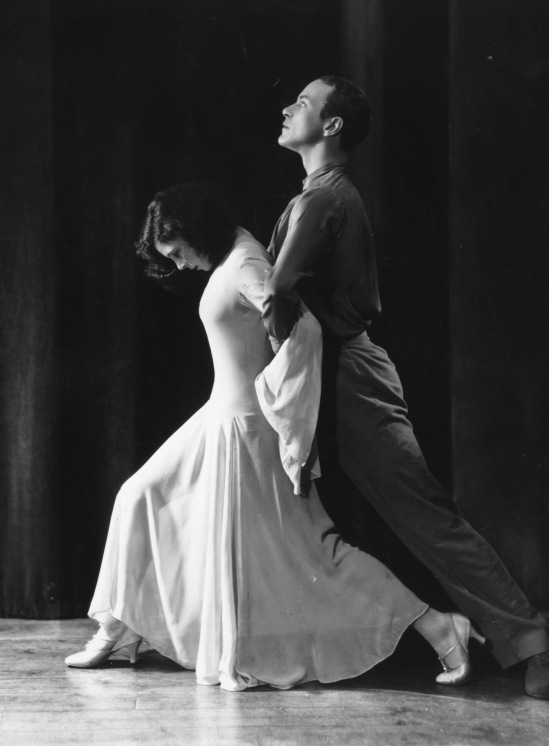
Tilly Losch and Tony Birkmayr in ‘Wake Up And Dream’ at the London Pavilion Theatre. by sasha.1929

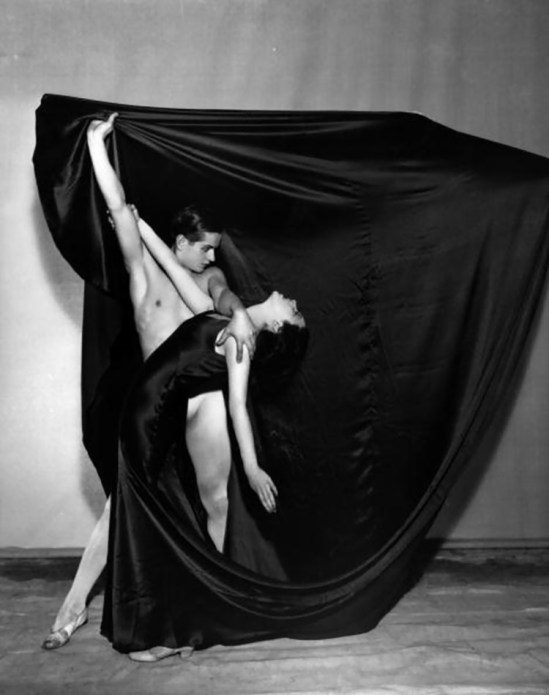
Austrian dancer Tilly Losch and Roman Jasinsky dancing in a production of the ballet ‘Errante’ at the Savoy Theatre, London, with choreography by George Balanchine, and costumes by Paul Tchelitchev sasha. 19230s

A couple dancing the Charleston in a scene from the play ‘Just A Kiss’ at the Shaftesbury Theatre, London. by sasha.Nd

dancer and choreographer Serge Lifar and classical Russian ballerina Alice Nikitina performing the Russian ballet La Chatte (‘The Cat) Music H .Saguet, choreography G. Balanchine, designs Gabo and Pevsner. by sasha.1927

Nini Theilade, Indonesian ballet dancer, adopting a ballet pose for a studio portrait by sasha. 1933
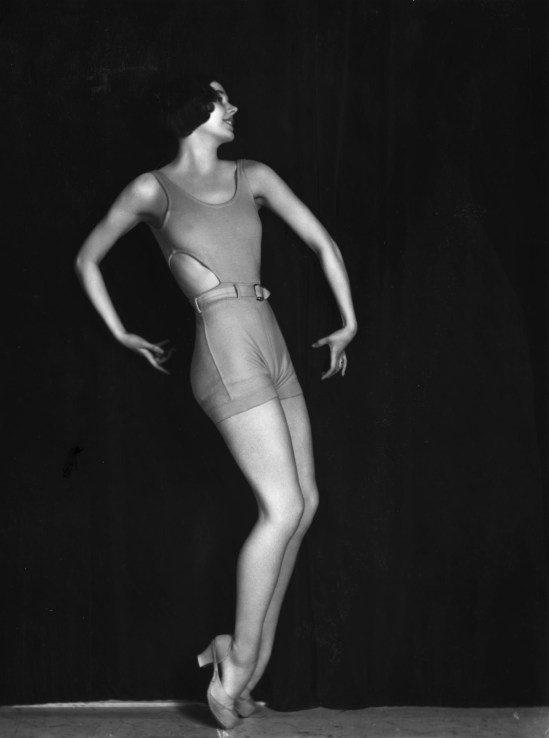
Musical comedy actress Jessie Matthews (1907 – 1981) poses in a swimsuit. by sasha.1931
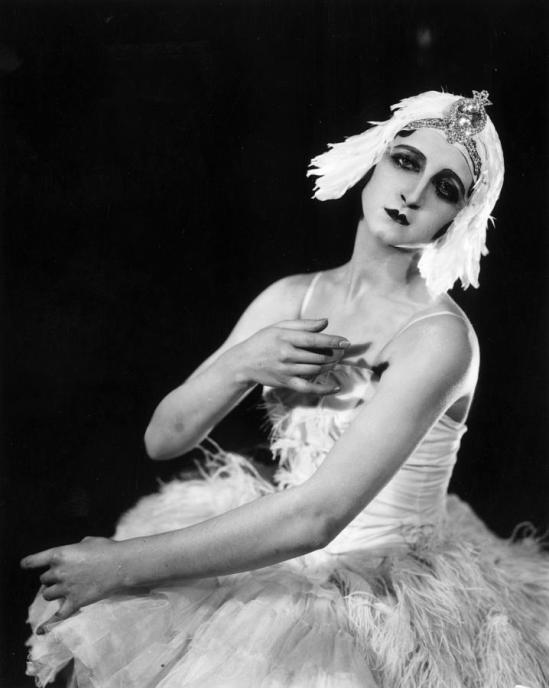
The Russian ballet dancer Alexandra Danilova (1904 – 1997) dancing in a Diaghilev production of ‘Swan Lake’ by sasha.1926

The Actress Binnie Hale dancing in the musical comedy, ‘Mr Cinders’, at the Adelphi Theatre, London by sasha. 1929

Dancing nymphs, in a scene from the play ‘Comus’ at the Open Air Theatre, Regents Park, London by sasha.1934

Members of the Margaret Morris dance troupe dancing out-of-door in accordance with the Margaret Morris Movement (MMM) interpretation of dance.. by sasha.1927

Tap dancers in ‘Voila Les Dames’ at the Prince of Wales Theatre. London hold hearts in front of them as they dance by sasha.1935

British actress Jessie Matthews (1907 – 1981) wearing a headdress decorated with ostrich feathers for her appearance in Charles B Cochran’s musical spectacular ‘Ever Green’ at the Adelphi Theatre, London. by sasha.1930

Binnie Hale surrounded by a huge plume of feathers in the show, `Mr Cinders’’. by sasha.1929

An unusual view of the ‘Albertina Rasch Girls’ who appear in the show, ‘Wild Violets’ at the Drury Lane Theatre, London by sasha.1933

The Albertina Rasch chorus girls who are appearing in ‘Wild Violets.by sasha.1933

The Albertina Rasch Girls who appear in the show ‘Wild Violets’. From top to bottom Inga Anderson, Nosie Dale and Vida McLain..by sasha.1932

The English ballet dancer Leslie Burrows performing a dance entitled ‘Fear’. by sasha.1934

A woman standing on a beach. by sasha.1930
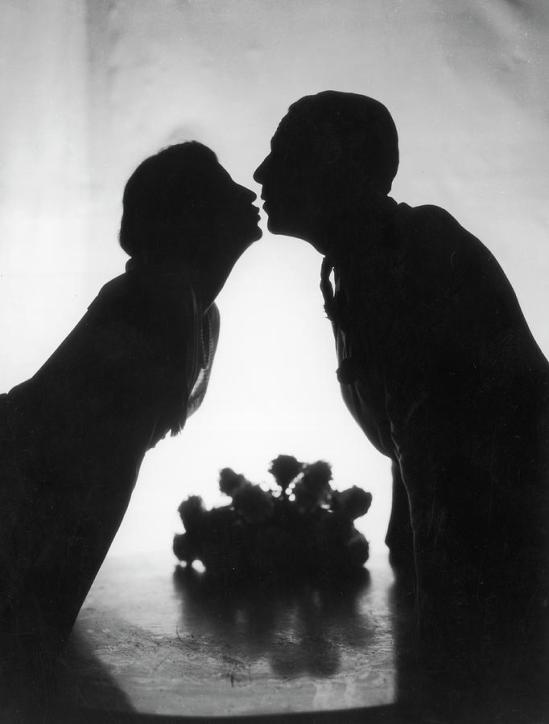
A couple kissing in a scene from the play ‘Just A Kiss’ at the Shaftesbury Theatre, London. by sasha. 1926

American dancers Estelle & Leroy, in action at the Savoy Hotel, London. by sasha. 1934

Composer and actor Ivor Novello (1892 – 1951) with just his face seen peering through a spy hole in a door by sasha. 1928

The English ballerina Dame Margot Fonteyn (Margaret Hookham) (1919 – 1991) holding a mask by sasha. 1920-30
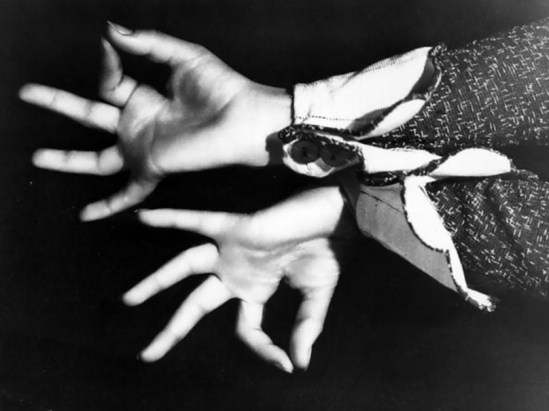
A close-up of the hands of Jessie Matthews (1907 – 1981), dancer and film-star. by sasha.1930
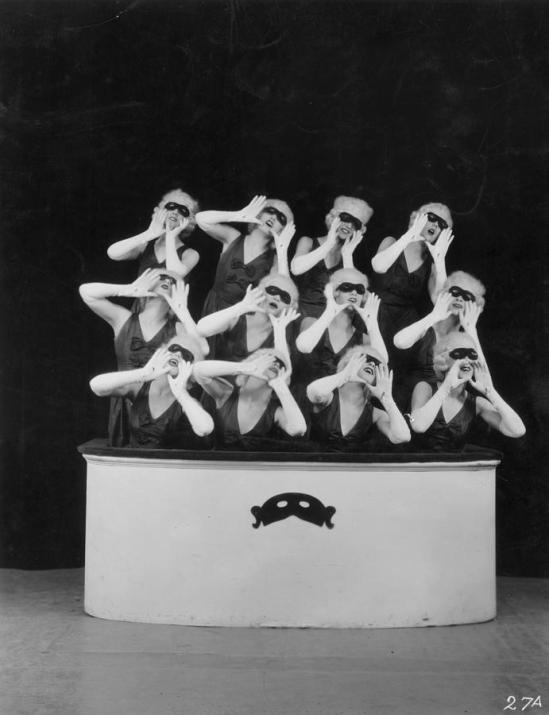
Chorus girls singing on stage, whilst wearing eye masks by sasha.1930

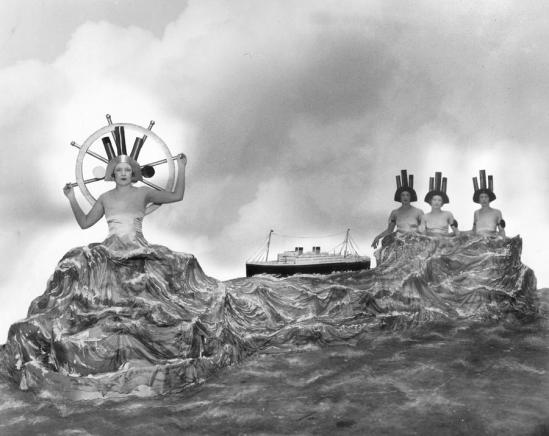
A group in a model boat in a scene from the show ‘Peggy Ann’, at the Dalys Theatre by sasha.1927
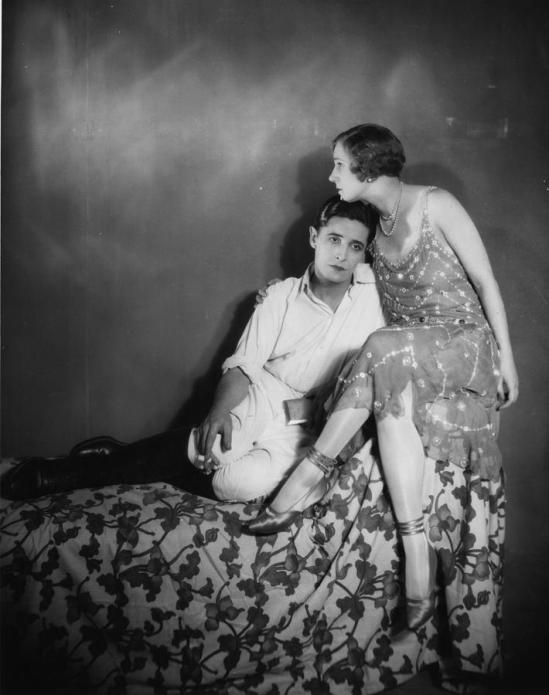
English actress and dancer Phyllis Monkman (1892 – 1976) with Welsh composer and actor Ivor Novello (1893 – 1951) in ‘Downhill’ at the Queens Theatre. by sasha.1926

Noel Coward (1899 – 1973) and Gertrude Lawrence (1898 – 1952) in ‘Private Lives’ at the Phoenix theatre by sasha.Nd
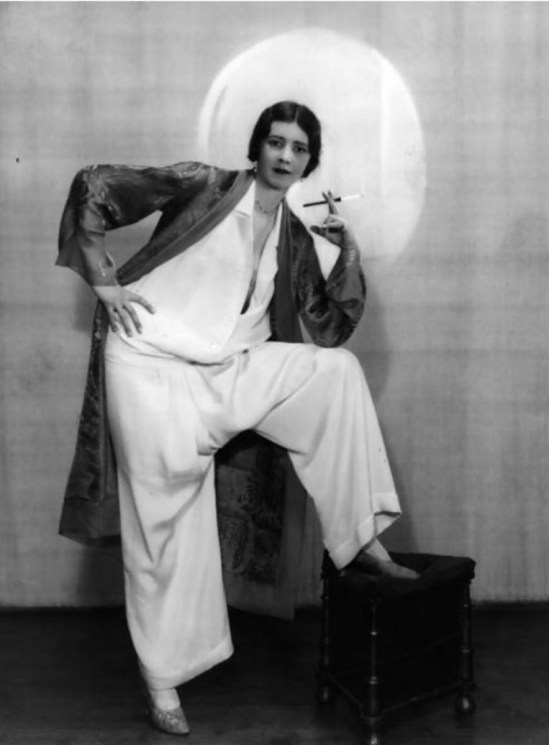
Santa Proud Fashions by sasha.1930s

Ruby Stewart, currently appearing in a musical at the Gaiety Theatre, London by sasha.1937

Stage and screen actress Joyce Bland (1906-1963), who is currently playing the lead role in ‘Mary Bloome’ at the Embassy Theatre. by sasha.1931
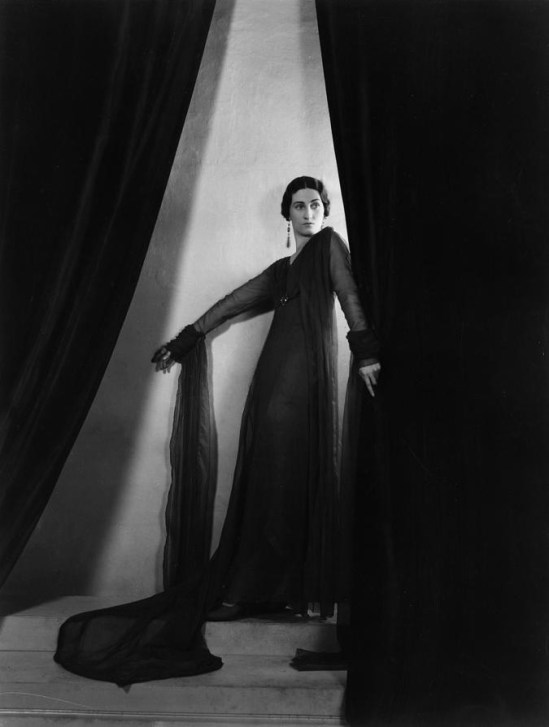
Stage and screen actress Joyce Bland (1906-1963), who is currently playing the lead role in ‘Mary Bloome’ at the Embassy Theatre. by sasha.1931
Benedykt Jerzy Dorys est principalement connu en tant que très grand portraitiste (photographique). Son studio, basé à Varsovie était, déjà avant la guerre, un lieu des plus tendance pour ne pas dire « branché » de la Ville de Varsovie et se faire photographier par Dorys n’était pas seulement de bon goût, mais révélait un signe d’appartenance à la crème de la crème de l’époque. Cependant, Dorys n’était pas uniquement focalisé sur les élites. En effet ses photographies des pauvres de Kazimierz Dolny dans les années 1930 sont aussi connues et ont tout autant marquées l’histoire de la photographie polonaise.
Moins connues, mais tout aussi intéressantes sont ses photos de mode et ses quelques photos artistiques du corps nu. Dorys adorait les femmes et a su en sublimer toute les beauté et ce que je vous propose aujourd’hui à travers des portraits ‘( sérés ou de plein pied), et par ses photographies de modes .
Mais Dorys a bien entendu photographié bon nombres d’hommes, mais vous connaissez mon goût pour La femme , le nu ou l’érotisme.
Vous pouvez retrouver quelques nus dans un précédent post Ici
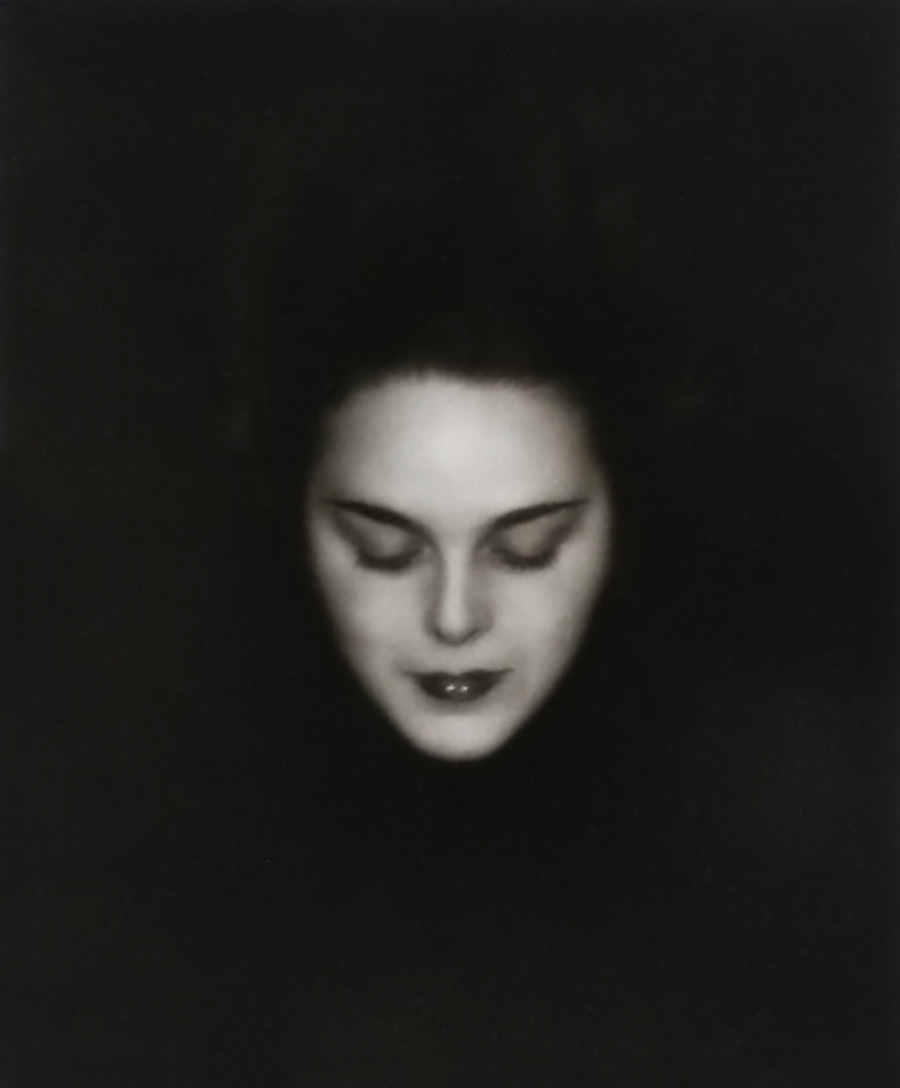
Jerzy Dorys Benedykt – Portrait of Zofia Batycka, Miss Poland, 1930

Jerzy Dorys Benedykt – Portrait of Zofii Batyckiej, 1930

Jerzy Dorys Benedykt – Portrait of Zofii Batyckiej, 1930

Jerzy Dorys Benedykt – Portrait of Zofia Batycka, Miss Poland, 1930

Dorys Jerzy Benedykt -Portrait of Sophia Batycka, 1930s
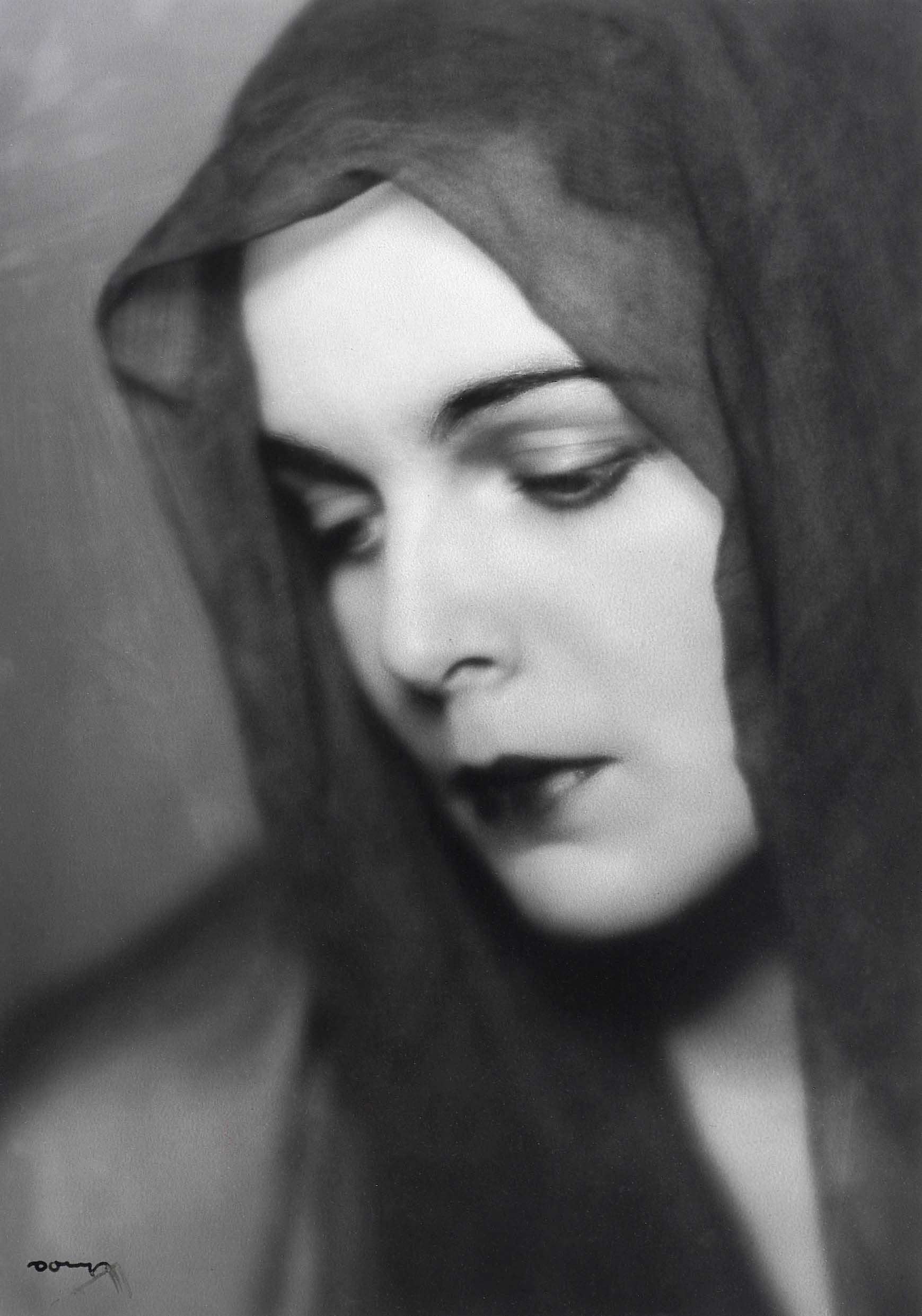
Jerzy Dorys Benedykt – Portrait of Zofii Batyckiej, 1930

Jerzy Dorys Benedykt – Portrait ofNiny Grudzińskiej, 1932

Jerzy Dorys Benedykt – portrait de Karoliny Lubieńskiej, 1932
![Jerzy Dorys Benedykt Loda Halama w tanecznej pozie], 1932 (2)](https://lapetitemelancolie.net/wp-content/uploads/2015/06/jerzy-dorys-benedykt-loda-halama-w-tanecznej-pozie-1932-2.jpg)
Jerzy Dorys Benedykt Loda Halama w tanecznej pozie, 1932

Jerzy Dorys Benedykt- Portrait of a man in scarf and coat with the collar , 1933 gif by Bill Domonkos is a visual artist and filmmaker.

Jerzy Dorys Benedykt – Portrait ofOlgi Kamieńskiej, 1930

Jerzy Dorys Benedykt- Portret Marii Gorczyńskiej z flakonikiem perfum „Amour amour” firmy Jean Patout, 1930 gif by Bill Domonkos is a visual artist and filmmaker.

Jerzy Dorys Benedykt -Marii Malickiej, 1930.
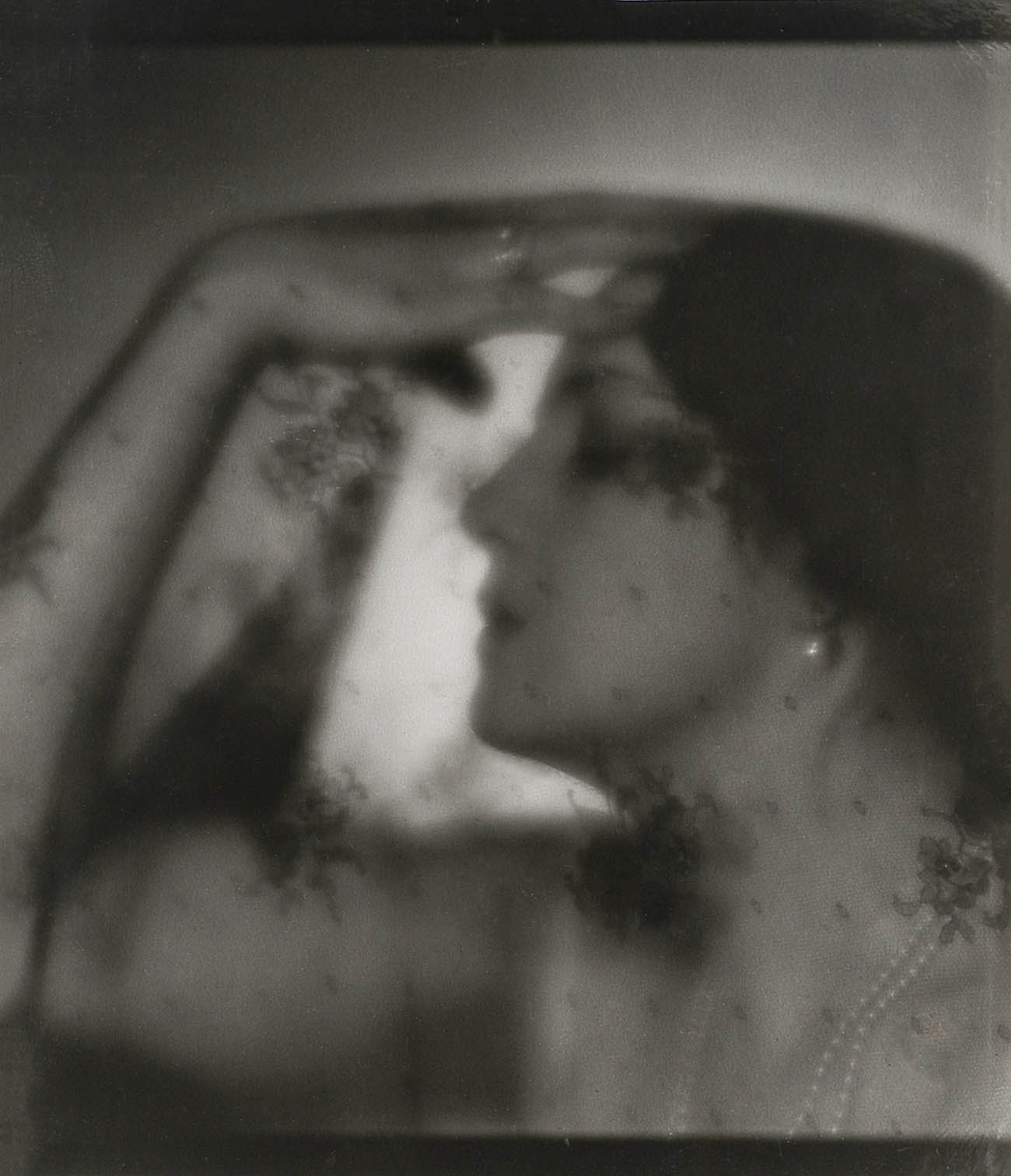
Jerzy Dorys Benedykt – Portrait of Marii Gorczyńskiej, 1931

Jerzy Dorys Benedykt -Halina Hulanicka dansant Halina Hulanicka dancing, 1930

Jerzy Dorys Benedykt -Anthony Nellé dance, 1933
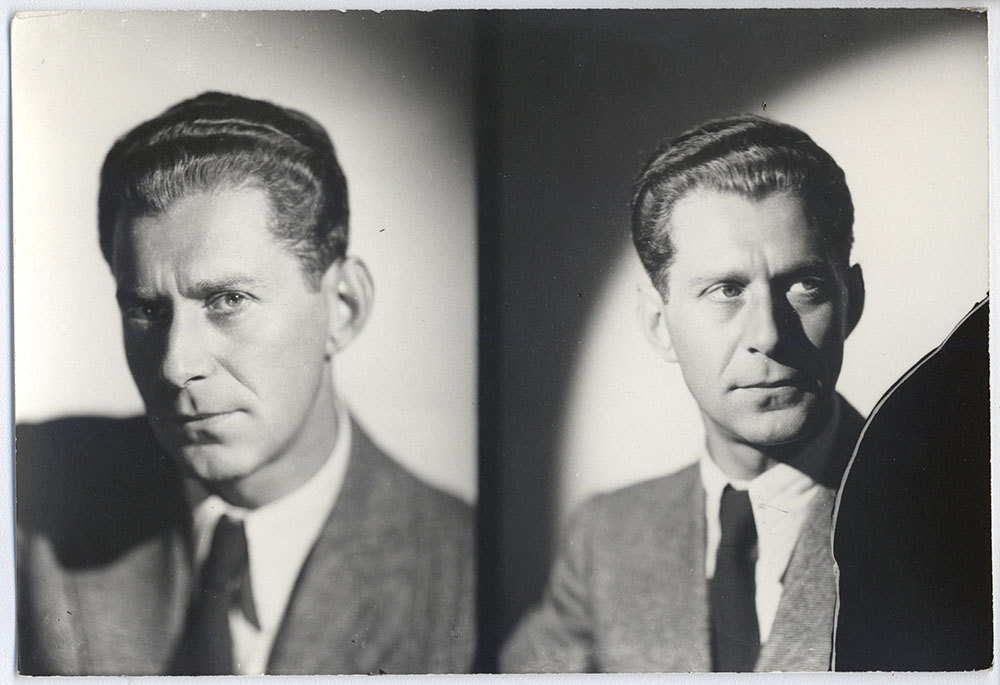
Jerzy Dorys Benedykt -autoportret, 1930
Baldomer Gili i Roig was a Catalan painter, draftsman and photographer. His father was a teacher and editor. His brother, Gustau (Gustavo, 1868–1945), became the founder of Editorial Gustavo Gili , a major publishing company. In 1882, the family moved to Irun, where he began his first art lessons with José Salís Camino , a marine artist and follower of Camille Corot. Six years later, the family returned to Barcelona and he enrolled at the Escola de la Llotja. It was there that he came under the influence of the Sorollistas and brightened his palette.
The following year, he held his first showing in his hometown and, with the help of Jaume Morera, received a stipend from the local government to study in Italy. At first, he lived in a Capuchin monastery near Rome, in Frascati, then at the Villa Strohl Fern in the Villa Borghese. While there, he sent paintings back to Lleida (to show that he was fulfilling the conditions of his stipend), and to an exposition in Paris. In 1901, he participated in the National Exhibition of Fine Arts.
After four years, he returned to Barcelona. In addition to his paintings, he provided illustrations for several notable publications, including L’Esquella de la Torratxa. Many of his drawings were signed « L’Alegret » (possibly a reference to Alegret, the Gascon troubadour). He also tried his hand at being a playwright. In 1909, the Teatre Apolo premiered his musical comedy La Canción de la Ninfa; written under the nom-de-plume « Emilio Roig », with music by Pedro Enrique de Ferrán.
He was fascinated with photography as well and almost always went about with a camera on hand, producing over a thousand glass plates, documenting the places and people in his life, which his descendants presented to the Museu d’Art Jaume Morera in 2009
Over the next decade, he continued to exhibit frequently and widely throughout Europe and South America, visiting Buenos Aires and Montevideo in 1925. He died of pneumonia at the end of 1926.
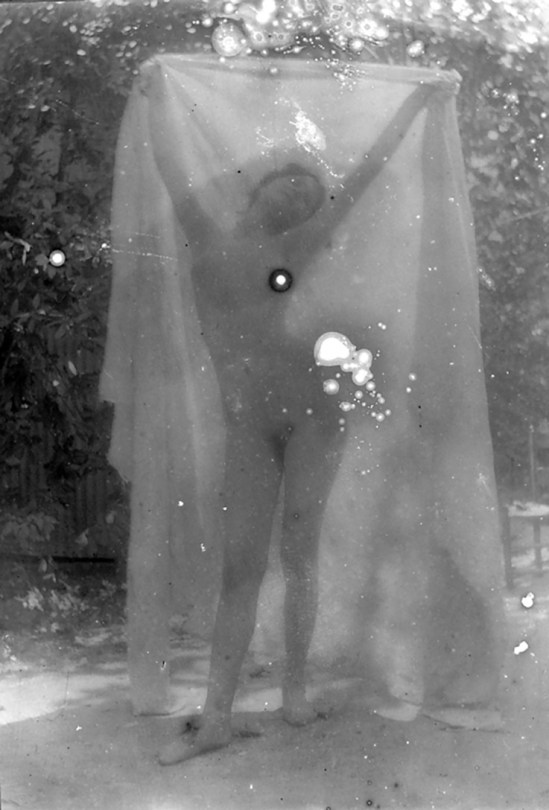
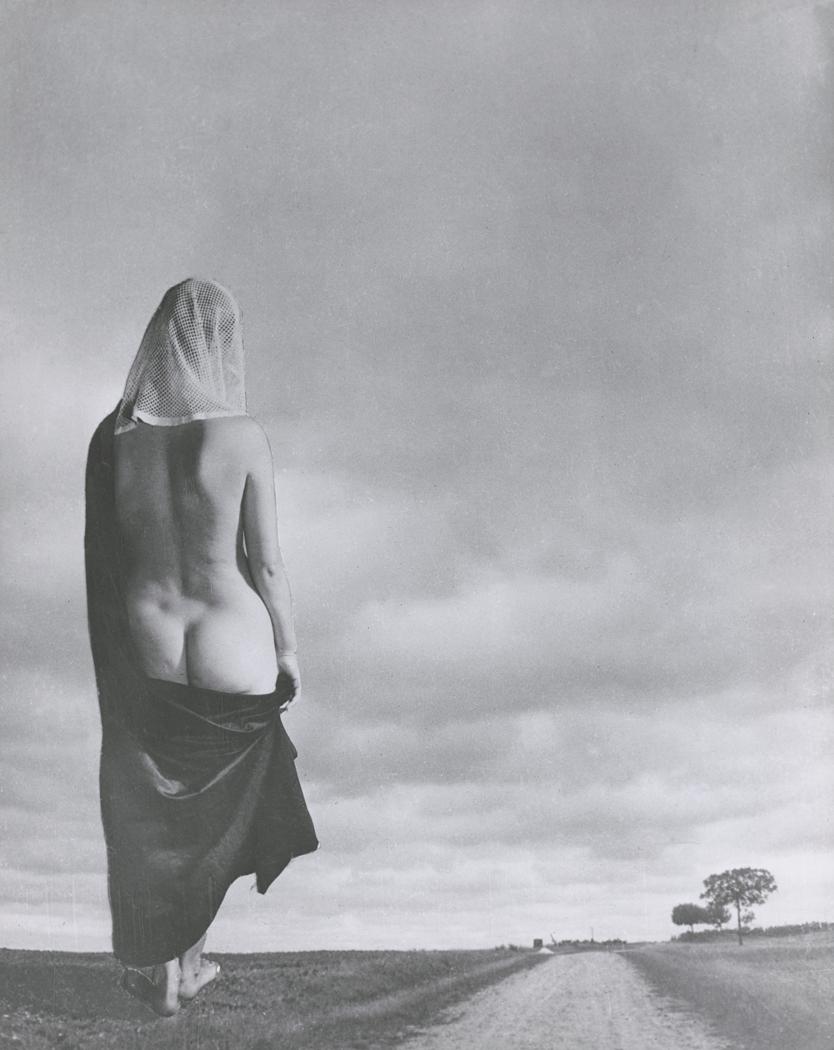
Baldomer Gili Roig. Model with veil outdoor,Roma c. 1910, Museu d’Art Jaume Morera
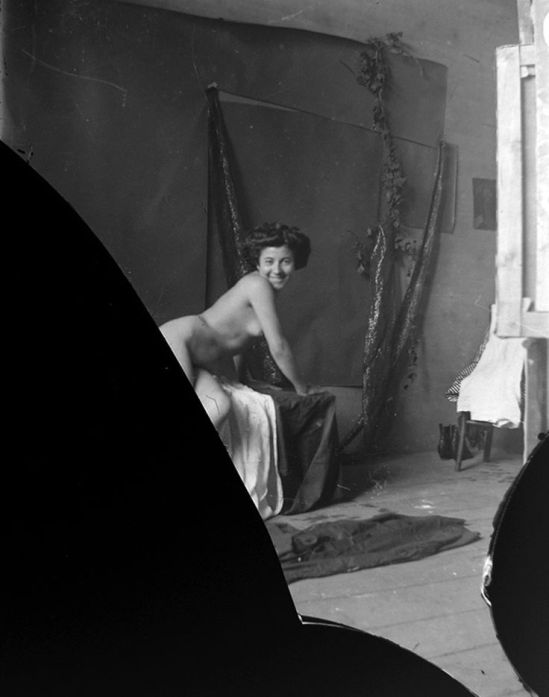
Baldomer Gili Roig. Models , 1910 Museu d’Art Jaume Morera

Baldomer Gili Roig -Model around 1910 Museu d’Art Jaume Morera
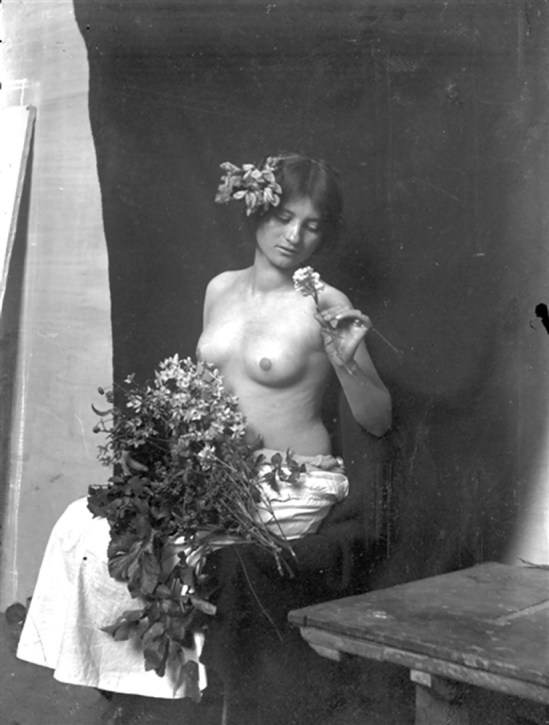
Baldomer Gili Roig. Model, 1900 – 1910 Museu d’Art Jaume Morera

Baldomer Gili Roig. Model around 1910 Museu d’Art Jaume Morera

Baldomer Gili Roig. Model 1910

Baldomer Gili Roig. Model , 1910, Barcelona, Museu d’Art Jaume Morera

Baldomer Gili Roig. Model a l’estudi de l’artista (Barcelona), c.1914
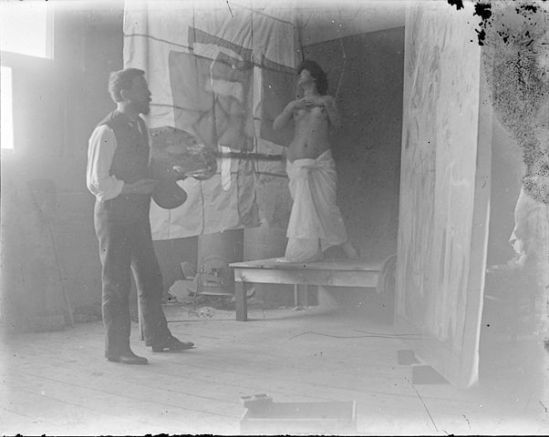
Baldomer Gili Roig.Baldomer Gili Roig al seu estudi (Barcelona) 1904 Museu d’Art Jaume Morera

Baldomer Gili Roig. Model dressed Pharaoh in the painter’s studio c. 1910, Museu d’Art Jaume Morera

Baldomer Gili Roig. in the painter’s studio (Roma) c. 1900-04, Museu d’Art Jaume Morera
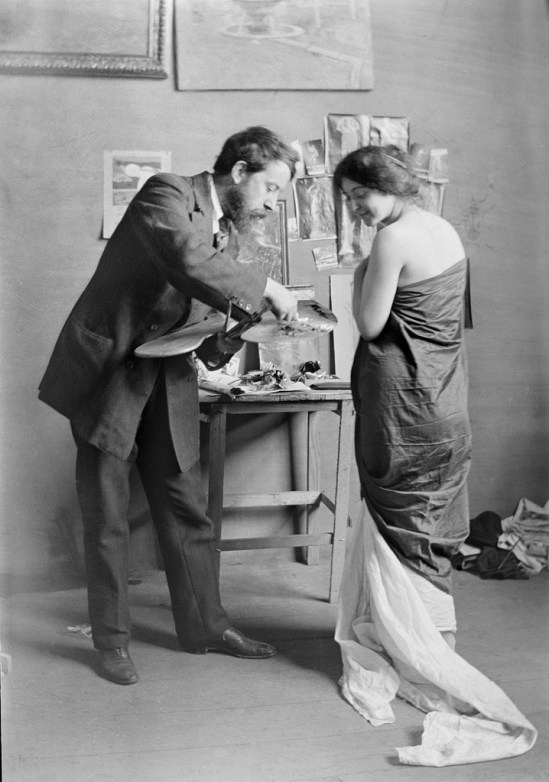
Baldomer Gili Roig.Baldomer Gili Roig amb una model al seu estudi (Roma), 1900 – 1904 Museu d’Art Jaume Morera
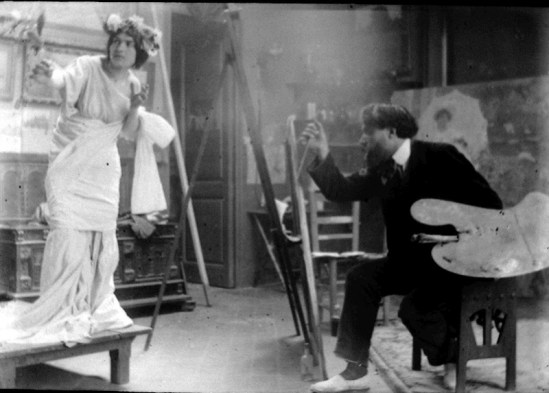
Baldomer Gili Roig. Baldomer Gili Roig al seu estudi (Barcelona), 1899 Museu d’Art Jaume Morera
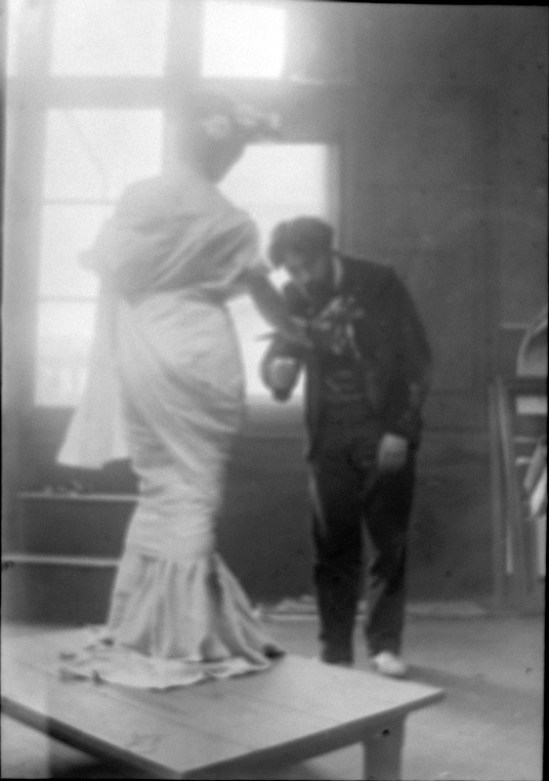
Baldomer Gili Roig. Baldomer Gili Roig al seu estudi (Barcelona), 1899 Museu d’Art Jaume Morera

Baldomer Gili Roig-Model a l’estudi del pintor (Barcelona), nd Museu d’Art Jaume Morera
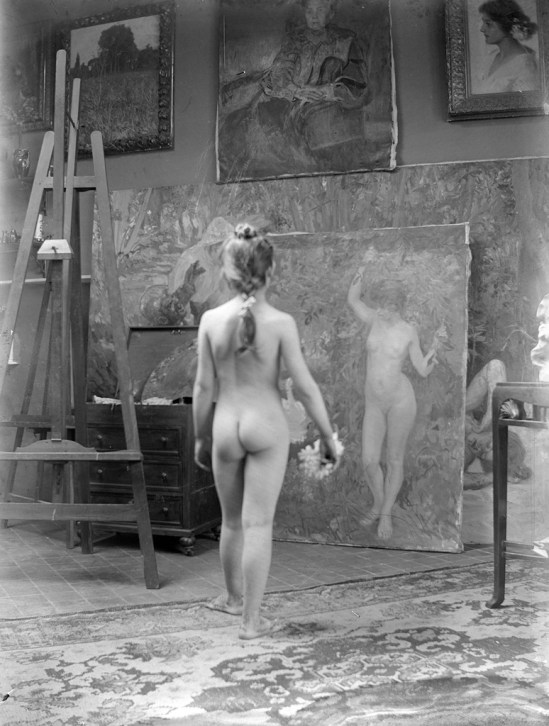
Baldomer Gili Roig-Model a l’estudi del pintor (Barcelona), c. 1910 Museu d’Art Jaume Morera

Baldomer Gili Roig-Model a l’estudi del pintor (Barcelona), c. 1910 Museu d’Art Jaume Morera

Baldomer Gili Roig. Model in the painter’s studio (Barcelona), c. 1910, Museu d’Art Jaume Morera

Baldomer Gili Roig. Model in the painter’s studio (Barcelona), c. 1910, Museu d’Art Jaume Morera
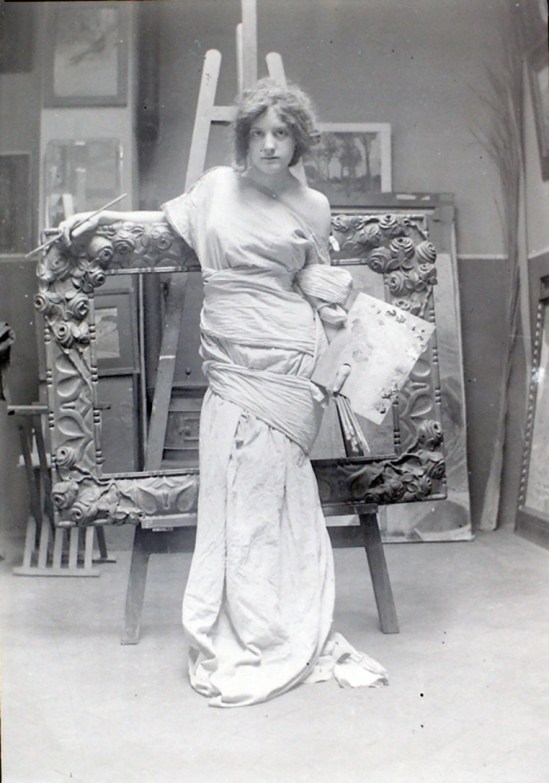
Baldomer Gili Roig. Model in the painter’s studio (Barcelona), c. 1910, Museu d’Art Jaume Morera

Baldomer Gili Roig. Model in the painter’s studio c. 1900-04, Museu d’Art Jaume Morera

Baldomer Gili Roig. Model a l’estudi del pintor , 1900-1904 Museu d’Art Jaume Morera

Baldomer Gili Roig.Model, nd Museu d’Art Jaume Morera

Baldomer Gili Roig. Model, 1910, Museu d’Art Jaume Morera
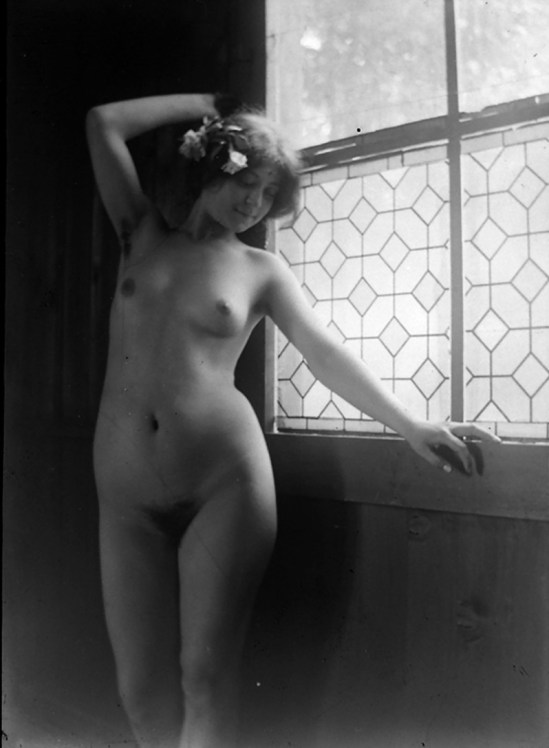
Baldomer Gili Roig. Model, Barcelona, c. 1910, Museu d’Art Jaume Morera

Baldomer Gili Roig. Model, Barcelona, c. 1910, Museu d’Art Jaume Morera

Baldomer Gili Roig. Seating nude Model outdoor, c. 1910, Museu d’Art Jaume Morera
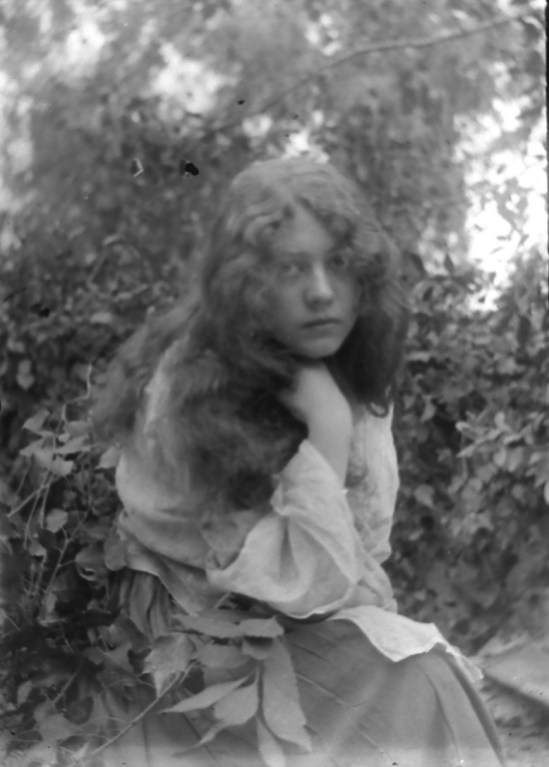
Baldomer Gili Roig. Model posing outdoor 1900-04, Museu d’Art Jaume Morera

Baldomer Gili Roig. Model, Cala Bona (Blanes), Barcelona,around c. 1910, Museu d’Art Jaume Morera

Baldomer Gili Roig. Models (Roma), 1900 – 1904, Museu d’Art Jaume Morera.

Baldomer Gili Roig. Models (Roma), 1900 – 1904, Museu d’Art Jaume Morera.

Baldomer Gili Roig. Models (Roma), 1900 – 1910 Museu d’Art Jaume Morera

Baldomer Gili Roig. painting a model, c. 1905, Museu d’Art Jaume Morera

Baldomer Gili Roig. Reclining Model outdoor 1900 – 1904, Museu d’Art Jaume Morera

Baldomer Gili Roig. Couple (Barcelona) c. 1900-10, Museu d’Art Jaume Morera

Baldomer Gili Roig. Work ,Winter Sun c. 1900-10, Museu d’Art Jaume Morera
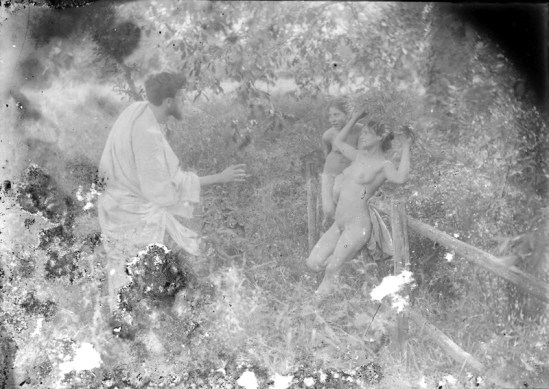
Baldomer Gili Roig. Models , 1905-10 Museu d’Art Jaume Morera

Baldomer Gili Roig-Model 1910-1914 Museu d’Art Jaume Morera
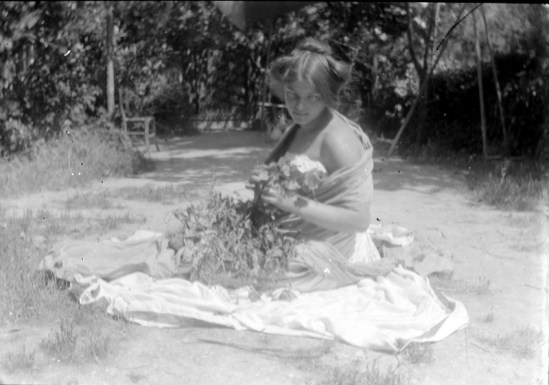
Baldomer Gili Roig. Model (Roma), 1900 – 1910 Museu d’Art Jaume Morera

Baldomer Gili Roig.Model (Idarella), 1900 – 1904 Museu d’Art Jaume Morera
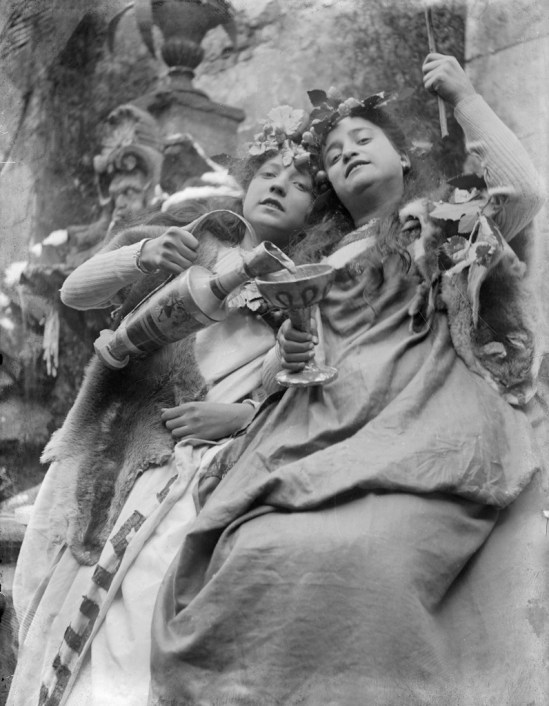
Baldomer Gili Roig. Models (Il·lustració col·lecció postals), 1902Museu d’Art Jaume Morera
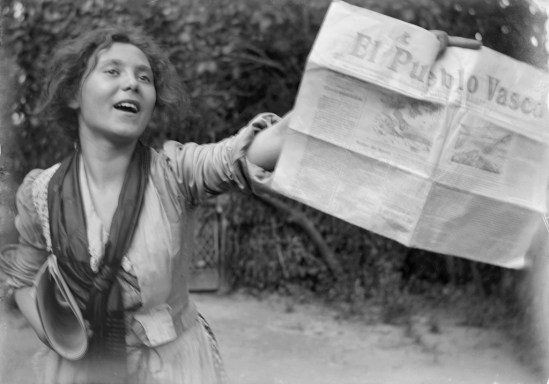
Baldomer Gili Roig.Model (Cartell El Pueblo Vasco), 1900 – 1904 Museu d’Art Jaume Morera

Baldomer Gili Roig. Retrat d’Idarella (Roma), 1900 – 1904 , Museu d’Art Jaume Morera
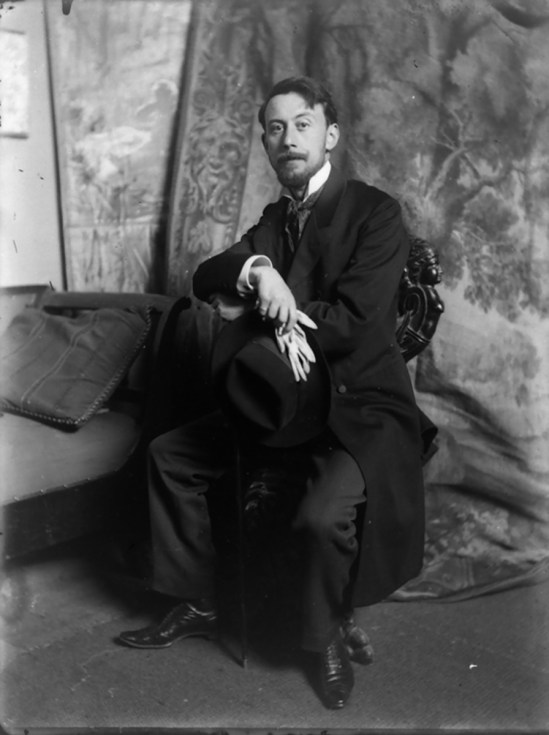
Baldomer Gili i Roig. Autoretrat c. 1900.

Baldomer Gili Roig., Autoretrat, 1900 – 1904 – 1904 Museu d’Art Jaume Morera

Baldomer Gili Roig.Baldomer Gili Roig a l’estudi, 1900 – 1904 Museu d’Art Jaume Morera
Je vous propose aujourd’hui de poursuivre la découverte de Josef Breitenbach. Cette fois-ci nous laisserons de côté ses influences surréalistes et nous admirons ses fabuleux portraits, et nus et quelques photographies de voyages .
En 1932, Breitenbach ouvre son premier studio de photographie. Ses clients étaient des membres éminents de la bohème de Munich, (y compris les acteurs et actrices de la scène dans le théâtre de Munich.) qui était alors un bastion des défenseurs des libertés et des personnes raffinées. Mais ce monde a disparu en 1933 avec la prise de pouvoir d’Hitler.Plus que ses racines juives, le passé politique du photographe fait de lui une cible à persécuter. En Août 1933, avec son passeport, Breitenbach arrive en France, rejoignant d’autres exilés Allemands qui cherchent refuge à Paris.
La «révolution» surréaliste allait alors devenir dominante dans la scène artistique parisienne. Peu après son arrivée, Breitenbach est entré en contact avec André Breton et son entourage. Préférant conserver son indépendance, il n’a jamais été un membre du groupe surréaliste, mais a participé à des expositions importantes de la photographie surréaliste aux côtés de Man Ray, Jacques-André Boiffard, Brassaï, Eli Lotar, Henri Cartier-Bresson, et Roger Parry.
Breitenbach n’a vécu à Paris que six ans, jusqu’à ce que la guerre éclate en 1939, et pourtant, pendant cette période , il a produit certains de ses travaux les plus inventifs. (Il a adopté plusieurs techniques favorisées par de nouveaux photographes tels que la surimpression, le montage, la solarisation, l’impression en négatif, et le photogramme. Plus important encore, il était l’un des rares artistes des années d’avant-guerre à produire des photographies en couleurs, ce qu’il a fait en utilisant des procédés tels que le blanchiment, la tonification et la pigmentation.)
La guerre interrompit ce deuxième chapitre de la vie du photographe. Interné par les Français comme un étranger suspect, puis rédigé dans un corps civil composé d’étrangers, Breitenbach finalement échappé à la France de Marseille en 1941 pour New York . Il parvient à retenir l’attention de Walker Evans, qui publie ses travaux dans Fortune .
À l’été 1944, à l’invitation de Josef Albers, Breitenbach enseigne la photographie au Black Mountain College. En 1946, il est devenu un citoyen des États-Unis et a rejoint la faculté de la Cooper Union .
For a biography in English go down Article

Josef Breitenbach- Night, Paris (Edith Schultze-Westrum), 1935, Vintage gelatin silver print collage ©The Josef Breitenbach Trust.
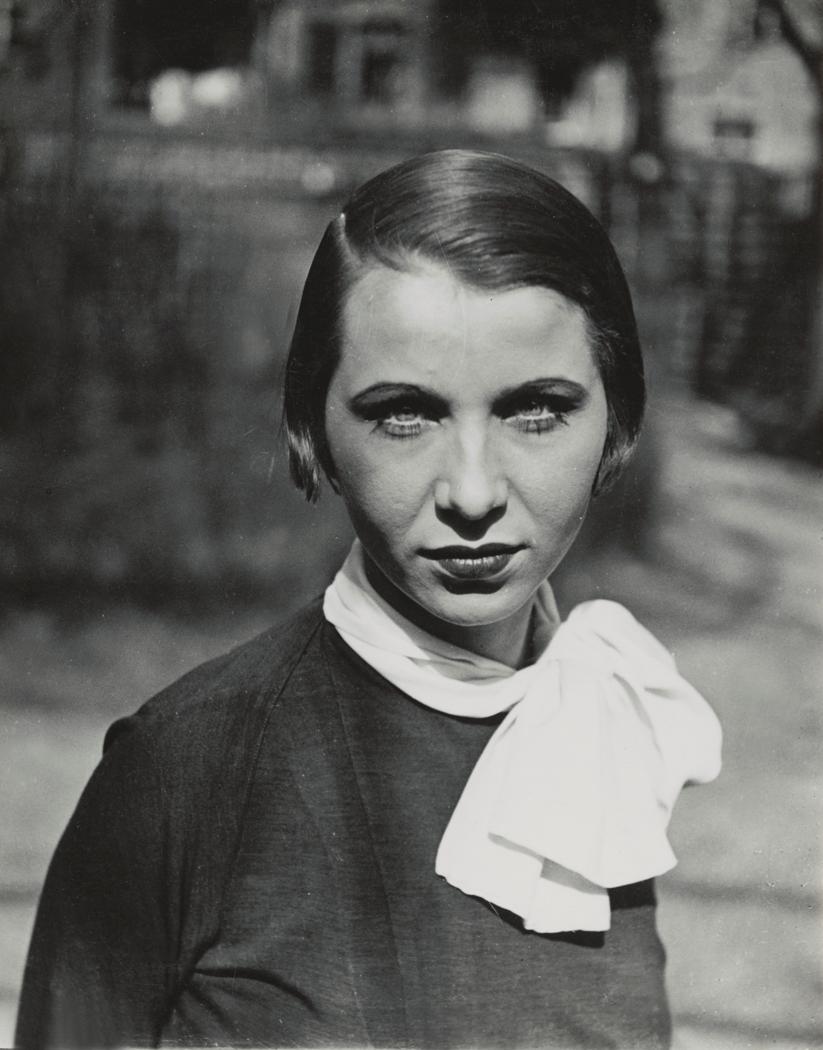
Josef Breitenbach-Edith Schultze-Westrum, 1932, Gelatin silver print© The Josef Breitenbach Trust.
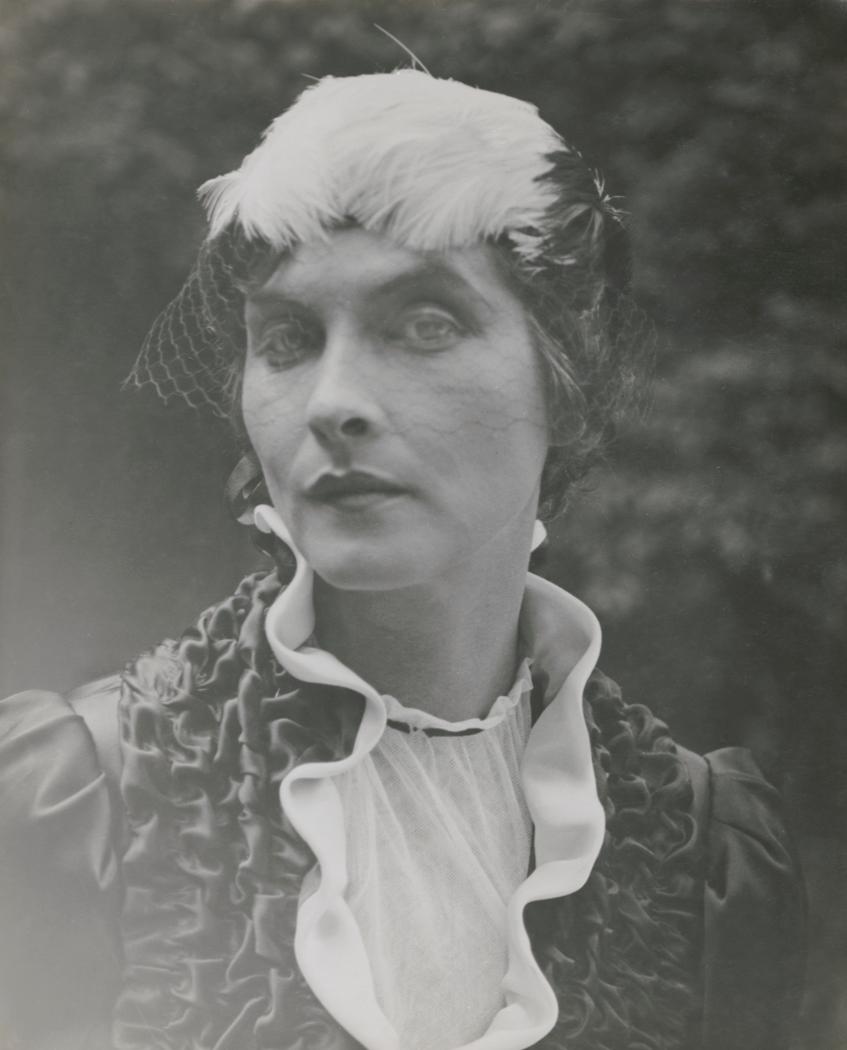
Josef Breitenbach- Portrait of the actress Sybille Binder, Munich, Before 1933, Gelatin silver print© The Josef Breitenbach Trust.

Josef Breitenbach- Portrait of the actress Sybille Binder, Munich, Before 1933, Gelatin silver print© The Josef Breitenbach Trust
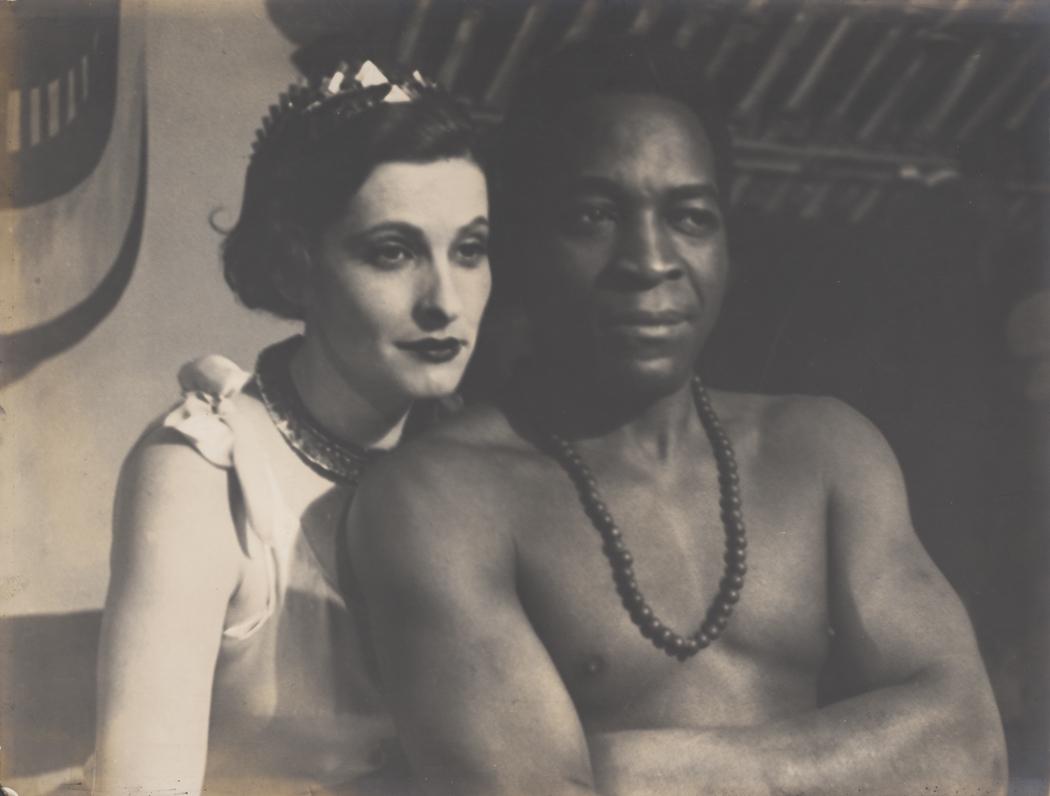
Josef Breitenbach- Portrait of the actress Sybille Binder and Paul Robeson, in Othello, Munich, 1932, Gelatin silver print© The Josef Breitenbach Trust

Josef Breitenbach- Portrait of the actressSybille Binder Circa 1932, gelatin silver print, © The Josef Breitenbach Trust.
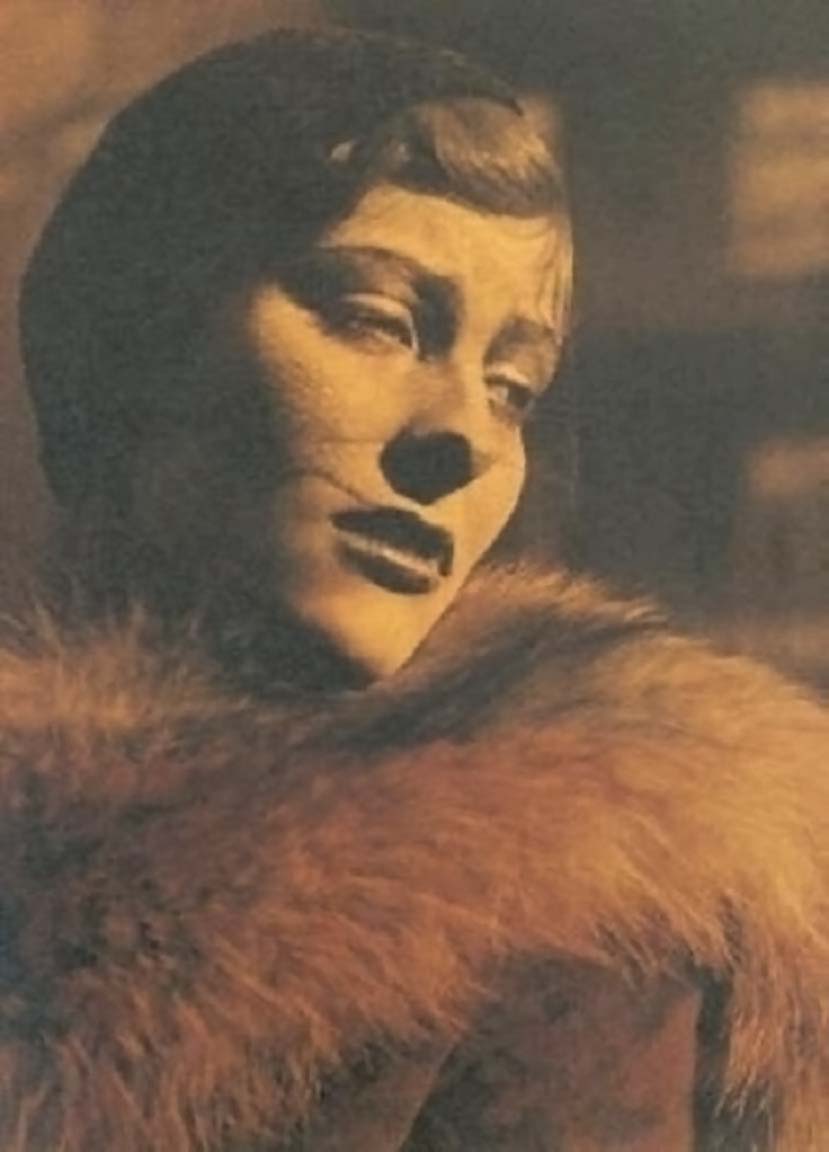
Josef Breitenbach – Portrait of the actress Marianne Hoppe, 1933 ©The Josef Breitenbach Trust.
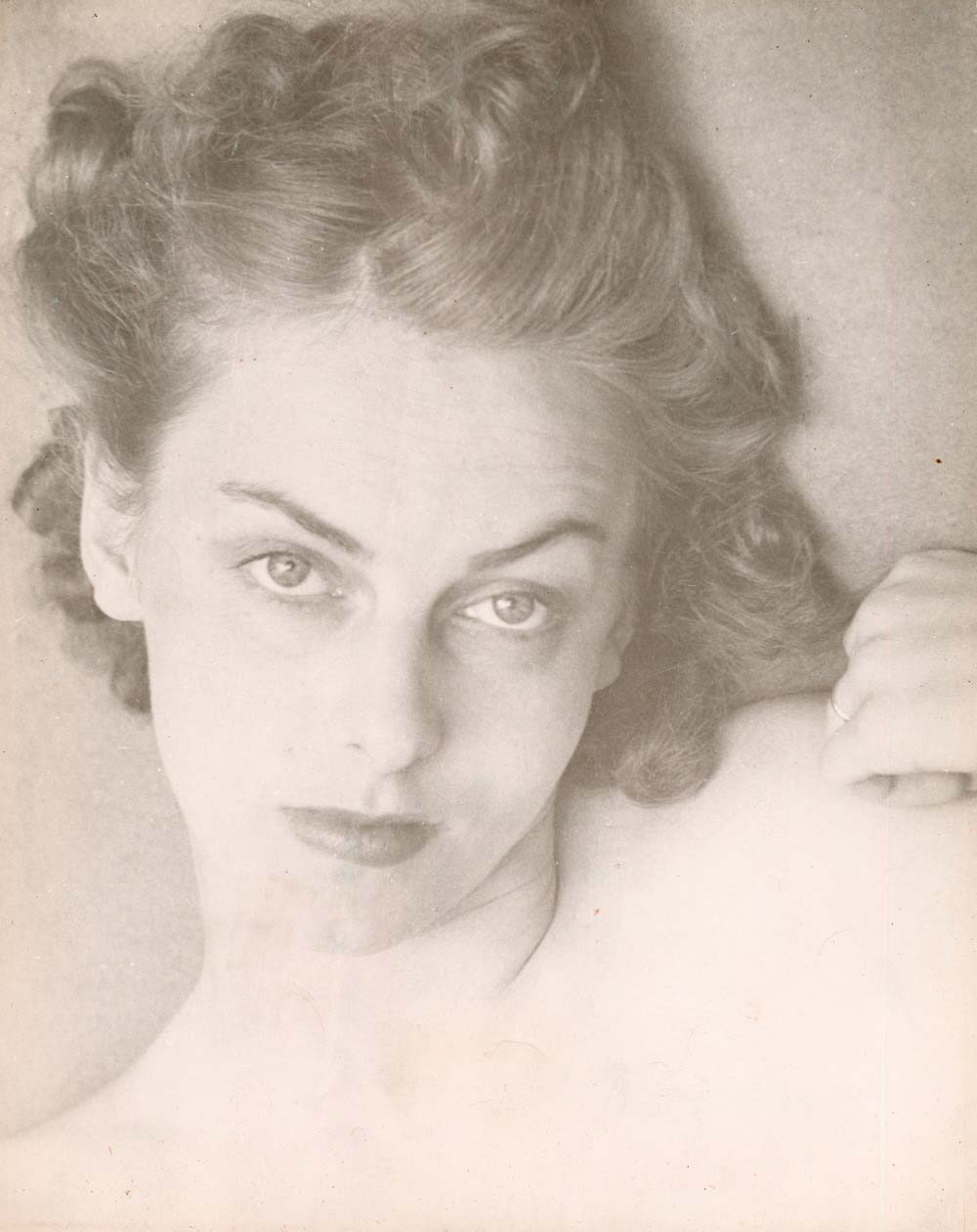
Josef Breitenbach- Sheila ,New York, 1942 ©The Josef Breitenbach Trust.
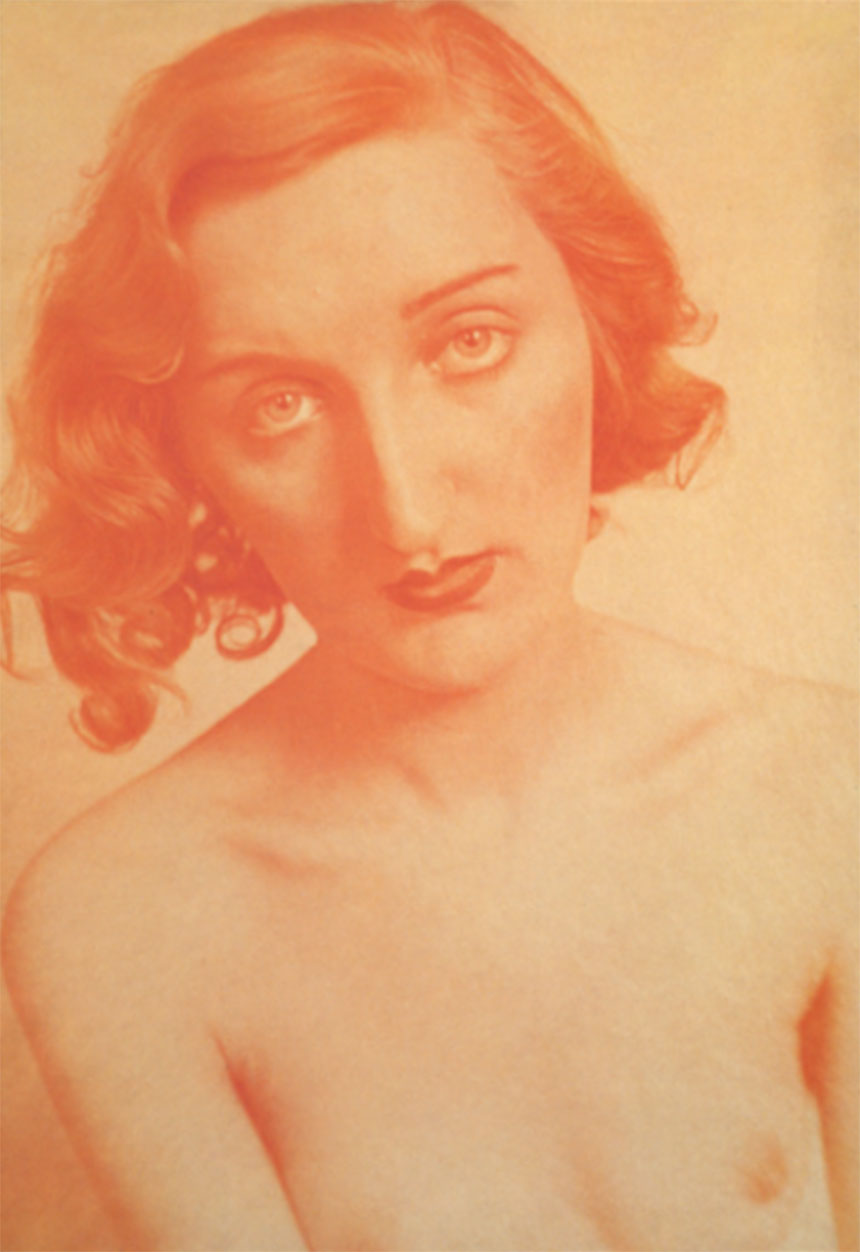
Josef Breitenbach-Aktportrait, Paris, 1933-1939. © The Josef Breitenbach Trust.

Josef Breitenbach-Portrait, 1930s , Gelatin silver print © The Josef Breitenbach Trust.
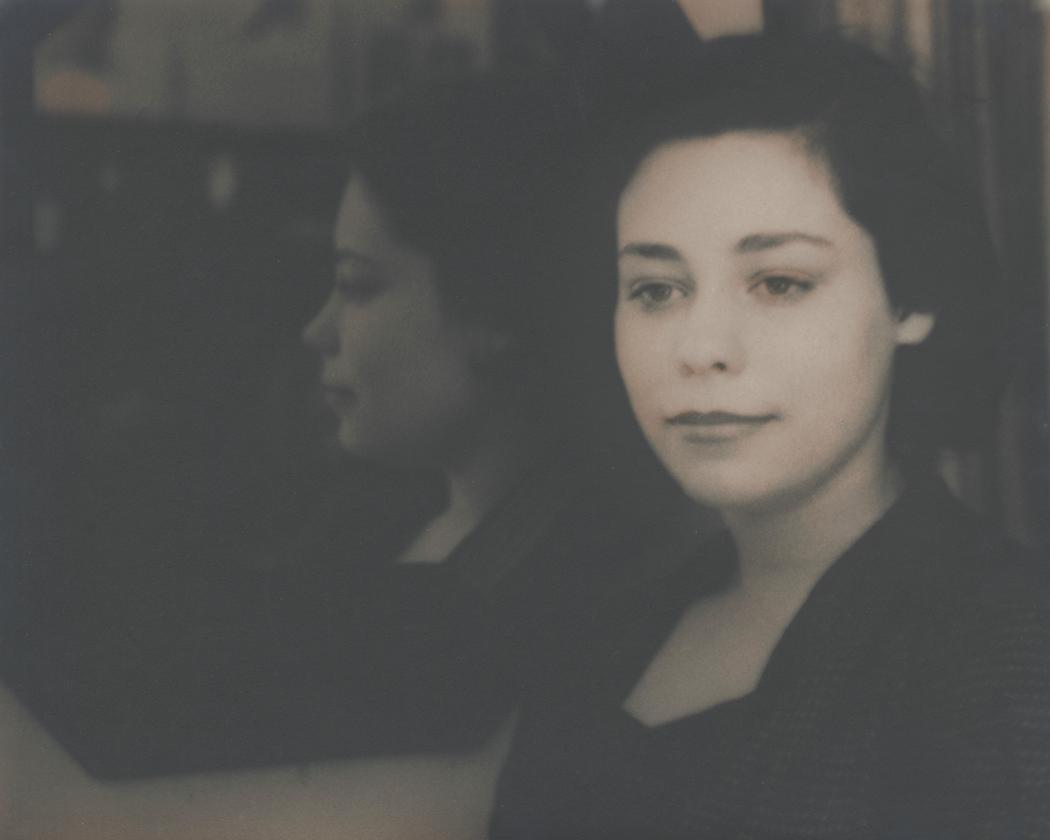
Josef Breitenbach-Portrait, 1930s , Gelatin silver print © The Josef Breitenbach Trust.
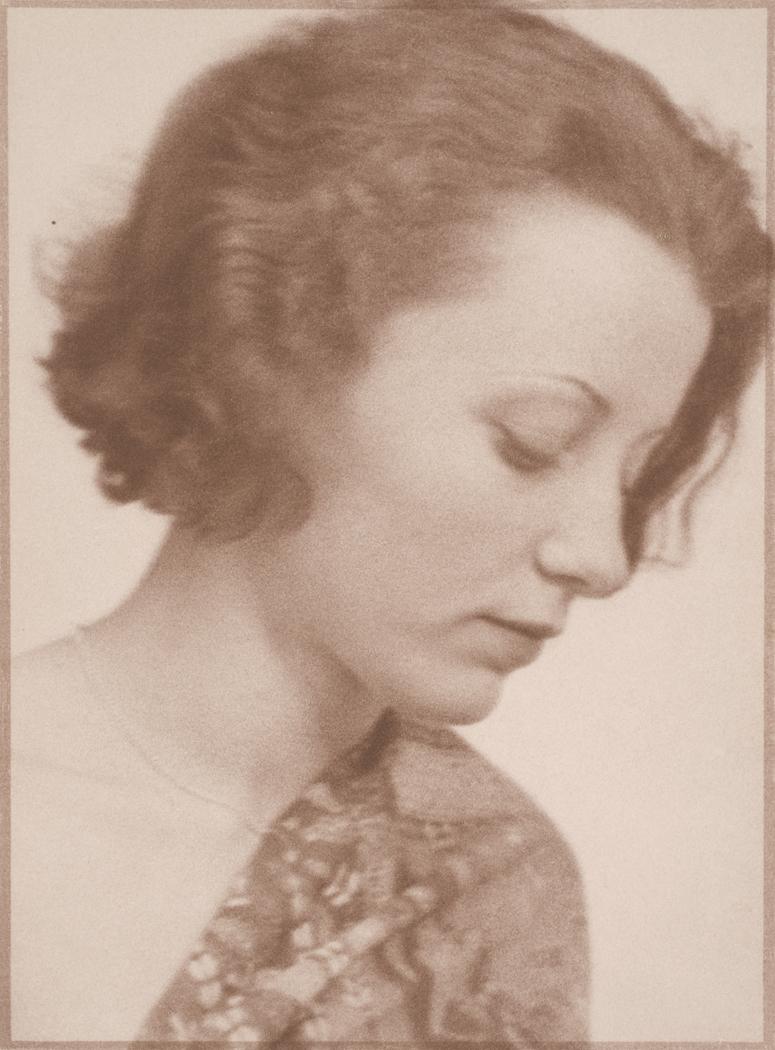
Josef Breitenbach- Portrait of a lady, Munich, 1932, Munich,, Gelatin silver print© The Josef Breitenbach Trust.
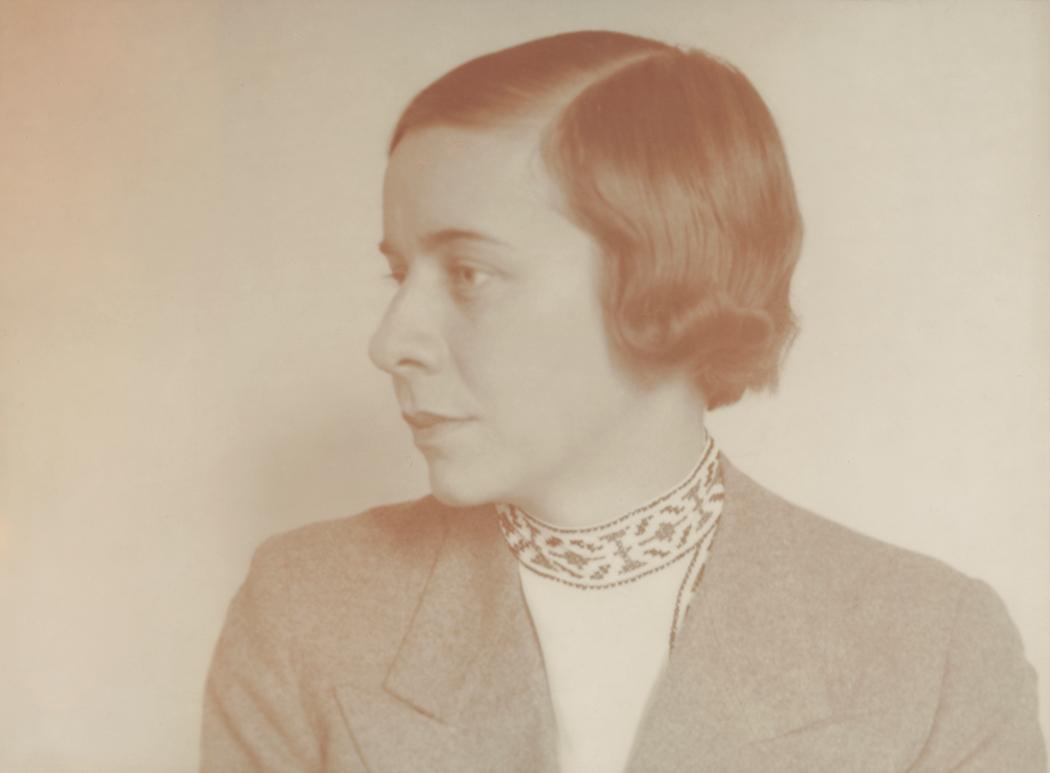
Josef Breitenbach-Untitled , Paris 1936 © The Josef Breitenbach Trust.
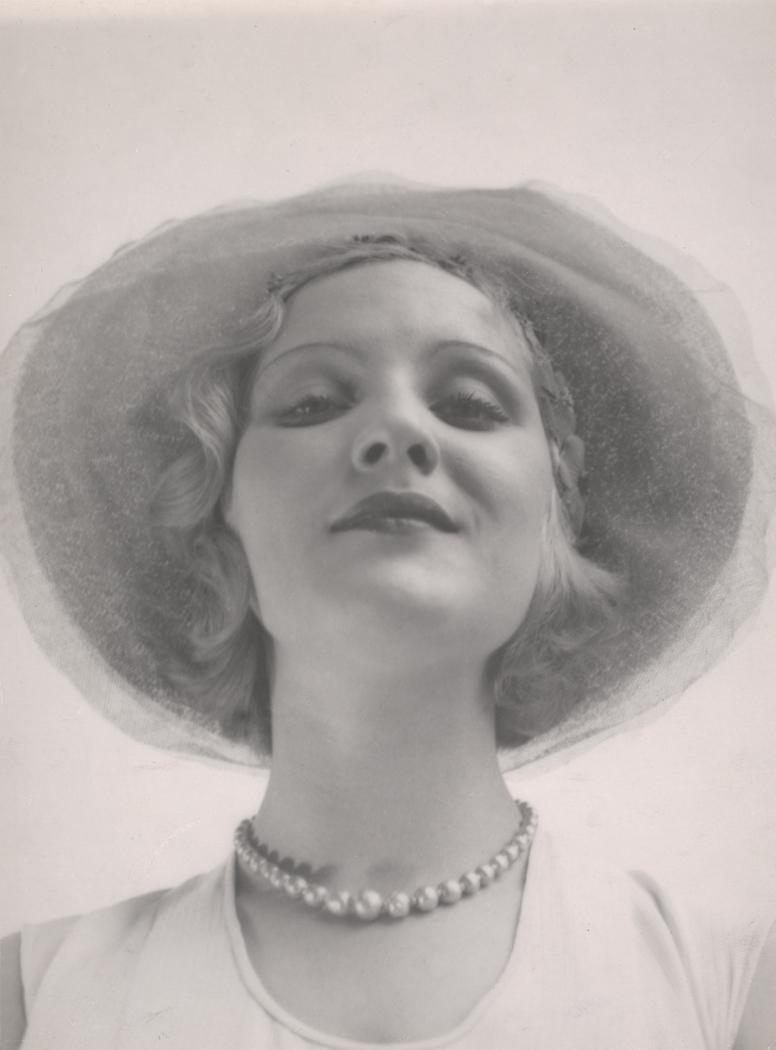
Josef Breitenbach-Edith d’Amara, 1932, Munich,, Gelatin silver print© The Josef Breitenbach Trust.

Josef Breitenbach- Patricia, New York, 1942, Vintage toned gelatin silver print © The Josef Breitenbach Trust
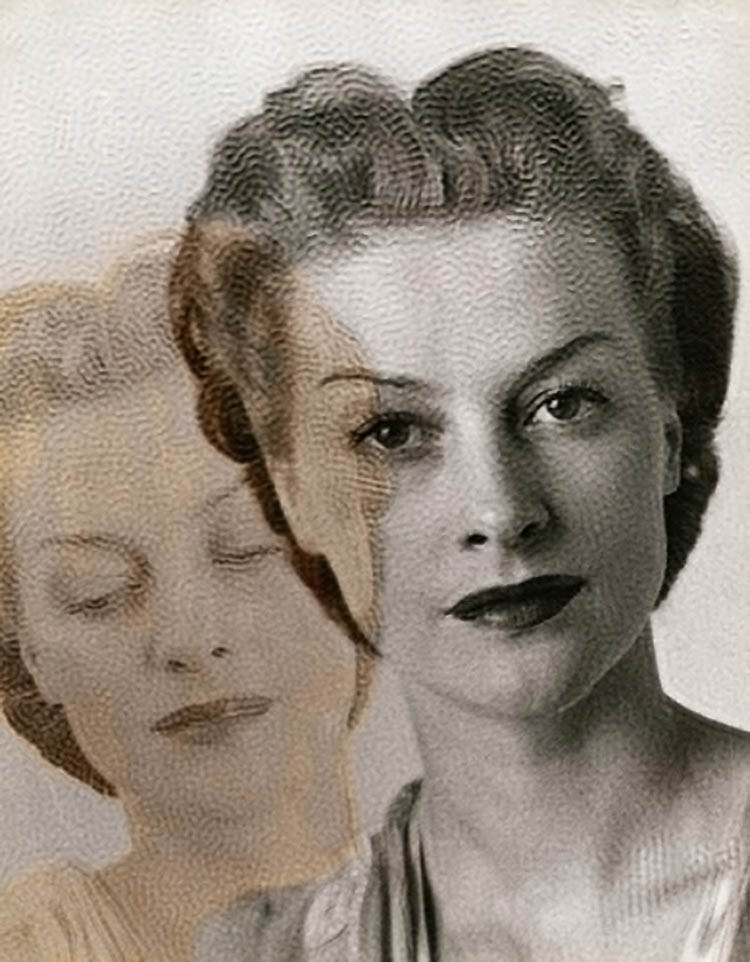
Josef Breitenbach- A Woman and Her Conscience, New York, 1945, Vintage toned gelatin silver print ©The Josef Breitenbach Trust.

Josef Breitenbach- Annabella, 1933-39, Vintage gelatin silver print ©The Josef Breitenbach Trust.

Josef Breitenbach- Woman in costume of shiny material with cape and hood, 1930s © The Josef Breitenbach Trust
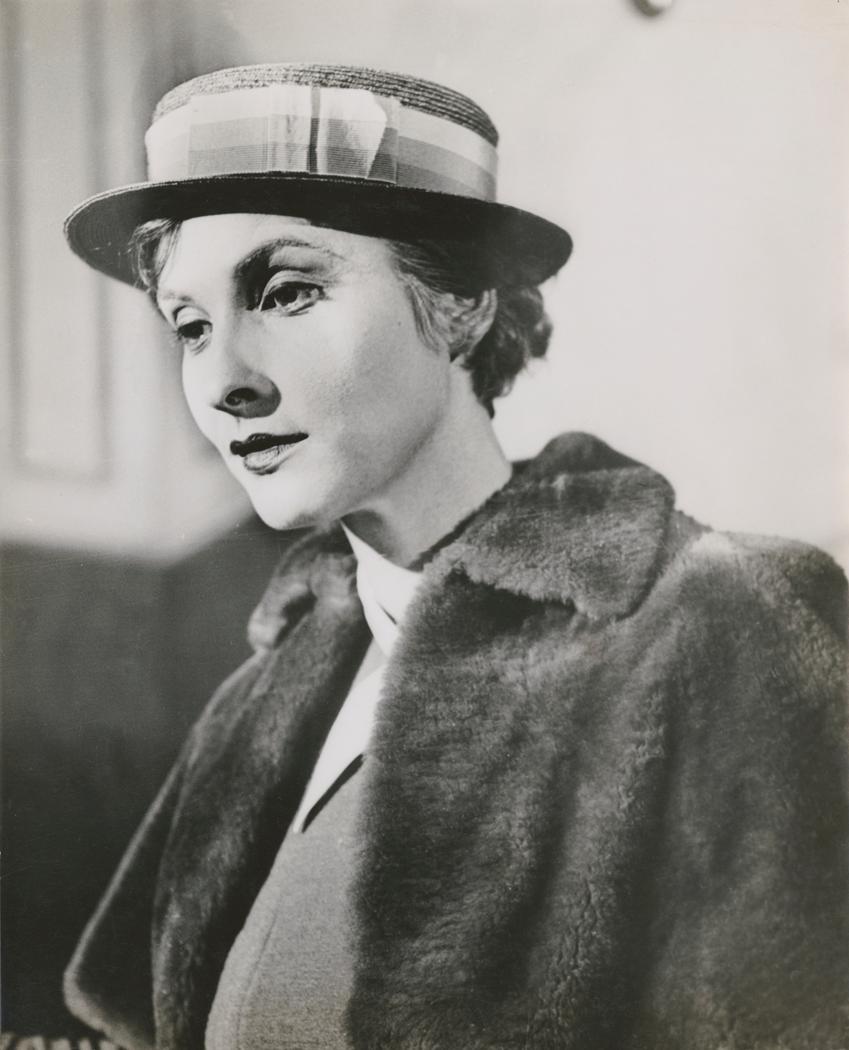
Josef Breitenbach-Sybille Binder, 1932 © The Josef Breitenbach Trust
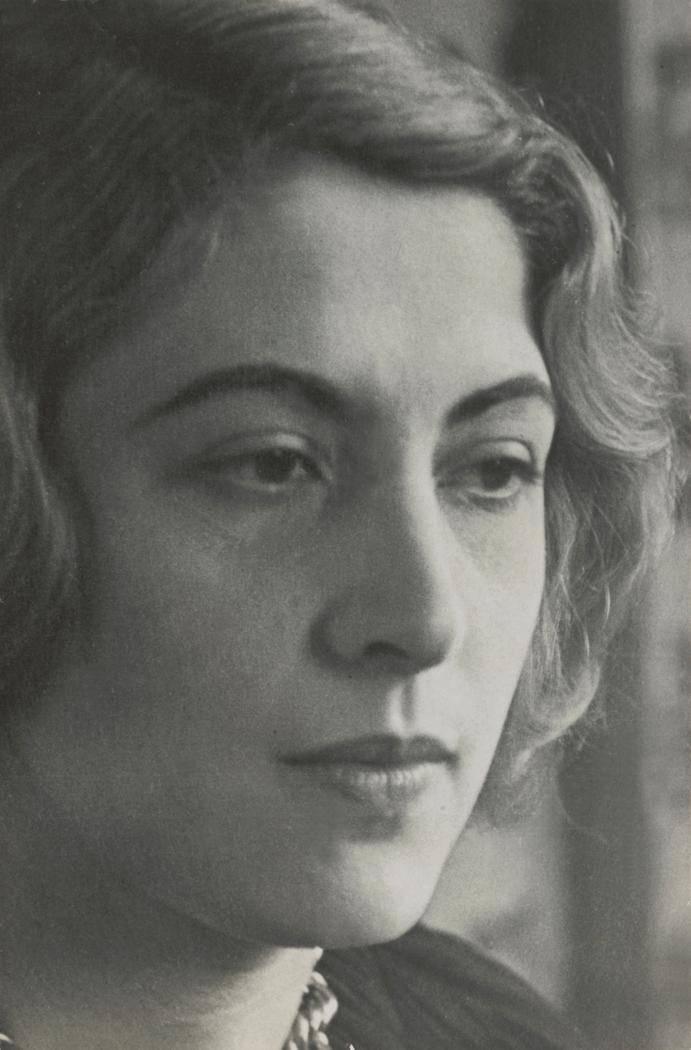
Josef Breitenbach-Portrait ofSchoura Alperin, 1934 Paris, Gelatin silver print © The Josef Breitenbach Trust.
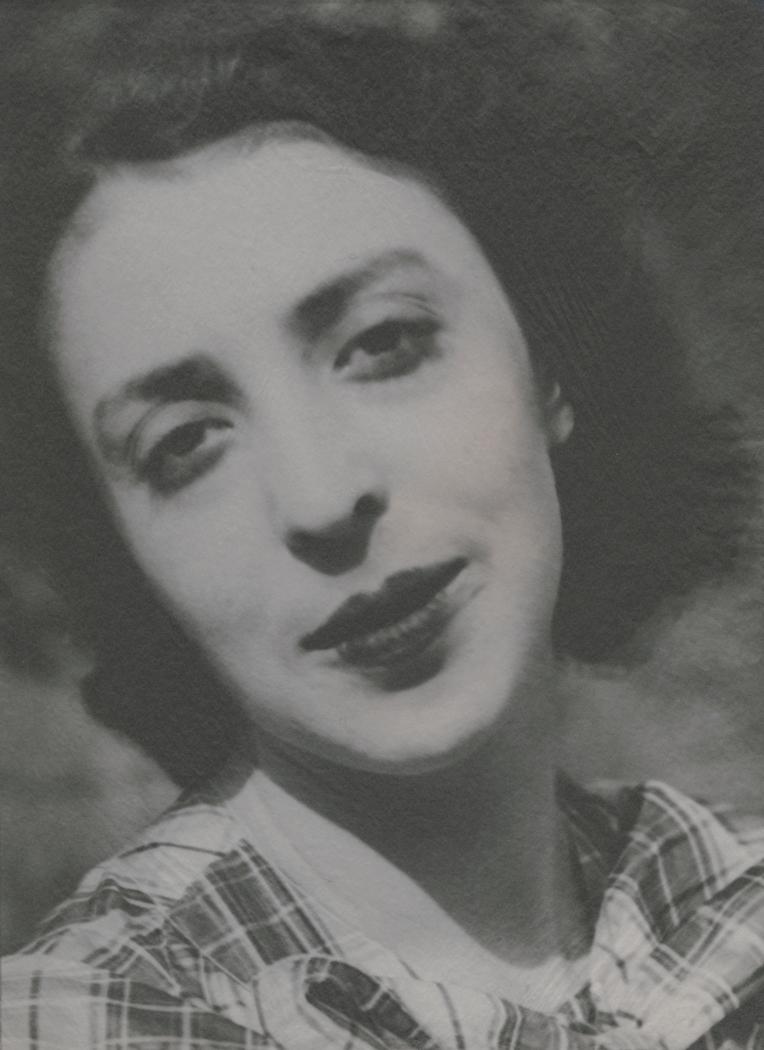
Josef Breitenbach-Portrait, 1935 Paris, Gelatin silver print © The Josef Breitenbach Trust.

Josef Breitenbach-Portrait of Ruth Harris 1933-39 Paris, Gelatin silver print © The Josef Breitenbach Trust.

Josef Breitenbach-Aristide Maillol, Marly-Le-Roy, 1934 © The Josef Breitenbach Trust

Josef Breitenbach- Portrait of Man Ray, 1967, Gelatin silver print © The Josef Breitenbach Trust.

Josef Breitenbach-Portrait of Max Ernst and Marie-Berthe Aurenche, 1936 Paris, Gelatin silver print © The Josef Breitenbach Trust.
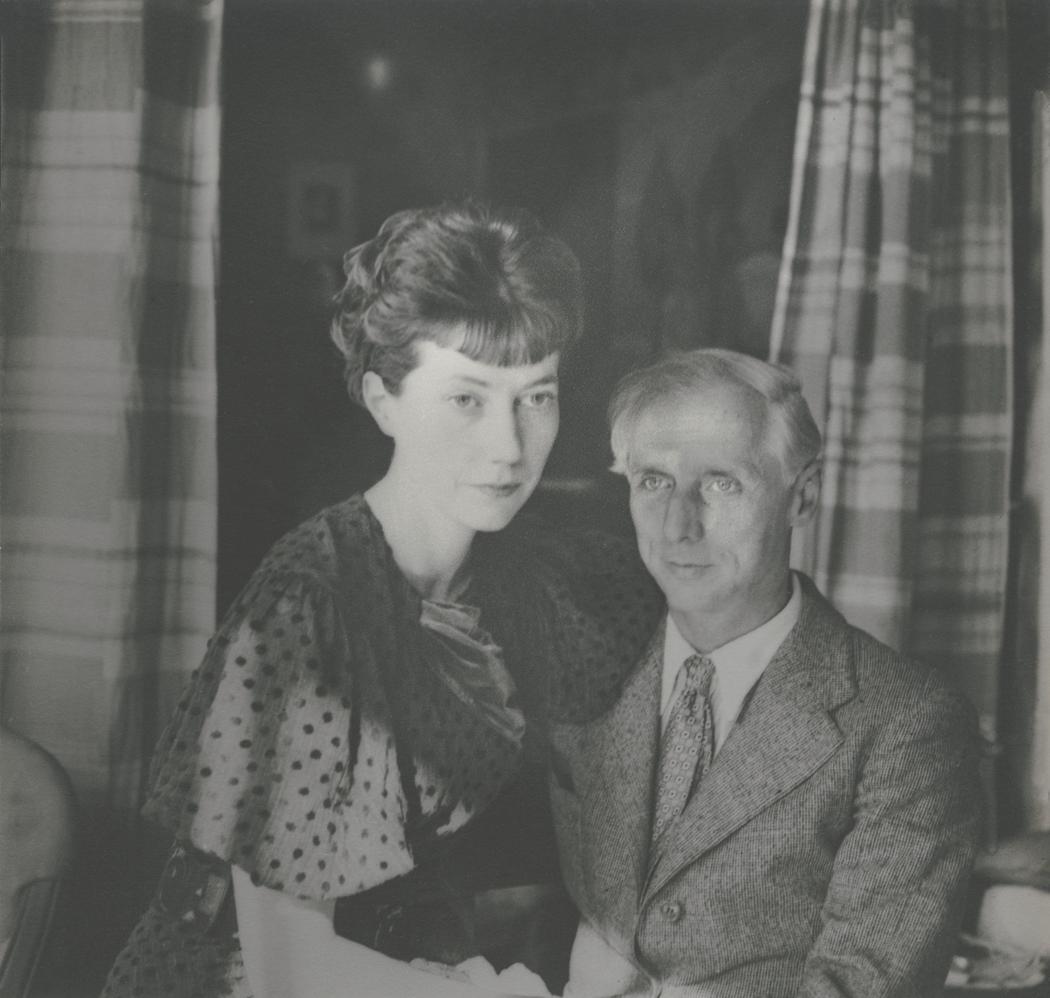
Josef Breitenbach-Portrait of Max Ernst and Marie-Berthe Aurenche, 1936 Paris, Gelatin silver print © The Josef Breitenbach Trust.

Josef Breitenbach-Portrait of Max Ernst , 1938 Paris, Gelatin silver print © The Josef Breitenbach Trust.
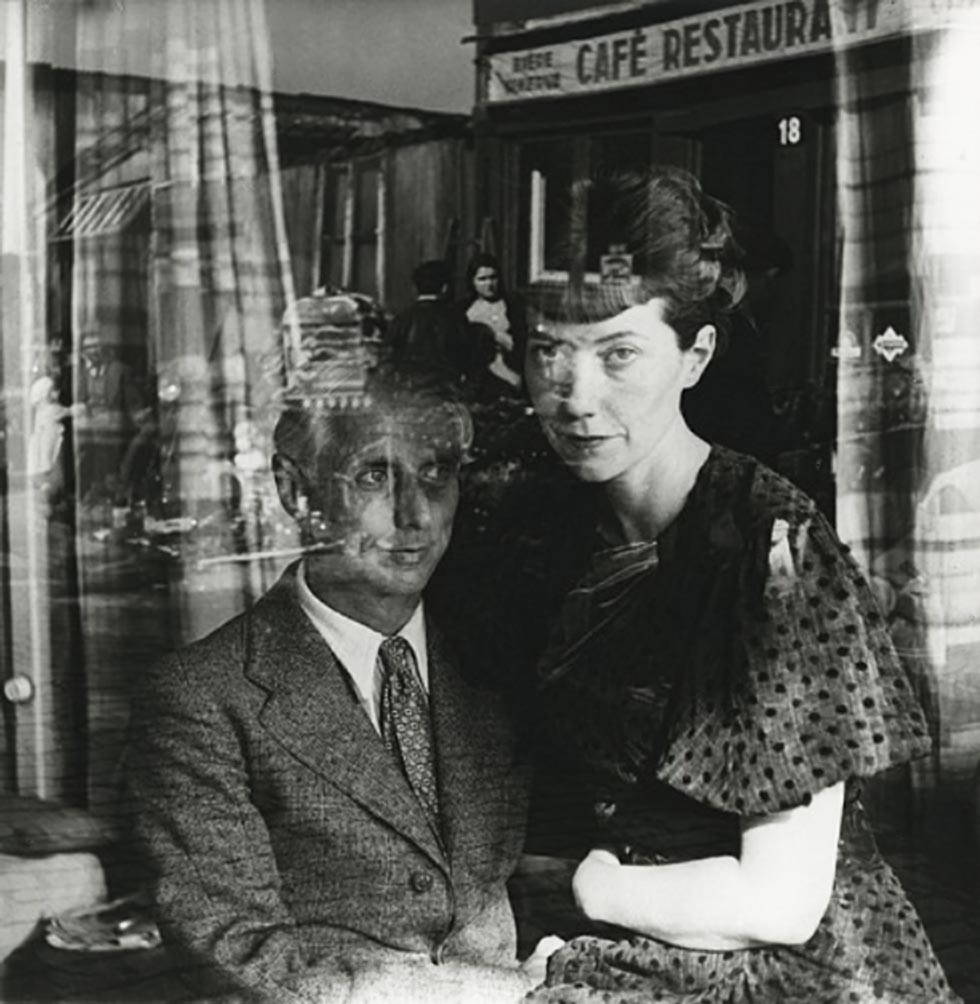
Josef Breitenbach- Max Ernst and his wife, Marie-Berthe Aurenche, Paris, 1936, Early gelatin silver print; printed c. 1942-1948 © The Josef Breitenbach Trust
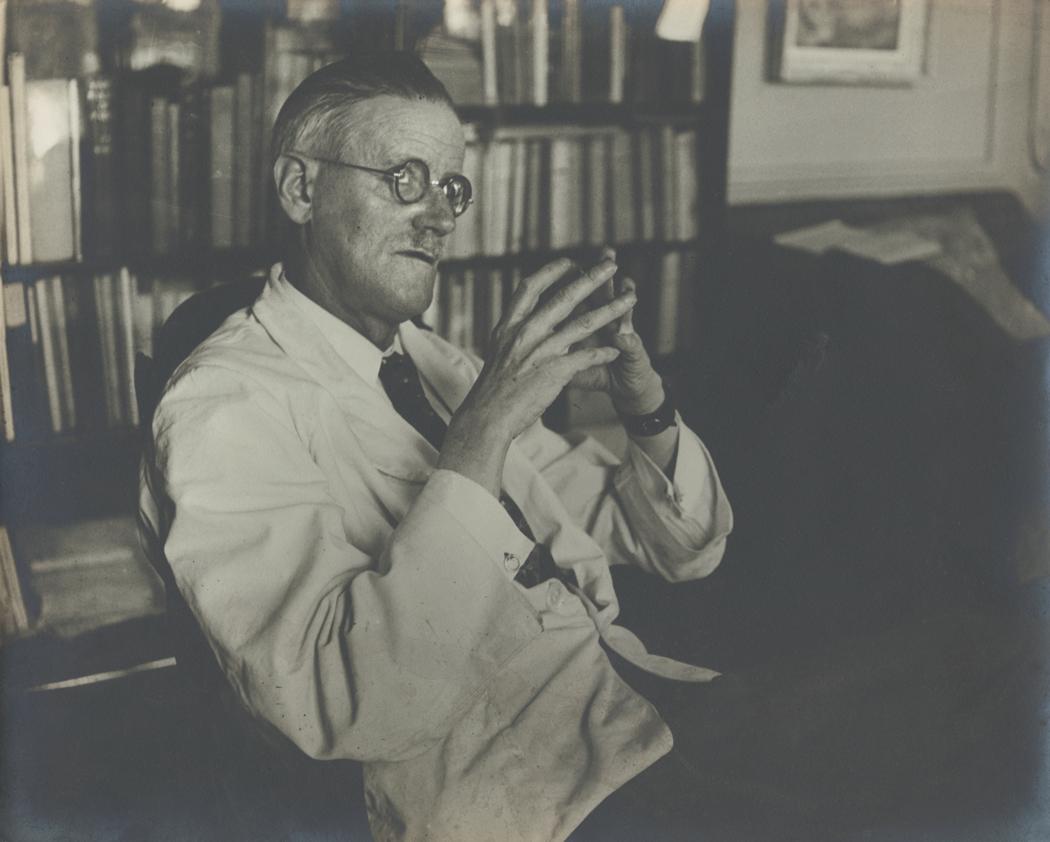
Josef Breitenbach- James Joyce, Paris, 1937 © The Josef Breitenbach Trust

Josef Breitenbach-Wassily Kandinsky, Neuilly-sur-Seine 1938 © The Josef Breitenbach Trust
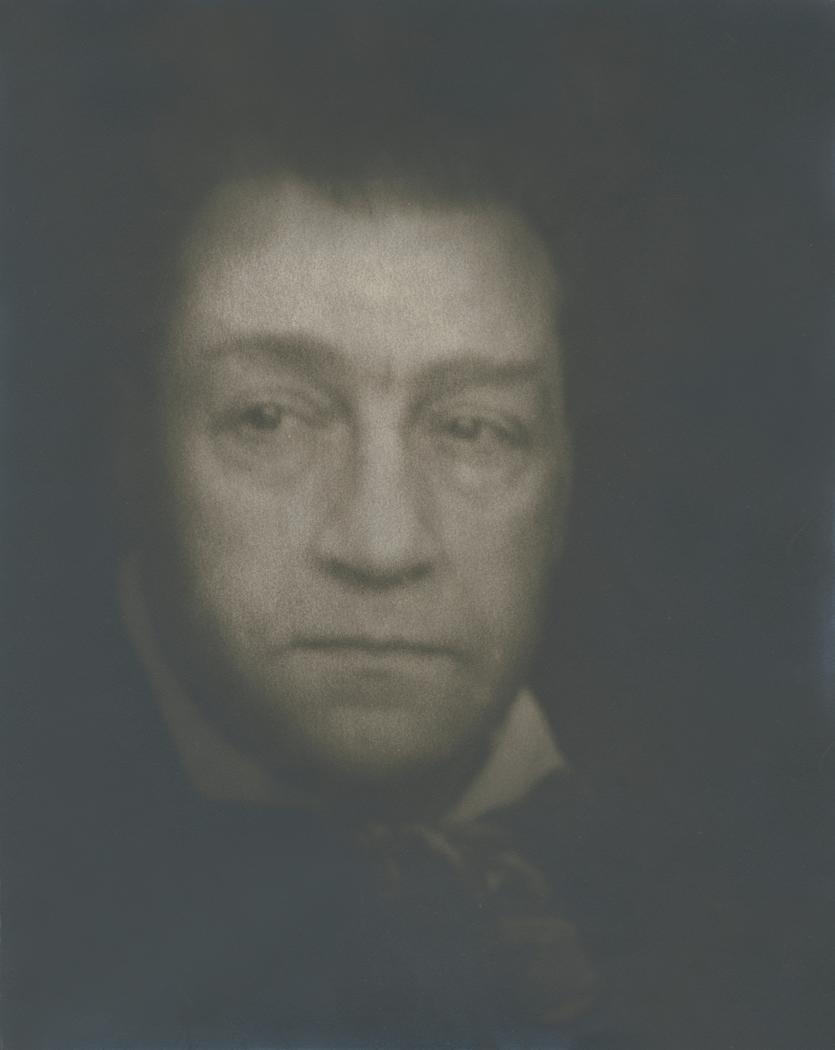
Josef Breitenbach- Portrait of the Actor Sacha Guitry, Paris, 1938, Gelatin silver print © The Josef Breitenbach Trust.
![Josef Breitenbach-Japanese female mask, fabric background], ca. 1940s](https://lapetitemelancolie.net/wp-content/uploads/2012/10/josef-breitenbach-japanese-female-mask-fabric-background-ca-1940s.jpg)
Josef Breitenbach-Japanese female mask, fabric background], ca. 1940s

Josef Breitenbach-Close-up of woman’s eye, 1940s © The Josef Breitenbach Trust

Josef Breitenbach-Sculpture Academy, Paris, 1935, gelatin silver print © The Josef Breitenbach Trust

Josef Breitenbach-Sculpture Academy, Paris, 1935, gelatin silver print © The Josef Breitenbach Trust

Josef Breitenbach-Standing Nude (Back), 1930-39, Gelatin silver print© The Josef Breitenbach Trust.
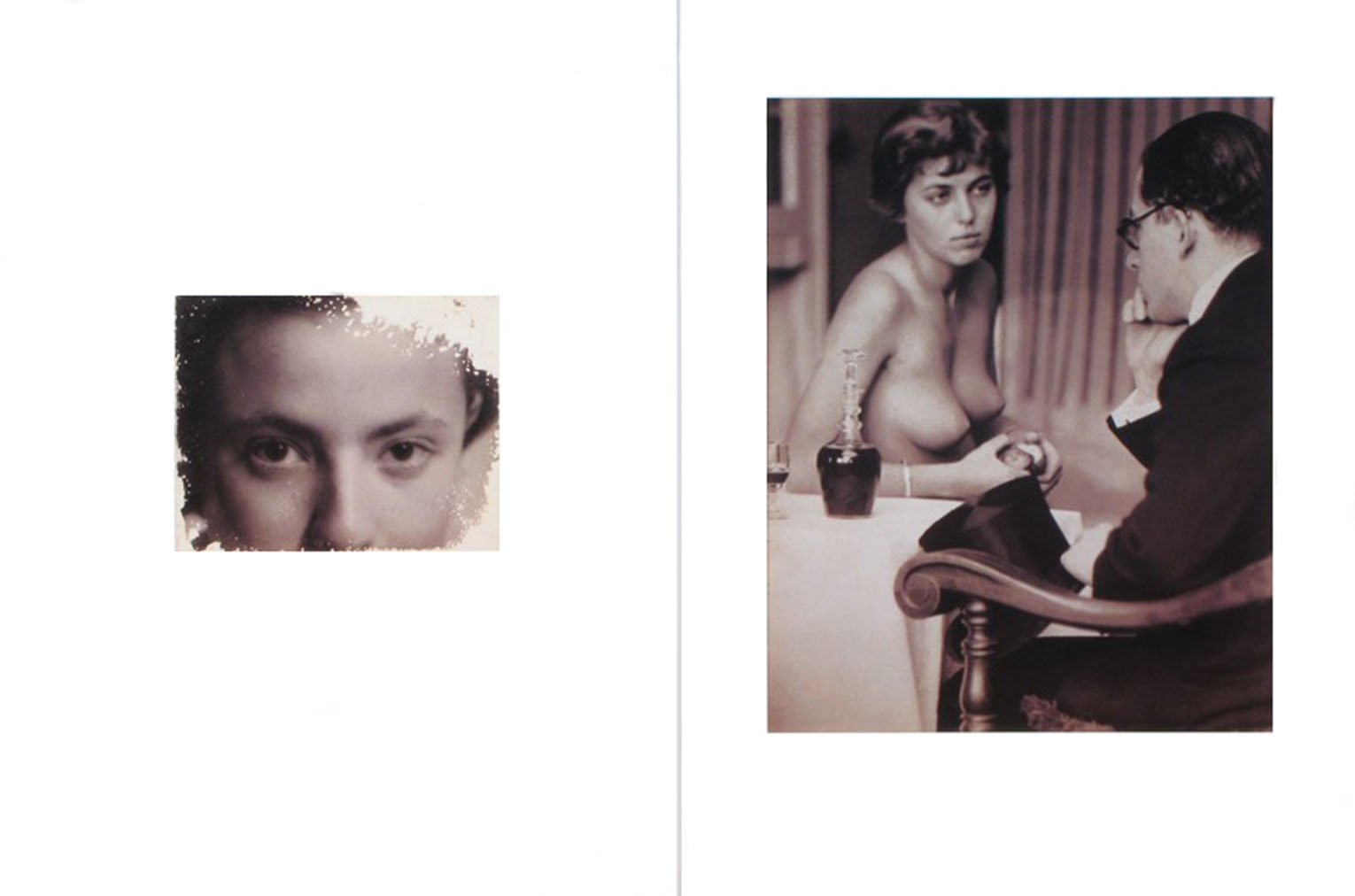
Josef Breitenbach-Dr. Riegler & J. Greno, Munich 1933 © The Josef Breitenbach Trust. from Manifesto By Josef Breitenbach , Ed° Nazraeli Press , 2008

Josef Breitenbach, Dr. Riegler and J. Greno, Munich, 1933 © The Josef Breitenbach Trust

Josef Breitenbach.Dr. Riegler and J. Greno – Munich,1933 Photogravure on wove paper © The Josef Breitenbach Trust

Josef Breitenbach-Dr. Riegler & J. Greno, Munich 1933 © The Josef Breitenbach Trust. from Manifesto By Josef Breitenbach , Ed° Nazraeli Press , 2008
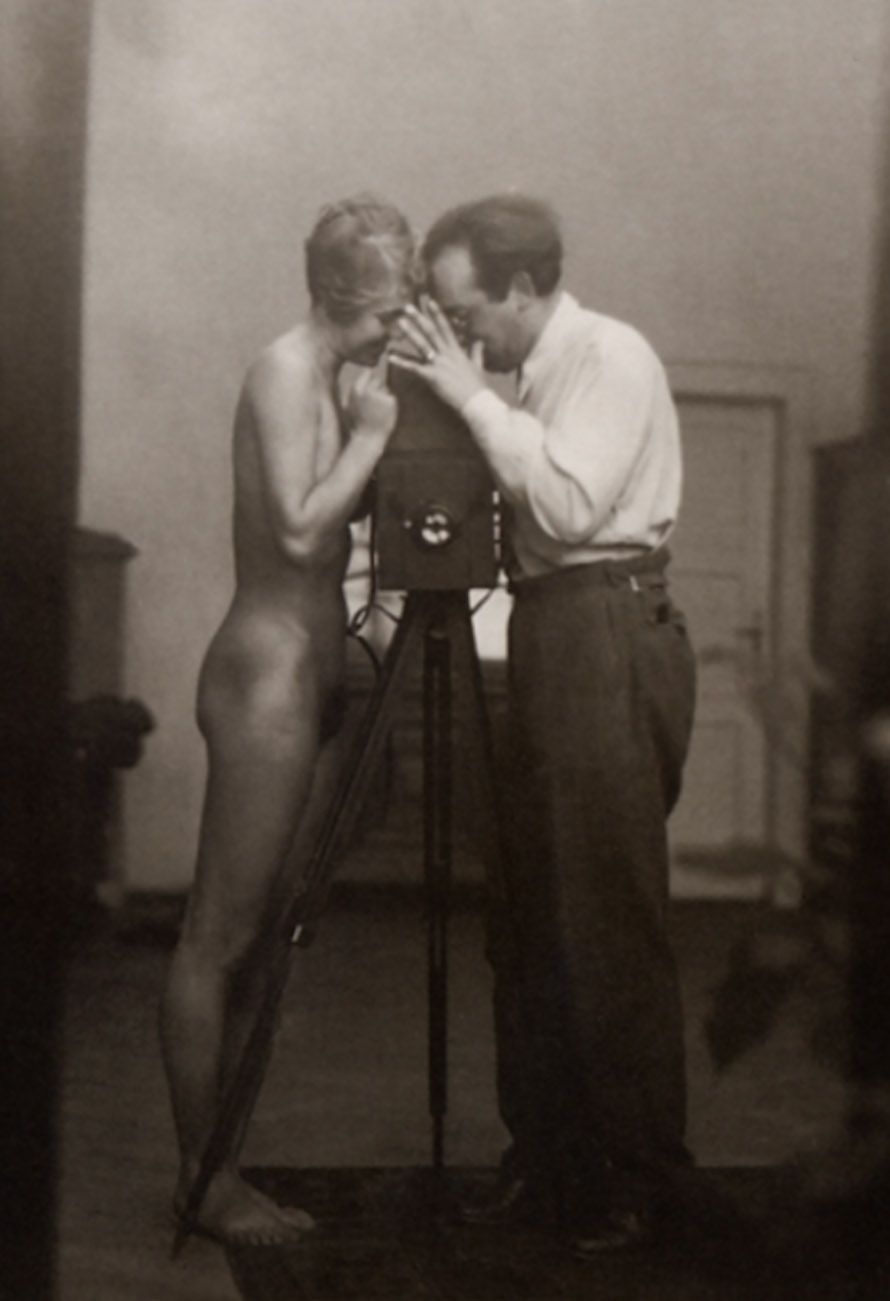
Josef Breitenbach – Self-Portrait with J. Greno ,1933 © The Josef Breitenbach Trust

Josef Breitenbach-Female Nude posing, , Nd,, Gelatin silver print© The Josef Breitenbach Trust.

Josef Breitenbach- Soft-focus bust of nude woman holding grapes, Paris, 1933 © The Josef Breitenbach Trust

Josef Breitenbach-Sonja, Munich, 1930-33, Gelatin silver print© The Josef Breitenbach Trust.
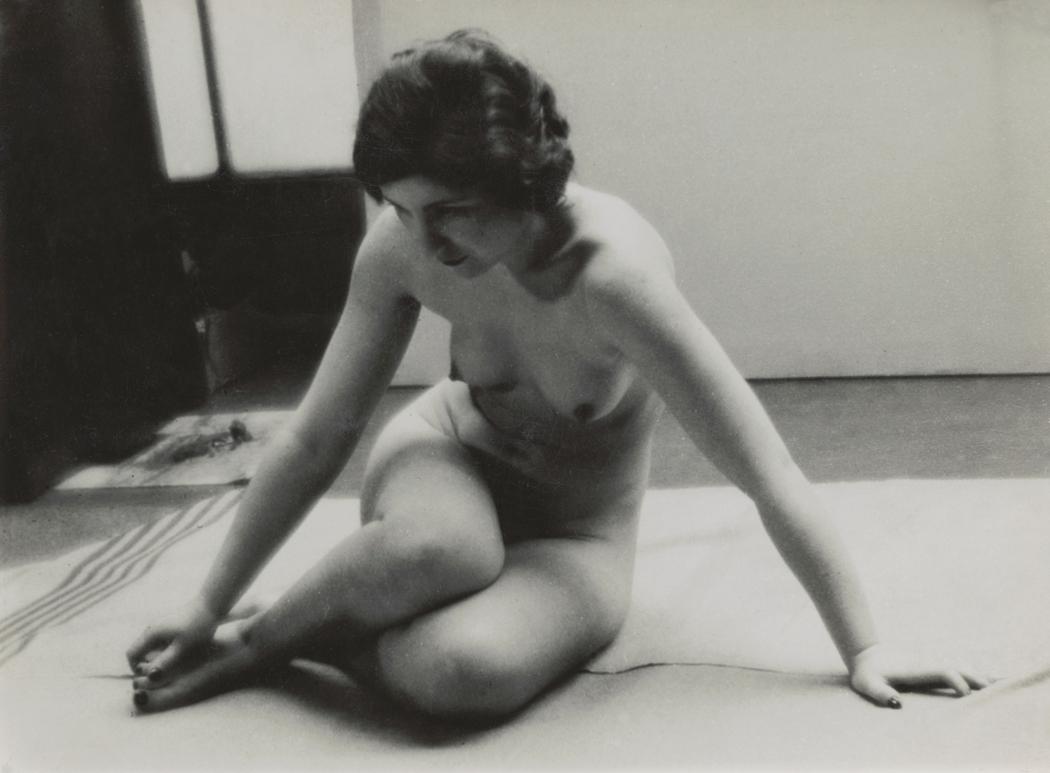
Josef Breitenbach- Female nude sitting on blanket, 1935, Gelatin silver print © The Josef Breitenbach Trust.

Josef Breitenbach- Standing female nude – front view, furnishings, 1932 © The Josef Breitenbach Trust

Josef Breitenbach- Untitled , female nude with dark fur and ornaments, 1940s © The Josef Breitenbach Trust

Josef Breitenbach- Untitled , female nude with dark fur and ornaments, 1940s © The Josef Breitenbach Trust
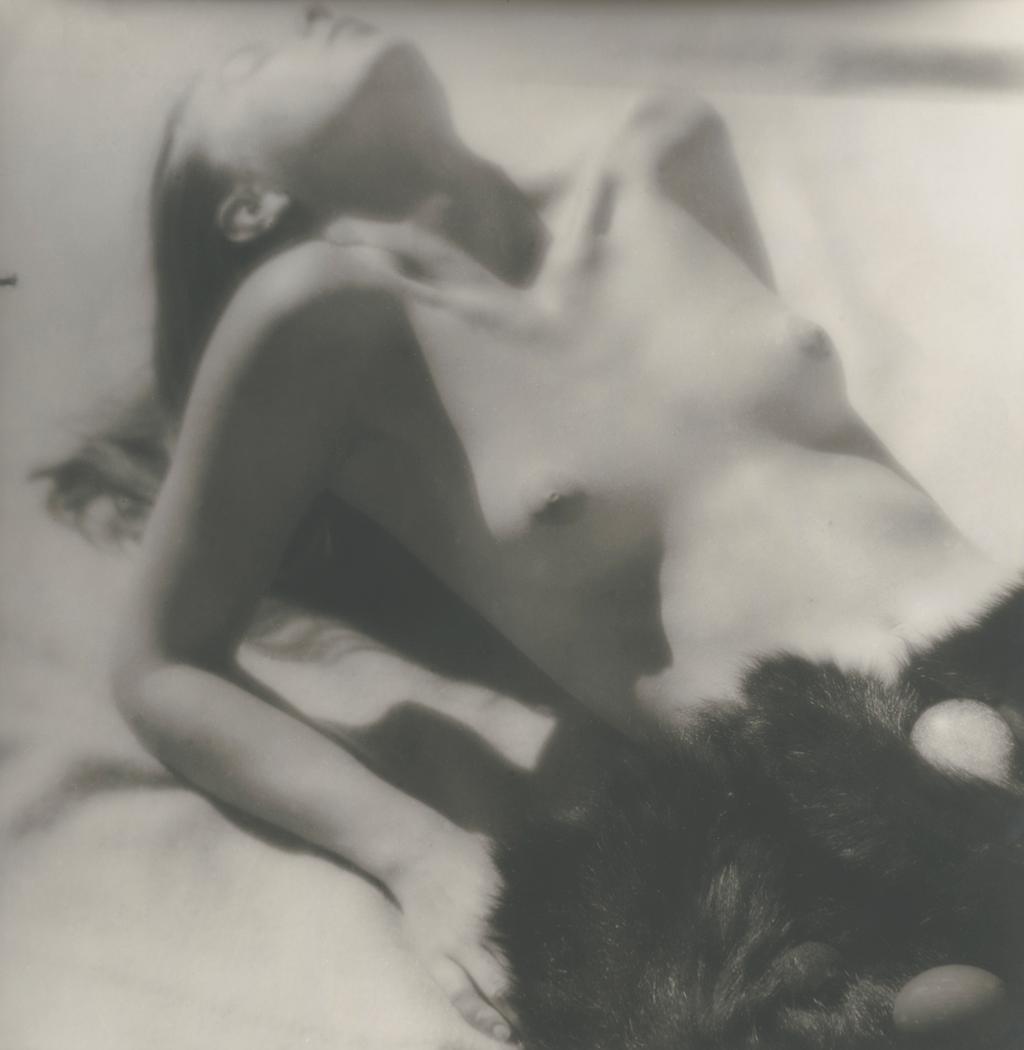
Josef Breitenbach -Untitled, 1940s © The Josef Breitenbach Trust

Josef Breitenbach-We New Yorkers, 1942 © The Josef Breitenbach Trust

Josef Breitenbach- Electric Back, New York, 1949 toned gelatin silver print , montage © The Josef Breitenbach Trust
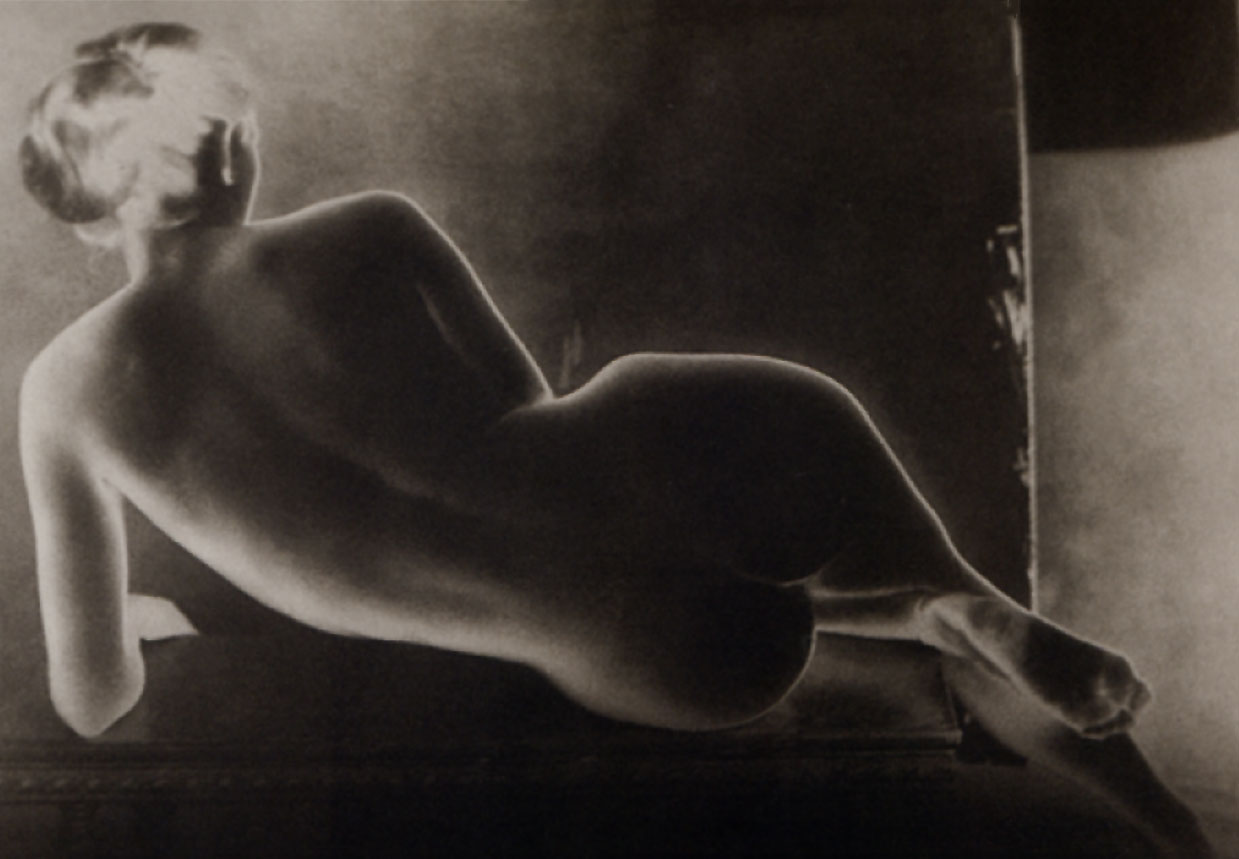
Josef Breitenbach- Medical Illustration, New York, 1949 Aus einer Serie für McCalls Magazine © The Josef Breitenbach Trust

Josef Breitenbach- Emerging Torso, 1942-48, toned gelatin silver print © The Josef Breitenbach Trust
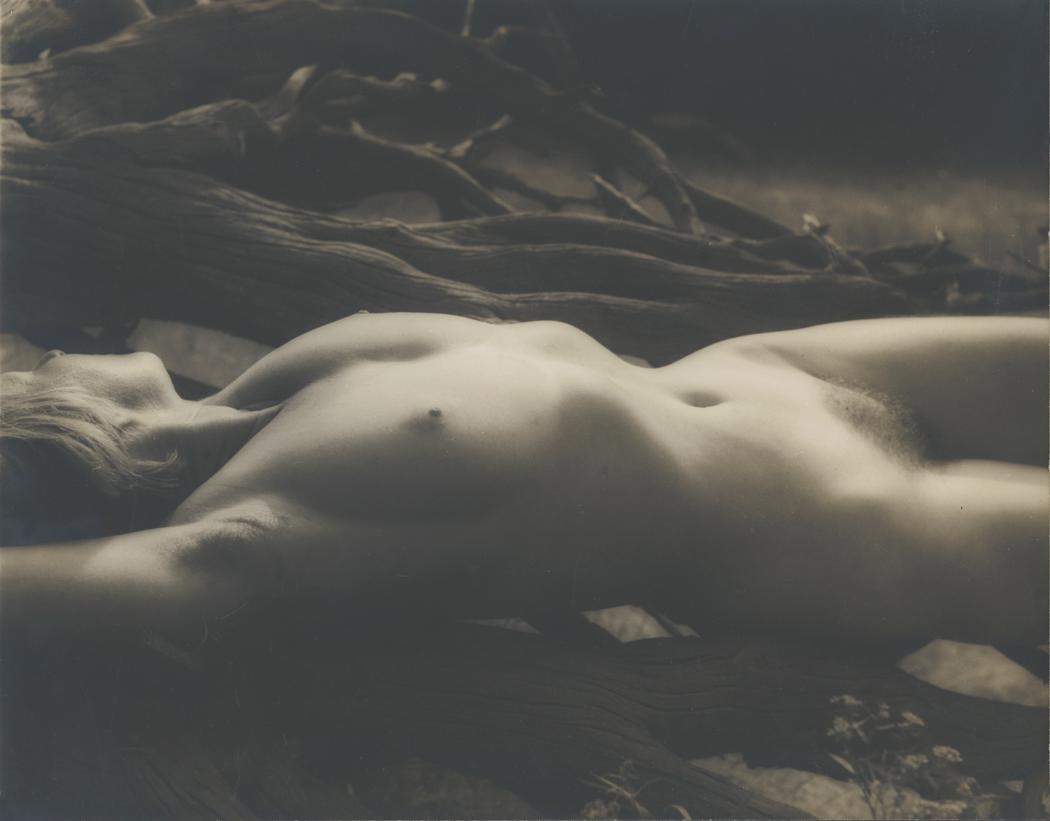
Josef Breitenbach-Adirondacks, , 1948,, Gelatin silver print© The Josef Breitenbach Trust.

Josef Breitenbach- Portraits with Make Up,model Patricia & Josef Breitenbach, New York, 1945, Vintage gelatin silver print© The Josef Breitenbach Trust
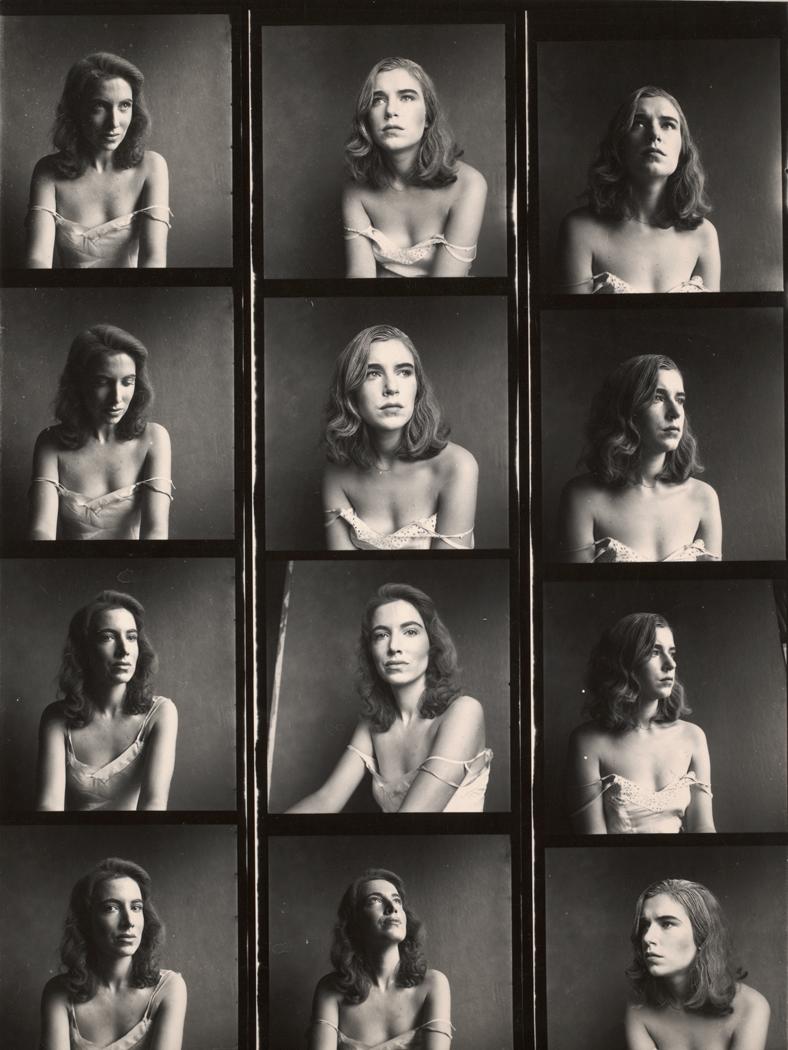
Josef Breitenbach- Woman Transformed, model Patricia, New York 1942 © The Josef Breitenbach Trust
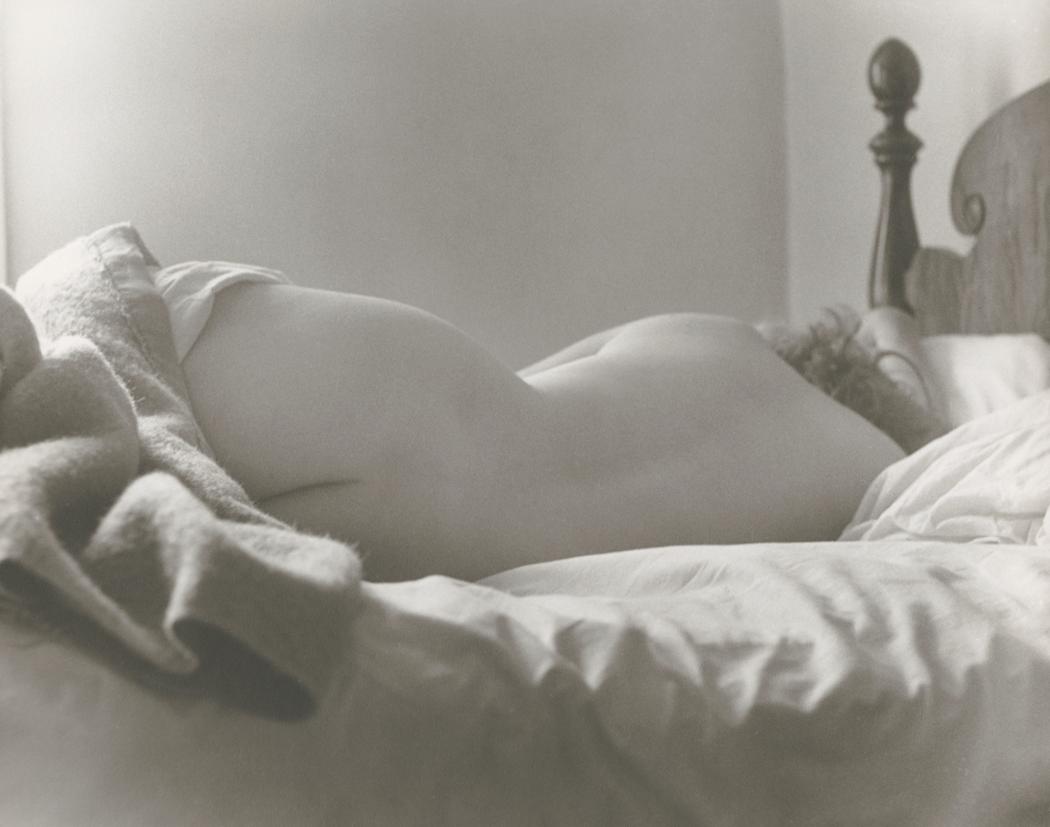
Josef Breitenbach -Morning, 1950 © The Josef Breitenbach Trust

Josef Breitenbach – Untitled, 1950s © The Josef Breitenbach Trust

Josef Breitenbach- Untitled ,Nude, 1950s © The Josef Breitenbach Trust

Josef Breitenbach- Portrait, Paris, 1933-39, Vintage gelatin silver print ©The Josef Breitenbach Trust.
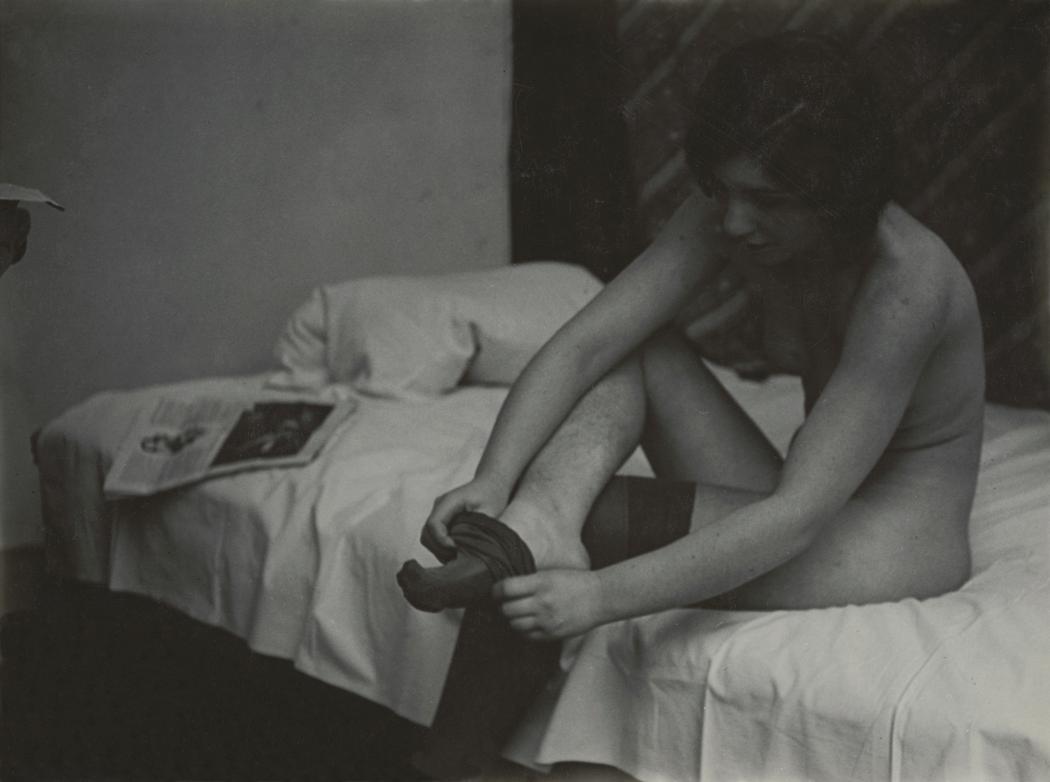
Josef Breitenbach- Untitled , 1935 © The Josef Breitenbach Trust
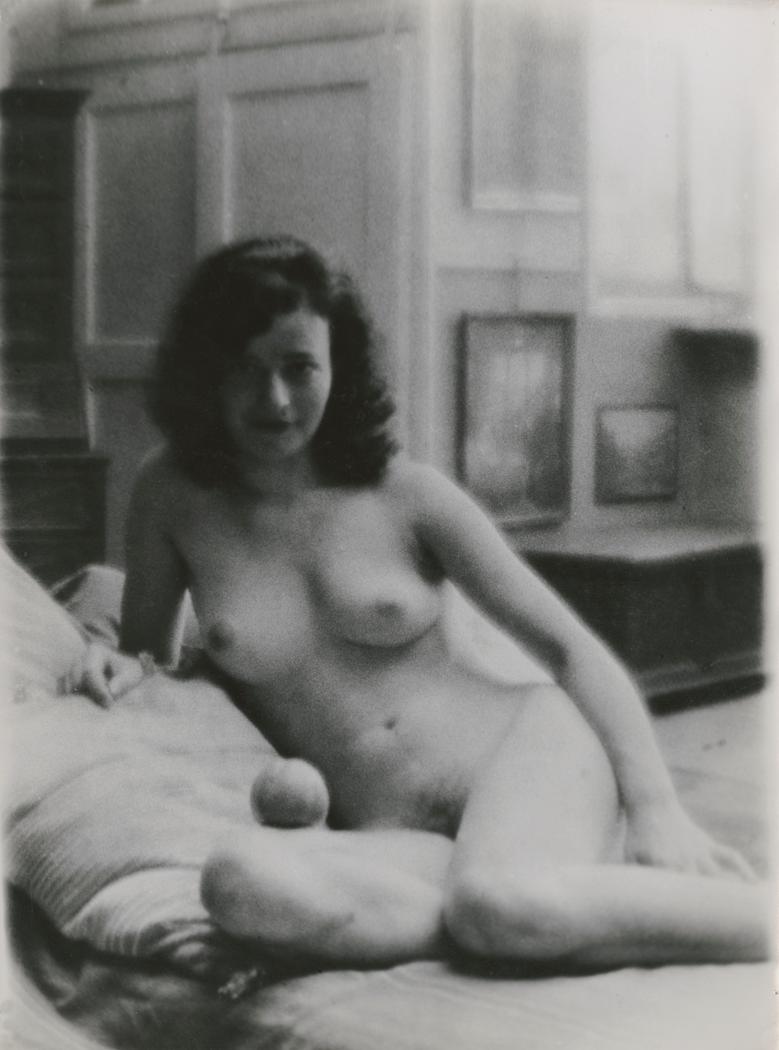
Josef Breitenbach- Untitled , Germany, Munich, 1933 © The Josef Breitenbach Trust
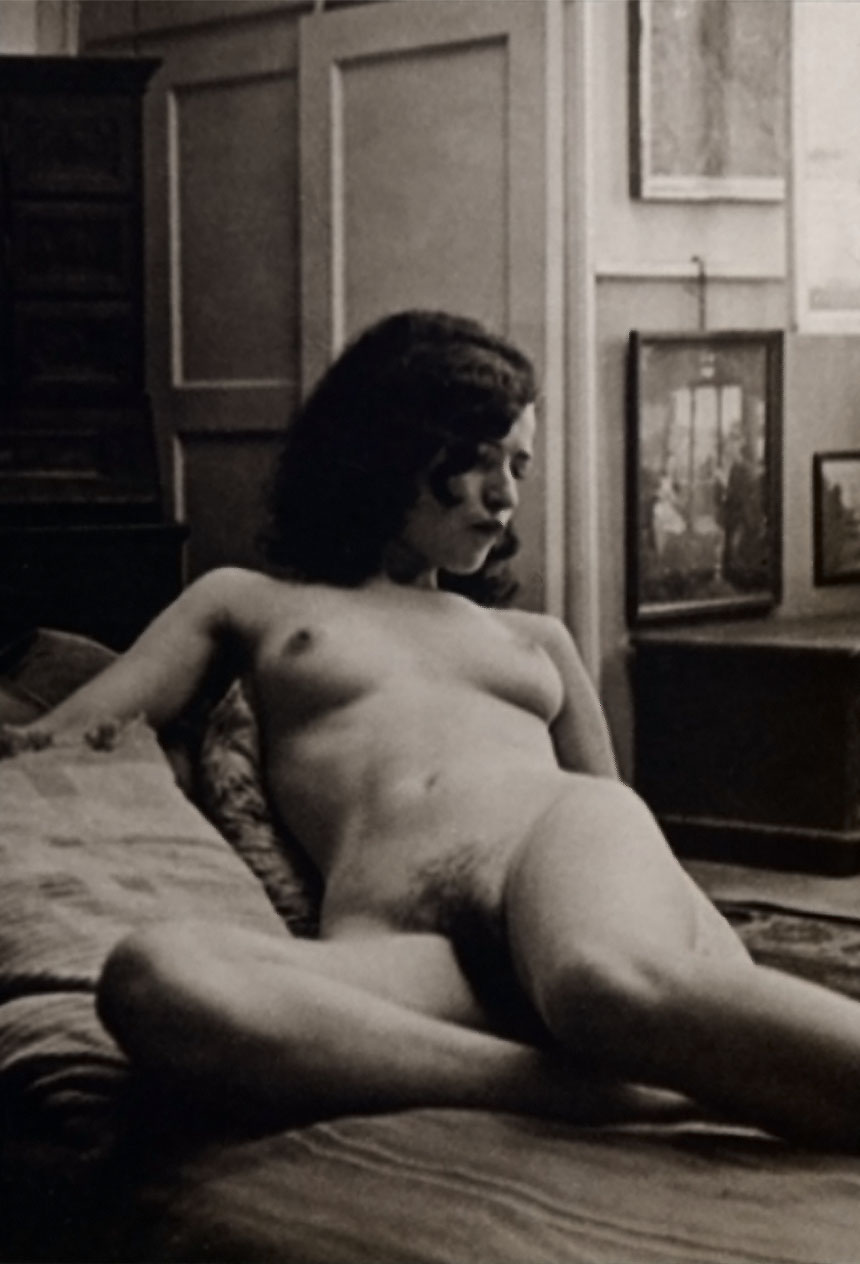
Josef Breitenbach- Nu, Germany, Munich, , 1933 © The Josef Breitenbach Trust

Josef Breitenbach-nude girl lying in gras, 1950s © The Josef Breitenbach Trust

Josef Breitenbach- Nude woman in the river,New York, 1953, , Gelatin silver print © The Josef Breitenbach Trust.
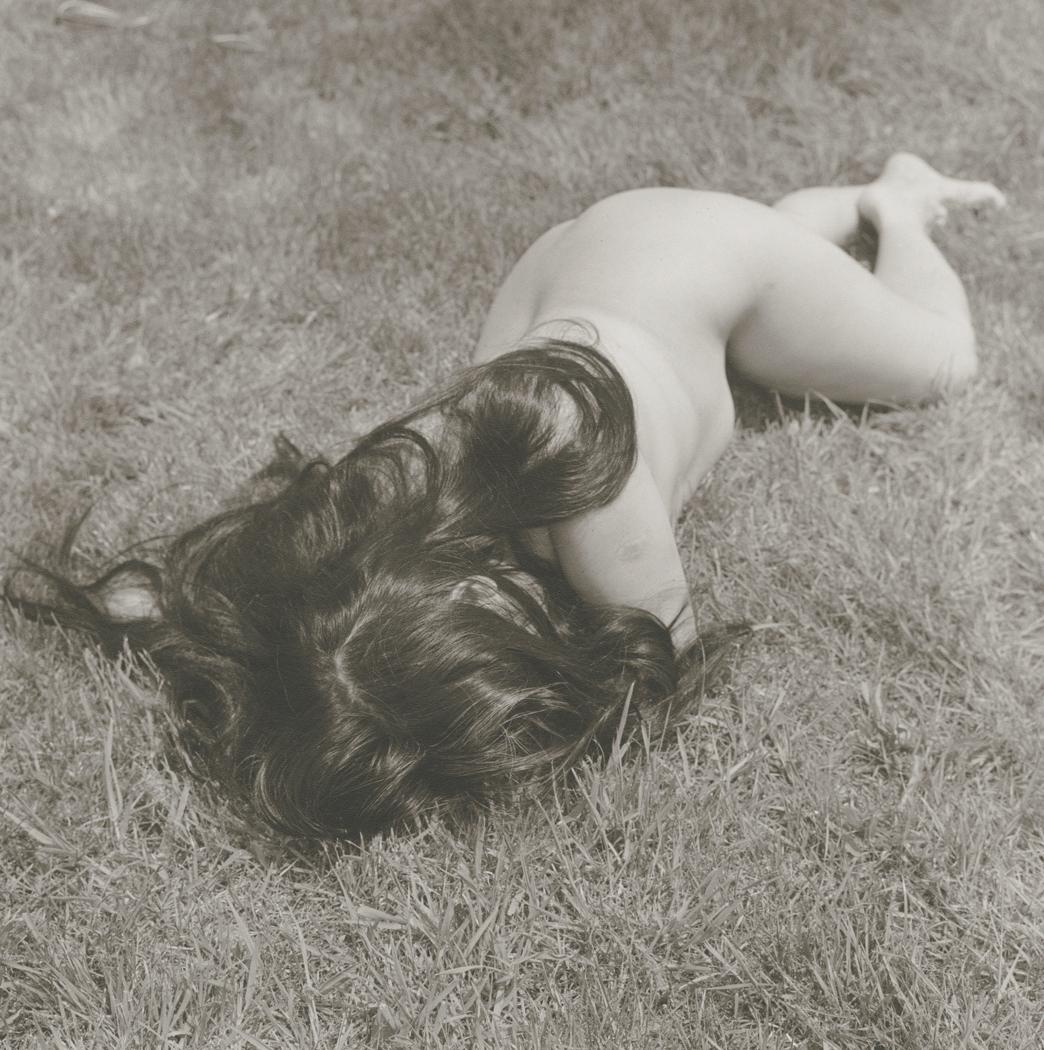
Josef Breitenbach-female nude with long dark hair lying on side on grass, USA, 1961 © The Josef Breitenbach Trust
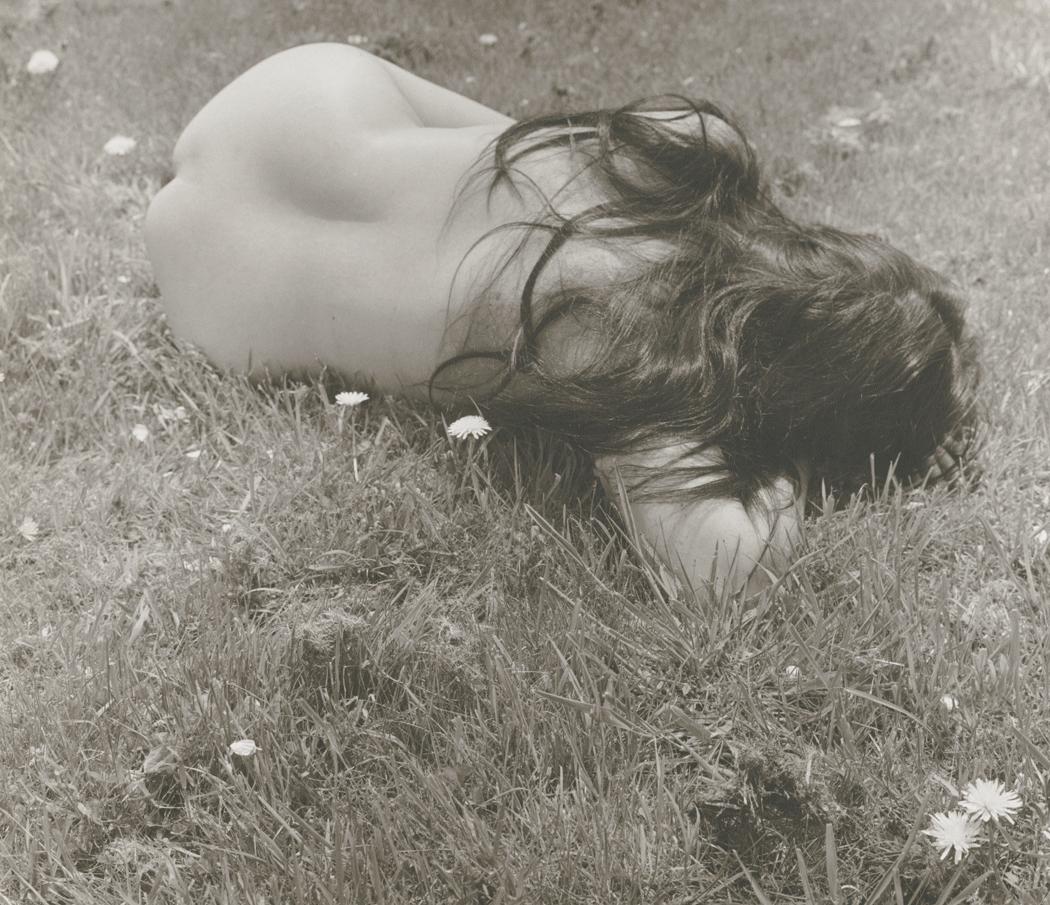
Josef Breitenbach-back view of female nude with long dark hair lying curled on grass, USA, 1961 © The Josef Breitenbach Trust
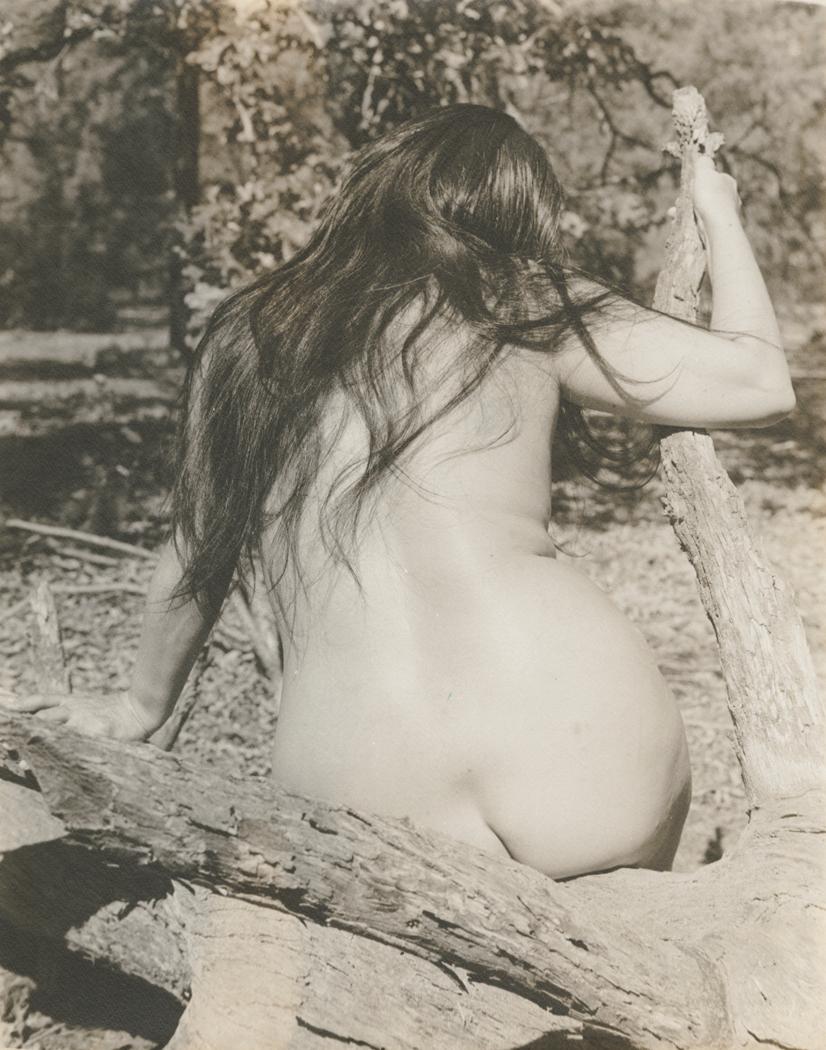
Josef Breitenbach-back of female nude with long dark hair, seated outdoors on branching log, USA, Sept. 1961 © The Josef Breitenbach Trust
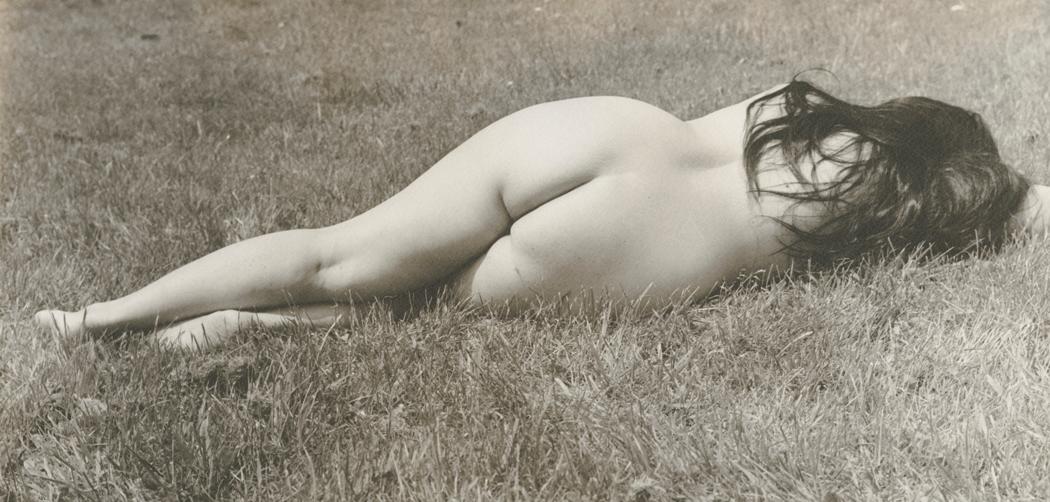
Josef Breitenbach-Untitlrd (Female nude with long dark hair, lying face-down on grass, full length with feet at left), USA, 1961 © The Josef Breitenbach Trust
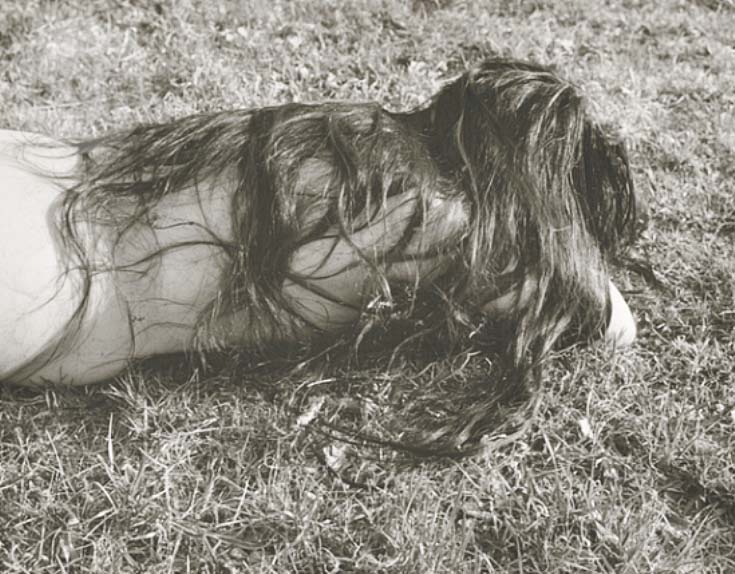
Josef Breitenbach – Untitled , (Female nude with long dark hair, lying face-down on grass,) USA , 1961 © The Josef Breitenbach Trust

Josef Breitenbach -Untitled (Buttocks and back of female nude with long dark hair,kneeling outdoors), USA, 1961. © The Josef Breitenbach Trust

Josef Breitenbach-Untitled (female nude with long dark hair lying face-down on grass) ,USA ,1961. © The Josef Breitenbach Trust

Josef Breitenbach-Untitled (emale nude with long dark hair lying face-down on grass), USA ,1961. © The Josef Breitenbach Trust

Josef Breitenbach -Untitled (Back of female nude bending over in water), USA, Sept 1961. © The Josef Breitenbach Trust
Les années 1950 et 1960 ont été des années d’intense activité pour Breitenbach. Il a fait reportage photographique en Asie pour les Nations Unies et d’autres entreprises variées, documentant le travail des secours.
Il exposera ses photographies largement dans les Etats-Unis à partir des années 1940 jusqu’au milieu des années 1960, notamment au Museum of Modern Art et le Metropolitan Museum of Art

Josef Breitenbach-Untitled (woman curled on side in dried grass), Korea or Japan , 1952 © The Josef Breitenbach Trust
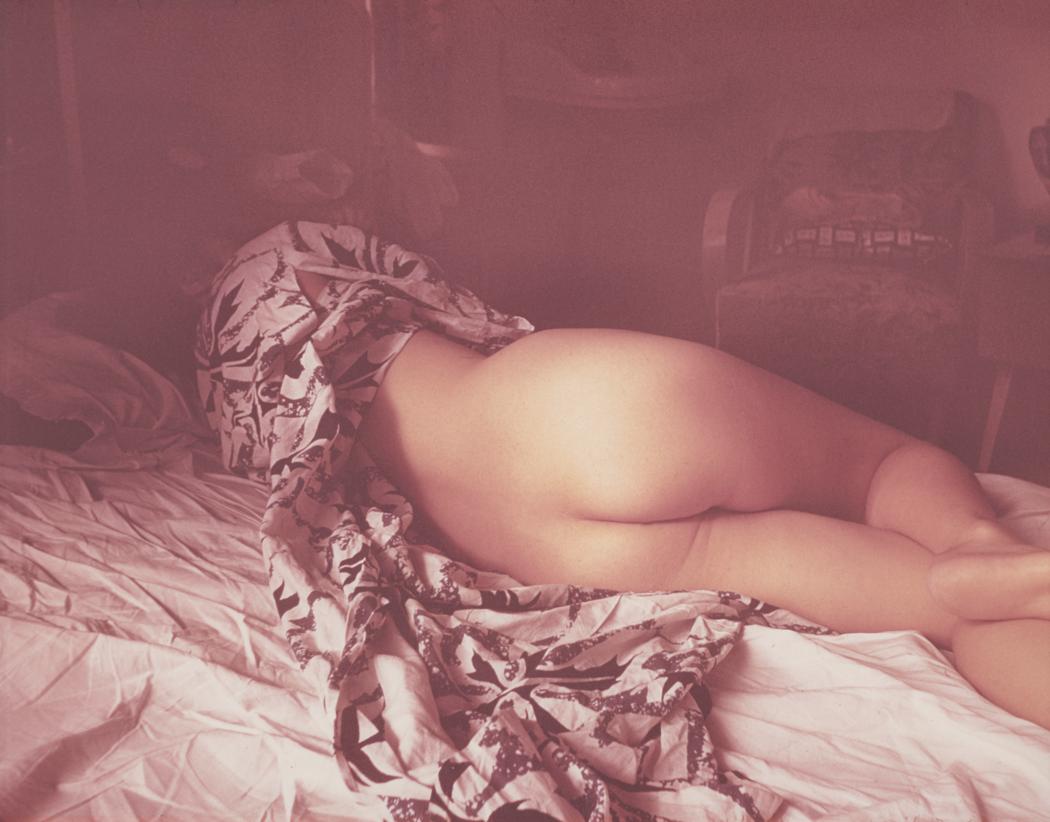
Josef Breitenbach- nude woman in black, Tokyo, 1953, Chromogenic print. © The Josef Breitenbach Trust.

Josef Breitenbach-Sleeping Japanese Girl, Japan, 1968. © The Josef Breitenbach Trust

Josef Breitenbach- Dancing in the Streets (Bon Odori), Kyoto, 1956 © The Josef Breitenbach Trust
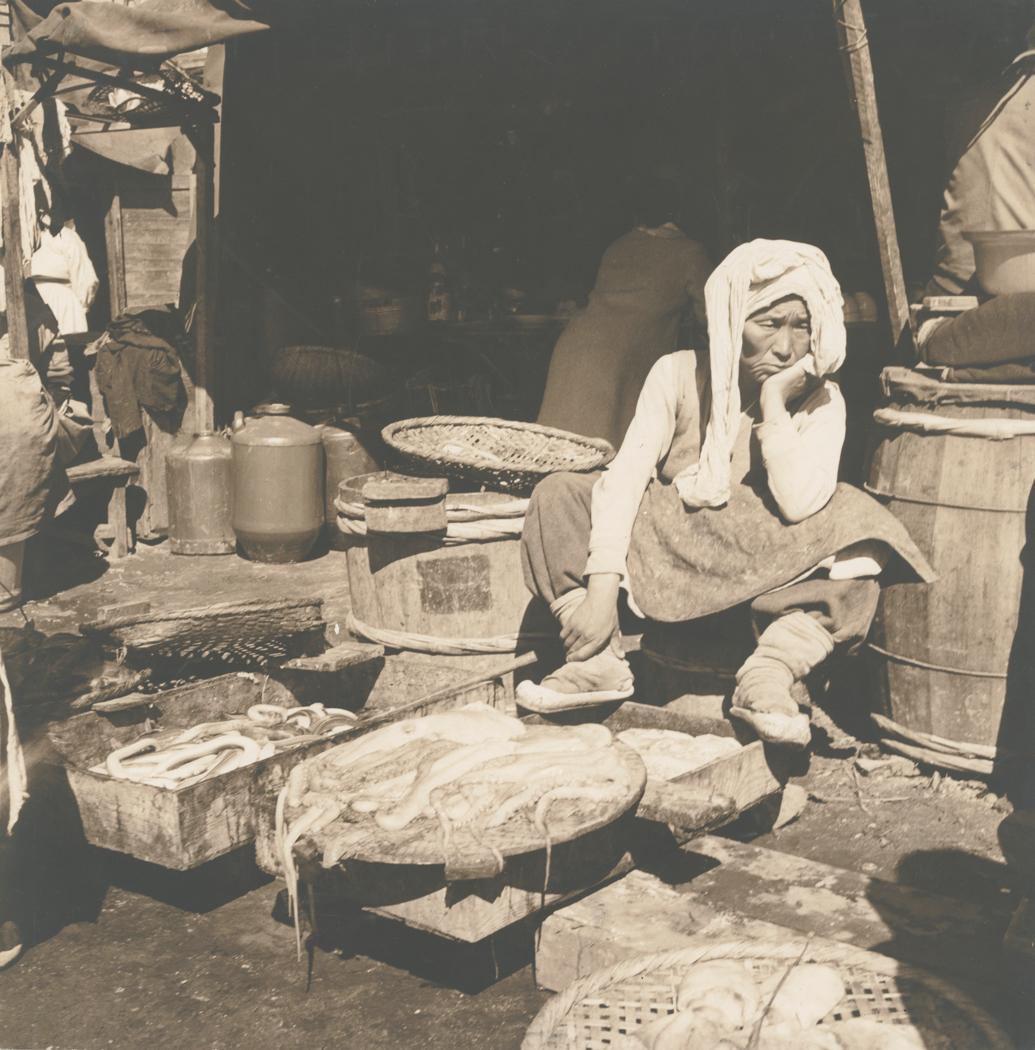
Josef Breitenbach-Eels and octopus. Pusan, Korea, 1953 © The Josef Breitenbach Trust

Josef Breitenbach-India, Construction Worker, Bombay, 1960 © The Josef Breitenbach Trust

Josef Breitenbach- Woman Transformed, New York 1942 © The Josef Breitenbach Trust

You can see more on Gitterman Gallery
Des portraits du photographe par des anonymes ici sur wordpress sur le blog A la loupe
Voir les résultats des actions le concernant sur Mutualart
Conseil de lecture :
Manifesto By Josef Breitenbach , Ed° Nazraeli Press , 2008
Josef Breitenbach: by Josef Breitenbach Photographs and text (in German) by Josef Breitenbach. Essays (in German) by Peter C. Jones, and Others , Published on the occasion of the 1996-1997 exhibition Josef Breitenbach: Photographien at the Staatliche Galerie Moritzburg Halle and the Fotomuseum im Münchner Stadtmuseum, Ed° Schirmer-Mosel, 1996
Munich, Paris, New York Paperback – 2003 by Josef and Paul Berlanga, Exhibit Catalogue, edition Stephen Daiter Gallery, 2003
Josef Breitenbach » by Larisa Dryansky, Editions de l’Amateur, 2001

Cover of the Book « Josef Breitenbach » by Larisa Dryansky, Editions de l’Amateur, 2001
Josef Breitenbach was born on the 3rd of April 1896. He attended Ludwig-Maximillian University in Munich (philosophy and art history, 1914 to 1917) and became active in the Youth Section and later the Pacifist wing of the Social Democratic Party. In 1918, he took part in the Soviet-inspired Bavarian coup d’état, which was the first spark of the revolutionary fire that swept over Germany in the wake of the armistice. For a few months, Breitenbach also occupied an official position in the new government. Although the revolution was short-lived, the ties he forged with the radical circles of Munich’s intelligentsia later helped him establish his reputation as a photographer.
In 1932, Breitenbach opened his first photographic studio. His clients were prominent members of Munich’s bohemia, including actors and actresses performing in the Munich theater. Munich was a stronghold of libertarians and refined people, whose spirit Breitenbach captured in theatrical portraits of his friend, the journalist Theo Riegler. This world vanished in 1933 with Hitler’s takeover.
More than his Jewish roots, the photographer’s political past made him a target for persecution. In August, 1933, with his passport , Breitenbach made his way to France , joining other German exiles seeking refuge in Paris.
The Surrealist “revolution” had by then become dominant in the Parisian art scene. Soon after his arrival, Breitenbach came into contact with André Breton and his circle. Preferring to retain his independence, he never became a member of the Surrealist group, but did show work in important exhibitions of Surrealist photography alongside Man Ray, Jacques-André Boiffard, Brassaï, Eli Lotar, Henri Cartier-Bresson, et Roger Parry.
Breitenbach only lived in Paris for six years, until the war broke out in 1939. During this period, he produced some of his most inventive work. He adopted several techniques favored by new photographers such as superimpression, montage, solarization, printing in negative, and the photogram. More importantly, he was one of the rare artists of the pre-War years to produce color photographs, which he did by using processes of bleaching, toning and pigmentation. Examples are the images “Montparnasse”, or Forever and Ever.
During his years in Paris, he was also an active member of the German exile community, which alerted the democratic world to the threat of fascism. He participated in the 1938 exhibition by the Union des Artistes Allemandes Libres, “Five Years of Hitler Dictatorship”. A high point for Breitenbach was his collaboration with Bertolt Brecht, summarized by portraits of the playwright. The war interrupted this second chapter of the photographer’s life. Interned by the French as a suspicious alien, then drafted into a civilian corps composed of foreigners, Breitenbach eventually escaped to New York from Marseille in 1941.He came to the attention of Walker Evans, who published his work in Fortune. In the summer of 1944, at the invitation of Josef Albers, Breitenbach taught photography at Black Mountain College. In 1946 he became a United States citizen and joined the faculty at Cooper Union and later The New School. Breitenbach continued to create distinctive and innovative work, including a striking group of camera-less photographs. These works hover in the liminal space between Surrealism and Abstract Expressionism. The 1950s and 1960s were years of intense activity for Breitenbach. He did photographic reportage in Asia for the United Nations and other varied businesses, documenting relief work. He exhibited his photographs extensively in the United States from the 1940s to the mid-1960s, including at the Museum of Modern Art and the Metropolitan Museum of Art.
I proposed today to browse some facets Josef Breitenbach left us behind. This was mainly the result of the encounter with the Surrealists and accompanied throughout his adventure. Through his portraits, montages , collage, photogram , naked, and some memories , moreover

Roberto Baccarini Arimand-Banu gelatin silver print, 1930’s
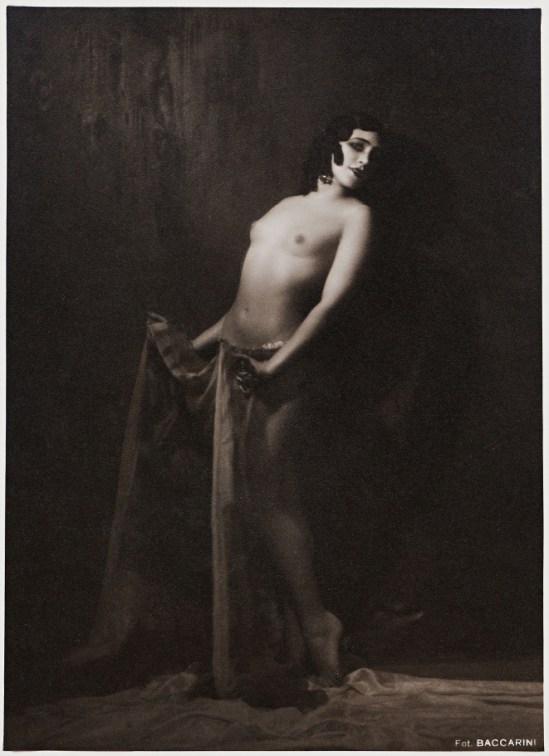
Roberto Baccarini Elizaveta “Lila” Nikolska gelatin silver print, 1930’s
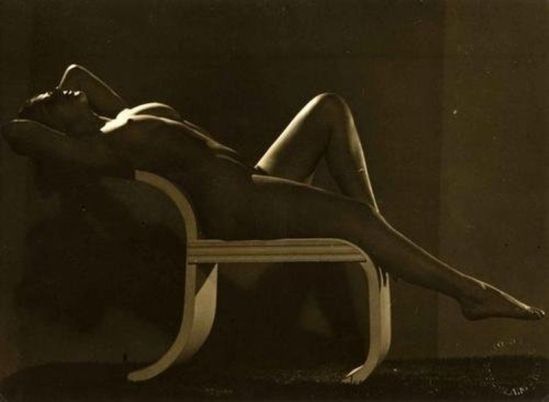
Roberto Baccarini. Nude , gelatin silver print 1930
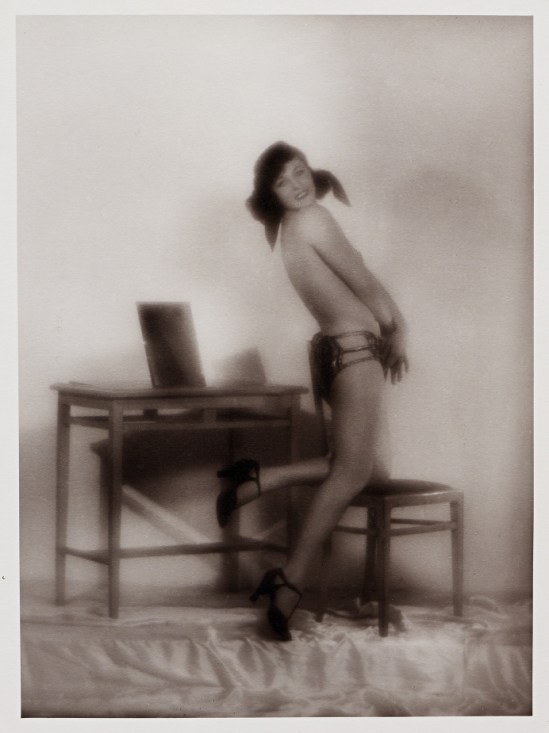
Roberto Baccarini Mary Raoul sul set di ‘Fiori d’arancio’ ,gelatin silver print, 1930’s
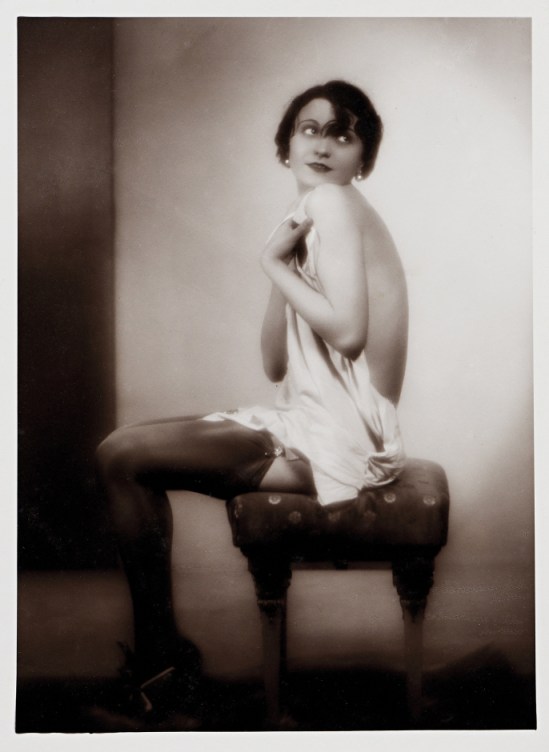
Roberto Baccarini Rosetta Pedrani , 1930s, gelatin silver print.
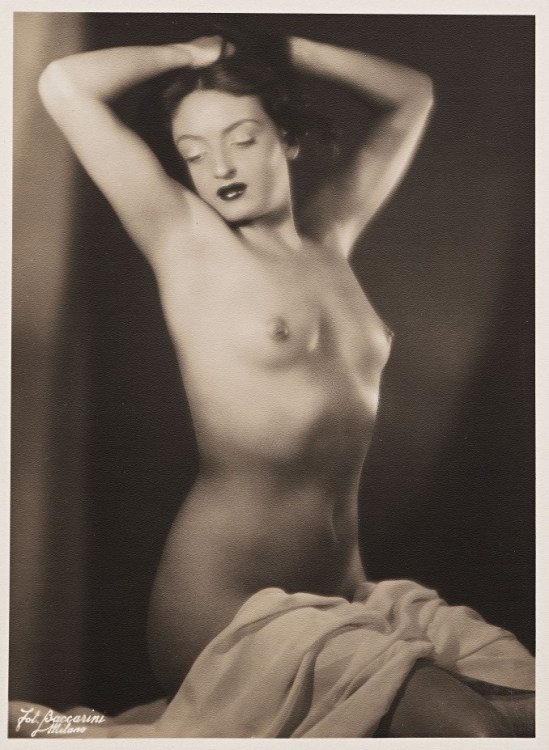
Roberto Baccarini -Wanda Osiris ,1930’s gelatin silver print

Roberto Baccarini – Wanda Osiris ,1930’s gelatin silver print

Roberto Baccarini Nana de Herrera ,gelatin silver print, 1930’s
Roberto Baccarini – Wanda Osiris ,1930’s gelatin silver print

Roberto Baccarini Lina Gennari ,1930s gelatin silver print, 1930’s
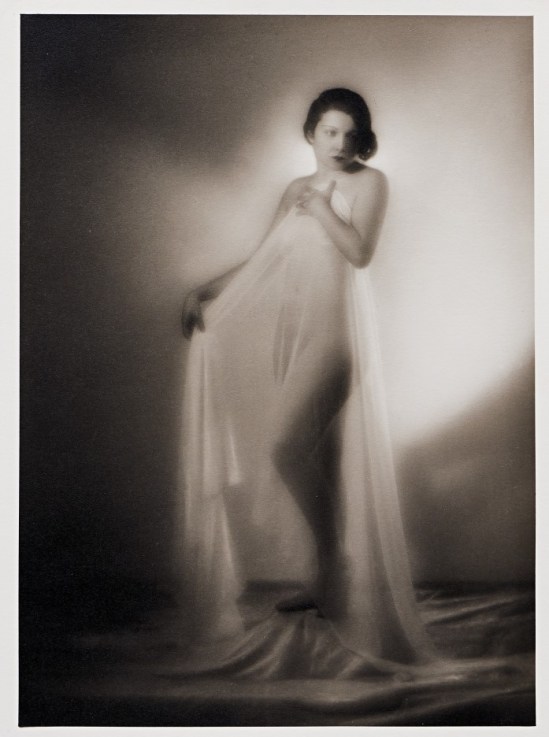
Roberto Baccarini – Lidia Martora ,1930’s, gelatin silver print.
Roberto Baccarini Jo-Hai Tong Vintage gelatin silver print, 1930’s
Roberto Baccarini Bea Egervary gelatin silver print, 1930’s
Roberto Baccarini Elizaveta “Lila” Nikolska gelatin silver print, 1930’s

Roberto Baccarini Claude Génia Vintage gelatin silver print.

Roberto Baccarini Donna Maria Mirka 1940
All the articles about Grundworth
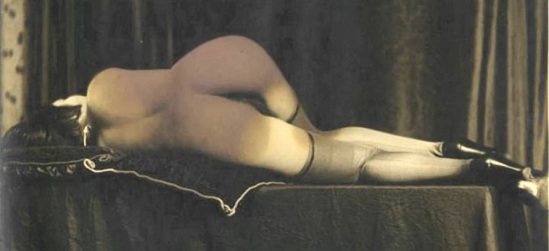
Grundworth – Nude reclining, c1920s Gelatin silver medium
Bien que plusieurs photographes célèbres ouvertement publiés œuvres érotiques, plus osée avaient tendance à être distribués sous des pseudonymes ou sous les noms de studios commerciaux. Parmi des noms comme PC Edition, A.Noyer Edition ( Julien Mandel et Walery) , Yva Richard, et « Studio Biederer », Grundworth ressort comme étant non seulement l’un des plus prolifiques, mais aussi l’un des plus « débauché ».
Le Studio Grundworth , est connu pour avoir été Le Producteur de cartes postales érotiques à Paris à partir des années 1890 jusqu’aux années 1930. Mais à la fin des années 1850 les cartes postales ont commencé à s’éloigner des modèles universitaires et à suivre une voie plus lucrative , en utilisant des poses plus provocatrices et ayant souvent des modèles partiellement habillés en bas et lingerie. Le gouvernement a commencé à sévir , et la France institue des lois interdisant la vente de photographies de nus en 1850 et promulgue des lois interdisant leur circulation dans le courrier en 1862. Pendant et immédiatement après la Première Guerre mondiale, la production de cartes postales érotiques a vraiment commencé à fleurir, atteignant son « âge d’or » au cours de la brève période de l’entre deux guerres où la société européenne a explosée avec une nouvelle vision de l’art et de la décadence.

Grundworth – nude. Ca. 1930

Grundworth -Postcard Studio 1925
Grundworth -Postcard Studio 1925
Mais qui est Grundworth? Un gros bruit de couloir prétend que Grundworth aurait été un pseudonyme pour divers photographes associés au sein d’un studio mais qui s’inquiétait d’une éventuelle arrestation pour indécence ou tout autre chose approximative. Comme la plupart des studios engagés dans la production de photographies érotiques et cartes postales de l’époque , et en dépit de la large diffusion de ces cartes , leur production et de la distribution était illégale en France , et tous les éditeurs photographes se devaient de garder l’anonymat . Mais on peut supposer , compte tenu de la productivité et d’un certain nombre de styles différents que l’on retrouve dans certaines séries, que Le Nom Grundworth est peu probablement assigné à Un photographe individuel, mais plus logiquement Un Groupe de Photographes qui étaient , peut-être connus , mais qui voulaient cacher leurs véritables identités . L’écrivain Suisse et Photographe Serge Nazarieff est un de ces photographes connus pour avoir manipulé les plaques négatives sous le nom de Grundworth. Le nom a aussi été caractérisé comme l’anagramme d’Albert Wyndham, un photographe connu.

Grundworth – Reclining Nude, 1920s Gelatin silver medium postcard

Grundworth – Nude pose lingerie , 1920s Gelatin silver medium postcard

Grundworth – nude. Ca. 1930

Grundworth – Nude pose lingerie , 1920s Gelatin silver medium postcard
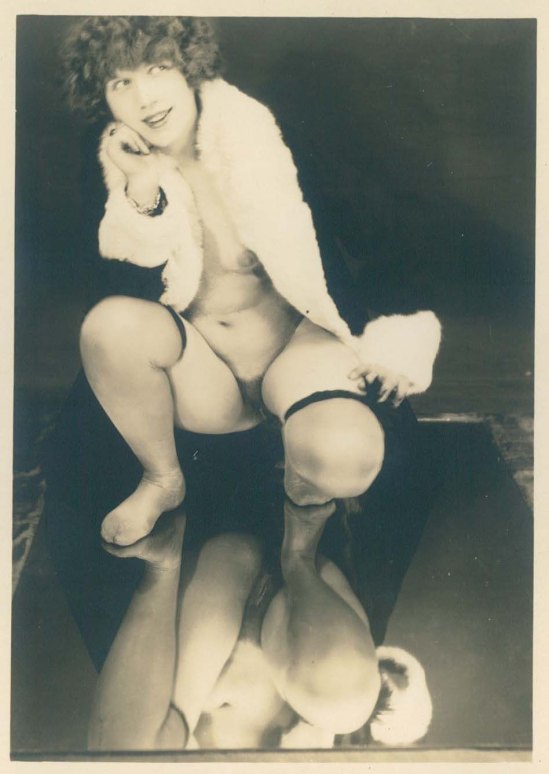
Grundworth – nude. Ca. 1930

Grundworth – Nude pose lingerie , 1920s Gelatin silver medium postcard 22

Grundworth – Nude pose lingerie , 1920s Gelatin silver medium postcard

Grundworth – Nude pose lingerie , 1920s Gelatin silver medium postcard

Grundworth – Nude pose lingerie , 1920s Gelatin silver medium postcard
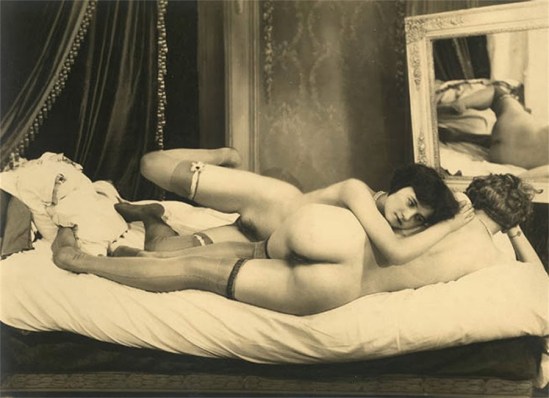
Grundworth – Two Nudes c1920s Gelatin silver medium postcard.

Grundworth – Deux femmes nues allongées se reflétant dans le mirroir, 1930s Gelatin silver medium postcard

Grundworth – Two Nudes c1920s Gelatin silver medium postcard.
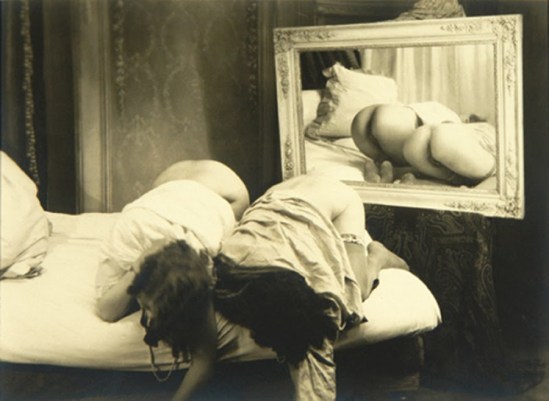
Grundworth – Two Nudes c1920s Gelatin silver medium postcard.
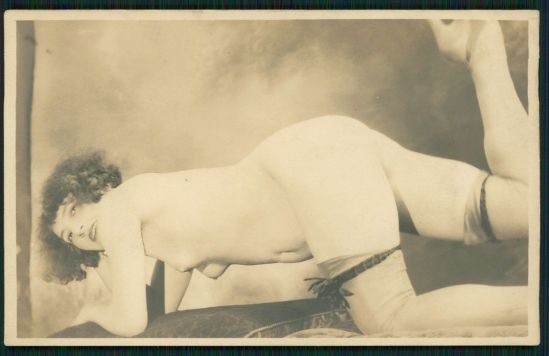
Grundworth – Femme nue, 1920s Gelatin silver medium postcard

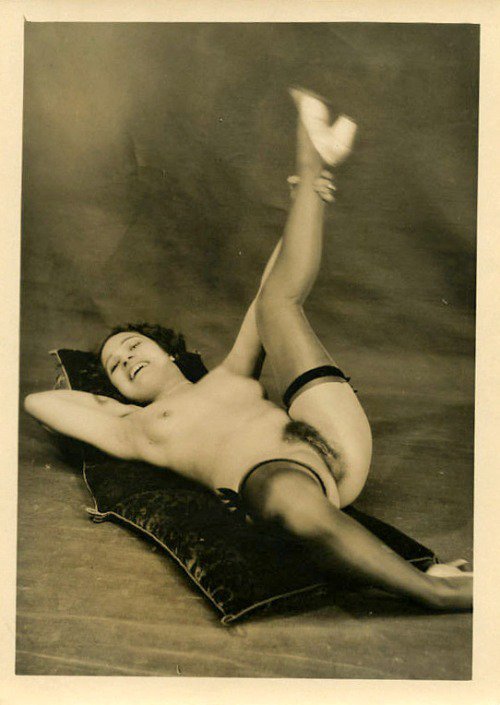
Grundworth – Accrobatic Nude pose , 1935 Gelatin silver medium postcard.

Grundworth – Accrobatic Nude pose , 1935 Gelatin silver medium postcard.

Grundworth – Nude pose lingerie , 1920s Gelatin silver medium postcard

Grundworth Postcard Studio 1920s
Josef Vetrovsky est l’un des acteurs de la photographie tchèque des années 20 et années 30. Sans bénéficier de la même reconnaissance que son compatriote et homologue Josef Sudek et de son professeur František Drtikol (1883-1961), il a lui aussi fait partie de la Société tchèque de photographie. Une exposition lui est consacrée, à Prague, en 1939. Josef Vetrovsky déclinera dans beaucoup de ses photographies les repères cubistes, et futuristes même parfois, du courant tchèque. L’étude de nu proposé ici n’y échappe pas.
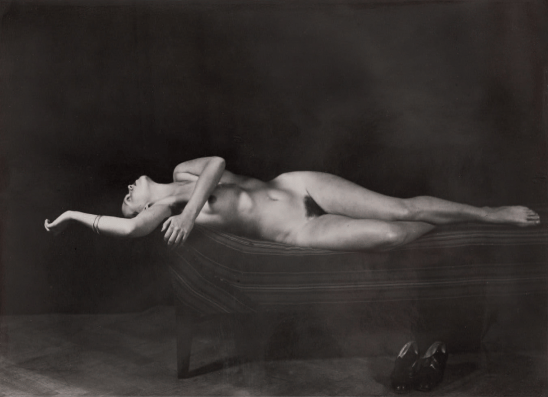
Josef Vetrovsky – Naked woman on a couchcirca 1928

Josef Vetrovsky- Female Nude with Vase. 1929

Josef Vetrovsky- nude , Gelatin-silver print 1930s

Josef Vetrovsky – Female Nude 1931. Vintage gelatin silver print

Josef Vetrovsky- Nude, 1930s
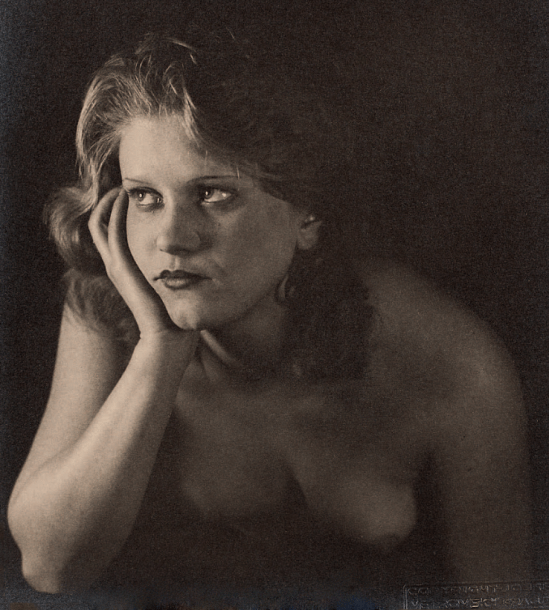
Josef Vetrovsky – Female Nude Leaning, , 1928
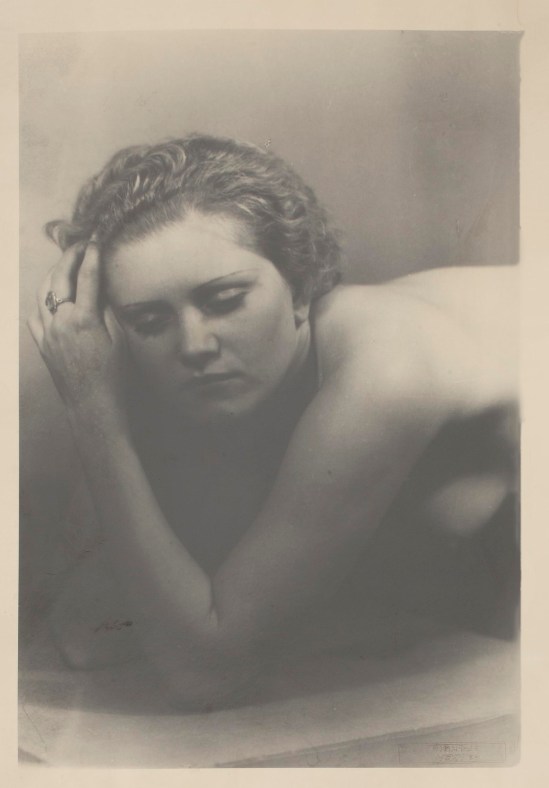
Josef Vetrovsky -Untitled Around 1930 Gelatin silver print

Josef Vetrovsky – -Female Nude 1931. Vintage gelatin silver print_e Femme nue sur un canapé, circa 1928

Josef Vetrovsky- Akt study, around 1930, gelatin silver print
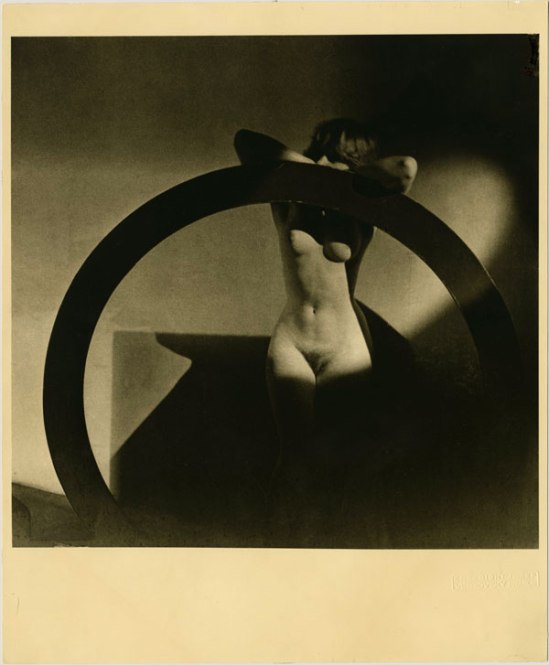
Josef Vetrovsky- nude , Gelatin-silver print 1930s
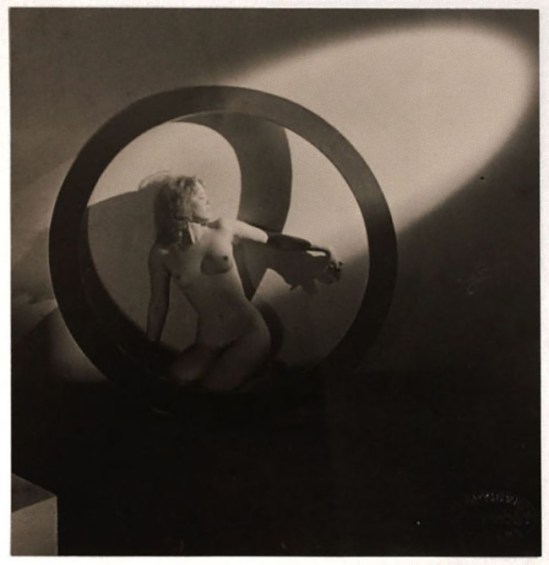
Josef Vetrovsky- nude , Gelatin-silver print 1930s

Josef Vetrovsky- Female-nude, 1929 (printed-1990s)
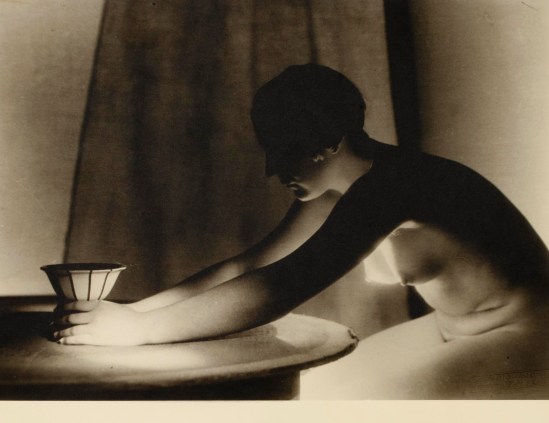
Josef Vetrovsky- Female Nude with Vase. 1929-30

Josef Vetrovsky- nude , Gelatin-silver print 1930s

Josef Vetrovsky – Nude Study , Prague 1930 ,Gelatin silver print
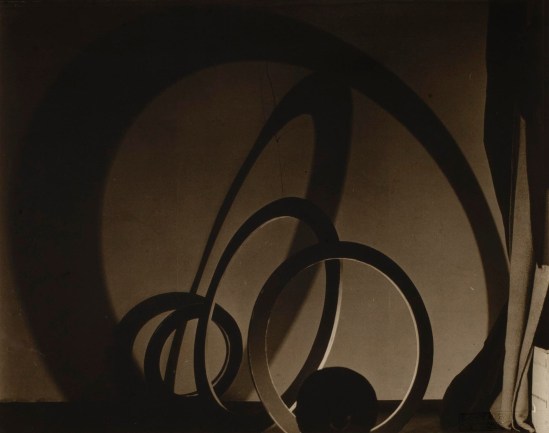
Josef Vetrovsky -Untitled Around 1936.Gelatin silver print
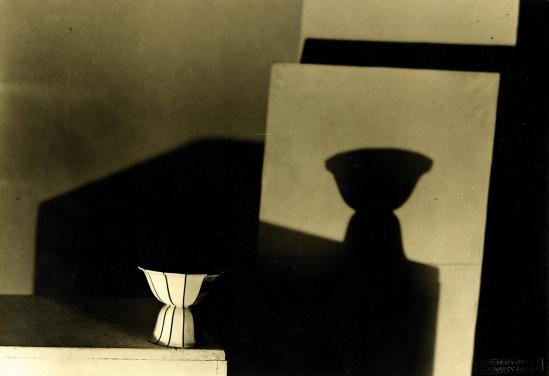
Josef Vetrovsky –Still life. Around 1925.Gelatin silver print
Riess was born in Czarnikau in the Prussian Province of Posen where her Jewish parents were shopkeepers. At the end of the 1890s, the family moved to Berlin where she first studied sculpture under Hugo Lederer (c. 1907) and later photography at the Berlin « Photographischen Lehranstalt », receiving her diploma in the summer of 1915.
In 1918, she opened a business on the prestigious Kurfürstendamm; it became one of the most popular studios in the city. Partly as a result of her marriage to the journalist Rudolf Leonhard in the early 1920s, she extended her clientele to celebrities such as playwright Walter Hasenclever, novelist Gerhart Hauptmann and actors and actresses including Tilla Durieux, Asta Nielsen and Emil Jannings. While on a trip to Italy in 1929, she was invited to photograph Benito Mussolini. In addition, she contributed to the journals and magazines of the day including Die Dame, Berliner Illustrierte Zeitung, Der Weltspiegel, Querschnit and Koralle
Her success in Berlin was however short-lived. In 1932, after falling in love with the elderly French ambassador in Berlin, she moved to Paris with him, disappearing from the public eye. Even the date of her death cannot be clearly established and her place of burial remains unknown (source wilkipedia)

Frieda Riess- Toni Freeden – Dancer, Germany in a dancing pose – 1927 via getty images

Frieda Riess- The dancer Grit Helgesa Portrait in the role of a Harlekin Vintage,1920 via getty images

Frieda Riess- Ellen Petz Dancer, choreographer, Germany with a partner in the Petz Kainer Ballet ‘Scherzo’; costumes designed by Ludwig Kainer – 1920 via getty images

Frieda Riess- Portrait of Margo Lion, Cabaret Artist, Chansonniere, Actress, Germany, Portrait singing the couplet ‘Die Linie der Mode’ in the Wilde Bühne in Berlin 1924 via getty images

Frieda Riess- Hands Beautiful female hands , 1924 via getty images
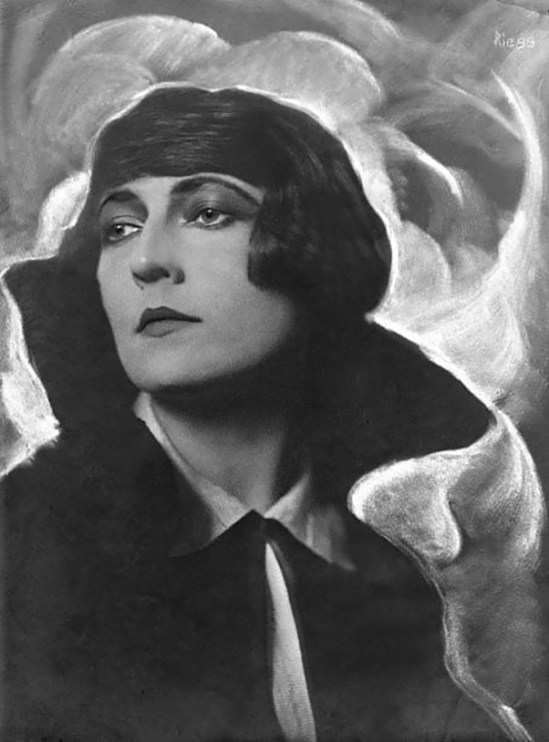
Frieda Riess- Portrait of The dancer Grit Hegesa,1919 via getty images

Frieda Riess-Mria Schreker, Opera SingerWife of the composer Franz Schreker ,1922 via getty images

Frieda Riess- Lotte Pritzel Costume designer, doll artist,1925 via getty images

Frieda Riess- Lally Horstmann1920 via getty images

Frieda Riess- Lani Mohr-Solf,1931 via getty images

Frieda Riess- Portrait of the actress Leontine Kühnbergy 1925 via getty images

Frieda Riess- Dare Vare The daughter of the Italian Ambassador in China, wearing a white dress in the summer,1933 via getty images

Frieda Riess-Trude Hesterberg – Actress, SingerPortrait in the cabaret Wilde Bühne, dressed in a long dress Vintage,1922 via getty images
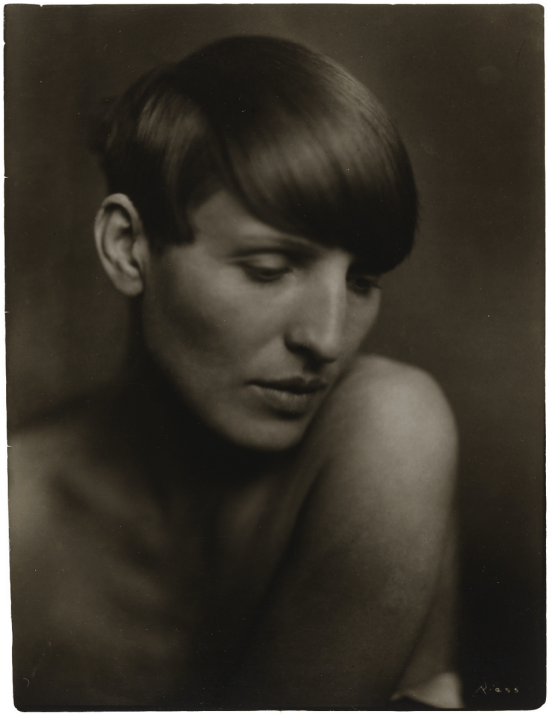
Frieda Gertrud Riess The Sculptor Renée Sintenis (Die Bildhauerin Renée Sintenis) Gelatin silver print, 1925-35 Via moma

Frieda Gertrud Riess – Woman’s handS, 1924 via

Frieda Ries- Renee Sintenis, sculptor, Germany 1925 via
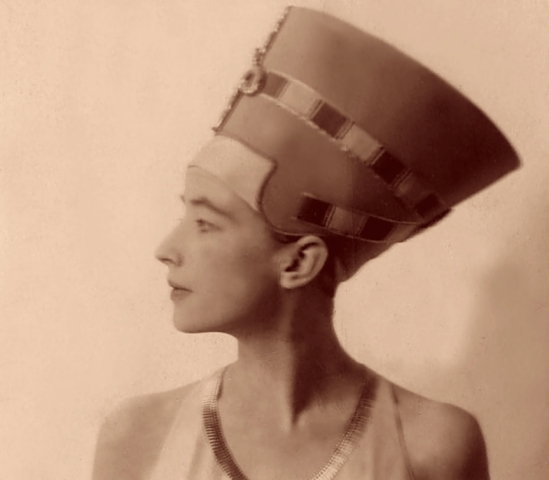
Frieda Riess-Baroness Nadine Uexküll dressed as Nefertiti,1928
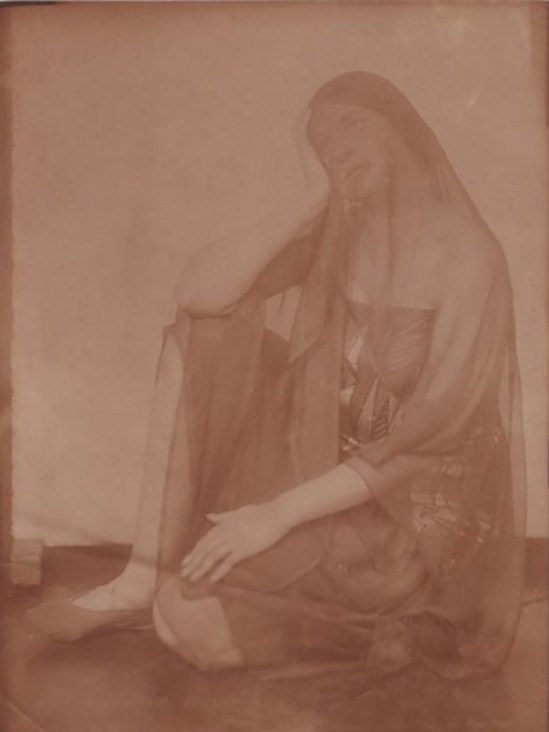
Atelier Riess (Frieda Gertrud). Bara – Die Tänzerin Charlotte Bara. Ca. 1926-28.

Frieda Gertrud Riess Nude Model ,photogravure, 1925 via ebay
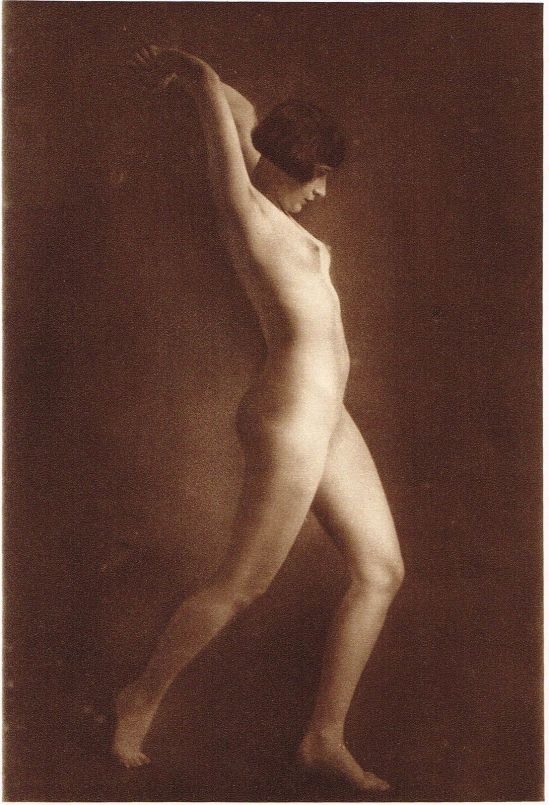
Frieda Gertrud Riess Nude Model ,photogravure, 1925 via ebay

Frieda Gertrud Riess Nude Model ,photogravure, 1920 via ebay

Frieda Gertrud Riess Nude Model ,photogravure 1920 via ebay

Albert Rudomine (1892 – 1975). Wiki.in Photo n°190, July 1983.

Albert Rudomine (1892 – 1975). Wiki.in Photo n°190, July 1983.

Albert Rudomine (1892 – 1975). Wiki.in Photo n°190, July 1983.

Albert Rudomine (1892 – 1975). Wiki.in Photo n°190, July 1983.

Albert Rudomine (1892 – 1975). Wiki.in Photo n°190, July 1983.

Albert Rudomine (1892 – 1975). Wiki.in Photo n°190, July 1983.
Il a assisté au cours de philosophie et d’histoire de l’art à l’Université Ludwig-Maximilian à Munich de 1914-1917 . Il devient durant cette période active dans la section de la jeunesse du Parti social-démocrate. En 1918, il participe à la Bavaroise, un coup d’Etat d’inspiration soviétique, qui était la première étincelle du feu révolutionnaire qui a déferlé sur l’Allemagne à la suite de l’armistice. Pendant quelques mois, Josef Breitenbach a occupé un poste officiel dans le nouveau gouvernement. Bien que la révolution fut de courte durée, les liens qu’il a forgé avec les milieux radicaux de l’intelligentsia de Munich l’ont aidé , plus tard, à établir sa réputation en tant que photographe.
En 1932, Breitenbach ouvre son premier studio de photographie. Ses clients étaient des membres éminents de la bohème de Munich, (y compris les acteurs et actrices de la scène dans le théâtre de Munich.) qui était alors un bastion des défenseurs des libertés et des personnes raffinées. Mais ce monde a disparu en 1933 avec la prise de pouvoir d’Hitler.Plus que ses racines juives, le passé politique du photographe fait de lui une cible à persécuter. En Août 1933, avec son passeport, Breitenbach arrive en France, rejoignant d’autres exilés Allemands qui cherchent refuge à Paris.
La «révolution» surréaliste allait alors devenir dominante dans la scène artistique parisienne. Peu après son arrivée, Breitenbach est entré en contact avec André Breton et son entourage. Préférant conserver son indépendance, il n’a jamais été un membre du groupe surréaliste, mais a participé à des expositions importantes de la photographie surréaliste aux côtés de Man Ray, Jacques-André Boiffard, Brassaï, Eli Lotar, Henri Cartier-Bresson, et Roger Parry.
Je vous propose aujourd’hui de parcourir quelques facettes que Josef Breitenbach nous a laissées derrière lui. principalement ce qui fût le fruit de la rencontre avec les surréalistes et qui l’accompagna tout au long de son aventure . En passant par ses portraits, ses montages, collages, photogrammes, nus.

Josef Breitenbach-Exposition Internationale, Paris, vue de l’intérieur du Pavillon de la Suisse 1937 © The Josef Breitenbach Trust
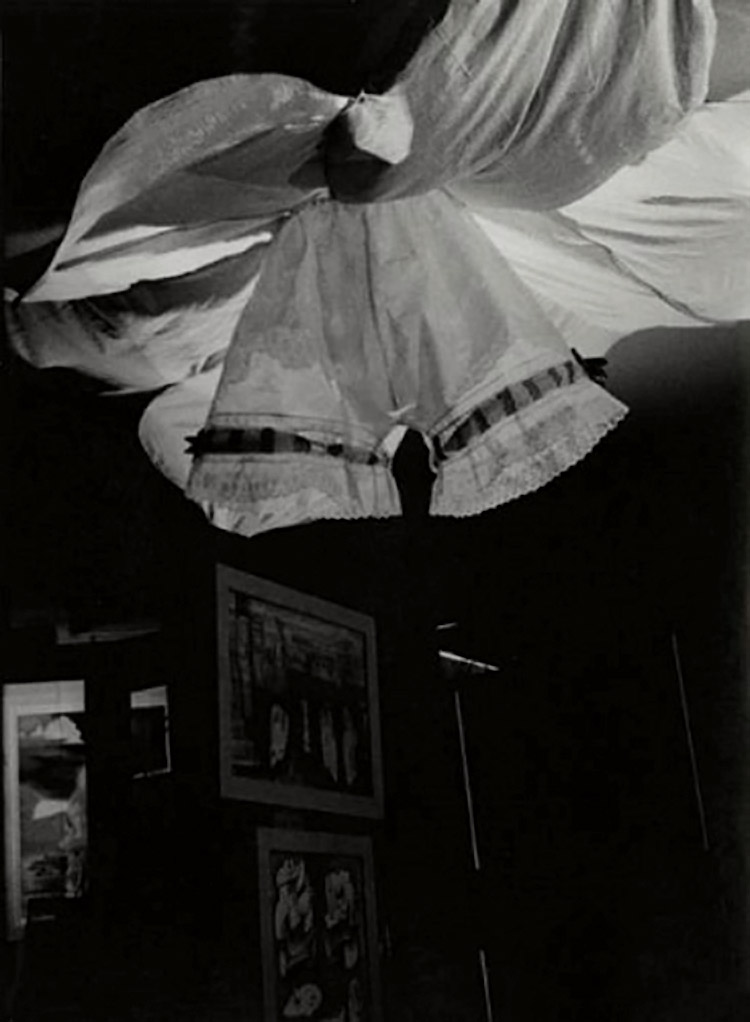
Josef Breitenbach- Exposition Internationale du Surréalisme, Galerie Beaux-Arts, Paris, 1938, gelatin silver print © The Josef Breitenbach Trust
Breitenbach n’a vécu à Paris que six ans, jusqu’à ce que la guerre éclate en 1939, et pourtant, pendant cette période , il a produit certains de ses travaux les plus inventifs. (Il a adopté plusieurs techniques favorisées par de nouveaux photographes tels que la surimpression, le montage, la solarisation, l’impression en négatif, et le photogramme. Plus important encore, il était l’un des rares artistes des années d’avant-guerre à produire des photographies en couleurs, ce qu’il a fait en utilisant des procédés tels que le blanchiment, la tonification et la pigmentation.)
Mais pendant ses années à Paris, il était aussi un membre actif de la communauté Allemande en exil , qui a alerté le monde démocratique de la menace du fascisme. Il a participé à l’exposition 1938 par l’Union des Artistes Libres Allemandes, «Cinq ans de dictature hitlérienne ». Un moment fort pour Breitenbach fût sa collaboration avec Bertolt Brecht, résumée par des portraits de l’auteur.
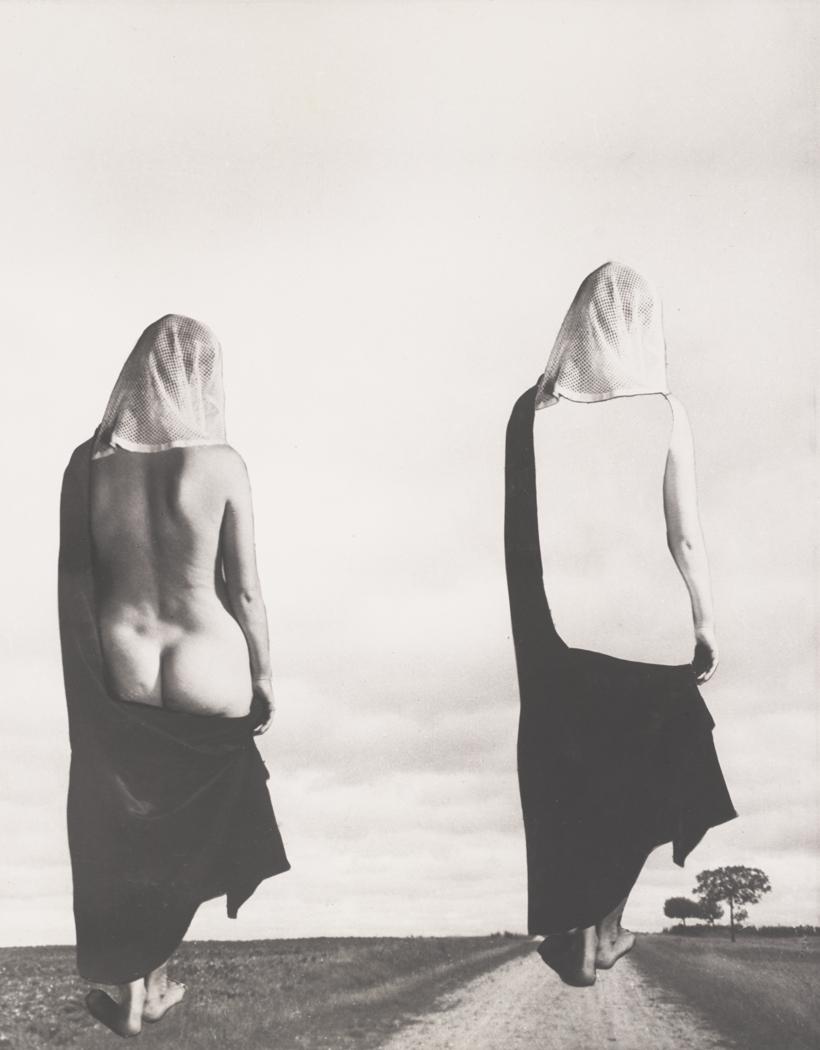
Josef Breitenbach- For Ever and Ever, 1937 © The Josef Breitenbach Trust
Josef Breitenbach- For Ever and Ever, 1937 © The Josef Breitenbach Trust

Josef Breitenbach- For Ever and Ever, 1938

Josef Breitenbach- Montparnasse, Paris, 1937, Vintage toned gelatin silver print © The Josef Breitenbach Trust

Josef Breitenbach- Sibylle Binder, Munichc. 1933, © The Josef Breitenbach TrustVintage bromoil transfer

Josef Breitenbach- Denkmal vor der Enthüllung, Paris, Veiled Statue, Paris, 1933-39, Early gelatin silver print, printed ca. 1942-48 © The Josef Breitenbach Trust.
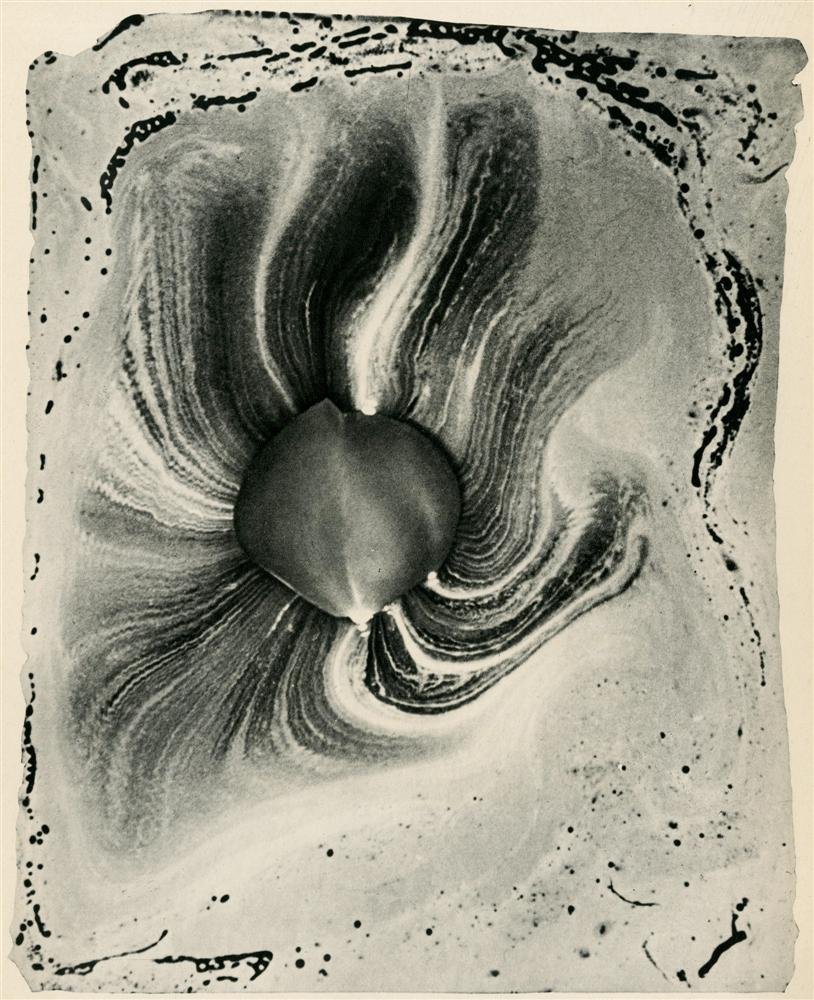
Josef Breitenbach-Photograph of the Scent Given Off by a Rose Petal photogravure. 1939 © The Josef Breitenbach Trust.
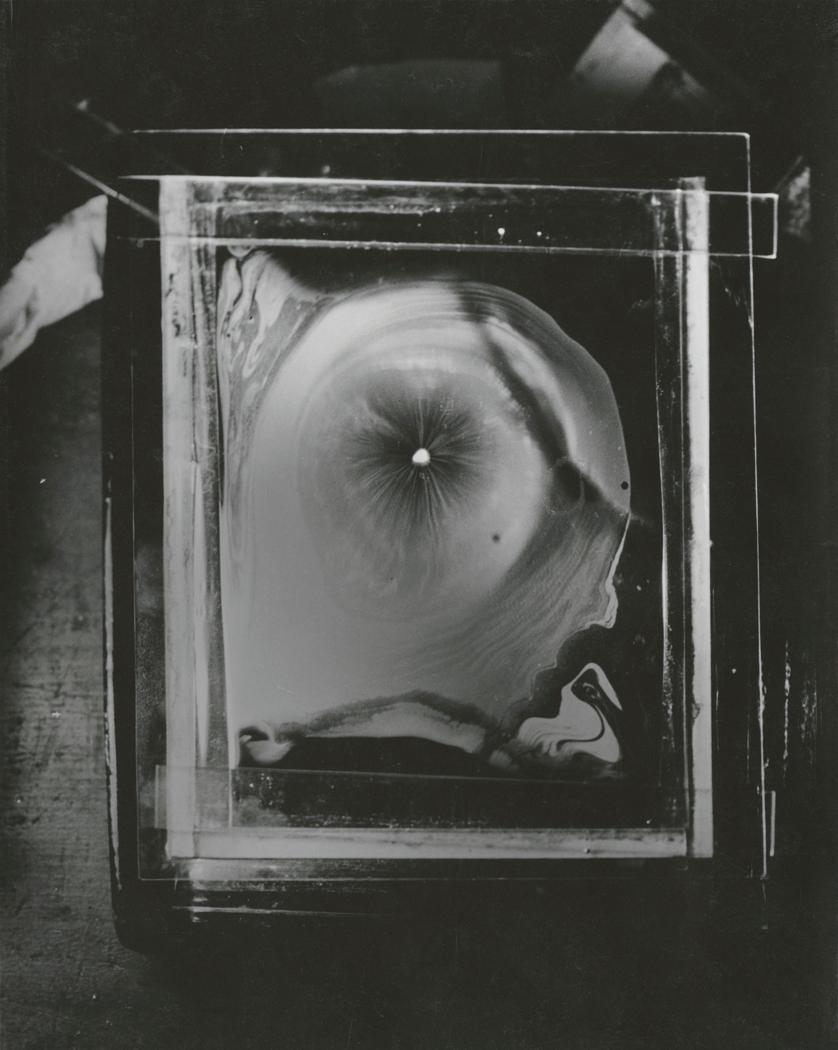
Josef Breitenbach- A small piece of camphor on the surface of mercury, 1937, Munich,, Gelatin silver print© The Josef Breitenbach Trust.
![Josef Breitenbach -modern female bust with hat, Paris - facing toward left], 1935](https://lapetitemelancolie.net/wp-content/uploads/2012/10/josef-breitenbach-modern-female-bust-with-hat-paris-facing-toward-left-1935.jpg)
Josef Breitenbach -modern female bust with hat, Paris – facing toward left], 1935

Josef Breitenbach, Bust Coloré, Paris, 1935
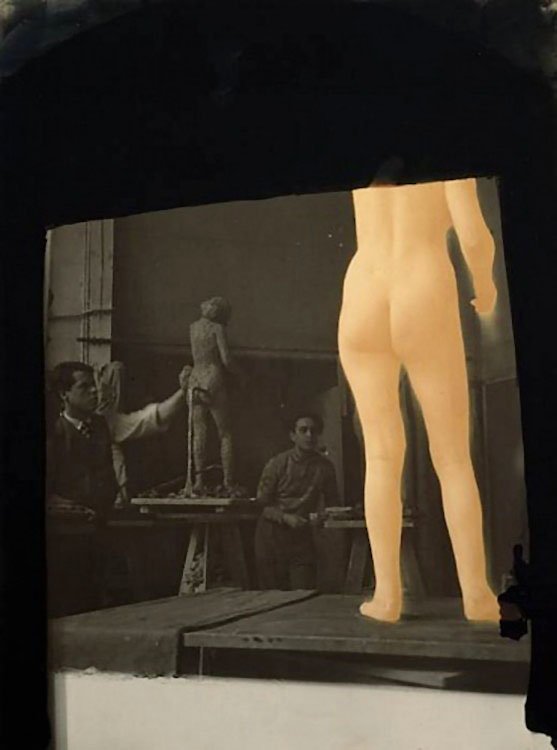
Josef Breitenbach, Sculpture Academy, Paris 1935 © The Josef Breitenbach Trust
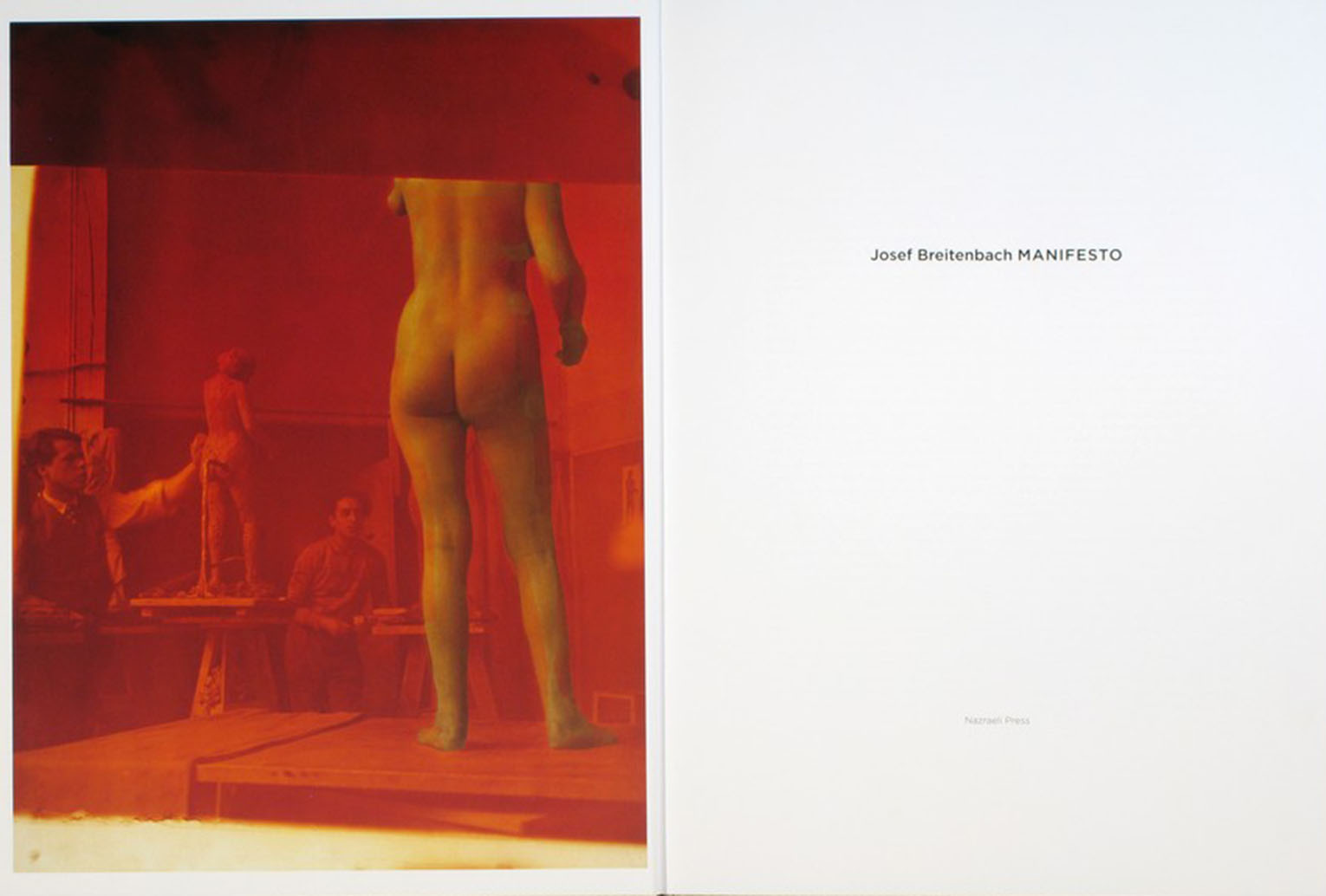
Josef Breitenbach- © The Josef Breitenbach Trust. from Manifesto By Josef Breitenbach , Ed° Nazraeli Press , 2008
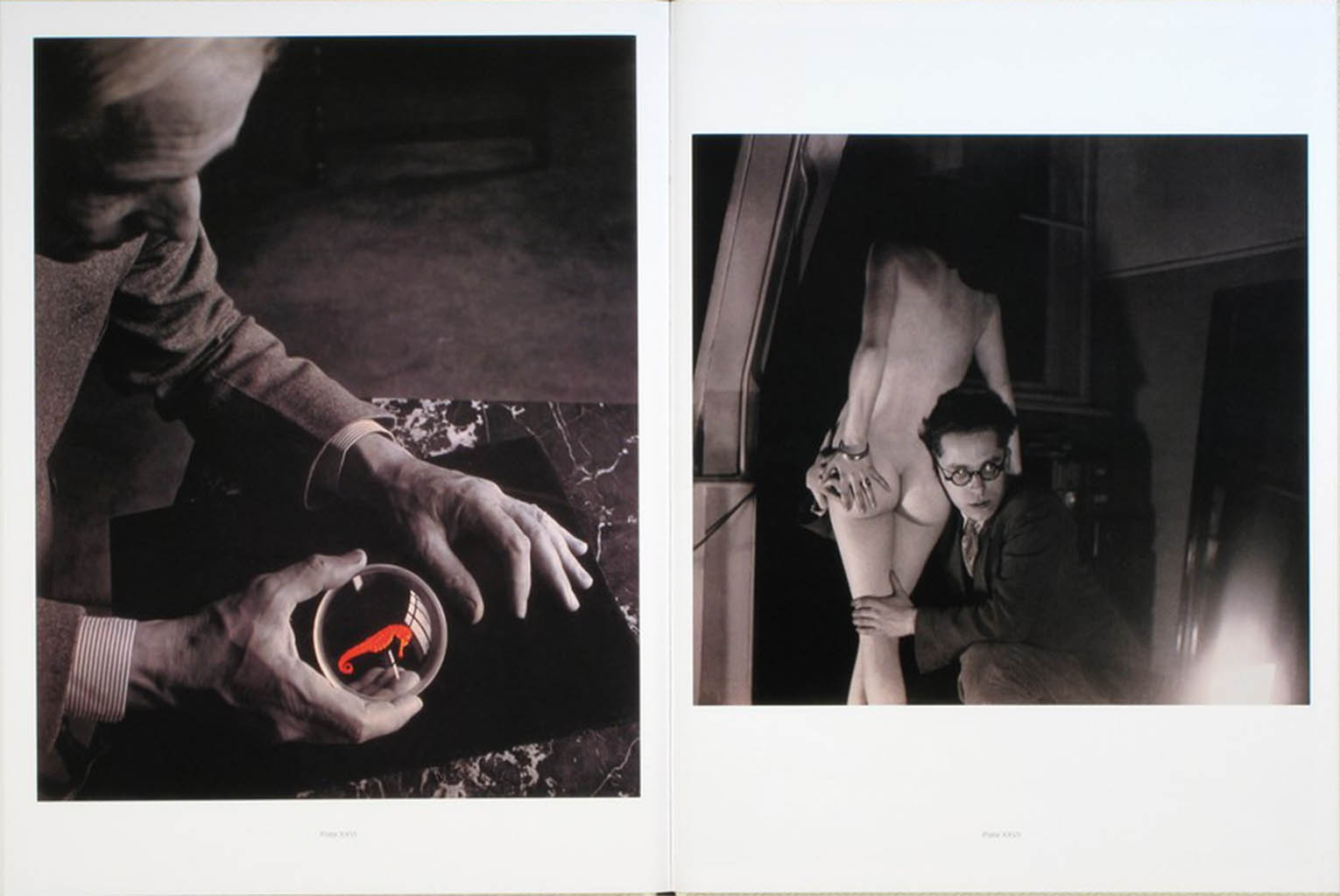
Josef Breitenbach- Max Ernst and Dr. Riegler & J. Greno, Munich 1933 © The Josef Breitenbach Trust. from Manifesto By Josef Breitenbach , Ed° Nazraeli Press , 2008
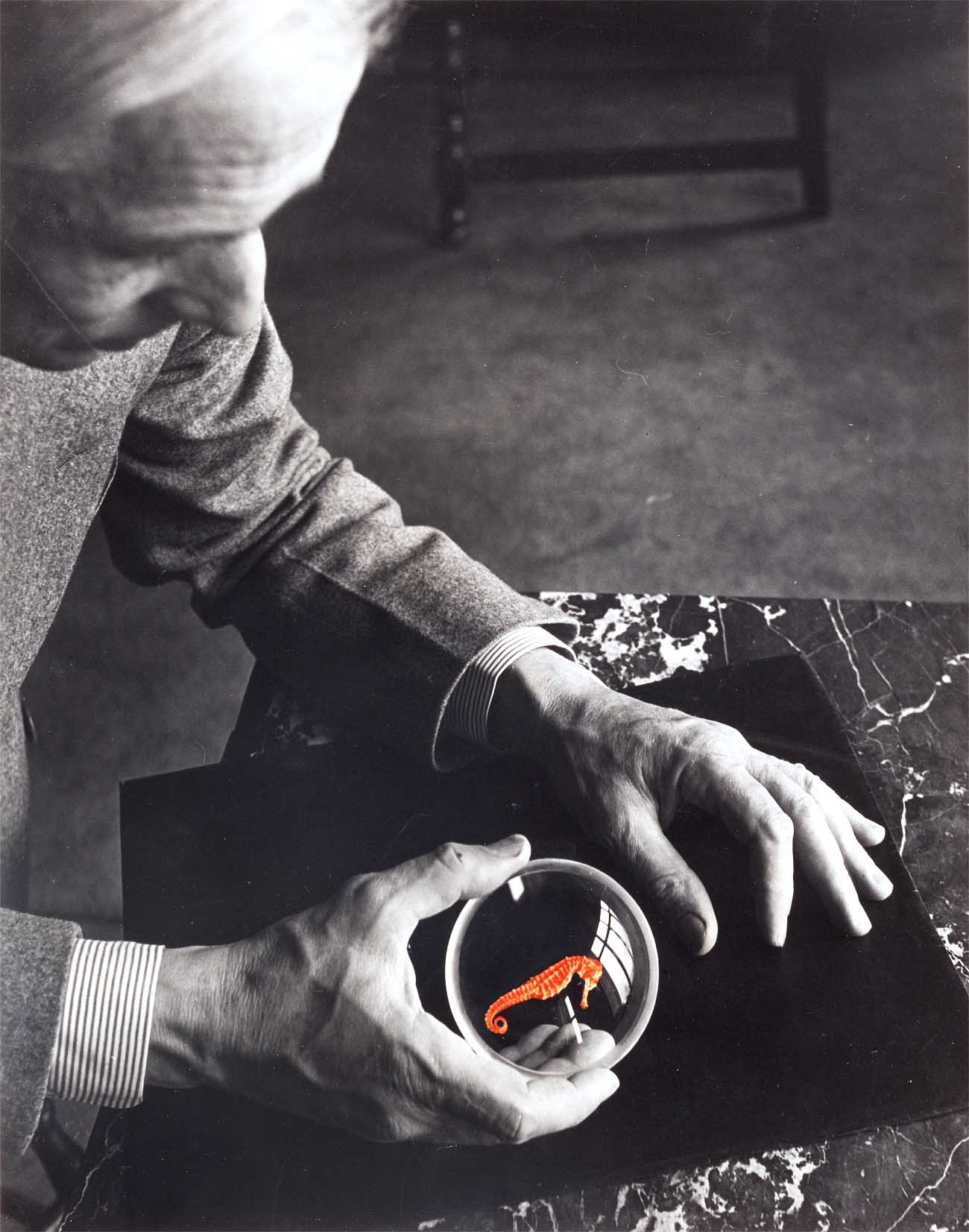
Josef Breitenbach. Max Ernst and the seahorse, New York, 1942.

Josef Breitenbach-The Hands of Max Ernst, 1942, Silver print. Courtesy of mfa © The Josef Breitenbach Trust
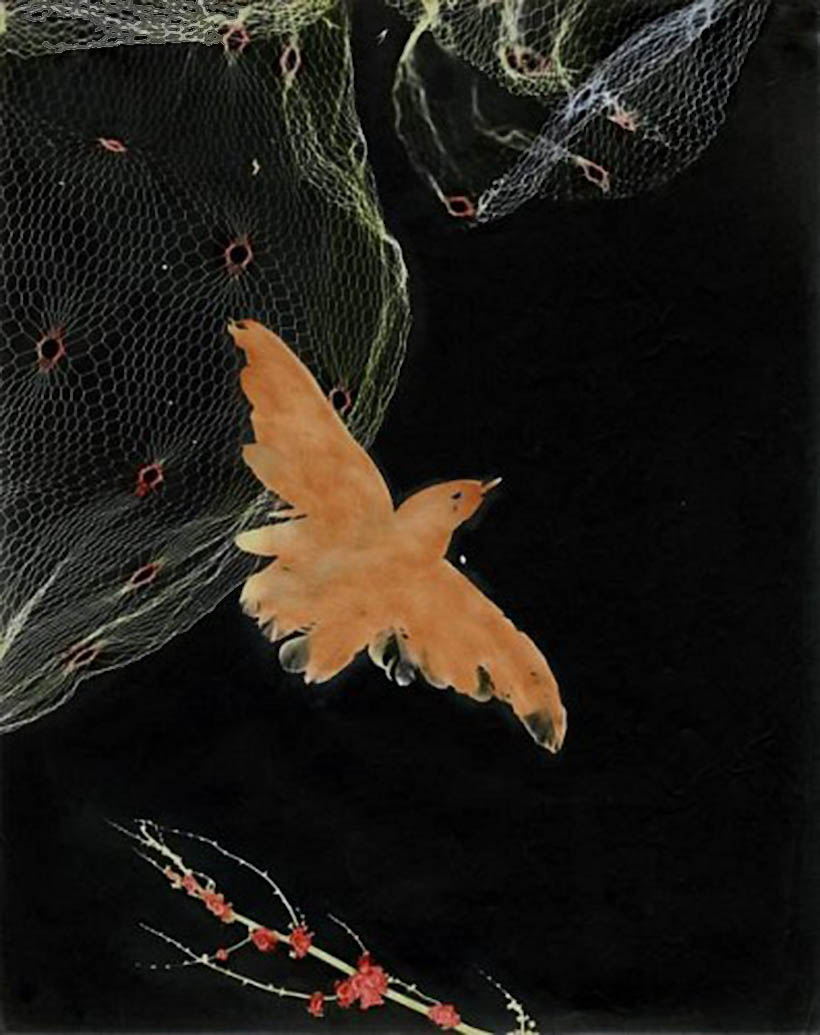
Josef Breitenbach- Bird, Photogram, hand colored gelatin silver print, 1948 © The Josef Breitenbach Trust
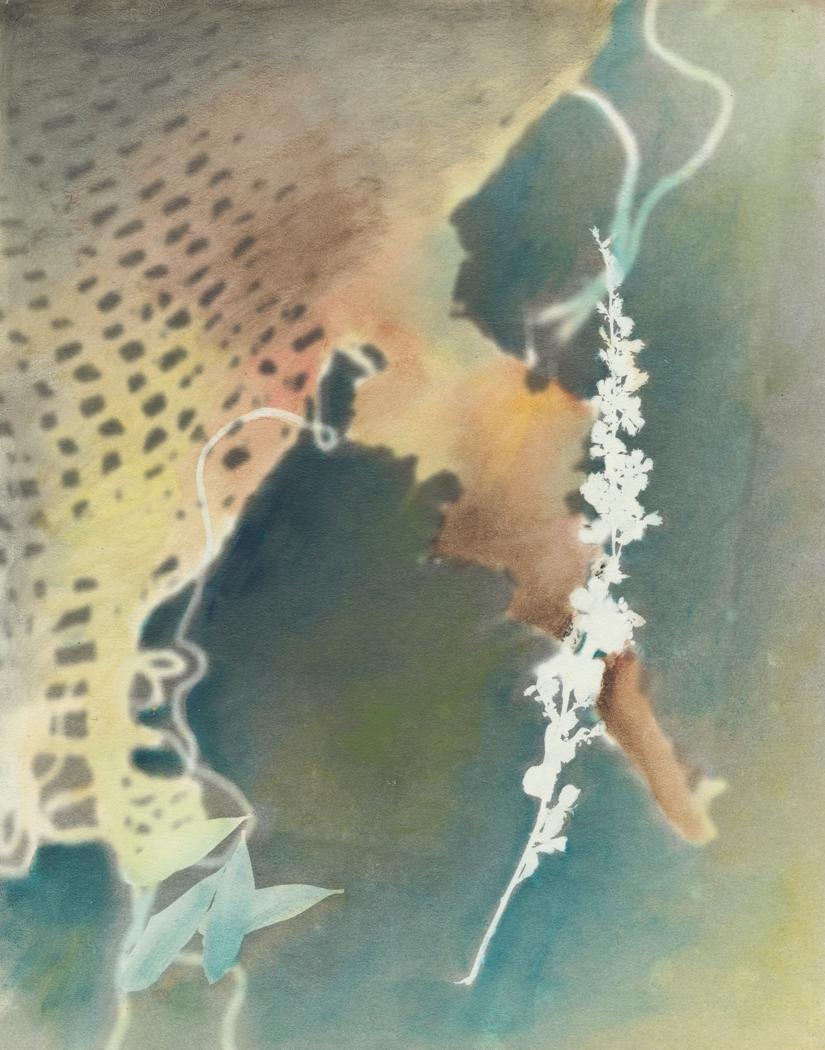
Josef Breitenbach-Untitled , photogram , hand-colored , 1940s © The Josef Breitenbach Trust

Josef Breitenbach-Untitled , photogram , hand-colored , 1940s © The Josef Breitenbach Trust
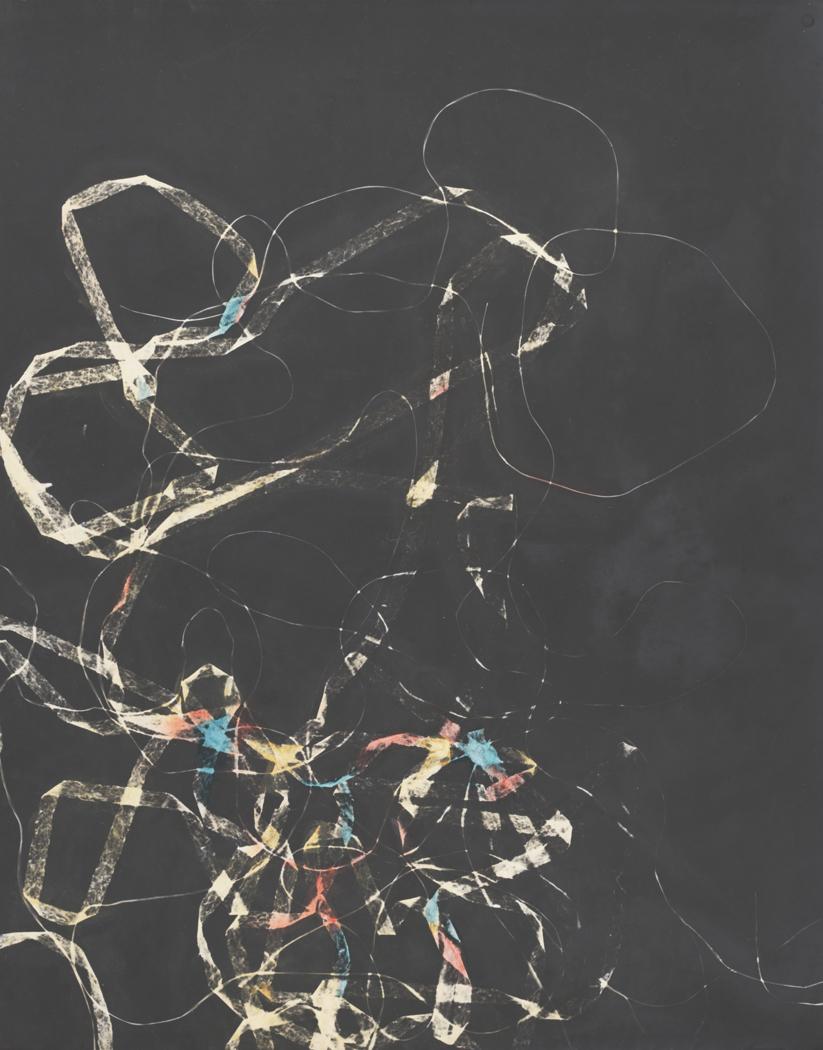
Josef Breitenbach-Untitled , photogram , hand-colored , 1940s © The Josef Breitenbach Trust

Josef Breitenbach- Fragrance of a Pink Rose, 1945,New York , Gelatin silver print © The Josef Breitenbach Trust.

Josef Breitenbach-Carnation and Fragrance, 1940s ,gelatin silver print, 1948 © The Josef Breitenbach Trust.
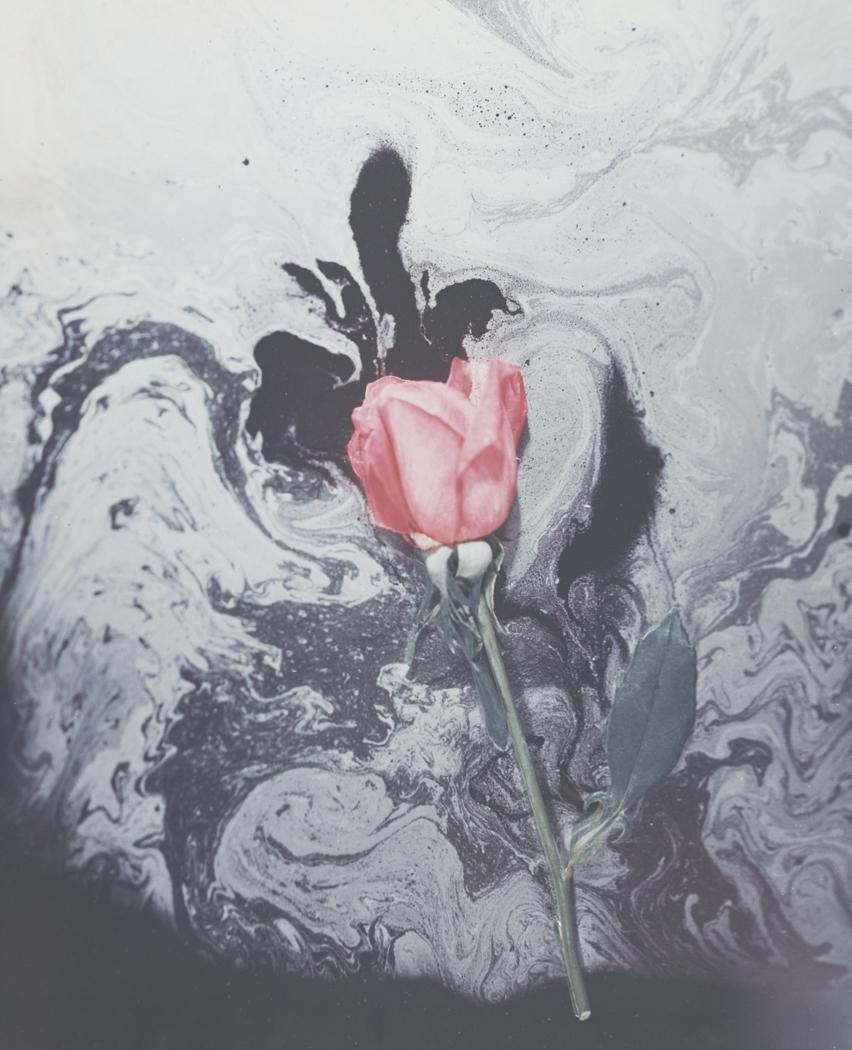
Josef Breitenbach- Red Rose and Odor, 1940 ,Unknown color process © The Josef Breitenbach Trust
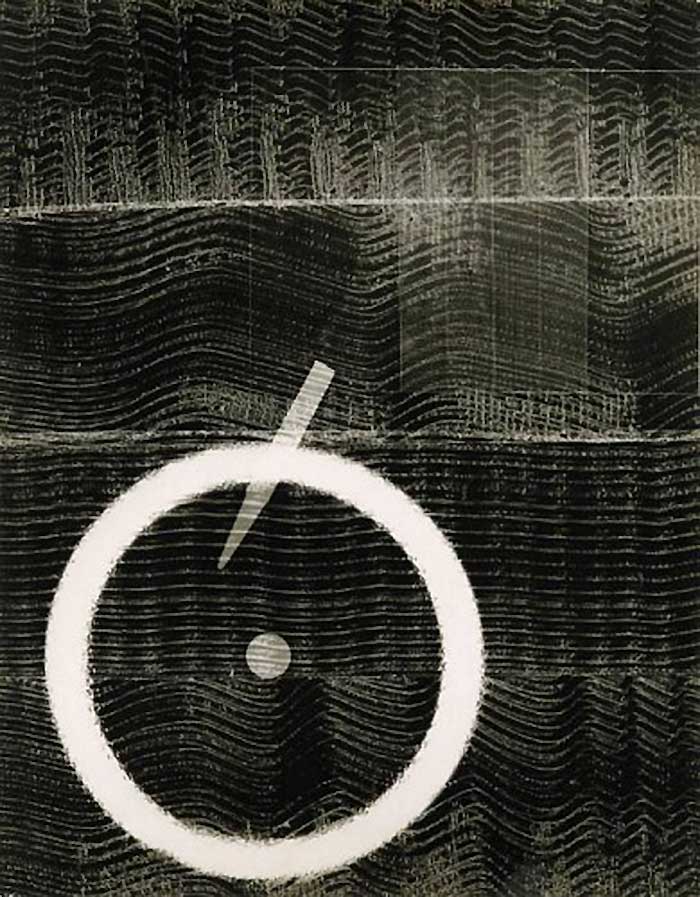
Josef Breitenbach- Untitled photogram, 1948 © The Josef Breitenbach Trust

Josef Breitenbach- Fireworks, photogram, 1949 gelatin silver print © The Josef Breitenbach Trust
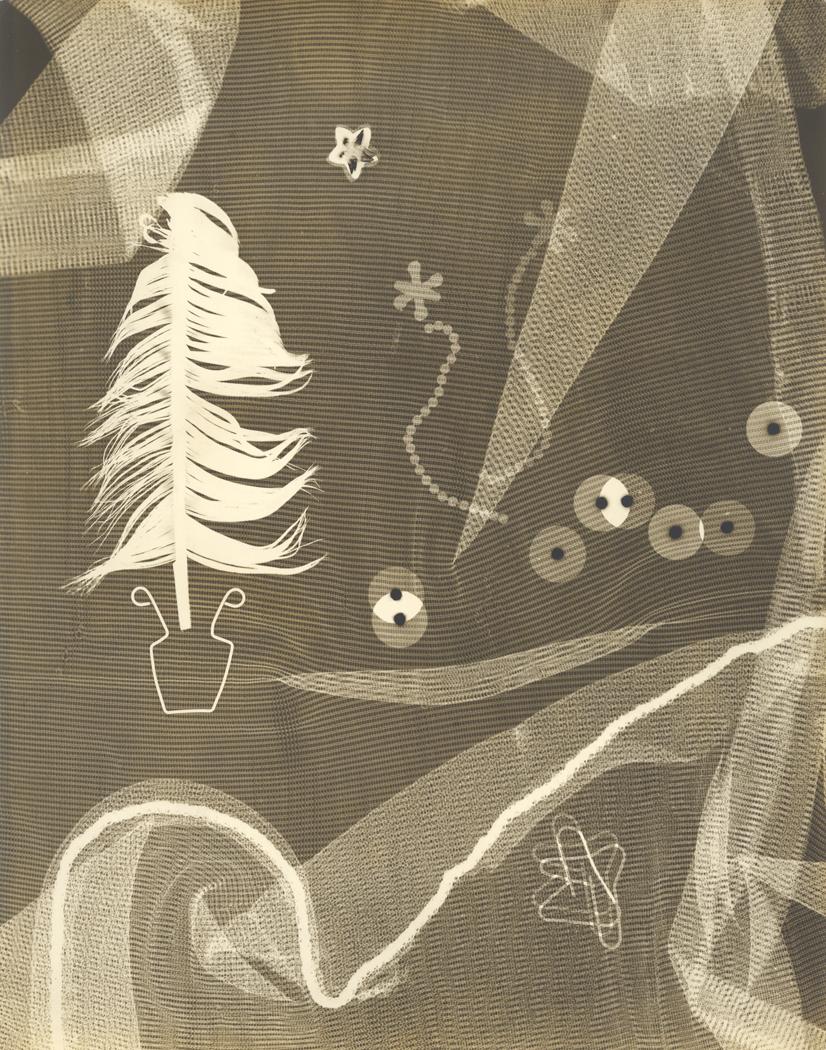
Josef Breitenbach-untitled ( objects on a patterned ground, feather, clips, washers), 1954 © The Josef Breitenbach Trust

Josef Breitenbach- Huntsman’s Luck, photogram , New York, 1946-49, gelatin silver print © The Josef Breitenbach Trust

Josef Breitenbach-Untitled , photogram, 1940s
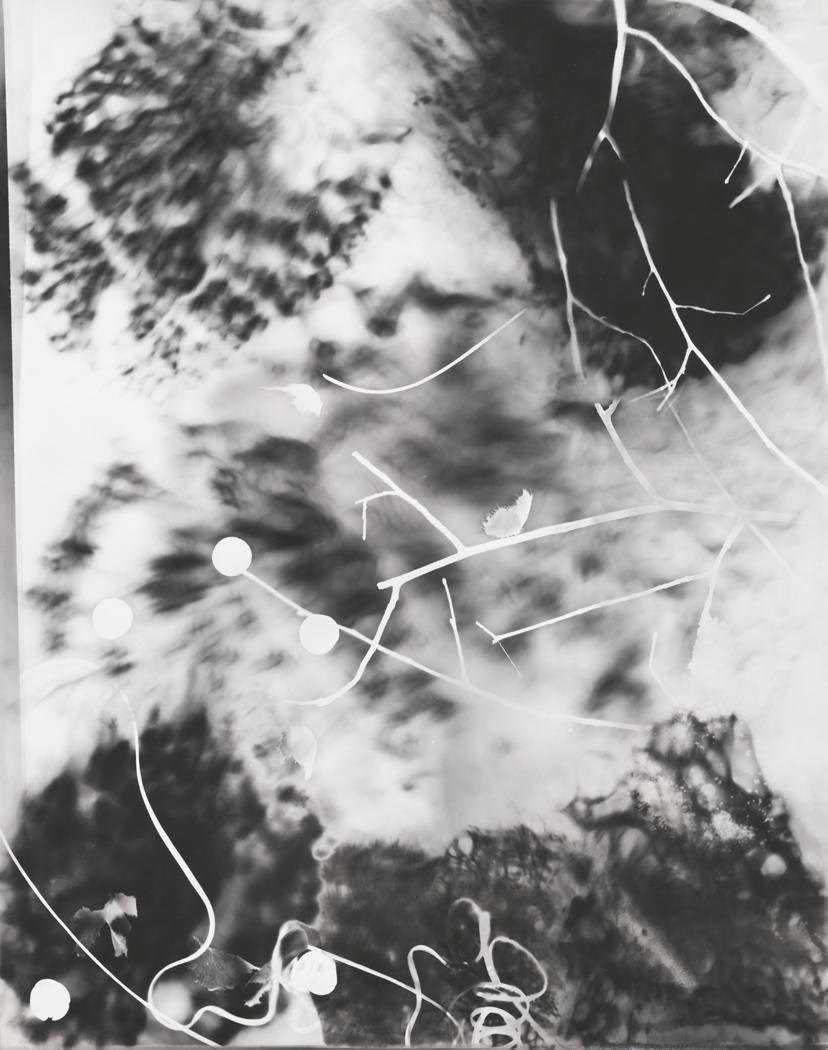
Josef Breitenbach-Untitled , photogram, 1940s © The Josef Breitenbach Trust

Josef Breitenbach-Untitled , photogram, 1940s © The Josef Breitenbach Trust
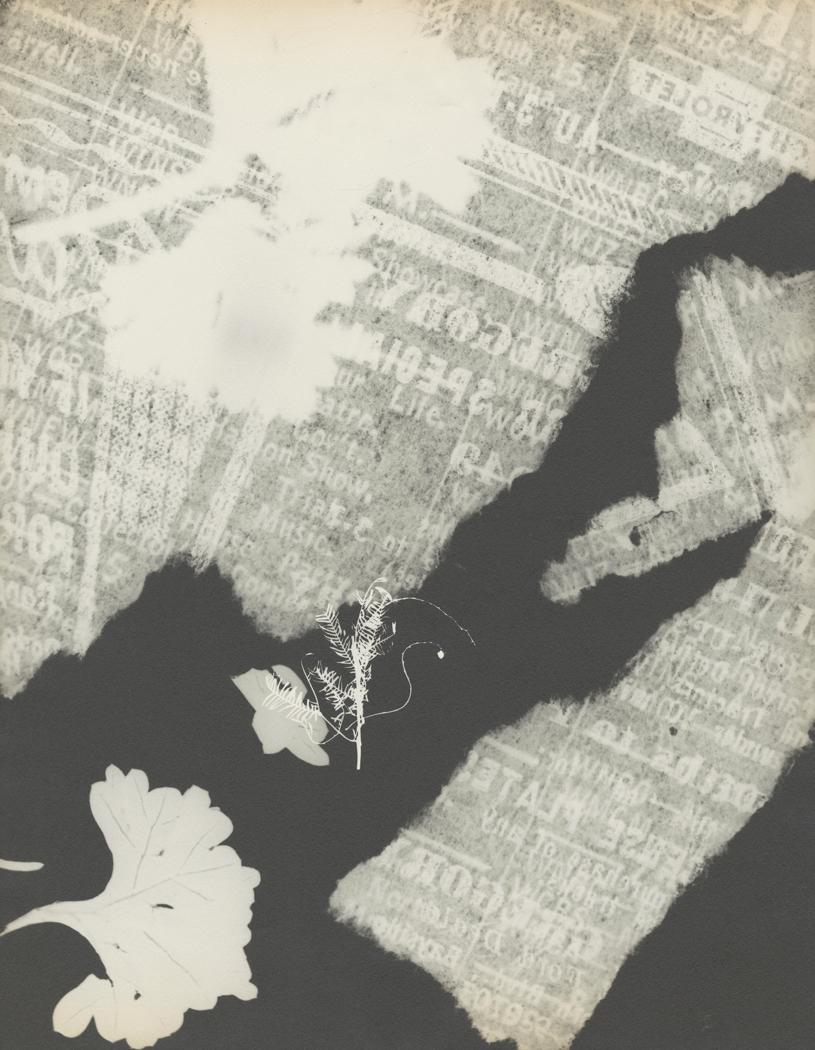
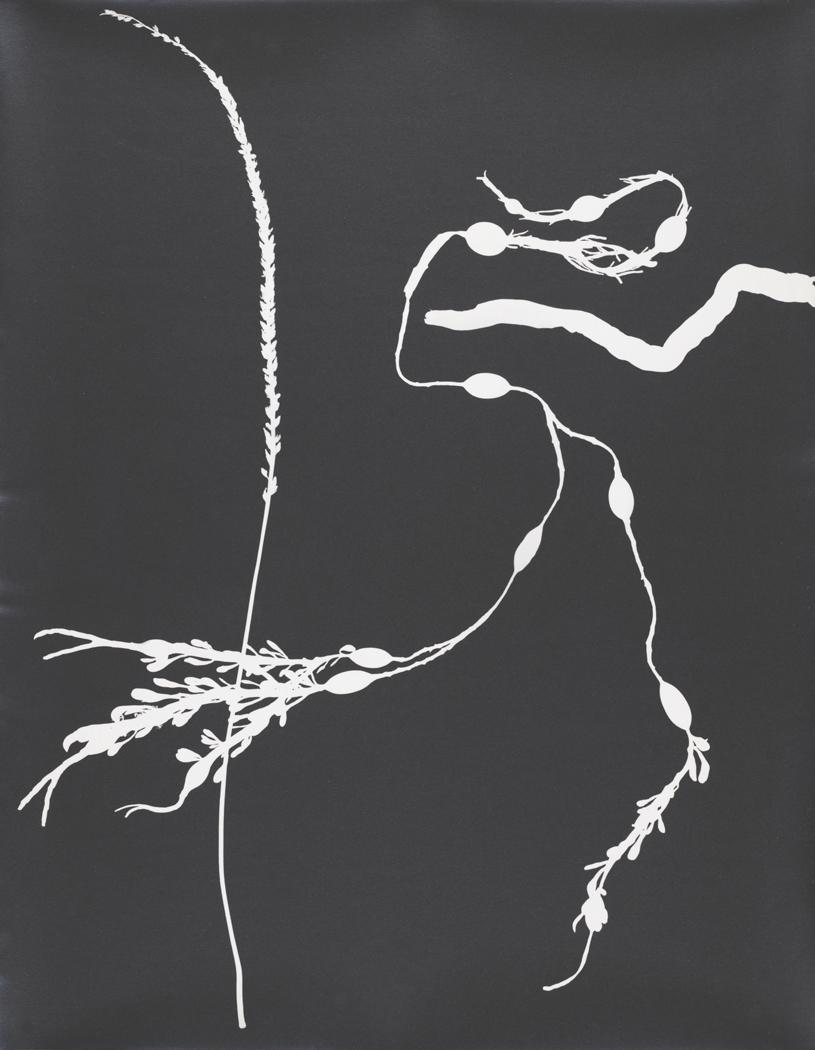
Josef Breitenbach-Untitled , photogram, 1940s © The Josef Breitenbach Trust

Josef Breitenbach-untitled , human circulatory system diagram, dark beach scene with wrecked boat, 1942 © The Josef Breitenbach Trust
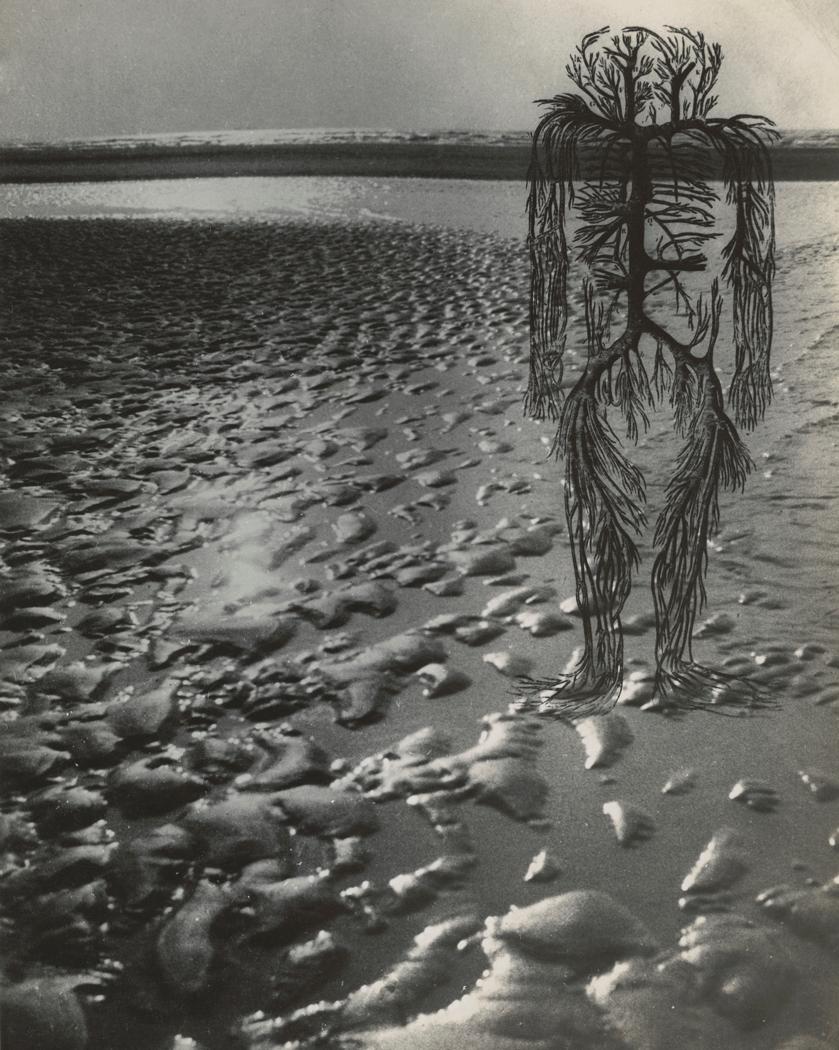
Josef Breitenbach-Untitled , human circulatory system diagram, wet beach sand with high sea horizon, 1942 © The Josef Breitenbach Trust
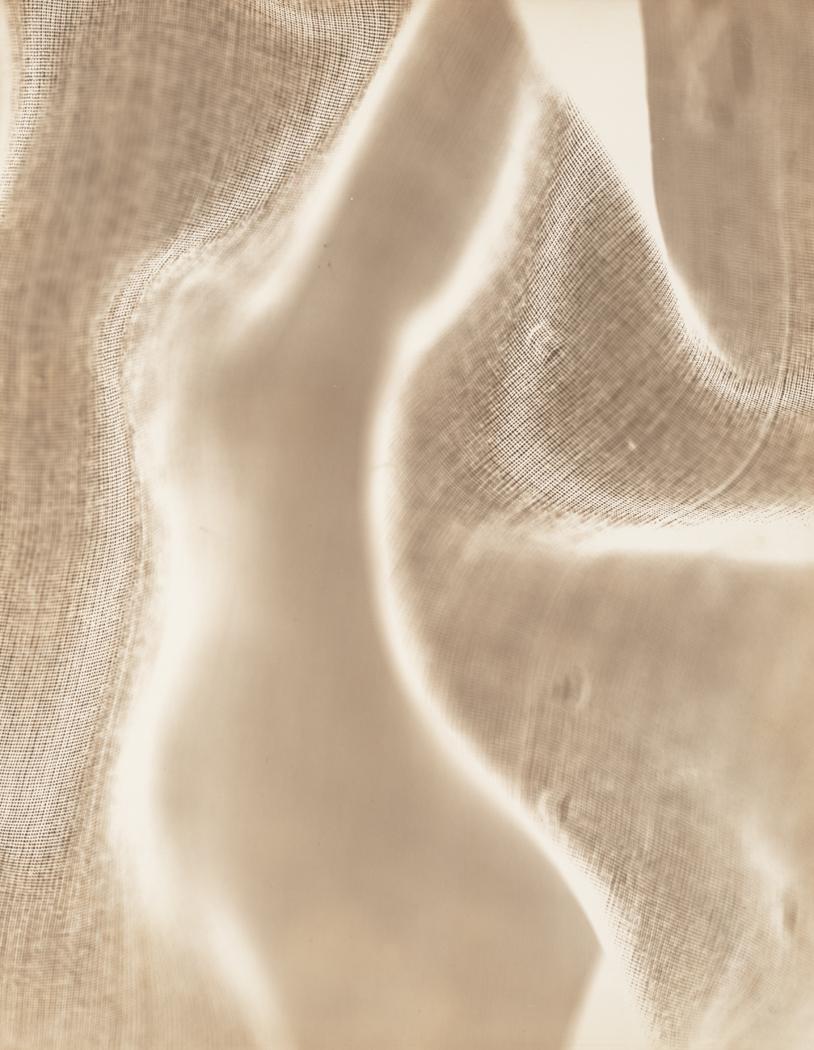
Josef Breitenbach-Fabric Abstraction, New York, 1948, Gelatin silver print© The Josef Breitenbach Trust.
La guerre interrompit ce deuxième chapitre de la vie du photographe. Interné par les Français comme un étranger suspect, puis rédigé dans un corps civil composé d’étrangers, Breitenbach finalement échappé à la France de Marseille en 1941 pour New York . Il parvient à retenir l’attention de Walker Evans, qui publie ses travaux dans Fortune .
À l’été 1944, à l’invitation de Josef Albers, Breitenbach enseigne la photographie au Black Mountain College. En 1946, il est devenu un citoyen des États-Unis et a rejoint la faculté de la Cooper Union .
Breitenbach a continué à créer que qui etait distinctif et innovateur,comme un un groupe de photographes sans l’appareil. Ces œuvres planent dans l’espace liminal entre le surréalisme et l’expressionnisme abstrait.
Les années 1950 et 1960 ont été des années d’intense activité pour Breitenbach. Il a fait reportage photographique en Asie pour les Nations Unies et d’autres entreprises variées, documentant le travail des secours.
Il exposera ses photographies largement dans les Etats-Unis à partir des années 1940 jusqu’au milieu des années 1960, notamment au Museum of Modern Art et le Metropolitan Museum of Art.
You can see more on Gitterman Gallery
Des portraits du photographe par des anonymes ici sur wordpress sur le blog A la loupe
Voir les résultats des actions le concernant sur Mutualart
Conseil de lecture :
Manifesto By Josef Breitenbach , Ed° Nazraeli Press , 2008
Josef Breitenbach: by Josef Breitenbach Photographs and text (in German) by Josef Breitenbach. Essays (in German) by Peter C. Jones, and Others , Published on the occasion of the 1996-1997 exhibition Josef Breitenbach: Photographien at the Staatliche Galerie Moritzburg Halle and the Fotomuseum im Münchner Stadtmuseum, Ed° Schirmer-Mosel, 1996
Munich, Paris, New York Paperback – 2003 by Josef and Paul Berlanga, Exhibit Catalogue, edition Stephen Daiter Gallery, 2003
Josef Breitenbach » by Larisa Dryansky, Editions de l’Amateur, 2001
Cover of the Book « Josef Breitenbach » by Larisa Dryansky, Editions de l’Amateur, 2001
English bio
Josef Breitenbach was born on the 3rd of April 1896. He attended Ludwig-Maximillian University in Munich (philosophy and art history, 1914 to 1917) and became active in the Youth Section and later the Pacifist wing of the Social Democratic Party. In 1918, he took part in the Soviet-inspired Bavarian coup d’état, which was the first spark of the revolutionary fire that swept over Germany in the wake of the armistice. For a few months, Breitenbach also occupied an official position in the new government. Although the revolution was short-lived, the ties he forged with the radical circles of Munich’s intelligentsia later helped him establish his reputation as a photographer.
In 1932, Breitenbach opened his first photographic studio. His clients were prominent members of Munich’s bohemia, including actors and actresses performing in the Munich theater. Munich was a stronghold of libertarians and refined people, whose spirit Breitenbach captured in theatrical portraits of his friend, the journalist Theo Riegler. This world vanished in 1933 with Hitler’s takeover.
More than his Jewish roots, the photographer’s political past made him a target for persecution. In August, 1933, with his passport , Breitenbach made his way to France , joining other German exiles seeking refuge in Paris.
The Surrealist “revolution” had by then become dominant in the Parisian art scene. Soon after his arrival, Breitenbach came into contact with André Breton and his circle. Preferring to retain his independence, he never became a member of the Surrealist group, but did show work in important exhibitions of Surrealist photography alongside Man Ray, Jacques-André Boiffard, Brassaï, Eli Lotar, Henri Cartier-Bresson, et Roger Parry.
Breitenbach only lived in Paris for six years, until the war broke out in 1939. During this period, he produced some of his most inventive work. He adopted several techniques favored by new photographers such as superimpression, montage, solarization, printing in negative, and the photogram. More importantly, he was one of the rare artists of the pre-War years to produce color photographs, which he did by using processes of bleaching, toning and pigmentation. Examples are the images “Montparnasse”, or Forever and Ever.
During his years in Paris, he was also an active member of the German exile community, which alerted the democratic world to the threat of fascism. He participated in the 1938 exhibition by the Union des Artistes Allemandes Libres, “Five Years of Hitler Dictatorship”. A high point for Breitenbach was his collaboration with Bertolt Brecht, summarized by portraits of the playwright. The war interrupted this second chapter of the photographer’s life. Interned by the French as a suspicious alien, then drafted into a civilian corps composed of foreigners, Breitenbach eventually escaped to New York from Marseille in 1941.He came to the attention of Walker Evans, who published his work in Fortune. In the summer of 1944, at the invitation of Josef Albers, Breitenbach taught photography at Black Mountain College. In 1946 he became a United States citizen and joined the faculty at Cooper Union and later The New School. Breitenbach continued to create distinctive and innovative work, including a striking group of camera-less photographs. These works hover in the liminal space between Surrealism and Abstract Expressionism. The 1950s and 1960s were years of intense activity for Breitenbach. He did photographic reportage in Asia for the United Nations and other varied businesses, documenting relief work. He exhibited his photographs extensively in the United States from the 1940s to the mid-1960s, including at the Museum of Modern Art and the Metropolitan Museum of Art.
I proposed today to browse some facets Josef Breitenbach left us behind. This was mainly the result of the encounter with the Surrealists and accompanied throughout his adventure. Through his portraits, montages , collage, photogram , naked, and some memories , moreover
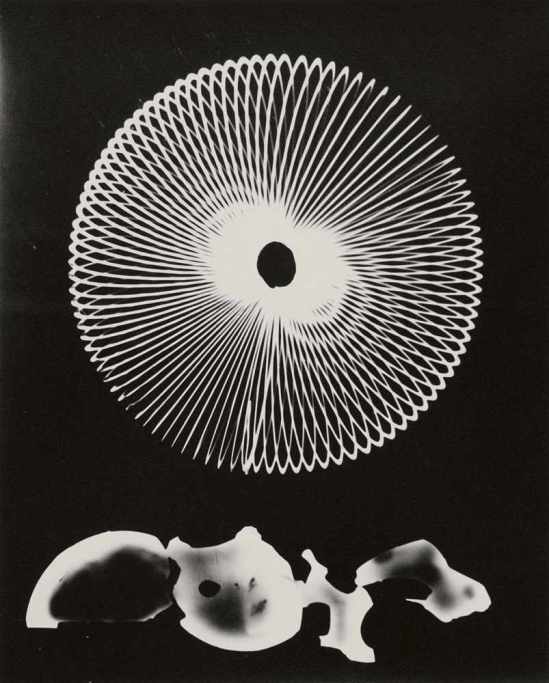
Man Ray – Untitled (Rayogram), Gelatin silver on textured paper printed in 1963 by Naomi Savage
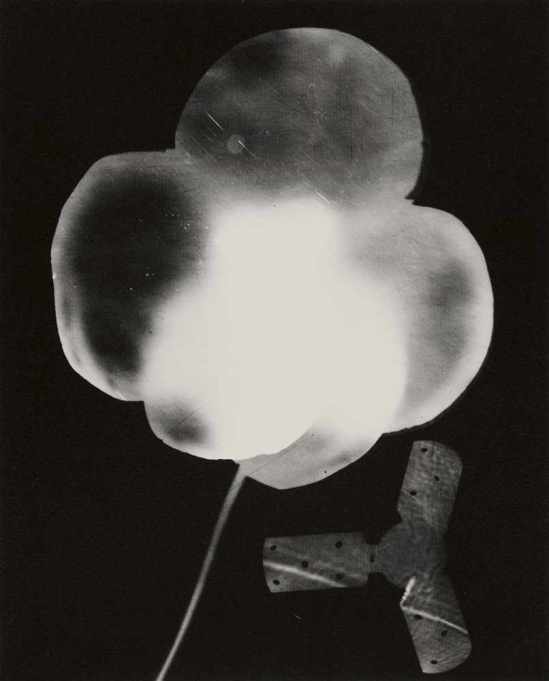
Man Ray – Untitled (Rayogram), Gelatin silver on textured paper printed in 1963 by Naomi Savage
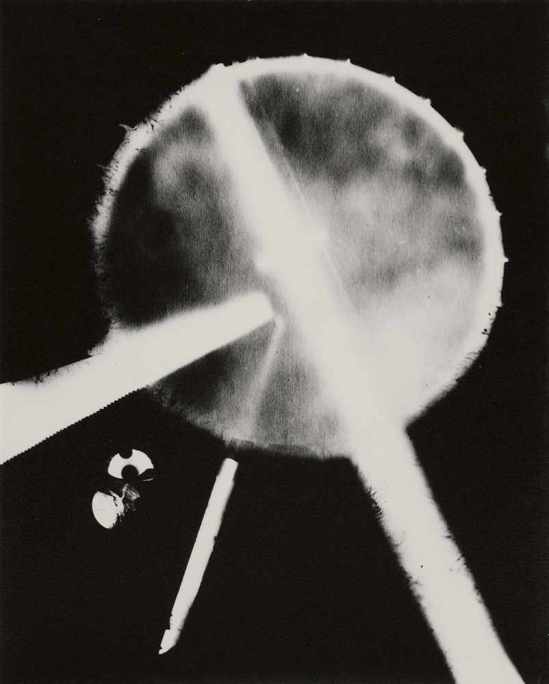
Man Ray – Untitled (Rayogram), Gelatin silver on textured paper printed in 1963 by Naomi Savage
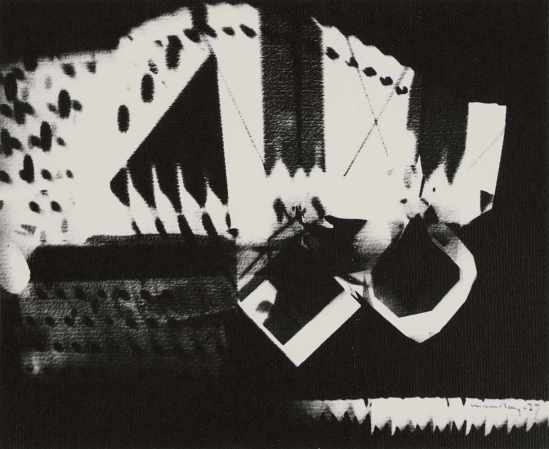
Man Ray – Untitled (Rayogram), Gelatin silver on textured paper printed in 1963 by Naomi Savage
Lou Landauer was a German woman photographer
« Lou Levi was born 1897 in Cologne where she grew up with her two sisters Stefani and Bella. At the age of 26, in 1923, Lou married the lawyer Georg Landauer (1895 – 1954). Landauer was an important Zionist politician who over the years had many central positions. After WWII he was involved in the reparation negotiations between Germany and the State of Israel.
After her marriage and training at the Trade Academy in Cologne in 1924, Lou Landauer appears to have developed an interest in photography and registered at the Staatliche Fotoschule München where her name is in the student list of 1928/29.
In 1930, she moved to Berlin, where she continued her photography studies possibly at the Lette-Verein. The archive of the Lette-Verein is unfortunately incomplete and there is no information regarding her time there. The magazine Life in Palastine, Nr. 22, 1946 refers to Lou Landauer as “…a former student of famous schools in Munich and Berlin”. The only existing document from her Berlin time is a photograph taken in her apartment which shows her together with her parents.
In 1934 she and her husband emigrated together with her parents to Palastine. As of 1933 her husband Georg was the director of the German department of the Jewish Agency for Palestine and director of the Central Bureau for the Settlement of German Jews.
Lou Landauer first worked as a press photographer for the Jüdische Rundschau, which was still published in Berlin. The magazine published her photographs of the ceremonial laying of the foundation stone (March 19, 1935) of the new AHAWA building in Kirjat Bialik near Haifa. The children’s home of the same name in Auguststr., Berlin had been closed a year before in 1934 by the National Socialists.
In the spring of 1936 the filming of the documentary “Aufbruch der Jugend” was completed: Lou Landauer was producer and camerawoman (director: Eva Stern, Marta Goldberg). The Arbeitsgemeinschaft Kinder- und Jugend-Alijah Berlin contracted the film. The premiere took place on May 25, 1936 at the Berlin Logenhaus where Leo Baeck gave an introductory speech.
The day after the premiere Rachel Wischnitzer-Bernstein wrote about the event in the Gemeindeblatt and particularly praised the “achievement and sensitivity” of the photographer and camerawoman Lou Landauer. The CV-Zeitung also reported in detail about the film. Today the film resides in the Steven Spielberg Archive, Jerusalem.
Until now the whereabouts of Lou Landauer’s correspondence or larger estate is unknown. The only secured correspondence is that with Else Lasker-Schüler which are documented among the works and letters of the poetess (compiled by Dr. Karl Jürgen Strotzki, Lohmar).
In 1942 she began her work as a teacher at the Bezalel Hechadasch, the new Applied Arts School in Jerusalem. The former Applied Arts School existed between 1906 – 1928 and was later newly founded with the help of the Mandats administration and the Jewish Agency.
In the 1940s Lou Landauer taught courses in the department of artistic photography and she is referred to as “Instructor of Photography at Bezalel” (Life in Palestine, 22, 1946). Among the directors of the new school were Hermann Struck and Erich Mendelsohn.
Here she most likely met the photographer Helmar Lerski who had his own photography school in Tel Aviv. In 1945 H. Lerski showed his portraits at Bezalel and in December of the same year Lou Landauer also exhibited there, showing a cross section of her work for the first time, including photograms, nature studies, portraits (double exposures) and still lifes. A poster of the exhibition and various newspaper articles attest to this such as Jedioth Chadaschoth (‘Neueste Nachrichten’) Dec. 7, 1945 and The Palestine Post, Dec. 10, 1945.
In 1949, Landauer went to the USA to attempt a new start. There she worked as a commercial photographer for various magazines and experimented with the technically complicated color carbro process. By the 1950s, she appears to have given up professional photography all together and worked as an assistant librarian at the Leo Baeck Institute in New York.
A small album from her estate contains photographs (1960-1981) from various Swiss locations, most showing her with her sisters and other relatives.
Lou Landauer died in 1991, presumably in Lugano, Switzerland. » Provenance: From the estate of Lou Landauer.

Lou Landauer -Abstract study, Circa 1945. Vintage gelatin silver print
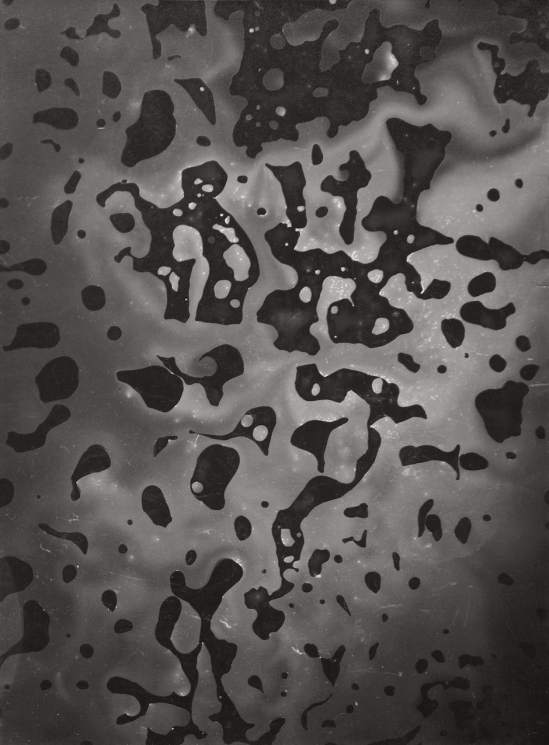
Lou Landauer Abstract study , 1941 Vintage gelatin silver print
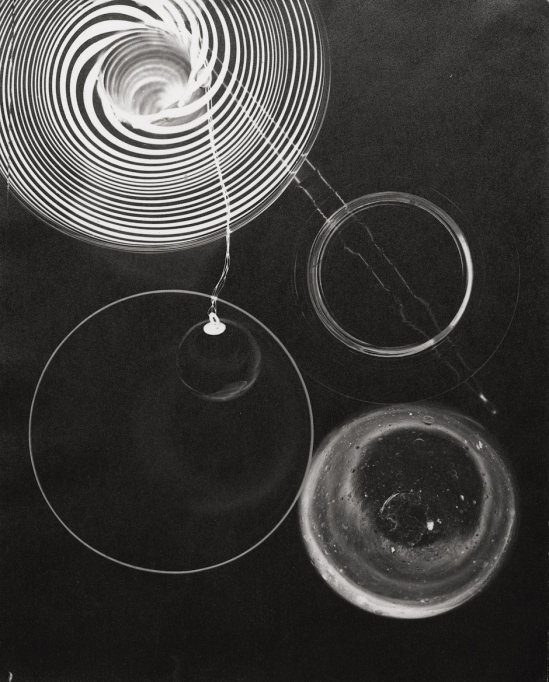
Lou Landauer Photogram of glasses , 1940s Vintage gelatin silver print on strong paper
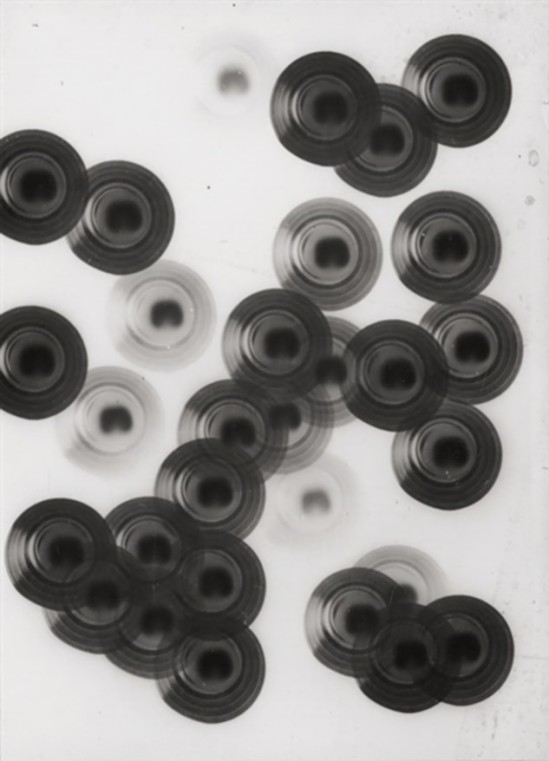
Lou Landauer Photogram of photo lamps , 1941 Vintage ferrotyped gelatin silver print

Lou Landauer -Abstract study with glass 1942. Vintage ferrotyped gelatin silver print

Lou Landauer -Abstract botanical study Abstract botanical study (multiple exposure with photogram negatives). 1940s. Vintage gelatin silver print.

Lou Landauer -Detail studie, Circa 1945

Lou Landauer- Photogram. 1942. vintage gelatin silver print
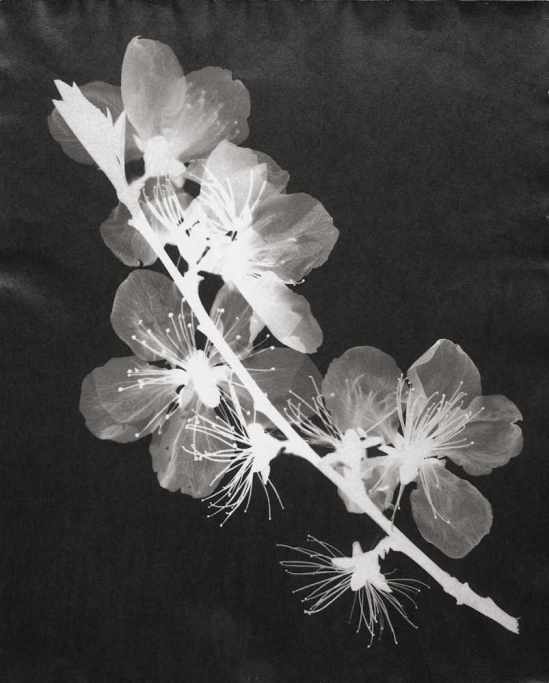
Lou Landauer- Photogram . 1942. vintage gelatin silver print

Lou Landauer Photogram of violets Vintage gelatin silver print on strong paper

Lou Landauer Photograms of flowers vintage gelatin silver print

Lou Landauer-Detail studie, Circa 1945

Lou Landauer – Cover for a crime novel cover Design for crime novel book cover. 1943. Vintage matte gelatin silver print

Lou Landauer- Design for a book cover for Arsenic and Old Lace by Joseph Kesselring.1946. Vintage matte gelatin silver print with hand painted titles in red
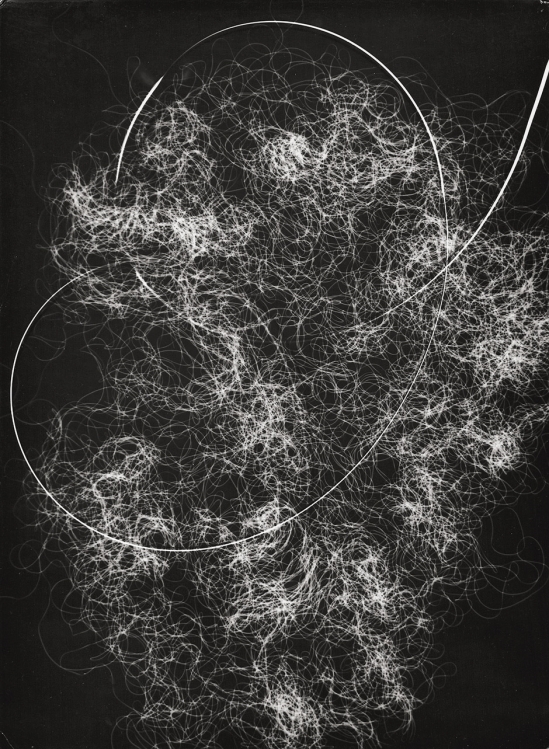
Lou Landauer – Photogram , 1940s Vintage ferrotyped gelatin silver print
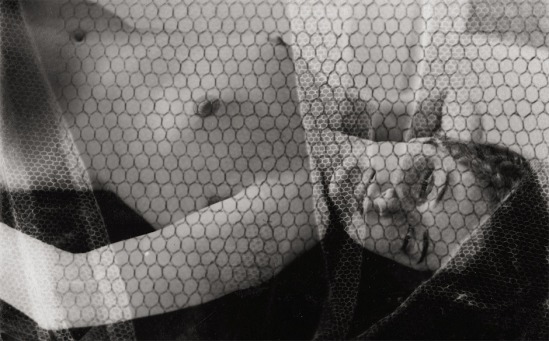
Lou Landauer- Female nude and net (double exposures). 1930. vintage ferrotyped gelatin silver print

Lou Landauer- Self-Portrait in Israel , 1943 vintage semi-matte gelatin silver print
 La Petite Mélancolie

Vous devez être connecté pour poster un commentaire.