Zoltán Glass

Zoltán Glass est né à Budapest en 1903, issu de l’union un couple juif. Sa situation familiale n’est pas très claire, mais Zoltán avait au moins un frère aîné, Stefan, qui est également devenu un photographe, basé à London. Zoltán a commencé sa carrière en tant que dessinateur et retoucheur pour un journal local, mais en 1925, il s’installe à Berlin. Au début, il gagnait sa vie en tant que freelance, et  » touche-à-tout » . Il finit par trouver un emploi régulier comme éditeur d’image d’un journal du soir de Berlin, le « 5-8 Uhr Abendblatt », puis, à partir de 1931, en tant que photojournaliste du quotidien le plus important, le « Berliner Tagblatt ». (Fait intéressant, deux autres journalistes hongrois-juif de Budapest qui ont appris leur métier sur Berlin journaux à l’époque étaient l’écrivain Arthur Koestler et le dessinateur Victor Weisz, mieux connu plus tard comme Vicky du Daily Mirror et l’Evening Standard de Londres.) En tant que membre du réseau des émigrés hongrois talentueux actifs dans la vie créative de la capitale allemande, Glass prospéra et fut bientôt capable de développer une entreprise prospère en tant que photographe free-lance et journaliste. En temps voulu, il a établi « Reclaphot », une agence photographique spécialisée dans les travaux de la publicité, et Autophot, une société dédiée exclusivement à la photographie automobile.

Dejà un passionné de sport automobile et coureur amateur lui même , Glass couvre la plupart des grandes courses disputées en Allemagne entre 1931 et 1936 , au Nürburgring et sur le circuit Avus, près de Berlin. Ses photos enregistrant le succès de l’équipe Mercedes-Benz a reçu les éloges du public immédiat et généralisé et a aidé à établir l’iconographie du travail de l’automobile de l ‘achievement.Glass technologique allemand a également inclus documentaire et des photographies de reportage prises aux salons automobiles et des usines, ainsi que des coups de publicité commandées par des clients tels comme Daimler-Benz, Auto Union et Shell.

Zoltán Glass-Deux femmes, considérée side-on, dans une voiture la nuit, 1932.
Zoltán Glass-Deux femmes, considérée side-on, dans une voiture la nuit, 1932.

Zoltán verre Femme avec un pied sur le marchepied d'une voiture Buick, pour une série de publicité 1932.

Zoltán verre Femme avec un pied sur le marchepied d’une voiture Buick, pour une série de publicité 1932.

Zoltán Glass-Deux femmes et leurs chiens dans une voiture 1933.

Zoltán Glass-Deux femmes et leurs chiens dans une voiture 1933.

Zoltan verre, Voiture, Berlin 1931

Zoltan verre, Voiture, Berlin 1931

Zoltán Verre Femme avec un tuyau met liquide dans la voiture, c.1930

Zoltán Verre Femme avec un tuyau met liquide dans la voiture, c.1930

Zoltán Glass-femme dans le siège du conducteur d'une voiture, se retournant pour regarder le photographe 1923.

Zoltán Glass-femme dans le siège du conducteur d’une voiture, se retournant pour regarder le photographe 1923.

En conséquence, il a développé de solides amitiés personnelles avec un certain nombre de personnalités de premier plan dans le monde de la publicité Berlin, y compris Peter de Peterson de la J Walter Thompson agence, ce qui lui premis de s’échapper de l’ Allemagne lorsque la persécution nazie des juifs est devenue intolérable. Depuis le début de 1936, Glass était en effet exclu par les médias et a été démis de ses missions régulières pour le « Berliner Tagblatt ». Il a décidé avec l’aide de de Peterson, de se baser à Londres tout en continuant à exécuter ses photo-agences à Berlin du mieux qu’il pouvait, car en Novembre 1938 les nazis ont introduit des lois empêchant les Juifs de posséder ou d’exécuter tout forme d’entreprise, ainsi ses collaborations avec Mercedes, Auto Union et d’autres clients ont été résiliés. Il a été forcé de fuir Berlin pour de bon, emportant avec lui toute sa collection de negatifs.

Arthur Sringarn, propriétaire de Publicité Sackville à Sackville Street, lui a alors donné du travail et lui a permis de travailler pour des journaux comme le Daily Mirror, il a également reçu des commandes de magazines populaires tels que « Life » et « Picture Post »,
Après la guerre il a pris la nationalité britannique, mais les années d’après-guerre ont été une période difficile pour tous les photographes commerciaux et il a été forcé prendre des photos publicitaire pour le cinéma et le monde du théâtre. Il a fallu attendre le début des années cinquante afin qu’il se remette ses pieds professionnellement, après avoir fait équipe avec Arpad Elfer, un autre hongrois qui a travaillé dans la publicité à Berlin .

Il prend un nouveau tournant commence à photographier des modèles légèrement vêtues toujours avec la même technique, d’angle particulier, de cadrages spécifiques et de jeux de lumière. Dans le milieu des années cinquante, après avoir établi Zoltan Glass Studios à Chelsea, et plus tard à Paradise Walk, il consolide sa réputation à Londres. Par ailleurs il permet aux jeunes aspirants photographes d’utiliser les installations de ses studios, gratuitement, de lui verser un pourcentage de leurs revenus ( bonne idée commerciale !!) .De nombreux photographes célèbres ont commencé leur carrière de cette façon .

A partir de 1953, parallèlement, à son travail qui a pignon sur rue, il produits des études de nus érotiques. C’est au cours de cette période, il a photographié le modèle Pamela Green par exemple.

Après avoir assez gagné d’argent ( selon lui) , il vend son studio de Chelsea et s’installe à Roquebrune, dans le Var sur la Côte d’Azur en France, avec sa conjointe ‘une ancienne danseuse de cabaret) . Il y est décédé à l’âge de 78 ans.
Bien sur aujourd’hui ce n’est pas la première partie de sa vie de photographe ( l’automobile voir ici si vous aimez Collection Getty etPhoto sur le sport automobile) mais bien celle qui débute dans les années 50 que je vous présente . Ses études de nus et ses Pin-up, qui sont un régal pour les yeux…. Superbe cadrage, dramaturgie, éclairage somptueux, un travail sublime en un mot. Mon choix est celui du noir et blanc , mais il a produit enormément de  photographies couleurs

*********************

« Zoltan verre est né à Budapest le 26 Avril 1903, à Reszon et Olga verre, un couple juif dont les circonstances de la famille ne sont pas claires. Zoltan eu au moins un frère aîné, Stefan, qui est également devenu un photographe, basé à Londres.
Zoltan a commencé sa carrière en tant que dessinateur et retoucheur pour un journal local, mais en 1925, il a déménagé à Berlin. Au début, il a gagné sa vie en tant que freelance touche-à-tout. Finalement, il a trouvé un emploi régulier que l’éditeur d’image d’un journal du soir de Berlin , le 5-8 Uhr Abendblatt, puis, à partir de 1931, en ​​tant que photojournaliste du quotidien le plus important, le Berliner Tagblatt. (Fait intéressant, deux autres journalistes hongrois-juif de Budapest qui ont appris leur métier sur les revues Berlin à cette époque était le écrivain Arthur Koestler et le caricaturiste Victor Weisz, mieux connu plus tard comme Vicky du Daily Mirror et l’Evening Standard de Londres.)

En tant que membre du réseau d’émigrés hongrois talentueux actifs dans la vie créative de la capitale allemande, verre prospéra et fut bientôt en mesure de développer une entreprise prospère comme un photographe professionnel et journaliste indépendant. En temps voulu, il a établi Reclaphot, une agence photographique spécialisée dans les travaux de la publicité, et Autophot, une entreprise dédiée à l’automobile la photographie.

Déjà un passionné de sport automobile vif et coureur amateur, verre recouvert la plupart des grandes courses organisées en Allemagne entre 1931 et 1936, au Nürburgring et le circuit Avus, près de Berlin. Ses photos d’enregistrement le succès de l’équipe Mercedes-Benz ont reçu les éloges du public immédiat et généralisé et a aidé à établir l’iconographie de la réussite technologique allemand.

Automobile le travail de verre comprenait également documentaires et reportage photos prises lors des spectacles et des usines automobiles, ainsi que des coups de publicité commandées par des clients tels que Daimler-Benz, Auto Union et Shell. En conséquence, il a développé de solides amitiés personnelles avec un certain nombre de figures de proue dans le monde de la publicité Berlin, y compris Peter de Peterson de l’agence J Walter Thompson.

Travailler au centre d’un réseau d’agences américaines appartenant thatlinked les grandes villes d’Europe et d’Amérique du Nord et les frontières politiques normales transcendé, de Peterson était en mesure d’aider son ami échapper Allemagne, quand la persécution nazie des Juifs est devenue intolérable. Depuis le début de 1936, le verre se retrouva exclus de l’emploi par les médias et a été démis de ses missions régulières pour le Berliner Tagblatt. Il a décidé que, avec l’aide de de Peterson, il se baser à Londres tout en continuant à exécuter ses photo-agences à Berlin du mieux qu’il le pouvait.

Après la Nuit de Cristal en Novembre 1938, cependant, les nazis introduit des lois empêchant les Juifs de posséder ou de courir toute forme d’entreprise, et les relations de verre avec Mercedes, Auto Union et d’autres clients ont résilié. Il a été forcé de fuir Berlin tout à fait, emportant avec lui toute sa collection de négatifs.

Heureusement, de Peterson était en mesure d’organiser un permis d’immigration qui lui permet de régler à Londres, où il a été donné le travail par un autre réfugié juif, Arthur Sringarn, propriétaire de Sackville de la publicité dans la rue Sackville, W1.

En plus de son travail pour des journaux tels que le Daily Mirror, il a également reçu des commandes de magazines populaires tels que la vie et Picture Post, qui a publié 39 de ses histoires entre 1940 and1941 seuls; son rédacteur en chef était Stefan Lorant, un autre émigré hongrois, qui a fait une énorme contribution au développement de l’édition de magazines.

Après la guerre de verre a pris la nationalité britannique, mais les années d’après-guerre ont été une période difficile pour tous les photographes commerciaux et il a été forcé de gagner leur vie en prenant des alambics de publicité pour des clients dans le film et univers théâtraux. Il a fallu attendre le début des années cinquante qu’il est revenu sur ses pieds professionnellement, après avoir fait équipe avec Arpad Elfer, un autre hongrois, qui a travaillé dans la publicité à Berlin avant la guerre.

En tant que directeur créatif de Colman, Prentis & Varley, l’un des plus prestigieux et innovant des agences de publicité Londres, Elfer avait une chaîne de contrats blue-chip.

La plupart de ce matériel comptaient beaucoup pour son impact sur les idées photographiques originales et inventives de verre. Comme dans sa précédente automobile photographie, sa technique a impliqué l’utilisation d’angles de caméra obliques, éclairage dramatique et plus rodage multi-expositions. L’emploi discret et de bon goût de modèles légèrement vêtues ajouté une nouvelle dimension.

Vers le milieu des années cinquante, après avoir établi Zoltan Glass Studios à 183, Kings Road, Chelsea, et plus tard à Paradise Walk, SW3, « Zolly » (comme il a été généralement connu) avait consolidé sa réputation comme l’un des plus grand succès de la mode et de la publicité photographes à Londres. Très bien un entrepreneur, il avait également développé un nouvel arrangement par lequel les jeunes aspirants photographes, pourraient utiliser les installations de ses studios, gratuitement, de lui verser un pourcentage de leurs revenus sous forme de loyer: de nombreux photographes célèbres ont commencé leur carrière de cette manière .

Odhams Press était un autre client CPV. Il a publié Lilliput, le magazine d’un gentilhomme de poche qui a comporté un assortiment de titillant articles et humour risqué, avec des essais photographiques aventureux de ces talents respectés comme Bill Brandt et Brassaï.

En collaboration avec Elfer, verre produit de nombreux reportages photographiques pour Lilliput entre 1948 et 1956, présentant tous la lumière et le style de reportage humoristique qu’il avait fait sienne.

En vue de l’intérêt plus tôt de verre dans la voiture la photographie, il semble étrange qu’il n’a jamais été impliqué dans le sport automobile britannique. La seule photo d’après-guerre dans l’exposition qui dépeint une voiture montre un modèle féminin nu posant avec un 1961 Mercedes 300 SL Gullwing Coupé, une étude du type habituellement publié dans les calendriers moteur de l’industrie.

En raison de ses activités pour Lilliput, il a commencé à se concentrer sur ce qui était alors connu par euphémisme que la photographie naturiste. De 1953, il construit un clandestin, parallèlement, les entreprises produisant arty, études de nus érotiques. Ce fut durant cette période, il a photographié le modèle Pamela vert.

En 1964, il avait fait assez pour vendre son studio Chelsea à un consortium de photographes britanniques et se déplacer à l’étranger pour une villa à Roquebrune sur la Côte d’Azur avec sa concubine Pat, une ancienne danseuse de cabaret. Il a offert sa collection de photographies de pin-up à Harrison Marks, qui étrangement refusé. Il est décédé en France le 24 Février 1981, à l’âge de 78 ans, laissant ni descendants, ni une volonté. « De l’article de Telegraph par John Reynolds © 2001

Zoltán Verre Modèle Pamela Vert 1950
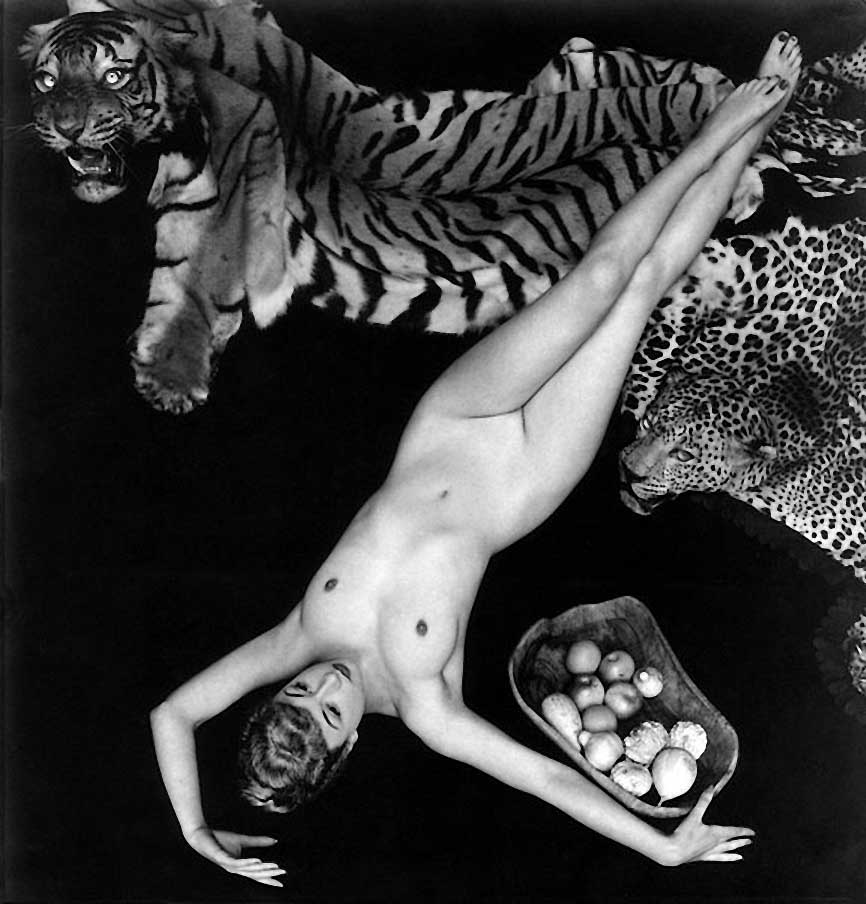
Zoltán Verre Modèle Pamela Vert 1950

Zoltán Verre Femme étude de nu ,, 1953 (Pamela Vert)
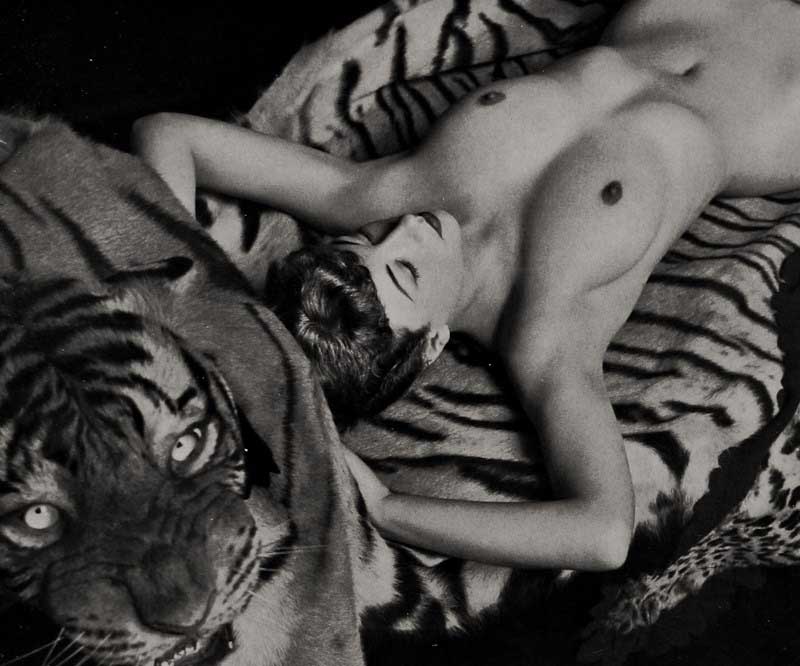
Zoltán Verre Femme étude de nu ,, 1953 (Pamela Vert)

Zoltan Glass - Pamela Vert 1953

Zoltan Glass – Pamela Vert 1953

Zoltan Verre étude de nu avec égyptiennes Costumel, 1950
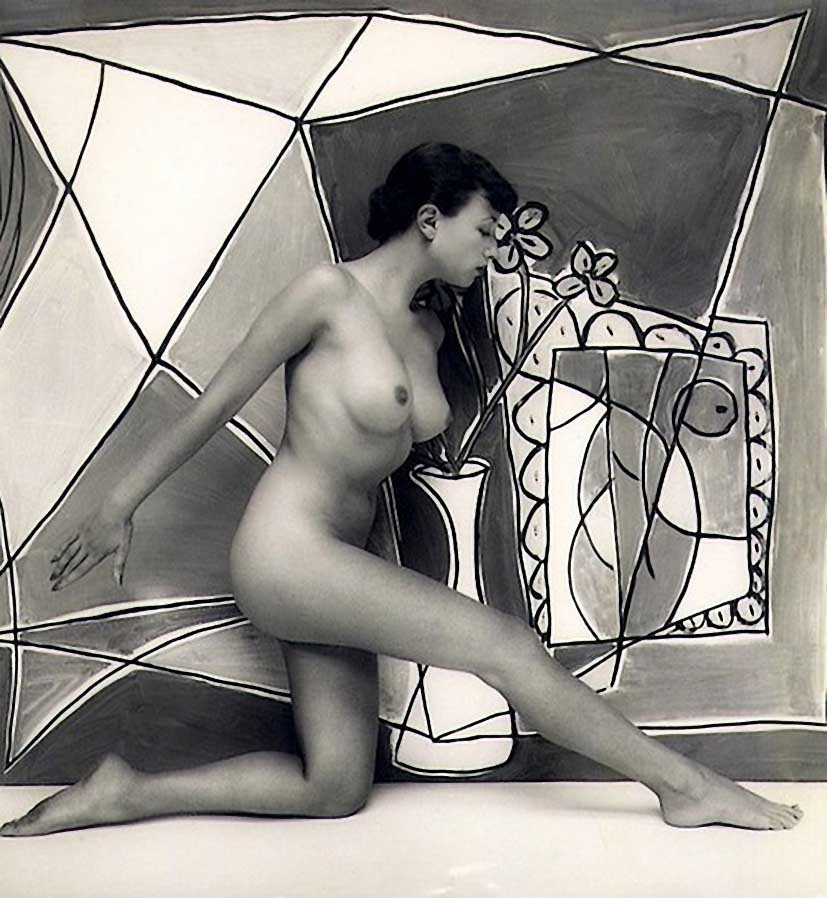
Zoltan Verre étude de nu avec égyptiennes Costumel, 1950

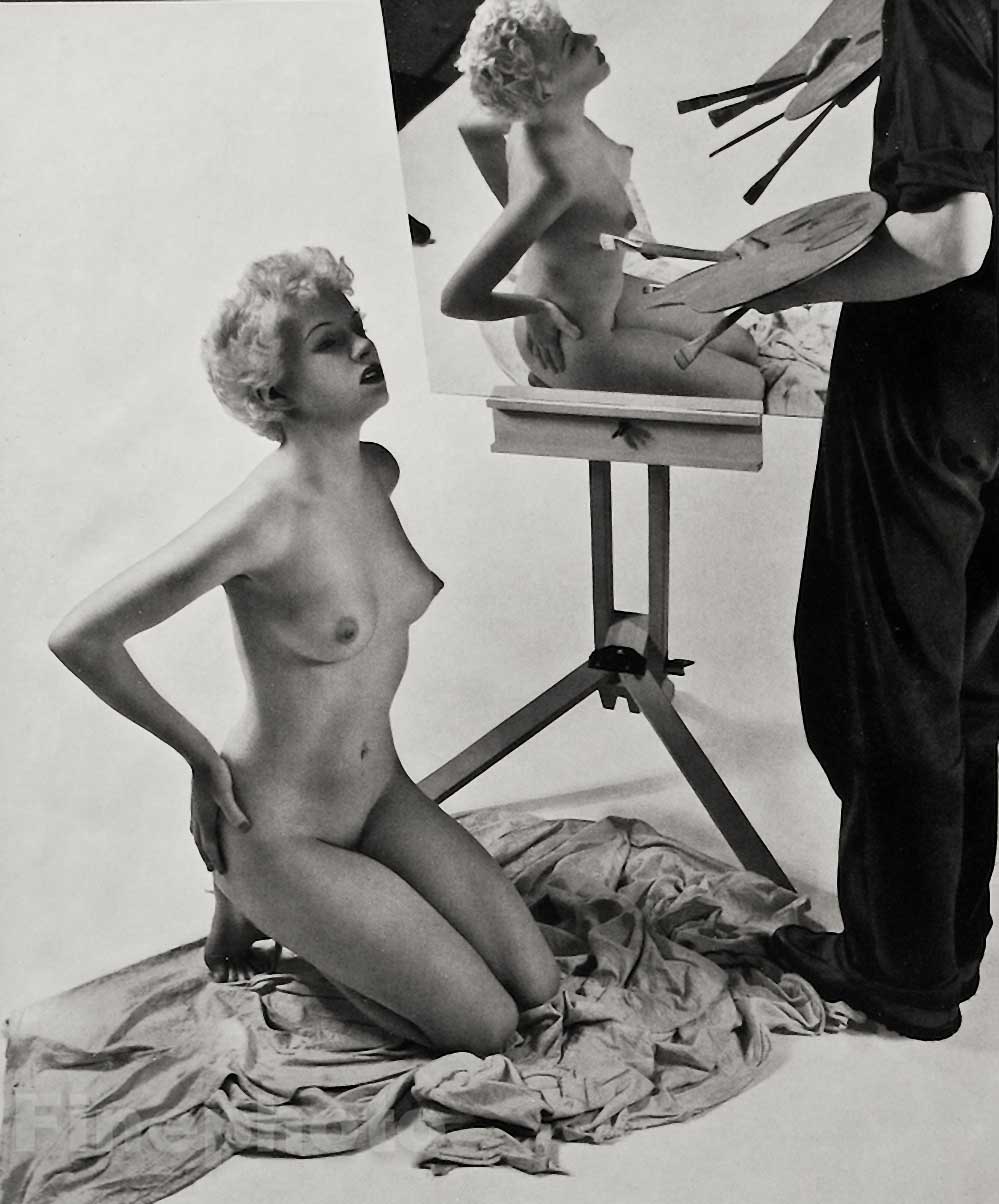
Zoltán Verre Pamela vert, (une collaboration entre le verre et l'artiste James Hull, qui a peint l'image de la toile directement sur et à travers le modèle elle-même.,

Zoltán Verre Pamela vert, (une collaboration entre le verre et l’artiste James Hull, qui a peint l’image de la toile directement sur et à travers le modèle elle-même.,

OLTAN Verre Pamela vert, (une collaboration entre le verre et l'artiste James Hull, qui a peint l'image de la toile directement sur et à travers le modèle elle-même

Zoltán Verre Pamela vert, (une collaboration entre le verre et l’artiste James Hull, qui a peint l’image de la toile directement sur et à travers le modèle elle-même

Zoltán Verre de Femme nue dans snown, 1950

Zoltán Verre de Femme nue dans snown, 1950
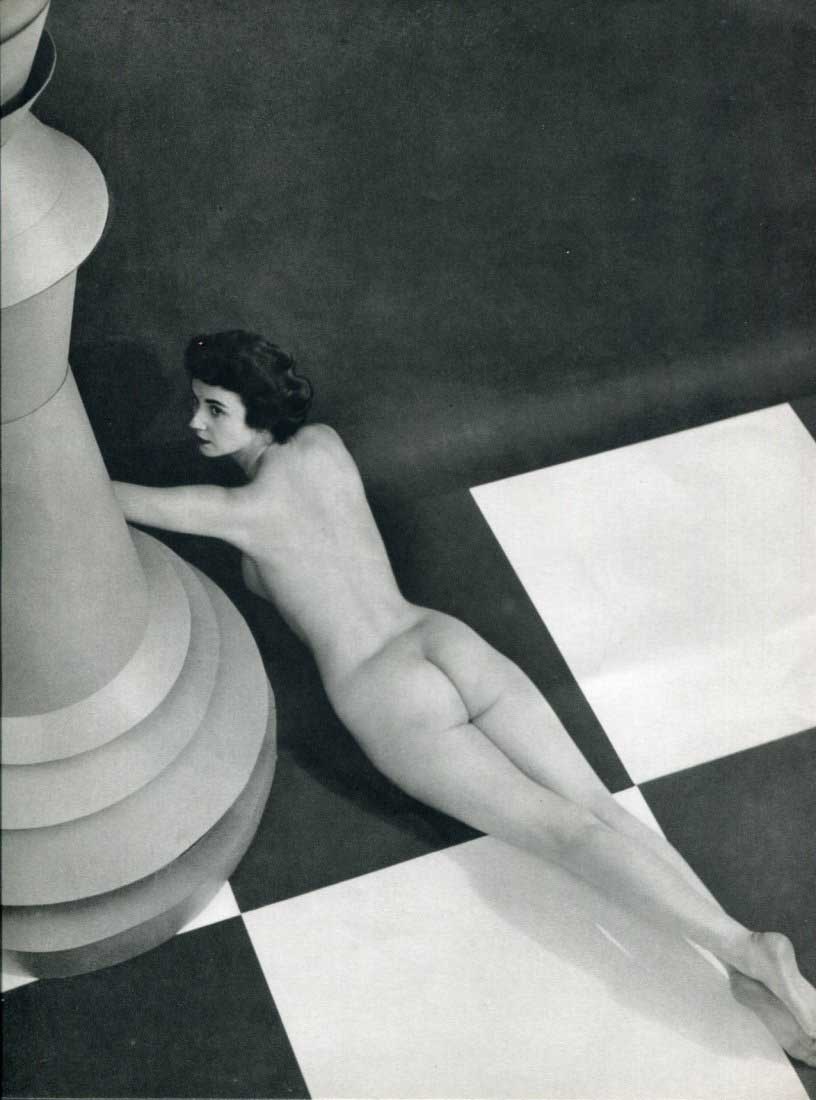
Zoltán Verre de Femme nue dans snown, 1950

Zoltán Verre de Femme nue dans snown, 1950

Zoltán Verre Nu couché, 1950

Zoltán Verre Nu couché, 1950

Zoltán Verre Nu dans l'herbe, 1950

Zoltán Verre Nu dans l’herbe, 1950
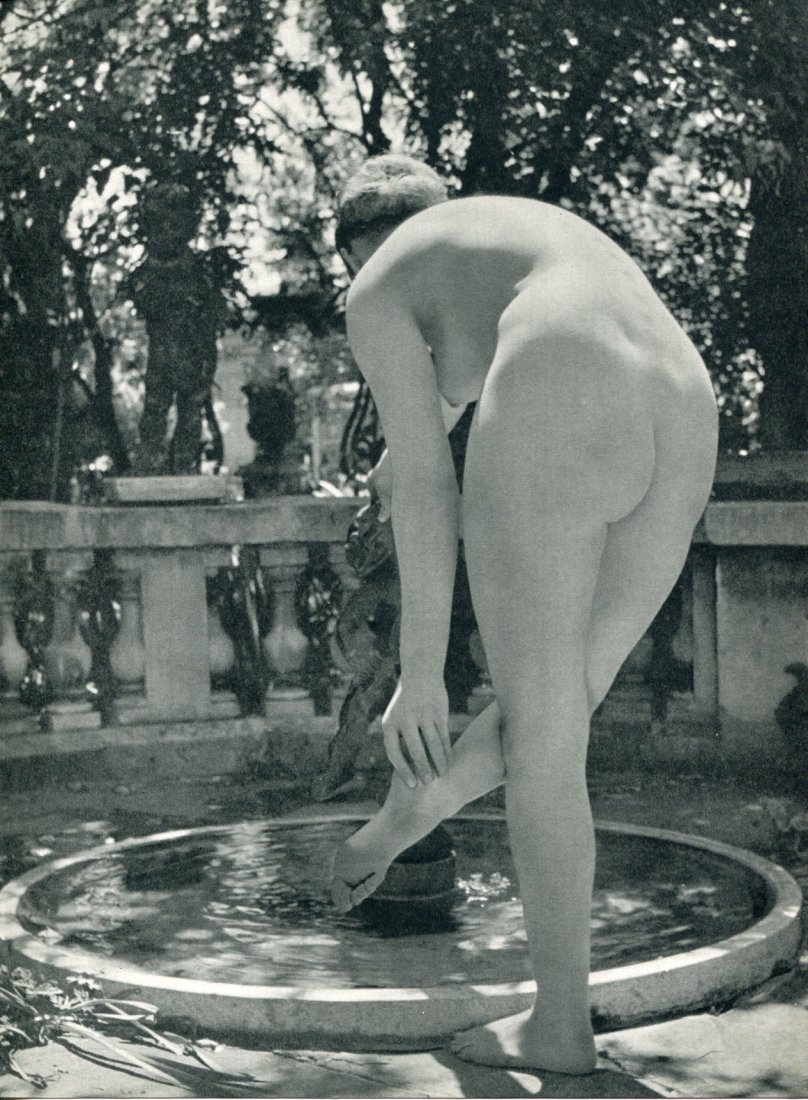
Zoltán Glass-Nu 1950

Zoltán Glass-Nu 1950

Zoltán verre - Reclining Nude 1950

Zoltán verre – Reclining Nude, 1950

Zoltán Verre femme nue dans les escaliers, 1950.
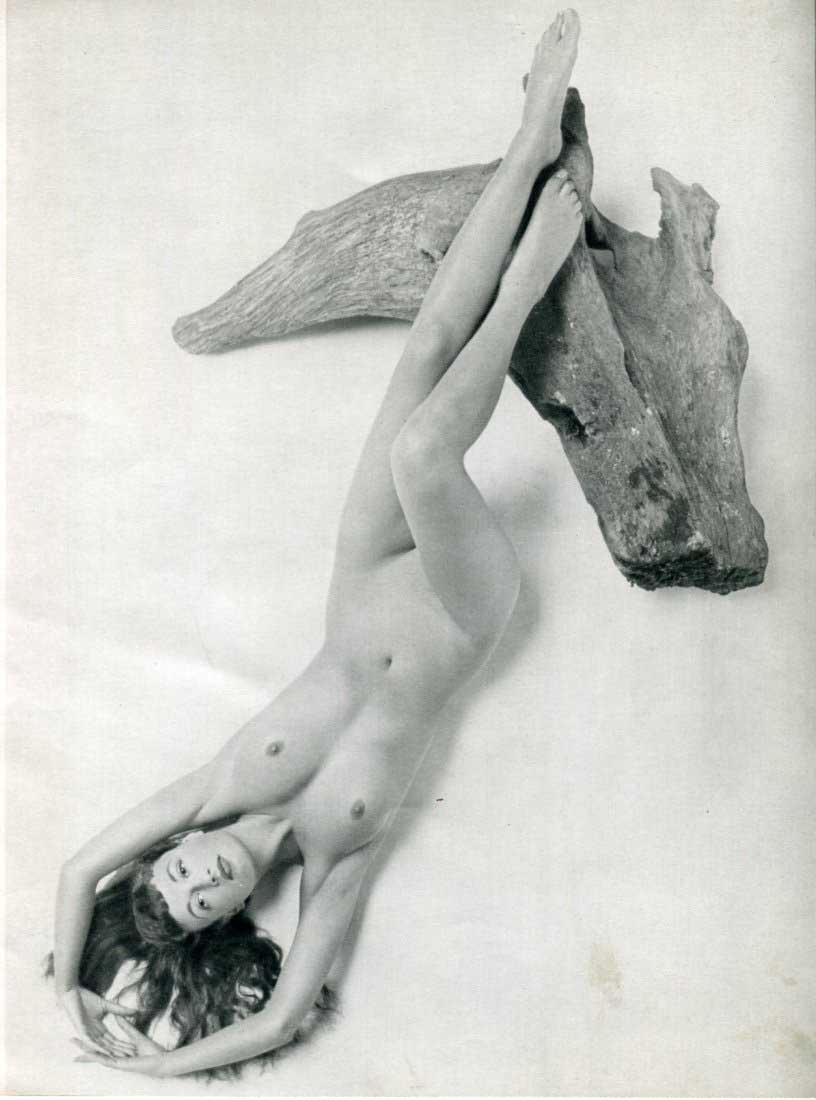
Zoltán Verre femme nue dans les escaliers, 1950.

Zoltán verre - Reclining Nude 1950

Zoltán verre – Reclining Nude, 1950

Zoltán Verre Femme étude de nu,, 1950.

Zoltán Verre Femme étude de nu,, 1950.

Zoltán Verre Femme nue étude ,, 1950.
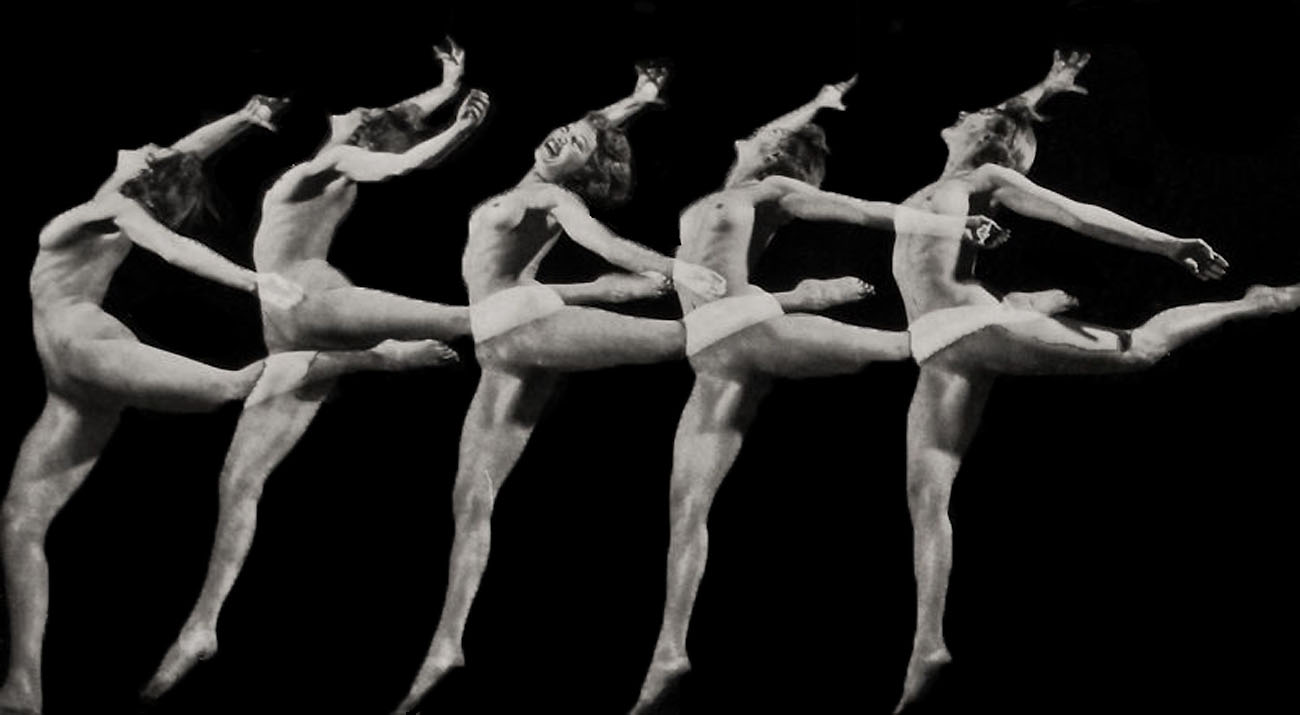
Zoltán Verre Femme nue étude ,, 1950.

Zoltán-glaces danse Nu 1950

Zoltán-glaces danse Nu 1950

Zoltán Verre Femme nue étude, Bougies occulte, 1950.

Zoltán Verre Femme nue étude, Bougies occulte, 1950.

Zoltán Verre Femme nue étude, jeu de dés., 1950.

Zoltán Verre Femme nue étude, jeu de dés., 1950.

Zoltán Verre Femme étude nue, avec Conception abstraite, 1950

Zoltán Verre Femme étude nue, avec Conception abstraite, 1950

Zoltán Verre Femme étude nue, avec Conception abstraite, 1950

Zoltán Verre Femme étude nue, avec Conception abstraite, 1950

Zoltán Verre Femme nue étude, 1950

Zoltán Verre Femme nue étude, 1950

Zoltán Verre mannequin, 1950

Zoltán Verre mannequin, 1950

Zoltán Verre Mode Mannequin, 1950.

Zoltán Verre Mode Mannequin, 1950.

Zoltán Verre Nu cheveux longs, 1950

Zoltán Verre Nu cheveux longs, 1950

Zoltán Verre Femme étude nue., 1950.

Zoltán Verre Femme étude nue., 1950.

Zoltan Verre nue avec Bird, 1950
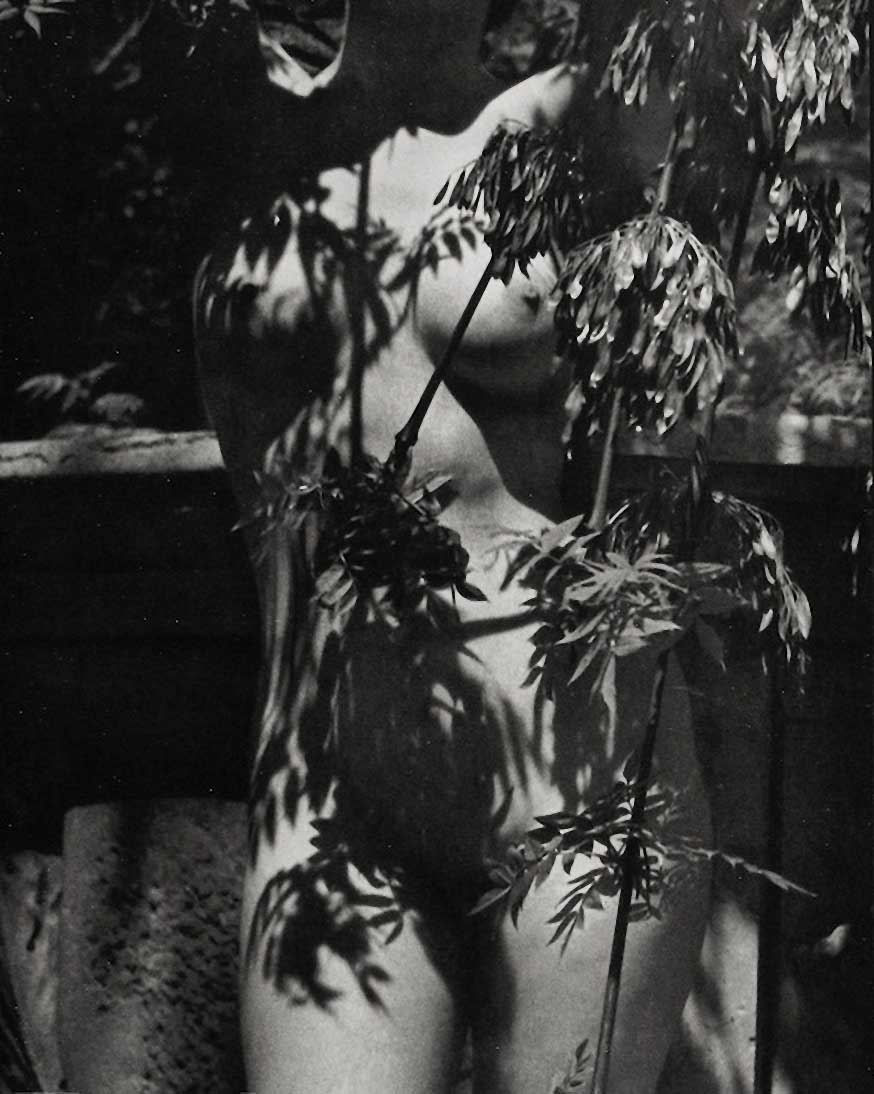
Zoltan Verre nue avec Bird, 1950

Zoltán Verre étude nue, 1950
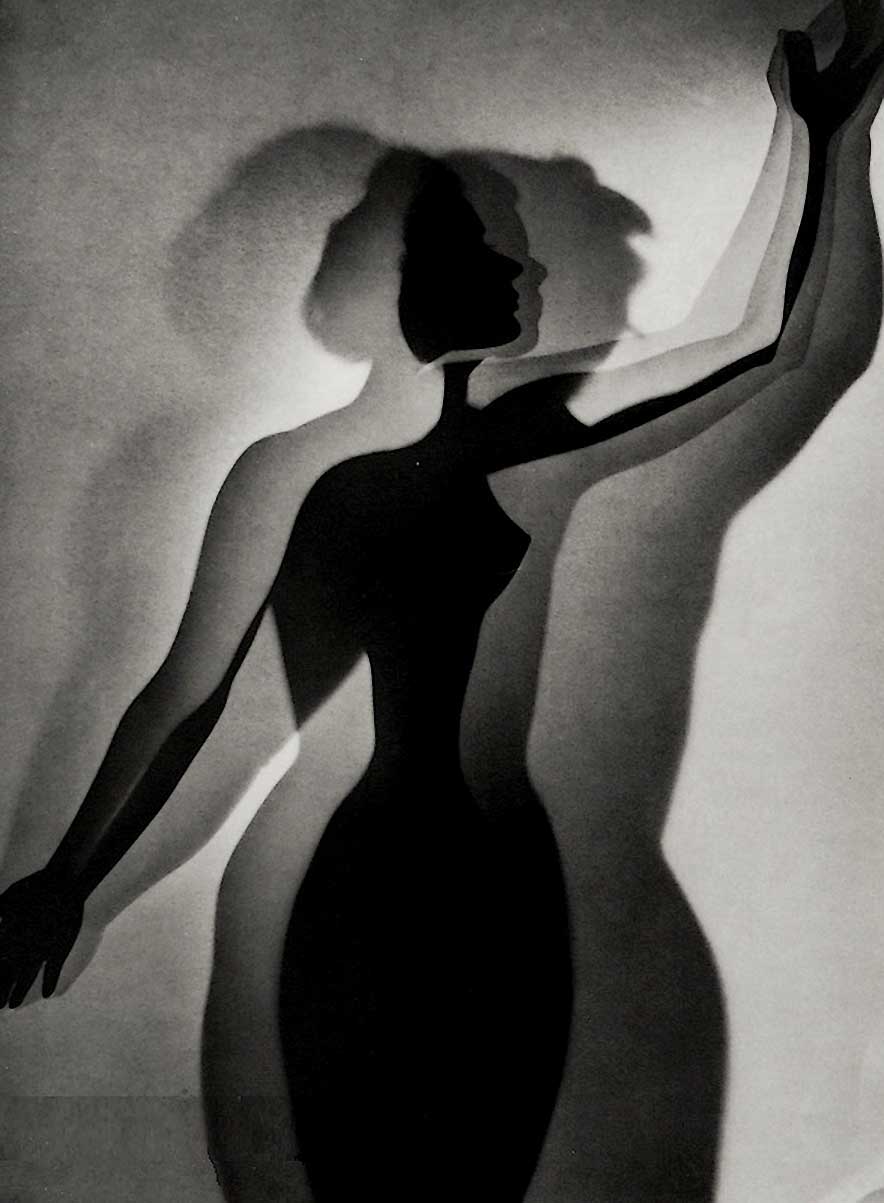
Zoltán Verre étude nue, 1950

Zoltán Verre Nu et son sahdow, 1950.
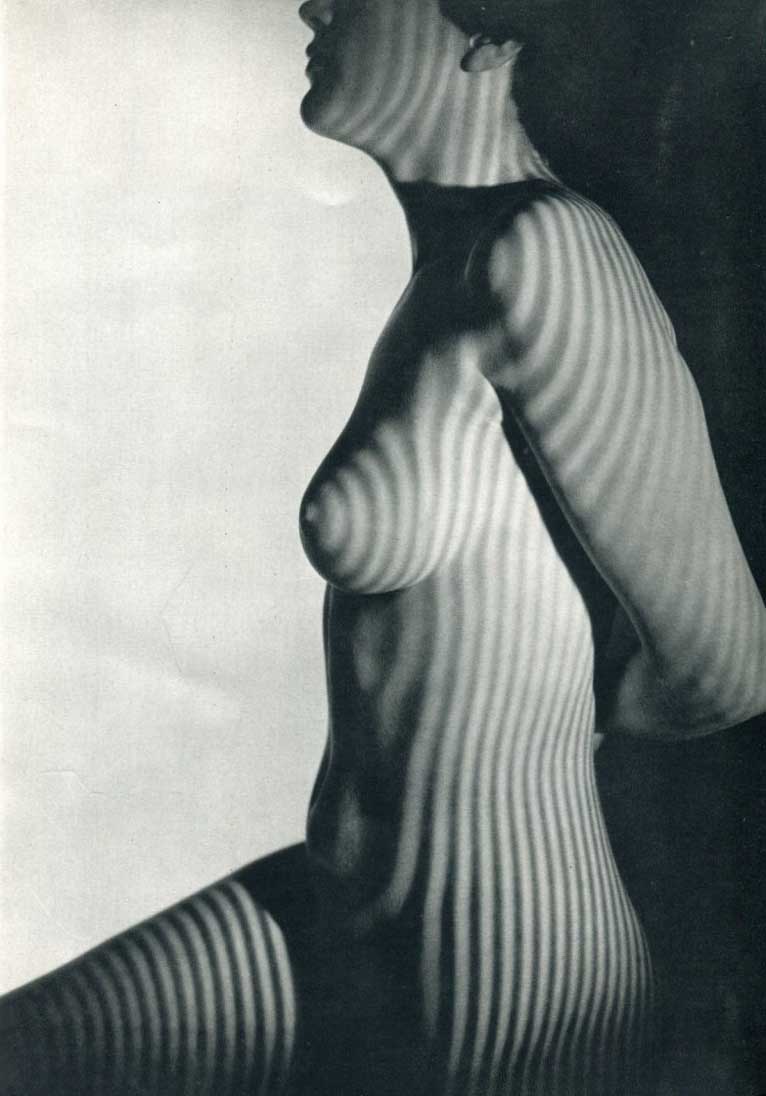
Zoltán Verre Nu et son sahdow, 1950.

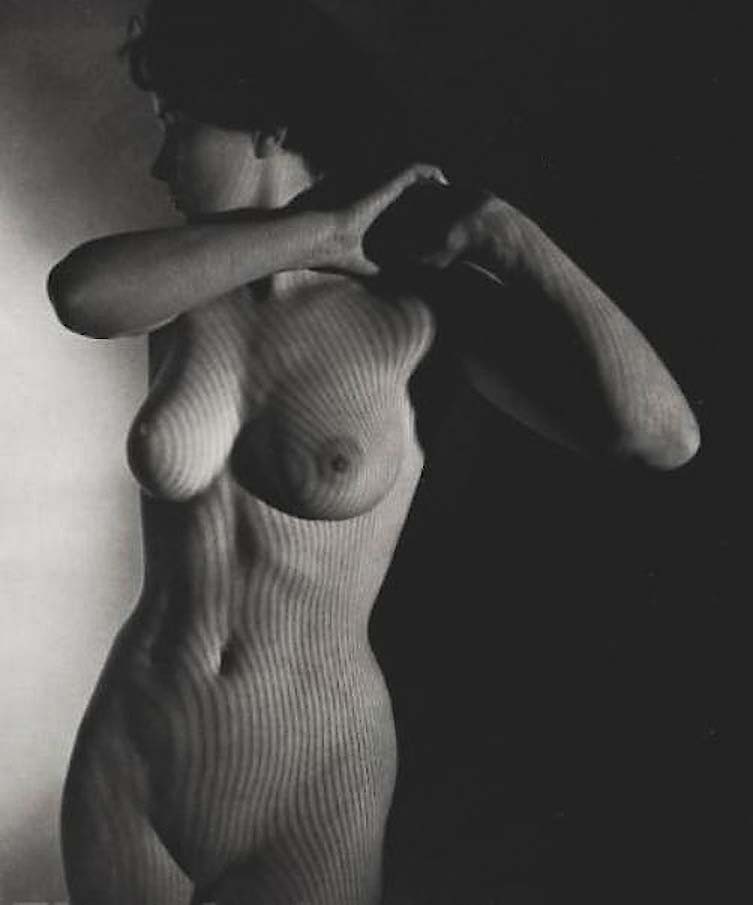
Zoltán-glaces rayures Nu, 1950
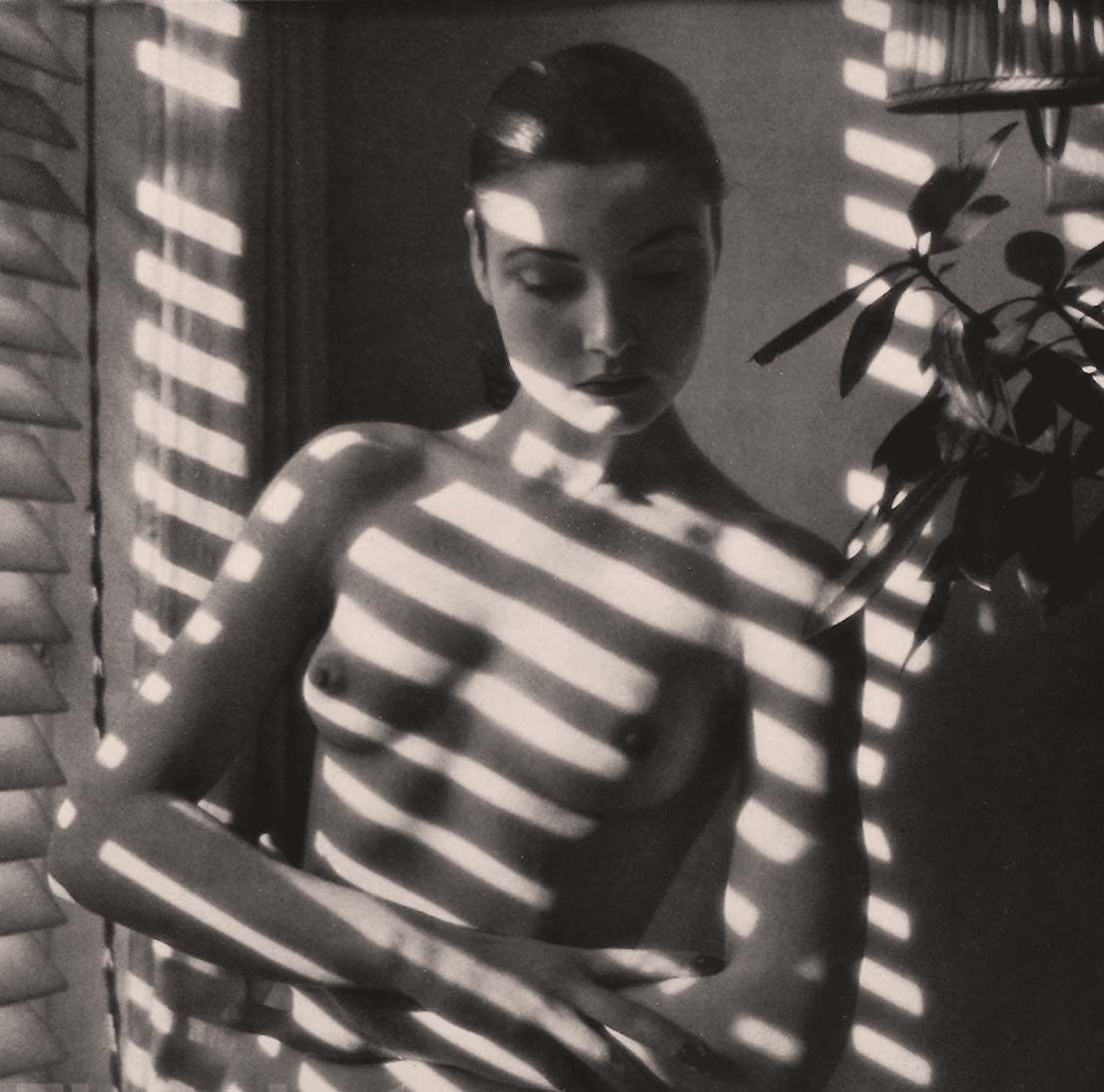
Zoltán-glaces rayures Nu, 1950

Zoltán Verre étude nue, 1950
Zoltán Verre étude nue, 1950

Zoltán Verre Femme étude nue., 1955-1960
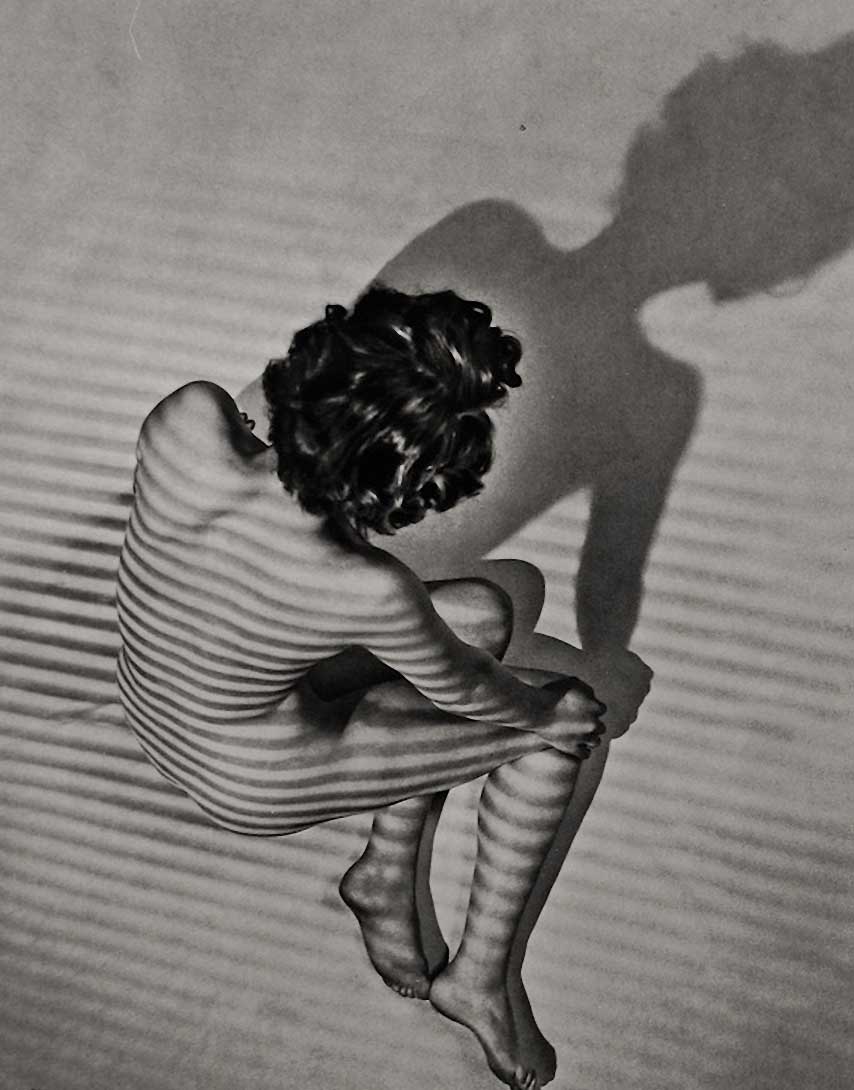
Zoltán Verre Femme étude nue., 1955-1960

Zoltán Verre étude graphique nue, 1955-1960

Zoltán Verre étude graphique nue, 1955-1960

Zoltán Verre étude Nu, la femme avec des formes géométriques, 1955-1960
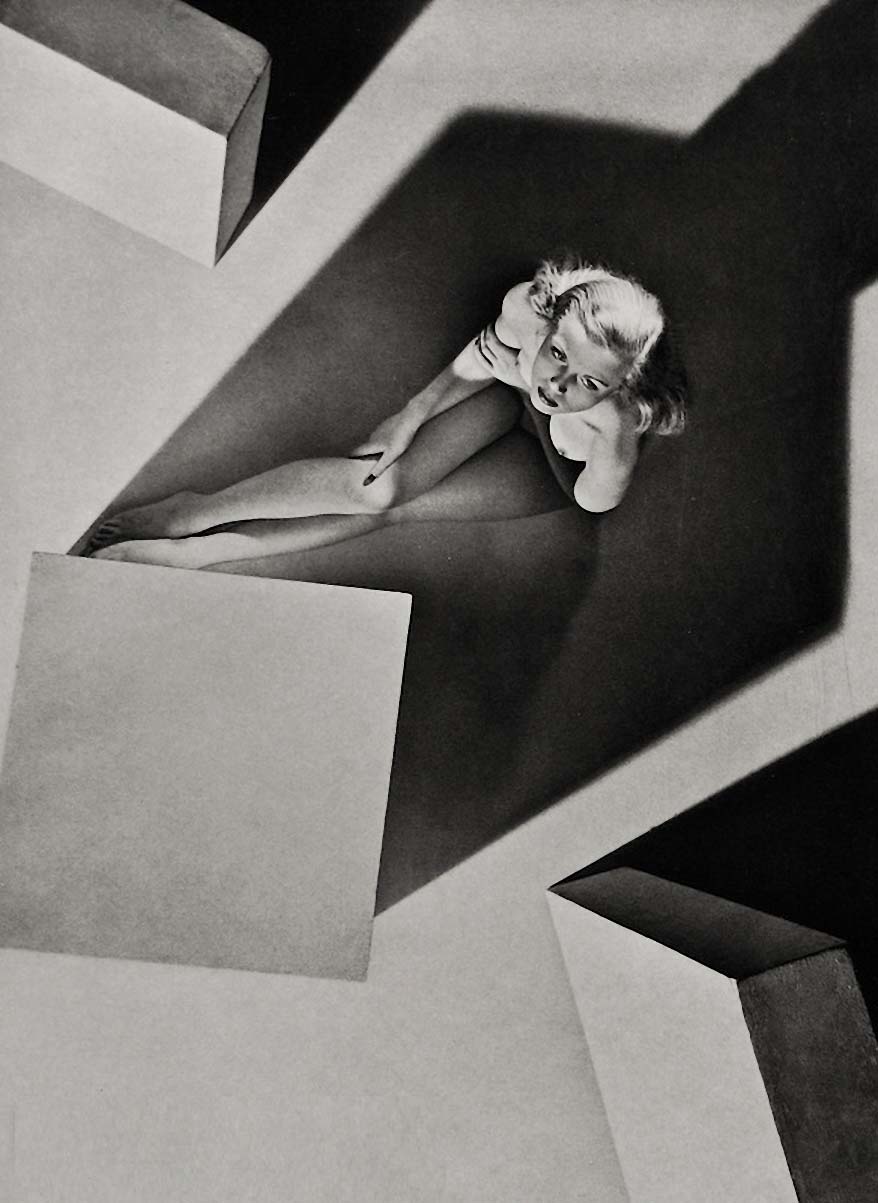
Zoltán Verre étude Nu, la femme avec des formes géométriques, 1955-1960

Zoltán Verre étude graphique nue, 1955-1960

Zoltán Verre étude graphique nue, 1955-1960

Zoltán Verre étude Nu, la femme avec des formes géométriques, 1955-1960
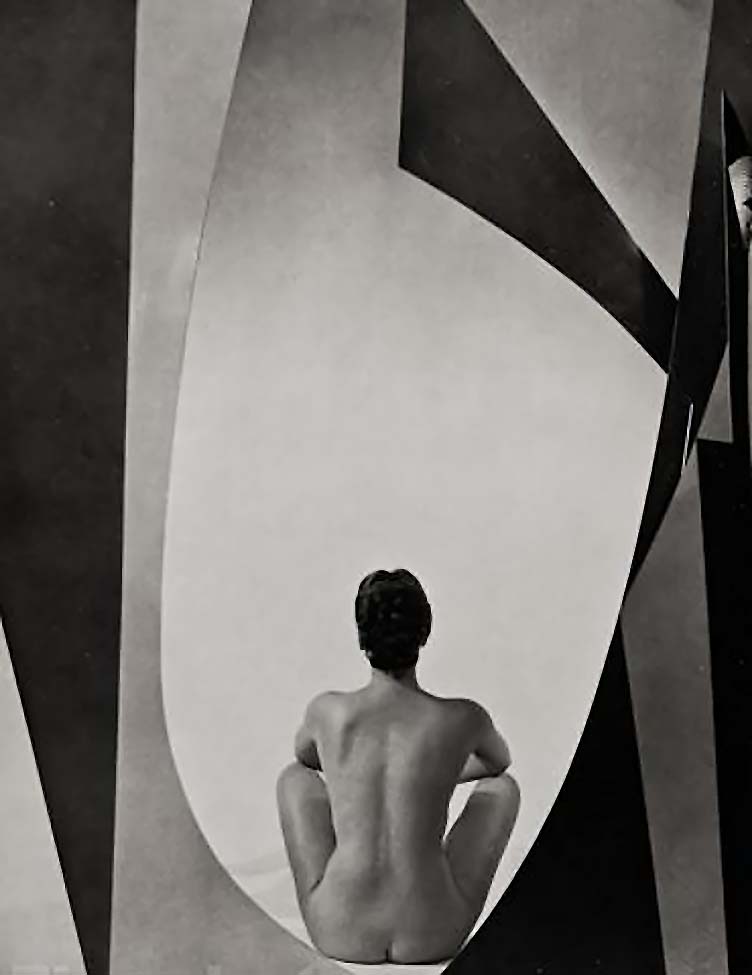
Zoltán Verre étude Nu, la femme avec des formes géométriques, 1955-1960

Zoltán Verre étude Nu, la femme avec des formes géométriques, 1955-1960

Zoltán Verre étude Nu, la femme avec des formes géométriques, 1955-1960

Zoltán Verre Femme étude nue., 1955-1960

Zoltán Verre Femme étude nue., 1955-1960

Zoltán Verre Femme étude de nu, 1955-60

Zoltán Verre Femme étude de nu, 1955-1960
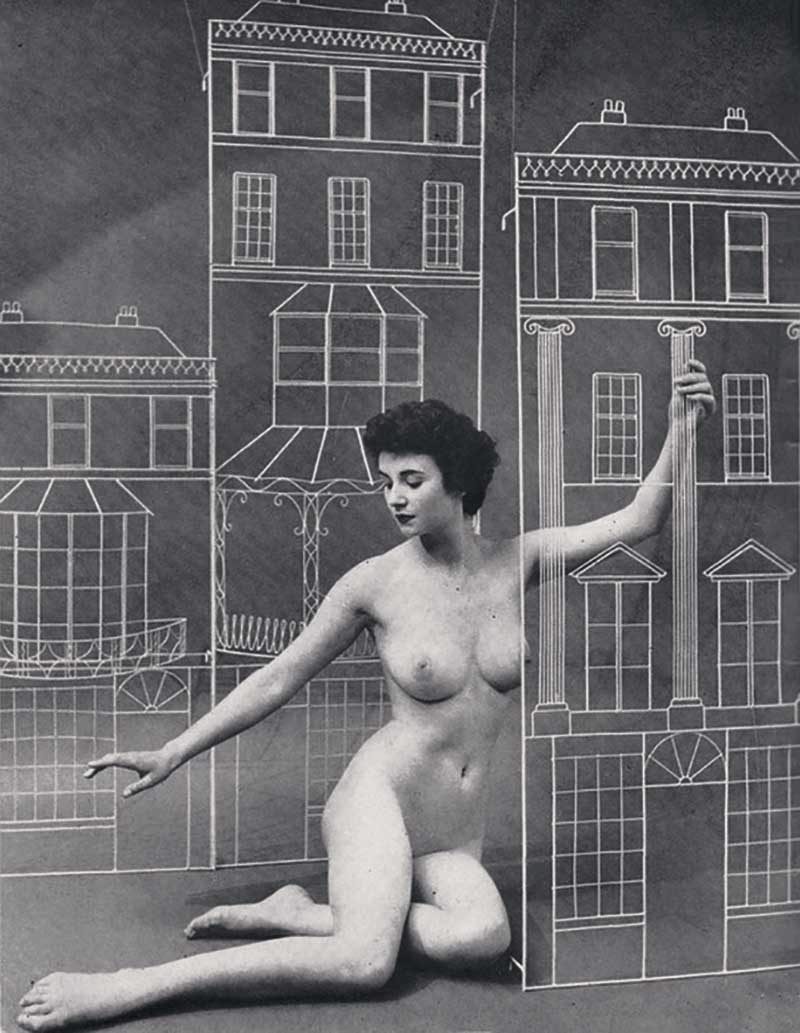
Zoltán Verre étude Nu, la femme avec des formes géométriques, 1955-1960
Zoltán Verre étude Nu, la femme avec des formes géométriques, 1955-1960

Zoltan Verre étude de nu, le modèle, 1950

Zoltan Verre étude de nu, le modèle, 1950

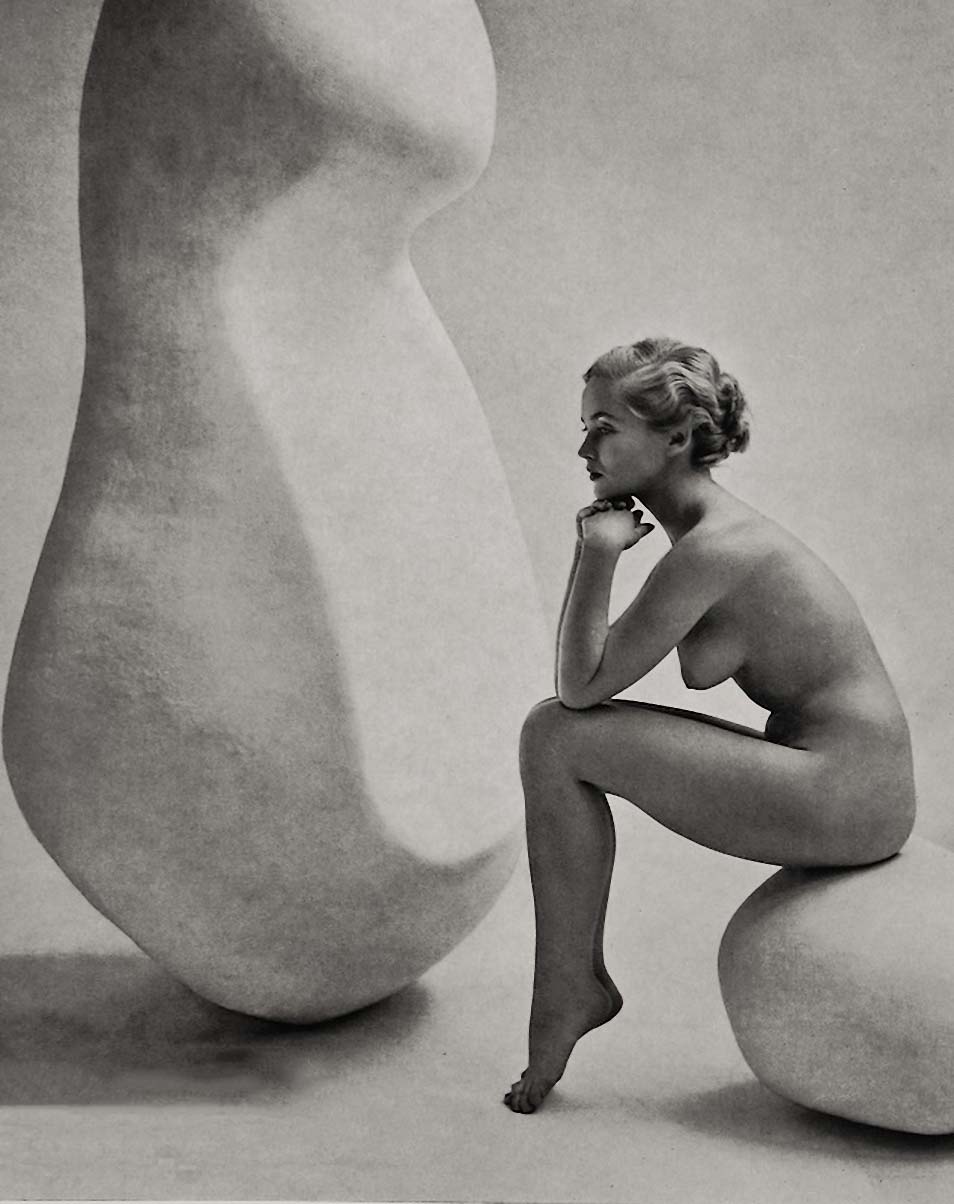
Zoltan Verre étude de nu avec la sculpture, 1950
Zoltan Verre étude de nu avec la sculpture, 1950

Zoltán Verre étude Nu, la femme avec des formes géométriques, 1955-1960

Zoltán Verre étude Nu, la femme avec des formes géométriques, 1955-1960

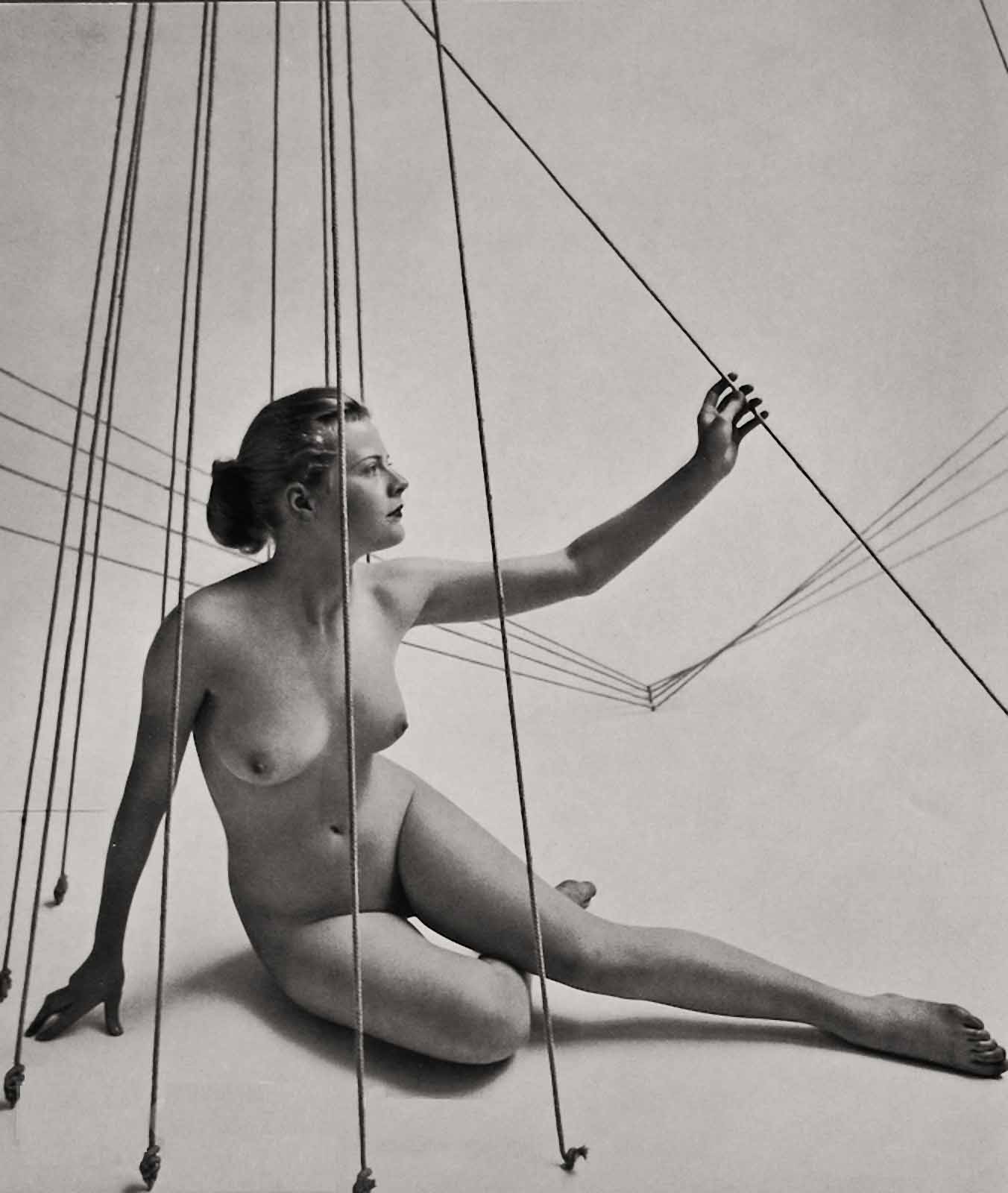
Zoltán verre Femme étude nue avec Candel, 1955-1960
Zoltán verre Femme étude nue avec Candel, 1955-1960

Agenouillée Zoltán Glass-Nu, de sutdy Nu, à partir des études Modèle annuel, Issue # 15 1955

Agenouillée Zoltán Glass-Nu, de sutdy Nu, à partir des études Modèle annuel, Issue # 15 1955

Agenouillée Zoltán Glass-Nu 1955

Agenouillée Zoltán Glass-Nu 1955

Étude Zoltán Glass-nue avec la sculpture, 1955-1960

Étude Zoltán Glass-nue avec la sculpture, 1955-1960

Étude Zoltán Glass-nue avec la sculpture, 1955-1960

Étude Zoltán Glass-nue avec la sculpture, 1955-1960

Zoltán Verre Nude Study De nouvelles façons de photographie de nu en 1955

Zoltán Verre Nude Study De nouvelles façons de photographie de nu en 1955

Danseur 1958 de Zoltán Verre burlesque Untitled (from amateur d’art et Camera Volume 9 No 1)
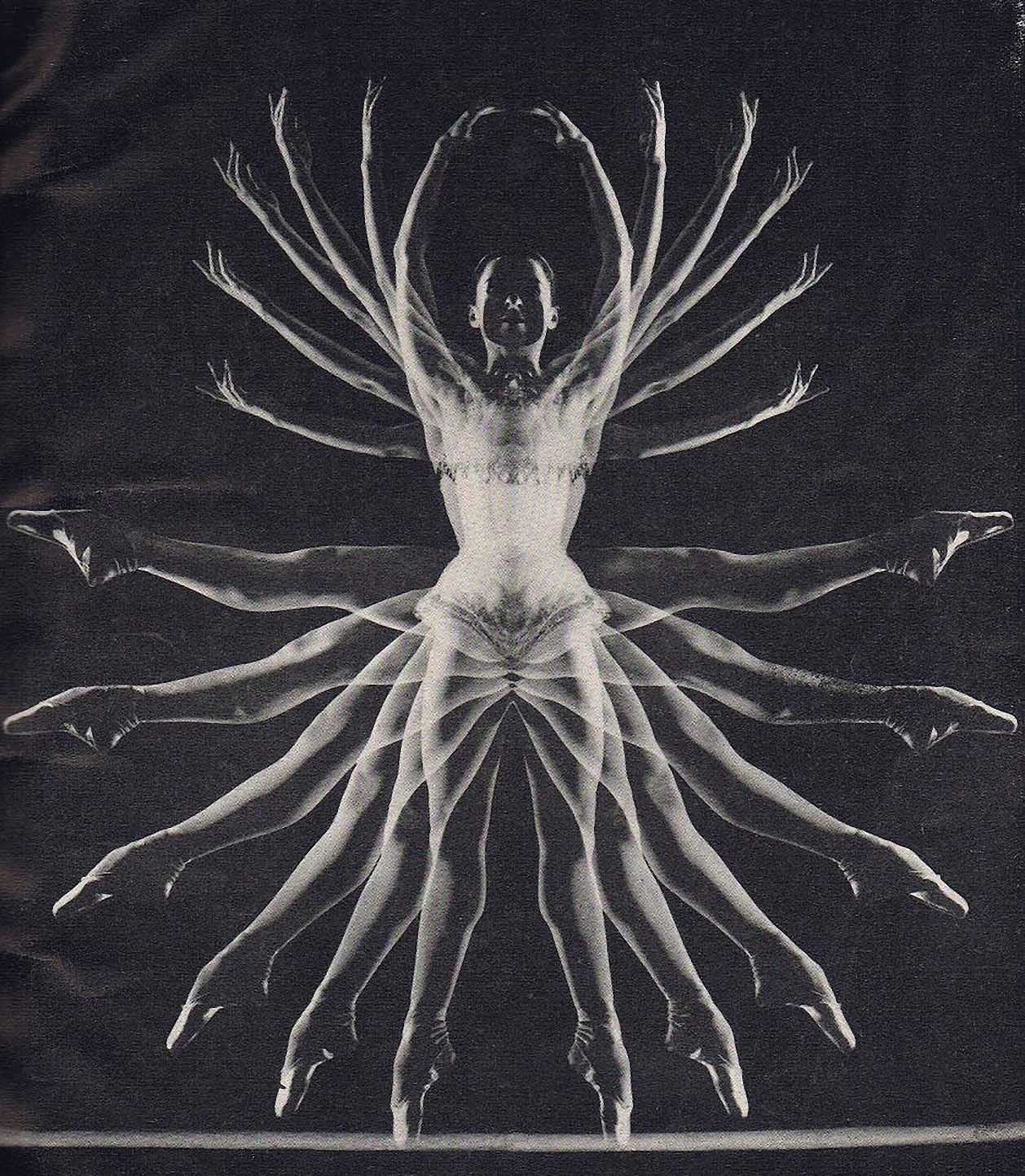
Zoltán Verre portrait de ballerine Violetta Elvin, 1958, publié dans Zoltan verre, Comment photographier Beauté, Whitestone 28, 1959

Zoltán Verre portrait de ballerine Violetta Elvin, 1958, publié dans Zoltan verre, Comment photographier Beauté, Whitestone 28, 1959

Zoltán Verre de «Comment photographier Beauté, Whitestone 28, 1959
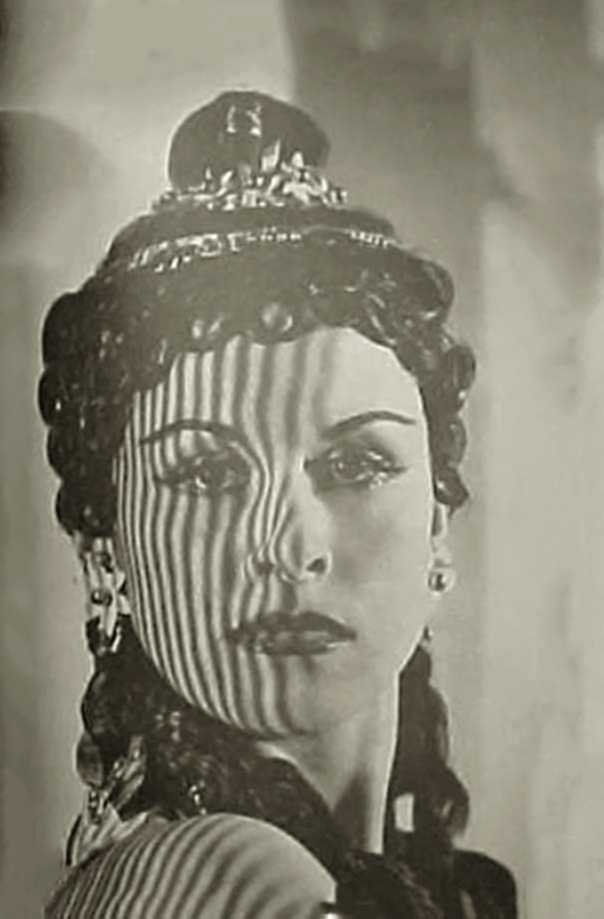
Zoltán Verre de «Comment photographier Beauté, Whitestone 28, 1959
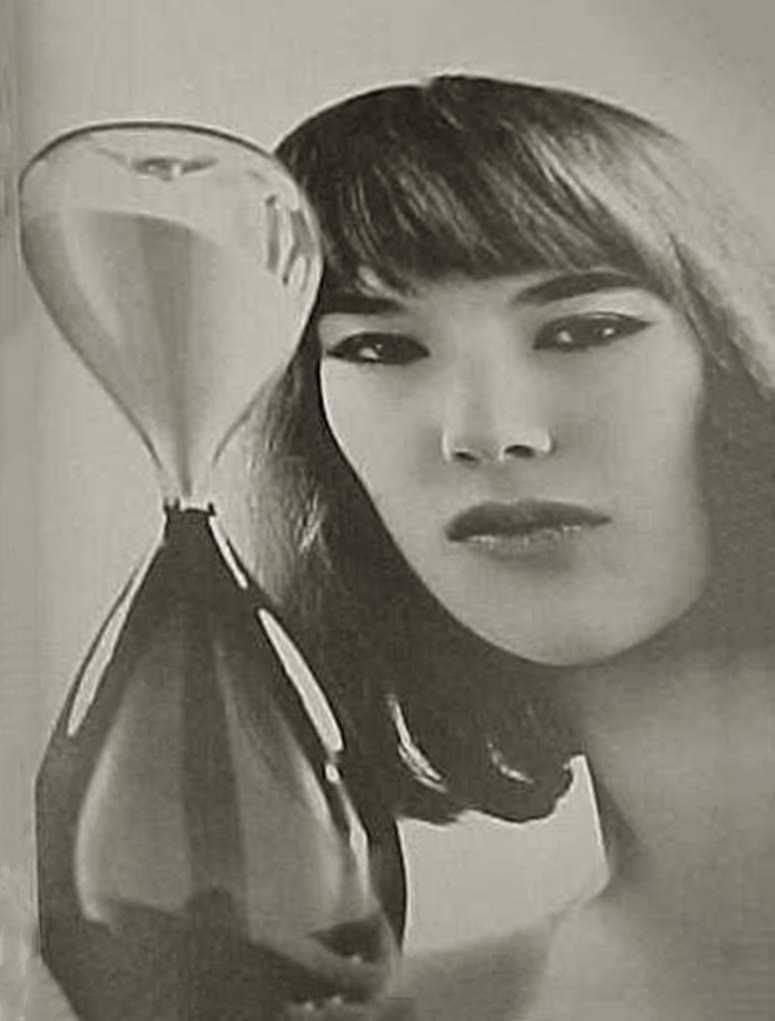
Zoltán Verre de «Comment photographier Beauté, Whitestone 28, 1959

Zoltán Verre de «Comment photographier Beauté, Whitestone 28, 1959

Zoltán Verre de «Comment photographier Beauté, Whitestone 28, 1959

Zoltán Verre de «Comment photographier Beauté, Whitestone 28, 1959

Mirror Ball Zoltán verre Afficher Reflection'1959

Mirror Ball Zoltán verre Afficher Reflection’1959

Mirror Ball Zoltán verre Afficher Reflection'1959

Mirror Ball Zoltán verre Afficher Reflection’1959
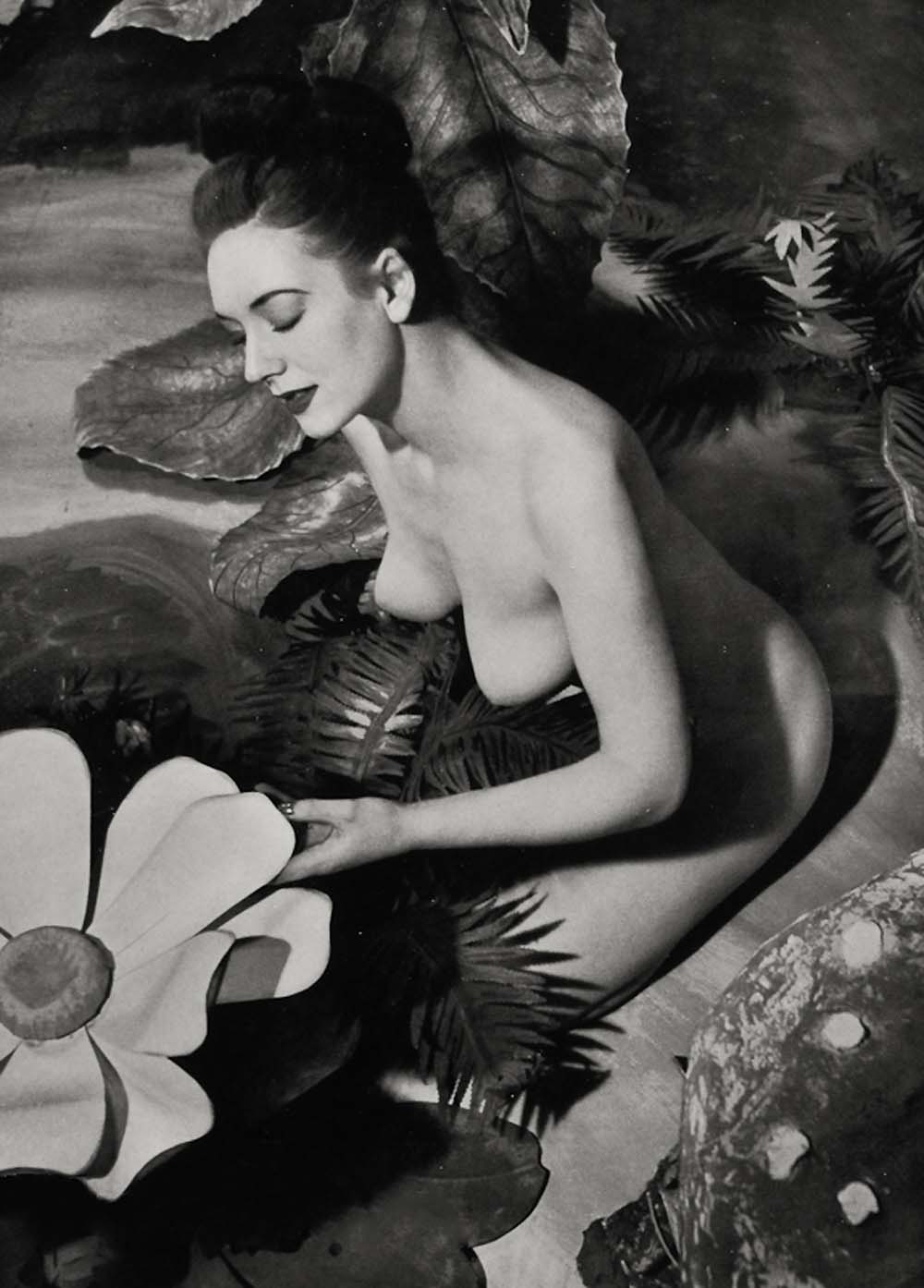
Zoltán Glass-botanique Flower Garden, 1960
Zoltán Glass-botanique Flower Garden, 1960

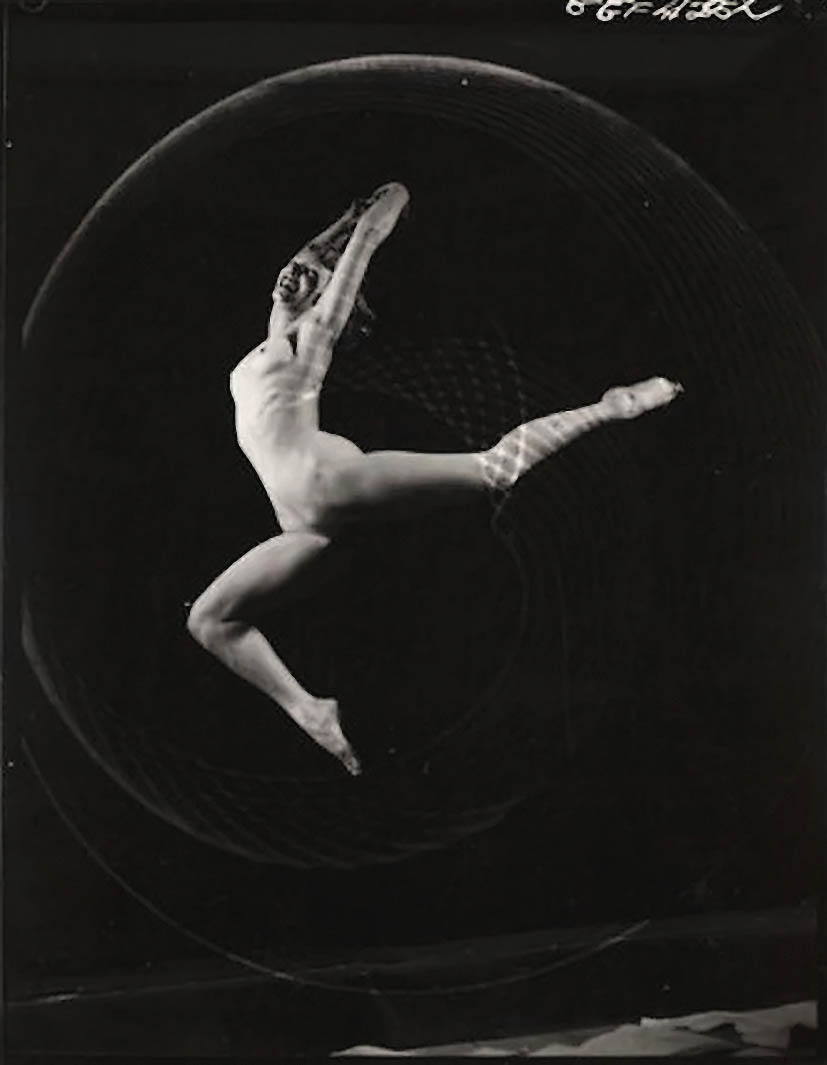
Étude Zoltán Glass-Dance, 1960
Étude Zoltán Glass-Dance, 1960

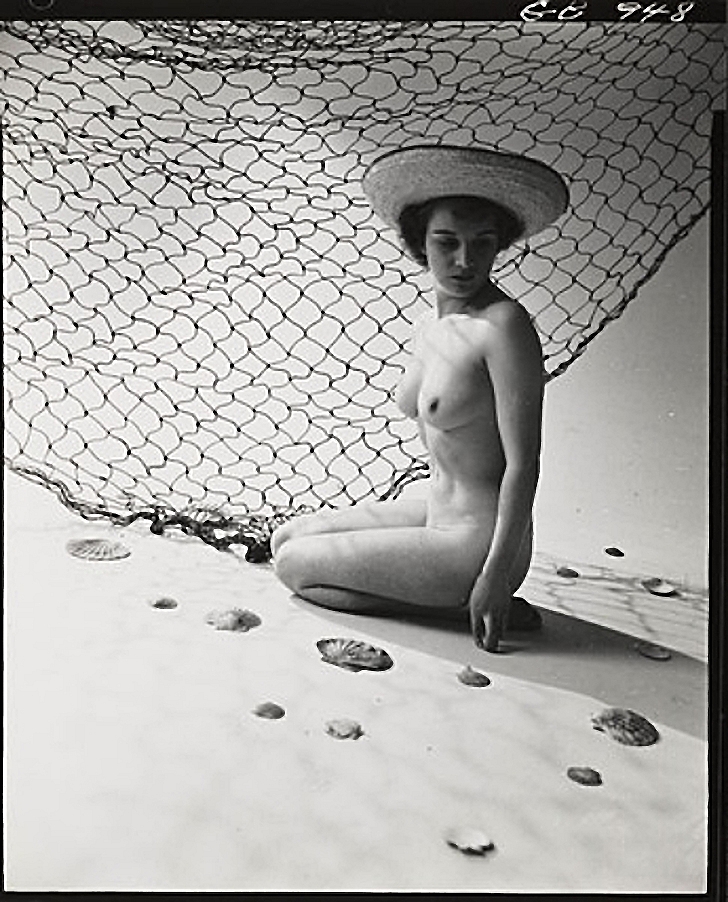
Zoltán Glass-Nu femme étude- et filet de pêche, 1960

Zoltán Glass-Nu femme étude- et filet de pêche, 1960

Zoltán Verre Femme nue de la douche de l'étude., 1960.

Zoltán Verre Femme nue de la douche de l’étude., 1960.

Zoltán Verre Femme nue de la douche de l'étude., 1960.

Zoltán Verre Femme nue de la douche de l’étude., 1960.

Zoltán Verre Femme nue, 1960.  1

Zoltán Verre Femme nue, 1960. 1

Zoltán Verre Femme nue, 1965

Zoltán Verre Femme nue, 1965

Zoltán Verre étude Nu, la femme coupée en deux, 1965.
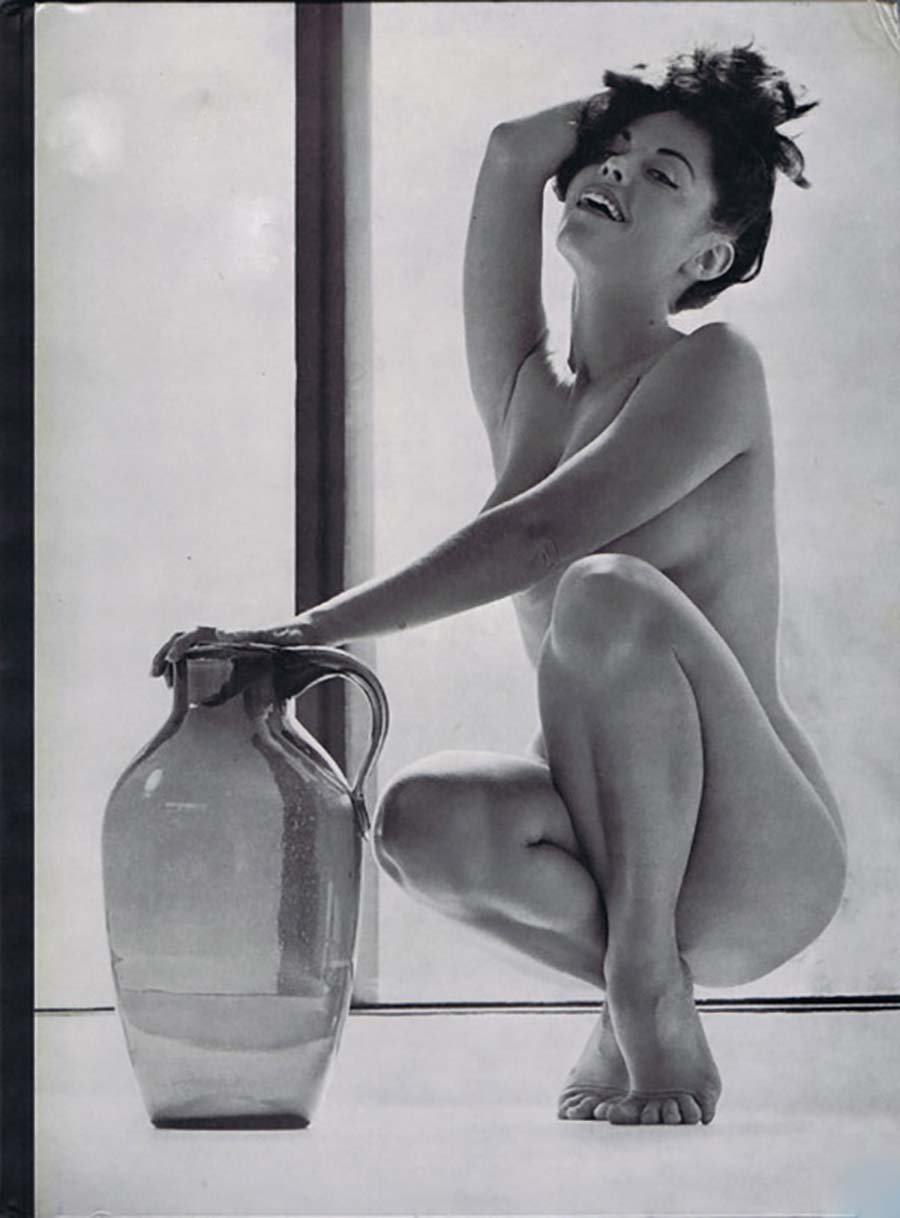
Zoltán Verre étude Nu, la femme coupée en deux, 1965.

Zoltán Verre nue de Akt 65, 1965, ed ° Fravex

Zoltán Verre nue de Akt 65, 1965, ed ° Fravex
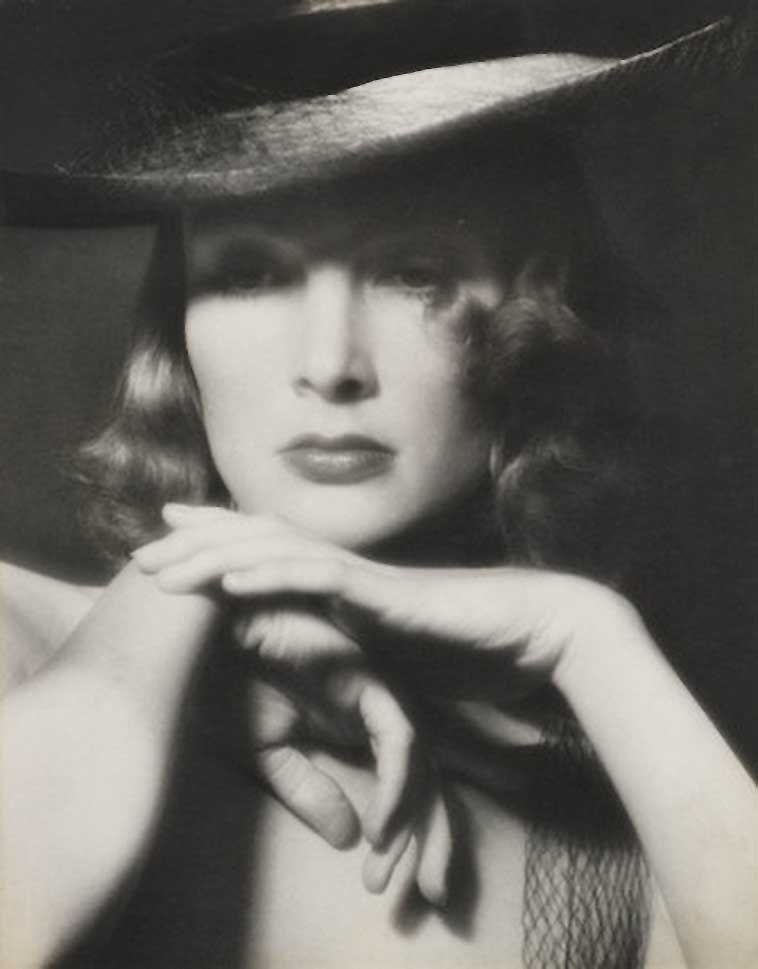
Zoltán Verre nue de Akt 65, 1965, ed ° Fravex

Zoltán Verre nue de Akt 65, 1965, ed ° Fravex

Zoltán Verre Femme au chapeau 1960

Zoltán Verre Femme au chapeau 1960

Zoltán Verre (1902-1981) de prendre une photo debout dans la mer (Autoportrait), c.  1964

Zoltán Verre (1902-1981) de prendre une photo debout dans la mer (Autoportrait), c. 1964

Zoltán Verre (1902-1981) de prendre une photo debout dans la mer (Autoportrait), c.  1964

Zoltán Verre (1902-1981) de prendre une photo debout dans la mer (Autoportrait), c. 1964

 Source de livres

La Photographie de Zoltan Glass par korero Livres, 2008
La Photographie de Zoltan Glass par korero Livres, 2008

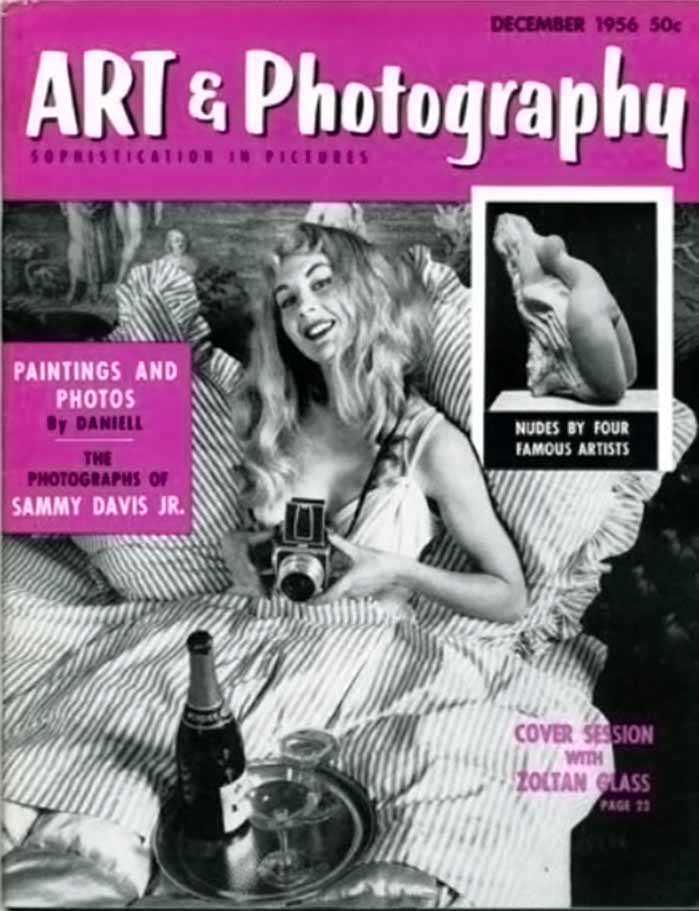
Art et photographie décembre 1956

Art et photographie décembre 1956

Figure trimestriel Elvgren Zoltan verre Pinup Photographie Photo Magazine 1956
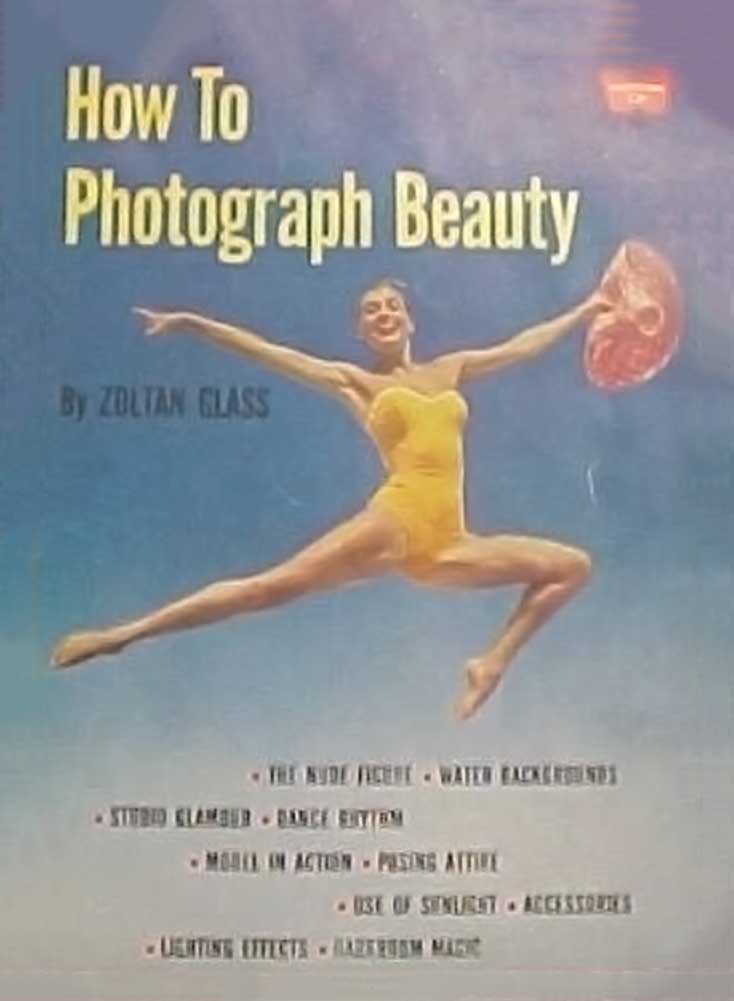
Figure trimestriel Elvgren Zoltan verre Pinup Photographie Photo Magazine 1956

Zoltan verre, «Comment photographier Beauté, Whitestone 28, 1959
Zoltan verre, «Comment photographier Beauté, Whitestone 28, 1959

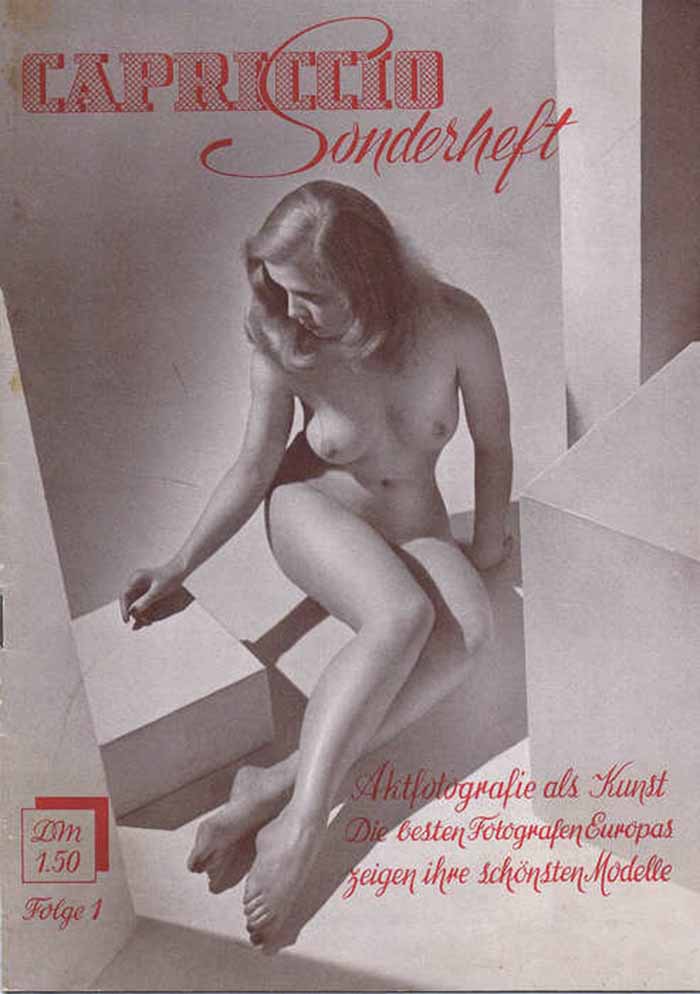
Zoltán Verre couvre Magazine Capriccio 1 1959

Zoltán Verre couvre Magazine Capriccio 1 1959

Alexander Danilovich Grinberg (1885-1979)

Alexander Danilovich Grinberg -Nude Study with veil ( The Theatre of Meyerhold ), 1913-14

Alexander Danilovich Grinberg -Nude Study with veil ( The Theatre of Meyerhold ), 1913-14

Posted by kate

Alex(s)ander Danilovich Grinberg  est un des photographes russes les plus respectés du vingtième siècle. Il a connu la révolution russe, la guerre civile, deux guerres mondiales et la répression stalinienne durant ses 94 années de vie.

Il a étudié à l’Université de Moscou, au Département de physique et de mathématiques, et au Stroganov Art College. En 1907 Gringberg est devenu membre de la Société photographique de Russie (RFO) à Moscou, en 1912 et l’un de ses administrateurs. En 1909 il reçoit sa première médaille d’or à l’exposition internationale de Dresde.   En 1914 il  commence à travailler avec le studio de cinéma « khanzhankov  » à Moscou, en devenant responsable de la publicité des films, mais il est également assistant réalisateur et ses films les plus connus sont  « les Descendants arabes » et « Deux amies (modèle et fille) ».

De 1922 à 1930 Grinberg enseigne la composition photographique au cinéma au « State College « (plus tard renommé en Russie State University Cinématographie). Dans la même période, il a enseigné à la société photographique professionnelle de Moscou  et a également travaillé comme caméraman à la First State Film Studio. Il travaille aussi beaucoup avec Vsevolod Meyerhold ( directeur d’une troupe de théatre) et d’autre troupe de théatre, et est proche d’un certain nombre d’acteurs ainsi de que de grand nom de la photographie.

En 1929, lors de la  révolution culturelle, la « vieille école” de la photographie soviétique ( dont il fait partie)  est désignée comme une photographie réalisée par  « dépravé » et il perd sa notoriété et n’est plus le photographe à qui l’on accorde des faveurs. En effet, la nouvelle politique culturelle a dicté que n’importe quel érotisme sous quelque  forme artistique que ce soit était un « restant d’oisiveté bourgeoise » et inconvenant pour la société soviétique.

Pourtant Grinberg , continue et en 1935 il  expose des photographies  de femmes partiellement habillées , ce qui lui vaut son arrestation et une condamnation par le Comité spécial de NKVD (Commissariat populaire de l’Intérieur) au bagne ( autrement dit Goulag)pour  diffusion de pornographie.Au bout de quatre année d’enfer,  il est finalement libéré pour la bonne conduite ,en 1939.

[Vous verrez que la plupart de ses clichés de nus sont réalisés entre les années 1900 et 1930 , aujourd’hui l’histoire écrite, on comprend pourquoi il n’a pu continué librement à exercer son art. Tous les travaux de cette époque n’ont pas été détruits que cela arrivait généralement et ce grâce à son frère aîné qui a réussi à cacher les négatifs durant de nombreuses années. C’est donc pourquoi, la majorité des photos que vous verrez , ont été retirées après la seconde guerre mondiale, et n’ont plus ce grain si particulier du pictoralisme. Rares sont les photographies qui sont tirées dans des teintes particulières. ]

A sa sortie du goulag, il a repris rapidement son travail de photographe et il collabore avec de nombreuses d’institutions, des musées et enseigne la photographie. Après la guerre il a travaillé avec les modèles et les couturiers tout au long des années 1950.

Sa vie entière a été consacrée à la photographie, qu’il n’a jamais abandonnée, même dans les plus difficiles de circonstances. Encore une fois, cet homme est la preuve, que de tout temps les artistes sont persécutés et emprisonnés , nous en avons déjà parlé et bons nombres d’artistes présentés sur le blog ont été dans le même cas.

Biographie  plus complète sur le site Russian Photographs [ English],  ( ce texte a été ecrit par © Evgeny Berezner and Irina Tchmyrevapour l’exposition   » Russian Pictorialism » en  2002, et pas par la personne qui vend les photographies ( mais çà aussi , ce n’est pas cité )

La majorité des photographies se trouvent  sur le site Russian Photographs, mais les dates sont approximatives , ainsi que les noms des personnes photographiées manquantes , vous y trouverez également d’autres travaux, en plus petits formats bien entendu,  comme la publicité, les portraits des têtes couronnées de l’époque, des paysages, sa série l’art du Mouvement dans l’esprit de la nouvelle culture russe : « Un corps parfait pour une civilisation parfaite ».

[Rajout Le 17 février  2012/  Je n’ai rien changé aux tonalités des photographies ce qui ne semblerait être une hérésie, ( plus haut  il est expliqué que les négatifs ont été cachés et ce durant plus de 15 années pour éviter que les autorités Russes ne détruisent tout son fond). Un site qui est sur wordpress ( dantébea pour ne pas la citer,  a changé toutes les tonalités des photographies ( Quel respect pour les artistes, au passage… ) et qui de surcroit se contente de vous dire via russian photographer,  sans hyper lien, c’est tellement plus facile…), et qui copie joyeusement mes articles,  Quel respect pour les artistes, au passage… tout n’est que copié collé et bien sur sans le copyright) . Dans toutes les photos qu’elle a prises elle les a coloriser dans une teinte jaunâtre, , allez trouver ce genre de jaune dans un bon tirage photographique et surtout dans le mouvement pictoraliste !!!!!  jamais de teinte jaunâtre( ou alors le photographe ou le développeur était vraiment mauvais) ….Par ailleurs le texte figurant sur le site

ICI  vous avez ici les dates précises, ainsi que le noms des modèles, acteurs, danseurs, personnalités , la source étant le livre  « Aleksandr Grinberg, Khranitel` Traditsii: 1885-1979. – Il. – (Fotograficheskoe Nasledie).Lazarev M.P.Edité par Art-Rodnik, Russian Federation, 2012 ( il ne vaut pas très cher, moins de 20 euros, mais il est en russe… ensuite il faut traduire..) ici sur amazon ( il semble plus cher deux années après….)

Les nus voilés 1910-1930

Alexander Danilovich Grinberg- Nude with veil and pearls, 1928

Alexander Danilovich Grinberg- Nude with veil and pearls, 1928 (portrait de Веры Холодной? voir plus bas The Theatre of Meyerhold )

Alexander Danilovich Grinberg - Portrait, Moscou, 1928

Alexander Danilovich Grinberg – Portrait, Moscou, 1928 (portrait de Веры Холодной? voir plus bas The Theatre of Meyerhold )

Alexander Danilovich Grinberg - Nude,(Akt) , 1928

Alexander Danilovich Grinberg – Nude,(Akt) , 1928 (portrait de Веры Холодной? voir plus bas The Theatre of Meyerhold )

Alexander Danilovich Grinberg - Nude,(Akt) , 1928

Alexander Danilovich Grinberg – Nude,(Akt) , 1928 (portrait de Веры Холодной? voir plus bas The Theatre of Meyerhold )

Alexander Danilovich Grinberg -Study of nude, 1920

Alexander Danilovich Grinberg -Study of nude, 1920

Alexander Danilovich Grinberg - nude study (Stranger II) , Nataliya Grinberg, 1926 - Copie

Alexander Danilovich Grinberg – nude study (Stranger II) , Nataliya Grinberg, 1926 – Copie

Alexander Danilovich Grinberg - nude study (Stranger) , 1926

Alexander Danilovich Grinberg – nude study (Stranger) , 1926

Alexander Danilovich Grinberg -Nude- 1913-14_e

Alexander Danilovich Grinberg -Nude- 1913-14

Alexander Danilovich Grinberg - Portrait du femme-1913-14_e

Alexander Danilovich Grinberg – Portrait du femme-1913-14

Alexander Danilovich Grinberg - Portrait du femme ( remanié, 1920)

Alexander Danilovich Grinberg – Portrait du femme ( remanié, 1920)

Alexander Danilovich Grinberg - Nude study Moscou, 1920

Alexander Danilovich Grinberg – Nude study Moscou, 1920

Alexander Danilovich Grinberg -Untitled, 1920′s

Alexander Danilovich Grinberg -Untitled, 1923

Alexander Danilovich Grinberg -Untitled, 1920′s

Alexander Danilovich Grinberg -Untitled, 1923

Alexander Danilovich Grinberg - Nude study with veil Moscou, 1920s

Alexander Danilovich Grinberg – Nude study with veil Moscou, 1920s

Alexander Grinberg- Veiled nude study 1920

Alexander Grinberg- Veiled nude study 1920

Les nus des années 1910-1930

Alexander Danilovich Grinberg -Tamara Lavrova, 1920

Alexander Danilovich Grinberg -Tamara Lavrova, 1925-30

Alexander Danilovich Grinberg - Study of Nude,Tamara Lavrova 1925 s

Alexander Danilovich Grinberg – Study of Nude,Tamara Lavrova 1925

Alexander Danilovich Grinberg - nude study Moscou, 1929

Alexander Danilovich Grinberg – nude study Moscou, 1929

Alexandre Grinberg - Nude Study with veil, 1920s

Alexandre Grinberg – Nude Study with veil, 1925-30

Alexander Danilovich Grinberg - Nude study, 1920-e

Alexander Danilovich Grinberg – Nude study, 1928

Alexander Danilovich Grinberg - Nude study Moscou, 1920

Alexander Danilovich Grinberg – Nude study Moscou, 1928

Alexander Danilovich Grinberg -Baigneuse. 1924-25_e

Alexander Danilovich Grinberg -Baigneuse. 1924-25

Alexander Danilovich Grinberg- Study of nude, Maria Peschanaya, 1920s 1_e

Alexander Danilovich Grinberg- Study of nude, Maria Peschanaya, 1928

Alexander Danilovich Grinberg - Asya Zagorskaya, 1920

Alexander Danilovich Grinberg – Asya Zagorskaya, 1925-30

Alexander Danilovich Grinberg -Marguerite Chardinina, 1920 1_e

Alexander Danilovich Grinberg -Marguerite Chardinina, 1925-30

Alexander Danilovich Grinberg- Study of nude, Marguerite Chardinina ,1920s

Alexander Danilovich Grinberg- Study of nude, Marguerite Chardinina ,1925-30

Alexander Danilovich Grinberg- Study of nude, Marguerite Chardinina ,1925-30

Alexander Danilovich Grinberg- Study of nude, Marguerite Chardinina ,1925-30

Alexander Danilovich Grinberg -Marguerite Chardinina, 1920

Alexander Danilovich Grinberg -Marguerite Chardinina, 1920

Alexander Danilovich Grinberg- Nude Study, Marguerite Chardinina 1920

Alexander Danilovich Grinberg- Nude Study, ( peut -être Marguerite Chardinina) 1920

Alexander Danilovich Grinberg -Nina Fralou, 1920

Alexander Danilovich Grinberg -Nina Fralou, 1920

Alexander Danilovich Grinberg- Study of nude, Nina Fralou1925-30

Alexander Danilovich Grinberg- Study of nude, Nina Fralou1925-30

Alexander Danilovich Grinberg- Nude Study with umbrella, 1926

Alexander Danilovich Grinberg- Nude Study with umbrella, 1926

Alexander Danilovich Grinberg- Nude Study 1920

Alexander Danilovich Grinberg- Seated nude with a cup, 1928

Alexander Danilovich Grinberg Reclining nude, 1925 (3)

Alexander Danilovich Grinberg- Reclining nude, 1925

Alexander Grinberg-Bather, (Badende) , 1924

Alexander Danilovich Grinberg-Bather, (Badende) , 1924

Alexander Grinberg- Nude Study ,1928

Alexander Grinberg- Nude Study ,1928

Alexander Danilovich Grinberg - Nude with Beads, 1928

Alexander Danilovich Grinberg – Nude with Beads, 1928

Alexander Grinberg- Nude Study with ball, 1930

Alexander Grinberg- Nude Study with ball, 1930

Alexander Danilovich Grinberg -Catherine Lopatina, 1924 4

Alexander Danilovich Grinberg -Catherine Lopatina, 1924

Alexander Danilovich Grinberg - nude study Moscou, 1920

Alexander Danilovich Grinberg – nude study Moscou, 1925-30

Alexander Danilovich Grinberg- Study of nude, -Catherine Lopatina , 1920s

Alexander Danilovich Grinberg- Study of nude, -Catherine Lopatina , 1925-30

Alexander Danilovich Grinberg -Catherine Lopatina, 1924

Alexander Danilovich Grinberg -Catherine Lopatina, 1924

Alexander Danilovich Grinberg -Catherine Lopatina, 1924

Alexander Danilovich Grinberg -Catherine Lopatina, 1924

Alexander Danilovich Grinberg - Nude study, Moscou, 1930

Alexander Danilovich Grinberg – Nude study, Moscou, 1930

Alexander Danilovich Grinberg - Nude study, Moscou, 1928

Alexander Danilovich Grinberg – Nude study, Moscou, 1928

Alexander Danilovich Grinberg -Study of nude, 1930 (Mosel Galya)

Alexander Danilovich Grinberg -Study of nude, 1930 (Mosel Galya)

Alexander Danilovich Grinberg -Study of nude, 1930 Maria Peschanaya

Alexander Danilovich Grinberg -Study of nude, 1930 Maria Peschanaya

Alexander Danilovich Grinberg -Study of nude, 1930 (Maria-Peschanaya)

Alexander Danilovich Grinberg -Study of nude, 1930 (Maria-Peschanaya)

Alexander Danilovich Grinberg - nude Nataliya Grinberg, 1925s

Alexander Danilovich Grinberg – nude Nataliya Grinberg, 1925s

Alexander Danilovich Grinberg - Nude study Moscou, 1920s

Alexander Danilovich Grinberg – Nude study Moscou, 1920-24

Alexander Danilovich Grinberg - Nude study Moscou, 1920

Alexander Danilovich Grinberg – Nude study Moscou, 1920

Alexander Danilovich Grinberg - Nude study Moscou, 1920

Alexander Danilovich Grinberg – Nude study Moscou, 1920

Alexander Danilovich Grinberg - Nude study Moscou, 1920

Alexander Danilovich Grinberg – Nude study Moscou, 1920

Alexander Danilovich Grinberg -Study of nude, 1930 (Barskaya Chardynina)

Alexander Danilovich Grinberg -Study of nude, 1930 (Barskaya Chardynina)

Alexander Danilovich Grinberg- Study of nude, 1930s_

Alexander Danilovich Grinberg- Study of nude, 1930s

Alexander Danilovich Grinberg - Nude, 1930

Alexander Danilovich Grinberg – Nude, 1930

Alexander Danilovich Grinberg-, Nude dark tonality, 1926

Alexander Danilovich Grinberg-, Nude dark tonality, 1926

Alexander Danilovich Grinberg-, Nude dark tonality, 1926

Alexander Danilovich Grinberg-, Nude dark tonality, 1926

Alexander Danilovich Grinberg- Reclining Nude Study, Dark Tone, 1930

Alexander Danilovich Grinberg- Reclining Nude Study, Dark Tone, 1930

Alexander Grinberg -Reclining Nude Study, Dark Tone, 1930

Alexander Grinberg -Reclining Nude Study, Dark Tone, 1930

Alexander Grinberg- Nude Study, Dark Tone, 1930

Alexander Grinberg- Nude Study, Dark Tone, 1930

Alexander Danilovich Grinberg -Study of nude, 1930_e1

Alexander Danilovich Grinberg -Study of nude, 1930

Alexander Danilovich Grinberg -Study of nude, 1930

Alexander Danilovich Grinberg -Study of nude, 1930

The Theatre of Meyerhold

Meyerhold est reconnu comme un important innovateur de théâtre du XXe siècle et notamment le créateur d’un nouveau système d’acte a appelé “biomechanics”( En insistant fortement sur ​​la nécessité de la simplicité et la puissance d’une scène nue, dans les années 1920, il a commencé à utiliser un mode de conception de jeu appelé constructivisme. Cette approche axée sur la fonction de décor et jeux à niveaux multiples , avec des rampes  entre les plates-formes) .  il a étudié à l’école de théâtre de la Société philharmonique de Moscou et rejoint le Théâtre d’Art de Moscou de l ‘(MAT) société agissant en 1898.
Ses approches et innovations ont laissé une impression durable sur le monde du théâtre et son influence est évidente dans le travail du célèbre metteur en scène et dramaturge, Bertolt Brecht.  plus d’ Informations  sur Vsevolod Meyerhold et Ici ( Anglais)

Alexander Danilovich Grinberg -Nude Study with veil ( The Theatre of Meyerhold ), 1913-14

Alexander Danilovich Grinberg -Nude Study with veil ( The Theatre of Meyerhold ), 1913-14

Alexander Danilovich Grinberg - The Theatre of Meyerhold ,1920

Alexander Danilovich Grinberg – The Theatre of Meyerhold ,1920

Alexander Danilovich Grinberg - Portrait de l'actrice Веры Холодной ( trad Robe de foi!!!) dans un costume bohémien, The Theatre of Meyerhold, 1914

Alexander Danilovich Grinberg – Portrait de l’actrice Веры Холодной ( trad Robe de foi!!!) dans un costume bohémien, The Theatre of Meyerhold, 1914

Alexander Danilovich Grinberg -Ballet dancer Maria Pechananya 1926

Alexander Danilovich Grinberg -Ballet dancer Maria Pechananya 1926

pour la photo suivante,  je vous mets les deux tirages, afin de voir la différence entre les tirages  datant de l’époque et ceux réalisés plus tard ( premier cliché source Musée Russe, second cliché , le livre cité plus haut). la différence est énorme.

Alexander Danilovich Grinberg - Oriental Dance, Ballet dancer Maria Pechananya 1926

Alexander Danilovich Grinberg – Oriental Dance, Ballet dancer Maria Pechananya 1926

Alexander Danilovich Grinberg - , Ballet dancer Maria Pechananya 1926

Alexander Danilovich Grinberg – , Ballet dancer Maria Pechananya 1926

Alexander Danilovich Grinberg - , Ballet dancer Maria Pechananya, 1926

Alexander Danilovich Grinberg – , Ballet dancer Maria Pechananya, 1926

Alexander Danilovich Grinberg - Maria Peschanaya The Theatre of Meyerhold, 1920

Alexander Danilovich Grinberg – Maria Peschanaya The Theatre of Meyerhold, 1920

Alexander Danilovich Grinberg - Maria Peschanaya The Theatre of Meyerhold, 1920

Alexander Danilovich Grinberg – Maria Peschanaya The Theatre of Meyerhold, 1920

Alexander Danilovich Grinberg - Maria Peschanaya The Theatre of Meyerhold, 1920

Alexander Danilovich Grinberg – Maria Peschanaya The Theatre of Meyerhold, 1920

Alexander Danilovich Grinberg - Portrait of two actors of The Theatre of Meyerhold, 1920s

Alexander Danilovich Grinberg – Portrait of two actors of The Theatre of Meyerhold, 1920

Alexander Danilovich Grinberg - Portrait an actor of , The Theatre of Meyerhold, 1920s Moscou,

Alexander Danilovich Grinberg – Portrait an actor of , The Theatre of Meyerhold, 1920s Moscou,

Alexander Danilovich Grinberg L'Étude, Ballet dancer Maria Pechan ( The Theatre of Meyerhold, 1926

Alexander Danilovich Grinberg L’Étude, Ballet dancer Maria Pechan ( The Theatre of Meyerhold, 1926

Alexander Danilovich Grinberg - Maria Peschanaya The Theatre of Meyerhold, 1920

Alexander Danilovich Grinberg – Maria Peschanaya The Theatre of Meyerhold, 1920

Alexander Danilovich Grinberg - Maria Peschanaya The Theatre of Meyerhold, 1920

Alexander Danilovich Grinberg – Maria Peschanaya The Theatre of Meyerhold, 1920

Alexander Danilovich Grinberg -Tamara Lavrova, -Actress The theatre of meyerhold, 1920

Alexander Danilovich Grinberg -Tamara Lavrova, -Actress The theatre of meyerhold, 1920

Autres Portraits de différents acteurs de l’époque

Alexander Danilovich Grinberg -Portrait Vera Kholodnaya, ca 1914

Alexander Danilovich Grinberg -Portrait Vera Kholodnaya, ca 1914

Alexander Danilovich Grinberg -Vera Kholodnaya ,1910

Alexander Danilovich Grinberg -Vera Kholodnaya ,1910

Alexander Danilovich Grinberg -Vera Kholodnaya ,1910-15

Alexander Danilovich Grinberg -Vera Kholodnaya ,1910-15

Alexander Danilovich Grinberg Vera Kholodnayaca and a friend, 1910

Alexander Danilovich Grinberg Vera Kholodnayaca and a friend, 1910

Alexander Danilovich Grinberg - Vera Kholodnaia, 1919

Alexander Danilovich Grinberg – Vera Kholodnaia, 1919

Alexander Danilovich Grinberg -Portrait of Nataliya Grinberg, ca 1920

Alexander Danilovich Grinberg -Portrait of Nataliya Grinberg, ca 1920

Alexander Danilovich Grinberg -Portrait of Nataliya Grinberg, 1920

Alexander Danilovich Grinberg -Portrait of Nataliya Grinberg, 1920

Alexander Danilovich Grinberg - Portrait actress , 1920s

Alexander Danilovich Grinberg – Portrait actress , 1920s

Alexander Danilovich Grinberg - Portrait of an unknown actress, 1923

Alexander Danilovich Grinberg – Portrait of an unknown actress, 1923

Alexander Danilovich Grinberg - Portrait, Woman with star, 1923

Alexander Danilovich Grinberg – Portrait, Woman with star, 1923

Alexander Danilovich Grinberg -Portrait of Zina Kal'menkova, , 1920

Alexander Danilovich Grinberg -Portrait of Zina Kal’menkova, , 1920 ( pas tirage d’époque)

Alexander Danilovich Grinberg -Portrait of Zina Kal'menkova, ca 1920

Alexander Danilovich Grinberg -Portrait of Zina Kal’menkova, ca 1920

Alexander Danilovich Grinberg -Portrait of Zina Kal'menkova, ca 1920

Alexander Danilovich Grinberg -Portrait of Zina Kal’menkova, ca 1920

Alexander Danilovich Grinberg -Portrait of Zina Kal'menkova, ca 1920

Alexander Danilovich Grinberg -Portrait of Zina Kal’menkova, ca 1920

Alexander Danilovich Grinberg- Portrait of an actress, 1925

Alexander Danilovich Grinberg- Portrait of an actress, 1925

Alexander Danilovich Grinberg -Portrait de Natacha, 1910-15

Alexander Danilovich Grinberg -Portrait de Natacha, 1910-15

Alexander Danilovich Grinberg -Portrait de Natacha, 1925s_e

Alexander Danilovich Grinberg -Portrait de Natacha, 1925s

Alexander Danilovich Grinberg - Portrait, Moscou, , 1910-15

Alexander Danilovich Grinberg – Portrait, Moscou, , 1910-15

Alexander Danilovich Grinberg - Portrait, Moscou, 1910-15

Alexander Danilovich Grinberg – Portrait, Moscou, 1910-15

Alexander Danilovich Grinberg -unknown model, Actress’ Portrait.1910

Alexander Danilovich Grinberg -unknown model, Actress’ Portrait.1910

Alexander Danilovich Grinberg - Portrait, , 1920

Alexander Danilovich Grinberg – Portrait, , 1920

Alexander Danilovich Grinberg - Portrait, 1920

Alexander Danilovich Grinberg – Portrait, 1920

Alexander Danilovich Grinberg - Portrait, , 1926

Alexander Danilovich Grinberg – Portrait, , 1926

Alexander Danilovich Grinberg - Self-Portrait, 1916

Alexander Danilovich Grinberg – Self-Portrait, 1916


More article about Alexander Danilovich Grinberg

Yasuzo Nojima (1889 – 1964)

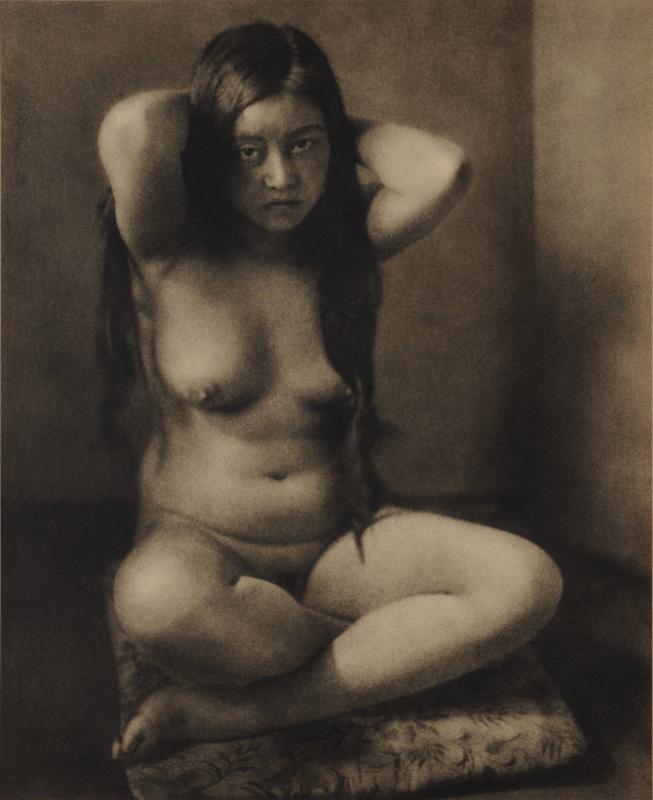
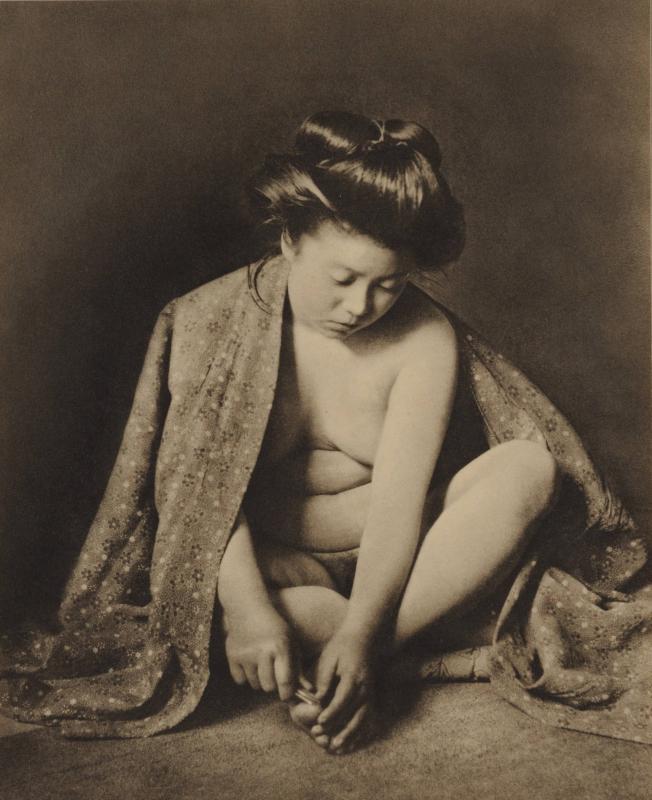
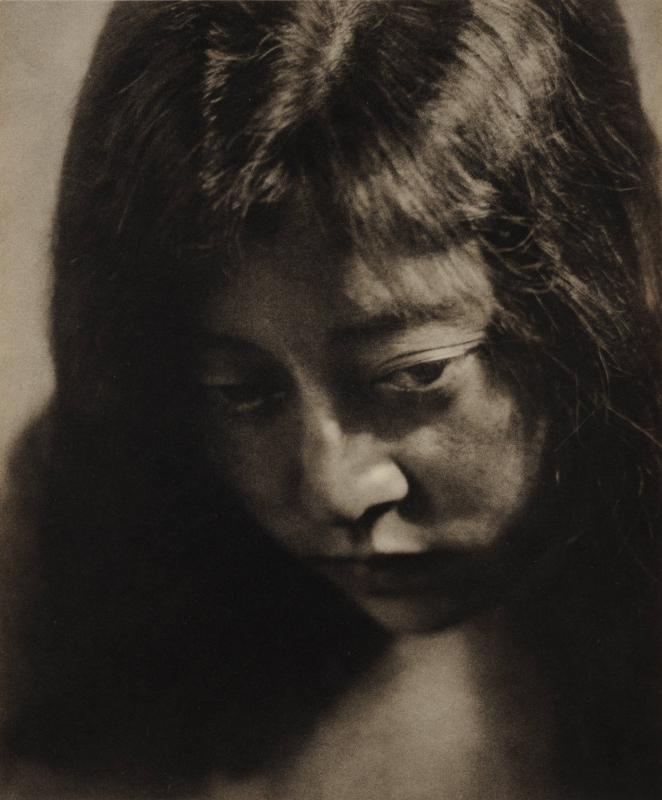
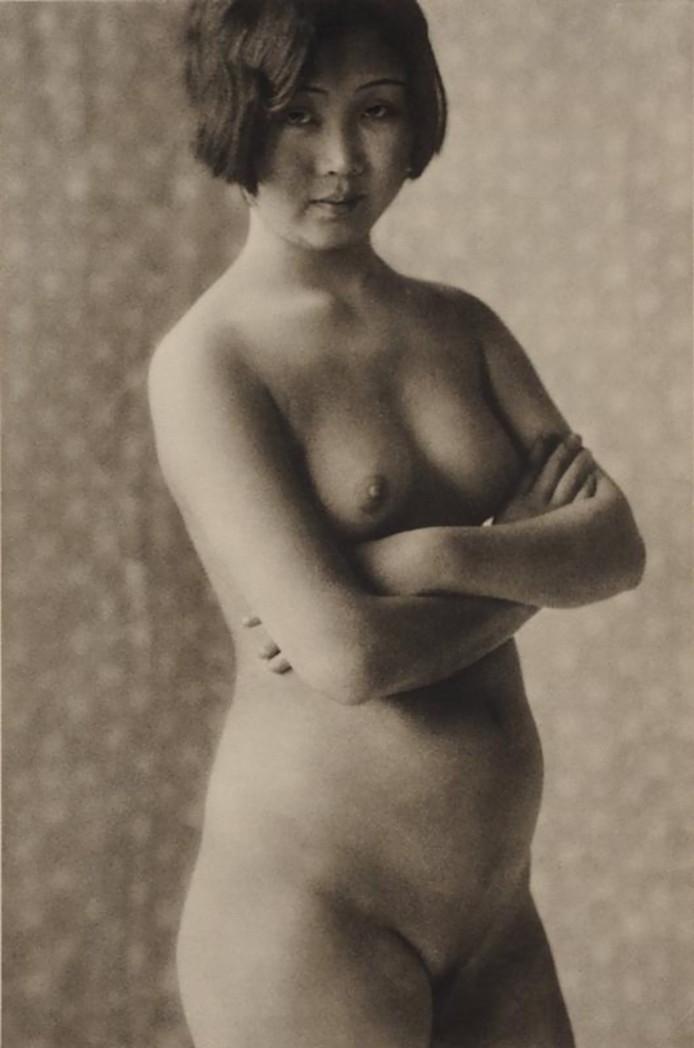
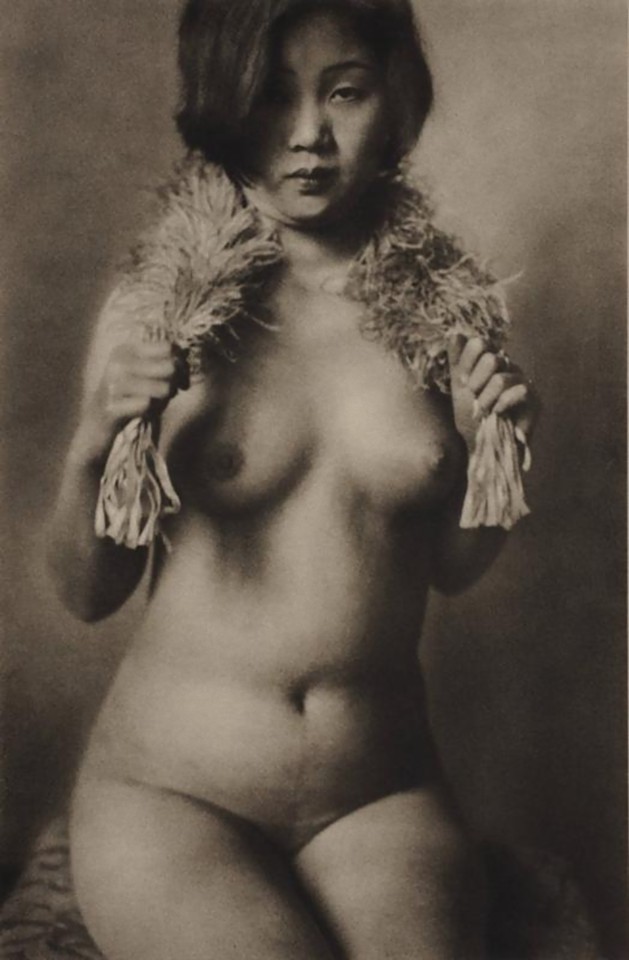
Yasuzo Nojima (1889 – 1964) est bien connu pour ses contributions au monde la photographie  en tant qu’artiste , éditeur et galeriste.  Il a contribué à élever le statut de la photographie comme un art au Japon dans les années 1930. Il a publié le magazine Koga périodique en 1932. Ce magazine fût le premier consacré à la photographie moderne au Japon et le premier à présenter  les photographes japonais au reste du monde.

Il est l’une des figures les plus importantes de l’histoire de la photographie japonaise moderne, Son travail allant de Kaiga shugi shashin (La photographie picturale) à Shinko shashin ( La nouvelle photographie ) du début du XXe siècle .Nojima a introduit une nouvelle esthétique photographique au Japon, qui s’est concentré sur les qualités techniques et esthétiques de la photographie dans son propre droit, plutôt que comme une imitation de peintures.

Nojima était aussi connu comme un amateur d’art passionné et défenseur de l’art contemporain de son temps,  et tout naturellement il ouvre une galerie appelée «Kabutoya Gado» (1919-1920) à Tokyo, à ses frais, en organisant des expositions d’œuvres , mais aussi des rencontres d’ artistes, surtout ceux de la Shirakaba-ha (White Birch Groupe), un mouvement littéraire qui comprenait des artistes tels que peintres renommés Umehara  Ryuzaburo (1888-1986) et Kishida  Ryūsei (1891-1929). Il était ce qu’on peut qualifier de guide pour tous ces artistes.
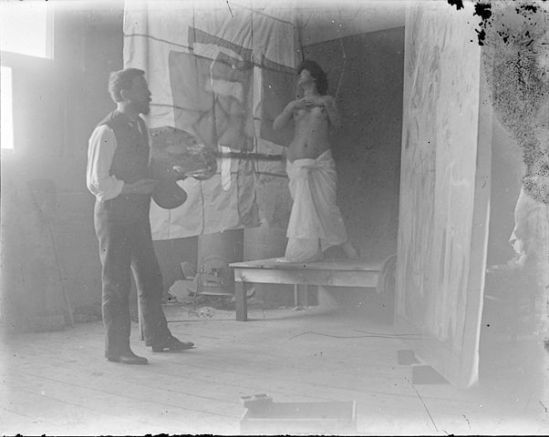
Les premiers travaux de Nojima, qui étaient  des gravures gomme bichromatique , plus tard ses natures mortes et ses nus, toujours doux ,se feront en tirages argentiques mais seront plus frappantes dans leurs formes simples et directs.

Ses premières œuvres de Nojima sont caractérisés par une densité et le lourd écho  du pictorialisme, basées sur sa sensibilité subtile allié au processus d’impression de pigments (méthode d’impression la plus courante de l’époque).

Dans les années 1930, son style prend un tournant radical sous l’influence des nouvelles tendances de la photographie allemande, se déplaçant vers  la gélatine d’argent dans la poursuite d’une forme d’expression qui est unique dans le milieu.

Le magazine de photographie Kōga (Photos légères; 1932-1933), qu’ il co-fonde avec  Nakayama Iwata (1895-1949) et Kimura (1901-1974 ), que  Nojima a principalement financé , a joué un rôle extrêmement important dans le développement ultérieur de « Shinko shashin » ( La nouvelle photographie ) en introduisant les  théories importantes de la photographie arrivant de l’étranger et en fournissant une plateforme indispensable pour une jeune génération de photographes.
Nojima était aussi connu comme un amateur d’art passionné et défenseur de l’art contemporain de son temps,  et tout naturellement il ouvre une galerie appelée «Kabutoya Gado» (1919-1920) à Tokyo, à ses frais, en organisant des expositions d’œuvres , mais aussi des rencontres d’ artistes, surtout ceux de la Shirakaba-ha (White Birch Groupe), un mouvement littéraire qui comprenait des artistes tels que peintres renommés Umehara  Ryuzaburo (1888-1986) et Kishida  Ryūsei (1891-1929). Il était ce qu’on peut qualifier de guide pour tous ces artistes.

Je vous présente les œuvres des tirages bromoil  à ceux de la gélatine d’argent , pas forcément dans l’ordre chronologique, je n’ai choisi que quelques œuvres des années 1910-20, préférant son travail des années 1930 et 1940… ceci reste tout à fait exhaustif. par exemple vous pouvez trouver des photographies de paysages de lui.

 Les photographies sont issues du Livre Yasuzo Nojima. Photographies de Yasuzo Nojima.  AKAAKA Art Publishing, 2009. 

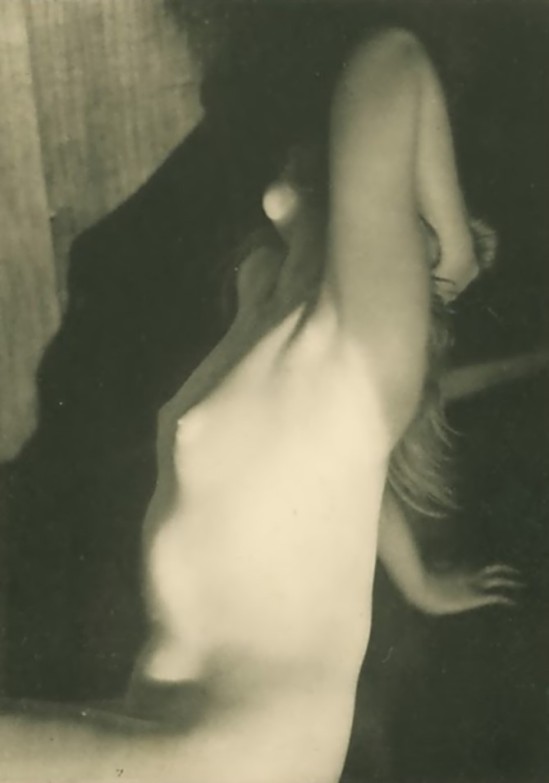
Yasuzo Nojima - Nude from Rear, 1930

Yasuzo Nojima – Nude from Rear, 1930

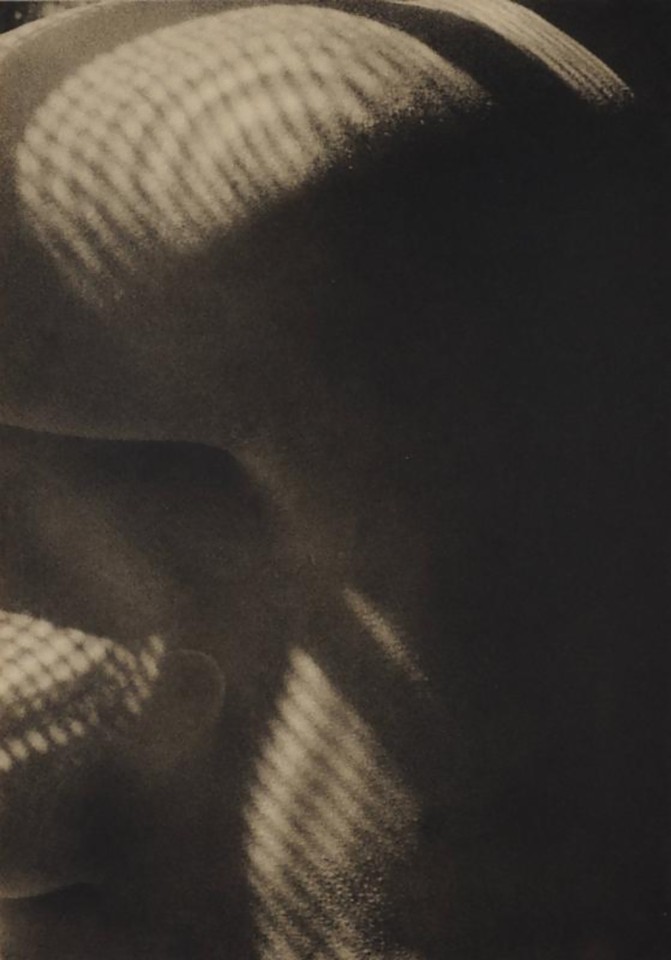
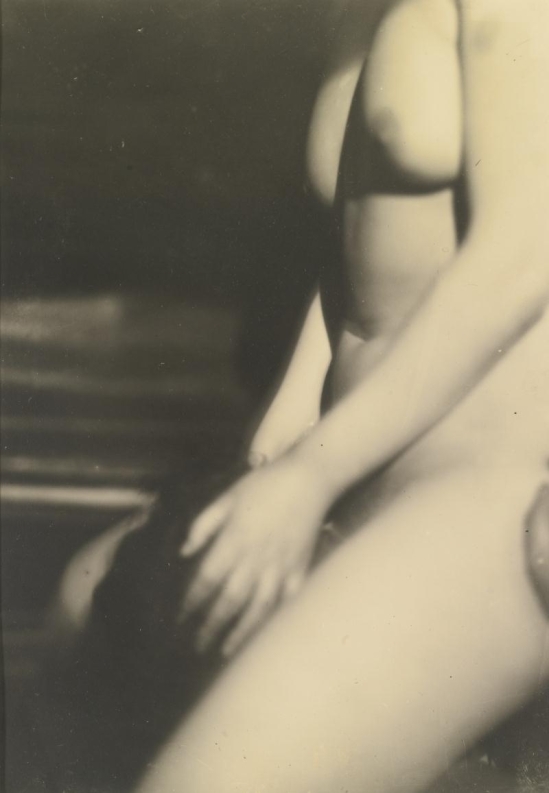
Yasuzo Nozima-Nude Torso, 1930 bromoil print

Yasuzo Nozima-Nude Torso, 1930 bromoil print

Yasuzo Nozima-sans titre , 1931 bromiol print

Yasuzo Nozima-sans titre , 1931 bromiol print

Yasuzo Nojima- Title unknown (Model F.) , 1931

Yasuzo Nojima- Title unknown (Model F.) , 1931
Yasuzo Nozima-sans titre , 1931 bromiol print

Yasuzo Nozima-sans titre , 1931 bromiol print

Yasuzo Nozima-sans titre , 1931 bromiol print

Yasuzo Nozima-sans titre , 1931 bromiol print

Yasuzo Nozima-sans titre , 1931 bromiol print

Yasuzo Nozima-sans titre , 1931 bromiol print

Yasuzo Nozima-sans titre ,1931 bichromate print

Yasuzo Nozima-sans titre ,1931 bichromate print

Yasuzo Nozima-sans titre , 1931 bromiol print

Yasuzo Nozima-sans titre , 1931 bromiol print

Yasuzo Nozima-sans titre , 1931 bromiol print

Yasuzo Nozima-sans titre , 1931 bromiol print

Yasuzo Nozima-sans titre , 1931 bromiol print

Yasuzo Nozima-sans titre , 1931 bromiol print

Yasuzo Nozima-sans titre , 1931 bromiol print

Yasuzo Nozima-sans titre , 1931 bromiol print

Yasuzo Nozima-sans titre ,1931 bichromate print

Yasuzo Nozima-sans titre ,1931 bichromate print

Yasuzo Nojima- Title unknown (Model F.) , 1931

Yasuzo Nojima- Title unknown (Model F.) , 1931

Yasuzo Nojima- Title unknown (Model F.) , 1931

Yasuzo Nojima- Title unknown (Model F.) , 1931

Yasuzo Nojima- Title unknown (Model F.) , 1931

Yasuzo Nojima- Title unknown (Model F.) , 1931

Yasuzo Nojima- Une jeune Fille , 1931_

Yasuzo Nojima- Une jeune Fille , 1931_

Yasuzo Nozima-Miss T. , 1931

Yasuzo Nozima-Miss T. , 1931

Yasuzo Nozima-sans titre , 1931 bromiol print

Yasuzo Nozima-sans titre , 1931 bromiol print

Yasuzo Nozima-sans titre , 1932

Yasuzo Nozima-sans titre , 1932

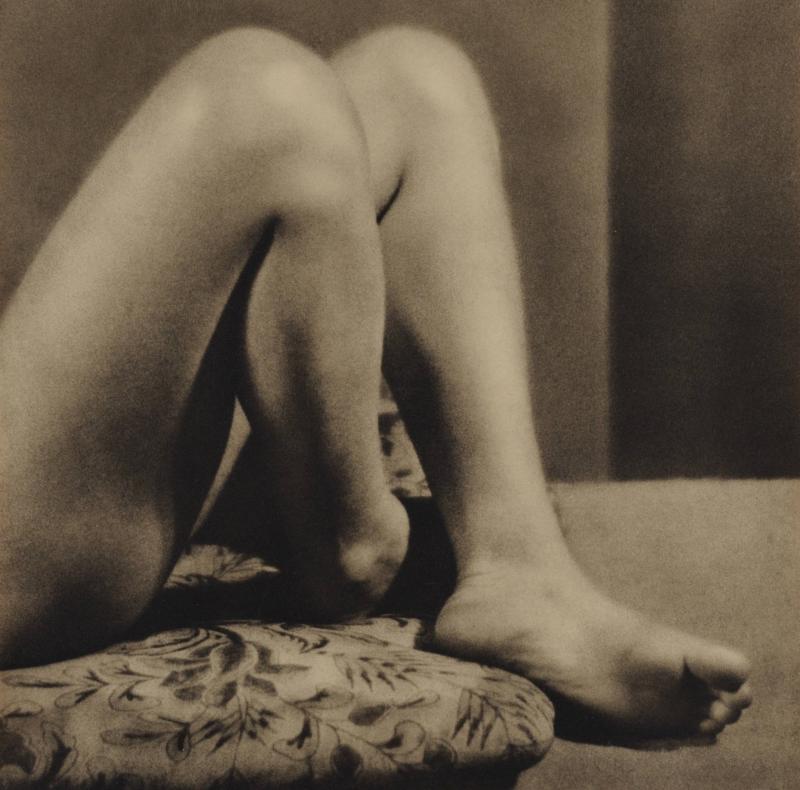
Yasuzo Nozima-Legs ,1931 bromiol print

Yasuzo Nozima-Legs ,1931 bromiol print

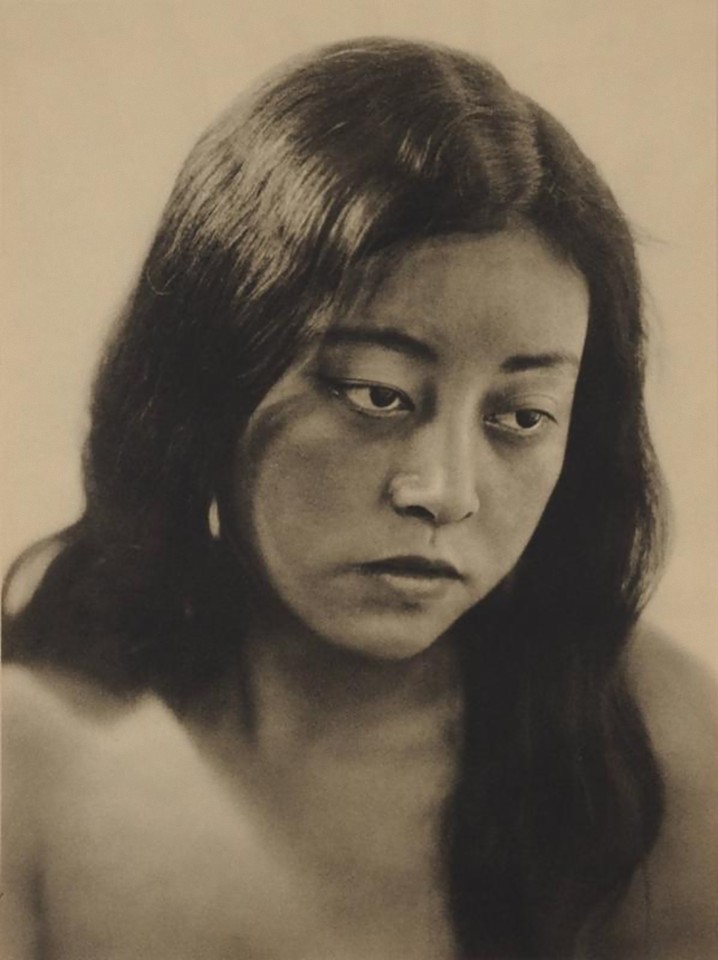
Yasuzo Nojima- Portrait (Model F.), 1931

Yasuzo Nojima- Portrait (Model F.), 1931

Yasuzo Nojima- Portrait (Model F.), 1931

Yasuzo Nojima- Portrait (Model F.), 1931

Yasuzo Nojima- Portrait (Model F.), 1931

Yasuzo Nojima- Portrait (Model F.), 1931

Yasuzo Nojima- Face (Model F.), 1931_e

Yasuzo Nojima- Face (Model F.), 1931

Yasuzo Nojima- Face, 1931

Yasuzo Nojima- Face, 1931

Yasuzo Nojima- Model E , 1931

Yasuzo Nojima- Model E , 1931

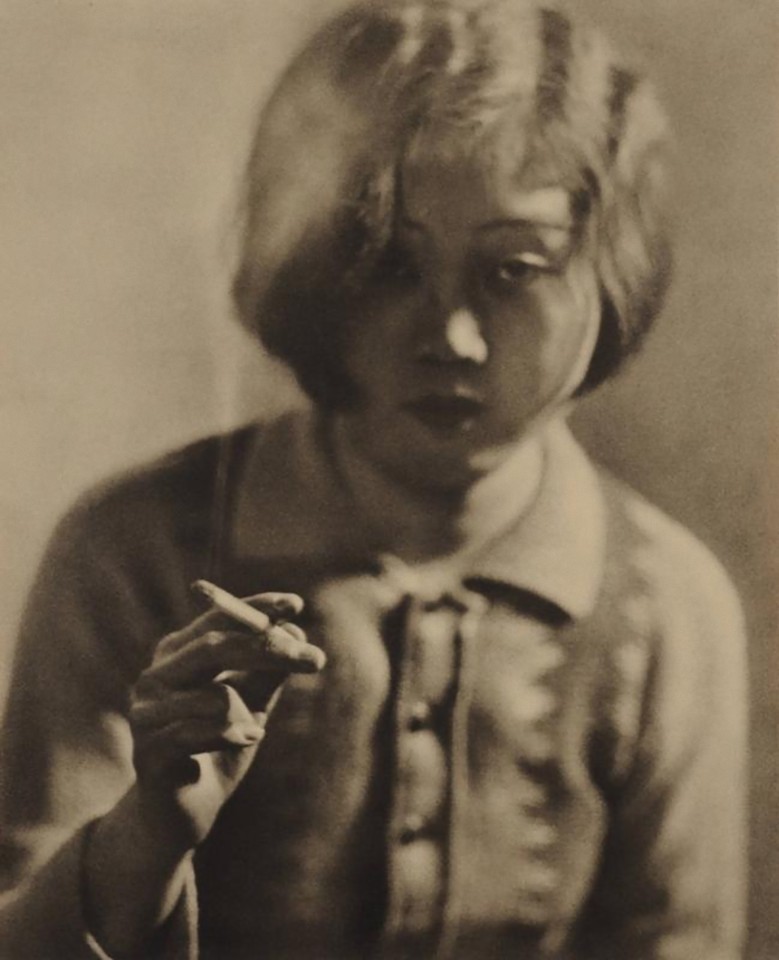
Yasuzo Nojima- Femme assise fumant, 1931

Yasuzo Nojima- Femme assise fumant, 1931

Yasuzo Nojima- Miss Chikako Hosokawa, 1932

Yasuzo Nojima- Miss Chikako Hosokawa, 1932

Yasuzo Nojima - Miss Chikako Hosokawa, 1932

Yasuzo Nojima – Miss Chikako Hosokawa, 1932

Yasuzo Nozima-sans titre , 1932

Yasuzo Nozima-sans titre , 1932

Yasuzo Nozima-sans titre , 1930 gum bichromate print

Yasuzo Nozima-sans titre , 1930 gum bichromate print

Yasuzo Nozima-Portrait ., 1930

Yasuzo Nozima-Portrait ., 1930

Yasuzo Nozima-Portrait , 1923

Yasuzo Nozima-Portrait , 1923

Yasuzo Nozima-Portrait de Mr. S., 1921

Yasuzo Nozima-Portrait de Mr. S., 1921

Yasuzo Nozima-Sans titre , 1920 gum bichromate print

Yasuzo Nozima-Sans titre , 1920 gum bichromate print

Yasuzo Nozima- Woman Combing Her Hair, 1914

Yasuzo Nozima- Woman Combing Her Hair, 1914

Yasuzo Nozima-Woman , 1920 gum bichromate print

Yasuzo Nozima-Woman , 1920 gum bichromate print

Yasuzo Nozima-sans titre , 1921gum bichromate print

Yasuzo Nozima-sans titre , 1921gum bichromate print

Yasuzo Nozima-Woman , 1918gum bichromate print_

Yasuzo Nozima-Woman , 1918 gum bichromate print

Yasuzo Nozima-Standing Woman , 1917gum bichromate

Yasuzo Nozima-Standing Woman , 1917 gum bichromate

Yasuzo Nozima-femme nue, 1921gum bichromate print

Yasuzo Nozima-femme nue, 1921gum bichromate print

Yasuzo Nozima-femme nue de dos , 1921gum bichromate print

Yasuzo Nozima-femme nue de dos , 1921 gum bichromate print

Yasuzo Nozima-sans titre , 1921 1gum bichromate print

Yasuzo Nozima-sans titre , 1921 gum bichromate print

Yasuzo Nozima-sans titre , 1931-32

Yasuzo Nozima-sans titre , 1931-32

Yasuzo Nozima-Femme, 1933 gelatin silver print

Yasuzo Nozima-Femme, 1933 gelatin silver print

Yasuzo Nozima-Seins, 1933 gelatin silver print

Yasuzo Nozima-Seins, 1933 gelatin silver print

Yasuzo Nozima-Seins I, 1933 gelatin silver print

Yasuzo Nozima-Seins I, 1933 gelatin silver print

Yasuzo Nozima-Sans tire double exposition, 1933 gelatin silver print

Yasuzo Nozima-Sans tire double exposition, 1933 gelatin silver print

Yasuzo Nozima-sans titre , 1933

Yasuzo Nozima-sans titre , 1933

Yasuzo Nozima-Portrait, 1933 gelatin silver print

Yasuzo Nozima-Portrait, 1933 gelatin silver print

Yasuzo Nozima-Femme, 1932 gelatin silver print

Yasuzo Nozima-Femme, 1932 gelatin silver print

Yasuzo Nozima-Femme nue de dos, 1932 gelatin silver print

Yasuzo Nozima-Femme nue de dos, 1932 gelatin silver print

Yasuzo Nozima-Femme, 1933 gelatin silver print

Yasuzo Nozima-Femme, 1933 gelatin silver print

Yasuzo Nozima-Femme, 1932 gelatin silver print

Yasuzo Nozima-Femme, 1932 gelatin silver print

Yasuzo Nozima-Femme, 1932 gelatin silver print

Yasuzo Nozima-Femme, 1932 gelatin silver print

Yasuzo Nozima-Femme au miroir , 1933

Yasuzo Nozima-Femme au miroir , 1933

Yasuzo Nojima- model F, 1933

Yasuzo Nojima- model F, 1933

Yasuzo Nojima- Portrait à la cigarette, nd (1930's)_e

Yasuzo Nojima- Portrait à la cigarette, nd (1930’s)

Yasuzo Nojima- Model K , 1937

Yasuzo Nojima- Model K , 1937

Yasuzo Nojima- Model K , 1938

Yasuzo Nojima- Model K , 1938

Yasuzo Nozima-Sans titre , 1938

Yasuzo Nozima-Sans titre , 1938

Yasuzo Nojima- Style life, 1933

Yasuzo Nojima- Style life, 1933

Yasuzo Nojima- Model K, 1937

Yasuzo Nojima- Model K, 1937

Yasuzo Nozima-Sans titre deux jeunes femmes aux chapeaux , 1938

Yasuzo Nozima-Sans titre deux jeunes femmes aux chapeaux , 1938

Yasuzo Nozima- Miss Tazue Sato, Karuizawa, 1939

Yasuzo Nozima- Miss Tazue Sato, Karuizawa, 1939

Yasuzo Nojima -Miss S, 1939

Yasuzo Nojima -Miss S, 1939

Yasuzo Nozima-Sans titre , 1939

Yasuzo Nozima-Sans titre , 1939

Yasuzo Nozima-Sans titre 1941

Yasuzo Nozima-Sans titre 1941

Yasuzo Nozima- sans titre 1940

Yasuzo Nozima- sans titre 1940

Yasuzo Nozima- Ginreika (Loosestrife) 1940

Yasuzo Nozima- Ginreika (Loosestrife) 1940

Yasuzo Nozima- Ginreika (Loosestrife) 1941

Yasuzo Nozima- Ginreika (Loosestrife) 1941

Yasuzo Nozima- Ginreika (Loosestrife) 1941

Yasuzo Nozima- Ginreika (Loosestrife) 1941

Yasuzo Nojima- Model K , 1951

Yasuzo Nojima- Model K , 1951

cover book

cover book Portrait of Yasuzo Nojima

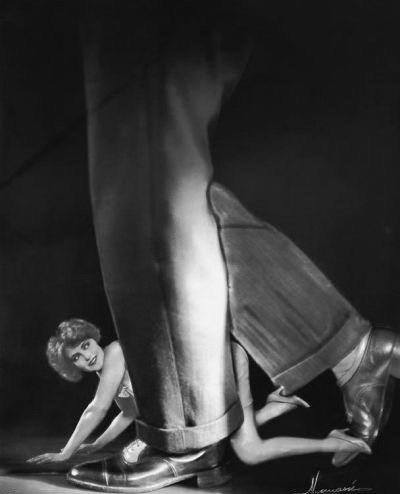
Studio Manassé


Studio Manassé - Nude with spider’s web , 1930

Studio Manassé – Nude with spider’s web , 1930


Studio Manassé -Fräulein Reporterin, 1930’s

Studio Manassé -Fräulein Reporterin, 1930’s


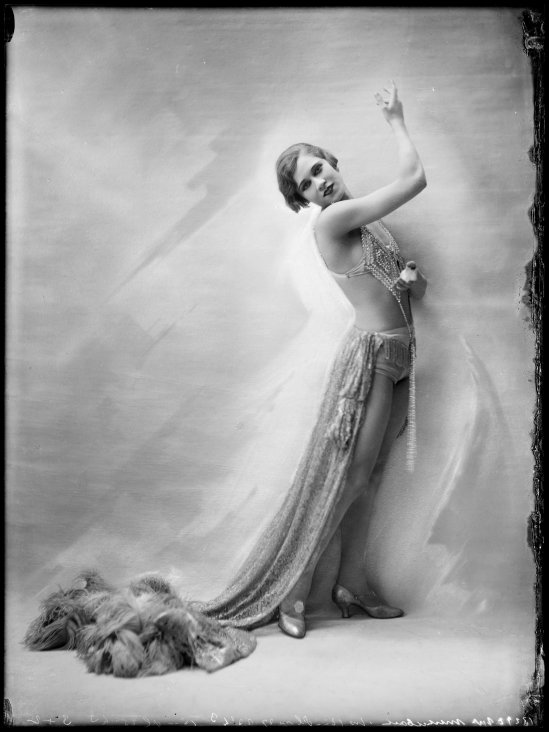
Atelier Manassé, The dancer Bea Egervári, Vienna c. 1928

Atelier Manassé, The dancer Bea Egervári, Vienna c. 1928

Studio Manassé -« Dans le Bain », 1933

Studio Manassé -« Dans le Bain », 1933

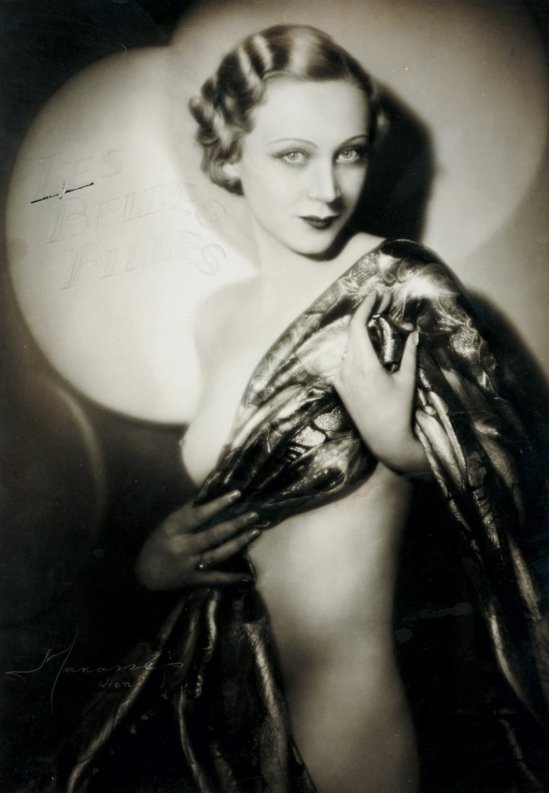
Atelier Manassé, Les Belles Filles, Vienna c. 1928

Atelier Manassé, Les Belles Filles, Vienna c. 1928

Atelier Manassé-portrait-Tala Birell , 1927

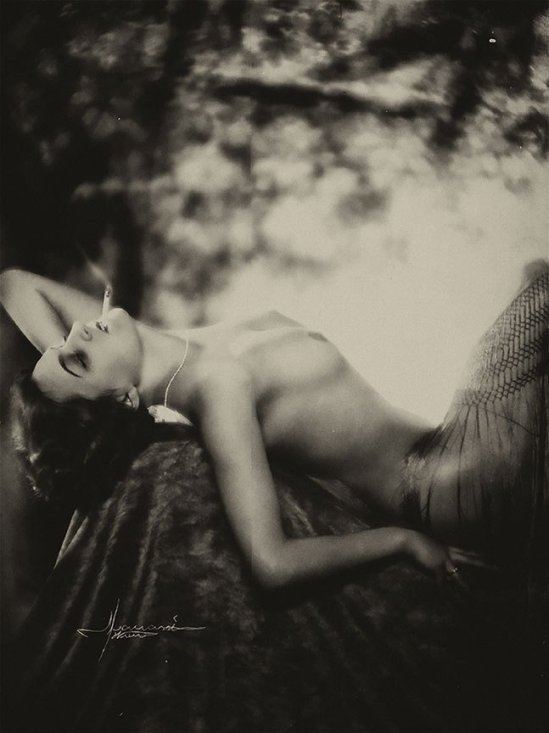
Atelier Manassé- Femme fumant, 1928

Atelier Manassé- Femme fumant, 1928

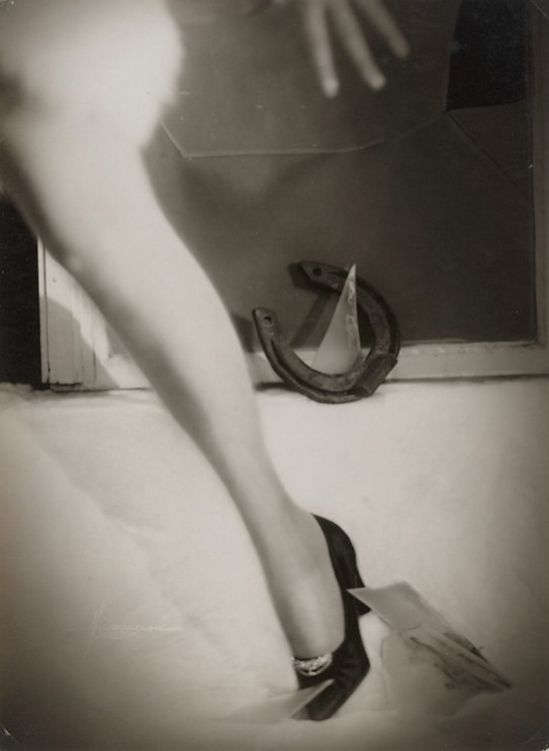
Atelier Manassé- Porte bonheur 1932

Atelier Manassé- Porte bonheur 1932

Studio Manassé- Untitled ,c.1932

Studio Manasse La Jana . 1930

Studio Manasse La Jana . 1930

Studio Manassé – Dagmar Helsing, Tanzerin, 1930

Studio Manassé – Dagmar Helsing, Tanzerin, 1930

Studio Manassé –Femme à la grappe c. 1928

Studio Manassé –Femme à la grappe c. 1928

Atelier Manassé- Rêve Doré,1926

Atelier Manassé- Rêve Doré,1926

Atelier Manassé- Studie / Study, Vienna c. 1935


Atelier Manassé- Darmora , 1927

Atelier Manassé- Darmora , 1927

Studio Manassé – Dagmar Helsing, Tanzerin, 1930

Studio Manassé – Dagmar Helsing, Tanzerin, 1930

Atelier Manassé– Masked naked, 1931

Atelier Manassé– Masked naked, 1931

Studio Manassé –la valise, c.1930s

Studio Manassé –la valise, c.1930s

Atelier Manassé-Portrait de Grelt Berndt, 1930s

Atelier Manassé-Portrait de Grelt Berndt, 1930s


Studio Manassé- Ellentétes érzelmek, 1950

Studio Manassé- Ellentétes érzelmek, 1950

Atelier Manassé- Studie / Study, Vienna c. 1935

Atelier Manassé- Studie / Study, Vienna c. 1935


Studio Manassé -Portrait de femme, 1930. [Tirage argentique d’époque.]source verdeau

Studio Manassé -Portrait de femme, 1930. [Tirage argentique d’époque.]source verdeau

Atelier Manassé-Gry Doresku, 1928

Atelier Manassé-Griserie 1926.

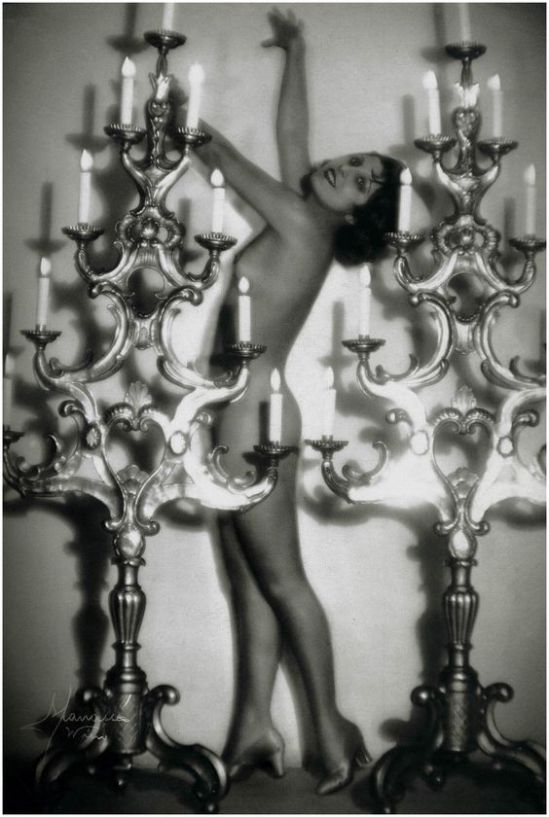
Atelier Manassé-portrait-Femme aux chandeliers, 1930

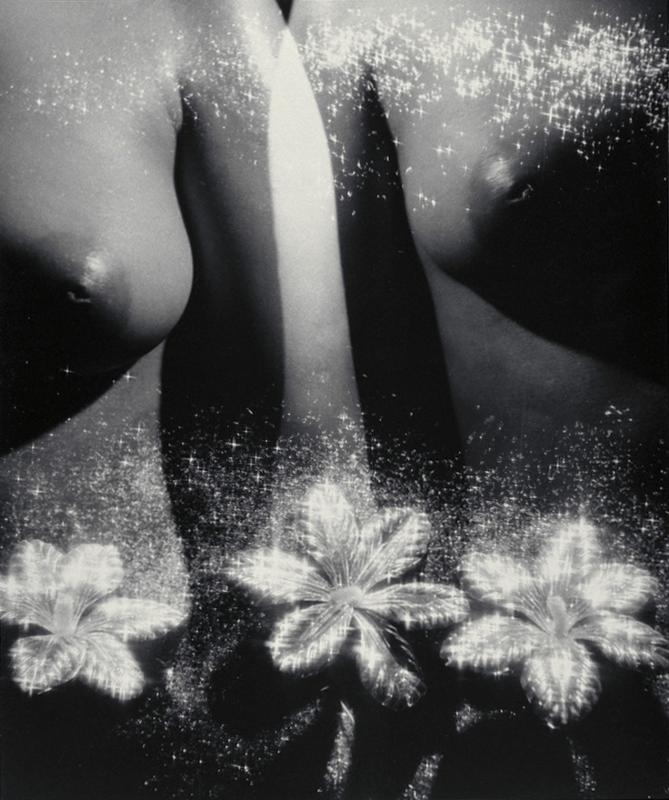
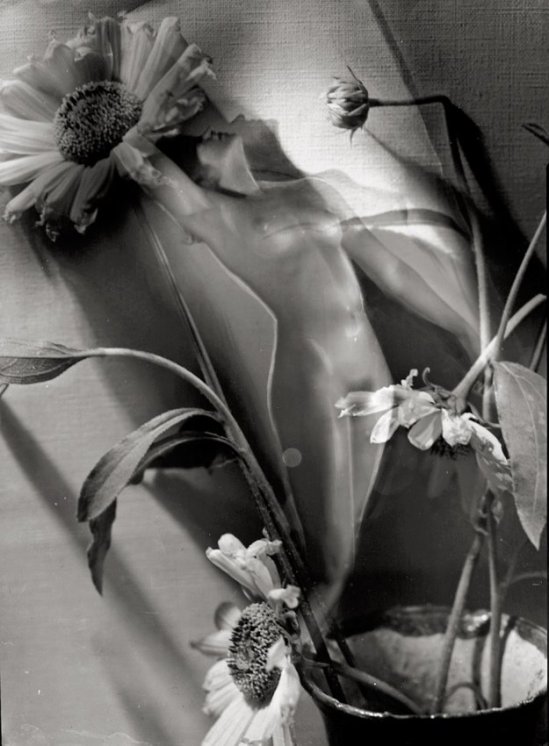
Studio Manassé- Photomontage with nude and flowers. Circa 1935

Studio Manassé- Photomontage with nude and flowers. Circa 1935

Atelier Manassé- Collectionneur de papillons, 1950

Atelier Manassé-l’ homme à la loupe, 1927

Manassé la cruauté (nosferatu)gelatin silver print, circa 1930

Manassé la cruauté (nosferatu)gelatin silver print, circa 1930


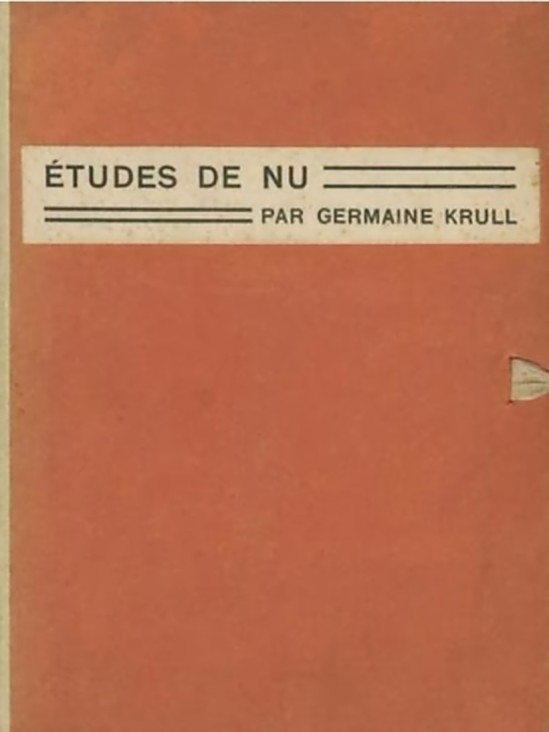
Germaine Krull the book « Études de nu ». Par Germaine Krull. Preface by Jean Cocteau.1930


Germaine Krull – study of nude, before 1930 from « Études de nu ». Par Germaine Krull. Preface by Jean Cocteau.With 24 loose illustrations after photographs printed in photogravure, Paris, Librairie des Arts décoratifs, ,1930.


Germaine Krull est né le 29 Novembre 1897 à Wilda, Poznań, près de la frontière entre l’Allemagne et la Pologne en Prusse orientale, d’une famille allemande aisée. Dans ses premières années, sa famille déménage fréquemment dans toute l’Europe. Elle n’a pas reçu une éducation dite « formelle », mais a reçu des cours à la maison  de son père  Johann Friedrich Krull, un ingénieur accompli et un libre penseur. Ce dernier l’a très certainement influencé , en laissant ses robes au placard et la laissant s’habiller  comme un garçon quand elle était jeune. Cette liberté d’esprit ne peut qu’avoir contribué à forger ses idées sur le rôle des femmes et leurs places au sein de la société ,  et son education la probablement aussi prédisposée à la prise de position politique radicale.

Entre 1915 et 1918, elle a pris des cours à  « Lehr- und Versuchsanstalt für Photographie », une école de photographie de Munich, en Allemagne, periode durant  laquelle  elle suit l’enseignement de Frank Eugene (voir article à son sujet ici) , l’un des maîtres du Pictorialisme .

Elle a ouvert un studio à Munich en 1918.Elle se lie d’amitié avec despersonnalités tels que Rainer Maria Rilke, Friedrich Pollock, et Max Horkheimer. A cette periode ( 1918-1921) Germaine Krull était très active politiquement . En 1919, elle est passée du Parti socialiste indépendant de Bavière au Parti communiste de l’Allemagne, et a été arrêtée et emprisonnée pour aider la tentative de fuite d’un émissaire bolchevik à l’Autriche. Elle fût expulsée de  Bavière en 1920 pour ses activités communistes, et s’ est rendu en Russie avec son amant Samuel Levit. Après que Levit ne l’ait quittée en 1921, Krull a été emprisonné comme un « anti-bolchevique» et expulsé de Russie.

Entre 1922 et 1925, elle vivra à Berlin où elle a reprendra sa carrière de photographe. Elle et Kurt Hübschmann (plus tard connu sous le nom de Kurt Hutton) ont travaillé ensemble dans un studio de Berlin entre 1922 et 1924. Parmi les autres photos de Krull produites à Berlin à cette période, il y a notament la serie de  nus  » les amies de chambre » qui furent comparées à « des satires de la pornographie lesbienne. » VOIR CETTE SERIE LES AMIES ICI

Après avoir rencontré le cinéaste communiste néerlandais Joris Ivens  en 1923, elle s’ installe à Amsterdam en 1925.  Krull revient à Paris en 1926, Ivens et Krull conclu un mariage de convenance entre 1927 et 1943, afin que Krull puisse optenir un passeport néerlandais.

Entre 1922 et 1925, elle vivra à Berlin où elle reprend sa carrière de photographe. Elle et Kurt Hübschmann (plus tard connu sous le nom Kurt Hutton) ont travaillé ensemble dans un studio de Berlin entre 1922 et 1924. Parmi les autres photos Krull produite à Berlin étaient nus qui ont été comparés à ‘des satires de la pornographie lesbienne.’Elle a commencé à photographier des nus, essentiellement féminin,  nombre de ces images illustre des publications scientifiques et naturistes et de nombreux magazines. ( par exemple ici un exemple de couverture pour naturiste)

Krull a vécu à Paris entre 1926 et 1928, où elle a ouvert son atelier en 1926 . Elle se lie d’amitié avec l’élite intellectuelle française (Valéry, Gide, Malraux, Morand, Frank Eugene Cocteau, Colette, etc), ainsi que de nombreux artistes et créateurs (l’acteur Louis Jouvet, le réalisateur Jean Renoir, le photographe Eli Lotar  , qui realisera une superbe photo d’elle nue, vêtue de gants, voir plus bas, les peintres Robert et Sonia Delaunay, etc) mais sera surtout amie avec Sonia et Robert Delaunay, Eli Lotar, André Malraux, Colette, Jean Cocteau, André Gide  Son travail consistait essentiellement à faire de la photographie de mode, et portraits et travailler pour des magazines . Néanmoins, le nu a continuera d’être un thème de prédilection dans la photographie de Krull , ( elle est d’ailleurs publiée à cette époque dans la célèbre « Revue des Monats », par exemple) très fréquemment.

Pendant cette période, elle a publié le portfolio Métal ,1928. ayant épousé le réalisateur Joris Ivens,  elle travaillera avec lui  pour le documentaire ‘El Puente’ (Le pont) en 1928 qui réveillera en elle une fascination pour un sujet inhabituel: le paysage industriel. Krull présente dans ce livre 64 photographies en noir et blanc paysage de Paris, Marseille, et de Hollande . Les sujetsphotographiés sont  des ponts, des  bâtiments (par exemple, la Tour Eiffel), et les navires à roues de bicyclette, il peut être lu comme étant une célébration de la machine ou une critique à leur égard. Beaucoup de photographies ont été prises sous des angles dramatiques, et dans l’ensemble du travail a été comparé à celui de László Moholy-Nagy ( Voir tous les articles qui lui sont consacrés ICI)  et Alexander Rodchenko. ( Voir  tous les articles qui lui sont consacrés ICI). En 1999-2004 le portefeuille a été choisi comme l’un des albums photos les plus importants de l’histoire.

En 1928, Krull a été considéré comme l’une des meilleurs photographes de Paris, avec André Kertész ( Voir les articles qui lui consacrés) et Man Ray( Voir les articles qui lui consacrés) . Entre 1928 et 1933, son travail photographique est composée principalement de photojournalisme, comme ses photographies pour le magazine Vu.  En 1930, elle  édite le portfolio « Étude de nu  » avec 24 photos , préfacé par son ami Jean Cocteau aux Librairie des Arts décoratifs. ces clichés expliquera t- elle auront pour vocation de témoigner de la transformation dans laquelle la nudité, est à la fois reliée à l’esthétique et séparée de l’éthique (ses travaux dans ce domaine sont réputés pour sa série les amies).

Quand la seconde guerre mondiale éclate, krull quittera la France et voyagera dès lors à travers le monde entier (Afrique (1941-1942)  Brésil, où elle a photographié la ville d’Ouro Preto. Entre 1942 et 1944, elle était à Brazzaville en République du Congo, après quoi elle a passé plusieurs mois à Alger ) Après la Seconde Guerre mondiale, elle a voyagé en Asie du Sud-Est en tant que correspondant de guerre, et en 1946 elle  devient un des co-propriétaires de l’Hôtel Oriental à Bangkok, en Thaïlande, un rôle qu’elle a entrepris jusqu’en 1966. Ensuite elle déménagera dans le Nord de l’Inde et convertira à l’école Sakya du bouddhisme tibétain. Son grand projet photographique finale a été la publication d’un livre de 1968 « Tibétains en Inde » qui comprenait un portrait du dalaï-lama. Après un AVC, elle a déménagé dans une maison de soins infirmiers à Wetzlar, en Allemagne, où elle est morte le 31 Juillet, 1985.

Cette femme a eu un esprit libertaire toute sa vie, combattant pour la liberté sociale, la condition de la femme des peuples, sa liberté intellectuelle fait d’elle une artiste majeure du 20 siècle.

bien sûr je ne vous présente qu’une partie de son travail, et comme toujours celui autour du nu, mais cela reste une partie de son immense travail.bJe vous présente les planches du porfolio de 1930 qui sont des héliogravures, ainsi que d’autres nus et ses portraits. Vous pouvez retrouverez la séries Les amies, rencontres de lesbiennes ( postés il y a longtemps ici), et le reste de sont travil sur le net.

« L’objectif est un œil mieux fait que l’œil.  Il mérite de voir le monde mieux fait que le monde, ou autrement fait, ce qui est déjà très bien.  Chaque angle nouveau  multiplie le monde par lui même » G.Krull 1931


Germaine Krull Book cover for Germaine Krull, Études de nu, (Paris, Librairie des Arts Décoratifs – A. Calavas Éditeur, (1930)) 1930

Germaine Krull - Etude de nu, 1930 from "Études de nu". Par Germaine Krull. Preface by Jean Cocteau.With 24 loose illustrations after photographs printed in photogravure, Paris, Librairie des Arts décoratifs, ,1930.

Germaine Krull – Etude de nu, 1930 from « Études de nu ». Par Germaine Krull. Preface by Jean Cocteau.With 24 loose illustrations after photographs printed in photogravure, Paris, Librairie des Arts décoratifs, ,1930.

ÉTUDES DE NU is the second publication to feature Germaine Krull’s nude studies. It was published twelve years after her nude work first appeared in Der Akt – Zwanzig photographische Aufnahmen weiblicher Körper nach der Natur (The nude – twenty photographs of the female body taken from life) together with work by Prof. Jozsef Pésci and Wanda von Debschitz-Kunowski. ÉTUDES DE NU is Krull’s solo celebration of the female form.

The small portfolio is rather simple in design and construction. A small white paper label with the title and author’s name is mounted on the orange paper covered card of the front cover. The portfolio contains 24 photographic plates and two folded leaves with title and introduction by Jean Cocteau. Twenty-two of the plates contain one photograph of one model. Two of the plates show montages or multiple exposures. Twenty photographs show the figures cropped, at least on one side of the image. The photographs come across as a playful mix of styles and techniques just as one finds with Krull’s work in general.

Germaine Krull – Etude de nu, 1930 from « Études de nu ». Par Germaine Krull. Preface by Jean Cocteau.With 24 loose illustrations after photographs printed in photogravure, Paris, Librairie des Arts décoratifs, ,1930.


Germaine Krull- Étude de nu, 1930

Germaine Krull- Étude de nu, 1930 from « Études de nu ». Par Germaine Krull. Preface by Jean Cocteau.With 24 loose illustrations after photographs printed in photogravure, Paris, Librairie des Arts décoratifs, ,1930.

Germaine Krull – Etude de nu, 1930 from « Études de nu ». Par Germaine Krull. Preface by Jean Cocteau.With 24 loose illustrations after photographs printed in photogravure, Paris, Librairie des Arts décoratifs, ,1930.

Germaine Krull – Etude de nu, 1930 from « Études de nu ». Par Germaine Krull. Preface by Jean Cocteau.With 24 loose illustrations after photographs printed in photogravure, Paris, Librairie des Arts décoratifs, ,1930.

Germaine Krull – Etude de nu, 1930 from « Études de nu ». Par Germaine Krull. Preface by Jean Cocteau.With 24 loose illustrations after photographs printed in photogravure, Paris, Librairie des Arts décoratifs, ,1930.


Germaine Krull-Etude de nu, 1930 from « Études de nu ». Par Germaine Krull. Preface by Jean Cocteau.With 24 loose illustrations after photographs printed in photogravure, Paris, Librairie des Arts décoratifs, ,1930.

Germaine Krull – Etude de nu, 1930 from « Études de nu ». Par Germaine Krull. Preface by Jean Cocteau.With 24 loose illustrations after photographs printed in photogravure, Paris, Librairie des Arts décoratifs, ,1930.

Germaine Krull-Etude de nu, 1930 from « Études de nu ». Par Germaine Krull. Preface by Jean Cocteau.With 24 loose illustrations after photographs printed in photogravure, Paris, Librairie des Arts décoratifs, ,1930.

Germaine Krull – Etude de nu, 1930 from « Études de nu ». Par Germaine Krull. Preface by Jean Cocteau.With 24 loose illustrations after photographs printed in photogravure, Paris, Librairie des Arts décoratifs, ,1930.

Germaine Krull – Etude de nu, 1930 from « Études de nu ». Par Germaine Krull. Preface by Jean Cocteau.With 24 loose illustrations after photographs printed in photogravure, Paris, Librairie des Arts décoratifs, ,1930.

Germaine Krull – Etude de nu, 1930 from « Études de nu ». Par Germaine Krull. Preface by Jean Cocteau.With 24 loose illustrations after photographs printed in photogravure, Paris, Librairie des Arts décoratifs, ,1930.

Germaine Krull – Etude de nu, 1930 from « Études de nu ». Par Germaine Krull. Preface by Jean Cocteau.With 24 loose illustrations after photographs printed in photogravure, Paris, Librairie des Arts décoratifs, ,1930.

Germaine Krull – Etude de nu, 1930

Germaine Krull-Etude de nu, 1930 from « Études de nu ». Par Germaine Krull. Preface by Jean Cocteau.With 24 loose illustrations after photographs printed in photogravure, Paris, Librairie des Arts décoratifs, ,1930.

Germaine Krull – Etude de nu, 1930 from « Études de nu ». Par Germaine Krull. Preface by Jean Cocteau.With 24 loose illustrations after photographs printed in photogravure, Paris, Librairie des Arts décoratifs, ,1930.

Germaine Krull- EROTIC NUDE , circa 1930 Vintage silver printfrom "Études de nu". Par Germaine Krull. Preface by Jean Cocteau.With 24 loose illustrations after photographs printed in photogravure, Paris, Librairie des Arts décoratifs, ,1930.

Germaine Krull- EROTIC NUDE , circa 1930 Vintage silver printfrom « Études de nu ». Par Germaine Krull. Preface by Jean Cocteau.With 24 loose illustrations after photographs printed in photogravure, Paris, Librairie des Arts décoratifs, ,1930.


« Photographing is a profession. Craftsmanship. A job that one learns, that one makes more or less well, like all trades. The photographer is a witness. The witness of his time. The true photographer is the witness of every day, they are the reporter. » Germaine Krull
Sur ce lien, en podcast, une autre chronique à propos de Germaine Krull, Les vivants et les morts, Radio Zibeline.

Baldomer Gili Roig

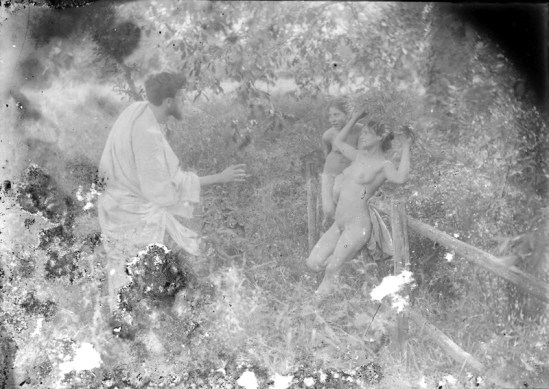
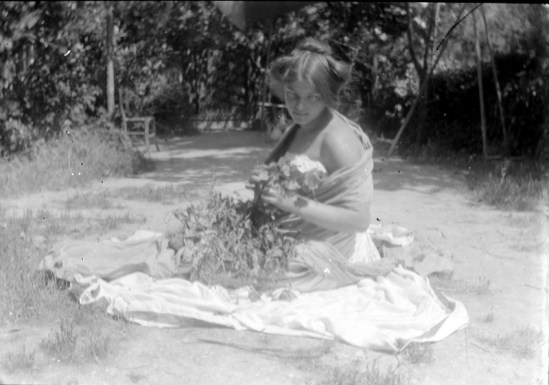
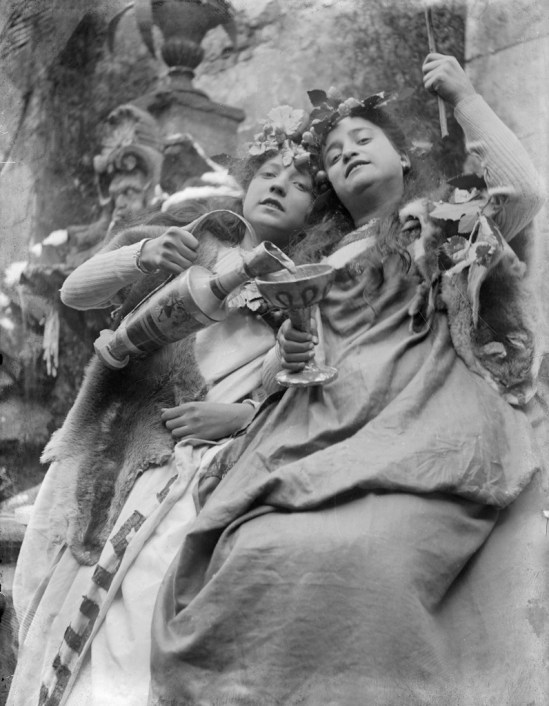
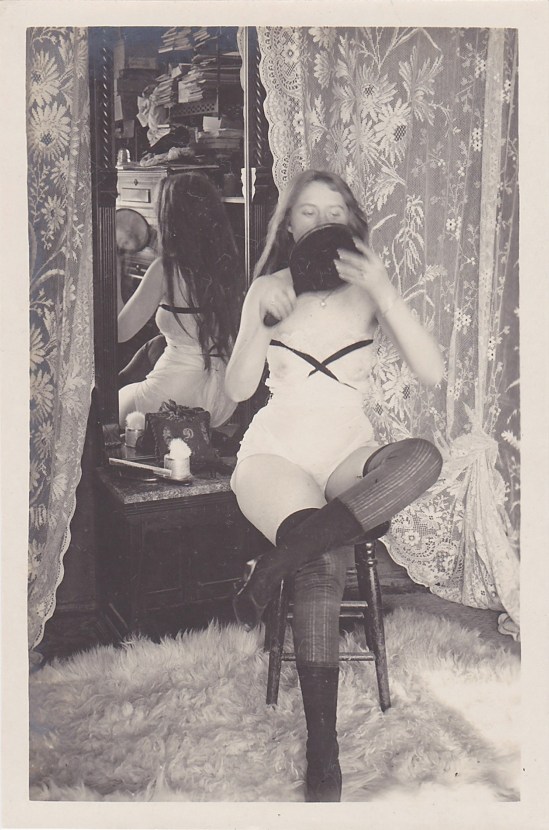
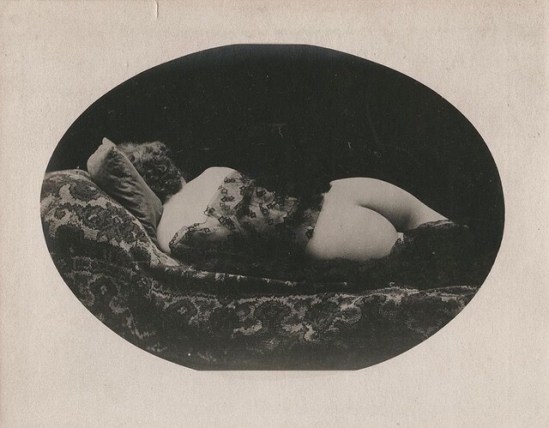
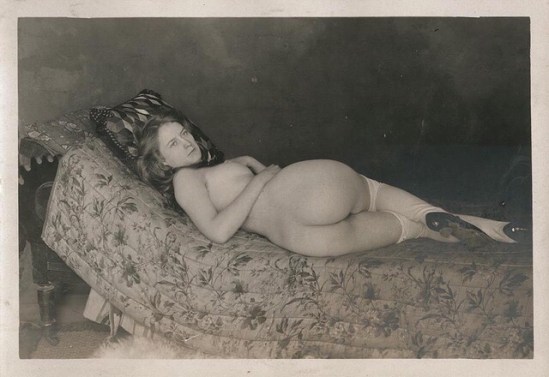
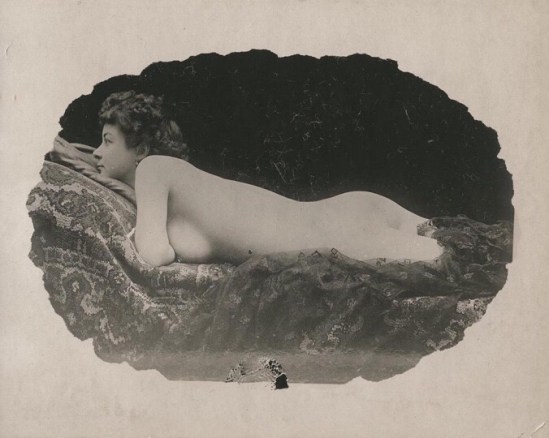
Baldomer Gili i Roig was a Catalan painter, draftsman and photographer. His father was a teacher and editor. His brother, Gustau (Gustavo, 1868–1945), became the founder of Editorial Gustavo Gili , a major publishing company. In 1882, the family moved to Irun, where he began his first art lessons with José Salís Camino , a marine artist and follower of Camille Corot. Six years later, the family returned to Barcelona and he enrolled at the Escola de la Llotja. It was there that he came under the influence of the Sorollistas and brightened his palette.

In 1890, he decided to go to Madrid and enter the « Escuela Especial de Pintura, Escultura y Grabado », attending the classes of Alejo Vera, who he admired. Seven years later, he ventured to Munich to further his studies at the Academy of Fine Arts, but was obliged to return home a year later due to the political crisis occasioned by the beginning of the Spanish–American War. In 1899, he had his first exhibition at the Sala Parés.

The following year, he held his first showing in his hometown and, with the help of Jaume Morera, received a stipend from the local government to study in Italy. At first, he lived in a Capuchin monastery near Rome, in Frascati, then at the Villa Strohl Fern in the Villa Borghese. While there, he sent paintings back to Lleida (to show that he was fulfilling the conditions of his stipend), and to an exposition in Paris. In 1901, he participated in the National Exhibition of Fine Arts.

After four years, he returned to Barcelona. In addition to his paintings, he provided illustrations for several notable publications, including L’Esquella de la Torratxa. Many of his drawings were signed « L’Alegret » (possibly a reference to Alegret, the Gascon troubadour). He also tried his hand at being a playwright. In 1909, the Teatre Apolo premiered his musical comedy La Canción de la Ninfa; written under the nom-de-plume « Emilio Roig », with music by Pedro Enrique de Ferrán.

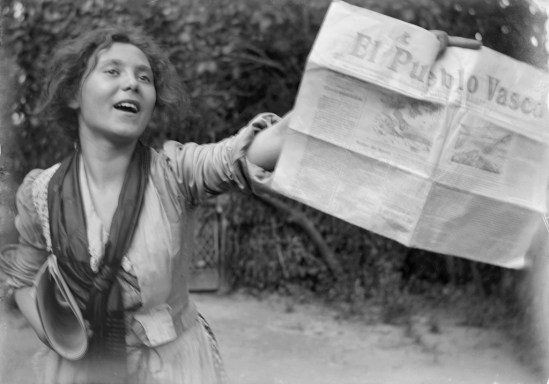
He was fascinated with photography as well and almost always went about with a camera on hand, producing over a thousand glass plates, documenting the places and people in his life, which his descendants presented to the Museu d’Art Jaume Morera in 2009

Over the next decade, he continued to exhibit frequently and widely throughout Europe and South America, visiting Buenos Aires and Montevideo in 1925. He died of pneumonia at the end of 1926.


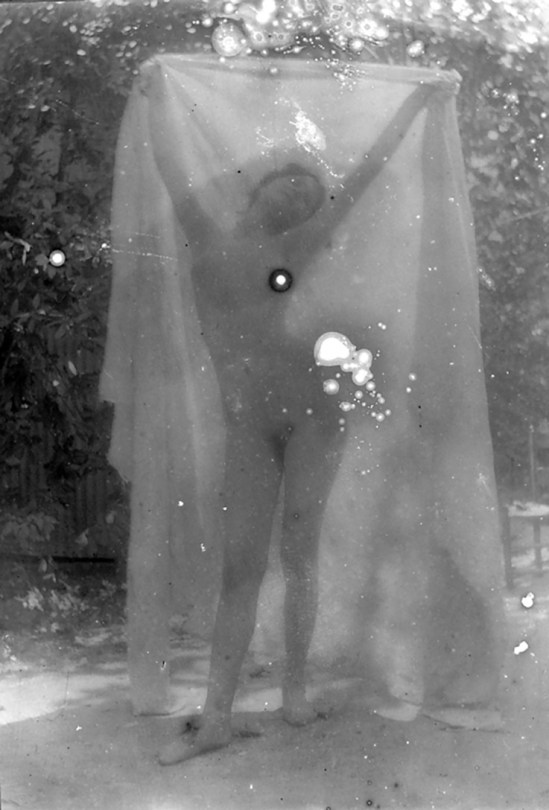
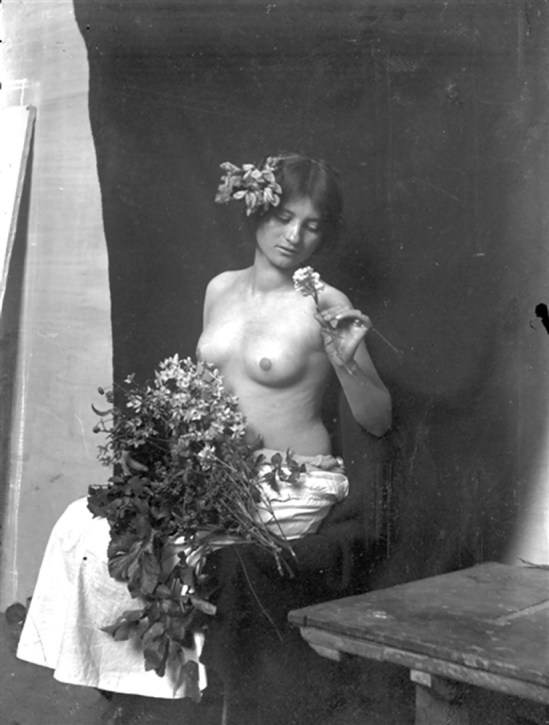
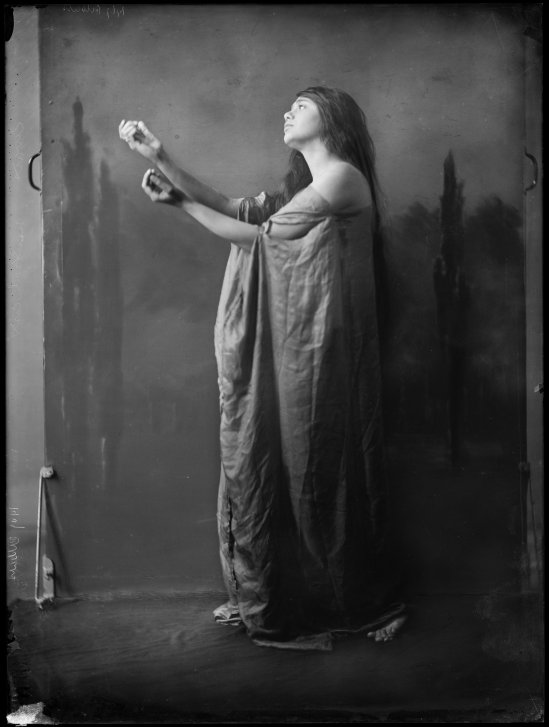
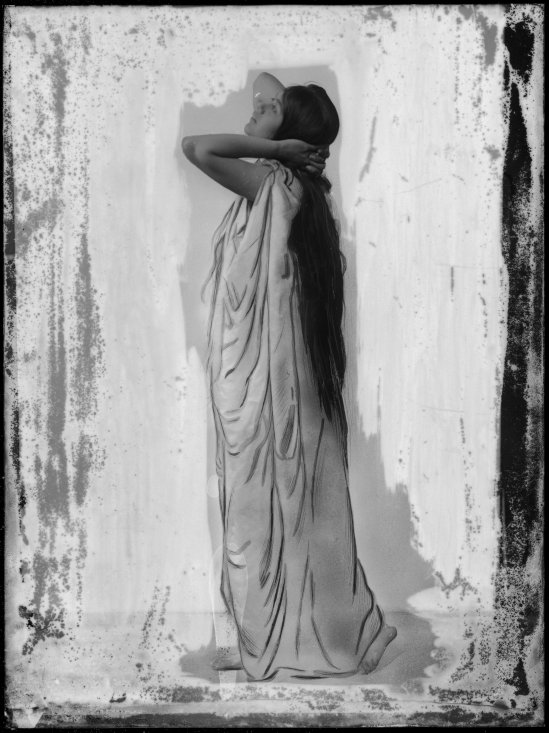
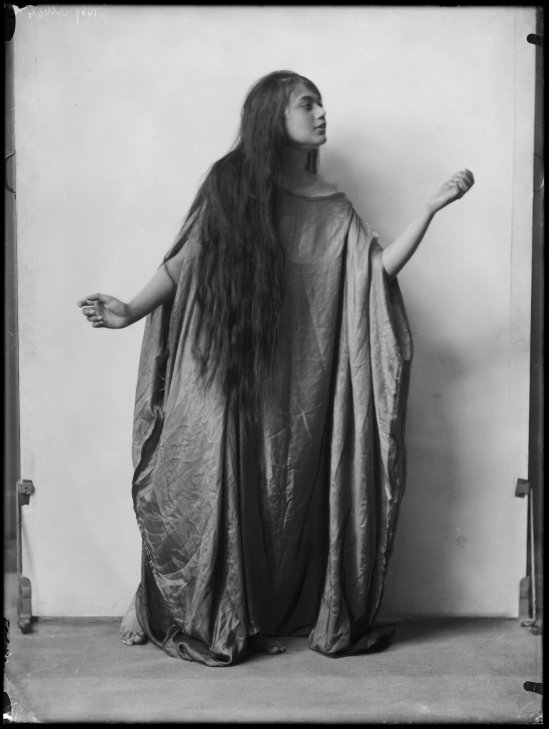
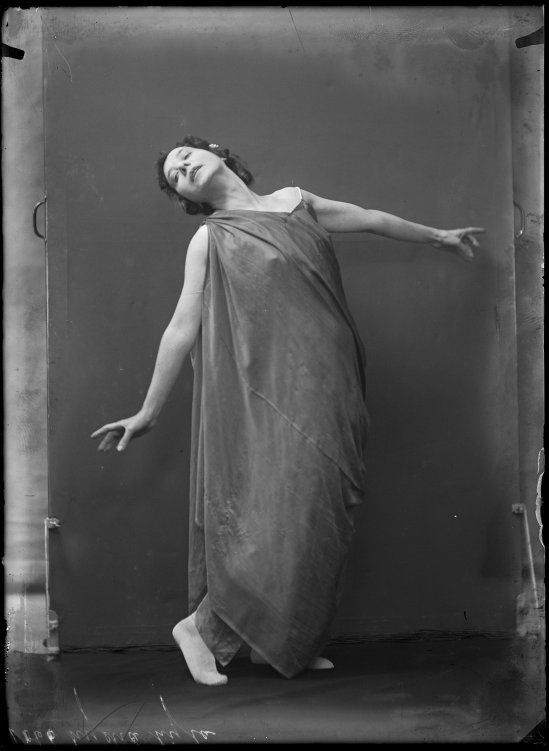
Baldomer Gili Roig. Model with veil outdoor,Roma c. 1910, Museu d’Art Jaume Morera

Baldomer Gili Roig. Models , 1910 Museu d’Art Jaume Morera

Baldomer Gili Roig -Model around 1910 Museu d’Art Jaume Morera

Baldomer Gili Roig. Model, 1900 – 1910 Museu d’Art Jaume Morera

Baldomer Gili Roig. Model around 1910 Museu d’Art Jaume Morera

Baldomer Gili Roig. Model 1910

Baldomer Gili Roig. Model 1910

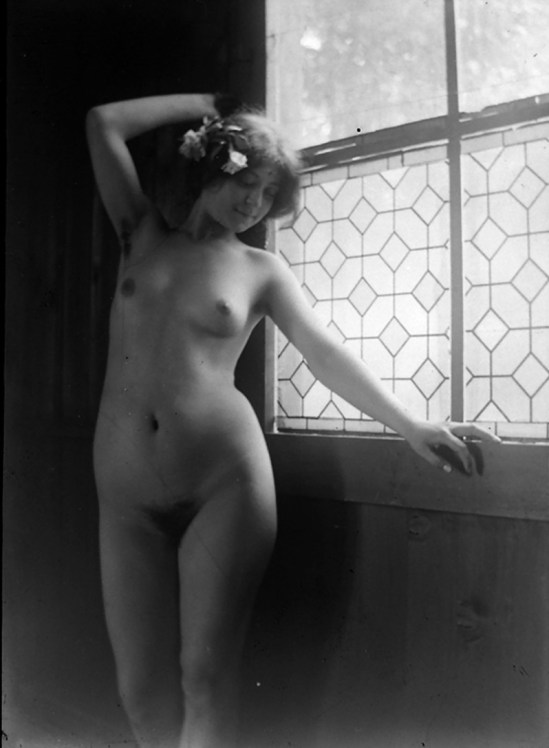
Baldomer Gili Roig. Model , 1910, Barcelona, Museu d’Art Jaume Morera

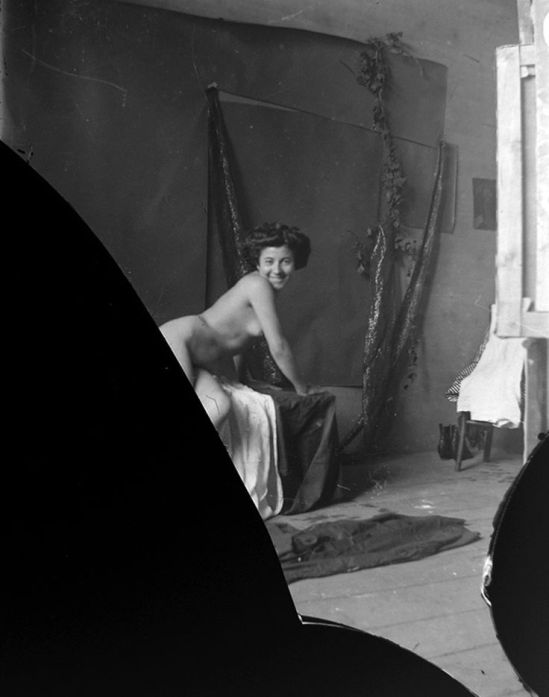
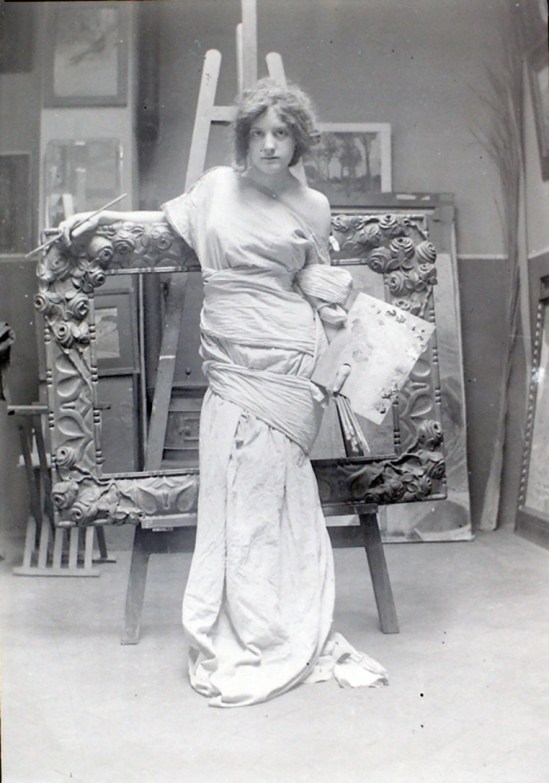
Baldomer Gili Roig. Model a l’estudi de l’artista (Barcelona), c.1914

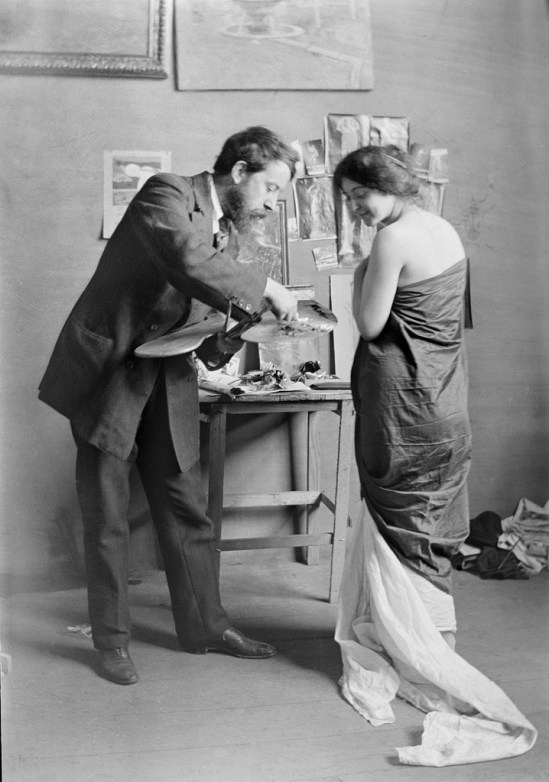
Baldomer Gili Roig.Baldomer Gili Roig al seu estudi (Barcelona) 1904 Museu d’Art Jaume Morera

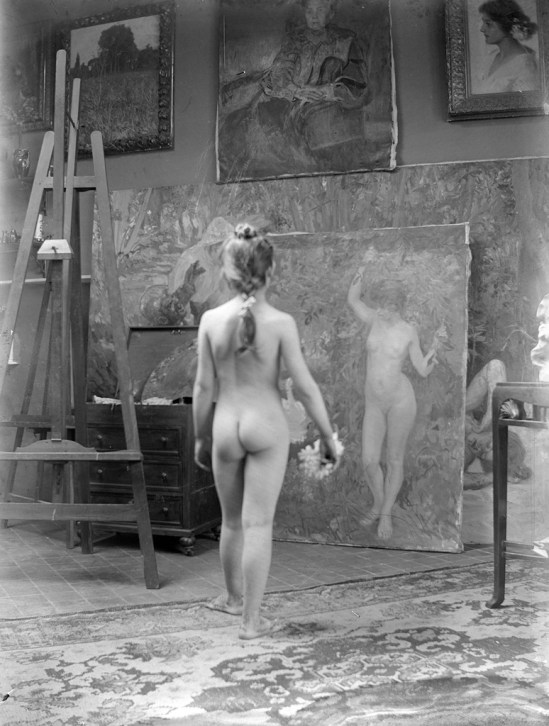
Baldomer Gili Roig. Model dressed Pharaoh in the painter’s studio c. 1910, Museu d’Art Jaume Morera

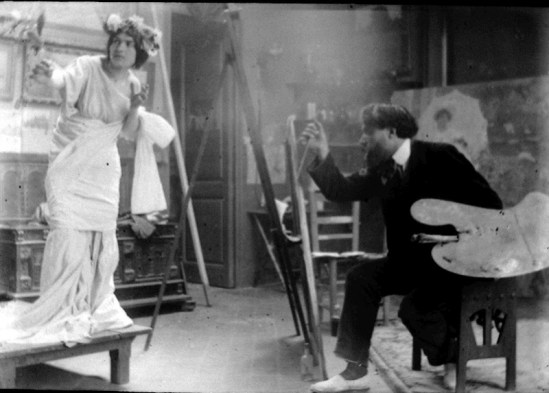
Baldomer Gili Roig. in the painter’s studio (Roma) c. 1900-04, Museu d’Art Jaume Morera

Baldomer Gili Roig.Baldomer Gili Roig amb una model al seu estudi (Roma), 1900 – 1904 Museu d’Art Jaume Morera

Baldomer Gili Roig. Baldomer Gili Roig al seu estudi (Barcelona), 1899 Museu d’Art Jaume Morera

Baldomer Gili Roig. Baldomer Gili Roig al seu estudi (Barcelona), 1899 Museu d’Art Jaume Morera

Baldomer Gili Roig-Model a l’estudi del pintor (Barcelona), nd Museu d’Art Jaume Morera

Baldomer Gili Roig-Model a l’estudi del pintor (Barcelona), c. 1910 Museu d’Art Jaume Morera

Baldomer Gili Roig-Model a l’estudi del pintor (Barcelona), c. 1910 Museu d’Art Jaume Morera

Baldomer Gili Roig. Model in the painter’s studio (Barcelona), c. 1910, Museu d’Art Jaume Morera

Baldomer Gili Roig. Model in the painter’s studio (Barcelona), c. 1910, Museu d’Art Jaume Morera

Baldomer Gili Roig. Model in the painter’s studio (Barcelona), c. 1910, Museu d’Art Jaume Morera

Baldomer Gili Roig. Model in the painter’s studio c. 1900-04, Museu d’Art Jaume Morera

Baldomer Gili Roig. Model a l’estudi del pintor , 1900-1904 Museu d’Art Jaume Morera

Baldomer Gili Roig.Model, nd Museu d’Art Jaume Morera

Baldomer Gili Roig. Model, 1910, Museu d’Art Jaume Morera

Baldomer Gili Roig. Model, Barcelona, c. 1910, Museu d’Art Jaume Morera

Baldomer Gili Roig. Model, Barcelona, c. 1910, Museu d’Art Jaume Morera

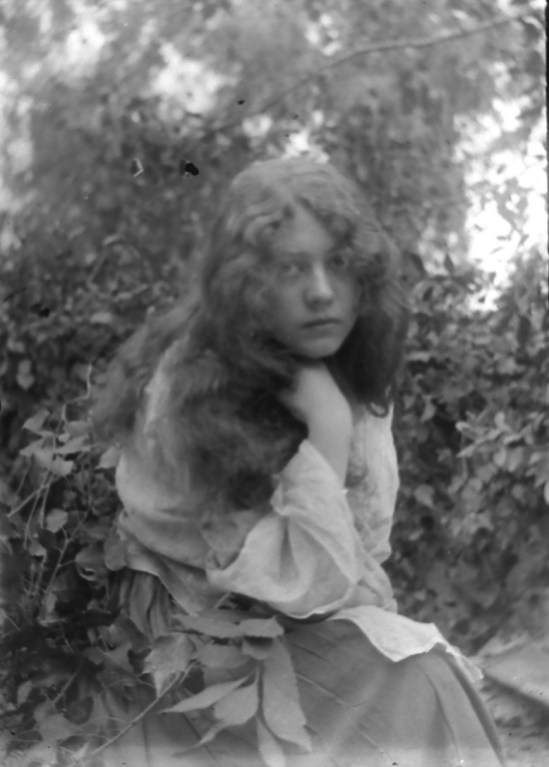
Baldomer Gili Roig. Seating nude Model outdoor, c. 1910, Museu d’Art Jaume Morera

Baldomer Gili Roig. Model posing outdoor 1900-04, Museu d’Art Jaume Morera

Baldomer Gili Roig. Model, Cala Bona (Blanes), Barcelona,around c. 1910, Museu d’Art Jaume Morera

Baldomer Gili Roig. Models (Roma), 1900 – 1904, Museu d’Art Jaume Morera.

Baldomer Gili Roig. Models (Roma), 1900 – 1904, Museu d’Art Jaume Morera.

Baldomer Gili Roig. Models (Roma), 1900 – 1910 Museu d’Art Jaume Morera

Baldomer Gili Roig. painting a model, c. 1905, Museu d’Art Jaume Morera

Baldomer Gili Roig. Reclining Model outdoor 1900 – 1904, Museu d’Art Jaume Morera


Baldomer Gili Roig. Couple (Barcelona) c. 1900-10, Museu d’Art Jaume Morera

Baldomer Gili Roig. Work ,Winter Sun c. 1900-10, Museu d’Art Jaume Morera

Baldomer Gili Roig. Models , 1905-10 Museu d’Art Jaume Morera

Baldomer Gili Roig-Model 1910-1914 Museu d’Art Jaume Morera

Baldomer Gili Roig. Model (Roma), 1900 – 1910 Museu d’Art Jaume Morera

Baldomer Gili Roig.Model (Idarella), 1900 – 1904 Museu d’Art Jaume Morera


Baldomer Gili Roig. Models (Il·lustració col·lecció postals), 1902Museu d’Art Jaume Morera

Baldomer Gili Roig.Model (Cartell El Pueblo Vasco), 1900 – 1904 Museu d’Art Jaume Morera

Baldomer Gili Roig. Retrat d’Idarella (Roma), 1900 – 1904 , Museu d’Art Jaume Morera


Baldomer Gili i Roig. Autoretrat c. 1900.

Baldomer Gili Roig., Autoretrat, 1900 – 1904 – 1904 Museu d’Art Jaume Morera

Baldomer Gili Roig.Baldomer Gili Roig a l’estudi, 1900 – 1904 Museu d’Art Jaume Morera

Josef Breitenbach (1896 – 1984) Part II

Je vous propose aujourd’hui de poursuivre la découverte de Josef Breitenbach. Cette fois-ci nous laisserons de côté ses influences surréalistes et nous admirons ses fabuleux portraits, et nus et quelques photographies de voyages .

[Je vous suggère de ne pas manquer le premier article qui complète ce dernier, et qui vous permettra d’avoir une vue d’ensemble de l’entendue de son oeuvre ]

En 1932, Breitenbach ouvre son premier studio de photographie. Ses clients étaient des membres éminents de la bohème de Munich, (y compris les acteurs et actrices de la scène dans le théâtre de Munich.)  qui était alors un bastion des défenseurs des libertés et des personnes raffinées. Mais ce  monde a disparu en 1933 avec la prise de pouvoir d’Hitler.Plus que ses racines juives, le passé politique du photographe fait de  lui une cible à persécuter.  En Août 1933, avec son passeport, Breitenbach arrive en France, rejoignant d’autres exilés Allemands qui cherchent refuge à Paris.

La «révolution» surréaliste allait alors devenir dominante dans la scène artistique parisienne. Peu après son arrivée, Breitenbach est entré en contact avec André Breton et son entourage. Préférant conserver son indépendance, il n’a jamais été un membre du groupe surréaliste, mais a participé à des expositions importantes de la photographie surréaliste aux côtés de Man Ray, Jacques-André Boiffard, Brassaï, Eli Lotar, Henri Cartier-Bresson, et Roger Parry.

Breitenbach n’a vécu à Paris  que six ans, jusqu’à ce que la guerre  éclate en 1939, et pourtant, pendant cette période , il a produit certains de ses travaux les plus inventifs.  (Il a adopté plusieurs techniques favorisées par de nouveaux photographes tels que la surimpression, le montage, la solarisation, l’impression en négatif, et le photogramme. Plus important encore, il était l’un des rares artistes des années d’avant-guerre à produire des photographies en couleurs, ce qu’il a fait en utilisant des procédés tels que le blanchiment, la tonification et la pigmentation.)

La guerre interrompit ce deuxième chapitre de la vie du photographe. Interné par les Français comme un étranger suspect, puis rédigé dans un corps civil composé d’étrangers, Breitenbach finalement échappé à la France  de Marseille en 1941 pour New York . Il parvient à retenir l’attention de Walker Evans, qui  publie ses travaux  dans Fortune .

À l’été 1944,  à l’invitation de Josef Albers,  Breitenbach enseigne la photographie au Black Mountain College.  En 1946, il est devenu un citoyen des États-Unis et a rejoint la faculté de la Cooper Union .

For a biography in English go down Article


Josef Breitenbach- Night, Paris (Edith Schultze-Westrum)c. 1935, Vintage gelatin silver print collage

Josef Breitenbach- Night, Paris (Edith Schultze-Westrum), 1935, Vintage gelatin silver print collage ©The Josef Breitenbach Trust.

Josef Breitenbach-Edith Schultze-Westrum, 1932, Gelatin silver print© The Josef Breitenbach Trust.

Josef Breitenbach-Edith Schultze-Westrum, 1932, Gelatin silver print© The Josef Breitenbach Trust.


Josef Breitenbach- Portrait of the  actress Sybille Binder, Munich, Before 1933, Gelatin silver print© The Josef Breitenbach Trust.

Josef Breitenbach- Portrait of the actress Sybille Binder, Munich, Before 1933, Gelatin silver print© The Josef Breitenbach Trust.


Josef Breitenbach- Portrait of the  actress Sybille Binder, Munich, Before 1933, Gelatin silver print© The Josef Breitenbach Trust

Josef Breitenbach- Portrait of the actress Sybille Binder, Munich, Before 1933, Gelatin silver print© The Josef Breitenbach Trust


Josef Breitenbach- Portrait of the  actress Sybille Binder and Paul Robeson, in Othello, Munich,  1932, Gelatin silver print© The Josef Breitenbach Trust

Josef Breitenbach- Portrait of the actress Sybille Binder and Paul Robeson, in Othello, Munich, 1932, Gelatin silver print© The Josef Breitenbach Trust


Josef Breitenbach- Portrait of the  actressSybille Binder  Circa 1932, gelatin silver print, © The Josef Breitenbach Trust.

Josef Breitenbach- Portrait of the actressSybille Binder Circa 1932, gelatin silver print, © The Josef Breitenbach Trust.


Josef Breitenbach – Portrait of the actress Marianne Hoppe, 1933

Josef Breitenbach – Portrait of the actress Marianne Hoppe, 1933 ©The Josef Breitenbach Trust.


Josef Breitenbach-  Sheila ,New York, 1942

Josef Breitenbach- Sheila ,New York, 1942 ©The Josef Breitenbach Trust.


Josef Breitenbach-Aktportrait, Paris, 1933-1939 ©The Josef Breitenbach Trust.

Josef Breitenbach-Aktportrait, Paris, 1933-1939. © The Josef Breitenbach Trust.


Josef Breitenbach-Portrait,  1930s , Gelatin silver print © The Josef Breitenbach Trust.

Josef Breitenbach-Portrait, 1930s , Gelatin silver print © The Josef Breitenbach Trust.


Josef Breitenbach-Portrait,  1930s , Gelatin silver print © The Josef Breitenbach Trust.

Josef Breitenbach-Portrait, 1930s , Gelatin silver print © The Josef Breitenbach Trust.


Josef Breitenbach- Portrait of a lady, Munich, 1932,  Munich,, Gelatin silver print© The Josef Breitenbach Trust.

Josef Breitenbach- Portrait of a lady, Munich, 1932, Munich,, Gelatin silver print© The Josef Breitenbach Trust.


Josef Breitenbach-untitled , Paris 1936

Josef Breitenbach-Untitled , Paris 1936 © The Josef Breitenbach Trust.


Josef Breitenbach-Edith d'Amara, 1932,  Munich,, Gelatin silver print© The Josef Breitenbach Trust.

Josef Breitenbach-Edith d’Amara, 1932, Munich,, Gelatin silver print© The Josef Breitenbach Trust.


Josef Breitenbach- Patricia, New York, 1942, Vintage toned gelatin silver print © The Josef Breitenbach Trust

Josef Breitenbach- Patricia, New York, 1942, Vintage toned gelatin silver print © The Josef Breitenbach Trust


Josef Breitenbach- A Woman and Her Conscience, New York, 1945, Vintage toned gelatin silver print ©The Josef Breitenbach Trust.

Josef Breitenbach- A Woman and Her Conscience, New York, 1945, Vintage toned gelatin silver print ©The Josef Breitenbach Trust.


Josef Breitenbach- Annabella, 1933-39, Vintage gelatin silver print ©The Josef Breitenbach Trust.

Josef Breitenbach- Annabella, 1933-39, Vintage gelatin silver print ©The Josef Breitenbach Trust.


Josef Breitenbach-woman in costume of shiny material with cape and hood, 1930s

Josef Breitenbach- Woman in costume of shiny material with cape and hood, 1930s © The Josef Breitenbach Trust


Josef Breitenbach-Sybille Binder, in fur coat. 1932

Josef Breitenbach-Sybille Binder, 1932 © The Josef Breitenbach Trust


Josef Breitenbach-Portrait ofSchoura Alperin, 1934 Paris, Gelatin silver print © The Josef Breitenbach Trust.

Josef Breitenbach-Portrait ofSchoura Alperin, 1934 Paris, Gelatin silver print © The Josef Breitenbach Trust.


Josef Breitenbach-Portrait,  1935 Paris, Gelatin silver print © The Josef Breitenbach Trust.

Josef Breitenbach-Portrait, 1935 Paris, Gelatin silver print © The Josef Breitenbach Trust.


Josef Breitenbach-Portrait of Ruth Harris 1933-39 Paris, Gelatin silver print © The Josef Breitenbach Trust.

Josef Breitenbach-Portrait of Ruth Harris 1933-39 Paris, Gelatin silver print © The Josef Breitenbach Trust.


Josef Breitenbach-Aristide Maillol, Marly-Le-Roy, 1934  © The Josef Breitenbach Trust

Josef Breitenbach-Aristide Maillol, Marly-Le-Roy, 1934 © The Josef Breitenbach Trust


Josef Breitenbach- Portrait of Man Ray, 1967, Gelatin silver print © The Josef Breitenbach Trust.

Josef Breitenbach- Portrait of Man Ray, 1967, Gelatin silver print © The Josef Breitenbach Trust.


Josef Breitenbach-Portrait of Max Ernst and Marie-Berthe Aurenche, 1936 Paris, Gelatin silver print © The Josef Breitenbach Trust.

Josef Breitenbach-Portrait of Max Ernst and Marie-Berthe Aurenche, 1936 Paris, Gelatin silver print © The Josef Breitenbach Trust.


Josef Breitenbach-Portrait of Max Ernst and Marie-Berthe Aurenche, 1936 Paris, Gelatin silver print © The Josef Breitenbach Trust.

Josef Breitenbach-Portrait of Max Ernst and Marie-Berthe Aurenche, 1936 Paris, Gelatin silver print © The Josef Breitenbach Trust.


Josef Breitenbach-Portrait of Max Ernst , 1938 Paris, Gelatin silver print © The Josef Breitenbach Trust.

Josef Breitenbach-Portrait of Max Ernst , 1938 Paris, Gelatin silver print © The Josef Breitenbach Trust.


Josef Breitenbach- Max Ernst and his wife, Marie-Berthe Aurenche, Paris, 1936, Early gelatin silver print; printed c. 1942-1948 © The Josef Breitenbach Trust

Josef Breitenbach- Max Ernst and his wife, Marie-Berthe Aurenche, Paris, 1936, Early gelatin silver print; printed c. 1942-1948 © The Josef Breitenbach Trust


Josef Breitenbach-James Joyce, Paris , 1937

Josef Breitenbach- James Joyce, Paris, 1937 © The Josef Breitenbach Trust


Josef Breitenbach-Wassily Kandinsky, Neuilly-sur-Seine 1938

Josef Breitenbach-Wassily Kandinsky, Neuilly-sur-Seine 1938 © The Josef Breitenbach Trust


Josef Breitenbach- Portrait  of the Actor Sacha Guitry, Paris, 1938, Gelatin silver print © The Josef Breitenbach Trust.

Josef Breitenbach- Portrait of the Actor Sacha Guitry, Paris, 1938, Gelatin silver print © The Josef Breitenbach Trust.


Josef Breitenbach-Japanese female mask, fabric background], ca. 1940s

Josef Breitenbach-Japanese female mask, fabric background], ca. 1940s


Josef Breitenbach-Close-up of woman’s eye, 1940s © The Josef Breitenbach Trust


Josef Breitenbach-Sculpture Academy, Paris,  1935, gelatin silver print © The Josef Breitenbach Trust

Josef Breitenbach-Sculpture Academy, Paris, 1935, gelatin silver print © The Josef Breitenbach Trust


Josef Breitenbach-Sculpture Academy, Paris,  1935, gelatin silver print © The Josef Breitenbach Trust

Josef Breitenbach-Sculpture Academy, Paris, 1935, gelatin silver print © The Josef Breitenbach Trust


Josef Breitenbach-Standing Nude (Back), 1930-39, Gelatin silver print© The Josef Breitenbach Trust.

Josef Breitenbach-Standing Nude (Back), 1930-39, Gelatin silver print© The Josef Breitenbach Trust.


Josef Breitenbach-Dr. Riegler & J. Greno, Munich 1933 © The Josef Breitenbach Trust. from Manifesto By Josef Breitenbach , Ed° Nazraeli Press , 2008

Josef Breitenbach-Dr. Riegler & J. Greno, Munich 1933 © The Josef Breitenbach Trust. from Manifesto By Josef Breitenbach , Ed° Nazraeli Press , 2008


Josef Breitenbach, Dr. Riegler and J. Greno, Munich, 1933

Josef Breitenbach, Dr. Riegler and J. Greno, Munich, 1933  © The Josef Breitenbach Trust


Josef Breitenbach.Dr. Riegler and J. Greno - Munich,1933 Photogravure on wove paper

Josef Breitenbach.Dr. Riegler and J. Greno – Munich,1933 Photogravure on wove paper © The Josef Breitenbach Trust


Josef Breitenbach-Dr. Riegler & J. Greno, Munich 1933 © The Josef Breitenbach Trust. from Manifesto By Josef Breitenbach , Ed° Nazraeli Press , 2008

Josef Breitenbach-Dr. Riegler & J. Greno, Munich 1933 © The Josef Breitenbach Trust. from Manifesto By Josef Breitenbach , Ed° Nazraeli Press , 2008


Josef Breitenbach - Self-Portrait with J. Greno ,1933 © The Josef Breitenbach Trust

Josef Breitenbach – Self-Portrait with J. Greno ,1933 © The Josef Breitenbach Trust


Josef Breitenbach-Female Nude posing, , Nd,, Gelatin silver print© The Josef Breitenbach Trust.

Josef Breitenbach-Female Nude posing, , Nd,, Gelatin silver print© The Josef Breitenbach Trust.


Josef Breitenbach-soft-focus bust of nude woman holding grapes, Paris, . 1933

Josef Breitenbach- Soft-focus bust of nude woman holding grapes, Paris, 1933   © The Josef Breitenbach Trust


Josef Breitenbach-Sonja, Munich, 1930-33, Gelatin silver print© The Josef Breitenbach Trust.

Josef Breitenbach-Sonja, Munich, 1930-33, Gelatin silver print© The Josef Breitenbach Trust.


Josef Breitenbach- Female nude sitting on blanket,  1935, Gelatin silver print © The Josef Breitenbach Trust.

Josef Breitenbach- Female nude sitting on blanket, 1935, Gelatin silver print © The Josef Breitenbach Trust.


Josef Breitenbach-standing female nude - front view, furnishings, 1932

Josef Breitenbach- Standing female nude – front view, furnishings, 1932 © The Josef Breitenbach Trust


Josef Breitenbach-untitled , female nude with dark fur and ornaments, 1940s

Josef Breitenbach- Untitled , female nude with dark fur and ornaments, 1940s © The Josef Breitenbach Trust


Josef Breitenbach-untitled , female nude with dark fur and ornaments, 1940s

Josef Breitenbach- Untitled , female nude with dark fur and ornaments, 1940s  © The Josef Breitenbach Trust


Josef Breitenbach -untitled, 1940s

Josef Breitenbach -Untitled, 1940s © The Josef Breitenbach Trust


Josef Breitenbach-We New Yorkers, 1942 © The Josef Breitenbach Trust


Josef Breitenbach- Electric Back, New York, 1949  toned gelatin silver print , montage © The Josef Breitenbach Trust

Josef Breitenbach- Electric Back, New York, 1949 toned gelatin silver print , montage © The Josef Breitenbach Trust


Josef Breitenbach- Medical Illustration, New York, 1949 Aus einer Serie für McCalls Magazine © The Josef Breitenbach Trust

Josef Breitenbach- Medical Illustration, New York, 1949 Aus einer Serie für McCalls Magazine © The Josef Breitenbach Trust


Josef Breitenbach- Emerging Torso, 1942-48, toned gelatin silver print © The Josef Breitenbach Trust

Josef Breitenbach- Emerging Torso, 1942-48, toned gelatin silver print © The Josef Breitenbach Trust


Josef Breitenbach-Adirondacks, , 1948,, Gelatin silver print© The Josef Breitenbach Trust.

Josef Breitenbach-Adirondacks, , 1948,, Gelatin silver print© The Josef Breitenbach Trust.


Josef Breitenbach-  Portraits with Make Up,model Patricia & Josef Breitenbach,  New York, 1945, Vintage gelatin silver print© The Josef Breitenbach Trust

Josef Breitenbach- Portraits with Make Up,model Patricia & Josef Breitenbach, New York, 1945, Vintage gelatin silver print© The Josef Breitenbach Trust


Josef Breitenbach-  Woman Transformed, model Patricia, New York  1942

Josef Breitenbach- Woman Transformed, model Patricia, New York 1942 © The Josef Breitenbach Trust


Josef Breitenbach -Morning, 1950

Josef Breitenbach -Morning, 1950 © The Josef Breitenbach Trust


Josef Breitenbach - Nu, 1950s

Josef Breitenbach – Untitled, 1950s  © The Josef Breitenbach Trust


Josef Breitenbach-Untitled , 1950s

Josef Breitenbach- Untitled ,Nude, 1950s  © The Josef Breitenbach Trust


Josef Breitenbach- Portrait, Paris, 1933-39, Vintage gelatin silver print ©The Josef Breitenbach Trust.

Josef Breitenbach- Portrait, Paris, 1933-39, Vintage gelatin silver print ©The Josef Breitenbach Trust.


Josef Breitenbach- Untitled , 1935  © The Josef Breitenbach Trust


Josef Breitenbach-Untitled , Germany, Munich, 1932

Josef Breitenbach- Untitled , Germany, Munich, 1933  © The Josef Breitenbach Trust


Josef Breitenbach- Akt, München, 1933 © The Josef Breitenbach Trust

Josef Breitenbach- Nu, Germany, Munich, , 1933 © The Josef Breitenbach Trust


Josef Breitenbach-nude girl lying in gras, 1950s

Josef Breitenbach-nude girl lying in gras, 1950s  © The Josef Breitenbach Trust


Josef Breitenbach- Nude woman in the river,New York, 1953, , Gelatin silver print © The Josef Breitenbach Trust.

Josef Breitenbach- Nude woman in the river,New York, 1953, , Gelatin silver print © The Josef Breitenbach Trust.


Josef Breitenbach-female nude with long dark hair lying on side on grass, 1961

Josef Breitenbach-female nude with long dark hair lying on side on grass, USA, 1961  © The Josef Breitenbach Trust


Josef Breitenbach-back view of female nude with long dark hair lying curled on grass, 1961

Josef Breitenbach-back view of female nude with long dark hair lying curled on grass, USA, 1961 © The Josef Breitenbach Trust


Josef Breitenbach-back of female nude with long dark hair, seated outdoors on branching log, Sept. 1961

Josef Breitenbach-back of female nude with long dark hair, seated outdoors on branching log, USA, Sept. 1961 © The Josef Breitenbach Trust


Josef Breitenbach-female nude with long dark hair, lying face-down on grass, full length with feet at left, 1961

Josef Breitenbach-Untitlrd (Female nude with long dark hair, lying face-down on grass, full length with feet at left), USA, 1961  © The Josef Breitenbach Trust


Josef Breitenbach- Untitled ,  (Female nude with long dark hair, lying face-down on grass,) USA , 1961 © The Josef Breitenbach Trust

Josef Breitenbach – Untitled , (Female nude with long dark hair, lying face-down on grass,) USA , 1961 © The Josef Breitenbach Trust


Josef Breitenbach -buttocks and back of female nude with long dark hair, kneeling outdoors, , 1961

Josef Breitenbach -Untitled (Buttocks and back of female nude with long dark hair,kneeling outdoors), USA, 1961. © The Josef Breitenbach Trust


Josef Breitenbach-untitled ,female nude with long dark hair lying face-down on grass , USA  1961

Josef Breitenbach-Untitled (female nude with long dark hair lying face-down on grass) ,USA ,1961.           © The Josef Breitenbach Trust


Josef Breitenbach-untitled ,female nude with long dark hair lying face-down on grass , USA  1961

Josef Breitenbach-Untitled (emale nude with long dark hair lying face-down on grass), USA ,1961.            © The Josef Breitenbach Trust


Josef Breitenbach -back of female nude bending over in water, Sept. 1961 © The Josef Breitenbach Trust

Josef Breitenbach -Untitled (Back of female nude bending over in water), USA, Sept 1961. © The Josef Breitenbach Trust

Les années 1950 et 1960 ont été des années d’intense activité pour Breitenbach.  Il a fait reportage photographique en Asie pour les Nations Unies et d’autres entreprises variées, documentant le travail des secours.

Il exposera ses photographies largement dans les Etats-Unis à partir des années 1940 jusqu’au milieu des années 1960, notamment au Museum of Modern Art et le Metropolitan Museum of Art

Josef Breitenbach-untitled ,woman curled on side in dried grass,  1952 Korea or Japan

Josef Breitenbach-Untitled (woman curled on side in dried grass), Korea or Japan , 1952 © The Josef Breitenbach Trust


Josef Breitenbach- nude woman in black, Tokyo, 1953, Chromogenic print. © The Josef Breitenbach Trust.

Josef Breitenbach- nude woman in black, Tokyo, 1953, Chromogenic print. © The Josef Breitenbach Trust.


Josef Breitenbach-Sleeping Japanese Girl, Japan, 1968.        © The Josef Breitenbach Trust

Josef Breitenbach-Sleeping Japanese Girl, Japan, 1968. © The Josef Breitenbach Trust


Josef Breitenbach- Dancing in the Streets (Bon Odori), Kyoto, 1956

Josef Breitenbach- Dancing in the Streets (Bon Odori), Kyoto, 1956 © The Josef Breitenbach Trust


Josef Breitenbach-Eels and octopus. Pusan, Korea, 1953

Josef Breitenbach-Eels and octopus. Pusan, Korea, 1953 © The Josef Breitenbach Trust


Josef Breitenbach-India, Construction Worker, Bombay, 1960

Josef Breitenbach-India, Construction Worker, Bombay, 1960  © The Josef Breitenbach Trust


Josef Breitenbach-  Woman Transformed, New York  1942

Josef Breitenbach- Woman Transformed, New York 1942  © The Josef Breitenbach Trust


Josef Breitenbach-Mother with Sick Child, Patan, Nepal,Nepal, Patan, 1968, Gelatin silver print © The Josef Breitenbach Trust.

You can see more on Gitterman Gallery

Des portraits du photographe par des anonymes ici  sur wordpress sur le blog  A la loupe

  Voir les résultats des actions le concernant sur Mutualart

Conseil de lecture  :

Manifesto By Josef Breitenbach , Ed° Nazraeli Press , 2008

Josef Breitenbach: by Josef Breitenbach Photographs and text (in German) by Josef Breitenbach. Essays (in German) by Peter C. Jones, and Others , Published on the occasion of the 1996-1997 exhibition Josef Breitenbach: Photographien at the Staatliche Galerie Moritzburg Halle and the Fotomuseum im Münchner Stadtmuseum, Ed° Schirmer-Mosel, 1996

Munich, Paris, New York Paperback – 2003 by Josef and Paul Berlanga, Exhibit Catalogue, edition Stephen Daiter Gallery, 2003

Josef Breitenbach » by Larisa Dryansky, Editions de l’Amateur, 2001

Cover of the Book "Josef Breitenbach" by Larisa Dryansky,  Editions de l'Amateur, 2001

Cover of the Book « Josef Breitenbach » by Larisa Dryansky, Editions de l’Amateur, 2001

 English Bio

Josef Breitenbach was born on the 3rd of April 1896. He attended Ludwig-Maximillian University in Munich (philosophy and art history, 1914 to 1917) and became active in the Youth Section and later the Pacifist wing of the Social Democratic Party. In 1918, he took part in the Soviet-inspired Bavarian coup d’état, which was the first spark of the revolutionary fire that swept over Germany in the wake of the armistice. For a few months, Breitenbach also occupied an official position in the new government. Although the revolution was short-lived, the ties he forged with the radical circles of Munich’s intelligentsia later helped him establish his reputation as a photographer.

In 1932, Breitenbach opened his first photographic studio. His clients were prominent members of Munich’s bohemia, including actors and actresses performing in the Munich theater. Munich was a stronghold of libertarians and refined people, whose spirit Breitenbach captured in theatrical portraits of his friend, the journalist Theo Riegler. This world vanished in 1933 with Hitler’s takeover.

More than his Jewish roots, the photographer’s political past made him a target for persecution. In August, 1933, with his passport , Breitenbach made his way to France , joining other German exiles seeking refuge in Paris.

The Surrealist “revolution” had by then become dominant in the Parisian art scene. Soon after his arrival, Breitenbach came into contact with André Breton and his circle. Preferring to retain his independence, he never became a member of the Surrealist group, but did show work in important exhibitions of Surrealist photography alongside Man Ray, Jacques-André Boiffard, Brassaï, Eli Lotar, Henri Cartier-Bresson, et Roger Parry.

Breitenbach only lived in Paris for six years, until the war broke out in 1939. During this period, he produced some of his most inventive work. He adopted several techniques favored by new photographers such as superimpression, montage, solarization, printing in negative, and the photogram. More importantly, he was one of the rare artists of the pre-War years to produce color photographs, which he did by using processes of bleaching, toning and pigmentation. Examples are the images “Montparnasse”, or Forever and Ever.

During his years in Paris, he was also an active member of the German exile community, which alerted the democratic world to the threat of fascism. He participated in the 1938 exhibition by the Union des Artistes Allemandes Libres, “Five Years of Hitler Dictatorship”. A high point for Breitenbach was his collaboration with Bertolt Brecht, summarized by portraits of the playwright. The war interrupted this second chapter of the photographer’s life. Interned by the French as a suspicious alien, then drafted into a civilian corps composed of foreigners, Breitenbach eventually escaped to New York from Marseille in 1941.He came to the attention of Walker Evans, who published his work in Fortune. In the summer of 1944, at the invitation of Josef Albers, Breitenbach taught photography at Black Mountain College. In 1946 he became a United States citizen and joined the faculty at Cooper Union and later The New School. Breitenbach continued to create distinctive and innovative work, including a striking group of camera-less photographs. These works hover in the liminal space between Surrealism and Abstract Expressionism. The 1950s and 1960s were years of intense activity for Breitenbach. He did photographic reportage in Asia for the United Nations and other varied businesses, documenting relief work. He exhibited his photographs extensively in the United States from the 1940s to the mid-1960s, including at the Museum of Modern Art and the Metropolitan Museum of Art.

I proposed today to browse some facets Josef Breitenbach left us behind. This was mainly the result of the encounter with the Surrealists and accompanied throughout his adventure. Through his portraits, montages , collage, photogram , naked, and some memories , moreover

Albert Rudomine (1892 – 1975) le classicisme retrouvé

Albert Rudomine (1892 – 1975). Wiki.in Photo n°190, July 1983.

Albert Rudomine (1892 – 1975). Wiki.in Photo n°190, July 1983.

Albert Rudomine (1892 – 1975). Wiki.in Photo n°190, July 1983.

Albert Rudomine (1892 – 1975). Wiki.in Photo n°190, July 1983.

Albert Rudomine (1892 – 1975). Wiki.in Photo n°190, July 1983.

Albert Rudomine (1892 – 1975). Wiki.in Photo n°190, July 1983.


Atelier Jacob Merkelbach

« Jacob Merkelbach was the founder of one of the most famous Amsterdam portrait photography studios of the twentieth century on the fifth floor of fashion house Hirsch at Leidseplein Studio J Merkelbach ( Atelier Merkelbach) In the luxurious studio above the fashion warehouse Hirsch on the Leidseplein, he photographed almost all famous Dutch people from the theater world, writers, artists, businessmen and the wealthy Amsterdam bourgeoisie. Taking pictures of Abel Herzberg, André Herzberger, Carel Asser Daniel comme Mata Hari , Fien de la Mar , Théo Mann-Bouwmeester , Willem Mengelberg et Abel Herzberg , se sont fait capturer sur l’album sensible.and many others. His photographs are unique and of exceptional quality. You can see here the galery of protraits  .The personal signature in the design and execution of each portrait, the technical knowledge of the staff and the professional cooperation of the daughter and son-in-law made this workshop a well-running company that, after Merkelbach’s death, could be continued until 1969.


Jacob was born on April 29, 1877 and was the son of John Wilhelm Merkelbach and Maria Antonia van Schaik. His parents had a shop on the Nieuwendijk 57-59, which was sold mainly technical toys, and a fireworks factory in Amsterdam.
The fireworks factory was rebuilt in the 90s of the 19th century to a daylight film. This father did after he came into contact with Lumiére. Financially it was not profitable and father decided to go into all the photography. The case on the Nieuwendijk was an important place for the sale of photographic equipment. Above the case opens the son-father Machiel Laddé a workshop.
This workshop is Jacob works and continues to do so for about 10 years. There he learned the profession. In 1902 married with Josephine Harmsen and get on April 21 1904 they can daughter Maria Antonia (Mies). Later, Mies goes to work in the photo studio.
In 1913 own studio opens on Leidseplein 29, on the 5th floor of Hirsch. In 1924 Mies is working in the studio after she completed training at the Dagteken- Art and Craft School for Girls in Amsterdam. Her work in the studio is to retouch, enhance, and print photos.

In 1932 comes Lambert JM Rosenboom (15 Feb 1905, also known as Bobby) in the company work. Mies married him in 1939.
On February 6, 1942 dies Jacob Merkelbach. His daughter Mies puts the company on, her husband Bobby is arrested in 1941 and the remainder of the war in German captivity. Mies makes this period illegal passport photos in the studio, while the Germans regularly on the floor is due to the anti-aircraft guns on the roof of Hirsch & Cie.
Atelier Merkelbach gets in 1948 the honorable mission to Queen Wilhelmina portraits, one of the pictures the ceremonial of the Queen is.
In the 50’s declining interest in portrait photography. Photography is available for consumers by becoming less expensive devices. This also affects Atelier Merkelbach. In 1969, the company, on April 29 – the birthday of Jacob Merkelbach – lifted. There are 150,000 glass negatives of exceptional historical value. These will be donated to the City of Amsterdam. « by  scherptediepte.nl

I made the choice to propose you the photographs which represent dancers or nudes and some delicate portraits
********************************************************************
Dancers

Studio Merkelbach Alice Sally Mary (Lili) Green,1915

Studio Merkelbach Johanna Wittrock,1919

Studio Merkelbach Adriana (Henriette Blazer) Blaaser,1923

Studio Merkelbach Luise Aguste Julie (Luise) Marheineke,1919

Studio Merkelbach Angèle Sydow,1916

Jacob Merkelbach Angèle Sijdow, 1917-19

Jacob Merkelbach, the dancer Claire de Jongh in profile in tight dance pose 1927 – 1928

Jacob Merkelbach, the dancers Menagerie Folmer   and Claire de Jongh with right leg raised 1927 – 1928

Atelier Jacob Merkelbach-The dancers Gerie Folmer and Claire de Jongh in a symmetrical pose , 1927-28

Studio Merkelbach Wilhelmina (Mien) Loevendie,1930

Studio Merkelbach Mary Wigman,1922

Jacob Merkelbach Mary Wigman , 1922

Atelier Jacob Merkelbach -Mary Wigman .19120-30

Studio Merkelbach 1920

Studio Merkelbach Wilhelmina (Mien) Loevendie ,1915

Studio Merkelbach Wilhelmina (Mien) Loevendie ,1915

Studio Merkelbach Wilhelmina (Mien) Loevendie ,1915

Studio Merkelbach Wilhelmina (Mien) Loevendie ,1915

Studio Merkelbach Wilhelmina (Mien) Loevendie ,1915

Studio Merkelbach Lydia Lyta ,1915

Studio Merkelbach Alice Sally Mary (Lili) Green ,1915


Studio Merkelbach Wilhelmina (Mien)- 1918

Studio Merkelbach Wilhelmina (Mien)- Angele Sydow 1916

Studio Merkelbach Mies Rosenboom-Merkelbach, Angele Sydow,1916

Studio Merkelbach Mies Rosenboom-Merkelbach, Angele Sydow,1916

Studio Merkelbach Mies Rosenboom-Merkelbach, Angele Sydow,1916

Studio Merkelbach Mies Rosenboom-Merkelbach, Angele Sydow,1916

Studio Merkelbach Margaret Walker,1915


Studio Merkelbach, 1928

Jacob Merkelbach- Josephina Johanna (Fien) de la Mar (1898-1965), 1919

Atelier Jacob Merkelbach-The dancer Gerie Folmer .1927

Atelier Jacob Merkelbach-The dancer Gerie Folmer, half-legged, with bare-chested, 1927-28

Jacob Merkelbach-Danseres met lichtbol, , 1920

Studio Merkelbach, 1928

Studio Merkelbach Mies Rosenboom-Merkelbach, Angele Sydow,1919

****************************************************************

Nudes

Studio Merkelbach Johanna Wittrock,1918

studio-merkelbach-mies-rosenboom-merkelbach-19132

Jacob Merkelbach-naakt, 1925 – 1940

Jacob Merkelbach- Porrtret van Mies Rosenboom-Merkelbach als zittend naakt, 1925 – 1940

Studio Merkelbach mies-rosenboom-merkelbach-1913

Jacob Merkelbach (Attributed to) – Portrait of a seated nude, 1915-1930

Jacob Merkelbach- Naked woman sitting with hands held up to a white circle painted been light, 1925 – 1945

Studio Merkelbach Johanna Suers ,1933

Studio Merkelbach Johanna Suers ,1933

Studio Merkelbach Johanna Suers ,1933

Studio Merkelbach Johanna Suers ,1933

*******************************************************

Portraits

Studio Merkelbach 1920

Studio Merkelbach 1920


Atelier Jacob Merkelbach-Woman’s portrait with eyes closed on behalf of Film Productie Maatschappij ‘Neerlandia’.1938

Studio Merkelbach Wilhelmina (Mien)-Portrait 1921

Atelier Jacob Merkelbach-Nola Hatterman, 1922

Atelier Jacob Merkelbach-Beschrijving A. Roland Holst de Meester , 1927

Atelier Jacob Merkelbach-Beschrijving Helena Dorothea Catharina .1919

Atelier Jacob Merkelbach-Fashion photo for ‘De Prijslijst’, Reguliersbreestraat 15-17,1920-22

Atelier Jacob Merkelbach-Toneelplayer Mien van Kerckhoven-Kling (1894-1966), 1914

Jacob Merkelbach- Mevr. Brandes met sigaret en roos in het haar,1910 – 1919

Atelier Jacob Merkelbach-Corry Schiller-Italiaander (1886-1971), 1907

Atelier Jacob Merkelbach-Corry Schiller-Italiaander , nd

Atelier Jacob Merkelbach-Corry Schiller-Italiaander .1917

Studio Merkelbach 1918

Studio Merkelbach 1918

Studio Jacob Merkelbach Mevr. van Kerkhoven, 1927

Studio Jacob Merkelbach Mevr. Kauffeld, 1926

Studio Jacob Merkelbach Mevr. Meyer, 1927

Studio Jacob Merkelbach Mevr. Jonas, 1928

Studio Jacob Merkelbach Mevr. Dresden, 1921

Studio Jacob Merkelbach Mej. Meijer, 1913

Jacob Merkelbach-Chaja Goldstein tijdens toneelspel,1930 – 1960

Atelier Jacob Merkelbach-Portrait of a young woman in white dress, 1920-22

Atelier Jacob Merkelbach-Maria Antonia (Mies) Merkelbach .1922

Atelier Jacob Merkelbach-Sophie Davids .1917

Atelier Jacob Merkelbach-Teddy Schaenk, nd

Jacob Merkelbach-Portret van Mies Rosenboom-Merkelbach,1920 – 1930

Jacob Merkelbach-Portret van Mies Rosenboom – Merkelbach met witte hoofdbedekking, 1930 – 1970

Jacob Merkelbach-Reclamefoto, voor het atelier van Merkelbach, met danseres Angèle Sydow,1916

Jacob Merkelbach-Portret van Manuela del Rio gekleed in Griekse jurk,1915 – 1930

Jacob Merkelbach-Portret van gesluierde vrouw,, ca. 1920 – ca. 1930

Jacob Merkelbach- Portrait Of Young Woman With Necklace, 1920 – 1930

Jacob Merkelbach-Portret Mies Rosenboom-Merkelbach in blauwe jurk, 1920 – 1930


Jacob Merkelbach- Portrait Of A Woman In A Red Dress, 1920 – 1930

Studio Merkelbach, [Portrait of an unknown woman], between 1919 and 1929, Jos-Pé colour process

Studio Merkelbach divas,

Atelier Jacob Merkelbach-Fashion Photo with lying model in evening dress, neck necklace and earrings, 1935

Atelier Jacob MerkelbachTeixeira de Mattos, 1930

Atelier Jacob Merkelbach-Margaretha Geertruida (Mata Hari) .1915

Studio Merkelbach 1921

Studio Merkelbach 1920

Studio Merkelbach 1920

             http://redeenportret.nl/

William Goldman

« Working Girls: An American Brothel Circa 1892 featuring unseen photographs of a 19th-century brothel by William I. Goldman. The exhibit debuts in conjunction with the release of a recently published book by art historian and curator Robert Flynn Johnson, titled Working Girls. The exhibition and book feature imaginative and artful photographs, which capture the artist’s deep appreciation and understanding for women who, circa 1892, lived and worked at an upscale brothel in Reading, PA.

The project began nearly 15 years ago when Johnson came across the bordello scenes at a vintage paper fair in Concord, Calif. Fascinated by the beautiful, Degas-like images, Johnson shared the shots with Serge and Tatiana Sorokko who went on to purchase a large portion of the collection. Over a decade later, Sorokko, a prominent art dealer, publisher and owner of Serge Sorokko Gallery in San Francisco, will showcase 25 photographs by Goldman, for which no negatives are known to exist, including 20 never-before-seen images and five images featured in Working Girls.

“Robert is a talented author, brilliant curator and a dear friend. When he reached out to me almost 15 years ago regarding these striking photographs of unnamed women, I knew immediately he must have come across something extraordinary. At the time, our knowledge about the pieces was minimal – what we saw were captivating, raw and provocative images that captured the authenticity of these women’s everyday lives,” recalled Sorokko. “After more than a decade of exhaustive research executed by Robert, it was then that we confirmed our earlier impression of the uniqueness and artistic and historical significance of the photographs. Providing glimpses of modernism and insights into the culture, sociology and fashion of the times, I am proud to debut them to the world at Serge Sorokko Gallery.”

As famed burlesque dancer and Working Girls contributing writer Dita Von Teese notes, “The local photographer and his anonymous muses appear to straddle an artful titillation, at times striving toward Degas nudes and at another, more in the spirit of a strip and tease. There is beauty in even the most mundane moments.” Von Teese, along with Professor Ruth Rosen and Dennita Sewell, are among three distinguished female authors enlisted by Johnson to provide insightful essays into the significance of these photos, which are of the same subject matter explored by artists like Degas, Lautrec, and Picasso in the 19th and 20th Centuries.

In addition to their evocative, sometimes ravishing nature, the photographs present insight into the era’s fashion often spotlighting stockings as seductresses’ accessories. The various fashion ensembles highlighted in these works help to further tell the stories of the women pictured.

Johnson commented, “These images were compelling individually but as a whole, they captured an unseen world of negotiated passion in American life, written about extensively but rarely, for good reason, documented visually. Multiple feelings of curiosity and excitement came over me after finally realizing the potential importance of these photographs. There was also a recognition that their acquisition carried responsibility to find out the story, which lay hidden behind those faces and figures from another era.”

With each image carrying a persona of its own, Johnson, curious to know more, began an investigation into their origin, authorship, and purpose and unearthed an impressive trove of information about more than two hundred vintage photographs of the Reading women. From inside the brothel, posing artistically for the camera, to their off-duty routines, the images portray the depth and diversity of the subject matters while offering a deeper understanding of the private world of the Reading brothel and the women who inhabited it ». source Juxtapose


From Working Girls by Robert Flynn Johnson, copyright © 2018, published by Glitterati Editions , 1892 by William Goldman

From Working Girls by Robert Flynn Johnson, copyright © 2018, published by Glitterati Editions , 1892 by  William Goldman

rom Working Girls by Robert Flynn Johnson, copyright © 2018, published by Glitterati Editions , 1892 by William Goldman

rom Working Girls by Robert Flynn Johnson, copyright © 2018, published by Glitterati Editions , 1892 by William Goldman

From Working Girls by Robert Flynn Johnson, copyright © 2018, published by Glitterati Editions , 1892 by William Goldman

From Working Girls by Robert Flynn Johnson, copyright © 2018, published by Glitterati Editions , 1892 by  William Goldman


From Working Girls by Robert Flynn Johnson, copyright © 2018, published by Glitterati Editions , 1892 by William Goldman

From Working Girls by Robert Flynn Johnson, copyright © 2018, published by Glitterati Editions , 1892 by  William Goldman


From Working Girls by Robert Flynn Johnson, copyright © 2018, published by Glitterati Editions , 1892 by William Goldman

From Working Girls by Robert Flynn Johnson, copyright © 2018, published by Glitterati Editions , 1892 by  William Goldman

From Working Girls by Robert Flynn Johnson, copyright © 2018, published by Glitterati Editions , 1892 by William Goldman

From Working Girls by Robert Flynn Johnson, copyright © 2018, published by Glitterati Editions , 1892 by  William Goldman


From Working Girls by Robert Flynn Johnson, copyright © 2018, published by Glitterati Editions , 1892 by  William Goldman

From Working Girls by Robert Flynn Johnson, copyright © 2018, published by Glitterati Editions , 1892 by  William Goldman

From Working Girls by Robert Flynn Johnson, copyright © 2018, published by Glitterati Editions , 1892 by William Goldman

Buy the book;Here & Here


Max Koch &Otto Rieth Der Akt portfolio of collotypes 1894-95

Max Koch & Otto Rieth Der Akt portfolio of collotypes 1894-95

Max Koch & Otto Rieth Der Akt portfolio of collotypes 1894-95

Max Koch & Otto Rieth Der Akt portfolio of collotypes 1894-95

Max Koch & Otto Rieth Der Akt portfolio of collotypes 1894-95

Max Koch & Otto Rieth Der Akt portfolio of collotypes 1894-95

Max Koch & Otto Rieth Der Akt portfolio of collotypes 1894-95

Max Koch & Otto Rieth Der Akt portfolio of collotypes 1894-95

Max Koch & Otto Rieth Der Akt portfolio of collotypes 1894-95

Max Koch & Otto Rieth Der Akt portfolio of collotypes 1894-95

Max Koch & Otto Rieth Der Akt portfolio of collotypes 1894-95

Max Koch & Otto Rieth Der Akt portfolio of collotypes 1894-95

Max Koch & Otto Rieth Der Akt portfolio of collotypes 1894-95

Max Koch & Otto Rieth Der Akt portfolio of collotypes 1894-95

Max Koch & Otto Rieth Der Akt portfolio of collotypes 1894-95

Max Koch & Otto Rieth Der Akt portfolio of collotypes 1894-95


Max Koch & Otto Rieth Der Akt portfolio of collotypes 1894-95

Max Koch & Otto Rieth Der Akt portfolio of collotypes 1894-95

Max Koch & Otto Rieth Der Akt portfolio of collotypes 1894-95

Max Koch & Otto Rieth Der Akt portfolio of collotypes 1894-95

Max Koch & Otto Rieth Der Akt portfolio of collotypes 1894-95

Max Koch & Otto Rieth Der Akt portfolio of collotypes 1894-95

Max Koch & Otto Rieth Der Akt portfolio of collotypes 1894-95

Max Koch & Otto Rieth Der Akt portfolio of collotypes 1894-95

Max Koch & Otto Rieth Der Akt portfolio of collotypes 1894-95

Max Koch & Otto Rieth Der Akt portfolio of collotypes 1894-95


Jindřich Vaněk

Jindřich Vaněk (1888-1965)

Jindřich Vaněk was born 9th of August 1888 In Rokycany, died 19th November 1965 in Prague. He studied architecture in Darmstadt in Germany, later he worked with famous Czech architect Josef Gocar.

In 1914 he opened photographic studio in Prague “Vanek and Kanderal”, from 1918 had his own studio in Prague. He was famous mainly for his nudes. An album of his nudes was published in 1932 titled “Apotheosis”. He also made portraits of celebrities. Several of his works were included in the exhibition “The Nude in Czech Photography” curated by Vladamir Birgus (Prague Castle, 1999). Four of his full page photographs are in Czech/English catalogue published by KANT in Prague. He was one of the most important Czech photographers of nudes and portraits between two world wars

Jindřich Vaněk- Nude study ,from the portofolio Apotheosis1930 Vintage silver bromide print

Jindřich Vaněk- nude from the portofolio Apotheosis,Gelatin silver print 1930s

Jindřich Vaněk- Studie,1920–1927

Jindřich Vaněk -Juventa,1920–1929

Jindřich Vaněk -Juventa,1920–1929

Jindřich Vaněk-Sitting act.1920–1929

Jindřich Vaněk – Nude study , Apotheosy,1930 Vintage silver bromide print

Jindřich Vaněk -Nude study , Apotheosy,1930 Vintage silver bromide print

Jindřich Vaněk-Woman’s act.’Light pouring in ‘.1920–1927

Jindřich Vaněk- Nude study ,1930 Vintage silver bromide print


MAHA- Nude Bondage Study, Austian Postcard,1920′s

MAHA-  Nude Bondage Study, Austian Postcard,1920′s

Moise Benkow

Moise Benkow Torso nr 13, 1931 © Moderna Museet

Moise Benkow Torse No 4, 1932 © Moderna Museet

Moise Benkow Titel saknas, © Moderna Museet

Moise Benkow Titel saknas, © Moderna Museet

Moise Benkow Consolation, ca 1930 © Moderna Museet

Moise Benkow Junges Modell 1932 © Moderna Museet

Moise Benkow Titel saknas, 1934 © Moderna Museet

Moise Benkow Modell, 1927 © Moderna Museet

Moise Benkow Lockout, Studie I, ca 1935 © Moderna Museet

Moise Benkow Hands, ca 1935 © Moderna Museet

Moise Benkow Titel saknas, 1930 © Moderna Museet

Moise Benkow Studie © Moderna Museet

Bernard Leedham

For the  really sympathic James…. many thanks for all , your vision your words and your support.

Bernard Leedham (British) -Vintage nude study -Gelatine silver print, 1929

Bernard Leedham (British) -Vintage nude study -Gelatine silver print, 1929

Bernard Leedham (British) -Vintage nude study -Gelatine silver print, 1929

Bernard Leedham- Nude, 1920

Bernard Leedham (British) -Vintage nude study -Gelatine silver print, 1929

Bernard Leedham (British) -Vintage nude study -Gelatine silver print, 1929

Bernard Leedham (British) -Vintage nude study -Gelatine silver print, 1929

Bernard Leedham (British) -Vintage nude study -Gelatine silver print, 1929

Bernard Leedham (British) -Vintage nude study -Gelatine silver print Study of mouvement , 1929

Bernard Leedham (British) -Vintage nude study -Gelatine silver print Study of mouvement , 1929

Bernard Leedham (British) -Vintage nude study -Gelatine silver print, 1929

Bernard Leedham (British) -Vintage nude study -Gelatine silver print, 1929

Bernard Leedham (British) -Vintage nude study -Gelatine silver print, 1929


bid.igavelauctions.com

Bernard Leedham The Sun Goddess, 1930

Bernard Leedham The Sun Goddess, 1930


Bernard Leedham nude study Le Globe - Gravure printed by Braun & Cie - France in 1933

Bernard Leedham nude study Le Globe – Gravure printed by Braun & Cie – France in 1933

Bernard Leedham nude study 'The Watch, 1930

Bernard Leedham nude study ‘The Watch, 1930

Bernard Leedham (British) -Vintage nude study -Gelatine silver print, 1930

Bernard Leedham- Etude de nu artistique, 1930

Bernard Leedham- Nude study, c 1920