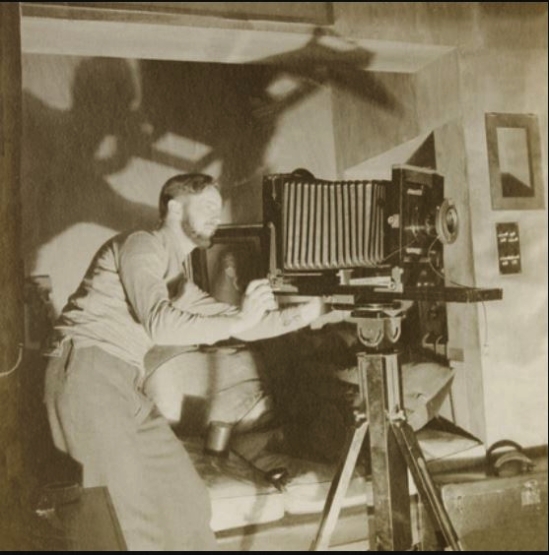
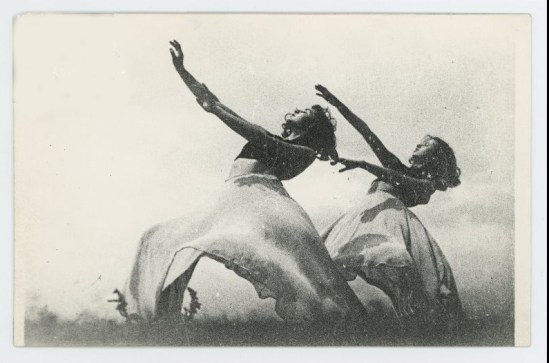
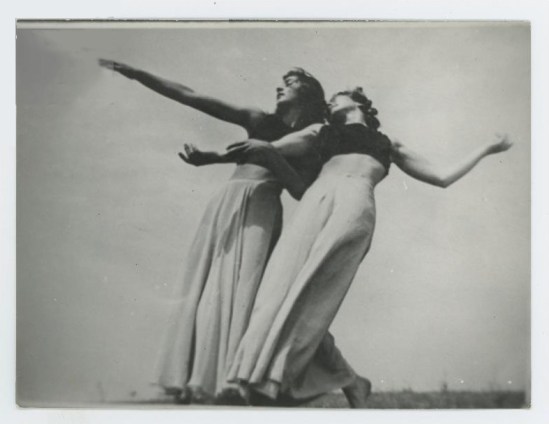
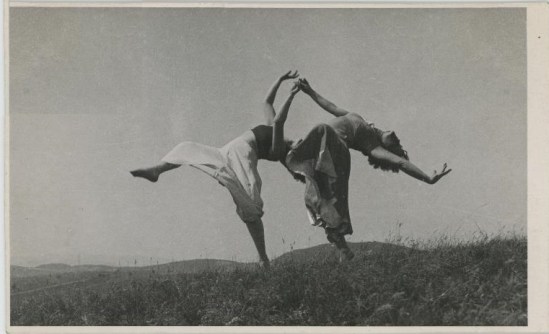
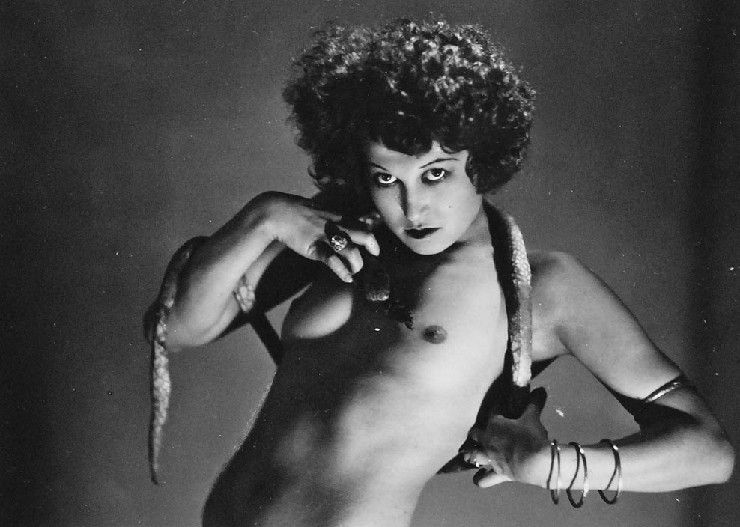
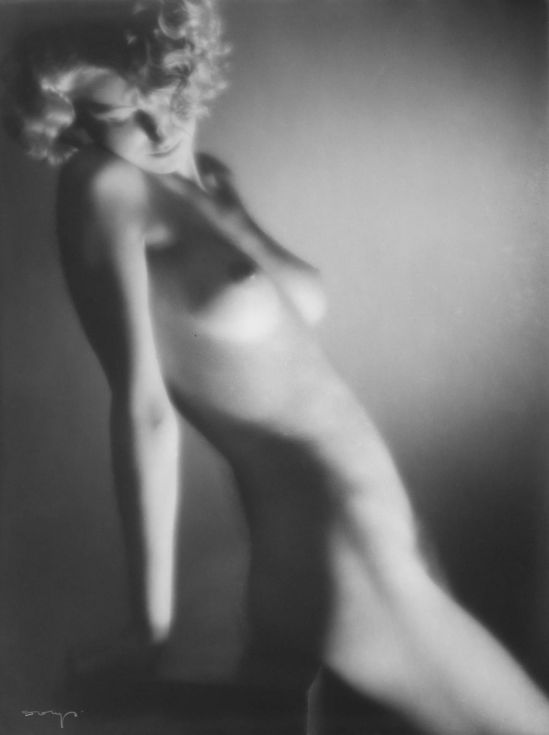
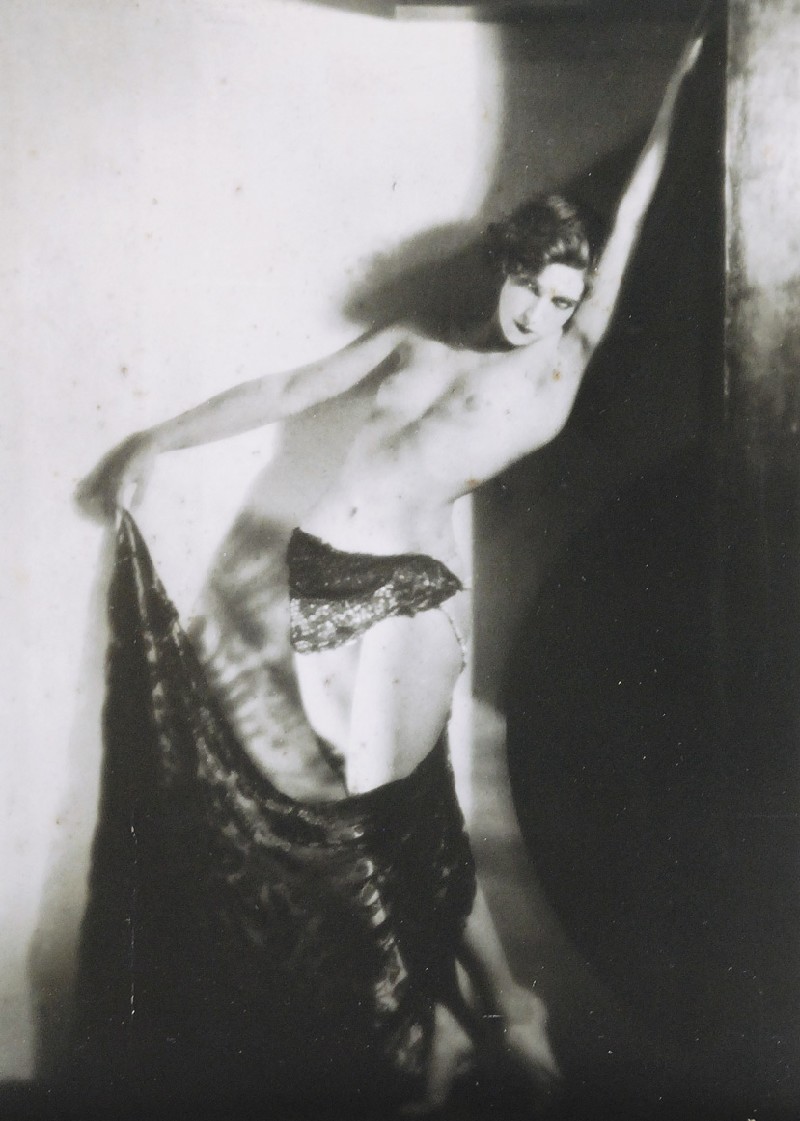
Archives de Tag: dancer
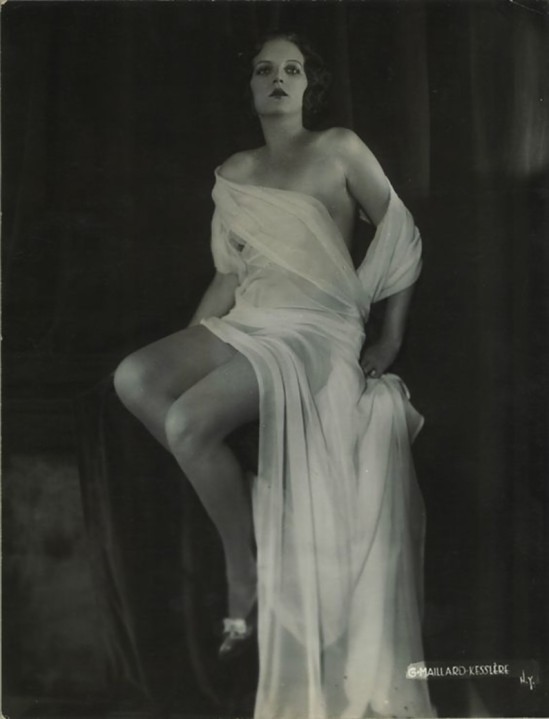
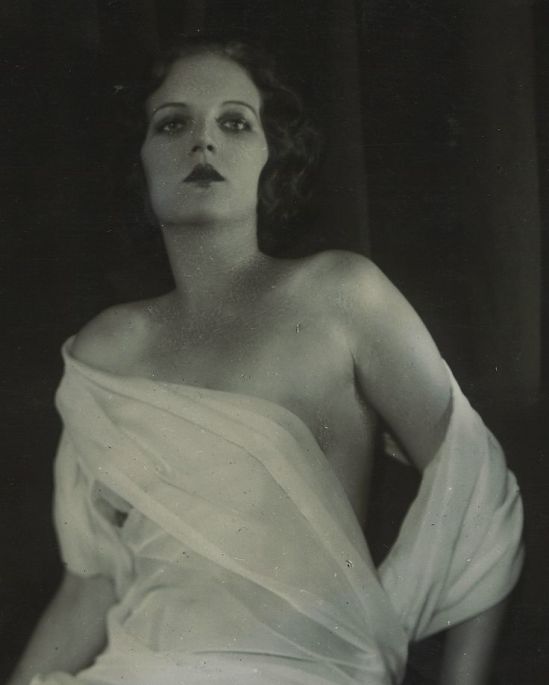
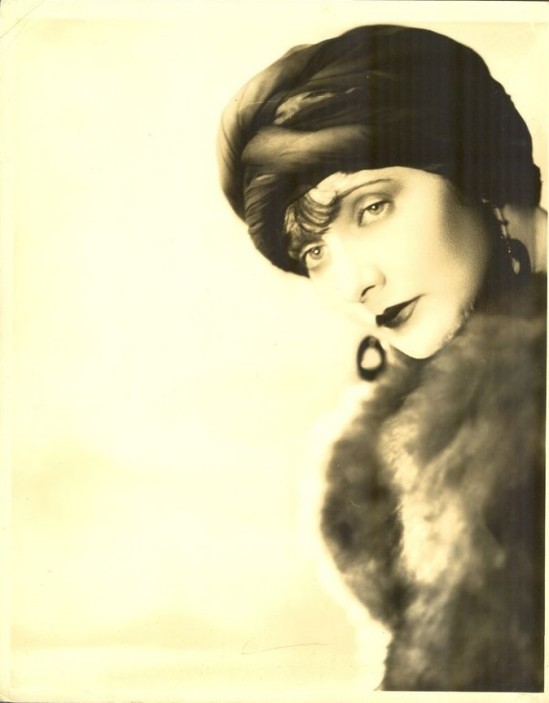
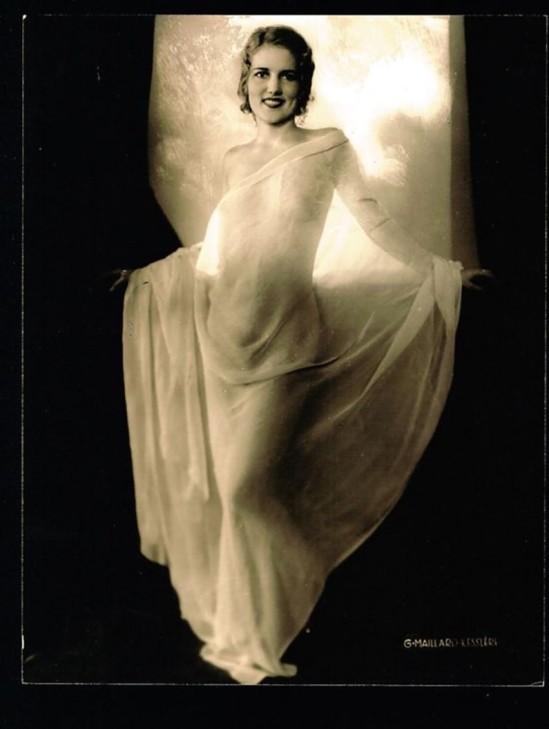
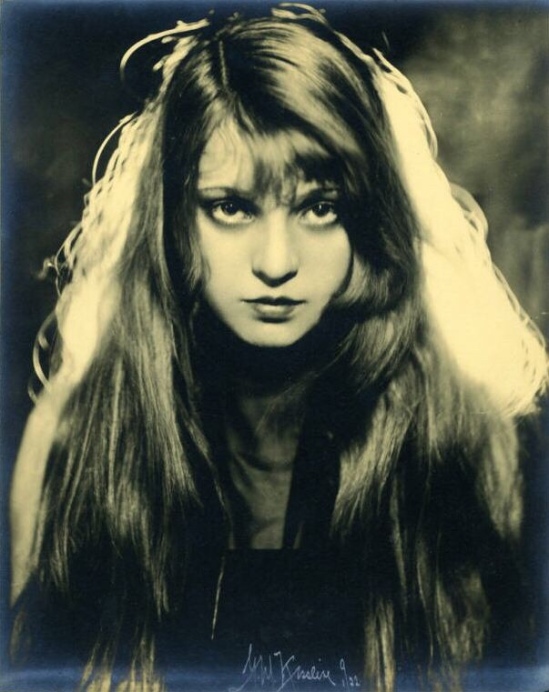
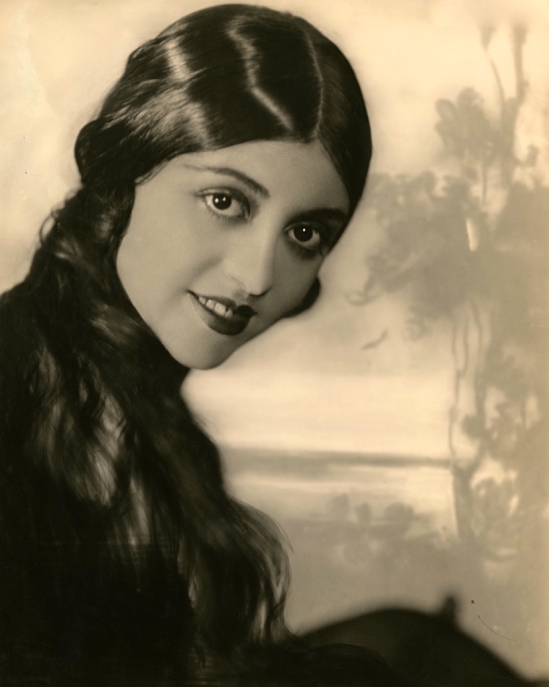
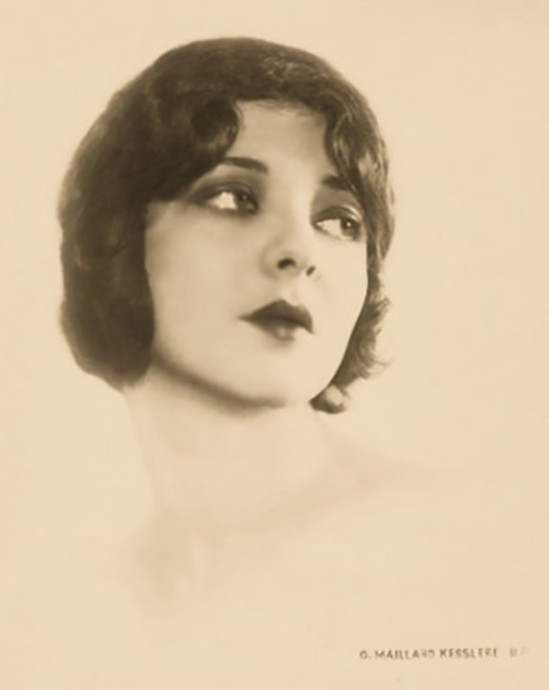
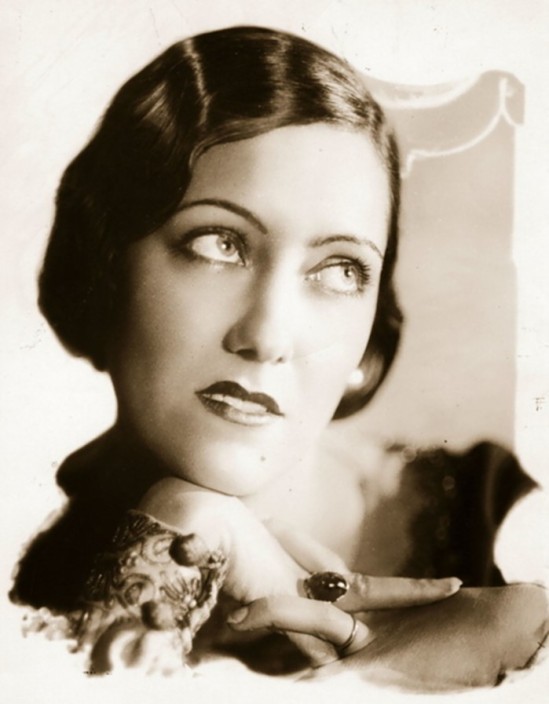
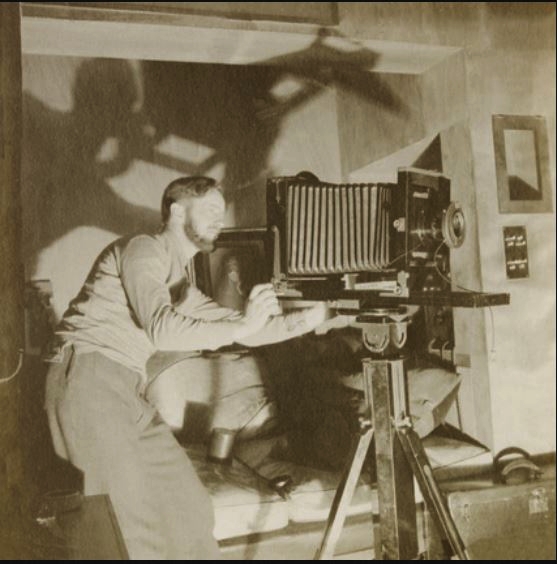
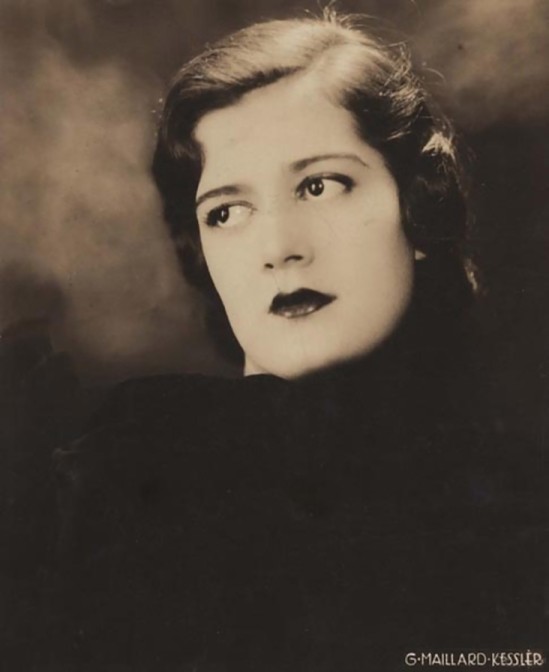
George Maillard Kesslere (1894-1979)

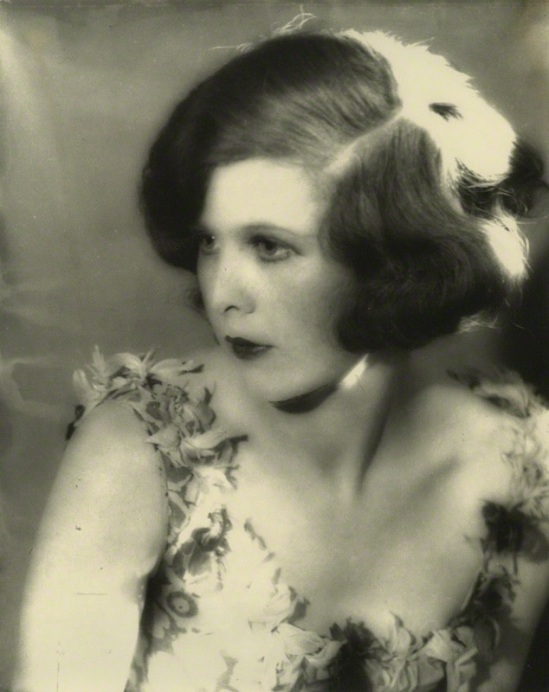
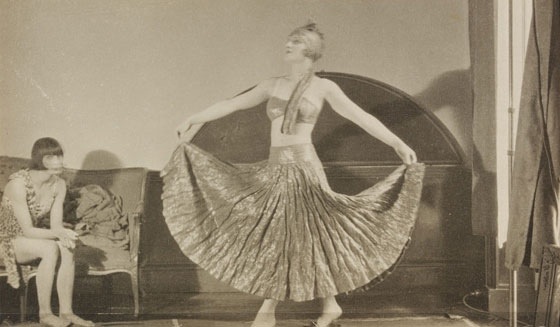
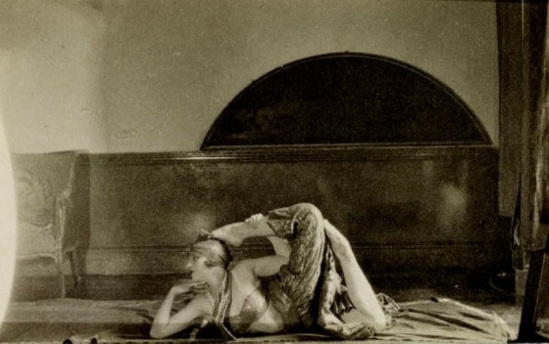
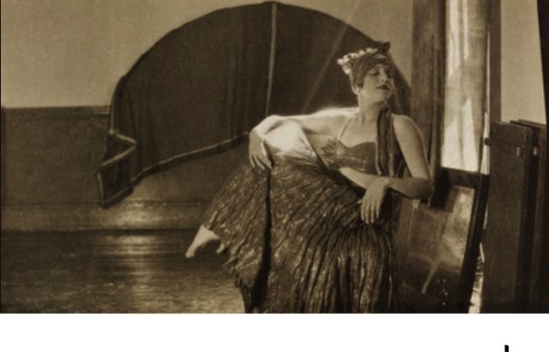
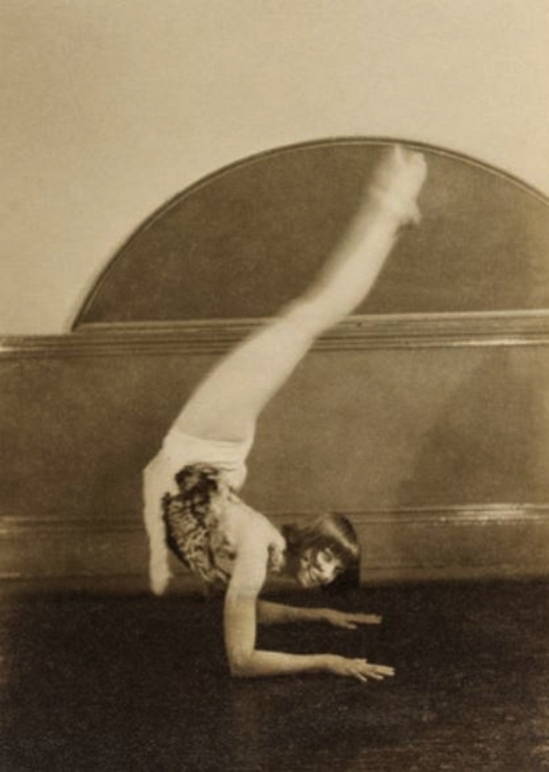
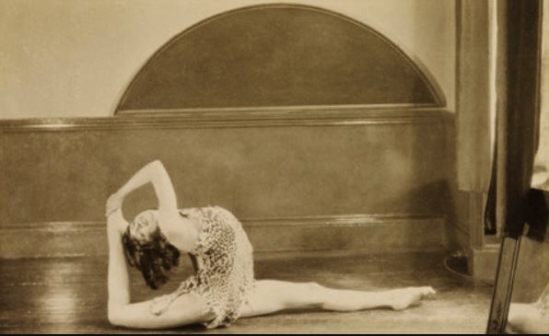
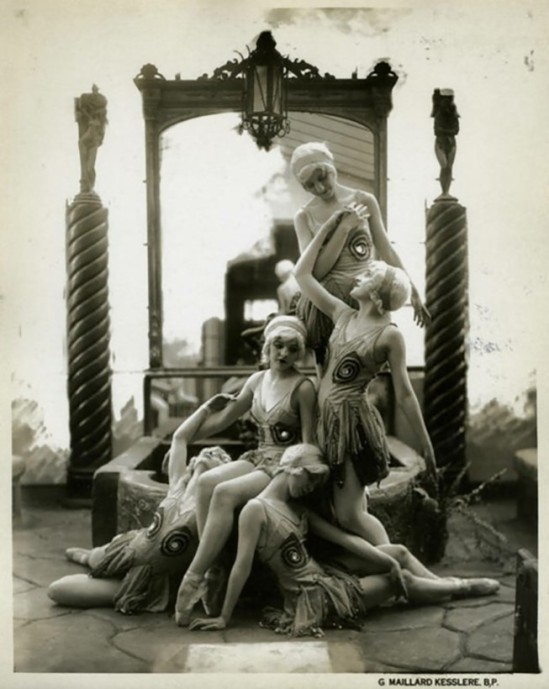
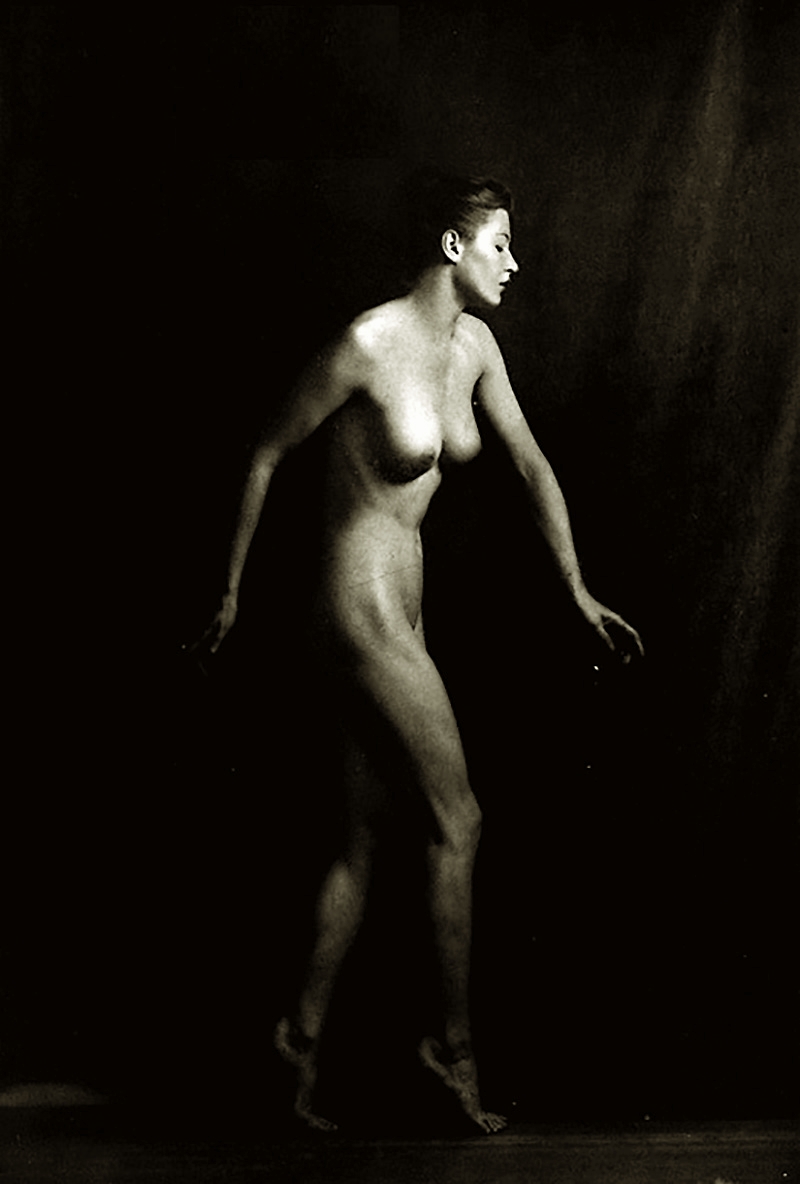
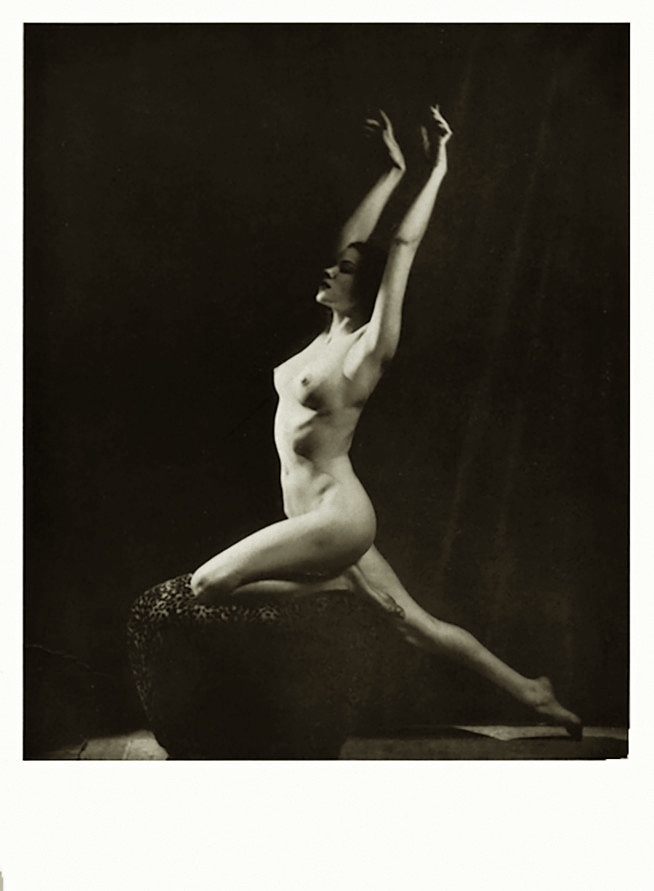
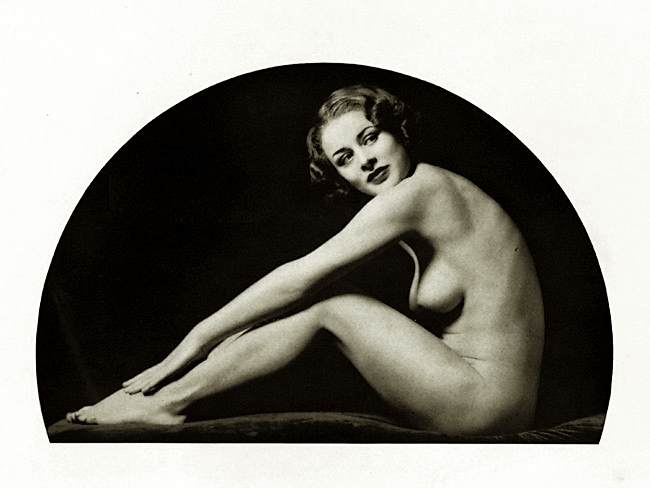
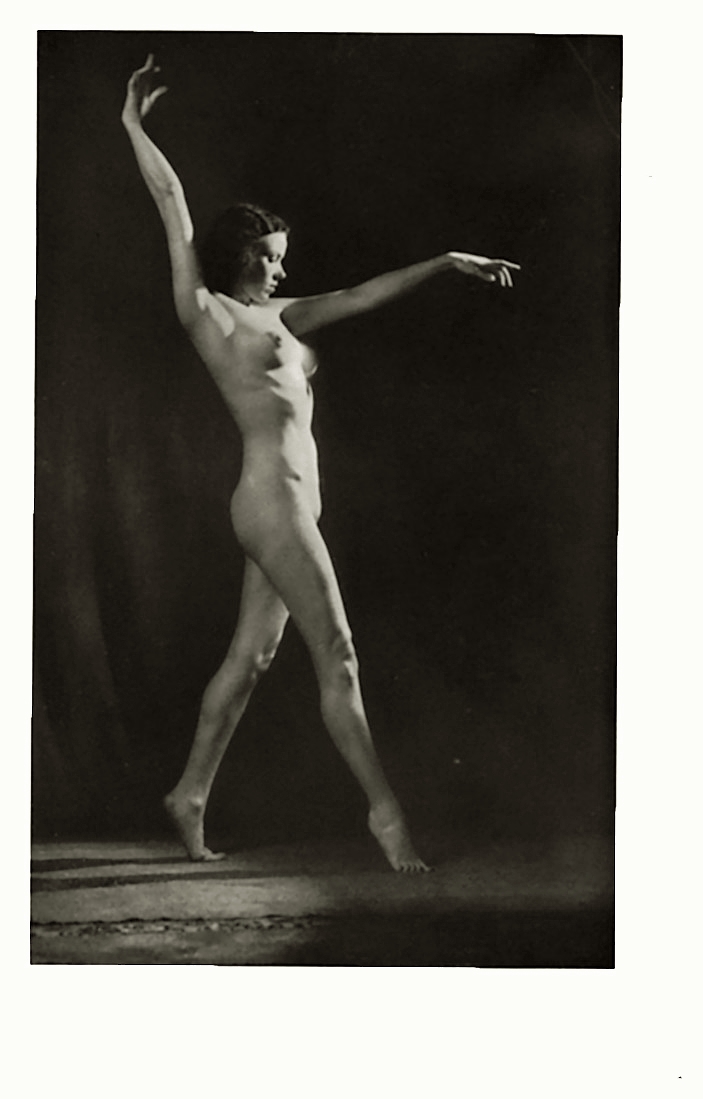
George Maillard Kesslere- Maria Gambarelli et sa troupe, 1925
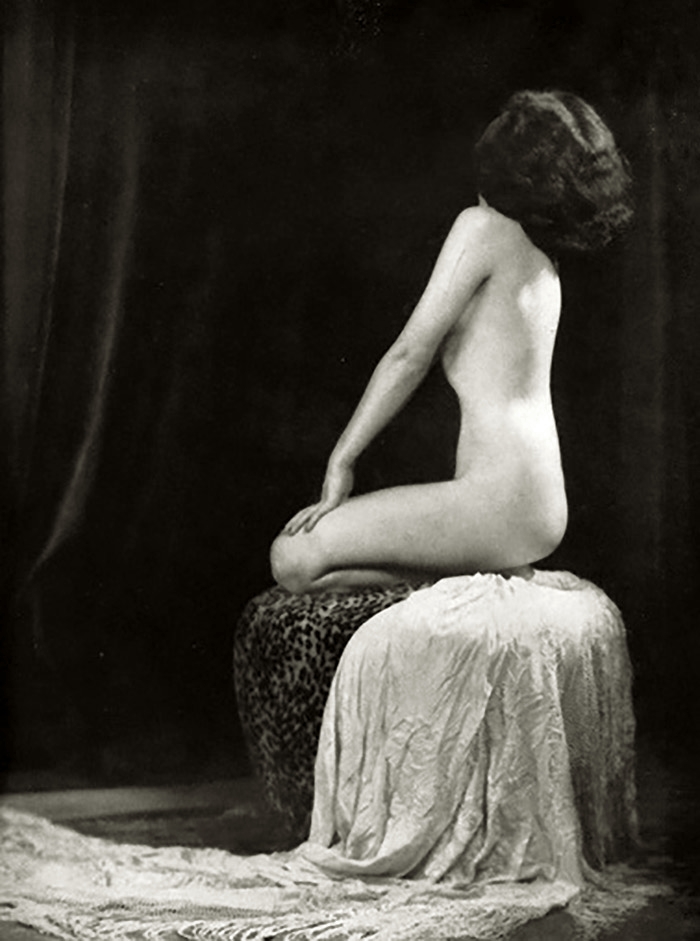
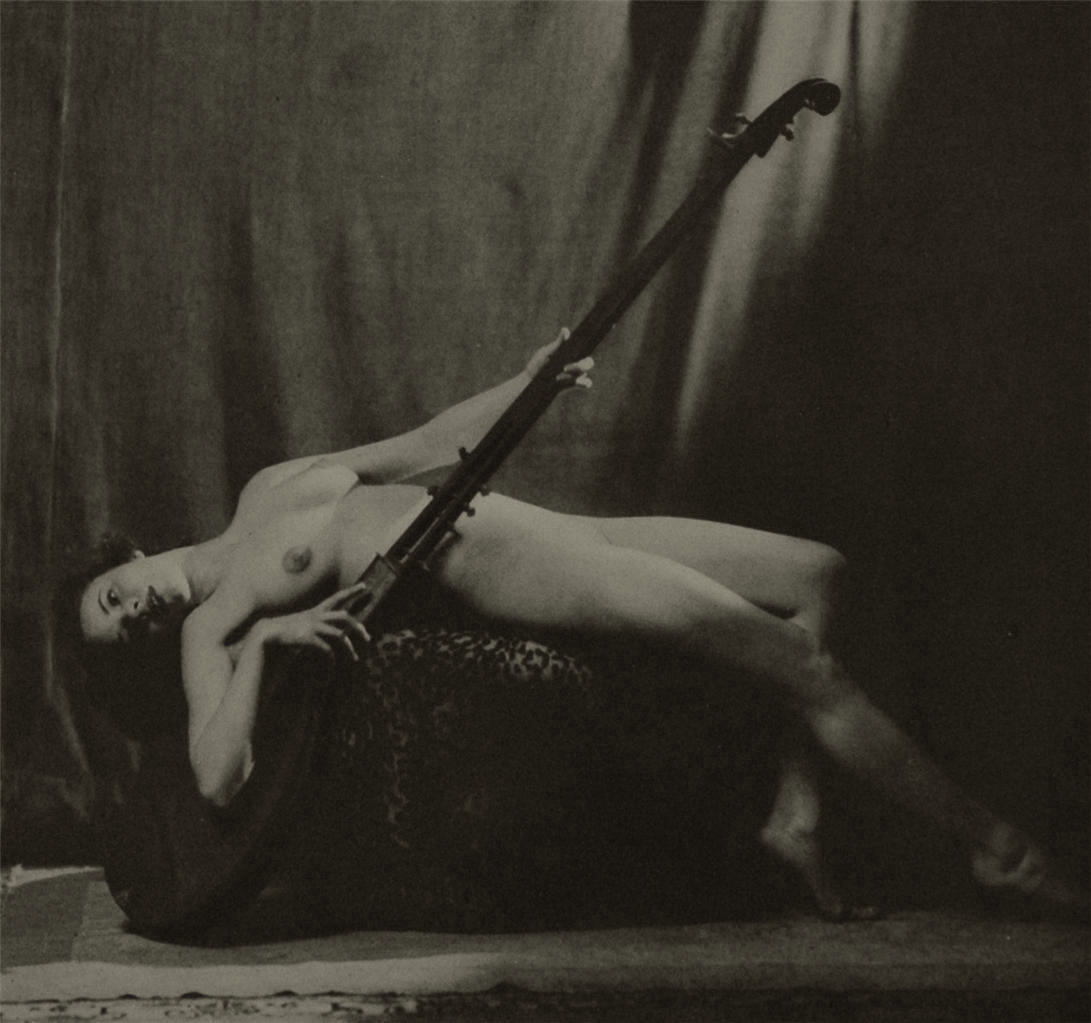
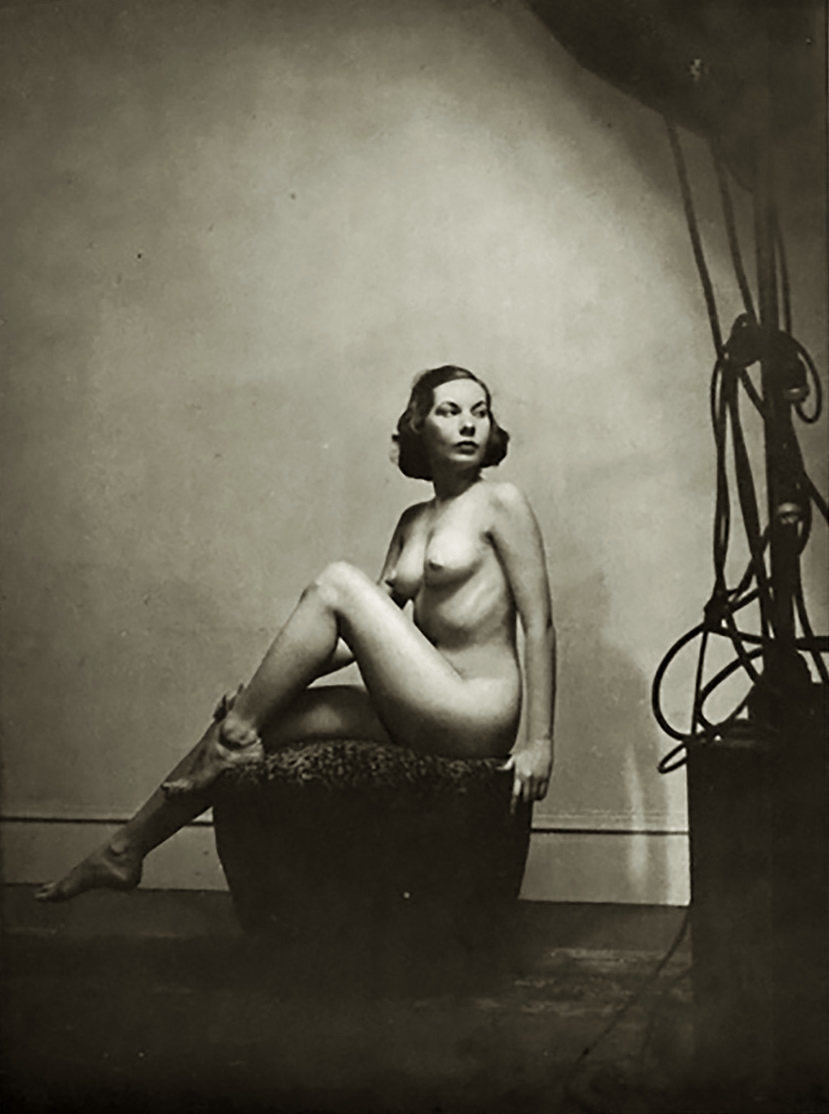
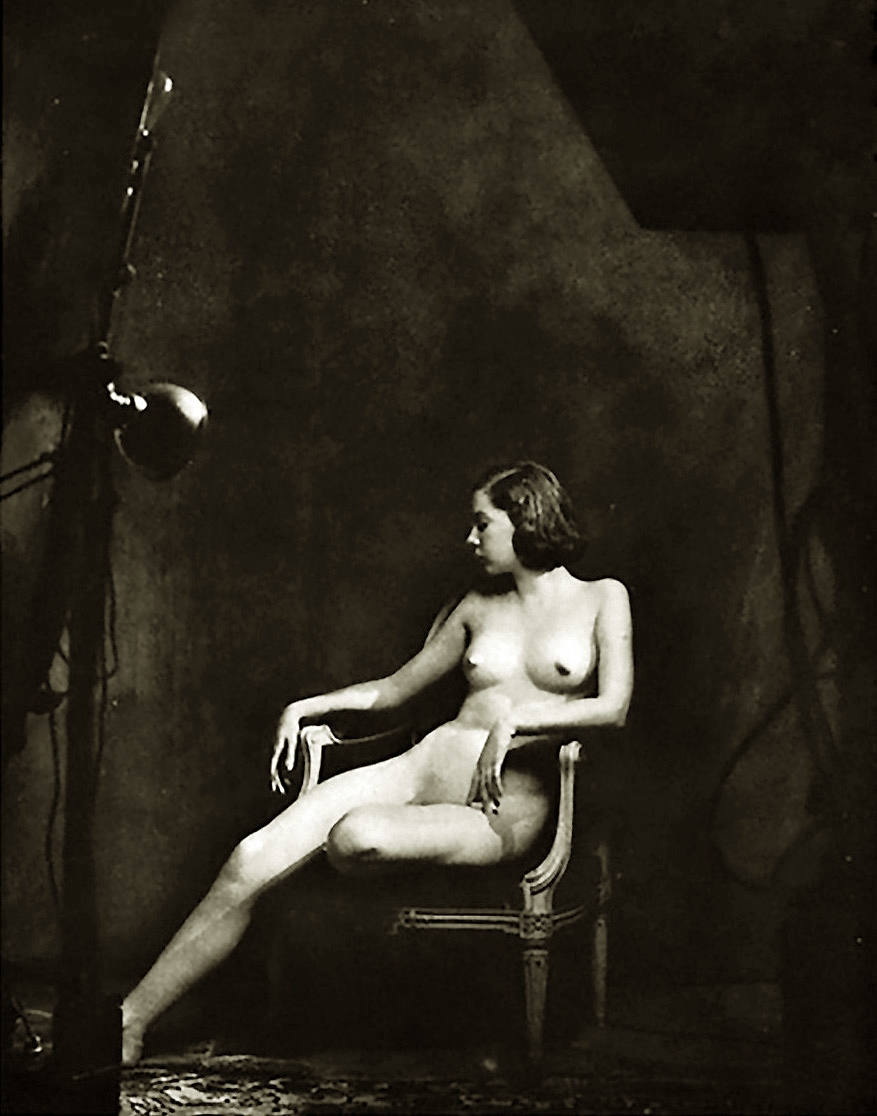
George Maillard Kesslere était un photographe et peintre américain. Diplômé de l’Université de Syracuse, Kesslere était l’un des derniers élèves du peintre impressionniste américain, William Merritt Chase. Après l’optention de son diplome, il a créé un studio ( surtout de portrait) à Syracuse,Etat de New York, où il a pratiqué la photographie et la peinture. Il a également collaboré à plusieurs projets muraux.
Bien que son travail de photographe ait gagné une reconnaissance immédiate pour son talent artistique, Kesslere ne put jamais gagner sa vie à ses debuts,car le prix des photogravure étant trop élevées. Donc, en 1921, The Debutante (La débutante), un périodique de New York peu cher, le convie à devenir éditeur d’art, Kesslere saute sur l’occasion, le déplacement à New York en Août 1921. Pour une brève période, il a maintenu les deux lieux de travail, mais son succès en tant que photographe à New York fit obturateur studio Syracuse en 1922.
La Débutante disparue, Il plublie un ensemble de portraits de Dorothy Dickson dans Vanity Fair qui cimente sa reputation comme un artiste photographe talentueux , ce qui lui a valu une clientèle de ville.Esthète, snob, bisexuels libertin, et le parti-donateur, il est devenu une figure importante dans la consolidation des liens culturels entre la communauté des arts et de la haute société homosexuels dans la période entre les deux guerres.

George Maillard Kesslere-Dorothy Dickson , November 1920
Remarquant la vogue dans les magazines culturels pour les photos floues de danseuses nues, Kesslere en 1923 a commencé à développer une série de peintures et pastels de filles nues drapées diaphonously fonctionnant à l’air libre. Ce genre arty de la peinture de pin-up a attiré l’attention de Broadway chair marchand, Earl Carroll qui a installé Kesslere comme son photographe officiel après la mort de John De Mirjian (voir article sur Lui ICI) en 1928. Les programmes pour « Vanités » série Carroll sélectionnée peintures et photos par Kesslere, et une appréciation effusive de son art par certains luminaire culturelle de la journée.

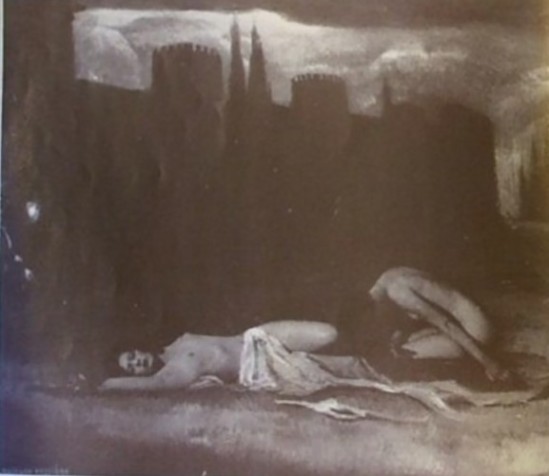
George Maillard Kesslere- Two nude with aveil in the wind,photo-painting 1924-25

George Maillard Kessler- Untitled, 1930 credited by in the date by 1000 nude, ed Taschen, 2005, but it seems to be from the same serie of the wind in 1924

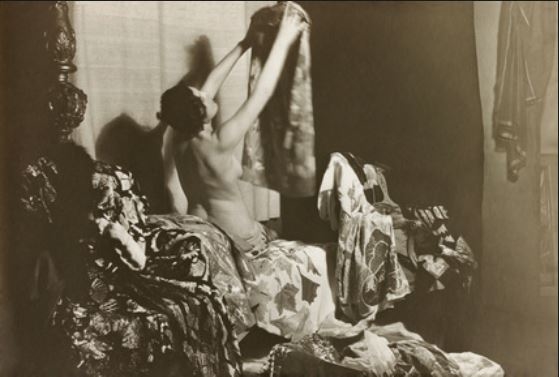
George Maillard Kesslere-Early Morning 1924-30s
Dans le monde de la photographie théâtrale, la renommée de Kesslere reposait sur des représentations du corps, autant que ses traitements évocateurs et expérimentaux de la tête. Il était l’un des plus beaux des photographes de format de buste de la fin des années 1920 et 1930. Il excellait dans le traitement pictural de buste.Pour ses portraits, il a reçu la reconnaissance de l’Académie royale britannique de la photographie
Le 26 Mars 1935, Kesslere expose 500 de ses photographies, peintures, dessins, gravures et dans le salon de Ziegfeld Theater Patricia Loew. Le 1er Juillet 1947, une exposition itinérante du travail de Kesslere, «Stars d’hier et d’aujourd’hui, »fait le tour des Etats-Unis .
En 1952, Kesslere fait don de 6000 photographies et 500 tableaux à la Collection Théâtre de la New York Public Library. Malheureusement, l’atelier de Kesslere, a pris feu peu de temps avant le transfert des images, et la plupart des articles qui ont été enregistrés et transférés à la collecte NYPL souffrent de dégâts d’eau et une manipulation brutale. Texte de David S. Shields traduit par mes soins.

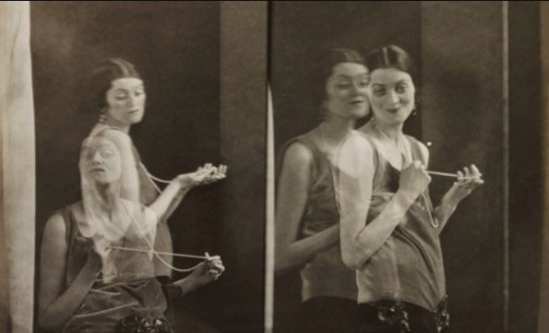
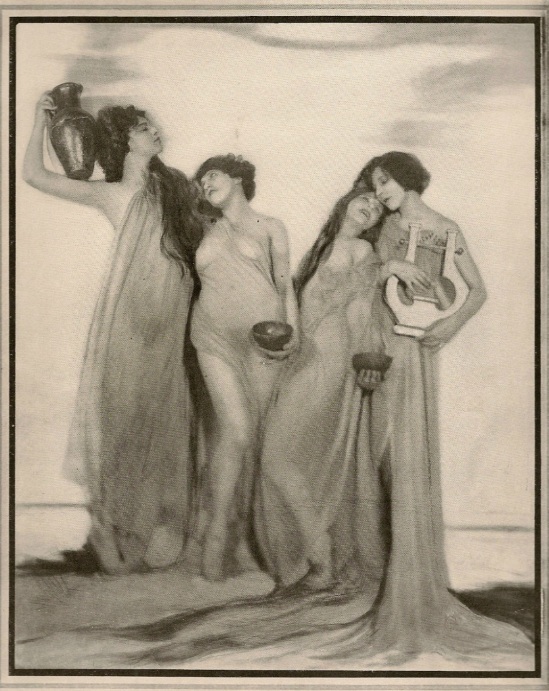
George Maillard. Kesslere- The Graces, posed by The Muller Dancers,pubished in Theatre Magazine, september 1923

George Maillard Kesslere-Norma Talmadge, 1924-27

George Maillard Kessler- Sultry Shirley in parshall (Série Earl Carrols Vanities), {Crop} 1931[source ebay]

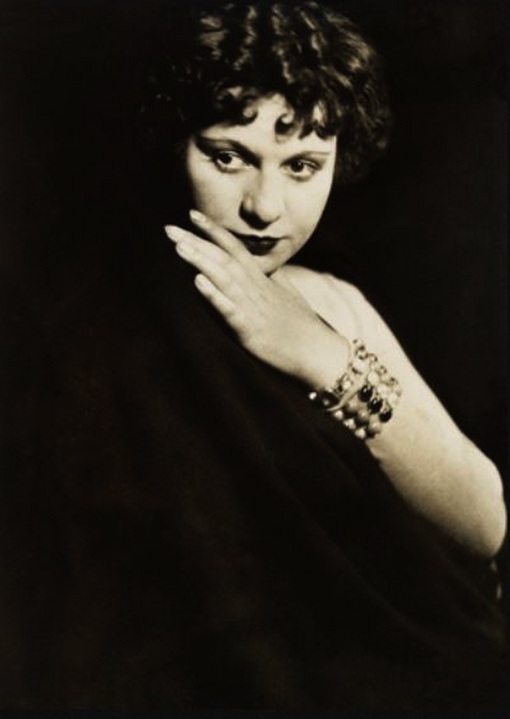
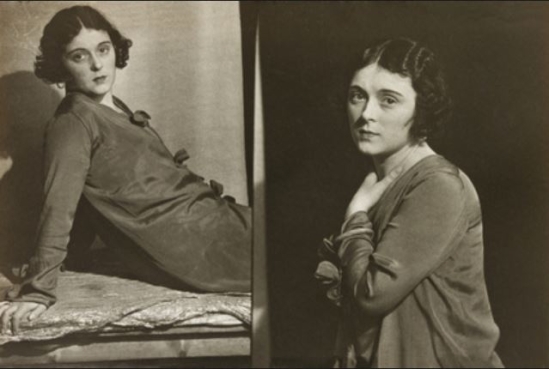
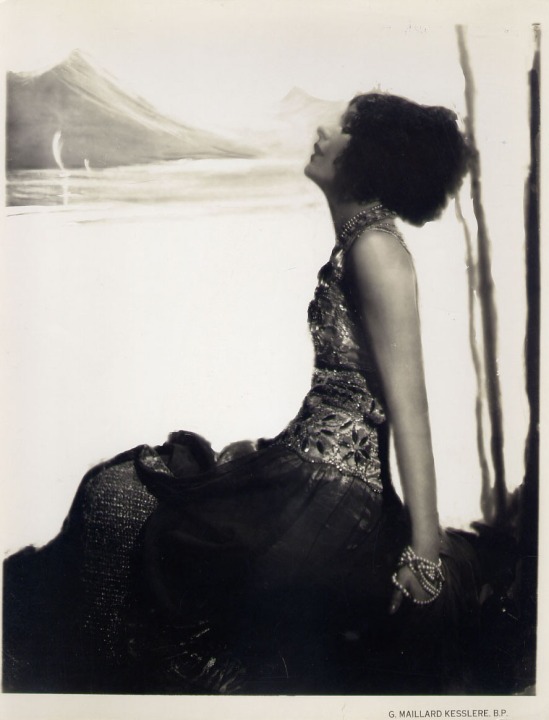
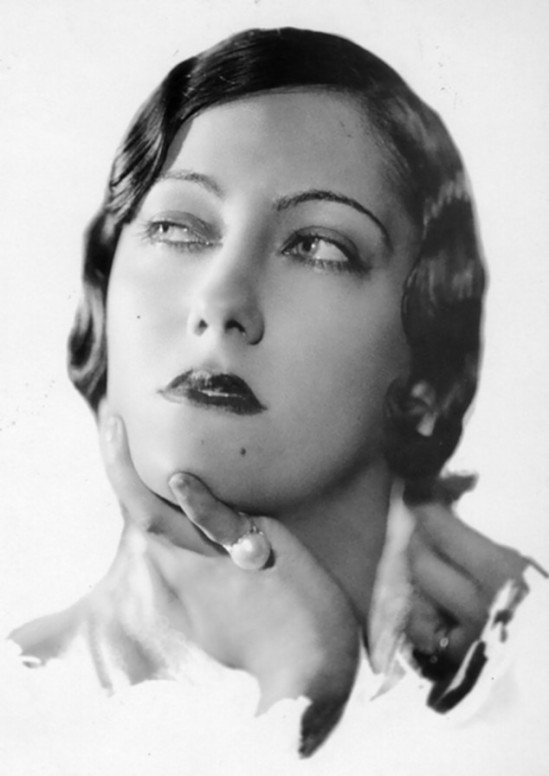
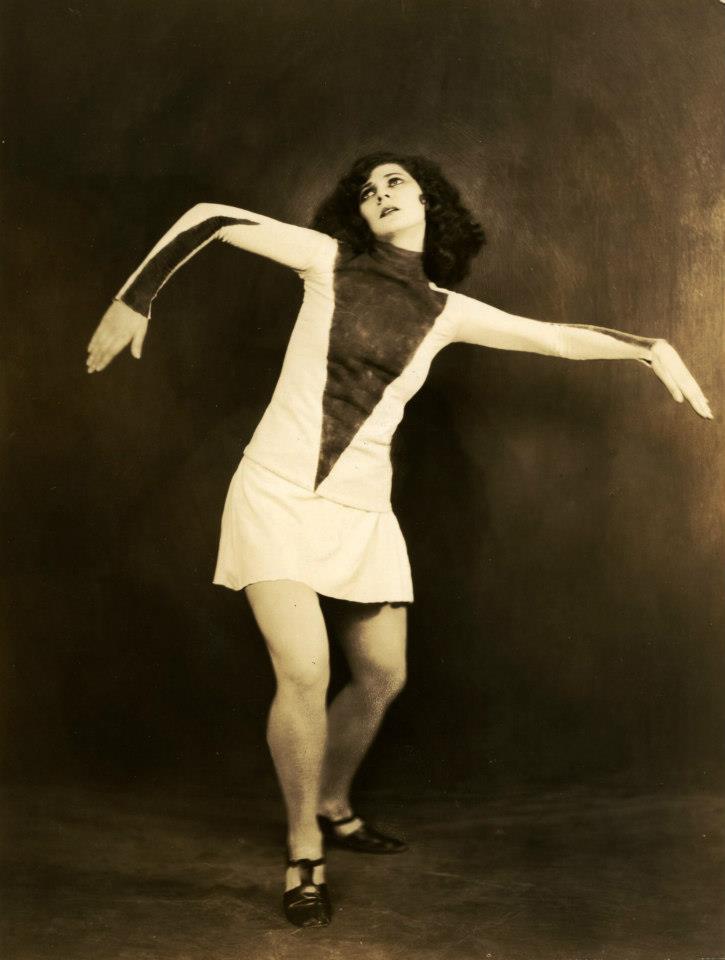
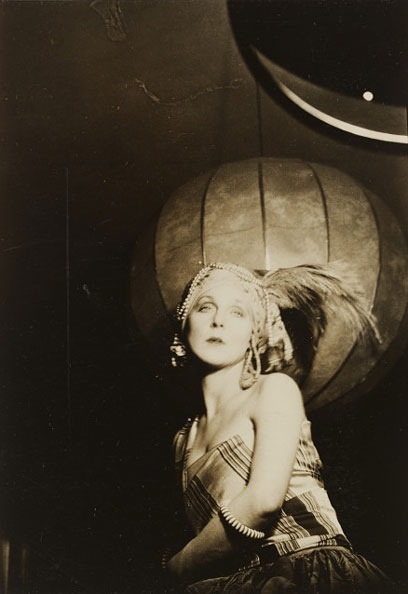
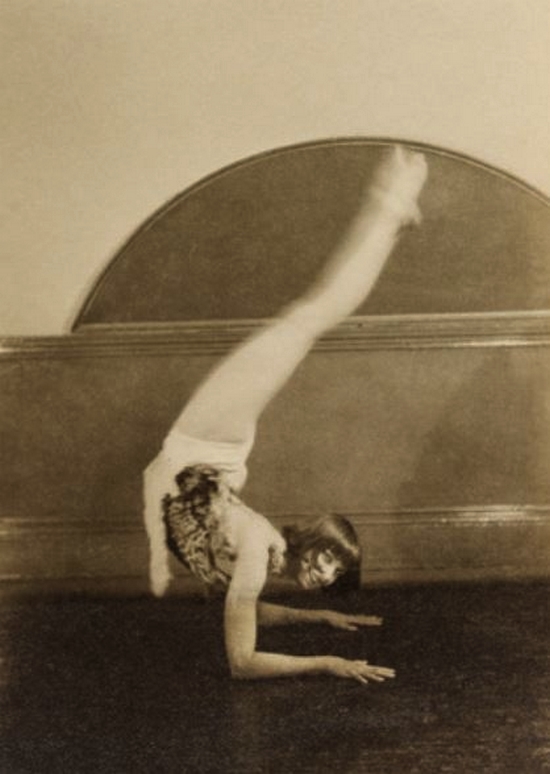
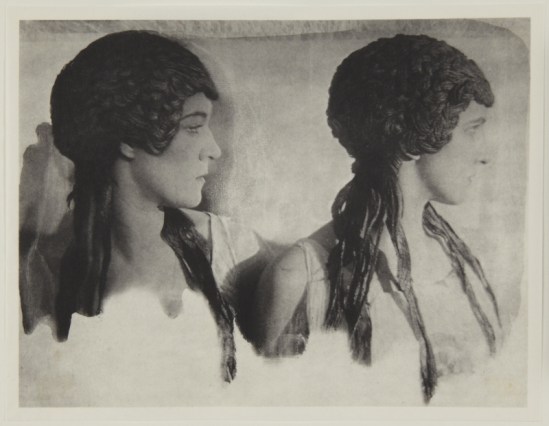
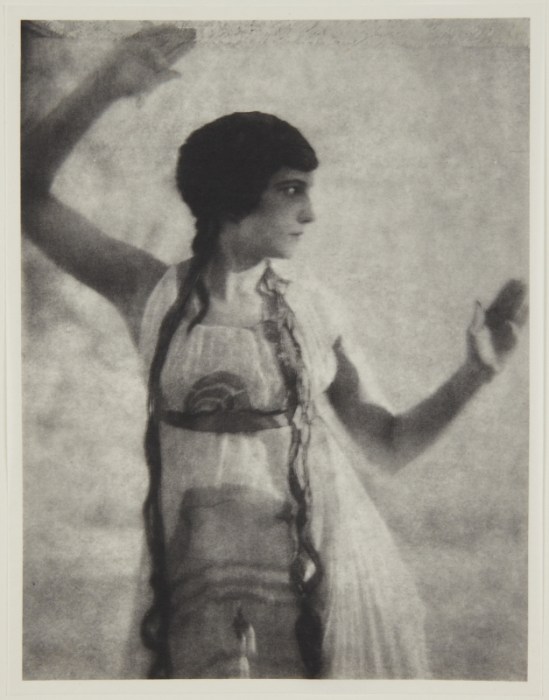
George Maillard Kesslere – Maria Gambarelli ( greatest dancer of the Metropolitan Opera ballet school, 1920s

George Maillard Kesslere- Portrait of Maria Gambarelli ( greatest dancer of the Metropolitan Opera ballet school, 1920s

George Maillard Kesslere- Jacqueline Logan

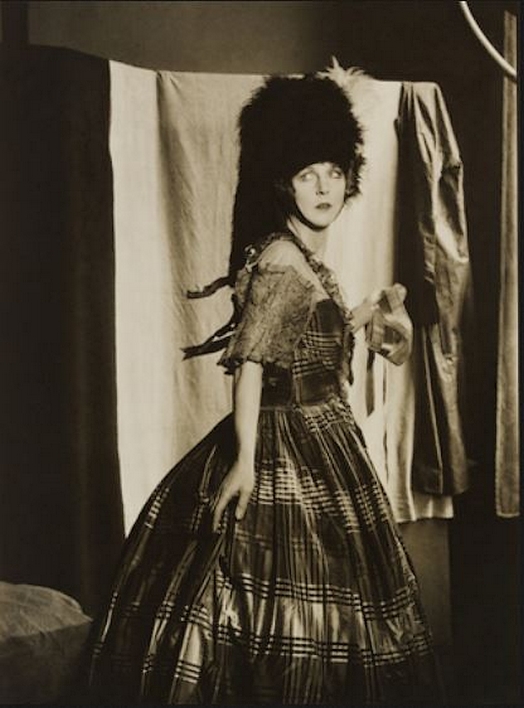
George Maillard Kesslere-Betty Blythe 1924

George Maillard Kesslere – Maria Gambarelli ( greatest dancer of the Metropolitan Opera ballet school, 1922

George Maillard Kesslere – Maria Gambarelli ( greatest dancer of the Metropolitan Opera ballet school, 1922 ( ebay)

George Maillard Kesslere – Maria Gambarelli ( greatest dancer of the Metropolitan Opera ballet school, 1922

George Maillard Kesslere – Maria Gambarelli ( greatest dancer of the Metropolitan Opera ballet school, 1922

George Maillard Kesslere – Maria Gambarelli ( greatest dancer of the Metropolitan Opera ballet school, 1922

George Maillard Kesslere – Maria Gambarelli ( greatest dancer of the Metropolitan Opera ballet school, 1922

George Maillard Kesslere -Annette Margules, 1924

George Maillard Kesslere- Alice Burragen 1922-24

George Maillard Kesslere- Belle Bennett ( actress), 1920s

George Maillard Kesslere -Ethelind Terry, 1920s

George Maillard Kesslere-Betty Blythe 1924

George Maillard Kesslere- unknown model, 1924

George Maillard Kesslere-Dorothy Dickson , November 1920

George Maillard Kesslere -Marion Benda, 1920s

George Maillard Kesslere- Evangeline Raleigh ( miss Brodway, Sunny days), 1928

George Maillard Kesslere -Gloria Swanson, 1927

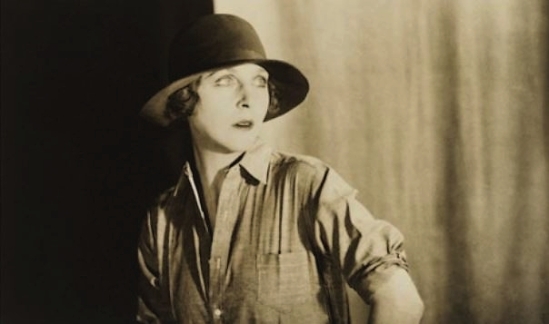
George Maillard Kesslere- silent Western star and speakeasy ownerunknown model, 1924, 1924-26

George Maillard Kesslere- unknown model, 1924

George Maillard Kesslere -The showgirl, dancer and actress Lota Cheek, 1924

George Maillard Kesslere -the showgirl dancer and actress Lota Cheek, 1924 police gazette COVER_

George Maillard Kessler- Womanhood, 1925

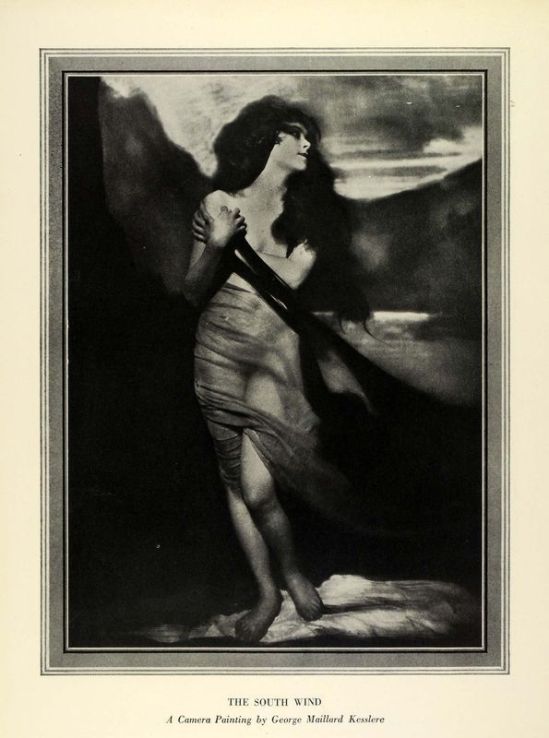
George Maillard Kesslere – The south wind, 1924

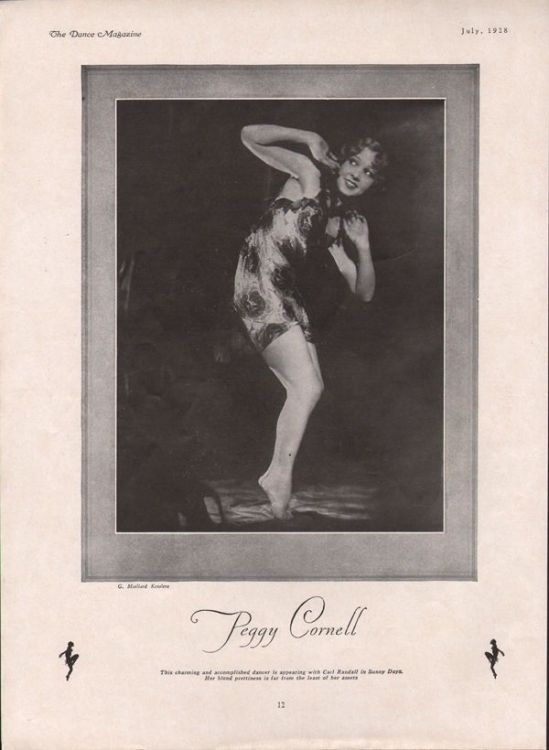
George Maillard Kesslere -Peggy Cornell, 1928

George Maillard Kesslere -Fowler and Tamara Dancers – Pierrot 1925 Magazine

George Maillard Kesslere -Gloria Swanson, For the magazine the Tatler 1927

George Maillard Kesslere -Gloria Swanson, 1927

George Maillard Kesslere -Gloria Swanson, 1927

George Maillard Kessler- Tallulah Bankhead, 1935

George Maillard Kesslere- Earl Carroll Vanities, 1921

George Maillard Kesslere- Earl Carroll Vanities, 1922

George Maillard Kesslere- Earl Carroll Vanities,

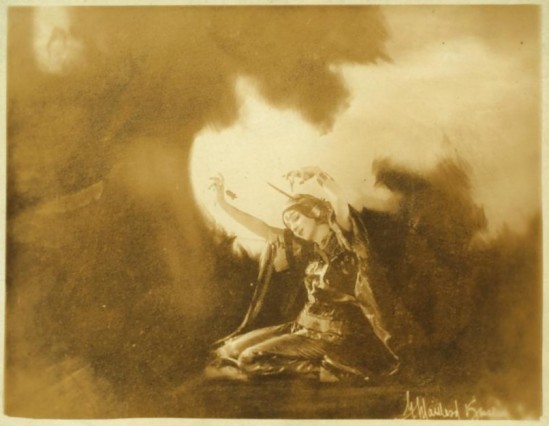
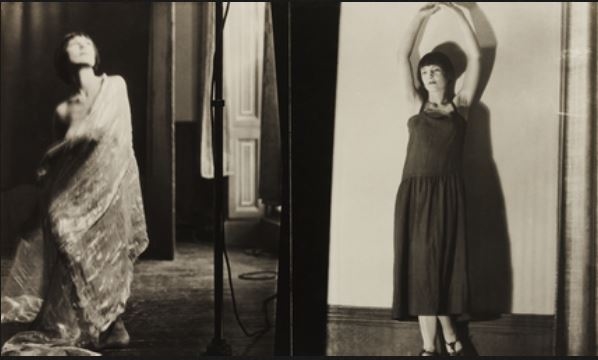
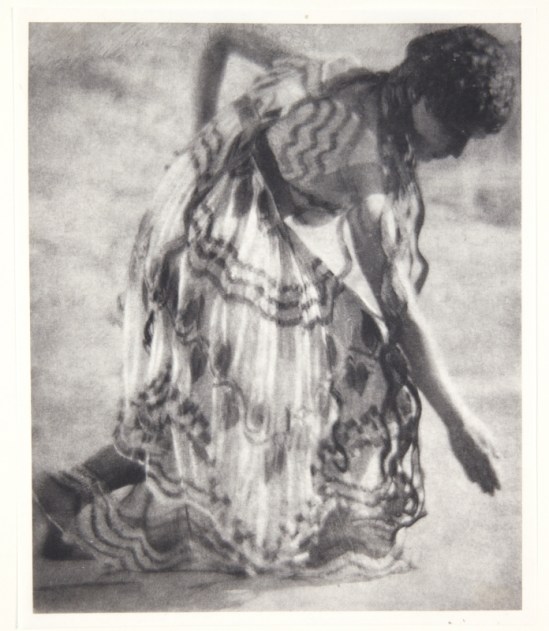
George Maillard Kesslere -Ruth Page and Adolph Bolm in Visions Fugitives, c1922_e

George Maillard Kesslère -Ruth Page in the Music Box Revue, 1922 and 1924 npgl

George Maillard Kesslère -Ruth Page in the Music Box Revue, 1922 and 1924 npgl

George Maillard Kesslère -Ruth Page in the Music Box Revue, 1922 and 1924
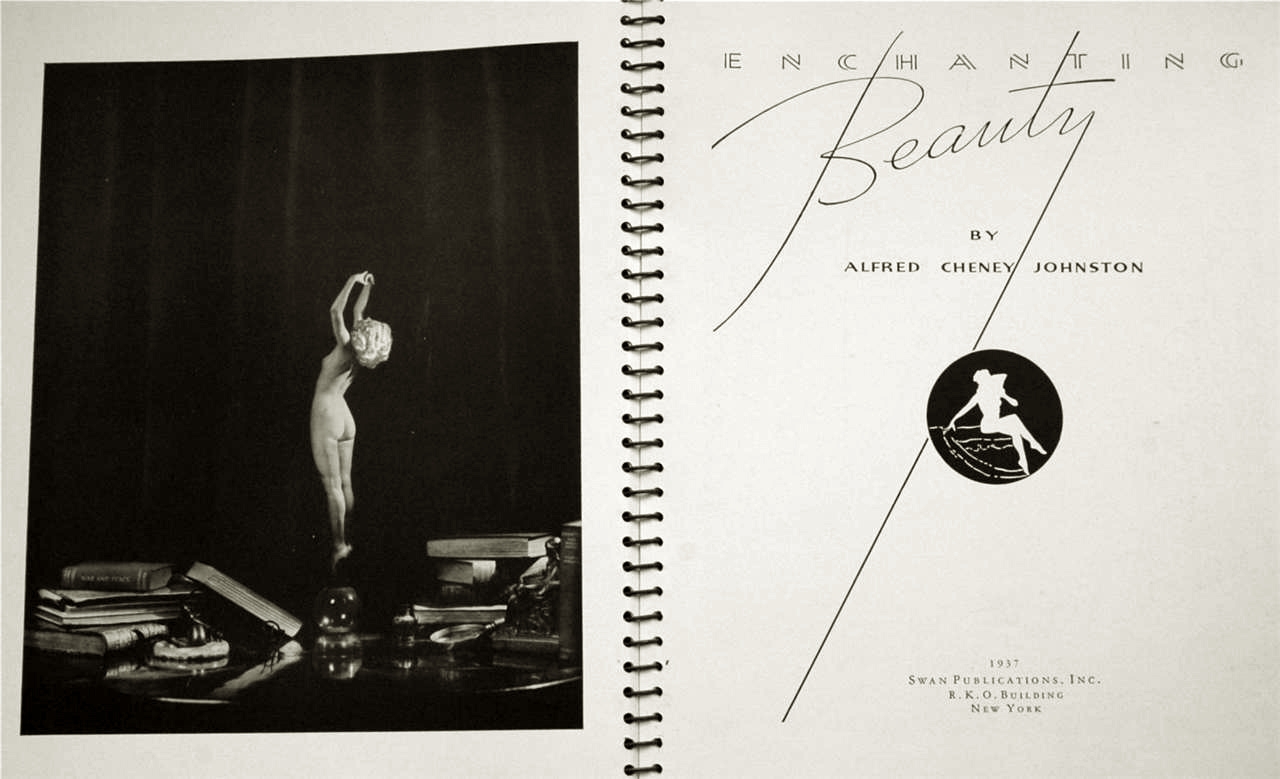
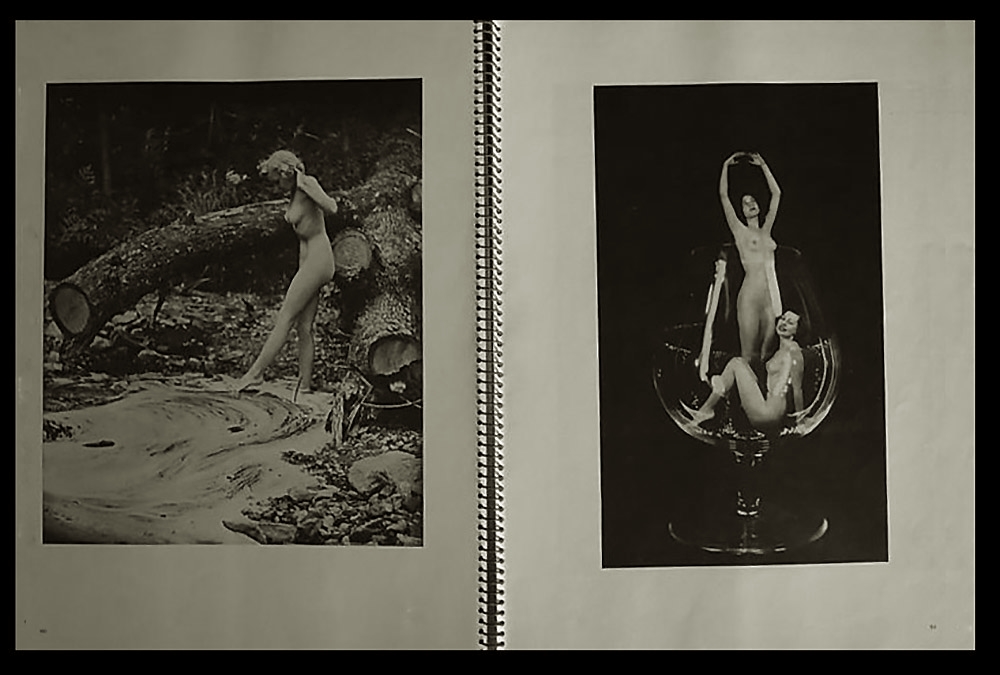
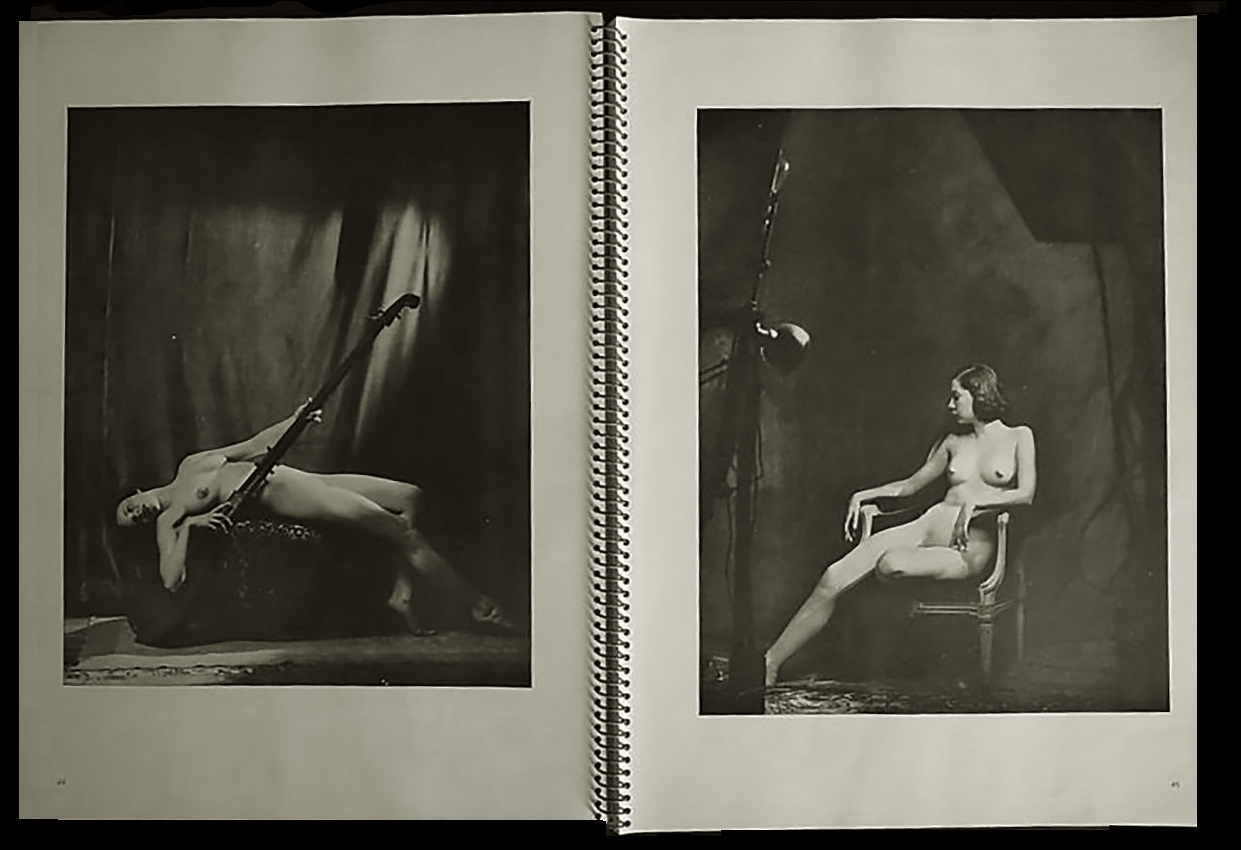
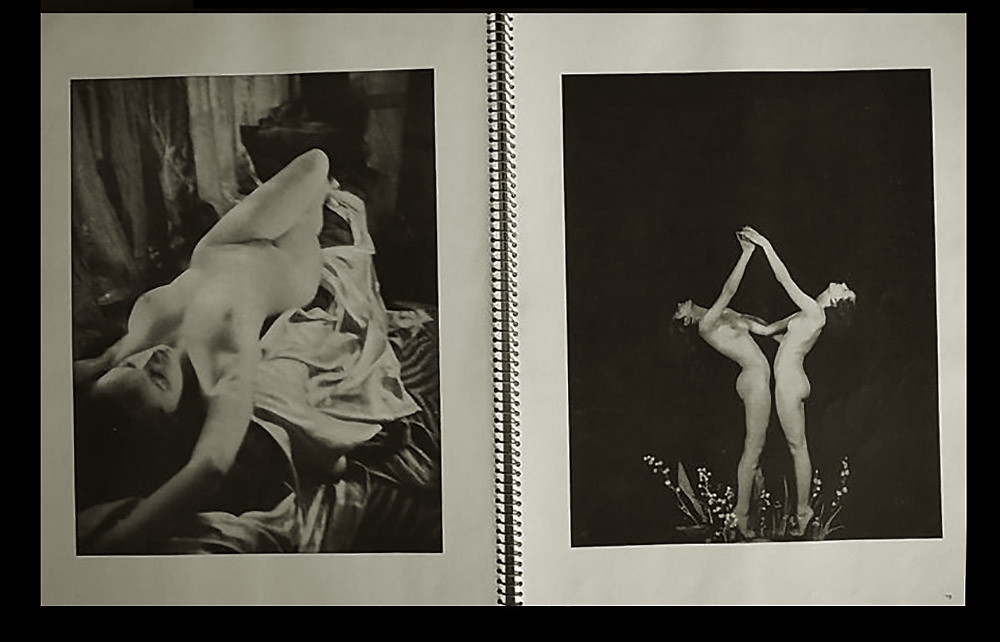
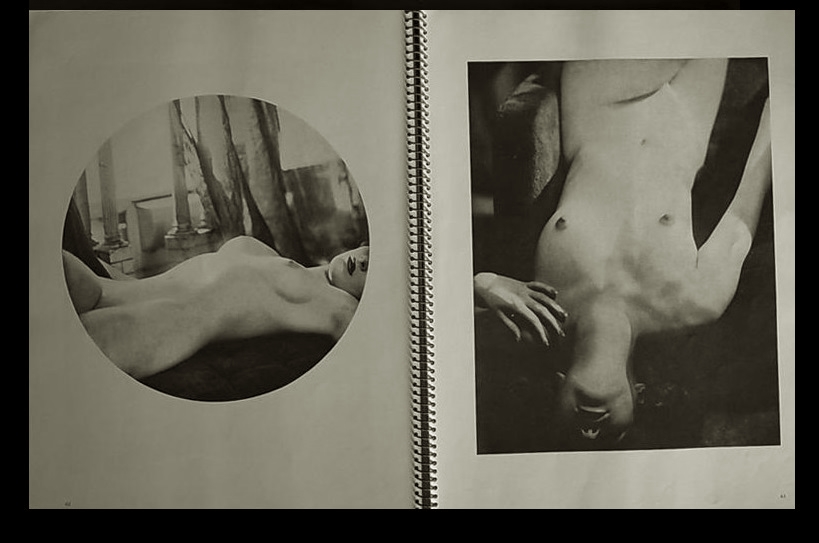
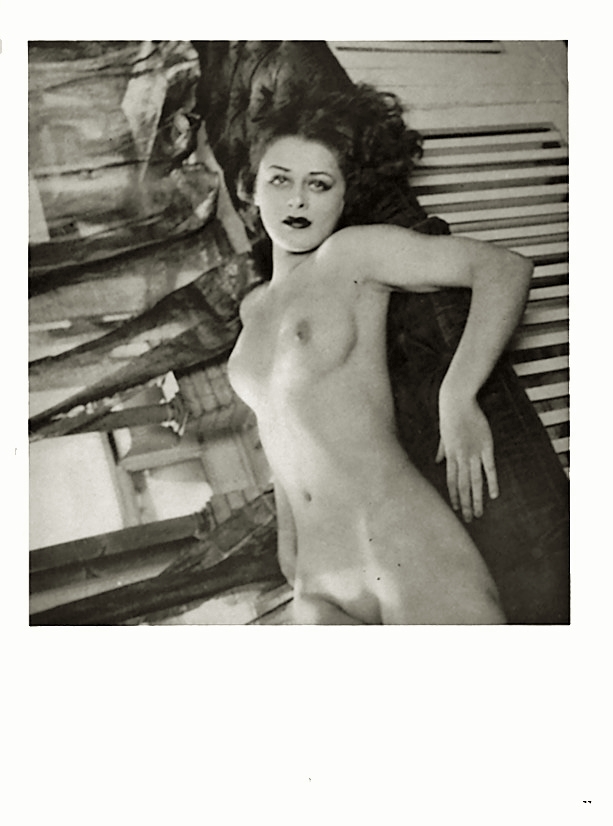
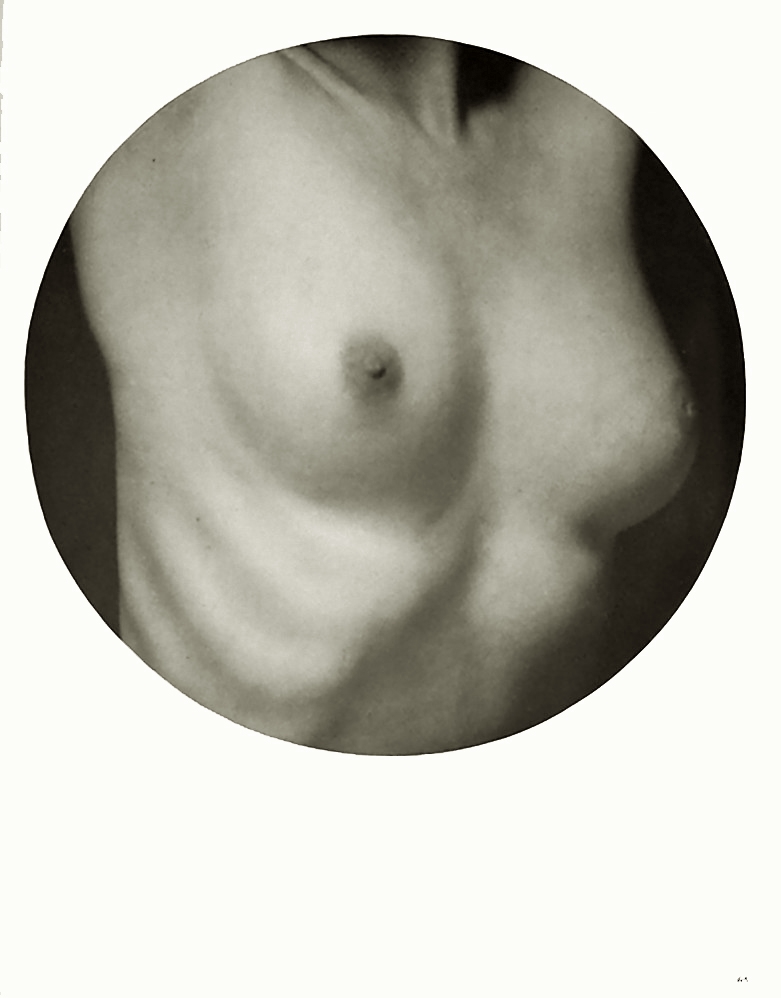
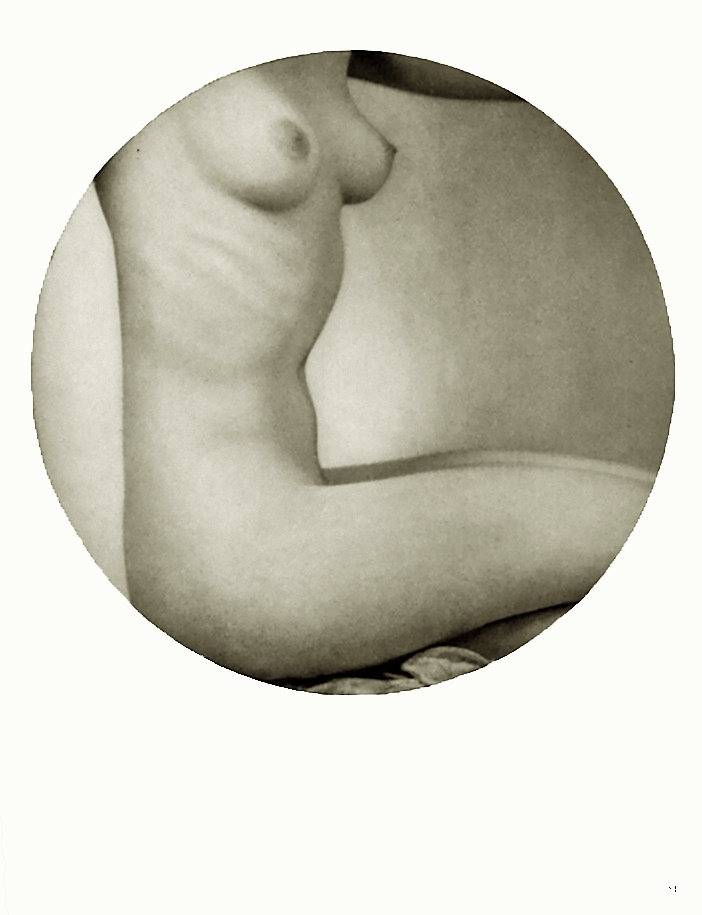
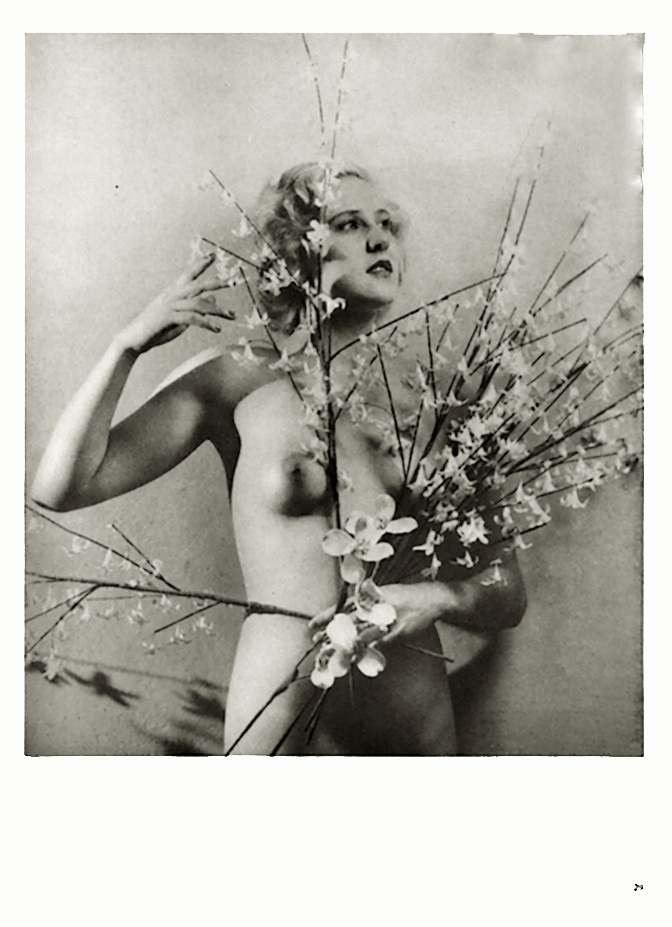
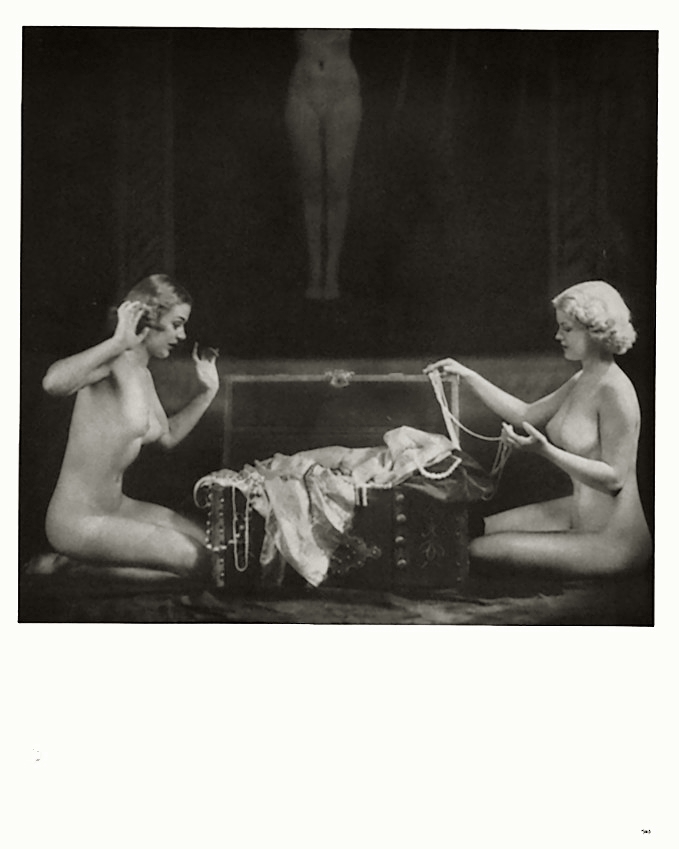
Alfred Cheney Johnston – Enchanting Beauty, 1937
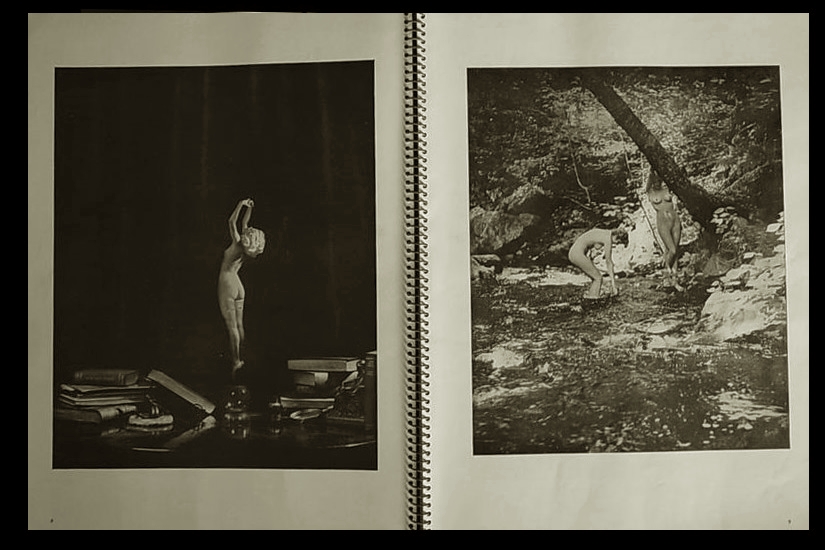
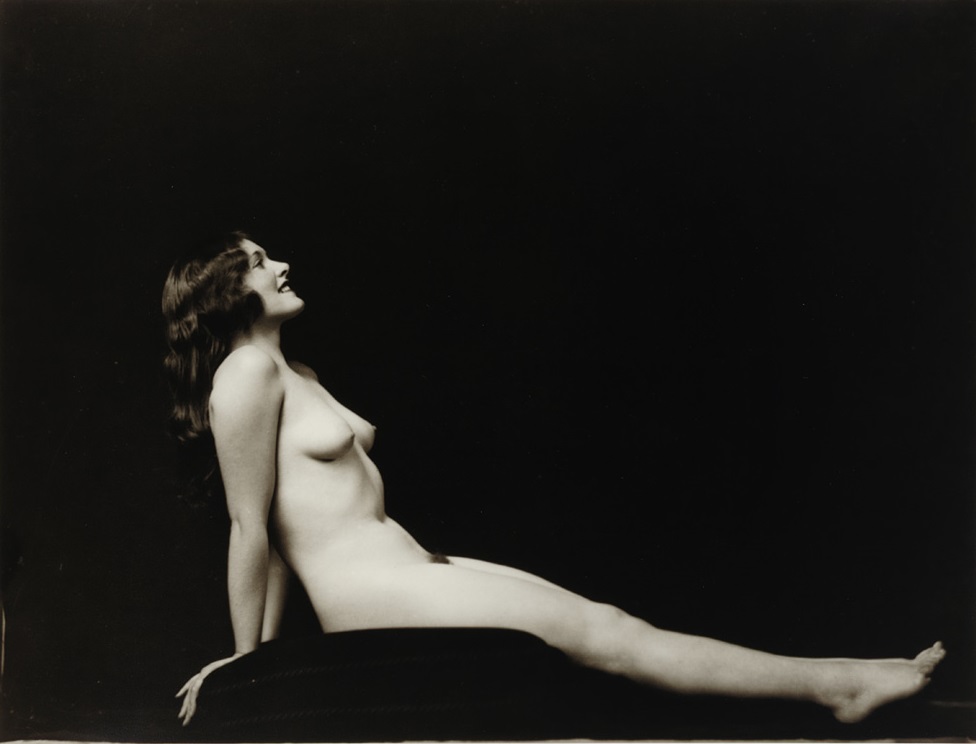
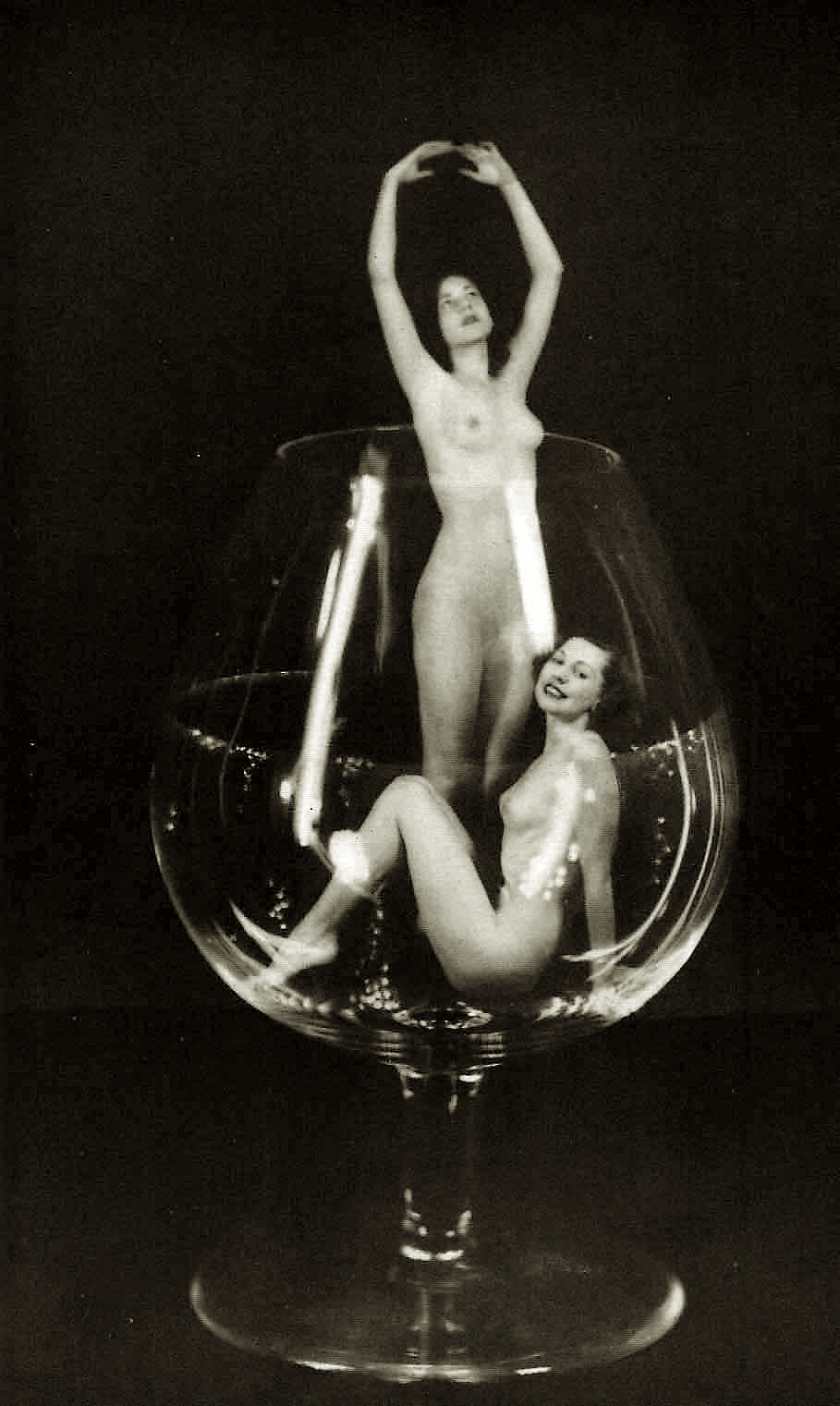
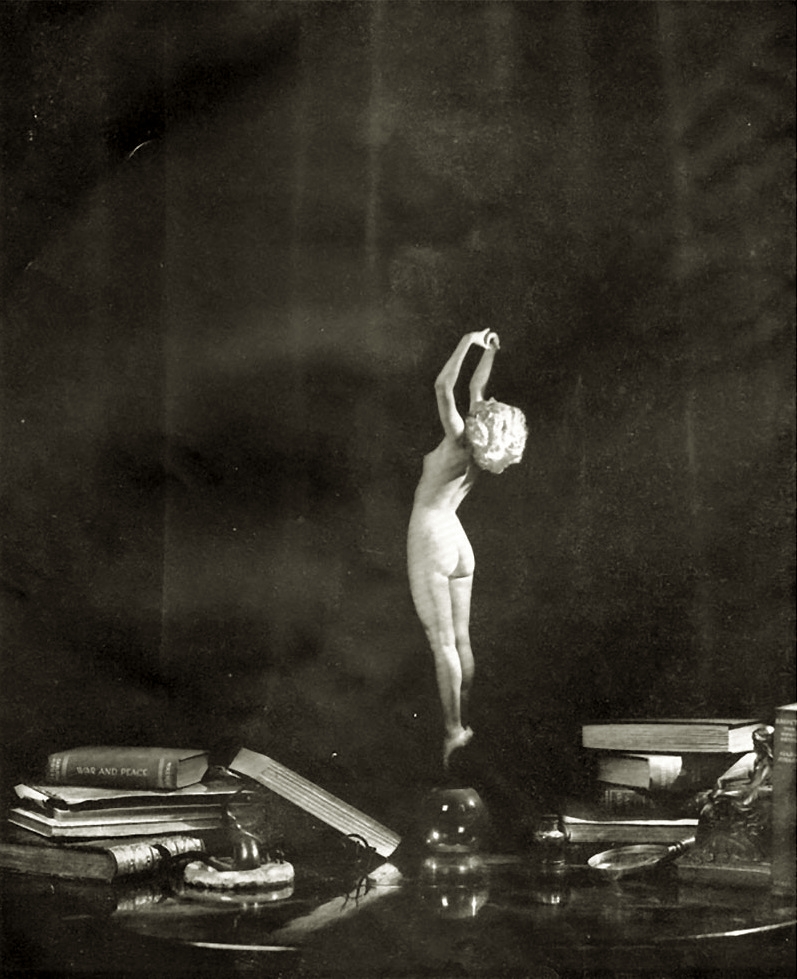
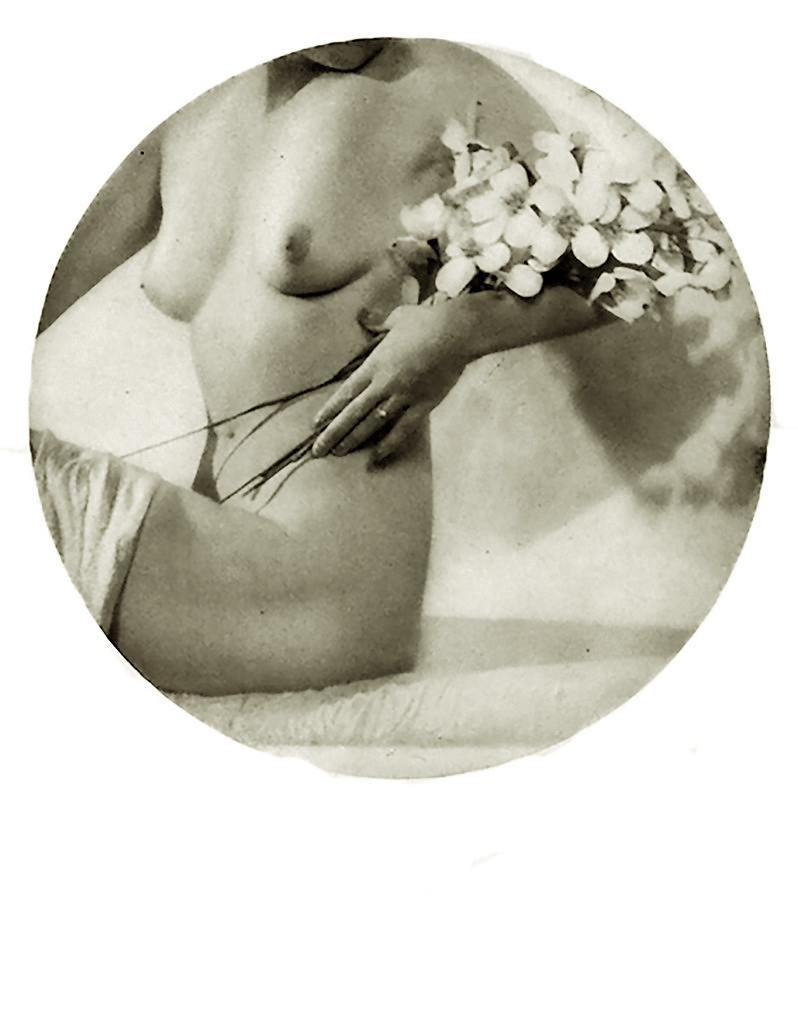
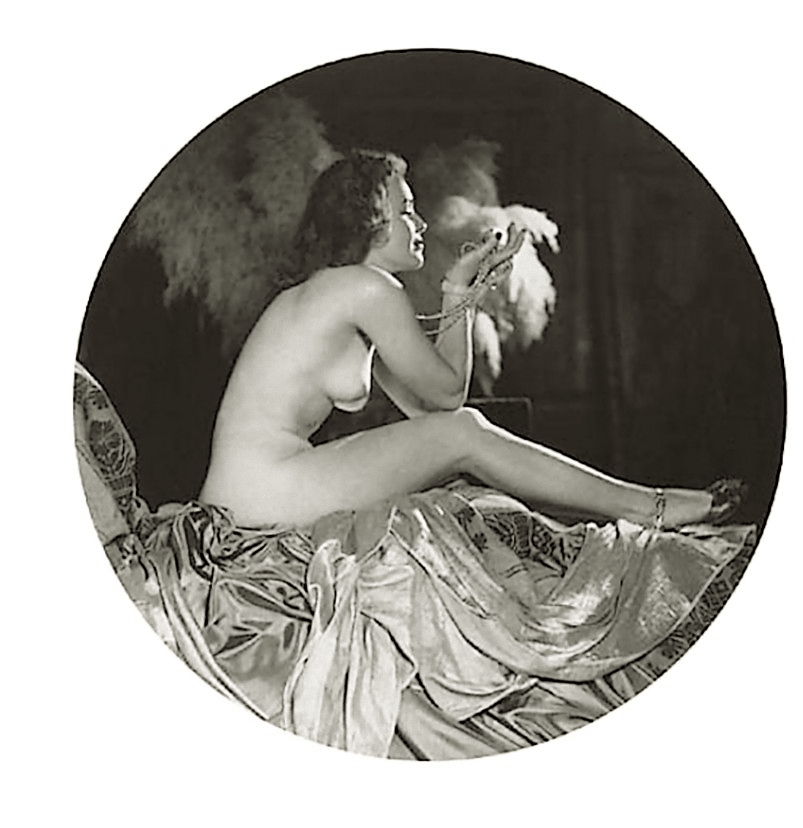
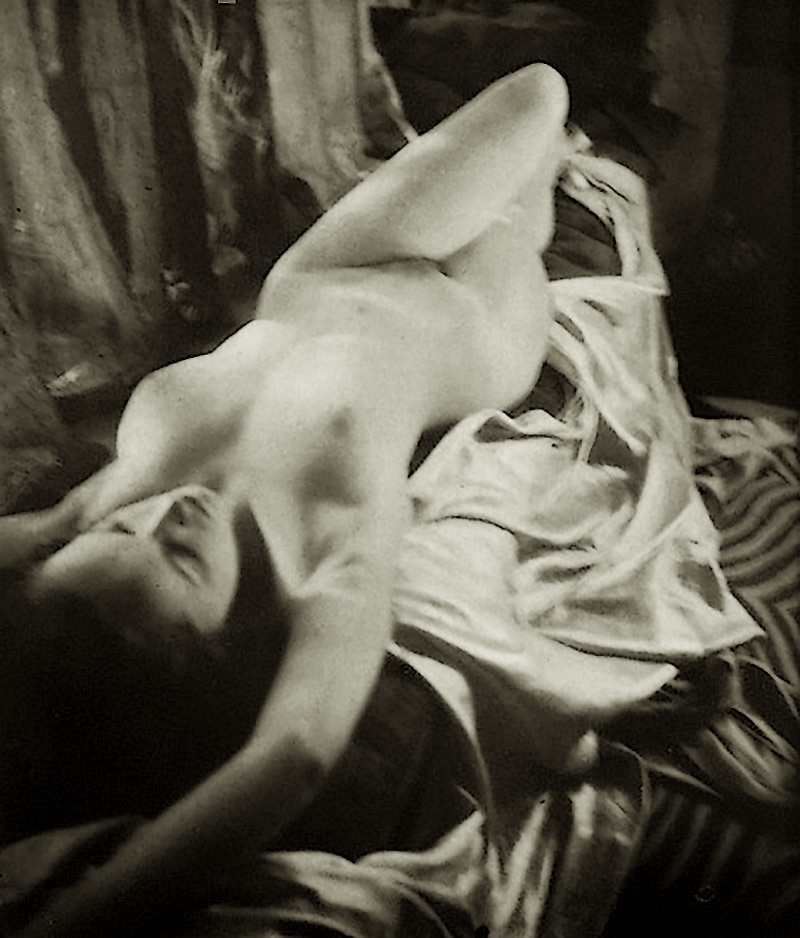
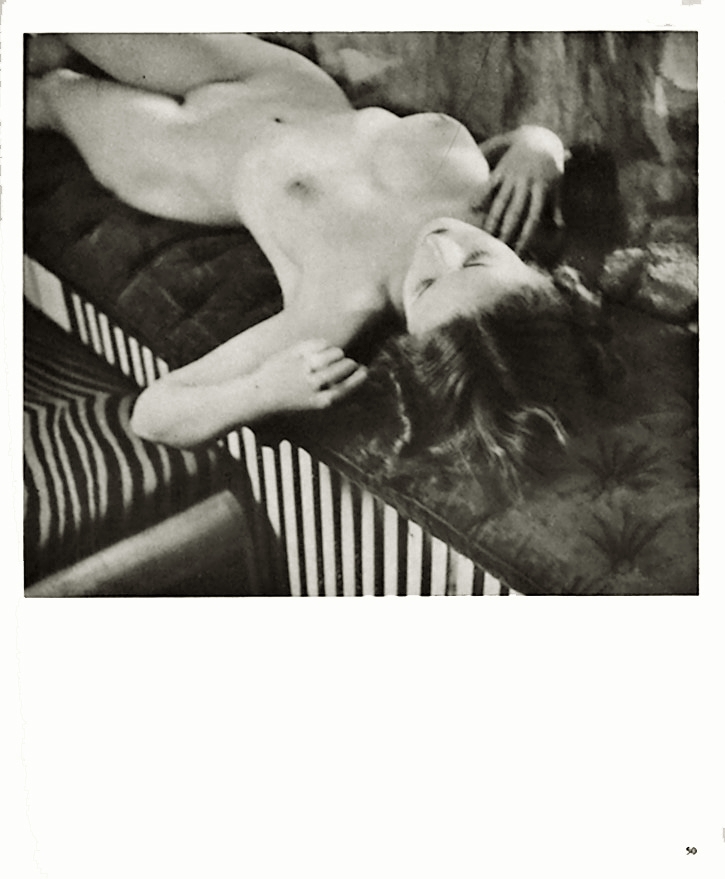
Alfred Cheney Johnston – Enchanting Beauty, 1937 est un livre réunissant un très grands nombres des travaux de Johnston sur le nu (en dehors des Ziegfeld girls). Elles sont toutes datées de 1937, (date de parution du livre), mais elles ont étaient prisent entre les années 1920 et 1937. Un exemplaire a été offert au superbe site , Historical Ziegfeld . Malheureusement le livre offert par AJC au group Historical est taché ( probablement un verre renversé sur le livre) sur toutes les pages comme Ici, ce qui gâche vraiment les photos. Pourtant il comporte de très rares photographies de la danseuse Tilly Loch, ( 7 ou 8), nue, ce qui est extrêmement rare. Possédant un exemplaire je vous le propose aujourd’hui.
J’ai alterné planche entière du livre avec no de page et photo afin que l’on se rende compte de l’agencement , l’encadrement et du format réel des photographies. la teinte est sepia un peu jaunie par le temps.. je n’ai pas mis toutes les photos, il y en a trois fois plus… Je ne les poste pas dans l’ordre du livre, et je vois en les téléchargeant que je n’ai pas noté toutes les pages, je m’en excuse.
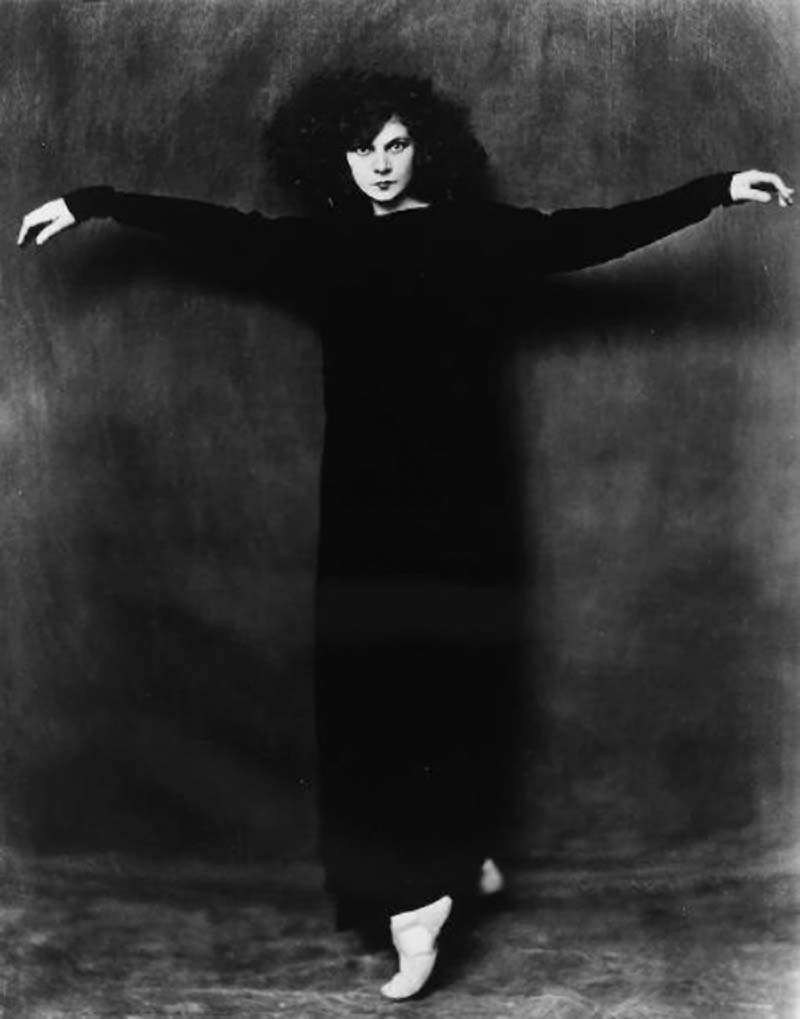
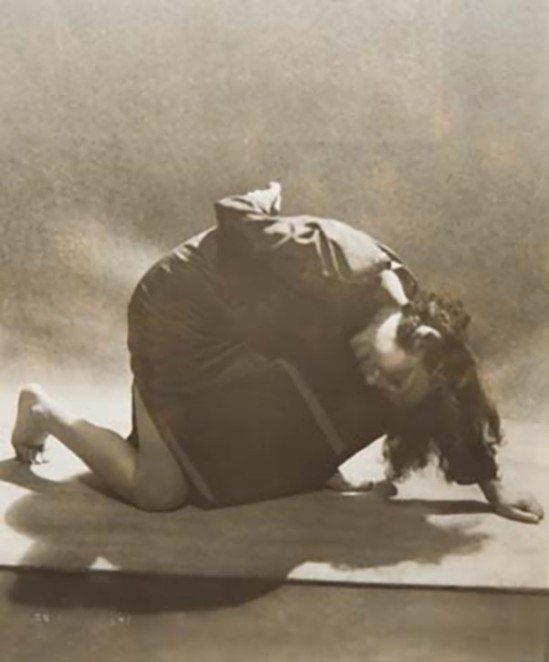
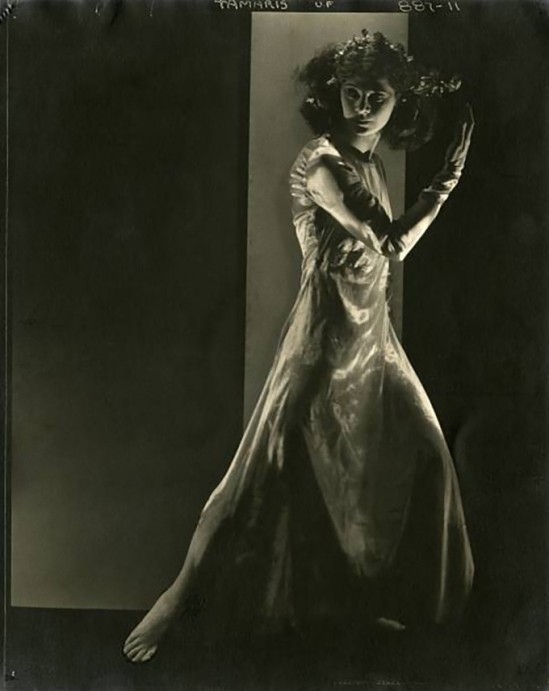
The dancer Helen Tamiris

Edward Steichen- The dancer Helen Tamiris with long, wild hair, wearing a long floral print dress, published in Vanity Fair, 1930

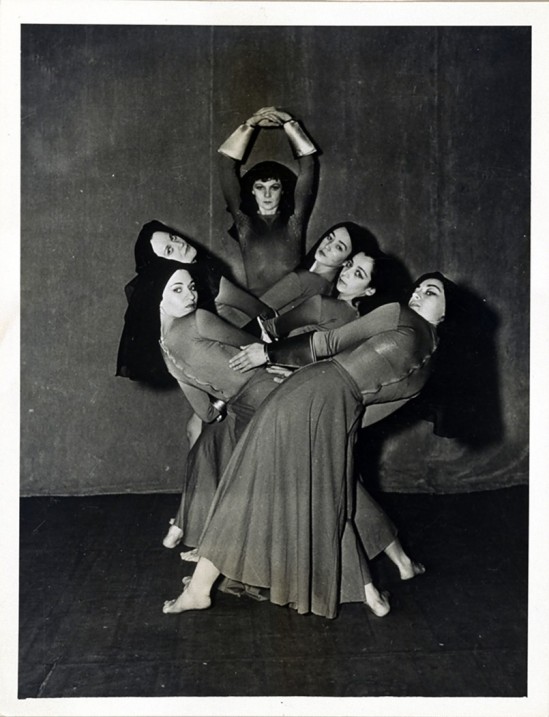
Helen Tamiris (center), Augusta Gassner, Dvo Seron, Ailes Gilmour, Marion Appell, and Lulu Morris in Tamiris’s How Long Brethren. Federal Theatre Project Collection, Music Division, Library of Congress

Helen Tamiris Salut Au Monde by Thomas Bonchard

Helen Tamiris With Cymbals by Doris Ulman

Helen Tamiris Halcyon Days Walt Whitman Suite 1933 by Alfredo Valente

Helen Tamiris Sycophantes 1935
Protégé : Pécsi József (1889 – 1956)
Kitty Hoffman ( wien) Portrait of dancer Claire Bauroff

Kitty Hoffman ( wien) Portrait of dancer Claire Bauroff as she poses, topless and with a spear, in a scene from a ‘Roman Gladiator’ tableau vivant, Vienna, Austria, 1934.
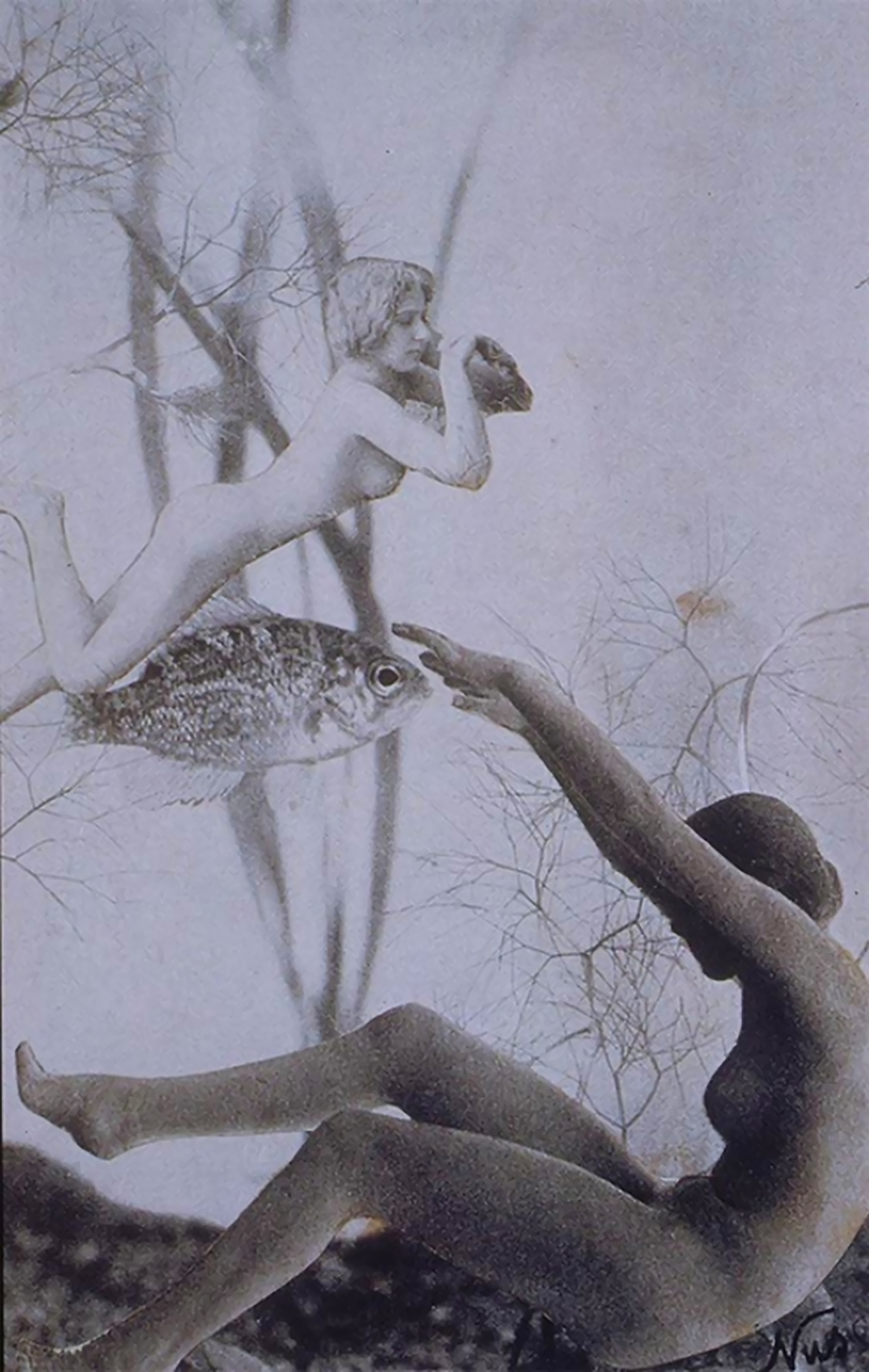
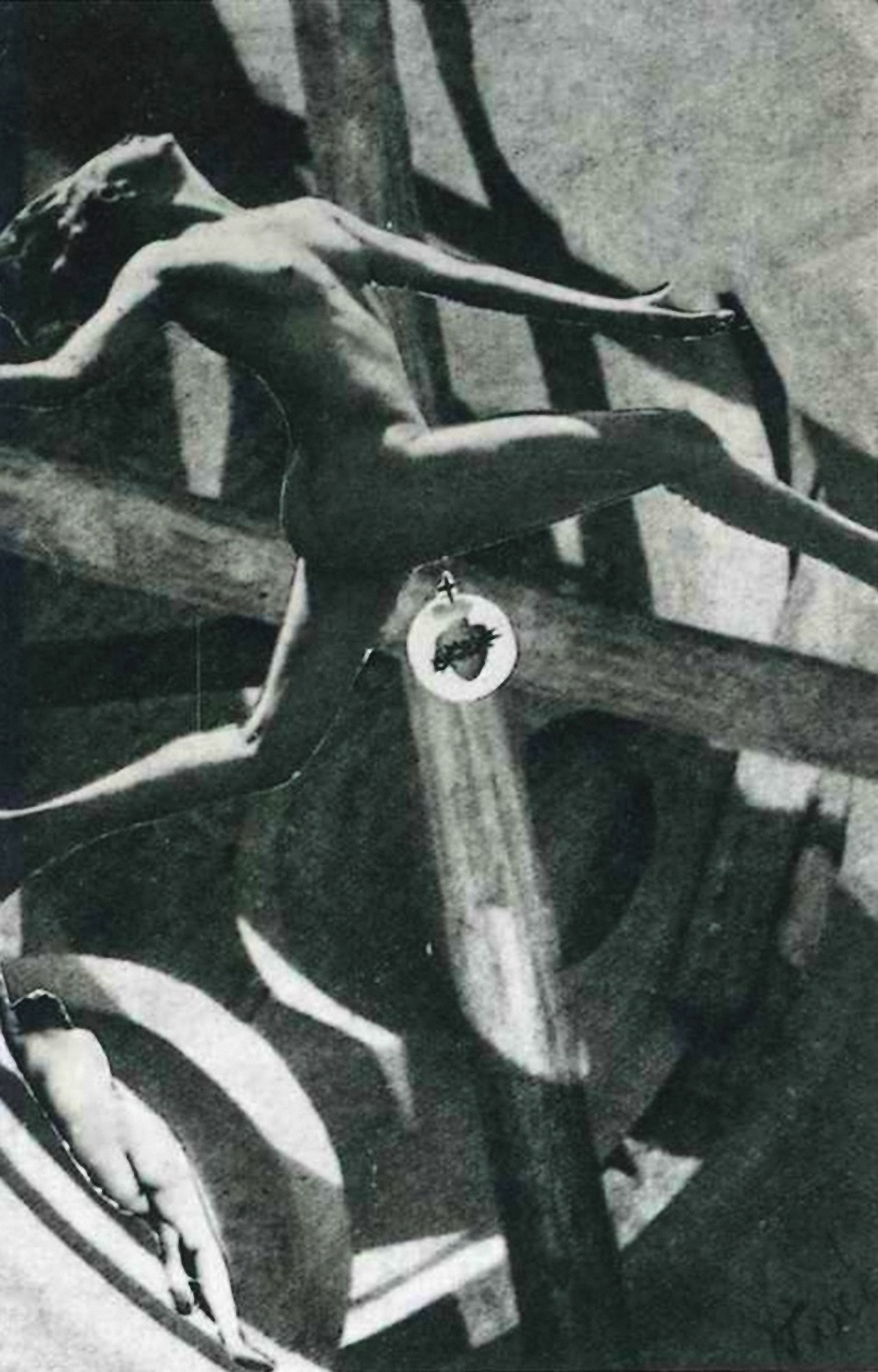
Nusch Eluard- Collages Collection of Timothy Baum, New York.
« C’est l’expert américain du surréalisme Timothy Baum qui a découvert la supercherie : 6 collages référencés par les ayants droits du poète Paul Eluard avaient été attribués au poète. Or Timothy Baum dans les années 70 achète dans une vente aux enchères trois de ces collages. Et là, après les avoir examinés à la loupe, il découvre la signature de Nusch. Il prévient aussitôt les éditions Gallimard et tous les experts du surréalisme pour signaler sa découverte. Obsédé par sa découverte géniale, il met la main sur 3 autres collages signés Nusch. Ainsi met-il à jour la petite oeuvre d’une artiste éphémère, Nusch Eluard.
Les Collages de Nusch Eluard datent de 1937. ( mais sont souvent datés des années précédentes car tout d’abord attribués à Paul Eluard , variant de 1930 à 1936). Nusch est alors dépressive. Eluard s’en inquiète auprès des amis. Nusch sollicite l’aide d’un médecin qui lui conseille d’écrire… Impossible, lui dit-elle, son mari est poète. C’est à lui que revient le talent de l’écriture. Elle n’avoue sans doute pas que l’écriture n’est pas pour elle un exercice facile. Elle commet de nombreuses fautes d’orthographe. Nusch est d’origine allemande et n’a guère fréquenté l’école. C’est Picasso, son confident qui va la guider vers le collage. Le collage est une technique artistique très appréciée par les Surréalistes et Eluard adore çà. Il en achète et il en produit lui-même. Avec Georges Hugnet, maitre incontesté du collage surréaliste, et ami intime du couple, Nusch est à « bonne école ».
Les Collages de Nusch constituent une oeuvre, composée en quelques jours, achevée, mais jamais poursuivie par l’artiste comme si la création des 5 collages avait fait oeuvre de thérapie, ce que recherchait la jolie Nusch. » C. Vieuille Pour Ed° Arte Littera.
[ Rappel pour voir les photos en taille optimale les ouvrir dans un autre onglet ou page, sinon elles restent formatée à 549 pixels…]

Nusch Eluard- Bois des Iles, Precious woods, Photo-collage c. 1937 Collection of Timothy Baum, New York.

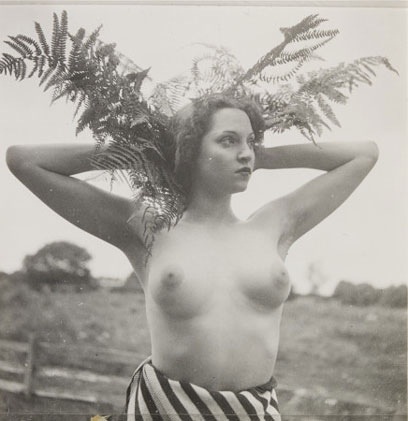
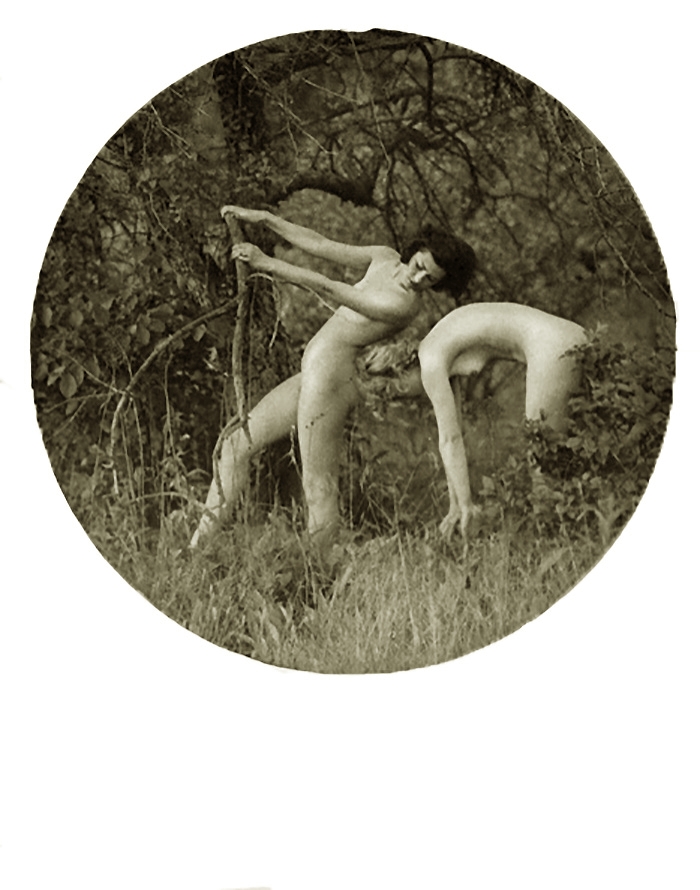
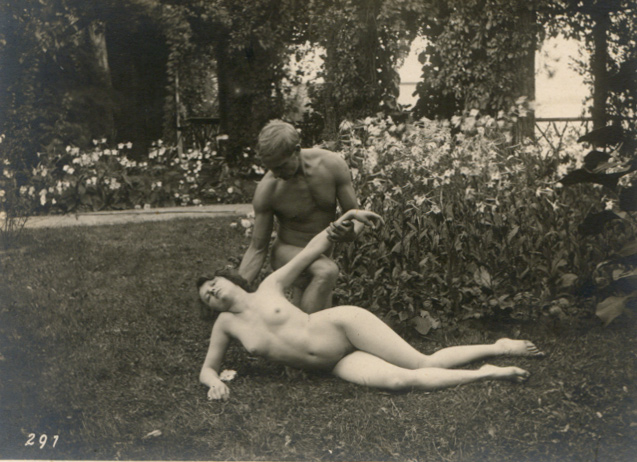
Support pour collage Nusch Éluard – Unknown- Theatical outdoor nude, pose, 1925s, Germany
Vous pouvez vous les procurer Ici sous format Pdf, ou dans un livre avec d’autres collages de surréalistes de grand nom
Hans Robertson ( 1883-1978)
“When Lotte Jacobi’s photos were exhibited together for the first time four years ago, reviewers were dazzled by how many of Weimar Germany’s glittering jewels—from Käthe Kollowitz to Martin Buber to the famously vampy Lotte Lenya—had been captured by her lens. She seemed to have single-handedly taken on the task of portraying the immense artistic, psychological, and political fervor of those tumultuous years, which seemed fragile even at the time—an ambitious task for any one photographer, even one as hungry as Jacobi. But her atelier was, in fact, one of 400 in Berlin, and she was just one of the many—mainly Jewish—photographers feverishly recording the dancers, writers, and actors that made this doomed moment in German history so extraordinary. Another photographer who clicked away at an incredible rate and with singular results was Hans Robertson.
To say that an artist has been forgotten is to imply that he was well known in his time. Robertson’s name—like that of Jacobi and most other commercial photographers—was not familiar outside the circle of performers who were his subjects and magazine editors who used his services. But from the evidence of only a fraction of his prolific output, discovered almost by accident and now on display at the Berlinische Galerie in Berlin, his work deserves attention.
Robertson’s specialty was expressionist dance. And expressionist dance was huge in 1920s Germany: the avant-garde innovations that had taken place at the turn of the century in everything from painting to fiction became popularized, and dance was transformed from an aesthetic exercise into an attempt to translate the inner life into movement. The gestures of this modern dance were primitive, dramatic, almost ritualistic, with a fetishistic focus on the human body. Mary Wigman, one of its main innovators, slid across the floor on her knees, eyes closed, fists clenched, performing her Witch Dance. Her school in Dresden became a center of this Ausdruckstanz, producing world-renowned modern dancers like Harald Kreutzberg and Yvonne Georgi.
They all posed for Robertson. His studio on bustling Kurfürstendamm—a boulevard that was both the Fifth Avenue and the 42nd Street of Berlin—saw a steady stream of business in the late 1920s and early ’30s. But the commercial aspect of these photos, which were in demand by popular illustrated journals like the Berliner Illustrierte Zeitung, is less important than the artistic vision that guided their creation. Robertson was trying to use his camera in much the same way the dancers he photographed were using their bodies. From the creative way he manipulated light to his innovative use of multiple exposures, he wanted to capture more than just straightforward ornamental shots of the dancers. He was trying to convey their new art form on its own terms.
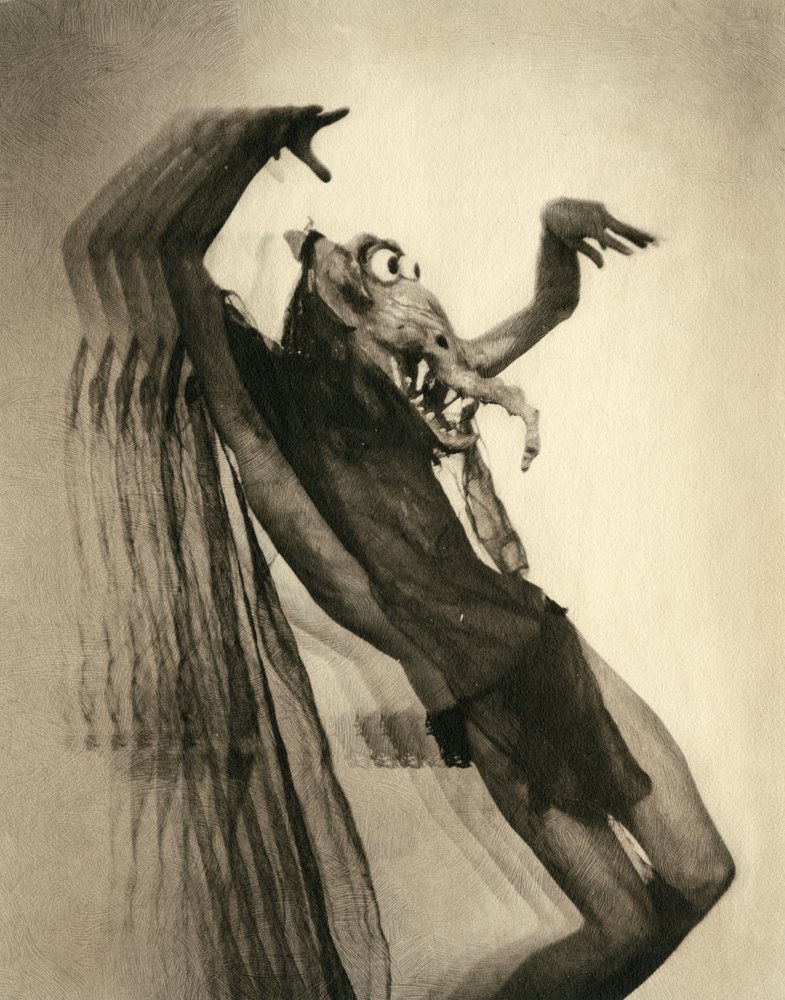
This is clear in the photographs. The series called “Leaps,” of Gret Palucca, a favorite muse of expressionist painters and the Bauhaus crowd, catches Palucca in mid-air, limbs splayed. Only part of her body is in focus—the ability to photograph sudden movement was itself a recent technological advancement. In one image her naked torso is twisted, in another her back arched. Then there are the soulful photos of Jo Mihaly, performing her one-woman piece, “Mütter.” She stands in front of a black screen wearing a black turtleneck, her pale, emotive face almost floating in the frame and illuminated from above by a single beam of light. On the more abstract end are Robertson’s photos of Harald Kreutzberg performing his “Lunatic Figures.” Robertson overlays three different exposures of the famously shaved headed dancer, capturing the various expressions of madness Kreutzberg is embodying. Even in Robertson’s more straightforward photo of Kreutzberg as a lunatic, holding a flower and posed loose as a marionette puppet, he captures the dancer as a depersonalized body, a trope of Expressionism that would later inspire, among other post-war dance forms, Japanese Butoh.
Of Robertson’s biography, says the curator of the Berlinische Gallerie show, Thomas Friedrich, “there are more questions then answers.” He was born in Hamburg in 1883. After studying engineering—a profession that inspired a few early photos of construction sites and workers—he changed course and headed to St. Mortiz where he apprenticed for the Swiss landscape photographer Albert Steiner. At 28, Robertson’s first photo spread—a pictorial tour through Holland—appeared in Photographische Rundschau. But his photo career would have to wait until 1918, when he arrived in Berlin. There he joined Lili Baruch—one of the disproportionately high number of Jewish women then making her living with a Leica—who set up the studio on Kurfürstendamm, specializing in dance photography, which Robertson took over in 1928.
To produce the thousands of photos he printed over the next five years, Robertson most likely worked long days and weekends. In addition to dance photography, he shot a wide range of portraits of many of the era’s personalities, from the famous—a nude profile of the boxer Max Schmelling—to the forgottn, such as a close up of the publisher Irmgard Klepenheuer, gazing intently at the camera, a cigarette between her fingers.
In 1933, following Hitler’s appointment as chancellor and the subsequent boycott of Jewish businesses, Robertson had an inkling of what was to come. He handed over the studio to his apprentice, Siegfried Enkelmann. One of the few documents Friedrich, the curator, has been able to uncover is a contract signed by Robertson that makes the transfer final, and describes Enkelmann as “reliable.” And he was. The protégé survived the war and continued photographing dancers (including Mary Wigman) until his death in 1978.
Robertson and his coquettishly beautiful wife, the actress and dancer Inger Vera Kyserlinden (born Levin), escaped to her native Denmark. While the avant-garde movement had been taking place in Berlin, Paris, and Prague, most photographers in Copenhagen were stuck in the pictorial style of the 1910s. As a result, in 1963 Robertson established the first modern photography school in Denmark. But eight years later, just before Hitler began deporting Danish Jews, the Robertsons were forced into exile again, this time fleeing to Stockholm. They returned in May of 1945 and Robertson died just five years later at the age of 67. Thousands of his photographs were turned over to the Royal Library of Denmark following his wife’s death in 1969.
Over time, Robertson was reduced to little more than a footnote. And not just proverbially: It was literally in a footnote in 1992 that Friedrich—a charming, slightly disheveled curator who thrives on the detective work involved in resurrecting dead photos and their makers— discovered his name. He was intrigued, but it took another 14 years (after encountering Hans Robertson’s name in another context) for Friedrich to finally take a trip to Copenhagen to peruse the archive at the Royal Library. What he found there astounded him. Not only did Robertson’s photos offer the most comprehensive catalogue of Weimar dance, but his work was also that of an artist with a unique style and vision. Friedrich still marvels that Robertson’s photos manage to look so distinct from one another, even though they were all taken in the same studio.
The building that housed that studio, on Kurfürstendamm, no longer exists. Like it did in much of Berlin, new construction in the 1950s erased what was before. Now two pharmacies, a clothing store, and a nondescript café look out from the ground floor. There is no trace of the glamour and wild experimentation that was once captured there in pictures. But Hans Robertson himself might yet have an afterlife: Friedrich, it seems, is planning a large retrospective for 2011.” BY Deborah Kolben and Gal Beckerman [ freelance writers living in Berlin.]

Hans Robertson – Le Bain, 1933

Hans Robertson – Alfred Jackson Girls in Wintergarten, Berlin, 1922

Hans Robertson- Expressionist dance dancer unknown, Berlin,1920, (From documented the Weimer era dance scene in the 20′s)

Hans Robertson -The dancer Harald Kreutzberg in Irre Gestalten, Berlin, 1928

Hans Robertson- Unknown Dancer, Berlin, 1920′s

Hans Robertson -Little Viola, 1920′s

Hans Robertson -Zwaniger Jahre Atelier“Lili Baruch”, Berlin,1927

Hans Robertson The famous Weimar dancer Elizabeth Bergner, 1930

Hans Robertson- Lydia Wieser, nd ( probably 1920′s)
Hans Robertson- Gret Palucca, Berlin, 1930

Hans Robertson- Gret Palucca, 1920s
Soichi Sunami-The dancer Helen Tamiris
Helen Tamiris was a pioneer of American modern dance.
American choreographer, modern dancer, and teacher, one of the first to make use of jazz, African American spirituals, and social-protest themes in her work.
« Helen Tamiris (1903-1966), a founder of modern dance in the 1920s and 1930s, always kept a foot firmly planted in the commercial theater. She was trained in ballet at the Metropolitan Opera and by Michel Fokine, as well as in natural dancing at New York’s Isadora Duncan Studio. Her early career combined a soloist position in the Bracale Opera Company with appearances in nightclub and Broadway revues. Yet her first recital in 1927 demonstrated a personal expression of abstract movement and frank social analysis. A year later she adopted the Negro spiritual as a métier for life as conflict. Politically active, Tamiris helped to lead development of the Dance Repertory Theatre and dance initiatives under the Works Progress Administration Federal Art Project. She founded and chaired the American Dance Association and helped to set up the Federal Dance Project. Following World War II, she turned to Broadway to attract large audiences for a modern dance aesthetic that aspired to shape consciousness of the people. Tamiris choreographed eighteen musicals between 1943-1957, artfully integrating dance into such productions as Up in Central Park, Annie Get Your Gun, and Fanny. She taught movement to dancers and actors and formed the Tamiris-Nagrin Dance Workshop in 1957 with Daniel Nagrin, who was her husband at the time. » Helen Tamiris, an essay by Elizabeth McPherson.

Soichi Sunami– The dancer Helen Tamiris , 1930’s {from the Dance Division, New York Public Library for the Performing Arts, Astor, Lenox, and Tilden Foundations}
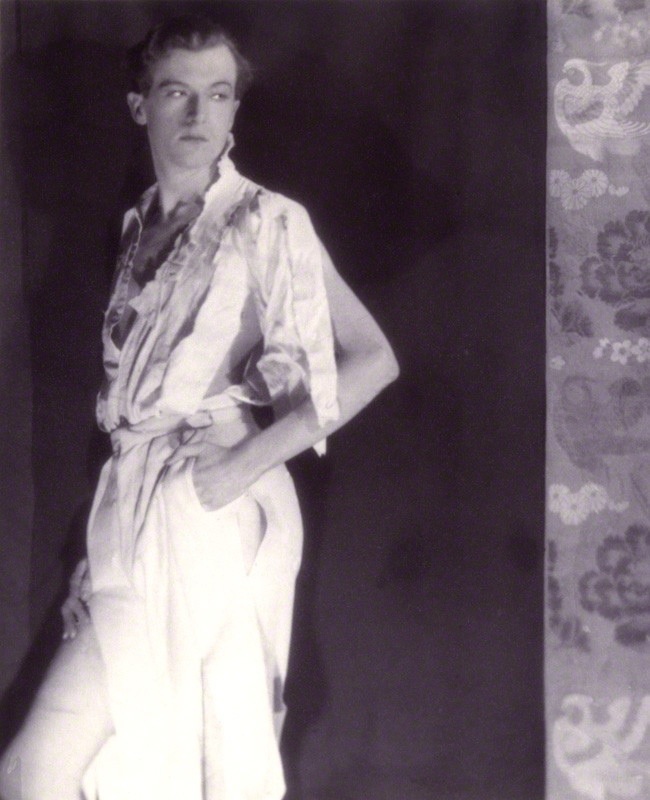
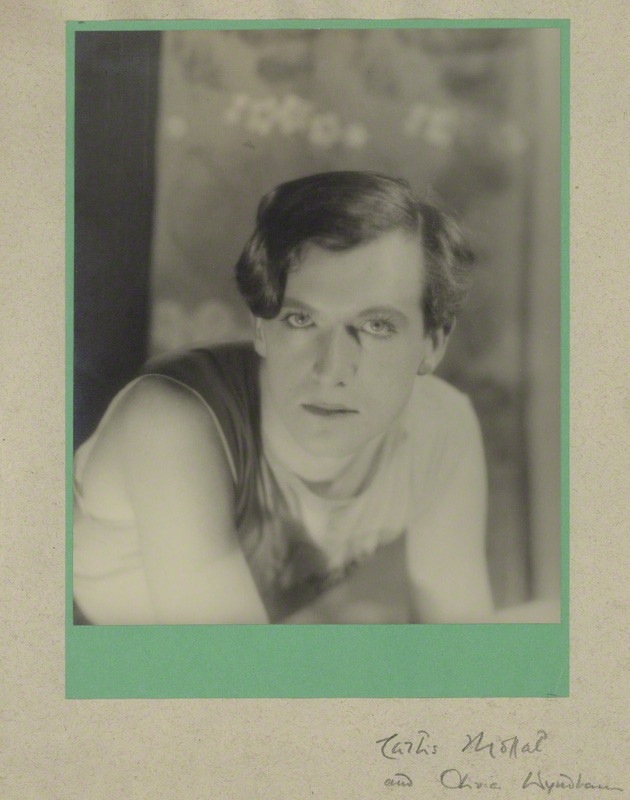
Curtis Moffat ( American 1887-1949)
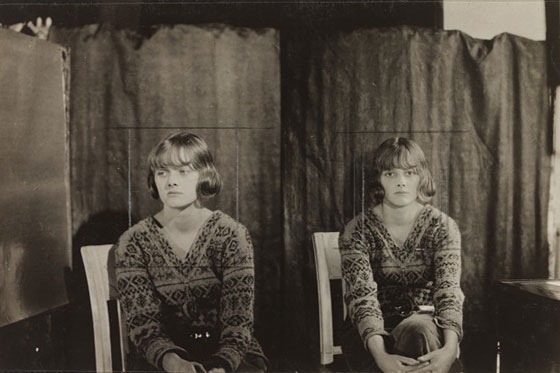
Edwin Curtis Moffat (11 Octobre 1887 – 1949), mieux connu sous le nom Curtis Moffat, était un photographe , mais aussi un peintre et architecte d’intérieur moderne. originaire de New York. Moffat a étudié la peinture à New York et à Paris avant d’exposer son travail à New York pendant la Première Guerre mondiale.Il a épousé l’actrice et poète Iris Arbre, et le couple s’installe à Londres après la guerre.
Parmi les nombreuses influences artistiques surréalistes, a eu une relation très étroite avec Man Ray, avec qui il a collaboré à Paris échanger des idées, des styles et des installations. Outre sa collaboration avec Man Ray, il fût également très proche de Cecil Beaton avec qui il a travaillé à de nombreuses reprises tout au long de sa carrière.
Il a ouvert un studio de photographie à Londres en 1925( date à laquelle a été publié dans une édition de 20 exemplaires par Factum Art des célèbres portraits de Nancy Cunard, écrivaine) .
Quatre ans plus tard, il a ouvert une salle d’exposition de design d’intérieur et une galerie, affichant un mélange de mobilier moderne tribales, antique et africains. Sa maison est devenue un salon populaire pour les artistes, les intellectuels et les gourmands.
Il est revenu à l’Amérique en 1939 avec sa seconde épouse, de s’installer sur Vignoble Martha, où il a continué à peindre.
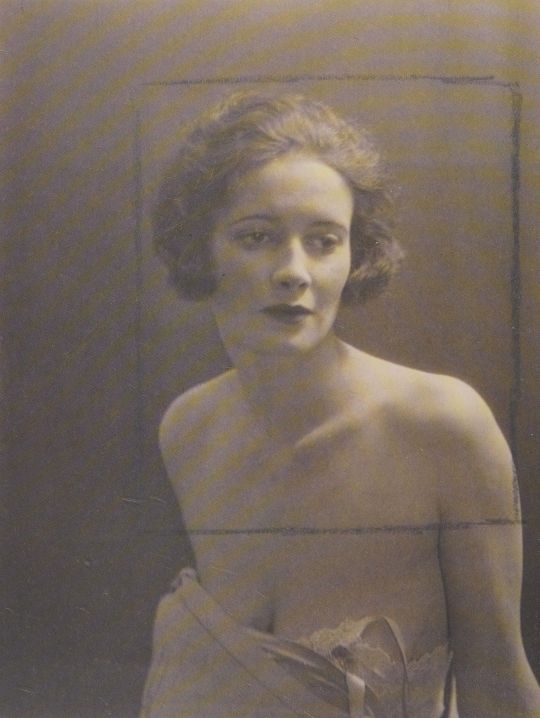
Curtis Moffat – Mrs Hamilton, 1925-1930
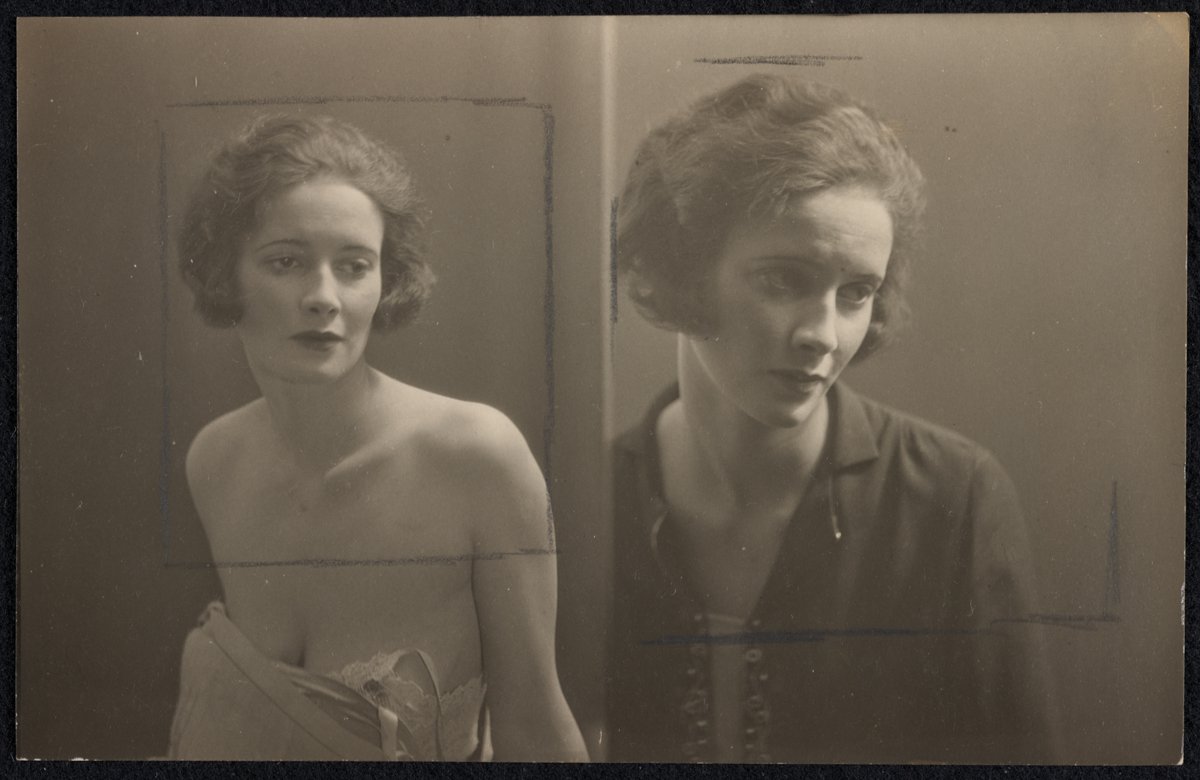
Curtis Moffat – Mrs Hamilton, 1925-1930

Curtis Moffat-‘Lady Diana Cooper’ (Viscountess Norwich), About 1925
© Victoria and Albert Museum, London/Estate of Curtis Moffat
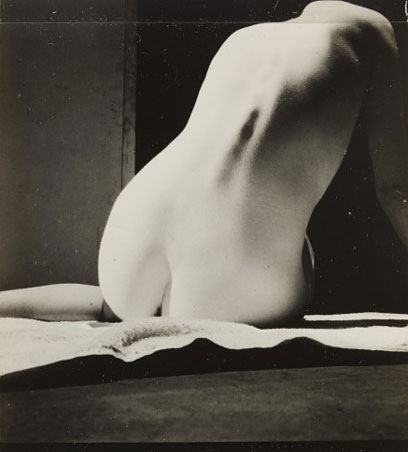
Curtis Moffat- ‘Lady Diana Cooper’ (Viscountess Norwich), About 1925
© Victoria and Albert Museum, London/Estate of Curtis Moffat
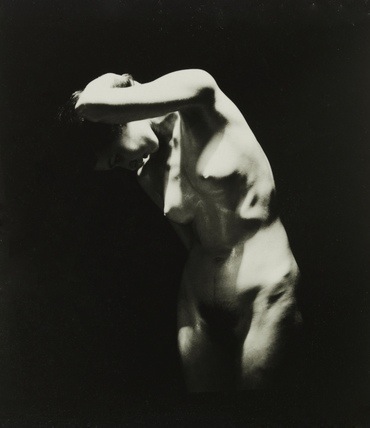
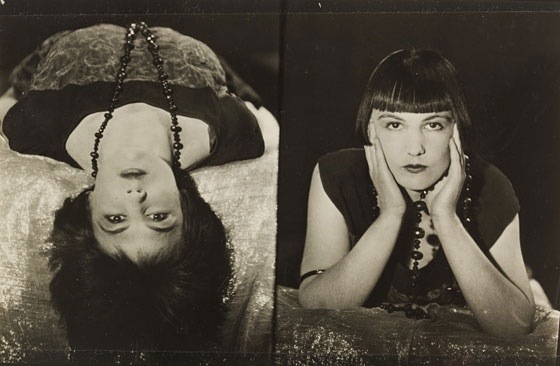
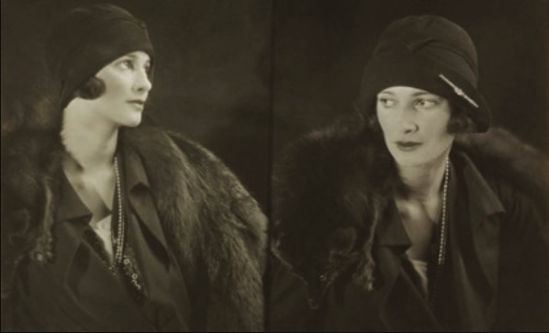
Curtis Moffat, ‘Nancy Cunard’, About 1925
© Victoria and Albert Museum, London/Estate of Curtis Moffat
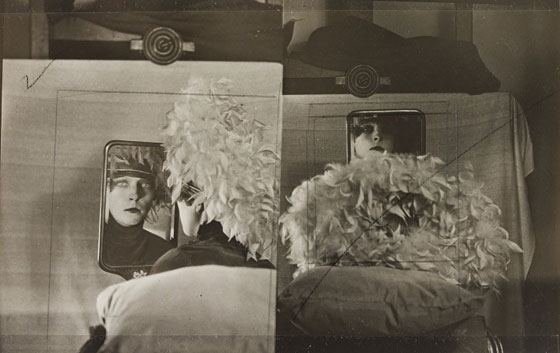
Curtis Moffat -Nancy Cunard (1898-1965), writer, diptych, London, UK, c.1925. © Curtis Moffat Victoria and Albert Museum

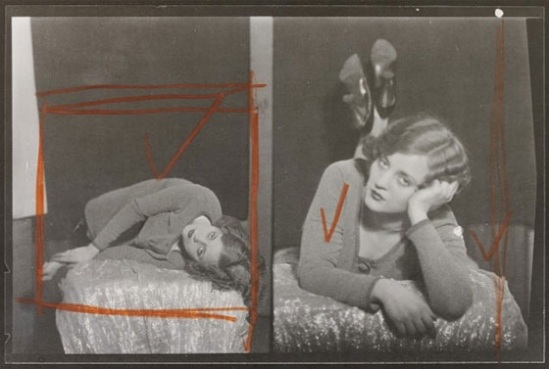
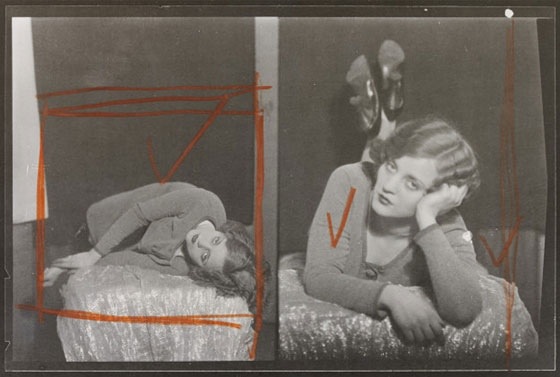
Curtis Moffat, ‘Tallulah Bankhead’, About 1925
© Victoria and Albert Museum, London/Estate of Curtis Moffat
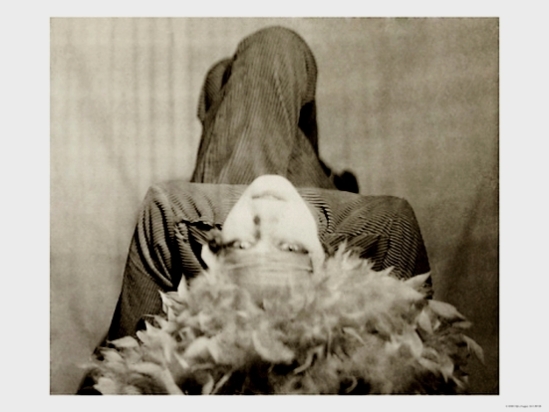
Curtis Moffat, ‘Daphne Du Maurier’, About 1925
© Victoria and Albert Museum, London/Estate of Curtis Moffat

Curtis Moffat, ‘Daphne Du Maurier’, About 1925
© Victoria and Albert Museum, London/Estate of Curtis Moffat

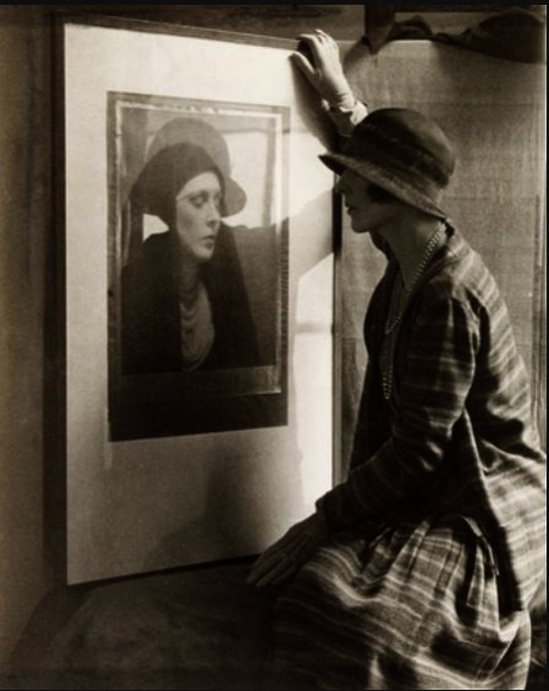
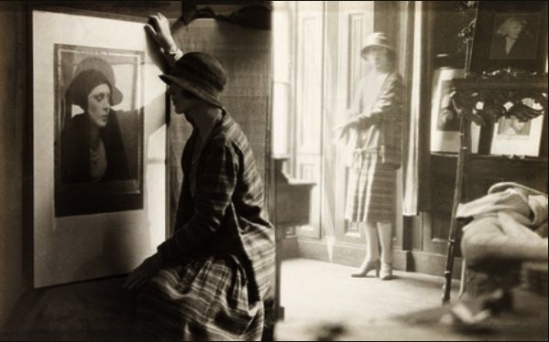
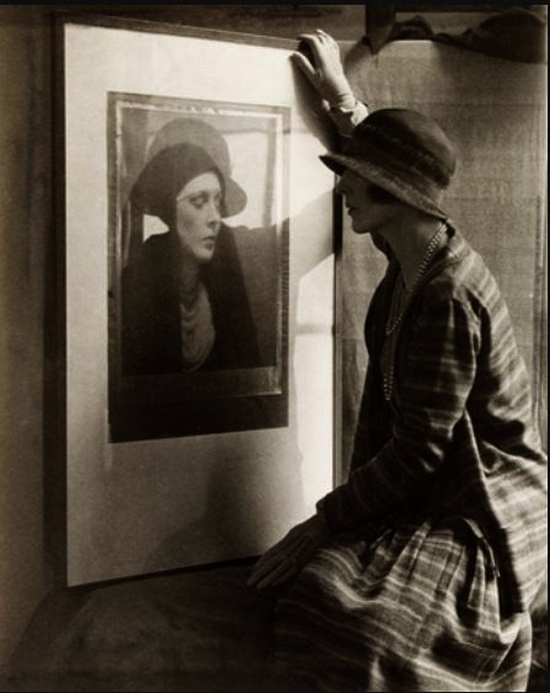
Curtis Moffat -Lady Diana Cooper devant un portrait de man Ray et dans l’atelier de Motaff, où l’on aperçoit le portrait d’Isis sa femme, 1925

Curtis Moffat, Portrait of a woman, About 1925 © Victoria and Albert Museum, London/Estate of Curtis Moffat

Curtis Moffat, ‘Tallulah Bankhead’, About 1925 © Victoria and Albert Museum, London/Estate of Curtis Moffat

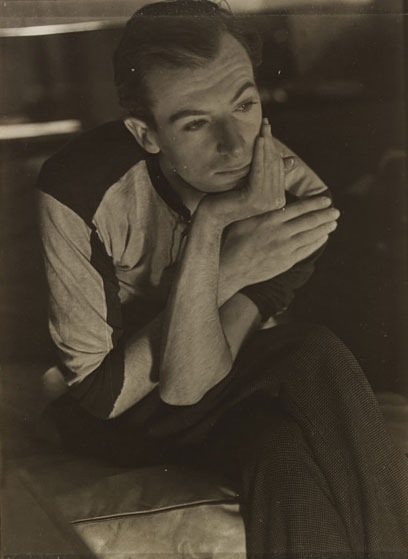
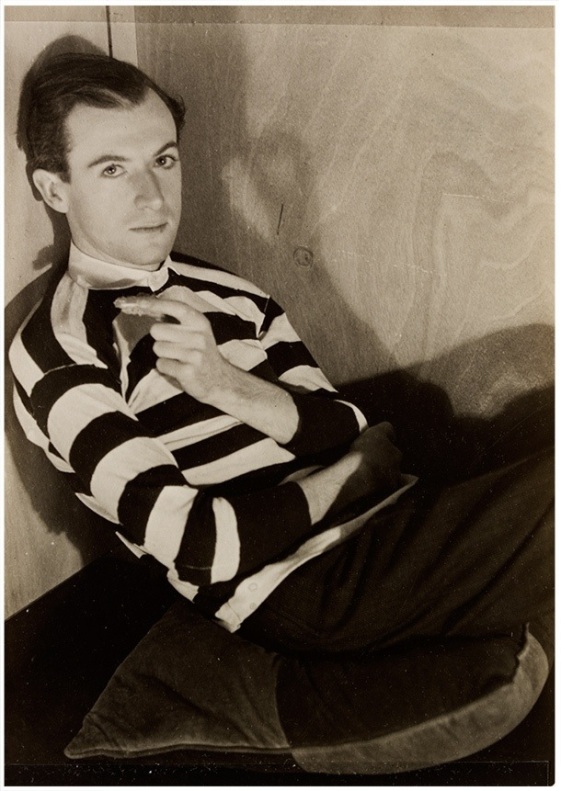
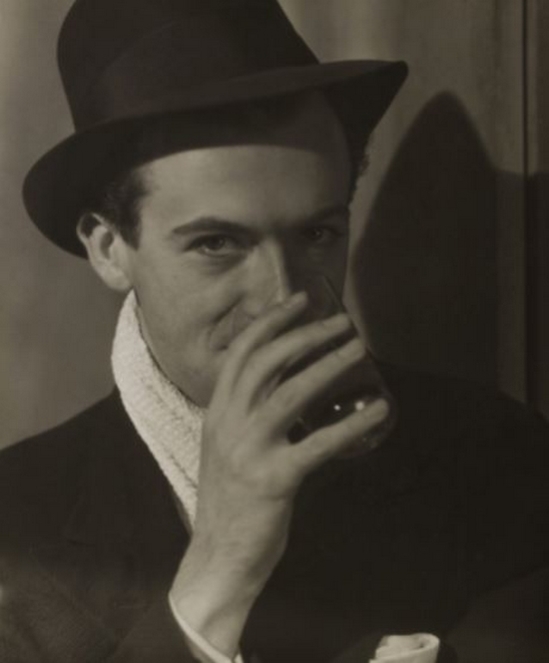
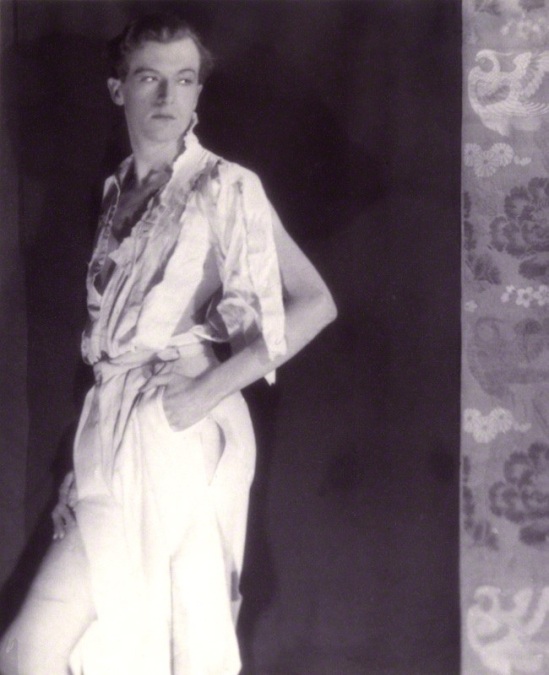
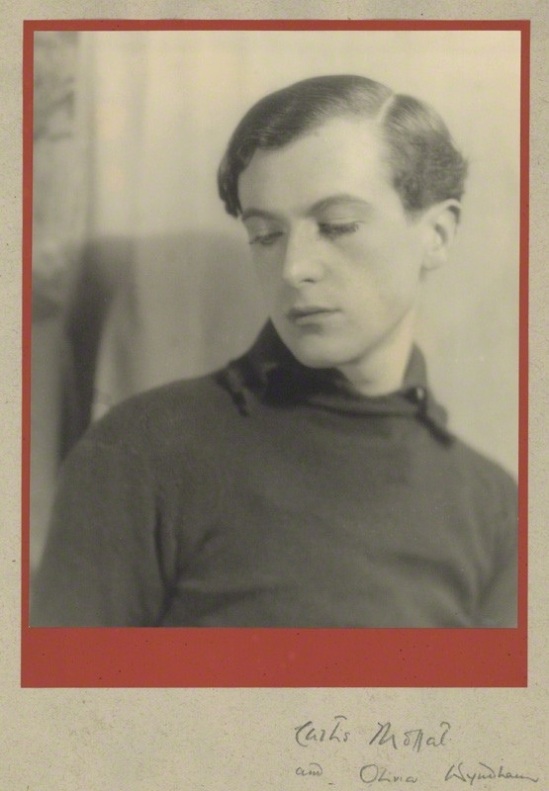
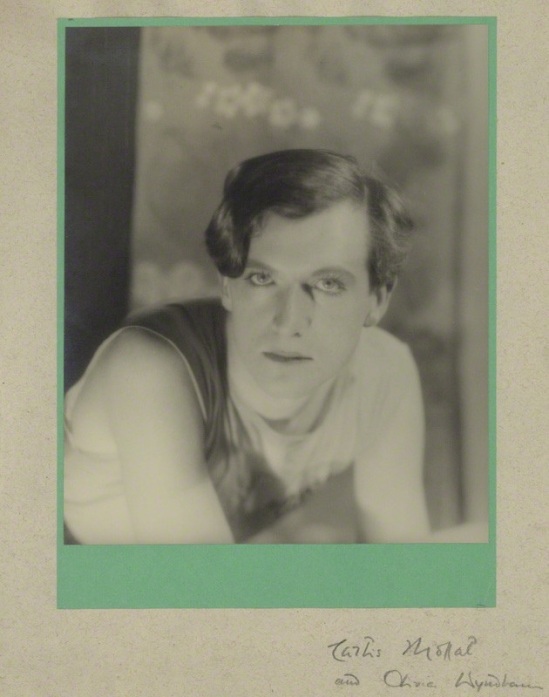
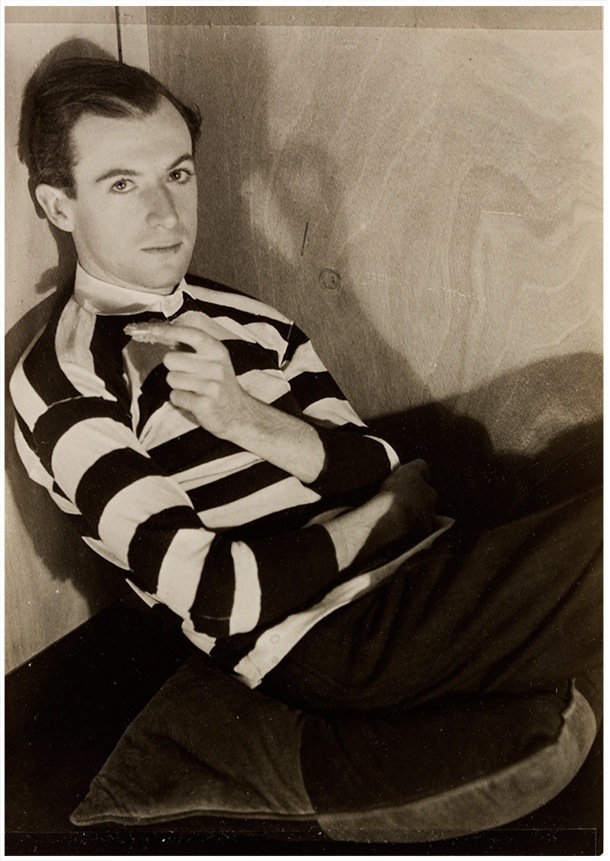
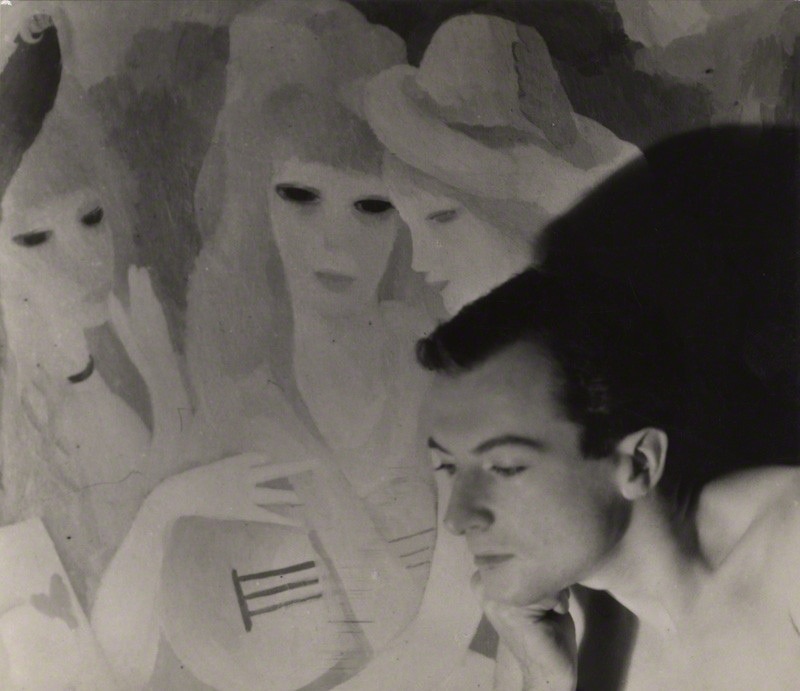
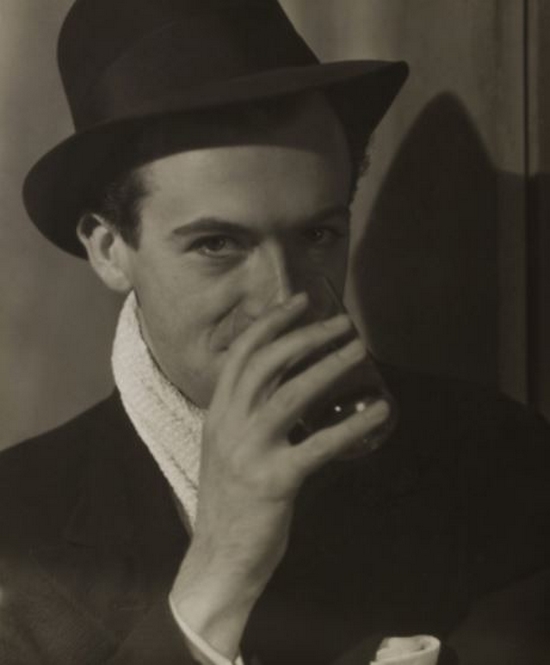
Curtis Moffat-‘Cecil Beaton’, About 1925
© Victoria and Albert Museum, London/Estate of Curtis Moffat

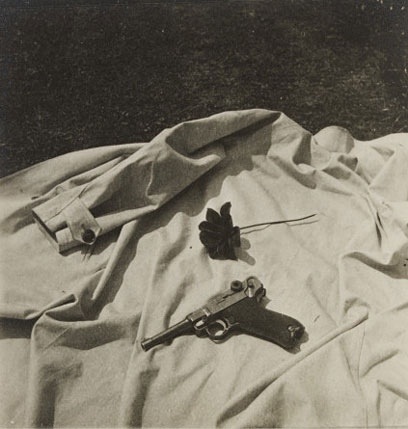
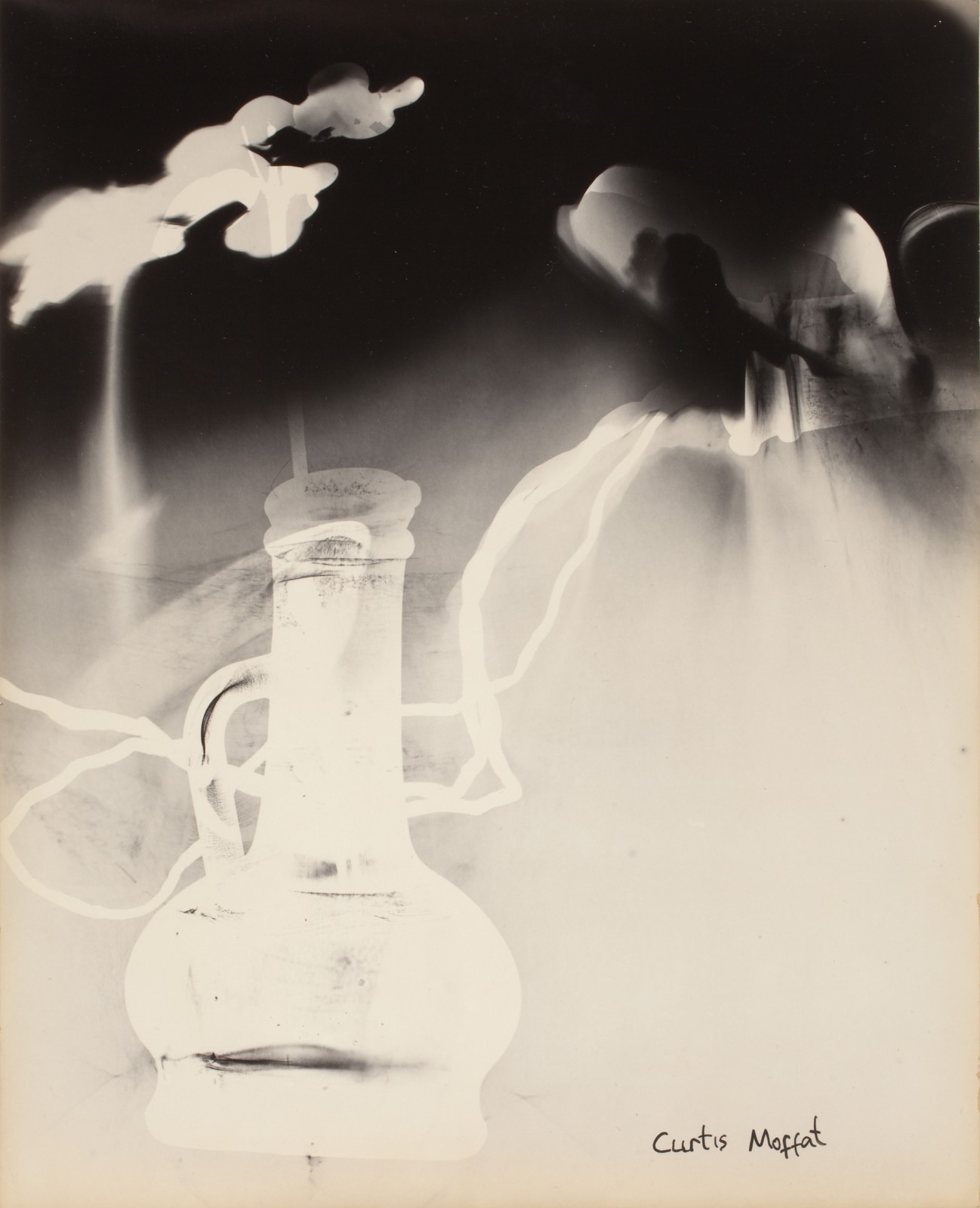
Curtis Moffat, ‘Still life’,About 1925-1930
© Victoria and Albert Museum, London/Estate of Curtis Moffat

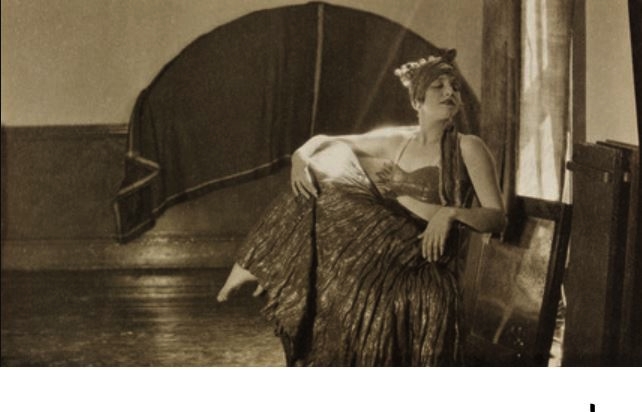
Curtis Moffat- a pair of acrobatic dancers of the Jazz Age,’Hoffman and Greville’,About 1925
© Victoria and Albert Museum, London/Estate of Curtis Moffat

Curtis Moffat- Ms Greville Gelatin silver print. London, UK, c.1925. © Curtis Moffat Victoria and Albert Museum
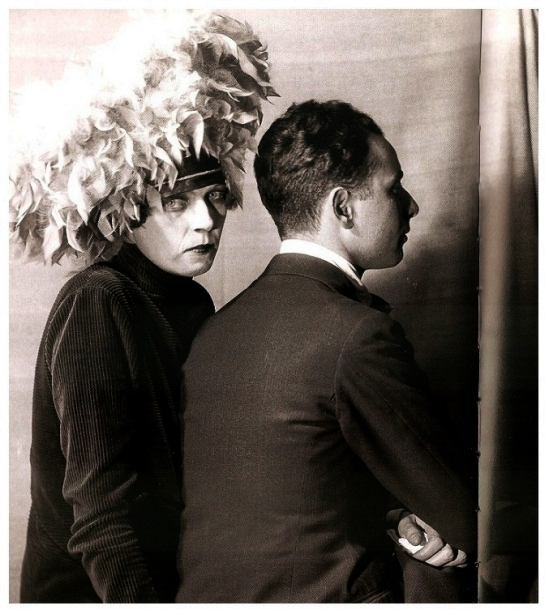
Curtis Moffat- Ms Greville Gelatin silver print. London, UK, c.1925. © Curtis Moffat Victoria and Albert Museum

Curtis Moffat- Ms Greville Gelatin silver print. London, UK, c.1925. © Curtis Moffat Victoria and Albert Museum
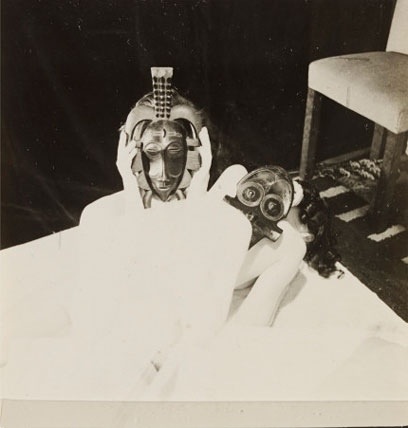
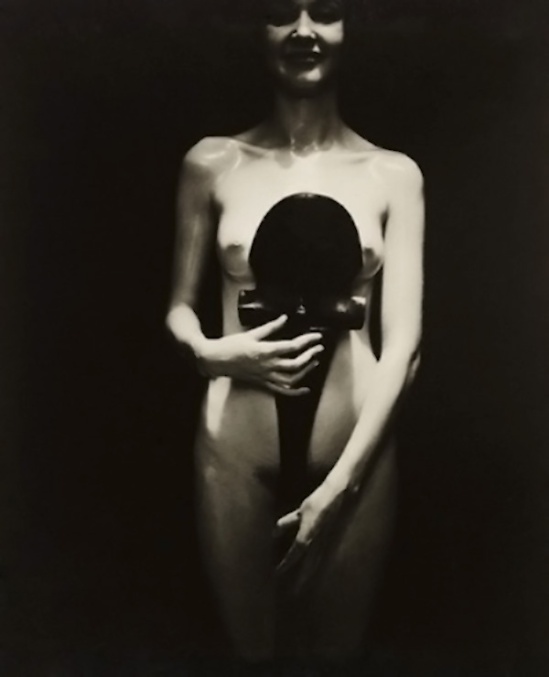
De nombreuses études de nus de Moffat comprennent une série de modèles féminins posant avec des masques africains. Bien qu’elles aient étées inspirées par les célèbres photographies « Noir et Blanche de Man Ray » (1926), l’intérêt pour l’Afrique et ses sculpture était aussi la dernière tendance avant-garde de cette période.

Curtis Moffat, ‘Nudes with African masks’, About 1930
© Victoria and Albert Museum, London/Estate of Curtis Moffat
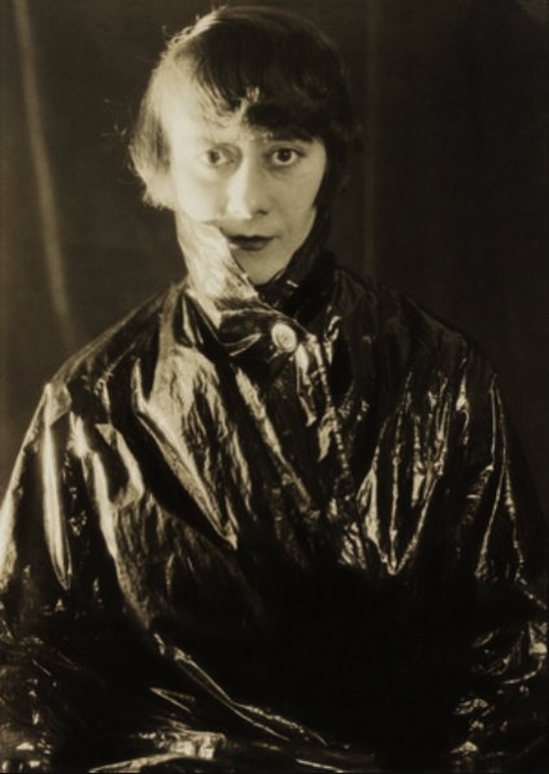
Curtis Moffat, ‘Nudes with African masks’, About 1930 © Victoria and Albert Museum, London /Estate of Curtis Moffat

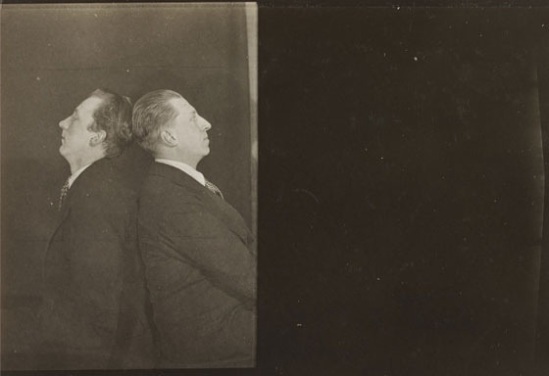
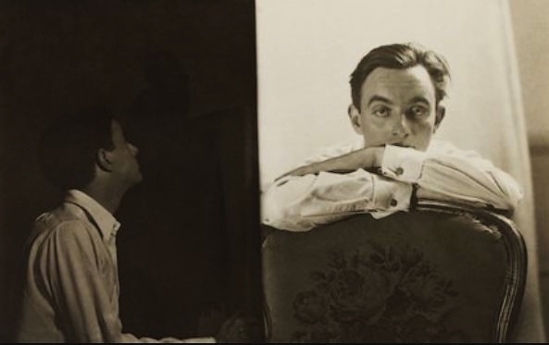
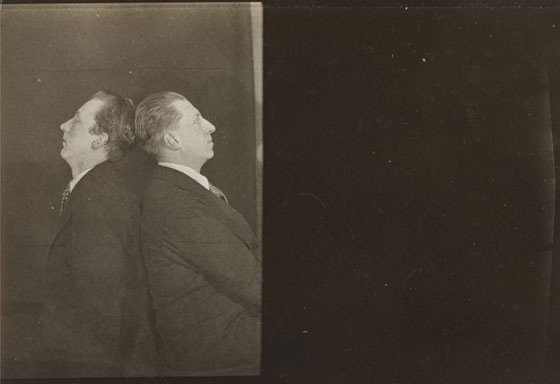
Curtis Moffat, ‘Osbert and Sacheverell Sitwell’, (the literary brothers Sitwell as a pair of doubles, seated back-to-back.), About 1925
© Victoria and Albert Museum, London/Estate of Curtis Moffat
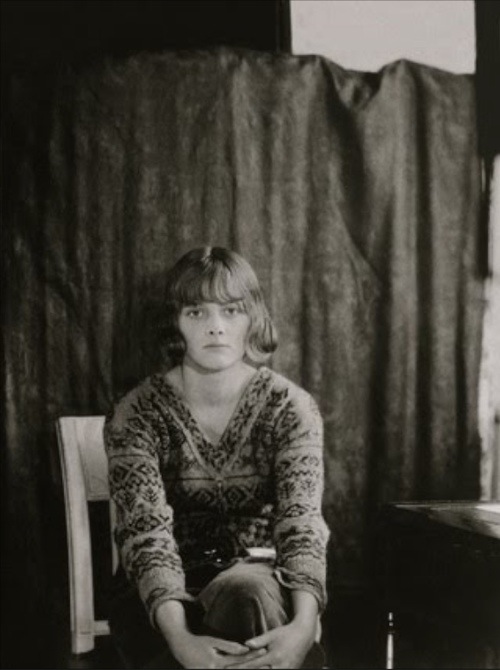
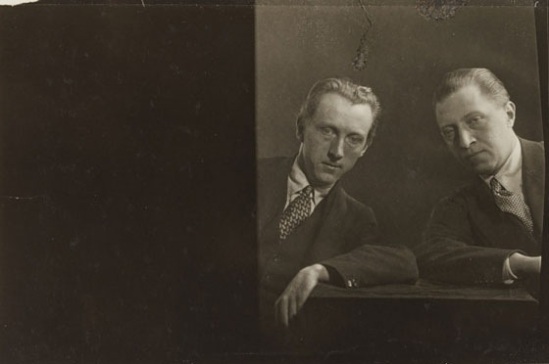
Curtis Moffat- ‘Osbert and Sacheverell Sitwell’ ( the literary brothers Sitwell as a pair of doubles, seated side-by-side) .About 1925
© Victoria and Albert Museum, London/Estate of Curtis Moffat
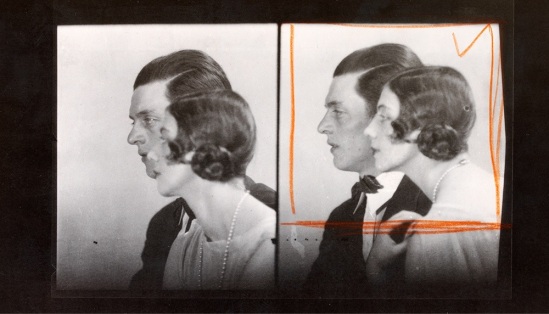
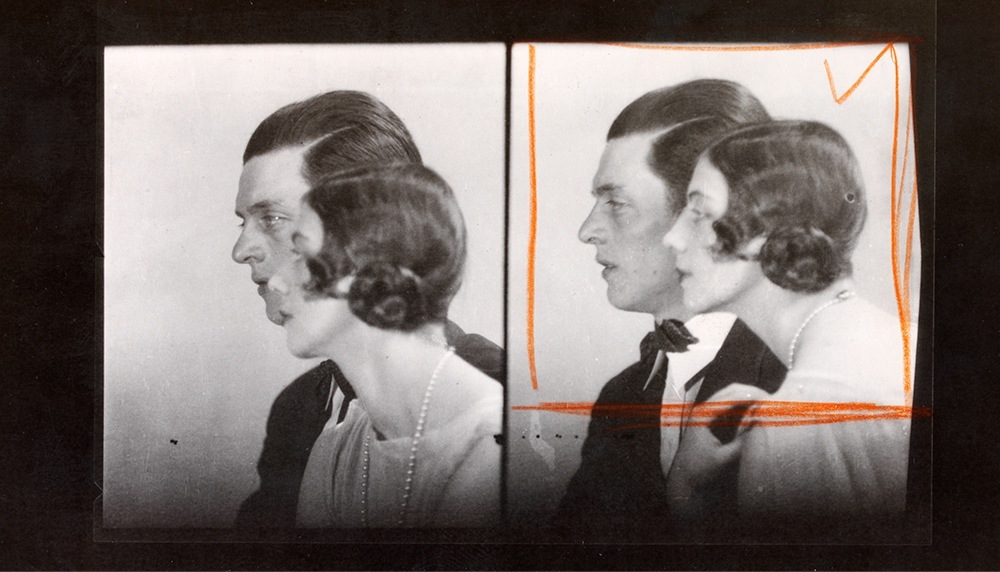
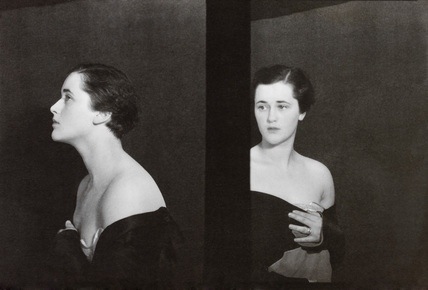
Curtis Moffat, ‘Unidentified couple’, about 1925.
© Victoria and Albert Museum, London/Estate of Curtis Moffat
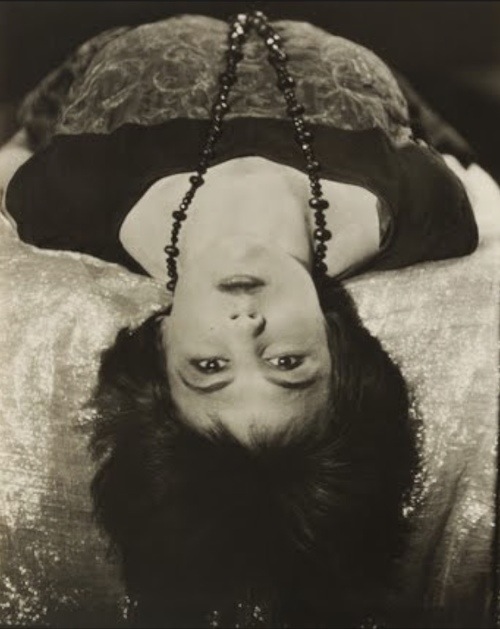
Curtis Moffat- Portrait of a man, Gelatin silver print. London, UK, c.1925. © Curtis Moffat Victoria and Albert Museum

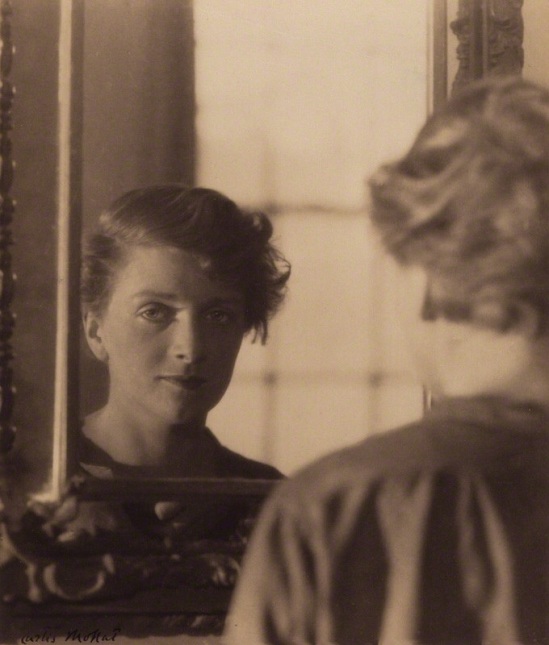
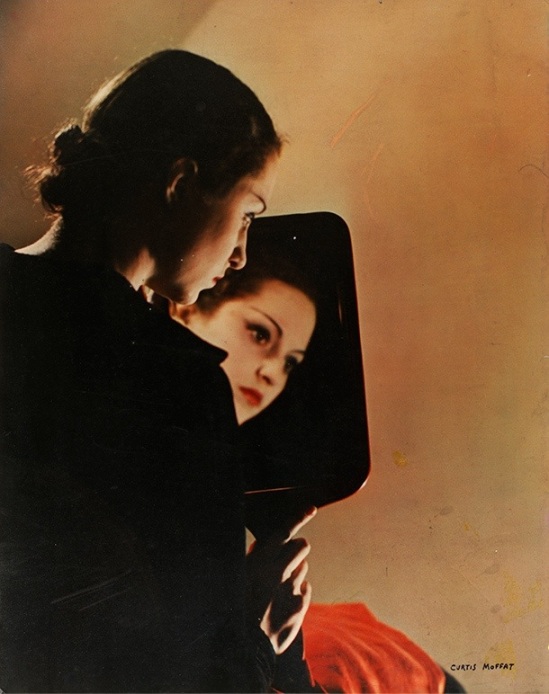
Curtis Moffat, ‘Portrait in mirror’, about 1930.
© Victoria and Albert Museum, London/Estate of Curtis Moffat
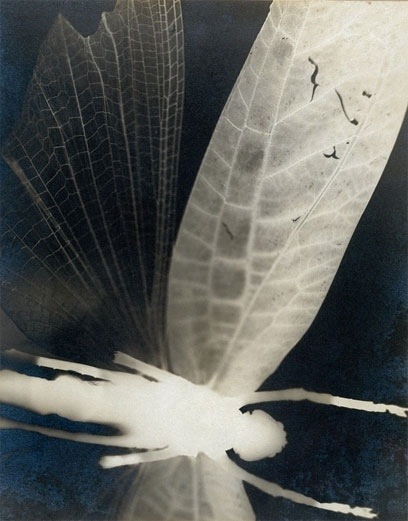
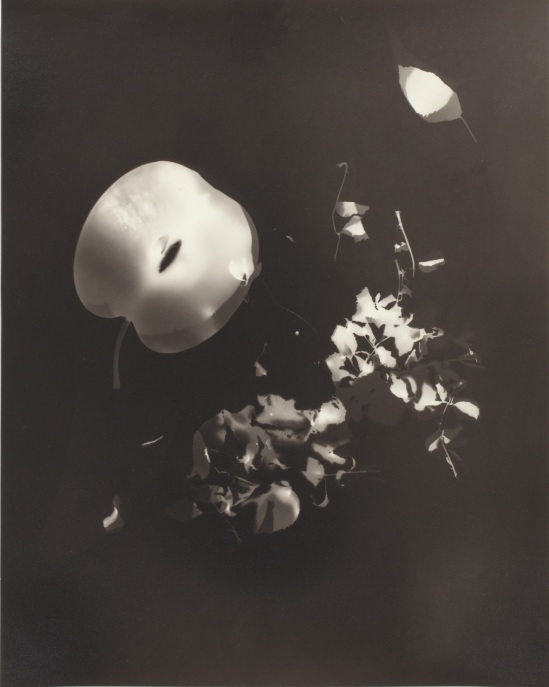
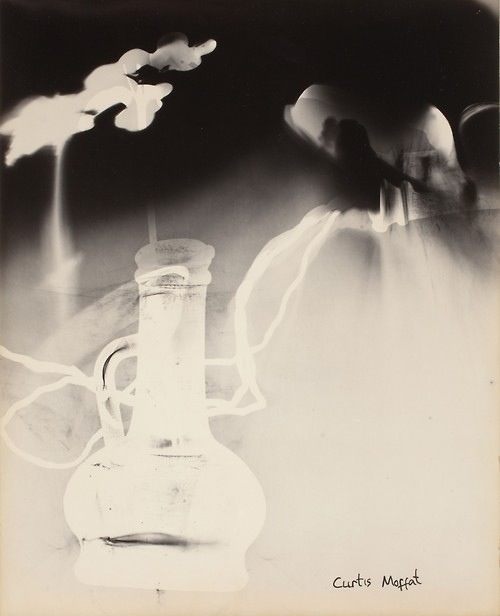
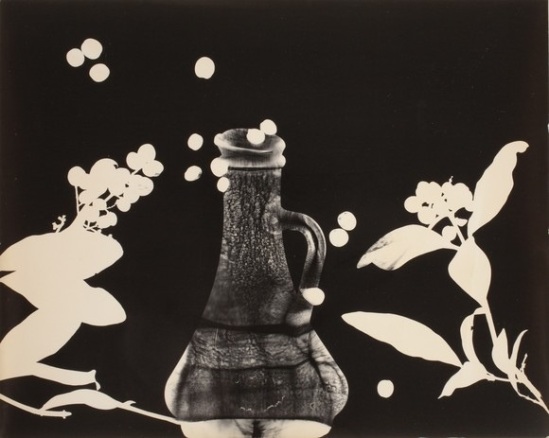
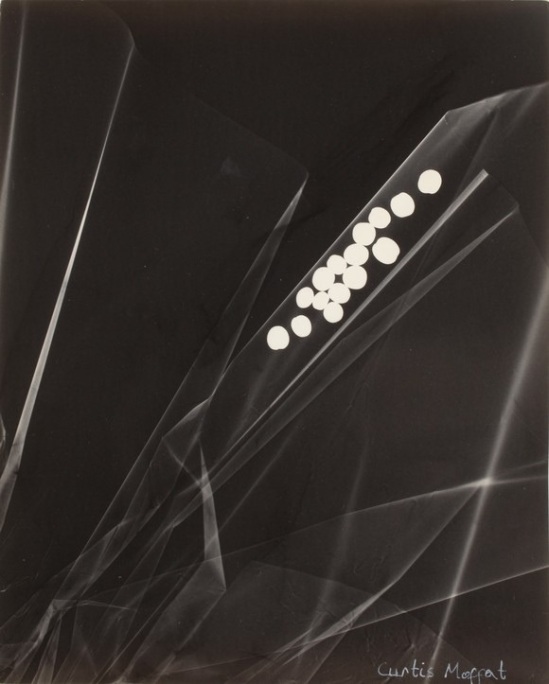
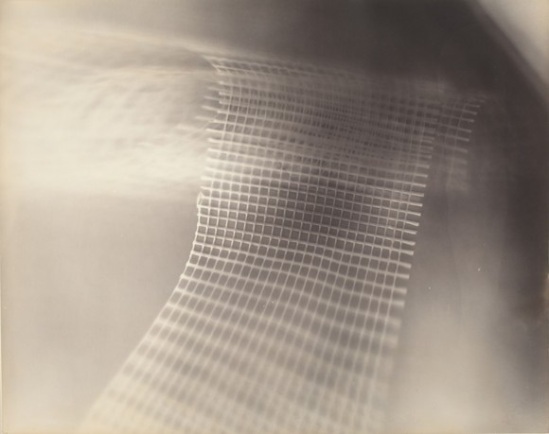
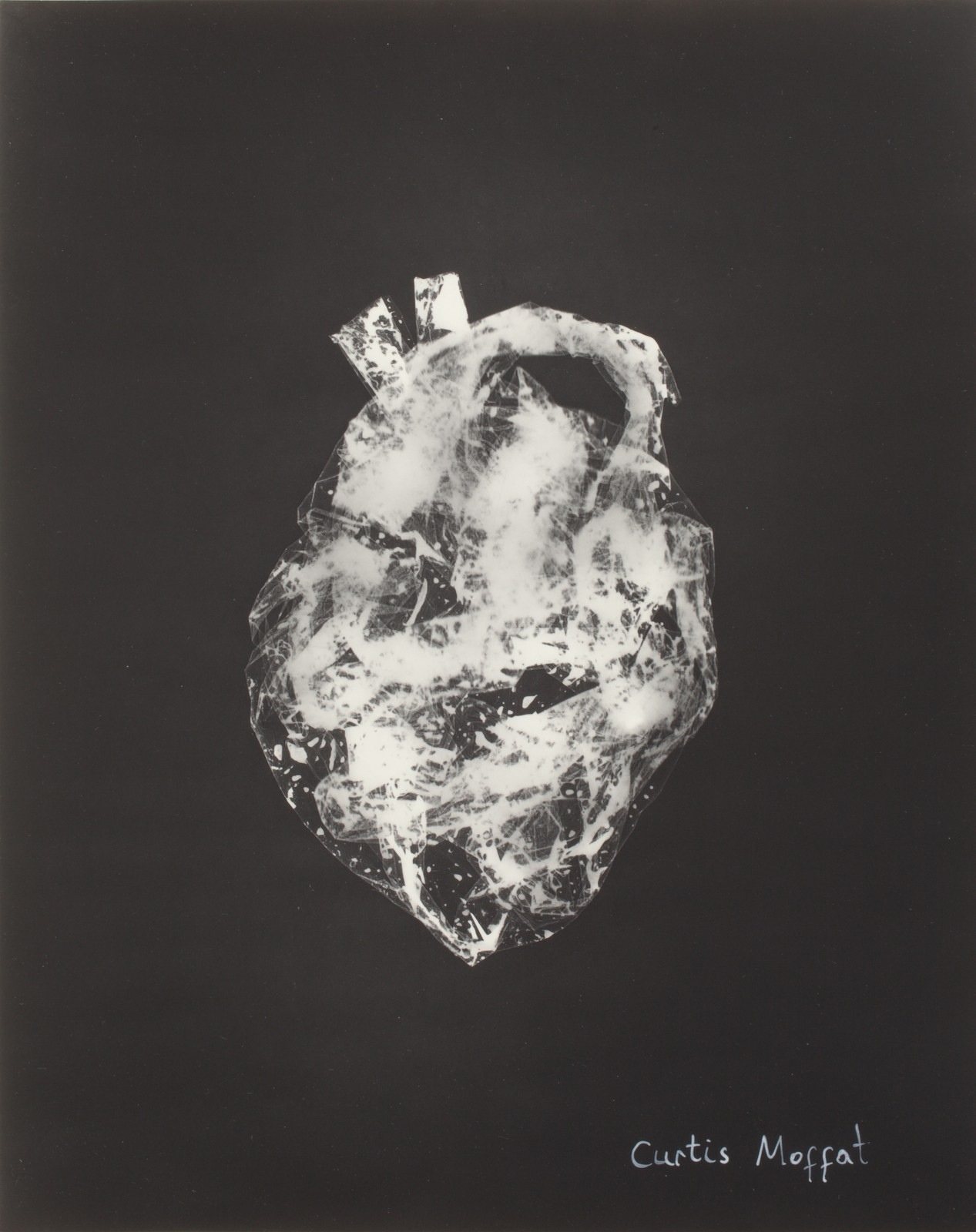
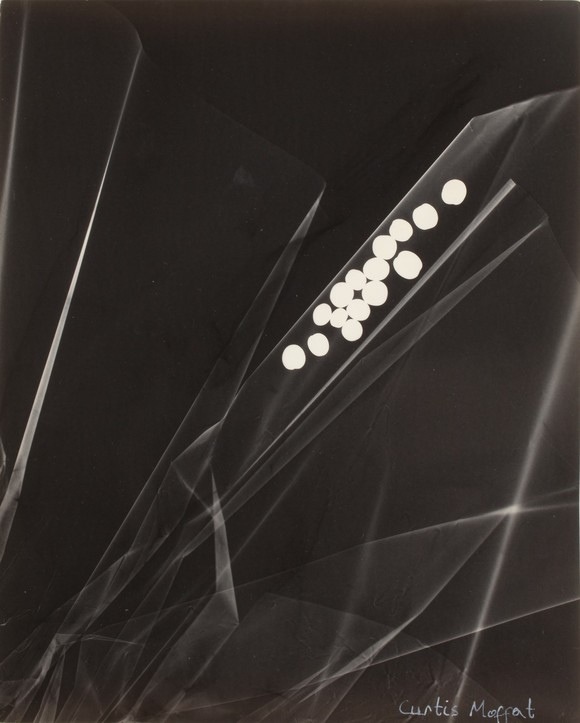
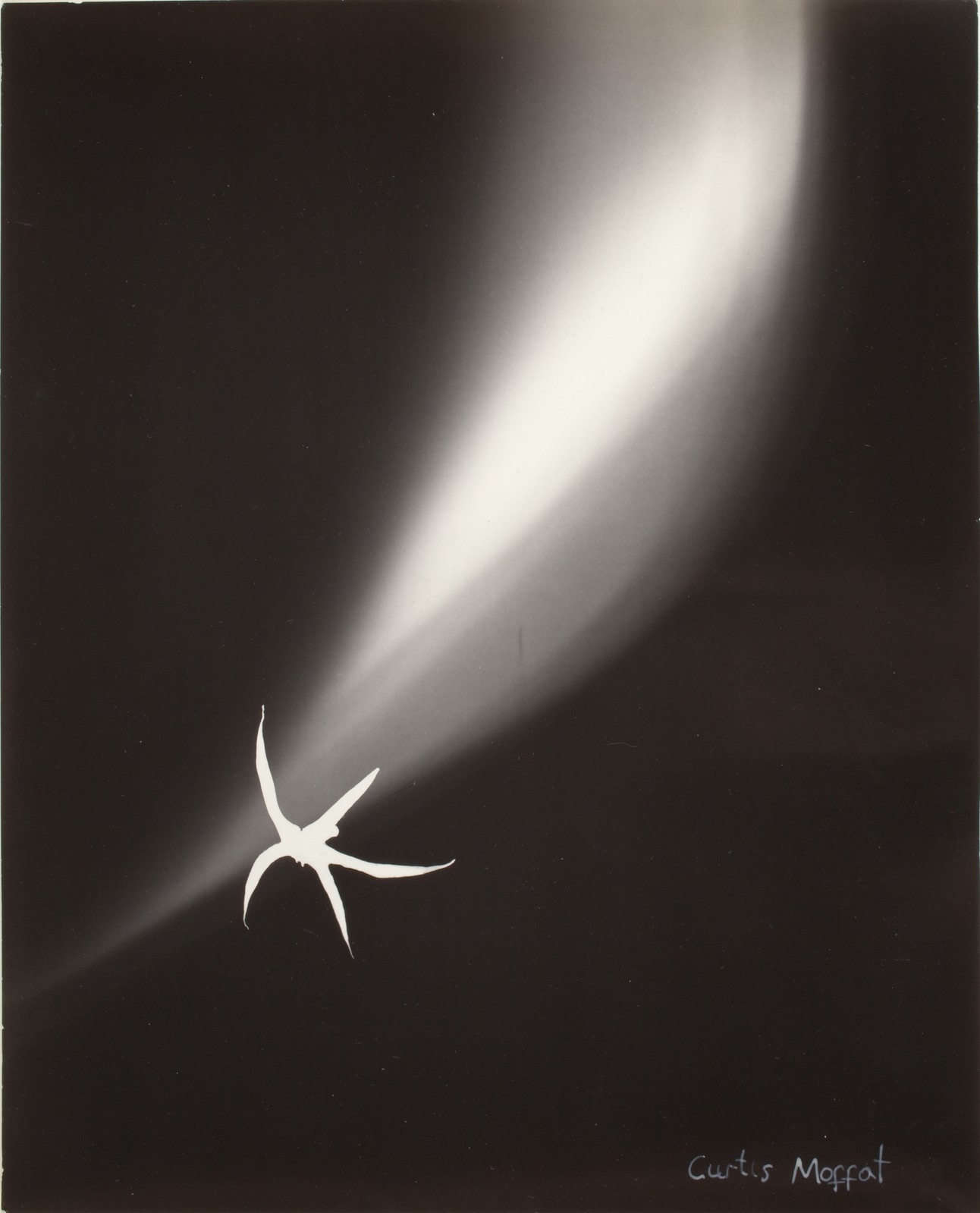
Moffat a fait sans appareil photo ces photogrammes en plaçant des objets directement sur papier photographique, qu’il a ensuite brièvement exposé à la lumière. Il a appris la technique de Many Ray, qu’il appelait les Rayographes de « ses photogrammes » ils ont étés publiés par par Factum Art.

Curtis Moffat, ‘Abstract Composition’, About 1925
© Victoria and Albert Museum, London/Estate of Curtis Moffat
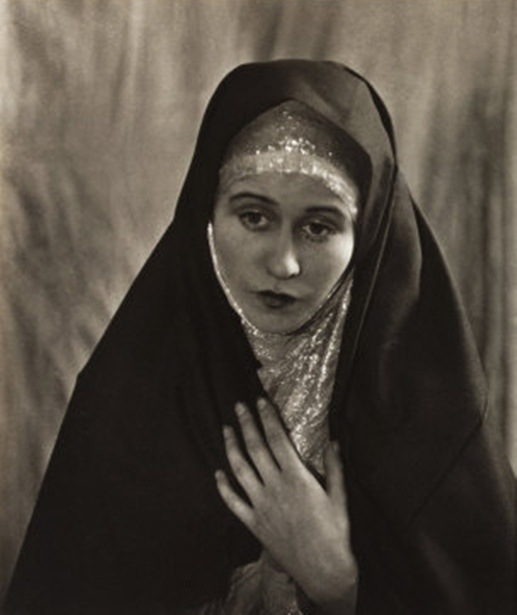
To make this striking image of a dragonfly, Moffat placed the specimen in the photographic enlarger head (in place of a negative) and projected the image onto photographic paper
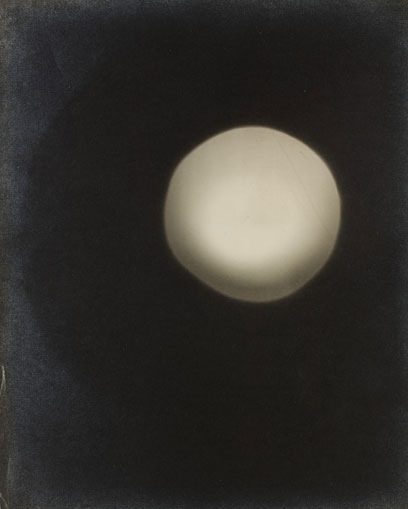
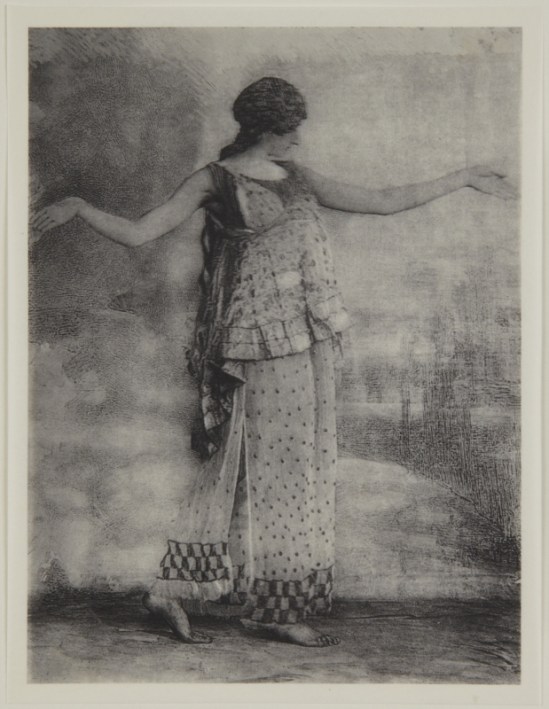
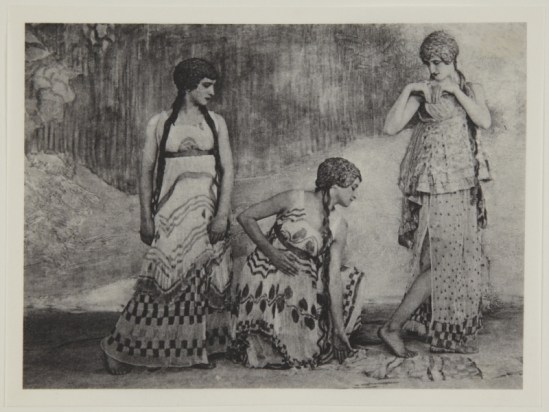
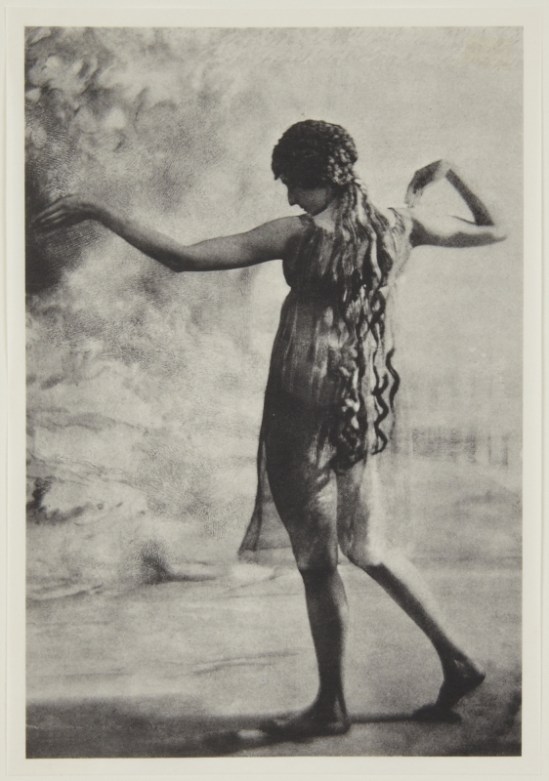
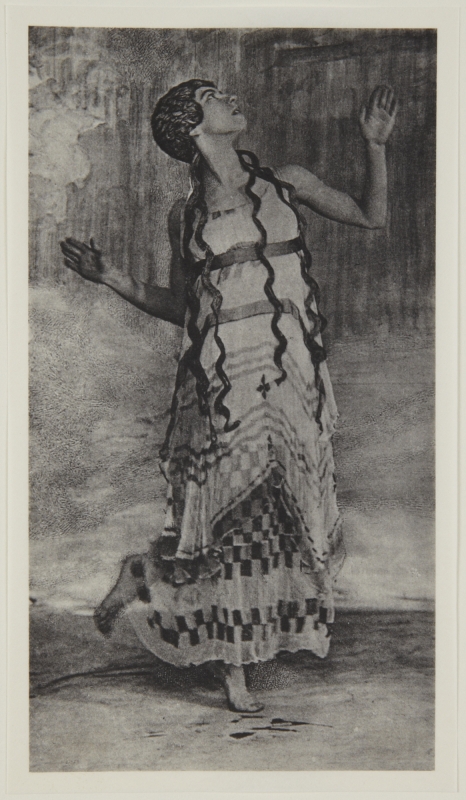
Baron Adolf de Meyer
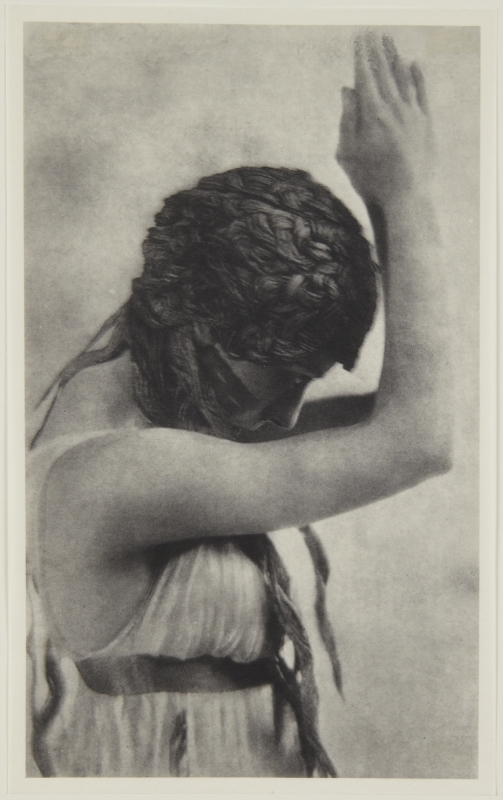
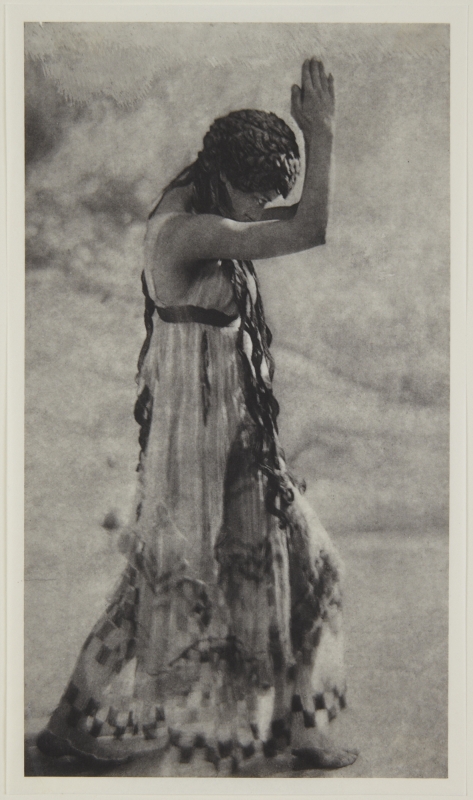
Adolf de Meyer- Maenad dancing, half-length, from Nijinsky, L’Apres-midi d’un Faune, 1912 Palladium print

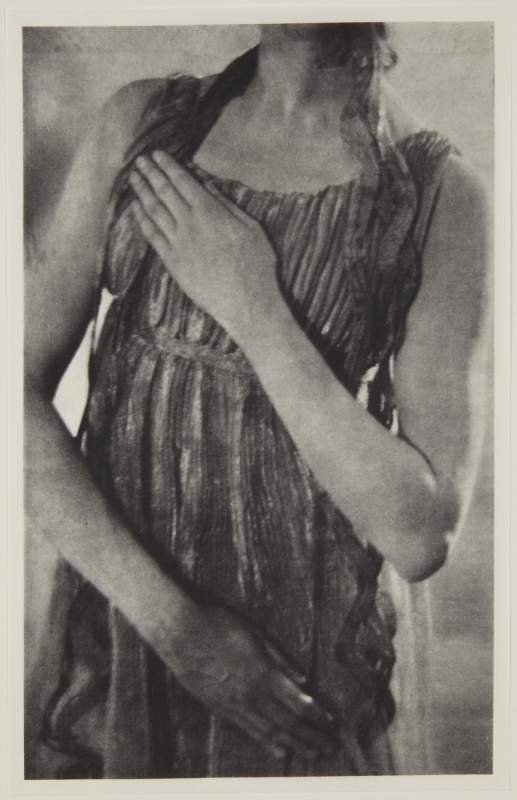
Adolf de Meyer- Torso of maenad, frontal, from Nijinsky, L’Apres-midi d’un Faune, 1912 Palladium print

Adolf de Meyer-Two maenads, bust-length, from Nijinsky, L’Apres-midi d’un Faune, 1912 Palladium print
William Mortensen- Taken In West of Zanzibar , 1928 published in New Projection Control, 1942
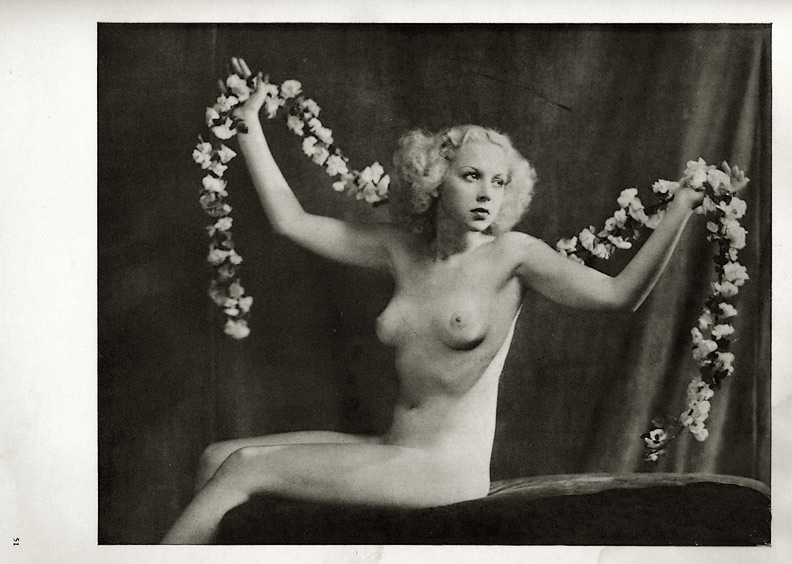
Nelly’s – Nelly Sougioultzoglou, Mona Paeva, 1927
Nelly Sougioultzoglou is born in Aidini of Asia Minor, in 1899. In 1912 she finds herself a pupil at the Omirio Girl’s School of Smyrni and in 1919 she lives through the destruction of her homeland by the Turks. The daughter of the wealthy merchant Christos Sougioultzoglou then leaves for Dresden to study music and painting. In 1922 her family settles in Athens and Nelly decides to study photography, hoping to make a living out of it. Her teacher is initially the well-known Hugo Erfurt. Later she is tutored by the modernist Franz Fiedler.
Miss Sougioultzoglou returns to Greece in 1924 and opens her first photo studio in Ermou St. The city’s bourgeoisie considers it a sign of fine taste to have their portraits done by the young artist who at the same time practices her art by taking pictures of ancient monuments and small yards of Athenian houses. It is thus that Nelly’s era begins.
Nelly’s focuses on the pure orders of the Acropolis monuments that fascinate her. She soon decides to give them a face and set them in motion. She meets Mona Paiva, the Comedie Francaise dancer, and suggests to her that it would be a good idea if she could pose for her in the nude on the holy rock. Permission is granted by the authorities as she is by then well known and accepted by the Athens high society. Paiva obliges, and starts to dance inside the Parthenon holding an olive branch. The Leica of Nelly’s captures her smooth motion, creating a series of unique shots. The dancer takes with her this exceptional piece of work, which will be published a little later in a French illustrated magazine. The scandal breaks out immediately in prudish Athenian society.
![Nelly’s [Elli Souyioultzoglou-Seraidari] -Nikolska, a hungarian dancer at the Parthenon, Acropolis-Athens, Greece -1929](https://lapetitemelancolie.net/wp-content/uploads/2013/08/nelly_s-elli-souyioultzoglou-seraidari.jpg?w=549&h=868)
Nelly’s [Elli Souyioultzoglou-Seraidari] -Nikolska, a hungarian dancer at the Parthenon, Acropolis-Athens, Greece -1929
Since her studies and her nudes at Fiedler’s studio in Germany, Nelly removed the background’s elements by focusing her attention on the theme, resulting in reversing voluntarily the references of orientation and the final image to be formed as a mix of realistic and abstract types.
In that way, she managed to incorporate the spectator’s wonder as an element of the image. Knowing that she is the one directing the spectator’s gaze through the lens of the camera and that he will identify with her position, she accentuated the wonder by giving viewers the chance to read the image in a double way in relation to the earth’s horizon.
Her classical education and admiration of Ancient Greek civilization contributed to her photographic work in Acropolis in a way that the latter has become decisive for the artist and also for the history of photography and architecturel.
In her portraits Nelly’s uses artificial light, leaving one part of the form in the dark, while the background remains empty, as a reference to the Great Masters of the Renaissance. The aim of this work was the search for the spiritual element, the poetic atmosphere and the demonstration of the form’s most profound essence.
During World War II, she went to the United States, where she stayed for 27 years and The Metropolitan Museum of New York bought a large series of her Acropolis photographs.
In 1966 she returned to Greece and presented her work in numerous exhibitions, with the last being Nelly’s: The Body, the Light and Ancient Greece, the official Greek participation in the Cultural Olympiad of Barcelona in 1992.
![Nelly’s [Elli Souyioultzoglou-Seraidari] -Nikolska, a hungarian dancer at the Parthenon, Acropolis-Athens, Greece -1929](https://lapetitemelancolie.net/wp-content/uploads/2013/08/nelly_s-elli-souyioultzoglou-seraidari-nikolska-a-hungarian-dancer-at-the-parthenon-acropolis-athens-greece-1929-5.jpg?w=549&h=411)
Nelly’s [Elli Souyioultzoglou-Seraidari] -Nikolska, a hungarian dancer at the Parthenon, Acropolis-Athens, Greece -1929
![Nelly’s [Elli Souyioultzoglou-Seraidari] -Nikolska, a hungarian dancer at the Parthenon, Acropolis-Athens, Greece -1929](https://lapetitemelancolie.net/wp-content/uploads/2013/08/nelly_s-elli-souyioultzoglou-seraidari-nikolska-a-hungarian-dancer-at-the-parthenon-acropolis-athens-greece-1929-3.jpg?w=549&h=400)
Nelly’s [Elli Souyioultzoglou-Seraidari] -Nikolska, a hungarian dancer at the Parthenon, Acropolis-Athens, Greece -1929
![Nelly’s [Elli Souyioultzoglou-Seraidari] -Nikolska, a hungarian dancer at the Parthenon, Acropolis-Athens, Greece -1929](https://lapetitemelancolie.net/wp-content/uploads/2013/08/nelly_s-elli-souyioultzoglou-seraidari-nikolska-a-hungarian-dancer-at-the-parthenon-acropolis-athens-greece-1929.jpg?w=549&h=418)
Nelly’s [Elli Souyioultzoglou-Seraidari] -Nikolska, a hungarian dancer at the Parthenon, Acropolis-Athens, Greece -1929
![Nelly’s [Elli Souyioultzoglou-Seraidari] -Nikolska, a hungarian dancer at the Parthenon, Acropolis-Athens, Greece -1929](https://lapetitemelancolie.net/wp-content/uploads/2013/08/nelly_s-elli-souyioultzoglou-seraidari-nikolska-a-hungarian-dancer-at-the-parthenon-acropolis-athens-greece-1929-0.jpg?w=549&h=734)
Nelly’s [Elli Souyioultzoglou-Seraidari] -Nikolska, a hungarian dancer at the Parthenon, Acropolis-Athens, Greece -1929
![Nelly’s [Elli Souyioultzoglou-Seraidari] -Nikolska, a hungarian dancer at the Parthenon, Acropolis-Athens, Greece -1929](https://lapetitemelancolie.net/wp-content/uploads/2013/08/nelly_s-elli-souyioultzoglou-seraidari-nikolska-a-hungarian-dancer-at-the-parthenon-acropolis-athens-greece-1929-1.jpg?w=549&h=366)
Nelly’s [Elli Souyioultzoglou-Seraidari] -Nikolska, a hungarian dancer at the Parthenon, Acropolis-Athens, Greece -1929
![Nelly’s [Elli Souyioultzoglou-Seraidari] -Nikolska, a hungarian dancer at the Parthenon, Acropolis-Athens, Greece -1929](https://lapetitemelancolie.net/wp-content/uploads/2013/08/nelly_s-elli-souyioultzoglou-seraidari-nikolska-a-hungarian-dancer-at-the-parthenon-acropolis-athens-greece-1929-11.jpg?w=549&h=395)
Nelly’s [Elli Souyioultzoglou-Seraidari] -Nikolska, a hungarian dancer at the Parthenon, Acropolis-Athens, Greece -1929
![Nelly’s [Elli Souyioultzoglou-Seraidari] -Nikolska, a hungarian dancer at the Parthenon, Acropolis-Athens, Greece -1929](https://lapetitemelancolie.net/wp-content/uploads/2013/08/nelly_s-elli-souyioultzoglou-seraidari-nikolska-a-hungarian-dancer-at-the-parthenon-acropolis-athens-greece-1929-10.jpg?w=549&h=403)
Nelly’s [Elli Souyioultzoglou-Seraidari] -Nikolska, a hungarian dancer at the Parthenon, Acropolis-Athens, Greece -1929
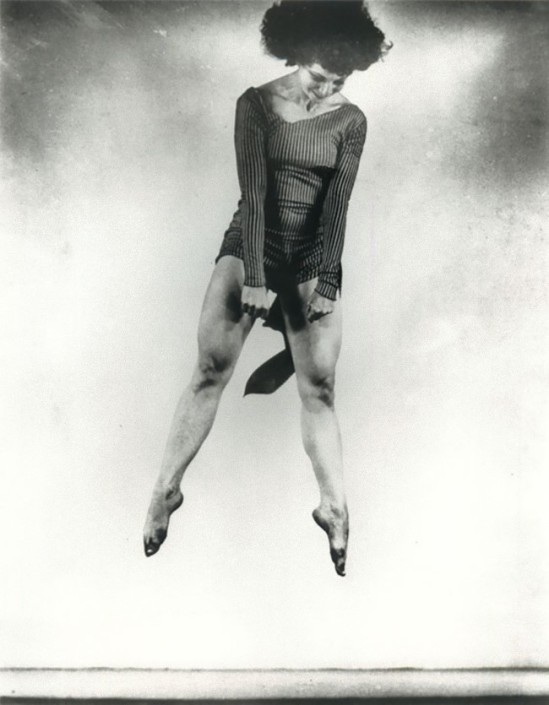
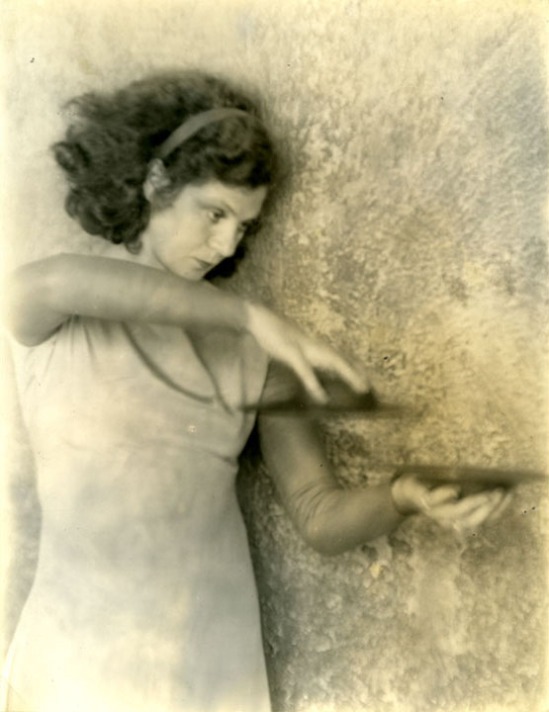
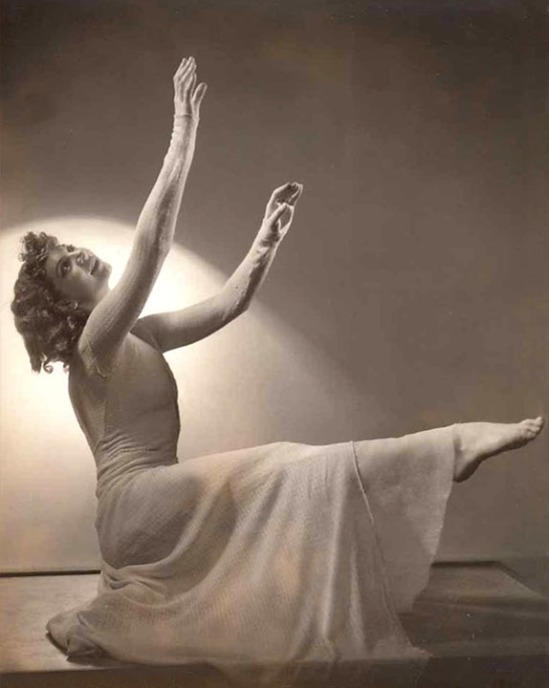
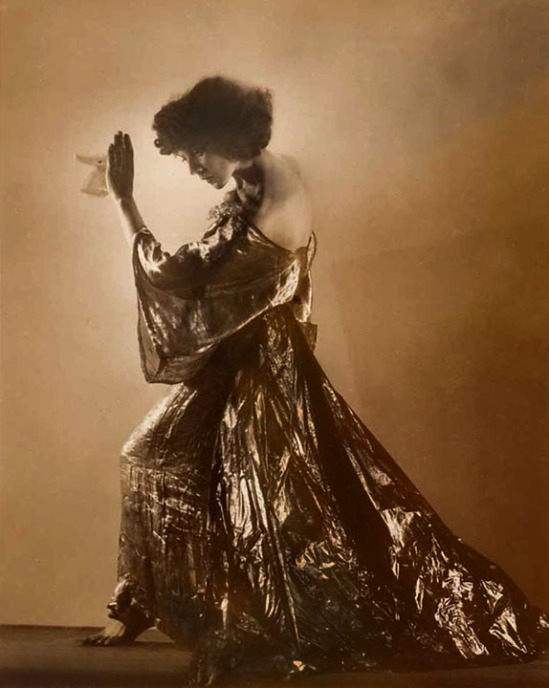
Martha Graham Photomontages
Jerzy Benedykt Dorys (1901-1990)
Benedykt Jerzy Dorys est principalement connu en tant que très grand portraitiste (photographique). Son studio, basé à Varsovie, déjà avant la guerre, était un lieu des plus tendance pour ne pas dire « branché » de la Ville de Varsovie et et se faire photographier Dorys n’était pas seulement de bon goût, mais révélait un signe d’appartenance à crème de la crème de l’époque.
Moins connues, mais tout aussi intéressantes sont ses photos de mode et ses quelques photos artistiques du corps nus. Dorys adorait les femmes et a su en sublimer toute les beauté et ce que je vous propose aujourd’hui à travers des portraits et des nus

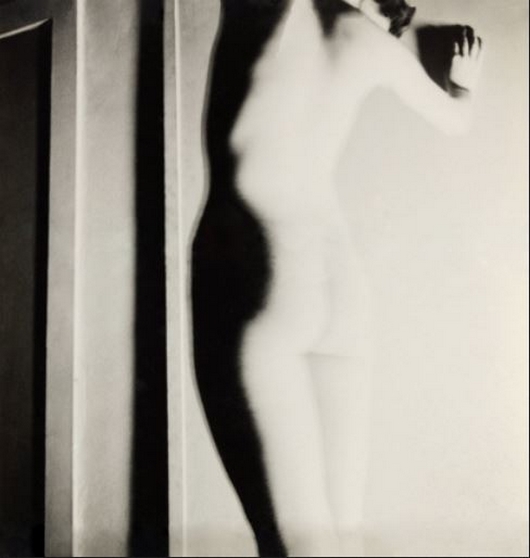
Jerzy Dorys Benedykt- Act II, 1932


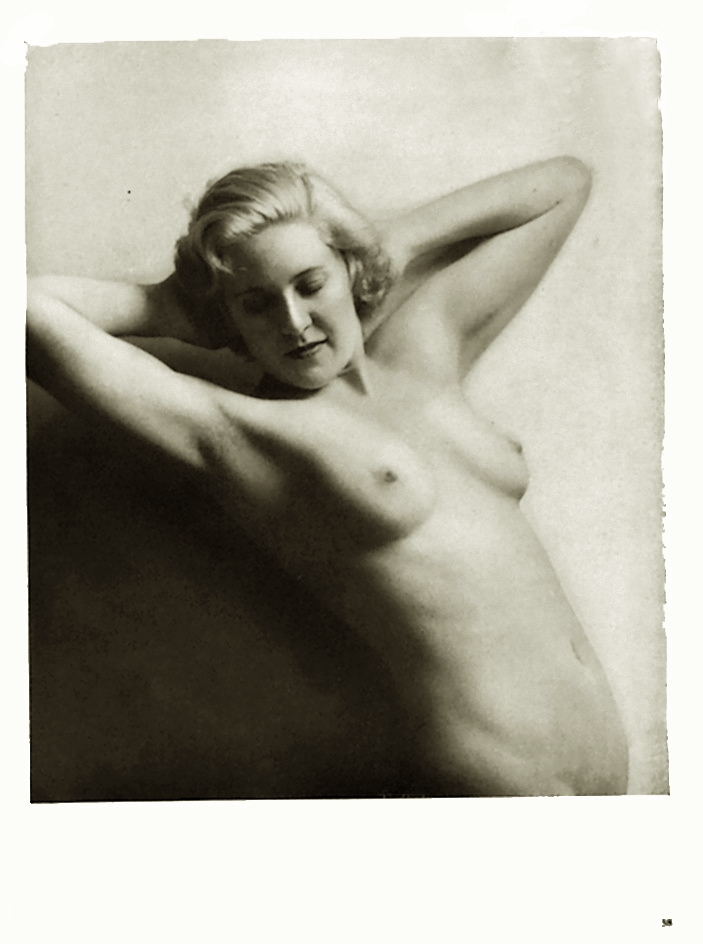














![Nelly’s [Elli Souyioultzoglou-Seraidari] - Mona Paeva, 1927](https://lapetitemelancolie.net/wp-content/uploads/2013/08/nelly_s-elli-souyioultzoglou-seraidari-mona-paeva-1927-1.jpg?w=549&h=583)
![Nelly’s [Elli Souyioultzoglou-Seraidari] - Mona Paeva, 1927](https://lapetitemelancolie.net/wp-content/uploads/2013/08/nelly_s-elli-souyioultzoglou-seraidari-mona-paeva-1927.jpg?w=549&h=594)


Vous devez être connecté pour poster un commentaire.