Paul (Pal Funk) Angelo ( 1894 – 1974)

Pal Funk Angelo appelé aussi Pàl Funk, Pinkàsz Funk ou Angelo P.F., Angelo est issu d’une longue lignée de sculpteurs, peintres et graphistes célèbres. Il est un photographe qui a réalisé divers travaux tout au long de sa vie, couturier, photographe et cinéaste. Il a dû fuir à Budapest en 1919 pour sauver sa vie en raison de la «terreur blanche» . il a été reconnu comme l’un des photographes de studio les plus en vue en Europe. Jusqu’en 1939, il aura trois studios respectivement à Budapest, à Paris et à Nice où il photographiera dit on plus de 450 000 personnes tout au long de sa vie ( connues ou pas  Picasso, Bela Bartok, Charles Chaplin et Joséphine Baker , faisant partie dec cette  longue liste). Peu de photographes de studio avaient vraiment compris que l’éclairage artificiel a pour but d’évoquer plutôt que d’exposer, mais Funk l’a fait, ce qui fera son succès.

C’est dès l’âge de 1à ans d’Angelo commence a photographié, ayant reçu un appareil en cadeau. En 1910, à Munich, il étudie à l’école de Carl Bauer la peinture  tout en continuant  à pratiquer  la photographie. Plus tard, il approfondira ses techniques à Berlin auprès de Nicola Perscheid et Rudolph Dührkoop , à Paris chez Reutlinger, et à Londres, à Hoppé et Adams, et travaillera  en tant que directeur de la photographie pour Michael Curtiz . En France, Il a surtout travaillé en tant que designer de mode à Paris. Parallèlement à la photographie, il a dirigé des spectacles vivants immobiles et même conçus les costumes. En 1916, il était directeur adjoint et cameraman auprès du  célèbre Kertész Mihály (Michael Curtis). Sa carrière cinématographique a duré une décennie, chaque année, il a travaillé à la section européenne de la Corporation du film franco-britannique, et il a realisé des films pour la Metro-Goldwyn-Mayer en tant que co-realisateur  de Rex Ingram, Erich Pommer, Fritz Lang, Alexander Wolkoff, Ernst Lubitsch et Harry Lachman ( c’est peu dire !!). En 1927, il a participé à la naissance des premiers films parlants hongrois « István » avec Eiben.

Dans Les années 30 ,les  Journaux et magazines les plus en vogues à travers toutes l’europe et l’amérique, tels que  » Vanity Fair »,  « Harper ‘s Bazaar », « Cinéma »,  » Die Dame », « Berliner Leben » , « Berliner Zeitung Illustrirte » publient ses œuvres.

Quand la guerre éclate, il retourne en Hongrie. Il a été profondément impliqué dans le développement et l’enseignement de la photographie en Hongrie en tant que fondateur de l’Académie hongroise de la photographie et de l’association des photographes tard.   Peu de photographes de studio vraiment compris que l’éclairage artificiel a pour but d’évoquer plutôt que d’exposer. Funk a fait.
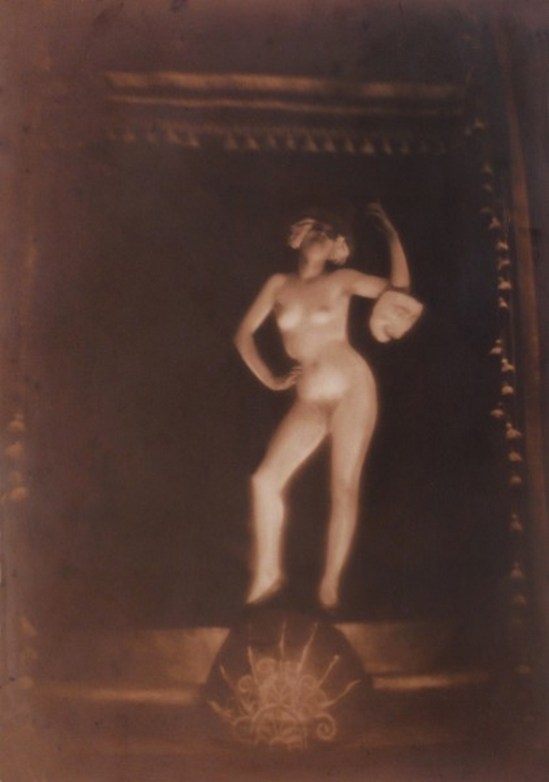
Ses photos nues  sont très rares sous n’importe quelle forme (gélatine argentique ou photogravure), et sont esthétiquement influencé par le dadaïsme et l’ esthétique théâtrale employées par Horst début XXe siècle. Les photographies des femmes sont accompagnées de certains éléments liés au monde des rêves, et une nature sensuelle.
En 1951, son atelier a été nationalisée . Jusqu’à sa retraite en 1964, il a travaillé au sein  du Collectif des photographes à Budapest. Dans le même temps, il a pris des photos de lui-même en fonction de ses ambitions artistiques.

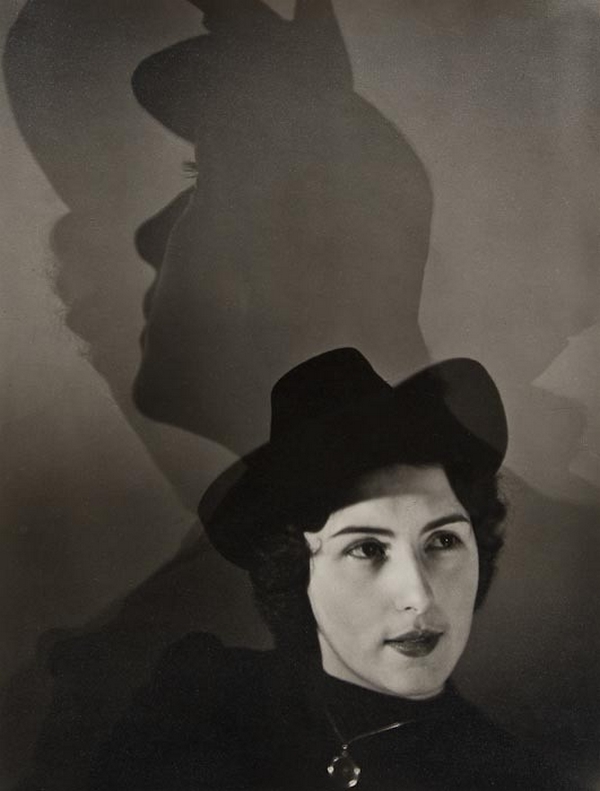
Angelo Pál, Funk Pinkász -Sulyok Mária divatfotója. 1938
Angelo Pál, Funk Pinkász -Sulyok Mária divatfotója. 1938

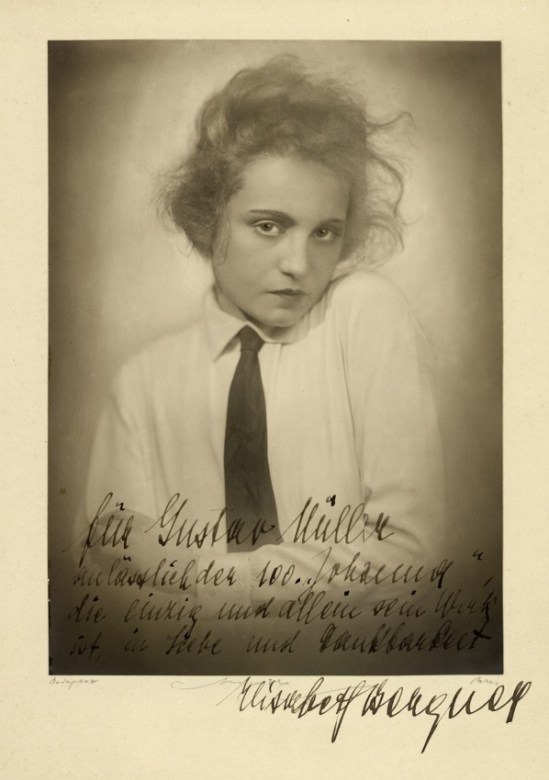
Pal Funk Paul Angelo - Portrait of the actress Elisabeth Bergner (1897 - 1986) for 'Fräulein Julie'. 1922

Pal Funk Paul Angelo – Portrait of the actress Elisabeth Bergner (1897 – 1986) for ‘Fräulein Julie’. 1922

Paul (Pal Funk) Angelo - Akt , 1935

Paul (Pal Funk) Angelo – Akt , 1935

Paul (Pal Funk) Angelo -cabaret bulesque dancer, nd
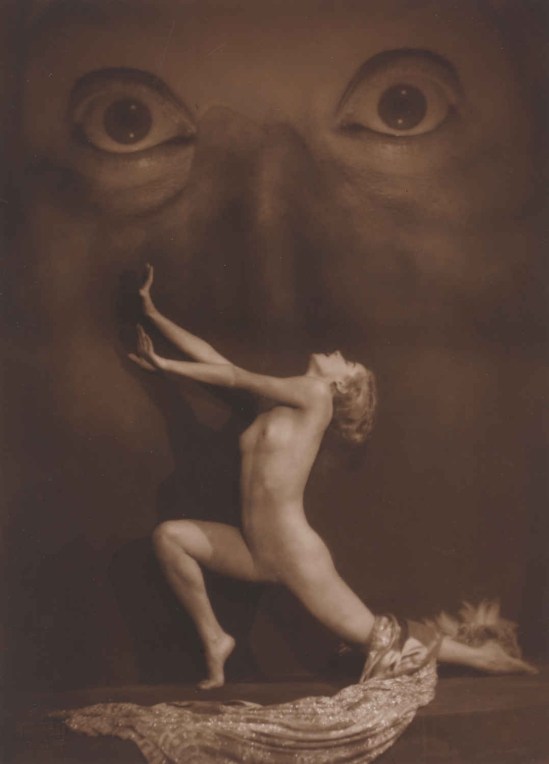
Paul (Pal Funk) Angelo -cabaret bulesque dancer, nd

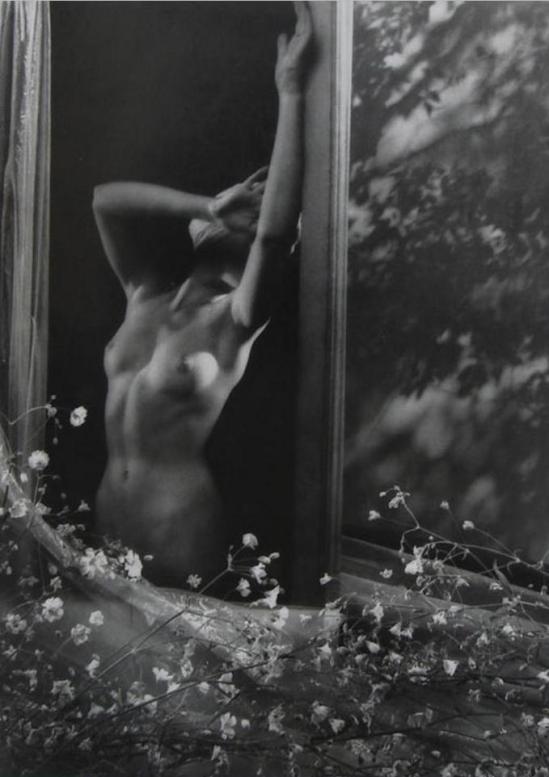
Angelo Pal Funk, Nude and Eyes,1935

Angelo Pál Funk -Nude with Candlestick, 1930

Angelo Pál Funk -Nude with Candlestick, 1930

Pal Funk Paul Angelo – Nude Study, 1930s
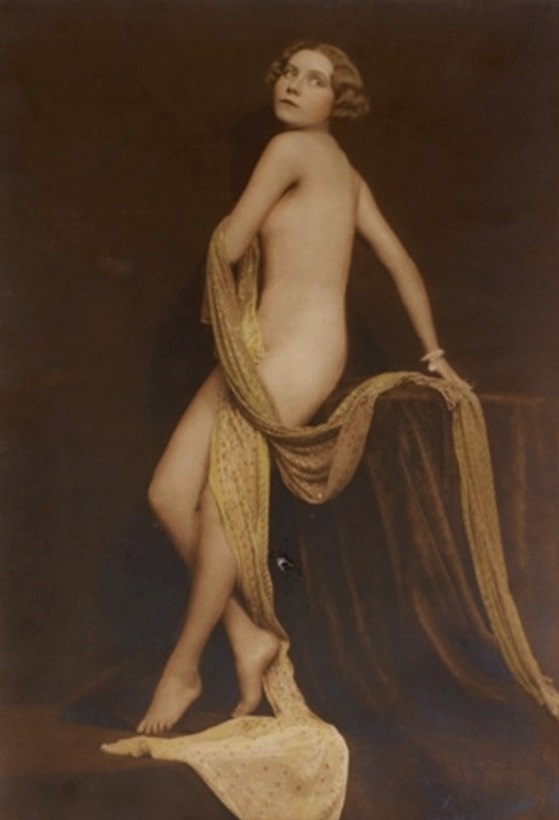
Pal Funk Paul Angelo – Nude Study, 1930s

Pal Funk Paul Angelo – Nude, 1930s
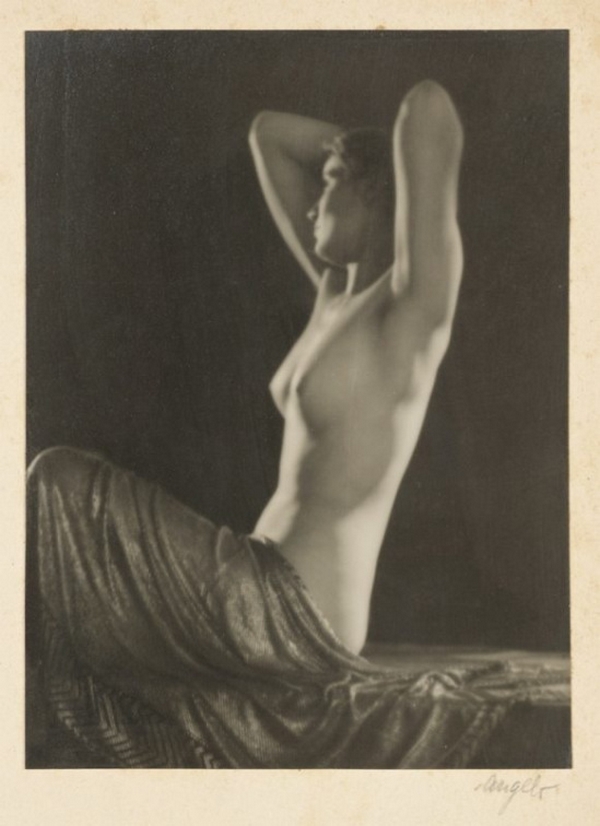
Pal Funk Paul Angelo – Nude, 1930s

Angelo Pál Funk -Nude , 1930s

Angelo Pál Funk -Nude , 1930s

Paul (Pal Funk) Angelo – Métempsychose, Published in Paris Magazine, 1931 found the pic on  carrefour étrange
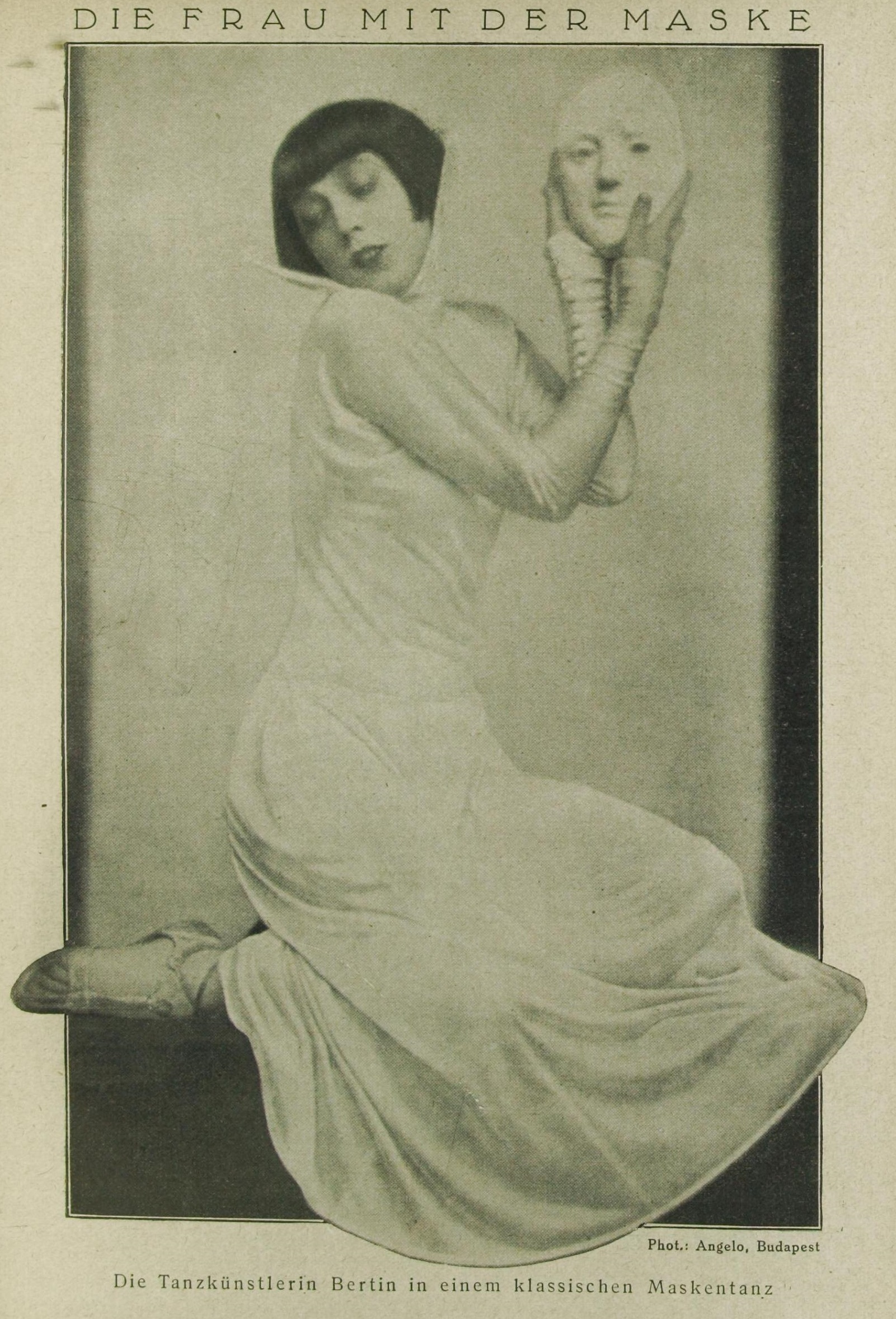
Angelo (pal funk)- Portait de la ballerine Françoise Bertin dans une danse des masques , Revue Des Monats, Mars 1927

Paul (Pal Funk) Angelo – Portait de la ballerine Françoise Bertin dans une danse des masques , Revue Des Monats, Mars 1927
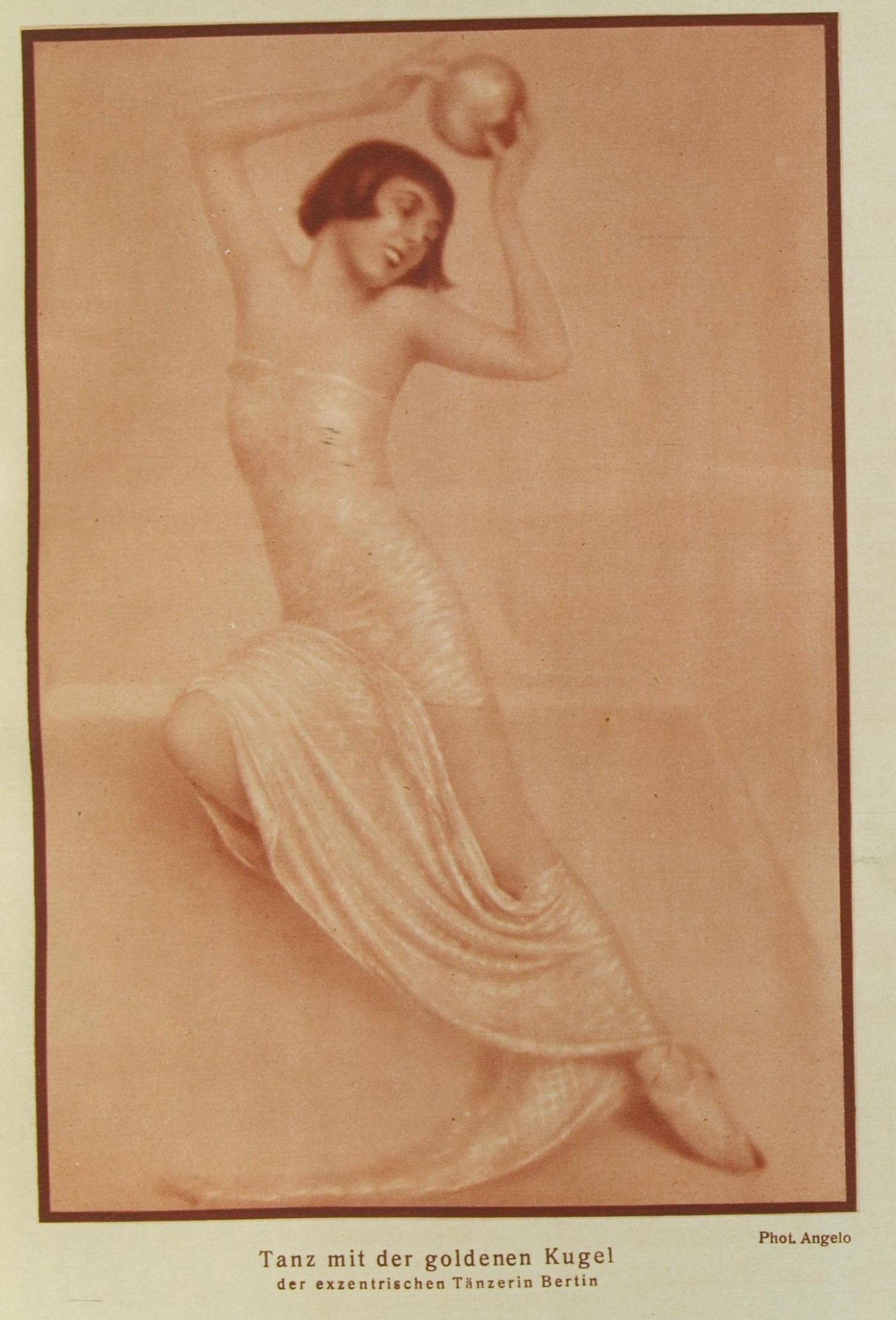
Angelo (pal funk)- Portait de la ballerine Françoise Bertin publiée dans la revue Des Monats, Janvier, 1928
Angelo (pal funk)- Portait de la ballerine Françoise Bertin publiée dans la revue Des Monats, Janvier, 1928

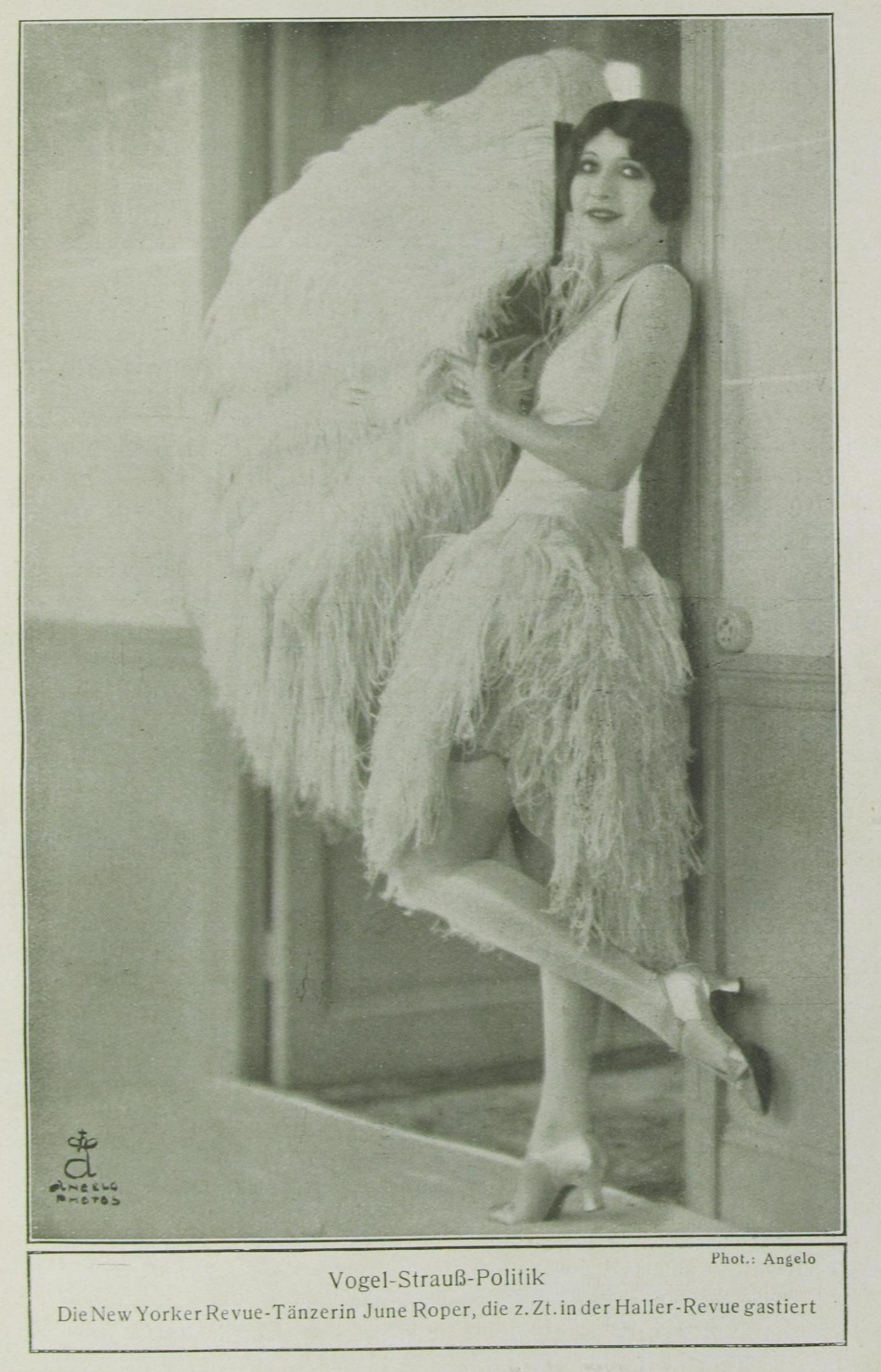
Angelo (pal funk)- Portait de la danseuse June Roper de la revue Haller publiée dans la revue Des Monats, Mars, 1928
Angelo (pal funk)- Portait de la danseuse June Roper de la revue Haller publiée dans la revue Des Monats, Mars, 1928

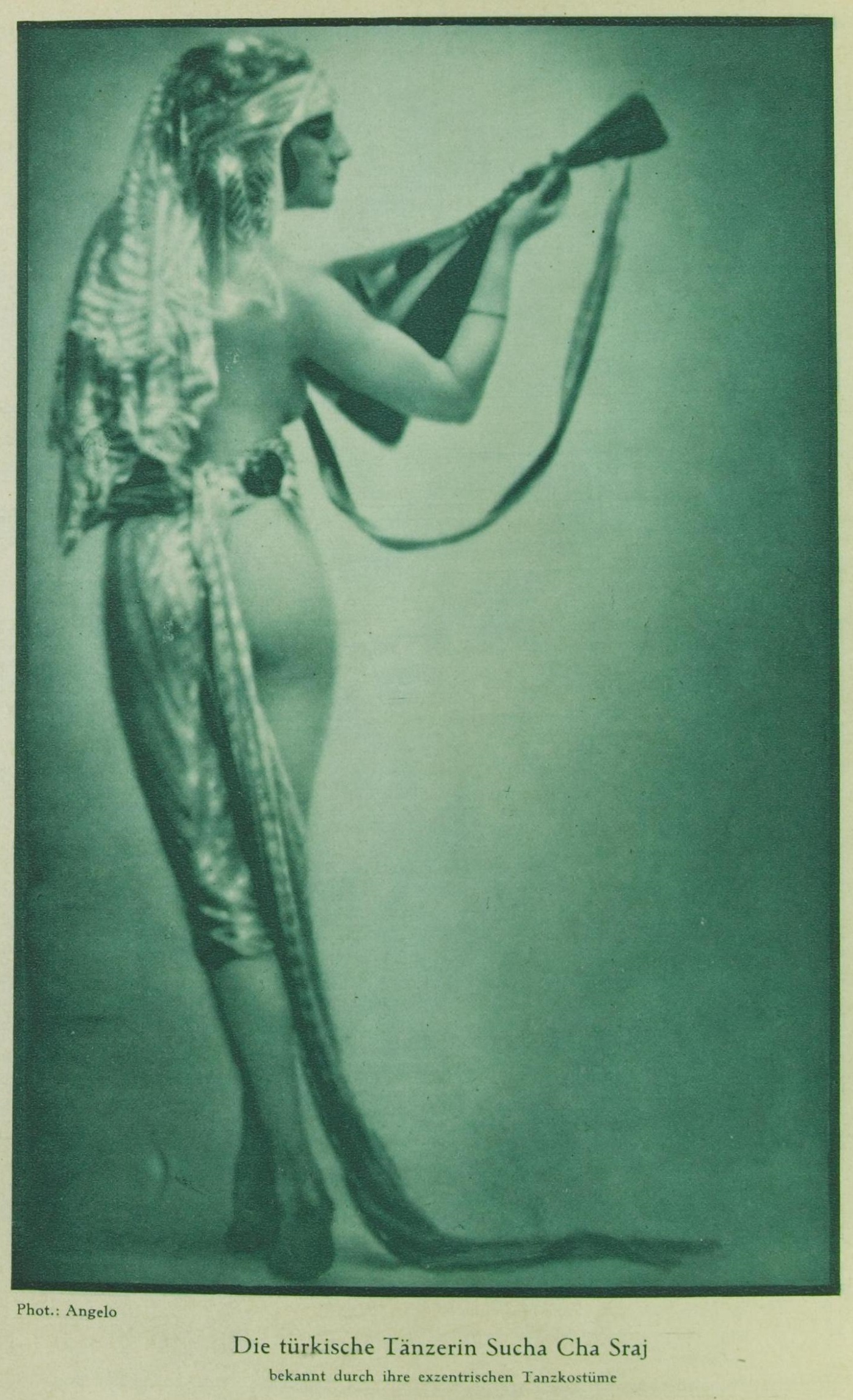
Angelo (pal funk)- Portait de la danseuse Sucha Cha Staj publiée dans la revue Des Monats, Mars, 1928

Angelo (pal funk)- Portait de la danseuse Sucha Cha Staj publiée dans la revue Des Monats, Mars, 1928


Paul (Pal Funk) Angelo-untitled, 1925
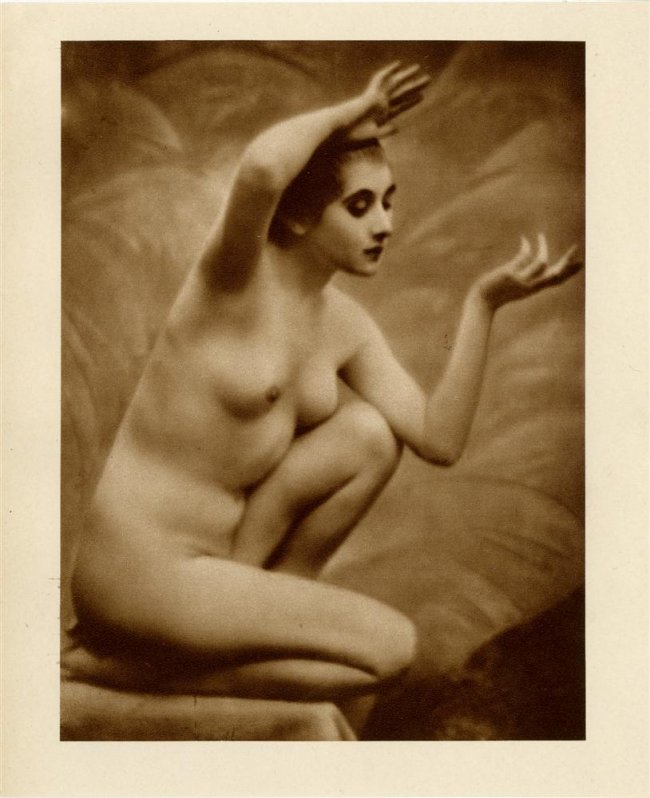
Paul (Pal Funk) Angelo-untitled, 1925

Paul (Pal Funk) Angelo -untitled, 1925

Paul (Pal Funk) Angelo -untitled, 1925
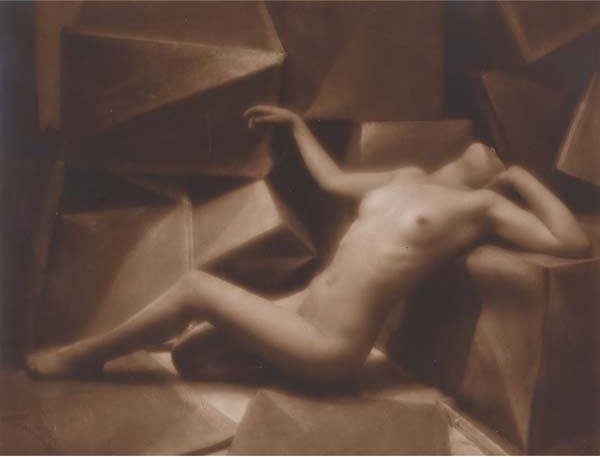
Paul (Pal Funk) Angelo -untitled, 1925 3

Paul (Pal Funk) Angelo -untitled, 1925

Angelo Pál, Funk Pinkász -Akt (Nu Languissant) ,1935

Angelo Pál, Funk Pinkász -Akt (Nu Languissant) ,1935

Angelo Photos- Lisan Kay 1937 ( J. Willis Sayre Collection)
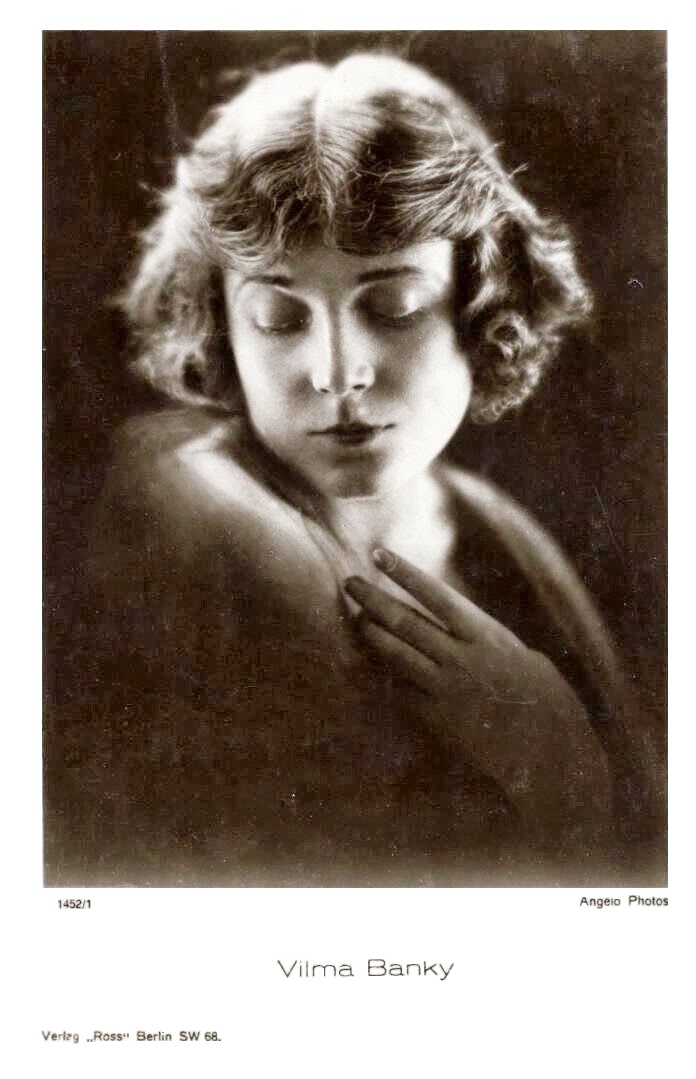
Angelo Photos- Lisan Kay 1937 ( J. Willis Sayre Collection)

Paul (Pal Funk) Angelo -Vilma Banky, 1920s
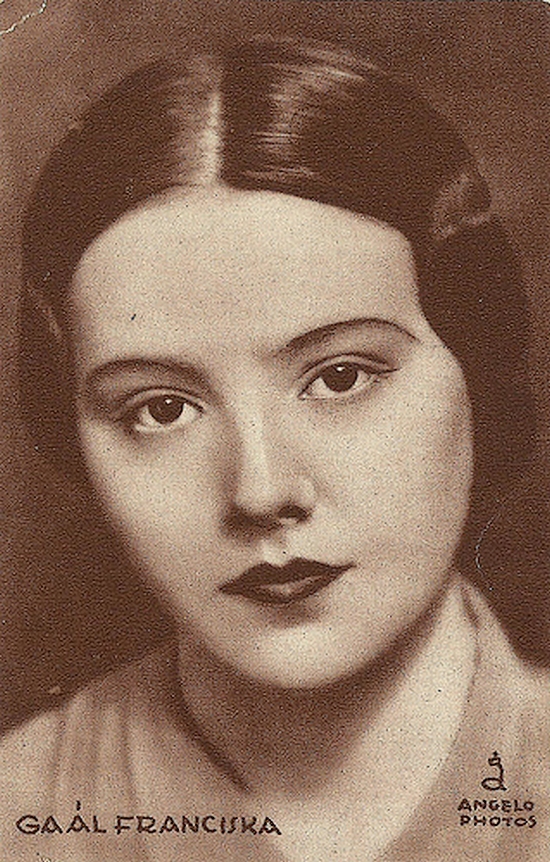
Paul (Pal Funk) Angelo -Vilma Banky, 1920s

Angelo Pál, Funk Pinkász -Franciska Gaál. Hungarian postcard. Publisher Globus, Budapest. Collection, Didier Hanson., nd
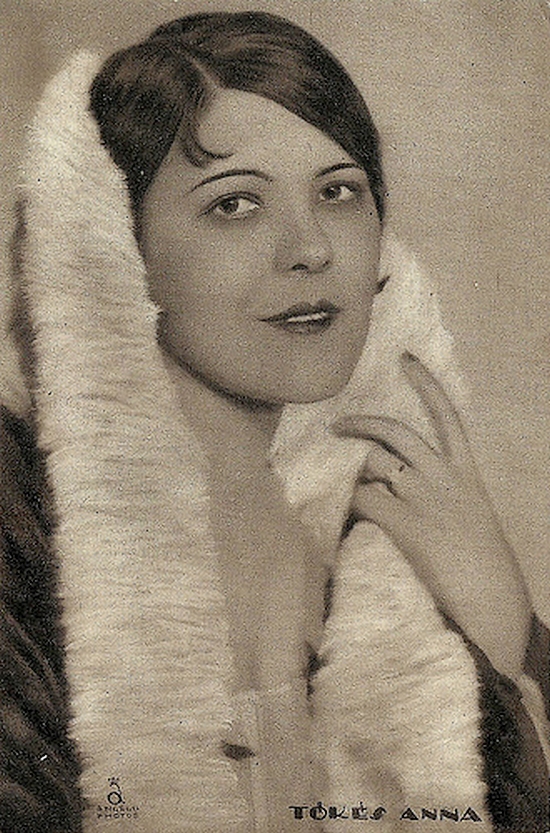
Angelo Pál, Funk Pinkász -Franciska Gaál. Hungarian postcard. Publisher Globus, Budapest. Collection, Didier Hanson., nd

Angelo Pál, Funk Pinkász -Anna Tõkés.Hungarian postcard. Publisher Globus, Budapest. Collection, Didier Hanson.

Angelo Pál, Funk Pinkász -Anna Tõkés.Hungarian postcard. Publisher Globus, Budapest. Collection, Didier Hanson.

Angelo (Paul Funk) - My Venus, 1939

Angelo (Paul Funk) – My Venus, 1939

Pal Funk Paul Angelo 6 Akt, 1926

Pal Funk Paul Angelo -Akt, 1926

Paul (Pal Funk) Angelo- May Morning, 1935 ( via Greisen Gallery)

Pal Funk Paul Angelo – La légende vivante, 1955
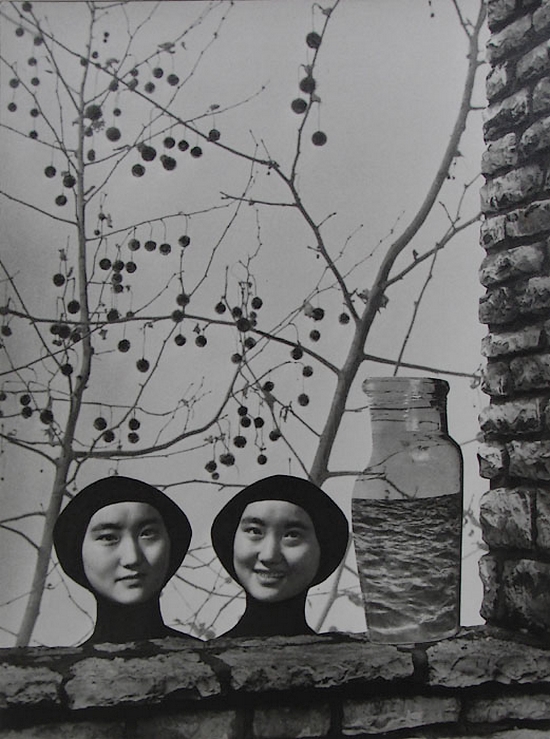
Pal Funk Paul Angelo – La légende vivante, 1955

Angelo Pal Funk -twins, 1930s (later)

Angelo Pal Funk –twins, 1930s (later)
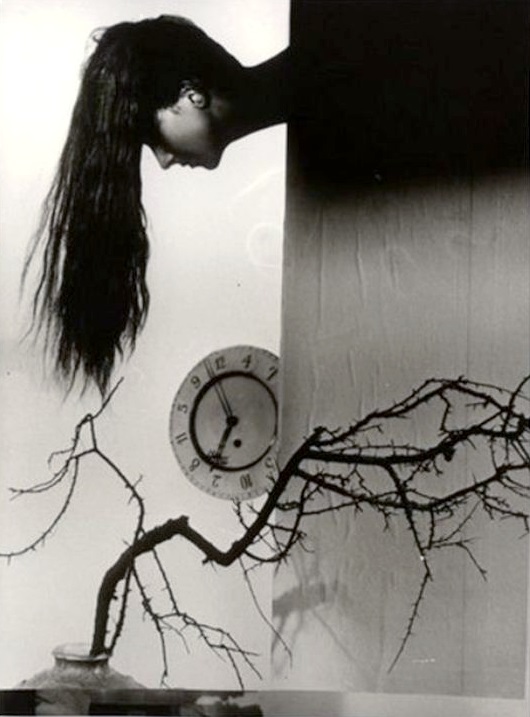
Pal Funk Paul Angelo – Metaphysical composition, 1955
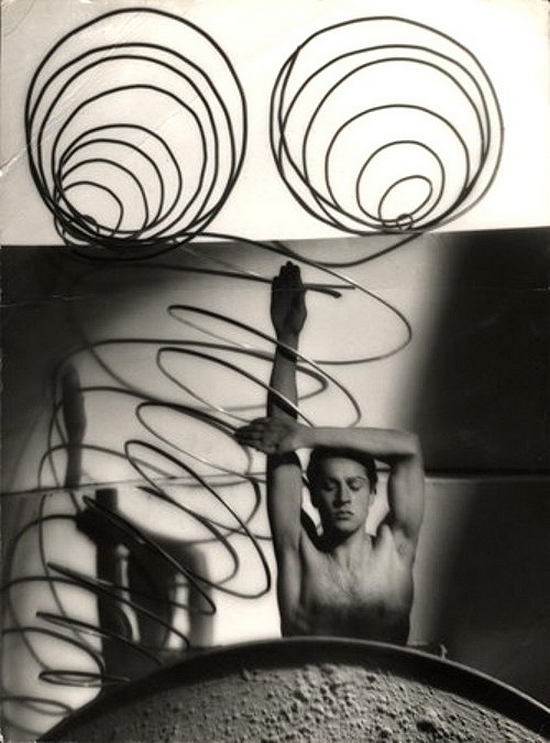
Pal Funk Paul Angelo – Metaphysical composition, 1955

Angelo Pál, Funk Pinkász -Spirál II. A szürrealista 1960
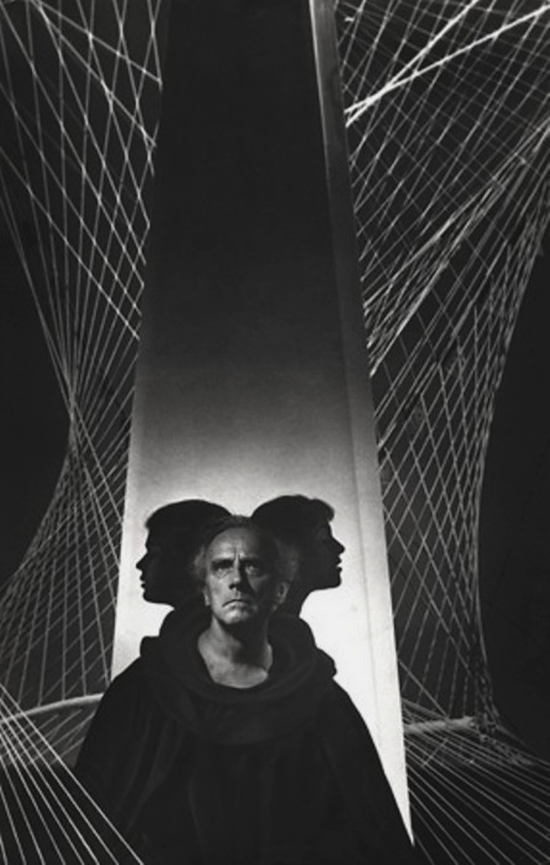
Angelo Pál, Funk Pinkász -Spirál II. A szürrealista 1960

Angelo Pál, Funk Pinkász Poète Profane, 1958
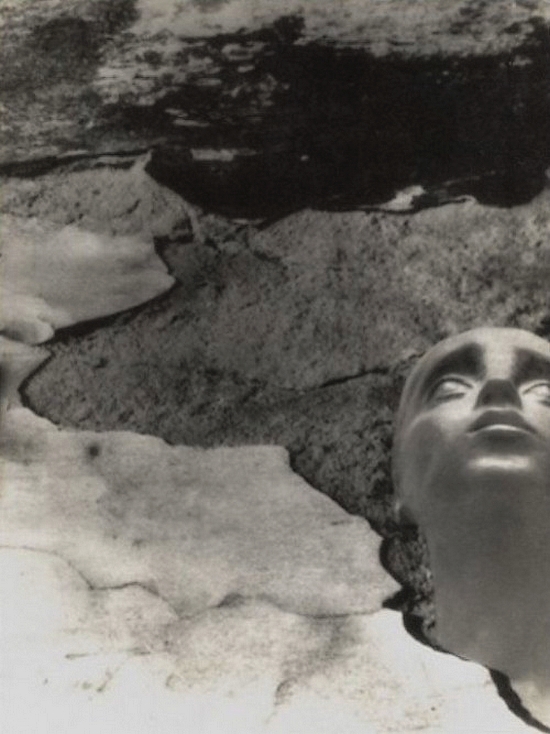
Angelo Pál, Funk Pinkász Poète Profane, 1958

Angelo Pál, Funk Pinkász -Moon Viewer, 1950

Angelo Pál, Funk Pinkász -Moon Viewer, 1950

Paul (Pal Funk) Angelo -Manzard ,1938 Koch Gallery
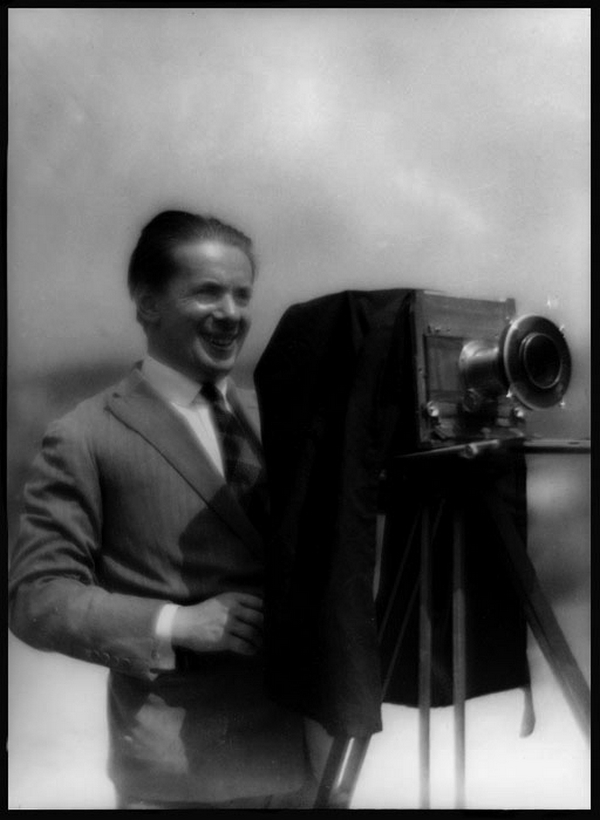
Angelo Pál, Funk Pinkász -Kezdődik a komédia. 1926

Angelo Pál, Funk Pinkász -Kezdődik a komédia. 1926

Angelo Pál, Funk Pinkász -Dance, baby, 1930s

Angelo Pál, Funk Pinkász -Dance, baby, 1926

Angelo Pál, Funk Pinkász -Ray of light, 1930

Angelo Pál, Funk Pinkász -Ray of light, 1930

Pal Funk Paul Angelo - dancers, 1925's

Pal Funk Paul Angelo – dancers, 1925’s

Pal Funk Paul Angelo – Dancers. 1920

Pal Funk Paul Angelo – Dancers. 1920

Angelo Pál, Funk Pinkász -Dancers,c.1920

Angelo Pál, Funk Pinkász -Dancers,c.1920

Angelo Pál, Funk Pinkász - Rökk Marika kisgyermek tanítványaival. 1930

Angelo Pál, Funk Pinkász – Rökk Marika kisgyermek tanítványaival. 1930

Vydareny Ivan Angelo portrait, vers 1935

Vydareny Ivan Angelo portrait, vers 1935

Joyce Neimanas

© Joyce Neimanas – Male  Masturbation is a crime(Text from Kinsey reports.), 1978 from Movie Stills serie

©  Joyce Neimanas -Daytime Fantasies (Text from Kinsey reports) , 1976 from Movie Stills serie


©  Joyce Neimanas -A-1 Male Text from Kinsey reports 1976  from Movie Stills serie

© Joyce Neimanas Memory Mammory Gland 1981


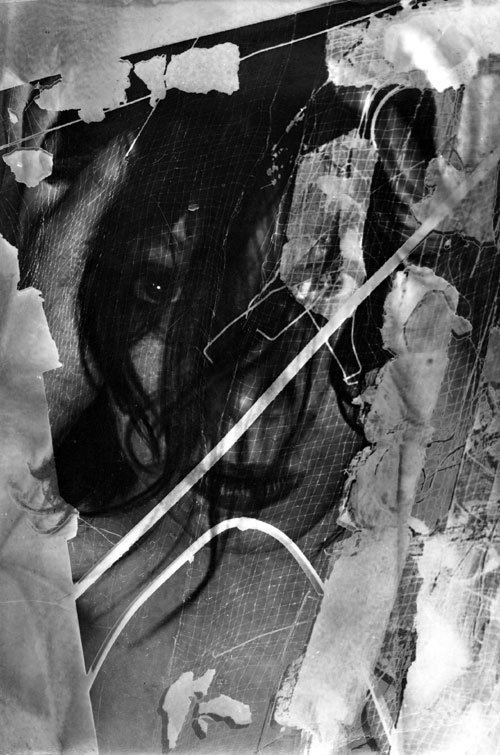
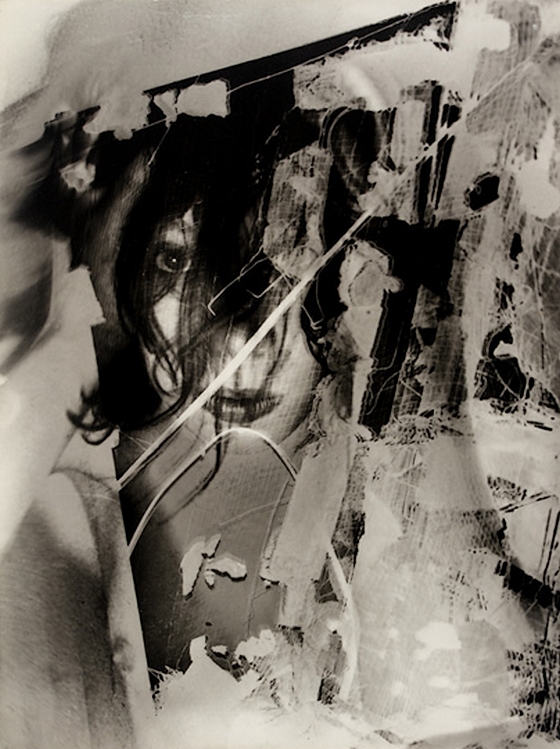
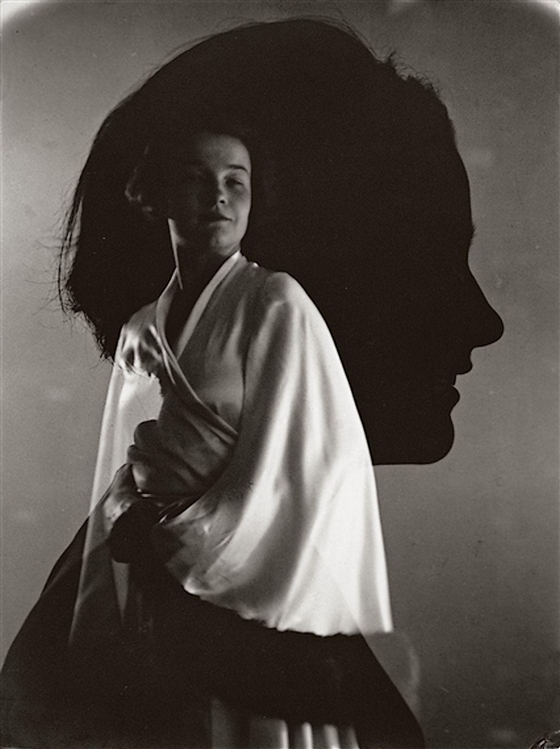
© Joyce Neimanas Alpha 1991 Black shadows created using silhouettes of ancient Greek statues. Second figure created using door poster photograms.

son site

Oscar Gustave Rejlander

Oscar Gustave Rejlander (1813-1875) was part of a generation of radical, young photographers working in the 19th century. Rejlander was also an important pioneer of photomontage, a technique that was later embraced by artists as well as photographers. Photomontage has been used by some of the most influential artists of the 20th century. It is a stylistic element that has been utilised by movements that include the Russian avant-garde, Cubism, Futurism, Surrealism, Pop Art, and that continues to be popular among many contemporary artists.

Rejlander was born in Sweden and is widely regarded as the ‘father of art photography’. Rejlander received his general education in Sweden, and studied painting and sculpture in Rome. After considerable travel he settled in England, where from 1853 he practiced photography. Rejlander rejected contemporary conceptions of photography as a scientific or technical medium. In his efforts to elevate photography to the status of a fine art, he made photographs that imitated painting. He looked to the example of the Old Masters for their use of composition and pose, and often set up his own elaborate compositions in his studio. In many of his works he sought painterly effects by combining and superimposing several negatives to make one print, resulting in a final image that moved beyond the results achieved by traditional photography printing techniques. Rejlander was well known for his ability to capture an emotion or sentiment in his work. A series of photographs of facial expressions and gestures made by Rejlander was used by Charles Darwin in his Expression of the Emotions in Man and Animals (1872).

Although he enjoyed a period of critical acclaim, Rejlander died impoverished. However, his influence extended for decades in the form of increasingly frequent debates regarding the merits of pictorialism, painterly effects and the value of more sharply detailed work. A large collection of Rejlander’s work is currently on display at The National Media Museum, Bradford.

Oscar G. Rejlander- Two Ways of Life, 1857

Oscar G. Rejlander- Two Ways of Life, 1857

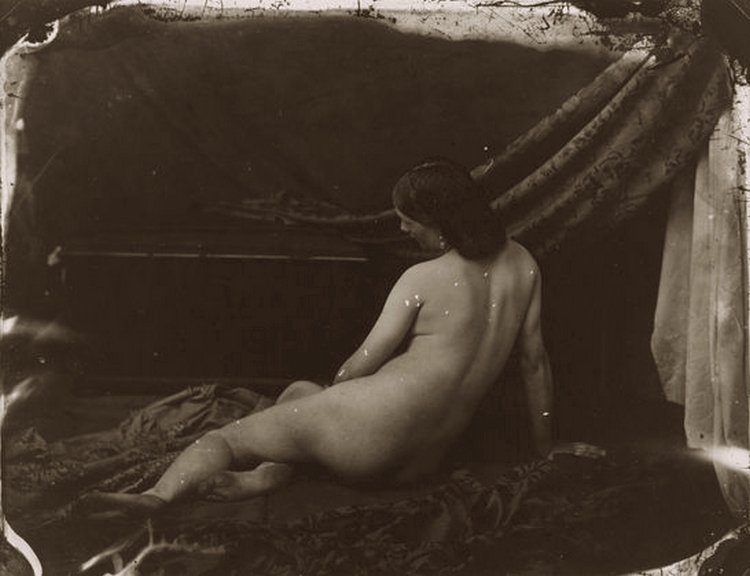
Oscar Gustave Rejlander- Reclining female nude artists’ study, dorsal’, 1857,

Oscar Gustave Rejlander- Reclining female nude artists’ study, dorsal’, 1857

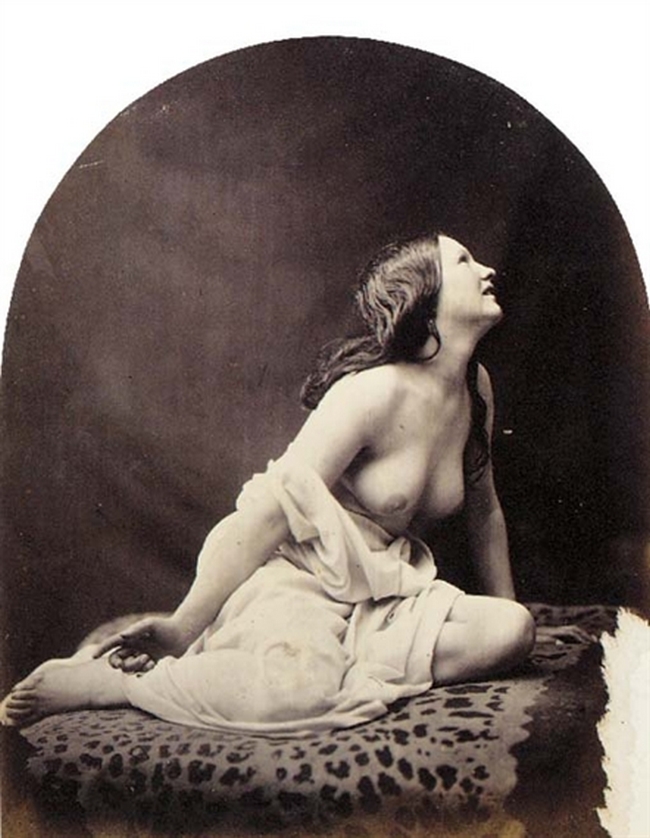
Oscar Gustave Rejlander Draped nude on animal-skin rug, 1855s

Oscar Gustave Rejlander Draped nude on animal-skin rug, 1855s

Oscar Gustave Rejlander, Untitled, c 1864

Oscar Gustave Rejlander, Untitled, c 1864

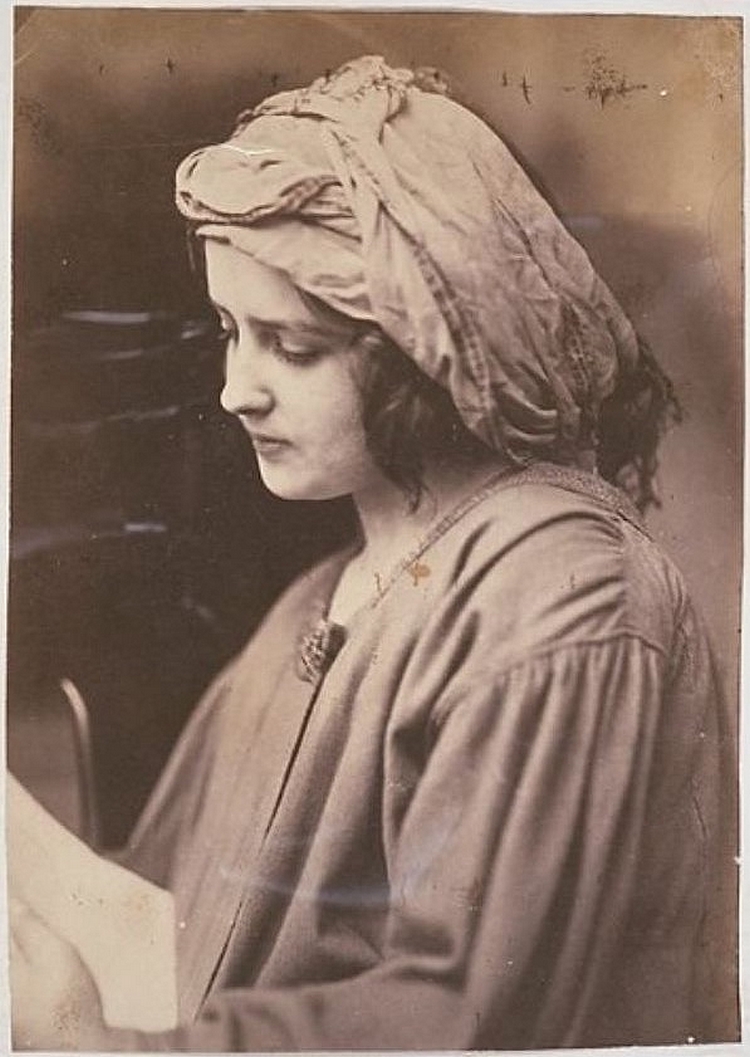
Oscar Gustave Rejlander Woman reading a letter , Wolverhampton 1860

Oscar Gustave Rejlander Woman reading a letter , Wolverhampton 1860

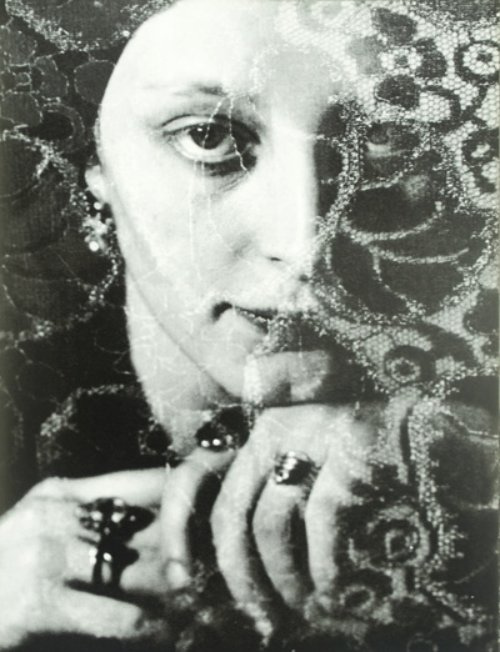
Oscar Gustave Rejlander- Woman with black lace veil 1860

Oscar Gustave Rejlander- Woman with black lace veil 1860

Oscar Gustave Rejlander- The Goddess Nicotina, 1856-59

Oscar Gustave Rejlander- The Goddess Nicotina, 1856-59

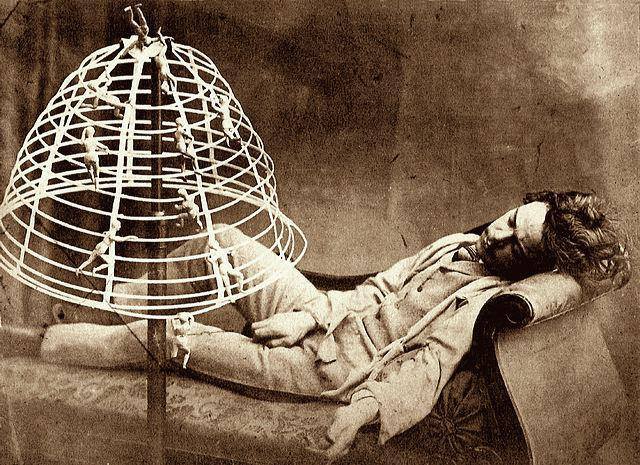
Oscar Gustav Rejlander -  The Dream, 1860

Oscar Gustav Rejlander – The Dream, 1860

Oscar Gustav Rejlander - Hard Times, 1860

Oscar Gustav Rejlander – Hard Times, 1860

Oscar Gustav Rejlander -Two Ways of Life, 1957 (print 1920s)

Oscar Gustav Rejlander -Two Ways of Life, 1857 (print 1920s)

Rude Britannnia – Oscar Gustave Rejlander from Henry Lambourne on Vimeo.

More Here

Werner Rohde – Harlequin, photomontage, collage 1975

Werner Rohde – Harlequin, photomontage, collage 1975


Edmund Kesting Portraits double exposition et photomontage

Edmund Kesting – A painter sees through the objective (Ein Maler sieht durch’s Objektiv), 1930 , it’s Book page from Edmund Kesting Ein Maler sieht durch’s Objektiv (Halle: Fotokino, 1958)

Edmund Kesting -Alarm (Totentanz von Dresden) 1945

Edmund Kesting -Alarm (Totentanz von Dresden) 1945

Edmund Kesting - Unter Trümmern (Beneath Ruins - negative montage). 1945

Edmund Kesting – Unter Trümmern (Beneath Ruins – negative montage). 1945

Edmund Kesting -Zwischen Trämmern 1945

Edmund Kesting -Zwischen Trämmern 1945

Edmund Kesting- UNTITLED (FIGURE AND OUTLINE), 1930 - Copie

Edmund Kesting- UNTITLED (FIGURE AND OUTLINE), 1930 – Copie

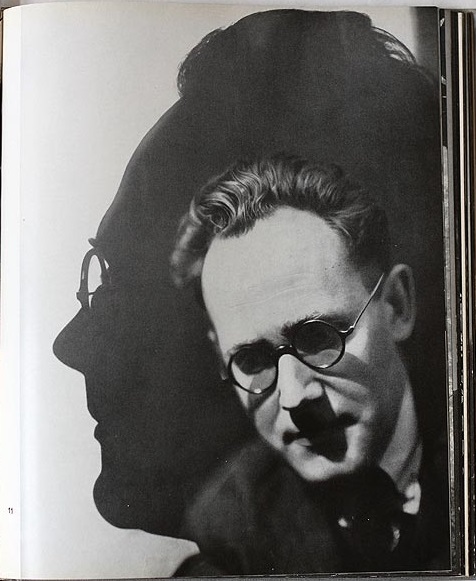
Edmund Kesting -Portrait with shadows, 1930 - Copie

Edmund Kesting -Portrait with shadows, 1930 – Copie

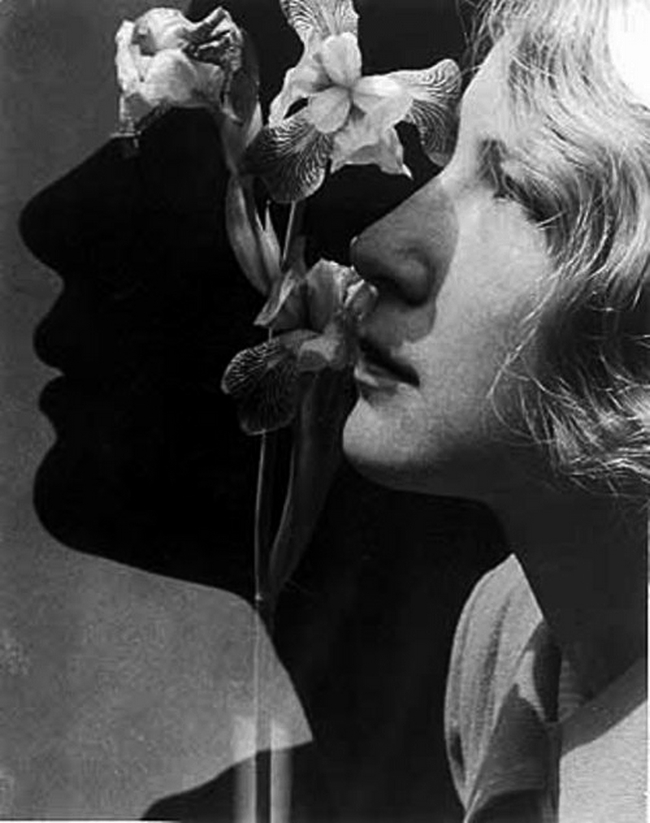
Edmund Kesting - Woman’s Head with lily, 1935
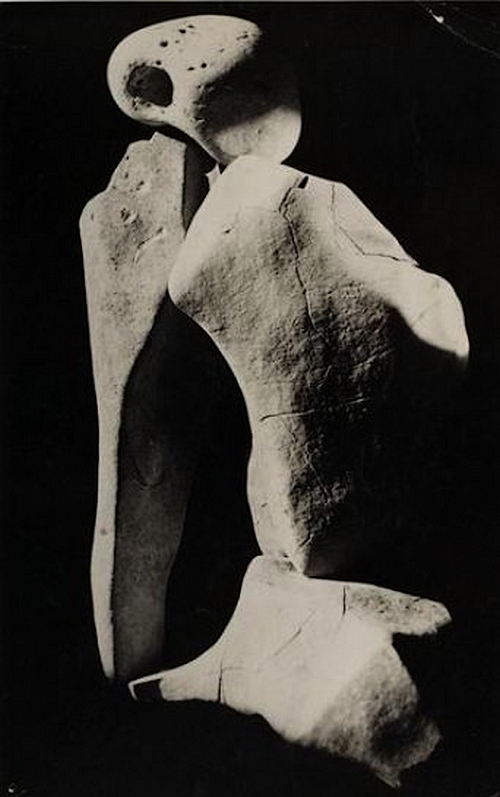
Edmund Kesting – Woman’s Head with lily, 1935

Edmund Kesting - Gerda Kesting Photographing Sunflowers (negative montage). 1930s

Edmund Kesting – Gerda Kesting Photographing Sunflowers (negative montage). 1930s

Edmund Kesting - Portrait of the his wife,  1940 1

Edmund Kesting – Portrait of the his wife, Gerda Kesting? 1940

Self-portrait as painter with pipe”, 1928-29

Edmund Kesting – Self-portrait as painter with pipe”, 1928-29

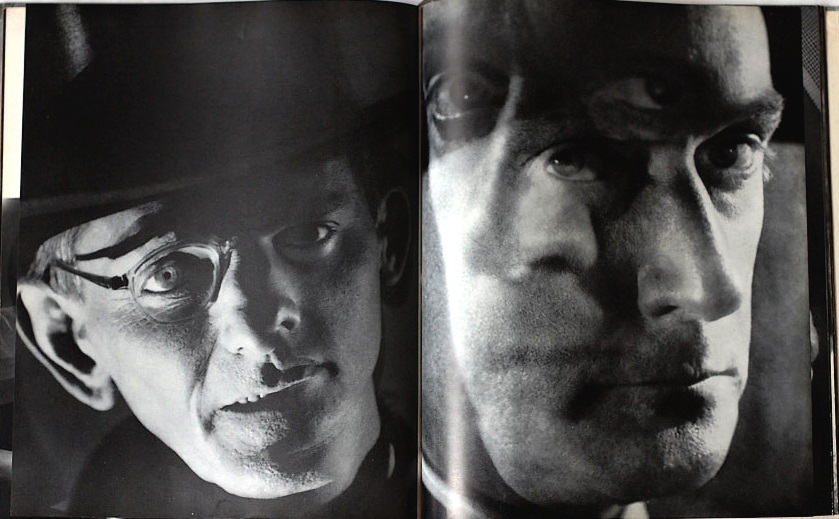
Edmund Kesting - from Edmund Kesting  , Ein Maler sieht durchs Objektiv1958

Edmund Kesting – from Edmund Kesting , « Ein Maler sieht durchs Objektiv », ed velag halle,1958

Edmund Kesting - from Edmund Kesting  , Ein Maler sieht durchs Objektiv, ed velag halle1958

Edmund Kesting – from Edmund Kesting , « Ein Maler sieht durchs Objektiv », ed velag halle, 1958

Edmund Kesting - from Edmund Kesting  , Ein Maler sieht durchs Objektiv, ed velag halle1958

Edmund Kesting – from Edmund Kesting , « Ein Maler sieht durchs Objektiv », ed velag halle, 1958

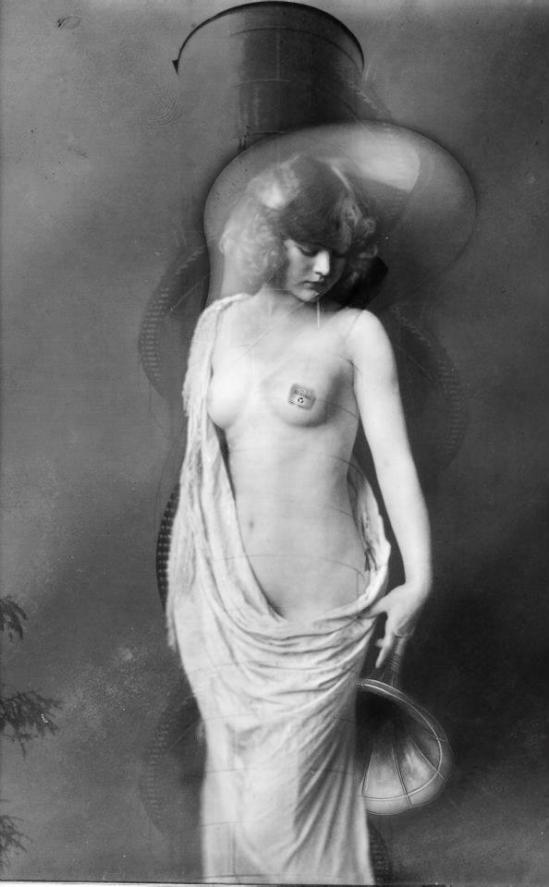
Unkwonw- photomontage [based on photography of alfred cheney johnston, 1920’s]

Unkwonw- photomontage [based on photography of alfred cheney johnston, 1920’s]

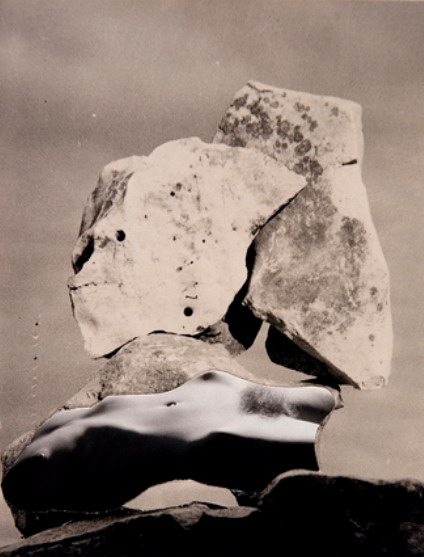
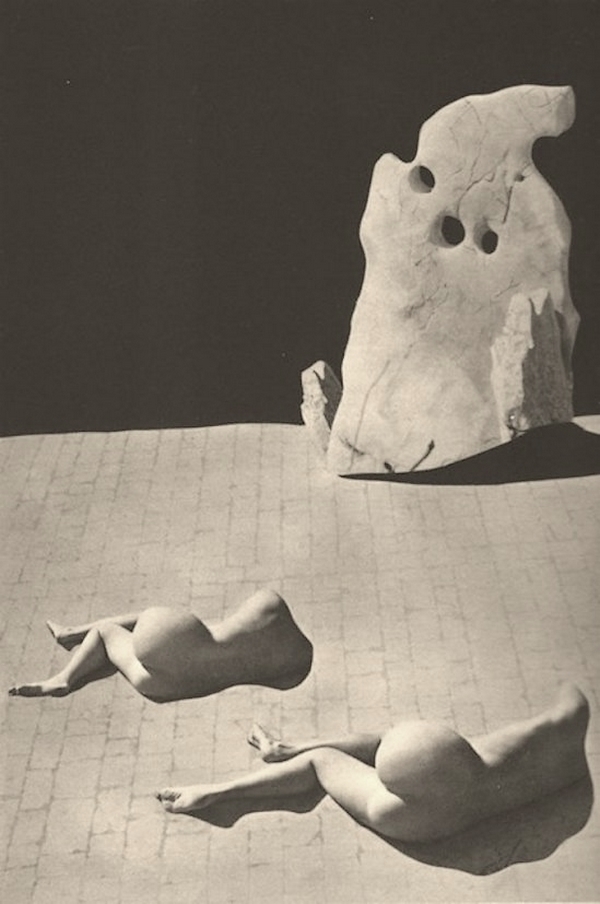
Raoul Ubac -Pierres île de Lesina (Dalmatie) ,1932/1935
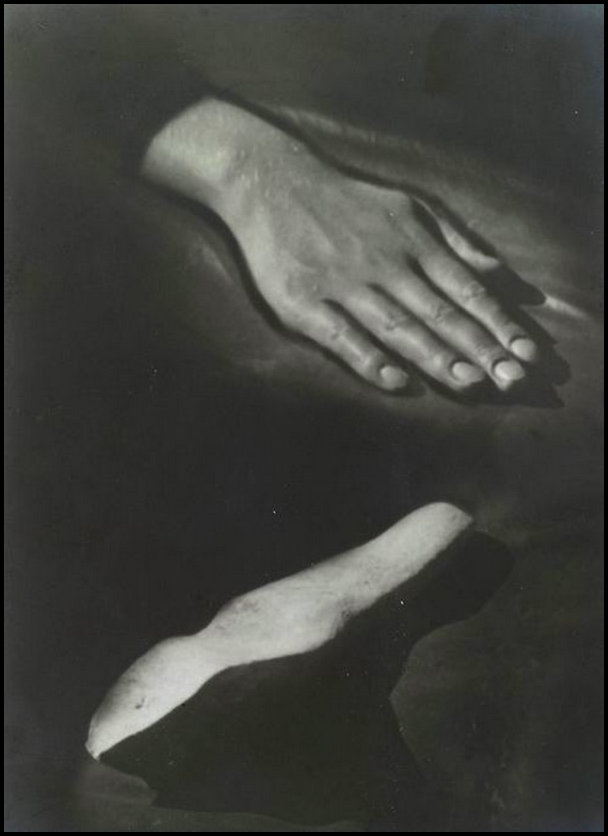
« En 1932, Raoul Ubac entreprend de traverser l’Europe , à pieds, ( Italie, Suisse et Autriche…). En Dalmatie, sur l’île de Lesina, où il s’arrête quelques temps , ‘il effectue des « assemblages de pierres trouvées » qu’il photographie. “Cest là que naquit mon amour pour la pierre. J’y fis des assemblages de pierres trouvées. Je les dessinais et en fis des photographies”. La même année il s’inscrit à la Werkschule de Cologne où il apprend toutes les techniques photographiques (photogrammes, photomontages, solarisations, surimpressions, etc). Il réalise alors ses premiers photocollages comme cette image où le corps de la femme se mélange aux pierres de Dalmatie. » extrait ramanié du livre de Christian Bouqueret  « Raoul Ubac. Photographie », Paris, ed. Léo Scheer, 2000,

Raoul Ubac -Pierres de Dalmatie , Photocollage 1932/33  © Adagp, Paris

Raoul Ubac - Photomontage avec photographie des pierres de dalmatie , 1935.  Publiées dans Formes nues , Editions d'Art Graphique, Paris 1935.

Raoul Ubac – Photomontage avec photographie des pierres de Dalmatie , 1933-34.  Publiée dans Formes nues , Editions d’Art Graphique, Paris 1935. voir plus de photographies de ce livre Ici  © Adagp, Paris

Photographie de Raoul Ubac prise sur l’île de Lesina en Dalmatie vers 1935.

Raoul Ubac- Pierres dressées. prise sur l’île de Lesina en Dalmatie vers 1933 ( collection André Breton)  © Adagp, Paris

Raoul Ubac - Pierre de Dalmatie II, 1932

Raoul Ubac – Pierre de Dalmatie II, 1932 © Jacqueline Hyde © Adagp, Paris

Raoul Ubac - Pierre de Dalmatie I, 1932-33

Raoul Ubac – Pierre de Dalmatie I, 1932-33 © Jacqueline Hyde © Adagp, Paris

Raoul Ubac - Pierres de Dalmatie III,1933

Raoul Ubac – Pierres de Dalmatie III,1933 © Jacqueline Hyde © Adagp, Paris

Raoul Ubac - Main et Pierre (de Dalmatie) , 1932-33

Raoul Ubac – Main et Pierre (de Dalmatie) , 1932-33 © Adagp, Paris

Laurence Le Guay ( Australian 1917-1990)

Le Guay commenced his career during the 1930s with surrealist photography,  and integred Dayne Studios in 1935 at the age of 18. He became a member of the prestigious Sydney Camera Circle and the Contemporary Camera Groupe, in 1938, which included Max Dupain and Olive Cotton, as well as several older photographers including Harold Cazneaux and Cecil Bostock. The Groupe was committed to practising and promoting a modern Australian approach to photography. Le Guay, like Dupain and other members, was interested in European modernism and wanted to find a way to use this style to create uniquely Australian images.

During the second war he was a war photographer for the RAAF. During WWII he was a war photographer for the RAAF.

After opening his studio in George Street, in Sydney , he became a partner with John Nesbett in 1947 and began to focus on fashion photography and other advertising work until the closure of the studio during the early 1970s. Up to this time Le Guay was Sydney’s leading fashion photographer. He then concentrated on publishing books on his photography, editing photographic books and magazines, and giving lectures.

He Awarded the Commonwealth Medal for his contributions towards photography in 1963, prominent Australian photographer   // From Book  by Newton, « Shades of Light » 1998


Laurence Le Guay -Model With Spiny Plant,1960s. Vintage silver gelatin print

Laurence Le Guay -Model With Spiny Plant,1960s. Vintage silver gelatin print

Laurence Le Guay- [Future Fashion], 1960s. Vintage silver gelatin print

Laurence Le Guay- [Future Fashion], 1960s. Vintage silver gelatin print

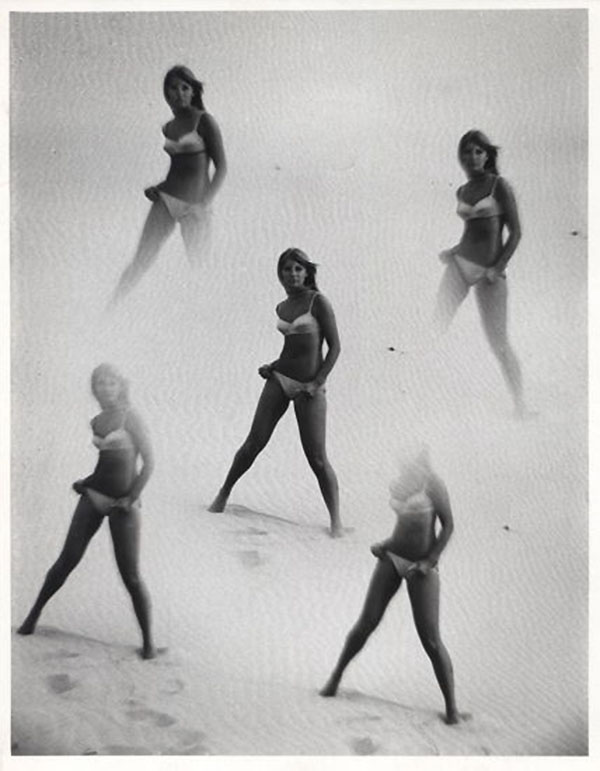
Laurence Le Guay- Quintet Of Bikinis, 1960s. Vintage silver gelatin print.

Laurence Le Guay- Quintet Of Bikinis, 1960s. Vintage silver gelatin print.

Laurence Le Guay- Marietta Nagel, Half-Indonesian Model, c1960s. Vintage silver gelatin

Laurence Le Guay- Marietta Nagel, Half-Indonesian Model, c1960s. Vintage silver gelatin

Laurence Le Guay- Marietta Nagel, Young Lovers In The Grass,1960s. Vintage silver gelatin print

Laurence Le Guay- Marietta Nagel, Young Lovers In The Grass,1960s. Vintage silver gelatin print

Laurence Le Guay- Dance movement , 1946


Laurence Le Guay- No. 2 Nude, 1949

Laurence Le Guay- No. 2 Nude, 1949

Laurence Le Guay- No. 2 Nude, 1949

Laurence Le Guay- No. 2 Nude, 1949

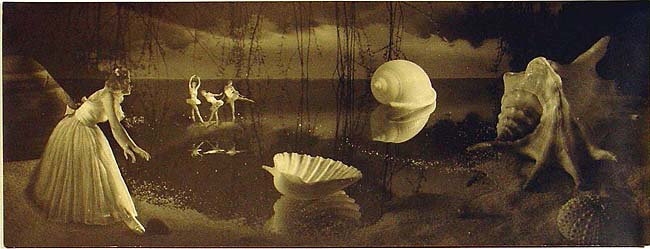
Laurence Le Guay- Sylphides 1940s photomontage, gelatin silver

Laurence Le Guay- Sylphides 1940s photomontage, gelatin silver


‘The progenitors’ is one of a series of montage works that Le Guay produced on the theme of modernism and the human condition. In the image, the nude man and woman are positioned as massive figures within an industrial landscape. The woman looks skyward with one hand pressed to her temple, while the man is seated at her feet and gazes up at her and the factory towers. The pose of the woman echoes the towers of the factory behind her, while the light and cloud suggest the enlightenment of the industrial world. The implication is that the couple are a modern Adam and Eve, with their ability to produce a new Australian race intrinsically linked to the productive capabilities of the modern industrial machines behind them.

« The title of Le Guay’s work potently suggests the complex mix of issues regarding race, heredity and modernity that circulated during the 1930s … A progenitor can mean a spiritual, political or intellectual predecessor and, in this context, the couple offer the viewer the reassuring promise of future prosperity. »  From Isobel Crombie in « Body culture: Max Dupain, photography and Australian culture, 1919–1939″, Peleus Press , 2004

Laurence Le Guay- The progenitors , 1938 gelatin silver photograph, toned montage

Laurence Le Guay- The progenitors , 1938 gelatin silver photograph, toned montage

Laurence Le Guay- No title (War montage with child and soldier) , 1939,gelatin silver photograph

Laurence Le Guay- No title (War montage with child and soldier) , 1939,gelatin silver photograph

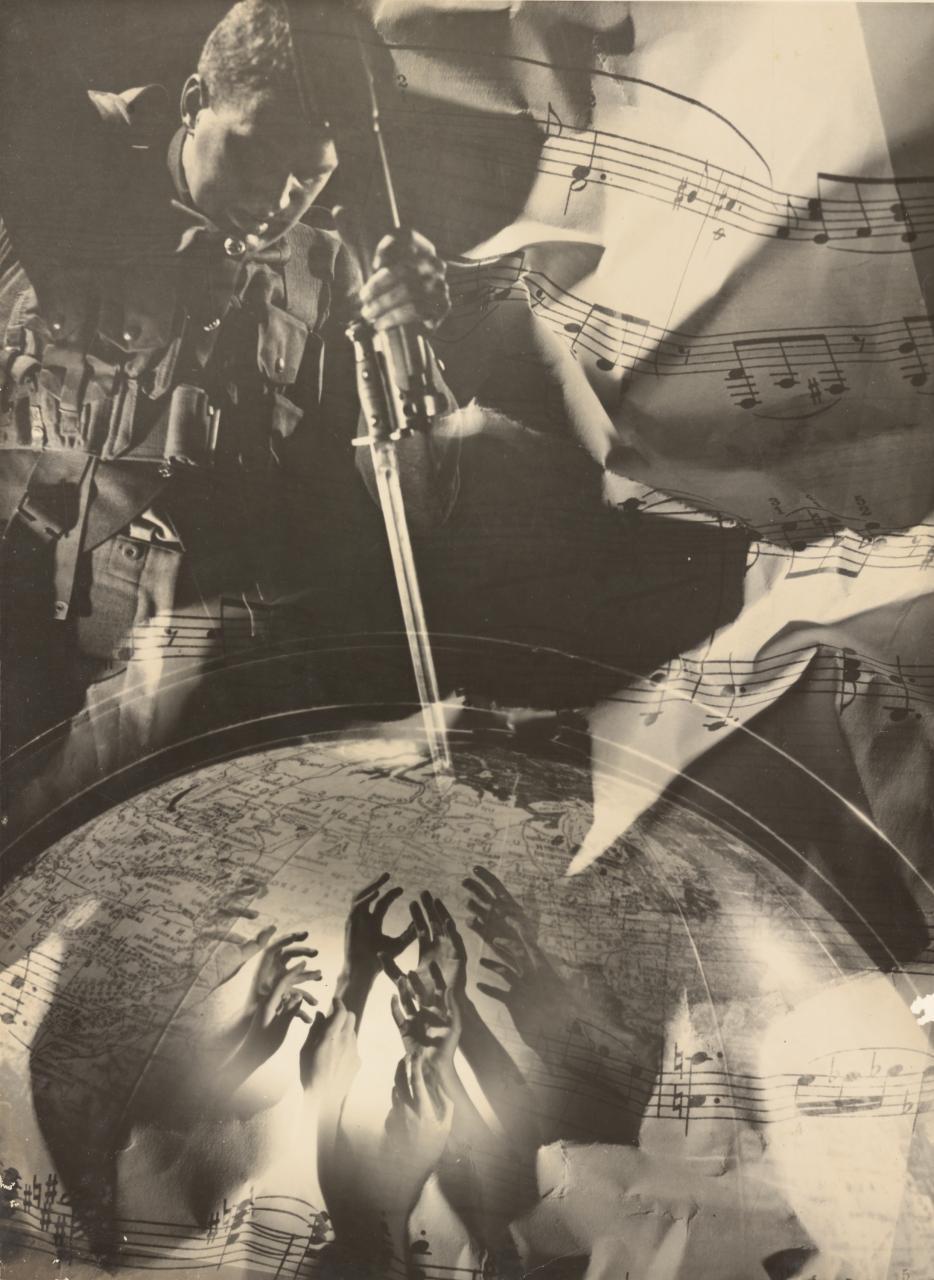
Laurence Le Guay- No title (War montage with globe), 1939 gelatin silver photograph

Laurence Le Guay- No title (War montage with globe), 1939 gelatin silver photograph

Laurence Le Guay- Background for Birth, Published in Photograms of the Year 1940

Laurence Le Guay- Background for Birth, Published in Photograms of the Year 1940


Site et Ici et Ici


Claude Cahun

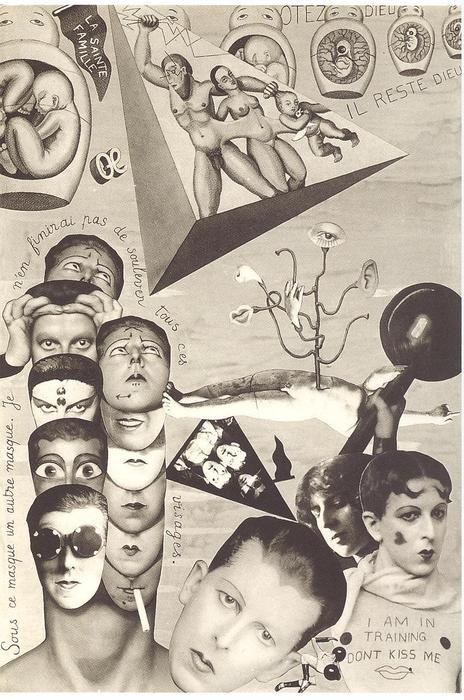
« Dans la nuit noire. En attendant de voir clair, je veux me traquer, me débattre […]. Je ne voudrais coudre, piquer, tuer qu’avec l’extrême pointe. Le reste du corps, la suite, quelle perte de temps ! Ne voyager qu’à la proue de moi-même. »

Claude Cahun, Aveux non avenus

Claude Cahun - Aveux non avenus , photomontage ( réalisé entre 1919 et 1929), publié en 1929

Claude Cahun – Aveux non avenus , photomontage ( réalisé entre 1919 et 1929), publié en 1929


Teresa Gierzyńska, Sans Titre, de la série ” About Her “, 1967

Teresa Gierzyńska, Sans Titre, de la série ” About Her “, 1967

André Breton- Autoportrait L’écriture automatique, vers 1938 & Les pas perdus coagulent


“Je n’aime bien entendu, que les choses inaccomplies, je ne me propose rien tant que de trop embrasser.
L’étreinte, la domination seule sont des leurres.
Et c’est assez, pour l’instant, qu’une si jolie ombre danse au bord de la fenêtre par laquelle je vais recommencer chaque jour à me jeter.”

André. Breton – Les pas perdus coagulent

André Breton- Autoportrait L’écriture automatique, vers 1938 (photomontage avec l’actrice Phyllis Haver).

André Breton- Autoportrait L’écriture automatique, vers 1938 (photomontage avec l’actrice Phyllis Haver).

Hans Bellmer

Hans Bellmer – Paul ALTHAUS. Cover for Jack der Aufschlitzer. Rund zwei Dutzend Lieder mit Zeichnungen von Rudolf Schlichter,  Berlin Ed° Elena Gottschalk Verlag, 1924. (photomontage )

via Christies

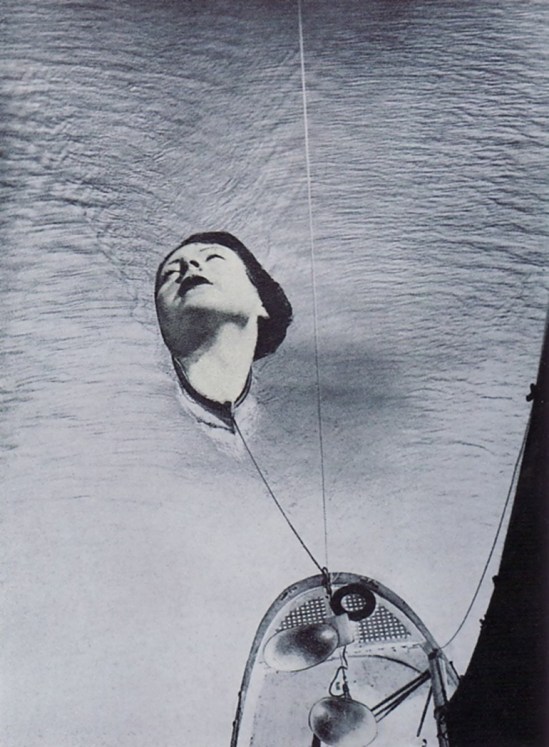
Karel Teige- Collage no. 243, 1942.


Émile Joachim Constant Puyo

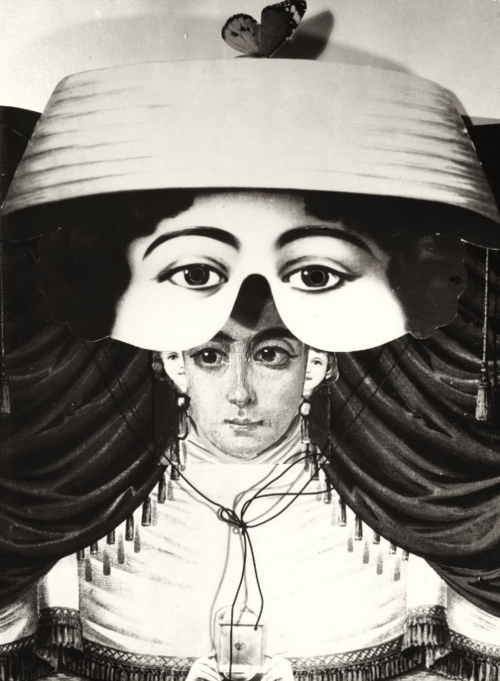
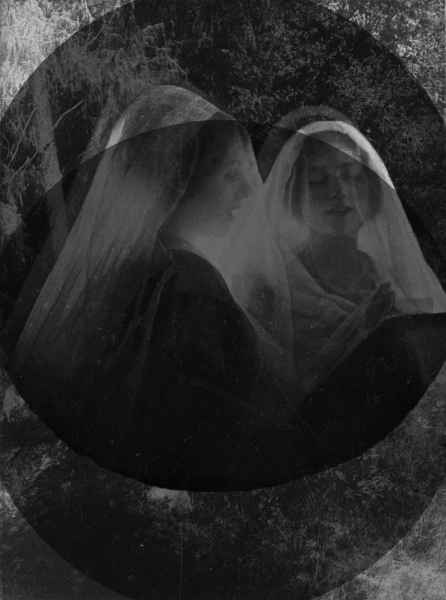
Émile Joachim Constant Puyo- le chant sacré, 1915- Photomontage

Also

Olive Cotton (Australian, 1911-2003)

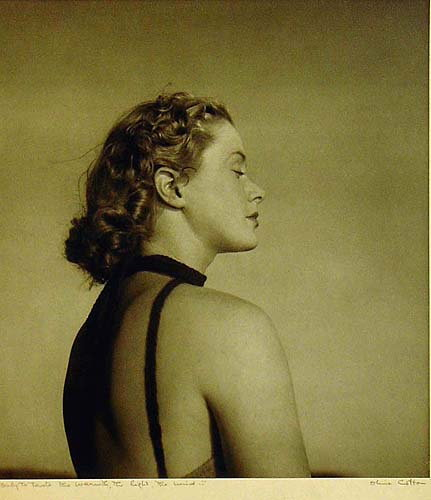
Olive Cotton- Only to Taste the Warmth, the Light, the Wind, 1939.

Olive Cotton-   Jenny, 1937.

Olive Cotton- Jenny, 1937.

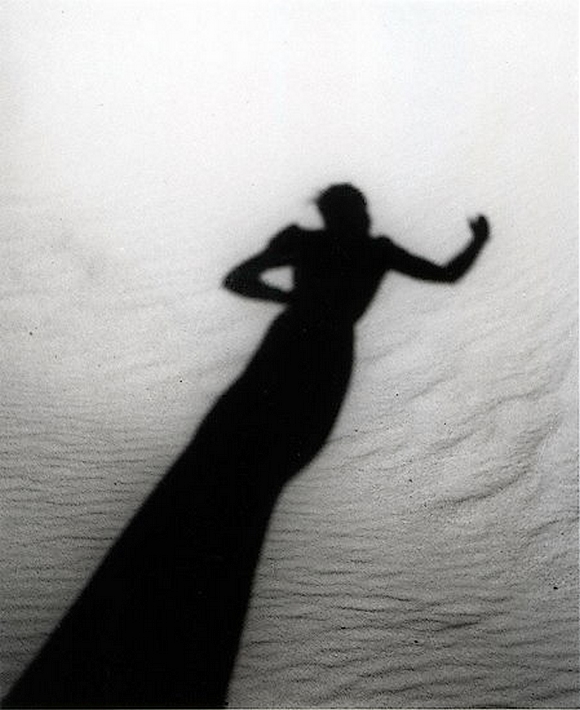
Olive Cotton-[Model's Shadow on Sand], c1937

Olive Cotton-[Model’s Shadow on Sand], c1937

Olive Cotton- Olive's Shadow c1937

Olive Cotton- Olive’s Shadow c1937

Olive Cotton- Nude, ,1937

Olive Cotton- Nude, ,1937

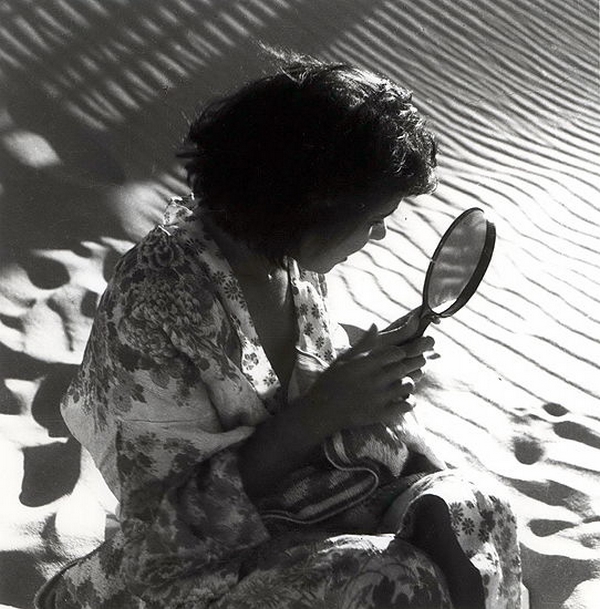
Olive Cotton-  Girl With Mirror 1938

Olive Cotton- Girl With Mirror 1938

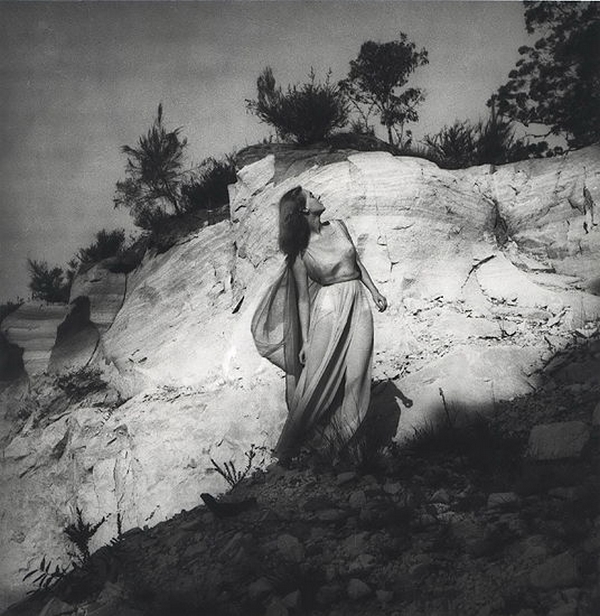
Olive Cotton-   Dancer And Sandstone c1940

Olive Cotton- Dancer And Sandstone c1940

Olive Cotton - Smoke Through The Trees, c1940

Olive Cotton – Smoke Through The Trees, c1940

Olive Cotton - Dead Sunflowers, 1984-1991 ( From Olive Cotton Photographer, National Library of Australia, 1995, p53)

Olive Cotton – Dead Sunflowers, 1984-1991 ( From Olive Cotton Photographer, National Library of Australia, 1995, p53)

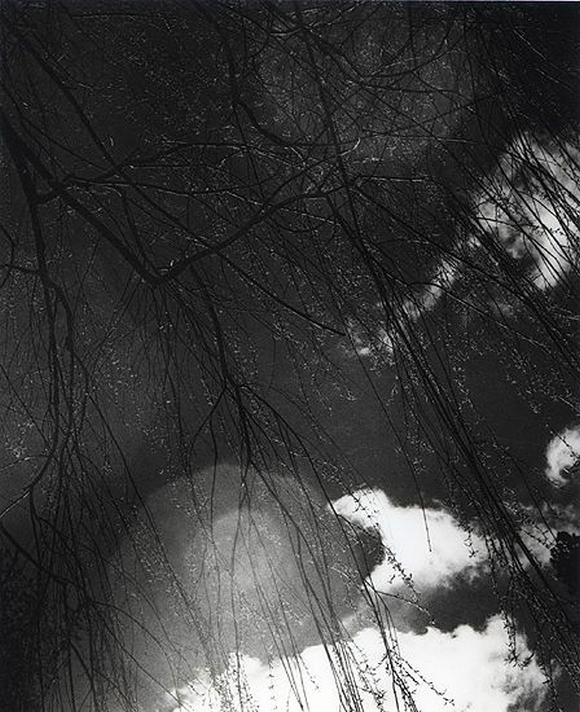
Olive Cotton-  Willow Rain 1940

Olive Cotton- Willow Rain 1940

Olive Cotton- Sky Submerged c1937

Olive Cotton- Sky Submerged c1937


Olive Cotton-  Windflowers 1939

Olive Cotton- Windflowers 1939

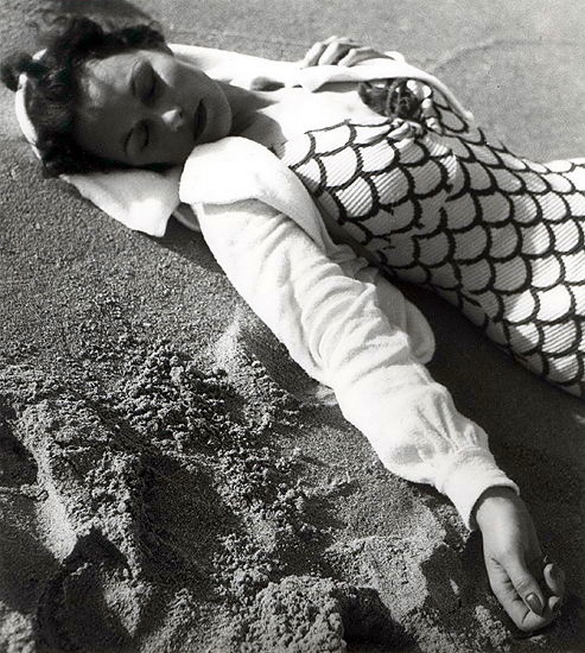
Olive Cotton (Australian, 1911-2003) The Sleeper, 1939

Olive Cotton- The Sleeper, 1939

Olive Cotton- Beachwear Fashion Shot c1938

Olive Cotton- Beachwear Fashion Shot c1938

Olive Cotton- Max Retouching c1940

Olive Cotton- Max Retouching c1940

Olive Cotton-  Max ( Dupain) After Surfing 1939

Olive Cotton- Max ( Dupain) After Surfing 1939

Olive Cotton Self-Portrait, 1943

Olive Cotton Self-Portrait, 1943

Olive Cotton- [Bird with Photogram of Leaf Skeletons], c1935

Olive Cotton- [Bird with Photogram of Leaf Skeletons], c1935

Olive Cotton- Theme for a Mural, 1942

Olive Cotton- Theme for a Mural, 1942


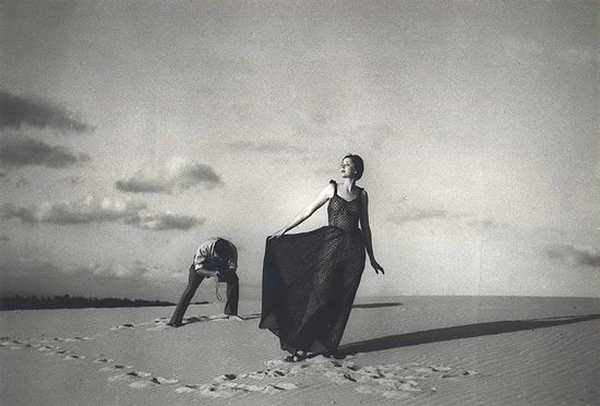
Olive Cotton- Fashion Shot, Cronulla Sandhills c1937 (Shows Max Dupain photographing model Noreen Hallard.)

Olive Cotton- Fashion Shot, Cronulla Sandhills c1937 (Shows Max Dupain photographing model Noreen Hallard.)