Nini & Carry Hess

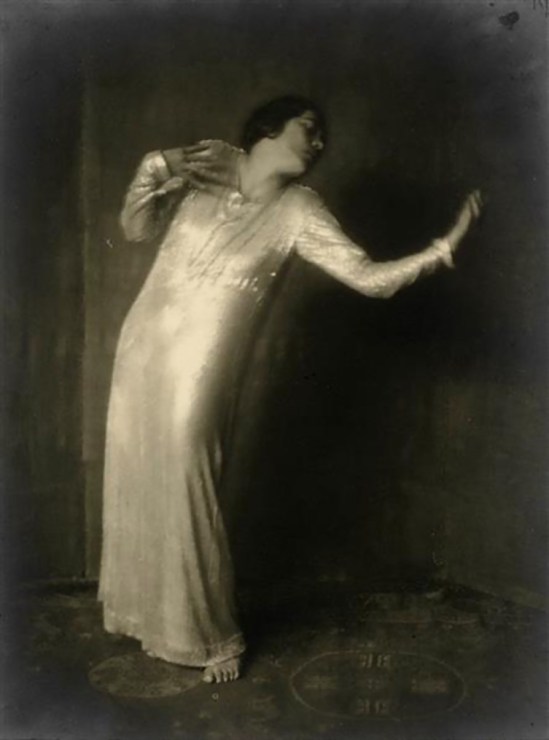
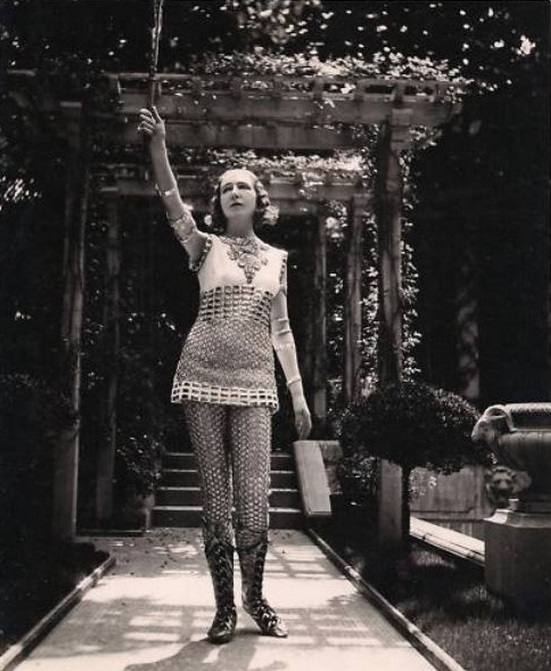
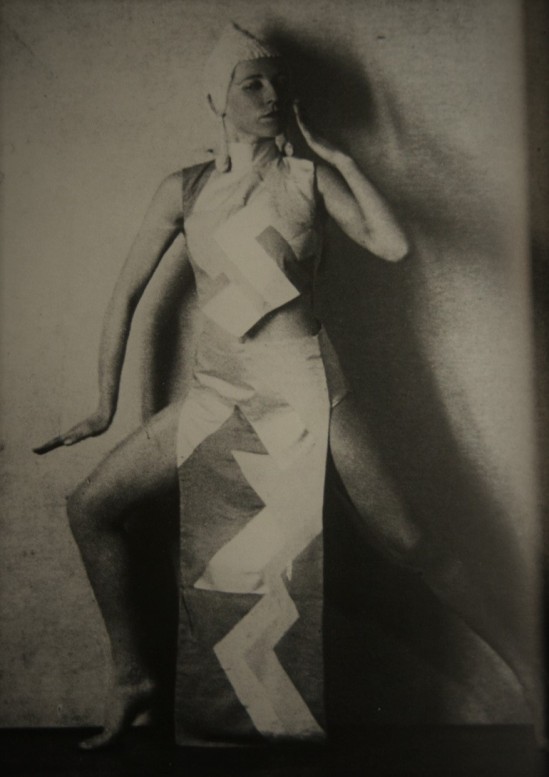
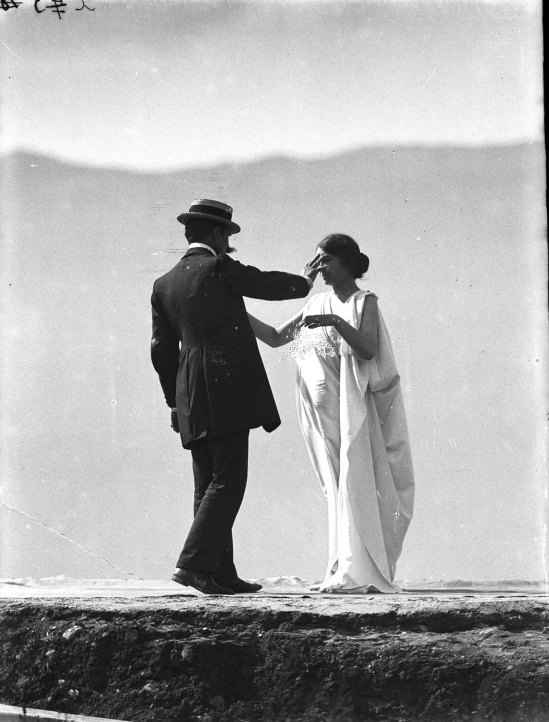
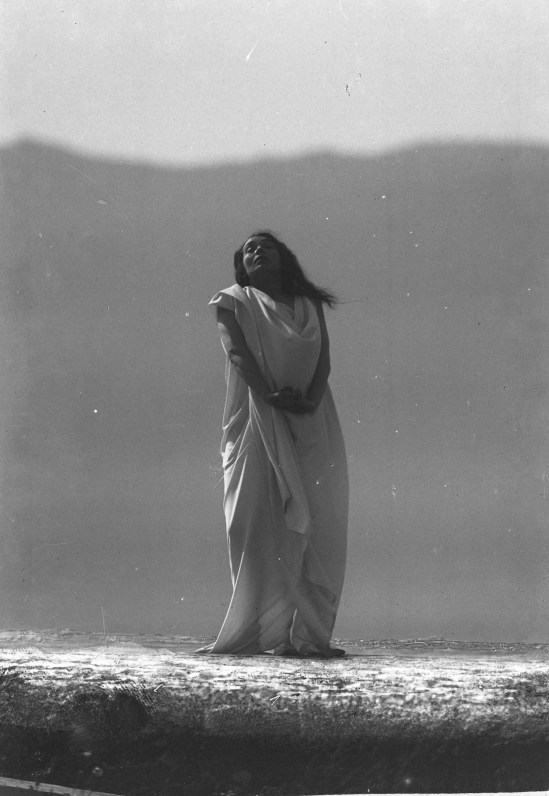
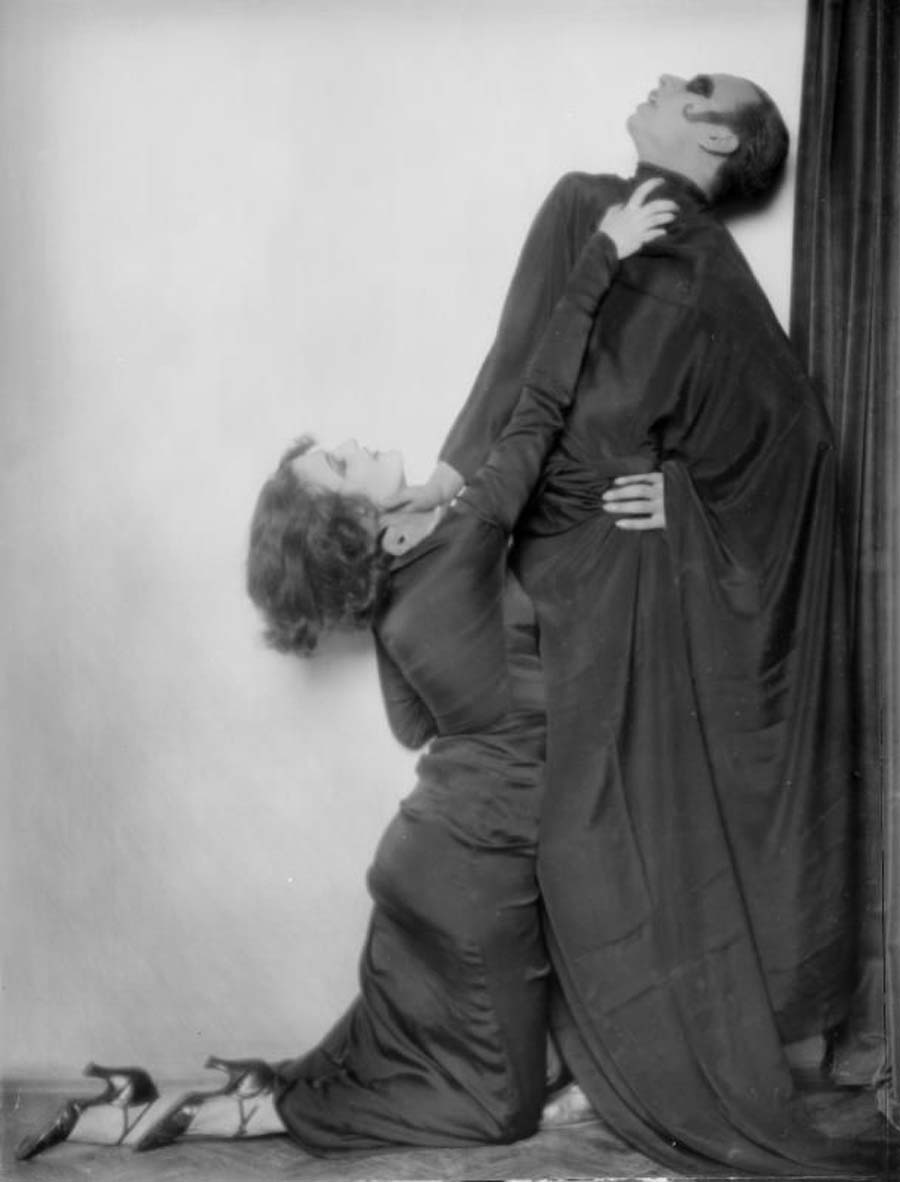
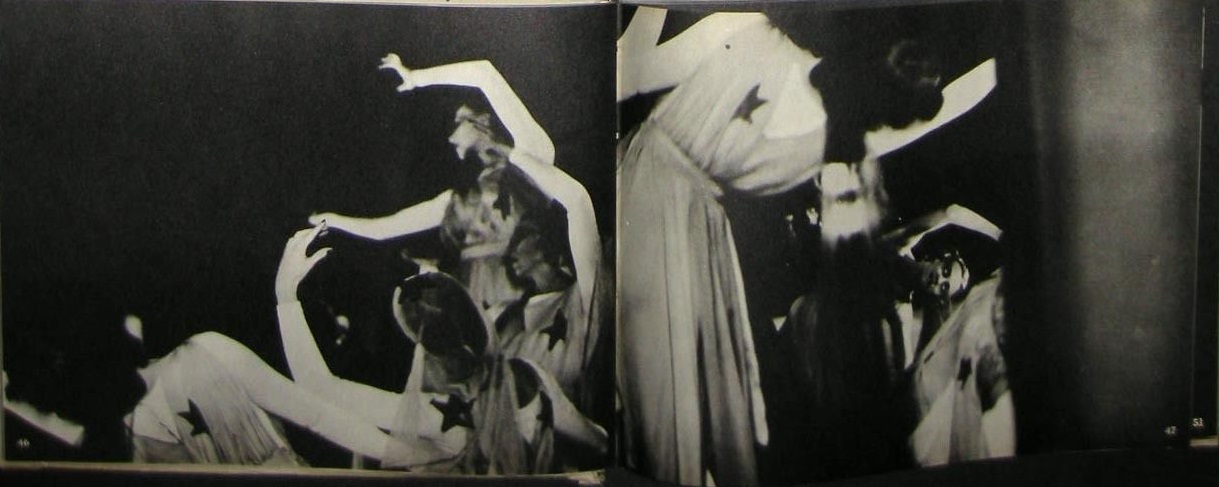
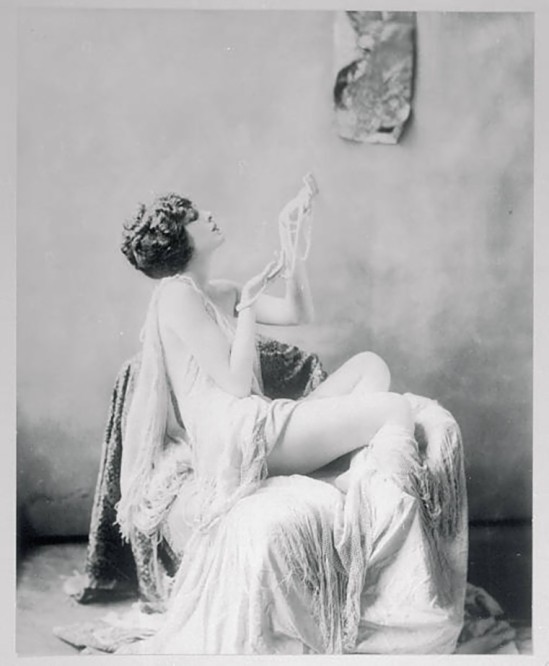
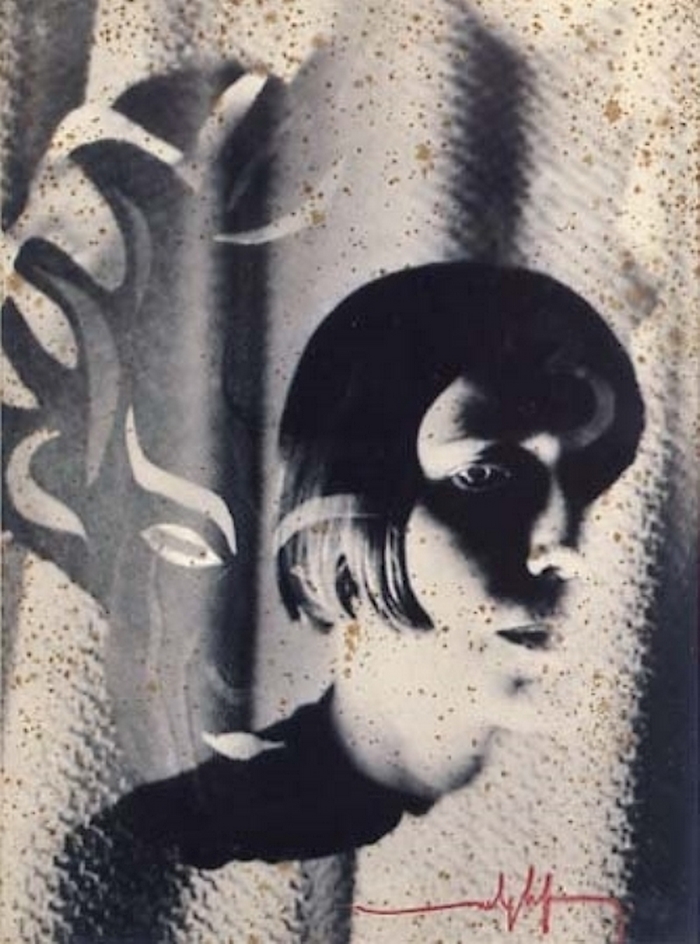
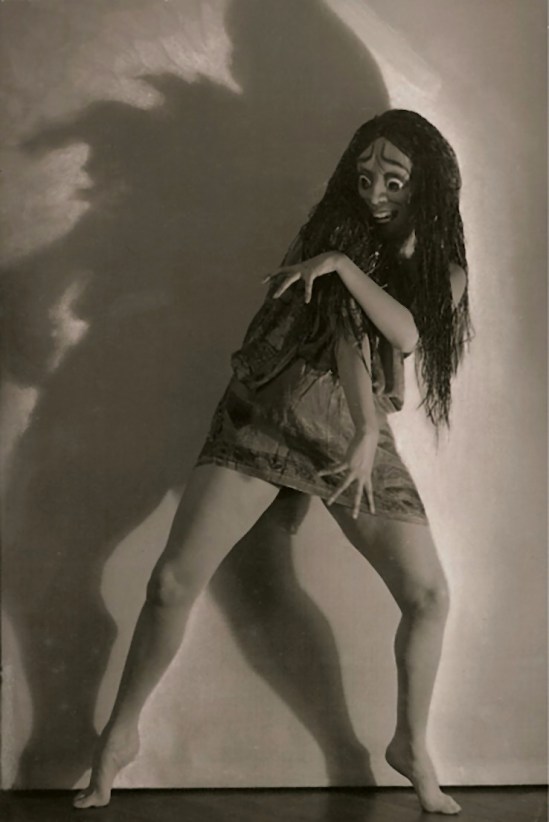
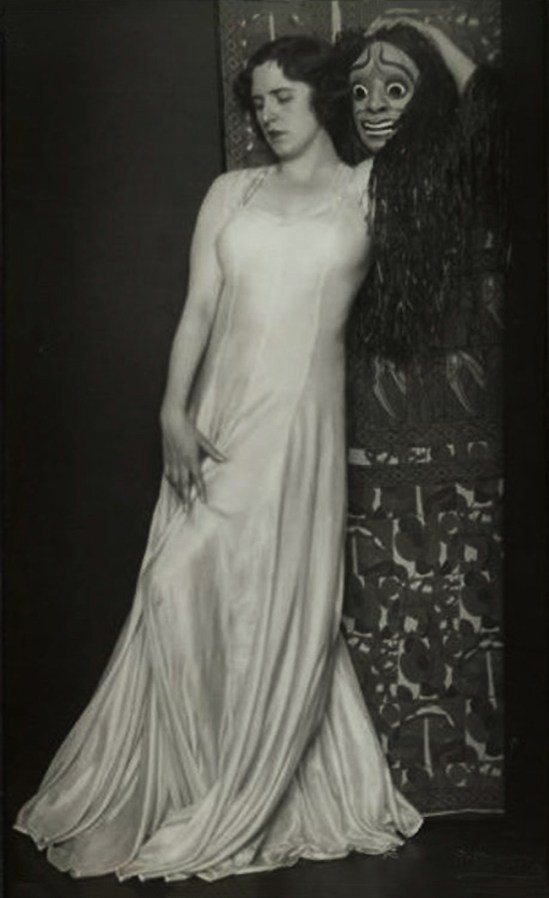
Nini & Carry Hess - Mary Wigman in Dance of Our Lives from the cycle The Seven Dances of Life, Gelatin silver print 1922

Nini & Carry Hess – Mary Wigman in Dance of Our Lives from the cycle The Seven Dances of Life, Gelatin silver print 1922

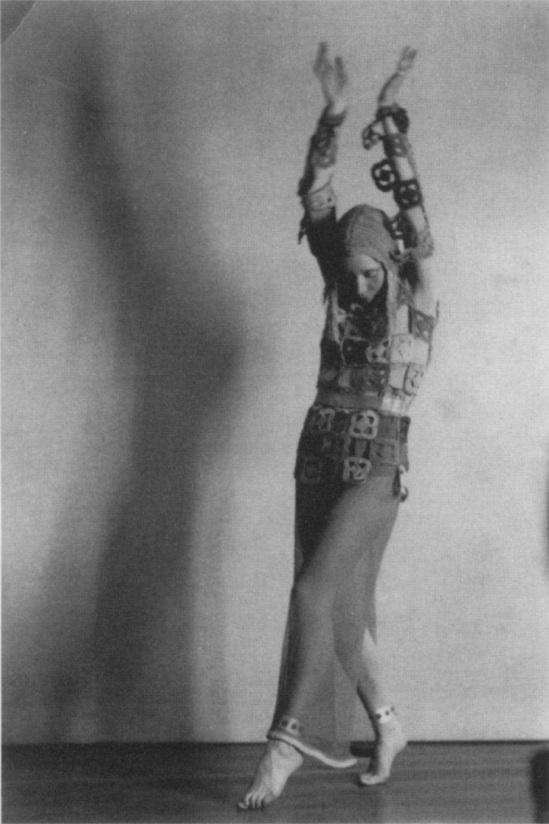
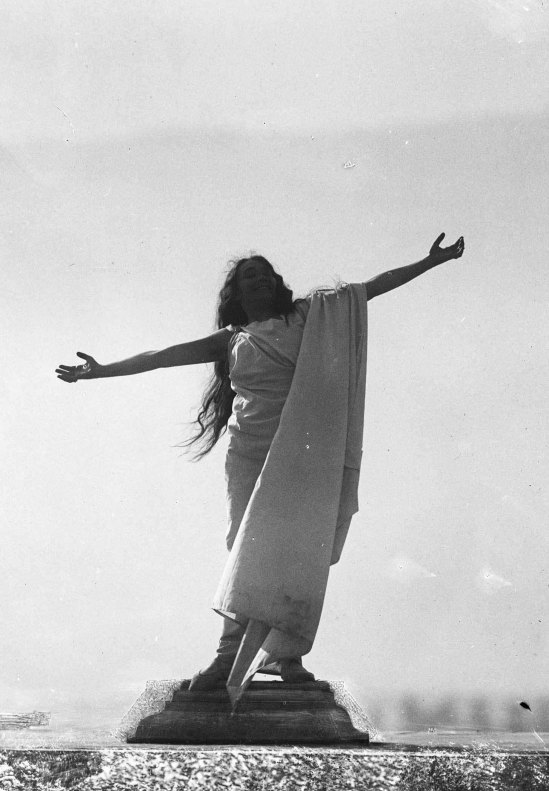
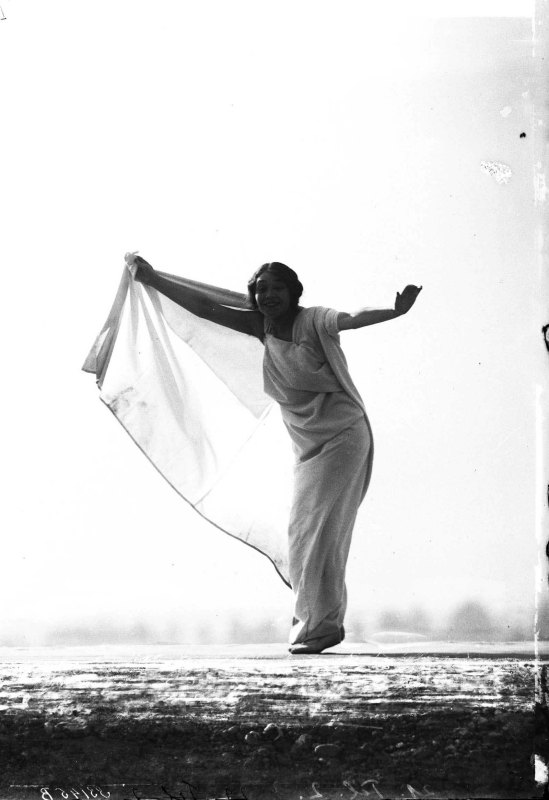
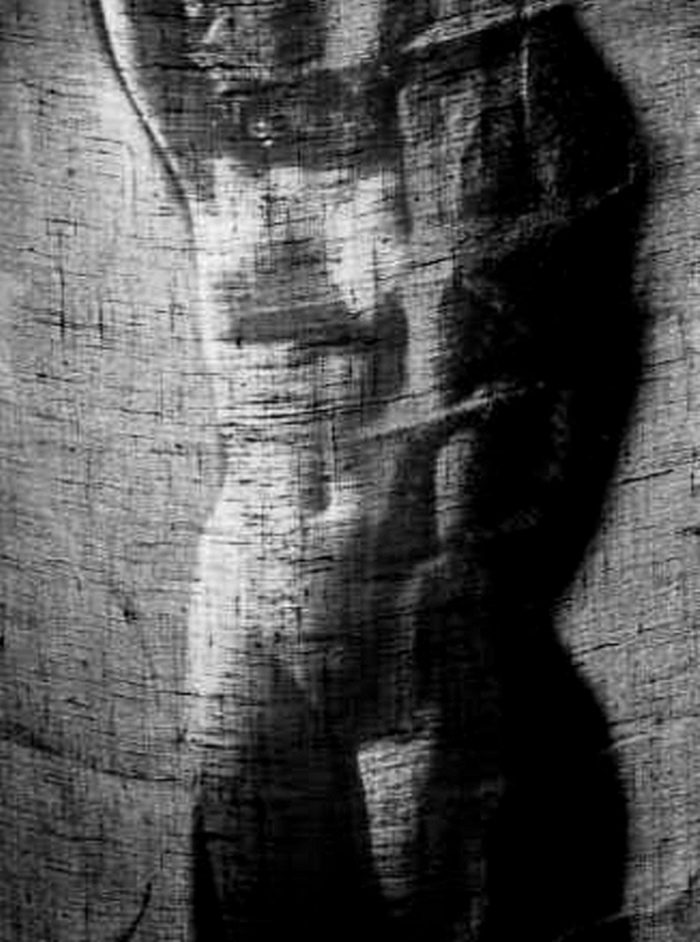
Nini & Carry Hess - Mary Wigman in Dance of Our Lives from the cycle The Seven Dances of Life, Gelatin silver print 1922

Nini & Carry Hess – Mary Wigman in Dance of Our Lives from the cycle The Seven Dances of Life, Gelatin silver print 1922

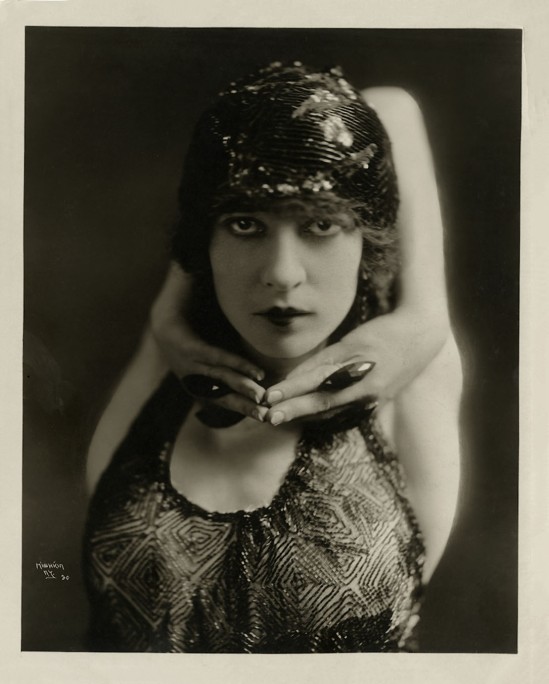
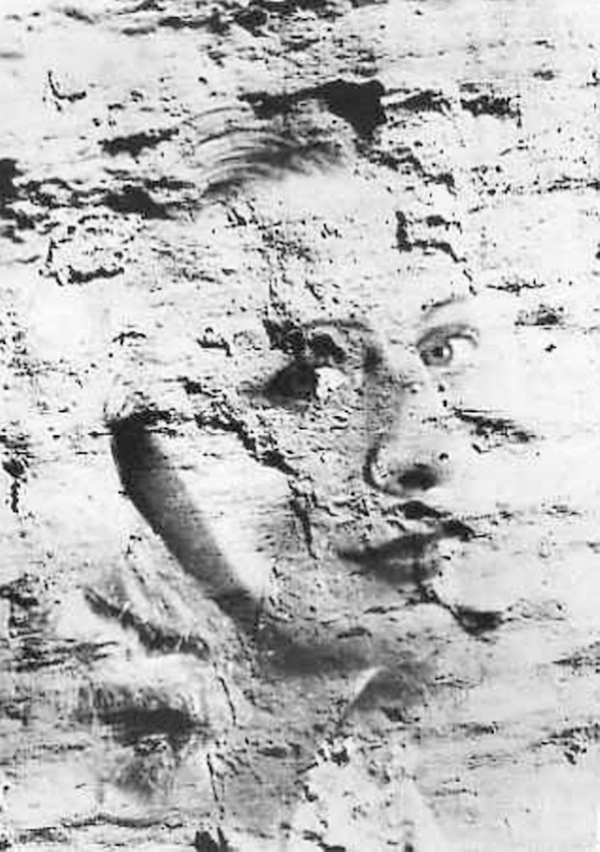
Nini & Carry Hess - Die Hände von Niddy Impekoven, (in einem ihrer Tänze zu Kompositionen von Bach).1926

Nini & Carry Hess – Die Hände von Niddy Impekoven, (in einem ihrer Tänze zu Kompositionen von Bach).1926

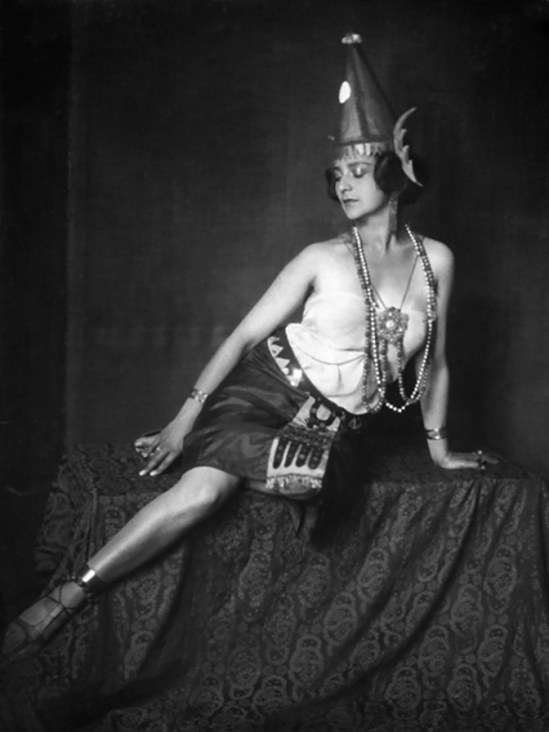
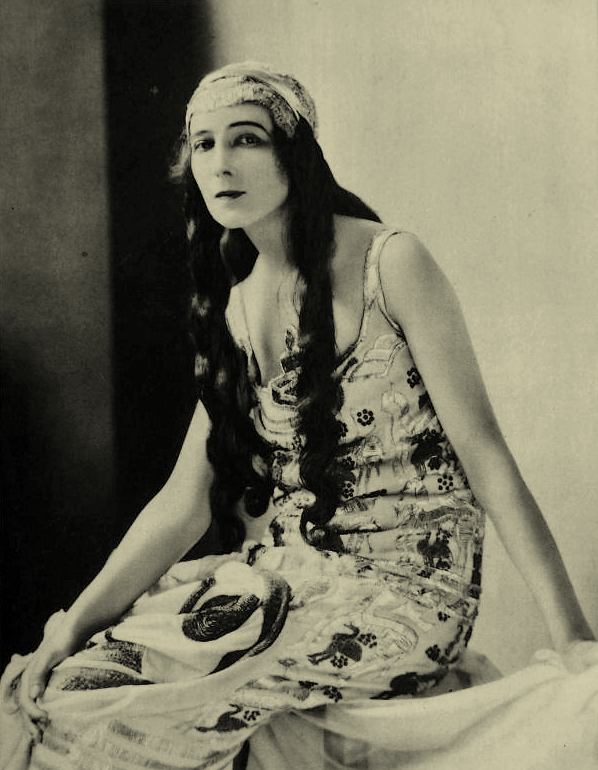
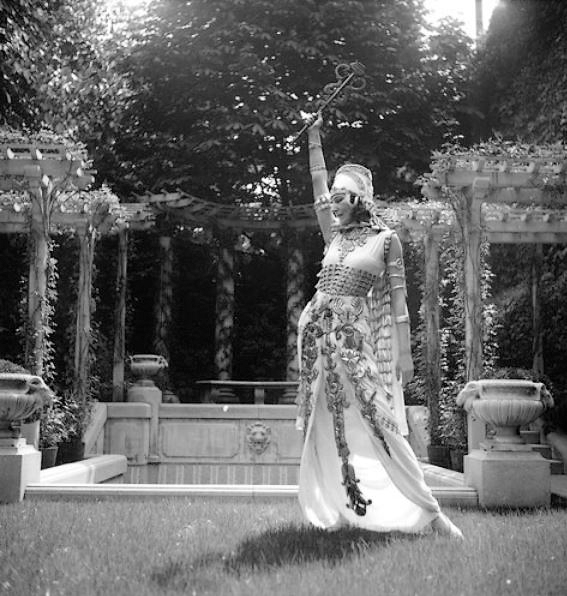
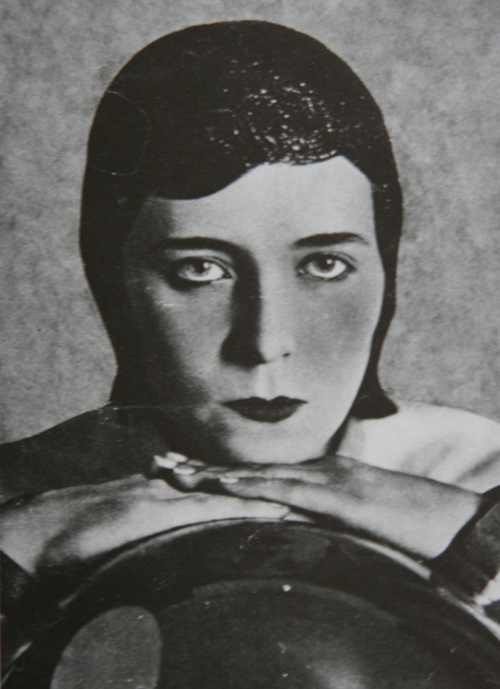
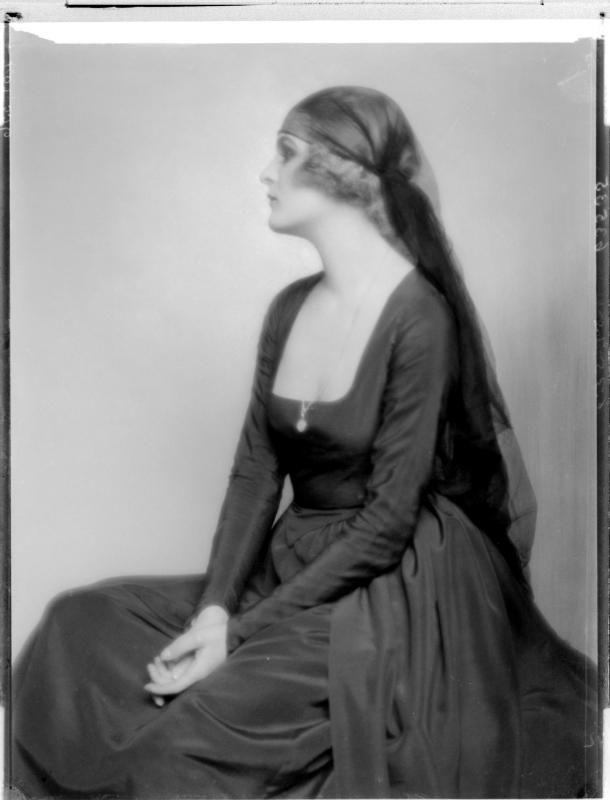
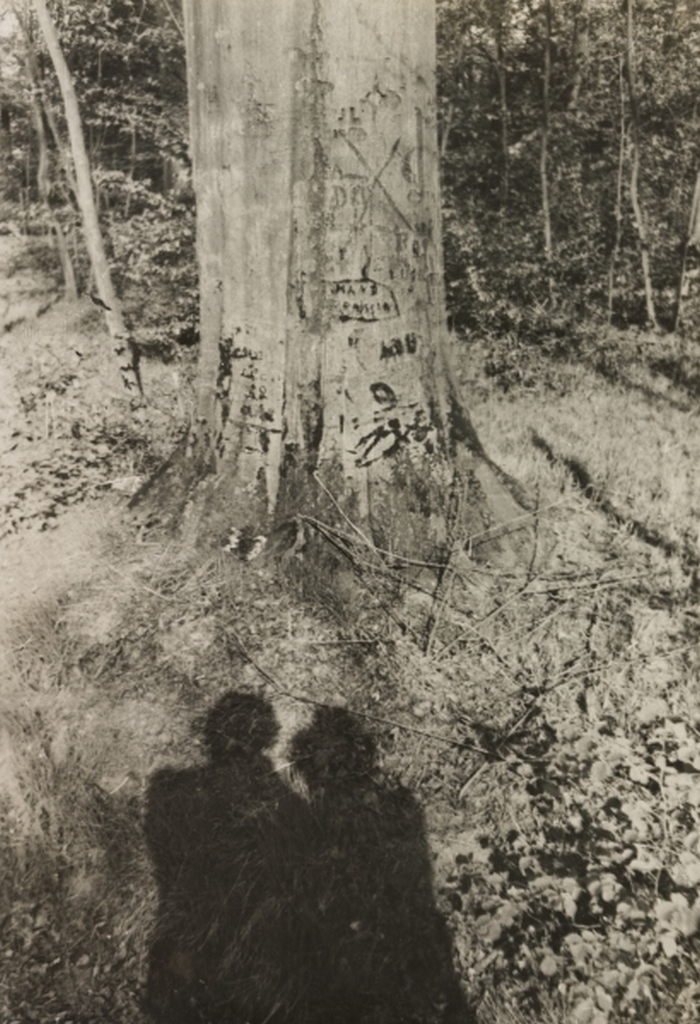
Nini & Carry Hess -,Leontine Sagan - Director, Actress, - as 'Guelnare' in the play 'Der Traum ein Leben' by Franz Grillparzer, 1925

Nini & Carry Hess -Leontine Sagan – Director, Actress, – as ‘Guelnare’ in the play ‘Der Traum ein Leben’ by Franz Grillparzer, 1925

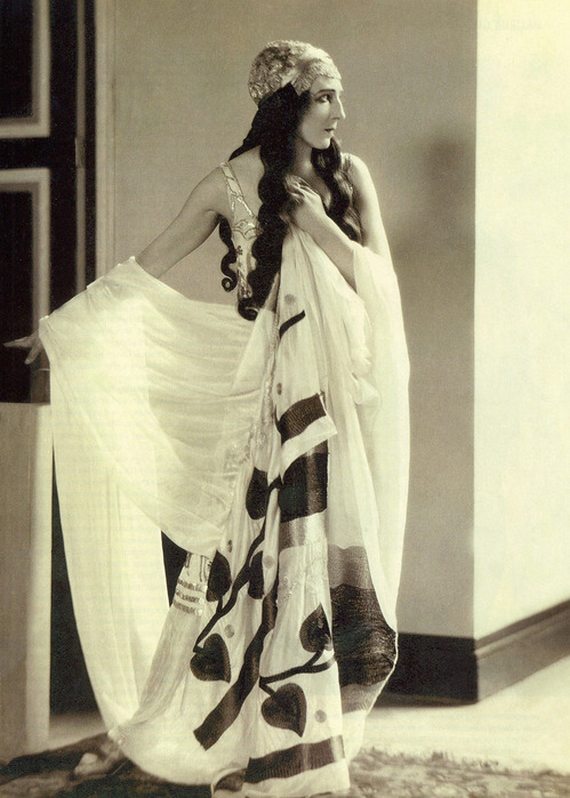
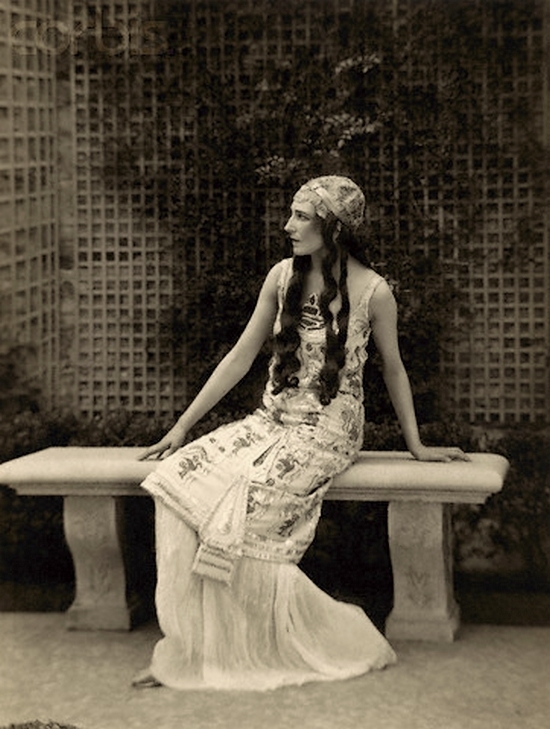
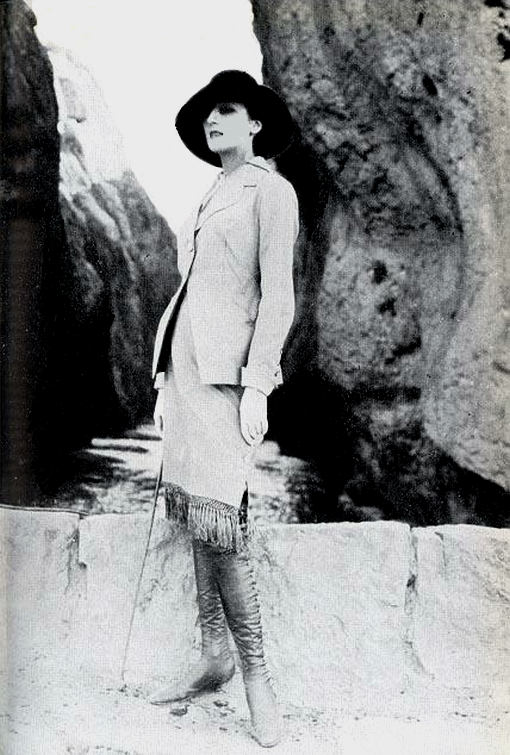
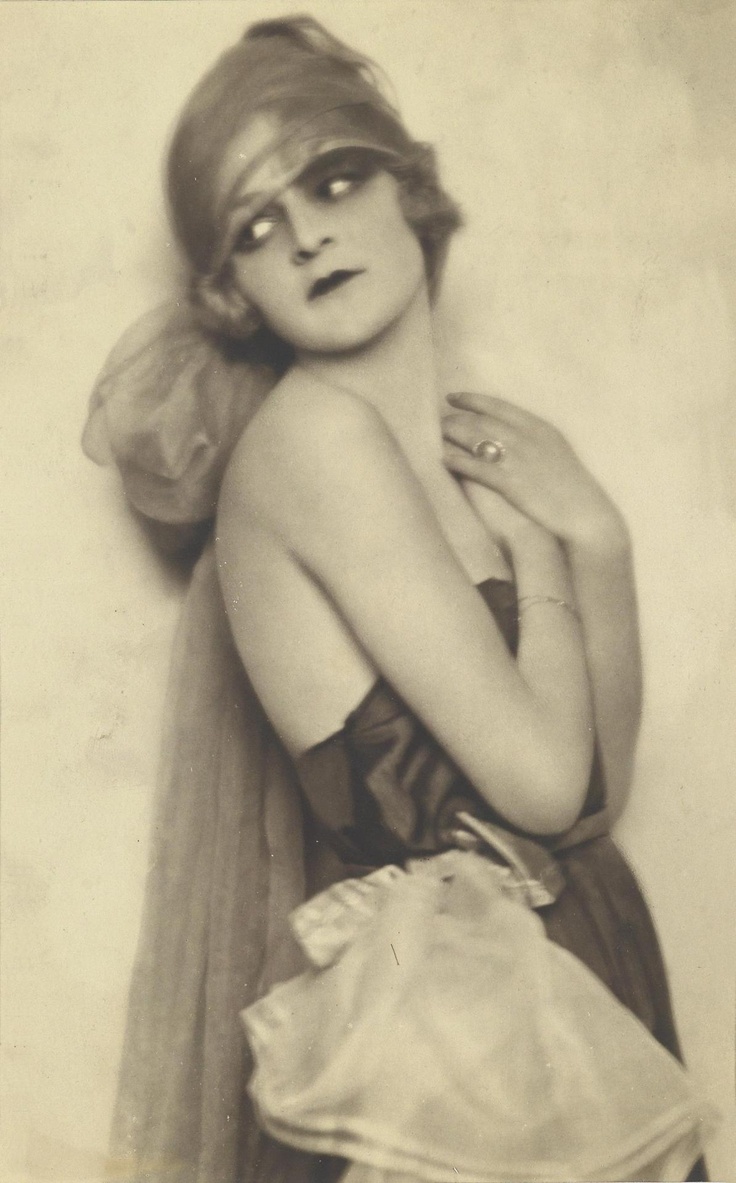
Nini & Carry Hess - Gerda -Mueller - Actress, as 'Queen Tamara' in the play with the same name by Knut Hamsun,1923

Nini & Carry Hess – Gerda  Mueller – Actress, as ‘Queen Tamara’ in the play with the same name by Knut Hamsun,1923


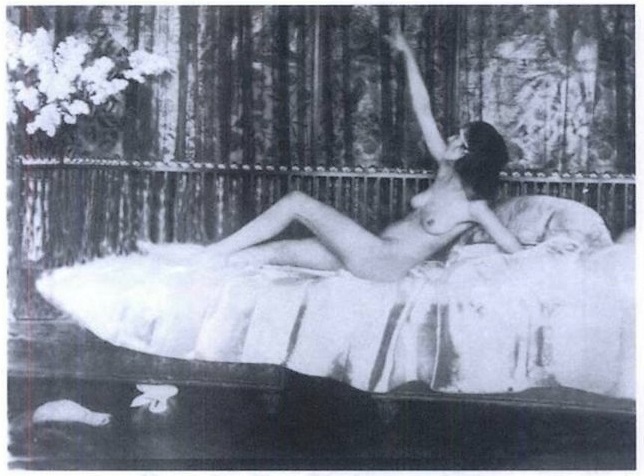
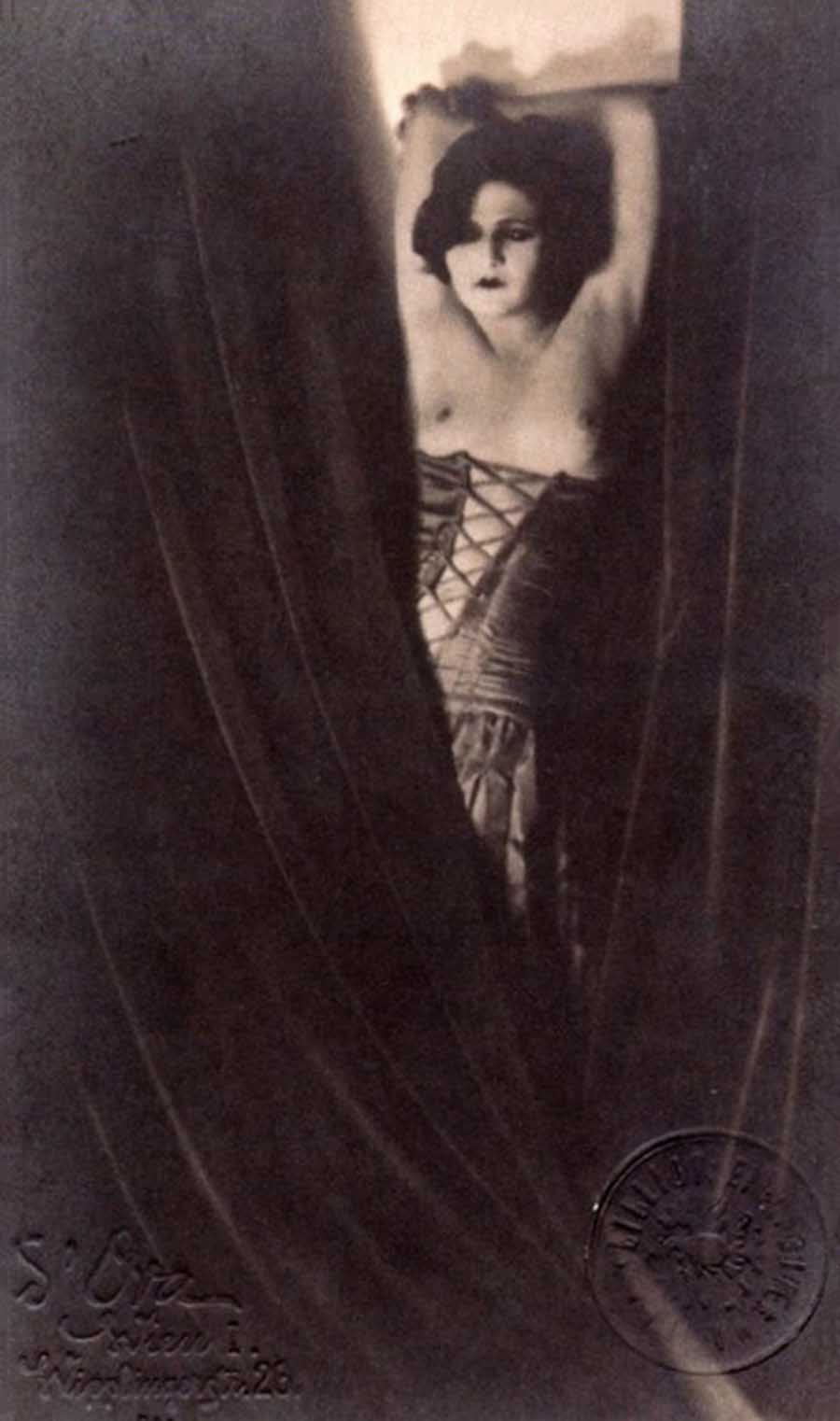
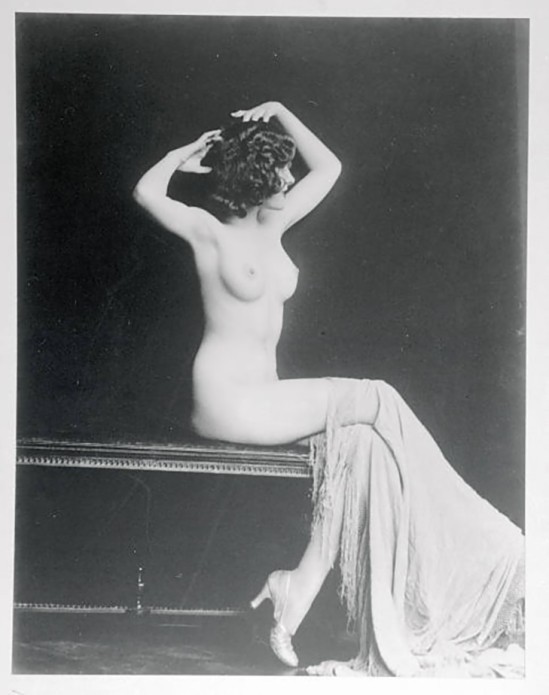
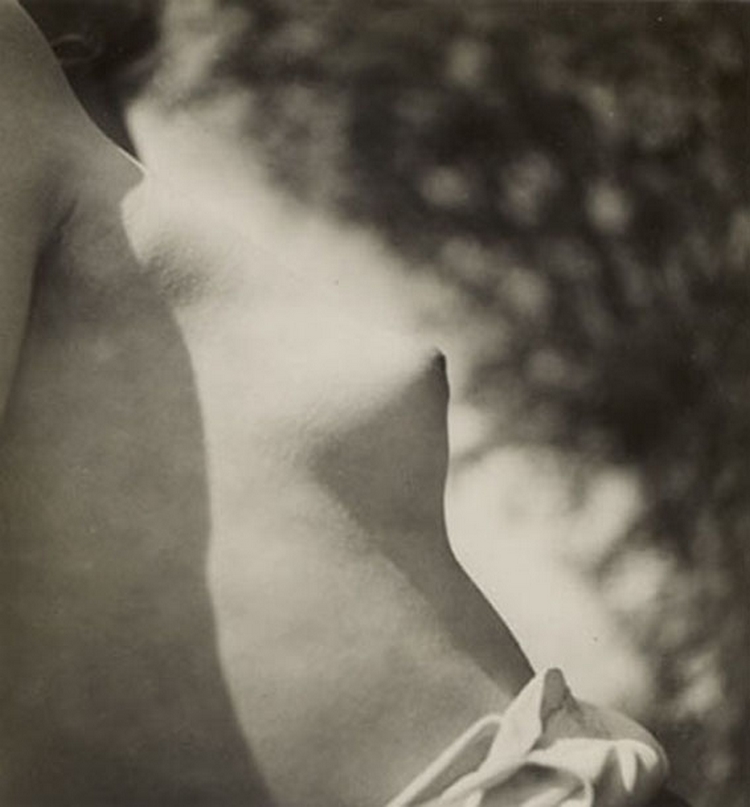
Nini & Carry Hess - Nude, Gravure printed in 1926

Nini & Carry Hess – Nude, Gravure printed in 1926

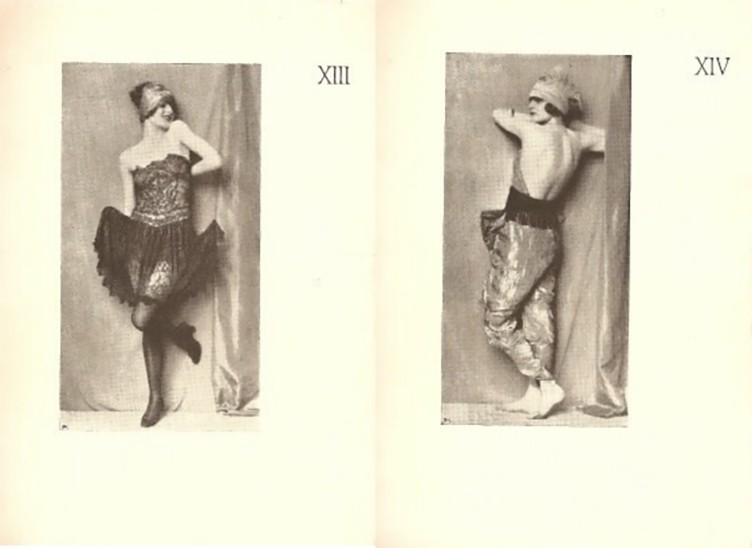
random dance

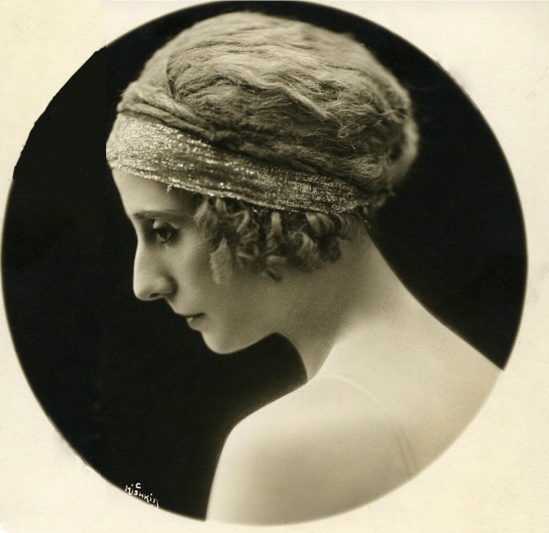
Herman Mishkin- portrait of Anna Pavlova , nd

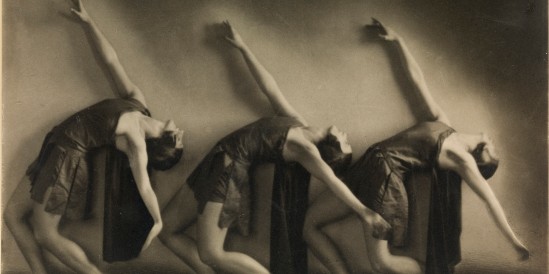
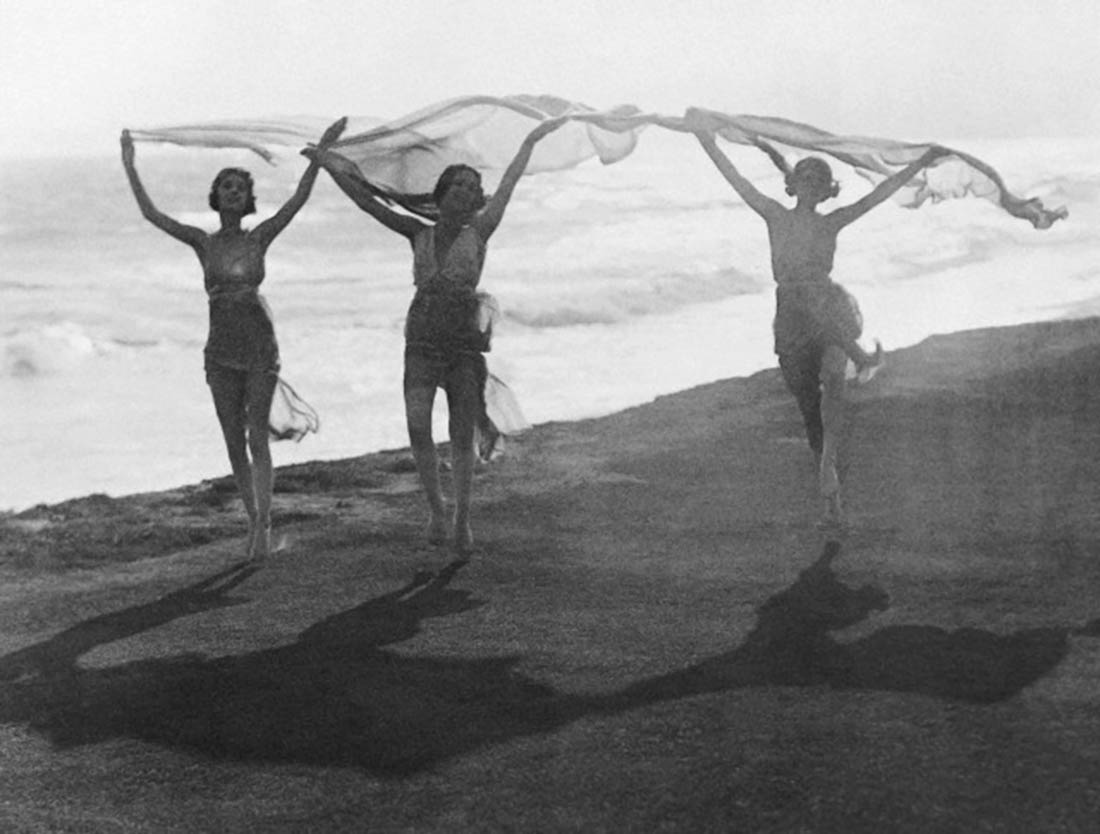
Sture Ekstrand Tre dansöser 1925

Sture Ekstrand Tree dansöser 1925

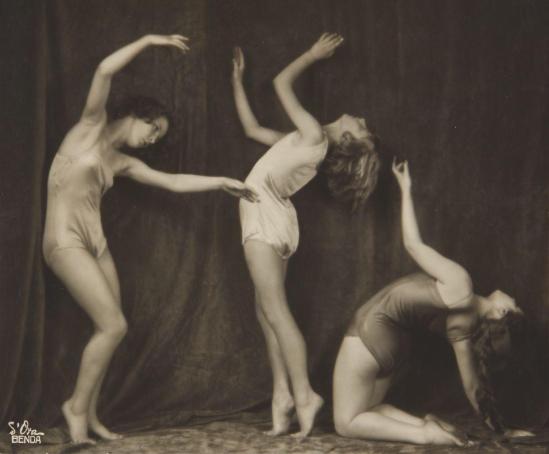
MADAME D’ORA DORA KALLMUS (1881–1963) ARTHUR BENDA (1885–1969) Bodenwieser-Schule, Vienna 1925 Vintage silver print

MADAME D’ORA DORA KALLMUS (1881–1963) ARTHUR BENDA (1885–1969) Bodenwieser-Schule, Vienna 1925 Vintage silver print

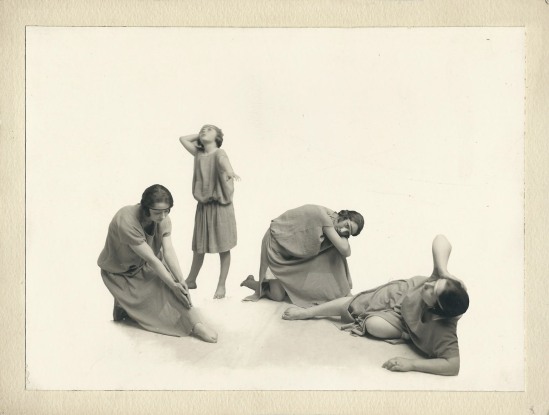
Anonyme- La danse des femmes, vers 1930- , Tirage cartoline ( Ebay)

Anonyme- La danse des femmes, vers 1930- , Tirage cartoline ( Ebay)

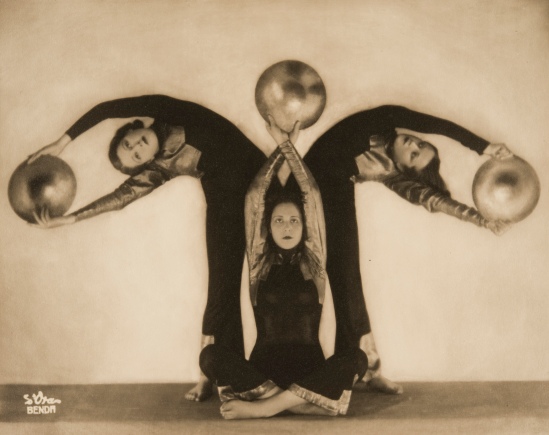
Arthur Benda, Der Tanz mit den goldenen Scheiben (The Dance with the Golden Disks), 1931 courtesy of the Museo d’Arte Moderna di Bologna

Arthur Benda, Der Tanz mit den goldenen Scheiben (The Dance with the Golden Disks), 1931 courtesy of the Museo d’Arte Moderna di Bologna

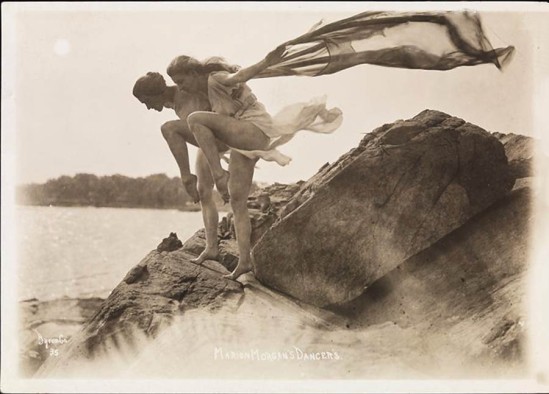
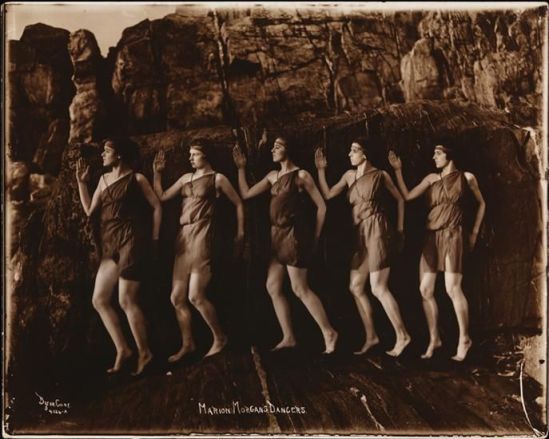
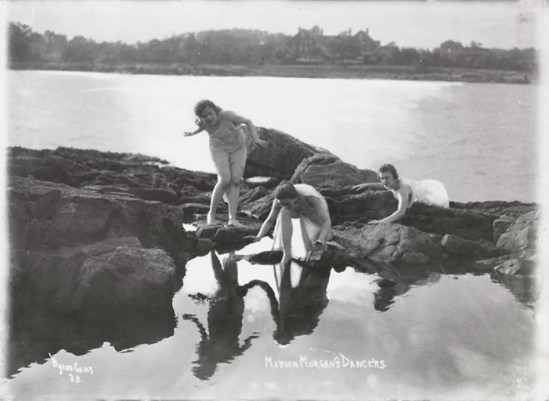
Byron Company - Two of Marion Morgan's dancers with flowing scarf, posing on rocks at the beach Rye, New York. 1920

Byron Company – Two of Marion Morgan’s dancers with flowing scarf, posing on rocks at the beach Rye, New York. 1920

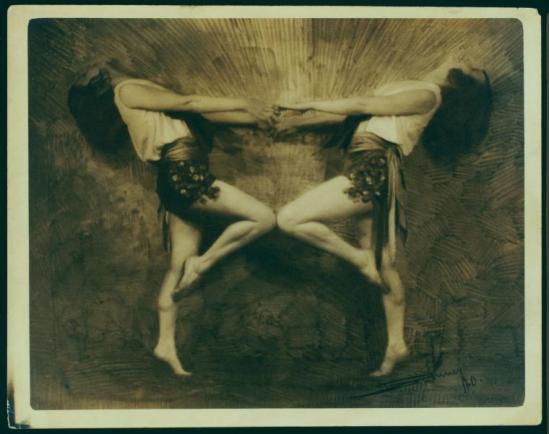
Swinney ( source nypl) dancers partnering each other in mirror pose, 1920s

Swinney ( source nypl) dancers partnering each other in mirror pose, 1920s


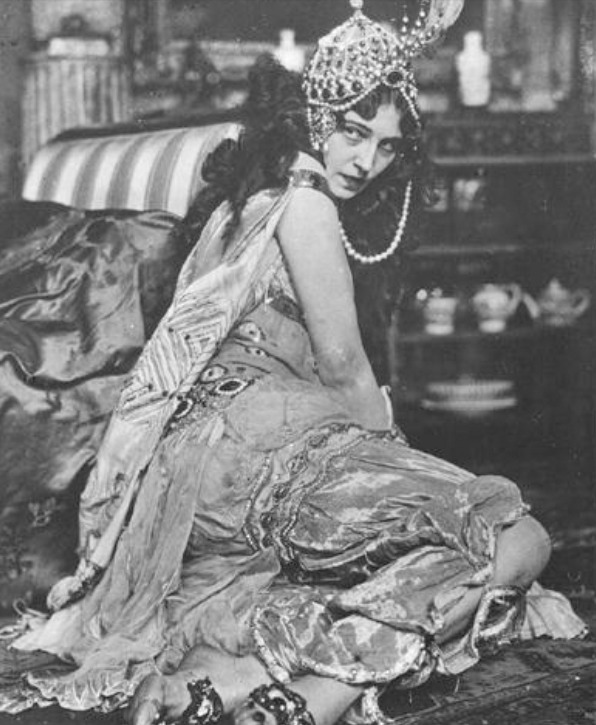
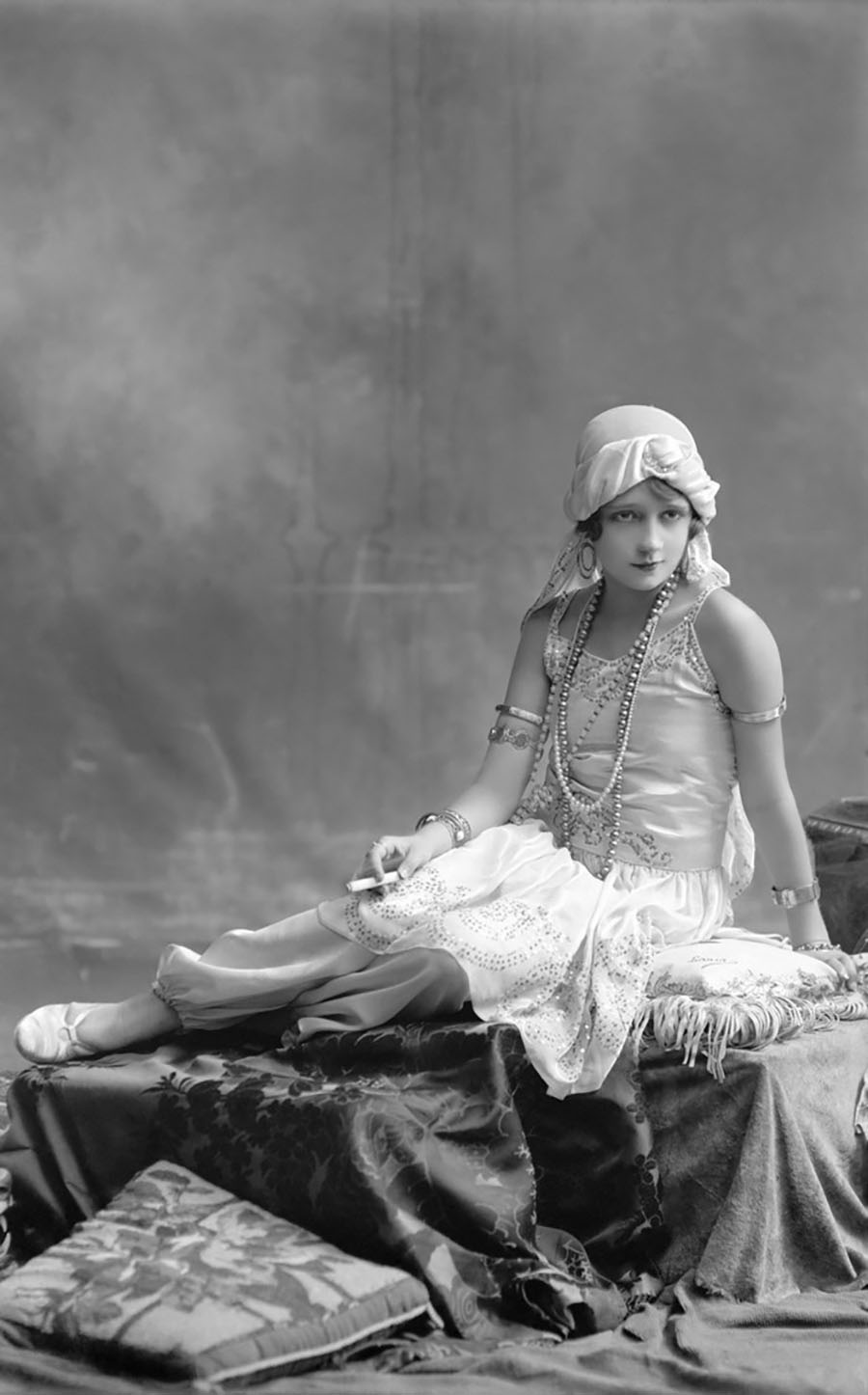
Herman Mishkin- portrait of the Contortionist and Egyptian Dancer, Kyra, at the theathtre Winter Garden, 1920

Herman Mishkin- portrait of the Contortionist and Egyptian Dancer, Kyra, at the theathtre Winter Garden, 1920

Ida Rubinstein

La belle Ida Rubinstein des Ballets Russes, est née en Russie en 1885, elle n’était pas seulement une grande figure à l’intérieur de Ballet Russes, mais une icône de la Belle Époque.

Avec peu de formation officielle, elle est passée de figurante dans son premier rôle dans «Salomé», de Diaghilev ( dirigeant les Ballets Russes ) à Vedette grâce à ce dernier, qui lui offrit le premier rôle dans Cléopâtre. en effet, aidée par Mikhail Fokine, elle fait ses débuts en 1908, lors d’ un spectacle privé de Salomé d’Oscar Wilde, dans lequel elle s’est dénudée au cours de la Danse des sept voiles.
Sergei Diaghilev l’engage dans les Ballets Russes et elle a dansé le rôle-titre de Cléopâtre dans la saison de Paris de 1909, et Zobéide en Scherezade en 1910. Scherezade était admiré à l’époque pour sa sensualité racée et somptueuse mise en scène, mais de nos jours il est rarement effectué; au goût du jour, il est considéré comme trop d’une pantomime et son orientalisme alors à la mode semble daté.

Rubinstein fût beaucoup célébrée dans l’art, elle est devenue une véritable Muse, et a été peinte, sculptée, par de nombreux artistes , Valentin Serov, Demetre Chiparus , Antonio de La Gandara notamment,Mais surtout par sa compagne La peintre Romaine Brooks , avec laquelle elle eu une liaison durant trois années

Après avoir quitté les Ballets Russes, Rubinstein forme sa propre compagnie de danse, et chorégraphie plusieurs productions somptueuses. En 1911, elle a joué dans Le Martyre de Saint Sébastien. C’était à la fois un triomphe pour son modernisme stylisé et un scandale, l’archevêque de Paris interdit aux catholiques d’y assister en invoquant le fait Saint-Sébastien était joué par une femme et un Juif.

Après la Première Guerre mondiale, Rubinstein est apparu dans un certain nombre de pièces de théâtre, et dans le Istar de Staat à l’Opéra de Paris en 1924. Entre 1928 et 1929, elle a dirigé sa propre entreprise à Paris avec Nijinska en tant que chorégraphe. Elle a commandé et joué dans Boléro de Maurice Ravel en 1928. Elle a fermé l’entreprise en 1935, et a donné sa dernière performance dans le jeu Jeanne d’Arc au bûcher à Paris, 1939 et elle par ailleurs joué dans des films muets.

Ida Rubinstein in the role of Salome (French Photographer)© Bridgeman Art Library - Private Collection

Eugène Druet- Ida Rubinstein in the role of Salome, 1908  (French Photographer)© Bridgeman Art Library – Private Collection [  Translated into Russian from the verse drama by Oscar Wilde Music by Alexander Gazunov, Director of the St. Petersburg Conservatory Choreography by Mikhail Fokine Costumes and Production designed by Léon Baskt]

Eugène Druet- Ida Rubinstein in the role of Salome, 1908 (French Photographer)© Bridgeman Art Library – Private Collection [ Translated into Russian from the verse drama by Oscar Wilde Music by Alexander Gazunov, Director of the St. Petersburg Conservatory Choreography by Mikhail Fokine Costumes and Production designed by Léon Baskt]

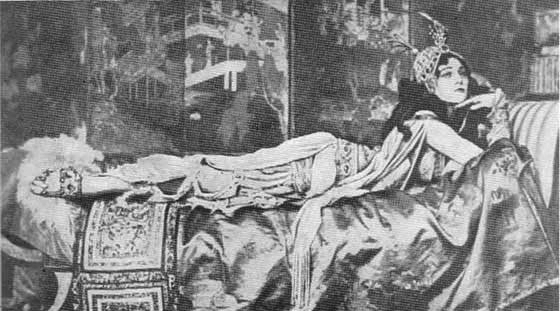
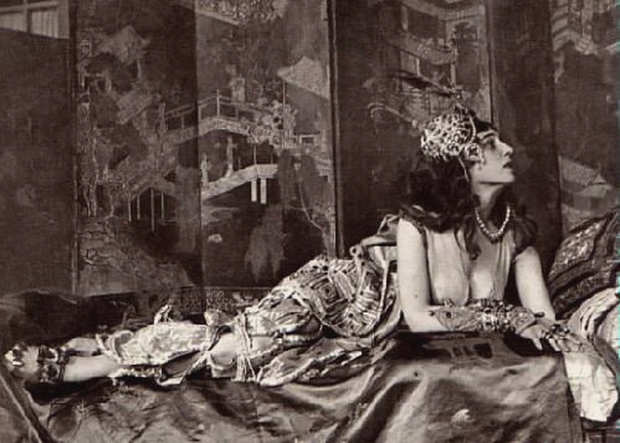
Ida Rubinstein- CleopatrE, 1909

Ida Rubinstein- CleopatrE, 1909 [Music by Arensky, Glazunov, Glinka, and Mussorgsky Music for Cléopâtre’s disrobing scene: Mlada by Rimsky-Korsakov Choreography by Mikhail Fokine Costumes and Decor by Léon Baskt Produced by Serge Diaghilev, Serge Lifar, Gabrielle Astruc (and others)]

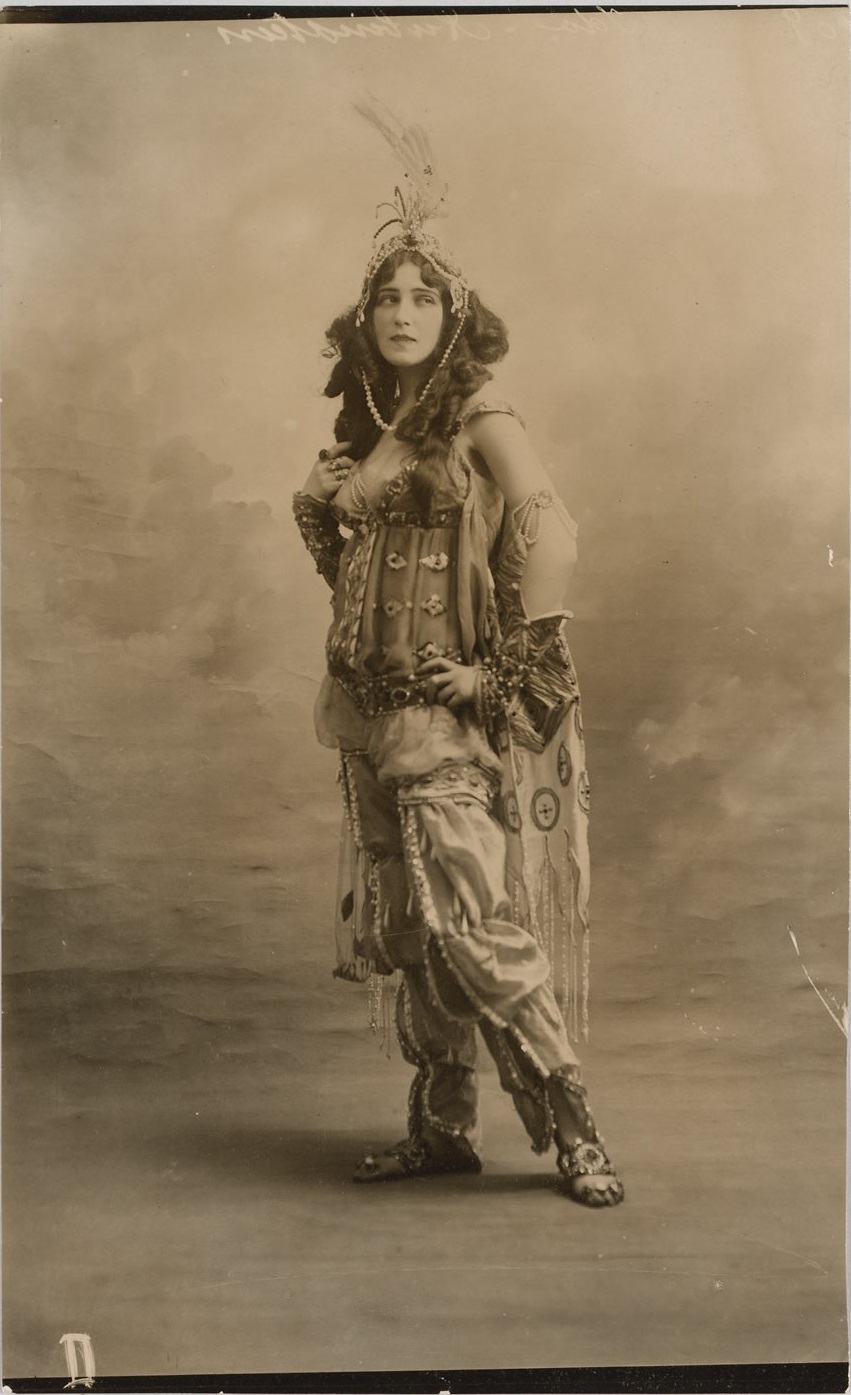
Ida Rubinstein- Cleopatre, 1909

Ida Rubinstein- Cleopatre, 1909

ida rubinstein as zobeida in schéhérazade (diaghilev, 1910)

Ida Rubinstein as zobeida in Schéhérazade, 1910, [Written by Alexandre Benois. Music by Rimsky-Korsakov. Choreography by Mikhail Fokine. Costumes and set design by Léon Bakst. Produced by Serge Diaghilev.]

Ida Rubinstein in Scheherazade 1910

Ida Rubinstein in Scheherazade 1910

Ida Rubinstein dans Séhérazade en 1910

Ida Rubinstein dans Séhérazade en 1910

Ida Rubinstein dans Séhérazade en 1910

Ida Rubinstein dans Séhérazade en 1910

Ida Rubinstein dans Séhérazade en 1910

Ida Rubinstein dans Séhérazade en 1910

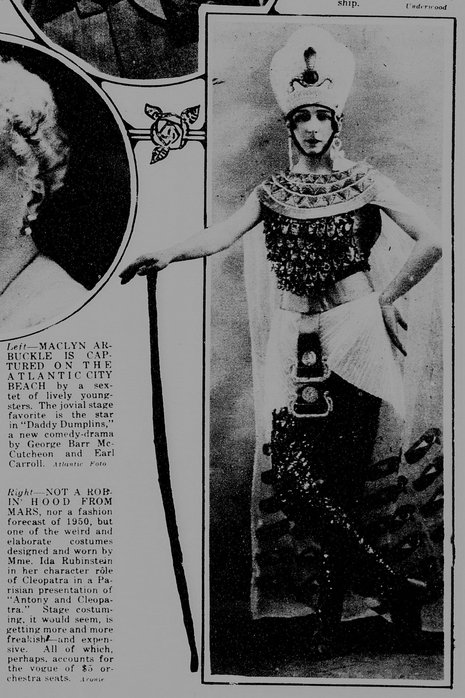
Ida Rubinstein- Cleopatre, New -York Tribune, 17 October 1920

Ida Rubinstein- Cleopatre, New -York Tribune, 17 October 1920

James Abbe- Ida Rubinstein, 1921

James Abbe- Ida Rubinstein, 1921

Ida Rubinstein still from La Nave ( silent movie),1921

Ida Rubinstein still from La Nave ( silent movie),1921

James Abbe- Ida Rubinstein- Abbe Phaedre, 1923

James Abbe- Ida Rubinstein-  Phaedre, 1923

James Abbe- Ida Rubinstein, 1923 2

James Abbe- Ida Rubinstein, 1923

James Abbe- Ida Rubinstein- Abbe Phaedre, 1923

James Abbe- Ida Rubinstein- Phaedre, 1923

James Abbe- Ida Rubinstein- Phaedre, 1923

James Abbe- Ida Rubinstein- Phaedre, 1923

Ida Rubinstein in, Semiramis, by Boris Lipnitski, 1934.

Ida Rubinstein in, Semiramis, by Boris Lipnitski, 1934.

Ida Rubinstein in, Semiramis, by Boris Lipnitski, 1934.

Ida Rubinstein in, Semiramis, by Boris Lipnitski, 1934.

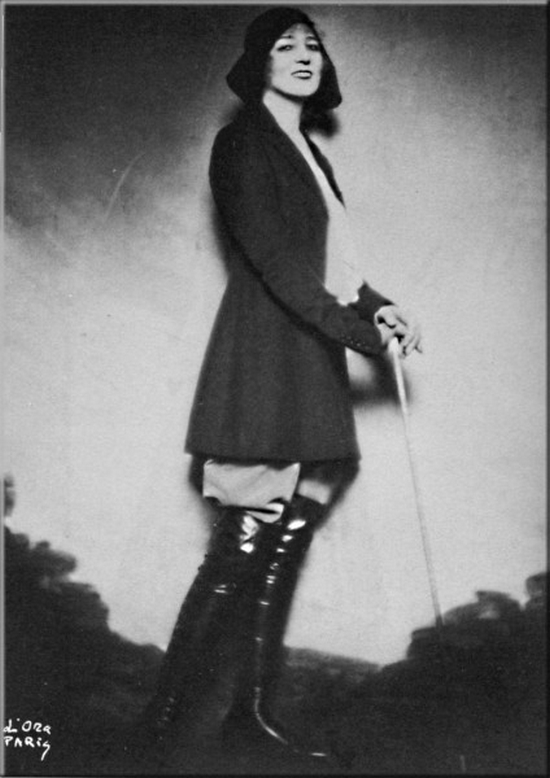
Ida Rubinstein en tenue de cavalière par Madame d'Ora, 1920s - Copie

Ida Rubinstein en tenue de cavalière par Madame d’Ora, 1920s

Ida Bubinstein, 1930

Ida Bubinstein, 1930

Ida Bubinstein, by Romaine Brooks

Romaine Brooks,Ida Bubinstein, 1911-12

Romaine Brooks,Ida Bubinstein, 1911-12

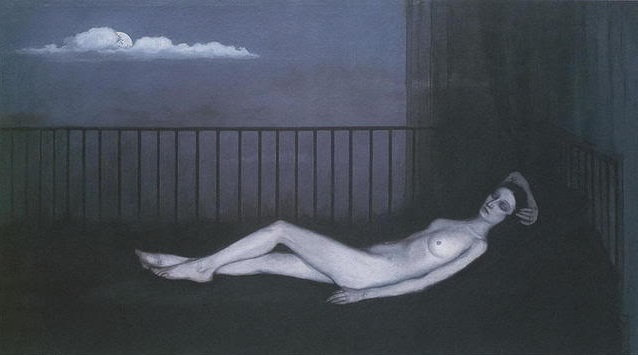
Romaine Brooks- La Venus Triste, 1914

Romaine Brooks- La Venus Triste, 1914

Romaine Brooks-Le Trajet, 1911

Romaine Brooks-Le Trajet, 1911

Romaine Brooks -The Cross of France, Ida Rubinstein , 1914

Romaine Brooks -The Cross of France, Ida Rubinstein , 1914

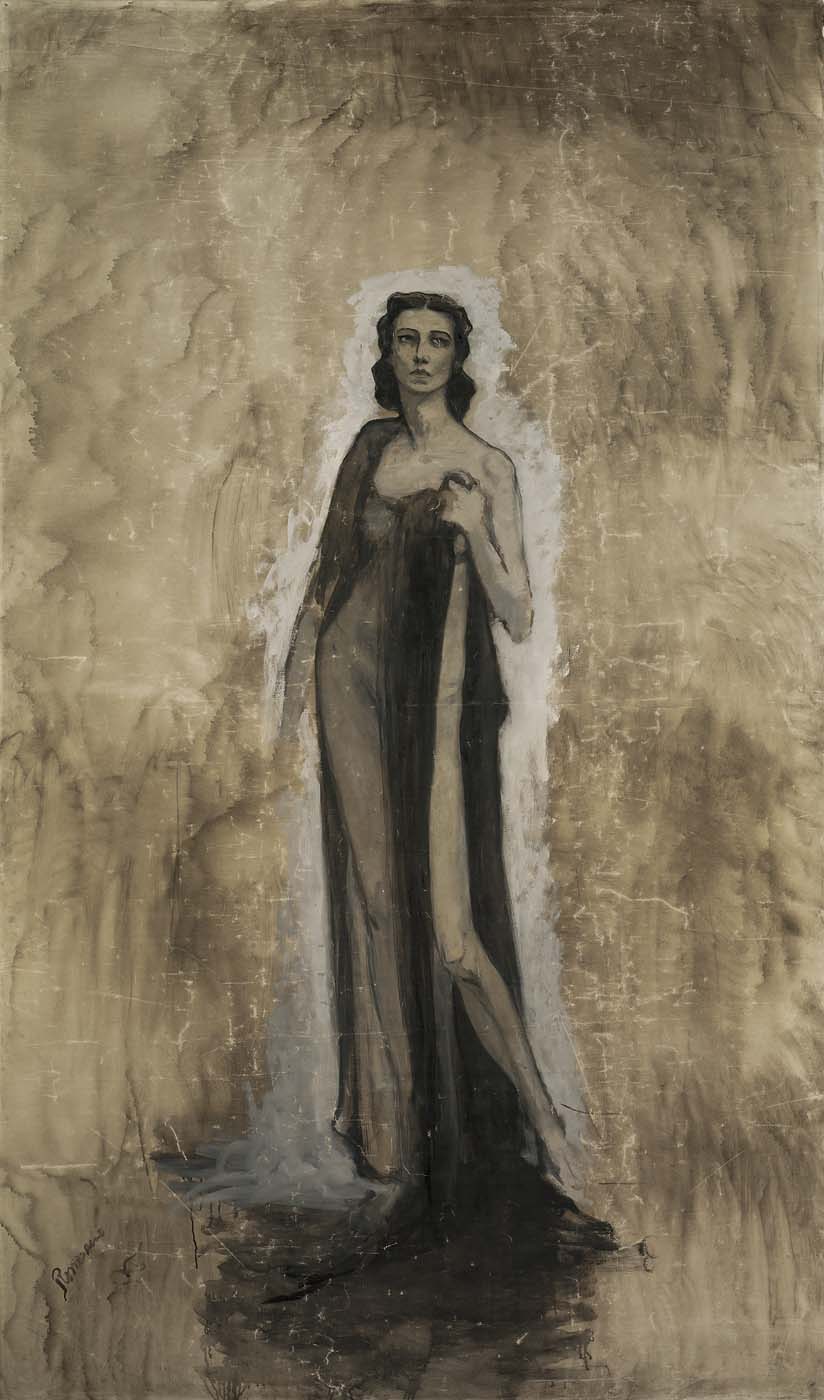
Romaine Brooks - Esquisse d'Ida Rubinstein, 1912

Romaine Brooks – Esquisse d’Ida Rubinstein, 1912

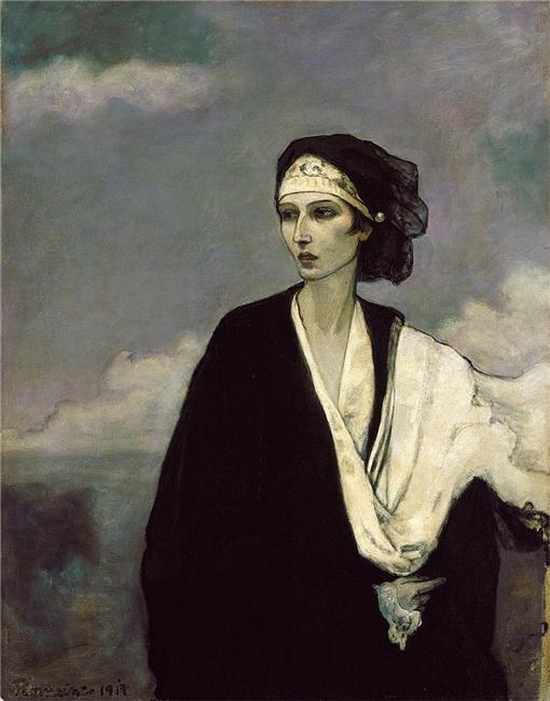
Romaine Brooks Ida Rubinstein 1917 - Copie

Romaine Brooks Ida Rubinstein 1917

Valentin Serov - Portrait of Ida Lvovna Rubinstein (as Salome), 1910

Valentin Serov – Portrait of Ida Lvovna Rubinstein (as Salome), 1910


Byron Company – Marion Morgan’s dancers

Byron Company -Marion Morgan's Dancers posing on the beach, Rye, New York. , 1920

Byron Company -Marion Morgan’s Dancers posing on the beach, Rye, New York. , 1920

Byron Company - Marion Morgan's dancers posing on rocks at the beach Rye, New York, 1920

Byron Company – Marion Morgan’s dancers posing on rocks at the beach Rye, New York, 1920

Athur Vitols for Byron Company - Marion Morgan's dancers posing on rocks at the beach Rye, New York, 1920

Athur Vitols for Byron Company – Marion Morgan’s dancers posing on rocks at the beach Rye, New York, 1920

Byron Company - One of Marion Morgan's dancers with a long, diaphanous scarf flowing in the sea breeze, posing on rock at the beach Rye, New York. 1920

Byron Company – One of Marion Morgan’s dancers with a long, diaphanous scarf flowing in the sea breeze, posing on rock at the beach Rye, New York. 1920

Byron Company - Two of Marion Morgan's dancers with flowing scarf, posing on rocks at the beach Rye, New York. 1920

Byron Company – Two of Marion Morgan’s dancers with flowing scarf, posing on rocks at the beach Rye, New York. 1920

Byron Company - one of the Marion Morgan's Dancers posing on the rock, Rye, New York. , 1920

Byron Company – one of the Marion Morgan’s Dancers posing on the rock, Rye, New York. , 1920

Athur Vitols for Byron Company -One of Marion Morgan's dancers posing on rocks at the beach Rye, New York, 1920

Athur Vitols for Byron Company -One of Marion Morgan’s dancers posing on rocks at the beach Rye, New York, 1920

Athur Vitols for Byron Company - Byron Company - Marion Morgan's Dancers, Three Girls and Reflections in Water. Photographs, Prints & Drawings 1917

Athur Vitols for Byron Company – Byron Company – Marion Morgan’s Dancers, Three Girls and Reflections in Water. Photographs, Prints & Drawings 1917

Athur Vitols for Byron Company -Marion Morgan's Dancers, Girl Washed Up on the Beach, August, 1917

Athur Vitols for Byron Company -Marion Morgan’s Dancers, Girl Washed Up on the Beach, August, 1917

some others photographs of  The Marion Morgan dancers by Genthle Here

Marguerite Acarin dite Akarova (1904-1999)

La Danseuse Marguerite Acarin, dite Akarova dans Mazurka ( Chopin) en 1924 Costume crée par Marcel-Louis Baugniet et réalisé par Akarova (Musée de la Photographie, Charleroi)

La Danseuse Marguerite Acarin, dite Akarova dans Mazurka ( Chopin) en 1924 Costume crée par Marcel-Louis Baugniet et réalisé par Akarova (Musée de la Photographie, Charleroi)

Robert de Smet – Akarova, nd

Née Marguerite Acarin à Saint-Josse en 1904, ayant épousé le peintre Marcel Louis Baugniet en 1923, elle s’ést associée très rapidement au mouvement avant-gardiste qui secouait, au début des années 30, les arts plastiques, la musique, le théâtre, et la littérature.

Audacieuse et indépendante, elle allait appliquer à la danse les principes du constructivisme russe et du futurisme italien. Pour elle, le spectacle était un tout et elle en réalisait chaque élément: chorégraphie, décor, costume, musique, éclairage,… Elle allait ainsi permettre un renouvellement de la danse belge alors embourbée dans un certain conservatisme. donnant à ses chorégraphies une dimension tant géométrique et plastique qu’émotionnelle.

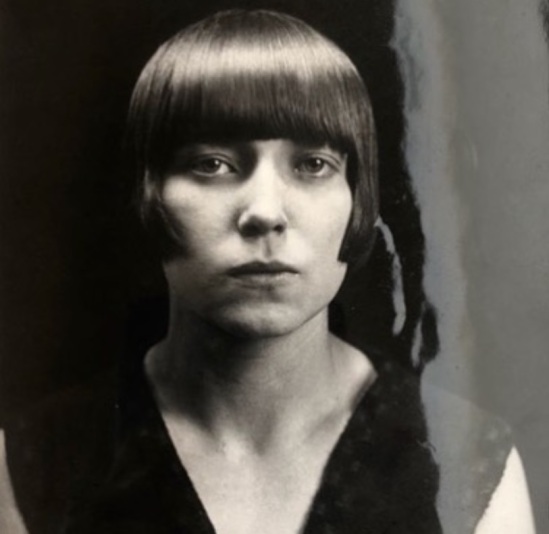
Marcel- Louis Baugniet- Portrait of Akorava, 1923

Marcel- Louis Baugniet- Portrait of Akorava, 1923


Robert de Smet - Akarova in 1923, costume and backdrop designs by Marcel- louis Baugniet, corpyright Sabam Brussels

Robert de Smet – Akarova in 1923, costume and backdrop designs by Marcel- louis Baugniet, corpyright Sabam Brussels

marcel Louis baugniet,- Woodcuts from the serie Kaloprosopies, 1925

marcel Louis baugniet,- Woodcuts from the serie Kaloprosopies, 1925

Marcel louis baugnier- background for Akova' s dance, 1923

Marcel louis baugnier- background for Akova’ s dance, 1923

Marcel louis baugnier- La danse, 1925

Marcel Louis Baugnier- La danse, 1925

C’est à cette époque qu’elle allait devenir «Akarova» pour exprimer son appartenance aux grands mouvements révolutionnaires dans l’art.Pour elle, le spectacle était un tout et elle en réalisait chaque élément: chorégraphie, décor, costume, musique, éclairage,… Elle allait ainsi permettre un renouvellement de la danse belge alors embourbée dans un certain conservatisme.

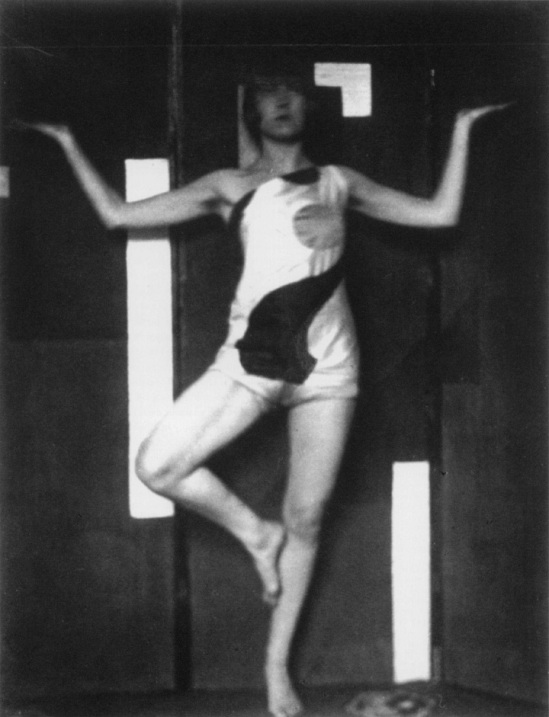
Akarova costume for Gymnopédie N°1, 1925-1932, fabric by ML.baugniet( archives Bruxelles)

Akarova costume for Gymnopédie N°1, 1925-1932, fabric by ML.Baugniet( archives Bruxelles)

Unknown photographer- Akarova in la danse d'Amour de Falia, 1929, in costume of her own design, corpyright Sabam Brussels

Unknown photographer- Akarova in la danse d’Amour de Falia, 1929, in costume of her own design, corpyright Sabam Brussels

Unknown photographer- Akarova in la danse d’Amour de Falia, 1929, in costume of her own design, corpyright Sabam Brussels

En 1926, Akarova arrête de pratiquer le chant afin de se consacrer pleinement à la danse qu’elle sortira des ornières du ballet classique. Figure de proue du modernisme de l’entre-deux-guerres, elle compose de nombreuses œuvres chorégraphiques dans la mouvance des Ballets russes, qu’elle danse sur les musiques de ses contemporains, entre autres Claude Debussy, Paul Dukas, Maurice Ravel, Darius Milhaud et Igor Stravinski. Sa danse se veut tantôt vigoureuse, tantôt hiératique, où les décors et les costumes, dont ses costumes constructivistes — qu’elle réalise elle-même — utilisent des lignes brisées ou ondulées, des motifs asymétriques, des polychromies discordantes. Préférant Bruxelles à une carrière internationale, Akarova donne de nombreux récitals de chant et de danse dans différents théâtres ou dans des demeures privées. Akarova installe en 1934 un studio réservé à ses élèves au 45 rue Jean d’Ardenne à Ixelles. Elle y donna également des représentations.

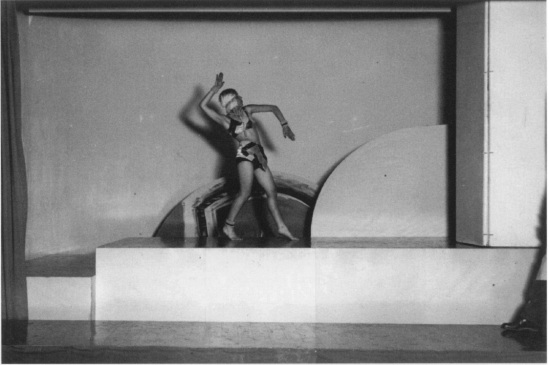
Akarova interprétant le Boléro de Ravel en 1930. Costume créé et réalisé par la danseuse

Robert de Smet – Akarova In Sicilienne, 1932 , in costume of her own design in 1924, corpyright Sabam Brussels

Robert de Smet - Akarova In Sicilienne, 1932 , in costume of her own design in 1924, corpyright Sabam Brussels

Robert de Smet – Akarova In Sicilienne, 1932 , in costume of her own design in 1924, corpyright Sabam Brussels

Portrait de la Danseuse Marguerite Acarin, dite Akarova, (1904 -1999) Couverture de la Revue AZ, Bruxelles 1933

Portrait de la Danseuse Marguerite Acarin, dite Akarova, (1904 -1999) Couverture de la Revue AZ, Bruxelles 1933

Robert de Smet - Akarova In Berceuse, 1934 , in costume of her own design , corpyright Sabam Brussels

Robert de Smet – Akarova In Berceuse, 1934 , in costume of her own design , corpyright Sabam Brussels

Robert de Smet - Akarova in Allegro Barbaro, 1929, in costume of her own design, corpyright Sabam Brussels

Robert de Smet – Akarova in Allegro Barbaro, 1929, in costume of her own design, corpyright Sabam Brussels

Akarova in Allegro Barbaro, 1929, in costume of her own design, corpyright Sabam Brussels

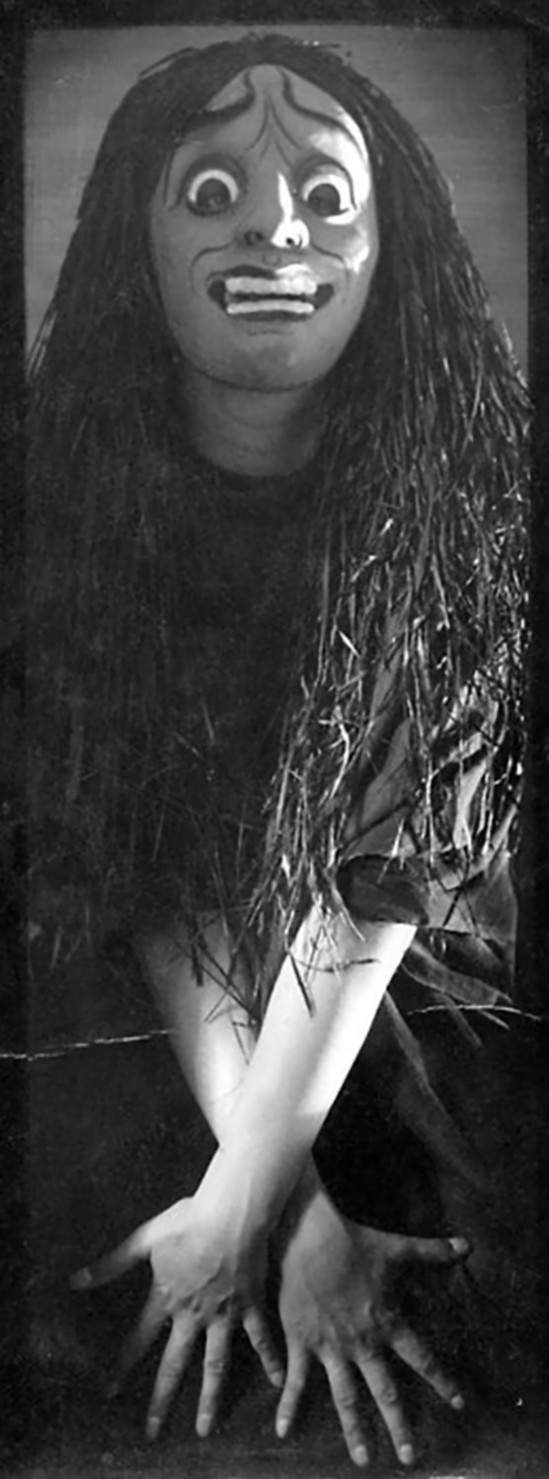
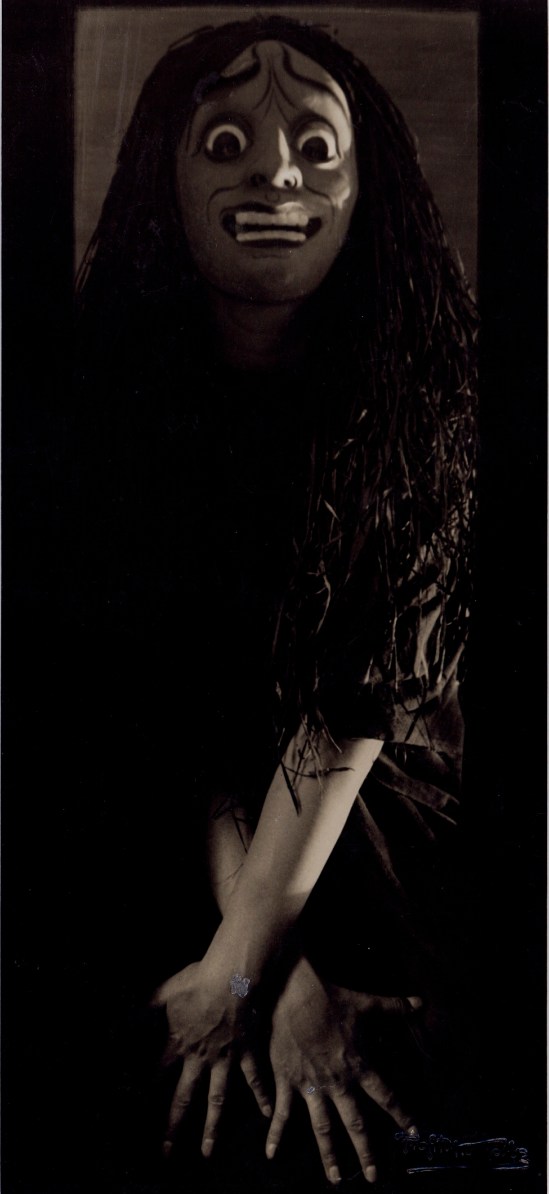
Marcel G. Lefrancq - Portrait d’Akarova, 1938 Photomontage Akarova et le masque du diable dans l’histoire du soldat (Stravinsky) 1935

Marcel G. Lefrancq – Portrait d’Akarova, 1938 Photomontage Akarova et le masque du diable dans l’histoire du soldat (Stravinsky) 1935

Dans son souci de contrôler totalement ses scénographies, Akarova demande à l’architecte Jean-Jules Eggericx de construire pour elle une salle de spectacle au 72 de l’avenue de l’Hippodrome à Ixelles, inaugurée le 30 janvier 1937, et où se déroula la partie la plus importante de sa carrière, salle qui fermera ses portes en 1957 suite aux réclamations du voisinage. La salle, de style Art déco, est aujourd’hui sauvegardée.

Akarova a fait don de ses costumes et décors de scène au Musée des Archives d’architecture moderne, marquant par là sa volonté d’inscrire son œuvre dans le contexte plus large de l’architecture, entendue comme une synthèse des arts.
Livre: Akarova: Spectacles et Avants-Gardes, AAM Editions

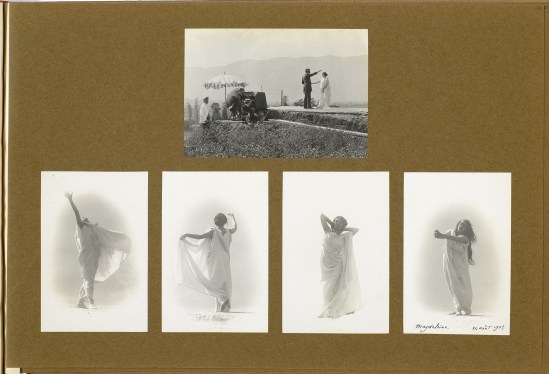
Fred Boissonnas – Magdeleine G hypnotisée dansant 1902-1904

Un des portfolios les plus « chers » à mon cœur et un des plus rares à mes yeux. D’une part car il traite de la thématique de la danse, mais d’autre part car il traite de la technique de l’hypnose. Performance des années 1900 de surcroit, d’une qualité rare et d’une splendeur sans égale.

On pourrait penser à une allégorie de l’enfantement, alors  qu’elle danse la Chevauchée de la Walkyrie.

Je ne corrige et nettoie même pas les photographies , tant elles sont superbes avec leurs pixels manquants, leurs tâches, leurs rayures… parfois je nettoie,  parfois pas.

pas besoin de grands blablablas, voici comment mr Emile Magnin a procédé, au bord du chemin… il a conduit jusqu’à l’état second Magdeleine G. qui en bonne « hystérique », est un sujet réceptif et entre dans la danse , c’est le cas de le dire et s’en donne et nous donne à cœur joie. Il semble qu’elle passe par des phases  d’acendance, de plateau, de terreur, et de béatitude.[Ces photographies ne sont pas sans rappeler celles réalisées à l’hôpital Charcot pour les études sur l’hystérie. ]

Une petite pensée toute particulière pour  La « Madame » de Laurent et Chamamland deux amoureuses de la danse

François Frédéric dit Fred Boissonnas -Photographies de l'album Boissonnas 1903-1904 Magdeleine G. hypnotisée par Emile Magnin, 1902-1904 Négatif au gelatino-bromure d'argent sur verre

François Frédéric dit Fred Boissonnas -Photographies de l’album Boissonnas 1903-1904 Magdeleine G. hypnotisée par Emile Magnin, 1902-1904 Négatif au gelatino-bromure d’argent sur verre

François Frédéric dit Fred Boissonnas - Magdeleine G. dansant La Mort d'Iseult, hypnotisée par Emile Magnin, 1902-1904 Négatif au gelatino-bromure d'argent sur verre

François Frédéric dit Fred Boissonnas – Magdeleine G. dansant La Mort d’Iseult, hypnotisée par Emile Magnin, 1902-1904 Négatif au gelatino-bromure d’argent sur verre

François Frédéric dit Fred Boissonnas - Magdeleine G. dansant Chevauchée de la Walkyrie, hypnotisée par Emile Magnin, 1902-1904 Négatif au gelatino-bromure d'argent sur verre

François Frédéric dit Fred Boissonnas – Magdeleine G. dansant Chevauchée de la Walkyrie, hypnotisée par Emile Magnin, 1902-1904 Négatif au gelatino-bromure d’argent sur verre

François Frédéric dit Fred Boissonnas - Magdeleine G. dansant sous hypnose, 1902-1904 Négatif au gelatino-bromure d'argent sur verre
François Frédéric dit Fred Boissonnas – Magdeleine G. dansant sous hypnose, 1902-1904 Négatif au gelatino-bromure d’argent sur verre

François Frédéric dit Fred Boissonnas - Magdeleine G. dansant Chevauchée de la Walkyrie, hypnotisée par Emile Magnin, 1902-1904 Négatif au gelatino-bromure d'argent sur verre.

François Frédéric dit Fred Boissonnas – Magdeleine G. dansant Chevauchée de la Walkyrie, hypnotisée par Emile Magnin, 1902-1904 Négatif au gelatino-bromure d’argent sur verre.

François Frédéric dit Fred Boissonnas - Magdeleine G. dansant Automne, hypnotisée par Emile Magnin, 1902-1904 Négatif au gelatino-bromure d'argent sur verre

François Frédéric dit Fred Boissonnas – Magdeleine G. dansant Automne, hypnotisée par Emile Magnin, 1902-1904 Négatif au gelatino-bromure d’argent sur verre

François Frédéric dit Fred Boissonnas - Magdeleine G. dansant Ete, hypnotisée par Emile Magnin, 1902-1904 Négatif au gelatino-bromure d'argent sur verre

François Frédéric dit Fred Boissonnas – Magdeleine G. dansant Ete, hypnotisée par Emile Magnin, 1902-1904 Négatif au gelatino-bromure d’argent sur verre

François Frédéric dit Fred Boissonnas - Magdeleine G. dansant misiere de T, hypnotisée par Emile Magnin, 1902-1904 Négatif au gelatino-bromure d'argent sur verre

François Frédéric dit Fred Boissonnas – Magdeleine G. dansant misiere de T, hypnotisée par Emile Magnin, 1902-1904 Négatif au gelatino-bromure d’argent sur verre

François Frédéric dit Fred Boissonnas - Magdeleine G. dansant La Mort d'Iseult, hypnotisée par Emile Magnin, 1902-1904 Négatif au gelatino-bromure d'argent sur verre

François Frédéric dit Fred Boissonnas – Magdeleine G. dansant La Mort d’Iseult, hypnotisée par Emile Magnin, 1902-1904 Négatif au gelatino-bromure d’argent sur verre

François Frédéric dit Fred Boissonnas - Magdeleine G. dansant , hypnotisée par Emile Magnin, 1902-1904 Négatif au gelatino-bromure d'argent sur verre.

François Frédéric dit Fred Boissonnas – Magdeleine G. dansant , hypnotisée par Emile Magnin, 1902-1904 Négatif au gelatino-bromure d’argent sur verre.

François Frédéric dit Fred Boissonnas - Magdeleine G. dansant , hypnotisée par Emile Magnin, 1902-1904 Négatif au gelatino-bromure d'argent sur verre

François Frédéric dit Fred Boissonnas – Magdeleine G. dansant , hypnotisée par Emile Magnin, 1902-1904 Négatif au gelatino-bromure d’argent sur verre

François Frédéric dit Fred Boissonnas - Magdeleine G. dansant sous hypnose, 1902-1904 Négatif au gelatino-bromure d'argent sur verre

François Frédéric dit Fred Boissonnas – Magdeleine G. dansant sous hypnose, 1902-1904 Négatif au gelatino-bromure d’argent sur verre

François Frédéric dit Fred Boissonnas - Magdeleine G. dansant Chevauchée de la Walkyrie, hypnotisée par Emile Magnin, 1902-1904 Négatif au gelatino-bromure d'argent sur verre

François Frédéric dit Fred Boissonnas – Magdeleine G. dansant Chevauchée de la Walkyrie, hypnotisée par Emile Magnin, 1902-1904 Négatif au gelatino-bromure d’argent sur verre

François Frédéric dit Fred Boissonnas - Magdeleine G. dansant Automne, hypnotisée Le chien était blotti... (Verlaine), 1902-1904 Négatif au gelatino-bromure d'argent sur verre

François Frédéric dit Fred Boissonnas – Magdeleine G. dansant Automne, hypnotisée Le chien était blotti… (Verlaine), 1902-1904 Négatif au gelatino-bromure d’argent sur verre

François Frédéric dit Fred Boissonnas - Magdeleine G. dansant hypnotisée , 1902-1904 Négatif au gelatino-bromure d'argent sur verre

François Frédéric dit Fred Boissonnas – Magdeleine G. dansant hypnotisée , 1902-1904 Négatif au gelatino-bromure d’argent sur verre

François Frédéric dit Fred Boissonnas - Magdeleine G. dansant , hypnotisée , 1902-1904 Négatif au gelatino-bromure d'argent sur verre

François Frédéric dit Fred Boissonnas – Magdeleine G. dansant , hypnotisée , 1902-1904 Négatif au gelatino-bromure d’argent sur verre

François Frédéric dit Fred Boissonnas - Magdeleine G. dansant , hypnotisée , 1902-1904 Négatif au gelatino-bromure d'argent sur verre 5

François Frédéric dit Fred Boissonnas – Magdeleine G. dansant , hypnotisée , 1902-1904 Négatif au gelatino-bromure d’argent sur verre

François Frédéric dit Fred Boissonnas - Magdeleine G. dansant , hypnotisée , 1902-1904 Négatif au gelatino-bromure d'argent sur verre

François Frédéric dit Fred Boissonnas – Magdeleine G. dansant , hypnotisée , 1902-1904 Négatif au gelatino-bromure d’argent sur verre

François Frédéric dit Fred Boissonnas - Magdeleine G. dansant hypnotisée , 1902-1904 Négatif au gelatino-bromure d'argent sur verre

François Frédéric dit Fred Boissonnas – Magdeleine G. dansant hypnotisée , 1902-1904 Négatif au gelatino-bromure d’argent sur verre

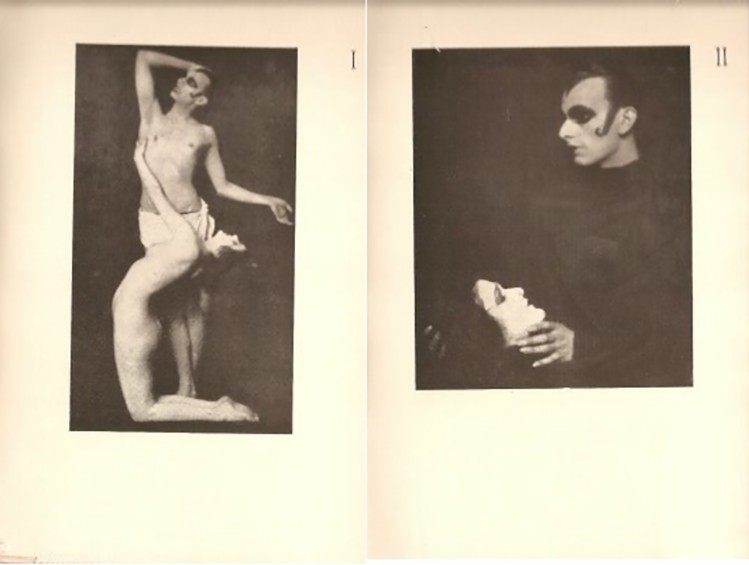
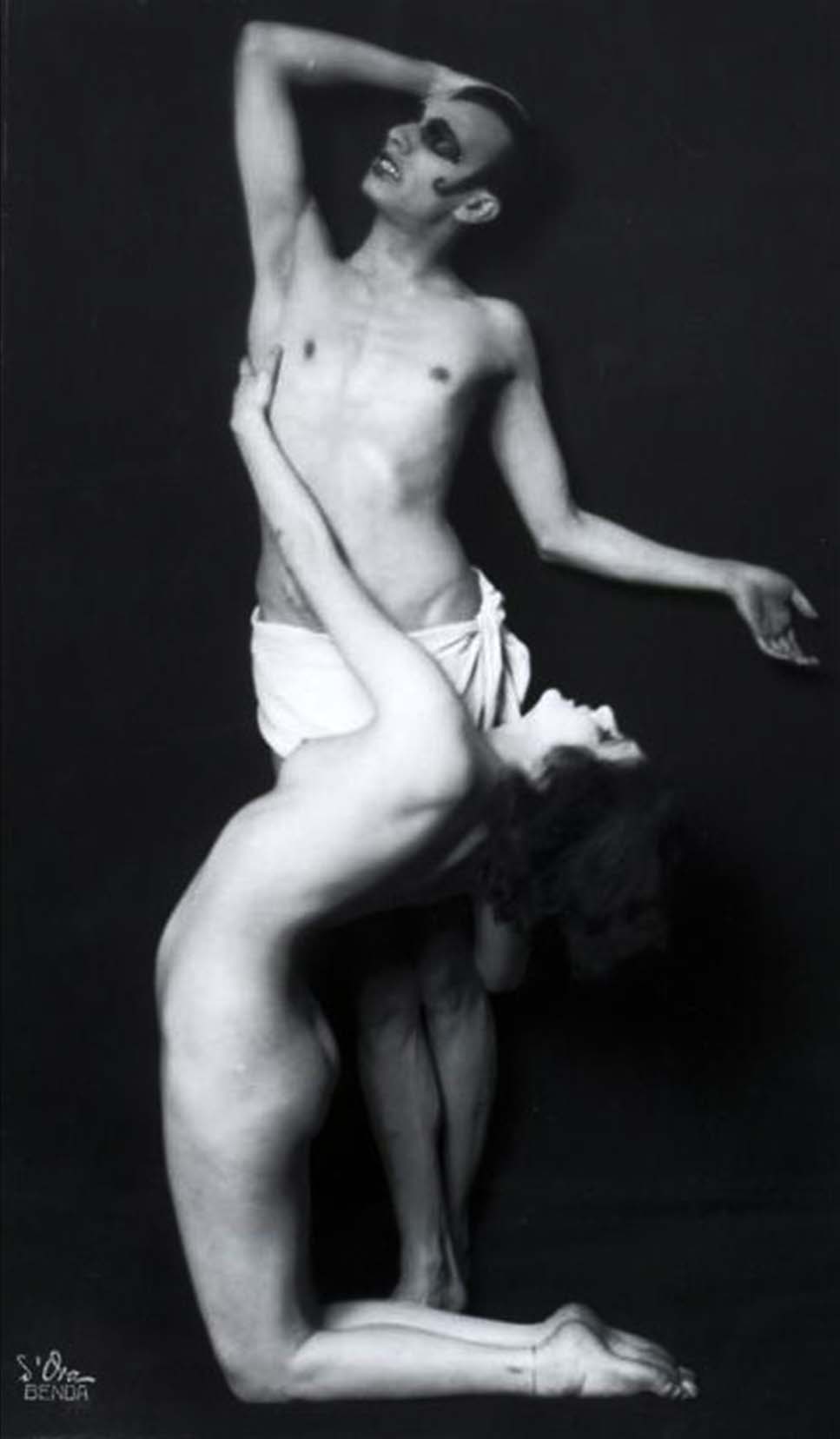
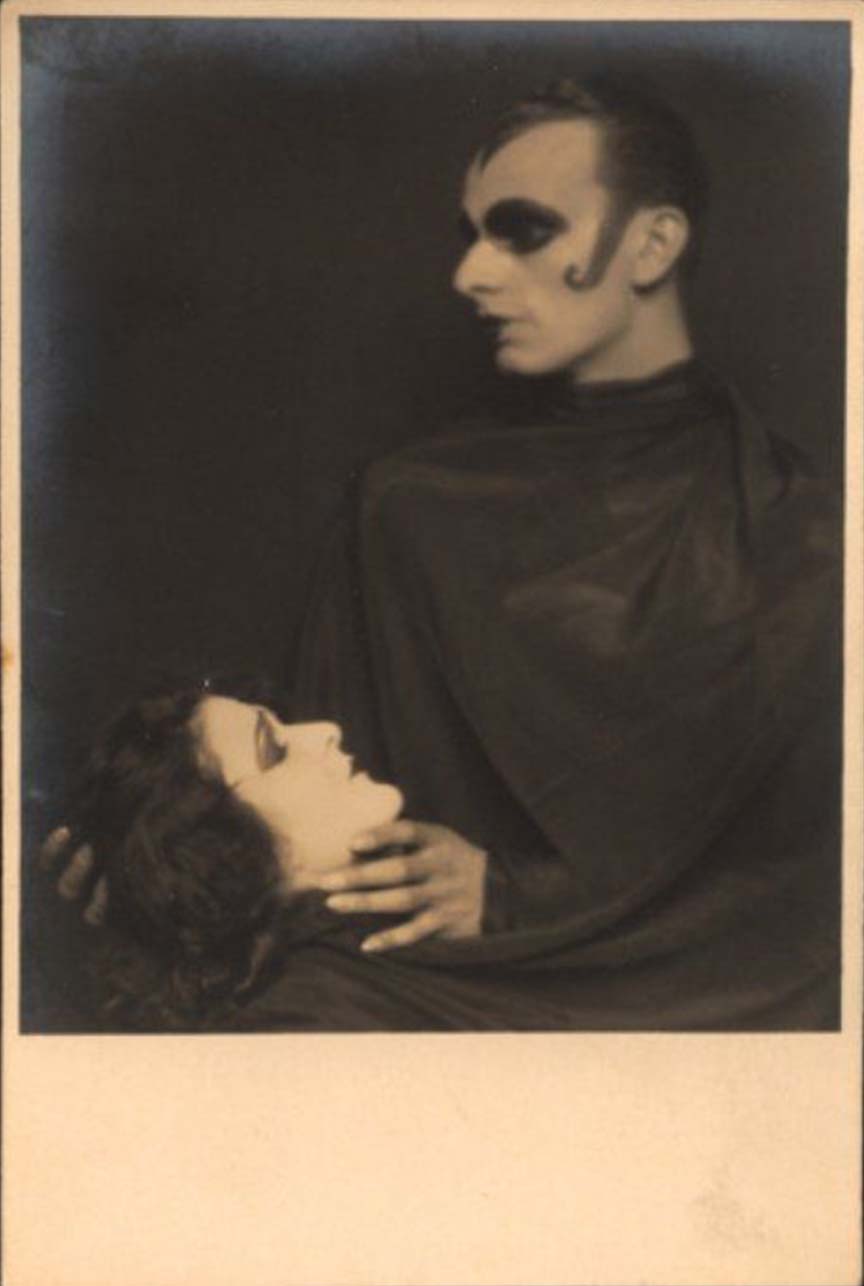
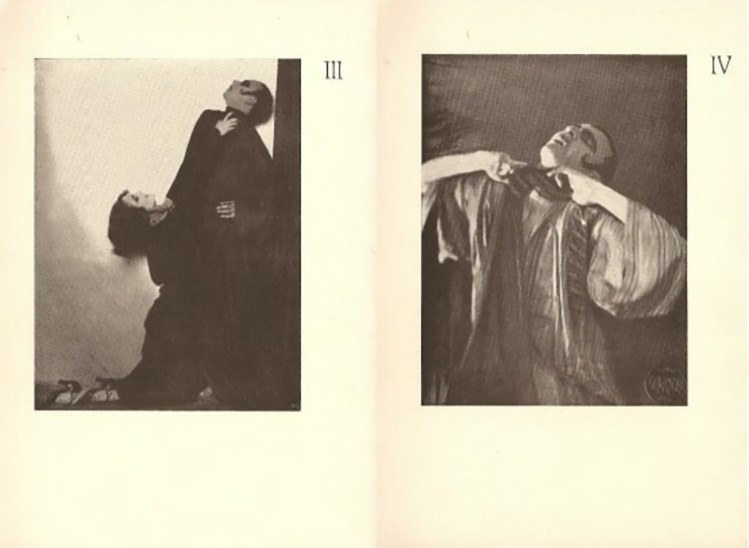
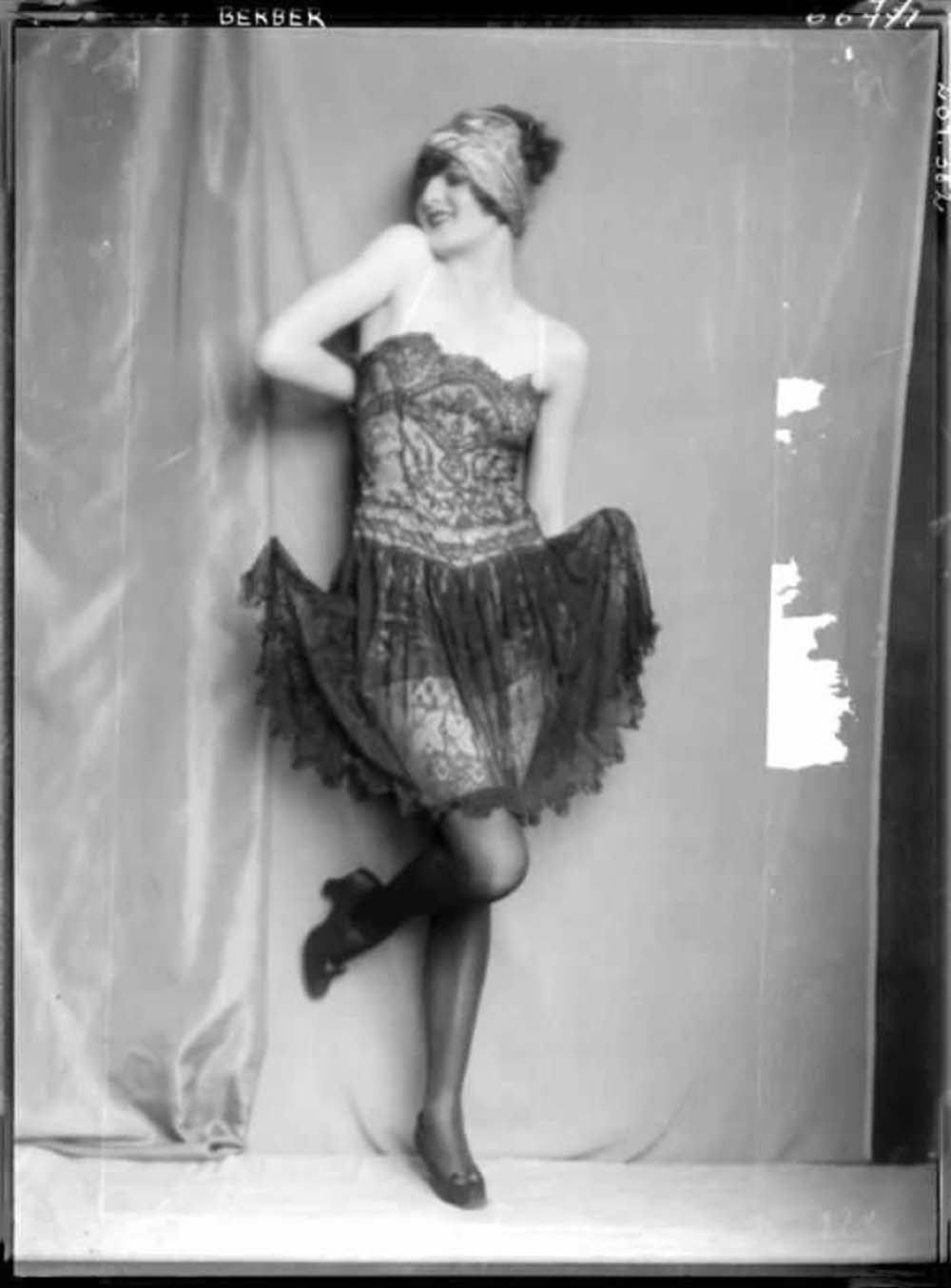
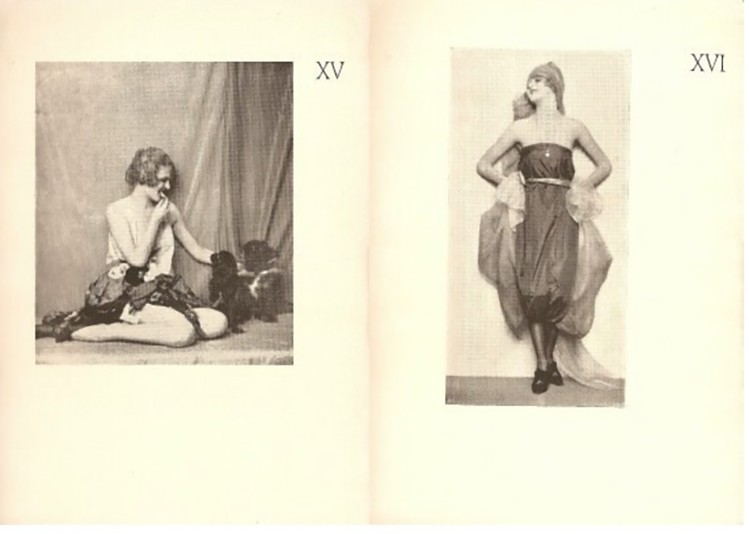
Madame d’ora – photography for Dances of Vice, Horror, & Ecstasy written and danced, by Anita Berber & Sebastian Droste, 1923

Présenté ici les scans du livre, Madame d’ora – photography for Dances of Vice, Horror, & Ecstasy written and danced, by Anita Berber & Sebastian Droste, 1923. les photographies ont été prises en 1922. j’y ai ajouté des tirages plus clairs de ce livre.

Anita Berber (1899-1928), and to a lesser extent her husband/dance partner Sebastian Droste (1892-1927), have come to epitomise the decadence within Weimar era Berlin, their colourful personal lives overshadowing to a large extent their careers in dance, film and literature. Yet the couple’s daring and provocative performances are being re-assessed within the history of the development of expressive dance, and their extraordinary book ‘Tänze des Lasters, des Grauens und der Ekstase’ (‘Dances of Vice, Horror and Ecstasy’-1922), is a ‘gesamkunstwerk’ (total work of art) of Expressionist ideology largely unrecognised outside a devoted cult following.

Berber is the better known of the couple. Born in Dresden into a liberal middle class family, her parents separated a year later. Her father remarried and her mother, in pursuit of acting career, left Anita in the care of her grandmother. Berber was partly educated in the newly built Jaques-Dalcroze institute at Hellerau, a progressive utopian experiment which extolled the principles of natural harmony in work and everyday life, and used euthythmics as a teaching method. Eurhythmics aimed « to enable pupils, at the end of their course, to say, not « I know, » but « I have experienced,” « (Emile Jaques-Dalcroze, ‘Rhythm Music & Education’). Mary Wegman (1886-1973), who would develop ‘ausdruckstanz’ (expressive or Expressionist dance) and later become one of the century’s major choreographers, was also a pupil at the same time as Berber, though it is not known if they ever met. Below is a 1921(?) clip of Wigman performing ‘Hexentanz’.

At fourteen Berber rejoined her mother and, moving to Berlin, joining a troupe of performers led by Rita Sachetto initially performing alongside another influential dancer Valeska Gert (1892-1978), much of whose work is now regarded as proto performance-art. Berbers style, formally influenced by Eurythmics, began to incorporate Expressionist sensibilities and this mixture – fused with her dynamism and intense sexuality, gained her press notices which soon led her to be hailed as a new ‘wonder in the art of dance’.

She also began to develop a film career performing in a number of films directed by Richard Oswald (1880-1963). These included the melodrama, ‘Prostitution’ (acting alongside Conrad Veidt) and the equally controversial ‘Different From The Others’ (both made in 1919) the later taking homosexuality as its theme. Berber also appeared briefly in Fritz Langs’ ‘Dr Mabuse’ (1921).

Her personal life also contributed to raising her public profile. Married, in name only, to an Oswald scriptwriter, she conducted numerous lesbian alliances (Marlene Dietrich allegedly among them) and fuelled her polysexual/decadent lifestyle with vast ingestions of cocaine, cognac, opiates and ether.

*********

Sebastian Drostes background is more obscure. He was born Willy Knobloch into a wealthy manufacturing family in Hamburg where he went to art school emerging as « a classic dandy, acerbic homosexual and art snob » (Mel Gordon: ‘The Seven Addictions and Five Professions of Anita Berber: Weimar Berlin’s Priestess of Decadence’ p. 116).

He was drafted in 1915 and disappears from view, to resurface in 1919 in the major Epressionist journal of the day ‘Die Sturm’ to which he contributed poetry. Later that year he moved to Berlin and as ‘Sebastian Droste’ began work as a dancer for the Celly de Rheidt company which specialised in what were termed ‘schönheitsabende’ (beauty evenings), the ‘beauty’ aspect being the near nakedness of the performers. They specialised in performing ‘artistic’ interpretations of ‘uplifting’ classical works which they hoped would prevent them from attracting police attention. However De Rheidts’ luck expired in 1921 with their interpretation of Philip Calderons’ painting, ‘St. Elizabeth of Hungary’s Great Act of Renunciation’ (1891) probably for its’ blasphemous content rather than obscenity (though the subsequent discovery that some of the performers were underage did not help). As a result of this Droste became unemployed.

With Berber now a film starlet, dancer of note, and already fictionalised in a novel by Vicki Baum entitled ‘Die Tänze der Ina Raffay’ Droste was able to obtain a contract for them to perform material at Viennas Great Konzerthaus-saal. This production was to become the ‘Dances of Vice, Horror and Ecstasy. Created in just under five months it was a mixture of old Berber material and new works to be danced by Berber and Droste either together or as solo pieces. The book of the same title was also produced, though this was not published until the following year.

The show received mixed reviews, but was overtaken by scandal when Droste was arrested for attempting to pass a forged credit note for 50 million Kroner in order to partially pay off his own and Berbers’ debts. Drostes’ creditors convinced the court to allow him to continue working until it went to trial. If they could continue to perform, they would make money to pay their debts. However, Droste then signed ‘exclusive’ contracts with three different theatres and although one theatre eventually managed to gain exclusivity, the couple also broke that agreement. The International Actors Union became involved and banned them from performing on any continental variety stage for two years.This was the beginning of the end of their relationship. The publicity generated made them notorious in Germany and Austria, but they had little opportunity to work and drug habits to maintain. Both returned to Berlin. In October 1923 Droste stole what he could of Berbers jewels and furs using the money raised by their sale to leave for New York. They had been married for ten months. Berber had rapidly divorced Droste and managed to pull herself together enough to form ‘Troupe Anita Berber’ performing in various Berlin night-clubs, though once again her volatility resulted in bans and dismissals. She quickly married American dancer Henri-Chátin Hoffman in autumn 1924. He helped to revive Berbers career with shows featuring a mix of old favourites such as ‘Morphine’ (its music, specially composed for her by Mischa Spoliansky was a hit of its day) and new material.

*********

The book

Berber and Droste chose to express themselves almost exclusively through the Expressionist/Modernist ethos, which was in itself filtered through the angst of Germany during the Weimar period.

Expressionism had been in existence before Weimar  and, like many art movements, it had no formal beginnings, as opposed to a ‘school’ of artists who might band together under a common technique. It was fundamentally a reaction against the Impressionists who were seen by the Modernists as merely portrayers of ‘reality’ but who had failed to add anything of the artists own interior processes such as intuition, imagination and dream. This new wave of artists found inspiration in painters such as Van Gogh and Matisse but also drew from writers such as Rimbaud, Baudelaire, and the Symbolists, together with the philosophy of Nietzsche and Freudian psychology.

Expressionists believed the artist should utilise « what he perceives with his innermost senses, it is the expression of his being; all that is transitory for him is only a symbolic image; his own life is his most important consideration. What the outside world imprints on him, he expresses within himself. He conveys his visions, his inner landscape and is conveyed by them ». Herwert Walden: ‘Erster Deutscher Herbstsalaon’ (1913).

The image is the poem as portrayed in the book by D’Ora.  Interestingly, it is doubted whether the dance was performed (at least in Vienna) topless. Once again, this would indicate that the book is to be considered as its own specific entity.

The poems cite their inspirations: artists Wassily Kandinsky, Marc Chagall, Pablo Picasso and Matthias Grünewald and authors lsuch as Villiers De L’Isle Adam, Edgar Allan Poe, Paul Verlaine, E.T.A. Hoffman and Hanns Heinz Ewers

 One Poem from the book
Cocaïne / Danced by Anita Beber/ Music By saint Saëns


**********


Madame d’ora – photography for Dances of Vice, Horror, & Ecstasy written and danced, by Anita Berber & Sebastian Droste, 1923


Madame d’Ora- Anita Berber und Sebastian Droste, 1922

Madame d’Ora- Anita Berber und Sebastian Droste, 1922

Madame d'ora - photography for Dances of Vice, Horror, & Ecstasy written and danced, by Anita Berber & Sebastian Droste, 1923

Madame d’ora – photography for Dances of Vice, Horror, & Ecstasy written and danced, by Anita Berber & Sebastian Droste, 1923

Madame d'ora - photography for Dances of Vice, Horror, & Ecstasy written and danced, by Anita Berber & Sebastian Droste, 1923

Madame d’ora – photography for Dances of Vice, Horror, & Ecstasy written and danced, by Anita Berber & Sebastian Droste, 1923

Madame d'ora - photography for Dances of Vice, Horror, & Ecstasy written and danced, by Anita Berber & Sebastian Droste, 1923

Madame d’ora – photography for Dances of Vice, Horror, & Ecstasy written and danced, by Anita Berber & Sebastian Droste, 1923

Madame d'ora - photography for Dances of Vice, Horror, & Ecstasy written and danced, by Anita Berber & Sebastian Droste, 1923

Madame d’ora – photography for Dances of Vice, Horror, & Ecstasy written and danced, by Anita Berber & Sebastian Droste, 1923

Madame d’Ora- Anita Beber,as a Spanish Dandy in Caprice Espagnol. , 1922

Madame d’Ora- Anita Beber,as a Spanish Dandy in Caprice Espagnol. , 1922

Madame d'ora - photography for Dances of Vice, Horror, & Ecstasy written and danced, by Anita Berber & Sebastian Droste, 1923

Madame d’ora – photography for Dances of Vice, Horror, & Ecstasy written and danced, by Anita Berber & Sebastian Droste, 1923

Madame d'ora - photography for Dances of Vice, Horror, & Ecstasy written and danced, by Anita Berber & Sebastian Droste, 1923

Madame d’ora – photography for Dances of Vice, Horror, & Ecstasy written and danced, by Anita Berber & Sebastian Droste, 1923

Madame d’Ora- Anita Beber, 1922

Madame d’Ora- Anita Beber, 1922

Madame d'ora - photography for Dances of Vice, Horror, & Ecstasy written and danced, by Anita Berber & Sebastian Droste, 1923

Madame d’ora – photography for Dances of Vice, Horror, & Ecstasy written and danced, by Anita Berber & Sebastian Droste, 1923

Madame d’Ora- Anita Beber, Tanz Kokain,1922

Madame d’Ora- Anita Beber, Tanz Kokain,1922

Madame d'ora - photography for Dances of Vice, Horror, & Ecstasy written and danced, by Anita Berber & Sebastian Droste, 1923

Madame d’ora – photography for Dances of Vice, Horror, & Ecstasy written and danced, by Anita Berber & Sebastian Droste, 1923

Madame d'ora - photography for Dances of Vice, Horror, & Ecstasy written and danced, by Anita Berber & Sebastian Droste, 1923

Madame d’ora – photography for Dances of Vice, Horror, & Ecstasy written and danced, by Anita Berber & Sebastian Droste, 1923

Madame d’Ora- Anita Beber, 1922

Madame d’Ora- Anita Beber, 1922

Madame d’Ora- Anita Beber, 1922

Madame d’Ora- Anita Beber, 1922

Madame d'ora - photography for Dances of Vice, Horror, & Ecstasy written and danced, by Anita Berber & Sebastian Droste, 1923

Madame d’ora – photography for Dances of Vice, Horror, & Ecstasy written and danced, by Anita Berber & Sebastian Droste, 1923

Madame d'ora - photography for Dances of Vice, Horror, & Ecstasy written and danced, by Anita Berber & Sebastian Droste, 1923

Madame d’ora – photography for Dances of Vice, Horror, & Ecstasy written and danced, by Anita Berber & Sebastian Droste, 1923

Charlotte Rudolph

Charlotte Rudolph a fait la présentation de la danse au centre de leur travail photographique. Un aperçu complet de leur travail est refusée parce que son atelier a été détruite dans le bombardement de Dresde en Février 1945. Bien que les images ont été publiées nombreux originaux sont recueillir seulement avec difficulté. […] Charlotte Rudolph a plus de vingt ans en continu dirigés sa caméra sur les mouvements de danse moderne et est ainsi devenu le chroniqueur de cette forme d’art éphémère. Elle n’a pas seulement documenté la danse moderne de leur temps, mais transformé photographiquement et notre idée aujourd’hui d’une influence déterminante sur lui »(cité à partir de: Christiane Kuhlmann, ibid, p.18).

Après ses études à Hellerau Wigman était l’été 1913 dans la « School of Arts Movement » de Rudolf von Laban sur le Monte Verità à Ascona. Comme son élève et assistant, elle a développé avec lui les bases de la danse expressive. Vous comprenez danse pas plus que de passer à la musique, mais comme l’expression d’états mentaux. Elle apparut d’abord comme danseuse avait Wigman 1914 avec sa « Danse de sorcière ».Hexentanz

Mary Wigman, Portrait, in the dance 'Visions' - 1926 - photographer Charlotte Rudolph

Mary Wigman, Portrait, in the dance ‘Visions’ – 1926 – photographer Charlotte Rudolph

Mary Wigman, Portrait, in the dance 'Visions' - 1926 - photographer Charlotte Rudolph

Mary Wigman, Portrait, in the dance ‘Visions’ – 1926 – photographer Charlotte Rudolph

mary-wigman-in-tanz-visionen-1928-bycharlotte-rudolph_e

Mary Wigman, Portrait, in the dance ‘Visions’ – 1928 – photographer Charlotte Rudolph

Mary Wigman, Portrait, in the dance 'Visions' - 1928 - photographer Charlotte Rudolph

Mary Wigman, Portrait, in the dance ‘Visions’ – 1928 – photographer Charlotte Rudolph

Mary Wigman and her dancers in a scene from the pantomime dance  'The Weg', choreoragraphy by  Mary Wigman, 1932 by Charlotte Rudolph

Mary Wigman and her dancers in a scene from the pantomime dance ‘The Weg’, choreoragraphy by Mary Wigman, 1932 by Charlotte Rudolph


Charlotte Rudolph- The dancer Mary Wigman performing « Tänzerische Gestalt » and ‘Pastorale’. 1929 vintage gelatin silver print.


 Charlotte  Rudolph-Mary Wigman students, Dresden 1920s

Charlotte Rudolph-Mary Wigman students, Dresden 1920s


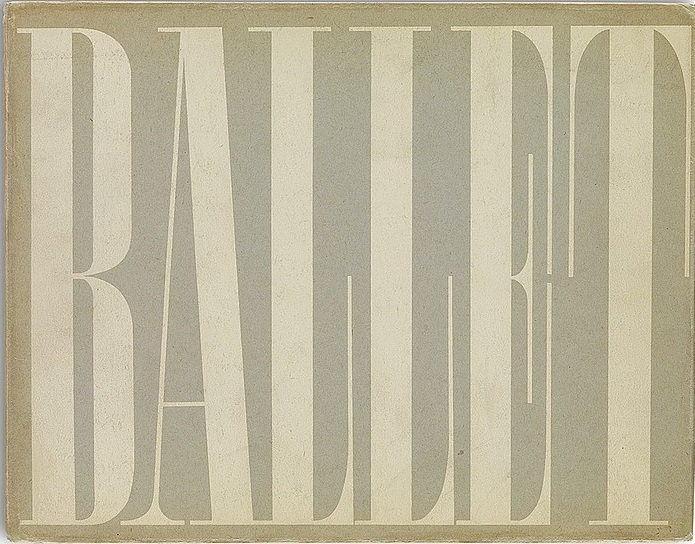
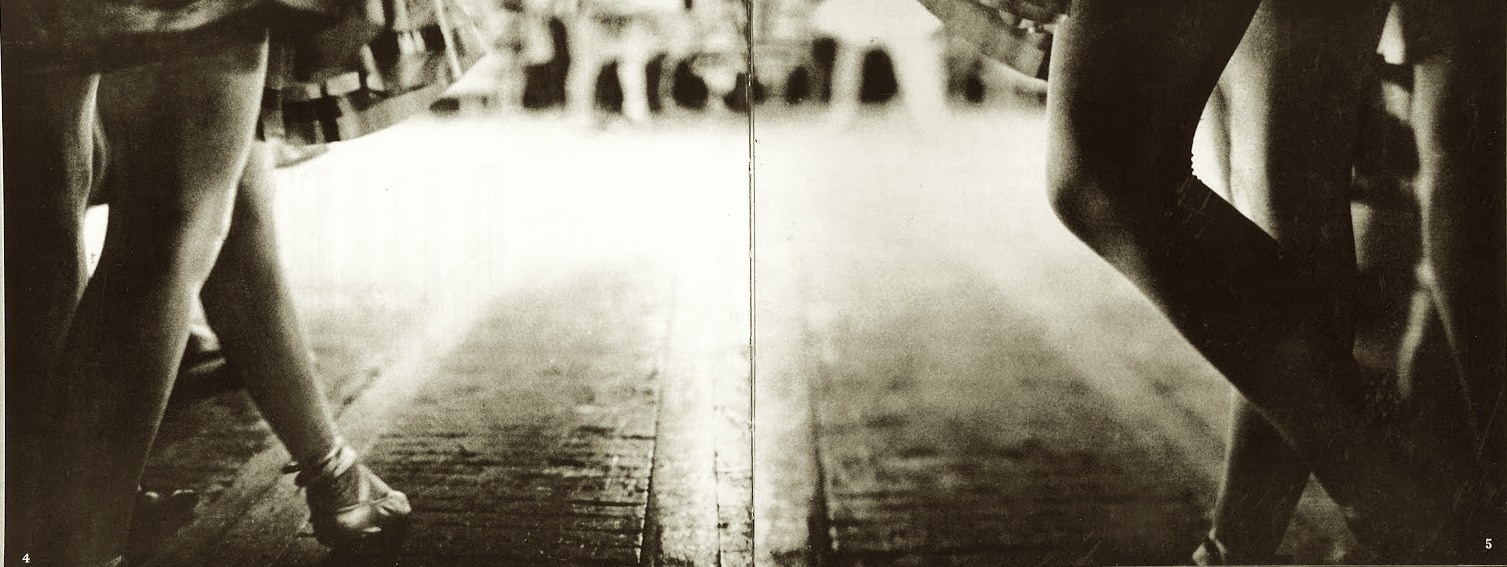
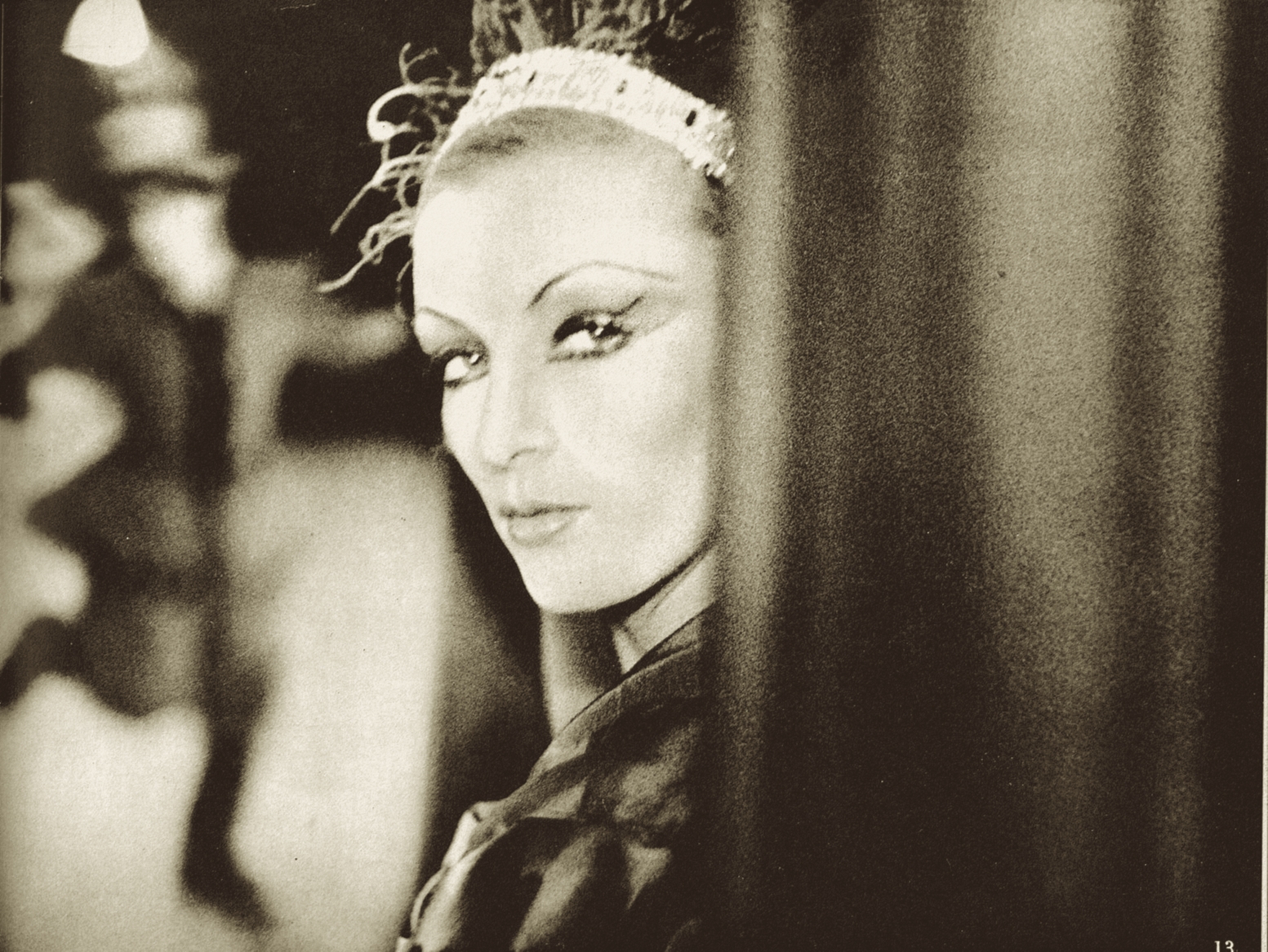
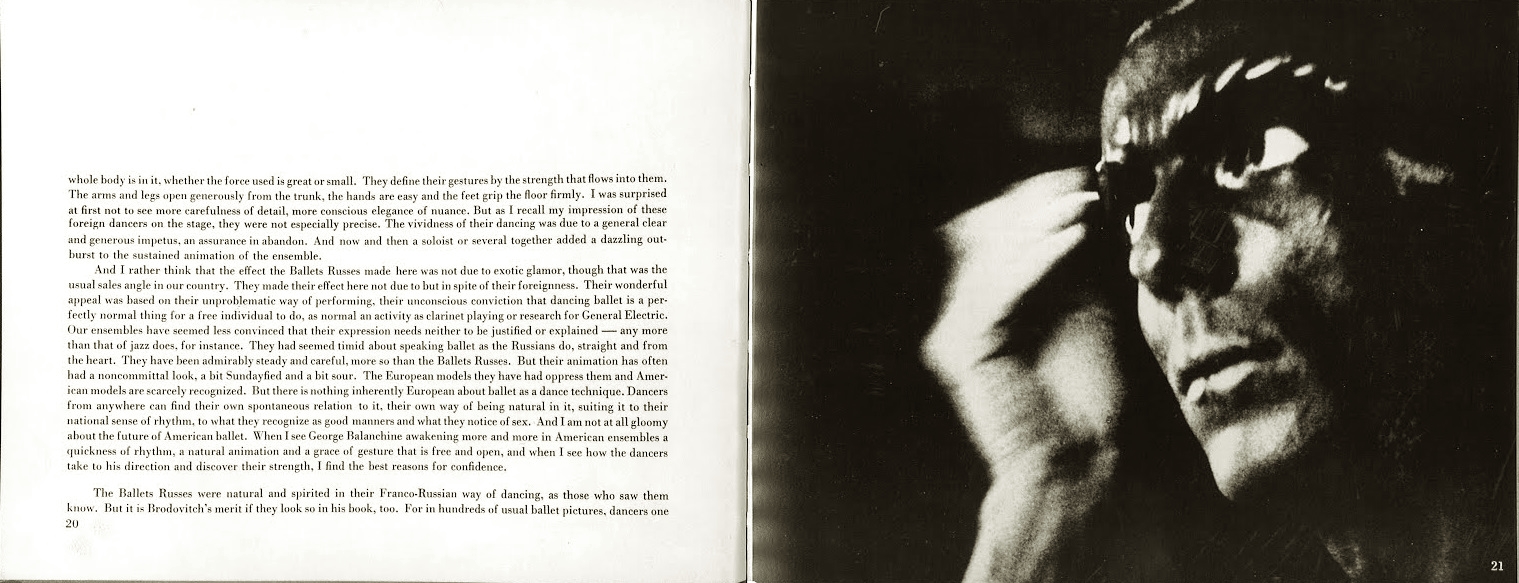
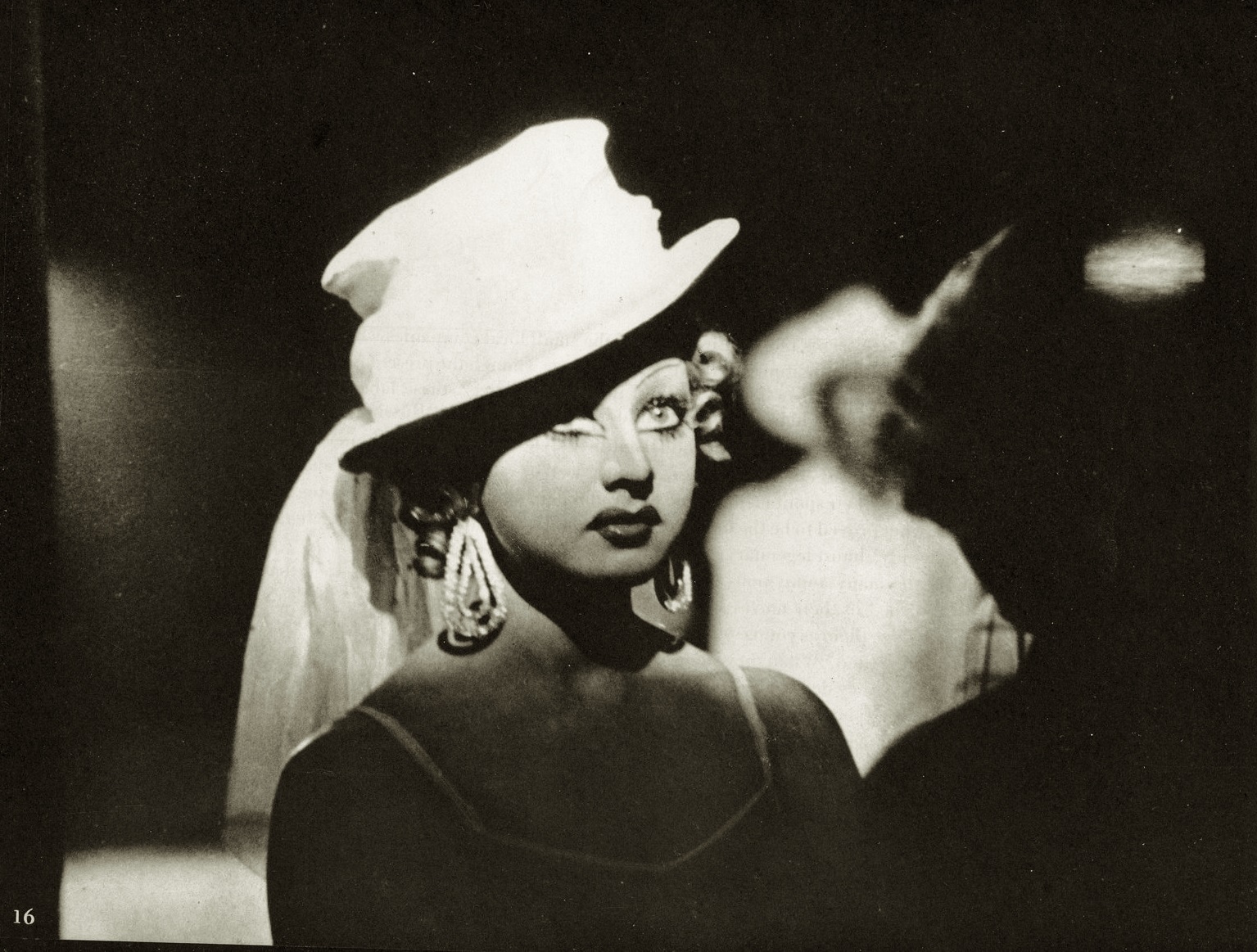
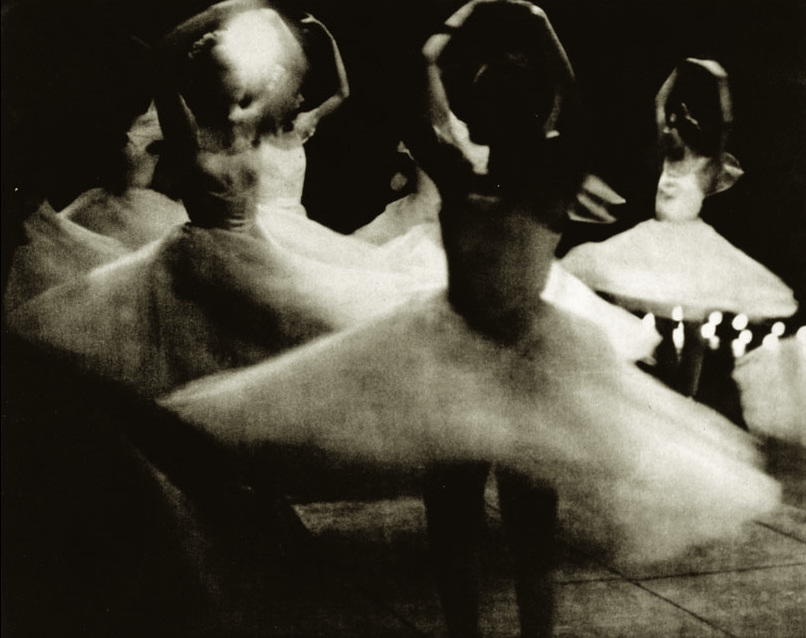
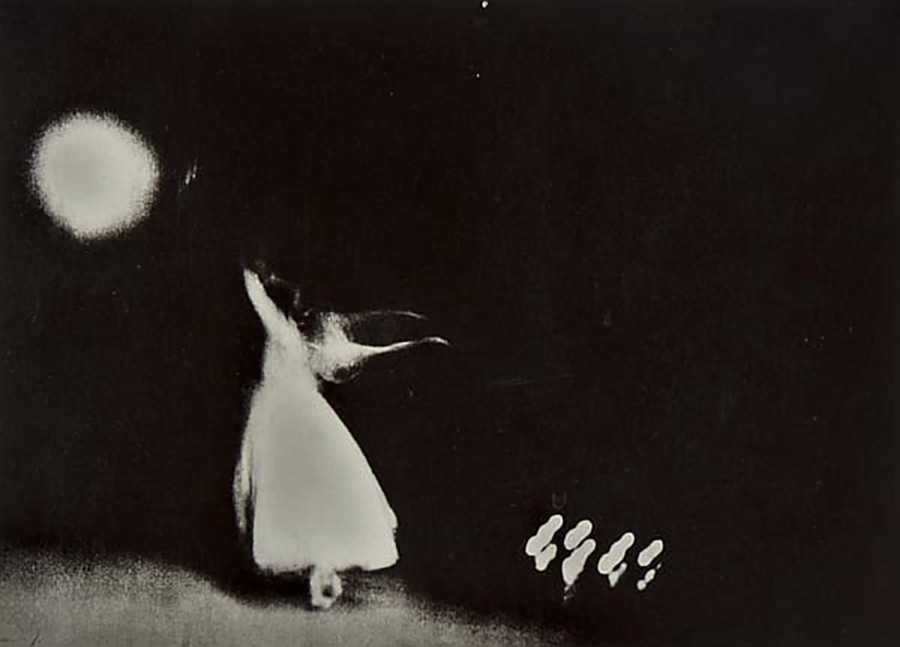
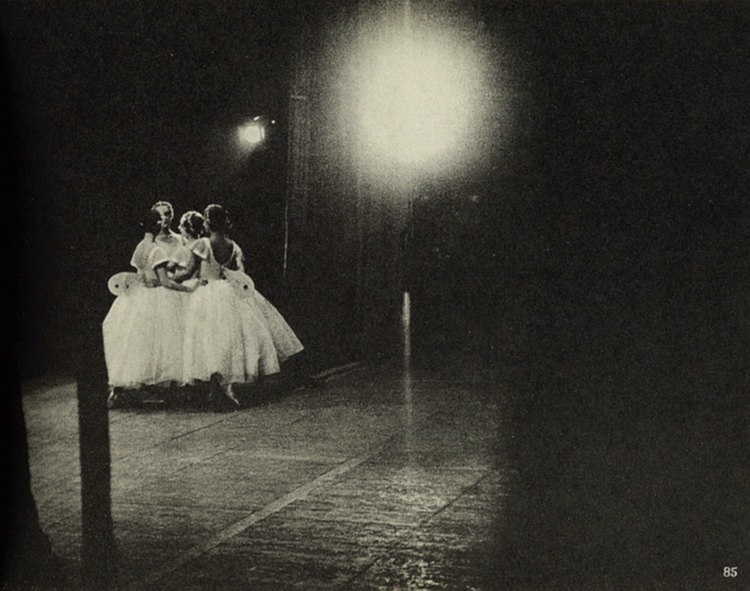
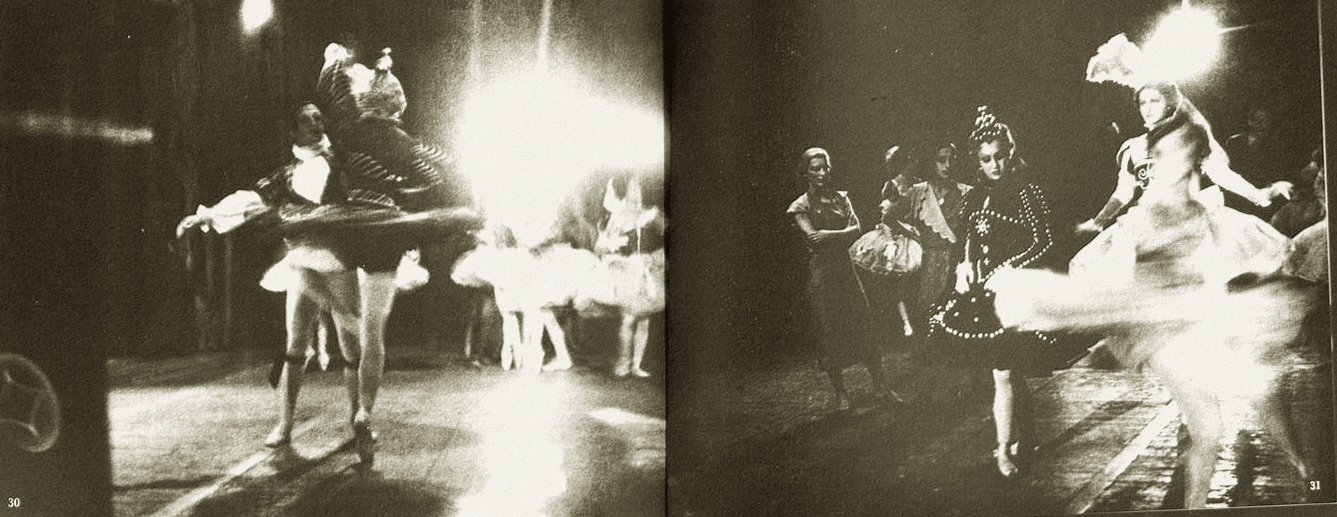
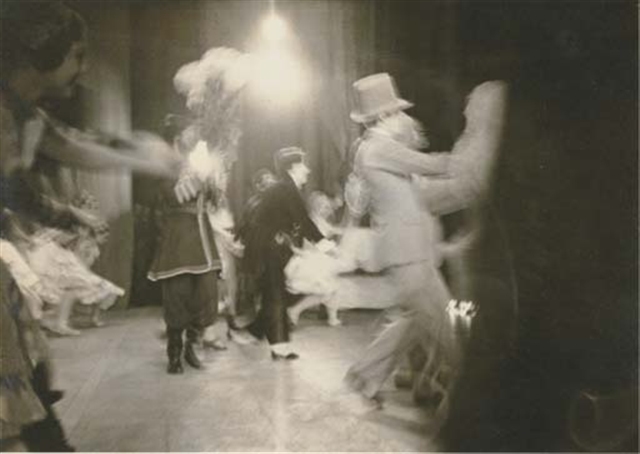
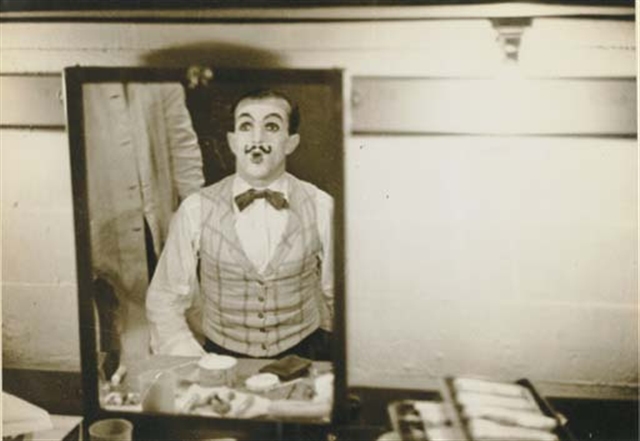
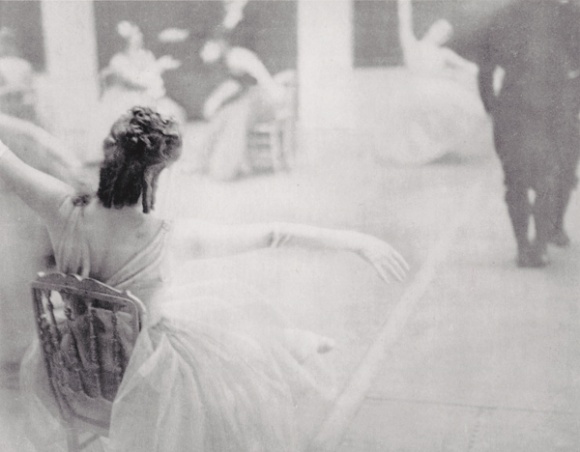
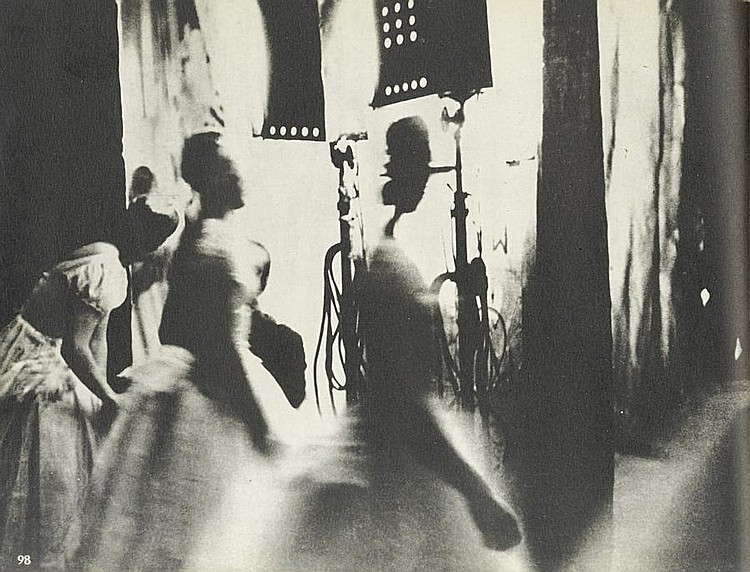
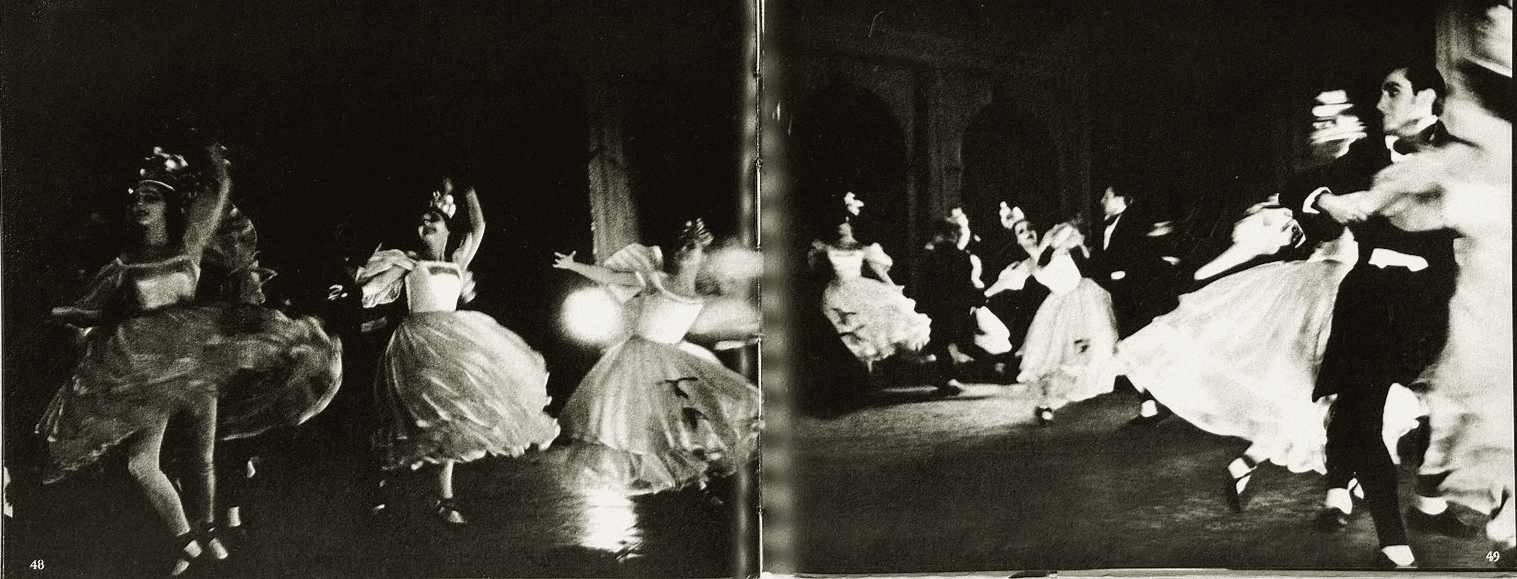
Alexey Brodovitch- « Ballet », (The entiere book), J.J. Augustin Publisher, 1945

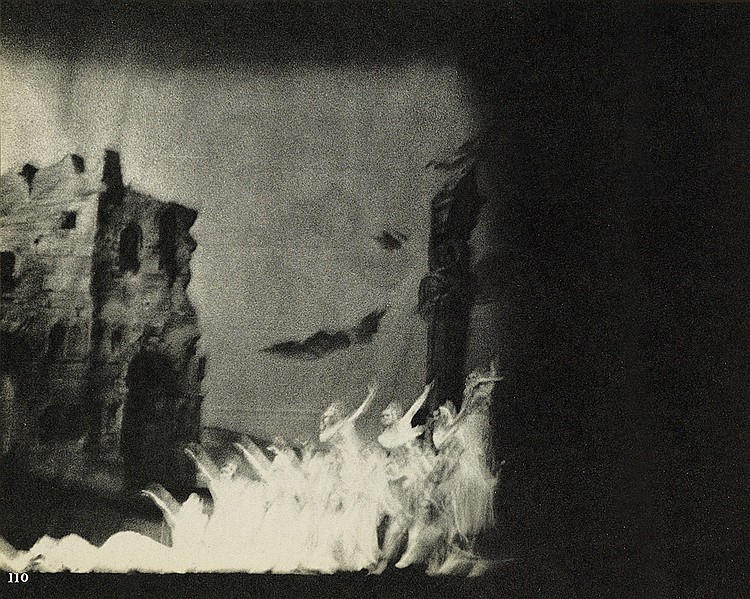
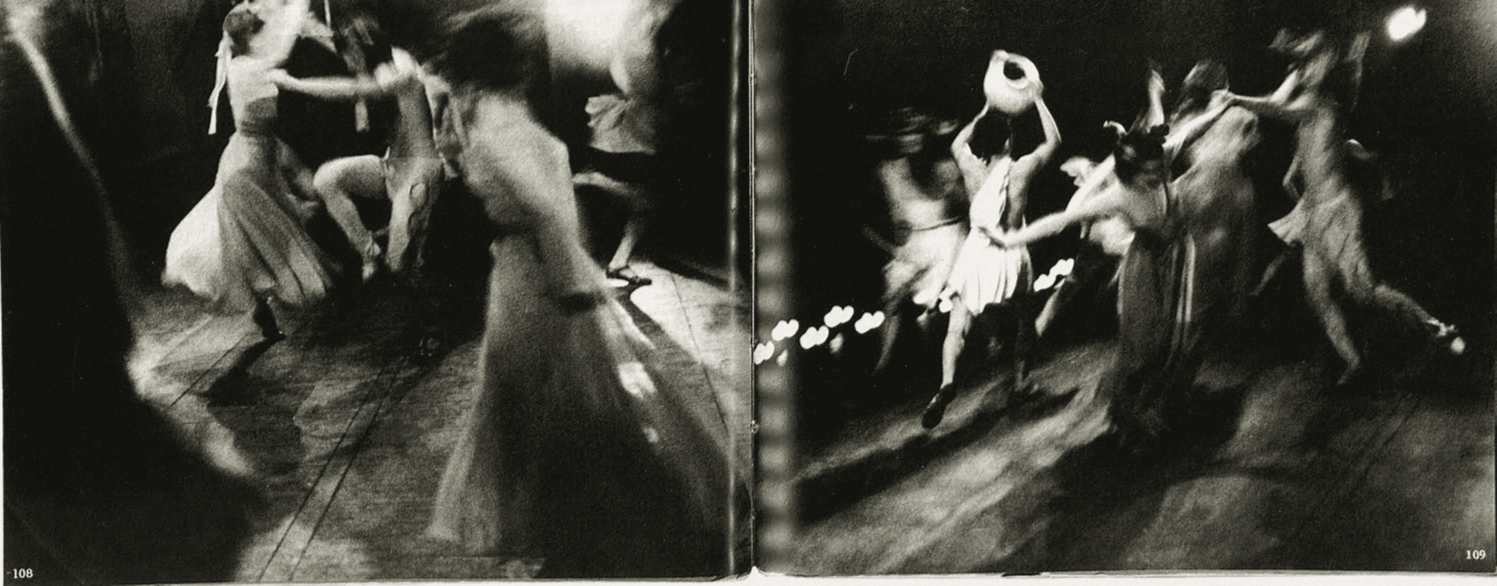
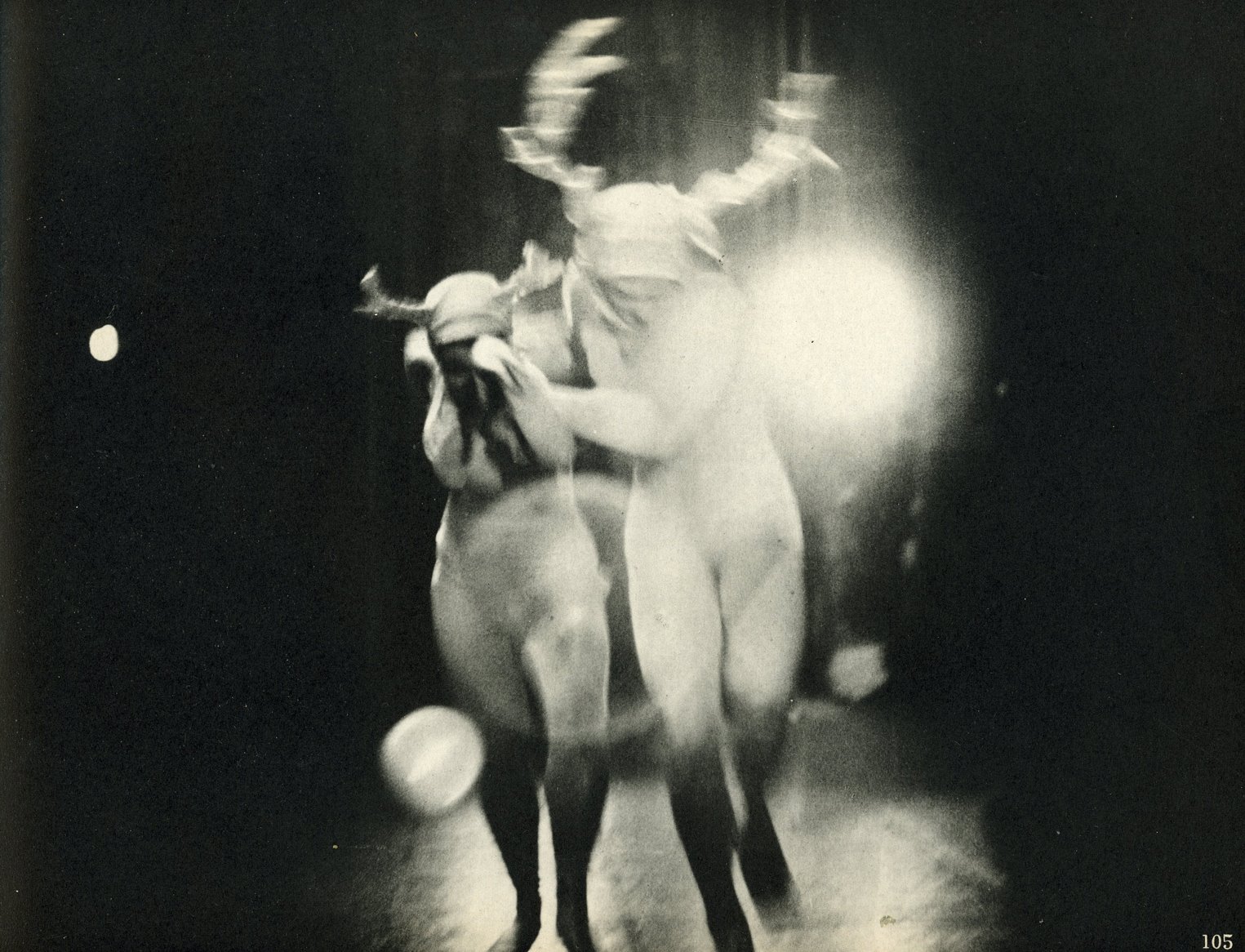
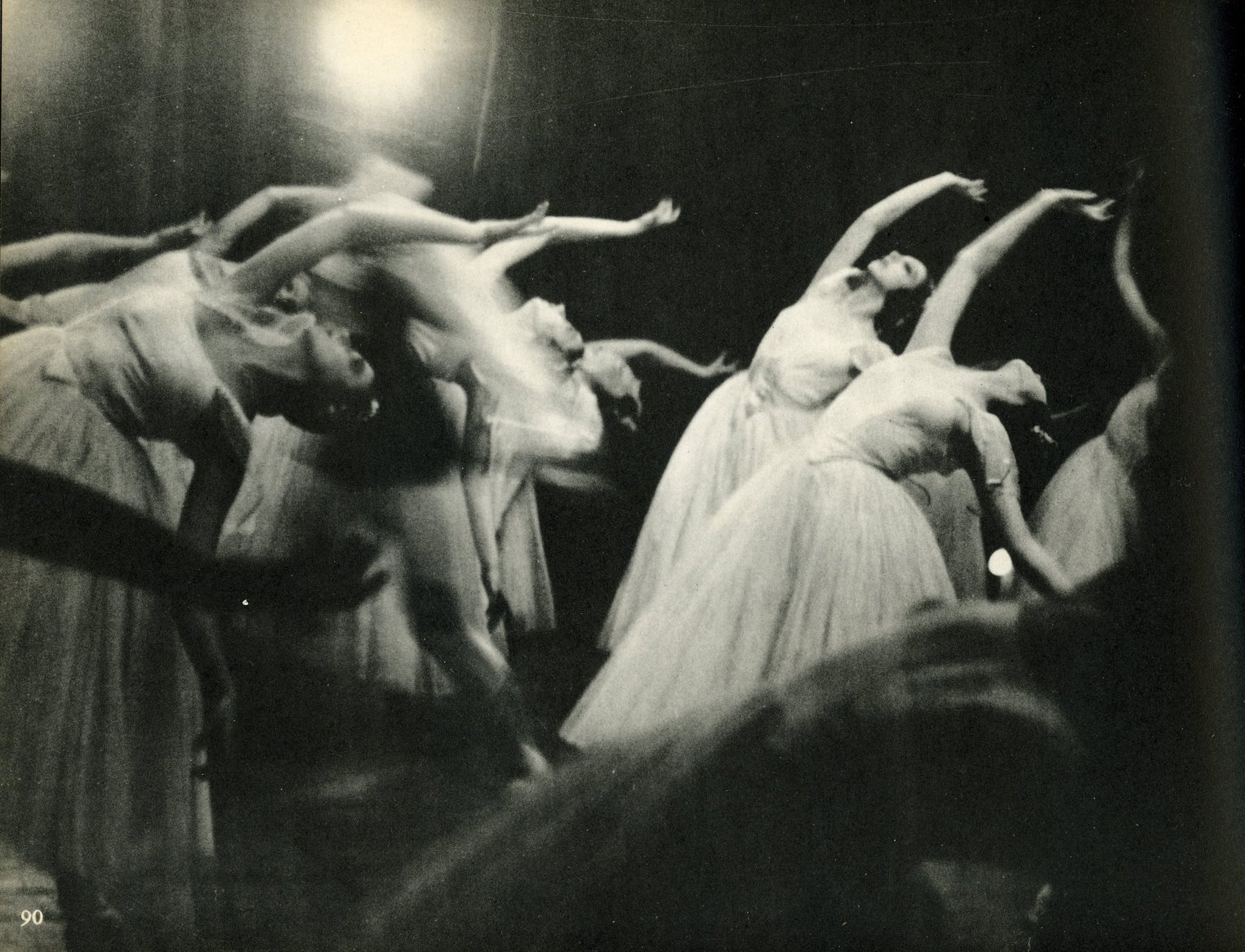
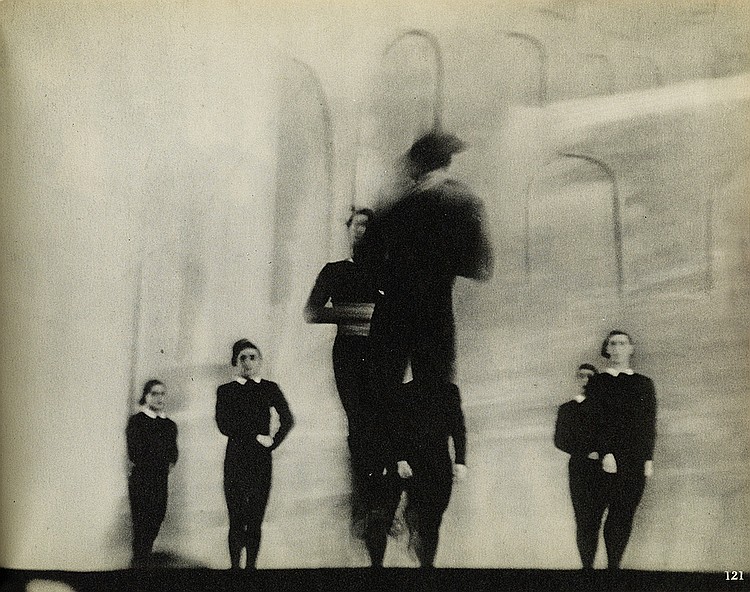
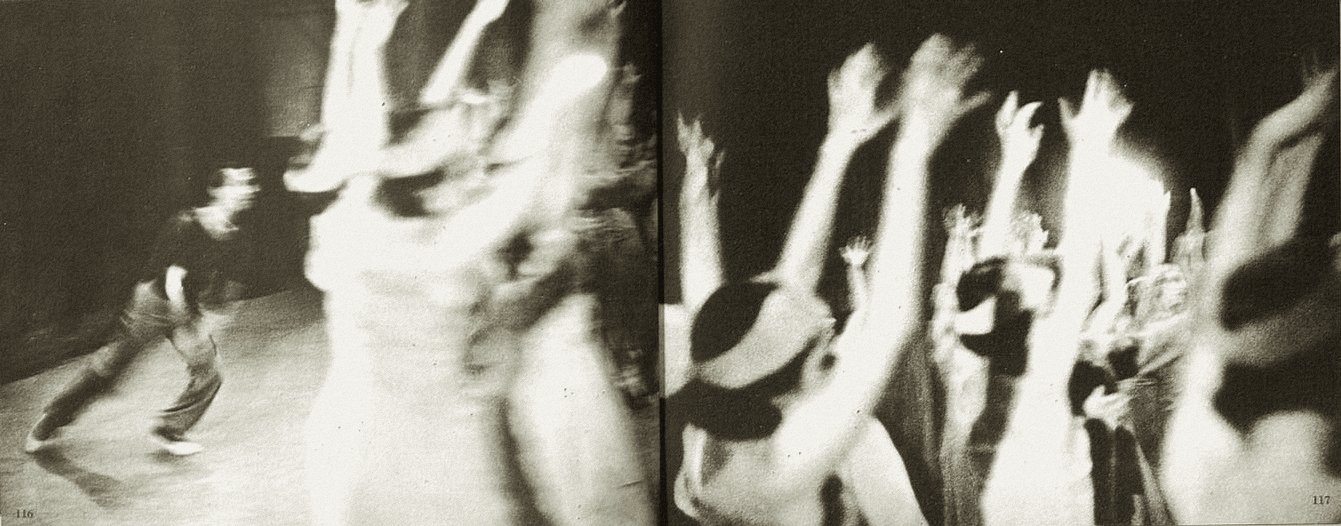
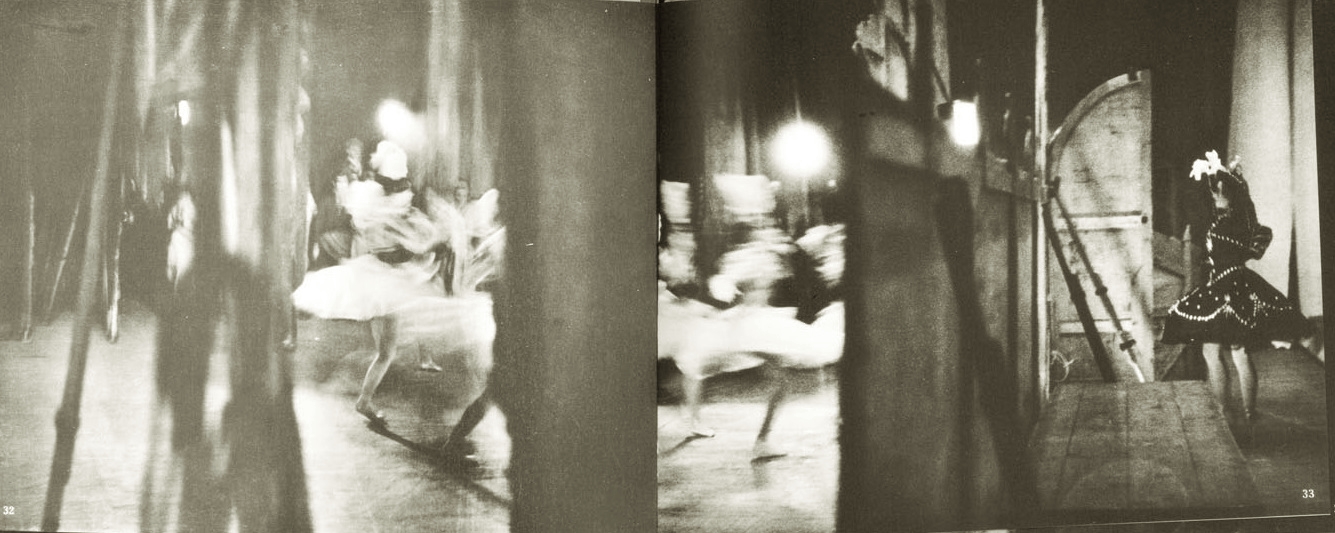
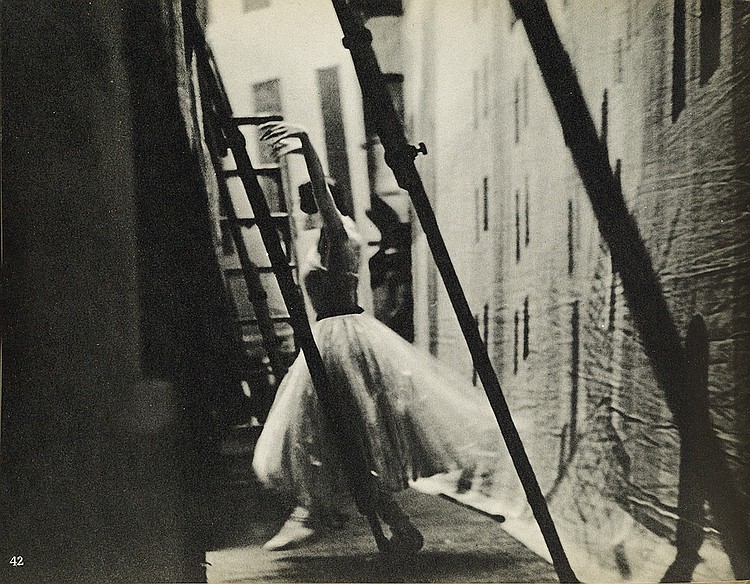
La première rencontre de Alexey Brodovitch avec le ballet est venu peu de temps après son arrivée à Paris en 1920. Il avait 22 ans et était un émigré récent  de la Révolution Bolsevik de 1917. Brodovitch a commencé son approche des Ballets russes après une rencontre fortuite avec l’impresario de la troupe Sergei Diaghilev, tout d’abord en les peignant . Ce n’est que plus tard,  après avoir déménagé à New York, qu’il a commencé à les  photographier .Entre 1935 et 1937,  Brodovitch créé un sur ces troupes de danse  ( leurs noms sont tous cités un peu plus bas) un travail des  plus influents de la période. Il a utilisé un appareil photo Contax 35mm sans flash et réglé la vitesse d’obturation à un cinquième de seconde, donnant donc à ses clichés ce mouvement si spécifique. Mais c’est aussi tout le travail dans sa chambre noire , où Brodovitch manipulait ses images (élargissement de petits détails exagération du  grain , distorsion,  zones de blanchiment du négatif ) qui donne toute son empreinte à ses photographies. (  Paul Himmel s’inspira d’ailleurs beaucoup de lui  en 1950 , lorsqu’il crée une série sur la danse, d’ailleurs on retrouve se baladant sur le net quelques photos de Himmel créditées Brodovitch….notamment,  celle- ci, exposée dans ce musée en 2009 pour une rétrospective en Allemagne (et que l’on trouve dans le livre Paul Himmel  Ballet in Action, texte Walter Terry , 1954)  que vous pouvez voir à la fondation freelens,   ou encore ici sur ce magazine de photographie allemand ( forcement) ou Kutur online ( toujours allemand, partenaire des plus grands musées d’Allemagne , qui publient les dossiers de presse lors des expositions, mais je vous mets un lien avec une vidéo plus bas où le livre est en entier ).

Elles ont un air de nostalgie, évoquant sa propre histoire avec les troupes de ballet, mais elles dépeignent également tout le  suspens que l’on retrouve dans  la danse elle-même ainsi  que la pureté et la délicatesse et la légèreté intrinsèque à la danse.

Ballet n’est qu’une partie de son travail , puisqu’e il est en effet également très connu pour ses photographies pour le magazine américain Harper’s Bazaar du milieu des années 30 au début des années 50 dont il a fait la une des dizaines de fois ( je vous mets les liens Ici   & sur Pinterest ) . Il y  travaillera  avec des photographes comme Martin Munkacsi, Man Ray, George Hoyningen-Huene ou Erwin Blumenfeld ; et notamment étroitement avec Lillian Bassman et Louise Dahl-Wolfe. Il y  accompagnera aussi les débuts de Richard Avedon et Hiro….
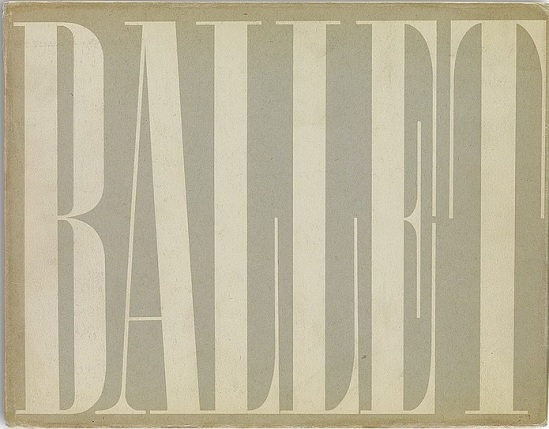
 

Alexey Brodovitch Ballet ed J.J. Augustin Publisher, 1945

Alexey Brodovitch Ballet ed JJ Augustin Editeur, 1945
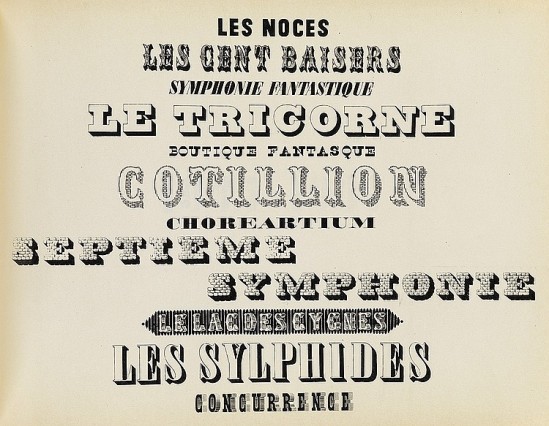
Alexey Brodovitch liste de tous tous les Ballets photographiés ed J.J. Augustin Publisher, 1945

Alexey Brodovitch liste de tous tous les Ballets photographiés ed J.J. Augustin Publisher, 1945

Alexey Brodovitch Ballet 2 premières planches, ouvrant le livre ed J.J. Augustin Publisher, 1945.
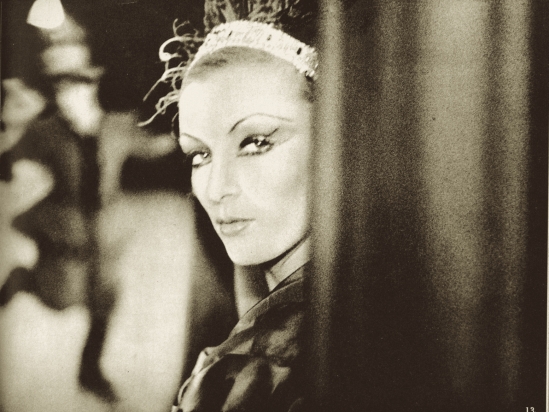
Alexey Brodovitch Ballet 2 premières planches, ouvrant le livre ed J.J. Augustin Publisher, 1945.

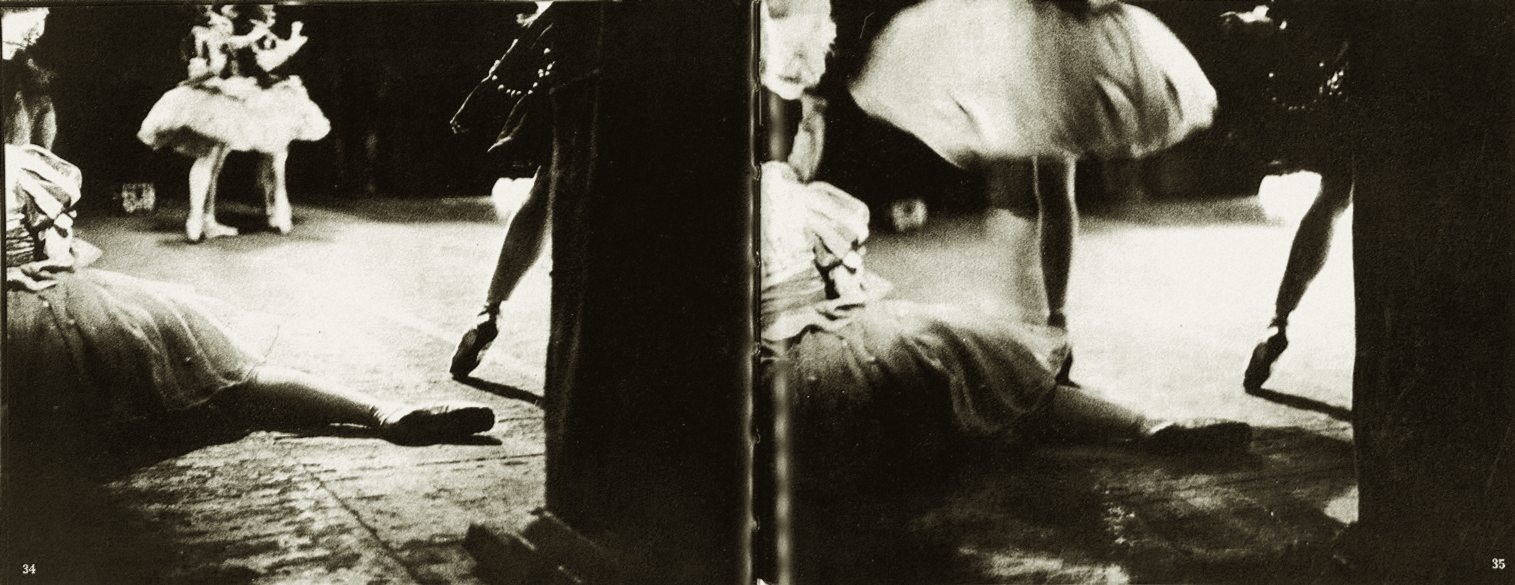
Alexey Brodovitch Ballet première planche, accompagnée du texte montrant les couliises et les préparatifs

Alexey Brodovitch Ballet première planche, accompagnée du texte montrant les couliises et les préparatifs

Alexey Brodovitch Ballet première planche, accompagnée du texte montrant les couliises et les préparatifs ( ballets russes par exemple)
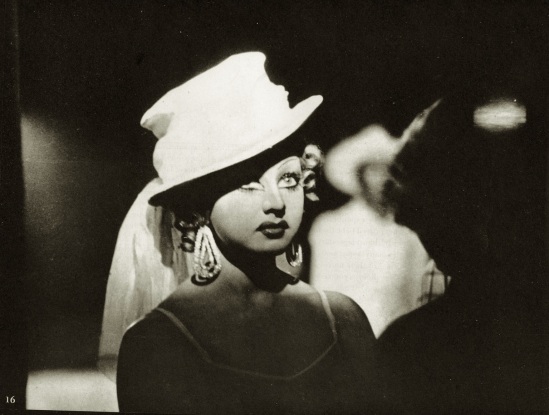
Alexey Brodovitch Ballet première planche, accompagnée du texte montrant les couliises et les préparatifs ( ballets russes par exemple)

Alexey Brodovitch Ballet première planche accompagnées du texte montrant les coulisses et les préparatifs
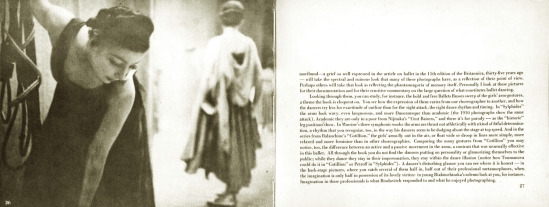
Alexey Brodovitch Ballet première planche accompagnées du texte montrant les coulisses et les préparatifs

Alexey Brodovitch Ballet première planche, accompagnée du texte montrant les couliises et les préparatifs et_e - Copie

Alexey Brodovitch Ballet première planche, accompagnée du texte montrant les couliises et les préparatifs ( ballets russes par exemple)
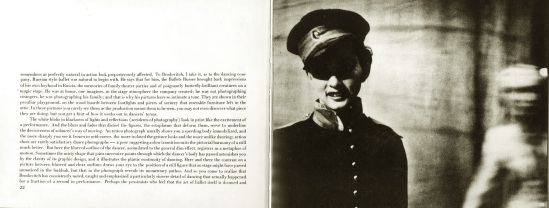
Alexey Brodovitch Ballet première planche, accompagnée du texte montrant les couliises et les préparatifs ( ballets russes par exemple)

Alexey Brodovitch Ballet première planche, accompagnée du texte montrant les couliises et les préparatifs ( ballets russes par exemple)

Alexey Brodovitch Ballet première planche, accompagnée du texte montrant les couliises et les préparatifs ( ballets russes par exemple)

Alexey Brodovitch Ballet première planche, accompagnée du texte montrant les couliises et les préparatifs et_e - Copie

Alexey Brodovitch Ballet première planche, accompagnée du texte montrant les couliises et les préparatifs

Alexey Brodovitch Ballet première planche, accompagnée du texte montrant les couliises et les préparatifs

************

Alexey Brodovitch- Ballet Septième Symphonie, 1935-37. from Ballet ed J.J. Augustin Publisher, 1945

Alexey Brodovitch- Ballet Septième Symphonie, de 1935 à 1937. de Ed Ballet JJ Augustin Editeur, 1945

Alexey Brodovitch- Ballet Septième Symphonie, 1935-37. from Ballet ed J.J. Augustin Publisher, 1945

Alexey Brodovitch- Ballet Septième Symphonie, de 1935 à 1937. de Ed Ballet JJ Augustin Editeur, 1945

Alexey Brodovitch- Ballet Septième Symphonie, 1935-37. from Ballet ed J.J. Augustin Publisher, 1945

Alexey Brodovitch- Ballet Septième Symphonie, de 1935 à 1937. de Ed Ballet JJ Augustin Editeur, 1945

************
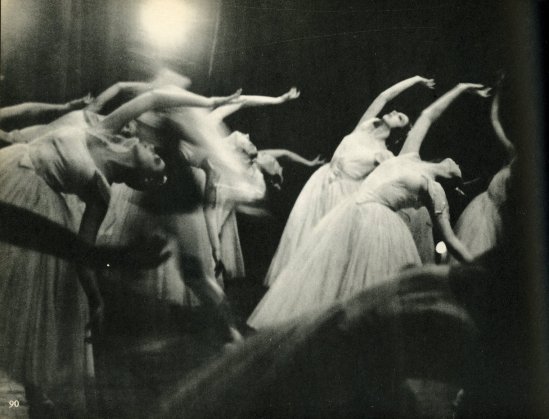
Alexey Brodovitch- Ballet Les Sylphides, 1935-1937. from Ballet ed J.J. Augustin Publisher, 1945

Alexey Brodovitch- Ballet Les Sylphides, 1935-1937. de Ed Ballet JJ Augustin Editeur, 1945
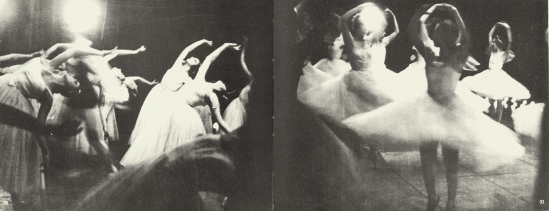
Alexey Brodovitch- Ballet Les Sylphides, 1935-1937. from Ballet ed J.J. Augustin Publisher, 1945

Alexey Brodovitch- Ballet Les Sylphides, 1935-1937. de Ed Ballet JJ Augustin Editeur, 1945
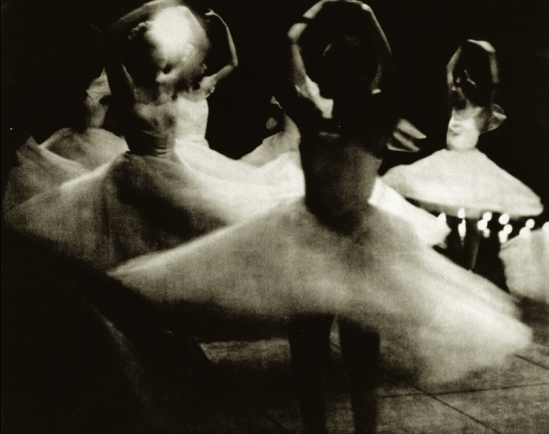
Alexey Brodovitch (1898-1971) Untitled (from the Ballet series, Les Sylphides)

Alexey Brodovitch- Ballet Les Sylphides, 1935-1937. de Ed Ballet JJ Augustin Editeur, 1945

Alexey Brodovitch- Ballet Les Sylphides, 1935-1937. from Ballet ed J.J. Augustin Publisher, 1945

Alexey Brodovitch- Ballet Les Sylphides, 1935-1937. de Ed Ballet JJ Augustin Editeur, 1945

Alexey Brodovitch- Ballet Les Sylphides, 1935-1937. from Ballet ed J.J. Augustin Publisher, 1945

Alexey Brodovitch- Ballet Les Sylphides, 1935-1937. de Ed Ballet JJ Augustin Editeur, 1945
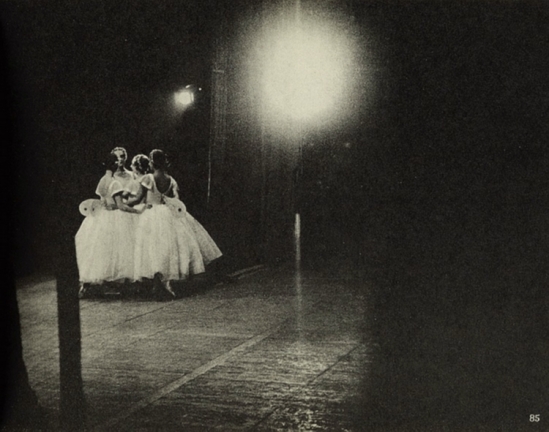
***********
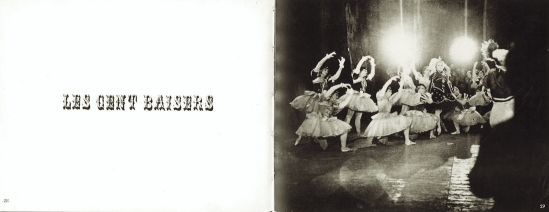
Alexey Brodovitch Ballet Les cent Baisers 1935-37 . from Ballet ed J.J. Augustin Publisher, 1945

Alexey Brodovitch Ballet de Baisers Les Cent 1935-1937. de Ed Ballet JJ Augustin Editeur, 1945
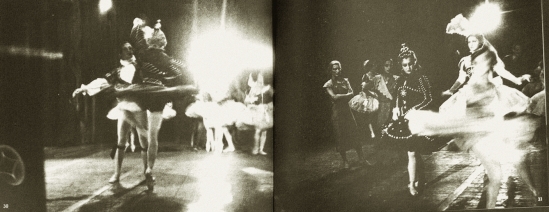
Alexey Brodovitch Ballet Les cent Baisers 1935-37ed J.J. Augustin Publisher, 1945.

Alexey Brodovitch Ballet Les Baisers de cent 1935-37ed JJ Augustin Éditeur, 1945.
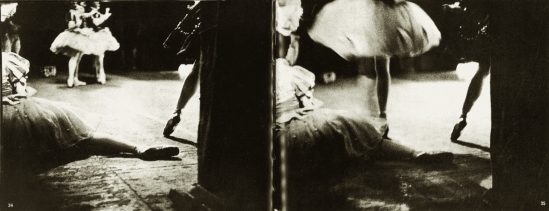
Alexey Brodovitch Ballet Les cent Baisers 1935-37 . from Ballet ed J.J. Augustin Publisher, 1945

Alexey Brodovitch Ballet de Baisers Les Cent 1935-1937. de Ed Ballet JJ Augustin Editeur, 1945

**************
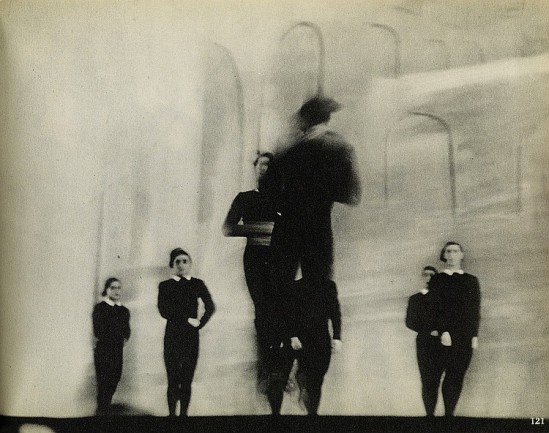
Alexey Brodovitch- Ballet Choreartium 1935-37. from Ballet ed J.J. Augustin Publisher, 1945

Alexey Brodovitch- Ballet Choreartium 1935-1937. de Ed Ballet JJ Augustin Editeur, 1945
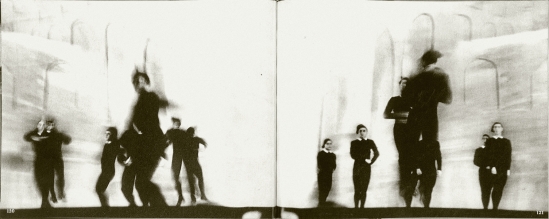
Alexey Brodovitch- Ballet Choreartium 1935-37. from Ballet ed J.J. Augustin Publisher, 1945

Alexey Brodovitch- Ballet Choreartium 1935-1937. de Ed Ballet JJ Augustin Editeur, 1945
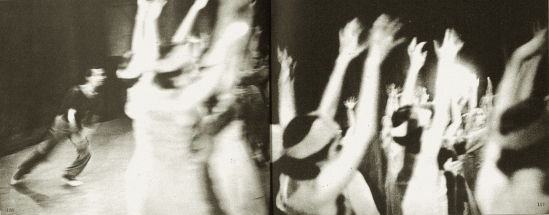
Alexey Brodovitch- Ballet Choreartium 1935-37. from Ballet ed J.J. Augustin Publisher, 1945

Alexey Brodovitch- Ballet Choreartium 1935-1937. de Ed Ballet JJ Augustin Editeur, 1945

Alexey Brodovitch- Ballet Choreartium 1935-37. from Ballet ed J.J. Augustin Publisher, 1945

Alexey Brodovitch- Ballet Choreartium 1935-1937. de Ed Ballet JJ Augustin Editeur, 1945

**********

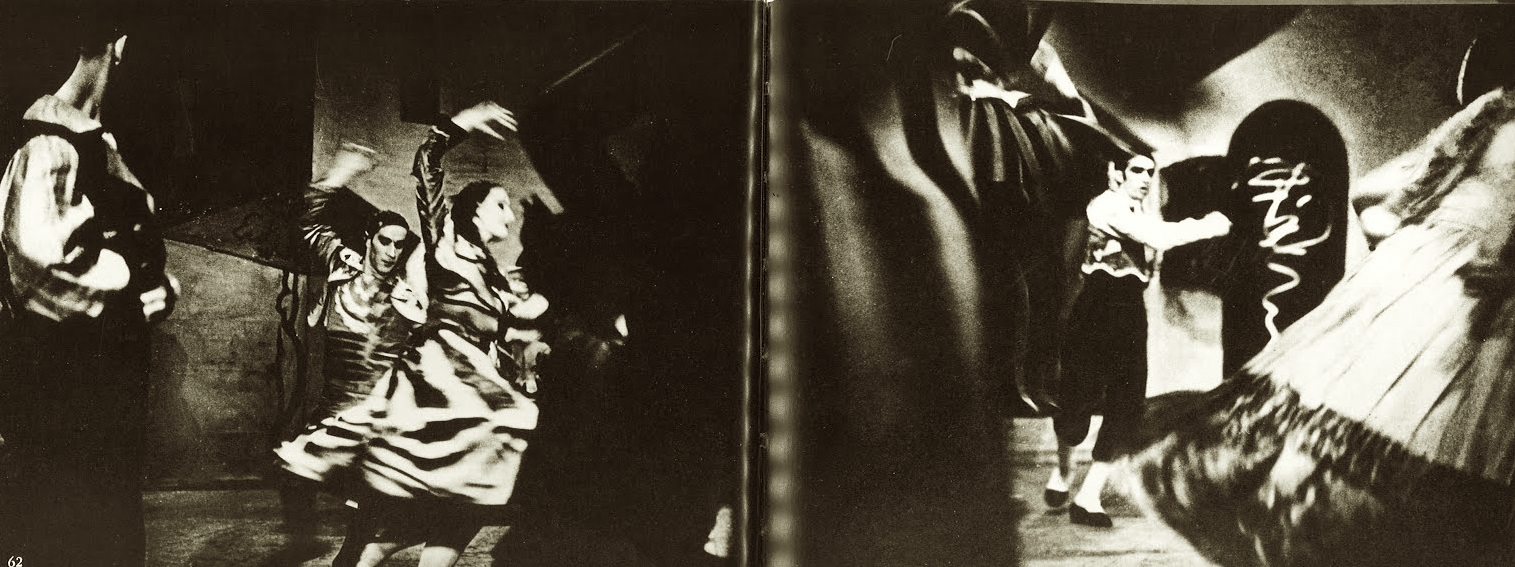
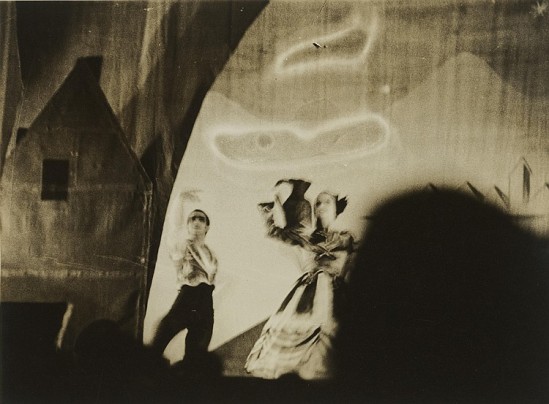
Alexey Brodovitch Le tricorne Ballet 1935-37 . from Ballet ed J.J. Augustin Publisher, 1945

Alexey Brodovitch Le tricorne Ballet 1935-1937. de Ed Ballet JJ Augustin Editeur, 1945
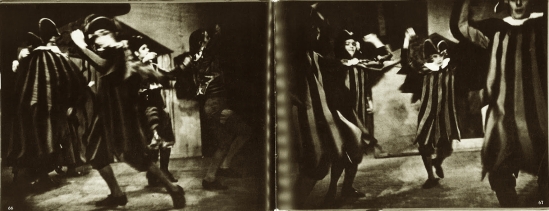
Alexey Brodovitch Le tricorne Ballet 1935-37 . from Ballet ed J.J. Augustin Publisher, 1945

Alexey Brodovitch Le tricorne Ballet 1935-1937. de Ed Ballet JJ Augustin Editeur, 1945
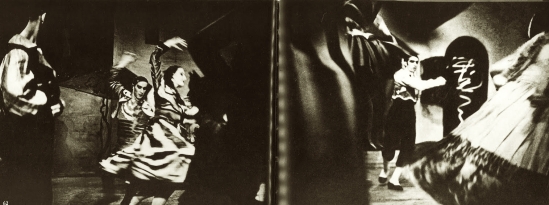
Alexey Brodovitch Le tricorne Ballet 1935-37 . from Ballet ed J.J. Augustin Publisher, 1945

Alexey Brodovitch Le tricorne Ballet 1935-1937. de Ed Ballet JJ Augustin Editeur, 1945
Alexey Brodovitch Le tricorne Ballet 1935-37 . from Ballet ed J.J. Augustin Publisher, 1945

Alexey Brodovitch Le tricorne Ballet 1935-1937. de Ed Ballet JJ Augustin Editeur, 1945

Alexey Brodovitch Le tricorne Ballet 1935-37 . from Ballet ed J.J. Augustin Publisher, 1945

Alexey Brodovitch Le tricorne Ballet 1935-1937. de Ed Ballet JJ Augustin Editeur, 1945

*********

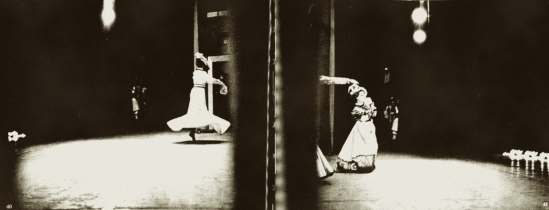
Alexey Brodovitch- Concurrence 1935-37 from Ballet ed J.J. Augustin Publisher, 1945

Alexey Brodovitch- Concurrence 1935-1937 de Ed Ballet JJ Augustin Editeur, 1945

Alexey Brodovitch- Concurrence 1935-37 from Ballet ed J.J. Augustin Publisher, 1945 1

Alexey Brodovitch- Concurrence 1935-1937 de Ed Ballet JJ Augustin Editeur, 1945
Alexey Brodovitch- Concurrence 1935-37

Alexey Brodovitch- Concurrence 1935-1937 de Ed Ballet JJ Augustin Editeur, 1945

**********

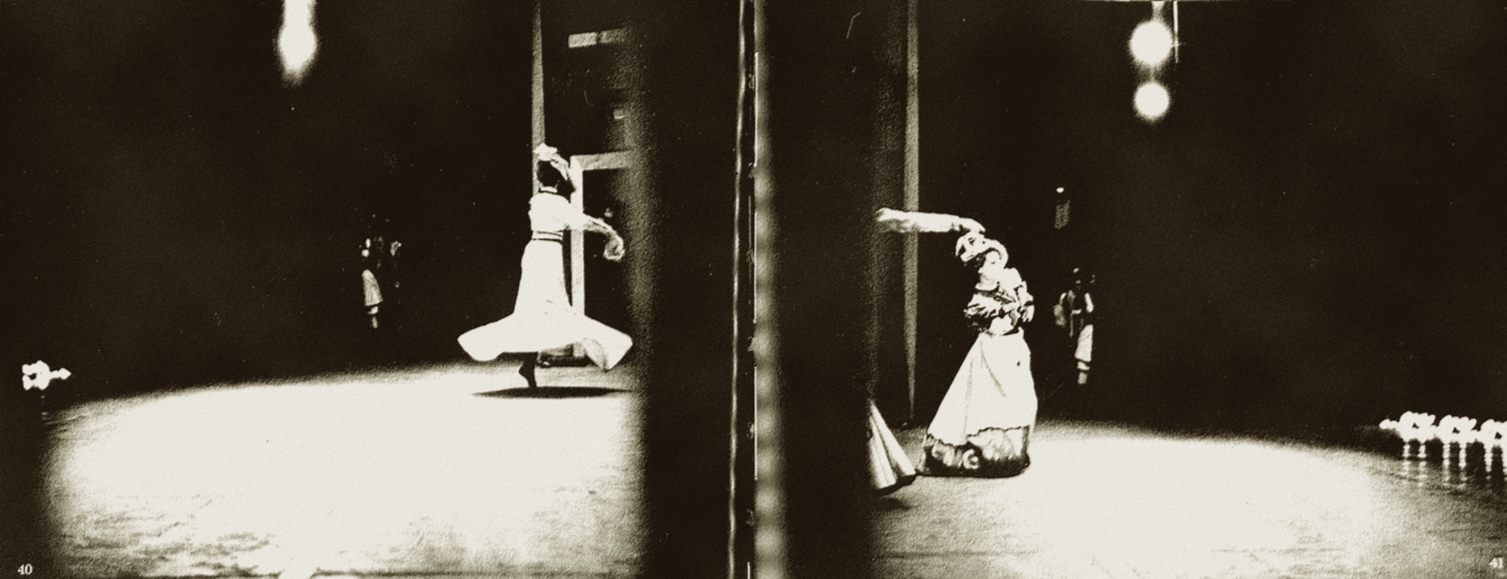
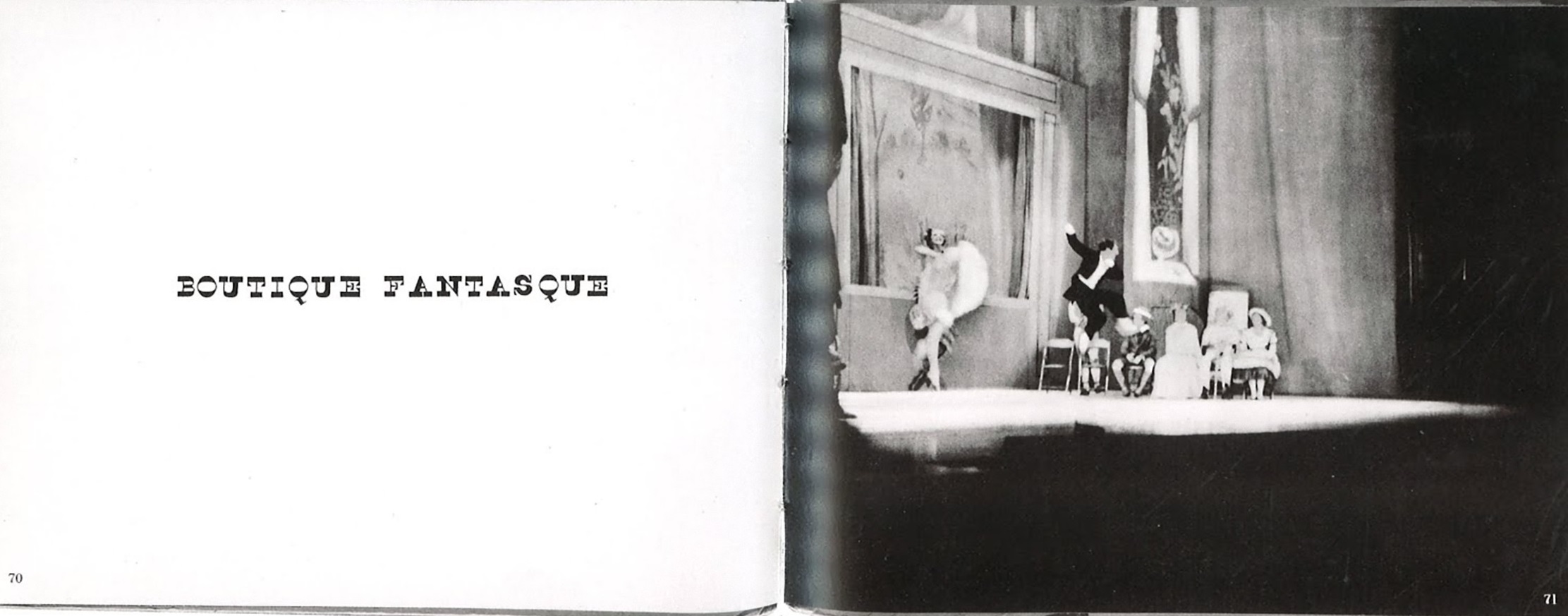
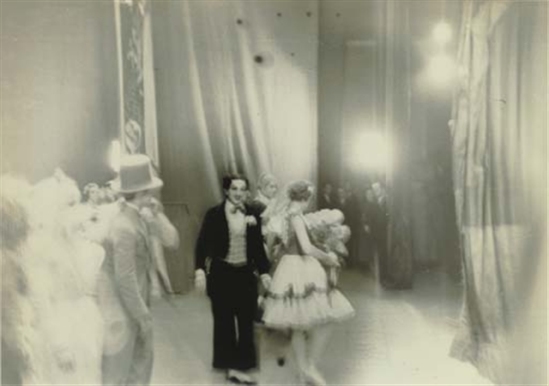
Alexey Brodovitch-Boutique fantasque, 1935-37. from Ballet ed J.J. Augustin Publisher, 1945

Alexey Brodovitch-Boutique fantasque, 1935-1937. de Ed Ballet JJ Augustin Editeur, 1945
Alexey Brodovitch-Boutique fantasque, 1935-37. from Ballet ed J.J. Augustin Publisher, 1945

Alexey Brodovitch-Boutique fantasque, 1935-1937. de Ed Ballet JJ Augustin Editeur, 1945
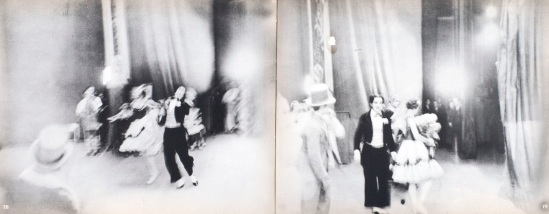
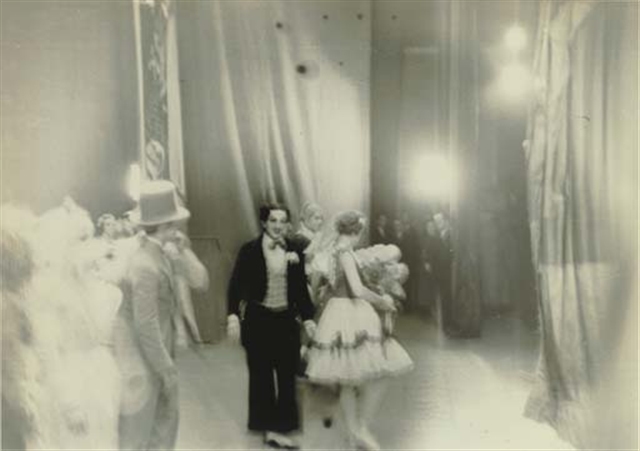
Alexey Brodovitch-Boutique fantasque, 1935-37. from Ballet ed J.J. Augustin Publisher, 1945

Alexey Brodovitch-Boutique fantasque, 1935-1937. de Ed Ballet JJ Augustin Editeur, 1945
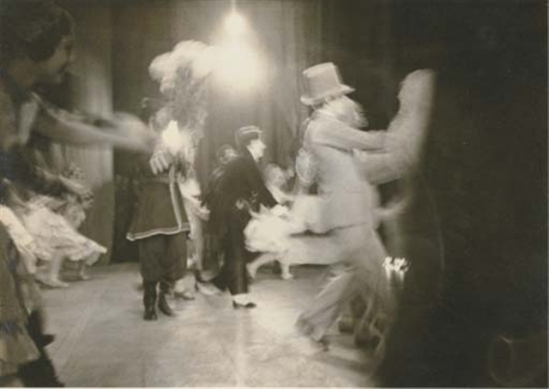
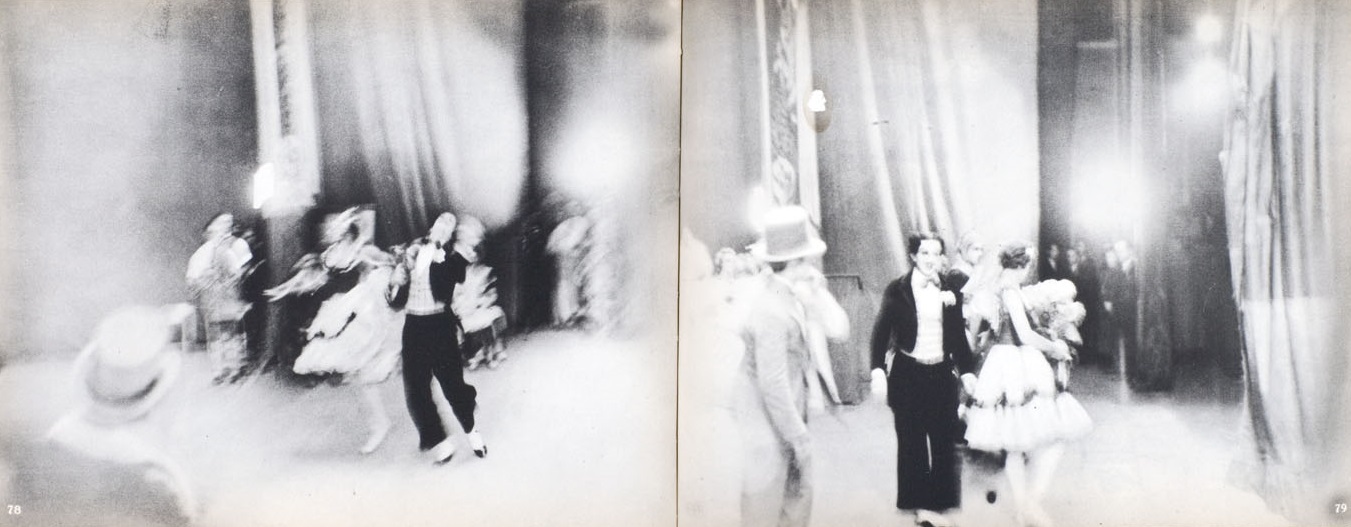
Alexey Brodovitch-Boutique fantasque, 1935-37 . from Ballet ed J.J. Augustin Publisher, 1945

Alexey Brodovitch-Boutique fantasque, 1935-1937. de Ed Ballet JJ Augustin Editeur, 1945
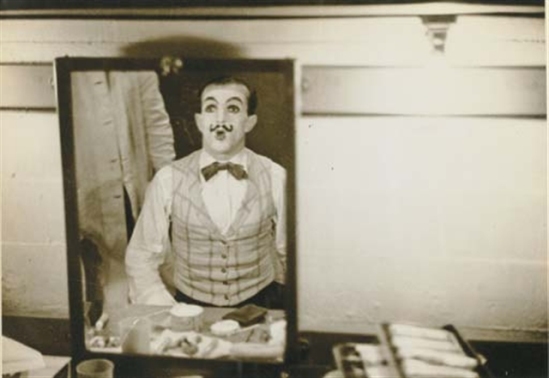
Alexey Brodovitch-Boutique fantasque, 1935-37. from Ballet ed J.J. Augustin Publisher, 1945

Alexey Brodovitch-Boutique fantasque, 1935-1937. de Ed Ballet JJ Augustin Editeur, 1945

**********

Alexey Brodovitch- Ballet Cotillion 1935-37. from Ballet ed J.J. Augustin Publisher, 1945

Alexey Brodovitch- Cotillion Ballet 1935-1937. de Ed Ballet JJ Augustin Editeur, 1945
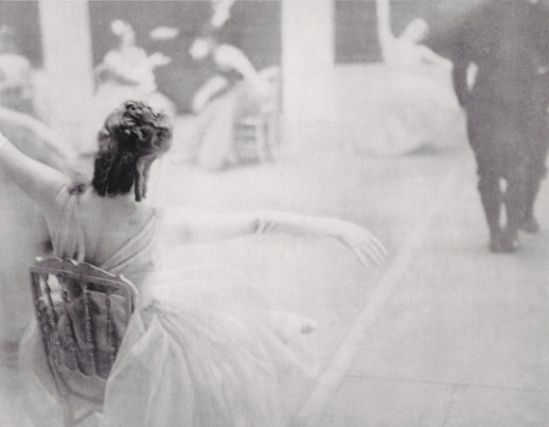
Alexey Brodovitch- Ballet Cotillion 1935-37. from Ballet ed J.J. Augustin Publisher, 1945

Alexey Brodovitch- Cotillion Ballet 1935-1937. de Ed Ballet JJ Augustin Editeur, 1945
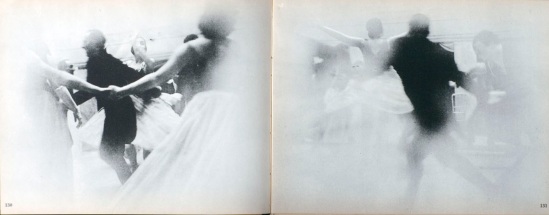
Alexey Brodovitch- Ballet Cotillion 1935-37. from Ballet ed J.J. Augustin Publisher, 1945

Alexey Brodovitch- Cotillion Ballet 1935-1937. de Ed Ballet JJ Augustin Editeur, 1945
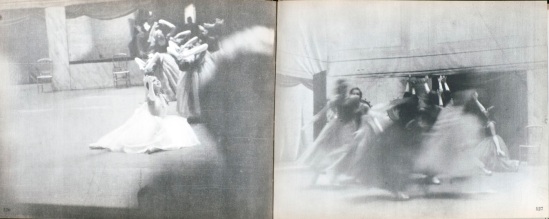
Alexey Brodovitch- Ballet Cotillion 1935-37. from Ballet ed J.J. Augustin Publisher, 1945

Alexey Brodovitch- Cotillion Ballet 1935-1937. de Ed Ballet JJ Augustin Editeur, 1945

**********
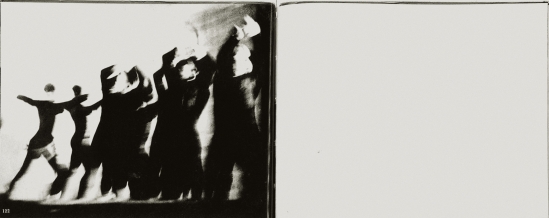
Alexey Brodovitch- Ballet Les Noces, 1935-1937. from Ballet ed J.J. Augustin Publisher, 1945 ed J.J. Augustin Publisher, 1945

Alexey Brodovitch- Ballet Les Noces, de 1935 à 1937. de Ed Ballet JJ Augustin Editeur, 1945 ed JJ Augustin Editeur, 1945
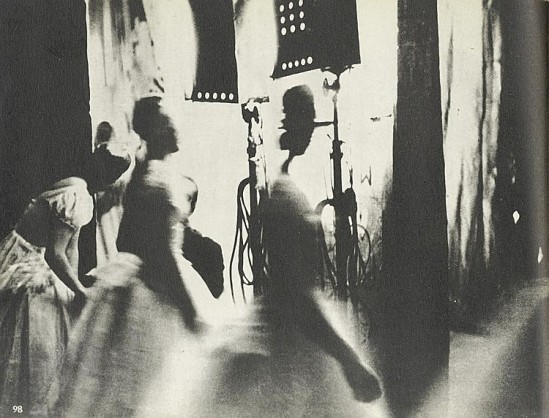
Alexey Brodovitch- Ballet Les Noces, 1935-1937. from Ballet ed J.J. Augustin Publisher, 1945

Alexey Brodovitch- Ballet Les Noces, de 1935 à 1937. de Ed Ballet JJ Augustin Editeur, 1945

************

Alexey Brodovitch Ballet la symphonie Fantastique ed J.J. Augustin Publisher, 1945
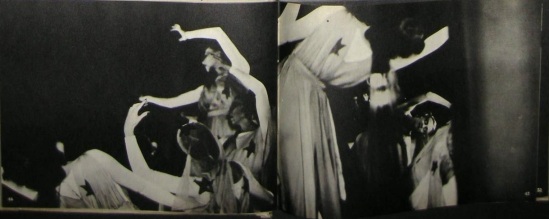
Alexey Brodovitch Ballet la symphonie Fantastique ed J.J. Augustin Publisher, 1945

Alexey Brodovitch- Symphonie fantastique, 1935-37 . from Ballet ed J.J. Augustin Publisher, 1945

Alexey Brodovitch- Symphonie fantastique, de 1935 à 1937. de Ed Ballet JJ Augustin Editeur, 1945
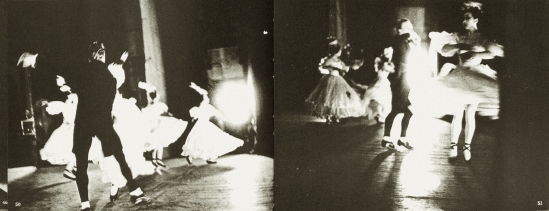
Alexey Brodovitch- Symphonie fantastique, 1935-37 . from Ballet ed J.J. Augustin Publisher, 1945

Alexey Brodovitch- Symphonie fantastique, de 1935 à 1937. de Ed Ballet JJ Augustin Editeur, 1945

Alexey Brodovitch- Symphonie fantastique, 1935-37 . from Ballet ed J.J. Augustin Publisher, 1945

Alexey Brodovitch- Symphonie fantastique, de 1935 à 1937. de Ed Ballet JJ Augustin Editeur, 1945

J’ai  donc trouvé sur viméo le livre feuilleté par un homme (formidable au passage), qui le partage avec nous… le livre vaut aujourd’hui plus de 7000  euros, c’est donc une aubaine de pouvoir le regarder en entier.BALLET  en sa totalité ici en video sur vimeo ( avec la qualité du livre original). Je n’avais malheureusement pas la chance d’avoir le livre et je n’ai retrouvé que des reproductions dans des livres sur la danse notamment, et sur des sites de ventes aux enchères. Encore une fois je vous rappelle que vous pouvez voir les photos en grand format en les ouvrant dans un autre onglet ( les scans sont lourds donc vous pouvez diviser les planches qui sont par deux facilement)


*****************************************************************

Je tiens à partager un article du célèbre Philippe Soupault [ poète, romancier, critique d’art , de cinéma, et co-fondateur avec André Breton, Des Champs magnétiques en 1920.] paru dans Arts et métiers graphiques, en 1930.que j’ai trouvé fort pertinent et très instructif et simplement remarquable.

« Par son caractère, par sa volonté, par sa persévérance Alexey Brodovitch a su imposer à sa destinée une ligne droite. Avec un sang-froid qu’il faut bien qualifier de déconcertant, Brodovitch dès son arrivée à Paris, il y a déjà une dizaine d’années, a refusé de se laisser éblouir par les feux tournants de la mode. Il n’a pas cherché ce qui pouvait plaire mais ce qui devait exprimer efficacement tout ce que nous nommons aujourd’hui. Il venait de très loin, d’un pays et d’une époque, pourrait-on écrire, qui est hors de notre espace et de notre temps. Avec des yeux neufs, c’est-à-dire habitués à des lumières crues et violentes, à des formes pour ainsi dire désordonnées, il a distingué ce que voulait cette foule anonyme qui se laisse attirer par n’importe quel appât, qui tourne au moindre vent, qui s’abandonne ou se révolte. C’est Paris, corps et esprit, dont il fallait deviner les désirs, les caprices, les besoins. Il s’agissait donc pour lui de s’éloigner délibérément du dilettantisme, de la construction abstraite. Lorsque l’on songe au nombre considérable de ceux qui orientent leurs recherches vers les arts plastiques, au grouillement étrange qui cerne la peinture de toutes parts, on comprend que Brodovitch, étonné et écoeuré par cette dispersion et cette vaine agitation, se soit tourné vers un domaine moins exploré et ait accepté avec joie de porter ses efforts vers un but moins lointain et moins obscurci. La seconde découverte qu’il fit et dont il faut encore le louer est d’avoir vu rapidement que le graphisme ne serait jamais bien servi par ceux qui se contentent de l’inspiration ou de la fantaisie. On cite parfois des noms d’artistes, qui ont par le jeu de la fortune, consacré une partie de leur vie au graphisme. Mais c’était comme à regret et jamais ils ne voulurent étudier avec sincérité les problèmes véritables du graphisme. Ils eurent parfois d’heureuses idées, ils firent parfois des trouvailles. Le hasard les servait. Brodovitch admit au premier abord qu’un des Problèmes importants, que le problème le plus important sans doute du graphisme, était d’ordre technique. Avec application et persévérance, Brodovitch […] qu’il exerce déjà une influence considérable, Et cette influence est d’autant plus forte qu’elle n’agit pas seulement dans le domaine artistique mais sur la vie même et j’ajoute qu’une des plus importantes raisons d’ être du graphisme est de transformer la vie. Beaucoup seraient tentés de croire que les moyens mis en oeuvre ne peuvent être valables que pour la publicité, C’est considérer superficiellement les résultats. Le graphisme, tel que le conçoit Brodovitch va plus loin et plus profondément. Il doit nous apporter une vision nouvelle car il nous permet de concentrer toujours notre attention sur un point déterminé et dans un sens donné. Ce n’est pas dans cet article consacré à un artiste que l’on peut décrire les conséquences d’une vision nouvelle. Ces considérations ne sont ici indiquées que pour permettre de préciser Ie rôle de cet artiste. Une métamorphose est toujours riche de conséquences et lorsqu’il s’agit d’une époque aussi obscure que la nôtre on se doit de surveiller avec attention les phénomènes de cet ordre. J’envisage avec confiance l’influence que Brodovitch doit continuer d’exercer, car cet artiste travaille plus pour l’avenir que pour le présent, Il ne craint pas d’être incompris ni même bafoué. Son audace mérite d’être qualifiée de tranquille car tout ce qu’il entreprendra désormais sera accompli selon une méthode et avec une décision que la technique soutient et contient. Brodovitch n’est pas de ceux qui tantôt doutent et tantôt s’abandonnent à l’enthousiasme. La route qu’il s’est tracée est pleine d’embûches et de difficultés de toute sorte mais c’est la connaissance des obstacles qui lui a fait choisir ce chemin. N’est-ce pas à ce signe que l’on reconnaît les forts, n’est-ce pas à cause de ces décisions courageuses que l’on salue du nom de pionniers ceux qui acceptent avec clairvoyance de s’engager de la sorte ? J’aimerais qu’on lise ces quelques lignes trop brisées en interrompant cette lecture par l’examen des réalisations d’Alexey Brodovitch. On comprendra alors beaucoup mieux que je nomme audacieux, sincère, profond, authentique cet artiste qui sait aimer son métier et qui s’applique à le mieux connaître chaque jour. «  Philippe Soupault

plus sur  Alexey Brodovitch // Biographie en anglais sur le site artic.educ

The Vargas Brothers (Carlos & Miguel Vargas)

« Carlos et Miguel Vargas  sont nés dans des circonstances modestes à Arequipa,( isolée de la capitale cosmopolite de Lima,  Carlos en 1885 et Miguel en 1887.

 Ils ont pratiqué l’art de la photographie au  moment où le pictorialisme devenait  international. Ils n’étaient pas les seuls ou les premiers photographes de la ville sud du Pérou d’Arequipa. Carlos Heldt, Emilio Diaz, Max T. Vargas, entre autres, les ont précédés. En fait, le Vargas Brothers a appris le métier et l’entreprise de la photographie de Max T. Vargas (pas de lien familial) En 1900. En Août 1912, Carlos et Miguel ouvre leur propre studio « Estudio de Arte Varga Hermanos »,  en face de la place du studio de Max T, et  dès le début, leur activité semble avoir été un succès, leurs réalisations ont été reconnues en Amérique du Sud et même en Europe. En 1925, ils ont remporté une médaille d’or au Salon  » Primer Arte Fotográfico » à Buenos Aires, et en 1928 ils ont été présentés à  Seville.

Carlos et Miguel Vargas ont consacré leur vie à une création singulière.  Alchimistes de l’argent, de la lumière, celluloïde et du verre, ils sont les témoins qui ont laissés une trace de la ville d’Arequipa,de ses visages,, des rêves et des illusions d’une époque. Le monde qu’ils connaissaient a disparu, mais les photos qu’ils ont laissés derrière eux sont des rappels éloquents d’une époque où les forces irrésistibles de la modernité n’avait pas encore balayé les gracieuses, des rythmes sans hâte d’un âge plus formel et élégant.  » Traduction du texte de Peter Yenne et Adelma Benavente  conservateurs et  co-fondateurs du projet Archive photographique de l’exposition de 2007 « City of Night The Vargas brothers sutios ( 1912-1930) »

The Vargas Brothers Carlos & Miguel Vargas Condessa V., Peru ,1925

The Vargas Brothers Carlos & Miguel Vargas -Condessa V., Peru ,1925

The Vargas Brothers Carlos & Miguel Vargas- The Peruvian exotic dancer,Helba Huara 1924
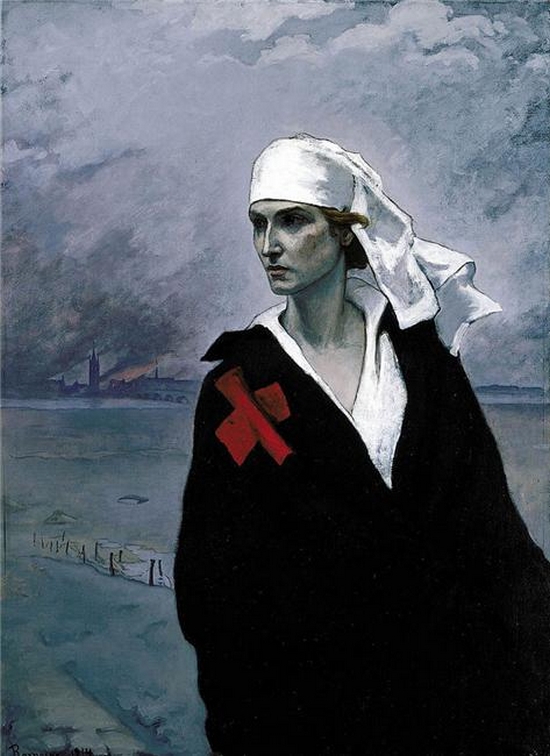
The Vargas Brothers Carlos & Miguel Vargas- The Peruvian exotic dancer,Helba Huara 1924
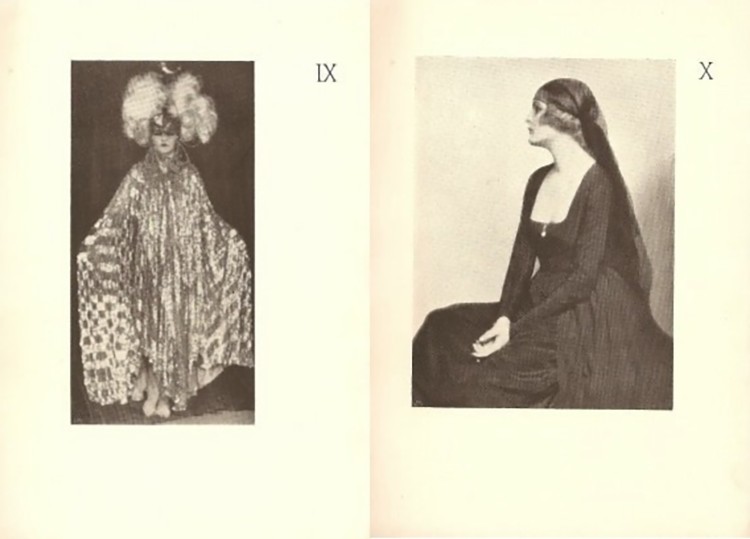
The Vargas Brothers Carlos & Miguel Vargas,Isabel Sanchez Osorio, 1926

The Vargas Brothers Carlos & Miguel Vargas,Isabel Sanchez Osorio, Pérou 1926

The Vargas Brothers Carlos & Miguel Vargas, Virgenes del Sol. 1920s

The Vargas Brothers Carlos & Miguel Vargas, Virgenes del Sol. Perou, 1920s

The Vargas Brothers Carlos & Miguel Vargas- Florência Rivero - Arequipa, Peru , 1925

The Vargas Brothers Carlos & Miguel Vargas- Florência Rivero – Arequipa, Perou , 1925

The Vargas Brothers Carlos & Miguel Vargas, Maria Aranguis, Arequipa, Peru, c. 1925

The Vargas Brothers Carlos & Miguel Vargas, Maria Aranguis, Arequipa, Perou, c. 1925

The Vargas Brothers Carlos & Miguel Vargas, Maria Aranguis, Arequipa, Peru, c. 1926

The Vargas Brothers Carlos & Miguel Vargas, Maria Aranguis, Arequipa, and also credired Isabel Sanchez Osorio , Peru  (???) but seems to be the first  Perou, c. 1926
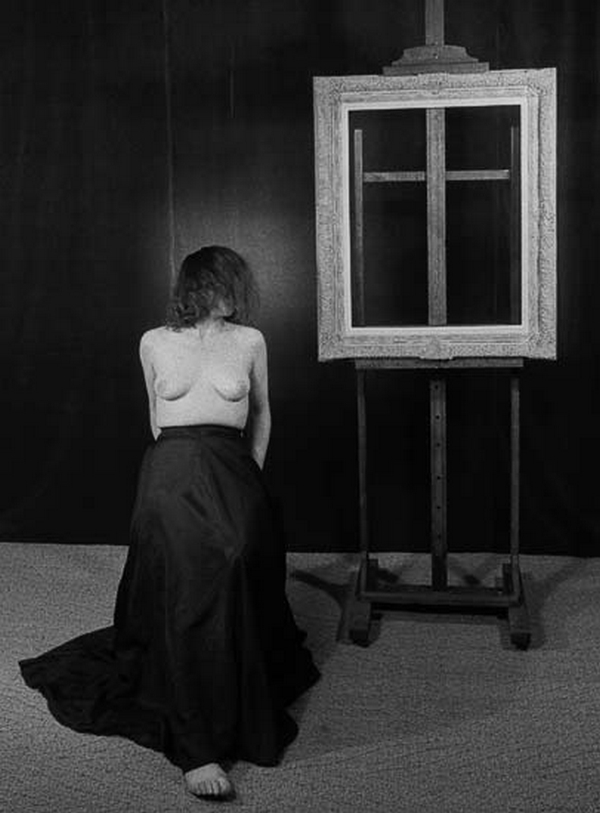
The Vargas Brothers Carlos & Miguel Vargas, Self-Portrait, Arequipa, c. 1922

The Vargas Brothers Carlos & Miguel Vargas, Self-Portrait, Arequipa, Pérou c. 1922

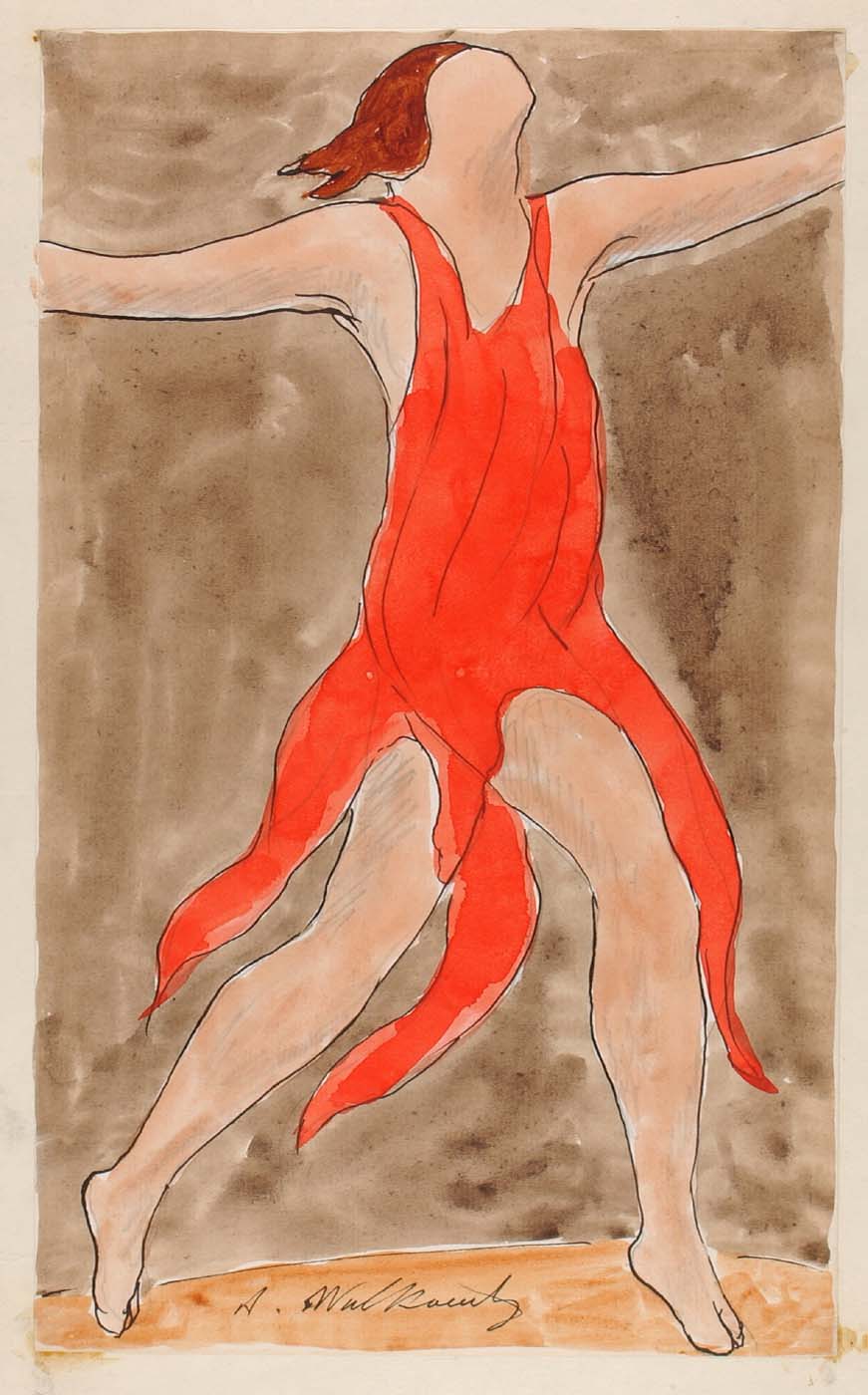
Abraham Walkowitz- Paintings and drawings of Isadora Duncan.

« These two American modernists, painter Abraham Walkowitz and dancer Isadora Duncan, born in the same year (1878), both artists influenced the development of modern art in the early twentieth century by blending figurative gesture with abstraction. Duncan grew up in a free-spirited and artistic household in California and then moved to Europe. Walkowitz immigrated to the United States from Russia when he was a child and lived most of his life in New York City, where he studied at Cooper Union School and the National Academy of Design.

Walkowitz and Duncan met in 1906 in Paris at the studio of the sculptor Auguste Rodin. Deeply impressed by Duncan’s musicality and expressivity, Abraham Walkowitz’s obsession with the celebrated modern dancer Isadora Duncan sets him apart from the others. Over his lifetime it is believed that he created five thousand images of her, dancing . Because Walkowitz’s renderings of Duncan were produced quickly, they carry an element of improvisational vitality that matches the dynamic energy of her presence onstage. In her introductory essay, author Ann Cooper Albright weaves literary theory, art criticism, and dance history into a fluid narrative to explore how Walkowitz’s drawings realize Duncan’s dancing on paper. Modern Gestures reproduces over fifty watercolors of this unique oeuvre, many of which have never before been published.«  From Ann Cooper Albright  « Modern Gestures: Abraham Walkowitz Draws Isadora Duncan Dancing  » . Ed° Wesleyan ,  2010 

Walkowitz explained, “She was a Muse. She had no laws. She didn’t dance according to rules. She created. Her body was music.” 
When Duncan saw an exhibition of the artist’s work in 1916, she commented: “Walkowitz, you have written my biography in lines without words.”


Abraham Walkowitz's The studio 8 East 23rd Street New York; the picture was taken the year of 1908.(Uncredited)

Abraham Walkowitz’s The studio 8 East 23rd Street New York; the picture was taken the year of 1908.(Uncredited)

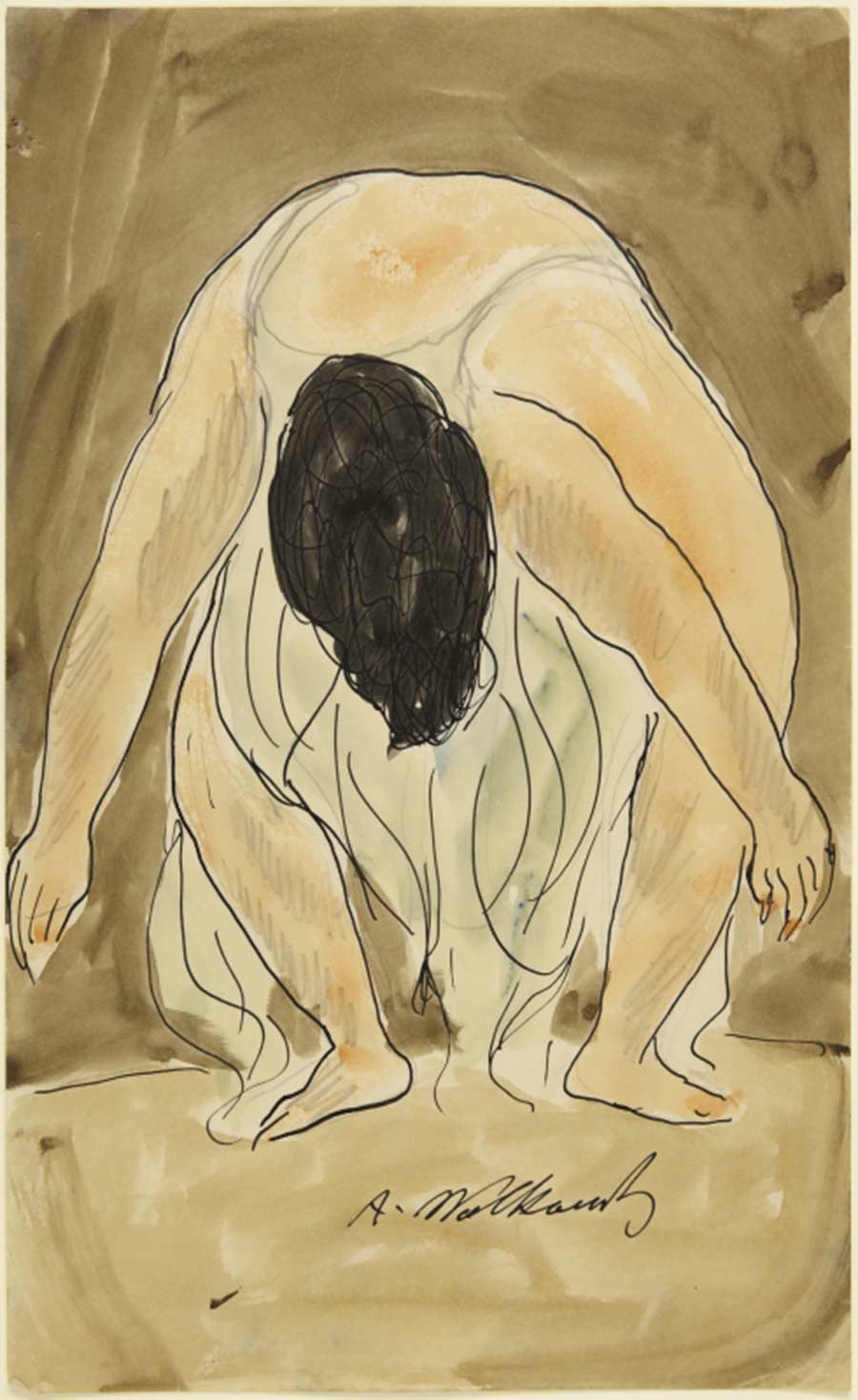
Abraham Walkowitz- Isadora Duncan, 3 colored crayon, watercolor, ink and graphite on paper, 1915

Abraham Walkowitz- Isadora Duncan, 3 colored crayon, watercolor, ink and graphite on paper, 1915

Abraham Walkowitz- Isadora Duncan, Leaning Over Watercolor and pen and black ink over graphite on cream wove paper , Nd

Abraham Walkowitz- Isadora Duncan, Leaning Over Watercolor and pen and black ink over graphite on cream wove paper , Nd

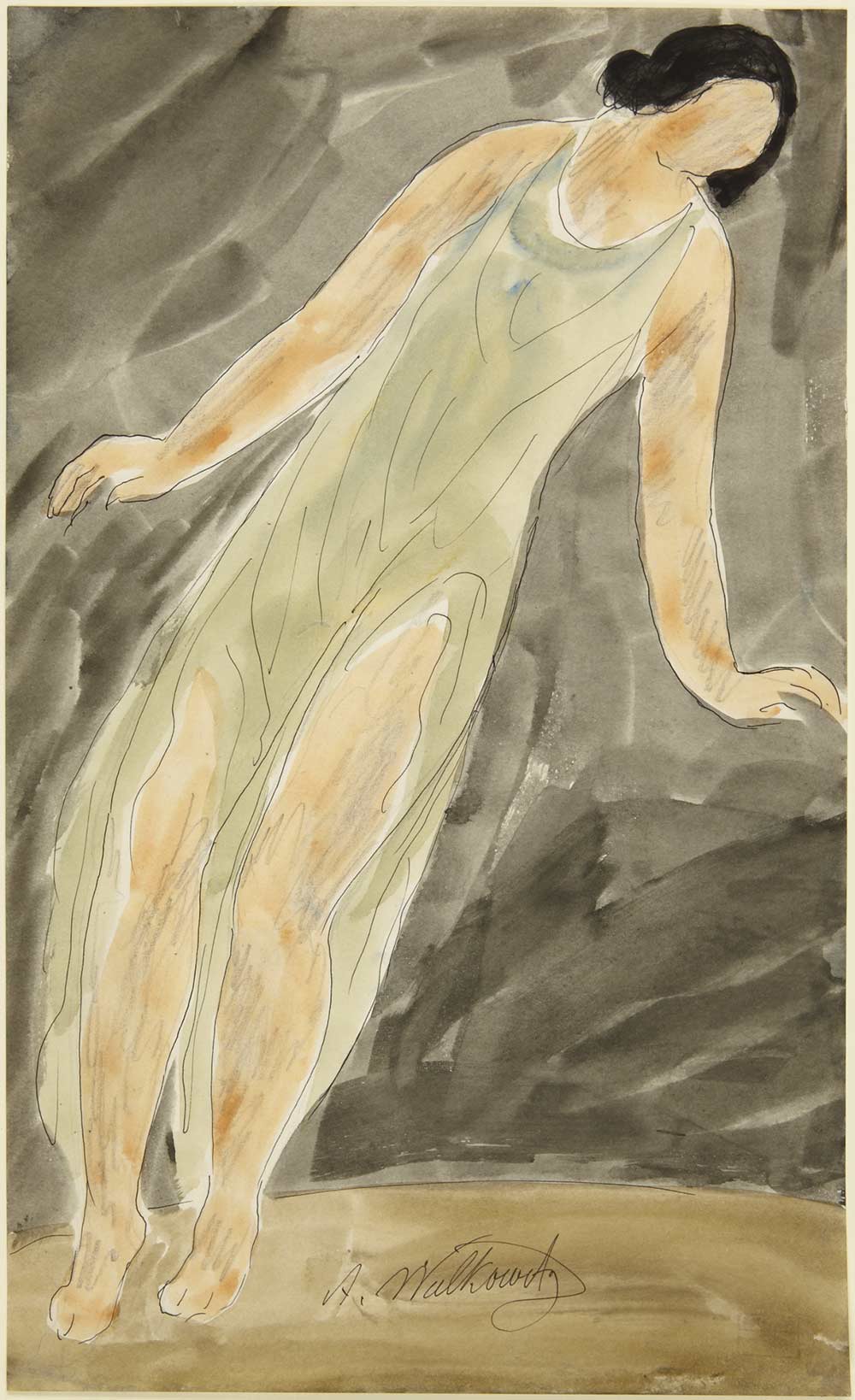
Abraham Walkowitz- Isadora Duncan, Leaning Right Watercolor and pen and black ink over graphite on off-white wove paper

Abraham Walkowitz- Isadora Duncan, Leaning Right Watercolor and pen and black ink over graphite on off-white wove paper

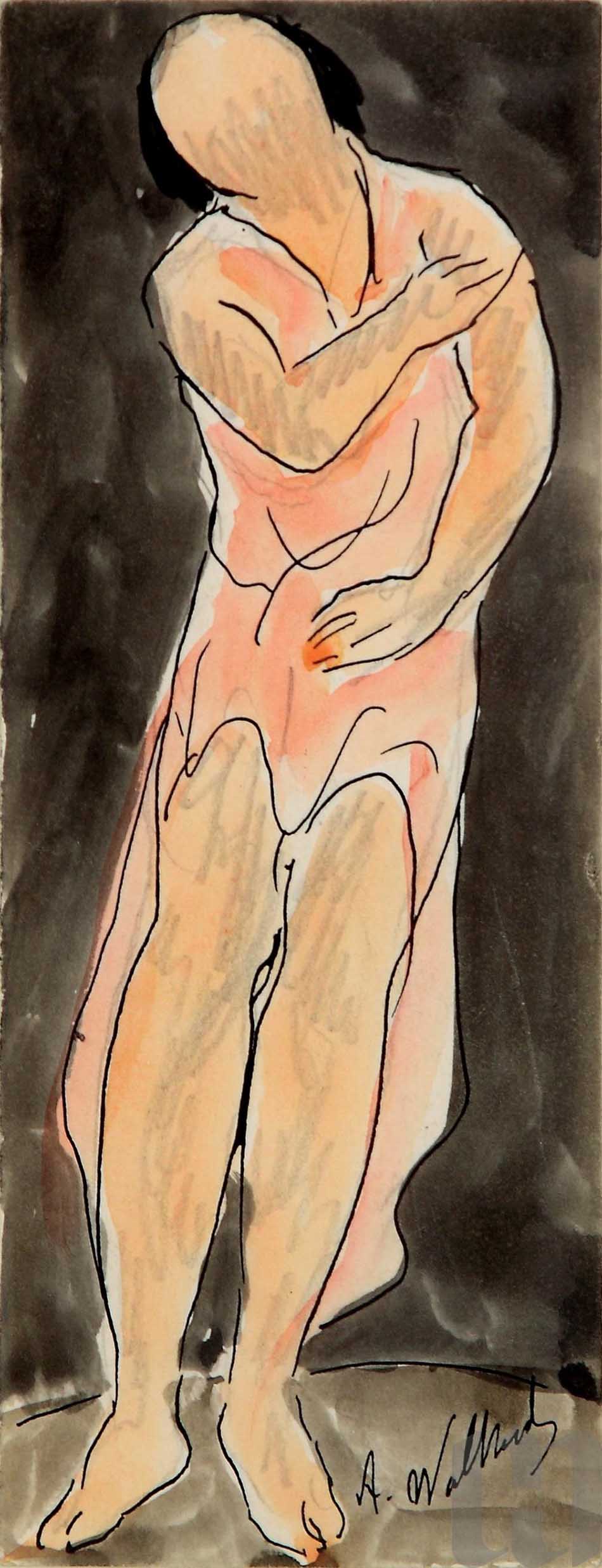
Abraham Walkowitz- Isadora Duncan Eight Watercolors each, watercolor, ink and pencil on paper

Abraham Walkowitz- Isadora Duncan Eight Watercolors each, watercolor, ink and pencil on paper

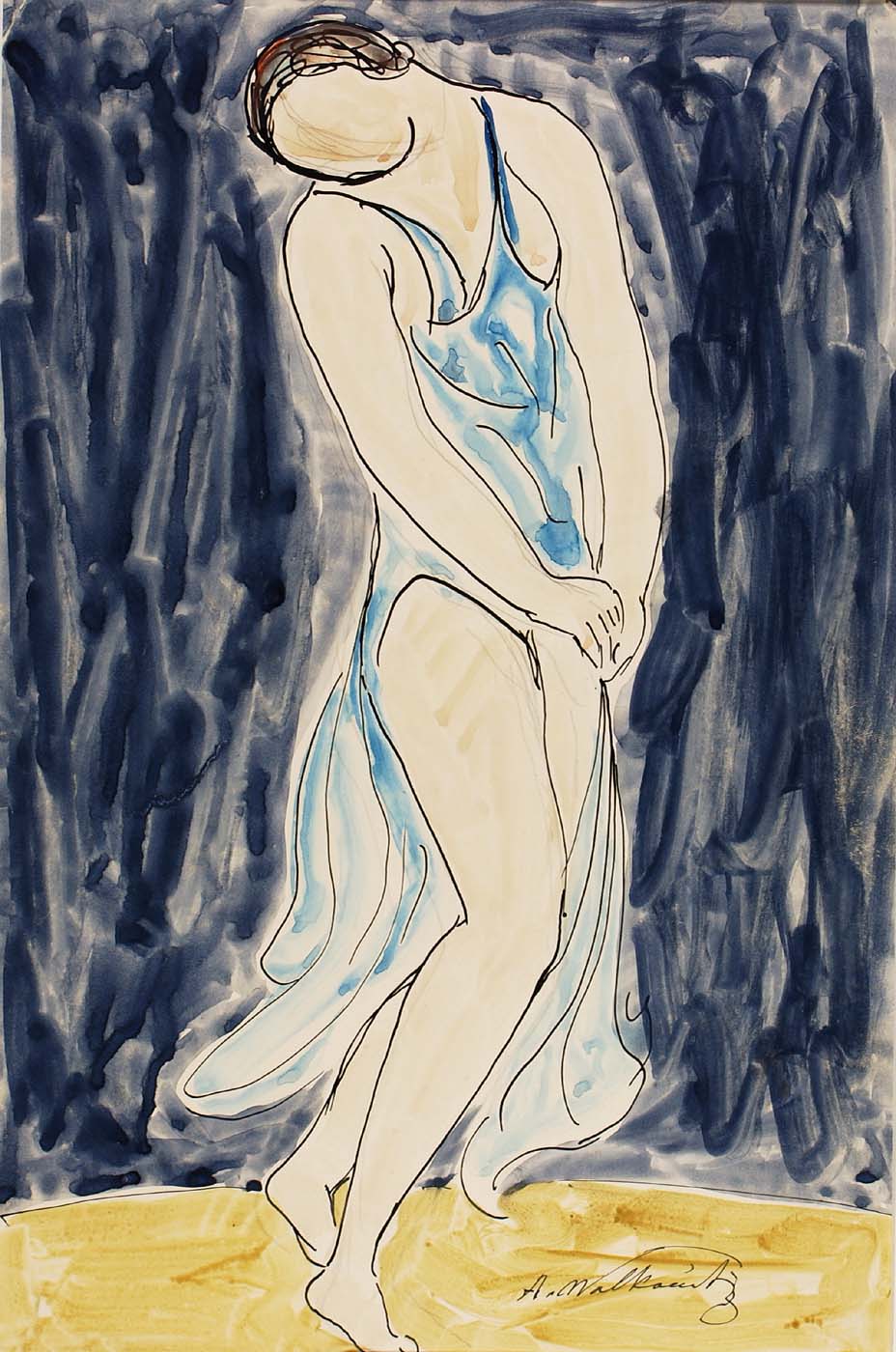
Abraham Walkowitz- Isadora Duncan, Isadora Duncan Dancing, ink and watercolor on paper

Abraham Walkowitz- Isadora Duncan, Isadora Duncan Dancing, ink and watercolor on paper

Abraham Walkowitz- Isadora Duncan, Isadora Duncan Dancing, ink and watercolor on paper, © Hunter Museum

Abraham Walkowitz- Isadora Duncan, Dancing, ink and watercolor on paper, © Reynolda House Museum of American Art © Abraham Walkowitz

Abraham Walkowitz- Isadora Duncan, Dancing, ink and watercolor on paper, © Reynolda House Museum of American Art © Abraham Walkowitz

Abraham Walkowitz - Isadora Duncan Dancing, ink and watercolor on paper

Abraham Walkowitz – Isadora Duncan Dancing, ink and watercolor on paper

Abraham Walkowitz, Isadora Duncan , Nd pen and ink, watercolor and pencil on paper © American Art Museum,

Abraham Walkowitz, Isadora Duncan , Nd pen and ink, watercolor and pencil on paper © American Art Museum,

Abraham Walkowitz, Isadora Duncan , Nd pen and ink, watercolor and pencil on paper © American Art Museum

Abraham Walkowitz, Isadora Duncan , Nd pen and ink, watercolor and pencil on paper © American Art Museum

Abraham Walkowitz, Isadora Duncan , 1909 pencil and pen and ink on paper © American Art Museum

Abraham Walkowitz, Isadora Duncan , 1909 pencil and pen and ink on paper © American Art Museum

Abraham Walkowitz, Isadora Duncan 1916 charcoal on paper © American Art Museum (2)

Abraham Walkowitz, Isadora Duncan 1916 charcoal on paper © American Art Museum (2)

Lecture  : Modern Gestures: Abraham Walkowitz Draws Isadora Duncan Dancing

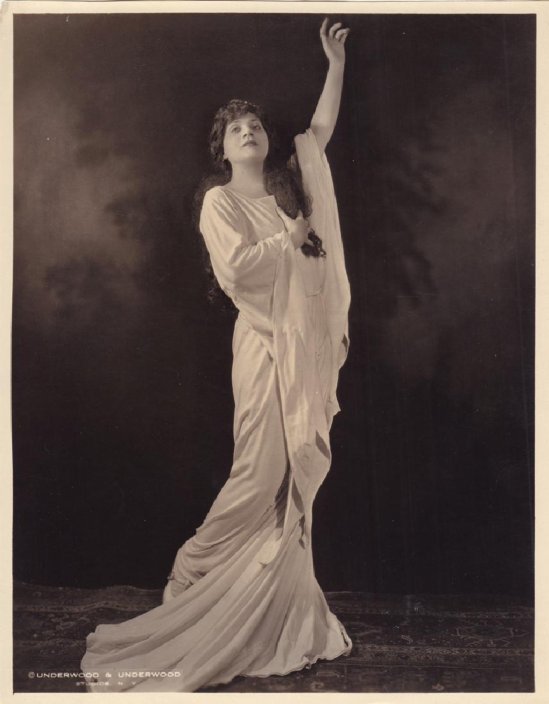
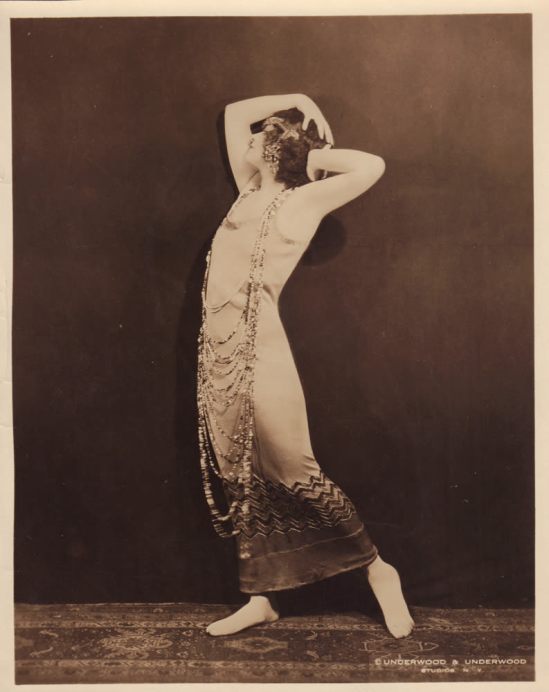
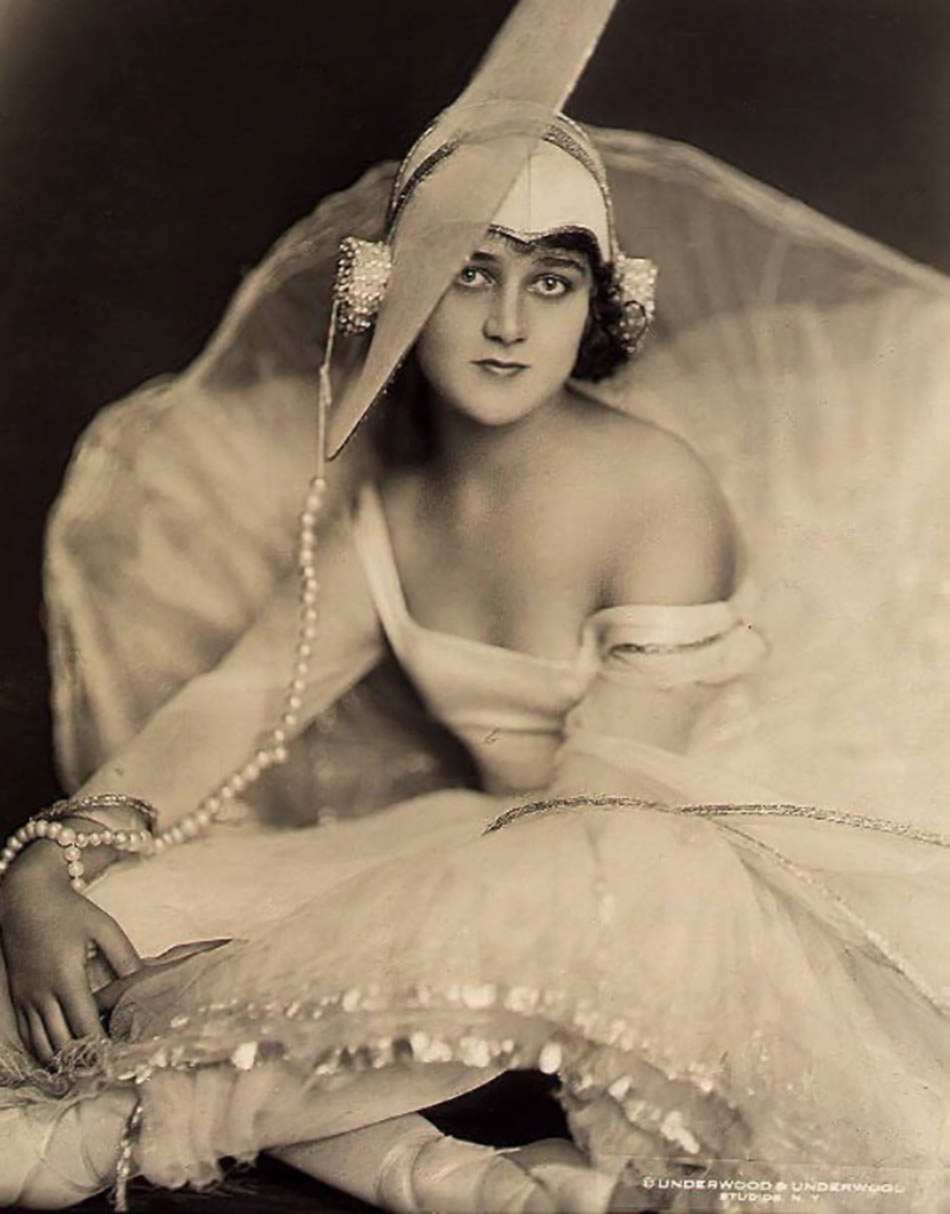
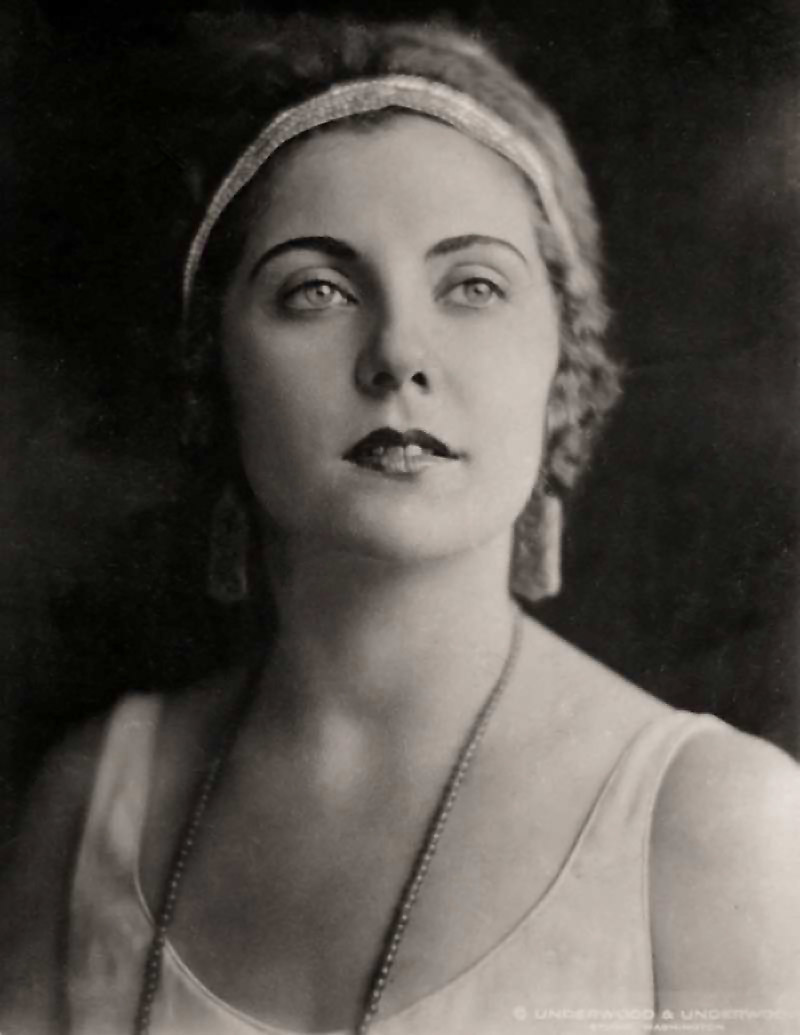
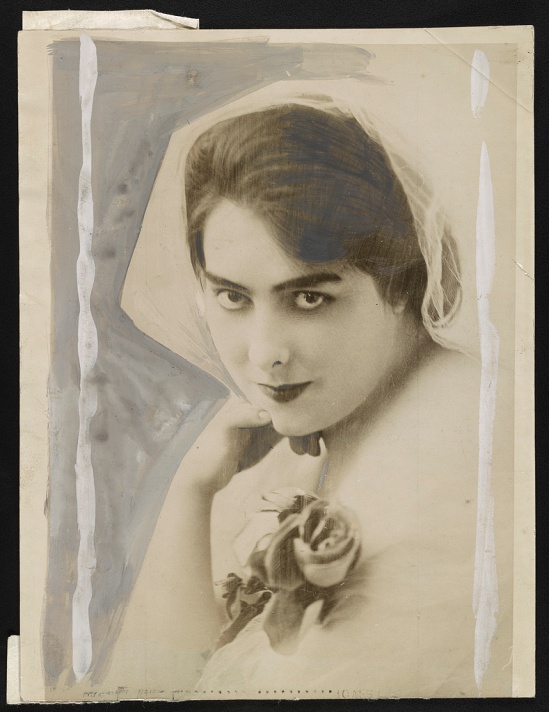
Underwood & Underwood

Underwood & Underwood -active Ottawa, Canada and New York 1880s – 1940s, Photographer (Photography, Stereoscopic, Photojournalism),  Publisher. The Underwood brothers, Elmer (1859-1947) and Bert (1862-1943) began the company by selling stereoscopes door to door.TThe company originally sold stereoscopic , as well as home stereoscope kits. The company grew rapidly, eventually moving to New York (1887), producing its own photographs (1891). By 1901, they were selling 300,000 stereoscopes a year and producing more than 25,000 cards a day. The company established branches in Baltimore, London, and Canada, and relocated their headquarters to New York City in 1891. They providing photographs to newspapers (1896), and establishing a wire-service-like sales agency (1904). They sold their back catalogue and rights to the Keystone View Company (which was subsequently acquired by Mast Industries in the 1970s.) in 1920 and unincorporated in the early 1940’s.

Underwood and Underwood dominated the news-photography industry until 1920

An army of freelance news photographers was fielded and newspaper and magazine publishers seeking to break away from traditional line drawings and wood cut illustrations clamored for Underwood and Underwood prolific output.

Around 1904 they set up a sales agency that would virtually dominate the news photo field for the next 30 years.  For exemple they were activs in the Moffett Studio ( partnership between Evan Albert Evans and camera artist George Moffett in 1905). In the latter 1910s, Moffett turned over the theatrical photography to camera artist Paul R. Stone who, though he was not granted credit on images, was allowed to voice expert opinions under his own name in the press. Stone handled the celebrity shoots until Evan Evans turned over direction of the studio to a management team appointed by Underwood and Underwood in mid-1920s. At that juncture he joined Raymor Studios in Chicago, a gallery that ran a diversified business in the city. Rebranded the Paul R. Stone-Raymor Studios they remained an active business from the 1920s through the 1940s. However, the arrest by the F.B.I. of studio employee Earnest D. Wallis for possession of photographs of classified plans for the A bomb in 1947 fatally damaged the studio’s reputation. In the 1940s, Underwood & Underwood sold Moffett Studio to the partnership of Robert T. McKearnan and Jack Russell.

More on wikipedia.org

Of course, those are not the Stereoscopes interest in their work,  although that is what retains them. Rather, it is the second phase of their development which I like. Beautiful portraits , including the greatest artists of the time. They published mainly in magazines, (I put an example of what they could be asked to produce. ) , Which restricts the possibility of finding proof silver gelatin prints . No Nudes this time , but still the favorites subjects : Actresses years 1910-20s , dance, and the improbable event testimony. The next time i will propose  fashion photos and other artists)

( But i really like this album ( Publisher) ,   » Is Marriage a Failure? »

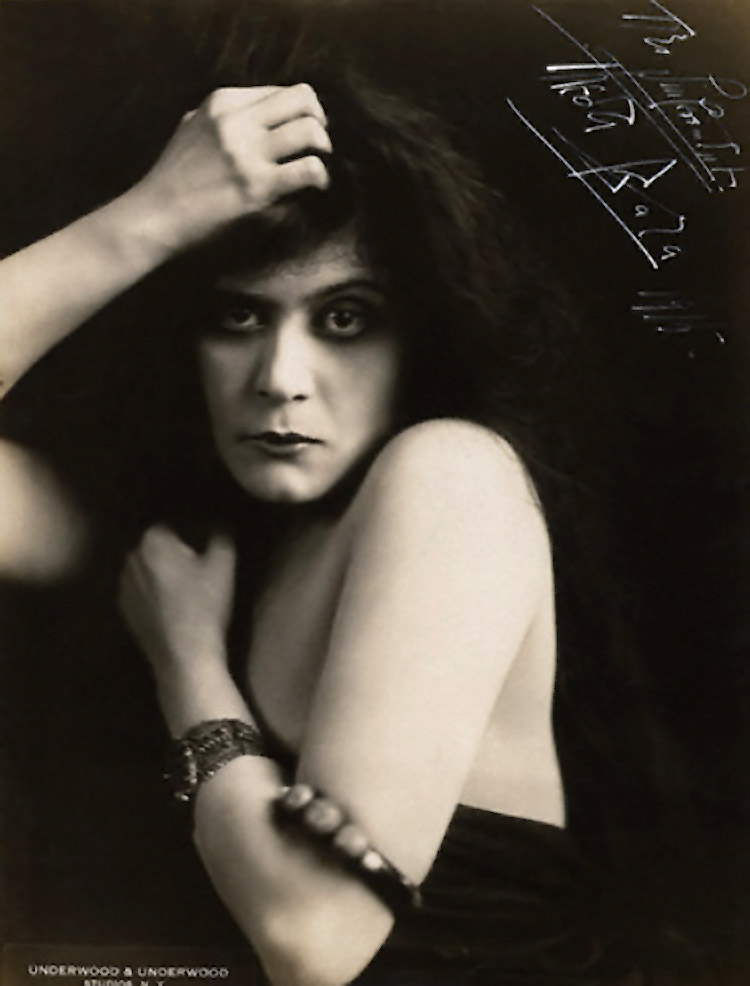
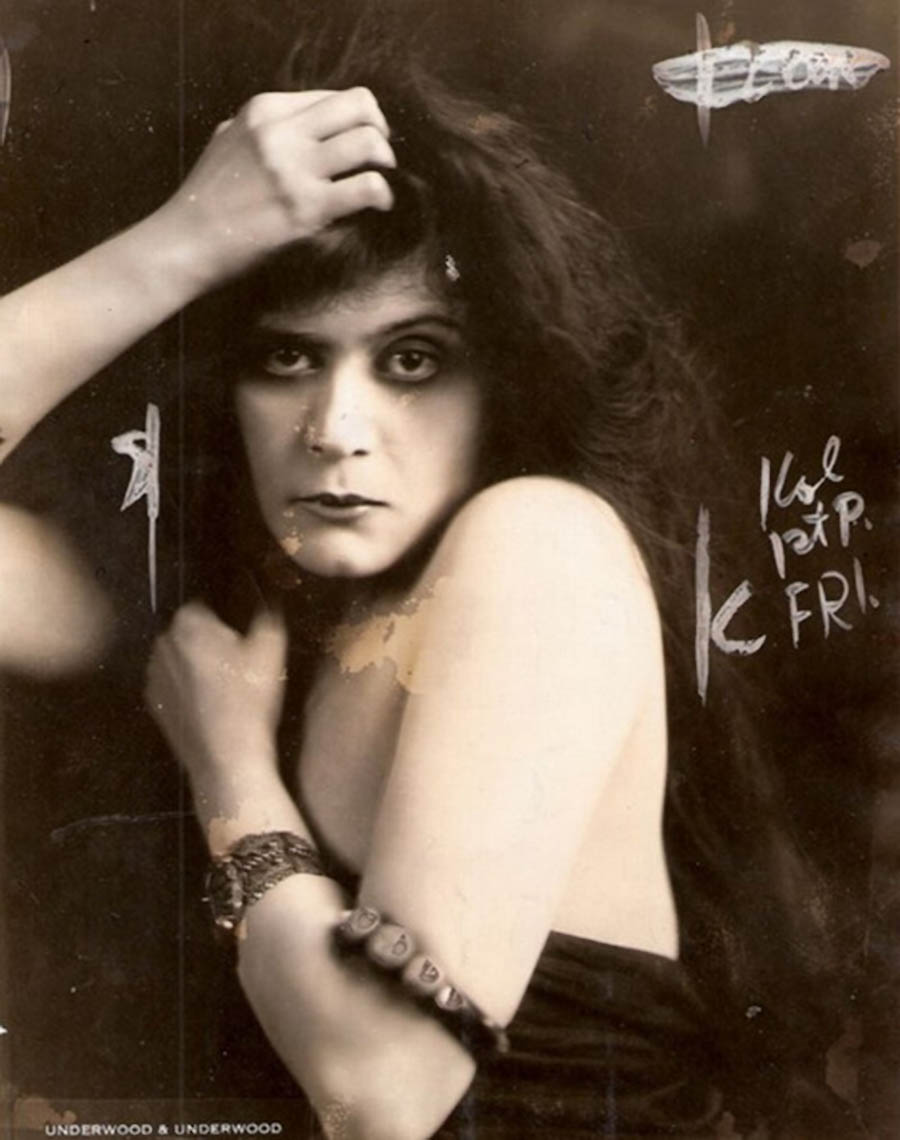
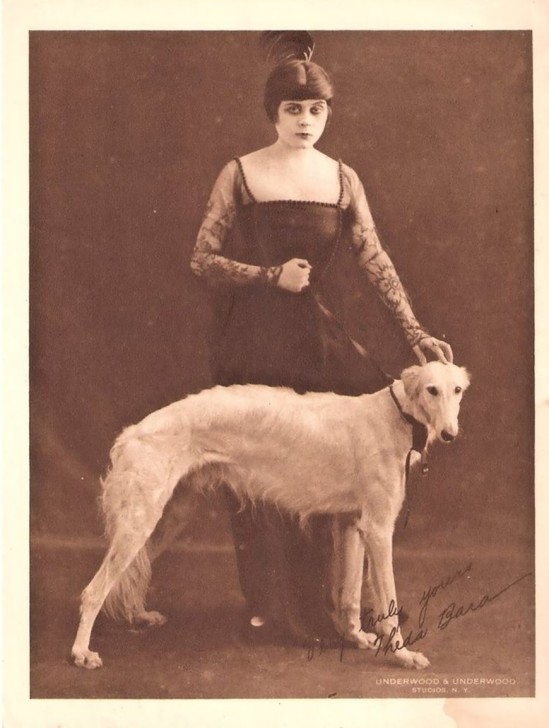
Underwood & Underwood and the actress Theda Bara

[More about their collaboration HERE]

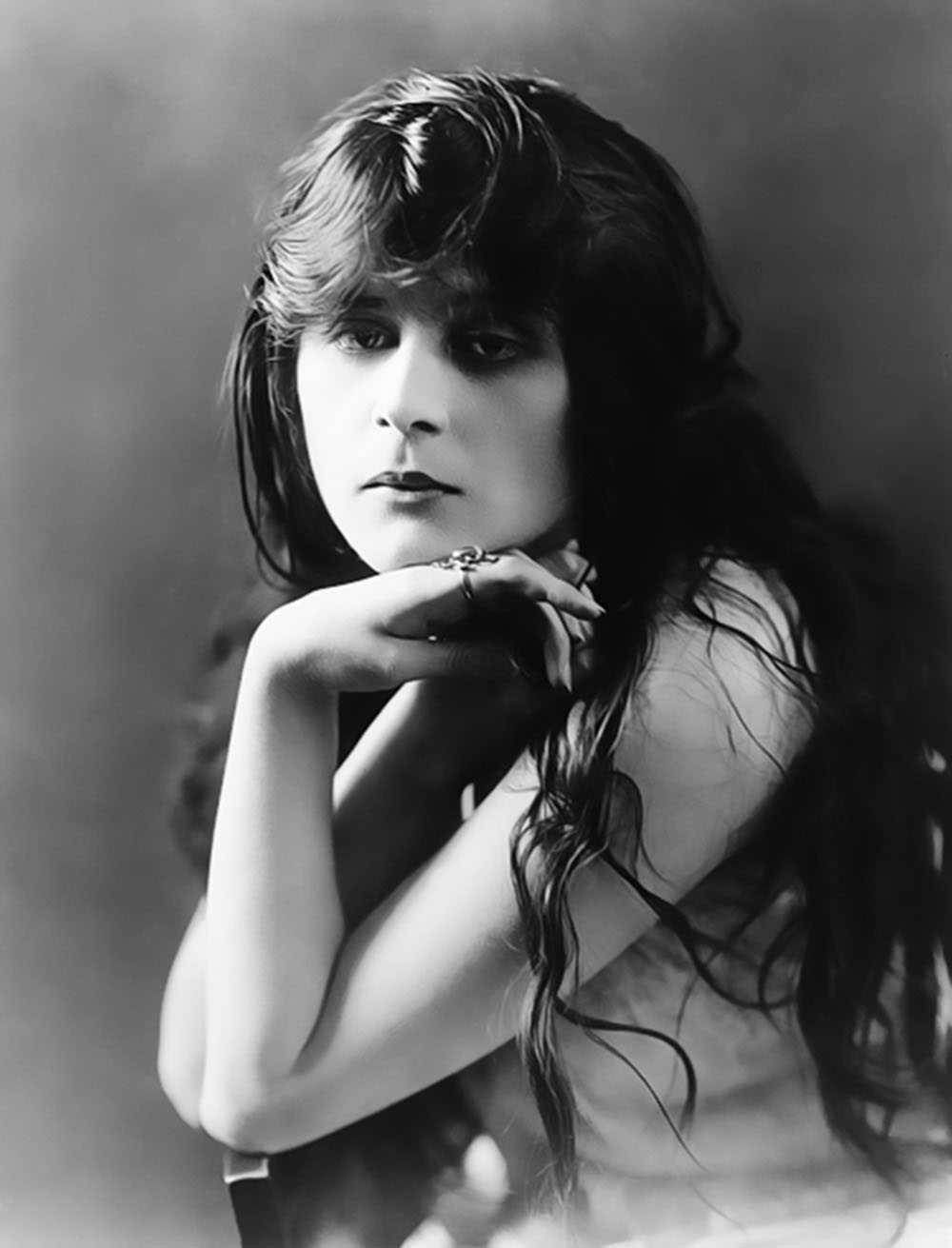
Underwood and Underwood- Theda Bara, from the book Amillion and one Nights, a history of the motion Picture by Terry Ramsaye . Ed° Routlege, 2012

Underwood and Underwood- Theda Bara, from the book Amillion and one Nights, a history of the motion Picture by Terry Ramsaye . Ed° Routlege, 2012

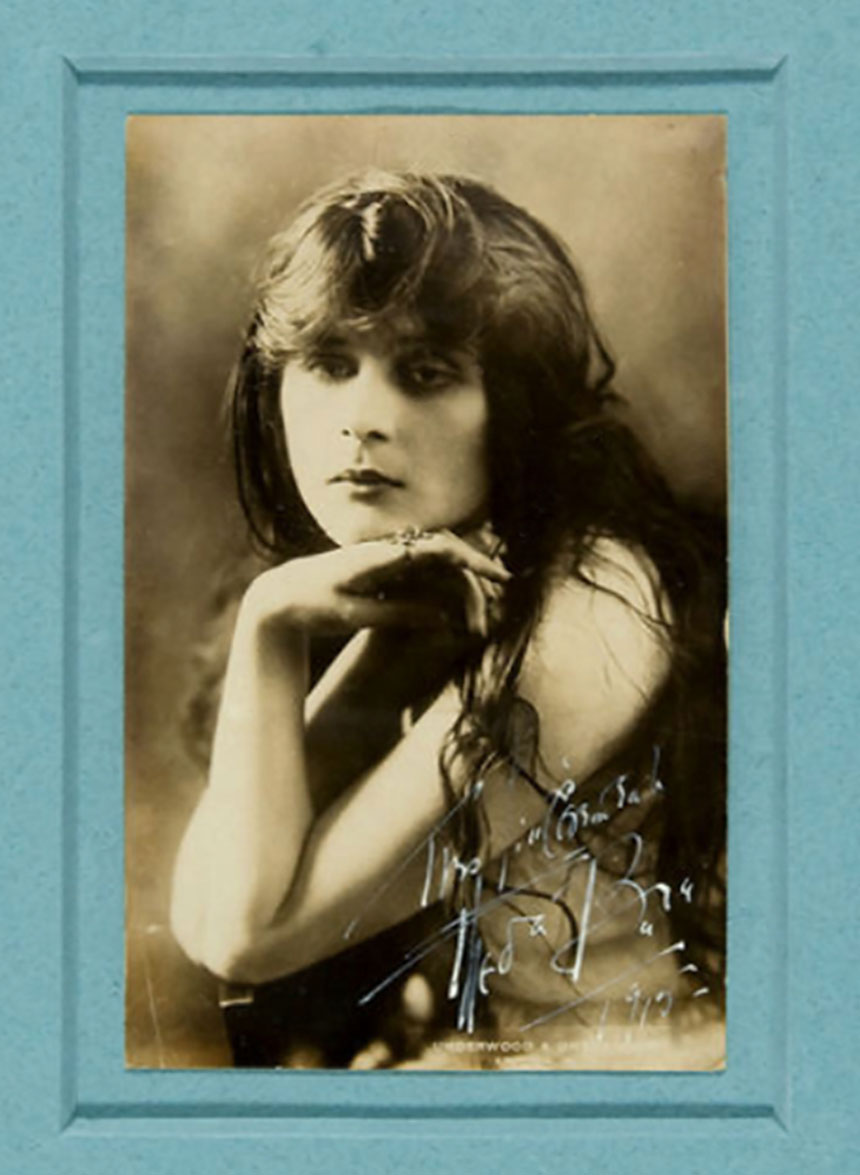
Underwood & Underwood- Portrait of Theda Bara , Autographed © Underwood & Underwood- Corbis

Underwood & Underwood- Portrait of Theda Bara , Autographed , 1915 © Underwood & Underwood- Corbis

Underwood & Underwood - Theda Bara, as the vampire , in A Fool There Was directed by Frank Powell, 1915 variante

Underwood & Underwood – Theda Bara, as the vampire , in A Fool There Was directed by Frank Powell, 1915 variante

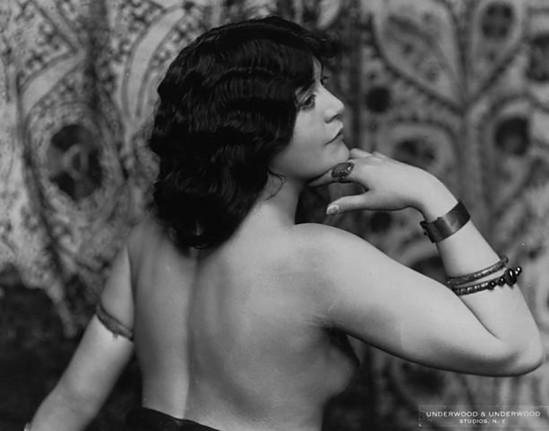
Underwood & Underwood-Theda Bara, 1916

Underwood & Underwood-Theda Bara, 1916

Underwood & Underwood-Theda Bara, 1916, [Direction William Fox], New York publicity For newspaper and magazines ( courtesy UCLA arts library)

Underwood & Underwood-Theda Bara, 1916, [Direction William Fox], New York publicity For newspaper and magazines ( courtesy UCLA arts library)


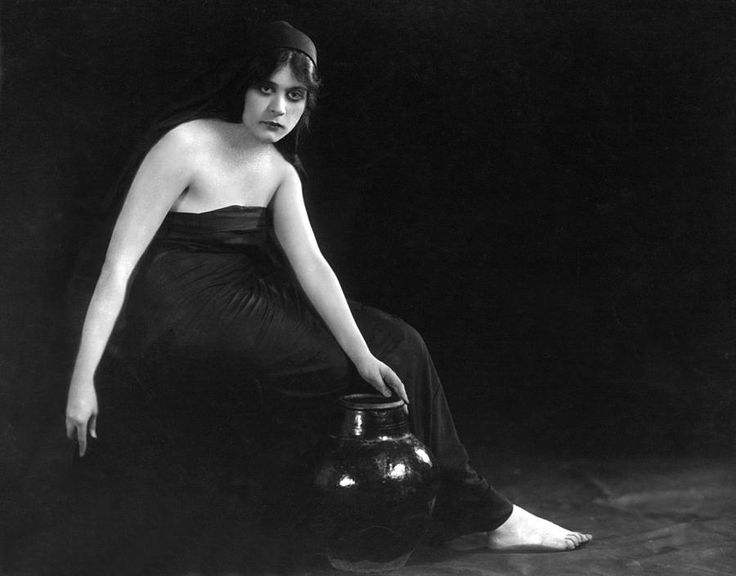
Theda Bara by Underwood & Underwood Studios, N.Y.1915


Underwood & Underwood- Theda Bara, 1915

Underwood & Underwood- Theda Bara, 1915

Underwood & Underwood- Theda Bara, 1915

Underwood & Underwood- Theda Bara, 1915

another one chicago tribune.1917

******************************

Underwood & Underwood and Performer,  Personality, Dancer, Painter, Actress, Still Life


The actress Virginia Pearson,posing for a risque shot. by Underwood & Underwood studio, 1926

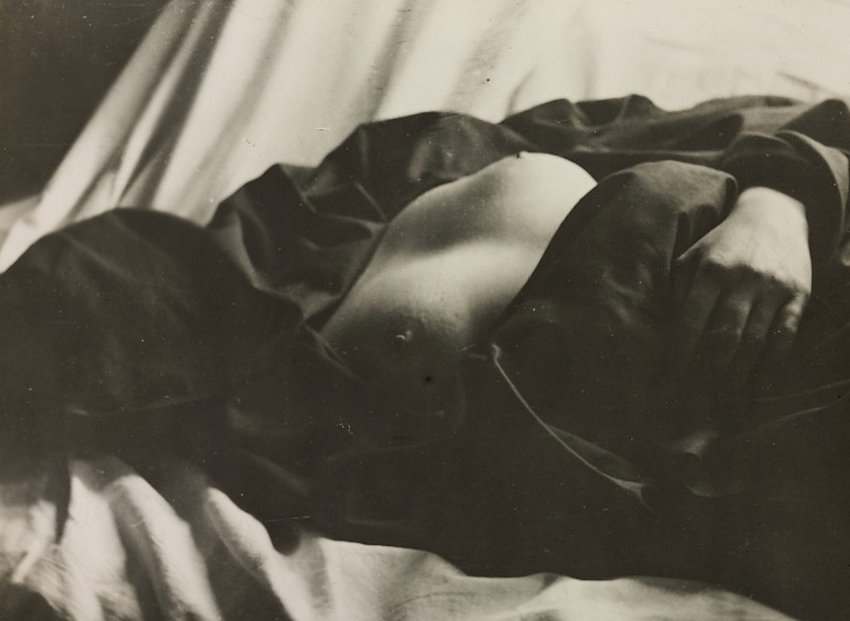
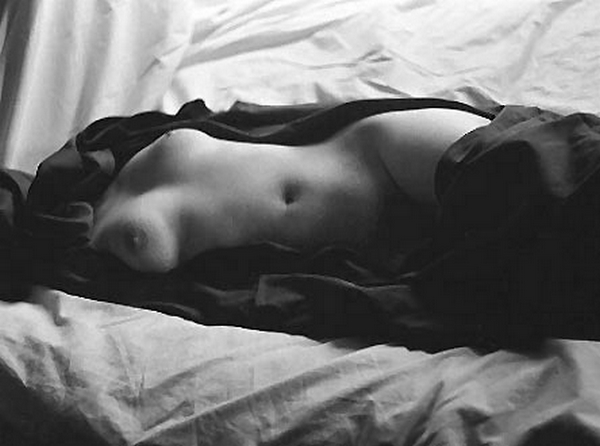
Nude Study of Billie Dove, Motion Picture Star Ziegfeld. Photo by © Underwood & Underwood

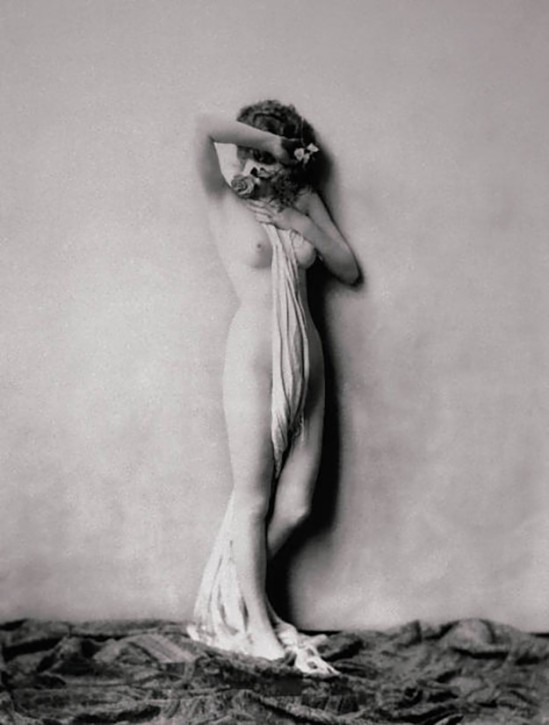
Nude Study by © Underwood & Underwood, around 1915-1920

Underwood & Underwood-Isadora Duncan Performing on Beach, 1910s © Underwood & Underwood- Corbis

Underwood & Underwood-Isadora Duncan Performing on Beach, 1910s © Underwood & Underwood- Corbis

Agnes Boone, left,dancing with her sister, Honorita in New York City, March 16, 1927 Photo by Underwood & Underwood

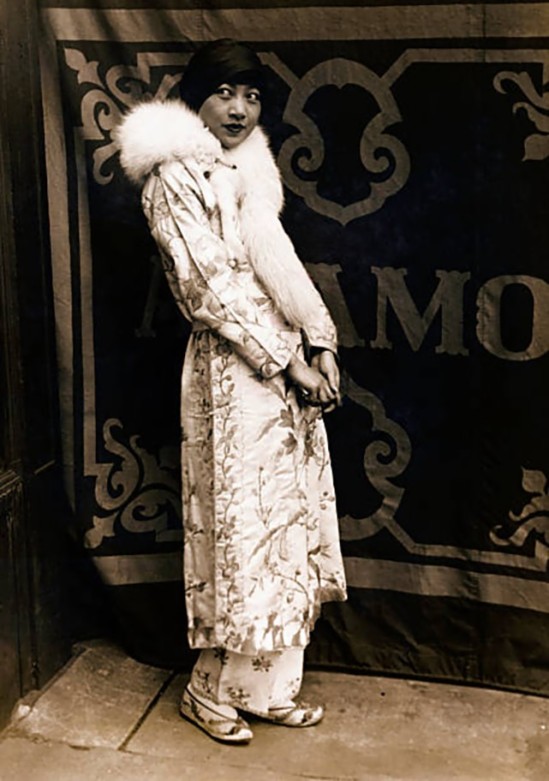
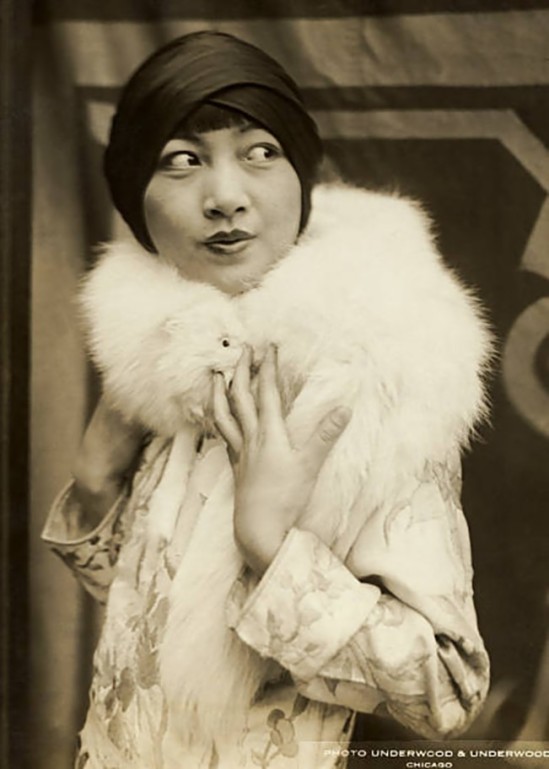
Underwood & Underwood Anna may wong in Chicago1925

Underwood & Underwood Anna may wong in Chicago1925

Billie Dove Posing Nude around 1920 Photo by Underwood & Underwood

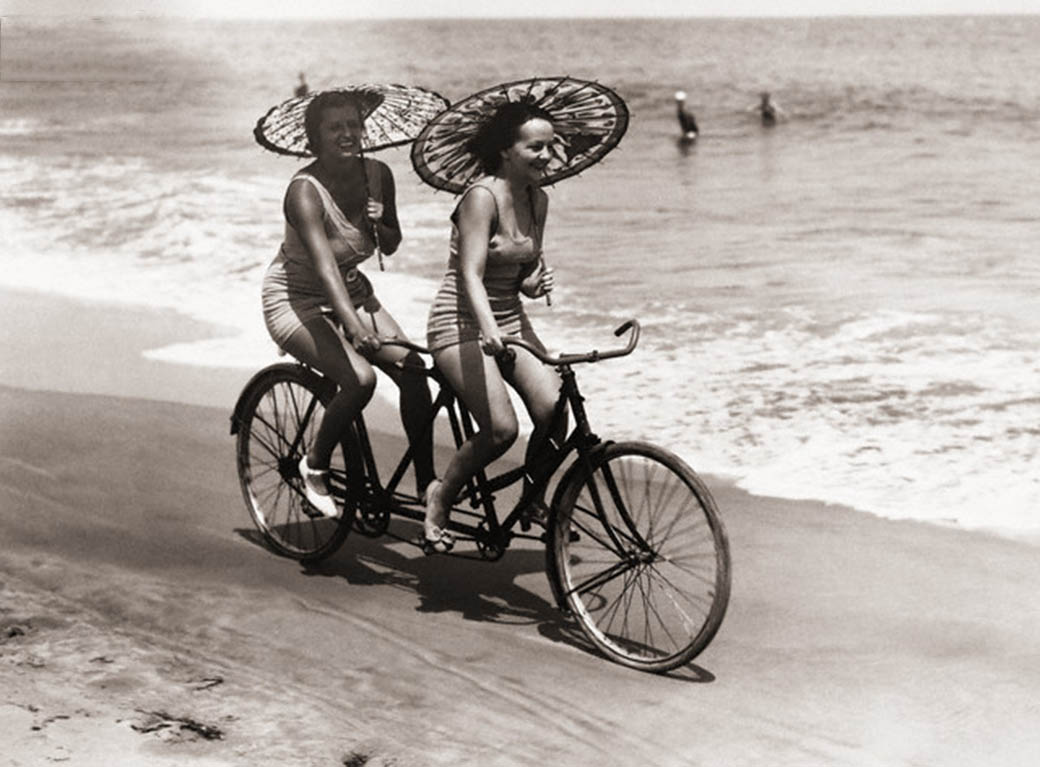
ca. 1910, USA --- Two women in swimwear enjoy a tandem bike ride down the beach with parasols in hand. --- Image by © Underwood & Underwood/Underwood & Underwood/Corbis

ca. 1910, USA — Two women in swimwear enjoy a tandem bike ride down the beach with parasols in hand. — Image by © Underwood & Underwood/Underwood & Underwood/Corbis

Mae West Starring in The Heat’s On1943 Photo by Underwood & Underwood

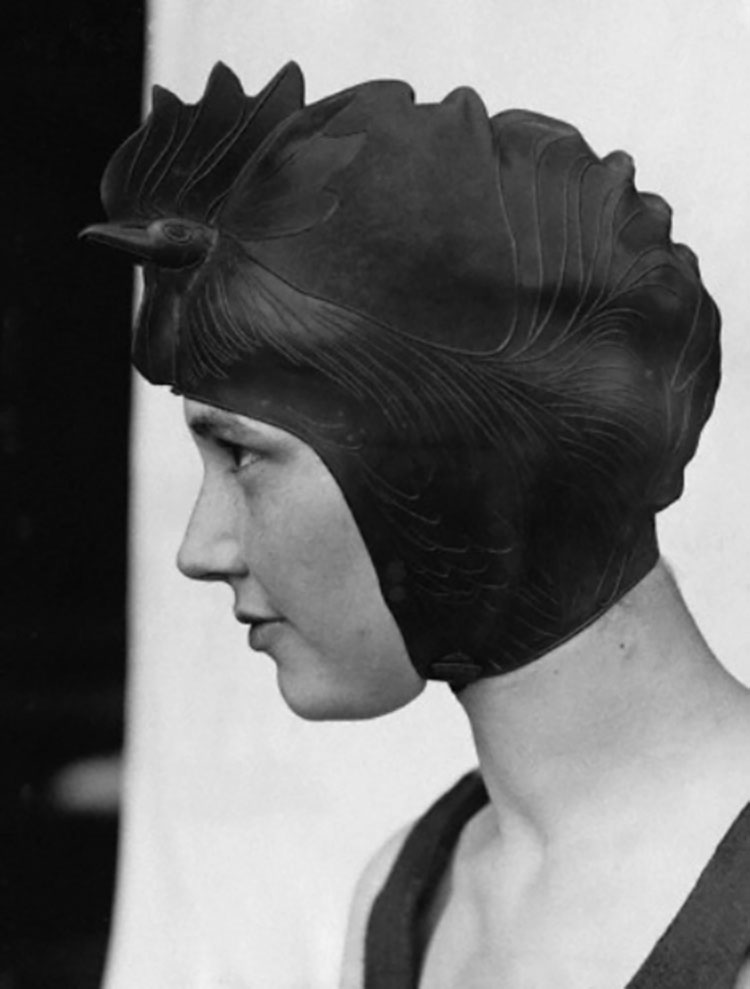
Underwood & Underwood-Miss Helen Mead of Washington Wearing Diving Cap Resembling a Rooster at the Lake Placid Swimming Club.© Underwood & Underwood- Corbis

Underwood & Underwood-Miss Helen Mead of Washington Wearing Diving Cap Resembling a Rooster at the Lake Placid Swimming Club.© Underwood & Underwood- Corbis

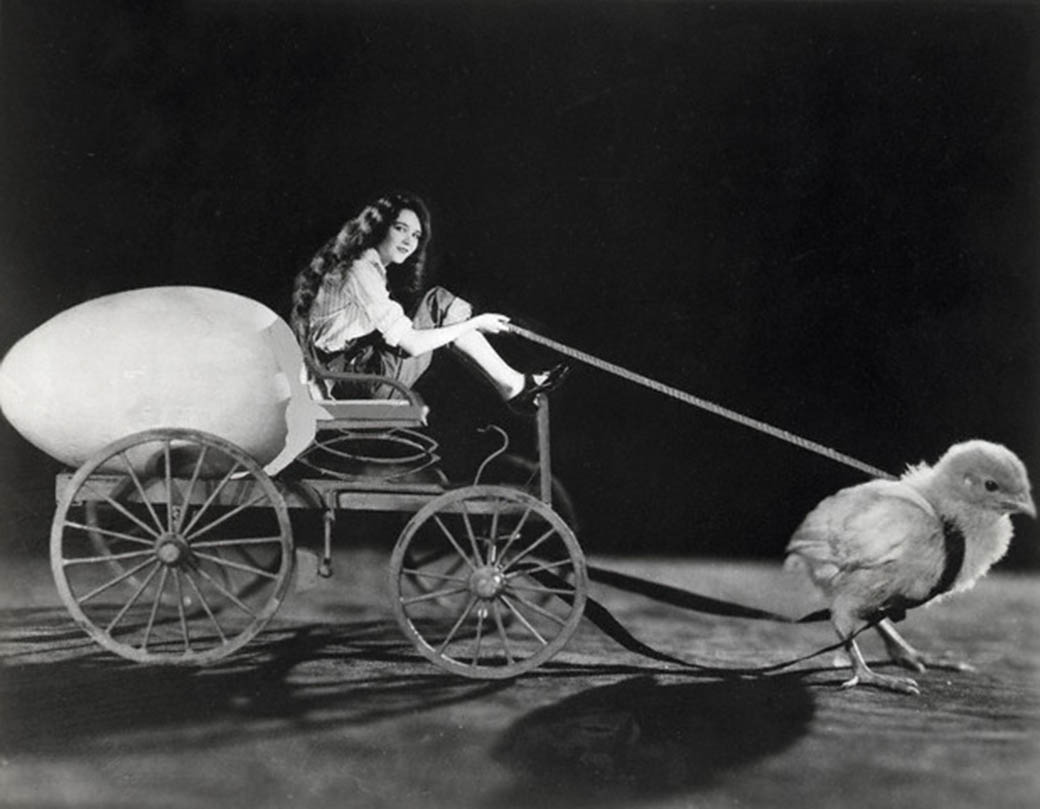
Underwood & Underwood-Mary Philbin on Chick-Drawn Cart Original caption by Rather Novel, nd © Underwood & Underwood- Corbis.

Underwood & Underwood-Mary Philbin on Chick-Drawn Cart Original caption by Rather Novel, nd © Underwood & Underwood- Corbis.

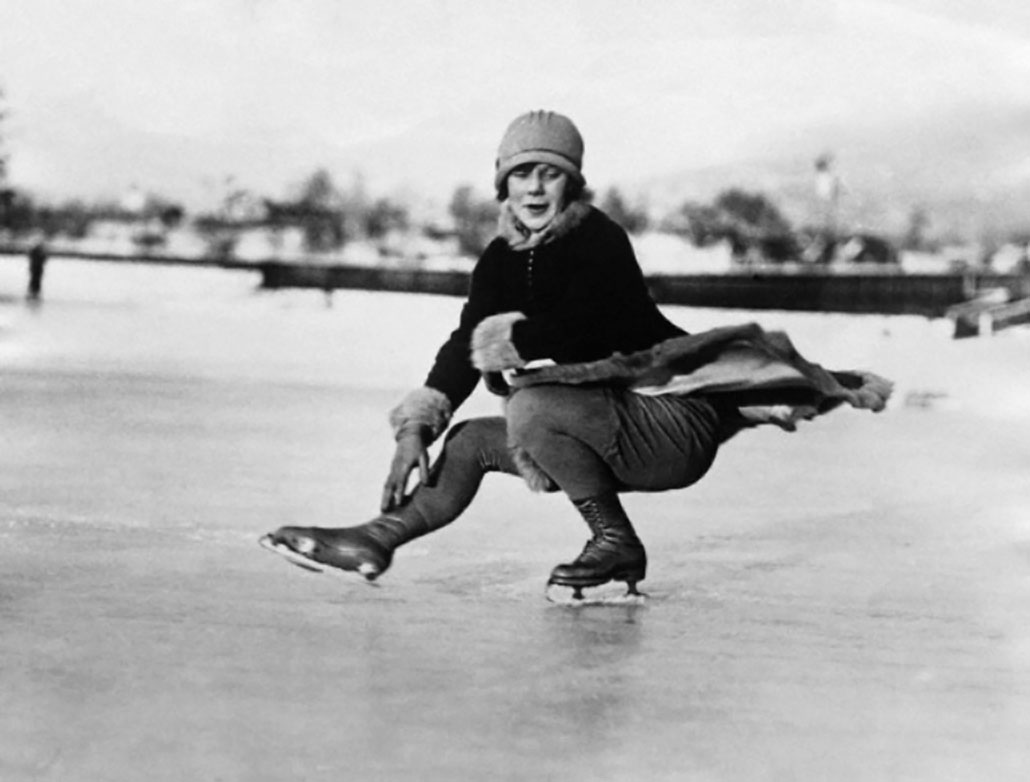
Underwood & Underwood- Miss Sonja Henie (Olympic Games champion)1928 © Underwood & Underwood-Corbis

Underwood & Underwood- Miss Sonja Henie (Olympic Games champion)1928 © Underwood & Underwood-Corbis

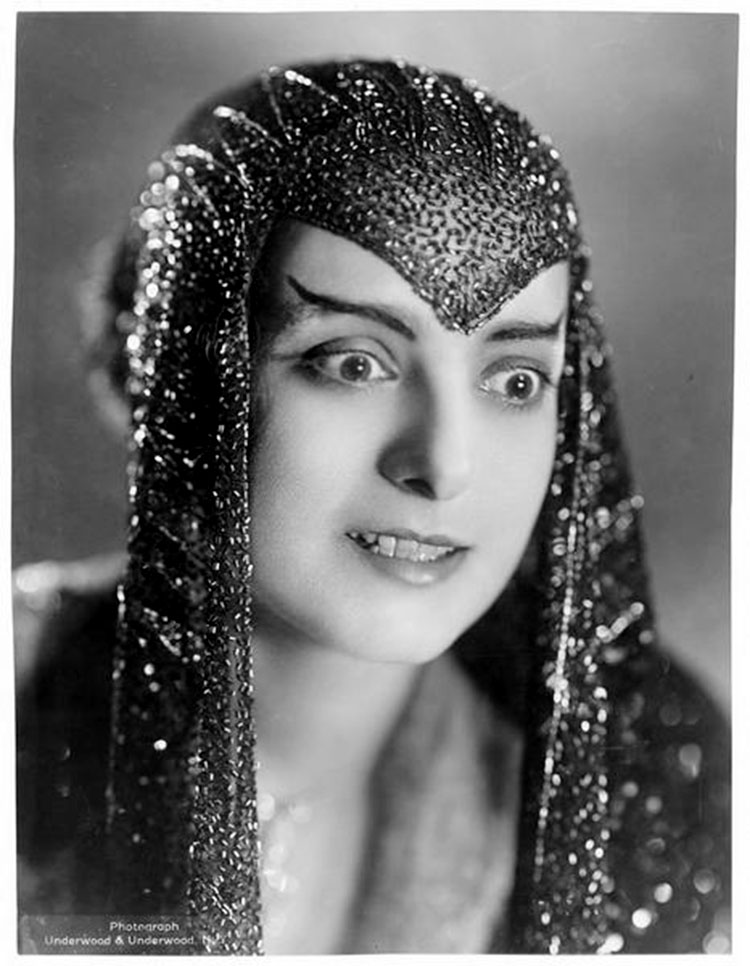
Underwood & Underwood- Virginia Pearson 1920s. Gelatin silver print (Coll Roger Corbeau)

Underwood & Underwood- Virginia Pearson 1920s. Gelatin silver print (Coll Roger Corbeau)

Underwood & Underwood- Portrait of Valeska Suratt, 1920s. Gelatin silver print (Coll Roger Corbeau)

Underwood & Underwood- Portrait of Valeska Suratt, 1920s. Gelatin silver print (Coll Roger Corbeau)

Underwood & Underwood- Dorothy Bernard (1890-1955) in 1920s Egypt. Gelatin silver print (Coll Roger Corbeau)

Underwood & Underwood- Dorothy Bernard (1890-1955) in 1920s Egypt. Gelatin silver print (Coll Roger Corbeau)

Underwood & Underwood- Dorothy Bernard (1890-1955) in 1920s Egypt. Gelatin silver print (Coll Roger Corbeau)

Underwood & Underwood- Dorothy Bernard (1890-1955) in 1920s Egypt. Gelatin silver print (Coll Roger Corbeau)

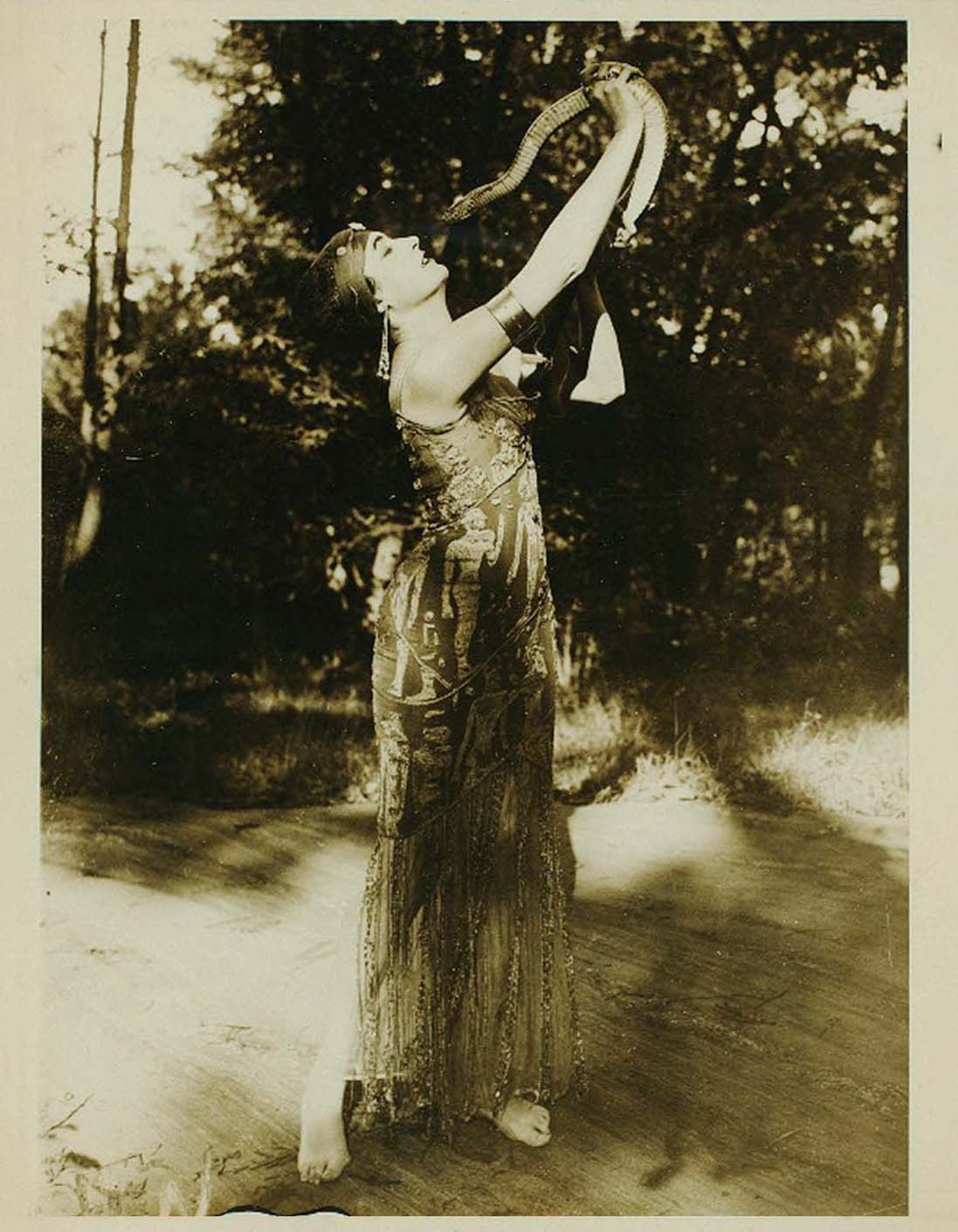
Underwood & Underwood-lore Revalles( russian Dancer) studies the motion of snakes to gain ideas for her new serpent dance, vening public ledger., October 05, 1916

Underwood & Underwood-lore Revalles( russian Dancer) studies the motion of snakes to gain ideas for her new serpent dance, vening public ledger., October 05, 1916 Found Here

Underwood & Underwood- The dancer Flore Revalles with a snake, 1916

Underwood & Underwood- The dancer Flore Revalles with a snake, 1916

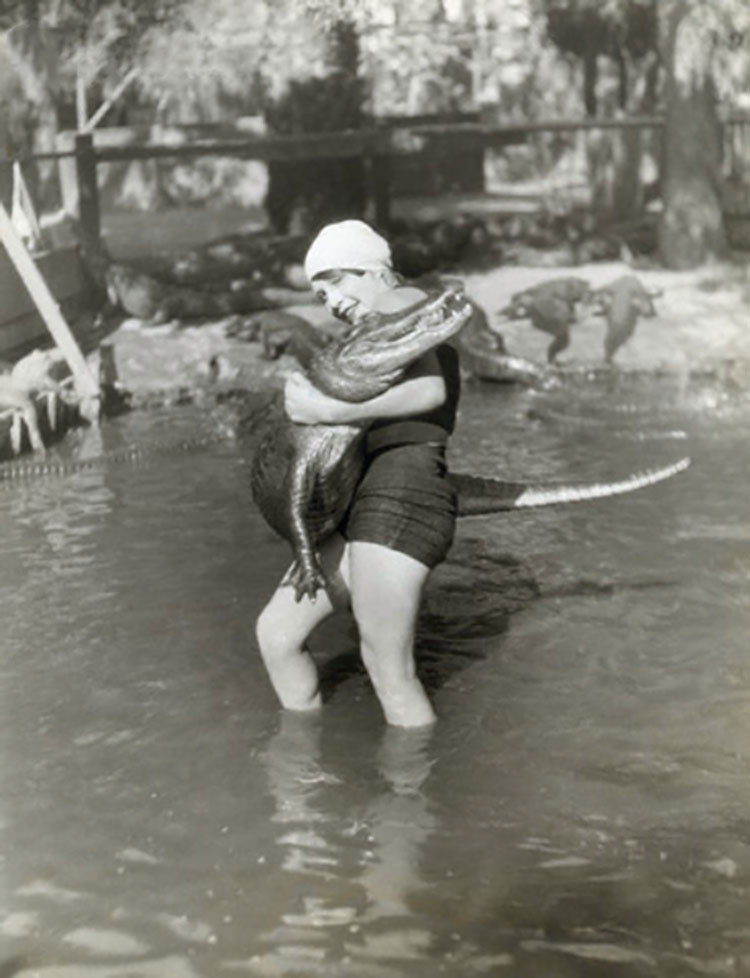
Underwood & Underwood- Miss Eleanor Link, 16 year, Wrestling an Alligator © Underwood & Underwood-Corbis

Underwood & Underwood- Miss Eleanor Link, 16 year, Wrestling an Alligator © Underwood & Underwood-Corbis

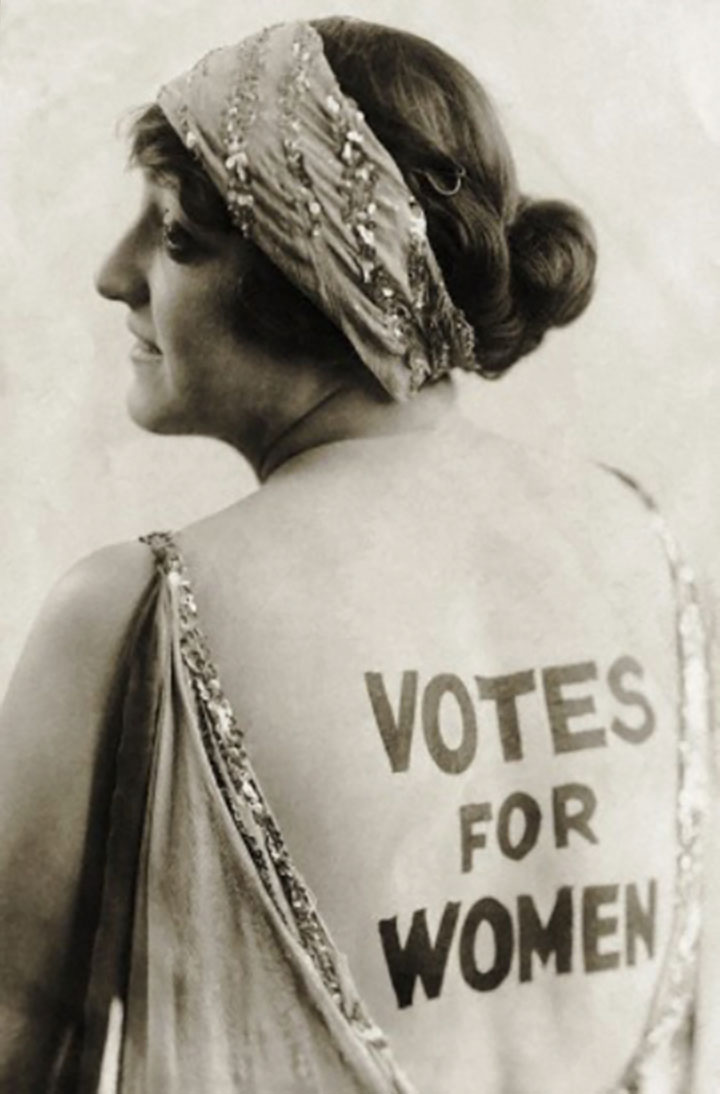
Underwood & Underwood-Dorothy Newell Wearing a Suffrage Slogan, 1900-1910s© Underwood & Underwood- Corbis

Underwood & Underwood-Dorothy Newell Wearing a Suffrage Slogan, 1900-1910s© Underwood & Underwood- Corbis

Underwood and Underwood Studios- Edith de Lis – American Opera singer.

Underwood and Underwood Studios.Photograph of unidentified dancer

Underwood & Underwood - Nina Foch

Underwood & Underwood – Nina Foch, nd

Underwood & Underwood- The Performer Lilyan Tashman, Washington DC, c.1923.

Underwood & Underwood- The Performer Lilyan Tashman, Washington DC, c.1923.

Underwood & Underwood-Margaret Horton, Dr. Waite’s Plaza companion, Mystery Woman in Peck poison case, 1916

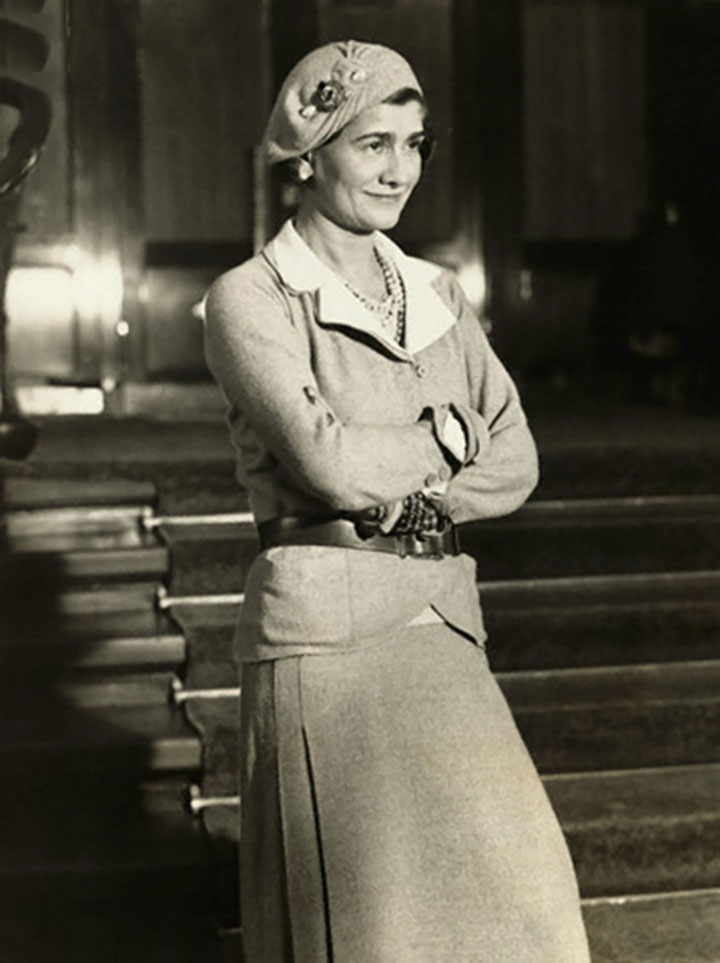
Underwood & Underwood-Gabrielle Coco Chanel in suit and beret, 1931 © Underwood & Underwood-Corbis.

Underwood & Underwood-Gabrielle Coco Chanel in suit and beret, 1931 © Underwood & Underwood-Corbis.

Underwood & Underwood., Nearly a mile straight down and only a step–from Glacier Point (N.W.) across valley to Yosemite Falls, Yosemite, Cal. 1900-1910

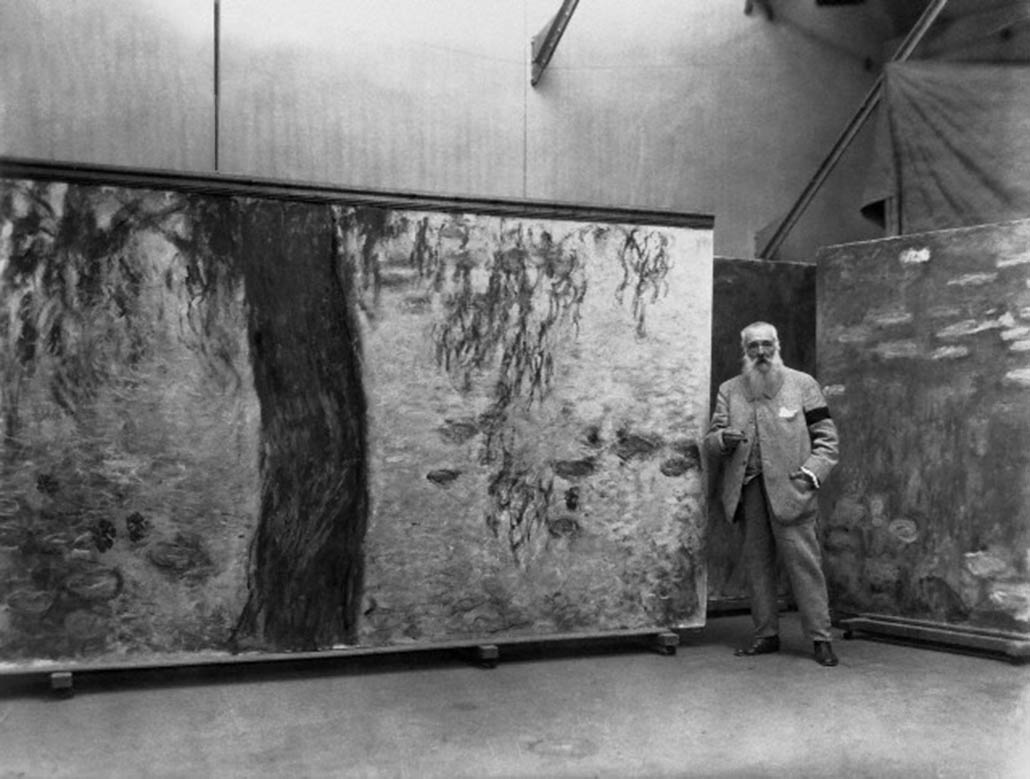
Underwood & Underwood- Claude Monet standing in his studio with a panel of his Nympheas mural., Giverny, France , 1914-18 © Underwood & Underwood-Corbis

Underwood & Underwood- Claude Monet standing in his studio with a panel of his Nympheas mural., Giverny, France , 1914-18 © Underwood & Underwood-Corbis

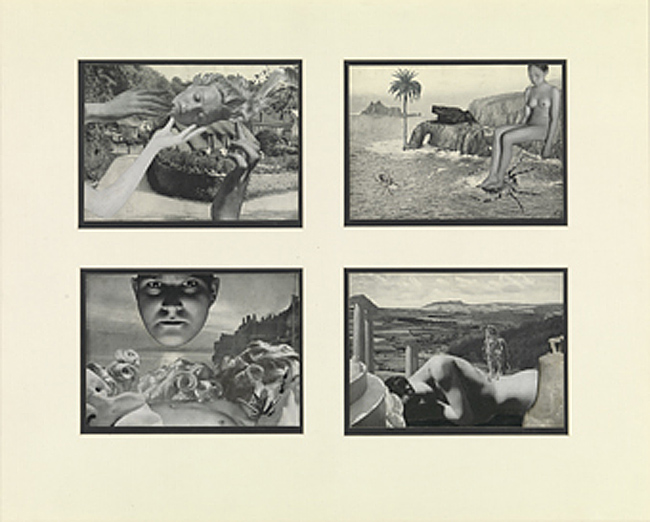
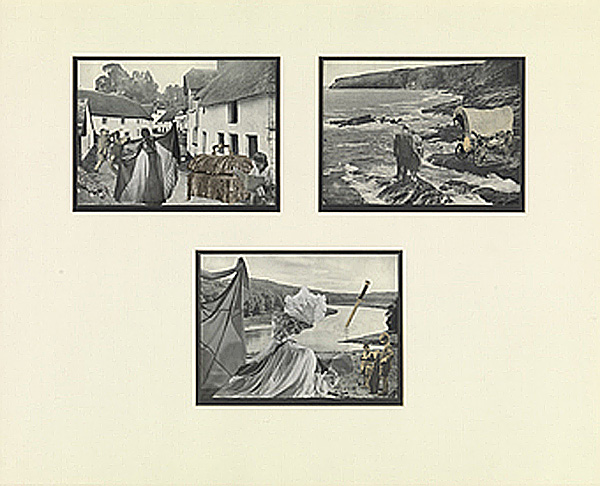
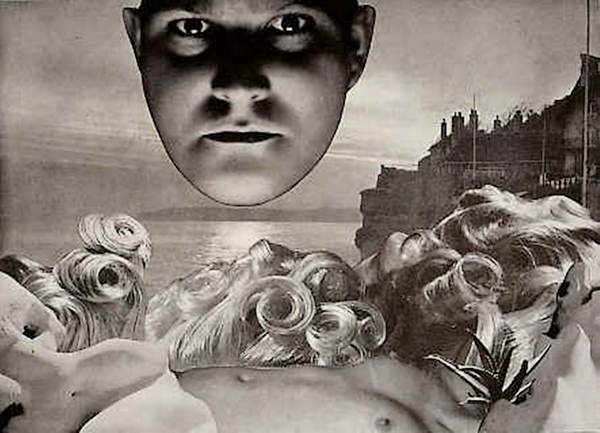
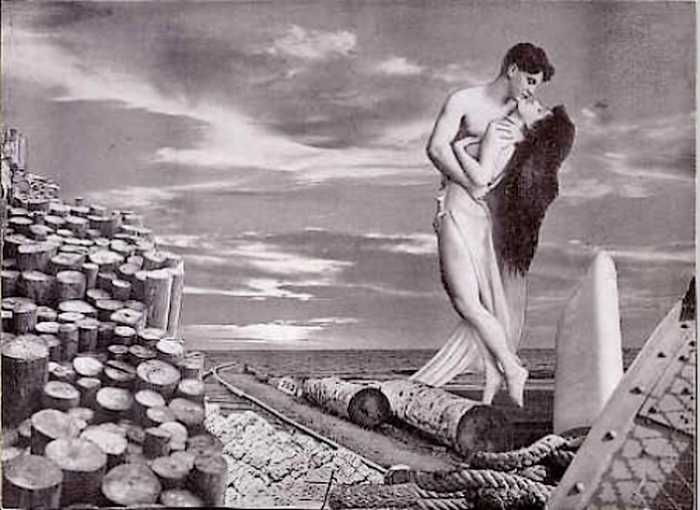
Marcel G. Lefrancq (1916-1974)

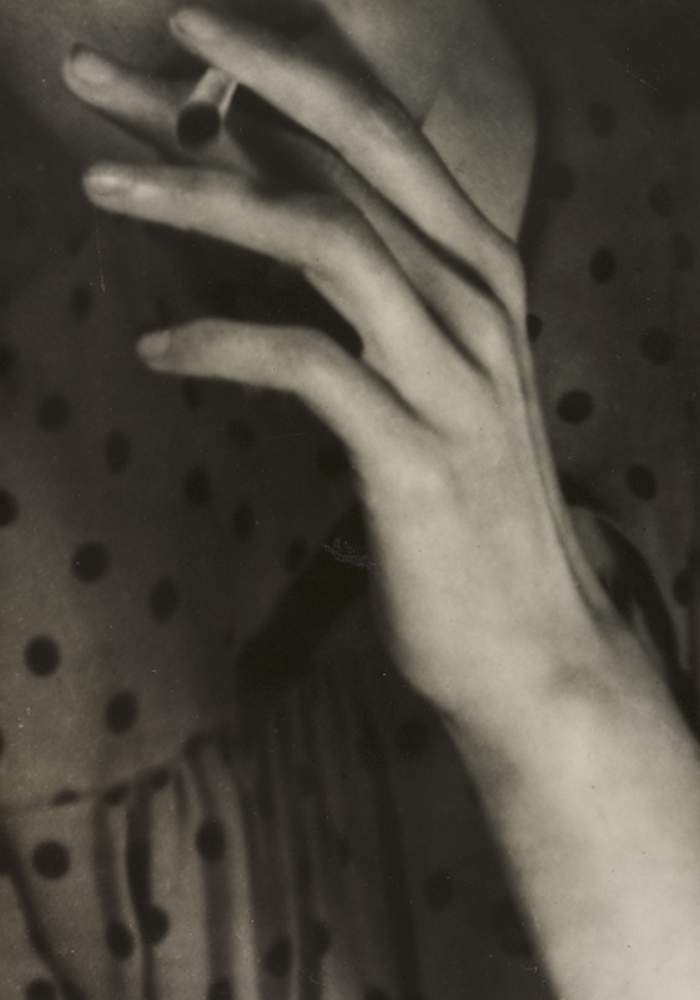
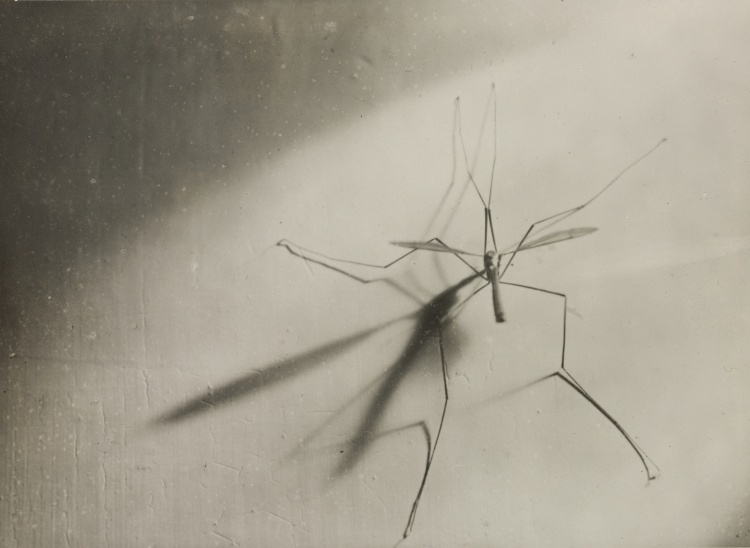
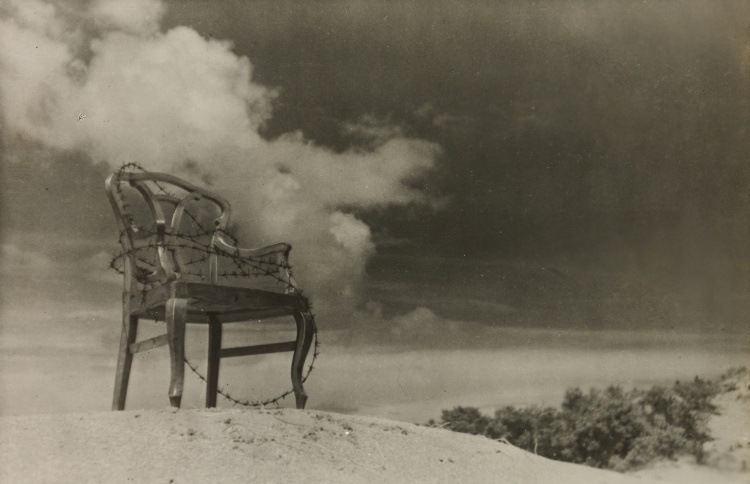
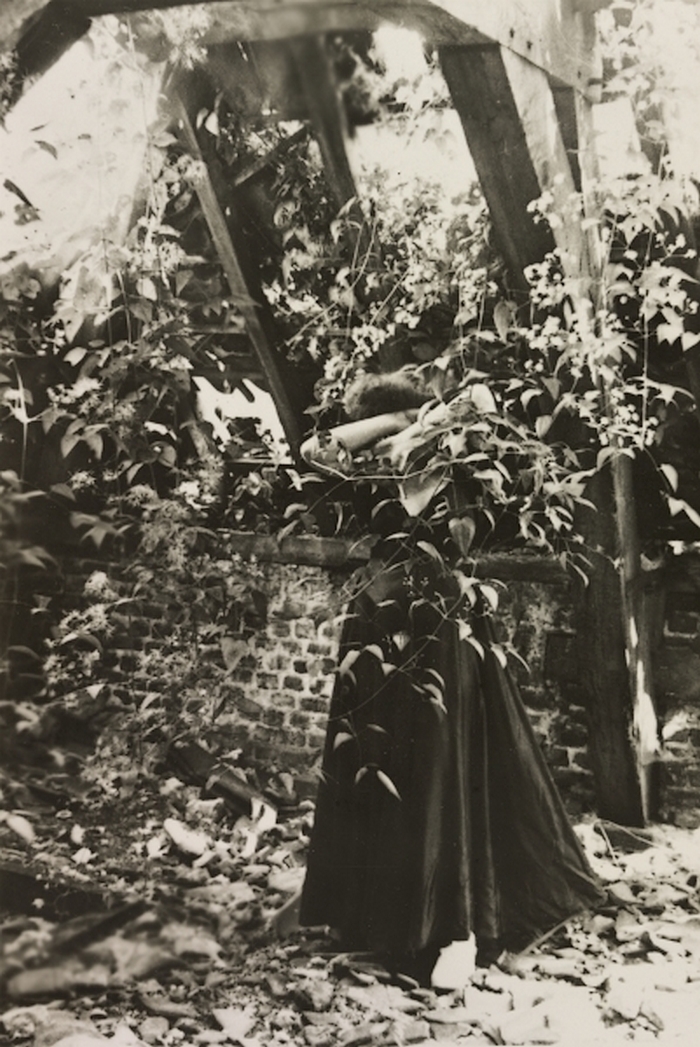
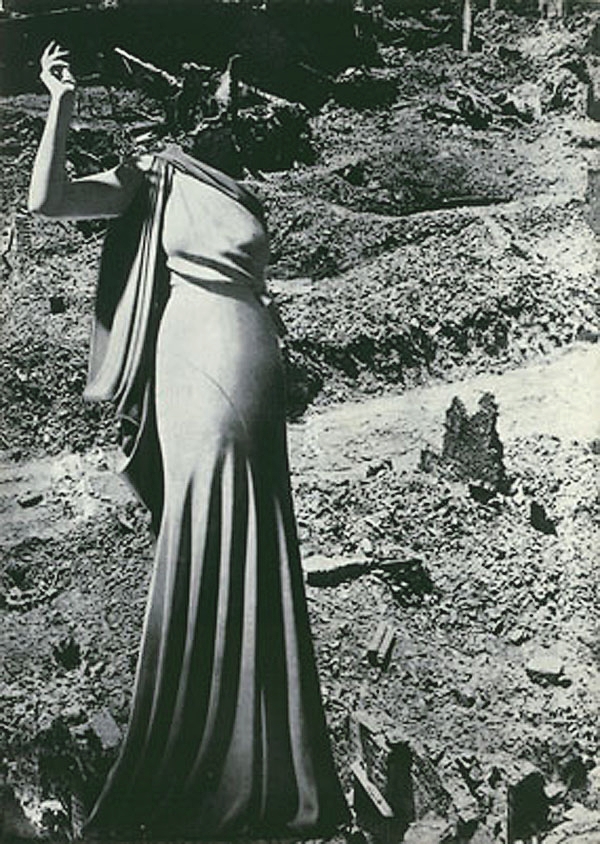
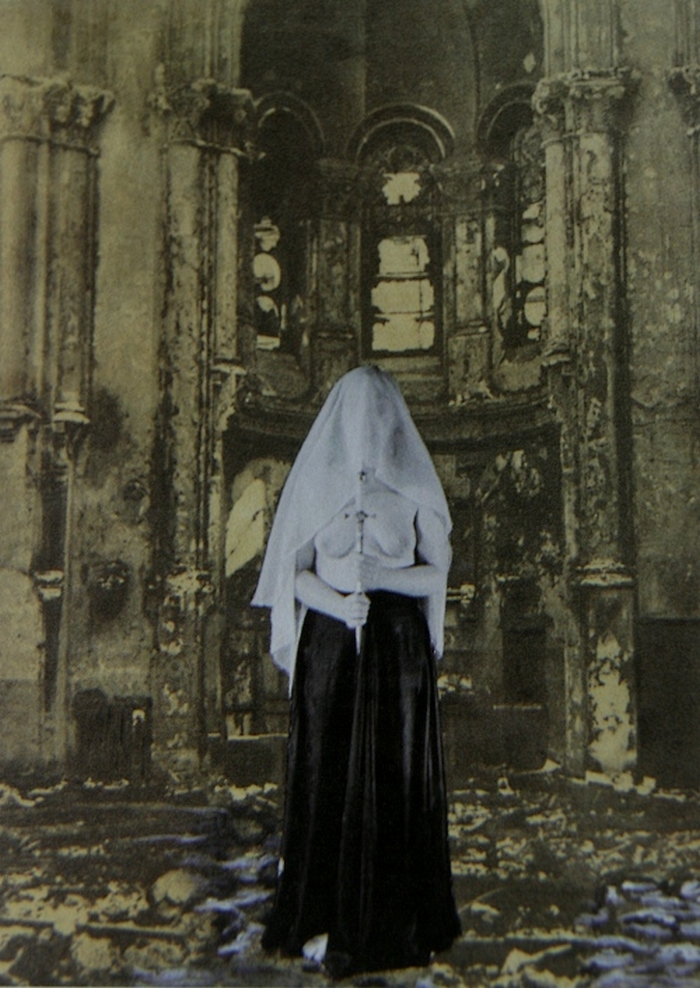
Marcel G. Lefrancq est un nom peu connu du surréalisme Belge et pourtant, il compte a son actif bon nombre de collages et de photographies ainsi que quelques objets témoins de ce mouvement en Belgique.

En 1939, il compta parmi les membres fondateurs du Groupe surréaliste en Hainaut. La même année, il est engagé comme photographe par l’IRPA, pour procéder à l’inventaire des oeuvres d’art risquant d’être détruites par la guerre qui s’annonce. En 1940, il publie à deux reprises des clichés dans L’invention collective, la revue belge dirigée par René Magritte ( voir les autres articles sur lui Ici) et Raoul Ubac ( voir les autres articles sur lui Ici), avec qui il est ami, puis il entre dans la résistance.

Après la dissolution du Groupe surréaliste en Hainaut, il participe à la création du groupe Haute Nuit, en 1947. Deux ans plus tard, Dotremont lui écrit pour proposer un rapprochement entre Haute Nuit et Cobra. C’est dans cet esprit que Lefrancq collabore aux numéros 2 et 6 de la celèbre revue  Cobra.

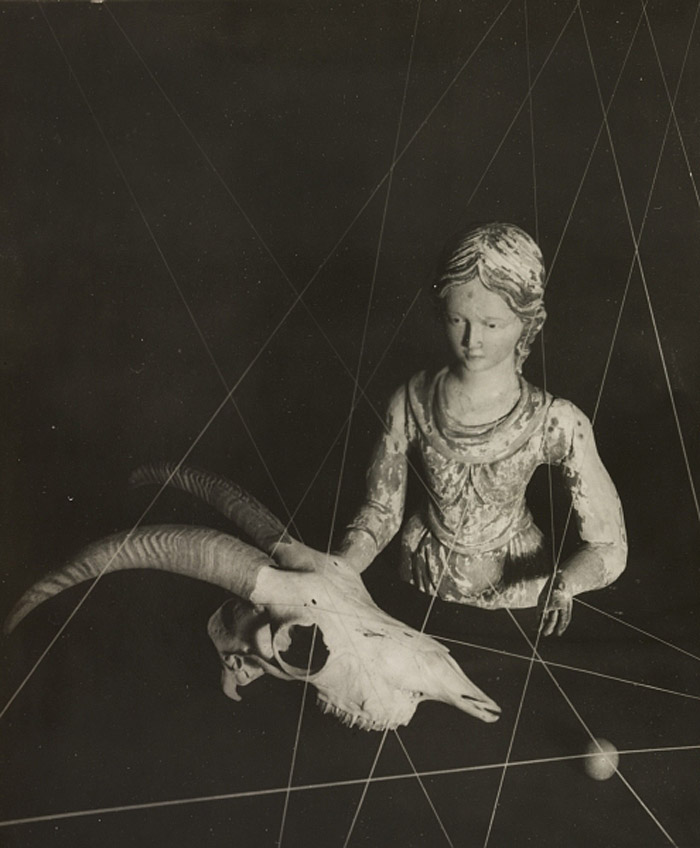
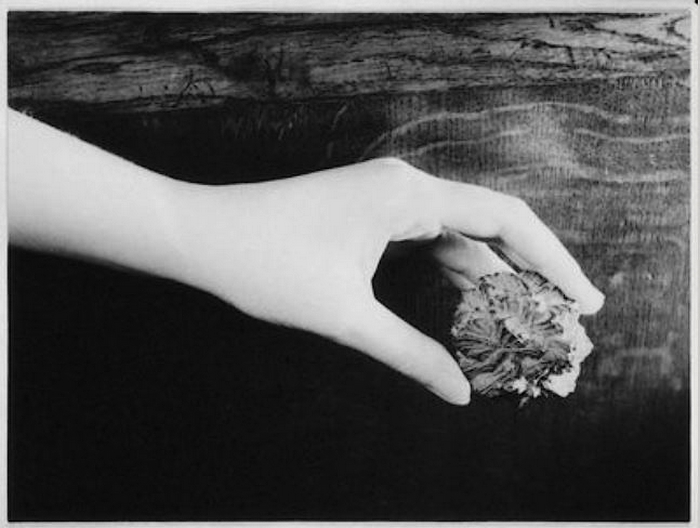
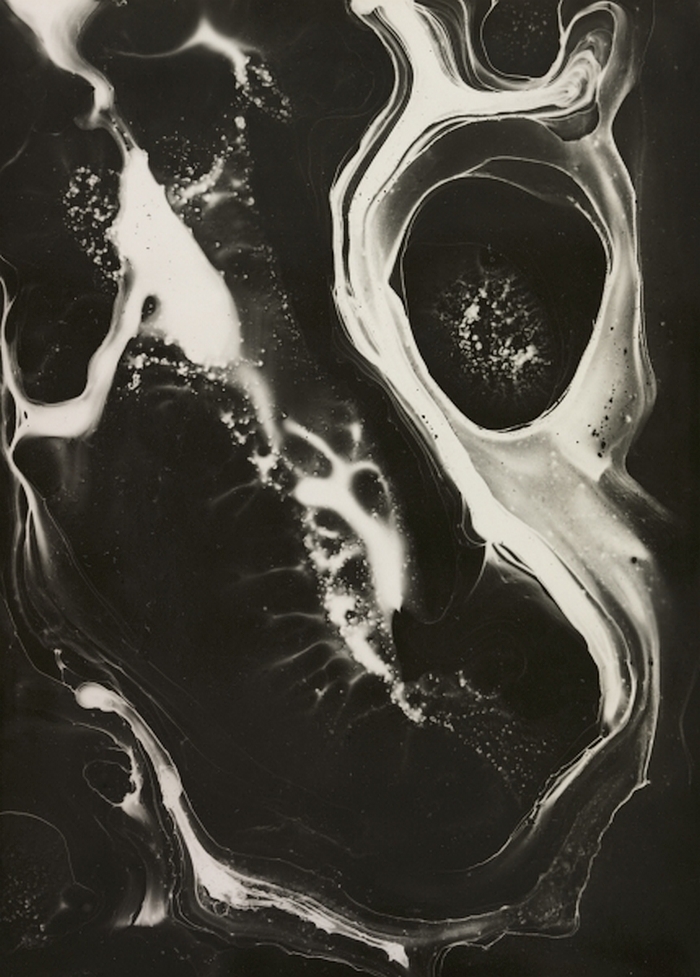
La majeure partie de son oeuvre photographique est moins surréalistes ( les thématiques font plus penser à Brassaï, par exemple)  mais ses collages ou objets, le restent. je vous propose quelques collages et photographies vous pouvez les retrouver sur le site que son fils à créer Ici (en petits formats).

Les photographies

à retrouvez pour celles datant d’aavant ou de 1948, dans le livre  « Aux Mains de La Lumière, Images et Poèmes. Introduction by Armand Simon. Mons, France,  Editions de Haute Nuit, 1948

Marcel G. Lefrancq - Heide, 1942

Marcel G. Lefrancq – Heide, 1942

Marcel G. Lefrancq -Sculpture, 1948

Marcel G. Lefrancq -Sculpture, 1948

Marcel G. Lefrancq - Eglogue emblématique, 1967

Marcel G. Lefrancq – Eglogue emblématique, 1967

Marcel G. Lefrancq -Etude de forme 1, 1939

Marcel G. Lefrancq -Etude de forme 1, 1939

Marcel G. Lefrancq – Nu à la dentelle, 1955

Marcel G. Lefrancq – Nu à la dentelle, 1955

Marcel G. Lefrancq -L'actuelle, 1947

Marcel G. Lefrancq -L’actuelle, 1947

Marcel G. Lefrancq -sans titre (avant 1945)

Marcel G. Lefrancq -sans titre (avant 1945)

Marcel G. Lefrancq -sans titre, Nd

Marcel G. Lefrancq -sans titre, Nd

Marcel G. Lefrancq -La sieste, 1942

Marcel G. Lefrancq -La sieste, 1942

Marcel G. Lefrancq - Sans Titre, 1972

Marcel G. Lefrancq – Sans Titre, 1972

Marcel G. Lefrancq - Portrait d’Akarova, 1938 Photomontage Akarova et le masque du diable dans l’histoire du soldat (Stravinsky) 1935

Marcel G. Lefrancq – Portrait d’Akarova, 1938 Photomontage Akarova et le masque du diable dans l’histoire du soldat (Stravinsky) 1935

Marcel G. Lefrancq - La Venus des Ténèbres, 1949

Marcel G. Lefrancq – La Venus des Ténèbres, 1949

Marcel G. Lefrancq - Haunted eyes, 1947

Marcel G. Lefrancq – Haunted eyes, 1947

Marcel G. Lefrancq -le regne vegetal 1938

Marcel G. Lefrancq -le regne vegetal 1938

Marcel G. Lefrancq -Endless Repetition, 1948

Marcel G. Lefrancq -Endless Repetition, 1948

Marcel-G. Lefrancq -Étude de forme V, 1948(AUX MAINS DE LA LUMIÈRE. IMAGES ET POÈMES présentés par Armand SIMON. Mons (Belgique), Éditions de Haute nuit, 1948)

Marcel-G. Lefrancq -Étude de forme V, 1948(AUX MAINS DE LA LUMIÈRE. IMAGES ET POÈMES présentés par Armand SIMON. Mons (Belgique), Éditions de Haute nuit, 1948)

Marcel G. Lefrancq - l'ennemi, 1948

Marcel G. Lefrancq – l’ennemi, 1948

Marcel G. Lefrancq - Eloge du carnage, 1948

Marcel G. Lefrancq – Eloge du carnage, 1948

Marcel G. Lefrancq - Elue, 1945 (2)

Marcel G. Lefrancq – Elue, 1945

Marcel G. Lefrancq - La Loi de la Coincidences , 1948 from AUX MAINS DE LA LUMIÈRE. IMAGES ET POÈMES présentés par Armand SIMON. Mons (Belgique), Éditions de Haute nuit, 1948 (2)

Marcel G. Lefrancq – La Loi de la Coincidences , 1948 from AUX MAINS DE LA LUMIÈRE. IMAGES ET POÈMES présentés par Armand SIMON. Mons (Belgique), Éditions de Haute nuit, 1948

Marcel G. Lefrancq - Méréorite ,1940

Marcel G. Lefrancq – Méréorite ,1940

Marcel G. Lefrancq -L'objectivité scientifique , 1948

Marcel G. Lefrancq -L’objectivité scientifique , 1948

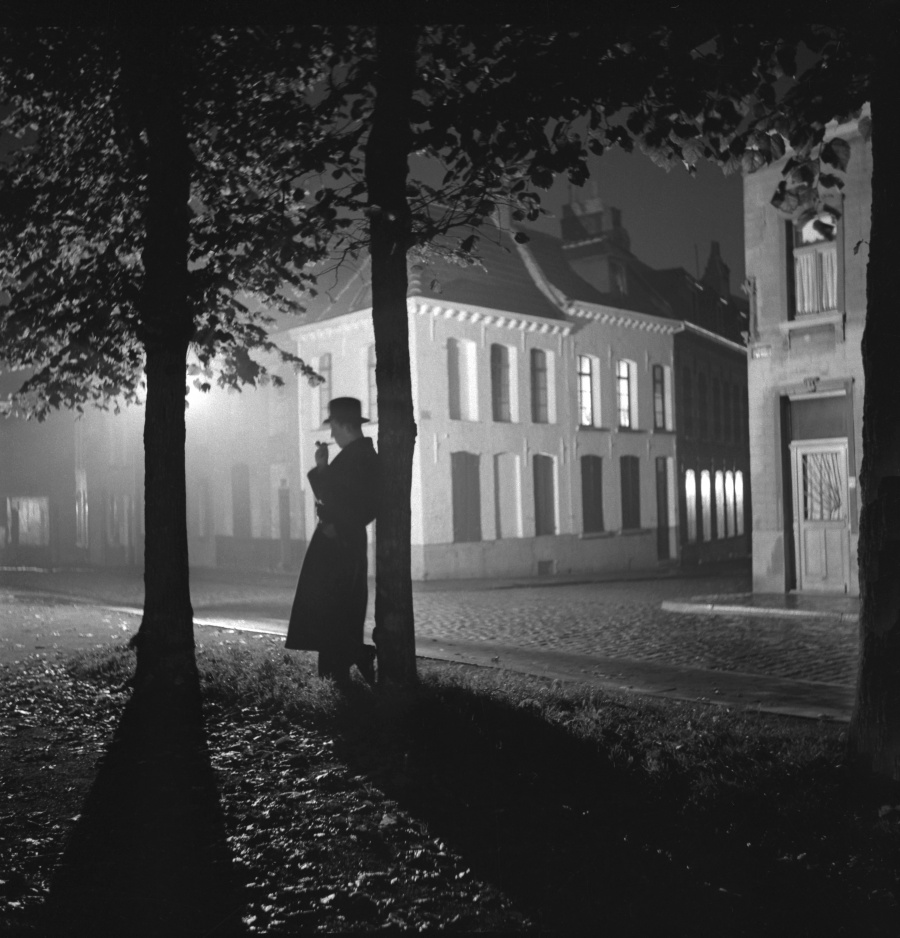
Marcel-G. Lefrancq -Parc de Mons la nuit, 1938

Marcel-G. Lefrancq -Parc de Mons la nuit, 1938

Les Collages

Marcel G. Lefrancq - Les onze mois de la bonne année 1939 - 1945 1 (2)

Marcel G. Lefrancq – Les onze mois de la bonne année 1939 – 1945

Marcel G. Lefrancq - Les onze mois de la bonne année 1939 - 1945 1 (2)

Marcel G. Lefrancq – Les onze mois de la bonne année 1939 – 1945

Marcel G. Lefrancq - Les onze mois de la bonne année 1939 - 1945 (2)

Marcel G. Lefrancq – Les onze mois de la bonne année 1939 – 1945

Marcel G. Lefrancq - Visage from Les onze mois de la bonne année 1939 - 1945 1

Marcel G. Lefrancq – Visage from Les onze mois de la bonne année 1939 – 1945

Marcel G. Lefrancq - Collage,from Les onze mois de la bonne année 1939 - 1945

Marcel G. Lefrancq – Collage,from Les onze mois de la bonne année 1939 – 1945

Marcel G. Lefrancq - Collage, from Les onze mois de la bonne année 1939 - 1945

Marcel G. Lefrancq – Collage, from Les onze mois de la bonne année 1939 – 1945

Marcel G. Lefrancq - Qui dort dîne, 1938

Marcel G. Lefrancq – Qui dort dîne, 1938

Marcel G. Lefrancq -Le Saint Esprit, 05.05.1938

Marcel G. Lefrancq -Le Saint Esprit, 05.05.1938

Marcel G. Lefrancq-Les secours de la religion, 06.05.1938

Marcel G. Lefrancq-Les secours de la religion, 06.05.1938

Marcel G. Lefrancq - Nécessité du retour à la terre ,1938

Marcel G. Lefrancq – Nécessité du retour à la terre ,1938

Marcel G. Lefrancq - L’oeuf de l’aigle, 1938

Marcel G. Lefrancq – L’oeuf de l’aigle, 1938

Marcel G. Lefrancq - circeo,1939

Marcel G. Lefrancq – circeo,1939

Marcel G. Lefrancq - sans titre, 05.06.1939

Marcel G. Lefrancq – sans titre, 05.06.1939

Marcel G Lefrancq -Initiation ou lettre ouverte à Monseigneur, 1939

Marcel G Lefrancq -Initiation ou lettre ouverte à Monseigneur, 1939

Marcel G. Lefrancq - La dialectique 1945

Marcel G. Lefrancq – La dialectique 1945

Marcel G. Lefrancq - La Chute de l’Empire d’Orient, 1947

Marcel G. Lefrancq – La Chute de l’Empire d’Orient, 1947

Charlotte Rudolph-Mary Wigman Danse de sorcière ».Hexentanz, 1914

Charlotte Rudolph-Mary Wigman Danse de sorcière ».Hexentanz, 1914

 Charlotte  Rudolph-Mary Wigman  Danse de sorcière .Hexentanz, 1914

Charlotte Rudolph-Mary Wigman Danse de sorcière .Hexentanz, 1914

 Charlotte  Rudolph-Mary Wigman  Danse de sorcière ».Hexentanz, 1914

Charlotte Rudolph-Mary Wigman Danse de sorcière ».Hexentanz, 1914

 Charlotte  Rudolph-Mary Wigman  Danse de sorcière ».Hexentanz, 1914

Charlotte Rudolph-Mary Wigman Danse de sorcière ».Hexentanz, 1914

 Charlotte  Rudolph-Mary Wigman  Danse de sorcière ».Hexentanz, 1914

Charlotte Rudolph-Mary Wigman Danse de sorcière ».Hexentanz, 1914

 Charlotte  Rudolph-Mary Wigman  Danse de sorcière ».Hexentanz, 1914

Charlotte Rudolph-Mary Wigman Danse de sorcière ».Hexentanz, 1914

 Charlotte  Rudolph-Mary Wigman  Danse de sorcière ».Hexentanz, 1914

Charlotte Rudolph-Mary Wigman Danse de sorcière ».Hexentanz, 1914

 Charlotte  Rudolph-Mary Wigman  Danse de sorcière ».Hexentanz, 1914

Charlotte Rudolph-Mary Wigman Danse de sorcière ».Hexentanz, 1914


Rudolf Koppitz -The dancer Hedy Pfundmayr

Rudolf Koppitz Hedy Pfundmayr avec le masque l’Electre de Richard Teschner 1930 Tirage argentine

Rudolf Koppitz Hedy Pfundmayr avec le masque l’Electre de Richard Teschner 1930 Tirage argentique

Rudolf Koppitz – Mask, The dancer Hedy Pfundmayr, 1930

Rudolf Koppitz – Maskentanz,1929

Rudolf Koppitz, Hedy Pfundmayr mit Elektra-Maske von Richard Teschner, um 1930

Rudolf Koppitz-The dancer Hedy Pfundmayr , 1930

Rudolf Koppitz - Finger game. The dancer Hedy Pfundmayr 1930 as Elektra. Galerie Kicken Berlin

Rudolf Koppitz – Finger game. The dancer Hedy Pfundmayr 1930 as Elektra. Galerie Kicken Berlin

Rudolf Koppitz- Hedy Pfundmayr with Elektra-mask. About 1928. Silver gelatin print

Rudolf Koppitz- Hedy Pfundmayr with Elektra-mask. About 1928. Silver gelatin print

Rudolf Koppitz- The dancer Hedy Pfundmayr 1930s © Kunsthistorisches Museum Vienna

Rudolf Koppitz- The dancer Hedy Pfundmayr 1930s © Kunsthistorisches Museum Vienna

Rudolf Koppitz- Hedy Pfundmayr with Elektra-mask. About 1928. Silver gelatin print

Rudolf Koppitz- Hedy Pfundmayr with Elektra-mask. About 1928. Silver gelatin print

Rudolf Koppitz- Hedy Pfundmayr with Elektra-mask. About 1928. Silver gelatin print

Rudolf Koppitz- Hedy Pfundmayr with Elektra-mask. About 1928. Silver gelatin print

Rudolf Koppitz- Hedy Pfundmayr with Elektra-mask. About 1928. Silver gelatin print

Rudolf Koppitz- Hedy Pfundmayr with Elektra-mask. About 1928. Silver gelatin print

Rudolf Koppitz- Hedy Pfundmayr with Elektra-mask. About 1928. Silver gelatin print

Rudolf Koppitz- Hedy Pfundmayr with Elektra-mask. About 1928. Silver gelatin print

Rudolf Koppitz- The dancer Hedy Pfundmayr 1920s © Kunsthistorisches Museum Vienna

Rudolf Koppitz- ‘Hedy Pfundmayr mit abgenommener Elektra-Maske von Richard Teschner_, c. 1930 Vintage silver print © Kunsthistorisches Museum Vienna


Rudolf Koppitz- Hedy Pfundmayr with lace veil. About 1928. About 1928. Silver gelatin print_