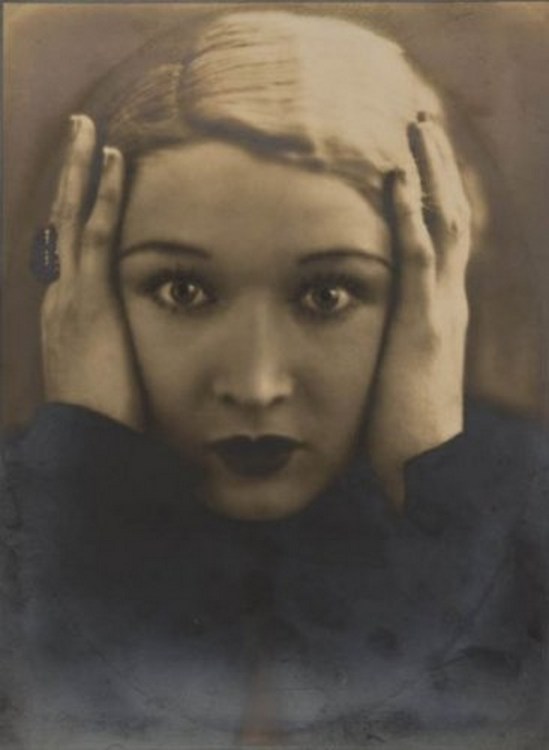
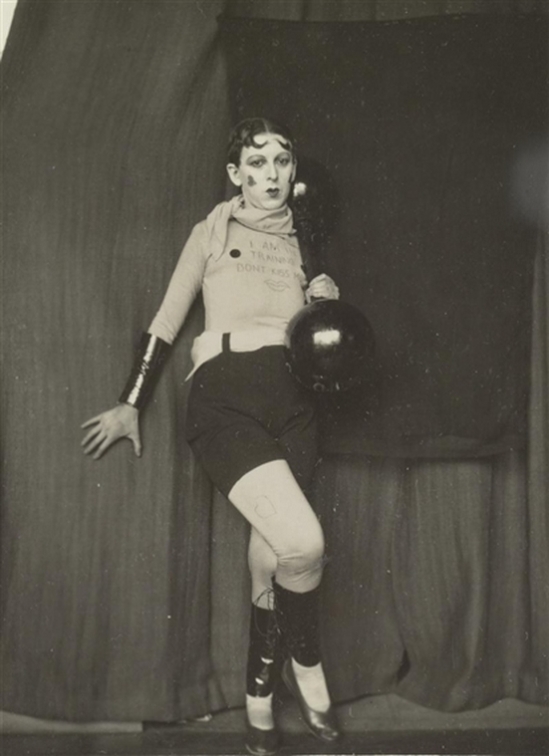
In the mid 1930s, she appeared in a popular Broadway show, Lady Precious Stream, by S.I. Hsiung. Perhaps Sze’s greatest success was as a writer. The author of several books of fiction and non-fiction, she was a well-known columnist for the New York Post and a contributor to national magazines.( she was the daughter of a Chinese ambassador to England and the United States)
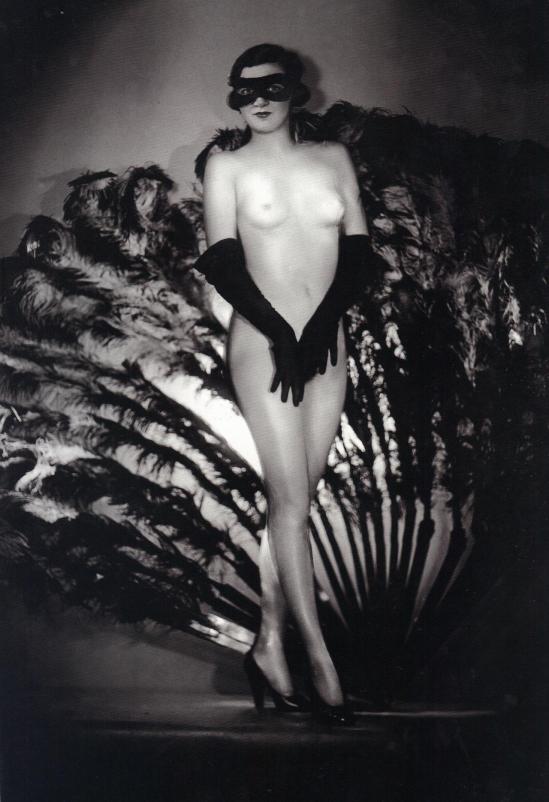
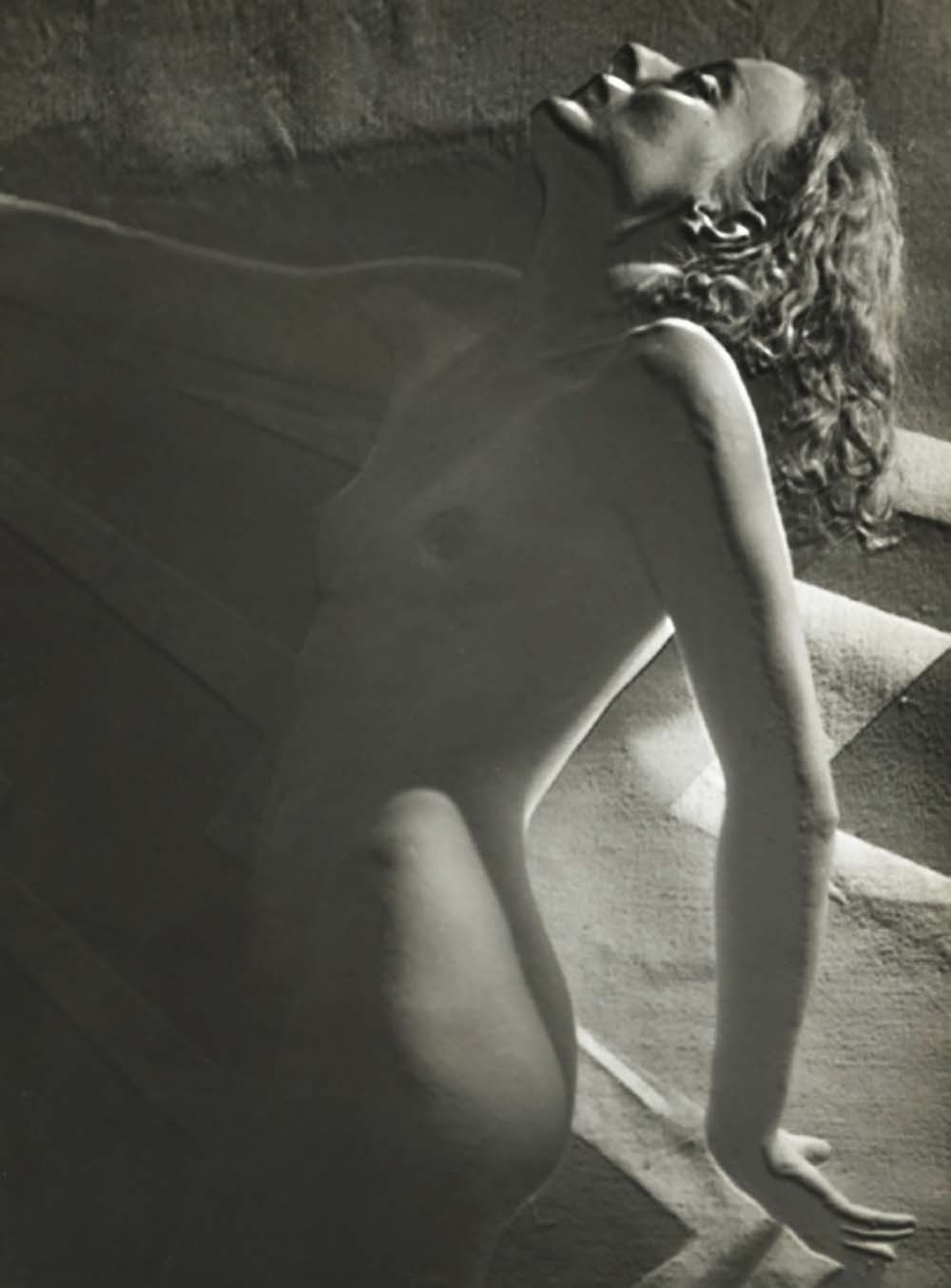
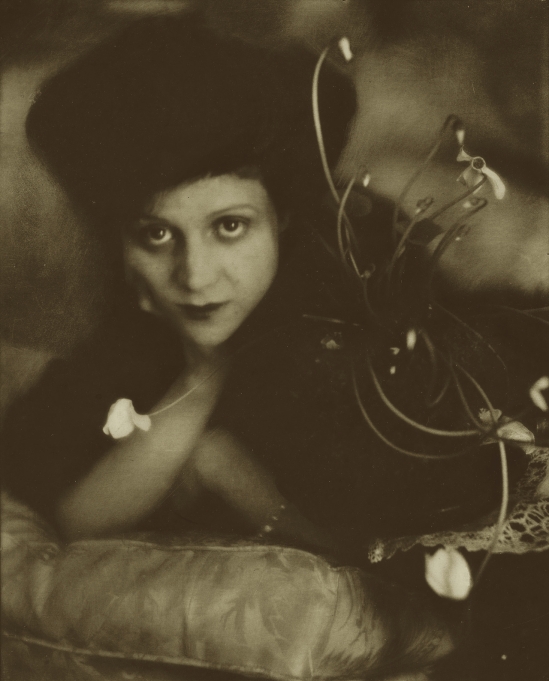
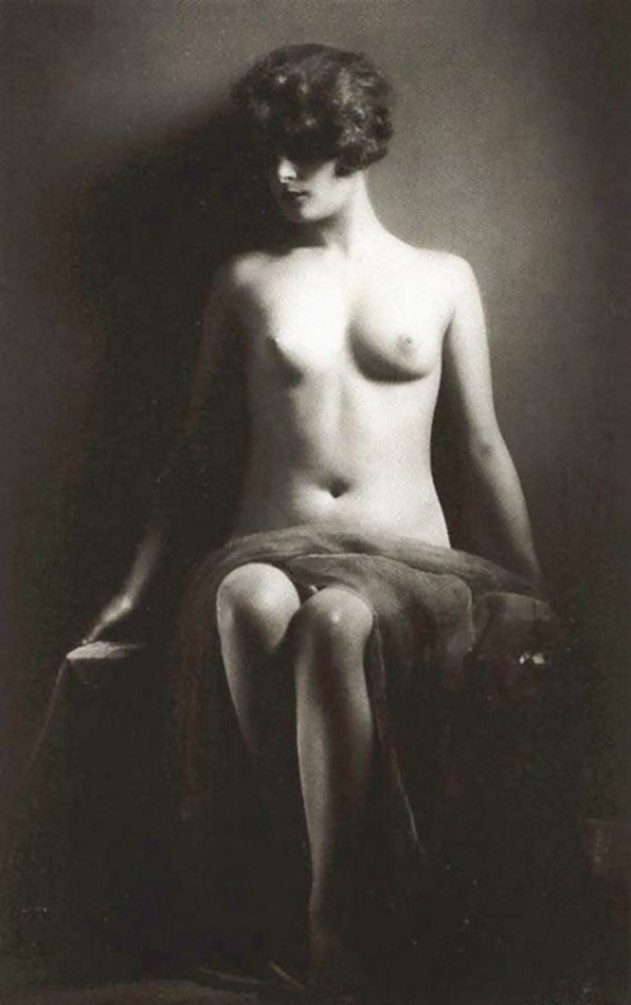
…Olga Solarics (1896-1969) and her husband Adorja’n von Wlassics (1893-1946) ran the Manasse’ Foto-Salon in Vienna from 1922-1938. Olga seems to have been the one interested in the photographic nude. She (or they) exhibited at the 1st International Salon of Nude Photography in Paris in 1933…”
“…Studio Manassé, which flourished in the 1930s in Vienna, captured morethan just portrait photography bursting with erotic charge; it immortalized the fluid state of beauty and the “new woman”: confident in her own sexuality as she struggled to redefine her position in the modern world. Each picture offers a conflict of concepts, as provocative poses are presented in such traditional roles that the cynicism intended renders them humorously absurd . Adorjan and Olga Wlassics, a husband-and-wife team, founded Studio Manassé in the early 1920s.
The first Manassé illustrations appeared in magazines in 1924, a booming industry at the time, as the movie industry skyrocketed and publications aimed to satisfy a public obsessed with glimpses into the world of glamour. Attracting some of the leading ladies of the time from film, theater, opera, and vaudeville,Studio Manassé created masterpieces, employing all the techniques of makeup, retouching, and overpainting to keep their subjects happy while upholding an uncompromised artistic vision.Molded bodies were dreams with alabaster or marbel-like skin; backgrounds were staged so that the photographer could control each environment. And as their art found a home, the Wlassics found themselves able to afford a pattern of life similar to those reflected in their photographs. Their clients ran the gamut, from the advertising agencies to private buyers. When the Wlassics opened a new studio ni Berlin, their business in Vienna was managed more and more by associates, until 1937, when the firm’s name was sold to another photographer. Adorjan passed away just ten years later; Olga remarried and died in 1969…”
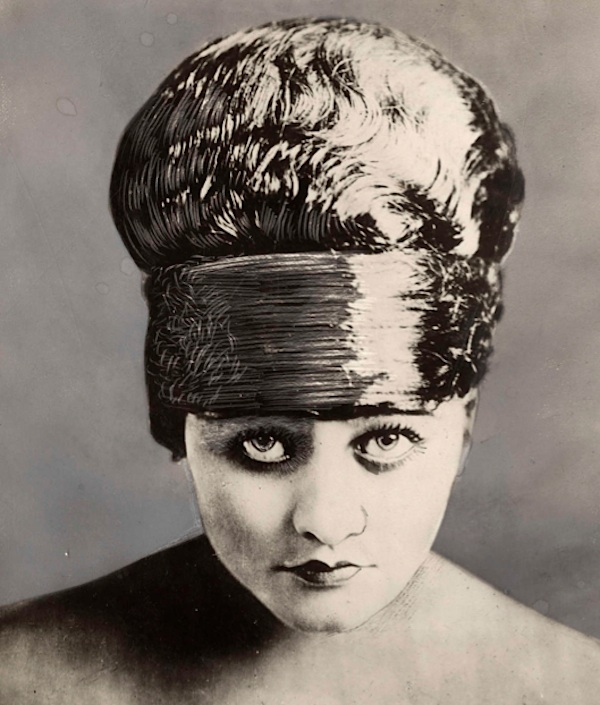
Unknown –Kapsels, haarmode dames 1922.. Modern hairstyle: a band over the head bound. Netherlands, 1922. from a series of photographs for the Dutch magazine « Het Leven » showing innovations in hair fashions for 1922, including the ‘hair band’ shown here
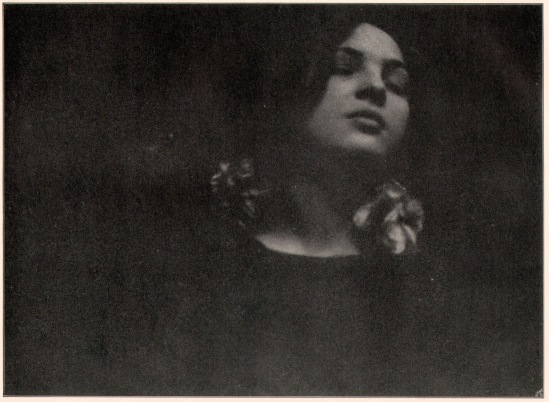
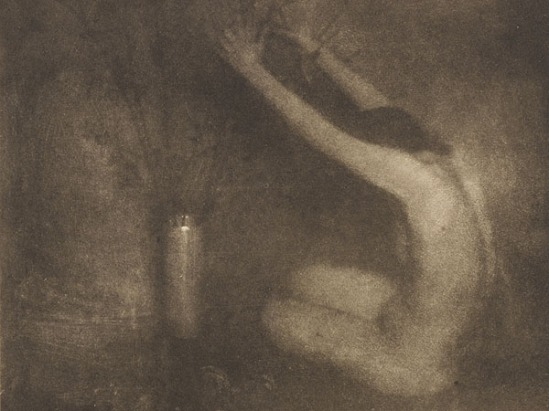
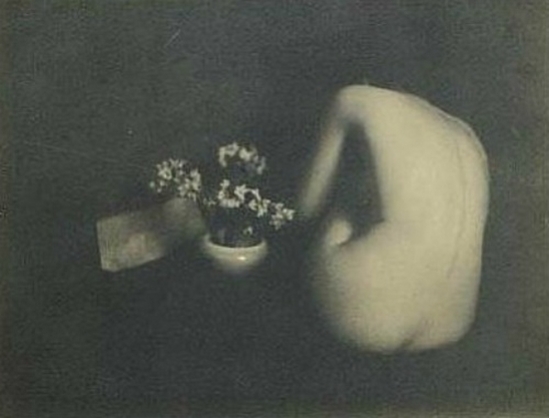
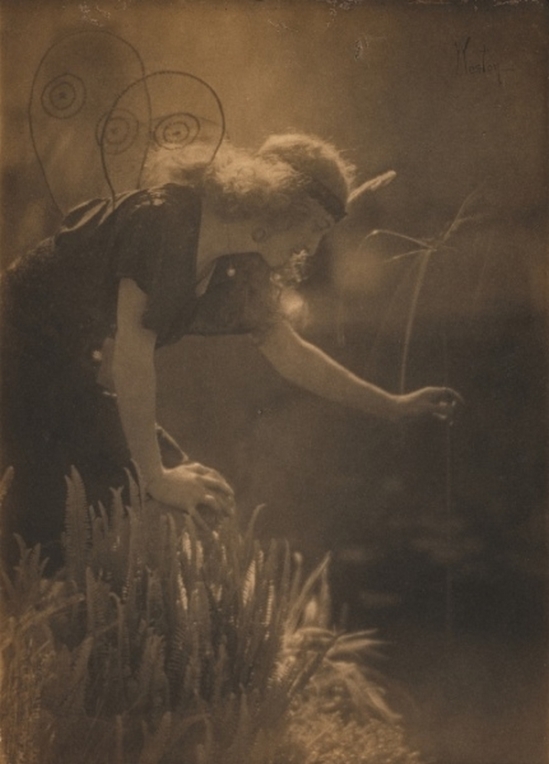
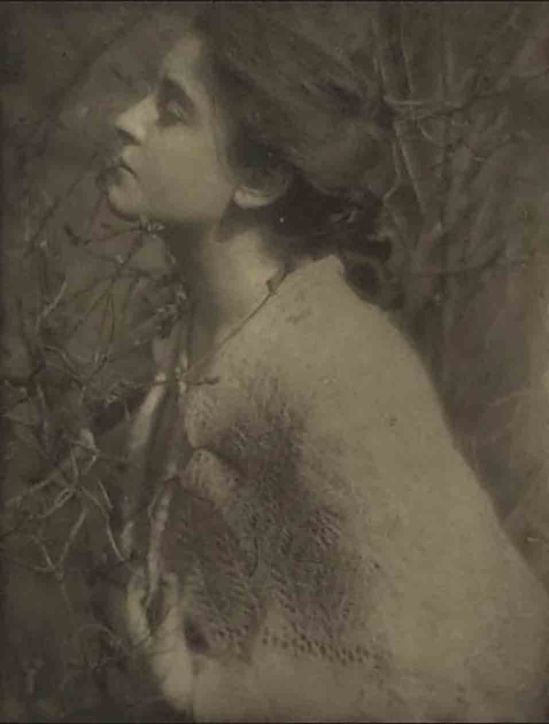
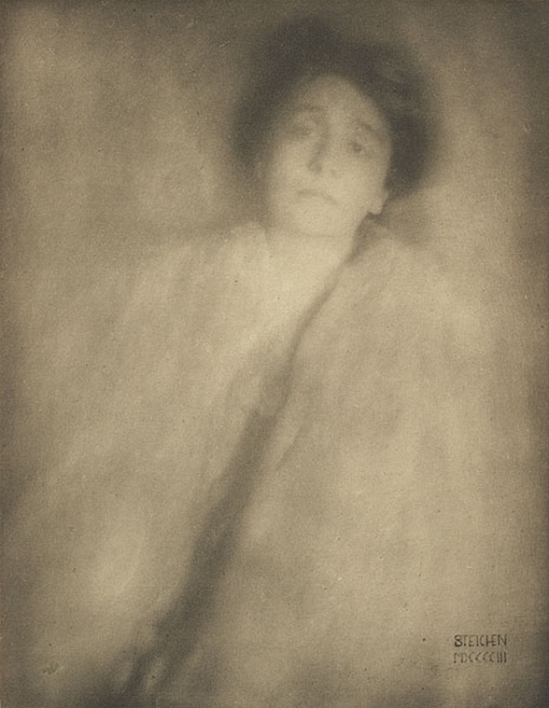
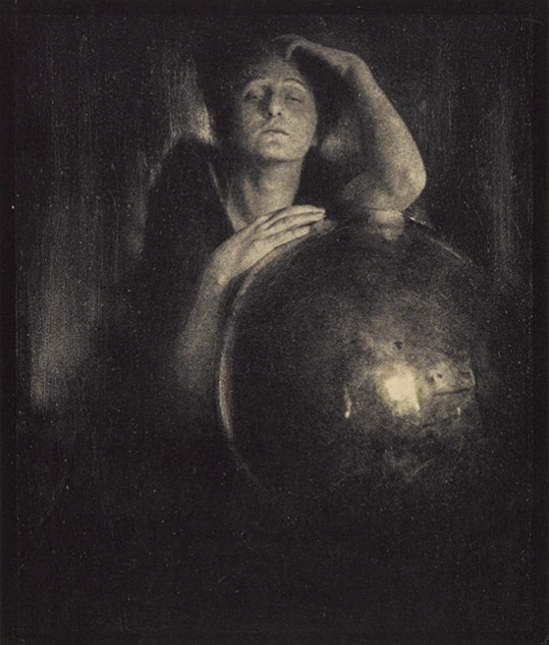
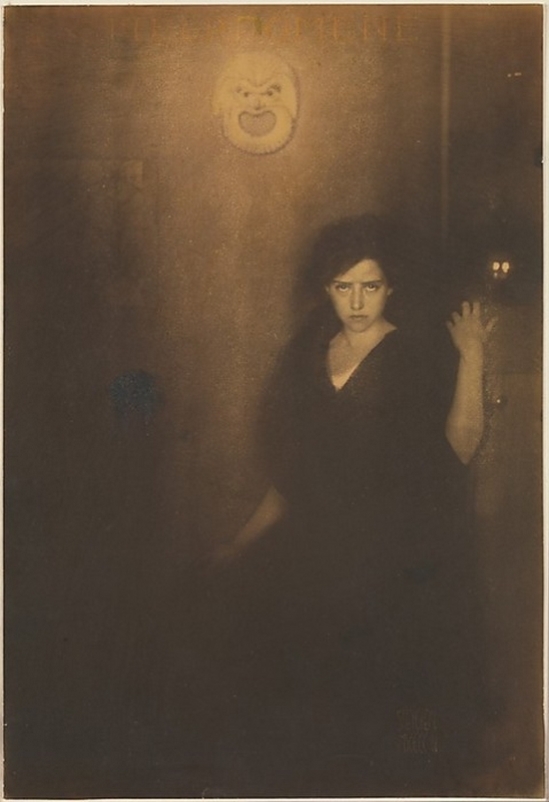
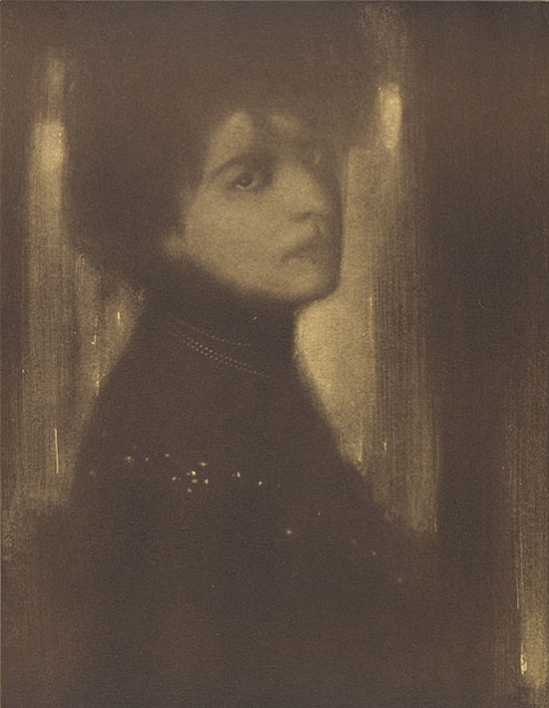
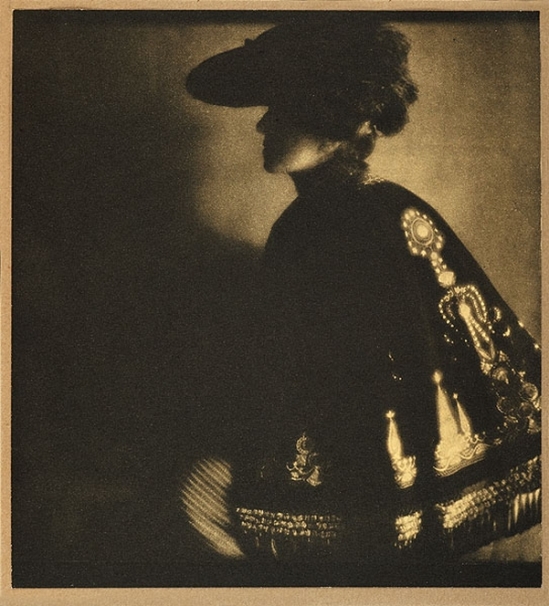
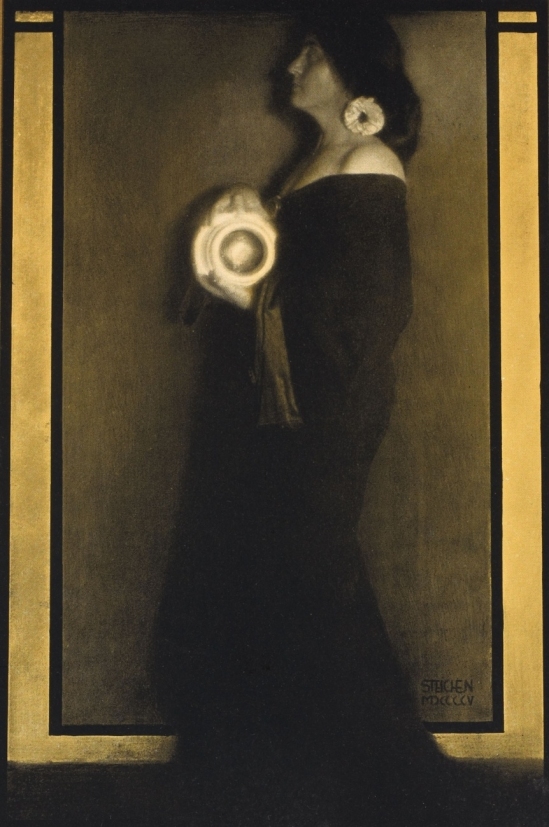
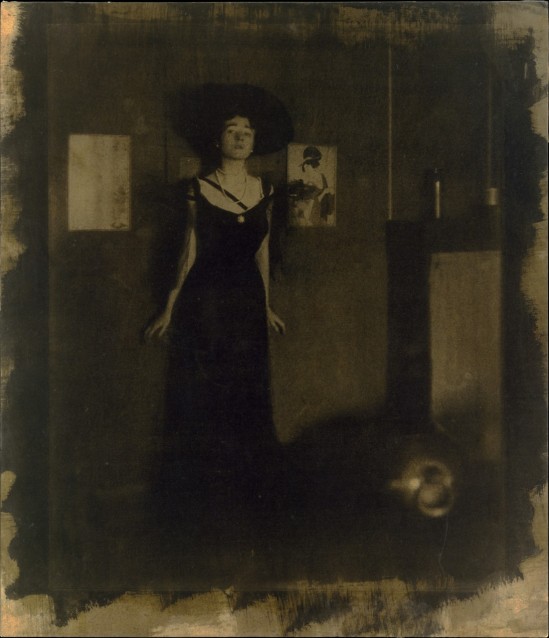
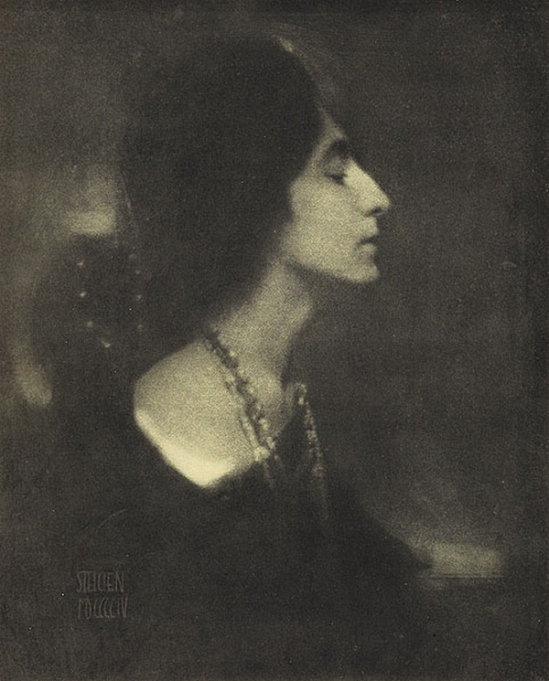
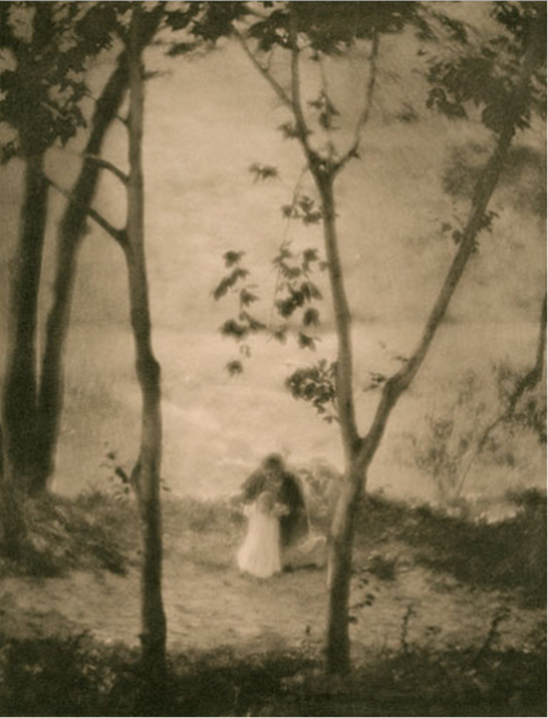
Edward est le fils de Jean-Pierre et Marie Kemp Steichen. Sa famille émigre aux États-Unis en 1881 C’est à la Milwaukee’s American Fine Art Company qu’à l’âge de quinze ans Edward apprend l’art et la technique de la lithographie. Dès 1895, il commence alors à photographier son entourage et la campagne environnante, se distinguant déjà par ses compositions d’ambiance, son utilisation poétique de la lumière, son goût pour le clair-obscur romantique. Il est naturalisé américain en 1900 avant de retourner en Europe où il s’installe à Paris.
Edward Steichen se fait connaître comme peintre au tournant du XXe siècle. En 1900, avant de s’installer à Paris, il passe par New-York où il rencontre Alfred Stieglitz.
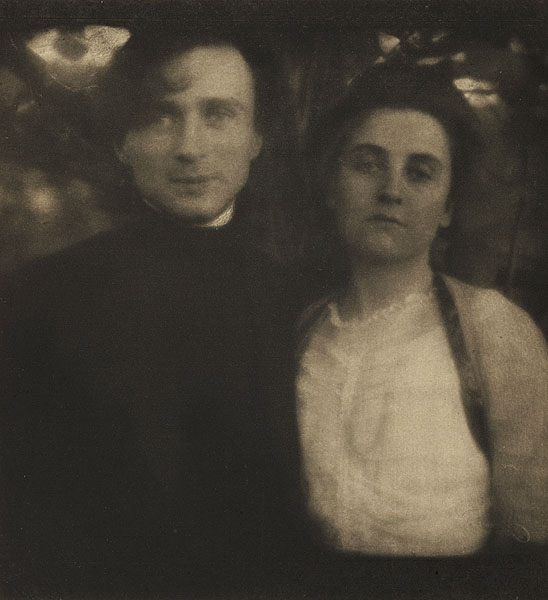
Lorsqu’il arrive à Paris il arrête ses études de dessin et commence une série de portraits des « Grands Hommes » parmi ceux-ci il y a Anatole France, Richard Strauss, George Bernard Shaw ou encore Henri Matisse.
Il rencontre à ce moment Auguste Rodin Le sculpteur lui ouvre les portes de son atelier de Meudon ; il réalisera plusieurs séries de photographies de lui ainsi que de ses sculptures. Steichen adhère ainsi au mouvement pictorialiste, en devient l’un des maîtres
En 1902, il rejoint Alfred Stieglitz aux États-Unis. Il participe, avec lui, à la création de Photo-Secession, selon Stieglitz c’est un mouvement qui veut « faire sécession avec l’idée convenue de ce que constitue une photographie. » Ensemble, ils éditent en 1903 la revue Camera Work dans laquelle les photos sont mises en valeur. Ils font découvrir aux Américains les artistes d’avant-garde de la photographie française. La même année, il crée sa propre galerie d’art à New York, The Photo-Secession Galleries, ou « 291 ».
En 1911, il réalise ce qui est considéré historiquement comme la première photographie de mode, publiée dans la revue française Art et Décoration de Lucien Vogel.
Après la Première Guerre mondiale, au cours de laquelle, il revient à la « straight photography », il évolue ensuite progressivement vers la photographie de mode. Au début des années 1920, l’éditeur américain Condé Nast le choisit pour devenir le photographe en chef des publications du groupe, imposant ses exigences en matière de photographie : « La distinction, l’élégance et le chic. » Il travaille particulièrement pour Vanity Fair et pour Vogue, magazines pour lesquels il réalise notamment de nombreux portraits de célébrités, démontrant une grande capacité à mettre en valeur ses sujets. Il travaillera également étroitement avec Carmel Snow d’Harper’s Bazaar.
Il photographie Gloria Swanson en 1924, puis l’une de ses photographies de l’actrice Greta Garbo, datant de 1928, parue en couverture du magazine Life le , est considéré comme l’un des portraits inoubliables de l’actrice.
Pendant la Seconde Guerre mondiale, il est directeur de l’Institut photographique naval (Naval Photographic Institute). Son film documentaire, The Fighting Lady, remporte en 1945 l’Oscar du meilleur documentaire.
À partir de 1947 et jusqu’en 1962, Steichen est le directeur du département de la photographie du MoMA, le musée d’art moderne de New York.






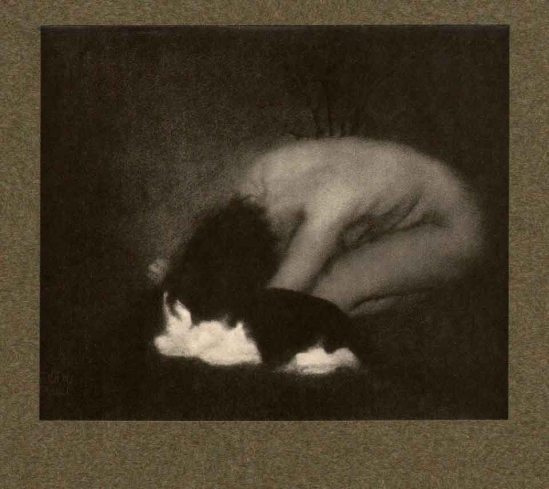
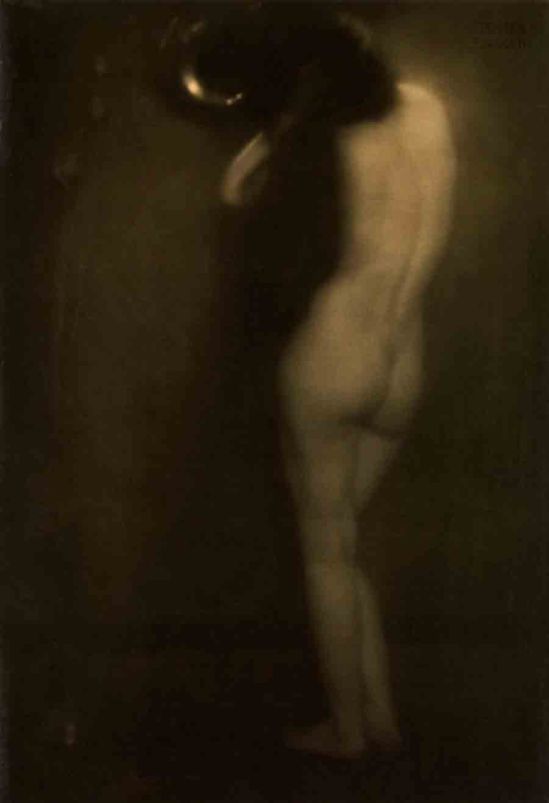
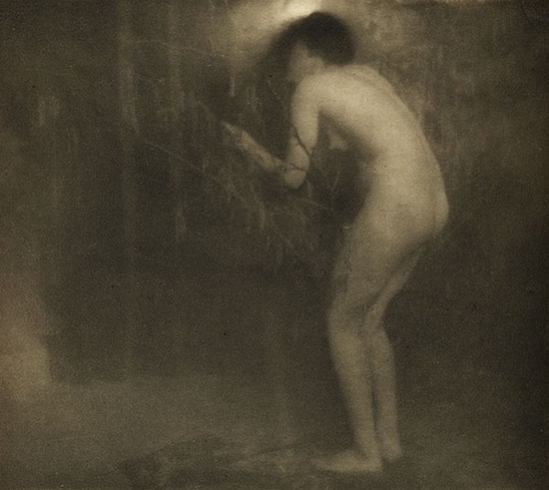
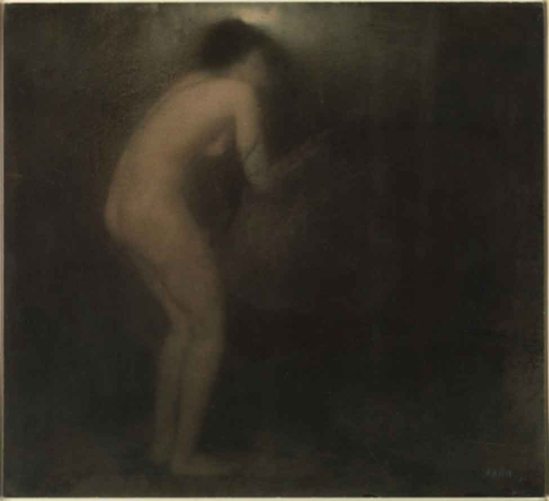
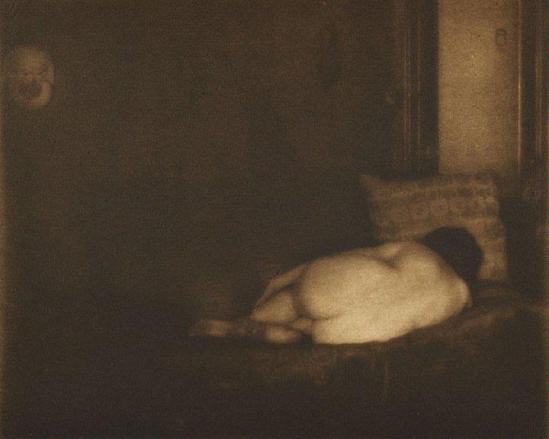
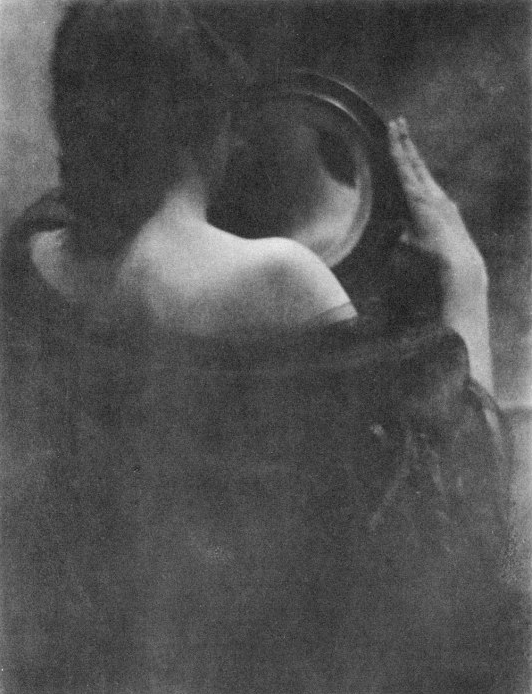

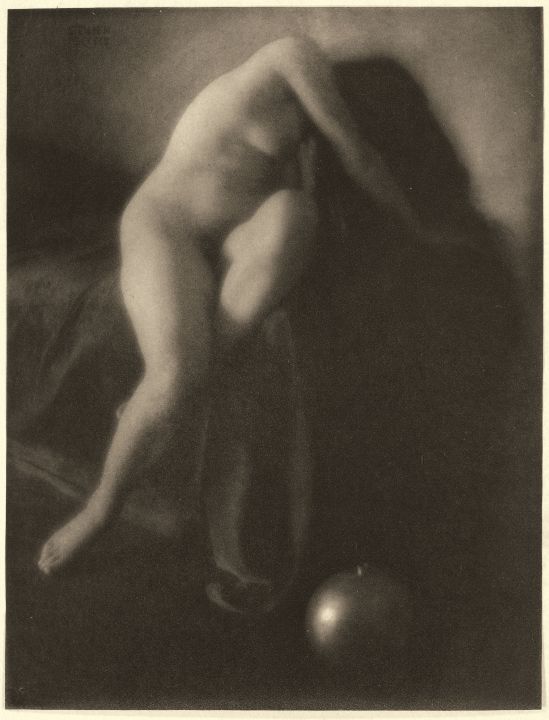
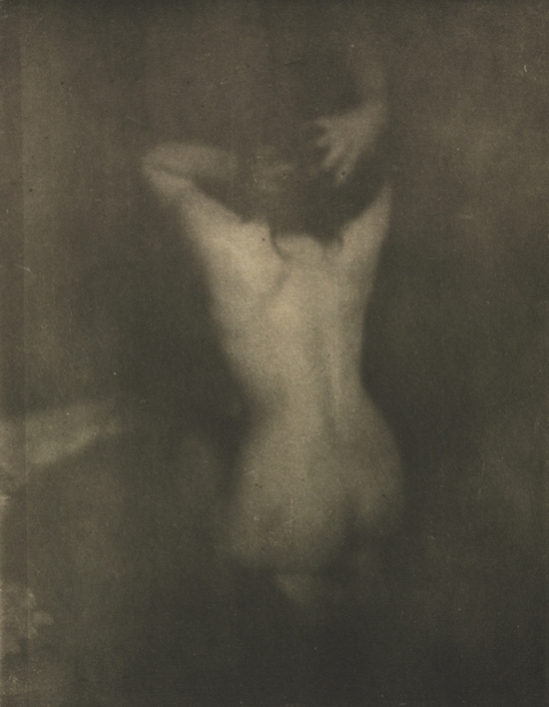

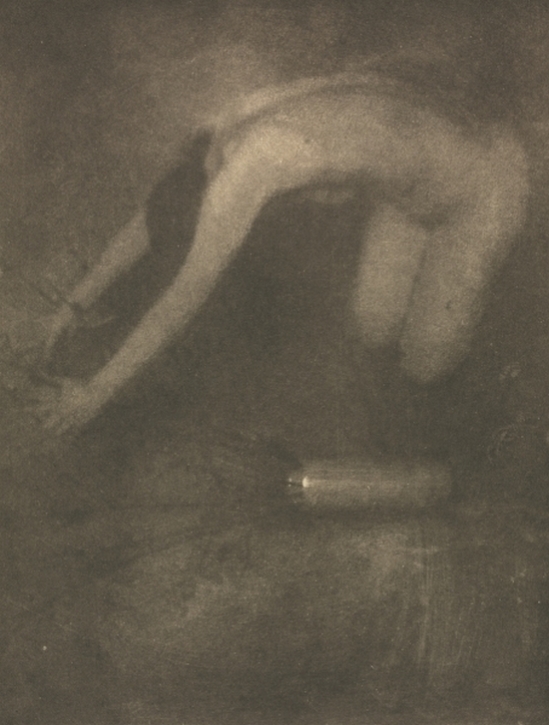



 La Petite Mélancolie
Vous devez être connecté pour poster un commentaire.