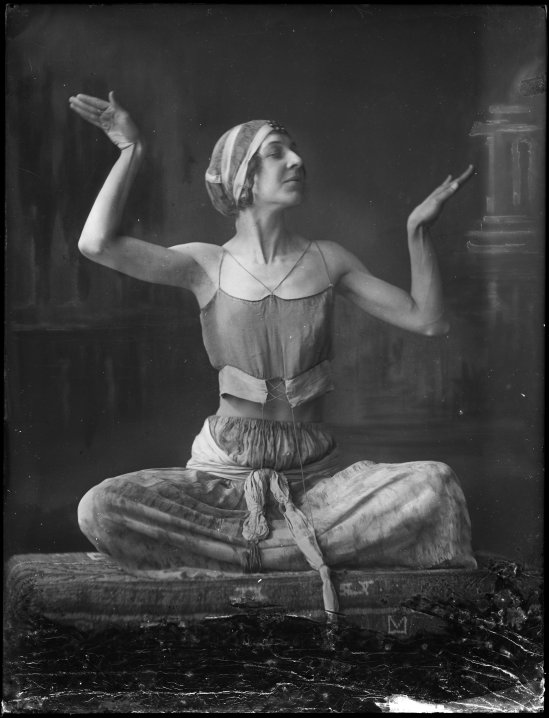
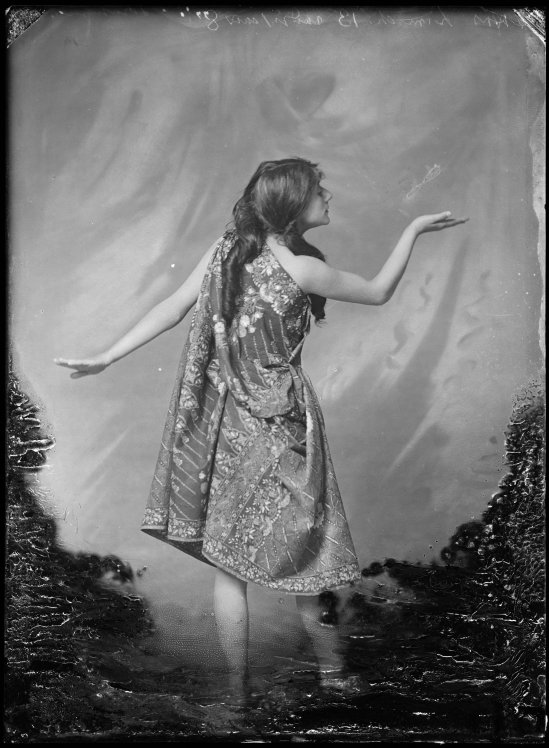
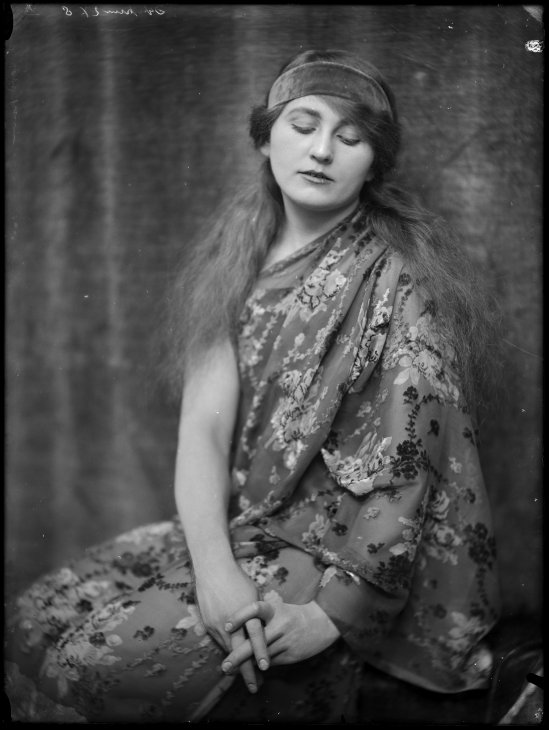
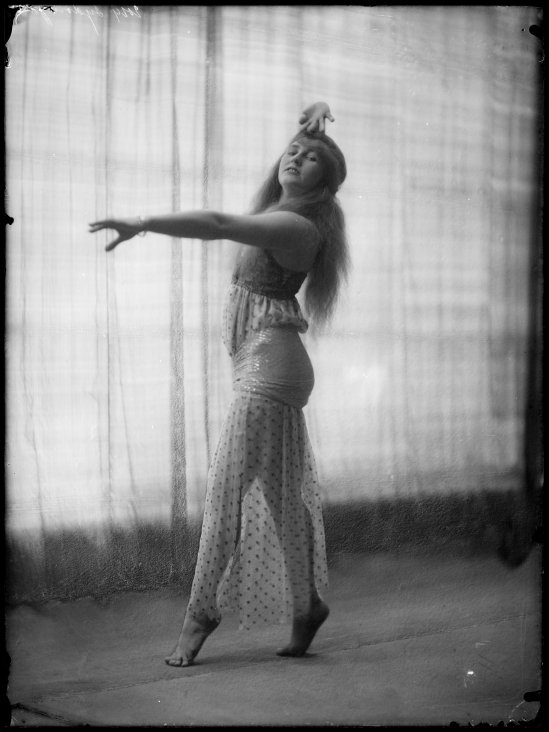
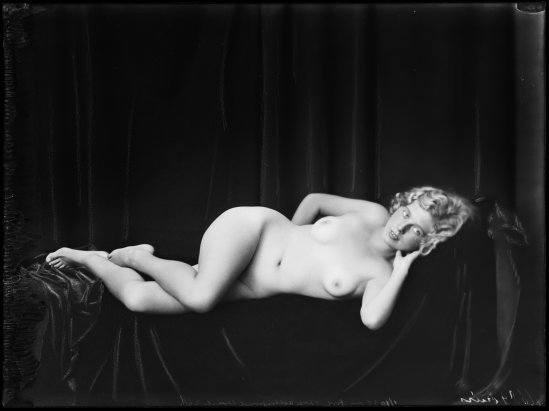
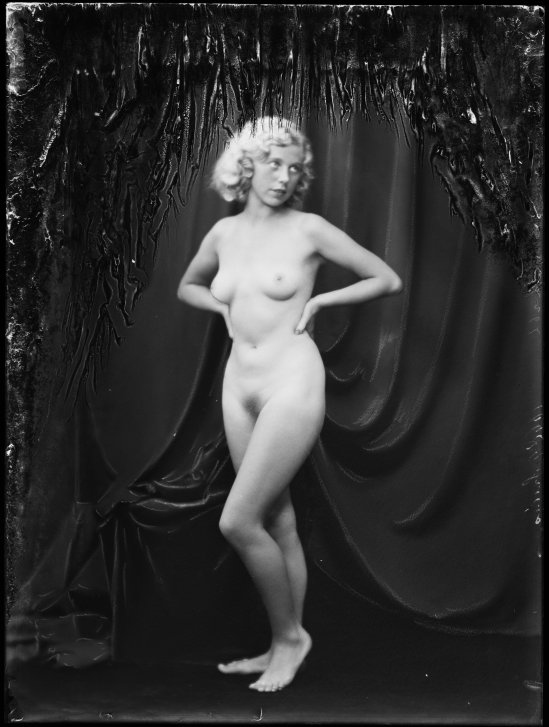
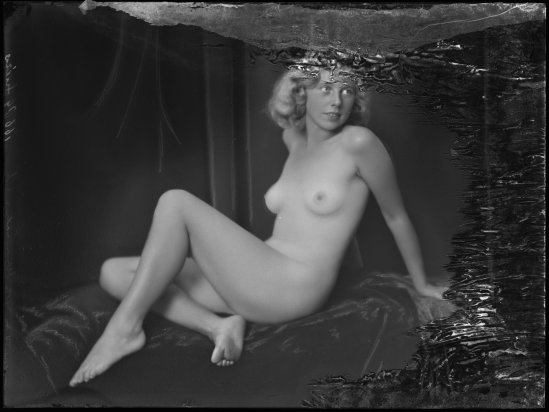
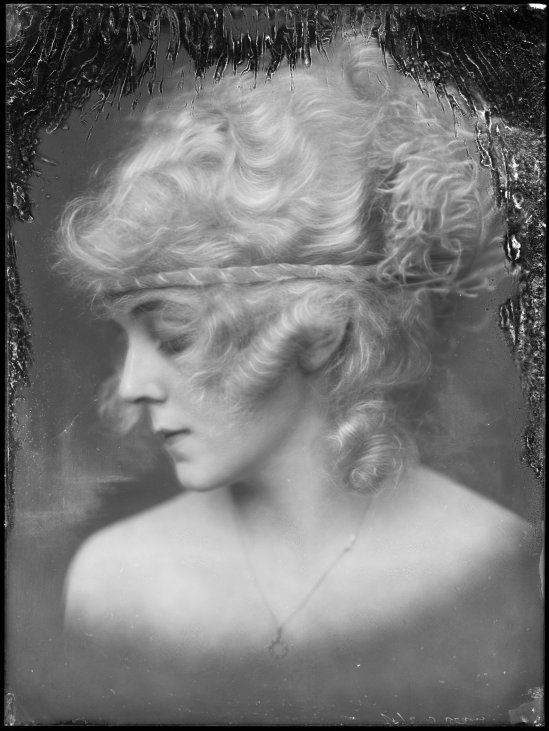
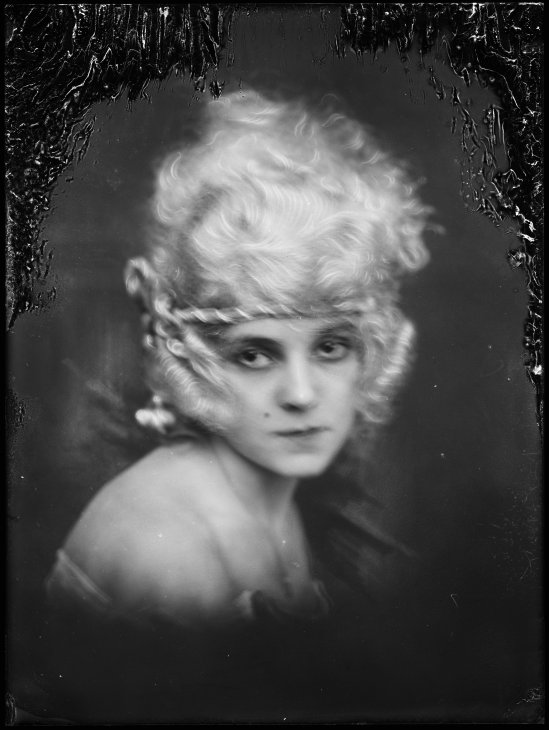
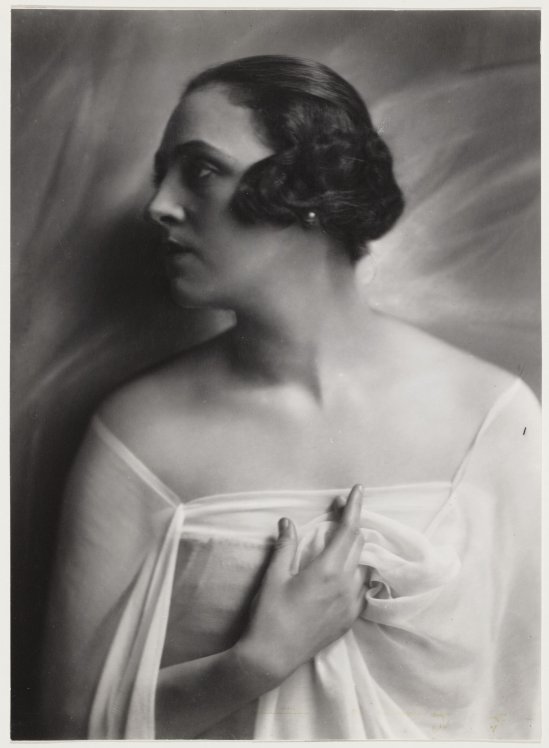
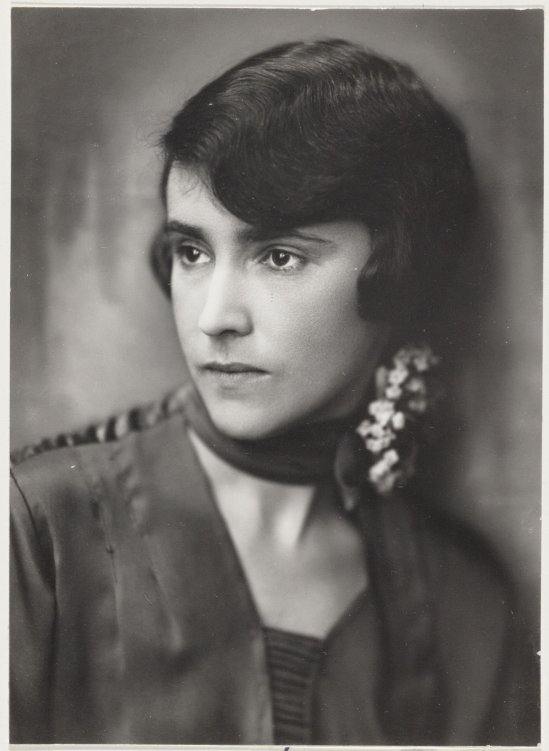
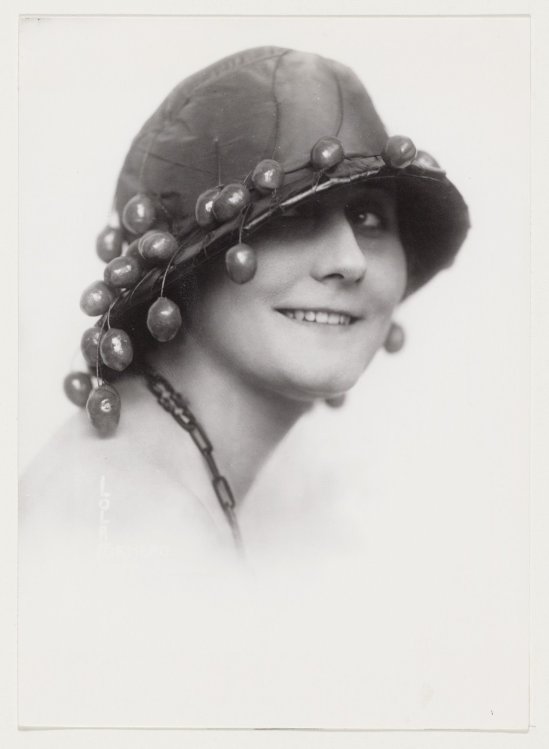
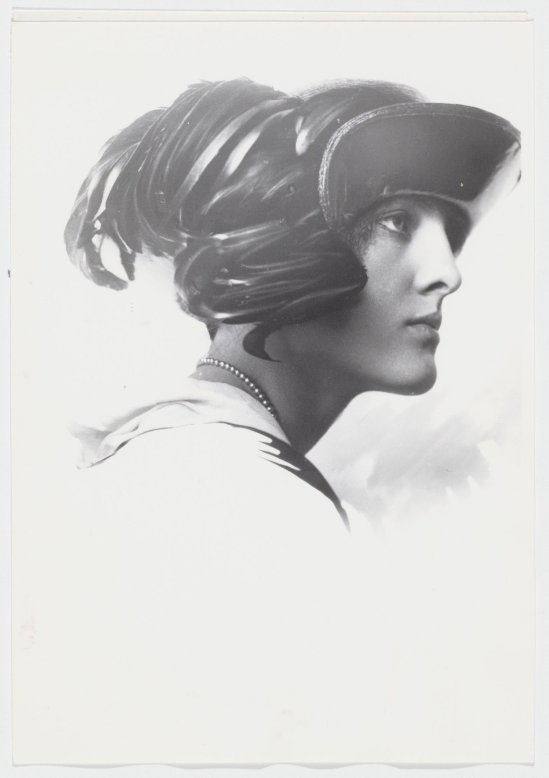
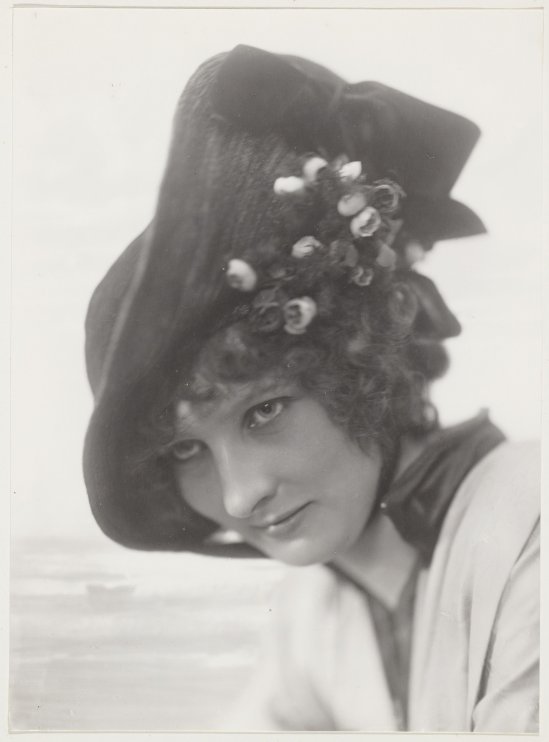
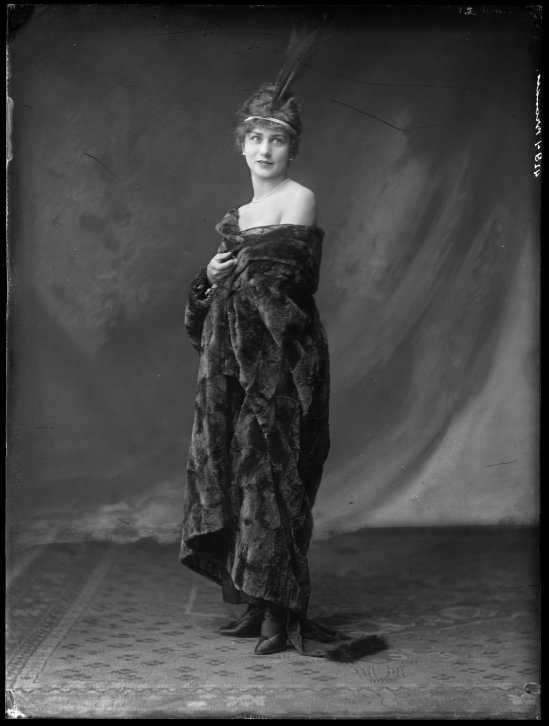
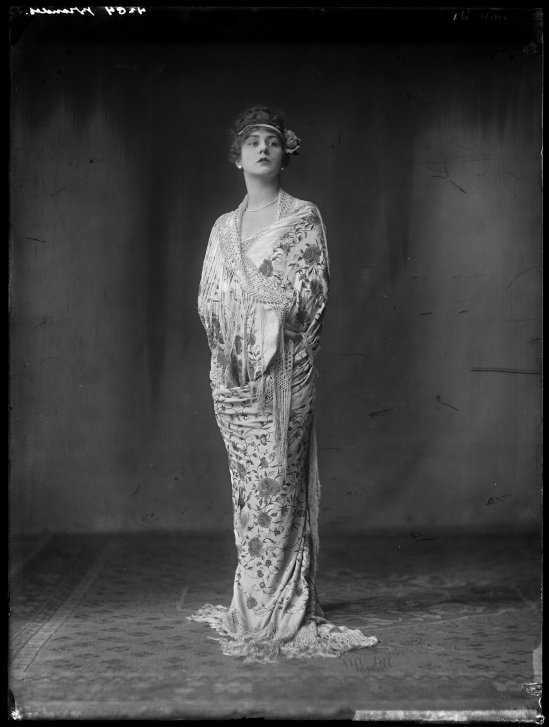
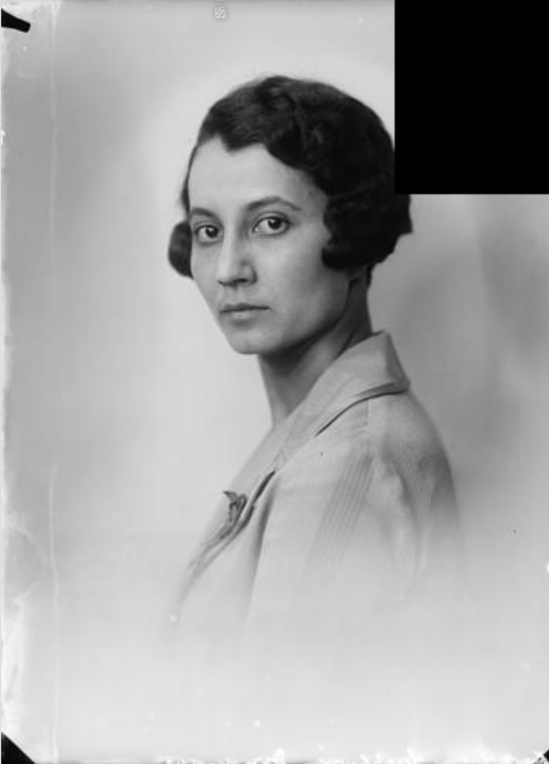
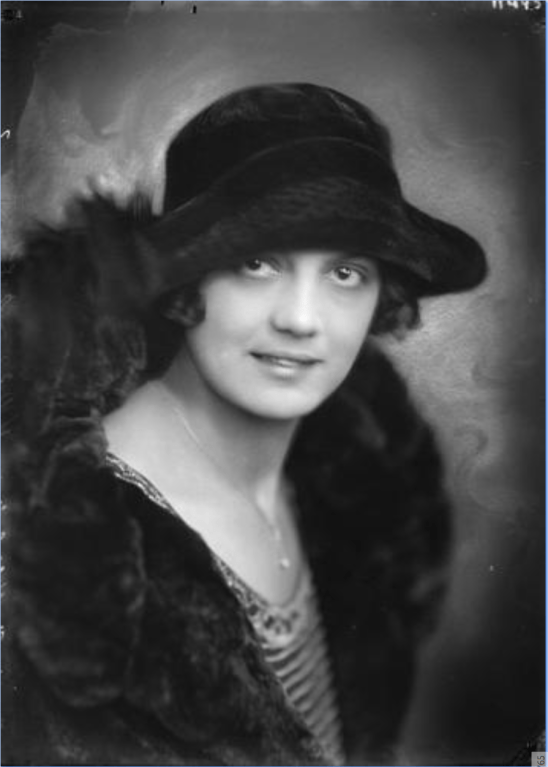
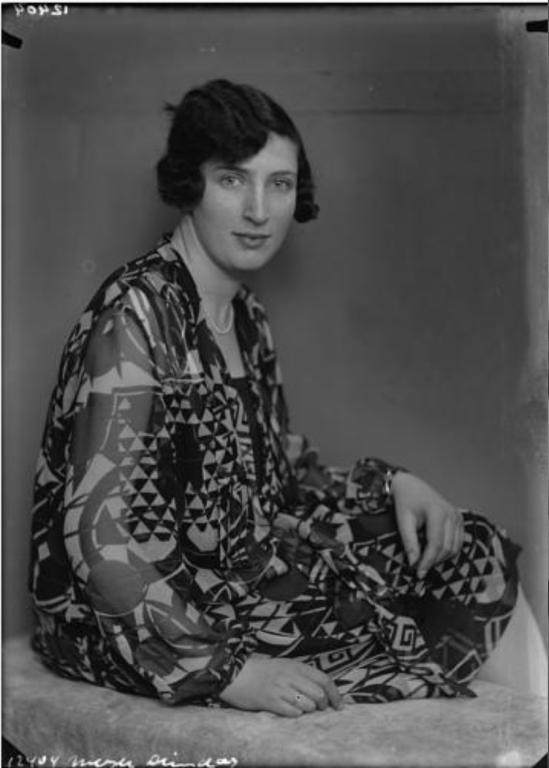
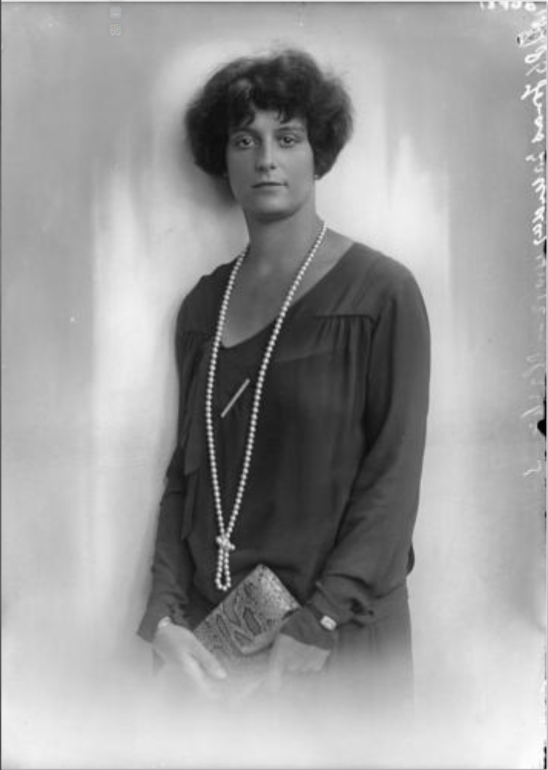
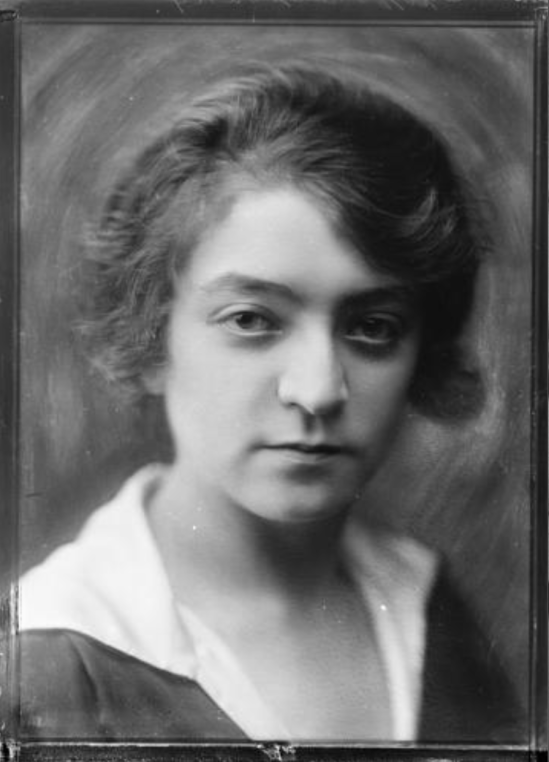
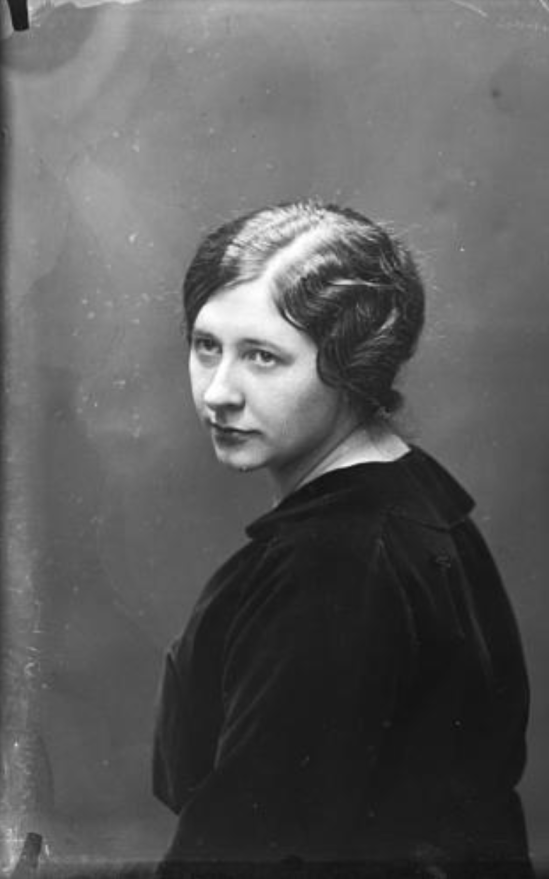
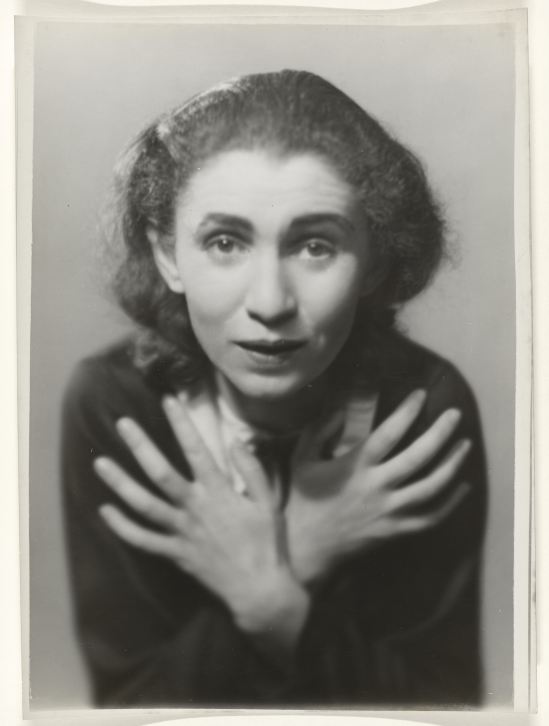
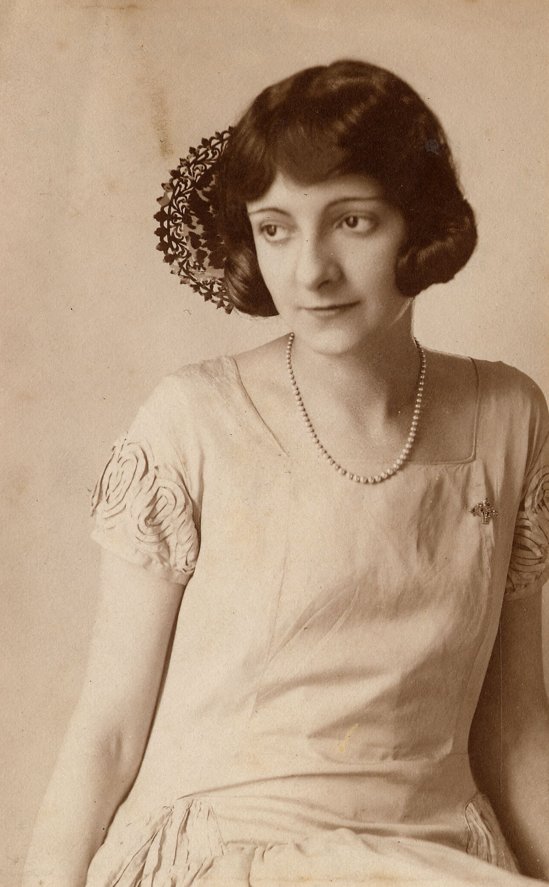
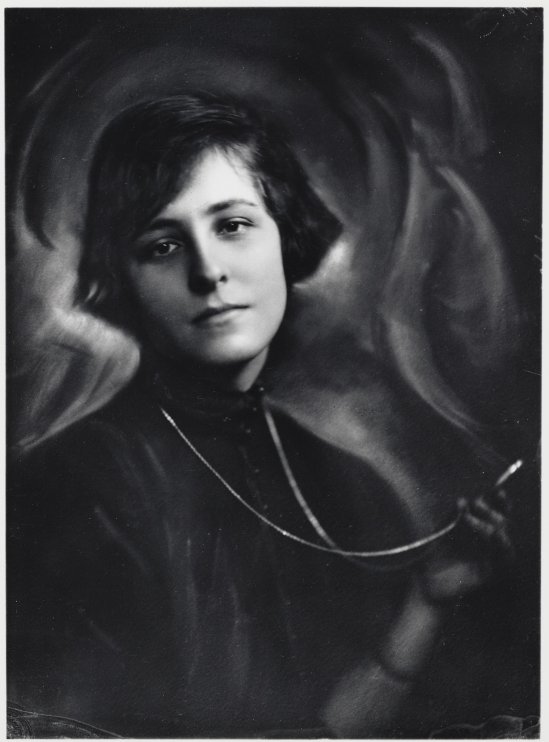
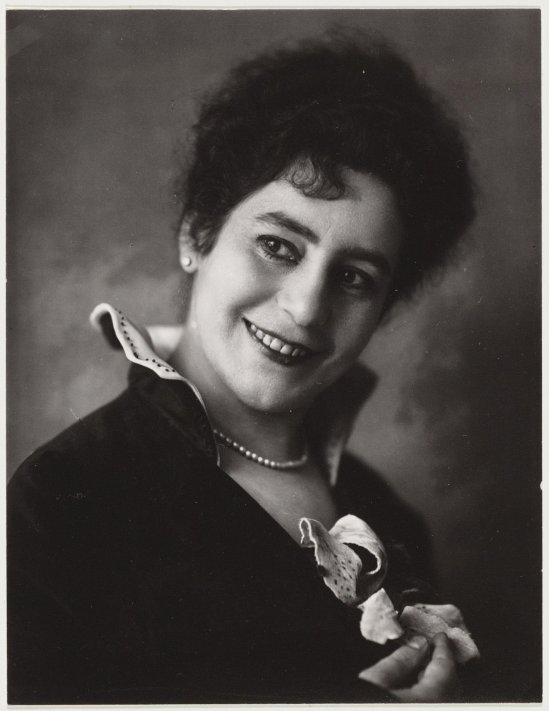
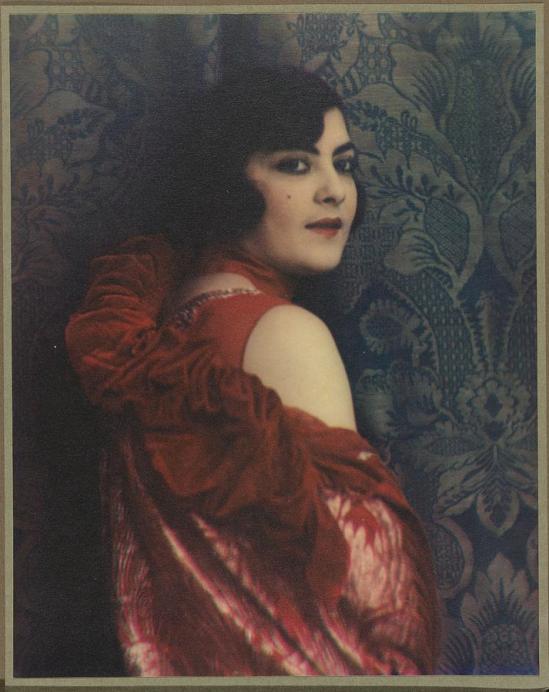
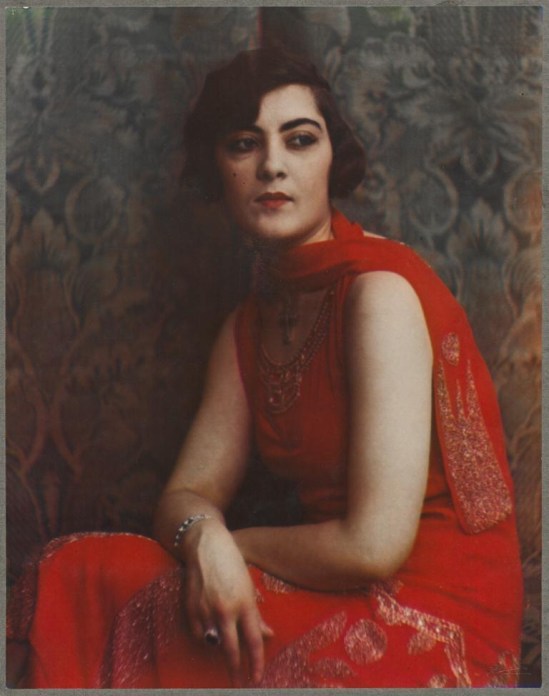
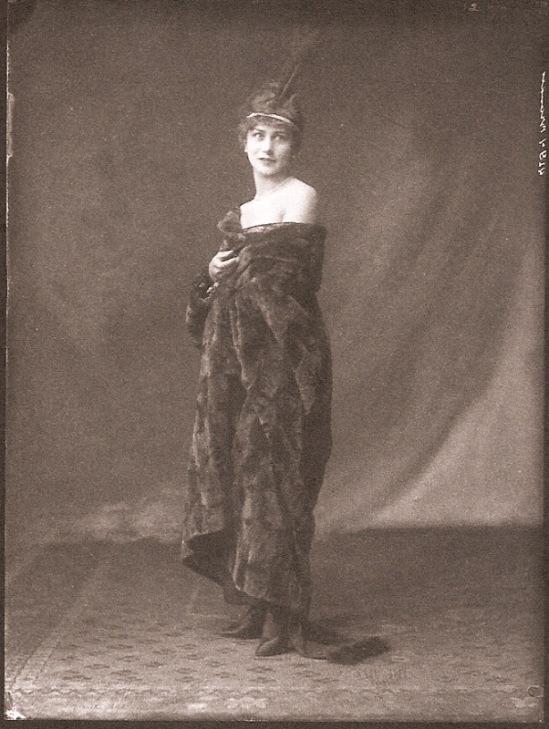
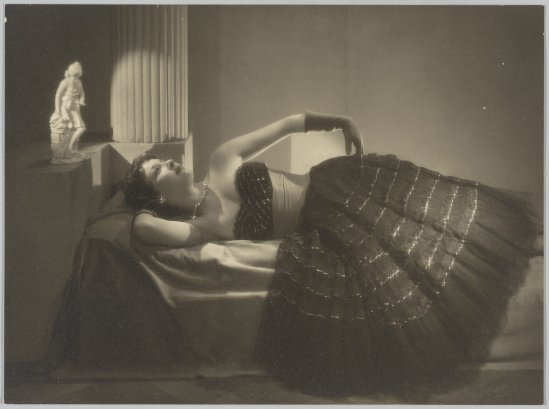
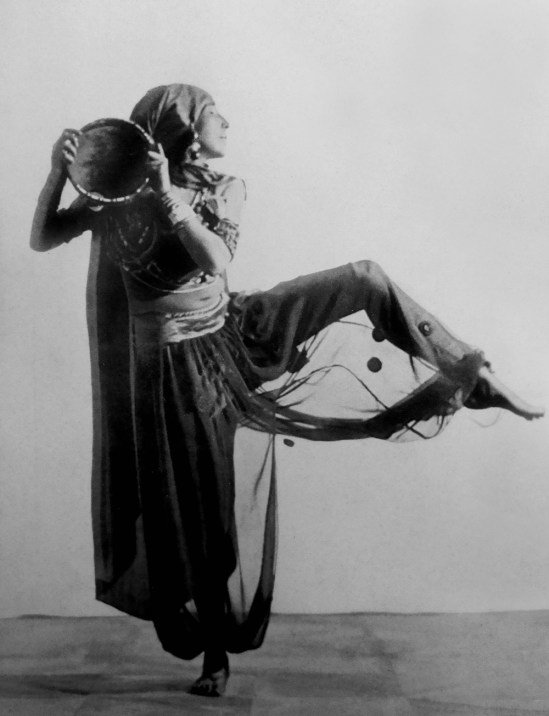
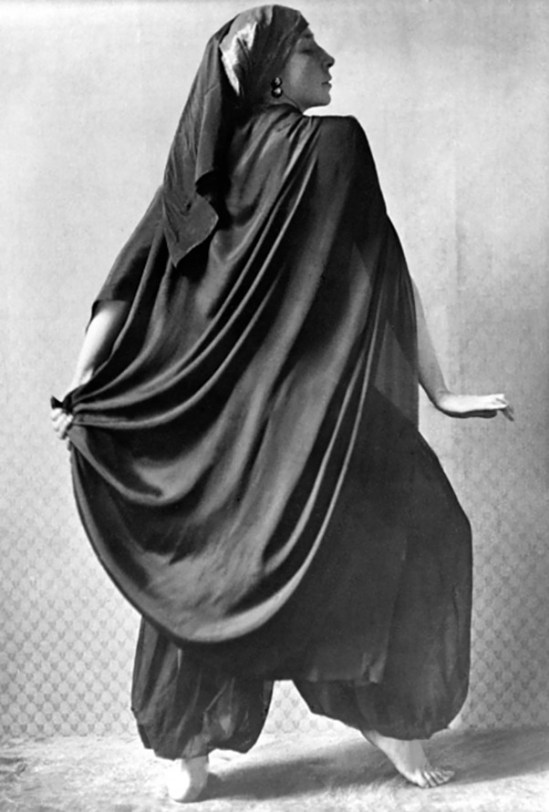
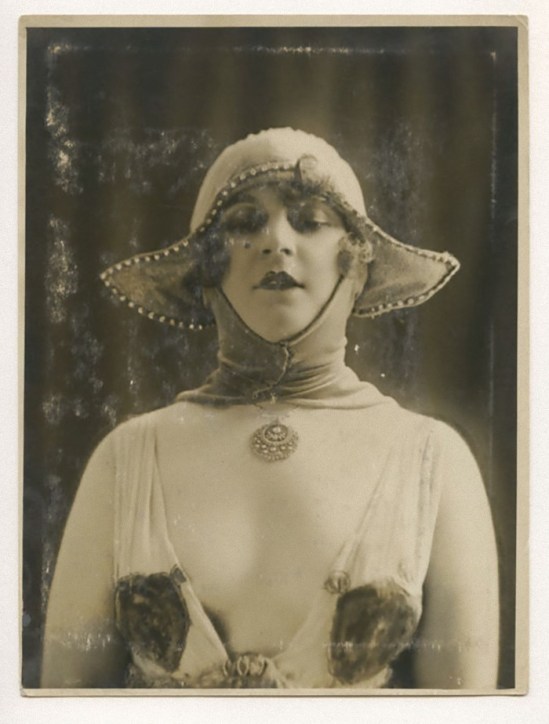
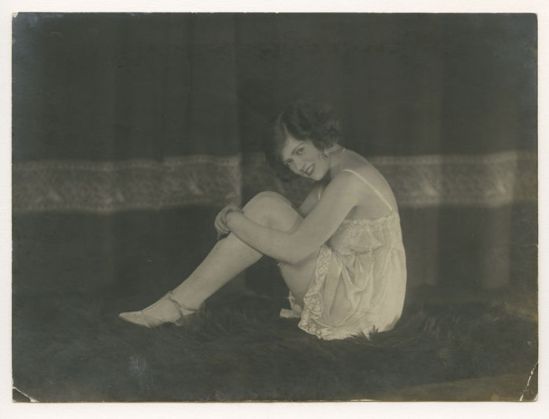
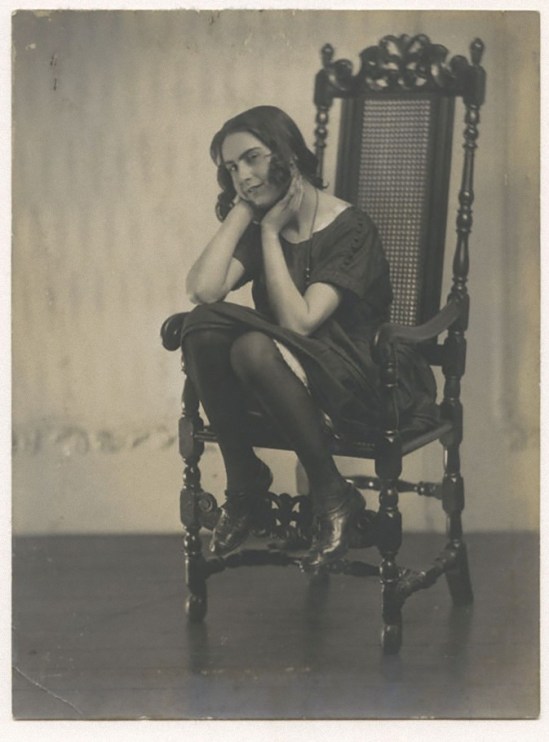
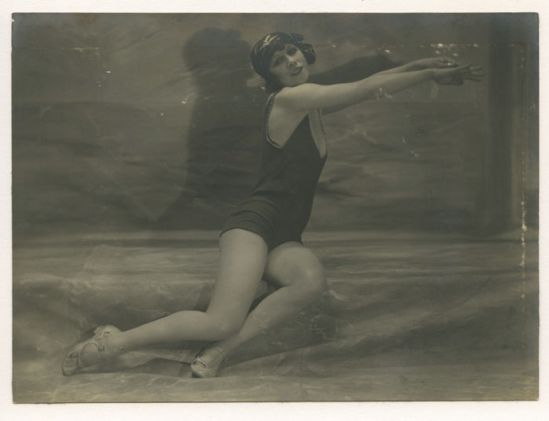
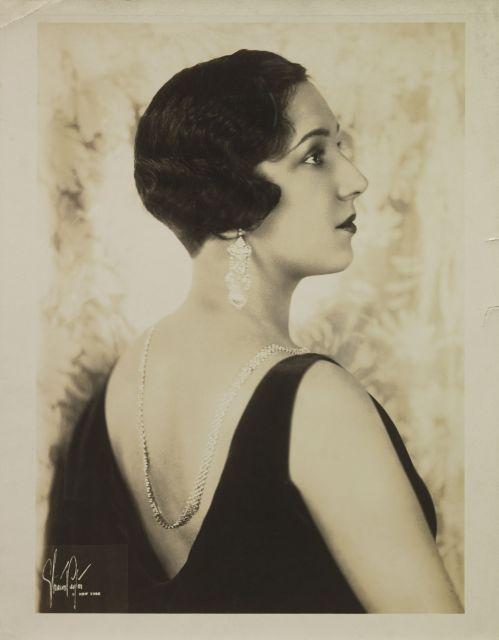
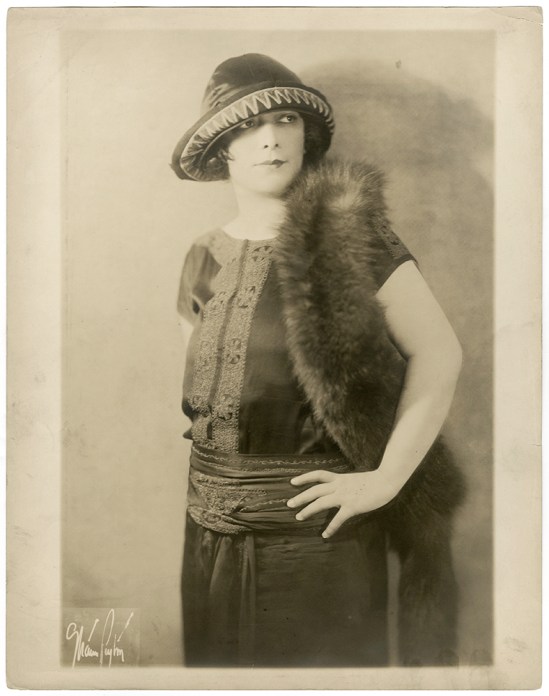
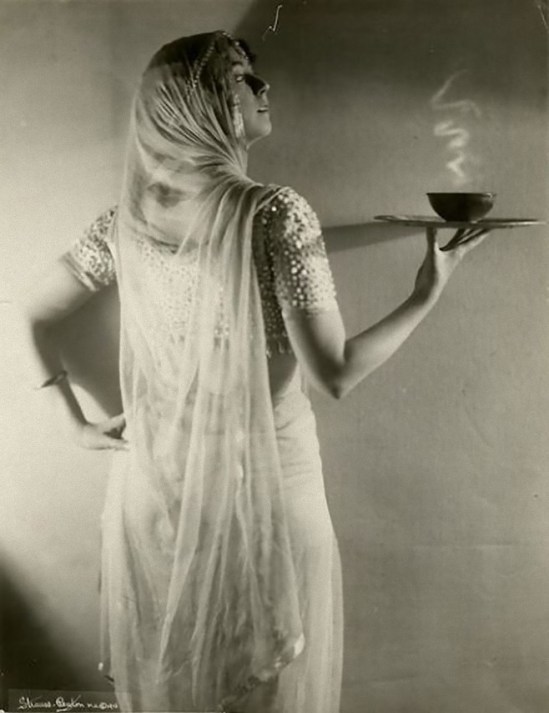
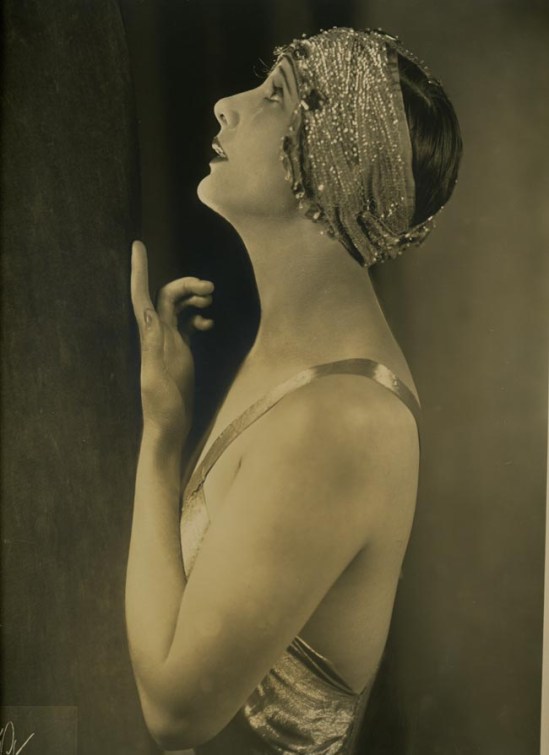
Atelier Willinger

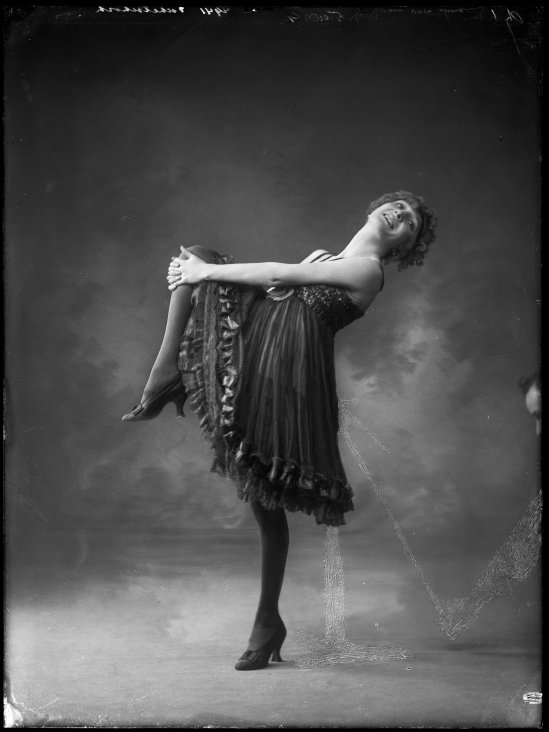
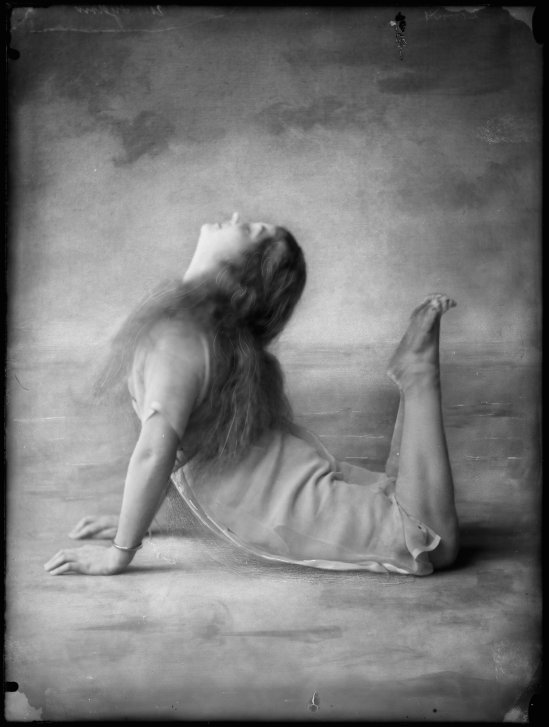
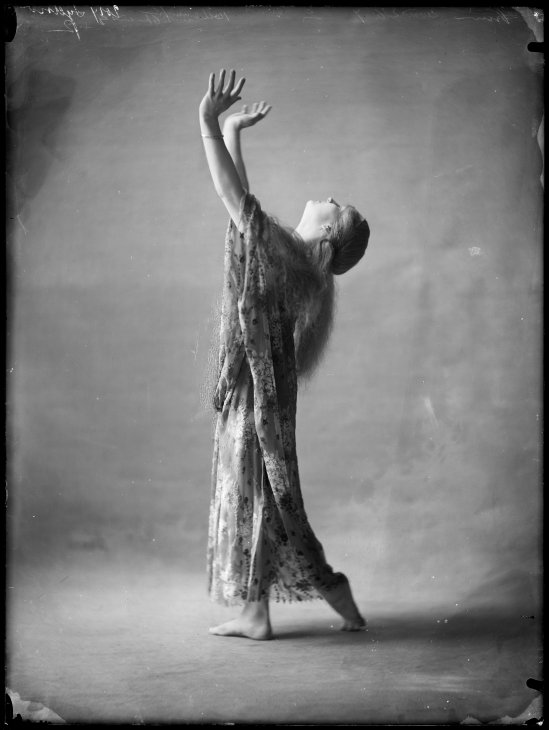
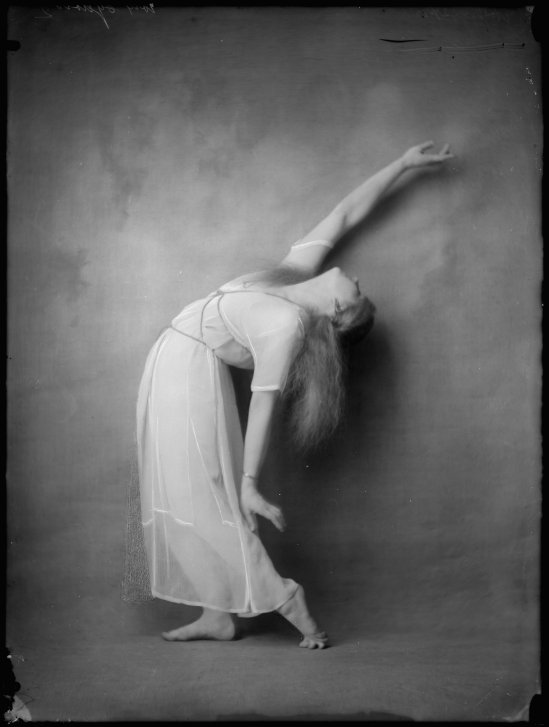
Laszlo Willinger Sun of Maurus Wilhelm Willinger  &  Margaret Willinger, Austro-Hungarian photographers who are best known for their portraits of actors of the early silent film era in Berlin.

László Josef Willinger was a Jewish-German photographer, most noted for his portrait photography of movie stars and celebrities starting in 1937.

He was born on April 16, 1909  Budapest, Hungary . Willinger established photographic studios in Paris and Berlin in 1929 and 1931 respectively, and at the same time submitted his photographs to various newspapers as a freelance contributor. He left Berlin in 1933 when Adolf Hitler became chancellor, settling and working in Vienna, where he began to photograph such celebrities as Marlene Dietrich, Hedy Lamarr, Pietro Mascagni, Sigmund Freud, Carl Jung, and Max Reinhardt.

By the mid-1930s he was travelling through Africa and Asia before being invited by studio photographer Eugene Robert Richee to move to the United States.

He crossed into the United States at Mexicali, Mexico on December 20, 1937 and resided in Los Angeles, California.

After establishing a studio in Hollywood, California, Willinger became a frequent contributor to magazines and periodicals, providing magazine cover portraits of some of the most popular stars. Willinger was one of the first Hollywood photographers to experiment in the use of color.

In later years, shortly before his death, Willinger was accused of stalking some celebrities of the time, including Charlie Chaplin. An investigation into the matter led to the uncovering of thousands of personal pictures of the male comedy star ( source wilkipedia.)

All the photgraphy are undated, but we can make the hypothesis, since it has settled in viennia in which these date from this time around 1930
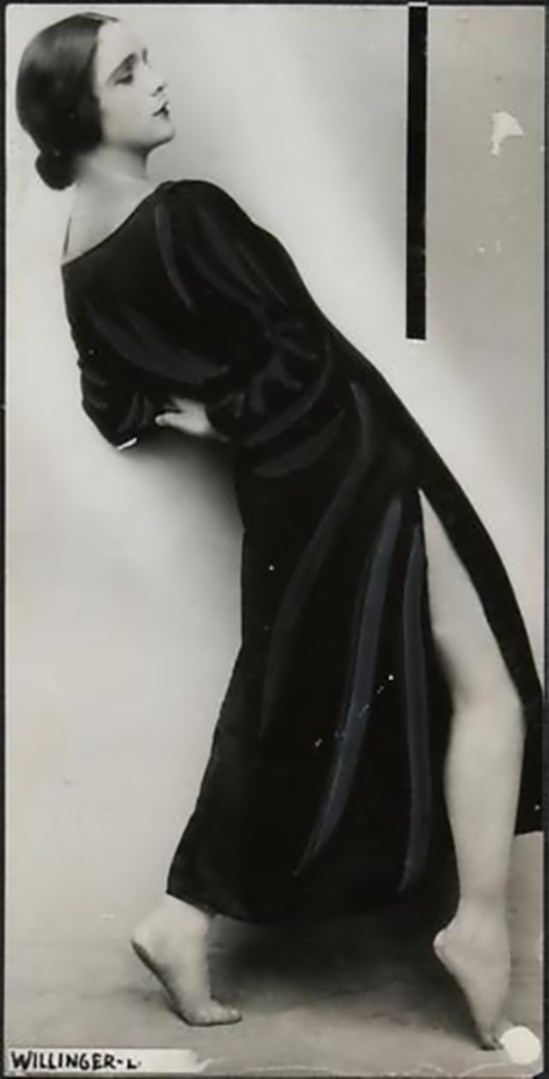
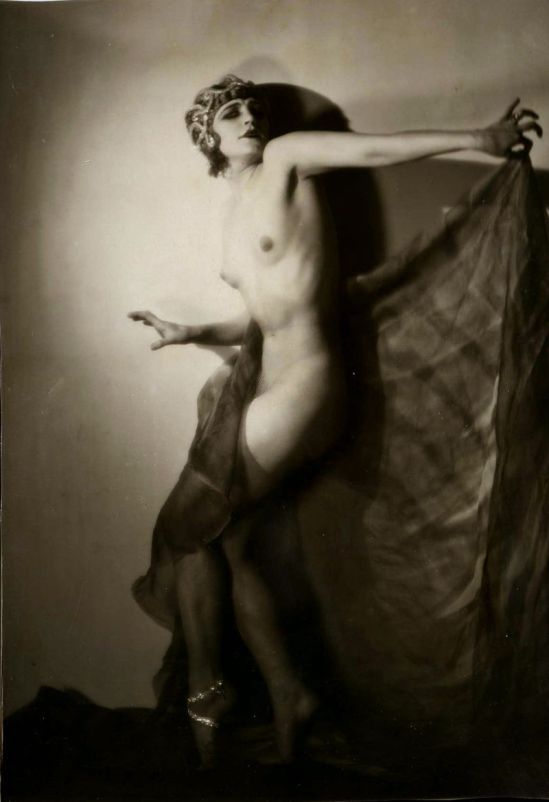
Atelier Willinger (Wien). Sonja Georgiewand nd_


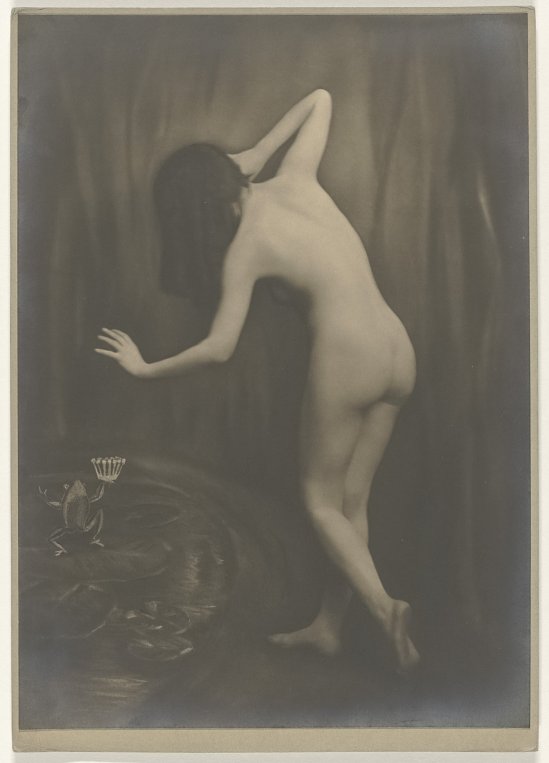
Atelier Willinger (Wien).Mara Ziperowitz als Merkur 1925

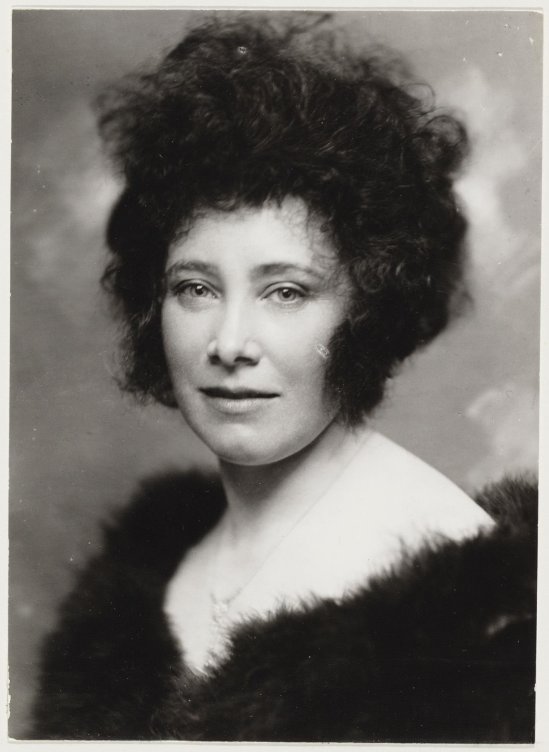
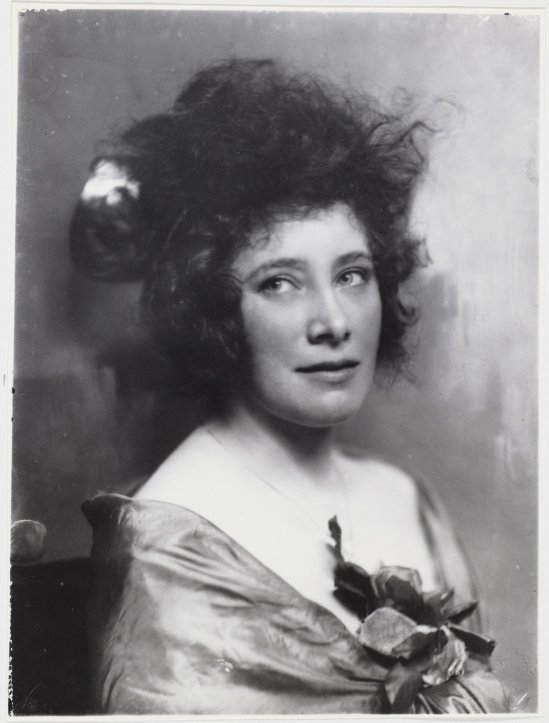
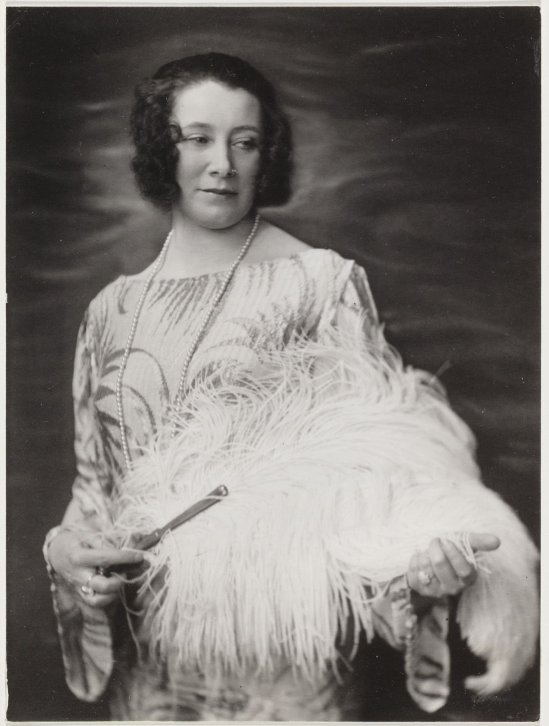
Atelier Willinger (Wien.) – Cäcilie Lvovsky nd

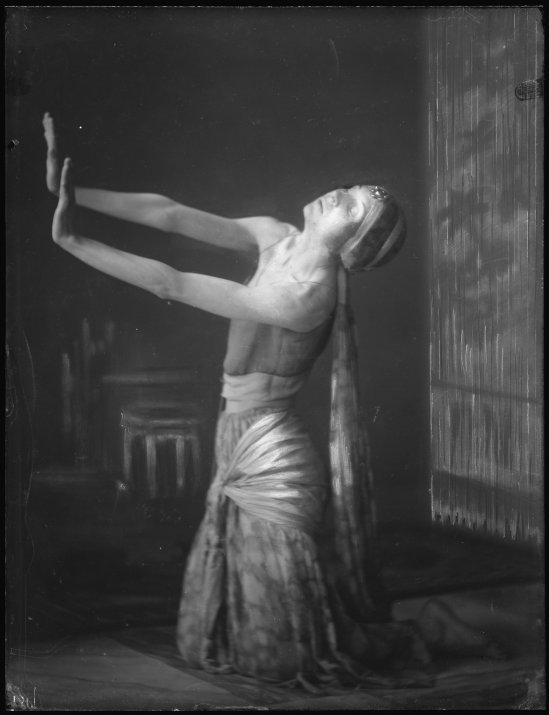
Atelier Willinger (Wien.) -Dagny Servaes in Turandot , nd
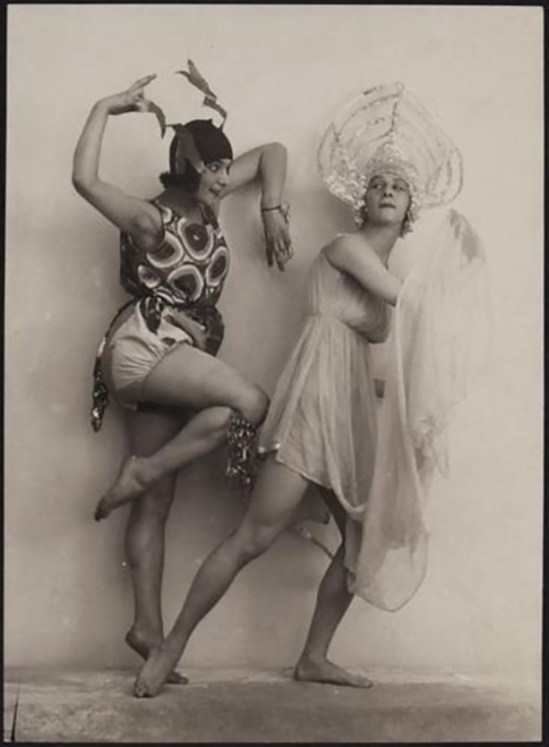
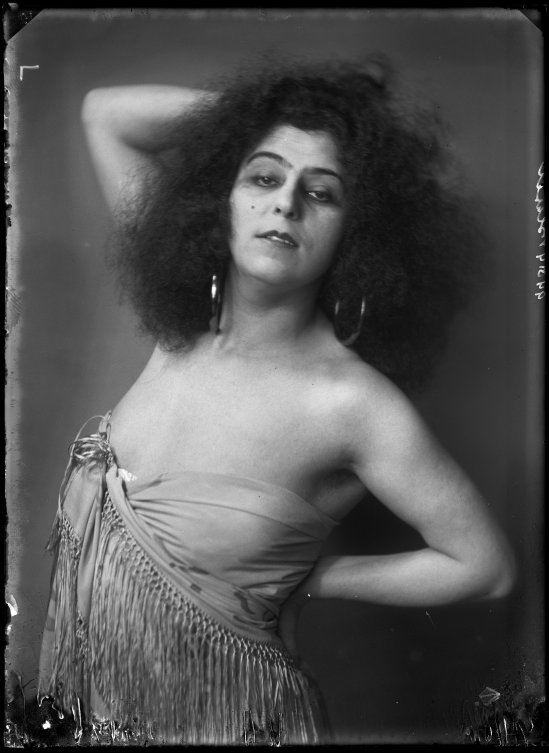
Atelier Willinger (Wien.) – Muna Libravic nd

Atelier Willinger (Wien.) -Anny Fey Moulin Rouge, Wien , nd

Atelier Willinger (Wien.) – Else Köring
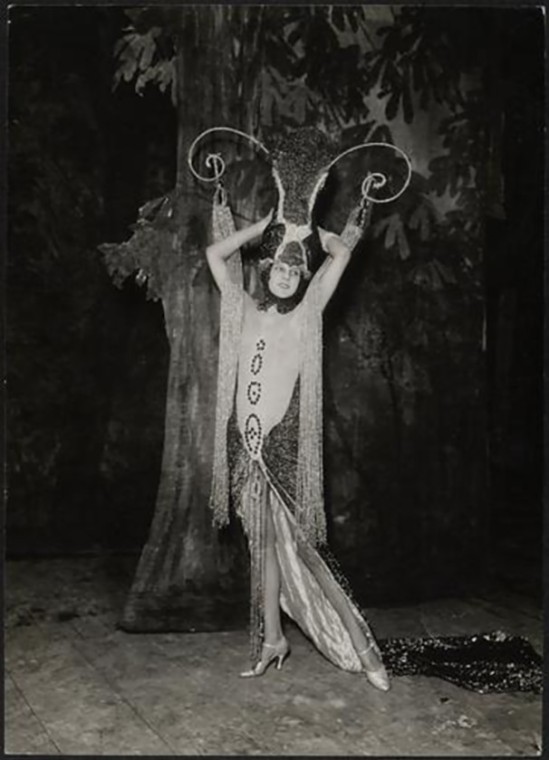
Atelier Willinger (Wien.) – Inge Epp., nd

Atelier Willinger (Wien.) -Adele Heid, dancer from Moulin Rouge , nd

Atelier Willinger (Wien.) – Les Kervas

Atelier Willinger (Wien.) – Lily Damita , nd

Atelier Willinger (Wien.) – Ly Astra nd

Atelier Willinger,( Wien.) – Anna Bathy nd

Atelier Willinger (Wien.) -Karl Farkas in a scene with 2 girls. , nd

Atelier Willinger (Wien.) -Ly Horki , nd

Atelier Willinger,( Wien.) – Charlotte Ander nd
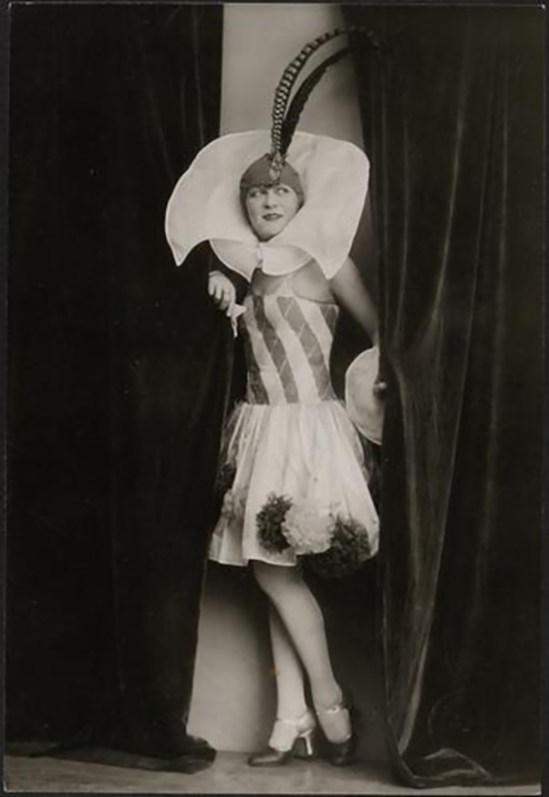
Atelier Willinger (Wien.) – Emmy Kosarynd

Atelier Willinger,( Wien.) -Alba Tiberio, nd
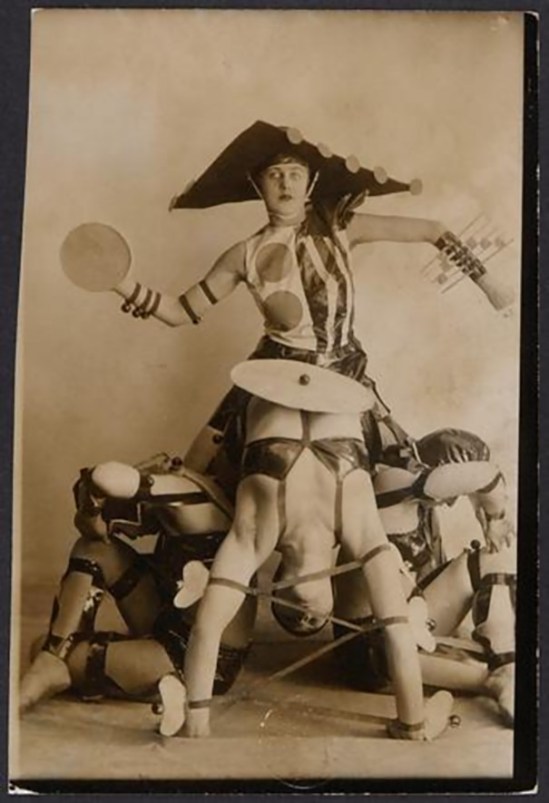
Atelier Willinger- Gertrud Bodenwieser 1930
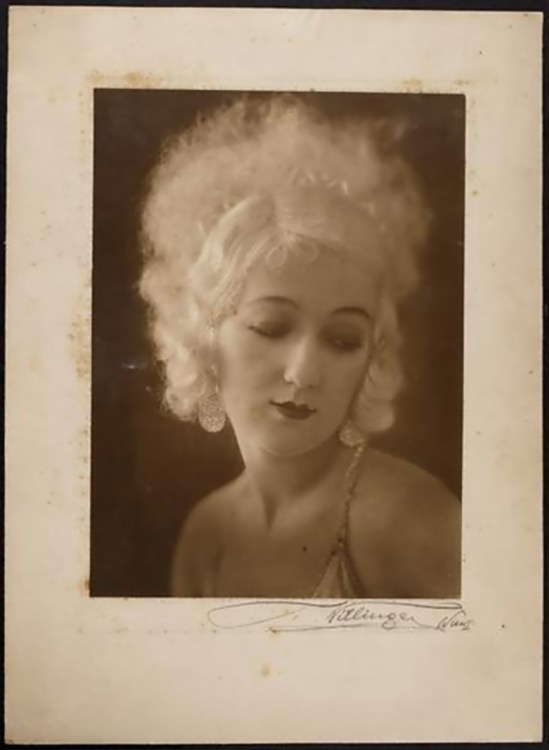
Atelier Willinger,( Wien.) – Edmonde Guy, nd

Atelier Willinger (Wien.) -Nina Payne 1928

Atelier Willinger, Wien- Nina Payne 1928

Atelier Willinger,( Wien.) -Nina Payne was Mystery Dancer 1916
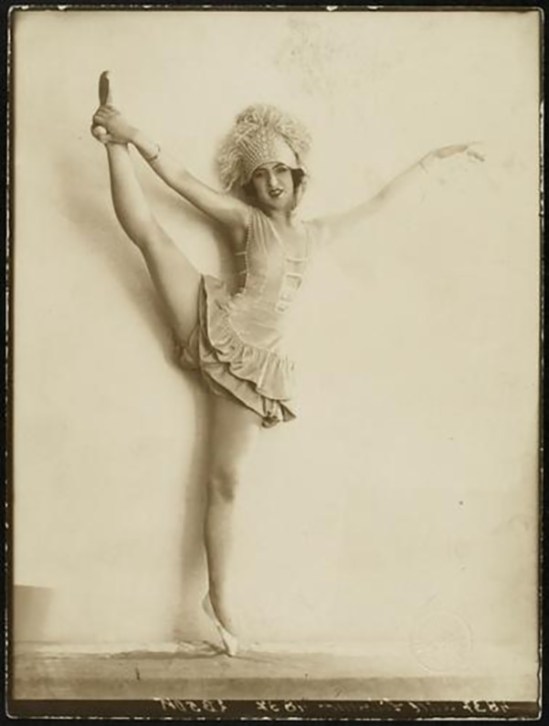
Atelier Willinger (Wien.) -Mill Silvano , nd

Atelier Willinger (Wien.) -Margarethe Freudenreich Solo dancer of the Vienna Court Opera, nd

Atelier Willinger,( Wien.) – Lore Wigand nd
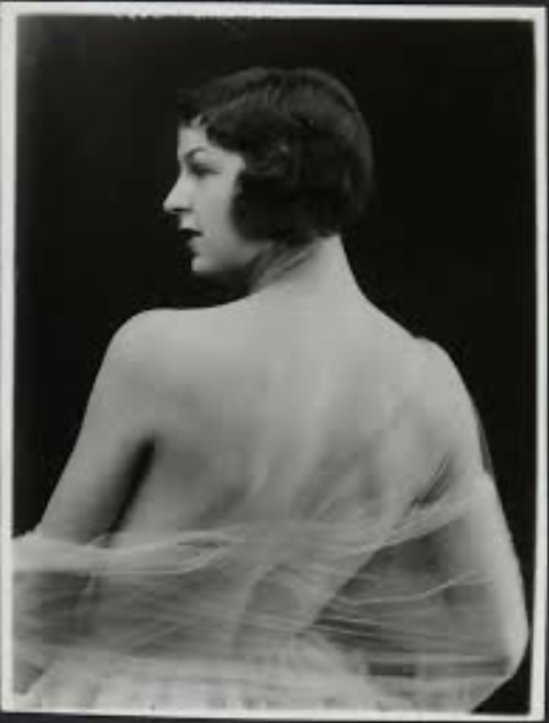
Atelier Willinger,( Wien.)-Erna Carise., nd

Atelier Willinger,( Wien.) -Adele Heid nd

Atelier Willinger,( Wien.) -Christa de Vignos nd

Atelier Willinger,( Wien.) -Hilde Wagener as Vasantasena at the Vienna Burgtheater nd

Atelier Willinger,( Wien.) -Mia Lucka nd
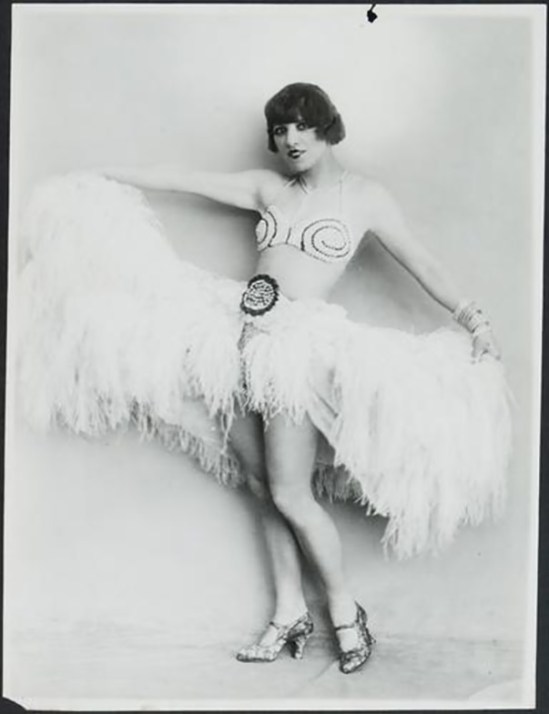
Atelier Willinger,( Wien.) -Ria Hellwein nd

Atelier Willinger,( Wien.) -Janka Ladowska , nd

Atelier Willinger (Wien.) -Hilde Holger in Grotesk Charleston, nd
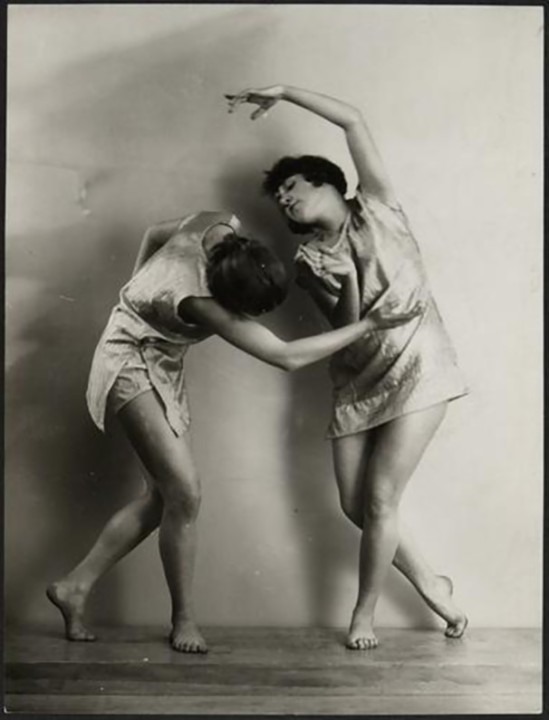
Atelier Willinger (Wien.) -Miquette Hirmer Members of the dance group Bodenwieser, nd
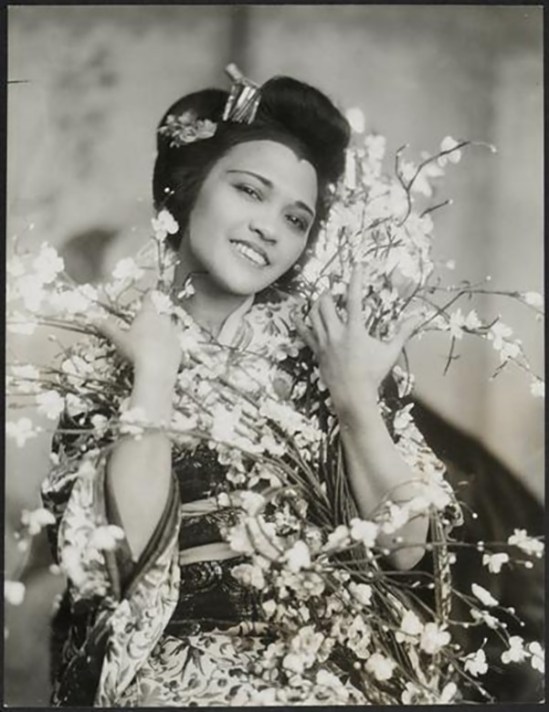
Atelier Willinger (Wien.) -Juita Fuentes in Madame Butterfly , nd

Atelier Willinger,( Wien.) -Rita Walter, photomontge nd
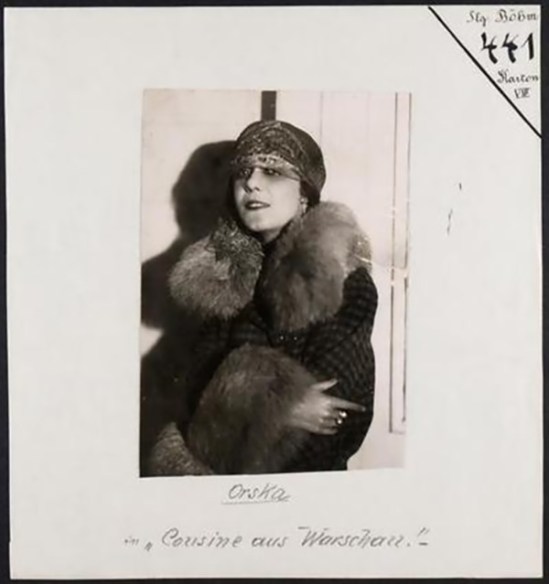
Atelier Willinger,( Wien.) – Maria Orska nd

®Theatermuseum, Wien
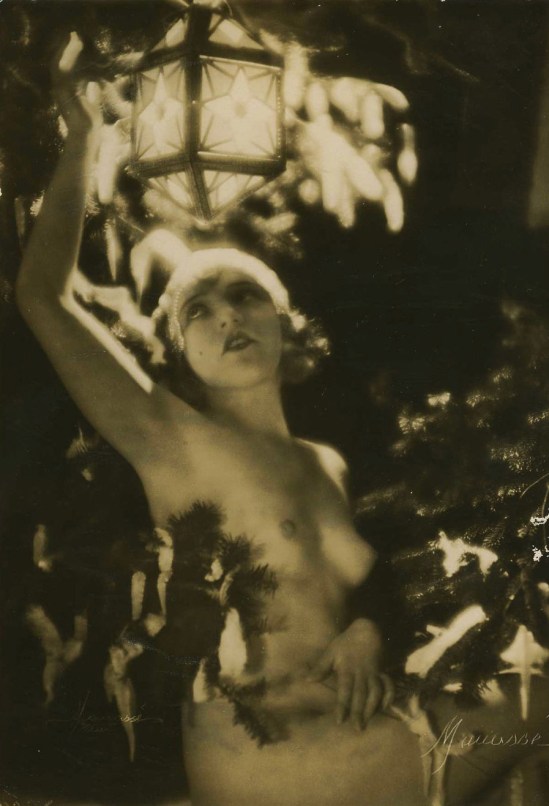
Studio Manassé


All the articles about Manassé HERE

Studio Manassé (foto-Salon Manassé) -Manassé-The light 1920s

Studio Manassé (foto-Salon Manassé) – Kitty Lorenz1920s

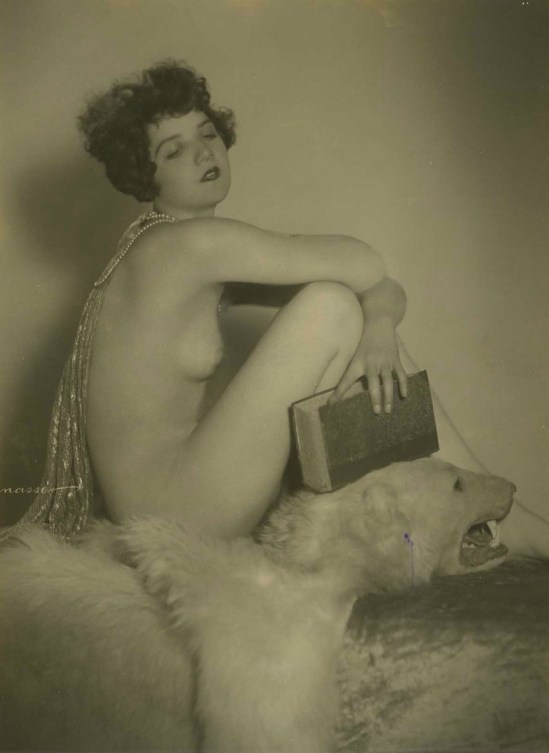
Studio Manassé (foto-Salon Manassé) -Nude with bear 1920s


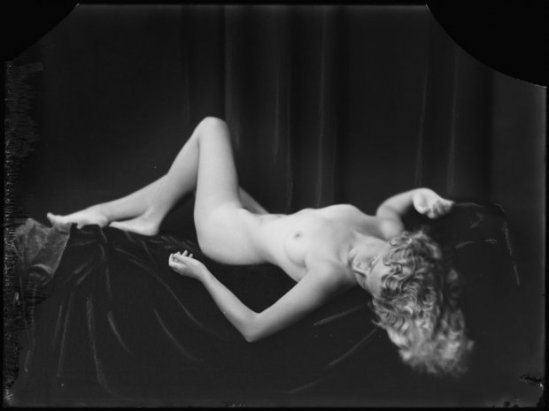
Studio Manassé (foto-Salon Manassé) -Nude on fur 1920s

Studio Manassé (foto-Salon Manassé) -The rest 1920s

Studio Manassé (foto-Salon Manassé) -Daisi Lindley 1920s

Manassé-The Austrian dancer and actress La Jana (Henriette Margarethe Hiebel),Vienna, Around 1930

Studio Manassé (foto-Salon Manassé) -Nude with stole 1920s

Studio Manassé, 1930

STUDIO MANASSÉ (1922–1938) & OLGA WLASSICS (1896–1969) ‘Madame Bluebeard_ (Madame Blaubart), c. 1931 Vintage silver print,

Studio Manassé-Post card. Photography, Vienna. Around 1928.

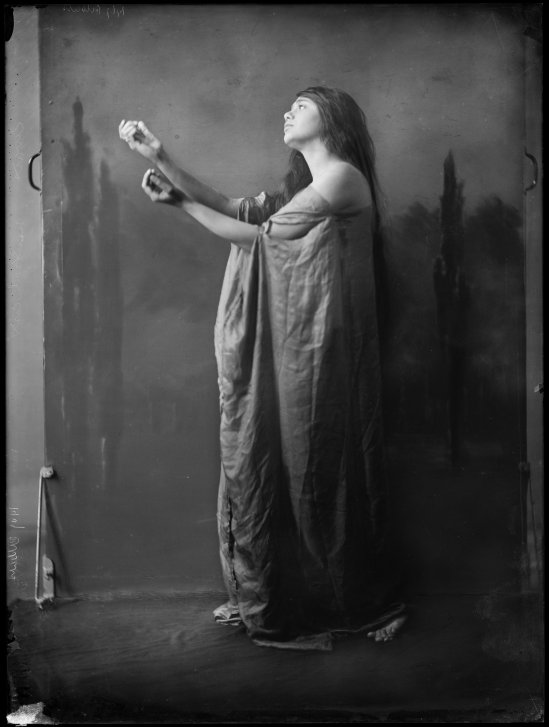
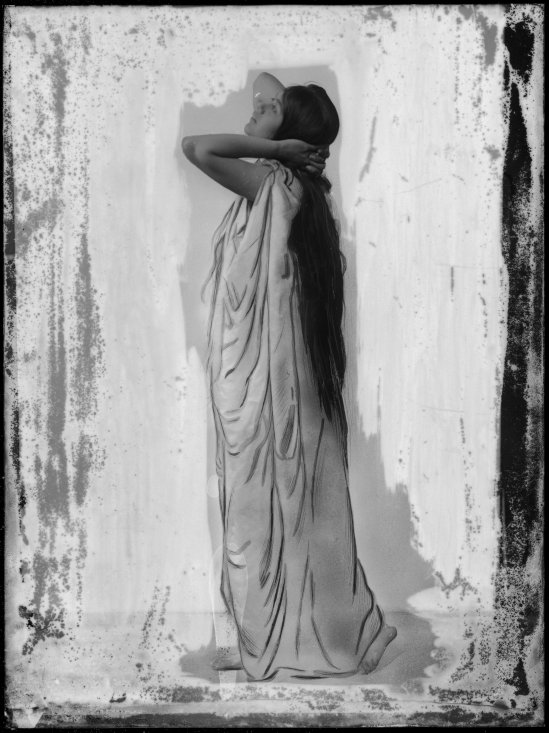
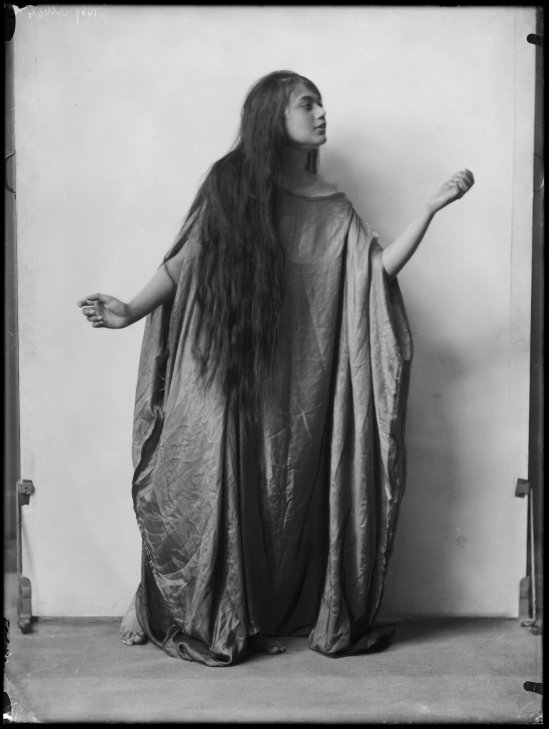
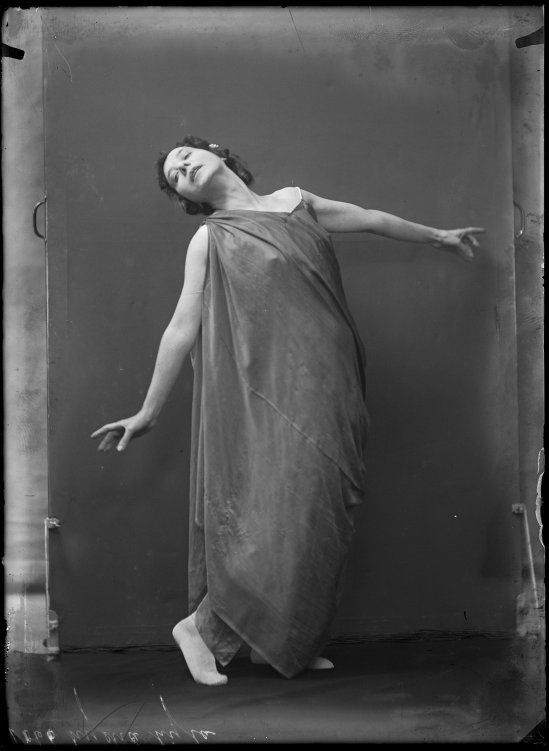
Atelier Jacob Merkelbach

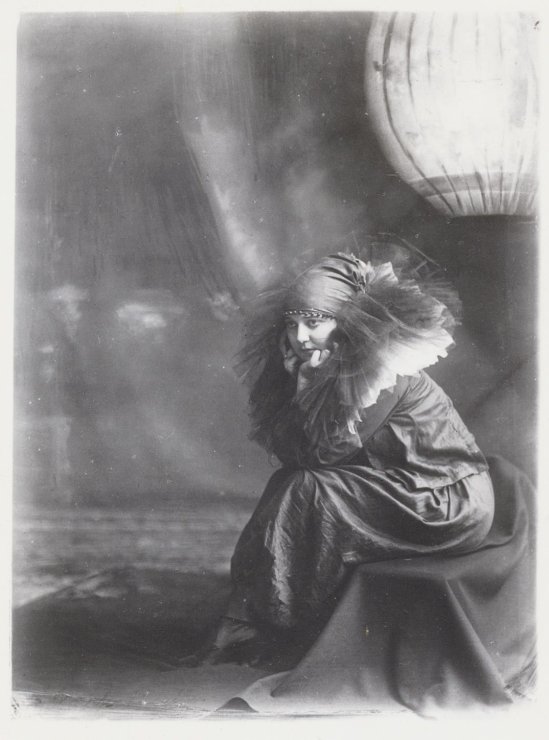
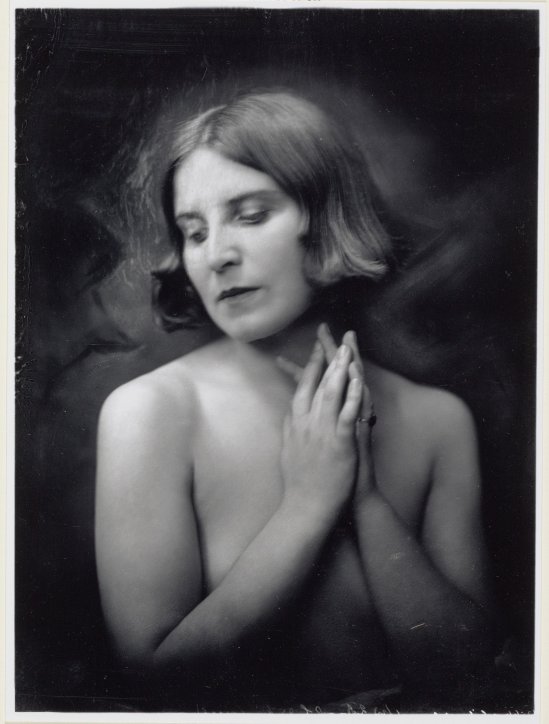
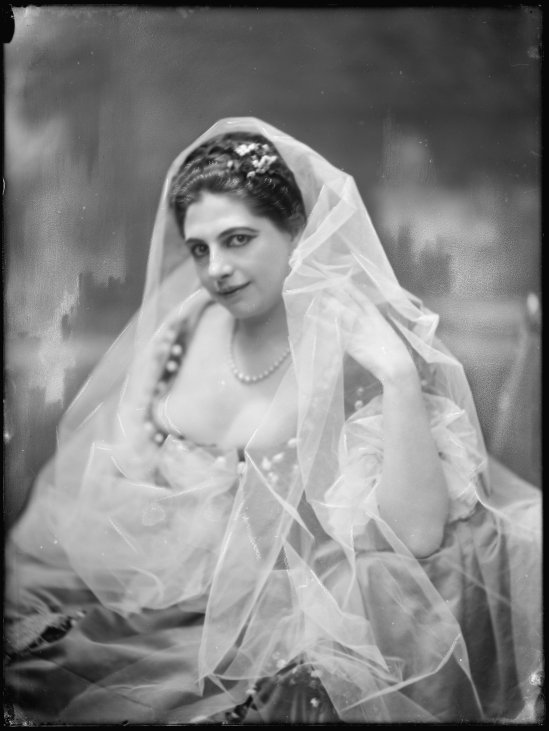
« Jacob Merkelbach was the founder of one of the most famous Amsterdam portrait photography studios of the twentieth century on the fifth floor of fashion house Hirsch at Leidseplein Studio J Merkelbach ( Atelier Merkelbach) In the luxurious studio above the fashion warehouse Hirsch on the Leidseplein, he photographed almost all famous Dutch people from the theater world, writers, artists, businessmen and the wealthy Amsterdam bourgeoisie. Taking pictures of Abel Herzberg, André Herzberger, Carel Asser Daniel comme Mata Hari , Fien de la Mar , Théo Mann-Bouwmeester , Willem Mengelberg et Abel Herzberg , se sont fait capturer sur l’album sensible.and many others. His photographs are unique and of exceptional quality. You can see here the galery of protraits  .The personal signature in the design and execution of each portrait, the technical knowledge of the staff and the professional cooperation of the daughter and son-in-law made this workshop a well-running company that, after Merkelbach’s death, could be continued until 1969.
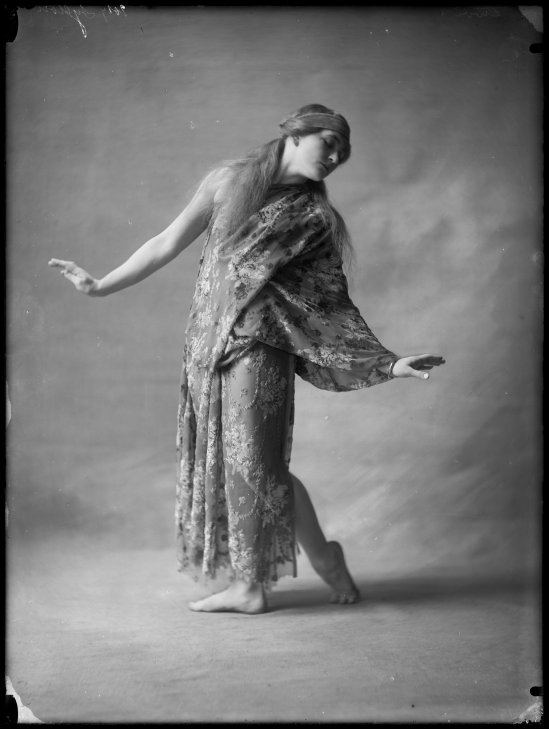
 

Jacob was born on April 29, 1877 and was the son of John Wilhelm Merkelbach and Maria Antonia van Schaik. His parents had a shop on the Nieuwendijk 57-59, which was sold mainly technical toys, and a fireworks factory in Amsterdam.
The fireworks factory was rebuilt in the 90s of the 19th century to a daylight film. This father did after he came into contact with Lumiére. Financially it was not profitable and father decided to go into all the photography. The case on the Nieuwendijk was an important place for the sale of photographic equipment. Above the case opens the son-father Machiel Laddé a workshop.
This workshop is Jacob works and continues to do so for about 10 years. There he learned the profession. In 1902 married with Josephine Harmsen and get on April 21 1904 they can daughter Maria Antonia (Mies). Later, Mies goes to work in the photo studio.
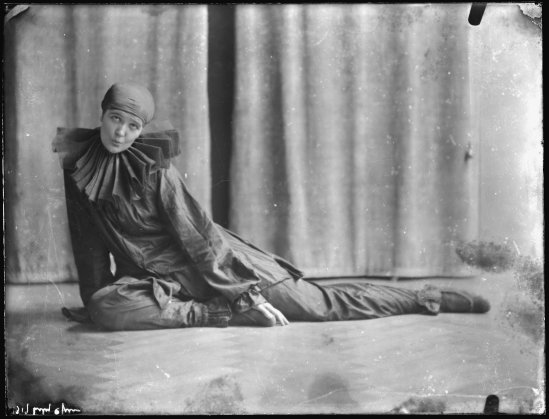
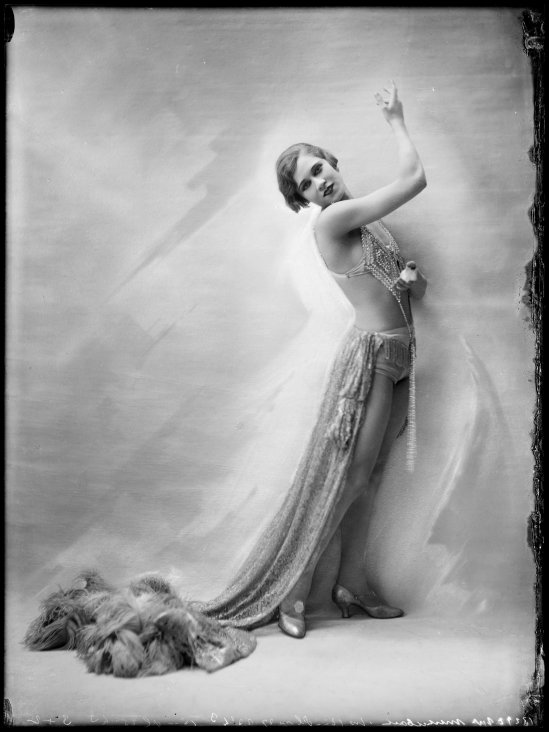
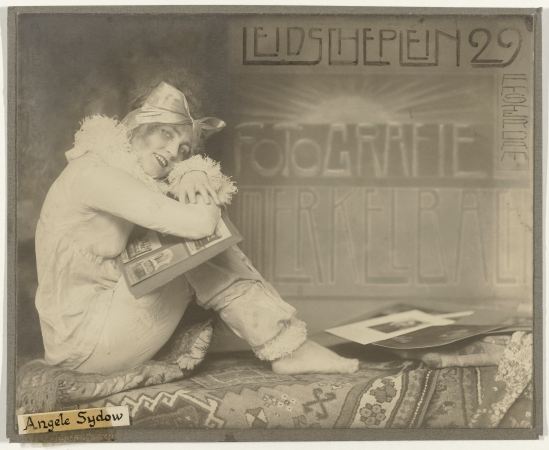
In 1913 own studio opens on Leidseplein 29, on the 5th floor of Hirsch. In 1924 Mies is working in the studio after she completed training at the Dagteken- Art and Craft School for Girls in Amsterdam. Her work in the studio is to retouch, enhance, and print photos.

In 1932 comes Lambert JM Rosenboom (15 Feb 1905, also known as Bobby) in the company work. Mies married him in 1939.
On February 6, 1942 dies Jacob Merkelbach. His daughter Mies puts the company on, her husband Bobby is arrested in 1941 and the remainder of the war in German captivity. Mies makes this period illegal passport photos in the studio, while the Germans regularly on the floor is due to the anti-aircraft guns on the roof of Hirsch & Cie.
Atelier Merkelbach gets in 1948 the honorable mission to Queen Wilhelmina portraits, one of the pictures the ceremonial of the Queen is.
In the 50’s declining interest in portrait photography. Photography is available for consumers by becoming less expensive devices. This also affects Atelier Merkelbach. In 1969, the company, on April 29 – the birthday of Jacob Merkelbach – lifted. There are 150,000 glass negatives of exceptional historical value. These will be donated to the City of Amsterdam. « by  scherptediepte.nl

I made the choice to propose you the photographs which represent dancers or nudes and some delicate portraits
********************************************************************
Dancers

Studio Merkelbach Alice Sally Mary (Lili) Green,1915

Studio Merkelbach Johanna Wittrock,1919

Studio Merkelbach Adriana (Henriette Blazer) Blaaser,1923

Studio Merkelbach Luise Aguste Julie (Luise) Marheineke,1919

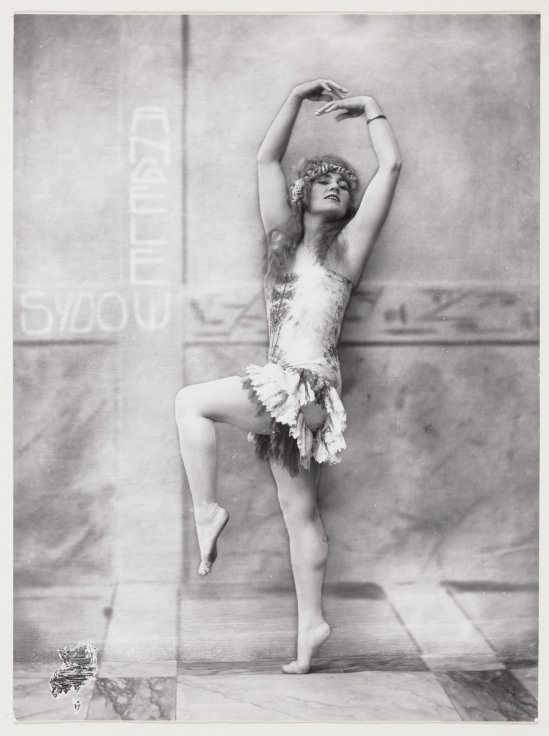
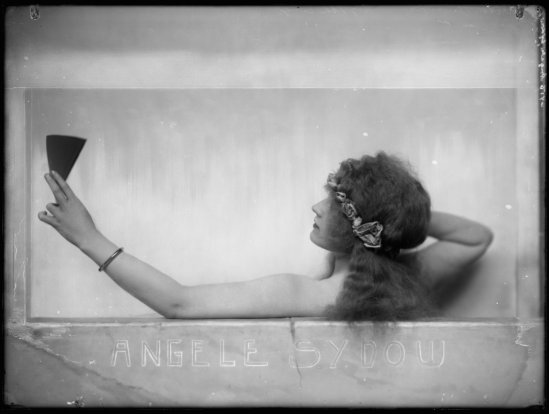
Studio Merkelbach Angèle Sydow,1916

Jacob Merkelbach Angèle Sijdow, 1917-19

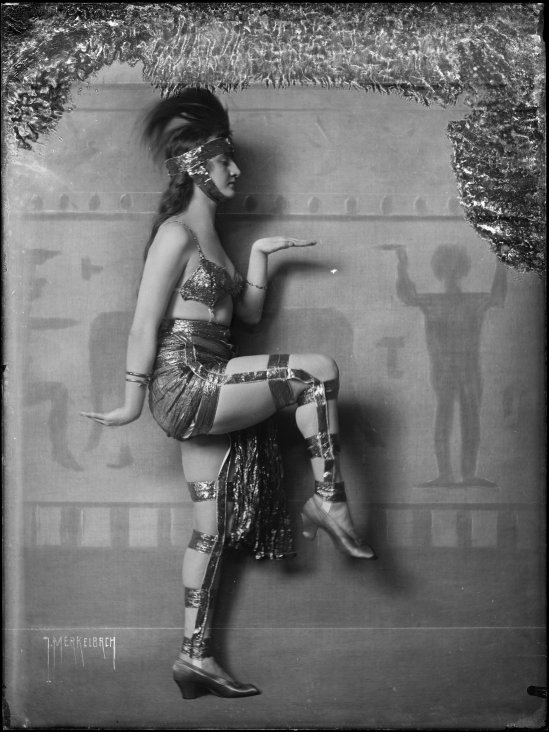
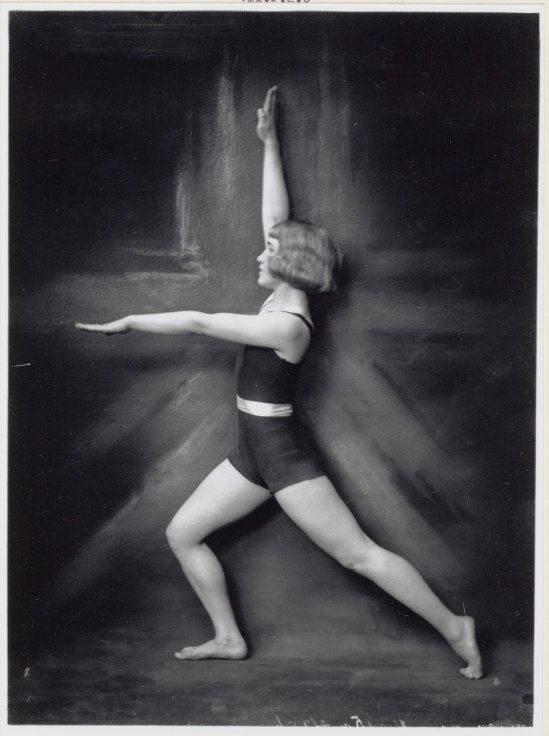
Jacob Merkelbach, the dancer Claire de Jongh in profile in tight dance pose 1927 – 1928

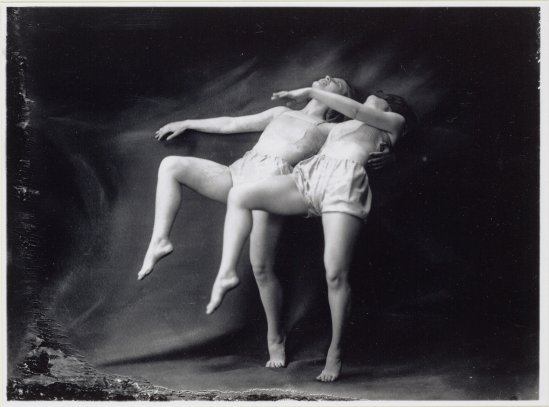
Jacob Merkelbach, the dancers Menagerie Folmer   and Claire de Jongh with right leg raised 1927 – 1928

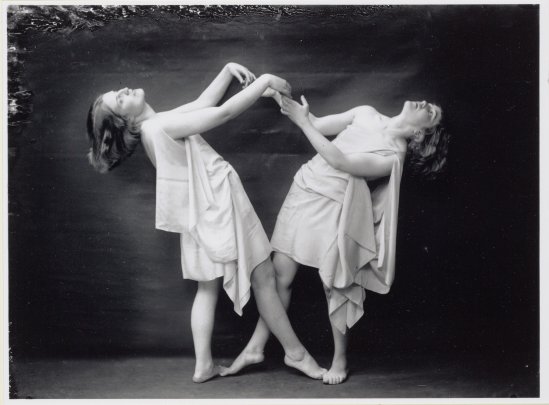
Atelier Jacob Merkelbach-The dancers Gerie Folmer and Claire de Jongh in a symmetrical pose , 1927-28

Studio Merkelbach Wilhelmina (Mien) Loevendie,1930

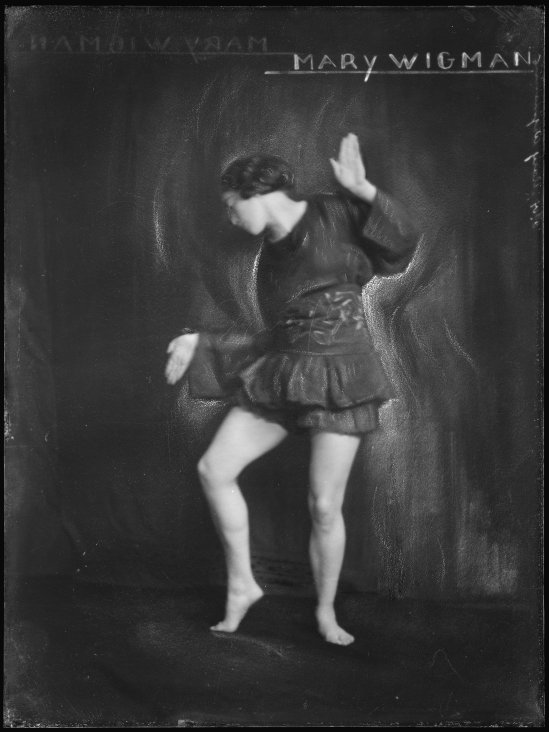
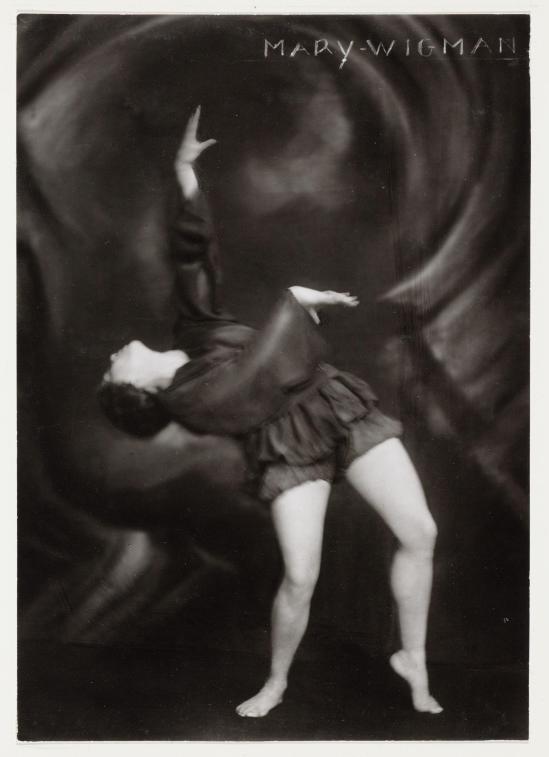
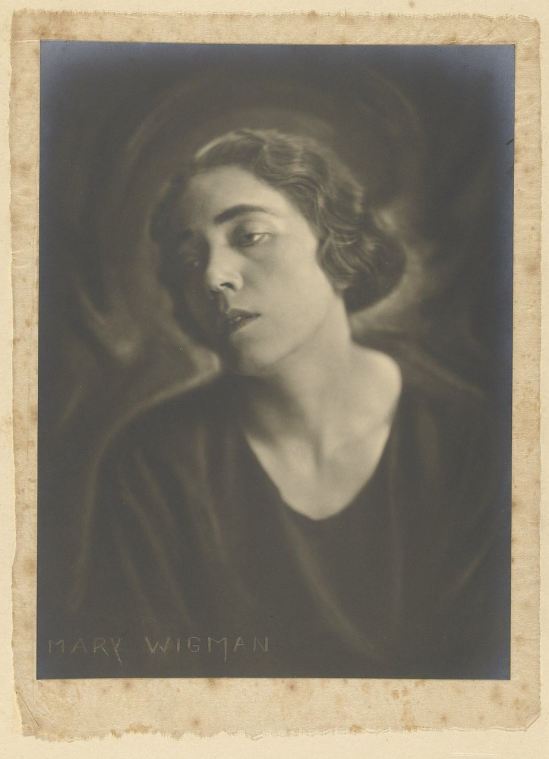
Studio Merkelbach Mary Wigman,1922

Jacob Merkelbach Mary Wigman , 1922

Atelier Jacob Merkelbach -Mary Wigman .19120-30

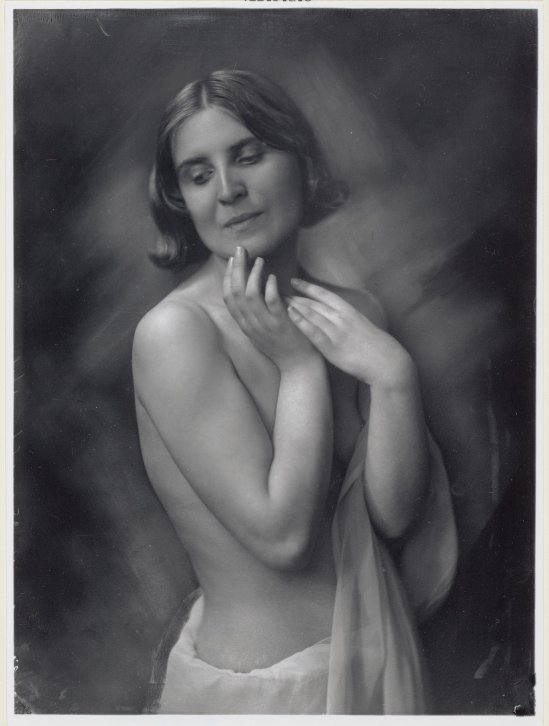
Studio Merkelbach 1920

Studio Merkelbach Wilhelmina (Mien) Loevendie ,1915

Studio Merkelbach Wilhelmina (Mien) Loevendie ,1915

Studio Merkelbach Wilhelmina (Mien) Loevendie ,1915

Studio Merkelbach Wilhelmina (Mien) Loevendie ,1915

Studio Merkelbach Wilhelmina (Mien) Loevendie ,1915

Studio Merkelbach Lydia Lyta ,1915

Studio Merkelbach Alice Sally Mary (Lili) Green ,1915


Studio Merkelbach Wilhelmina (Mien)- 1918

Studio Merkelbach Wilhelmina (Mien)- Angele Sydow 1916

Studio Merkelbach Mies Rosenboom-Merkelbach, Angele Sydow,1916

Studio Merkelbach Mies Rosenboom-Merkelbach, Angele Sydow,1916

Studio Merkelbach Mies Rosenboom-Merkelbach, Angele Sydow,1916

Studio Merkelbach Mies Rosenboom-Merkelbach, Angele Sydow,1916

Studio Merkelbach Margaret Walker,1915


Studio Merkelbach, 1928

Jacob Merkelbach- Josephina Johanna (Fien) de la Mar (1898-1965), 1919

Atelier Jacob Merkelbach-The dancer Gerie Folmer .1927

Atelier Jacob Merkelbach-The dancer Gerie Folmer, half-legged, with bare-chested, 1927-28

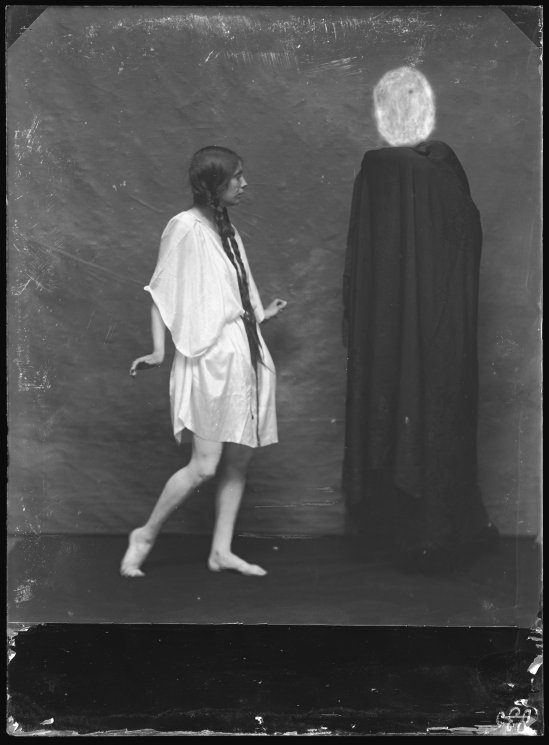
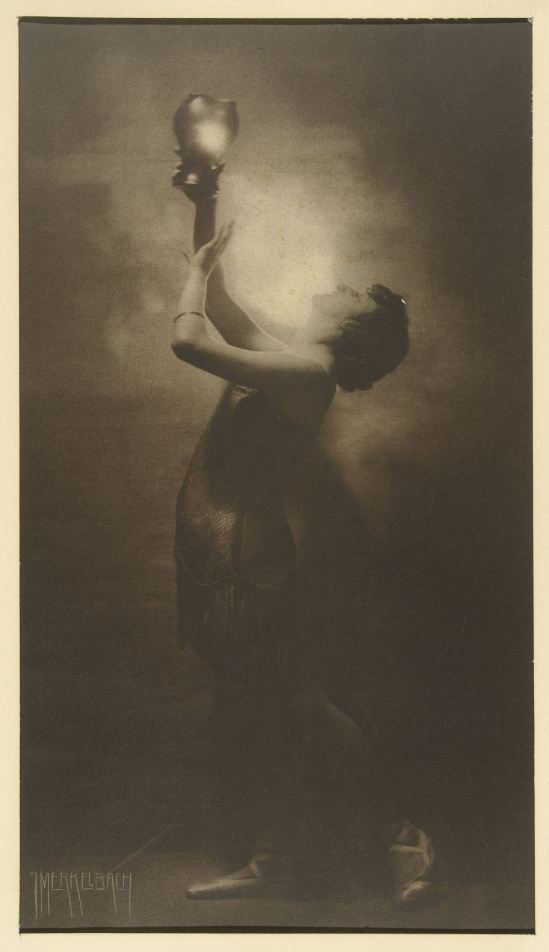
Jacob Merkelbach-Danseres met lichtbol, , 1920

Studio Merkelbach, 1928

Studio Merkelbach Mies Rosenboom-Merkelbach, Angele Sydow,1919

****************************************************************

Nudes

Studio Merkelbach Johanna Wittrock,1918

studio-merkelbach-mies-rosenboom-merkelbach-19132

Jacob Merkelbach-naakt, 1925 – 1940

Jacob Merkelbach- Porrtret van Mies Rosenboom-Merkelbach als zittend naakt, 1925 – 1940

Studio Merkelbach mies-rosenboom-merkelbach-1913

Jacob Merkelbach (Attributed to) – Portrait of a seated nude, 1915-1930

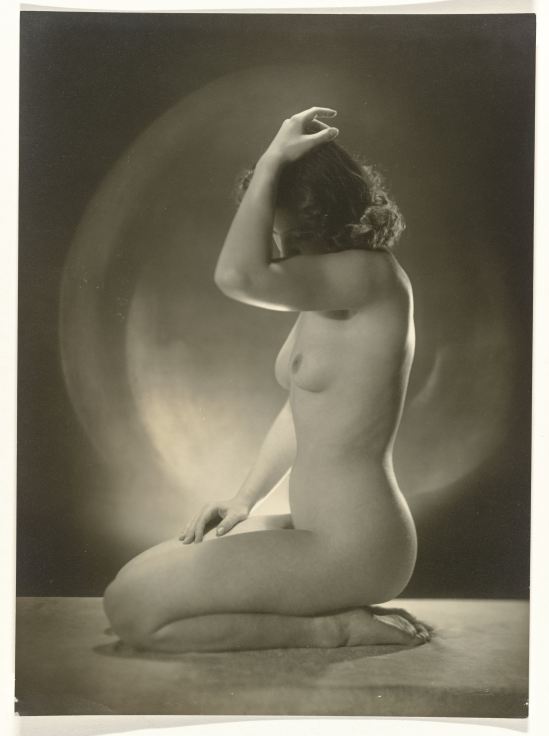
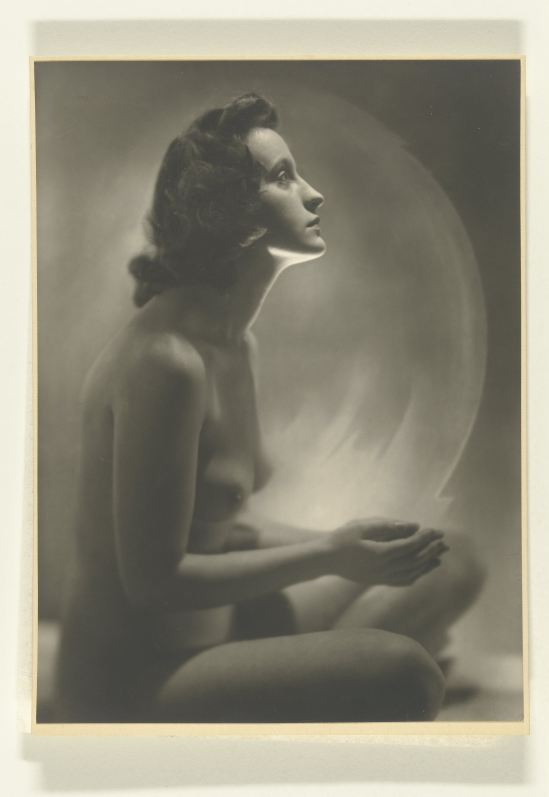
Jacob Merkelbach- Naked woman sitting with hands held up to a white circle painted been light, 1925 – 1945

Studio Merkelbach Johanna Suers ,1933

Studio Merkelbach Johanna Suers ,1933

Studio Merkelbach Johanna Suers ,1933

Studio Merkelbach Johanna Suers ,1933

*******************************************************

Portraits

Studio Merkelbach 1920

Studio Merkelbach 1920


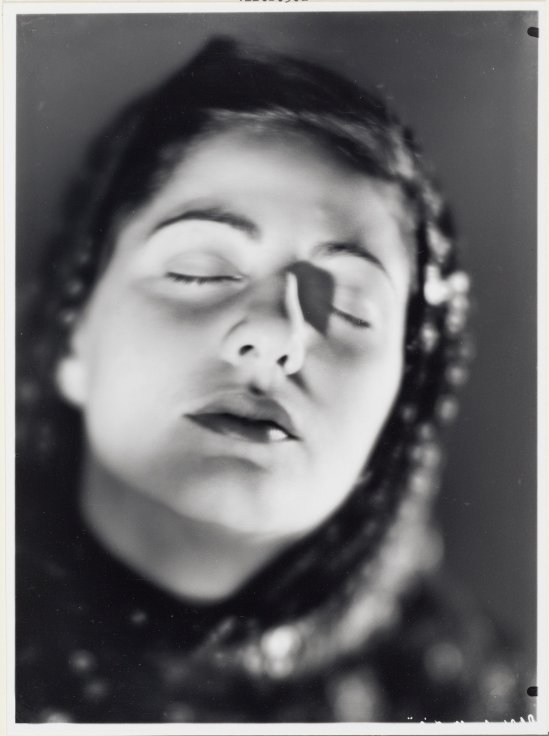
Atelier Jacob Merkelbach-Woman’s portrait with eyes closed on behalf of Film Productie Maatschappij ‘Neerlandia’.1938

Studio Merkelbach Wilhelmina (Mien)-Portrait 1921

Atelier Jacob Merkelbach-Nola Hatterman, 1922

Atelier Jacob Merkelbach-Beschrijving A. Roland Holst de Meester , 1927

Atelier Jacob Merkelbach-Beschrijving Helena Dorothea Catharina .1919

Atelier Jacob Merkelbach-Fashion photo for ‘De Prijslijst’, Reguliersbreestraat 15-17,1920-22

Atelier Jacob Merkelbach-Toneelplayer Mien van Kerckhoven-Kling (1894-1966), 1914
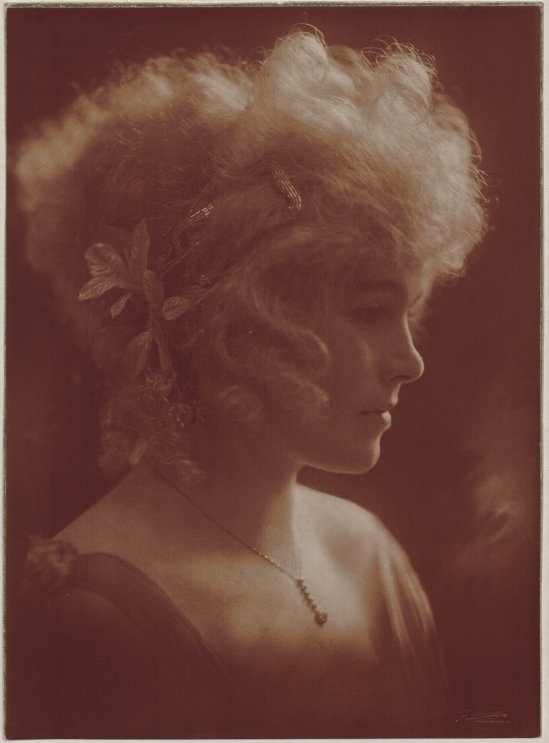
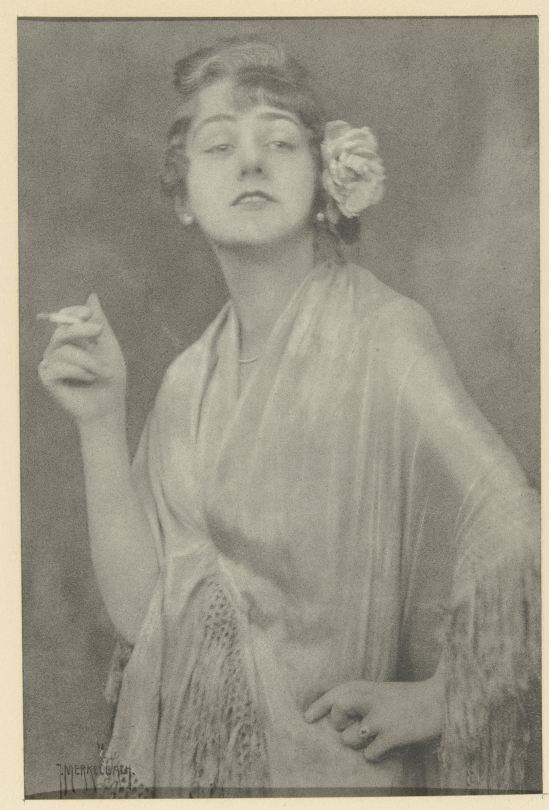
Jacob Merkelbach- Mevr. Brandes met sigaret en roos in het haar,1910 – 1919
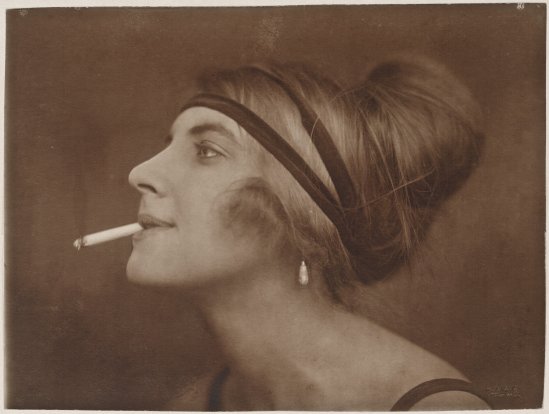
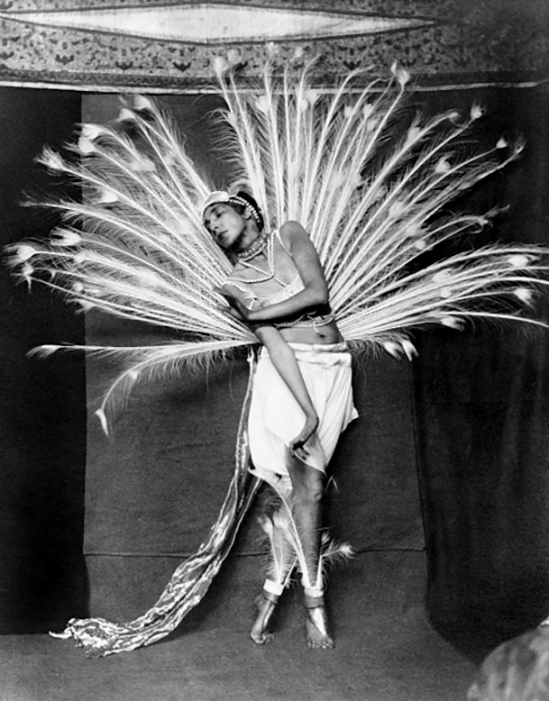
Atelier Jacob Merkelbach-Corry Schiller-Italiaander (1886-1971), 1907

Atelier Jacob Merkelbach-Corry Schiller-Italiaander , nd

Atelier Jacob Merkelbach-Corry Schiller-Italiaander .1917

Studio Merkelbach 1918

Studio Merkelbach 1918

Studio Jacob Merkelbach Mevr. van Kerkhoven, 1927

Studio Jacob Merkelbach Mevr. Kauffeld, 1926

Studio Jacob Merkelbach Mevr. Meyer, 1927

Studio Jacob Merkelbach Mevr. Jonas, 1928

Studio Jacob Merkelbach Mevr. Dresden, 1921

Studio Jacob Merkelbach Mej. Meijer, 1913

Jacob Merkelbach-Chaja Goldstein tijdens toneelspel,1930 – 1960

Atelier Jacob Merkelbach-Portrait of a young woman in white dress, 1920-22

Atelier Jacob Merkelbach-Maria Antonia (Mies) Merkelbach .1922

Atelier Jacob Merkelbach-Sophie Davids .1917

Atelier Jacob Merkelbach-Teddy Schaenk, nd

Jacob Merkelbach-Portret van Mies Rosenboom-Merkelbach,1920 – 1930

Jacob Merkelbach-Portret van Mies Rosenboom – Merkelbach met witte hoofdbedekking, 1930 – 1970

Jacob Merkelbach-Reclamefoto, voor het atelier van Merkelbach, met danseres Angèle Sydow,1916

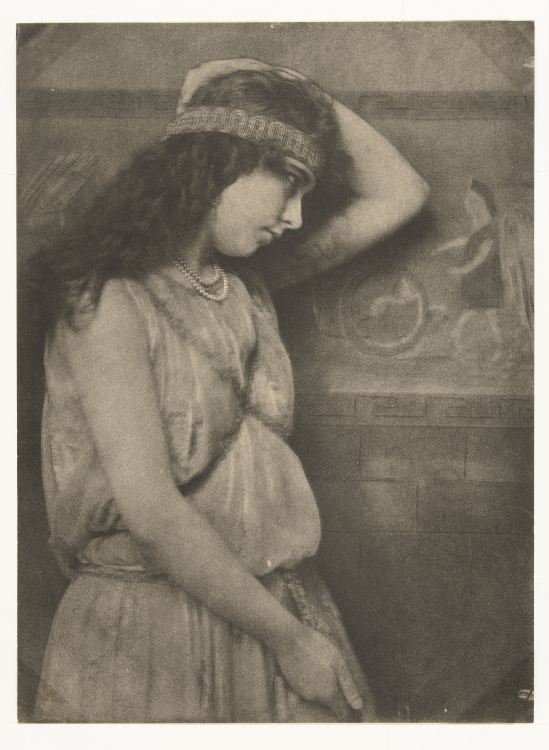
Jacob Merkelbach-Portret van Manuela del Rio gekleed in Griekse jurk,1915 – 1930

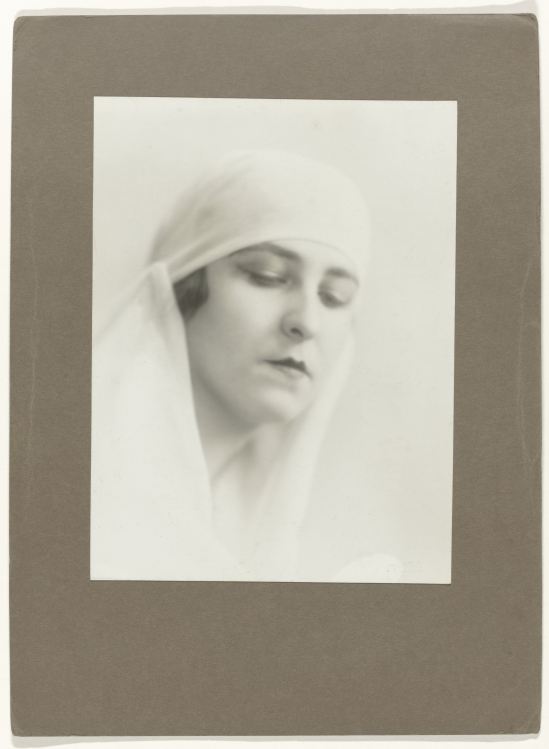
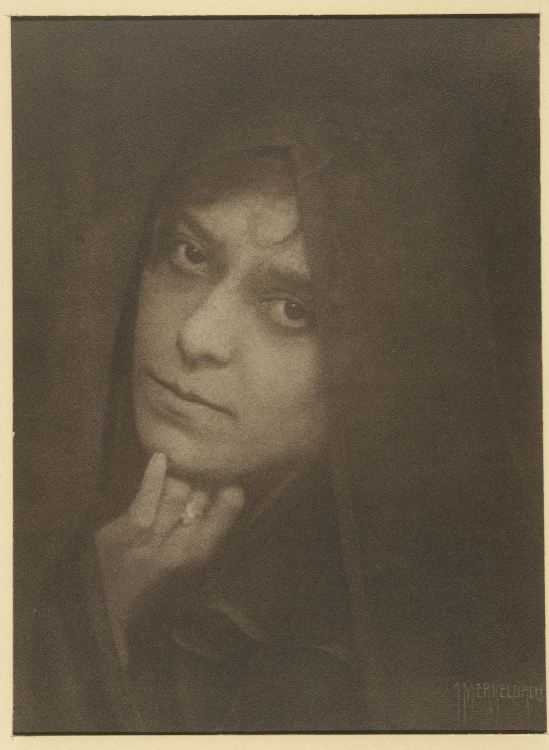
Jacob Merkelbach-Portret van gesluierde vrouw,, ca. 1920 – ca. 1930

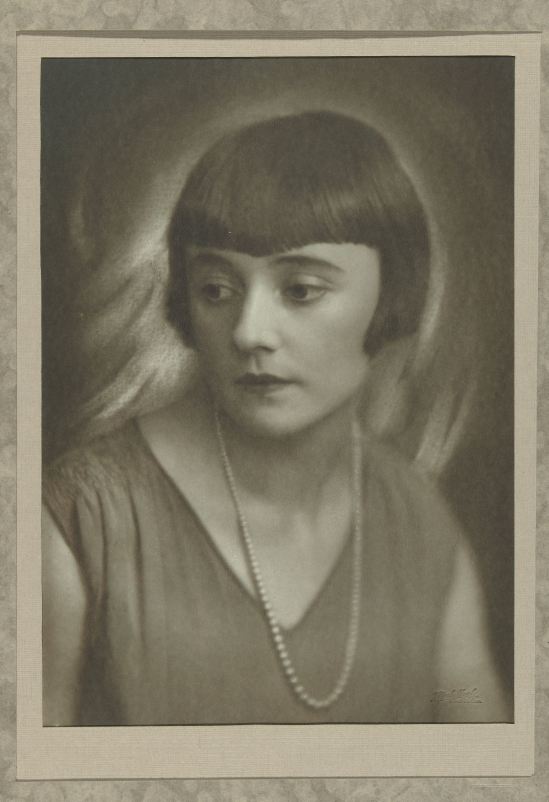
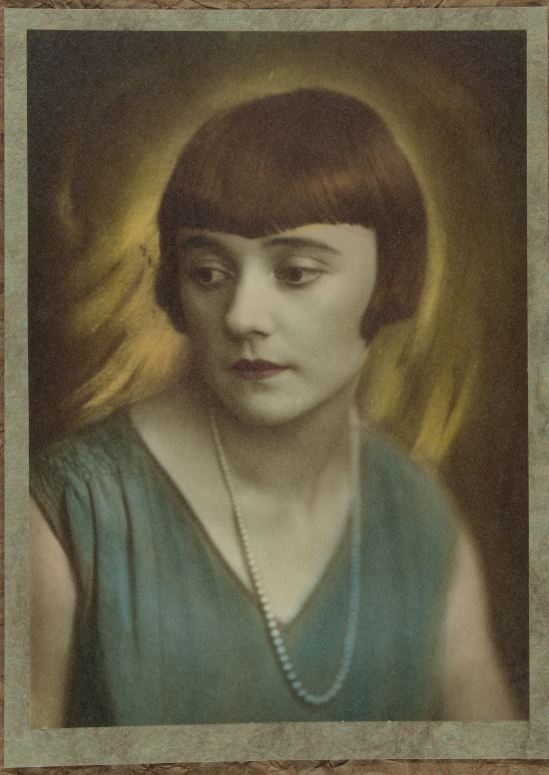
Jacob Merkelbach- Portrait Of Young Woman With Necklace, 1920 – 1930

Jacob Merkelbach-Portret Mies Rosenboom-Merkelbach in blauwe jurk, 1920 – 1930


Jacob Merkelbach- Portrait Of A Woman In A Red Dress, 1920 – 1930

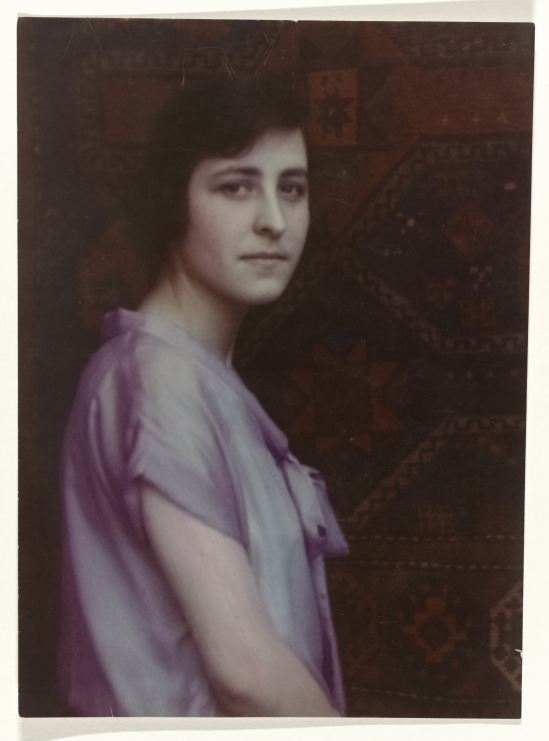
Studio Merkelbach, [Portrait of an unknown woman], between 1919 and 1929, Jos-Pé colour process

Studio Merkelbach divas,

Atelier Jacob Merkelbach-Fashion Photo with lying model in evening dress, neck necklace and earrings, 1935

Atelier Jacob MerkelbachTeixeira de Mattos, 1930

Atelier Jacob Merkelbach-Margaretha Geertruida (Mata Hari) .1915

Studio Merkelbach 1921

Studio Merkelbach 1920

Studio Merkelbach 1920

             http://redeenportret.nl/

Sent M’ahesa (Else von Carlberg)

Sent M’Ahesa

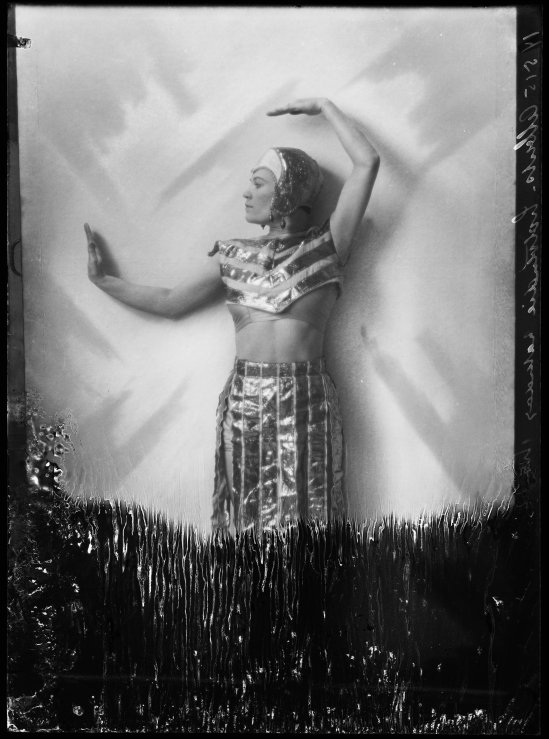
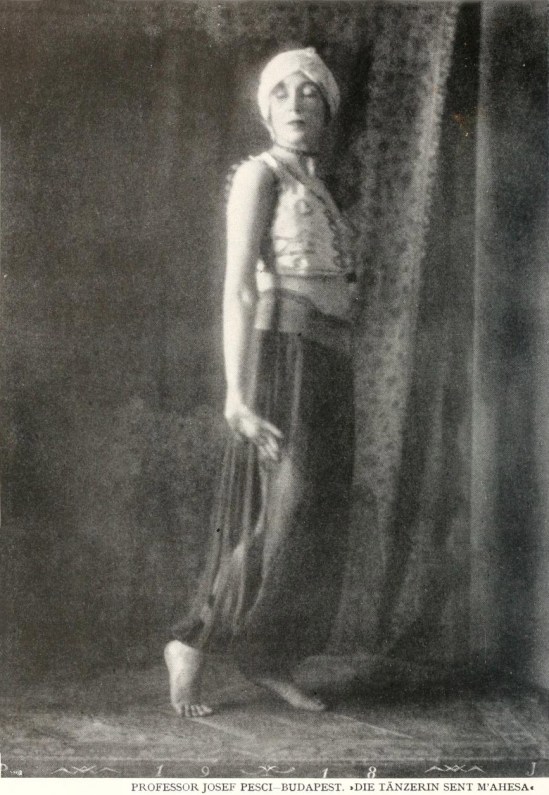
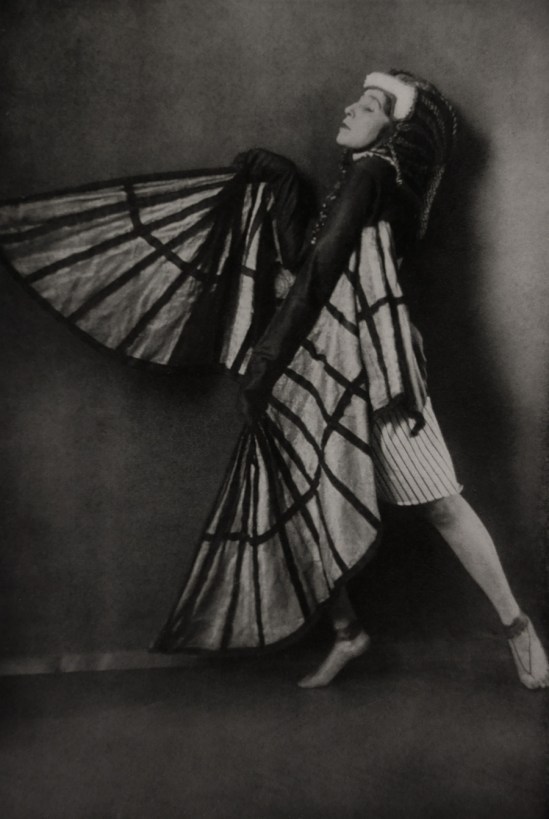
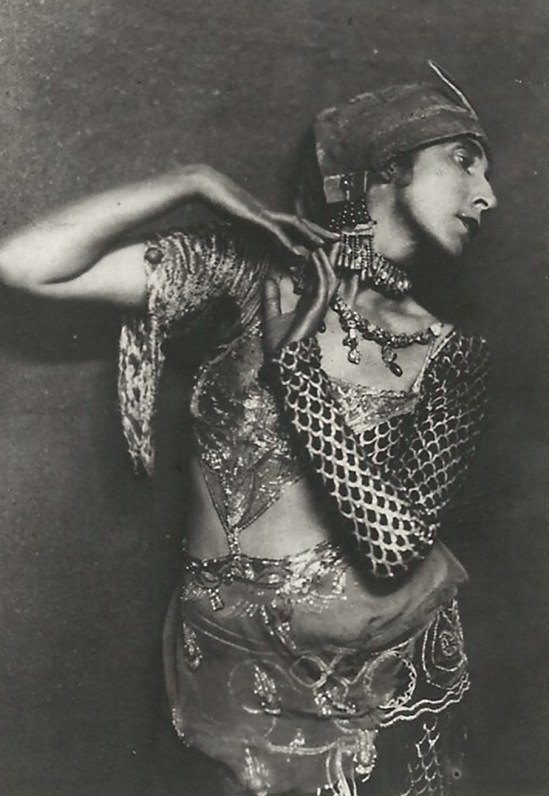
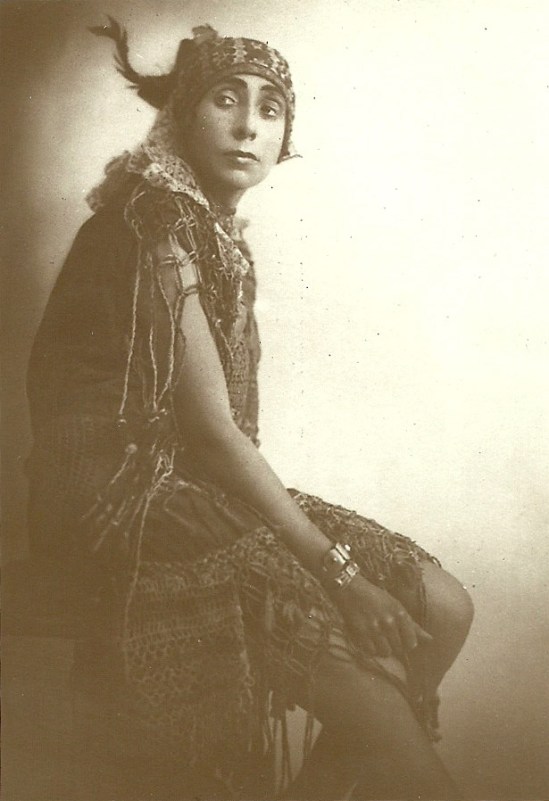
“Such confusion of identity did not apply in the case of Sent M’Ahesa (Elsa von Carlberg 1893-1970), whom audiences persisted in identifying with Egyptian dances (though her dance aesthetic  included images from other ancient o exotic cultures). She performed all her dances solo. Born in Latvia, she went to Berlin in 1907 with her sister to study Egyptology but became so enchanted with ancient Egyptian art and artifacts that she decided to pursue her interest through dance rather than scholarship… Under he name of Sent M’Ahesa, she presented a program of Egyptian dances in Munich in December 1909 (Ettlinger). From then until the mid-1920s, she achieved fame for her exceptionally dramatic dances dominated by motifs from ancient Egyptian iconography. …

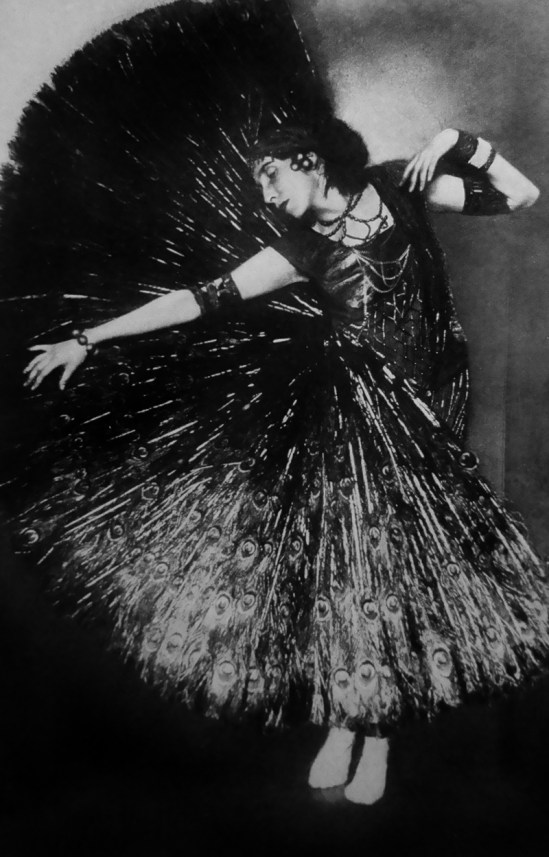
Her dances always functioned in relation to intricate, highly decorative costumes of her own design, so that it appeared as if she chose movements for their effect upon her costume.  In her moon goddess (or Isis) dance, she attached large, diaphanous cloth wings to her black-sleeved arms… Sent M’Ahesa often exposed her flesh below the navel, but I have yet to find a picture of her in which she exposed her hair, so keen was she on the use of wigs, helmets, caps, scarves, kerchiefs, tiaras, masks, and crowns. In her peacock dance, she attached a large fan of white feather plumes to her spine. In other dances, she draped herself with tassels, decorative aprons, double sashes, layers of jeweled necklaces, and arm, wrist, and ankle bracelets. Only in her Indian dances did she wear anything resembling pants. …

… her body was wonderfully svelte, and her face displayed a cool, chiseled beauty, I think, rather, that she sought to decontextualise female beauty and erotic feeling from archetypal images of them originating in cultures other than her own or her audience’s; she sought to dramatize a tension between a modern female body and old images of female desire and desirability. Ettlinger, in 1910, was perhaps more accurate when he remarked that

“Sent M’Ahesa’s dance has nothing to do with what one commonly understands as dance. She does not produce “beautiful,” “sensually titillating” effects. She does not represent feelings, “fear,” “horror,” “lust,” “despair,” as “lovely.” Her are requires its own style. Her movements are angular, geometrically uncircular, just as we find them in old Egyptian paintings and reliefs. Neither softness of line nor playful grace are the weapons with which she puts us under her spell. On the contrary: her body constructs hard, quite unnaturally broken lines. Arms and legs take on nearly doll-like attitudes. But precisely this deliberate limiting of gestures gives her the possibility of until now unknown, utterly minute intensities, the most exquisite of refinements of bodily expression. With a sinking of the arm of only a few millimeters, she calls forth effects which all the tricks of the ballet school cannot teach.”

Sent M’Ahesa was similar to Schrenck in one respect, even though Schrenck never performed exotic dances: both project and intensely erotic aura while moving within a very confined space. They showed persuasively that convincing signification of erotic desire or pleasure did not depend on a feeling of  freedom in space, as exemplified in the convention of ballet and modern dance, with their cliched use of runs, leaps, pirouettes, and aerial acrobatics. These dancers revealed that erotic aura intensifies in relation to an acute sense of bodily confinement, of the body imploding, turning in on itself, riddled with tensions and contradictory pressures. They adopted movements to portray the body being squeezed and twisted, drifting in to a repertoire of squirms, spasms, angular thrusts, muscular suspensions. Contortionist dancing is perhaps the most extreme expression of this aesthetic. But Sent M’Ahesa complicated the matter by doing exotic dances – that is, she confined her body within a remote cultural-historical context, as if to suggest that the ecstatic body imploded metaphorical as well as physical space.”

Karl Eric Toepfer, “Solo Dancing,” in Karl Eric Toepfer. Empire of Ecstasy: Nudity and Movement in German Body Culture, 1910-1935. University of California Press, 1997, pp. 175-179.  artblart.com

Atelier binder – The dancer Sent M’ahesa (Else von Carlberg)portrait – 1919

Atelier binder – The dancer Sent M’ahesa (Else von Carlberg)portrait – 1919

Atelier binder – The dancer Sent M’ahesa (Else von Carlberg)portrait – 1919

Sent M’Ahesa by Josef Pesci published in Deutsche kunst und dekoration by Koch, Alex. (Alexander), 1860-1939

Sent M’Ahesa by Josef Pesci published in Deutsche kunst und dekoration by Koch, Alex. (Alexander), 1860-1939

Hanns Holdt- Elsa Carlsberg aka Sent M´ahesa in The Artistic Dance Our Time by Hermann Aubel and Marianne Aubel, 1928 .

Hugo Erfurt, Dresden. La danza artística de nuestro tiempo 1928(Foto. Theatermuseum Düsseldorf)

Hugo Erfurt, Dresden. La danza artística de nuestro tiempo 1928

Franz Löwy – Elsa von Carlberg aka Sent M´ahesa ( from Historical Magazine- Photos ) , 1910

Hanns Holdt- Elsa von Carlberg aka Sent M´ahesa München in The Artistic Dance Our Time by Hermann Aubel and Marianne Aubel, 1928

Hanns Holdt- Elsa von Carlberg aka Sent M´ahesa München in The Artistic Dance Our Time by Hermann Aubel and Marianne Aubel, 1928

Else von Carlberg (lavanimi Sent Mahesa)1923 aire.opera.ee

Hannes Holdt -Sent M’ahesa (Else von Carlberg) – Dancer, Sweden – portrait – 1918

Hannes Holdt -Sent M’ahesa (Else von Carlberg) – Dancer, Sweden – portrait – 1917, published in 1920

Hanns Holdt -Sent M’Ahesa 1928

Sent M’ahesa (Else von Carlberg) by Hanns Holdt, Berlin, 1928

Franz Löwy, Sent M’Ahesa (Elsa von Carlberg) in peacock costume , c 1928 from The artistic dance of our time by H. and M Aubel. Leipzig K. R. Langewiesche, 1928

sent-mahesa-dancer-sweden-portrait-1909

Hanns Holdt- Elsa von Carlberg aka Sent M´ahesa München in The Artistic Dance , 1920

Sent Mahesa Else von Carlberg-Hogo Erfurth, resden aus der kunstlerische tanz unserer zeit,1928

Hanns Holdt – Sent M’Ahesa 1917, From The Artistic Dance of Our Time 1928

Hanns Holdt- Elsa von Carlberg aka Sent M´ahesa München in The Artistic Dance , 1917 HALFTONE Photograph

Hanns Holdt- Elsa von Carlberg aka Sent M´ahesa München in The Artistic Dance , 1917 HALFTONE Photograph From The Artistic Dance of Our Time 1928

Sent M’ahesa (Else von Carlberg) – Dancer, Sweden – portrait – 1913

Madame d’Ora (Arthur Benda) -Sent M’Ahesa, nd

Albert Wyndham


Albert Wyndham -Contorsion Paris, fin des années 1920 Épreuve argentique

Albert Wyndham -Tension Paris, fin des années 1920 Épreuve argentique

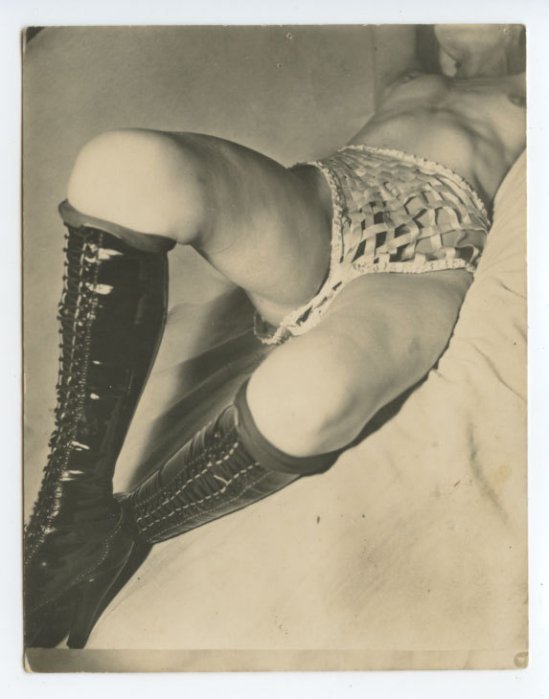
Albert Wyndham -untitled Paris – stamped – 1920s silver gelatin

Albert Wyndham -Untitled 1930s, silver gelatin print

Albert Wyndham -Untitled 1930s, silver gelatin print

Albert Wyndham – from Album of Original Gelatin Silver Prints Erotic, Dessous by Albert Wyndham, c. 1930

Albert Wyndham – from Album of Original Gelatin Silver Prints Erotic, Dessous by Albert Wyndham, c. 1930

Albert Wyndham – from Album of Original Gelatin Silver Prints Erotic, Dessous by Albert Wyndham, c. 1930

Albert Wyndham -Untitled French Lingerie 1930s, silver gelatin print

Albert Wyndham – Untitled , Paris around 1919 with the courtesy of the personal collection © Siegfried Sander


Albert Wyndham -Untitled 1920s, silver gelatin print

Albert Wyndham -Down by the River 1930s, silver gelatin print

Albert Wyndham -Untitled 1920s, silver gelatin print

Albert Wyndham -Stylish Gal with a pair of unique hosiery 1930s, silver gelatin print

Albert Wyndham – Untitled 1930 , gelatine silver print From EroticPhotography by Alexandre Dupuyp 183 , 2011

Albert Wyndham -untitled 1920s to 1930s silver gelatin print

Albert Wyndham -untitled 1920s to 1930s silver gelatin print

Albert Wyndham -untitled 1920s to 1930s silver gelatin print

Albert Wyndham -untitled 1920s to 1930s silver gelatin print

Albert Wyndham -Untitled 1930s, silver gelatin print

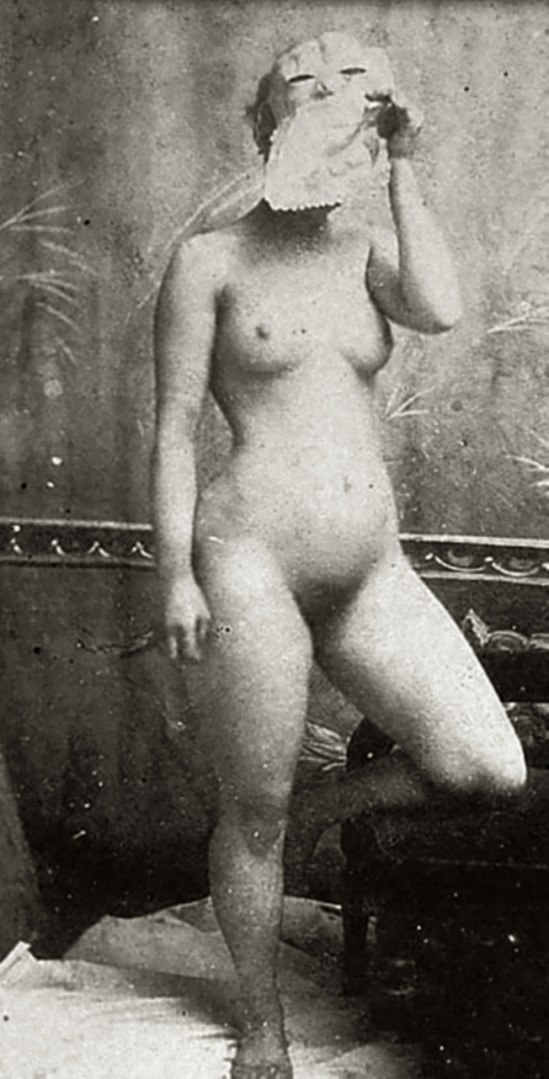
Albert Wyndham Female Nude Wearing Black Hat and Mask, circa 1900


PETIT CHOC Les Deux Tournelles, 1930. Photographs by Albert Wyndham

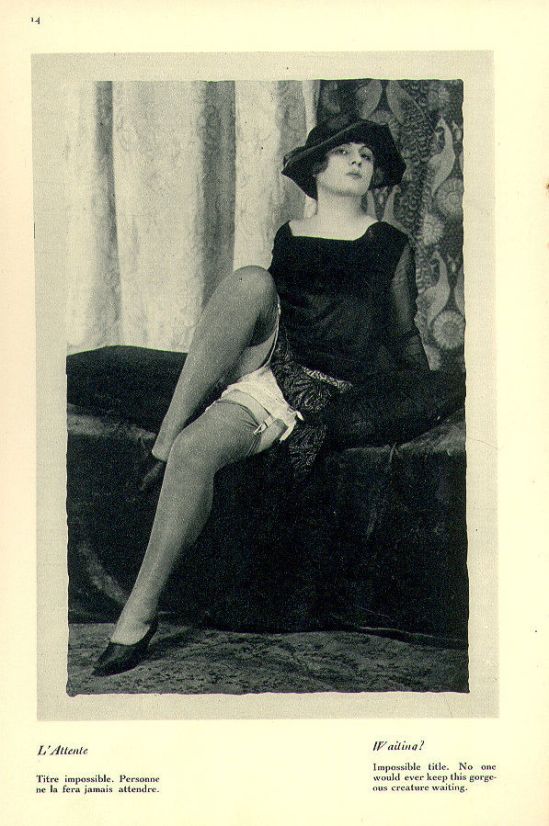
PETIT CHOC Les Deux Tournelles, l’attente 1930. Photographs by Albert Wyndham

PETIT CHOC Les Deux Tournelles, 1930. Photographs by Albert Wyndham

PETIT CHOC Les Deux Tournelles,1930. Photographs by Albert Wyndham

PETIT CHOC #4 Fetish Photos, Photographs by Albert Wyndham

PETIT CHOC #4 Fetish photos, Photographs by Albert Wyndham 1930

PETIT CHOC #4 Fetish Photos, Photographs by Albert Wyndham 1930

PETIT CHOC #4 Fetish Photos, Photographs by Albert Wyndham

Carabin François Rupert

Carabin François-RupertFemme nue couchée de dos, les pieds en l’air 1895-1910

Carabin François Rupert Femme nue debout de dos jambe levée

Carabin François-Rupert Femme nue couchée de dos, visage vers objectif

Carabin François-Rupert

Carabin François-Rupert

Carabin François-Rupert

Carabin François-Rupert Femme nue accroupie de dos, 1895-1910

Carabin François-Rupert FFemme nue assise de dos 1895-1910

Carabin François-Rupert Femme nue debout de profil droit1895-1910

Carabin François-Rupert Femme nue debout de face, main droite derrière la tête

Carabin François-Rupert Femme nue debout de face, bras gauche plié, couvrant le visage 1895-1910

Carabin François-Rupert Femme nue accroupie de dos, 1895-1910

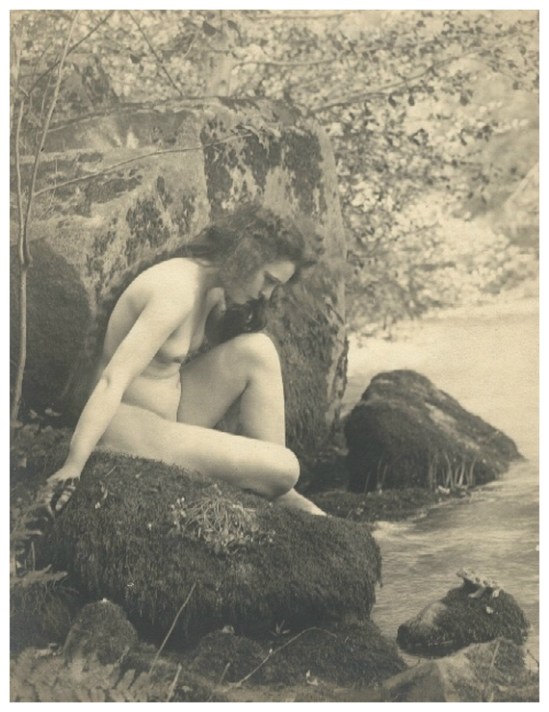
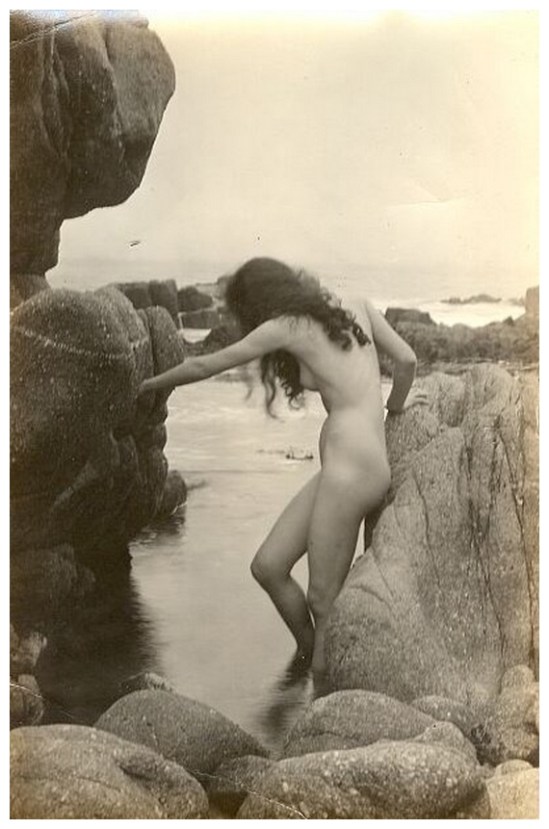
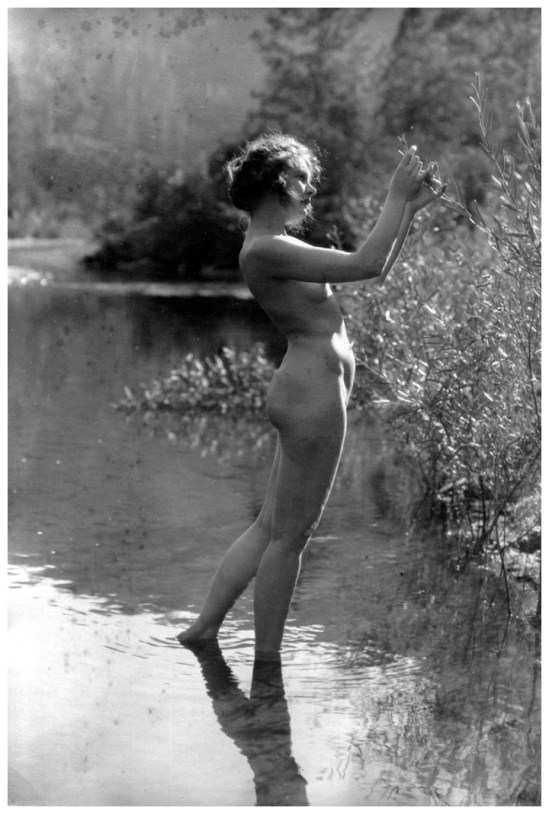
Albert Arthur Allen-Nudes outdoors

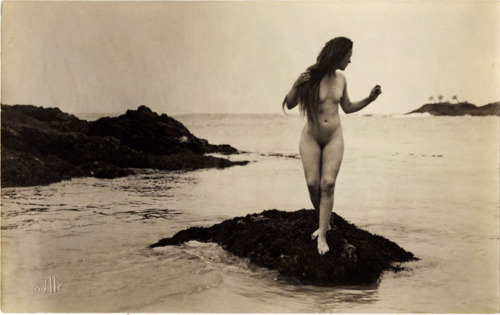
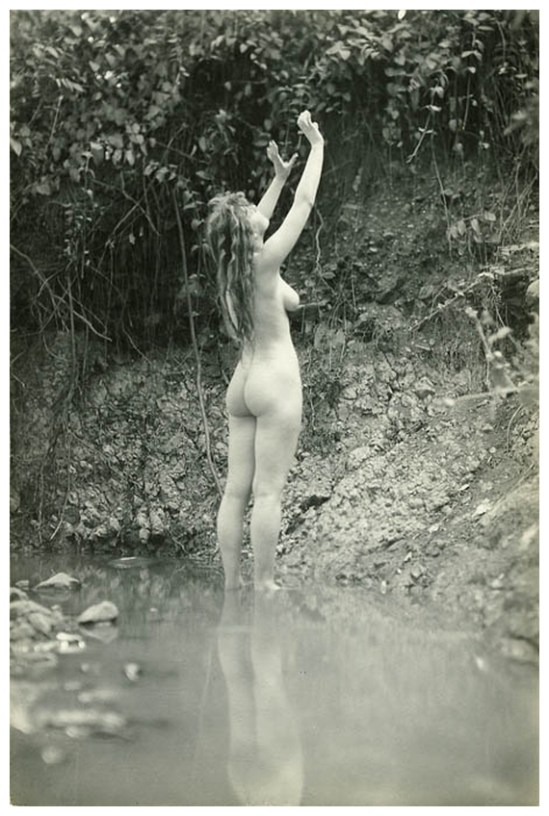
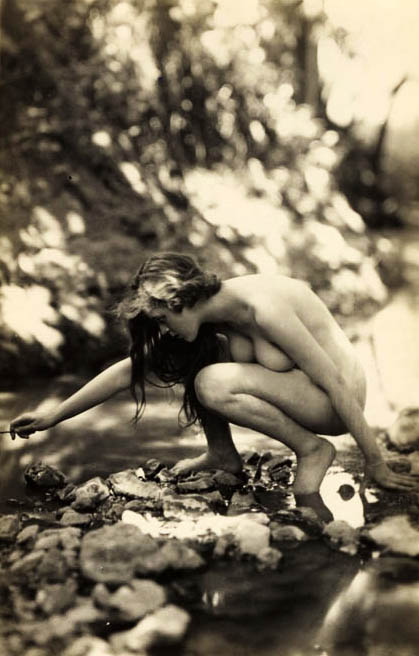
Albert Arthur Allen- Nude,The Isle , 1920s

Nude study,1920 by Albert Arthur Allen

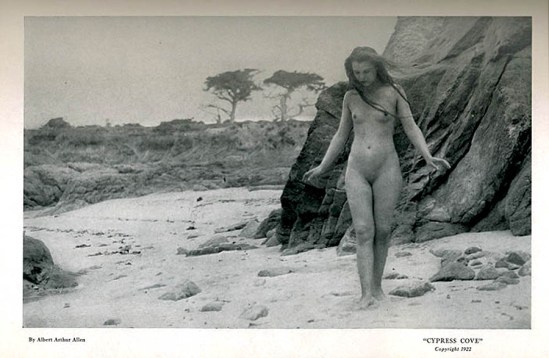
Albert Arthur Allen- Cypress Cove, 1922, Oakland, California.

Albert Arthur Allen – 1919

Albert Arthur Allen – 1919

Albert Arthur Allen

Albert Arthur Allen

Albert Arthur Allen -, 1919

Albert Arthur Allen- Nude, From Out of the Sea , 1920

Albert Arthur Allen -, 1919

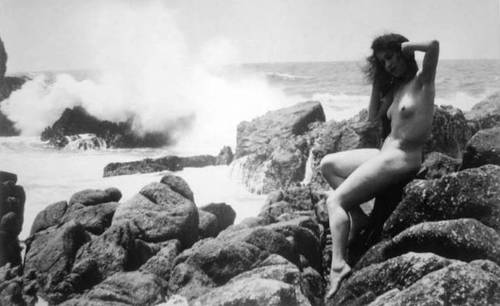
Albert Arthur Allen- Breakers

Albert Arthur Allen – 1919

Albert Arthur Allen Daisy,

Albert Arthur Allen Daisy,

Albert Arthur Allen Molly

Albert Arthur Allen Daisy,

Albert Arthur Allen Daisy,

Albert Arthur Allen Janet

Albert Arthur Allen Molly

Albert Arthur Allen Molly

Albert Arthur Allen Molly

Albert Arthur Allen Janet

Albert Arthur Allen Janet

Albert Arthur Allen Molly

Albert Arthur Allen Molly

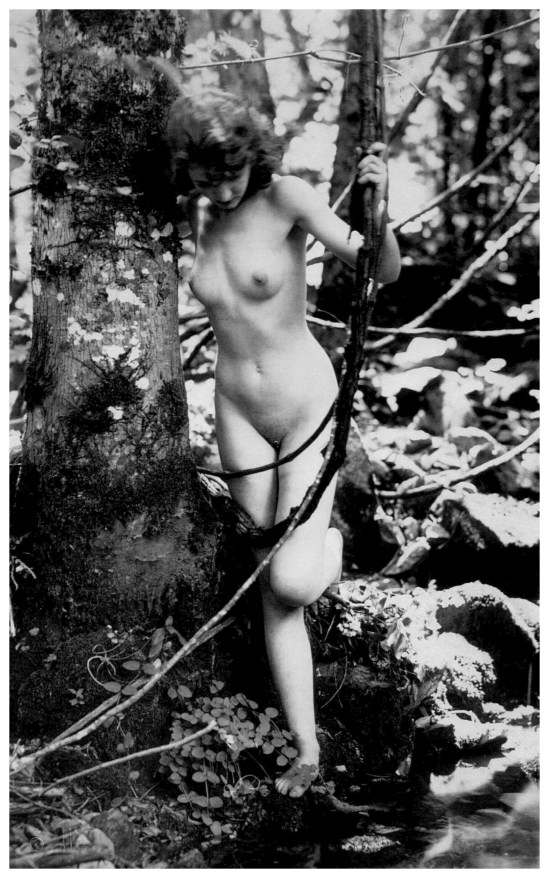
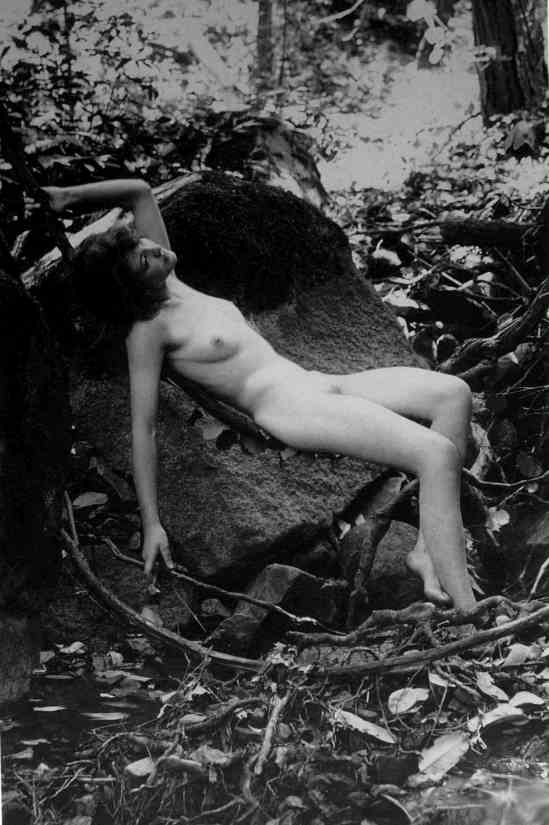
Albert Arthur Allen Promotional Brochure from Alo Studios Oakland- Sepentine forest, 1922

Albert Arthur Allen Promotional Brochure from Alo Studios Oakland- Sepentine forest, 1922

Albert Arthur Allen Promotional Brochure from Alo Studios Oakland- Sepentine forest, 1922

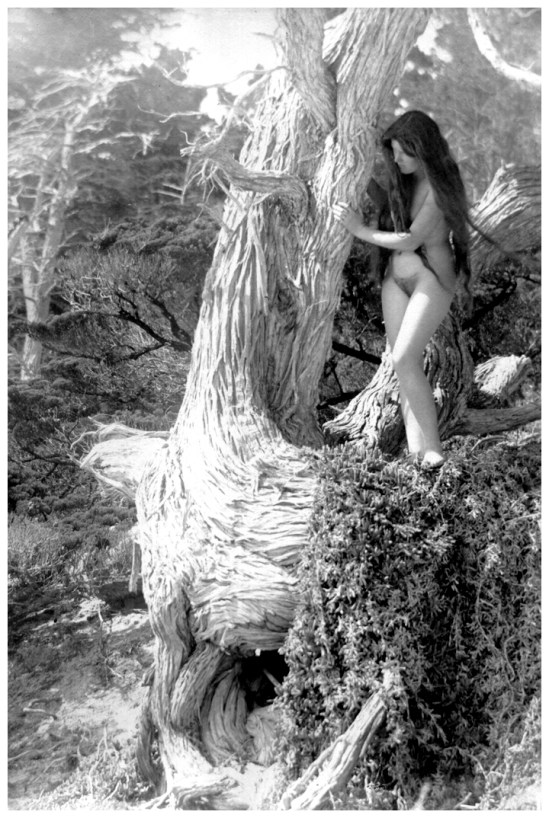
Albert Arthur Allen The Soul of the Cypress,1922

Albert Arthur Allen- Nude-The Soul of the Cypress 1,920s

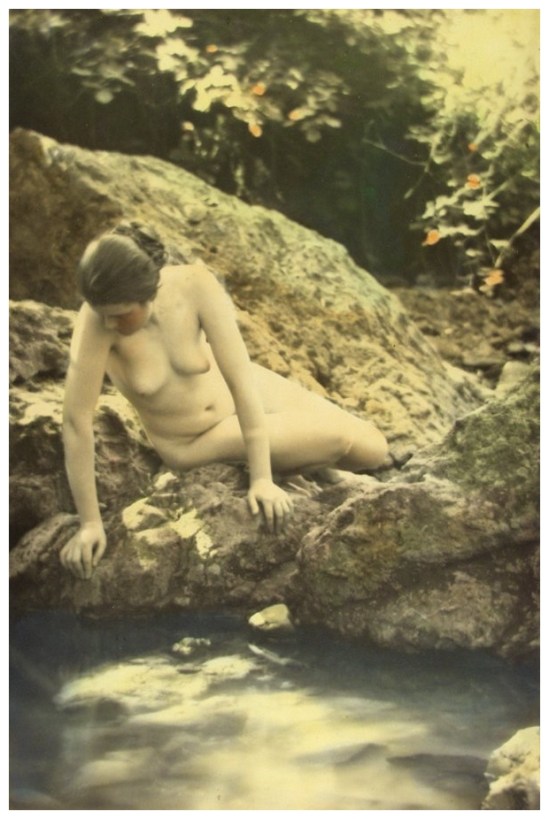
Albert Arthur Allen- The Pool , from The Grotto Series,1920s

Albert Arthur Allen, The Silver Pond Girl, 1920s,

Albert Arthur Allen – Sepentine forest, 1922

Albert Arthur Allen

Albert Arthur Allen

Albert Arthur Allen Nude, 1916

Albert Arthur Allen Nude, 1916

More Articles about Albert Arthur Allen

Boris Sergeevich Davydov

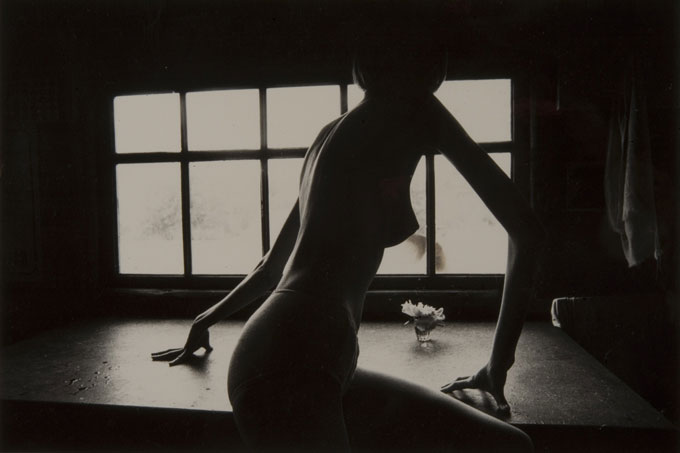
Boris Sergeevich Davydov - Untitled, 1970s

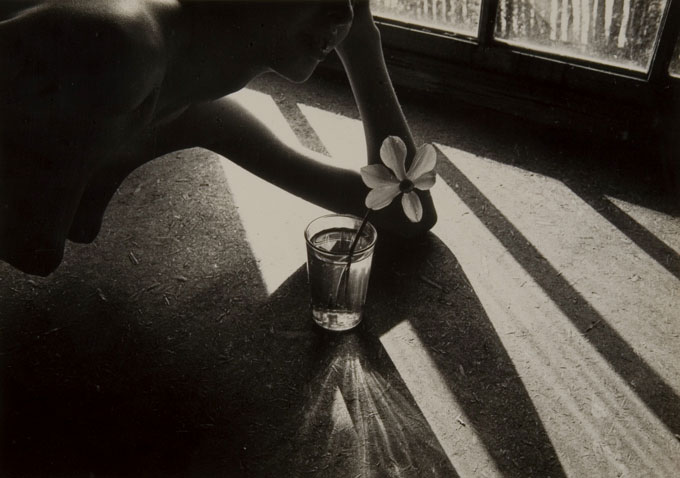
Boris Sergeevich Davydov – Untitled, 1970s

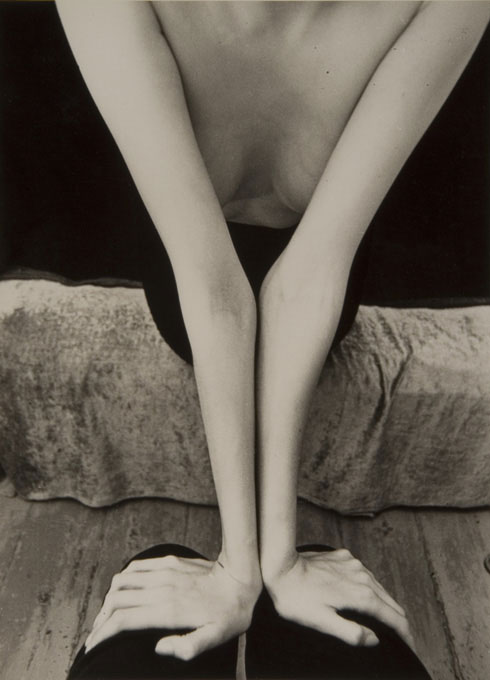
Boris Sergeevich Davydov - Untitled, 1970s

Boris Sergeevich Davydov – Untitled, 1970s

Boris Sergeevich Davydov - Untitled, 1970s

Boris Sergeevich Davydov – Untitled, 1970s

Boris Sergeevich Davydov - Untitled, 1970s 5

Boris Sergeevich Davydov – Untitled, 1970s

Boris Sergeevich Davydov - Untitled, 1970s

Boris Sergeevich Davydov – Untitled, 1970s

Boris Sergeevich Davydov - Untitled, 1970s

Boris Sergeevich Davydov – Untitled, 1970s

Boris Sergeevich Davydov - Untitled, 1970s

Boris Sergeevich Davydov – Untitled, 1970s

Boris Sergeevich Davydov - Untitled, 1970s

Boris Sergeevich Davydov – Untitled, 1970s

Boris Sergeevich Davydov - Untitled, 1970s 6

Boris Sergeevich Davydov – Untitled, 1970s

Boris Sergeevich Davydov - Untitled, 1970s 2

Boris Sergeevich Davydov – Untitled, 1970s

Boris Sergeevich Davydov - Untitled, 1970s 1

Boris Sergeevich Davydov – Untitled, 1970s

Boris Sergeevich Davydov - Untitled, 1970s 4

Boris Sergeevich Davydov – Untitled, 1970s

Boris Sergeevich Davydov - Untitled, 1970s 3

Boris Sergeevich Davydov – Untitled, 1970s

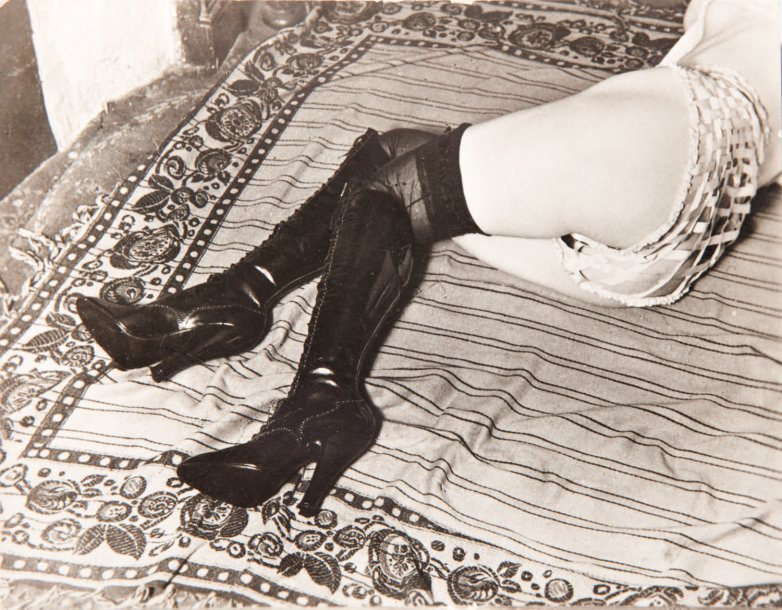
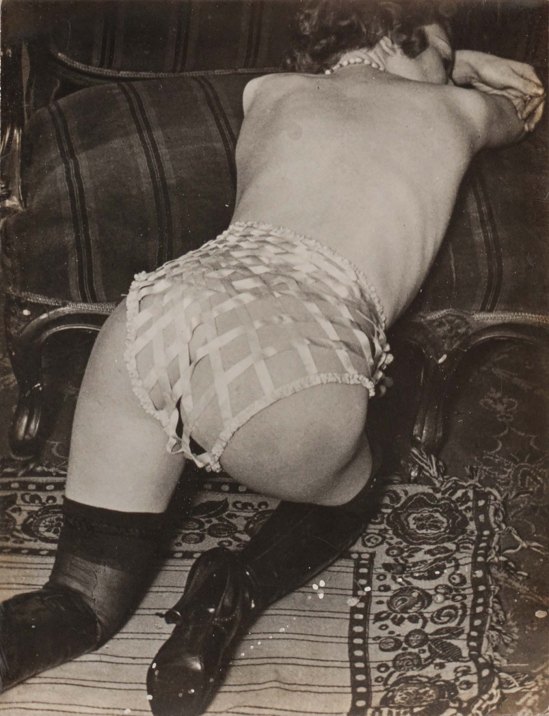
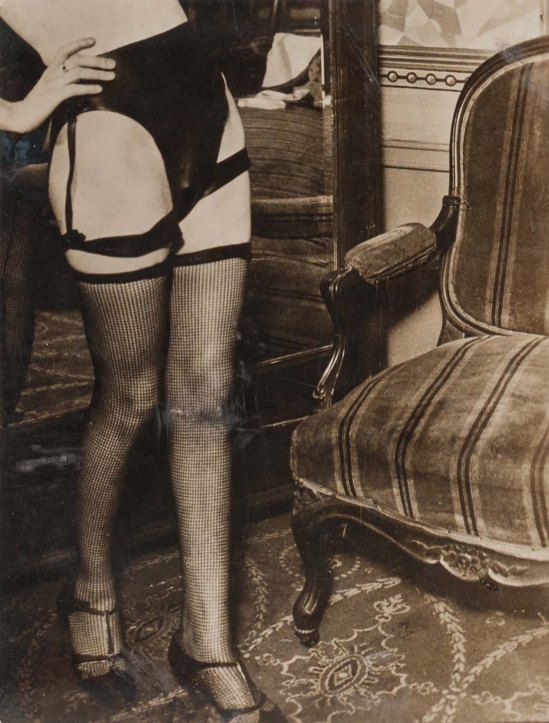
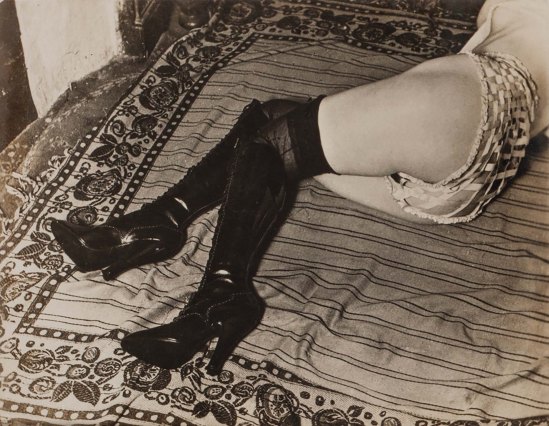
Brassaï – Série Filles dans un hôtel de passe, rue Quincampoix, 1932

« Brassaï, pseudonyme de Gyula Halász, né le 9 septembre 1899 à Brașov (hongrois: Brassó – ville alors austro-hongroise et rattachée à la Roumanie depuis) et mort le 8 juillet 1984 à Nice (Alpes-Maritimes), était un photographe français d’origine hongroise, et aussi dessinateur, peintre, sculpteur et écrivain.

Gyula Halász a trois ans quand sa famille emménage à Paris où ils rejoignent le père qui enseigne la littérature à la Sorbonne. Jeune homme, Gyula Halász étudie la peinture et la sculpture à l’école des Beaux-Arts de Budapest avant de rejoindre la cavalerie austro-hongroise pour y servir durant la Première Guerre mondiale. En 1920 il se rend à Berlin où il y travaillera en tant que journaliste, tout en suivant les cours de l’académie des Beaux-Arts Berlin-Charlottenburg.

Halász déménage en 1924 pour Paris. Seul, il apprend le français en lisant les œuvres de Marcel Proust. Installé à Montparnasse, au cœur du Paris artistique des années 1920, il se lie à Henry Miller, Léon-Paul Fargue et Jacques Prévert.

Il reprend sa carrière de journaliste. Il écrivit plus tard que la photo l’avait aidé à saisir la nuit Parisienne, la beauté des rues et des jardins, qu’il pleuve ou qu’il vente. En utilisant son lieu de naissance, Gyula Halász se forge dès 1923 le pseudonyme de Brassaï qui signifie « de Brassó ». C’est sous ce nom qu’il s’impose comme celui qui a su capturer l’essence de la ville dans ses clichés, publiant un premier recueil en 1932 intitulé « Paris de nuit » qui reçoit un grand succès et le fera même surnommer « l’œil de Paris » par Miller dans l’un de ses essais. En dehors de ses photos du Paris interlope et sombre, Brassaï s’est aussi intéressé à la haute société, aux intellectuels, à la danse et à l’opéra. Il photographia nombre d’entre ses contemporains, tels Salvador Dalí, Pablo Picasso, Henri Matisse, Alberto Giacometti et certains des écrivains majeurs de l’époque : Jean Genet, Henri Michaux. Une de ses photographies de la série des Graffiti sera utilisée en couverture du recueil de Jacques Prévert Paroles en 1946.

Ses photographies offrirent à Brassaï une célébrité internationale. En 1956, son film « Tant qu’il y aura des bêtes » gagne un prix à Cannes, puis en 1974, il est élevé au rang de Chevalier des Arts et des Lettres, avant de recevoir en 1976, la Légion d’honneur. Il gagne le premier « Grand Prix national de la photographie », deux ans plus tard, à Paris. Il est exposé aux Rencontres d’Arles, (France), lors des soirées de projection au Théâtre Antique, en 1970 pour “Brassaï” de Jean-Marie Drot,et en 1972 pour “Brassaï si, Vominino” de René Burri. Il est l’invité d’honneur des Rencontres en 1974. Une exposition et une soirée d’hommage lui y sont consacrées.

En plus de ses œuvres photographiques, Brassaï écrivit dix-sept livres et de nombreux articles, dont en particulier Histoire de Marie, publié avec une introduction de Henry Miller.

Brassaï est enterré au Cimetière du Montparnasse, à Paris « (Wilkipia)

Brassaï-  Hôtel de passe, rue Quincampoix, 1932 ( Diana Slip Co Lingerie,)

Brassaï- Hôtel de passe, rue Quincampoix, c.1932

Brassai sans titre Fille dans un hôtel de passe, rue Quincampoix, 1932 Culotte et talons hauts, Diana Slip Co

Brassaï -Hôtel de passe rue Quincampoix, publicité pour la lingerie féminine Diana Slip 1932

Brassaï -Hôtel de passe rue Quincampoix, publicité pour la lingerie féminine Diana Slip 1932

Brassai sans titre Fille dans un hôtel de passe, rue Quincampoix, 1932 Culotte et talons hauts, Diana Slip Co

Brassai sans titre Fille dans un hôtel de passe, rue Quincampoix, 1932 Culotte et talons hauts, Diana Slip Co

Brassaï -Hôtel de passe rue Quincampoix, publicité pour la lingerie féminine Diana Slip 1932

Brassaï -Hôtel de passe rue Quincampoix, publicité pour la lingerie féminine Diana Slip 1932

brassai-hotel-de-passe-rue-quincampoix-publicites-pour-la-lingerie-feminine-diana-slip-1932-1

Brassaï -Hôtel de passe rue Quincampoix, publicité pour la lingerie féminine Diana Slip 1932

brassai-hotel-de-passe-rue-quincampoix-publicites-pour-la-lingerie-feminine-diana-slip-1932-3

Brassaï -Hôtel de passe rue Quincampoix, publicité pour la lingerie féminine Diana Slip 1932

Brassaï -Hôtel de passe rue Quincampoix, publicité pour la lingerie féminine Diana Slip 1932

Brassaï -Hôtel de passe rue Quincampoix, publicité pour la lingerie féminine Diana Slip 1932

Brassaï -Hôtel de passe rue Quincampoix, publicité pour la lingerie féminine Diana Slip 1932

Brassaï -Hôtel de passe rue Quincampoix, publicité pour la lingerie féminine Diana Slip 1932

Brassai sans titre Fille dans un hôtel de passe, rue Quincampoix, 1932 Culotte et talons hauts, Diana Slip Co

Brassai sans titre Fille dans un hôtel de passe, rue Quincampoix, 1932 Culotte et talons hauts, Diana Slip Co

Brassaï- Fille dans un hôtel de passe, rue Quincampoix,1932

Brassaï – Fille dans un hôtel de passe, rue Quincampoix, 1932 Culotte et bas, Diana Slip & Co

Brassaï-Hotel de passe , rue Quincampoix-1932

Brassaï – Fille dans un hôtel de passe, rue Quincampoix, 1932 Culotte et bas, Diana Slip & Co

Brassaï -Hôtel de passe rue Quincampoix, publicité pour la lingerie féminine Diana Slip 1932

Brassaï -Hôtel de passe rue Quincampoix, publicité pour la lingerie féminine Diana Slip 1932

Brassaï -Hôtel de passe rue Quincampoix, publicité pour la lingerie féminine Diana Slip 1932

Brassaï -Hôtel de passe rue Quincampoix, publicité pour la lingerie féminine Diana Slip 1932

Brassaï - Fille dans un hôtel de passe, rue Quincampoix, 1932 Culotte et bas et talons hauts, Diana Slip & Co

Brassaï – Fille dans un hôtel de passe, rue Quincampoix, 1932 Culotte et bas et talons hauts, Diana Slip & Co

Brassai sans titre Fille dans un hôtel de passe, rue Quincampoix, 1932 Culotte et talons hauts, Diana Slip Co

Brassaï – Fille dans un hôtel de passe, rue Quincampoix, 1932 Corset et talons hauts, Diana Slip & Co


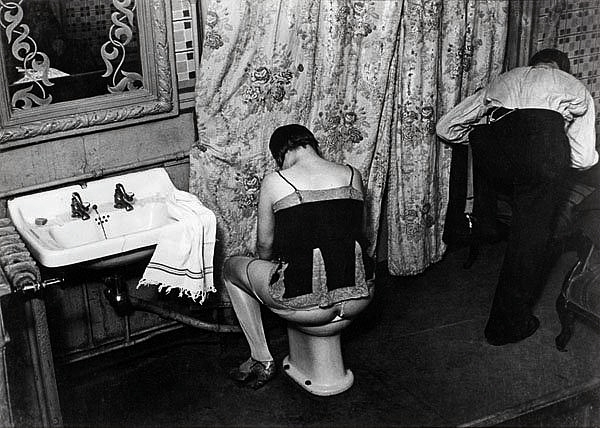
Brassaï-La toilette, rue Quincampoix, vers 1932 &

Brassaï-La toilette, rue Quincampoix, vers 1932

Jaroslav Vávra

Jaroslav Vávra- untitled, 1964

Jaroslav Vávra- Untitled, 1964 1

Jaroslav Vávra- Untitled, 1964

Jaroslav Vávra- Studie IV (Šrafůra) or Šachové, 1969

Jaroslav Vávra- Studie IV (Šrafůra) or Šachové, 1969

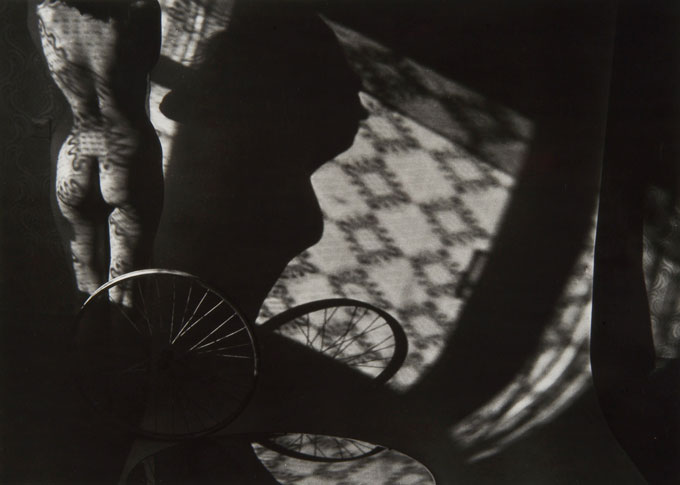
Jaroslav Vávra- Striped Nude , 1966

Jaroslav Vávra- Striped Nude , 1966

Jaroslav Vávra- Arkady, 1964

Jaroslav Vávra- Arkady, 1964

Jaroslav Vávra- Srovnání, 1969

Jaroslav Vávra- Srovnání, 1969

Jaroslav Vávra - Spona, 1960Ss

Jaroslav Vávra – Spona, 1960Ss

Jaroslav Vávra- Checkered Nude ,  1966

Jaroslav Vávra- Checkered Nude , 1966

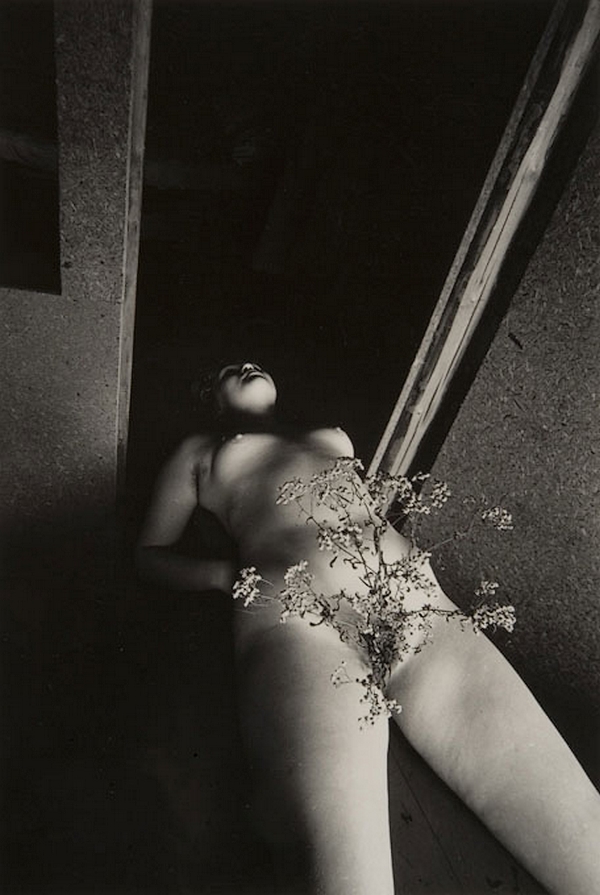
Jaroslav Vávra -Akt, 1969

Jaroslav Vávra -Akt, 1969

Jaroslav Vávra – Untitled,1969

Jaroslav Vávra – Untitled,1969

Jaroslav Vávra – Untitled,1969

Jaroslav Vávra – Untitled,1969

Jaroslav Vavra - Akt, , 1965

Jaroslav Vavra – Akt, , 1965

Jaroslav Vávra, Toaleta, 1969

Jaroslav Vávra, Toaleta, 1969

Jaroslav Vávra,  Lovec obrazů, 1969

Jaroslav Vávra, Lovec obrazů, 1969

Jaroslav Vávra -Op Art Nude, 1969

Jaroslav Vávra -Op Art Nude, 1969

Jaroslav Vávra- untitled, 1964

Jaroslav Vávra- untitled, 1964

 Jaroslav Vávra- Studie IV (Šrafůra), 1964

Jaroslav Vávra- Studie IV (Šrafůra), 1964

Jaroslav Vávra  1969

Jaroslav Vávra – Cover Akt 1969

Jaroslav Vávra - Plates from Fom Akty, 1969

Jaroslav Vávra – Plates from Fom Akty, 1969

Jaroslav Vávra -untitled nude, 1969

Jaroslav Vávra -untitled nude, 1969

Jaroslav Vávra -untitled nude, 1969

Jaroslav Vávra -untitled nude, 1969

Jaroslav Vávra -untitled nude, 1969

Jaroslav Vávra -untitled nude, 1969

Jaroslav Vávra -untitled nude, 1969

Jaroslav Vávra -untitled nude, 1969

Jaroslav Vávra -untitled nude, 1969

Jaroslav Vávra -untitled nude, 1969

Jaroslav Vávra -untitled nude, 1969 1

Jaroslav Vávra -untitled nude, 1969

 Jaroslav Vávra -Akt, 1969

Jaroslav Vávra -Akt, 1969

Jaroslav Vávra -untitled nude, 1969 Fom Akty, 1969

Jaroslav Vávra -untitled nude, 1969 Fom Akty, 1969

Jaroslav Vávra - Plates from Fom Akty, 1969

Jaroslav Vávra – Plates from Fom Akty, 1969

Jaroslav Vávra - Plates from Fom Akty, 1969

Jaroslav Vávra – Plates from Fom Akty, 1969

Jaroslav Vávra - Plates from Fom Akty, 1969

Jaroslav Vávra – Plates from Fom Akty, 1969

Jaroslav Vávra - Plates ,1969, from Fom Akty, 1971

Jaroslav Vávra – Plates ,1969, from Fom Akty, 1971

Jaroslav Vávra - Plates ,1969, from Fom Akty, 1971

Jaroslav Vávra – Plates ,1969, from Fom Akty, 1971

Jaroslav Vávra - Plates ,1969, from Fom Akty, 1971

Jaroslav Vávra – Plates ,1969, from Fom Akty, 1971

&

Jaroslav Vávra – Plates ,1969, from Fom Akty, 1971

Benjamin Strauss and Homer Peyton (Strauss-Peyton)

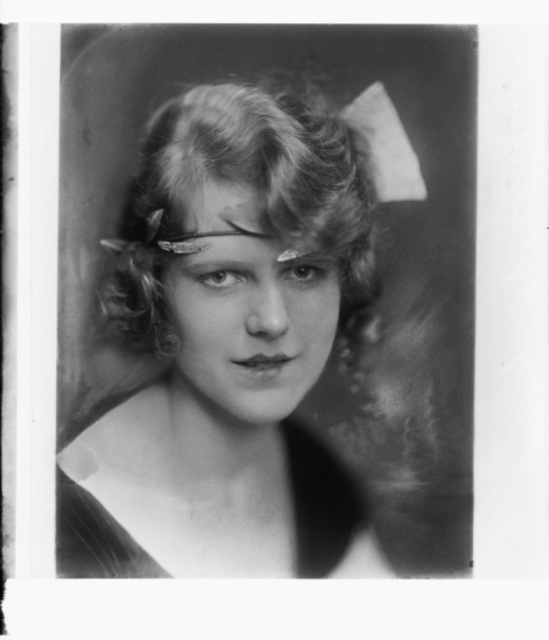
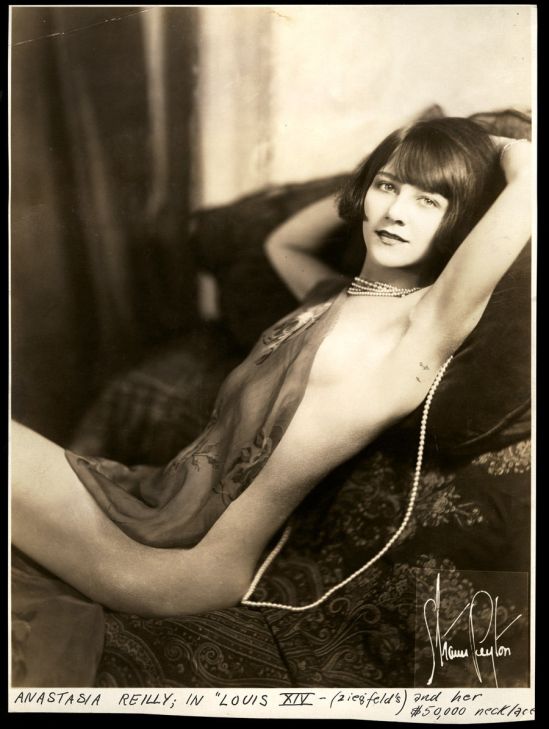
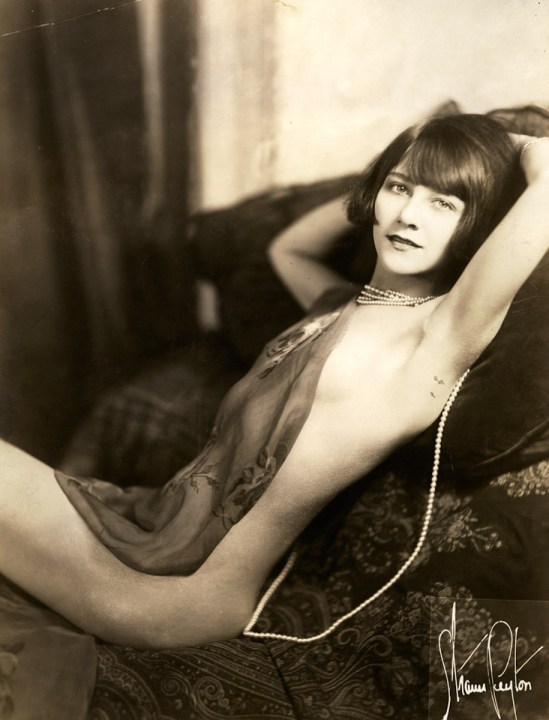
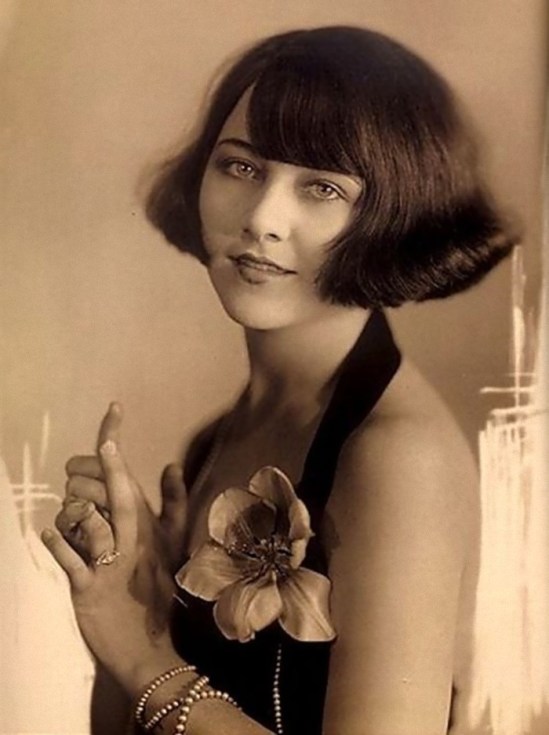
Benjamin Strauss and Homer Peyton -Anastasia Reilly, 1925


Photographers Benjamin Strauss and Homer Peyton, known simply as Strauss-Peyton, worked in Kansas City, Missouri, between 1908 and 1927, is one of the oldest photography studios in the USA. Seen as a considerable force in the growing world of celebrity photography, their clientele included such notable names as Harry S. Truman, Anna Pavlova, Douglas MacArthur, Franklin D Roosevelt, Enrico Caruso, Fred Astaire, the Marx Brothers, Mary Pickford, Al Jolson, Bette Davis, Douglas Fairbanks, Charlie Chaplin and Kansas City’s own Jean Harlow.

Trained in portraiture by his brother, Benjamin Strauss moved from St. Louis to Kansas City in 1900 and opened Strauss Studio with the motion picture pioneer and photographer, George Curtiss.

Strauss Peyton took advantage of Kansas City’s theatrical life with the multitude of visiting artists, performers and dignitaries from the three different theatrical circuits which provided plenty of photographic subjects.This led to the opening of a third studio location for Strauss Peyton in the lobby of the Muehlebach Hotel.
Strauss Peyton likewise became sought after for portraits of local Kansas City children, brides, families, businessmen and politicians, often having their portraits published in the society pages of the Independent Magazine and the Kansas City star. They even personally would make the gossip column occasionally. One such published report of Mr. Peyton dancing after dinner at the Plantation Grill with actress Fritzi Scheff, commented: « Someone, a spectator, remarked that Mr. Peyton was Kansas City’s official entertainer of celebrities. ».
By the mid-20’s, the partnership was crumbling.  Homer Peyton had taken over the running of the New York location in 1926 and preferred to focus on celebrities while Ben wanted to maintain a strong presence in Kansas City.  According to a Cleveland newspaper article: « The lure of New York struck the boys and they moved into the finest studio in Manhattan.  Business was sensational, until one day the partners argued and Ben walked out.  He was tired out. »  Strauss sold the studio to the DeCloud Family in 1926 and moved to Cleveland where he opened Ben Strauss Studio.  Peyton kept the New York studio operating until the stock market crash in 1929.  He closed the studio and moved across the country to Seattle where he opened a studio in the Olympic Hotel, which is now the Fairmont Olympic Hotel in downtown Seattle.


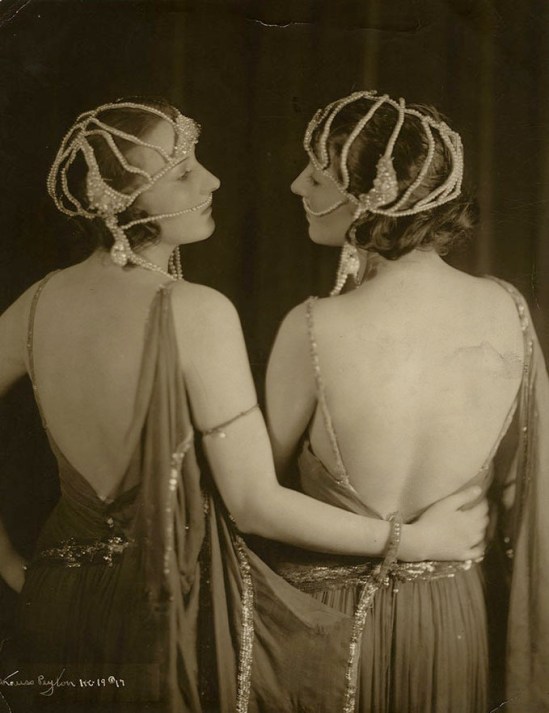
Benjamin Strauss and Homer Peyton -The Barr Twins,1920


Benjamin Strauss and Homer Peyton -Molly Dodd, c. 1914

Benjamin Strauss and Homer Peyton -Suzanne Caubet for Broadway’s The Squall, 1926-1927

Benjamin Strauss and Homer Peyton -Anastasia Reilly, 1925

Benjamin Strauss and Homer Peyton ,Zulieka Anastasia Reilly 1920

Benjamin Strauss and Homer Peyton ,Mildred Davis , 1925


Benjamin Strauss and Homer Peyton- Amelita Galli-Curci, soprano, 1931

Benjamin Strauss and Homer Peyton – Hilda Ferguson, 1919

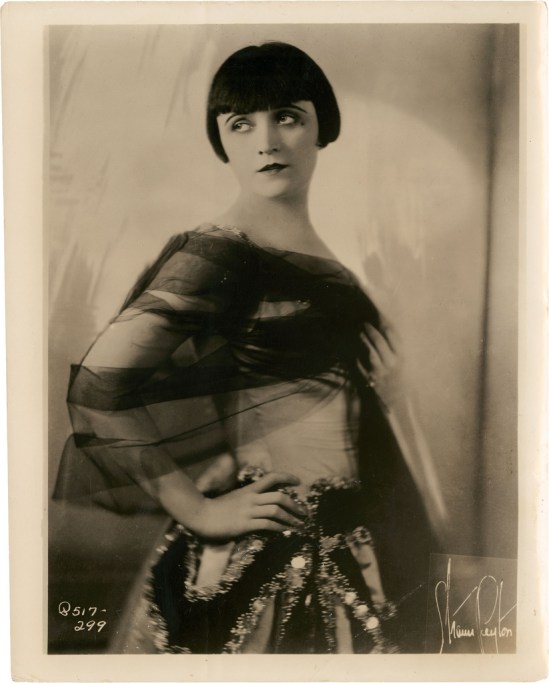
Benjamin Strauss and Homer Peyton ,Pola Negri .1920

Benjamin Strauss and Homer Peyton -Dolores del Rio, c. 1920

Benjamin Strauss and Homer Peyton -Louise Brooks, 1915

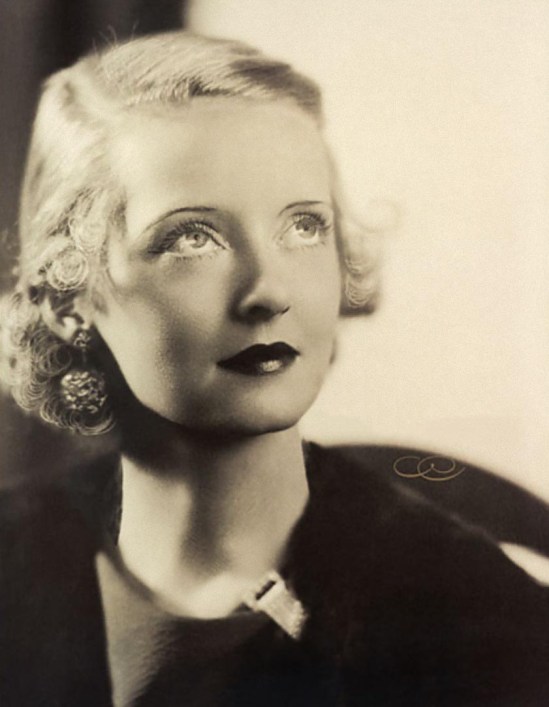
Benjamin Strauss and Homer Peyton- Bette Davis , 1920s

Benjamin Strauss and Homer Peyton ,Evelyn Nesbit, 1920

Benjamin Strauss and Homer Peyton , Shirley Booth, 1927

Benjamin Strauss and Homer Peyton -Mistinguette avec boucles d’oreilles et collier, 1930

Benjamin Strauss and Homer Peyton -Luise Squire .1926

Benjamin Strauss and Homer Peyton -Myrtle Pierce .1926

Benjamin Strauss and Homer Peyton -Marion Chambers .1925

Benjamin Strauss and Homer Peyton -Belle Baker, 1915

Benjamin Strauss and Homer Peyton -Ruth St. Denis , 1916

Benjamin Strauss and Homer Peyton -Ruth St Denis , 1916

Benjamin Strauss and Homer Peyton -Ruth St. Denis , 1916

Benjamin Strauss and Homer Peyton – Ruth St Denis, 1918

Benjamin Strauss and Homer Peyton – Barbara La Marr, 1920

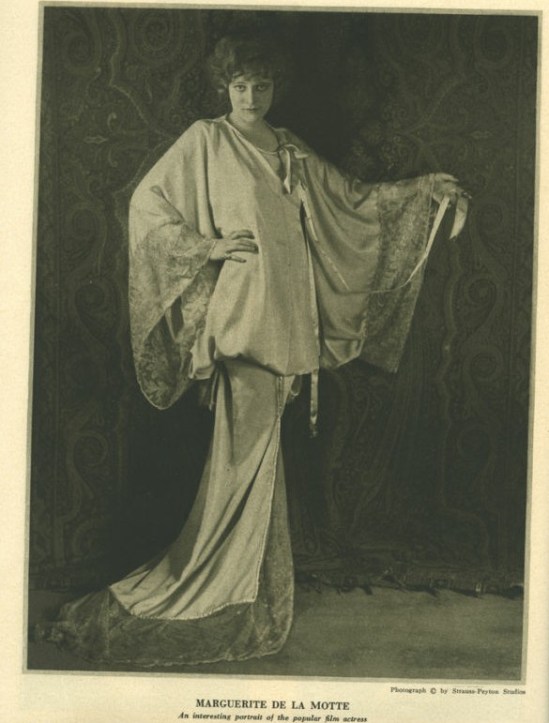
Benjamin Strauss and Homer Peyton -Marguerite de la Motte from Shadowland, june 1922

Benjamin Strauss and Homer Peyton -Anna-Pavlova 1912

Benjamin Strauss and Homer Peyton -Anna Pavlova, c. 1913

Benjamin Strauss and Homer Peyton -Anna Pavlova, c. 1913

Benjamin Strauss and Homer Peyton -Grace la rue ,1920

Benjamin Strauss and Homer Peyton – Jane Connelly, 1915

Benjamin Strauss and Homer Peyton – Audrey Allen, 1915

Benjamin Strauss and Homer Peyton -Gertrude Lawrence in Theatre, August 1927

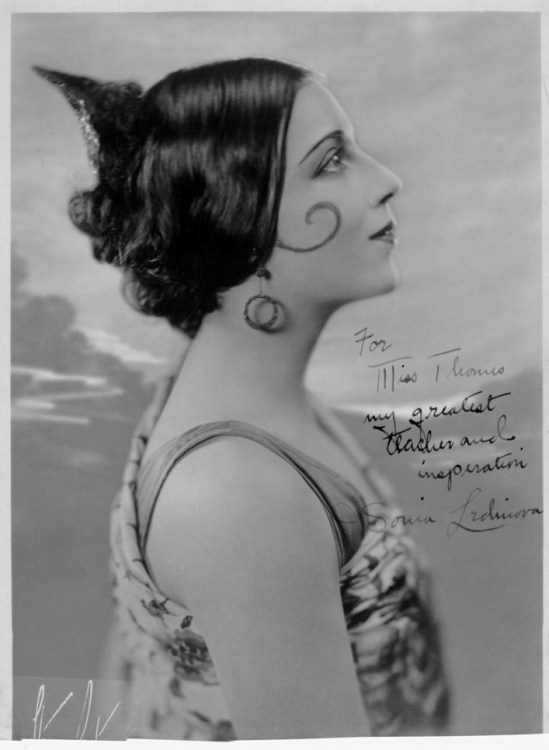
Benjamin Strauss and Homer Peyton – Sonia Ledinova, 1922

Benjamin Strauss and Homer Peyton -Beatrice Burk, 1918

Benjamin Strauss and Homer Peyton -Anna-Pavlova 1912Benjamin Strauss and Homer Peyton -Shannon Day , 1922

Benjamin Strauss and Homer Peyton -Nan Halperin 1927

William Goldman

« Working Girls: An American Brothel Circa 1892 featuring unseen photographs of a 19th-century brothel by William I. Goldman. The exhibit debuts in conjunction with the release of a recently published book by art historian and curator Robert Flynn Johnson, titled Working Girls. The exhibition and book feature imaginative and artful photographs, which capture the artist’s deep appreciation and understanding for women who, circa 1892, lived and worked at an upscale brothel in Reading, PA.

The project began nearly 15 years ago when Johnson came across the bordello scenes at a vintage paper fair in Concord, Calif. Fascinated by the beautiful, Degas-like images, Johnson shared the shots with Serge and Tatiana Sorokko who went on to purchase a large portion of the collection. Over a decade later, Sorokko, a prominent art dealer, publisher and owner of Serge Sorokko Gallery in San Francisco, will showcase 25 photographs by Goldman, for which no negatives are known to exist, including 20 never-before-seen images and five images featured in Working Girls.

“Robert is a talented author, brilliant curator and a dear friend. When he reached out to me almost 15 years ago regarding these striking photographs of unnamed women, I knew immediately he must have come across something extraordinary. At the time, our knowledge about the pieces was minimal – what we saw were captivating, raw and provocative images that captured the authenticity of these women’s everyday lives,” recalled Sorokko. “After more than a decade of exhaustive research executed by Robert, it was then that we confirmed our earlier impression of the uniqueness and artistic and historical significance of the photographs. Providing glimpses of modernism and insights into the culture, sociology and fashion of the times, I am proud to debut them to the world at Serge Sorokko Gallery.”

As famed burlesque dancer and Working Girls contributing writer Dita Von Teese notes, “The local photographer and his anonymous muses appear to straddle an artful titillation, at times striving toward Degas nudes and at another, more in the spirit of a strip and tease. There is beauty in even the most mundane moments.” Von Teese, along with Professor Ruth Rosen and Dennita Sewell, are among three distinguished female authors enlisted by Johnson to provide insightful essays into the significance of these photos, which are of the same subject matter explored by artists like Degas, Lautrec, and Picasso in the 19th and 20th Centuries.

In addition to their evocative, sometimes ravishing nature, the photographs present insight into the era’s fashion often spotlighting stockings as seductresses’ accessories. The various fashion ensembles highlighted in these works help to further tell the stories of the women pictured.

Johnson commented, “These images were compelling individually but as a whole, they captured an unseen world of negotiated passion in American life, written about extensively but rarely, for good reason, documented visually. Multiple feelings of curiosity and excitement came over me after finally realizing the potential importance of these photographs. There was also a recognition that their acquisition carried responsibility to find out the story, which lay hidden behind those faces and figures from another era.”

With each image carrying a persona of its own, Johnson, curious to know more, began an investigation into their origin, authorship, and purpose and unearthed an impressive trove of information about more than two hundred vintage photographs of the Reading women. From inside the brothel, posing artistically for the camera, to their off-duty routines, the images portray the depth and diversity of the subject matters while offering a deeper understanding of the private world of the Reading brothel and the women who inhabited it ». source Juxtapose


From Working Girls by Robert Flynn Johnson, copyright © 2018, published by Glitterati Editions , 1892 by William Goldman

From Working Girls by Robert Flynn Johnson, copyright © 2018, published by Glitterati Editions , 1892 by  William Goldman

rom Working Girls by Robert Flynn Johnson, copyright © 2018, published by Glitterati Editions , 1892 by William Goldman

rom Working Girls by Robert Flynn Johnson, copyright © 2018, published by Glitterati Editions , 1892 by William Goldman

From Working Girls by Robert Flynn Johnson, copyright © 2018, published by Glitterati Editions , 1892 by William Goldman

From Working Girls by Robert Flynn Johnson, copyright © 2018, published by Glitterati Editions , 1892 by  William Goldman


From Working Girls by Robert Flynn Johnson, copyright © 2018, published by Glitterati Editions , 1892 by William Goldman

From Working Girls by Robert Flynn Johnson, copyright © 2018, published by Glitterati Editions , 1892 by  William Goldman


From Working Girls by Robert Flynn Johnson, copyright © 2018, published by Glitterati Editions , 1892 by William Goldman

From Working Girls by Robert Flynn Johnson, copyright © 2018, published by Glitterati Editions , 1892 by  William Goldman

From Working Girls by Robert Flynn Johnson, copyright © 2018, published by Glitterati Editions , 1892 by William Goldman

From Working Girls by Robert Flynn Johnson, copyright © 2018, published by Glitterati Editions , 1892 by  William Goldman


From Working Girls by Robert Flynn Johnson, copyright © 2018, published by Glitterati Editions , 1892 by  William Goldman

From Working Girls by Robert Flynn Johnson, copyright © 2018, published by Glitterati Editions , 1892 by  William Goldman

From Working Girls by Robert Flynn Johnson, copyright © 2018, published by Glitterati Editions , 1892 by William Goldman

Buy the book;Here & Here


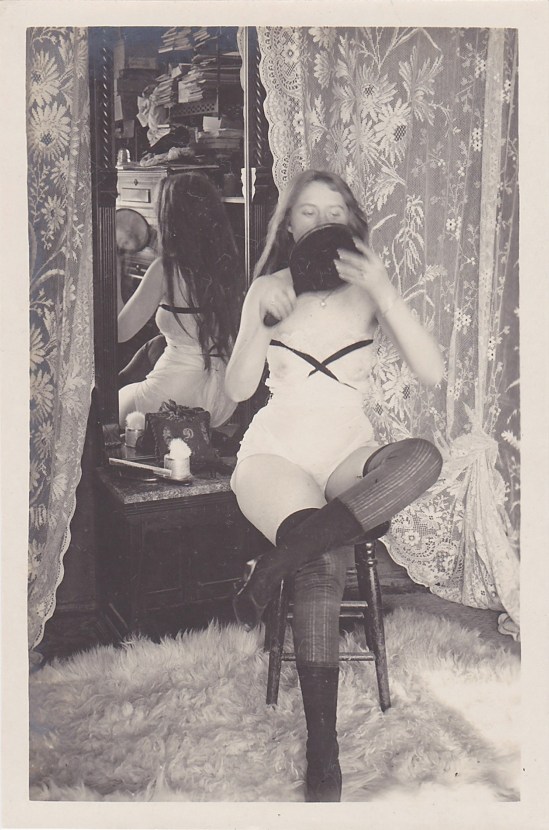
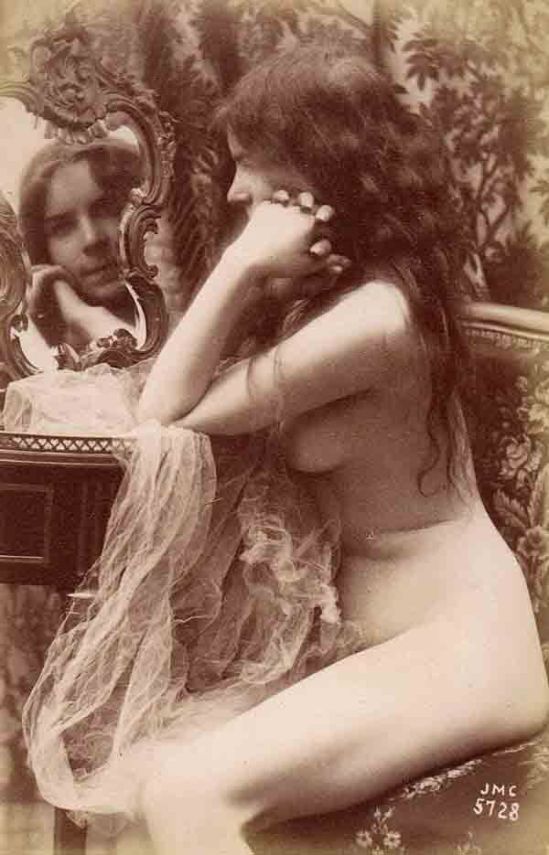
J.M. Canellas

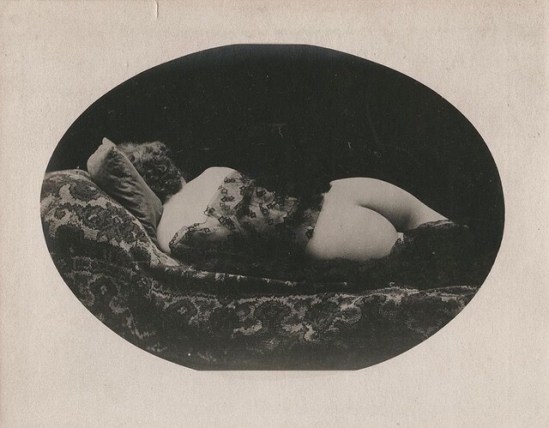
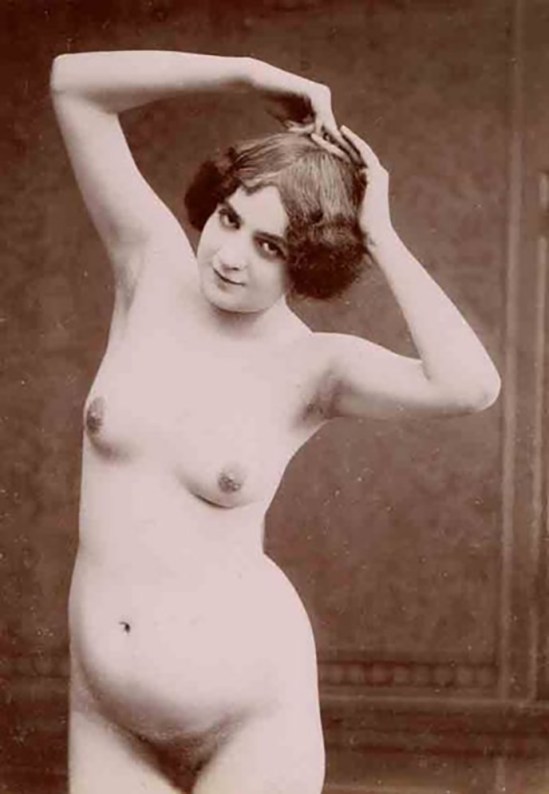
J.M. Canellas – Nu – Tirage albuminé 1890

J.M. Canellas – Nu – Tirage albuminé 1890

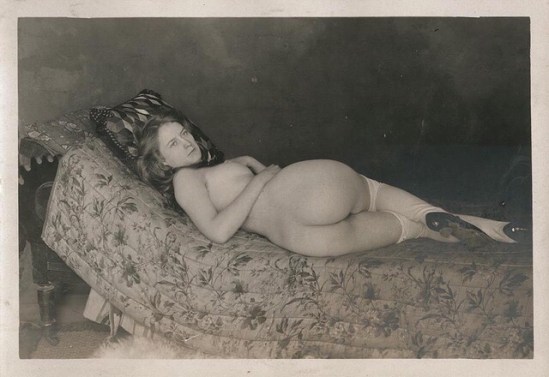
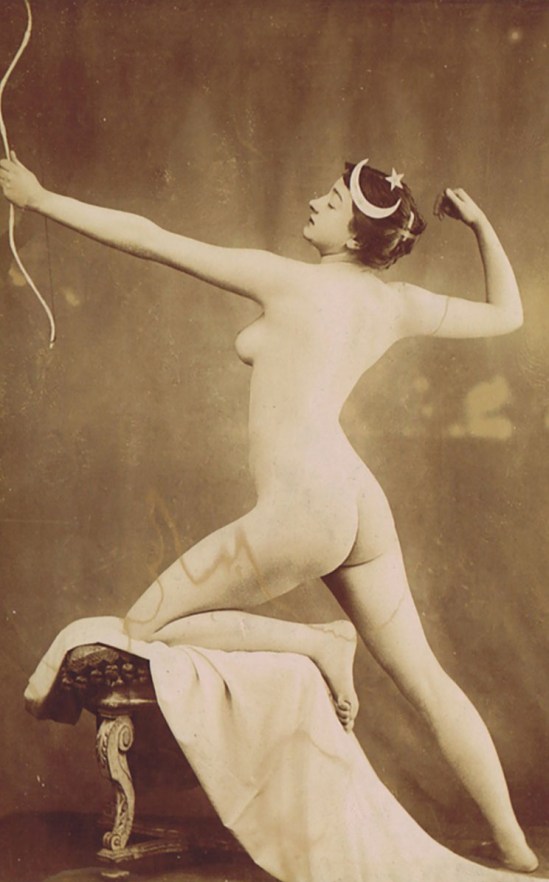
J.M. Canellas – Nu féminin femme à l´arc, vers 1880-90, tirage albuminé_e

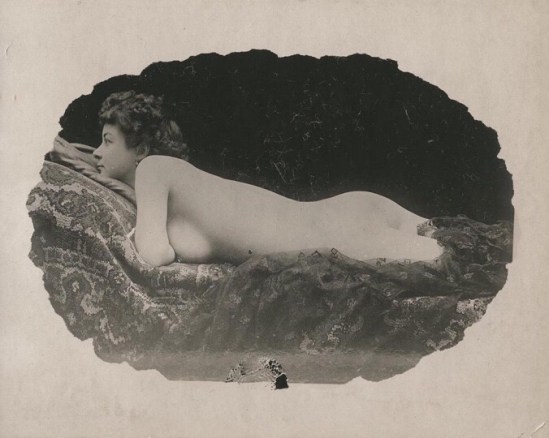
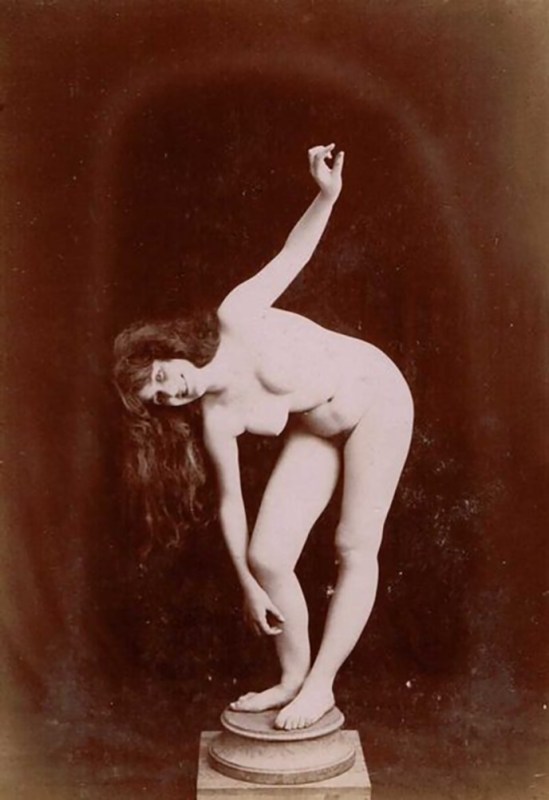
J.M. Canellas – Tirage albuminé vers 1890

J.M. Canellas – Tirage albuminé vers 1890

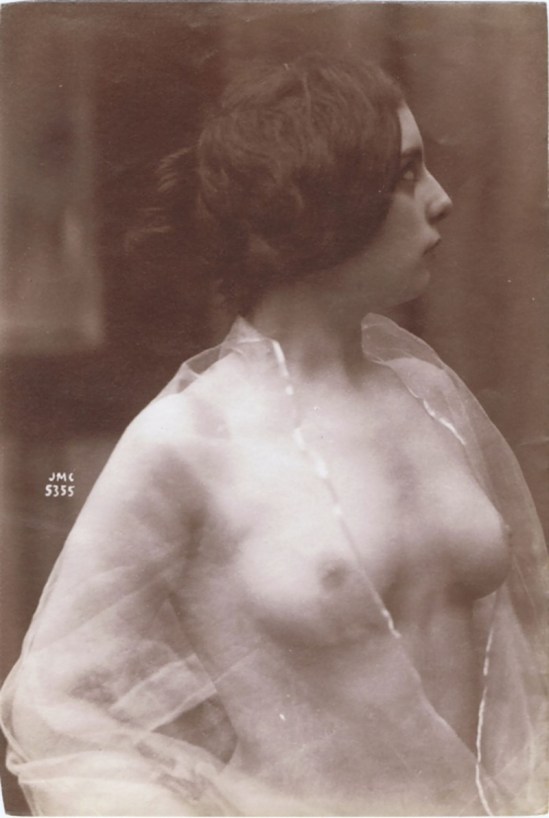
J.M. Canellas – Tirage albuminé vers 1890

J.M. Canellas – Tirage albuminé vers 1890

J.M. Canellas – Tirage albuminé vers 1890

J.M. Canellas – Nu 1890

J.M. Canellas – Nu – 1890

Montial Alice- The Danser Nikolskaja, 1920s

Montial Alice- The Danser Nikolskaja, 1920s

Montial Alice- The Danser Nikolskaja, 1920s

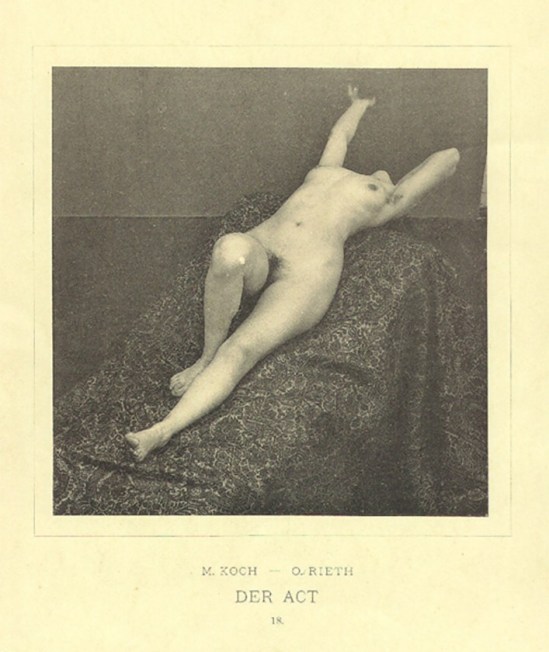
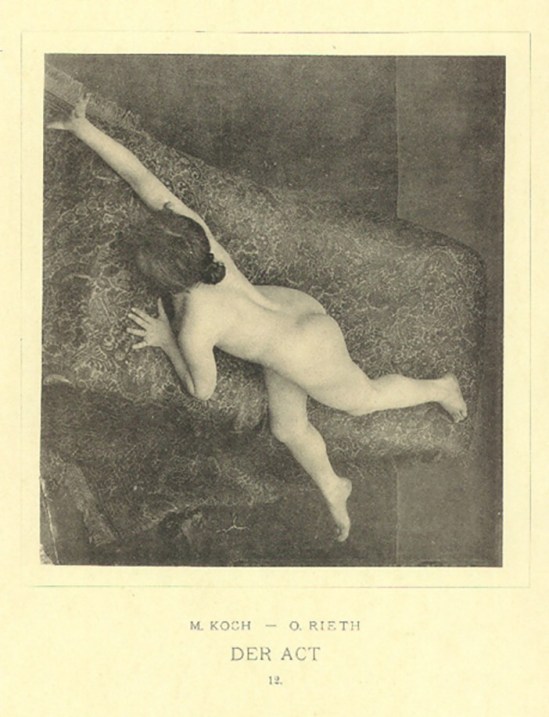
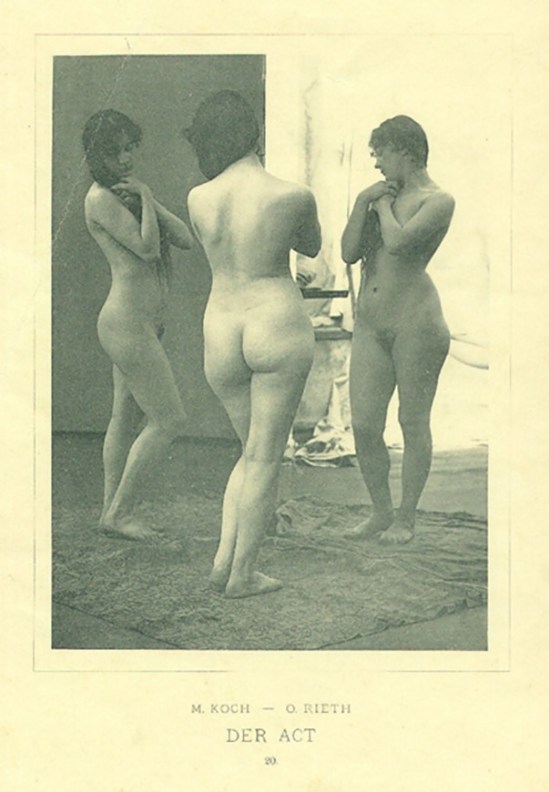
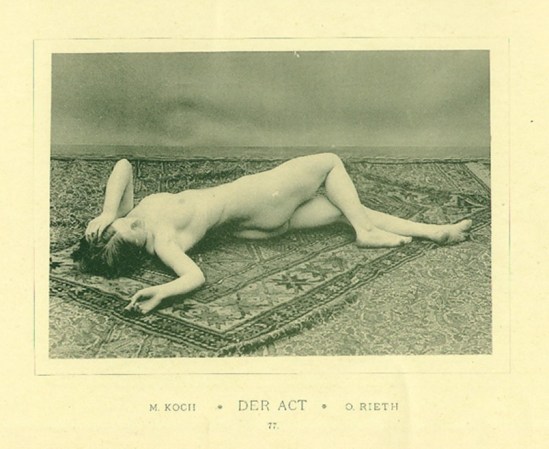
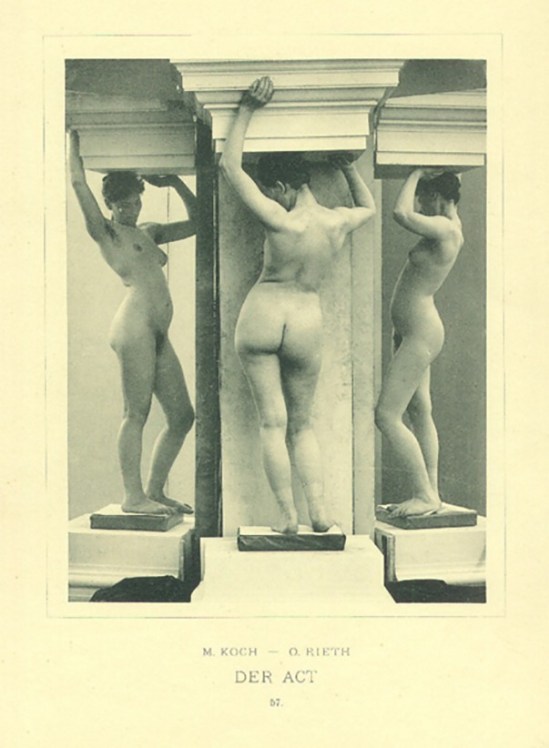
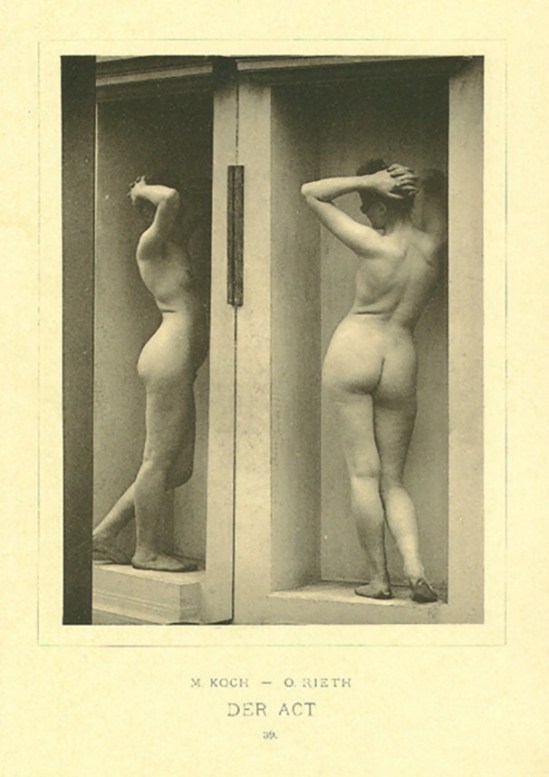
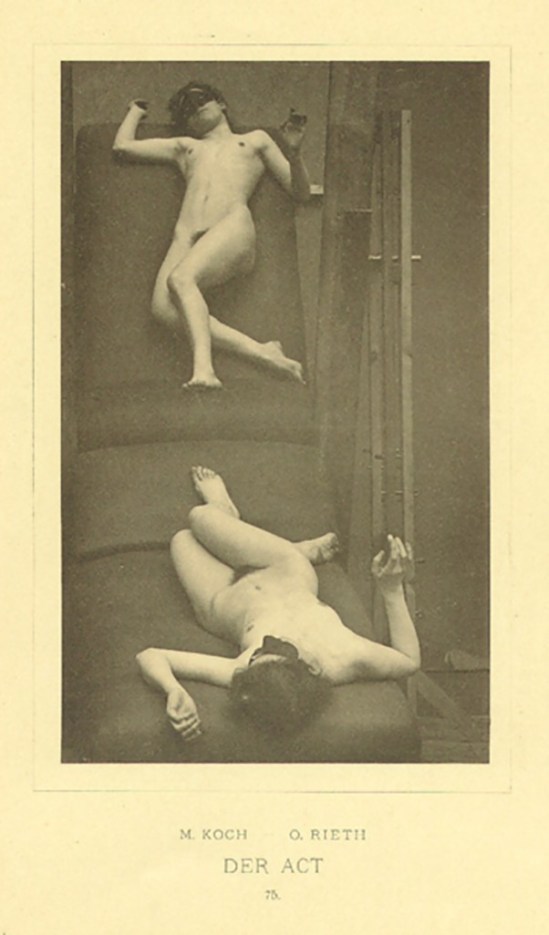
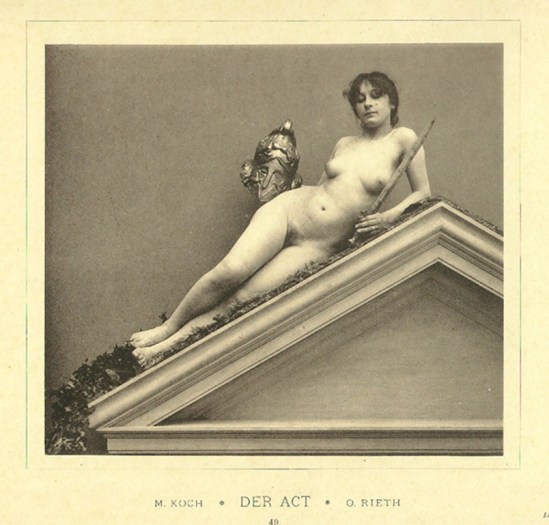
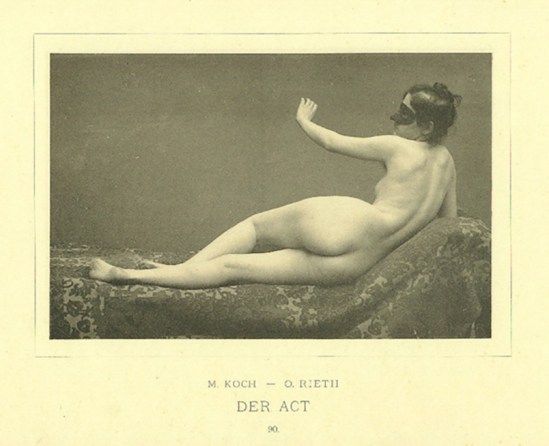
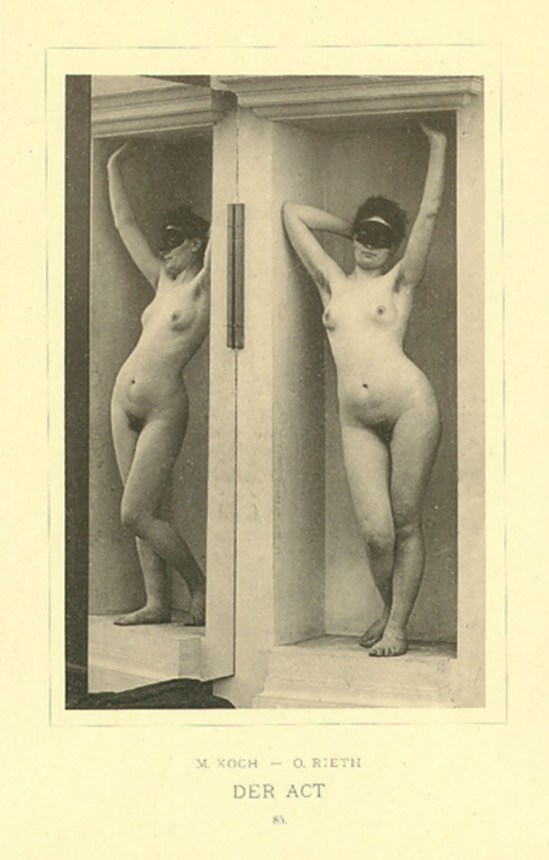
Max Koch &Otto Rieth Der Akt portfolio of collotypes 1894-95

Max Koch & Otto Rieth Der Akt portfolio of collotypes 1894-95

Max Koch & Otto Rieth Der Akt portfolio of collotypes 1894-95

Max Koch & Otto Rieth Der Akt portfolio of collotypes 1894-95

Max Koch & Otto Rieth Der Akt portfolio of collotypes 1894-95

Max Koch & Otto Rieth Der Akt portfolio of collotypes 1894-95

Max Koch & Otto Rieth Der Akt portfolio of collotypes 1894-95

Max Koch & Otto Rieth Der Akt portfolio of collotypes 1894-95

Max Koch & Otto Rieth Der Akt portfolio of collotypes 1894-95

Max Koch & Otto Rieth Der Akt portfolio of collotypes 1894-95

Max Koch & Otto Rieth Der Akt portfolio of collotypes 1894-95

Max Koch & Otto Rieth Der Akt portfolio of collotypes 1894-95

Max Koch & Otto Rieth Der Akt portfolio of collotypes 1894-95

Max Koch & Otto Rieth Der Akt portfolio of collotypes 1894-95

Max Koch & Otto Rieth Der Akt portfolio of collotypes 1894-95

Max Koch & Otto Rieth Der Akt portfolio of collotypes 1894-95


Max Koch & Otto Rieth Der Akt portfolio of collotypes 1894-95

Max Koch & Otto Rieth Der Akt portfolio of collotypes 1894-95

Max Koch & Otto Rieth Der Akt portfolio of collotypes 1894-95

Max Koch & Otto Rieth Der Akt portfolio of collotypes 1894-95

Max Koch & Otto Rieth Der Akt portfolio of collotypes 1894-95

Max Koch & Otto Rieth Der Akt portfolio of collotypes 1894-95

Max Koch & Otto Rieth Der Akt portfolio of collotypes 1894-95

Max Koch & Otto Rieth Der Akt portfolio of collotypes 1894-95

Max Koch & Otto Rieth Der Akt portfolio of collotypes 1894-95

Max Koch & Otto Rieth Der Akt portfolio of collotypes 1894-95