Valeska Gert

 » Gertrud Valesca Somes, dite Valeska Gert, née le 11 janvier 1892 à Berlin et morte entre le 15 et 18 mars 1978 à Kampen sur l’île de Sylt, est une danseuse, humoriste et actrice allemande. Artiste autodidacte née dans une famille bourgeoise de Juifs berlinois, elle a commencé à danser à 9 ans. Elle s’est, par la suite, produite en solo dans des personnages très éloignés de la bourgeoisie, pour mieux la caricaturer. Elle peint des personnages marginaux : « Parce que je n’aimais pas les bourgeois, je dansais des personnages qu’ils méprisaient, prostituées, entremetteuses, marginaux, dépravés. » Dans l’une de ses prestations remarquables, elle exprime par son corps un cri sans son. Réfractaire à toutes les écoles, elle s’inscrit toutefois dans le courant expressionniste. Sa danse, contrairement à Wigman, se révèle virulente et provocatrice. Elle croque au vitriol les travers des classes moyennes et illustre le rythme frénétique de la vie moderne.
Elle a également fait une partie de sa carrière au cinéma qu’elle a débuté en 1915 avec Maria Mossi. Elle fait ses débuts de danseuse en 1916 dans un cinéma de la UFA (Universum Film AG), l’une des sociétés de production cinématographiques les plus importantes de l’Allemagne de la première moitié du XIXe siècle. Sur cette lancée, elle est engagée dans plusieurs théâtres. Entrée en contact avec les dadaïstes berlinois, elle s’oriente vers le cabaret : un genre qui mêle la chanson, la danse, le théâtre, le cirque, la poésie d’avant garde, le cinéma et la satire politique, et qui connait à cette époque un vif succès. En effet, pendant l’entre-deux-guerres, de nombreux cabarets vont apparaître dans toute l’Europe, en Allemagne et surtout à Berlin. Contrairement au cabaret français ou américain, qui se sont centrés sur les loisirs réservés à une certaine catégorie de la population (haute bourgeoisie), le cabaret berlinois sert aussi à exprimer des opinions politiques, et des convictions personnelles. Dans ce cadre, Valeska Gert va, au travers de sa gestualité, montrer son aversion face à la bourgeoisie et une nouvelle façon de danser. On la considère parfois comme l’une des pionnières de la danse contemporaine.

« Quand je faisais du théâtre, je regrettais la danse, et quand je dansais le théâtre me manquait. Le conflit a duré jusqu’à ce que l’idée me vienne de réunir les deux : je voulais danser des personnages. »

Elle va se produire dans un cabaret du nom de « Schall und Rauch », et va ouvrir son propre cabaret « le Kohlkopp » (tête de chou). Son art est basé sur l’alliance du burlesque et du grotesque dans le but de provoquer. Ses solos les plus célèbres sont « la mort », « la boxe », « le cirque », « la nourrice », « la canaille », thèmes ou personnages issus de la vie quotidienne de Valeska Gert.


en 1932, Valeska Gert ouvre un cabaret à Berlin : « le Kohlkopp « . Ses activités sont interrompues par l’arrivée des nazis au pouvoir. En 1938, elle part pour New York et connait là bas des débuts difficiles et sera obligée de subvenir à ses moyens en vivant de petits boulots (vaisselle dans les restaurants, etc…). Elle travaillera ensuite dans le cabaret Beggar’s bar à New York. « La guerre touchait à sa fin. Berlin fut bombardé de fond en comble, ma ville, la ville où je suis née. J’en souffrais jusqu’à la moelle. J’étais atteinte dans chaque nerf. Bientôt la paix allait venir. Je n’étais plus qu’à moitié en Amérique. Je n’avais jamais eu l’intention d’y rester. Dès que le nazis seraient loin, j’y retournerais. J’aime l’Europe, ce contient à l’habitat si dense, où l’on est si proche de l’autre qu’un courant électrique passe, on l’appelle « atmosphère. »

Elle retournera en 1947 en Europe et sera récompensée par un ruban d’Or. Après sa mort, en 1978, elle sera inhumée dans le cimetière de Ruhleben à Berlin.  » Source wilkipedia 

une autre bio ici très bien faite
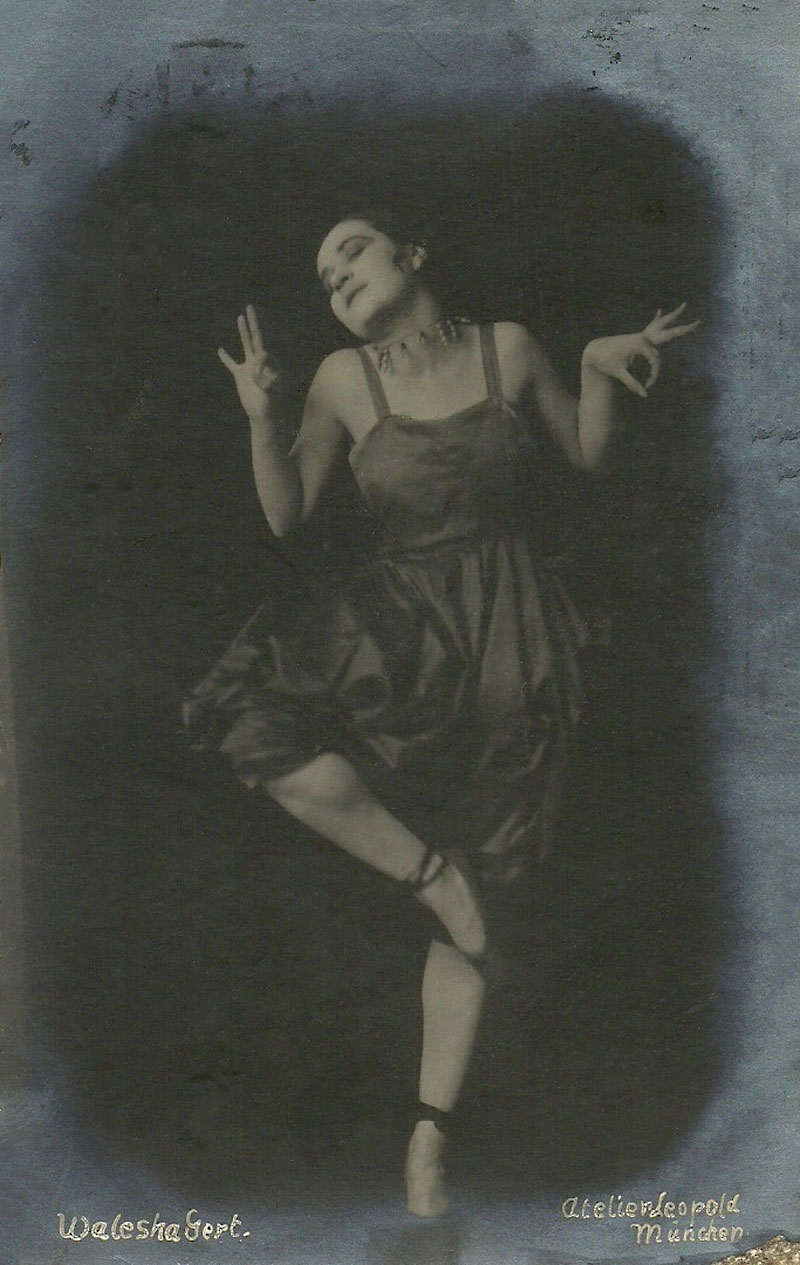
Atelier Leopold- The Jewish cabaret artist Valeska Gert München (Munich)., 1918

Atelier Leopold- The Jewish cabaret artist Valeska Gert München (Munich)., 1918

Atelier Leopold- The Jewish cabaret artist Valeska Gert München (Munich)., 1918 fig 2

Atelier Leopold- The Jewish cabaret artist Valeska Gert München (Munich)., 1918 fig 2

Atelier Leopold- The Jewish cabaret artist Valeska Gert München (Munich)., 1918 fig 3

Atelier Leopold- The Jewish cabaret artist Valeska Gert München (Munich)., 1918 fig 3

Atelier Leopold- The Jewish cabaret artist Valeska Gert München (Munich)., 1918
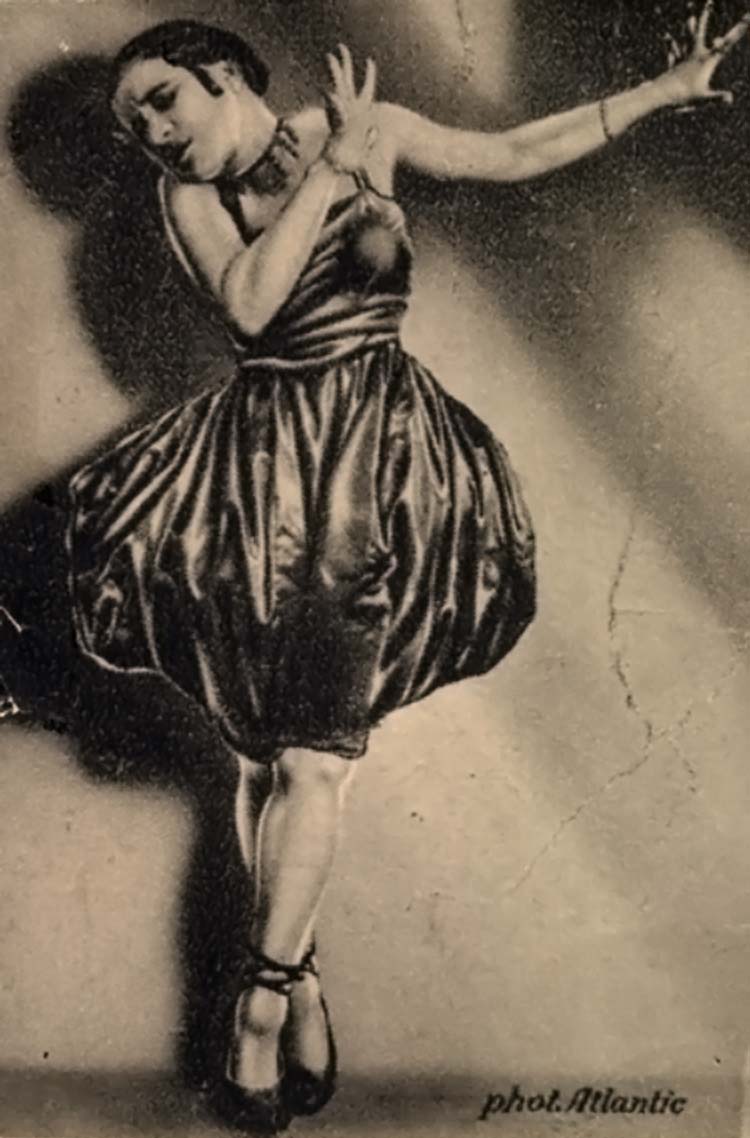
Atelier Leopold- The Jewish cabaret artist Valeska Gert München (Munich)., 1918

Photo Atlantic- Valeska Gert, 1918-19

Photo Atlantic- Valeska Gert, 1918-19

Berliner Illustrations-Gesellschaft -Valeska Gert, dans sa danse Japanische Groteske Berlin, 1917

Berliner Illustrations-Gesellschaft -Valeska Gert, dans sa danse Japanische Groteske Berlin, 1917

Unknown photographer- Diseuse, Portrait Of Valeska Gert, 1919

Unknown photographer- Diseuse, Portrait Of Valeska Gert, 1919

Käte Ruppel- Pause , Valeska Gert,1926

Käte Ruppel- Pause , Valeska Gert,1920s

Binder Valeska Gert , 1926
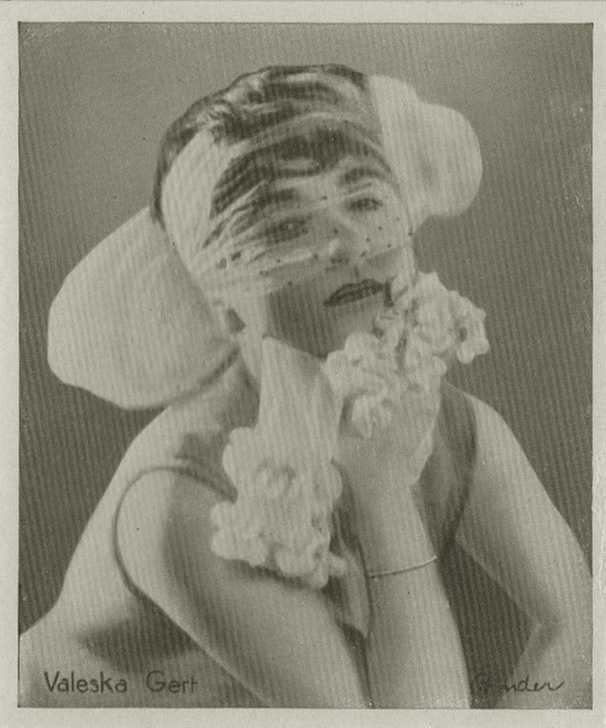
Binder Valeska Gert , 1926

Binder Valeska Gert , 1933
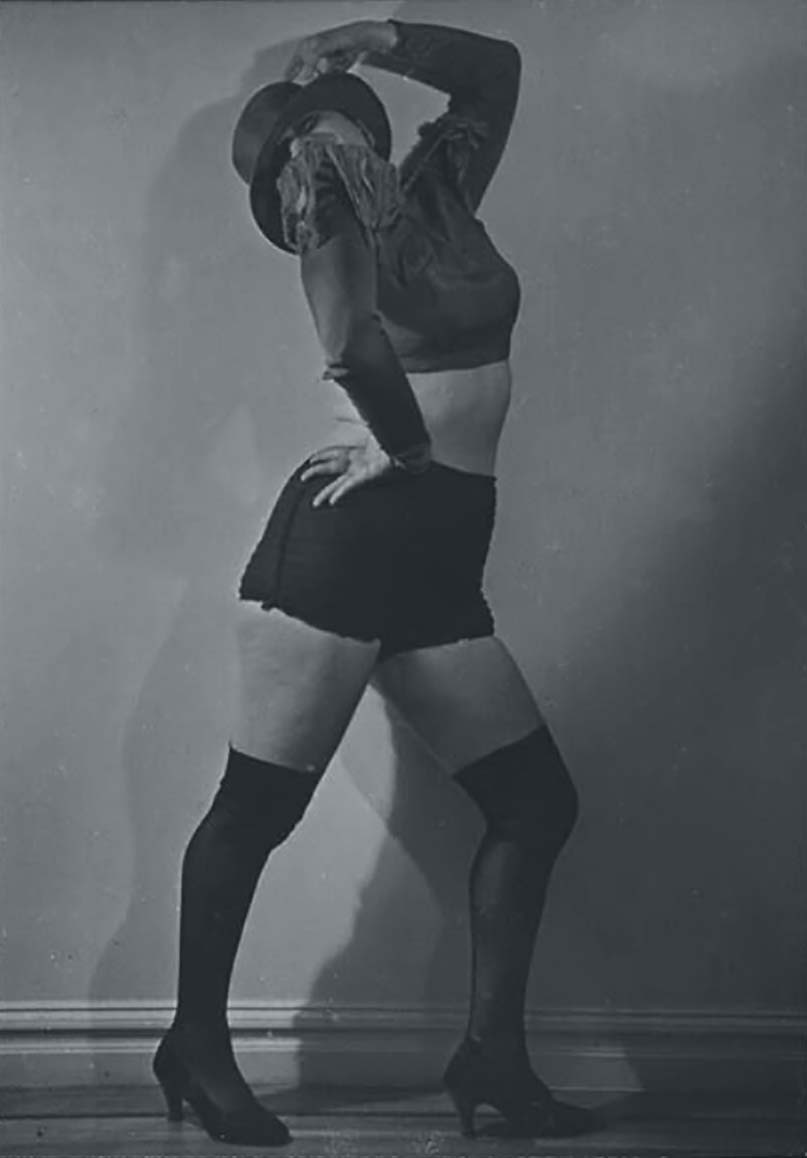
Binder Valeska Gert , 1933

Lisette Model- Valeska Gert, Ole , 1940 (national G of canada)
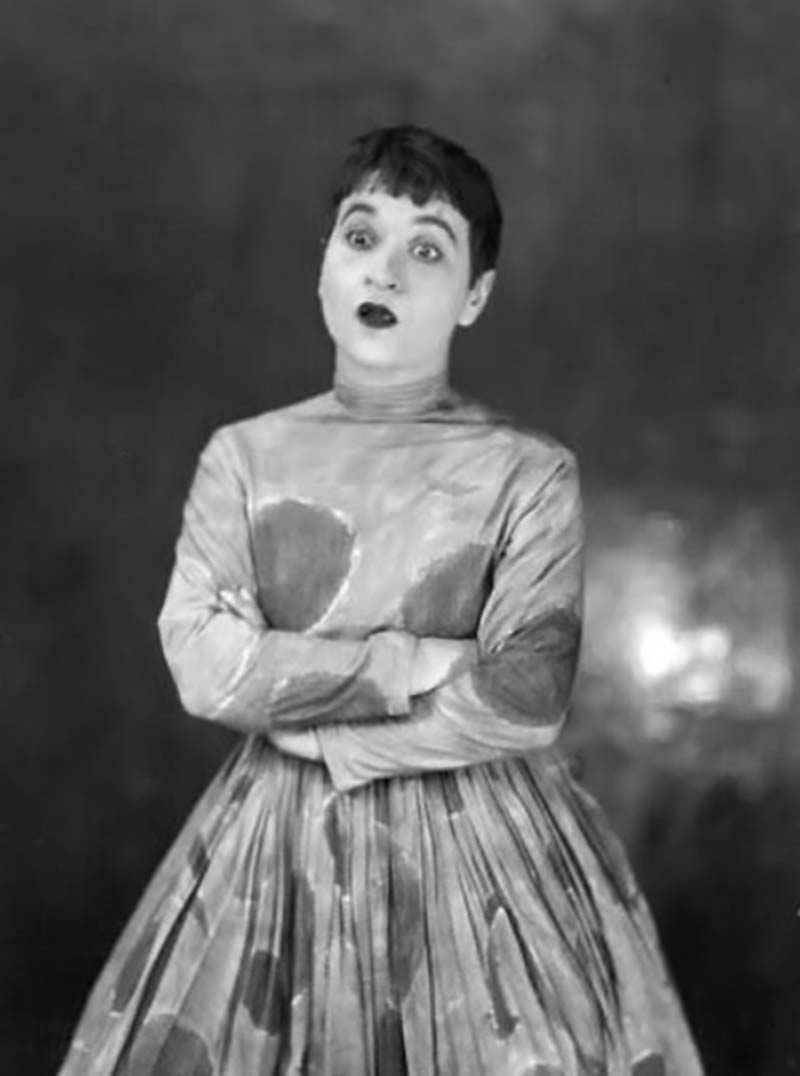
Lisette Model- Valeska Gert, Ole , 1940 (national G of canada)

James Abbe Valeska Gert , 1926

James Abbe Valeska Gert , 1926

Heinrich Hoffmann- Valeska Gert, 1930
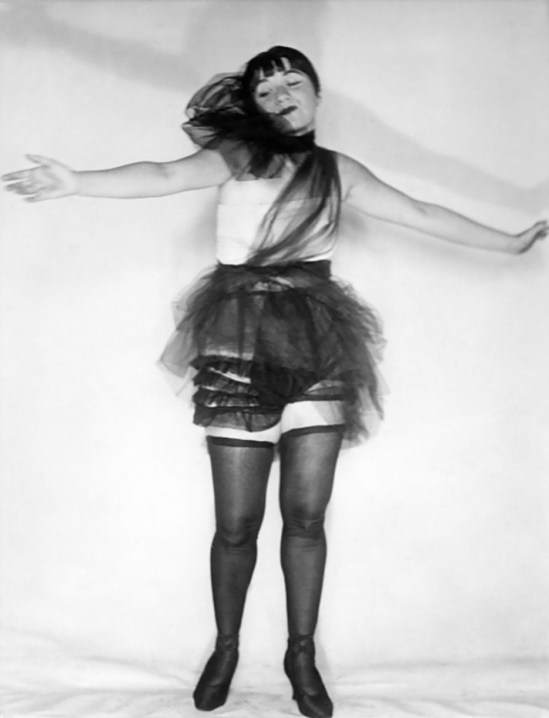
Heinrich Hoffmann- Valeska Gert, 1930

Elli Marcus- Valeska Gert 1930
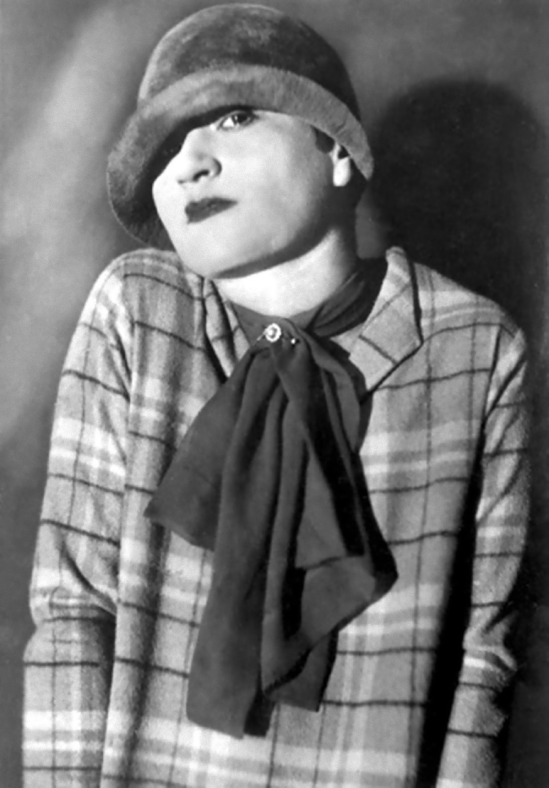
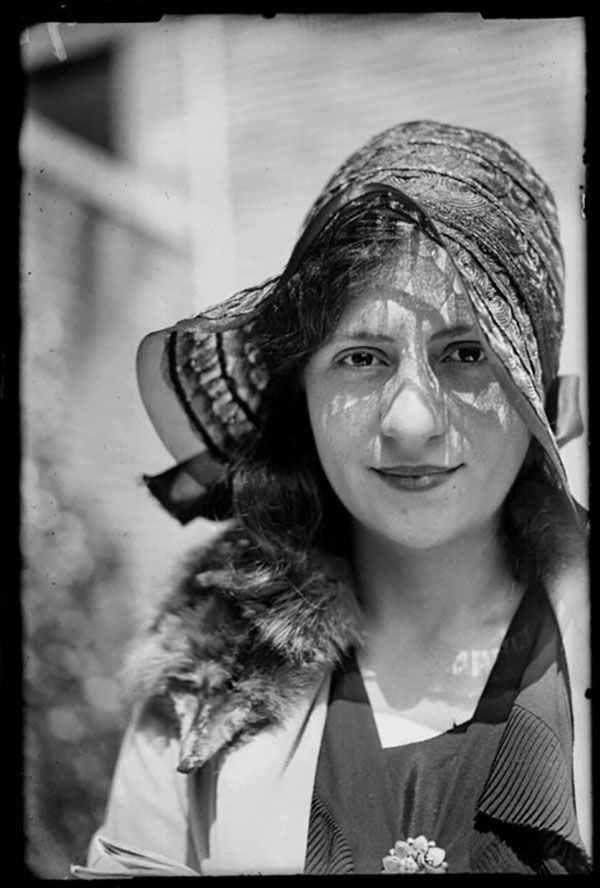
Jaro von Tucholka – Valeska Gert, Portrait au chapeau, 1926

Suse Byk – Valeska Gert Term study on the piano, Opus 1, composition on ausgeleierten piano ‘- published in Tempo 12.10.1929

Suse Byk – Valeska Gert Dance pose as clown 1928
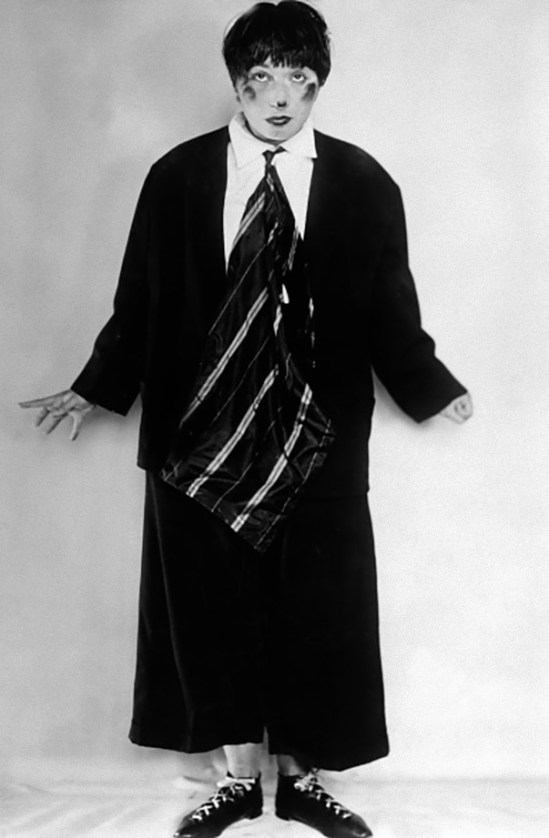
Suse Byk – Valeska Gert Dance pose as clown 1928
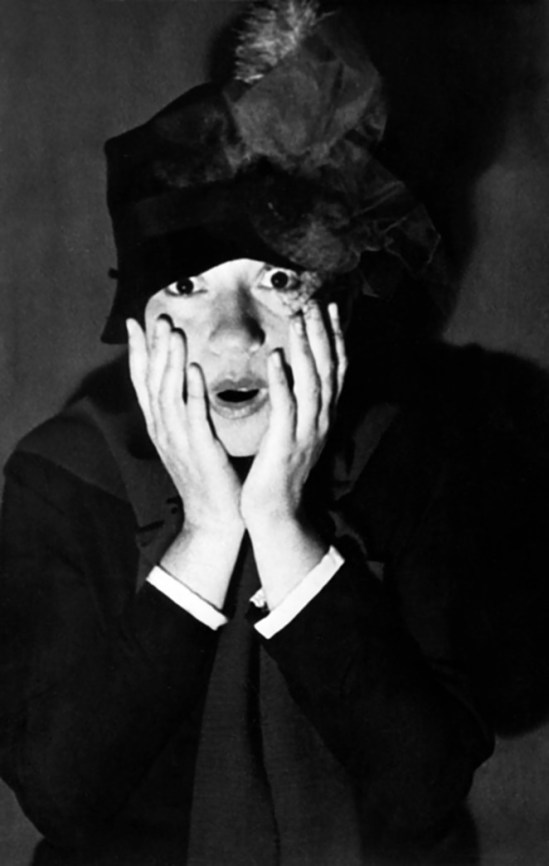
Kurt Huebschmann- Valeska Gert Portrait, as teller of fairy tales at the broadcast, 1930

Lotte Jacobi – Valeska Gert 1930-39

Umbo (Otto Umbehr), Valeska Gert, 1930s Gelatin silver print glossy print in 1975
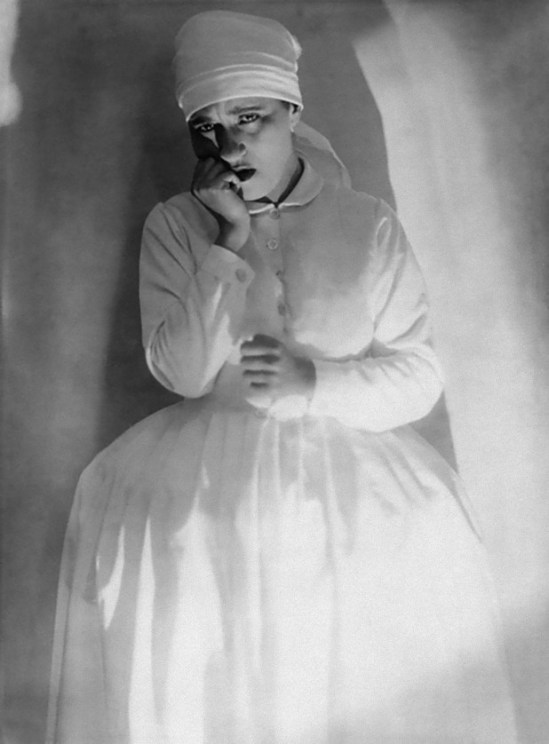
Valeska Gert 1926

Valeska Gert Dance study- 1927
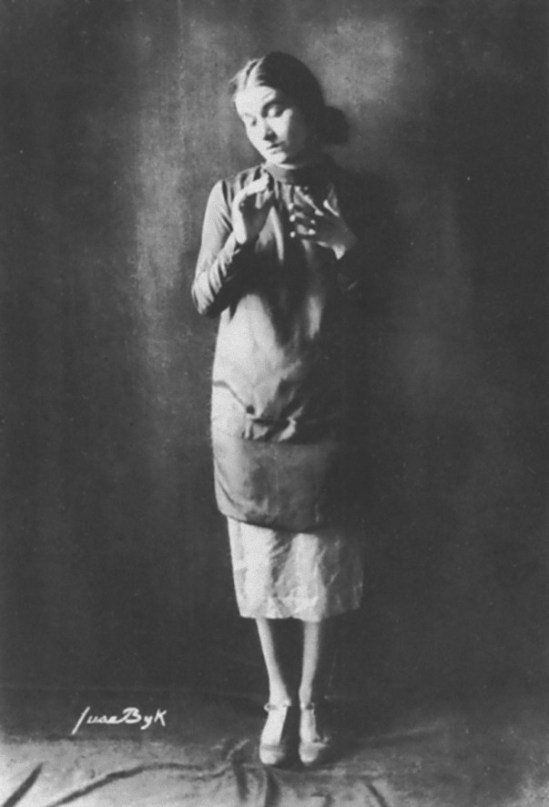
Valeska Gert as salomé

Valeska Gert by hans casparius early 1930

Valeska Gert
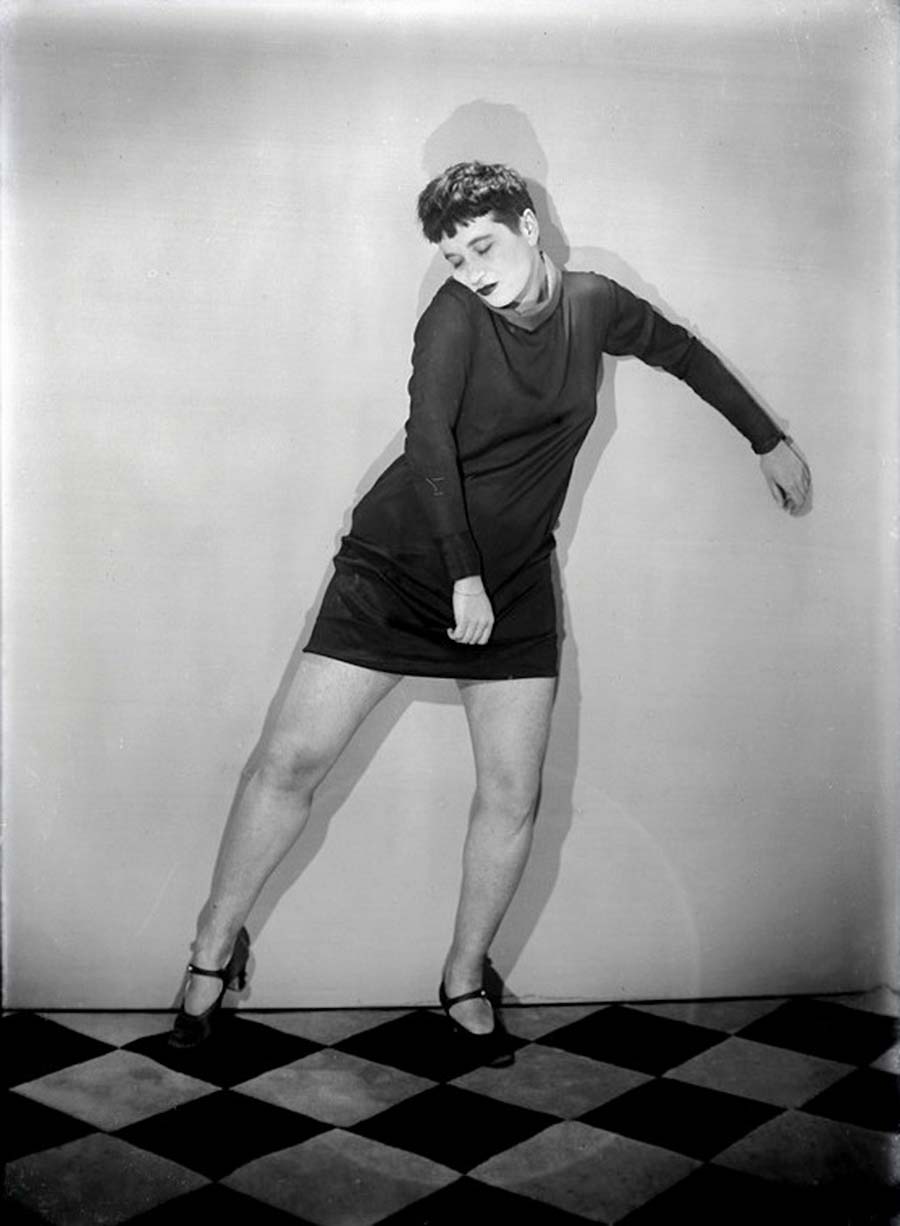
Man Ray - Valeska Gert, vers 1925

Man Ray – Valeska Gert, vers 1925


Man Ray Valeska Gert , 1925
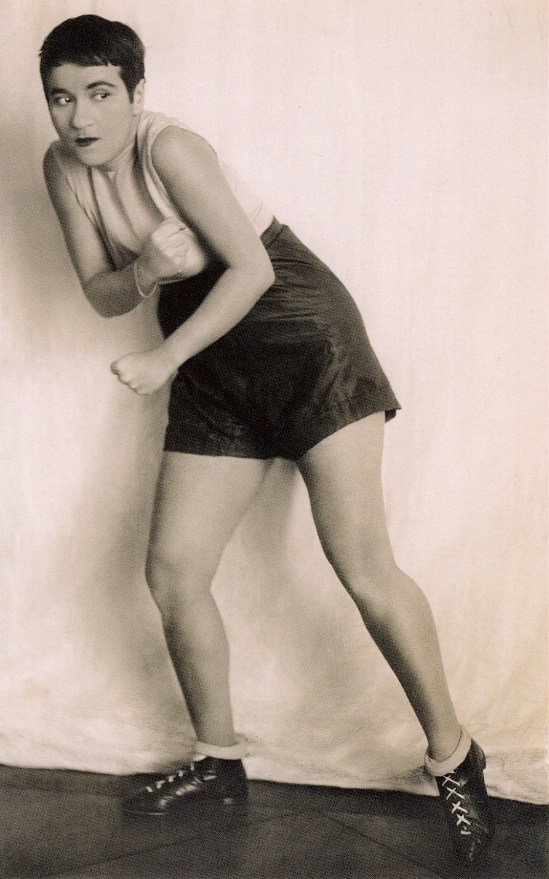
Man Ray Valeska Gert , 1925

Valeska Gert as Boxer Lotte Jacobi 1927

Tänzerin Valeska Gert, Debut 1919, Photographer unknown
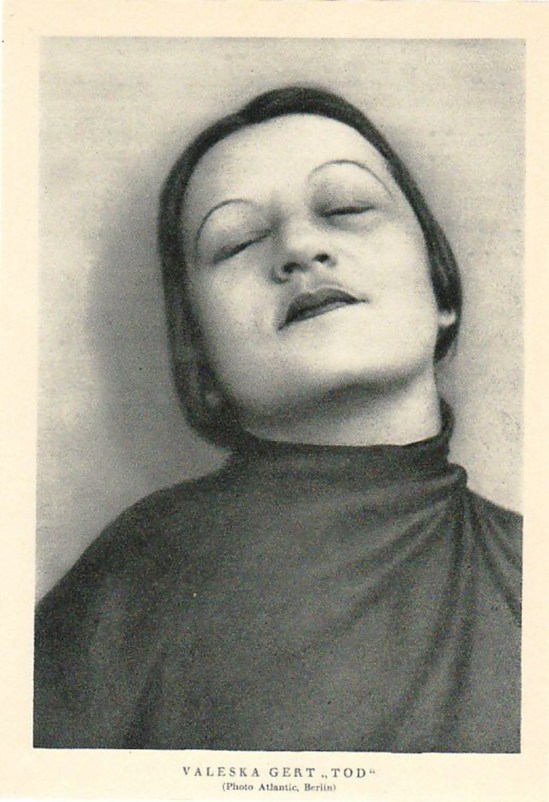
Photo Atlantic- Valeska Gert , in Tod
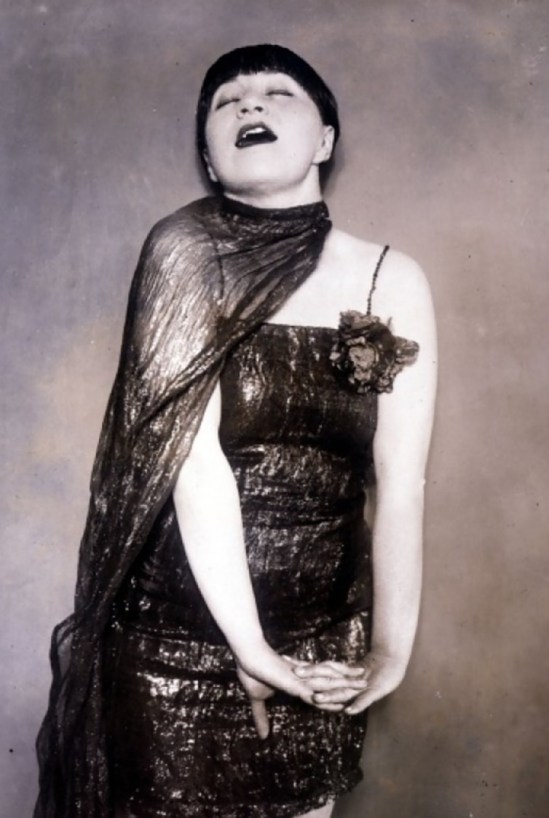
Uncredited – Valeska Gert parodying a coloratura singer. Photo, c. 1925

 Un Lien .lacinemathequedeladanse

Mareille Baum by Hans Natge, Berlin around 1915

Mareille Baum by Hans Natge, Berlin around 1915

Mareille Baum by Hans Natge, Berlin around 1915

Mareille Baum by Hans Natge, Berlin around 1915

Baron Adolf de Meyer

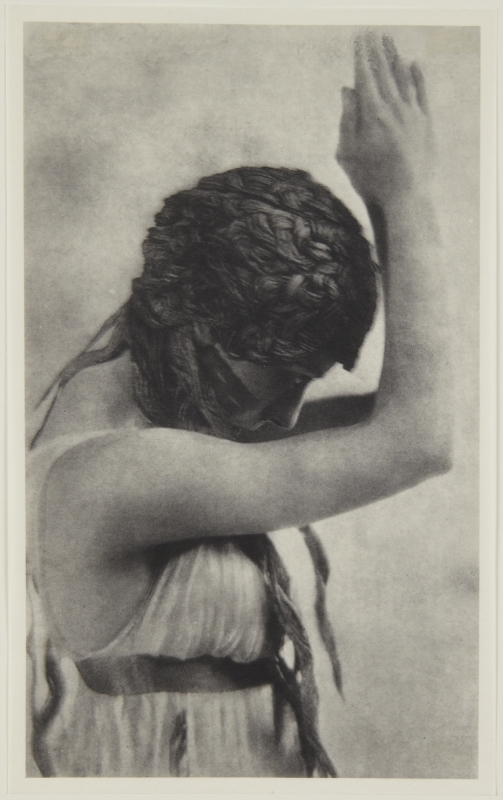
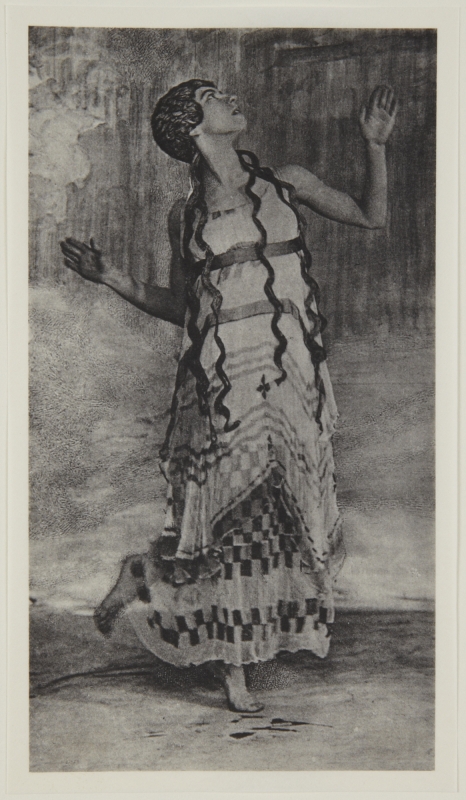
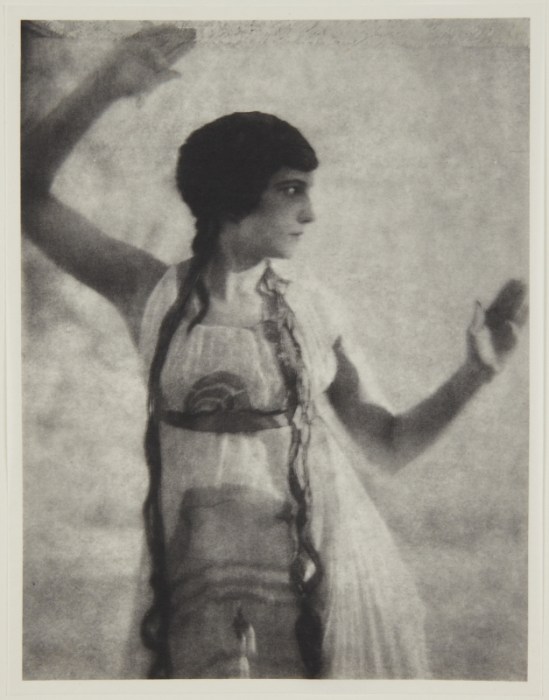
Adolf de Meyer-  Maenad dancing, half-length, from Nijinsky,  L'Apres-midi d'un Faune, 1912 Palladium print

Adolf de Meyer- Maenad dancing, half-length, from Nijinsky, L’Apres-midi d’un Faune, 1912 Palladium print

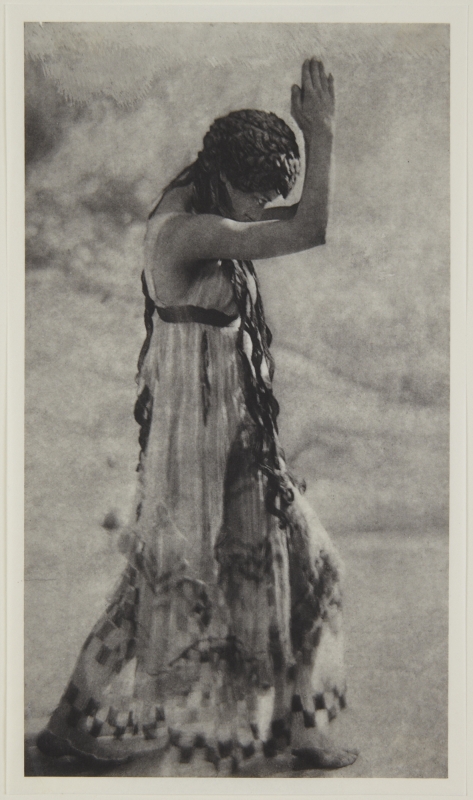
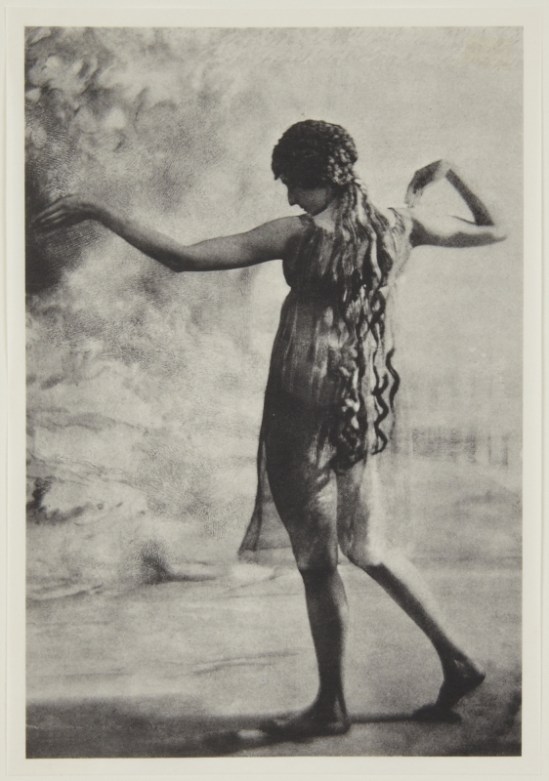
Adolf de Meyer-Maenad dancing, from Nijinsky,  L'Apres-midi d'un Faune, 1912 Palladium print

Adolf de Meyer-Maenad dancing, from Nijinsky, L’Apres-midi d’un Faune, 1912 Palladium print

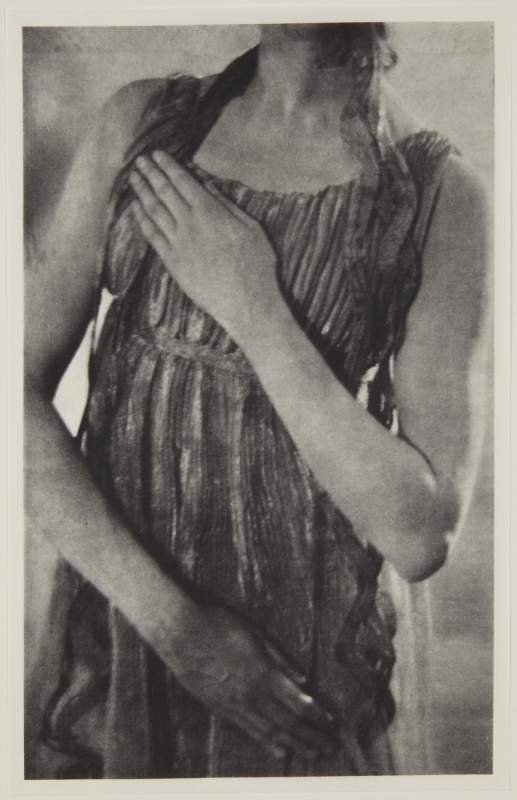
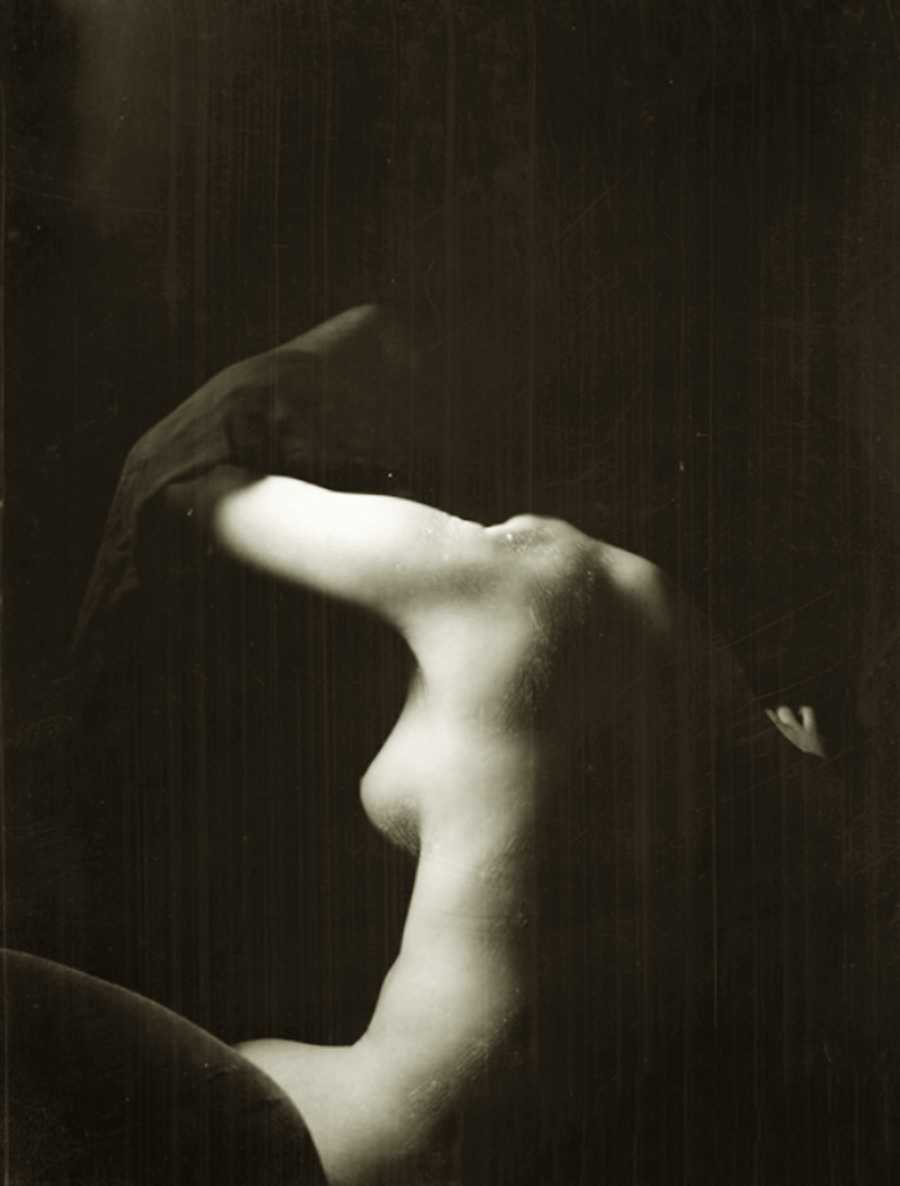
Adolf de Meyer-  Torso of maenad, frontal, from Nijinsky,  L'Apres-midi d'un Faune, 1912 Palladium print

Adolf de Meyer- Torso of maenad, frontal, from Nijinsky, L’Apres-midi d’un Faune, 1912 Palladium print

Adolf de Meyer-   maenad,, from Nijinsky,  L'Apres-midi d'un Faune, 1912 Palladium print

Adolf de Meyer- maenad,, from Nijinsky, L’Apres-midi d’un Faune, 1912 Palladium print

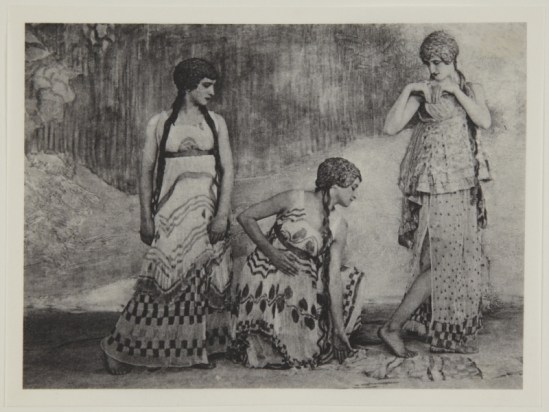
Adolf de Meyer-  Three maenads, from Nijinsky,  L'Apres-midi d'un Faune, 1912 Palladium print

Adolf de Meyer- Three maenads, from Nijinsky, L’Apres-midi d’un Faune, 1912 Palladium print

Adolf de Meyer-Maenad, back view, from Nijinsky,  L'Apres-midi d'un Faune, 1912 Palladium print

Adolf de Meyer-Maenad, back view, from Nijinsky, L’Apres-midi d’un Faune, 1912 Palladium print

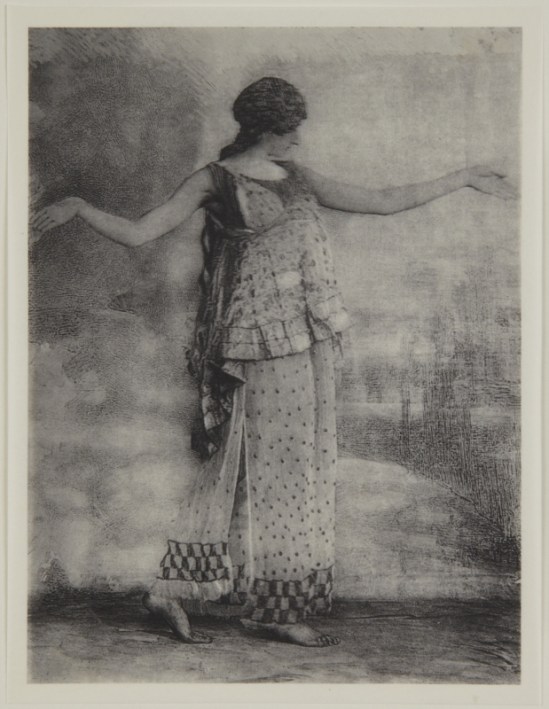
Adolf de Meyer-Maenad dancing, from Nijinsky,  L'Apres-midi d'un Faune, 1912 Palladium print

Adolf de Meyer-Maenad dancing, from Nijinsky, L’Apres-midi d’un Faune, 1912 Palladium print

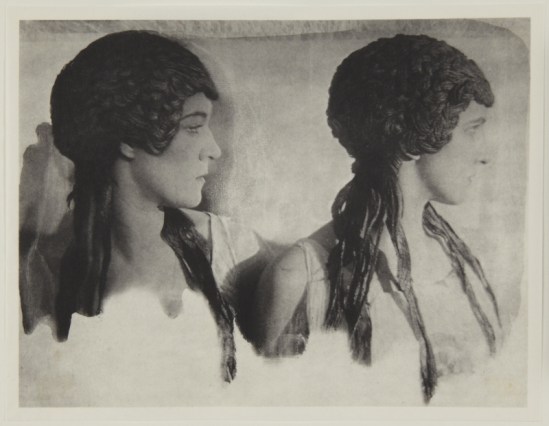
Adolf de Meyer-Two maenads, bust-length, from Nijinsky,  L'Apres-midi d'un Faune, 1912 Palladium print

Adolf de Meyer-Two maenads, bust-length, from Nijinsky, L’Apres-midi d’un Faune, 1912 Palladium print

Adolf de Meyer-Maenad, 3-4 length, frontal, from Nijinsky,  L'Apres-midi d'un Faune, 1912 Palladium print

Adolf de Meyer-Maenad, 3-4 length, frontal, from Nijinsky, L’Apres-midi d’un Faune, 1912 Palladium print

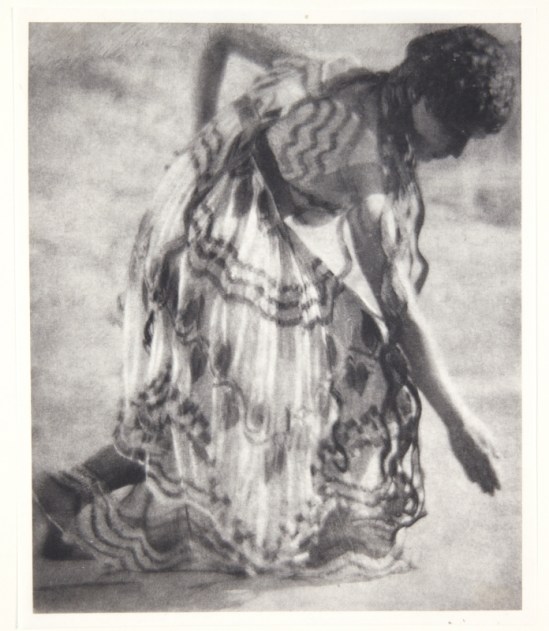
Adolf de Meyer-Maenad, profile to right, bending lower, from Nijinsky,  L'Apres-midi d'un Faune, 1912 Palladium print

Adolf de Meyer-Maenad, profile to right, bending lower, from Nijinsky, L’Apres-midi d’un Faune, 1912 Palladium print

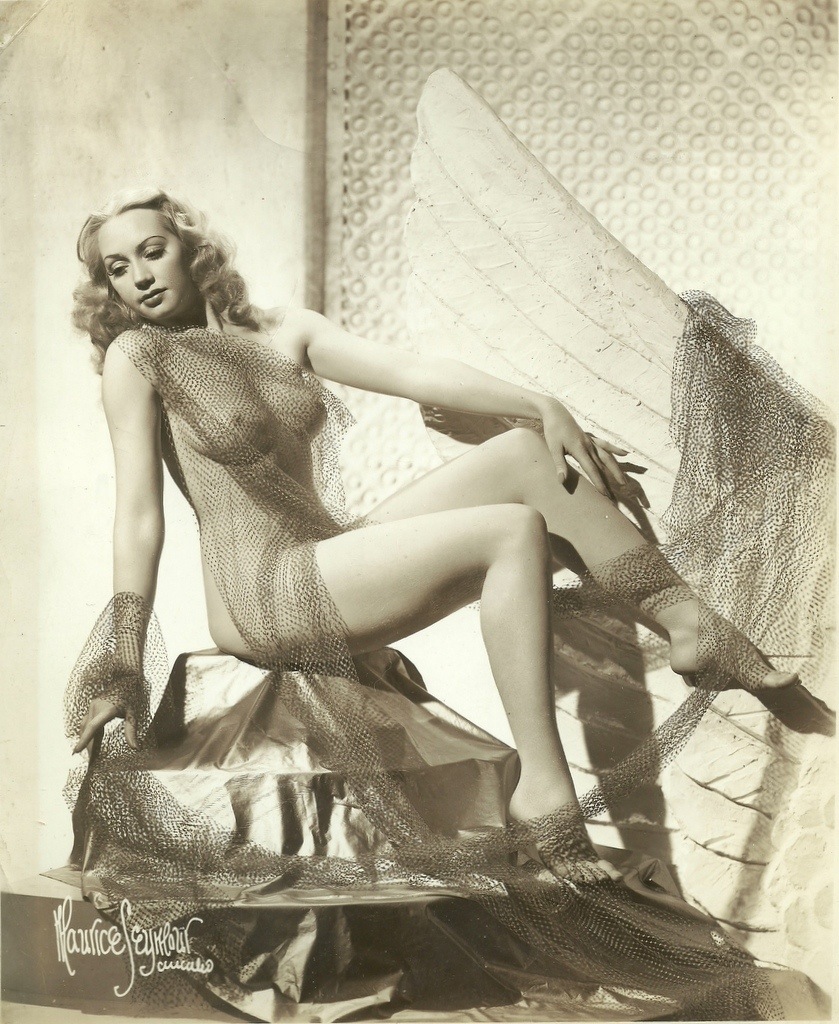
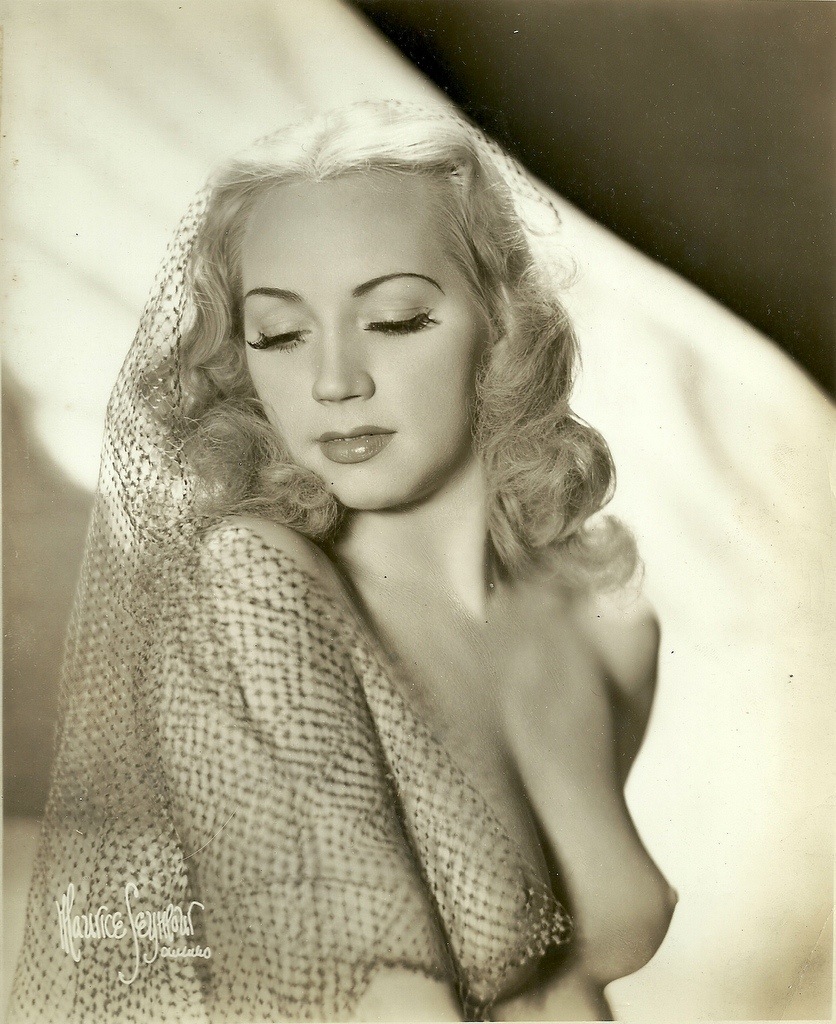
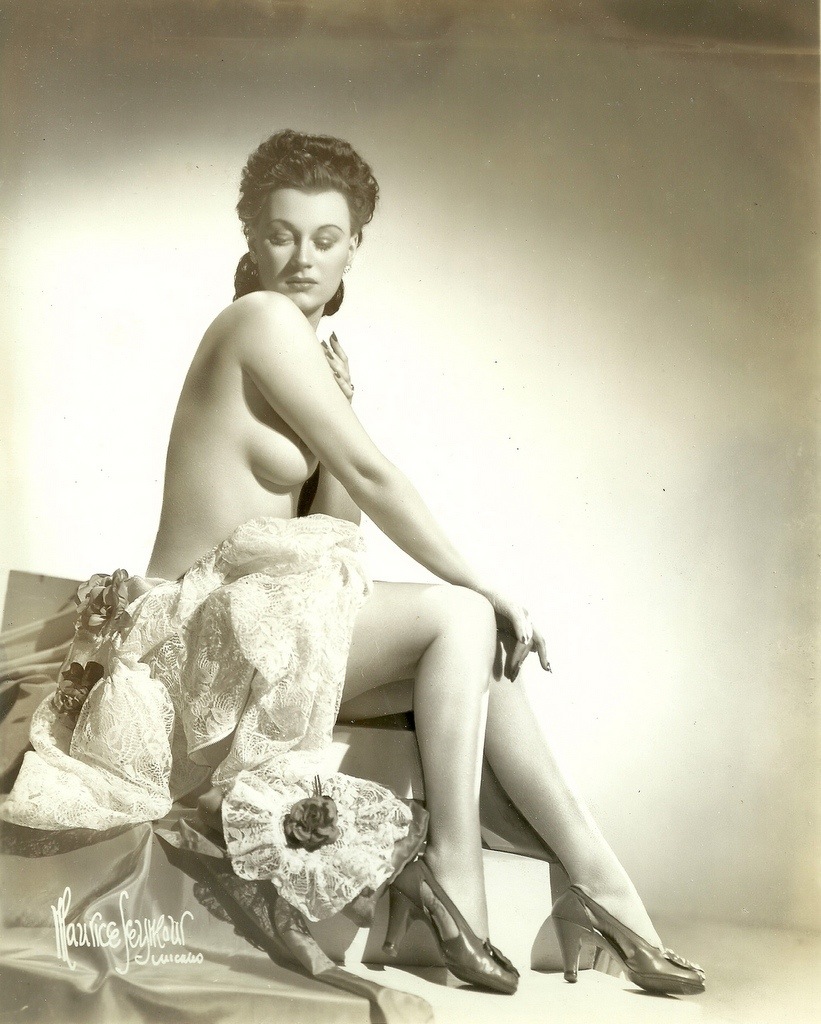
Maurice Seymour

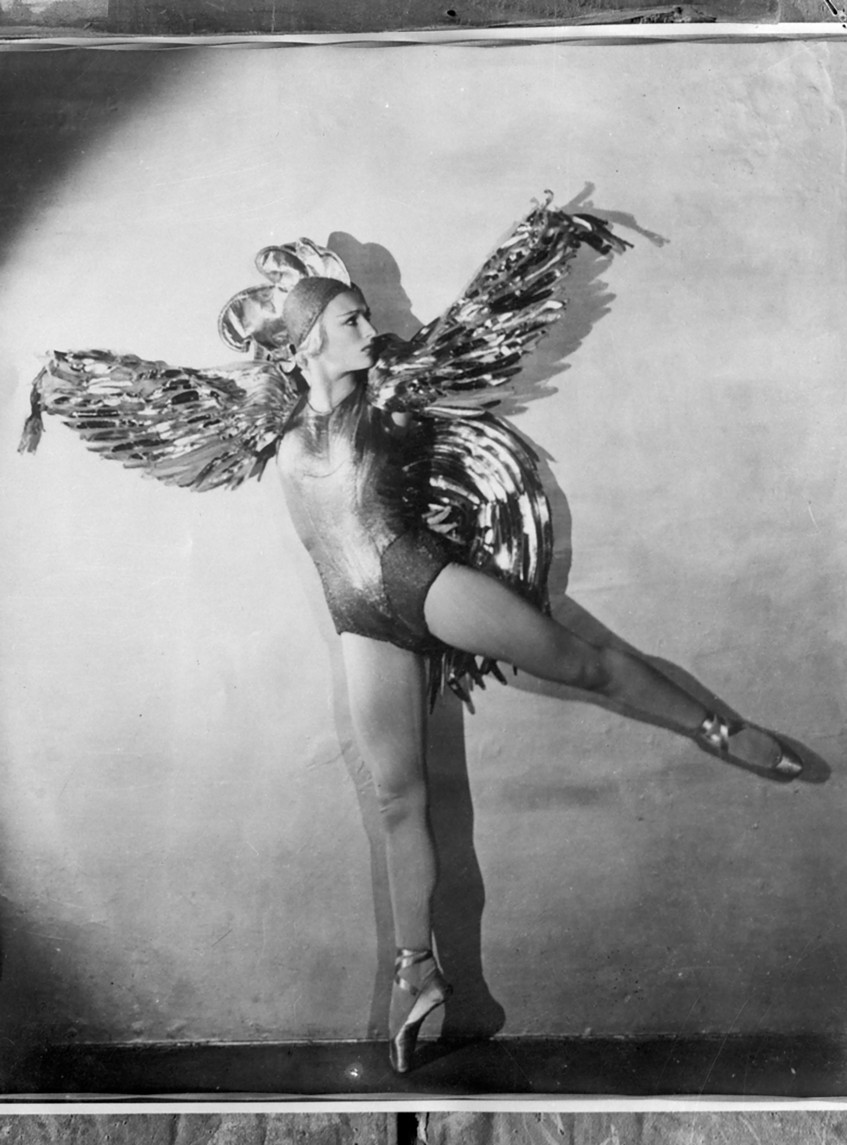
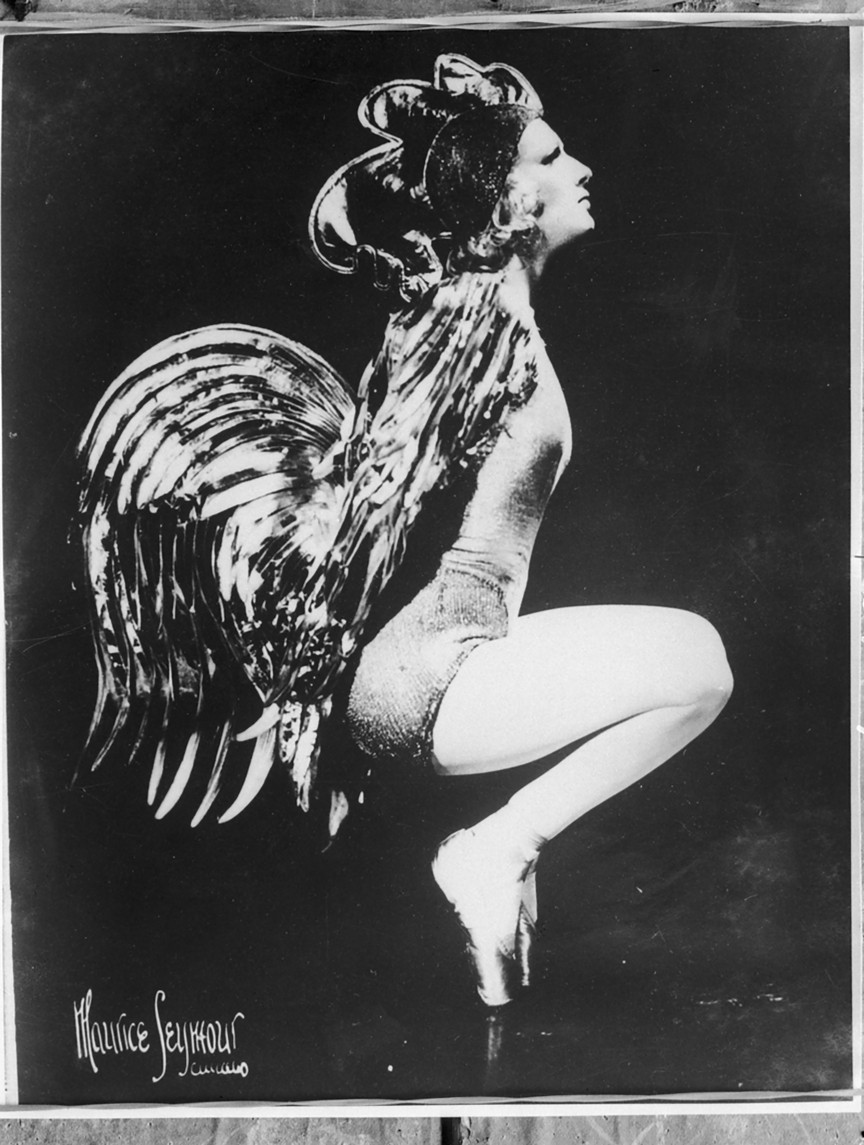
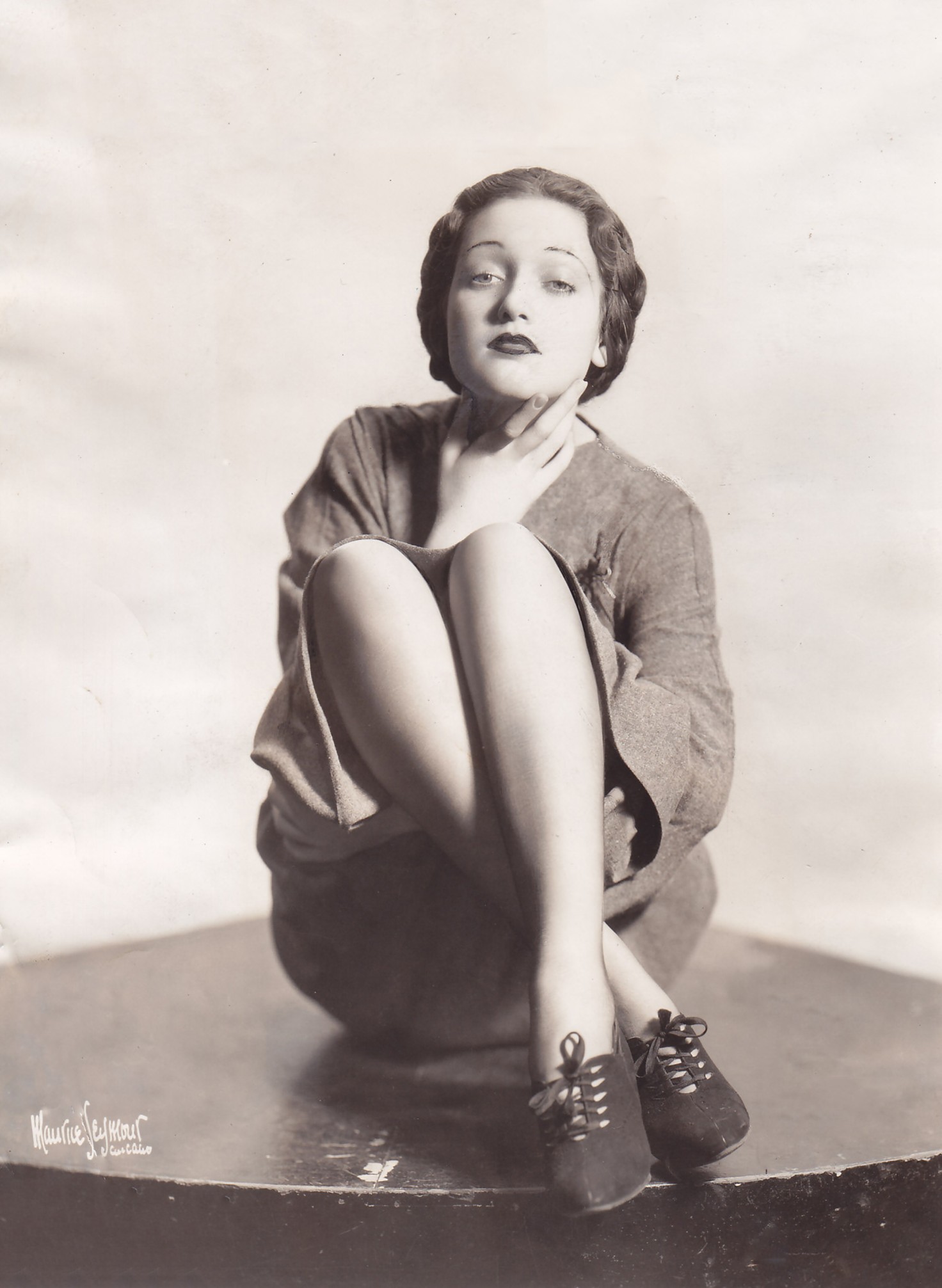
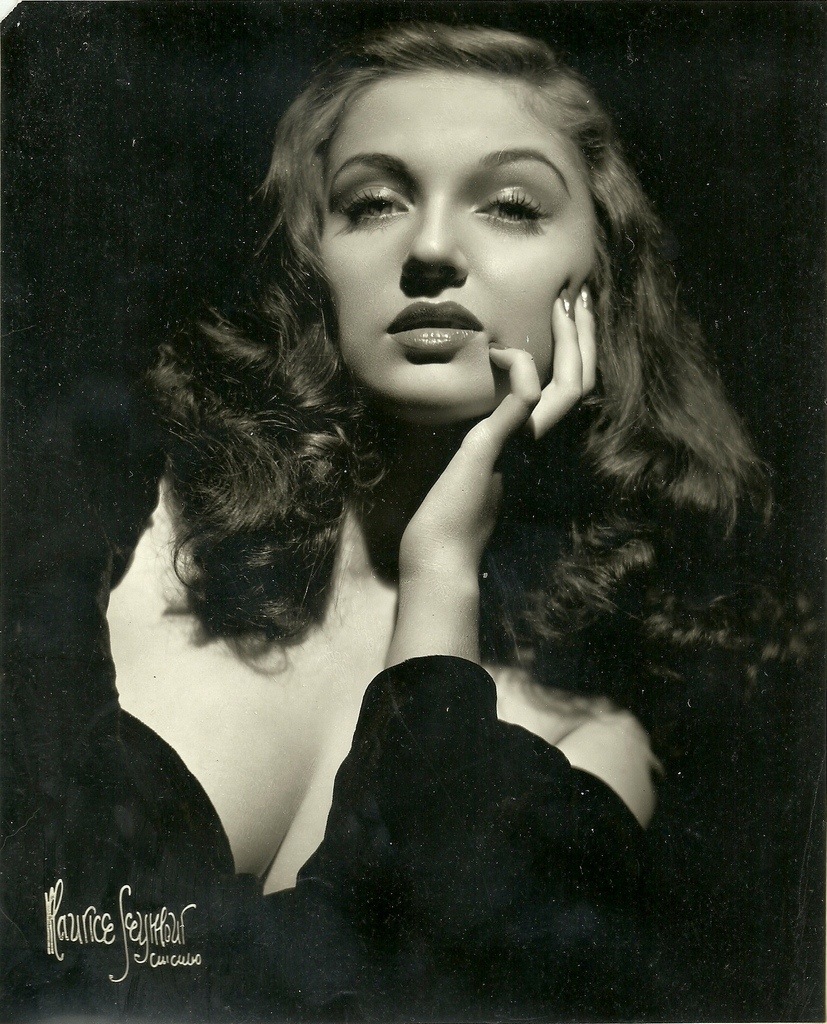
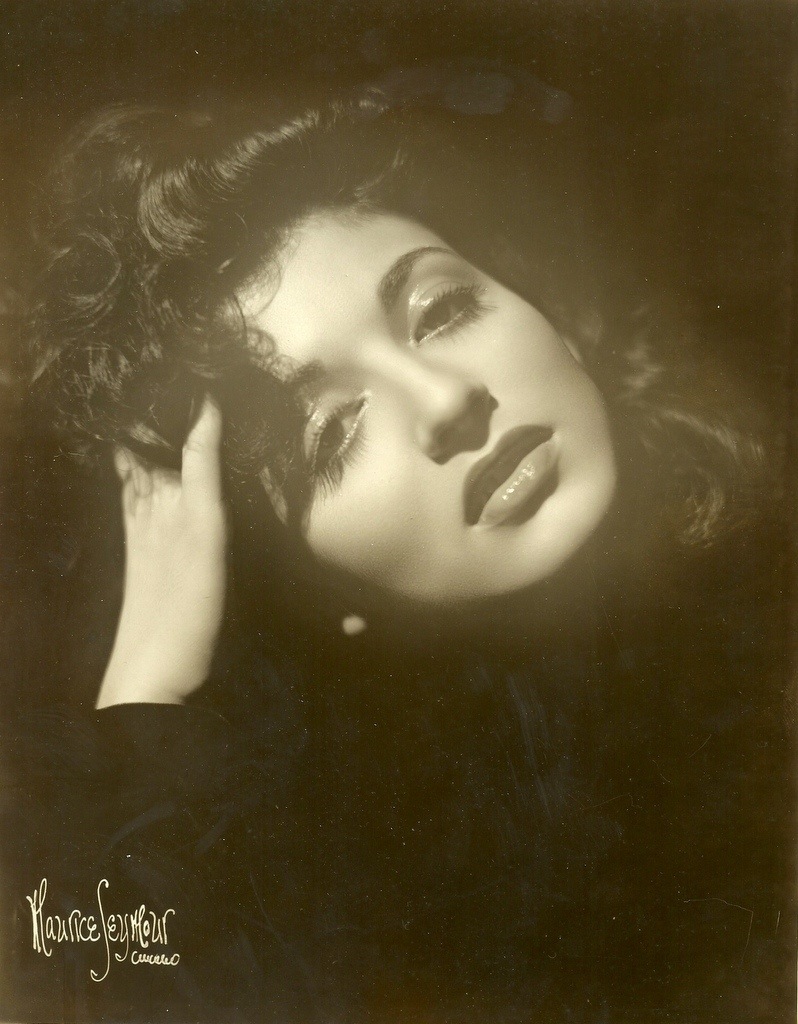
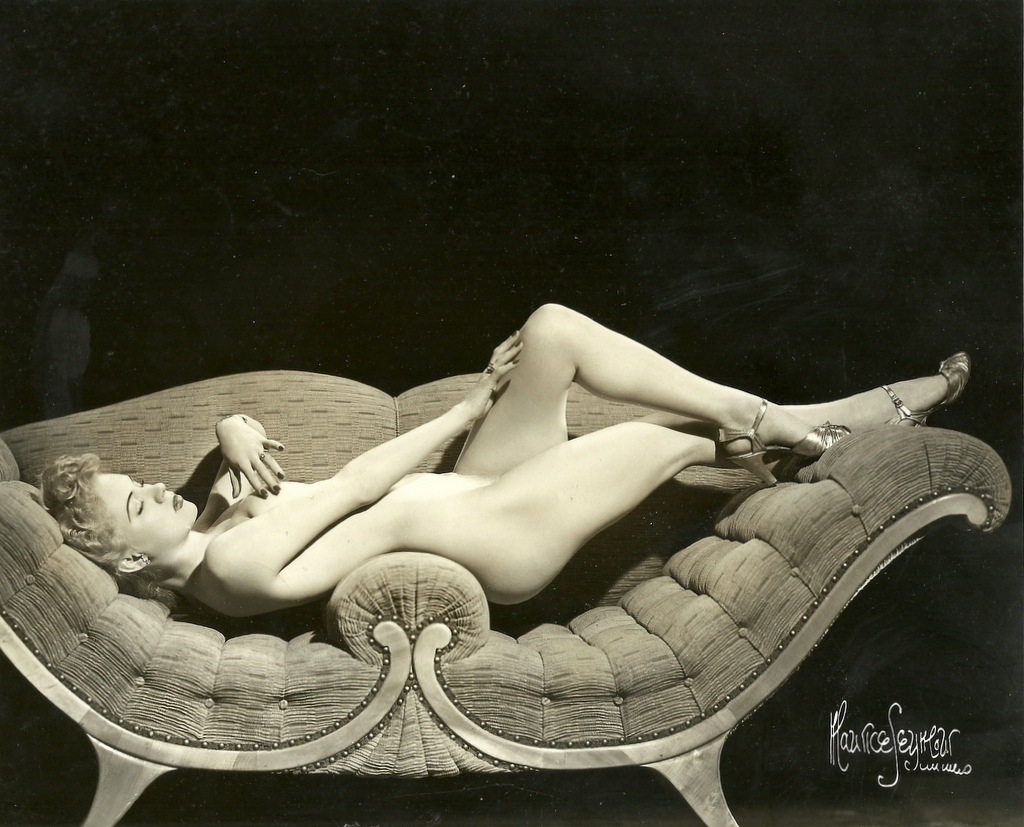
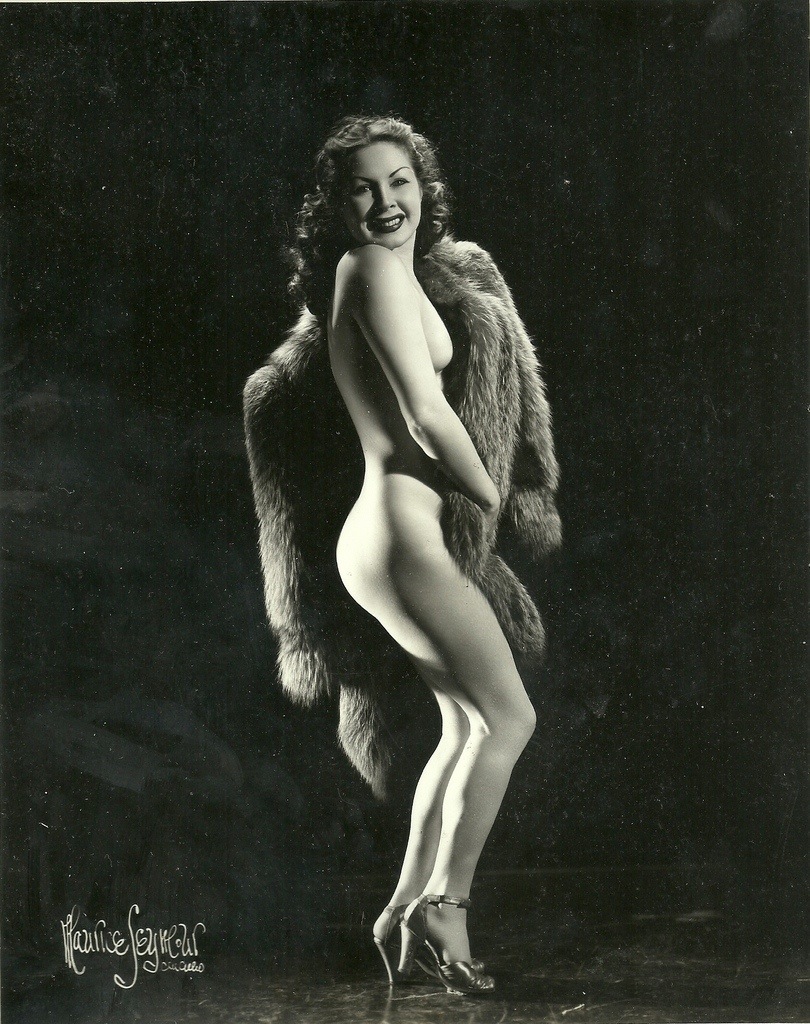
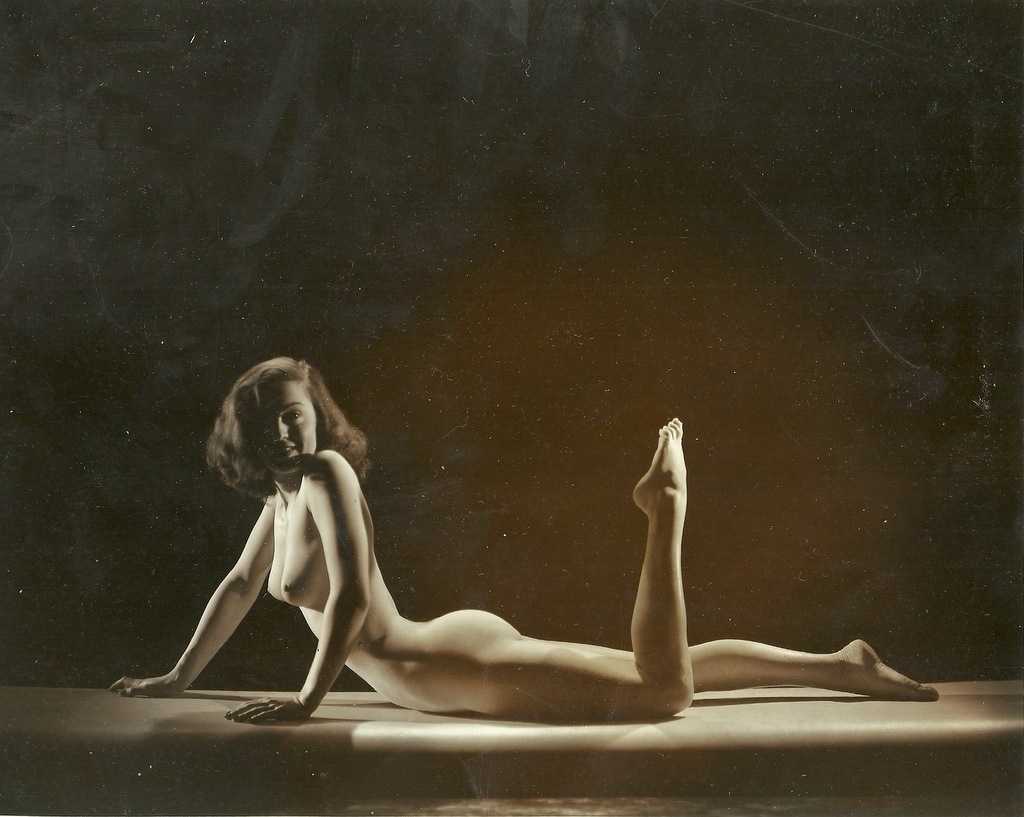
Maurice Seymour- Unknown model, 1930’s

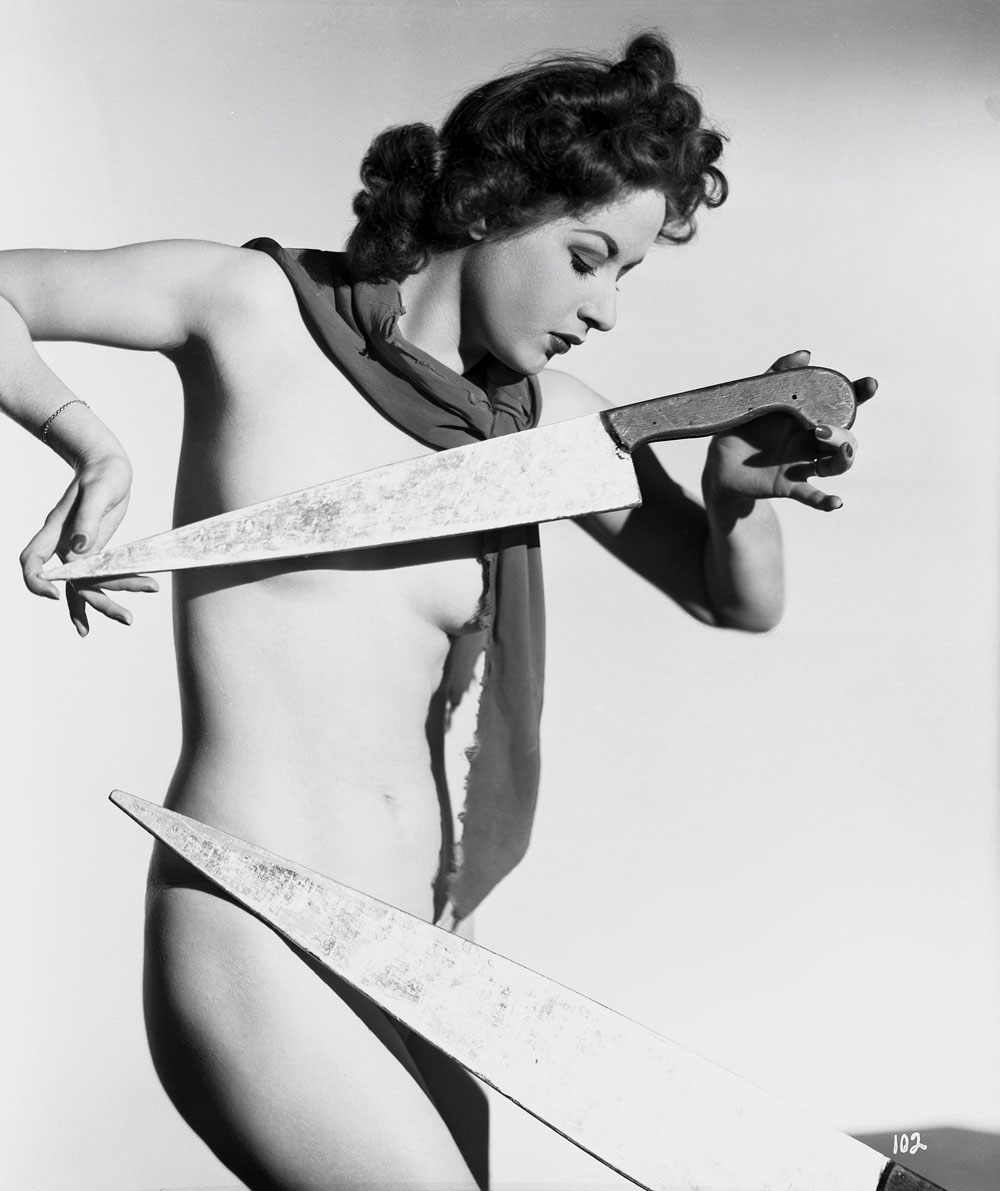
Maurice Seymour- nude model posing with a large, oversized knife, 1930s

Maurice Seymour- nude model posing with a large, oversized knife, 1930s

Maurice Seymour Ballet Russe (Russian Ballet) season, 1939-1940, photographed for Australian and New Zealand Theatres Ltd. or copied from Maurice Seymour's Chicago photographs

Maurice Seymour Ballet Russe (Russian Ballet) season, 1939-1940, photographed for Australian and New Zealand Theatres Ltd. or copied from Maurice Seymour’s Chicago photographs

Maurice Seymour- Ballet Russe (Russian Ballet) season, 1939-1940, photographed for Australian and New Zealand Theatres Ltd. or copied from Maurice Seymour's Chicago photographs

Maurice Seymour- Ballet Russe (Russian Ballet) season, 1939-1940, photographed for Australian and New Zealand Theatres Ltd. or copied from Maurice Seymour’s Chicago photographs

Maurice Seymour Ballet Russe (Russian Ballet) season, 1939-1940, photographed for Australian and New Zealand Theatres Ltd. or copied from Maurice Seymour's Chicago photographs

Maurice Seymour Ballet Russe (Russian Ballet) season, 1939-1940, photographed for Australian and New Zealand Theatres Ltd. or copied from Maurice Seymour’s Chicago photographs

Maurice Seymour- Ballet Russe (Russian Ballet) season, 1939-1940, photographed for Australian and New Zealand Theatres Ltd. or copied from Maurice Seymour's Chicago photographs_e

Maurice Seymour- Ballet Russe (Russian Ballet) season, 1939-1940, photographed for Australian and New Zealand Theatres Ltd. or copied from Maurice Seymour’s Chicago photographs

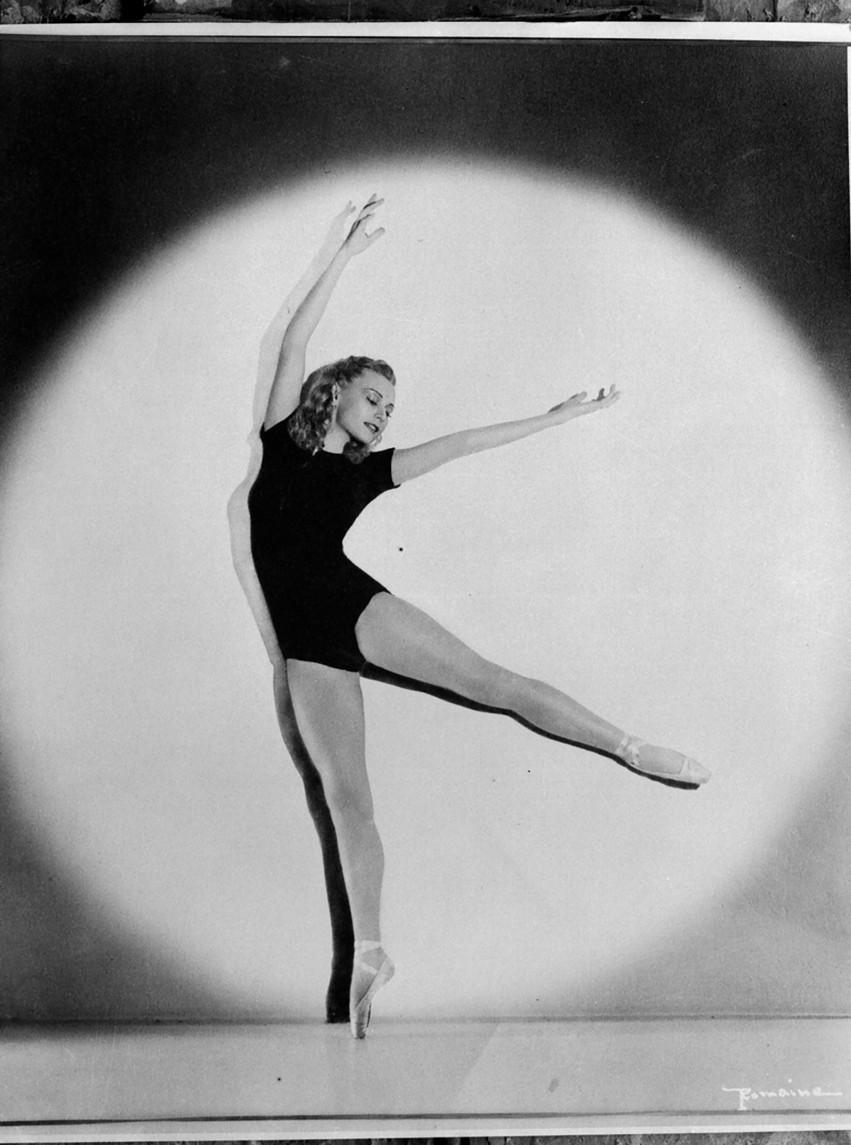
Maurice Seymour Ballet Russe (Russian Ballet) ( dancer Romaine)   season, 1939-1940, photographed for Australian and New Zealand Theatres Ltd.Maurice Seymour's Chicago photographs

Maurice Seymour Ballet Russe (Russian Ballet) ( dancer Romaine) season, 1939-1940, photographed for Australian and New Zealand Theatres Ltd.Maurice Seymour’s Chicago photographs

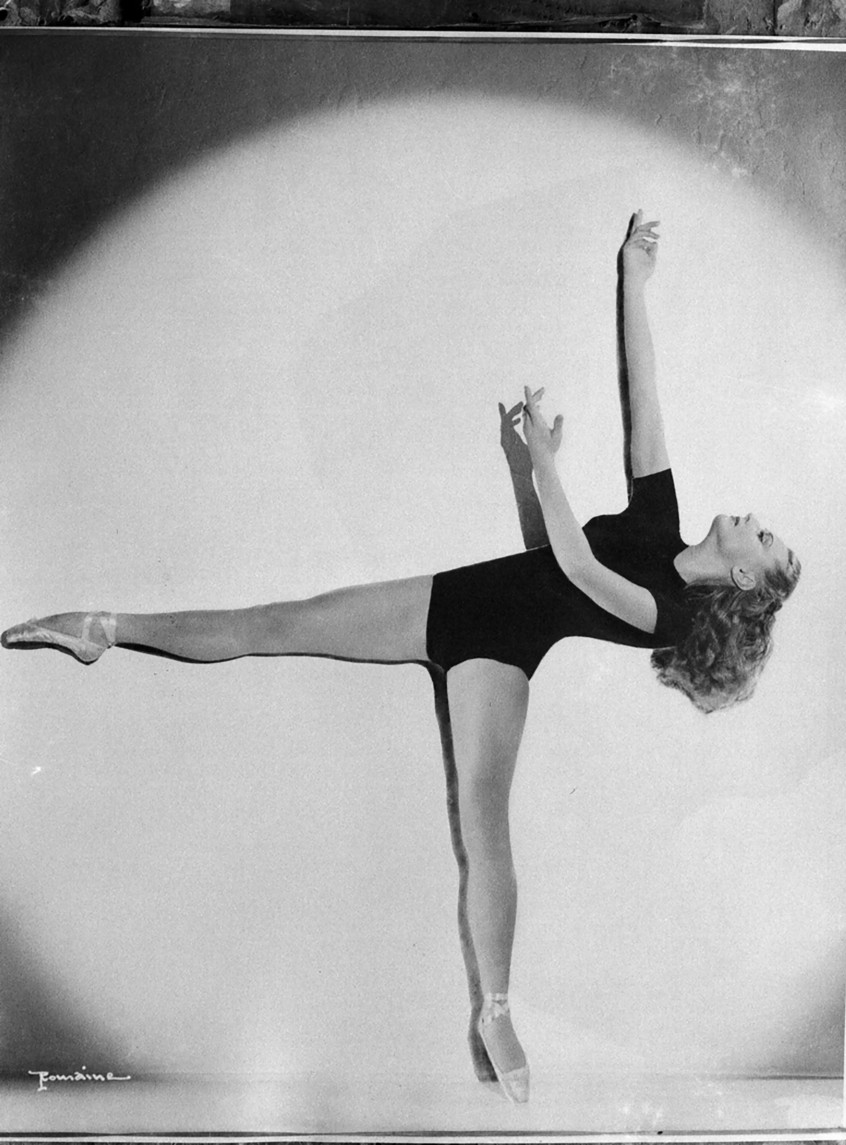
Maurice Seymour Ballet Russe (Russian Ballet) ( dancer Romaine) season, 1939-1940, photographed for Australian and New Zealand Theatres Ltd.  from Maurice Seymour's Chicago photographs

Maurice Seymour Ballet Russe (Russian Ballet) ( dancer Romaine) season, 1939-1940, photographed for Australian and New Zealand Theatres Ltd. from Maurice Seymour’s Chicago photographs

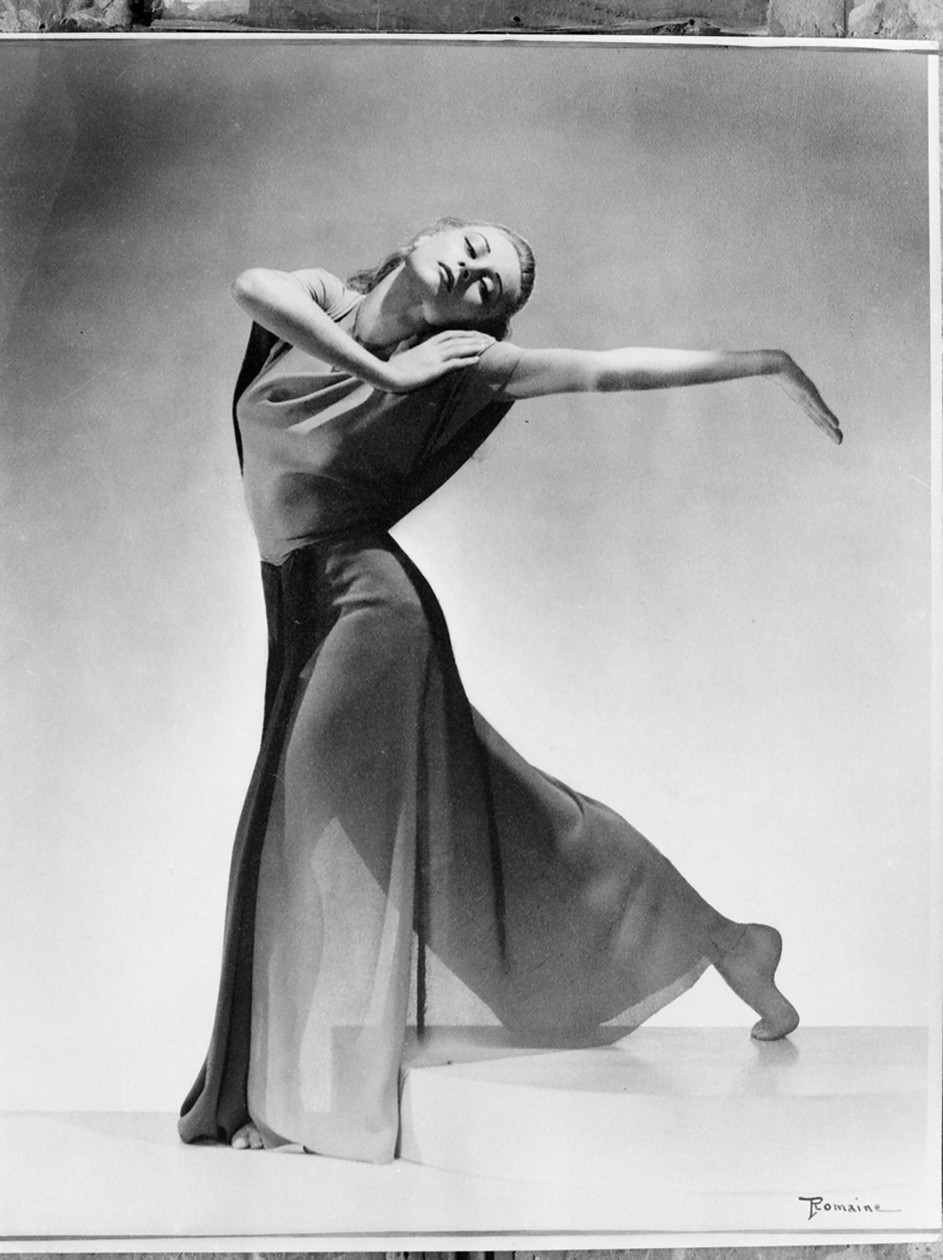
Maurice Seymour - Ballet Russe (Russian Ballet)  ( dancer Romainseason, 1939-1940, photographed for Australian and New Zealand Theatres Ltd. or  from Maurice Seymour's Chicago photographs

Maurice Seymour – Ballet Russe (Russian Ballet) ( dancer Romainseason, 1939-1940, photographed for Australian and New Zealand Theatres Ltd. or from Maurice Seymour’s Chicago photographs

20130820-124326.jpg

Maurice Seymour “Grace Cornell & Kurt Graff” 1933

Maurice Seymour Dorothy Lamour, 1936

Maurice Seymour Dorothy Lamour, 1936

20130820-123709.jpg

20130820-123714.jpg

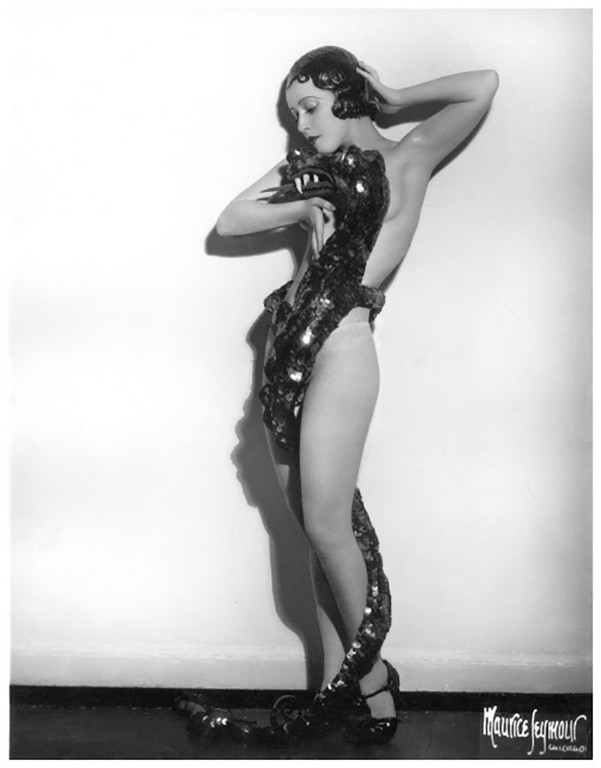
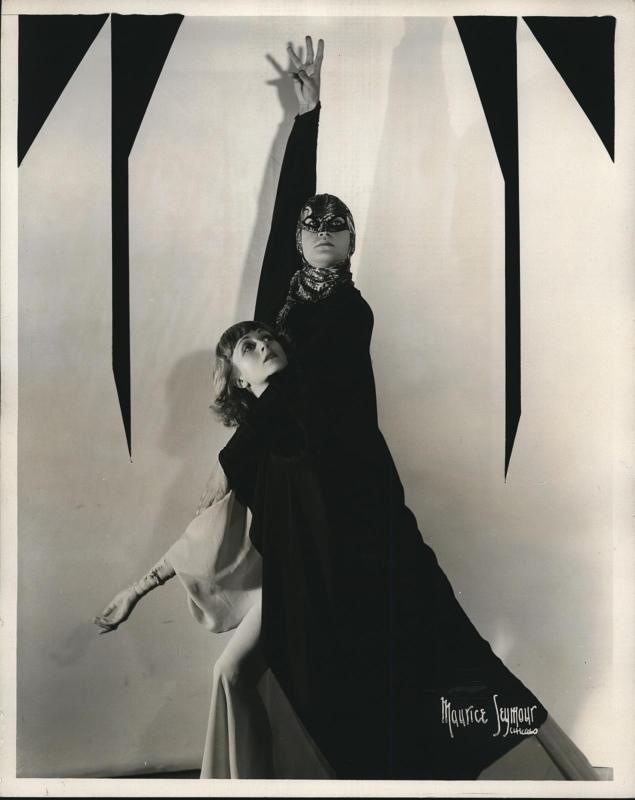
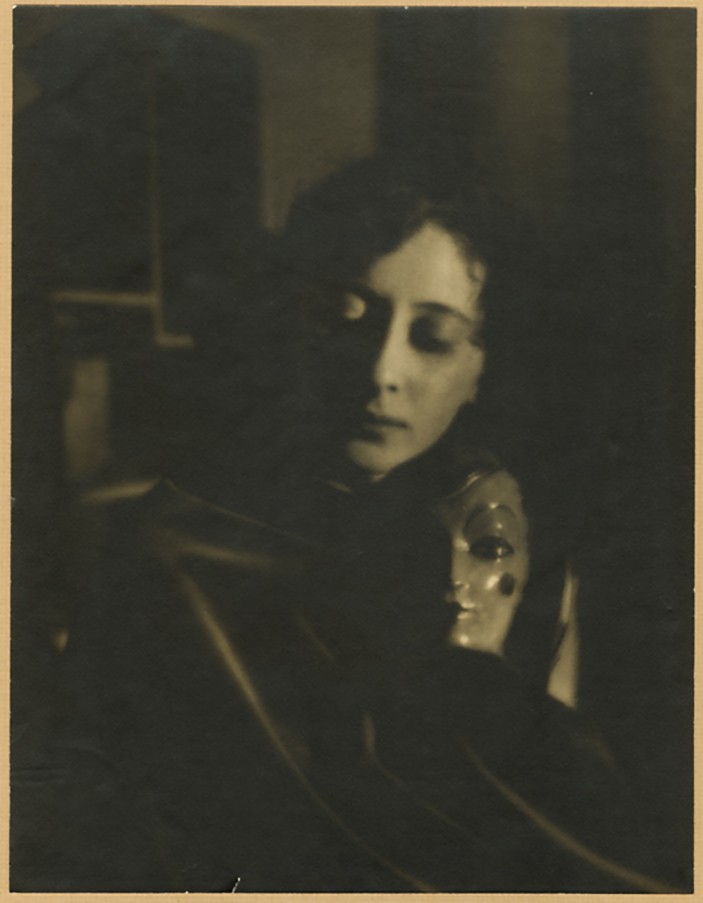
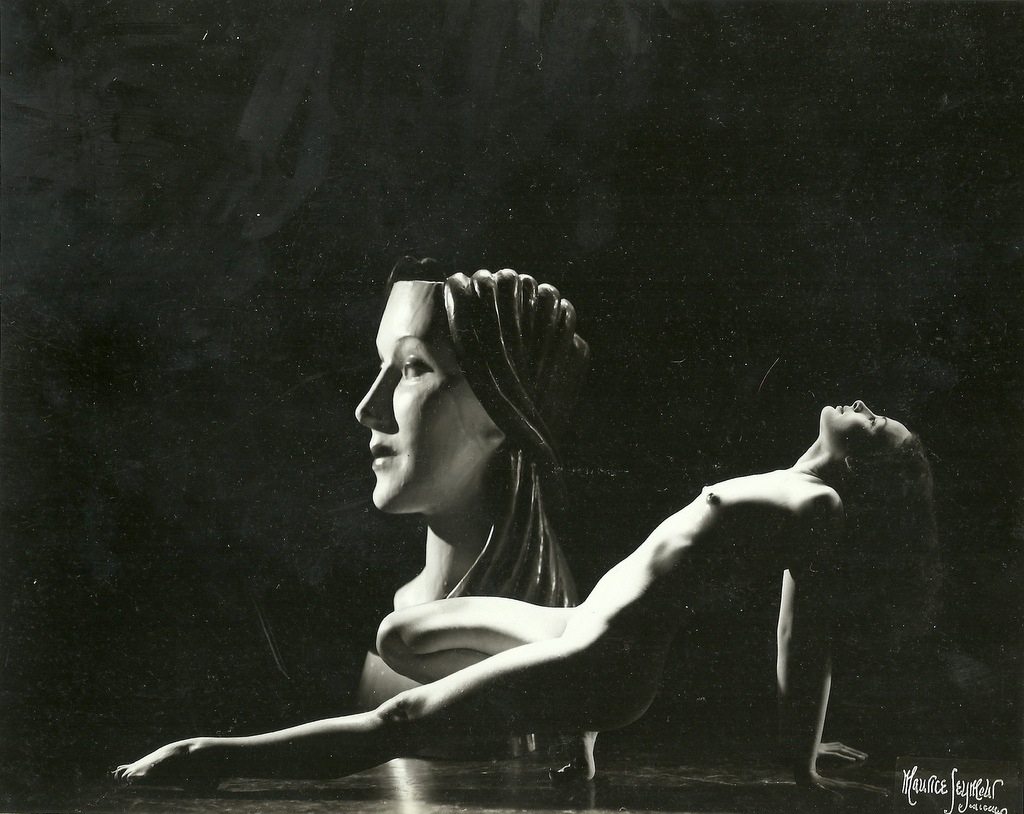
Maurice Seymour - Model (Probably Dancer Ruth Page) with Mask or Head of Doll,1920s

Maurice Seymour – Model (Probably Dancer Ruth Page) with Mask or Head of Doll,1920s

20130820-123608.jpg

20130820-123138.jpg
Maurice Seymour

20130820-123600.jpg

20130820-123643.jpg


20130820-123624.jpg

20130820-123629.jpg

20130820-123638.jpg


20130820-123649.jpg

20130820-123656.jpg


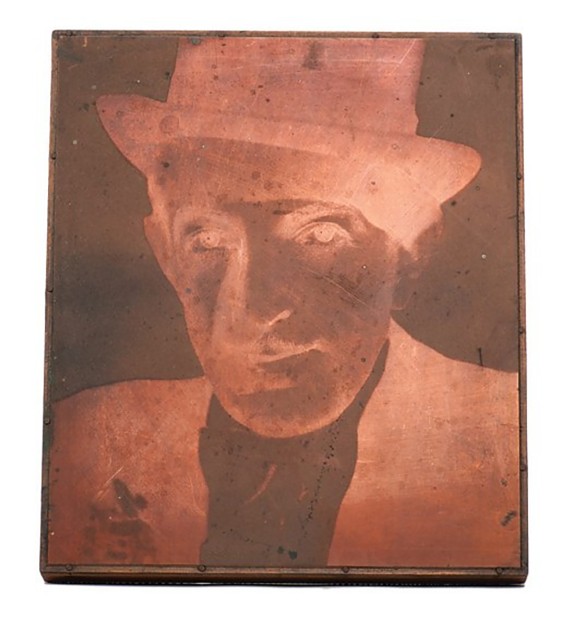
Maurice Seymour- Bust portrait of Cardini printing plate. Engraved copper, mounted to wood. , 1936

Maurice Seymour- Bust portrait of Cardini printing plate. Engraved copper, mounted to wood. , 1936


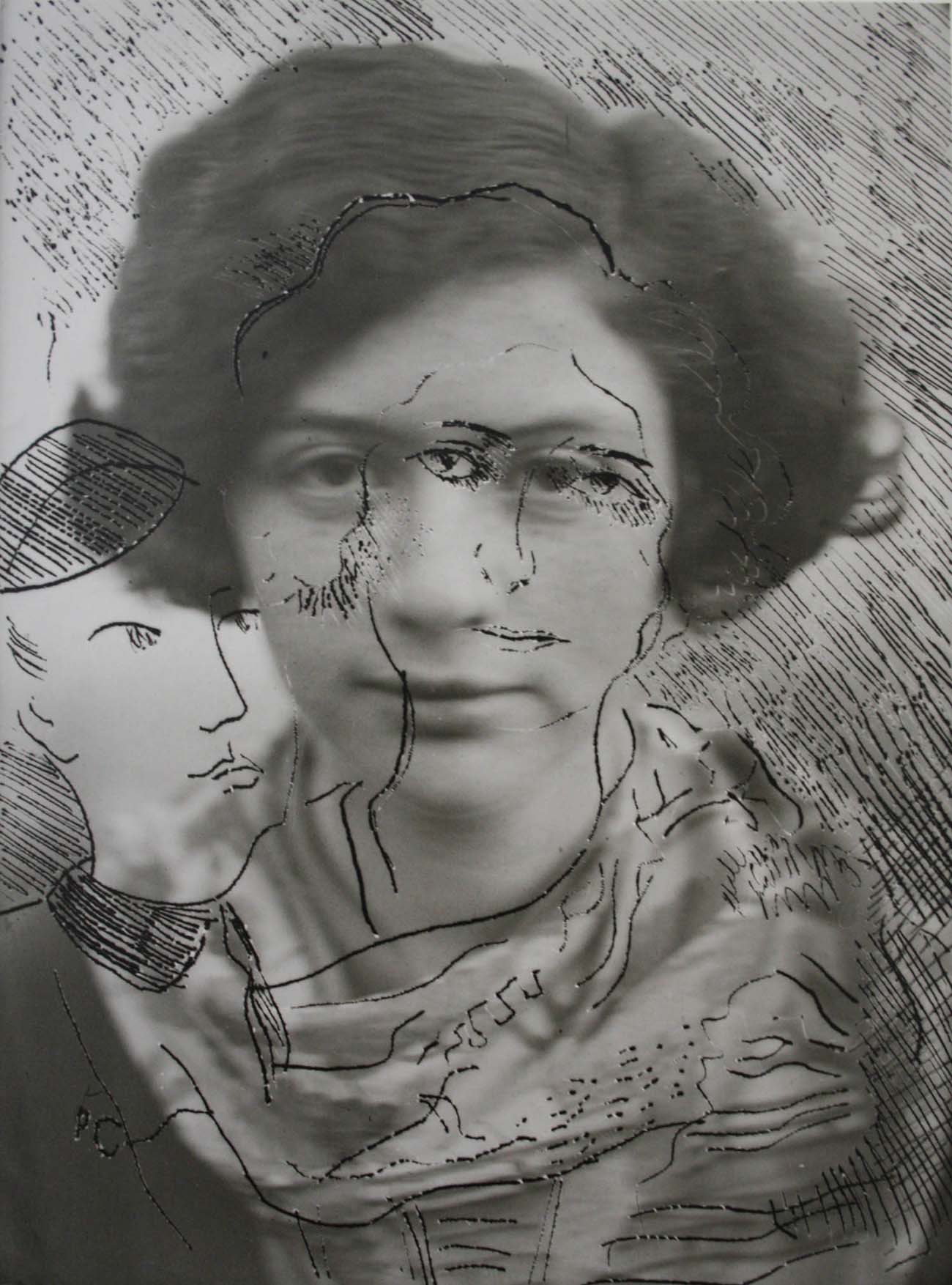
Paul Citroën (1896 – 1983)

Paul Citroën était un artiste Néerlandais d’origine Allemande, co-fondateur de la « New Art Academy » à Amsterdam. En 1919, Citroën a commencé à étudier au Bauhaus, où il reçu les enseignements de  Paul Klee et Wassily Kandinsky ainsi qu’Itten Johanne. Il débute sa serie Métroplis ( 1923) dès ces années d’apprentissage.
Entre 1929 et 1935, Citroën a fait de nombreuses photographies, clairement influencées par son travail avec Blumenfeld qui fût son ami de toujours et ce dès leurs enfances.( Retrouvez des photographies d »eux enfants et adolescents dans cet article ICI à la fin)

Erwin Blumenfeld - Paul Citroën , 1925

Erwin Blumenfeld – Paul Citroën , 1925

Erwin Blumenfeld - Paul Citroën avec une perruque  , 1929

Erwin Blumenfeld – Paul Citroën avec une perruque , 1929

Erwin Blumenfeld Paul Citroën in Dog House c. 1930

Erwin Blumenfeld Paul Citroën in Dog House c. 1930

Si ses oeuvres photographiques restent peu connues, celles de photomontages  (qui feront l’objet d’un autre article),  le sont beaucoup plus , tout autant que ses  timbres-poste Néerlandais datant 1949 d’ailleurs.

Paul Citroën - Estella, 1932, ( collection centre Pompidou, paris°

Paul Citroën -La danseuse  Estella  Reed,  1932, ( collection centre Pompidou, paris)

Paul Citroën - La danseuse Estella Reed, 1931

Paul Citroën – La danseuse Estella Reed, 1932

Paul Citroën- Portrait de Lotte Hammerschlag, 1930

Paul Citroën- Portrait de Lotte Hammerschlag, 1930

Paul Citroën-Jos Silleves, 1930

Paul Citroën-Jos Silleves, 1930

Paul Citroën – From the portfolio Alannah, 1928

Paul Citroën – From the portfolio Alannah, 1928

Paul Citroën -Schaufensterpuppe, 1928, ( collection centre Pompidou, paris)

Paul Citroën -Schaufensterpuppe, 1928, ( collection centre Pompidou, paris)

Paul Citroën- Auto portrait, 1932

Paul Citroën- Auto portrait, 1932

Erwin Blumenfeld - Paul Citroën  , 1928- 30

Erwin Blumenfeld – Paul Citroën , 1928- 30

Nelly’s – Nelly Sougioultzoglou, Mona Paeva, 1927

Nelly Sougioultzoglou is born in Aidini of Asia Minor, in 1899. In 1912 she finds herself a pupil at the Omirio Girl’s School of Smyrni and in 1919 she lives through the destruction of her homeland by the Turks. The daughter of the wealthy merchant Christos Sougioultzoglou then leaves for Dresden to study music and painting. In 1922 her family settles in Athens and Nelly decides to study photography, hoping to make a living out of it. Her teacher is initially the well-known Hugo Erfurt. Later she is tutored by the modernist Franz Fiedler.

Miss Sougioultzoglou returns to Greece in 1924 and opens her first photo studio in Ermou St. The city’s bourgeoisie considers it a sign of fine taste to have their portraits done by the young artist who at the same time practices her art by taking pictures of ancient monuments and small yards of Athenian houses. It is thus that Nelly’s era begins.

Nelly’s focuses on the pure orders of the Acropolis monuments that fascinate her. She soon decides to give them a face and set them in motion. She meets Mona Paiva, the Comedie Francaise dancer, and suggests to her that it would be a good idea if she could pose for her in the nude on the holy rock. Permission is granted by the authorities as she is by then well known and accepted by the Athens high society. Paiva obliges, and starts to dance inside the Parthenon holding an olive branch. The Leica of Nelly’s captures her smooth motion, creating a series of unique shots. The dancer takes with her this exceptional piece of work, which will be published a little later in a French illustrated magazine. The scandal breaks out immediately in prudish Athenian society.

Nelly’s [Elli Souyioultzoglou-Seraidari] -Nikolska, a hungarian dancer at the Parthenon, Acropolis-Athens, Greece -1929

Nelly’s [Elli Souyioultzoglou-Seraidari] -Nikolska, a hungarian dancer at the Parthenon, Acropolis-Athens, Greece -1929

Her avant-garde pictures of nude Mona Paeva on the Parthenon were published at the French magazine Illustration de Paris and caused a scandal in the small city of Athens of that time. She was defended by Pavlos Nirvanas in his column in Elefthero Vima newspaper (May 1929). he wrote,  »the beautiful priestess, unfastening her girdle in front of Apollo, throwing all the robes covering her divine nudity and bathing in the light, a body like a statue and a rosy complexion like the smile of dawn. And on the other hand I see respectable gentlemen sitting around a table, scratching their heads and writing about desecration. Desecration would occur if, in the throes of archaeological enthusiasm, they happened to throw off their clothes on the Parthenon marbles and pretended to be Hermes of Praxiteles… »
Since her studies and her nudes at Fiedler’s studio in Germany, Nelly removed the background’s elements by focusing her attention on the theme, resulting in reversing voluntarily the references of orientation and the final image to be formed as a mix of realistic and abstract types.
In that way, she managed to incorporate the spectator’s wonder as an element of the image. Knowing that she is the one directing the spectator’s gaze through the lens of the camera and that he will identify with her position, she accentuated the wonder by giving viewers the chance to read the image in a double way in relation to the earth’s horizon.
Her classical education and admiration of Ancient Greek civilization contributed to her photographic work in Acropolis in a way that the latter has become decisive for the artist and also for the history of photography and architecturel.
In her portraits Nelly’s uses artificial light, leaving one part of the form in the dark, while the background remains empty, as a reference to the Great Masters of the Renaissance. The aim of this work was the search for the spiritual element, the poetic atmosphere and the demonstration of the form’s most profound essence.
During World War II, she went to the United States, where she stayed for 27 years and The Metropolitan Museum of New York bought a large series of her Acropolis photographs.
In 1966 she returned to Greece and presented her work in numerous exhibitions, with the last being Nelly’s: The Body, the Light and Ancient Greece, the official Greek participation in the Cultural Olympiad of Barcelona in 1992.

Nelly’s [Elli Souyioultzoglou-Seraidari] - Mona Paeva, 1927

Nelly’s [Elli Souyioultzoglou-Seraidari] – Mona Paeva, 1927

Nelly’s [Elli Souyioultzoglou-Seraidari] - Mona Paeva, 1927

Nelly’s [Elli Souyioultzoglou-Seraidari] – Mona Paeva, 1927

Nelly’s [Elli Souyioultzoglou-Seraidari] -Nikolska, a hungarian dancer at the Parthenon, Acropolis-Athens, Greece -1929

Nelly’s [Elli Souyioultzoglou-Seraidari] -Nikolska, a hungarian dancer at the Parthenon, Acropolis-Athens, Greece -1929

Nelly’s [Elli Souyioultzoglou-Seraidari] -Nikolska, a hungarian dancer at the Parthenon, Acropolis-Athens, Greece -1929

Nelly’s [Elli Souyioultzoglou-Seraidari] -Nikolska, a hungarian dancer at the Parthenon, Acropolis-Athens, Greece -1929

Nelly’s [Elli Souyioultzoglou-Seraidari] -Nikolska, a hungarian dancer at the Parthenon, Acropolis-Athens, Greece -1929

Nelly’s [Elli Souyioultzoglou-Seraidari] -Nikolska, a hungarian dancer at the Parthenon, Acropolis-Athens, Greece -1929


Nelly’s [Elli Souyioultzoglou-Seraidari] -Nikolska, a hungarian dancer at the Parthenon, Acropolis-Athens, Greece -1929

Nelly’s [Elli Souyioultzoglou-Seraidari] -Nikolska, a hungarian dancer at the Parthenon, Acropolis-Athens, Greece -1929

Nelly’s [Elli Souyioultzoglou-Seraidari] -Nikolska, a hungarian dancer at the Parthenon, Acropolis-Athens, Greece -1929

Nelly’s [Elli Souyioultzoglou-Seraidari] -Nikolska, a hungarian dancer at the Parthenon, Acropolis-Athens, Greece -1929

Nelly’s [Elli Souyioultzoglou-Seraidari] -Nikolska, a hungarian dancer at the Parthenon, Acropolis-Athens, Greece -1929

Nelly’s [Elli Souyioultzoglou-Seraidari] -Nikolska, a hungarian dancer at the Parthenon, Acropolis-Athens, Greece -1929

Nelly’s [Elli Souyioultzoglou-Seraidari] -Nikolska, a hungarian dancer at the Parthenon, Acropolis-Athens, Greece -1929

Nelly’s [Elli Souyioultzoglou-Seraidari] -Nikolska, a hungarian dancer at the Parthenon, Acropolis-Athens, Greece -1929


gellypapalouca

 benaki

 ethniko.net

 academia.edu


Arnold Genthe Some nudes

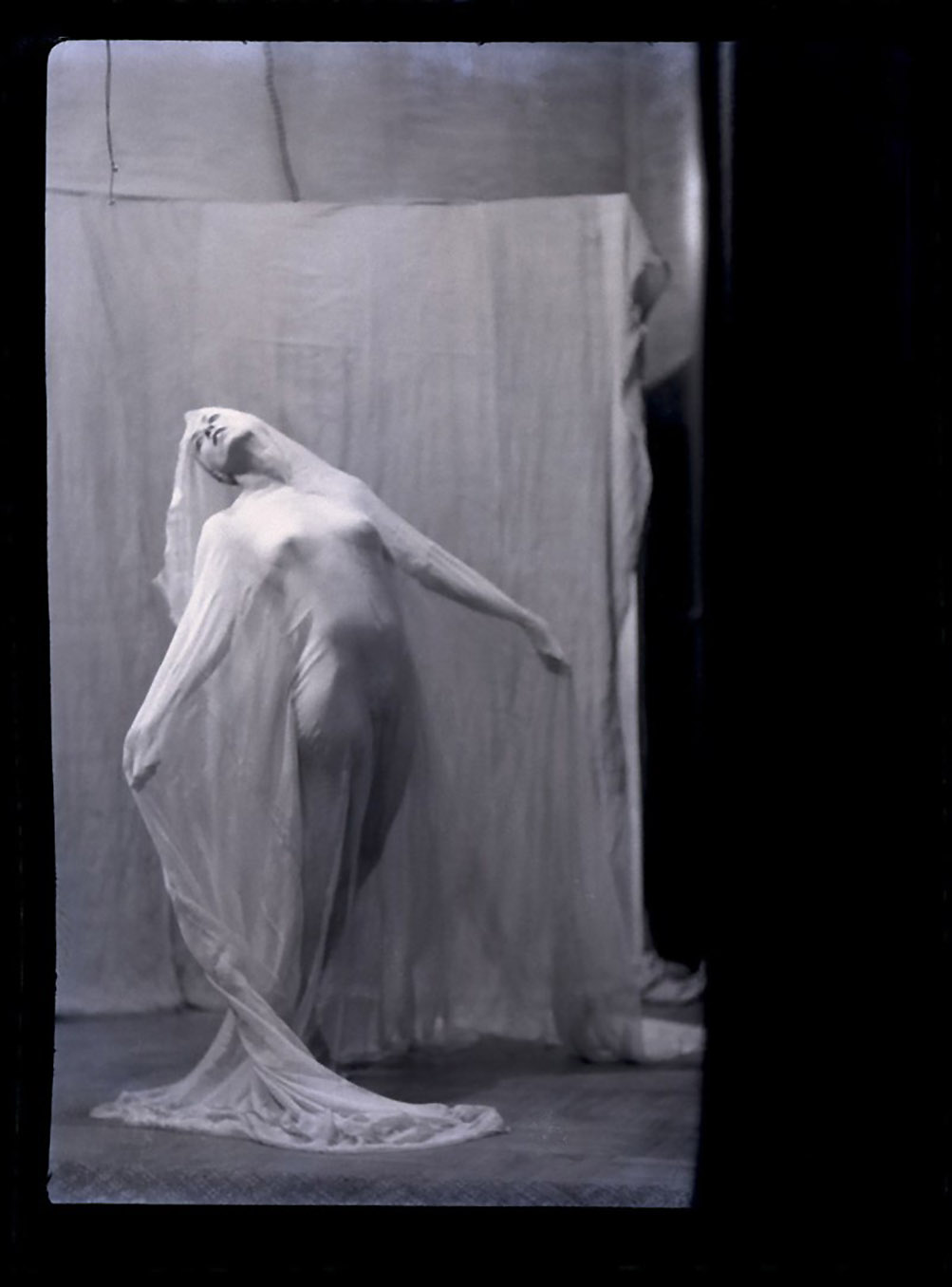
Arnold Genthe - Modern Nude in Transparency, 1920 Silver Nitrate Camera

Arnold Genthe – Modern Nude in Transparency, 1920 Silver Nitrate Camera

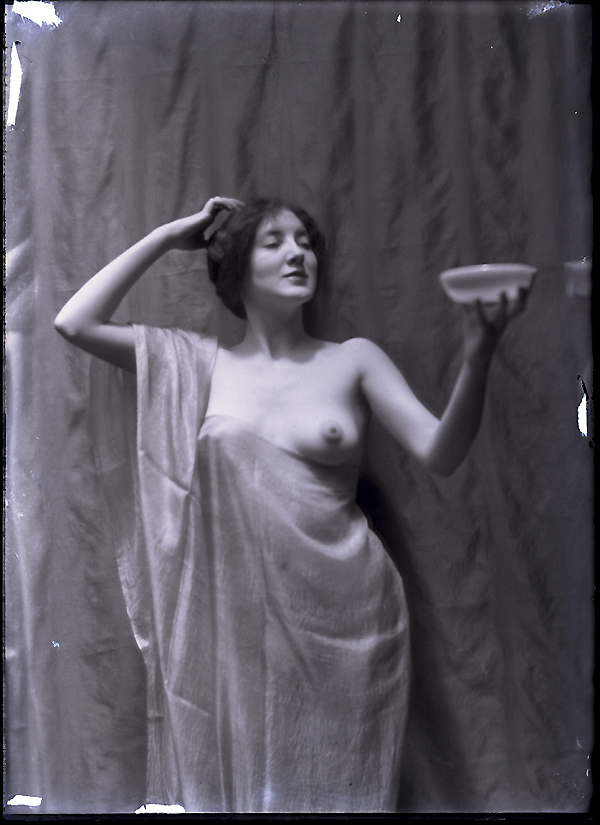
Arnold Genthe. Carolyn m Pierson, 1928

Arnold Genthe. Carolyn m Pierson, 1928

Arnold Genthe -  Nude in Transparency, 1920 Silver Nitrate Camera

Arnold Genthe – Nude in Transparency, 1920 Silver Nitrate Camera


Arnold Genthe - Nude 1929 Arnold Genthe - nude 1929 Silver Nitrate Camera

Arnold Genthe – Nude 1929 Arnold Genthe – nude 1929 Silver Nitrate Camera

Arnold Genthe-Allegretto, Nude woman in dance pose., 1910

Arnold Genthe-Allegretto, Nude woman in dance pose., 1910


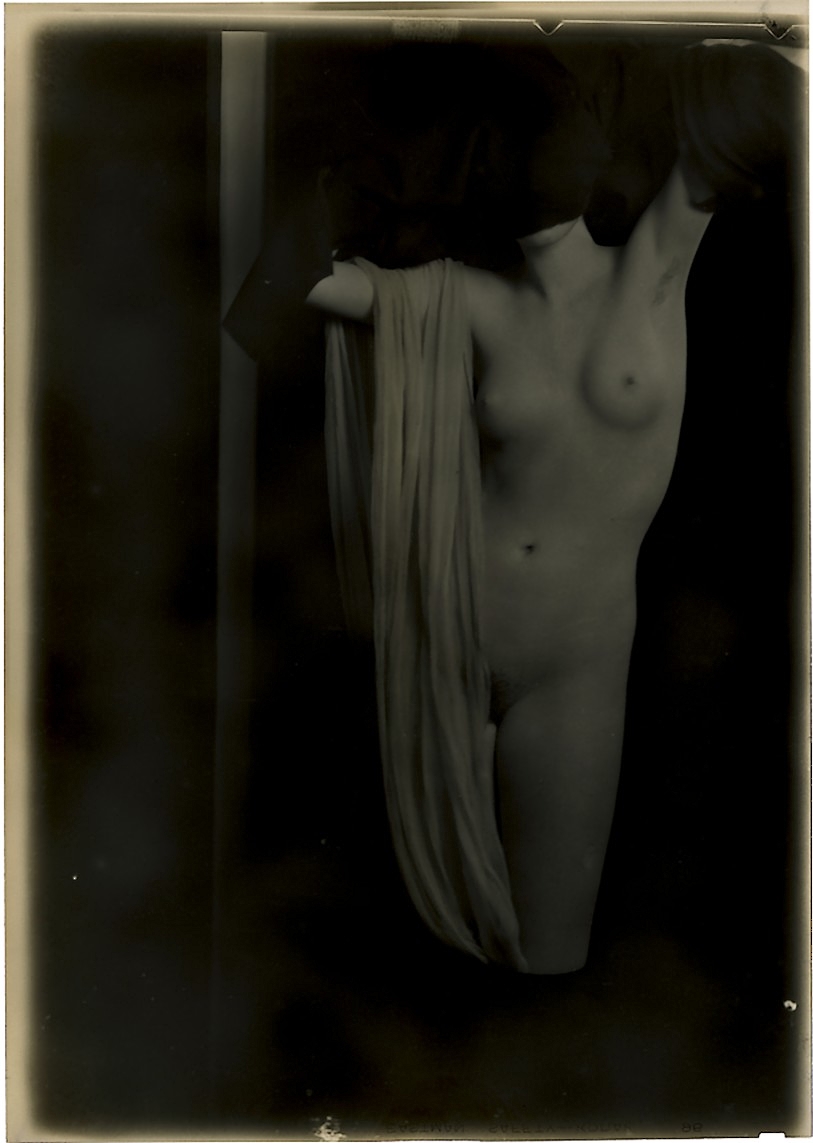
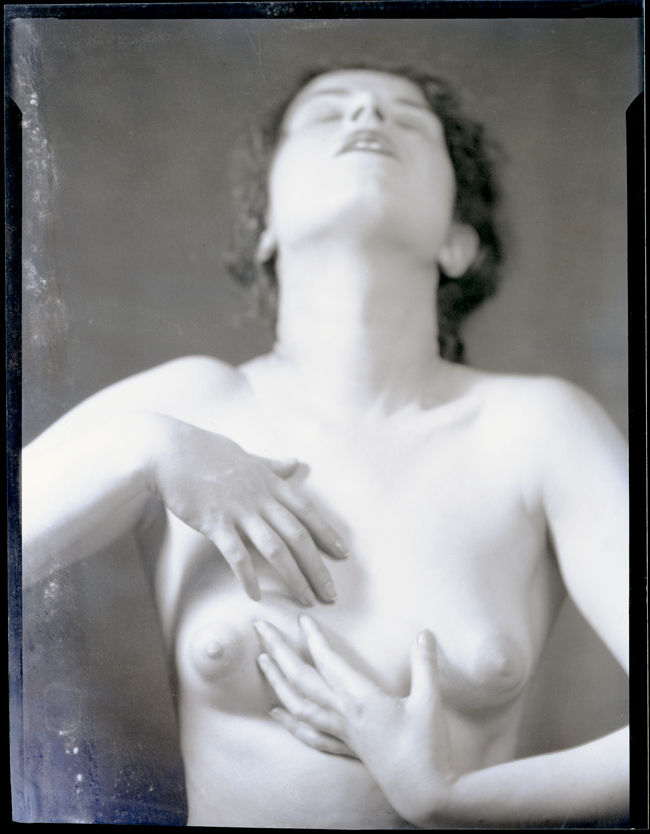
Arnold Genthe -Torso Study, 1920

Arnold Genthe -Torso Study, 1920

Arnold Genthe - nude Modern ballet  1929.

Arnold Genthe – nude Modern ballet 1929.

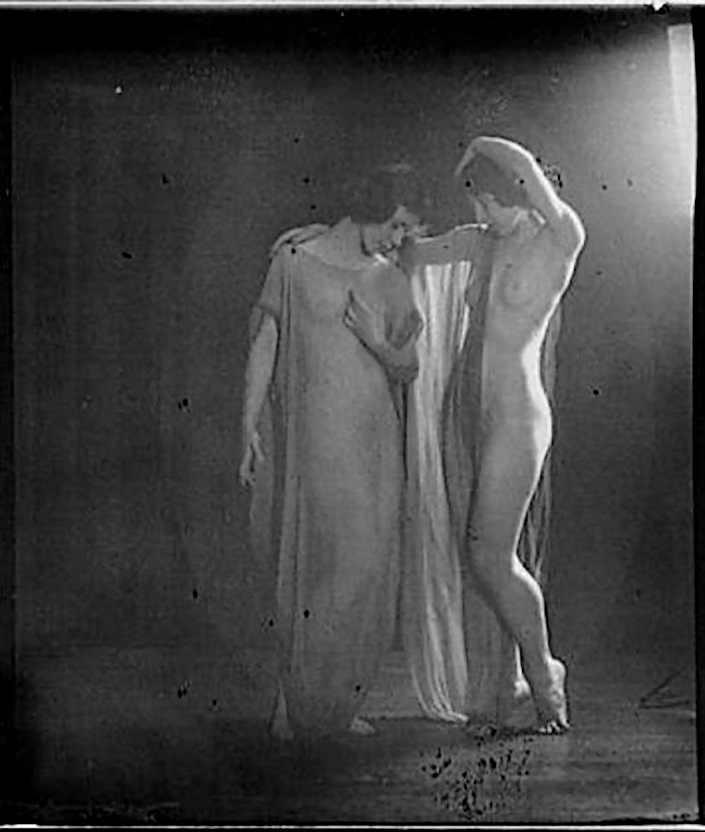
Arnold Genthe -Two nudes ( Irma Duncan dancers) March, 1929

Arnold Genthe -Two nudes ( Irma Duncan dancers) March, 1929

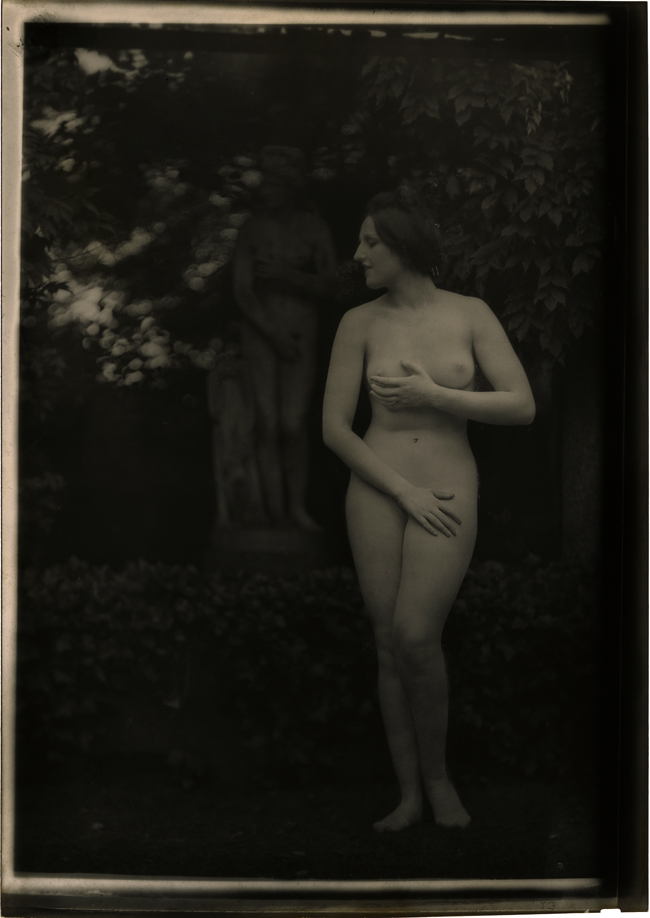
Arnold Genthe -the model as  the statue , late 1920

Arnold Genthe -the model as the statue , late 1920

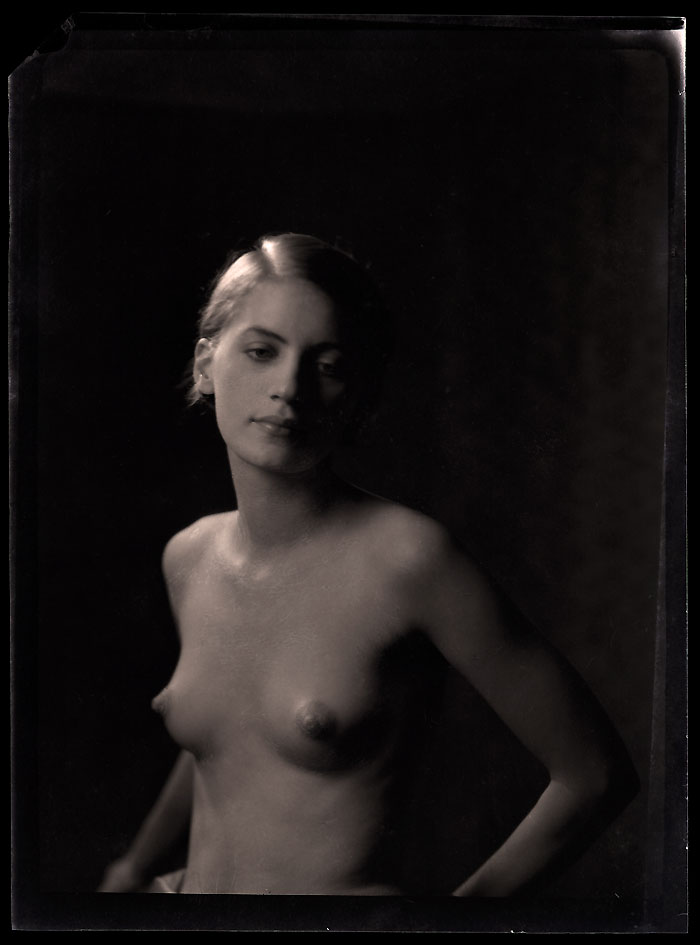
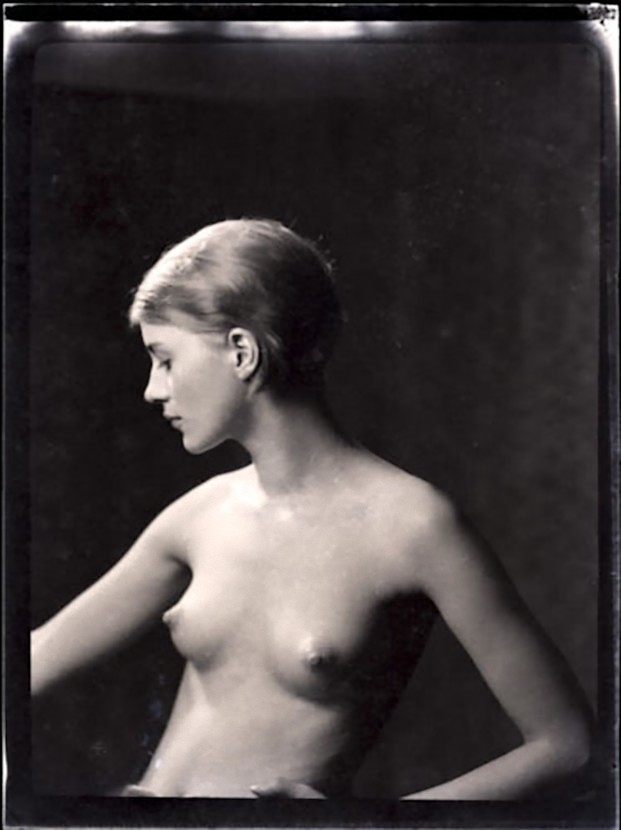
Arnold Genthe- Lee Miller, 1920s

Arnold Genthe- Lee Miller, 1920s

Arnold Genthe- Lee Miller, 1920s

Arnold Genthe- Lee Miller, 1920s


Arnold Genthe -Mildred Gillars( aka Axis Sally), 1910

Arnold Genthe -Mildred Gillars( aka Axis Sally), 1910

Arnold Genthe -Martha Graham, 1928

Arnold Genthe -Martha Graham, 1928

Arnold Genthe- The dancer Arnold Genthe, 1921

Arnold Genthe- The dancer  Desha Delteil, 1921


Arnold Genthe - Desha and Leah dancing , 1921._e

Arnold Genthe – Desha and Leah dancing , 1921.

Arnold Genthe -Violet Marcellus dancing,1918_e

Arnold Genthe -Violet Marcellus dancing,1918


Arnold Genthe - The dance, allegro [Model, Hilda, 1918-21

Arnold Genthe – The dance, allegro [Model, Hilda], 1918-21

Arnold Genthe -Irene Marcellus,( Ziegfeld Follies girl) 1920s

Arnold Genthe -Irene Marcellus,( Ziegfeld Follies girl) 1920s


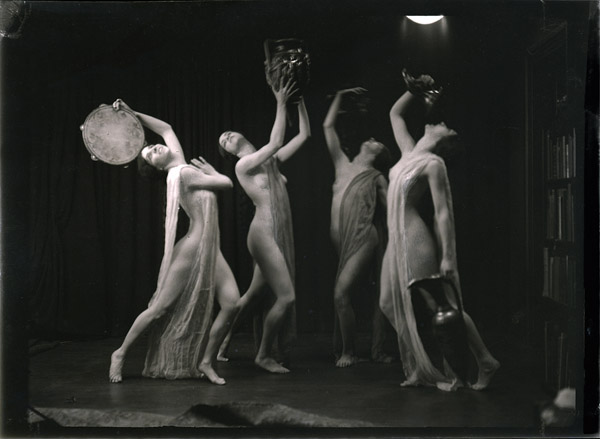
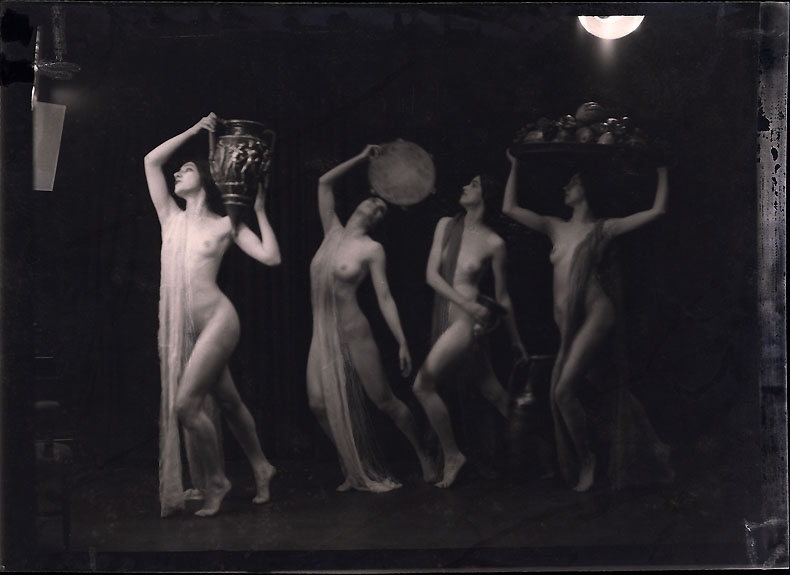
Arnold Genthe -four nude dancers in a Grecian tableau from the troupe of Marion Morgan Dancers, March 1922

Arnold Genthe -four nude dancers in a Grecian tableau from the troupe of Marion Morgan Dancers, March 1922 [The Marion Morgan Dancers was a troupe of predominantly female dancers founded and led by Marion Morgan  who performed interpretative dances based on classical legends and antiquity. they appeared nearly 1916 ]@ New-York Historical Society

Arnold Genthe -four nude dancers in a Grecian tableau from the troupe of Marion Morgan Dancers, March 1922

Arnold Genthe -four nude dancers in a Grecian tableau from the troupe of Marion Morgan Dancers, March 1922 [The Marion Morgan Dancers was a troupe of predominantly female dancers founded and led by Marion Morgan  who performed interpretative dances based on classical legends and antiquity. they appeared nearly 1916 ]@ New-York Historical Society

Arnold Genthe. Mme Erna carise with dog, 1928

Arnold Genthe. Mme Erna Carise with dog, 1928

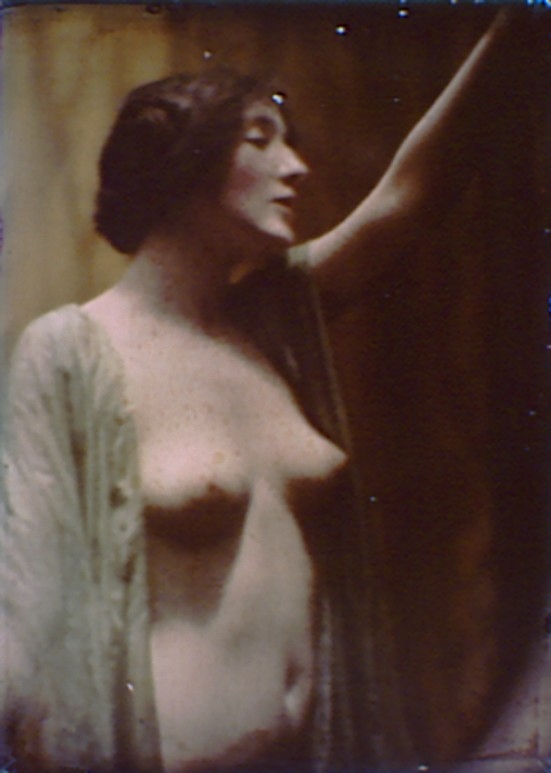
Les autochromes

Arnold Genthe-  Marion Morgan Dancers 1906-17

Arnold Genthe- Marion Morgan Dancers 1906-17

Martha Graham Photomontages

Martha Graham double exposure, ( photographer unnkwon, probably Barbara Morgan), date unknown, ( probably after 1945)
(Harvard University, Houghton Library)


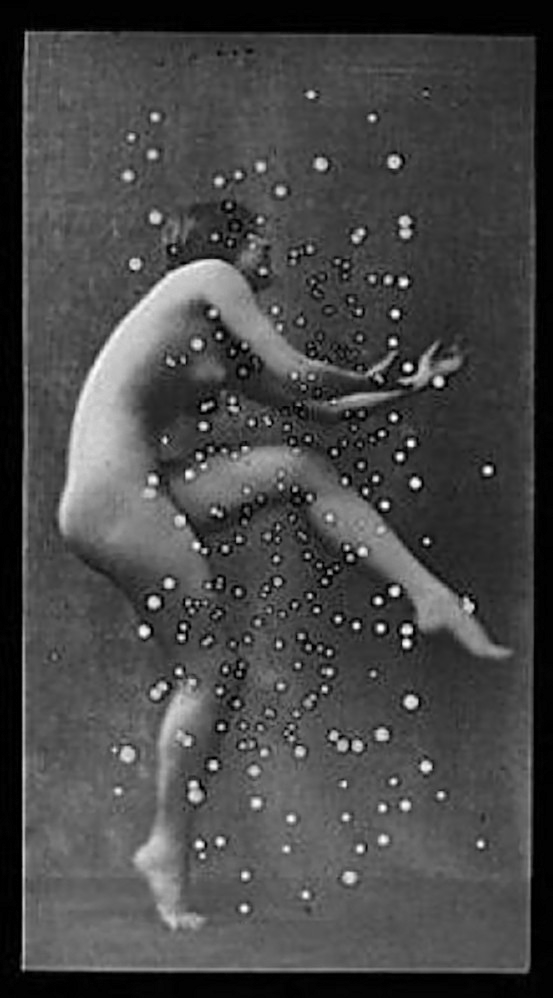
Barbara Morgan - Martha - Anna Sokolow , from Slaughter of the Innocents; Photomontage Transparent Life, 1938-1946

Barbara Morgan – Martha – Anna Sokolow , from Slaughter of the Innocents; Photomontage Transparent Life, 1938-1946

Barbara Morgan - Brainwashed (Photomontage), 1966-1969

Barbara Morgan – Brainwashed (Photomontage), 1966-1969


Voir tous les posts concernant Matha Graham Ici

from the movie Gold Diggers 1933 ,choregraphy by Busby Berkeley directed by Mervyn LeRoy.

from the movie Gold Diggers 1933 ,choregraphy by Busby Berkeley  directed by Mervyn LeRoy.

from the movie Gold Diggers 1933 ,choregraphy by Busby Berkeley directed by Mervyn LeRoy.

from the movie Gold Diggers 1933 ,choregraphy by Busby Berkeley  directed by Mervyn LeRoy.

from the movie Gold Diggers 1933 ,choregraphy by Busby Berkeley directed by Mervyn LeRoy.

Read the article Here

Paul Himmel

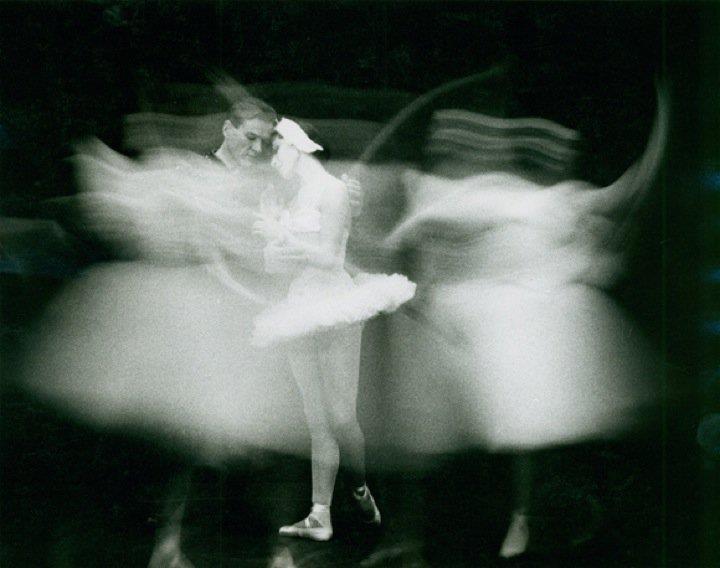
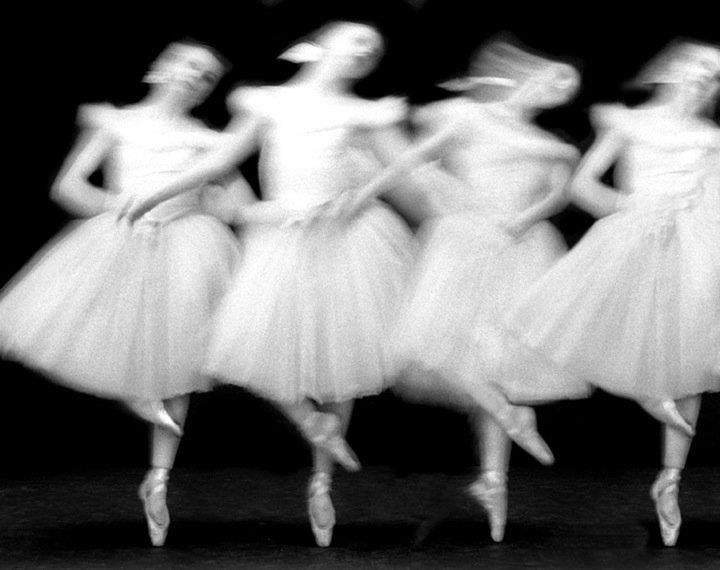
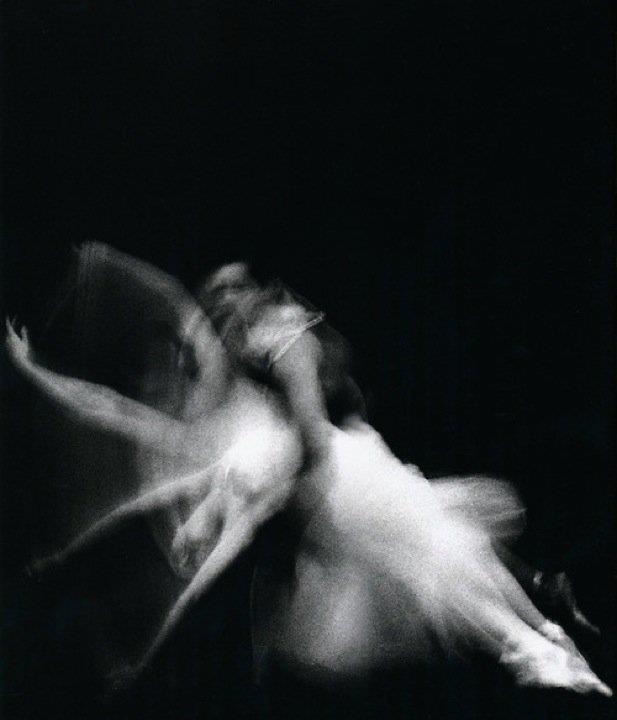
© Paul Himmel- Swan Laked 1951 52

© Paul Himmel- Swan Laked 1951 52

Paul Himmel- Swan Laked-1951-52

Paul Himmel- Swan Laked-1951-52

Paul Himmel- Swan Laked -1951-52

Paul Himmel- Swan Laked -1951-52

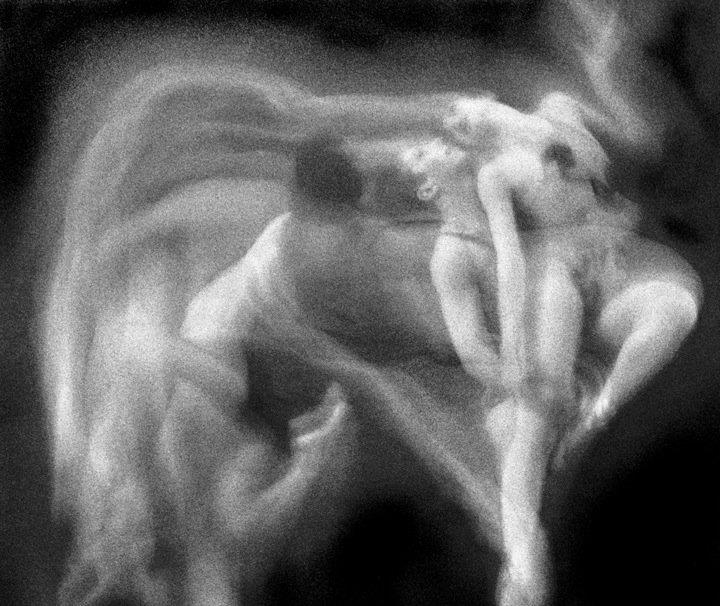
-® Paul Himmel -Ballet Serenade- 1951-52

-® Paul Himmel -Ballet Serenade- 1951-52

® Paul Himmel -Ballet Serenade- 1951-52

® Paul Himmel -Ballet Serenade- 1951-52

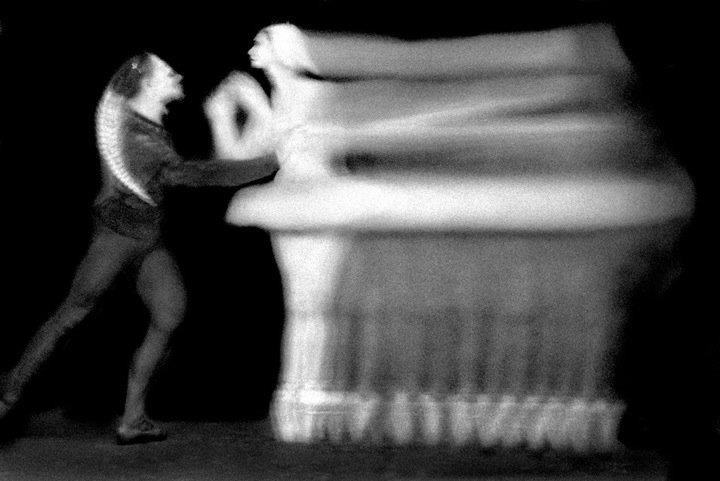
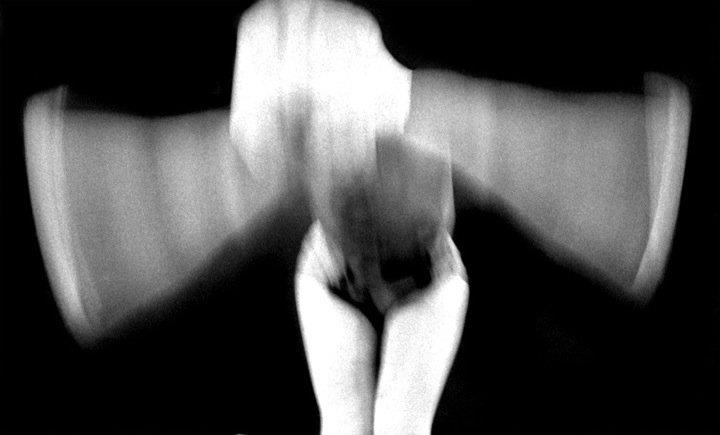
© Paul Himmel-TheCage (A)-1953

© Paul Himmel-TheCage (A)-1953

© Paul Himmel-TheCage (A)-1953

© Paul Himmel-TheCage (A)-1953

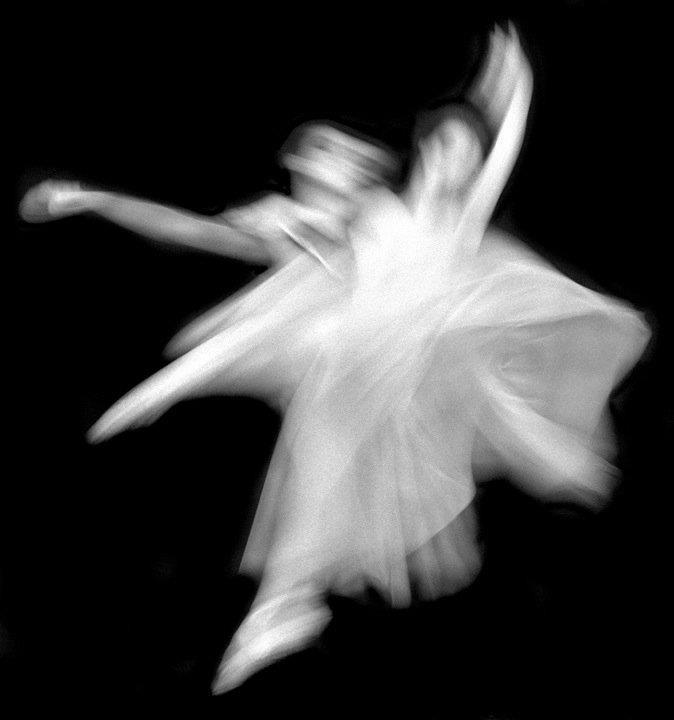
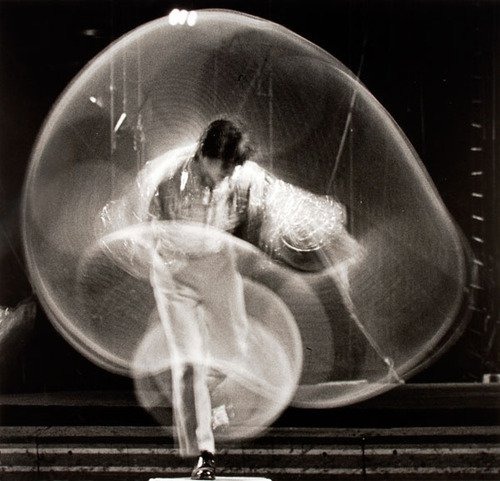
Paul Himmel- Circus Swirl, 1953


© Paul Himmel-Illuminations (A)

© Paul Himmel-Illuminations (A)

Henry Shaw -Untitled, 1920s

Henry Shaw -Untitled, 1920s

Henry Shaw -Untitled, 1920s


PC- Art of Gabriel DOMERGUE » Eve » ( Snake Dancer Erotic Nude) 1910s postcard for Salon de Paris

PC Studio- Art of Gabriel DOMERGUE » Eve » ( Snake Dancer Erotic Nude) 1910s postcard for Salon de Paris


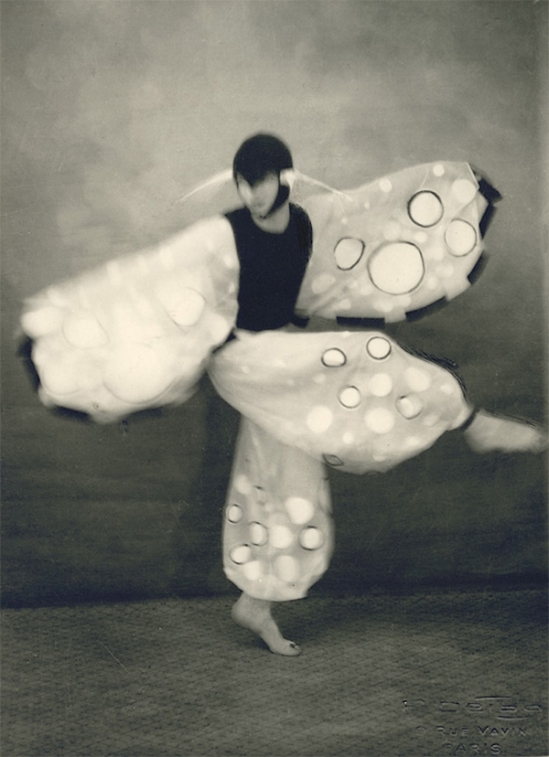
Studio P. Delbo

Studio P. Delbo – Le papillon de tulle- Paris vers 1930.

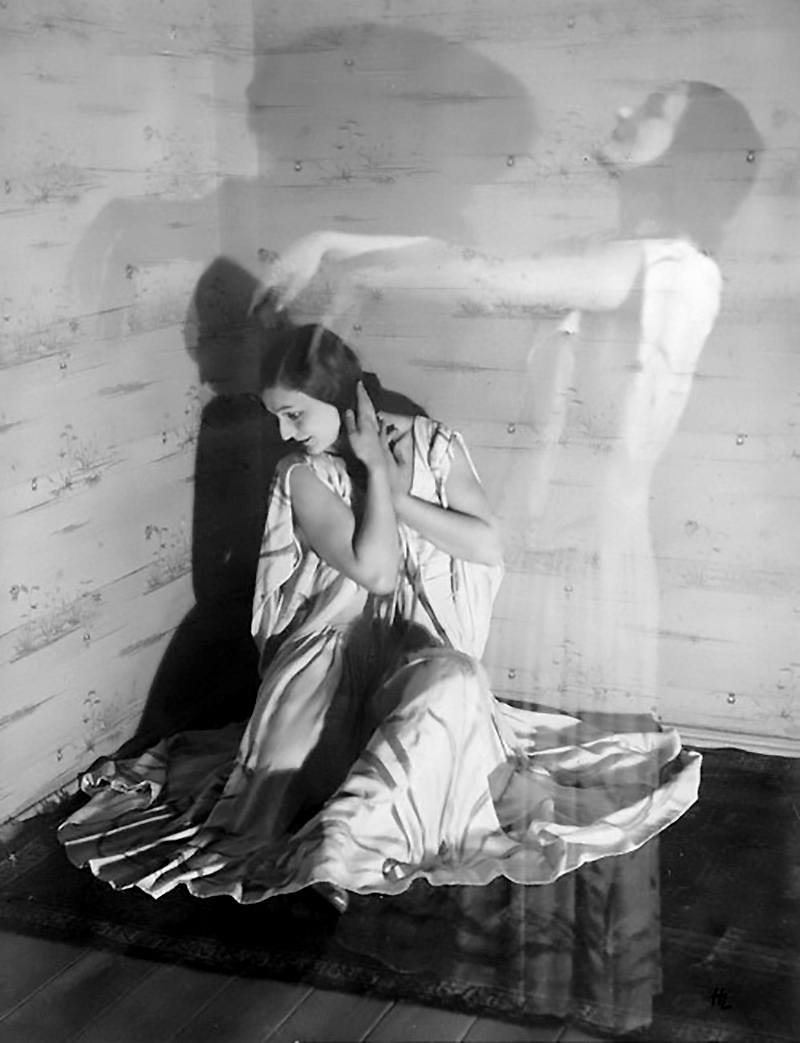
HL- Dancer (double exposure). Circa 1925

HL- Dancer (double exposure). Circa 1925

HL- Dancer (double exposure). Circa 1925

Téo Hernandez

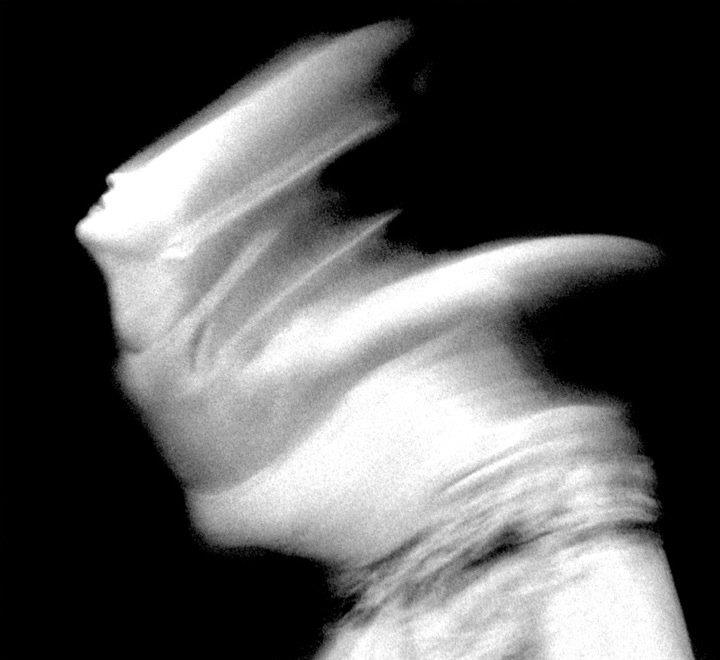
Téo Hernandez – Sans titre, Série sur la danse ,vers 1987

Teo Hernandez - From the serie danse (Catherine Diverrès), vers 1987
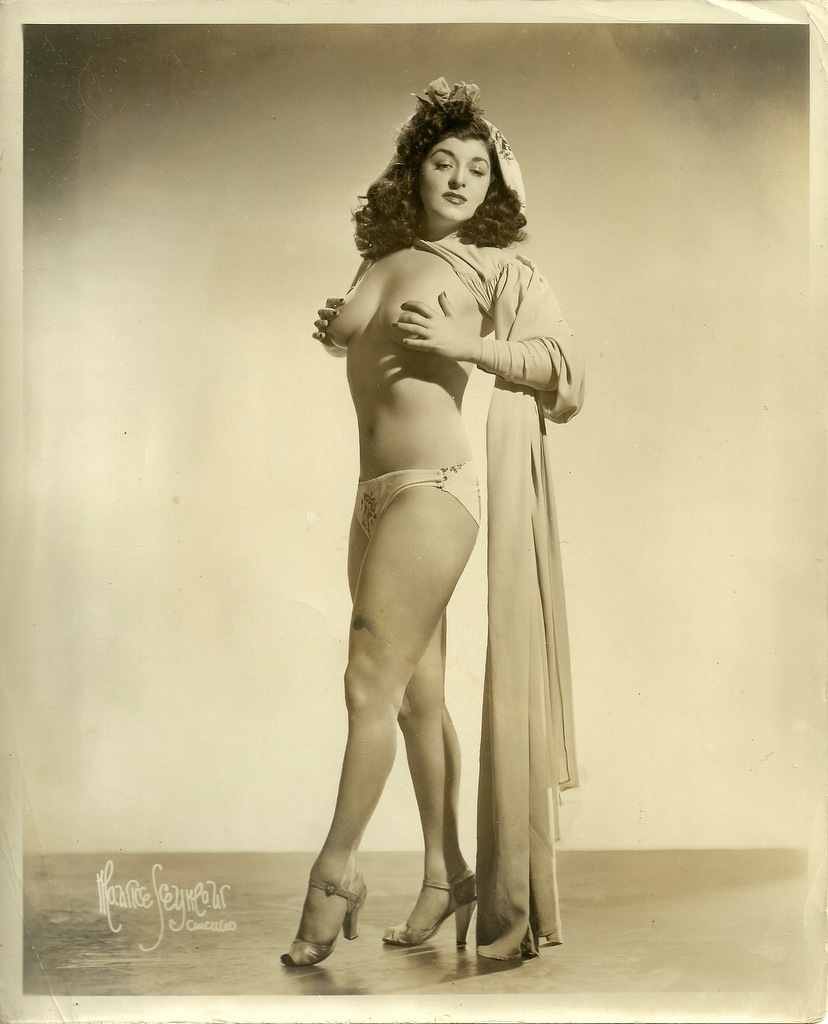
Teo Hernandez – From the serie danse (Catherine Diverrès), vers 1987
Très bon article avec plusieurs vidéos Ici