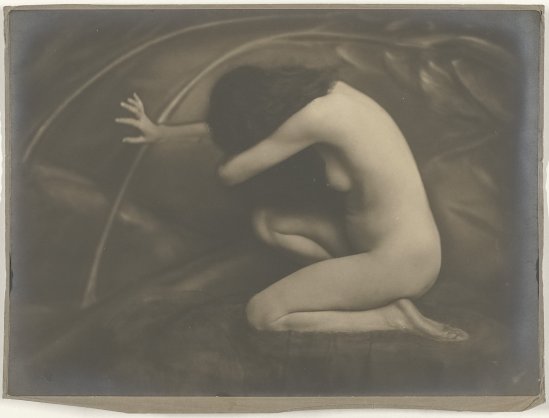
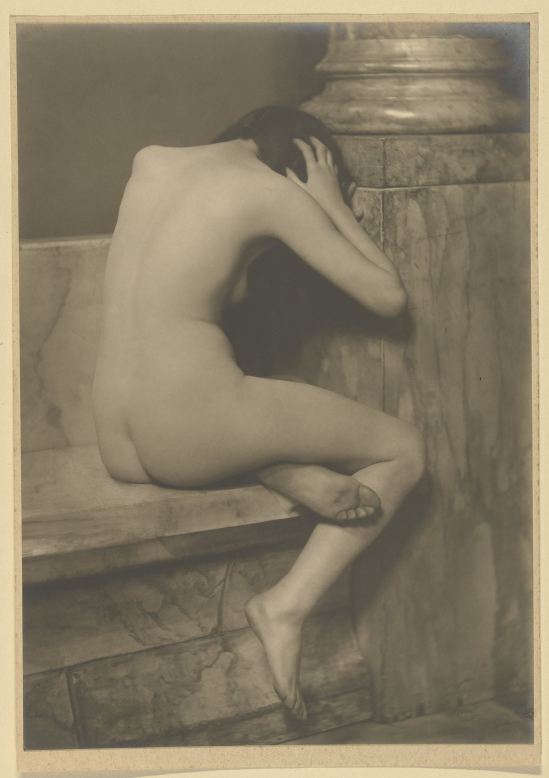
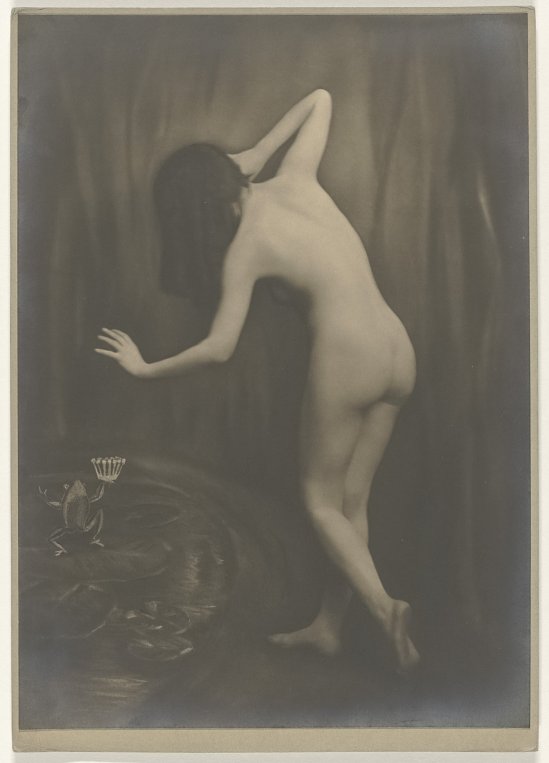
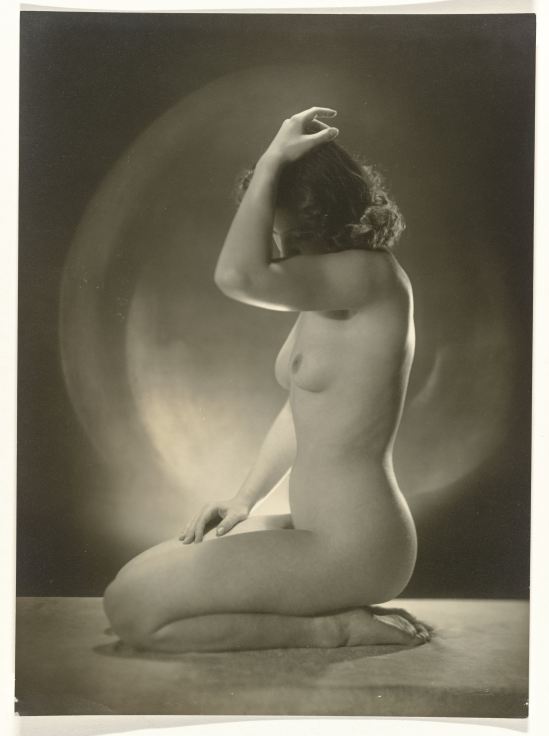
Grundworth Part II

All the articles about Grundworth 
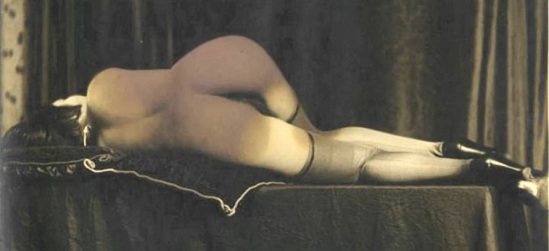
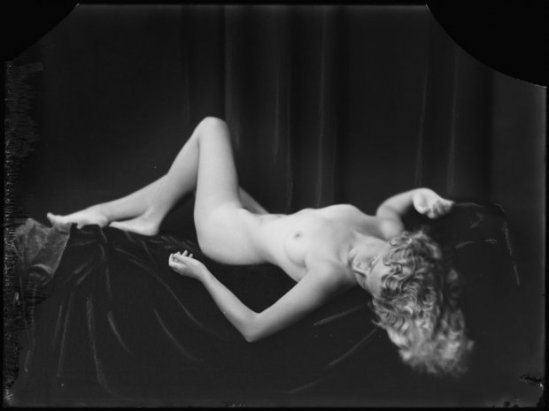
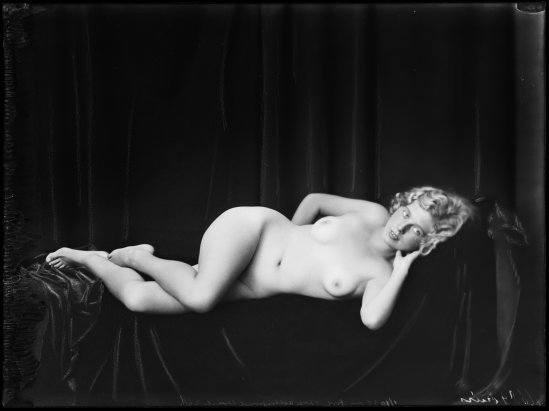
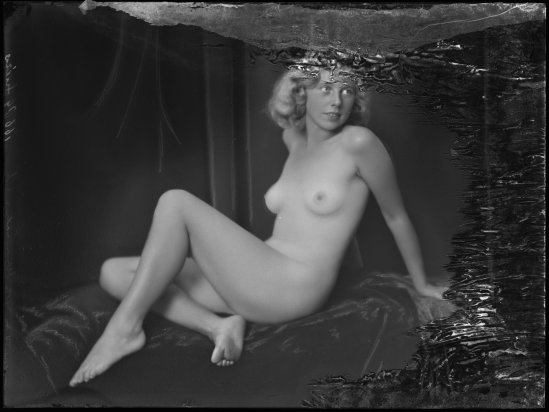
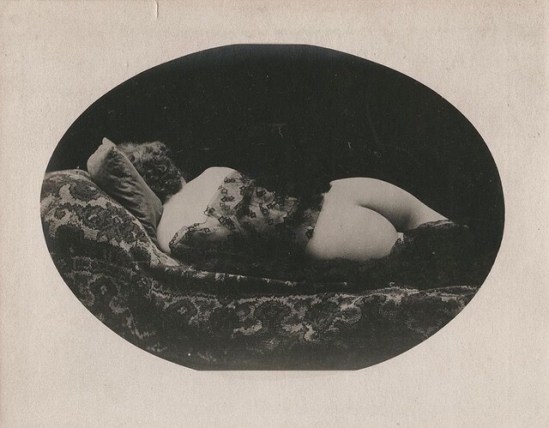
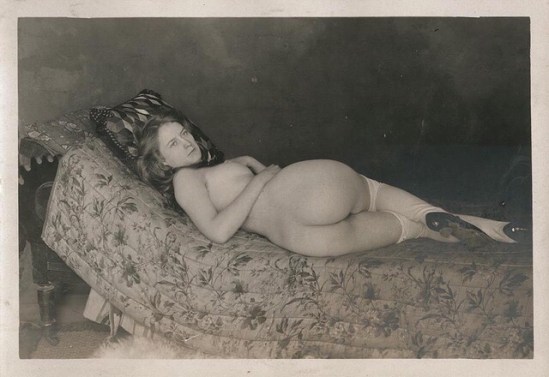
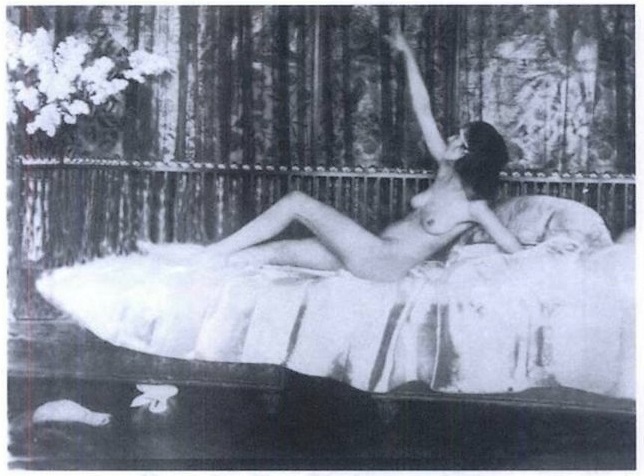
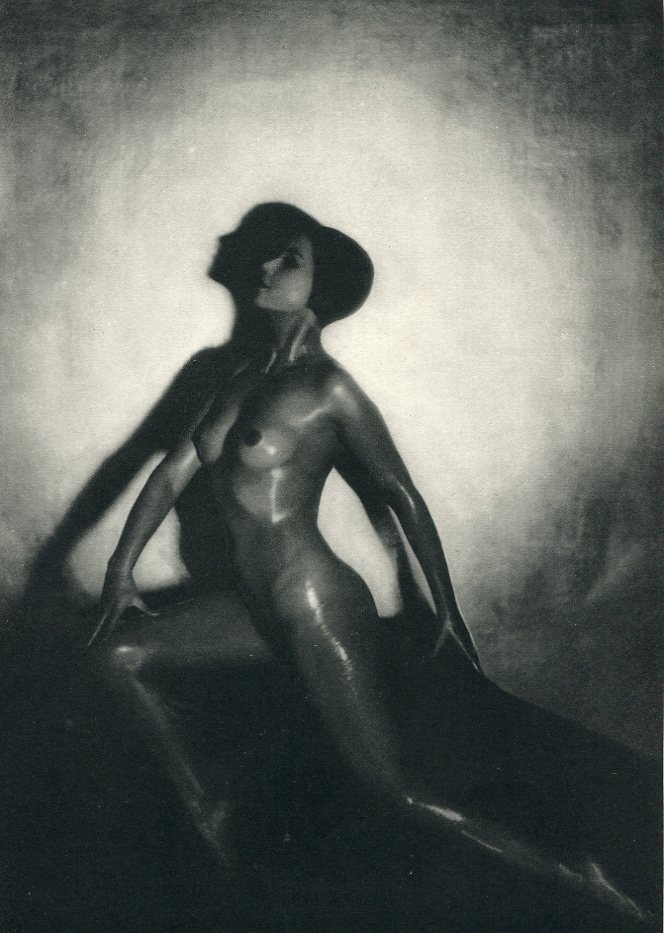
Grundworth - Nude reclining, c1920s Gelatin silver medium

Grundworth – Nude reclining, c1920s Gelatin silver medium

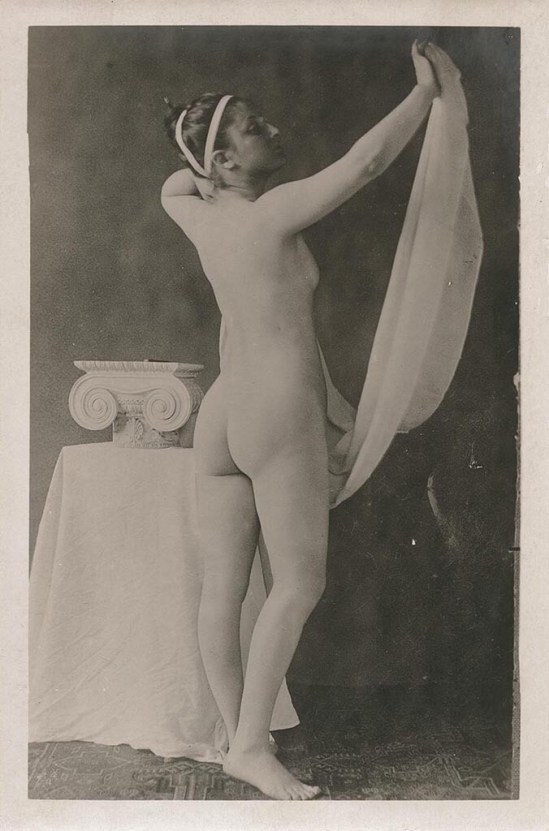
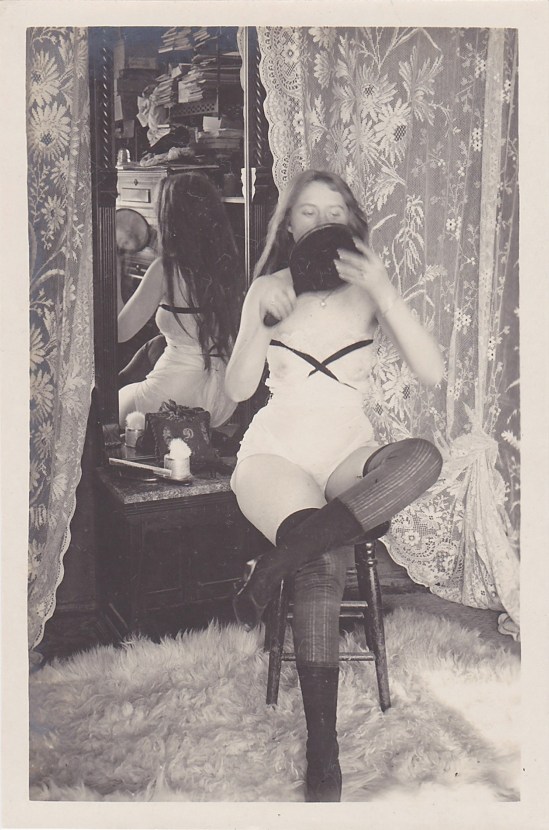
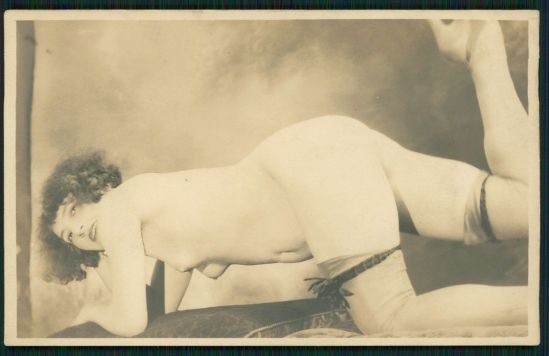
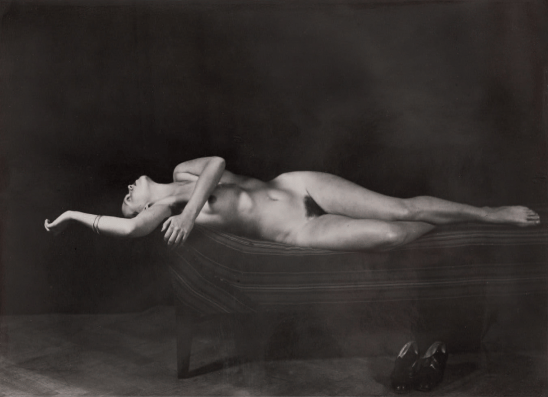
Bien que plusieurs photographes célèbres ouvertement publiés œuvres érotiques, plus osée avaient tendance à être distribués sous des pseudonymes ou sous les noms de studios commerciaux. Parmi des noms comme PC Edition, A.Noyer Edition ( Julien Mandel et Walery) , Yva Richard, et « Studio Biederer », Grundworth ressort comme étant non seulement l’un des plus prolifiques, mais aussi l’un des plus « débauché ».

Le Studio Grundworth , est connu pour avoir été Le Producteur de cartes postales érotiques à Paris à partir des années 1890 jusqu’aux années 1930. Mais à la fin des années 1850 les cartes postales ont commencé à s’éloigner des modèles universitaires et à suivre une voie plus lucrative , en utilisant des poses plus provocatrices et ayant souvent des modèles partiellement habillés en bas et lingerie. Le gouvernement a commencé à sévir , et la France institue des lois interdisant la vente de photographies de nus en 1850 et promulgue des lois interdisant leur circulation dans le courrier en 1862. Pendant et immédiatement après la Première Guerre mondiale, la production de cartes postales érotiques a vraiment commencé à fleurir, atteignant son « âge d’or » au cours de la brève période de l’entre deux guerres où la société européenne a explosée avec une nouvelle vision de l’art et de la décadence.

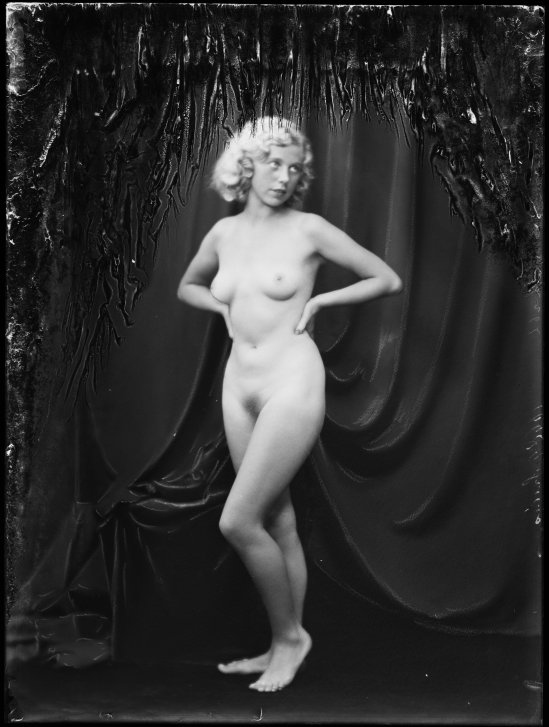
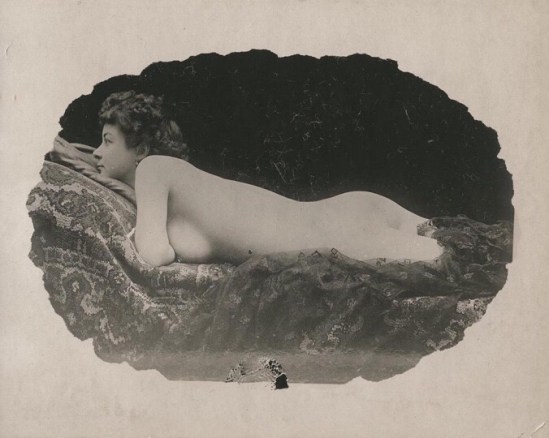
Grundworth - nude. Ca. 1930

Grundworth – nude. Ca. 1930

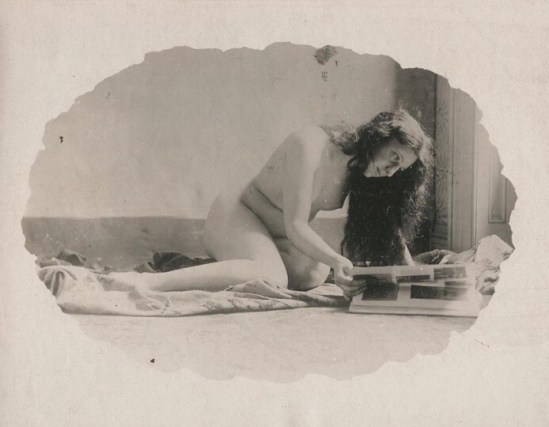
Grundworth -Postcard Studio 1925
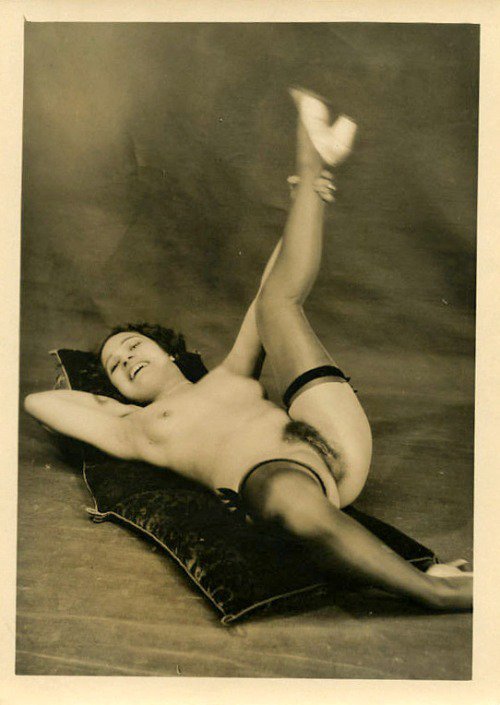
Grundworth -Postcard Studio 1925

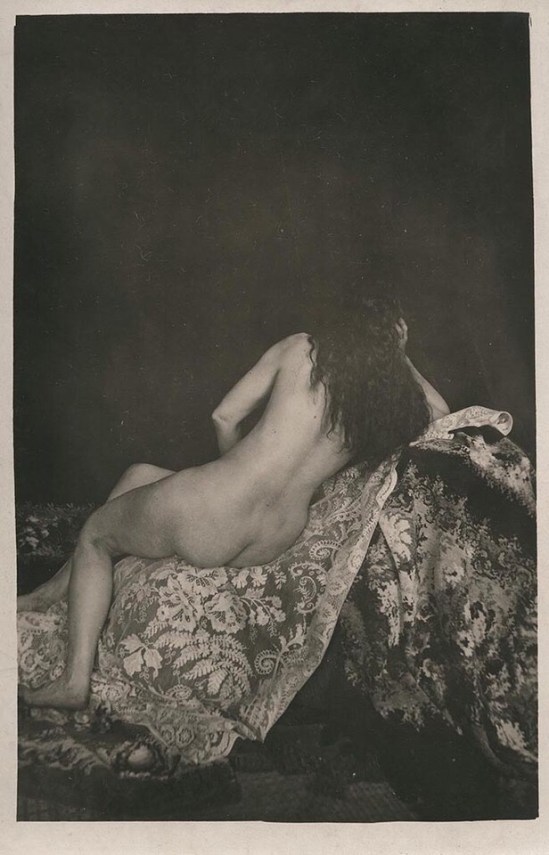
Grundworth -Postcard Studio 1925

Grundworth -Postcard Studio 1925

Mais qui est Grundworth? Un gros bruit de couloir prétend que Grundworth aurait été un pseudonyme pour divers photographes associés au sein d’un studio mais qui s’inquiétait d’une éventuelle arrestation pour indécence ou tout autre chose approximative. Comme la plupart des studios engagés dans la production de photographies érotiques et cartes postales de l’époque , et en dépit de la large diffusion de ces cartes , leur production et de la distribution était illégale en France , et tous les éditeurs photographes se devaient de garder l’anonymat . Mais on peut supposer , compte tenu de la productivité et d’un certain nombre de styles différents que l’on retrouve dans certaines séries, que Le Nom Grundworth est peu probablement assigné à Un photographe individuel, mais plus logiquement Un Groupe de Photographes qui étaient , peut-être connus , mais qui voulaient cacher leurs véritables identités . L’écrivain Suisse et Photographe Serge Nazarieff est un de ces photographes connus pour avoir manipulé les plaques négatives sous le nom de Grundworth. Le nom a aussi été caractérisé comme l’anagramme d’Albert Wyndham, un photographe connu.

Grundworth - Reclining Nude, 1920s Gelatin silver medium postcard

Grundworth – Reclining Nude, 1920s Gelatin silver medium postcard

Grundworth - Nude pose lingerie , 1920s Gelatin silver medium postcard

Grundworth – Nude pose lingerie , 1920s Gelatin silver medium postcard

Grundworth - nude. Ca. 1930

Grundworth – nude. Ca. 1930

Grundworth - Nude pose lingerie , 1920s Gelatin silver medium postcard
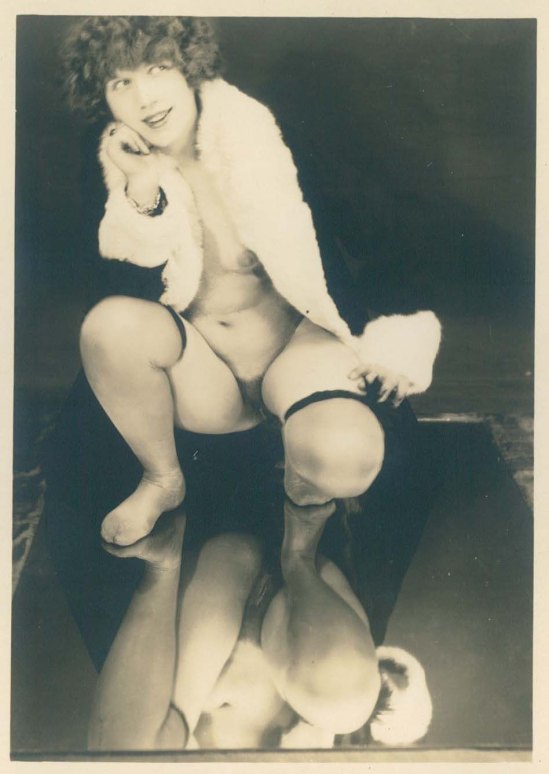
Grundworth – Nude pose lingerie , 1920s Gelatin silver medium postcard

Grundworth - nude. Ca. 1930

Grundworth – nude. Ca. 1930

Grundworth - Nude pose lingerie , 1920s Gelatin silver medium postcard 22

Grundworth – Nude pose lingerie , 1920s Gelatin silver medium postcard 22

Grundworth - Nude pose lingerie , 1920s Gelatin silver medium postcard

Grundworth – Nude pose lingerie , 1920s Gelatin silver medium postcard

Grundworth - Nude pose lingerie , 1920s Gelatin silver medium postcard

Grundworth – Nude pose lingerie , 1920s Gelatin silver medium postcard
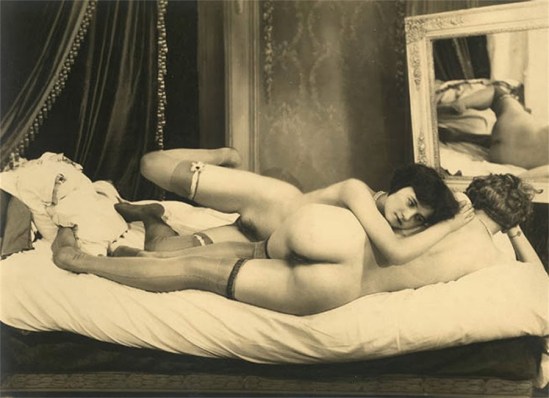
Grundworth - Nude pose lingerie , 1920s Gelatin silver medium postcard

Grundworth – Nude pose lingerie , 1920s Gelatin silver medium postcard

Grundworth - Two Nudes c1920s Gelatin silver medium postcard.

Grundworth – Two Nudes c1920s Gelatin silver medium postcard.

Grundworth - Deux femmes nues allongées se reflétant dans le mirroir, 1930s Gelatin silver medium postcard

Grundworth – Deux femmes nues allongées se reflétant dans le mirroir, 1930s Gelatin silver medium postcard

Grundworth - Two Nudes c1920s Gelatin silver medium postcard.
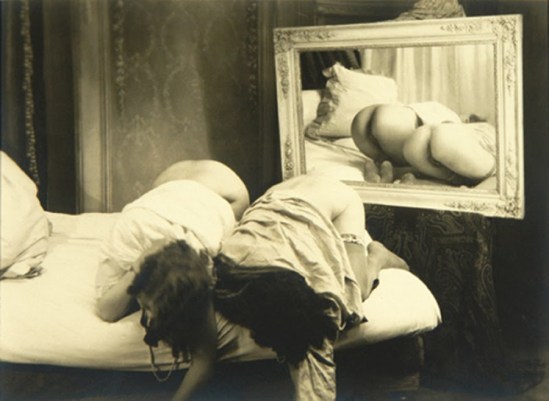
Grundworth – Two Nudes c1920s Gelatin silver medium postcard.
Grundworth - Two Nudes c1920s Gelatin silver medium postcard.

Grundworth – Two Nudes c1920s Gelatin silver medium postcard.

Grundworth - Femme nue, 1920s Gelatin silver medium postcard

Grundworth – Femme nue, 1920s Gelatin silver medium postcard

Grundworth - Accrobatic Nude pose , 1935 Gelatin silver medium postcard.

Grundworth – Accrobatic Nude pose , 1935 Gelatin silver medium postcard.

Grundworth - Accrobatic Nude pose , 1935 Gelatin silver medium postcard.

Grundworth – Accrobatic Nude pose , 1935 Gelatin silver medium postcard.

Grundworth - Nude pose lingerie , 1920s Gelatin silver medium postcard

Grundworth – Nude pose lingerie , 1920s Gelatin silver medium postcard

Grundworth Postcard Studio 1920s
Grundworth Postcard Studio 1920s
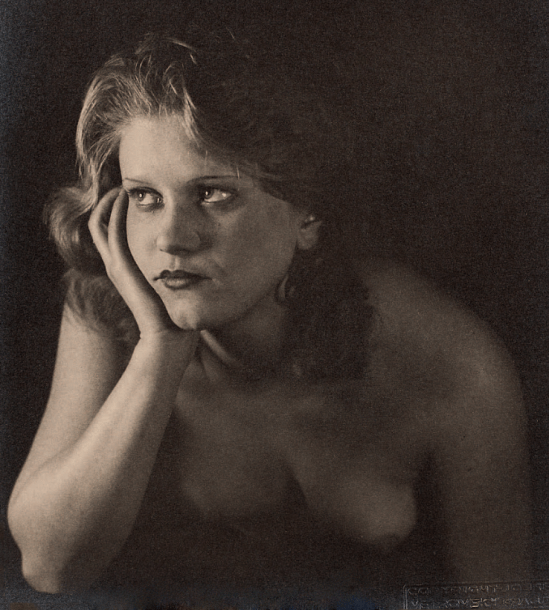
Josef Vetrovsky (1897 – 1944)

Josef Vetrovsky est l’un des acteurs de la photographie tchèque des années 20 et années 30. Sans bénéficier de la même reconnaissance que son compatriote et homologue Josef Sudek et de son professeur František Drtikol (1883-1961), il a lui aussi fait partie de la Société tchèque de photographie. Une exposition lui est consacrée, à Prague, en 1939. Josef Vetrovsky déclinera dans beaucoup de ses photographies les repères cubistes, et futuristes même parfois, du courant tchèque. L’étude de nu proposé ici n’y échappe pas.

Josef Vetrovsky – Naked woman on a couchcirca 1928

Josef Vetrovsky- Female Nude with Vase. 1929

Josef Vetrovsky- nude , Gelatin-silver print 1930s

Josef Vetrovsky – Female Nude 1931. Vintage gelatin silver print

Josef Vetrovsky- Nude, 1930s

Josef Vetrovsky – Female Nude Leaning, , 1928

Josef Vetrovsky -Untitled Around 1930 Gelatin silver print

Josef Vetrovsky – -Female Nude 1931. Vintage gelatin silver print_e Femme nue sur un canapé, circa 1928

Josef Vetrovsky- Akt study, around 1930, gelatin silver print

Josef Vetrovsky- nude , Gelatin-silver print 1930s

Josef Vetrovsky- nude , Gelatin-silver print 1930s

Josef Vetrovsky- Female-nude, 1929 (printed-1990s)

Josef Vetrovsky- Female Nude with Vase. 1929-30

Josef Vetrovsky- nude , Gelatin-silver print 1930s

Josef Vetrovsky – Nude Study , Prague 1930 ,Gelatin silver print

Josef Vetrovsky -Untitled Around 1936.Gelatin silver print

Josef Vetrovsky –Still life. Around 1925.Gelatin silver print

Frieda Gertrude Riess

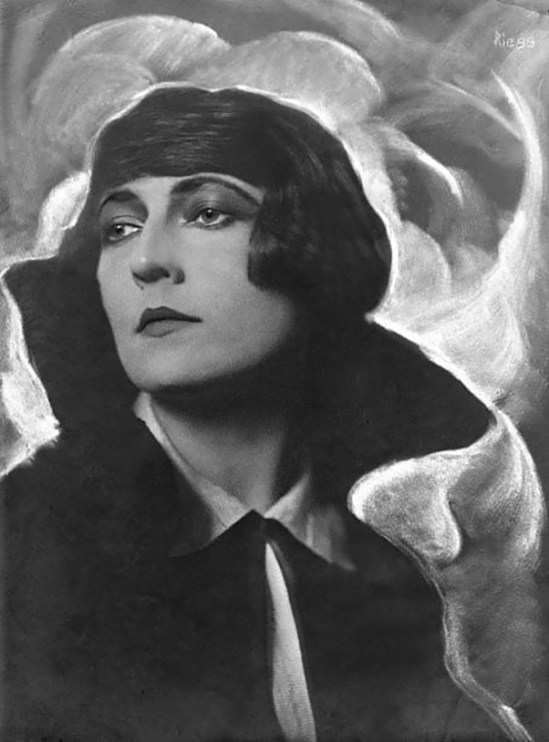
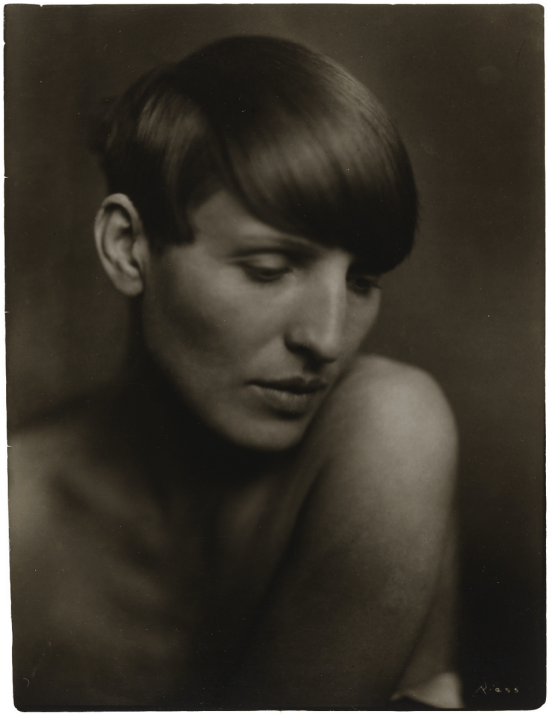
Riess was born in Czarnikau in the Prussian Province of Posen where her Jewish parents were shopkeepers. At the end of the 1890s, the family moved to Berlin where she first studied sculpture under Hugo Lederer (c. 1907) and later photography at the Berlin « Photographischen Lehranstalt », receiving her diploma in the summer of 1915.

In 1918, she opened a business on the prestigious Kurfürstendamm; it became one of the most popular studios in the city. Partly as a result of her marriage to the journalist Rudolf Leonhard in the early 1920s, she extended her clientele to celebrities such as playwright Walter Hasenclever, novelist Gerhart Hauptmann and actors and actresses including Tilla Durieux, Asta Nielsen and Emil Jannings. While on a trip to Italy in 1929, she was invited to photograph Benito Mussolini. In addition, she contributed to the journals and magazines of the day including Die Dame, Berliner Illustrierte Zeitung, Der Weltspiegel, Querschnit and Koralle

Her success in Berlin was however short-lived. In 1932, after falling in love with the elderly French ambassador in Berlin, she moved to Paris with him, disappearing from the public eye. Even the date of her death cannot be clearly established and her place of burial remains unknown  (source wilkipedia)


Frieda Riess- Toni Freeden – Dancer, Germany  in a dancing pose – 1927 via getty images

Frieda Riess- The dancer Grit Helgesa Portrait in the role of a Harlekin Vintage,1920 via getty images

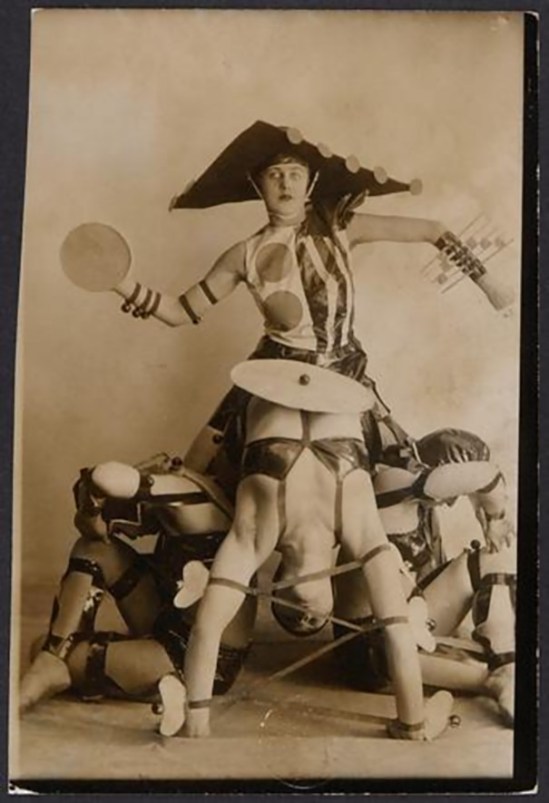
Frieda Riess- Ellen Petz Dancer, choreographer, Germany with a partner in the Petz Kainer Ballet ‘Scherzo’; costumes designed by Ludwig Kainer – 1920 via getty images

Frieda Riess- Portrait of Margo Lion, Cabaret Artist, Chansonniere, Actress, Germany, Portrait singing the couplet ‘Die Linie der Mode’ in the Wilde Bühne in Berlin 1924 via getty images

Frieda Riess- Hands Beautiful female hands , 1924 via getty images

Frieda Riess- Portrait of The dancer Grit Hegesa,1919 via getty images

Frieda Riess-Mria Schreker, Opera SingerWife of the composer Franz Schreker ,1922 via getty images

Frieda Riess- Lotte Pritzel Costume designer, doll artist,1925 via getty images

Frieda Riess- Lally Horstmann1920 via getty images

Frieda Riess- Lani Mohr-Solf,1931 via getty images

Frieda Riess- Portrait of the actress Leontine Kühnbergy 1925 via getty images

Frieda Riess- Dare Vare The daughter of the Italian Ambassador in China, wearing a white dress in the summer,1933 via getty images

Frieda Riess-Trude  Hesterberg – Actress, SingerPortrait in the cabaret Wilde Bühne, dressed in a long dress Vintage,1922 via getty images

Frieda Gertrud Riess The Sculptor Renée Sintenis (Die Bildhauerin Renée Sintenis) Gelatin silver print, 1925-35 Via moma

Frieda Gertrud Riess – Woman’s handS, 1924 via


Frieda Ries- Renee Sintenis, sculptor, Germany 1925 via

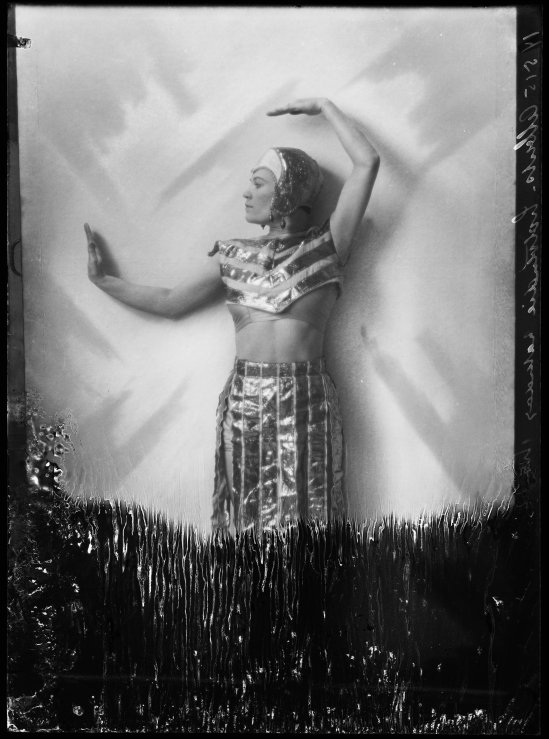
Frieda Riess-Baroness Nadine Uexküll dressed as Nefertiti,1928

Atelier Riess (Frieda Gertrud). Bara – Die Tänzerin Charlotte Bara. Ca. 1926-28.

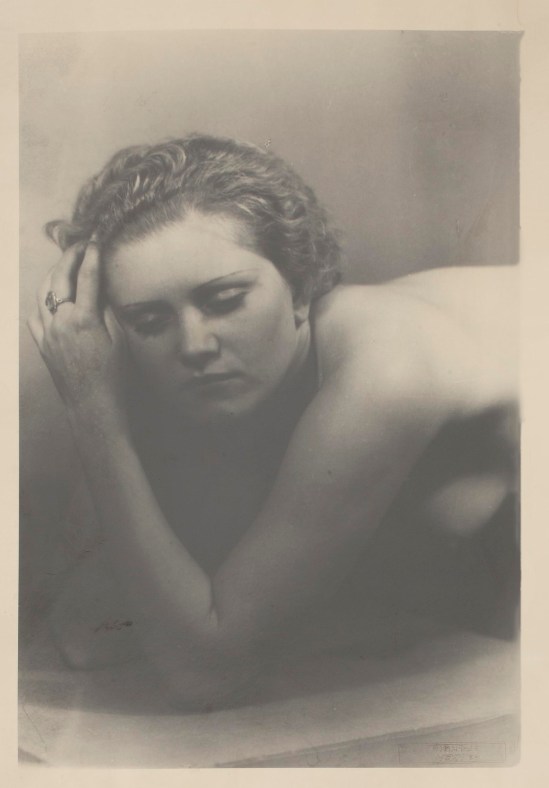
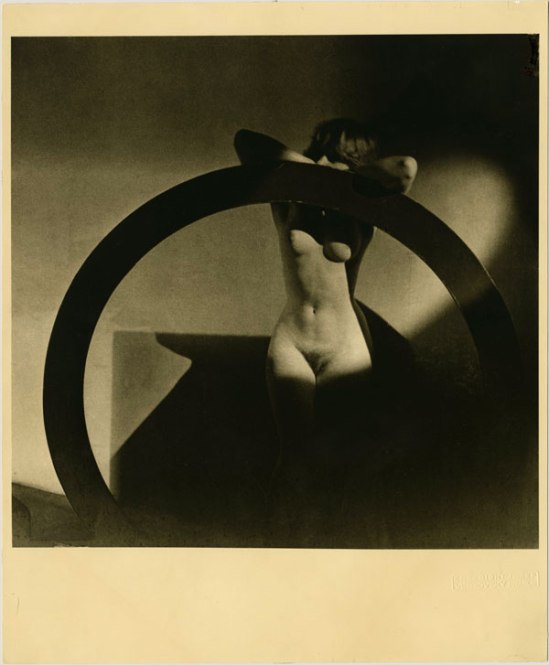
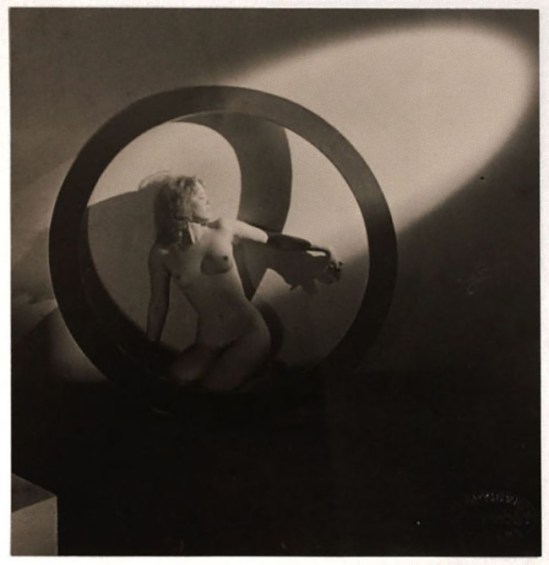
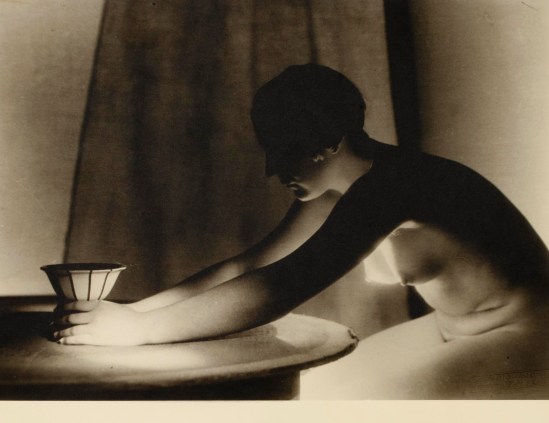
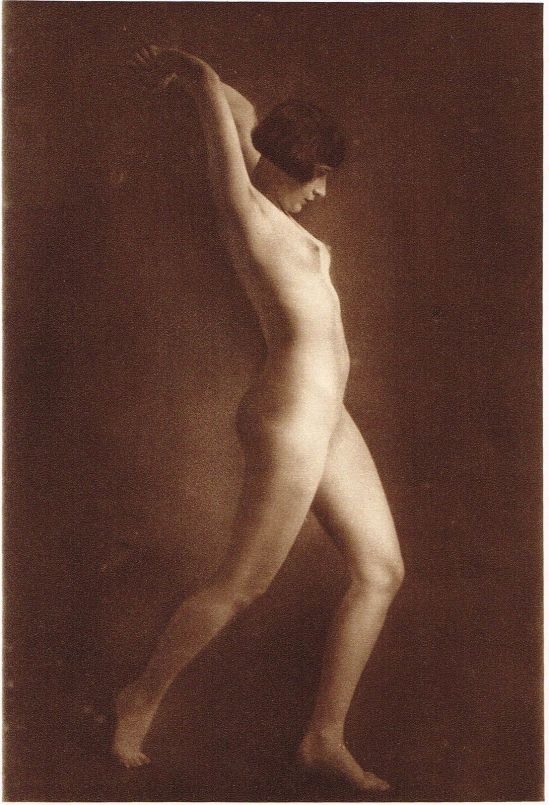
Frieda Gertrud Riess Nude Model ,photogravure, 1925 via ebay

Frieda Gertrud Riess Nude Model ,photogravure, 1925 via ebay

Frieda Gertrud Riess Nude Model ,photogravure, 1920 via ebay

Frieda Gertrud Riess Nude Model ,photogravure 1920 via ebay

RIP Karl Lagerfeld & Chanel

Simplement pour rendre hommage à cet homme exceptionnel que fût Karl Lagerfeld , deux petites citations qui sont les bien venues pour les visiteurs qui passent par ici tous les jours, et deux vidéos , une réalisée par lui- même et une sur Coco Chanel et la mode des années 20 qui l’a inspirée

******************************************************


« La personnalité commence là où s’arrête la comparaison »

Karl Lagerfeld


« Mon plus grand luxe est de n’avoir à me justifier auprès de

personne »

Karl Lagerfeld


 Un  court métrage de lui sur l’histoire de Coco Chanel….

Et pour rester dans l’esprit du blog, un ravissant petit reportage sur Coco Chanel et les années 20′ avec des images filmées  extraordinaires d’époque.

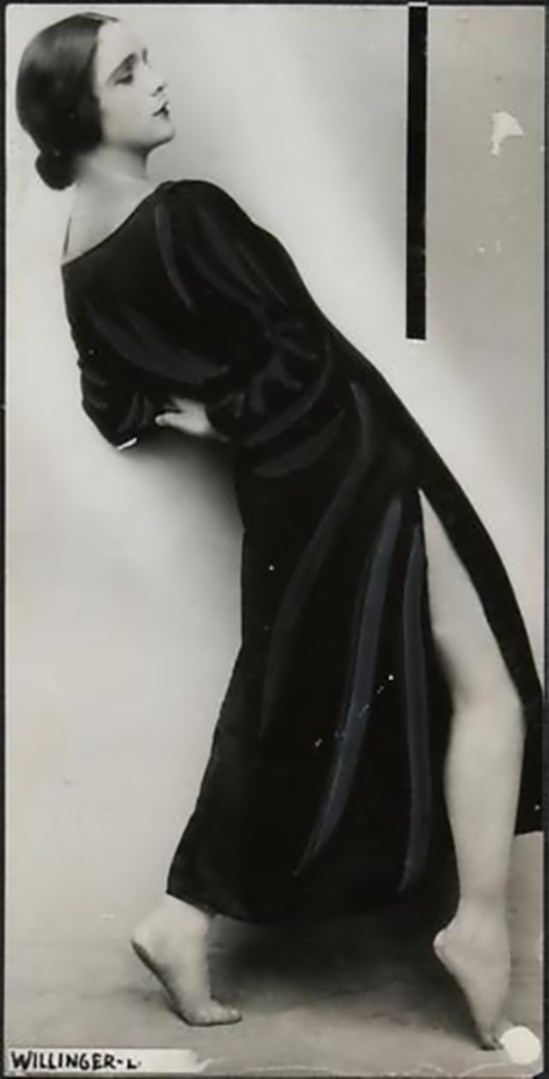
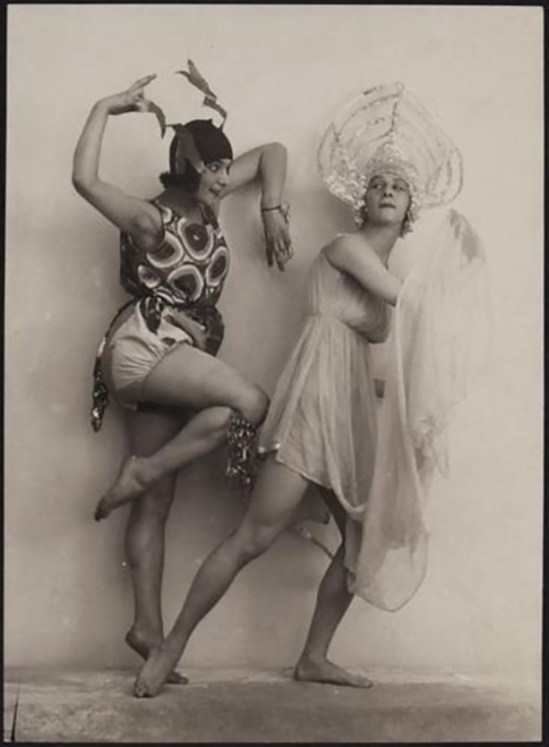
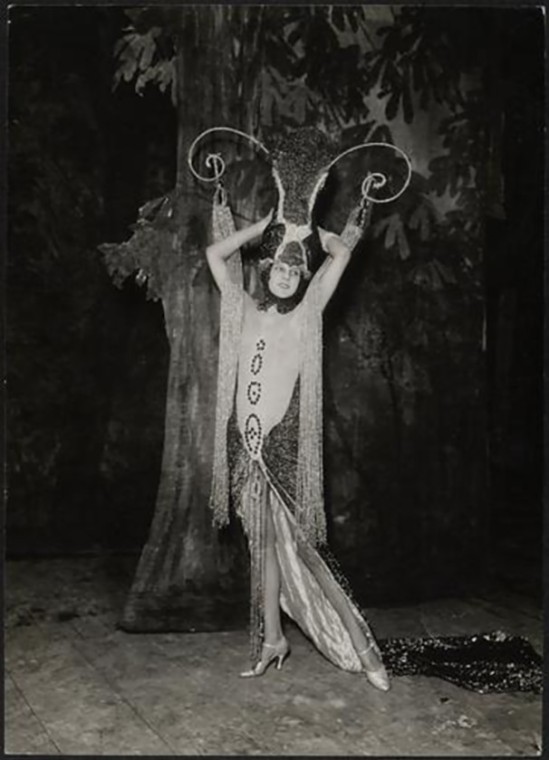
Atelier Willinger

Laszlo Willinger Sun of Maurus Wilhelm Willinger  &  Margaret Willinger, Austro-Hungarian photographers who are best known for their portraits of actors of the early silent film era in Berlin.

László Josef Willinger was a Jewish-German photographer, most noted for his portrait photography of movie stars and celebrities starting in 1937.

He was born on April 16, 1909  Budapest, Hungary . Willinger established photographic studios in Paris and Berlin in 1929 and 1931 respectively, and at the same time submitted his photographs to various newspapers as a freelance contributor. He left Berlin in 1933 when Adolf Hitler became chancellor, settling and working in Vienna, where he began to photograph such celebrities as Marlene Dietrich, Hedy Lamarr, Pietro Mascagni, Sigmund Freud, Carl Jung, and Max Reinhardt.

By the mid-1930s he was travelling through Africa and Asia before being invited by studio photographer Eugene Robert Richee to move to the United States.

He crossed into the United States at Mexicali, Mexico on December 20, 1937 and resided in Los Angeles, California.

After establishing a studio in Hollywood, California, Willinger became a frequent contributor to magazines and periodicals, providing magazine cover portraits of some of the most popular stars. Willinger was one of the first Hollywood photographers to experiment in the use of color.

In later years, shortly before his death, Willinger was accused of stalking some celebrities of the time, including Charlie Chaplin. An investigation into the matter led to the uncovering of thousands of personal pictures of the male comedy star ( source wilkipedia.)

All the photgraphy are undated, but we can make the hypothesis, since it has settled in viennia in which these date from this time around 1930

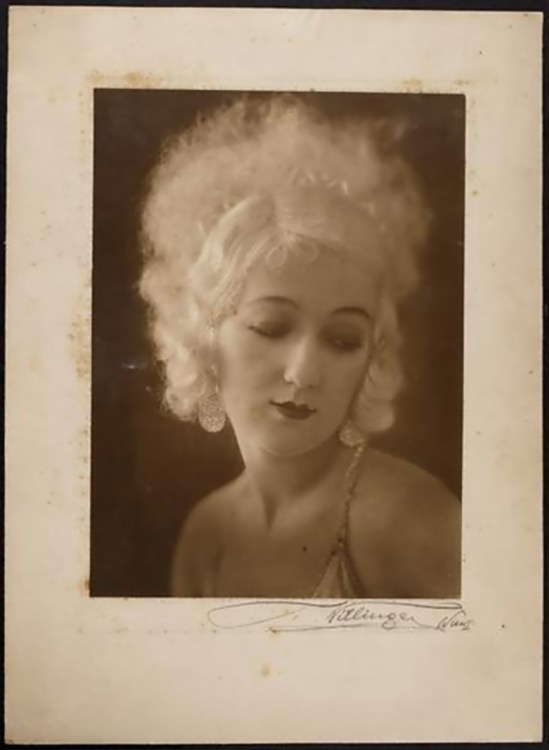
Atelier Willinger (Wien). Sonja Georgiewand nd_


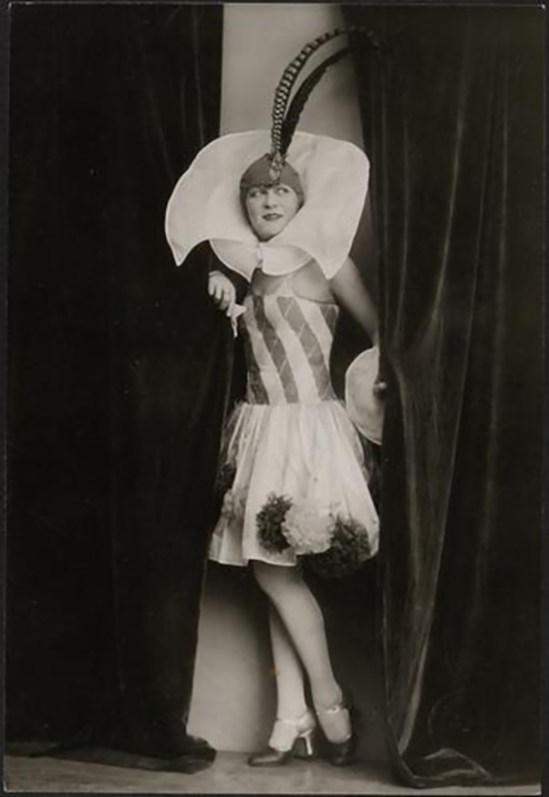
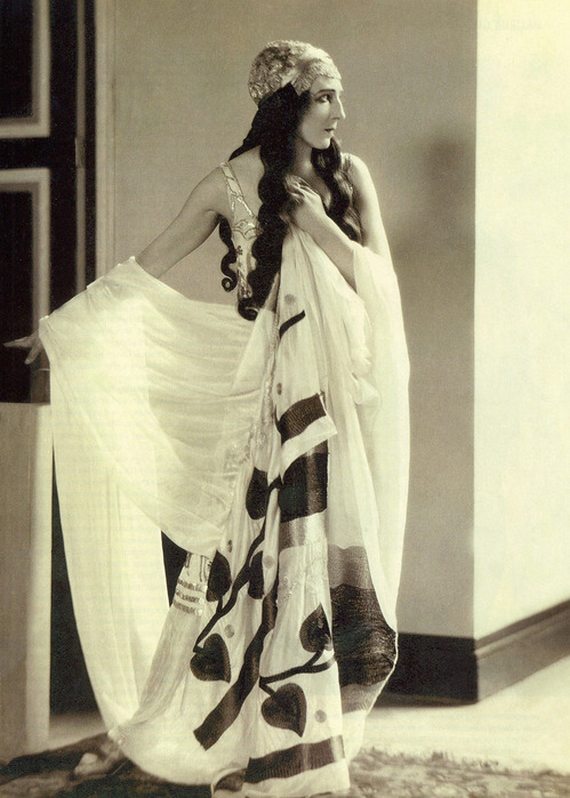
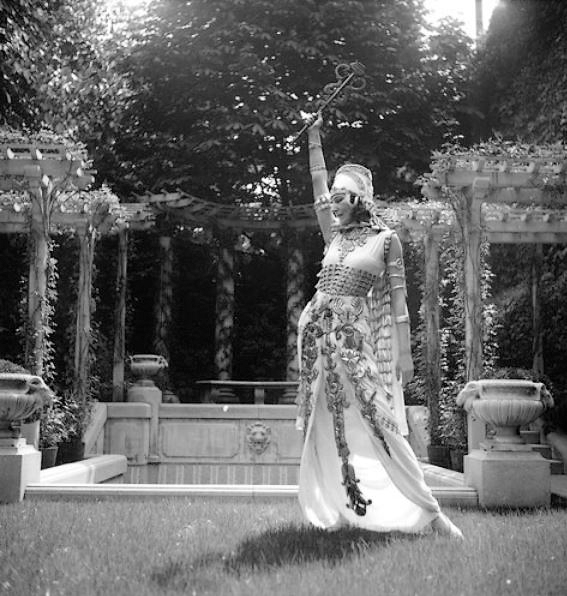
Atelier Willinger (Wien).Mara Ziperowitz als Merkur 1925

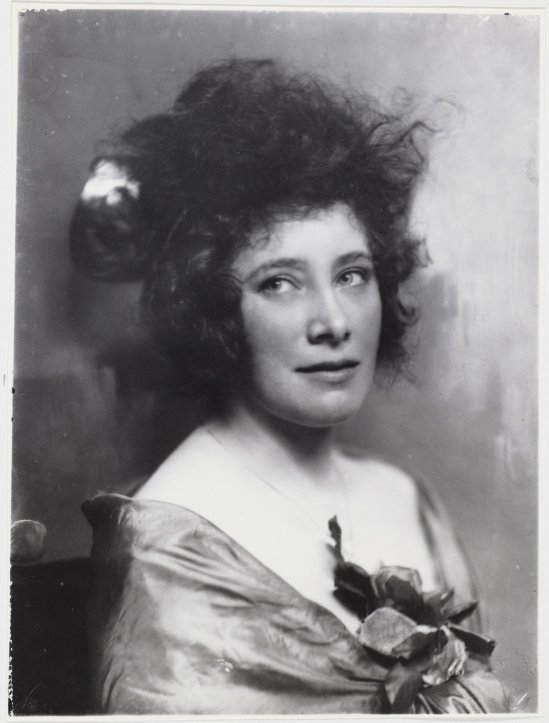
Atelier Willinger (Wien.) – Cäcilie Lvovsky nd

Atelier Willinger (Wien.) -Dagny Servaes in Turandot , nd

Atelier Willinger (Wien.) – Muna Libravic nd

Atelier Willinger (Wien.) -Anny Fey Moulin Rouge, Wien , nd

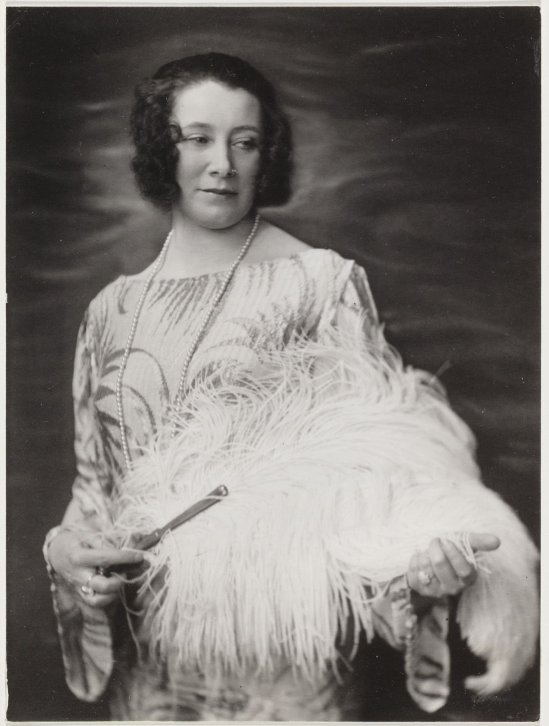
Atelier Willinger (Wien.) – Else Köring

Atelier Willinger (Wien.) – Inge Epp., nd

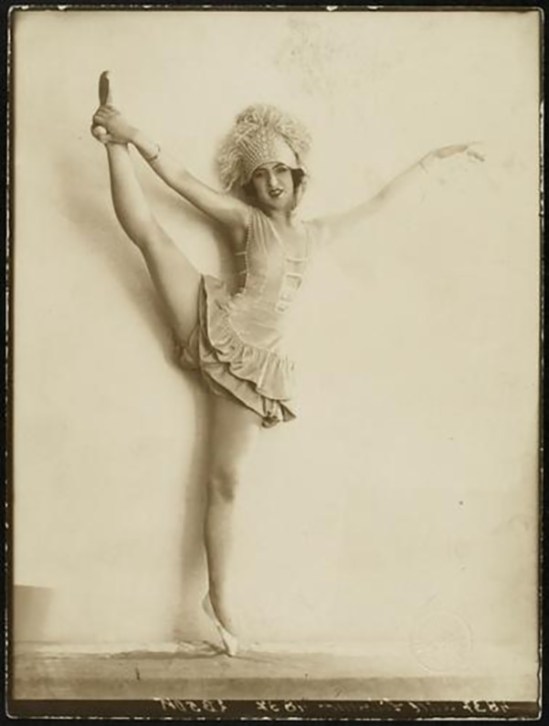
Atelier Willinger (Wien.) -Adele Heid, dancer from Moulin Rouge , nd

Atelier Willinger (Wien.) – Les Kervas

Atelier Willinger (Wien.) – Lily Damita , nd

Atelier Willinger (Wien.) – Ly Astra nd

Atelier Willinger,( Wien.) – Anna Bathy nd

Atelier Willinger (Wien.) -Karl Farkas in a scene with 2 girls. , nd

Atelier Willinger (Wien.) -Ly Horki , nd

Atelier Willinger,( Wien.) – Charlotte Ander nd

Atelier Willinger (Wien.) – Emmy Kosarynd

Atelier Willinger,( Wien.) -Alba Tiberio, nd

Atelier Willinger- Gertrud Bodenwieser 1930

Atelier Willinger,( Wien.) – Edmonde Guy, nd

Atelier Willinger (Wien.) -Nina Payne 1928

Atelier Willinger, Wien- Nina Payne 1928

Atelier Willinger,( Wien.) -Nina Payne was Mystery Dancer 1916

Atelier Willinger (Wien.) -Mill Silvano , nd

Atelier Willinger (Wien.) -Margarethe Freudenreich Solo dancer of the Vienna Court Opera, nd

Atelier Willinger,( Wien.) – Lore Wigand nd

Atelier Willinger,( Wien.)-Erna Carise., nd

Atelier Willinger,( Wien.) -Adele Heid nd

Atelier Willinger,( Wien.) -Christa de Vignos nd

Atelier Willinger,( Wien.) -Hilde Wagener as Vasantasena at the Vienna Burgtheater nd

Atelier Willinger,( Wien.) -Mia Lucka nd

Atelier Willinger,( Wien.) -Ria Hellwein nd

Atelier Willinger,( Wien.) -Janka Ladowska , nd

Atelier Willinger (Wien.) -Hilde Holger in Grotesk Charleston, nd

Atelier Willinger (Wien.) -Miquette Hirmer Members of the dance group Bodenwieser, nd

Atelier Willinger (Wien.) -Juita Fuentes in Madame Butterfly , nd

Atelier Willinger,( Wien.) -Rita Walter, photomontge nd

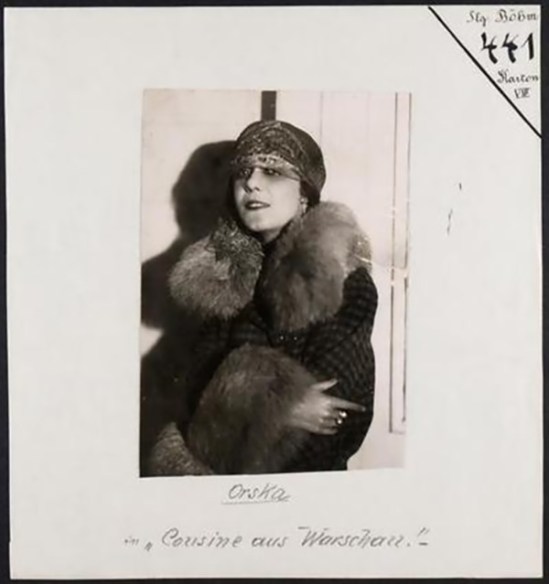
Atelier Willinger,( Wien.) – Maria Orska nd

®Theatermuseum, Wien

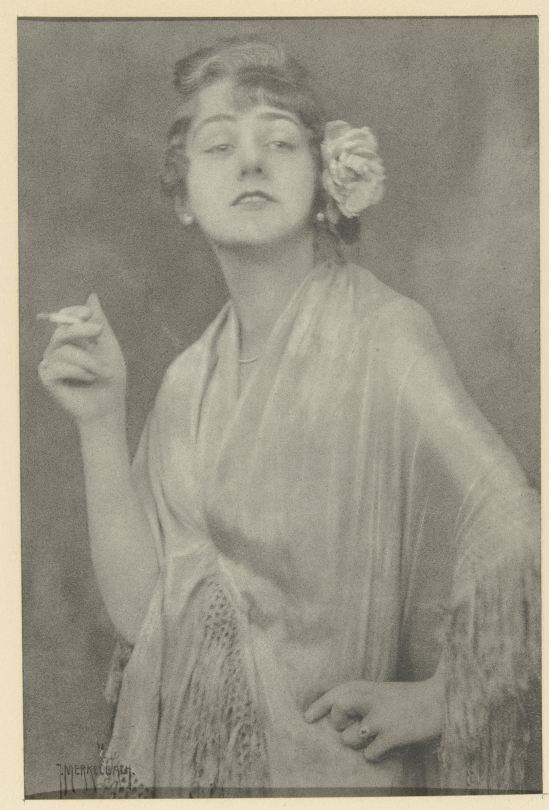
Atelier Jacob Merkelbach

« Jacob Merkelbach was the founder of one of the most famous Amsterdam portrait photography studios of the twentieth century on the fifth floor of fashion house Hirsch at Leidseplein Studio J Merkelbach ( Atelier Merkelbach) In the luxurious studio above the fashion warehouse Hirsch on the Leidseplein, he photographed almost all famous Dutch people from the theater world, writers, artists, businessmen and the wealthy Amsterdam bourgeoisie. Taking pictures of Abel Herzberg, André Herzberger, Carel Asser Daniel comme Mata Hari , Fien de la Mar , Théo Mann-Bouwmeester , Willem Mengelberg et Abel Herzberg , se sont fait capturer sur l’album sensible.and many others. His photographs are unique and of exceptional quality. You can see here the galery of protraits  .The personal signature in the design and execution of each portrait, the technical knowledge of the staff and the professional cooperation of the daughter and son-in-law made this workshop a well-running company that, after Merkelbach’s death, could be continued until 1969.


Jacob was born on April 29, 1877 and was the son of John Wilhelm Merkelbach and Maria Antonia van Schaik. His parents had a shop on the Nieuwendijk 57-59, which was sold mainly technical toys, and a fireworks factory in Amsterdam.
The fireworks factory was rebuilt in the 90s of the 19th century to a daylight film. This father did after he came into contact with Lumiére. Financially it was not profitable and father decided to go into all the photography. The case on the Nieuwendijk was an important place for the sale of photographic equipment. Above the case opens the son-father Machiel Laddé a workshop.
This workshop is Jacob works and continues to do so for about 10 years. There he learned the profession. In 1902 married with Josephine Harmsen and get on April 21 1904 they can daughter Maria Antonia (Mies). Later, Mies goes to work in the photo studio.
In 1913 own studio opens on Leidseplein 29, on the 5th floor of Hirsch. In 1924 Mies is working in the studio after she completed training at the Dagteken- Art and Craft School for Girls in Amsterdam. Her work in the studio is to retouch, enhance, and print photos.

In 1932 comes Lambert JM Rosenboom (15 Feb 1905, also known as Bobby) in the company work. Mies married him in 1939.
On February 6, 1942 dies Jacob Merkelbach. His daughter Mies puts the company on, her husband Bobby is arrested in 1941 and the remainder of the war in German captivity. Mies makes this period illegal passport photos in the studio, while the Germans regularly on the floor is due to the anti-aircraft guns on the roof of Hirsch & Cie.
Atelier Merkelbach gets in 1948 the honorable mission to Queen Wilhelmina portraits, one of the pictures the ceremonial of the Queen is.
In the 50’s declining interest in portrait photography. Photography is available for consumers by becoming less expensive devices. This also affects Atelier Merkelbach. In 1969, the company, on April 29 – the birthday of Jacob Merkelbach – lifted. There are 150,000 glass negatives of exceptional historical value. These will be donated to the City of Amsterdam. « by  scherptediepte.nl

I made the choice to propose you the photographs which represent dancers or nudes and some delicate portraits
********************************************************************
Dancers

Studio Merkelbach Alice Sally Mary (Lili) Green,1915

Studio Merkelbach Johanna Wittrock,1919

Studio Merkelbach Adriana (Henriette Blazer) Blaaser,1923

Studio Merkelbach Luise Aguste Julie (Luise) Marheineke,1919

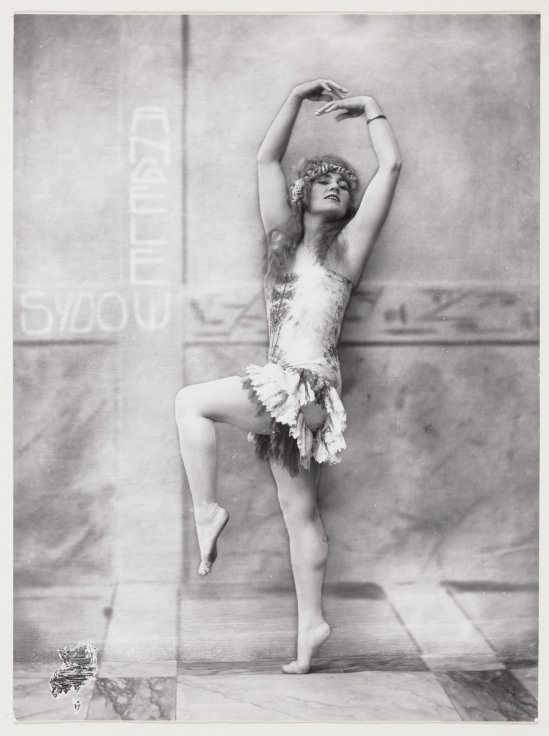
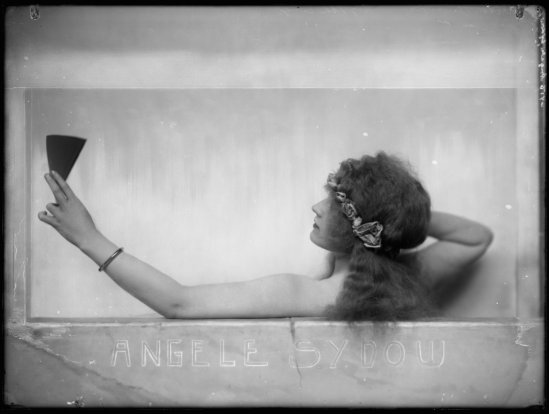
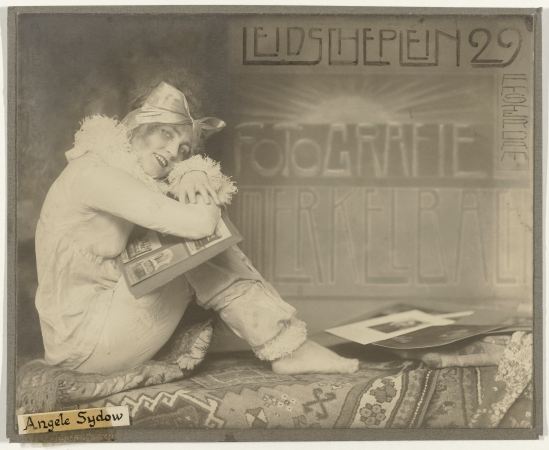
Studio Merkelbach Angèle Sydow,1916

Jacob Merkelbach Angèle Sijdow, 1917-19

Jacob Merkelbach, the dancer Claire de Jongh in profile in tight dance pose 1927 – 1928

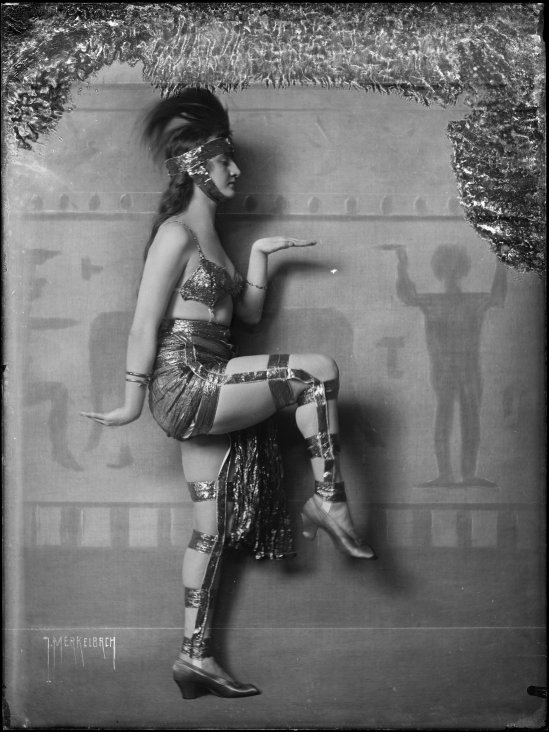
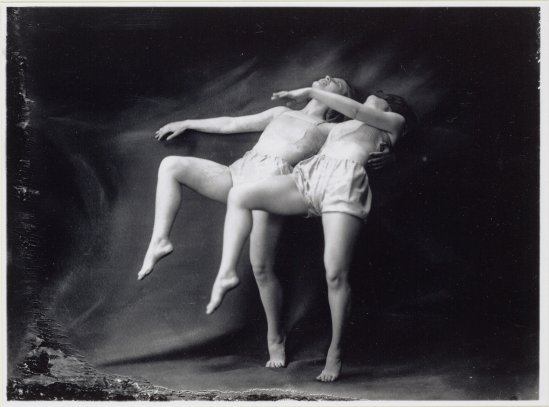
Jacob Merkelbach, the dancers Menagerie Folmer   and Claire de Jongh with right leg raised 1927 – 1928

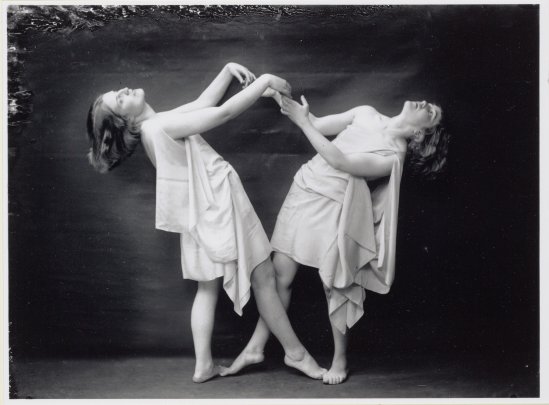
Atelier Jacob Merkelbach-The dancers Gerie Folmer and Claire de Jongh in a symmetrical pose , 1927-28

Studio Merkelbach Wilhelmina (Mien) Loevendie,1930

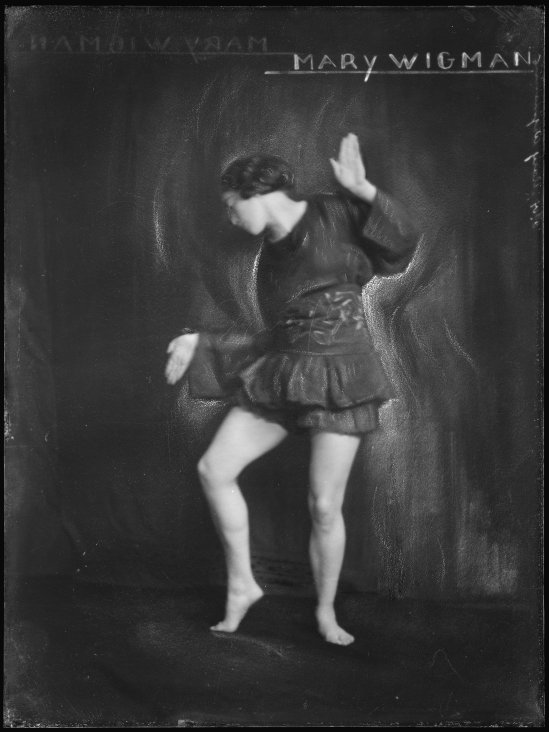
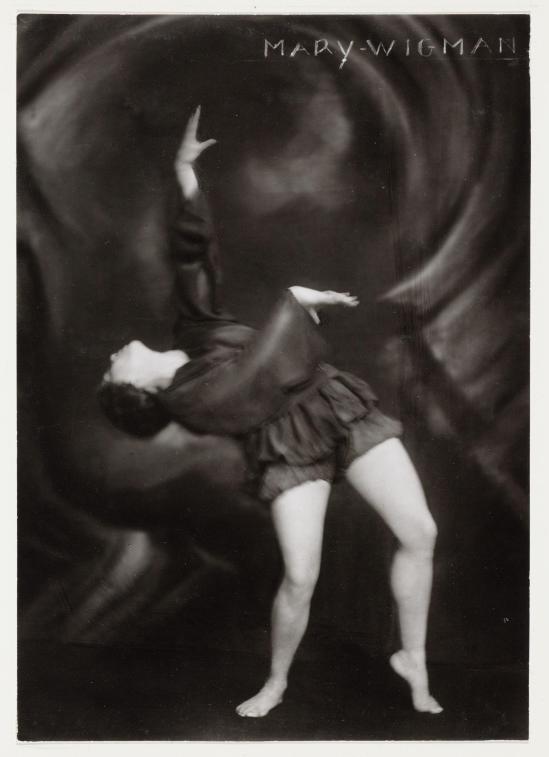
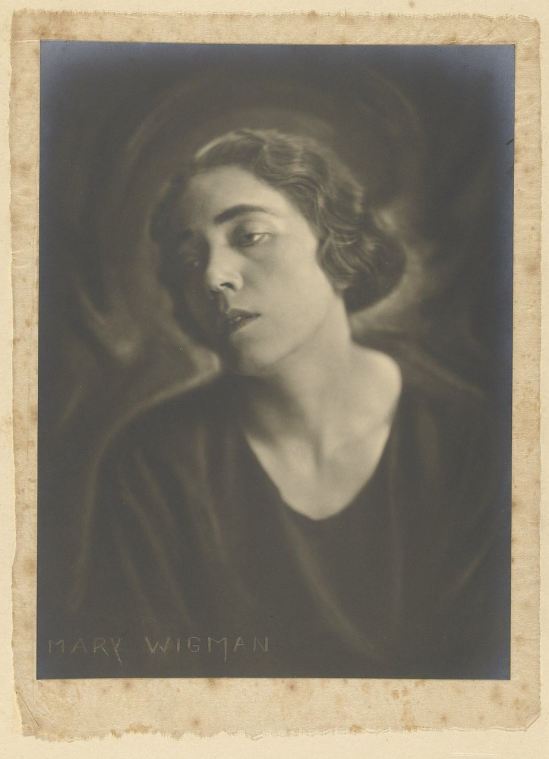
Studio Merkelbach Mary Wigman,1922

Jacob Merkelbach Mary Wigman , 1922

Atelier Jacob Merkelbach -Mary Wigman .19120-30

Studio Merkelbach 1920

Studio Merkelbach Wilhelmina (Mien) Loevendie ,1915

Studio Merkelbach Wilhelmina (Mien) Loevendie ,1915

Studio Merkelbach Wilhelmina (Mien) Loevendie ,1915

Studio Merkelbach Wilhelmina (Mien) Loevendie ,1915

Studio Merkelbach Wilhelmina (Mien) Loevendie ,1915

Studio Merkelbach Lydia Lyta ,1915

Studio Merkelbach Alice Sally Mary (Lili) Green ,1915


Studio Merkelbach Wilhelmina (Mien)- 1918

Studio Merkelbach Wilhelmina (Mien)- Angele Sydow 1916

Studio Merkelbach Mies Rosenboom-Merkelbach, Angele Sydow,1916

Studio Merkelbach Mies Rosenboom-Merkelbach, Angele Sydow,1916

Studio Merkelbach Mies Rosenboom-Merkelbach, Angele Sydow,1916

Studio Merkelbach Mies Rosenboom-Merkelbach, Angele Sydow,1916

Studio Merkelbach Margaret Walker,1915


Studio Merkelbach, 1928

Jacob Merkelbach- Josephina Johanna (Fien) de la Mar (1898-1965), 1919

Atelier Jacob Merkelbach-The dancer Gerie Folmer .1927

Atelier Jacob Merkelbach-The dancer Gerie Folmer, half-legged, with bare-chested, 1927-28

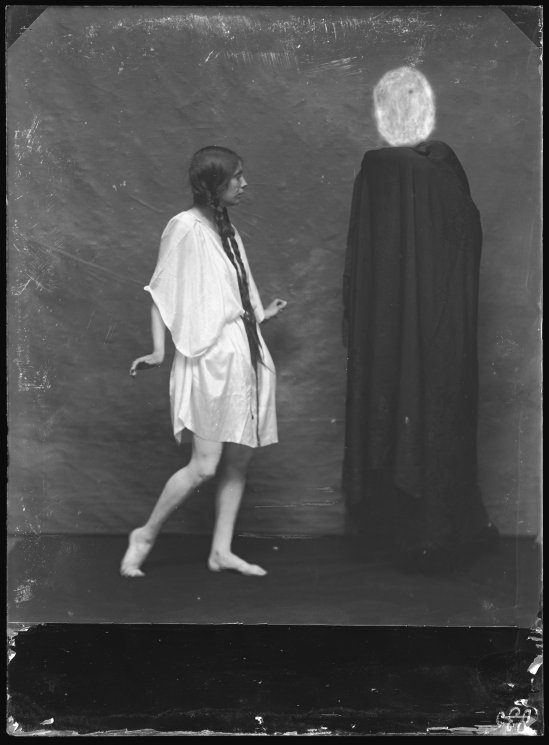
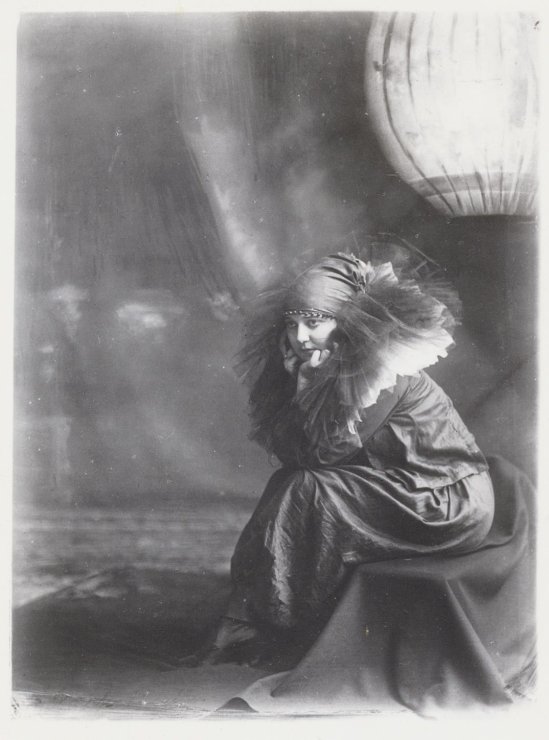
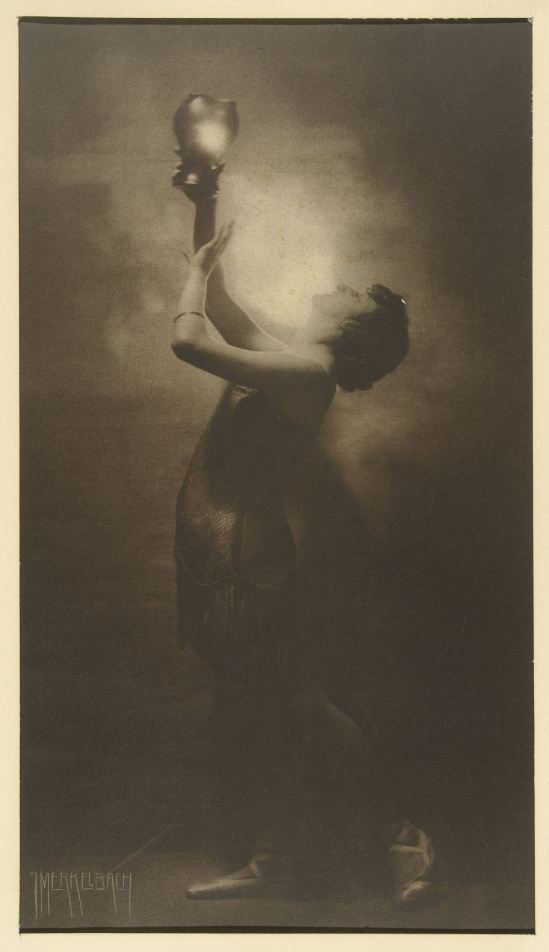
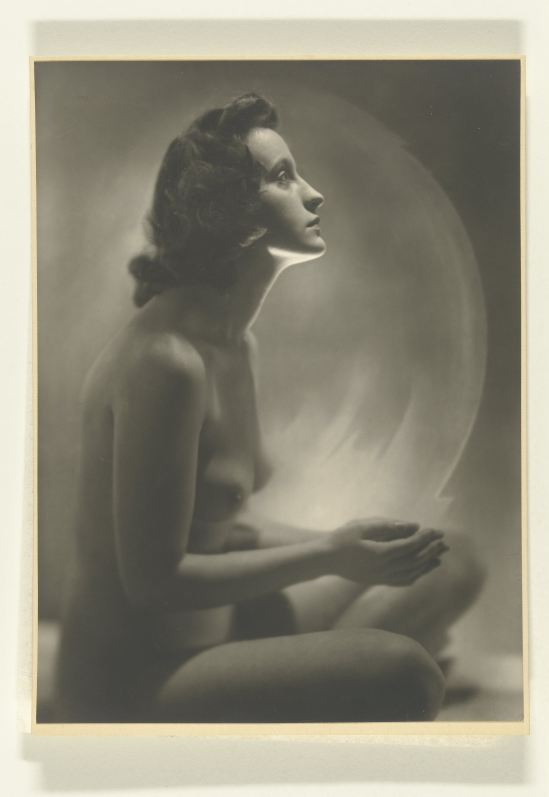
Jacob Merkelbach-Danseres met lichtbol, , 1920

Studio Merkelbach, 1928

Studio Merkelbach Mies Rosenboom-Merkelbach, Angele Sydow,1919

****************************************************************

Nudes

Studio Merkelbach Johanna Wittrock,1918

studio-merkelbach-mies-rosenboom-merkelbach-19132

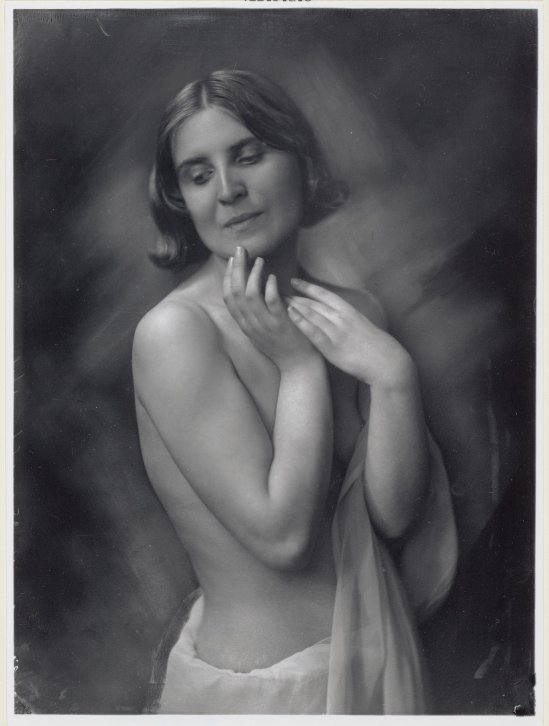
Jacob Merkelbach-naakt, 1925 – 1940

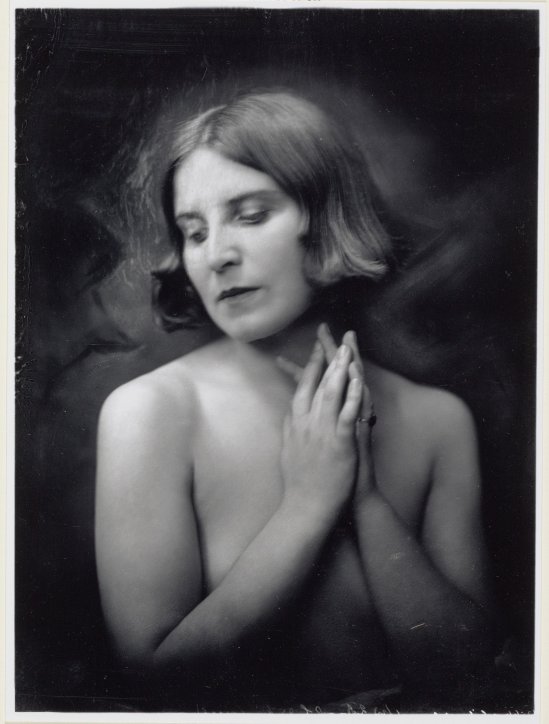
Jacob Merkelbach- Porrtret van Mies Rosenboom-Merkelbach als zittend naakt, 1925 – 1940

Studio Merkelbach mies-rosenboom-merkelbach-1913

Jacob Merkelbach (Attributed to) – Portrait of a seated nude, 1915-1930

Jacob Merkelbach- Naked woman sitting with hands held up to a white circle painted been light, 1925 – 1945

Studio Merkelbach Johanna Suers ,1933

Studio Merkelbach Johanna Suers ,1933

Studio Merkelbach Johanna Suers ,1933

Studio Merkelbach Johanna Suers ,1933

*******************************************************

Portraits

Studio Merkelbach 1920

Studio Merkelbach 1920


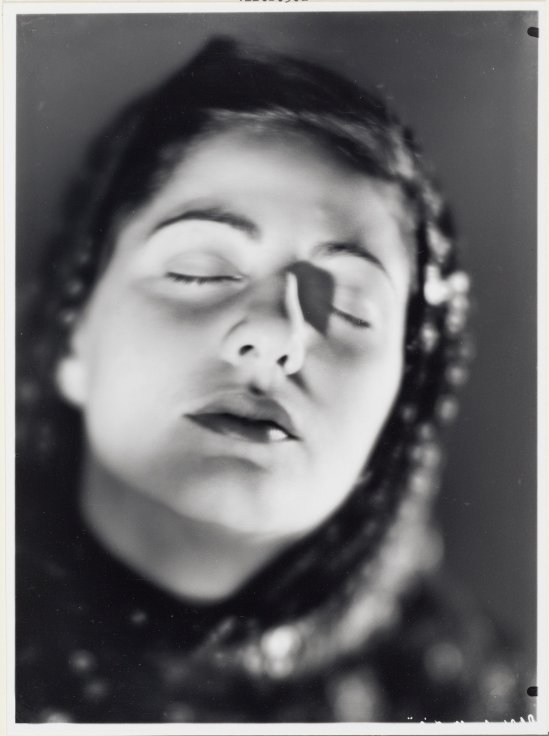
Atelier Jacob Merkelbach-Woman’s portrait with eyes closed on behalf of Film Productie Maatschappij ‘Neerlandia’.1938

Studio Merkelbach Wilhelmina (Mien)-Portrait 1921

Atelier Jacob Merkelbach-Nola Hatterman, 1922

Atelier Jacob Merkelbach-Beschrijving A. Roland Holst de Meester , 1927

Atelier Jacob Merkelbach-Beschrijving Helena Dorothea Catharina .1919

Atelier Jacob Merkelbach-Fashion photo for ‘De Prijslijst’, Reguliersbreestraat 15-17,1920-22

Atelier Jacob Merkelbach-Toneelplayer Mien van Kerckhoven-Kling (1894-1966), 1914

Jacob Merkelbach- Mevr. Brandes met sigaret en roos in het haar,1910 – 1919

Atelier Jacob Merkelbach-Corry Schiller-Italiaander (1886-1971), 1907

Atelier Jacob Merkelbach-Corry Schiller-Italiaander , nd

Atelier Jacob Merkelbach-Corry Schiller-Italiaander .1917

Studio Merkelbach 1918

Studio Merkelbach 1918

Studio Jacob Merkelbach Mevr. van Kerkhoven, 1927

Studio Jacob Merkelbach Mevr. Kauffeld, 1926

Studio Jacob Merkelbach Mevr. Meyer, 1927

Studio Jacob Merkelbach Mevr. Jonas, 1928

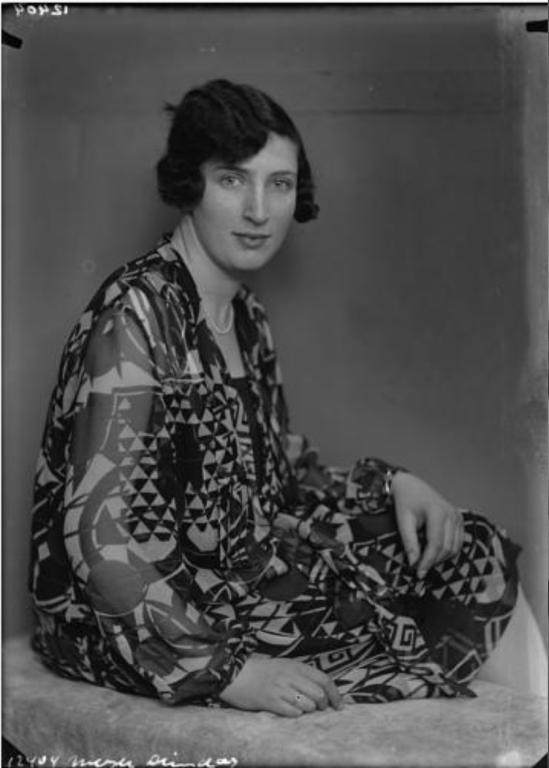
Studio Jacob Merkelbach Mevr. Dresden, 1921

Studio Jacob Merkelbach Mej. Meijer, 1913

Jacob Merkelbach-Chaja Goldstein tijdens toneelspel,1930 – 1960

Atelier Jacob Merkelbach-Portrait of a young woman in white dress, 1920-22

Atelier Jacob Merkelbach-Maria Antonia (Mies) Merkelbach .1922

Atelier Jacob Merkelbach-Sophie Davids .1917

Atelier Jacob Merkelbach-Teddy Schaenk, nd

Jacob Merkelbach-Portret van Mies Rosenboom-Merkelbach,1920 – 1930

Jacob Merkelbach-Portret van Mies Rosenboom – Merkelbach met witte hoofdbedekking, 1930 – 1970

Jacob Merkelbach-Reclamefoto, voor het atelier van Merkelbach, met danseres Angèle Sydow,1916

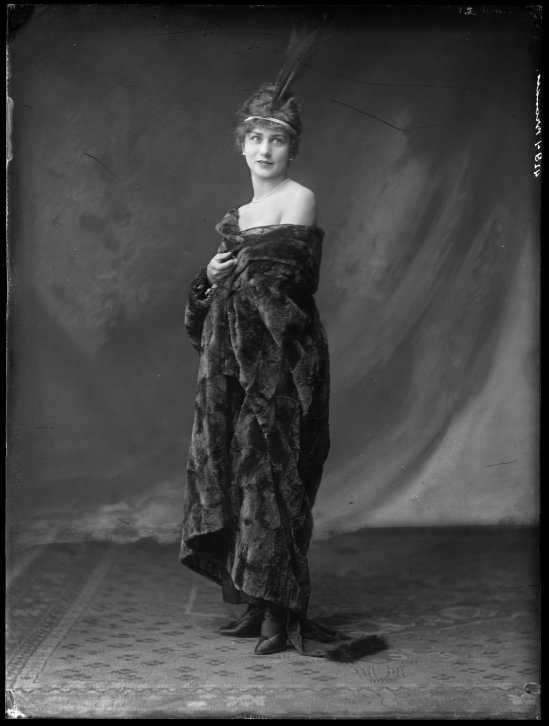
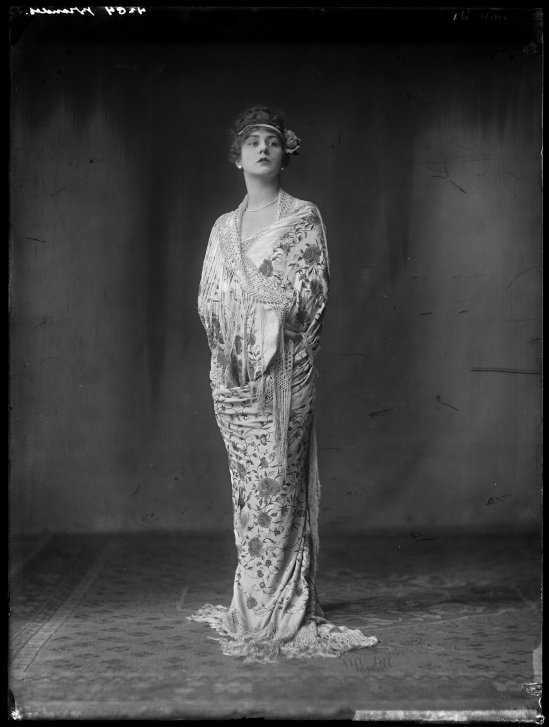
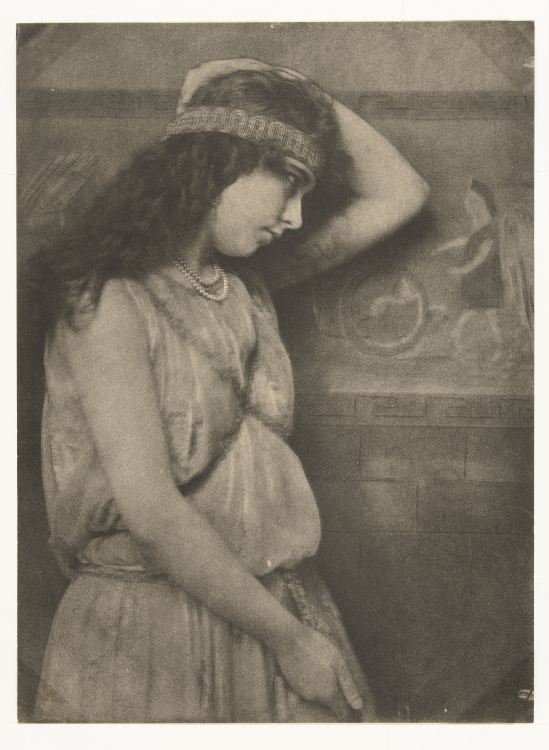
Jacob Merkelbach-Portret van Manuela del Rio gekleed in Griekse jurk,1915 – 1930

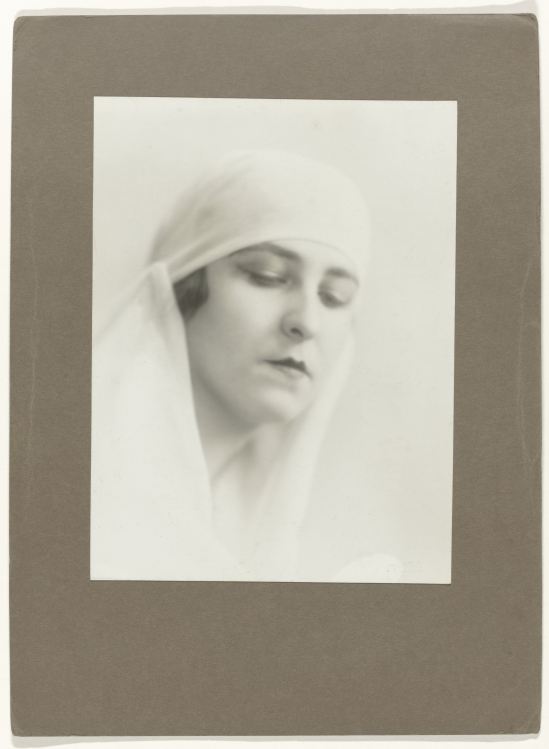
Jacob Merkelbach-Portret van gesluierde vrouw,, ca. 1920 – ca. 1930

Jacob Merkelbach- Portrait Of Young Woman With Necklace, 1920 – 1930

Jacob Merkelbach-Portret Mies Rosenboom-Merkelbach in blauwe jurk, 1920 – 1930


Jacob Merkelbach- Portrait Of A Woman In A Red Dress, 1920 – 1930

Studio Merkelbach, [Portrait of an unknown woman], between 1919 and 1929, Jos-Pé colour process

Studio Merkelbach divas,

Atelier Jacob Merkelbach-Fashion Photo with lying model in evening dress, neck necklace and earrings, 1935

Atelier Jacob MerkelbachTeixeira de Mattos, 1930

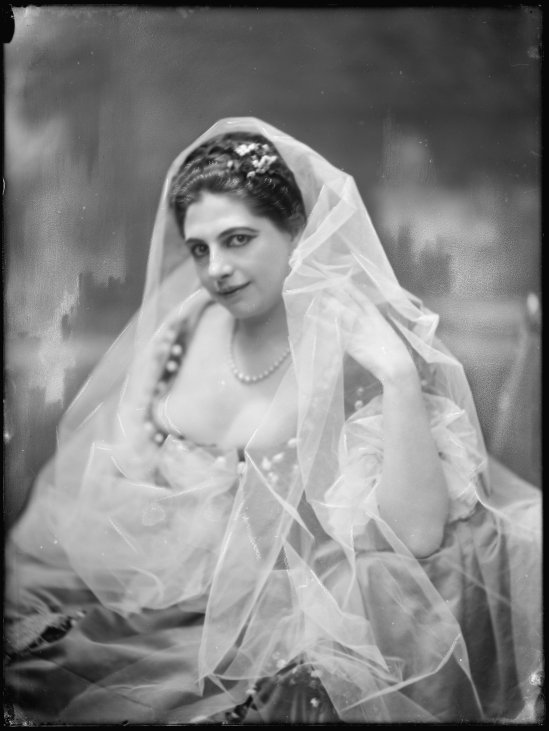
Atelier Jacob Merkelbach-Margaretha Geertruida (Mata Hari) .1915

Studio Merkelbach 1921

Studio Merkelbach 1920

Studio Merkelbach 1920

             http://redeenportret.nl/

Benjamin Strauss and Homer Peyton (Strauss-Peyton)

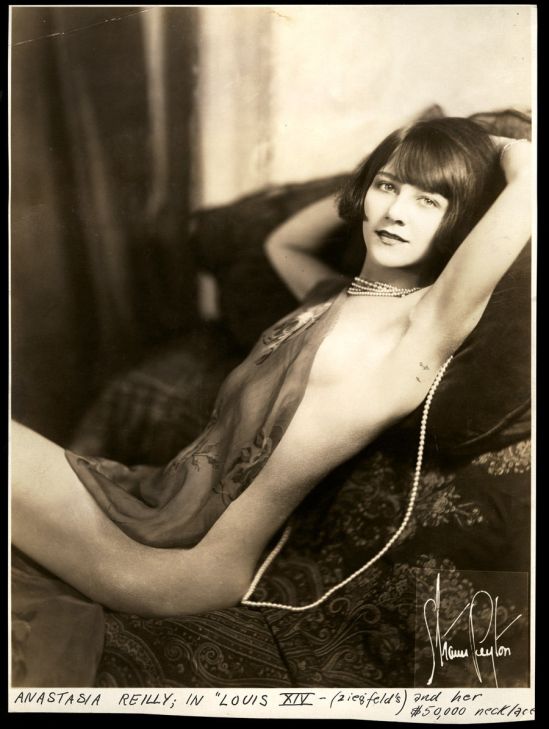
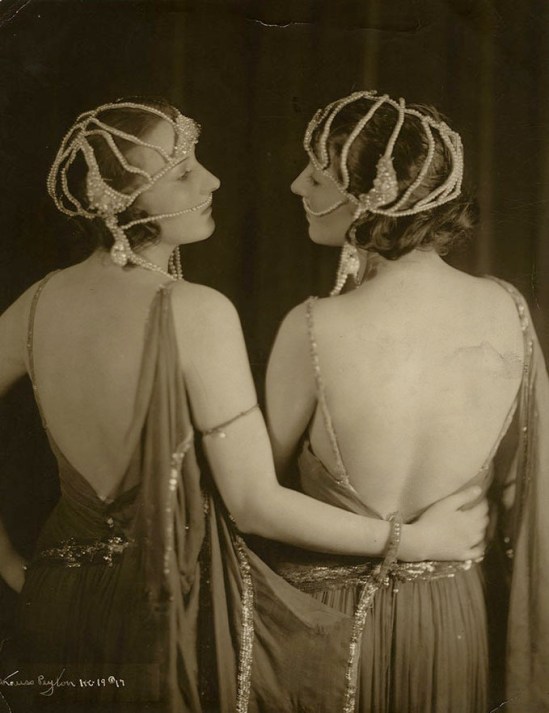
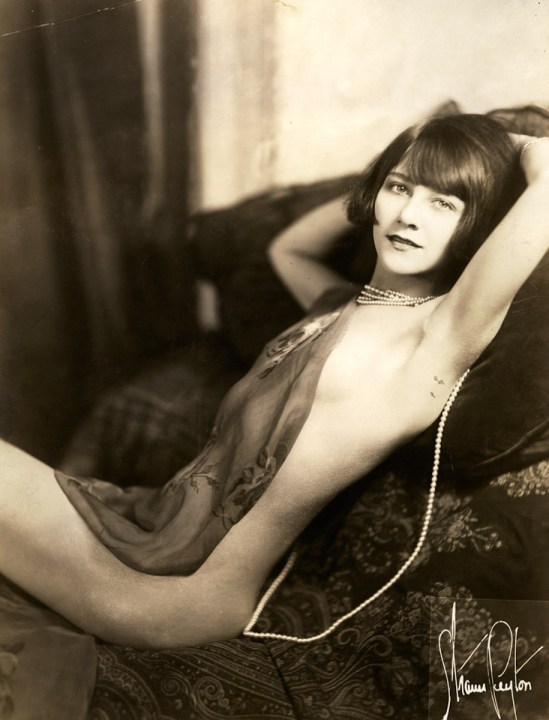
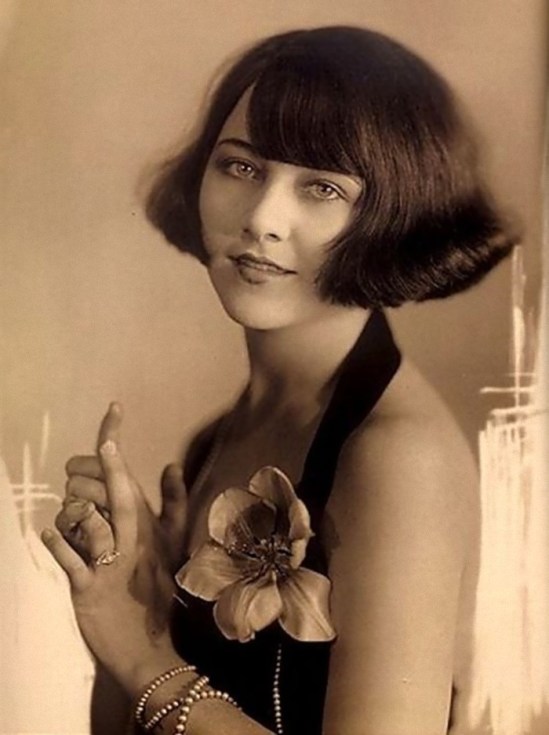
Benjamin Strauss and Homer Peyton -Anastasia Reilly, 1925


Photographers Benjamin Strauss and Homer Peyton, known simply as Strauss-Peyton, worked in Kansas City, Missouri, between 1908 and 1927, is one of the oldest photography studios in the USA. Seen as a considerable force in the growing world of celebrity photography, their clientele included such notable names as Harry S. Truman, Anna Pavlova, Douglas MacArthur, Franklin D Roosevelt, Enrico Caruso, Fred Astaire, the Marx Brothers, Mary Pickford, Al Jolson, Bette Davis, Douglas Fairbanks, Charlie Chaplin and Kansas City’s own Jean Harlow.

Trained in portraiture by his brother, Benjamin Strauss moved from St. Louis to Kansas City in 1900 and opened Strauss Studio with the motion picture pioneer and photographer, George Curtiss.

Strauss Peyton took advantage of Kansas City’s theatrical life with the multitude of visiting artists, performers and dignitaries from the three different theatrical circuits which provided plenty of photographic subjects.This led to the opening of a third studio location for Strauss Peyton in the lobby of the Muehlebach Hotel.
Strauss Peyton likewise became sought after for portraits of local Kansas City children, brides, families, businessmen and politicians, often having their portraits published in the society pages of the Independent Magazine and the Kansas City star. They even personally would make the gossip column occasionally. One such published report of Mr. Peyton dancing after dinner at the Plantation Grill with actress Fritzi Scheff, commented: « Someone, a spectator, remarked that Mr. Peyton was Kansas City’s official entertainer of celebrities. ».
By the mid-20’s, the partnership was crumbling.  Homer Peyton had taken over the running of the New York location in 1926 and preferred to focus on celebrities while Ben wanted to maintain a strong presence in Kansas City.  According to a Cleveland newspaper article: « The lure of New York struck the boys and they moved into the finest studio in Manhattan.  Business was sensational, until one day the partners argued and Ben walked out.  He was tired out. »  Strauss sold the studio to the DeCloud Family in 1926 and moved to Cleveland where he opened Ben Strauss Studio.  Peyton kept the New York studio operating until the stock market crash in 1929.  He closed the studio and moved across the country to Seattle where he opened a studio in the Olympic Hotel, which is now the Fairmont Olympic Hotel in downtown Seattle.


Benjamin Strauss and Homer Peyton -The Barr Twins,1920


Benjamin Strauss and Homer Peyton -Molly Dodd, c. 1914

Benjamin Strauss and Homer Peyton -Suzanne Caubet for Broadway’s The Squall, 1926-1927

Benjamin Strauss and Homer Peyton -Anastasia Reilly, 1925

Benjamin Strauss and Homer Peyton ,Zulieka Anastasia Reilly 1920

Benjamin Strauss and Homer Peyton ,Mildred Davis , 1925


Benjamin Strauss and Homer Peyton- Amelita Galli-Curci, soprano, 1931

Benjamin Strauss and Homer Peyton – Hilda Ferguson, 1919

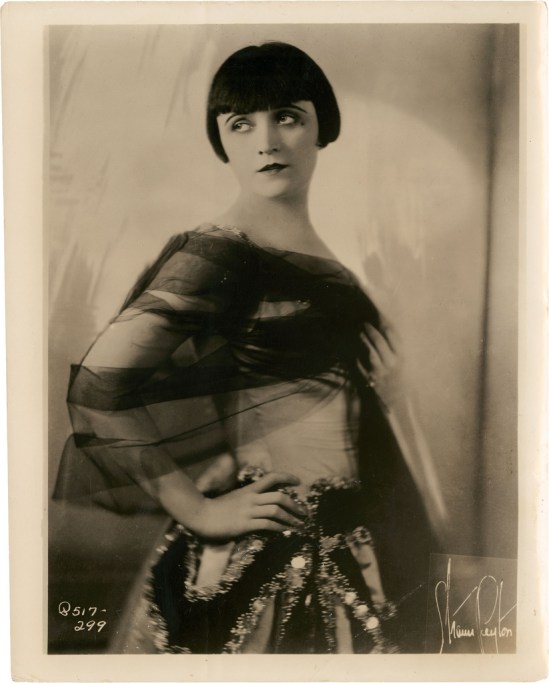
Benjamin Strauss and Homer Peyton ,Pola Negri .1920

Benjamin Strauss and Homer Peyton -Dolores del Rio, c. 1920

Benjamin Strauss and Homer Peyton -Louise Brooks, 1915

Benjamin Strauss and Homer Peyton- Bette Davis , 1920s
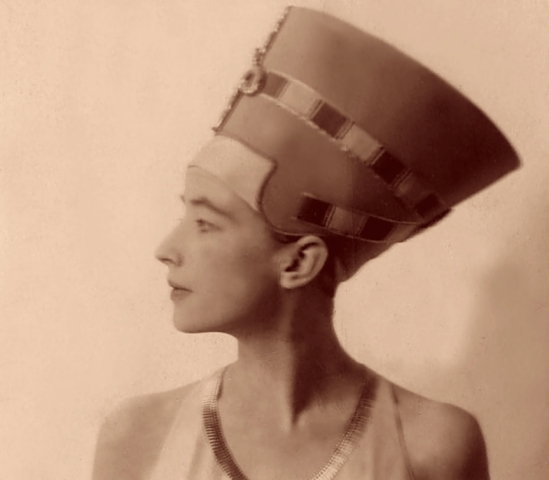
Benjamin Strauss and Homer Peyton ,Evelyn Nesbit, 1920

Benjamin Strauss and Homer Peyton , Shirley Booth, 1927

Benjamin Strauss and Homer Peyton -Mistinguette avec boucles d’oreilles et collier, 1930

Benjamin Strauss and Homer Peyton -Luise Squire .1926

Benjamin Strauss and Homer Peyton -Myrtle Pierce .1926

Benjamin Strauss and Homer Peyton -Marion Chambers .1925

Benjamin Strauss and Homer Peyton -Belle Baker, 1915

Benjamin Strauss and Homer Peyton -Ruth St. Denis , 1916

Benjamin Strauss and Homer Peyton -Ruth St Denis , 1916

Benjamin Strauss and Homer Peyton -Ruth St. Denis , 1916

Benjamin Strauss and Homer Peyton – Ruth St Denis, 1918

Benjamin Strauss and Homer Peyton – Barbara La Marr, 1920

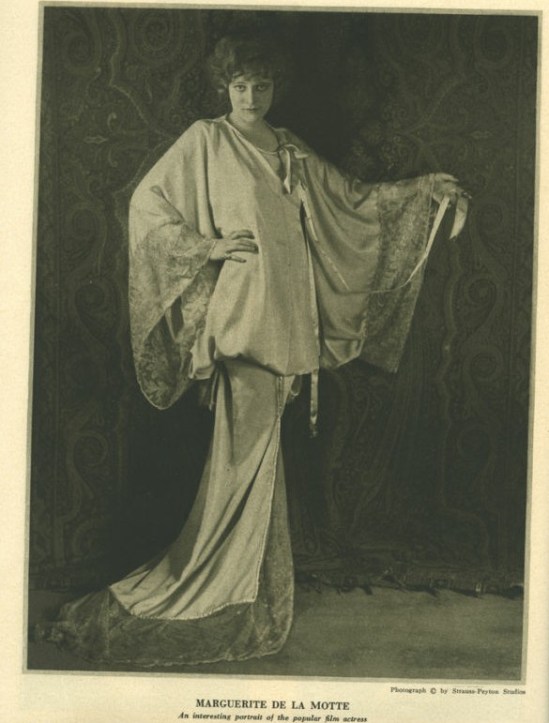
Benjamin Strauss and Homer Peyton -Marguerite de la Motte from Shadowland, june 1922

Benjamin Strauss and Homer Peyton -Anna-Pavlova 1912

Benjamin Strauss and Homer Peyton -Anna Pavlova, c. 1913

Benjamin Strauss and Homer Peyton -Anna Pavlova, c. 1913

Benjamin Strauss and Homer Peyton -Grace la rue ,1920

Benjamin Strauss and Homer Peyton – Jane Connelly, 1915

Benjamin Strauss and Homer Peyton – Audrey Allen, 1915

Benjamin Strauss and Homer Peyton -Gertrude Lawrence in Theatre, August 1927

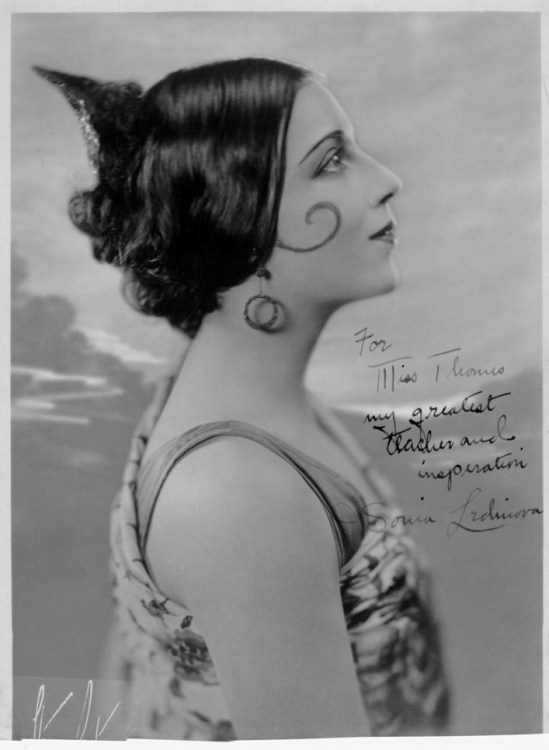
Benjamin Strauss and Homer Peyton – Sonia Ledinova, 1922

Benjamin Strauss and Homer Peyton -Beatrice Burk, 1918

Benjamin Strauss and Homer Peyton -Anna-Pavlova 1912Benjamin Strauss and Homer Peyton -Shannon Day , 1922

Benjamin Strauss and Homer Peyton -Nan Halperin 1927

William Goldman

« Working Girls: An American Brothel Circa 1892 featuring unseen photographs of a 19th-century brothel by William I. Goldman. The exhibit debuts in conjunction with the release of a recently published book by art historian and curator Robert Flynn Johnson, titled Working Girls. The exhibition and book feature imaginative and artful photographs, which capture the artist’s deep appreciation and understanding for women who, circa 1892, lived and worked at an upscale brothel in Reading, PA.

The project began nearly 15 years ago when Johnson came across the bordello scenes at a vintage paper fair in Concord, Calif. Fascinated by the beautiful, Degas-like images, Johnson shared the shots with Serge and Tatiana Sorokko who went on to purchase a large portion of the collection. Over a decade later, Sorokko, a prominent art dealer, publisher and owner of Serge Sorokko Gallery in San Francisco, will showcase 25 photographs by Goldman, for which no negatives are known to exist, including 20 never-before-seen images and five images featured in Working Girls.

“Robert is a talented author, brilliant curator and a dear friend. When he reached out to me almost 15 years ago regarding these striking photographs of unnamed women, I knew immediately he must have come across something extraordinary. At the time, our knowledge about the pieces was minimal – what we saw were captivating, raw and provocative images that captured the authenticity of these women’s everyday lives,” recalled Sorokko. “After more than a decade of exhaustive research executed by Robert, it was then that we confirmed our earlier impression of the uniqueness and artistic and historical significance of the photographs. Providing glimpses of modernism and insights into the culture, sociology and fashion of the times, I am proud to debut them to the world at Serge Sorokko Gallery.”

As famed burlesque dancer and Working Girls contributing writer Dita Von Teese notes, “The local photographer and his anonymous muses appear to straddle an artful titillation, at times striving toward Degas nudes and at another, more in the spirit of a strip and tease. There is beauty in even the most mundane moments.” Von Teese, along with Professor Ruth Rosen and Dennita Sewell, are among three distinguished female authors enlisted by Johnson to provide insightful essays into the significance of these photos, which are of the same subject matter explored by artists like Degas, Lautrec, and Picasso in the 19th and 20th Centuries.

In addition to their evocative, sometimes ravishing nature, the photographs present insight into the era’s fashion often spotlighting stockings as seductresses’ accessories. The various fashion ensembles highlighted in these works help to further tell the stories of the women pictured.

Johnson commented, “These images were compelling individually but as a whole, they captured an unseen world of negotiated passion in American life, written about extensively but rarely, for good reason, documented visually. Multiple feelings of curiosity and excitement came over me after finally realizing the potential importance of these photographs. There was also a recognition that their acquisition carried responsibility to find out the story, which lay hidden behind those faces and figures from another era.”

With each image carrying a persona of its own, Johnson, curious to know more, began an investigation into their origin, authorship, and purpose and unearthed an impressive trove of information about more than two hundred vintage photographs of the Reading women. From inside the brothel, posing artistically for the camera, to their off-duty routines, the images portray the depth and diversity of the subject matters while offering a deeper understanding of the private world of the Reading brothel and the women who inhabited it ». source Juxtapose


From Working Girls by Robert Flynn Johnson, copyright © 2018, published by Glitterati Editions , 1892 by William Goldman

From Working Girls by Robert Flynn Johnson, copyright © 2018, published by Glitterati Editions , 1892 by  William Goldman

rom Working Girls by Robert Flynn Johnson, copyright © 2018, published by Glitterati Editions , 1892 by William Goldman

rom Working Girls by Robert Flynn Johnson, copyright © 2018, published by Glitterati Editions , 1892 by William Goldman

From Working Girls by Robert Flynn Johnson, copyright © 2018, published by Glitterati Editions , 1892 by William Goldman

From Working Girls by Robert Flynn Johnson, copyright © 2018, published by Glitterati Editions , 1892 by  William Goldman


From Working Girls by Robert Flynn Johnson, copyright © 2018, published by Glitterati Editions , 1892 by William Goldman

From Working Girls by Robert Flynn Johnson, copyright © 2018, published by Glitterati Editions , 1892 by  William Goldman


From Working Girls by Robert Flynn Johnson, copyright © 2018, published by Glitterati Editions , 1892 by William Goldman

From Working Girls by Robert Flynn Johnson, copyright © 2018, published by Glitterati Editions , 1892 by  William Goldman

From Working Girls by Robert Flynn Johnson, copyright © 2018, published by Glitterati Editions , 1892 by William Goldman

From Working Girls by Robert Flynn Johnson, copyright © 2018, published by Glitterati Editions , 1892 by  William Goldman


From Working Girls by Robert Flynn Johnson, copyright © 2018, published by Glitterati Editions , 1892 by  William Goldman

From Working Girls by Robert Flynn Johnson, copyright © 2018, published by Glitterati Editions , 1892 by  William Goldman

From Working Girls by Robert Flynn Johnson, copyright © 2018, published by Glitterati Editions , 1892 by William Goldman

Buy the book;Here & Here


Anonyme Sans titre (Titre attribué Modèle dans l’atelier) vers 1930

Commentaires fermés sur Anonyme Sans titre (Titre attribué Modèle dans l’atelier) vers 1930 Publié dans 1- Articles, Photographe

Julius ANDRES (1905-1991)

Ce diaporama nécessite JavaScript.


Julius Andres-Tanečnice 1932

Julius Andres Study II., 1927

Julius Andres-Nue dans un paysage, nd

Julius Andres-Nude gelatin silver print ,nd

Julius Andres- Bez názvu ,nd

Julius Andres-Studie,1936

Julius Andres-Poslední úprava (Dernier appret),1936

Julius Andres- Studie, 1937

Julius Andres- Diana 1930

Julius Andres- Nude gelatin silver print , nd

Julius Andres- Bez názvu 1930

Julius Andres- Study I.

Julius Andres- Study, 1930

Julius Andres- Nude gelatin silver print ,nd

Julius Andres- Study I.

Julius Andres- Flowers

Julius Andres-Studie,1940

Julius Andres- Tanečnice, ,1939.

Julius Andres- Bez názvu, nd

Julius Andres- Bez názvu ,nd

Julius Andres- Bez názvu ,nd

Julius Andres- Bez názvu 1930.

Julius Andres- Bez názvu 1930.

Julius Andres- Morning Bath,1931

Ida Rubinstein

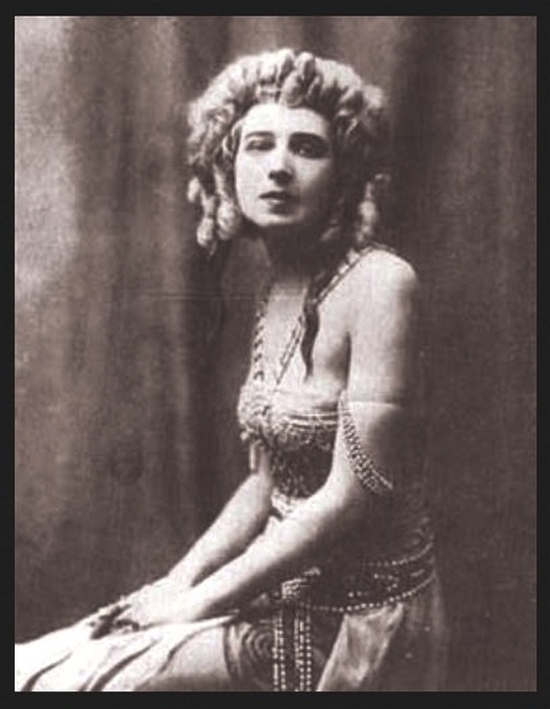
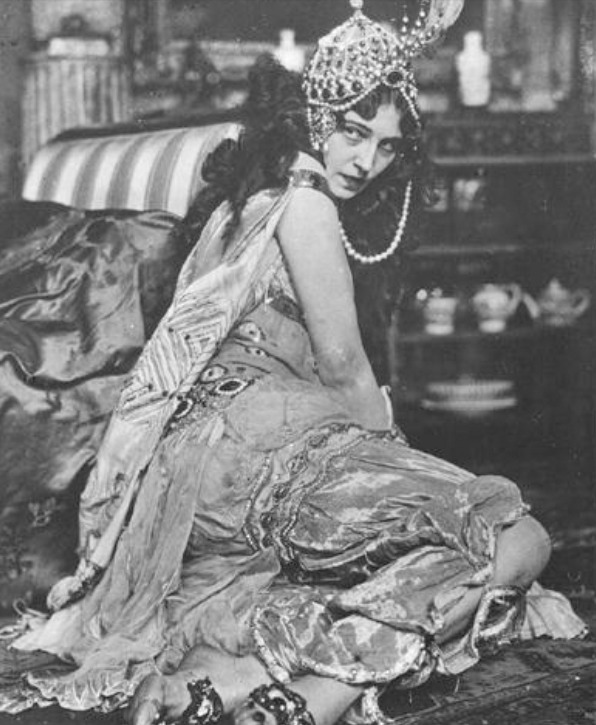
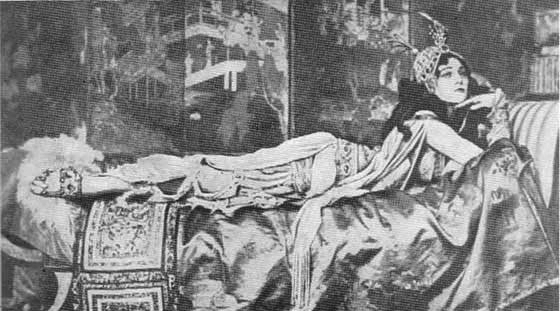
La belle Ida Rubinstein des Ballets Russes, est née en Russie en 1885, elle n’était pas seulement une grande figure à l’intérieur de Ballet Russes, mais une icône de la Belle Époque.

Avec peu de formation officielle, elle est passée de figurante dans son premier rôle dans «Salomé», de Diaghilev ( dirigeant les Ballets Russes ) à Vedette grâce à ce dernier, qui lui offrit le premier rôle dans Cléopâtre. en effet, aidée par Mikhail Fokine, elle fait ses débuts en 1908, lors d’ un spectacle privé de Salomé d’Oscar Wilde, dans lequel elle s’est dénudée au cours de la Danse des sept voiles.
Sergei Diaghilev l’engage dans les Ballets Russes et elle a dansé le rôle-titre de Cléopâtre dans la saison de Paris de 1909, et Zobéide en Scherezade en 1910. Scherezade était admiré à l’époque pour sa sensualité racée et somptueuse mise en scène, mais de nos jours il est rarement effectué; au goût du jour, il est considéré comme trop d’une pantomime et son orientalisme alors à la mode semble daté.

Rubinstein fût beaucoup célébrée dans l’art, elle est devenue une véritable Muse, et a été peinte, sculptée, par de nombreux artistes , Valentin Serov, Demetre Chiparus , Antonio de La Gandara notamment,Mais surtout par sa compagne La peintre Romaine Brooks , avec laquelle elle eu une liaison durant trois années

Après avoir quitté les Ballets Russes, Rubinstein forme sa propre compagnie de danse, et chorégraphie plusieurs productions somptueuses. En 1911, elle a joué dans Le Martyre de Saint Sébastien. C’était à la fois un triomphe pour son modernisme stylisé et un scandale, l’archevêque de Paris interdit aux catholiques d’y assister en invoquant le fait Saint-Sébastien était joué par une femme et un Juif.

Après la Première Guerre mondiale, Rubinstein est apparu dans un certain nombre de pièces de théâtre, et dans le Istar de Staat à l’Opéra de Paris en 1924. Entre 1928 et 1929, elle a dirigé sa propre entreprise à Paris avec Nijinska en tant que chorégraphe. Elle a commandé et joué dans Boléro de Maurice Ravel en 1928. Elle a fermé l’entreprise en 1935, et a donné sa dernière performance dans le jeu Jeanne d’Arc au bûcher à Paris, 1939 et elle par ailleurs joué dans des films muets.

Ida Rubinstein in the role of Salome (French Photographer)© Bridgeman Art Library - Private Collection

Eugène Druet- Ida Rubinstein in the role of Salome, 1908  (French Photographer)© Bridgeman Art Library – Private Collection [  Translated into Russian from the verse drama by Oscar Wilde Music by Alexander Gazunov, Director of the St. Petersburg Conservatory Choreography by Mikhail Fokine Costumes and Production designed by Léon Baskt]

Eugène Druet- Ida Rubinstein in the role of Salome, 1908 (French Photographer)© Bridgeman Art Library – Private Collection [ Translated into Russian from the verse drama by Oscar Wilde Music by Alexander Gazunov, Director of the St. Petersburg Conservatory Choreography by Mikhail Fokine Costumes and Production designed by Léon Baskt]

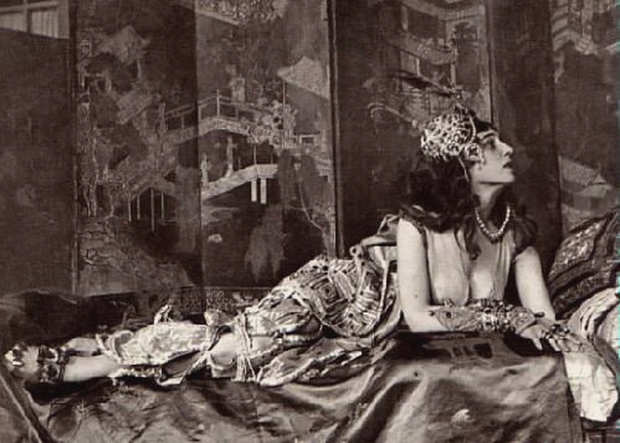
Ida Rubinstein- CleopatrE, 1909

Ida Rubinstein- CleopatrE, 1909 [Music by Arensky, Glazunov, Glinka, and Mussorgsky Music for Cléopâtre’s disrobing scene: Mlada by Rimsky-Korsakov Choreography by Mikhail Fokine Costumes and Decor by Léon Baskt Produced by Serge Diaghilev, Serge Lifar, Gabrielle Astruc (and others)]

Ida Rubinstein- Cleopatre, 1909

Ida Rubinstein- Cleopatre, 1909

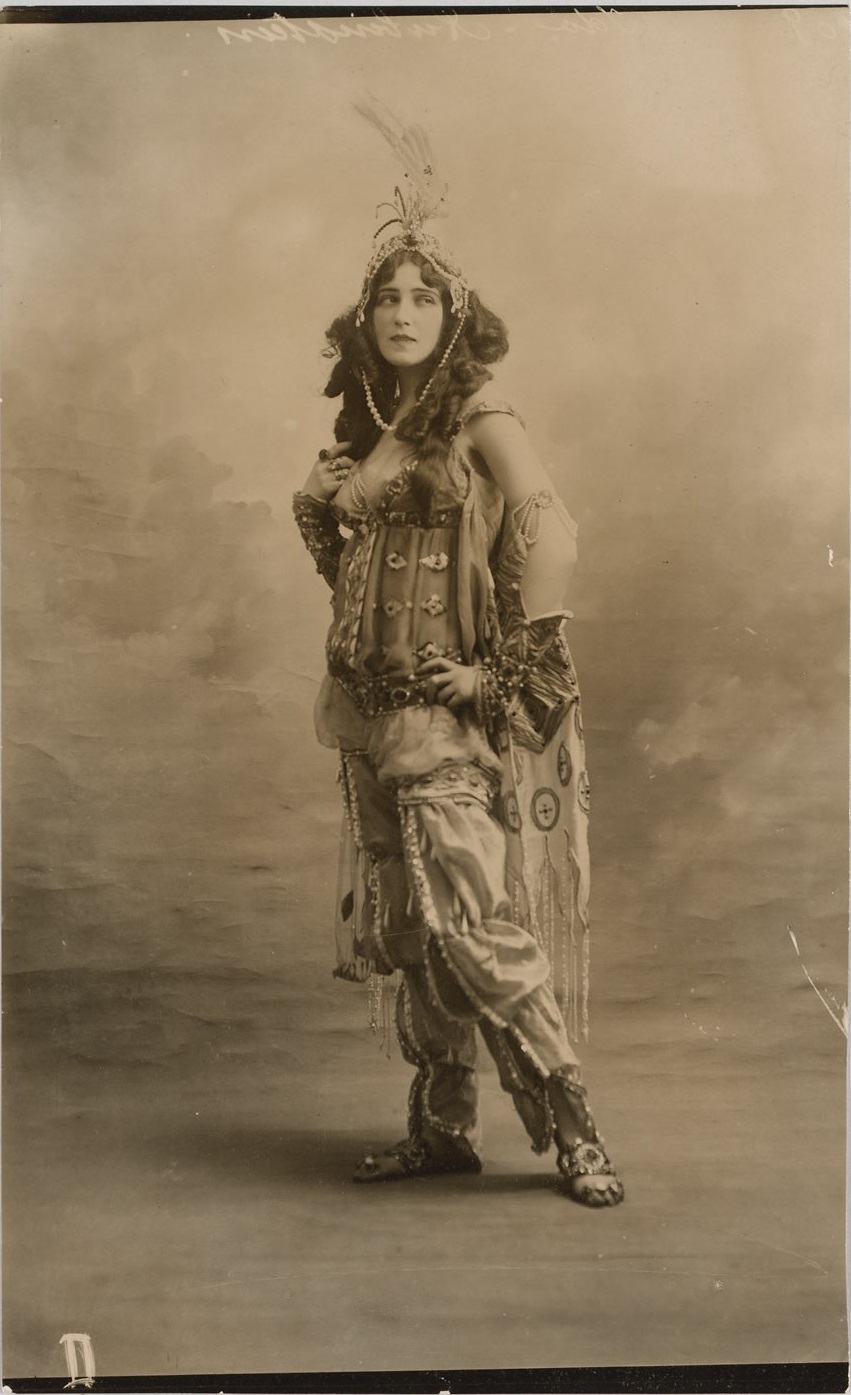
ida rubinstein as zobeida in schéhérazade (diaghilev, 1910)

Ida Rubinstein as zobeida in Schéhérazade, 1910, [Written by Alexandre Benois. Music by Rimsky-Korsakov. Choreography by Mikhail Fokine. Costumes and set design by Léon Bakst. Produced by Serge Diaghilev.]

Ida Rubinstein in Scheherazade 1910

Ida Rubinstein in Scheherazade 1910

Ida Rubinstein dans Séhérazade en 1910

Ida Rubinstein dans Séhérazade en 1910

Ida Rubinstein dans Séhérazade en 1910

Ida Rubinstein dans Séhérazade en 1910

Ida Rubinstein dans Séhérazade en 1910

Ida Rubinstein dans Séhérazade en 1910

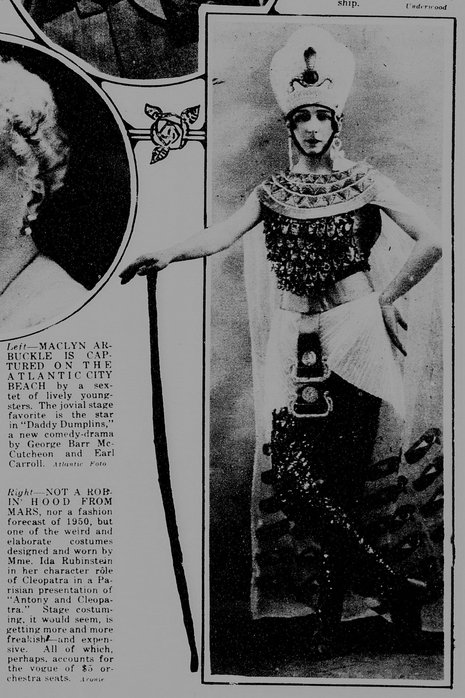
Ida Rubinstein- Cleopatre, New -York Tribune, 17 October 1920

Ida Rubinstein- Cleopatre, New -York Tribune, 17 October 1920

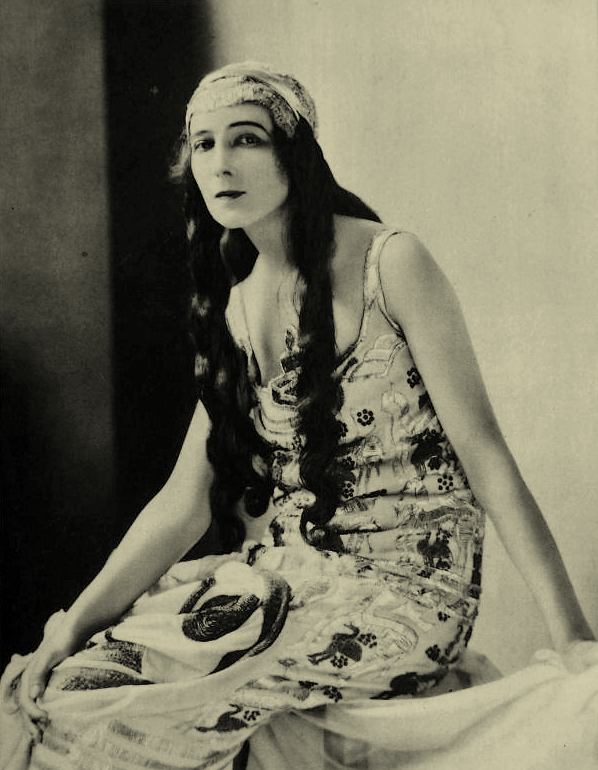
James Abbe- Ida Rubinstein, 1921

James Abbe- Ida Rubinstein, 1921

Ida Rubinstein still from La Nave ( silent movie),1921

Ida Rubinstein still from La Nave ( silent movie),1921

James Abbe- Ida Rubinstein- Abbe Phaedre, 1923

James Abbe- Ida Rubinstein-  Phaedre, 1923

James Abbe- Ida Rubinstein, 1923 2

James Abbe- Ida Rubinstein, 1923

James Abbe- Ida Rubinstein- Abbe Phaedre, 1923

James Abbe- Ida Rubinstein- Phaedre, 1923

James Abbe- Ida Rubinstein- Phaedre, 1923

James Abbe- Ida Rubinstein- Phaedre, 1923

Ida Rubinstein in, Semiramis, by Boris Lipnitski, 1934.

Ida Rubinstein in, Semiramis, by Boris Lipnitski, 1934.

Ida Rubinstein in, Semiramis, by Boris Lipnitski, 1934.

Ida Rubinstein in, Semiramis, by Boris Lipnitski, 1934.

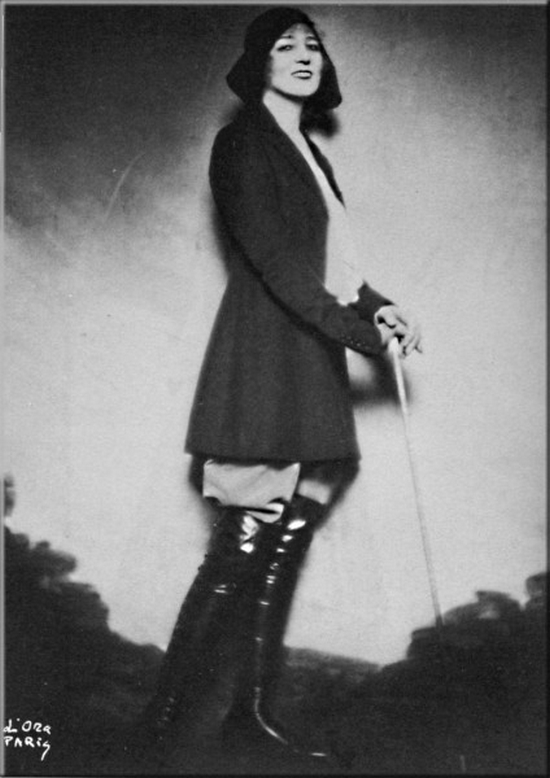
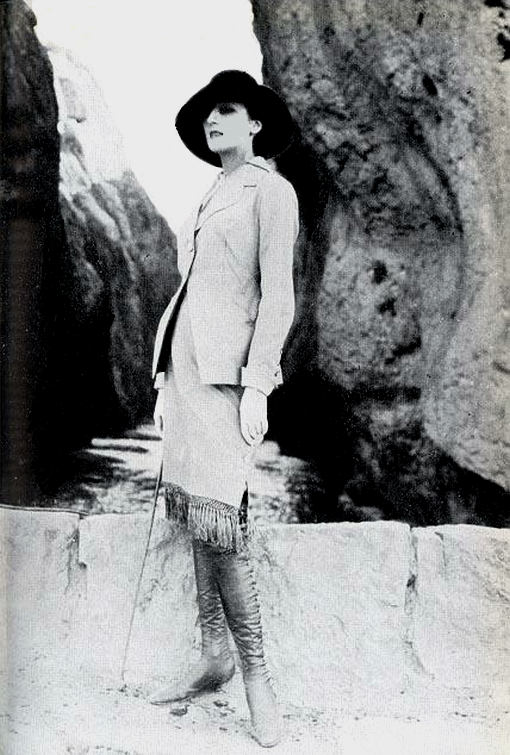
Ida Rubinstein en tenue de cavalière par Madame d'Ora, 1920s - Copie
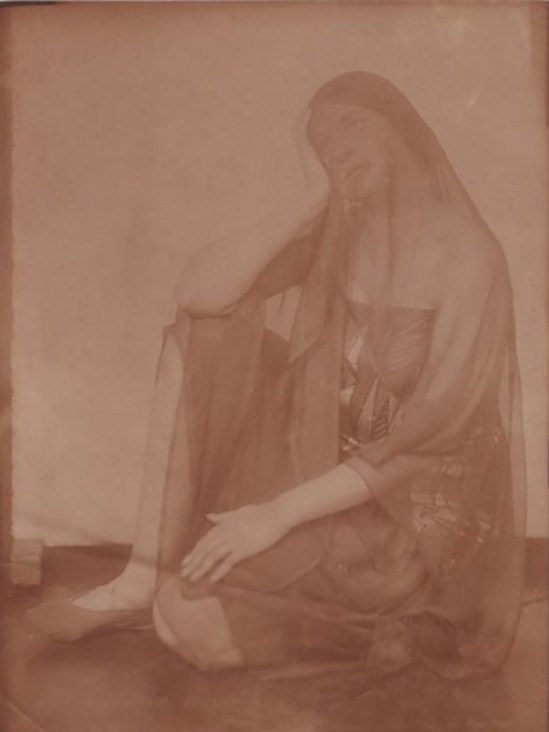
Ida Rubinstein en tenue de cavalière par Madame d’Ora, 1920s

Ida Bubinstein, 1930

Ida Bubinstein, 1930

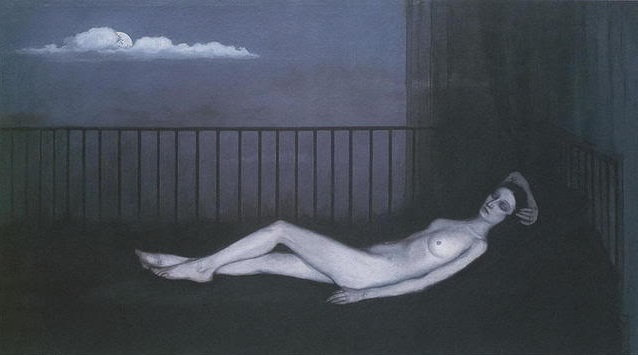
Ida Bubinstein, by Romaine Brooks

Romaine Brooks,Ida Bubinstein, 1911-12

Romaine Brooks,Ida Bubinstein, 1911-12

Romaine Brooks- La Venus Triste, 1914
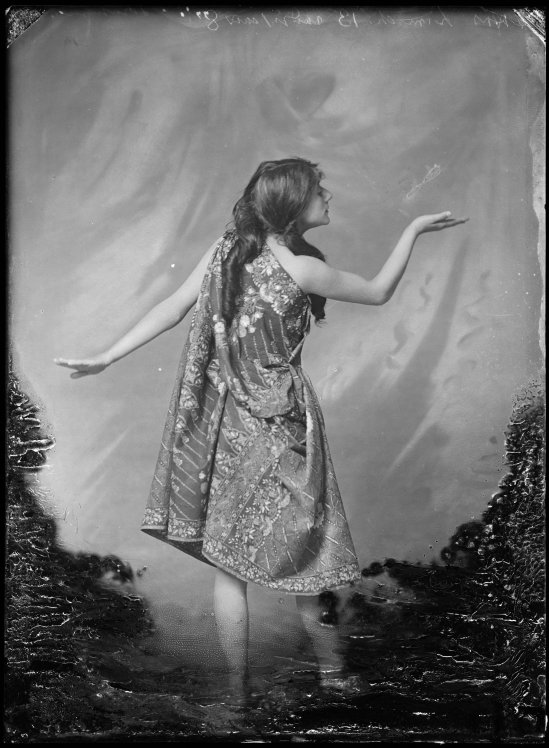
Romaine Brooks- La Venus Triste, 1914

Romaine Brooks-Le Trajet, 1911

Romaine Brooks-Le Trajet, 1911

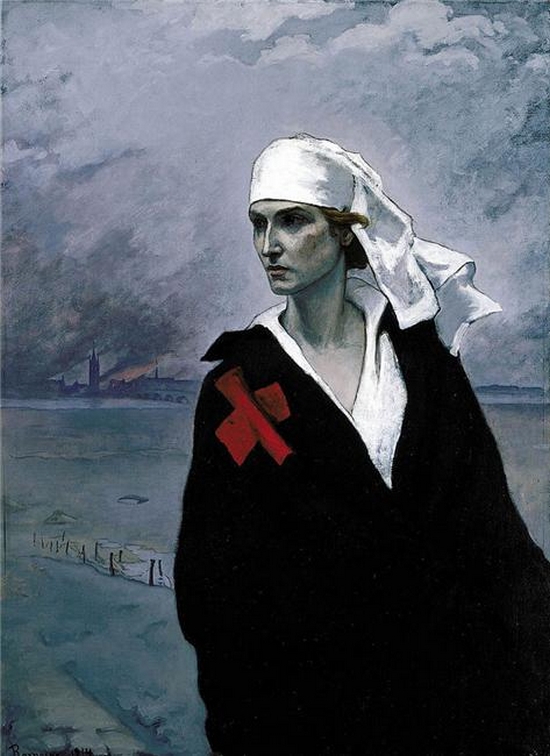
Romaine Brooks -The Cross of France, Ida Rubinstein , 1914

Romaine Brooks -The Cross of France, Ida Rubinstein , 1914

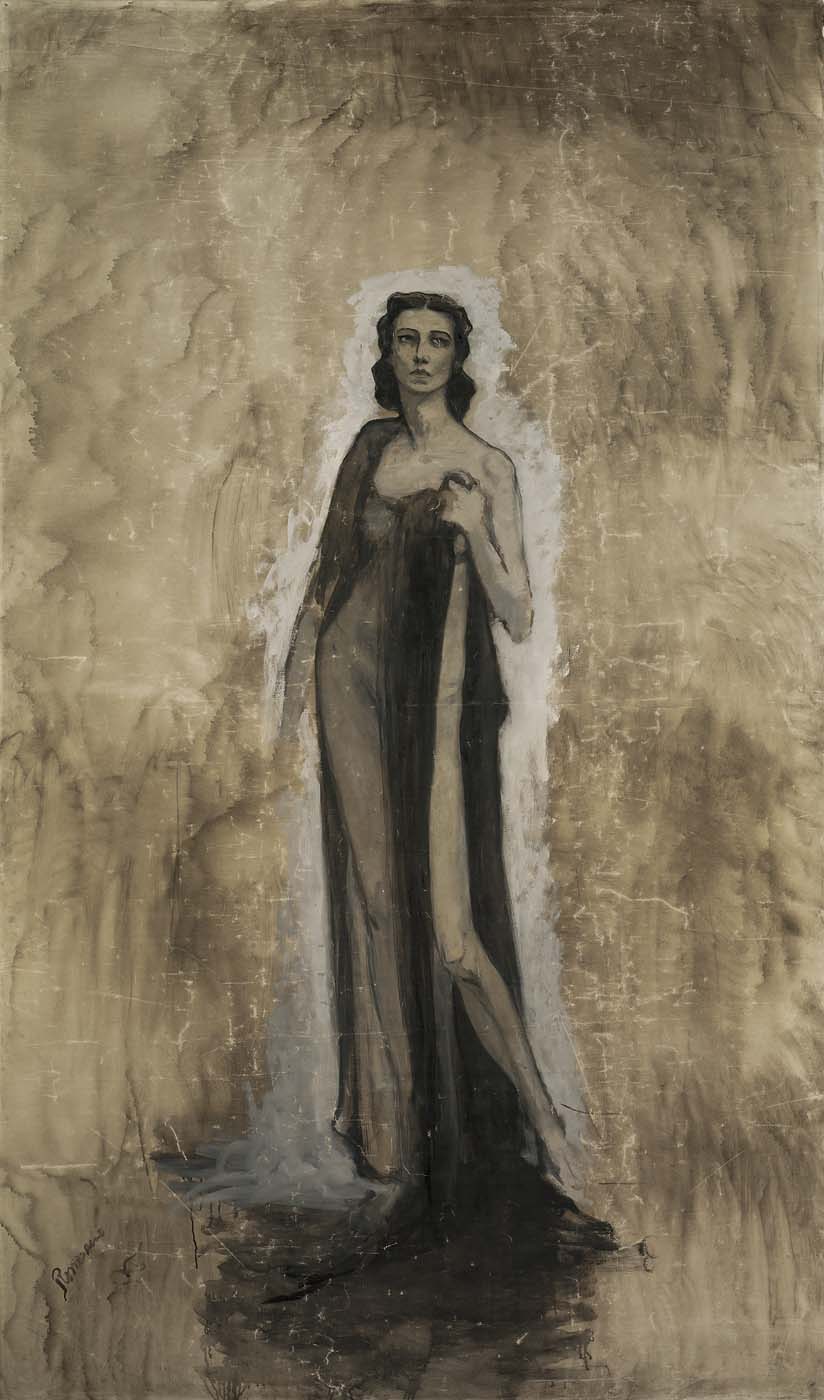
Romaine Brooks - Esquisse d'Ida Rubinstein, 1912

Romaine Brooks – Esquisse d’Ida Rubinstein, 1912

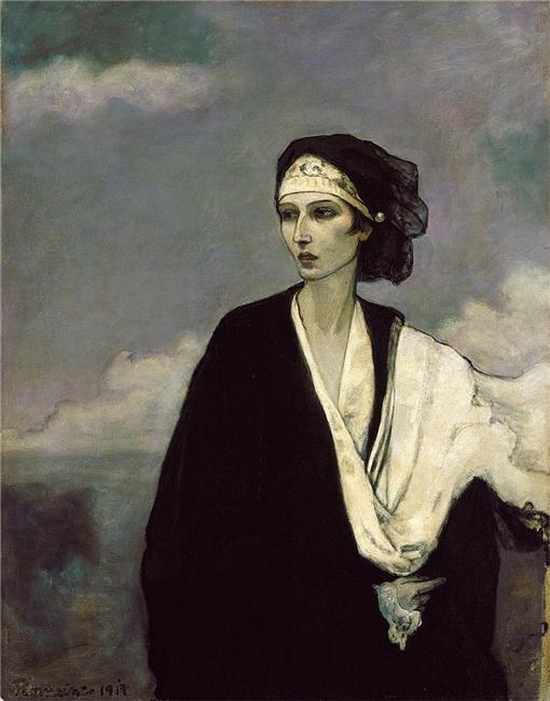
Romaine Brooks Ida Rubinstein 1917 - Copie

Romaine Brooks Ida Rubinstein 1917

Valentin Serov - Portrait of Ida Lvovna Rubinstein (as Salome), 1910

Valentin Serov – Portrait of Ida Lvovna Rubinstein (as Salome), 1910


Maurice Beck (1886- 1960)

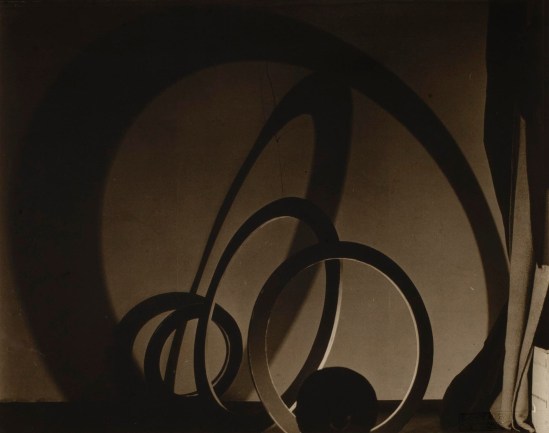
Maurice Beck (1886- 1960). l était un photographe et designer. Pendant les années 1920, il fût le photographe en chef du Vogue britannique et a créé un certain nombre de couvertures de magazines photographiques.Il a ensuite collaboré avec Helen MacGregor et ont travaillé ensemble dans un studio à Marylebone où ils étaient les principaux photographes deVanity Fair dans le milieu des années 20.Ils avaient une manière toute particulière de « placer » leurs lumières( effet aléatoire d’ombre par exemple)
En 1933, il a conçu une grande affiche de photomontage pour l’Empire Marketing Board.Et dans le milieu des années 30 il conçut plusieurs affiches pour le métro à Londres (1930-1934) [ voir ici] et a continué son travail de photographe en solo. il a à cette période produit de somptueux nus.

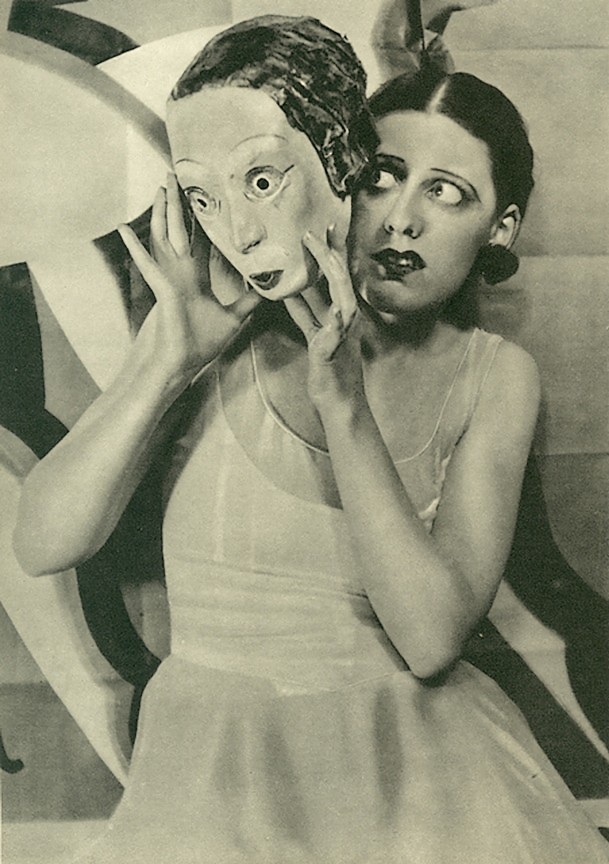
Maurice Beck & Helen Macgregor - Miss Laurie Divine In Dance , Little Lady . Mask by Oliver Messel, 1928

Maurice Beck & Helen Macgregor – Miss Laurie Divine In ” Dance , Little Lady ” . Mask by Oliver Messel, 1928

Maurice Beck and MacGregor - Nude, 1925

Maurice Beck and MacGregor – Nude, 1925 ( photomontage)

Maurice Beck. Plongeon-(photogravure). 1933. reprend une partie de la photo de 1925 réalisé avec helen Mac Gregor

Maurice Beck. Plongeon-(photogravure). 1933. reprend une partie de la photo de 1925 réalisé avec helen Mac Gregor ci dessus.

Maurice Beck. Comparaison. Vintage photogravure. c1933._e

Maurice Beck. Comparaison. Vintage photogravure. c1933

Maurice Beck- Etude,Sheet-fed Gravure,1933


Maurice beck-La danseuse,1933

Maurice beck-La danseuse,1933


Maurice Beck- Nude, ( pose) photogravure, 1933

Maurice Beck- Nude, ( pose) photogravure, 1933

Joan Vilatobà (Sabadell, 1878-1954)

La vie, l’érotisme et la mort


Issu d’une famille aisée à Sabadell, John Vilatobà est arrivé dans l’histoire comme l’un des principaux précurseurs du pictorialisme photographique en Catalogne et dans toute l’Espagne. Tout dans le travail de Vilatobà est pictural. Ses images sont comme des dessins au fusain qui cachent des natures mortes et des portraits de vanité ,  de paysages, et clair-obscur, aussi vifs que la peinture.  Avec un esprit progressiste et créatif, Vilatobà commença à fréquenter les cercles artistiques et républicains de Sabadell dès son jeune âge, temps où  il a également commencé à se consacrer à la peinture et il a d’ailleurs débuté sa carrière en tant que peintre. 

Joan Vilatobà i Fígols Sin título Gelatina de plata sobre papel pegado a paspartú , nd balclis.com

Joan Vilatobà i Fígols Sin título Gelatina de plata sobre papel pegado a paspartú , nd balclis.com


En 1898,il est convoqué pour son  service militaire, et décide de fuir le pays. Déserter l’armée a changé sa vie pour toujours, et d’une manière insoupçonnée.  l’Espagne était dans une guerre au Maroc,  mais guidé sur ses convictions fermes républicaines et pacifistes, Vilatobà a pris de partir fuir et de se refuger à Toulouse. il traversera la France jusqu’à Paris, qui lui ouvre les portes de la scène culturelle européenne de l’époque, en le  mettant en contact avec des courants picturaux comme l’impressionnisme et ce qui est plus important avec l’art encore jeune de la photographie pictorialiste, Il va se mettre a en utiliser les techniques  (bromure ,  dichromate de gomme et de charbon ).


C’est à Londres qu’ en 1901, il ouvre un studio . Ainsi, en plus des portraits et documentaires, on trouve aussi de lui à cette époque la photo en plein air, qui sont les paysages dont émanent  une sorte  d’aura et desérénité bucolique des peintres comme Millet, Pisarro ou Urgel.

Ses photographies avec des figures humaines comme protagonistes,elles étaient réalisées dans son studio montrant souvent des portraits féminins avec un style chargé de sensualité et d’érotisme ou  compositions de deux ou de plus de personnages,(de jeunes femmes, vieillards, garçons …) disposées dans les compositions qui ne sont pas sans nous rappeler aux compositions de la peinture de l’époque, et c’est plutôt cet aspect de son travail que je vous propose aujourd’hui.

Joan Vilatoba - naked veiled and skull (vanity) , 1904-05 © herederos ( descendants) de Joan Vilatoba.

Joan Vilatoba – naked veiled and skull (vanity) , 1904-05 © herederos ( descendants) de Joan Vilatoba.

Joan Vilatoba -Where in the Sky Will I Find You, 1915 © herederos ( descendants) de Joan Vilatoba.

Joan Vilatoba -Where in the Sky Will I Find You, 1915 © herederos ( descendants) de Joan Vilatoba.

Joan Vilatobà. En quin punt del cel et trobaré (a quel moment vais-je trouver le ciel ) , circa 1903-1904©herederos ( descendants) de Joan Vilatoba. Corto

Joan Vilatobà. En quin punt del cel et trobaré (a quel moment vais-je trouver le ciel ) , circa 1903-1904©herederos ( descendants) de Joan Vilatoba. Corto

Joan Vilatoba - Untitled, 1904-05 © herederos ( descendants) de Joan Vilatoba. Cortosia Galery A34

Joan Vilatoba – Untitled, 1904-05 © herederos ( descendants) de Joan Vilatoba. Cortosia Galery A34

Joan Vilatobà- nude with skrull 1903-1904© herederos ( descendants) de Joan Vilatoba.

Joan Vilatobà- nude with skrull 1903-1904© herederos ( descendants) de Joan Vilatoba.

Joan Vilatobà – Sin titulo 1904 via fotoconnexio


Joan Vilatobà 1904

Joan Vilatobà- Sin titulo, 1904


Joan Vilatobà 1902-1910. © herederos ( descendants) de Joan Vilatoba.

Joan Vilatobà 1902-1910. © herederos ( descendants) de Joan Vilatoba.

Joan Vilatobà- Portrait 1903-1905 © Museu Nacional d'Art de Catalunya

Joan Vilatobà- Portrait 1903-1905 © Museu Nacional d’Art de Catalunya

Joan Vilatobà- Portrait 1903-1904 © Museu Nacional d'Art de Catalunya

Joan Vilatobà- Portrait 1903-1904 © Museu Nacional d’Art de Catalunya

Joan Vilatobà- 1903-1905 © Museu Nacional d'Art de Catalunya

Joan Vilatobà- 1903-1905 © Museu Nacional d’Art de Catalunya

Joan Vilatobà – Sin titulo 1904


C’est cette époque,  que son travail le plus créateur a commencé à être connu et comparé à des artistes qui lui étaient   contemporains. Tout au  long de la première décennie du siècle il est gagné de nombreux prix  comme celui octroyé par la publication  dans « l’Ilustració Catalana », la médaille d’honneur de l’Exposition Nationale de Photographie de Madrid (en 1905) ou la médaille d’or de Grenade (à l’année suivante). Vilatobà n’a donc  pas tardé à devenir l’un des représentants principaux de la photographie pictorialiste,  courant qui cherchait à revendiquer à travers la photographie  comme un art, et une opposition à la photographie la plus conventionnelle (qui commençait à se populariser dans ces années grâce à la commercialisation de modèles distincts de chambres accessibles pour une bonne partie de public.)

Joan Vilatobà- Nude 1905-1910 © Museu Nacional d'Art de Catalunya

Joan Vilatobà- Nude 1905-1910 © Museu Nacional d’Art de Catalunya

Joan Vilatobà- Nude 1903-1905 © Museu Nacional d'Art de Catalunya

Joan Vilatobà- Nude 1903-1905 © Museu Nacional d’Art de Catalunya

Joan Vilatobà- 1903-1904 © Museu Nacional d'Art de Catalunya

Joan Vilatobà- 1903-1904 © Museu Nacional d’Art de Catalunya

Joan Vilatobà- Portrait 1904-1905 © Museu Nacional d'Art de Catalunya

Joan Vilatobà- Portrait 1904-1905 © Museu Nacional d’Art de Catalunya

Joan Vilatobà. Sin título, ca. 1903-1905. ©Herederos ( descendants) de Joan Vilatobà. Cortesía Galería A34

Joan Vilatobà. Sin título, ca. 1903-1905. ©Herederos ( descendants) de Joan Vilatobà. Cortesía Galería A34

Joan Vilatobà. Sin título, ca. 1903-1905. © Museu Nacional d'Art de Catalunya

Joan Vilatobà. Sin título, ca. 1903-1905. © Museu Nacional d’Art de Catalunya

Joan Vilatoba - Study of nude , 1904-10 © herederos ( descendants) de Joan Vilatoba. Cortosia Galery A34

Joan Vilatoba – Study of nude , 1904-10 © herederos ( descendants) de Joan Vilatoba. Cortosia Galery A34

Joan Vilatobà, Sin título, ca. 1903-1905. ©Herederos ( descendants) de Joan Vilatobà. Cortesía Galería A34

Joan Vilatobà, Sin título, ca. 1903-1905. ©Herederos ( descendants) de Joan Vilatobà. Cortesía Galería A34


Joan Vilatobà- nude 1903-1904 © Museu Nacional d'Art de Catalunya

Joan Vilatobà- nude 1903-1904 © Museu Nacional d’Art de Catalunya

Joan Vilatoba - Sense títol, circa 1903-1905, carbó © herederos ( descendants)de Joan Vilatobà . Cortosia Galery A34

Joan Vilatoba – Sense títol, circa 1903-1905, carbó © herederos ( descendants)de Joan Vilatobà . Cortosia Galery A34


Curieusement, et malgré  son grand  succès, Vilatobà  décidera d’abandonner la photographie en 1931, en se consacrant dès lors et ce jusqu’à sa mort en 1954 à l’enseignement, comme professeur.


La majeure partie de son travail se trouvent dans des musées comme le Musée d’art de Sabadell ( où il fût professeur de beaux-arts à l’Escola Industria) et le MNAC.

Joan Vilatoba - Autoportrait, 1904-05 © herederos ( descendants) de Joan Vilatoba. Cortosia Galery A34

Joan Vilatoba – Autoportrait, 1904-05 © herederos ( descendants) de Joan Vilatoba. Cortosia Galery A34

Joan Vilatobà -Autoretrat de Joan Vilatobà, possiblement fet a Alemanya, 1901-02 ( descendants)

Joan Vilatobà -Autoretrat de Joan Vilatobà, possiblement fet a Alemanya, 1901-02 ( descendants)


Joan Vilatoba - The first workshop of John Vilatobà photographed by himself. Sabadell, ca. 1903-1906, carbó © herederos ( descendants de Joan Vilatobà . Cortosia Gale - Copie

Joan Vilatoba – The first workshop of John Vilatobà photographed by himself. Sabadell, ca. 1903-1906, carbó © herederos ( descendants de Joan Vilatobà . Cortosia Gale


Merci à la© Ville de Sabadell, au © musée de Catalogne, à la Galerie A 34 et © herederos (descendants de Joan Vilatobà )


Marguerite Acarin dite Akarova (1904-1999)

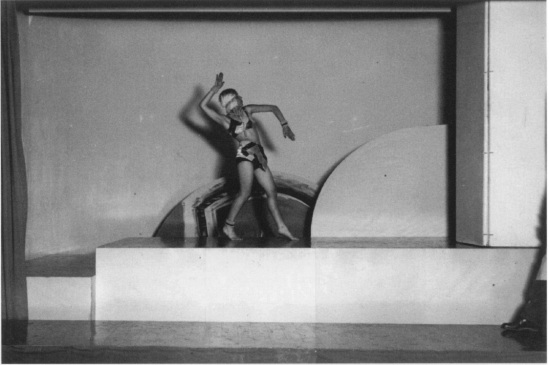
La Danseuse Marguerite Acarin, dite Akarova dans Mazurka ( Chopin) en 1924 Costume crée par Marcel-Louis Baugniet et réalisé par Akarova (Musée de la Photographie, Charleroi)

La Danseuse Marguerite Acarin, dite Akarova dans Mazurka ( Chopin) en 1924 Costume crée par Marcel-Louis Baugniet et réalisé par Akarova (Musée de la Photographie, Charleroi)

Robert de Smet – Akarova, nd

Née Marguerite Acarin à Saint-Josse en 1904, ayant épousé le peintre Marcel Louis Baugniet en 1923, elle s’ést associée très rapidement au mouvement avant-gardiste qui secouait, au début des années 30, les arts plastiques, la musique, le théâtre, et la littérature.

Audacieuse et indépendante, elle allait appliquer à la danse les principes du constructivisme russe et du futurisme italien. Pour elle, le spectacle était un tout et elle en réalisait chaque élément: chorégraphie, décor, costume, musique, éclairage,… Elle allait ainsi permettre un renouvellement de la danse belge alors embourbée dans un certain conservatisme. donnant à ses chorégraphies une dimension tant géométrique et plastique qu’émotionnelle.

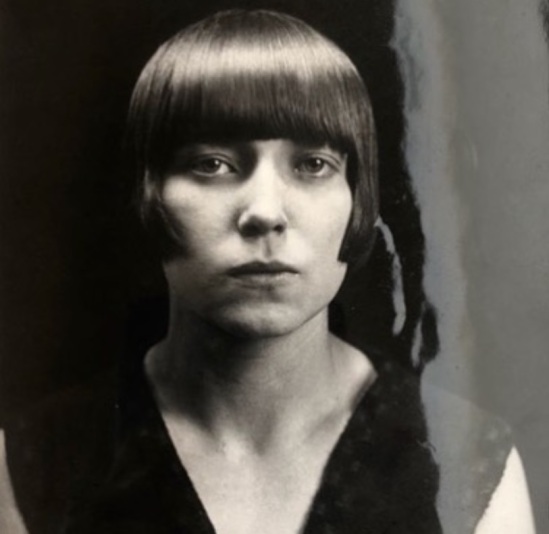
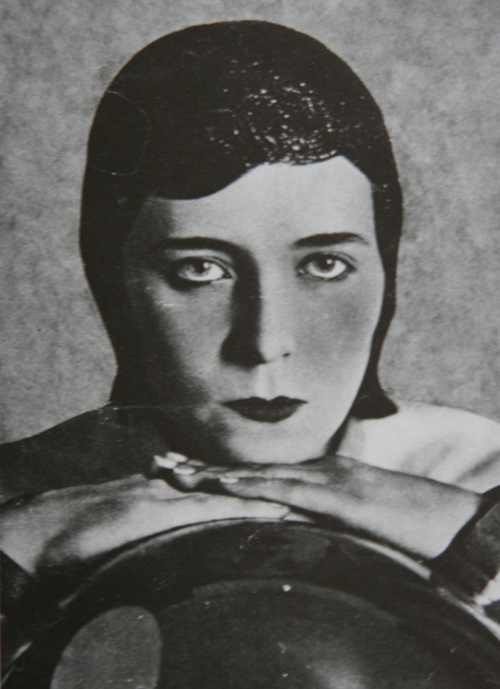
Marcel- Louis Baugniet- Portrait of Akorava, 1923

Marcel- Louis Baugniet- Portrait of Akorava, 1923


Robert de Smet - Akarova in 1923, costume and backdrop designs by Marcel- louis Baugniet, corpyright Sabam Brussels

Robert de Smet – Akarova in 1923, costume and backdrop designs by Marcel- louis Baugniet, corpyright Sabam Brussels

marcel Louis baugniet,- Woodcuts from the serie Kaloprosopies, 1925

marcel Louis baugniet,- Woodcuts from the serie Kaloprosopies, 1925

Marcel louis baugnier- background for Akova' s dance, 1923

Marcel louis baugnier- background for Akova’ s dance, 1923

Marcel louis baugnier- La danse, 1925

Marcel Louis Baugnier- La danse, 1925

C’est à cette époque qu’elle allait devenir «Akarova» pour exprimer son appartenance aux grands mouvements révolutionnaires dans l’art.Pour elle, le spectacle était un tout et elle en réalisait chaque élément: chorégraphie, décor, costume, musique, éclairage,… Elle allait ainsi permettre un renouvellement de la danse belge alors embourbée dans un certain conservatisme.

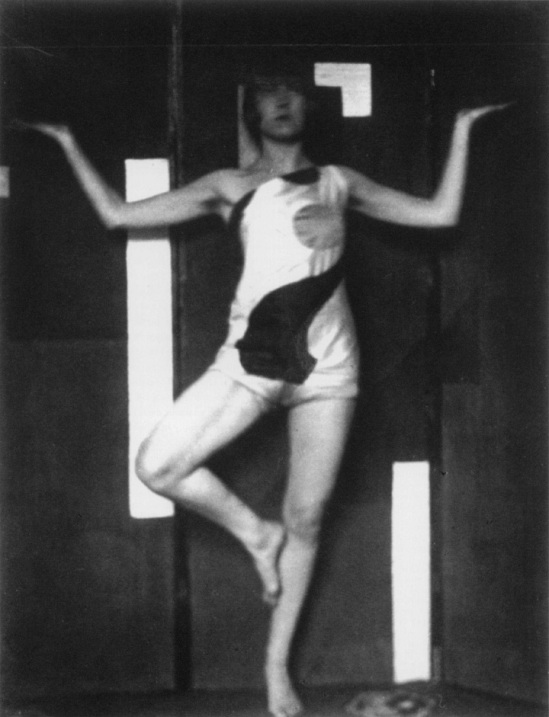
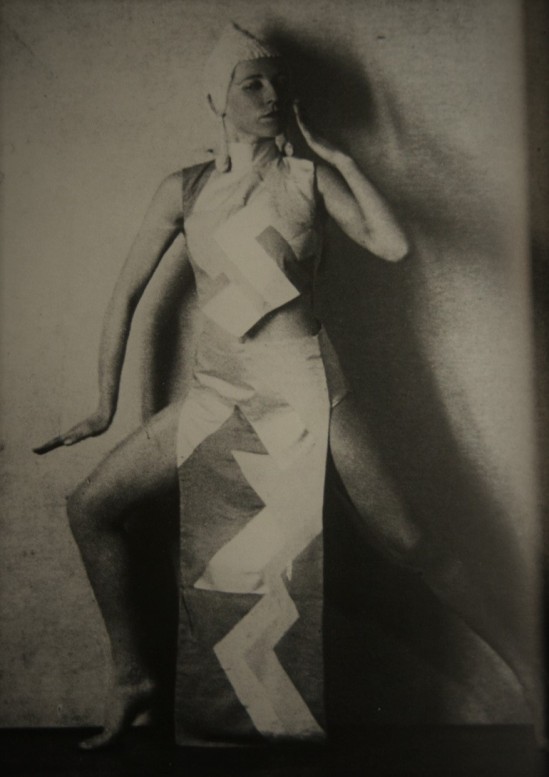
Akarova costume for Gymnopédie N°1, 1925-1932, fabric by ML.baugniet( archives Bruxelles)

Akarova costume for Gymnopédie N°1, 1925-1932, fabric by ML.Baugniet( archives Bruxelles)

Unknown photographer- Akarova in la danse d'Amour de Falia, 1929, in costume of her own design, corpyright Sabam Brussels

Unknown photographer- Akarova in la danse d’Amour de Falia, 1929, in costume of her own design, corpyright Sabam Brussels

Unknown photographer- Akarova in la danse d’Amour de Falia, 1929, in costume of her own design, corpyright Sabam Brussels

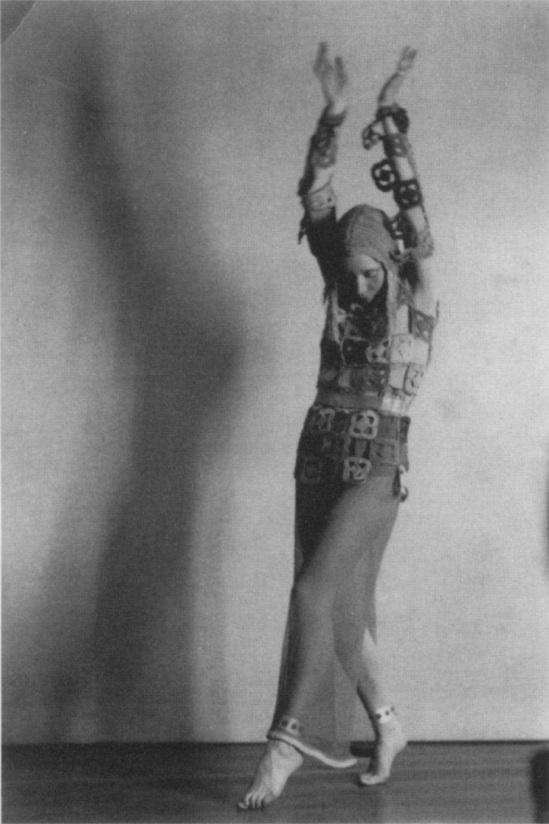
En 1926, Akarova arrête de pratiquer le chant afin de se consacrer pleinement à la danse qu’elle sortira des ornières du ballet classique. Figure de proue du modernisme de l’entre-deux-guerres, elle compose de nombreuses œuvres chorégraphiques dans la mouvance des Ballets russes, qu’elle danse sur les musiques de ses contemporains, entre autres Claude Debussy, Paul Dukas, Maurice Ravel, Darius Milhaud et Igor Stravinski. Sa danse se veut tantôt vigoureuse, tantôt hiératique, où les décors et les costumes, dont ses costumes constructivistes — qu’elle réalise elle-même — utilisent des lignes brisées ou ondulées, des motifs asymétriques, des polychromies discordantes. Préférant Bruxelles à une carrière internationale, Akarova donne de nombreux récitals de chant et de danse dans différents théâtres ou dans des demeures privées. Akarova installe en 1934 un studio réservé à ses élèves au 45 rue Jean d’Ardenne à Ixelles. Elle y donna également des représentations.

Akarova interprétant le Boléro de Ravel en 1930. Costume créé et réalisé par la danseuse

Robert de Smet – Akarova In Sicilienne, 1932 , in costume of her own design in 1924, corpyright Sabam Brussels

Robert de Smet - Akarova In Sicilienne, 1932 , in costume of her own design in 1924, corpyright Sabam Brussels

Robert de Smet – Akarova In Sicilienne, 1932 , in costume of her own design in 1924, corpyright Sabam Brussels

Portrait de la Danseuse Marguerite Acarin, dite Akarova, (1904 -1999) Couverture de la Revue AZ, Bruxelles 1933

Portrait de la Danseuse Marguerite Acarin, dite Akarova, (1904 -1999) Couverture de la Revue AZ, Bruxelles 1933

Robert de Smet - Akarova In Berceuse, 1934 , in costume of her own design , corpyright Sabam Brussels

Robert de Smet – Akarova In Berceuse, 1934 , in costume of her own design , corpyright Sabam Brussels

Robert de Smet - Akarova in Allegro Barbaro, 1929, in costume of her own design, corpyright Sabam Brussels

Robert de Smet – Akarova in Allegro Barbaro, 1929, in costume of her own design, corpyright Sabam Brussels

Akarova in Allegro Barbaro, 1929, in costume of her own design, corpyright Sabam Brussels

Marcel G. Lefrancq - Portrait d’Akarova, 1938 Photomontage Akarova et le masque du diable dans l’histoire du soldat (Stravinsky) 1935

Marcel G. Lefrancq – Portrait d’Akarova, 1938 Photomontage Akarova et le masque du diable dans l’histoire du soldat (Stravinsky) 1935

Dans son souci de contrôler totalement ses scénographies, Akarova demande à l’architecte Jean-Jules Eggericx de construire pour elle une salle de spectacle au 72 de l’avenue de l’Hippodrome à Ixelles, inaugurée le 30 janvier 1937, et où se déroula la partie la plus importante de sa carrière, salle qui fermera ses portes en 1957 suite aux réclamations du voisinage. La salle, de style Art déco, est aujourd’hui sauvegardée.

Akarova a fait don de ses costumes et décors de scène au Musée des Archives d’architecture moderne, marquant par là sa volonté d’inscrire son œuvre dans le contexte plus large de l’architecture, entendue comme une synthèse des arts.
Livre: Akarova: Spectacles et Avants-Gardes, AAM Editions

Henri Cartier-Bresson- Three Poems from Les Fleurs du Mal The Flowers of Evil by Henri Cartier-Bresson , in 1997)

Hymne

À la très chère, à la très belle
Qui remplit mon coeur de clarté,
À l’ange, À l’idole immortelle,
Salut en l’immortalité!

Elle se répand dans ma vie
Comme un air imprégné de sel,
Et dans mon âme inassouvie
Verse le goût de l’éternel.

Sachet toujours frais qui parfume
L’atmosphère d’un cher réduit,
Encensoir oublié qui fume
En secret à travers la nuit,

Comment, amour incorruptible,
T’exprimer avec vérité?
Grain de musc qui gis, invisible,
Au fond de mon éternité!

À la très bonne, à la très belle
Qui fait ma joie et ma santé,
À l’ange, à l’idole immortelle,
Salut en l’immortalité!

— Charles Baudelaire

Hymn

To the dearest, fairest woman
Who sets my heart ablaze with light,
To the angel, the immortal idol,
Greetings in immortality!

She permeates my life
Like air impregnated with salt
And into my unsated soul
Pours the taste for the eternal.

Sachet, ever fresh, that perfumes
The atmosphere of a dear nook,
Forgotten censer smoldering
Secretly through the night,

Everlasting love, how can I
Describe you truthfully?
Grain of musk that lies unseen
In the depths of my eternity!

To the dearest, fairest woman
Who is my health and my delight
To the angel, the immortal idol,
Greetings in immortality!

— Charles Baudelaire

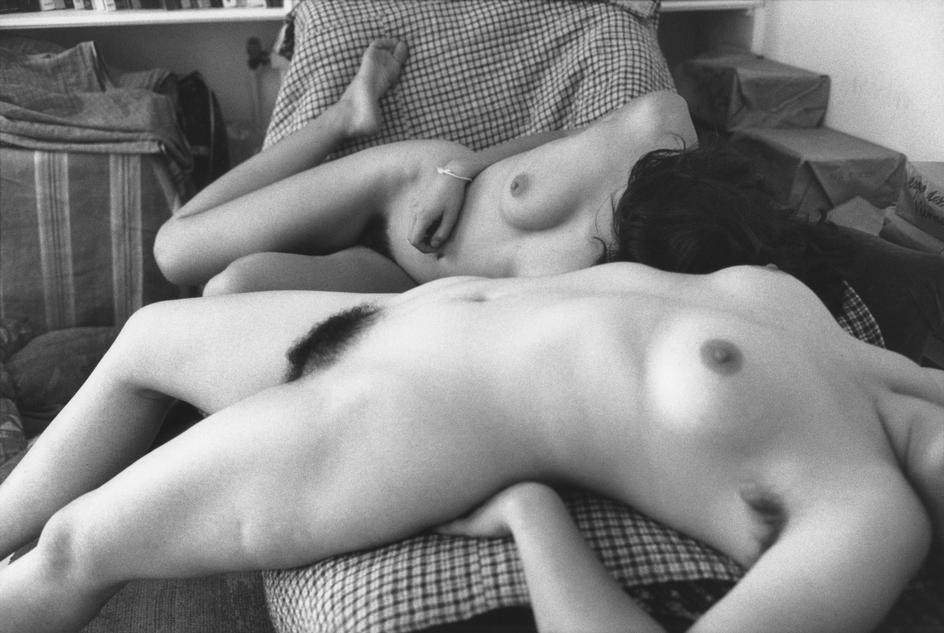
Henri Cartier-Bresson- Pause entre deux poses, 1989,avec Hymne

Henri Cartier-Bresson- Pause entre deux poses, 1989,avec Hymne ( and published In Three Poems from Les Fleurs du Mal  The Flowers of Evil by  Henri Cartier-Bresson , in 1997 with Hymne)

Les Promesses d’un visage

J’aime, ô pâle beauté, tes sourcils surbaissés,
    D’où semblent couler des ténèbres;
Tes yeux, quoique très-noirs, m’inspirent des pensers
    Qui ne sont pas du tout funèbres.

Tes yeux, qui sont d’accord avec tes noirs cheveux,
    Avec ta crinière élastique,
Tes yeux, languissamment, me disent: «Si tu veux,
    Amant de la muse plastique,

Suivre l’espoir qu’en toi nous avons excité,
    Et tous les goûts que tu professes,
Tu pourras constater notre véracité
    Depuis le nombril jusqu’aux fesses;

Tu trouveras au bout de deux beaux seins bien lourds,
    Deux larges médailles de bronze,
Et sous un ventre uni, doux comme du velours,
    Bistré comme la peau d’un bonze,

Une riche toison qui, vraiment, est la soeur
    De cette énorme chevelure,
Souple et frisée, et qui t’égale en épaisseur,
    Nuit sans étoiles, Nuit obscure!»

— Charles Baudelaire

The Promises of a Face

I love your elliptical eyebrows, my pale beauty,
From which darkness seems to flow;
Although so black, your eyes suggest to me
Thoughts in no way funereal.

Your eyes, in harmony with your black hair,
With your buoyant mane,
Your swooning eyes now tell me: « If you wish,
O lover of the plastic muse,

To follow the hope we have excited in you,
And all the fancies you profess,
You will be able to prove our truthfulness
From the navel to the buttocks;

You will find at the tips of two heavy breasts
Two slack bronze medallions,
And under a smooth belly, soft as velvet,
Swarthy as the skin of a Buddhist,

A rich fleece, which truly is the sister
Of this huge head of hair,
Compliant and curly, its thickness equals
Black night, night without stars! »

Charles Baudelaire

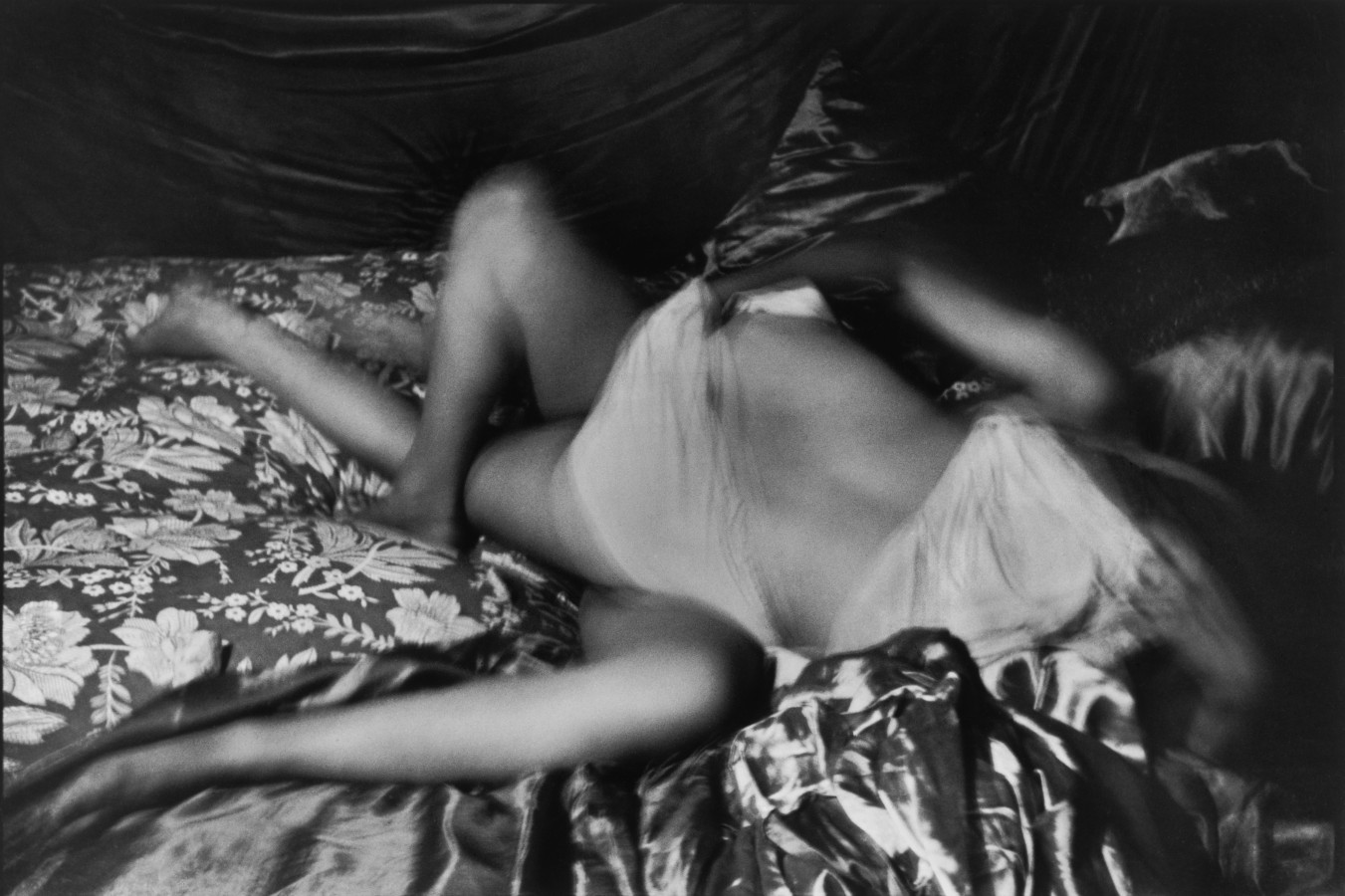
Henri Cartier Bresson, Mexico, 1963 from tree poem ....

Henri Cartier Bresson, Mexico, 1963  ( and published In Three Poems from Les Fleurs du Mal  The Flowers of Evil by  Henri Cartier-Bresson , in 1997 with Les Promesses d’un visage)

La Géante

Du temps que la Nature en sa verve puissante
Concevait chaque jour des enfants monstrueux,
J’eusse aimé vivre auprès d’une jeune géante,
Comme aux pieds d’une reine un chat voluptueux.

J’eusse aimé voir son corps fleurir avec son âme
Et grandir librement dans ses terribles jeux;
Deviner si son coeur couve une sombre flamme
Aux humides brouillards qui nagent dans ses yeux;

Parcourir à loisir ses magnifiques formes;
Ramper sur le versant de ses genoux énormes,
Et parfois en été, quand les soleils malsains,

Lasse, la font s’étendre à travers la campagne,
Dormir nonchalamment à l’ombre de ses seins,
Comme un hameau paisible au pied d’une montagne.

— Charles Baudelaire

The Giantess

At the time when Nature with a lusty spirit
Was conceiving monstrous children each day,
I should have liked to live near a young giantess,
Like a voluptuous cat at the feet of a queen.

I should have liked to see her soul and body thrive
And grow without restraint in her terrible games;
To divine by the mist swimming within her eyes
If her heart harbored a smoldering flame;

To explore leisurely her magnificent form;
To crawl upon the slopes of her enormous knees,
And sometimes in summer, when the unhealthy sun

Makes her stretch out, weary, across the countryside,
To sleep nonchalantly in the shade of her breasts,
Like a peaceful hamlet below a mountainside.

— Charles Baudelaire

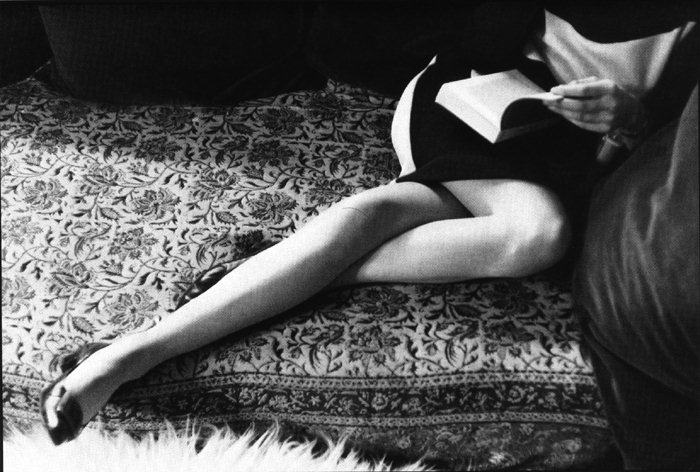
Henri Cartier-Bresson, Martine's Legs, 1968 avec la géante

Henri Cartier-Bresson- Martine’s Legs, 1968 ( and published In Three Poems from Les Fleurs du Mal  The Flowers of Evil by  Henri Cartier-Bresson , in 1997 with La Géante)