
Arcade Cards Manufactured – ” The poppy”, A pretty scantilly clad Follies Girl with a flower, C.1920
via Ebay.co

Arcade Cards Manufactured – ” The poppy”, A pretty scantilly clad Follies Girl with a flower, C.1920
via Ebay.co

Heinz von Perckhammer- Untitled, 1934 (Roger Viollet’ agency stamp), vintage ferrotyped gelatin silver print

Heinz von Perckhammer, Untitled, 1934 (‘Schostal’ agency), vintage ferrotyped gelatin silver print.

Reutlinger- Portrait of Melle de Villiers, Paris, 1900’s diffusion SIP via Chickeyonthego
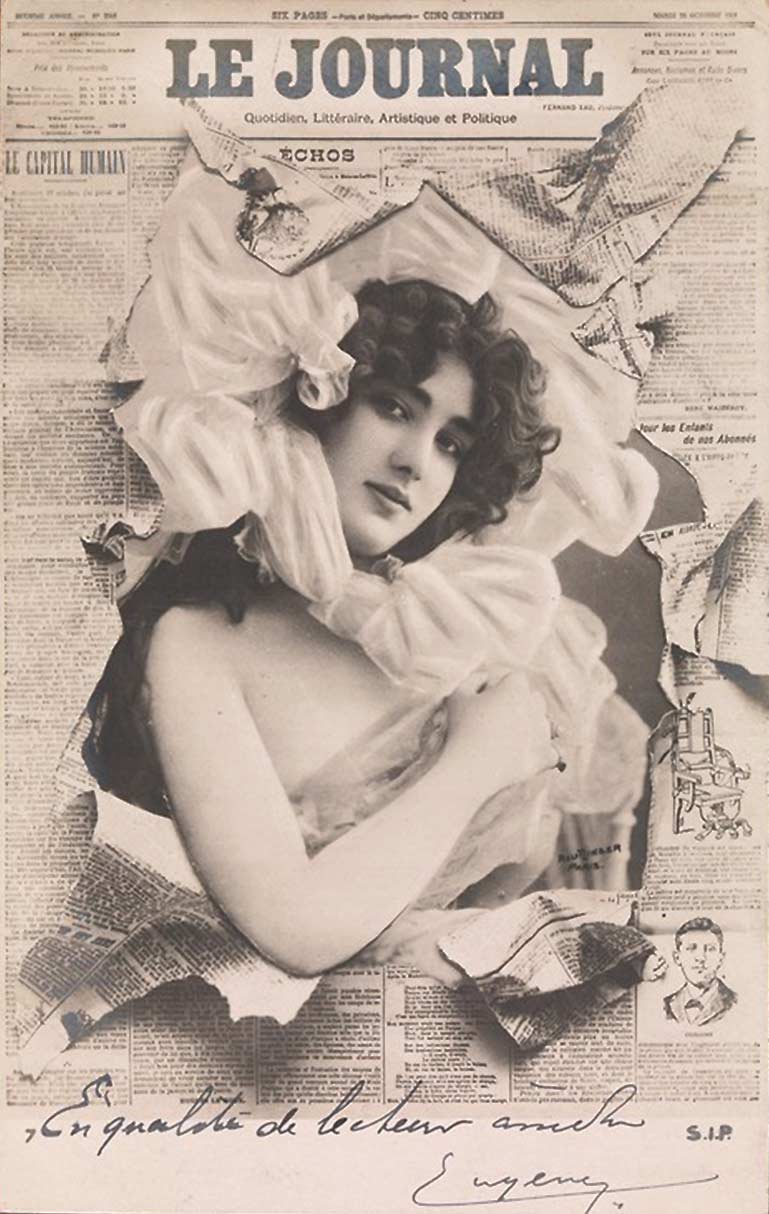
Reutlinger- Melle de Villiers, photomontage, French postscard
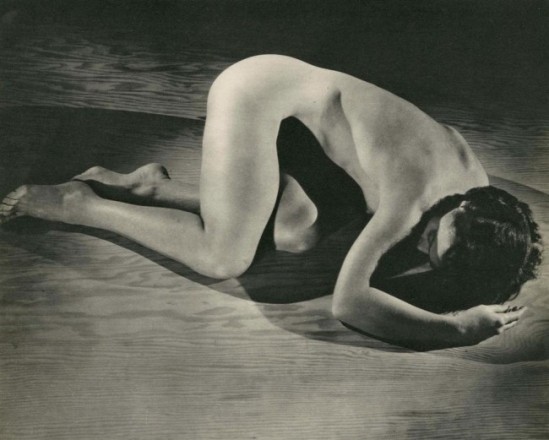
George Platt Lynes – Nude #62, 1935. (via arnet)

George Platt Lynes – Mai-Mai Sze, 1934
In the mid 1930s, she appeared in a popular Broadway show, Lady Precious Stream, by S.I. Hsiung. Perhaps Sze’s greatest success was as a writer. The author of several books of fiction and non-fiction, she was a well-known columnist for the New York Post and a contributor to national magazines.( she was the daughter of a Chinese ambassador to England and the United States)

Studio Manassé Study, circa 1935

Studio Manassé Veiled nude,1930s Gelatin silver print

Studio Manassé– Nude, Photoengraving ,1933

Studio Manassé Nude and skull, Vienna, c.1928 Gelatin silver print

Studio Manassé The Cry, c1947.

Studio Manassé Untitled (Nude study with grapes), ca. 1930, Gelatin silver print

Studio Manassé Study,1931

Studio Manassé Study, circa 1926

Atelier Manassé-Portrait de Magda Holmar, 1930s

Atelier Manassé- The mirror, 1930′s

Studio Manassé- Pied au mur, 1926

Studio Manassé- Teresa Paoly, 1926
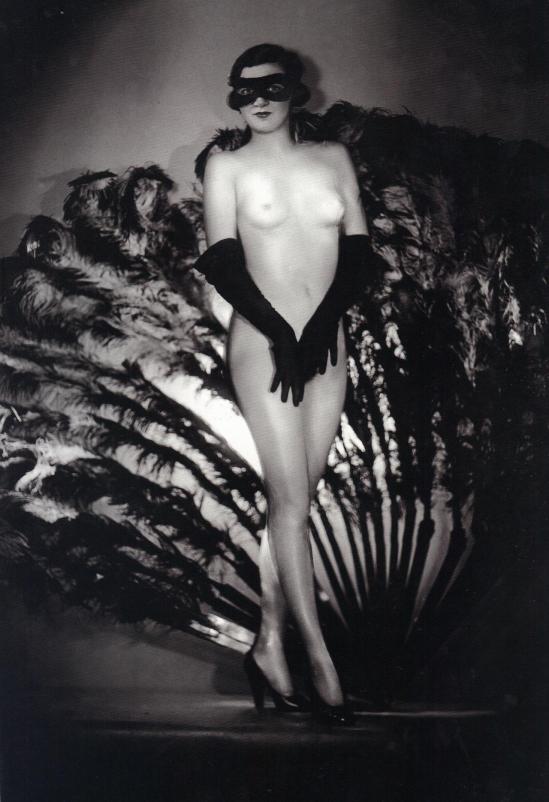
Studio Manassé- Study, c1933. from the book Divas and Lovers, The Erotic Art of Studio Manassé

Studio Manassé – Vienna, Untitled, c.1935.

Studio Manassé- Untitled ,c.1930
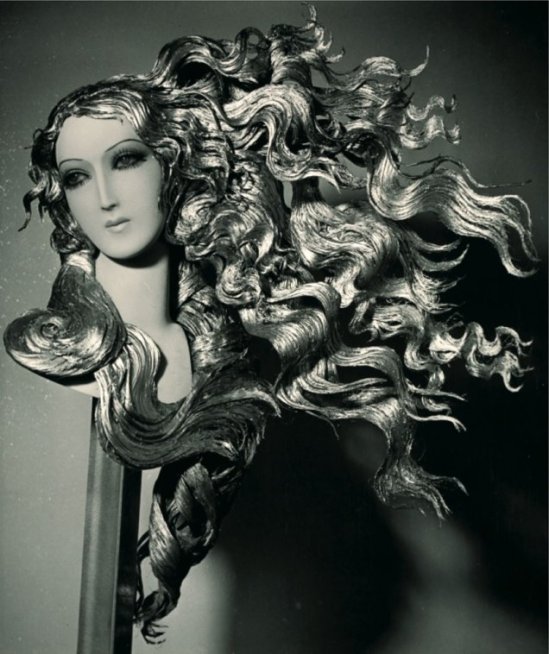
Brassaï- “Untitled” (Futurist hair creation by Antoine, Paris) 1930
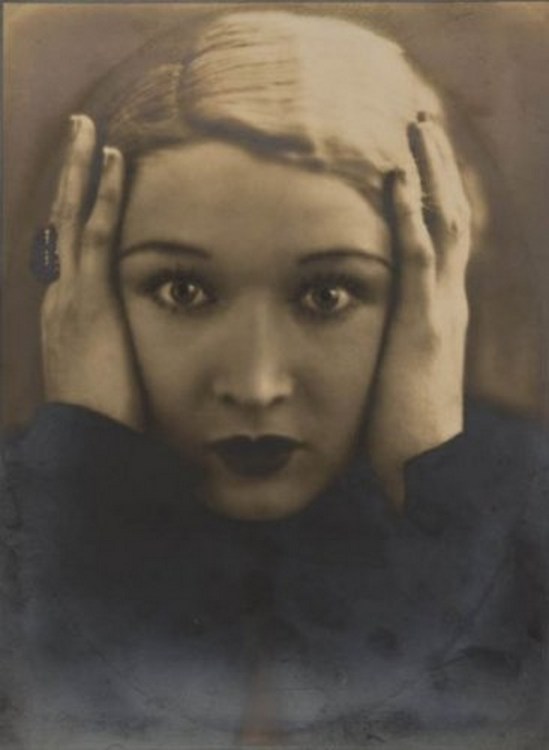
Studio Wagram- Femme-pendule, années 1930
Edward Steichen, né Édouard Jean Steichen, est un photographe et peintre américain d’origine luxembourgeoise,
Éditeur de magazine, galeriste et conservateur du MoMA de New York (1947-1962), il a été un trait d’union culturel entre les États-Unis et l’Europe.
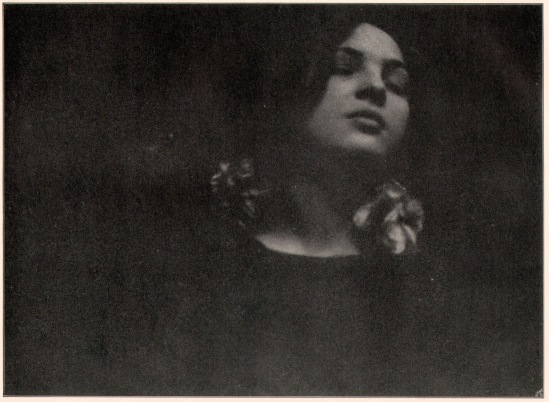
Edward Steichen, Die Rose ( The Rose), 1901
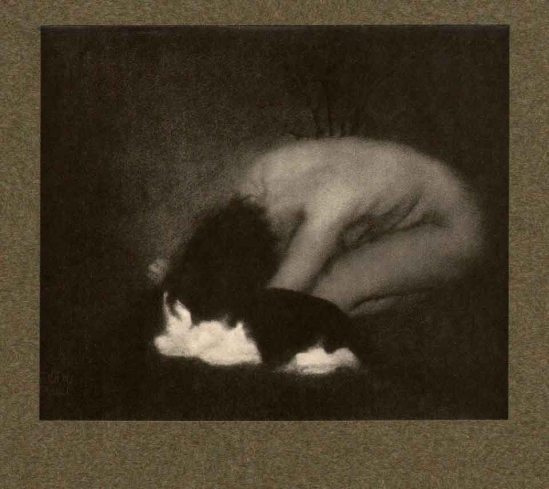
© Edward Steichen – Étude – 1905.
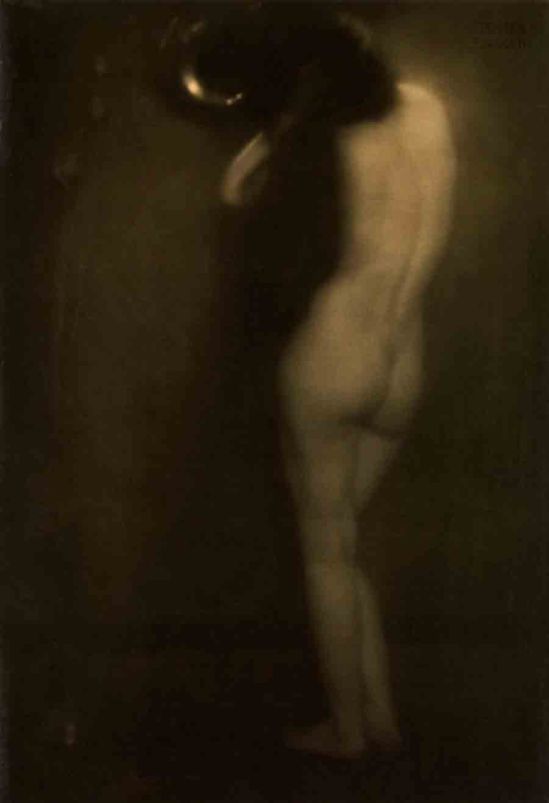
© Edward Steichen-The Little Round Mirror- 1901
Edward est le fils de Jean-Pierre et Marie Kemp Steichen. Sa famille émigre aux États-Unis en 1881 C’est à la Milwaukee’s American Fine Art Company qu’à l’âge de quinze ans Edward apprend l’art et la technique de la lithographie. Dès 1895, il commence alors à photographier son entourage et la campagne environnante, se distinguant déjà par ses compositions d’ambiance, son utilisation poétique de la lumière, son goût pour le clair-obscur romantique. Il est naturalisé américain en 1900 avant de retourner en Europe où il s’installe à Paris.
Edward Steichen se fait connaître comme peintre au tournant du XXe siècle. En 1900, avant de s’installer à Paris, il passe par New-York où il rencontre Alfred Stieglitz.
Lorsqu’il arrive à Paris il arrête ses études de dessin et commence une série de portraits des « Grands Hommes » parmi ceux-ci il y a Anatole France, Richard Strauss, George Bernard Shaw ou encore Henri Matisse.
Il rencontre à ce moment Auguste Rodin Le sculpteur lui ouvre les portes de son atelier de Meudon ; il réalisera plusieurs séries de photographies de lui ainsi que de ses sculptures. Steichen adhère ainsi au mouvement pictorialiste, en devient l’un des maîtres
En 1902, il rejoint Alfred Stieglitz aux États-Unis. Il participe, avec lui, à la création de Photo-Secession, selon Stieglitz c’est un mouvement qui veut « faire sécession avec l’idée convenue de ce que constitue une photographie. » Ensemble, ils éditent en 1903 la revue Camera Work dans laquelle les photos sont mises en valeur. Ils font découvrir aux Américains les artistes d’avant-garde de la photographie française. La même année, il crée sa propre galerie d’art à New York, The Photo-Secession Galleries, ou « 291 ».
En 1911, il réalise ce qui est considéré historiquement comme la première photographie de mode, publiée dans la revue française Art et Décoration de Lucien Vogel.
Après la Première Guerre mondiale, au cours de laquelle, il revient à la « straight photography », il évolue ensuite progressivement vers la photographie de mode. Au début des années 1920, l’éditeur américain Condé Nast le choisit pour devenir le photographe en chef des publications du groupe, imposant ses exigences en matière de photographie : « La distinction, l’élégance et le chic. » Il travaille particulièrement pour Vanity Fair et pour Vogue, magazines pour lesquels il réalise notamment de nombreux portraits de célébrités, démontrant une grande capacité à mettre en valeur ses sujets. Il travaillera également étroitement avec Carmel Snow d’Harper’s Bazaar.
Il photographie Gloria Swanson en 1924, puis l’une de ses photographies de l’actrice Greta Garbo, datant de 1928, parue en couverture du magazine Life le , est considéré comme l’un des portraits inoubliables de l’actrice.
Pendant la Seconde Guerre mondiale, il est directeur de l’Institut photographique naval (Naval Photographic Institute). Son film documentaire, The Fighting Lady, remporte en 1945 l’Oscar du meilleur documentaire.
À partir de 1947 et jusqu’en 1962, Steichen est le directeur du département de la photographie du MoMA, le musée d’art moderne de New York.
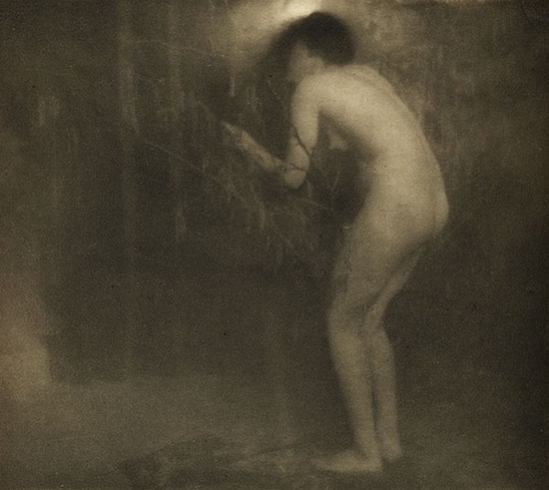
Edward Steichen – La Cigale,1906
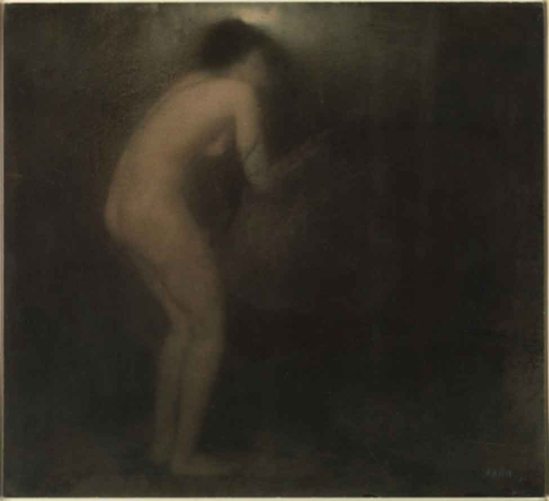
© Edward J. Steichen -La Cigale- 1901, printed 1904–5, [Gum bichromate over platinum print]
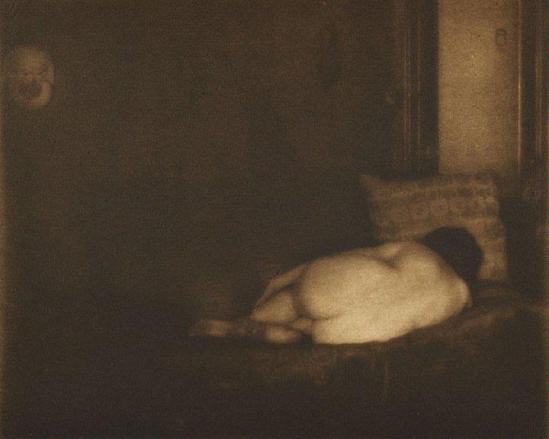
Edward Steichen~Nude study-nd
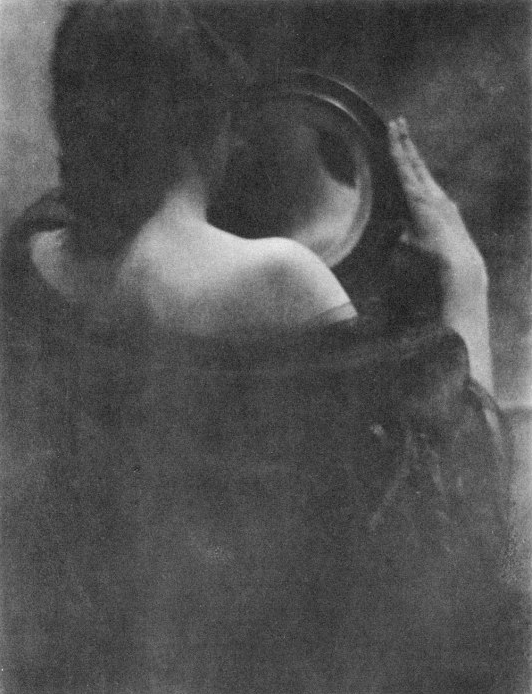
Edward Steichen -The Mirror , 1902

Edward Setichen- Untitled, 1902
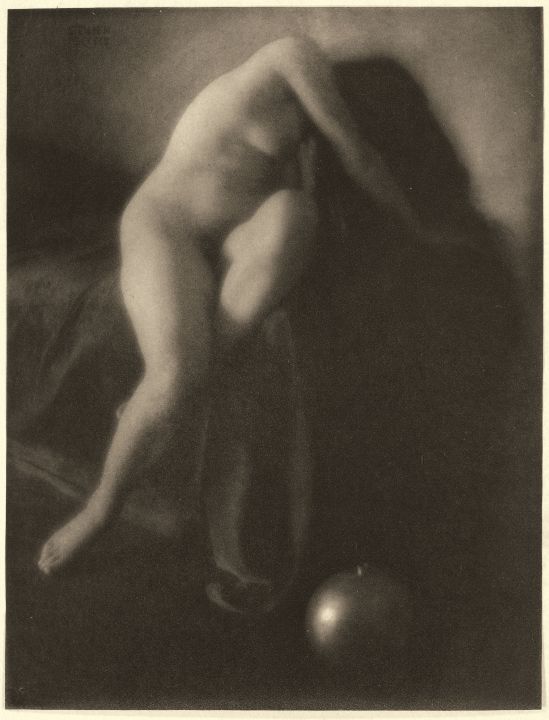
Edward Steichen – In Memoriam, from Camera Work Vol. SS Page 19, 1906
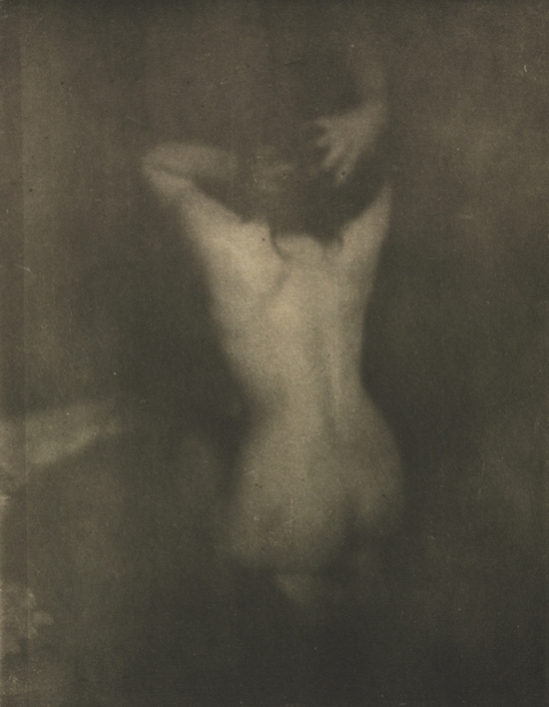
Edward Steichen – Dolor, 1903 { from Vol 2, Camera Work Steichen Supplement, 1903

Edward Steichen, Figure with Iris, 1902 [ direct carbon print ]
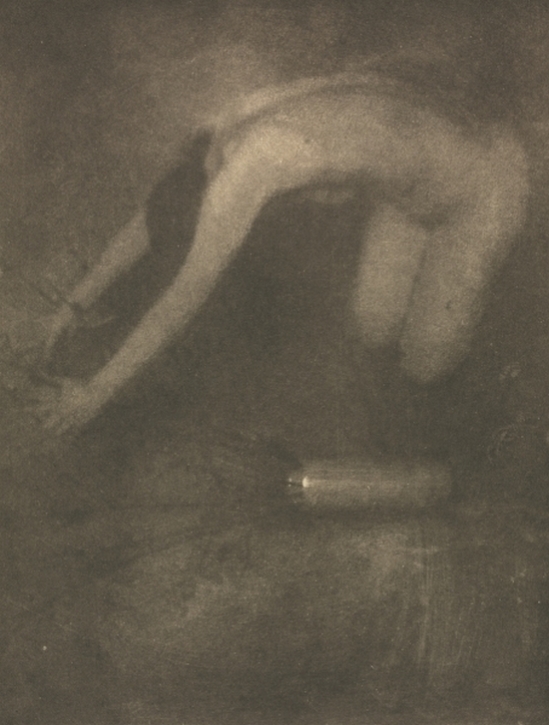
Edward Steichen – Dolor, 1903 { from Vol 2, Camera Work Steichen Supplement, 1903
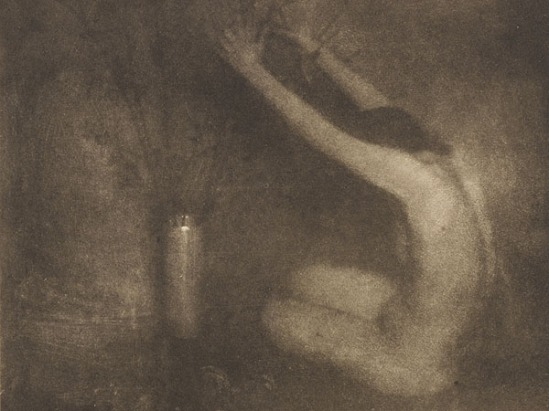
Edward Steichen-Dawn-flowers , Camera Work Steichen Supplement, 1903
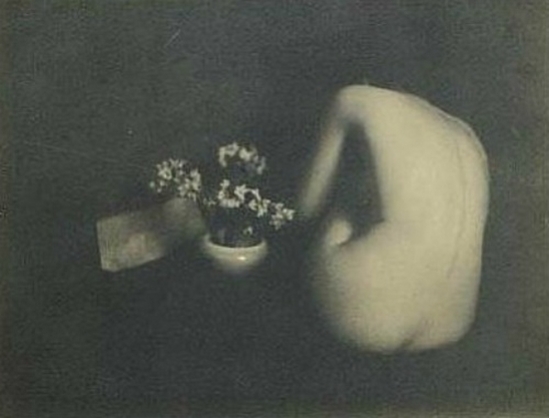
Edward Steichen- Narcissus, 1901
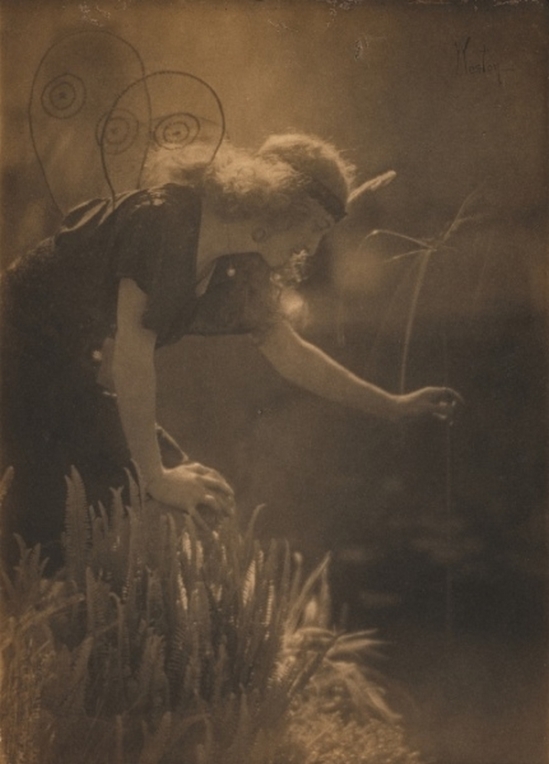
Edward Weston Violet Romer as Psyche, III, 1915
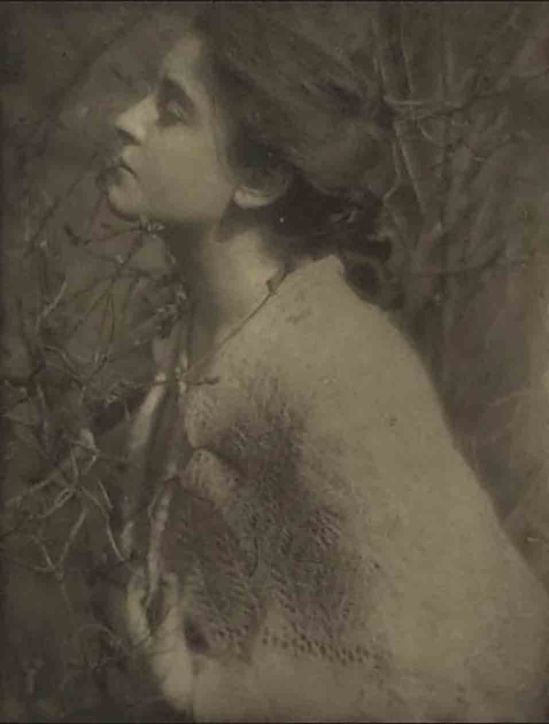
© Edward Steichen- Lilac Buds( Mrs. S), from Camera Work, no. 14. Photogravure on Japan tissue, 1906
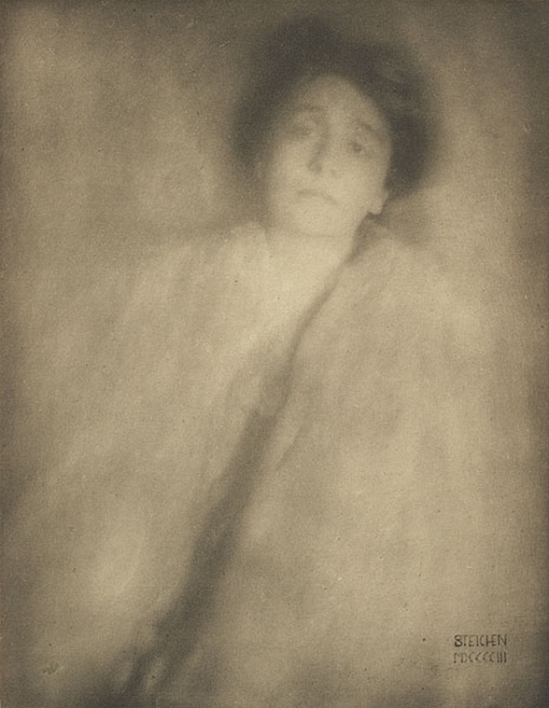
Edward Steichen- Duse, Camera Work Steichen Supplement, 1906
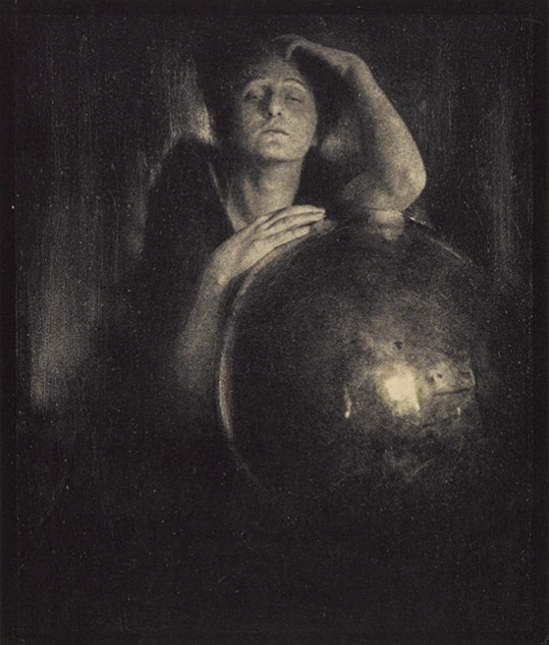
Edward Steichen -The Brass Bowl , Camera Work XIV, 1906
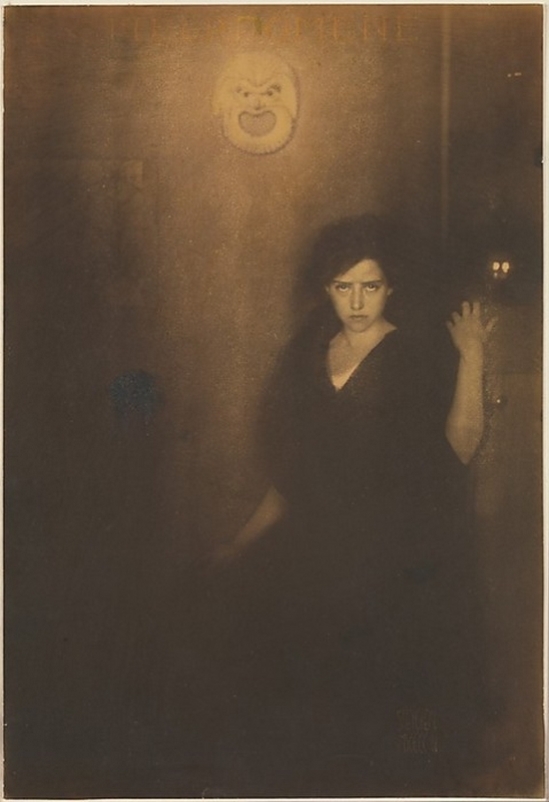
Edward Steichen- Landon Rives as Melpomene , 1904
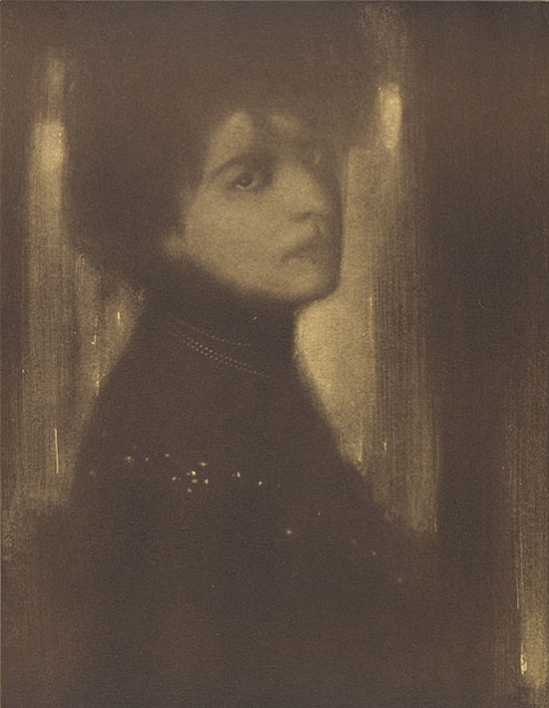
Edward Steichen-Portrait, Camera Work II, 1903
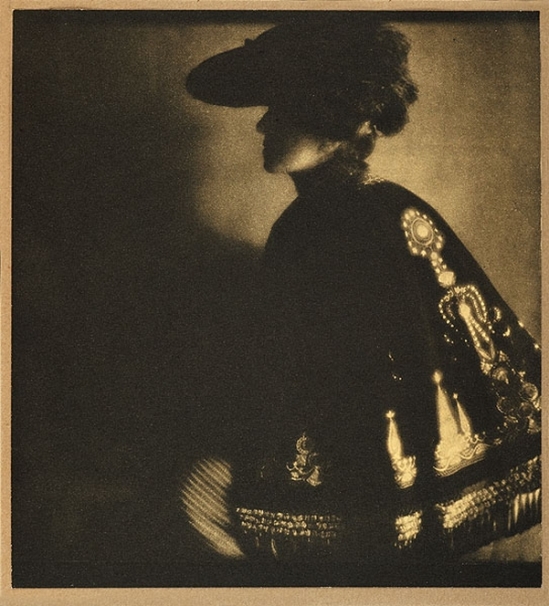
Edward Steichen-Poster Lady , Camera Work Steichen Supplement, 1906
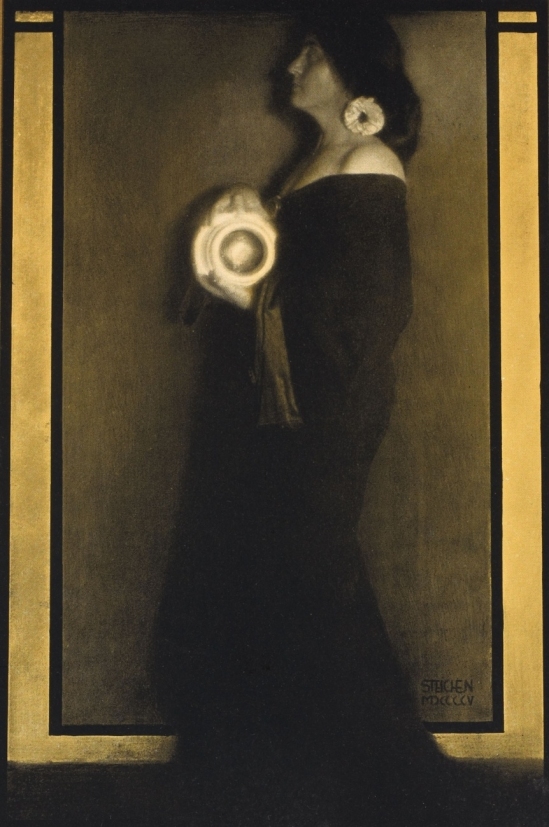
Edward Steichen – Cover design, 1906
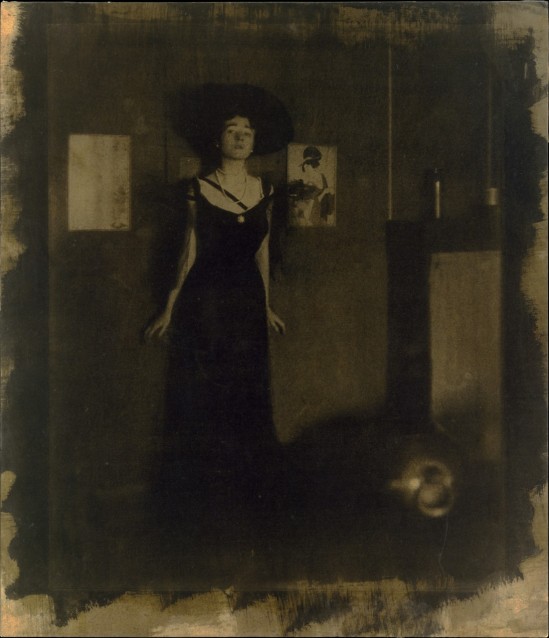
Edward Setichen-Untitled – West Redding, Connecticut, (Experiment in Multiple Gum)1904
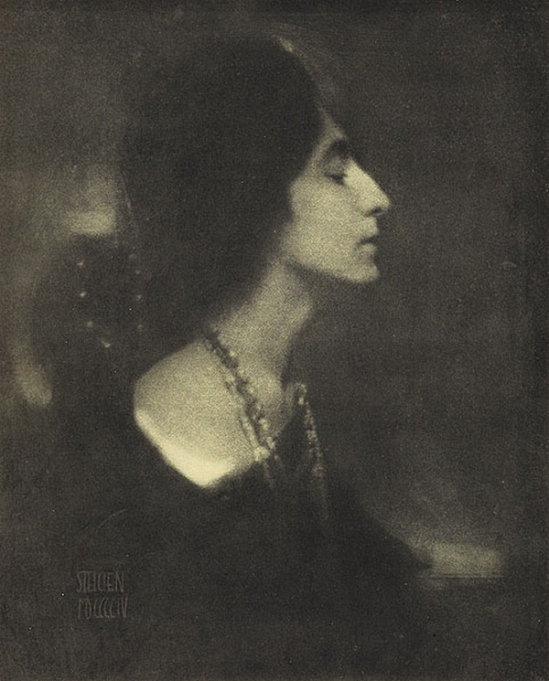
Edward Steichen-Profile , Camera Work Steichen Supplement, 1906
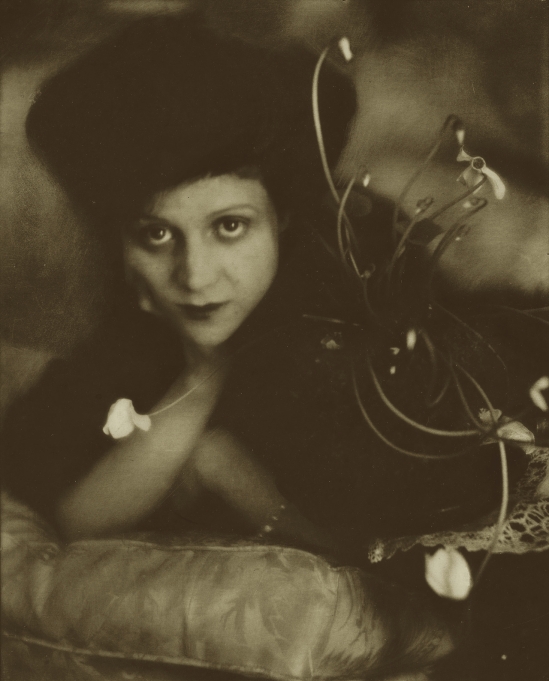
Edward Steichen- Cyclamen – Mrs. Philip Lydig (Rita de Acosta Lydig)-, 1905
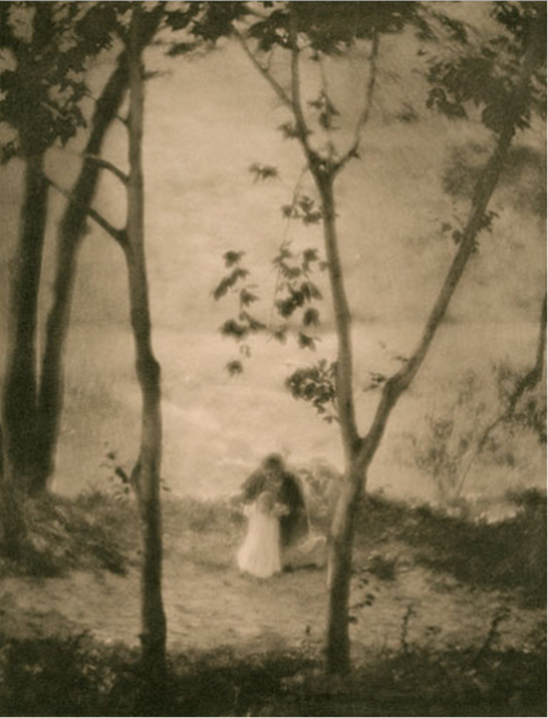
Edward Steichen-Mary Learns to Walk-Photogravure,[from Camera Work 42-43]1913
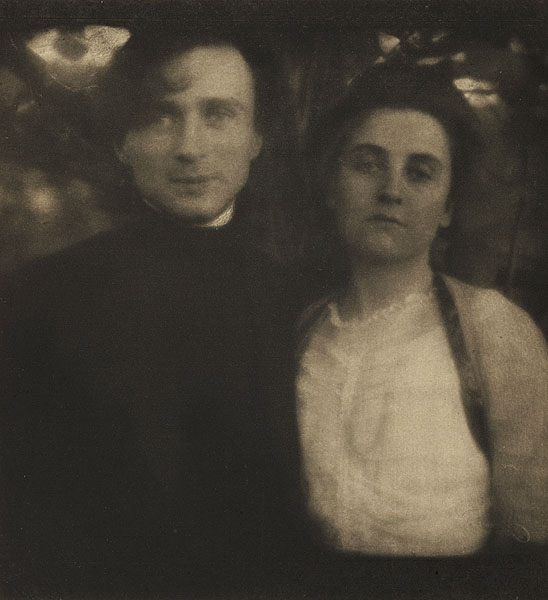
Edward Steichen- Portraits – Evening, Camera Work Steichen Supplement, 1906
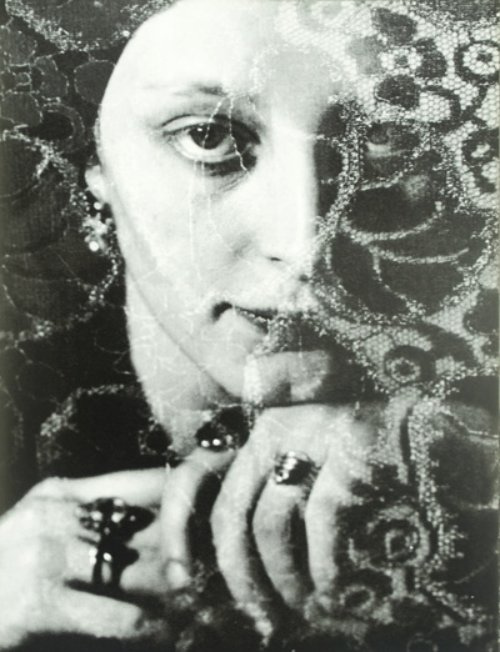
Edmund Kesting – A painter sees through the objective (Ein Maler sieht durch’s Objektiv), 1930 , it’s Book page from Edmund Kesting Ein Maler sieht durch’s Objektiv (Halle: Fotokino, 1958)

Edmund Kesting -Alarm (Totentanz von Dresden) 1945
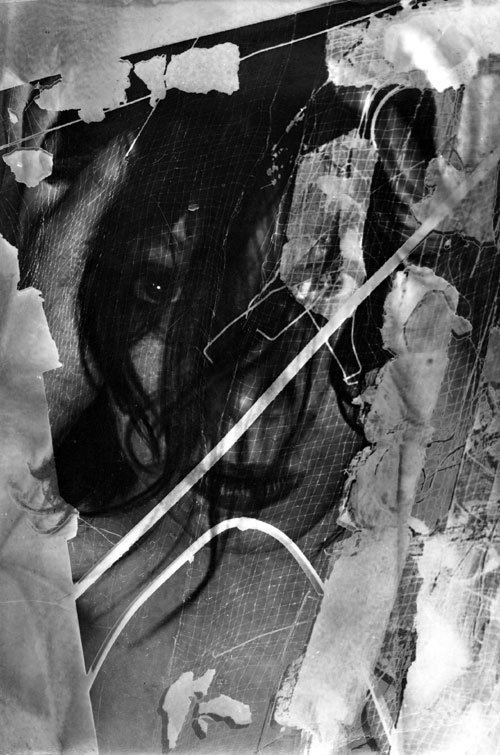
Edmund Kesting – Unter Trümmern (Beneath Ruins – negative montage). 1945
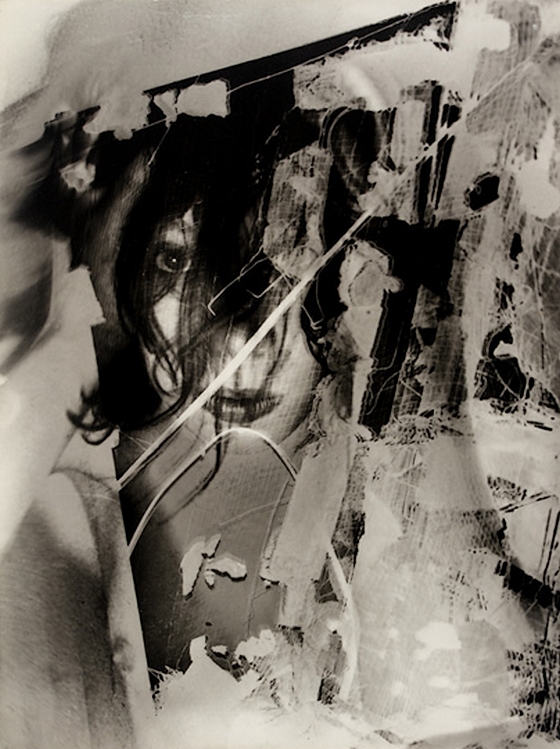
Edmund Kesting -Zwischen Trämmern 1945
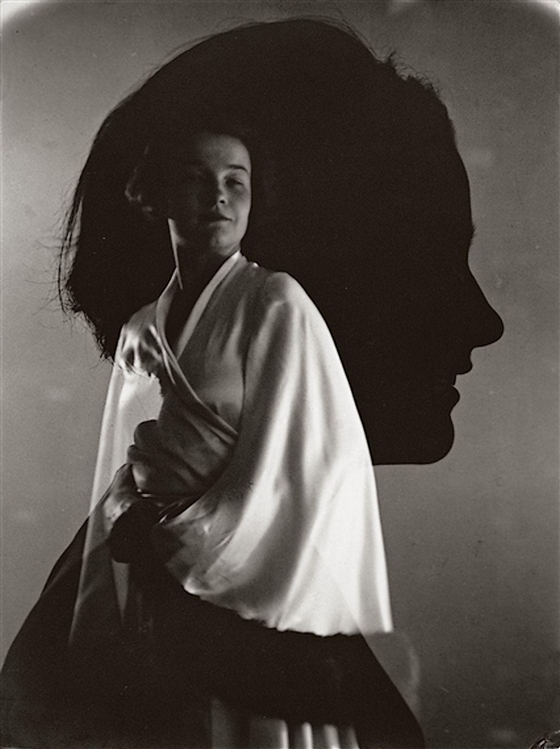
Edmund Kesting- UNTITLED (FIGURE AND OUTLINE), 1930 – Copie

Edmund Kesting -Portrait with shadows, 1930 – Copie
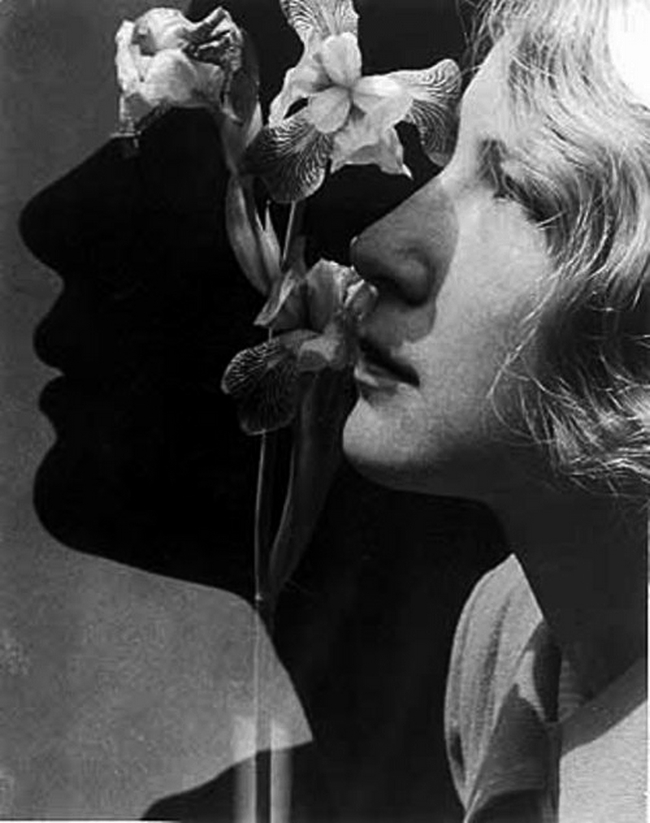
Edmund Kesting – Woman’s Head with lily, 1935

Edmund Kesting – Gerda Kesting Photographing Sunflowers (negative montage). 1930s
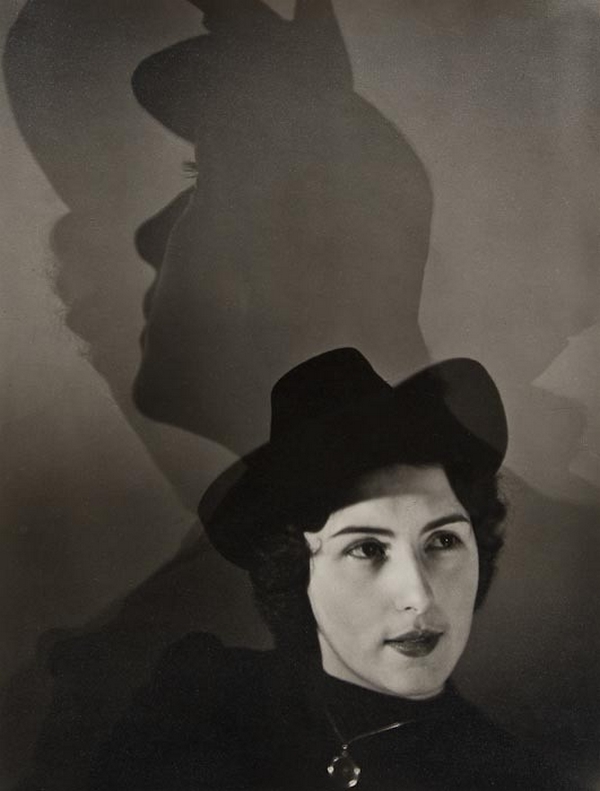
Edmund Kesting – Portrait of the his wife, Gerda Kesting? 1940

Edmund Kesting – Self-portrait as painter with pipe”, 1928-29
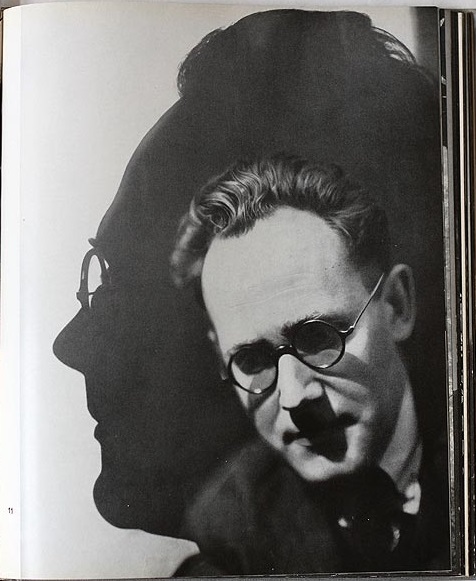
Edmund Kesting – from Edmund Kesting , « Ein Maler sieht durchs Objektiv », ed velag halle,1958
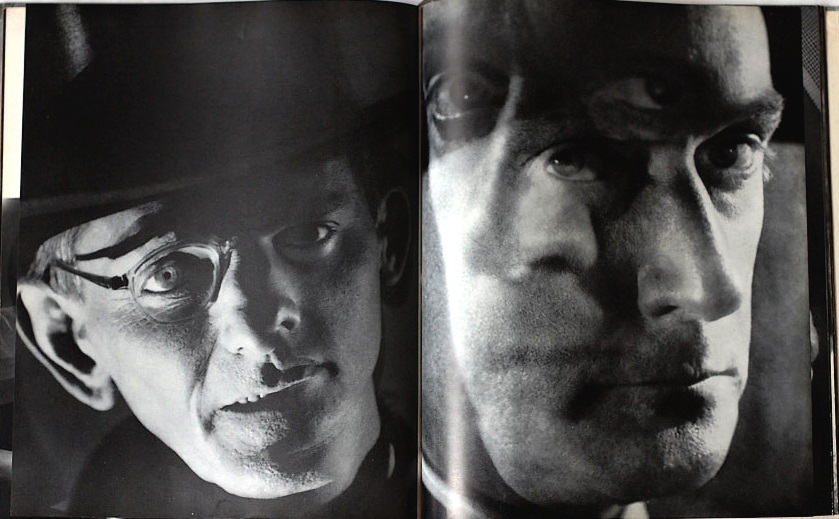
Edmund Kesting – from Edmund Kesting , « Ein Maler sieht durchs Objektiv », ed velag halle, 1958

Edmund Kesting – from Edmund Kesting , « Ein Maler sieht durchs Objektiv », ed velag halle, 1958
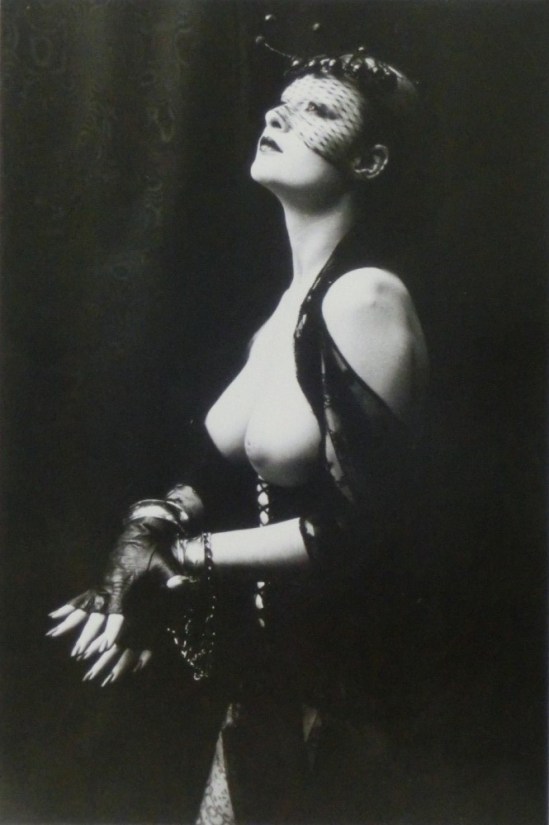
Irina Ionesco– Egerie du Rock ‘n’ Roll 1974

Mark Sink– Liilii Seniura, 2011
Le Guay commenced his career during the 1930s with surrealist photography, and integred Dayne Studios in 1935 at the age of 18. He became a member of the prestigious Sydney Camera Circle and the Contemporary Camera Groupe, in 1938, which included Max Dupain and Olive Cotton, as well as several older photographers including Harold Cazneaux and Cecil Bostock. The Groupe was committed to practising and promoting a modern Australian approach to photography. Le Guay, like Dupain and other members, was interested in European modernism and wanted to find a way to use this style to create uniquely Australian images.
During the second war he was a war photographer for the RAAF. During WWII he was a war photographer for the RAAF.
After opening his studio in George Street, in Sydney , he became a partner with John Nesbett in 1947 and began to focus on fashion photography and other advertising work until the closure of the studio during the early 1970s. Up to this time Le Guay was Sydney’s leading fashion photographer. He then concentrated on publishing books on his photography, editing photographic books and magazines, and giving lectures.
He Awarded the Commonwealth Medal for his contributions towards photography in 1963, prominent Australian photographer // From Book by Newton, « Shades of Light » 1998

Laurence Le Guay -Model With Spiny Plant,1960s. Vintage silver gelatin print
![Laurence Le Guay- [Future Fashion], 1960s. Vintage silver gelatin print](https://lapetitemelancolie.net/wp-content/uploads/2012/10/laurence-le-guay-future-fashion-1960s-vintage-silver-gelatin-print_e.jpg)
Laurence Le Guay- [Future Fashion], 1960s. Vintage silver gelatin print
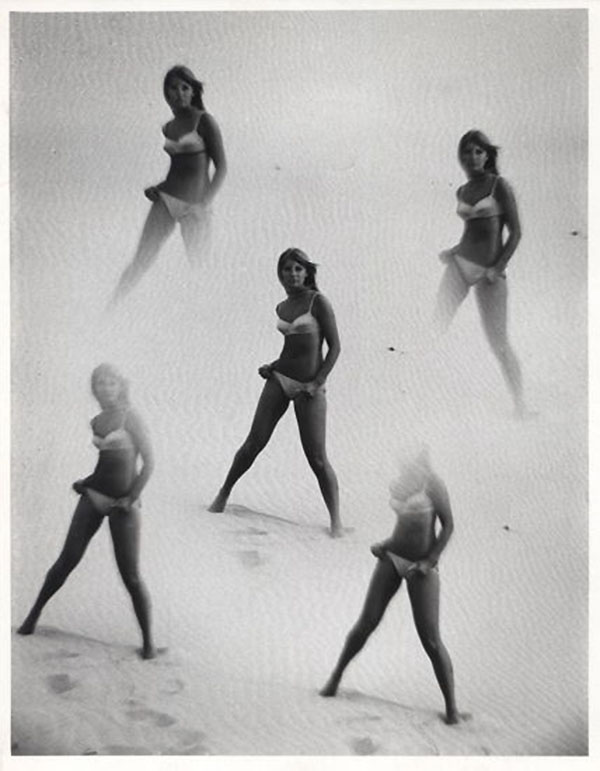
Laurence Le Guay- Quintet Of Bikinis, 1960s. Vintage silver gelatin print.

Laurence Le Guay- Marietta Nagel, Half-Indonesian Model, c1960s. Vintage silver gelatin

Laurence Le Guay- Marietta Nagel, Young Lovers In The Grass,1960s. Vintage silver gelatin print

Laurence Le Guay- Dance movement , 1946

Laurence Le Guay- No. 2 Nude, 1949

Laurence Le Guay- No. 2 Nude, 1949

Laurence Le Guay- Sylphides 1940s photomontage, gelatin silver
‘The progenitors’ is one of a series of montage works that Le Guay produced on the theme of modernism and the human condition. In the image, the nude man and woman are positioned as massive figures within an industrial landscape. The woman looks skyward with one hand pressed to her temple, while the man is seated at her feet and gazes up at her and the factory towers. The pose of the woman echoes the towers of the factory behind her, while the light and cloud suggest the enlightenment of the industrial world. The implication is that the couple are a modern Adam and Eve, with their ability to produce a new Australian race intrinsically linked to the productive capabilities of the modern industrial machines behind them.
« The title of Le Guay’s work potently suggests the complex mix of issues regarding race, heredity and modernity that circulated during the 1930s … A progenitor can mean a spiritual, political or intellectual predecessor and, in this context, the couple offer the viewer the reassuring promise of future prosperity. » From Isobel Crombie in « Body culture: Max Dupain, photography and Australian culture, 1919–1939″, Peleus Press , 2004

Laurence Le Guay- The progenitors , 1938 gelatin silver photograph, toned montage

Laurence Le Guay- No title (War montage with child and soldier) , 1939,gelatin silver photograph
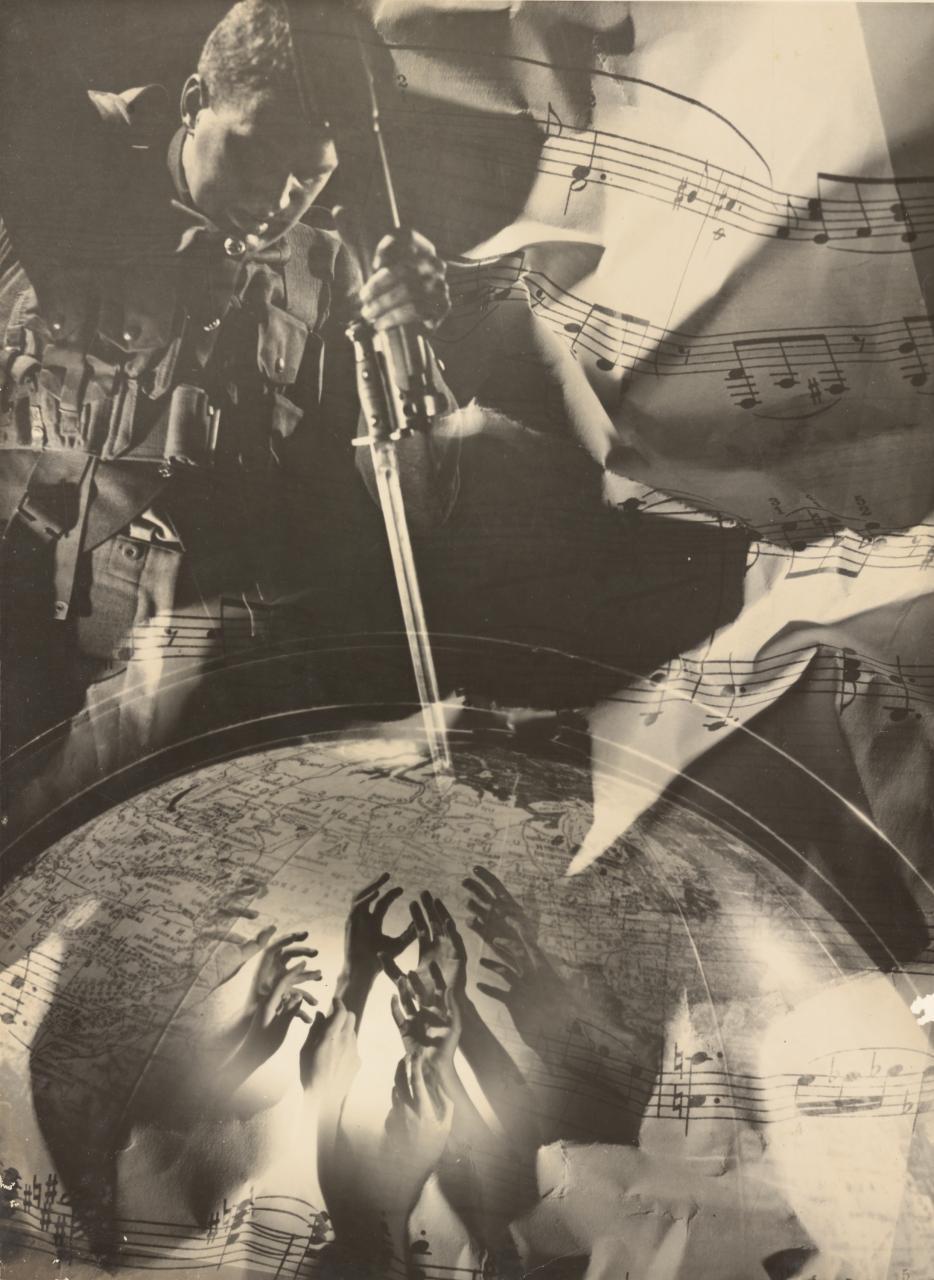
Laurence Le Guay- No title (War montage with globe), 1939 gelatin silver photograph

Laurence Le Guay- Background for Birth, Published in Photograms of the Year 1940


 La Petite Mélancolie
Vous devez être connecté pour poster un commentaire.