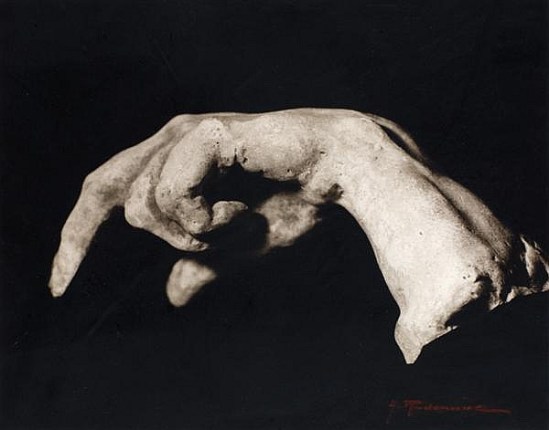
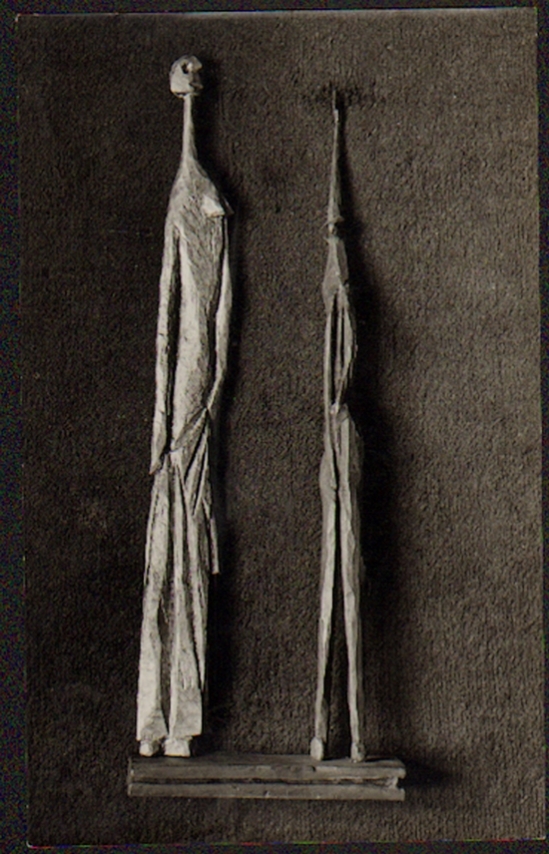
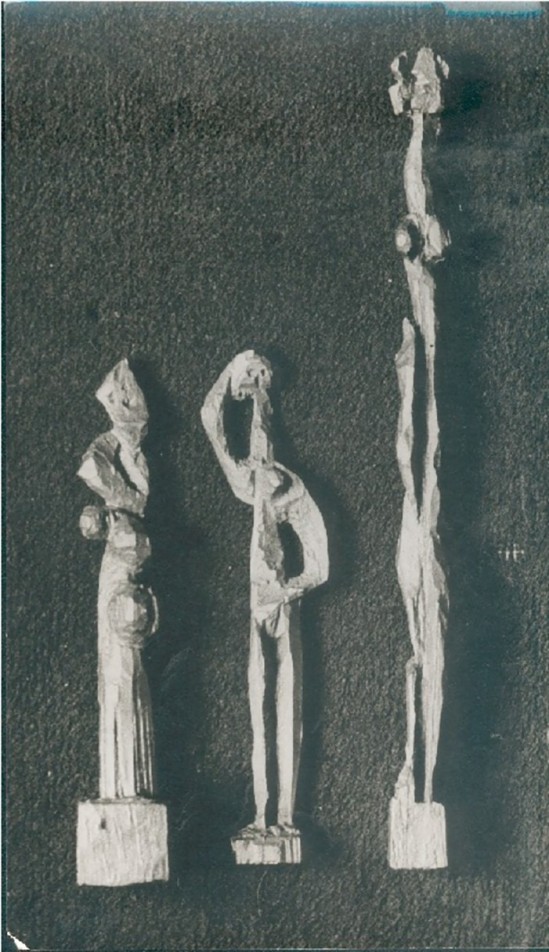
Albert Rudomine – Sculptures d’Auguste Rodin 1935

Ce diaporama nécessite JavaScript.

Albert Rudomine (1892-1975) Study of sculptured hand by Rodin, C. 1940 Tirage argentique

Jean Coteau – Lettre autographe signée à l’écrivain surréaliste Georges Hugnet, enrichie d’un dessin à l’encre noire représentant un visage de profil, nd

Jean Coteau -  Lettre autographe signée à l’écrivain surréaliste Georges Hugnet, enrichie d’un dessin à l’encre noire représentant un visage de profil, nd

Jean Coteau – Lettre autographe signée à l’écrivain surréaliste Georges Hugnet, enrichie d’un dessin à l’encre noire représentant un visage de profil, nd


« Mes chéris, que devenez vous ? Et mon pauvre fait divers. J’ai peur qu’il ne vous déplaise et que vous n’osiez pas me le dire. Dites le. Je me fiche de l’écriture. Je vous aime. Jean.

Et l’invisible Joseph ? »

Norman Lindsay (1879-1969)

Harold Cazneaux-Model in Norman Lindsay's garden, Springwood , 1920

Harold Cazneaux-Model in Norman Lindsay’s garden, Springwood , 1920

William Buckle-Norman Lindsay, 1936

William Buckle-Norman Lindsay, 1936

Norman Lindsay – The Sphinx’s Secret, 1931

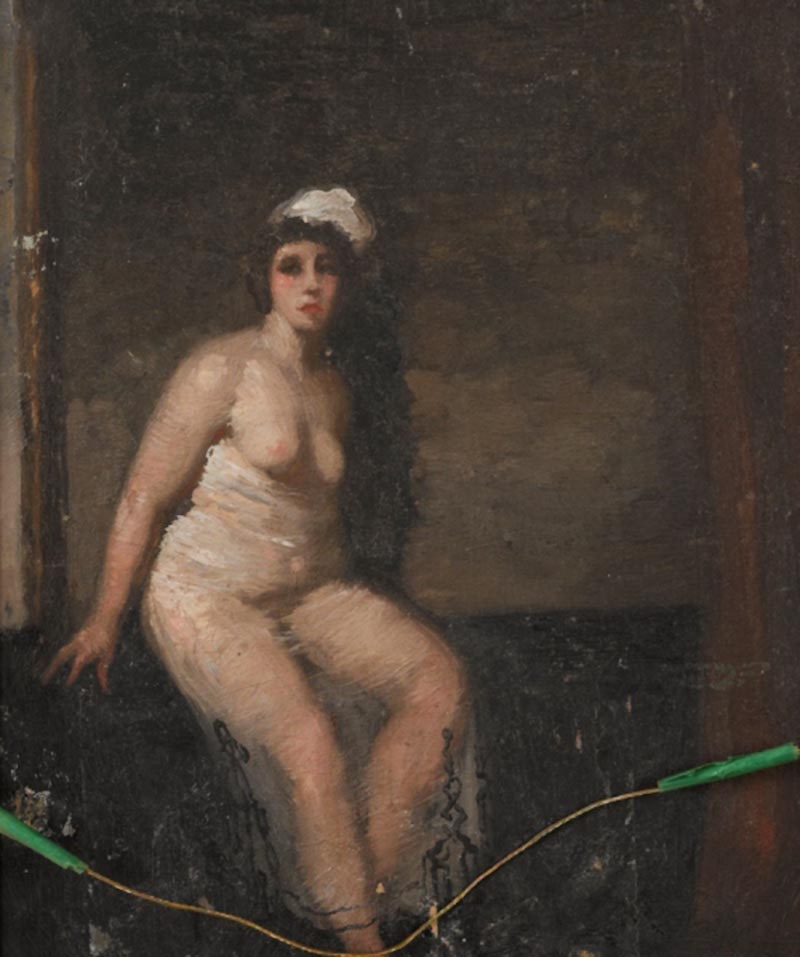
Norman Alfred Williams Lindsay (1879-1969) Study for a Major Painting  oil on canvas,

Norman Alfred Williams Lindsay – Study for a Major Painting oil on canvas

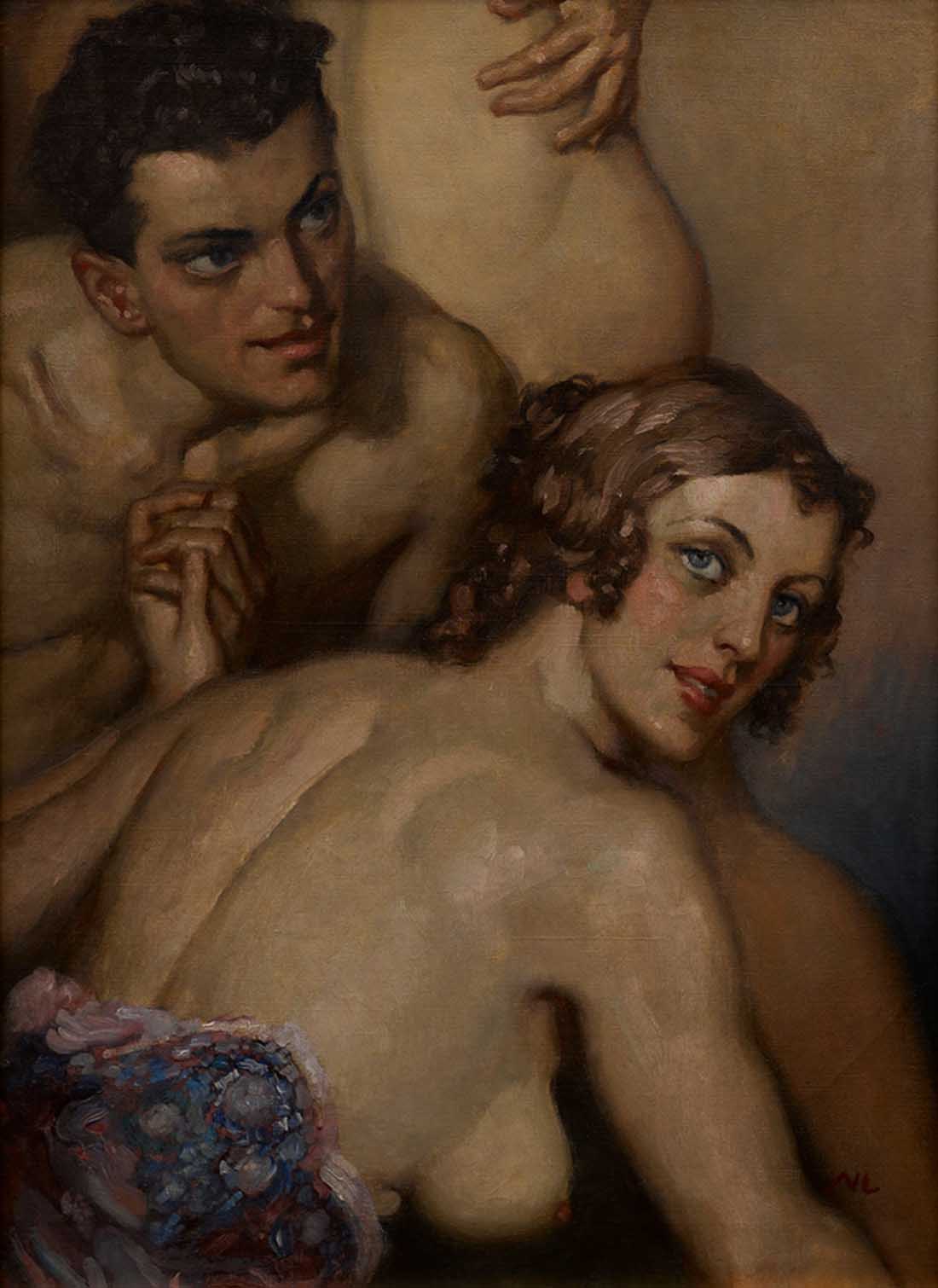
Norman Lindsay (1879-1969) After The Bath, nude holding a shawl,oil

Norman Lindsay – After The Bath, nude holding a shawl,oil

Norman Lindsay (1879-1969) After The Bath, oil

Norman Lindsay – After The Bath, oil, nd

Norman Lindsay - Siesta

Norman Lindsay – Siesta

Norman Lindsay (1879-1969) Guarded 1933  six framed printers progress proofs, impressed stamp l.r.c. Hartland and Hyde

Norman Lindsay – Guarded 1933 six framed printers progress proofs, impressed stamp l.r.c. Hartland and Hyde

Norman Lindsay - Life in the Temple 1937 Etched copper plate

Norman Lindsay – Life in the Temple 1937 Etched copper plate

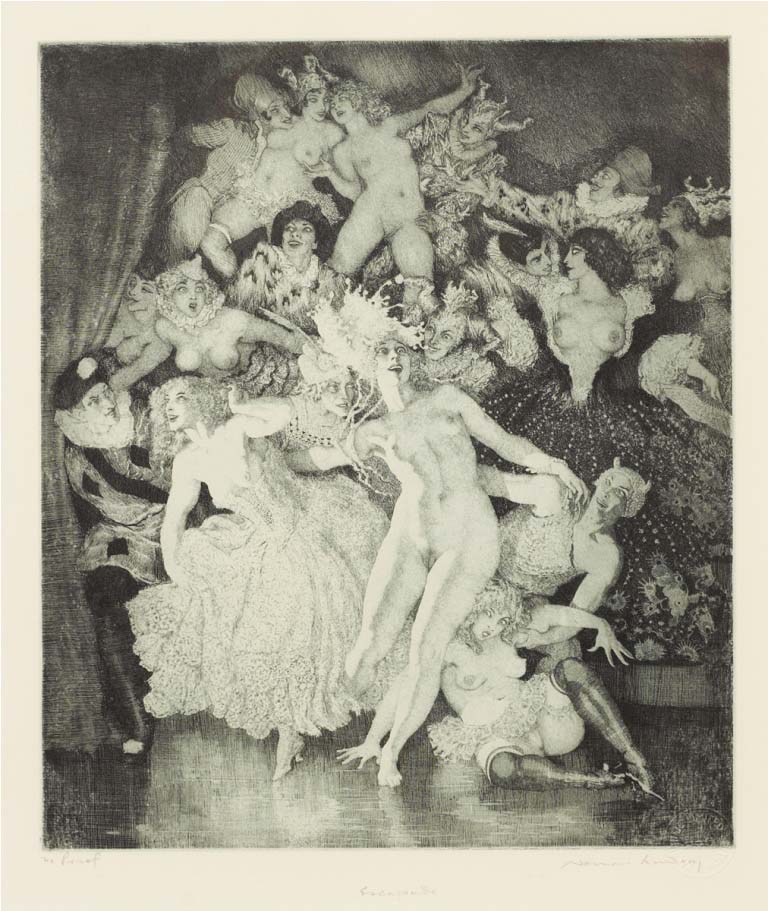
Norman Lindsay (1879-1969) Escapade 1927  etched copper plate

Norman Lindsay – Escapade 1927 etched copper plate

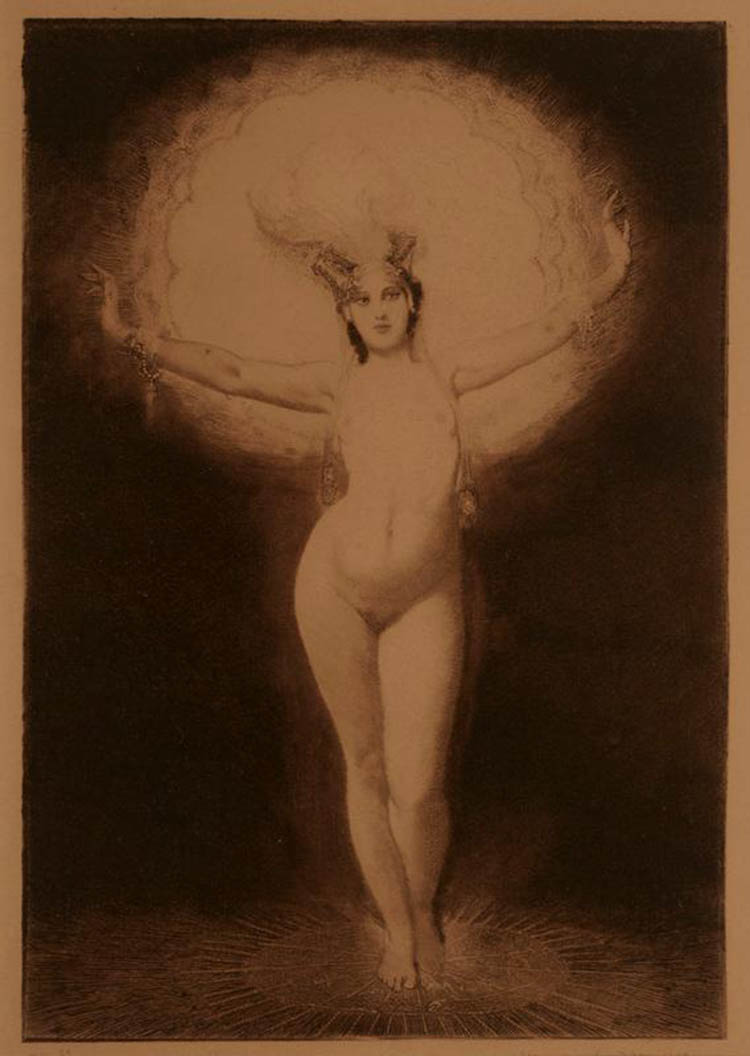
Norman Lindsay Oblation, 1920 Etching, aquatint and stipple

Norman Lindsay – Oblation, 1920 Etching, aquatint and stipple

Norman Lindsay The Jester's Frolic', C.1928, Etching, aquatint and stipple

Norman Lindsay-  The Jester’s Frolic’, C.1928, Etching, aquatint and stipple

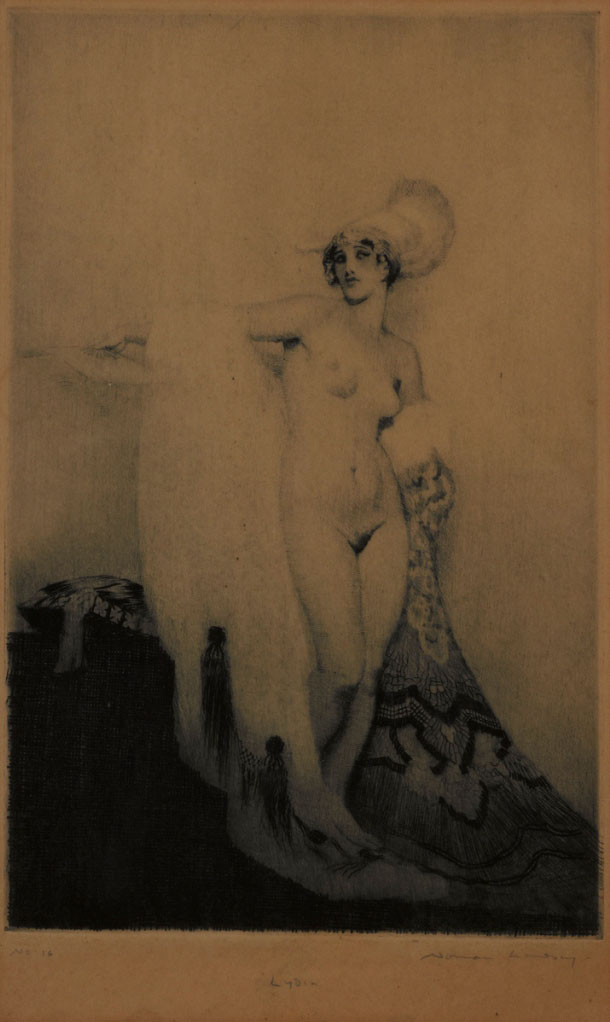
Norman Lindsay (1879-1969) Lydia 1919  drypoint and etching,

Norman Lindsay – Lydia 1919 drypoint and etching

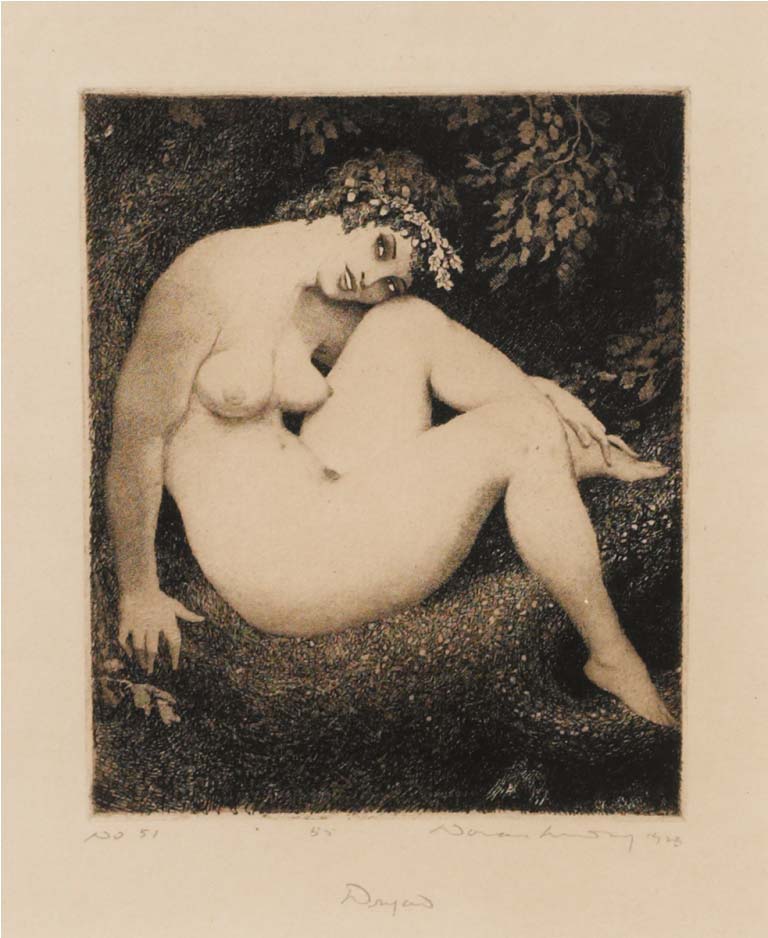
Norman Lindsay (1879-1969) Dryad 1923  etching and stipple

Norman Lindsay – Dryad 1923 etching and stipple

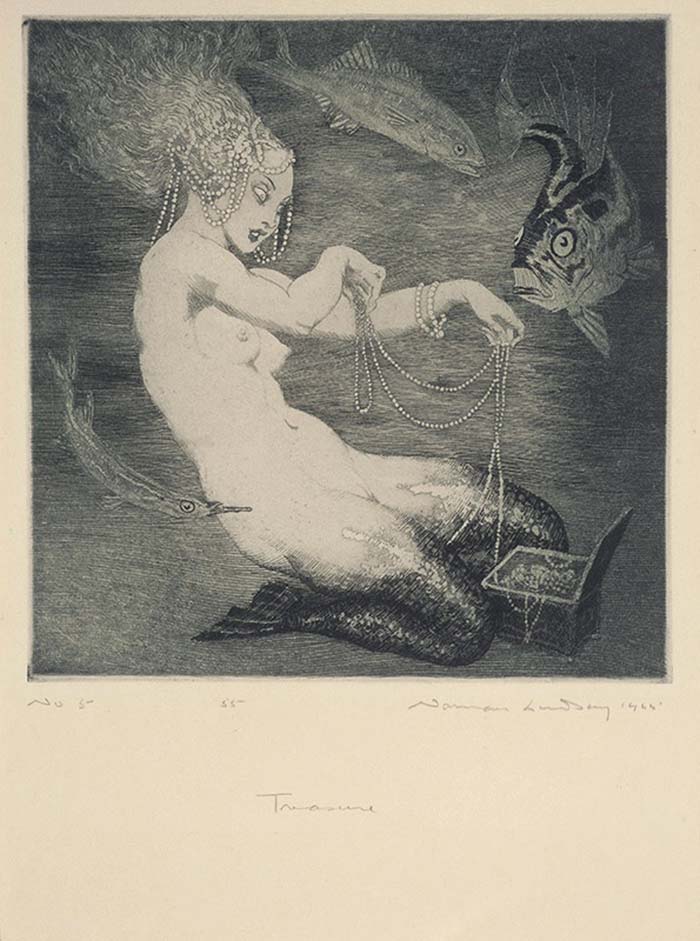
Norman Lindsay Treasure, 1925 Etching and soft ground

Norman Lindsay – Treasure, 1925 Etching and soft ground

Norman Lindsay The Yellow Lady, 1920 Etching, soft ground, engraving and stipple

Norman Lindsay The Yellow Lady, 1920 Etching, soft ground, engraving and stipple

Norman Lindsay -Desire, 1919 Etching, drypoint, engraving and roulette

Norman Lindsay -Desire, 1919 Etching, drypoint, engraving and roulette

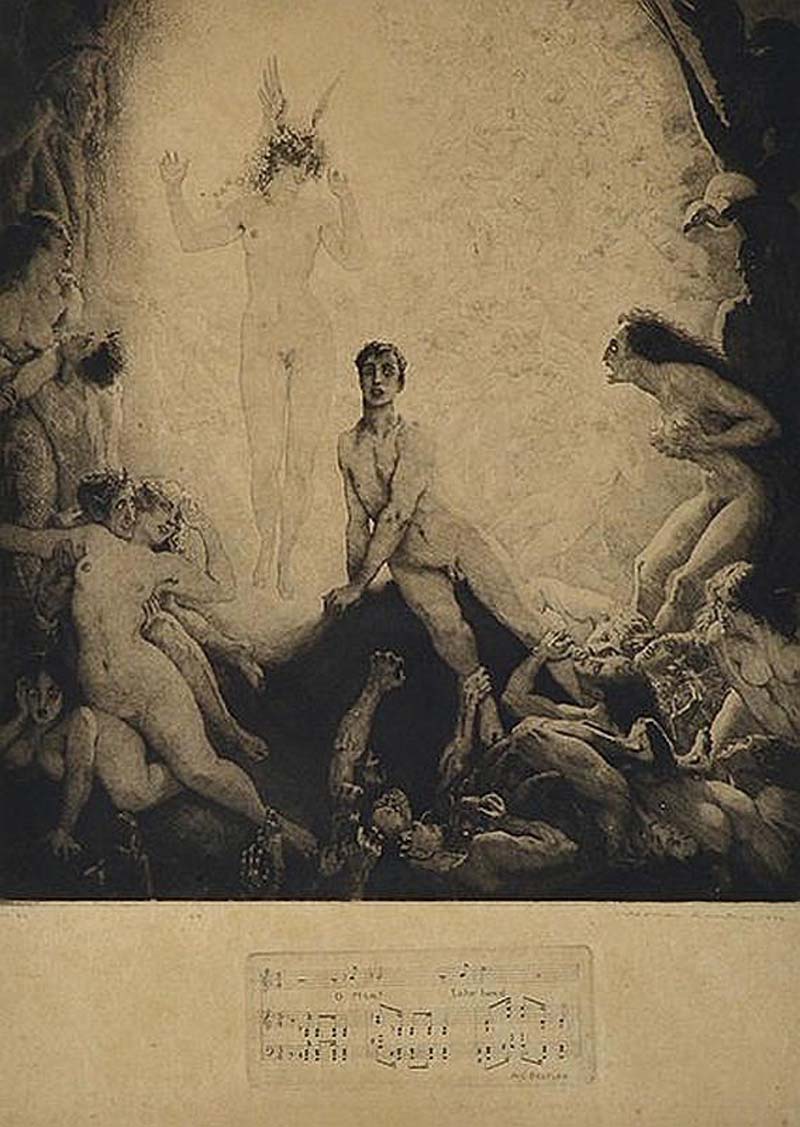
Norman Lindsay - O Man Take Heed ,1922 Etching, engraving, stipple and roulette

Norman Lindsay – O Man Take Heed ,1922 Etching, engraving, stipple and roulette

Norman Lindsay (1879-1969) The Quest, c. 1913  unpublished etching

Norman Lindsay – The Quest, c. 1913 unpublished etching

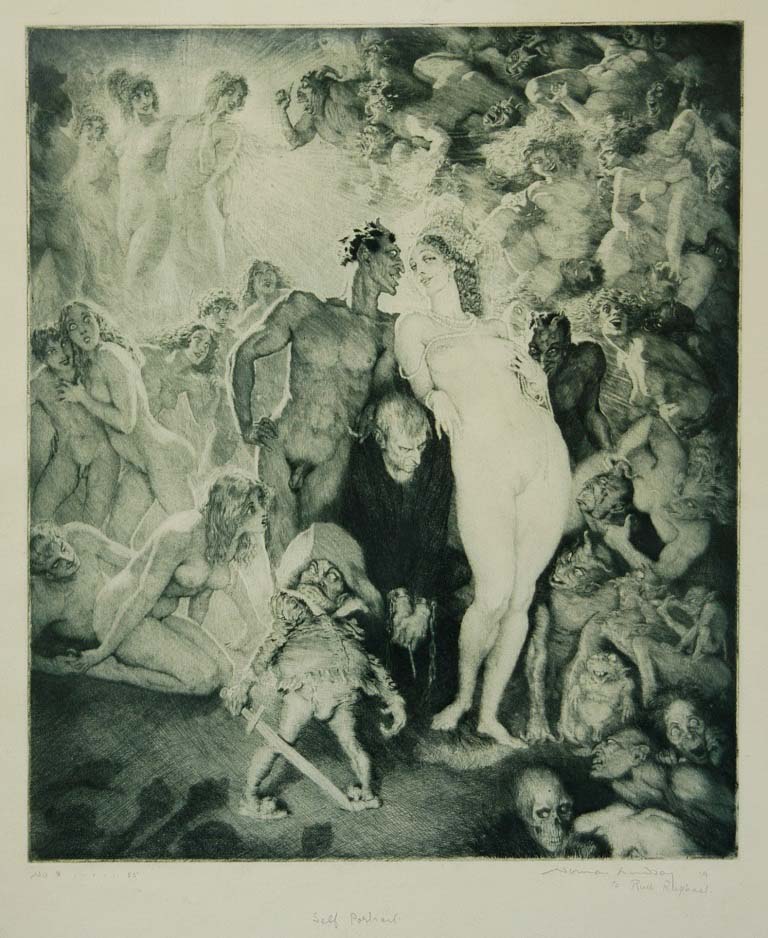
Norman Lindsay - Self Portrait ,1930.1

Norman Lindsay – Self Portrait ,1930.

Norman Lindsay (1879-1969) Escapade 1978  facsimile etching, proof,

Norman Lindsay – Escapade 1978 facsimile etching, proof

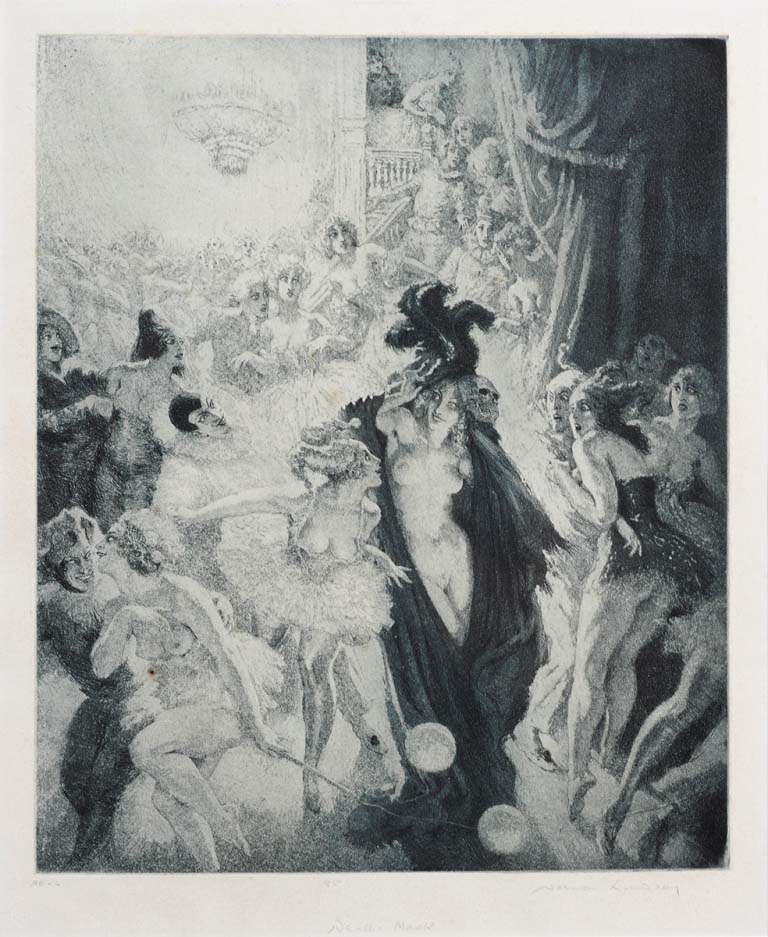
Norman Lindsay (1879-1969) Death's Mask, 1937  aquatint, etching and stipple,

Norman Lindsay – Death’s Mask, 1937 aquatint, etching and stipple

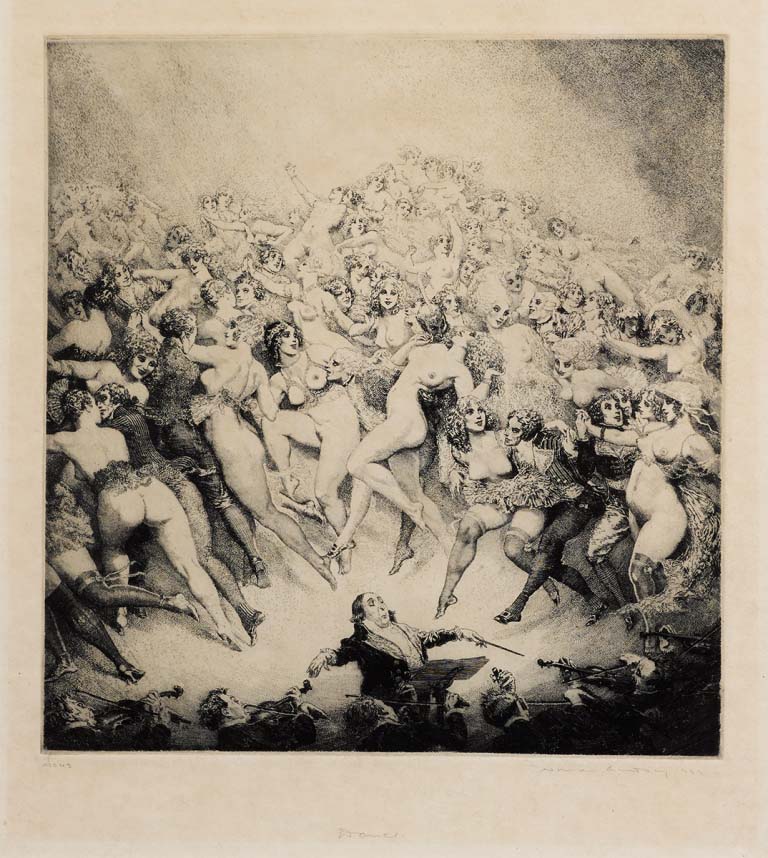
Norman Lindsay (1879-1969) Dance 1923  etching,

Norman Lindsay – Dance 1923 etching

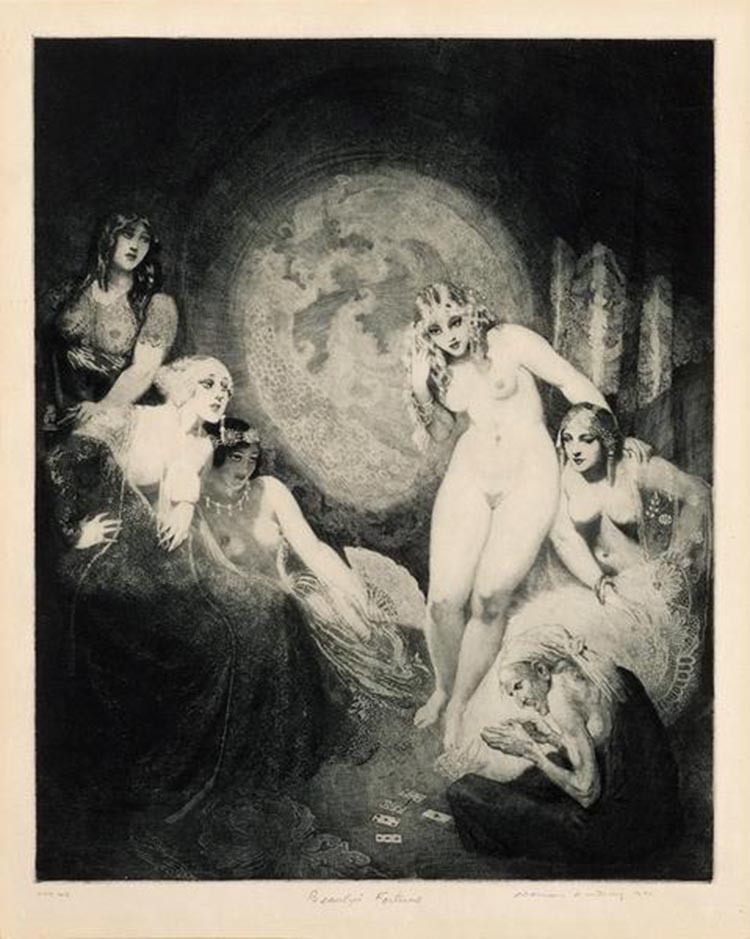
Norman Lindsay -Beauty's Fortune 1920 Etching, engraving, aquatint and stipple

Norman Lindsay -Beauty’s Fortune 1920 Etching, engraving, aquatint and stipple

Norman Lindsay -Beauty's Fortune 1920 Etching, engraving, aquatint and stipple

Norman Lindsay -Beauty’s Fortune 1920 Etching, engraving, aquatint and stipple

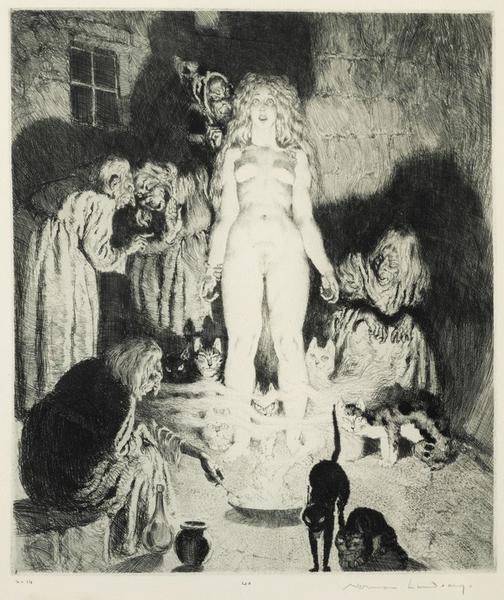
Norman Lindsay -The Little Witch 1937 Etching, engraving and stipple

Norman Lindsay -The Little Witch 1937 Etching, engraving and stipple

Norman Lindsay -Have Faith, 1932 Etching, engraving, drypoint and stipple

Norman Lindsay -Have Faith, 1932 Etching, engraving, drypoint and stipple

Norman Lindsay (1879-1969) In Vain the Christian c.1927  engraving on paper, printed by the Chiswick Press

Norman Lindsay – In Vain the Christian c.1927 engraving on paper, printed by the Chiswick Press

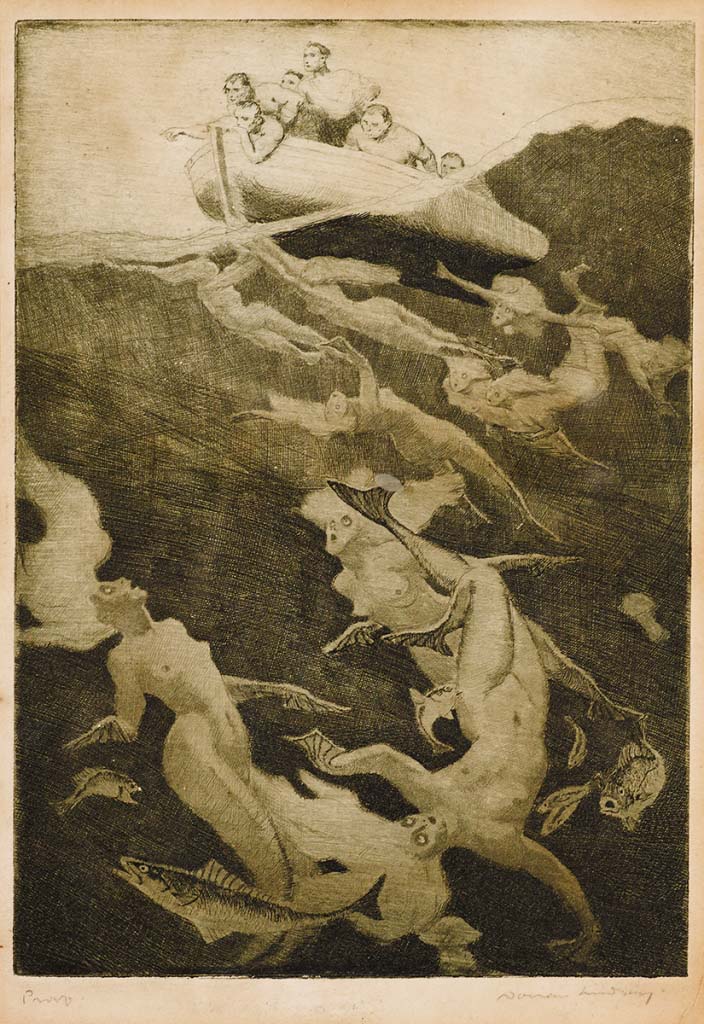
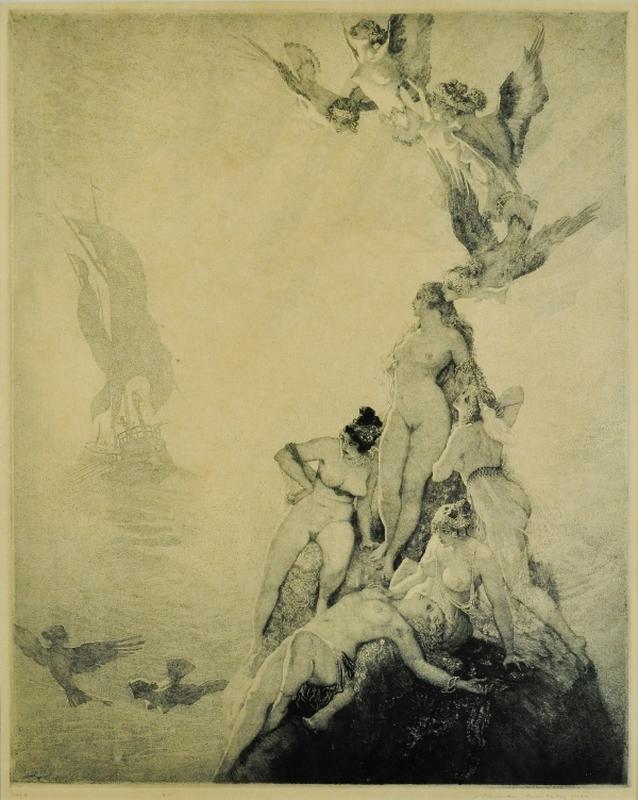
Norman Lindsay -Unknown Seas,' 1922 Etching

Norman Lindsay -Unknown Seas,’ 1922 Etching

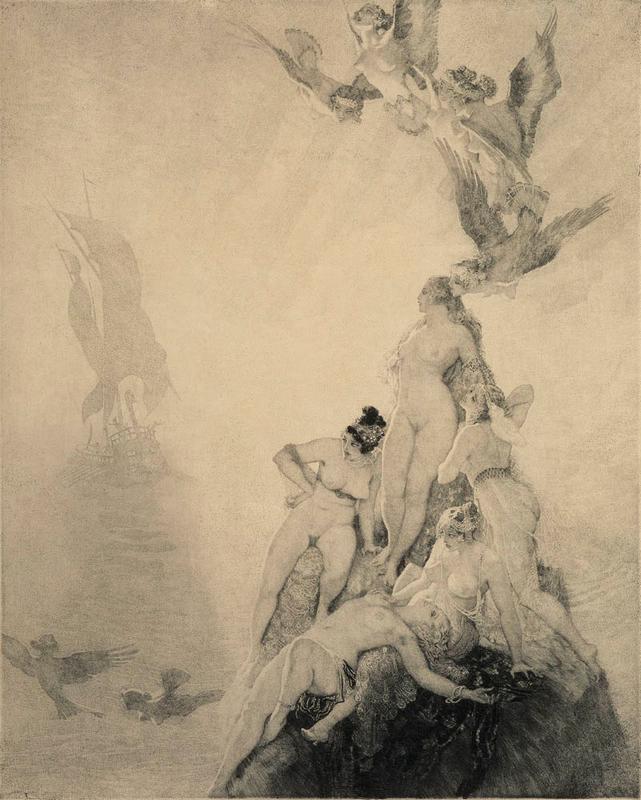
Norman Lindsay -Unknown Seas,' 1922 Etching

Norman Lindsay -Unknown Seas,’ 1922 Etching

Norman Lindsay (1879-1969) Sketch of Model Leaning c. 1949  pencil on paper

Norman Lindsay – Sketch of Model Leaning c. 1949 pencil on paper

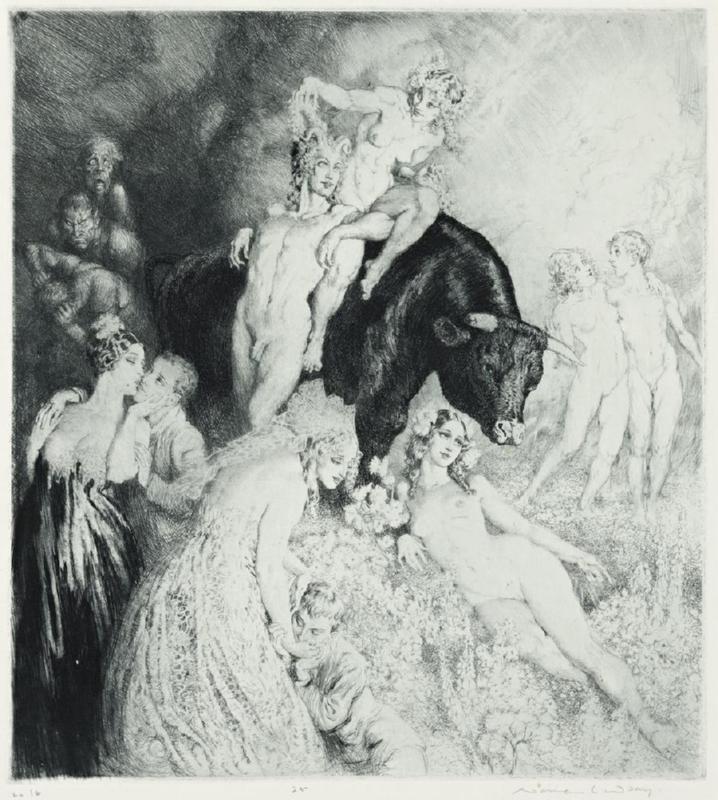
Norman Lindsay (1879-1969) Procession of the Bull 1934  pencil on paper

Norman Lindsay-Procession of the Bull 1934 pencil on paper

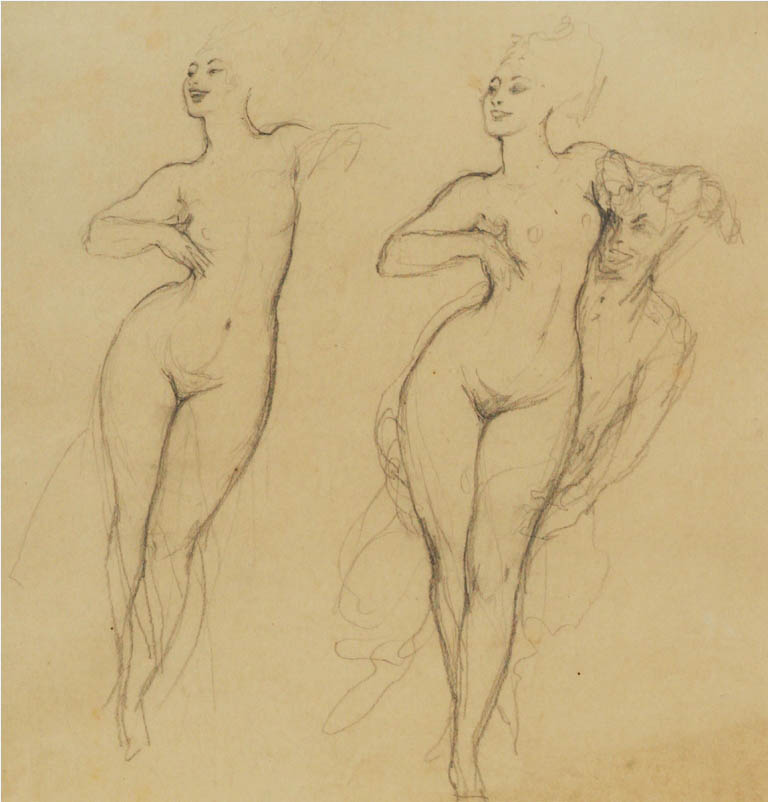
Norman Lindsay (1879-1969) Two Studies c. 1928  pencil on paper,

Norman Lindsay – Two Studies c. 1928 pencil on paper


Max Dupain Norman Lindsay, 1936

Max Dupain Norman Lindsay, 1936

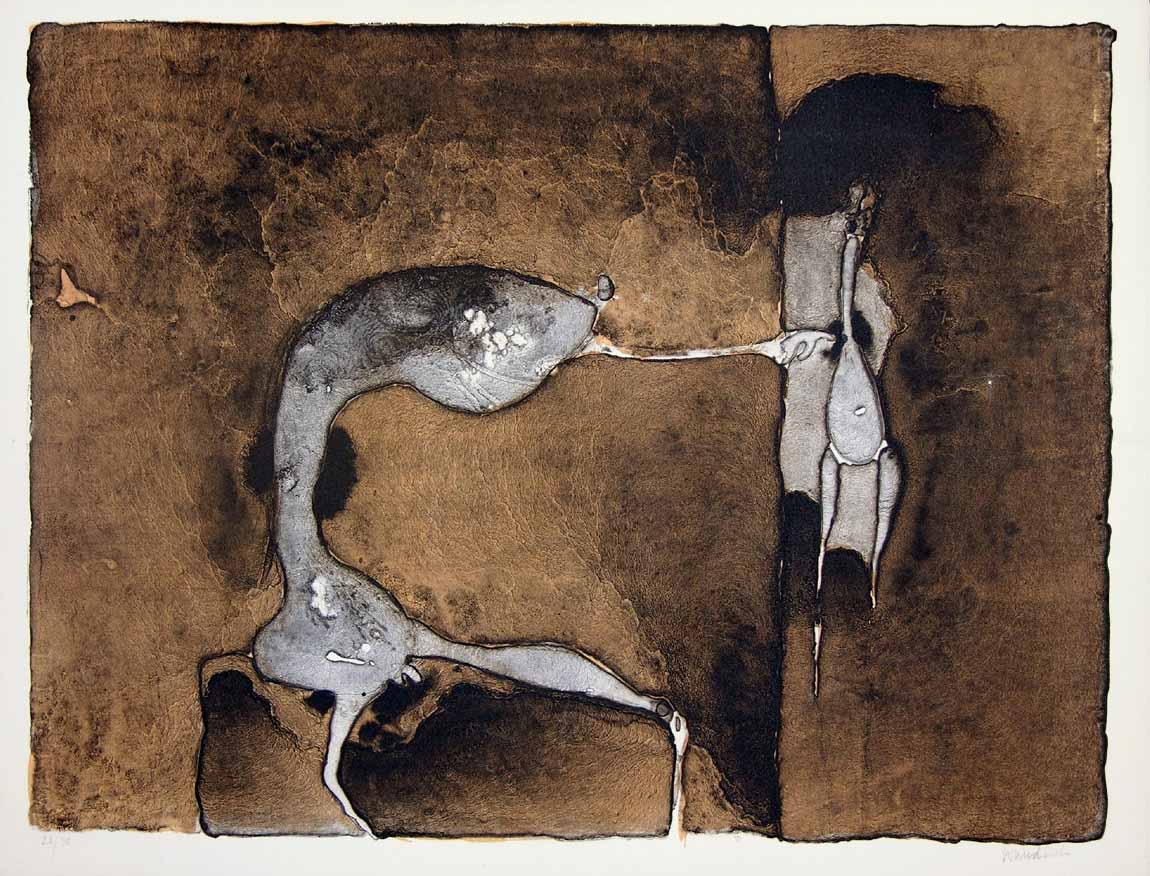
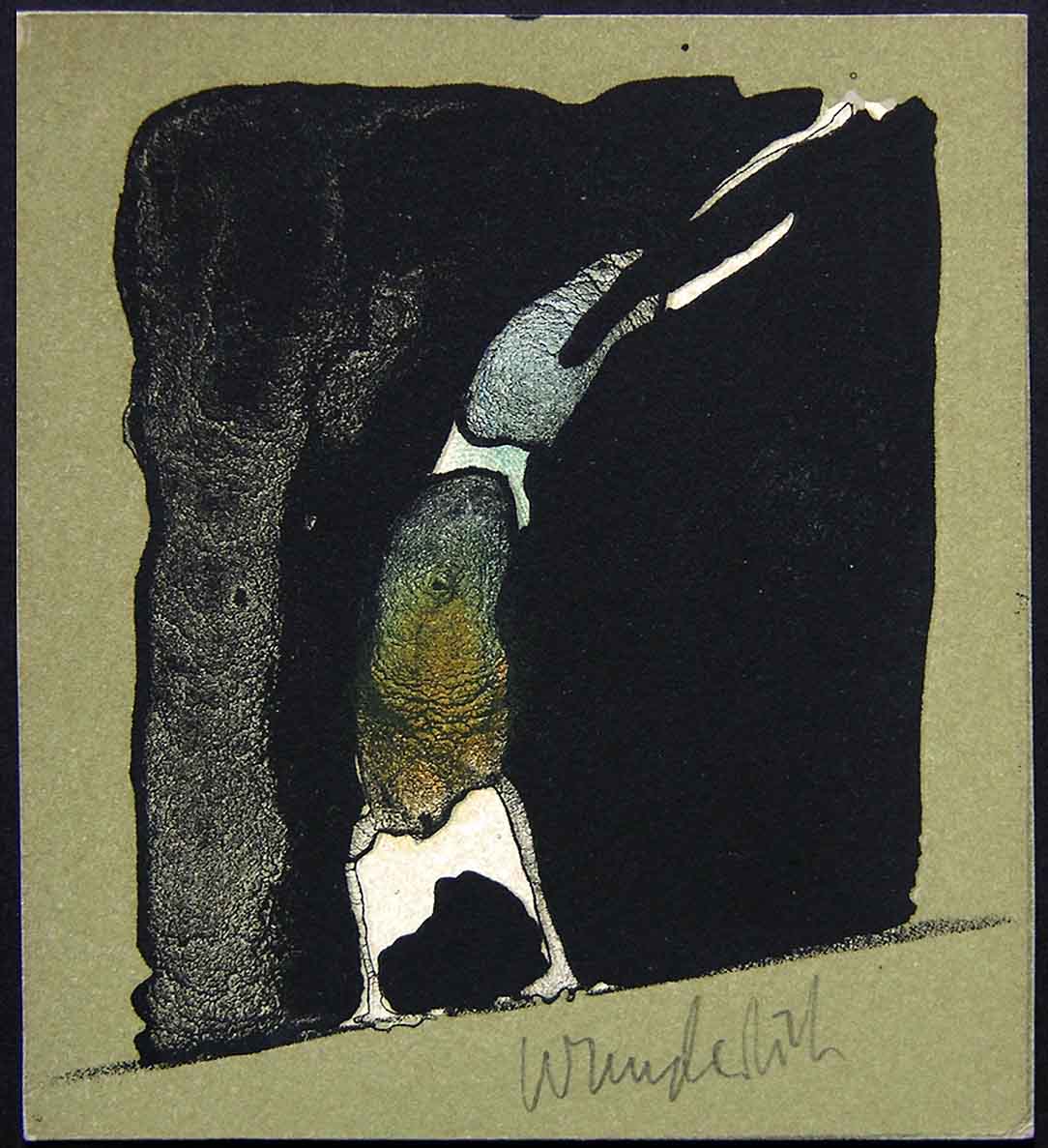
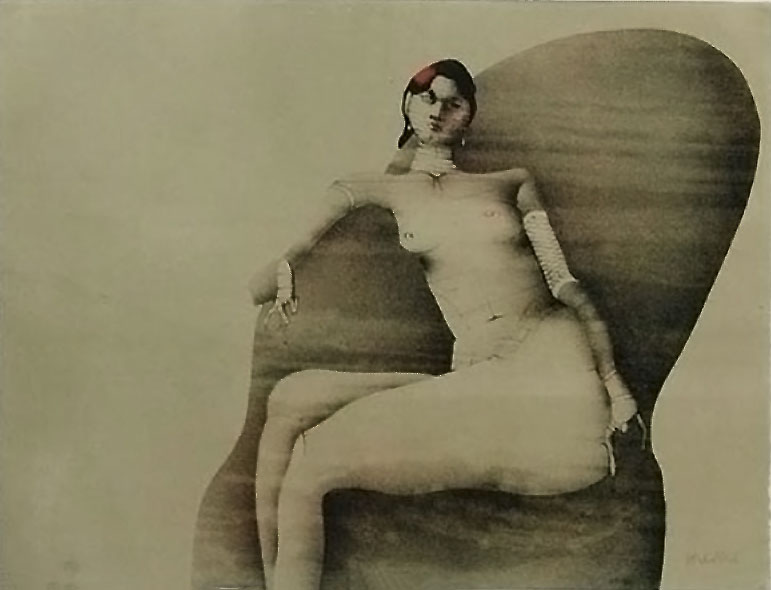
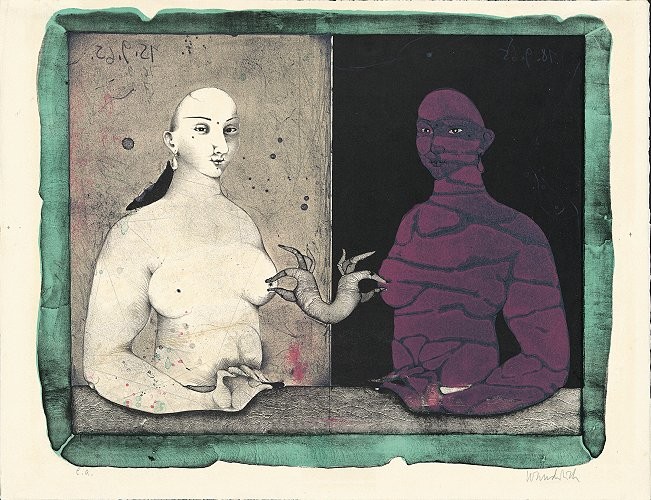
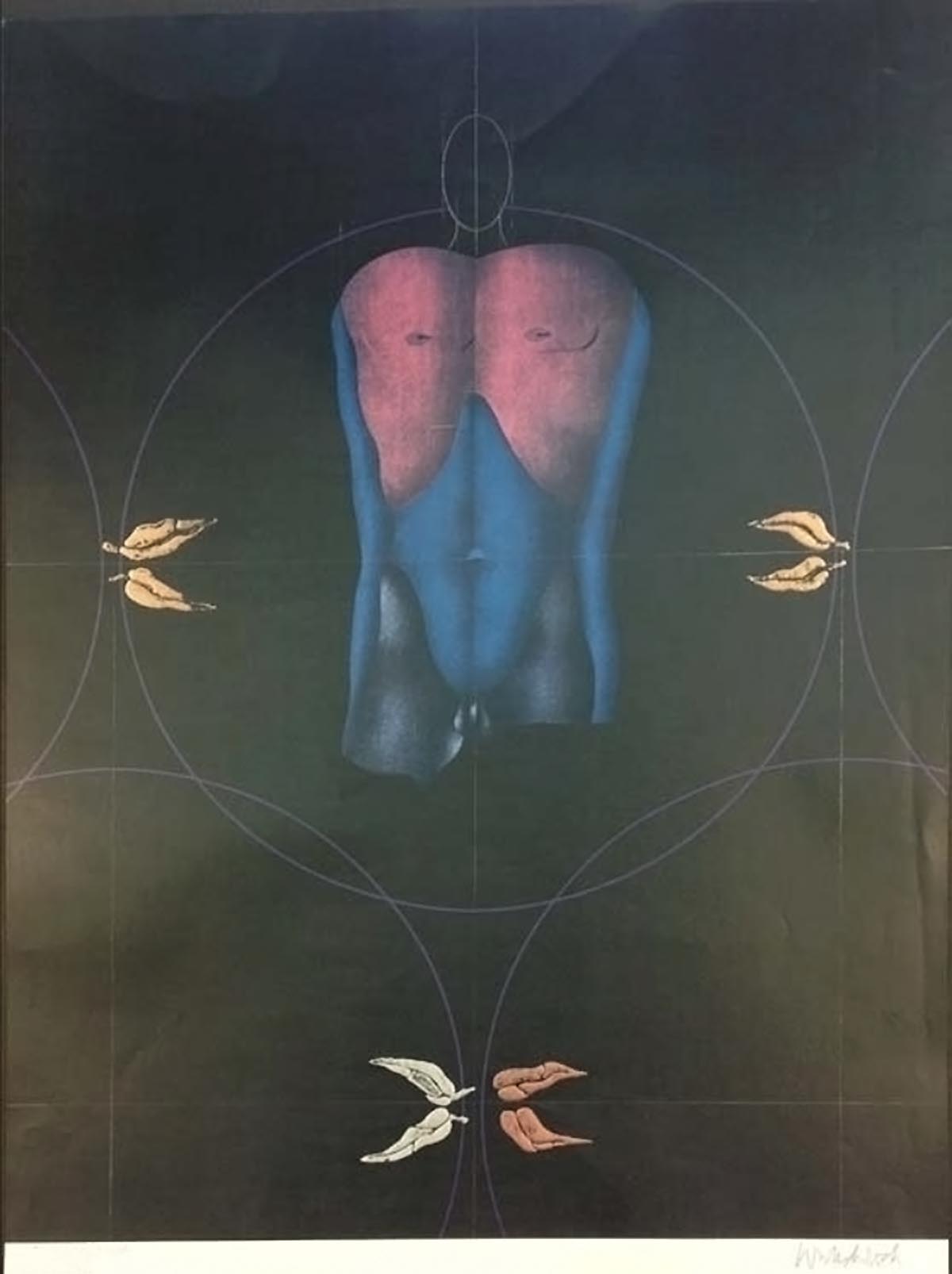
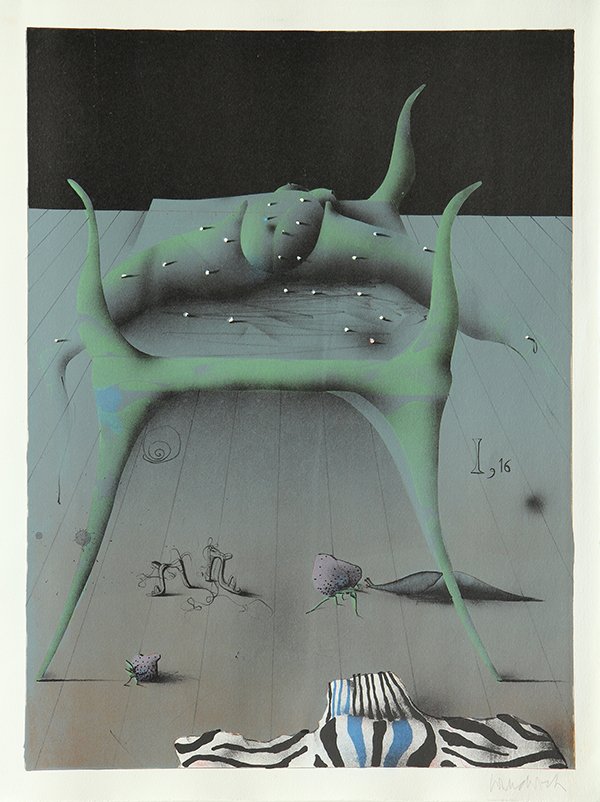
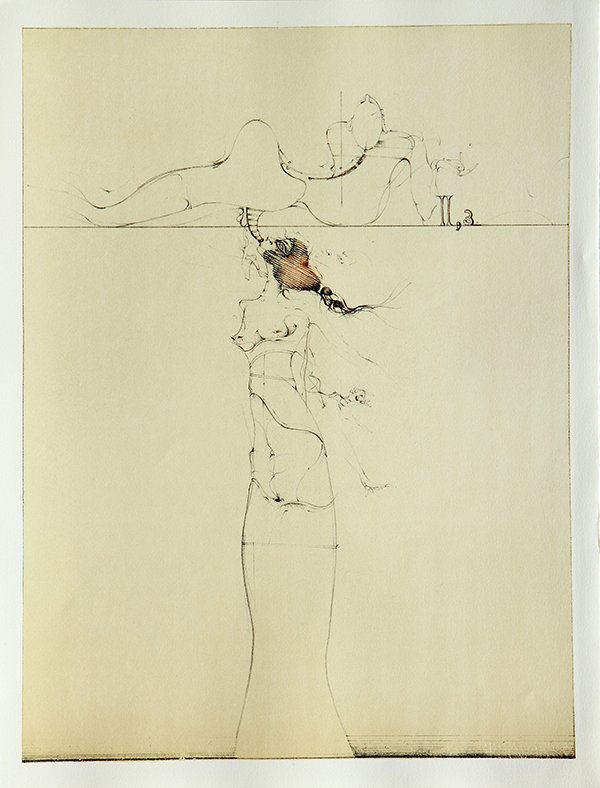
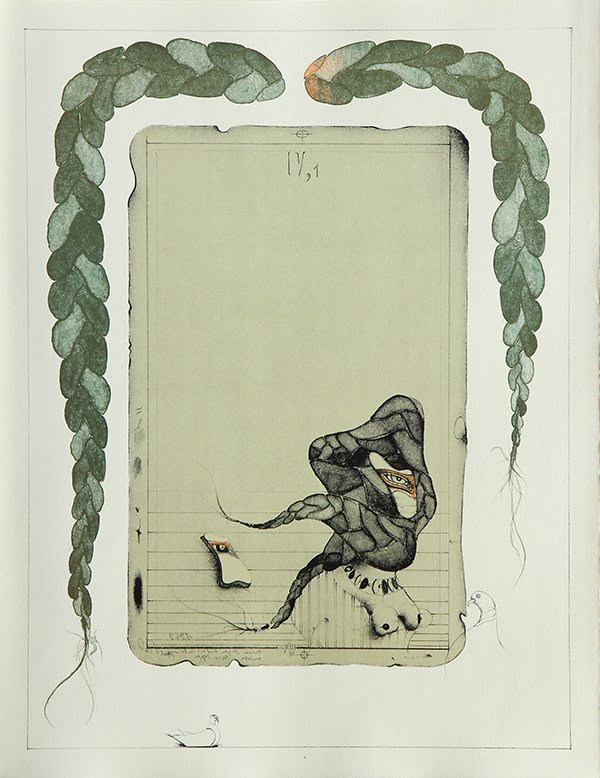
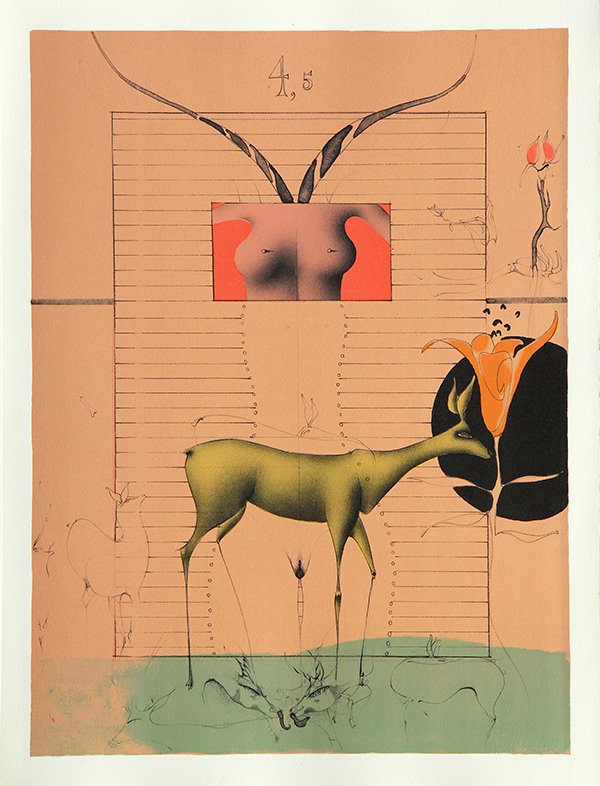
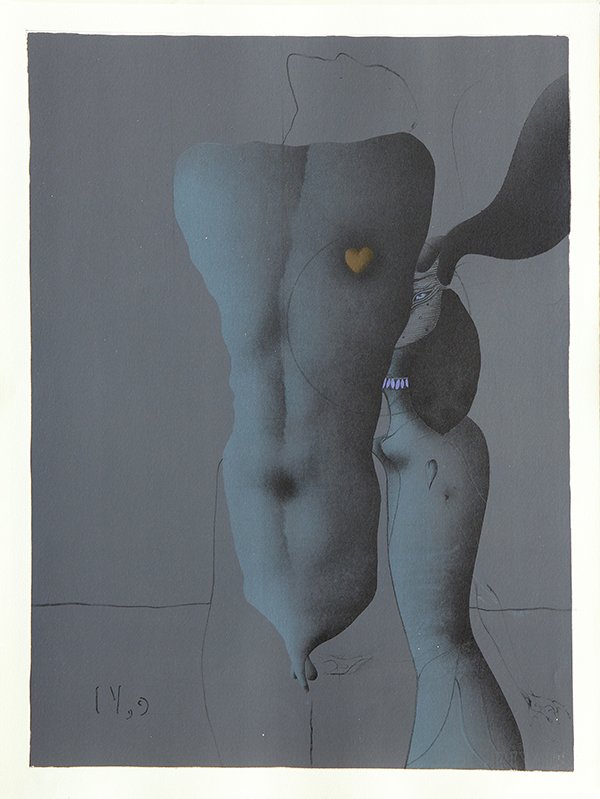
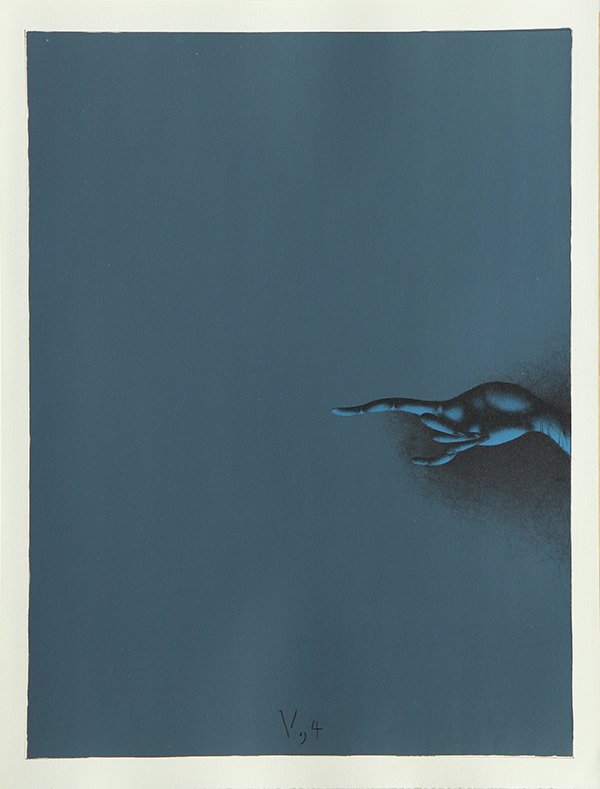
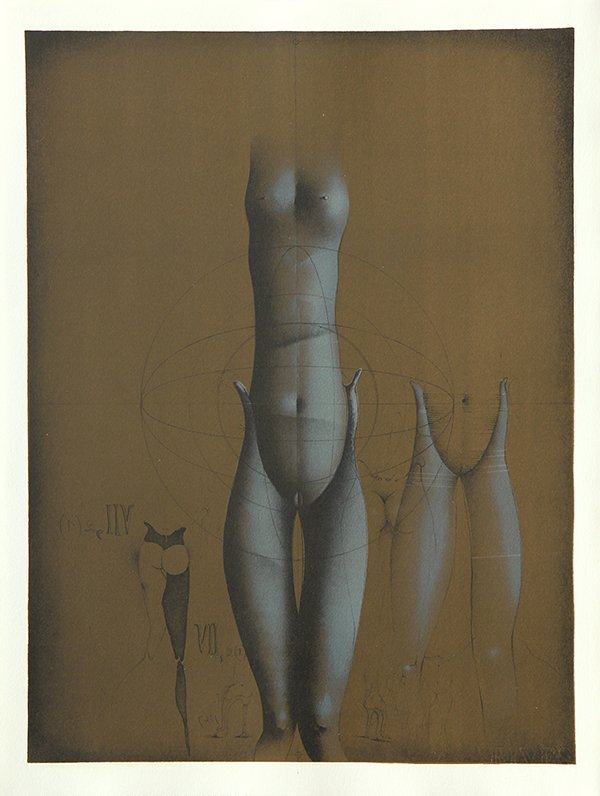
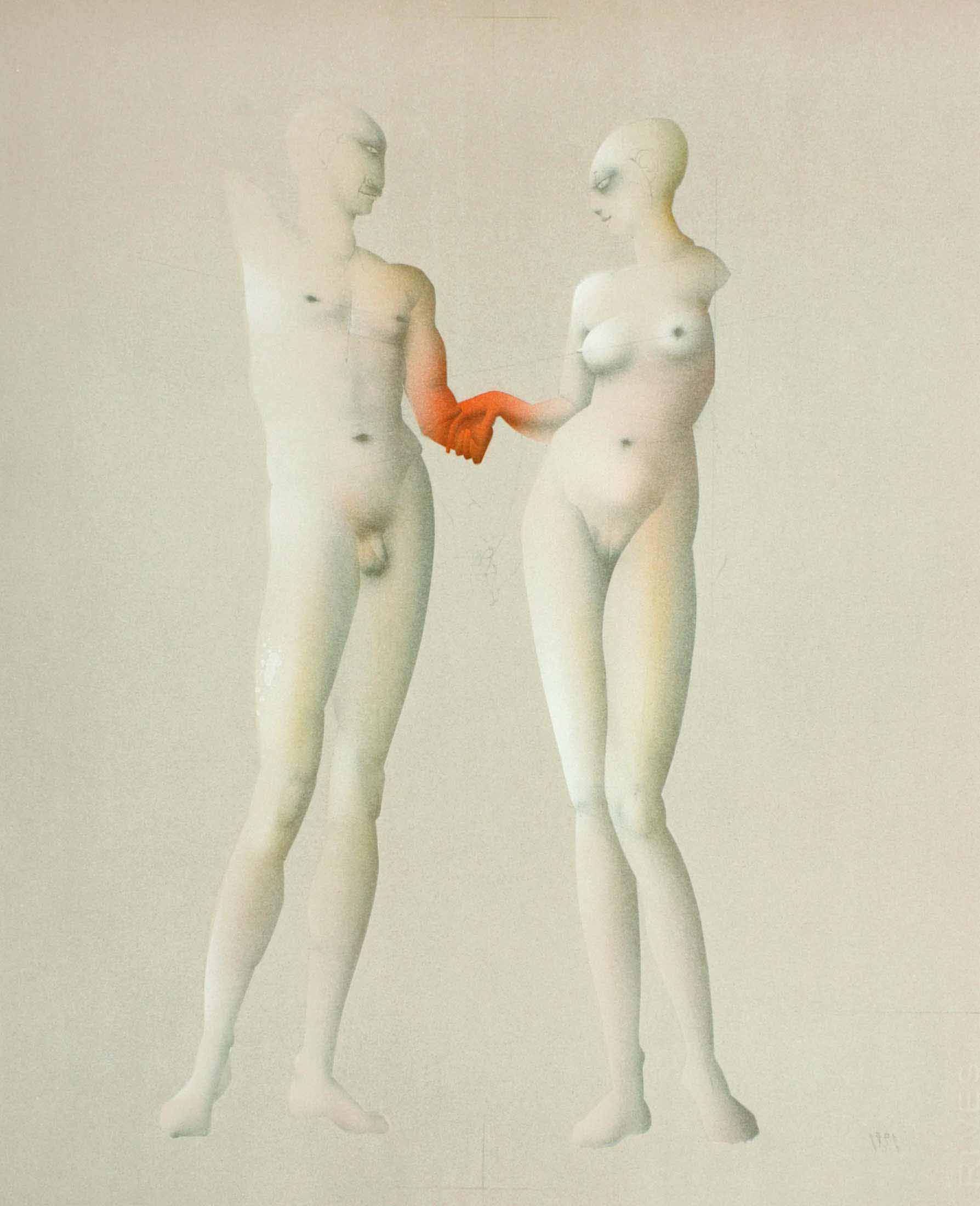
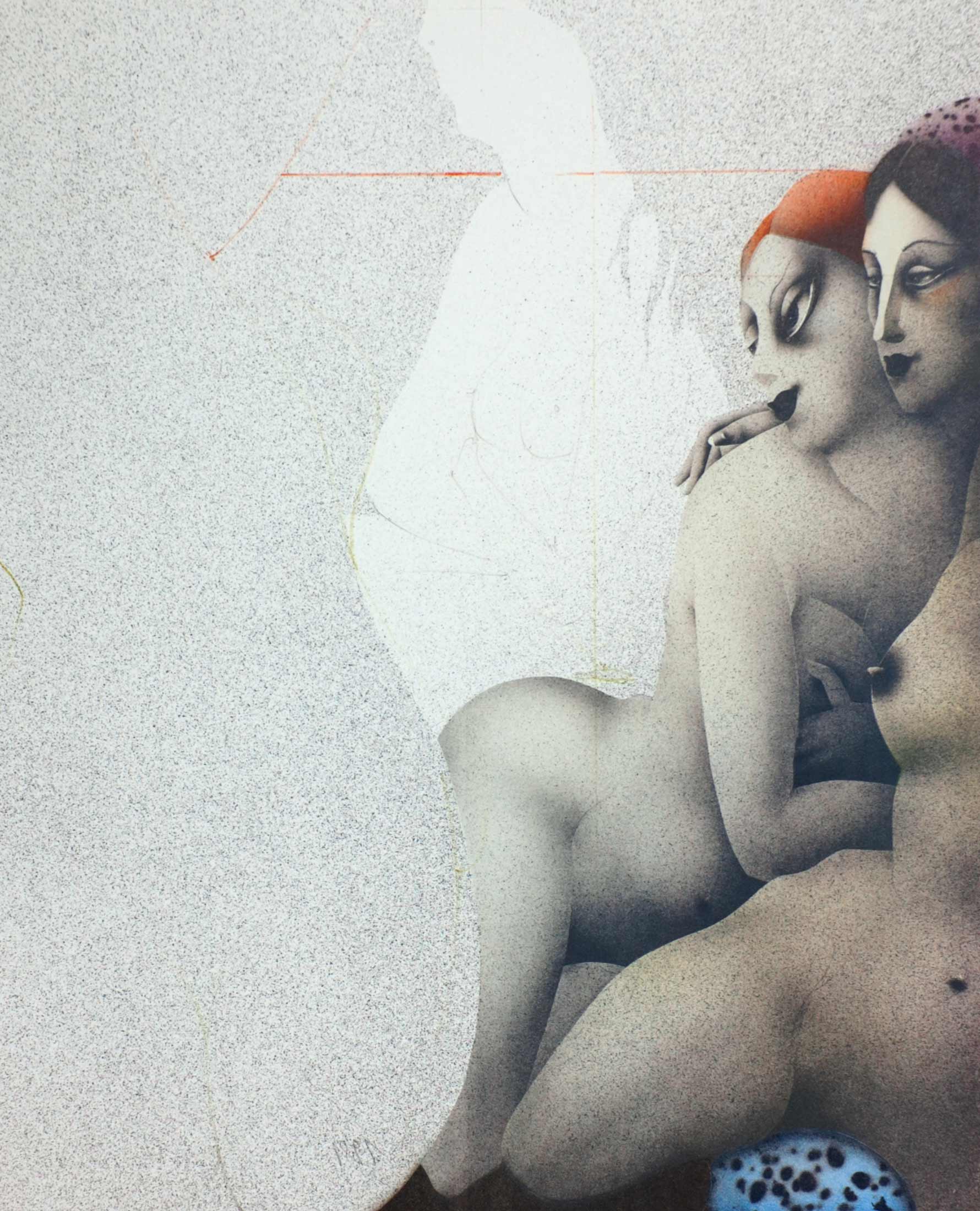
Paul Wunderlich German (1927 – 2010)

« Born in Germany in 1927, painter, sculptor and printmaker Paul Wunderlich studied at the Hamburg Academy and after a three year stay in Paris returned to be Professor of the Art Academy there. He now lives and works in Hamburg and for part of the year in France. The German painter studied at the Kunstschule in the orangery of the castle of Eutin. In 1947 he went to the Hochschule fur Bildende Kunste, Hamburg, and studied graphic art. He extended his training by another semester to work under Willem Gremm. In 1951 he was offered a teaching post at the school, which he held until 1961.

In 1963 he became Professor for the Graphic Arts and Painting. Between 1951 and 1952, under the instruction of Emil Nolde and Oskar Kokoschka, he produced prints after their originals. In 1957 he created a series of Tachist paintings, for example S111/57 but he destroyed most of them later.

Towards the end of the 1950s he produced his first figurative prints and paintings. In the beginning their subjects were events from more recent German history, for example the set of lithographs 20 July 1944 (1959; Berlin, Gal. Brusberg), which depicted the execution of the men who had conspired against Adolf Hitler. This subject-matter was increasingly replaced by an eroticism that is partly Surrealist, partly decorative. In 1960 the public prosecutor of Hamburg confiscated such a series of prints.

Paul Wunderlich is professor of graphic art and painting at the University of Fine Arts, Hamburg, is a painter, sculptor and lithographer who lives and works for part of the year in Hamburg and the rest in France.

Married in 1963 to the photojournalist and fine art photographer Karin Szekessy (b. 1939, Essen), he sometimes paints and makes prints from the nude photographs made by Szekessy. Wunderlich belongs to the second generation of Fantastic Realists, sometimes called Magical Realists. These artists have remained faithful to the tradition although the imagery has remained contemporary.
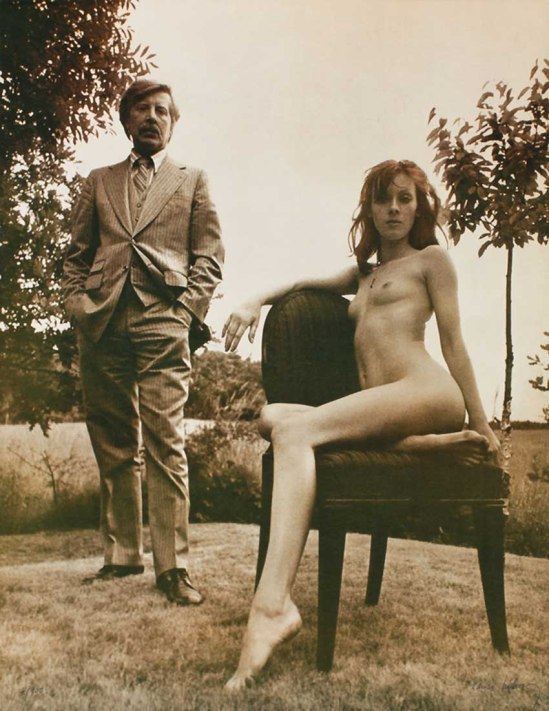
Karin Székessy  Paul Wunderlich Portrait, realist and surrealist. 1965  by Karin Székessy

Karin Székessy Paul Wunderlich Portrait, realist and surrealist. 1965 by Karin Székessy

Karin Székessy  Sans titre [Dans l'atelier de Paul Wunderlich]. 1969

Karin Székessy Sans titre [Dans l’atelier de Paul Wunderlich]. 1969  her Site
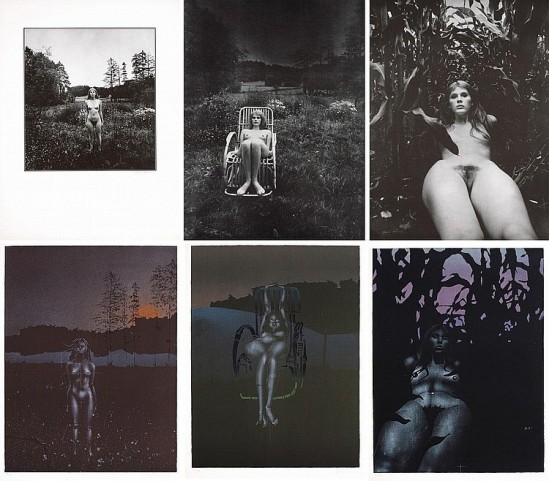
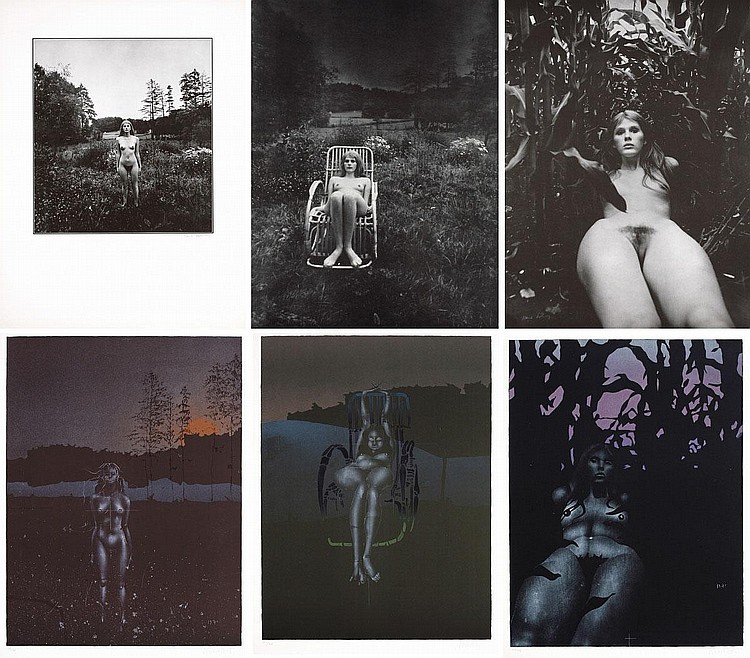
Paul Wunderlich-Twilight , 3 lithographs in colours and 3 photography of Karin Székessy 1971

Paul Wunderlich-Twilight , 3 lithographs in colours and 3 photography of Karin Székessy 1971

Paul Wunderlich, the most prominent among them, has developed a style slightly cooler in temperament and more analytical. Often borrowing from classical mythology, he emphasizes the human form within a context that blends together contemporary and historical references. With cool aloofness, Wunderlich transports the viewer into a world of surreal eroticism and aesthetic symbolism. Again and again, Wunderlich spices his Fantastic Realism with a startling dose of irony.

After Picasso and Max Ernst no other artist has contributed as much to the sculpture of painters as Paul Wunderlich. The themes for his sculptures and objects are closely linked to his paintings, drawings and lithographs. Wunderlich sculptures and objects combine the simplicity of an idea with the refinement of the material, and imagination with perfection in shaping something into a perfect form. As an artist, Paul Wunderlich has remained faithful to his own artistic visions.

Over a period of several decades, Wunderlich’s complex and comprehensive body of work has led to numerous exhibitions in museums worldwide. In 1994-95, he had retrospectives in several Japanese museums (Tokyo, Osaka, Hokkaido, Gifu). Wunderlich has been successful in numerous international print competitions and has received many awards. In 1964, he was awarded the Japan Cultural Forum Award, Tokyo; in 1967, he received the Award Premio Marzotti, Italy; in 1970, he was awarded the Gold-Medal in Florence, Italy; in 1978, he received Gold-Medals at the Grafik-Biennale in Taiwan and in Bulgaria.

He lived and worked in Hamburg and Saint-Pierre-de-Vassols (Provence), where he died after a short illnes »Rogallery


http://av.vimeo.com/19860/143/66595069.mp4?token2=1399131673_c60ef8a783dee2d8bde4a7ec39071d3f&aksessionid=37e22cacba82faf1%5D
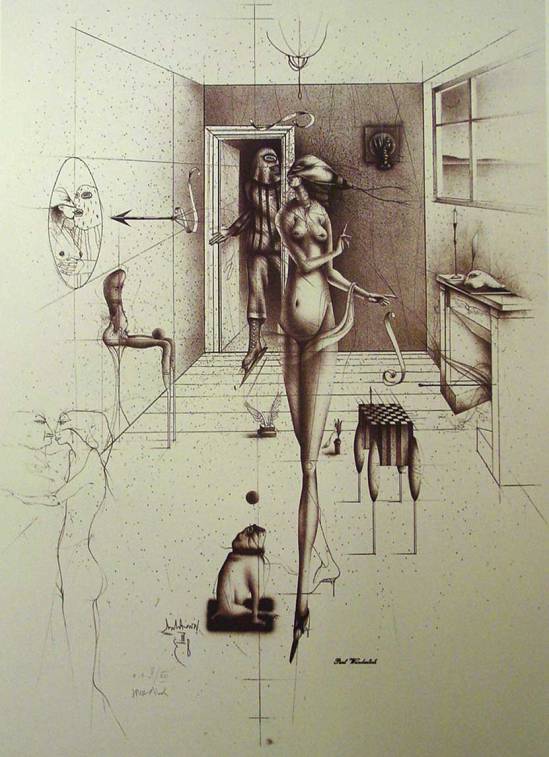


Paul Wunderlich Liebeszauber Lithographie in 3 Farben aus , 1983
Paul Wunderlich Liebeszauber Lithographie in 3 Farben aus , 1983

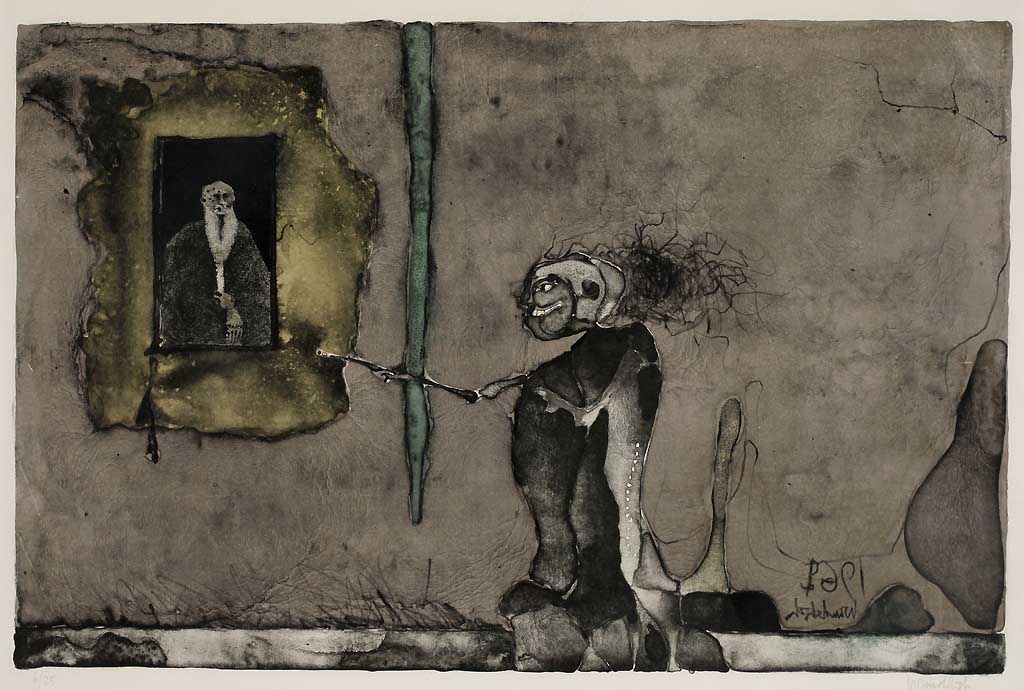
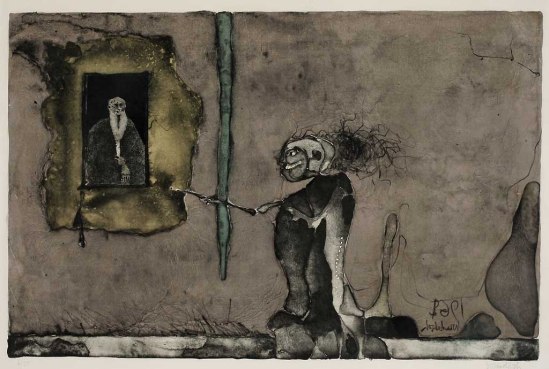
Paul Wunderlich Le vieux monsieur Lithographie , 1962
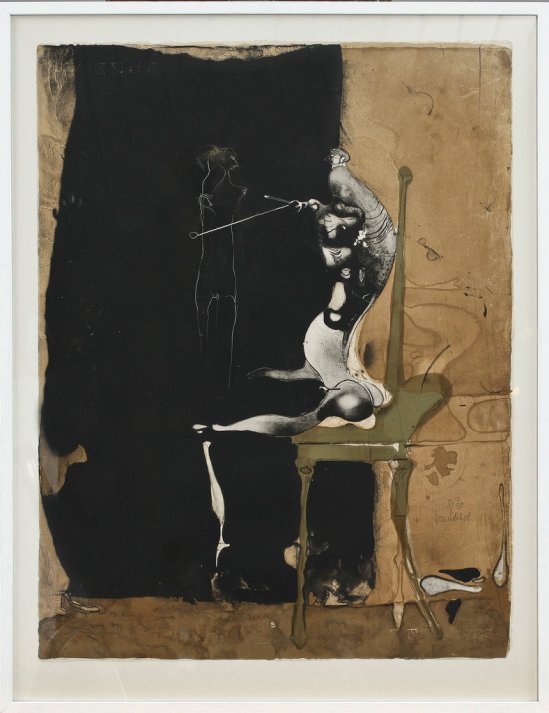
Paul Wunderlich Le vieux monsieur Lithographie , 1962

Paul Wunderlich -Untitled , Lithograph 1962

Paul Wunderlich -Untitled , Lithograph 1962

Paul Wunderlich Lolita Lithographie in 2 Farben 1962
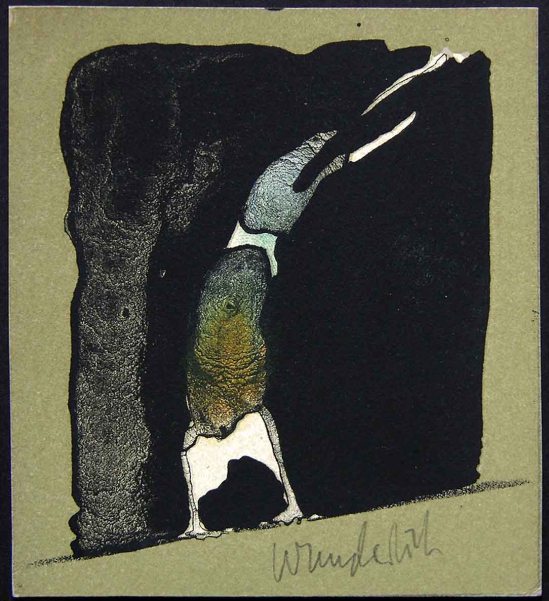
Paul Wunderlich Lolita Lithographie in 2 Farben 1962

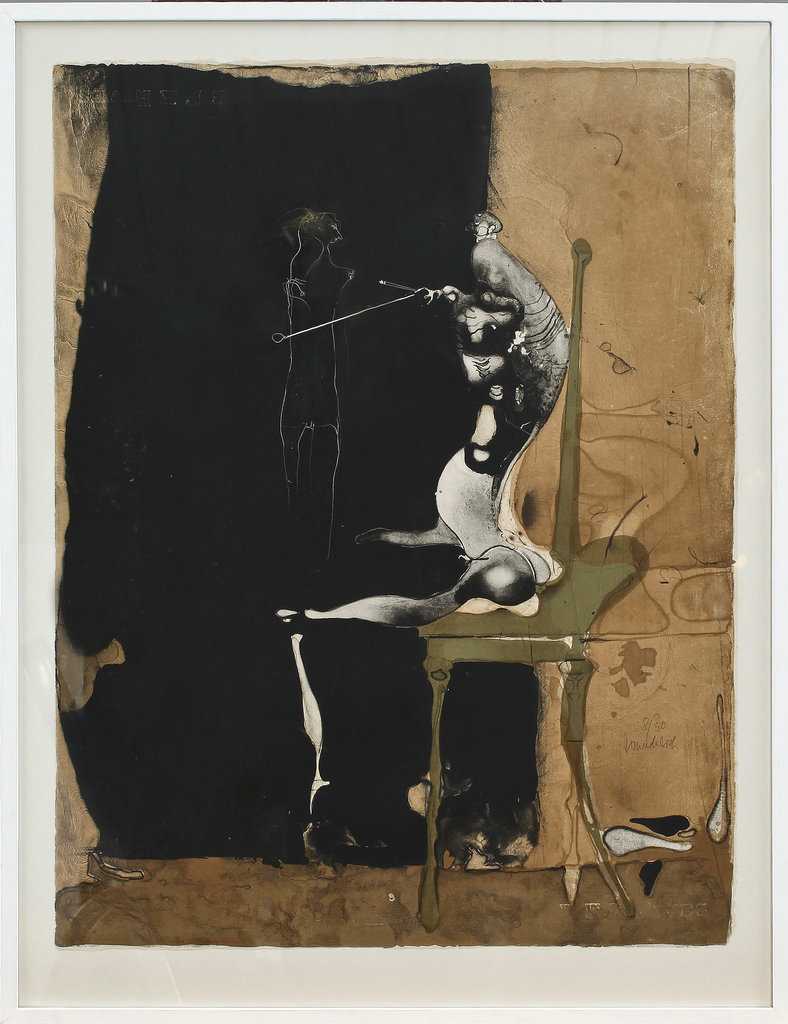
Paul Wunderlich Aus meinem Skizzenbuch, 1962 Aquarellierte Original-Lithographie für La Lune en Rodage
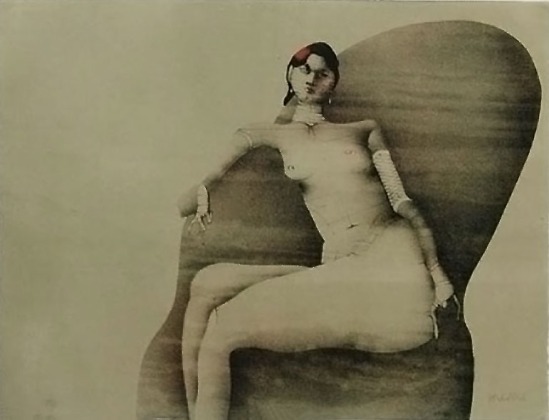
Paul Wunderlich Aus meinem Skizzenbuch, 1962 Aquarellierte Original-Lithographie für La Lune en Rodage

Paul Wunderlich- Joanna Posing for Redfern, litho inches,  1968
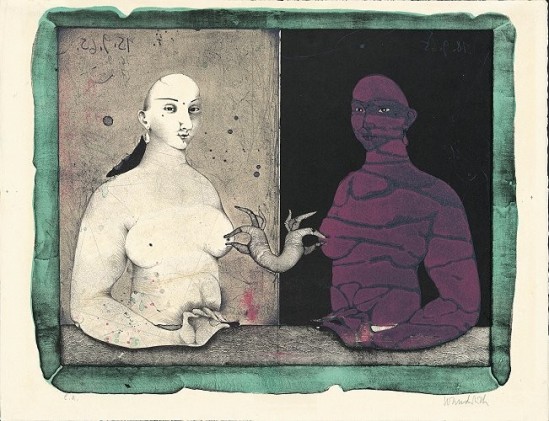
Paul Wunderlich- Joanna Posing for Redfern, litho inches, 1968

Paul Wunderlich- Bosomfriends II (Goldfinger), 1965
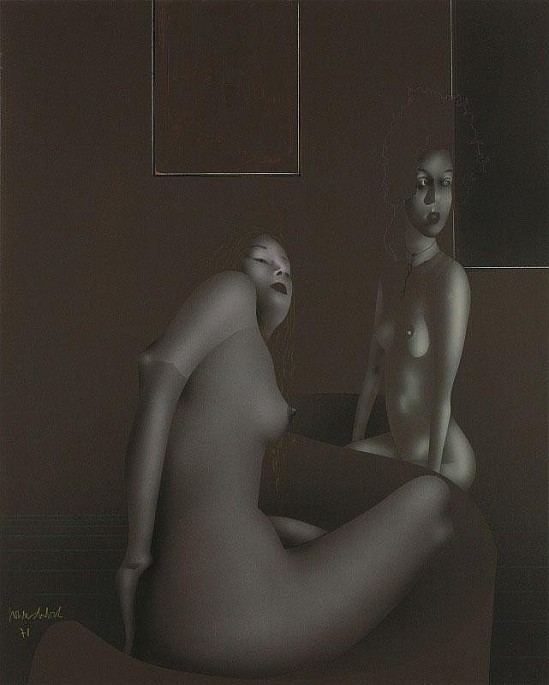
Paul Wunderlich- Bosomfriends II (Goldfinger), 1965

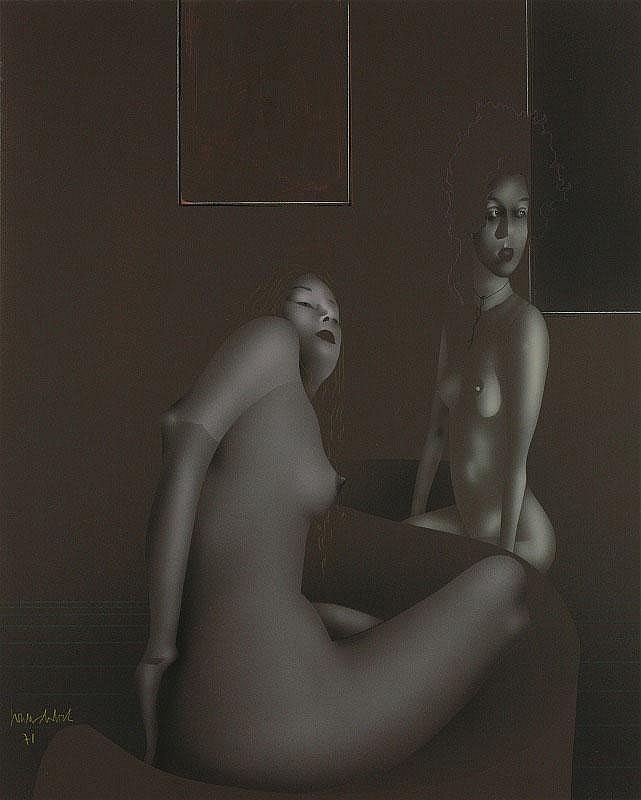
Paul Wunderlich-  Daniela and Ulrike,  gouache, 1971
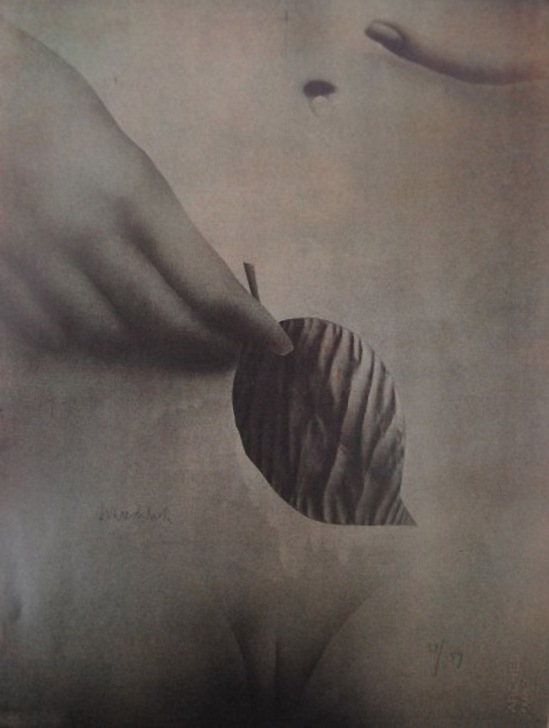
Paul Wunderlich- Daniela and Ulrike, gouache, 1971

Paul Wunderlich Das Blatt , Lithographie 1971
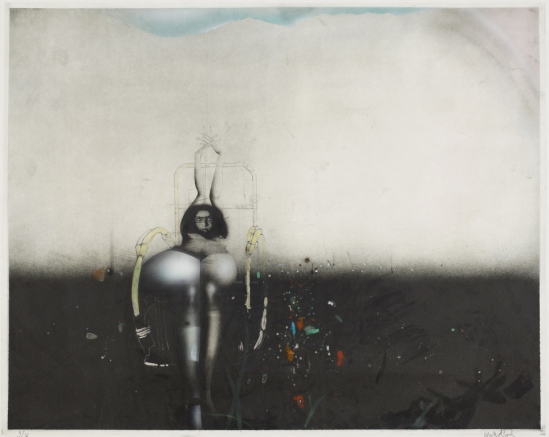
Paul Wunderlich Das Blatt , Lithographie 1971


Paul Wunderlich -Schwarse Wiese , Etching with handcolouring , 1972
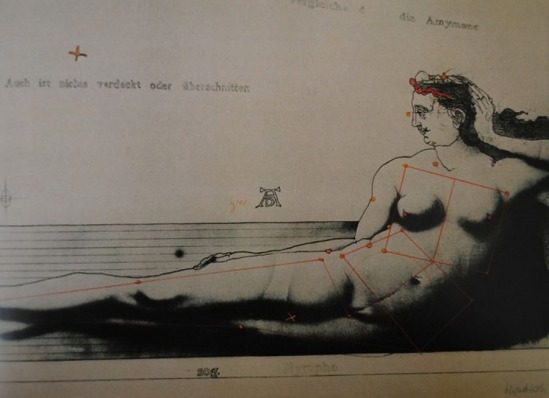
Paul Wunderlich -Schwarse Wiese , Etching with handcolouring , 1972

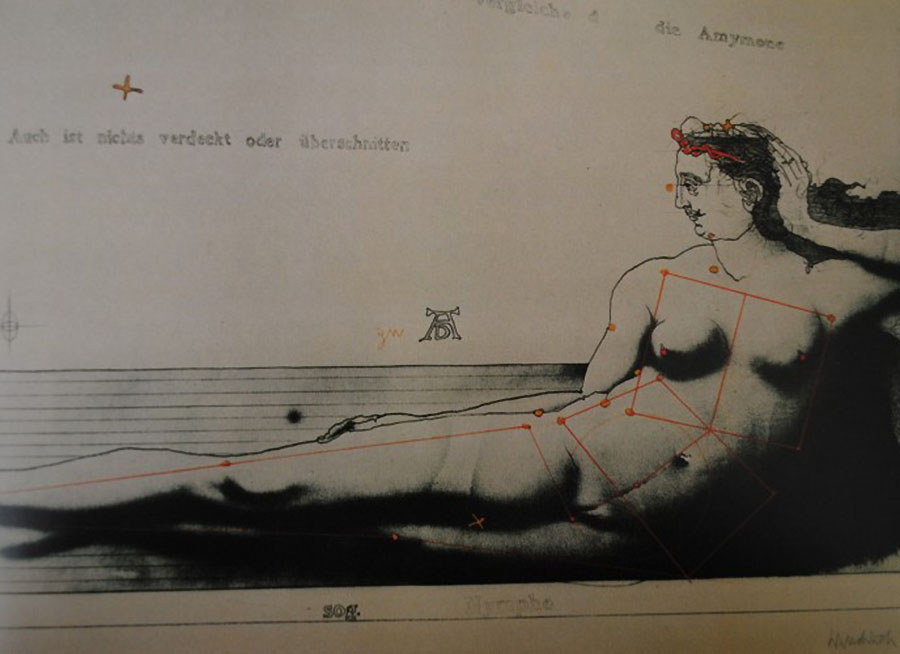
Paul Wunderlich Eine Nymphe Aus Wien , Lithographie 1970

Paul Wunderlich Eine Nymphe Aus Wien , Lithographie 1970

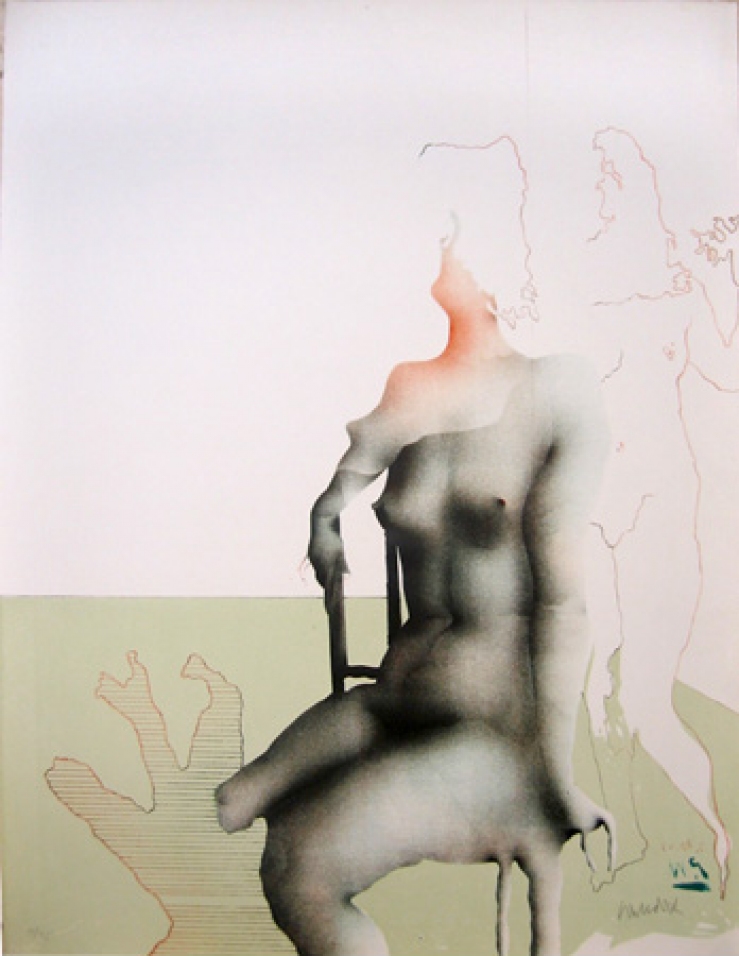
Paul Wunderlich Bien Assise , Lithographie 1970
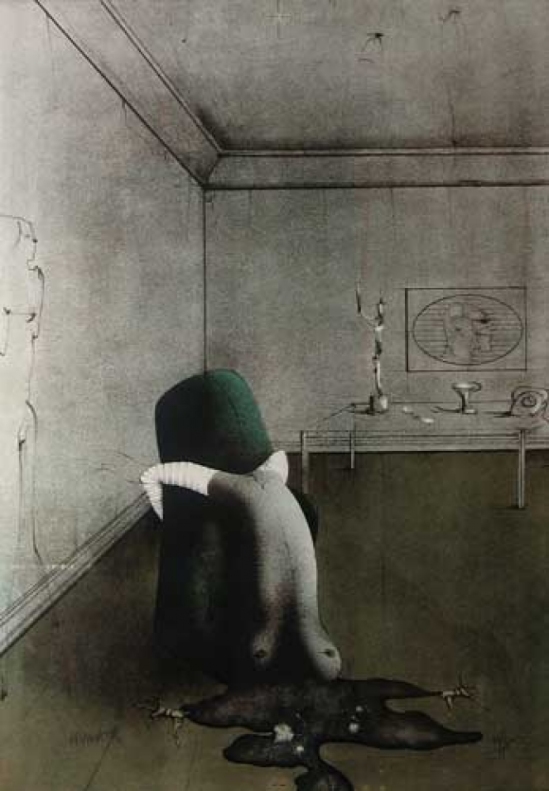
Paul Wunderlich Bien Assise , Lithographie 1970


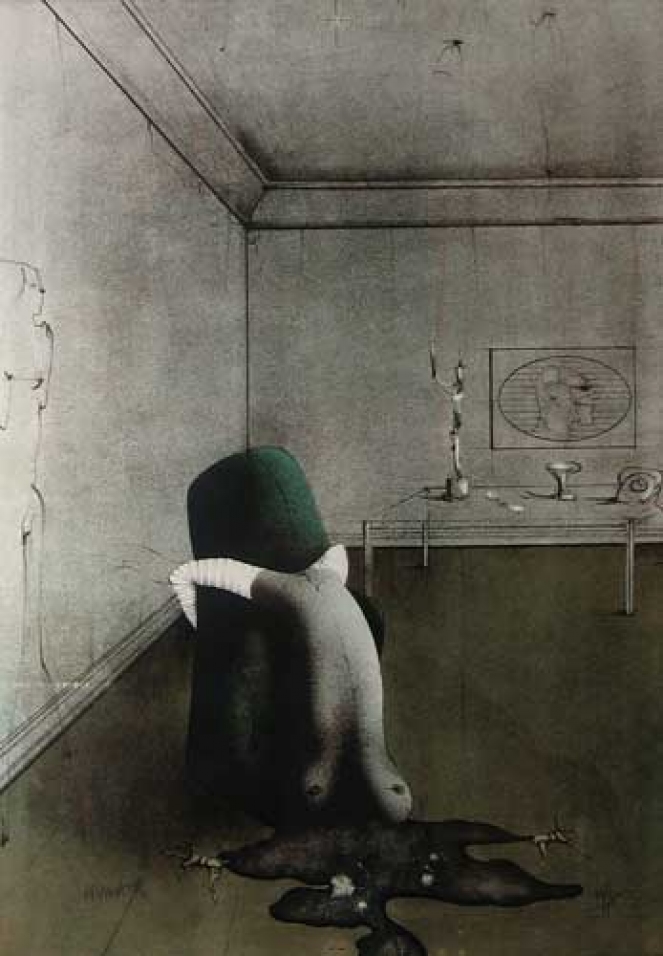
Paul Wunderlich Hingegossen II, Lithographie 1968 //an example of its job inspired  by that of his wife Karin

Paul Wunderlich Hingegossen II, Lithographie 1968//an example of its job inspired by that of his wife Karin
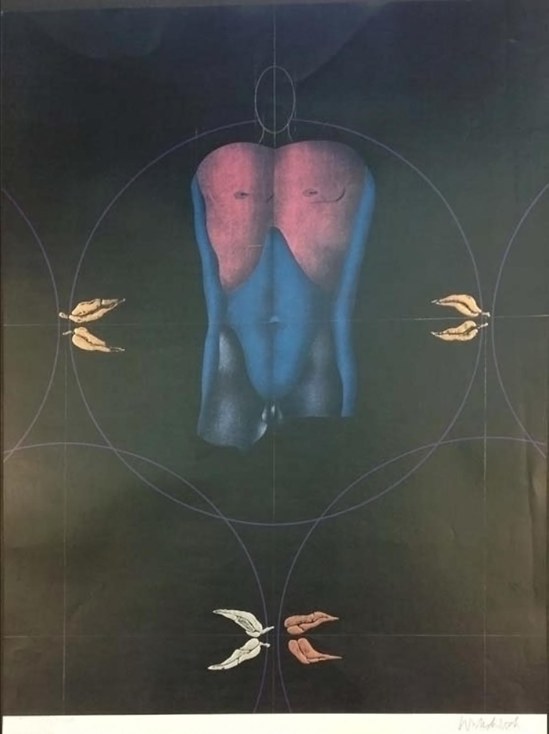
Paul Wunderlich-Poster art for the Munich Olympic Games in 1972
Paul Wunderlich-Poster art for the Munich Olympic Games in 1972

Paul Wunderlich En Larmes , Lithographie 1972

Paul Wunderlich En Larmes , Lithographie 1972

*****The Song of Songs Which is Solomon’s Aquarius Press, France, publisher. ten color lithographs *****
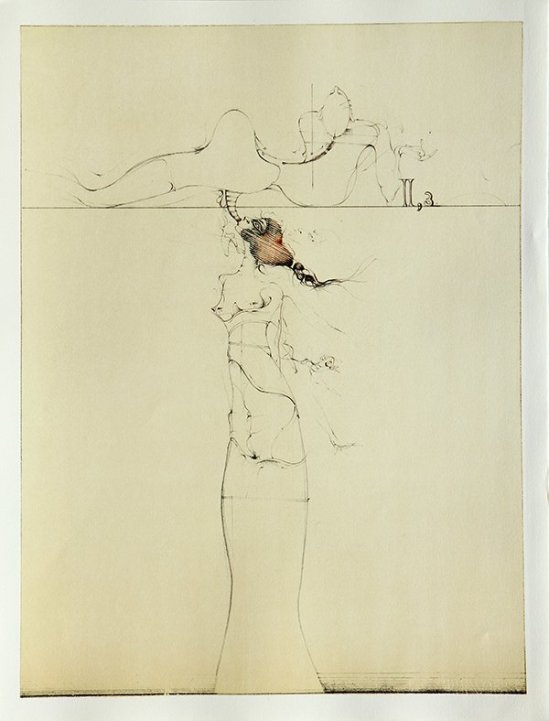
Paul Wunderlich - From The Song of Songs  Which is Solomon's, 1970 plate I with poems

Paul Wunderlich – From The Song of Songs Which is Solomon’s, 1970 plate I with poems

Paul Wunderlich - From The Song of Songs  Which is Solomon's, 1970 plate II with poems

Paul Wunderlich – From The Song of Songs Which is Solomon’s, 1970 plate II with poems
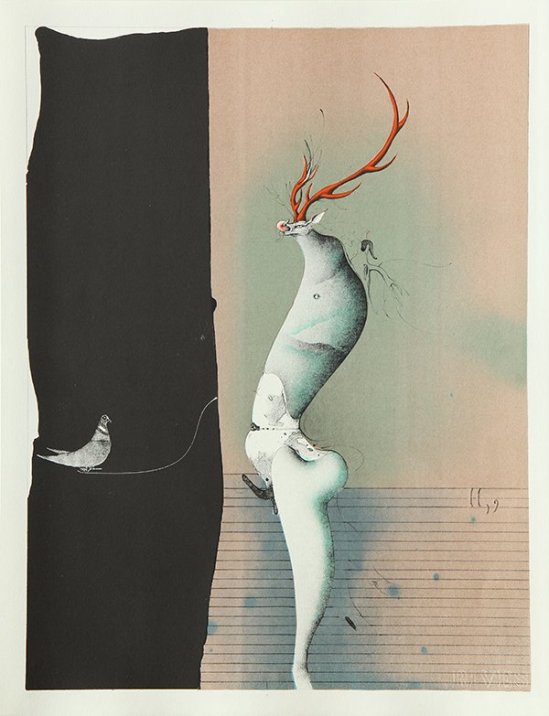
 

Paul Wunderlich - From The Song of Songs  Which is Solomon's, 1970 plate III with poems

Paul Wunderlich – From The Song of Songs Which is Solomon’s, 1970 plate III with poems
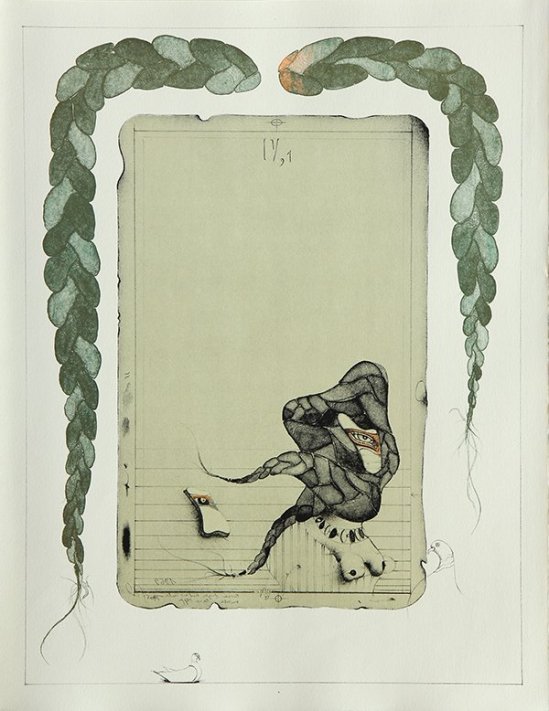
Paul Wunderlich - From The Song of Songs  Which is Solomon's, 1970 plate IV with poems

Paul Wunderlich – From The Song of Songs Which is Solomon’s, 1970 plate IV with poems

Paul Wunderlich - From The Song of Songs  Which is Solomon's, 1970 plate V with poems

Paul Wunderlich – From The Song of Songs Which is Solomon’s, 1970 plate V with poems
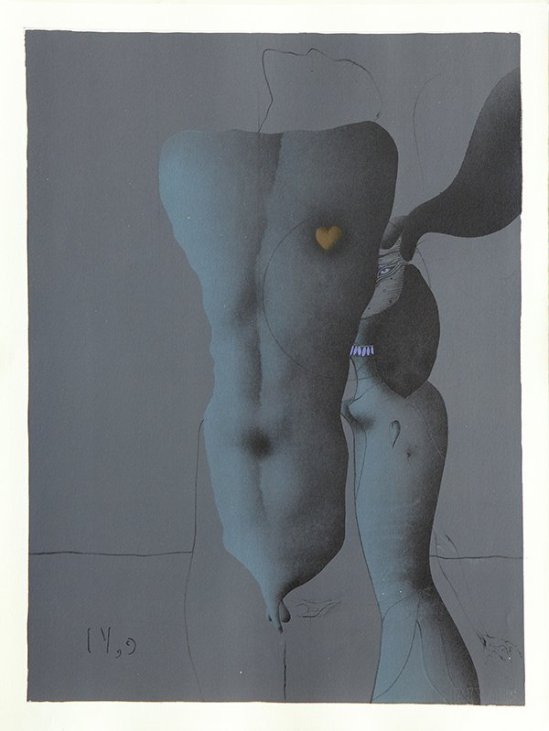
Paul Wunderlich - From The Song of Songs  Which is Solomon's, 1970 plate VI with poems

Paul Wunderlich – From The Song of Songs Which is Solomon’s, 1970 plate VI with poems
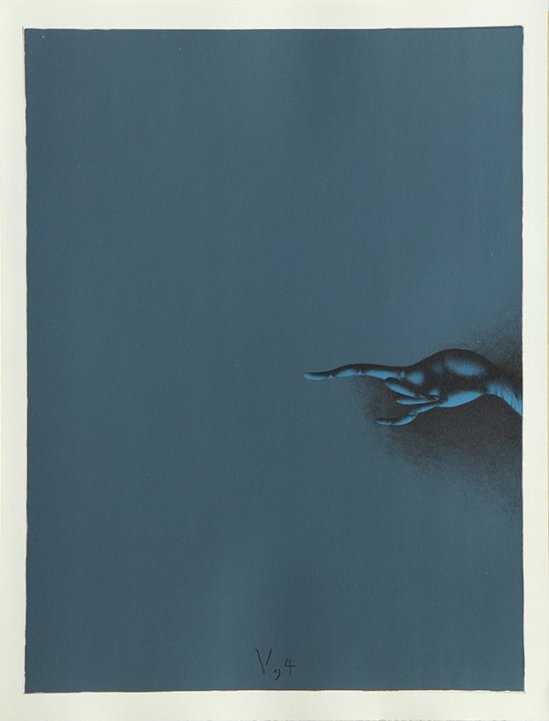
Paul Wunderlich - From The Song of Songs  Which is Solomon's, 1970 plate VII with poems

Paul Wunderlich – From The Song of Songs Which is Solomon’s, 1970 plate VII with poems
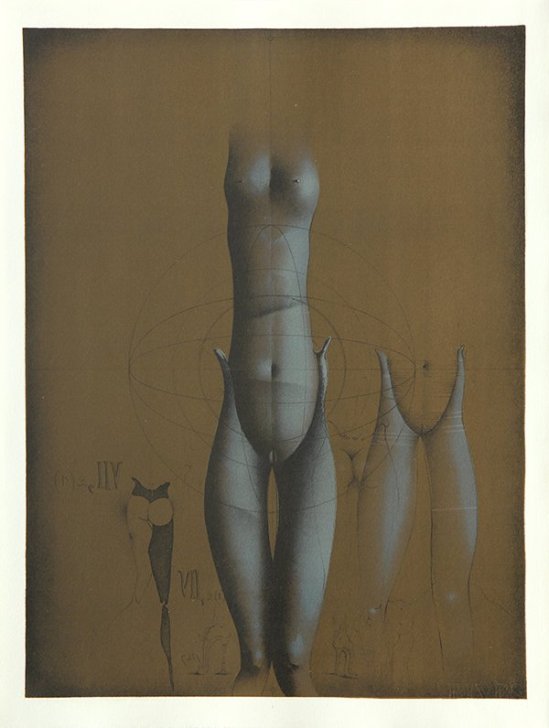
Paul Wunderlich - From The Song of Songs  Which is Solomon's, 1970 plate VIII with poems

Paul Wunderlich – From The Song of Songs Which is Solomon’s, 1970 plate VIII with poems
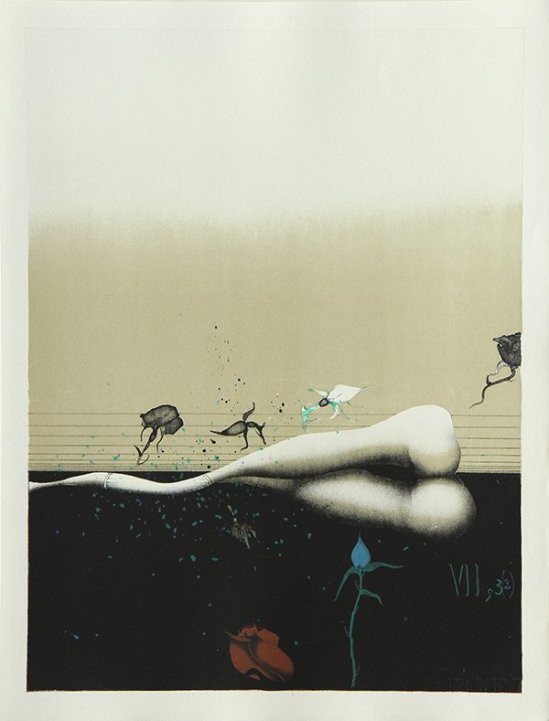
Paul Wunderlich - From The Song of Songs  Which is Solomon's, 1970 plate IX with poems

Paul Wunderlich – From The Song of Songs Which is Solomon’s, 1970 plate IX with poems
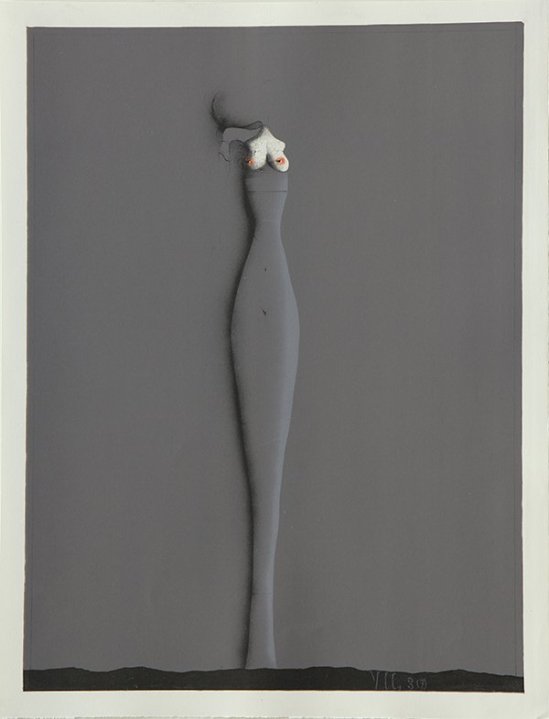
Paul Wunderlich - From The Song of Songs  Which is Solomon's, 1970 plate  X with poems

Paul Wunderlich – From The Song of Songs Which is Solomon’s, 1970 plate X with poems


********

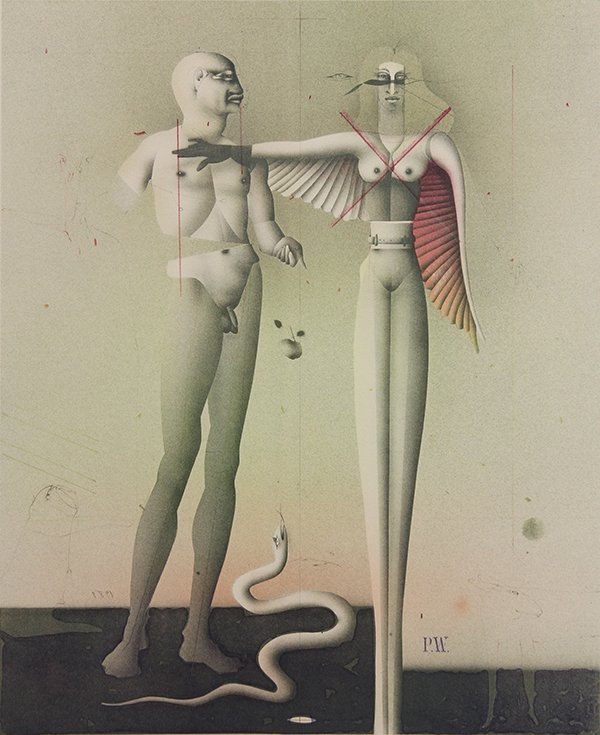
Paul Wunderlich -Adam und Eva (nach Ingres), 1981
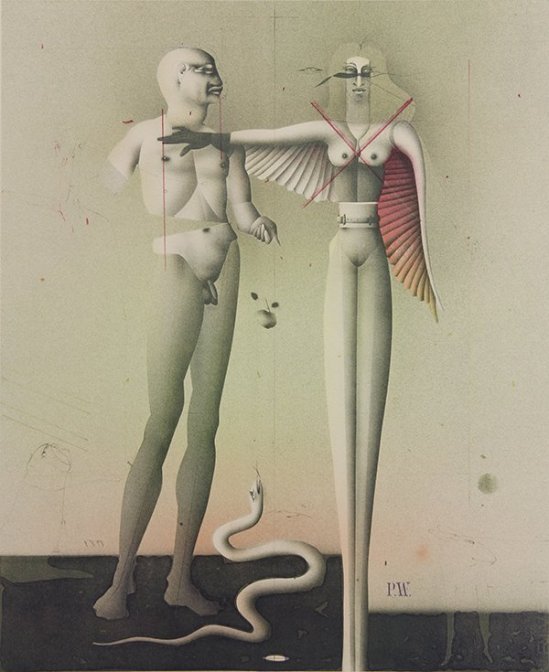
Paul Wunderlich -Adam und Eva (nach Ingres), 1981

Paul Wunderlich -Adam und Eva (nach Durer), 1981.

Paul Wunderlich -Adam und Eva (nach Durer), 1981
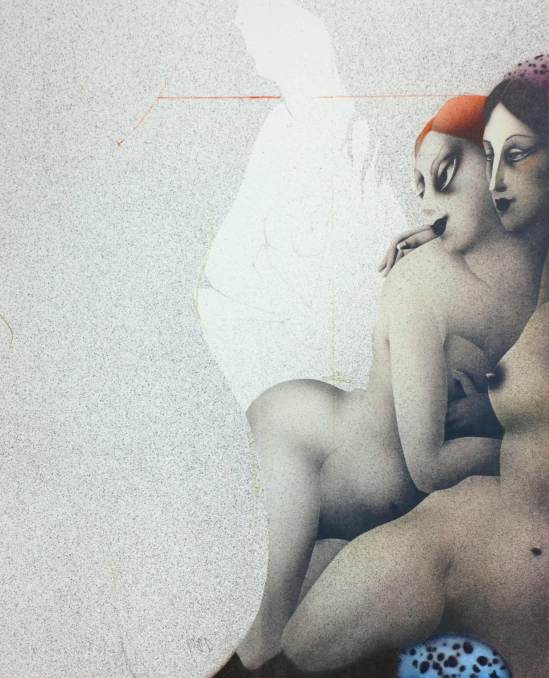
Paul Wunderlich -Strabenszene, 1981
Paul Wunderlich -Strabenszene, 1981


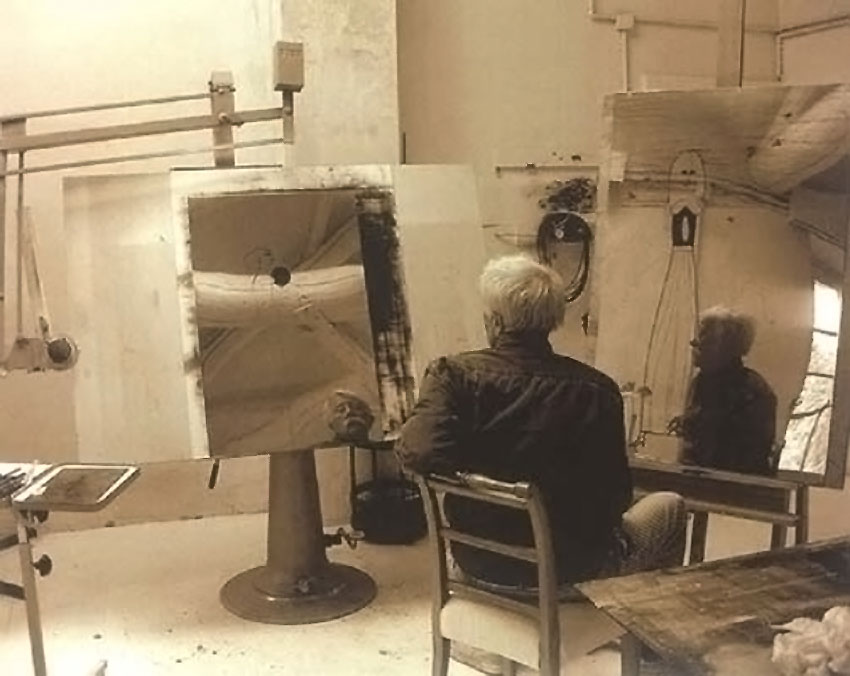
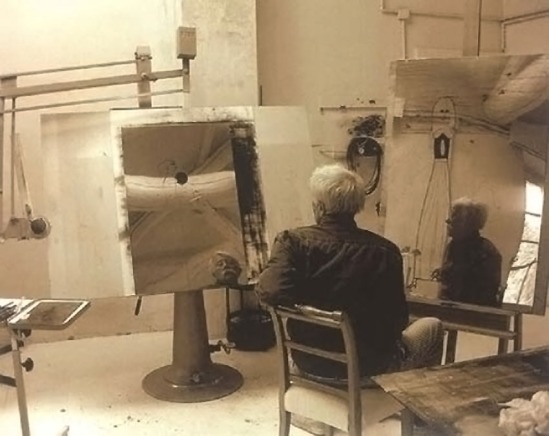
Paul Wunderlich in his studio by Karin Szekessy, 2000

Paul Wunderlich in his studio by Karin Szekessy, 2000

http://av.vimeo.com/89555/801/66709644.mp4?token2=1399130486_c4d6b44e898d5577652583b28d597d30&aksessionid=3dde601601f1c6fa

His site //

One gallery

Another galery

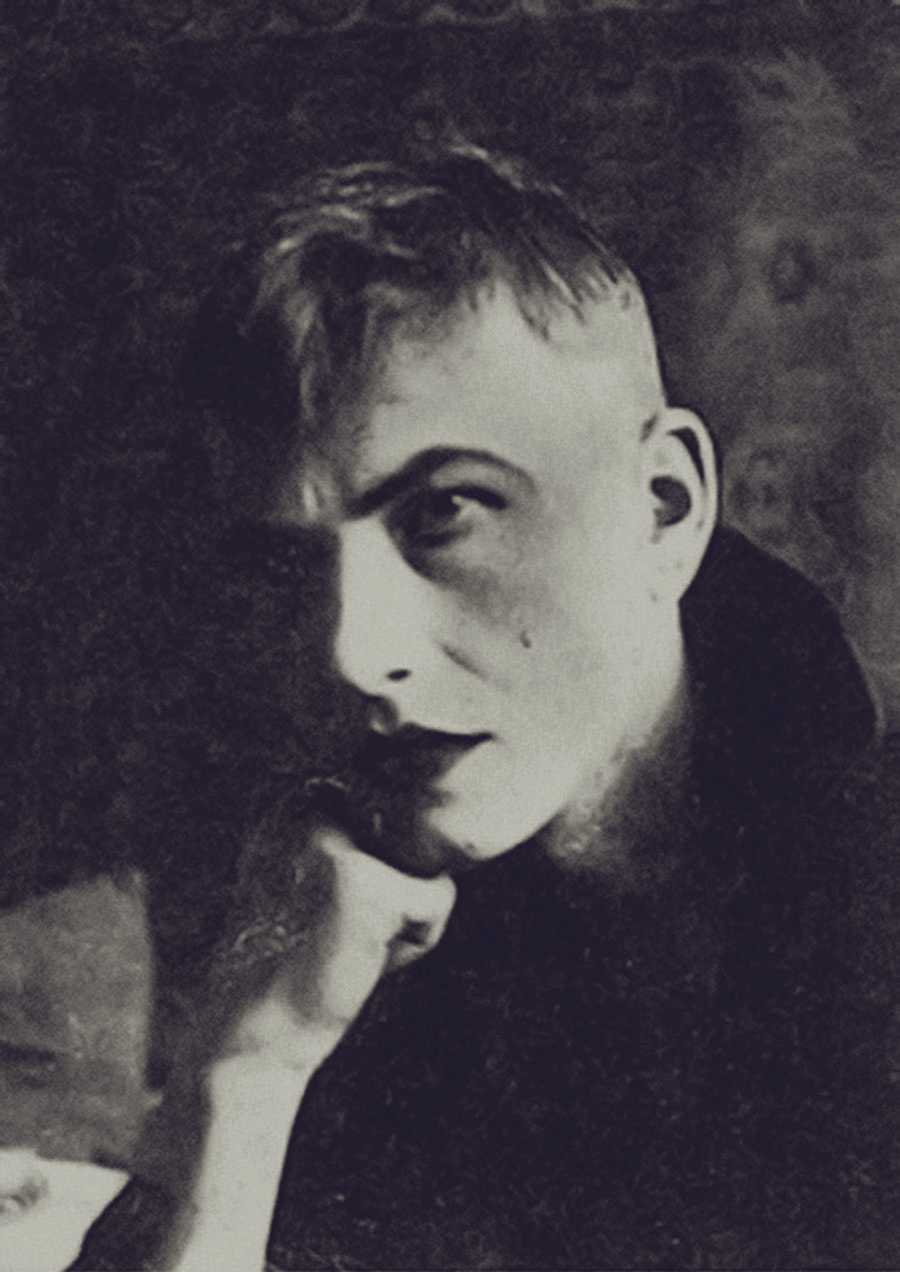
Portrait of the painter Otto Dix 1919

Portrait of the painter Otto Dix 1919


Hans Bellmer

Hans Bellmer – Bicyclette , Illustration for Georges Bataille’s Histoire de l’oeil (Story of the Eye), 1940s


René Magritte

René Magritte, La femme cachée, huile sur toile, 1929.( Ancienne collection André Breton, Paris)
« Magritte est venu s’installer à Paris en 1927 où, d’après divers témoignages, il participait aux réunions de la rue Fontaine ou des cafés élus par les surréalistes. Il a été accepté dans le groupe surréaliste entre avril 1928 et février 1929. Le séjour parisien de Magritte, même s’il ne dure que trois ans, correspond à une période de production intense. » (d’après José Vovelle, Le surréalisme en Belgique, Bruxelles, André de Rache, 1972, pp. 69-71)

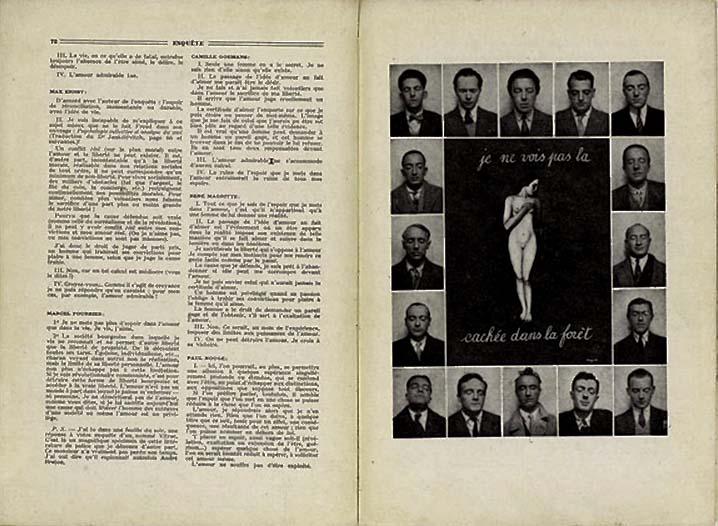
Pour la parution de l’« Enquête sur l’amour » dans le n° 12 de La révolution surréaliste Magritte imagina un montage où autour de son tableau, La femme cachée, sont réunis les portraits de seize surréalistes les yeux clos, à savoir de gauche à droite et de haut en bas : Alexandre, Aragon, Breton, Bunuel, Caupenne, Dalí, Eluard, Ernst, Fourrier, Goemans, Magritte, Nougé, Sadoul, Tanguy, Thirion, Valentin.
Cette enquête concernait « l’idée d’amour, seule capable de réconcilier tout homme, momentanément ou non, avec l’idée de vie ». « Ce mot : amour, auquel les mauvais plaisants se sont ingéniés à faire subir toutes les généralisations, toutes les corruptions possibles (amour filial, amour divin, amour de patrie, etc.), inutile de dire que nous le restituons ici à son sens strict et menaçant d’attachement total à un être humain. »

Enquête sur l'amour, La Révolution surréaliste, n°12, 15 décembre 1929

Enquête sur l’amour, La Révolution surréaliste, n°12, 15 décembre 1929

je ne vois pas La Femme Cachée dans la foret. 1929

je ne vois pas La Femme Cachée dans la foret. 1929

Les réponses étaient attendues de la part « de ceux qui ont véritablement conscience du drame de l’amour (non au sens puérilement douloureux mais au sens pathétique du mot) »
Parmi les réponses à l’enquête, celle de Breton, concernant le passage de l’idée d’amour au fait d’aimer est étroitement liée à la signification du tableau de Magritte : « Il s’agit de découvrir un objet, le seul que je juge indispensable. Cet objet est dissimulé : on fait comme les enfants, on commence par être « dans l’eau », on « brûle ». Il y a un grand mystère dans le fait que l’on trouve. » (« Enquête sur l’amour », in : La révolution surréaliste, n° 12 – cinquième année, 15 décembre 1929, pp. 65-76)

Du « sens profond de tableau de Magritte nanti de son étrange inscription – qui joue, bien entendu, sur l’assertion bien connue concernant « l’arbre qui cache la forêt », étendue ici à « l’éternel féminin » dissimulé derrière chaque femme prise individuellement » Ferdinand Alquié nous en propose une séduisante explication dans Philosophie du surréalisme (Flammarion, Paris, 1955, p. 207) : « Car tout objet, même évident, paraît d’abord nous cacher sa vraie réalité : elle ne se révèle qu’à notre inquiète attention. C’est ce que traduit la composition de Magritte imposant à nos yeux une femme nue trop visible, et l’entourant des mots : « Je ne vois pas la… cachée dans la forêt ». José Pierre (présentation et commentaires de, précédés d’un texte d’André Breton, Tracts surréalistes et déclarations collectives 1922-1939, Tome I, 1922-1939, Paris, Eric Losfeld Éditeur, 1980, pp.425-426)

Quant à l’état de la peinture, d’après David Sylvester « si (la peinture) est disparue c’est parce que son état s’est gravement détérioré. Elle a considérablement noirci au fil des ans. Breton a voulu la nettoyer et une bonne partie de la couche de peinture s’est désagrégée. Plus tard, un restaurateur a stoppé la dégradation et laissé le tableau dans l’état où nous le voyons à présent. (Mais) à propos de ce que j’ai appelé une grave détérioration, il serait beaucoup plus juste de parler d’une transfiguration miraculeuse. L’accident arrivé à La femme cachée est peut-être le plus gratifiant qui ait jamais frappé une œuvre d’art moderne depuis la cassure du Grand Verre de Duchamp. Là où le corps s’est décomposé en un réseau de craquelures, une lueur dorée émane des interstices. Ces zones brisées et lumineuses de la peinture font un peu le même effet que la surface écaillée d’une icône délabrée. »
« Friction et désaccords ont jalonné les relations de Breton et de Magritte sans briser, toutefois, le lien d’estime qui les unit en profondeur. » Patrick Waldberg (René Magritte, Bruxelles, André de Rache, 1965, p. 223)»  source


Hans Bellmer

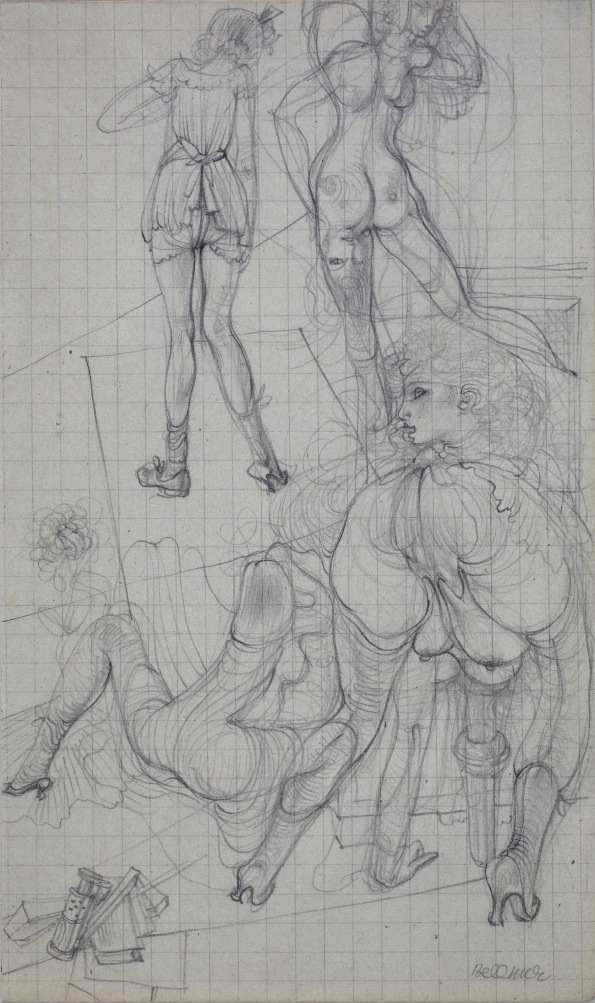
Hans Bellmer  » Petit Traité de Morale  » Hans Bellmer , 1968


František Drtikol

František Drtikol -Female dancer, 1920

Alphonse Maria Mucha

Alfons Mucha (Alphonse Maria Mucha) – Model to illustrate the E. Gebhart,, 1908


Paul Wunderlich – Sans titre [Nu], Litographie, 1970s

Paul Wunderlich – Sans titre [Nu], Litographie, 1970s, Published in Paul Wunderlich – Karin Szekessy (His wife), “Convergences. P.,Ed° Cercle d’Art, 1980 ( first edition 1972)

Paul Wunderlich Homo Sum, sérigraphie 1972

Paul Wunderlich Homo Sum, sérigraphie 1972


See 10 of this book here

Richard Morin

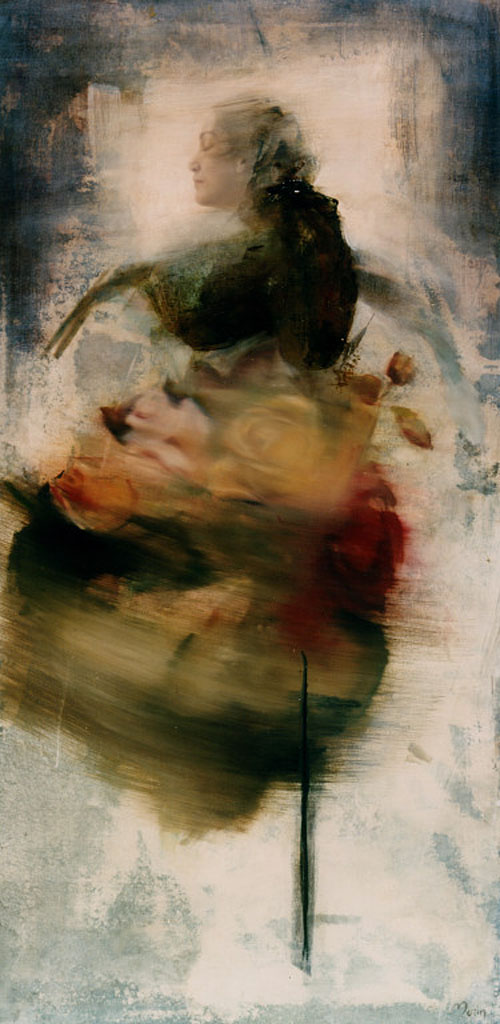
La glaneuse ll 2001


Brancusi Constantin

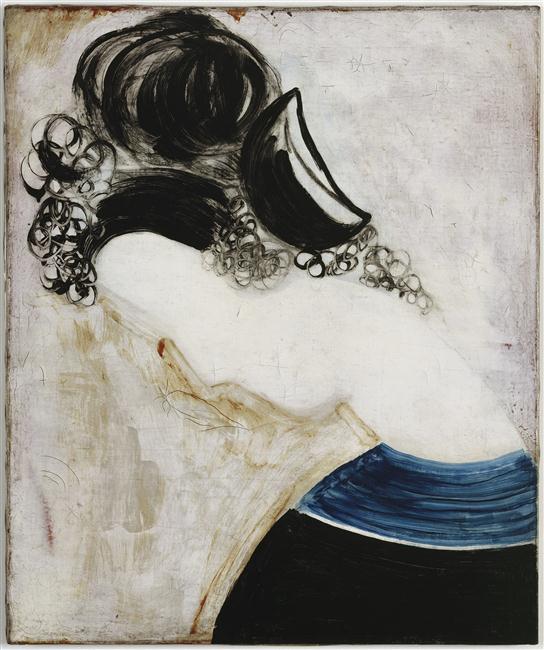
Brancusi Constantin- Profil de femme au chignon, visage incliné, avant 1924

Brancusi Constantin- Profil de femme au chignon, visage incliné, avant 1924

Oscar Wilde/Franz Stuck

« Salomé- Mais pourquoi ne me regardes-tu pas, Iokanaan ? Tes yeux qui étaient si terribles, qui étaient si plein de colère et de mépris, il sont fermés maintenant. Pourquoi sont-ils fermés ? Ouvre tes yeux ! Soulève tes paupières, Iokanaan. Pourquoi ne me regardes-tu pas ? As-tu peur de moi, Iokanaan, que tu ne veux pas me regarder ?… Et ta langue qui était comme un serpent rouge dardant ses poisons, elle ne remue plus, elle ne dit rien maintenant, Iokanaan, cette vipère rouge qui a vomi son venin sur moi. C’est étrange, n’est-ce pas ? Comment se fait-il que la vipère rouge ne remue plus ? Tu n’as pas voulu de moi, Iokanaan. Tu m’as rejetée. Tu m’as dit des choses infâmes. Tu m’as traitée comme une courtisane, comme une prostituée, moi, Salomé, fille d’Hérodias, princesse de Judée ! Eh bien, Iokanaan, moi je vis encore, mais toi, tu es mort et ta tête m’appartient. Je puis en faire ce que je veux. Je peux la jeter aux chiens et aux oiseaux de l’air. Ce que laisseront les chiens, les oiseaux de l’air le mangeront… »
Salomé, Oscar Wilde , 1891

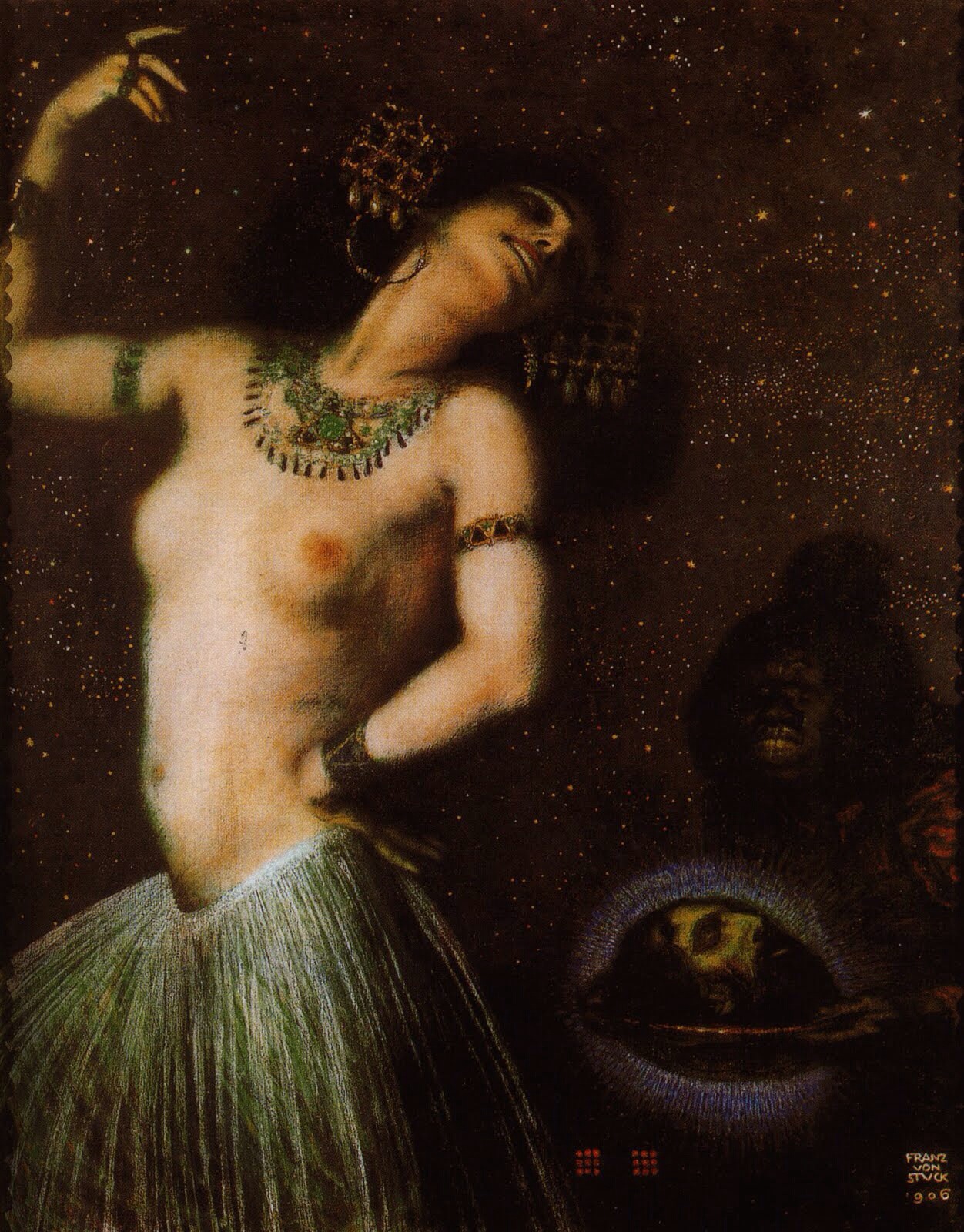
Franz Stuck (1863 -1928.German painter.)- Salomé II , 1906

Franz Stuck (1863 -1928.German painter.)- Salomé II , 1906


Brassaï -Picasso sculptures

Brassai Sculpture en Feu (Picasso) c.1930


Brassaï -Picasso’s Femme Magie, c. 1932

Brassaï -Picasso’s Femme Magie, c. 1932

Brassai Trois Personnages (Picasso) c.1932

Brassai -Deux Personnages (Picasso) 1932A. Breton, Picasso dans son élément, Minotaure, no. 1, 1933 [illustrated p. 23]

Brassai-Picasso tenant uNe de Ses Sculptures-1939