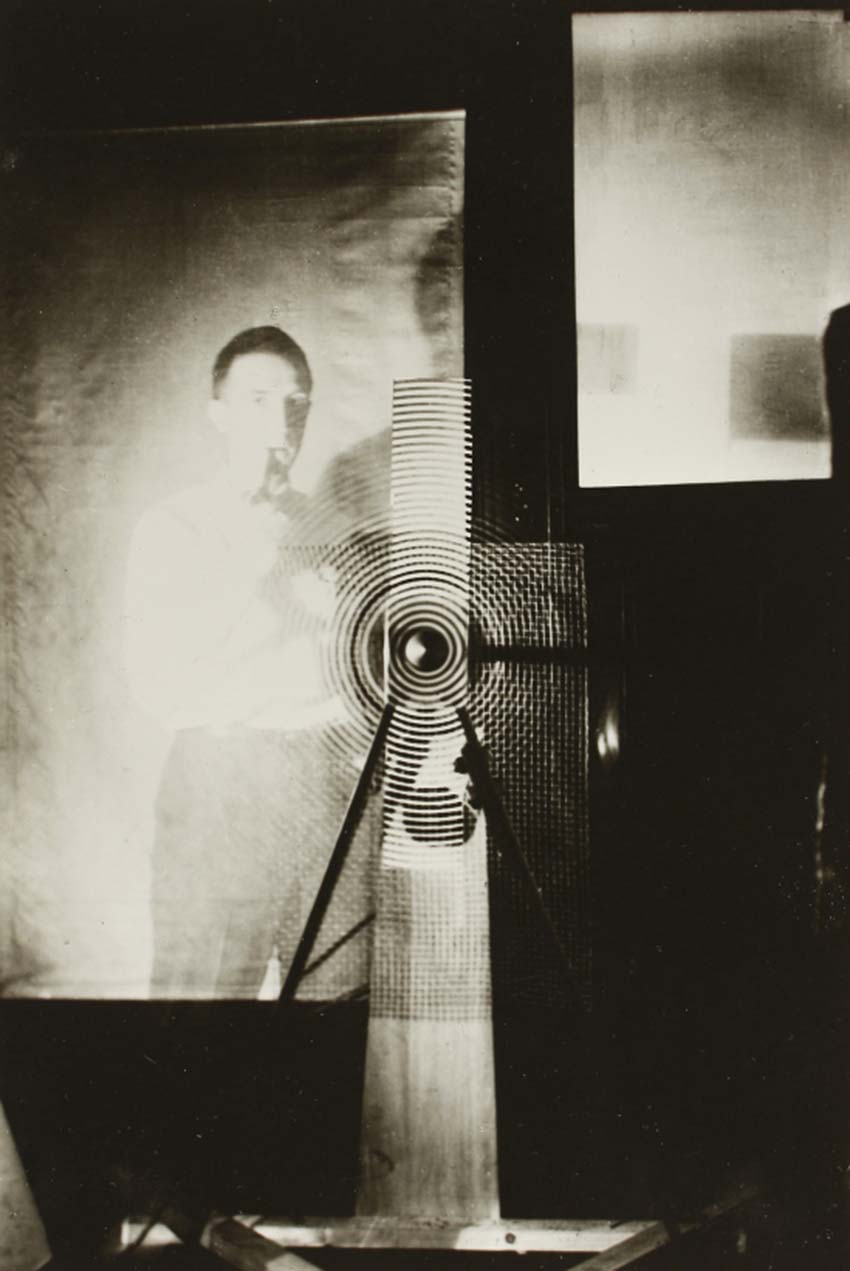
Man Ray- Marcel Duchamp

 Rotary Glass Plates

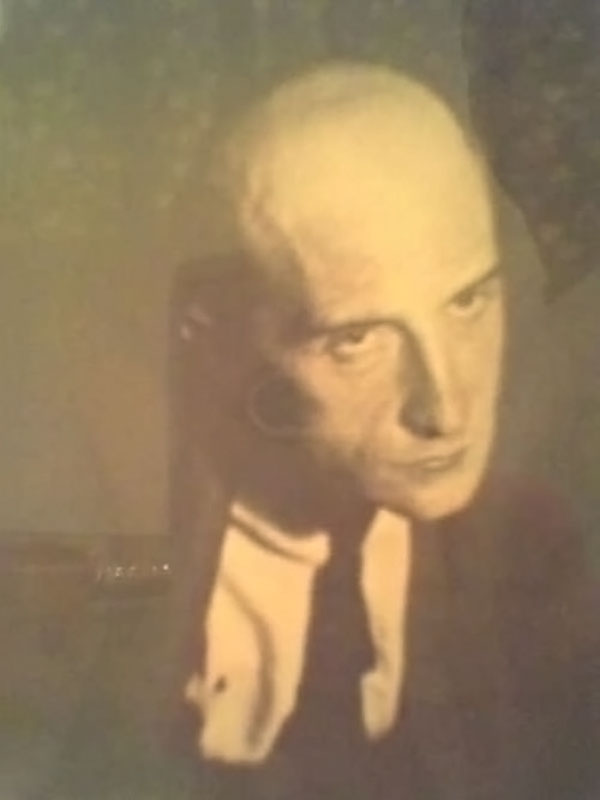
Man Ray – Portrait de Marcel Duchamp, 1919

Man Ray - Portrait de Marcel Duchamp, 1919

Man Ray – Portrait de Marcel Duchamp, 1919 © Man Ray Trust

This  is a crop from this one

Man Ray -Marcel Duchamp, 1919 © Man Ray Trust

Man Ray -Marcel Duchamp, 1919 , gelatine print silver © Man Ray Trust From the book by Manor Friedman  Dreaming with Open Eyes: The Vera and Arturo Schwarz Collection of Dada and Surrealist Art in the Israel Museum, Jerusalem (revised edition 2008) Ed°

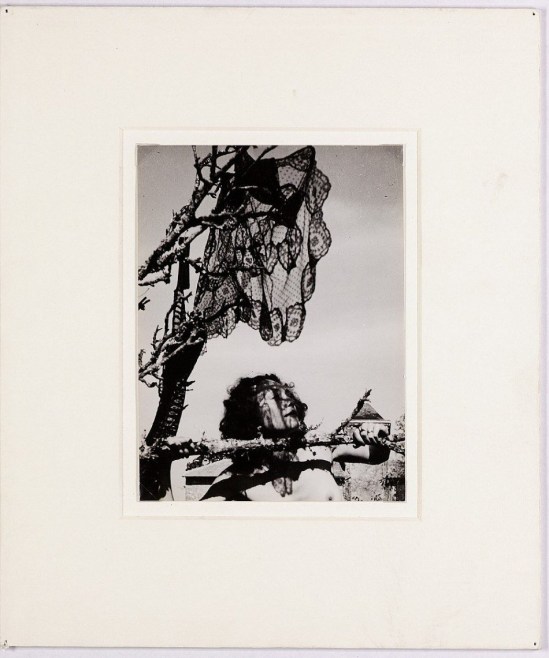
Nush Eluard Portrait réalisé en 1935 lors du tournage du film de Man Ray « Essai de simulation du délire cinémathographique » dont le scénario fut écrit par André Breton et Paul Éluard.

Nush Eluard Portrait réalisé en 1935 lors du tournage du film de Man Ray « Essai de simulation du délire cinémathographique » dont le scénario fut écrit par André Breton et Paul Éluard.

( Nush Eluard Portrait done in 1935 during filming of Man Ray Essay simulation cinémathographique delirium, whose screenplay was written by André Breton and Paul Eluard.)

Henri Cartier-Bresson Marcel Duchamp et Man Ray, Paris, 1968

Henri Cartier-Bresson Marcel Duchamp et Man Ray, Paris, 1968


Man Ray -Buste de femme rétrospectif de Dali, vers 1933 tirage argentique, tiré vers 1935

Man Ray –Buste de femme rétrospectif de Dali, vers 1933 tirage argentique, tiré vers 1935  via christies

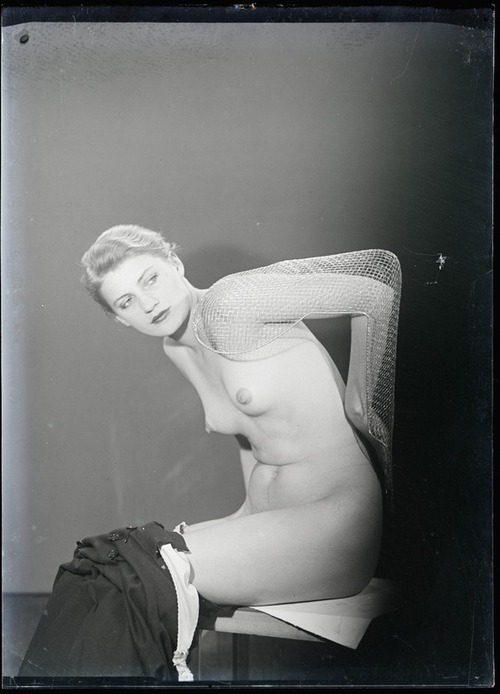
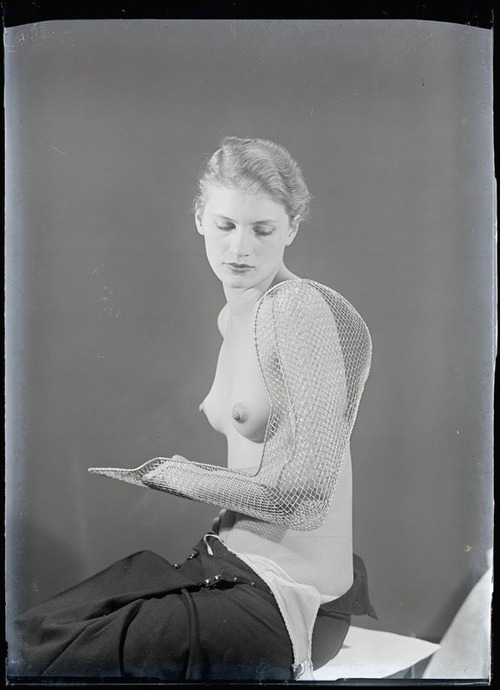
Man Ray – Lee Miller vers 1930

Man Ray – Lee Miller vers 1930 © Man Ray Trust © ADAGP


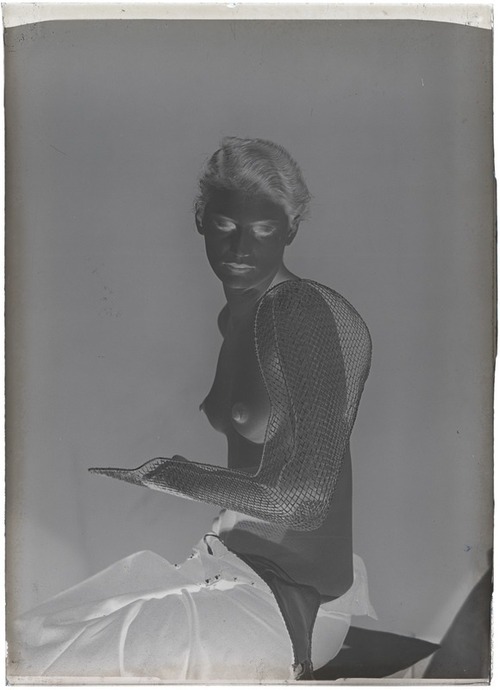
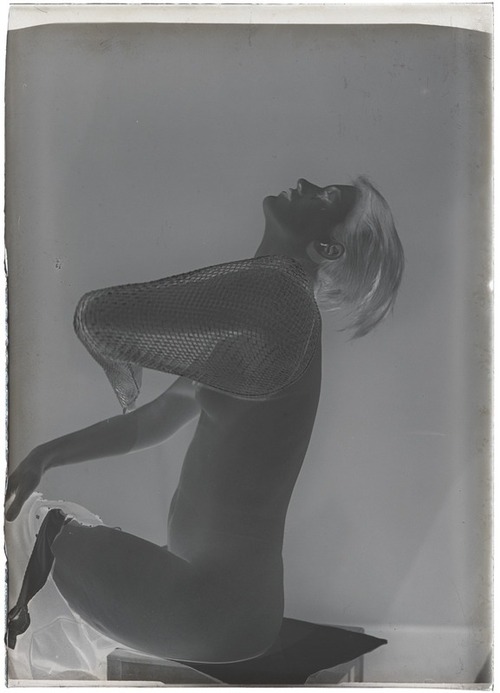
Man Ray - Lee Miller  vers 1930

Man Ray – Lee Miller vers 1930 © Man Ray Trust © ADAGP


Man Ray - Lee Miller  vers 1930

Man Ray – Lee Miller vers 1930 © Man Ray Trust © ADAGP

Man Ray - Lee Miller  vers 1930

Man Ray – Lee Miller vers 1930 © Man Ray Trust © ADAGP

Man Ray - Lee Miller  vers 1930

Man Ray – Lee Miller vers 1930 © Man Ray Trust © ADAGP

Man Ray - Lee Miller  vers 1930

Man Ray – Lee Miller vers 1930 © Man Ray Trust © ADAGP

Man Ray - Lee Miller  vers 1930

Man Ray – Lee Miller vers 1930 © Man Ray Trust © ADAGP

Man Ray - Lee Miller  vers 1930 10

Man Ray – Lee Miller vers 1930 © Man Ray Trust © ADAGP

Man Ray - Lee Miller  vers 1930

Man Ray – Lee Miller vers 1930 © Man Ray Trust © ADAGP


Man Ray - Lee Miller  vers 1930

Man Ray – Lee Miller vers 1930 .  © Man Ray Trust © ADAGP

© Man Ray Trust © ADAGP // Centre Pompidou

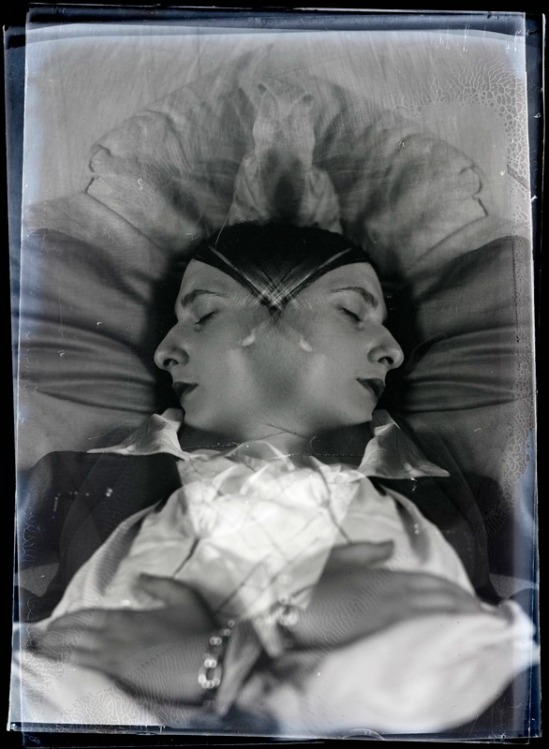
Man Ray – Edith Foujita,1930

Man Ray - Edith Foujita, (ex Mme Fargue)  vers 1930

Man Ray – Edith Foujita, (ex Mme Fargue) vers 1930


Man Ray

Man Ray –  Simone et Moumoun  vers 1928

see Also

Man Ray

Man Ray – Spectacle au bal Tabarin  (Baltabarin)  vers 1935

Man Ray -Le masque de l’inconnue de la Seine, illustration pour Aurélien de Louis Aragon (Aragon, Aurélien) 1966

Man Ray -Le masque de l’inconnue de la Seine, illustration pour Aurélien de Louis Aragon  (Aragon, Aurélien)  1966

Man Ray -Le masque de l’inconnue de la Seine, illustration pour Aurélien de Louis Aragon (Aragon, Aurélien) 1966


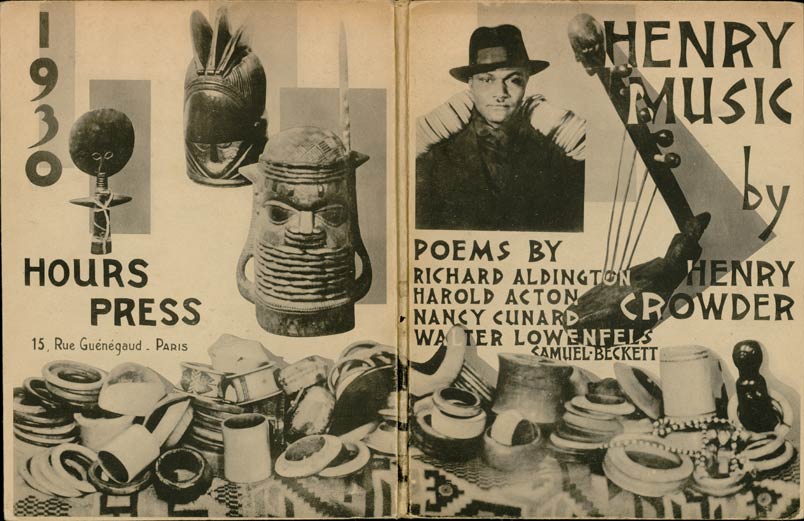
Cover design by Man Ray for Henry-Music , 1930

Cover design by Man Ray for « Henry-Music » by Henri Crower, Hour press ed° Paris, 1930


{from  the Magazine African Arts, summer 2009  Pdf }

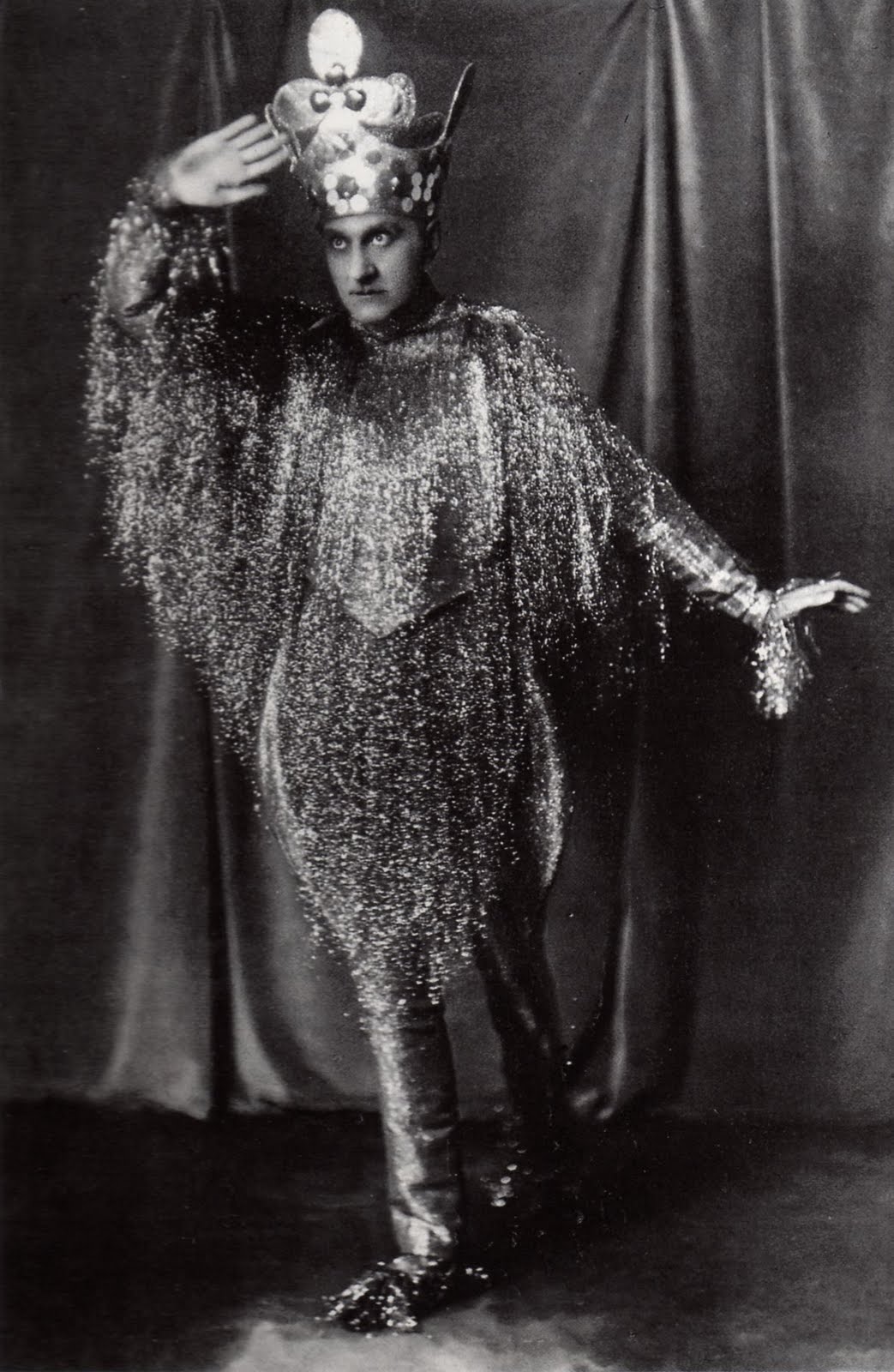
Comte Etienne de Beaumont , connu pour ses grand bals masqués dans les années 20-25

The Count Etienne de Beaumont, a wealthy descendant of one of the great families of France, was both a ballet set designer, costumes and jewelery, a painter, an accomplished socialite, known for its masked balls and a generous patron, especially for the Ballets Russes of Serge Diaghilev, passionate contemporary arts.

On May 17, 1924, he inaugurated the ‘Soirees de Paris’ Théâtre de la Cigale in Montmartre. They only last a year, combining music hall performances, ballet, poetry and theater, with the participation of artists as diverse as Jean Cocteau, Pablo Picasso, Georges Braque, Erik Satie and Darius Milhaud. With his wife Edith, Étienne de Beaumont Comandita films and avant-garde ballets, and after the war, founded the « Franco-American Association ‘who financed many important exhibitions. Paul Morand, Maurice Sachs, Jean Cocteau, Marc Allégret Bernard Faÿ, Leonide Massine, Lucien Daudet, René Crevel described the extraordinary personality of the Comte de Beaumont; it is also the model of the main character of the second novel by Raymond Radiguet, The Ball of Count Orgel. imec

anomyme, Suit designed by the famous designer Conte Etiene Beaumont, known for its grand masked balls in the years 20-25

Anomyme, Suit designed by the famous designer Comte Etienne de Beaumont, known for its grand masked balls in the years 20-25

anomyme, Costume designed and worn by the famous designer Conte Etiene Beaumont, known for its grand masked balls in the years 20-25
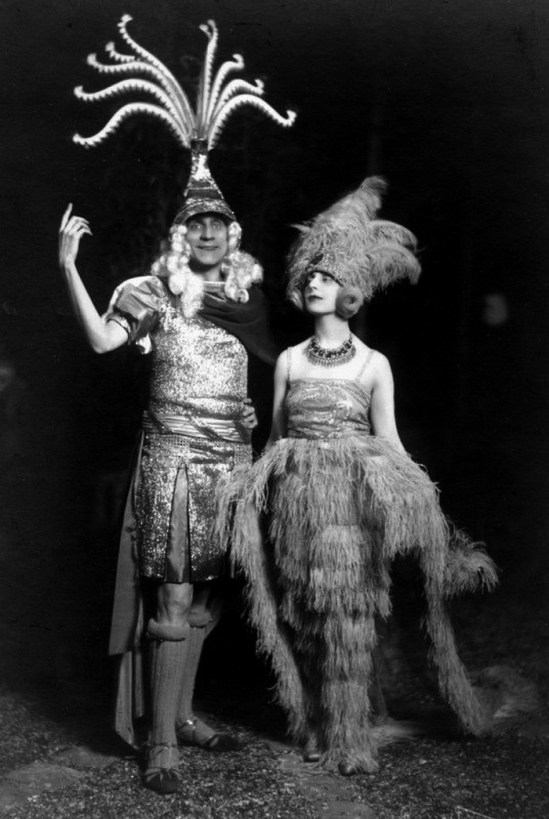
anomyme, Costume designed and worn by the famous designer Conte Etiene Beaumont, known for its grand masked balls in the years 20-25

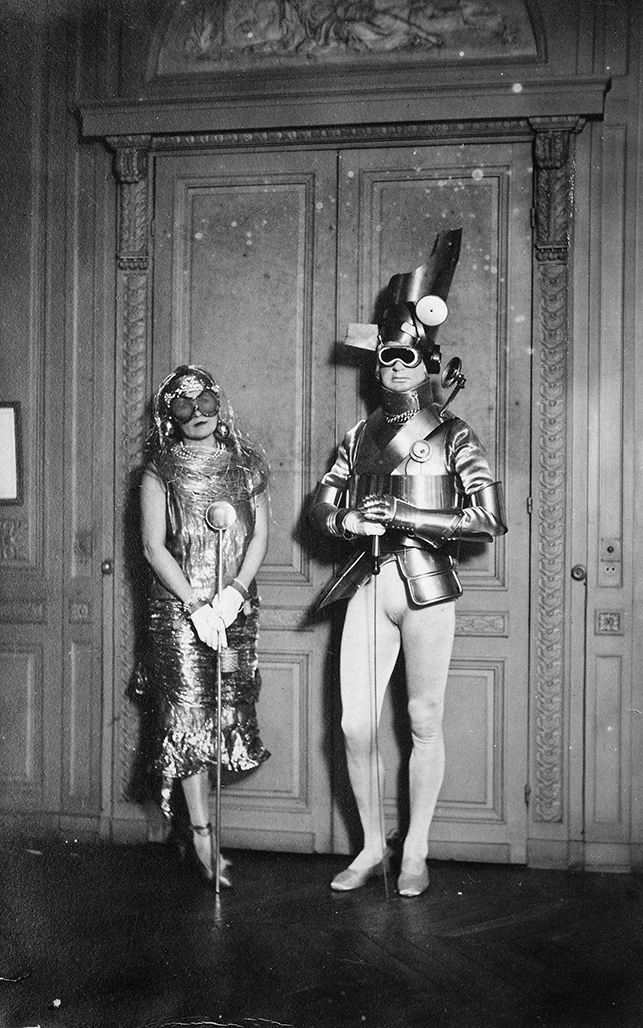
Etienne de Beaumont and his wife dressed in costumes created by himself (Baroque Dance), 1920s

Etienne de Beaumont and his wife dressed in costumes created by himself (Baroque Dance), 1920s

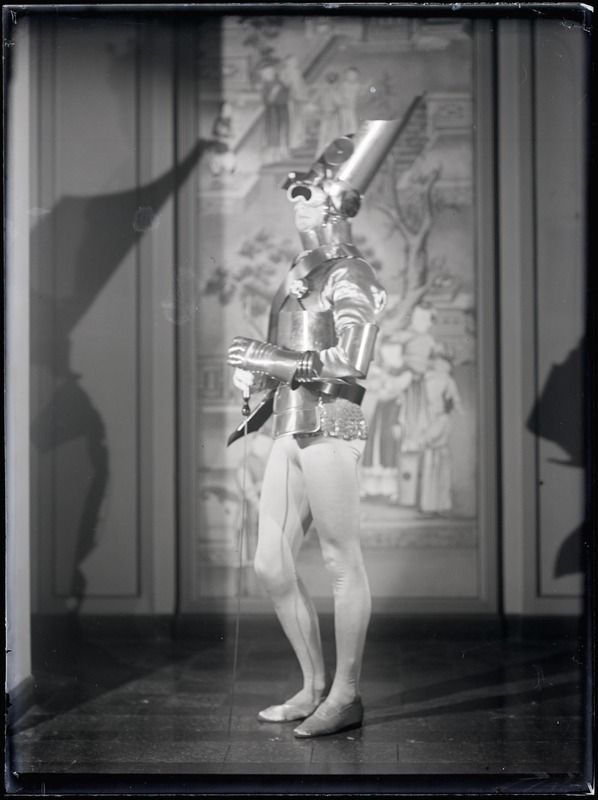
anomyme, Costume designed and worn by the famous designer Conte Etiene Beaumont, known for its grand masked balls in the years 20-25

anomyme, Costume designed and worn by the famous designer Conte Etiene Beaumont, known for its grand masked balls in the years 20-25

Some example could wear costumes that participants Beaumont balls created by the greatest designers of the time.
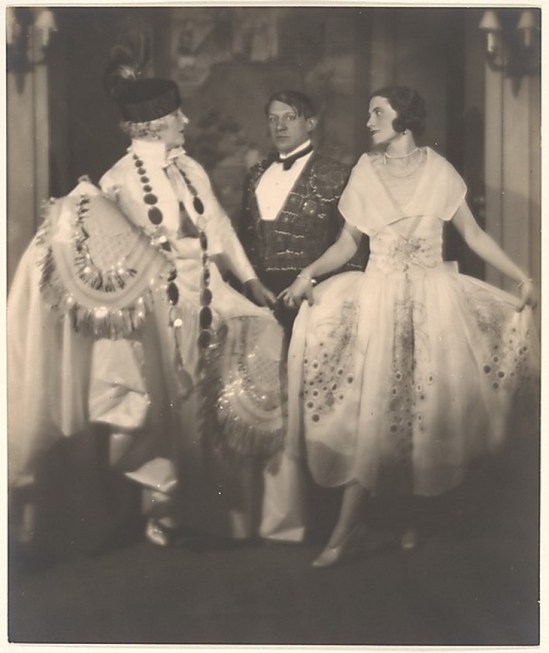
Man Ray- Mrs. Errazuriz, Picasso and Olga (his wife) to the ball of Beaumont Count 1924

Man Ray- Mrs. Errazuriz, Picasso and Olga (his wife) to the ball of Beaumont Count 1924

Man Ray- Picasso his wife Olgaet two unidentified persons at a ball of Count Etienne de Beaumont, 1924

Man Ray, Ricardo Viñes, Olga Picasso, Picasso and painter Manolo Ortiz Angeles to a ball of Count Etienne de Beaumont, 1924

Man Ray - Gerald Murphy and his wife, Sara, dressed for a ball of Count Etienne de Beaumont, Montparnasse in 1922

Man Ray – Gerald Murphy and his wife, Sara, dressed for a ball of Count Etienne de Beaumont, Montparnasse in 1924
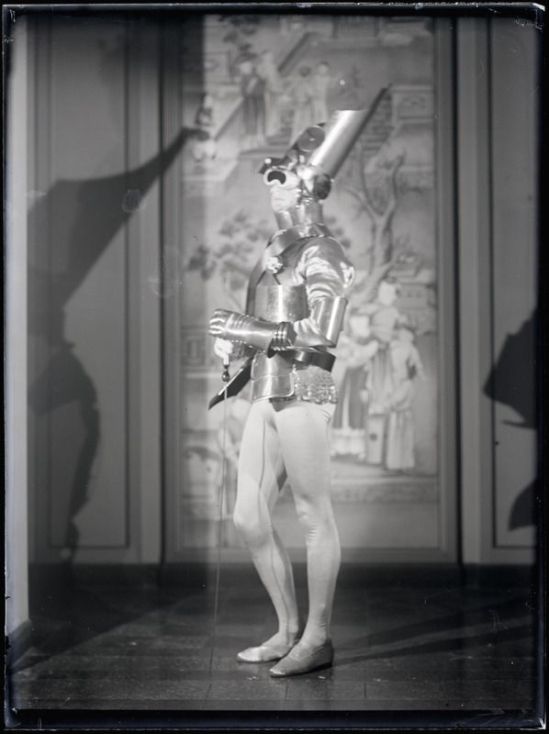
Man Ray - Gerald Murphy A ball of Count Etienne de Beaumont, Montparnasse in 1922

Man Ray – Gerald Murphy A ball of Count Etienne de Beaumont, Montparnasse in 1924


Man Ray – unidentified person at the ball of Beaumont, 1924

Man Ray unidentified person at the ball of Beaumont, 1924

 Tzara and Man Ray Nancy Cunard at the ball of Beaumont Count 1924

Tzara and Man Ray Nancy Cunard at the ball of Beaumont Count 1924

Man Ray – Unidentified Persons to the ball of Beaumont in 1924

-The Man Ray Viscountess of Noailles the Ball Count E. de Beaumont, 1928

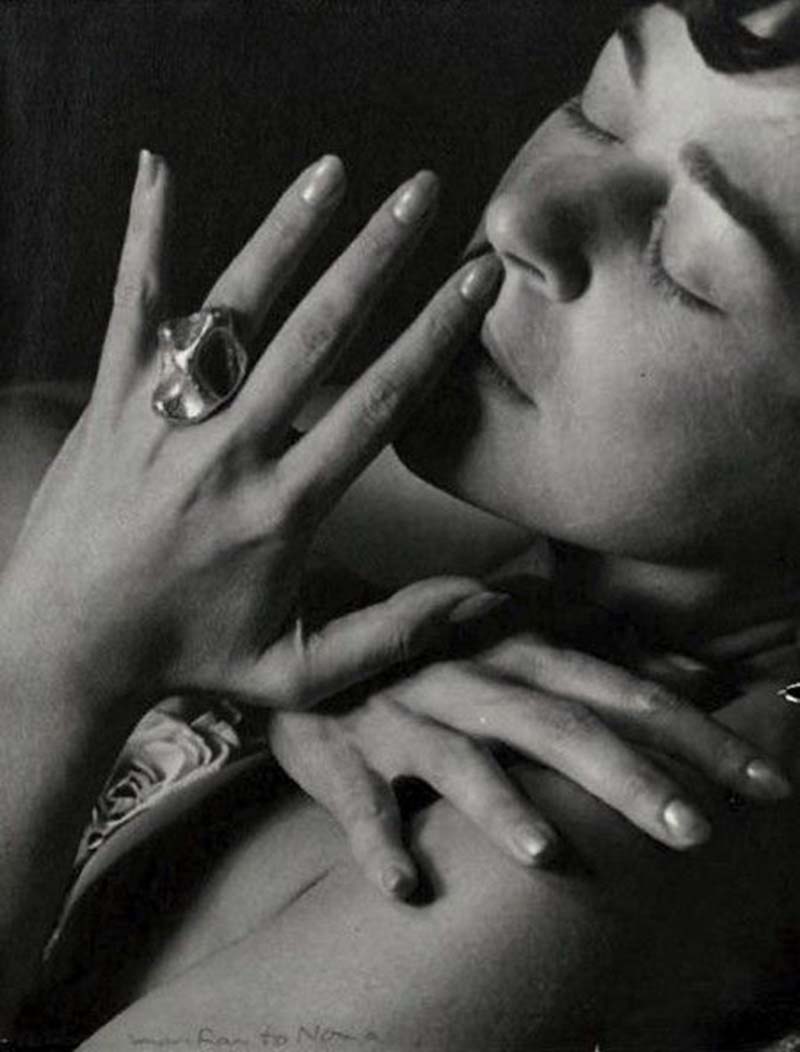
Man Ray- Noma Copley Hands, 1949 ( signed Man Ray to Norma)

Man Ray- Noma Copley Hands, 1949 ( signed Man Ray to Norma)


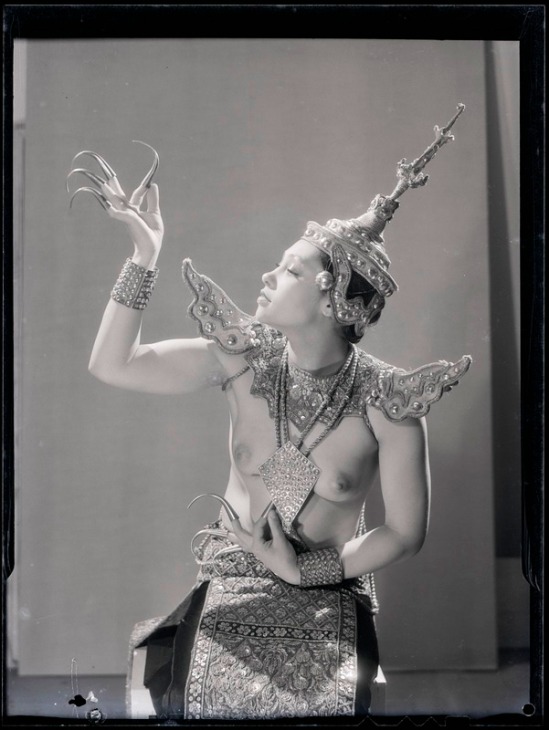
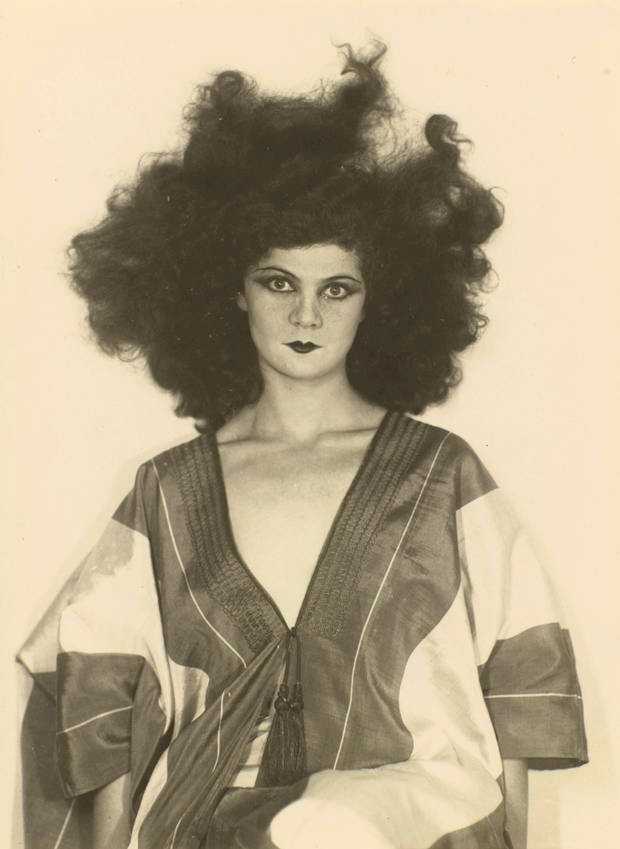
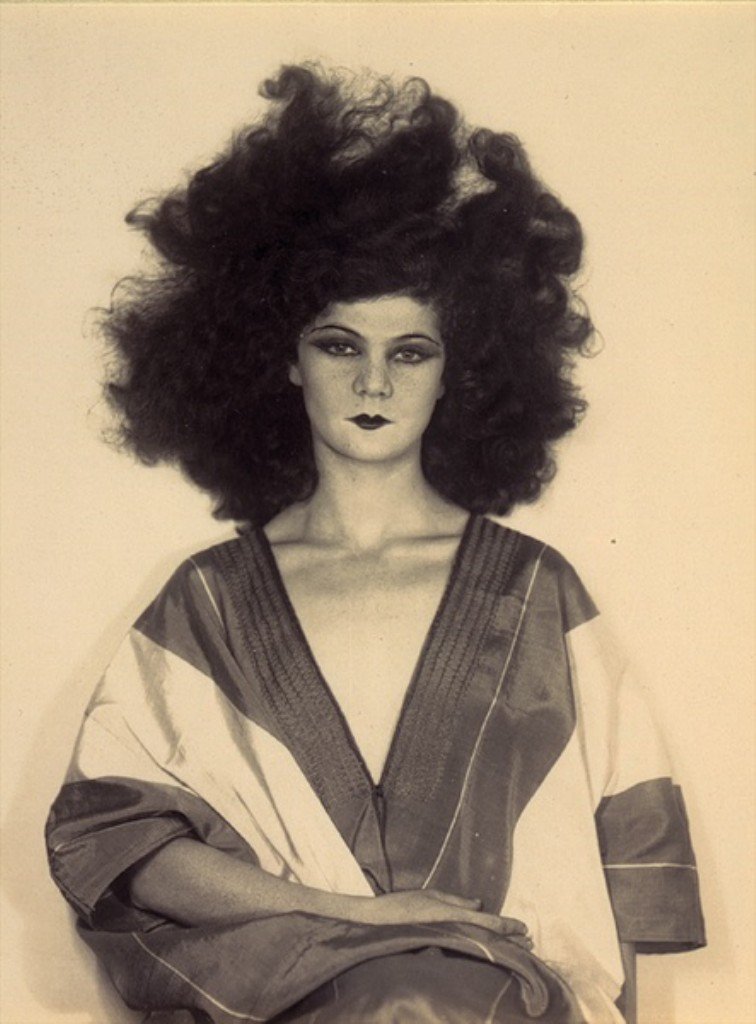
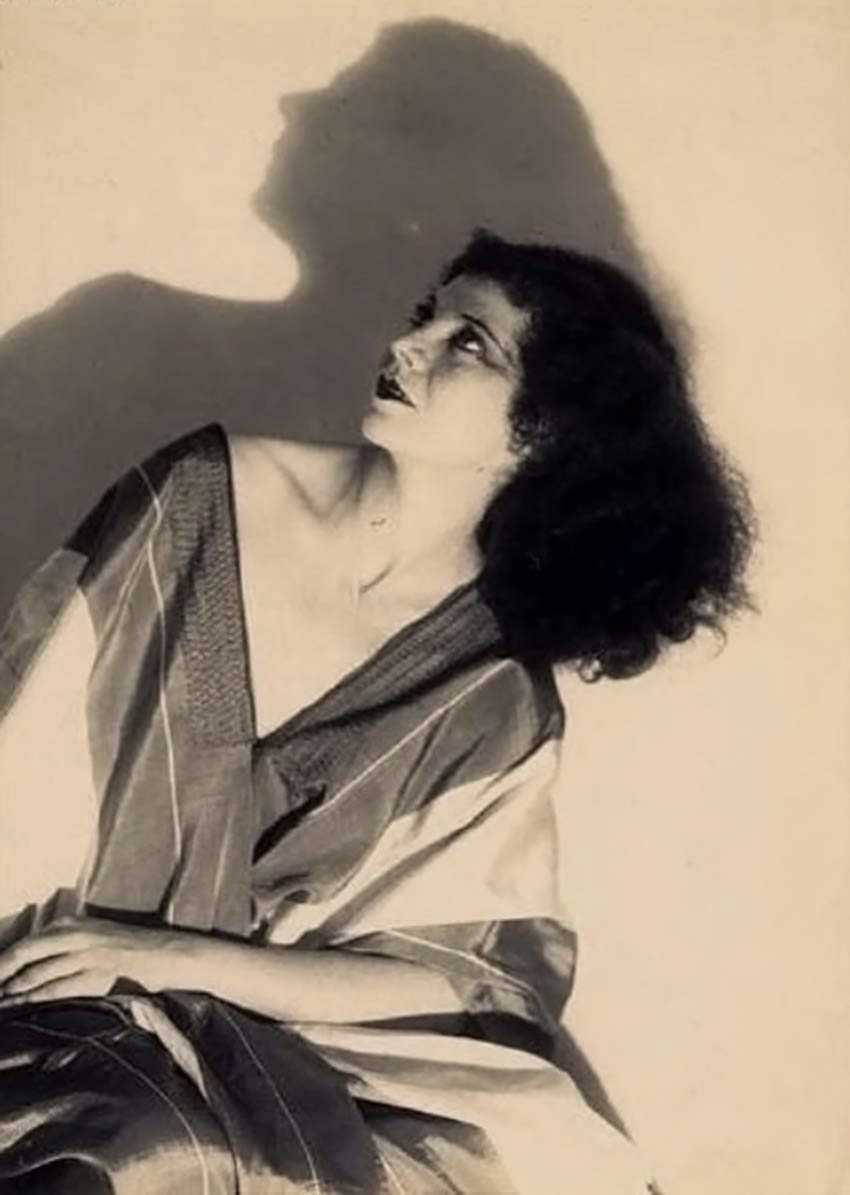
Man Ray- Portrait of the dancer- choregrapher Bronislava Nijinska , 1922

Man Ray – Portrait of the dancer/ choregrapher Bronislava Nijinska, Paris, circa 1922

Man Ray- Portrait of the dancer- choregrapher Bronislava Nijinska , 1922; November 1922 issue; Courtesy Condé Nast Archive

Man Ray- Portrait of the dancer- choregrapher Bronislava Nijinska , 1922; November 1922 issue; Courtesy Condé Nast Archive

Man Ray- Portrait of the dancer- choregrapher Bronislava Nijinska , 1922; November 1922 issue; Courtesy Condé Nast Archive

Man Ray- Portrait of the dancer- choregrapher Bronislava Nijinska , 1922; November 1922 issue; Courtesy Condé Nast Archive

Man Ray – Portrait of the dancer/ choregrapher Bronislava Nijinska, Paris, circa 1922

Man Ray- Portrait of the Dancer Helen Tamiris, 1925

Helen Tamiris was a pioneer of American modern dance.

American choreographer, modern dancer, and teacher, one of the first to make use of jazz, African American spirituals, and social-protest themes in her work.

« Helen Tamiris (1903-1966), a founder of modern dance in the 1920s and 1930s, always kept a foot firmly planted in the commercial theater. She was trained in ballet at the Metropolitan Opera and by Michel Fokine, as well as in natural dancing at New York’s Isadora Duncan Studio. Her early career combined a soloist position in the Bracale Opera Company with appearances in nightclub and Broadway revues. Yet her first recital in 1927 demonstrated a personal expression of abstract movement and frank social analysis. A year later she adopted the Negro spiritual as a métier for life as conflict. Politically active, Tamiris helped to lead development of the Dance Repertory Theatre and dance initiatives under the Works Progress Administration Federal Art Project. She founded and chaired the American Dance Association and helped to set up the Federal Dance Project. Following World War II, she turned to Broadway to attract large audiences for a modern dance aesthetic that aspired to shape consciousness of the people. Tamiris choreographed eighteen musicals between 1943-1957, artfully integrating dance into such productions as Up in Central Park, Annie Get Your Gun, and Fanny. She taught movement to dancers and actors and formed the Tamiris-Nagrin Dance Workshop in 1957 with Daniel Nagrin, who was her husband at the time. » Helen Tamiris, an essay by Elizabeth McPherson.

Man Ray- Portrait of the Dancer Helen Tamiris, 1925-1929


Man Ray- Portrait of the Dancer Helen Tamiris, 1925

Man Ray- Portrait of the Dancer Helen Tamiris, 1925-1929

Man Ray- Portrait of the Dancer Helen Tamiris, 1925

Man Ray- Portrait of the Dancer Helen Tamiris, 1925-1929