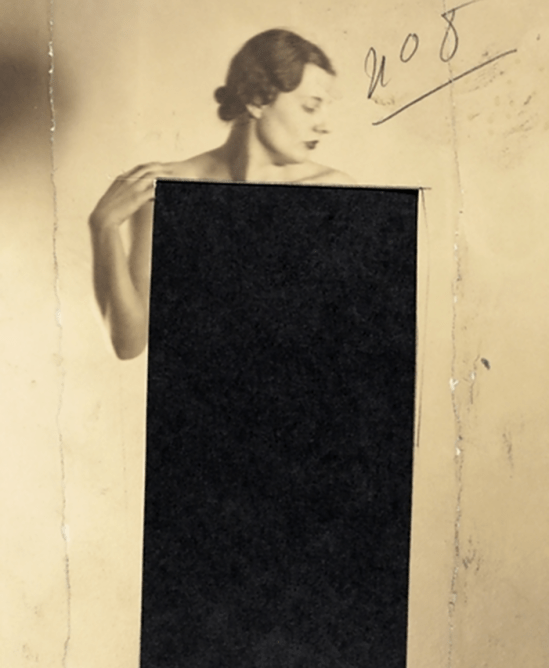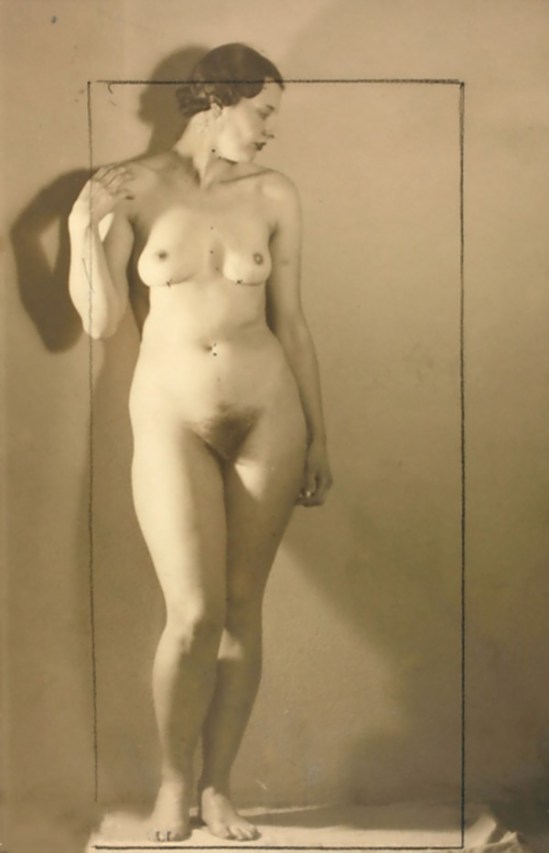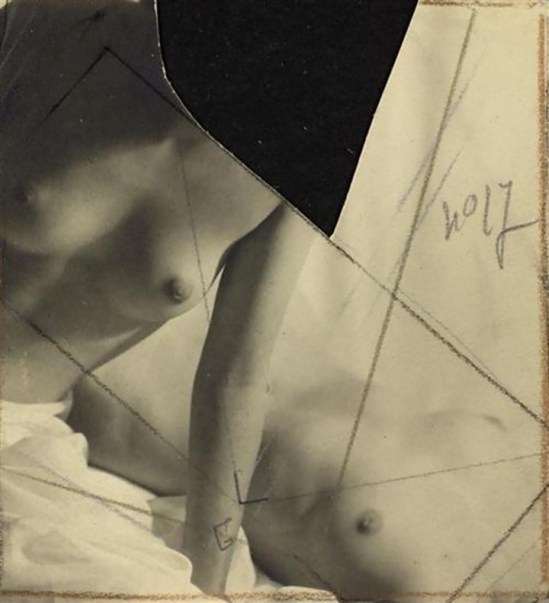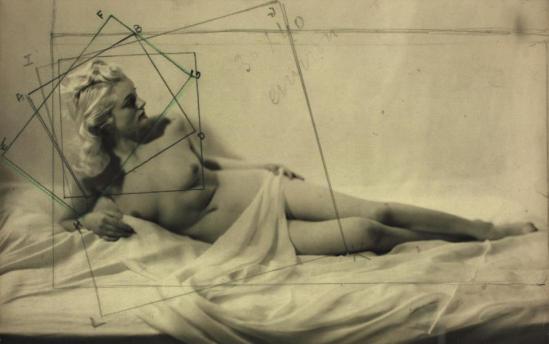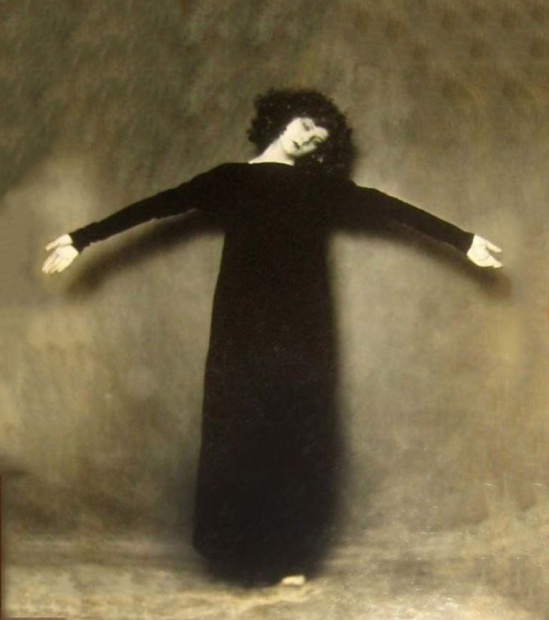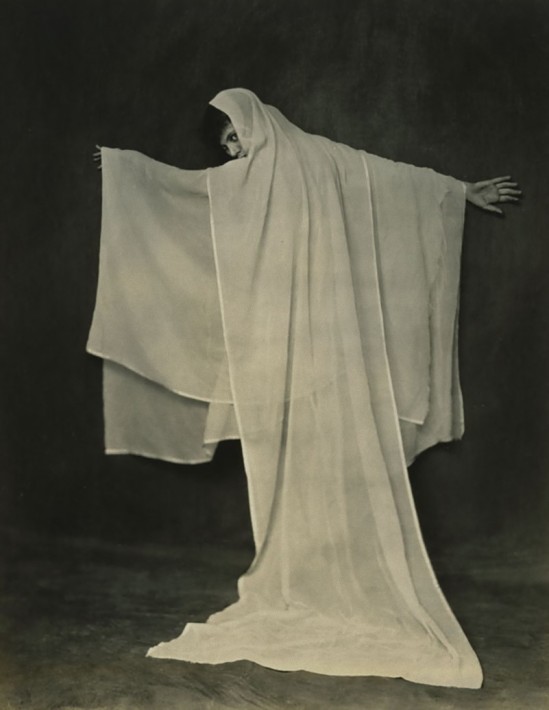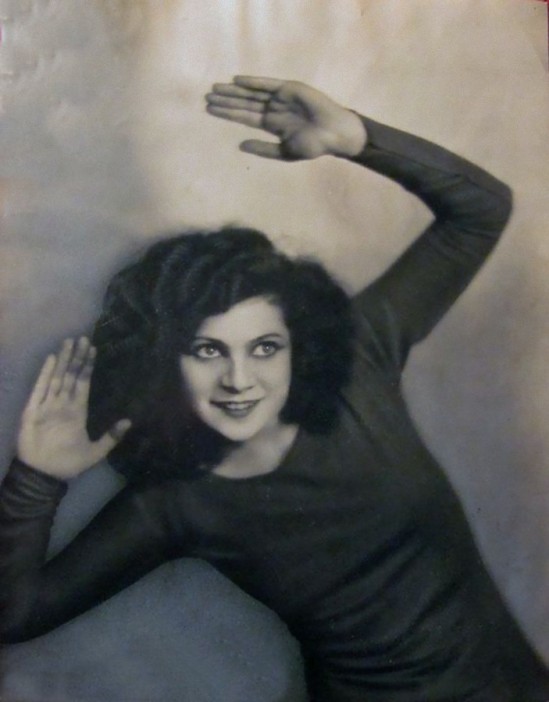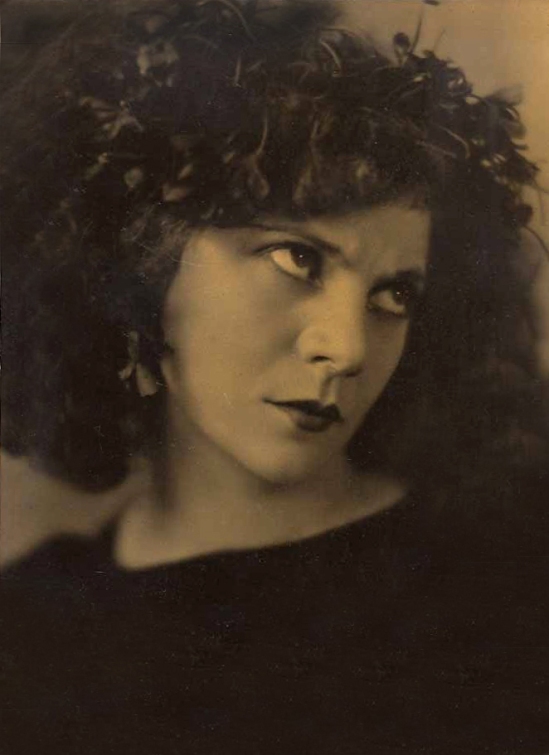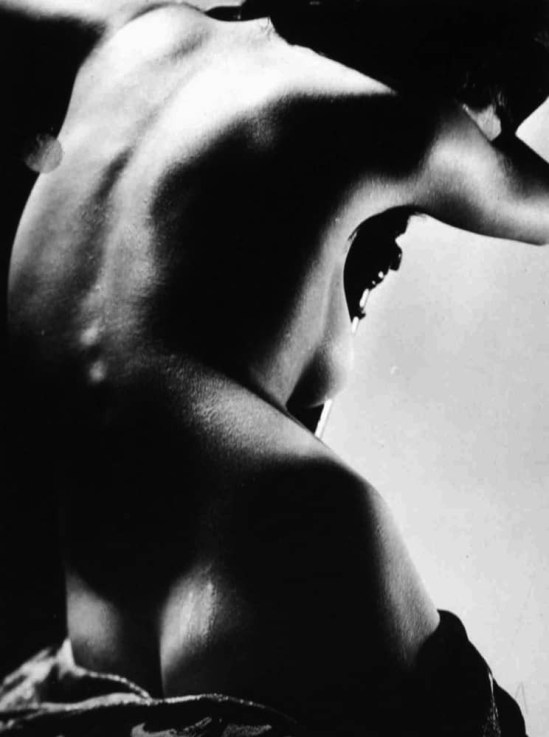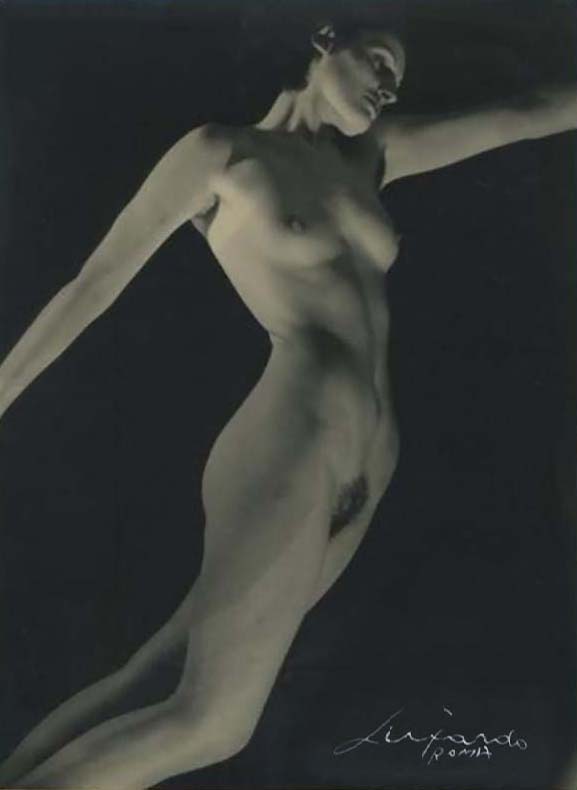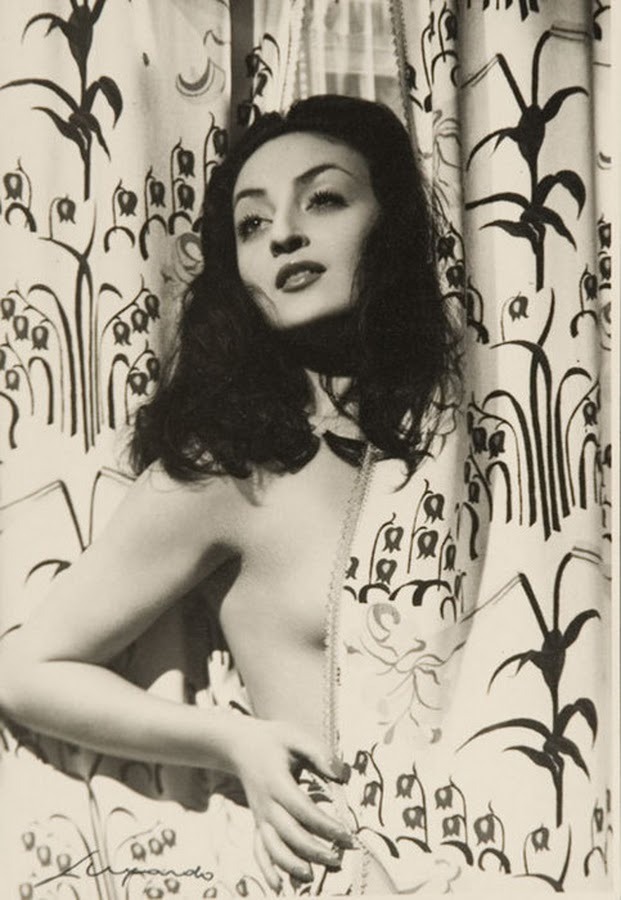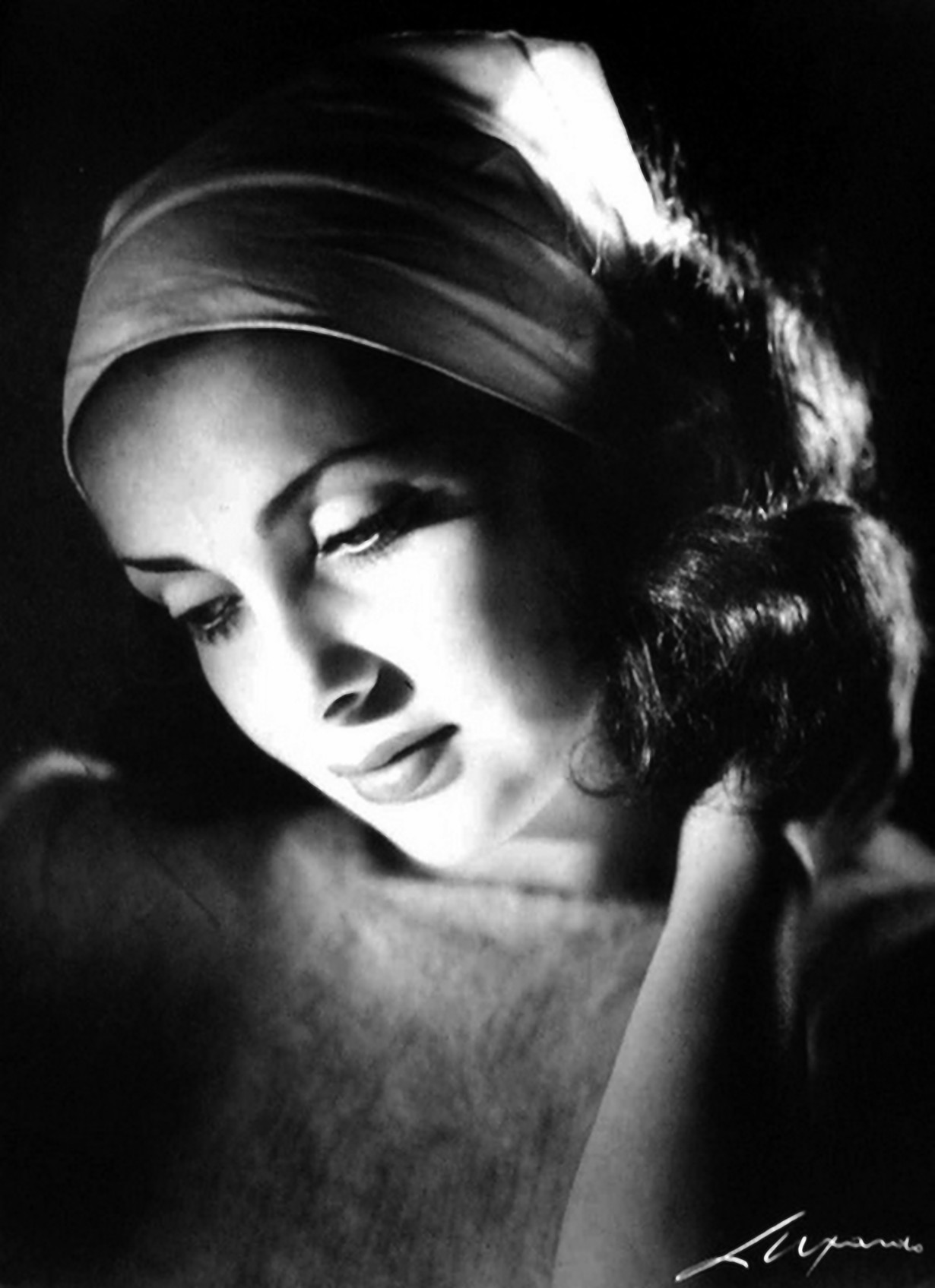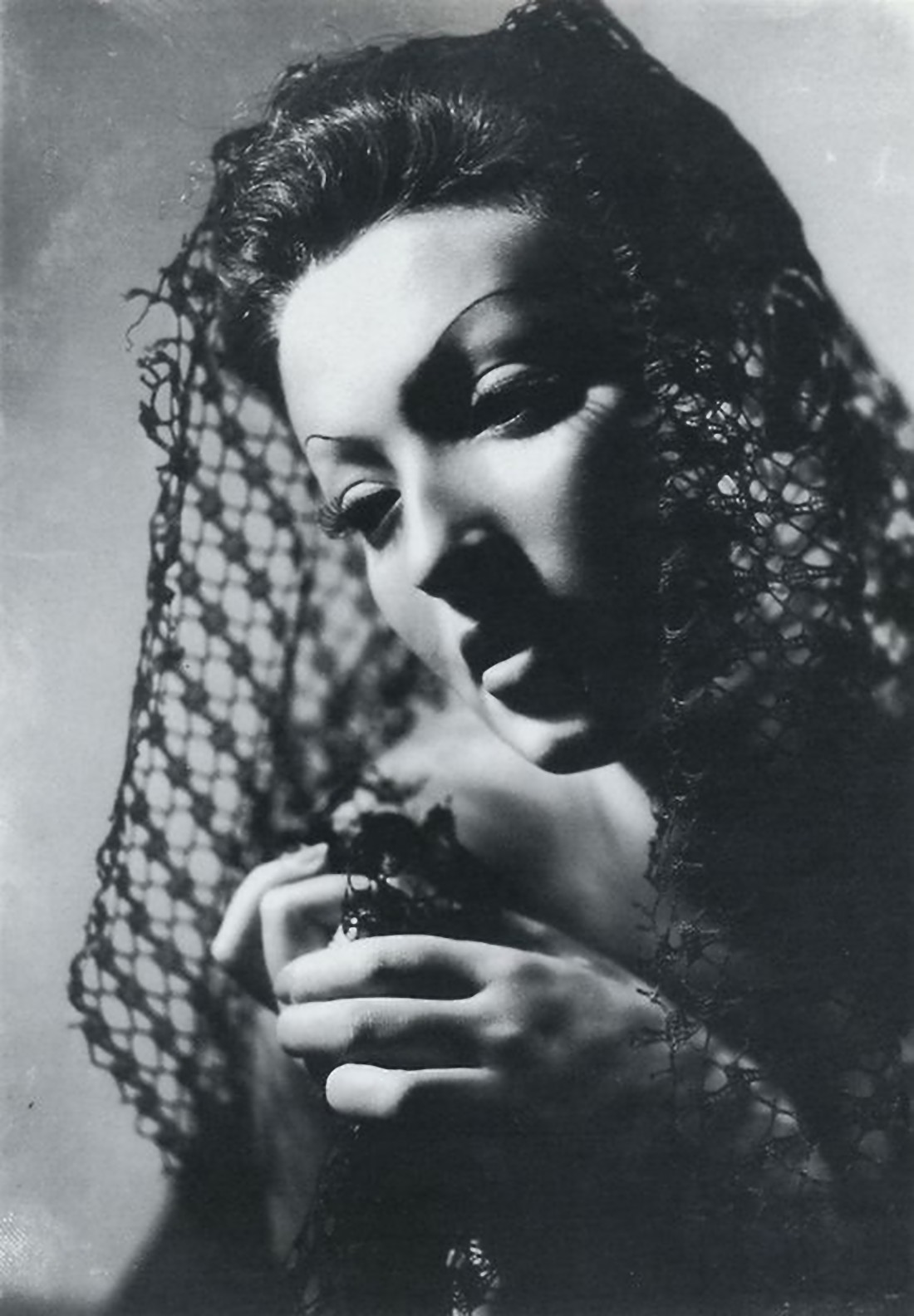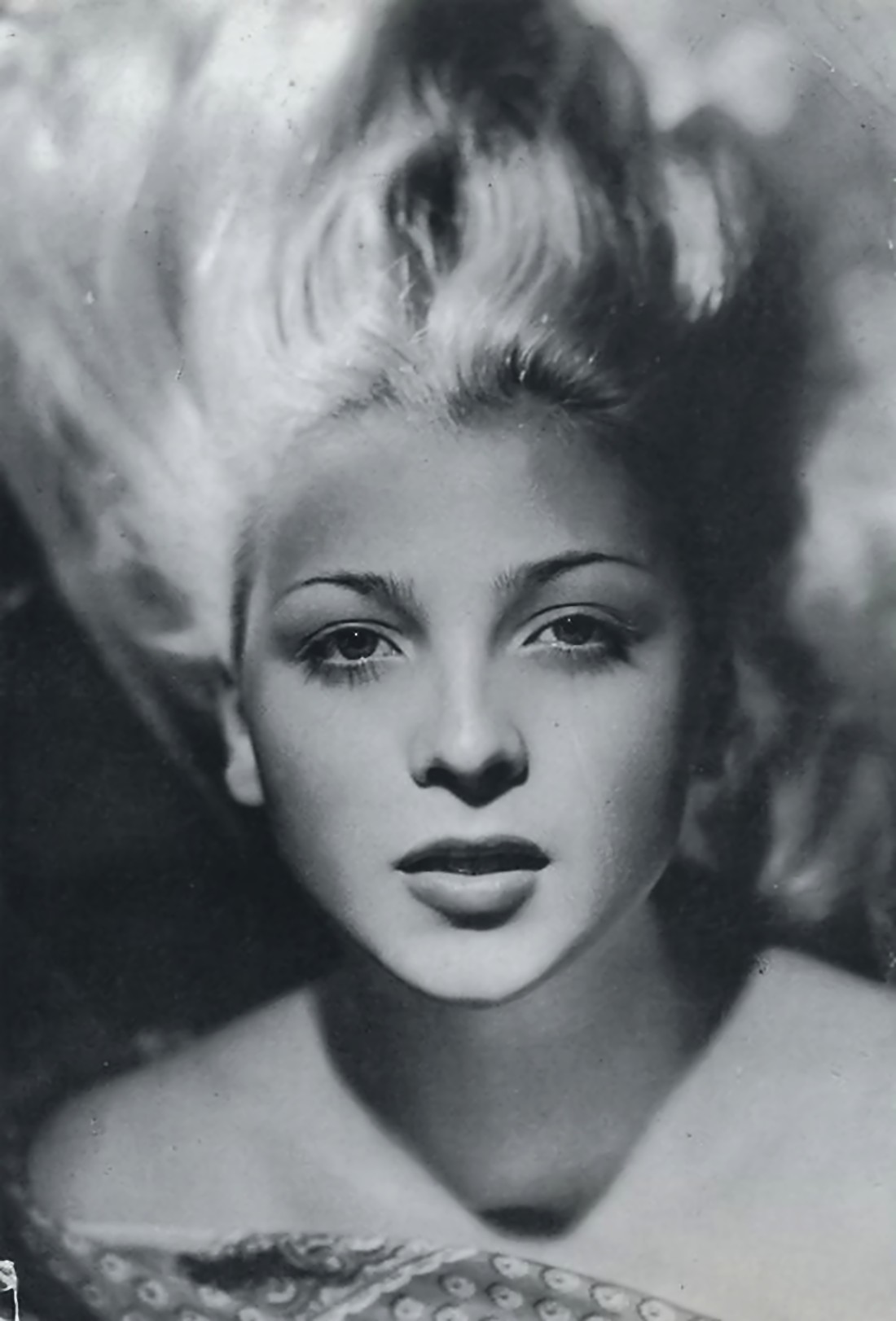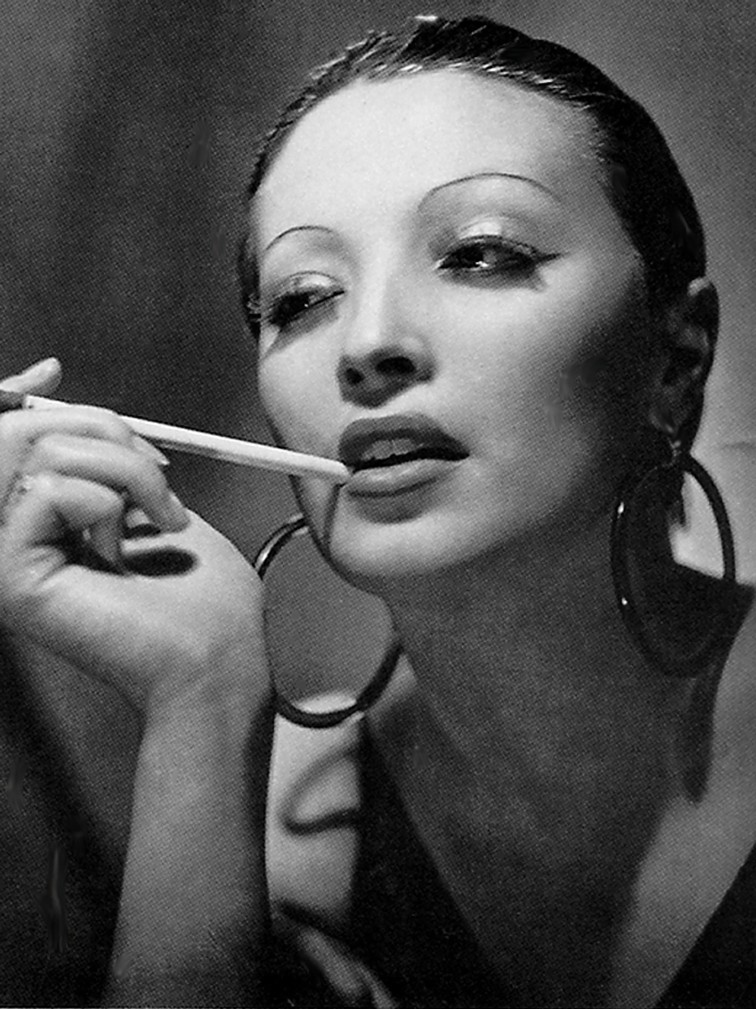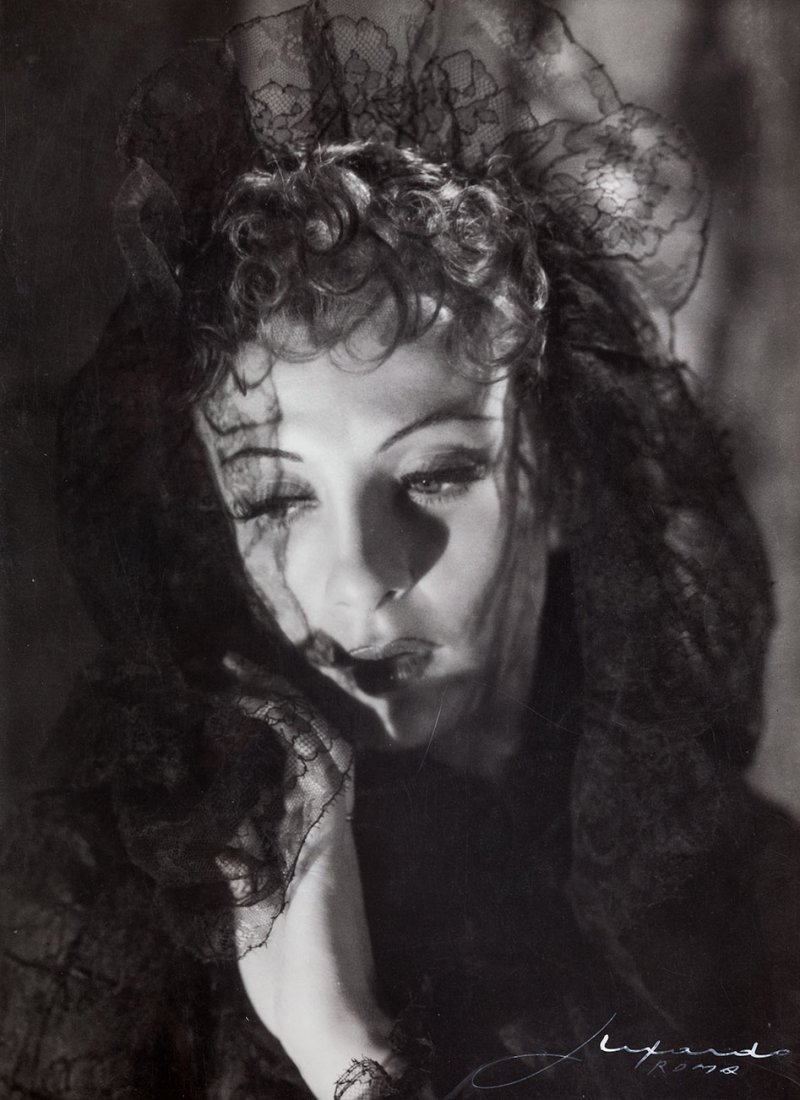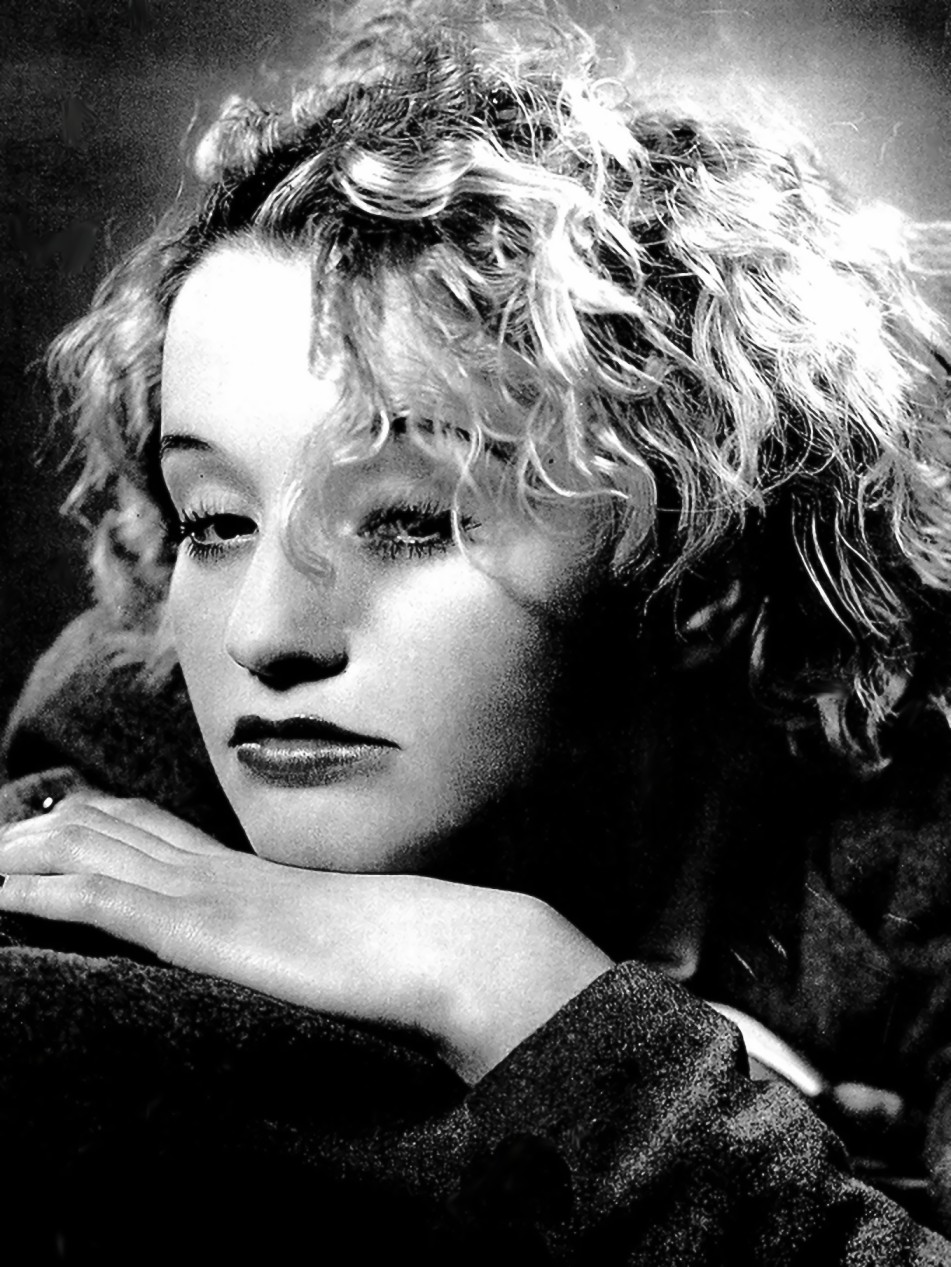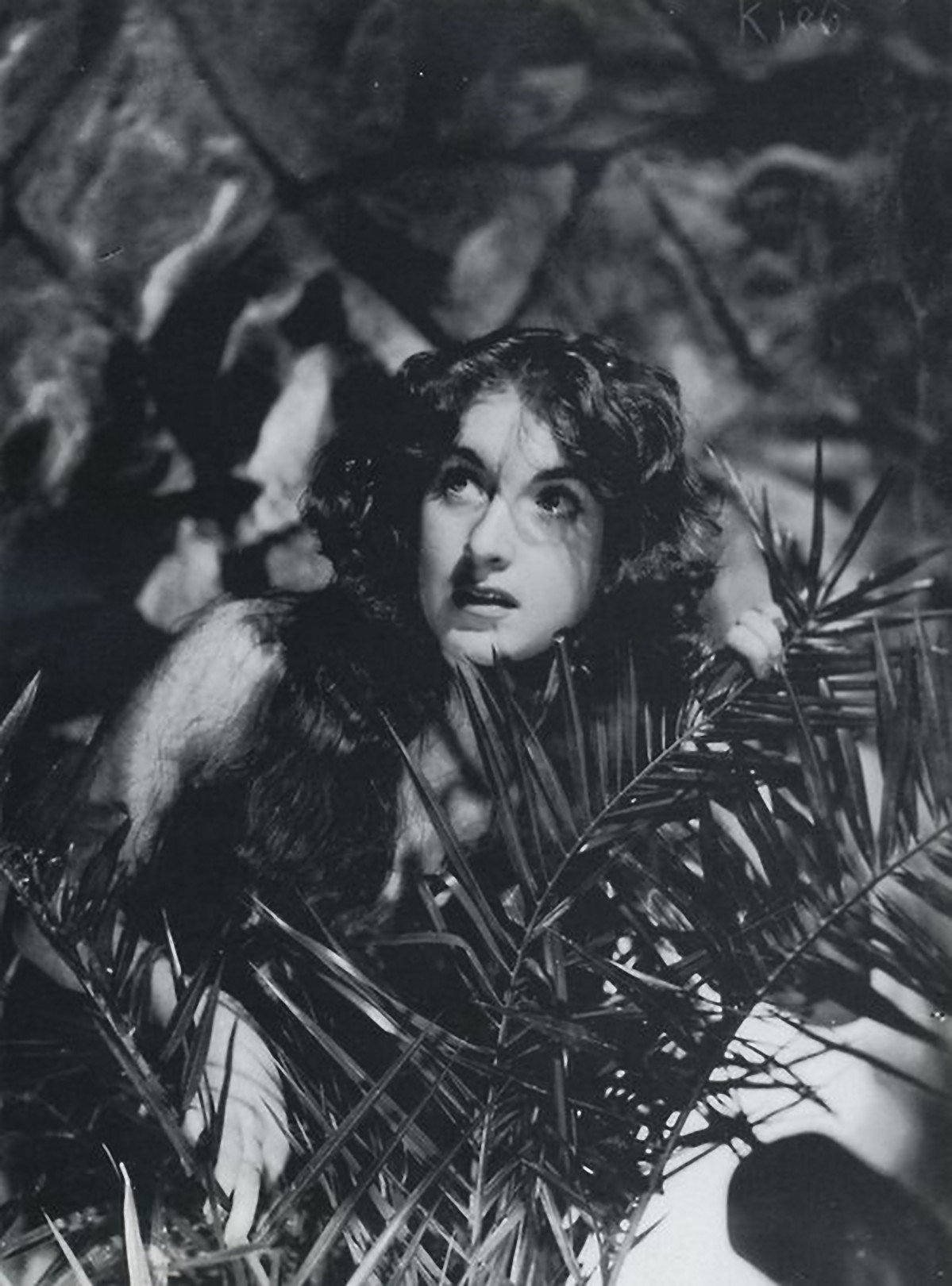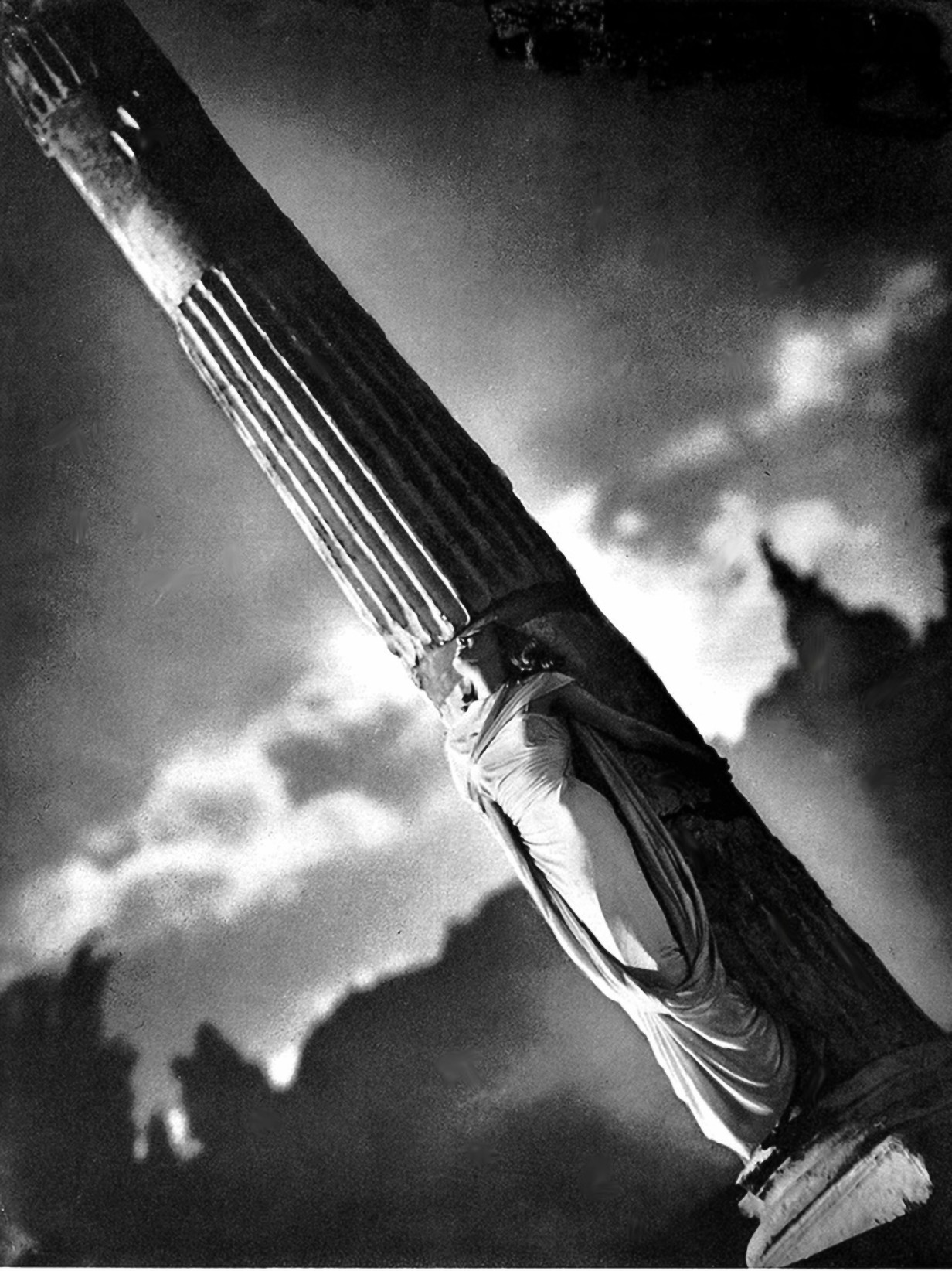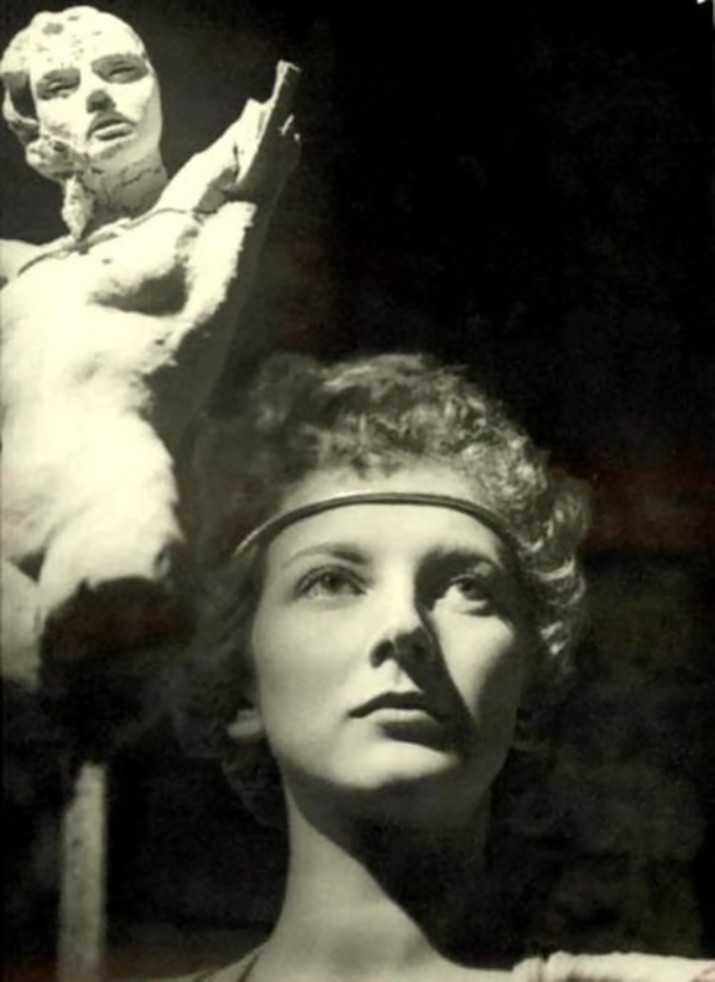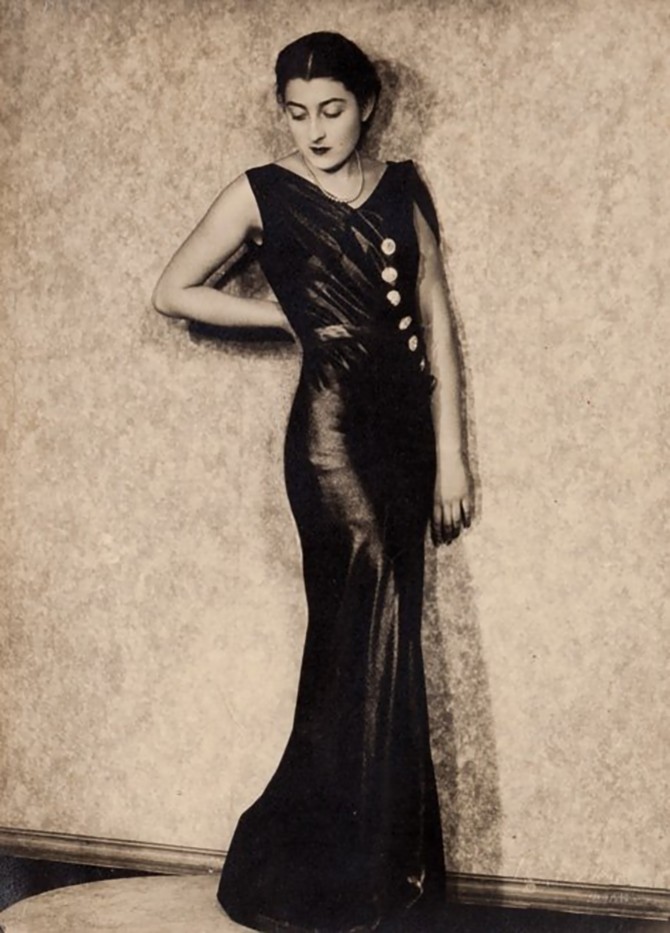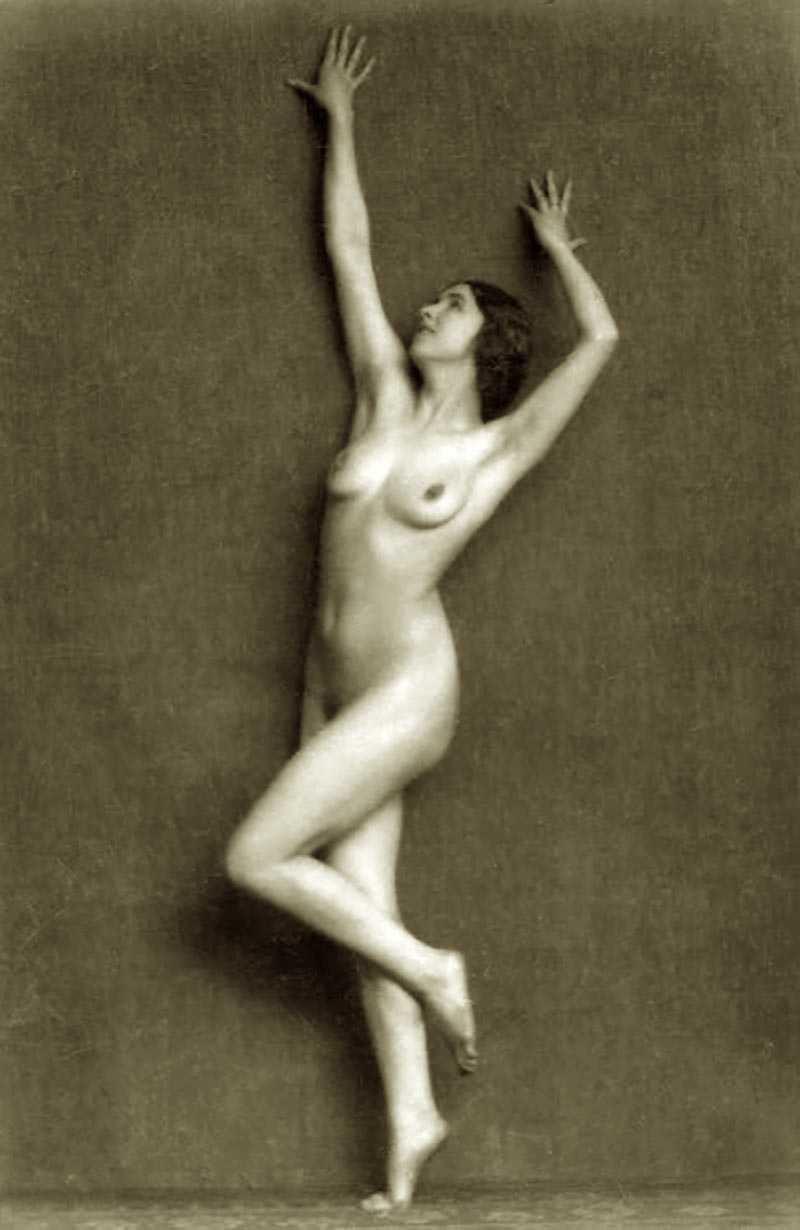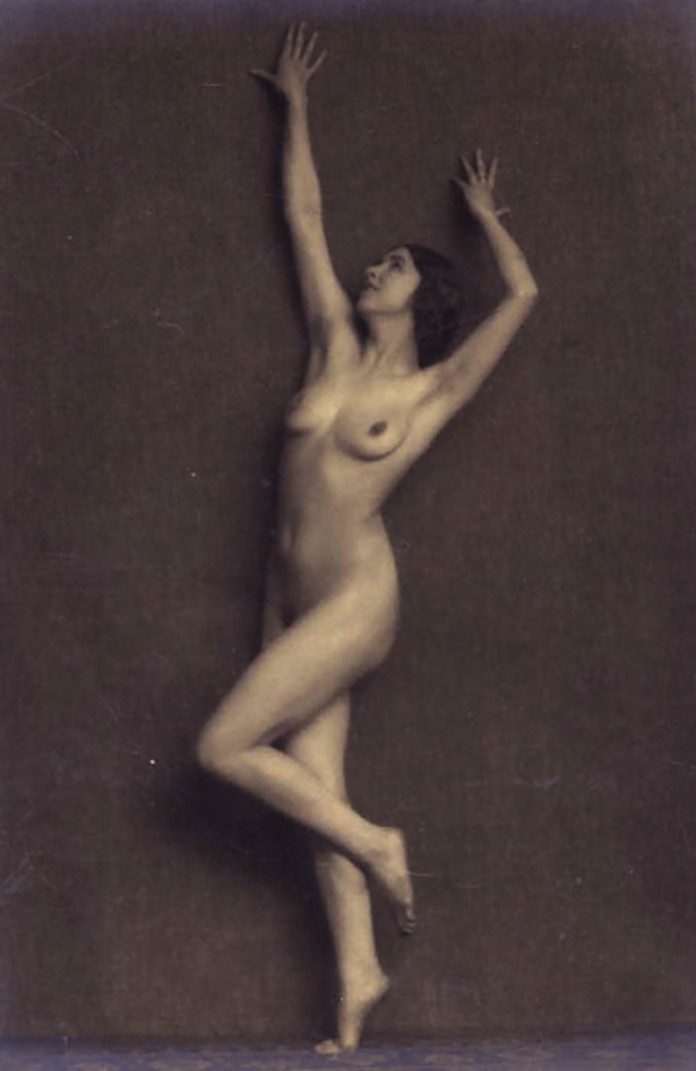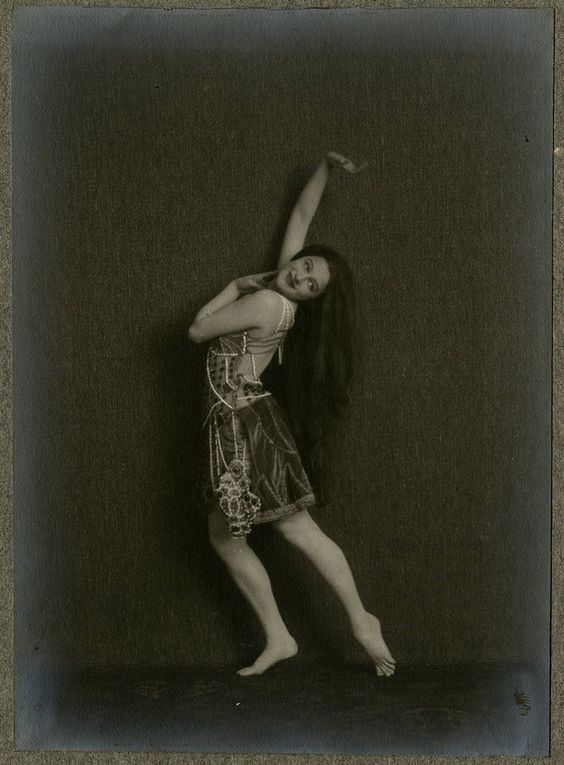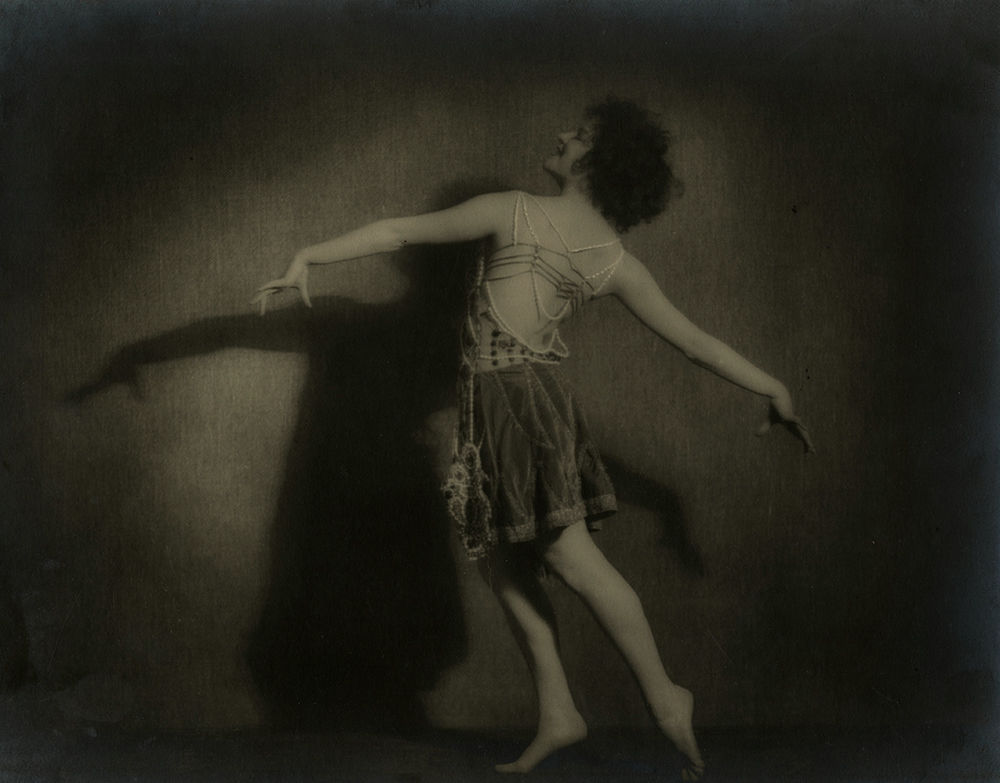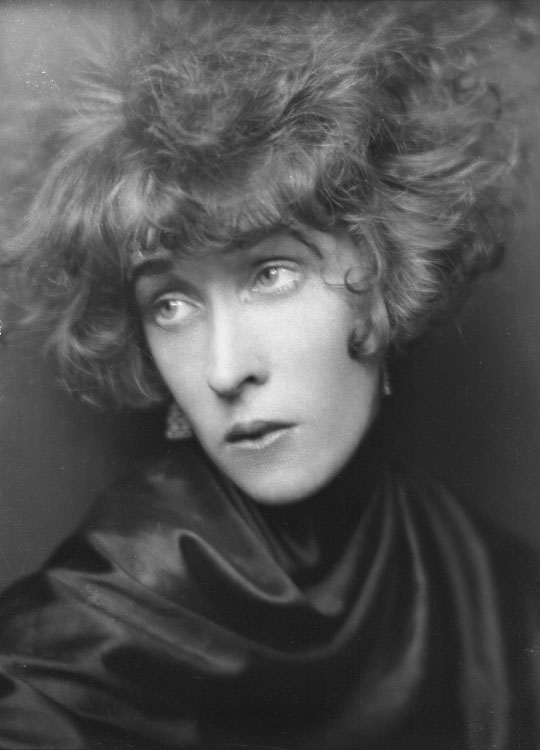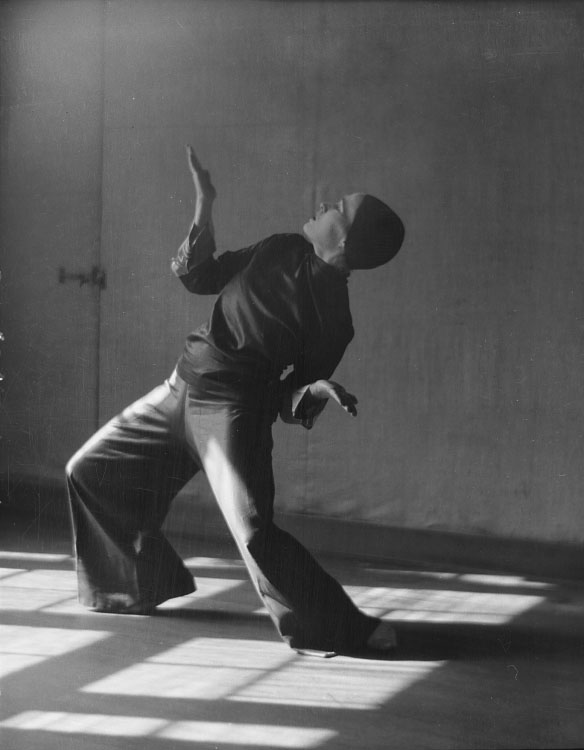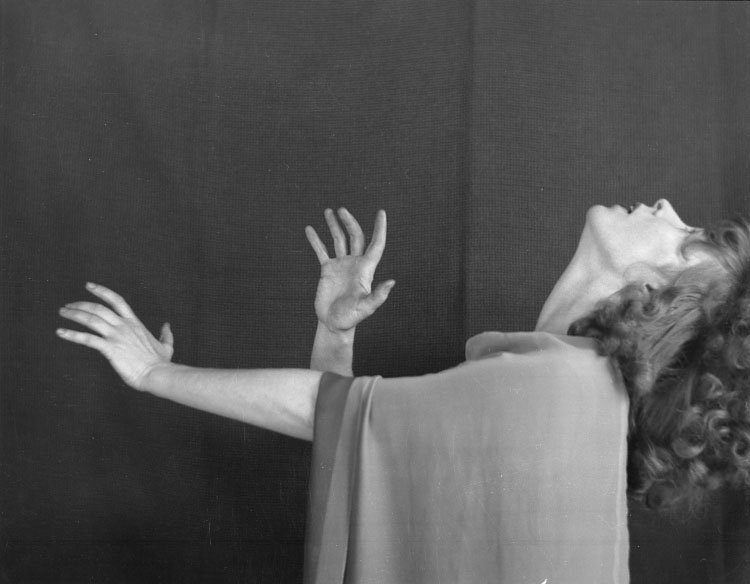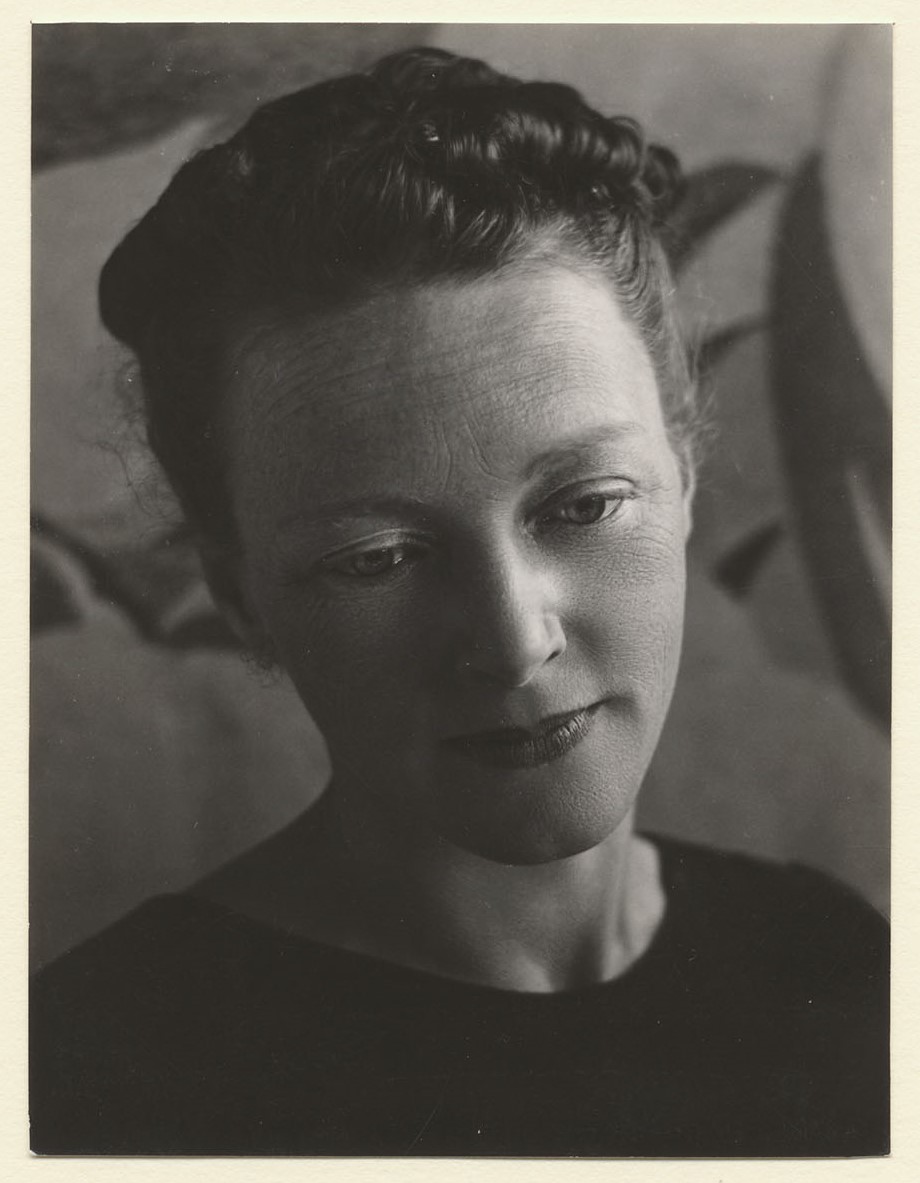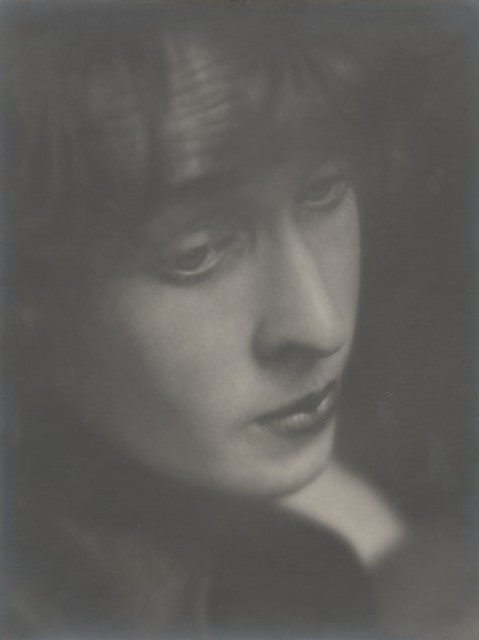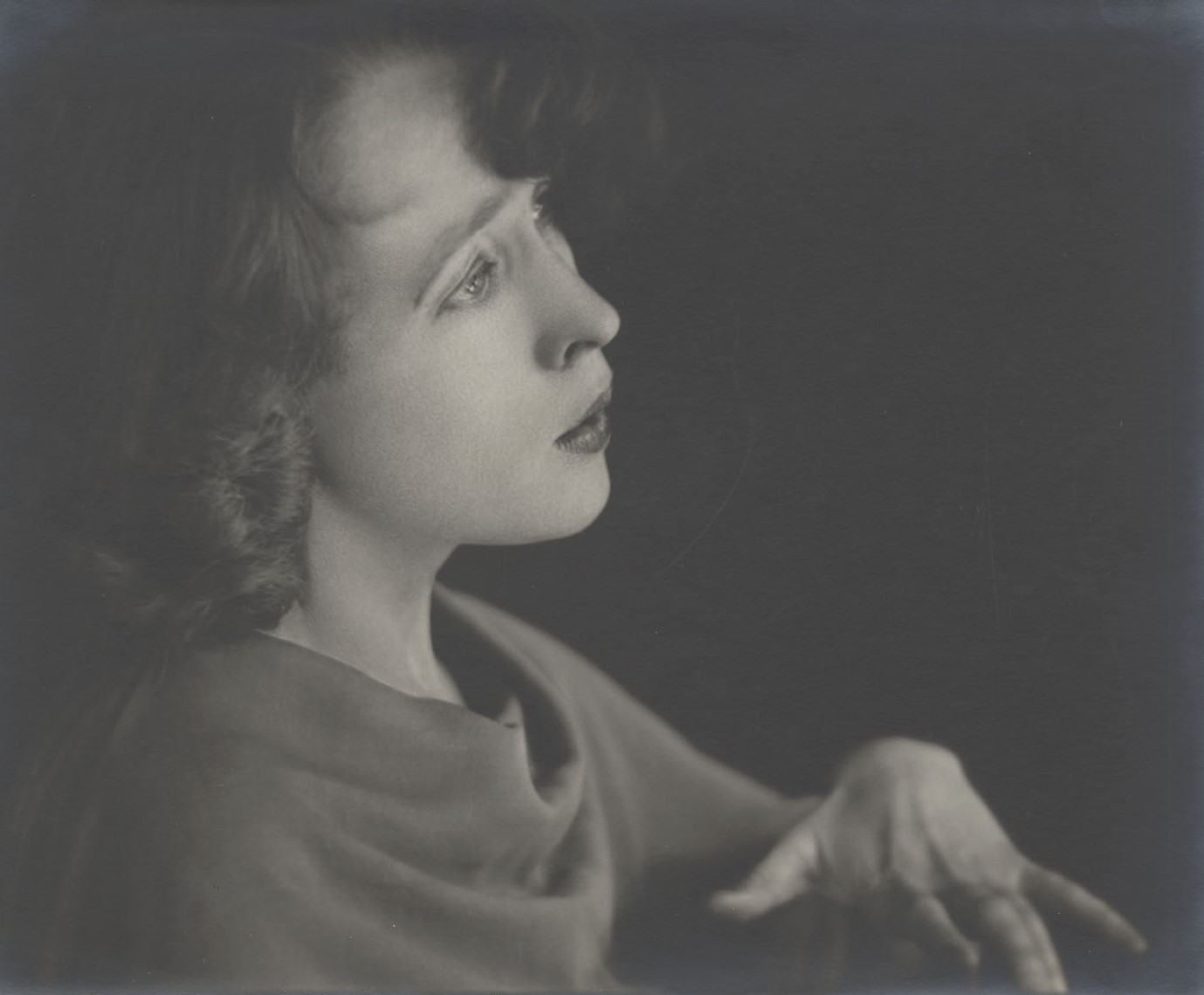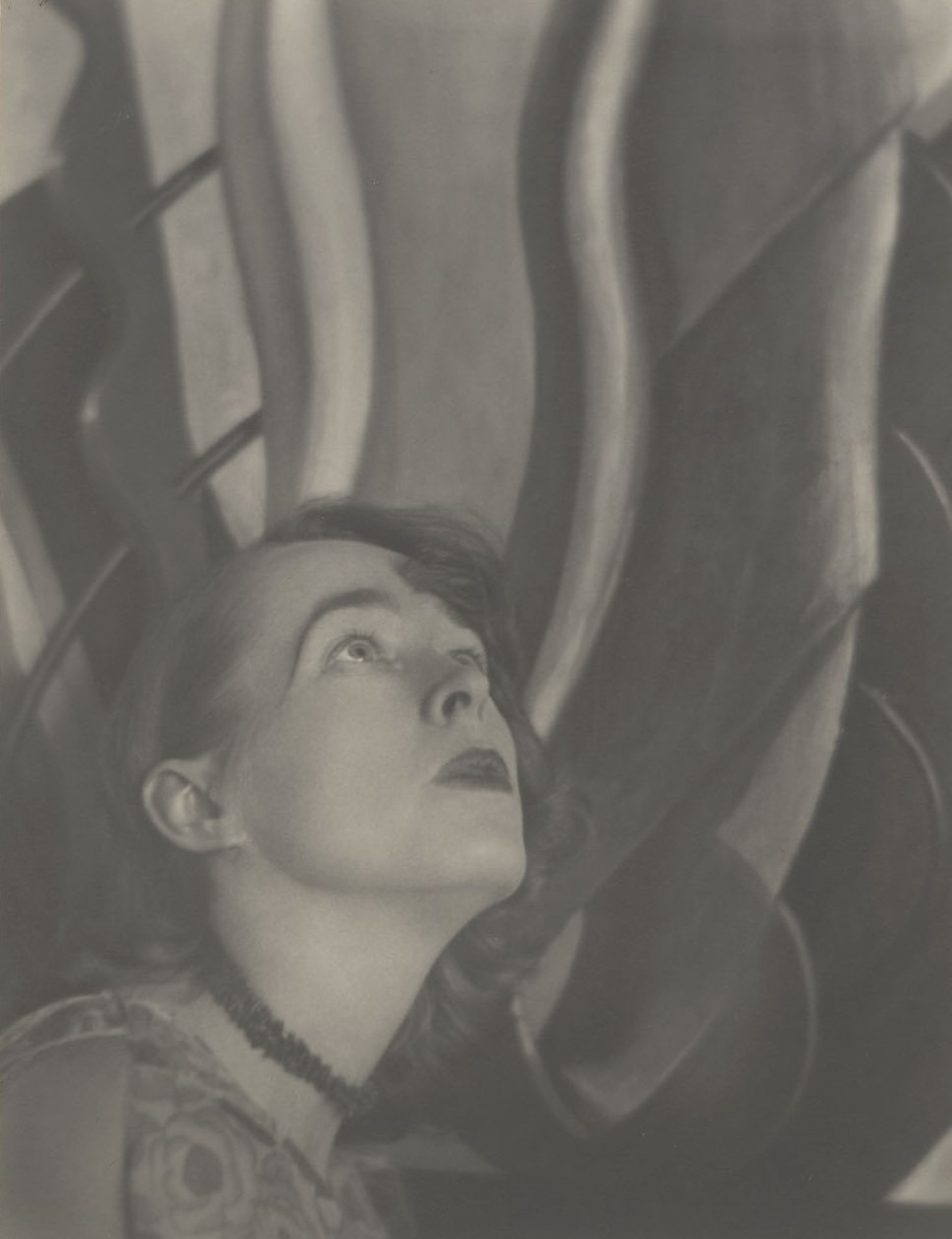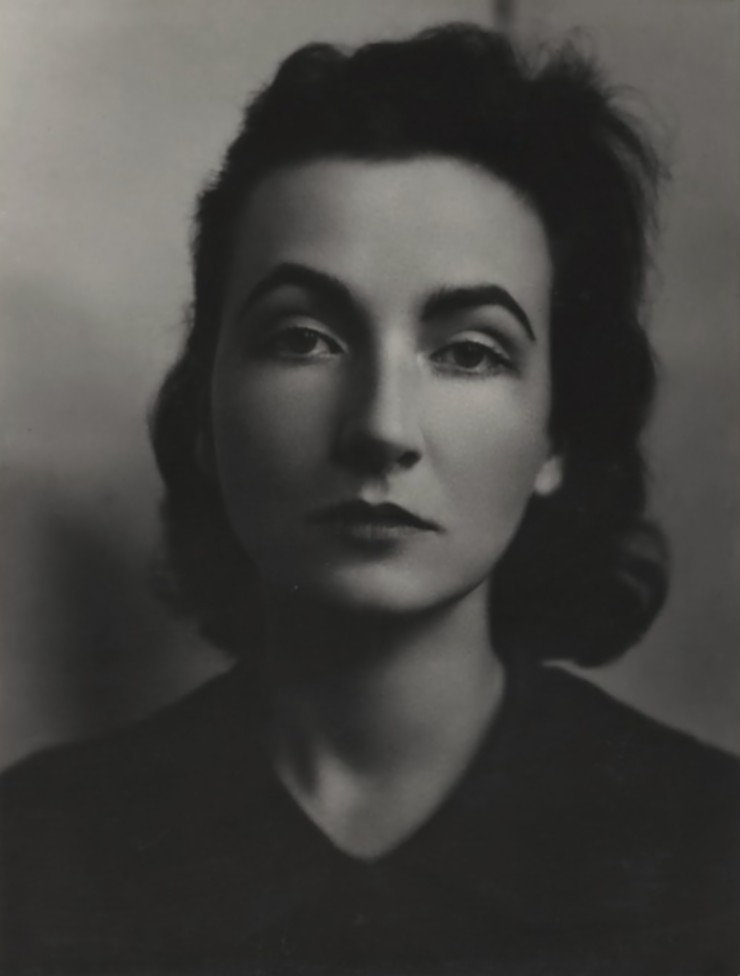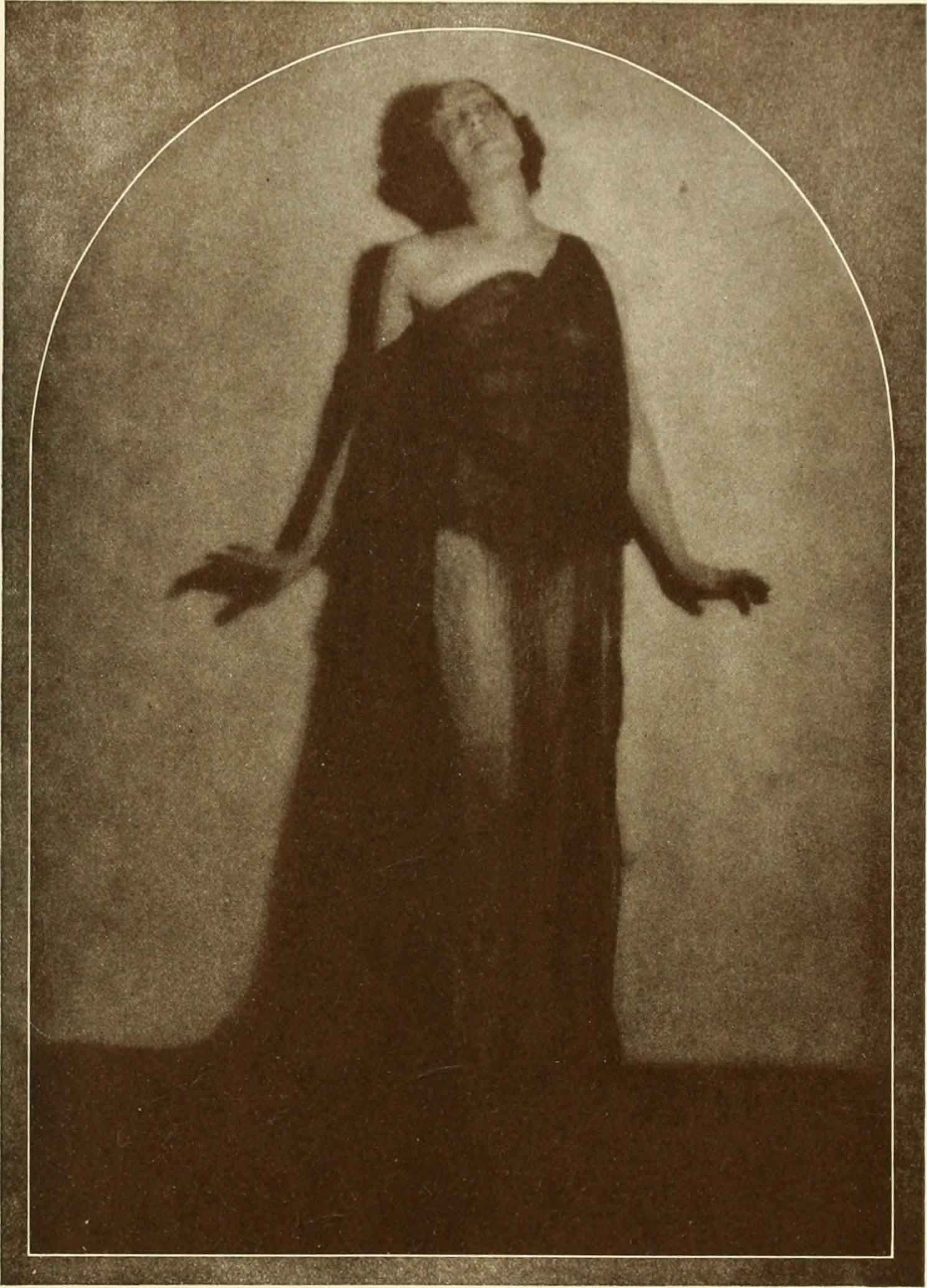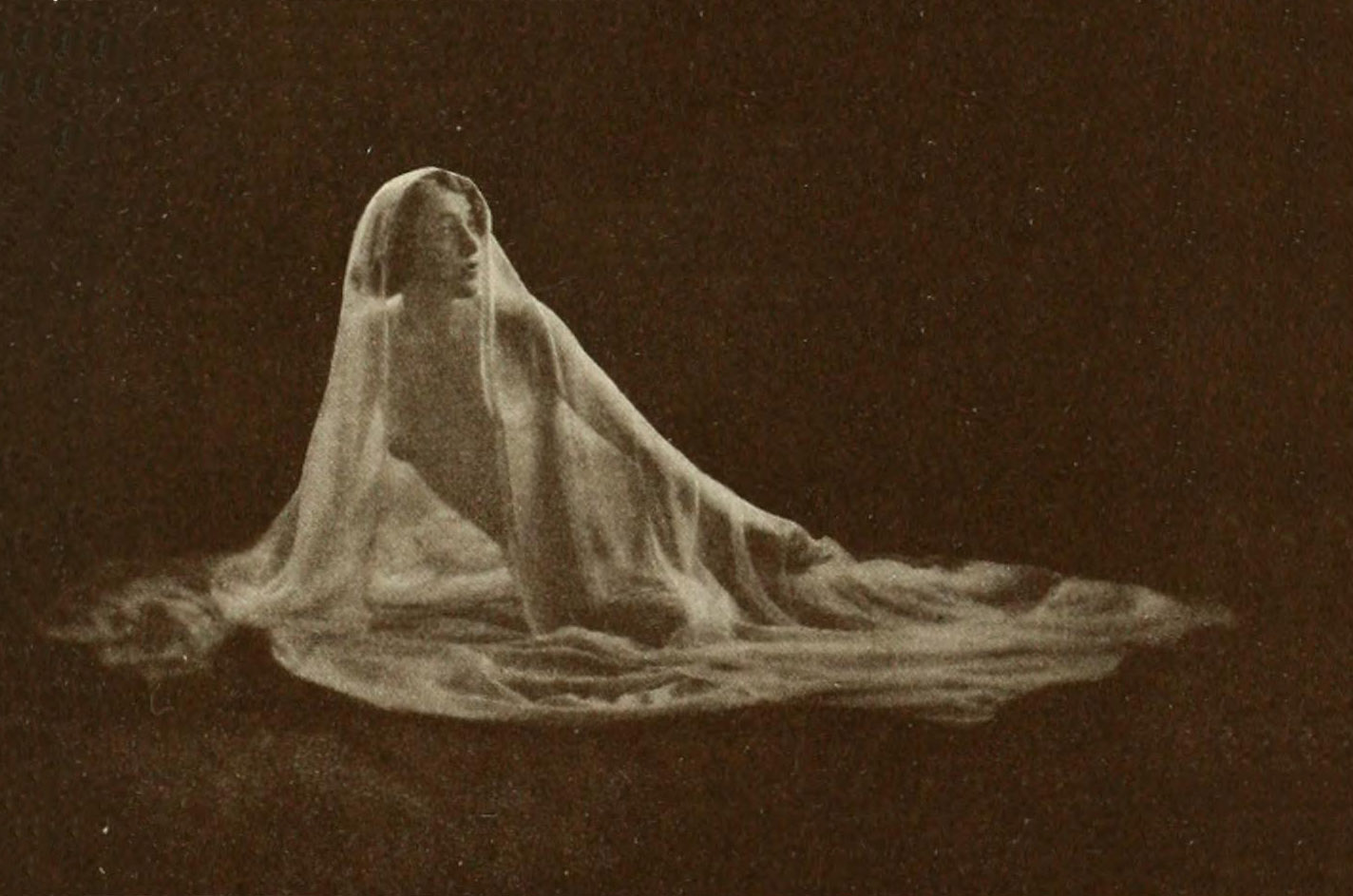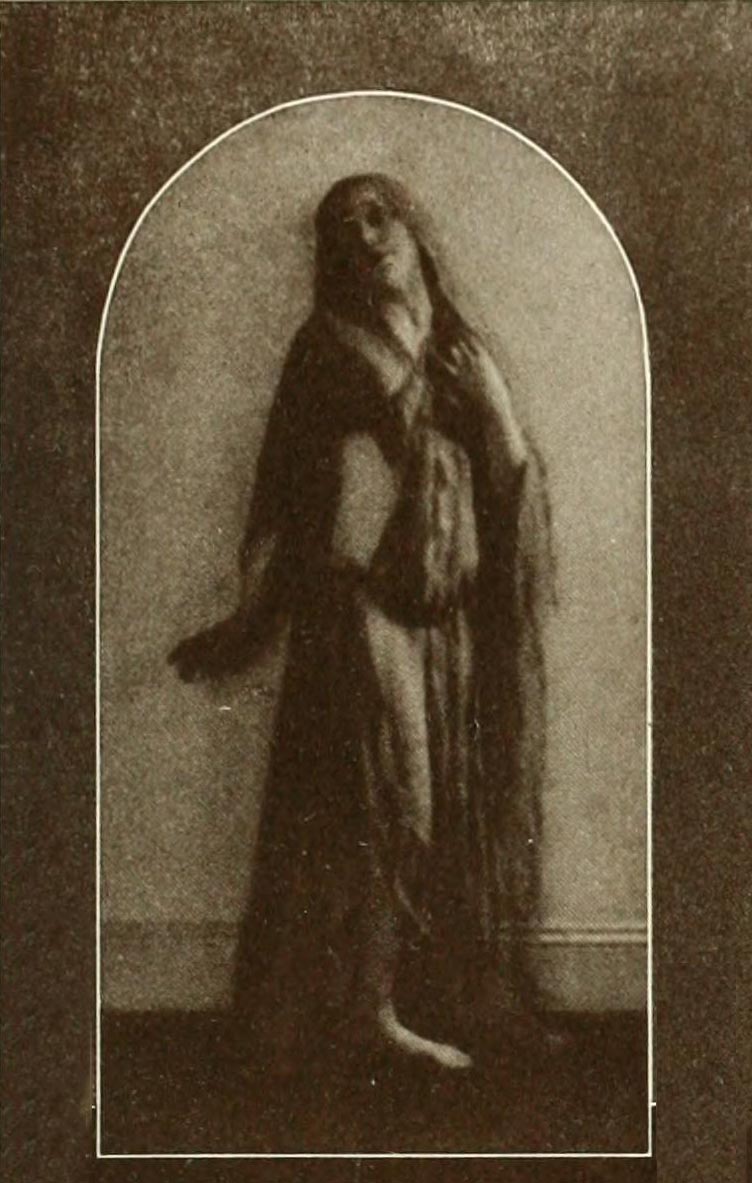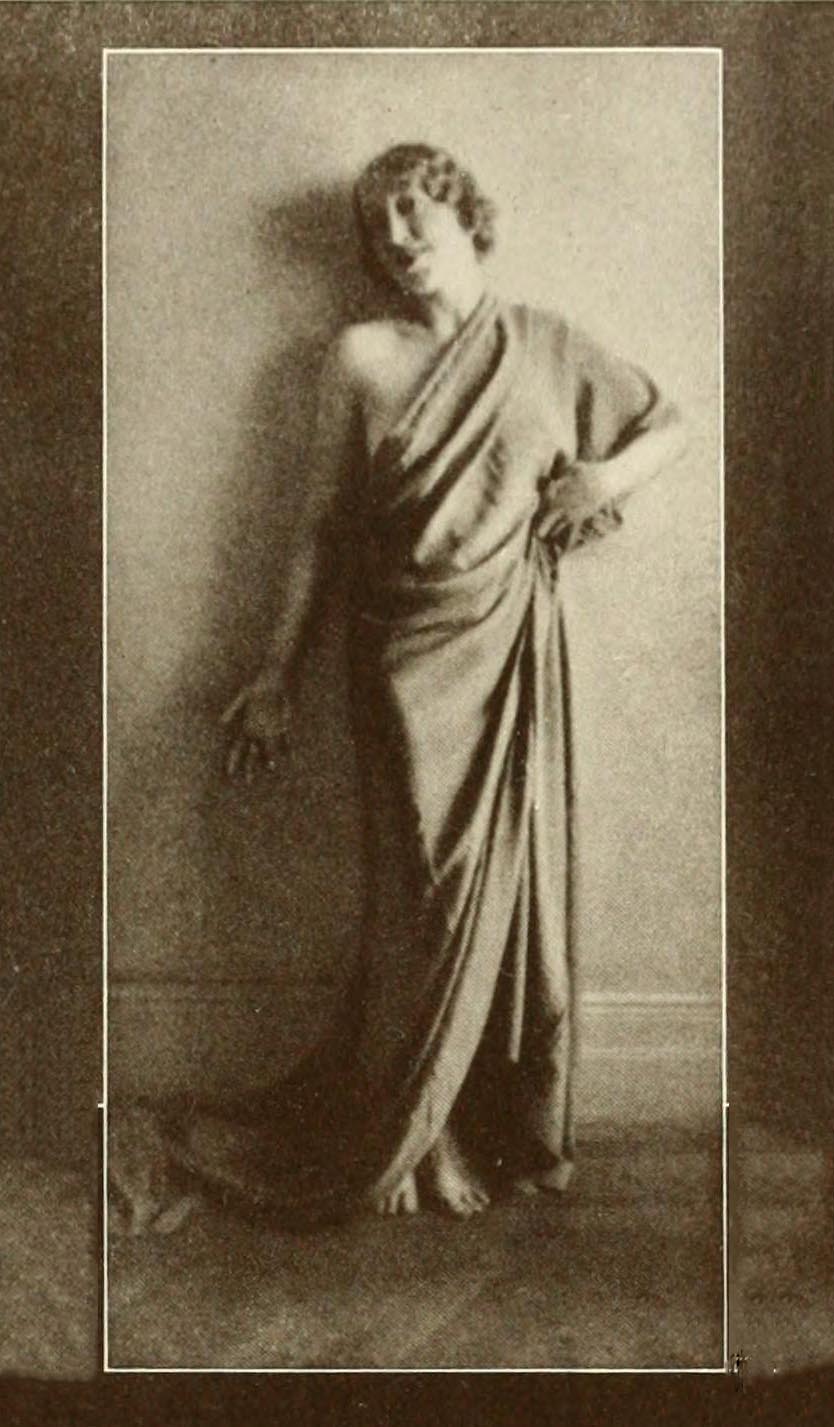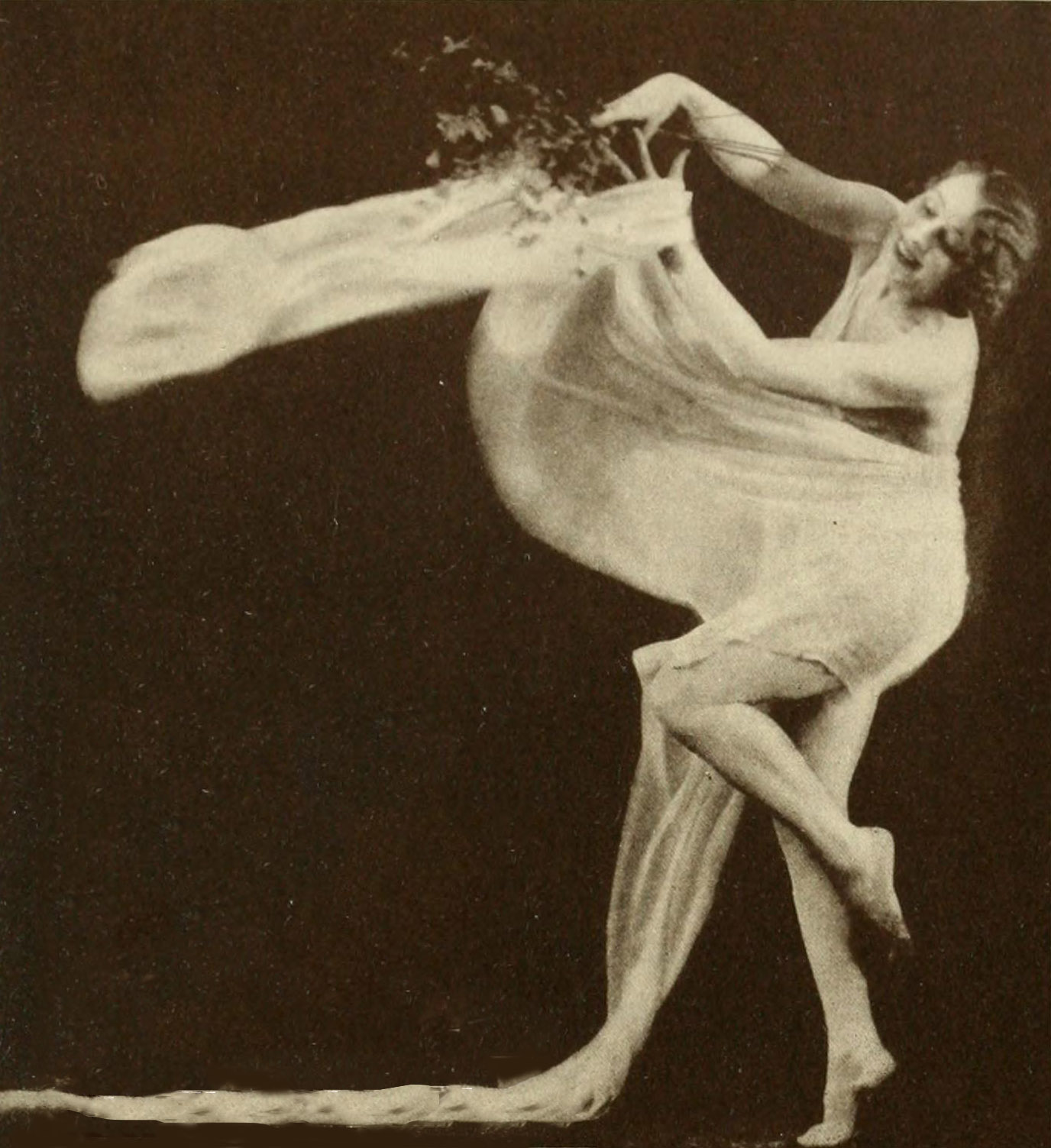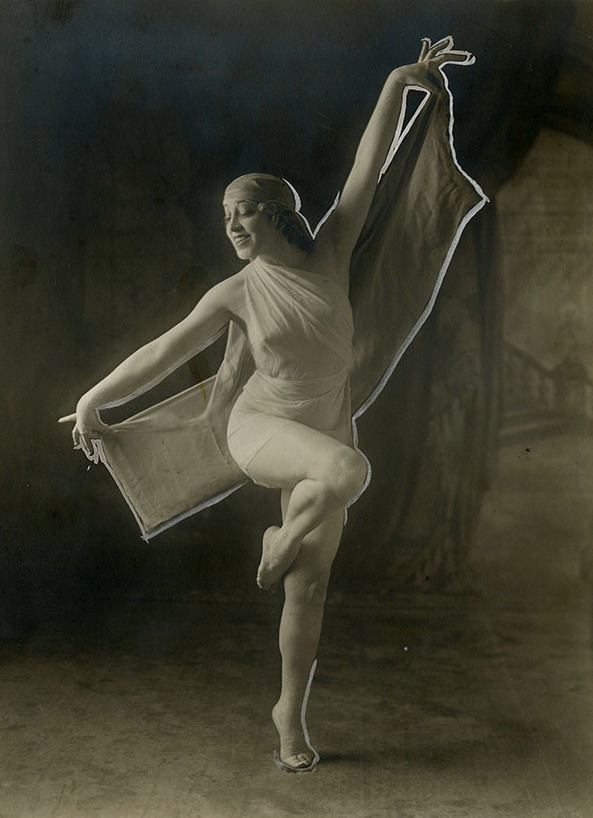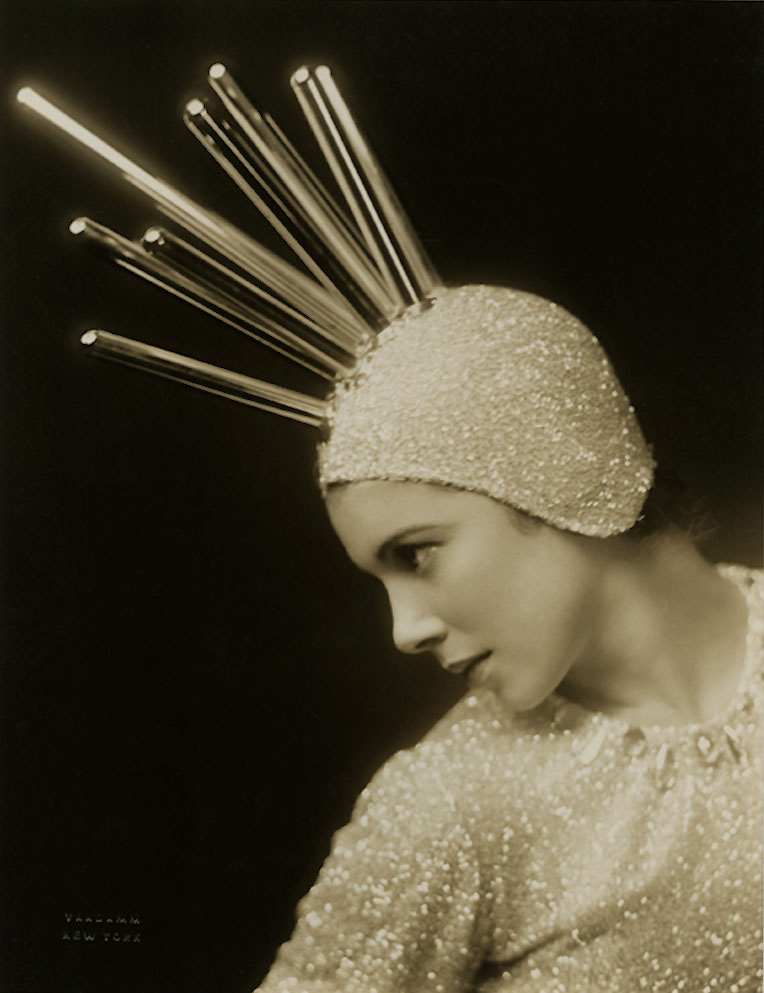
Florence Vandamm -Tilly Losch in the Band Wagon, 1931

Florence Vandamm (Vandamm Studio) - Tilly Losch paper snipe for Tilly Losch in the Band Wagon,  at the new amsterdam theatre musical, 1931

Florence Vandamm (Vandamm Studio) – Tilly Losch paper snipe for Tilly Losch in the Band Wagon, at the new amsterdam theatre musical, 1931

The Band Wagon est une revue (comédie musicale) américaine créée à Broadway en 1931.

Une parodie  des spectacles typiques de l’époque , comprenant,  plusieurs tableaux.

le casting était composé de

Tilly Losch  : La danseuse
Adele Astaire :   Ivy Meredith
Fred Astaire  :  Simpson Cater / Le démonstrateur
John Barker  :  Mr. Wallace  / Mr. Knipper
Helen Broderick  :  Sarah  / Mrs. Prescott
Helen Carrington  : Mrs. Boule
Philip Loeb  : Jasper  / Walker  / Mr. Leftwitch
Frank Morgan : Le colonel Jefferson Claghorne / L’inspecteur Cartwright
Francis Pierlot : Ely Cater / L’homme assassiné  / Mr. Cadwallader
Roberta Robinson :Miss Hutton
Jay Wilson : Martin Carter  / Un policier
Albertina Rasch Dancers

**************************


Livret / Sketches : George S. Kaufman et Howard Dietz

Paroles : Howard Dietz

Musique : Arthur Schwartz   (Vous pouvez écouter ICI deux morceaux restaurés)

Mise en scène et lumières : Hassart Short

Chorégraphie : Albertina Rasch

Décors : Albert R. Johnson

Costumes : Kiviette et Constance Ripley   fabriqués par Eaves Costume Co.

Producteur : Max Gordon

[STAGED by Hassard Short.] Scenary executed by Triangle Scenic Studio New Amsterdam Theatre,

Nombre de représentations : 260 // Date de la première : 3 juin 1931 – dernière : 16 janvier 1932

Toutes les représentations  ont eu lieu au  New Amsterdam Theatre, Broadway

Source wilkipedia

Vus trouverez Ici sur WordPresse sur le Blog de    Jacksonupperco.com   Un article que je trouve très complet sur The Band Wagon donc je vous y renvoie, pas la peine de le copier.

je vous conseille également de lire 4/5 pages sur google book  consacrées à Tilly Losch  et cette comédie musicale,  dans « Sing for Your Supper The Broadway Musical in the 1930s » Par Ethan Mordden

Vous trouvez des photos de cette comédie Musicale au Musée de New-York avec de mauvais credits !!! ( c’est quand même ahurissant puisqu’ils sont sur NPG  en noir et blanc et sans tampon du photographe /////Notifié Studio Vandamm
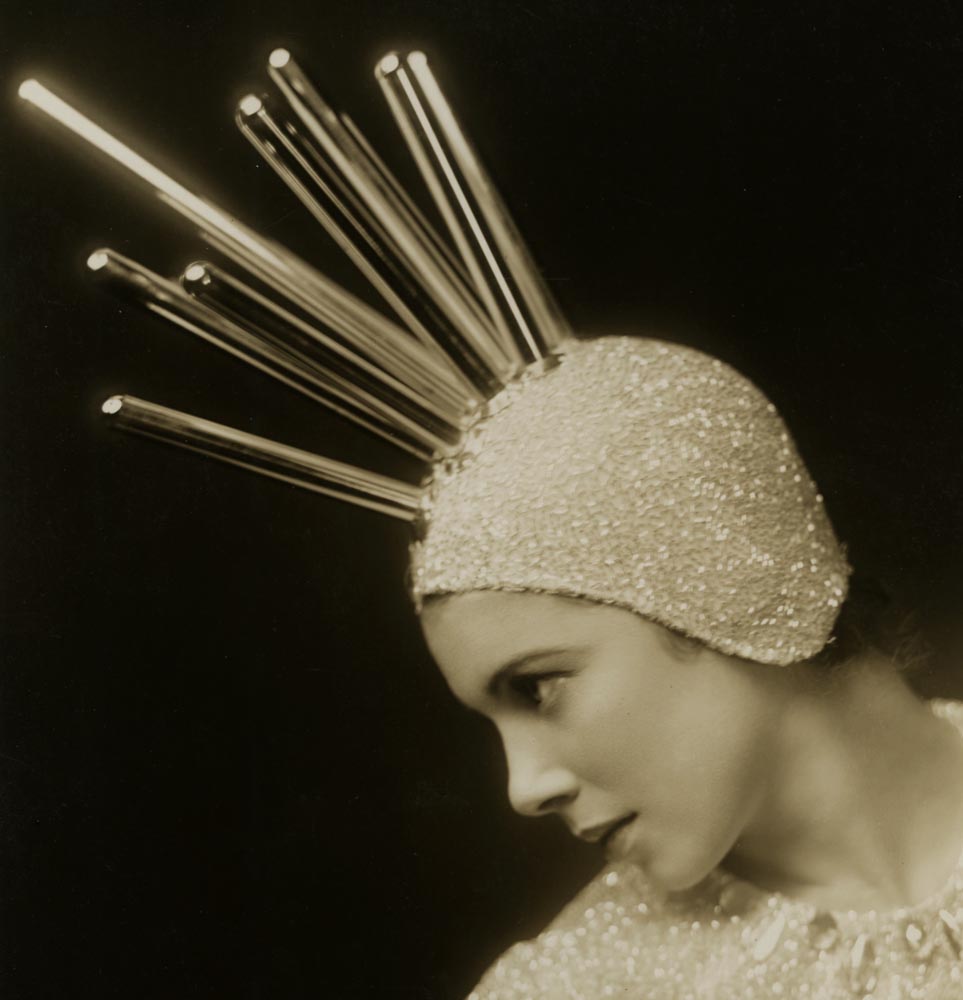
Florence Vandramm (Vandamm Studio) -Tilly Losch paper snipe for Tilly Losch in the Band Wagon, at new amsterdam theatre, 1931 [ crop]

 Les trois photographies qui suivent sont des scans du livre Parole de corps/ les couleurs ne sont pas très belles, mais c’est les seules photos de Tilly Losch de cette serie en couleur avec le tampon du photographe.
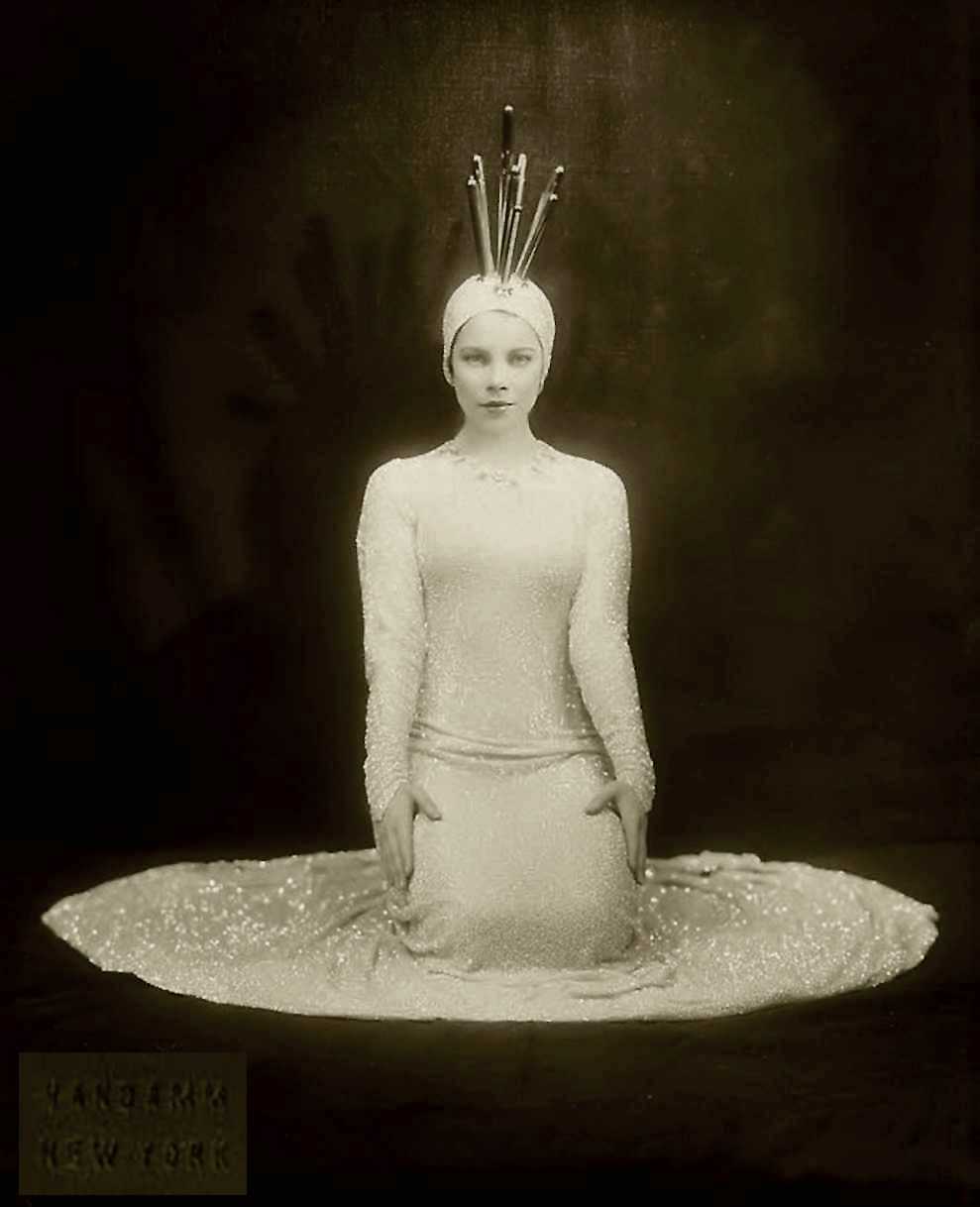
Florence Vandamm (Vandamm Studio) -Tilly Losch, in The Band Wagon (Costume designed by Constance Ripley. A Howard Dietz-Arthur’s musical revue Schwart, 1931
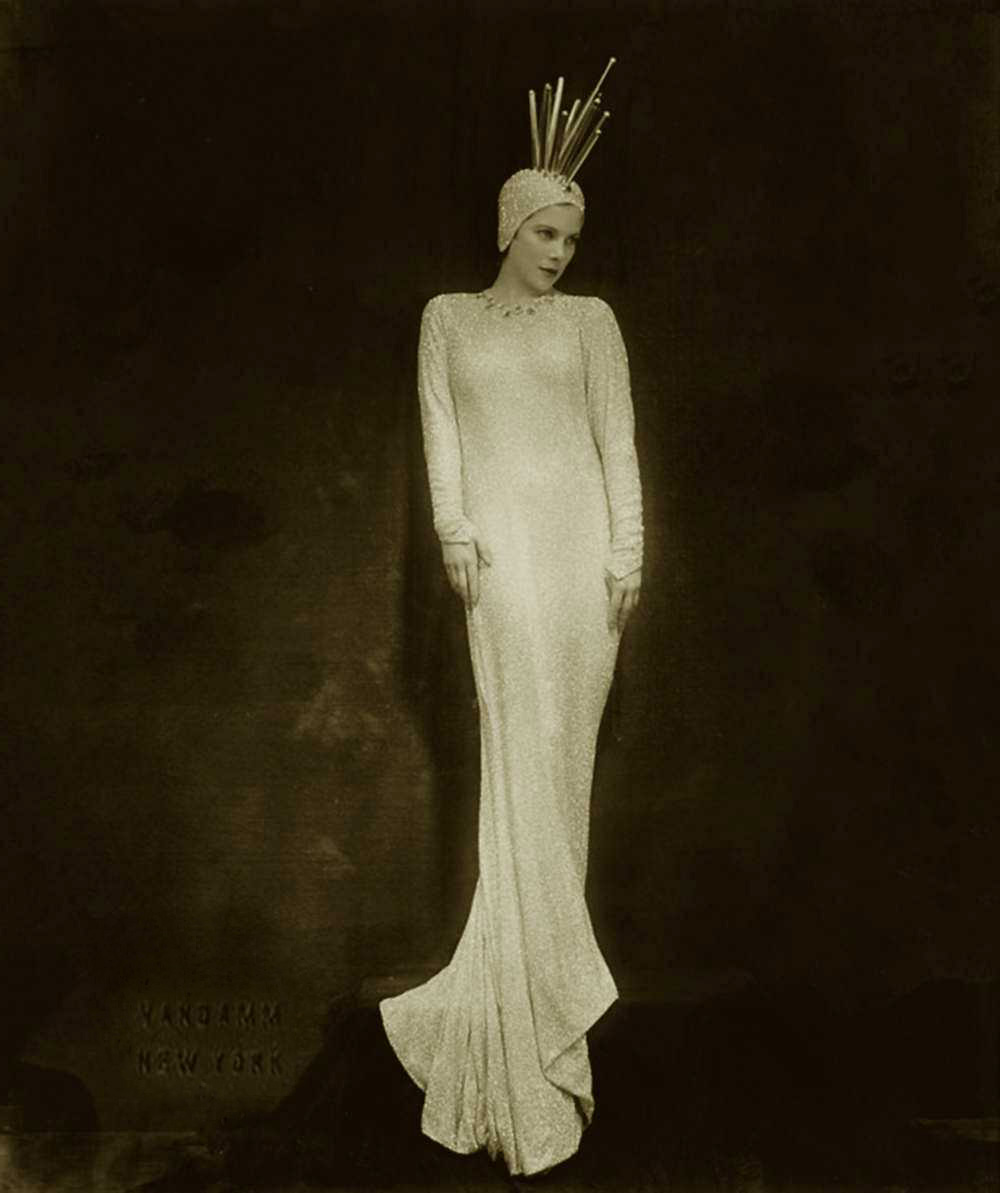
 

Florence Vandamm (Vandamm Studio) -Tilly Losch, in The Band Wagon (Costume designed by Constance Ripley. A Howard Dietz-Arthur’s musical revue Schwart, 1931
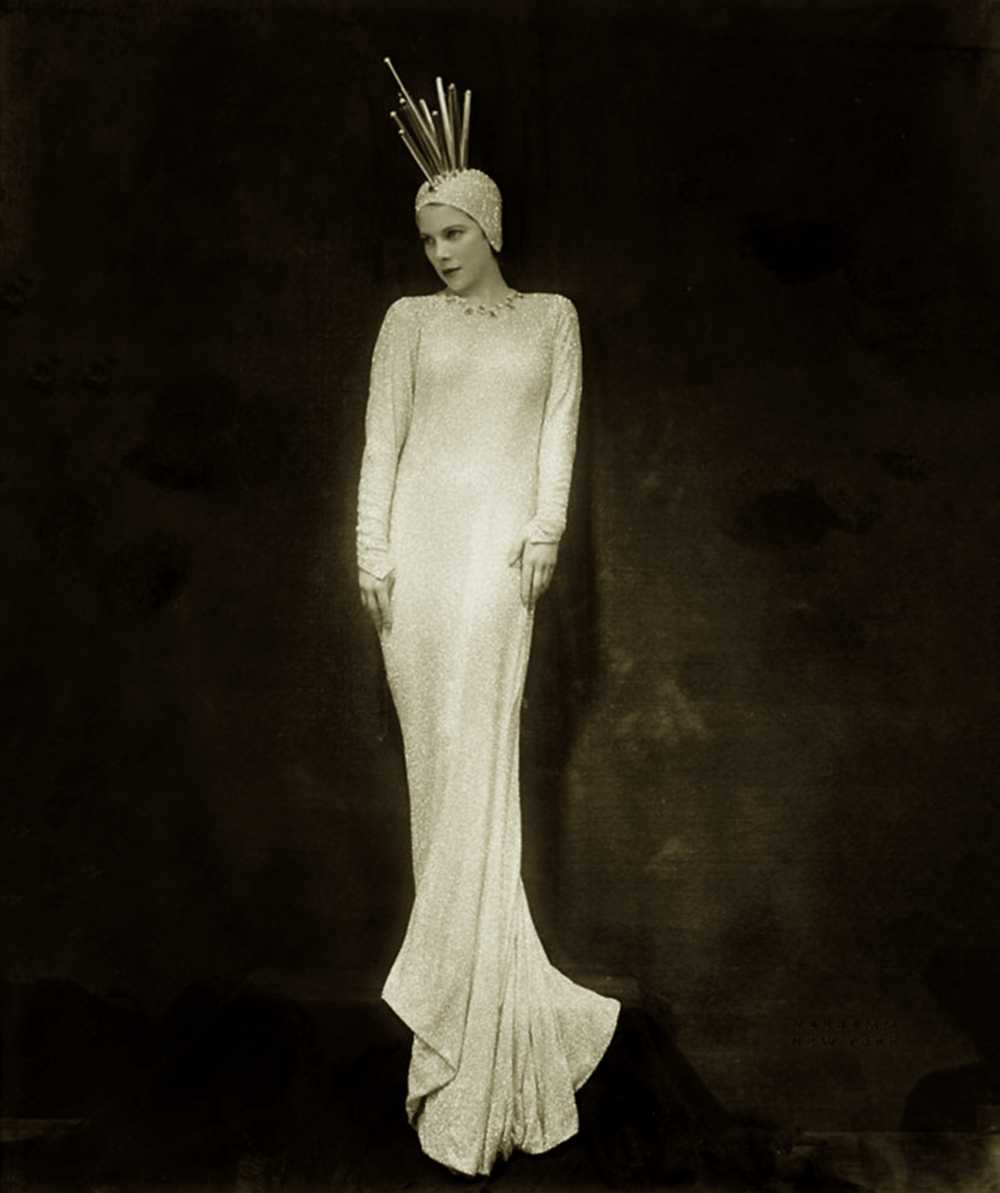
Florence Vandamm (Vandamm Studio) -Tilly Losch, in The Band Wagon (Costume designed by Constance Ripley. A Howard Dietz-Arthur's musical revue Schwart, 1931

Florence Vandamm (Vandamm Studio) -Tilly Losch, in The Band Wagon (Costume designed by Constance Ripley. A Howard Dietz-Arthur’s musical revue Schwart, 1931

Ces photographies sont trouvables sur le net en noir et blanc et sans tampon du photographe sur nypl ou avec des mauvais crédits meme dans ce musée citant pourtant nplg
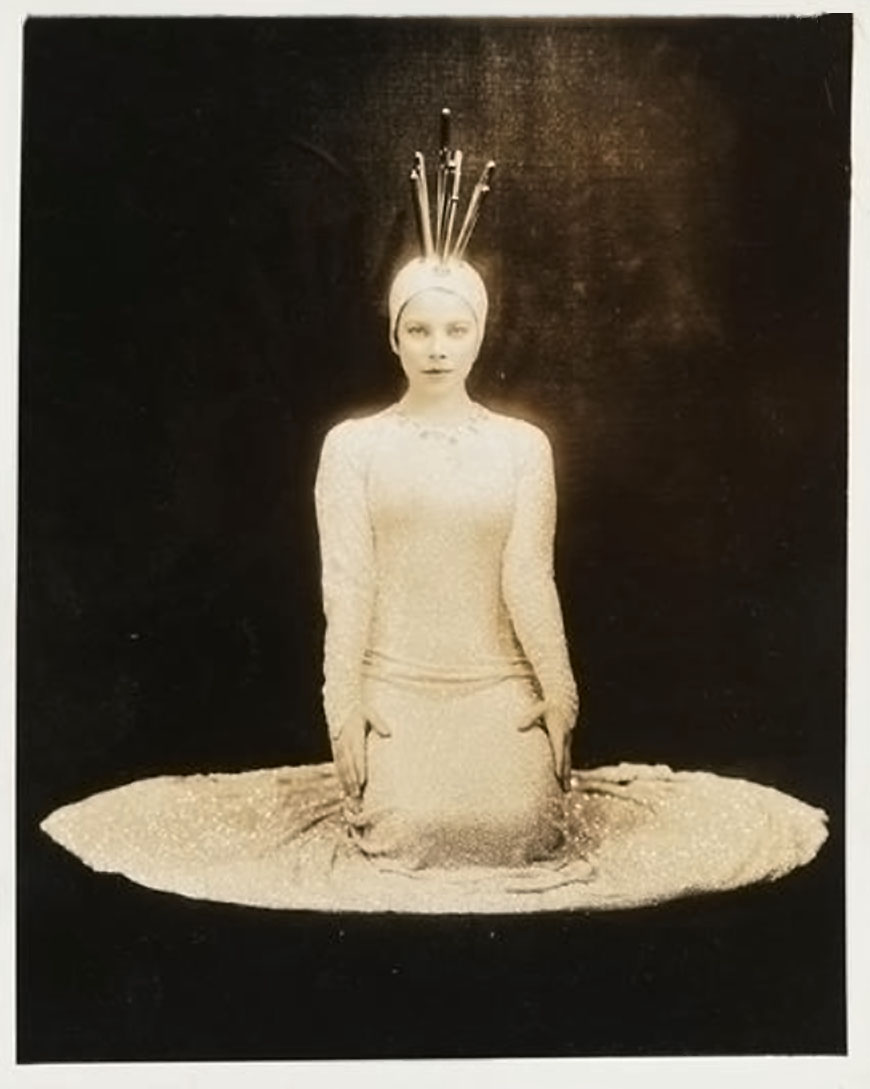
Florence Vandamm (Vandamm Studio) -Tilly Losch, in The Band Wagon (Costume designed by Constance Ripley. A Howard Dietz-Arthur’s musical revue Schwart, 1931
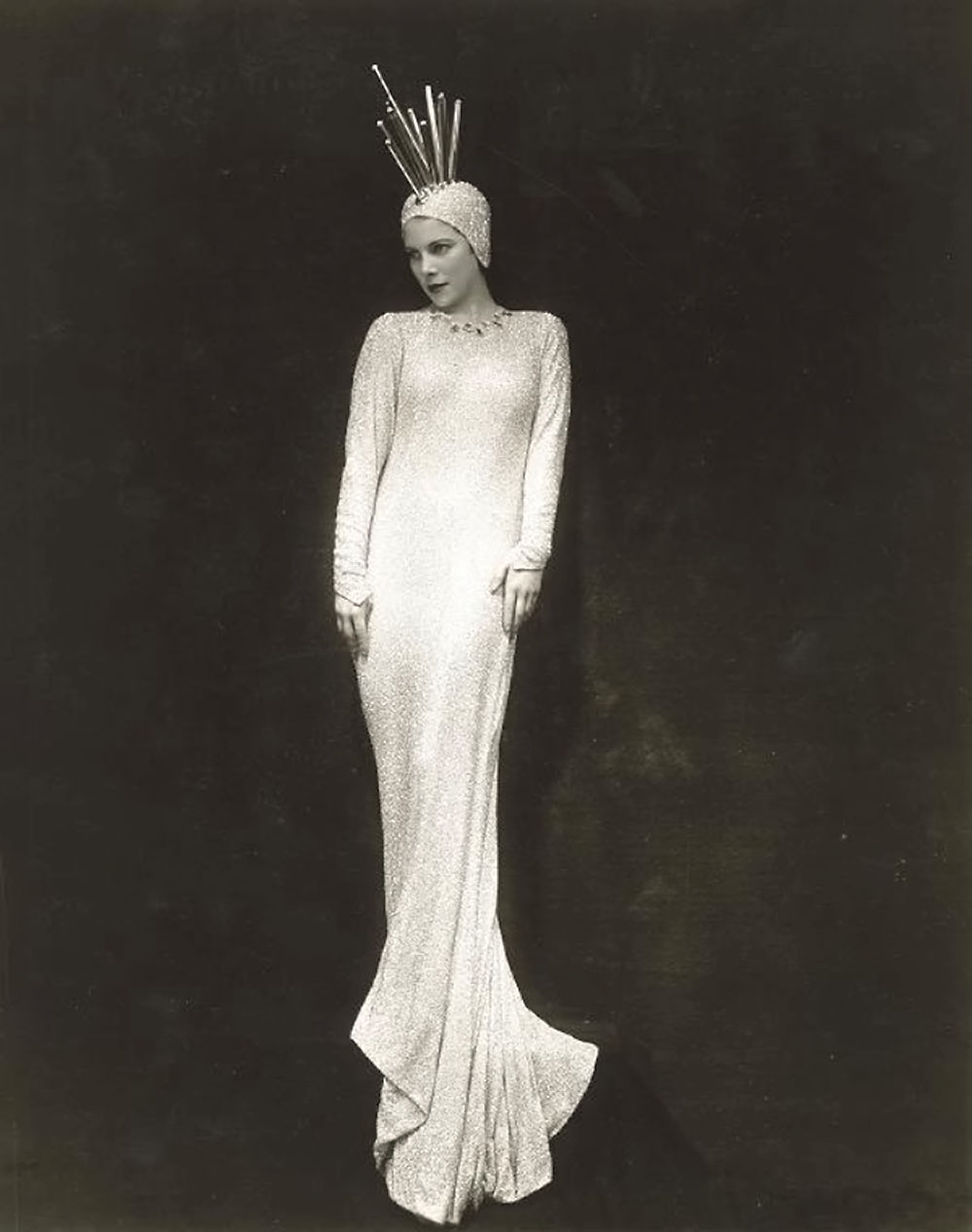
Florence Vandramm (Vandamm Studio) -Tilly Losch, in The Band Wagon (Costume designed by Constance Ripley. A Howard Dietz-Arthur's musical revue Schwart, 1931

Florence Vandamm (Vandamm Studio) -Tilly Losch, in The Band Wagon (Costume designed by Constance Ripley. A Howard Dietz-Arthur’s musical revue Schwart, 1931 ©The New York Public Library
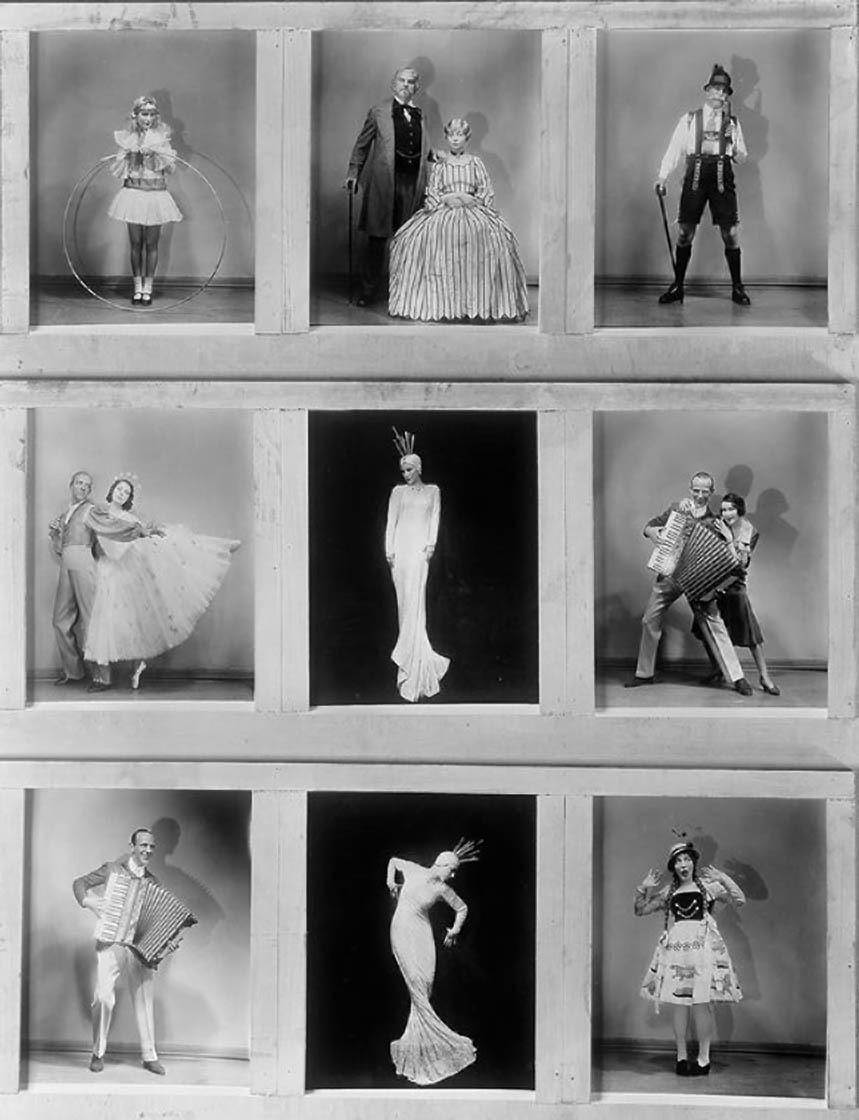
Florence Vandamm (Vandamm Studio) – band wagon. at New Amsterdam Theatre, 1931  ©The New York Public Library
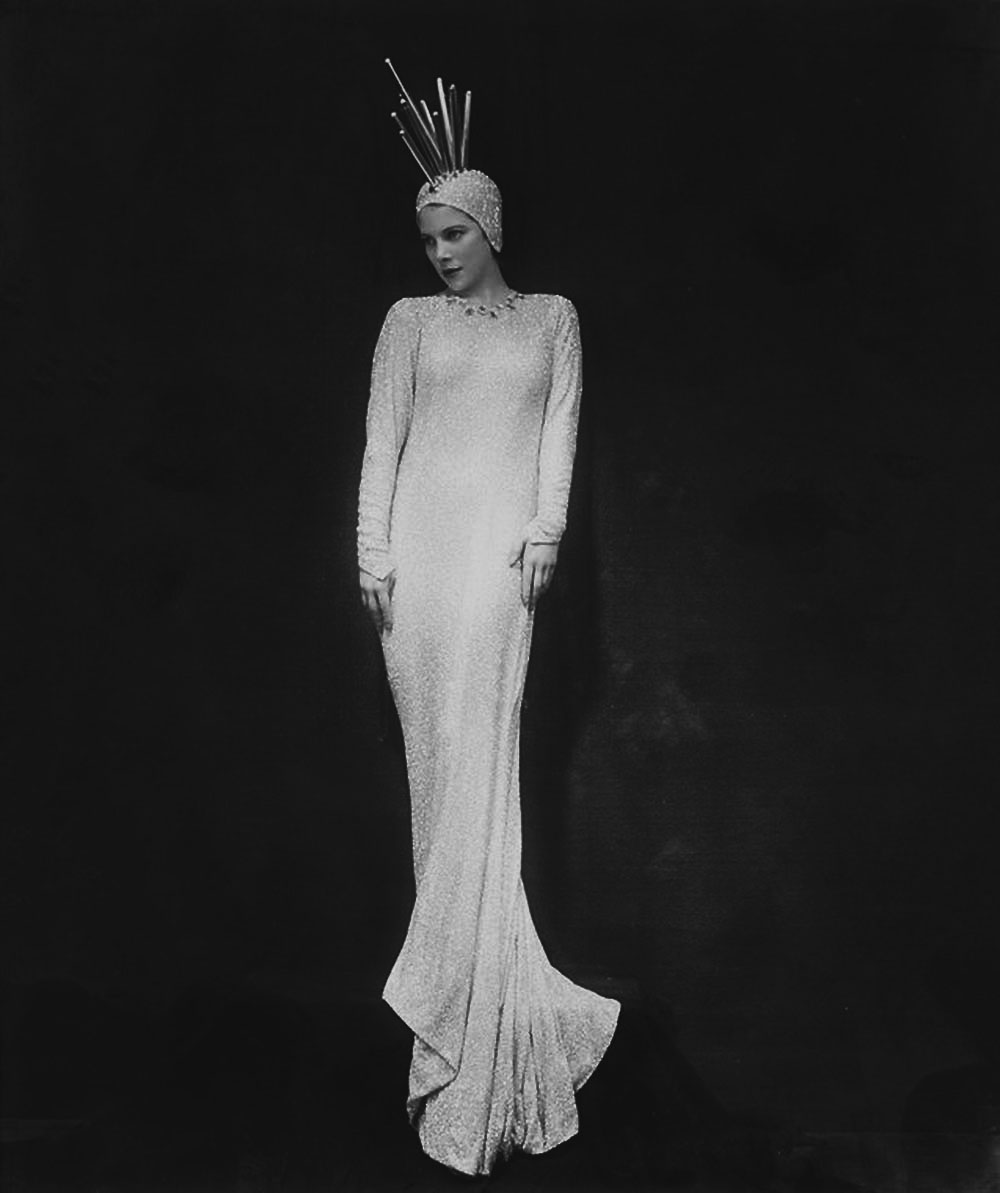
Florence Vandamm (Vandamm Studio) -Tilly Losch in costume of The Band Wagon ,at New Amsterdam Theatre, 1931 ©The New York Public Library
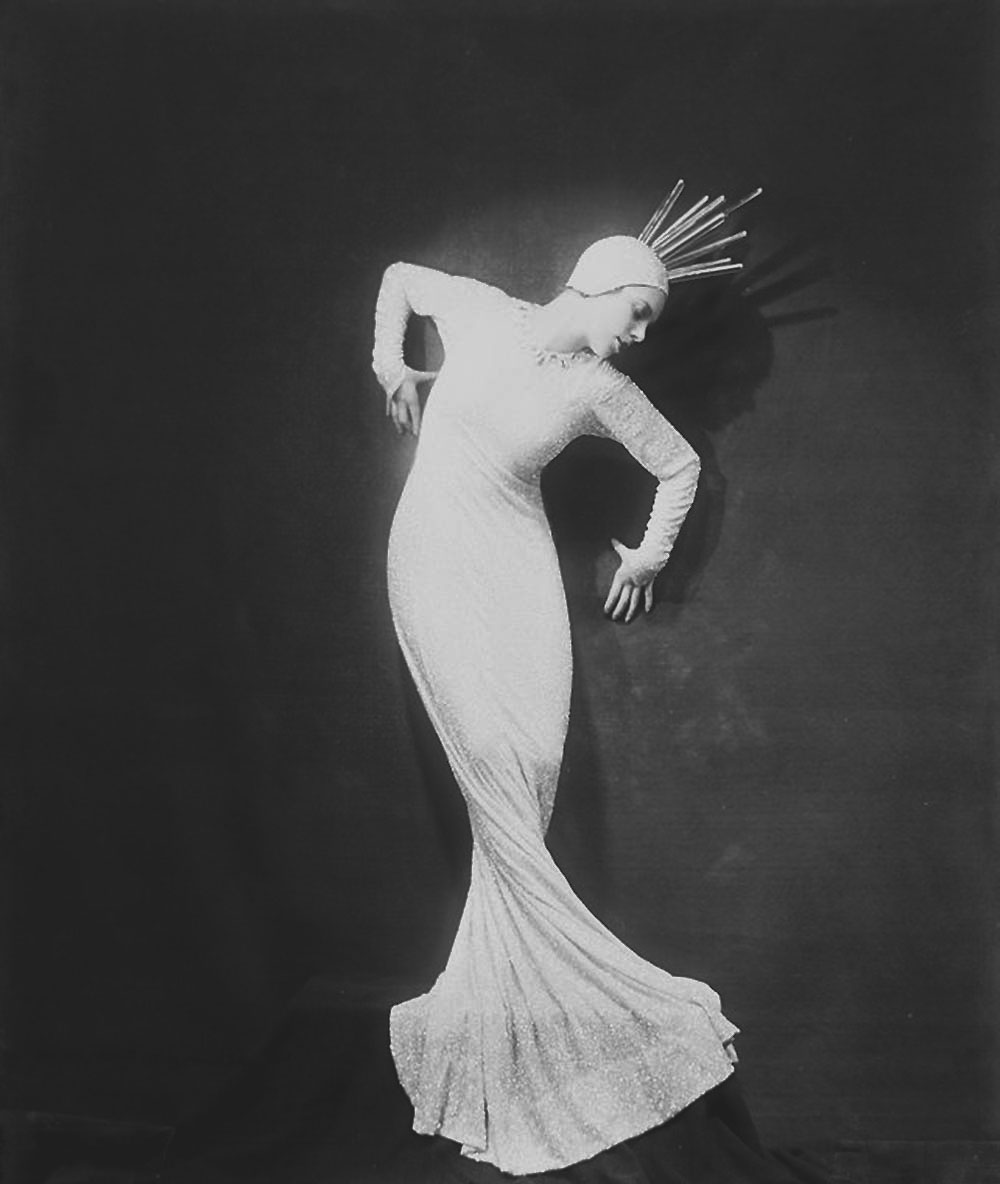
Florence Vandamm (Vandamm Studio) -Tilly Losch in costume of The Band Wagon ,at New Amsterdam Theatre, 1931 ©The New York Public Library
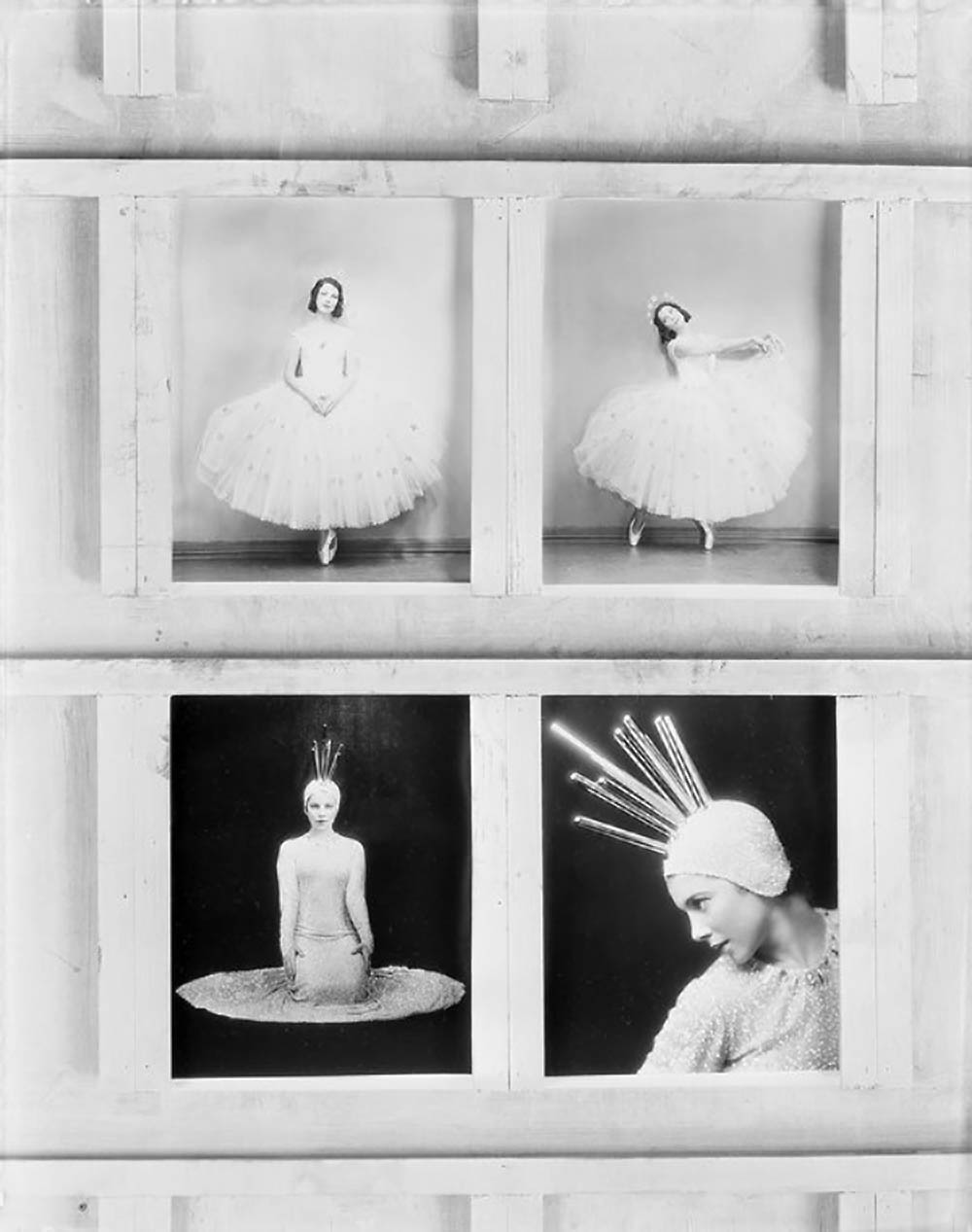
Florence Vandamm (Vandamm Studio) -Key sheet (4 shots) Tilly Losch in costume of The Band Wagon at New Amsterdam Theatre, 1931

Florence Vandamm (Vandamm Studio) -Key sheet (4 shots) Tilly Losch in costume of The Band Wagon at New Amsterdam Theatre, 1931 ©The New York Public Library ©The New York Public Library
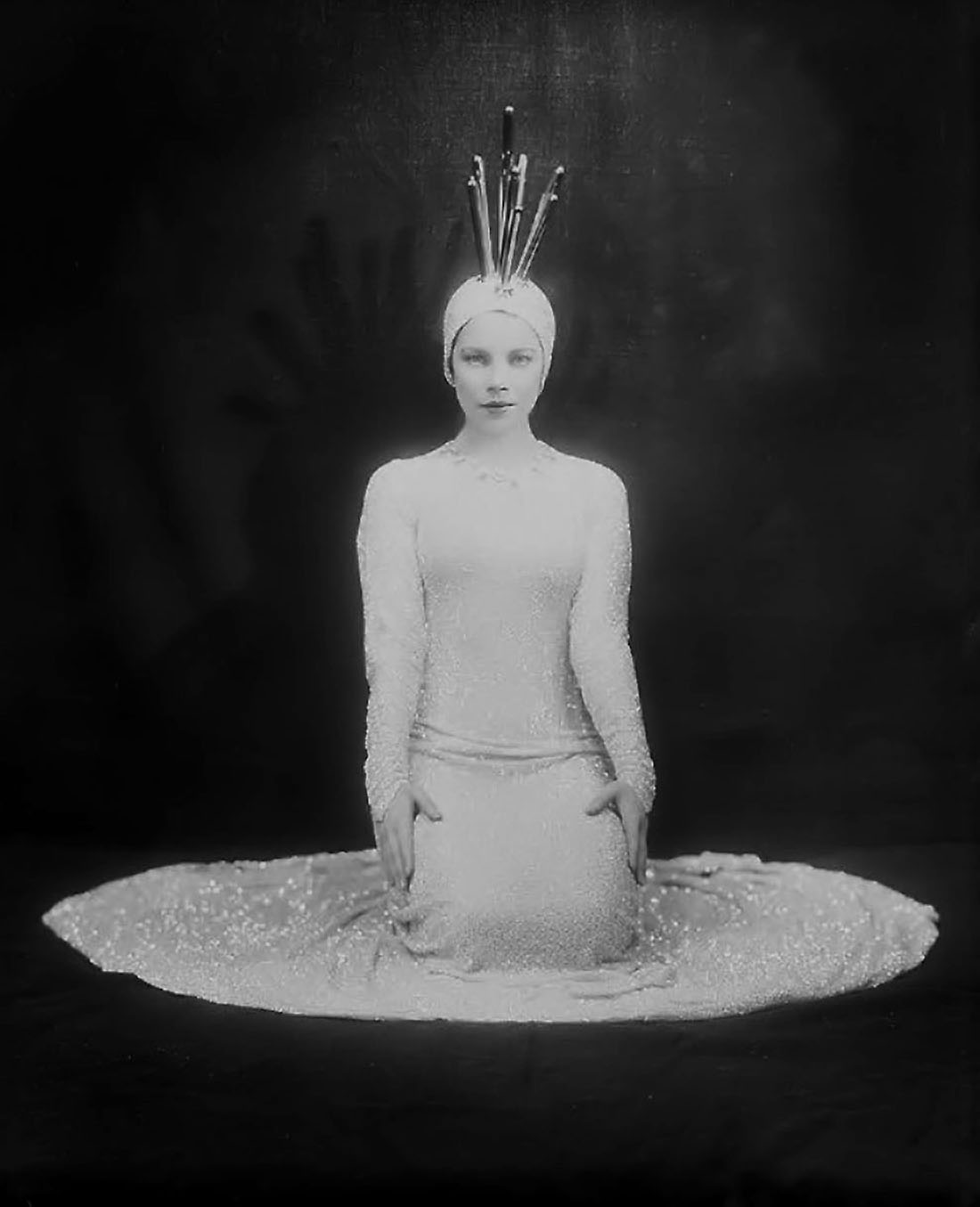
Florence Vandamm (Vandamm Studio) -Tilly Losch in costume of The Band Wagon ,at New Amsterdam Theatre, 1931

Florence Vandamm (Vandamm Studio) -Tilly Losch in costume of The Band Wagon ,at New Amsterdam Theatre, 1931 ©The New York Public Library
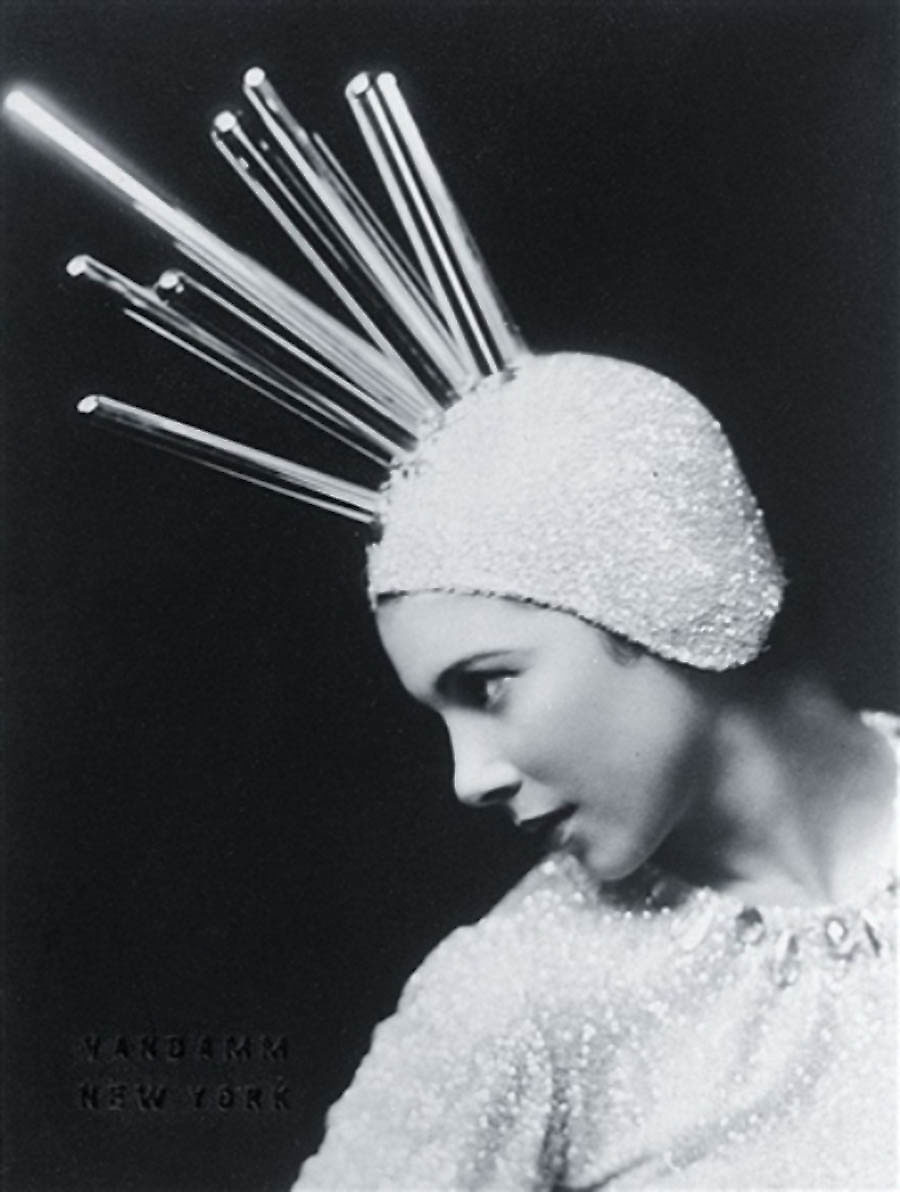
Florence Vandamm Tilly Losch, New York, 1931
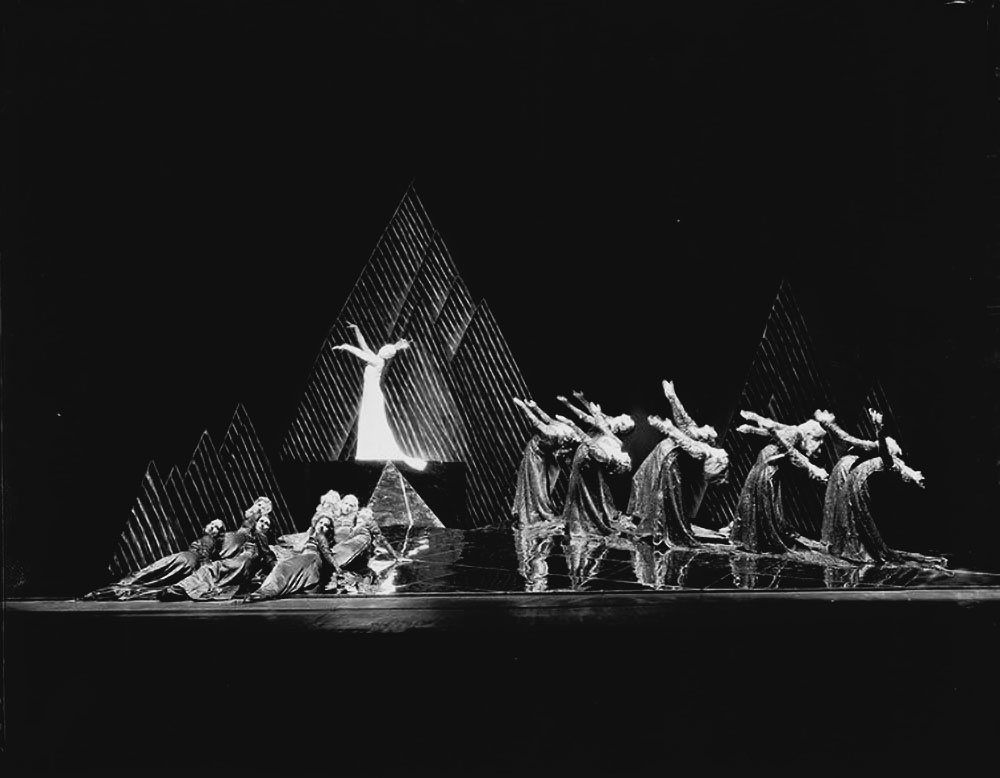
Florence Vandamm Tilly Losch, New York, 1931

Florence Vandamm (Vandamm Studio) -Tilly Losch and Albertina Rasch Dancers ,in The Band Wagon at New Amsterdam Theatre, 1931 ©The New York Public Library
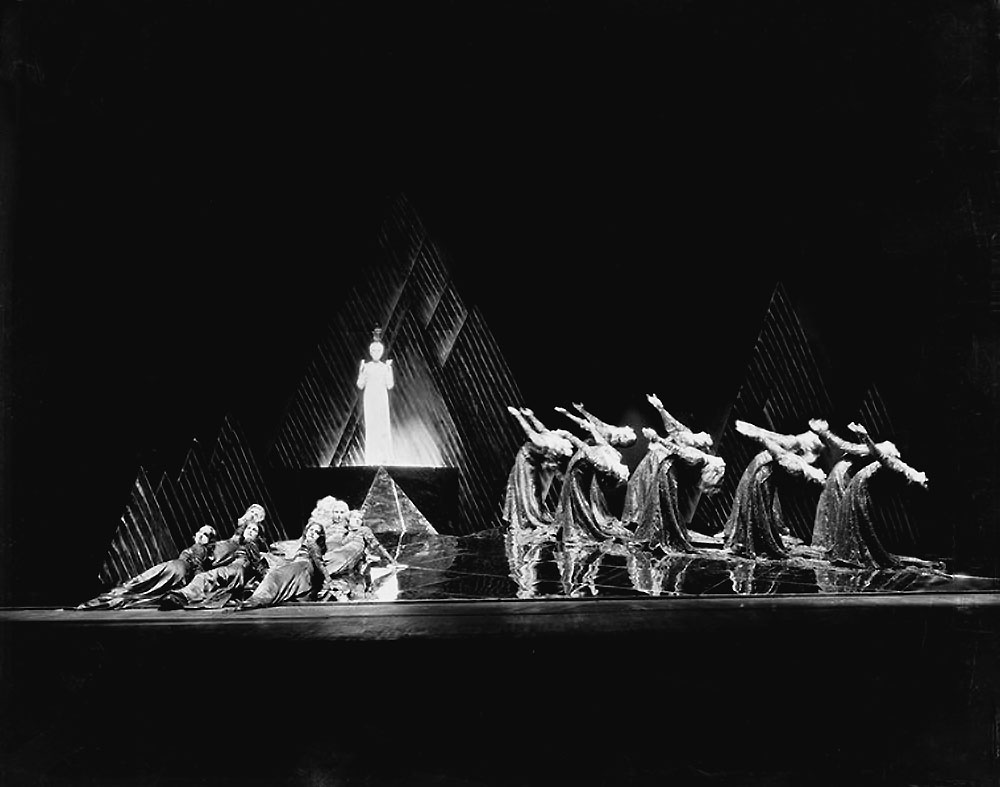
Florence Vandamm (Vandamm Studio) -Tilly Losch and Albertina Rasch Dancers ,in The Band Wagon at New Amsterdam Theatre, 1931 ©The New York Public Library
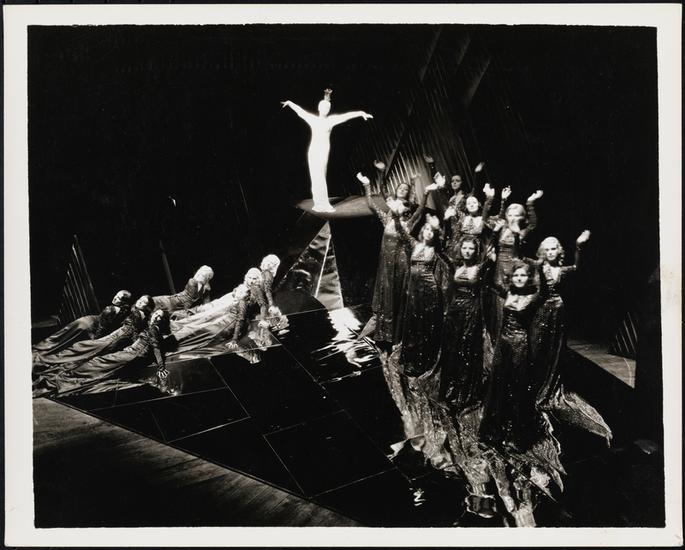
Florence Vandamm (Vandamm Studio) -Tilly Losch and Albertina Rasch Dancers ,in The Band Wagon at New Amsterdam Theatre, 1931 3

Florence Vandamm (Vandamm Studio) -Tilly Losch and Albertina Rasch Dancers ,in The Band Wagon at New Amsterdam Theatre, 1931   ©mcny
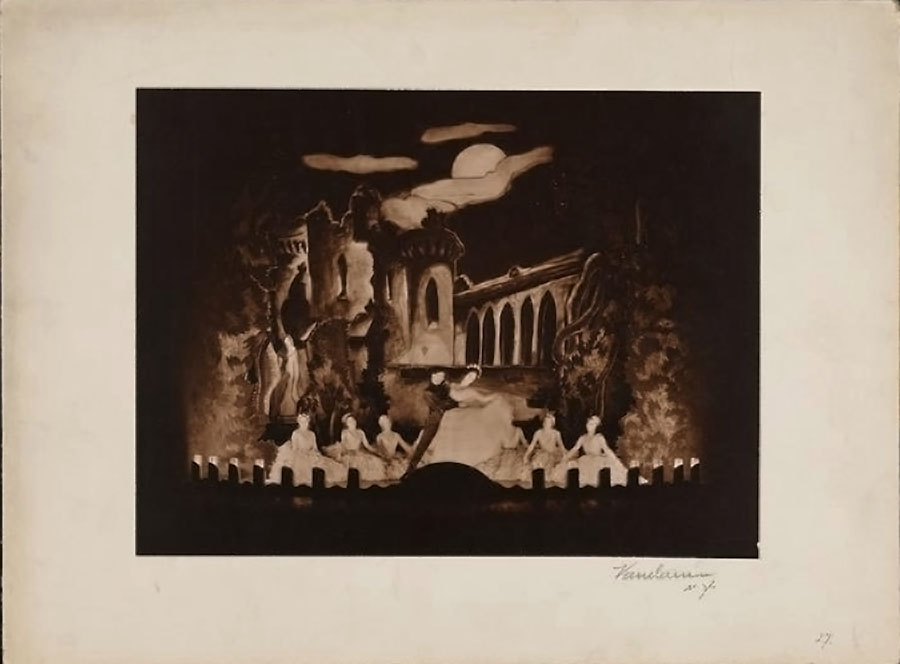
Florence Vandamm (Vandamm Studio) -Tilly Losch Fred Astaire, Albertina Rasch Dancers ,in The Band Wagon at New Amsterdam Theatre, 1931

Florence Vandamm (Vandamm Studio) -Tilly Losch Fred Astaire, Albertina Rasch Dancers ,in The Band Wagon at New Amsterdam Theatre, 1931 ©mcny
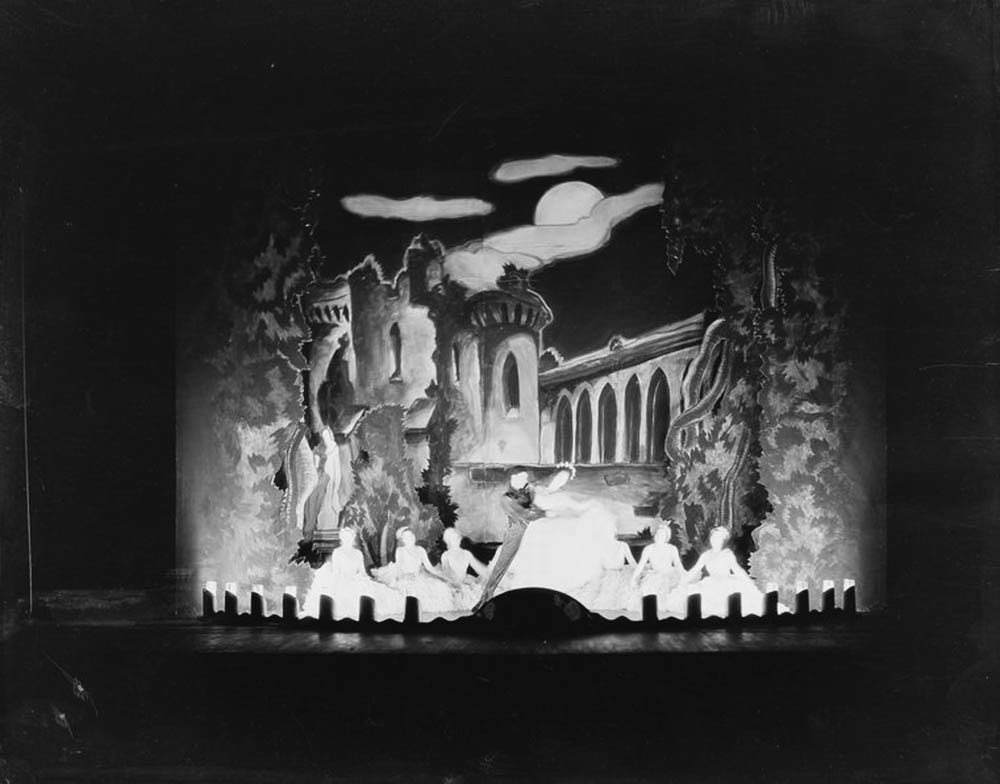
Florence Vandamm (Vandamm Studio) -Scene from The Band Wagon, at New Amsterdam Theatre, 1931

Florence Vandamm (Vandamm Studio) -Scene from The Band Wagon, at New Amsterdam Theatre, 1931 ©The New York Public Library

Ce diaporama nécessite JavaScript.

Florence Vandamm (Vandamm Studio) -Tilly Losch in costume of The Band Wagon Costume by Kiviette at New Amsterdam Theatre, 1931 ©The New York Public Library
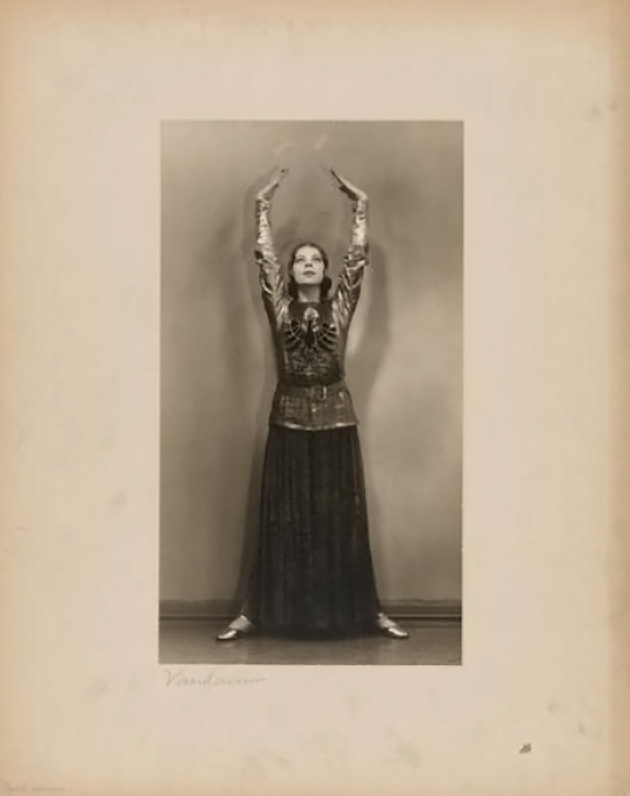
Florence Vandamm (Vandamm Studio) -Tilly Losch in costume of The Band Wagon Costume by Kiviette at New Amsterdam Theatre, 1931.

Florence Vandamm (Vandamm Studio) -Tilly Losch in costume of The Band Wagon Costume by Kiviette at New Amsterdam Theatre, 1931.© mcny.
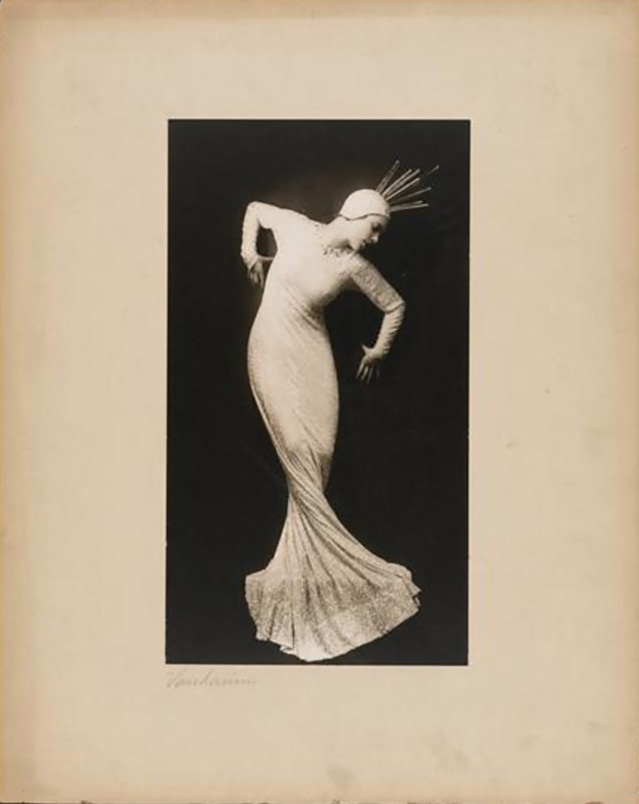
 

Florence Vandamm (Vandamm Studio) -Tilly Losch, in The Band Wagon (Costume designed by Constance Ripley. A Howard Dietz-Arthur’s musical revue Schwart, 1931 ©mcny

Heinrich Zille

Painter, Drawer and Photographer 1858-1929 Berlin

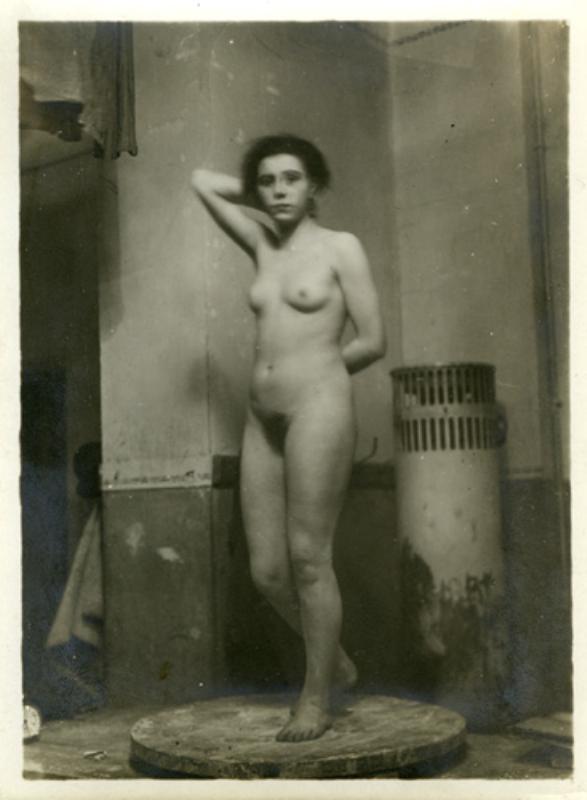
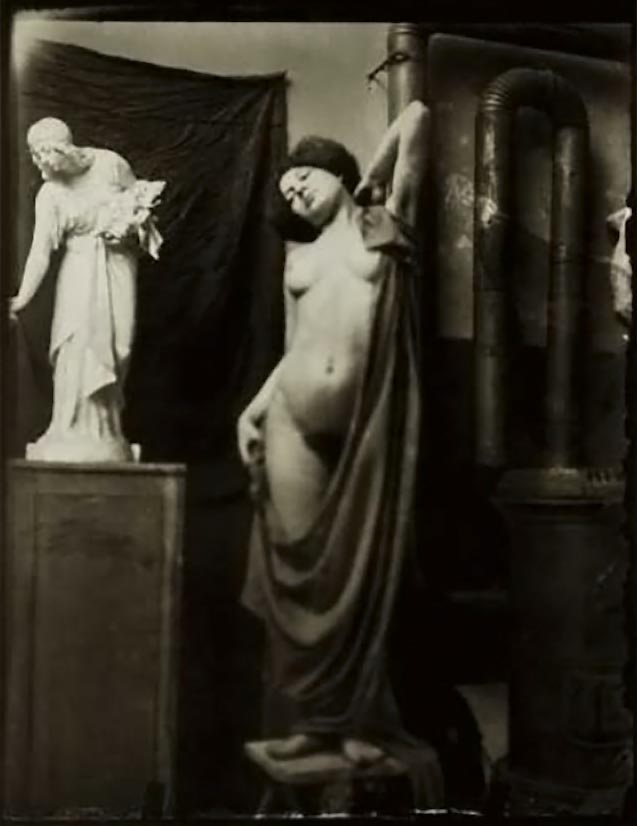
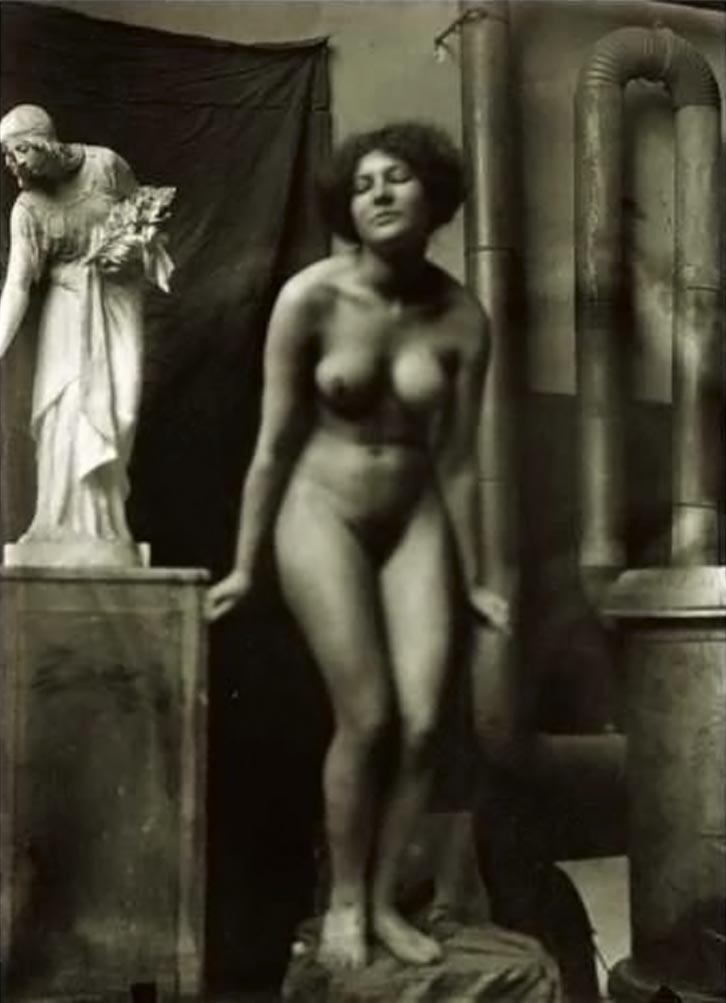
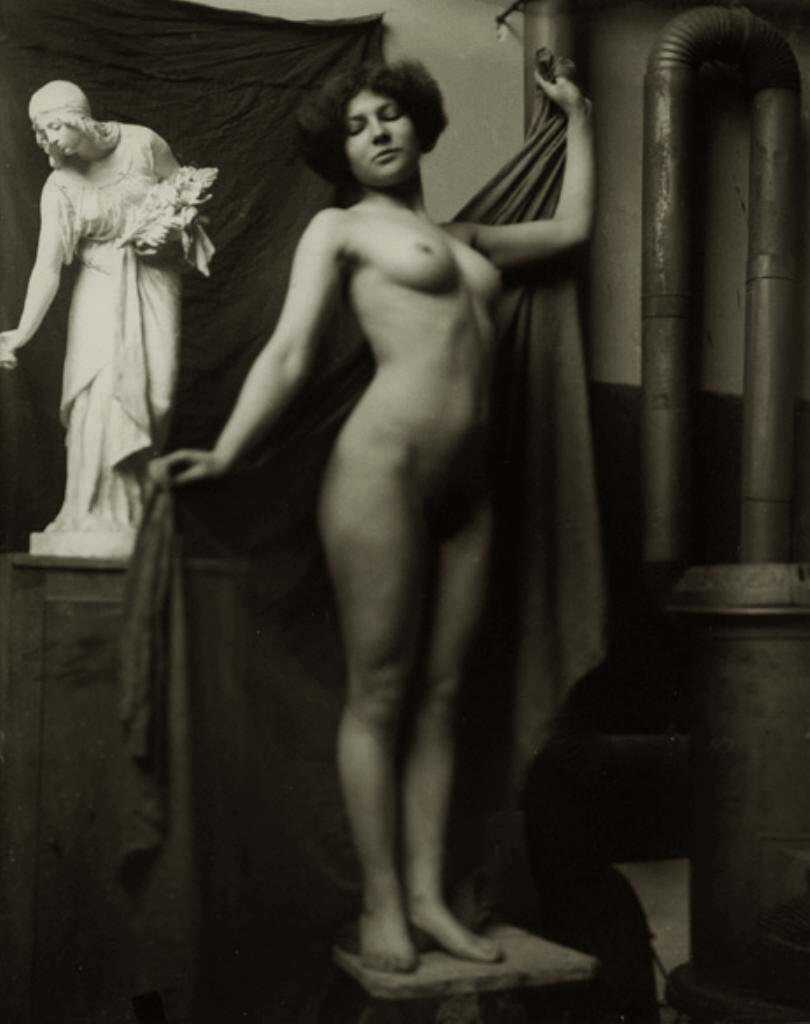
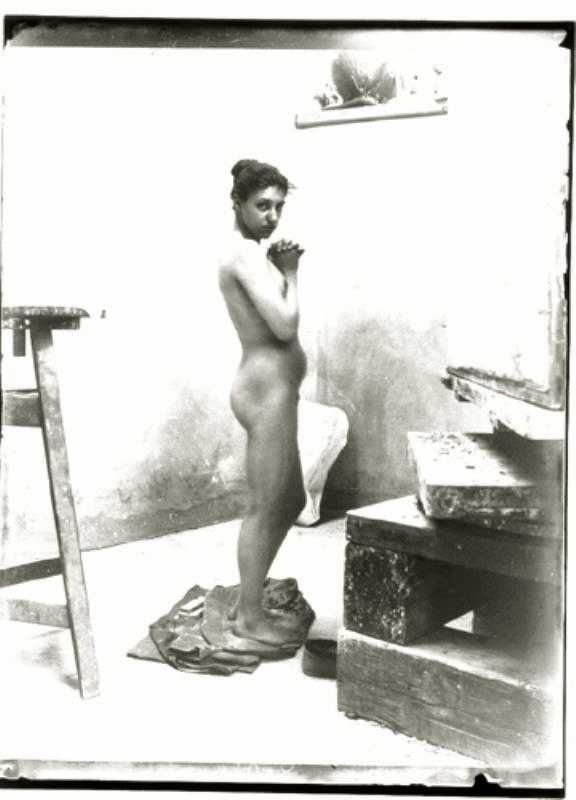
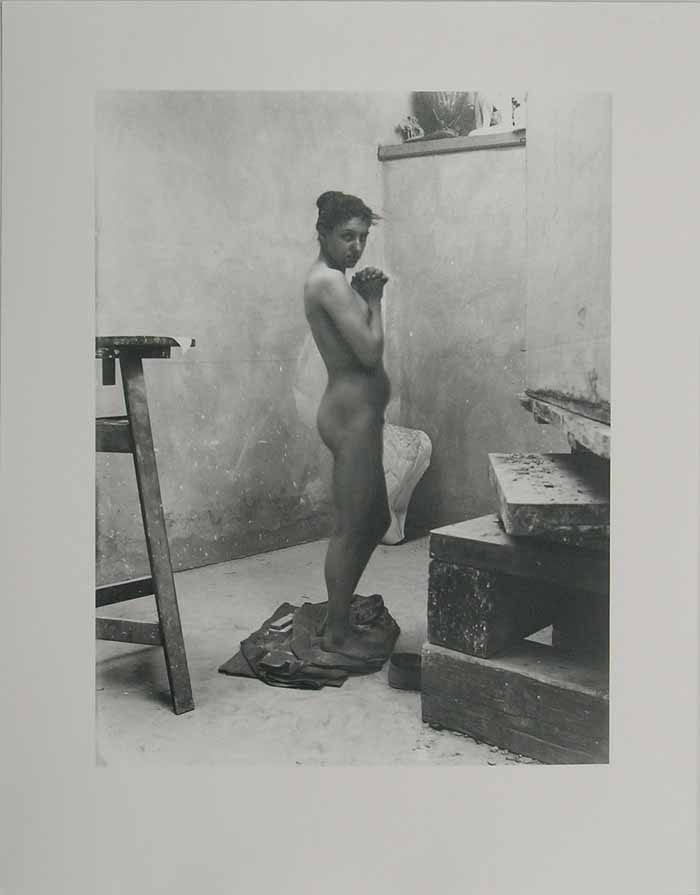
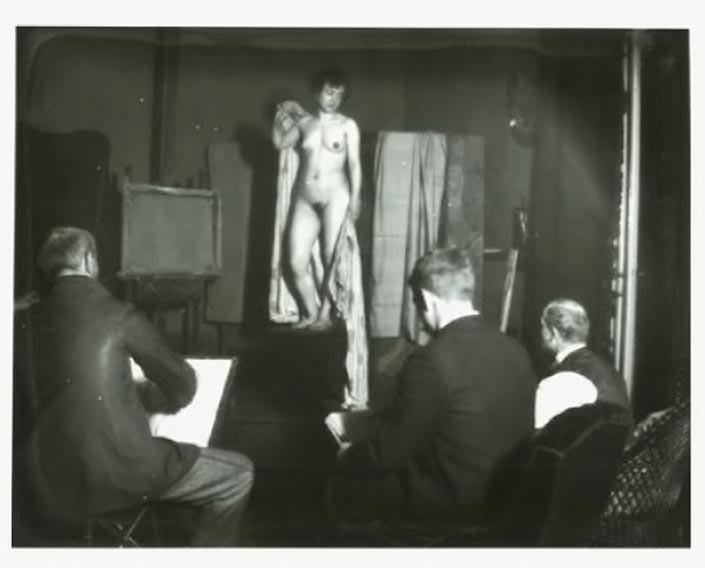
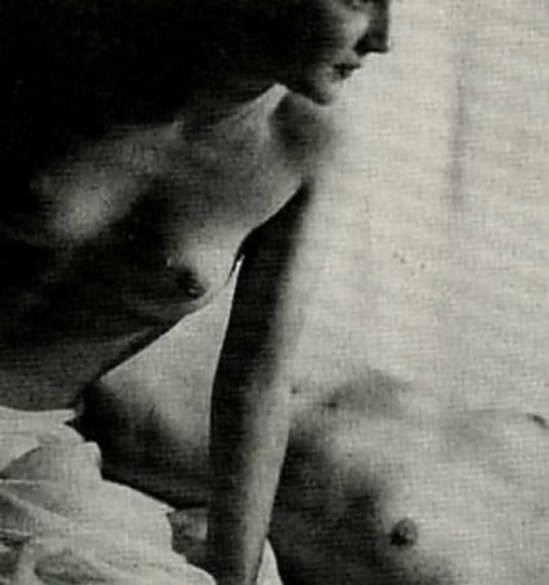
Pour ses peintures de nus des années 1900 à 1903, il a utilisé les studios d » August Gaule et d’ August Army.  Les photos de nus de Zille montrent ce qui se passe dans le studio entre les modèles et les étudiants dans leur travail.

Heinrich Zille-Rückenansicht ( vu de dos), Août 1901

Heinrich Zille- Aktstudie Beim Auskleiden im Atelier von, August Gaul, 1901

Heinrich Zille- Aktstudie Beim Auskleiden im Atelier von, August Gaul, 1901

Heinrich Zille- Dornauszieher- Pose, 1900s

Heinrich Zille- Dornauszieher- Pose, 1900s

Heinrich Zille- Kleiner Akt im Atelier, 1900s

Heinrich Zille- Kleiner Akt im Atelier, 1900s

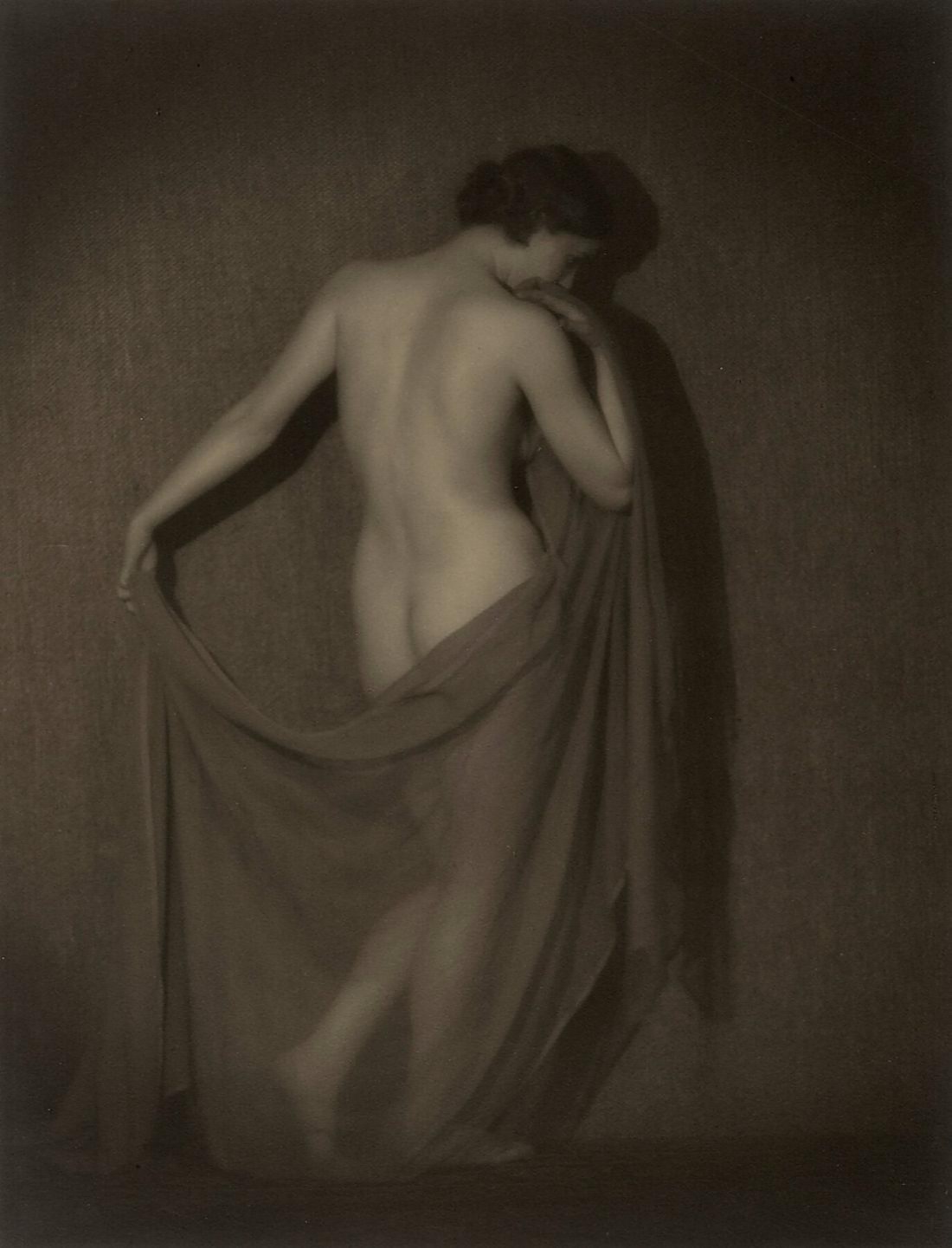
Heinrich Zille -Aktstudie - Posierende Frau mit Tuch, 1901-03

Heinrich Zille -Aktstudie – Posierende Frau mit Tuch, 1901-03

Heinrich Zille - akt , 1899-1900

Heinrich Zille – akt , 1899-1900

Heinrich Zille-  - akt , 1899-1900

Heinrich Zille- – akt , 1899-1900

Heinrich Zille-Aktstudie probablement Rosa Meissner,1900s.

Heinrich Zille-Aktstudie probablement Rosa Meissner,1900s.

Heinrich Zille-Aktstudie probablement Rosa Meissner,1900s

Heinrich Zille-Aktstudie probablement Rosa Meissner,1900s

Heinrich Zille Abendakt in einem Maleratelier 1899-1900

Heinrich Zille Abendakt in einem Maleratelier 1899-1900

Heinrich Zille-  Künstlerkollegen und Ateliers, Aktstudie, 1900

Heinrich Zille- Künstlerkollegen und Ateliers, Aktstudie, 1900

Heinrich Zille- akt , 1905

Heinrich Zille- akt , 1905

Heinrich Zille- modelstudie, omstreeks 1900-03

Heinrich Zille- modelstudie, omstreeks 1900-03

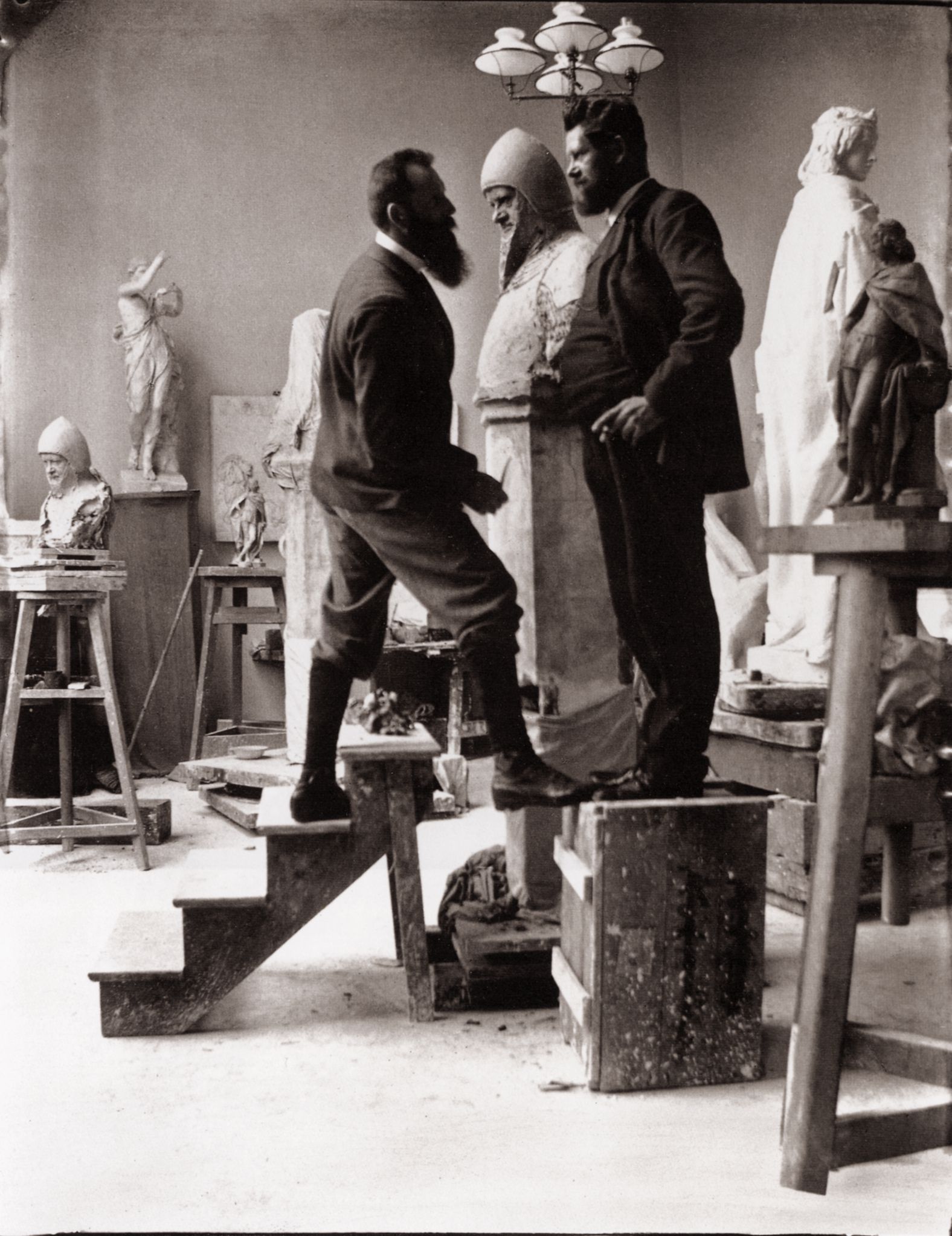
Heinrich Zille Künstlerkollegen und Ateliers,Artistes et studios Compagnons, Heinrich Zille est le modèle Août Kraus pour le buste de Wedigo de Plotho1900

Heinrich Zille Künstlerkollegen und Ateliers,Artistes et studios Compagnons, Heinrich Zille est le modèle Août Kraus pour le buste de Wedigo de Plotho, 1900

Heinrich Zille Künstlerkollegen und Ateliers, Fritz Klimsch in seinem Atelier1900

Heinrich Zille Künstlerkollegen und Ateliers, Fritz Klimsch in seinem Atelier1900


Heinrich Zille und Winfried [Mitarb.] Ranke Photographien Berlin 1890 - 1910. Heinrich Zille ; Winfried Ranke.  Schirmer-Mosel Verlag, München, 1975

Heinrich Zille und Winfried [Mitarb.] Ranke Photographien Berlin 1890 – 1910. Heinrich Zille ; Winfried Ranke. Schirmer-Mosel Verlag, München, 1975

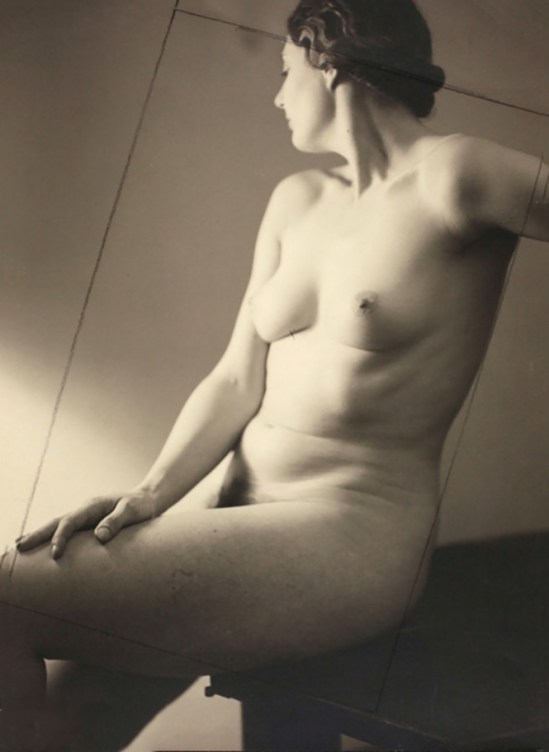
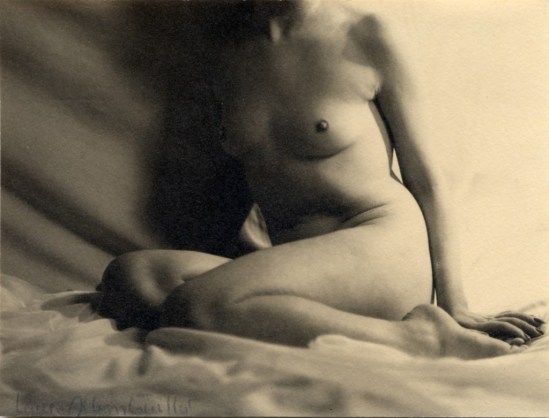
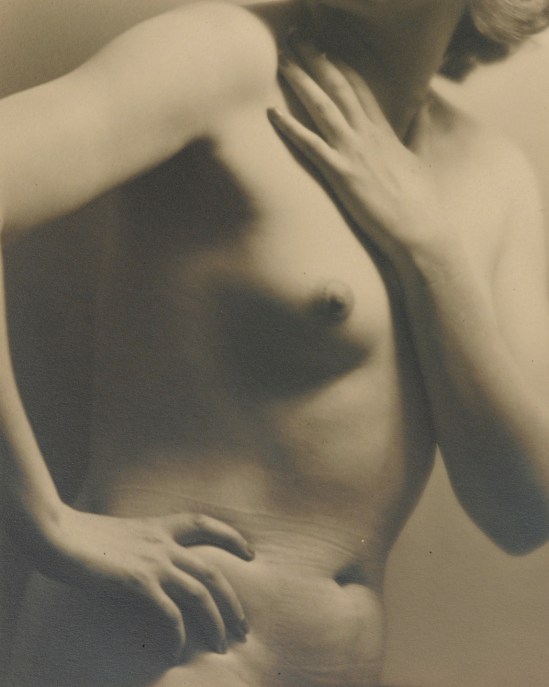
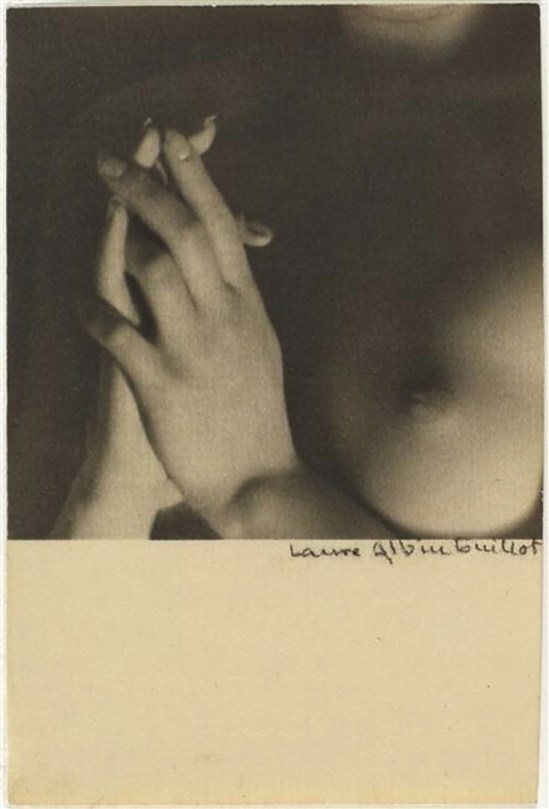
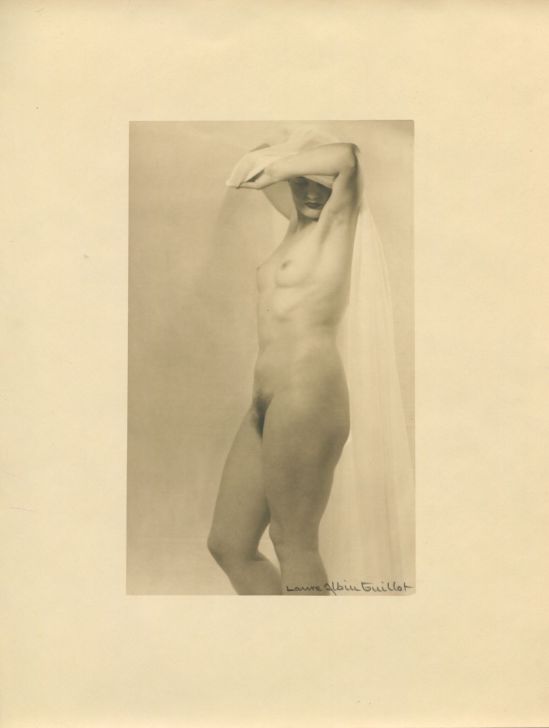
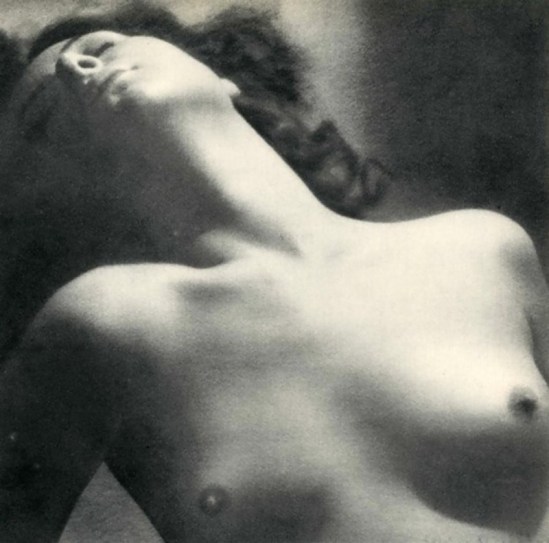
Laure Albin Guillot Nus

Née en 1879, Laure Albin Guillot se distingue par la longévité et la variété de sa production. Épouse d’un diplômé en médecine,  (en 1901), elle invente dans les années 1920 le terme de « micrographie » pour qualifier ses œuvres nées de photographies réalisées au microscope. Au cours des 30 prochaines qui suivent leur mariage, elle a travaillera avec son mari  sur des spécimens de cristallisations, des cellules végétales et des organismes d’origine animale. Elle a également écrit de nombreux articles sur la microphotographie. Mais microphotographie n’était pas son seul intérêt dans la photographie. Son mari décéde en 1931, mais Albin-Guillot  continue ses recherches photomicrographique en travaillant avec le professeur H. Sorbonne Ragot. Cette année là, la SFP et la société Braun  publie son importante oeuvre de Micrographie Décorative (héliogravure en couleurs ) . L’année suivante, Paul Leon, qui a été co-auteur du livre et directeur des Beaux-Arts, la été nomme à la tête de la Service des archives de l’école. Elle a documenté de nombreuses pièces importantes de l’art et de l’école a vendu ses impressions à des prix très élevés.

Elle a suivi des études de  musique et de dessin.

Elle reçoit en 1922 la médaille d’or du concours de la Revue française de photographie et organise rapidement de nombreuses expositions personnelles, exposant dès 1925 à l’exposition des Arts industriels et modernes. Elle devient dès lors une photographe de renom, publiant ses travaux dans les revues Arts et métiers graphiques et Vu.

Pendant les années 1930, elle multiplie les portraits et les nus, tout en travaillant de manière lucrative pour la publicité, la mode et comme photographe de quartier. Proche des artistes, musiciens et écrivains, elle réalise de nombreuses illustrations de tirés à part comme le Narcisse de Paul Valéry (1936), les Chansons de Bilitis de Pierre Louÿs (1937) ou les Préludes de Debussy (1948).

Archiviste en chef du service des Archives photographiques de la direction des Beaux-Arts, elle milite en faveur de la reconnaissance officielle de la photographie et organise dès 1933 le projet de Cinémathèque nationale au Palais de Chaillot, envisageant même la création d’un Musée de la Photographie.

Laure Albin Guillot disparaît en 1962, laissant une œuvre riche de quelques 50.000 photographies acquises par l’Agence Roger-Viollet.

En 1922, elle a remporté une médaille d’or dans un concours parrainé par la Revue Française de Photographie. Cette même année, elle a recherché papier argenté. Au cours de l’année suivante, elle rejoint l’Ecole de Paris et Emile Sougez et Peter Pollack surnommée « la muse de l’art du portrait et de décoration fantasmes. » Ses premiers travaux, tandis que dans le style pictorialiste, également capturé l’essence venant du modernisme.

Albin-Guillot a reçu sa première exposition personnelle en 1925 à Paris. Elle expose 40 photographies d’art au XXe Salon International de Photographie de la SFP. Elle a rejoint la Société Française de Photographie et a continué à faire preuve de leadership à l’Ecole de Paris. Elle est devenue un partisan de cette école de « l’Esthétique photographiques réel. »

À partir de 1928, Albin-Guillot a vendu ses images à l’influent magazine de VU, une publication aussi pictorialiste équilibrée et tendances modernistes au sein de ses pages.

Son mari est décédé en 1931, mais Albin-Guillot a continué ses recherches photomicrographique en travaillant avec le professeur H. Sorbonne Ragot, une géologie attaché. Cette année la SFP et la société Braun a publié son importante Micrographie Décorative de travail en héliogravure en couleurs dont certains imprimés sur des papiers métalliques. L’année suivante, Paul Leon, qui a été co-auteur du livre et directeur des Beaux-Arts, elle a été nommée à la tête de la Service des archives de l’école. Elle a documenté de nombreuses pièces importantes de l’art et de l’école a vendu ses impressions à des prix très élevés.


En 1936, elle a illustré livre Le Narcisse de Paul Valéry, en utilisant le modèle et l’acteur Michel Lemoine, réputé son amant, dans le processus. Cette année, elle a également contribué au jury l’influent XXXI Salon International d’Art Photographique avec Emile Sougez et autres.

L’année suivante, elle a ajouté à ses crédits d’édition en fournissant la photographie pour Chansons de Bilitis Douze, un livre important par Pierre Louys. Elle aussi a ensuite participé au spectacle d’inauguration organisée par Beaumont Newhall au Musée d’Art Moderne de New York, intitulée « Photographie: 1839-1937 ».

En 1939, elle a photographié un fumeur Jean Cocteau, qui est devenu l’un de ses portraits les plus remarquables. Elle a photographié de nombreux grands artistes, auteurs, dramaturges, créateurs de mode et d’autres personnes importantes de Paris dans les années 1930, 40 et début des années 50, dont André Gide, Paul Valéry, Colette, Jacques Fath et Henry de Montherlant.


En 1947, les deux frères Fresson a commencé à faire leur propre imprimerie dans leur atelier à Dreux près de Paris. Avant ce temps, ils ont vendu des fournitures et du matériel pour les photographes et les artistes. Edmond était en charge des impressions effectuées par contact, et Pierre de nouveaux élargissements. Edmond a été aidé par ses enfants, Micheline et Jacques, Pierre et ses enfants Colette et Monique. Ils ont travaillé avec un certain nombre d’importants photographes d’art, y compris Albin-Guillot, qui avait commencé à utiliser le procédé Fresson dans les années 1930. Elle était d’utiliser le processus depuis près de 20 ans et est devenu bien connu pour ces tirages.

Albin-Guillot est décédé à la Maison de Artistes, Nogent-sur-Marne le 22 Février 1962.

Ses images peuvent être trouvées dans les collections suivantes, entre autres: le Musée J. Paul Getty, l’Université Yale Art Gallery, le Musée d’Art Nouvelle-Orléans, la Société Française de Photographie, le Musée George Pompideau of Modern Art, Detroit Institute of Arts , le Metropolitan Museum of Art New York, la George Eastman House, le Minneapolis Institute of Arts, le Rijksmuseum (Amsterdam), la Bibliotèque Nationale, le Musée des beaux-arts du Canada, le Centre canadien d’architecture, et l’Akron Art Museum. Son travail photographique a vendu pour aussi élevé que $ 20,000 en vente aux enchères.


Informations sur Albin-Guillot se trouve dans la George Eastman House, et l’Auer et bases de données Auer. Elle est également mentionné dans de Larousse Dictionnaire Mondial de la Photographie: Des Origines A Nos Jours, Witkin et de Londres Le Guide de l’Photographie collecteur, collection de photographies du Musée National d’Art Moderne de Lionel-Marie, Naomi Rosenblum A History of Women Photographers, et Christian Les Femmes Photographes de Bouqueret: De La Nouvelle Vision en France de 1920 à 1940. Mais, bien sûr, Laure Albin Guillot ou La Volonte d’art des Bouqueret est un travail de référence le plus important de cet artiste.

More articles about Laure Albin- Guillot

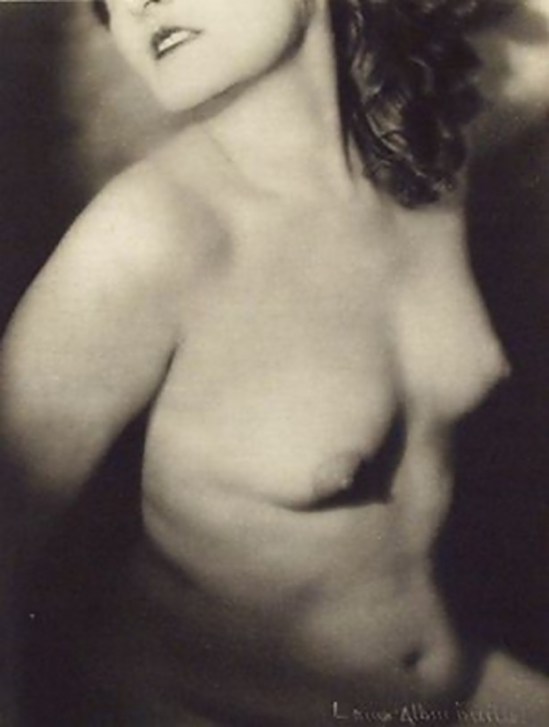
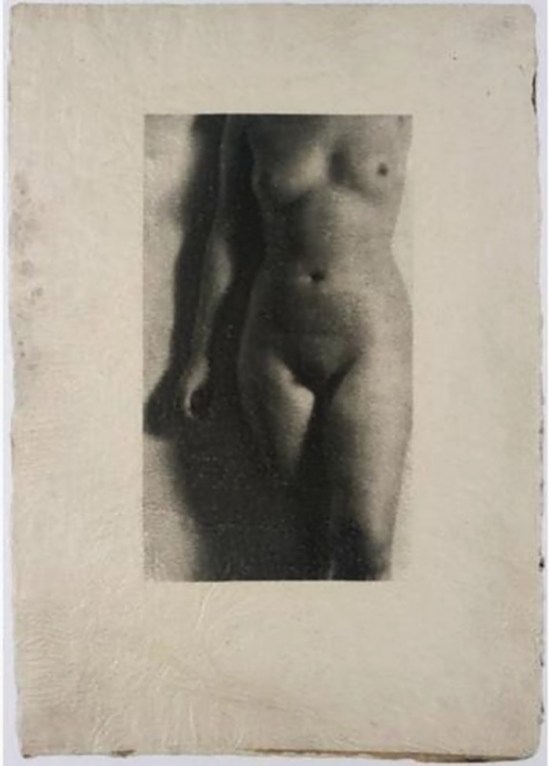
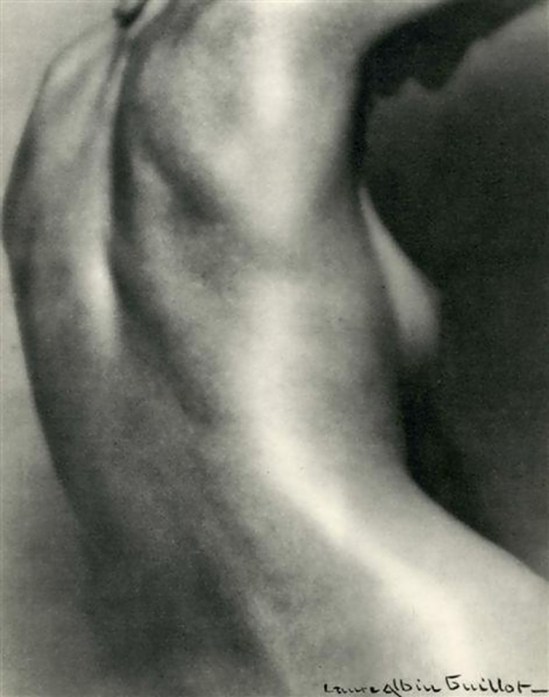
© Laure Albin Guillot – Etude de nu. Paris, vers 1930-1940, Tirage au gélatino-bromure d’argent ..Collections Roger-Viollet -Parisienne de Photographie.

Laure Albin Guillot -Etude de nu. Paris, vers 1930

Laure Albin Guillot – Etude pour La Cantate du Narcisse (Paul Valery), 1941

Laure Albin Guillot- Etude de nu, 1940


Laure Albin Guillot -Etude de nu. Paris, vers 1930-1940.

Laure Albin Guillot -Etude de nu. Paris, vers 1930-1940

Laure Albin Guillot -Etude de nu. Paris, vers 1940

Laure Albin-Guillot- nu, 1930s

Laure Albin-Guillot Nu, Assia 1931

Laure Albin Guillot – Etude de nu , 1930

Laure Albin Guillot nu 1930 Épreuve argentique d’époque. (courtesy roger blanchet)


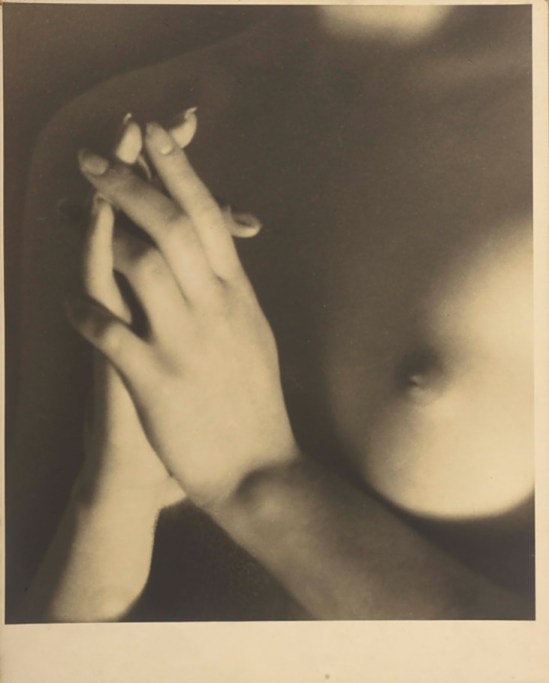
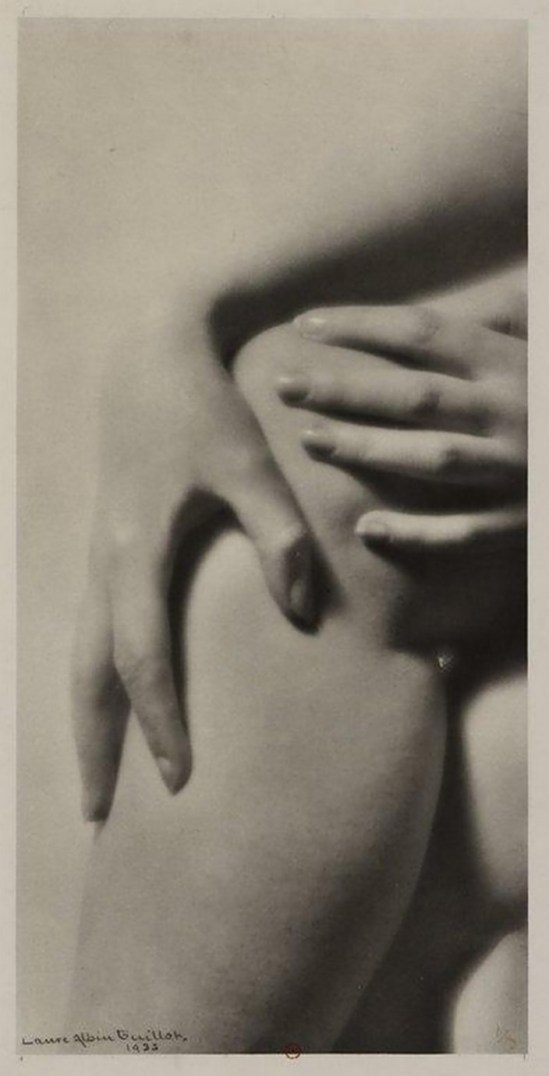
Laure Albin Guillot – Buste aux mains , 1935-40

Laure Albin Guillot – Nu , 1930

Laure Albin Guillot – Etude de nu , 1938

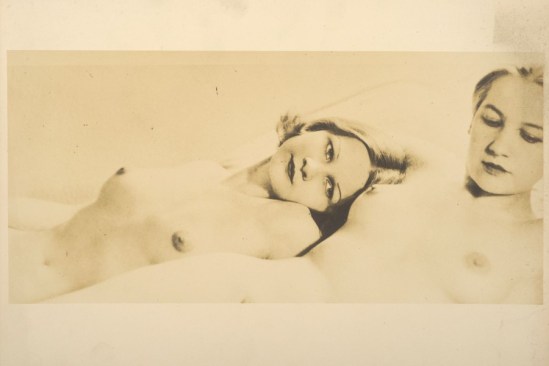
Laure Albin Guillot- Couple de femmes allongées, tirage argentique,1930-40, (courtesy roger blanchet)

Laure Albin Guillot- Couple de femmes allongées, tirage argentique,1930-40, (courtesy roger blanchet)

Laure Albin Guillot -Etude de nus ,Deux danseuses , 1935

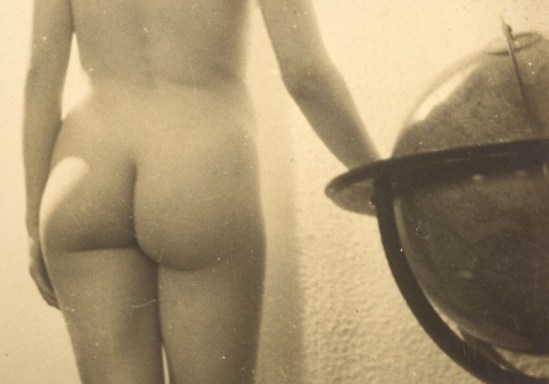
Laure Albin Guillot-Étude de nu et globe terrestre, c. 1930-1940. Épreuve argentique d’époque. (courtesy oger blanchet)

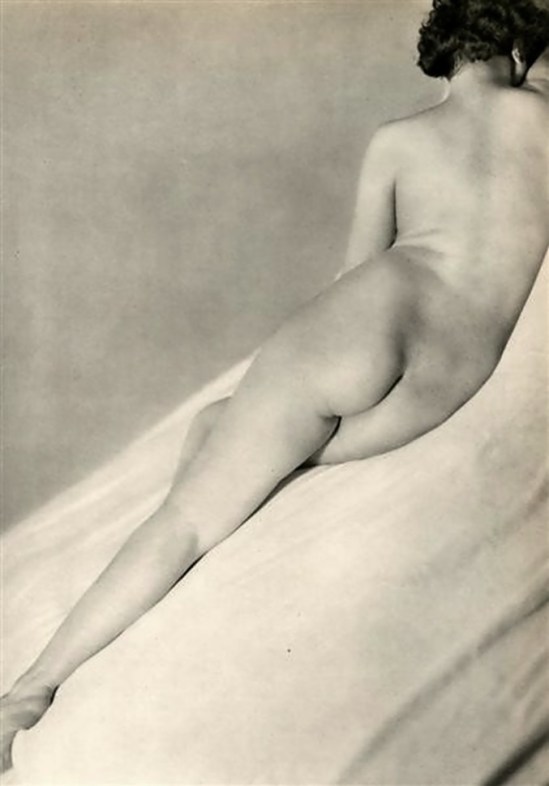
Laure Albin Guillot – Nu féminin allongé de dos, années 1930

Laure Albin Guillot – nu féminin, 1935-40

Laure Albin Guillot – Nu, 1936

Laure Albin Guillot – Nu , 1930

Laure Albin-Guillot -Nu Pensive 1931

Laure Albin-Guillot (French, 1881-1962) Nude Study, c. 1935 Vintage warm-toned matte-surface gelatin silver print

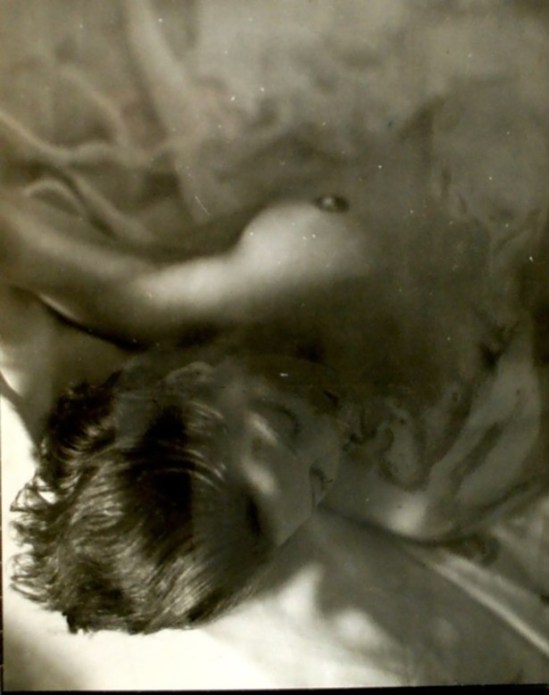
Laure Albin Guillot- Étude de nu endormi, c. 1930-1940 , Épreuve argentique d’époque. (courtesy oger blanchet)

Laure Albin Guillot- Étude de nu allongé, c. 1930-1940 , Épreuve argentique d’époque. (courtesy oger blanchet)

Laure Albin Guillot- Étude de nu allongé sur une peau de panthère, 1930-40 Épreuve argentique d’époque (courtesy oger blanchet)

Laure Albin Guillot – solarisation, 1938

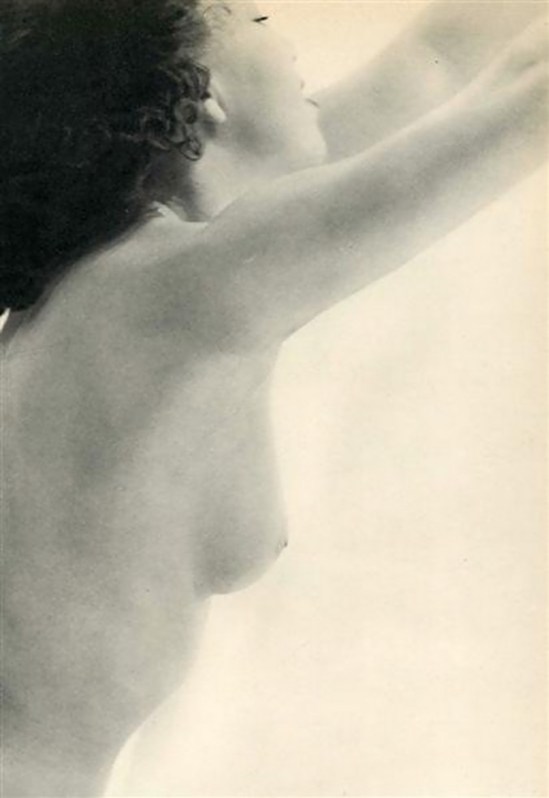
Laure Albin Guillot (attribué à) – Nu aux bras levés, c1920.

Laure Albin-Guillot -Torse, 1933

Laure Albin-Guillot -Le Nu Expressif V, photogravure. c1937

Laure Albin-Guillot -Femme Nue Blonde, photogravure. c1950

Laure Albin-Guillot- Etude de nu , vers 1935

Laure Albin-Guillot -Le Nu Expressif I, photogravure. c1937

Laure Albin-Guillot- Le Nu Expressif II, photogravure. c1933 MONTHERLANT, Henry de. La Déesse Cypris. Douze études de nus par Laure Albin-Guillot.


Laure Albin Guillot – Etude de jambe, 1935

Laure Albin Guillot – Etude de Nu, vers 1935

Laure Albin Guillot – Etude de Nu, 1930

Laure Albin Guillot – Texture ,1950

Laure Albin Guillot-Etude pour une Marseillaise, 1937

Épreuve argentique d’époque. (courtesy roger blanchet)

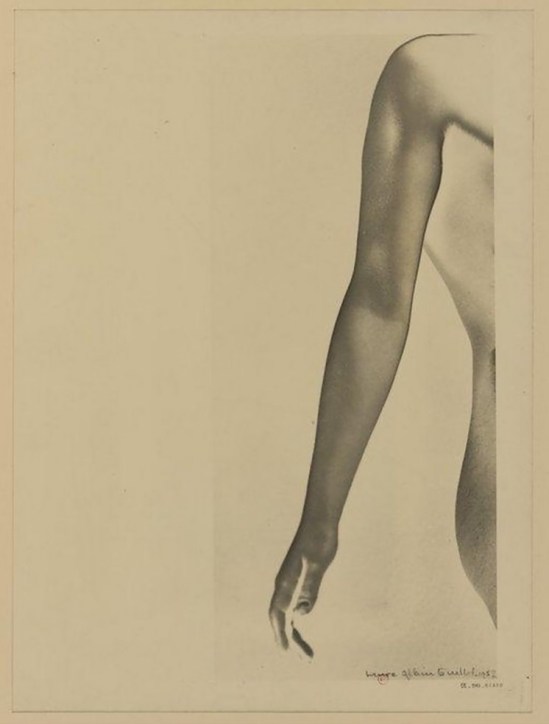
Laure Albin-Guillot 1932

Laure Albin-Guillot- Nudité avec de Petits Seins, photogravure. c1950

Laure Albin Guillot -Etude de nu féminin. France, vers 1940

Laure Albin-Guillot -Nu #102, 1947

Laure Albin Guillot – Etude de nu , 1945 ( rmn)

roger-viollet

More articles about Laure Albin- Guillot

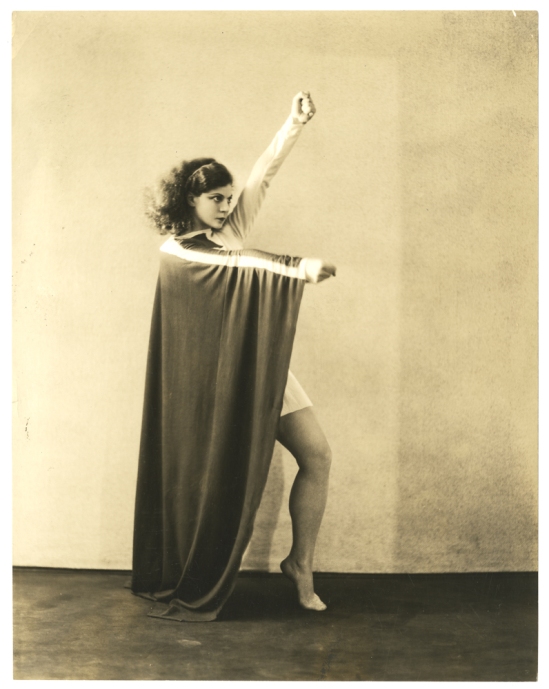
Soichi Sunami- The Dancer Helen Tamiris

Helen Tamiris was a pioneer of American modern dance.

American choreographer, modern dancer, and teacher, one of the first to make use of jazz, African American spirituals, and social-protest themes in her work.

« Helen Tamiris (1903-1966), a founder of modern dance in the 1920s and 1930s, always kept a foot firmly planted in the commercial theater. She was trained in ballet at the Metropolitan Opera and by Michel Fokine, as well as in natural dancing at New York’s Isadora Duncan Studio. Her early career combined a soloist position in the Bracale Opera Company with appearances in nightclub and Broadway revues. Yet her first recital in 1927 demonstrated a personal expression of abstract movement and frank social analysis. A year later she adopted the Negro spiritual as a métier for life as conflict. Politically active, Tamiris helped to lead development of the Dance Repertory Theatre and dance initiatives under the Works Progress Administration Federal Art Project. She founded and chaired the American Dance Association and helped to set up the Federal Dance Project. Following World War II, she turned to Broadway to attract large audiences for a modern dance aesthetic that aspired to shape consciousness of the people. Tamiris choreographed eighteen musicals between 1943-1957, artfully integrating dance into such productions as Up in Central Park, Annie Get Your Gun, and Fanny. She taught movement to dancers and actors and formed the Tamiris-Nagrin Dance Workshop in 1957 with Daniel Nagrin, who was her husband at the time. » Helen Tamiris, an essay by Elizabeth McPherson.

Soichi Sunami. Dancer Helen Tamiris 1927

Soichi Sunami. Dancer Helen Tamiris 1927

Soichi Sunami- Dancer Helen Tamiris

Soichi Sunami– Dancer Helen Tamiris, 1920

Helen Tamiris by Soichi Sunami,1927

Soichi Sunami- Helen Tamiris , 1929

Soichi Sunami Photograph Portrait of Helem Timiris

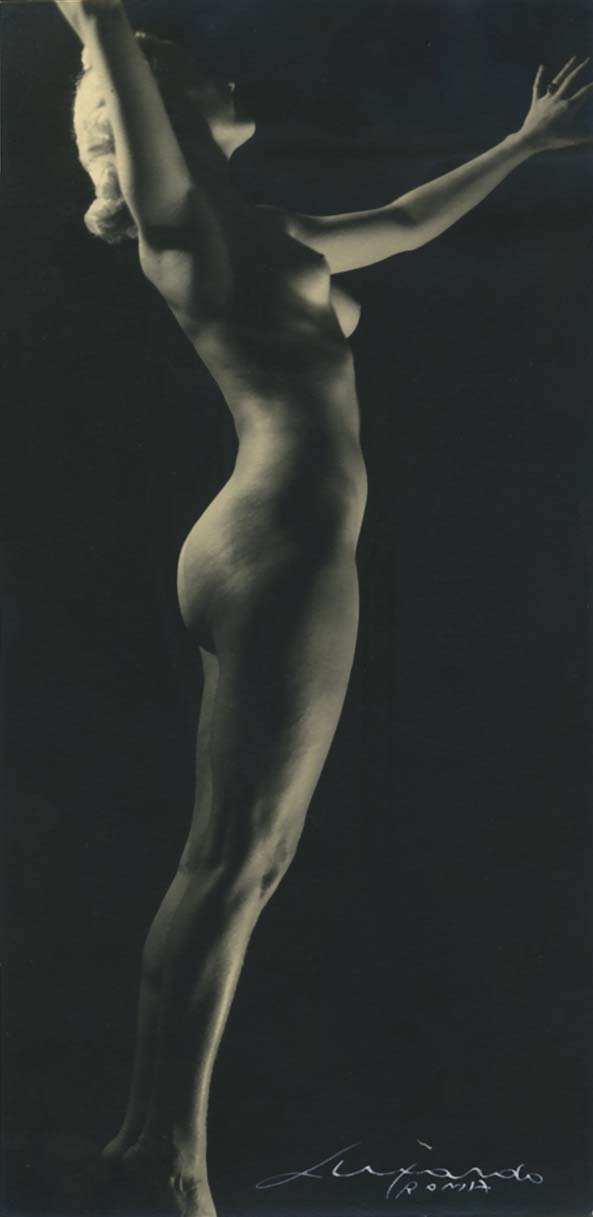
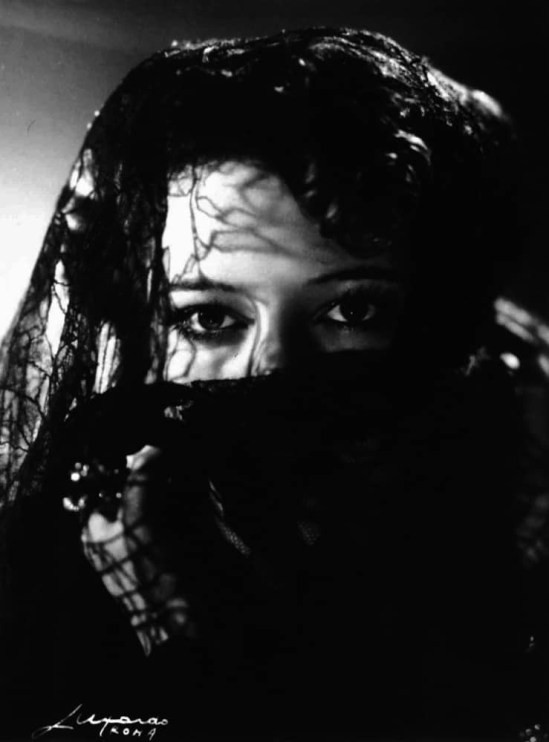
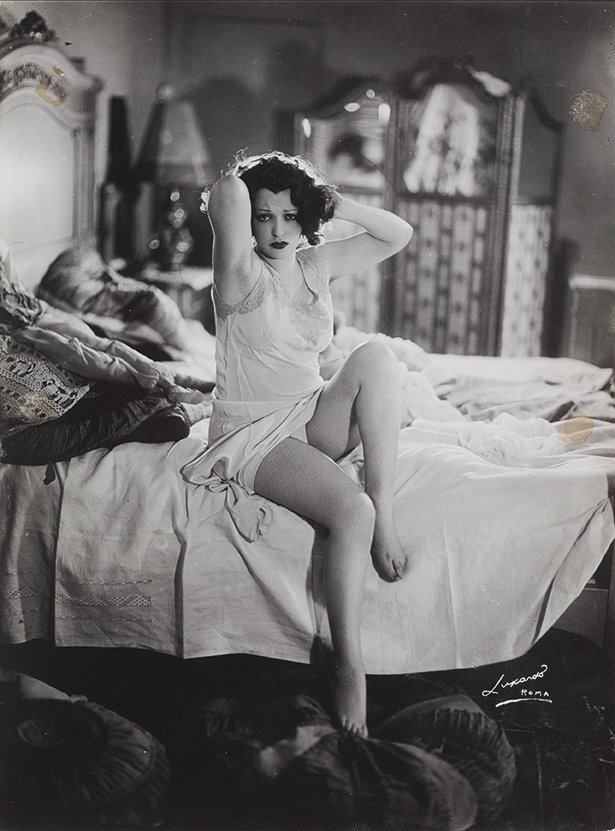
Elio Luxardo (1908-1969)

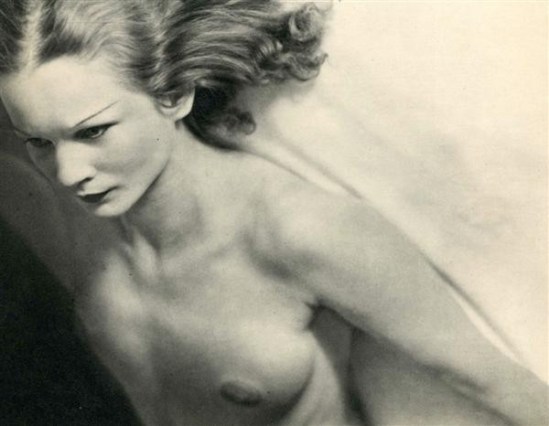
Elio Luxardo- Nudo, c. 1937


Elio Luxardo- Sinuose armonie (Sinuous harmonies) , 1936

« The history of the Luxardos began in the first years of the 20th century when the young photographer Aldo Luxardo decided to leave Pise (Pisa) and set his lens on far objects: America. Alfredo, with his wife Margherita, stopped at S. Paul in Brazil – country that will mark the destiny of the whole Luxardo family. His subject changed, from the American myth to the Amazonian tribes: group photos and portraits developed and printed in absolute empirical ways. In Brazil his three children were born: Elio, Elda and Aldo. In 1928 Alfredo Luxardo returned in Italy where he took over the photo studio Sam Bosch (Photographer of the Royal House) in via XX Settembre. Here began the history of the liaison Rome-Luxardo.The three children, Elio, who previusly joined the Experimental Center of Cinematography, Aldo and Elda worked in their father’s studio. It was the thirties and the famous studio in via del Tritone fixed some features that developped a following and signed a epoch. Diffuse lights, combined with reflexes, dark settings and light cuttings that carved faces and designed bodies. In few words the Myth of Beauty was born, the cult of the body. The studio was populated of divas and sports champions, intellectuals and artists, from Pirandello to Marinetti, from Assia Noris to Isa Miranda, from Valentina Cortese to Alida Valli, to the world champion Primo Carnera. In the postwar period there was a cooperation with the « Folie de Broadway » and than the beginning of the contest Miss Italia from which came celebrities like Loren and Lollobrigida. The Dolce Vita – the intense friendship with Federico Fellini – movies like « Poveri ma Belli » (« Poor but Beautiful »), actors like Mastrianni and Gassmann. These were the images of the sixties. The last dream of Elio Luxardo has been Sperlonga, where he retired to live. On the Mediterranean coast, the photographer looked for the lights and colors of the native country, but in vain. He died in 1969 at the age of 59. His brother Aldo continued to work alone in the family studio – that his sister Elda left marrying the producer Argento, father of the director, Dario. But the recall of the land of origin became stronger and stronger and, at the end, Aldo decided to go back to Brazil. » Luxario gallery

Elio Luxardo -Nudo femminile , 1932

Elio Luxardo -Nudo femminile , 1932

Elio Luxardo -Nudo femminile , 1932

Elio Luxardo -Nudo femminile , 1932

Elio Luxardo -Nudo femminile , 1932

Elio Luxardo -Nudo femminile , 1932

Elio Luxardo - Nudo femminile, 1940s

Elio Luxardo – Nudo femminile, 1940s

Elio Luxardo- Nudo, 1935

Elio Luxardo- Nudo, 1935

Elio Luxardo – Nudo femminile N.2 – 1935


Elio Luxardo-Nudo femminile N. 3 - 1935

Elio Luxardo-Nudo femminile N. 3 – 1935

Elio Luxardo-Nudo femminile N. 4 – 1935

Elio Luxardo - Nudo di donna, ca. 1930, Galleria Luxardo, Roma

Elio Luxardo – Nudo di donna, ca. 1930, Galleria Luxardo, Roma

Elio Luxardo- Nudo femminile, Roma, 1940

Elio Luxardo- Nudo femminile, Roma, 1940

Elio Luxardo- Nudo con drappo, 1937

Elio Luxardo- Sin titulo, c.1930~1950

Elio Luxardo- Sguardo in fiore, (Look in bloom) 1939

Elio Luxardo- Ritratto,c.1930~1950

Elio Luxardo- Ritratto, c.1930~1950

Elio Luxardo- Confessione nd

Elio Luxardo- Aria, 1941

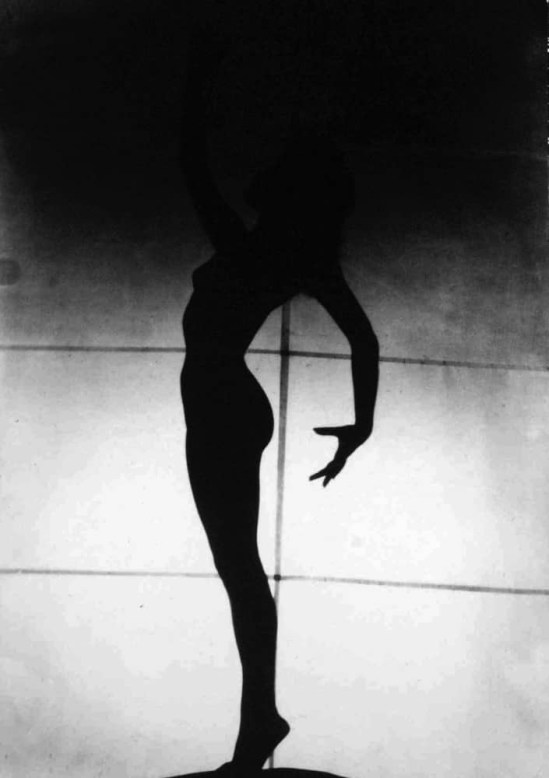
Elio Luxardo- Silhouette, 1939-40

Elio Luxardo- Nudo femminile , 1940

Elio Luxardo- Nudo femminile , 1940

Elio Luxardo - nudo 1940s

Elio Luxardo – nudo 1940s

Elio Luxardo – Girandole di fuoco, (Laura Nucci), 1939

Elio Luxardo – Girandole di fuoco, (Laura Nucci), 1939

Elio Luxardo - Marisa Maresca, 1955

Elio Luxardo – Marisa Maresca, 1955

Elio Luxardo – Marina Maresca, 1955

Elio Luxardo - Portrait of the photographer Ghitta Carell, 1955

Elio Luxardo – Portrait of the photographer Ghitta Carell, 1955

Elio Luxardo Doris Duranti Luxardo Mazzota fotografia L’italica Bellezza Turroni (Giuseppe), 1960 Gabriele Mazzotta editore

Elio Luxardo Doris Duranti Luxardo Mazzota fotografia L’italica Bellezza Turroni (Giuseppe), 1960 Gabriele Mazzotta editore

Elio Luxardo- Isa Barzizza,from Luxardo Mazzota fotografia L’italica Bellezza Turroni (Giuseppe), 1960 Gabriele Mazzotta editore

Elio Luxardo- Isa Barzizza,from Luxardo Mazzota fotografia L’italica Bellezza Turroni (Giuseppe), 1960 Gabriele Mazzotta editore

Elio Luxardo Ritratto femminile 1950′s

Elio Luxardo Ritratto femminile 1950′s

Elio Luxardo- Doris Duranti,1940

Elio Luxardo- Doris Duranti,1940

Elio Luxardo- L'attrice Marisa Maresca,1955

Elio Luxardo- L’attrice Marisa Maresca,1955

Elio Luxardo - Isa Pola “La signora dell’Oves

Elio Luxardo – Isa Pola “La signora dell’Oves

Elio Luxardo -Germana Paolieri, 1937

Elio Luxardo -Germana Paolieri, 1937

Elio Luxardo- ritrato per conecorso, 1941

Elio Luxardo- ritrato per conecorso, 1941

Elio Luxardo- Giungla Luxardo Mazzota fotografia L’italica Bellezza Turroni (Giuseppe), 1960 Gabriele Mazzotta editore

Elio Luxardo- Giungla Luxardo Mazzota fotografia L’italica Bellezza Turroni (Giuseppe), 1960 Gabriele Mazzotta editore

Elio Luxardo - Pamela Palma' 1940

Elio Luxardo – Pamela Palma’ 1940

Elio Luxardo, Modella indossa un abito nero con paillettes fuma, Italia, 1948

Elio Luxardo, Modella indossa un abito nero con paillettes fuma, Italia, 1948

Elio Luxardo- L'Italia Bellezza, 1950

Elio Luxardo- L’Italia Bellezza, 1950

Elio Luxardo- Valentina Cortese, 1950

Elio Luxardo- Valentina Cortese, 1950

Elio Luxardo- Valentina Cortese, 1950

Elio Luxardo- Valentina Cortese, 1950

Elio Luxardo -Portrait of a lady, ca. 1940

Elio Luxardo -Portrait of a lady, ca. 1940

Elio Luxardo - Una soubrette , 1945

Elio Luxardo – Una soubrette , 1945

Elio Luxardo-Leda Gloria, 1940

Elio Luxardo-Leda Gloria, 1940


Elio Luxardo - Bellezza Italica, ca. 1930 Vintage gelatin silver print Galleria Luxardo, Roma

Elio Luxardo – Bellezza Italica, ca. 1930 Vintage gelatin silver print Galleria Luxardo, Roma

Elio Luxardo - Bellezza Italica, ca. 1930 Vintage gelatin silver print Galleria Luxardo, Roma

Elio Luxardo – Bellezza Italica, ca. 1930 Vintage gelatin silver print Galleria Luxardo, Roma

Elio Luxardo biographie

More gallery


Pierre Boucher (1908-2000)

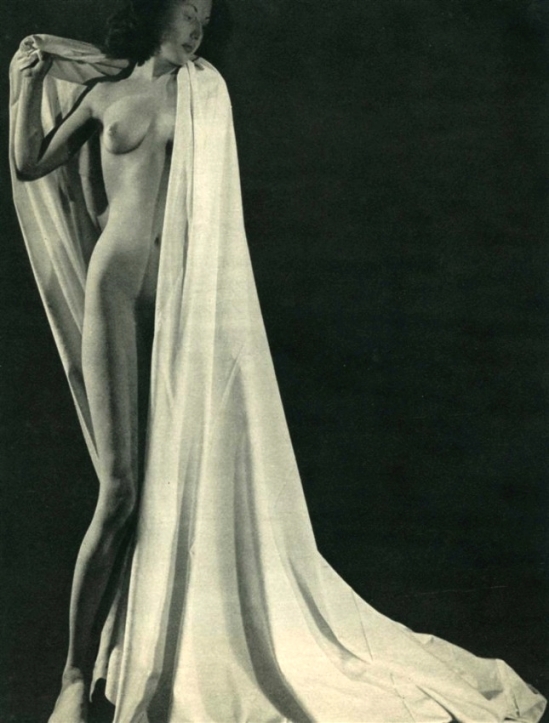
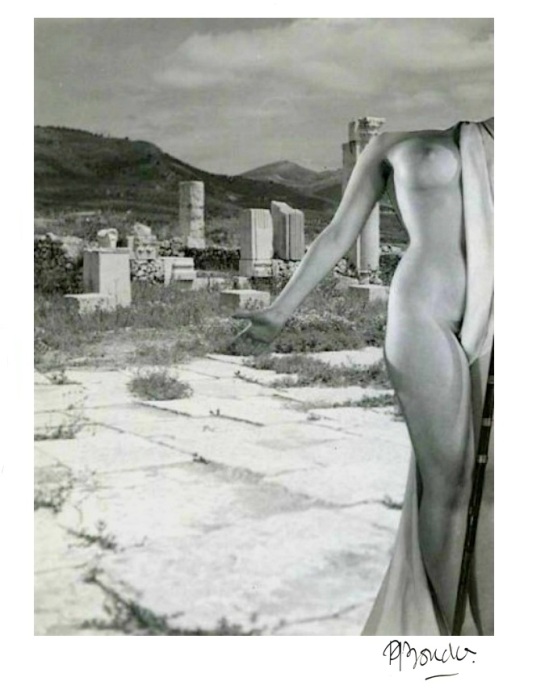
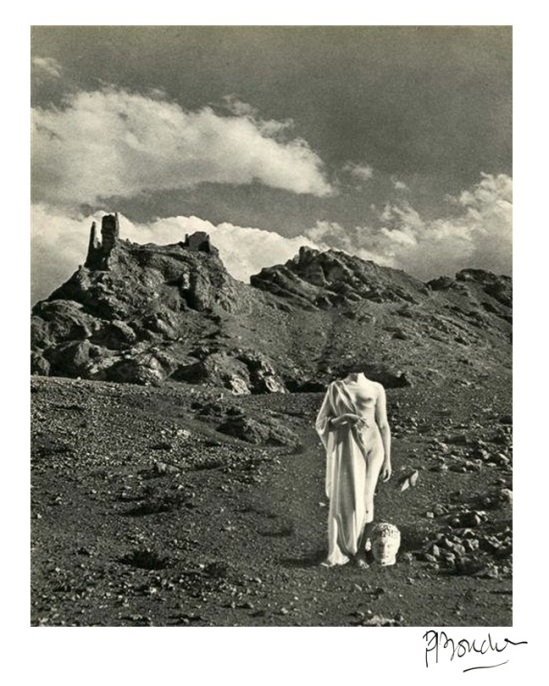
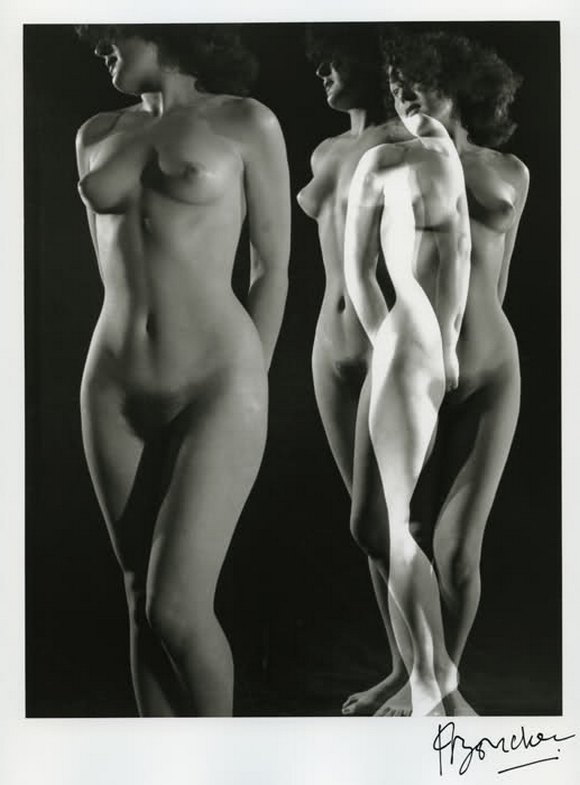
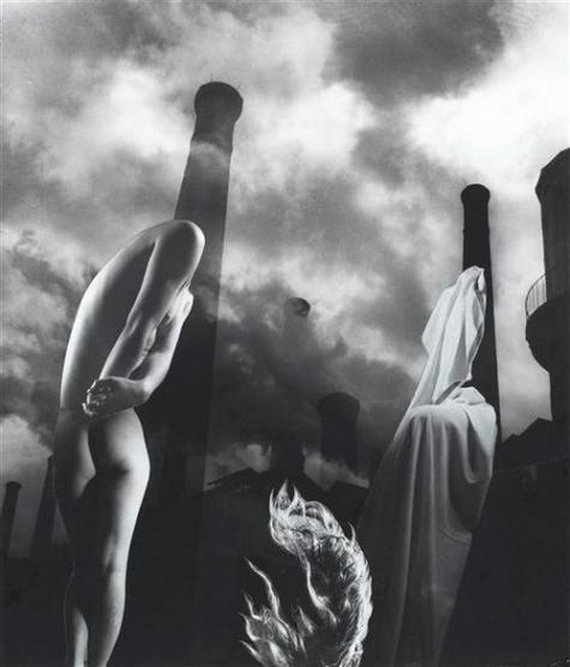
Graphiste de formation, Pierre Boucher s’est formé à l’Ecole d’arts appliqués à l’Industrie, dans l’atelier de publicité, et a été influencé par les arts décoratifs, l’architecture de Le Corbusier et par l’art moderne.Sa curiosité pour ces différents domaines conduit le photographe à s’appuyer sur des recherches personnelles pour répondre à des commandes. Il utilise des techniques mécaniques d’imagerie à des fins détournées. Il se libère en partie de la chambre noire. Le photomontage le conduit à créer un univers singulier et original, comme dans Electra, pour laquelle il utilise un nu hiératique dont il remplace la tête par un élément issu d’un reportage industriel pour une compagnie d’électricité. D’ailleurs la quatrième de couverture de Pierre Boucher Photomonteur paru en 2003 le décrit très bien….. Acteur majeur de la Nouvelle Vision, Pierre Boucher expérimente toutes les techniques de photographie avant-gardiste et

 » (Son oeuvre)  est protéiforme, comme la plupart de la production photographique de ses contemporains. Il colle à tous les registres de cette photographie moderne comme l’expérimentation avec les photogrammes, photocollages, solarisations et surimpressions. Esprit curieux, cultivé et sportif, Pierre Boucher produit aussi bien des nus surréalistes que des publicités recherchées et bien construites, mais il documente aussi la nouvelle société du temps libre et des loisirs qui s’annonce dès 1936 avec les congés payés accordés par le Front populaire. Que ce soit dans le document ou dans la photographie industrielle, Pierre Boucher déclenche avec ses images chez le spectateur une grande proximité et une empathie avec le sujet représenté. Refusant toute spécialisation que lui permettait encore son époque, Pierre Boucher a photographié toute sa vie ce qu’il aimait  « . Editions Marval. 2003. 4eme de couverture
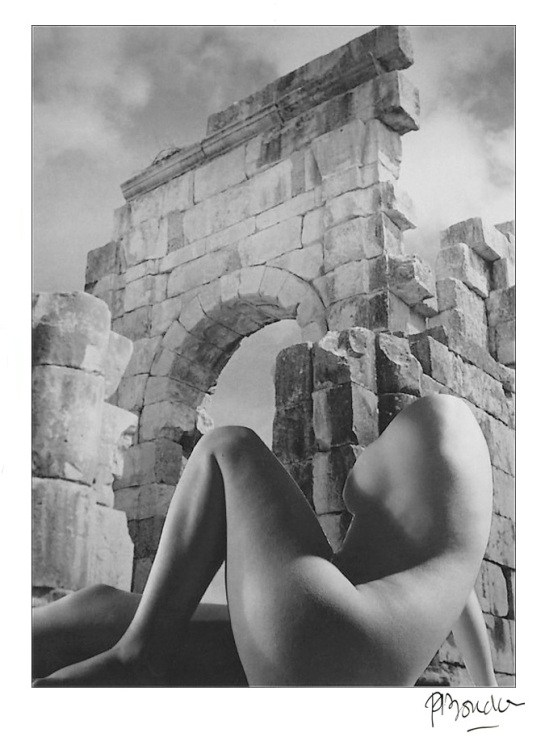
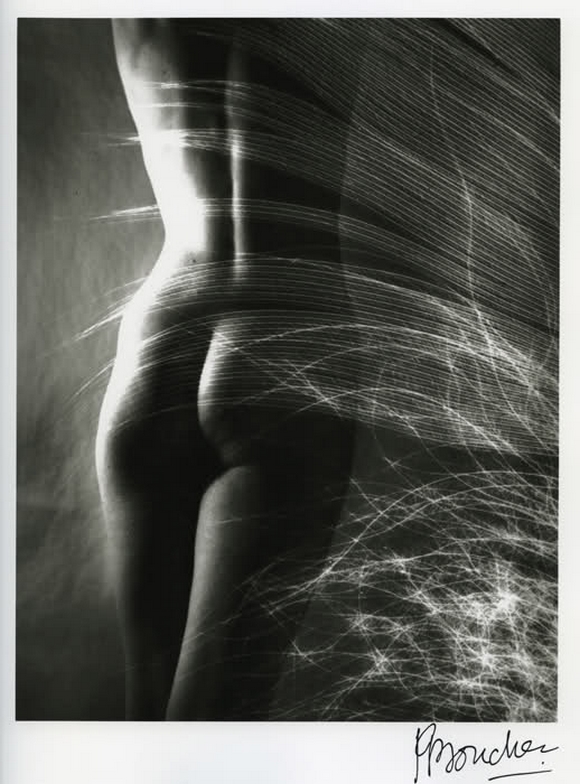
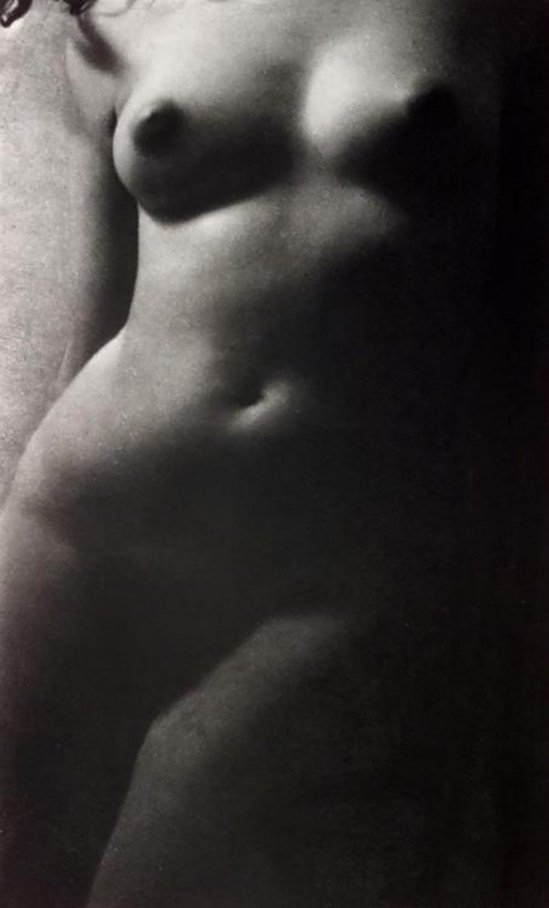
Un autre aspect essentiel de son oeuvre réside dans le nu, ( sujet de prédilection sur ce blog) ,qu’il expérimente d’abord dans le style de la Nouvelle Objectivité ( sous des angles inédits de corps fragmentés aux courbes dynamiques) . Il pratique ensuite le nu surréaliste ( la surimpression de formes, la solarisation et le photomontage) et le nu néo-classique( l’harmonie et la beauté dans la célébration du corps sur le modèle grec.)Contrairement à ses photographies surréalistes ou publicitaires, ses nus se révèlent dans leur authenticité, sous des angles singuliers. Ils reflètent aussi l’époque des années 1930, avec la libération et la sublimation du corps en harmonie avec la nature.
Parmi ses autres thèmes de prédilection : le sport. Le mouvement, la vitesse, le rythme, le dynamisme, l’élan, le corps en plein effort sont autant de caractéristiques de ses photographies dans ce domaine, il aime aussi les vues urbaines et d’architecture. Ses clichés constituent des témoignages de la société de l’époque.

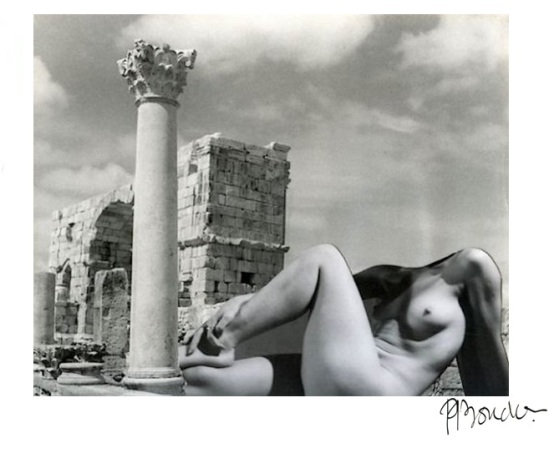
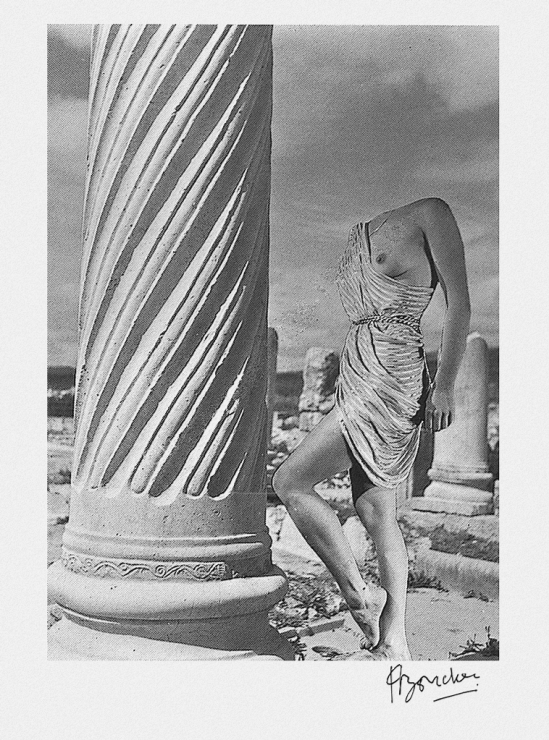
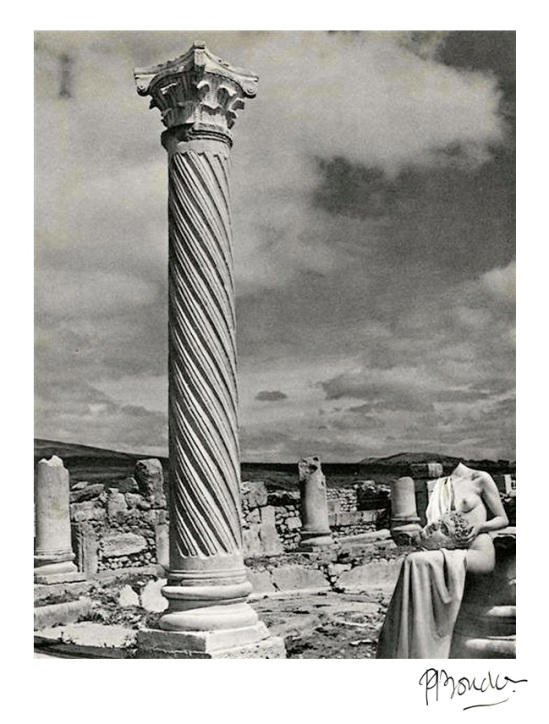
Enfin, il rapporte également de nombreuses photographies et dessins de ses fréquents voyages ( Maroc Espagne Egypte). Une dimension graphique, issue de son regard formé par ses premières années d’études, se retrouve dans l’ensemble de son travail. Par exemple au milieu des années 30, au Maroc, Pierre Boucher a surtout travaillé dans l’ethnographie des Berbères de l’Atlas. il s’est servi de photos prises dans l’Atlas et à Volubilis pour ses photomontages

Je choisie de vous proposer les photomontages de la série « Fantasmagorie du nu », les surimpressions et double exposition ainsi que les nus, mais son oeuvre ne s’arrête pas là, vous trouverez son travail sur le sport, l’archicture et la publicité sur le net.

Les Fantasmagories du Nu

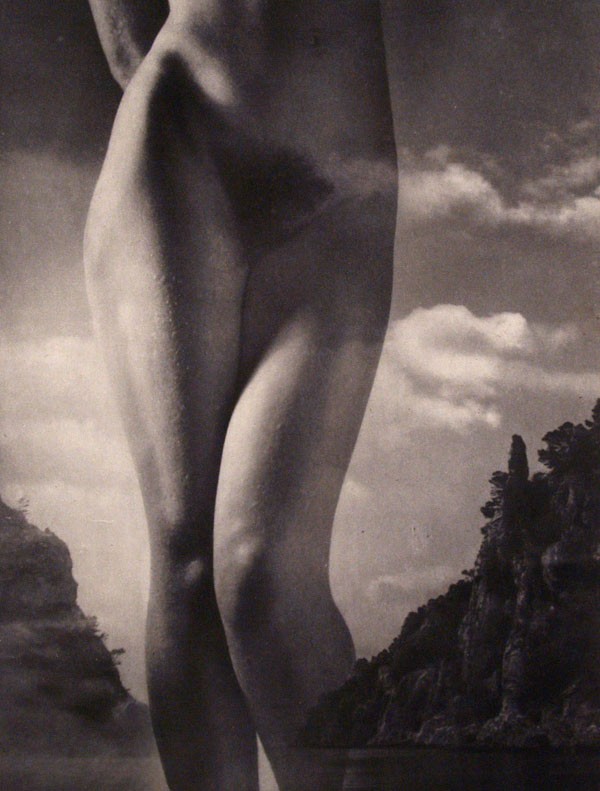
Pierre Boucher- Les Fantasmagories du Nu #1, 1937

Pierre Boucher- Les Fantasmagories du Nu #1, 1937

Pierre Boucher -Les Fantasmagories du Nu #002., 1937, Original vintage photogravure. c1949.

Pierre Boucher -Les Fantasmagories du Nu #002., 1937,  ( print Original vintage photogravure. c1949.)

Pierre Boucher- nu solarisé (Femme Fleur) Les Fantasmagories du Nu, N° 5, 1935

Pierre Boucher- nu solarisé (Femme Fleur) Les Fantasmagories du Nu, N° 5, 1935

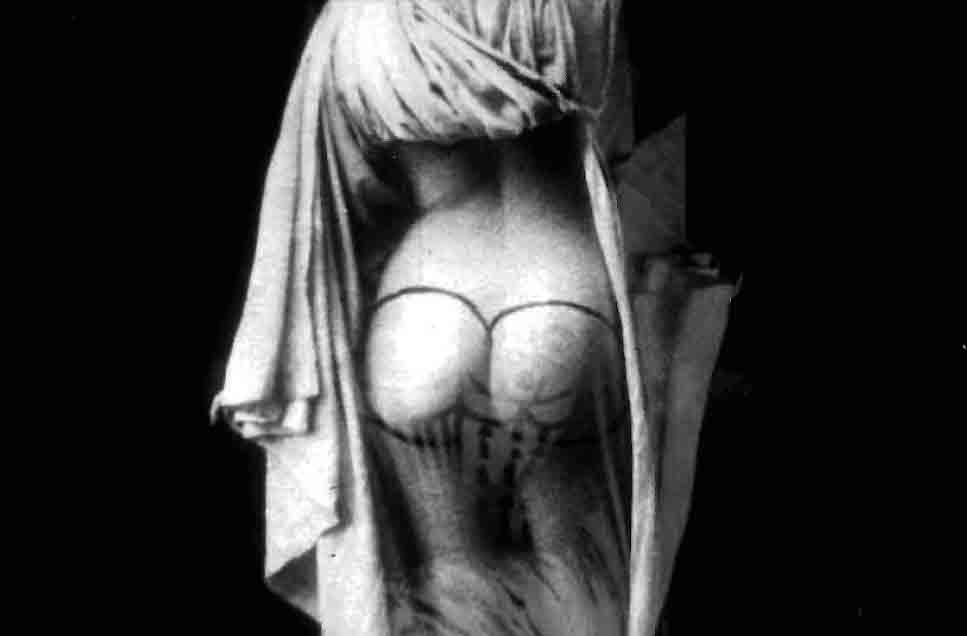
Pierre-Boucher-Antique nude, Volubilis ruins in Morocco,1936 from Les Fantasmagories du Nu# 6 , 1937

Pierre-Boucher-Antique nude, Volubilis ruins in Morocco,1936 from Les Fantasmagories du Nu# 6 , 1937

Pierre boucher Nu - Ruines de Volubilis,1937 from Les Fantasmagories du Nu # 7

Pierre boucher Nu – Ruines de Volubilis,1937 from Les Fantasmagories du Nu # 7

Pierre boucher Nu - Ruines de Volubilis, #8 1937 from Les Fantasmagories du Nu series 1 - Copie

Pierre boucher Nu – Ruines de Volubilis, #8 1937 from Les Fantasmagories du Nu series

Pierre boucher Nu - Ruines de Volubilis,1937 , Les Fantasmagories du Nu 9

Pierre boucher Nu – Ruines de Volubilis,1937 , Les Fantasmagories du Nu# 9

Pierre Boucher- Collage, Les ruines romaines de Volubilis du Maroc , 1936 from les fantasmagories du nu. #10 1937

Pierre Boucher- Collage, Les ruines romaines de Volubilis du Maroc , 1936 from les fantasmagories du nu. #10 1937

Pierre Boucher, Nu à Télouet, Maroc,1936 #11 1937 from Les Fantasmagories du Nu

Pierre Boucher, Nu à Télouet, Maroc,1936 #11 1937 from Les Fantasmagories du Nu

Pierre-Boucher-Les Fantasmagories du Nu # 12,1937

Pierre-Boucher-Les Fantasmagories du Nu # 12,1937

Pierre Boucher- photomontage les fantasmagories du nu.#13, 1937

Pierre Boucher- photomontage les fantasmagories du nu.#13, 1937

Pierre Boucher - Les Fantasmagories du Nu #15A, 1936.

Pierre Boucher – Les Fantasmagories du Nu #15A, 1936.

Pierre Boucher -Les Fantasmagories du Nu #14, 1937

Pierre Boucher -Les Fantasmagories du Nu #14, 1937

Pierre Boucher, Le nu à la plume,1932

Pierre Boucher- Le nu à la plume,1932 surimpression

Pierre-Boucher-les trois grâces,1949

Pierre-Boucher-Les trois grâces,1949 surimpression

Pierre Boucher, Nu à la chevelure, 1943 photomontage,

Pierre Boucher, Nu à la chevelure, 1943 photomontage,

Pierre Boucher - Bras sur le Guadalquivir, 1934

Pierre Boucher – Bras sur le Guadalquivir, 1934

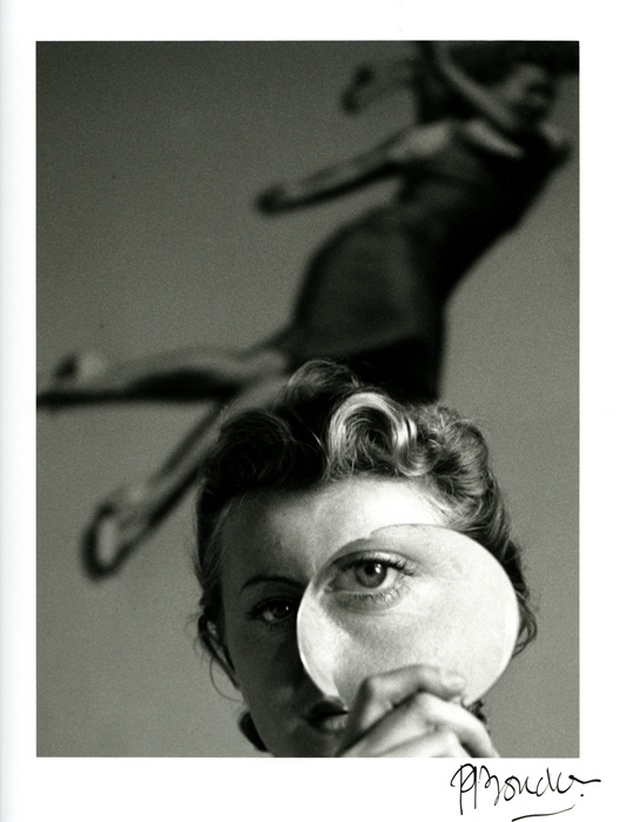
Pierre Boucher - Jeanine Prévert à la loupe, 1938

Pierre Boucher – Jeanine Prévert à la loupe, 1938

Pierre Boucher, Electra ,1961

Pierre Boucher- Electra ,1961

Pierre-Boucher-Photomontage La revolte, 1936

Pierre-Boucher-Photomontage La revolte, 1936

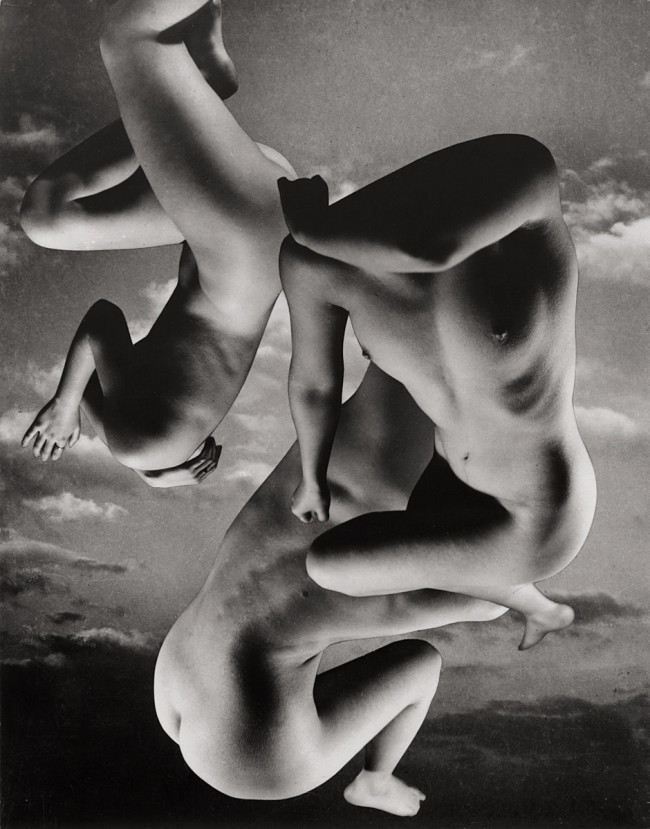
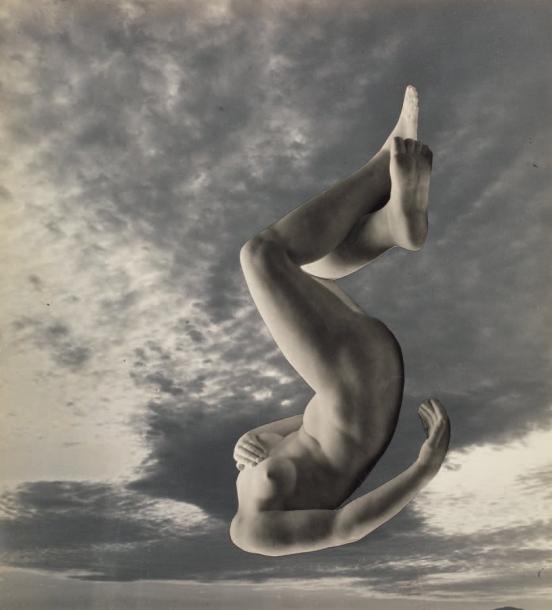
Pierre Boucher- La chute des corps, 1936

Pierre Boucher- La chute des corps, 1936

Pierre Boucher - La chute d’un corps, Photocollage, 1936.

Pierre Boucher – La chute d’un corps, Photocollage, 1936.

Pierre Boucher- Ondine, 1937 photomontge

Pierre Boucher- Ondine, 1937 photomontge

 Pierre Boucher -Nu féminin, 1936

Pierre Boucher -Nu féminin, 1936

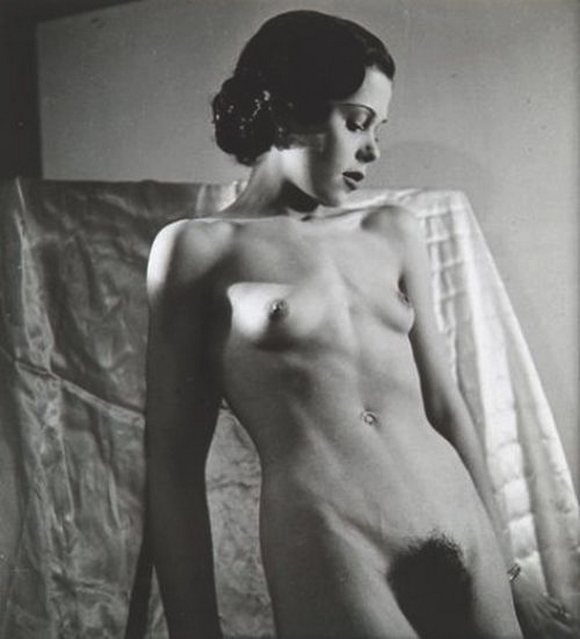
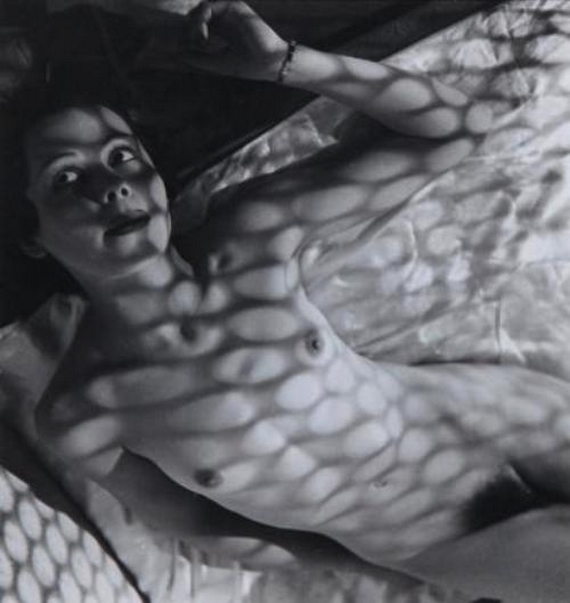
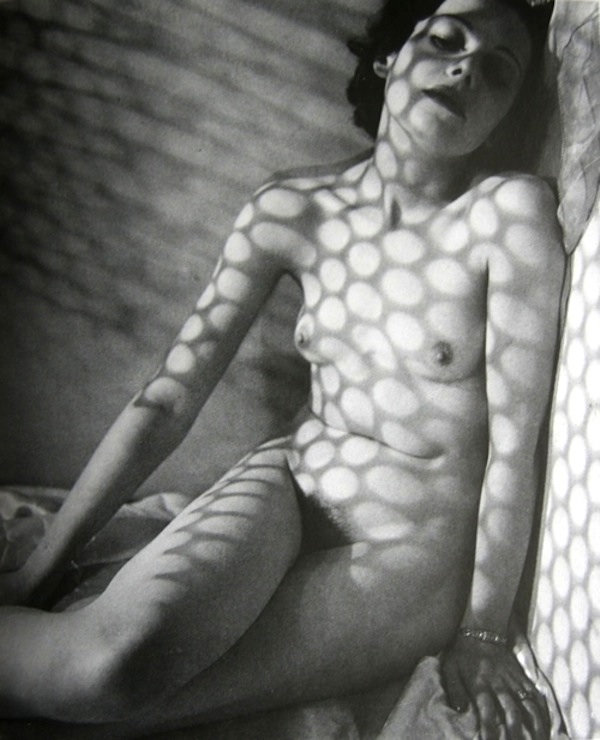
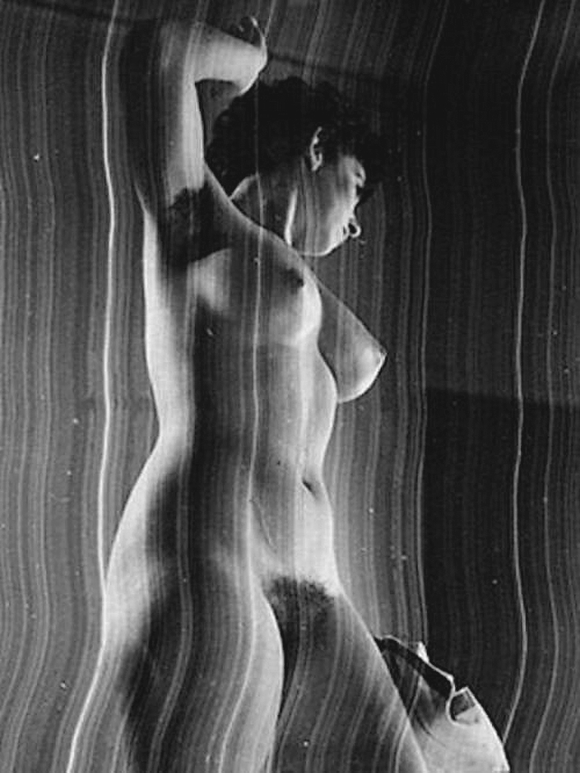
Pierre Boucher - Nu avec Résilles de Lumière , 1936

Pierre Boucher – Nu avec Résilles de Lumière , 1936

Pierre Boucher - Nu avec Résilles de Lumière, 1936

Pierre Boucher – Nu avec Résilles de Lumière, 1936

Pierre Boucher - Nude, 1936

Pierre Boucher – Nude, 1936

Pierre Boucher-Nu à tête romaine, 1936

Pierre Boucher-Nu à tête romaine, 1936

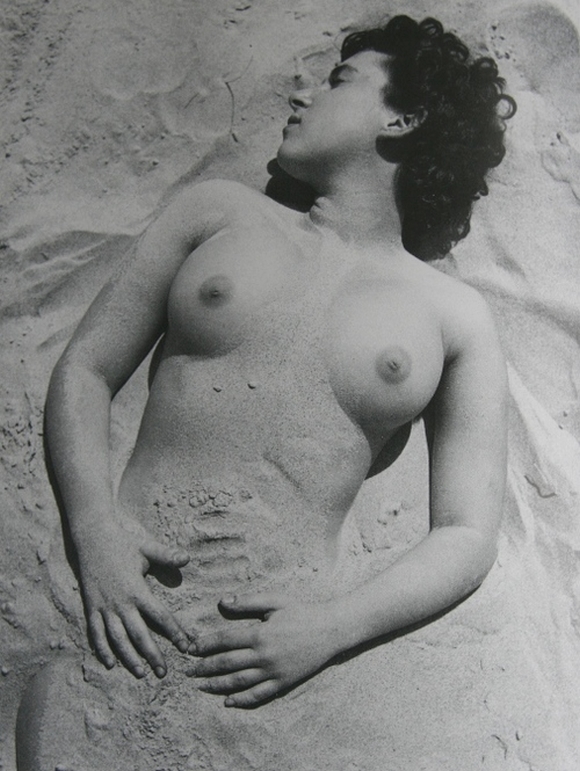
Pierre Boucher - Nu ensablé, 1930

Pierre Boucher – Nu ensablé, 1930

Pierre boucher-Femme nue, 1937

Pierre boucher-Femme nue, 1937

Pierre Boucher- Ombre portée, 1938

Pierre Boucher- Ombre portée, 1938

Pierre Boucher - Nu rayé, 1935

Pierre Boucher – Nu rayé, 1935

Pierre Boucher - Nu, 1937

Pierre Boucher – Nu, 1937

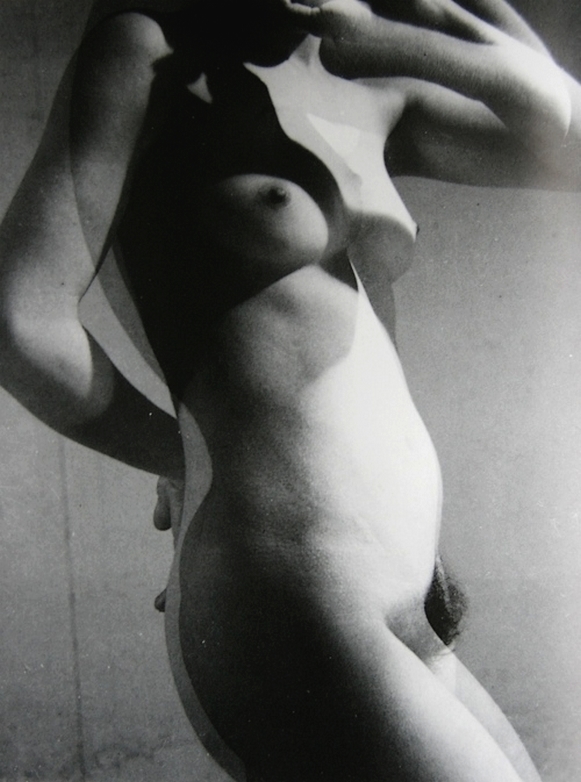
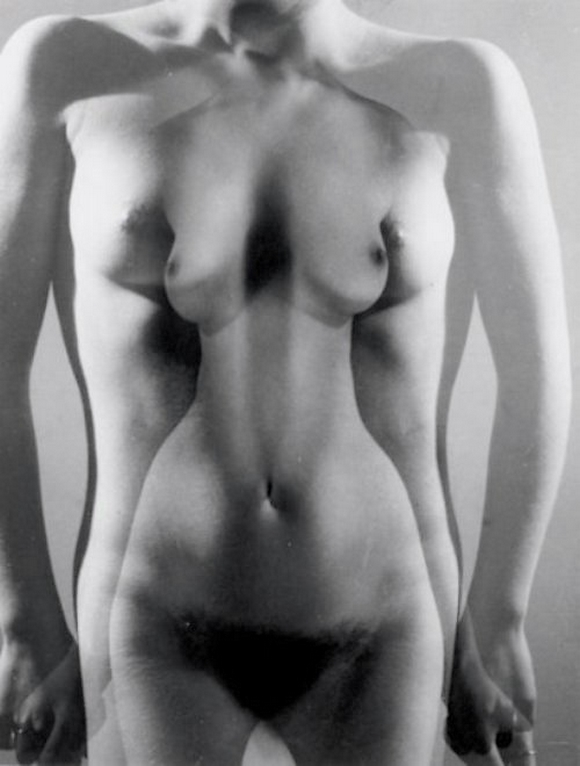
Pierre Boucher - Nu surimpression, 1934

Pierre Boucher – Nu surimpression, 1934

Pierre Boucher - Nu , Surimpression, 1935

Pierre Boucher – Nu , Surimpression, 1935

Pierre Boucher, Female Nude, 1935

Pierre Boucher, Female Nude, 1935

Pierre Boucher - Nu au violon, 1938

Pierre Boucher – Nu au violon, 1938

Pierre Boucher-Surimpression II.photogravure. c1933

Pierre Boucher-Surimpression II.photogravure. c1933

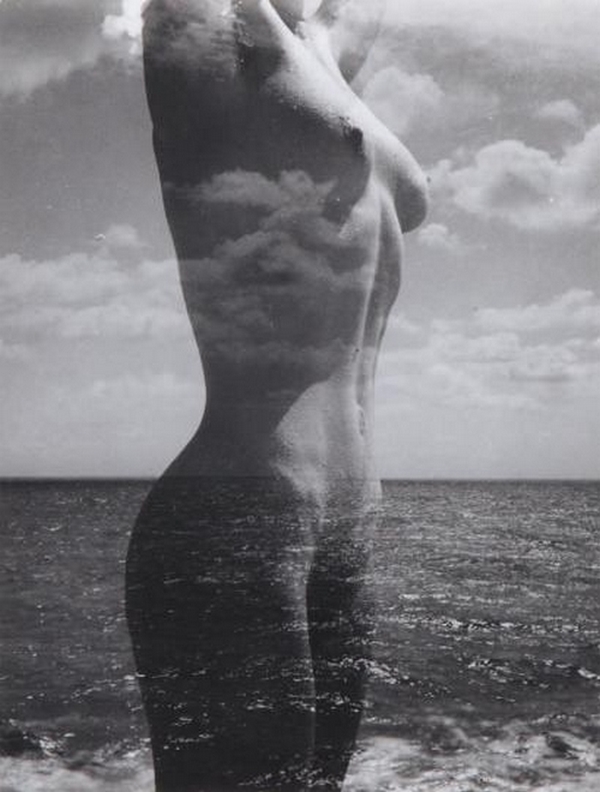
Pierre Boucher -Nu dans la mer, Surimpression, 1932

Pierre Boucher -Nu dans la mer, Surimpression, 1932

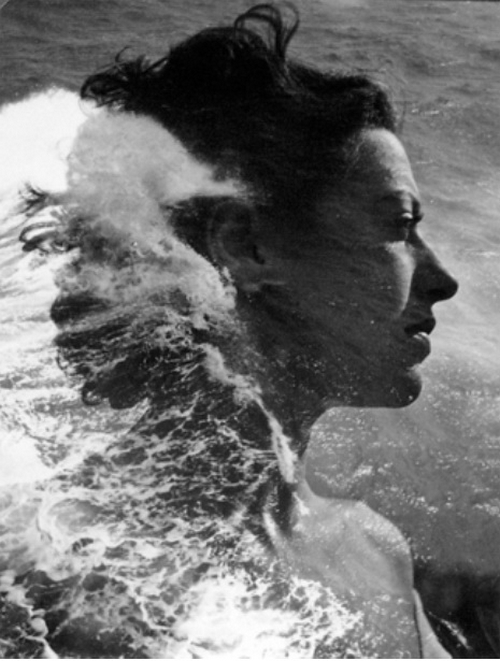
Pierre Boucher-portrait à la vague,1936-1938, surimpression

Pierre Boucher-portrait à la vague,1936-1938, surimpression

Pierre Boucher-Etude de Nu , 1933

Pierre Boucher-Etude de Nu , 1933

Pierre Boucher La Sirene, 1936

Pierre Boucher La Sirene, 1936

Pierre Boucher - Untitled, Nu, 1935.

Pierre Boucher – Untitled, Nu, 1935

Pierre Boucher- Nu en extérieur, 1935

Pierre Boucher- Nu en extérieur, 1935

Pierre Boucher- Deux penseurs, 1935

Pierre Boucher- Deux penseurs, 1935

Pierre Boucher- Nu #06, 1933

Pierre Boucher- Nu #06, 1933

Pierre Boucher- Nu #19, .1936

Pierre Boucher- Nu #19, .1936

Pierre Boucher - Nu couché 1935

Pierre Boucher – Nu couché 1935

Pierre Boucher - L’eau, 1935

Pierre Boucher – L’eau, 1935

Pierre Boucher- Solarized Arm and Hand, 1933

Pierre Boucher- Solarized Arm and Hand, 1933

Pierre Boucher. Portrait tramé, 1939-46

Pierre Boucher. Portrait tramé, 1939-46

Pierre Boucher - Regard de Janine ( prévert) , 1938

Pierre Boucher – Regard de Janine ( prévert) , 1938

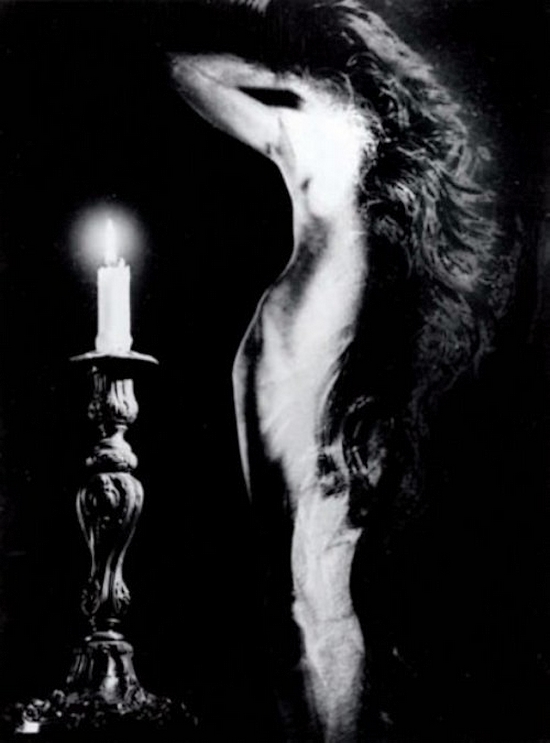
Pierre Boucher - Nu au chandelier, 1948

Pierre Boucher – Nu au chandelier, 1948

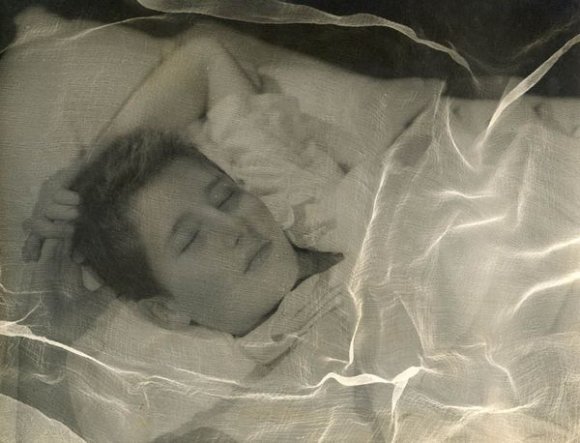
Pierre Boucher- Portrait (enfant endormi), 1935

Pierre Boucher- Portrait (enfant endormi), 1935

Pierre Boucher Etude de nu. Rayogramme. 1930.

Pierre Boucher Etude de nu. Rayogramme. 1930.

source Pierre Boucher Photomonteur Edition Marval 2003

Arnet, Rmn, Mutual art, Gazette Drout.

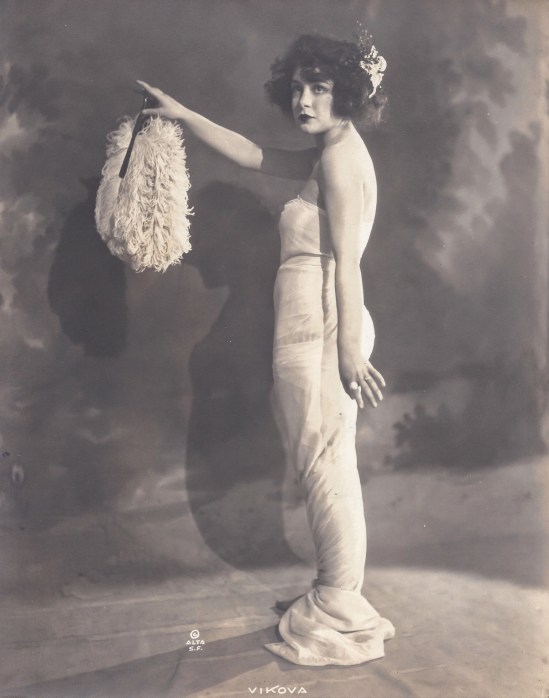
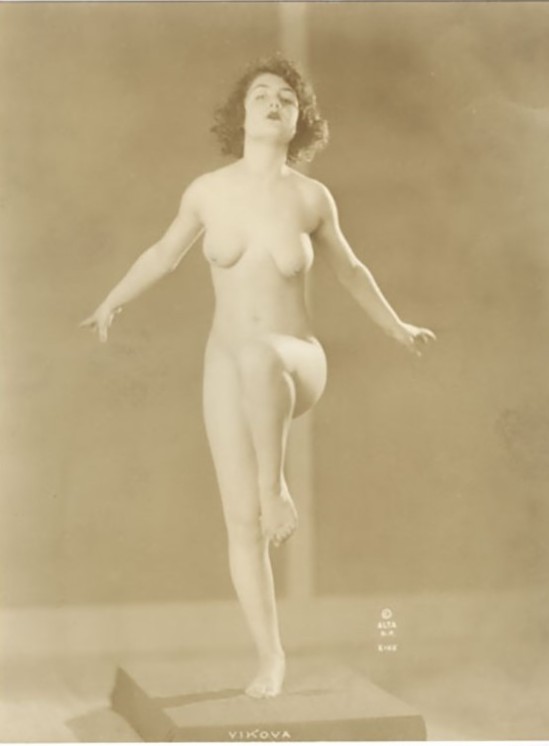
Xan( Alexander) Stark for Alta Studios -Nude Model Vivoka, 1920 from Alta Art Studies ,Vol. I 1920

Xan Stark ( Alta Studios) – Miss Vikova,1920

Xan Stark for Alta Studios -Vikova the dancer,1920

Xan Stark for Alta Studios -Vikova the dancer,1920

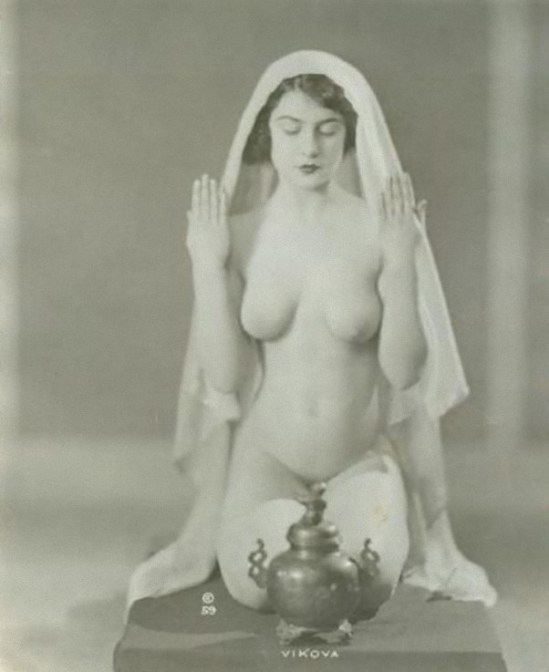
Stark Brothers-Vivoka-1921

Stark Brothers-Vivoka-1921

Stark Brothers-Vivoka-1921

Stark Brothers-Vivoka-1921

Stark Brothers-Vivoka-1921

Stark Brothers-Vivoka, 1921

Stark Brothers-Vivoka-1921

See others articles about Xan Stark

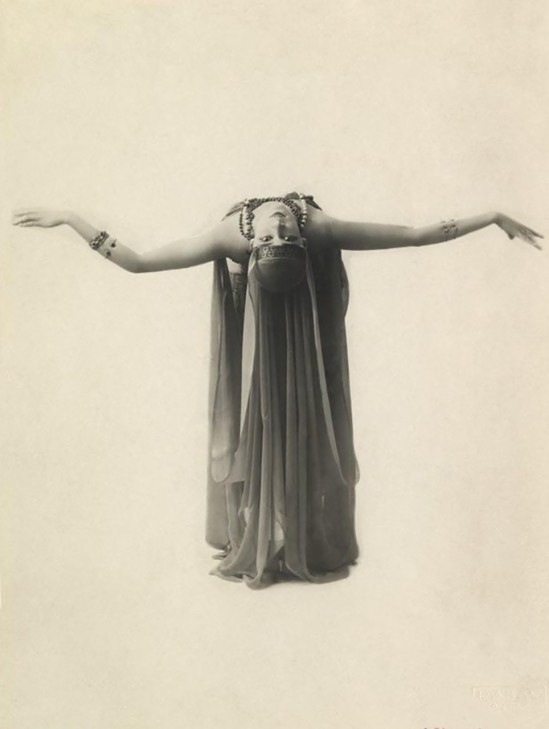
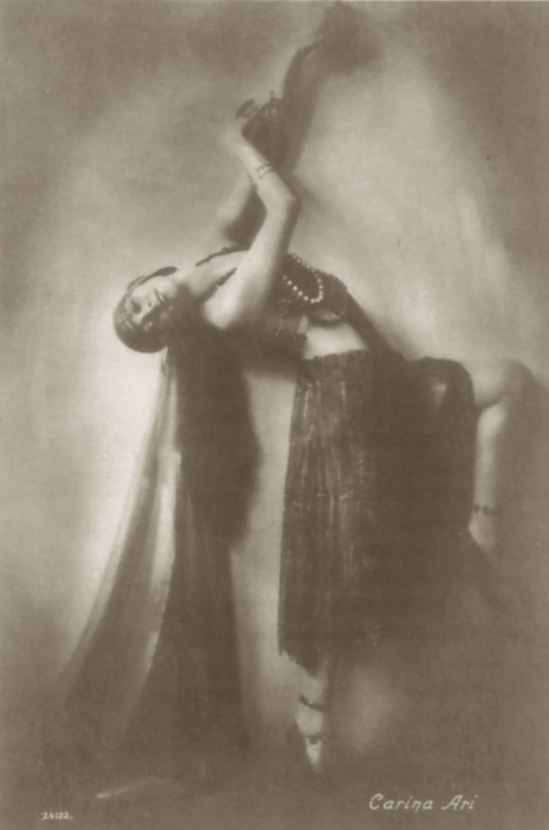
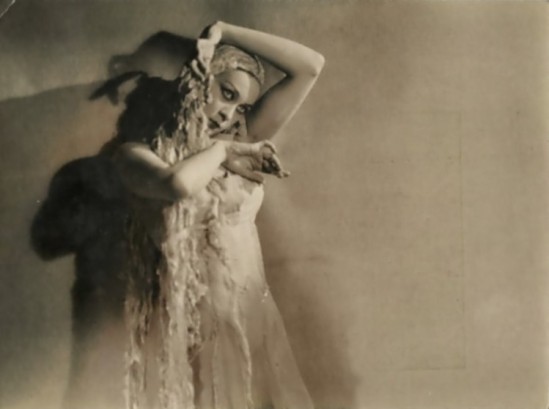
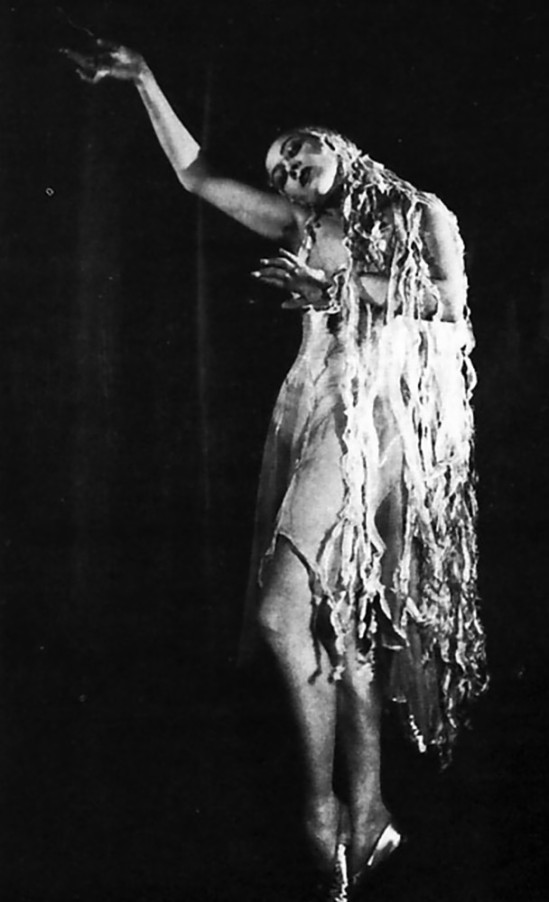
La Ballerine Carina Ari ( Carina Janssen)

Carina Ari dans la danse d’Anitra, Divertissement , 1921 photo Isabey © BmO – BnF

Ballerine Carina Ari in a solo in Jean Borlin’s Anitra’dance, 1918

Carina Ari Danseuse et chorégraphe.( Nom de scène Carina Janssen), en 1934 .Opera Ballet Stockholm

Ballerine Carina Ari Danseuse et chorégraphe. – Nom de scène Carina Janssen

about-carina-ari

Cliquer pour accéder à cp_ballets_suedois.pdf

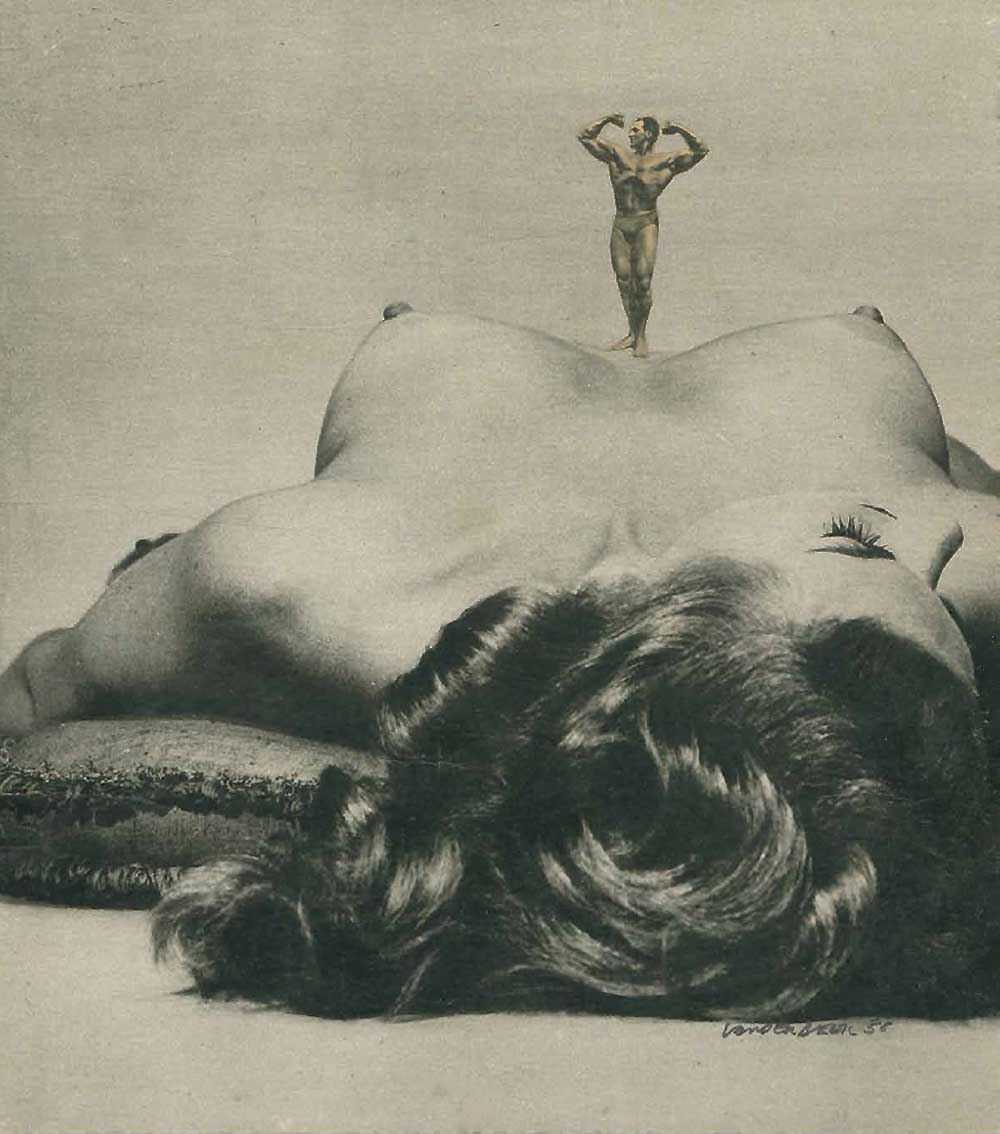
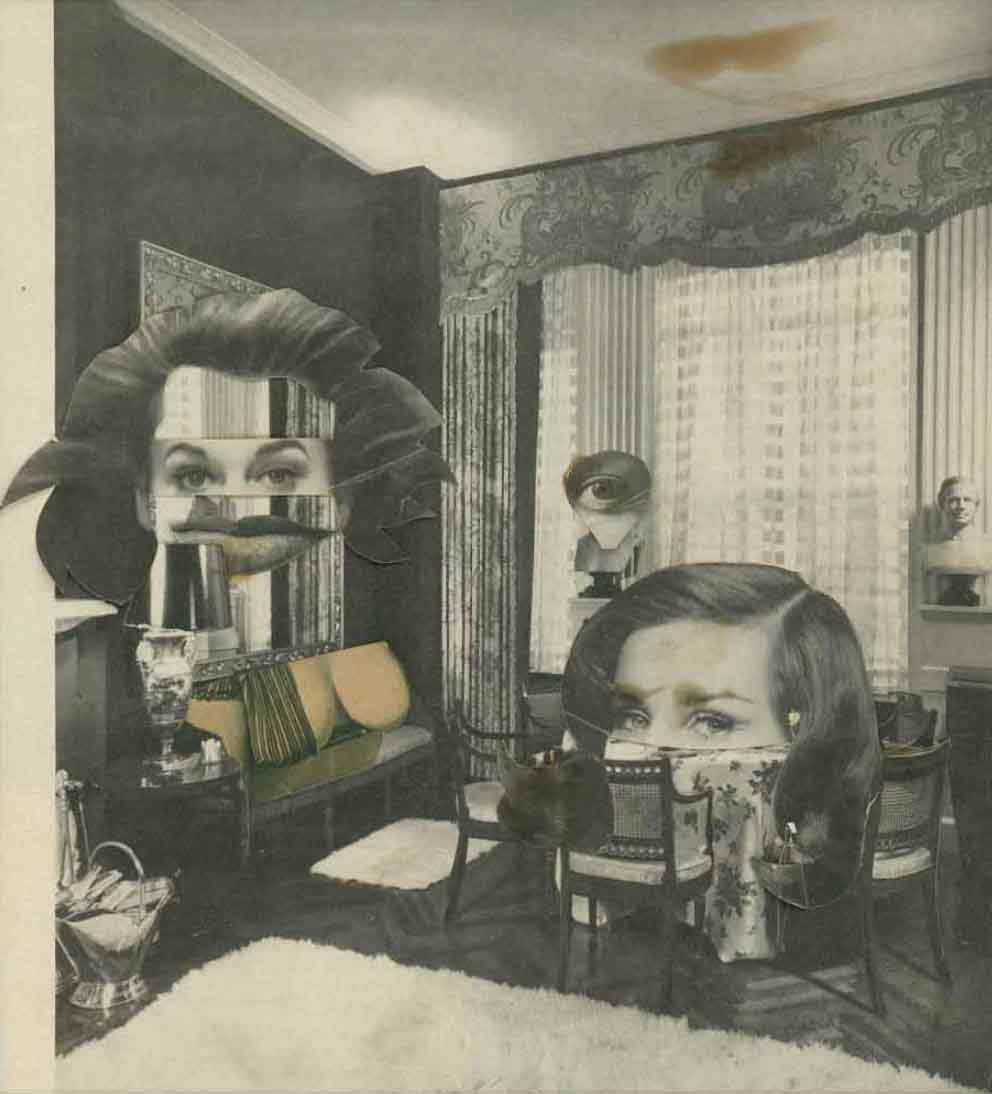
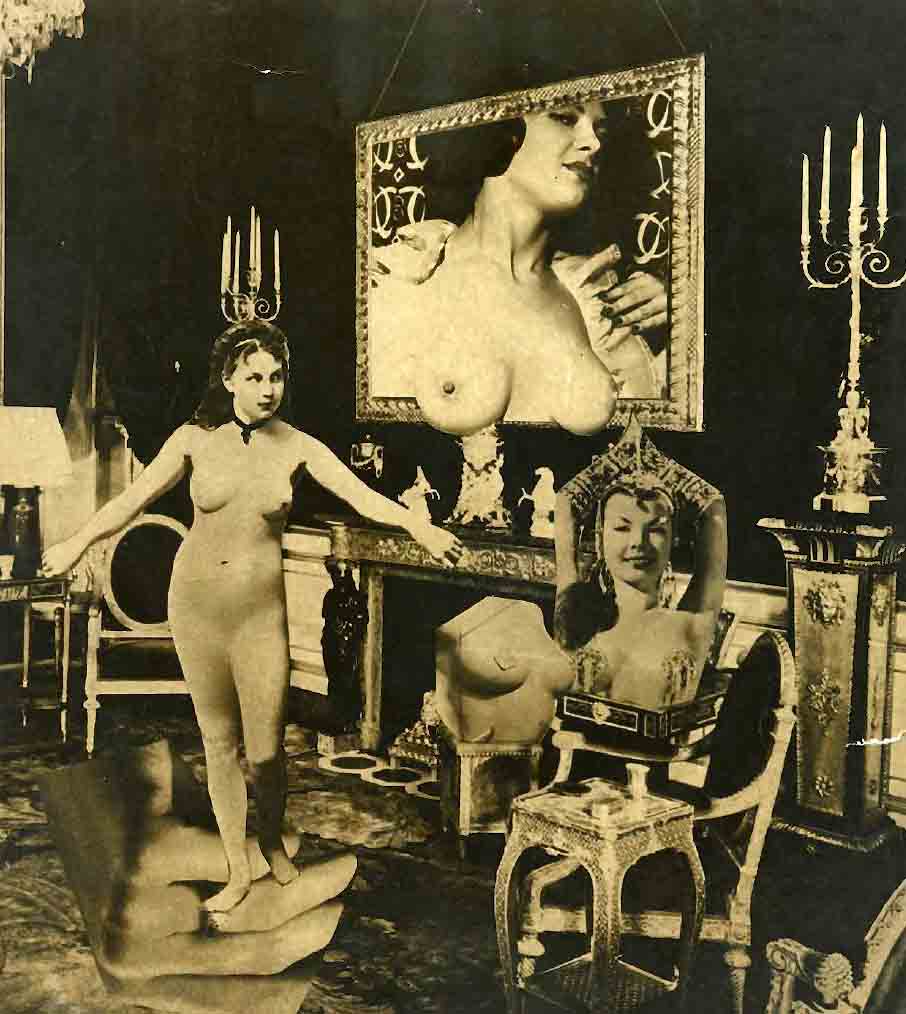
Stan VanDerBeek (1927–1984)

« VanDerBeek studied art and architecture first at Cooper Union College in New York and then at Black Mountain College in North Carolina, where he met architect Buckminster Fuller, composer John Cage, and choreographer Merce Cunningham. VanDerBeek began his career in the 1950s making independent art film while learning animation techniques and working painting scenery and set designs for the American TV show, Winky Dink and You. His earliest films, made between 1955 and 1965 mostly consist of animated paintings and collage films, combined in a form of organic development.

VanDerBeek’s ironic compositions were created very much in the spirit of the surreal and dadaist collages on Max Ernst, but with a wild, rough informality more akin to the expressionism of the Beat Generation. In the 1960s, VanDerBeek began working with the likes of Claes Oldenburg and Allan Kaprow, as well as representatives of modern dance, such as Merce Cunningham and Yvonne Rainer. Building his Movie Drome theater at Stony Point, New York, at just about the same time, he designed shows using multiple projectors. These presentations contained a very great number of random image sequences and continuities, with the result that none of the performances were alike.

His desire for the utopian led him to work with Ken Knowlton in a co-operation at Bell Labs, where dozens of computer animated films and holographic experiments were created by the end of the 1960s. Between 1964 and 1967 Vanderbeek created Poem Field, a series of 8 computer-generated animations with Ken Knowlton.

During the same period, he taught at many universities, reserarching new methods of representation, from the steam projections at the Guggenheim Museum to the interactive television transmissions of his Violence Sonata broadcast on several channels in 1970. He ran the University of Maryland, Baltimore County visual arts program until his death.

His daughter is artist Sara VanDerBeek. » Wilkipedia

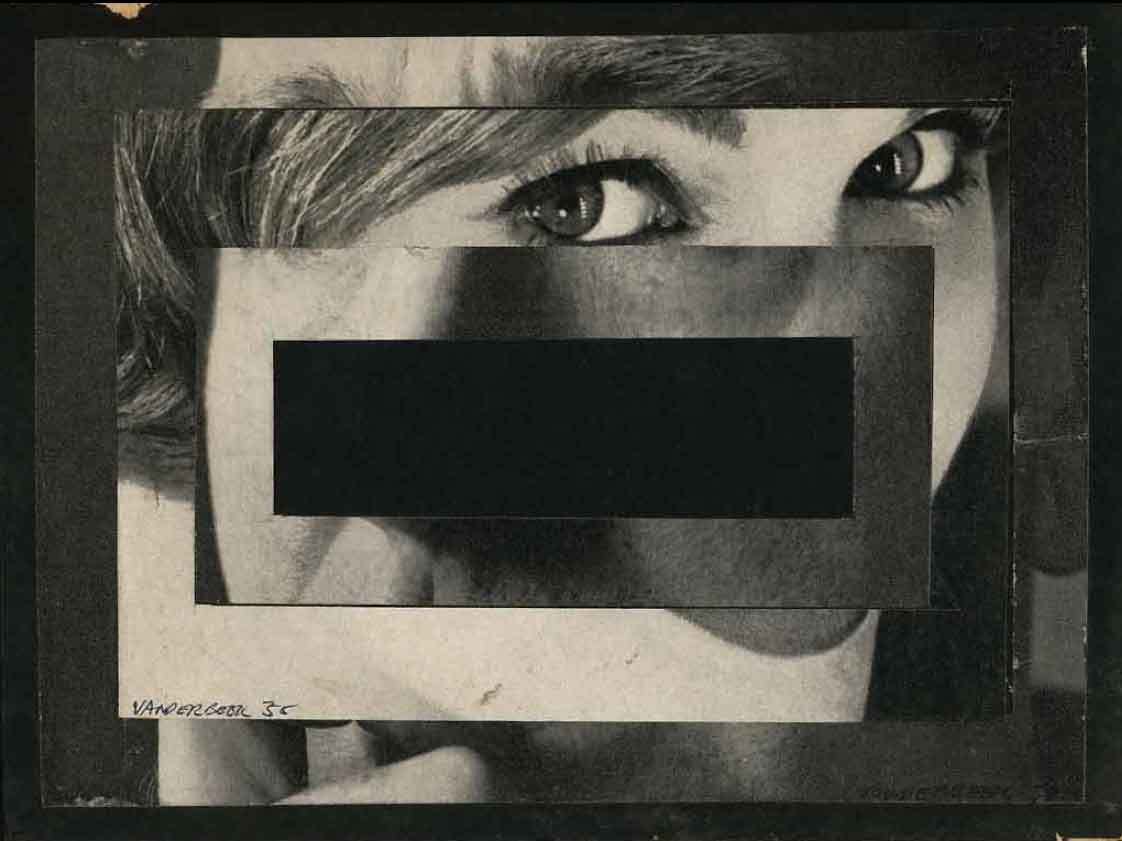
Stan VanDerBeek- nd

Stan VanDerBeek- nd

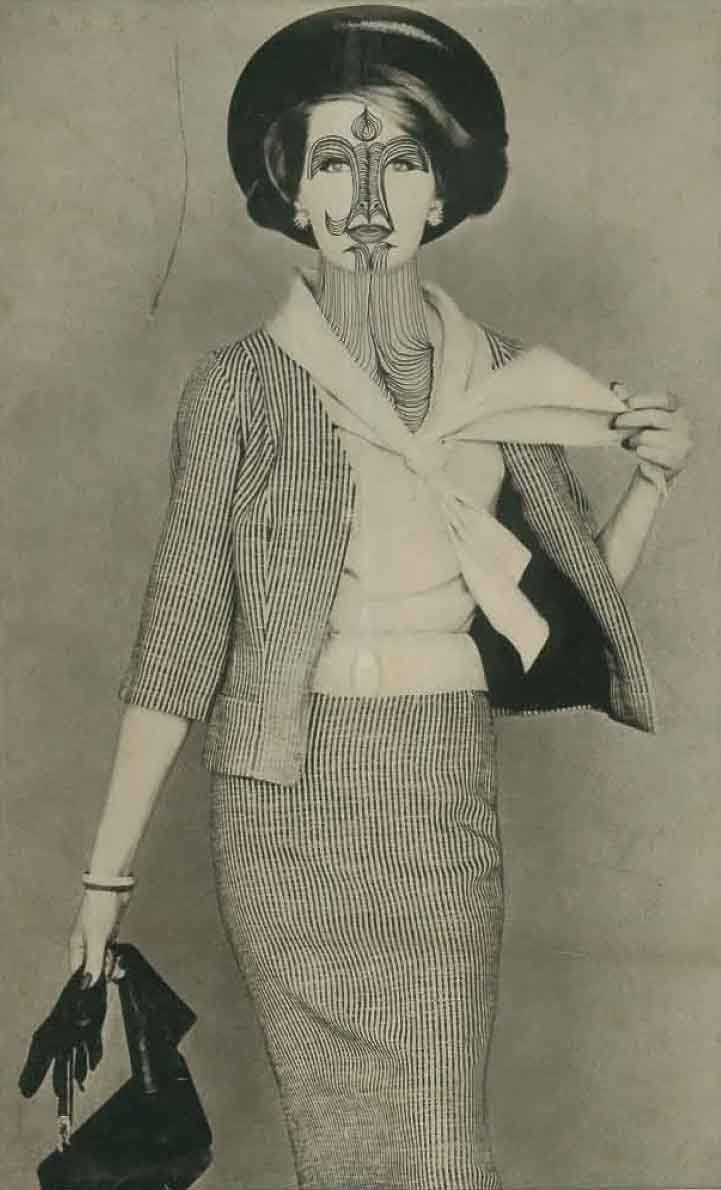
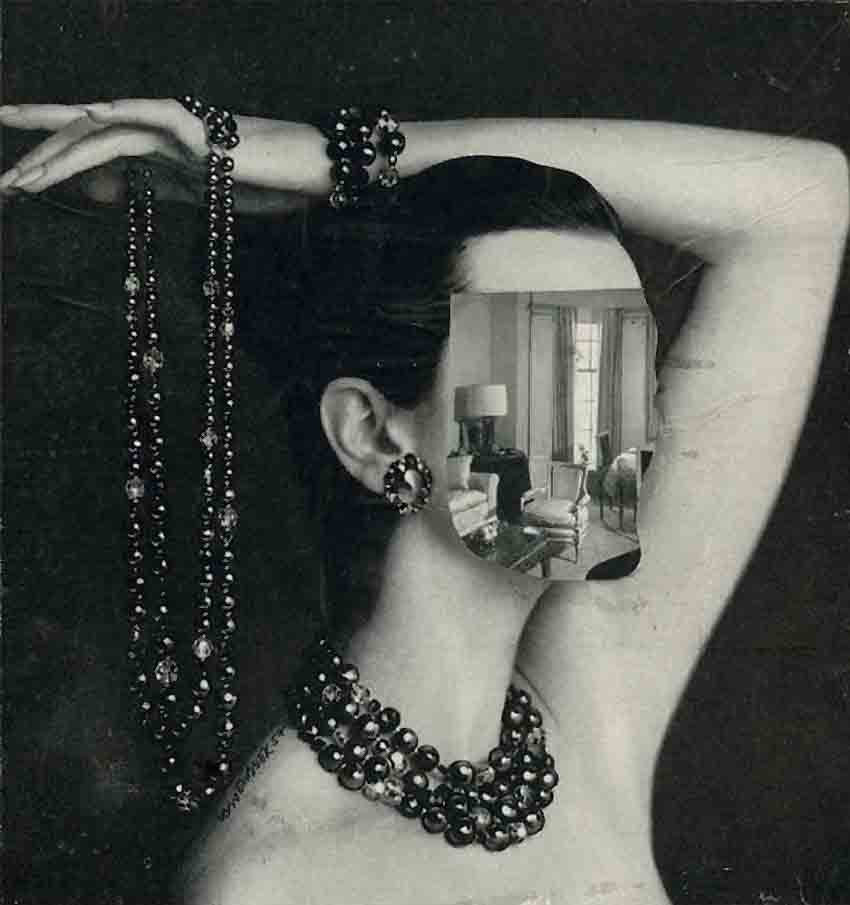
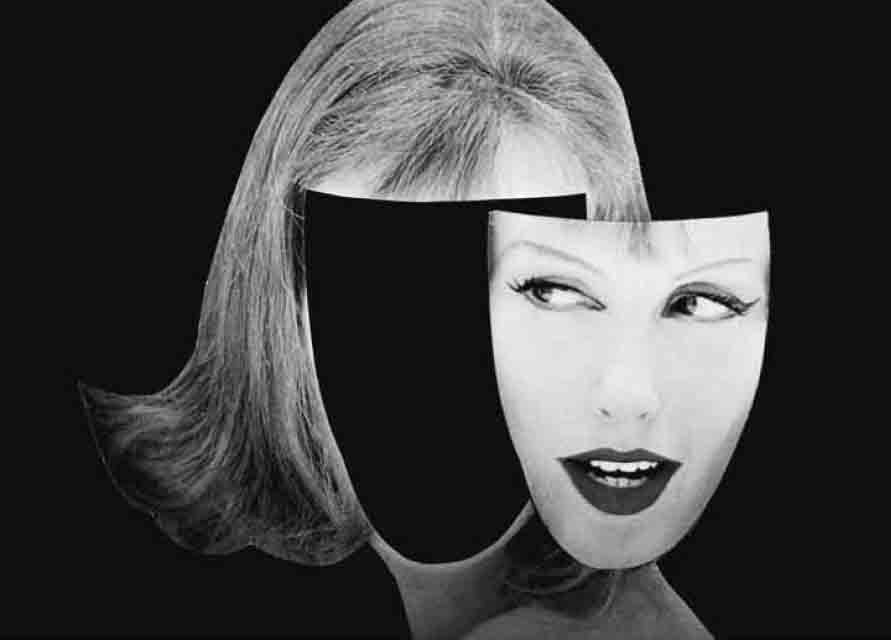
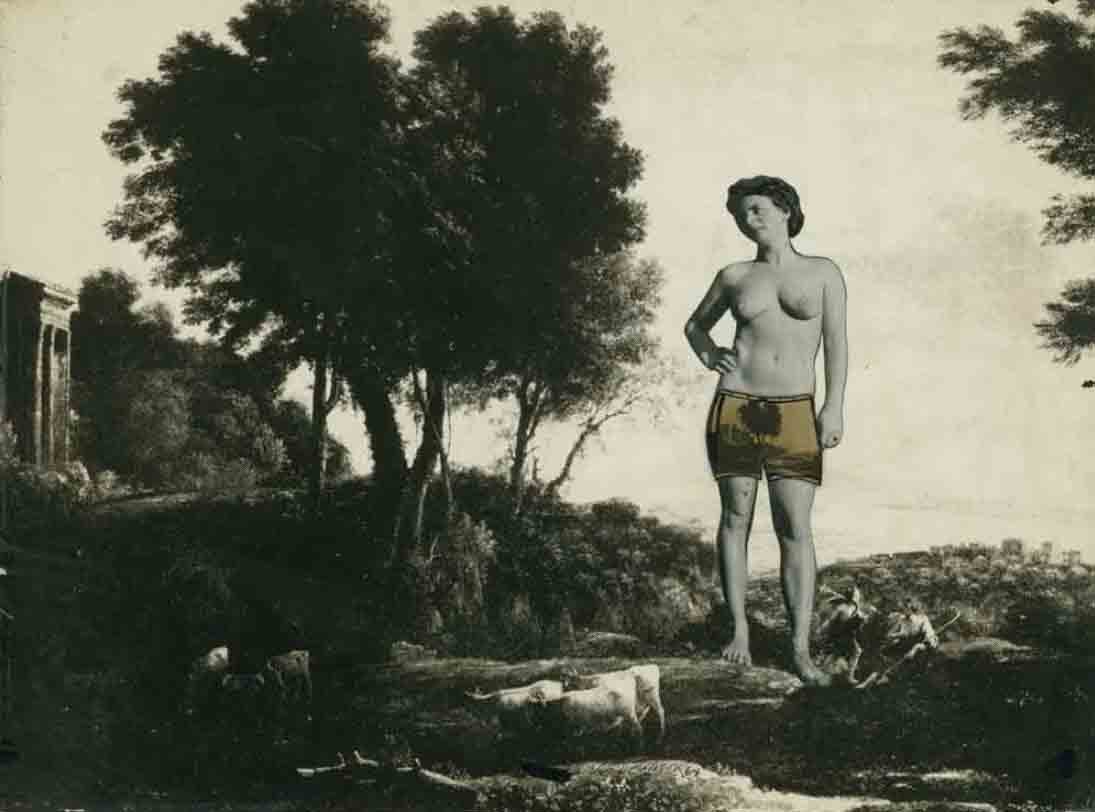
Stan VanDerBeek- A La Mode ,1958

Stan VanDerBeek- A La Mode ,1958

Stan VanDerBeek- A La Mode ,1958

Stan VanDerBeek- A La Mode ,1958

Stan VanDerBeek- A La Mode ,1958

Stan VanDerBeek- A La Mode ,1958

Stan VanDerBeek- A La Mode ,1958

Stan VanDerBeek- A La Mode ,1958

Stan VanDerBeek- A La Mode ,1958

Stan VanDerBeek- A La Mode ,1958

Stan VanDerBeek- A La Mode ,1958

Stan VanDerBeek- A La Mode ,1958

Stan VanDerBeek- A La Mode ,1958

Stan VanDerBeek- A La Mode ,1958

Stan VanDerBeek- A La Mode ,1958

Stan VanDerBeek- A La Mode ,1958

Stan VanDerBeek- A La Mode ,1958

Stan VanDerBeek- A La Mode ,1958

Stan VanDerBeek- A La Mode ,1958

Stan VanDerBeek- A La Mode ,1958

Stan VanDerBeek- A La Mode ,1958

Stan VanDerBeek- A La Mode ,1958

Stan VanDerBeek- A La Mode ,1958

Stan VanDerBeek- A La Mode ,1958

Stan VanDerBeek- A La Mode ,1958

Stan VanDerBeek- A La Mode ,1958

Stan VanDerBeek- A La Mode ,1958

Stan VanDerBeek- A La Mode ,1958

Stan VanDerBeek- A La Mode ,1958

Stan VanDerBeek- A La Mode ,1958

 film : A rapidly edited, surreal collage animation: “A montage of women and appearances, a fantasy about beauty and the female, a fomage, a mirage. An attire satire.” Stan VanDerBeek

Stan VanDerBeek- What, Who, How 1960

Stan VanDerBeek- What, Who, How 1960

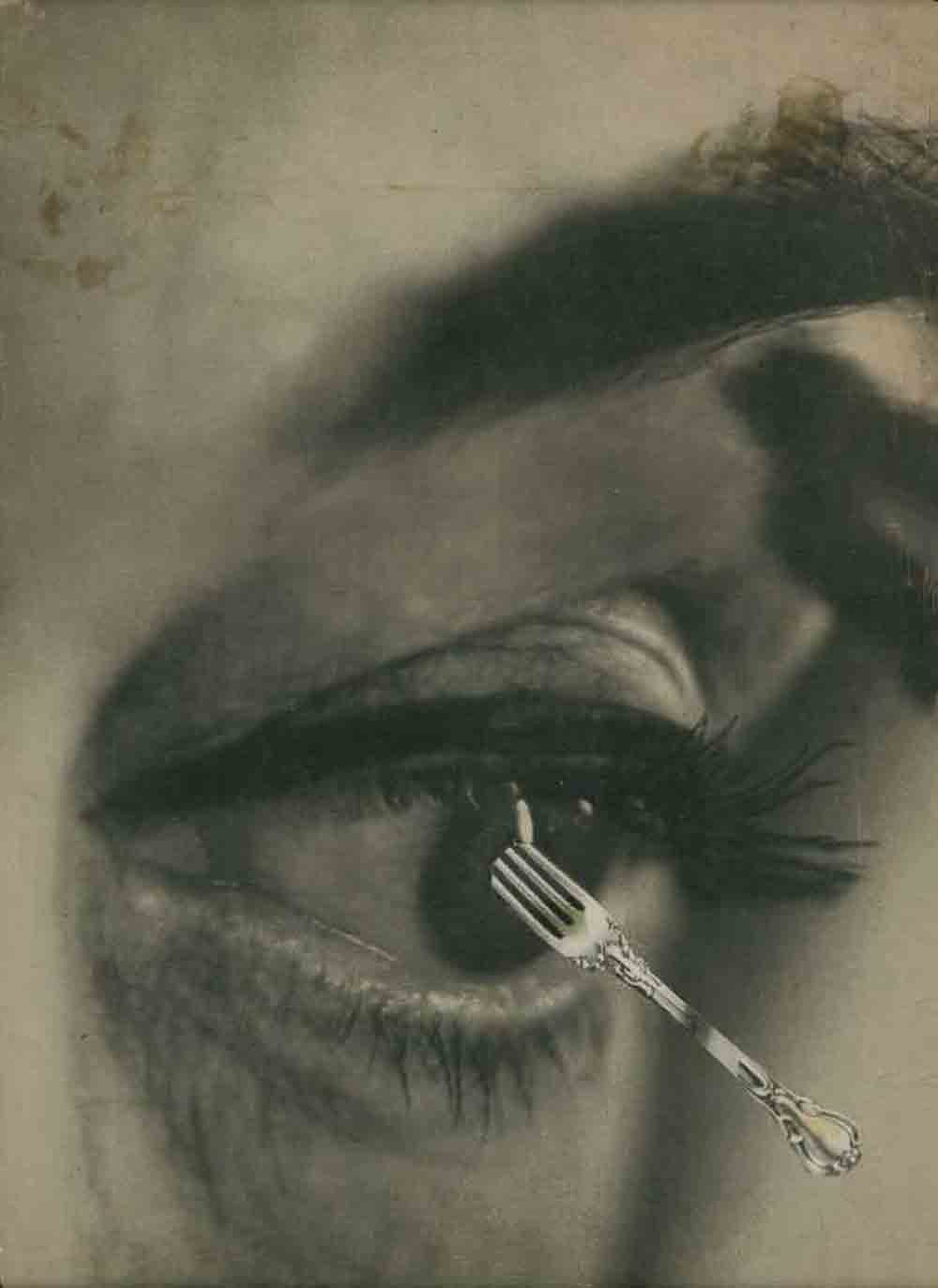
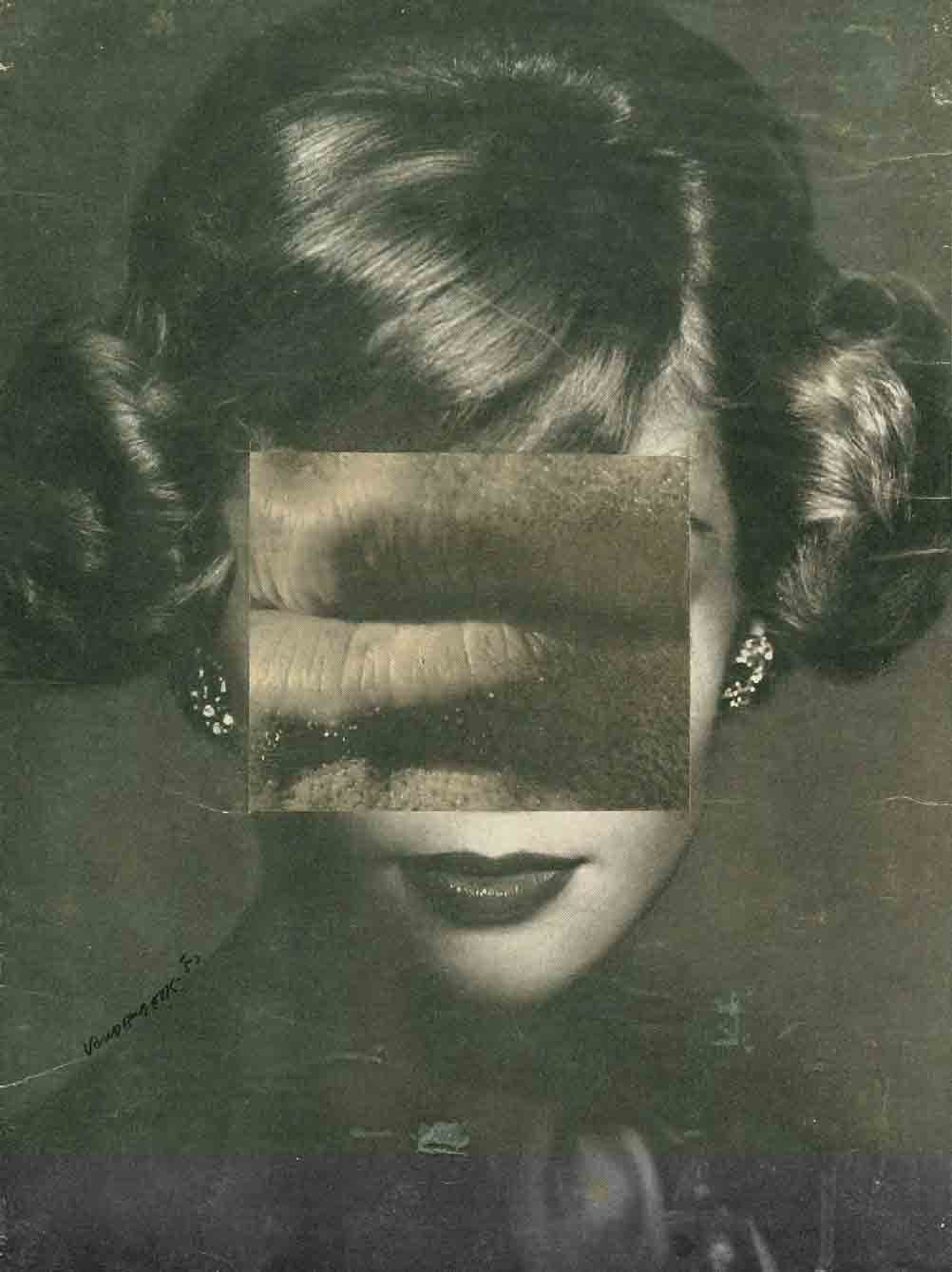
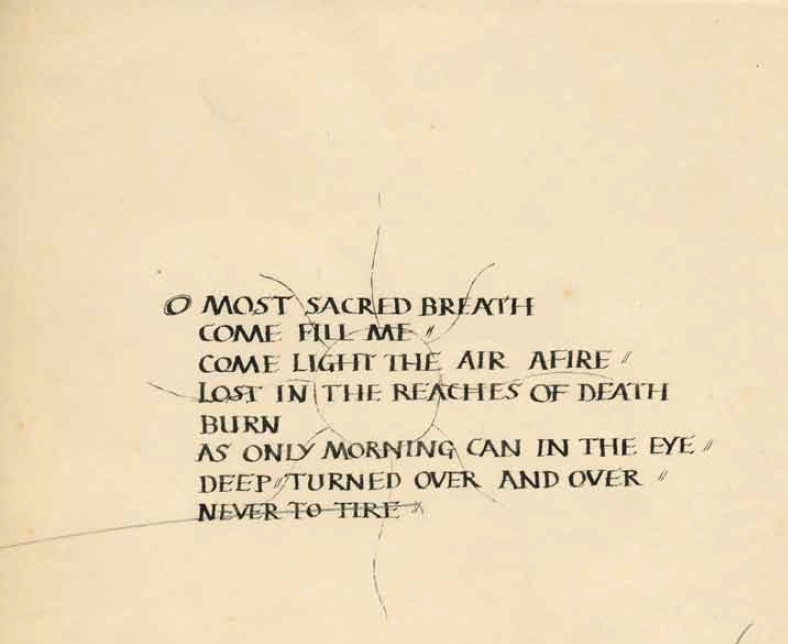
Stan VanDerBeek- Collage from Breathdeath , 1957

Stan VanDerBeek- Collage from Breathdeath , 1957

Stan VanDerBeek- Collage from Breathdeath , 1957

Stan VanDerBeek- Collage from Breathdeath , 1957

Stan VanDerBeek- Collage from Breathdeath , 1957

Stan VanDerBeek- Collage from Breathdeath , 1957

Film , Here

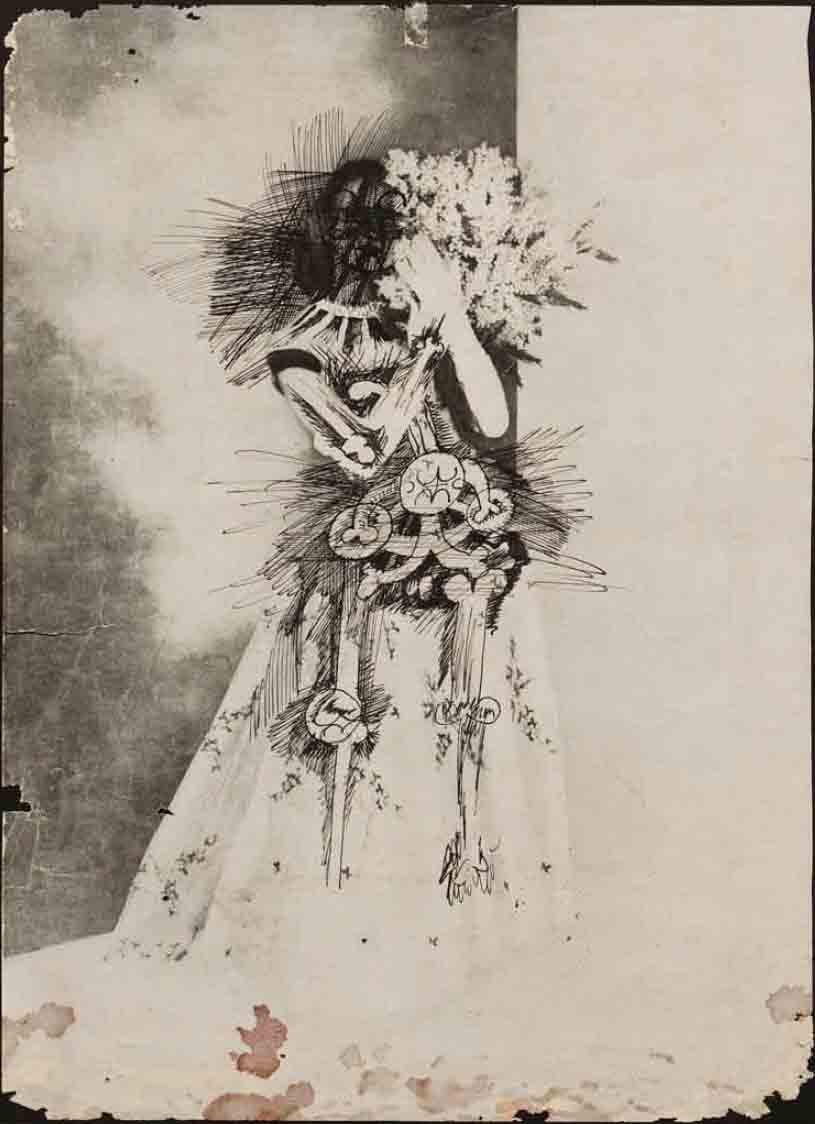
Stan VanDerBeek- (death), photo painting 1964-67

Stan VanDerBeek- (death), photo painting 1964-67

Stan VanDerBeek- nd

Stan VanDerBeek- nd

Stan VanDerBeek- Collage from  See saw , 1969

Stan VanDerBeek- Collage from See saw , 1969

Stan VanDerBeek- Collage from  See saw , 1965

Stan VanDerBeek- Collage from See saw , 1965

Stan VanDerBeek- Collage from  See saw , 1965

Stan VanDerBeek- Collage from See saw , 1965

Stan VanDerBeek- The humain face is a monument, 1964

Stan VanDerBeek- The humain face is a monument, 1964

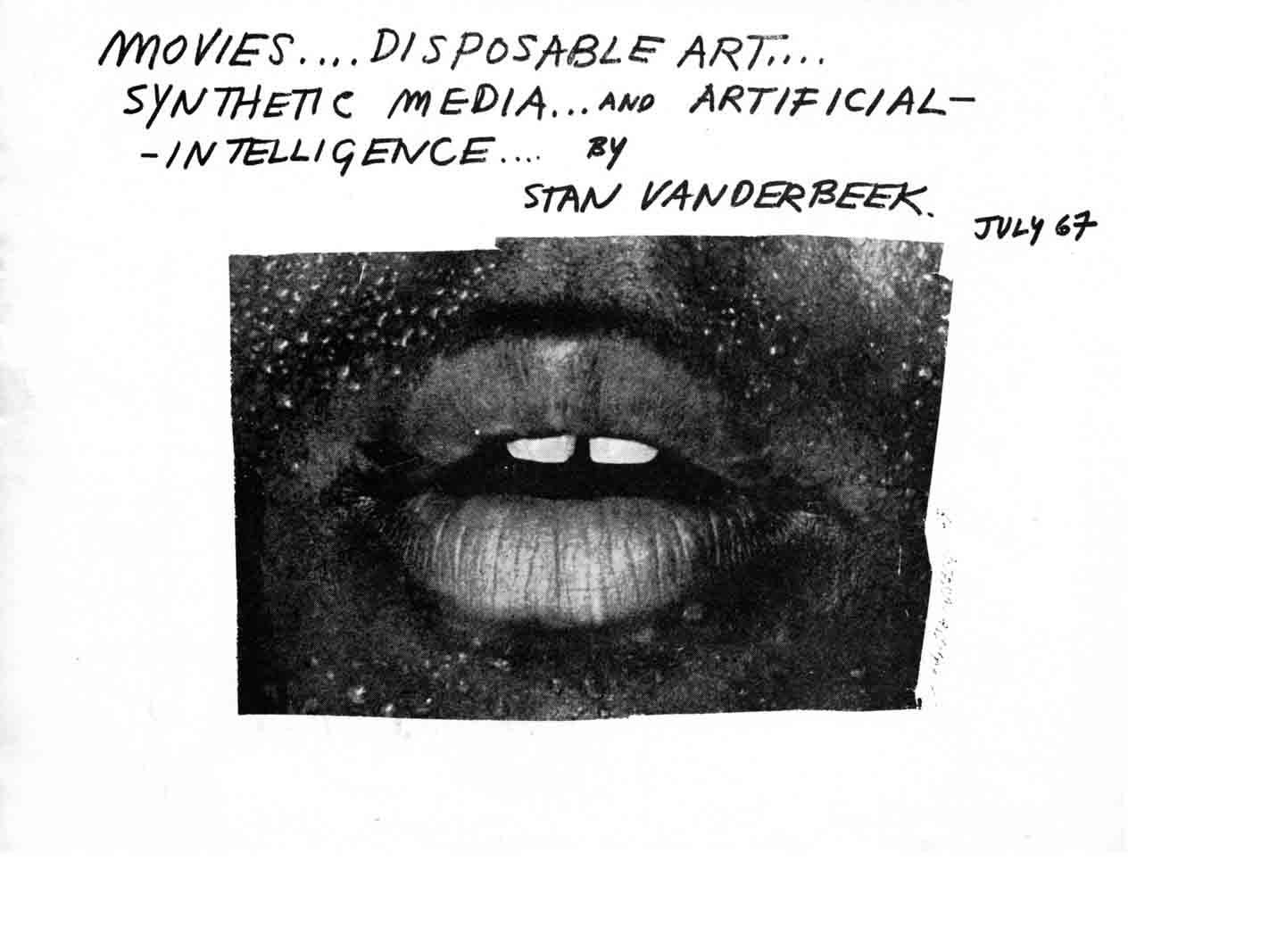
Stan VanDerBeek- Movies disposable art synthetic media and intelligence , 1964 crop

Stan VanDerBeek- Movies disposable art synthetic media and intelligence , 1964 crop

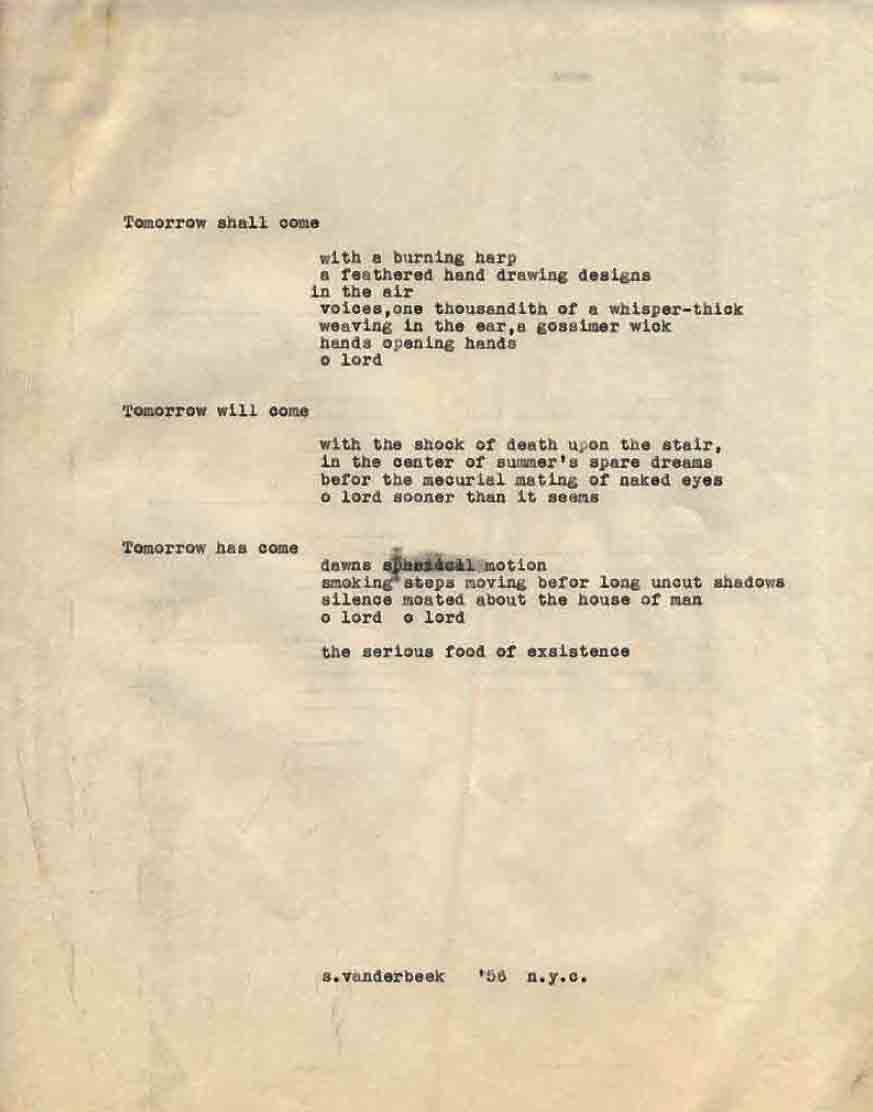
Stan VanDerBeek- Tomorrow, 1956

Stan VanDerBeek- Tomorrow, 1956

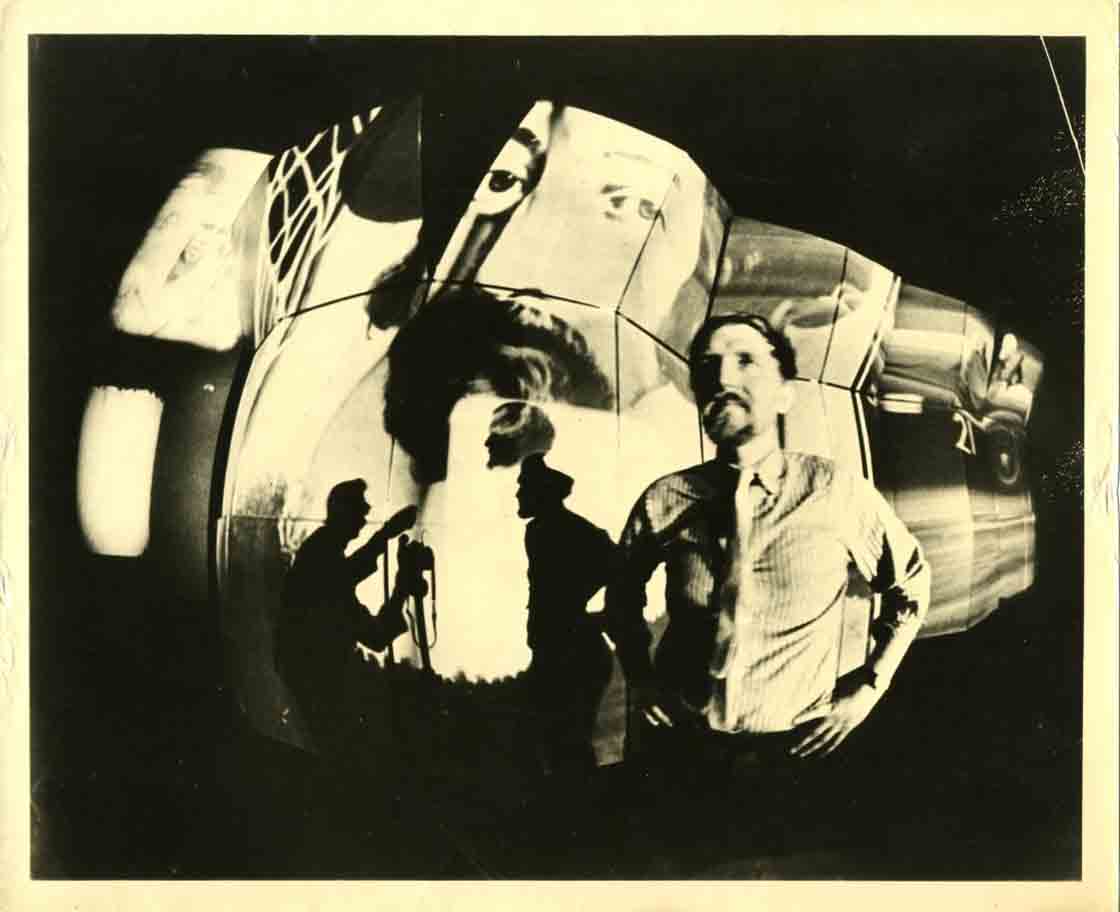
Stan VanDerBeek in front of Movie Mural. Installation view, Institute of Contemporary Art, Boston,  1968

Stan VanDerBeek in front of Movie Mural. Installation view, Institute of Contemporary Art, Boston, 1968 more about his installation HERE  and HERE


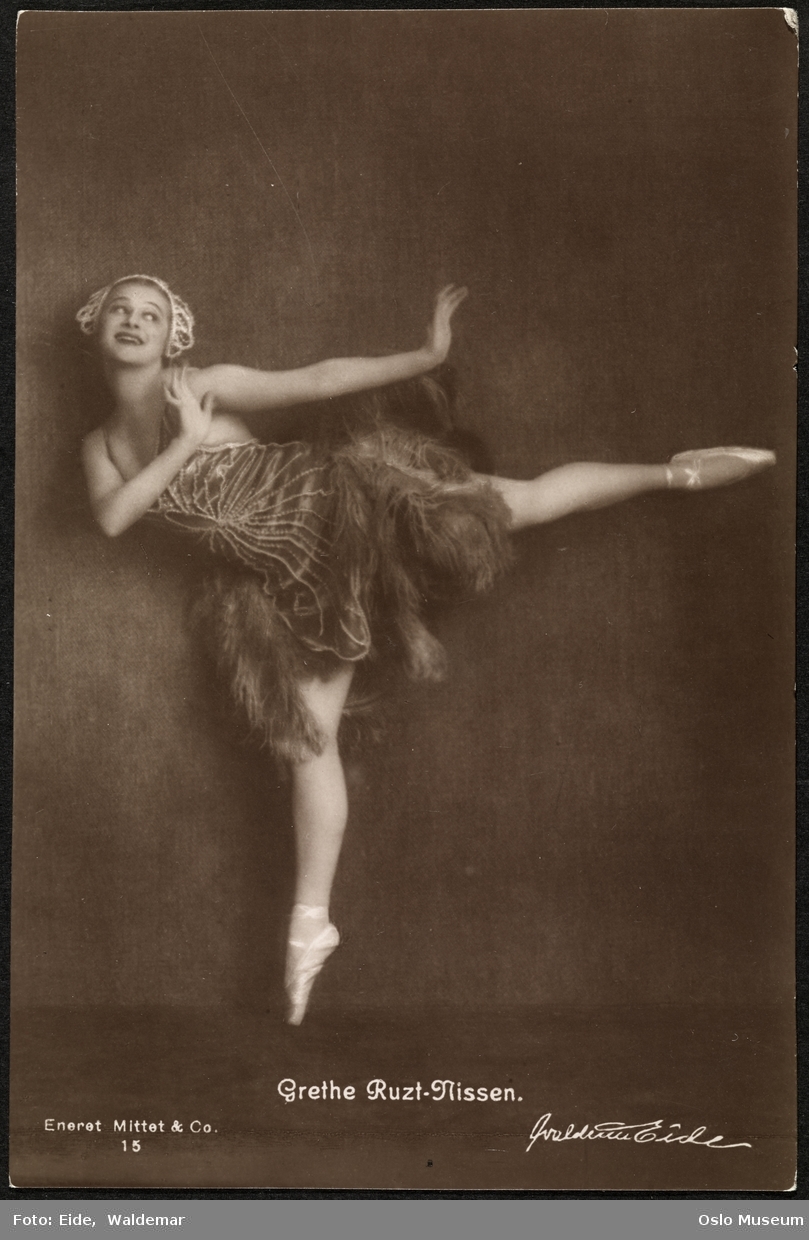
Waldemar Eide

Le photographe basé à Stavanger Waldemar Eide (1886-1963) est considéré comme l’un des principaux photographes portraitistes norvégiens de la première moitié des années 1900. Ses œuvres restent cependant relativement méconnues du grand public. Waldemar Eide a été l’un des premiers photographes à se considérer comme un artiste pictural. Il expose régulièrement ses œuvres en Norvège et à l’étranger et est souvent décrit comme un photographe plus connu en Europe que dans son pays. Il a participé à des expositions et a remporté plusieurs prix pour ses photos. Eide a également écrit régulièrement sur l’art et la photographie pour des revues et des journaux professionnels et est considéré comme très important pour les photographes amateurs en général et la vie culturelle à Stavanger en particulier.

Waldemar Eide -Idol. Portrait of unknown woman. The image has characterized the front page of the magazine Hvar 8 days in March 1924.


Waldemar Eide - Etude de nu, ca. 1930

Waldemar Eide – Etude de nu, ca. 1930

Waldemar Eide - study of nude, 1930

Waldemar Eide – study of nude, 1930

Waldemar Eide - Etude de nu, ca. 1930

Waldemar Eide – Etude de nu, ca. 1930

Waldemar Eide Greta Nissen

Waldemar Eide Greta Nissen

Waldemar Eide -Grethe Ruzt-Nissen, nd

Waldemar Eide -Grethe Ruzt-Nissen, nd

Waldemar Eide - Grethe Ruzt-Nissen, nd

Waldemar Eide – Grethe Ruzt-Nissen, nd

Waldemar Eide Greta Nissen

Waldemar Eide Greta Nissen

Waldemar Eide Greta Nissen

Waldemar Eide Greta Nissen

Waldemar Eide 20s Greta Nissen Modern Dance

Waldemar Eide 20s Greta Nissen Modern Dance


Waldemar Eide Grethe Ruzt-Nissen, nd

Waldemar Eide Grethe Ruzt-Nissen, nd

Waldemar Eide- Vera Fokina Dance of Salome, Photograms of the Year 1920.

Waldemar Eide- Vera Fokina Dance of Salome, Photograms of the Year 1920.

Waldemar Eide- Vera Fokina in Dance of Salome, Photograms of the Year 1920

Waldemar Eide- Vera Fokina in Dance of Salome, Photograms of the Year 1920

Waldemar Eide- Vera Fokina in Dance of Salome, Photograms of the Year 1920

Waldemar Eide- Vera Fokina in Dance of Salome, Photograms of the Year 1920

Waldemar Eide -Vera Fokina, figure de danse, 1919

Waldemar Eide -Vera Fokina, figure de danse, 1919

Waldemar Eide - Vera Fokina, 1919

Waldemar Eide – Vera Fokina, 1919

Waldemar Eide -Portrait of unknown woman., 1920s


Waldemar Eide - Etude de nu (Ellen Sinding), 1922_e
Waldemar Eide – Etude de nu (Ellen Sinding), 1922_e
Waldemar Eide - Aktstudie (Ellen Sinding-maybe), 1926_e
Waldemar Eide – Aktstudie (Ellen Sinding-maybe), 1926_e
Waldemar Eide Illustration for a fairy 1919
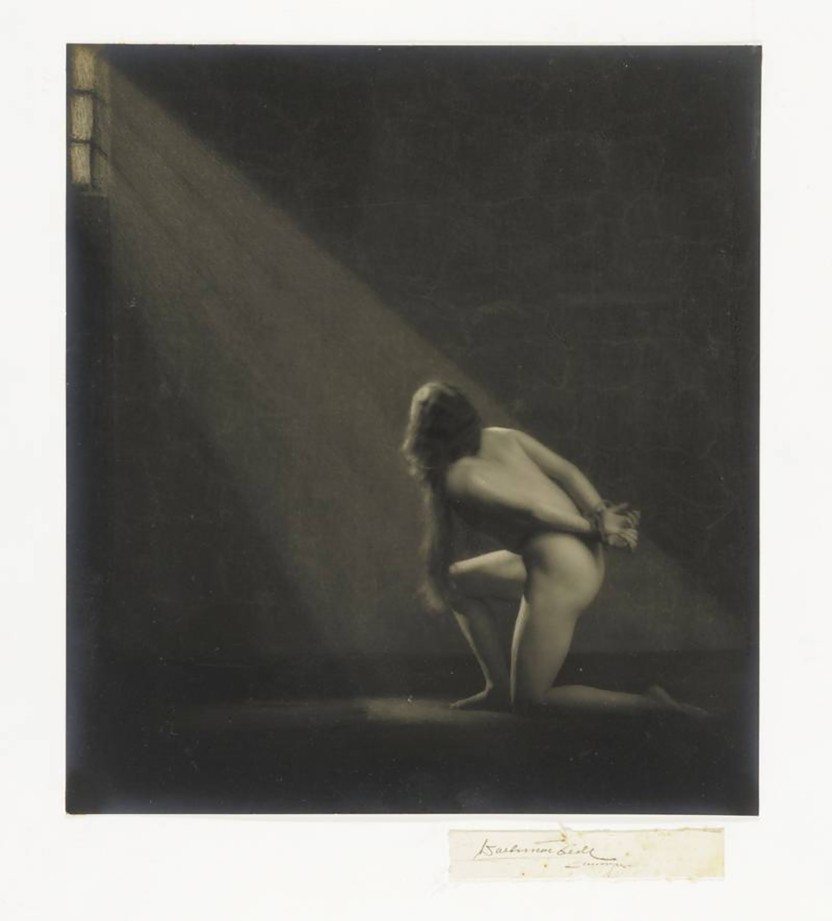
Waldemar Eide - Nude woman on her knees with her hands tied behind her back, ca. 1919
Waldemar Eide – Nude woman on her knees with her hands tied behind her back, ca. 1919

Johan Hagemeyer

Johan Hagemeyer was a creative photographer who sometimes retouched or manipulated his photos. He was a contemporary and colleague of both Alfred Stieglitz and Edward Weston, who both encouraged him to develop his skills in the photography field. He distanced himself from his more famous contemporaries when they disapproved of doctoring photographs. He felt that photography as an art form did not end with just the taking of a photograph. If it could be artistically improved he did so, much to the chagrin of his contemporaries.

Hagemeyer also did not become as well-known as his contemporaries because he apparently did not market his photos aggressively. Upon his death in 1962, his complete oeuvre was found in his home. It is presently in the control of the Bancroft Library at the University of California at Berkeley. It contains 6,785 photographic items

Hagemeyer was born in a lower middle class family in Amsterdam on June 1, 1884. He was one of four siblings and the parents were clearly encouraging their children to gain a good education so that they would be able to live a more affluent lifestyle than they did. Johan left school in his mid-teens to join an insurance brokerage firm. He was intellectually curious and became interested in literature, the arts and social sciences. He explored mysticism, anarchism, vegetarianism, politics and anything of interest to his curious mind.

Along the way he developed an interest in horticulture, and was able to leave his job and go back to school to study it. Along the way two of his brothers also developed an interest in horticulture. After some time they decided to explore the practice of horticulture by growing fruit trees. America seemed the place to try it out, and that is how the three Hagemeyer siblings ended up in the United States, in California to be exact. The exact date of their arrival is not known but it must have been between 1905 and 1915.

While in Holland, Hagemeyer already had become interested in photography, and it appears that after their arrival in the USA his two brothers became fruit growers but he became a photographer. He met photographer Alfred Stieglitz as early as 1916. Stieglitz convinced him to devote his life to photography.

Hagemeyer moved between San Francisco and Carmel, and it was at Carmel that he met Edward Weston and the two developed a strong friendship which lasted until the two developed different views on how photography should be practiced. Although they apparently stayed in contact, their friendship cooled thereafter.

Although his colleagues, Stieglitz and Weston, became quite famous with their photography, Hagemeyer apparently was unable to find a market for his photographs. Or he may not have been as much of a promoter of his photographs. At his death the above-mentioned collection of photographs were found at this home. They were fortunately saved for posterity ;

Little is known about Hagemeyer’s personal life. Was he married? Did he leave descendants? What happened to his two brothers? None of it has been found. It appears he was a bit of a loner, and may have died without any close friends or relatives at his side. It appears to be a rather tragic story. But perhaps it was not. He will be remembered for what he left behind. Please go to the two web sites and view some or all of his photographs. They are magic and artistic.


Johan Hagemeyer Magnolia, ca. 1925 Gelatin silver print

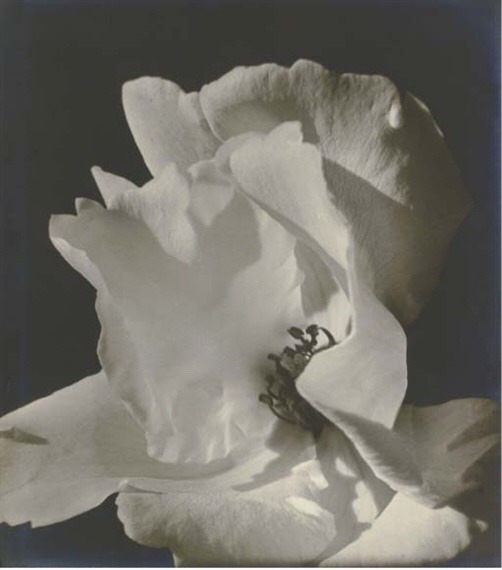
Johan Hagemeyer -Rose. [Pasadena.] , 1929 gelatin silver print

Johan Hagemeyer – Silver Moon (Rose) , 1932 gelatin silver print

Johan Hagemeyer Talisman Rose, 1936 [tinted petals, raised one at left shading center of bloom] gelatin silver print

Johan Hagemeyer ‘Clematis in black bowl ,n.d. Gelatin silver print


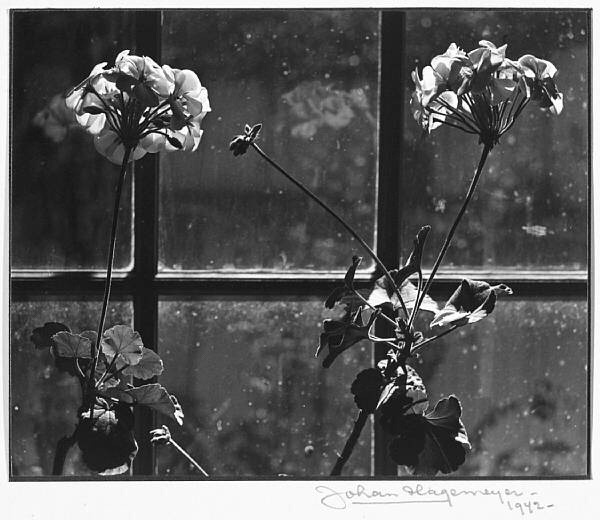
Johan Hagemeyer Geraniums , 1942 Gelatin silver print

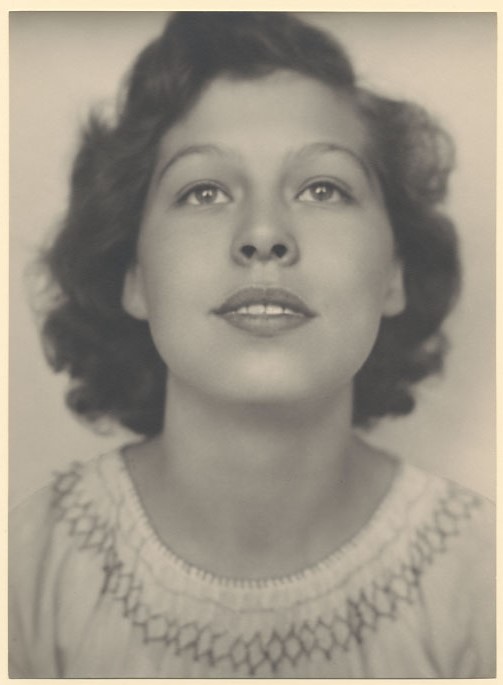
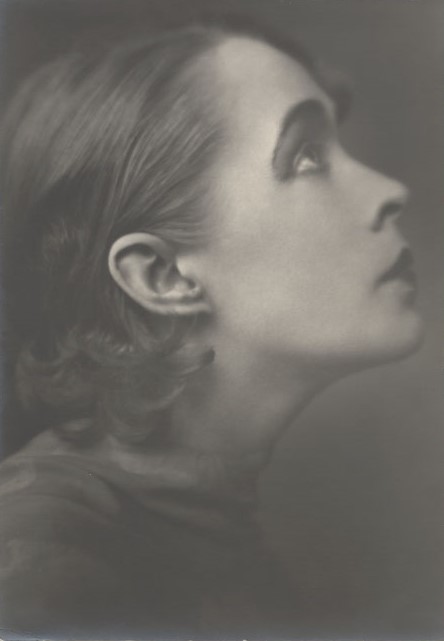
Johan Hagemeyer Elsa Naess , nd gelatin silver print

Johan Hagemeyer -Elsa Naess, nd gelatin silver print

Johan Hagemeyer -Elsa Naess, nd gelatin silver print

Johan Hagemeyer -Elsa Naess , 1932 gelatin silver print

Johan Hagemeyer -Charlotte Loeb , 1944 gelatin silver print

Johan Hagemeyer -Marguertie Churchill, 1931 gelatin silver print

Johan Hagemeyer -Elaine Whitaker , 1941 gelatin silver print

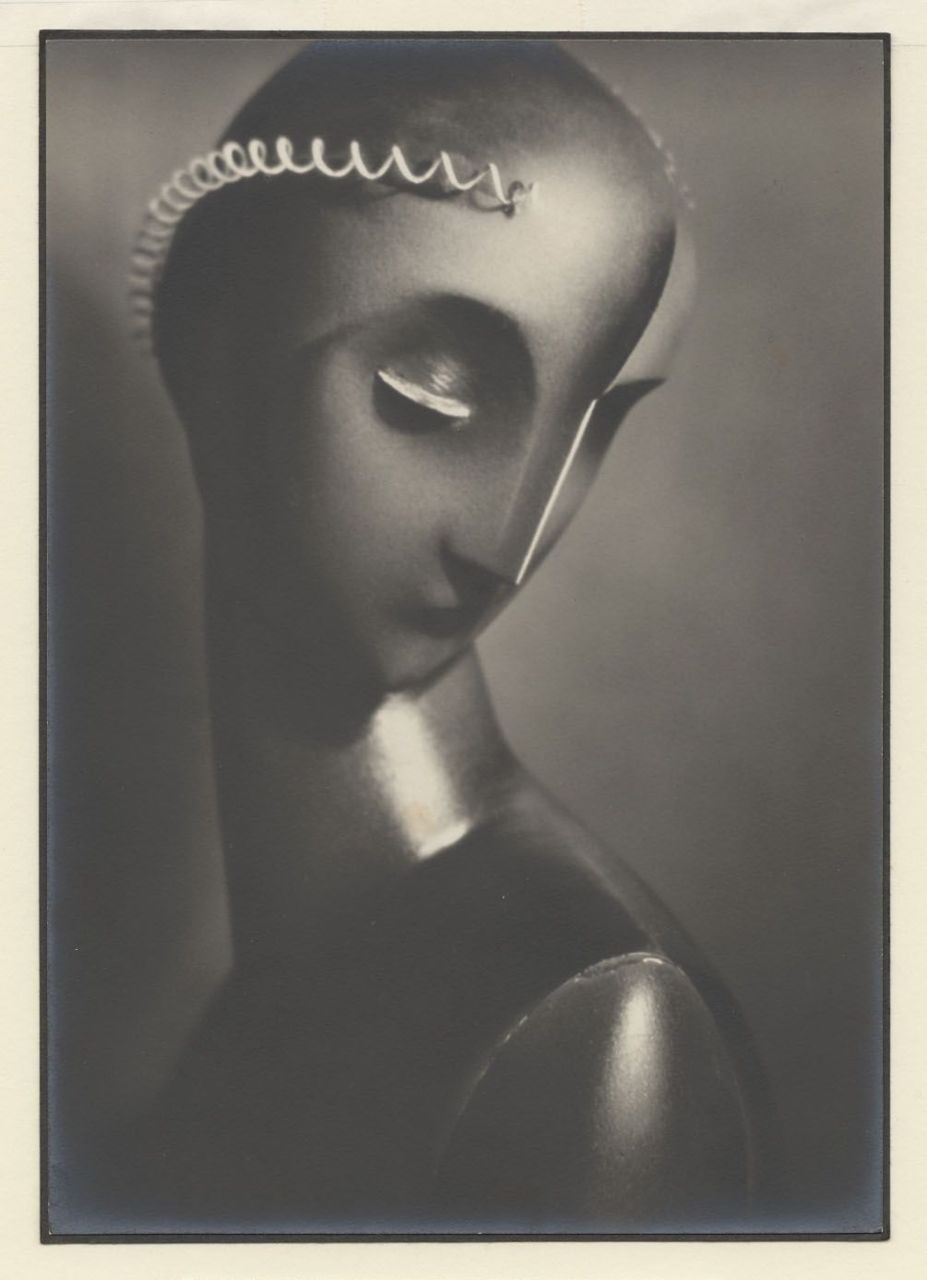
Johan Hagemeyer, Sculpture. The Dark Lady, by Herbert Diamant, 1927

Johan Hagemeyer – The Dark Lady.” [By Herbert Diamant] [photographic print], 1927 gelatin silver print

Johan Hagemeyer – Elsa Naess, 1931

Johan Hagemeyer Elsa Naess, Impersonating, 1928 gelatin silver print

Johan Hagemeyer -Elsa Naess, 1930 gelatin silver print

Johan Hagemeyer -Elayne Hopper, nd gelatin silver print

Johan Hagemeyer -Elsa Naess, 1930 gelatin silver print

Johan Hagemeyer -Elsa Naess, 1930 gelatin silver print

Johan Hagemeyer -Elsa Naess, 1930 gelatin silver print

Johan Hagemeyer -Elsa Naess, 1930 gelatin silver print

Johan Hagemeyer -Tina Modotti , 1922 gelatin silver print

Johan Hagemeyer -Tina Modotti , 1922 gelatin silver print

Johan Hagemeyer -Tina Modotti , 1922 gelatin silver print

Johan Hagemeyer – Elizabeth Lynn, 1934

Johan Hagemeyer -Portrait of a pianist Antoinette Detcheva. 1931-38 Silver print

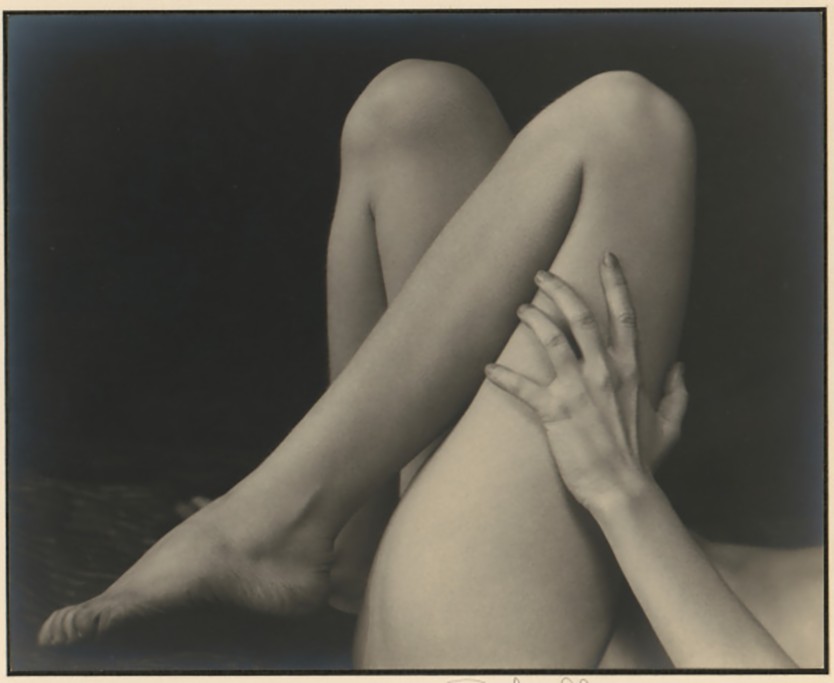
Johan Hagemeyer – Legs of Nude, 1930 , 1927 gelatin silver print

Johan Hagemeyer -Untitled, 1930. Gelatin silver print

Edward Weston, Johan Hagemeyer, 1925

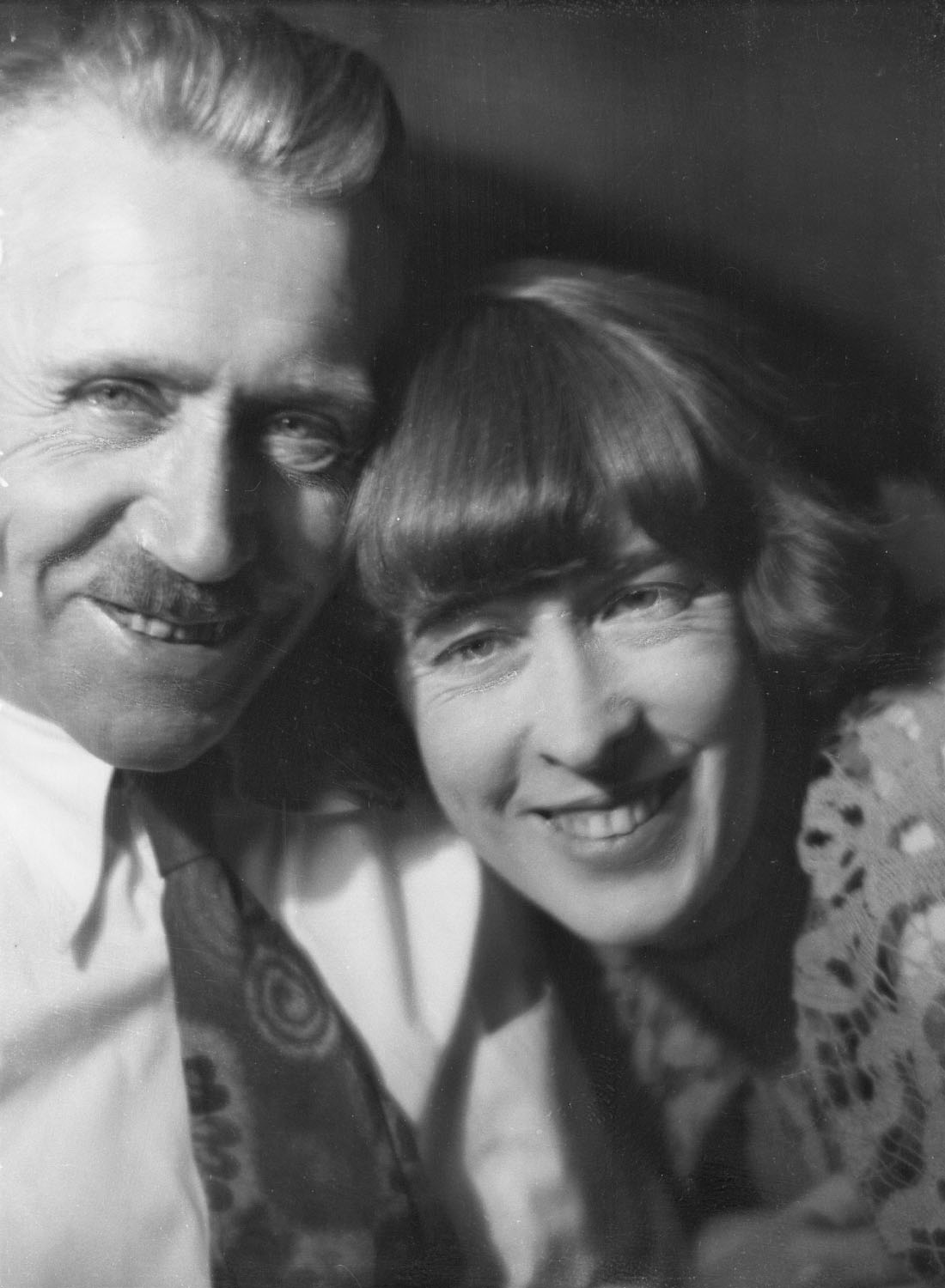
Johan Hagemeyer -Elsa Naess (with Johan Hagemeyer) , 1928 gelatin silver print

calisphere.

&

 oac.cdlib

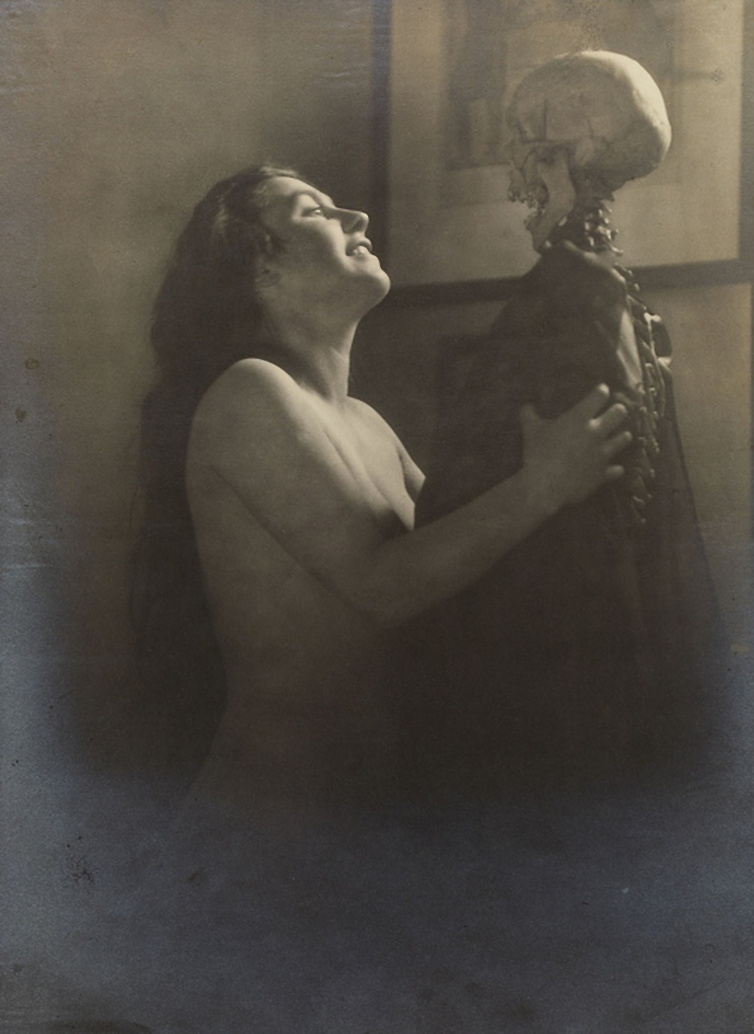
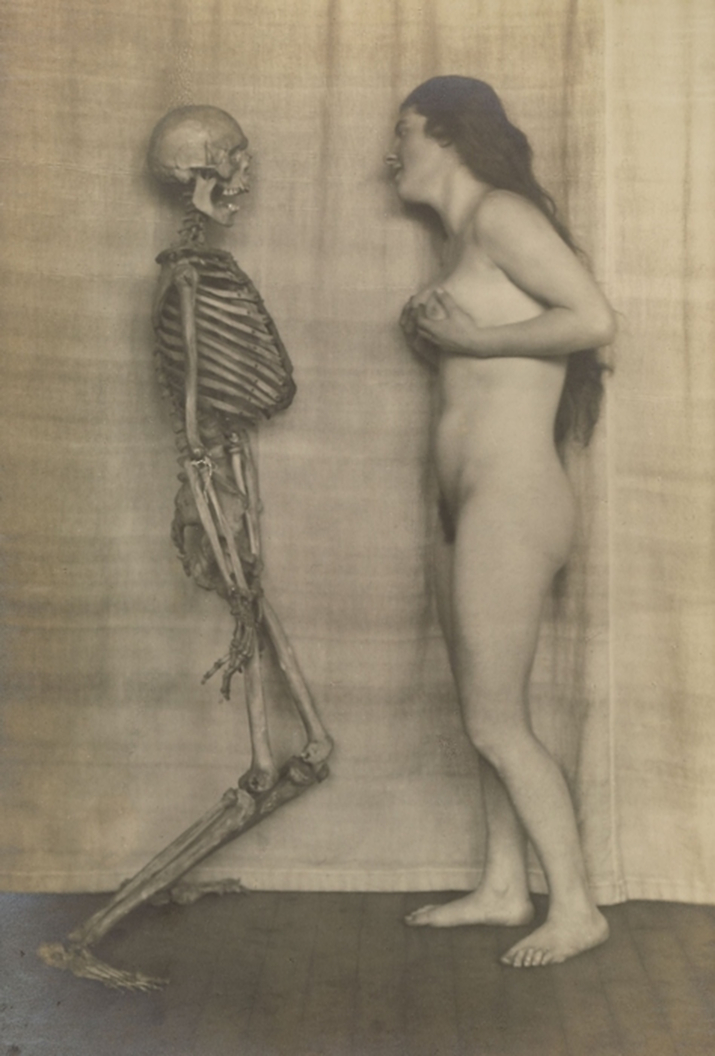
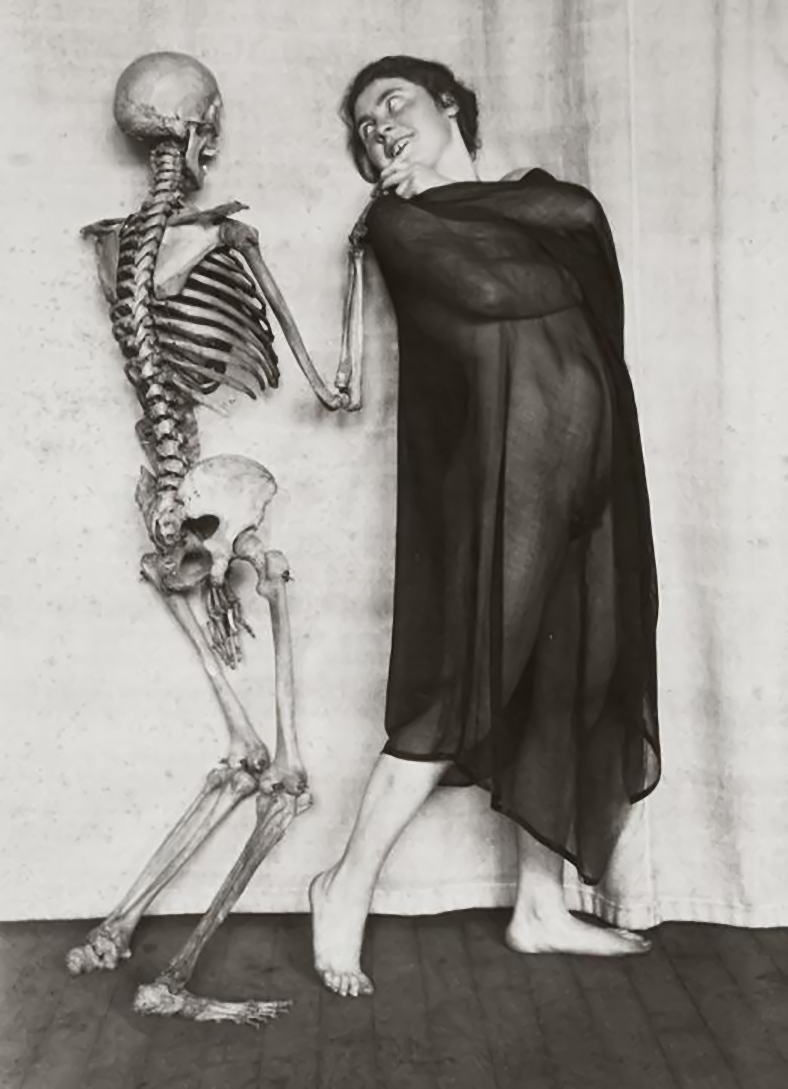
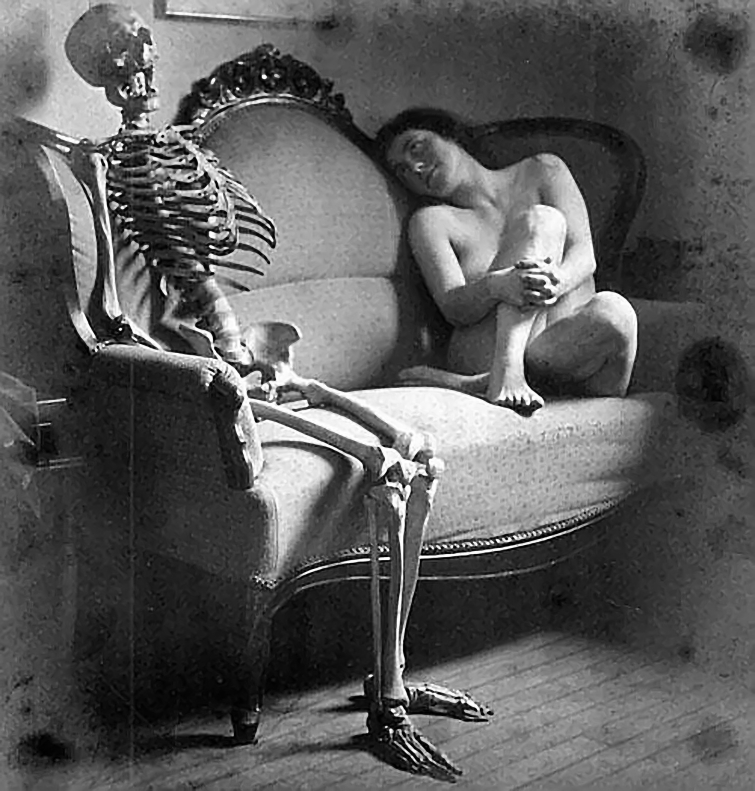
Franz Fiedler-From the portfolio narre tod, mein spielgesell [fool death, my playmate], 1922 text by Thea Girardelli. Verlag der Schönheit, Ed° Dresden, 1922 [ Photography taken in 1921 ]

Né en Moravie, Franz Fiedler (1885- 1956) est l’élève du photographe allemand Hugo Erfurth. Ce passionné de photographie est considéré comme un excentrique durant son apprentissage alors qu’il travaille avec les plus grands d’Europe de 1905 à 1911 dont le photographe Rudolph Dührkoop. C’est en 1911 qu’il gagne le premier prix de photographie de l’exposition de Turin ,  il se fait un nom et expose à Prague en 1913. Il fait parti du cercle intellectuel de Jaroslav Hasek et Egon Erwin Kisch et installe son studio à Dresde en 1916. A Partir de 1919,  il se lie d’une grande  amitié avec Mme d’Ora  (Dora Kallmus) et son mari , et il commence  à travailler avec un appareil photo de pliage 9 × 12 , et en 1924  il est  l’un des premiers photographes professionnels à utiliser un Leica.

Le studio de Fiedler a été détruit le 13 Février 1945 et tout ce qui  restait était une boîte de photographies  qui a été déposé avec sa famille en Moravie. Après 1945, il n’avait plus son propre studio et a gagné sa vie en RDA comme auteur de livres sur la photographie.

Others articles about Franz Fiedler (1885- 1956)

Franz Fiedler-From the portfolio narre tod, mein spielgesell [fool death, my playmate], 1922  text by Thea Girardelli. Verlag der Schönheit, Ed° Dresden, 1922 [ Photography taken in 1921 ]

Franz Fiedler-From the portfolio narre tod, mein spielgesell [fool death, my playmate, 1922

Franz Fiedler-From the portfolio narre tod, mein spielgesell [fool death, my playmate, 1922

Franz Fiedler-From the portfolio narre tod, mein spielgesell [fool death, my playmate, 1922

Franz Fiedler-From the portfolio narre tod, mein spielgesell [fool death, my playmate, 1922

Franz Fiedler-From the portfolio narre tod, mein spielgesell [fool death, my playmate, 1922

Franz Fiedler-From the portfolio narre tod, mein spielgesell [fool death, my playmate, 1922

Franz Fiedler-From the portfolio narre tod, mein spielgesell [fool death, my playmate], 1922

Franz Fiedler-From the portfolio narre tod, mein spielgesell [fool death, my playmate], 1922

Franz Fiedler-From the portfolio narre tod, mein spielgesell [fool death, my playmate], 1922

Franz Fiedler-From the portfolio narre tod, mein spielgesell [fool death, my playmate], 1922

Franz Fiedler-From the portfolio narre tod, mein spielgesell [fool death, my playmate, 1922

Franz Fiedler-From the portfolio narre tod, mein spielgesell [fool death, my playmate, 1922

Franz Fiedler-From the portfolio narre tod, mein spielgesell [fool death, my playmate, 1922

Franz Fiedler-From the portfolio narre tod, mein spielgesell [fool death, my playmate, 1922

Franz Fiedler-From the portfolio narre tod, mein spielgesell [fool death, my playmate], 1922

Franz Fiedler-From the portfolio narre tod, mein spielgesell [fool death, my playmate], 1922

Franz Fiedler -Erotischer Totentanz, 1923

Franz Fiedler-From the portfolio narre tod, mein spielgesell [fool death, my playmate, 1922

Franz Fiedler-From the portfolio narre tod, mein spielgesell [fool death, my playmate, 1922

Franz Fiedler-From the portfolio narre tod, mein spielgesell [fool death, my playmate, 1922

Franz Fiedler-From the portfolio narre tod, mein spielgesell [fool death, my playmate, 1922

Franz Fiedler-From the portfolio narre tod, mein spielgesell [fool death, my playmate, 1922

Dancing with Helen Moller; her own statement of her philosophy and practice 1918

From the book Dancing with Helen Moller 1918

From the book Dancing with Helen Moller 1918

Dancing with Helen Moller; 1918

From the book Dancing with Helen Moller 1918

From the book Dancing with Helen Moller 1918

From the book Dancing with Helen Moller 1918

From the book Dancing with Helen Moller 1918

From the book Dancing with Helen Moller 1918

From the book Dancing with Helen Moller 1918

From the book Dancing with Helen Moller 1918

From the book Dancing with Helen Moller 1918 10

From the book Dancing with Helen Moller 1918 10

From the book Dancing with Helen Moller 1918 10

From the book Dancing with Helen Moller 1918

From the book Dancing with Helen Moller 1918

From the book Dancing with Helen Moller 1918

From the book Dancing with Helen Moller 1918

Dancing with Helen Moller; 1918

Helen Moller photographed by Rufus Porter Moody, c-1910s

Theda Bara as Vampire , 1915 -[in a publicity shot for the film “A Fool There Was »directed by Frank Powell]

Theda Bara, as the vampire ,  1915 -[in a publicity shot for the film A Fool There Wasdirected by Frank Powell]

Theda Bara, as the vampire , 1915 -[in a publicity shot for the film « A Fool There Was »directed by Frank Powell]

©-Theda Bara- 1915 -[in a publicity shot for the f

Theda Bara, as the vampire ,  1915 -[in a publicity shot for the film “A Fool There Was »directed by Frank Powell]

Theda Bara, as the vampire , 1915 -[in a publicity shot for the film A Fool There Wasdirected by Frank Powell]

Theda Bara, as the vampire , 1915 -[in a publicity shot for the film A Fool There Wasdirected by Frank Powell]

Theda Bara, as the vampire , 1915 -[in a publicity shot for the film A Fool There Wasdirected by Frank Powell]

Theda Bara, as the vampire , 1915 -[in a publicity shot for the film A Fool There Wasdirected by Frank Powell]

Theda Bara, as the vampire ,  1915 -[in a publicity shot for the film A Fool There Wasdirected by Frank Powell].

Theda Bara, as the vampire , 1915 -[in a publicity shot for the film A Fool There Wasdirected by Frank Powell].

 Underwood & Underwood - Portrait of Theda Bara in A Fool There Was directed by frank Powell, 1915

Underwood & Underwood – Portrait of Theda Bara in A Fool There Was directed by frank Powell, 1915

 Underwood & Underwood - Theda Bara, as the vampire , in A Fool There Was directed by Frank Powell, 1915

Underwood & Underwood – Theda Bara, as the vampire , in A Fool There Was directed by Frank Powell, 1915 Here

 More works Underwood & Underwood

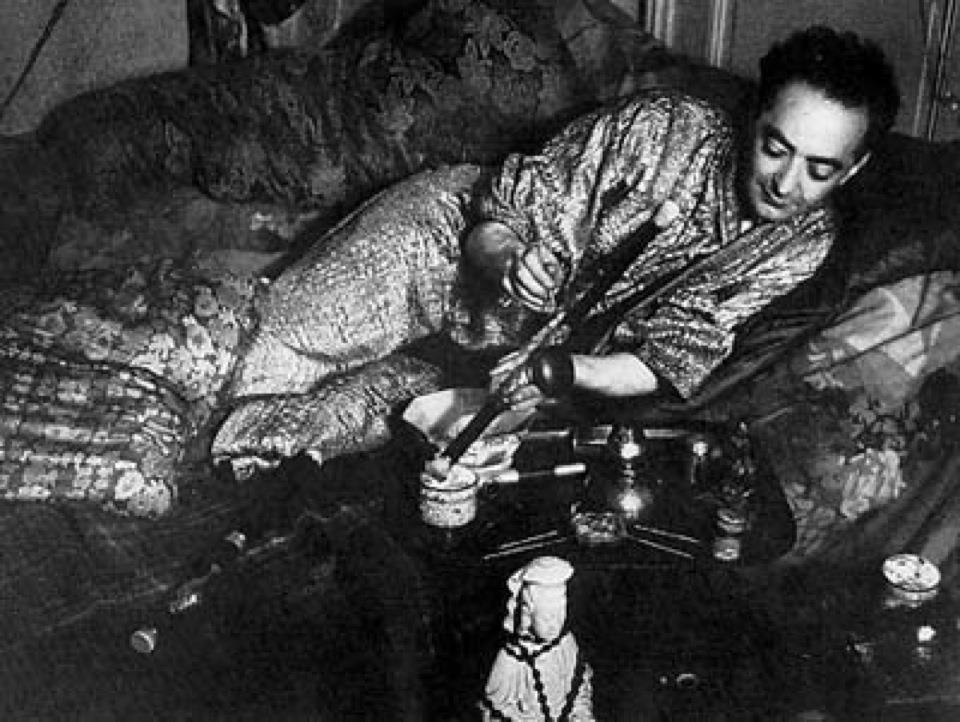
® Brassai-Opium Party,1931

© Brassai -Self-portrait in an Opium Den- 1931

© Brassai and his Opium Den moments-1931

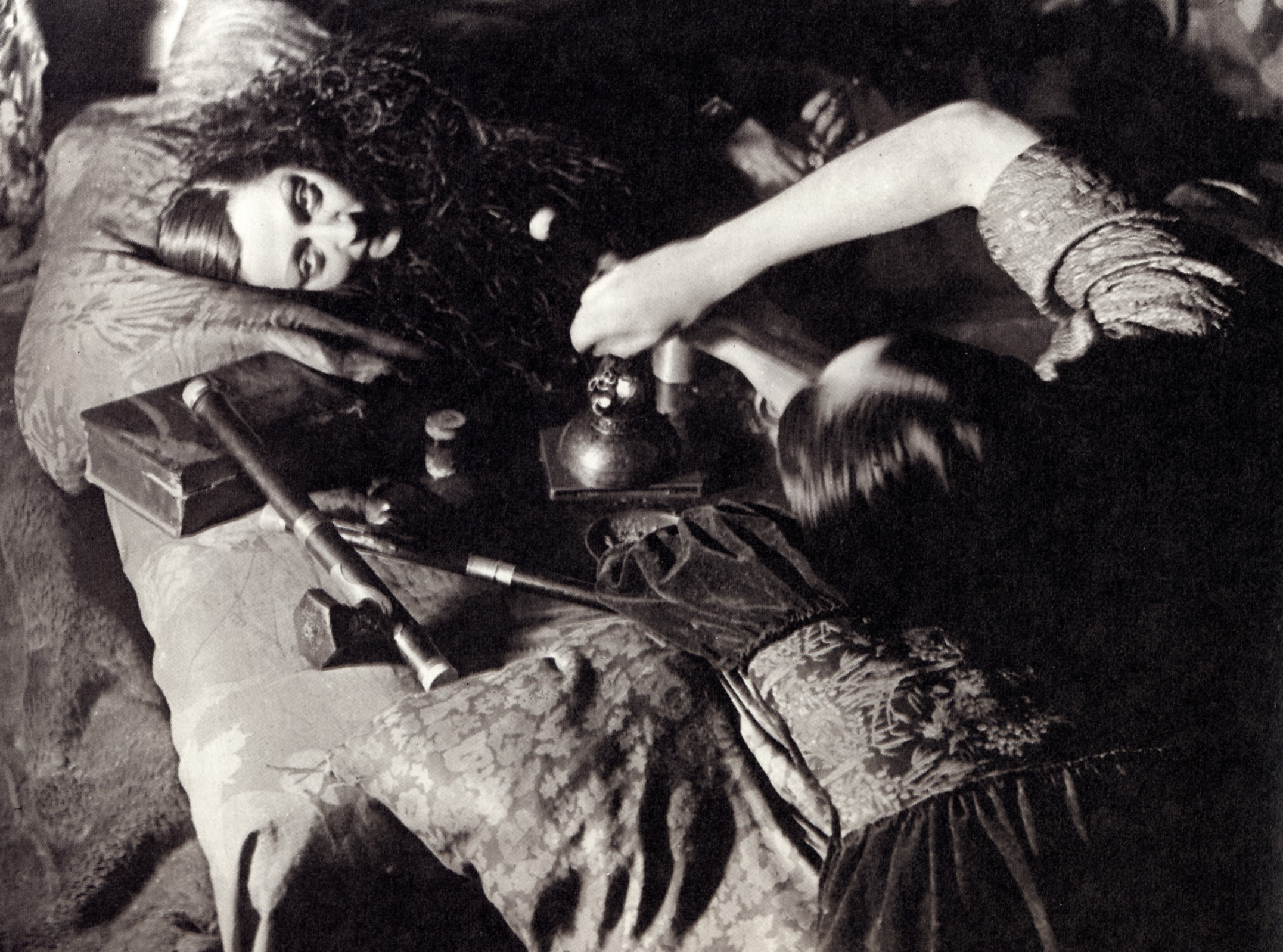
© Brassai -Woman smoking opium-1931

© Brassai-Opium Party-1931

© Brassaï, Woman Smoking Opium, 1931

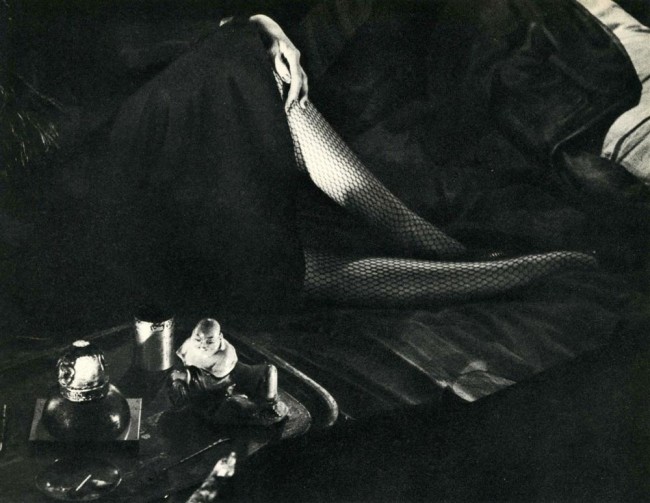
© Brassaï- Repaire d’Opium, photogravure. c1931-1932