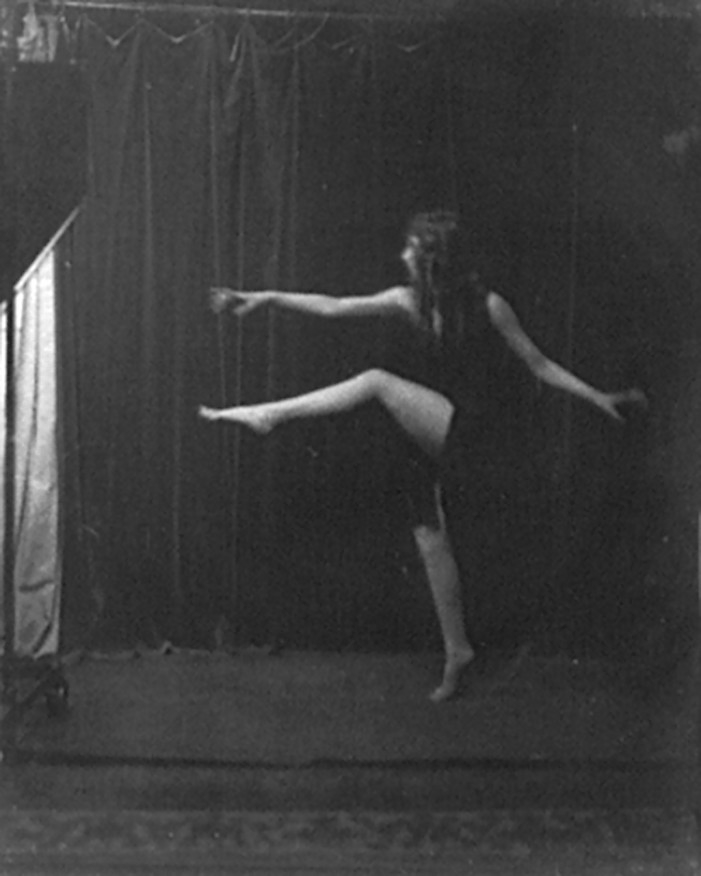
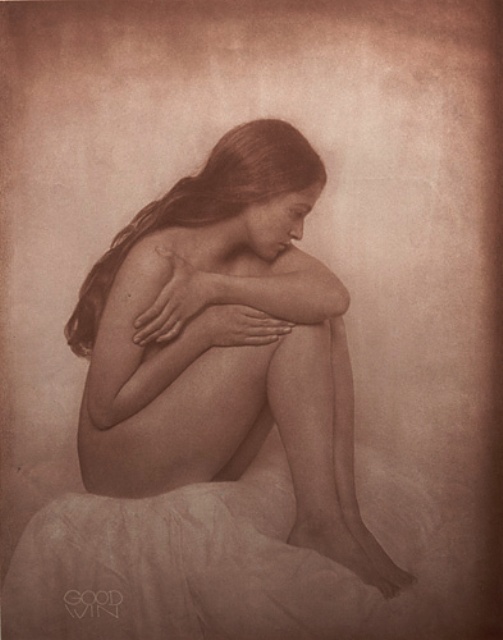
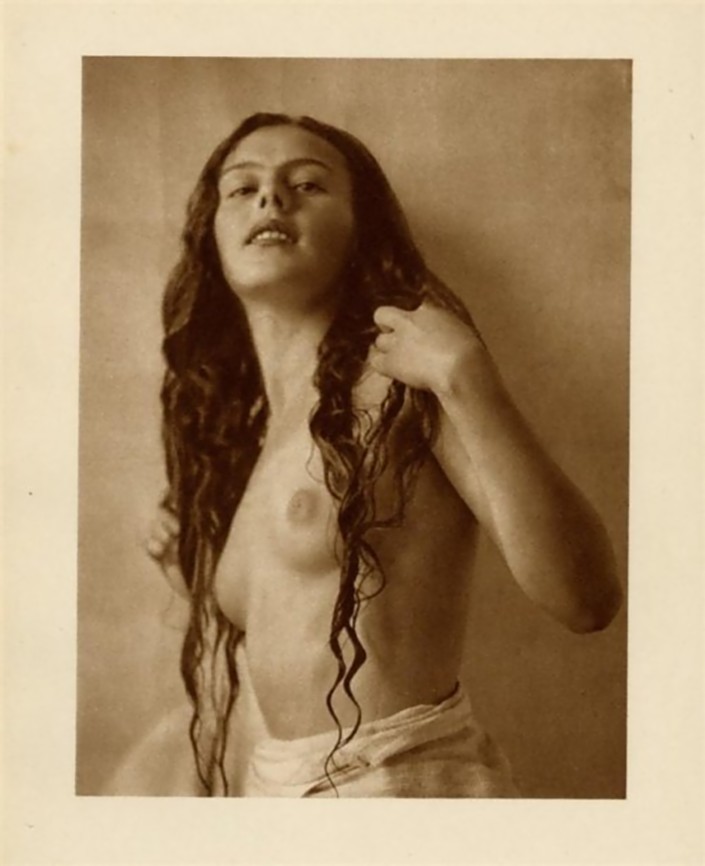
Waldemar Eide

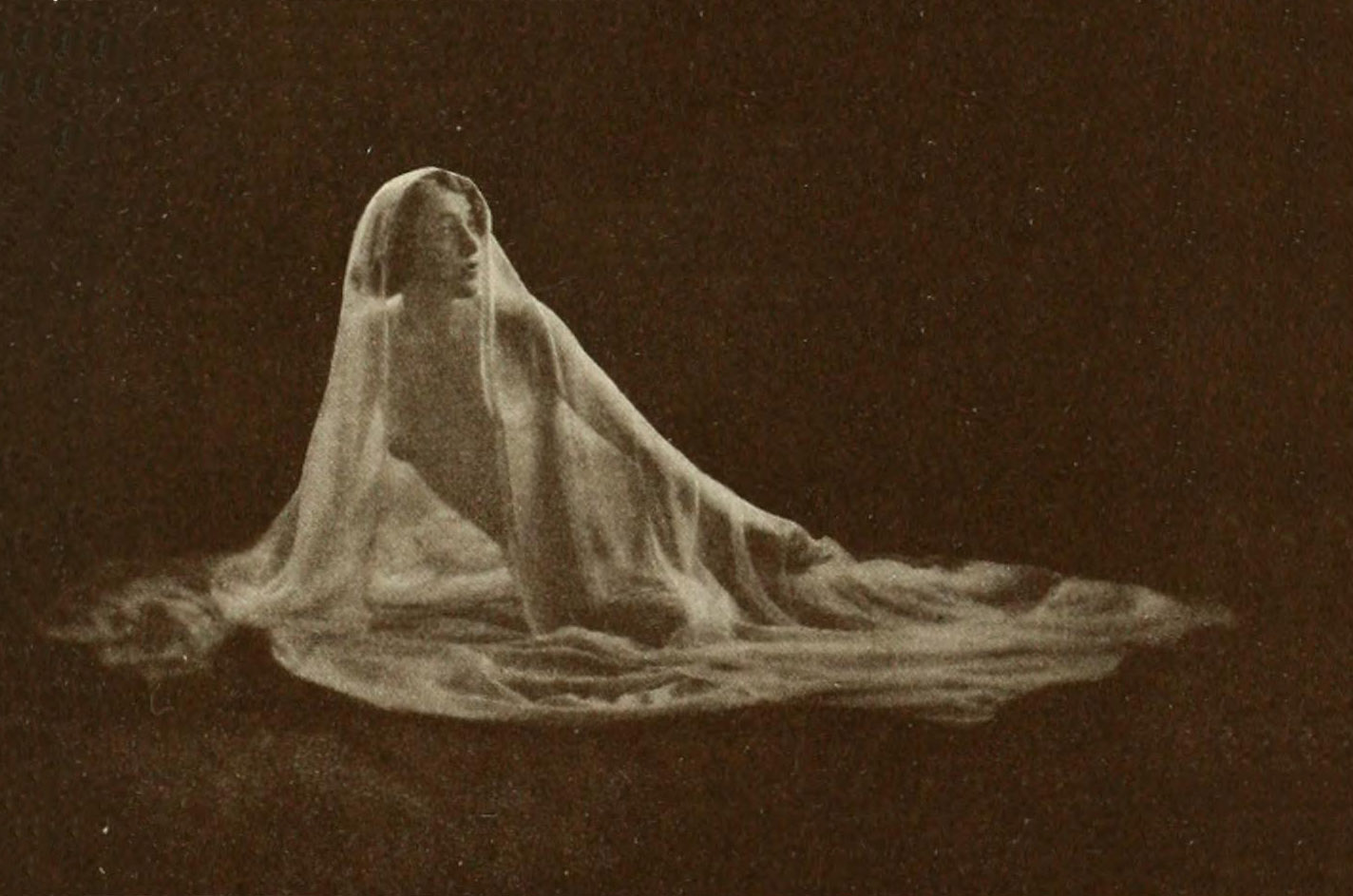
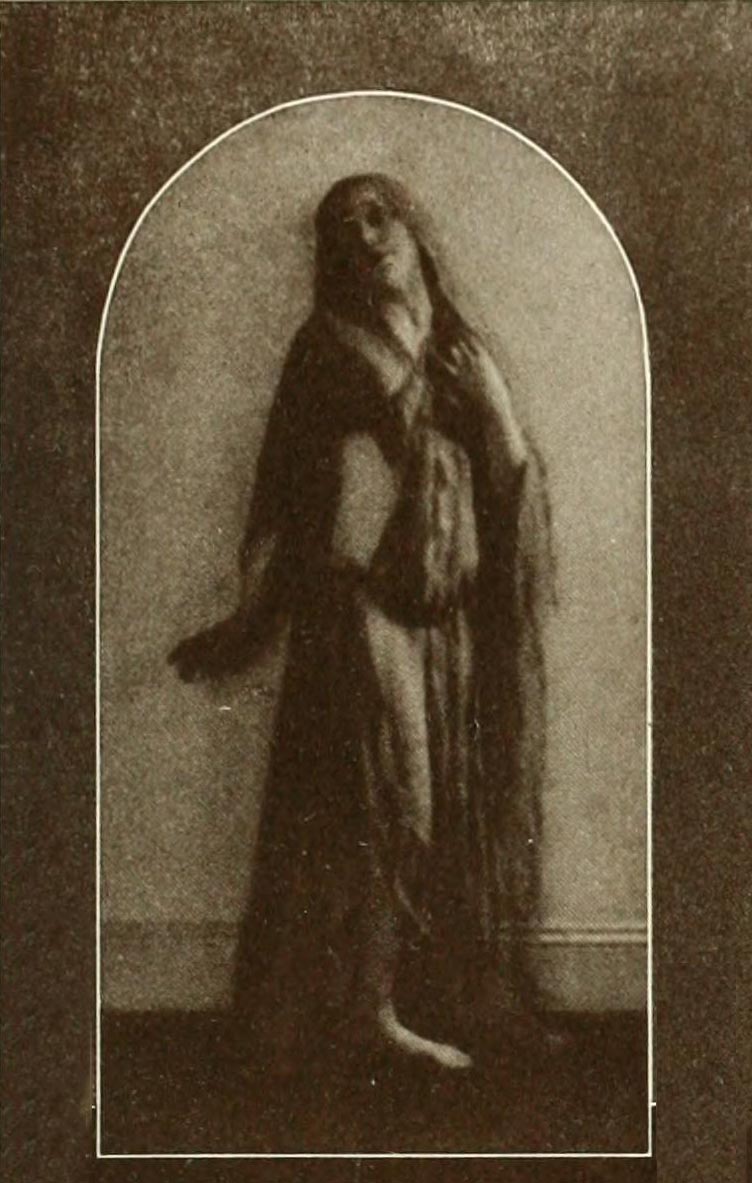
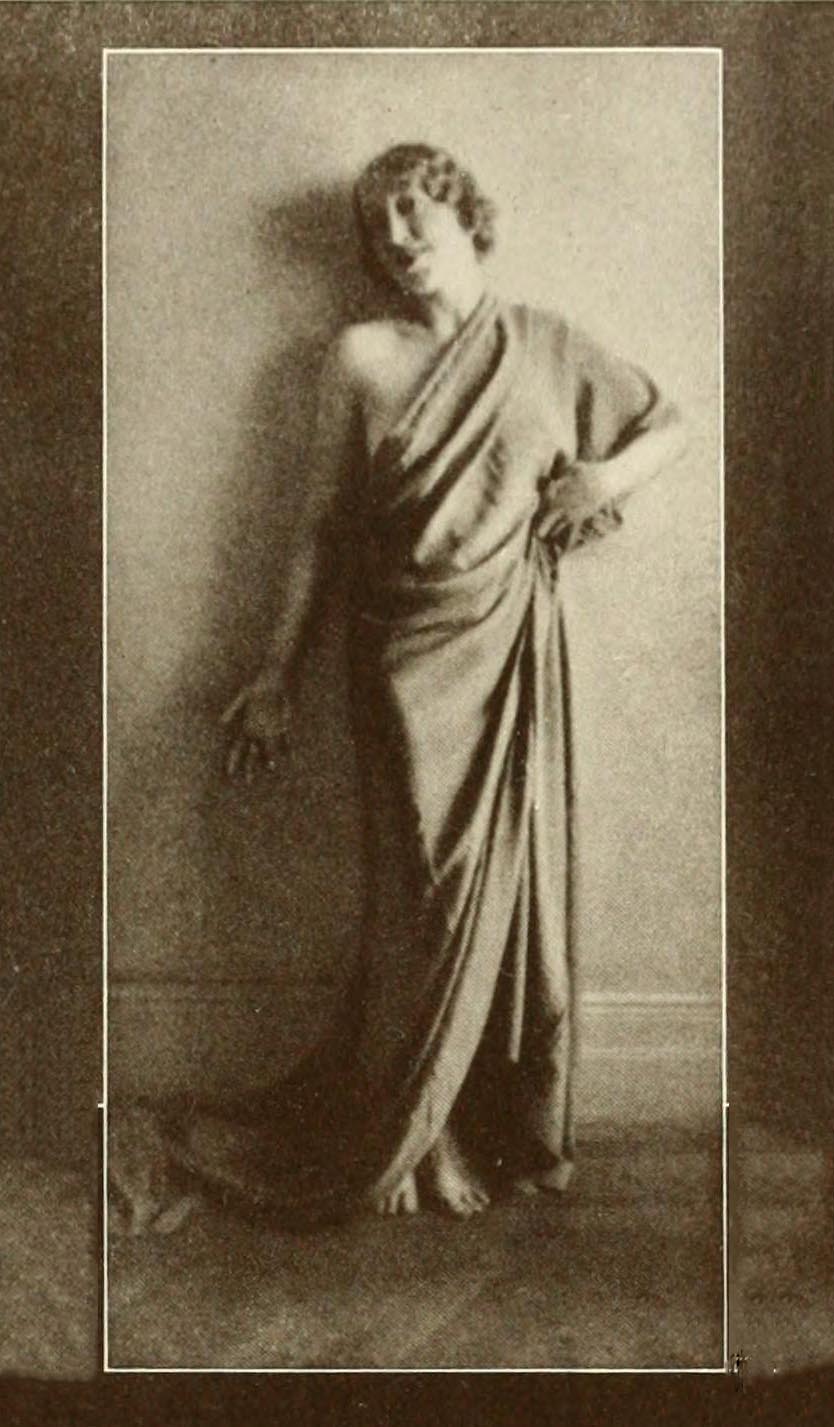
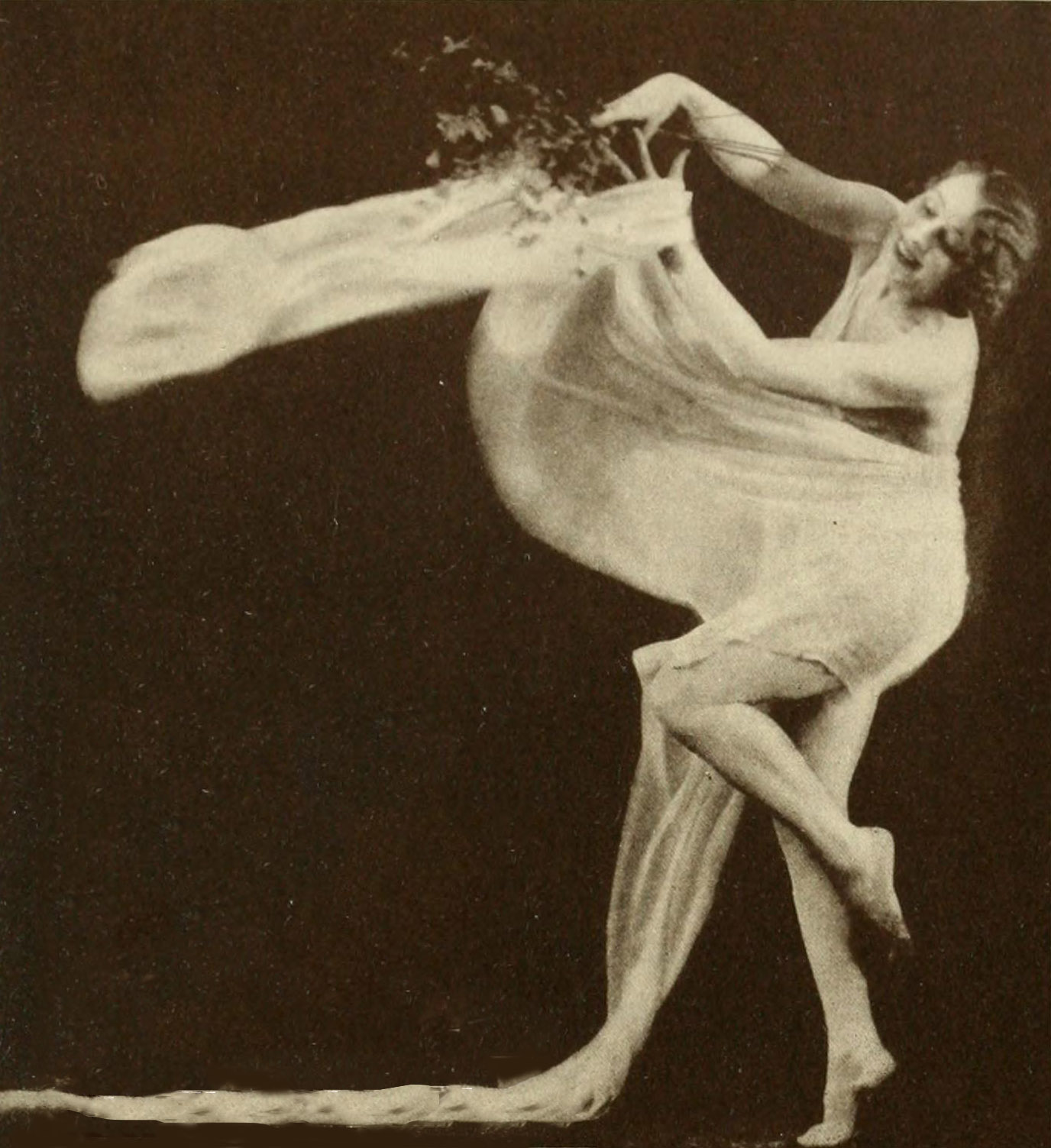
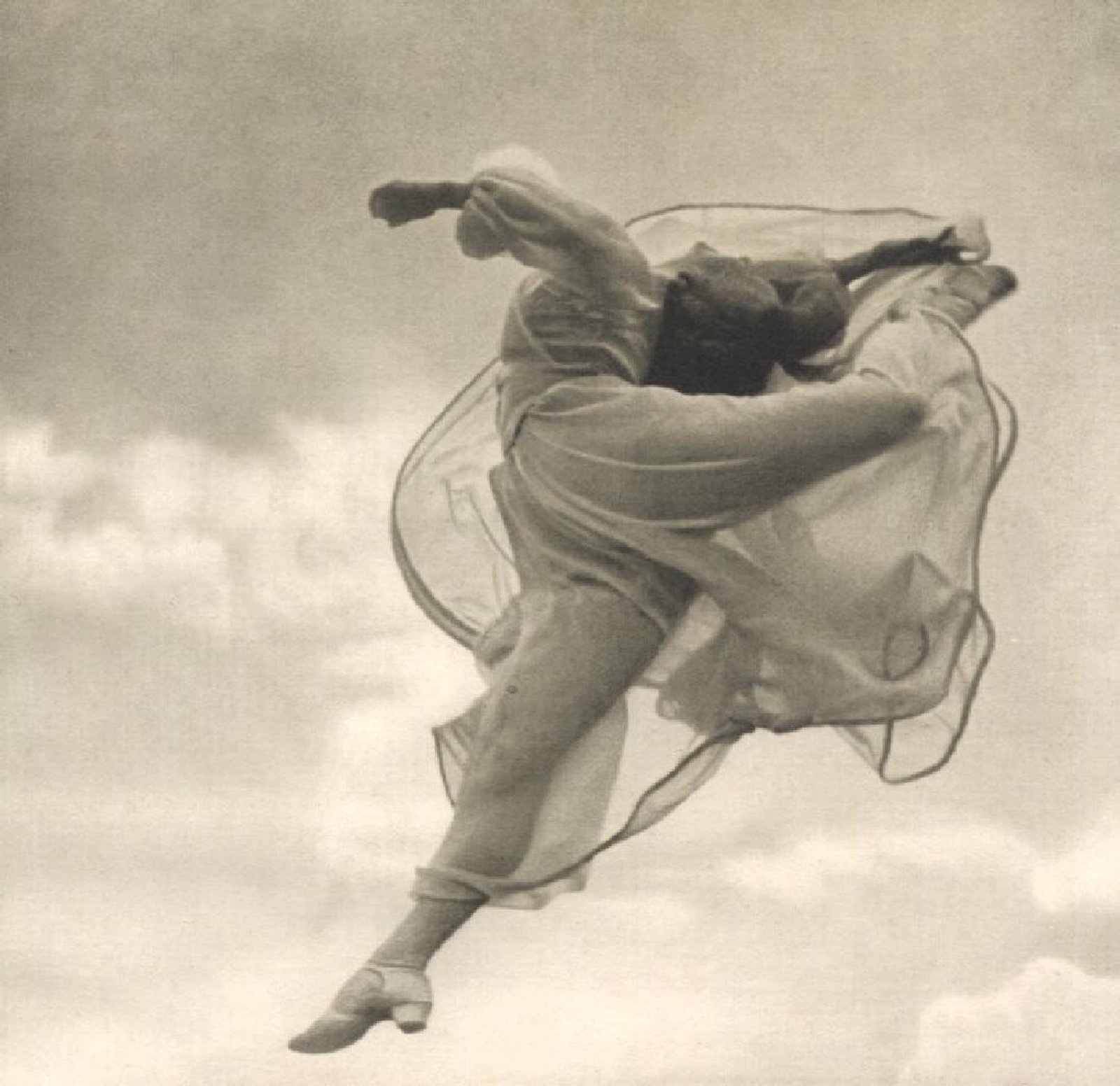
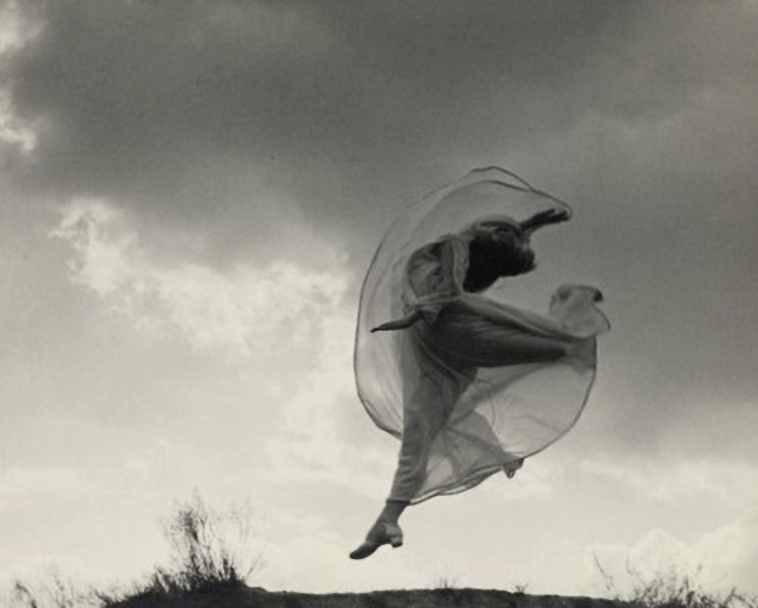
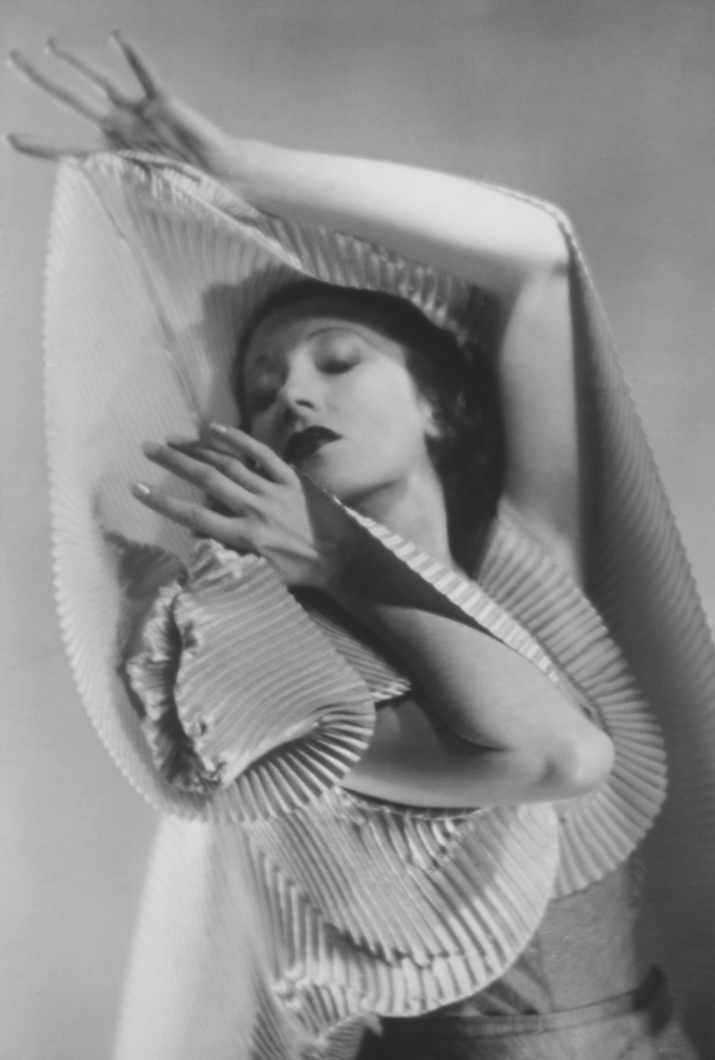
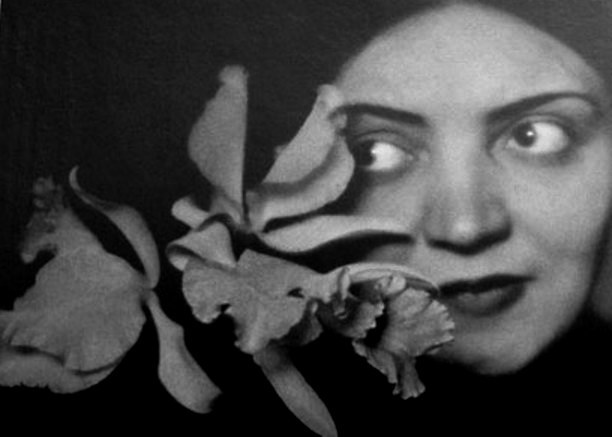
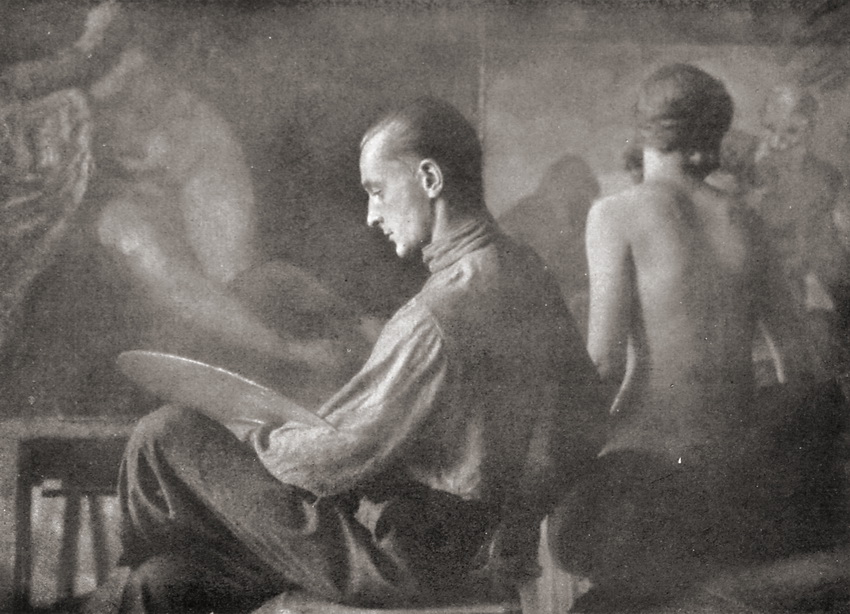
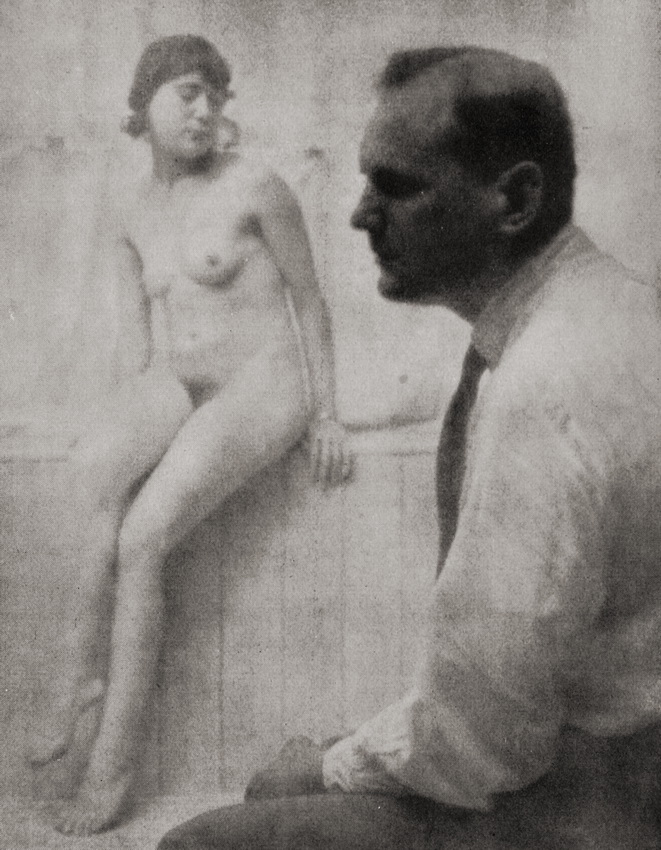
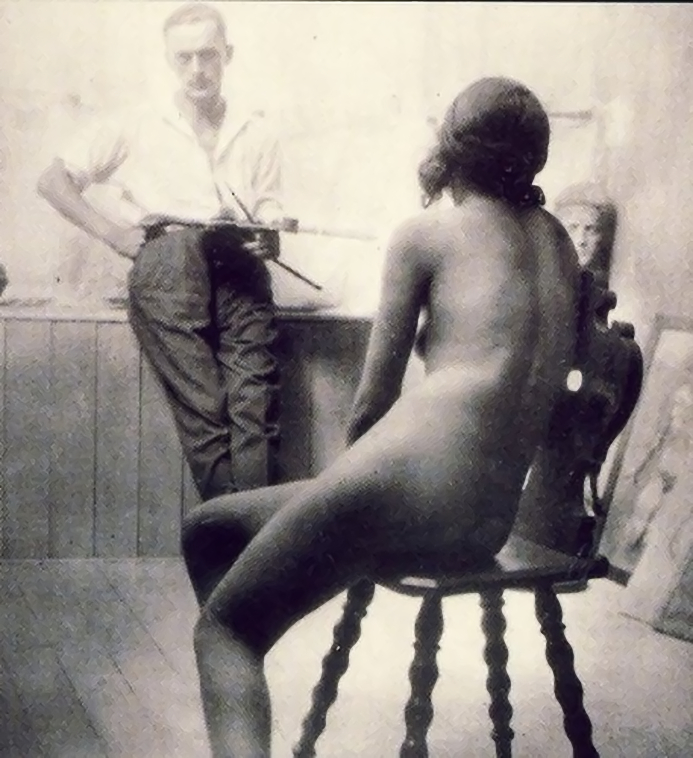
Le photographe basé à Stavanger Waldemar Eide (1886-1963) est considéré comme l’un des principaux photographes portraitistes norvégiens de la première moitié des années 1900. Ses œuvres restent cependant relativement méconnues du grand public. Waldemar Eide a été l’un des premiers photographes à se considérer comme un artiste pictural. Il expose régulièrement ses œuvres en Norvège et à l’étranger et est souvent décrit comme un photographe plus connu en Europe que dans son pays. Il a participé à des expositions et a remporté plusieurs prix pour ses photos. Eide a également écrit régulièrement sur l’art et la photographie pour des revues et des journaux professionnels et est considéré comme très important pour les photographes amateurs en général et la vie culturelle à Stavanger en particulier.

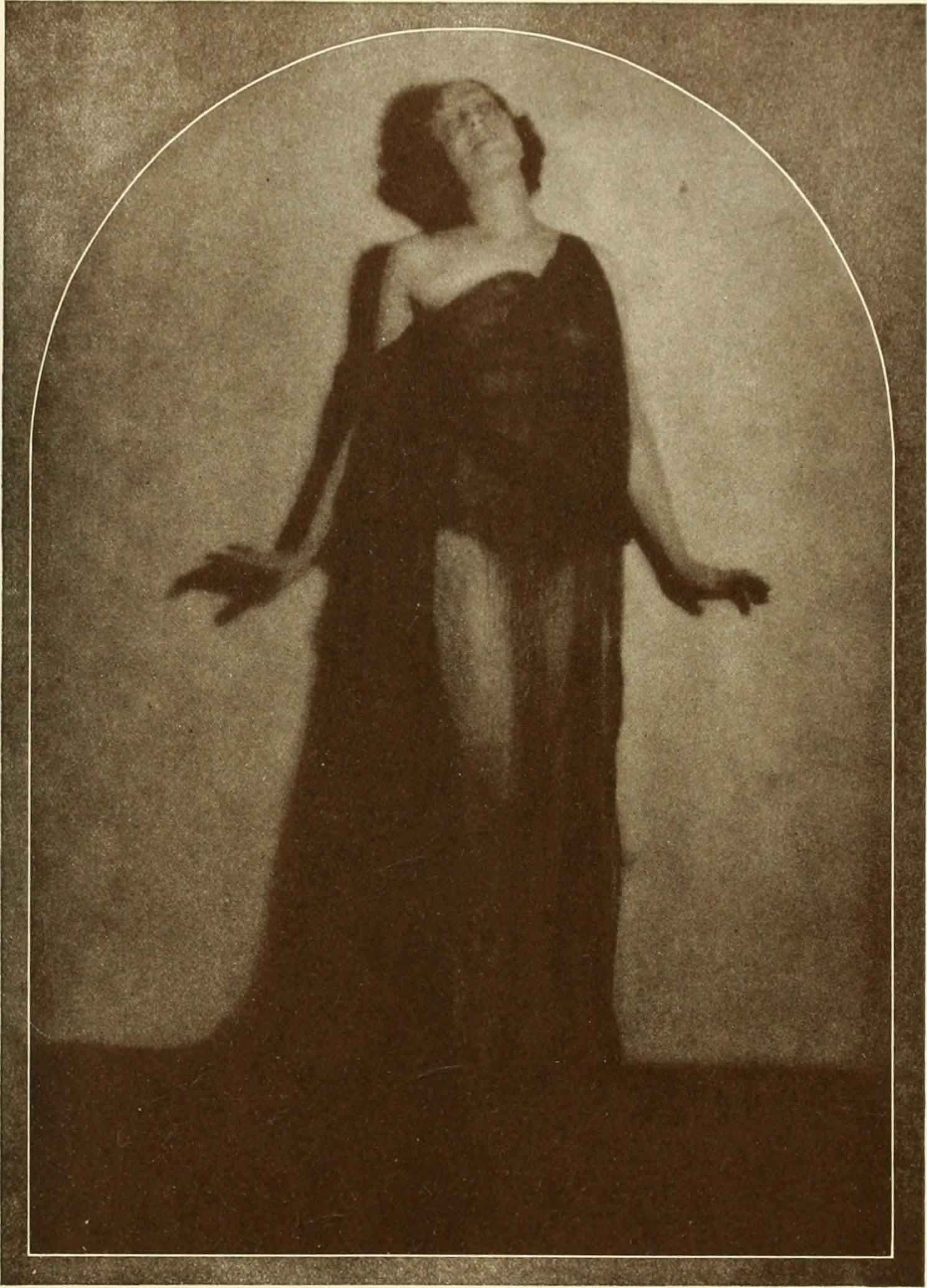
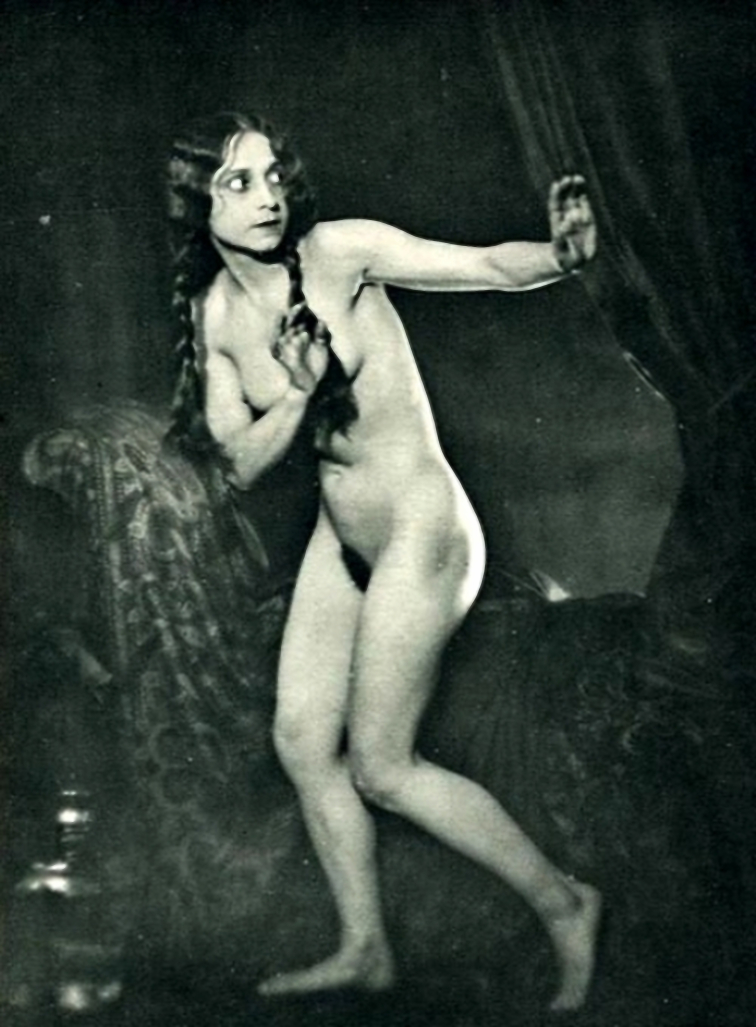
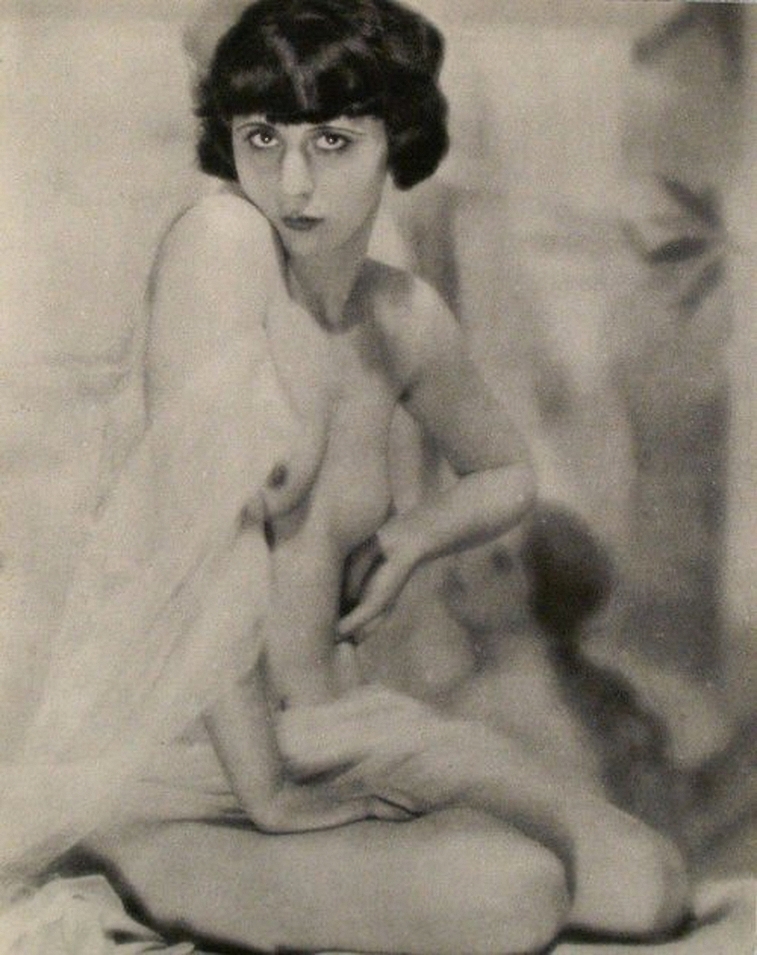
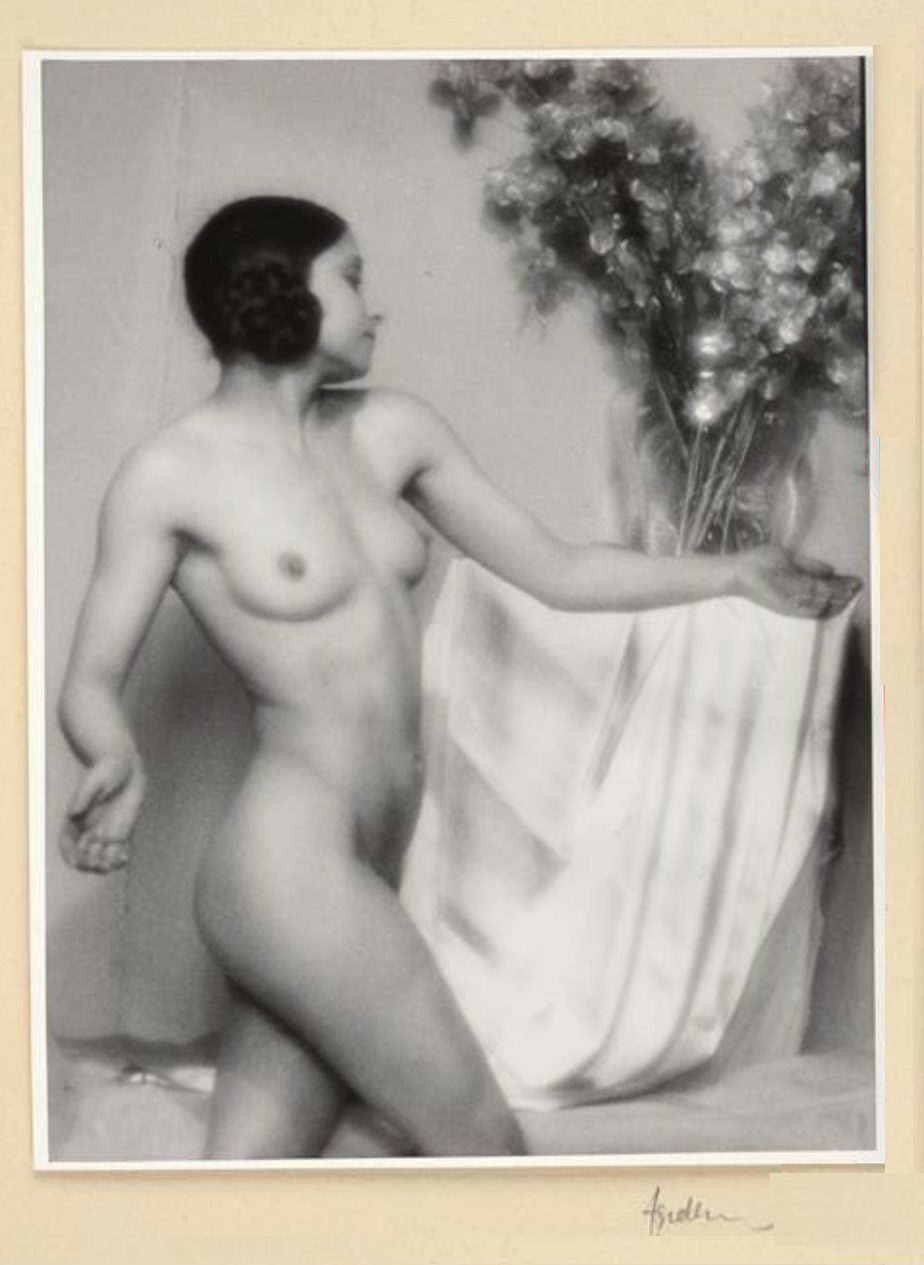
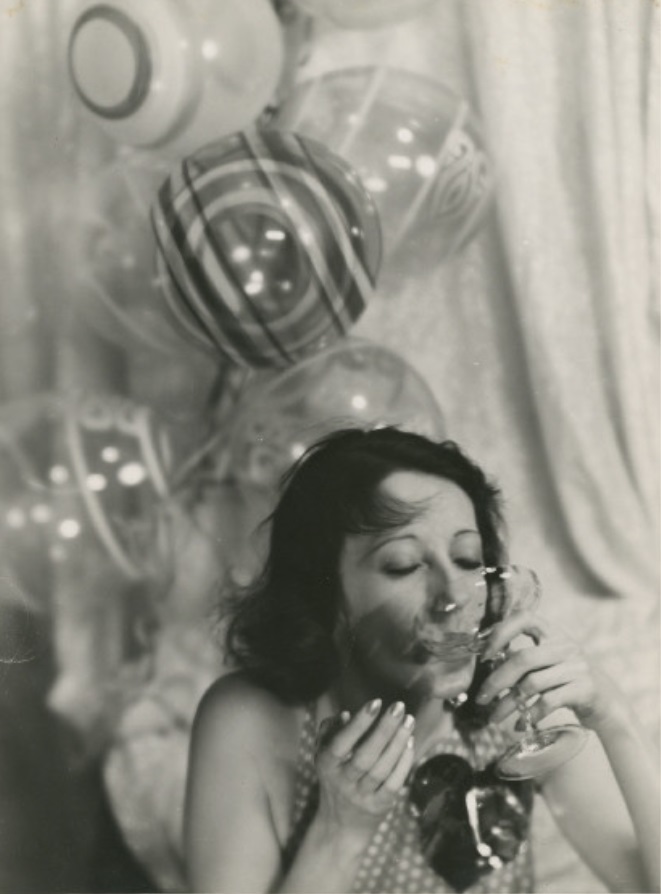
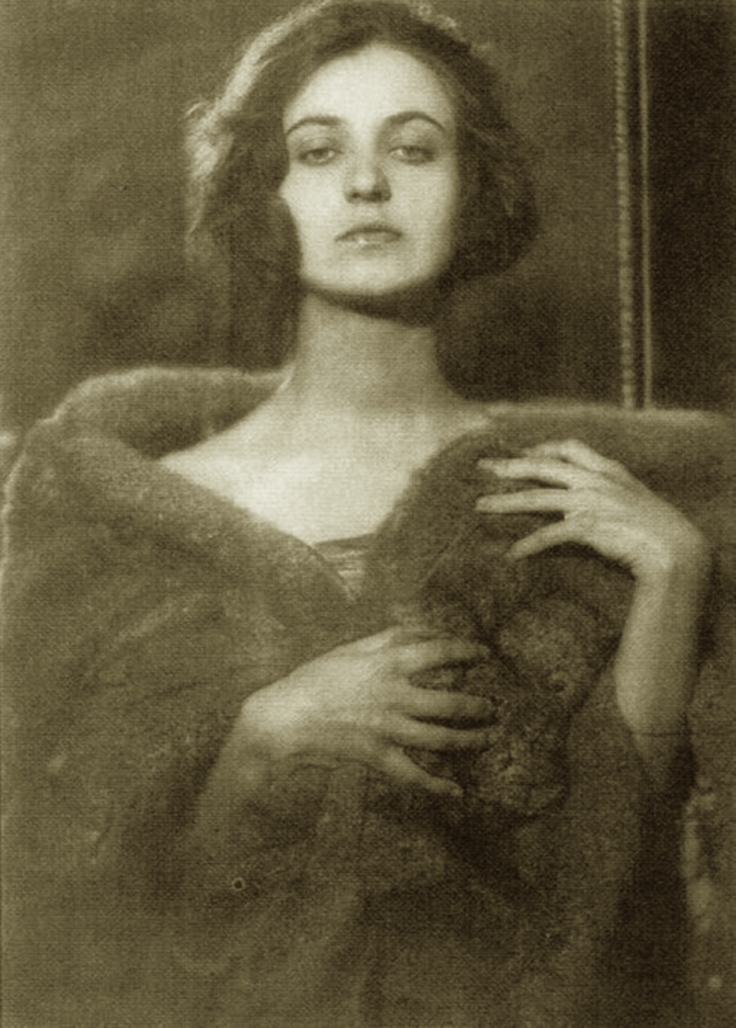
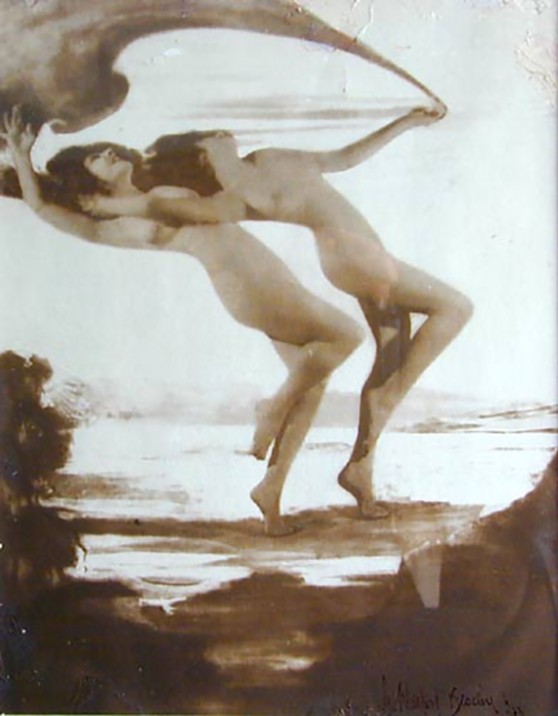
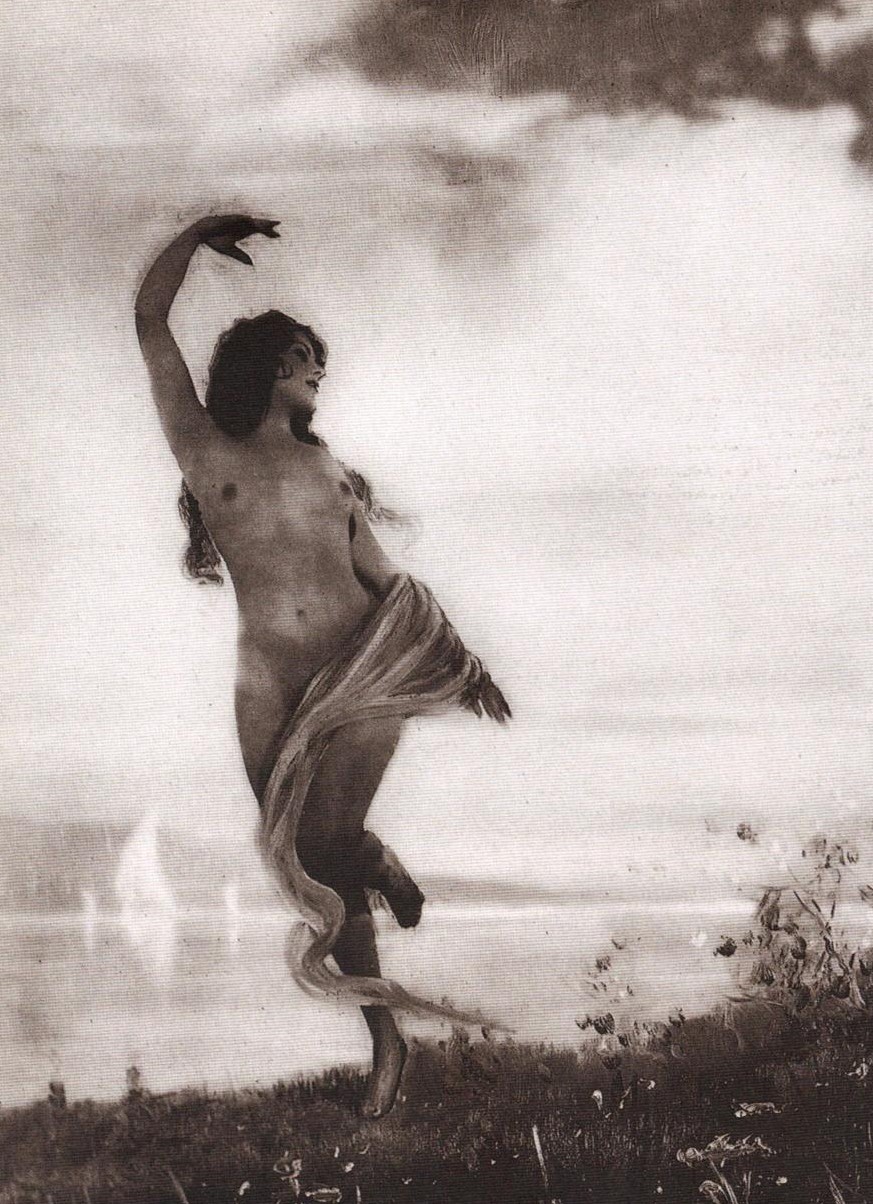
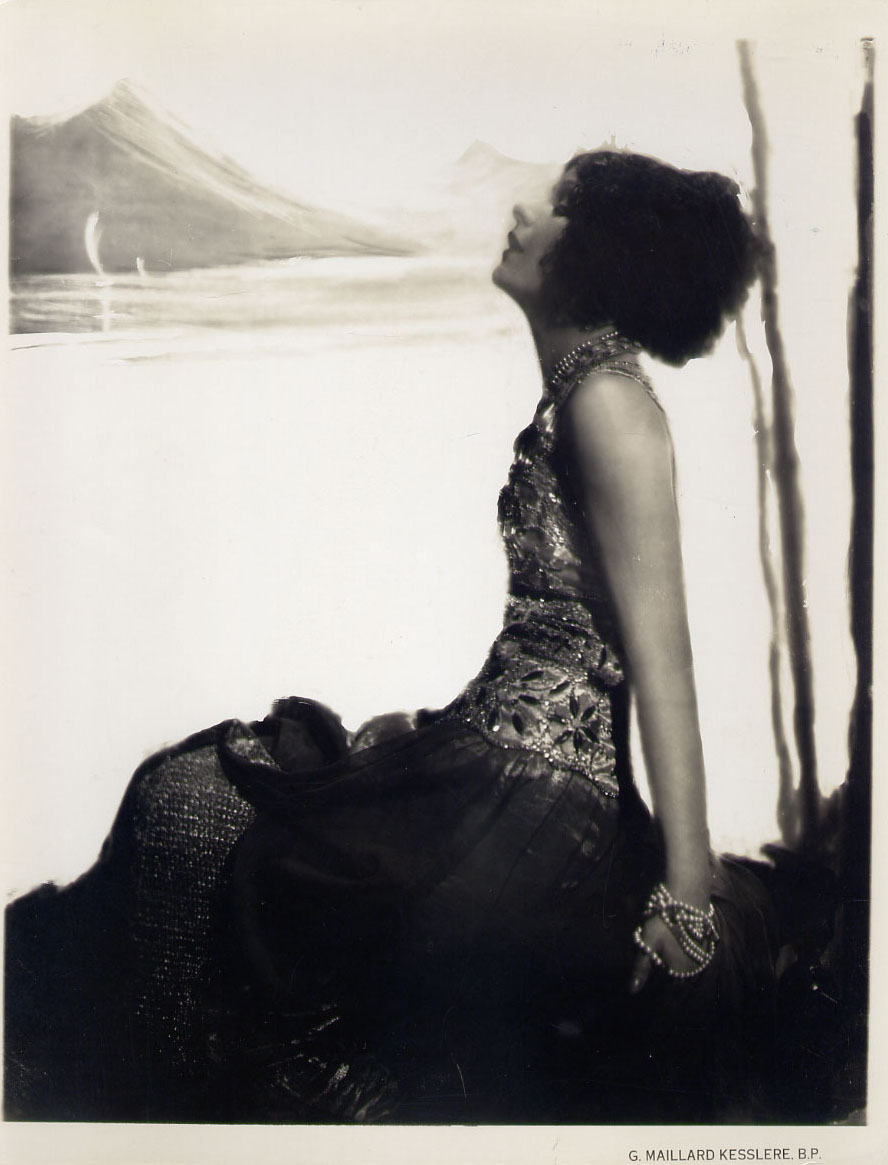
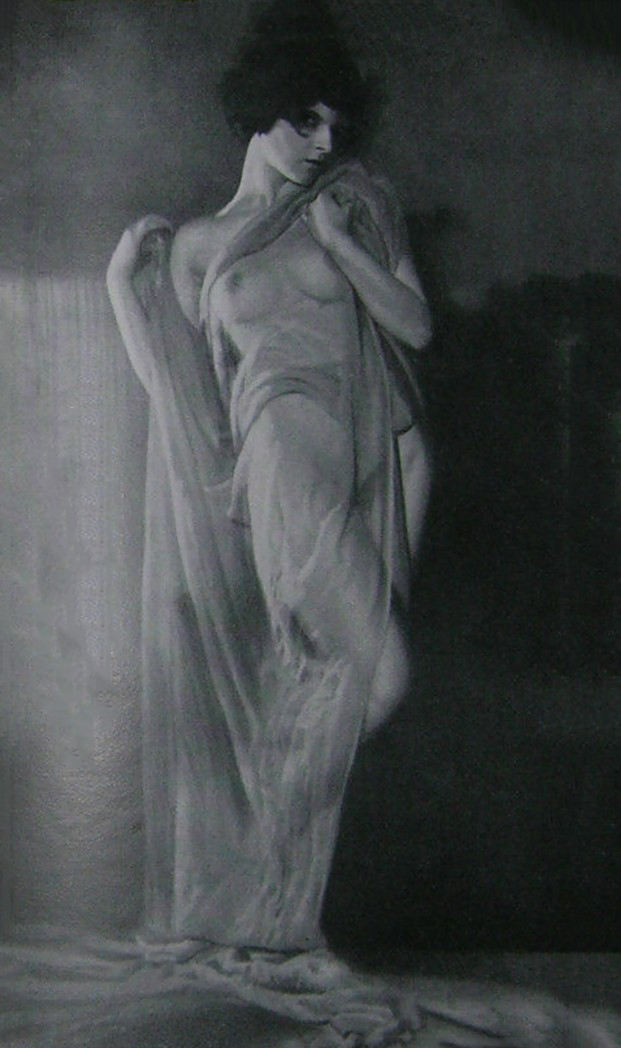
Waldemar Eide -Idol. Portrait of unknown woman. The image has characterized the front page of the magazine Hvar 8 days in March 1924.


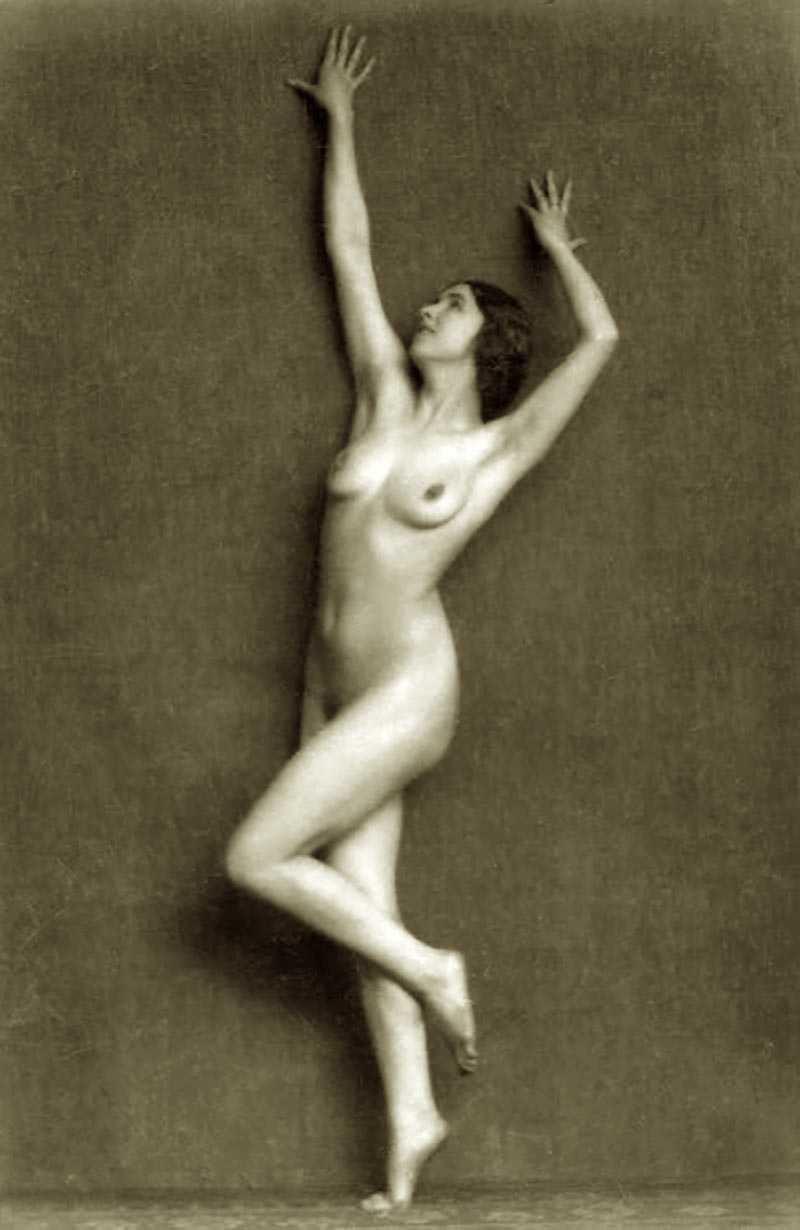
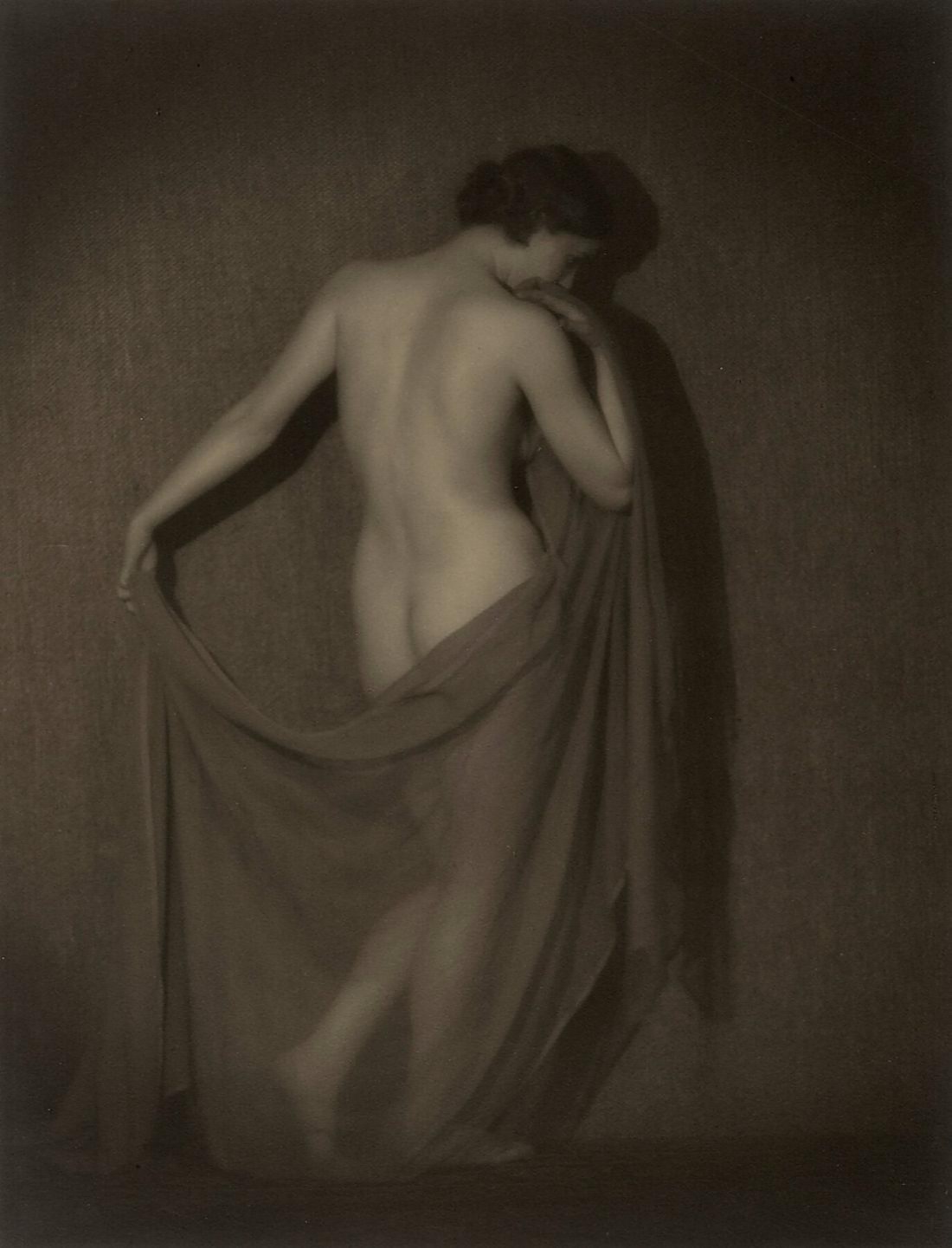
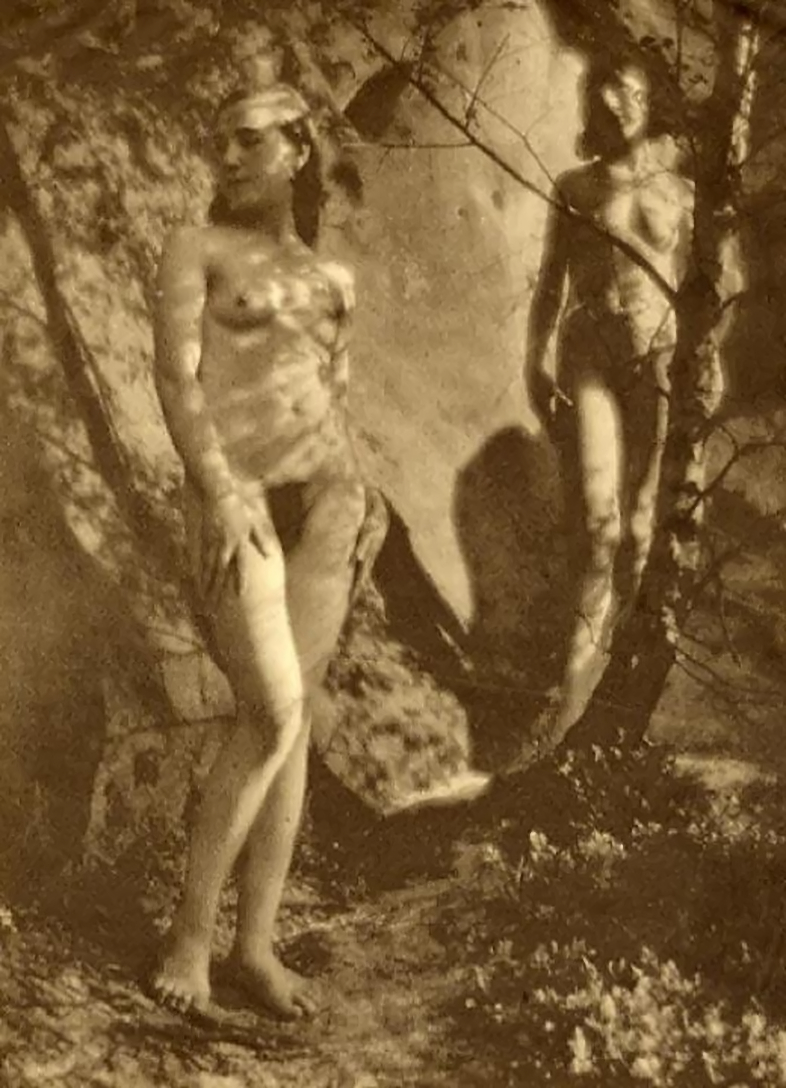
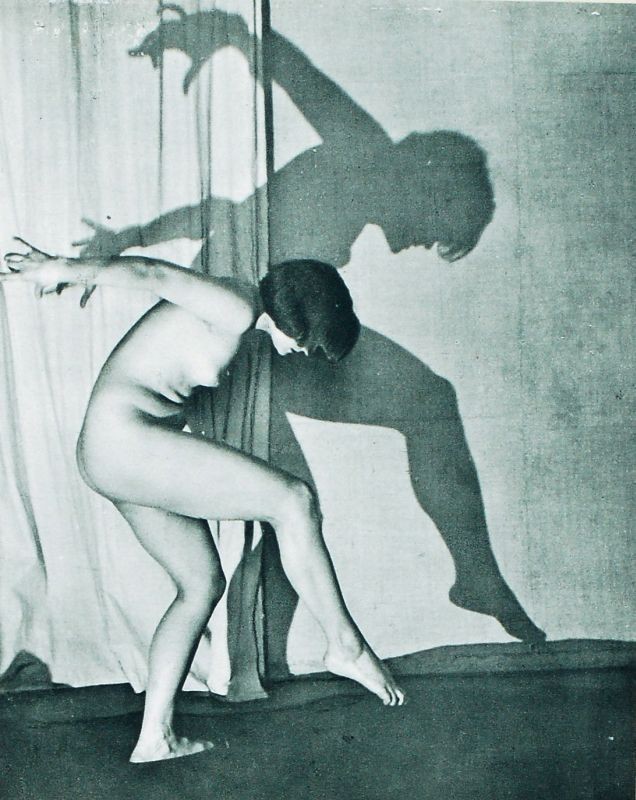
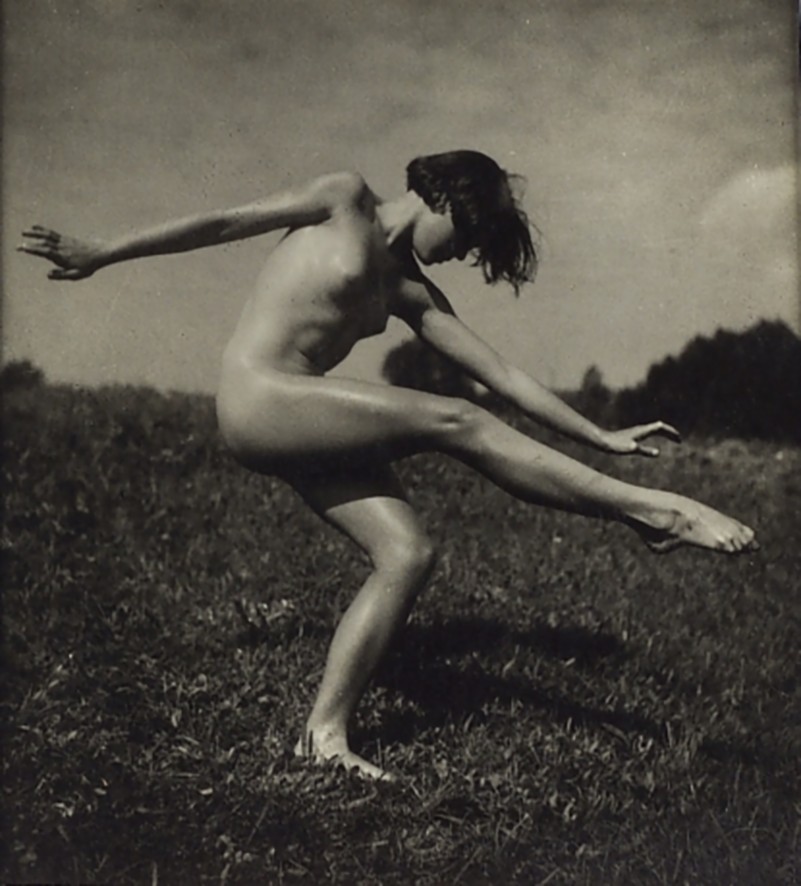
Waldemar Eide - Etude de nu, ca. 1930

Waldemar Eide – Etude de nu, ca. 1930

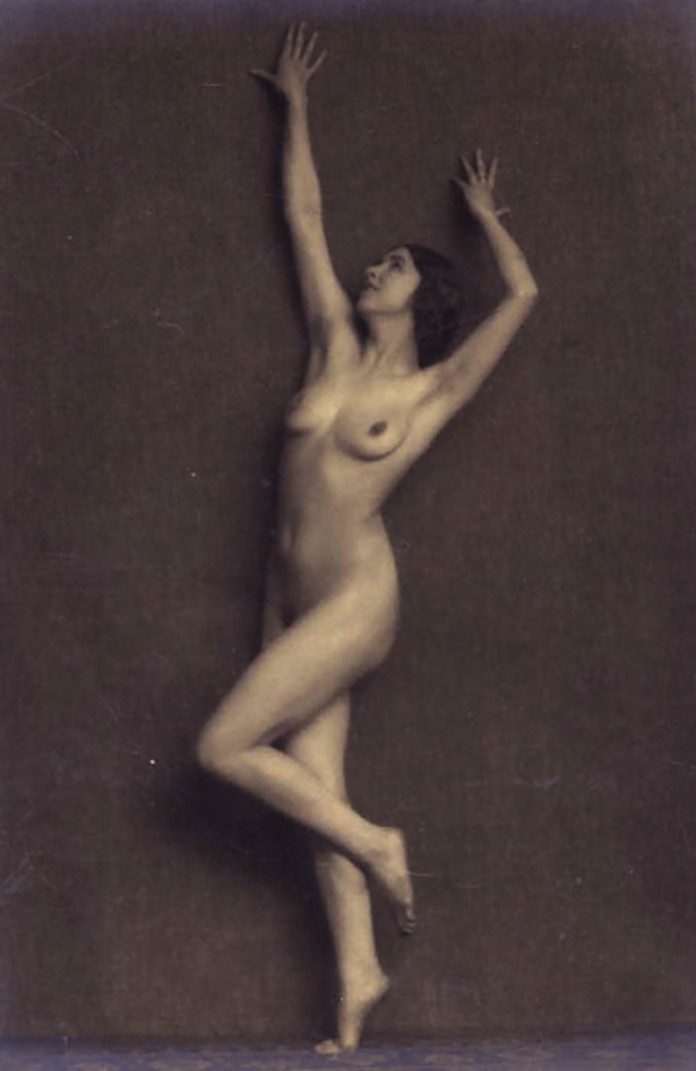
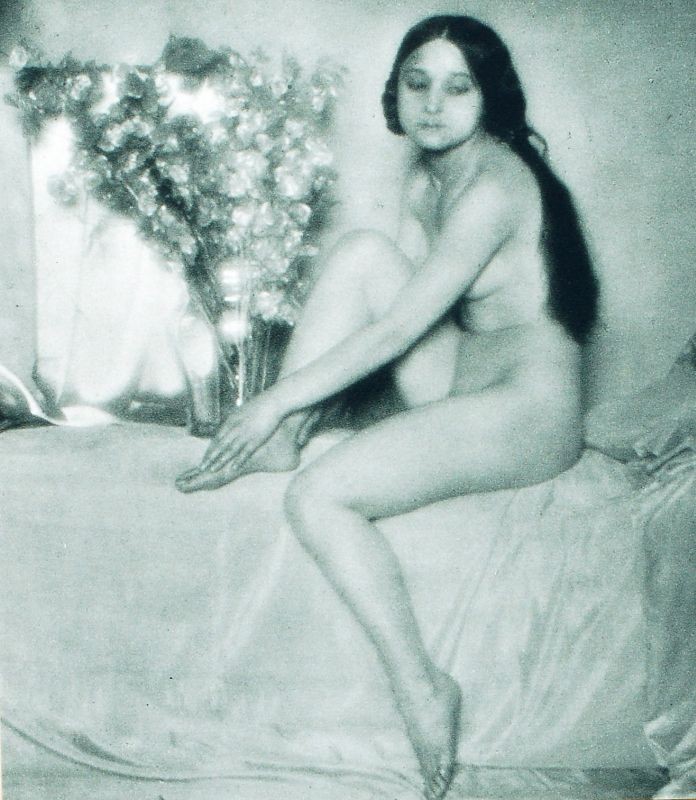
Waldemar Eide - study of nude, 1930

Waldemar Eide – study of nude, 1930

Waldemar Eide - Etude de nu, ca. 1930

Waldemar Eide – Etude de nu, ca. 1930

Waldemar Eide Greta Nissen

Waldemar Eide Greta Nissen

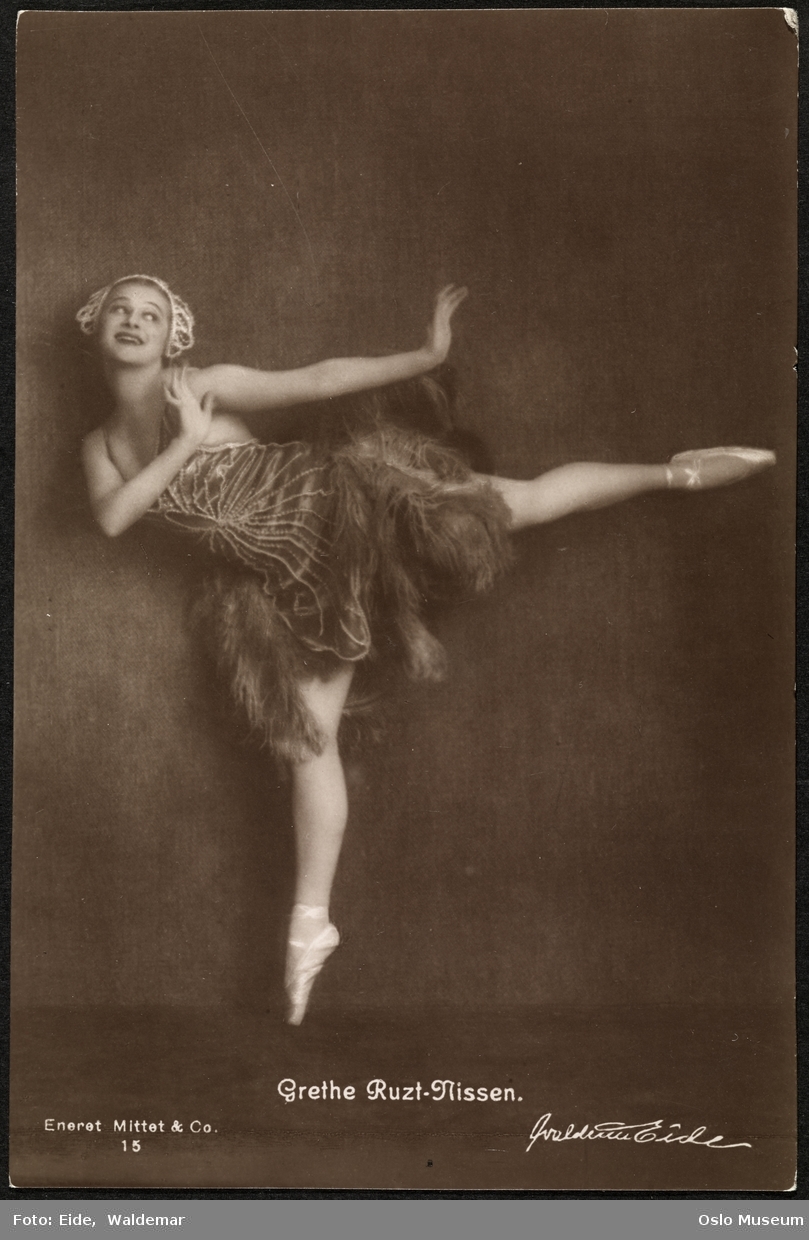
Waldemar Eide -Grethe Ruzt-Nissen, nd

Waldemar Eide -Grethe Ruzt-Nissen, nd

Waldemar Eide - Grethe Ruzt-Nissen, nd

Waldemar Eide – Grethe Ruzt-Nissen, nd

Waldemar Eide Greta Nissen

Waldemar Eide Greta Nissen

Waldemar Eide Greta Nissen

Waldemar Eide Greta Nissen

Waldemar Eide 20s Greta Nissen Modern Dance

Waldemar Eide 20s Greta Nissen Modern Dance


Waldemar Eide Grethe Ruzt-Nissen, nd

Waldemar Eide Grethe Ruzt-Nissen, nd

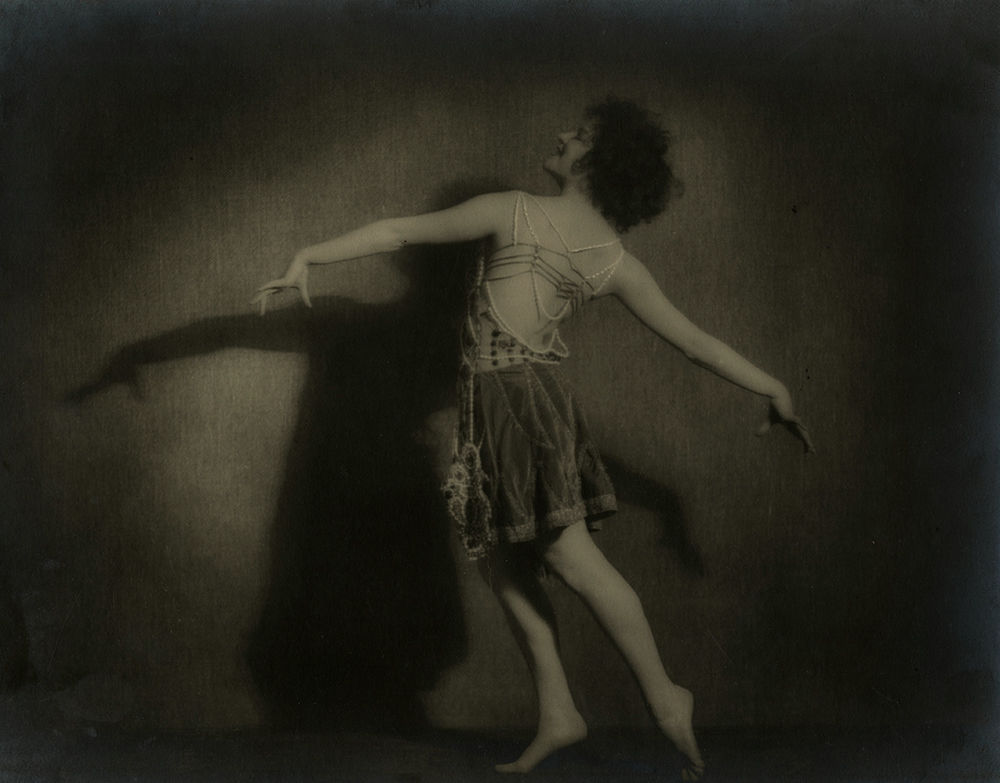
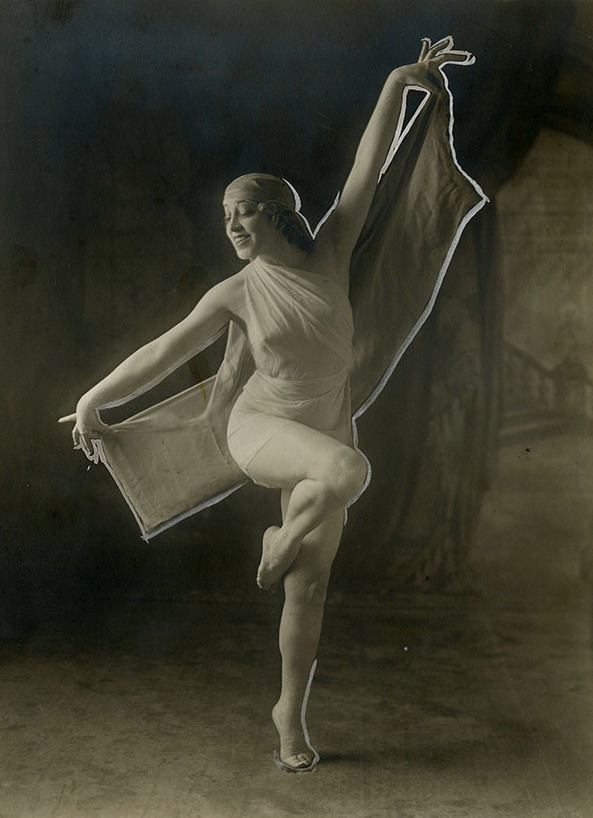
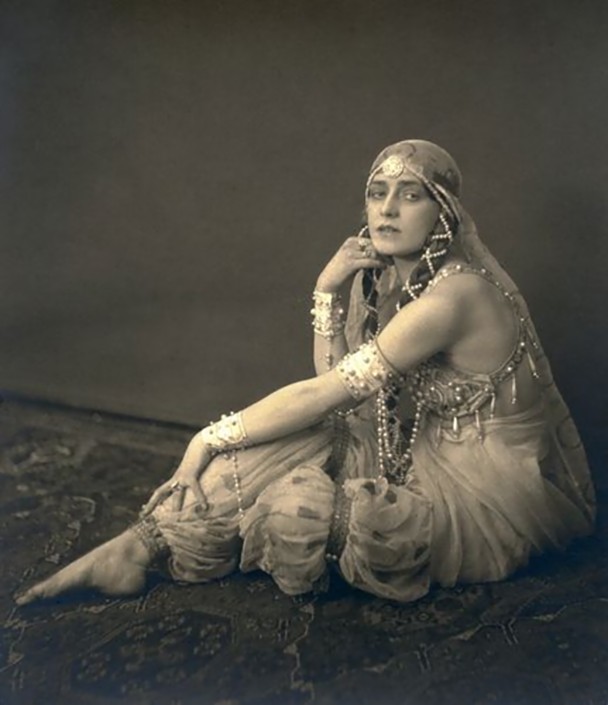
Waldemar Eide- Vera Fokina Dance of Salome, Photograms of the Year 1920.

Waldemar Eide- Vera Fokina Dance of Salome, Photograms of the Year 1920.

Waldemar Eide- Vera Fokina in Dance of Salome, Photograms of the Year 1920

Waldemar Eide- Vera Fokina in Dance of Salome, Photograms of the Year 1920

Waldemar Eide- Vera Fokina in Dance of Salome, Photograms of the Year 1920

Waldemar Eide- Vera Fokina in Dance of Salome, Photograms of the Year 1920

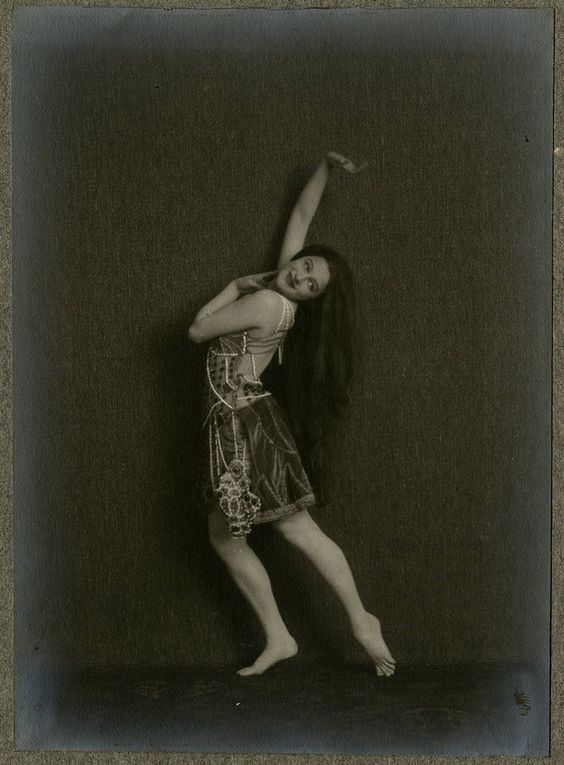
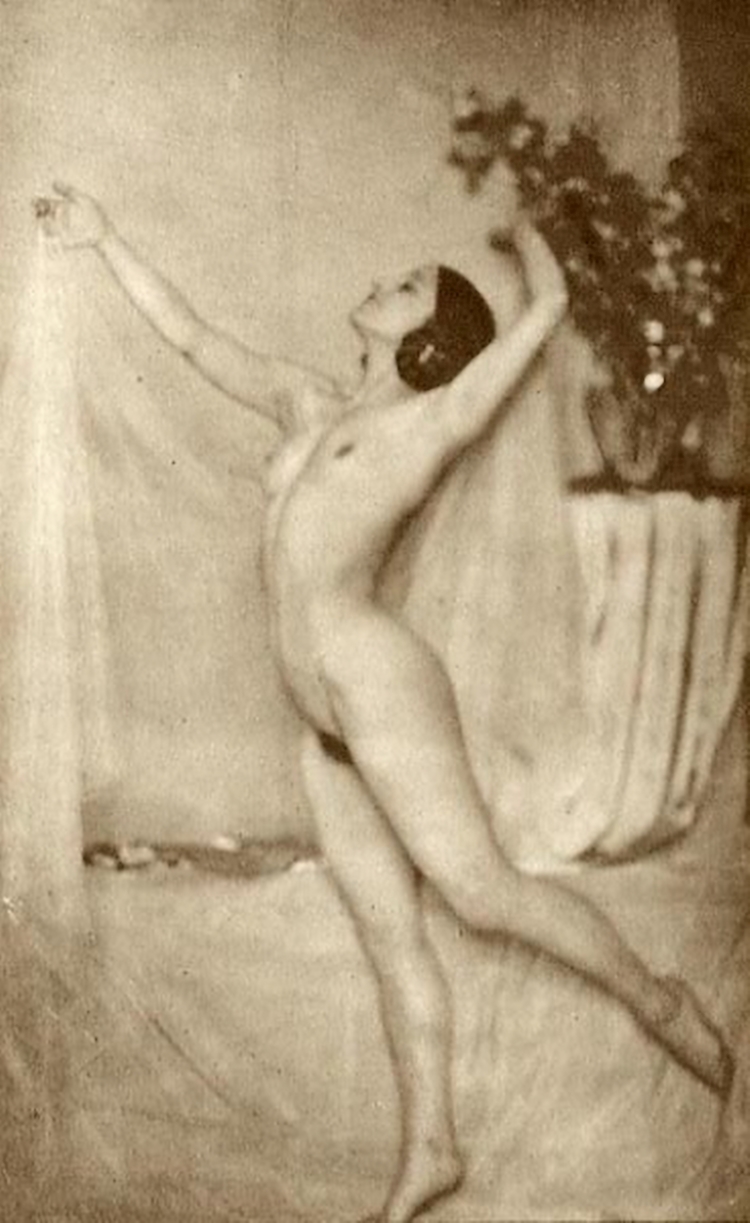
Waldemar Eide -Vera Fokina, figure de danse, 1919

Waldemar Eide -Vera Fokina, figure de danse, 1919

Waldemar Eide - Vera Fokina, 1919

Waldemar Eide – Vera Fokina, 1919

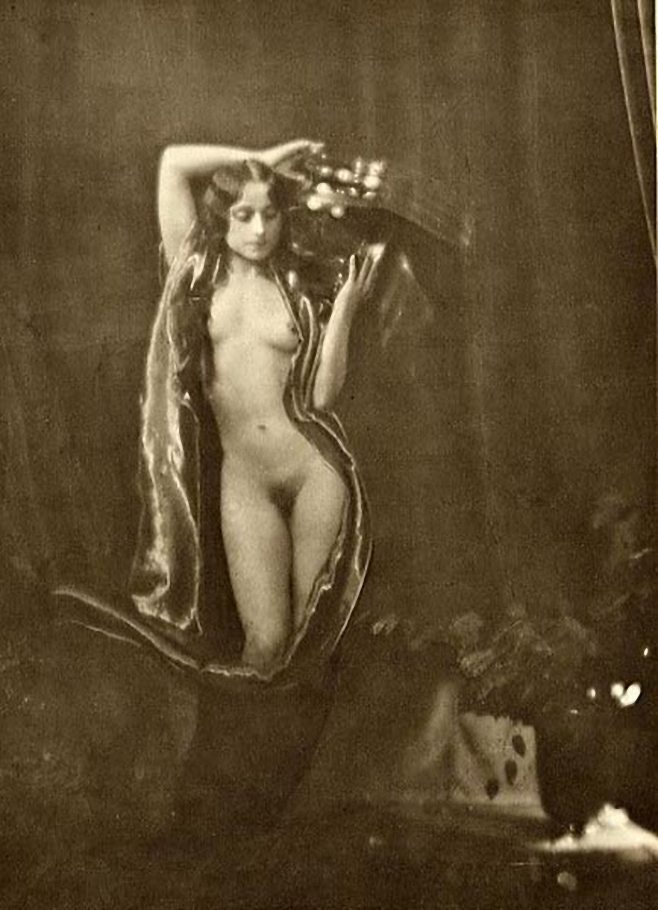
Waldemar Eide -Portrait of unknown woman., 1920s


Waldemar Eide - Etude de nu (Ellen Sinding), 1922_e
Waldemar Eide – Etude de nu (Ellen Sinding), 1922_e
Waldemar Eide - Aktstudie (Ellen Sinding-maybe), 1926_e
Waldemar Eide – Aktstudie (Ellen Sinding-maybe), 1926_e
Waldemar Eide Illustration for a fairy 1919
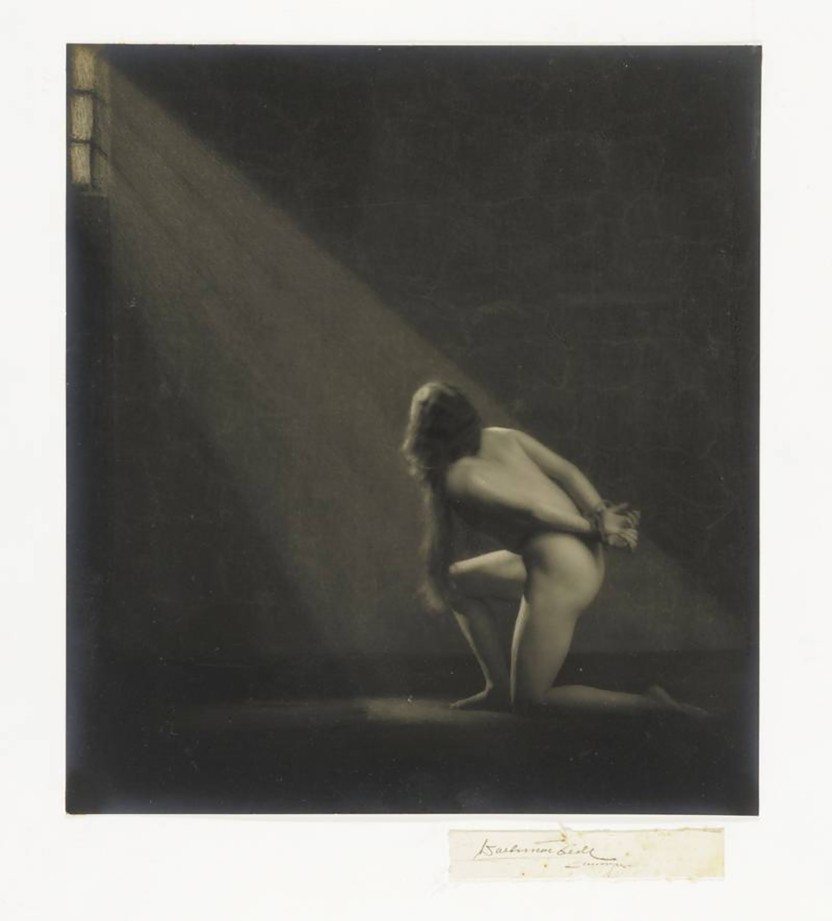
Waldemar Eide - Nude woman on her knees with her hands tied behind her back, ca. 1919
Waldemar Eide – Nude woman on her knees with her hands tied behind her back, ca. 1919

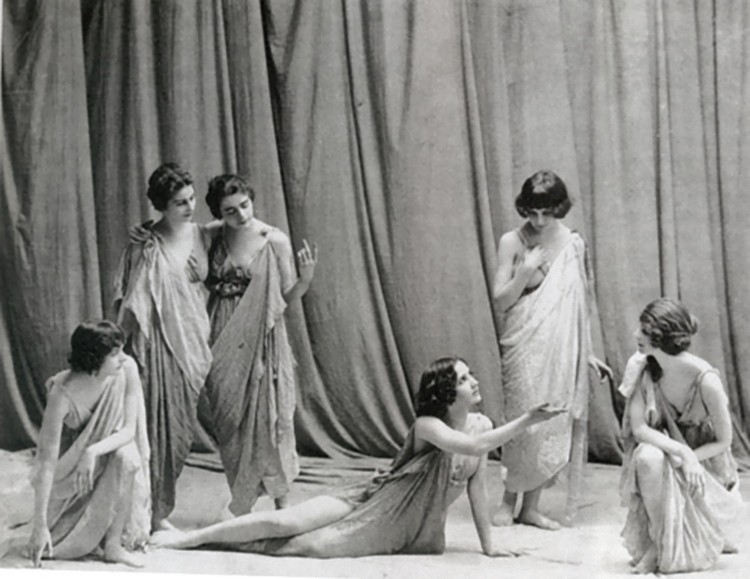
Dancing with Helen Moller; her own statement of her philosophy and practice 1918

From the book Dancing with Helen Moller 1918

From the book Dancing with Helen Moller 1918

Dancing with Helen Moller; 1918

From the book Dancing with Helen Moller 1918

From the book Dancing with Helen Moller 1918

From the book Dancing with Helen Moller 1918

From the book Dancing with Helen Moller 1918

From the book Dancing with Helen Moller 1918

From the book Dancing with Helen Moller 1918

From the book Dancing with Helen Moller 1918

From the book Dancing with Helen Moller 1918 10

From the book Dancing with Helen Moller 1918 10

From the book Dancing with Helen Moller 1918 10

From the book Dancing with Helen Moller 1918

From the book Dancing with Helen Moller 1918

From the book Dancing with Helen Moller 1918

From the book Dancing with Helen Moller 1918

Dancing with Helen Moller; 1918

Helen Moller photographed by Rufus Porter Moody, c-1910s

William J. Done

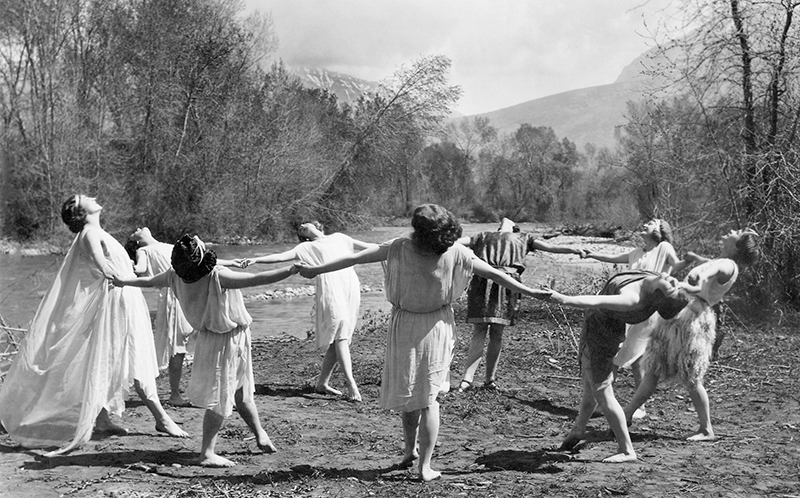
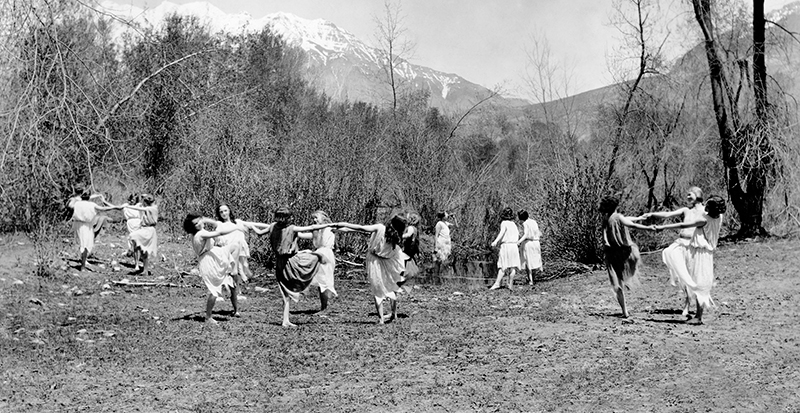
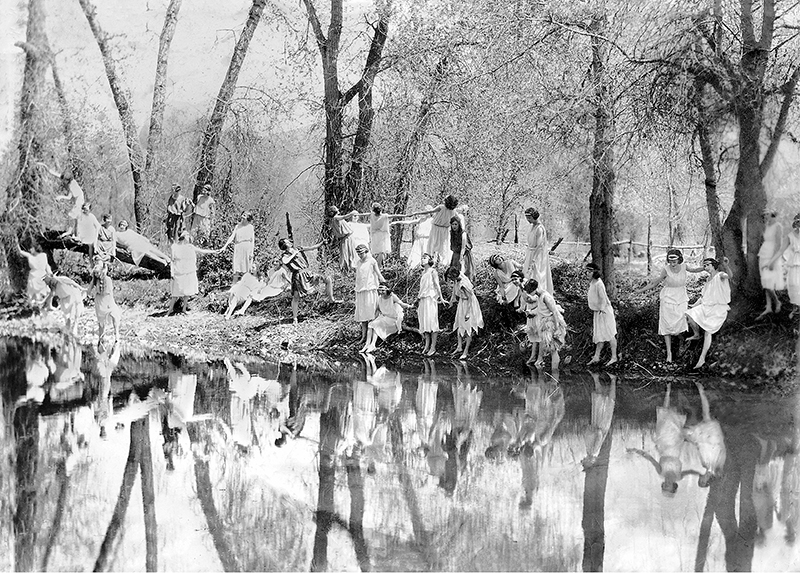
In 1928, two-dozen women attending BYU stood on the banks of the Provo River. Together, they carefully choreographed for their interpretive dance class as the photographer, William Done, scrupulously captured their movements. Both the photographer and the subjects of the photographs are getting attention with the recent restoration of the nearly 90-year old photos


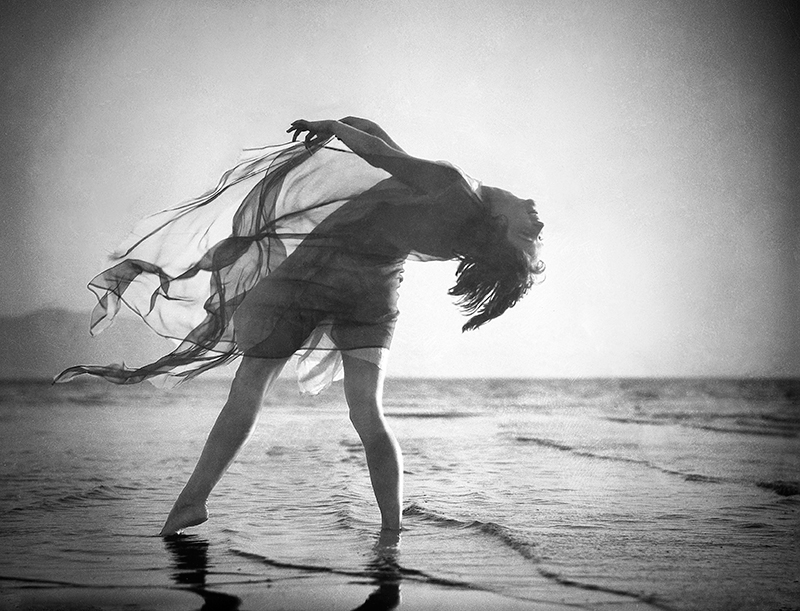
William J. Done -Dancer, Utah Lake,1928

William J. Done -Circle dance ,1928

William J. Done -Circle dance ,1928 2

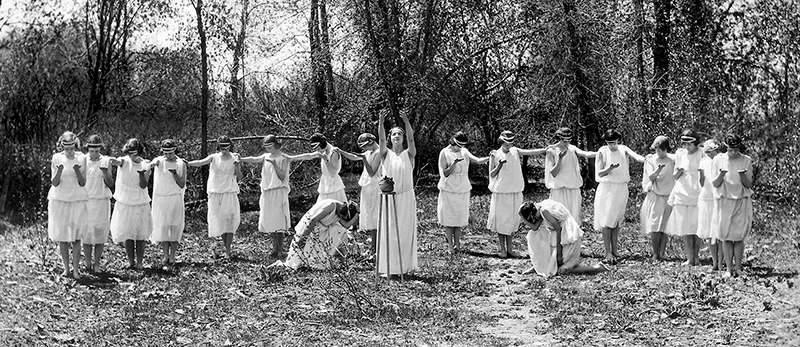
William J. Done -Circle dance ,1928

William J. Done -Reflection dance ,1928

William J. Done -Single dance ,1928

William J. Done -Single dancer three ,1928

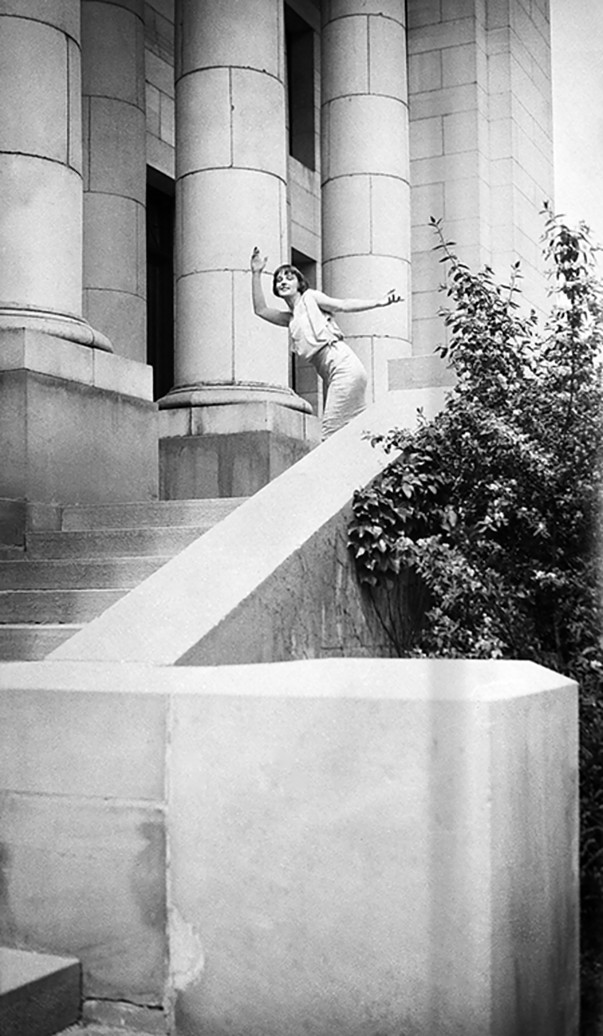
William J. Done -The stairs ,1928


found Here & Here

Arnold Genthe- Isadora Duncan


Arnold Genthe -Isadora Duncan ,1910s

Arnold Genthe -Isadora Duncan ,1910s

Duncan, Isadora  by Arnold Genthe.,1916  [Irma Duncan Collection.]

Duncan, Isadora by Arnold Genthe.,1916 [Irma Duncan Collection.]

Duncan, Isadora  by Arnold Genthe ,1916.[ collection Mary Fanton Roberts.]

Duncan, Isadora by Arnold Genthe ,1916.[ collection Mary Fanton Roberts.]


Arnold Genthe- an Isadora Duncan’s dancers , 1915

Arnold Genthe- an Isadora Duncan's dancers  , 1915

Arnold Genthe- an Isadora Duncan’s dancers , 1915

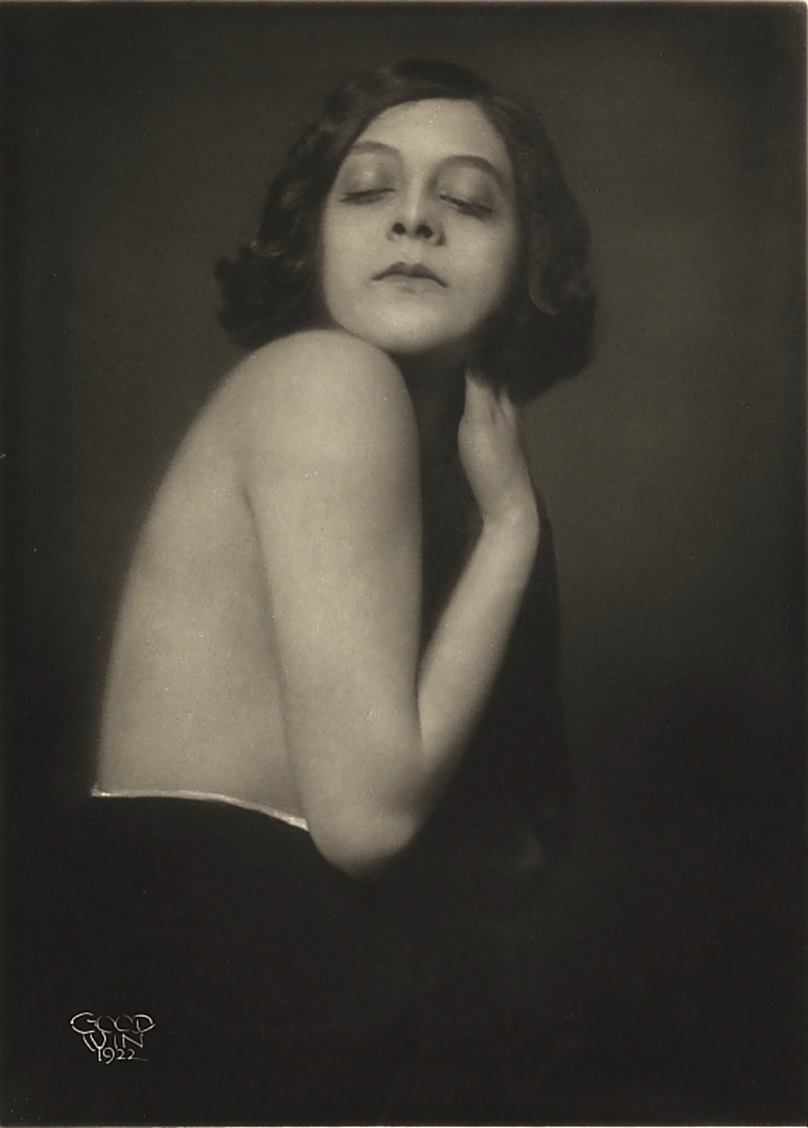
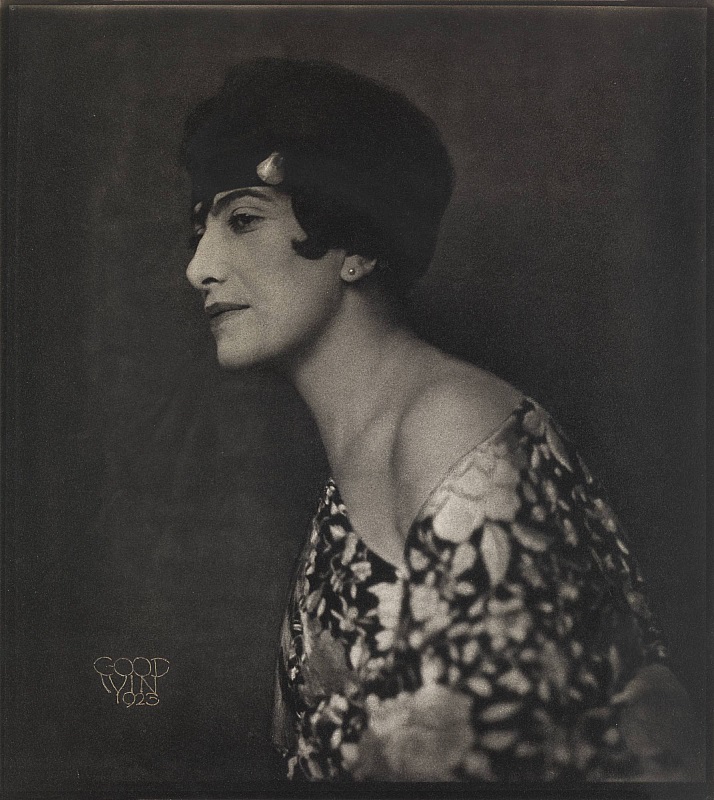
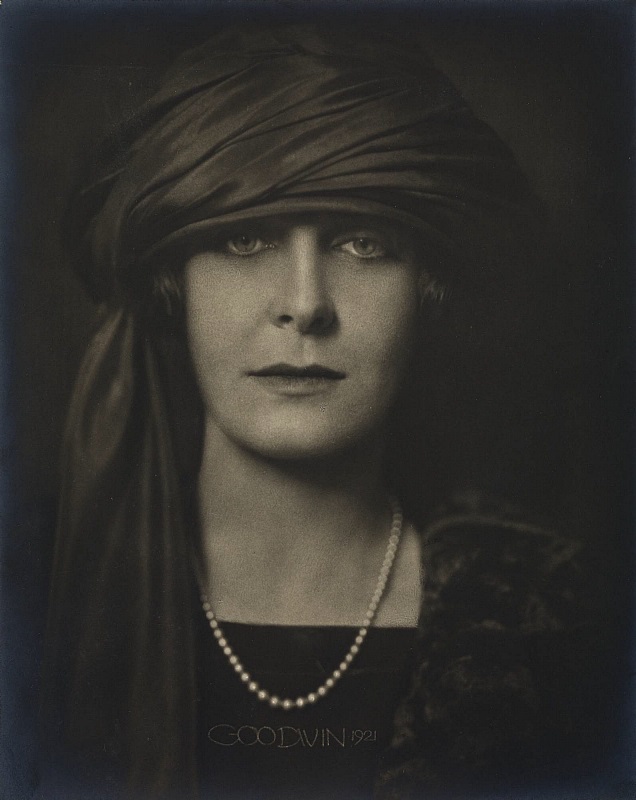
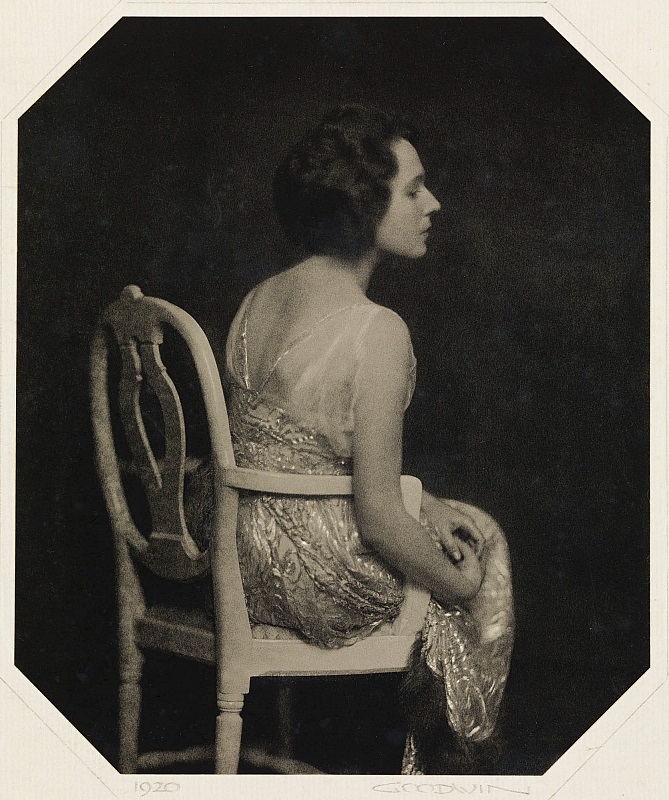
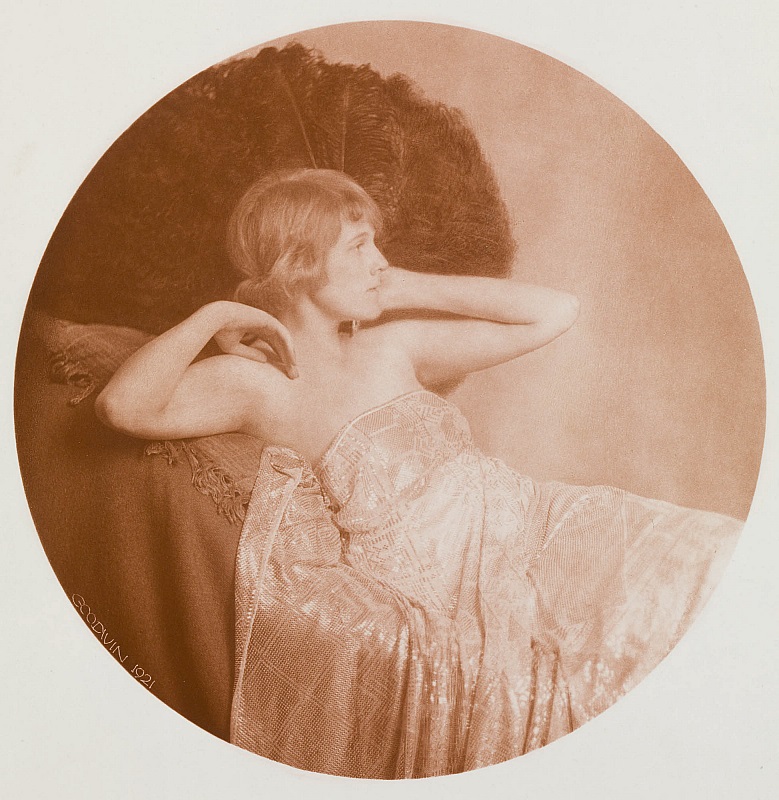
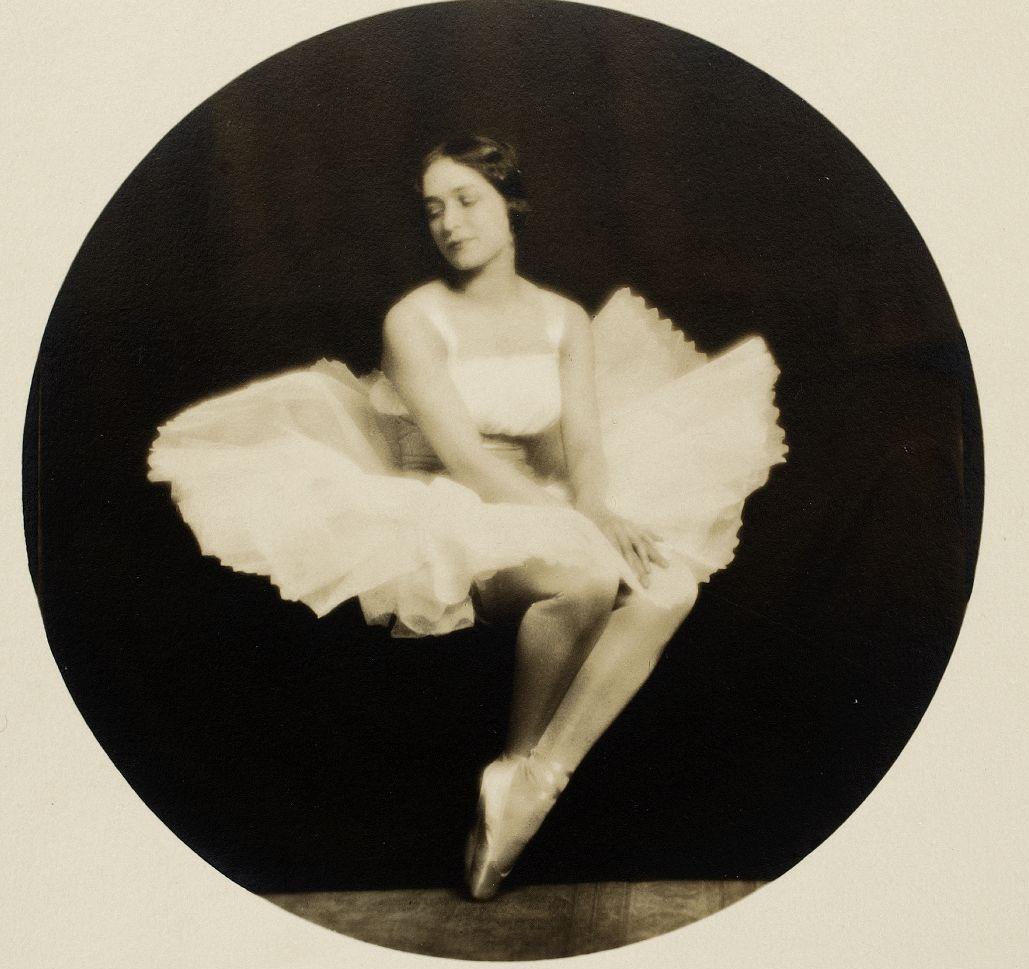
Henry B. Goodwin

« Dr. Henry Buergel Goodwin is one of Sweden´s most distinguished photographers ever. He was active in Sweden during and after World War I. Henry B. Goodwin was born in Munich, Germany, on February 20, 1878. He was christened Karl Heinrich Hugo, but after he had graduated from the University of Leipzig in 1903, he started to gradually change his name to give it an English-like touch by calling himself Buergel instead of Bürgel. He also converted from Catholicism to the Anglican Church. Young Heinrich was an Anglophile and was preparing himself for a future life in Great Britain. At the University of Leipzig Heinrich studied Nordic languages and wrote his doctor´s thesis on an old Icelandic manuscript. During his university years in Leipzig he also studied photography with Nicola Perscheid, who was one of the real great photographic masters in Europe at the turn of the century. » from henrygoodwin.se


                                Henry B. Goodwin – Nude Study, 1915

Henry B. Goodwin - Alfa Chiotrix portrait of ,Karin Bergstrom 1920 From Henry B. Goodwin by Olle Östlund, Ed ° Carlsson ,199

Henry B. Goodwin – Alfa Chiotrix portrait of ,Karin Bergstrom 1920 From Henry B. Goodwin by Olle Östlund, Ed ° Carlsson ,199

Henry B. Goodwin -portrait Vaitt-Hair,Karin-Bergstrom 1920.

Henry B. Goodwin -portrait Vaitt-Hair,Karin-Bergstrom 1920.

Henry B Goodwin -Titel saknas, 1920 Gelatin Silver print

Henry B. Goodwin -Swedish Nude . sepia-toned photogravure. 1920s. Printed 1925.

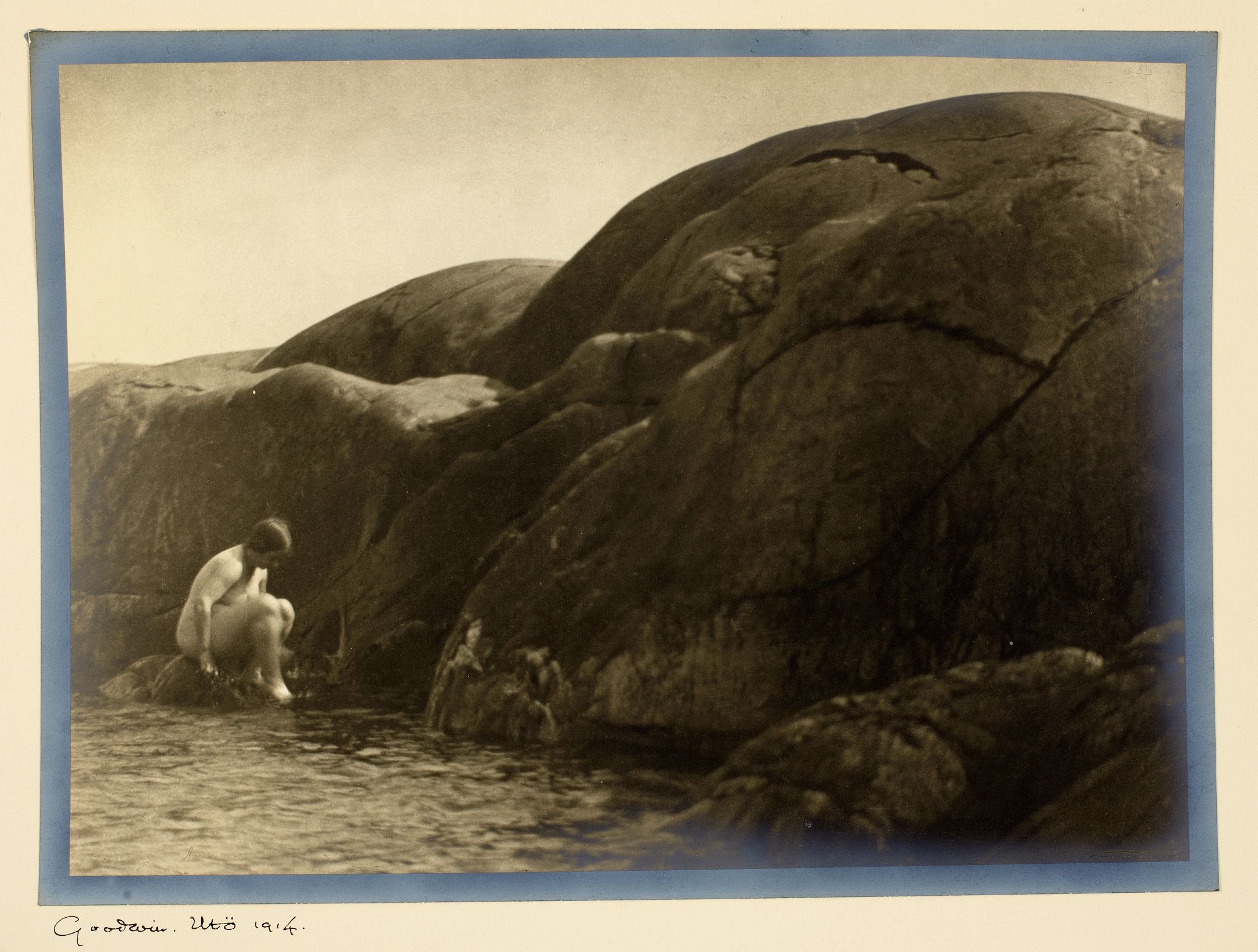
Henry B. Goodwin Utö 1914, gelatin silver print

Henry B. Goodwin Utö 1914, gelatin silver print

Henry B Goodwin. Nude, 1922

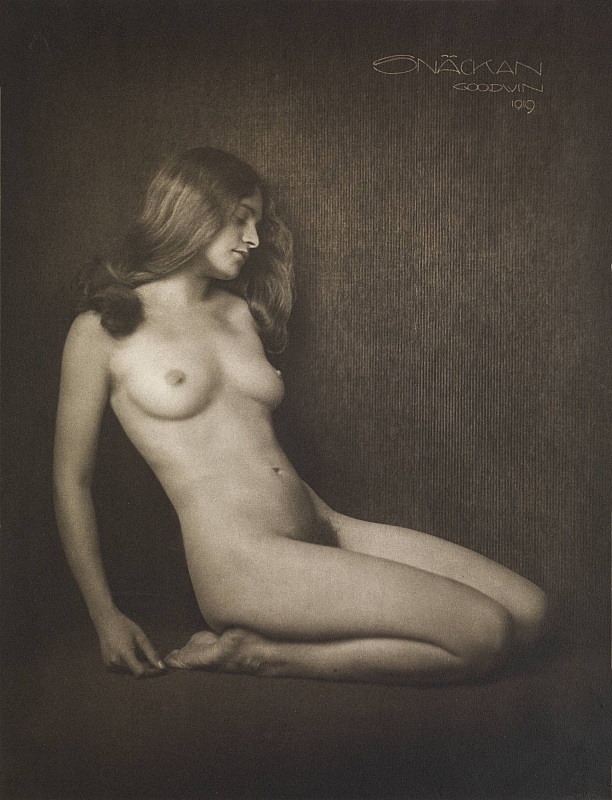
Henry B Goodwin – Snäckan, 1919

Henry B Goodwin -Nude Studies,1924 Gelatin Silver print

Henry B Goodwin -Titel saknas, ca 1920

Henry B Goodwin -Titel saknas, nd Gelatin Silver print

Henry B Goodwin -Titel saknas, ca 1920 Gelatin Silver print

Henry B Goodwin -Sittande kvinna med bar överkropp, 1920 Coal pigment photography

Henry B Goodwin -Senorita Rosita, 1922 My Spanish Model Gelatin Silver print

Henry B Goodwin -Titel saknas, 1923Color photography (Dye transfer) mounted on cardboard

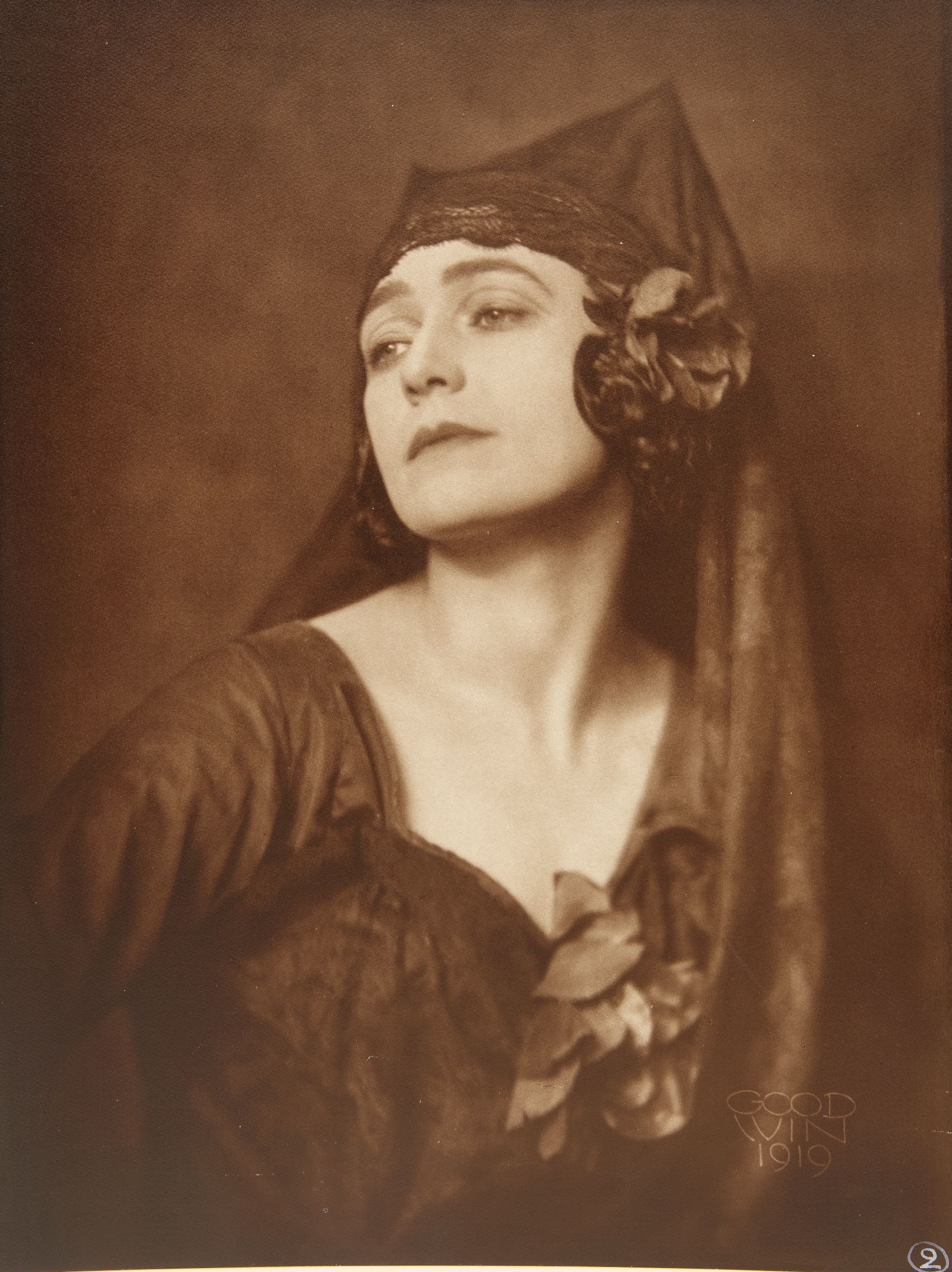
Henry B. Goodwin Portrait of an unknown woman 1918

Henry B. Goodwin Portrait of an unknown woman 1918

Henry B Goodwin -Lady Barclay, ca 1915 Gelatin Silver print

Henry B Goodwin -Titel saknas, 1920

Henry B. Goodwin Jenny Hasselqvist as Schereazade n.d.. Gelatin silver print

Henry B Goodwin – Meggie Albanesi, 1922

Henry B Goodwin Jenny Hasselquist 1915 gelatin silver print

Henry B Goodwin -Titel saknas, nd

Henry B Goodwin- Femme au chale et a la rose, 1920 gelatin silver print 1

Henry Buergel Goodwin- Dancer, 1916

Henry Buergel Goodwin- Dancer, 1916

Henry Buergel Goodwin- ballerina, 1922

Henry Buergel Goodwin- ballerina, 1922

Henry Buergel Goodwin- Gabo Falk, 1917, photogravure

Henry Buergel Goodwin- Gabo Falk, 1917, photogravure

Henry B. Goodwin Portrait Jenny Hasselquist 1919

Henry B. Goodwin Portrait Jenny Hasselquist 1919

Henry B Goodwin -Gerd Ribbing, 1921

Henry B. Goodwin Portrait Jenny Hasselquist as a sylphid, 1917,

Henry B. Goodwin Portrait Jenny Hasselquist as a sylphid, 1917

Henry Buergel Goodwin- Sylfid( Model jenny Hasselquist), 1917 from Photograms of the year, 1917-18 photogravure

Henry Buergel Goodwin- Sylfid( Model jenny Hasselquist), 1917 from Photograms of the year, 1917-18 photogravure

Henry B Goodwin -Vera Fokina, nd Gelatin Silver print

Henry B Goodwin -Vera Fokina, nd Gelatin Silver print

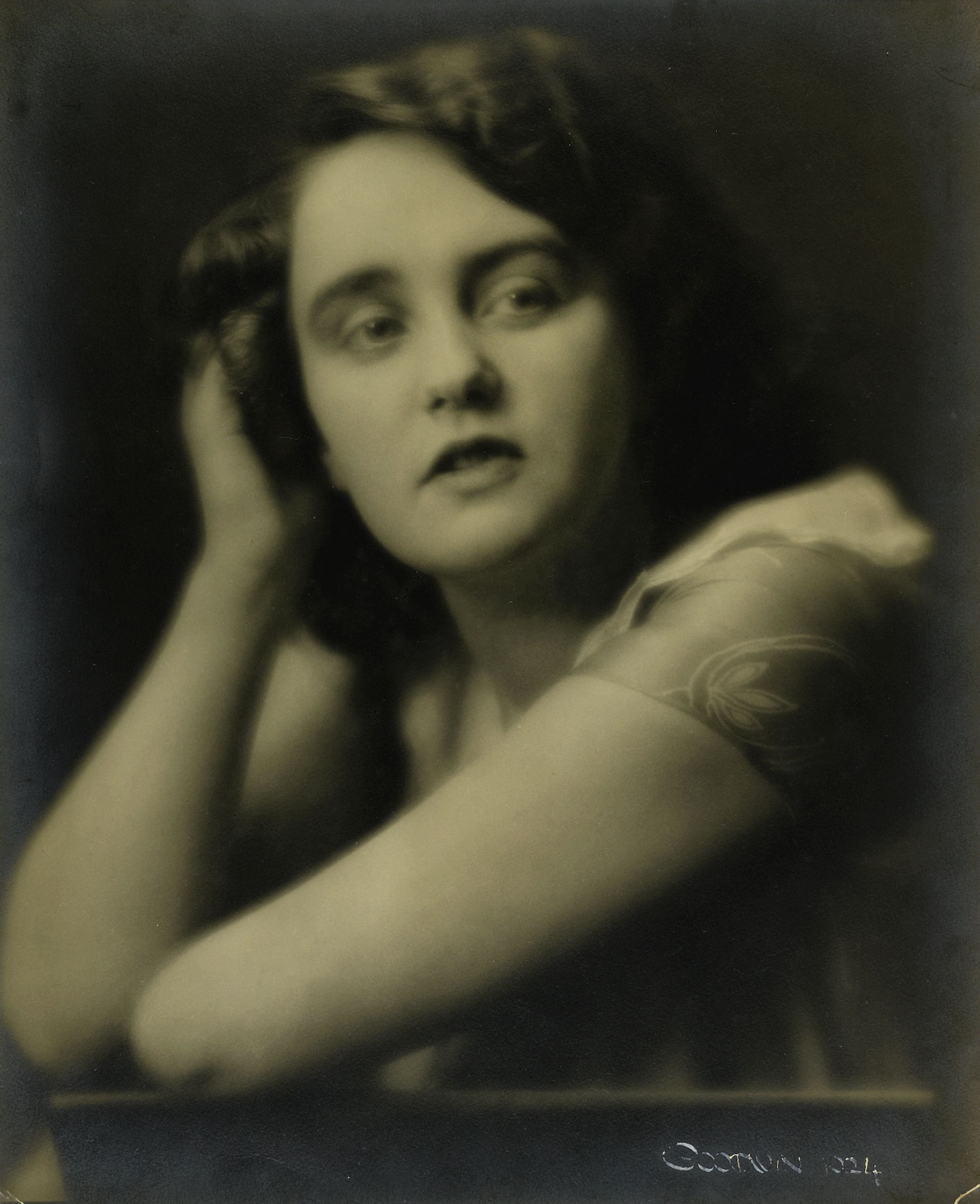
Henry B. Goodwin Porträtt av kvinna Signerad och daterad Goodwin 1924. Gelatinsilver

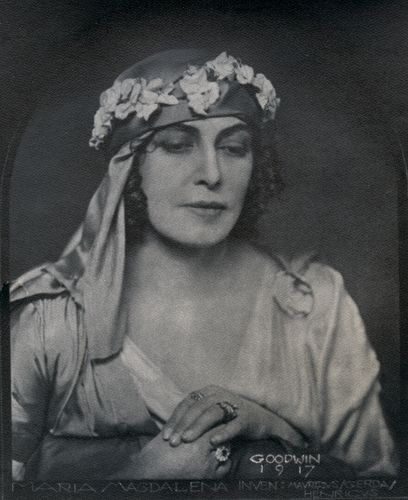
Henry B. Goodwin Gerda Lundequist, actor as Maria Magdalena 1917 Carbon print

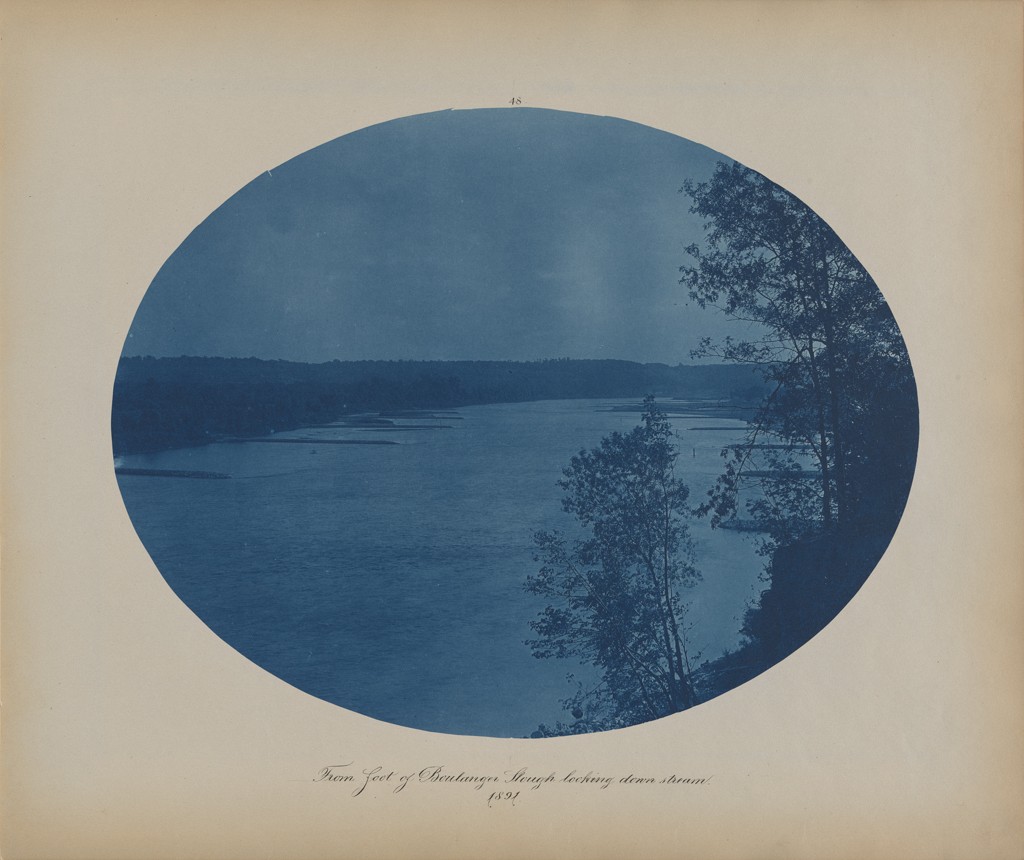
Henry Bosse American, 1844 - 1903 From Foot of Boulanger Slough Looking Downstream, Views on the Mississippi River, 1891 Cyanotype

Henry Bosse American, 1844 – 1903 From Foot of Boulanger Slough Looking Downstream, Views on the Mississippi River, 1891 Cyanotype


.henrygoodwin.

modernamuseet

more différent works on.flickr.com

Trude Fleischmann- Portraits of famous Dancers

Trude Fleischmann (1895-1990) est l’une des grandes photographes du 20e Siècle. Elle était une de ces jeunes photographes juives confiantes, qui ont  fait une carrière traditionnelle dans une profession masculine.  Elle a photographié les étoiles du théâtre, des danseurs et des intellectuels.  Trude a développé une passion pour la photographie dès son enfance, et est rapidement devenue l’un des plus grands photographes de portrait de Vienne peu après l’ouverture de son propre studio à l’âge de vingt-cinq ans. Même si elle est largement méconnue aujourd’hui, ses portraits  d’intellectuels et d’artistes, y compris Karl Kraus (1874-1936), Peter Altenberg (1859-1919), Adolf Loos (1870-1933), Alfred Polgar (1873-1955), Stefan Zweig (1881-1942), Alban Berg (1885-1935), Bruno Walter (1876-1962), Max Reinhardt (1873-1943), Paula Wessely (1907-2000) et Grete Wiesenthal (1885-1970), reste un témoignage important de la culture européenne du XXe siècle

Issue d’une  famille aisée, elle peut recevoir le  soutien financier nécessaire  dans son début de carrière. Sa formation comprend un semestre à étudier l’histoire de l’art à Paris et trois ans au « Lehr-und Versuchsanstalt für Photographie und Reproduktionsverfahren, » où les femmes avaient été autorisés à étudier  la photographie  depuis 1908. Après avoir terminé ses études en Juillet 1916, elle est devenue  apprentie photo-finition dans l’atelier de la  portraitiste bien connue madame d’ora (Dora Kallmus et son mari…. ), dont le travail qu’elle admirait. Parce que d’Ora se plaint de sa lenteur, Trude  quitte sa place après seulement deux semaines !!!! . Mais elle rebondie très vite car peu de temps après, Trude trouve une place auprès du photographe Hermann Schieberth, dont les clients de la scène culturelle et intellectuelle viennoise étaient très friands. En 1919, elle devient membre de la Société Photographique de Vienne. ( Les plus célèbres d’entre eux comprennent – aux côtés de Trude Fleischmann – Edith Barakovich, Grete Kolliner, Marianne Bergler, Pepa Feldscharek, Hella Katz, Steffi Brandl, Kitty Hoffman, Edith Glogau, Trude Geiringer et Dora Horowitz).

Après trois ans, et avec l’encouragement de sa mère et le soutien financier de sa famille, elle a fondé son propre studio en 1920. Elle a pu poursuivre une carrière réussie entre les deux guerres car elle réalises des photos de  mariages ou de baptêmes, et qu’elle reste sous contrat avec des magazines. Le « boom » de la photographie à cette période , lié à la croissance des magazines féminins ou non d’ailleurs , a également contribué à sa carrière.( par exemple Die Bühne, Moderne Welt, und Mode Welt et Uhu, en autriche, mais elle contribue aussi à la presse internationale)  Elle réalise des portraits artistiques des célébrité du monde des arts ( l’opéra (chefs d’orchestre et chanteurs) ,  la musique,  la danse et de théâtre) mais également des portrait de grands scientifiques, de politiciens et de professionnels de la photographie . Ainsi, elle devient  rapidement indispensable à la presse autrichienne et internationale.

Comme son cercle d’amis dans le monde de l’art a grandi, le studio de Fleischmann est devenu un lieu de rassemblement pour l’élite culturelle de Vienne. Son manque d’assignations fixes et les clients lui a permis plus de liberté dans ses choix de thématiques et son style. Elle a une façon bien particulière  de fixer l’expression des visages, et un regard érotiques sur les corps de ses sujets qui lui ai propre. L‘esthétique de  Fleischmann a ouvert une nouvelle ère: Elle a appelé à la présentation d’une « nudité naturelle », et elle s’efforçait de ne pas « ajouter » des effets de pose, sous couvert d’un travail  artistique pour montrer ces corps nus.

En toute logique, si l’on puis dire,  qui Fleischmann a été parmi les premiers à photographier les nouveaux styles de danse à Vienne se voit proposer en 1925 de faire  une exposition de ses photographies mettant en vedette la danseuse Claire Bauroff nue. Claire Bauroff dont le corps avait été très huilé, donnait ainsi aux cliché une  luminosité et  contrastes forts  pris devant un noir. Quelques années auparavant,  une telle mise en scène du corps nu aurait été impensable et  en outre, la production de photos de nus pendant une longue période a été réservée aux hommes, en cela Trude Fleischmann était une pionnière, et à gagné ses galons ainsi. Cette exposition fît scandale  et a fût  interdite et les planches confisquées par un procureur de district de Berlin pour  indécence.. une fois de plus , on note combien proposer du nu artistique est difficile et encore une fois, un des photographes dont nous parlons a été victime de censure

En raison de son origine juive Fleischmann a été obligé de chercher du travail ailleurs après 1938. Laissant derrière elle  la plupart de ses négatifs, elle émigre à Paris, Londres et finalement  à New York  avec l’aide de son élève et ancienne amante  Helen Post  (1907-1979 une photographe indépendante qui a photographié les tribus indiennes dans tout l’Ouest et du Sud-Ouest de 1936 à 1941 ). [Fleischmann, qui ne s’est jamais mariée, était une lesbienne et  a eu un certain nombre de relations avec des femmes connues].

Là bas,  Fleischmann poursuit une brillante carrière dans la photographie, d’abord avec The Post et, après 1940, dans son propre studio,  qu’elle a dirigé jusqu’en 1969 avec Frank Elmer, un autre émigré viennois.

Contrairement à son travail de jeunesse, beaucoup de ses photographies ultérieures sont des paysages urbains de New York, ainsi que des modèles de mode qu’ elle a souvent photographié pour Vogue.  Ses clients, sont aussi les émigrants de la scène culturelle européenne, comme Elisabeth Berger, Oskar Kokoschka, Lotte Lehmann, Otto von Habsburg , le comte Richard Coudenhove-Kalergi  et Arturo Toscanini.

En 1969, Fleischmann a pris sa retraite  en Suisse, affirmant qu’elle ne voulait pas retourner à Vienne en raison du comportement de la population pendant la guerre. Après un accident en 1987 qui l’a rendue handicapée, elle est retournée aux États-Unis pour vivre avec son neveu, le pianiste Stefan Carell, à Brewster, New York jusqu’à sa mort en 1990.

Voir aussi les autres article sur Trude Fleischmann Ici
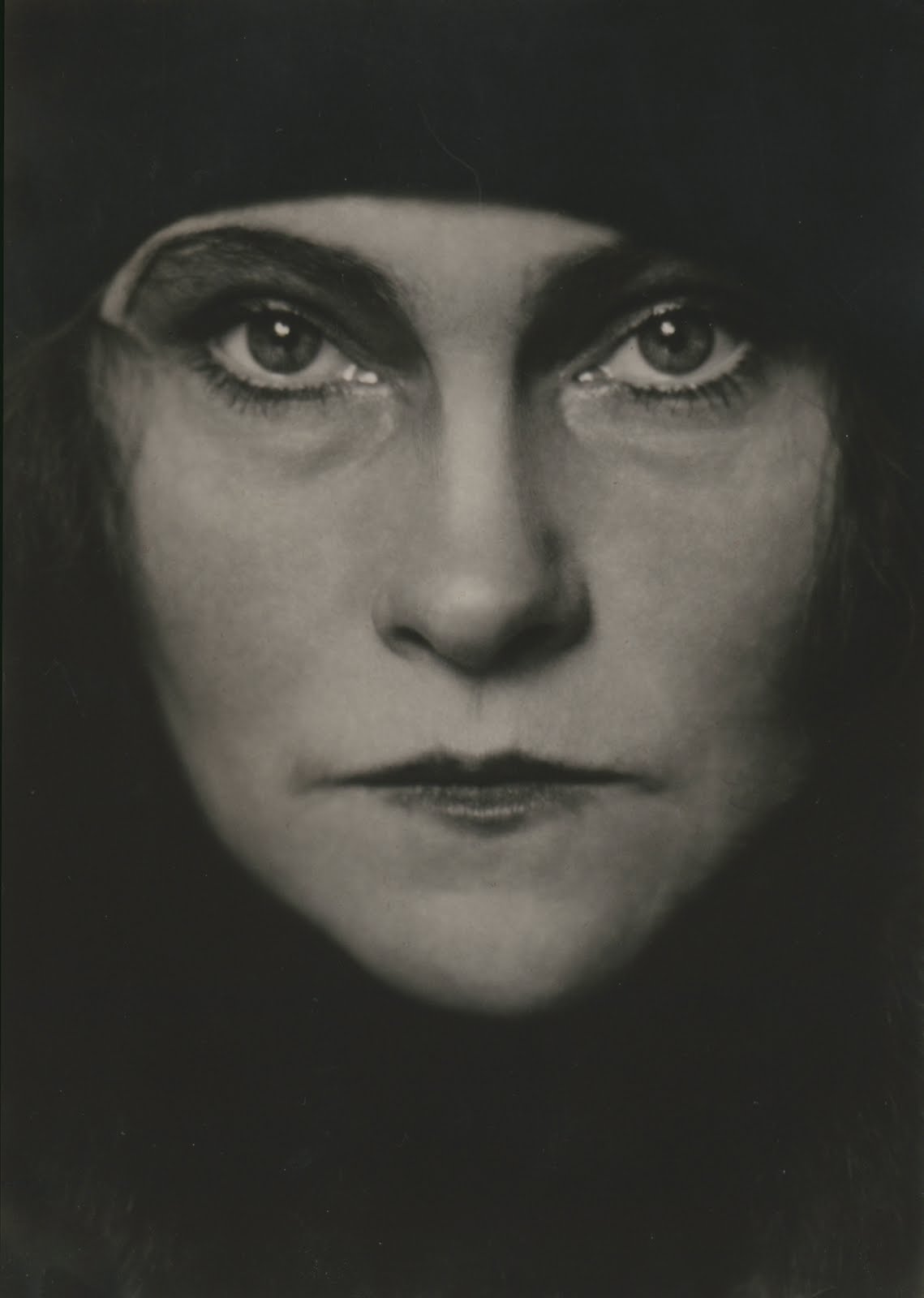
Fleischmann - Die Tänzerin Mila Cirul, Wien , 1935

Fleischmann – Die Tänzerin Mila Cirul, Wien , 1935
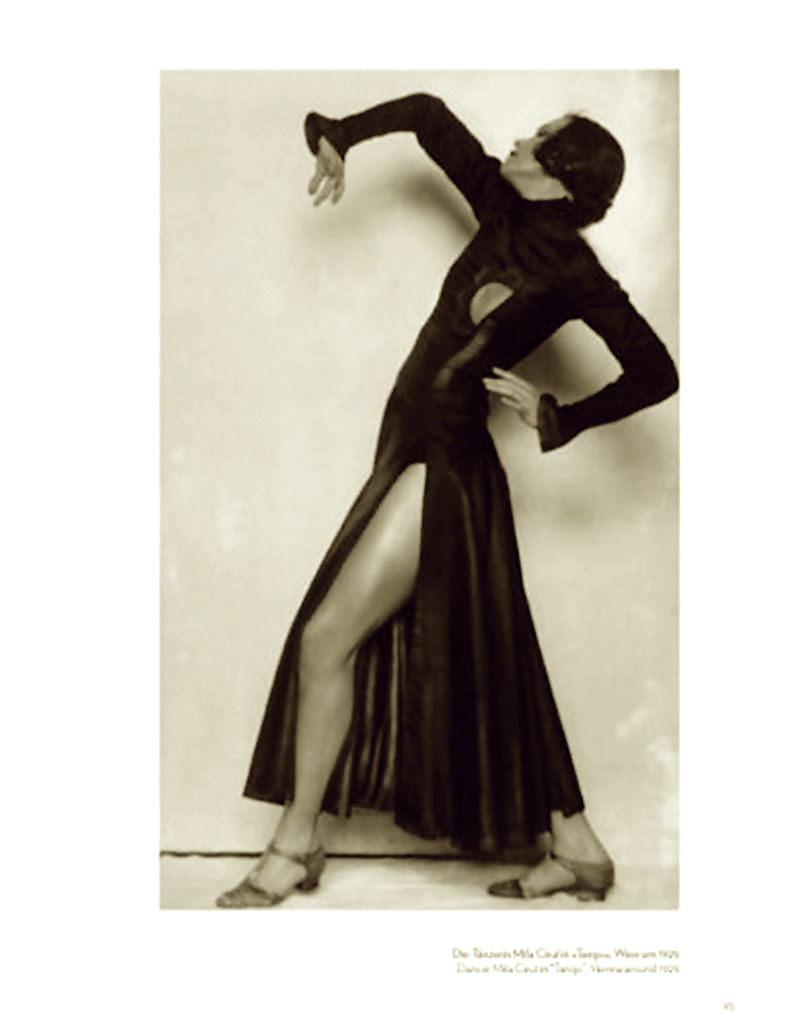
Trude Fleischmann - Die Tänzerin Mila Cirul, Wien, 1928

Trude Fleischmann – Die Tänzerin Mila Cirul, Wien, 1928
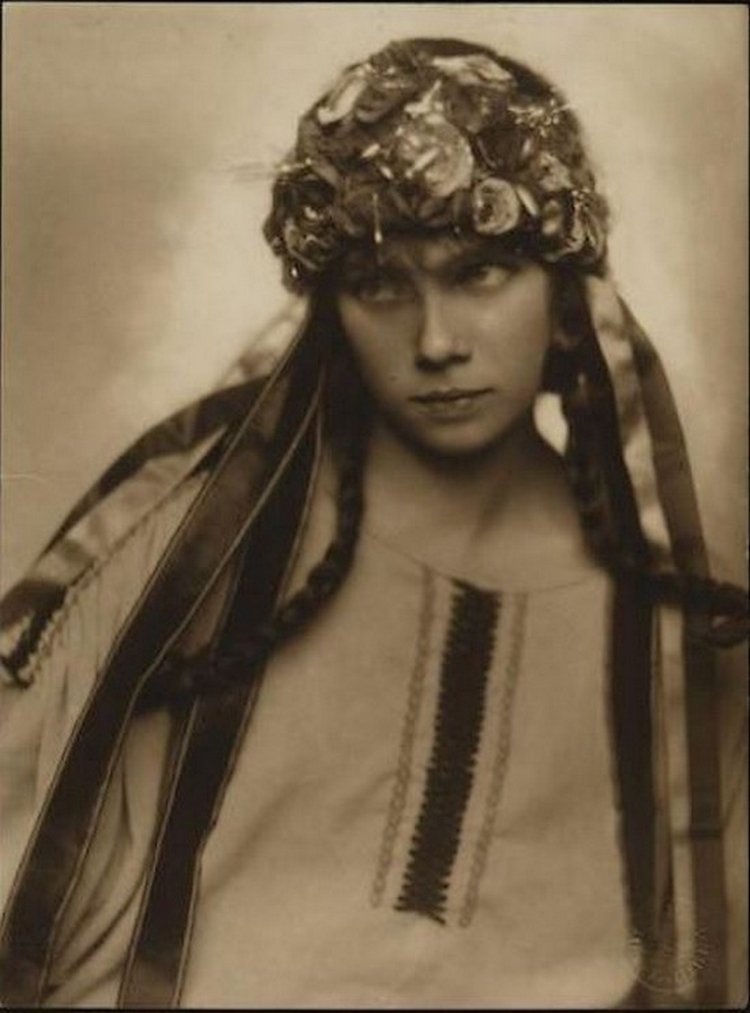
Trude Fleischmann- Tilly Losch in einem Rollenporträt, nd

Trude Fleischmann- Tilly Losch in einem Rollenporträt, nd

Trude Fleischmann – The dancer Tilly Losch ,1920-1930 Vintage silver print

Trude Fleischmann – Tilly Losch, 1925 gelatin silver print

Trude Fleischmann – Tilly Losch, 1925 gelatin silver print
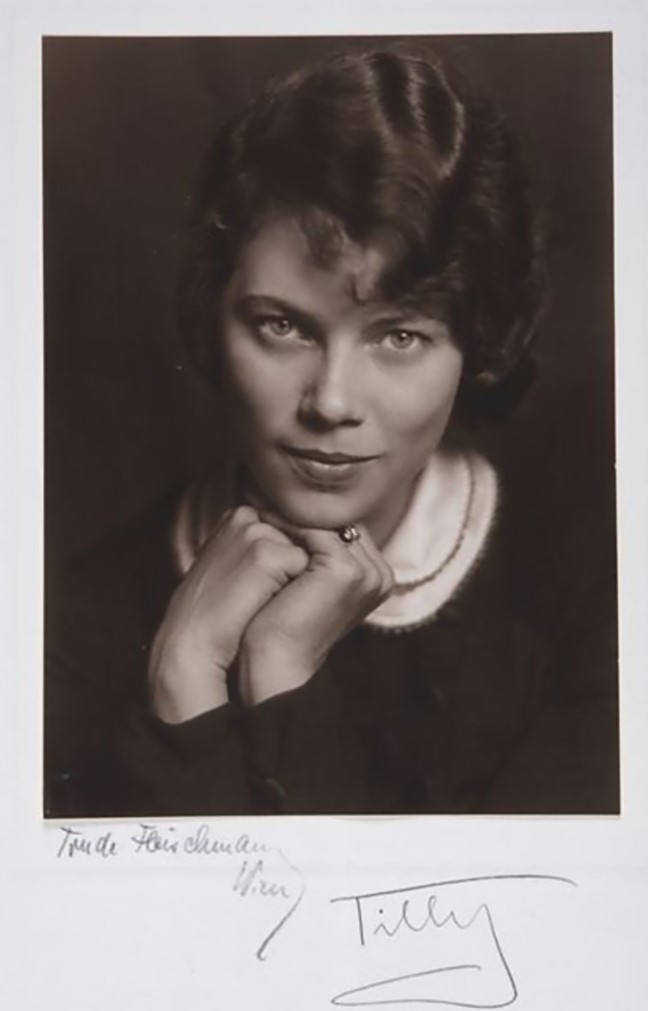
Trude Fleischmann – Tilly Losch, nd

Trude Fleischmann –Tilly Losch-James 1932 Vintage silver print,
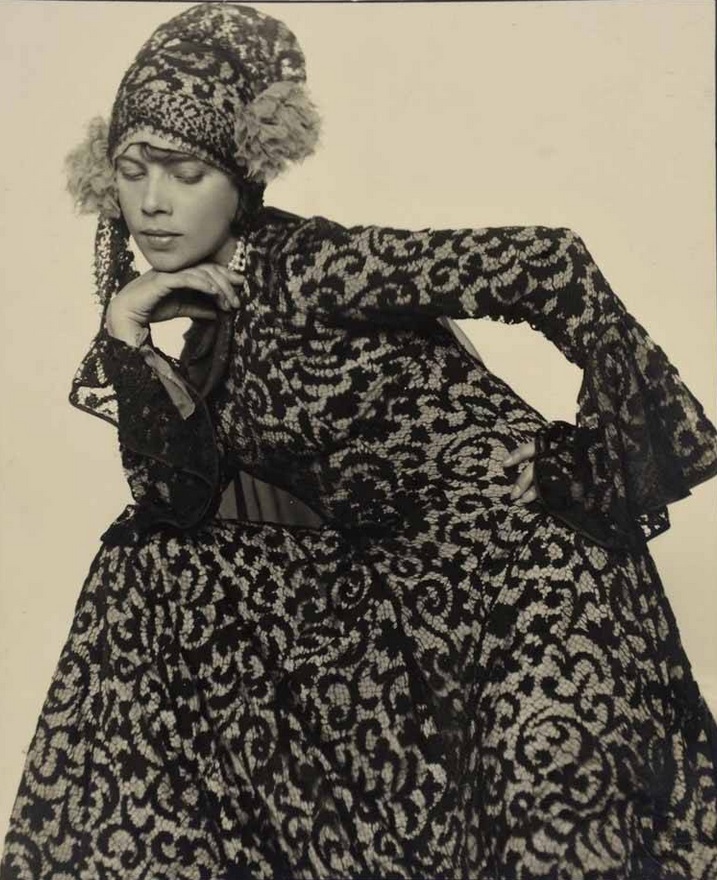
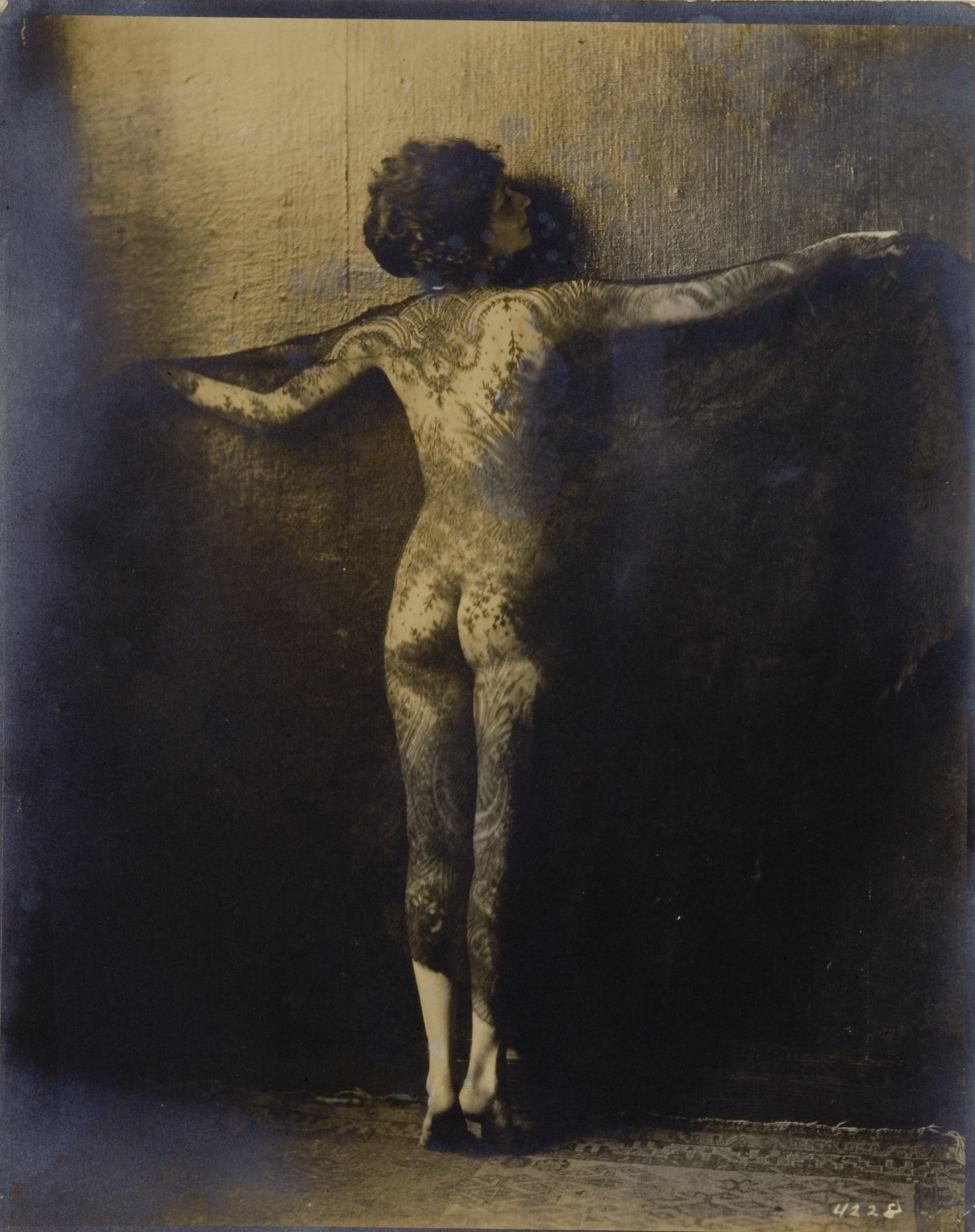
Trude Fleischmann -Tilly Losch im Spitzenkleid,1927
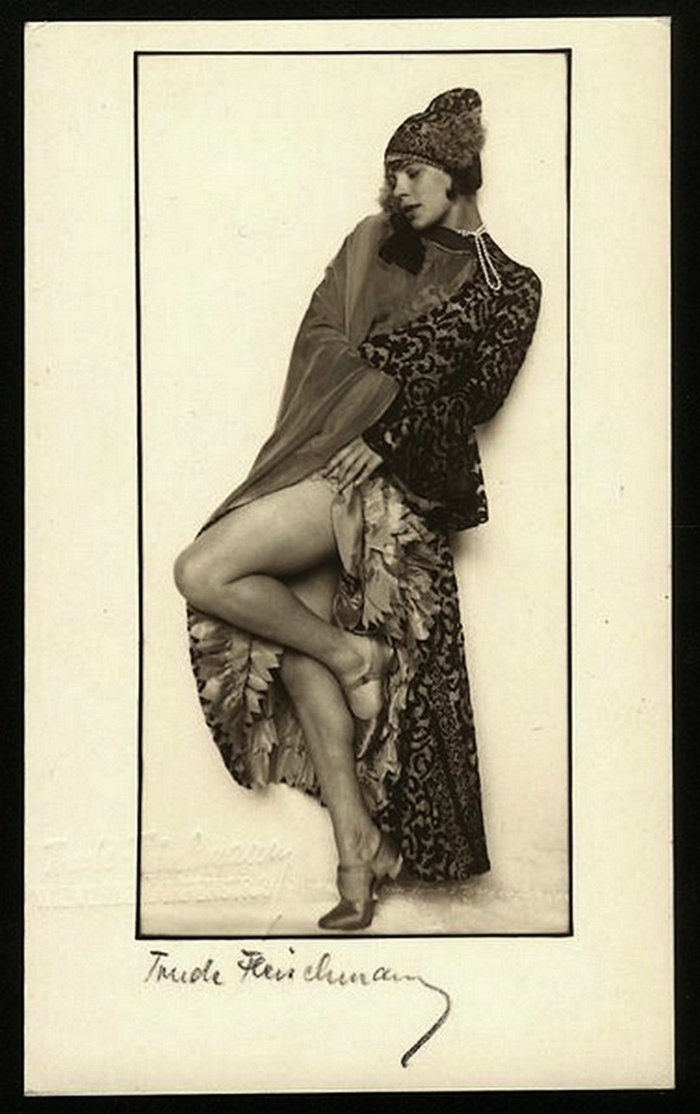
 

Trude Fleischmann -Tilly Losch 1929-30
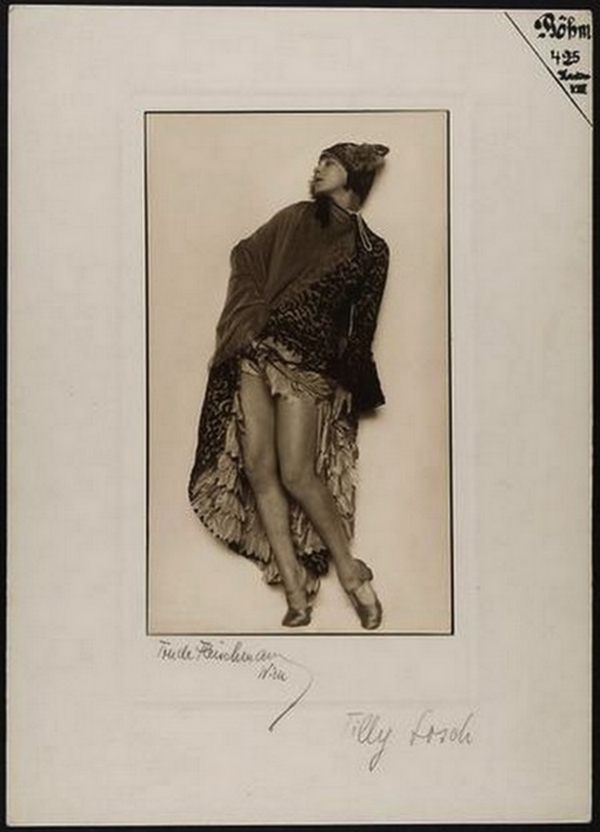
Trude Fleischmann -Tilly Losch 1929-30

Trude Fleischmann -Tilly Losch 1930

Trude Fleischmann -Tilly Losch 1930

Trude Fleischmann -2 plate of Tilly Losch im Spitzenkleid,1927
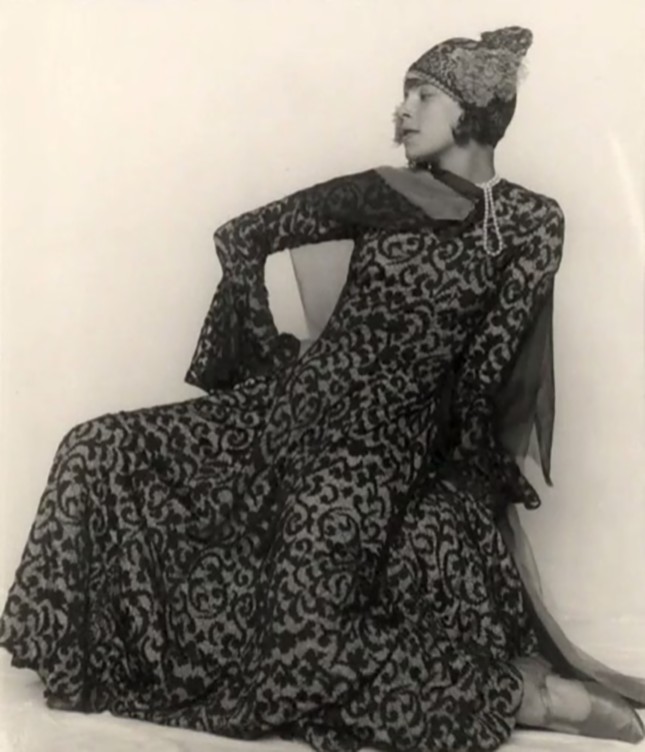
Trude Fleischmann -Tilly Losch im Spitzenkleid,1927
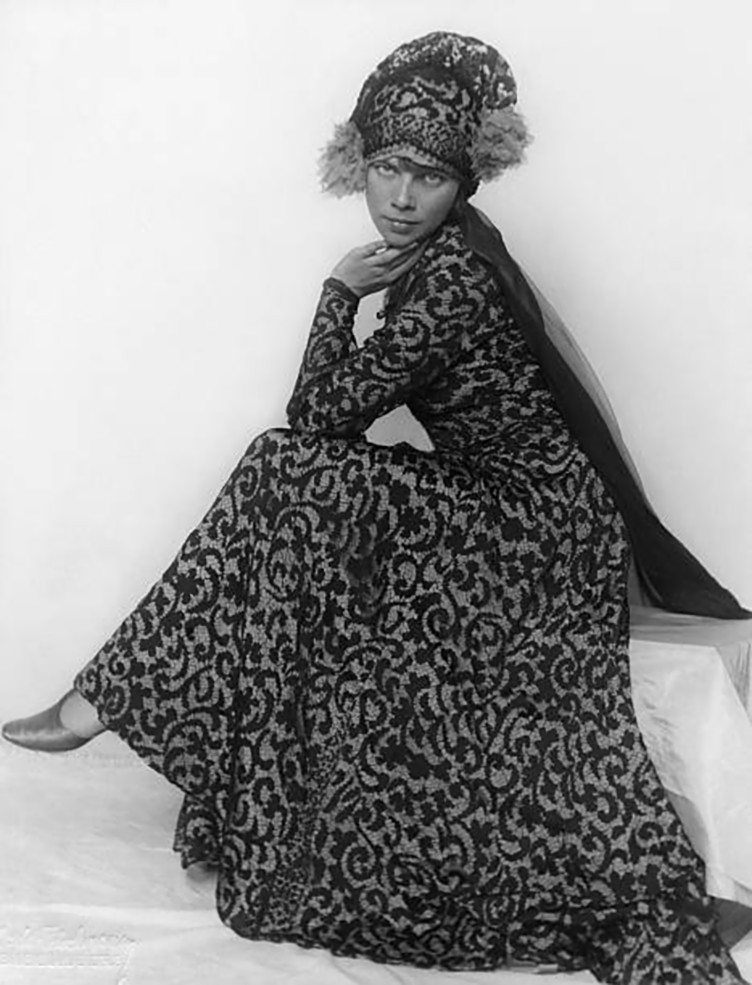
Trude Fleischmann – Tilly Losch , around 1928
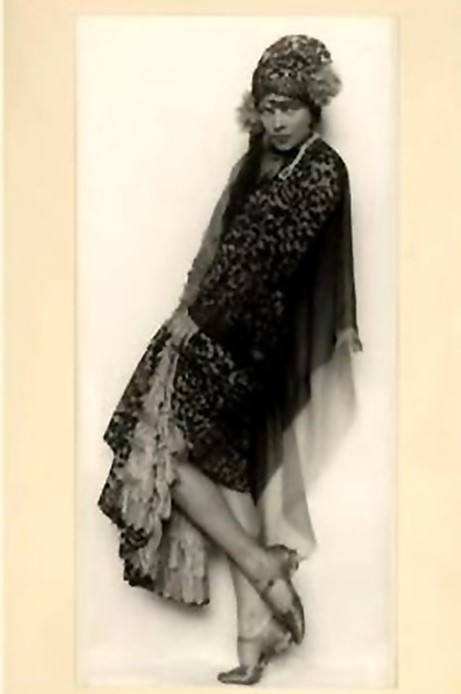
Trude Fleischmann -Tilly Losch im Spitzenkleid,1927
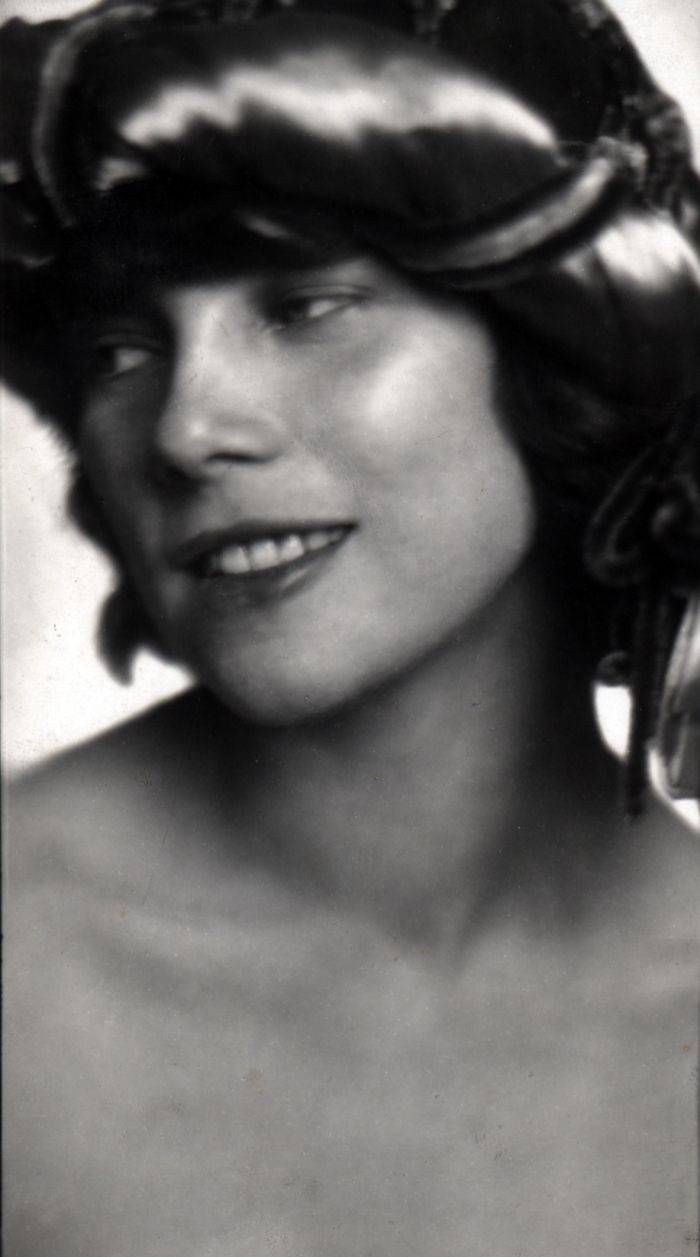
 

Trude Fleischmann- Tilly Losch ca.1925
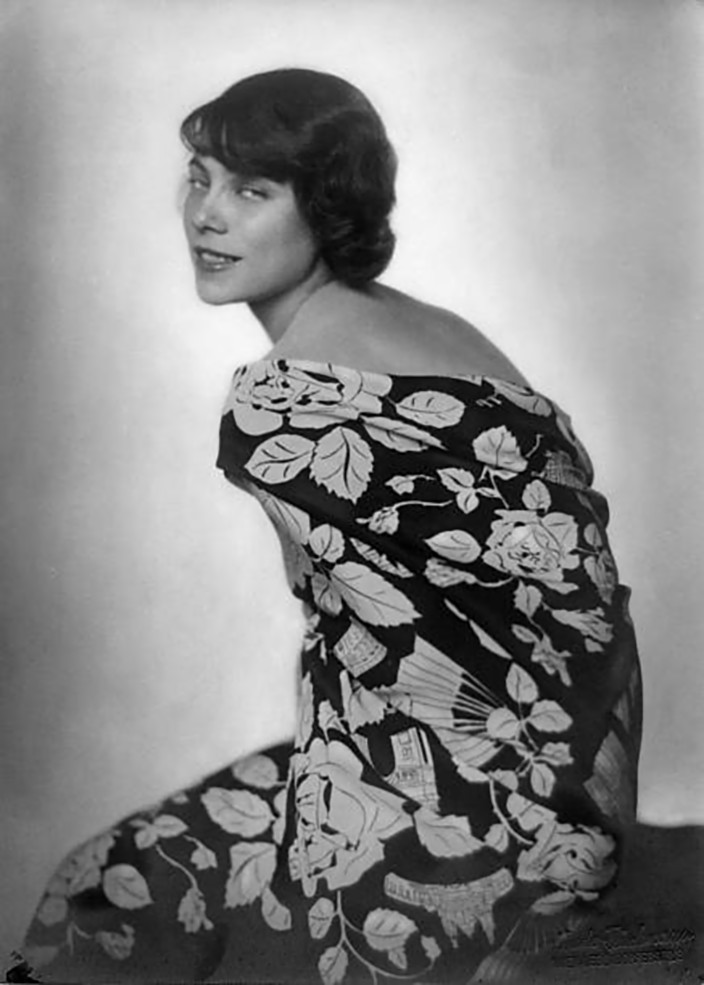
Trude Fleischmann- Tilly Losch ca.1925

Trude Fleischmann – Tilly Losch , around 1928

Trude Fleischmann -Helene Thimig als Cordelia , 1929 – 1929 gelatin silver print
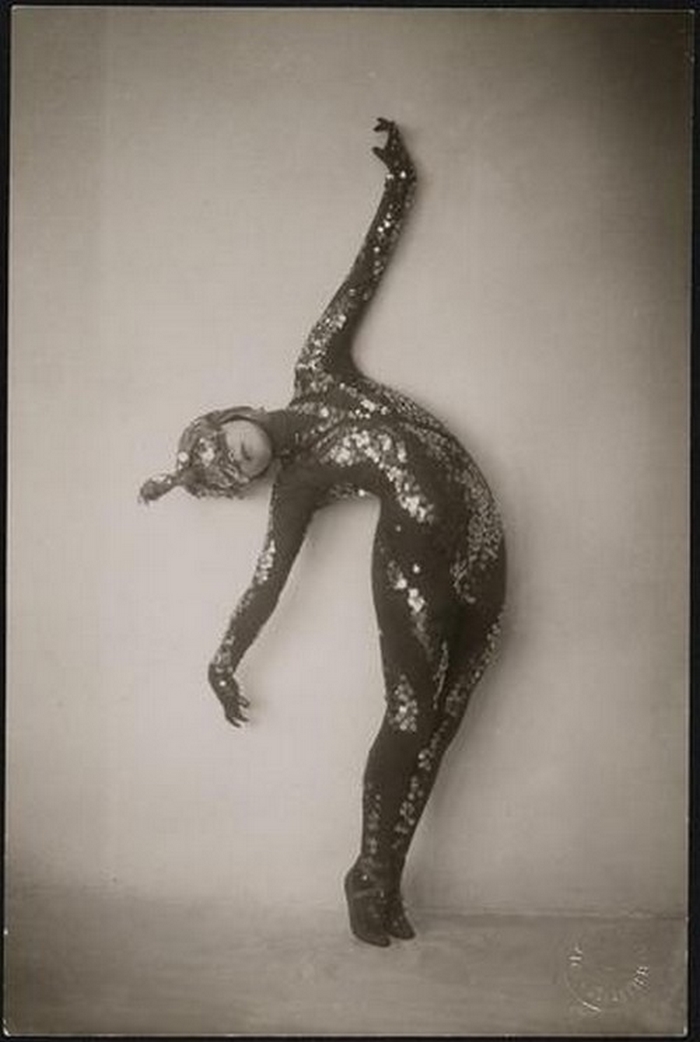
Trude Fleischmann - The dancer Tilly Losch, Vienna, 1922-25
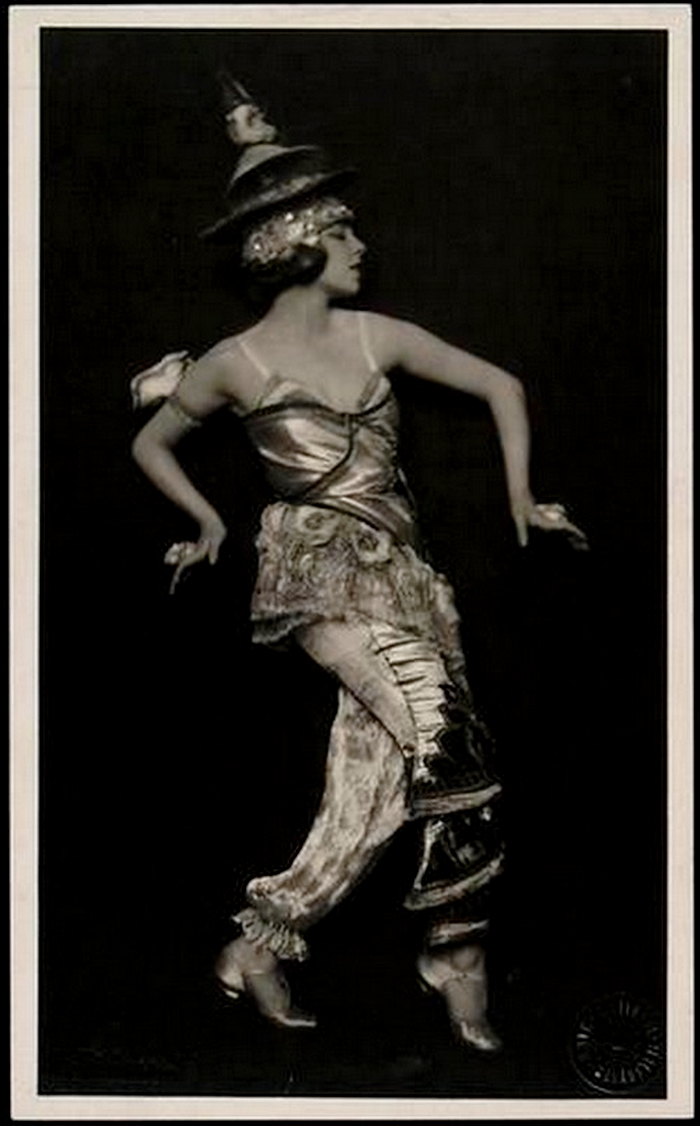
Trude Fleischmann – The dancer Tilly Losch, Vienna, 1922-25
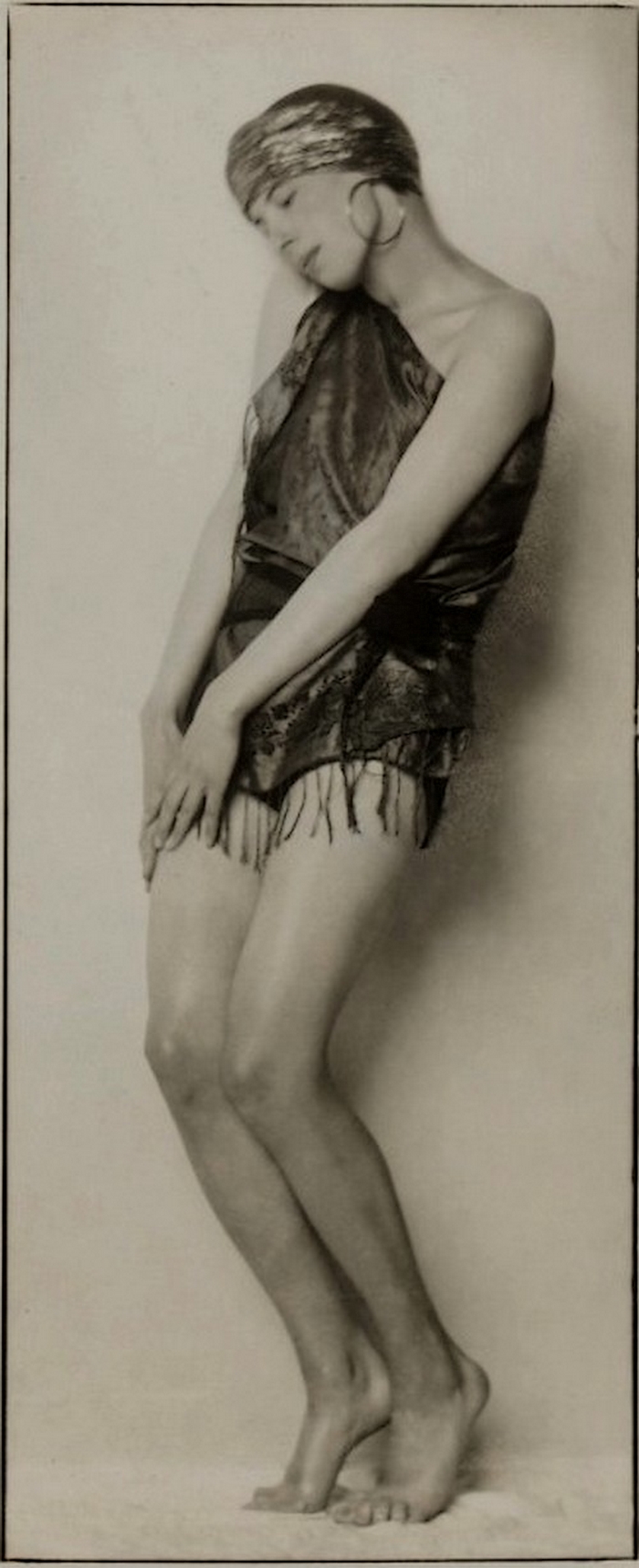
Trude Fleischmann - The dancer Tilly Losch, Vienna, 1922-25

Trude Fleischmann – The dancer Tilly Losch, Vienna, 1922-25

Trude Fleischmann - The dancer Tilly Losch, Vienna, 1929

Trude Fleischmann – The dancer Tilly Losch, Vienna, 1929
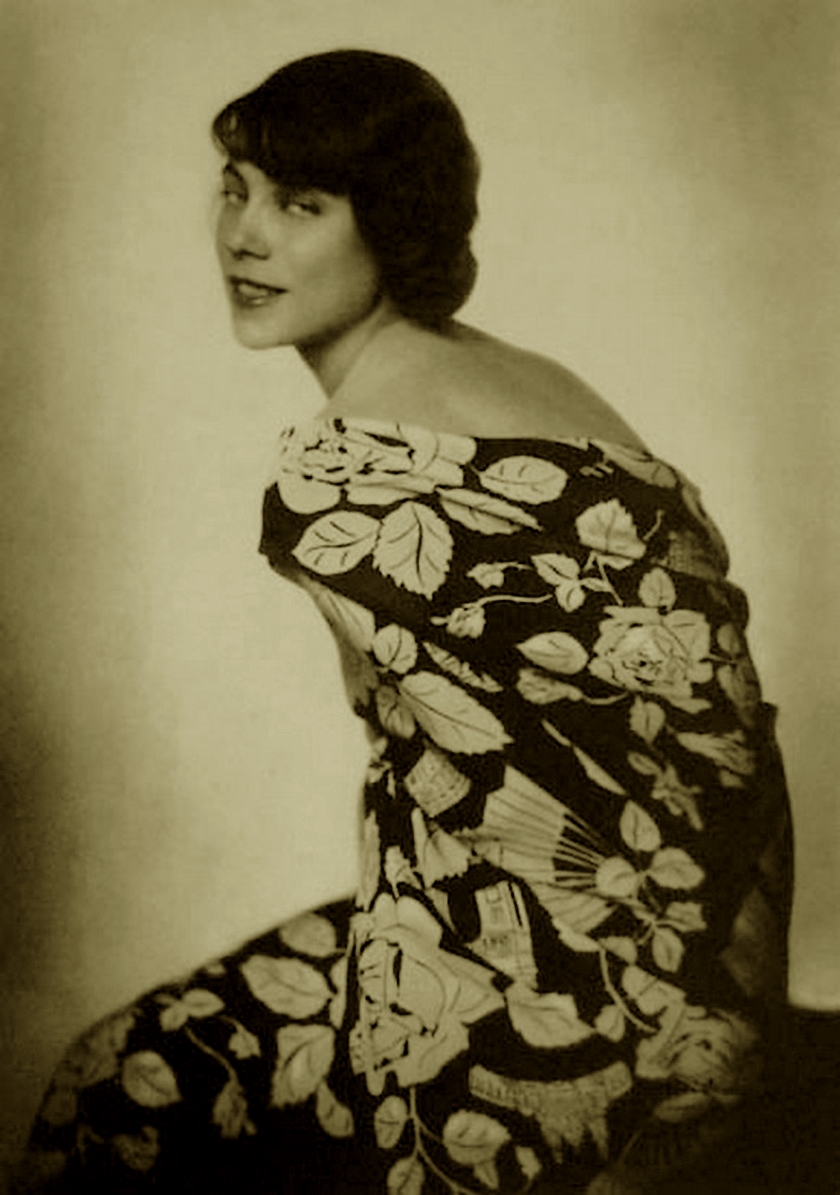
Trude Fleischmann- Tilly Losch , 1925

Trude Fleischmann- Tilly Losch , 1925

Trude Fleischmann –Helene Thimig 1927

Trude Fleischmann -The dancer Gertrud Falke from Leipzig , ca. 1927 ,Vintage silver print
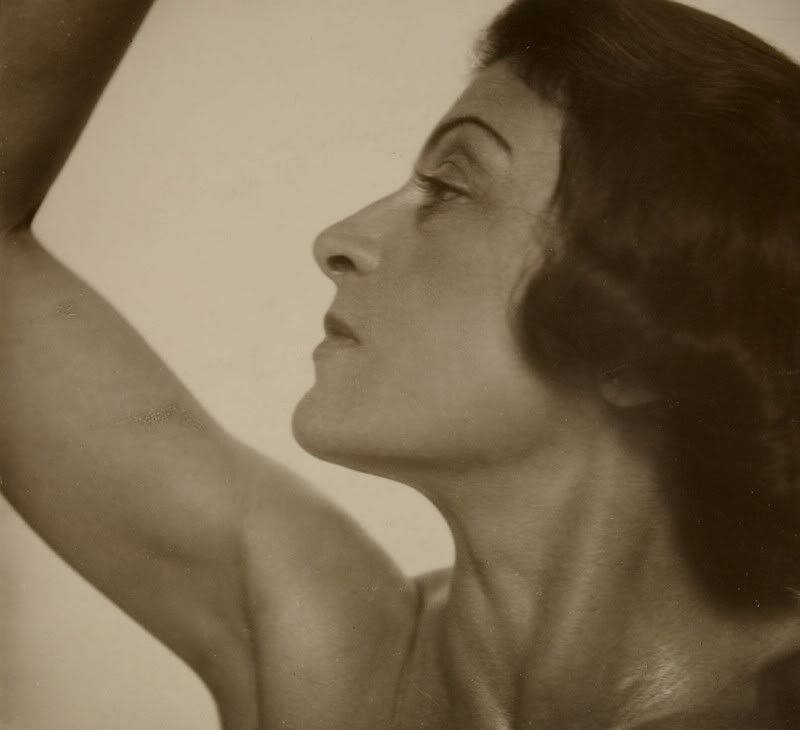
Trude Fleischmann - Hanne wassermann, Vienna, 1925-29

Trude Fleischmann – Hanne wassermann, Vienna, 1925-29
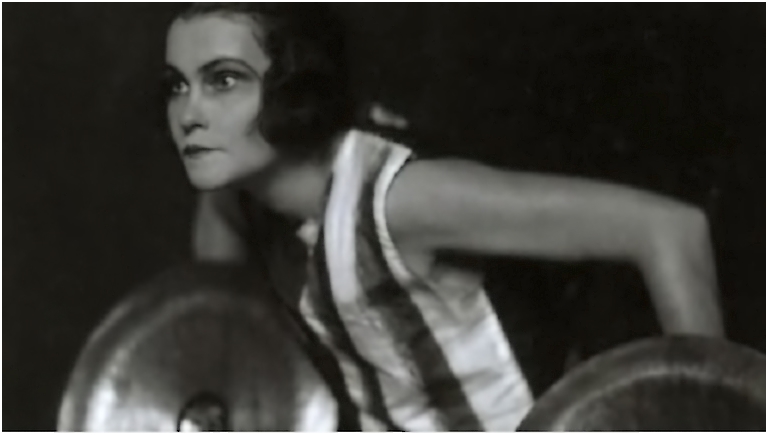
Trude Fleischmann- The dancer Berta Reidinger, 1929

Trude Fleischmann- The dancer Berta Reidinger, 1929

Trude Fleischmann – The dancers Mila Cirul and Julian Algo. Vienna. Photograph around 1926

Trude Fleischmann Mila Cirul and Julian Algo, Photograph, Around 1926
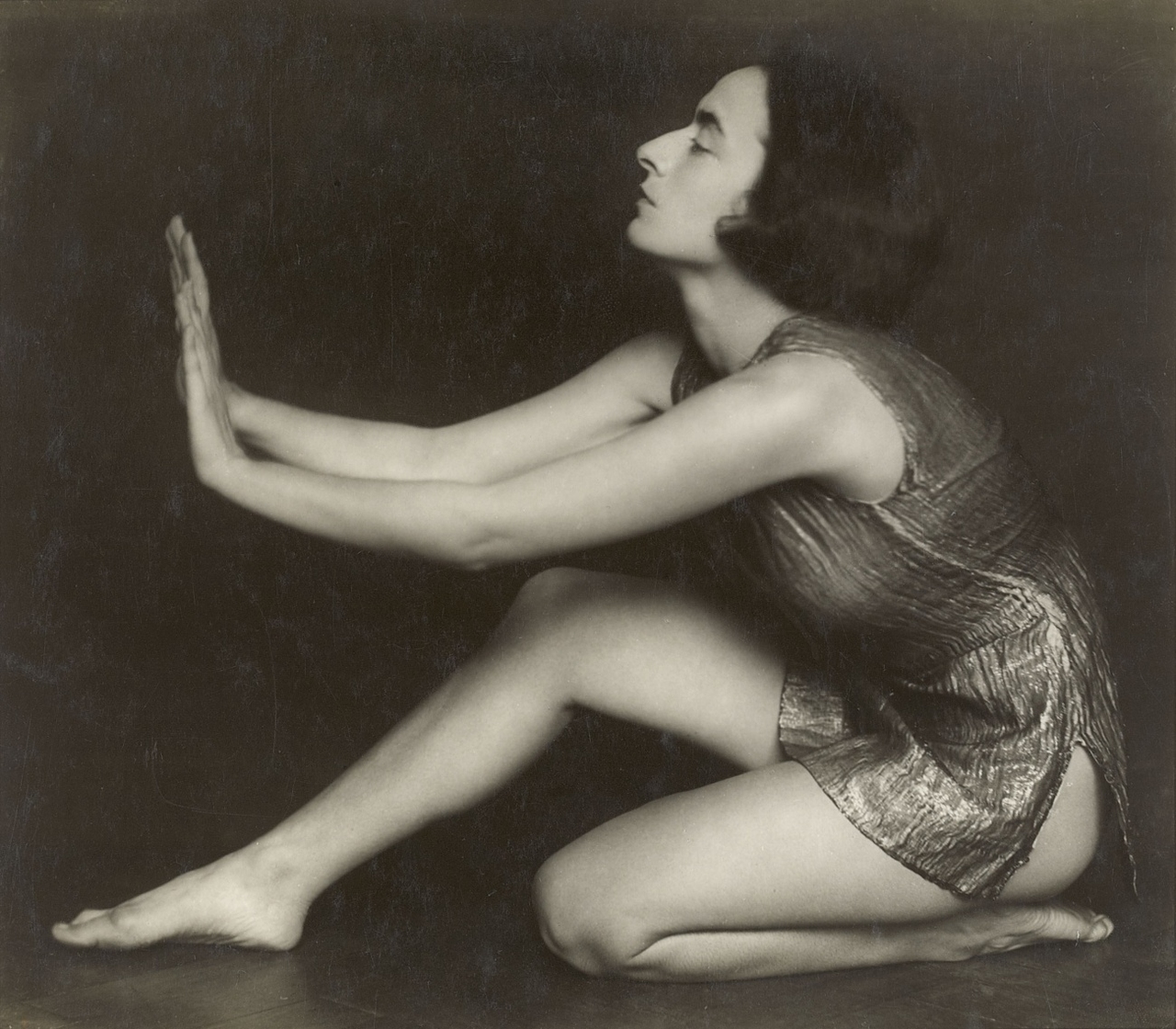
Trude Fleischmann- The dancer Berta Reidinger, 1929

Trude Fleischmann- The dancer Berta Reidinger, 1929

Trude Fleischmann – Katta Sterna,(Reinhardt stages), Bromide gelatin silver print Issued by Eckstein Dresden – produced in approx 1924
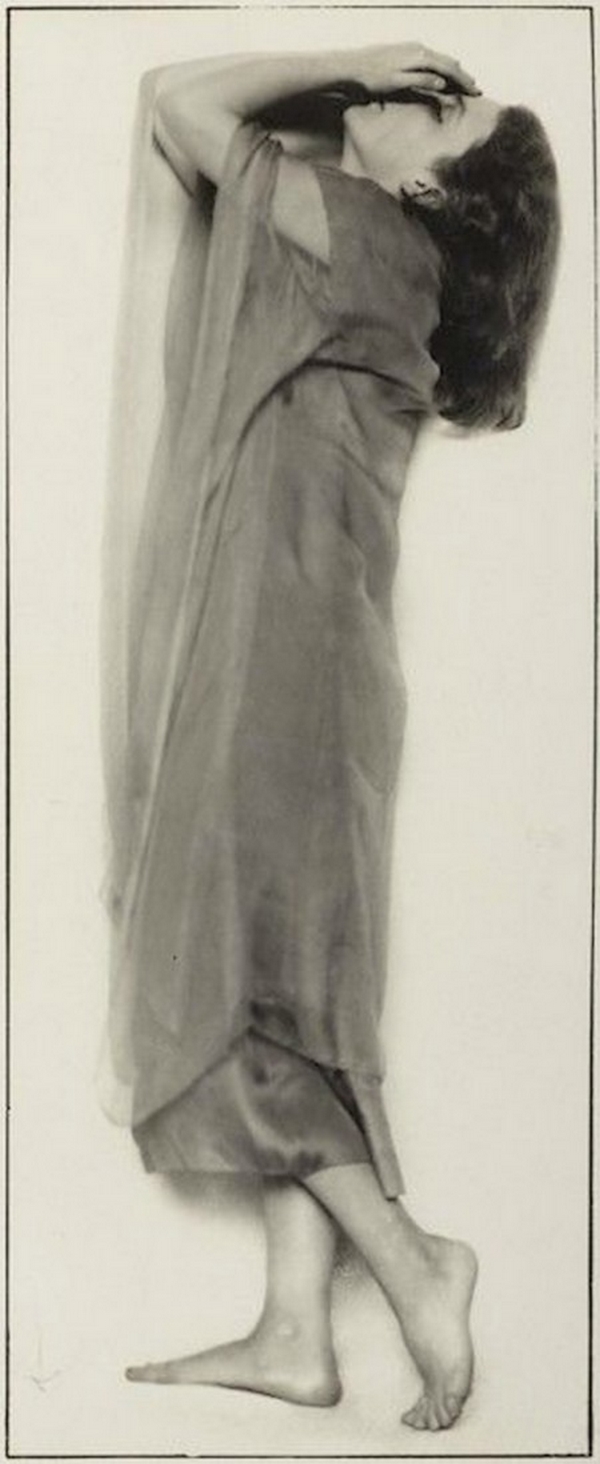
Trude Fleischmann-The dancer Niddy Impekoven, Vienna, 1927
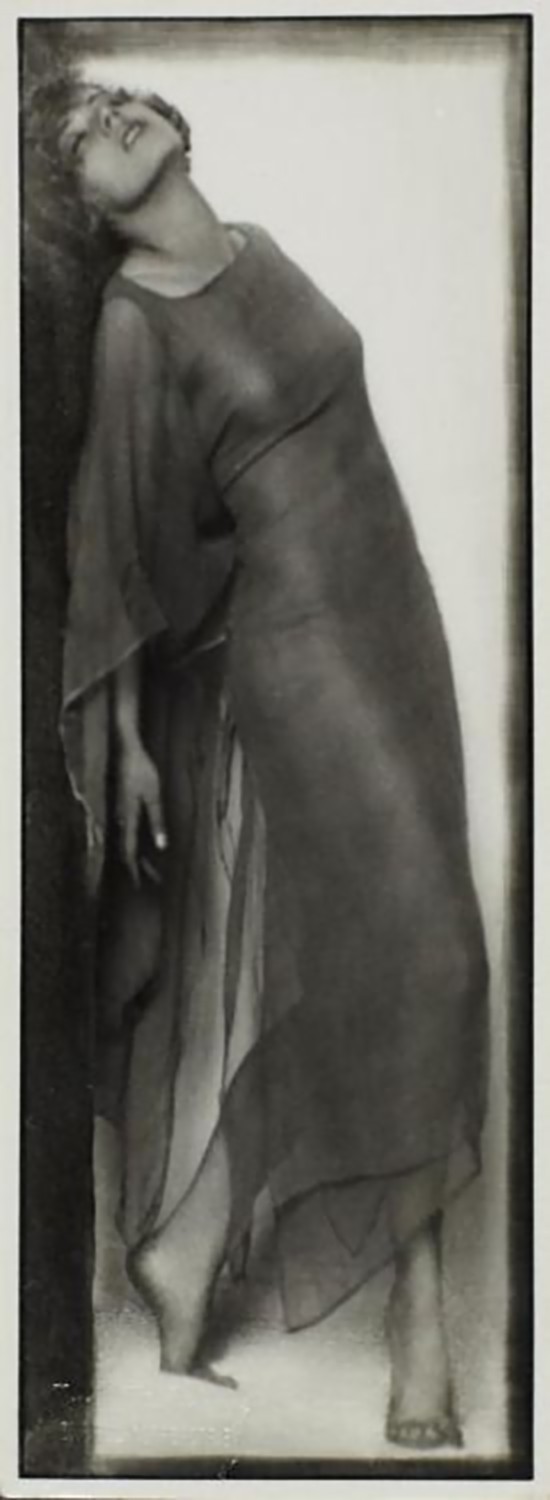
Trude Fleischmann-The dancer Niddy Impekoven, Vienna, 1927

Trude Fleischmann –Katta Sterna (dancer) 1925 Vintage silver print,
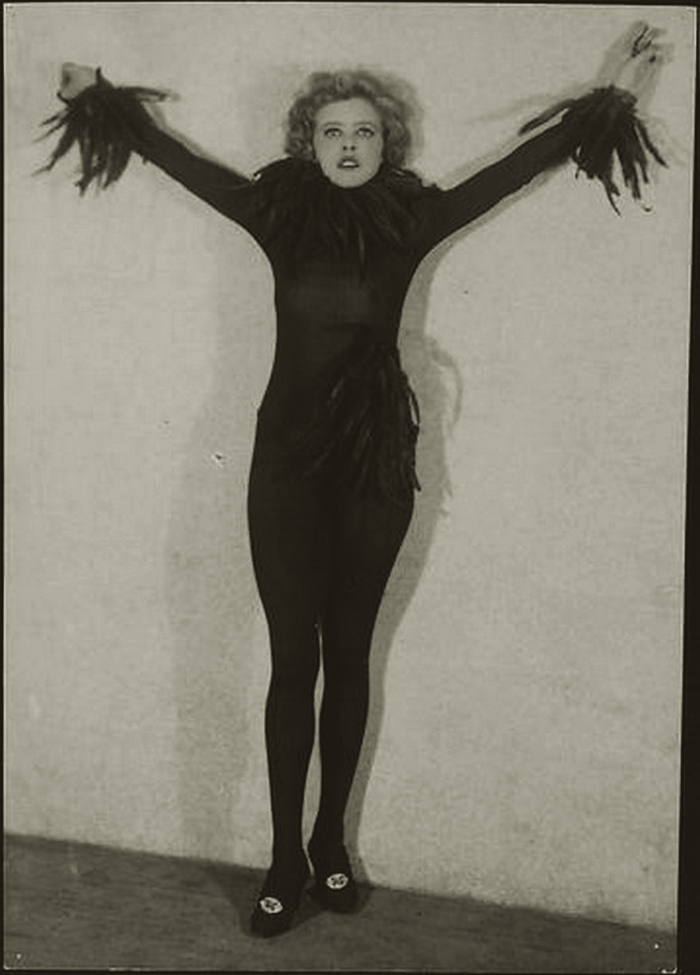
Trude Fleischmann - Margarethe Köppke as Lulu in Frank Wedekinds ,Erdgeist, 1930s
Trude Fleischmann – Margarethe Köppke as Lulu in Frank Wedekinds ,Erdgeist, 1930s

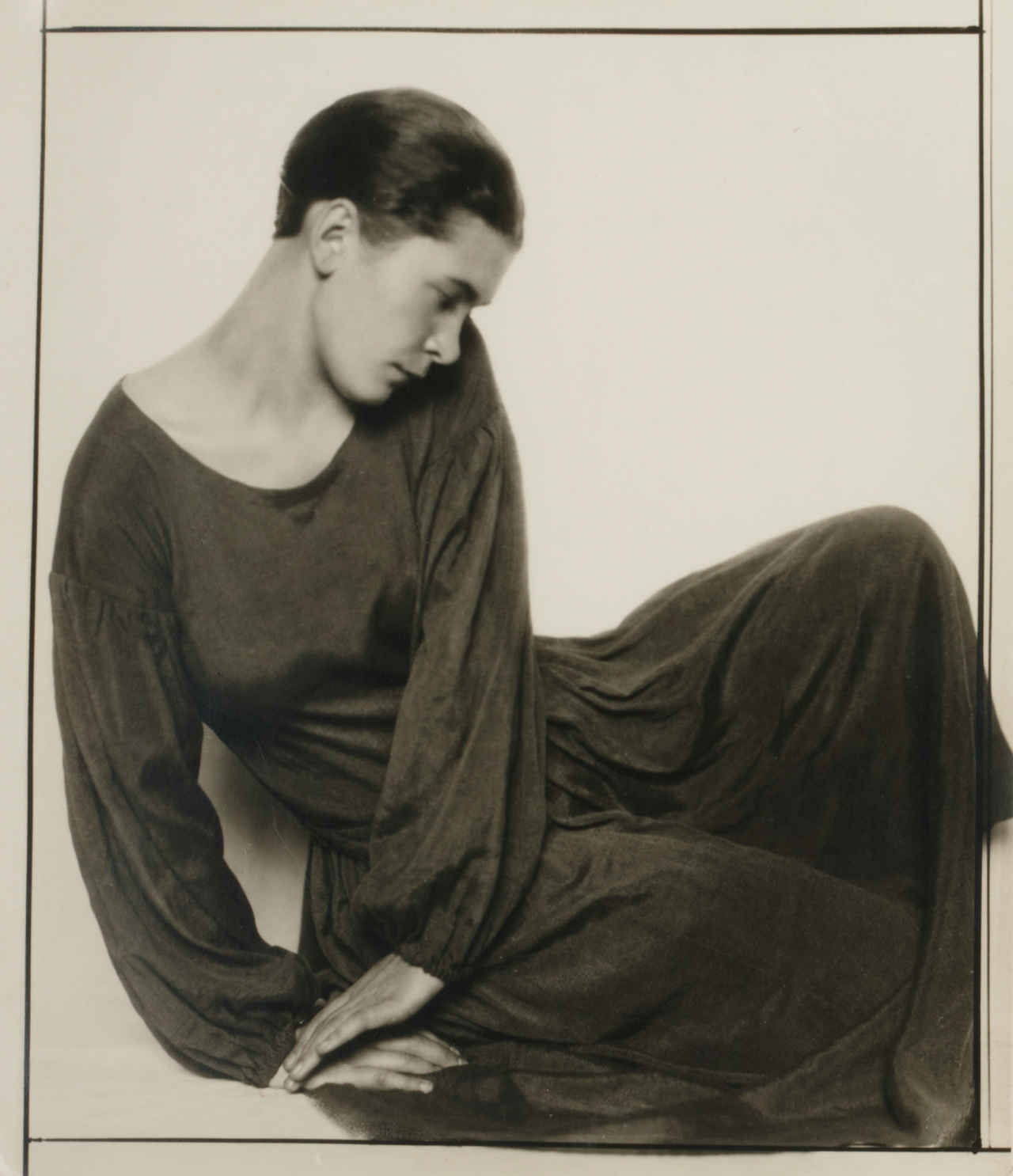
Trude Fleischmann, Dancer Ruth Maria Saliger, Vienna, 1929
Trude Fleischmann, Dancer Ruth Maria Saliger, Vienna, 1929

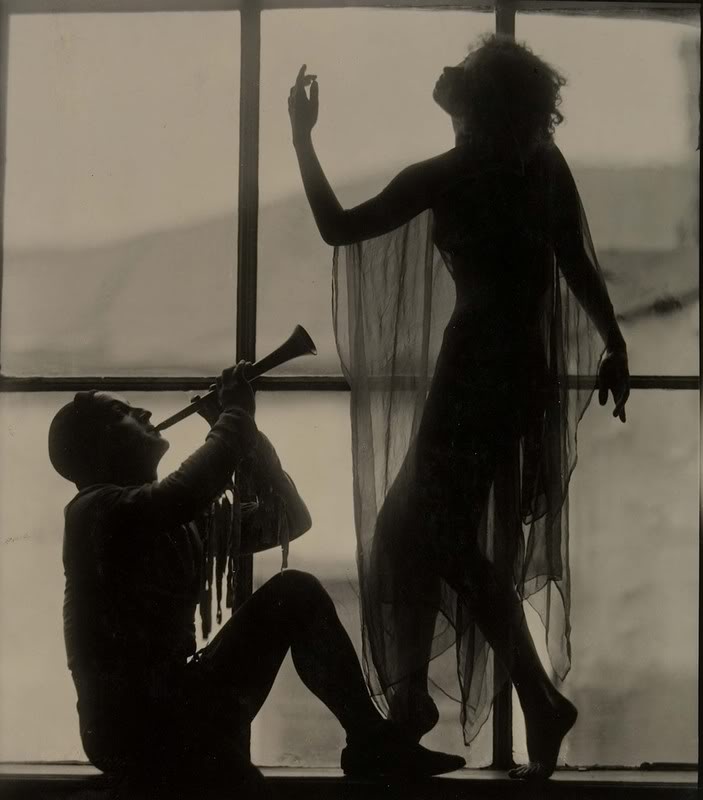
Trude Fleischmann-Ernst Matray & Katta Sterna , Berlin, 1928
Trude Fleischmann-Ernst Matray & Katta Sterna , Berlin, 1928

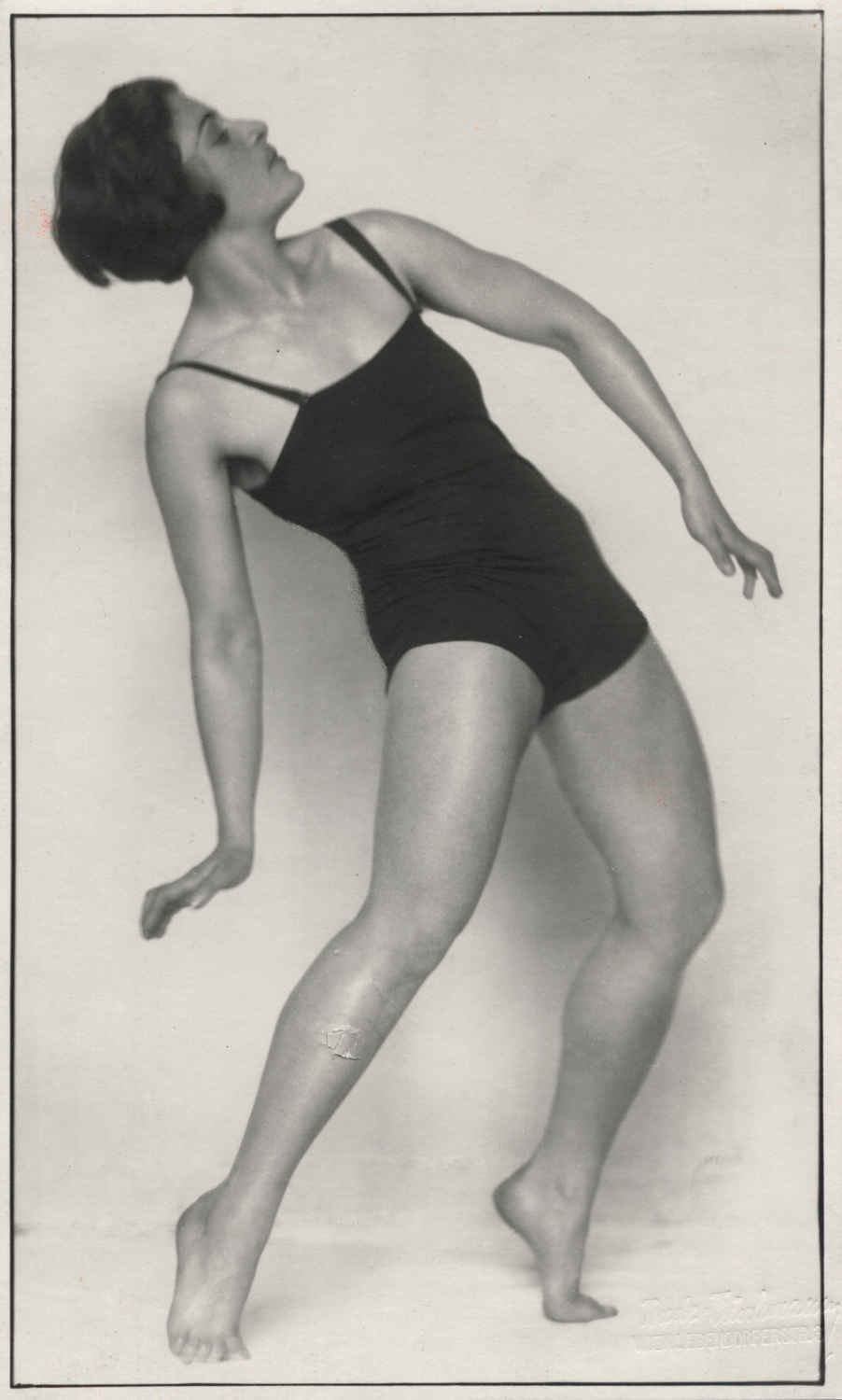
Trude Fleischmann, Hanne Wassermann dancing

Trude Fleischmann, Hanne Wassermann dancing, 1920 ( ?)
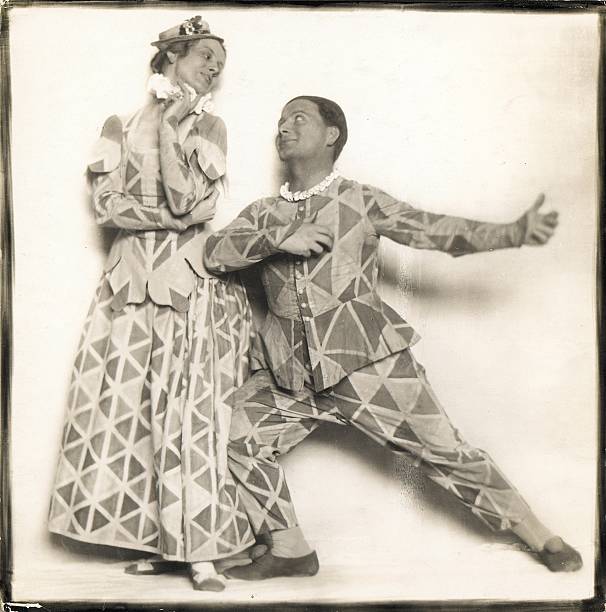
Trude Fleischmann Helene and Hermann Thimig in Goldoni play. Production by M. Reinhardt. 1924
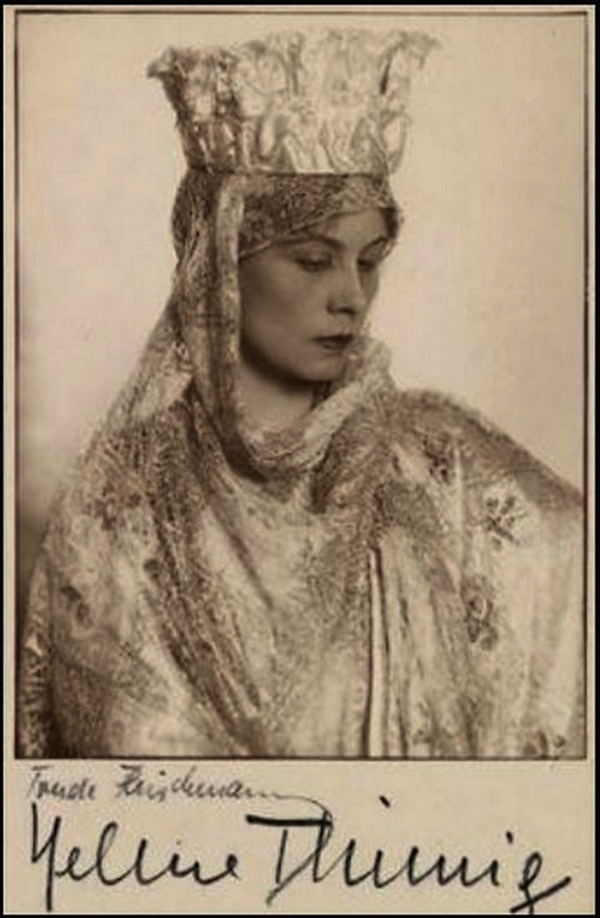
 

Trude Fleischmann - Helene Thimig, 1928

Trude Fleischmann – Helene Thimig, 1928
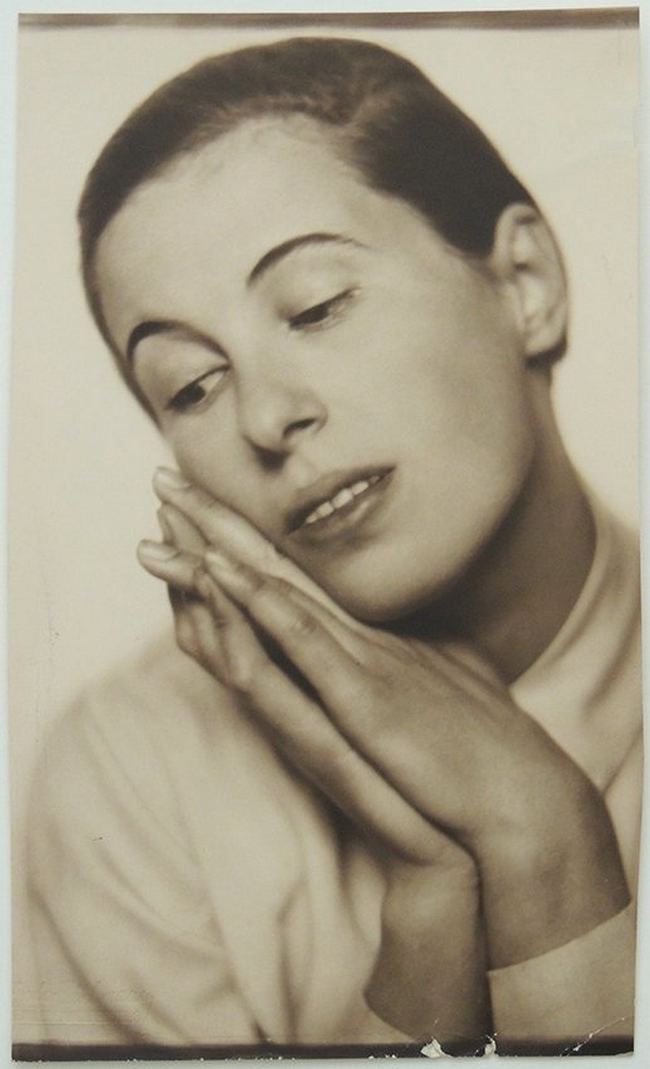
Trude Fleischmann-Portrait of the dancer Ruth Maria Saliger, Vienna around 1929
Trude Fleischmann-Portrait of the dancer Ruth Maria Saliger, Vienna around 1929

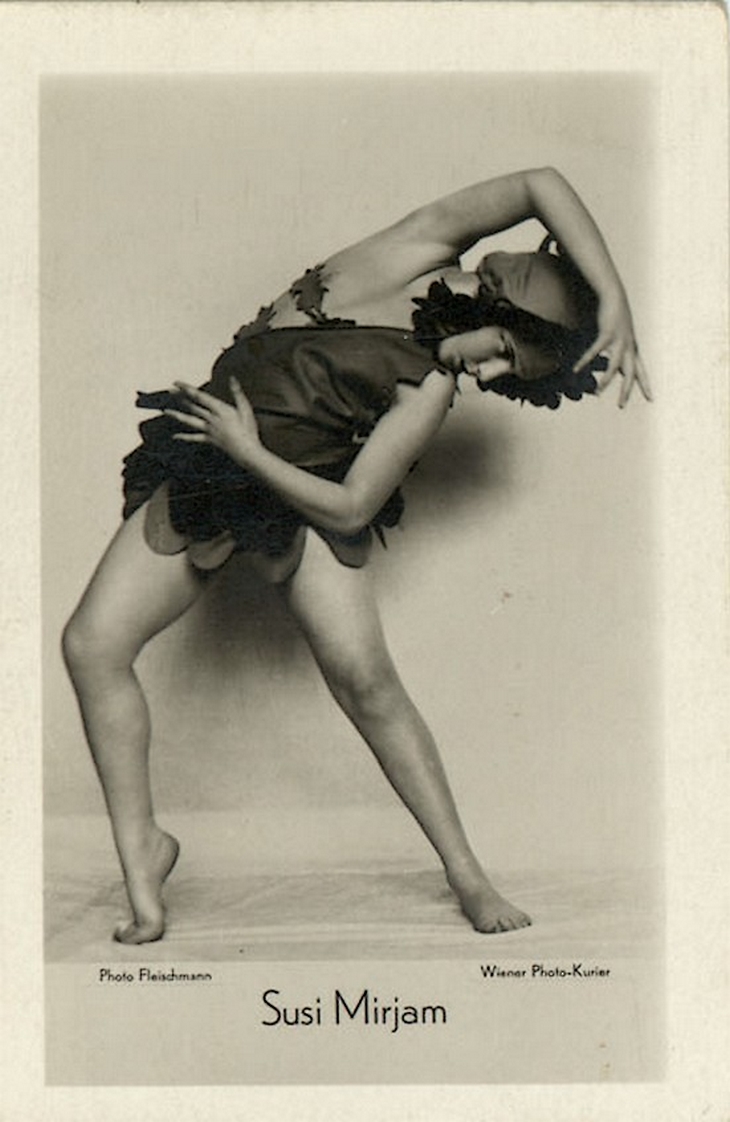
Trude Fleischmann -Susi Mirjam, 1925
Trude Fleischmann -Susi Mirjam, 1925


Trude Fleischmann –Nude study Susi Birkmayer ~ 1930 Bromide silver, toned

Conseil de lecture  Trude Fleischmann: Der selbstbewusste Blick by Anton Holzer & Frauke Kreutler , Catalogue Musée vienne, 2011 ou  Catalogue: « Trude Fleischmann – Le regard confiant. » Edité par Anton Holzer et Frauke Kreutler. Editeur: Hatje Cantz, 2011

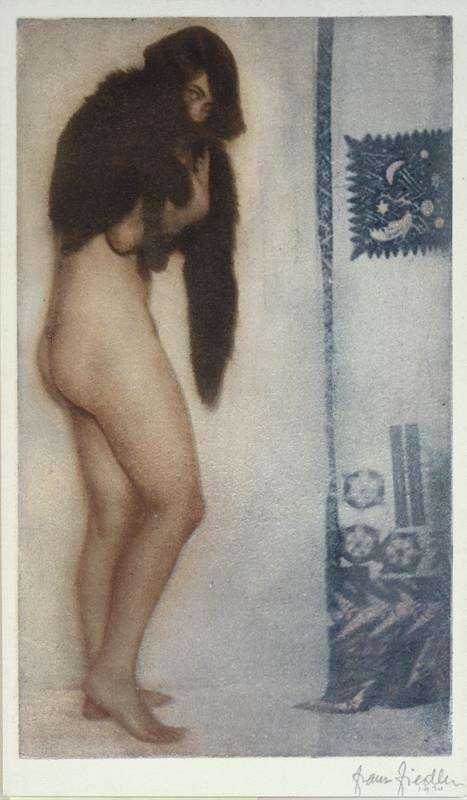
Franz Fiedler (1885- 1956)

Né en Moravie, Franz Fiedler (1885- 1956) est l’élève du photographe allemand Hugo Erfurth. Ce passionné de photographie est considéré comme un excentrique durant son apprentissage alors qu’il travaille avec les plus grands d’Europe de 1905 à 1911 dont le photographe Rudolph Dührkoop. C’est en 1911 qu’il gagne le premier prix de photographie de l’exposition de Turin , il se fait un nom et expose à Prague en 1913. Il fait parti du cercle intellectuel de Jaroslav Hasek et Egon Erwin Kisch et installe son studio à Dresde en 1916. A Partir de 1919, il se lie d’une grande amitié avec Mme d’Ora (Dora Kallmus) et son mari , et il commence à travailler avec un appareil photo de pliage 9 × 12 , et en 1924 il est l’un des premiers photographes professionnels à utiliser un Leica.
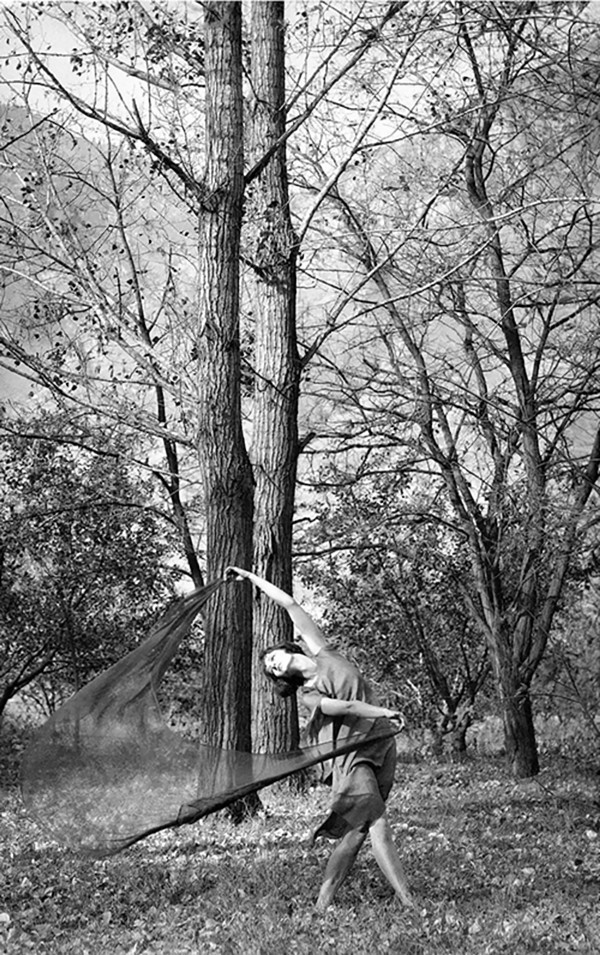
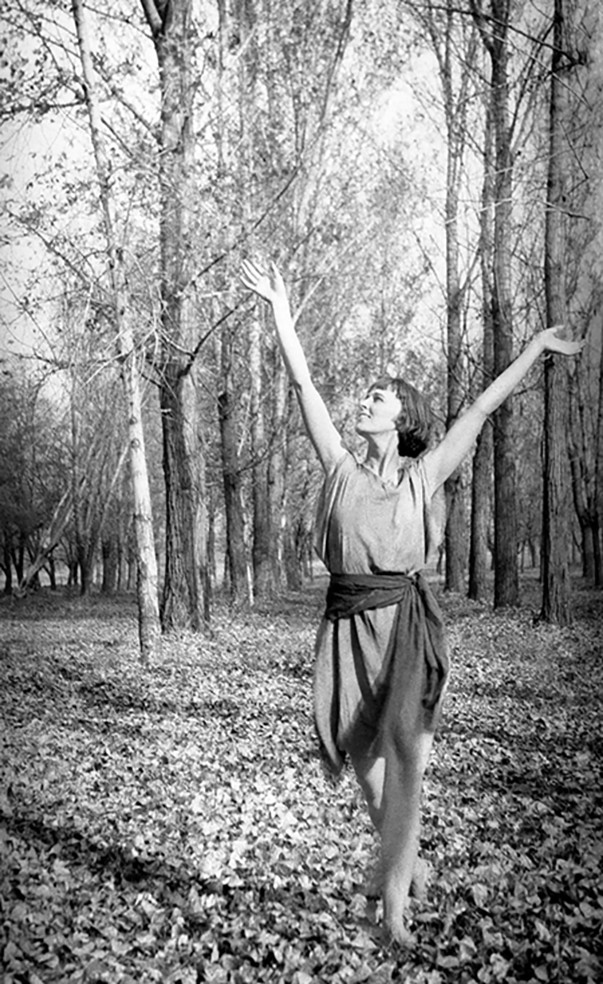
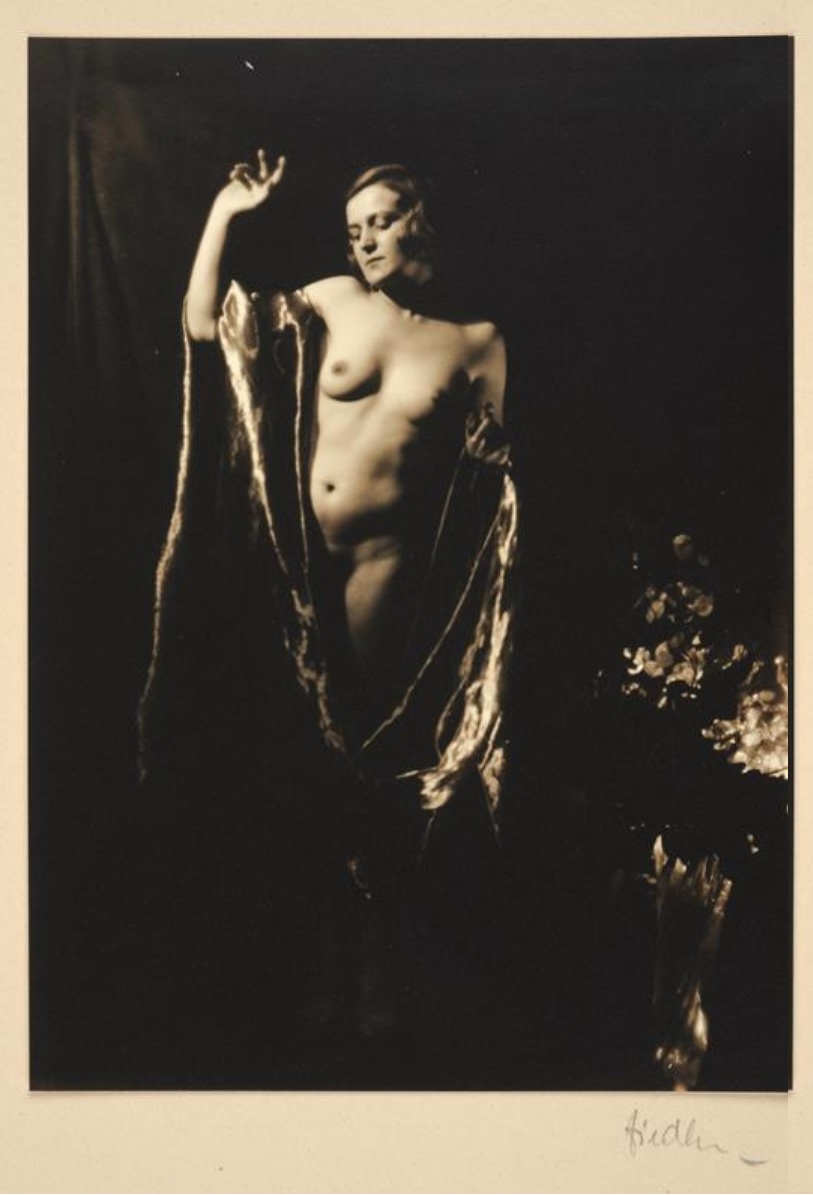
Le studio de Fiedler a été détruit le 13 Février 1945 et tout ce qui restait était une boîte de photographies qui a été déposé avec sa famille en Moravie. Après 1945, il n’avait plus son propre studio et a gagné sa vie en RDA comme auteur de livres sur la photographie.

Others articles about Franz Fiedler (1885- 1956)

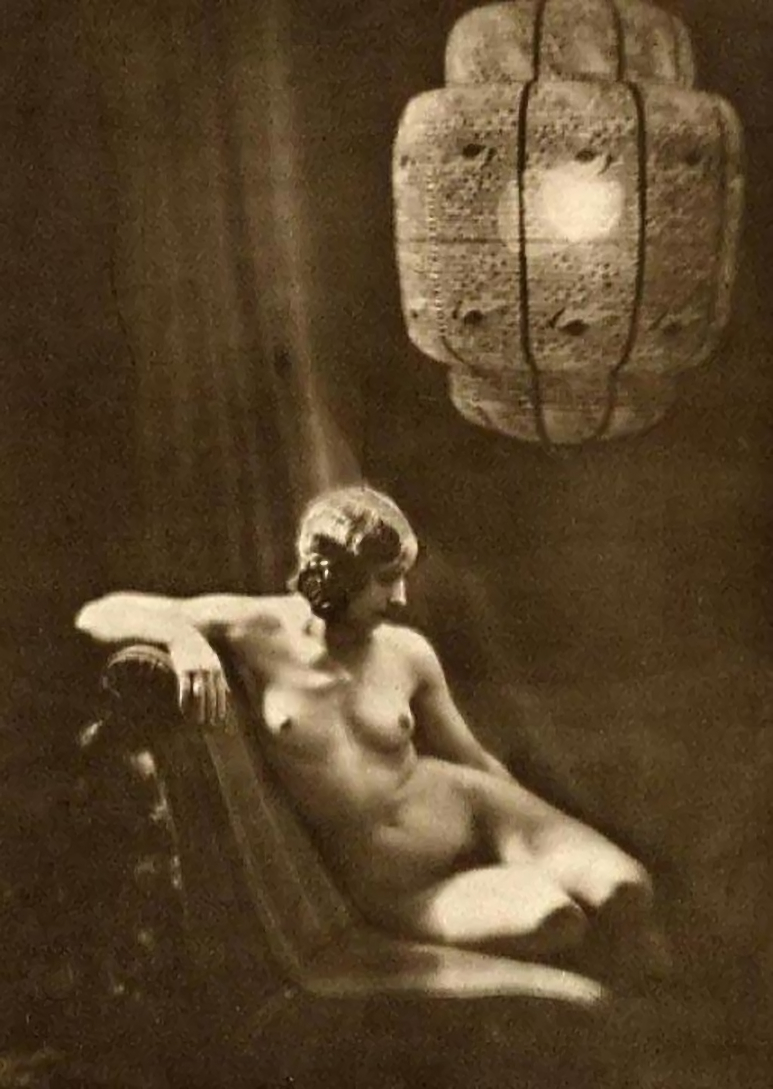
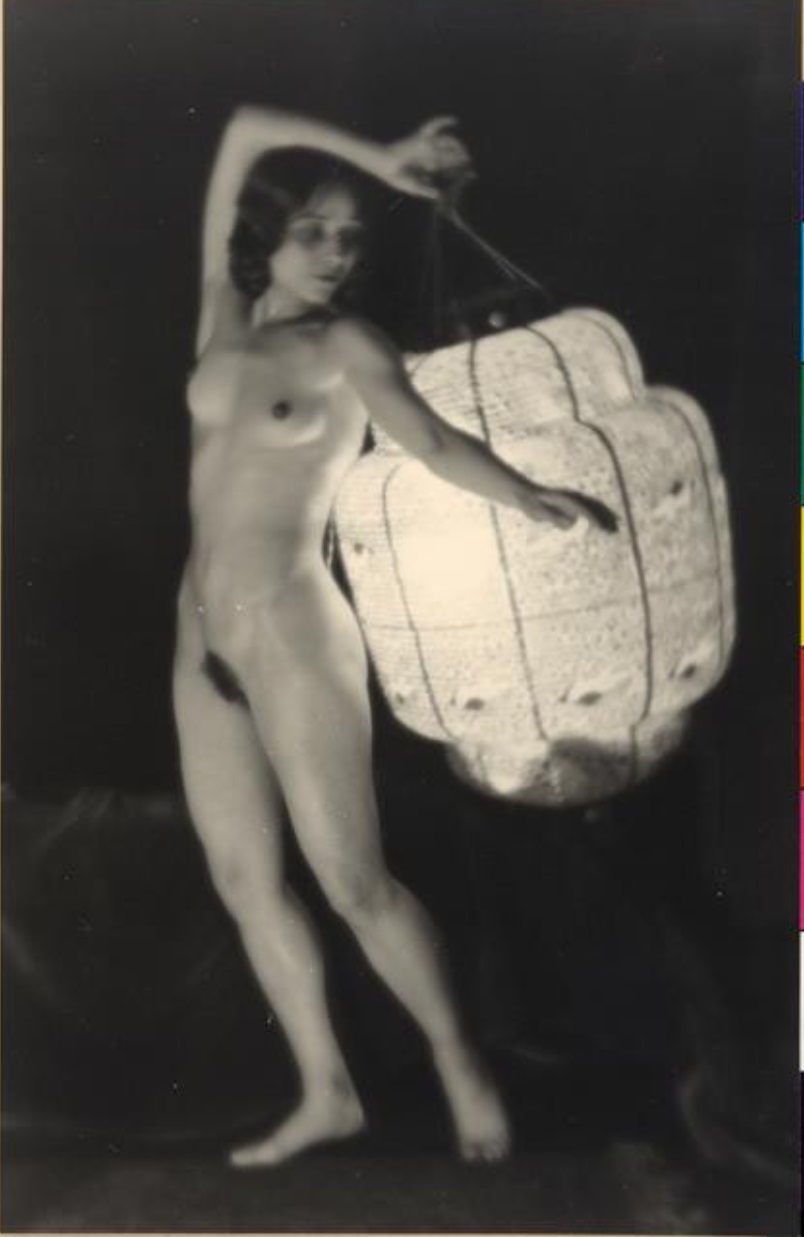
Franz Fiedler-Nu assis sous une lanterne-1930

Franz Fiedler-Nu assis sous une lanterne-1930

Franz Fiedler – Self-portrait of F.Fiedler in the cup1950–1959

Franz Fiedler- nude 1910–1929

Franz Fiedler- nude 1930-39

Franz Fiedler nude 1935

Franz Fiedler- Sans titre, 1929

Franz Fiedler- Sans titre, 1929

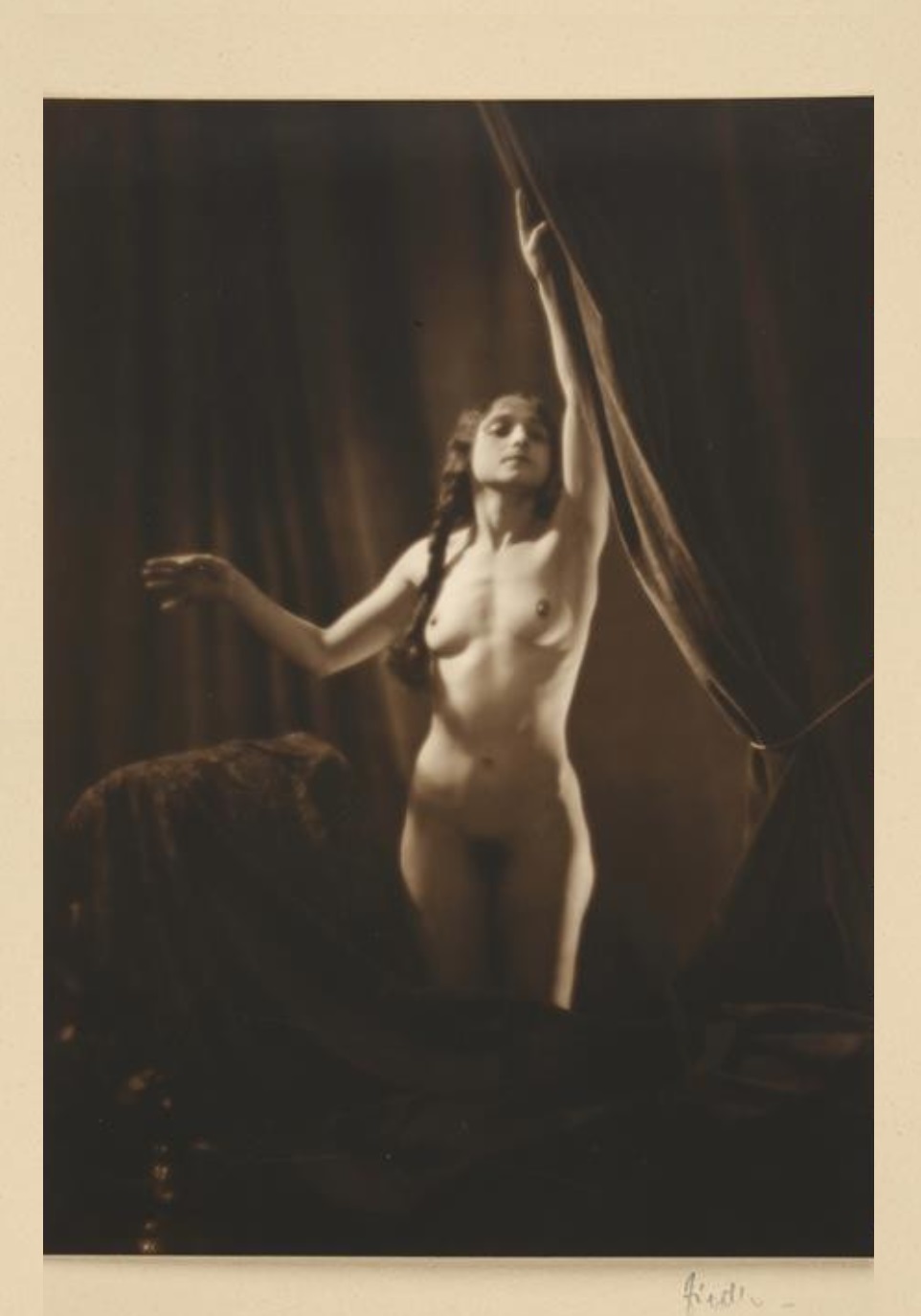
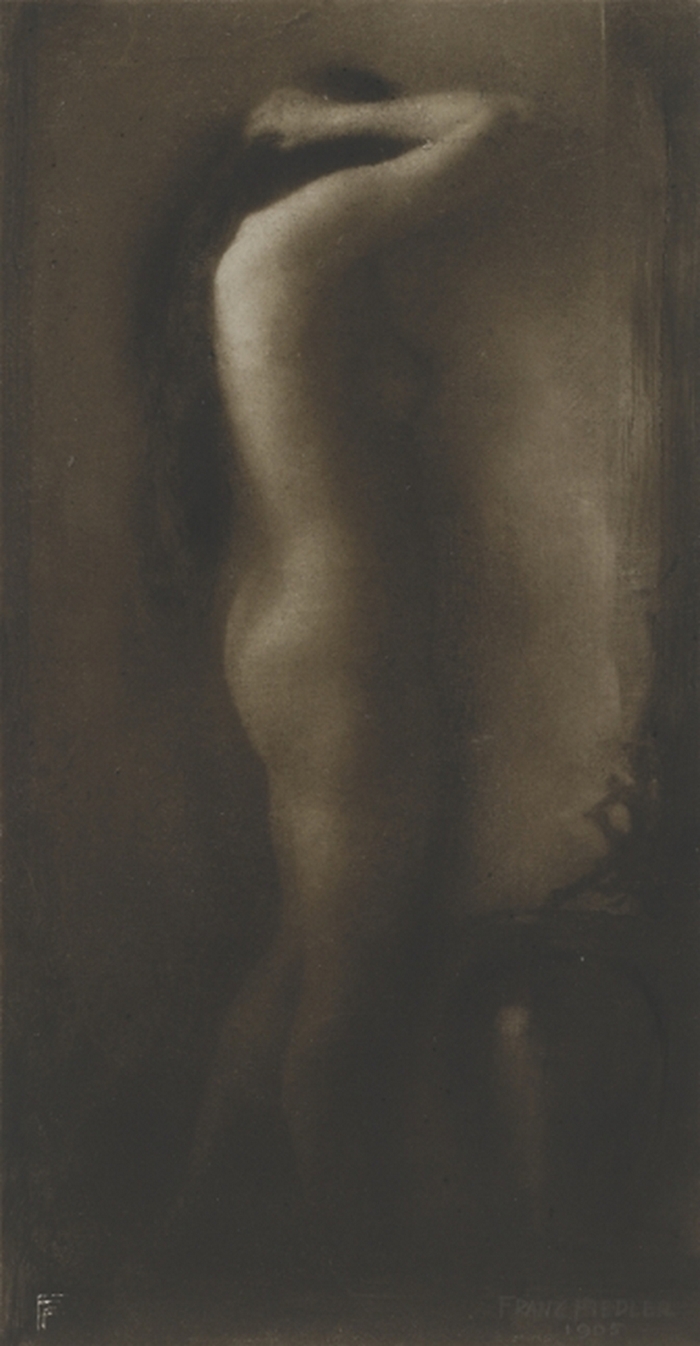
Franz Fiedler- Stehender Akt (Standing up nude), 1905

Franz Fiedler- Stehender Akt (Standing up nude), 1905

Franz Fiedler- Nu de dos sur la pointe des pieds, 1930

Franz Fiedler- Nu de dos sur la pointe des pieds, 1930

Franz Fiedler -Nu dans la forêt, 1930

Franz Fiedler -Nu dans la forêt, 1930


Franz Fiedler- Nu dansant, 1930

Franz Fiedler- Nu dansant, 1930

Franz Fiedler- Nu portant une coupe de fruits , 1930

Franz Fiedler- Nu portant une coupe de fruits , 1930


Franz Fiedler – Nu théatral, 1930

Franz Fiedler – Nu théatral, 1930


Franz Fiedler -Etude Numero Six ( femme assise) , 1933

Franz Fiedler -Etude Numero Six ( femme assise) , 1933


Franz Fiedler - Sur la Riviere, 1933.

Franz Fiedler – Sur la Riviere, 1933.

Franz Fiedler – nude 1935

Franz Fiedler- nude 1930-49

Franz Fiedler nude 1930-39

Franz Fiedler -nude 1935

Franz Fiedler -Portrait of a woman1935

Franz Fiedler Untitled (Female Backlight). 1925.

Franz Fiedler -Künstlerische Aktaufnahmen.1925

Franz Fiedler nude 1935

Franz Fiedler Dancer Renita Kramer 1930–1949

Franz Fiedler Dancer Renita Kramer 1930–1949 1

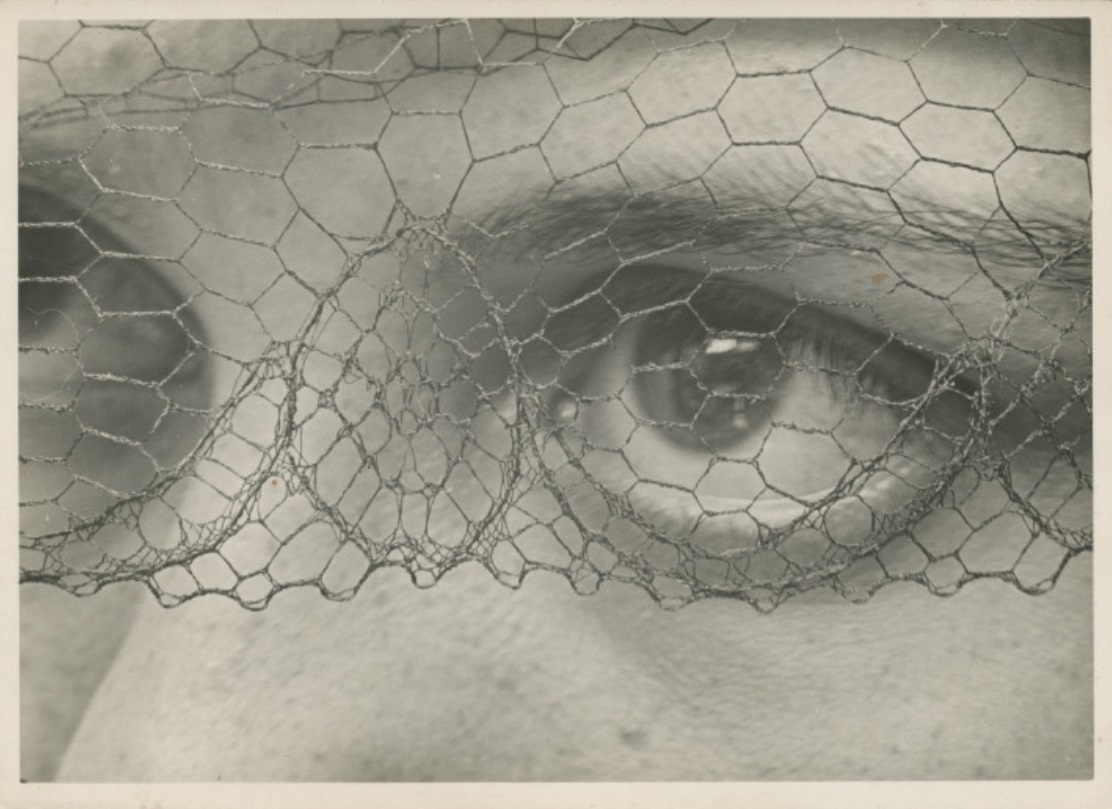
Franz Fiedler Eyes behind the veil ,1935

Franz Fiedler – Untitled 1935

Franz Fiedler Untitled . 1925.

Franz Fiedler-Dancer,Photoengraving, 1938

Franz Fiedler- the dancer sarah jankelow jumping in front of clouds, 1926

Franz Fiedler- the dancer sarah jankelow jumping in front of clouds, 1926

Franz Fiedler- Tanecnice, 1940

Franz Fiedler- Tanecnice, 1940

Franz Fiedler – Gret Palucca,Sprungmoment (Sudden Moment), 1926

Franz Fiedler – Gret Palucca,Sprungmoment (Sudden Moment), 1926

Franz Fiedler – Sans Titre, 1934

Franz Fiedler – nude from Künstlerische Aktaufnahmen. 1925.

Franz Fiedler – nude from Künstlerische Aktaufnahmen. 1925. 2

Franz Fiedler – Lady au décolleté de fourrure 1930′s

Franz Fiedler – Lady au décolleté de fourrure 1930′s

Franz Fiedler- Painter with model Dresden, 1920s(bromoil)

Franz Fiedler- Painter with model Dresden, 1920s(bromoil)


Franz Fiedler Self portrait with model, Dresden , 1925.

Franz Fiedler Self portrait with model, Dresden , 1925.


Franz Fiedler -Selportrait with a Model, 1930

Franz Fiedler -Selportrait with a Model, 1915-20


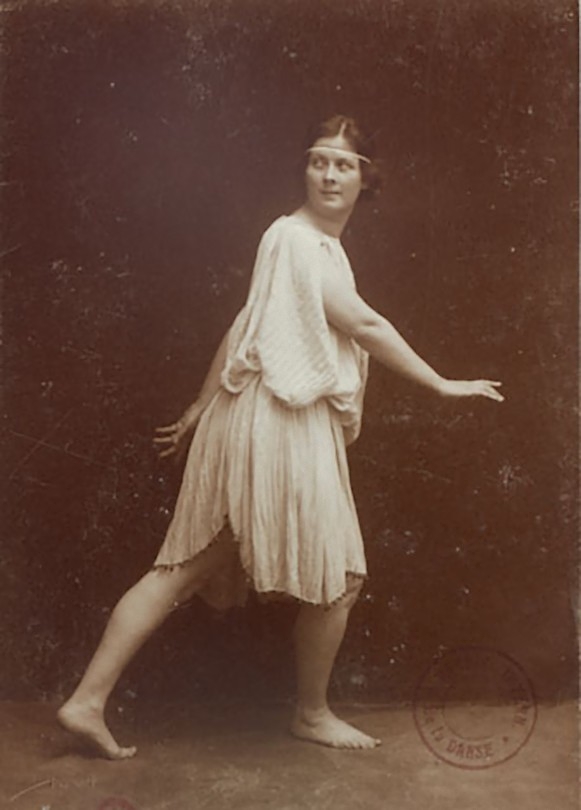
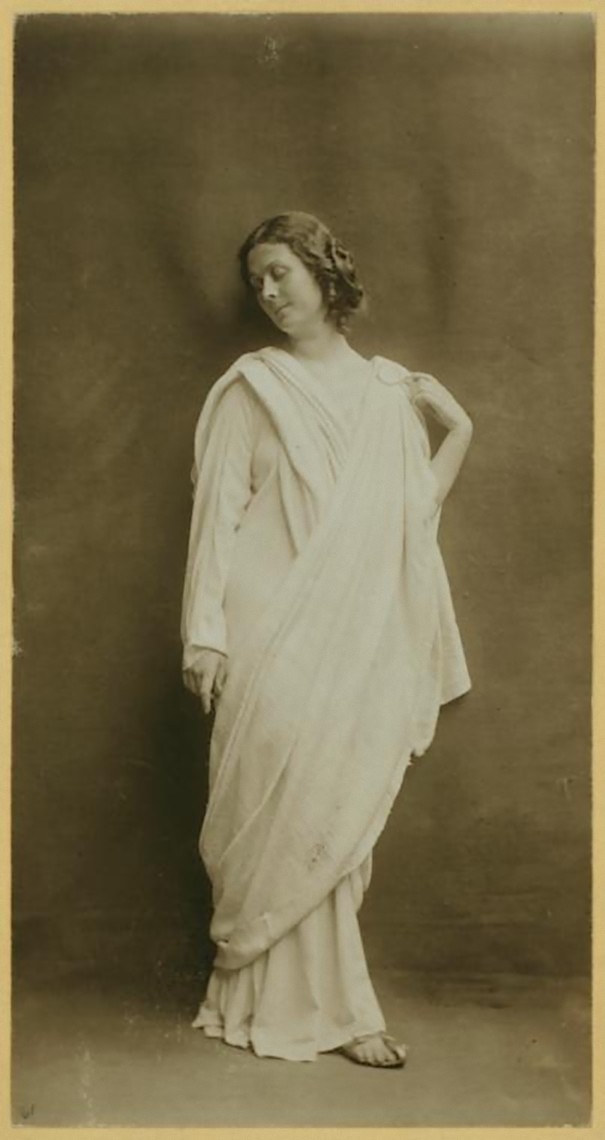
Isadora Duncan (1877 – 1927)

Elle dansait pieds nus, refusait le mariage, méprisait les conformismes, entendait vivre libre et “sans limites” selon sa devise. Véritable provocatrice, passionnée, audacieuse, bohème, Isadora Duncan a révolutionné la danse, bousculé les conventions de la danse classique académique dont elle rejetait les codes et les règles strictes en prônant une danse inspirée par la mythologie grecque et un retour à la symbiose du corps et de la nature. Vêtue de tuniques selon la mode de la Grèce Antique, Isadora a créé un style chorégraphique basé sur l’improvisation. “Une relation permanente, absolue et universelle, unit la forme au mouvement ; c’est là l’unique grand principe sur lequel je prétends m’appuyer car une même unité rythmique court à travers toutes les manifestations de la nature. L’eau, le vent, les plantes, les êtres vivants, les particules de la matière elle-même obéissent à ce ryhtme souverain dont la ligne principielle est  l’ondoiement. la nature ne suggère nulle part des sauts ou des ruptures, il existe entre tous les états de la vie une continuité, un courant que le danseur doit respecter dans son art s’il ne veut pas devenir un pantin dénué de toute beauté. Chercher dans la nature les formes les plus belles et découvrir le mouvement qui exprime l’âme de ces formes, voilà la mission du danseur.” (1916, extrait du livre, La Danse de l’avenir, Isadora Duncan, éditions Complexe, 2003) Véritable prêtresse de la modernité, elle n’a jamais caché son attirance pour le communisme  et la révolution russe en dansant sur l’Etude révolutionnaire de Chopin vêtue d’une tunique rouge. Elle a même tenté d’ouvrir une école populaire à Berlin, puis Paris et Moscou. Mais  de sa vie entre les studios d’artistes de Londres, Paris, Berlin, en passant par la Grèce et des voyages en forme d’épopée antique et les grands palaces, ses amours difficiles et torturés avec l’acteur anglais Craig Gordon, le milliardaire paris Singer ou encore le poète Serge Essenine, on ne retient finalement de sa vie que sa fin tragique. Celle que l’on surnommait “Isadorable” est morte le 14 septembre 1927 dans une Bugatti, étranglée par son écharpe. “La liberté de la femme” “Si mon art devait être symbolique de quelque chose, ce serait de la liberté de la femme et de son émancipation vis-à-vis des préjugés qui sont la lice et la trame du puritanisme de la Nouvelle-Angleterre. Exposer son corps est un geste artistique, le dissimuler revient à commettre une vulgarité. Lorsque je danse, je ne fais pas appel aux instincts les plus bas de l’humanité comme le font, aux spectacles de variétés, vos filles à demi-nues. (…) La nudité est authentique, c’est de la beauté, c’est de l’art. C’est pourquoi elle ne peut jamais être ni vulgaire ni immorale. Si ce n’était pour avoir chaud, je ne porterais jamais de vêtements. Mon corps est le temple de mon art. (…) Le corps est beau, il est réel, il est vrai, il est libre. Il devrait susciter la vénération, non la répugnance car l’artiste est tout entier, corps et âme, dévoué à l’art. Quand je danse, je me sers de mon corps comme un musicien de son instrument, un peintre de sa palette et de ses pinceaux ou comme un poète des images issues de son imagination. Parce que je veux fondre mon image et mon corps en une seule et même image de beauté, je refuse de m’envelopper dans des vêtements gênants, de m’entraver les membres ou de couvrir la gorge. (…)”

Isadora Duncan 1922, {extrait du livre, La Danse de l’avenir, Isadora Duncan, éditions Complexe, 2003, pp. 104-105.}

tous  les articles sur Isadora

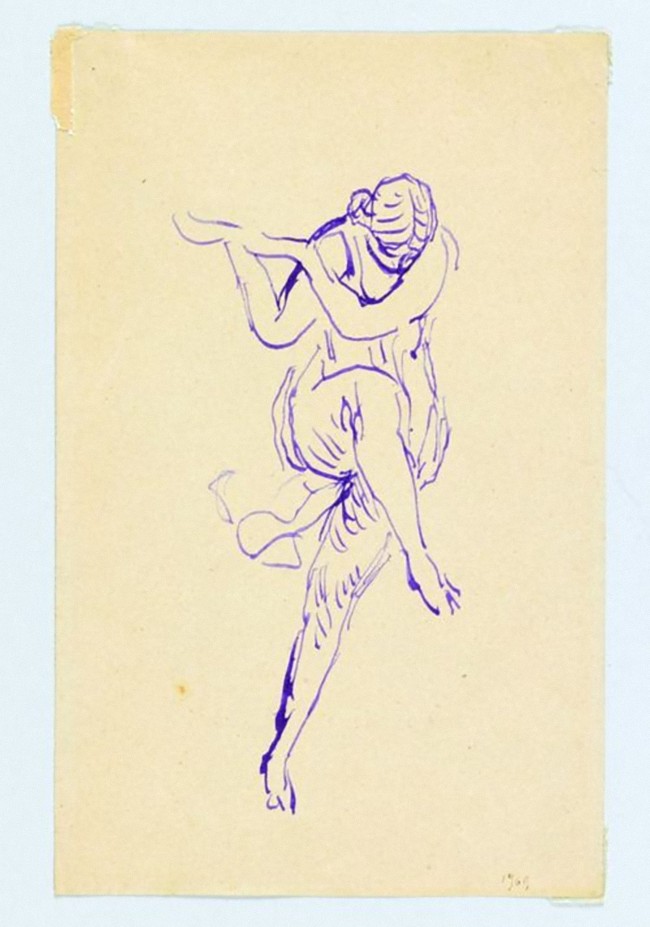
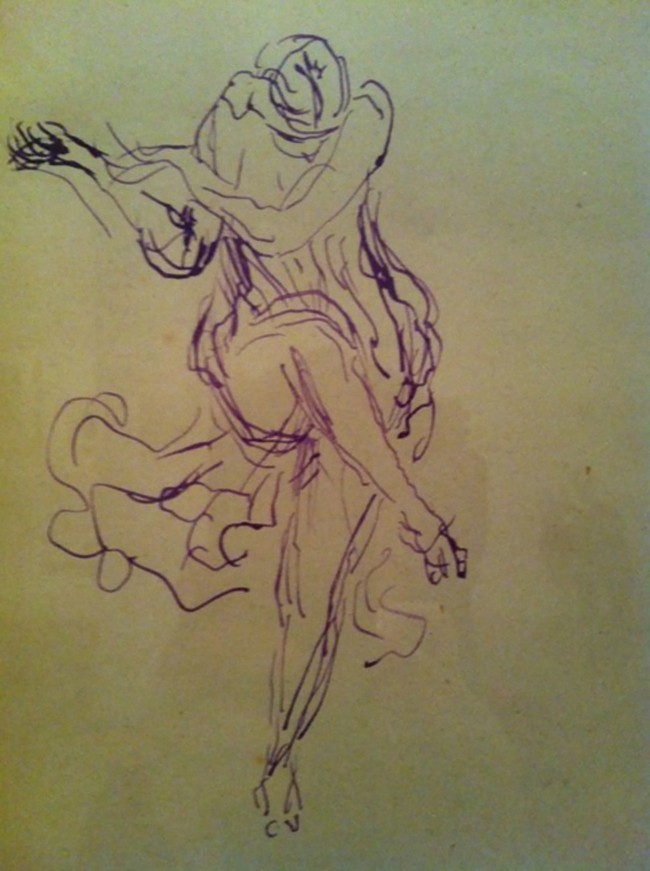
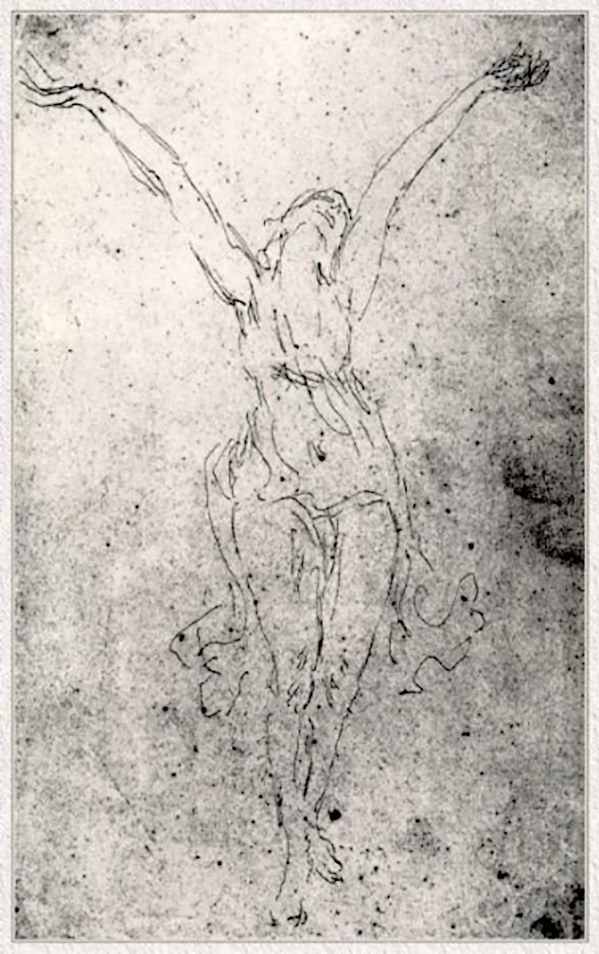
Antoine Bourdelle (1861-1929) Isadora, 1909, Plume et encre violette sur papier vélin_e

Antoine Bourdelle (1861-1929) Isadora, 1909, Plume et encre violette sur papier vélin_e

Antoine Bourdelle (1861-1929) Isadora, 1909, Plume et encre violette sur papier vélin

Antoine Bourdelle (1861-1929) Isadora, 1909, Plume et encre violette sur papier vélin

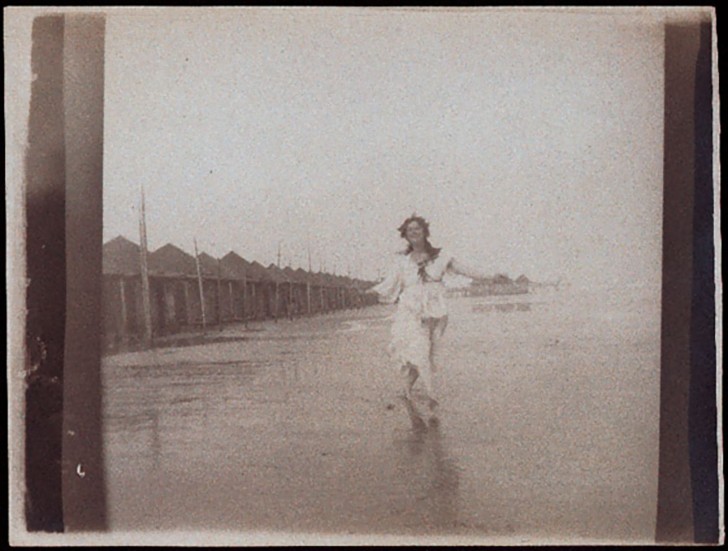
Anonyme -Isadora sur la plage à Venise, 1903 -1905

Anonyme -Isadora sur la plage à Venise, 1903 -1905

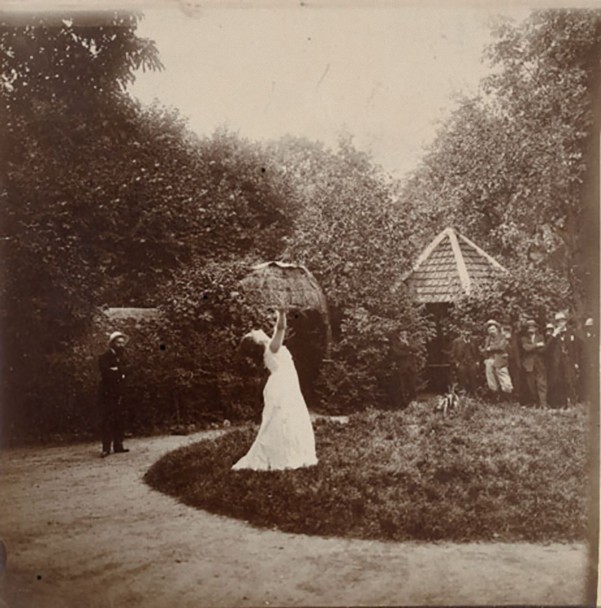
Jean Limet- Isadora Duncan danse en l’honneur de Rodin, 30 juin 1903

Jean Limet- Isadora Duncan danse en l’honneur de Rodin, 30 juin 1903

Emile Antoine Bourdelle – Isadora Duncan, 1910s

Emile Antoine Bourdelle – Isadora Duncan, 1910s

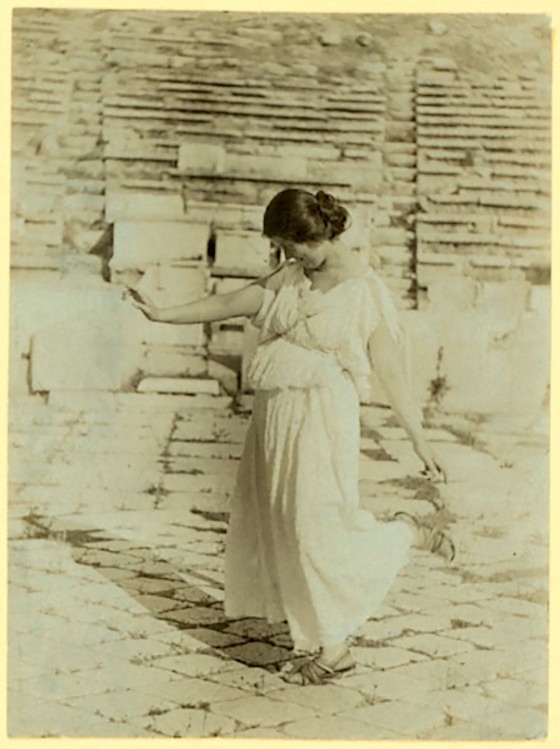
Raymond Duncan (1874-1966),Isadora dansant au Parthénon, 1904

Raymond Duncan (1874-1966),Isadora dansant au Parthénon, 1904

Studio Elvira -Isadora Duncan, 1903

Studio Elvira -Isadora Duncan, 1903

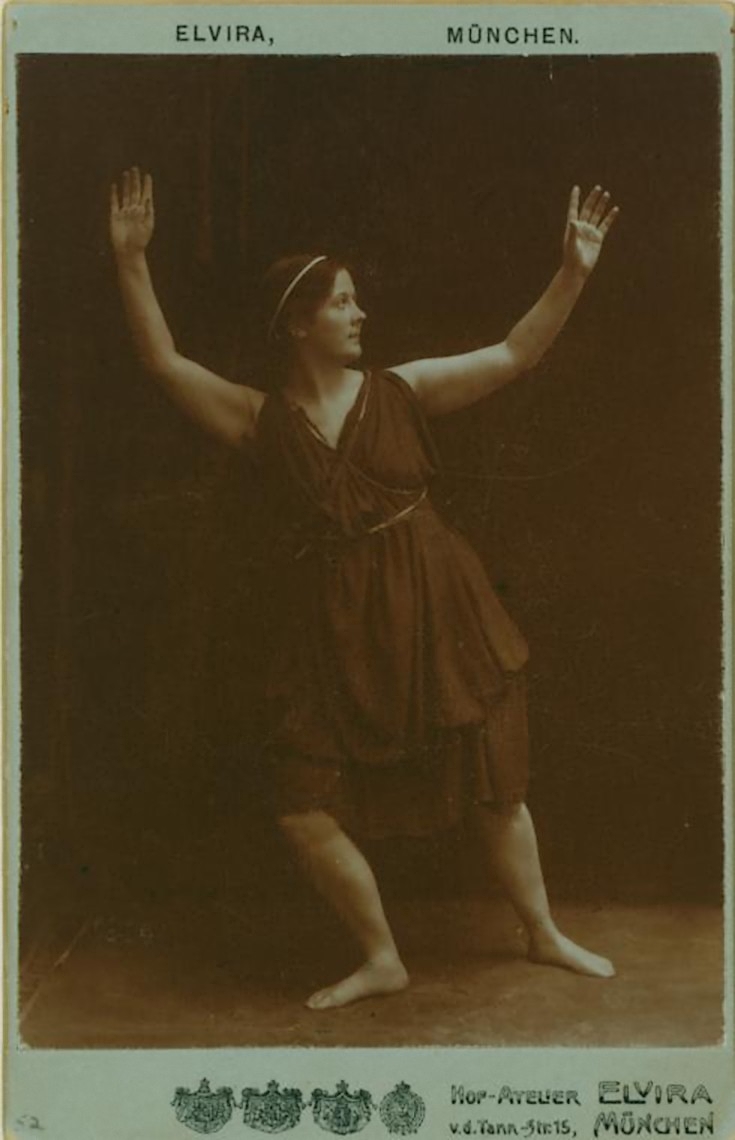
Hof-Atelier Elvira, München- Isadora Duncan,1904 Irma Duncan Collection

Hof-Atelier Elvira, München- Isadora Duncan,1904 Irma Duncan Collection

Paul Berger- Isadora Duncan, 1908

Paul Berger- Isadora Duncan, 1908

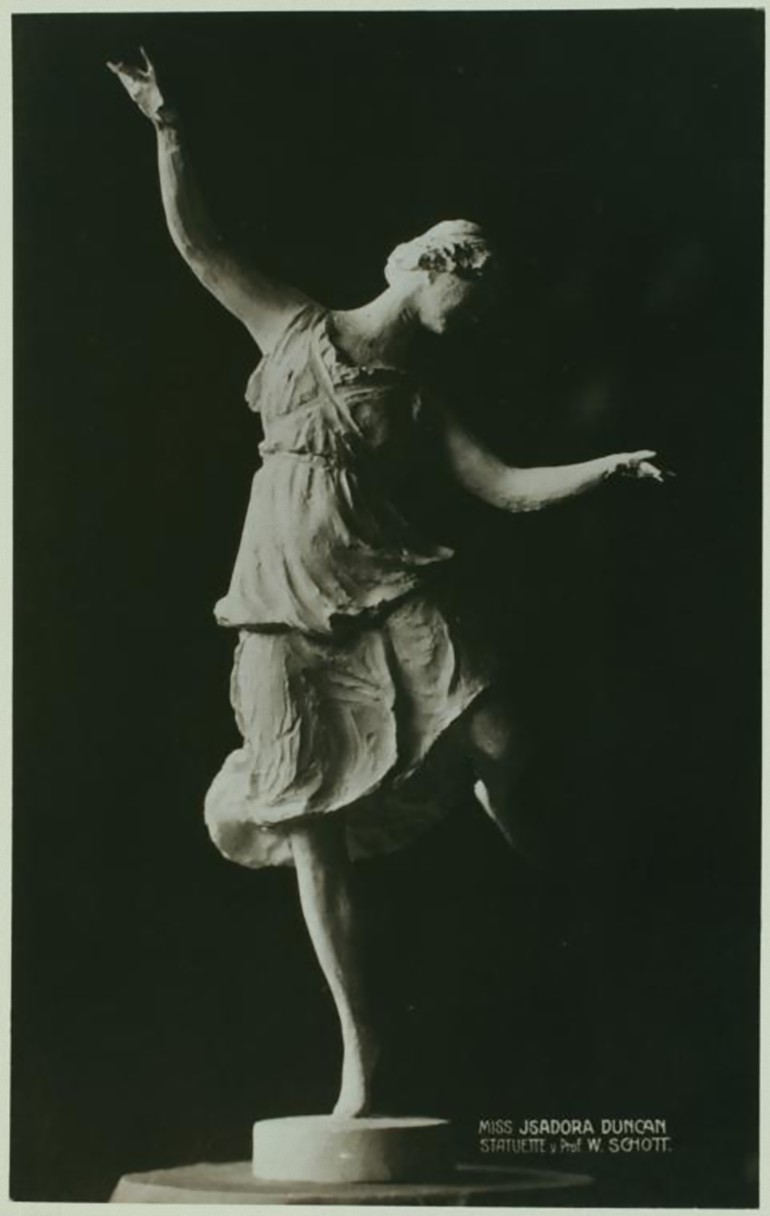
Statuette de W. Schott -Isadora Duncan, (photogrphy no credit given.)

Statuette de W. Schott -Isadora Duncan, (photogrphy no credit given.)

Isadora Duncan, {photograph, no credit give}

Isadora Duncan, {photograph, no credit give}

Duncan, Isadora - cabinet photograph by Gessford.  [Irma Duncan Collection.] (1908)

Duncan, Isadora – cabinet photograph by Gessford. [Irma Duncan Collection.] (1908)

Bruwn brothers – Isadora Duncan, 1899

Bruwn brothers – Isadora Duncan, 1899

Bruwn brothers – Isadora Duncan, 1899 tryptique

Bruwn brothers – Isadora Duncan, 1899 tryptique

Edward Steichen (1879-1973) -Isadora Duncan sous le portique du Parthénon à Athènes, 1920 Toulon, musée d’Art

Edward Steichen (1879-1973) -Isadora Duncan sous le portique du Parthénon à Athènes, 1920 Toulon, musée d’Art

Otto- Duncan, Isadora Duncan with her children, Deirdre,1912 Irma Duncan Collection.

Otto- Duncan, Isadora Duncan with her children, Deirdre,1912 Irma Duncan Collection.

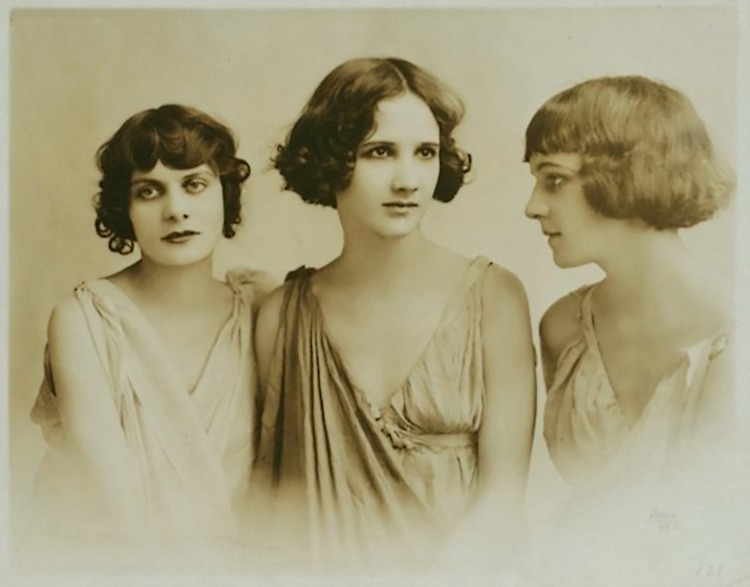
Studio Apeda- Isadora Duncan’s pupils and adopted daughters, Irma, Anna and Erica Duncan, known as the Isadorables, 1916

Studio Apeda- Isadora Duncan’s pupils and adopted daughters, Irma, Anna and Erica Duncan, known as the Isadorables, 1916

Arnold Genthe. – The “Isadorables,” students of Isadora Duncan, 1916

Arnold Genthe – The “Isadorables,” students of Isadora Duncan, 1916

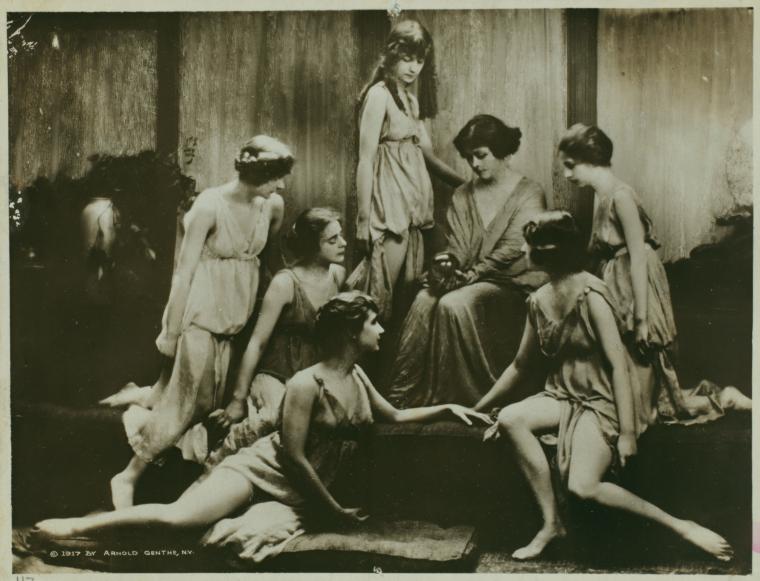
Arnold Genthe- The “Isadorables,” students of Isadora Duncan 1917  Irma Duncan Collection.

Arnold Genthe- The “Isadorables,” students of Isadora Duncan 1917 Irma Duncan Collection.

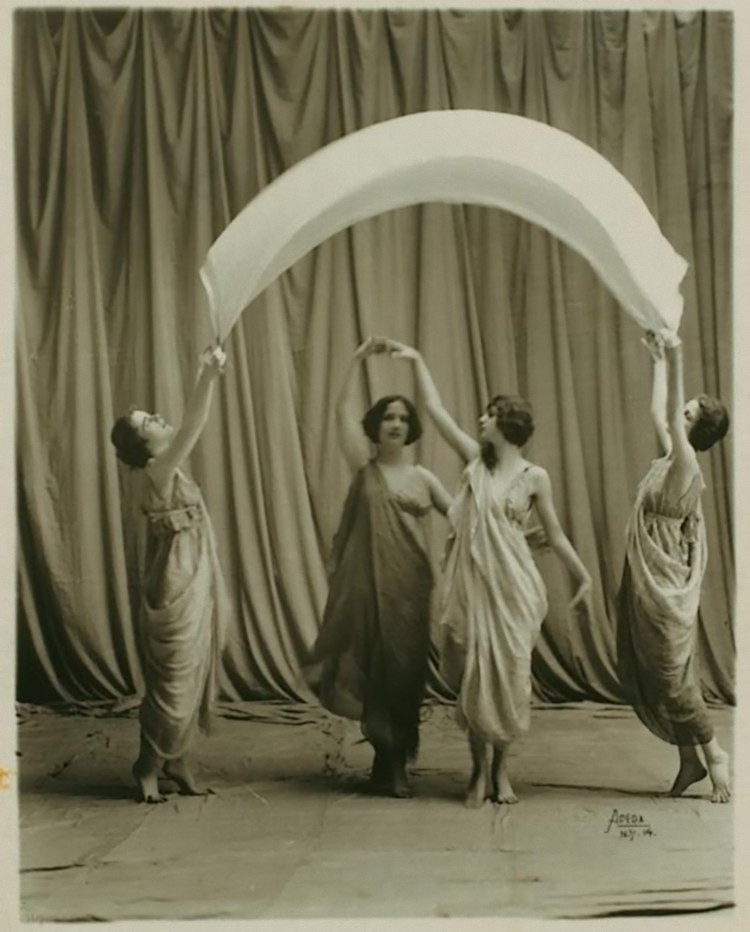
Studio Apeda- Isadora Duncan dancers, 1917

Studio Apeda- Isadora Duncan dancers, 1917

Studio Apeda- The Isadorables, students of Isadora Duncan, circa 1917

Studio Apeda- The Isadorables, students of Isadora Duncan, circa 1917

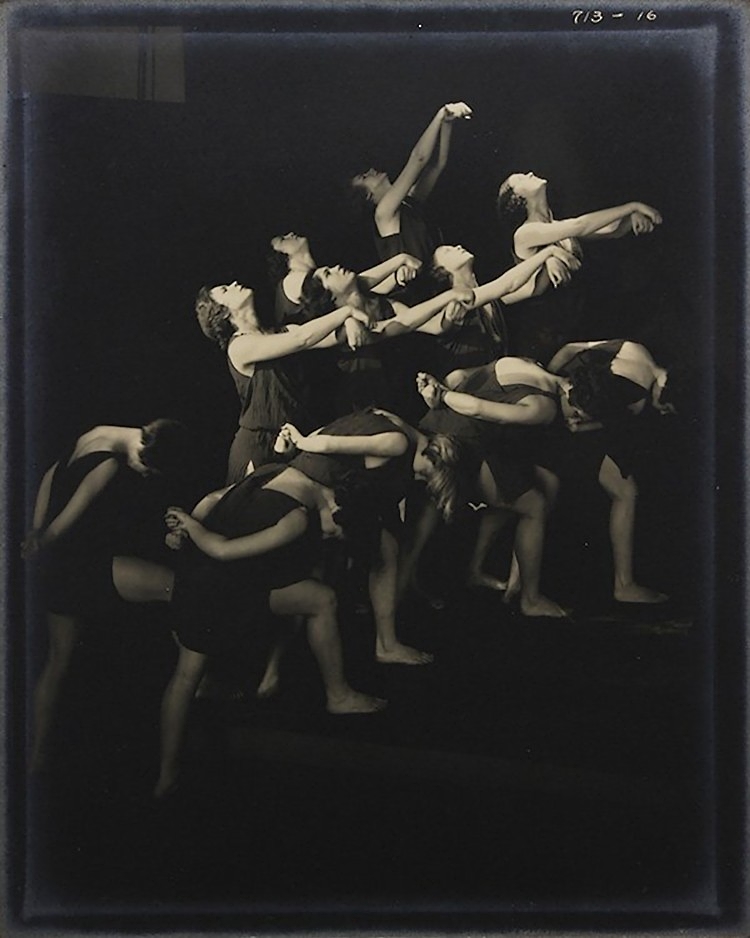
Edward Steichen- The Russian Pupils of Isadora Duncan - Reaching Upward , 1929

Edward Steichen- The Russian Pupils of Isadora Duncan – Reaching Upward , 1929

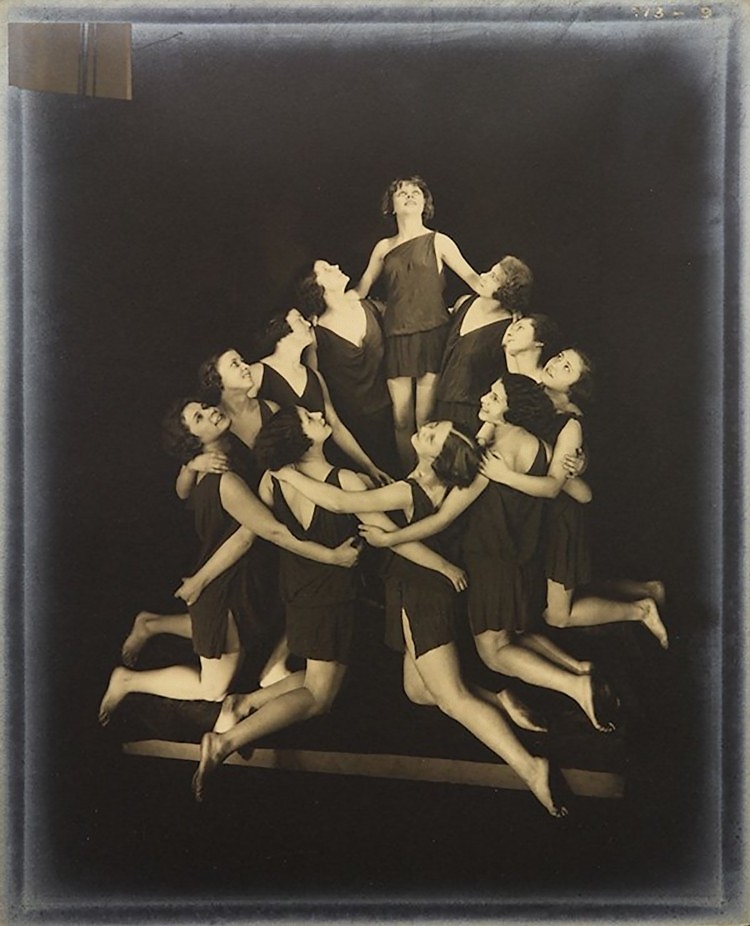
Edward Steichen-The Russian Pupils of Isadora Duncan - Circular Arrangement ,1929

Edward Steichen-The Russian Pupils of Isadora Duncan – Circular Arrangement ,1929

Duncan was born in the United States but lived in Western Europe for the majority of her life, and essentially formed the basis of American Modern Dance. In a time when the traditional forms of dance and movement, particularly when it cam to ballet, were heavily indoctrinated, Duncan broke free by emphasising dance that was in touch and comfortable with the body and performed in unrestricted clothing and/or barefoot.

Duncan began dancing at a young age when her and her sisters taught dancing lessons to San-Franciscan children in order to bring in money for their mother who had divorced their father in 1880. When she was 22 she decided to move to London and then France and within two years she was beginning to make a name for herself. In 1909 she had enough money to open up her own dance school in a two story apartment which is also where she lived. Duncan’s theory for dance incoporated a much less institutionalised methodology as she focused on free and natural movements inspired by Ancient Greek Dance, folk dancing, nature and natural forces and incorporated an American emphasis on athleticism.

By 1924, after a brief stint in Moscow and a few years performing in and around Europe, Duncan opened up three new dancing schools: one in Grunewald (Germany), one in Paris and one in Moscow.

Duncan was very radical for a woman caught in the turn of the century. She was a fan of Communism, bisexual and had two children out of wedlock and to different men. Her daughter Dierdre (born September 24, 1906) and her son Patrick (May 1, 1910) both died in a car crash in 1913. Not long after it was rumoured that Duncan was in a relationship with Eleanor Duse (an Italian actress), something that has never been proven. In 1922 she married a Russian poet, Sergei Yesenin who was 18 years younger than her. His alcoholism brought her negative publicity and a year after they married he was institutionalised in a mental hospital, commiting suicide in 1925.

Duncan’s money troubles, alcoholism and scandalous love life are said to be the cause of her diminishing talent later in life as she moved from hotel to hotel across Paris and the Mediterranean, running up huge debts.

Duncan died on September 14, 1927. She was a passenger in a car driven by her rumoured lover, Benoît Falchetto a French/Italian mechanic. Duncan was always fond of long scarves and the one that was wrapped around her neck became caught in the spokes of the wheels causing her to be pulled out of the car on to the road with enough force so that she was probably killed instantly.

Sources : http://www.artnet.fr/magazine/expositions/deschodt/duncan.asp http://digitalgallery.nypl.org/

James Edward Abbe – Danse

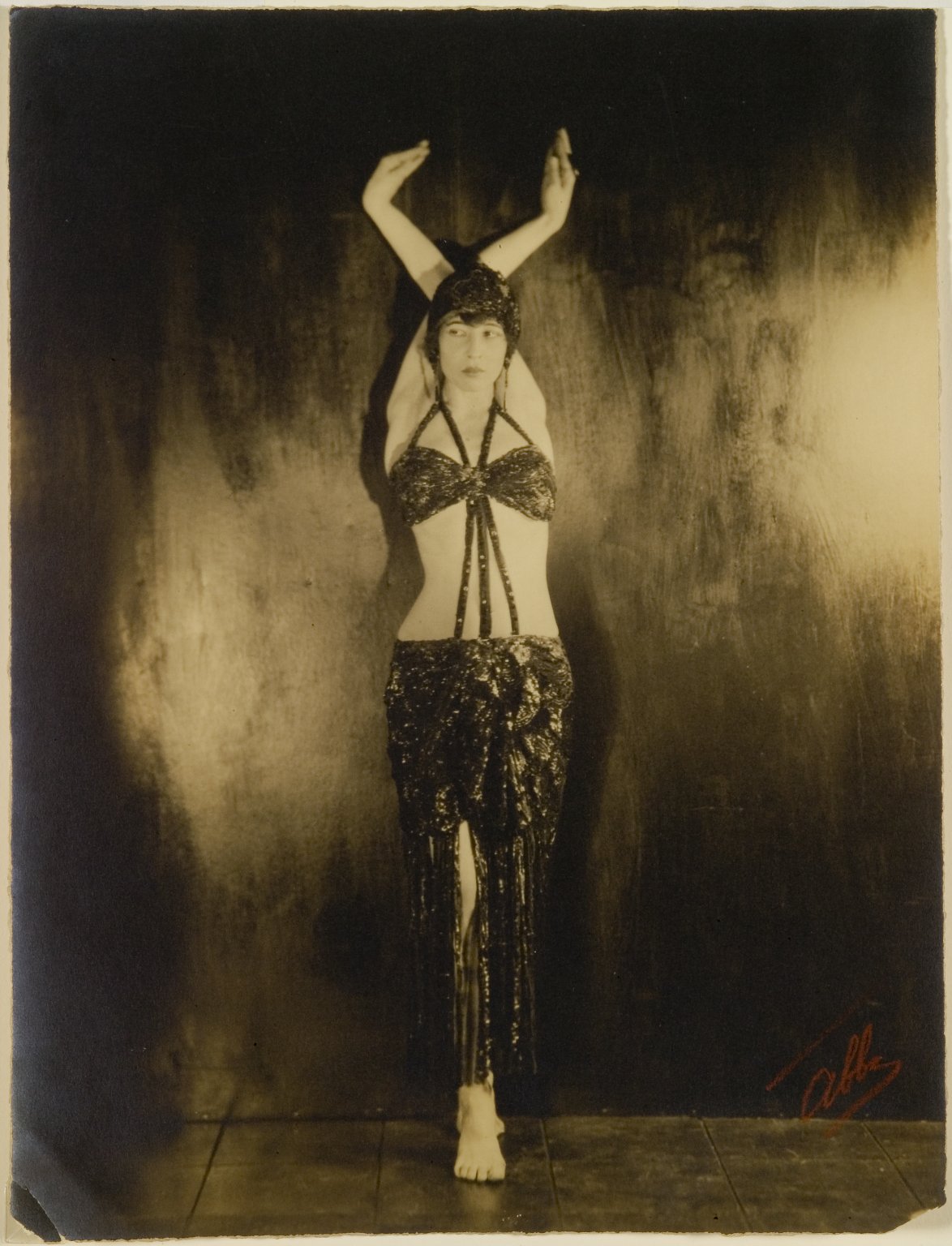
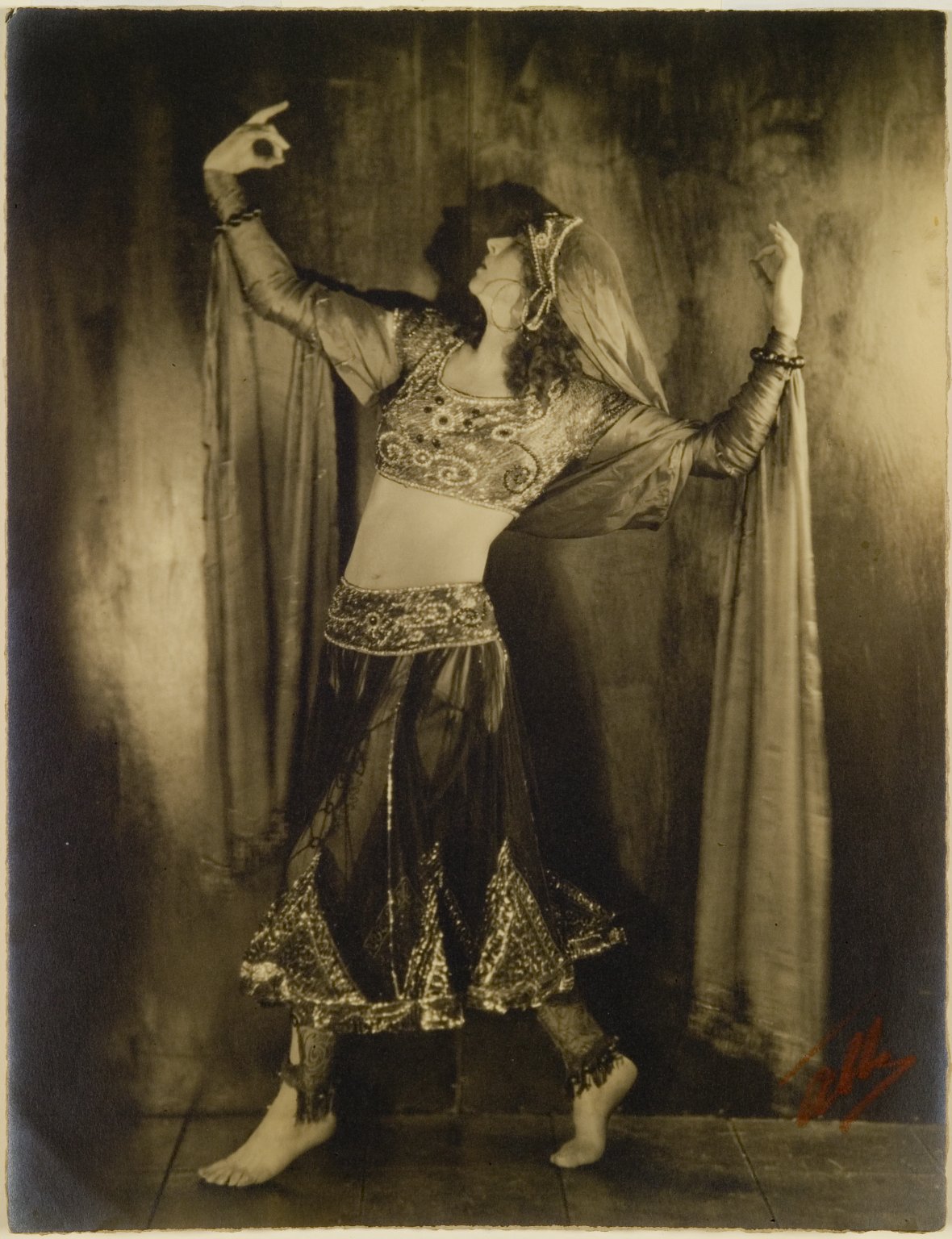
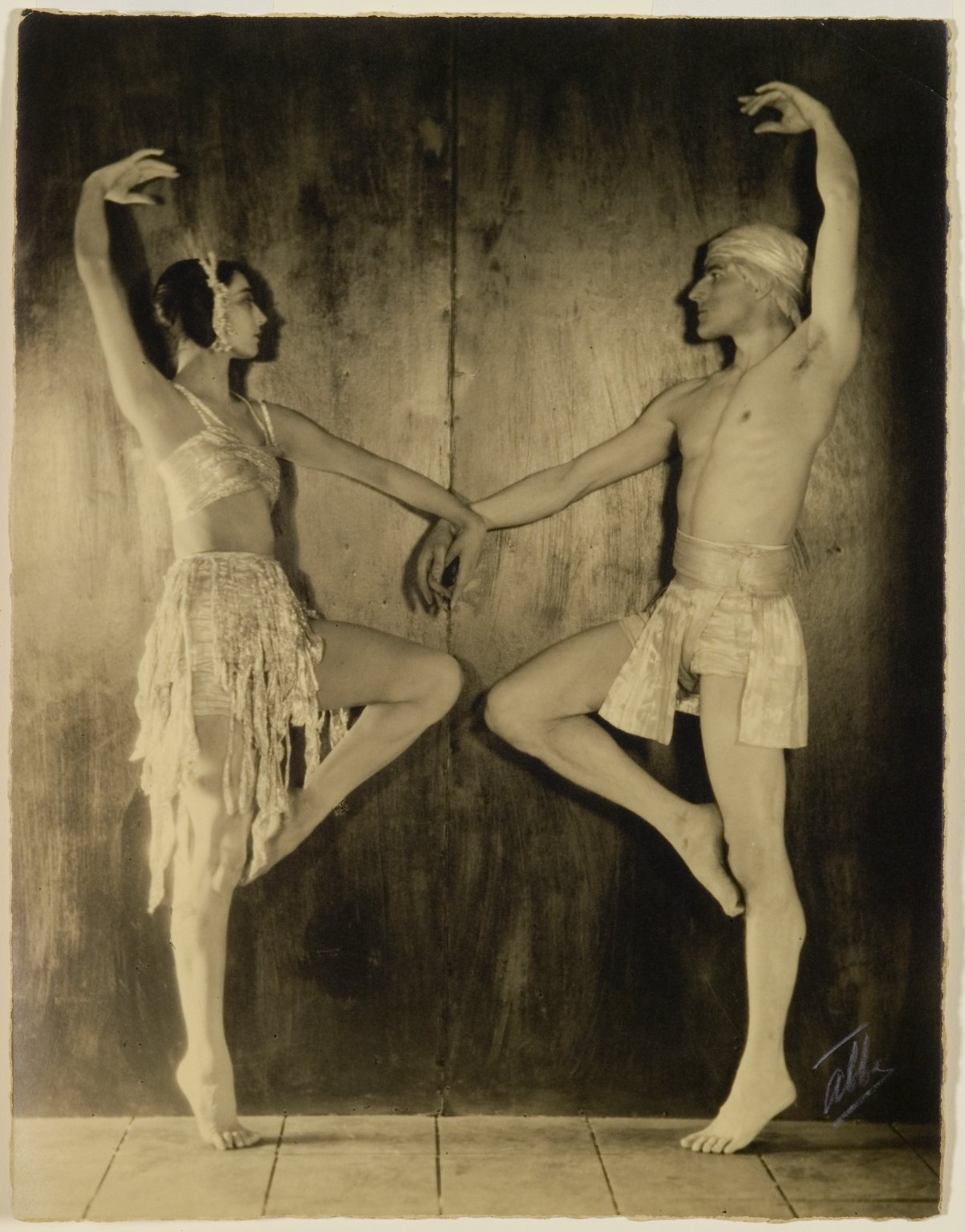
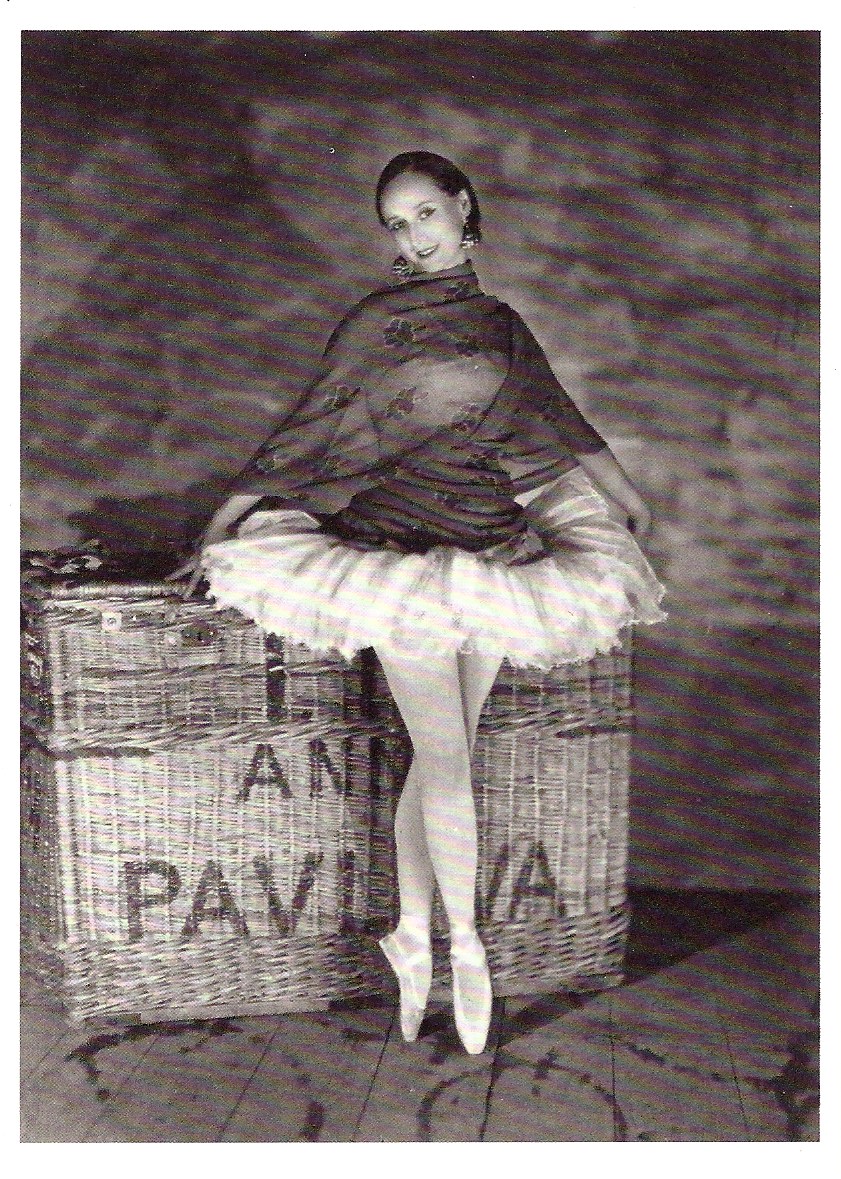
James Abbe (1883-1973) was an American photographer who moved to Paris in the 1920s after working in Hollywood and began focusing on fashion. His work was published in such magazines as American Vogue, Vogue France, Harper’s Bazaar, and Vanity Fair. Like many other fashion photographers of the time period many of his subjects were actors and his subjects included Fred and Adele Astaire, Louise Brooks, Gloria Swanson, and the Russian ballerina Anna Pavlova. In the 1930s he began photographing the Spanish Civil War and then continued to work as a photojournalist throughout World War II, and eventually took Josef Stalin’s first official potraits.

James Edward- Abbe untitled , 1920s

James Edward- Abbe untitled , 1920s

James Edward Abbe untitled (Kyra in Artists and Models) , 1920s

James Edward Abbe untitled (Kyra in Artists and Models) , 1920s

James Edward Abbe untitled (Kyra in Artists and Models) , 1920s

James Edward Abbe untitled (Kyra in Artists and Models) , 1920s

James Edward- Abbe untitled , 1920s

James Edward- Abbe untitled , 1920s

James Abbe - Anna Pavlova, Théatre des Champs Elysées, Paris - 1927

James Abbe – Anna Pavlova, Théatre des Champs Elysées, Paris – 1927

George Maillard Kesslere (1894-1979)


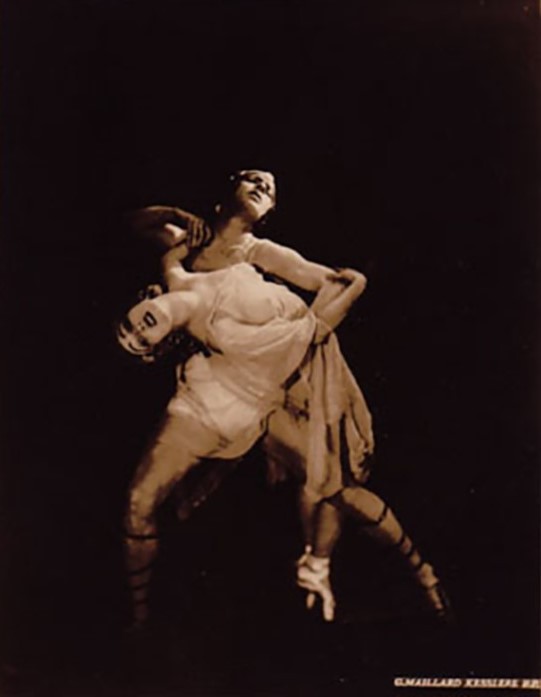
George Maillard Kesslere- Maria Gambarelli et sa troupe, 1925

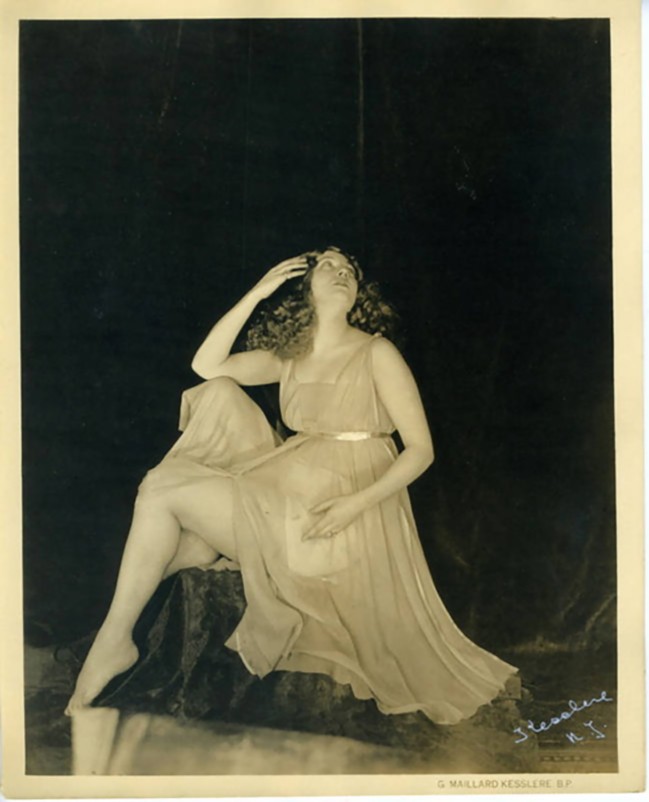
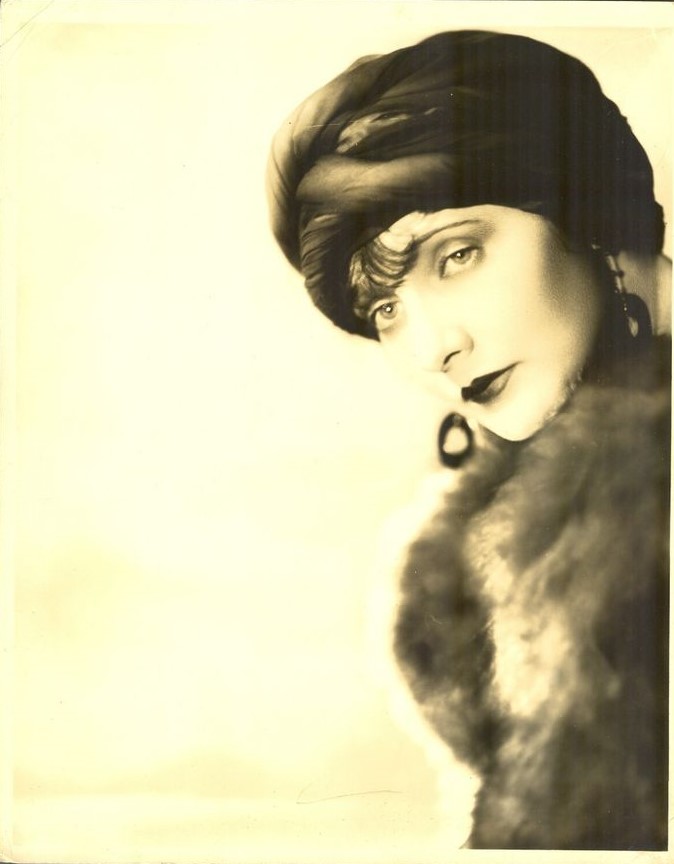
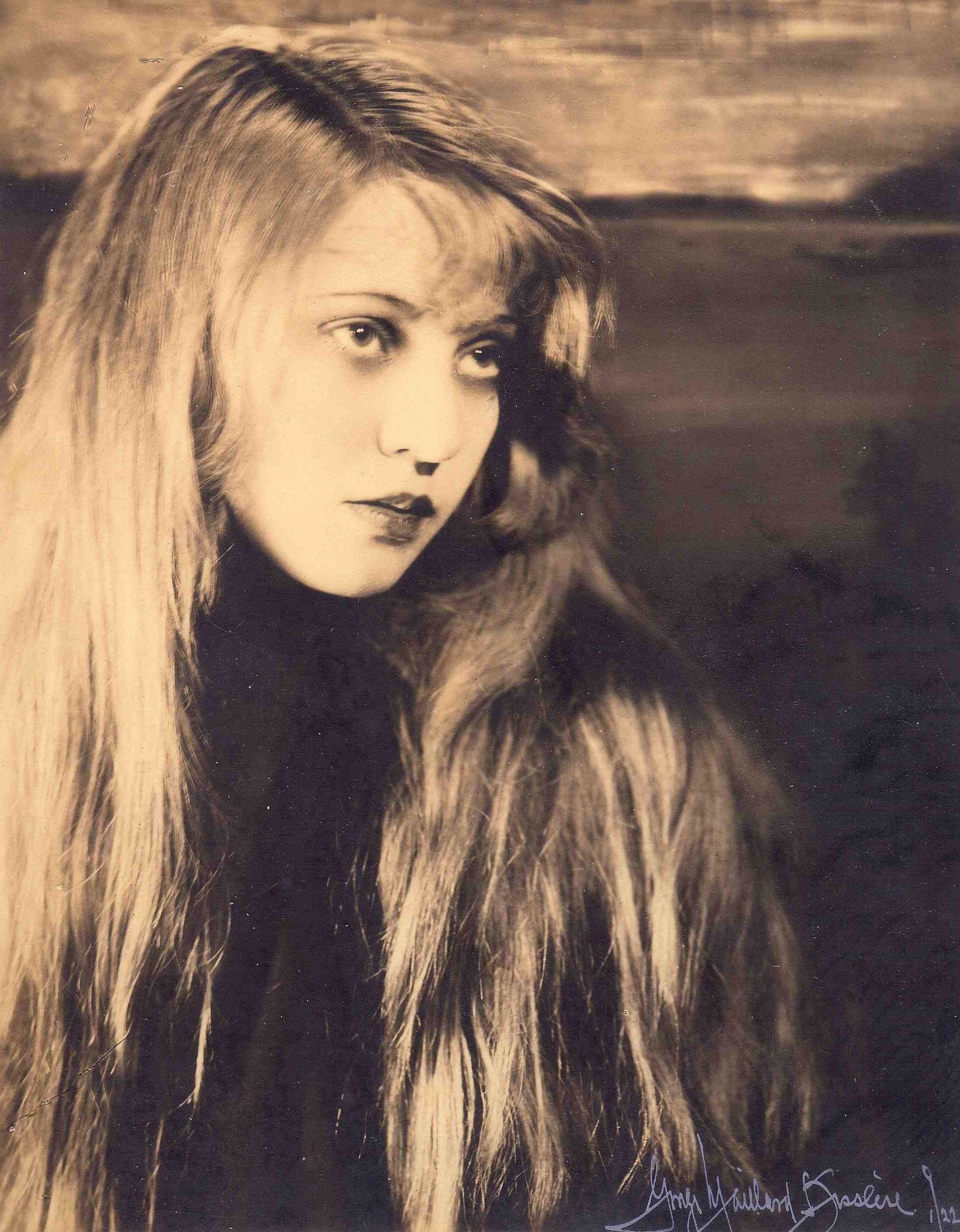
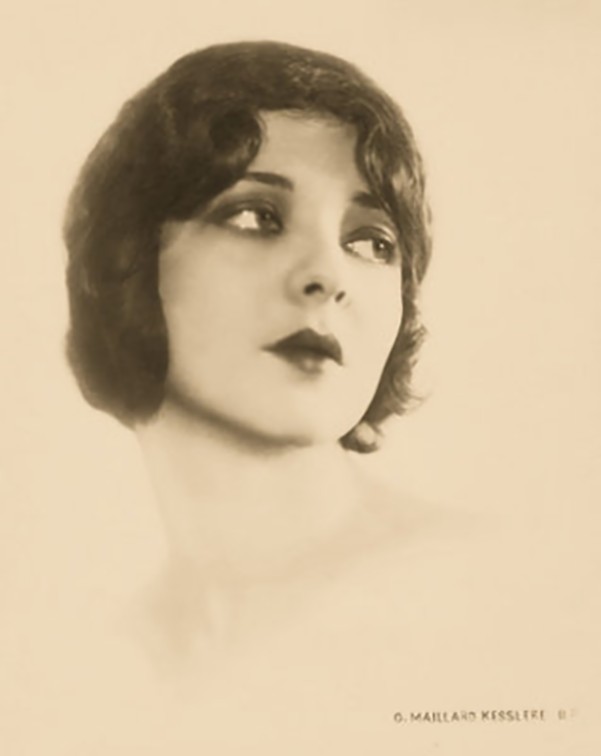
George Maillard Kesslere était un photographe et peintre américain. Diplômé de l’Université de Syracuse, Kesslere était l’un des derniers élèves du peintre impressionniste américain, William Merritt Chase. Après l’optention de son diplome, il a créé un studio ( surtout de portrait) à Syracuse,Etat de New York, où il a pratiqué la photographie et la peinture. Il a également collaboré à plusieurs projets muraux.

Bien que son travail de photographe ait gagné une reconnaissance immédiate pour son talent artistique, Kesslere ne put jamais gagner sa vie à ses debuts,car le prix des photogravure étant trop élevées. Donc, en 1921, The Debutante (La débutante), un périodique de New York peu cher, le convie à devenir éditeur d’art, Kesslere saute sur l’occasion, le déplacement à New York en Août 1921. Pour une brève période, il a maintenu les deux lieux de travail, mais son succès en tant que photographe à New York fit obturateur studio Syracuse en 1922.

La Débutante disparue, Il plublie un ensemble de portraits de Dorothy Dickson dans Vanity Fair qui cimente sa reputation comme un artiste photographe talentueux , ce qui lui a valu une clientèle de ville.Esthète, snob, bisexuels libertin, et le parti-donateur, il est devenu une figure importante dans la consolidation des liens culturels entre la communauté des arts et de la haute société homosexuels dans la période entre les deux guerres.

George Maillard Kesslere-Dorothy Dickson , November 1920

Remarquant la vogue dans les magazines culturels pour les photos floues de danseuses nues, Kesslere en 1923 a commencé à développer une série de peintures et pastels de filles nues drapées diaphonously fonctionnant à l’air libre. Ce genre arty de la peinture de pin-up a attiré l’attention de Broadway chair marchand, Earl Carroll qui a installé Kesslere comme son photographe officiel après la mort de John De Mirjian (voir article sur Lui ICI) en 1928. Les programmes pour « Vanités » série Carroll sélectionnée peintures et photos par Kesslere, et une appréciation effusive de son art par certains luminaire culturelle de la journée.

George Maillard Kesslere- Two nude with aveil in the wind,photo-painting 1924-25

George Maillard Kessler- Untitled, 1930 credited by in the date by 1000 nude, ed Taschen, 2005, but it seems to be from the same serie of the wind in 1924

George Maillard Kesslere-Early Morning 1924-30s

Dans le monde de la photographie théâtrale, la renommée de Kesslere reposait sur des représentations du corps, autant que ses traitements évocateurs et expérimentaux de la tête. Il était l’un des plus beaux des photographes de format de buste de la fin des années 1920 et 1930. Il excellait dans le traitement pictural de buste.Pour ses portraits, il a reçu la reconnaissance de l’Académie royale britannique de la photographie

Le 26 Mars 1935, Kesslere expose 500 de ses photographies, peintures, dessins, gravures et dans le salon de Ziegfeld Theater Patricia Loew. Le 1er Juillet 1947, une exposition itinérante du travail de Kesslere, «Stars d’hier et d’aujourd’hui, »fait le tour des Etats-Unis .

En 1952, Kesslere fait don de 6000 photographies et 500 tableaux à la Collection Théâtre de la New York Public Library. Malheureusement, l’atelier de Kesslere, a pris feu peu de temps avant le transfert des images, et la plupart des articles qui ont été enregistrés et transférés à la collecte NYPL souffrent de dégâts d’eau et une manipulation brutale. Texte de David S. Shields traduit par mes soins.

George Maillard. Kesslere- The Graces, posed by The Muller Dancers,pubished in Theatre Magazine, september 1923

George Maillard Kesslere Norma Talmadge ,1920-1925

George Maillard Kesslere-Norma Talmadge, 1924-27

George Maillard Kesslere Nude, Womanhood, 1925

George Maillard Kesslere Sultry Shirley 1922-25

George Maillard Kessler- Sultry Shirley in parshall (Série Earl Carrols Vanities), {Crop} 1931[source ebay]

Kesslere consacré son art photographique du portrait de théâtre et de la mode. Peintre de formation, il a poursuivi une carrière parallèle comme un bel artiste, excellant dans des tons pastels. De la première, il illustré l’approche-Hollywood lutte contre picturale, des photographes de Kansas City et les racloirs de New York négatifs. Il a rénové et modernisé le style de la photographie vignette fin du 19ème siècle . Le succès de ces portraits de médias mixtes conduit d’autres, comme Hal Phyfe , John De Mirjian , et même Irving Chidnoff , a expérimenter avec le style, conduisant à un moment en 1926-27 quand un style distinct de New York de l’art du portrait a prévalu. Même dans les années 1930 plus tard, quand un style rectiligne de représentation est devenu la norme, les images de Kesslere ont été si lourdement retouchées qu’ils semblaient graphique plutôt que photographique.

George Maillard Kesslere – Maria Gambarelli ( greatest dancer of the Metropolitan Opera ballet school, 1920s

George Maillard Kesslere- Portrait of Maria Gambarelli ( greatest dancer of the Metropolitan Opera ballet school, 1920s

George Maillard Kesslere- Jacqueline Logan

George Maillard Kesslere-Betty Blythe 1924

G MAILLIARD KESSLERE VIVIAN KEEFER SEMI NUDE 1920’S

George Maillard Kesslere – Maria Gambarelli ( greatest dancer of the Metropolitan Opera ballet school, 1922

George Maillard Kesslere – Maria Gambarelli ( greatest dancer of the Metropolitan Opera ballet school, 1922 ( ebay)

George Maillard Kesslere – Maria Gambarelli ( greatest dancer of the Metropolitan Opera ballet school, 1922

George Maillard Kesslere – Maria Gambarelli ( greatest dancer of the Metropolitan Opera ballet school, 1922

George Maillard Kesslere – Maria Gambarelli ( greatest dancer of the Metropolitan Opera ballet school, 1922

George Maillard Kesslere – Maria Gambarelli ( greatest dancer of the Metropolitan Opera ballet school, 1922

George Maillard Kesslere -Annette Margules, 1924

George Maillard Kesslere- Alice Burragen 1922-24

George Maillard Kesslere- Belle Bennett ( actress), 1920s

George Maillard Kesslere -Ethelind Terry, 1920s

George Maillard Kesslere-Betty Blythe 1924

George Maillard Kesslere- unknown model, 1924

George Maillard Kesslere-Dorothy Dickson , November 1920

George Maillard Kesslere -Marion Benda, 1920s

George Maillard Kesslere- Evangeline Raleigh ( miss Brodway, Sunny days), 1928

George Maillard Kesslere -Gloria Swanson, 1927

George Maillard Kesslere- silent Western star and speakeasy ownerunknown model, 1924, 1924-26

George Maillard Kesslere- unknown model, 1924

George Maillard Kesslere -The showgirl, dancer and actress Lota Cheek, 1924

George Maillard Kesslere -the showgirl dancer and actress Lota Cheek, 1924 police gazette COVER_

George Maillard Kessler- Womanhood, 1925

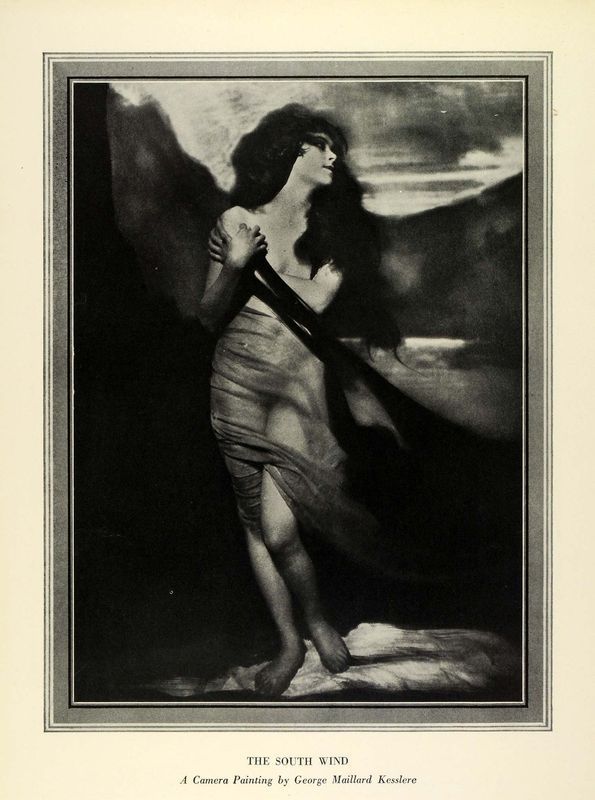
George Maillard Kesslere – The south wind, 1924

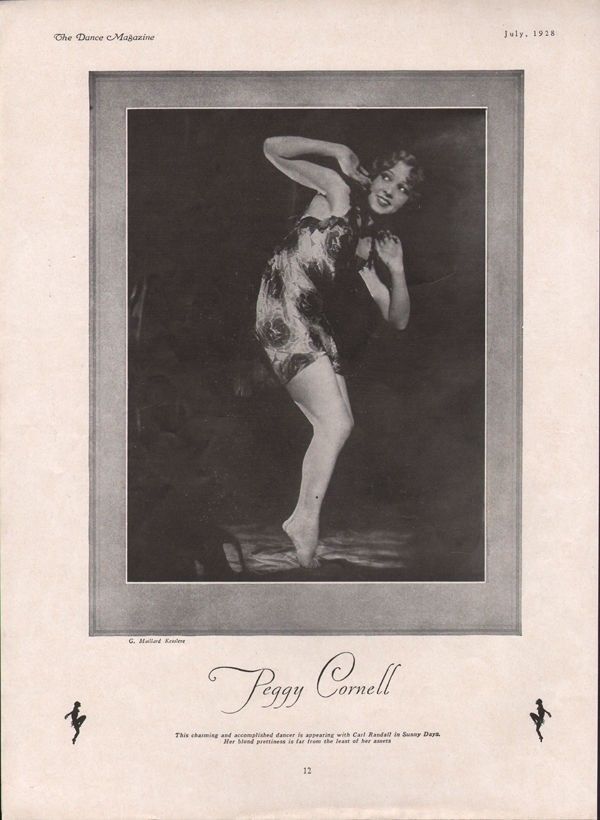
George Maillard Kesslere -Peggy Cornell, 1928

George Maillard Kesslere -Fowler and Tamara Dancers – Pierrot 1925 Magazine

George Maillard Kesslere -Gloria Swanson, For the magazine the Tatler 1927

George Maillard Kesslere -Gloria Swanson, 1927

George Maillard Kesslere -Gloria Swanson, 1927

George Maillard Kessler- Tallulah Bankhead, 1935

George Maillard Kesslere- Earl Carroll Vanities, 1921

George Maillard Kesslere- Earl Carroll Vanities, 1922

George Maillard Kesslere- Earl Carroll Vanities,

George Maillard Kesslere -Ruth Page and Adolph Bolm in Visions Fugitives, c1922_e

George Maillard Kesslère -Ruth Page in the Music Box Revue, 1922 and 1924 npgl

George Maillard Kesslère -Ruth Page in the Music Box Revue, 1922 and 1924 npgl

George Maillard Kesslère -Ruth Page in the Music Box Revue, 1922 and 1924

Protégé : Pécsi József (1889 – 1956)

Cet article est protégé par un mot de passe. Pour le lire, veuillez saisir votre mot de passe ci-dessous :

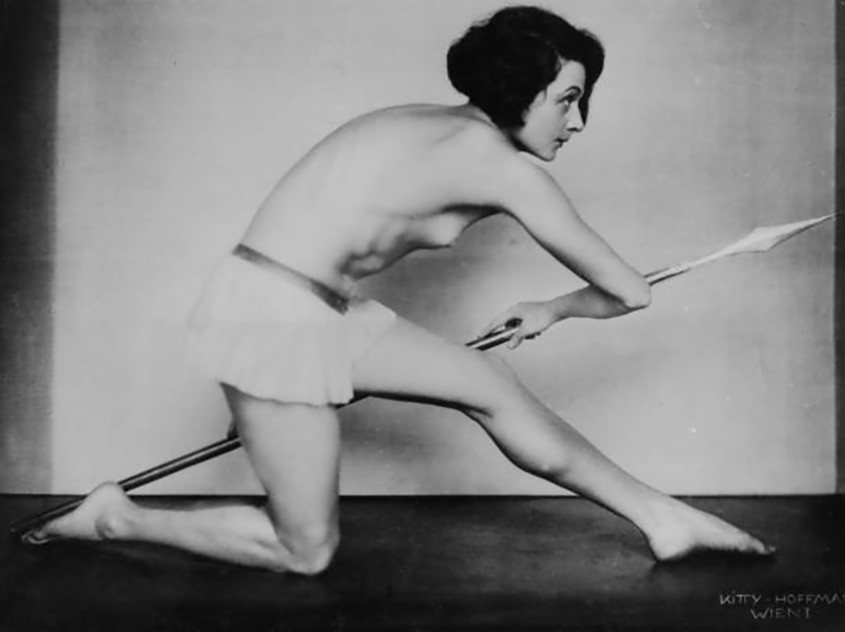
Kitty Hoffman ( wien) Portrait of dancer Claire Bauroff

Kitty Hoffman ( wien) Portrait of dancer Claire Bauroff as she poses, topless and with a spear, in a scene from a ‘Roman Gladiator’ tableau vivant, Vienna, Austria, 1934.

Hans Robertson ( 1883-1978)

“When Lotte Jacobi’s photos were exhibited together for the first time four years ago, reviewers were dazzled by how many of Weimar Germany’s glittering jewels—from Käthe Kollowitz to Martin Buber to the famously vampy Lotte Lenya—had been captured by her lens. She seemed to have single-handedly taken on the task of portraying the immense artistic, psychological, and political fervor of those tumultuous years, which seemed fragile even at the time—an ambitious task for any one photographer, even one as hungry as Jacobi. But her atelier was, in fact, one of 400 in Berlin, and she was just one of the many—mainly Jewish—photographers feverishly recording the dancers, writers, and actors that made this doomed moment in German history so extraordinary. Another photographer who clicked away at an incredible rate and with singular results was Hans Robertson.

To say that an artist has been forgotten is to imply that he was well known in his time. Robertson’s name—like that of Jacobi and most other commercial photographers—was not familiar outside the circle of performers who were his subjects and magazine editors who used his services. But from the evidence of only a fraction of his prolific output, discovered almost by accident and now on display at the Berlinische Galerie in Berlin, his work deserves attention.

Robertson’s specialty was expressionist dance. And expressionist dance was huge in 1920s Germany: the avant-garde innovations that had taken place at the turn of the century in everything from painting to fiction became popularized, and dance was transformed from an aesthetic exercise into an attempt to translate the inner life into movement. The gestures of this modern dance were primitive, dramatic, almost ritualistic, with a fetishistic focus on the human body. Mary Wigman, one of its main innovators, slid across the floor on her knees, eyes closed, fists clenched, performing her Witch Dance. Her school in Dresden became a center of this Ausdruckstanz, producing world-renowned modern dancers like Harald Kreutzberg and Yvonne Georgi.

They all posed for Robertson. His studio on bustling Kurfürstendamm—a boulevard that was both the Fifth Avenue and the 42nd Street of Berlin—saw a steady stream of business in the late 1920s and early ’30s. But the commercial aspect of these photos, which were in demand by popular illustrated journals like the Berliner Illustrierte Zeitung, is less important than the artistic vision that guided their creation. Robertson was trying to use his camera in much the same way the dancers he photographed were using their bodies. From the creative way he manipulated light to his innovative use of multiple exposures, he wanted to capture more than just straightforward ornamental shots of the dancers. He was trying to convey their new art form on its own terms.

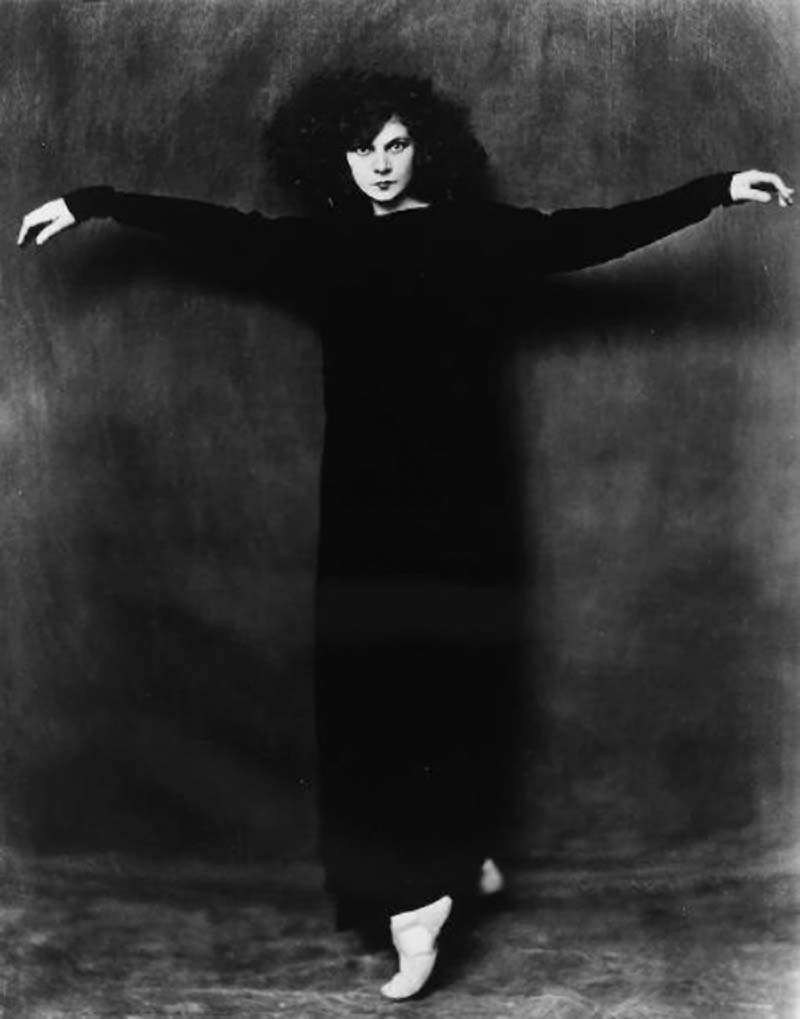
This is clear in the photographs. The series called “Leaps,” of Gret Palucca, a favorite muse of expressionist painters and the Bauhaus crowd, catches Palucca in mid-air, limbs splayed. Only part of her body is in focus—the ability to photograph sudden movement was itself a recent technological advancement. In one image her naked torso is twisted, in another her back arched. Then there are the soulful photos of Jo Mihaly, performing her one-woman piece, “Mütter.” She stands in front of a black screen wearing a black turtleneck, her pale, emotive face almost floating in the frame and illuminated from above by a single beam of light. On the more abstract end are Robertson’s photos of Harald Kreutzberg performing his “Lunatic Figures.” Robertson overlays three different exposures of the famously shaved headed dancer, capturing the various expressions of madness Kreutzberg is embodying. Even in Robertson’s more straightforward photo of Kreutzberg as a lunatic, holding a flower and posed loose as a marionette puppet, he captures the dancer as a depersonalized body, a trope of Expressionism that would later inspire, among other post-war dance forms, Japanese Butoh.

Of Robertson’s biography, says the curator of the Berlinische Gallerie show, Thomas Friedrich, “there are more questions then answers.” He was born in Hamburg in 1883. After studying engineering—a profession that inspired a few early photos of construction sites and workers—he changed course and headed to St. Mortiz where he apprenticed for the Swiss landscape photographer Albert Steiner. At 28, Robertson’s first photo spread—a pictorial tour through Holland—appeared in Photographische Rundschau. But his photo career would have to wait until 1918, when he arrived in Berlin. There he joined Lili Baruch—one of the disproportionately high number of Jewish women then making her living with a Leica—who set up the studio on Kurfürstendamm, specializing in dance photography, which Robertson took over in 1928.

To produce the thousands of photos he printed over the next five years, Robertson most likely worked long days and weekends. In addition to dance photography, he shot a wide range of portraits of many of the era’s personalities, from the famous—a nude profile of the boxer Max Schmelling—to the forgottn, such as a close up of the publisher Irmgard Klepenheuer, gazing intently at the camera, a cigarette between her fingers.

In 1933, following Hitler’s appointment as chancellor and the subsequent boycott of Jewish businesses, Robertson had an inkling of what was to come. He handed over the studio to his apprentice, Siegfried Enkelmann. One of the few documents Friedrich, the curator, has been able to uncover is a contract signed by Robertson that makes the transfer final, and describes Enkelmann as “reliable.” And he was. The protégé survived the war and continued photographing dancers (including Mary Wigman) until his death in 1978.

Robertson and his coquettishly beautiful wife, the actress and dancer Inger Vera Kyserlinden (born Levin), escaped to her native Denmark. While the avant-garde movement had been taking place in Berlin, Paris, and Prague, most photographers in Copenhagen were stuck in the pictorial style of the 1910s. As a result, in 1963 Robertson established the first modern photography school in Denmark. But eight years later, just before Hitler began deporting Danish Jews, the Robertsons were forced into exile again, this time fleeing to Stockholm. They returned in May of 1945 and Robertson died just five years later at the age of 67. Thousands of his photographs were turned over to the Royal Library of Denmark following his wife’s death in 1969.

Over time, Robertson was reduced to little more than a footnote. And not just proverbially: It was literally in a footnote in 1992 that Friedrich—a charming, slightly disheveled curator who thrives on the detective work involved in resurrecting dead photos and their makers— discovered his name. He was intrigued, but it took another 14 years (after encountering Hans Robertson’s name in another context) for Friedrich to finally take a trip to Copenhagen to peruse the archive at the Royal Library. What he found there astounded him. Not only did Robertson’s photos offer the most comprehensive catalogue of Weimar dance, but his work was also that of an artist with a unique style and vision. Friedrich still marvels that Robertson’s photos manage to look so distinct from one another, even though they were all taken in the same studio.

The building that housed that studio, on Kurfürstendamm, no longer exists. Like it did in much of Berlin, new construction in the 1950s erased what was before. Now two pharmacies, a clothing store, and a nondescript café look out from the ground floor. There is no trace of the glamour and wild experimentation that was once captured there in pictures. But Hans Robertson himself might yet have an afterlife: Friedrich, it seems, is planning a large retrospective for 2011.” BY Deborah Kolben and Gal Beckerman [ freelance writers living in Berlin.]

Hans Robertson – Le Bain, 1933

Hans Robertson – Alfred Jackson Girls in Wintergarten, Berlin, 1922

Hans Robertson- Expressionist dance dancer unknown, Berlin,1920, (From documented the Weimer era dance scene in the 20′s)

Hans Robertson -The dancer Harald Kreutzberg in Irre Gestalten, Berlin, 1928

Hans Robertson- Unknown Dancer, Berlin, 1920′s

Hans Robertson -Little Viola, 1920′s

Hans Robertson -Zwaniger Jahre Atelier“Lili Baruch”, Berlin,1927

Hans Robertson The famous Weimar dancer Elizabeth Bergner, 1930

Hans Robertson- Lydia Wieser, nd ( probably 1920′s)

Hans Robertson- Gret Palucca, Berlin, 1930

Hans Robertson - Dancer unknown- Berlin, 1930's

Hans Robertson – Dancer unknown- Berlin, 1930′s

Hans Robertson - Dancer unknown ( détail)- Berlin, 1930's

Hans Robertson – Dancer unknown ( détail)- Berlin, 1930′s

Hans Robertson- Gret Palucca, 1920s

Soichi Sunami-The dancer Helen Tamiris

Helen Tamiris was a pioneer of American modern dance.

American choreographer, modern dancer, and teacher, one of the first to make use of jazz, African American spirituals, and social-protest themes in her work.

« Helen Tamiris (1903-1966), a founder of modern dance in the 1920s and 1930s, always kept a foot firmly planted in the commercial theater. She was trained in ballet at the Metropolitan Opera and by Michel Fokine, as well as in natural dancing at New York’s Isadora Duncan Studio. Her early career combined a soloist position in the Bracale Opera Company with appearances in nightclub and Broadway revues. Yet her first recital in 1927 demonstrated a personal expression of abstract movement and frank social analysis. A year later she adopted the Negro spiritual as a métier for life as conflict. Politically active, Tamiris helped to lead development of the Dance Repertory Theatre and dance initiatives under the Works Progress Administration Federal Art Project. She founded and chaired the American Dance Association and helped to set up the Federal Dance Project. Following World War II, she turned to Broadway to attract large audiences for a modern dance aesthetic that aspired to shape consciousness of the people. Tamiris choreographed eighteen musicals between 1943-1957, artfully integrating dance into such productions as Up in Central Park, Annie Get Your Gun, and Fanny. She taught movement to dancers and actors and formed the Tamiris-Nagrin Dance Workshop in 1957 with Daniel Nagrin, who was her husband at the time. » Helen Tamiris, an essay by Elizabeth McPherson.

Soichi Sunami– The dancer Helen Tamiris , 1930’s {from the Dance Division, New York Public Library for the Performing Arts, Astor, Lenox, and Tilden Foundations}

Soichi Sunami -The dancer Helen Tamiris, 1920s

Soichi Sunami -The dancer Helen Tamiris, 1920s

Soichi Sunami- Helen Tamiris , Nd© Soichi Sunami or assignee via ARTEMIS auctions

Soichi Sunami- Helen Tamiris , Nd© Soichi Sunami or assignee via ARTEMIS auctions