Francisco De Goya- El Coloso, 1818

Francisco De Goya- El Coloso, 1818

Francisco De Goya- El Coloso, 1818


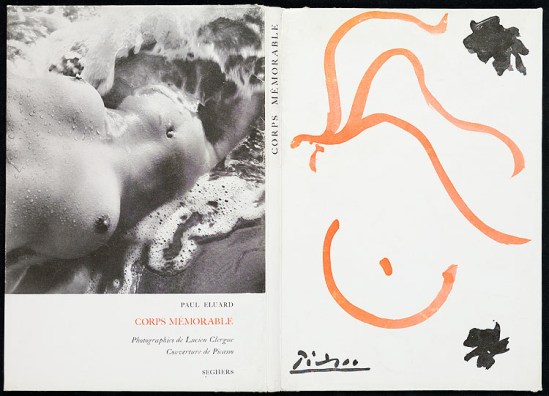
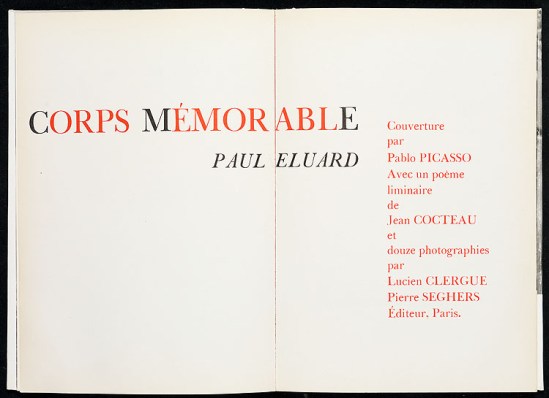
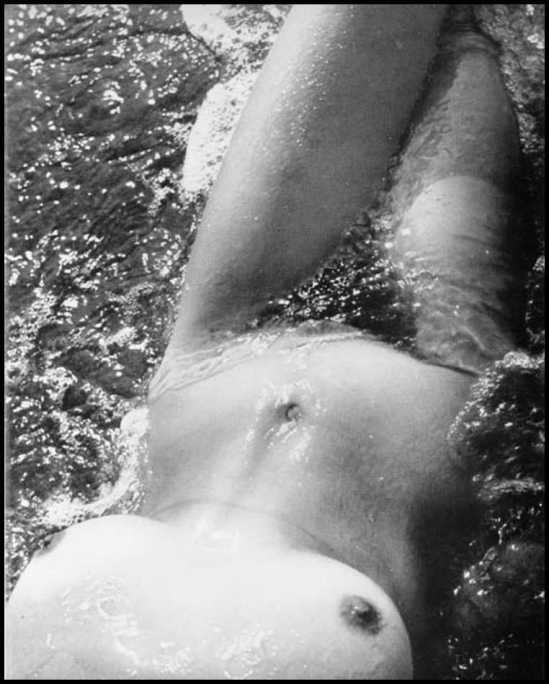
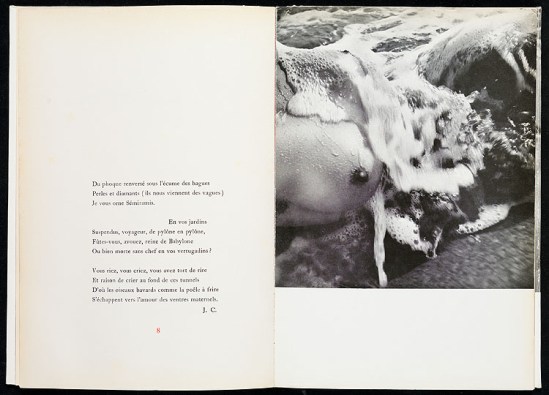
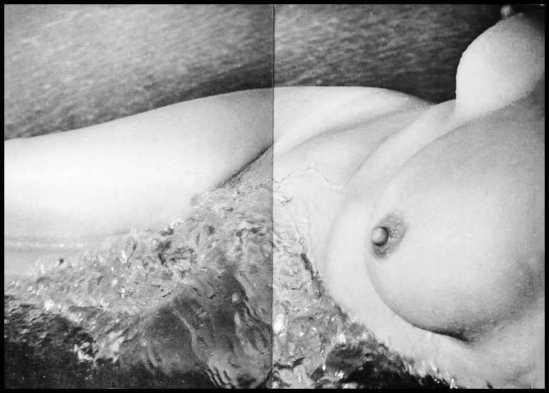
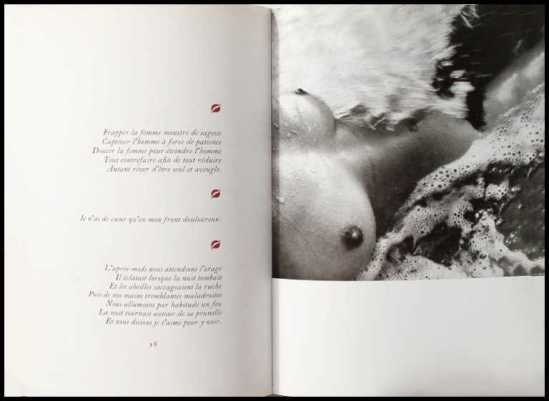
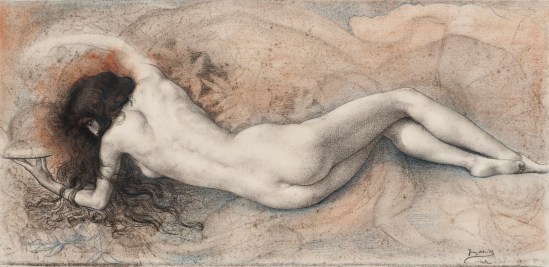
Lucien Clergue – Corps Mémorable – Paul Eluard Pablo Picasso, & Jean Cocteau Seghers 1957

Orné d’une couverture par Pablo Picasso, Corps mémorable, publié chez Seghers en 1957, réunit douze nus féminins de Lucien Clergue illustrant des poèmes de Paul Éluard. Le poème liminaire de Cocteau, À Clergue pour ses nus, écrit en novembre 1956 à Villefranche, a été adressé à celui que le poète appelle désormais son « cher coq d’Arles ».

Plusieurs rééditions existent aujourd »hui qui n’ont plus rien à voir avec l’original, qui ne comprenait que 12 photos. Vous pouvez trouver ce livre pour 30euros Editions Pierre Seghers, Paris, 1996. Troisième édition, Clergue. 65 pp. par exemple.


Lucien Clergue - Corps Mémorable - Paul Eluard Pablo Picasso, & Jean Cocteau Seghers 1957

Lucien Clergue – Corps Mémorable – Paul Eluard Pablo Picasso, & Jean Cocteau Seghers 1957

Lucien Clergue - Corps Mémorable - Paul Eluard Pablo Picasso, & Jean Cocteau Seghers 1957

Lucien Clergue – Corps Mémorable – Paul Eluard Pablo Picasso, & Jean Cocteau Seghers 1957

Lucien Clergue - Corps Mémorable - Paul Eluard Pablo Picasso, & Jean Cocteau Seghers 1957

Lucien Clergue – Corps Mémorable – Paul Eluard Pablo Picasso, & Jean Cocteau Seghers 1957

Lucien Clergue - Corps Mémorable - Paul Eluard Pablo Picasso, & Jean Cocteau Seghers 1957

Lucien Clergue – Corps Mémorable – Paul Eluard Pablo Picasso, & Jean Cocteau Seghers 1957

Corps Mémorable - Paul ELUARD Lucien CLERGUE Pablo PICASSO Seghers 1957

Lucien Clergue – Corps Mémorable – Paul Eluard Pablo Picasso, & Jean Cocteau Seghers 1957

Lucien Clergue - Corps Mémorable - Paul Eluard Pablo Picasso, & Jean Cocteau Seghers 1957

Lucien Clergue – Corps Mémorable – Paul Eluard Pablo Picasso, & Jean Cocteau Seghers 1957

Lucien Clergue - Corps Mémorable - Paul Eluard Pablo Picasso, & Jean Cocteau Seghers 1957

Lucien Clergue – Corps Mémorable – Paul Eluard Pablo Picasso, & Jean Cocteau Seghers 1957

Lucien Clergue - Corps Mémorable - Paul Eluard Pablo Picasso, & Jean Cocteau Seghers 1957

Lucien Clergue – Corps Mémorable – Paul Eluard Pablo Picasso, & Jean Cocteau Seghers 1957

Lucien Clergue - Corps Mémorable - Paul Eluard Pablo Picasso, & Jean Cocteau Seghers 1957

Lucien Clergue – Corps Mémorable – Paul Eluard Pablo Picasso, & Jean Cocteau Seghers 1957

“Rien ne ressemble davantage à quelque paysage de chair et d’écume, terrible et délicieux »

Lucien Clergue – Nu de la mer, 1959. & Jean Cocteau , “Rien ne ressemble davantage à quelque paysage de chair et d’écume, terrible et délicieux », La Naissance de Vénus 1959 dédicacé à Lucien Clergue. ( photographie de  Lucien Clergue – in Corps Mémorable – Seghers 1957, dedicacéé par Cocteau)

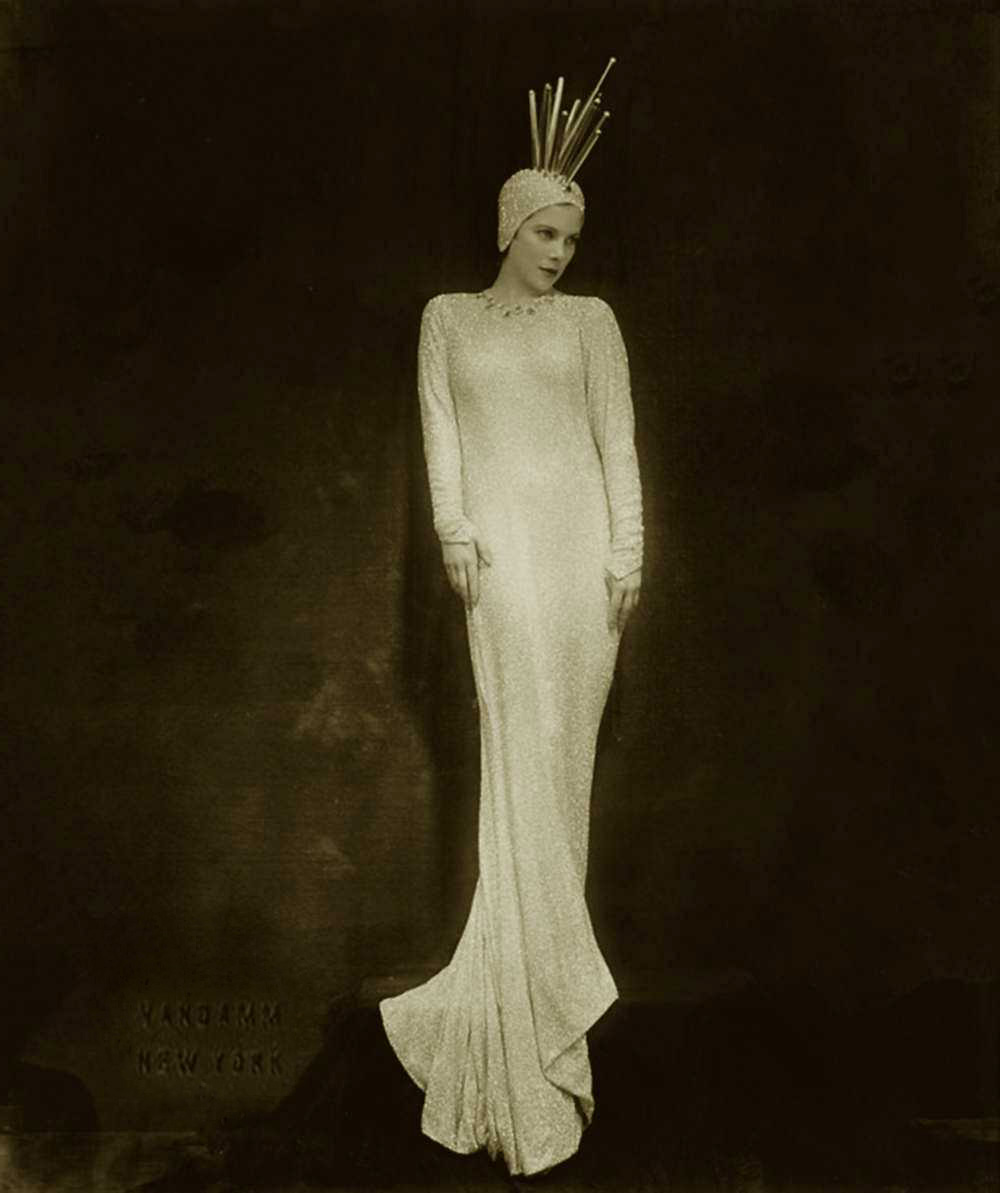
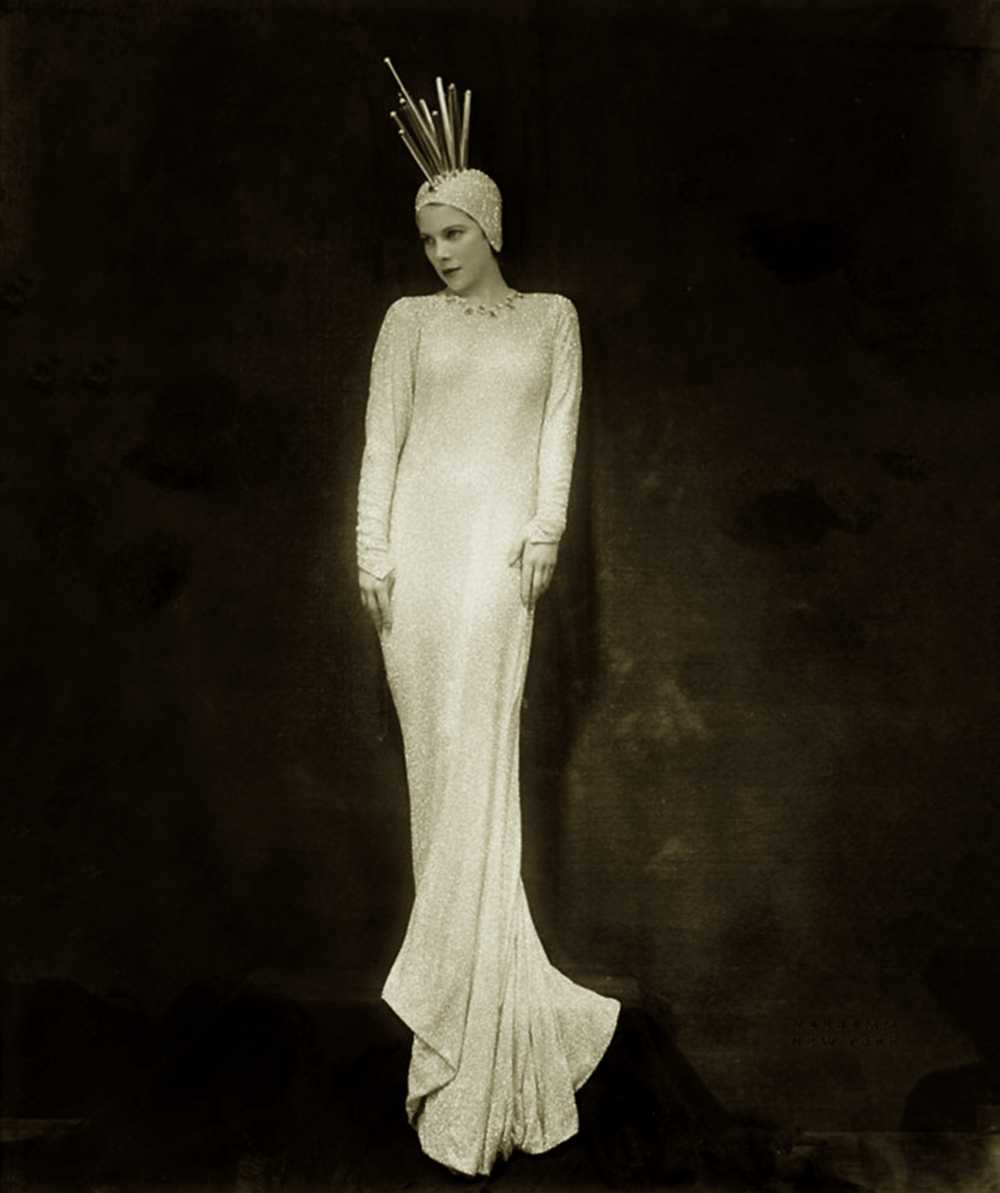
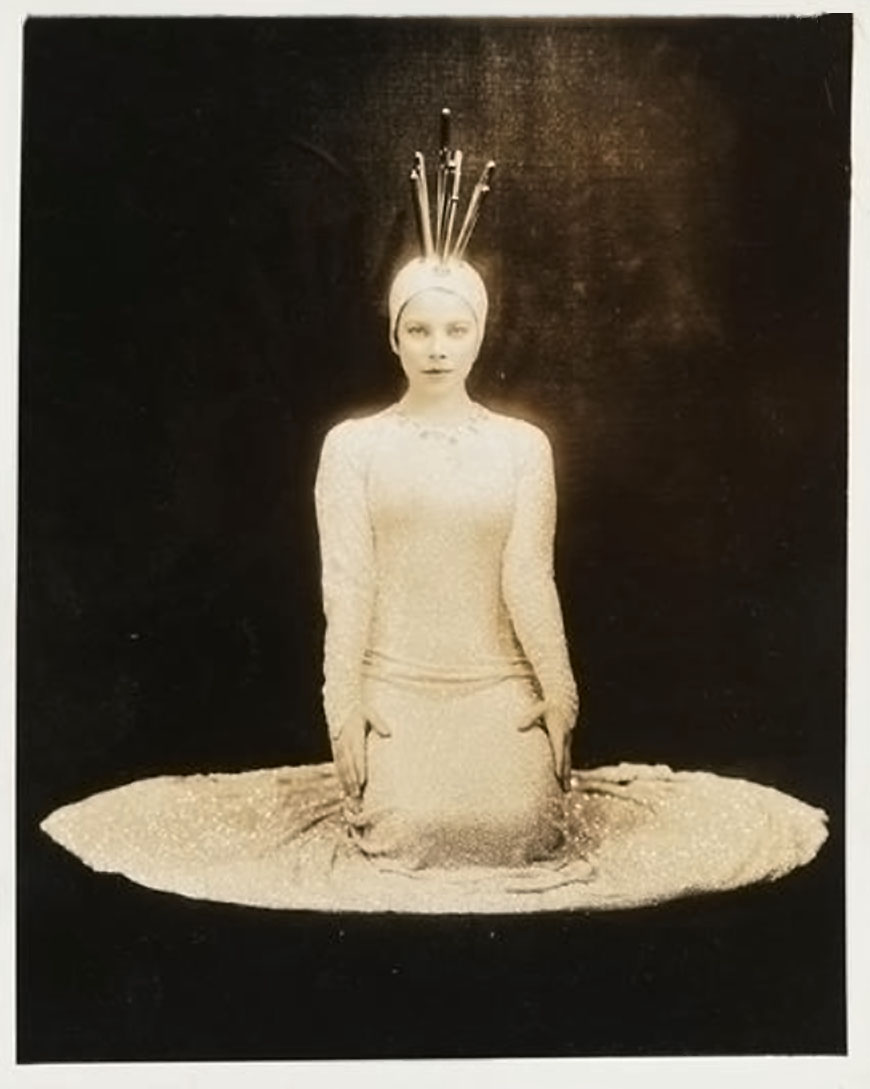
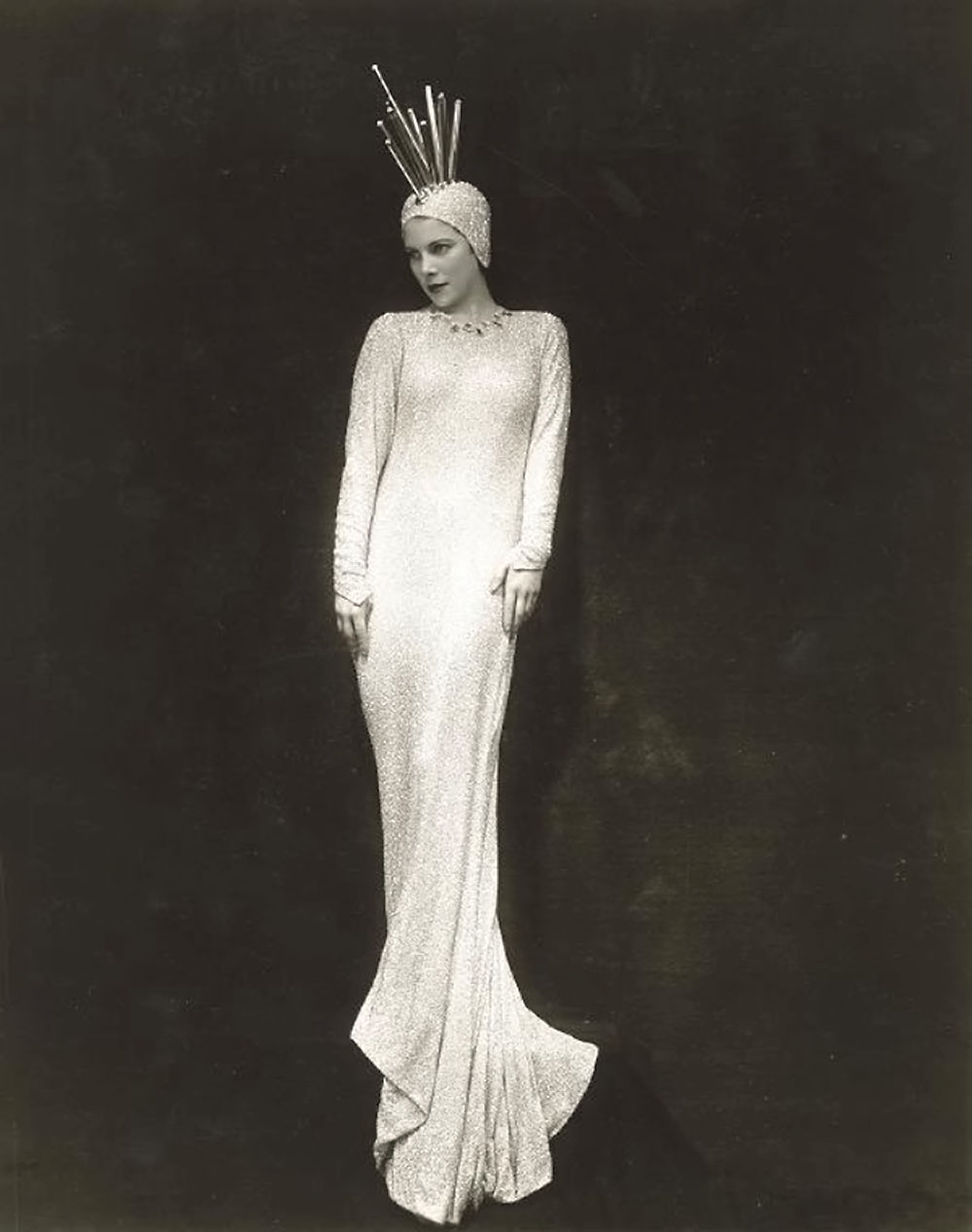
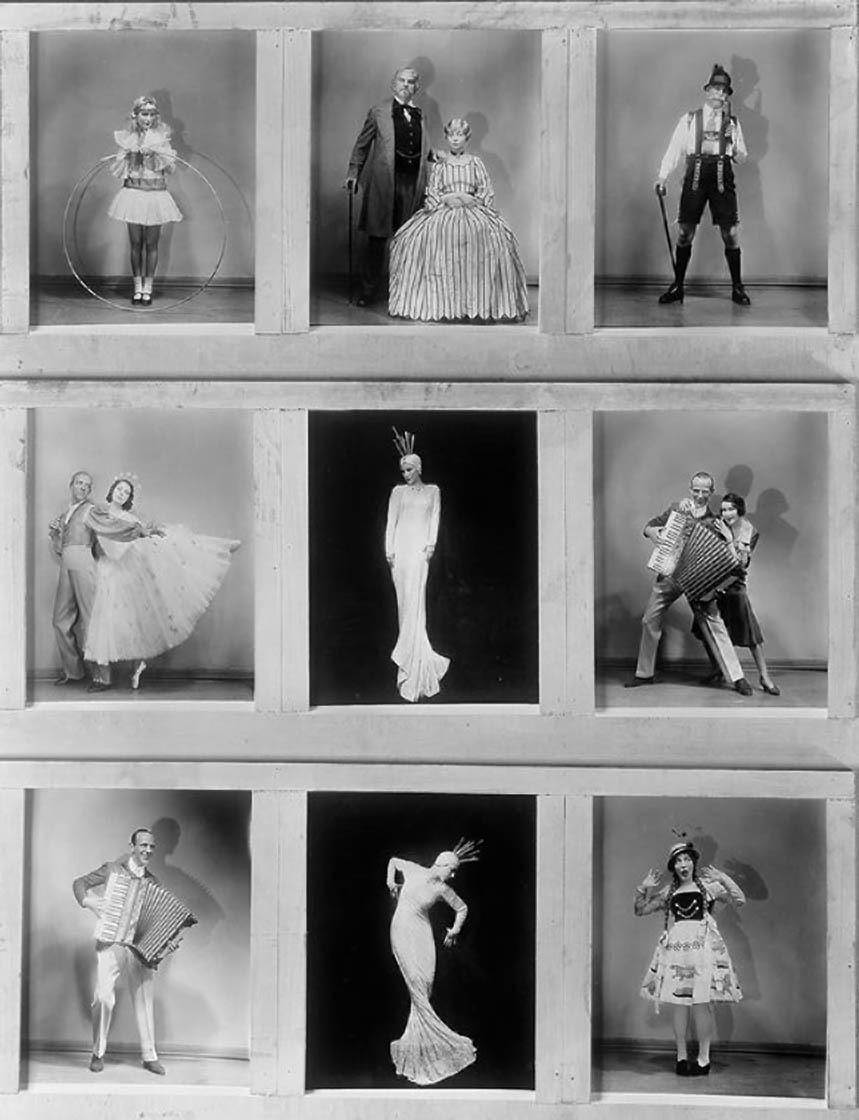
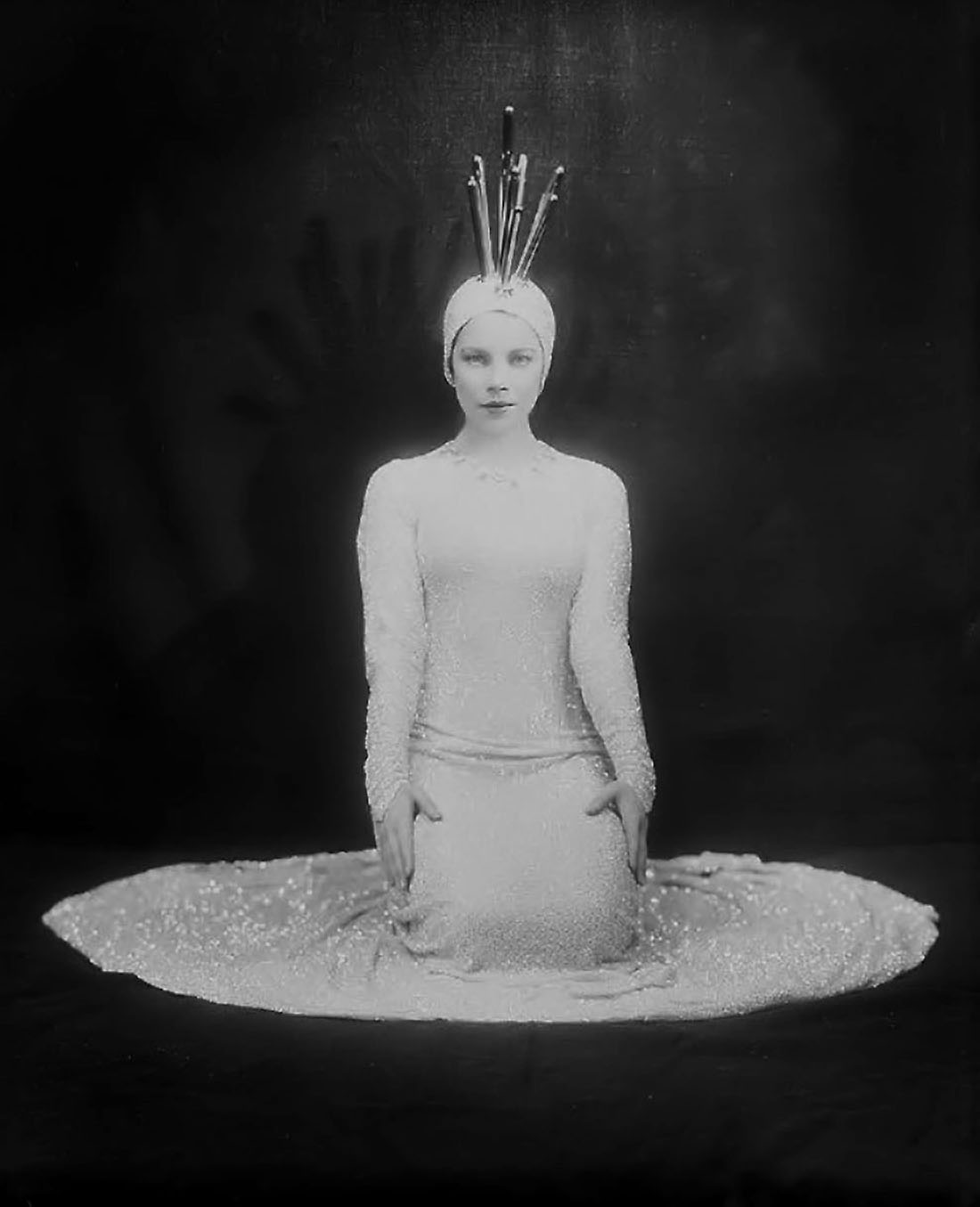
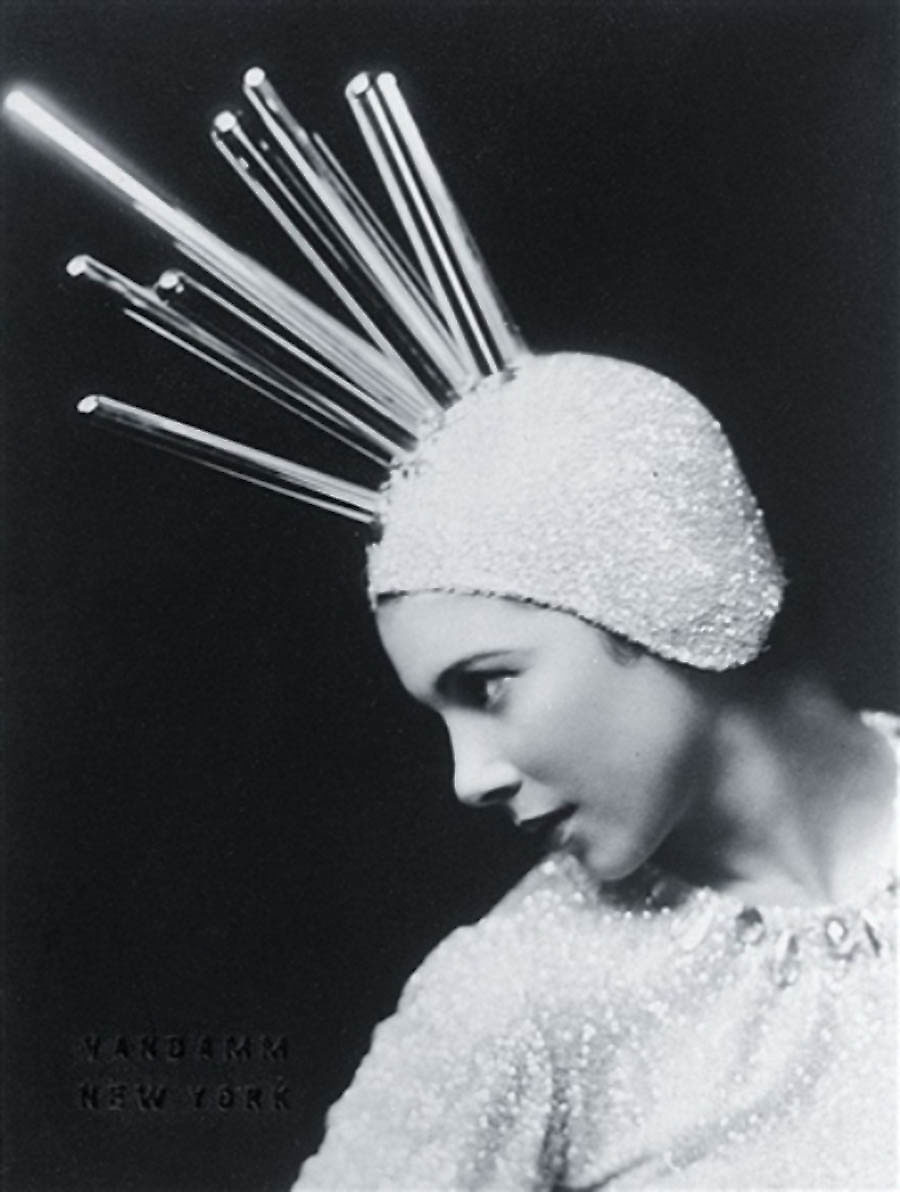
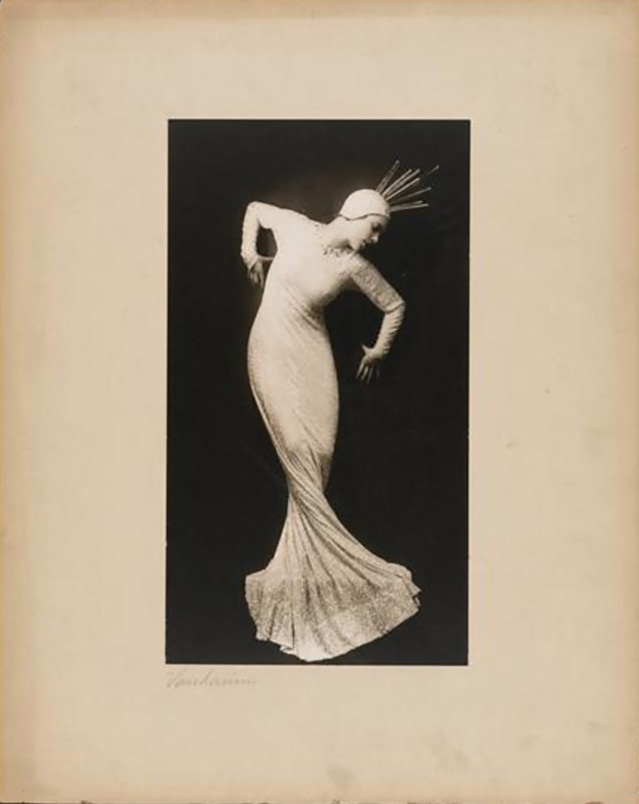
Florence Vandamm -Tilly Losch in the Band Wagon, 1931

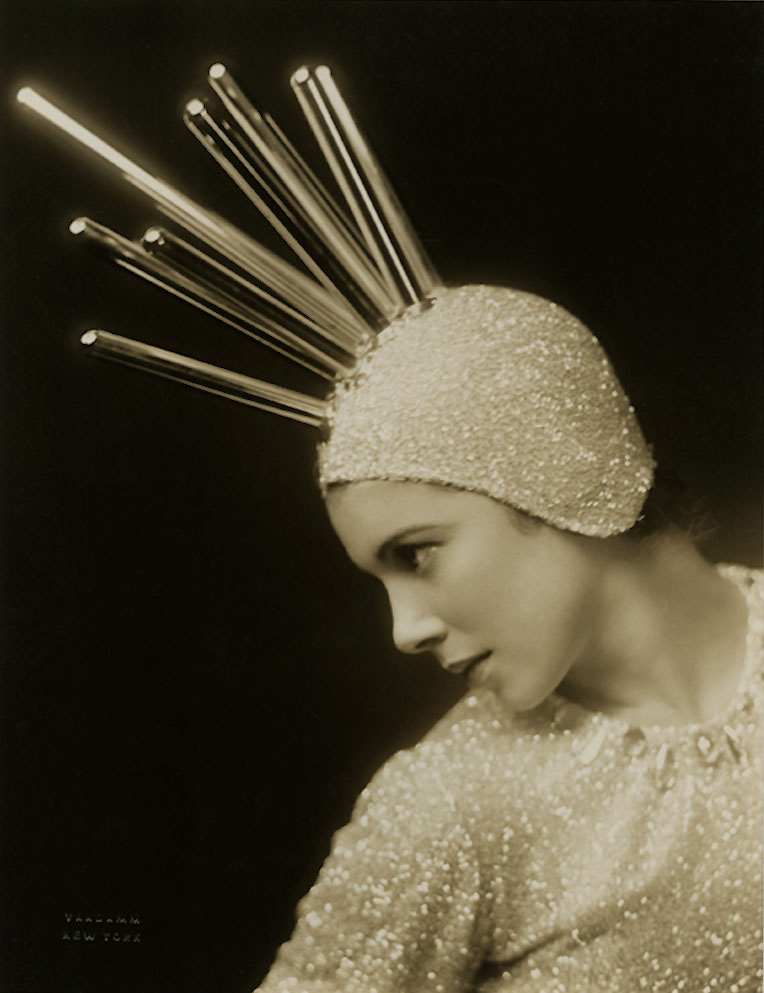
Florence Vandamm (Vandamm Studio) - Tilly Losch paper snipe for Tilly Losch in the Band Wagon,  at the new amsterdam theatre musical, 1931

Florence Vandamm (Vandamm Studio) – Tilly Losch paper snipe for Tilly Losch in the Band Wagon, at the new amsterdam theatre musical, 1931

The Band Wagon est une revue (comédie musicale) américaine créée à Broadway en 1931.

Une parodie  des spectacles typiques de l’époque , comprenant,  plusieurs tableaux.

le casting était composé de

Tilly Losch  : La danseuse
Adele Astaire :   Ivy Meredith
Fred Astaire  :  Simpson Cater / Le démonstrateur
John Barker  :  Mr. Wallace  / Mr. Knipper
Helen Broderick  :  Sarah  / Mrs. Prescott
Helen Carrington  : Mrs. Boule
Philip Loeb  : Jasper  / Walker  / Mr. Leftwitch
Frank Morgan : Le colonel Jefferson Claghorne / L’inspecteur Cartwright
Francis Pierlot : Ely Cater / L’homme assassiné  / Mr. Cadwallader
Roberta Robinson :Miss Hutton
Jay Wilson : Martin Carter  / Un policier
Albertina Rasch Dancers

**************************


Livret / Sketches : George S. Kaufman et Howard Dietz

Paroles : Howard Dietz

Musique : Arthur Schwartz   (Vous pouvez écouter ICI deux morceaux restaurés)

Mise en scène et lumières : Hassart Short

Chorégraphie : Albertina Rasch

Décors : Albert R. Johnson

Costumes : Kiviette et Constance Ripley   fabriqués par Eaves Costume Co.

Producteur : Max Gordon

[STAGED by Hassard Short.] Scenary executed by Triangle Scenic Studio New Amsterdam Theatre,

Nombre de représentations : 260 // Date de la première : 3 juin 1931 – dernière : 16 janvier 1932

Toutes les représentations  ont eu lieu au  New Amsterdam Theatre, Broadway

Source wilkipedia

Vus trouverez Ici sur WordPresse sur le Blog de    Jacksonupperco.com   Un article que je trouve très complet sur The Band Wagon donc je vous y renvoie, pas la peine de le copier.

je vous conseille également de lire 4/5 pages sur google book  consacrées à Tilly Losch  et cette comédie musicale,  dans « Sing for Your Supper The Broadway Musical in the 1930s » Par Ethan Mordden

Vous trouvez des photos de cette comédie Musicale au Musée de New-York avec de mauvais credits !!! ( c’est quand même ahurissant puisqu’ils sont sur NPG  en noir et blanc et sans tampon du photographe /////Notifié Studio Vandamm

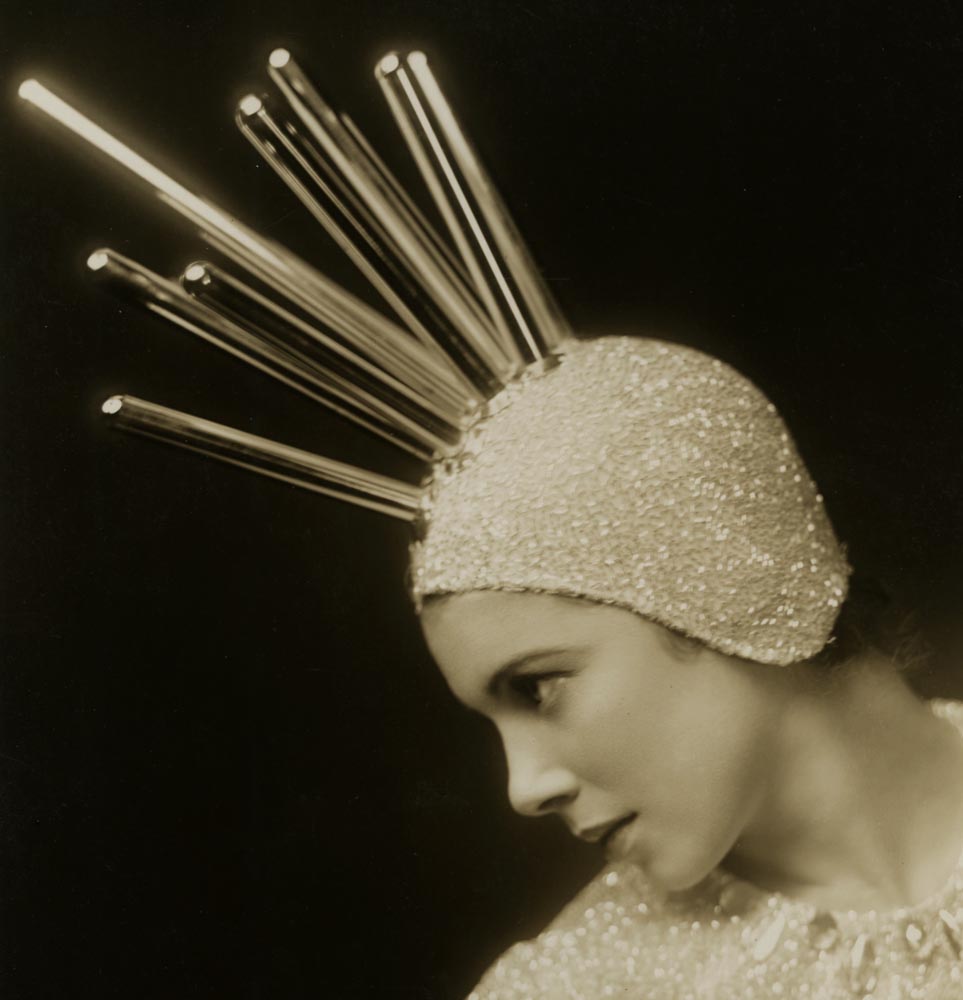
Florence Vandramm (Vandamm Studio) -Tilly Losch paper snipe for Tilly Losch in the Band Wagon, at new amsterdam theatre, 1931 [ crop]

 Les trois photographies qui suivent sont des scans du livre Parole de corps/ les couleurs ne sont pas très belles, mais c’est les seules photos de Tilly Losch de cette serie en couleur avec le tampon du photographe.

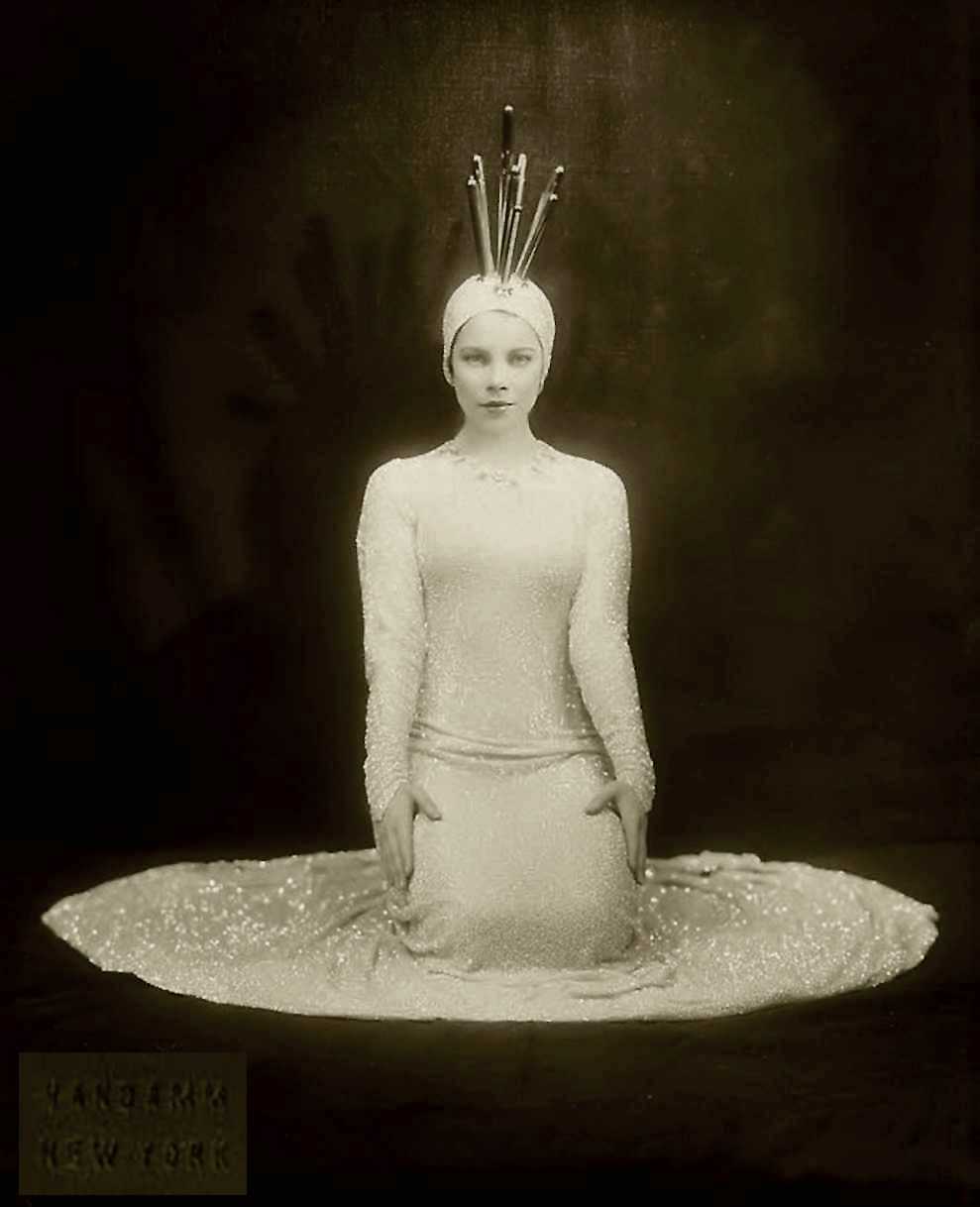
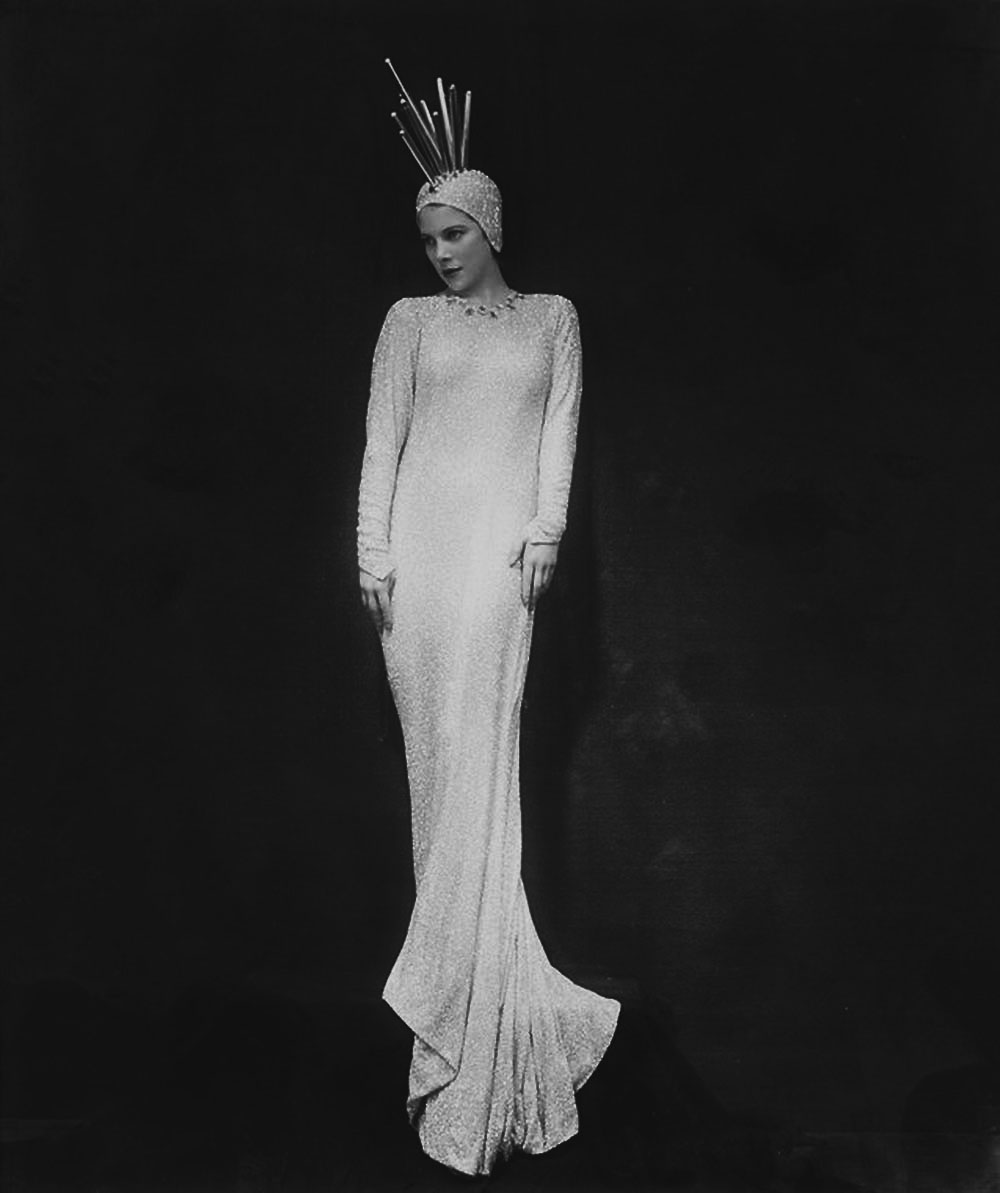
Florence Vandamm (Vandamm Studio) -Tilly Losch, in The Band Wagon (Costume designed by Constance Ripley. A Howard Dietz-Arthur’s musical revue Schwart, 1931


Florence Vandamm (Vandamm Studio) -Tilly Losch, in The Band Wagon (Costume designed by Constance Ripley. A Howard Dietz-Arthur’s musical revue Schwart, 1931

Florence Vandamm (Vandamm Studio) -Tilly Losch, in The Band Wagon (Costume designed by Constance Ripley. A Howard Dietz-Arthur's musical revue Schwart, 1931

Florence Vandamm (Vandamm Studio) -Tilly Losch, in The Band Wagon (Costume designed by Constance Ripley. A Howard Dietz-Arthur’s musical revue Schwart, 1931

Ces photographies sont trouvables sur le net en noir et blanc et sans tampon du photographe sur nypl ou avec des mauvais crédits meme dans ce musée citant pourtant nplg

Florence Vandamm (Vandamm Studio) -Tilly Losch, in The Band Wagon (Costume designed by Constance Ripley. A Howard Dietz-Arthur’s musical revue Schwart, 1931

Florence Vandramm (Vandamm Studio) -Tilly Losch, in The Band Wagon (Costume designed by Constance Ripley. A Howard Dietz-Arthur's musical revue Schwart, 1931

Florence Vandamm (Vandamm Studio) -Tilly Losch, in The Band Wagon (Costume designed by Constance Ripley. A Howard Dietz-Arthur’s musical revue Schwart, 1931 ©The New York Public Library

Florence Vandamm (Vandamm Studio) – band wagon. at New Amsterdam Theatre, 1931  ©The New York Public Library

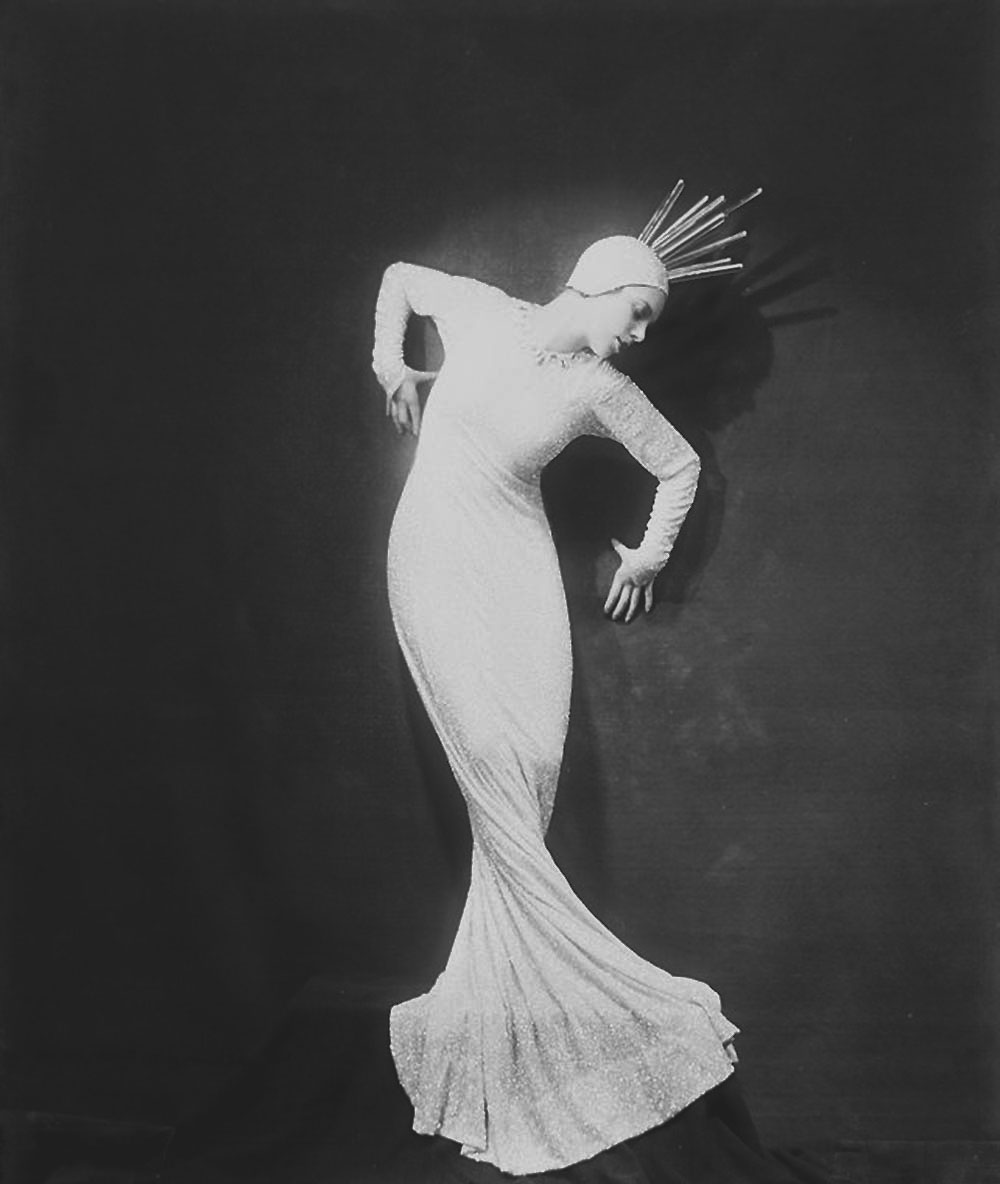
Florence Vandamm (Vandamm Studio) -Tilly Losch in costume of The Band Wagon ,at New Amsterdam Theatre, 1931 ©The New York Public Library

Florence Vandamm (Vandamm Studio) -Tilly Losch in costume of The Band Wagon ,at New Amsterdam Theatre, 1931 ©The New York Public Library

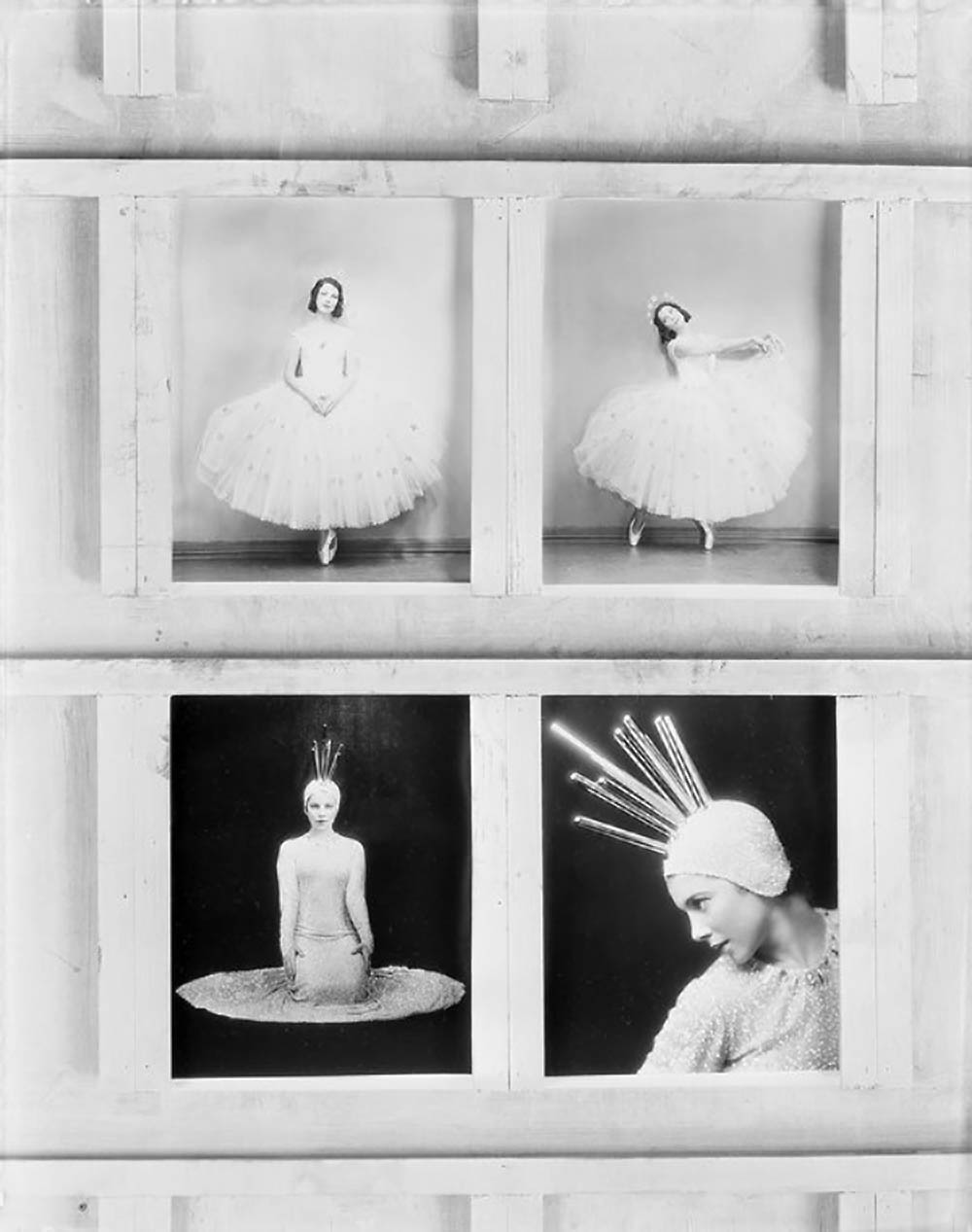
Florence Vandamm (Vandamm Studio) -Key sheet (4 shots) Tilly Losch in costume of The Band Wagon at New Amsterdam Theatre, 1931

Florence Vandamm (Vandamm Studio) -Key sheet (4 shots) Tilly Losch in costume of The Band Wagon at New Amsterdam Theatre, 1931 ©The New York Public Library ©The New York Public Library

Florence Vandamm (Vandamm Studio) -Tilly Losch in costume of The Band Wagon ,at New Amsterdam Theatre, 1931

Florence Vandamm (Vandamm Studio) -Tilly Losch in costume of The Band Wagon ,at New Amsterdam Theatre, 1931 ©The New York Public Library

Florence Vandamm Tilly Losch, New York, 1931

Florence Vandamm Tilly Losch, New York, 1931

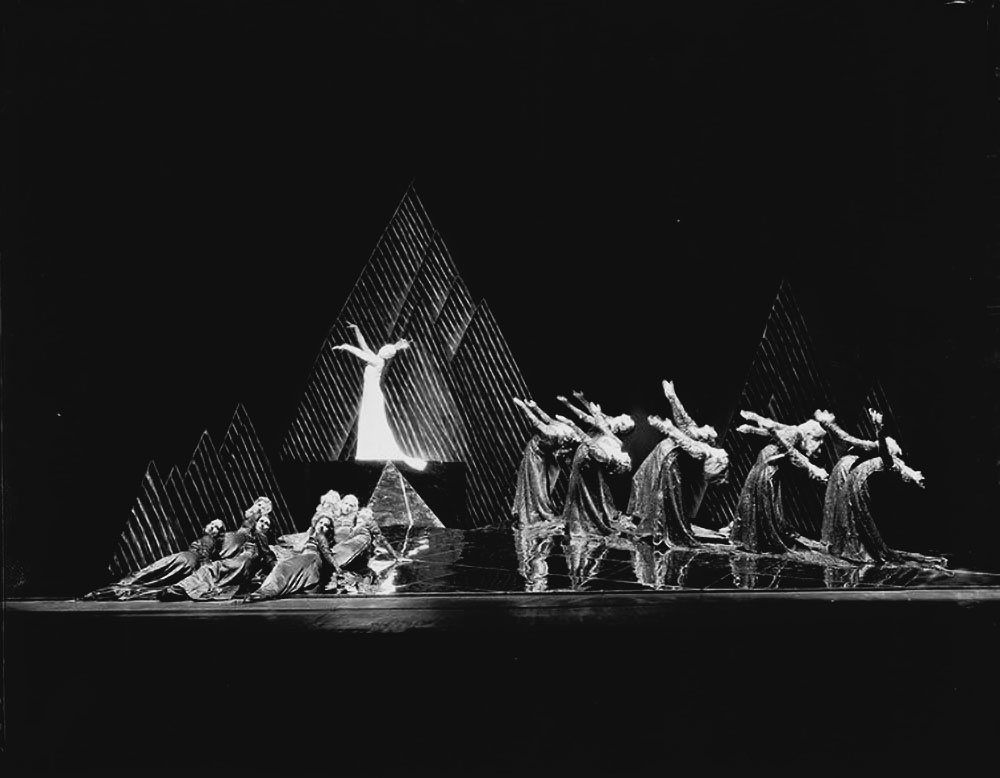
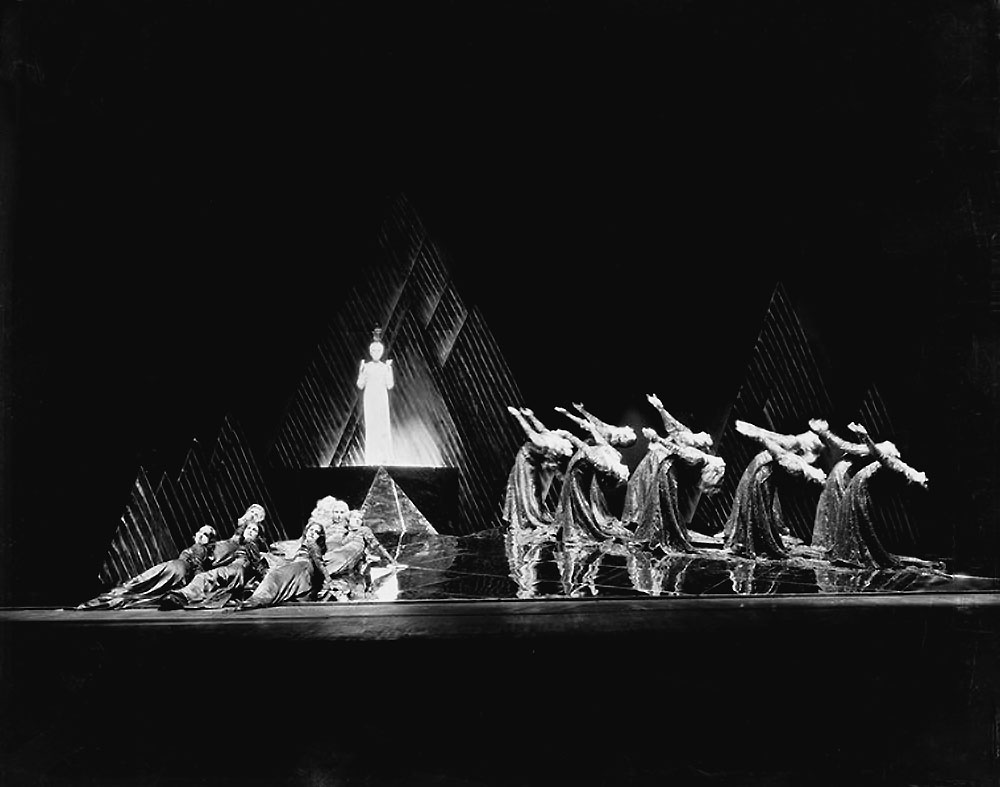
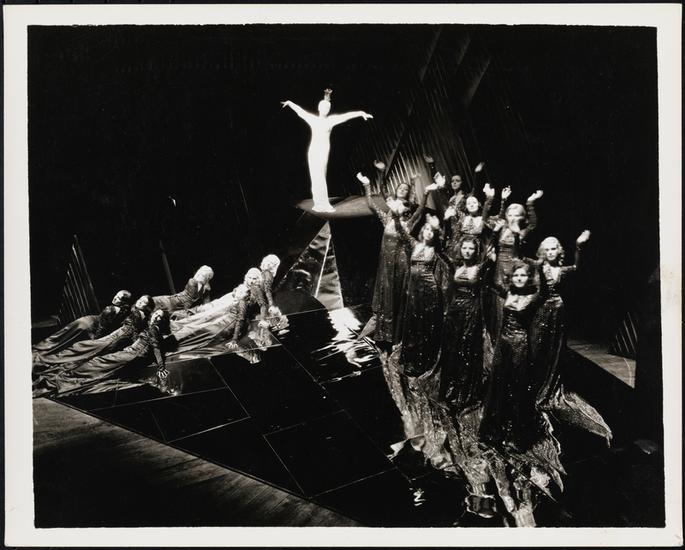
Florence Vandamm (Vandamm Studio) -Tilly Losch and Albertina Rasch Dancers ,in The Band Wagon at New Amsterdam Theatre, 1931 ©The New York Public Library

Florence Vandamm (Vandamm Studio) -Tilly Losch and Albertina Rasch Dancers ,in The Band Wagon at New Amsterdam Theatre, 1931 ©The New York Public Library

Florence Vandamm (Vandamm Studio) -Tilly Losch and Albertina Rasch Dancers ,in The Band Wagon at New Amsterdam Theatre, 1931 3

Florence Vandamm (Vandamm Studio) -Tilly Losch and Albertina Rasch Dancers ,in The Band Wagon at New Amsterdam Theatre, 1931   ©mcny

Florence Vandamm (Vandamm Studio) -Tilly Losch Fred Astaire, Albertina Rasch Dancers ,in The Band Wagon at New Amsterdam Theatre, 1931

Florence Vandamm (Vandamm Studio) -Tilly Losch Fred Astaire, Albertina Rasch Dancers ,in The Band Wagon at New Amsterdam Theatre, 1931 ©mcny

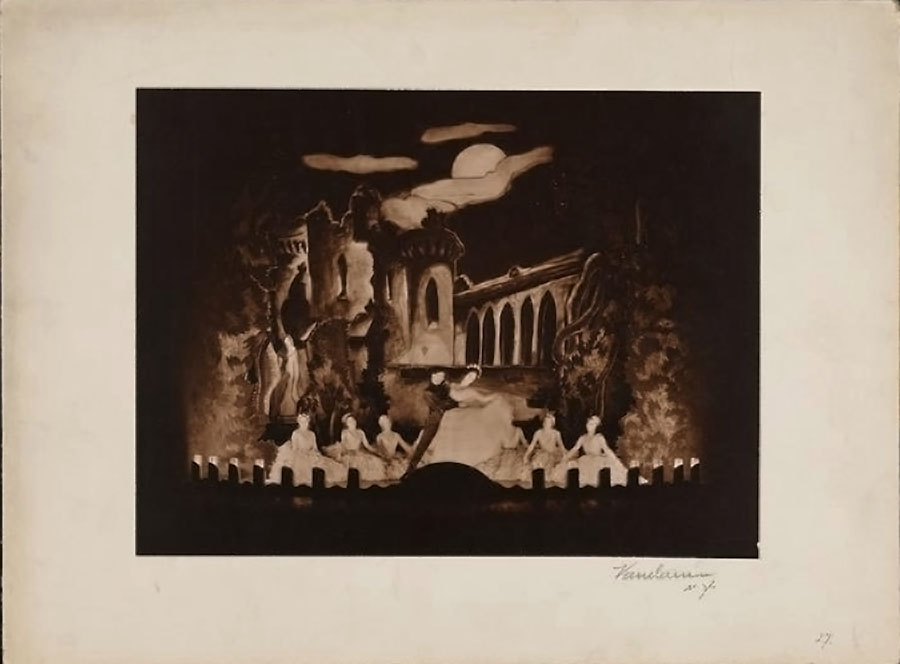
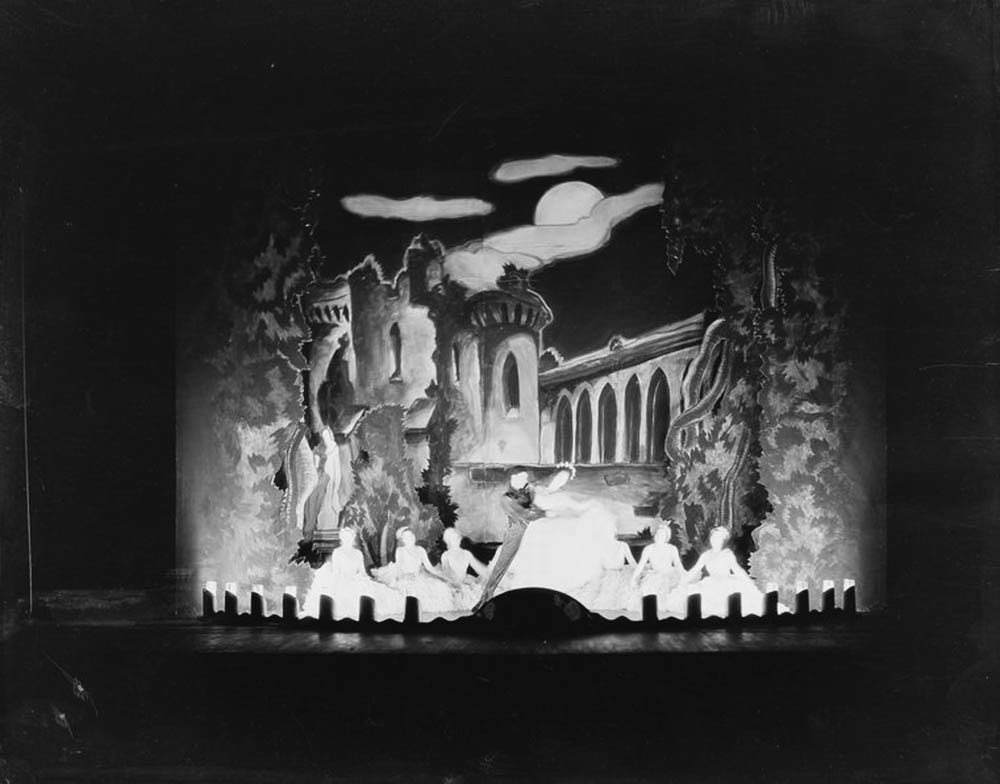
Florence Vandamm (Vandamm Studio) -Scene from The Band Wagon, at New Amsterdam Theatre, 1931

Florence Vandamm (Vandamm Studio) -Scene from The Band Wagon, at New Amsterdam Theatre, 1931 ©The New York Public Library

Ce diaporama nécessite JavaScript.

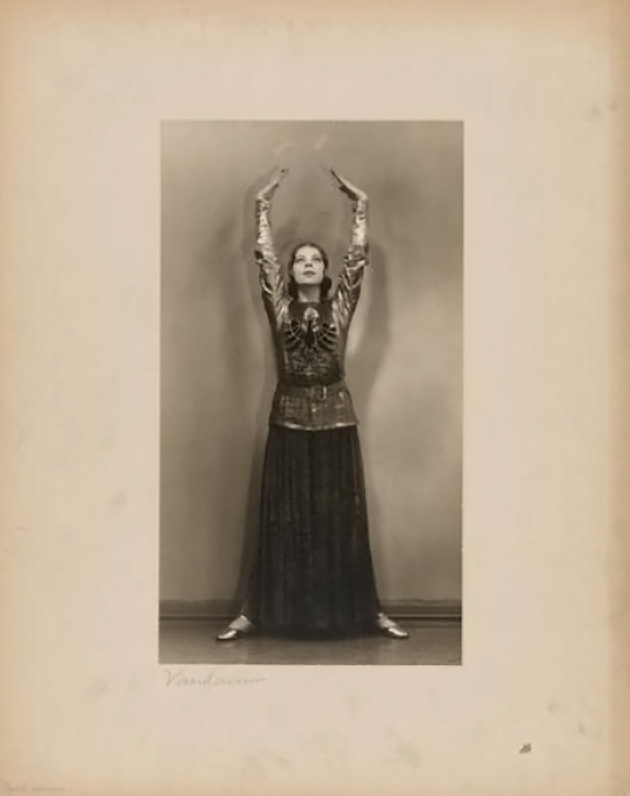
Florence Vandamm (Vandamm Studio) -Tilly Losch in costume of The Band Wagon Costume by Kiviette at New Amsterdam Theatre, 1931 ©The New York Public Library

Florence Vandamm (Vandamm Studio) -Tilly Losch in costume of The Band Wagon Costume by Kiviette at New Amsterdam Theatre, 1931.

Florence Vandamm (Vandamm Studio) -Tilly Losch in costume of The Band Wagon Costume by Kiviette at New Amsterdam Theatre, 1931.© mcny.


Florence Vandamm (Vandamm Studio) -Tilly Losch, in The Band Wagon (Costume designed by Constance Ripley. A Howard Dietz-Arthur’s musical revue Schwart, 1931 ©mcny

Xi Pan

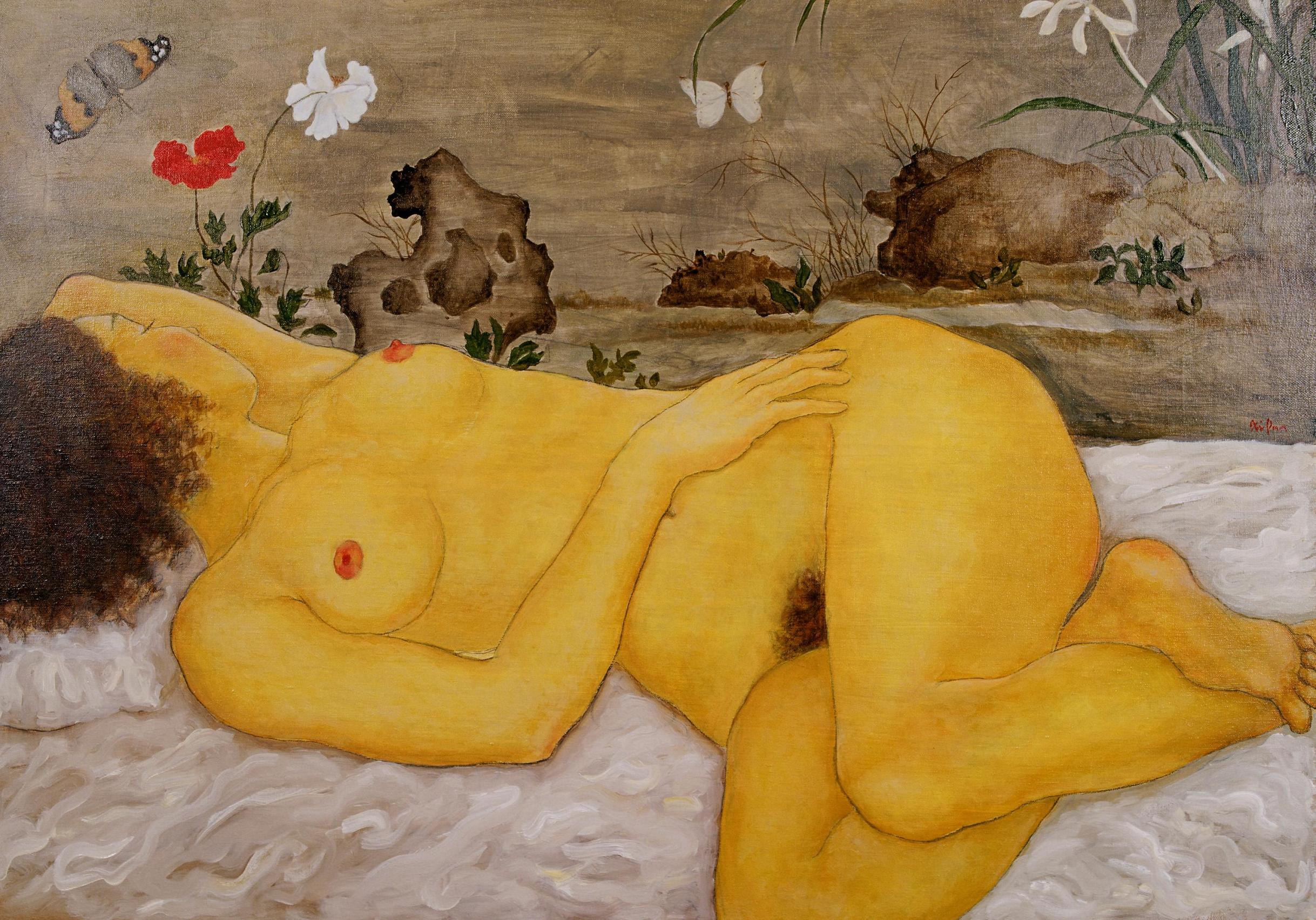
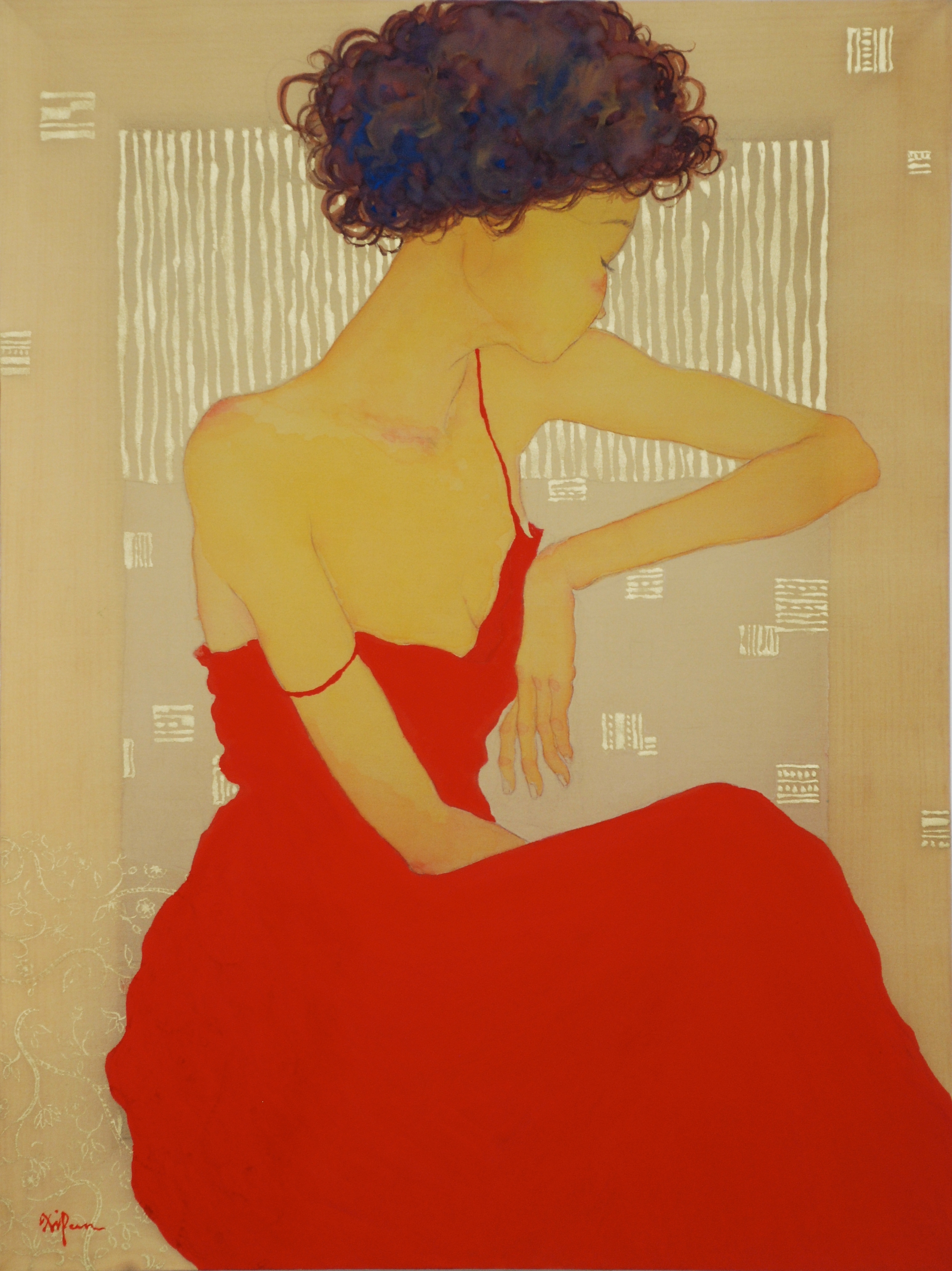
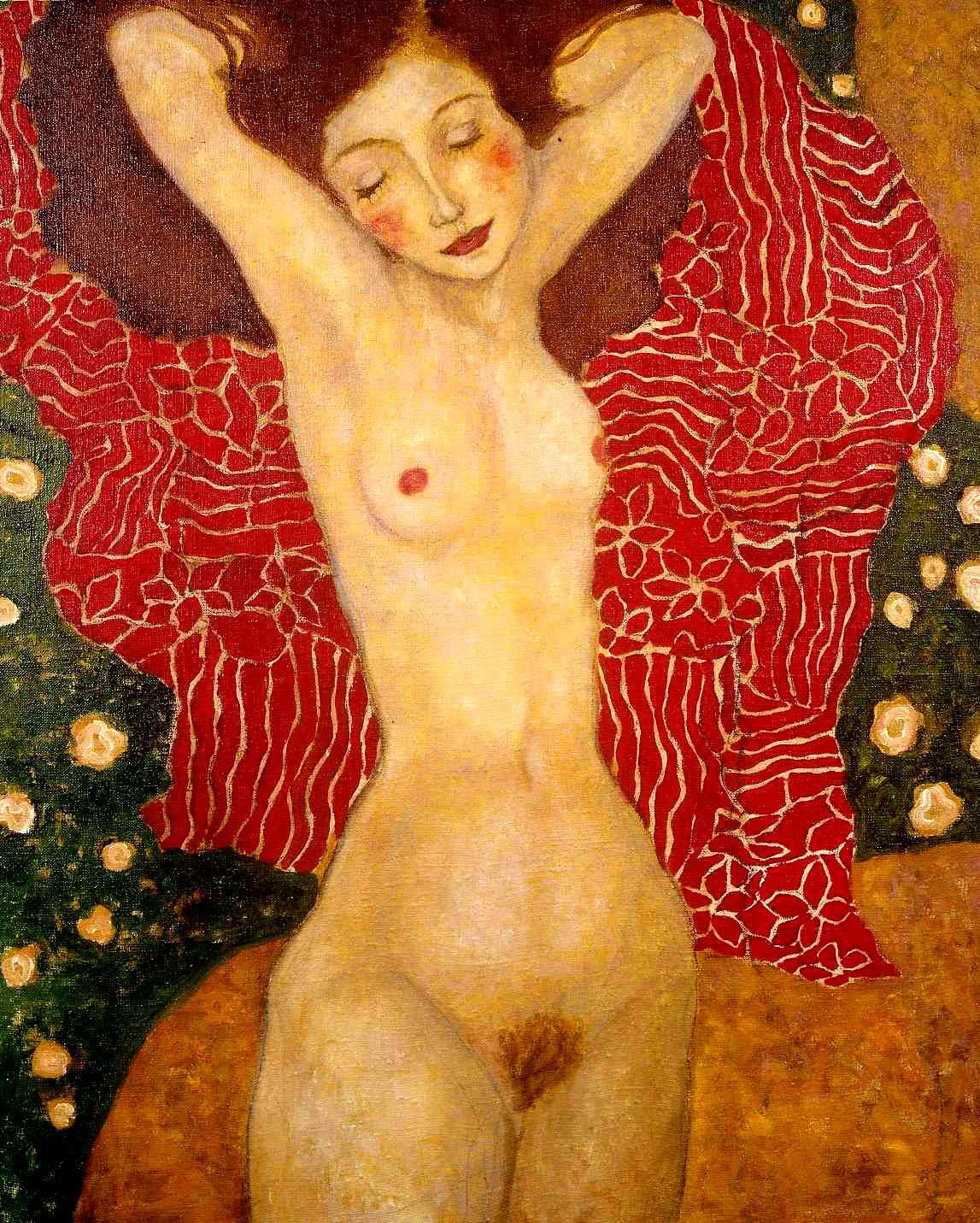
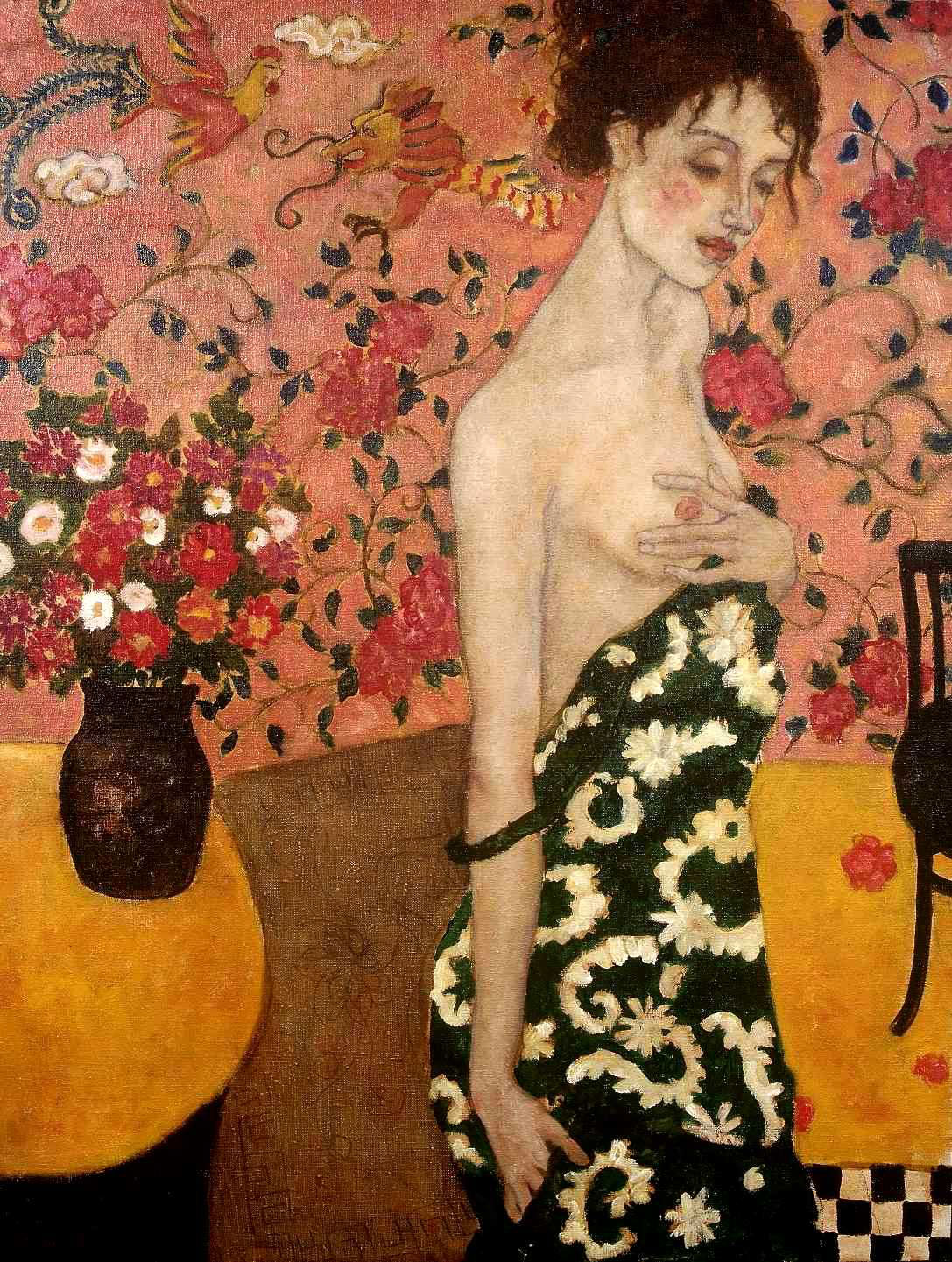
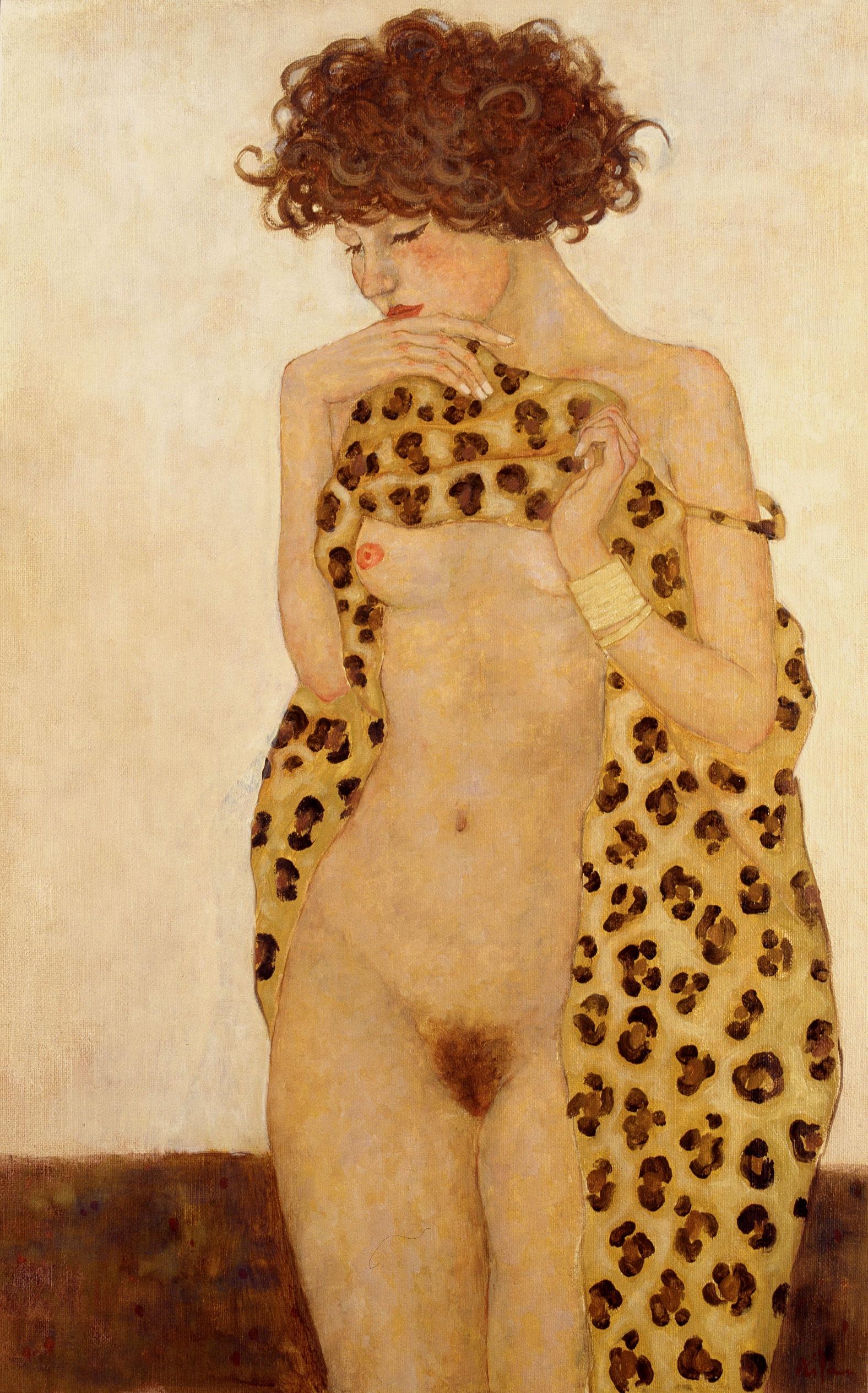
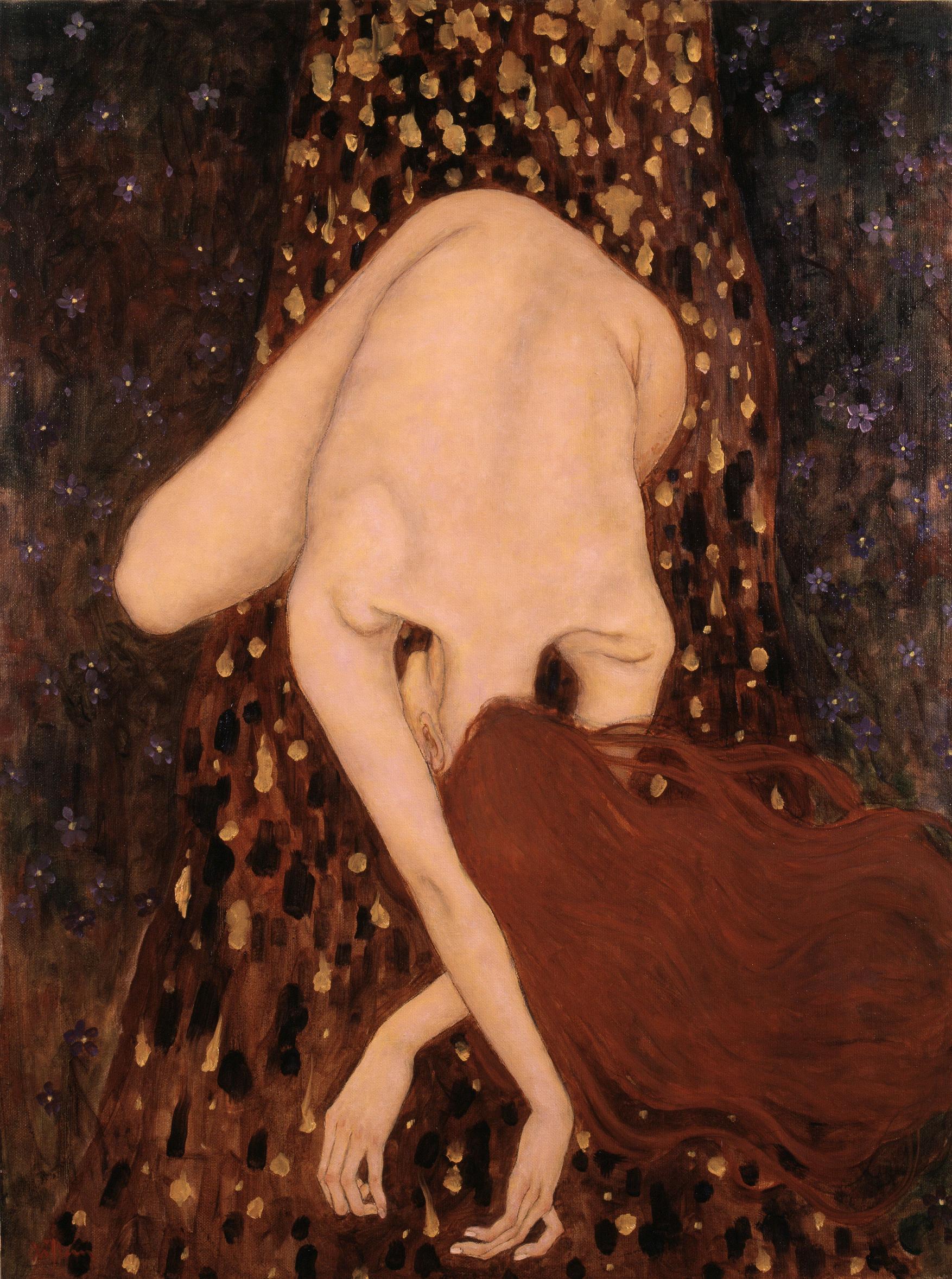
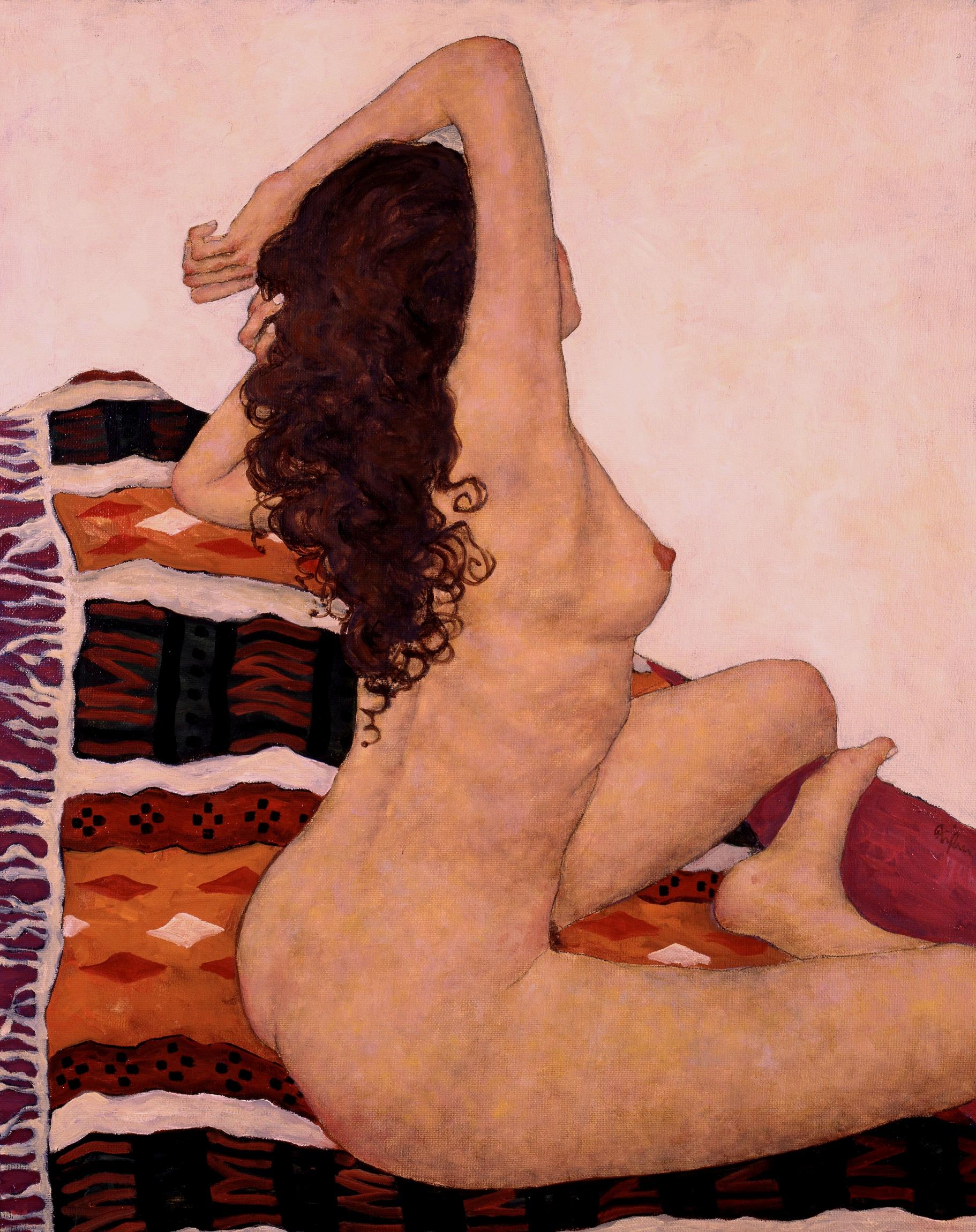
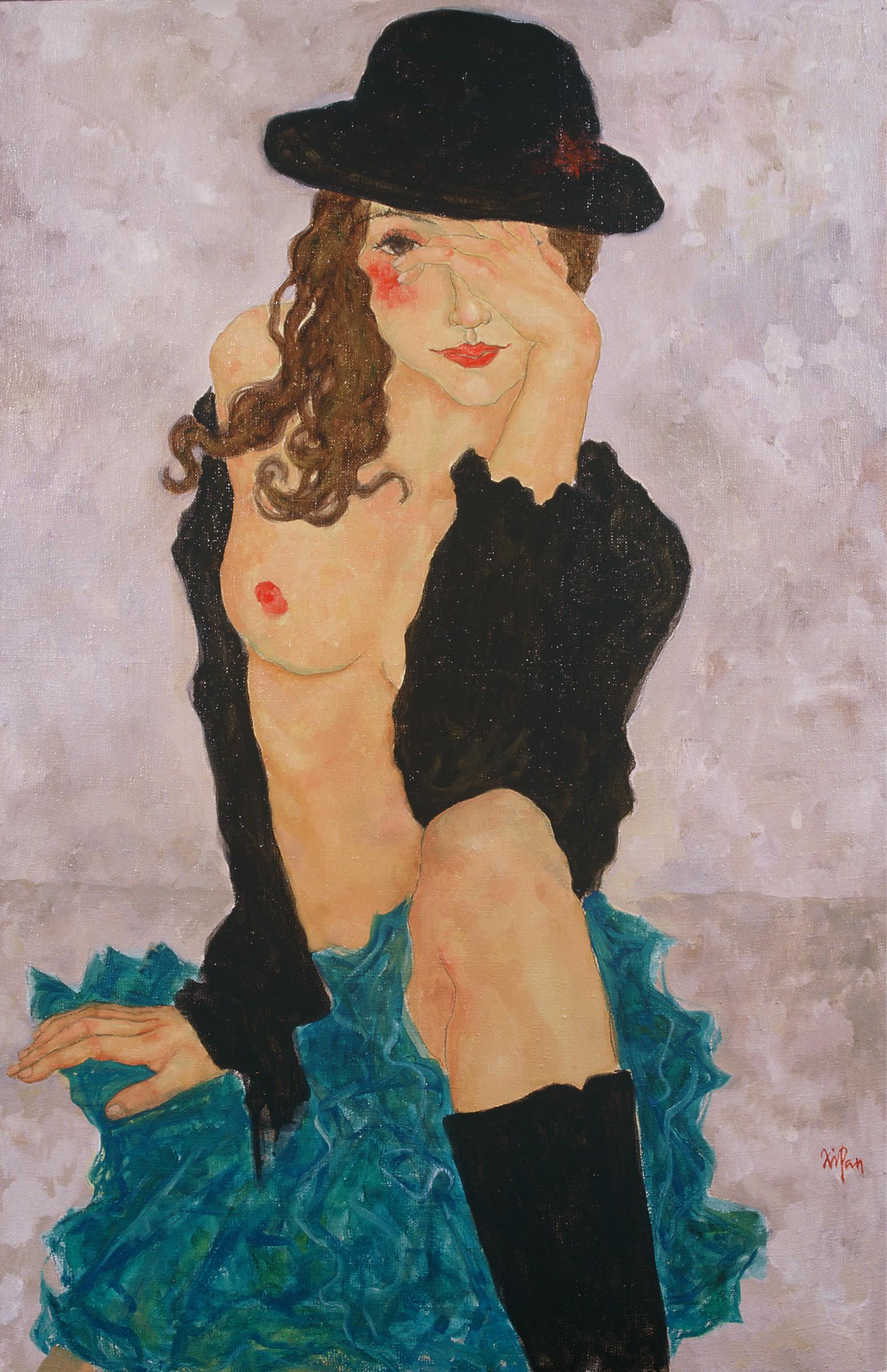
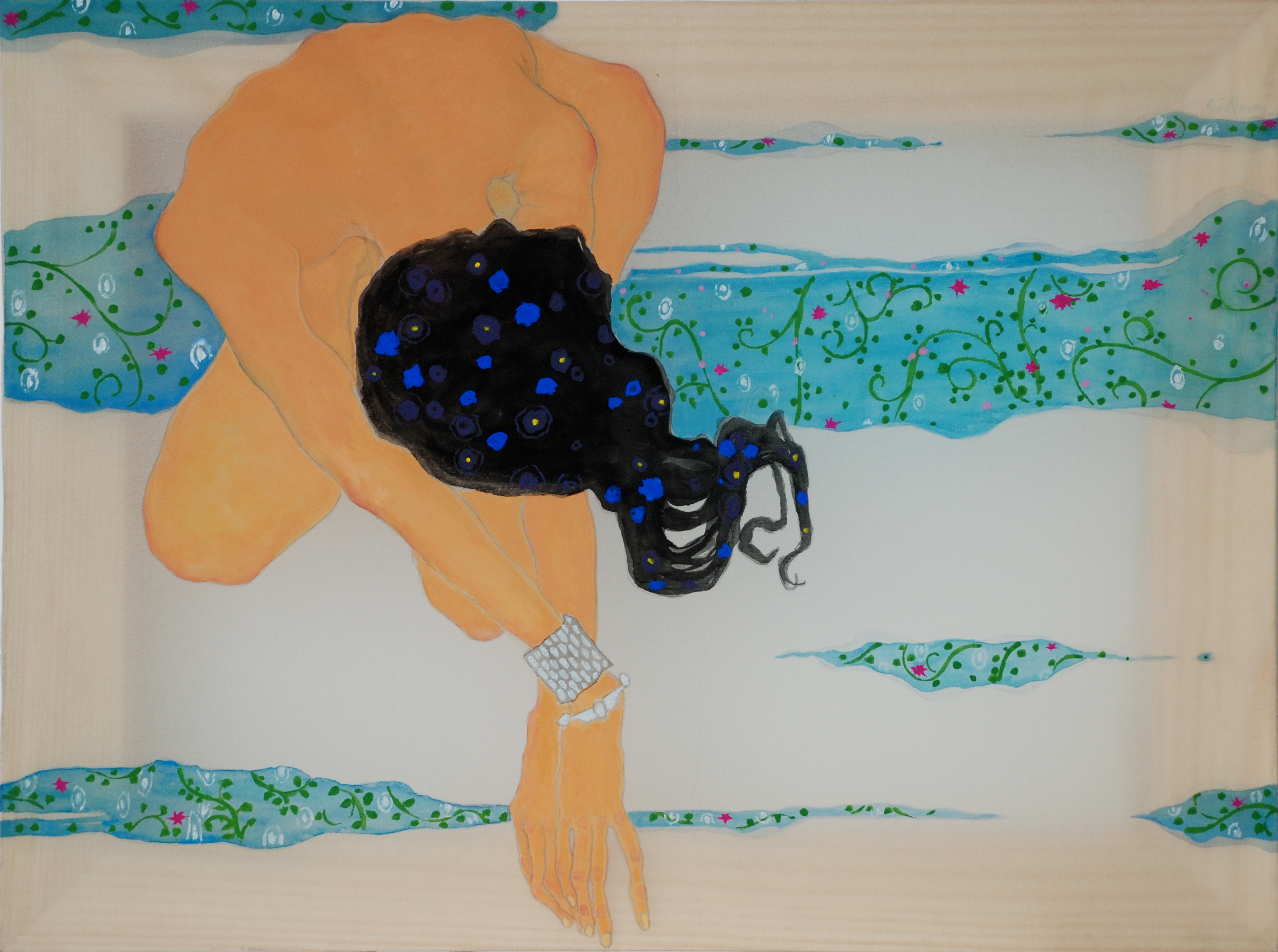
La Peintre Chinoise  Xi Pan, née en  1971 à Wenzhou, fille d’un grand galeriste , elle promène dès l’enfance entre toutes les galeries d’Arts de son père. Elle intègre rapidement l’Ecole des Beaux Arts de Hangzou, où elle est vite orientée vers l’Académie de Beaux Arts de Moscou.  Xi Pan capte la délicatesse et la sensualité de ses modèles. Elle ne travaille qu’à l’huileOn retrouve dans son travaille des influences telles que   Klimt, Schiele , Modigliani ou Van Dongen.

Xi- Pan-Unnamed 02, 2008

Xi- Pan-Unnamed 02, 2008

Xi  Pan-Nude with Chinese Composition 2005

Xi Pan-Nude with Chinese Composition 2005


Xi- Pan-Unnamed 03, 2008

Xi- Pan-Unnamed 03, 2008


Xi  Pan-Nude #2 2003

Xi Pan-Nude #2 2003

Xi  Pan-Nude #1 2003

Xi Pan-Nude #1 2003

Xi- Pan-Unnamed 09 2008

Xi- Pan-Unnamed 09 2008

Xi- Pan- Breeze, 2008

Xi- Pan- Breeze, 2008

Xi  Pan-La Chambre Rose 2003

Xi Pan-La Chambre Rose 2003

Xi  Pan-Golden Nude 2008

Xi Pan-Golden Nude 2008

Xi  Pan-Floating Nude,2008

Xi Pan-Floating Nude,2008

Xi- Pan-Daydream, 2008

Xi- Pan-Daydream, 2008

Xi  Pan-Golden Siesta 2008

Xi Pan-Golden Siesta 2008


Xi  Pan-Woman in Black Hat,2004

Xi Pan-Woman in Black Hat,2004

Xi  Pan-Rain 2009

Xi Pan-Rain 2009

Xi- Pan-Unnamed 05, 2008

Xi- Pan-Unnamed 05, 2008


http://www.xipan.com/

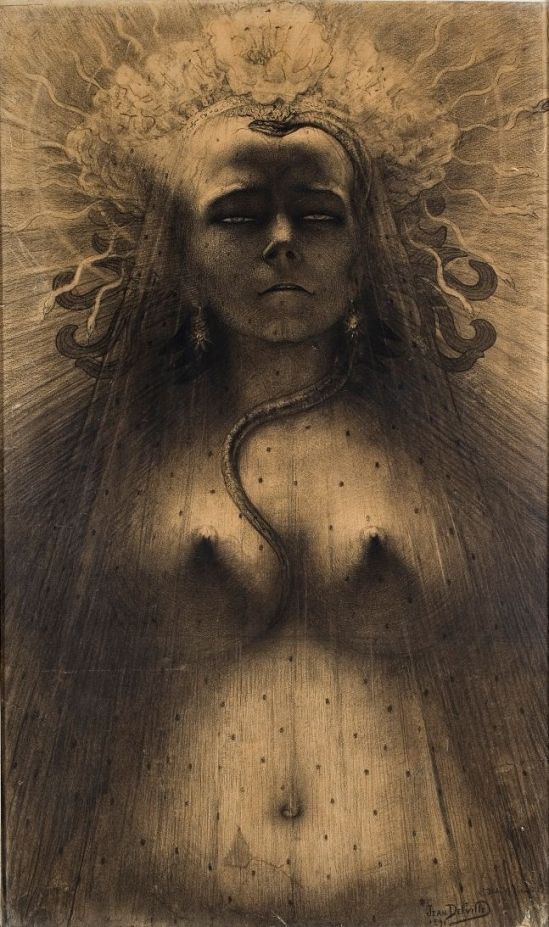
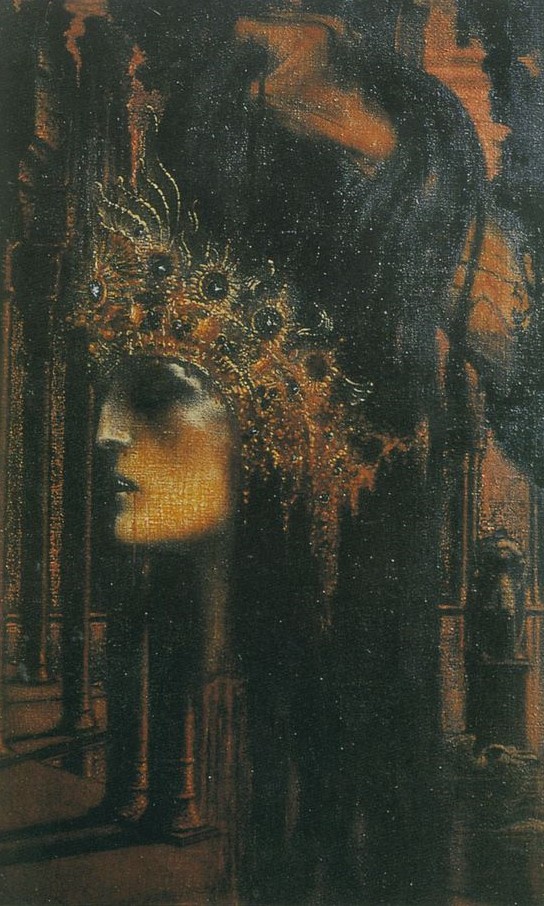
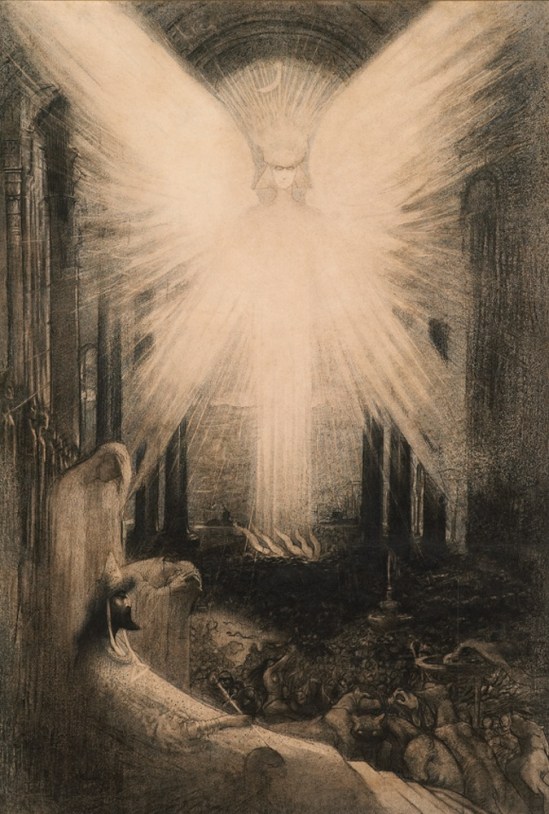
Jean Delville-(1867-1953)

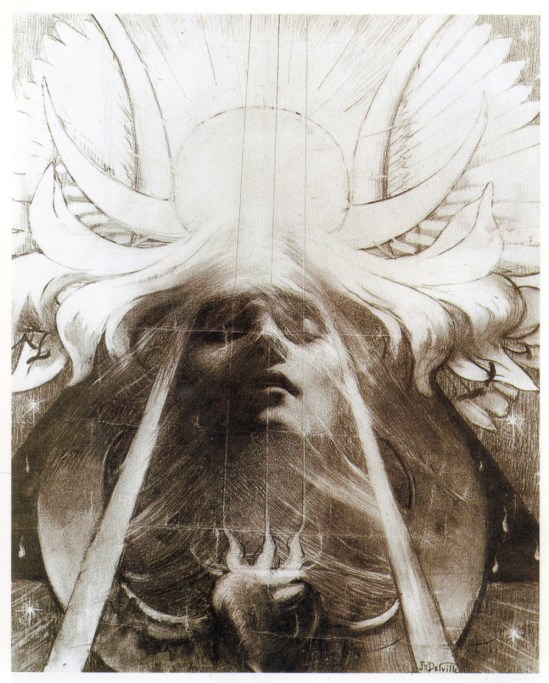
Jean Delville-(1867-1953) Peintre belge, artiste décorateur et écrivain. Il a étudié à l’Académie Royale des Beaux-Arts, Bruxelles, avec Jean-François Portaels et le peintre belge Joseph Stallaert (1825-1903). Parmi ses condisciples Eugène étaient Laermans, Victor Rousseau et Victor Horta. A partir de 1887, il expose à L’Essor, où, en 1888, Mère (non identifiés), ce qui représente une femme se tordait de du travail, a provoqué un scandale. Bien que ses dessins de métallurgistes qui travaillent dans les usines de Cockerill à proximité Charleroi était naturaliste, à partir de 1887, il a viré vers Symbolisme: le dessin de Tristan et Isolde (1887), dans sa lyrique fusion des deux organismes, révèle l’influence de Richard Wagner.Puis il y eut Cercle des passions (1889), inspiré par Dante Alighieri Divina commedia, qui a été brûlée en 1914, il ne reste que des dessins se trouvant à Bruxelles, aux Musées Royaux B.-A.

Delville est devenu associée à Joséphin Péladan, est allé vivre à Paris et expose aux Salons de la Rose-Croix. . En disciple dévoué de Péladan, il avait effectué ses tragédies à Bruxelles et en 1895, peint son portrait . Il expose Morte Orphée en 1893 , une tête idéalisée, flottant sur sa lyre vers la réincarnation, et Angel de la Splendeur en 1894 .

C’est aussi un merveilleux poètes qui comptes des dizaines d’peuvres méconnu du grand public , je vous en ai mis donc un…

« La prière d’une Image

Mon âme est devant vous comme un aigle altéré,

ô vous, Dieu de Lumière où convergent les mondes !

Je viens, atome obscur, des géhennes profondes

où l’Erreur et l’Humain réunis ont erré.

Les faux dieux teints de sang et les vapeurs immondes

de l’argile instinctif par l’enfer généré

roulent, forces du mal, sous mon vol éthéré,

aux tragiques chaos des choses infécondes.

O, vous, Dieu des Splendeurs dont l’idéal sourit

à la beauté des corps et celle de l’esprit,

dans le pétrissement de nos germes informes,

hors du nombre et du temps, parmi l’illimité,

vous êtes l’essence immortelle des formes,

et la Terre un soupir de votre éternité! »

Jean Delville

Jean Delville -Parsifal,1890

Jean Delville -Circe [The End of the Reign (Le fin d’un règne)] ca. 1893 Colored pencil, charcoal, and pastel on paper


Jean Delville (1867-1953), Paysage de Glace.

Gisantes, immensément gisantes en silence de néant,
sous gel de lune, gel d’azur, gel d’astres et gel d’espace,
sous gel illuminé de blanc lustral en nuit de glace,
dorment les neiges leur sommeil boréal et brillant.
O mes yeux! Quels paradis clairs aux scintils froids des grésils.
parmi les émerveillements blancs de ces fastes candides!
et toi, mon âme impériale d’hiver, aux infinis lucides
immensifie ton rêve au rêve stellaire d’albes exils.
Ah! se pouvoir spiritualiser la pensée et la chair
en cette blanche éternité de chaste paix nocturne,
si lointaine, si vierge de toute vie diurne
que l’extase confond la terre au grand firmament clair.

– Entends, entends, les chants de glace en l’espace où passe
en hosannah de lyres lunaires, les frisselis blancs
des halliers irradiants leurs ramures de diamants
dans la toute splendeur sacrée que le givre amasse.
Mystiques minuits d’idéales transparences d’anges,
pâleurs de mortes divines avec des yeux sacrés
d’extase en solitudes de lacs blancs réverbérés
au ciel plein les cygnes éthéraux endormis dans leurs langes.
– Et nul autre frisson de vie que mes pas solitaires,
mes pas de lune et d’ombre, mes pas d’âme, mes pas muets
allant vers les vertiges blancs et les mirages abstraits,
du blanc sommeil surnaturel des paysages polaires.

Jean Delville-The End of a Reign ,1893

Jean Delville-The End of a Reign ‘Une Fin de règne), 1893

Jean Delville-The Evil of Perversity, 1891

Jean Delville – Une Fin de règne, 1893, oil on canvas

Jean Delville -Orphée Mort, 1893


Jean Delville – L’Allégorie de l’enfer, 1899, crayon et craie noire

Jean Delville- Tristan and Yseult ,1887

Le cycle passionnel de Jean Delville, étude, 1890. Aquarelle, lavis d’encre de Chine sur papier

Jean Delville- Le Dieu Vaincu par l’Amour, Esquisse – 1930

Jean Delville- Ophelia, 1890


Jean Delville-LE FRISSON DU SPHINX Affiche expostion 1896, Pour l’Art

František Drtikol- Eatching

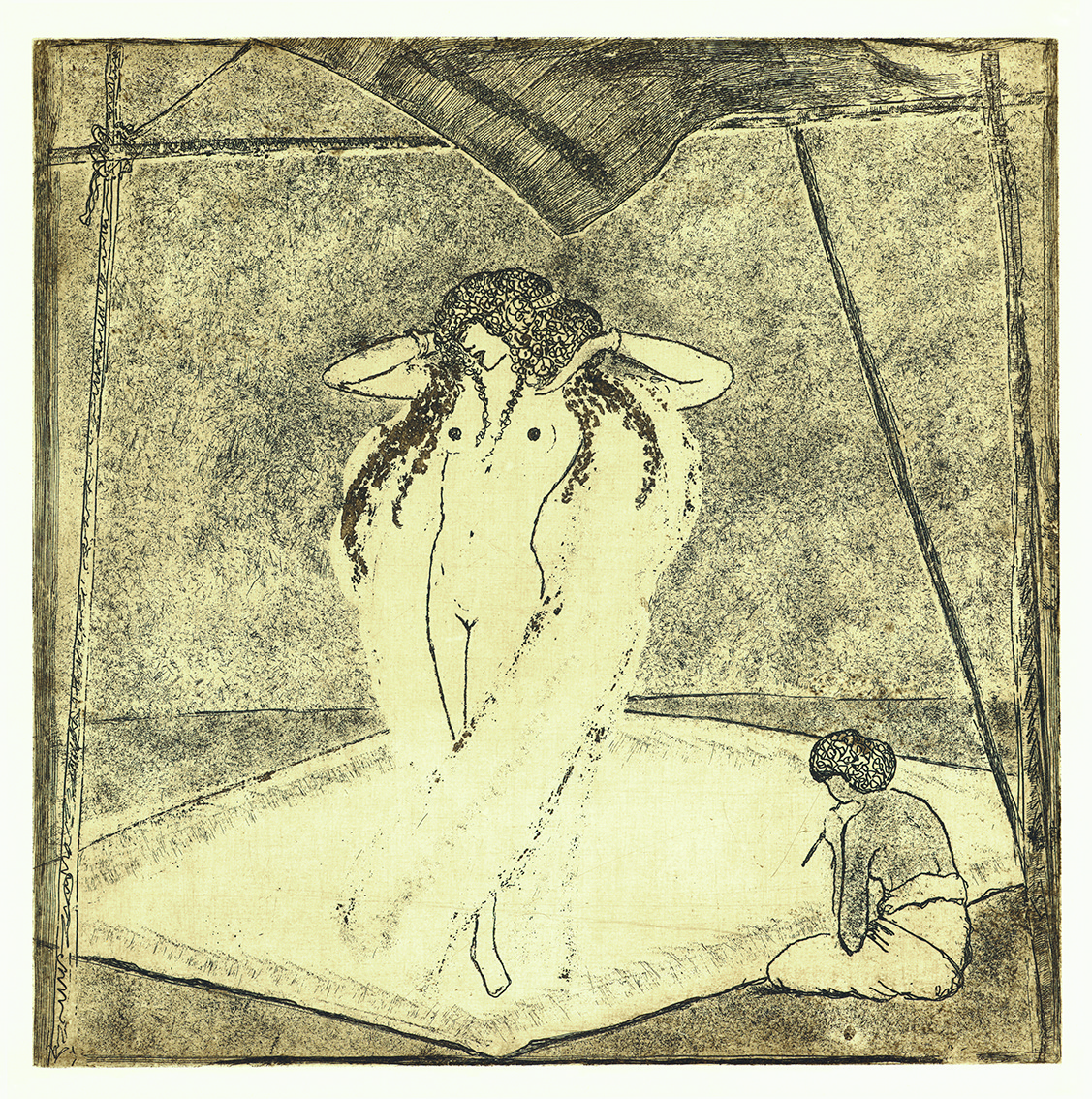
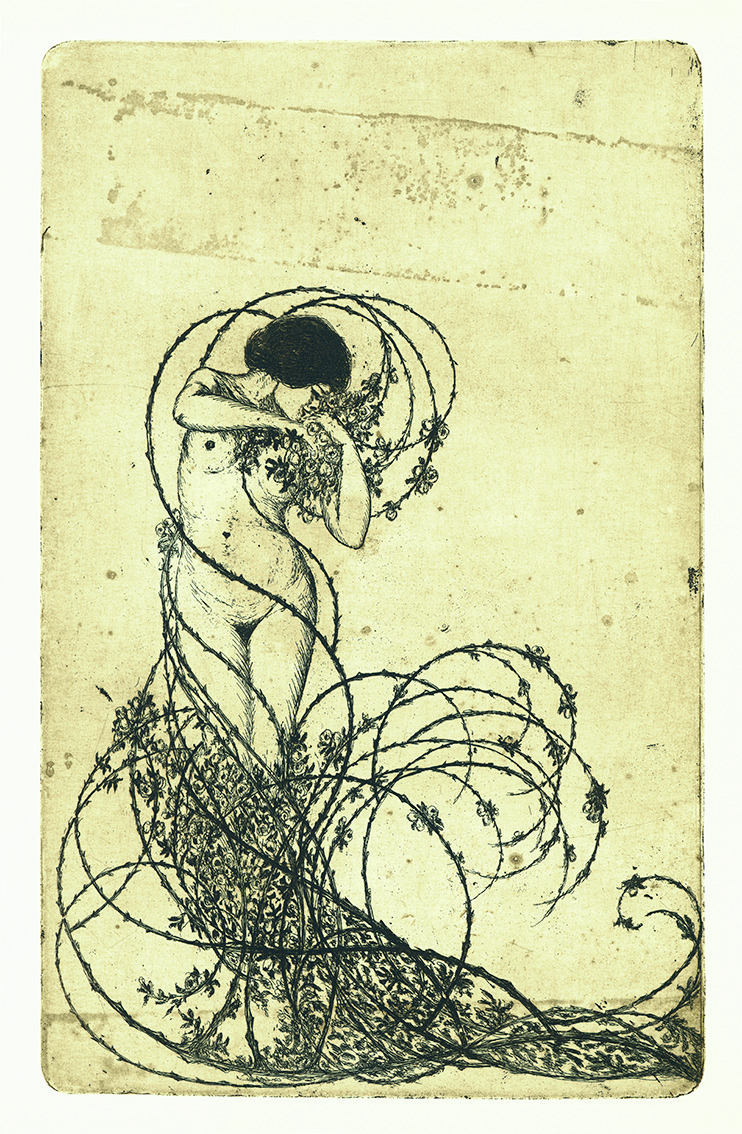
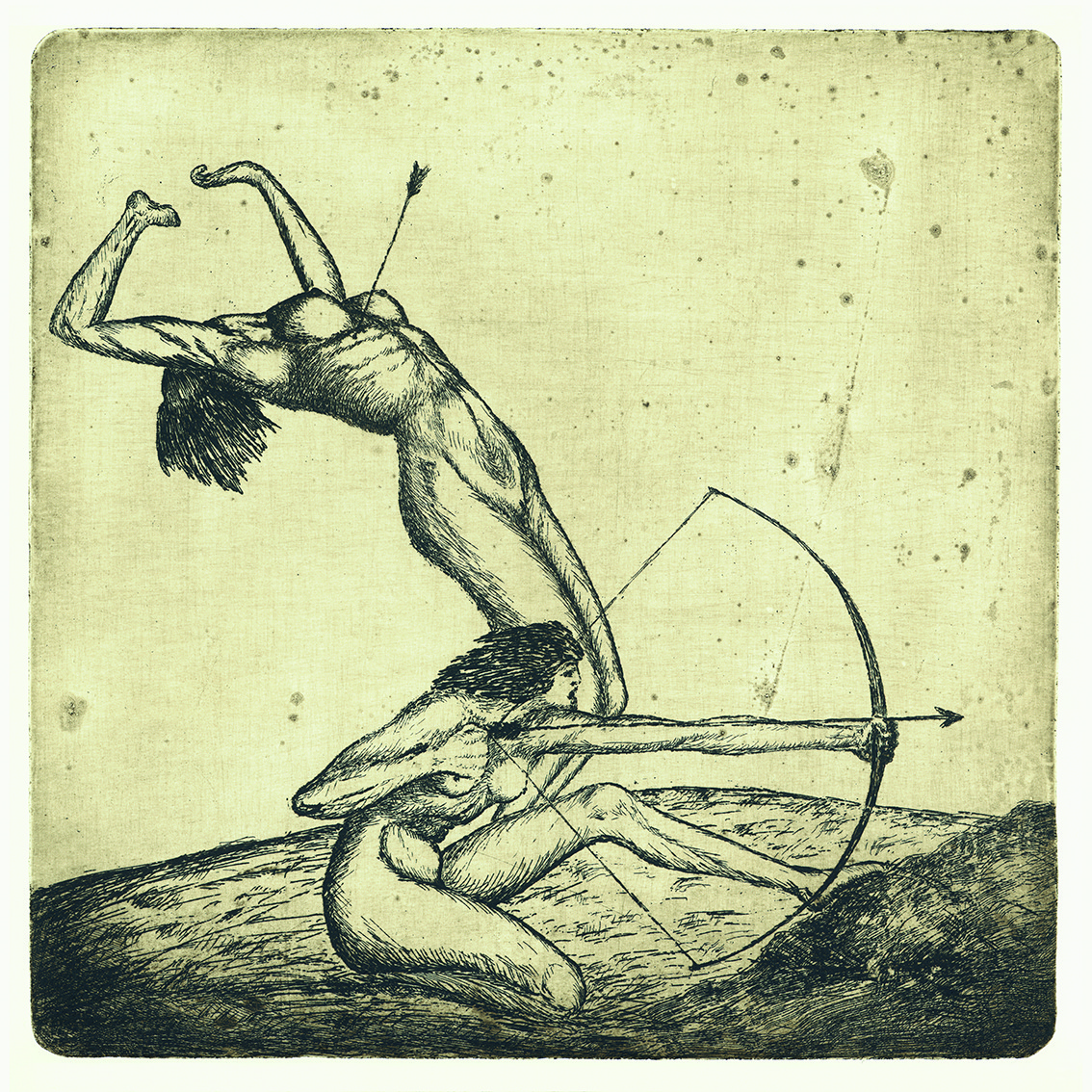
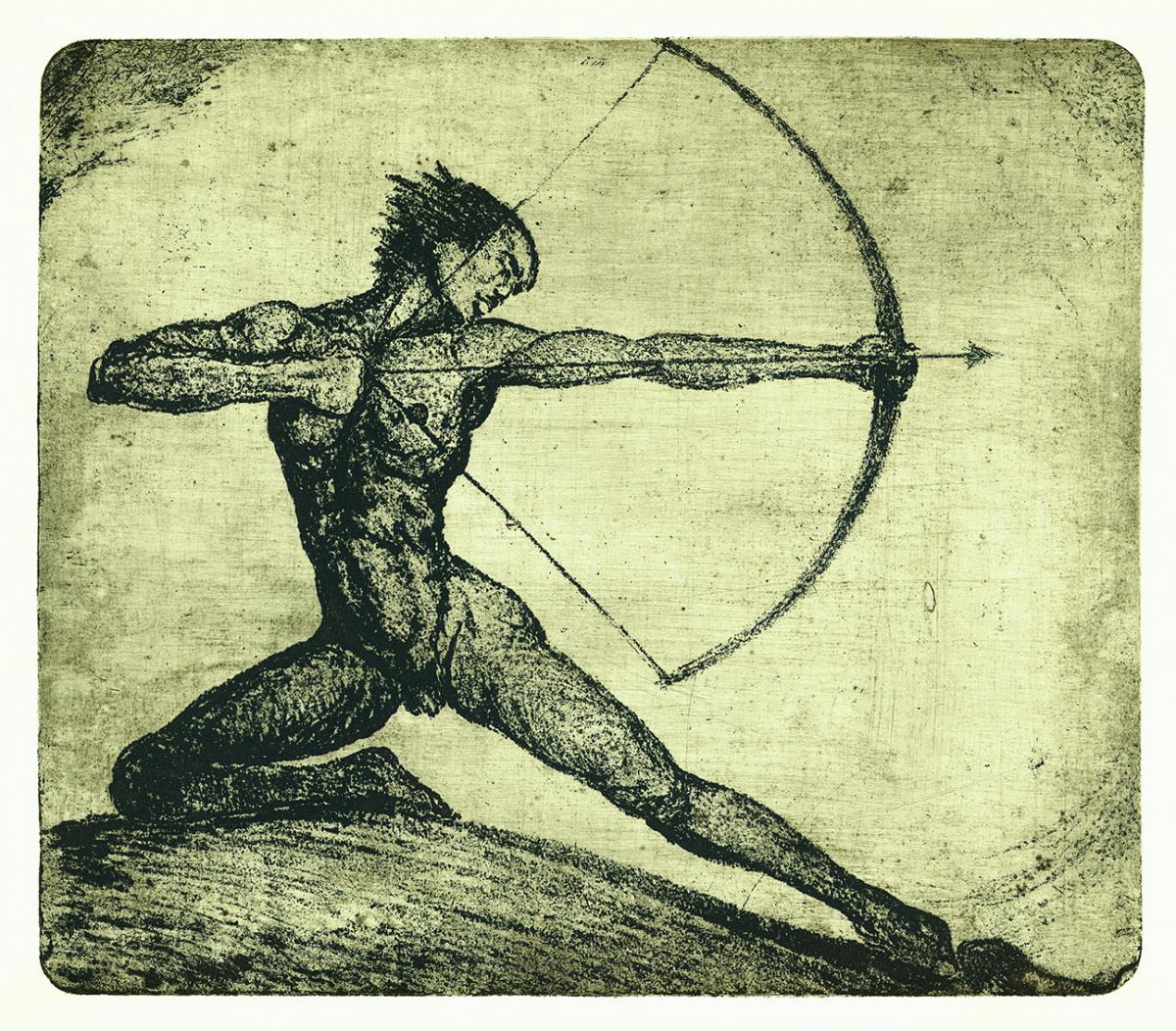
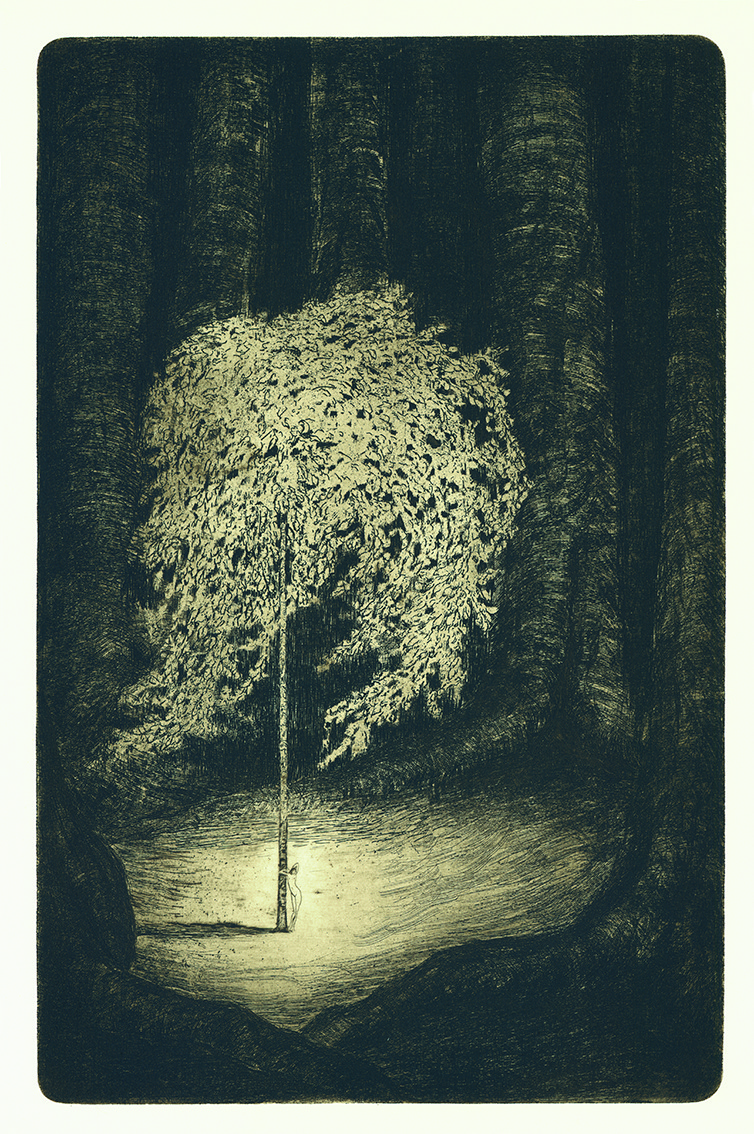
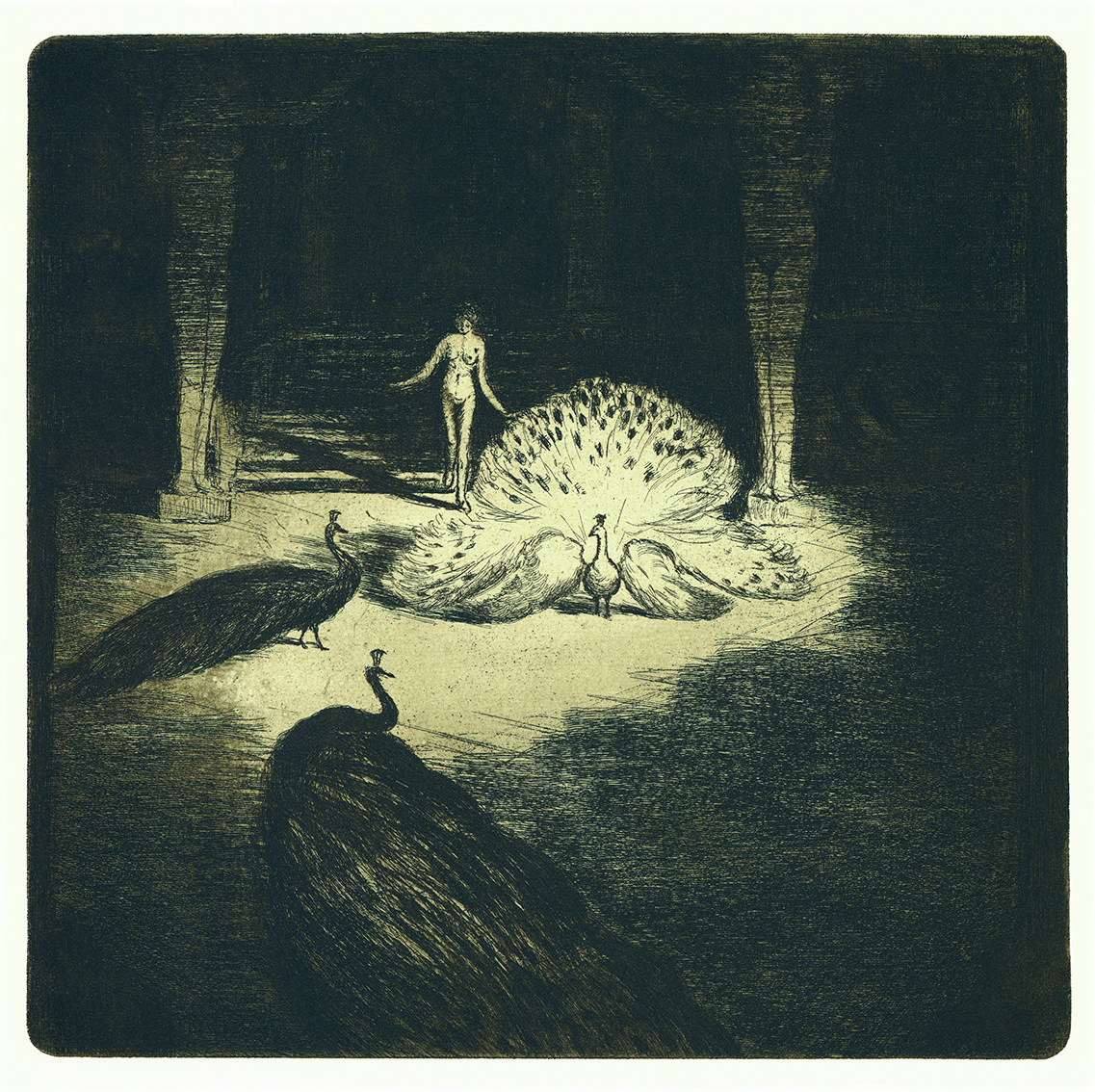
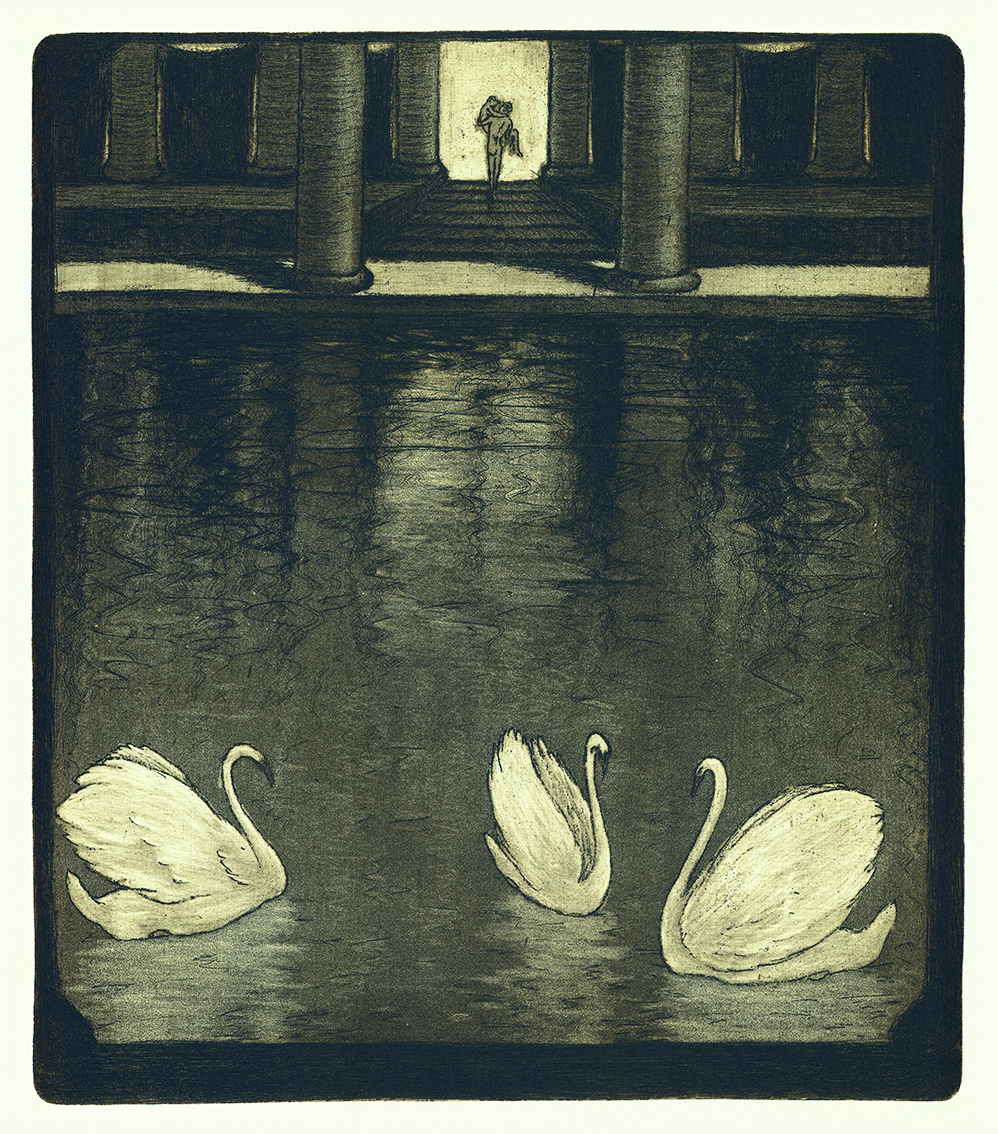
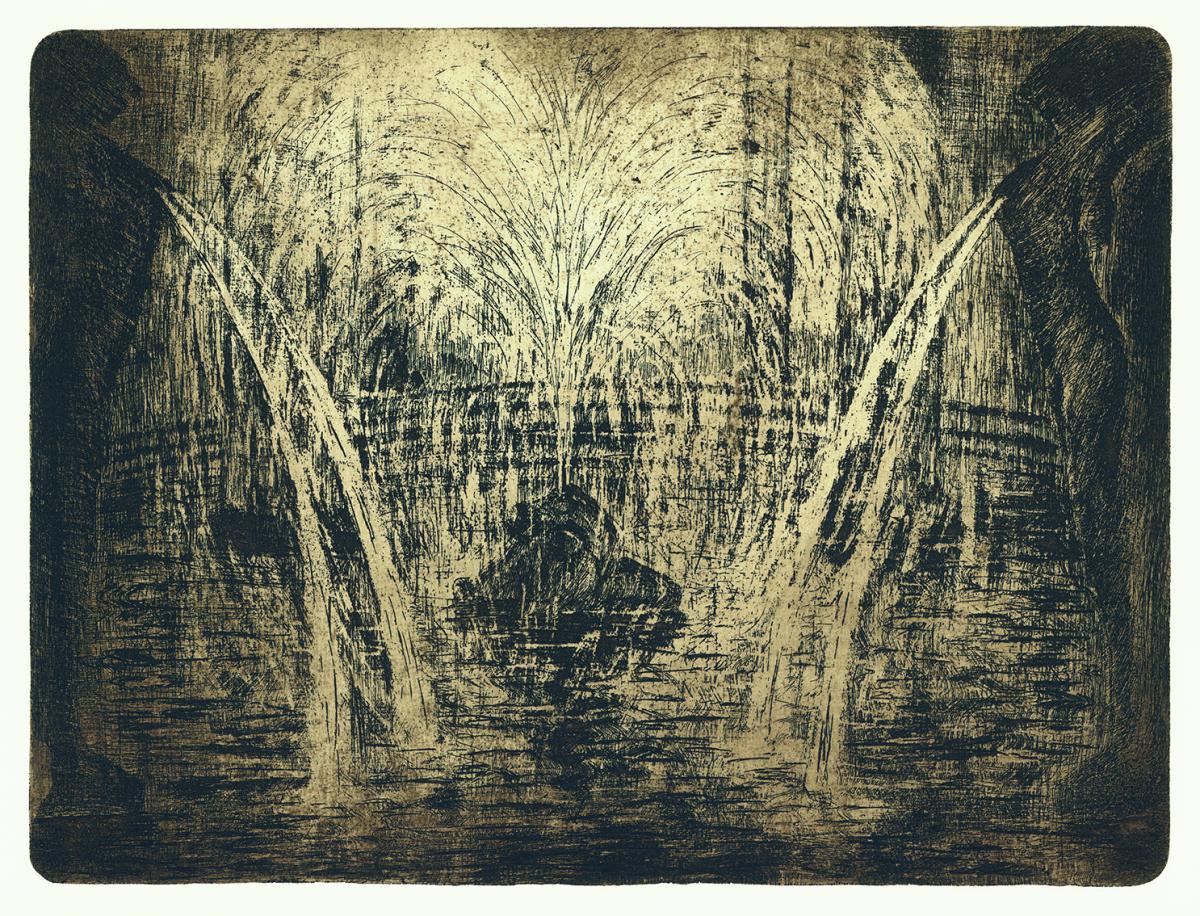
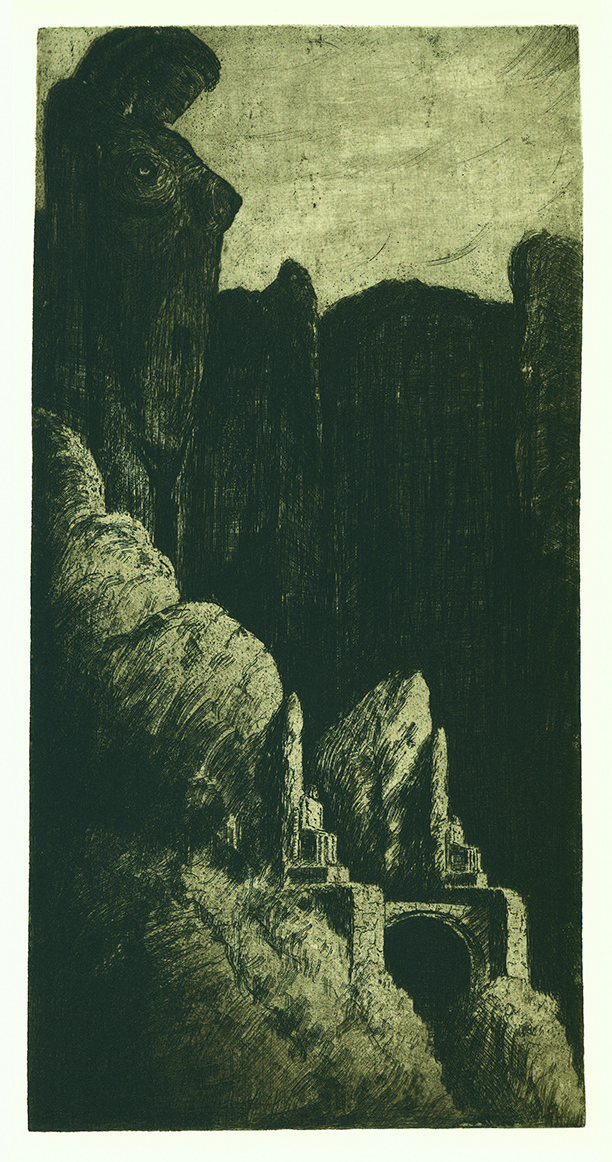
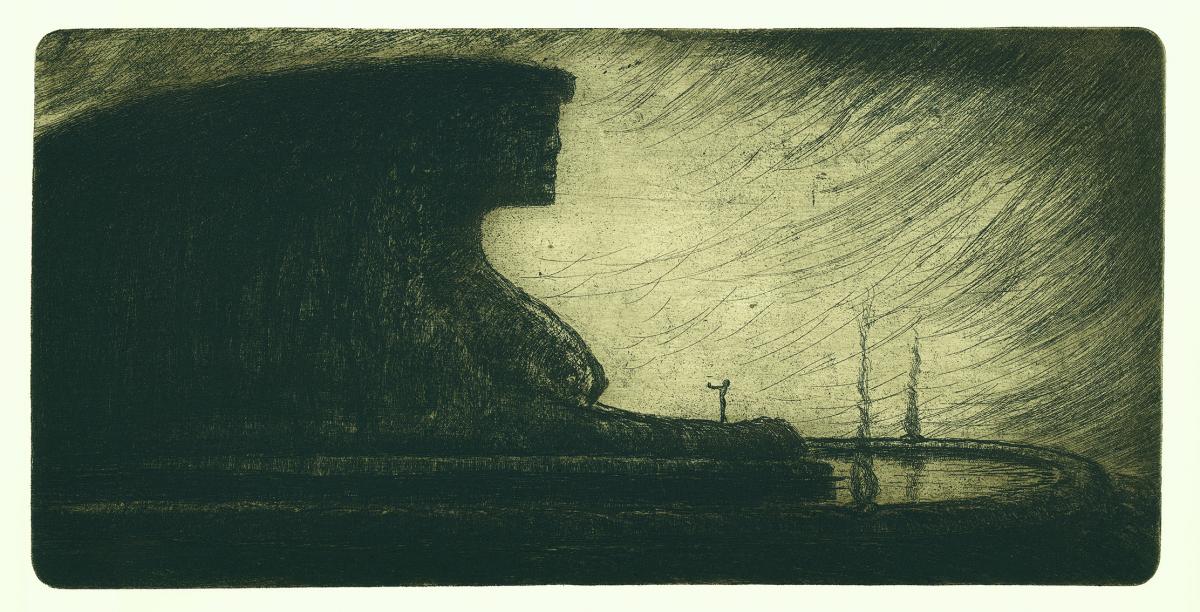
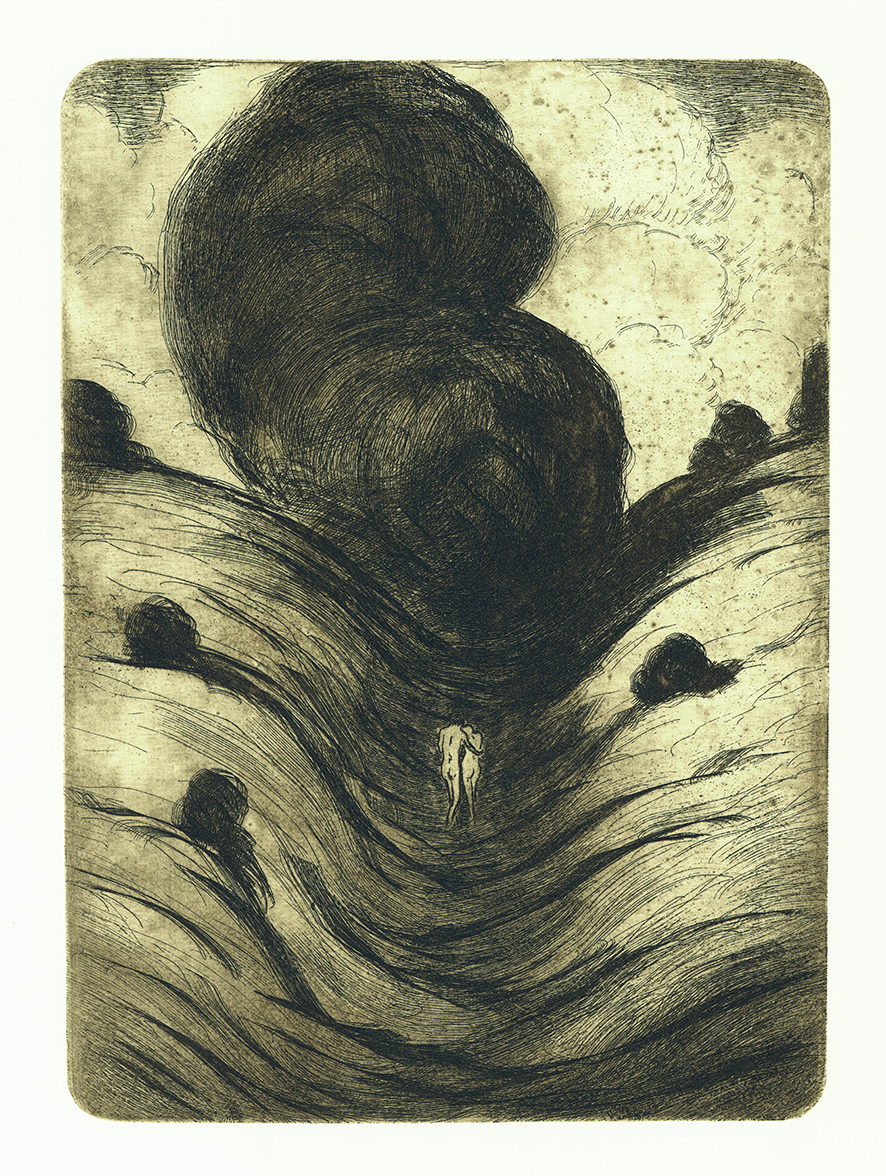
František Drtikol était également graphiste, peintre et dessinateur. aujourd’hui ceux sont des  dessins et graphiques des années 1910 et 1920 que je vous propose de découvrir. Oeuvres bien moins connues de l’auteur et pourtant d’une rareté et d’une beauté extraordinaire. Ces peintures ont été retrouvées par hasard dans l’héritage de Drtikol . Le thème principal est la Terre-mère, ainsi que le voyage initiatique, elles ont été fort probablement  créées pendant la Première Guerre mondiale.


František Drtikol- Untitled ( dancer II) etching, 1910-20

František Drtikol- Untitled ( dancer II) etching, 1910-20

František Drtikol- Untitled etching, 1910-20

František Drtikol- Untitled etching, 1910-20

František Drtikol- Untitled ( dancer I) etching, 1910-20

František Drtikol- Untitled ( dancer I) etching, 1910-20

František Drtikol- Untitled ( archer II) etching, 1910-20

František Drtikol- Untitled ( archer II) etching, 1910-20

František Drtikol- Untitled ( archer I) etching, 1910-20

František Drtikol- Untitled ( archer I) etching, 1910-20

František Drtikol- Untitled ( Tree of live) etching, 1910-20

František Drtikol- Untitled ( Tree of live) etching, 1910-20

František Drtikol- Untitled ( Antique Motive) etching, 1910-20

František Drtikol- Untitled ( Antique Motive) etching, 1910-20

František Drtikol- Untitled ( Antique Motive I) etching, 1910-20

František Drtikol- Untitled ( Antique Motive I) etching, 1910-20

František Drtikol- Untitled ( Antique Motive III) etching, 1910-20

František Drtikol- Untitled ( Antique Motive III) etching, 1910-20

František Drtikol- mother earth etching, 1910-20

František Drtikol- mother earth etching, 1910-20

František Drtikol- Journey, etching, 1910-20

František Drtikol- Journey, etching, 1910-20

František Drtikol- Untitled etching, 1910-20

František Drtikol- Untitled etching, 1910-20

František Drtikol- Untitled etching, 1910-20 4

František Drtikol- Untitled etching, 1910-20

František Drtikol- Untitled etching, 1910-20

František Drtikol- Untitled etching, 1910-20

František Drtikol- Untitled etching, 1910-20

František Drtikol- Untitled etching, 1910-20

František Drtikol- Untitled etching, 1910-20

František Drtikol- Untitled etching, 1910-20

František Drtikol- Untitled etching, 1910-20

František Drtikol- Untitled etching, 1910-20

František Drtikol- Untitled etching, 1910-20

František Drtikol- Untitled etching, 1910-20

František Drtikol- Untitled etching, 1910-20

František Drtikol- Untitled etching, 1910-20

František Drtikol- Untitled etching, 1910-20

František Drtikol- Untitled etching, 1910-20

František Drtikol- Untitled etching, 1910-20

František Drtikol- Untitled etching, 1910-20

František Drtikol- Golgotha I etching, 1910-20

František Drtikol- Golgotha I etching, 1910-20

František Drtikol- Golgotha etching, 1910-20

František Drtikol- Golgotha etching, 1910-20

With the Courtesy of Valtelin

André Breton & Pierre Molinier – Catalogue de l’exposition à L’Etoile Scellée, Paris, du 27 janvier au 17 février 1956.

Ce diaporama nécessite JavaScript.

André Breton ( texte) , Pierre Molinier (images), catalogue de l’exposition à L’Etoile Scellée, Paris, du 27 janvier au 17 février 1956.

Martha Khun-Werber (1903 i 1990 ) Puppen // Poupées et d’art brut

Fille d’un sculpteur Martha prendra le même chemin que son père et se dirigera vers les arts. Elle sera peintre et sculpteur. Avant d’être réellement reconnue elle milite en compagnie de son futur mari Anton Weber et Erwin Enrouleur en écrivant dans la revue de gauche « Zalpo » dans les début des années 30. A partir de 1933 , installée à Berlin, elle peint en sculpte activement et expose à plusieurs reprises.

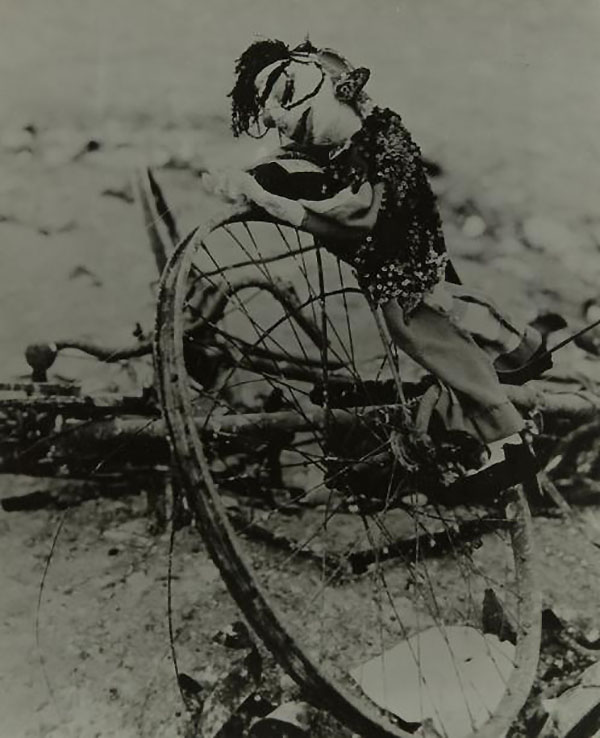
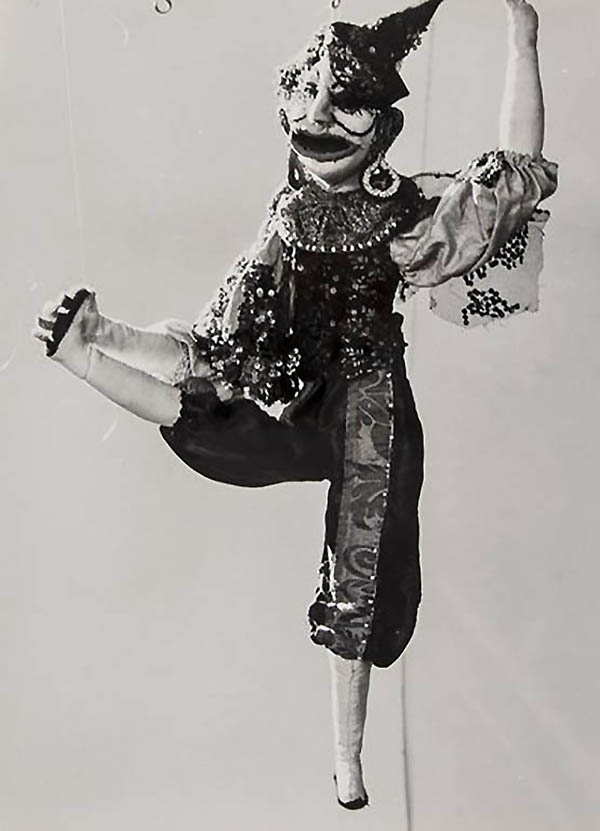
C’est en 1951 qu’elle crée sa première poupée, qui n’ont rien d’angélique, et qui n’ont pas l’apparence d’un jouet pour enfant, bien au contraire. Elles sont construites de matériaux de récuperations, morceaux de tissus, fils de fers, elles sont souvent difformes en expriment la douleur et plutôt effrayantes.

Ayant passé deux années à Paris durant ses études, elle décide d’y retourner en 1965, où sa notoriété explose grâce à ses poupées. C’est avec Friedrich Engelhorn, avec qui elle écrivait dans les années 3o dans « Zalpo », qu’elle ouvre la fameuse « Galerie 13 », en plein cœur de Paris, où seront exposés de façons permanente ses poupées mais aussi ses dessins et peintures.


Dès 1960, son fils Anton (Junior) prend des cliché de ses poupées,  Lucien Clergue lui aussi séduit par ces étranges créatures en fera quelques photographies.

En 1973, réunissant le  » tout paris », elle crée un événement à sa Galerie 13 et mettra en scène ses poupées en les mêlant avec le travail d’autres artistes qu’elle aime ( cf ci dessous par exemple la poupée crée pour illustrer Madame Edwarda de George Bataille). 

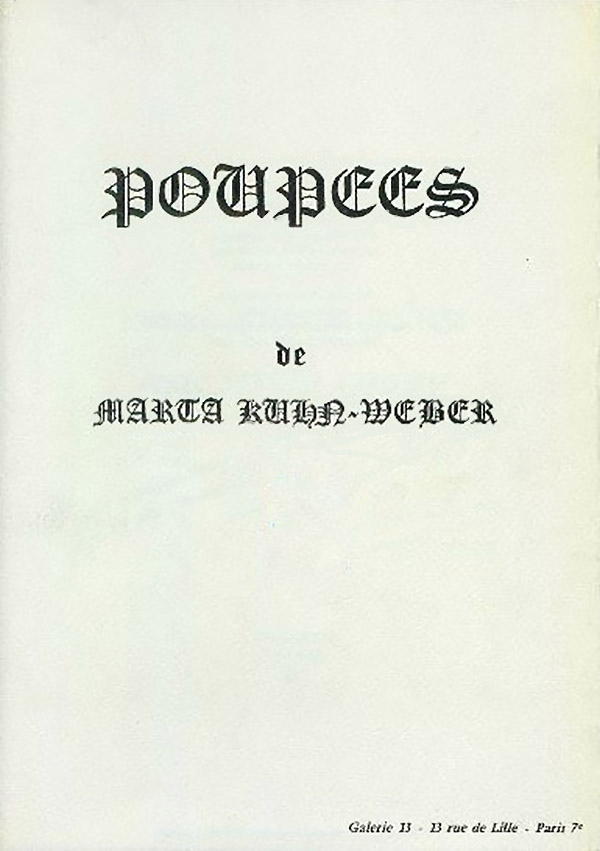
Un livre paraitra suite à cette expsotion (qui n’est pas le catalogue) écrit en collaboration entre Martha  et  Antonio Gálvez pour les photographies et  Severo Sarduy pour les poèmes , intitulé  » Poupées de Marta Kuhn-Weber »  Editeur Galerie 13,  Paris, 1974 . Il est diponible à la BNF si vous avez l’occasion d’aller flaner à la bibliothèque là bas.

La dernière vente aux enchères de chez Ader a proposé le 5 Decembre  2013, 4 clichés que je vous montre aujourd’hui ( il est signifié que les photographies datent toutes  de 1970, mais il sont réalisés antérieurement  à l’exposition pour certaines , qui déjà ne date pas de 1970 comme indiqué , mais de 1973 ( bon çà fait un peu beaucoup d’erreurs pour le commissaire priseur…)  et ainsi que quelque autres tirages dont certains scannés ( la photo qui illustrait l’affiche de l’exposition, et la Poupée de Madame Edwarda la couverture du livre… que j’avais en stock, c’est l’occasion de les sortir, mais je ne mets pas en ligne les scans du livres pour des raisons de copyright et pour des raisons autres)

Anton Weber Junior poupée Martha Khun-Werber, 1960 -70

Anton Weber Junior poupée Martha Khun-Werber, 1960 -70 ( scan personnel)

Anton Weber Junior poupée Martha Khun-Werber, 1960 -70

Anton Weber Junior poupée Martha Khun-Werber, 1960 -70 vente Ader

Lucien Clergue - Poupée de Martha Kuhn-Weber,  1964.

Lucien Clergue – Poupée de Martha Kuhn-Weber, 1964.

Anton Weber Junior poupée Martha Khun-Werber, 1960 -70

Anton Weber Junior poupée Martha Khun-Werber, 1960 -70

Lucien Clergue - Poupée de Martha Kuhn-Weber, 1964

Lucien Clergue – Poupée de Martha Kuhn-Weber, 1964

Anton Weber Junior poupée appelée the Celestine  Madame Edwarda Martha par Khun-Werber, galerie 13  exposition, 1973,

Anton Weber Junior poupée appelée the Celestine Madame Edwarda Martha par Khun-Werber, galerie 13 exposition, 1973 ( scan personel d’un journal qualité faible)

Anton Weber Junior poupée Martha Khun-Werber, 1960

Anton Weber Junior poupée Martha Khun-Werber, 1960

Anton Weber Junior poupée Martha Khun-Werber, 1960

Anton Weber Junior poupée Martha Khun-Werber, 1960 vente Ader

Lucien Clergue Poupée de Martha Kuhn-Weber . 1965

Lucien Clergue Poupée de Martha Kuhn-Weber . 1965

Couverture de Poupées de Marta Kuhn Weber , par Antonio Gálvez( photographies)   Severo Sarduy ( poesie) et Poupées de Marta Kuhn Weber ( texte) Editeur Galeie 13, Paris 1974

Couverture de « Poupées de Marta Kuhn Weber » , par Antonio Gálvez ( photographies) Severo Sarduy ( poésie) et Poupées de Marta Kuhn Weber ( texte) Editeur Galeie 13, Paris 1974

Poupées de Marta Kuhn Weber , par Antonio Gálvez( photographies)   Severo Sarduy ( poesie) et Poupées de Marta Kuhn Weber ( texte) Editeur Galeie 13, Paris 1974

« Poupées de Marta Kuhn Weber » , par Antonio Gálvez( photographies) Severo Sarduy ( poesie) et Poupées de Marta Kuhn Weber ( texte),  Editeur Galeie 13, Paris 1974

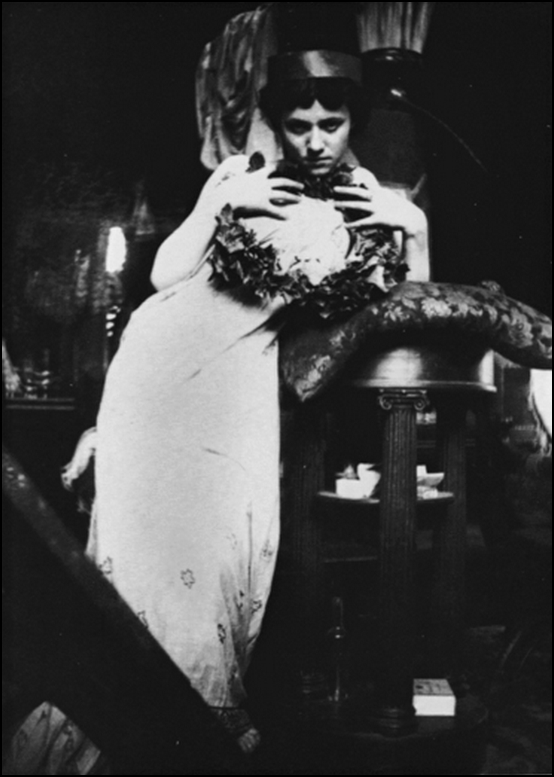
Liselotte Grschebina - Portrait de Marta Kuhn-Weber ,1930

Liselotte Grschebina – Portrait de Marta Kuhn-Weber ,1930


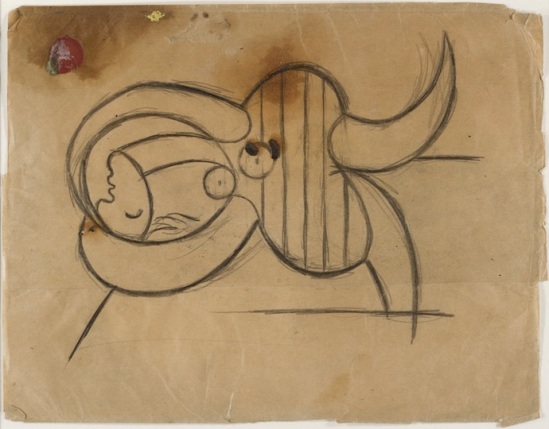
Pablo Picasso- Femme en costume de bain, 1931-1932

Pablo Picasso- Femme en costume de bain, 1931-1932

Pablo Picasso- Femme en costume de bain, 1931-1932

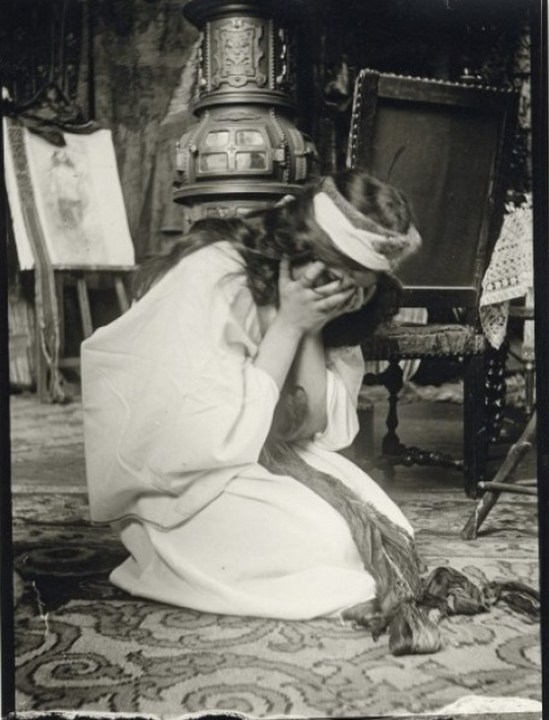
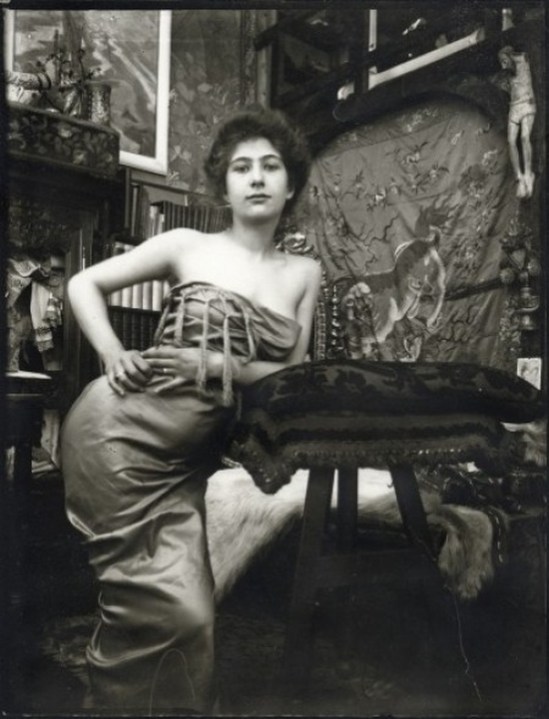
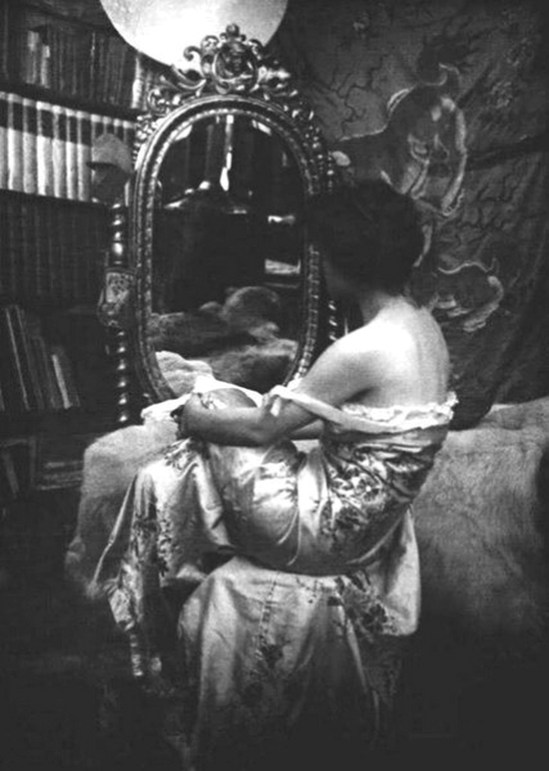
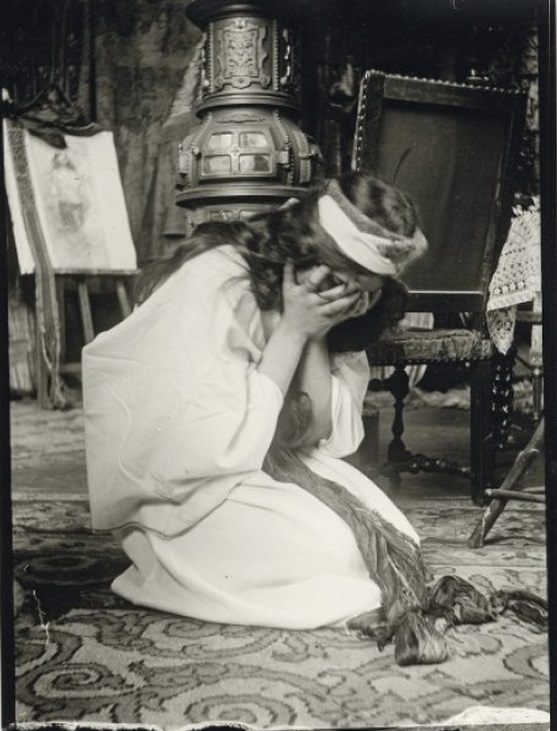
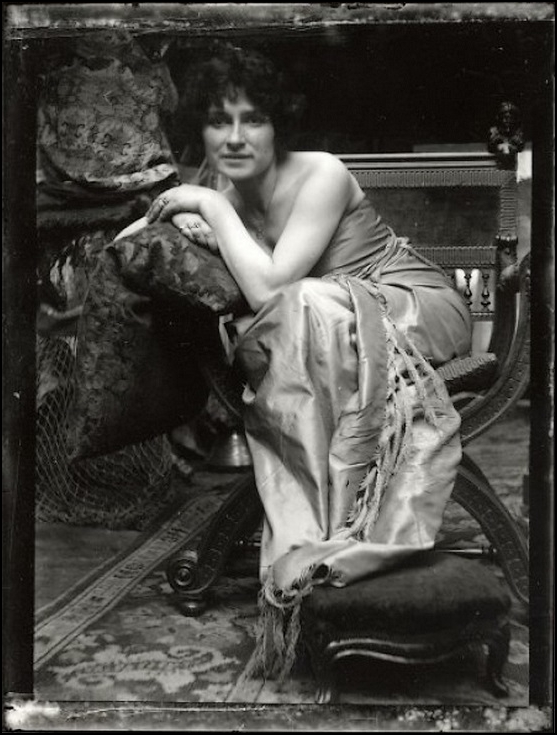
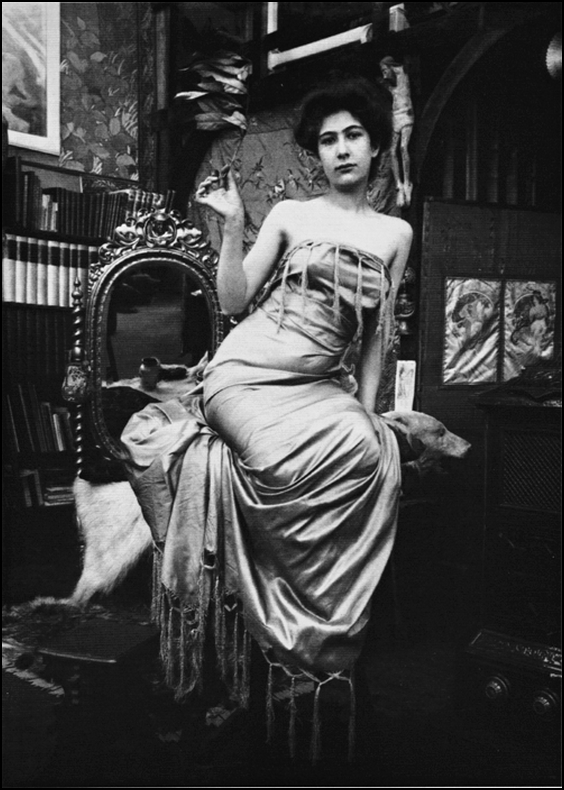
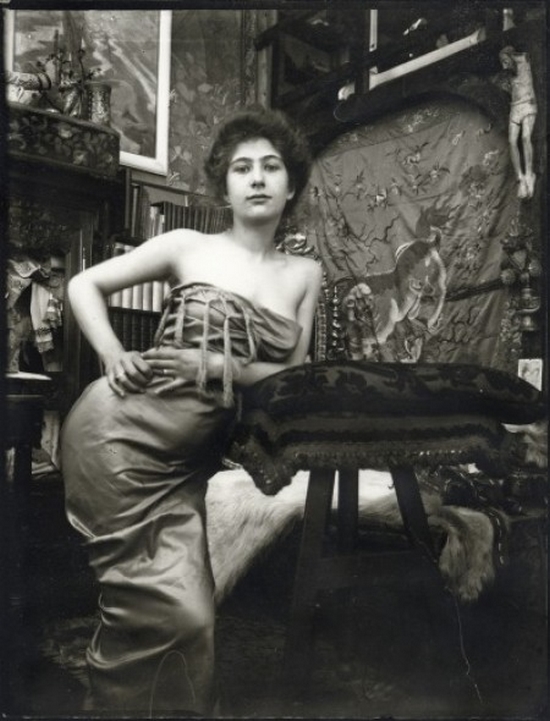
Alphonse Maria Mucha – Modèles

« Mucha began to take photographs in the early 1880s, probably in Vienna, with a borrowed camera. It was not until he had gained some recognition in Paris and sufficient funds that he purchased his first camera. Mucha’s photographic output grew dramatically after his move to a large studio in the rue du Val de Grâce in 1896. In the new studio, where he had considerably more light thanks to large windows and a glass ceiling, he photographed on a virtually daily basis.

Between 1896 and the early 1900s Mucha made a remarkable series of photographs of the models posing for him. The use of photography as an inexpensive medium for preliminary studies was common among Mucha’s Parisian contemporaries. However, Mucha’s photographs are more than just an alternative to sketches because they also capture the inimitable atmosphere of Mucha’s studio – a world of art in its own right. It was in his studio that that Mucha entertained countless Parisian artists, writers and musicians. It was also the setting for one of the earliest cinematic projections given by the Lumière brothers, whom Mucha had met in 1895, and for psychic experiments with Camille Flammarion and Albert de Rochas. In the background of the studies of models, examples of Mucha’s work may be seen, surrounded by his collection of objets d’art, books and furniture, many of which survive to this day.

The majority of Mucha’s Parisian photographs were not taken for a specific project – he preferred to improvise a number of poses in front of the camera, creating an archive of variants from which he could select what he considered most suitable for the subject of each new commission. However, some photographs were obviously directed, with his friends and models posing as characters for book illustration. Later this practice grew into a part of his experimentation with his models to express his philosophical ideas through theatrical poses and gestures.

Mucha’s theatrical approach culminated in his preparatory work for the Slav Epic canvases. Before working on each canvas Mucha produced numerous staged photographs documenting costumed models posing under his ‘theatre’ directions. From these photographs he selected appropriate images and synthesised them to create a complicated historical event on a single canvas. Although the images were intended as studies for his final paintings, Mucha’s approach to image-making has much in common with filmmaking.
Read less »  Conservatoire Musée Mucha Prague.
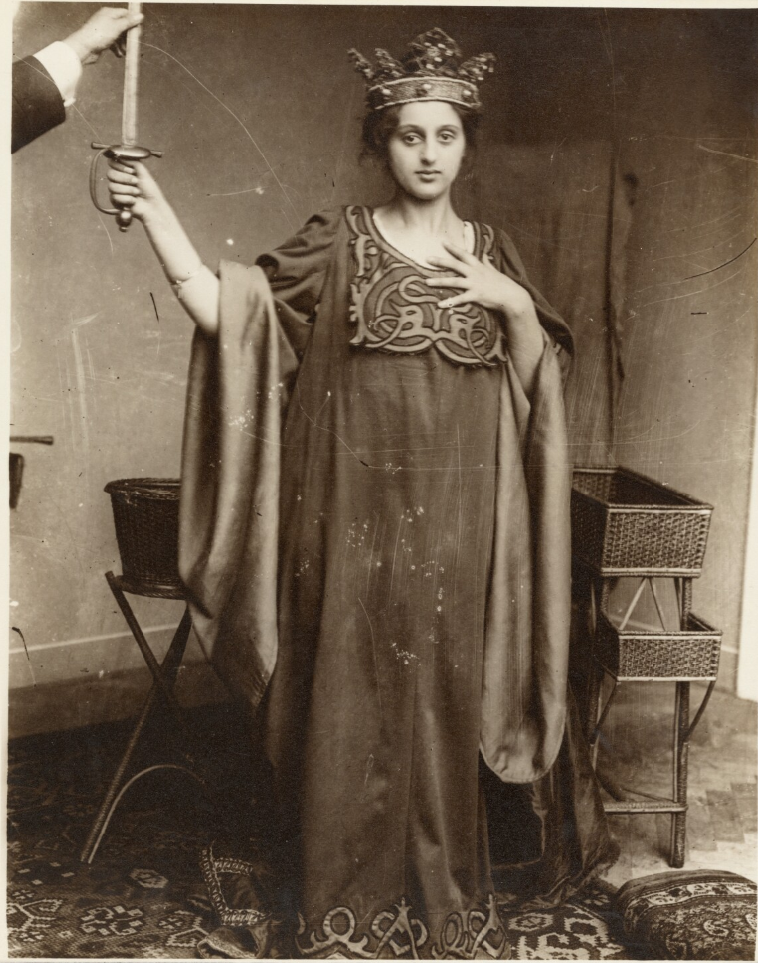
Alphonse Maria Mucha - female moel wearing crow and holding sword, negative 1900s; print about 1980

Alphonse Maria Mucha – female moel wearing crow and holding sword, negative 1900s; print about 1980
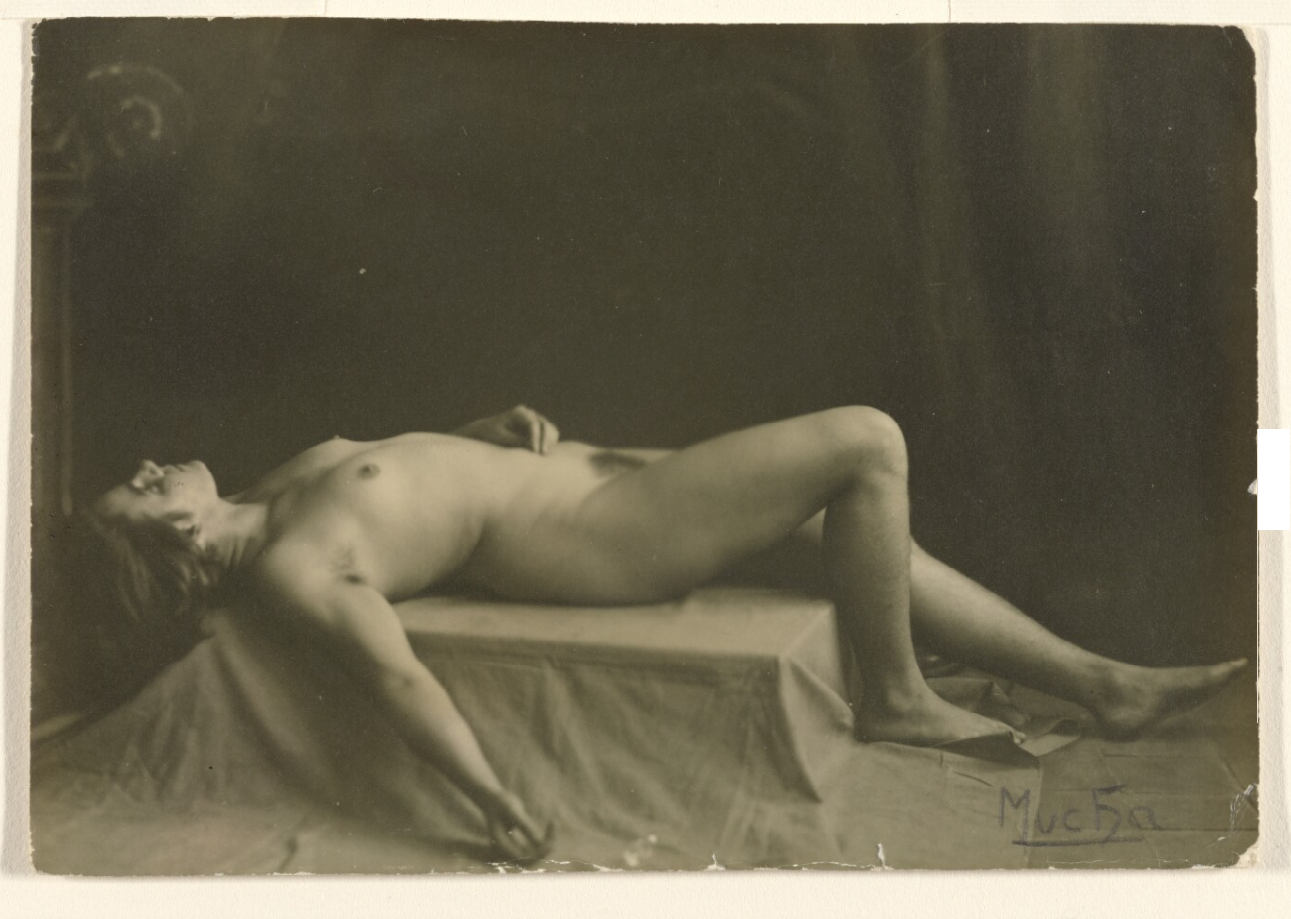
Alphonse Maria Mucha - Reclining Nude, about 1900s

Alphonse Maria Mucha – Reclining Nude, about 1900s
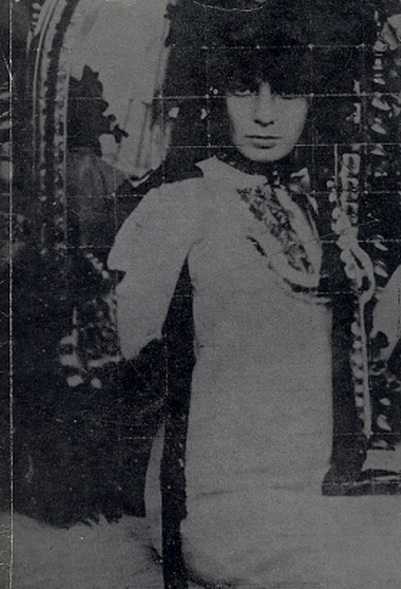
Alphonse Maria Mucha – Model in studio, 1900s From the book  “Osobnosti české fotografie  I », by  Fárová Anna 1974, ed° UPM Praha typo by Libor Fara © Alphonse Mucha Trust

Alphonse Maria Mucha -Model , Studio du Val de grâce for Documents Décoratifs, Paris,  1900 © Alphonse Mucha Trust

Alphonse Maria Mucha -Model , Studio du Val de grâce for Documents Décoratifs, Paris, 1900 © Alphonse Mucha Trust

Alphonse Maria Mucha -Model , Studio du Val de grâce for Documents Décoratifs, Paris,  1900 © Alphonse Mucha Trust

Alphonse Maria Mucha -Model , Studio du Val de grâce for Documents Décoratifs, Paris, 1900 © Alphonse Mucha Trust

Alphonse Maria Mucha -Model , Studio du Val de grâce for Documents Décoratifs, Paris,  1900 © Alphonse Mucha Trust

Alphonse Maria Mucha -Model , Studio du Val de grâce for Documents Décoratifs, Paris, 1900 © Alphonse Mucha Trust
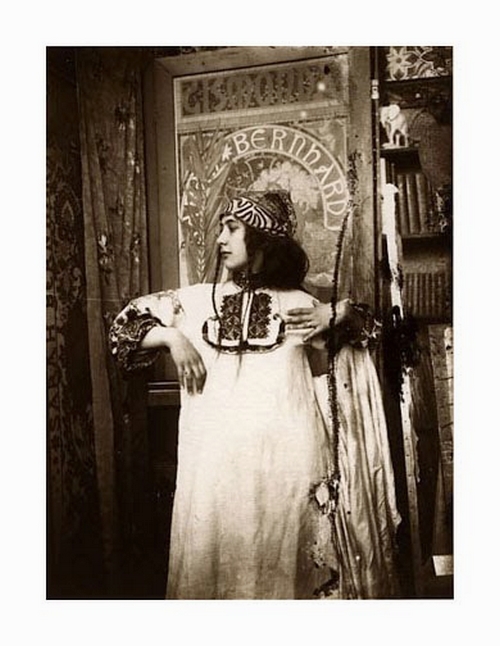
Alphonse Maria Mucha -  Model-Study for Figures Decoratives Rue du Val de Grace, 1901© Alphonse Mucha Trust

Alphonse Maria Mucha – Model-Study for Figures Decoratives Rue du Val de Grace, 1901© Alphonse Mucha Trust

Alphonse Maria Mucha - Model for Medee -1898 (1)

Alphonse Maria Mucha – Model for Medee -1898 (1)
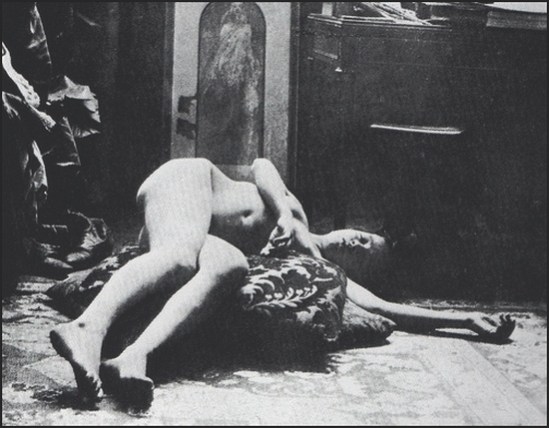
Alphonse Maria Mucha - -Model for Medee ,1898 © Alphonse Mucha Trust

Alphonse Maria Mucha – -Model for Medee ,1898 © Alphonse Mucha Trust

Alphonse Maria Mucha -  Model posing , 1898-89

Alphonse Maria Mucha – Model posing , 1898-89 © Alphonse Mucha Trust

Alphonse Maria Mucha - Model called “La Bise”, pour Cocorico N 3 du 1er fevrier 1899.© Alphonse Mucha Trust

Alphonse Maria Mucha – Model called “La Bise”, pour Cocorico N 3 du 1er fevrier 1899.© Alphonse Mucha Trust

Alphonse Maria Mucha -H ands pose  Paris,  1908 © Alphonse Mucha Trust

Alphonse Maria Mucha -Hands pose Paris, 1908 © Alphonse Mucha Trust

Alphonse Maria Mucha -Ce modèle servit à illustrer l’article de Maurice Pillard Verneuil De l’emploi de la couleur en impression Trois impressions paru en 1902 dans Art et Décoration. Atelier Mucha, Paris, 1900. © Alphonse Mucha Trust
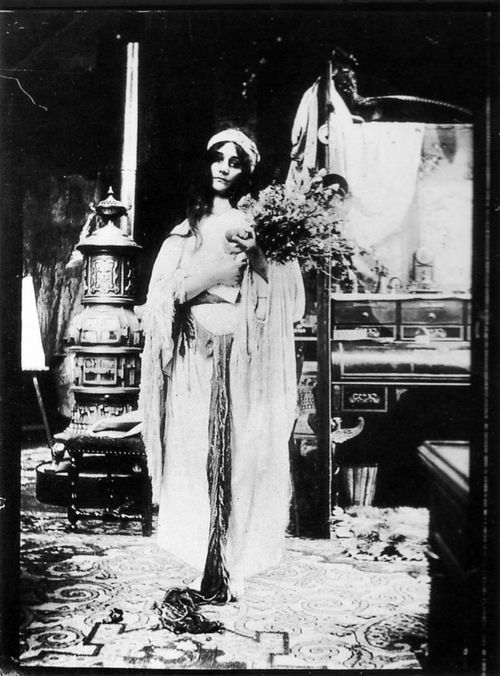
Alphonse Maria Mucha –  Photographie du modèle , Atelier Mucha, Paris. 1900 m^me chose que la photo précédente  Ce modèle servit à illustrer l’article de Maurice Pillard Verneuil De l’emploi de la couleur en impression Trois impressions paru en 1902 dans Art et Décoration © Alphonse Mucha Trust
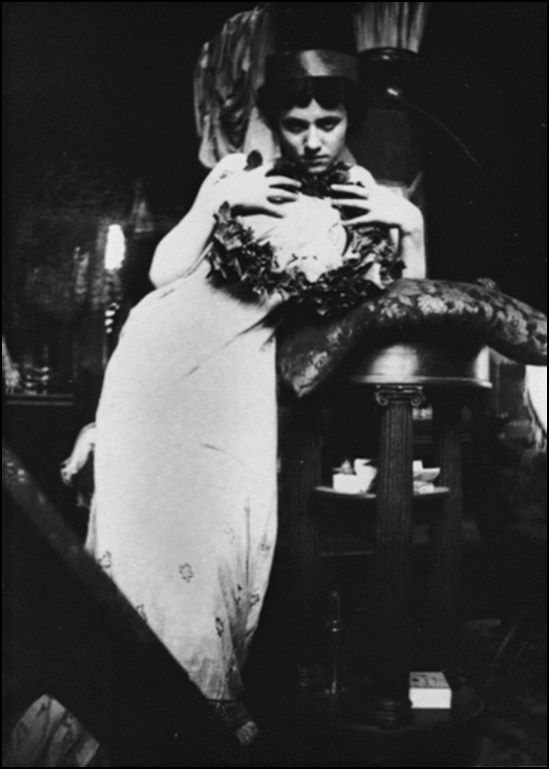
Alphonse Maria Mucha -Model , Studio du Val de grâce, Paris, 1900 © Alphonse Mucha Trust (2)

Alphonse Maria Mucha -Model , Studio du Val de grâce, Paris, 1900 © Alphonse Mucha Trust

Alphonse Maria Mucha -Model , Studio du Val de grâce, Paris, 1901

Alphonse Maria Mucha -Model , Studio du Val de grâce, Paris, 1901

Alphonse Maria Mucha -Model , Studio du Val de grâce, Paris, 1900 © Alphonse Mucha Trust

Alphonse Maria Mucha -Model , Studio du Val de grâce, Paris, 1900 © Alphonse Mucha Trust
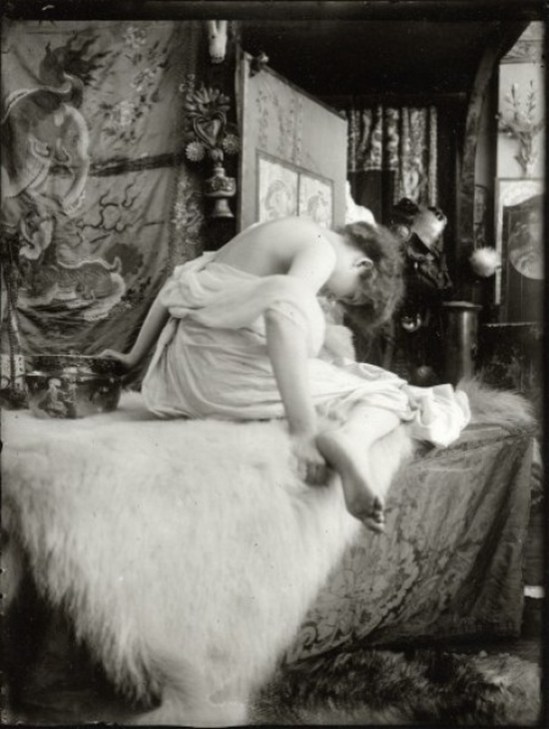
Alphonse Maria Mucha -Model , Studio du Val de grâce, Paris, 1899 © Alphonse Mucha Trust

Alphonse Maria Mucha -Model , Studio du Val de grâce, Paris, 1899 © Alphonse Mucha Trust

Alphonse Maria Mucha -Model , Studio du Val de grâce, Paris, 1900 © Alphonse Mucha Trust (3)
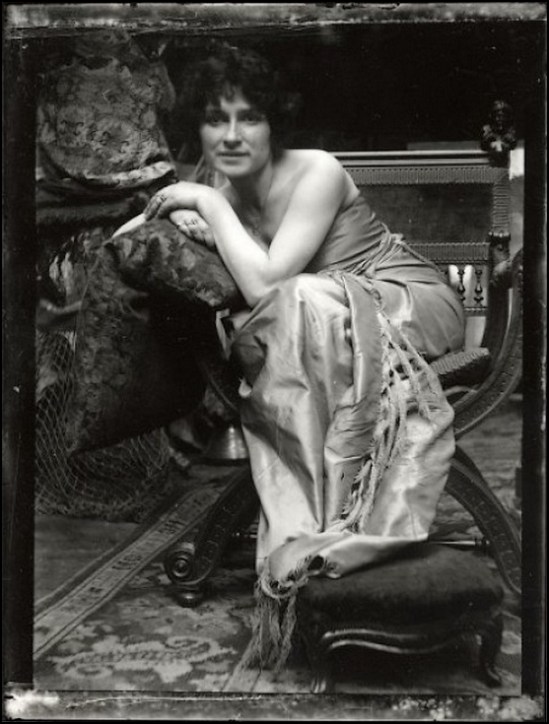
Alphonse Maria Mucha -Model , Studio du Val de grâce, Paris, 1900 © Alphonse Mucha Trust

Alphonse Maria Mucha -Model , Studio du Val de grâce, Paris, 1900 © Alphonse Mucha Trust

Alphonse Maria Mucha -Model , Studio du Val de grâce, Paris, 1900 © Alphonse Mucha Trust

Alphonse Maria Mucha -Model , Studio du Val de grâce, Paris, 1900 © Alphonse Mucha Trust

Alphonse Maria Mucha -Model , Studio du Val de grâce, Paris, 1900 © Alphonse Mucha Trust

Alphonse Maria Mucha -Model , Studio du Val de grâce, Paris, 1_çè © Alphonse Mucha Trust

Alphonse Maria Mucha -Model , Studio du Val de grâce, Paris, 1897 © Alphonse Mucha Trust

Alphonse Maria Mucha -Model , Studio du Val de grâce, Paris, 1899 © Alphonse Mucha Trust (4)
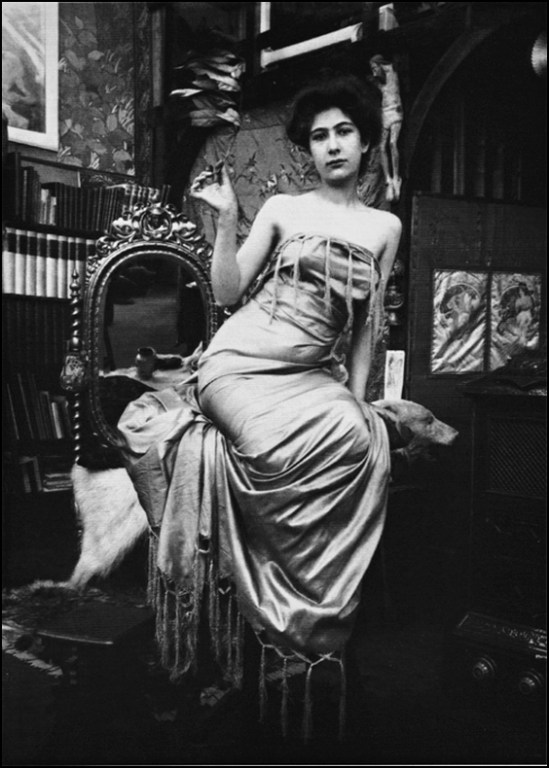
Alphonse Maria Mucha -Model , Studio du Val de grâce, Paris, 1899 © Alphonse Mucha Trust

Alphonse Maria Mucha - Model posing  1918 © Alphonse Mucha Trust

Alphonse Maria Mucha – Model posing 1918 © Alphonse Mucha Trust

Alphonse Maria Mucha – Reclining Half-Nude Model, posing, nd, (1890s) © Alphonse Mucha Trust

Alphonse Maria Mucha –  Model Draped in a Shawl posed against Mucha posters, after 1896 © Alphonse Mucha Trust

Alphonse Maria Mucha -Model (  to illustrated the E. Gebhart New York , 1908   © Alphonse Mucha Trust

Alphonse Maria Mucha -Miss Reichl (Max Reinhardt’s Company’s leading actress) posing for ‘Tragedy’, a German Theatre mural, in Mucha’s studio, New York 1908 © Alphonse Mucha Trust
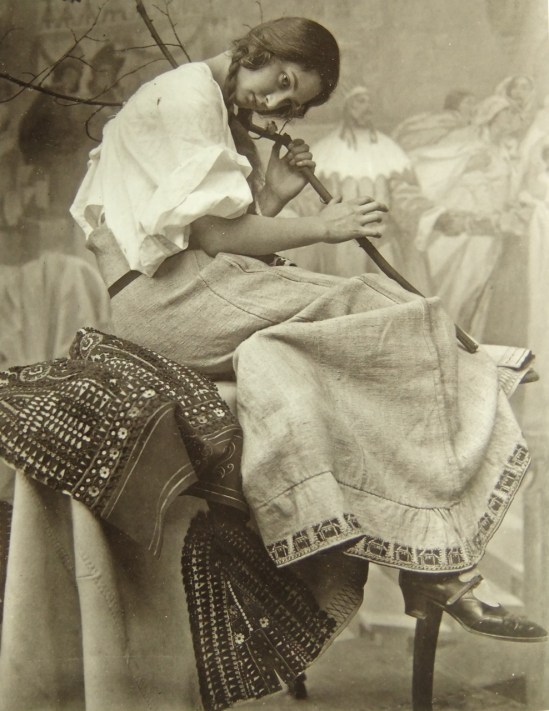
Alphonse Maria Mucha -Studio photography  His Daughter 1925s© Alphonse Mucha Trust

Alphonse Maria Mucha -Studio photography His Daughter 1925s© Alphonse Mucha Trust
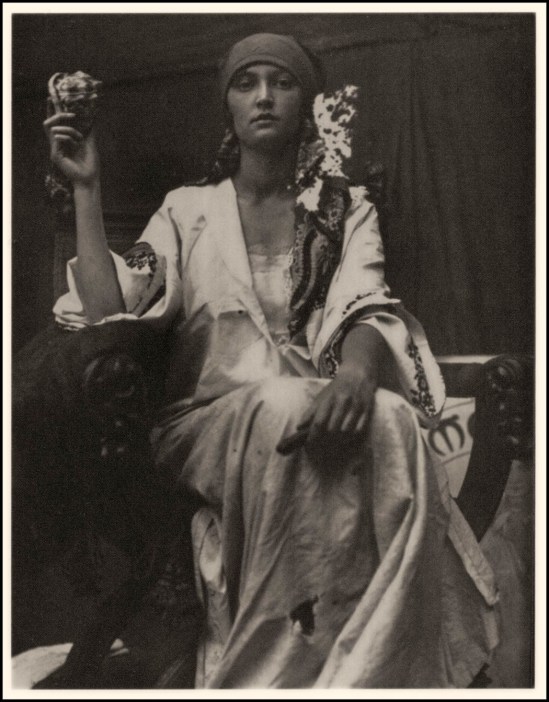
Alphonse Maria Mucha - 1919© Alphonse Mucha Trust

Alphonse Maria Mucha – 1919© Alphonse Mucha Trust

Alphonse Marie Mucha, 1908© Alphonse Mucha Trust
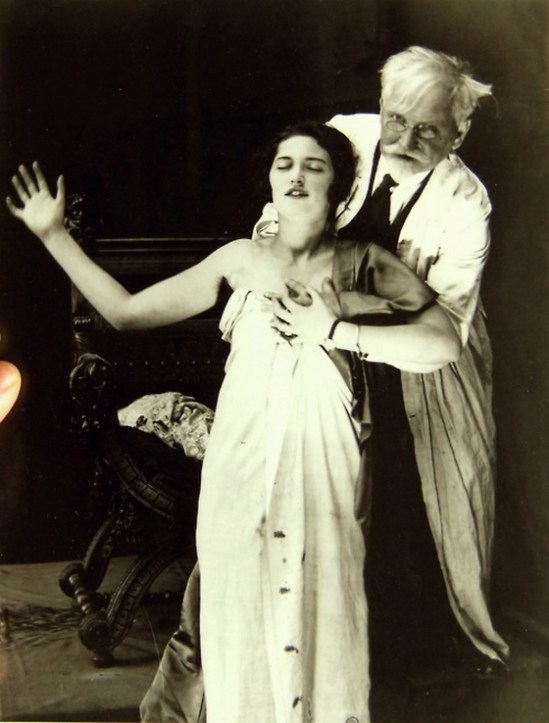
Alphonse Marie Mucha, 1908© Alphonse Mucha Trust

Alphonse Maria Mucha  and his daughter, Jaroslava 1926 © Alphonse Mucha Trust (2)

Alphonse Maria Mucha and his daughter, Jaroslava 1926 © Alphonse Mucha Trust

Plus de Photos Ici

Egon Schiele (Austrian, 1890-1918)

20130922-114848.jpg
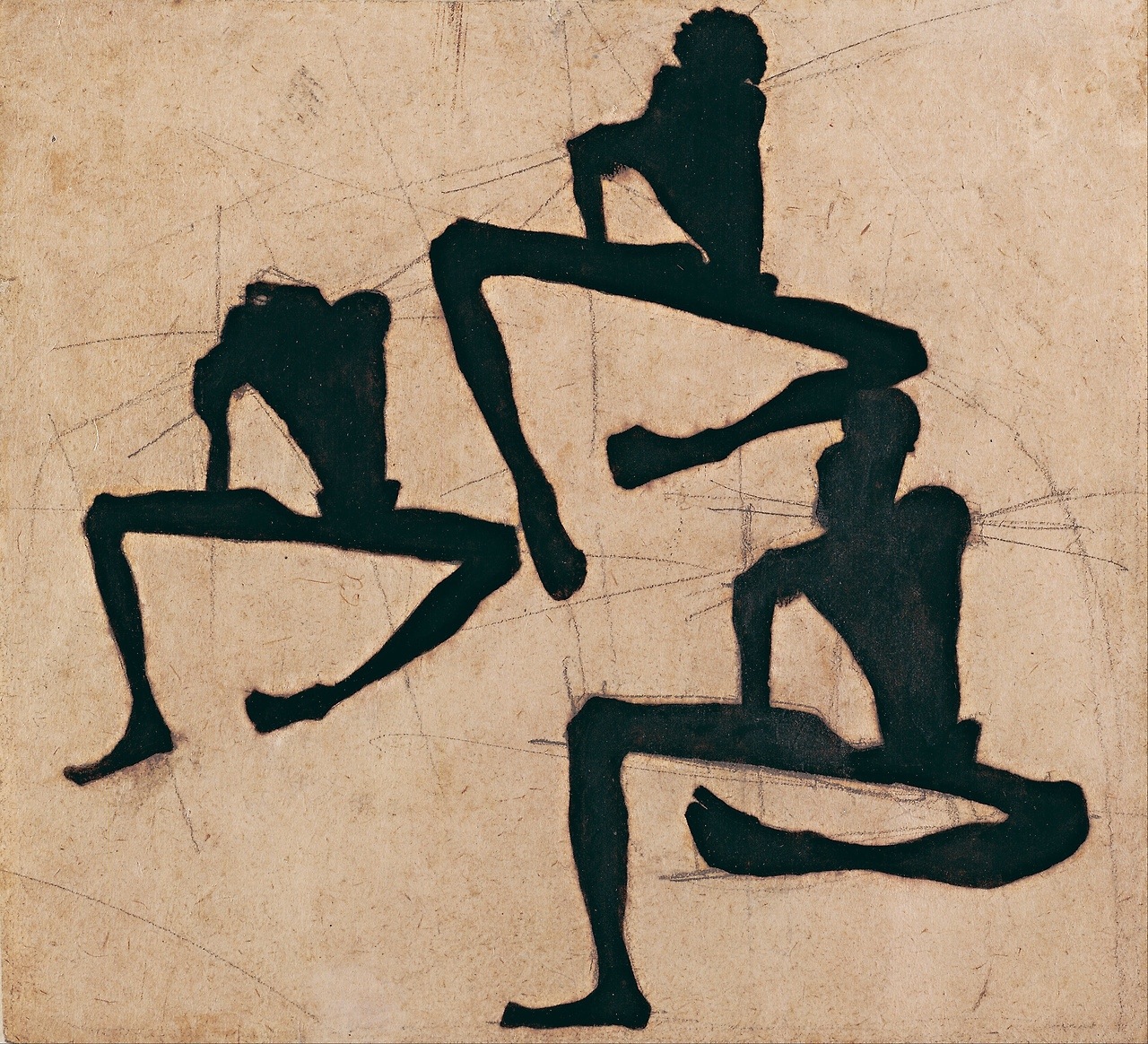
Egon Schiele -Composition with Three Male Nudes, 1910. Drawing, ( Leopold Museum, Vienna.)

20130922-121922.jpg
Egon Schiele, Schlafendes Mädchen (Joven dormida), 1909 Acuarela, pastel y grafito sobre papel,

20130922-122119.jpg
Egon Schiele – Torso of a Bending Female Nude with Purple Stockings, 1909

Augustus Edwin John

20130912-104848.jpg
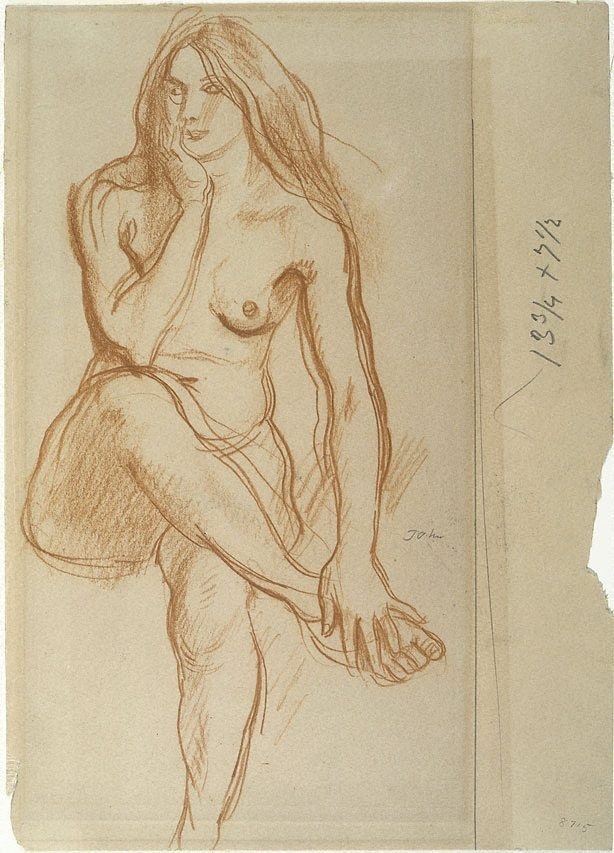
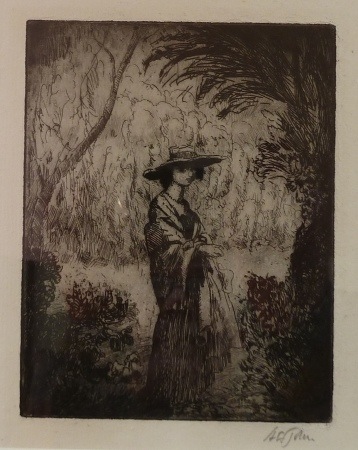
Augustus Edwin John -Seated nude with raised arm, nd ( 1910-1930s)

20130913-063040.jpg
Augustus Edwin John (1878 – 1961) Nude, standing signed, dated 1924, pencil, inscribed To Bernard Adams

20130913-063306.jpg
Lady Ottoline Morrell – Unknown man, Augustus Edwin John & Philip Edward Morrell, 1900-1910

20130913-063510.jpg
Augustus Edwin John-Portrait of Iris Tree ( Iris Motaff wife of curtis Motaff ,Wales, c.1919

20130913-063759.jpg
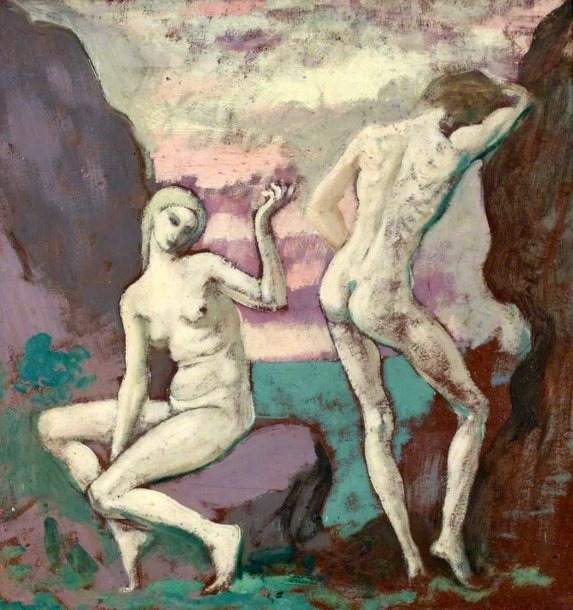
Augustus Edwin John-Study Of Two Nudes,

20130913-063910.jpg
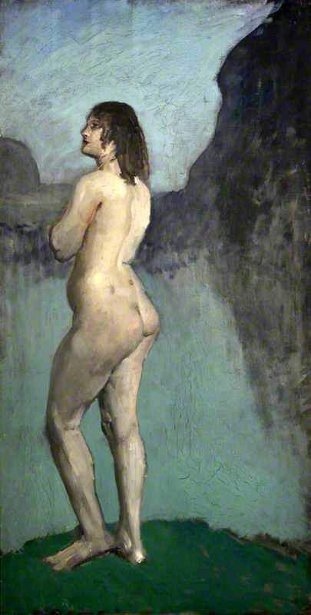
Augustus Edwin John- Female Nude,

20130913-064145.jpg
Augustus Edwin John-Louise Salaman, 1899 Pencil and grey wash on paper

20130913-064410.jpg
Augustus Edwin John-The Marchesa Casati , 1919

20130913-064523.jpg
Augustus Edwin John-The Marchesa Casati ,

20130913-064854.jpg
Augustus Edwin John-Portrait of the Marchioness of Winchester, 1930

20130913-065221.jpg
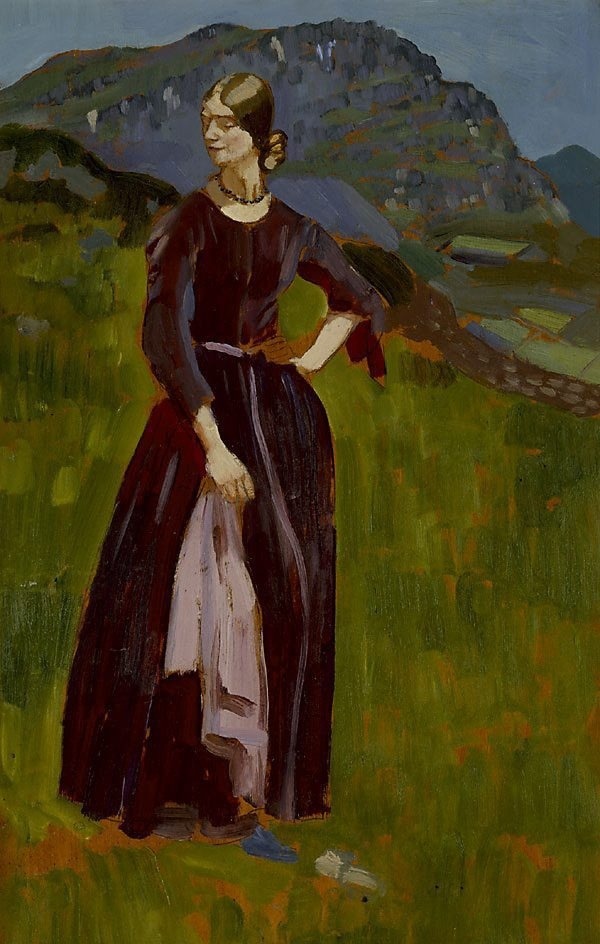
Augustus Edwin John-Lily on the mountainside, 1911

20130913-065351.jpg
Augustus Edwin John-Study of a seated nude, 1900

20130913-065731.jpg
Augustus Edwin John- Virginia, 1906

Pablo Picasso:-Woman in Armchair No. 1 (The Polish Cloak) 1949, lithograph

Pablo Picasso:-Woman in Armchair No. 1 (The Polish Cloak) 1949, lithograph

Pablo Picasso:-Woman in Armchair No. 1 (The Polish Cloak) 1949, lithograph


Pablo Picasso -Nus

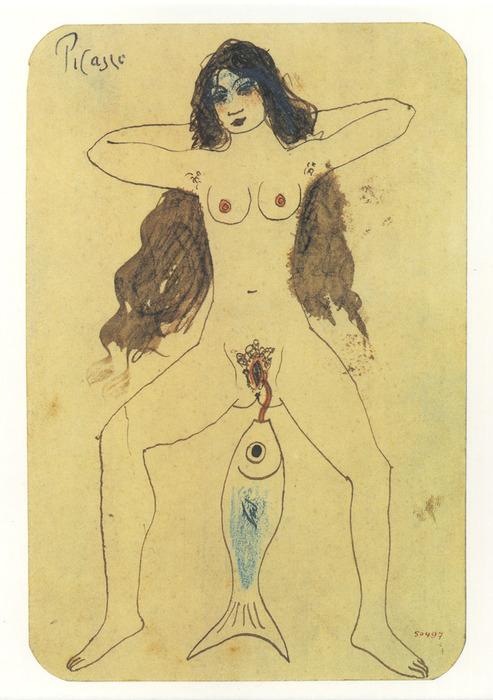
Pablo Picasso -Le maquereau, 1902-1903

Pablo Picasso -Le maquereau, 1902-1903


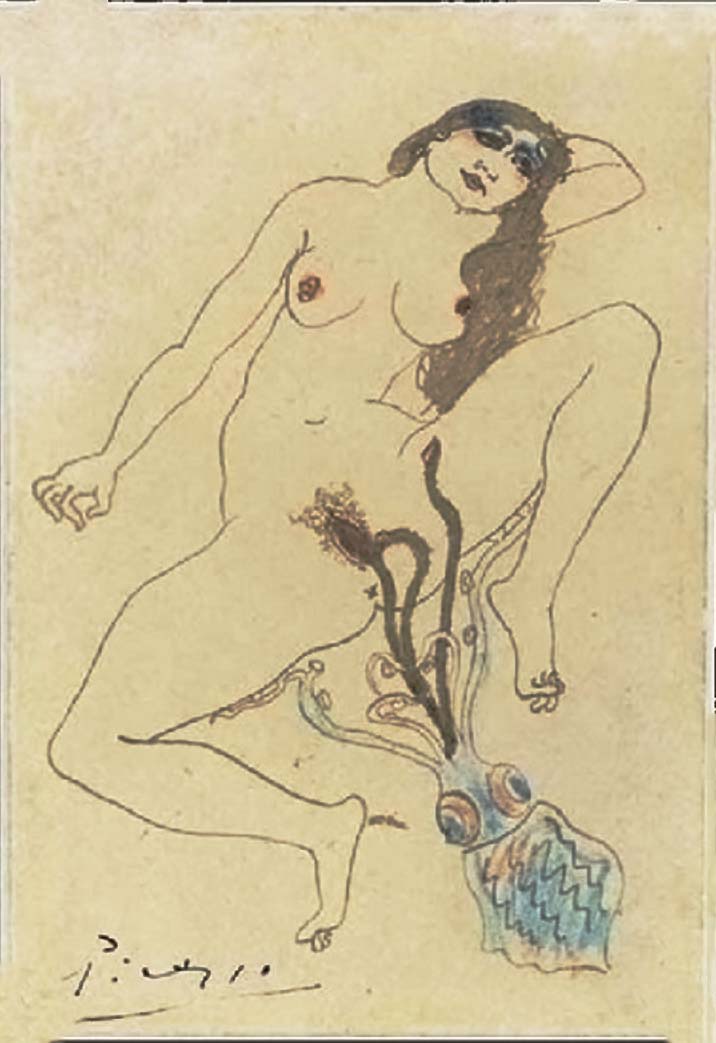
Pablo Picasso- Le poulpe  et l'algue 1903 - Copie

Pablo Picasso- Le poulpe et l’algue 1903 – Copie

Pablo Picasso- Le poulpe  et l'algue 1903

Pablo Picasso- Le poulpe et l’algue 1903

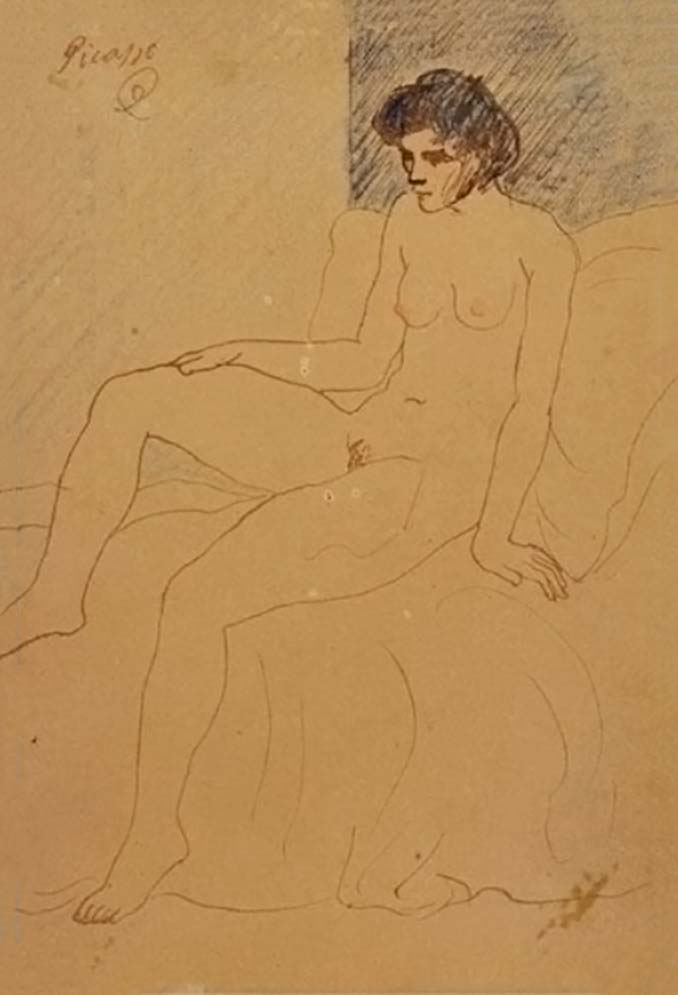
Pablo Picasso-Homme nu assis et femme nue debout 1904

Pablo Picasso-Homme nu assis et femme nue debout 1904

Pablo Picasso. nu couche. 1901

Pablo Picasso. nu couche. 1901