Laurence Le Guay ( Australian 1917-1990)

Le Guay commenced his career during the 1930s with surrealist photography,  and integred Dayne Studios in 1935 at the age of 18. He became a member of the prestigious Sydney Camera Circle and the Contemporary Camera Groupe, in 1938, which included Max Dupain and Olive Cotton, as well as several older photographers including Harold Cazneaux and Cecil Bostock. The Groupe was committed to practising and promoting a modern Australian approach to photography. Le Guay, like Dupain and other members, was interested in European modernism and wanted to find a way to use this style to create uniquely Australian images.

During the second war he was a war photographer for the RAAF. During WWII he was a war photographer for the RAAF.

After opening his studio in George Street, in Sydney , he became a partner with John Nesbett in 1947 and began to focus on fashion photography and other advertising work until the closure of the studio during the early 1970s. Up to this time Le Guay was Sydney’s leading fashion photographer. He then concentrated on publishing books on his photography, editing photographic books and magazines, and giving lectures.

He Awarded the Commonwealth Medal for his contributions towards photography in 1963, prominent Australian photographer   // From Book  by Newton, « Shades of Light » 1998


Laurence Le Guay -Model With Spiny Plant,1960s. Vintage silver gelatin print

Laurence Le Guay -Model With Spiny Plant,1960s. Vintage silver gelatin print

Laurence Le Guay- [Future Fashion], 1960s. Vintage silver gelatin print
Laurence Le Guay- [Future Fashion], 1960s. Vintage silver gelatin print

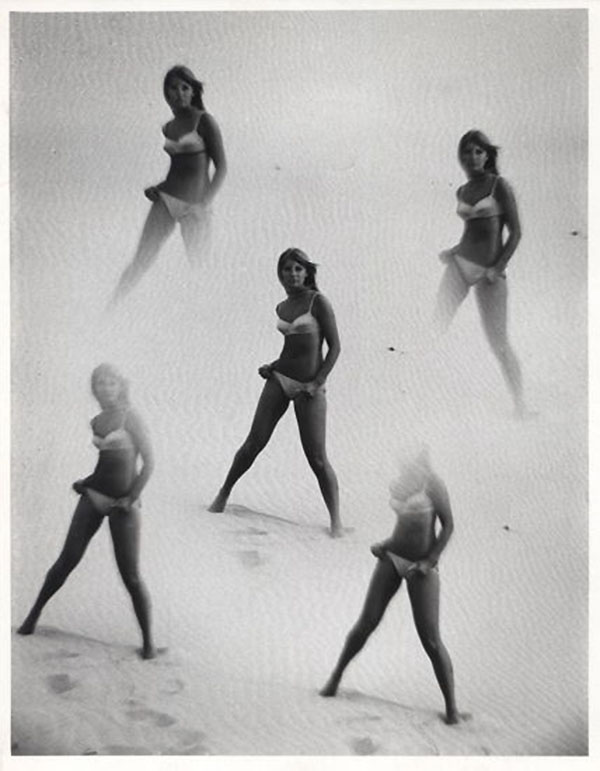
Laurence Le Guay- Quintet Of Bikinis, 1960s. Vintage silver gelatin print.

Laurence Le Guay- Quintet Of Bikinis, 1960s. Vintage silver gelatin print.

Laurence Le Guay- Marietta Nagel, Half-Indonesian Model, c1960s. Vintage silver gelatin

Laurence Le Guay- Marietta Nagel, Half-Indonesian Model, c1960s. Vintage silver gelatin

Laurence Le Guay- Marietta Nagel, Young Lovers In The Grass,1960s. Vintage silver gelatin print

Laurence Le Guay- Marietta Nagel, Young Lovers In The Grass,1960s. Vintage silver gelatin print

Laurence Le Guay- Dance movement , 1946


Laurence Le Guay- No. 2 Nude, 1949

Laurence Le Guay- No. 2 Nude, 1949

Laurence Le Guay- No. 2 Nude, 1949

Laurence Le Guay- No. 2 Nude, 1949

Laurence Le Guay- Sylphides 1940s photomontage, gelatin silver

Laurence Le Guay- Sylphides 1940s photomontage, gelatin silver


‘The progenitors’ is one of a series of montage works that Le Guay produced on the theme of modernism and the human condition. In the image, the nude man and woman are positioned as massive figures within an industrial landscape. The woman looks skyward with one hand pressed to her temple, while the man is seated at her feet and gazes up at her and the factory towers. The pose of the woman echoes the towers of the factory behind her, while the light and cloud suggest the enlightenment of the industrial world. The implication is that the couple are a modern Adam and Eve, with their ability to produce a new Australian race intrinsically linked to the productive capabilities of the modern industrial machines behind them.

« The title of Le Guay’s work potently suggests the complex mix of issues regarding race, heredity and modernity that circulated during the 1930s … A progenitor can mean a spiritual, political or intellectual predecessor and, in this context, the couple offer the viewer the reassuring promise of future prosperity. »  From Isobel Crombie in « Body culture: Max Dupain, photography and Australian culture, 1919–1939″, Peleus Press , 2004

Laurence Le Guay- The progenitors , 1938 gelatin silver photograph, toned montage

Laurence Le Guay- The progenitors , 1938 gelatin silver photograph, toned montage

Laurence Le Guay- No title (War montage with child and soldier) , 1939,gelatin silver photograph
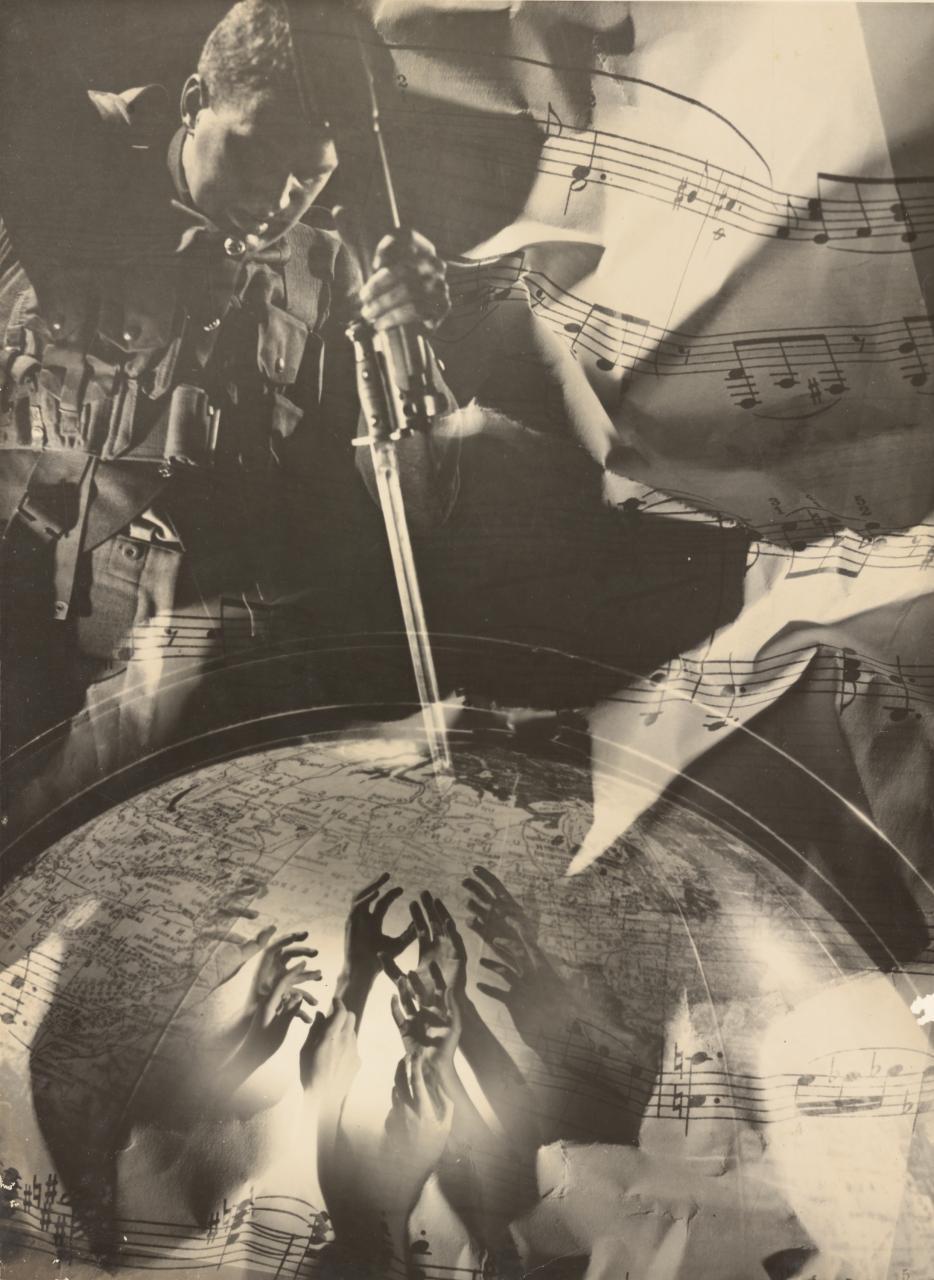
Laurence Le Guay- No title (War montage with child and soldier) , 1939,gelatin silver photograph

Laurence Le Guay- No title (War montage with globe), 1939 gelatin silver photograph

Laurence Le Guay- No title (War montage with globe), 1939 gelatin silver photograph

Laurence Le Guay- Background for Birth, Published in Photograms of the Year 1940

Laurence Le Guay- Background for Birth, Published in Photograms of the Year 1940
 

Site et Ici et Ici


Daido Moriyama

Daido Moriyama -Moments before, during, and after sex, From the first series for the magazine Provoke , 1969

Daido Moriyama -Moments before, during, and after sex, From the first series for the magazine Provoke , 1969 [ see another one from provoke here]

Claude Cahun

« Dans la nuit noire. En attendant de voir clair, je veux me traquer, me débattre […]. Je ne voudrais coudre, piquer, tuer qu’avec l’extrême pointe. Le reste du corps, la suite, quelle perte de temps ! Ne voyager qu’à la proue de moi-même. »

Claude Cahun, Aveux non avenus

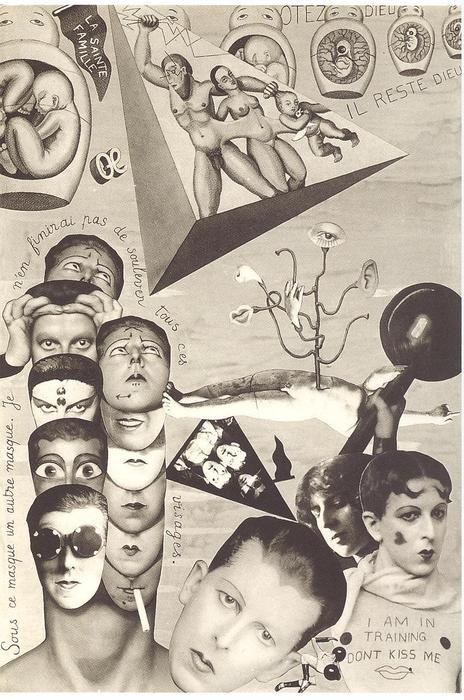
Claude Cahun - Aveux non avenus , photomontage ( réalisé entre 1919 et 1929), publié en 1929

Claude Cahun – Aveux non avenus , photomontage ( réalisé entre 1919 et 1929), publié en 1929


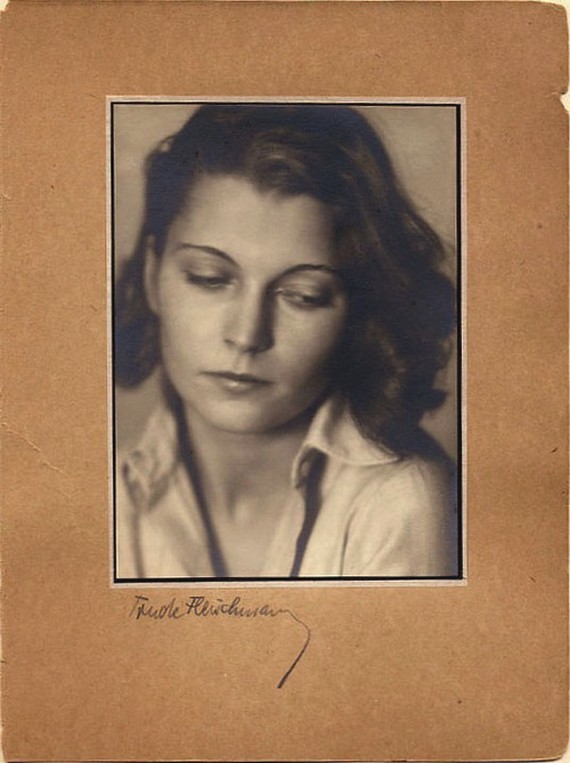
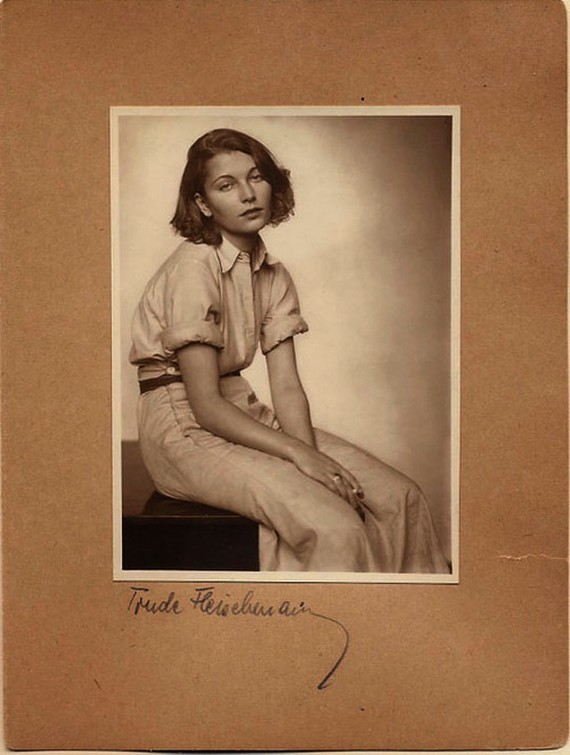
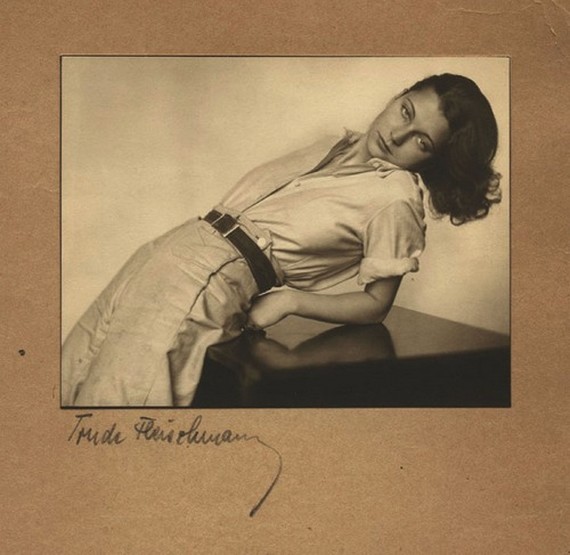
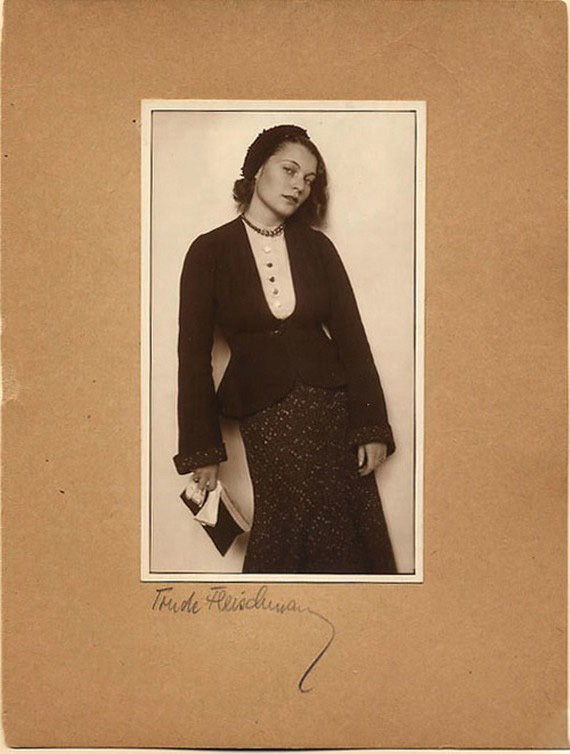
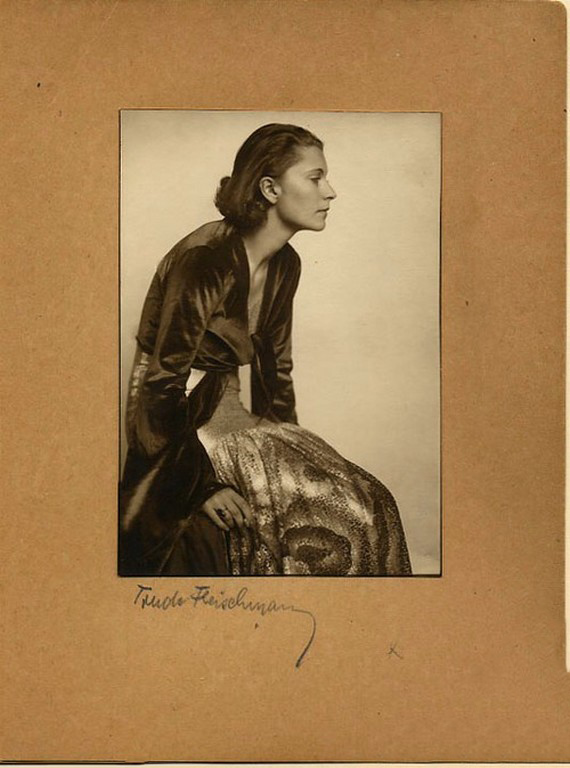
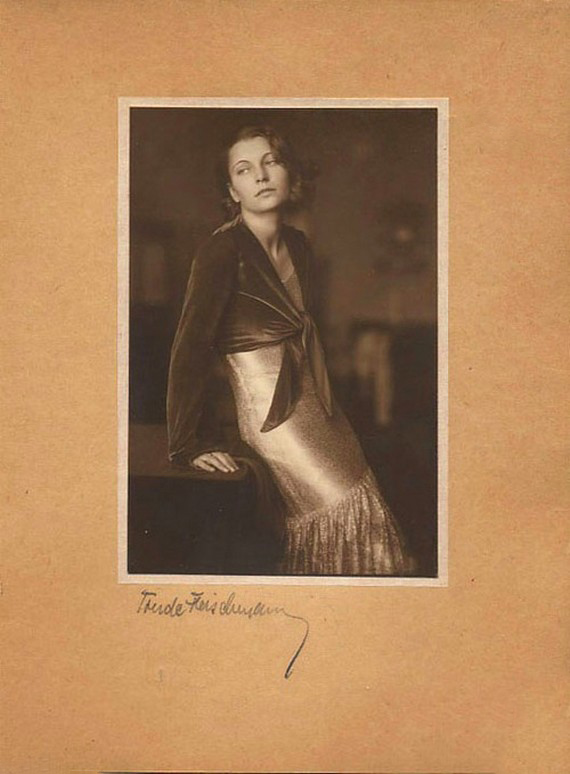
Trude Fleischmann- Inge Schön,1929

Trude Fleischmann (1895-1990) est l’une des grandes photographes du 20e Siècle. Elle était une de ces jeunes photographes juives confiantes, qui ont fait une carrière traditionnelle dans une profession masculine. Elle a photographié les étoiles du théâtre, des danseurs et des intellectuels. Trude a développé une passion pour la photographie dès son enfance, et est rapidement devenue l’un des plus grands photographes de portrait de Vienne peu après l’ouverture de son propre studio à l’âge de vingt-cinq ans. Même si elle est largement méconnue aujourd’hui, ses portraits d’intellectuels et d’artistes, y compris Karl Kraus (1874-1936), Peter Altenberg (1859-1919), Adolf Loos (1870-1933), Alfred Polgar (1873-1955), Stefan Zweig (1881-1942), Alban Berg (1885-1935), Bruno Walter (1876-1962), Max Reinhardt (1873-1943), Paula Wessely (1907-2000) et Grete Wiesenthal (1885-1970), reste un témoignage important de la culture européenne du XXe siècle

Issue d’une famille aisée, elle peut recevoir le soutien financier nécessaire dans son début de carrière. Sa formation comprend un semestre à étudier l’histoire de l’art à Paris et trois ans au « Lehr-und Versuchsanstalt für Photographie und Reproduktionsverfahren, » où les femmes avaient été autorisés à étudier la photographie depuis 1908. Après avoir terminé ses études en Juillet 1916, elle est devenue apprentie photo-finition dans l’atelier de la portraitiste bien connue madame d’ora (Dora Kallmus et son mari…. ), dont le travail qu’elle admirait. Parce que d’Ora se plaint de sa lenteur, Trude quitte sa place après seulement deux semaines !!!! . Mais elle rebondie très vite car peu de temps après, Trude trouve une place auprès du photographe Hermann Schieberth, dont les clients de la scène culturelle et intellectuelle viennoise étaient très friands. En 1919, elle devient membre de la Société Photographique de Vienne. ( Les plus célèbres d’entre eux comprennent – aux côtés de Trude Fleischmann – Edith Barakovich, Grete Kolliner, Marianne Bergler, Pepa Feldscharek, Hella Katz, Steffi Brandl, Kitty Hoffman, Edith Glogau, Trude Geiringer et Dora Horowitz).

Après trois ans, et avec l’encouragement de sa mère et le soutien financier de sa famille, elle a fondé son propre studio en 1920. Elle a pu poursuivre une carrière réussie entre les deux guerres car elle réalises des photos de mariages ou de baptêmes, et qu’elle reste sous contrat avec des magazines. Le « boom » de la photographie à cette période , lié à la croissance des magazines féminins ou non d’ailleurs , a également contribué à sa carrière.( par exemple Die Bühne, Moderne Welt, und Mode Welt et Uhu, en autriche, mais elle contribue aussi à la presse internationale) Elle réalise des portraits artistiques des célébrité du monde des arts ( l’opéra (chefs d’orchestre et chanteurs) , la musique, la danse et de théâtre) mais également des portrait de grands scientifiques, de politiciens et de professionnels de la photographie . Ainsi, elle devient rapidement indispensable à la presse autrichienne et internationale.

Comme son cercle d’amis dans le monde de l’art a grandi, le studio de Fleischmann est devenu un lieu de rassemblement pour l’élite culturelle de Vienne. Son manque d’assignations fixes et les clients lui a permis plus de liberté dans ses choix de thématiques et son style. Elle a une façon bien particulière de fixer l’expression des visages, et un regard érotiques sur les corps de ses sujets qui lui ai propre. L’esthétique de Fleischmann a ouvert une nouvelle ère: Elle a appelé à la présentation d’une « nudité naturelle », et elle s’efforçait de ne pas « ajouter » des effets de pose, sous couvert d’un travail artistique pour montrer ces corps nus.

En toute logique, si l’on puis dire, qui Fleischmann a été parmi les premiers à photographier les nouveaux styles de danse à Vienne se voit proposer en 1925 de faire une exposition de ses photographies mettant en vedette la danseuse Claire Bauroff nue. Claire Bauroff dont le corps avait été très huilé, donnait ainsi aux cliché une luminosité et contrastes forts pris devant un noir. Quelques années auparavant, une telle mise en scène du corps nu aurait été impensable et en outre, la production de photos de nus pendant une longue période a été réservée aux hommes, en cela Trude Fleischmann était une pionnière, et à gagné ses galons ainsi. Cette exposition fît scandale et a fût interdite et les planches confisquées par un procureur de district de Berlin pour indécence.. une fois de plus , on note combien proposer du nu artistique est difficile et encore une fois, un des photographes dont nous parlons a été victime de censure .

En raison de son origine juive Fleischmann a été obligé de chercher du travail ailleurs après 1938. Laissant derrière elle la plupart de ses négatifs, elle émigre à Paris, Londres et finalement à New York avec l’aide de son élève et ancienne amante Helen Post (1907-1979 une photographe indépendante qui a photographié les tribus indiennes dans tout l’Ouest et du Sud-Ouest de 1936 à 1941 ). [Fleischmann, qui ne s’est jamais mariée, était une lesbienne et a eu un certain nombre de relations avec des femmes connues].

Là bas, Fleischmann poursuit une brillante carrière dans la photographie, d’abord avec The Post et, après 1940, dans son propre studio, qu’elle a dirigé jusqu’en 1969 avec Frank Elmer, un autre émigré viennois.

Contrairement à son travail de jeunesse, beaucoup de ses photographies ultérieures sont des paysages urbains de New York, ainsi que des modèles de mode qu’ elle a souvent photographié pour Vogue. Ses clients, sont aussi les émigrants de la scène culturelle européenne, comme Elisabeth Berger, Oskar Kokoschka, Lotte Lehmann, Otto von Habsburg , le comte Richard Coudenhove-Kalergi et Arturo Toscanini.

En 1969, Fleischmann a pris sa retraite en Suisse, affirmant qu’elle ne voulait pas retourner à Vienne en raison du comportement de la population pendant la guerre. Après un accident en 1987 qui l’a rendue handicapée, elle est retournée aux États-Unis pour vivre avec son neveu, le pianiste Stefan Carell, à Brewster, New York jusqu’à sa mort en 1990.

Trude Fleischmann- Inge Schön,sepia toned, 1929

Trude Fleischmann- Inge Schön,sepia toned, 1929

Trude Fleischmann inge schön 2929 3

Trude Fleischmann- Inge Schön,sepia toned, 1929

Trude Fleischmann- Inge Schön,sepia toned, 1929

Trude Fleischmann- Inge Schön, 1929

Trude Fleischmann- Inge Schön,sepia toned, 1929

Trude Fleischmann- Inge Schön,sepia toned, 1929

Trude Fleischmann- Inge Schön,sepia toned, 1929

Trude Fleischmann- Inge Schön,sepia toned, 1929


Trude Fleischmann- Inge Schön,sepia toned, 1929

Trude Fleischmann- Inge (Schön),sepia toned, 1929

Trude Fleischmann- Inge Schön,sepia toned, 1929

Trude Fleischmann- Inge (Schön) 1929,sepia toned,

source Paul Cava galery and for the model Robert Mann Galery  Here

Maurice Tabard

Maurice Tabard – “Mrs. Hubbel », 1931

See also

Hisao Okamoto -Nymphe, 1936

Hisao Okamoto -Nymphe, 1936


Jean Moral (1906-1999)

Jean Moral - Portrait #17, 1931

Jean Moral – Portrait #17, 1931


Jean Moral- Young Woman With Bubble, 1927

Jean Moral- Young Woman With Bubble, 1927

Jean Moral (1906-1999)  Sans titre (surimpression de visages), 1926_e

Jean Moral- Sans titre (surimpression de visages), 1926

© Francesca Woodman- From Angel series, Rome, 1977

Francesca Woodman, “On Being an Angel”, 1977

© Francesca Woodman- From Angel series, Rome, 1977

Francesca Woodman- Untitled (from the Angels series), Rome, 1977, Courtesy George and Betty Woodman

From Angel Series, Roma, September 1977 1977 by Francesca Woodman 1958-1981

Francesca Woodman-From Angel Series-Rome, sept, 1977, La Porte #3

Francesca Woodman,- Untitled, Rome, 1977-78

Francesca Woodman- untitled Rome, 1977-78 from the book.

Francesca Woodman- Untitled (from the Angels series), Rome, 1977, Courtesy George and Betty Woodman

Francesca Woodman -From Angel Series, Italy, 1977-1978 (Galerie Marian Goodman)

Francesca Woodman- From Angel Series, rome 1977 78


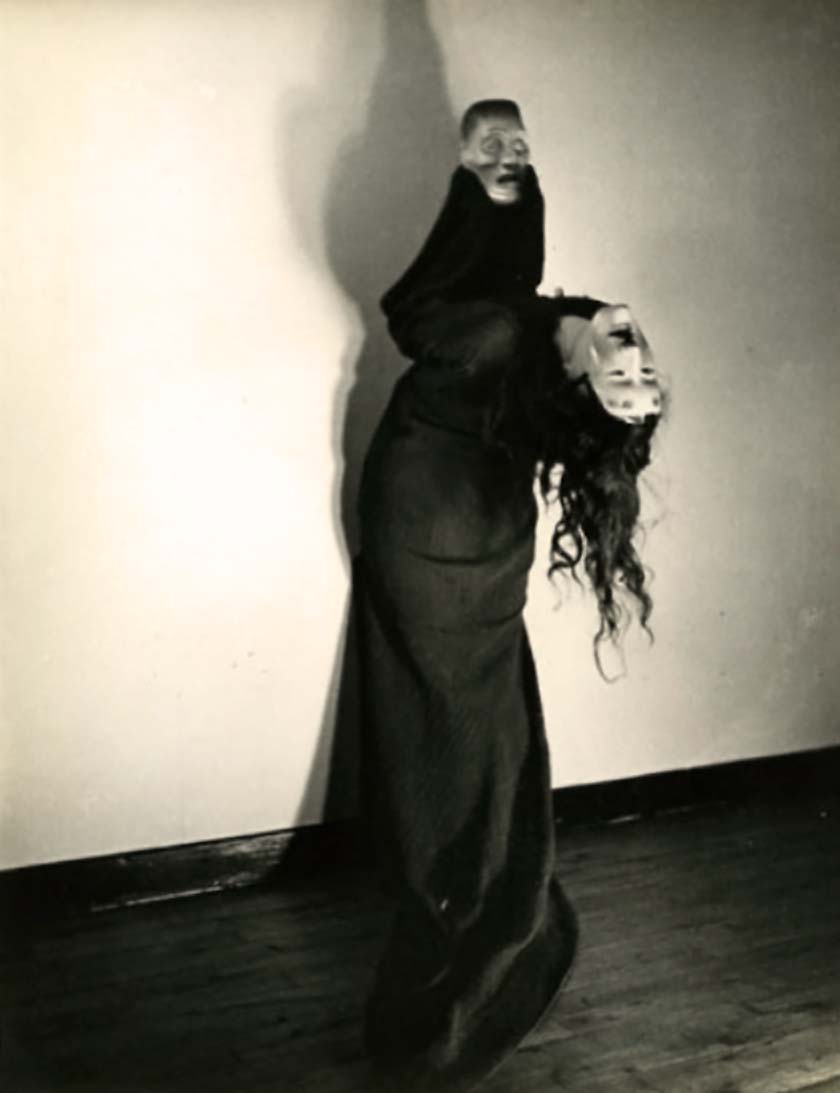
Cassati – Theatre japonais, nd

Cassati Theatre japonais, nd


Daido Moriyama- Bandaged Finger, 1987 {From the series: Lettre a St. Loup}

Daido Moriyama-  Bandaged Finger, 1987 {From the series: Lettre a St. Loup}

Daido Moriyama- Bandaged Finger, 1987 {From the series: Lettre a St. Loup}


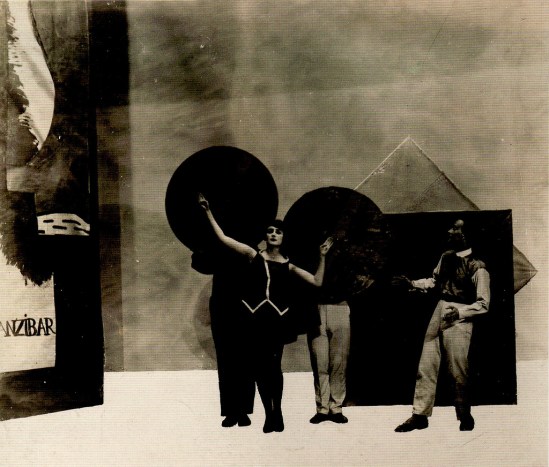
Jaroslav Rössler- scene from Les mamelles de Tiresias by Apollinaire, costumes and sets by Karel Teige, Otakar Mrkvička, František Zelenka, at Liberated Theater, Prague, 1926

Jaroslav Rössler– scene from Les mamelles de Tiresias by Apollinaire, costumes and sets by Karel Teige, Otakar Mrkvička, František Zelenka, at Liberated Theater, Prague, 1926

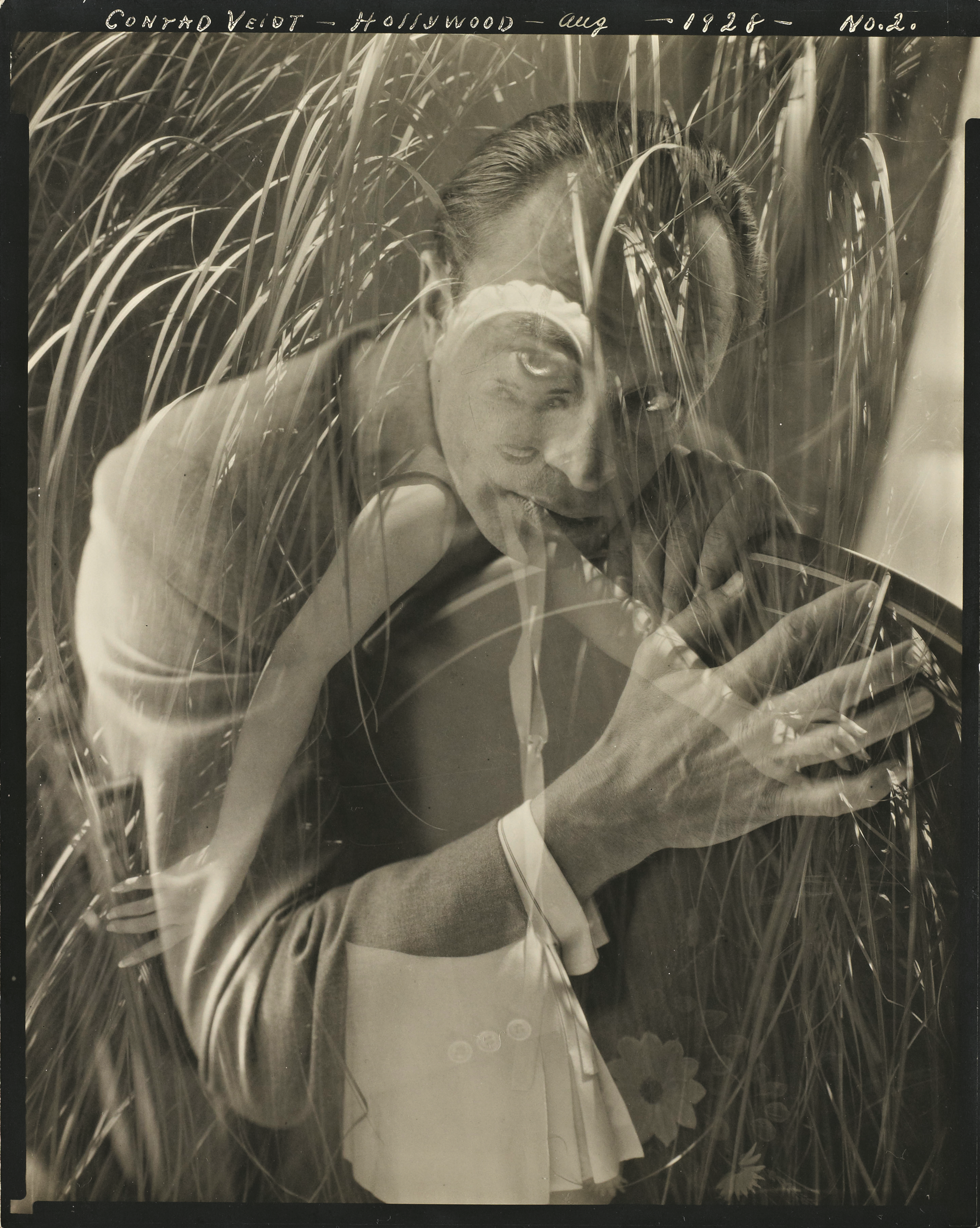
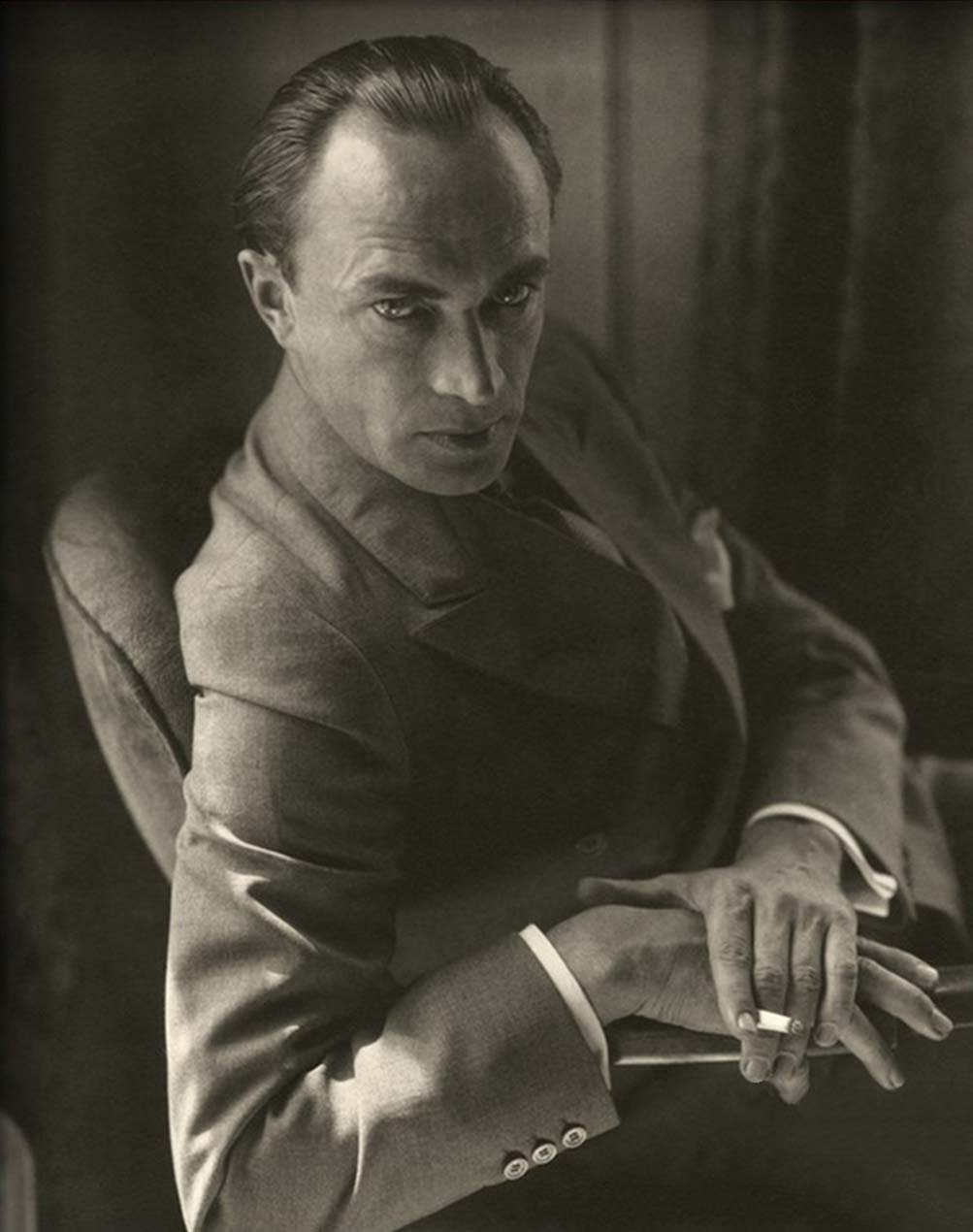
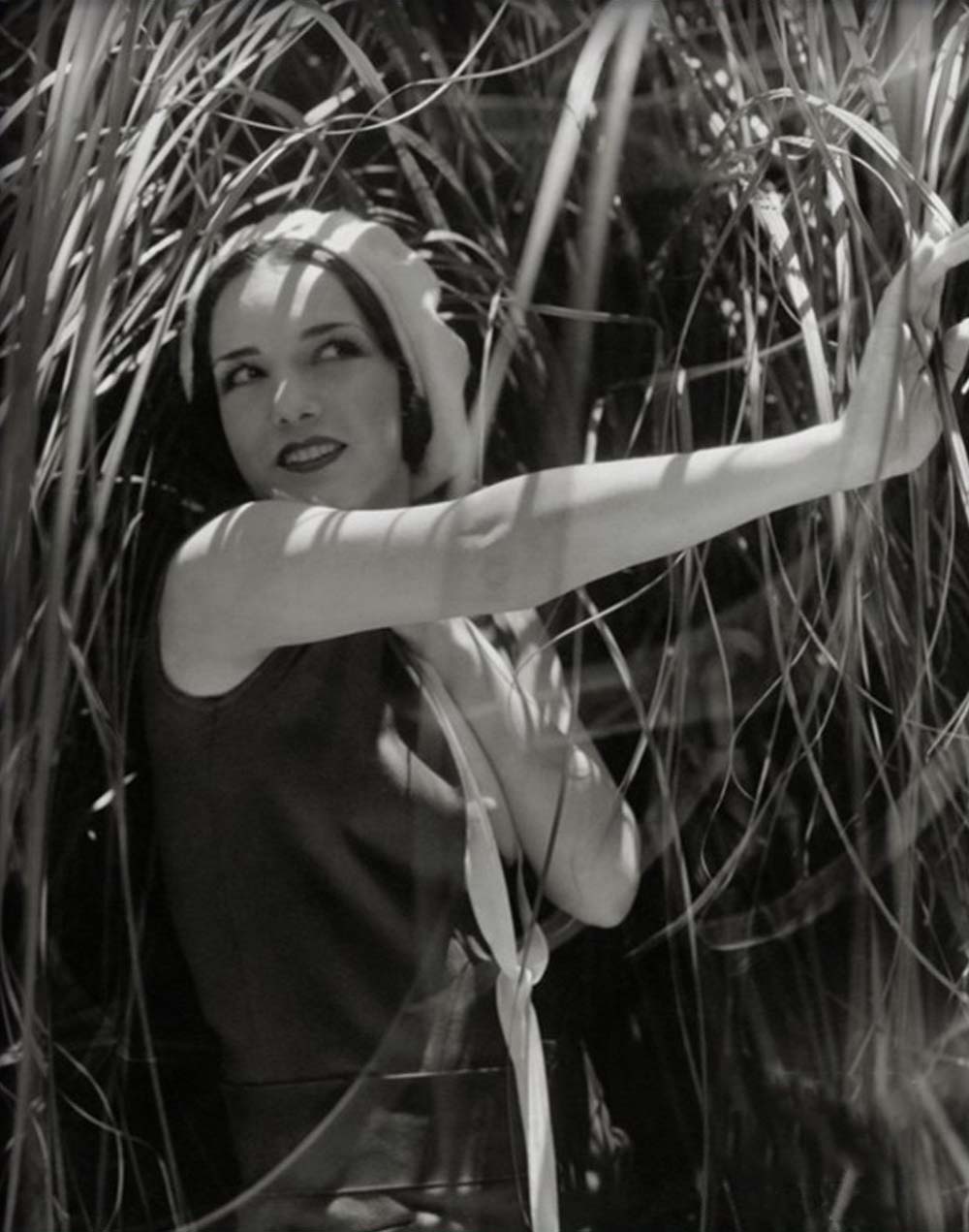
Edward Steichen – Conrad Veidt, Hollywood, August, No. 2 (double exposure with Lupe Vélez), 1928

Edward Steichen – Conrad Veidt, Hollywood, August, No. 2 (double exposure with Lupe Vélez), 1928

Edward Steichen – Conrad Veidt, Hollywood, August, No. 2 (double exposure with Lupe Vélez), 1928

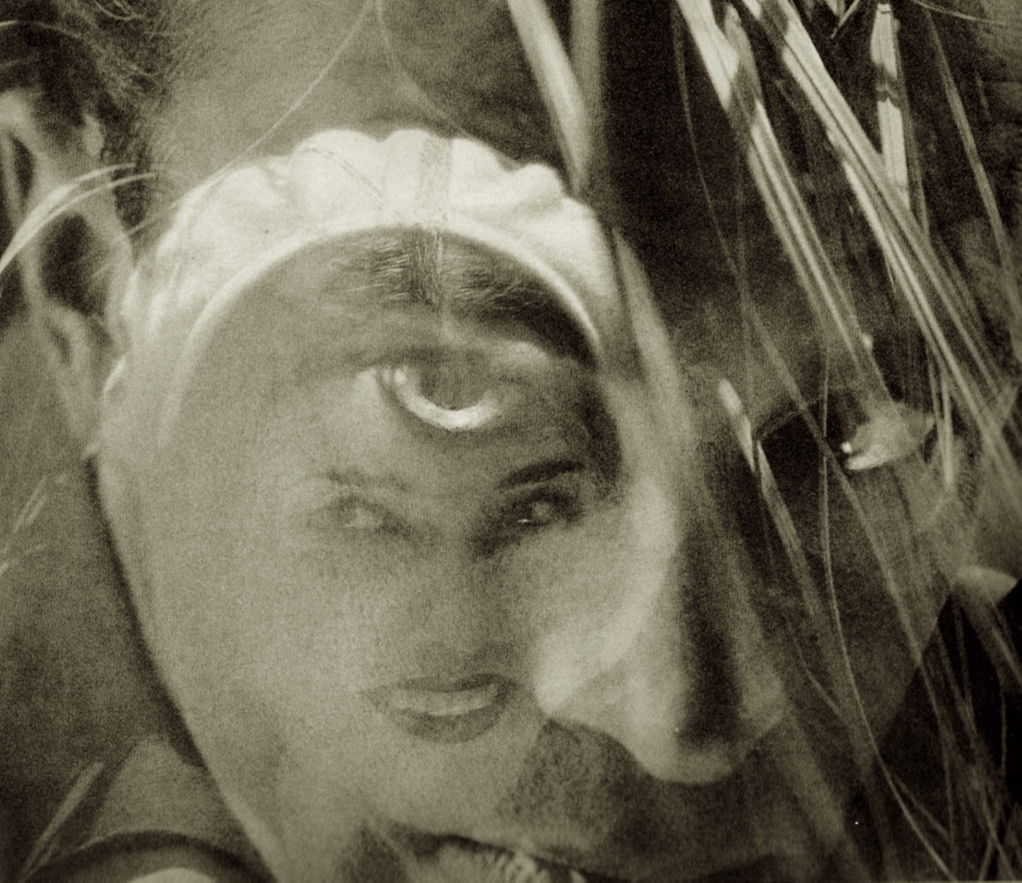
Edward Steichen – Conrad Veidt, Hollywood, August, No. 2 (double exposure with Lupe Vélez), detail ,1928

Edward Steichen – Conrad Veidt, Hollywood, August, No. 2 (double exposure with Lupe Vélez), detail ,1928

MADE WITH THIS TWO PHOTOGRAPHY

Edward Steichen- German actor Conrad Veidt ,Vanity Fair - October 1929

Edward Steichen- German actor Conrad Veidt ,Vanity Fair – October 1929

Edward Steichen- Lupe Velez , for Vanity Fair - July 1930

Edward Steichen- Lupe Velez , for Vanity Fair – July 1930

Stepán Bohumil (1913 – 1985)

« He was born in Křivoklát in Central Bohemia and studied at the Ukrainian Academy of Fine Arts and the private Rotter Advertising School in Prague before becoming a painter, graphic artist and illustrator.He published his first drawings in student magazine H2SO4. He exhibited figural composition in foyer of theatre D-38 in 1937. After the war he has worked on political posters and caricature.

In the early 1960s, like other Czechoslovakian graphic artists, he designed film posters that combine drawn and collage elements. Collage became his focus and his collage-drawings and cartoons appeared in publications such as the satirical magazine Trn (Thorn), Mladý svět (Young World) and Plamen (Flame), a literary magazine. His book projects based on this style include Praštěné pohádky (Wacky Fairy Tales, 1965) by Ludvík Aškenazy and Gulliverovy cesty (Gulliver’s Travels, 1968). In 1969, Štěpán emigrated to Munich, where he had a second career illustrating books and magazines; this also calls for research. Publications from his German period include a book of cartoons (1970) and Familienalbum (Family Album, 1971) composed in the surreal collage style of Galerie — it features a few of the same images. » By  Rick Poynor

Familienalbum (Family Album, 1971)

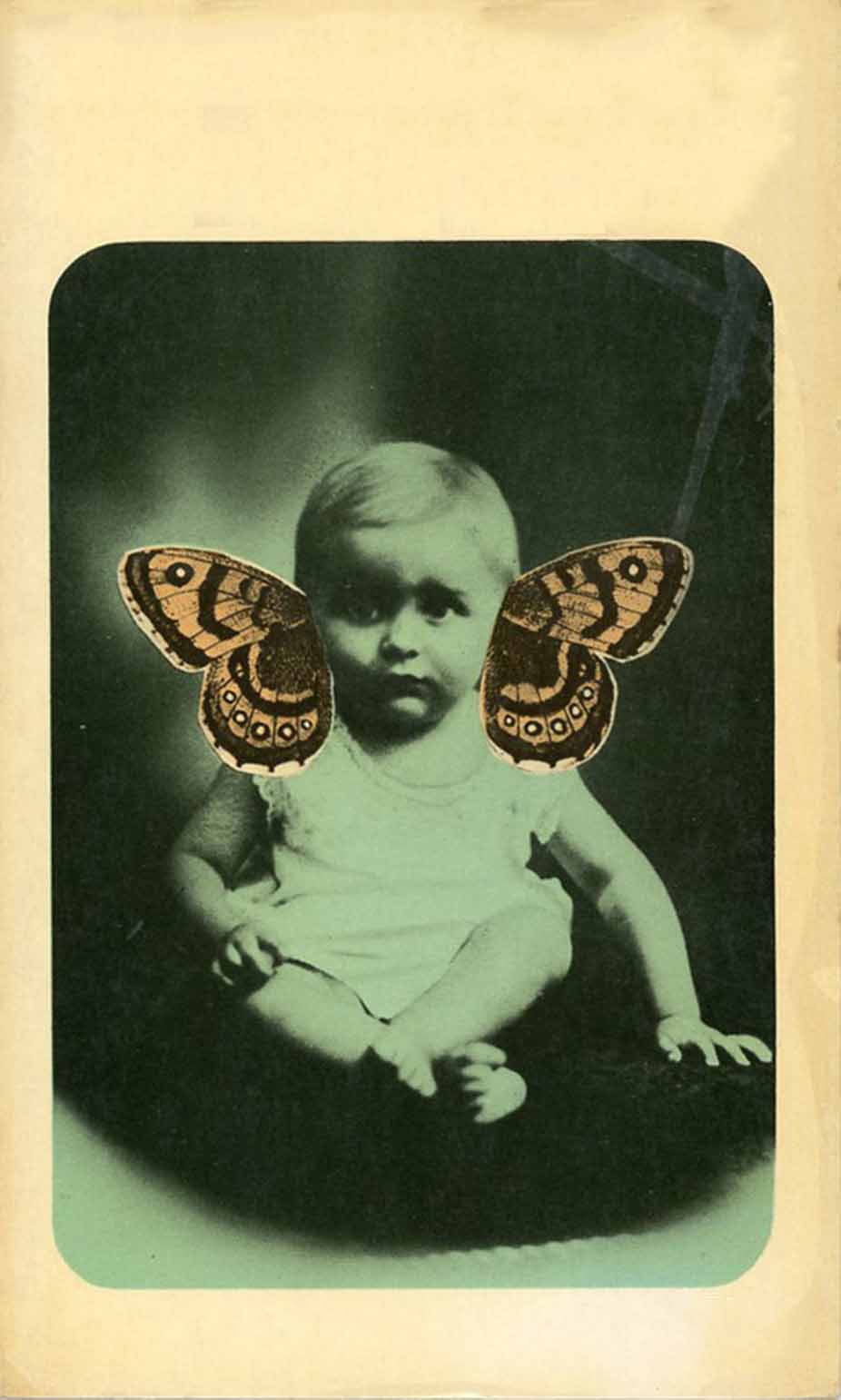
Stepán Bohumil-from Familienalbum by Bohumil Štěpán, published by Deutscher Taschenbuch Verlag, 1971 cover

Stepán Bohumil-from Familienalbum by Bohumil Štěpán, published by Deutscher Taschenbuch Verlag, 1971 cover

Stepán Bohumil-from Familienalbum by Bohumil Štěpán, published by Deutscher Taschenbuch Verlag, 1971  " Sister Amalie could not marry because she had a square head. But with a tablecloth she looked very respectable. A young man even shot himself because of her (when she removed the tablecloth).”

Stepán Bohumil-from Familienalbum by Bohumil Štěpán, published by Deutscher Taschenbuch Verlag, 1971
 » Sister Amalie could not marry because she had a square head. But with a tablecloth she looked very respectable. A young man even shot himself because of her (when she removed the tablecloth).”

Stepán Bohumil-from Familienalbum by Bohumil Štěpán, published by Deutscher Taschenbuch Verlag, 1971 “In our family, we usually reach an advanced age. Besides grandfather, great grandfather is still around. When he was 99 years old, we said he wouldn’t be around much longer. Today he is 199 and still with us.”

Stepán Bohumil-from Familienalbum by Bohumil Štěpán, published by Deutscher Taschenbuch Verlag, 1971
“In our family, we usually reach an advanced age. Besides grandfather, great grandfather is still around. When he was 99 years old, we said he wouldn’t be around much longer. Today he is 199 and still with us.”

Stepán Bohumil-from Familienalbum by Bohumil Štěpán, published by Deutscher Taschenbuch Verlag, 1971 “Relatives in Prague had a child prodigy. He aroused general attention, not however because of his artistry, but because of his appearance.”

Stepán Bohumil-from Familienalbum by Bohumil Štěpán, published by Deutscher Taschenbuch Verlag, 1971
“Relatives in Prague had a child prodigy. He aroused general attention, not however because of his artistry, but because of his appearance.”


Stepán Bohumil-from Familienalbum by Bohumil Štěpán, published by Deutscher Taschenbuch Verlag, 1971 “My Uncle Siegfried was a well-known personality. But although everyone knew him, no one knew him when he put his shoes on.”

Stepán Bohumil-from Familienalbum by Bohumil Štěpán, published by Deutscher Taschenbuch Verlag, 1971
“My Uncle Siegfried was a well-known personality. But although everyone knew him, no one knew him when he put his shoes on.”

Stepán Bohumil-from Familienalbum by Bohumil Štěpán, published by Deutscher Taschenbuch Verlag, 1971 “When Uncle Schwarzer flirted with Aunt, he always came home all sweaty, she made him so warm.”

Stepán Bohumil-from Familienalbum by Bohumil Štěpán, published by Deutscher Taschenbuch Verlag, 1971
“When Uncle Schwarzer flirted with Aunt, he always came home all sweaty, she made him so warm.”

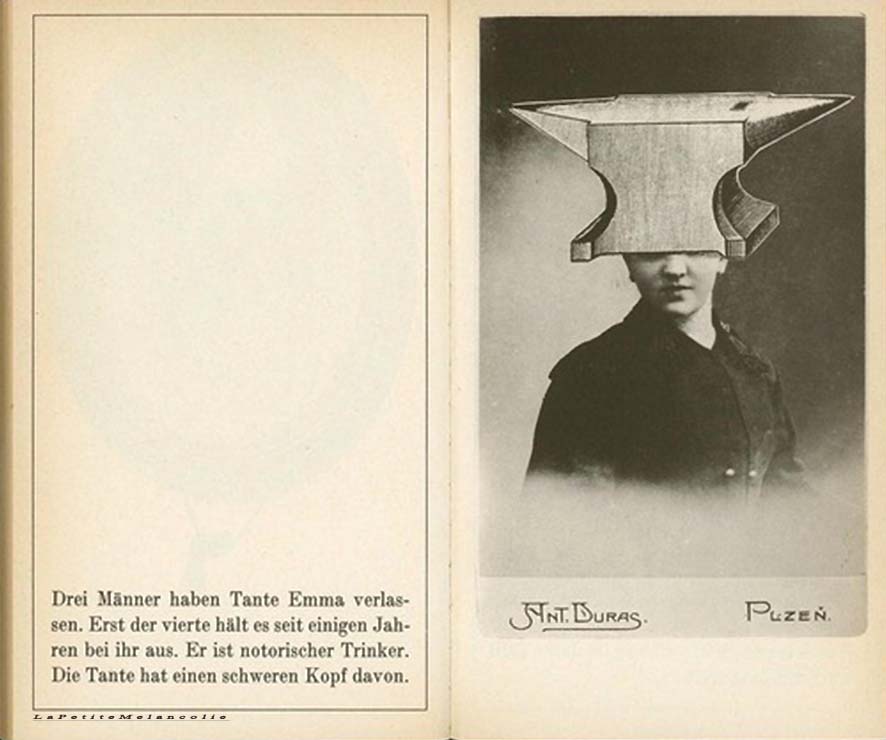
Stepán Bohumil-from Familienalbum by Bohumil Štěpán, published by Deutscher Taschenbuch Verlag, 1971 “Three men have left Aunt Emma. Only the fourth one could stand her for a few years. He is a notorious drinker. She has a heavy head because of it.”

Stepán Bohumil-from Familienalbum by Bohumil Štěpán, published by Deutscher Taschenbuch Verlag, 1971
“Three men have left Aunt Emma. Only the fourth one could stand her for a few years. He is a notorious drinker. She has a heavy head because of it.”

**********

Stepán Bohumil- Unfreiheitsgefühl ,for the satirical magazine PARDON in the 1960s

Stepán Bohumil– Unfreiheitsgefühl ,for the satirical magazine PARDON in the 1960s

gallery and here

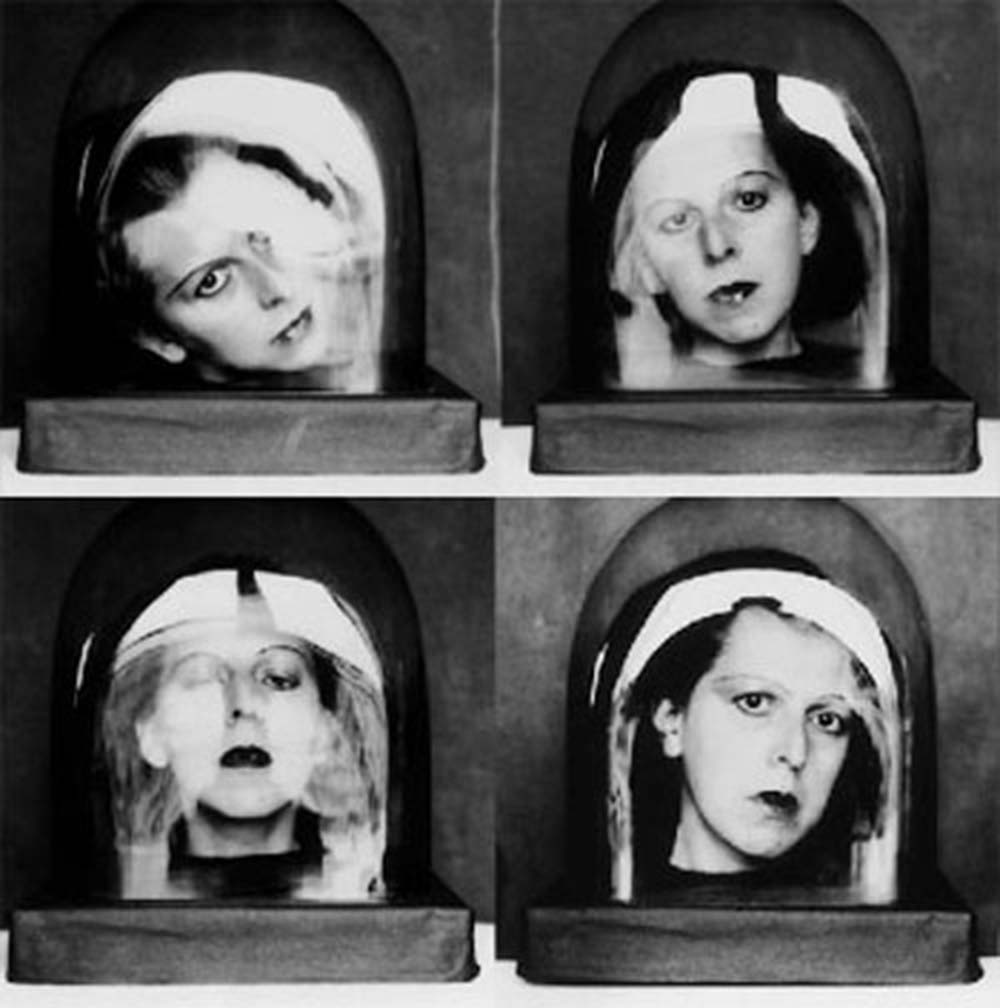
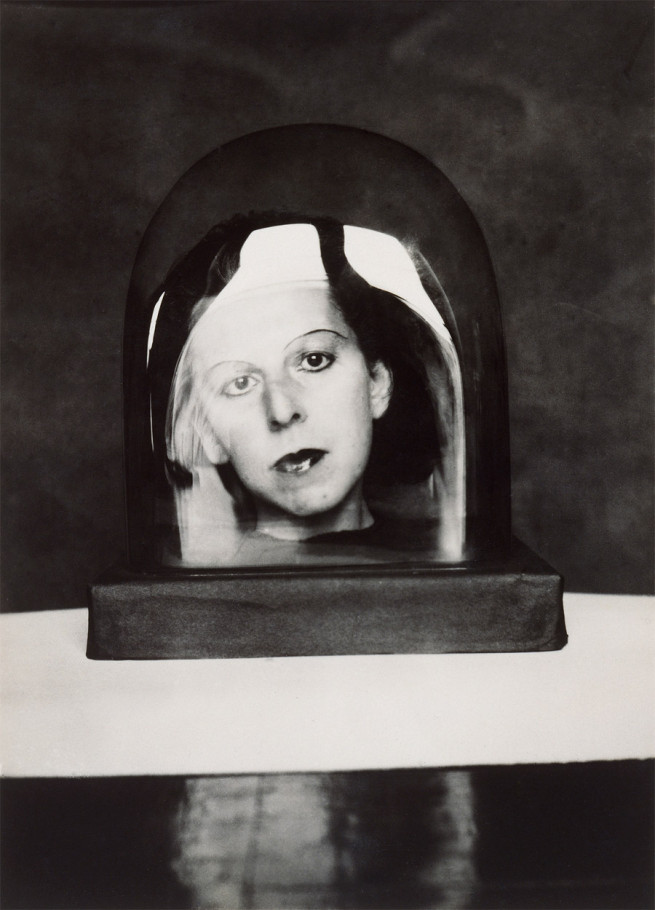
Claude Cahun- auto portrait de la série Keepsake

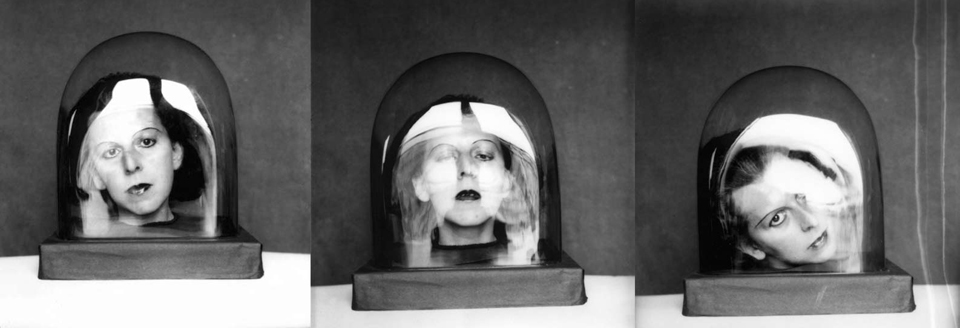
Claude Cahun- quatre auto- portraits de la série Keepsake, 1925-27


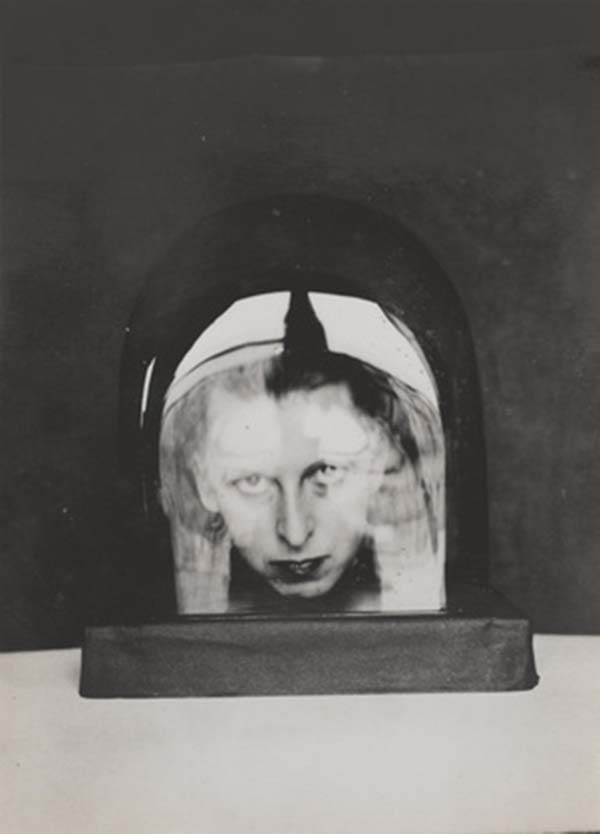
 Claude Cahun- 'Keepsake' Discovered stored in an envelope marked 'Jersey 1932

Claude Cahun- ‘Keepsake’ Discovered stored in an envelope marked ‘Jersey 1932

Claude Cahun (Lucy Schwob) untitled . autoportrait, 1925

Claude Cahun (Lucy Schwob) untitled . autoportrait, 1925

Claude Cahun (Lucy Schwob) untitled . autoportrait, 1925

Claude Cahun (Lucy Schwob) untitled . autoportrait, 1925

Remy Duval (1907-1984)

Photographe,  Critique photographique à « Arts et métiers graphiques » et à « Photo-Ciné-Graphie ». – Photographe de plateau et photographe de mode, il abandonnera la photographie en 1953 pour se consacrer à la peinture

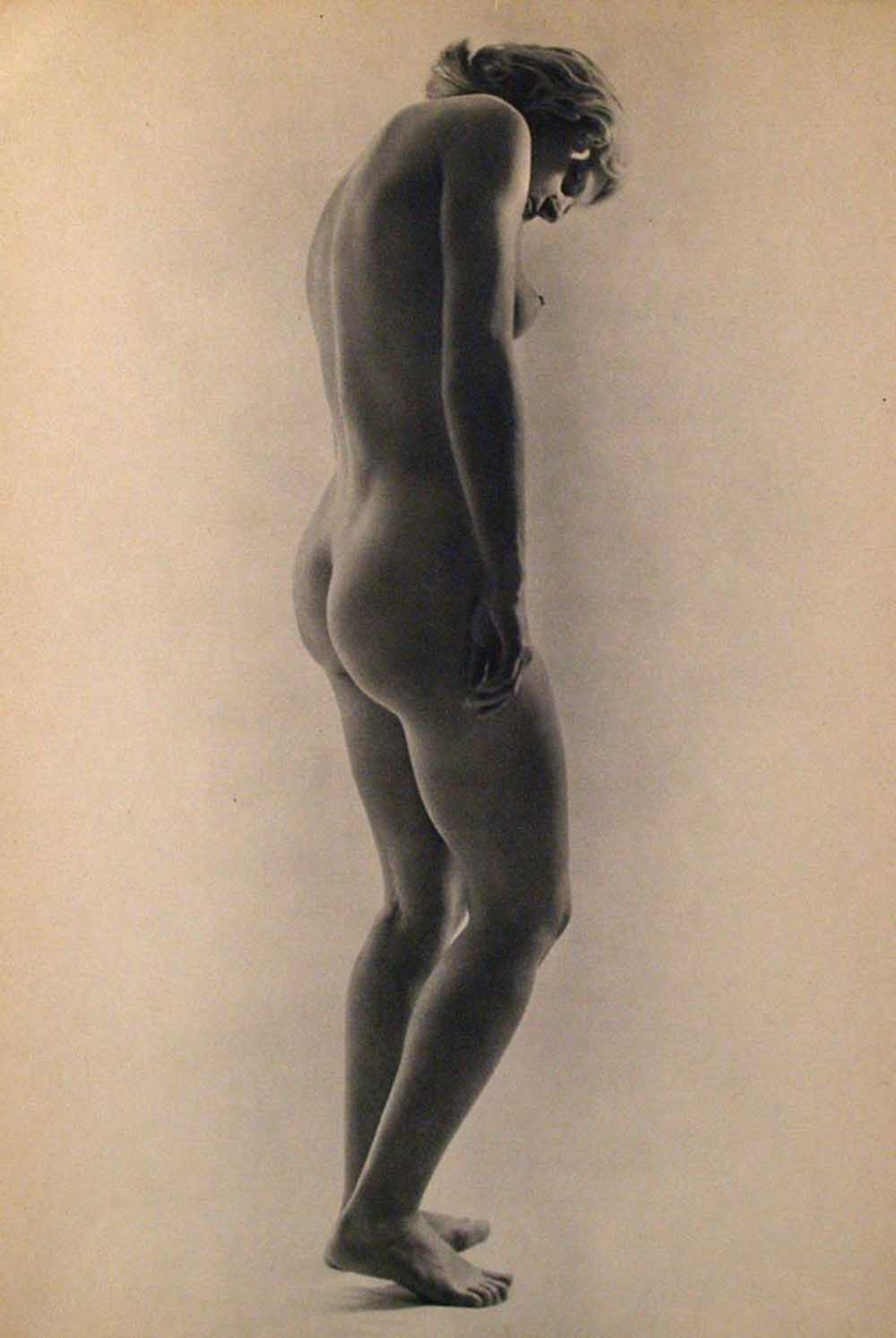
Remy Duval- Nu# 1  photogravure, 1936

Remy Duval- Nu# 1 photogravure, 1936

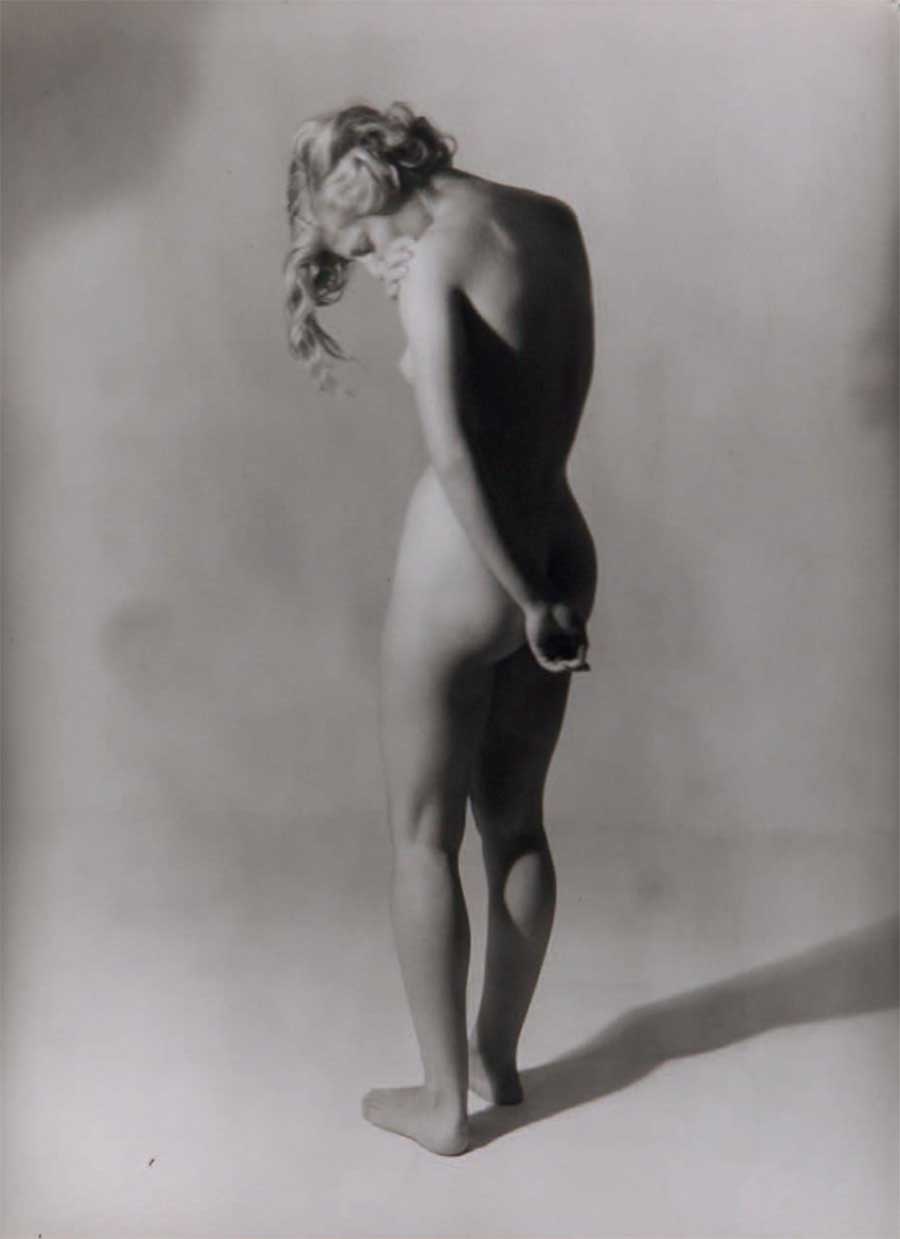
Remy Duval- Nu# 2  Vintage photogravure. c1936

Remy Duval- Nu# 2 Vintage photogravure. c1936

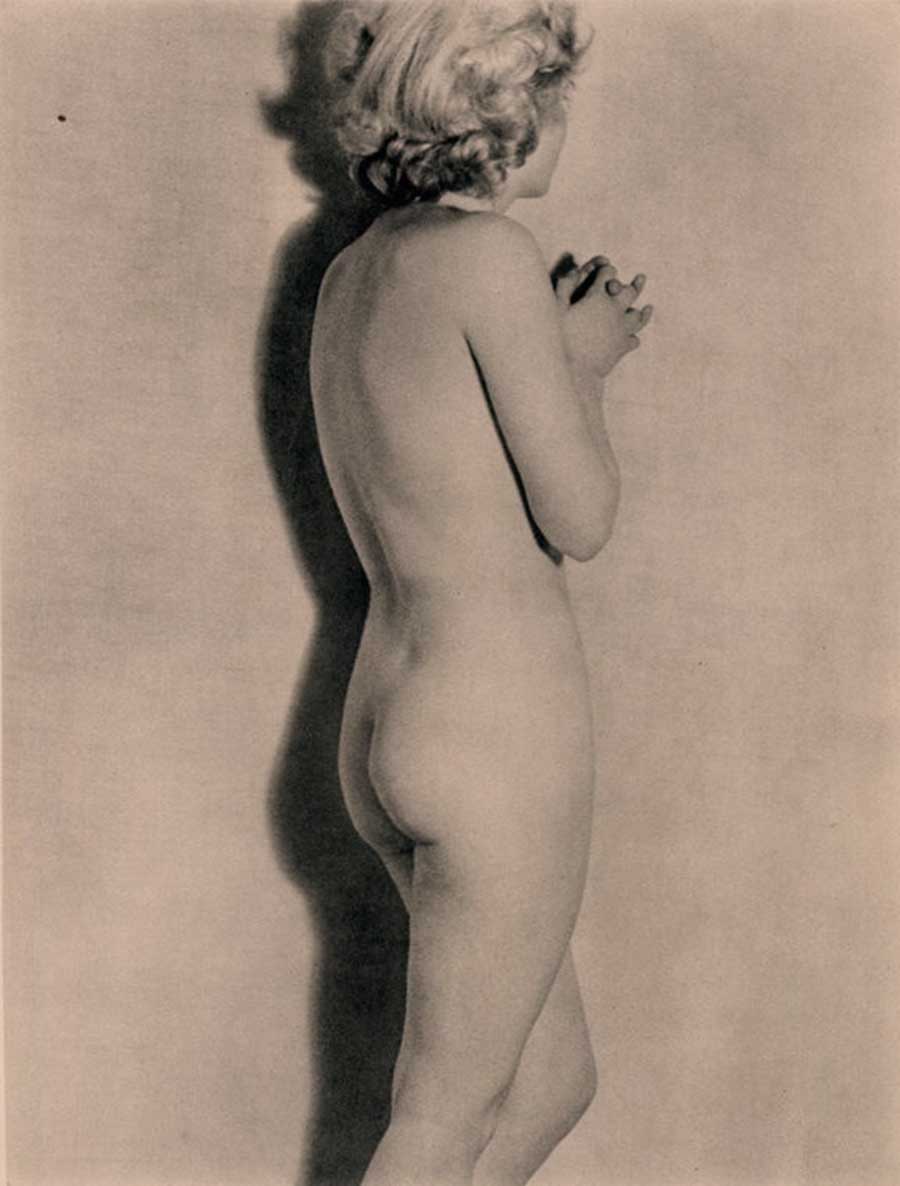
Remy Duval- Nu# 3  Vintage photogravure. c1936

Remy Duval- Nu# 3 Vintage photogravure. c1936

Remy Duval- Nu# 10  Vintage photogravure. c1936

Remy Duval- Nu# 10 Vintage photogravure. c1936

Remy Duval- Nu# 15  Vintage photogravure. c1936  ( Publié dans le portefolio Arts et métiers graphiques éponyme 1936)

Remy Duval- Nu# 15 Vintage photogravure. c1936 ( Publié dans le portefolio Arts et métiers graphiques éponyme 1936)

Remy Duval- Nu# 20  photogravure, 1936

Remy Duval- Nu# 20 photogravure, 1936

Remy Duval- Nu, modèle Assia 1935

Remy Duval- Nu, modèle Assia 1935

Remy Duval- Nu# 24  photogravure, 1936

Remy Duval- Nu# 24 photogravure, 1936

Remy Duval- Nu  photogravure, 1937

Remy Duval- Nu photogravure, 1937

Remy Duval- Torse photogravure, 1939

Remy Duval- Torse photogravure, 1939

Remy Duval- Head in hands, 1930s

Remy Duval- Head in hands, 1930s

Remy Duval-Portrait féminin surexposé,  1935

Remy Duval-Portrait féminin surexposé, 1935

Remy Duval - Resting Her Eyes, 1936

Remy Duval – Resting Her Eyes, 1936

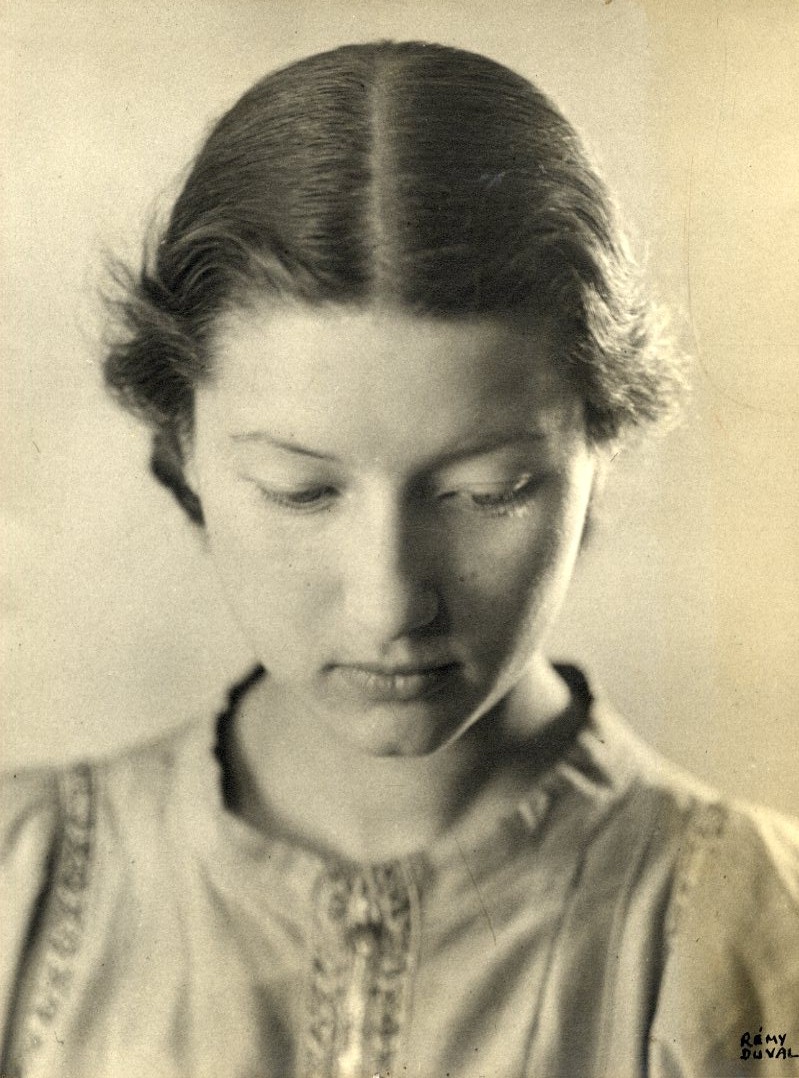
Remy Duval- Portrait de Mlle D. , 1935

Remy Duval- Portrait de Mlle D. , 1935

Remy Duval-Portrait d’une Danseuse 1931

Remy Duval-Portrait d’une Danseuse 1931

Remy Duval- Etude de main, 1935

Remy Duval- Etude de main, 1935

Source