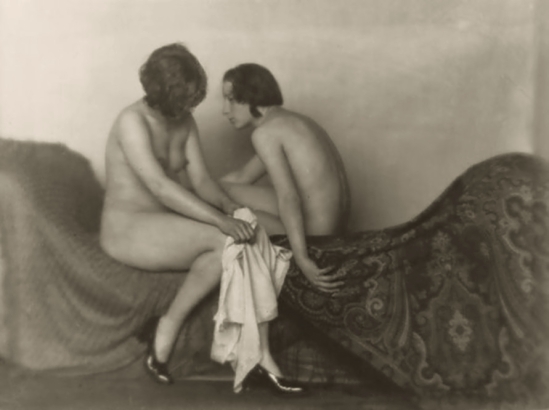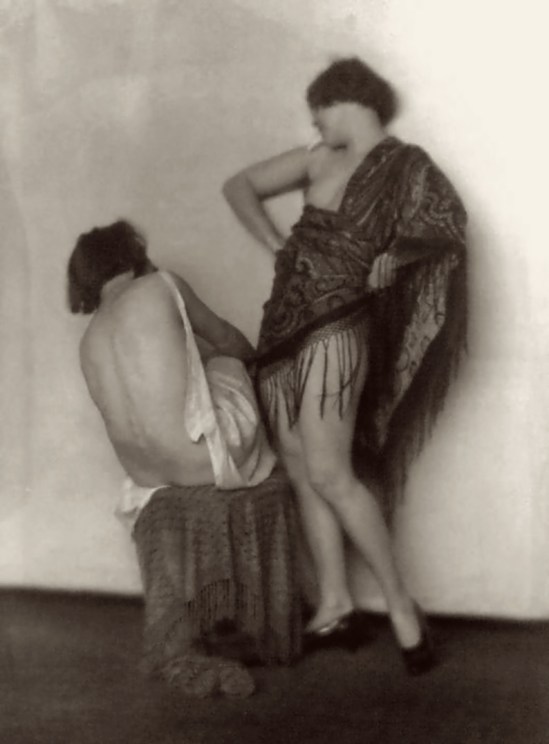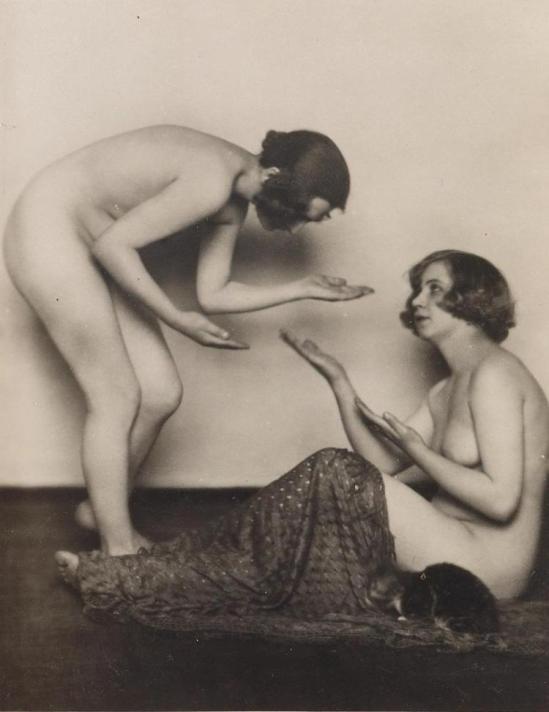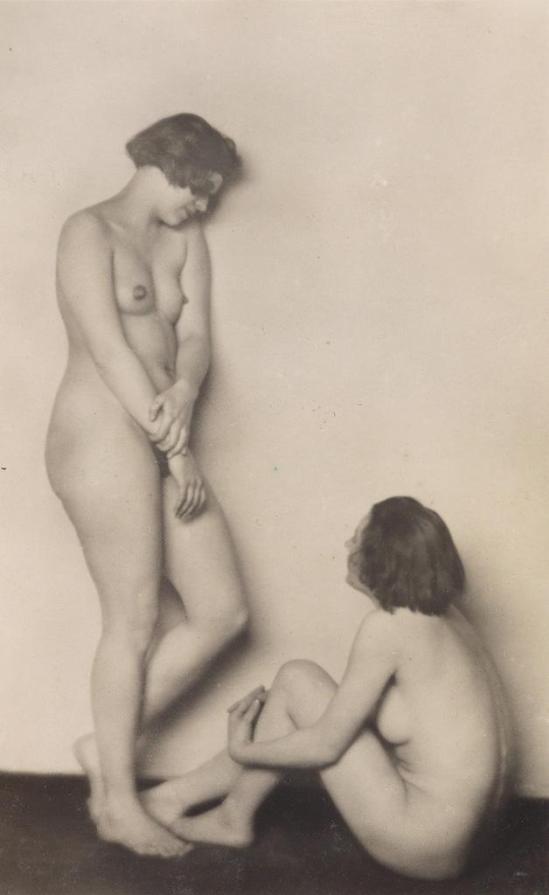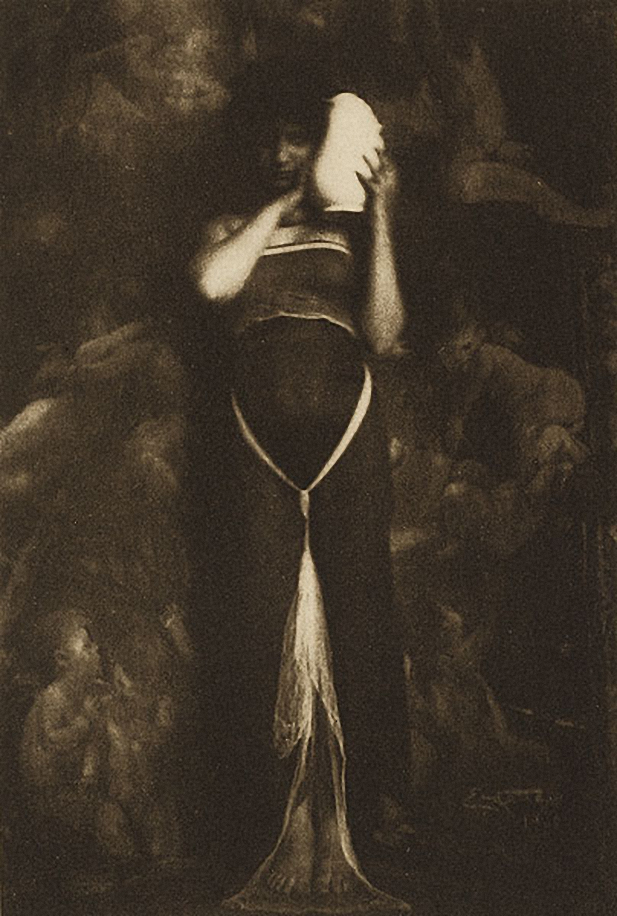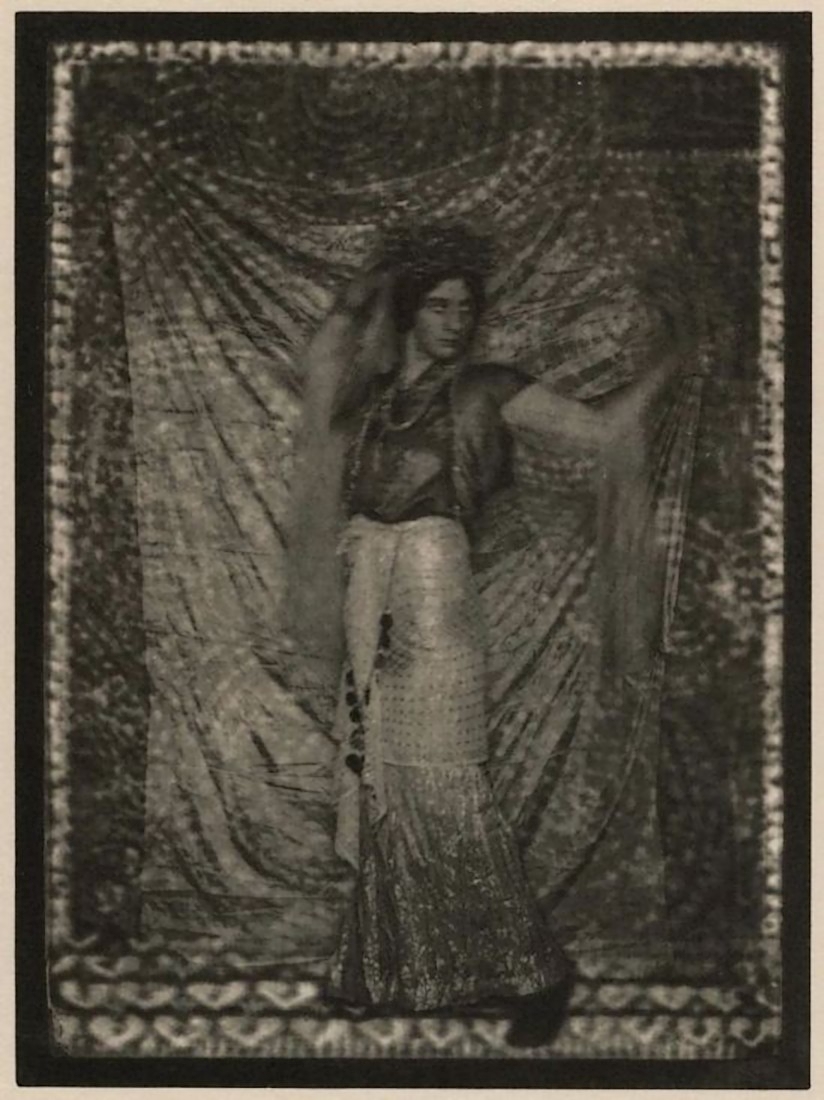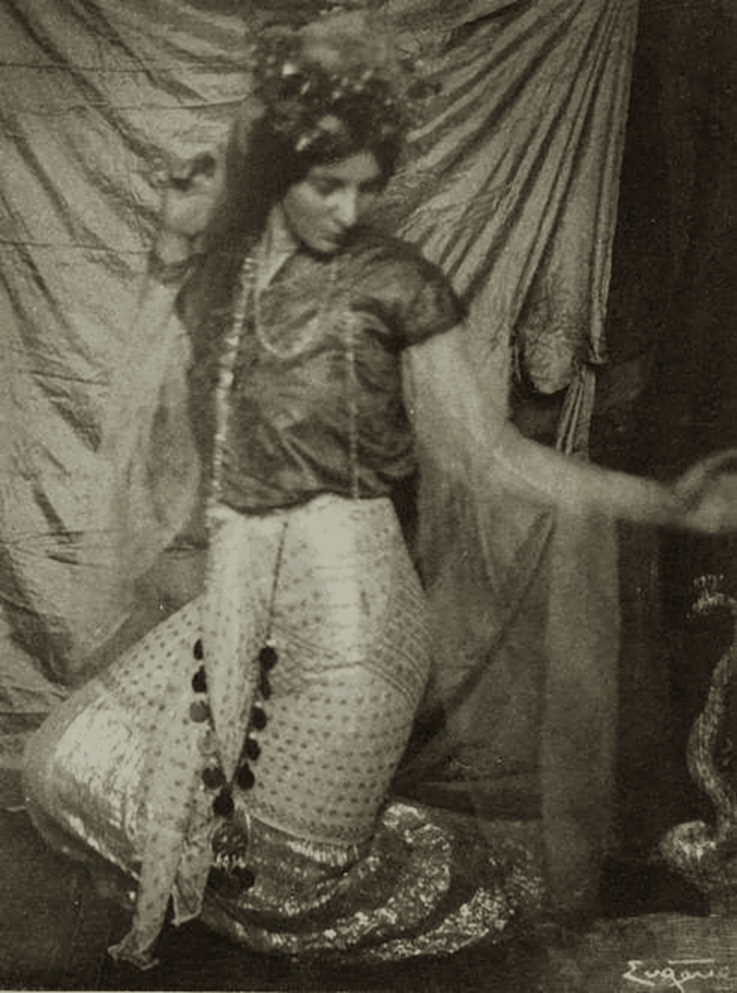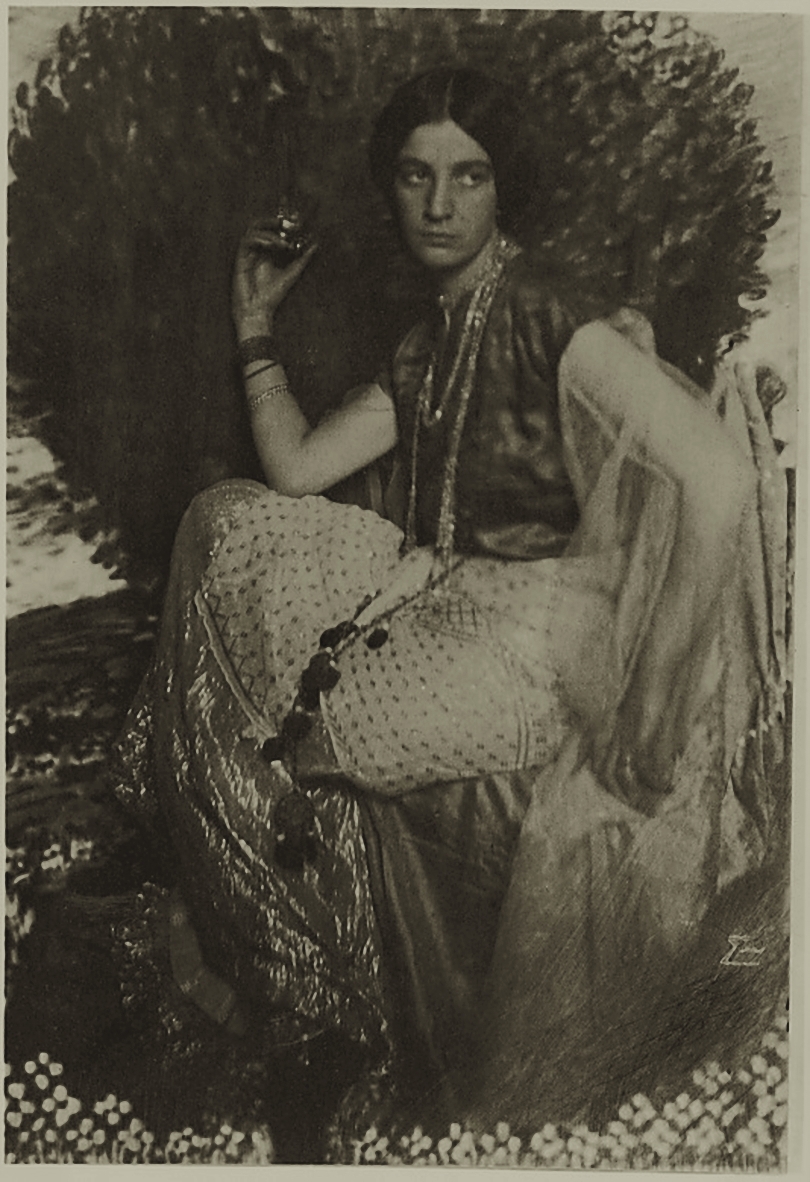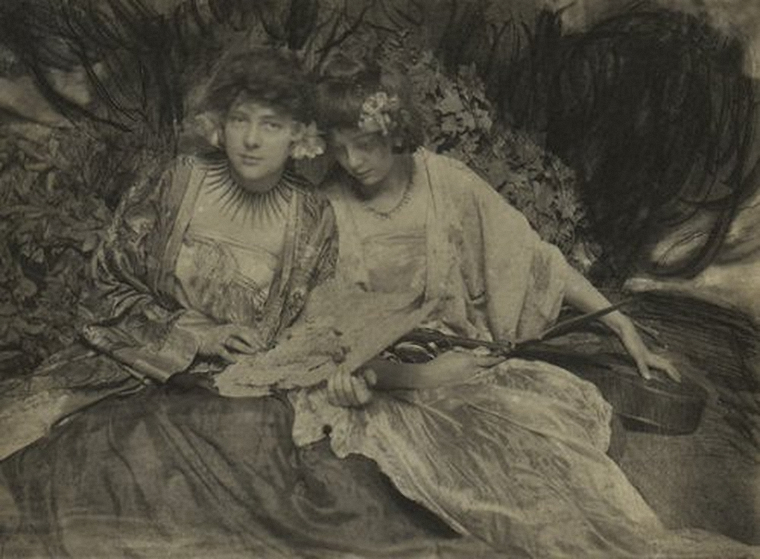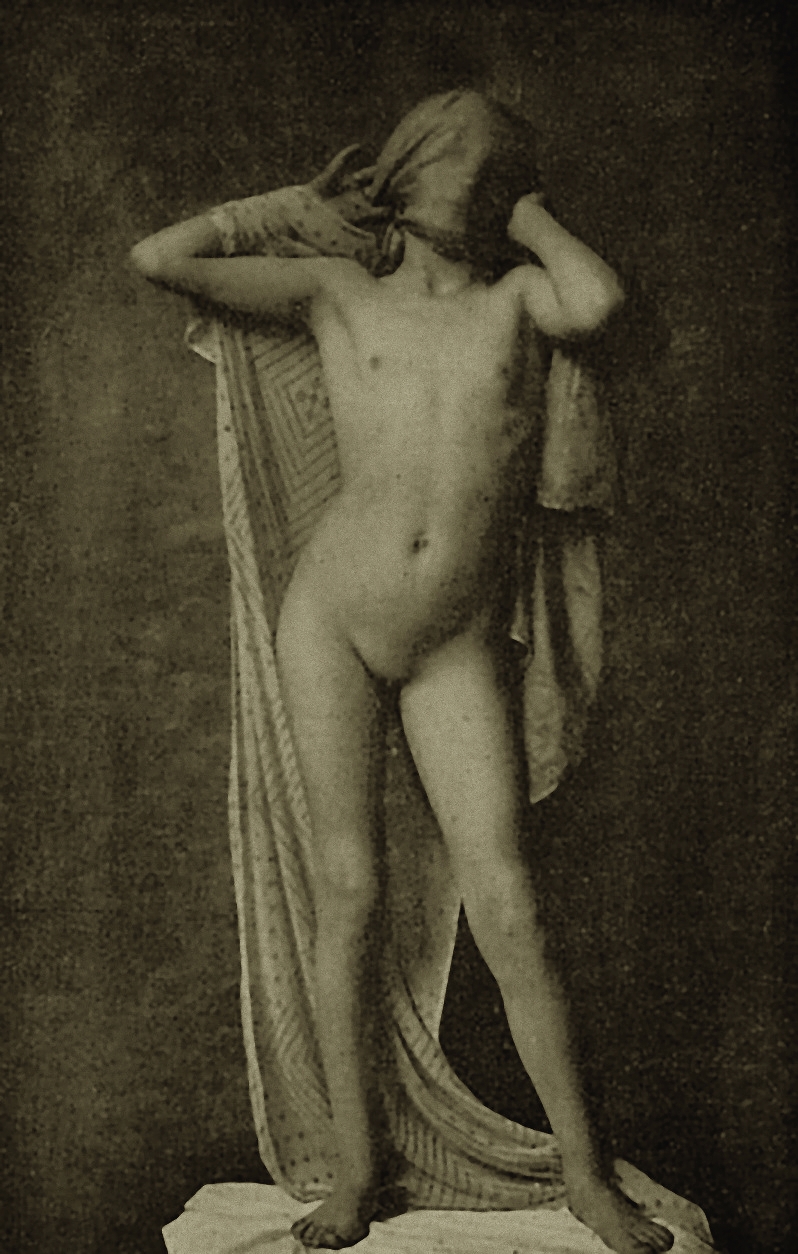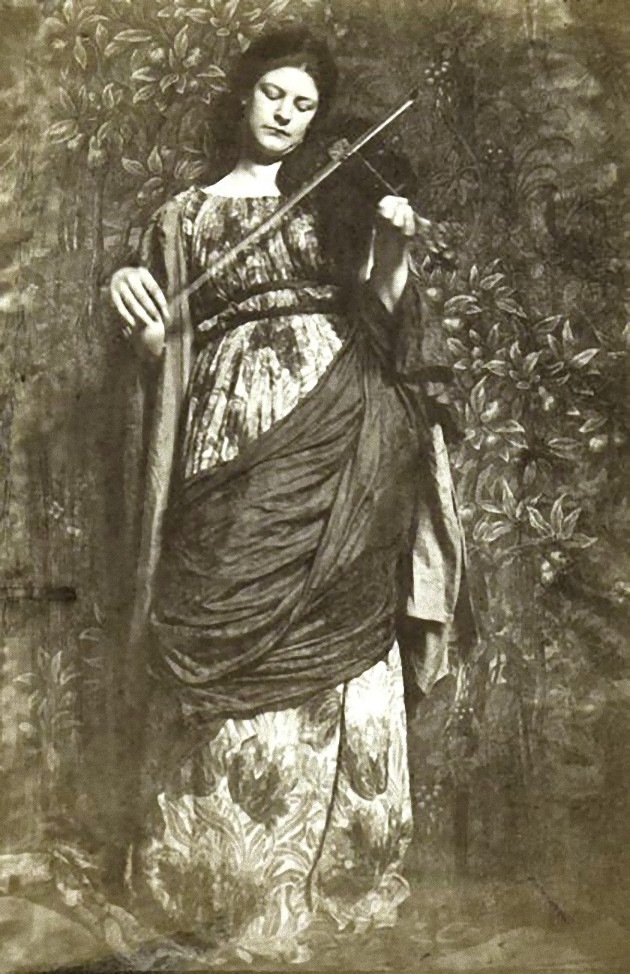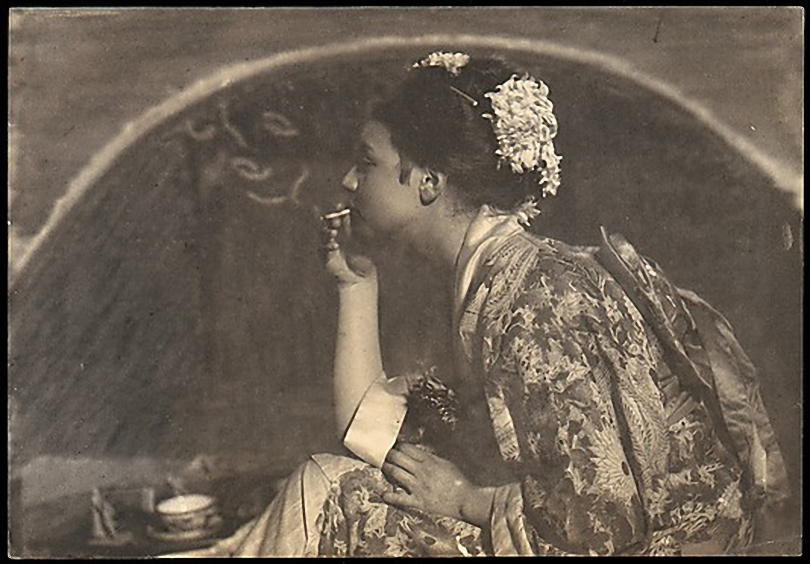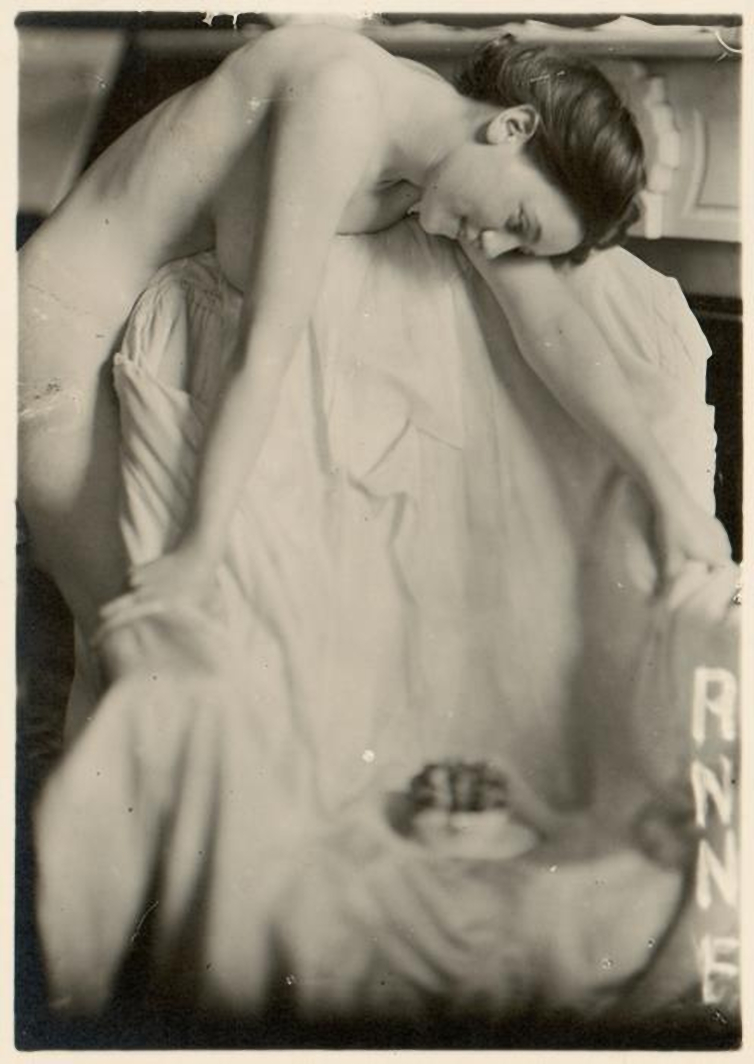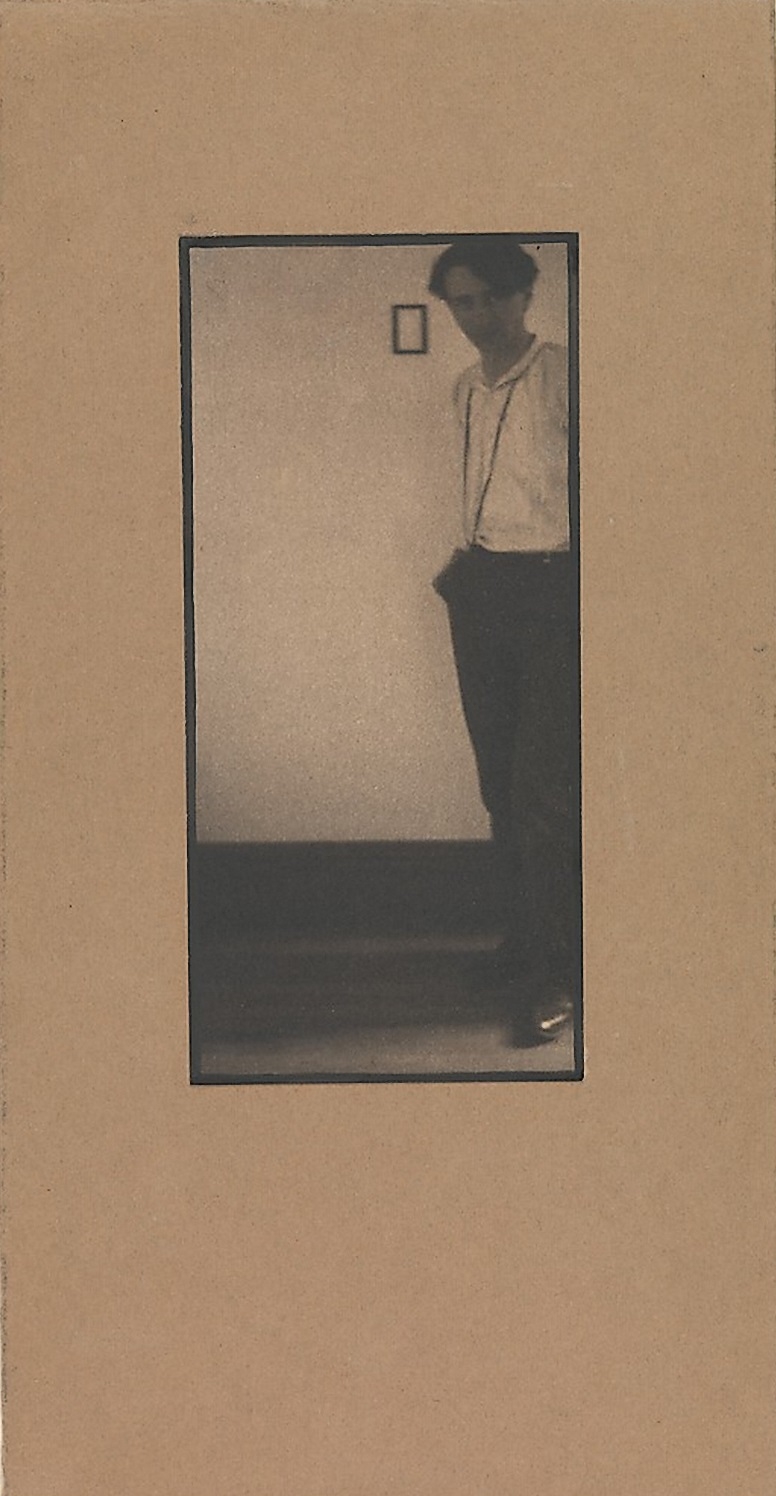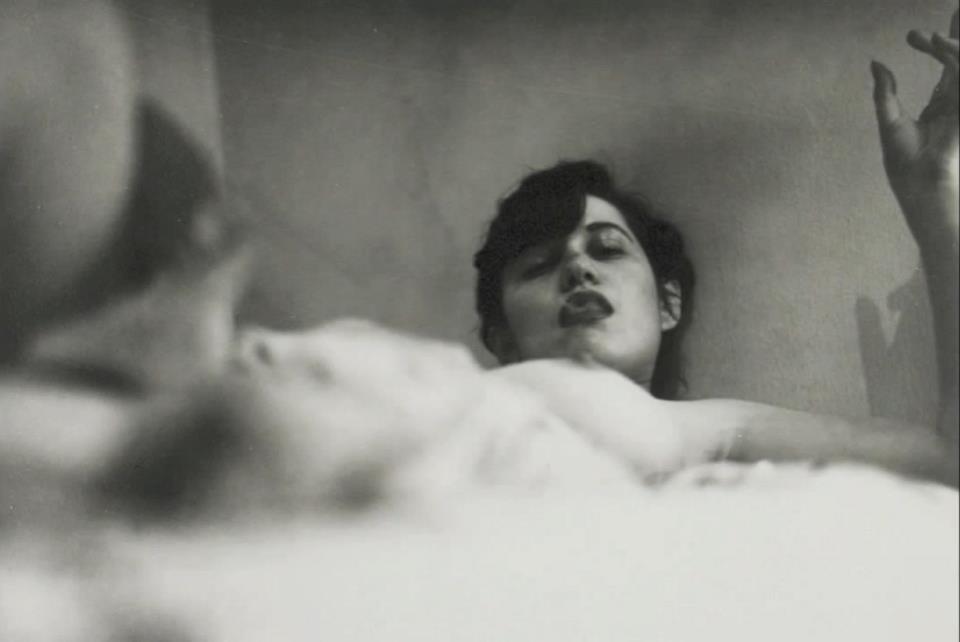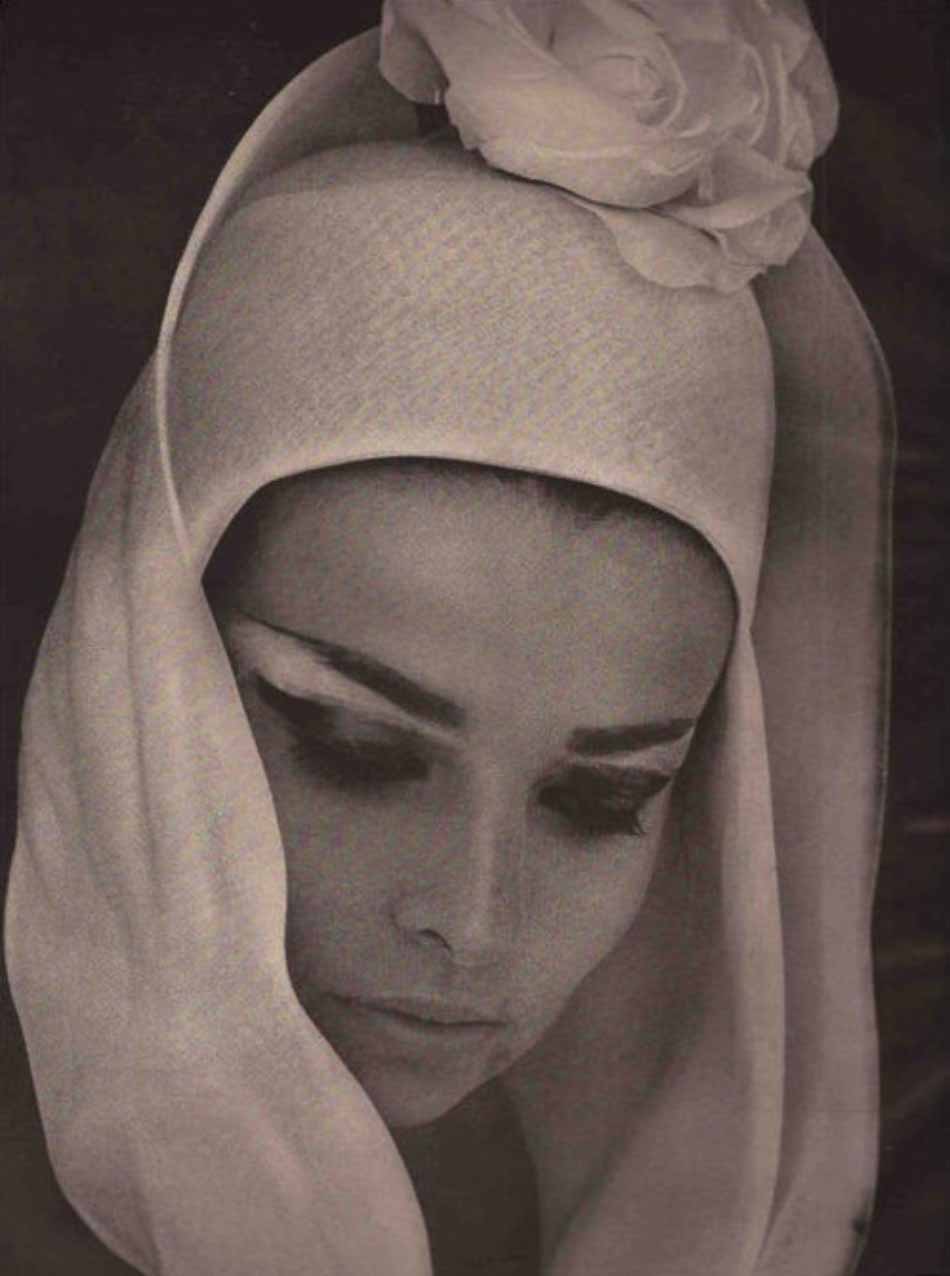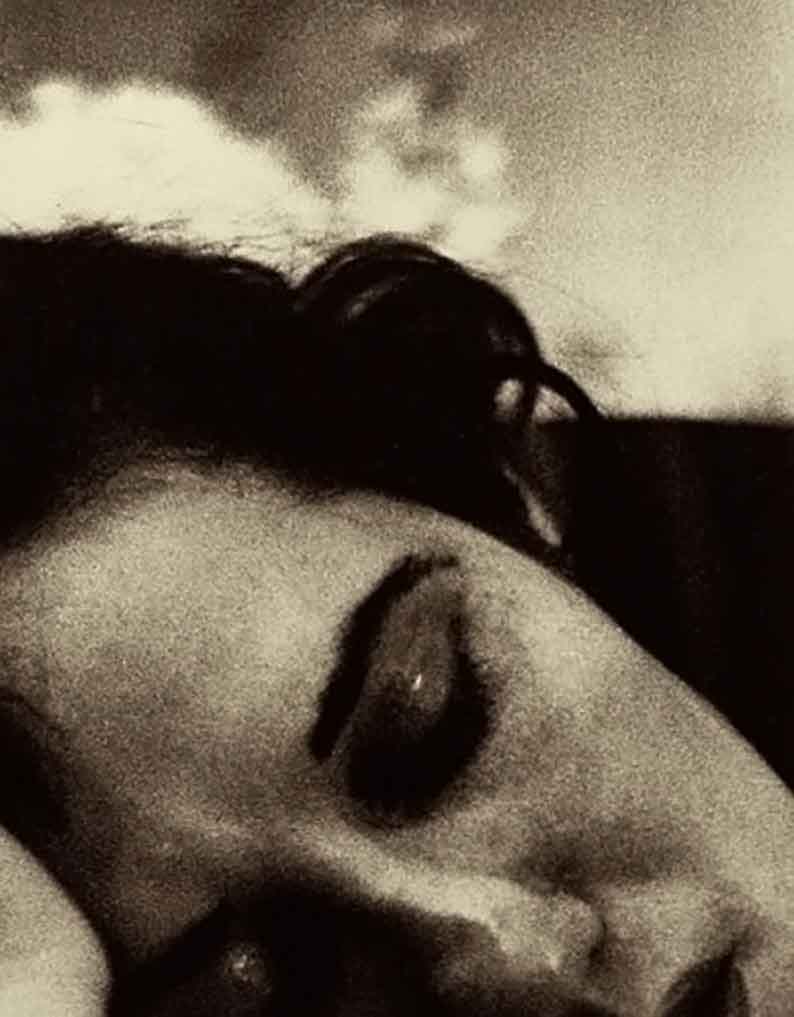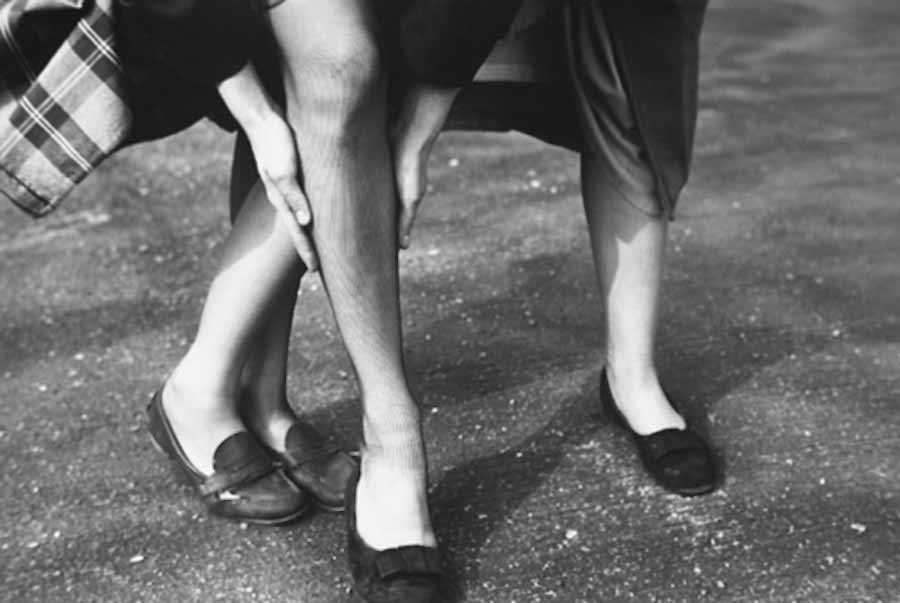
Marc Le Mené-from Nudes , 1983-2000

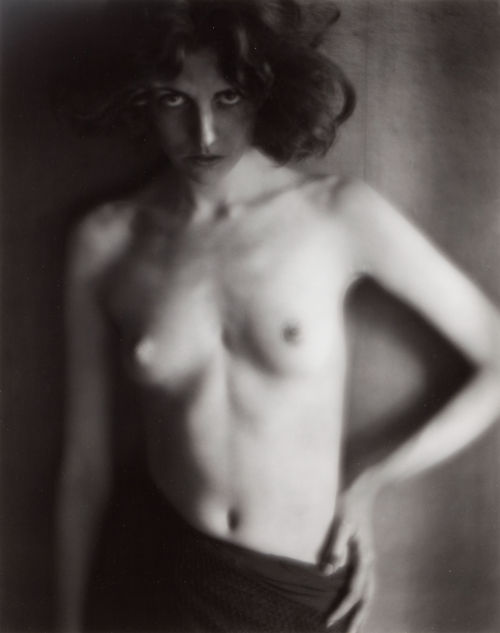
Edward Henry Weston- Nude, 1918

Edward Henry Weston- Nude, 1918

Tadeusz Langier – Maria Zarotyńska, ca. 1937

Tadeusz Langier - Maria Zarotyńska, ca. 1937

Tadeusz Langier – Maria Zarotyńska, ca. 1937


Edward S Curtis, nude

Edward S. Curtis – Sunset Trail, 1920s

Germaine Krull, From Séries les Amies , 1924

Germaine Krull – Les Amies, 1924


Germaine Krull – Les Amies, 1924

Germaine Krull – Les Amies, 1924


Germaine Krull -Les Amies1924,Tirage argentique

Germaine Krull – Les Amies, 1924

Germaine Krull – Les Amies, 1924


Copyright Estate Germaine Krull, Fotografische Sammlung, Museum Folkwang, Essen

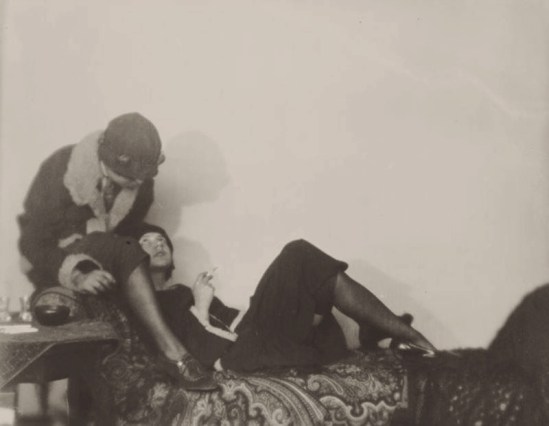
In the remaining eight photographs in Les Amies, the models are naked except for their dark stockings and sometimes their shoes. The overt sexuality of the models is emphasized by the stockings, unlike the bare legs of the models in Akte. The depiction of stockings had long been considered a sign distancing a figure from the conventions of the ideal, asexual nude based on classical models. The choice of the dark stockings also emphasizes the contemporaneity of the models. In contrast, photographs of nude


figures specifically described as models for artists, and therefore intended as ideal citations of classical models, are absent any clothing that would imply a contemporary existence.

In contrast to the conversational poses of the models in Akte, most of the poses for Les Amies are tangles of intricately interlocking limbs in which sexual acts are posed but not entirely convincing. Some positions appear more sculptural than sexual . One image suggests cunnilingus, yet the head is placed slightly too far away.

Another image enacts a “69” pose of double cunnilingus, yet again the heads are ever so slightly out of position and the composition becomes a protosurrealist study of a nude torso from behind, with dark stockings at right and left . One more image presents a clear view of one woman’s crotch, as one leg flails above her. The pose would seem to prevent sexual satisfaction, although it provides the viewer with a brief glimpse of vaginal lips.

Throughout Les Amies, Krull repeatedly obscures the models’ anatomy, oscillating between inviting the spectator’s desiring gaze and frustrating the clarity such a gaze requires. As Abigail Solomon-Godeau observed

 about the « lesbian » scenes staged for nineteenth-century daguerreotypes, « [W]omen together . . . are typically posed in ways that provide the viewer with maximum visual access to their bodies. » These conventions continue into the twentieth century, yet Krull’s models fold their arms across their faces, tilt their heads so their pageboy hairstyles hide their eyes and press their bodies so close together that their breasts are partly hidden. Even more surprising, in not a single image does a model directly gaze out at the camera. The standard acknowledgment of the viewer of erotic material, the address to the third party outside the image, never takes place. These models remain hermetically sealed in the studio, failing to address the frustrated desiring gaze, to symbolically invite the third party to join the sexual adventures taking place. Despite the direct view of the crotch in one image and the depictions of cunnilingus, the eroticism is contained between the two women, with no imaginary space for a third, presumably male, viewer to enter.

Psychoanalytic theories of the gaze have defined spectator positions in gendered terms, with the male position or gaze described as active and Page  142aligned with the desire to possess the female object, in contrast to the female, passive position that would allow only the desire to become the object. As research into queer viewing positions has argued, these viewing positions are not exclusively aligned with the sex of the viewer: a man can take on the desire to become the object when viewing a homoerotic scene.

The compositional structure of Krull’s Les Amies invites a desiring gaze that is narcissistic, a gaze that desires to be one of the women while rejecting the possibility of possessing them both. This argument extends Sichel’s observation that Krull dismissed “the male gaze of Weimar culture in favor of a female gaze” and her emphasis on the gazes within the images as the female models view each other. In Les Amies, there is no space for a third party: the only possibility is to become one of the women. Moreover the specific acts depicted suggest a woman’s knowledge of how women have sex with women rather than a man’s imagined projection. The repeated emphasis on how the hands are placed in each image and sexual position stresses the crucial importance of the hands as instruments in female-female sex. In contrast, the absence of a dildo suggests that there is no need for a penis or indeed for the symbolic phallus. In comparison, Christian Schad’s satirical drawing of two woman engaged in oral sex, Sisters, circa 1929, includes an enormous dildo, which has been discarded in the corner, simultaneously emphasizing the desire for the phallus while comically bemoaning its dismissal.

By photographing erotic scenes, Krull not only constructed the desiring gaze but also placed herself in the position of that gaze, taking on privileges previously permitted only to male photographers. The trope of the male artist desiring his female model, of the creative act as intimately connected to the sexual act, goes back as far as the classical tale of Pygmalion and echoes throughout Western art since the Renaissance. Similarly, for photographers, Solomon-Godeau notes that “photographic activity was itself intuitively perceived as sexually charged.” Although there is evidence of women’s involvement in manufacturing and distributing pornographic photographs before and during the First World War, these women remained on the margins of commercial photography. For an ambitious, professionally trained woman photographer such as Krull to create erotic and even pornographic material required her to transgress the definitions of middle-class respectability.

Krull’s motivation for creating Akte and Les Amies remains unclear: her later account of wanting to make “galant” photographs remains the most explanation. Yet that decision was made within the context of her unorthodox—and temporarily bisexual—personal life and the artistic possibilities in Berlin in the 1920s.

In her later biography, Krull mentioned various male lovers across the years, as well as one female lover, Elsa, with whom she had an affair during her time in Berlin and into 1925 after she left Berlin for Amsterdam and then Paris: “At that time, I also had a friend, Elsa, who came to help me when I had too much to do. Elsa was the only woman in my life for whom I had feelings that were more than friendly; she was married and had a lover, and for that reason didn’t have much time for me.During an account of a visit to Paris with Elsa, most likely in 1925, Krull elaborated further.

I never loved a woman, but with Elsa the joy of feeling together was great; she too never left my side. We would have laughed if someone had described us as lesbians; Elsa was so profoundly mine that the physical issue did not count, it had very little importance. She had never experienced an orgasm, not with her husband nor with her lover, and thus it had to be me to give her pleasure. Everything was very simple and we were happy to share a secret

Krull’s dismissal of the term lesbian reflects the fluidity of female sexual identity in the 1920s, especially for adventurous New Women. According to an interview conducted by Ilse Kokula, one woman reported that it was “chic” to pretend to be lesbian in the 1920s. There is no evidence that Krull had more than one same-sex affair.At the same time as her affair with Elsa, she was having an affair with Joris Ivens, whom she later married. Similarly, as Krull relates, Elsa also had not only a husband but also a male lover in addition to her relationship with Krull.


Germaine Krull – Les Amies, 1924


Germaine Krull – Les Amies, 1924

Germaine Krull – Les Amies, 1924

Germaine Krull – Les Amies, 1924
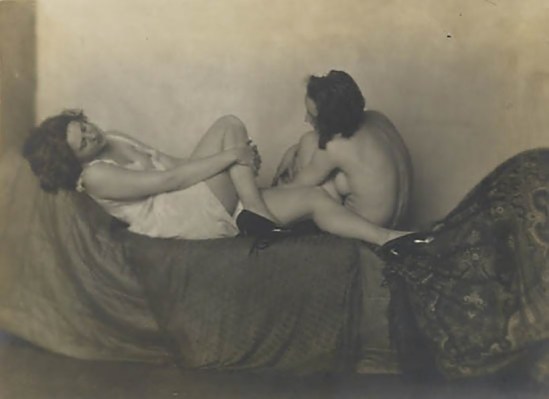
Germaine Krull – Les Amies, 1924
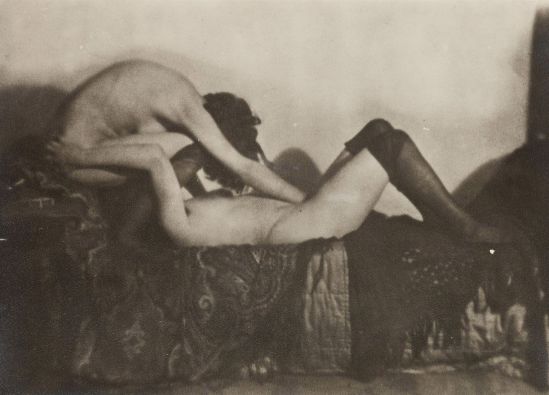
Germaine Krull – Les Amies, 1924

Germaine Krull. Les Amies. 1924.

Germaine Krull – Les Amies, 1924

Germaine Krull – Les Amies, 1924

Germaine Krull – Les Amies, 1924

Germaine Krull – Les Amies, 1924
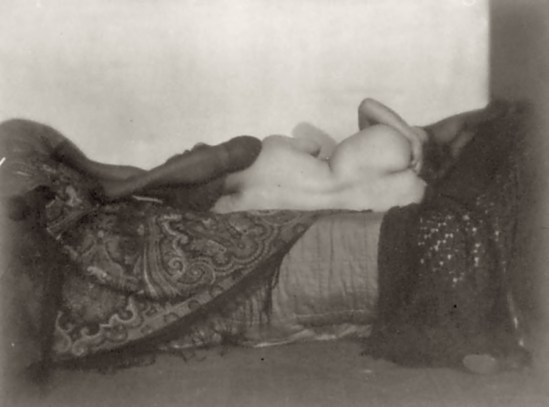
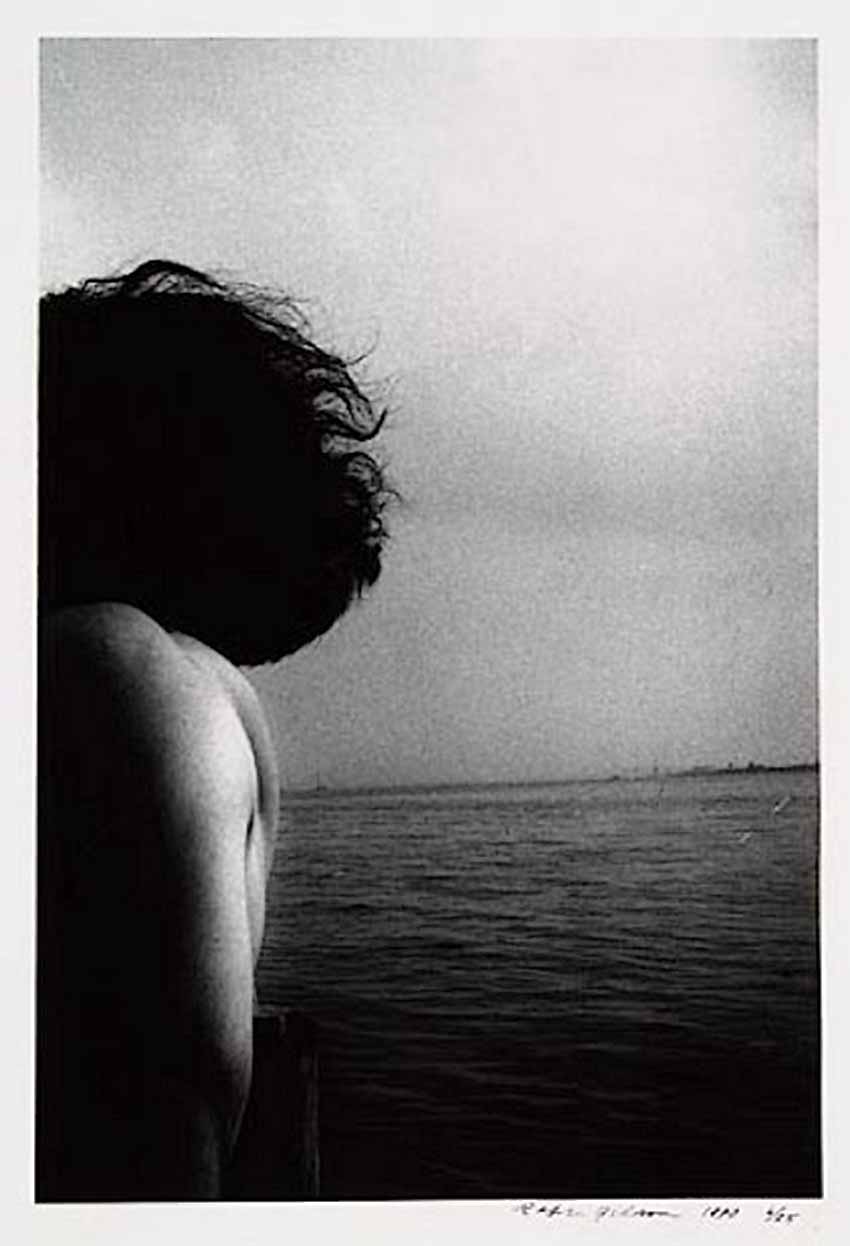
Ralph Gibson

Ralph Gibson- Pharonic Light,1991


Ralph Gibson -Visage, 1987.

Ralph Gibson -Visage, 1987.

Ralph  Gibson -Woman's Face with Shadow (from the portfolio ‘If & (Silk)’), 1974

Ralph Gibson -Woman’s Face with Shadow (from the portfolio ‘If & (Silk)’), 1974

Raph Gibson- Woman by water, from the Deja-Vu series,1972

Raph Gibson- Woman by water, from the Deja-Vu series,1972

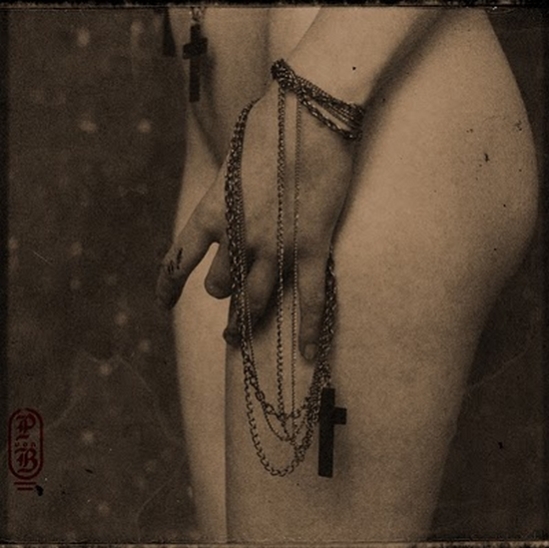
Paul von Borax

Lizzie Saint Septembre par Paul von Borax, série PolaFu, 2011

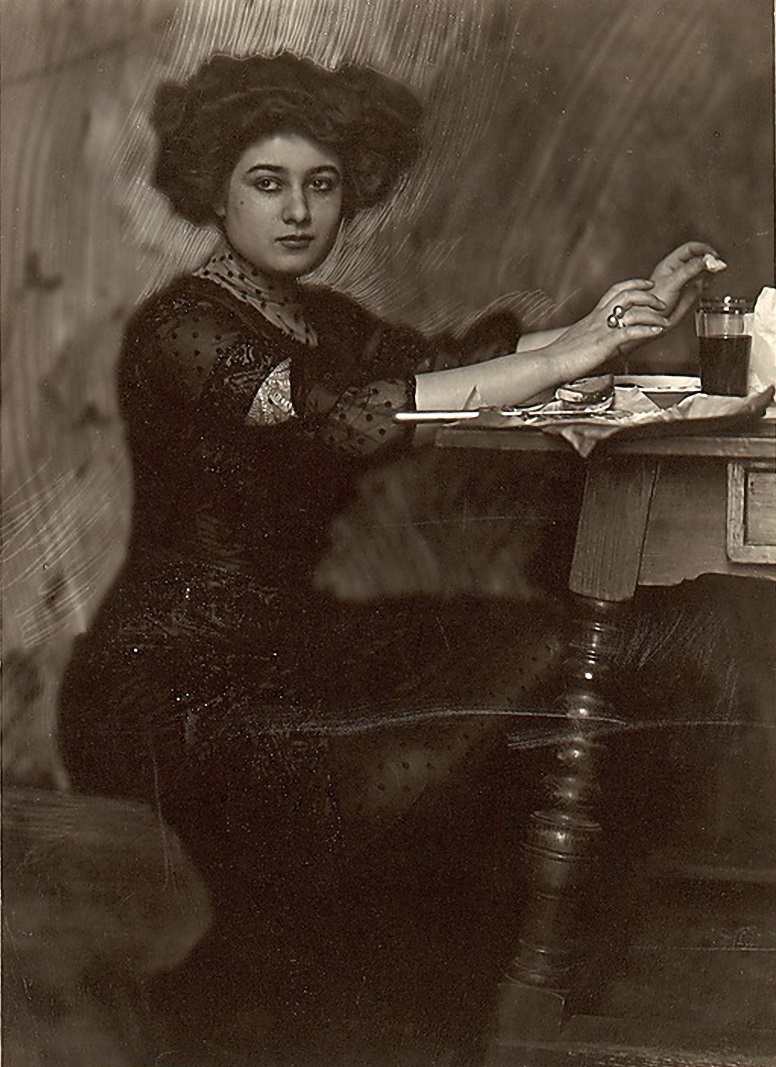
Frank Eugene (1865-1936)

Eugene ( Frank Eugene Smith. dit), 1865-1936, est né à New York, de parents d’origine allemande. Il est l’un des rares maîtres de la première génération à avoir concilié le style pictorialiste qui se rapproche de la peinture et le style plus réaliste de la Photo-Secession
« C’est comme divertissement que le jeune Frank Eugene Smith prend ses premières photographies au début des années 1880.
Formé à la Bayrische Akademie der Bildenden Künste à Munich, où il emménage en 1886, il commence sa carrière d’artiste comme dessinateur spécialisé dans les portraits de théâtre.
De retour en Amérique, il expose en 1899, au Camera Club de New York, des photographies sous le nom de Frank Eugene. Il devient l’année suivante membre du Linked Ring et le succès lui sourit alors. Membre fondateur en 1902 de la Photo-Secession aux côtés de son ami Fred Holland Day, il s’installe définitivement en Bavière en 1906 où il est reconnu aussi bien comme peintre que comme photographe.
C’est en 1909 qu’il commence à enseigner la photographie et c’est également à cette date que son intérêt pour cet art devient prédominant dans sa carrière. Il fait partie alors des premiers artistes, avec Alfred Stieglitz et Heinrich Kühn entre autres, à expérimenter l’autochrome mis au point par les frères Lumière. En 1913, une chaire est créée spécialement pour lui à l’Académie Royale d’Art Graphique de Leipzig, premier poste de ce niveau consacré à l’enseignement de la photographie artistique.
Il meurt d’une crise cardiaque à Munich en 1936.
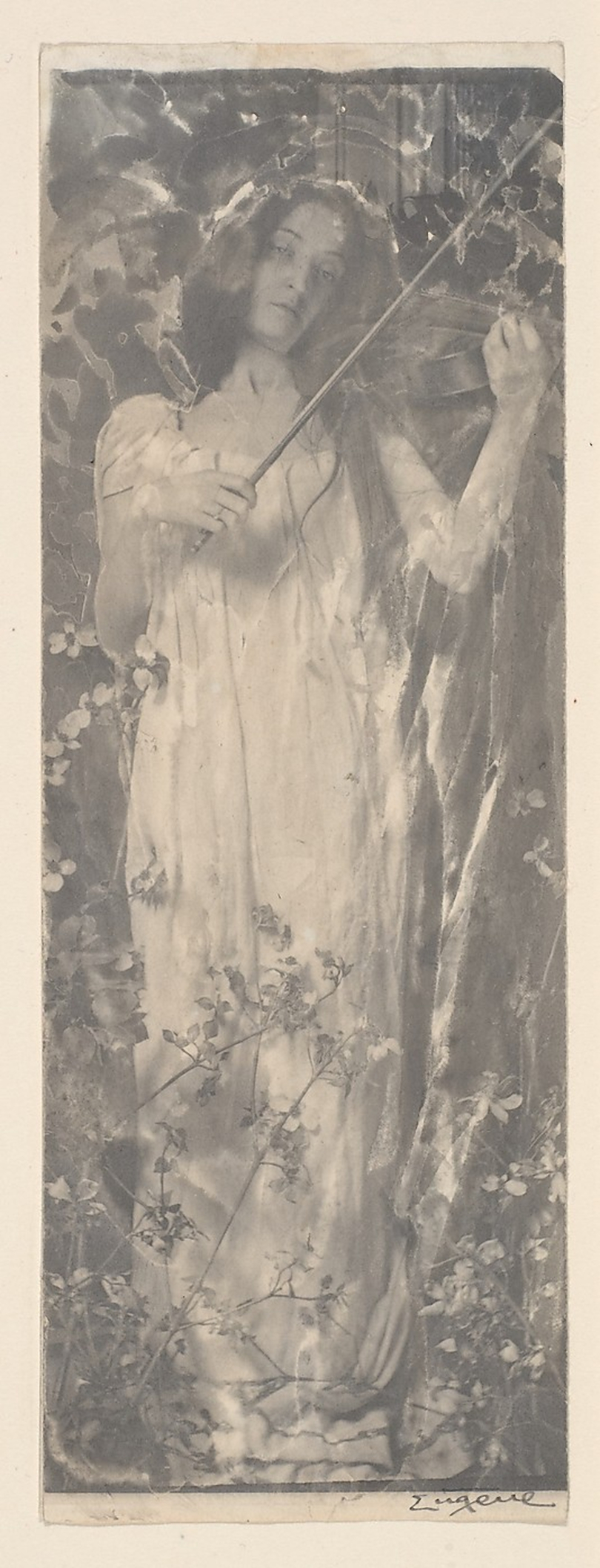
Grand maître parmi les photographes pictorialistes, ses images sont bien souvent considérées comme des photographies  » non-photographiques « . Connu pour ses grandes qualités d’expérimentateur, il manipule ses négatifs en les peignant et les égratignant, ce qui leur donne un cachet particulier, facilement reconnaissable. » @ Arago.


[ Rappel pour voir les photographies en taille optimale, ouvrir dans un nouvel onglet ou page ]

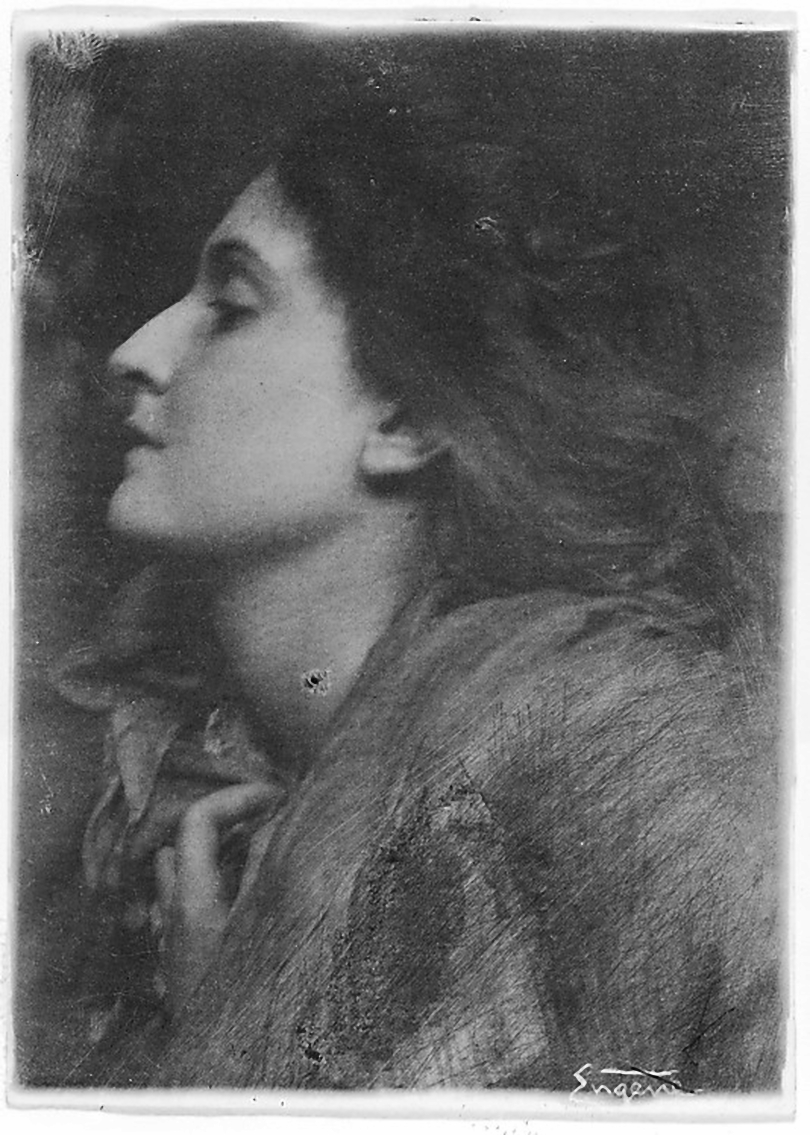
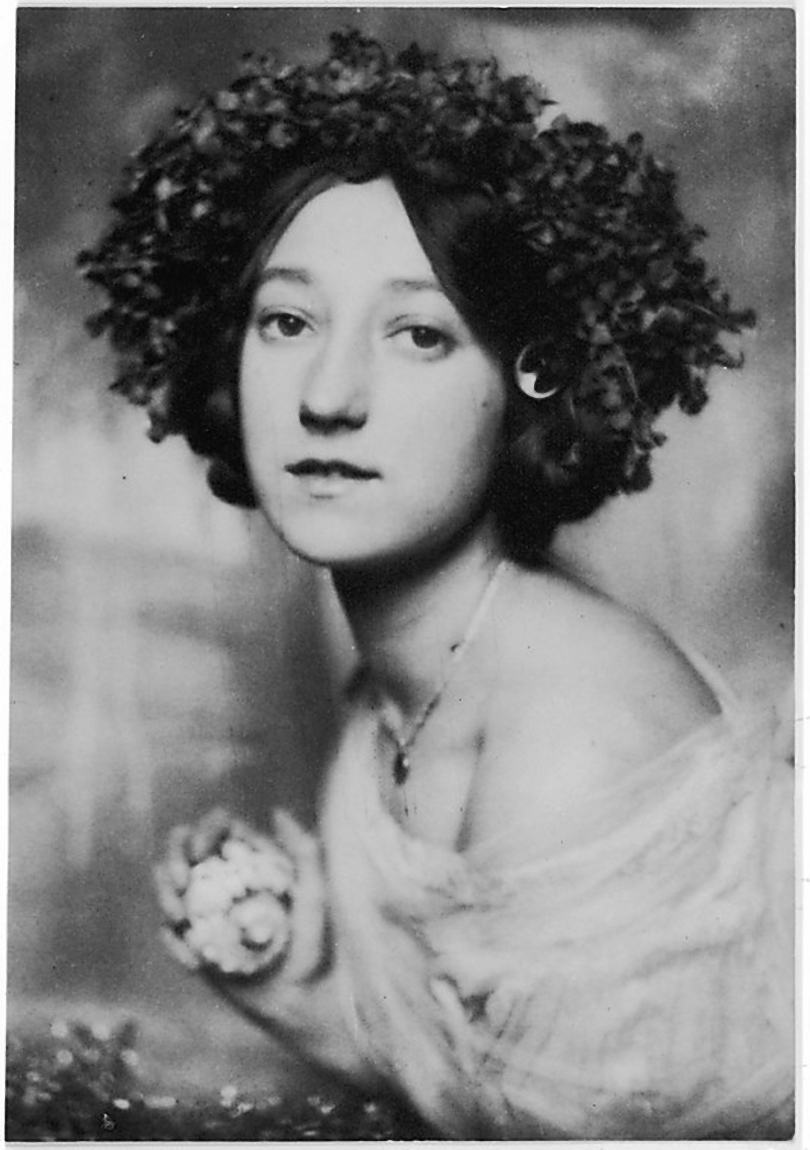
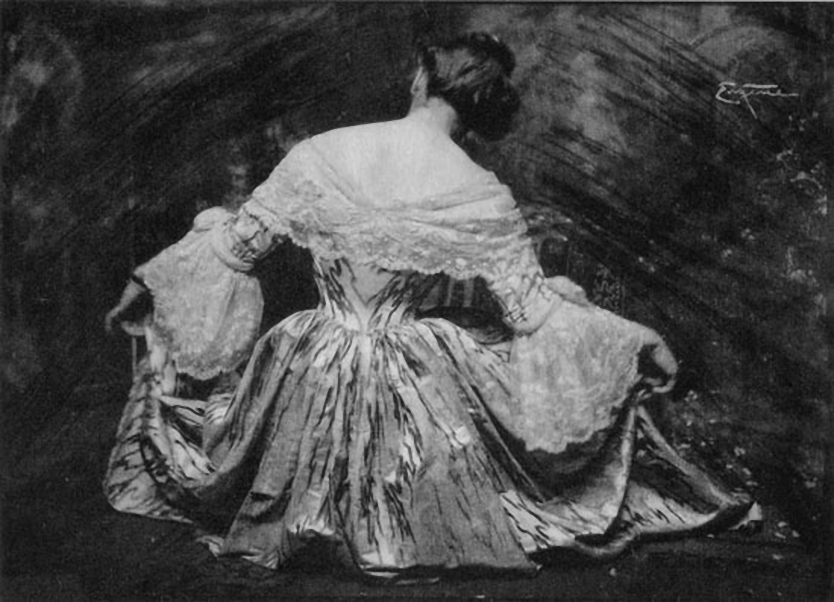
Frank Eugene(1865-1936) was born in New York but moved to Munich in his 20s where he studied art and soon became well-established as a portrait painter before he took up photography about 1885. He was elected to the Linked Ring in 1900 and was a founder of the Photo-Secession movement, undoubtedly because of his close personal and professional relationship to Alfred Steiglitz. A biography, The Dream of Beauty, was published in 1955. Eugene was known for his substantial manipulation of his negatives—so much so that the output was often a cross between a graphic work and a photographic print. In that he anticipated a number of contemporary artists and printmakers.

Eugene helped to lay the foundantions of photography at the end of the 19th century. In fact, he was the first person in the world who started teaching photography at university contributing to dilute its perception as a minor art. He was also a pioneer in manipulating negatives, filling his classic images with haze and mistery.


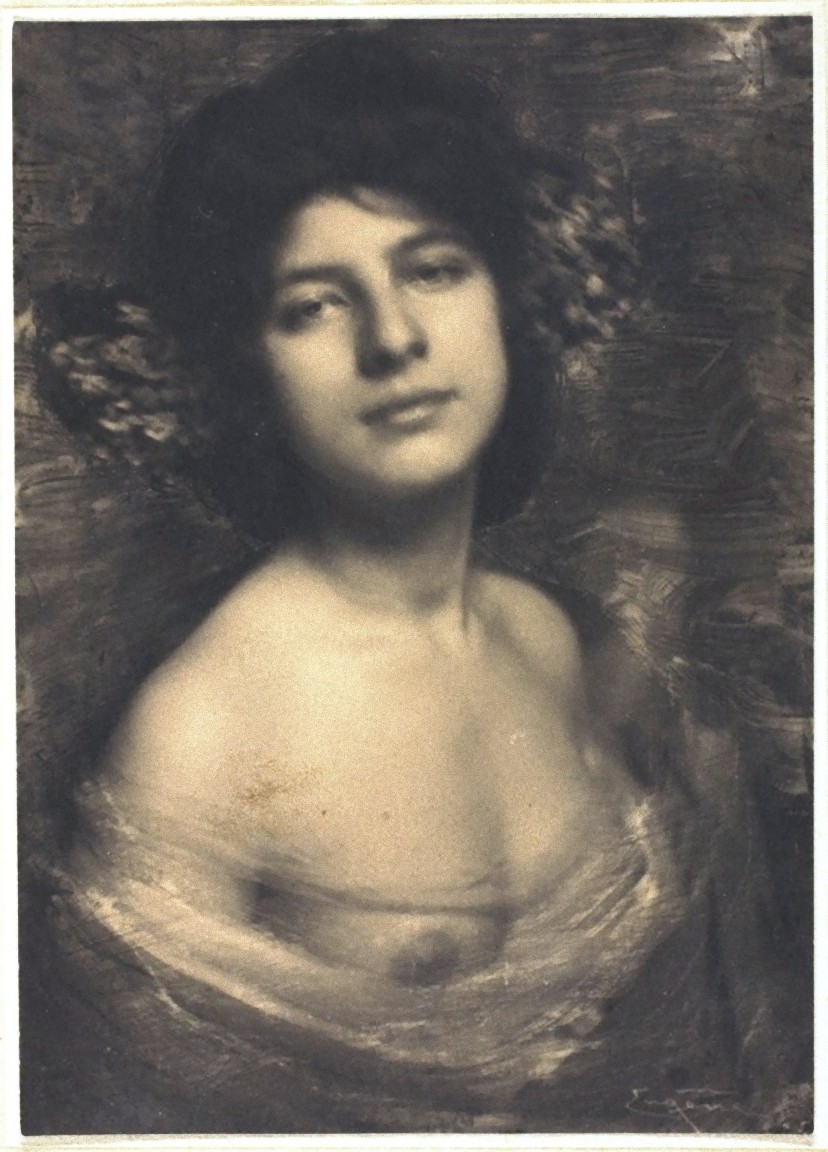
Frank Eugene- Rebeacca, 1910

Frank Eugene- Rebeacca, 1910

Frank Eugene - Rebeacca, 1910

Frank Eugene – Rebeacca, 1910

Frank Eugene- Mosaic, 1908 publiée dans Camera work, Apr. 1910._e

Frank Eugene- Mosaic,   Dora G , 1908 publiée dans Camera work, Apr. 1910

Frank Eugene - The Snake Charmer, 1910

Frank Eugene – The Snake Charmer Dora G , 1908

Franck Eugene- Dora G. - The Plakat, 1910

Franck Eugene- Dora G. – The Plakat, 1908


Frank Eugene - The Misses Ide in Samoa , 1908

Frank Eugene – The Misses Ide in Samoa , 1908

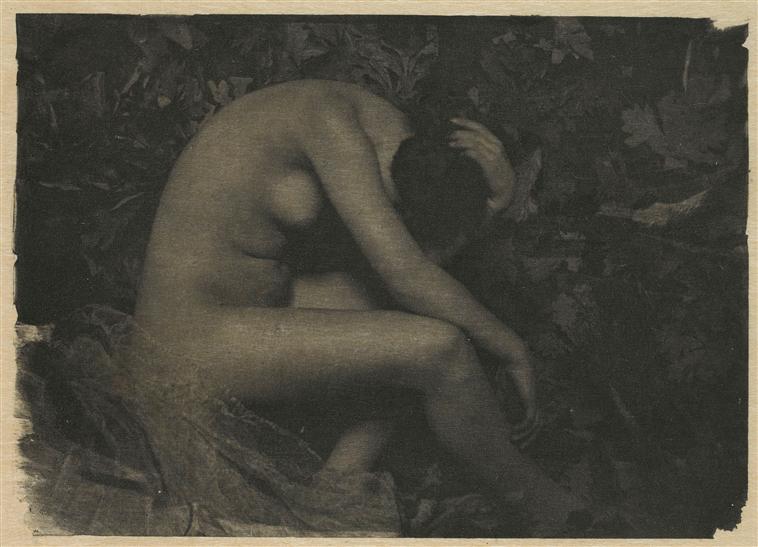
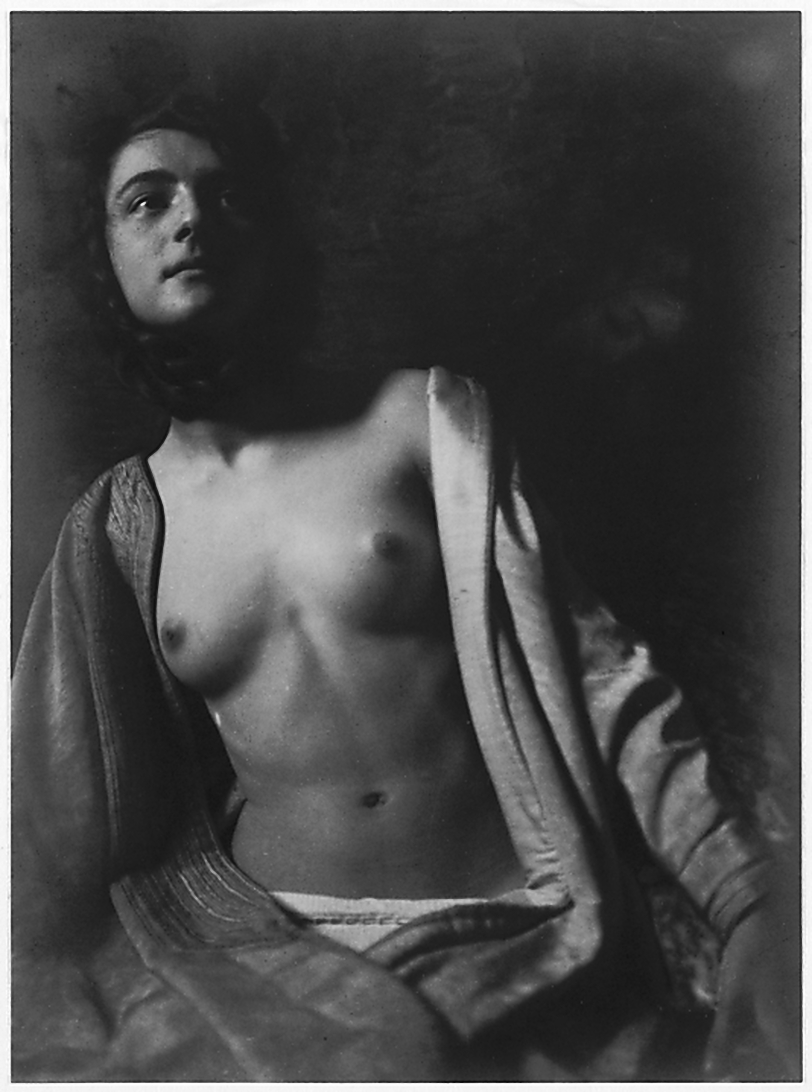
Frank Eugene- Nude study, 1900s

Frank Eugene- Nude study, 1900s

Frank Eugene - The daughter of Joachim. 1899

Frank Eugene – The daughter of Joachim. 1899

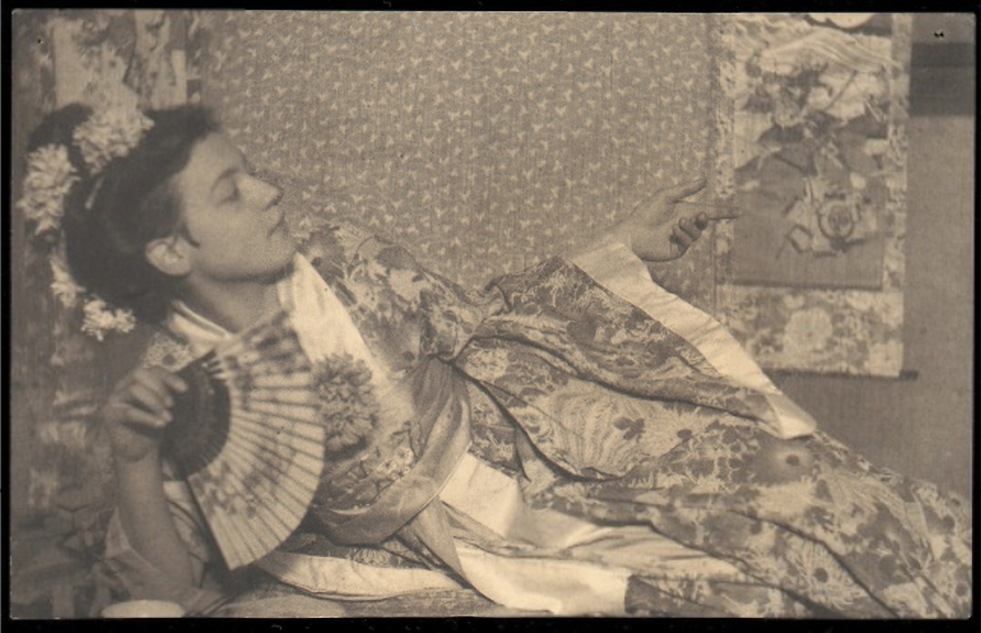
Franck Eugene-Friedel Wearing a Kimono, 1911

Franck Eugene-Friedel Wearing a Kimono, 1911

Franck Eugene-Friedel Wearing a Kimono, 1911

Franck Eugene-Friedel Wearing a Kimono, 1911

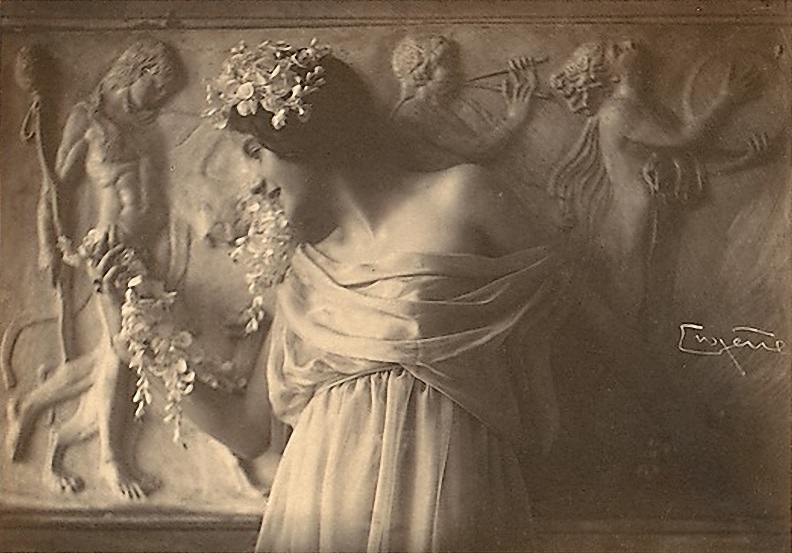
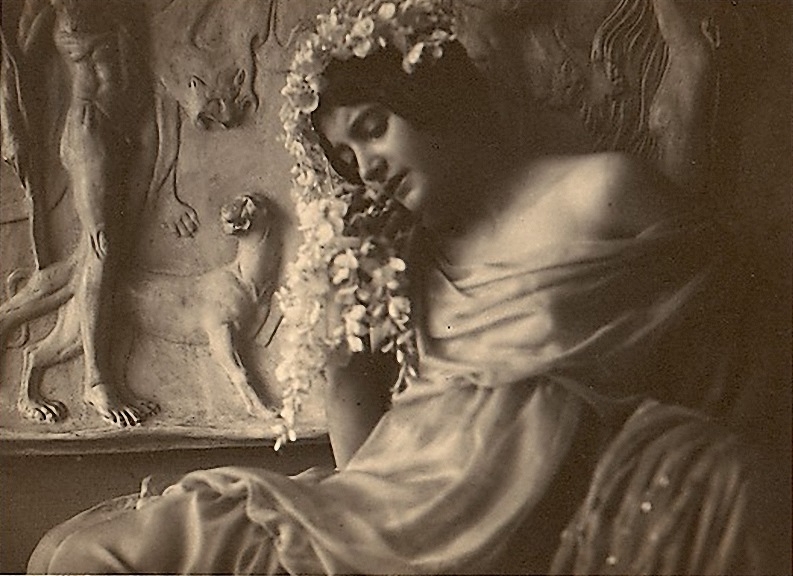
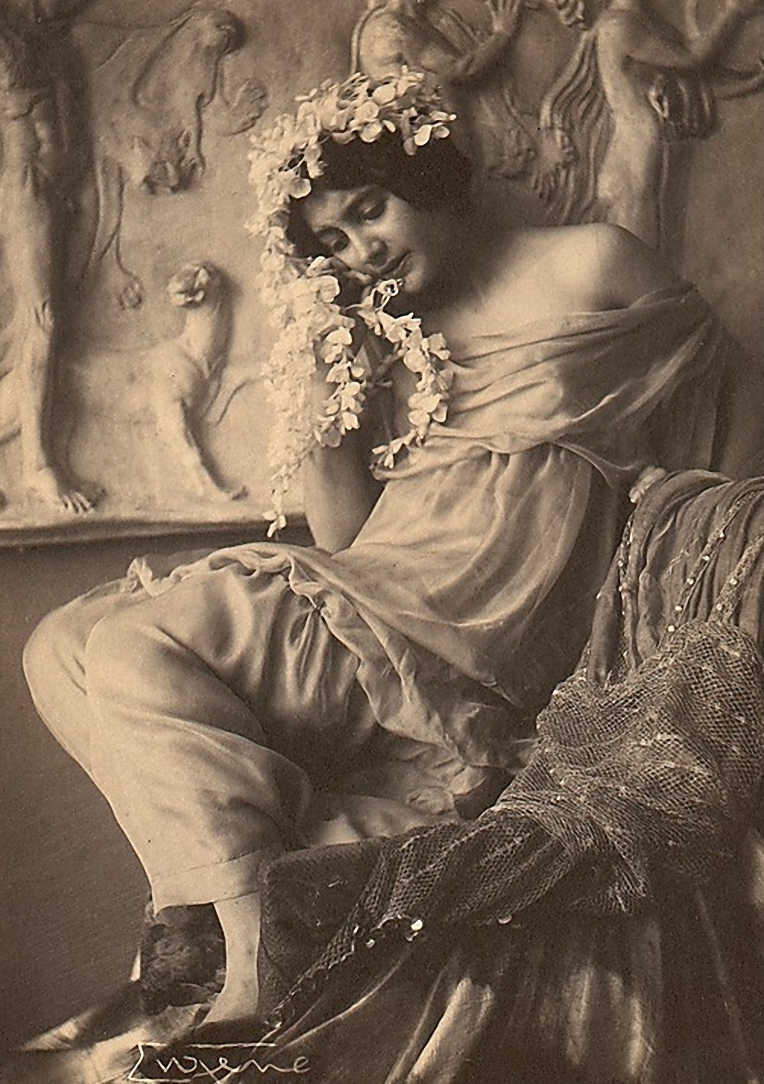
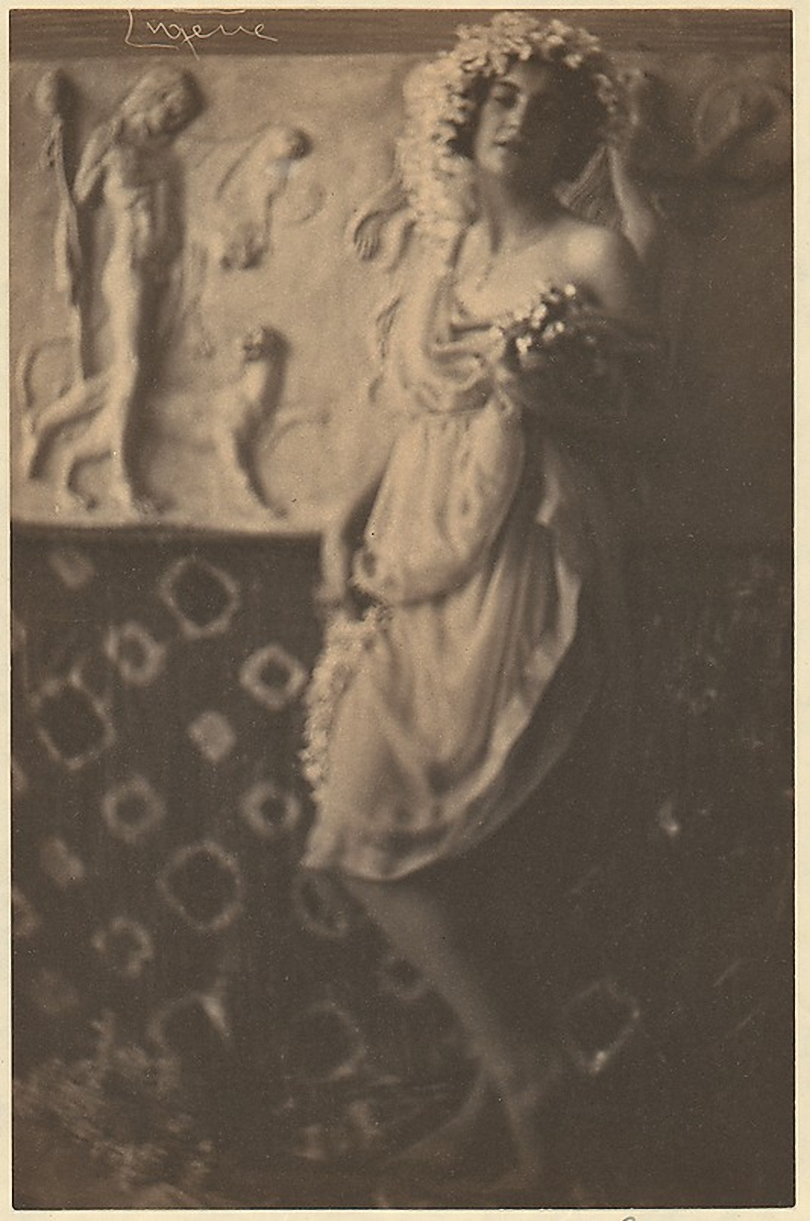
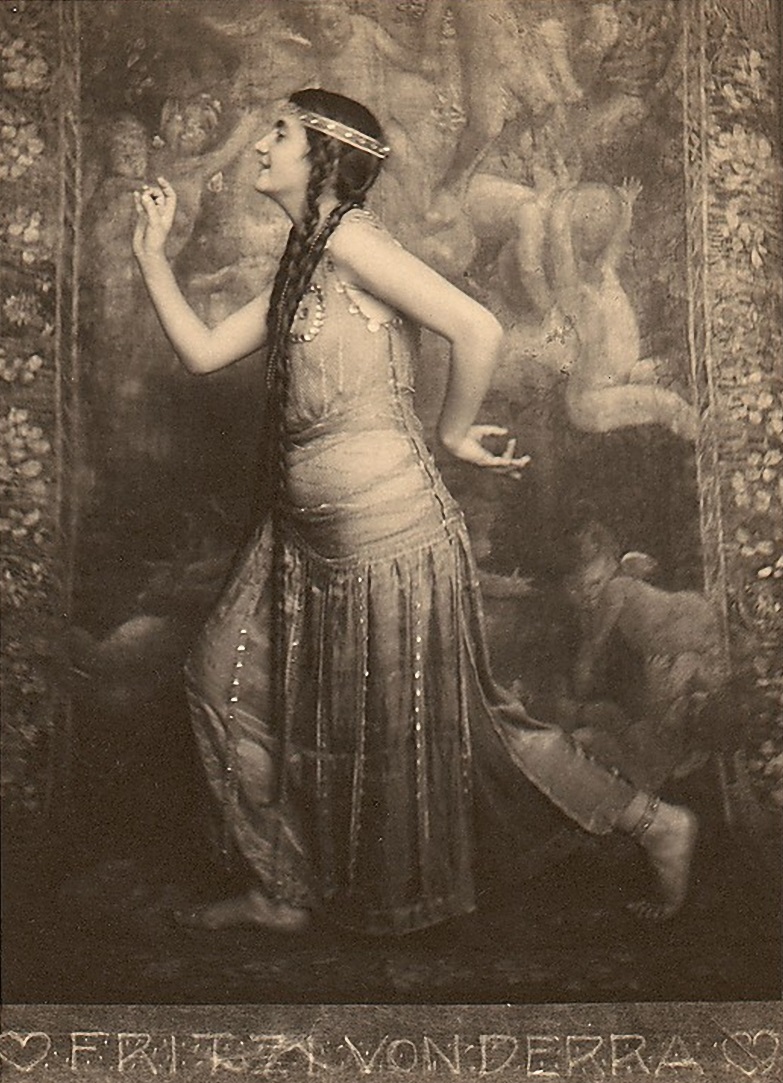
Franck Eugene- Fritzi von Derra - The Greek Dancer - 1900s

Franck Eugene- Fritzi von Derra – The Greek Dancer – 1900s

Franck Eugene- Fritzi von Derra - The Greek Dancer - 1900s

Franck Eugene- Fritzi von Derra – The Greek Dancer – 1900s


Frank Eugene - Fritzi von Derra, The Greek Dancer, 1900s

Frank Eugene – Fritzi von Derra, The Greek Dancer, 1900s

Franck Eugene- Fritzi von Derra - The Greek Dancer - 1900s

Franck Eugene- Fritzi von Derra – The Greek Dancer , 1900s

Franck Eugene- Fritzi von Derra - The Greek Dancer - 1900s

Franck Eugene- Fritzi von Derra – The Greek Dancer – 1900s

Franck Eugene-Fritzi von Derra - The Exotic Dancer,1900

Franck Eugene-Fritzi von Derra – The Exotic Dancer,1900

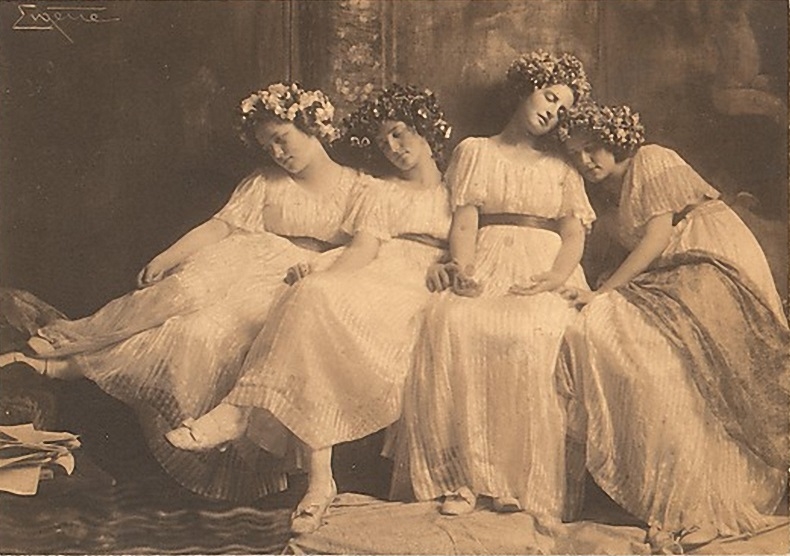
Franck Eugene - Slumbering Maidens ,1900

Franck Eugene – Slumbering Maidens ,1900

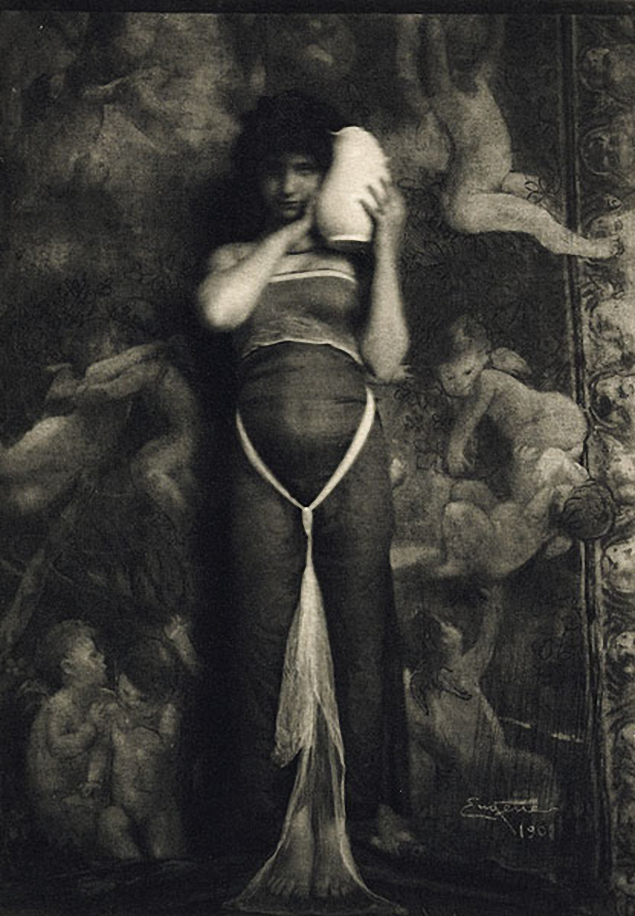
Franck Eugene-Ritual Vestalis 1900

Franck Eugene-Ritual Vestalis 1900

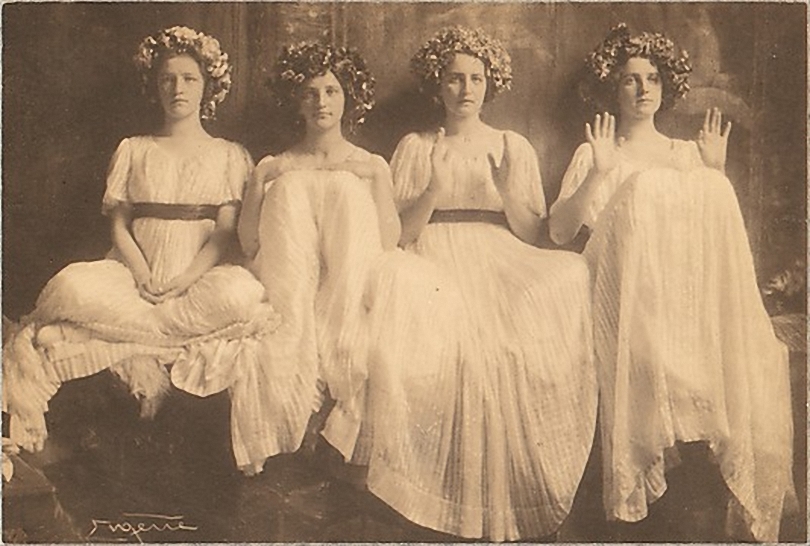
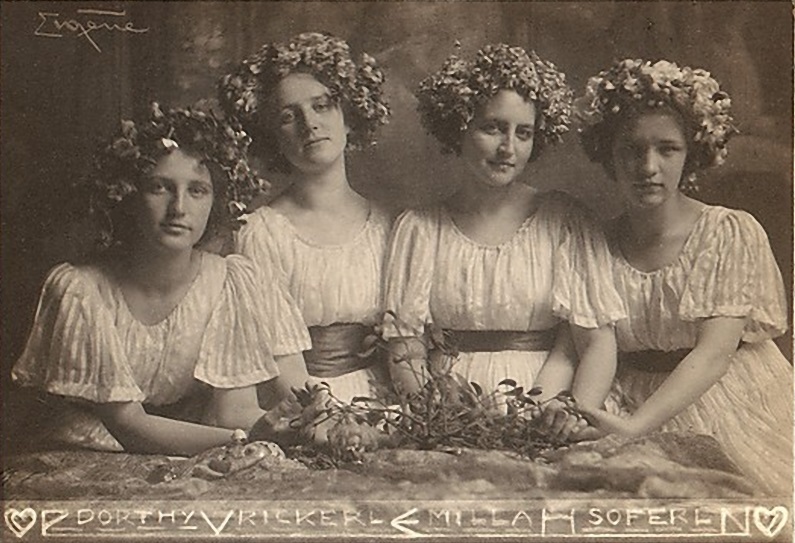
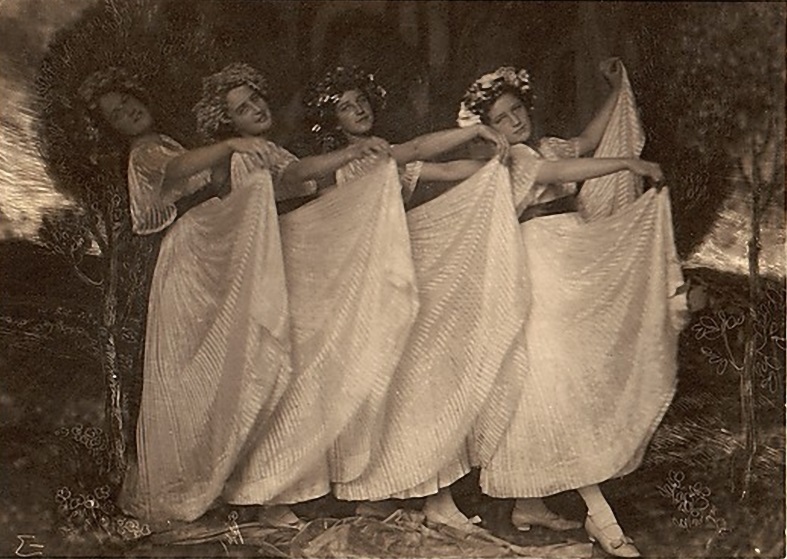
Franck Eugene-Four Sisters 1900

Franck Eugene-Four Sisters 1900

Franck Eugene- Four Sisters 1900

Franck Eugene- Four Sisters 1900

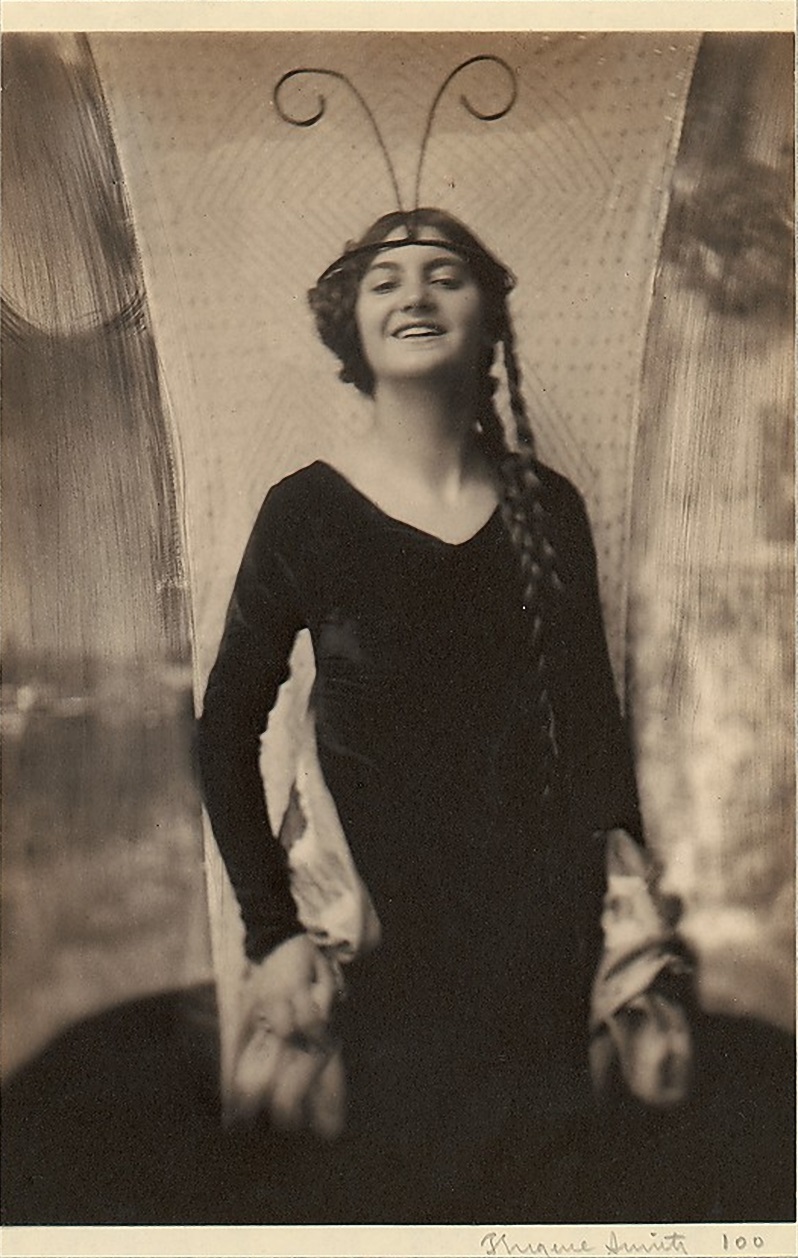
Franck Eugene - La Cigale, 1904

Franck Eugene – La Cigale, 1904

Franck Eugene - La Cigale, 1904

Franck Eugene – La Cigale, 1904


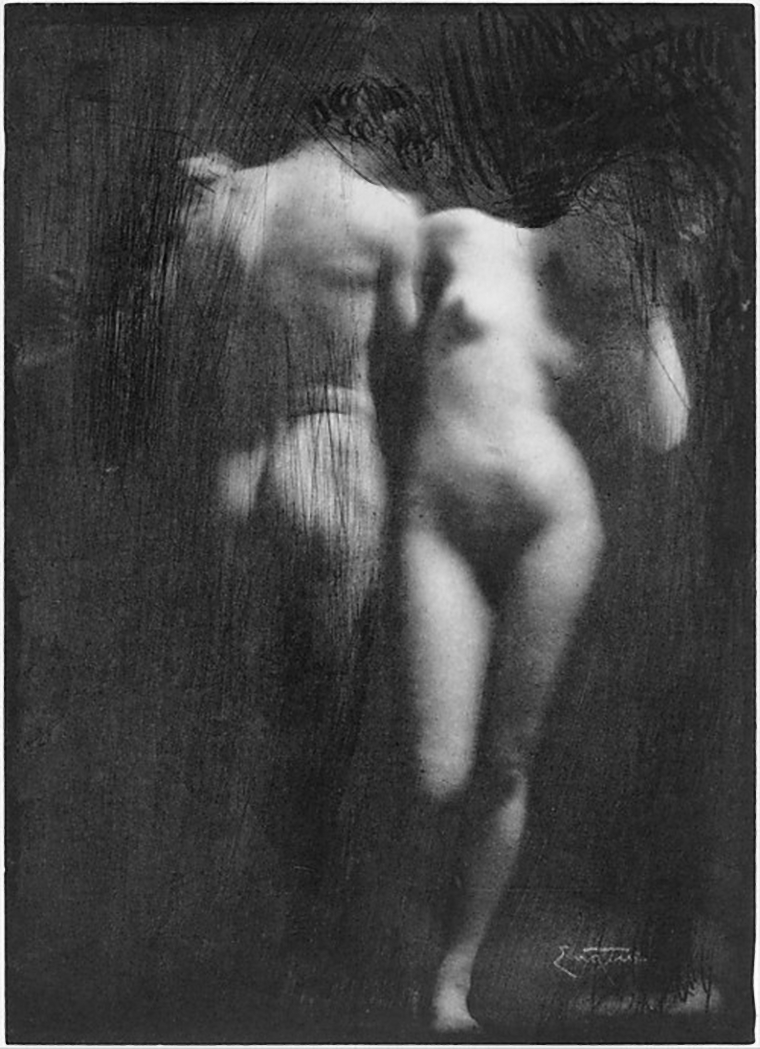
Frank Eugene-Adam and Eve, 1900s, printed 1909; Medium-Photogravure

Frank Eugene-Adam and Eve, 1900s, printed 1909; Medium-Photogravure

Franck Eugene-[Studie]- 1890-98

Franck Eugene-[Studie]- 1890-98

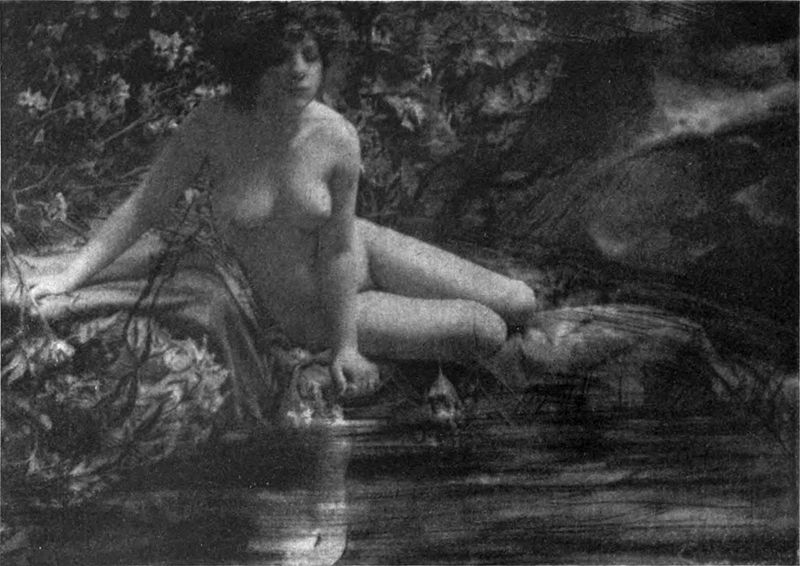
Français Nu au bord de l'eau

Frank Eugene- Nude waterfront, 1909

Frank Eugene- Nude study, 1910

Frank Eugene- Nude study, 1910

Frank Eugene -Nude Study, 1900s

Frank Eugene -Nude Study, 1900s


Frank Eugene - Hortensia, 1910

Frank Eugene – Hortensia, 1910

Franck Eugene- Mrs. Wilm- 1911

Franck Eugene- Mrs. Wilm- 1911

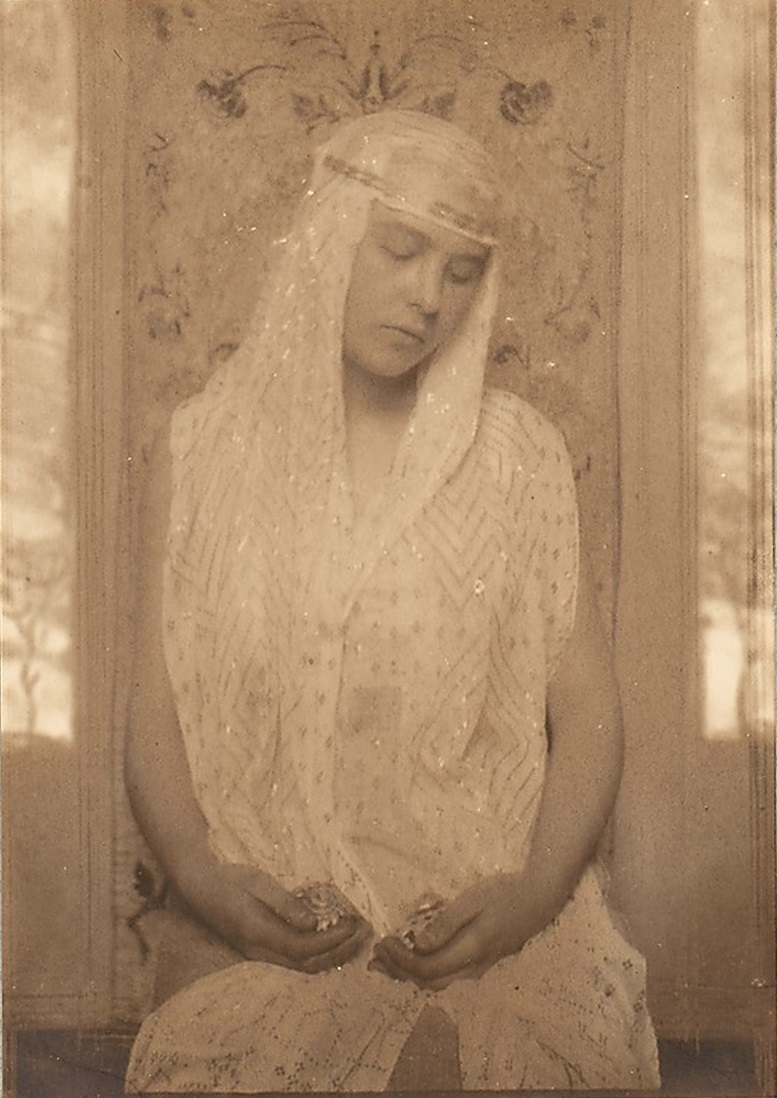
Franck Eugene- The Oriental Bride 1900's

Franck Eugene- The Oriental Bride 1900’s

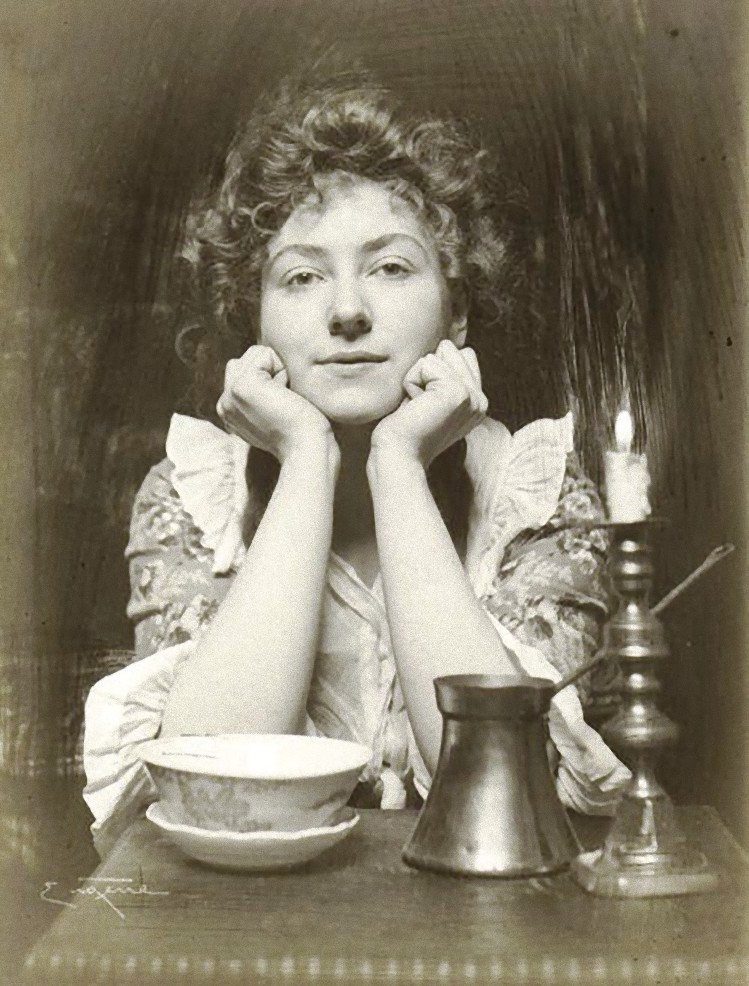
Frank Eugene- Lydia Leslie Lydie et la Chandelle. 1900s

Frank Eugene- Lydia Leslie Lydie et la Chandelle. 1900s

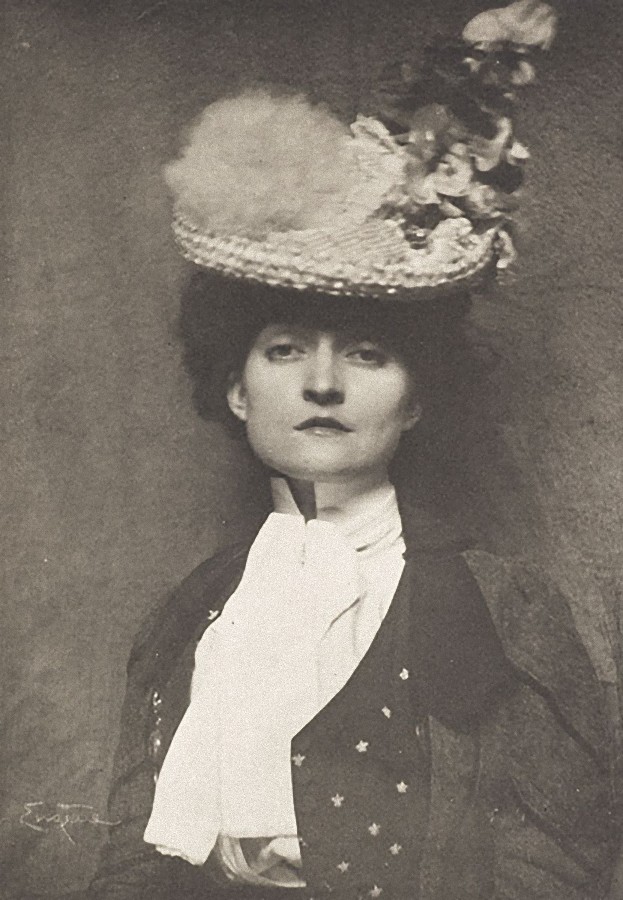
Frank Eugene - Portrait, 1910

Frank Eugene – Portrait, 1910

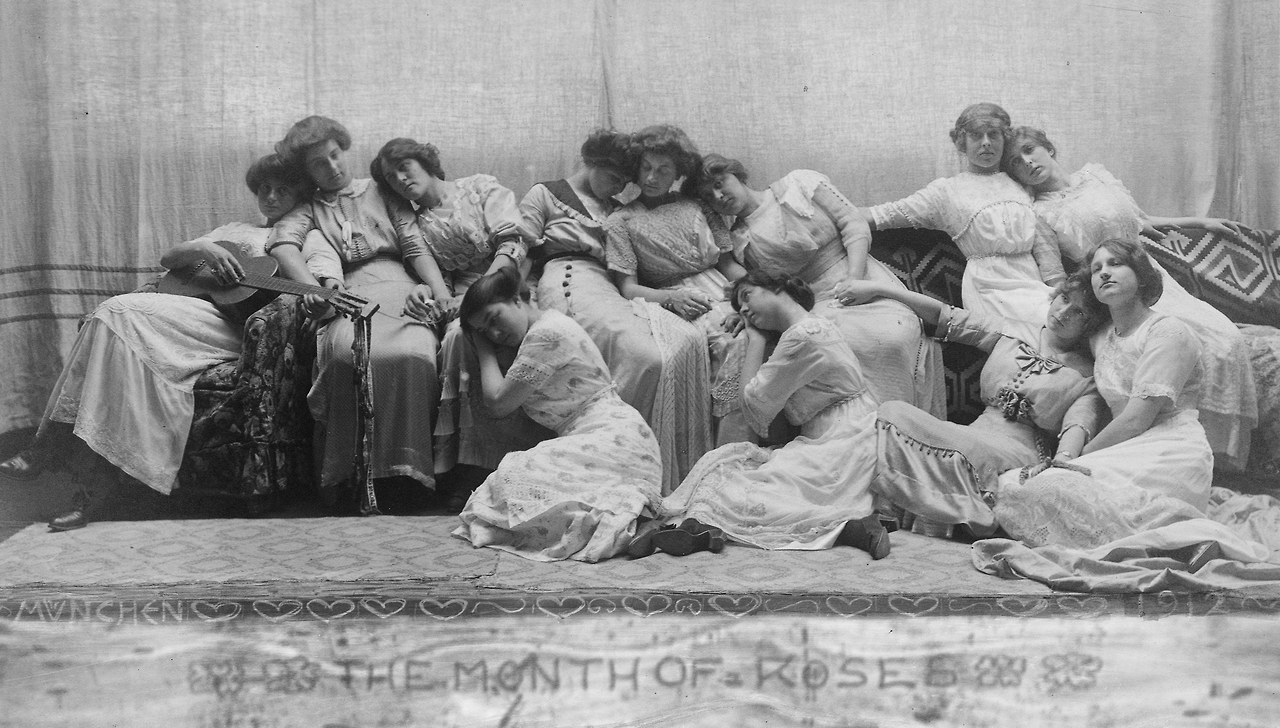
Frank Eugene - Misses Weaver H. Patties’ School for Girls, Munich, Germany, 1912

Frank Eugene – Misses Weaver H. Patties’ School for Girls, Munich, Germany, 1912

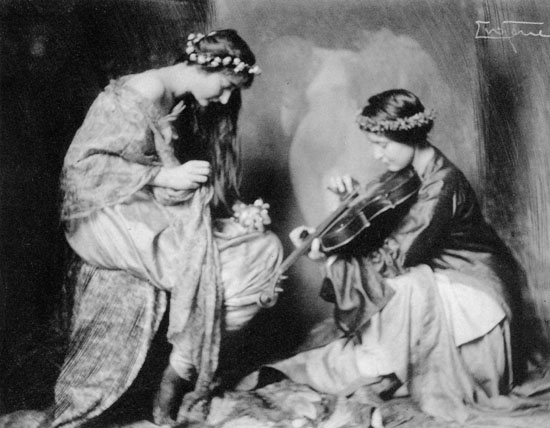
Franck Eugene- Violins 1890-1900

Franck Eugene- Violins 1890-1900

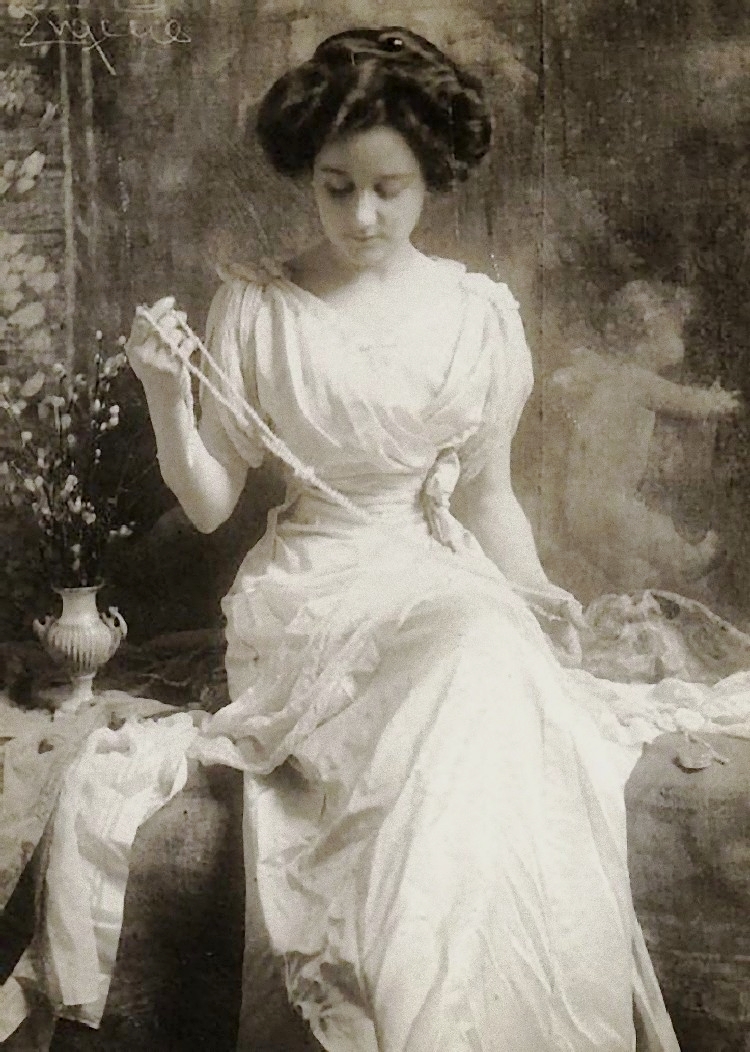
Franck Eugene - The necklace of pearls, 1900s_e

Franck Eugene – The necklace of pearls, 1900s


Franck Eugene-Lady of Charlotte,1899

Franck Eugene-Lady of Charlotte,1899

Franck Eugene-Frl. Emmy Geiger, 1900-10908

Franck Eugene-Frl. Emmy Geiger, 1900-10908

Franck Eugene Minuet, 1910

Franck Eugene- Minuet, 1910

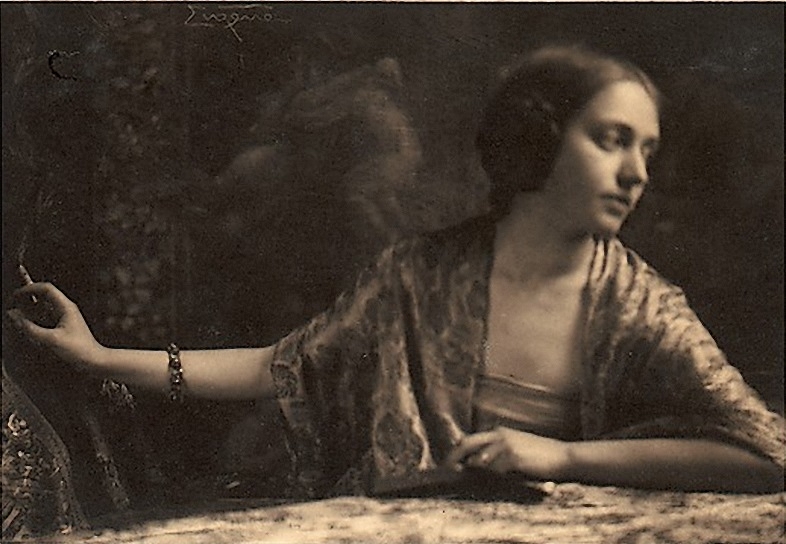
Franck Eugene-T he Diva at Home,1900

Franck Eugene-The Diva at Home,1900

Franck Eugene-Summer, 1998

Franck Eugene-Summer, 1998

Eugene Franck- Anne Königer Smith, 1912

Eugene Franck- Anne Königer Smith, 1912

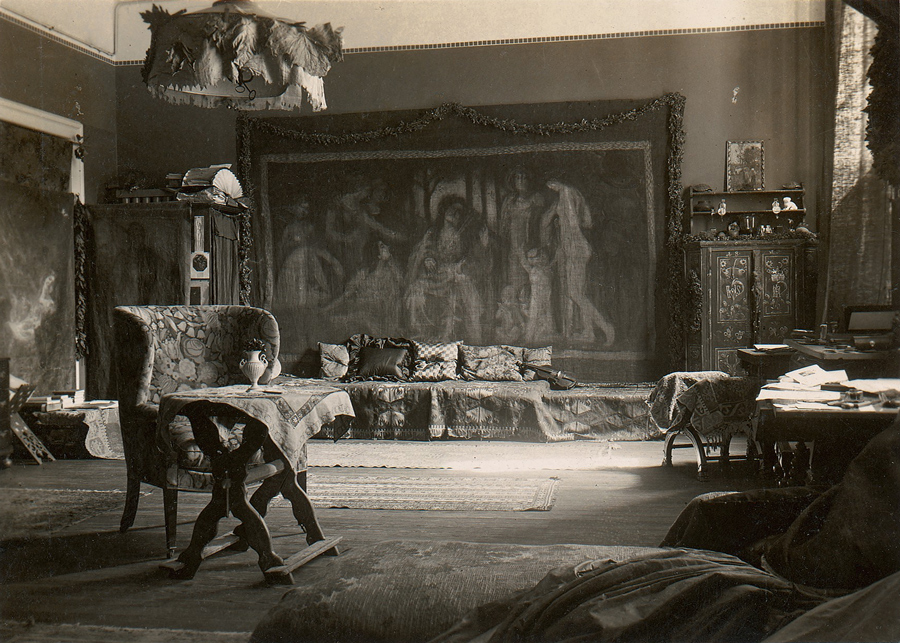
Frank Eugene- The Studio, photograph, platinum print, c.1910

Frank Eugene- The Studio, photograph, platinum print, 1910

Franck Eugene-Self-portrait, 1899

Franck Eugene-Self-portrait, 1899

Christine Elfman

Christine Elfman- Cabinet Cards (Storydress II), 2008

Christine Elfman- Cabinet Cards (Storydress II), 2008

Christine Elfman site

J. Cornelly

J. Cornelly- Model unknown, 1920s


Saul Leiter

Saul Leiter-Saul Leiter- Barbara (or Margaret), 1955

Saul Leiter-Saul Leiter- Barbara (or Margaret), 1955

Saul Leiter- Untitled, 1950

Saul Leiter- Untitled, 1950

Saul Leiter- The young violinist (Young nude on bed, reflected in mirrors), 1967

Saul Leiter- The young violinist (Young nude on bed, reflected in mirrors), 1967

Saul Leiter-Test shot for lingerie, Harper's Bazaar ,  1955

Saul Leiter-Test shot for lingerie, Harper’s Bazaar , 1955

Saul Leiter- Jean Pearson, 1948

Saul Leiter- Jean Pearson, 1948

Saul Leiter- Fashion Editorial,  1962

Saul Leiter- Fashion Editorial, 1962

Saul Leiter- Untitled, 1950 1

Saul Leiter- Untitled, 1950

 Saul Leiter- Kathy / Gloria,1949

Saul Leiter- Kathy / Gloria,1949

Saul Leiter- Self Portrait, 1950

Saul Leiter- Self Portrait, 1950

Edward Steichen- Margaret Severn , 1923

Edward Steichen- Margaret Severn , 1923

Edward Steichen- Margaret Severn ,1923

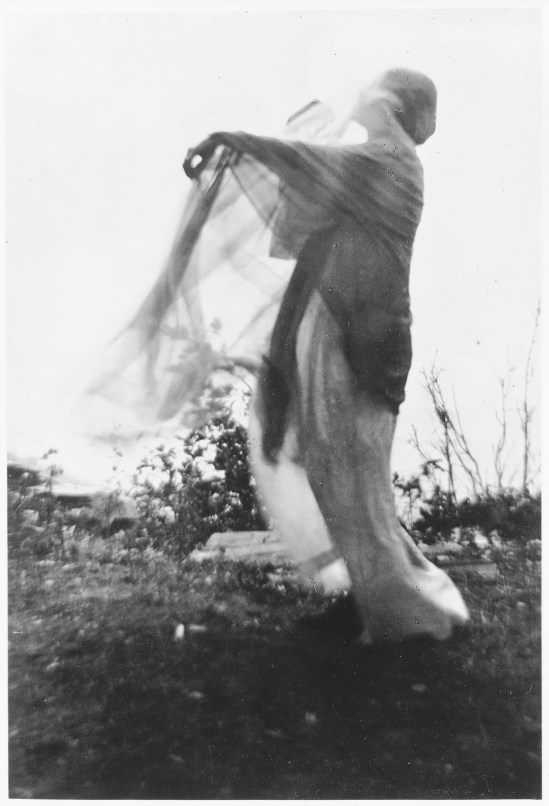
Imogen Cunningham- The Wind, 1910.

Imogen Cunningham- The Wind, 1910.

Imogen Cunningham- The Wind, 1910.


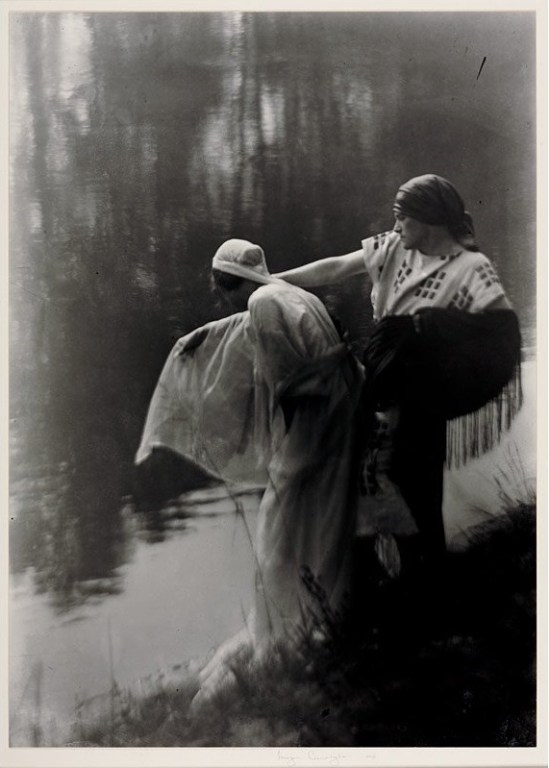
Imogen Cunningham – By the river,1912

Imogen Cunningham - By the river,1912

Imogen Cunningham – By the river,1912


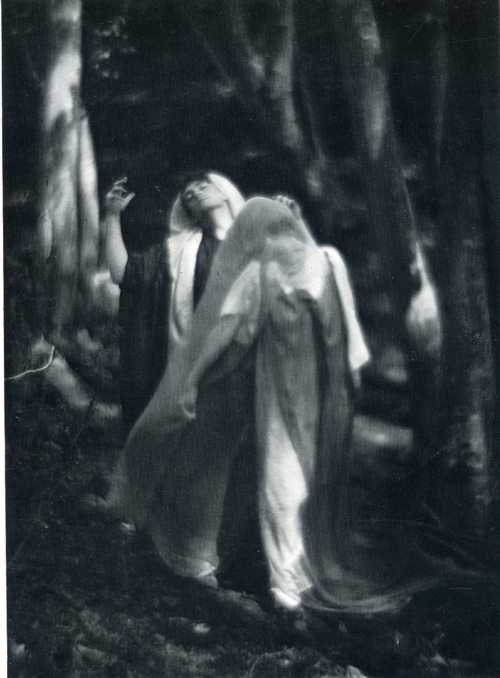
Imogen Cunningham

Imogen Cunningham

Imogen Cunningham- 1910-12