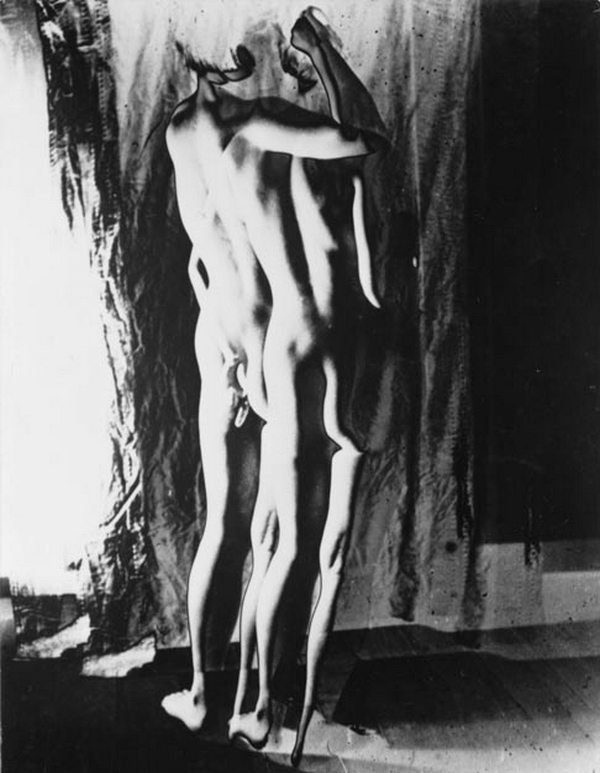
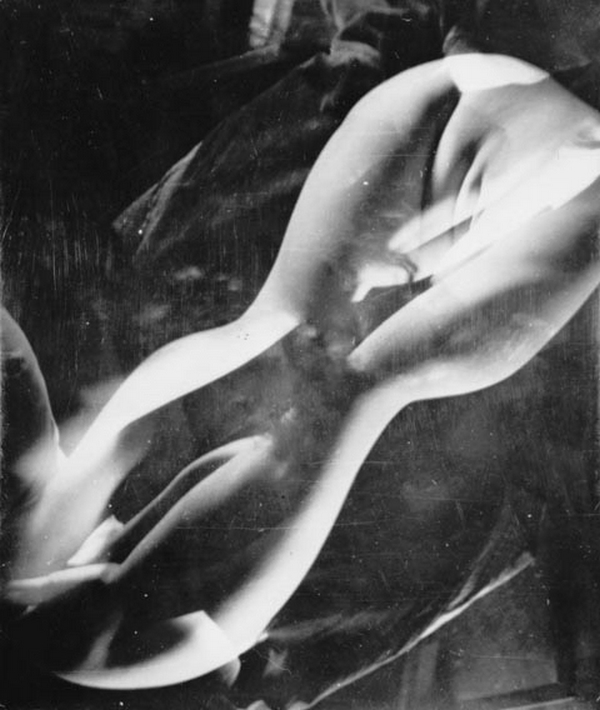
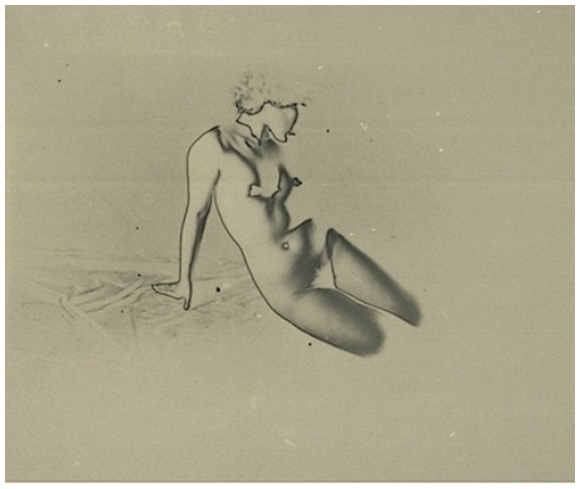
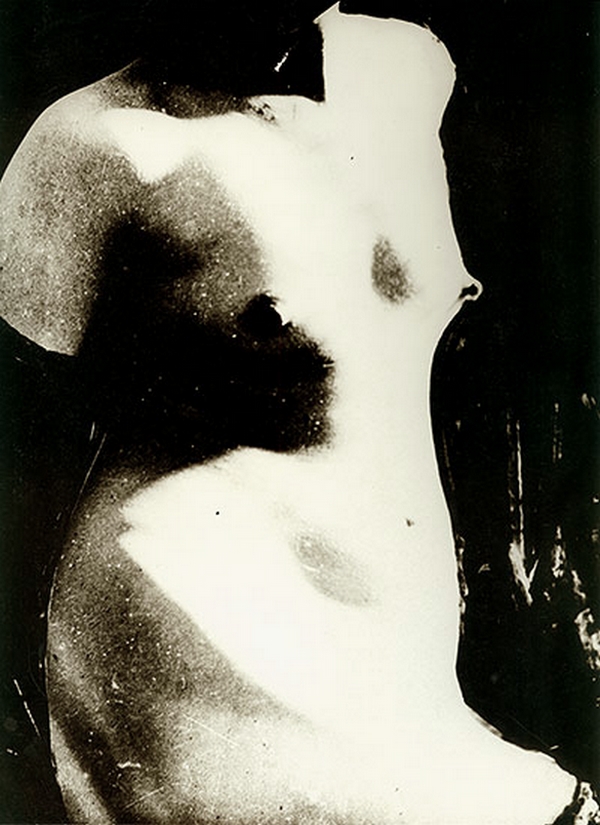
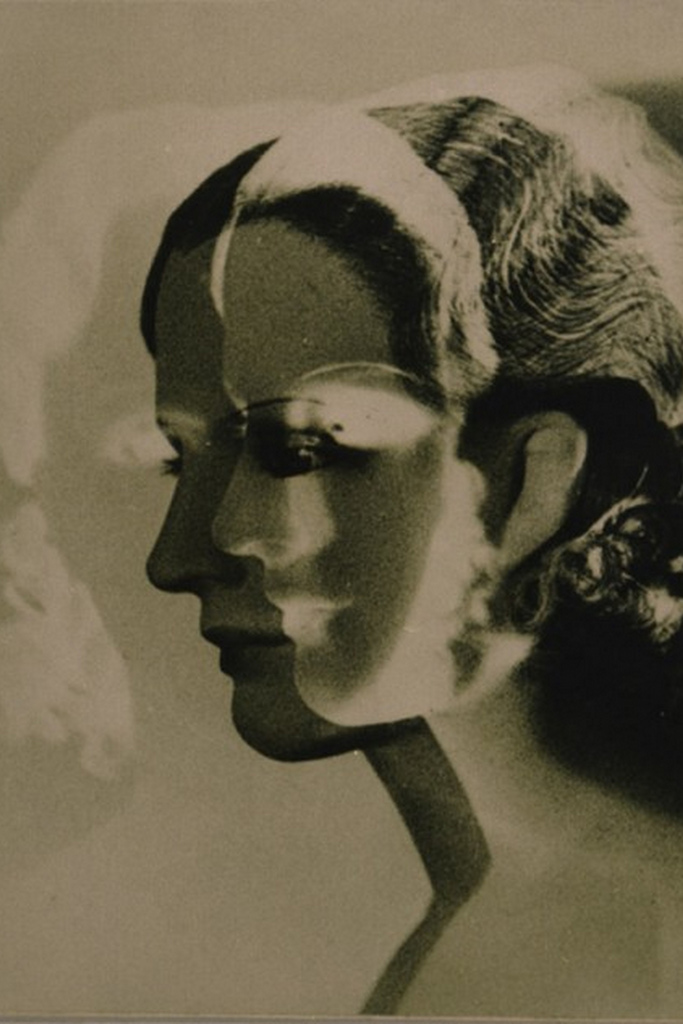
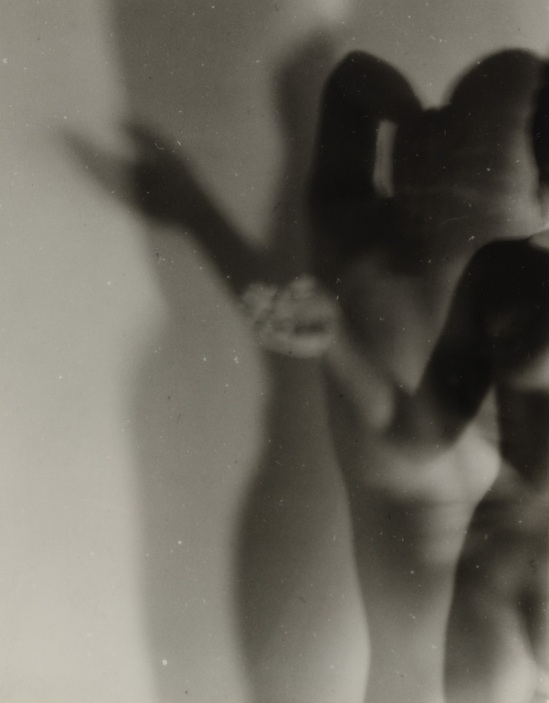
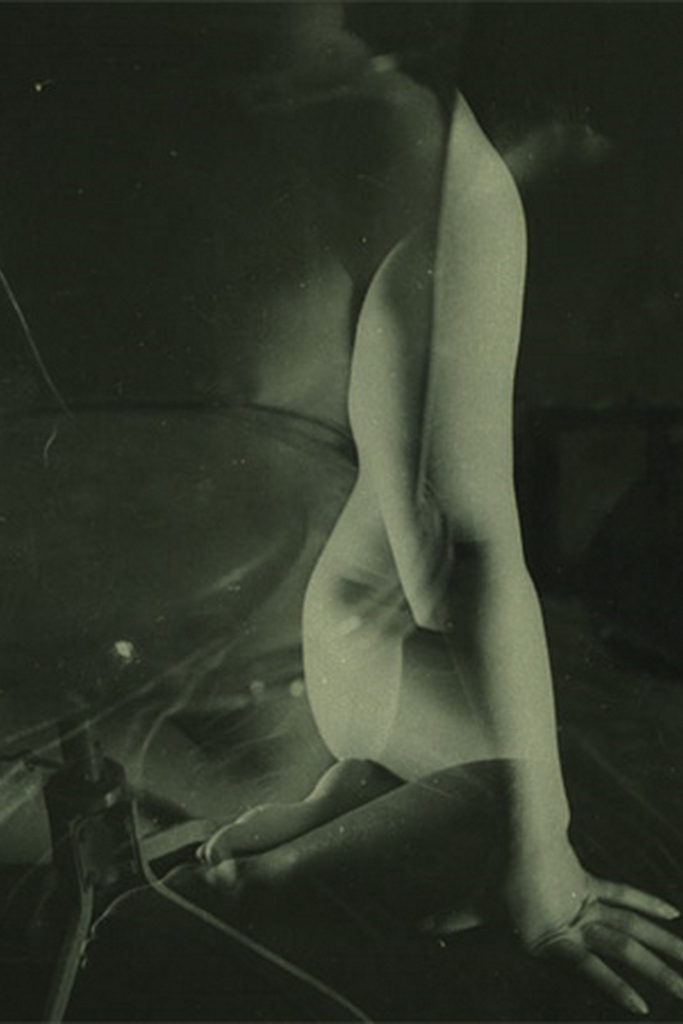
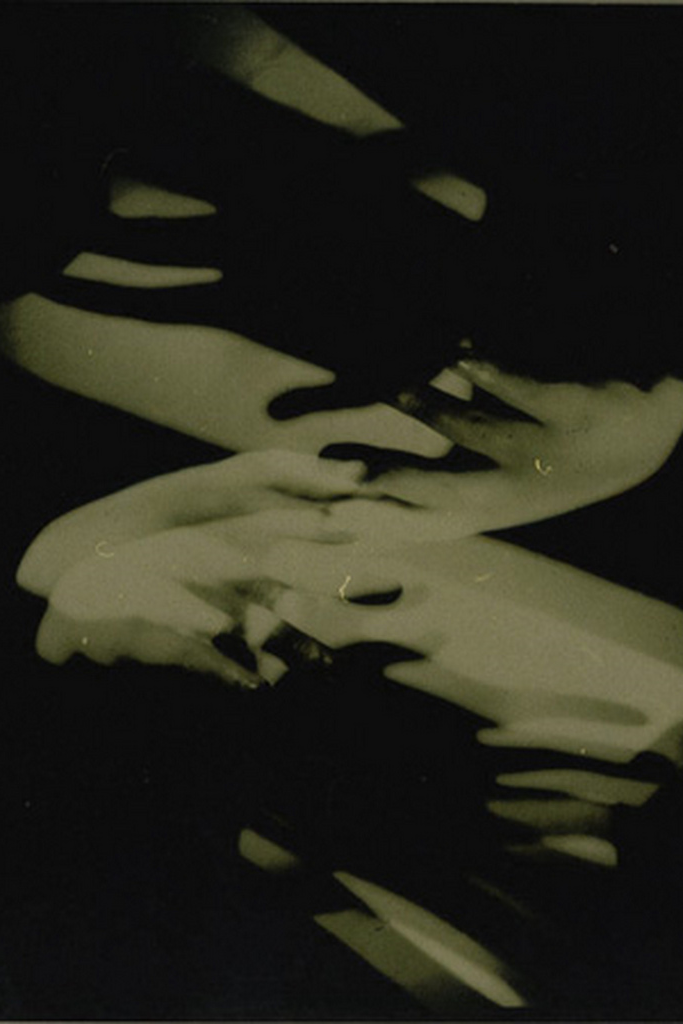
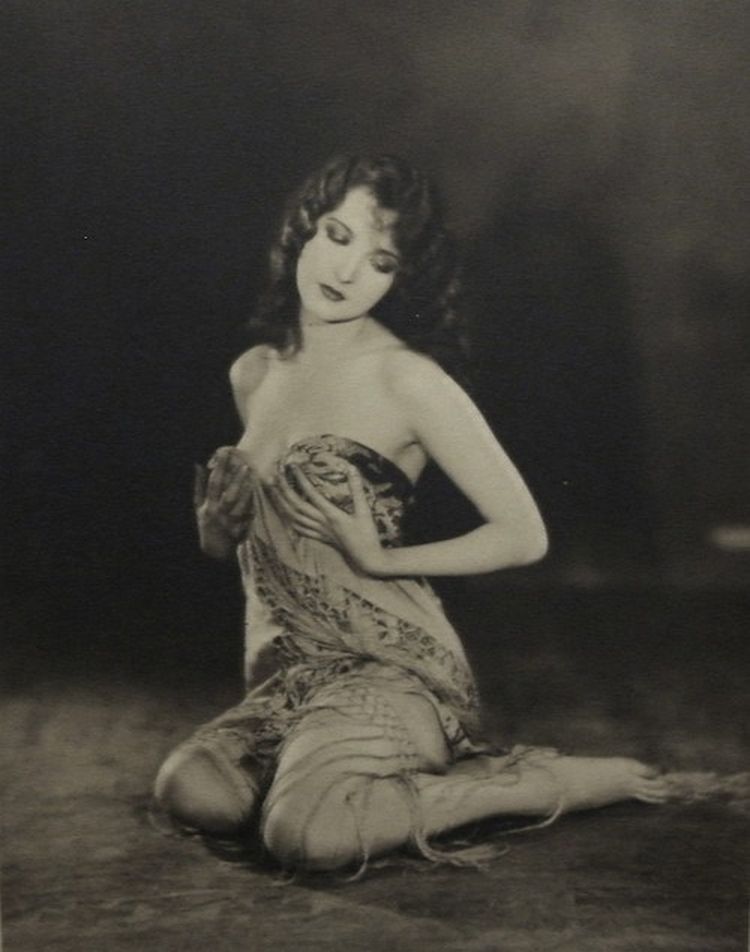
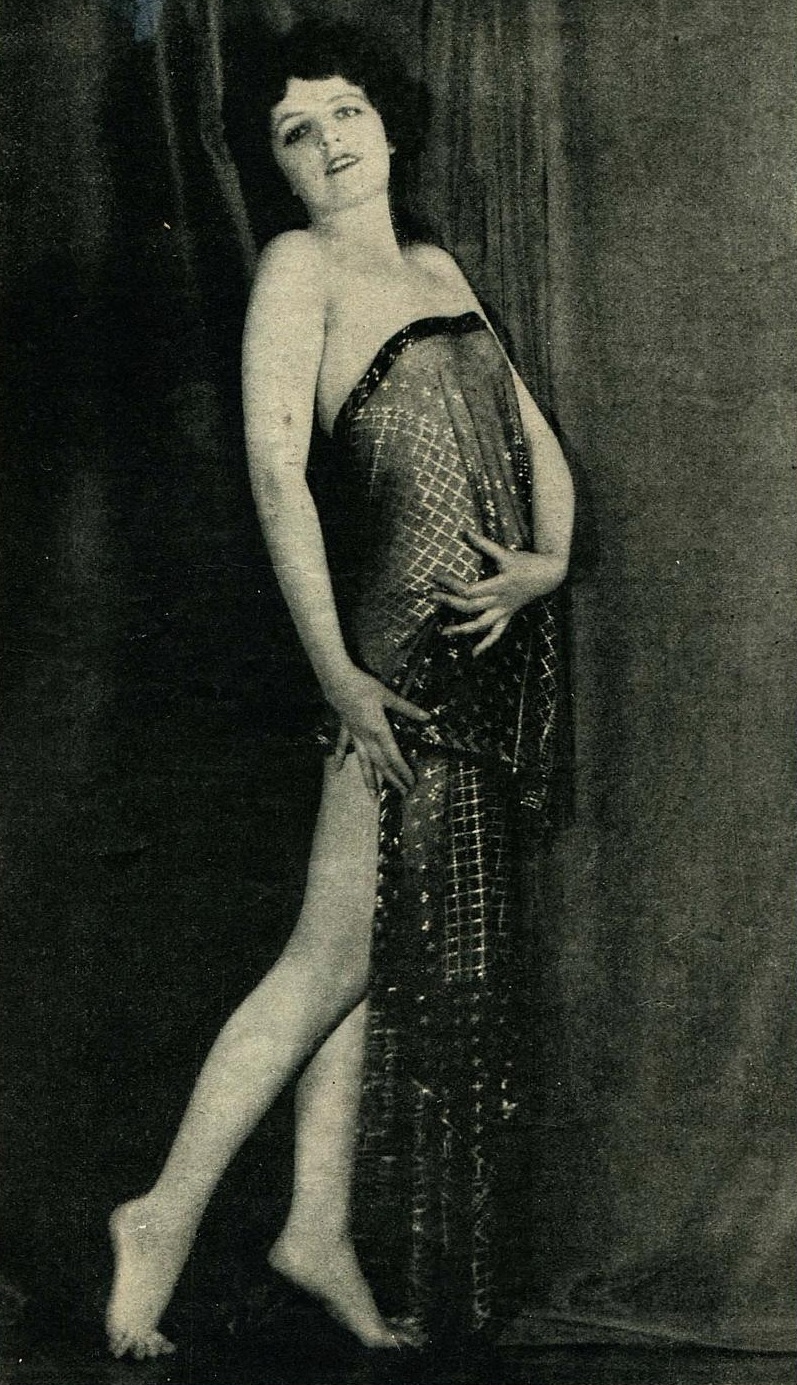
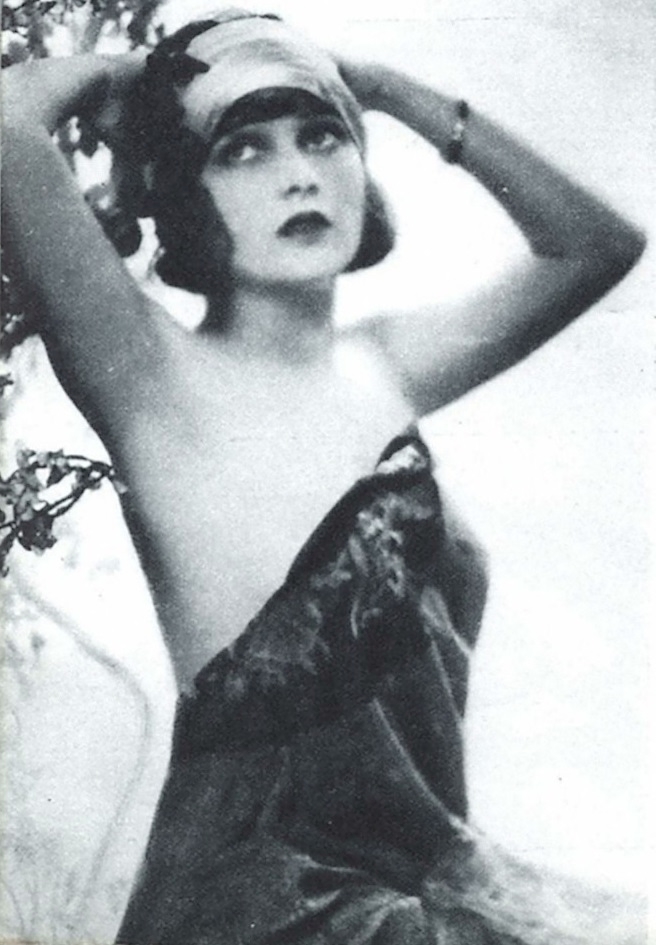
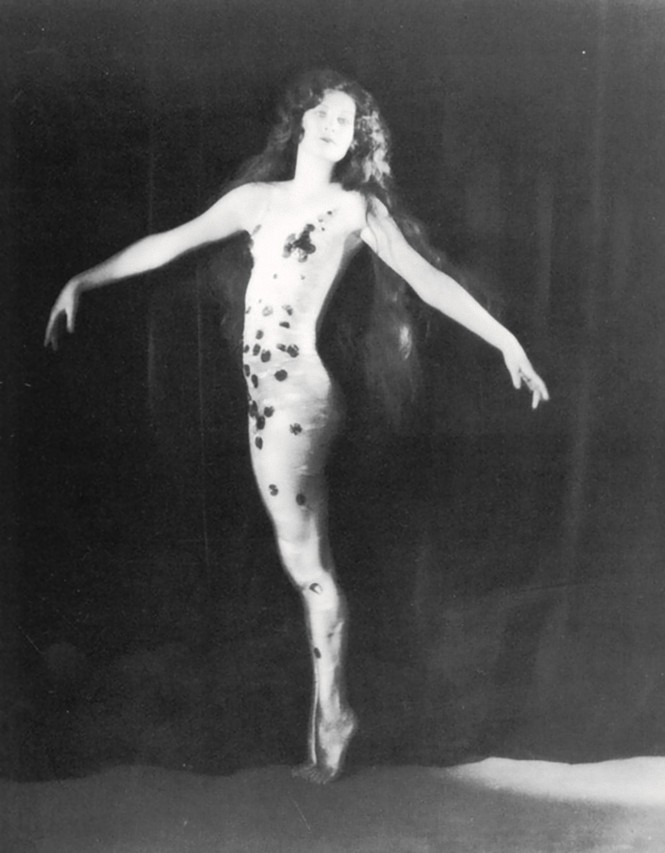
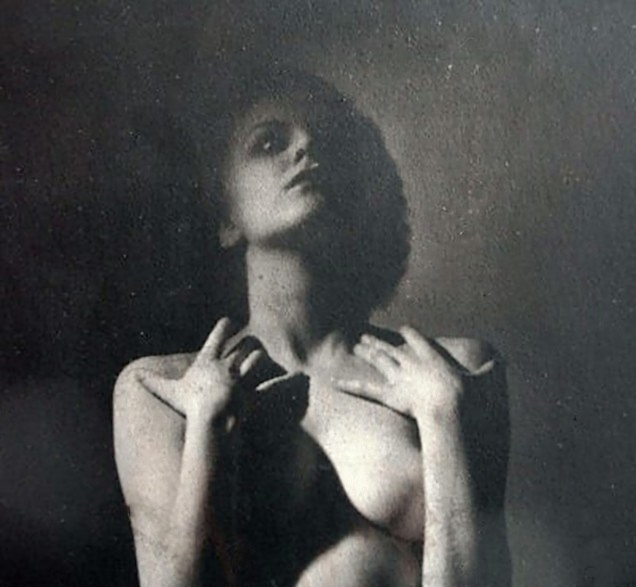
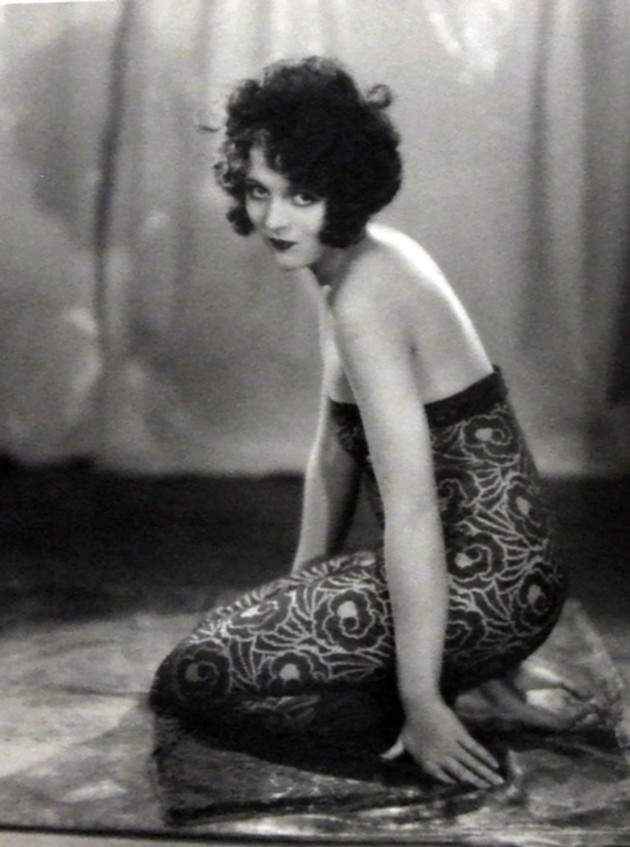
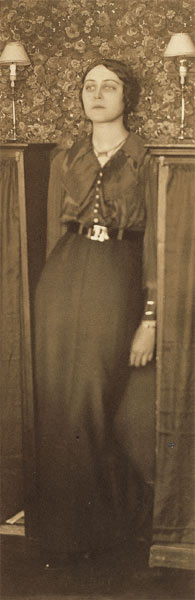
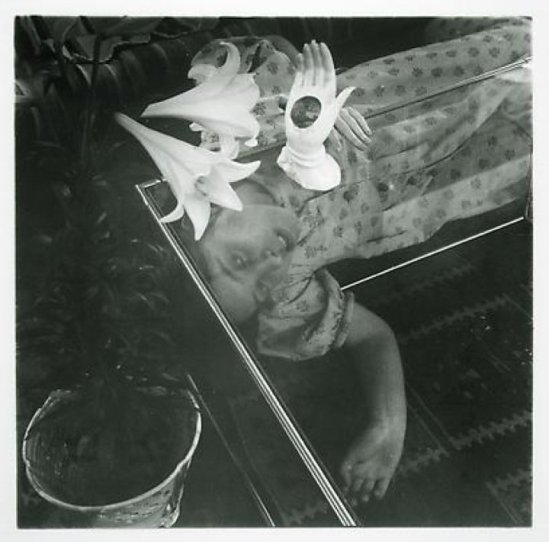
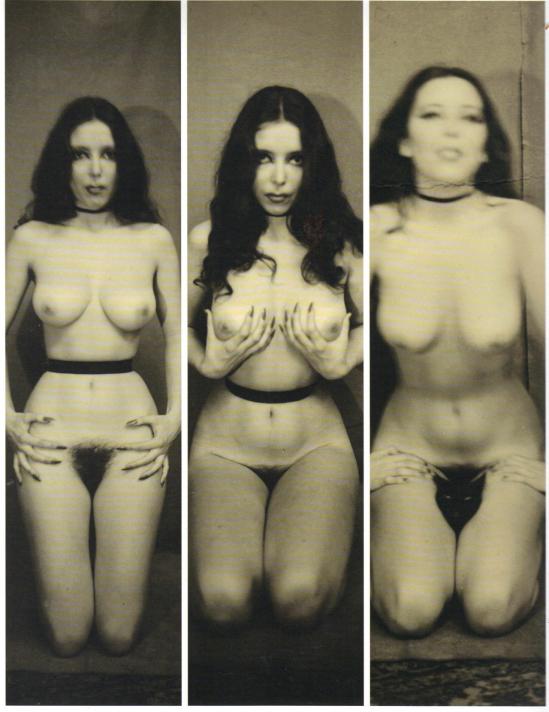
Hans Robertson ( 1883-1978)

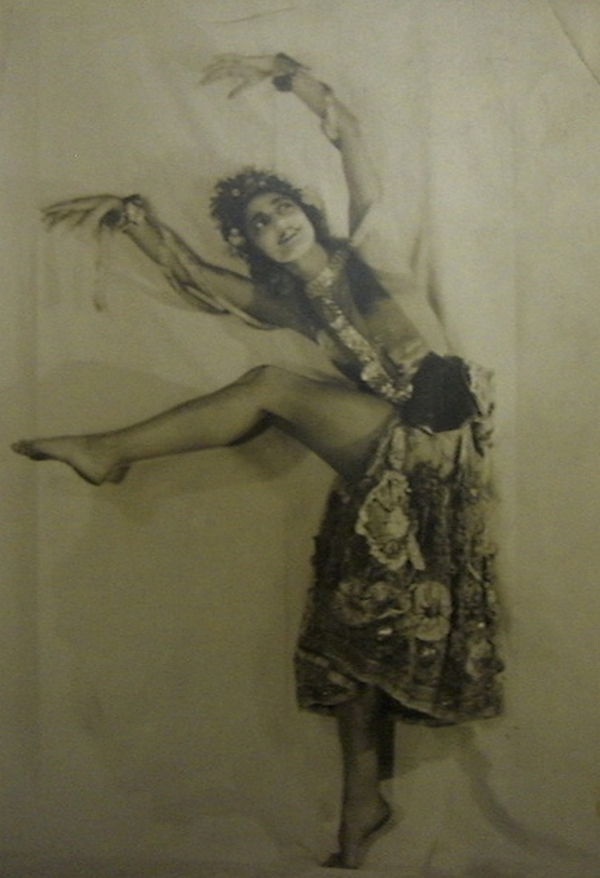
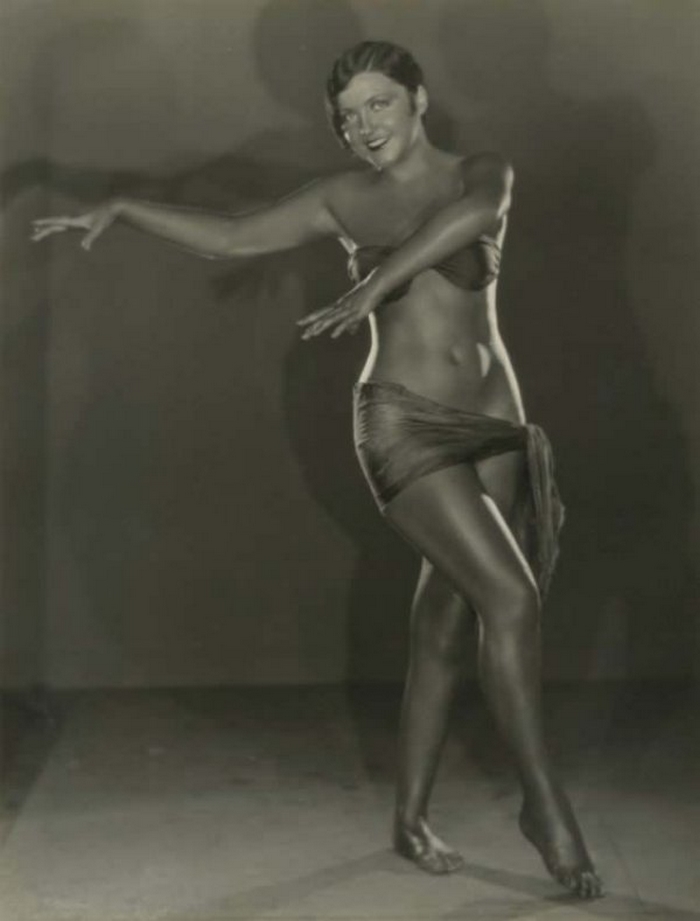
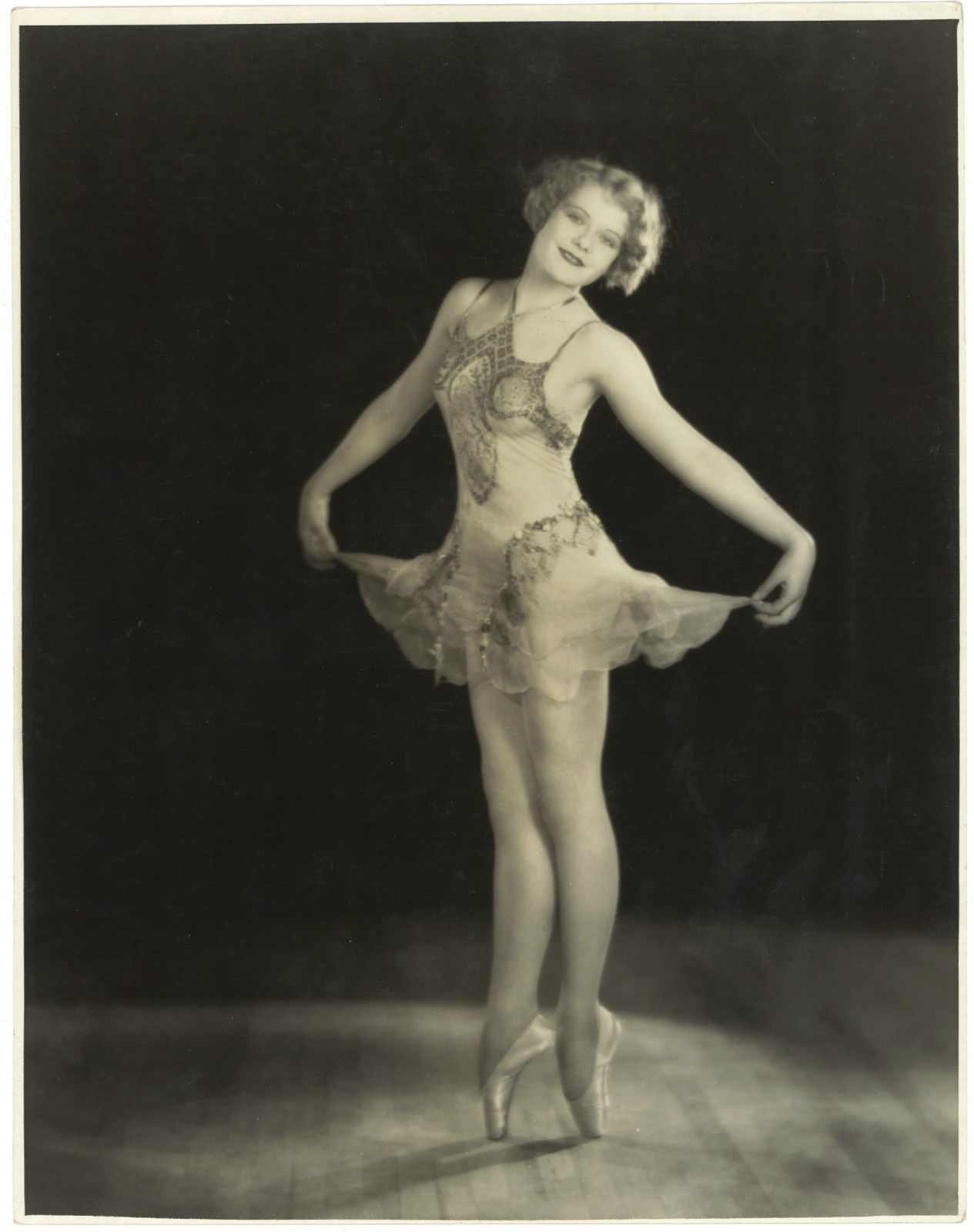
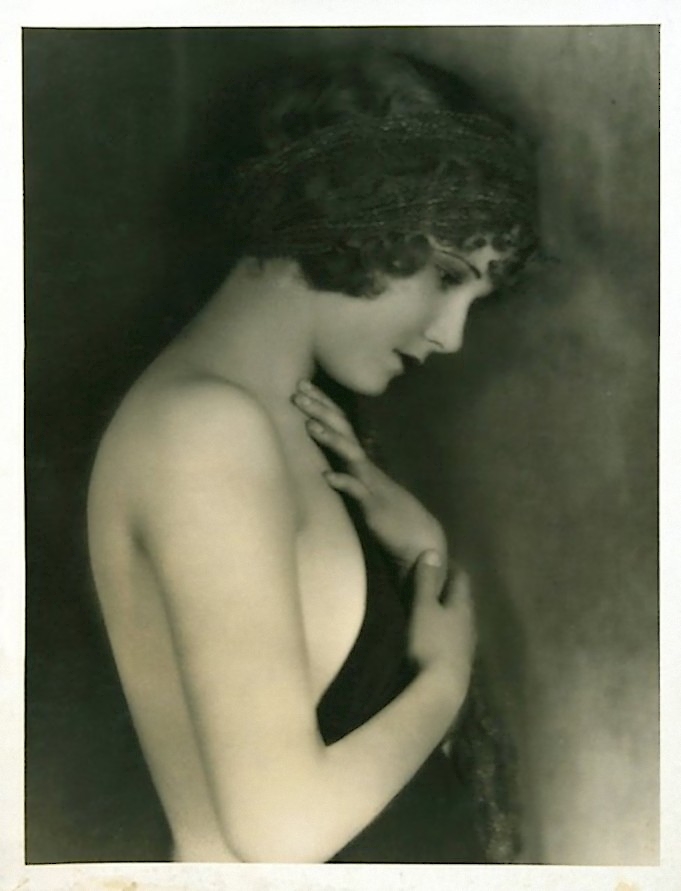
“When Lotte Jacobi’s photos were exhibited together for the first time four years ago, reviewers were dazzled by how many of Weimar Germany’s glittering jewels—from Käthe Kollowitz to Martin Buber to the famously vampy Lotte Lenya—had been captured by her lens. She seemed to have single-handedly taken on the task of portraying the immense artistic, psychological, and political fervor of those tumultuous years, which seemed fragile even at the time—an ambitious task for any one photographer, even one as hungry as Jacobi. But her atelier was, in fact, one of 400 in Berlin, and she was just one of the many—mainly Jewish—photographers feverishly recording the dancers, writers, and actors that made this doomed moment in German history so extraordinary. Another photographer who clicked away at an incredible rate and with singular results was Hans Robertson.

To say that an artist has been forgotten is to imply that he was well known in his time. Robertson’s name—like that of Jacobi and most other commercial photographers—was not familiar outside the circle of performers who were his subjects and magazine editors who used his services. But from the evidence of only a fraction of his prolific output, discovered almost by accident and now on display at the Berlinische Galerie in Berlin, his work deserves attention.

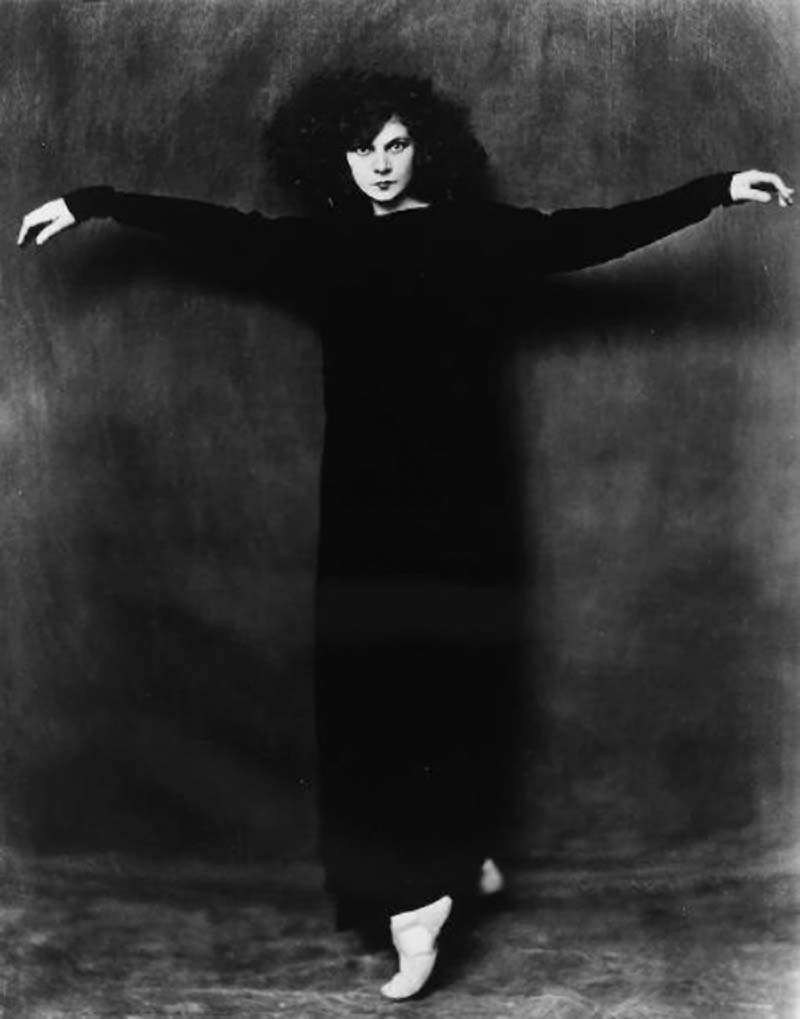
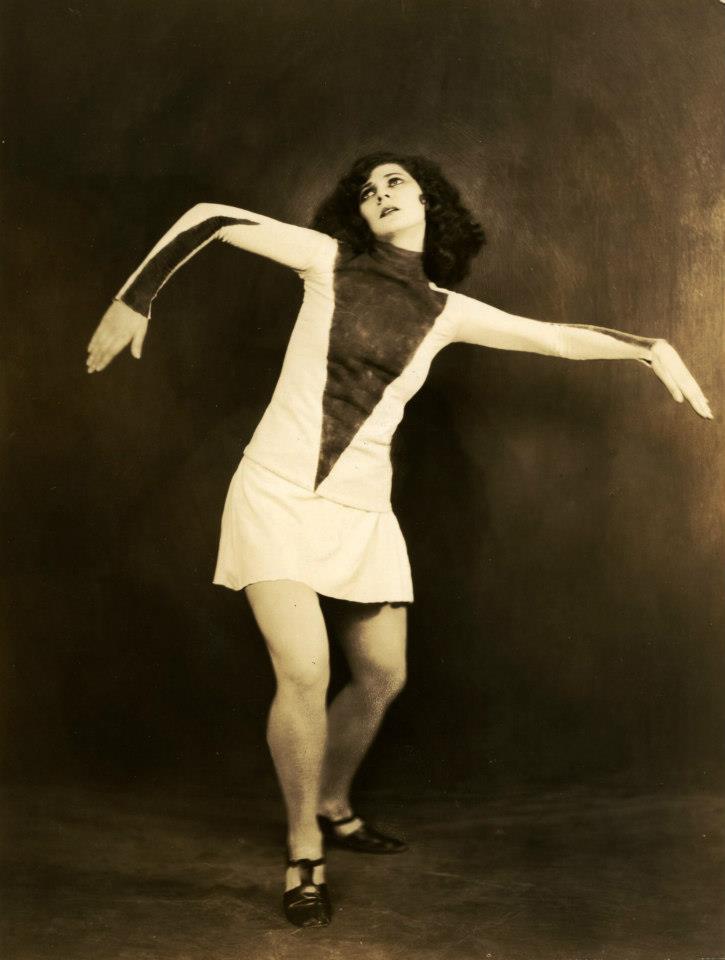
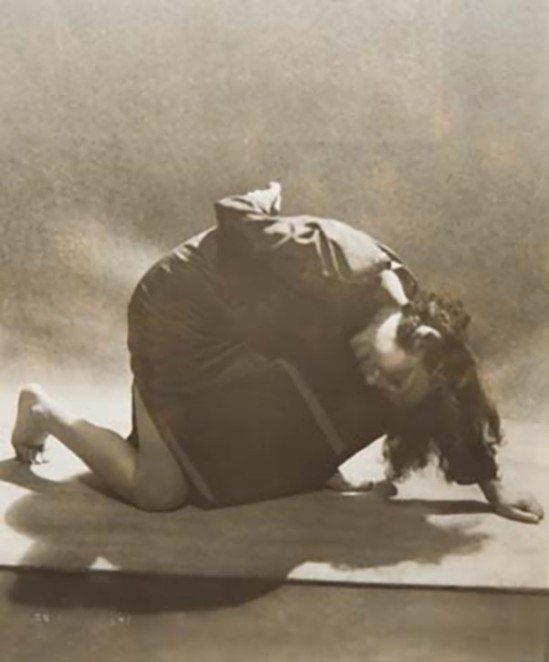
Robertson’s specialty was expressionist dance. And expressionist dance was huge in 1920s Germany: the avant-garde innovations that had taken place at the turn of the century in everything from painting to fiction became popularized, and dance was transformed from an aesthetic exercise into an attempt to translate the inner life into movement. The gestures of this modern dance were primitive, dramatic, almost ritualistic, with a fetishistic focus on the human body. Mary Wigman, one of its main innovators, slid across the floor on her knees, eyes closed, fists clenched, performing her Witch Dance. Her school in Dresden became a center of this Ausdruckstanz, producing world-renowned modern dancers like Harald Kreutzberg and Yvonne Georgi.

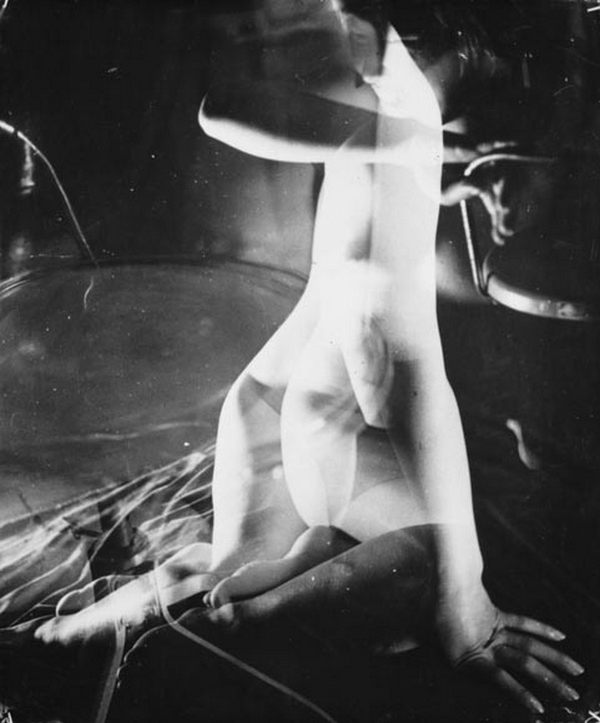
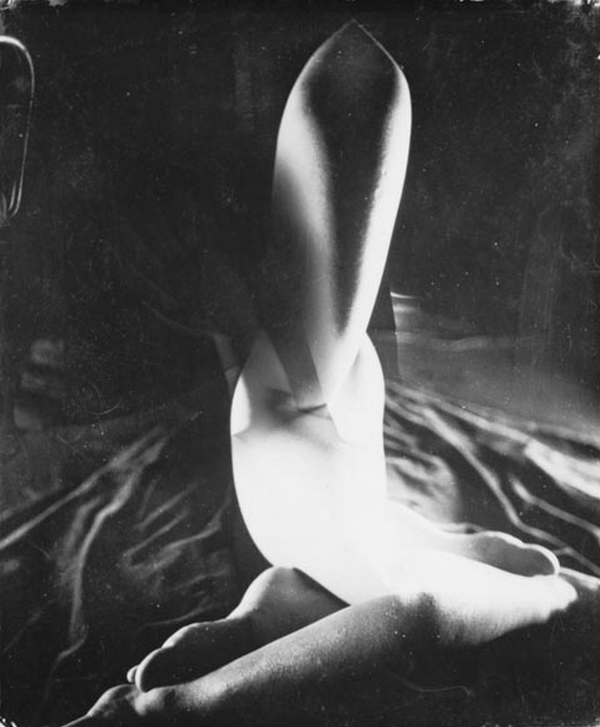
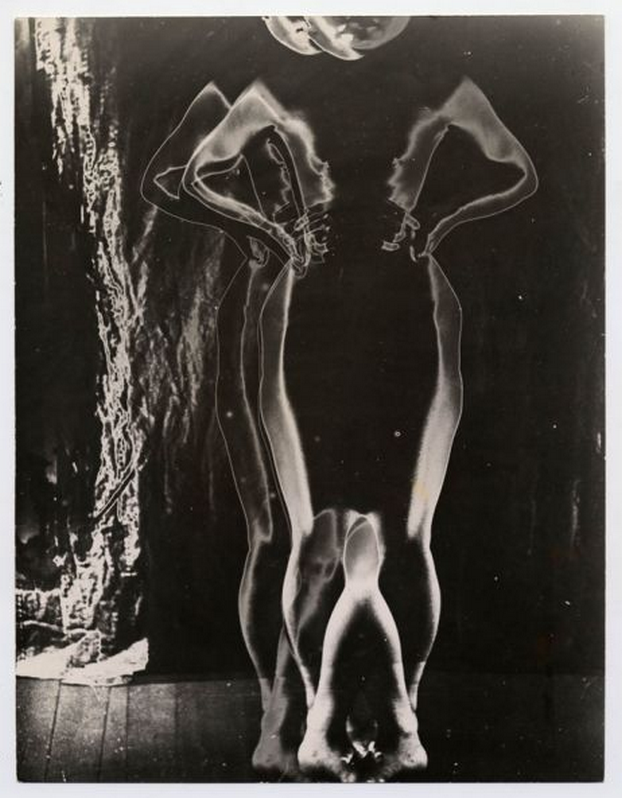
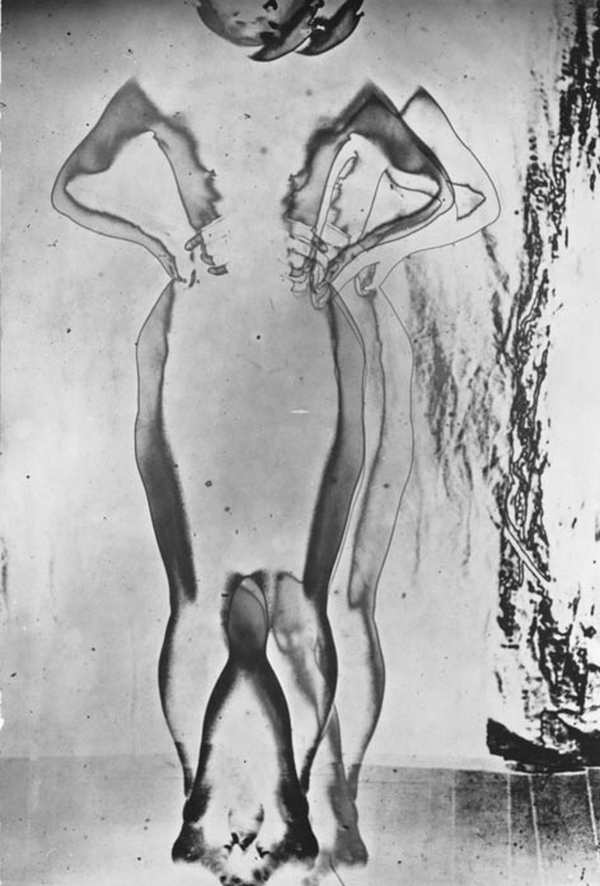
They all posed for Robertson. His studio on bustling Kurfürstendamm—a boulevard that was both the Fifth Avenue and the 42nd Street of Berlin—saw a steady stream of business in the late 1920s and early ’30s. But the commercial aspect of these photos, which were in demand by popular illustrated journals like the Berliner Illustrierte Zeitung, is less important than the artistic vision that guided their creation. Robertson was trying to use his camera in much the same way the dancers he photographed were using their bodies. From the creative way he manipulated light to his innovative use of multiple exposures, he wanted to capture more than just straightforward ornamental shots of the dancers. He was trying to convey their new art form on its own terms.

This is clear in the photographs. The series called “Leaps,” of Gret Palucca, a favorite muse of expressionist painters and the Bauhaus crowd, catches Palucca in mid-air, limbs splayed. Only part of her body is in focus—the ability to photograph sudden movement was itself a recent technological advancement. In one image her naked torso is twisted, in another her back arched. Then there are the soulful photos of Jo Mihaly, performing her one-woman piece, “Mütter.” She stands in front of a black screen wearing a black turtleneck, her pale, emotive face almost floating in the frame and illuminated from above by a single beam of light. On the more abstract end are Robertson’s photos of Harald Kreutzberg performing his “Lunatic Figures.” Robertson overlays three different exposures of the famously shaved headed dancer, capturing the various expressions of madness Kreutzberg is embodying. Even in Robertson’s more straightforward photo of Kreutzberg as a lunatic, holding a flower and posed loose as a marionette puppet, he captures the dancer as a depersonalized body, a trope of Expressionism that would later inspire, among other post-war dance forms, Japanese Butoh.

Of Robertson’s biography, says the curator of the Berlinische Gallerie show, Thomas Friedrich, “there are more questions then answers.” He was born in Hamburg in 1883. After studying engineering—a profession that inspired a few early photos of construction sites and workers—he changed course and headed to St. Mortiz where he apprenticed for the Swiss landscape photographer Albert Steiner. At 28, Robertson’s first photo spread—a pictorial tour through Holland—appeared in Photographische Rundschau. But his photo career would have to wait until 1918, when he arrived in Berlin. There he joined Lili Baruch—one of the disproportionately high number of Jewish women then making her living with a Leica—who set up the studio on Kurfürstendamm, specializing in dance photography, which Robertson took over in 1928.

To produce the thousands of photos he printed over the next five years, Robertson most likely worked long days and weekends. In addition to dance photography, he shot a wide range of portraits of many of the era’s personalities, from the famous—a nude profile of the boxer Max Schmelling—to the forgottn, such as a close up of the publisher Irmgard Klepenheuer, gazing intently at the camera, a cigarette between her fingers.

In 1933, following Hitler’s appointment as chancellor and the subsequent boycott of Jewish businesses, Robertson had an inkling of what was to come. He handed over the studio to his apprentice, Siegfried Enkelmann. One of the few documents Friedrich, the curator, has been able to uncover is a contract signed by Robertson that makes the transfer final, and describes Enkelmann as “reliable.” And he was. The protégé survived the war and continued photographing dancers (including Mary Wigman) until his death in 1978.

Robertson and his coquettishly beautiful wife, the actress and dancer Inger Vera Kyserlinden (born Levin), escaped to her native Denmark. While the avant-garde movement had been taking place in Berlin, Paris, and Prague, most photographers in Copenhagen were stuck in the pictorial style of the 1910s. As a result, in 1963 Robertson established the first modern photography school in Denmark. But eight years later, just before Hitler began deporting Danish Jews, the Robertsons were forced into exile again, this time fleeing to Stockholm. They returned in May of 1945 and Robertson died just five years later at the age of 67. Thousands of his photographs were turned over to the Royal Library of Denmark following his wife’s death in 1969.

Over time, Robertson was reduced to little more than a footnote. And not just proverbially: It was literally in a footnote in 1992 that Friedrich—a charming, slightly disheveled curator who thrives on the detective work involved in resurrecting dead photos and their makers— discovered his name. He was intrigued, but it took another 14 years (after encountering Hans Robertson’s name in another context) for Friedrich to finally take a trip to Copenhagen to peruse the archive at the Royal Library. What he found there astounded him. Not only did Robertson’s photos offer the most comprehensive catalogue of Weimar dance, but his work was also that of an artist with a unique style and vision. Friedrich still marvels that Robertson’s photos manage to look so distinct from one another, even though they were all taken in the same studio.

The building that housed that studio, on Kurfürstendamm, no longer exists. Like it did in much of Berlin, new construction in the 1950s erased what was before. Now two pharmacies, a clothing store, and a nondescript café look out from the ground floor. There is no trace of the glamour and wild experimentation that was once captured there in pictures. But Hans Robertson himself might yet have an afterlife: Friedrich, it seems, is planning a large retrospective for 2011.” BY Deborah Kolben and Gal Beckerman [ freelance writers living in Berlin.]

Hans Robertson – Le Bain, 1933

Hans Robertson – Alfred Jackson Girls in Wintergarten, Berlin, 1922

Hans Robertson- Expressionist dance dancer unknown, Berlin,1920, (From documented the Weimer era dance scene in the 20′s)

Hans Robertson -The dancer Harald Kreutzberg in Irre Gestalten, Berlin, 1928

Hans Robertson- Unknown Dancer, Berlin, 1920′s

Hans Robertson -Little Viola, 1920′s

Hans Robertson -Zwaniger Jahre Atelier“Lili Baruch”, Berlin,1927

Hans Robertson The famous Weimar dancer Elizabeth Bergner, 1930

Hans Robertson- Lydia Wieser, nd ( probably 1920′s)

Hans Robertson- Gret Palucca, Berlin, 1930

Hans Robertson - Dancer unknown- Berlin, 1930's

Hans Robertson – Dancer unknown- Berlin, 1930′s

Hans Robertson - Dancer unknown ( détail)- Berlin, 1930's

Hans Robertson – Dancer unknown ( détail)- Berlin, 1930′s

Hans Robertson- Gret Palucca, 1920s
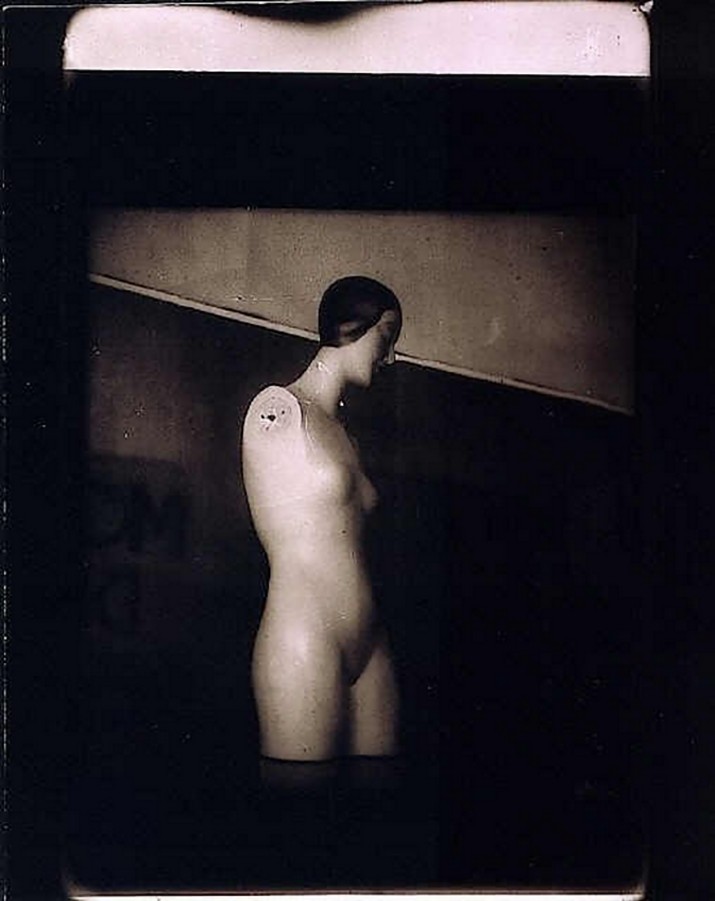
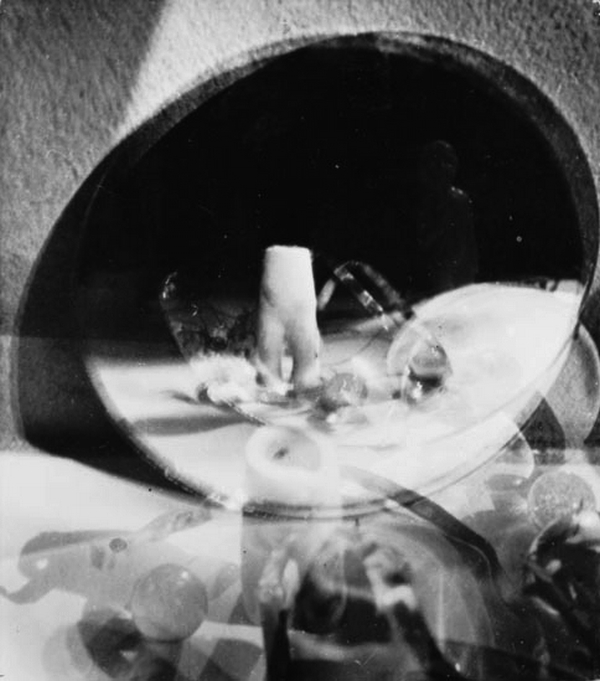
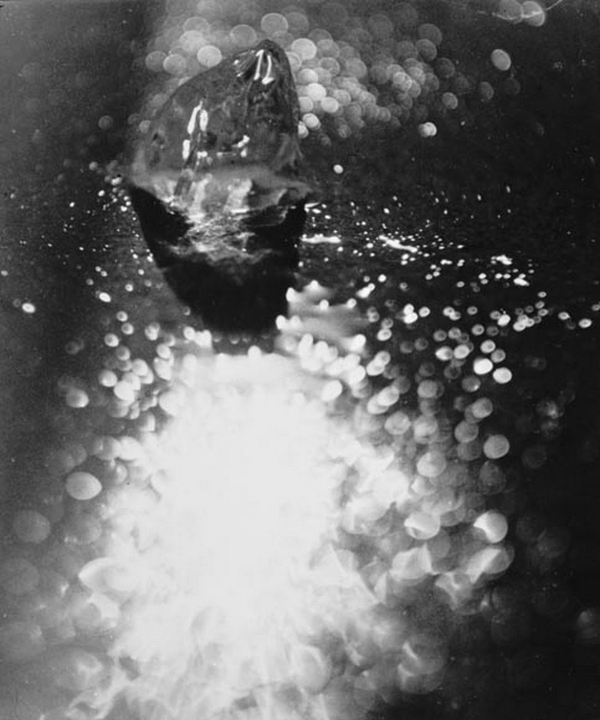
Sur les aiguilles de nos jours by Jindřich Štyrský, 1934-1935 From On the Needles of These Days series by Jindrich Štyrský and Jindrich Heisler

Sur les aiguilles de nos jours by Jindřich Štyrský, 1934-1935 From On the Needles of These Days series by Jindrich Štyrský and Jindrich Heisler (Presentation in this good PDF)


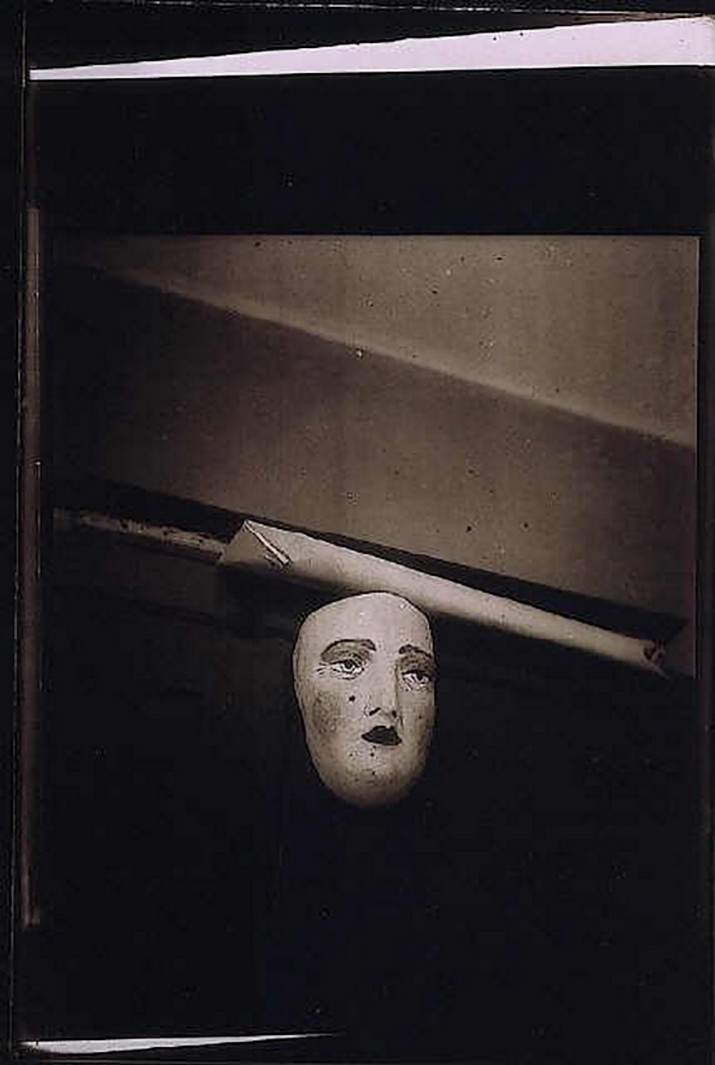
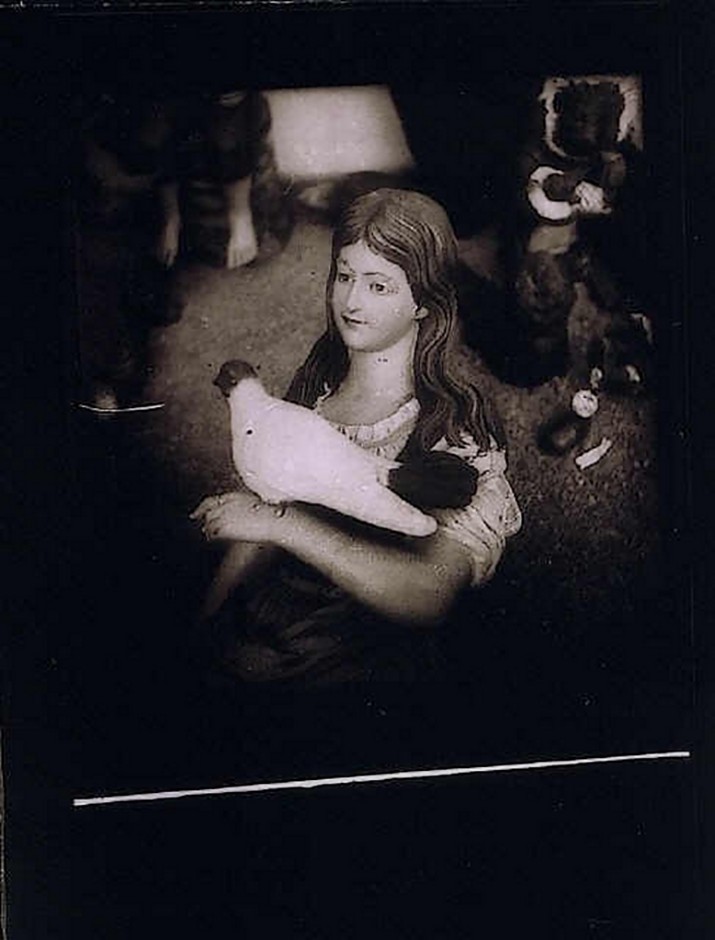
Jindřich Štyrský- Sur les aiguilles de nos jours, 1934-35( Plaque de verre argentique)

Sur les aiguilles de nos jours by Jindřich Štyrský, 1934-1935 From On the Needles of These Days series by Jindrich Štyrský and Jindrich Heisler (Presentation in this good PDF)

Jindřich Štyrský- Sur les aiguilles de nos jours, 1934-35( Plaque de verre argentique)

Jindřich Štyrský- Sur les aiguilles de nos jours, 1934-35( Plaque de verre argentique)

Jindřich Štyrský- Sur les aiguilles de nos jours, 1934-35( Plaque de verre argentique)

Jindřich Štyrský- Sur les aiguilles de nos jours, 1934-35( Plaque de verre argentique)

Jindřich Štyrský- Sur les aiguilles de nos jours, 1934-35( Plaque de verre argentique)

Jindřich Štyrský- Sur les aiguilles de nos jours, 1934-35( Plaque de verre argentique)

Jindřich Štyrský- Sur les aiguilles de nos jours, 1934-35( Plaque de verre argentique)

Jindřich Štyrský- Sur les aiguilles de nos jours, 1934-35( Plaque de verre argentique)

Jindřich Štyrský- Sur les aiguilles de nos jours, 1934-35( Plaque de verre argentique)

Jindřich Štyrský- Sur les aiguilles de nos jours, 1934-35( Plaque de verre argentique)

Jindřich Štyrský- Sur les aiguilles de nos jours, 1934-35( Plaque de verre argentique)

Jindřich Štyrský- Sur les aiguilles de nos jours, 1934-35( Plaque de verre argentique)

Jindřich Štyrský- Sur les aiguilles de nos jours, 1934-35( Plaque de verre argentique)

Jindřich Štyrský- Sur les aiguilles de nos jours, 1934-35( Plaque de verre argentique)

Jindřich Štyrský- Sur les aiguilles de nos jours, 1934-35( Plaque de verre argentique)

Jindřich Štyrský- Sur les aiguilles de nos jours, 1934-35( Plaque de verre argentique)

Jindřich Štyrský- Sur les aiguilles de nos jours, 1934-35( Plaque de verre argentique)

Jindřich Štyrský- Sur les aiguilles de nos jours, 1934-35( Plaque de verre argentique)

Jindřich Štyrský- Sur les aiguilles de nos jours, 1934-35( Plaque de verre argentique)

Jindřich Štyrský- Sur les aiguilles de nos jours, 1934-35( Plaque de verre argentique)

Jindřich Štyrský- Sur les aiguilles de nos jours, 1934-35( Plaque de verre argentique)

Jindřich Štyrský- Sur les aiguilles de nos jours, 1934-35( Plaque de verre argentique)


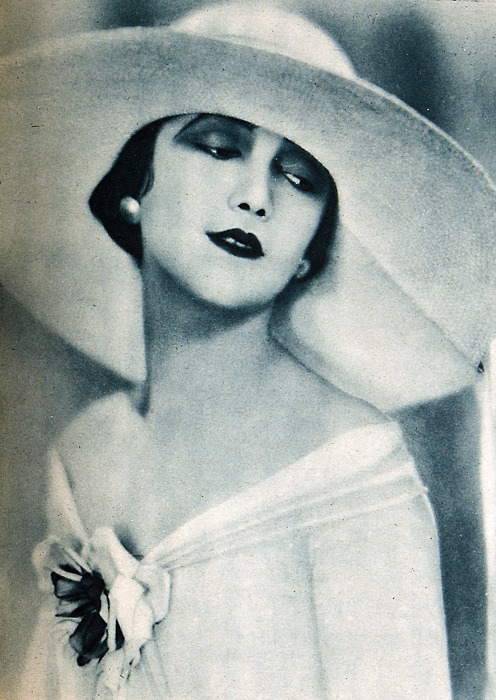
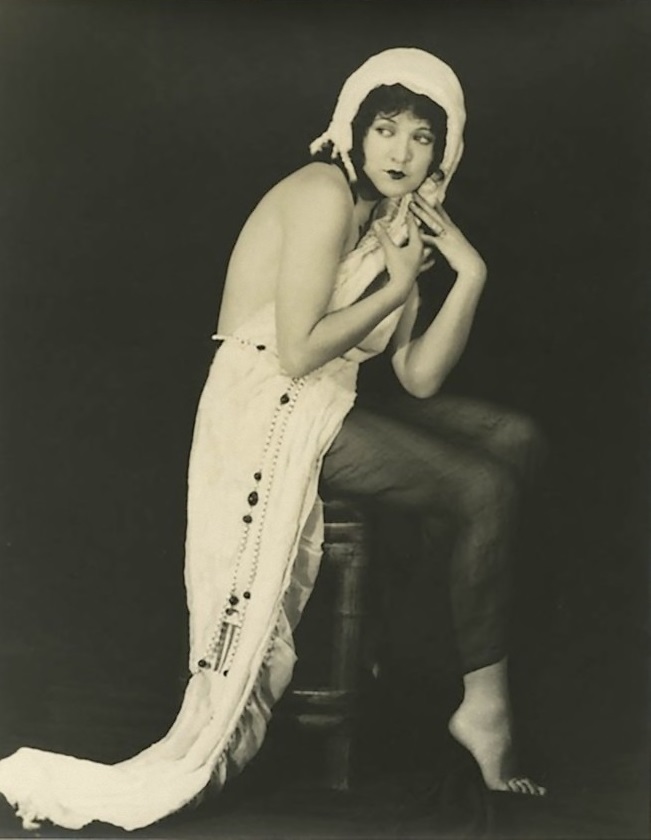
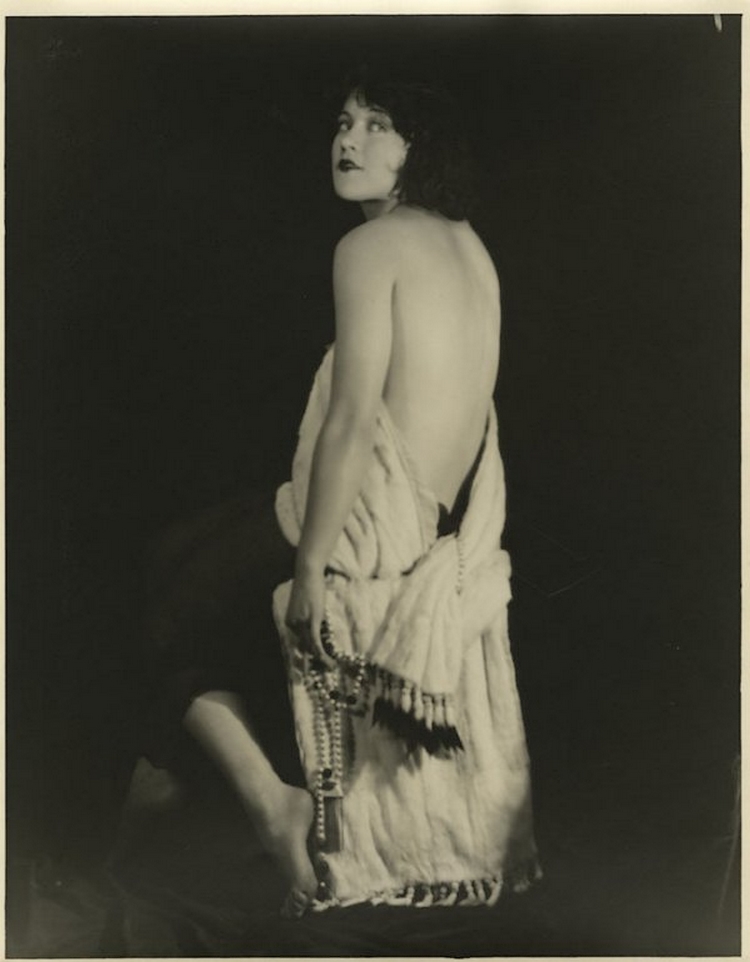
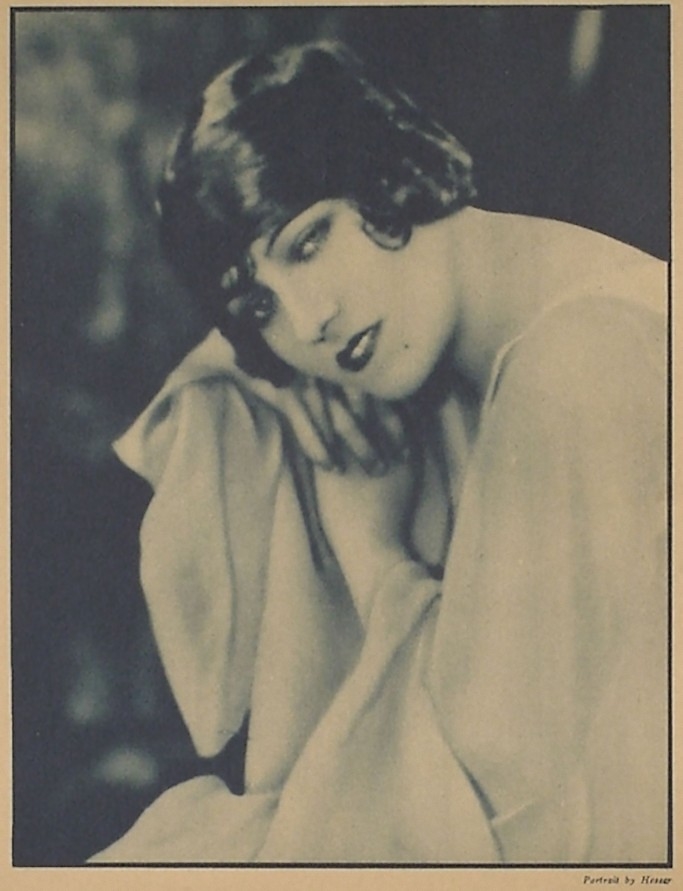
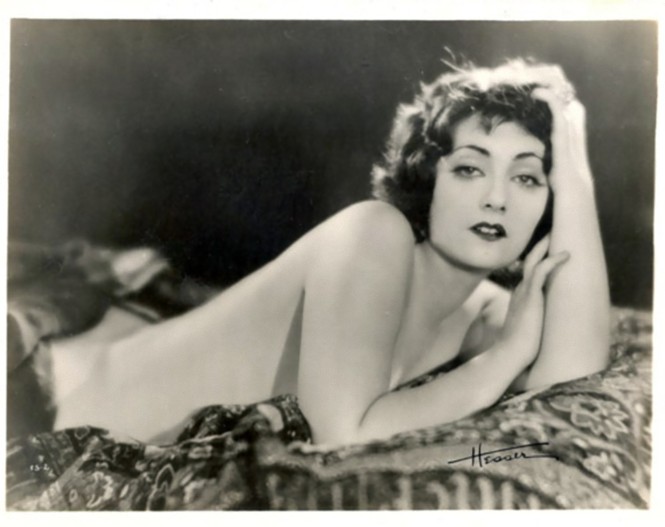
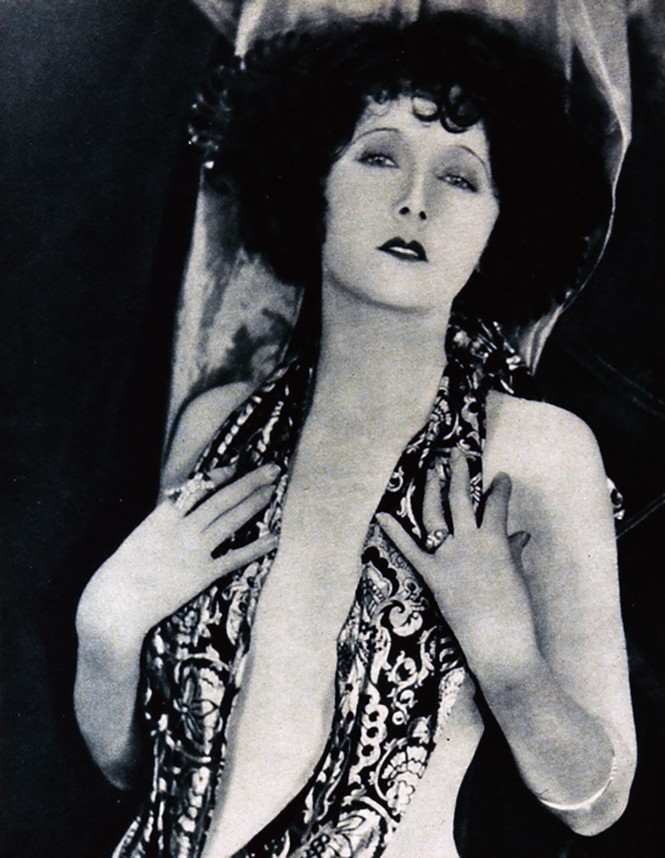
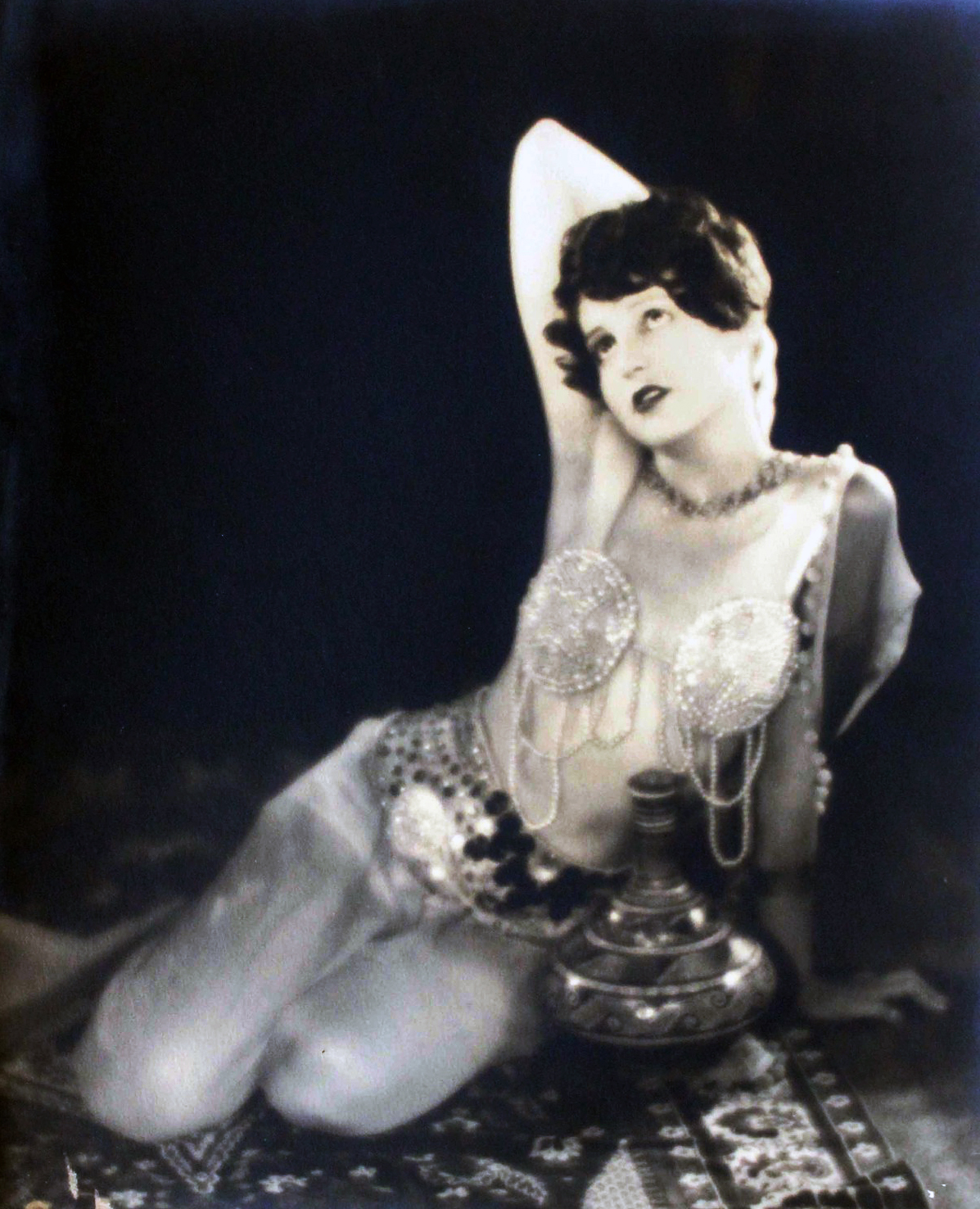
Edwin Bower Hesser-Portrait of the actress Jetta Bgoudal, 1925

Edwin Bower Hesser-Portrait of the actress Jetta Bgoudal, 1925


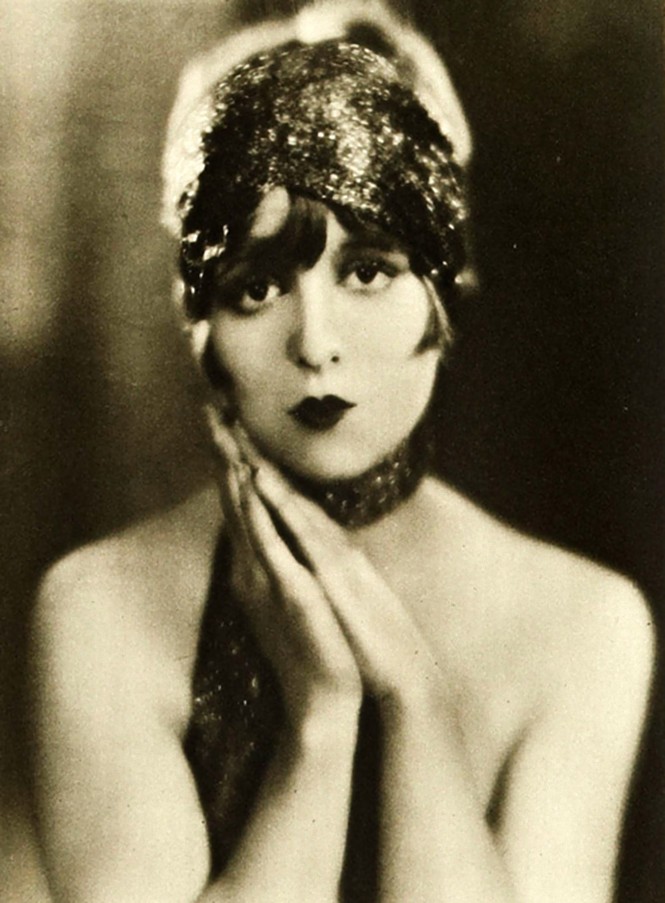
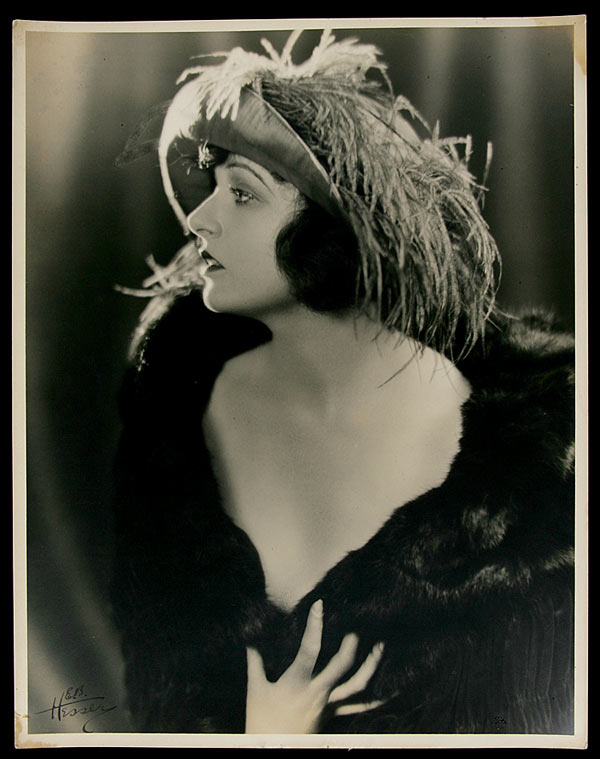
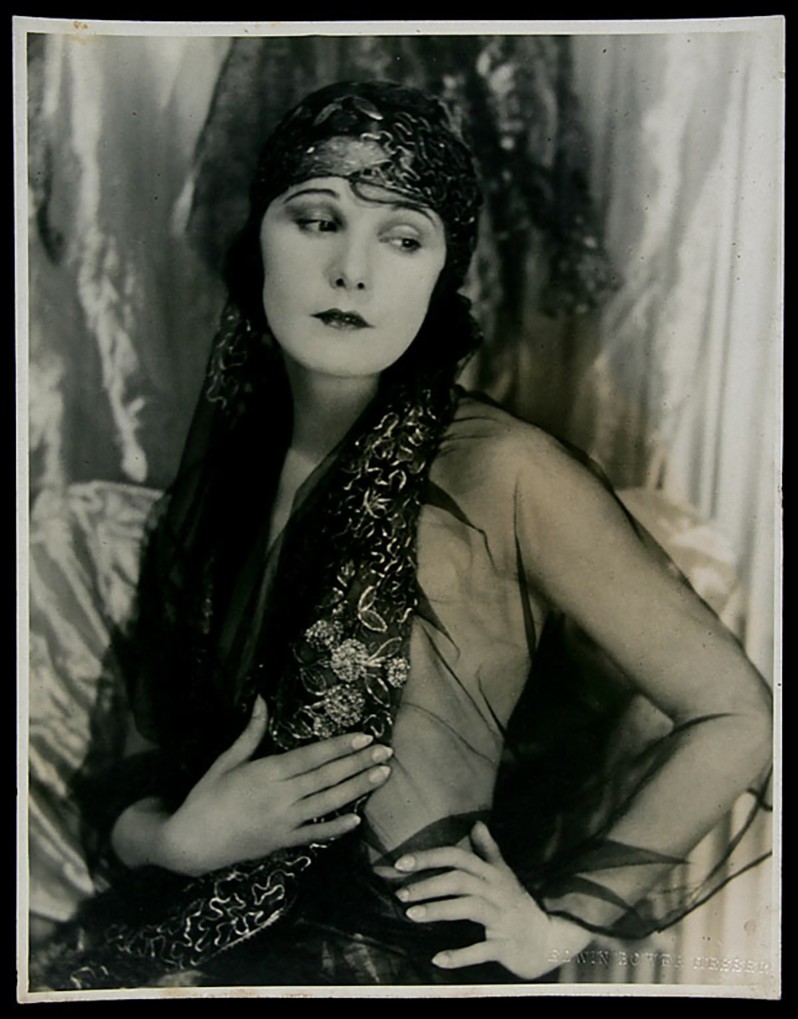
Edwin Bower Hesser- Theda Bara , 1910s

Edwin Bower Hesser- Theda Bara , 1910s


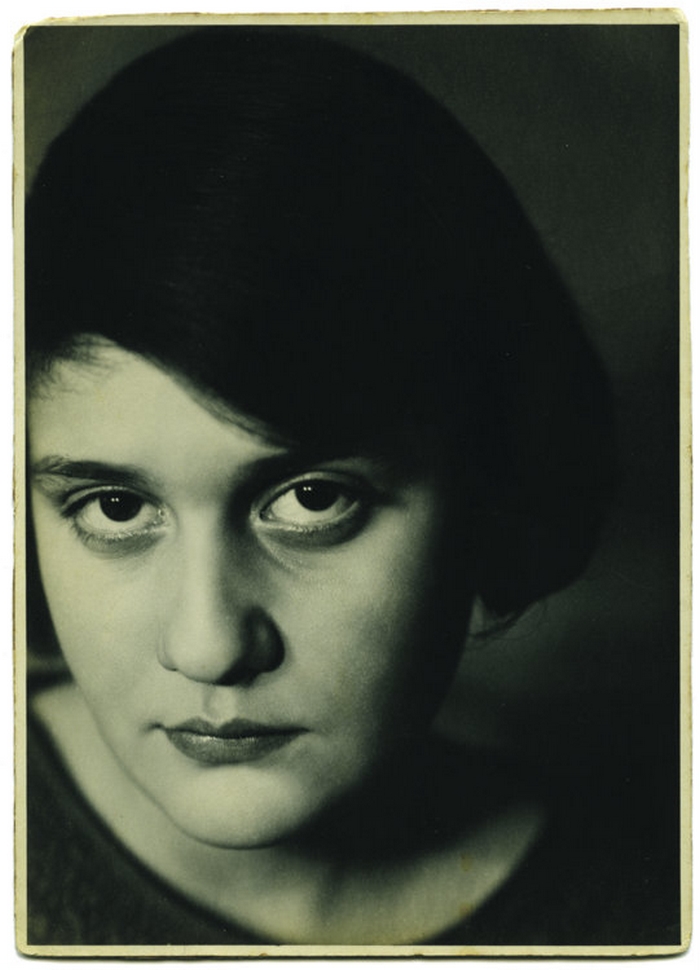
Aenne Biermann (German, 1898 – 1933)

Aenne Biermann est née Anna Sibilla Sternfeld en 1898 dans la province du Rhin de l’Allemagne. Après son mariage et la naissance de ses deux enfants, Biermann a commencé à s’impliquer dans le mouvement de la « Nouvelle Objectivité » des années 1920. Ce mouvement rejetait les principes expressionnistes et favorisait le travail avec des formes simples et un contenu social. Le mouvement a pris fin avec la chute de la République de Weimar et la montée de Hitler.
Son travail a été affiché à chaque exposition de photographies majeur en Allemagne dans les années 1920.
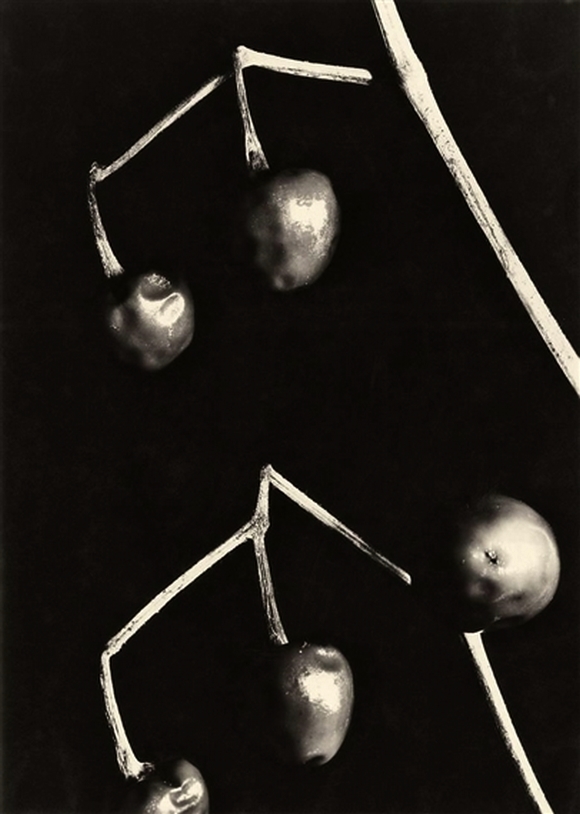
Le travail de Biermann propose des cadres serrés, et met l’accent sur les surfaces tactiles. Elle a expérimenté l’imagerie métaphorique des objets du quotidien, des minéraux et des plantes.

Aenne Biermann - Acentauria Mochata 1931

Aenne Biermann – Acentauria Mochata 1931

Aenne Biermann- Porträt der Schauspielerin M(aria) F(ein) , 1929

Aenne Biermann- Porträt der Schauspielerin M(aria) F(ein) , 1929

Aenne Biermann -Untitled ( Portrait of Anneliese Schiesser) , 1929

Aenne Biermann -Untitled ( Portrait of Anneliese Schiesser) , 1929

Aenne Biermann -Untitled (nude study of Anneliese Schiesser) ,1931

Aenne Biermann -Untitled (nude study of Anneliese Schiesser) ,1931

Aenne Biermann- Untitled (photomontage with portrait of Anneliese Schiesser and view of Paris), 1929

Aenne Biermann- Untitled (photomontage with portrait of Anneliese Schiesser and view of Paris), 1929

Aenne Biermann – Untitled montage , 1931

Aenne Biermann - "Frauenbildnis", photogravure, 1931

Aenne Biermann – « Frauenbildnis », photogravure, 1931

Aenne Biermann -Akt (Nude), 1930

Aenne Biermann -Akt (Nude), 1930

Aenne Biermann- Untitled, akt, 1930s

Aenne Biermann- Untitled, (Akt), 1930s

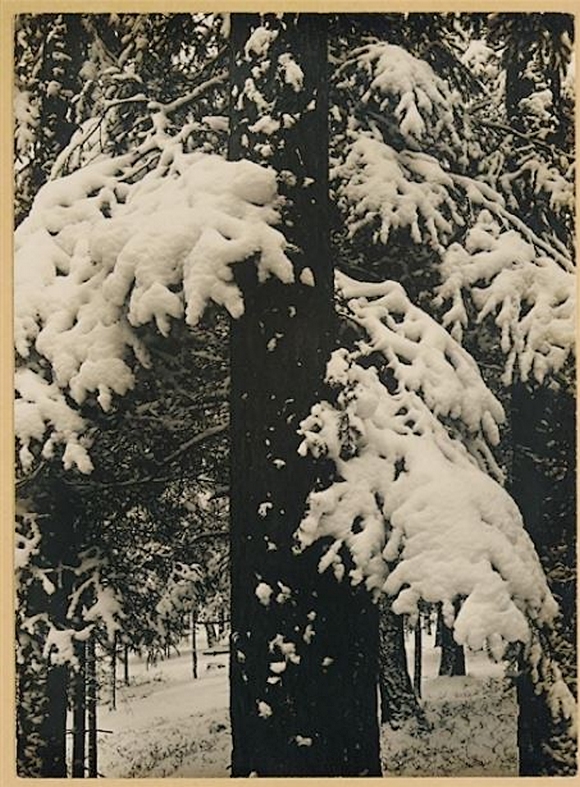
Aenne Biermann- winter, 1931

Aenne Biermann- winter, 1931

Aenne Biermann - Acentauria Mochata 1931

Aenne Biermann – Acentauria Mochata 1931

Aenne Biermann - Round peppers, 1928.

Aenne Biermann – Round peppers, 1928.

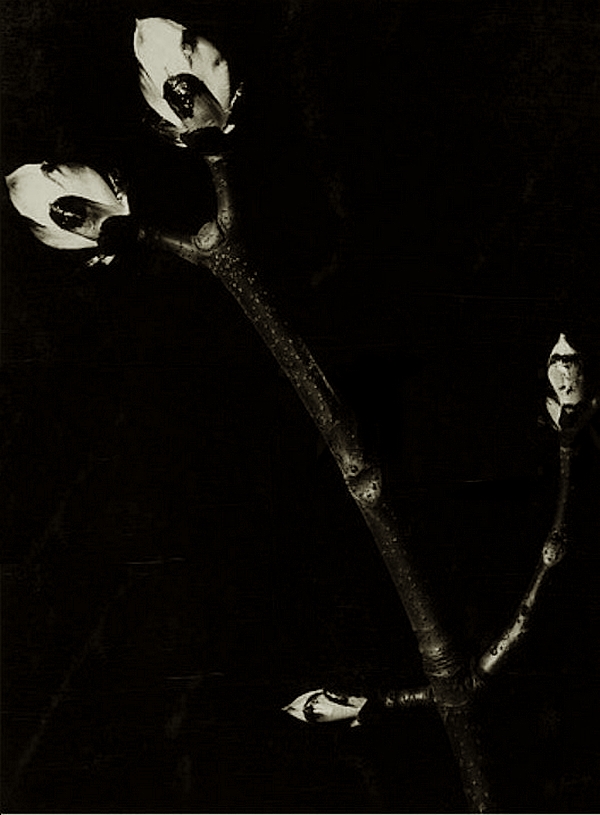
Aenne Biermann - Kastanienknospen. 1929

Aenne Biermann – Kastanienknospen. 1929

Aenne Biermann-Rubber Tree , 1927

Aenne Biermann-Rubber Tree , 1927

Aenne Biermann- Funkie. 1926

Aenne Biermann- Funkie. 1926

Aenne Biermann -Wurfel.  photogravure. c1930

Aenne Biermann -Wurfel. photogravure. c1930

Aenne Biermann- Finale, 1927-28

Aenne Biermann- Finale, 1927-28

Aenne Biermann- Komposition. 1929

Aenne Biermann- Komposition. 1929

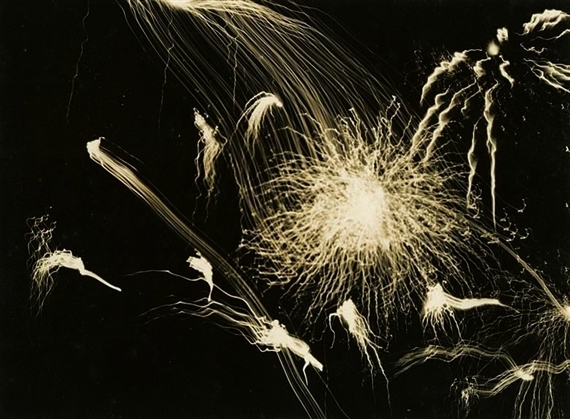
Aenne Biermann - Fireworks, 1931

Aenne Biermann – Fireworks, 1931

Aenne Biermann-  Contemplation, d' Helga ( Betrachtung, Tochter Helga) , 1930

Aenne Biermann- Contemplation, d’ Helga ( Betrachtung, Tochter Helga) , ( self- portrait) 1930

Osamu Shiihara Japanese (1905-1974

Osamu Shiihara est né à Osaka en 1905, et est diplômé de la Tokyo School of Fine Arts (connue comme « Geidai ») en 1932 au département peinture. Alors qu’il tentait d’établir lui-même comme un peintre dans la préfecture de Hyogo, il s’initieà  la photographie et est devenu un des principaux membres du « Tampei Club » de photographie avec Nakaji Yasui et d’autres. Ce groupe est connu pour sa production avant-gardiste,  travaillant par l’entremise d’une variété de techniques. Shiihara  lui-même utilisera la solarisation , les expositions multiples, le photogramme comme techniques, ainsi que la combinaison unique de la photographie et la peinture.

Cet artiste reste peu connu en occident malgrè sont avant gardisme notoire. Sa vison du féminin est d’une grande délicatesse, laissant place à l’imagination. On ne décèle plus ce qui relève du rêve où de la réalité, mélant les images, brouillant les contours, effaçant les formes, ou les surexposant tout au contraire, jusqu’à faire disparaitre les traits les plus fin des sujets. Il en est tout autant pour la vie de tous les jours où il laisse place à l’imaginaire sur le regard porté sur les objets du quotidien

Osamu Shiihara - Nude  vers 1930

Osamu Shiihara – Nude vers 1930 The National Museum of Modern Art, Tokyo

Osamu Shiihara - ConstructionB, sans date

Osamu Shiihara – ConstructionB, sans date ( 1930-1940) The National Museum of Modern Art, Tokyo

Osamu Shiihara- Breast, 1935-39

Osamu Shiihara- Breast, 1935-39 The National Museum of Modern Art, Tokyo

Osamu Shiihara- Movement   n.d.

Osamu Shiihara- Movement n.d. The National Museum of Modern Art, Tokyo

Osamu Shiihara-Title Unknown [Mannequins ]]   n.d.

Osamu Shiihara-Title Unknown [Mannequins ]] n.d.

Osamu Shiihara- Sans titre,, 1930s. 2

Osamu Shiihara- Sans titre,, 1930s The National Museum of Modern Art, Tokyo

Osamu Shiihara- Sans titre,, 1930s.

Osamu Shiihara- Sans titre,, 1930s. The National Museum of Modern Art, Tokyo

Osamu Shiihara- Sans titre,, 1930s.

Osamu Shiihara- Sans titre,, 1930s. The National Museum of Modern Art, Tokyo

Osamu Shiihara- Woman and Horse(Photo-peinture), c.1938

Osamu Shiihara- Woman and Horse(Photo-peinture), c.1938 The National Museum of Modern Art, Tokyo

Osamu Shiihara- Title Unknown ,1930s

Osamu Shiihara- Title Unknown ,1930sThe National Museum of Modern Art, Tokyo

Osamu Shiihara, nu multile exposition ca. 1930sThe National Museum of Modern Art, Tokyo

Osamu Shiihara, sans titre, 1930sThe National Museum of Modern Art, Tokyo

Osamu Shiihara- Sans titre,, 1930s.  4

Osamu Shiihara- Sans titre, 1930s.  The National Museum of Modern Art, Tokyo

Osamu Shiihara- Arabesque ,1937

Osamu Shiihara- Arabesque ,1937 The National Museum of Modern Art, Tokyo

Osamu Shiihara- Title Unknown (Nude) , 1937

Osamu Shiihara- Title Unknown (Nude) , 1937

Osamu Shiihara- Construction 5   n.d.

Osamu Shiihara- Construction 5, n.d. The National Museum of Modern Art, Tokyo

Osamu Shiihara - nude ( solarisation), vers 1930

Osamu Shiihara – nude ( solarisation), 1930s © Estate of Osamu Shiihara, care of Tomatsu Shiihara, Japan

Osamu Shiihara-  Nude Circa 1930-1940 ariant of this print is in the collections of The Art Institute of Chicago The Museum of Modern Art, New-York The Tokyo Museum of Modern Art

Osamu Shiihara- Nude Circa 1930-1940 ariant of this print is in the collections of The Art Institute of Chicago The Museum of Modern Art, New-York The Tokyo Museum of Modern Art

amu Shiihara- Le shampoing, 1930s.

amu Shiihara- Le shampoing, 1930s.

Osamu Shiihara - Three Dimentions, 1938

Osamu Shiihara – Three Dimentions, 1938

Osamu Shiihara – sans titre ( Nu) , 1930s © Estate of Osamu Shiihara, care of Tomatsu Shiihara, Japan

Osamu Shiihara - Nude Study, 1930s

Osamu Shiihara -Etude de nu, 1930s © Estate of Osamu Shiihara, care of Tomatsu Shiihara, Japan

Osamu Shiihara - Sans titre, 1939

Osamu Shiihara – Sans titre, 1939 The National Museum of Modern Art, Tokyo

Osamu Shiihara- Sans titre,, 1930s.

Osamu Shiihara- Sans titre,1930s. The National Museum of Modern Art, Tokyo

Osamu Shiihara,- Sans titre , 1930sThe National Museum of Modern Art, Tokyo

Osamu Shiihara,- Sans titre , 1930sThe National Museum of Modern Art, Tokyo

Osamu Shiihara- Ecstasy (1), fin 1930

Osamu Shiihara- Ecstasy (1), fin 1930

Osamu Shiihara-Light   1938

Osamu Shiihara- Light, 1938 The National Museum of Modern Art, Tokyo

Osamu Shiihara-[Variant of 'Ecstasy'],1 fin 1930

Osamu Shiihara-[Variant of ‘Ecstasy’],1 fin 1930 The National Museum of Modern Art, Tokyo

Osamu Shiihara-[Variant of 'Ecstasy'], fin 1930

Osamu Shiihara-[Variant of ‘Ecstasy’], fin 1930 The National Museum of Modern Art, Tokyo

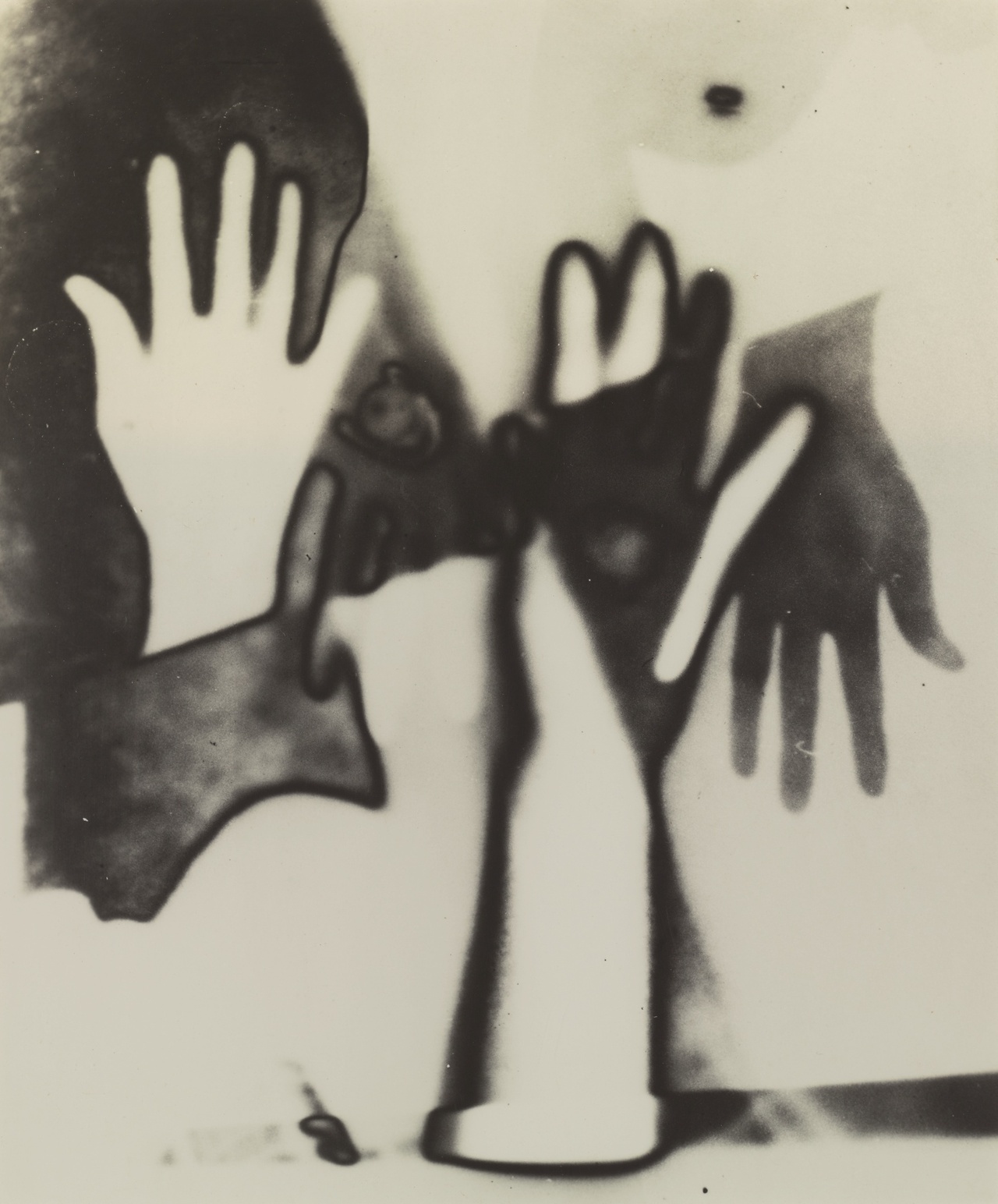
Title Unknown [variant of 'The Hand'] , 1938

Title Unknown [variant of ‘The Hand’] , 1938 The National Museum of Modern Art, Tokyo

Osamu Shiihara- Composition, 1938

Osamu Shiihara- Osamu Shiihara- Composition, 1938 The National Museum of Modern Art, Tokyo

Osamu Shiihara- untitled, 1930s.

Osamu Shiihara- untitled, 1930s.

Osamu Shiihara-Title Unknown [Mannequins by the Roadside]]   n.d.

Osamu Shiihara-Title Unknown [Mannequins by the Roadside]] n.d. The National Museum of Modern Art, Tokyo

Osamu Shiihara- Esperance (hope), 1938

Osamu Shiihara- Esperance (hope), 1938 The National Museum of Modern Art, Tokyo

Osamu Shiihara- self- portrait, nd

Osamu Shiihara- self- portrait, nd The National Museum of Modern Art, Tokyo

John Gutmann Part I

« John Gutmann (1905–1998) was one of America’s most distinctive photographers. Born in Germany where he trained as an artist and art teacher, he fled the Nazis in 1933 and settled in San Francisco, reinventing himself as a photo-journalist. Gutmann captured images of American culture, celebrating signs of a vibrant democracy, however imperfect. His own status as an outsider—a Jew in Germany, a naturalized citizen in the United States—informed his focus on individuals from the Asian-American, African-American, and gay communities, as well as his photography in India, Burma, and China during World War II. Gutmann’s interests in painting and filmmaking, his collections of non-Western art and artifacts, and his pedagogy, all figure in a body of work at once celebratory and mysterious.

Gutmann was born to prosperous German-Jewish parents, in Breslau, Germany (since 1945, Wrocław, Poland). At age twenty-two, he graduated from the regional Academy of Arts and Crafts, where he studied with leading Expressionist painter Otto Müller. In 1927 Gutmann moved to Berlin, where he taught art to schoolchildren, participated in group exhibitions, and in 1931 had a solo show at the prestigious Gurlitt Gallery. However, his career was interrupted by the rise to power of the National Socialists in early 1933. While his family made plans to immigrate to New York, Gutmann set out on his own with San Francisco as his destination, and photography as his new profession. Before departing Germany, he acquired a Rolleiflex camera, hastily shot three rolls of film, and managed to secure a contract from the Berlin office of Presse-Photo. Making the most of a bad situation, he explored a new life as a foreign correspondent who would supply the very modern European illustrated press with views and reports from the American West.

By 1936, he had broken his contract with the Berlin press agency and made a new one with Pix in New York. By 1937, he had begun to teach art regularly at San Francisco College (later San Francisco State University), and this became his primary profession after a World War II era stint in the U.S. army. Gutmann retired his professorship in 1973 and began to reassess his body of work, sorting through boxes of negatives and making new prints of selected examples from the 1930s. It was a well-timed exercise: not only did Gutmann’s images satisfy a growing historical appetite for Depression-era photography, they also seemed compatible with certain kinds of experimental photography then emerging in the contemporary art scene. Before his death in 1998, Gutmann had seen his work featured in gallery and museum exhibitions, catalogues, and monographs.

By bequeathing his rich archive of nearly 5000 modern photographic prints, negatives, tearsheets, letters, and some drawings and early art prints to the CCP, John Gutmann has left us with the task of pursuing the rich knots, braids, tangles and threads in his complex life and work that unfolded over a most tumultuous and provocative century of modernity  » ccp-emuseum.

John Gutmann- “Memory”,1939

John Gutmann- “Memory”,1939 © Arizona Board of Regents

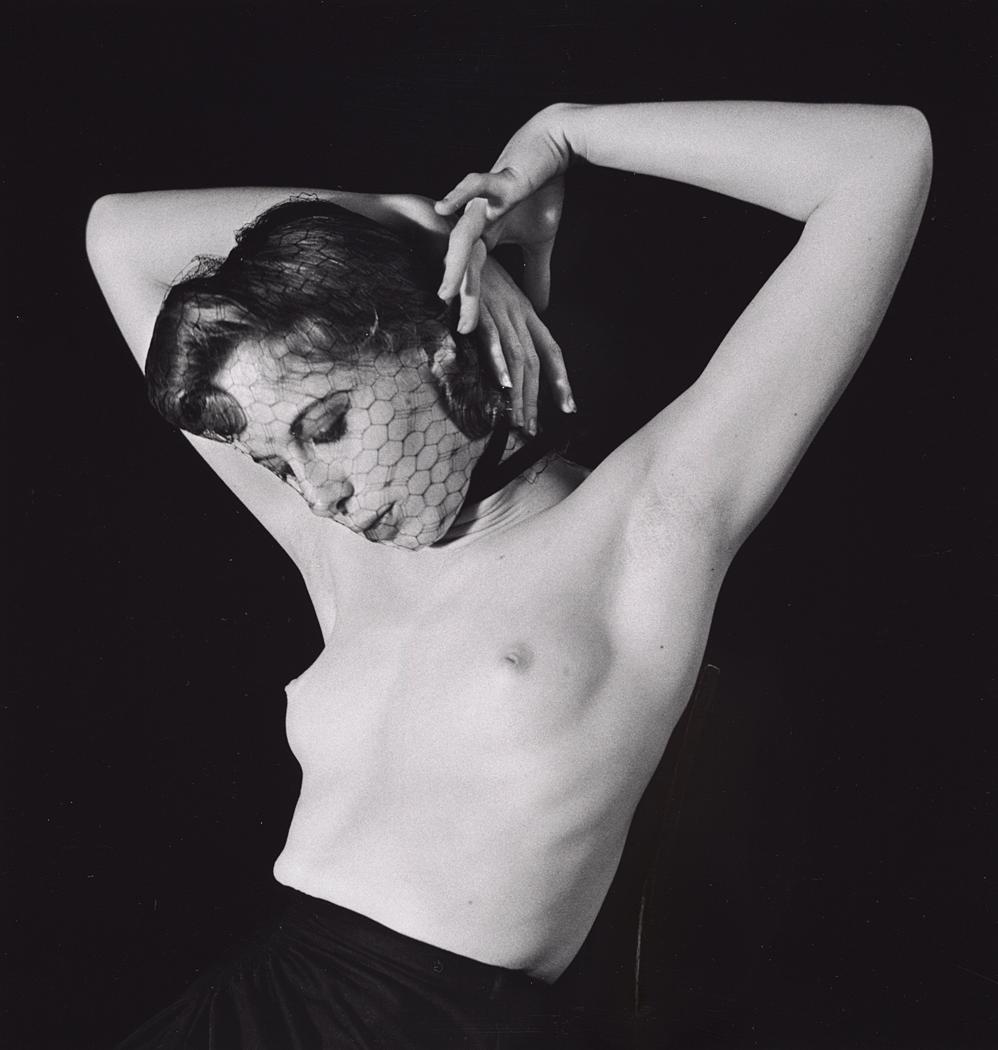
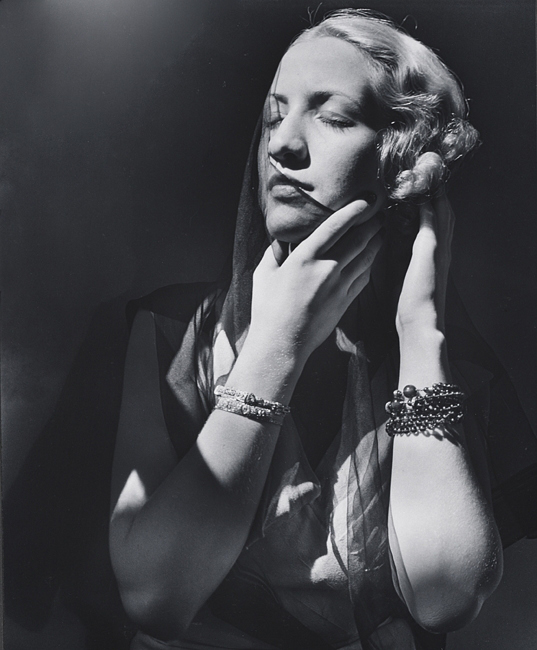
John Gutmann-Veiled Nude with Raised Arms,1939

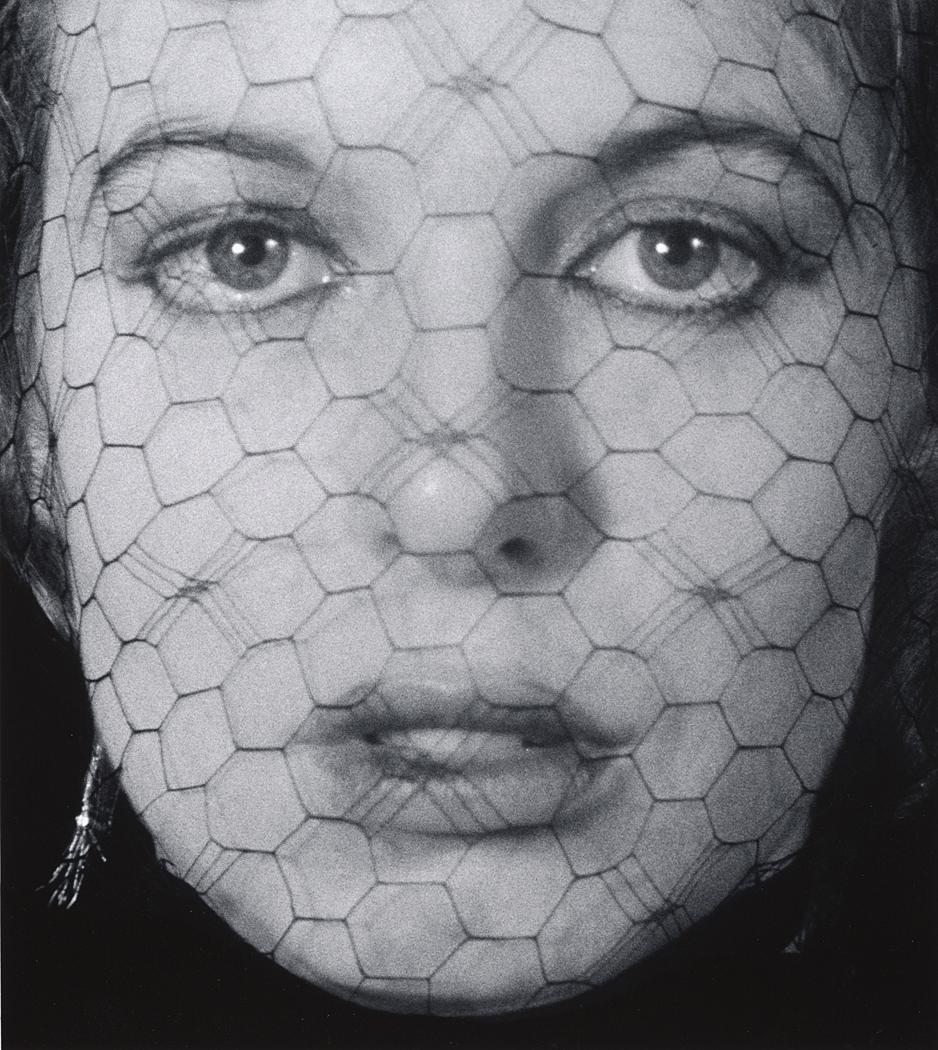
John Gutmann-In Veiled Face, Blue Eyes, 1939

John Gutmann-In Veiled Face, Blue Eyes, 1939

John Gutmann-Half-Nude with Veiled Face 1939

John Gutmann-Half-Nude with Veiled Face ,1939 © Arizona Board of Regents

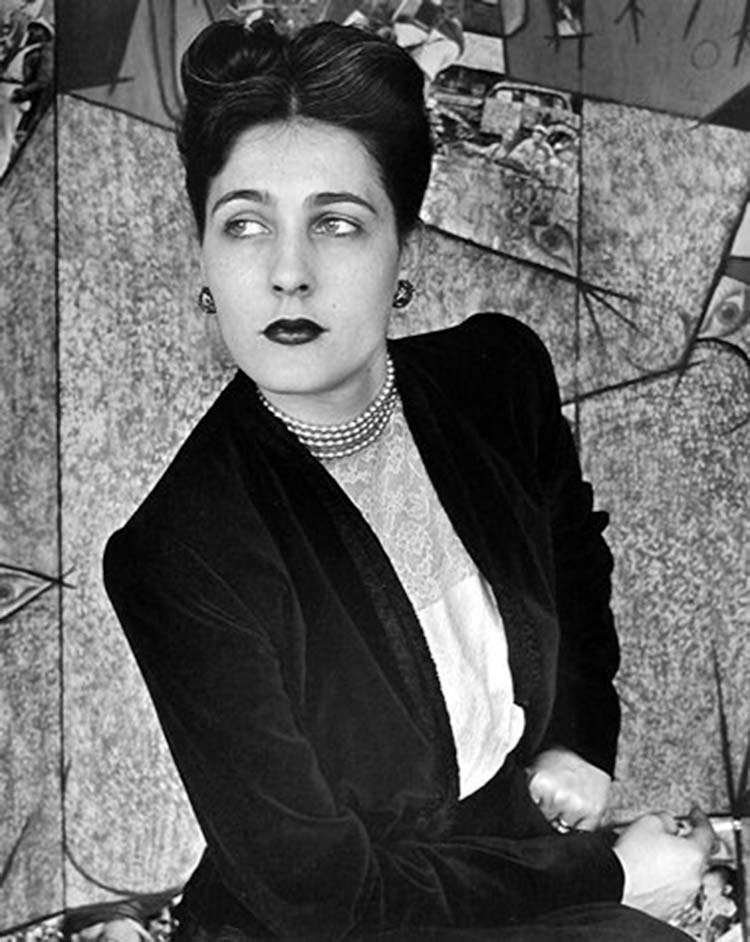
John Gutmann - Oracle, 1949

John Gutmann – Oracle,( Gerrie von Pribosic- Gutmann, on right 1949 © Arizona Board of Regents

John Gutmann-Rhinestones and Pearls( gerrie von pribosic gutmann), 1954

John Gutmann-Rhinestones and Pearls( gerrie von pribosic gutmann), 1954

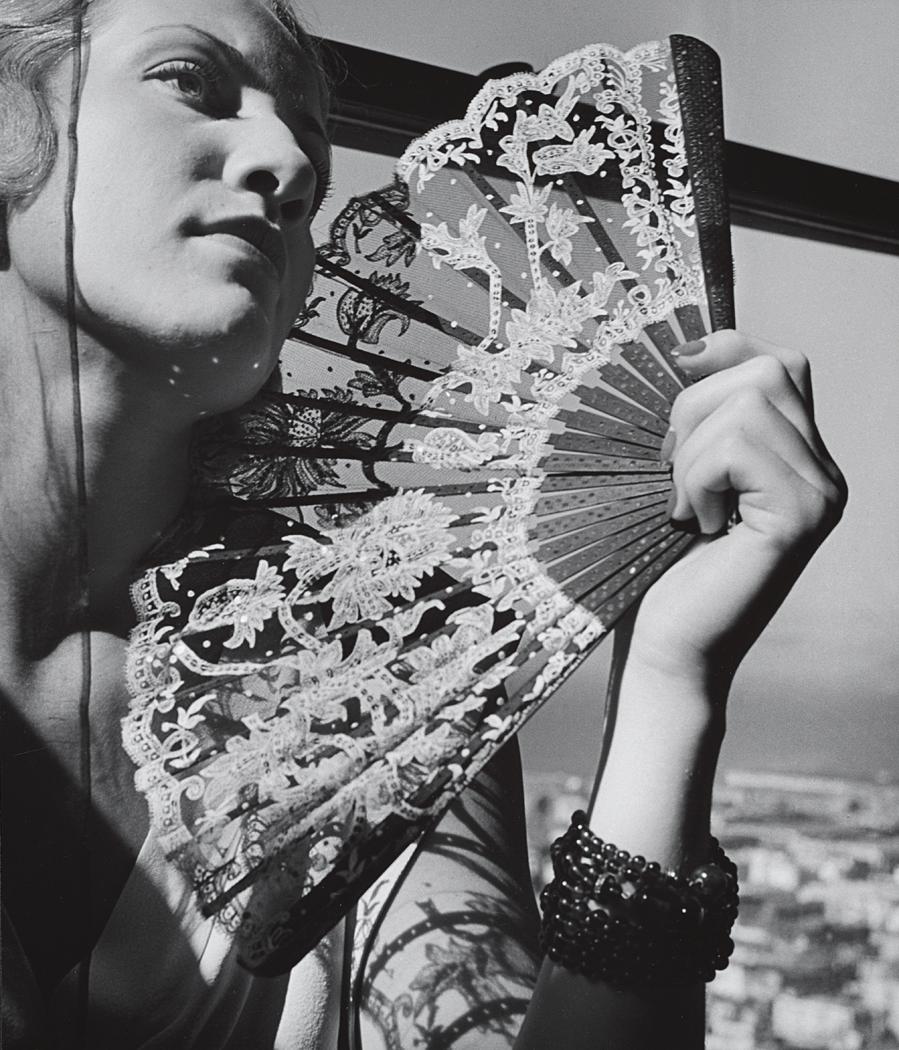
John Gutmann-Behind the Fan, 1935

John Gutmann-Behind the Fan, 1935 © Arizona Board of Regents

John Gutmann-The Fan, 1935

John Gutmann-The Fan, 1935

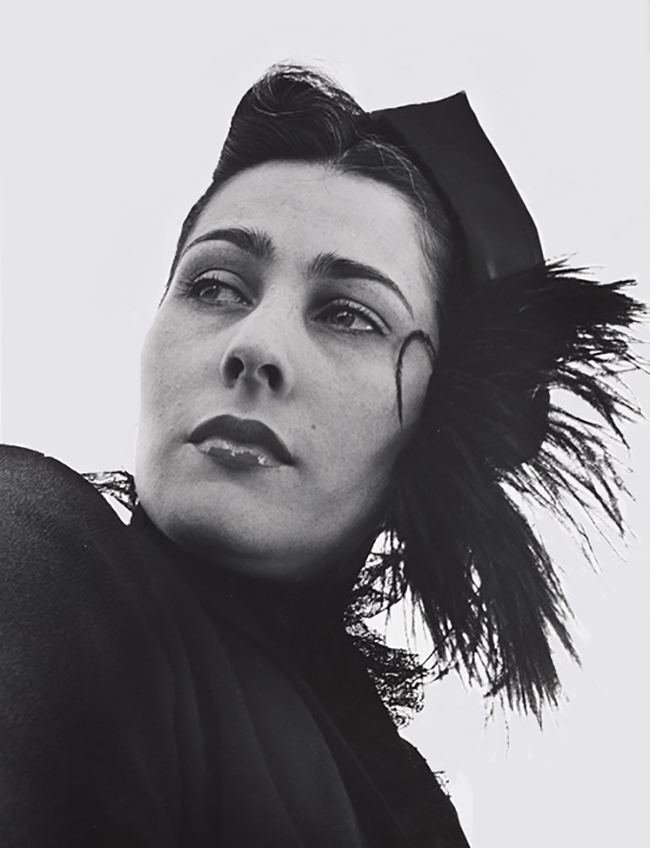
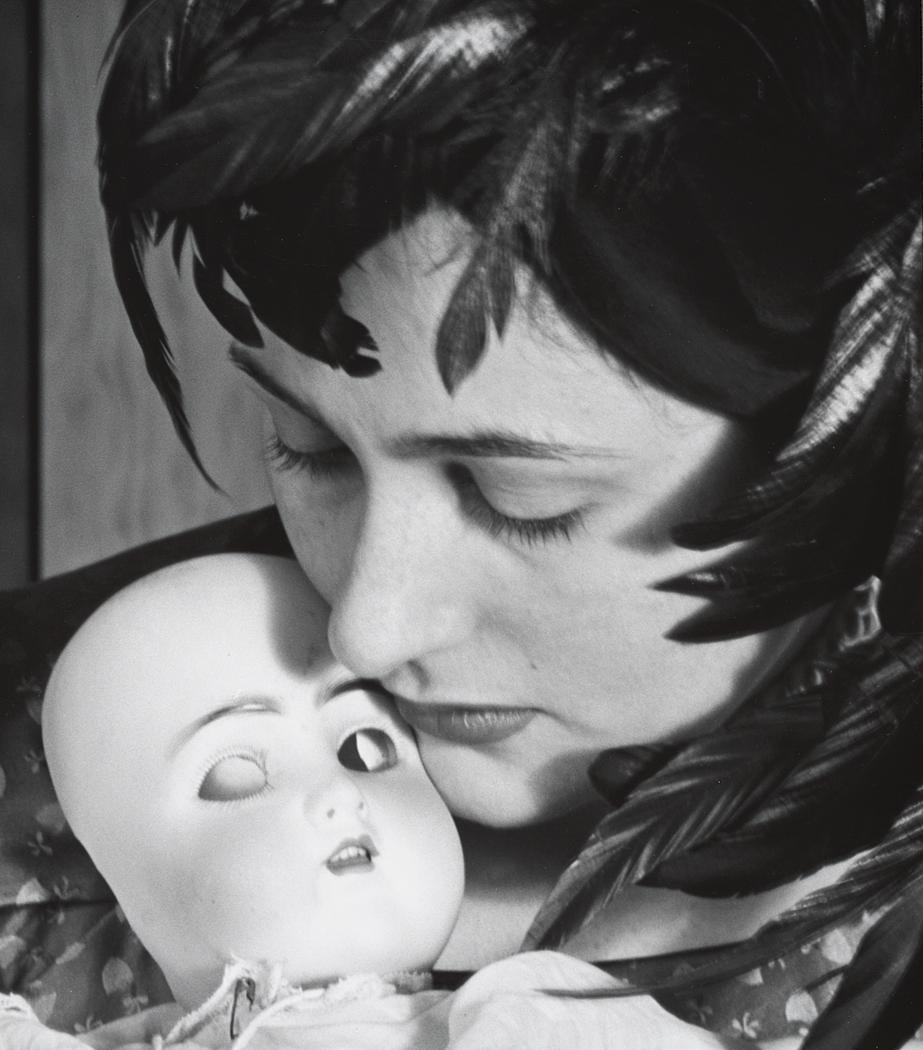
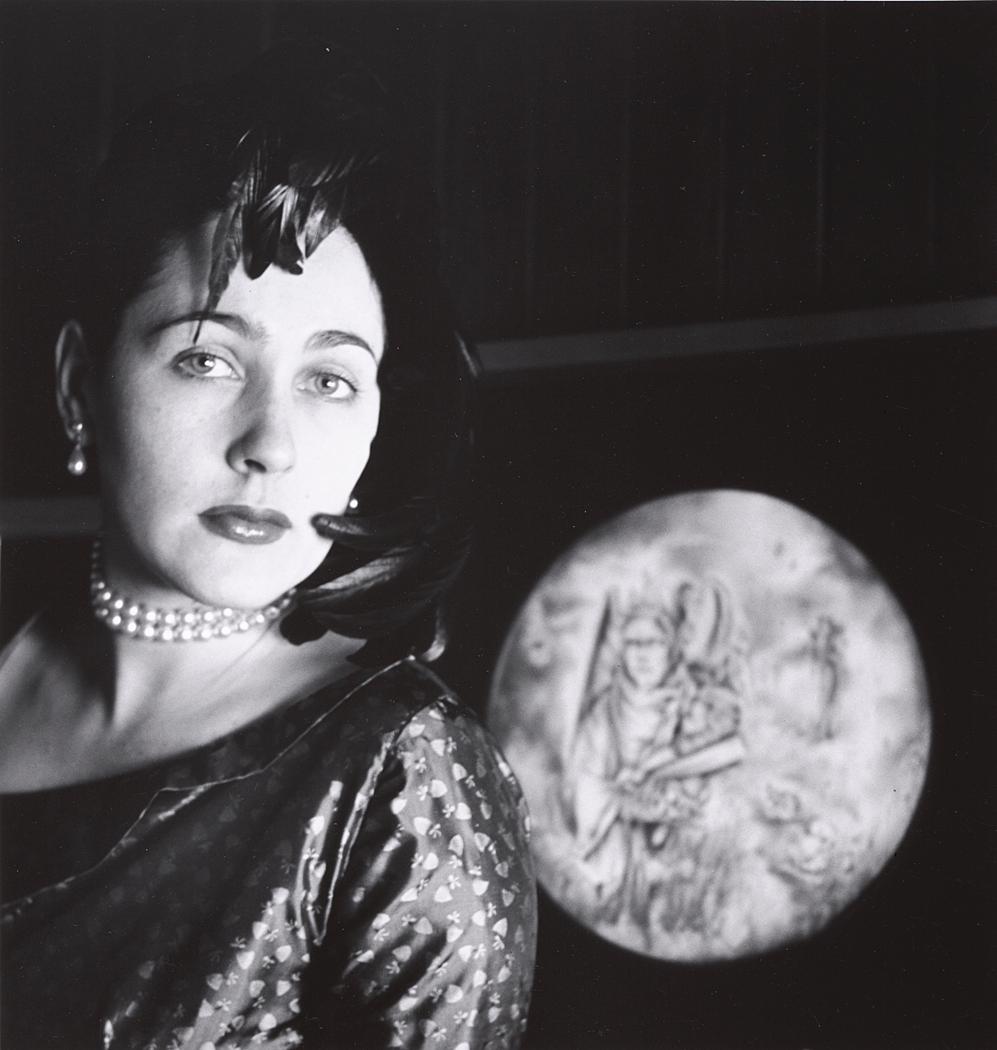
John Gutmann-Feather Hat and Black Lace( gerrie von pribosic gutmann), 1951

John Gutmann-Feather Hat and Black Lace( gerrie von pribosic gutmann), 1951 © Arizona Board of Regents

John Gutmann- Turning to look, 1935 1

John Gutmann- Turning to look, 1935 © Arizona Board of Regents

John Gutmann-Closed eyes, 1935

John Gutmann-Closed eyes, 1935 © Arizona Board of Regents

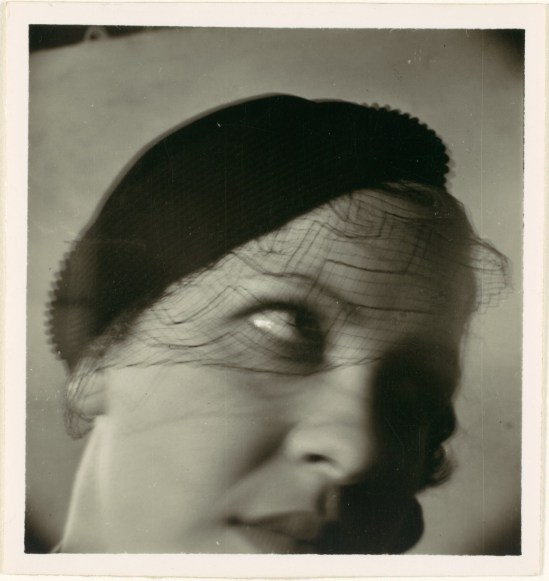
John Gutmann- Above the Veil, Her Eyes, 1935 11

John Gutmann- Above the Veil, Her Eyes, 1935 © Arizona Board of Regents

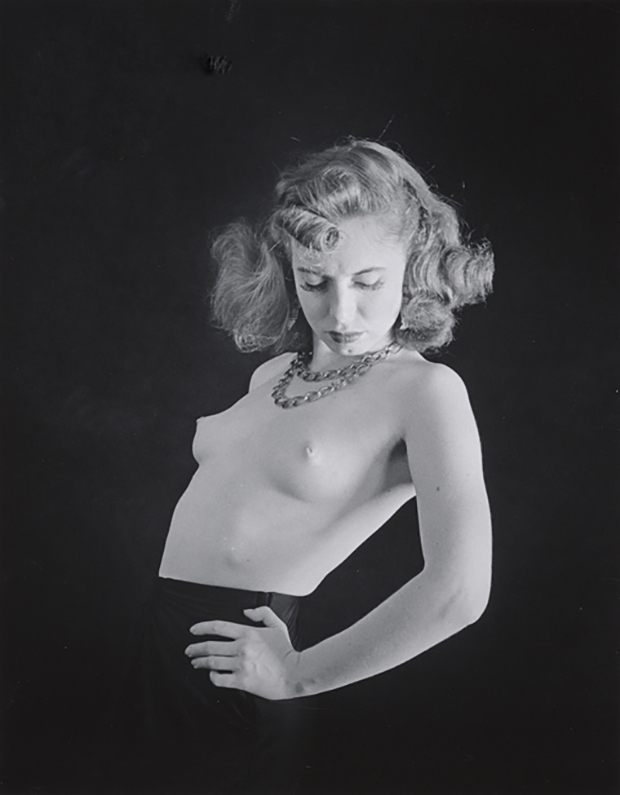
John Gutmann- Dancer Topless, 1939 © Arizona Board of Regents

John Gutmann- Dancer Topless, 1939 © Arizona Board of Regents


John Gutmann- Dancer Topless, 1939 © Arizona Board of Regents

John Gutmann- Dancer Topless, 1939 © Arizona Board of Regents

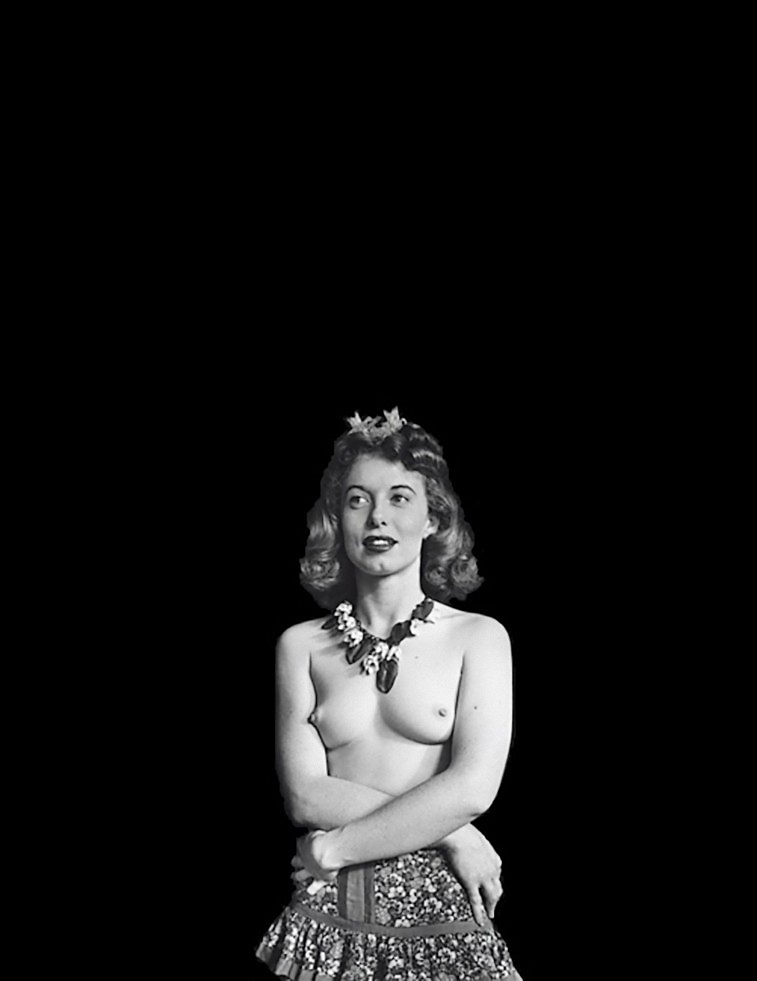
John Gutmann-Blonde Topless in Black Space, 1939

John Gutmann-Blonde Topless in Black Space, 1939 © Arizona Board of Regents

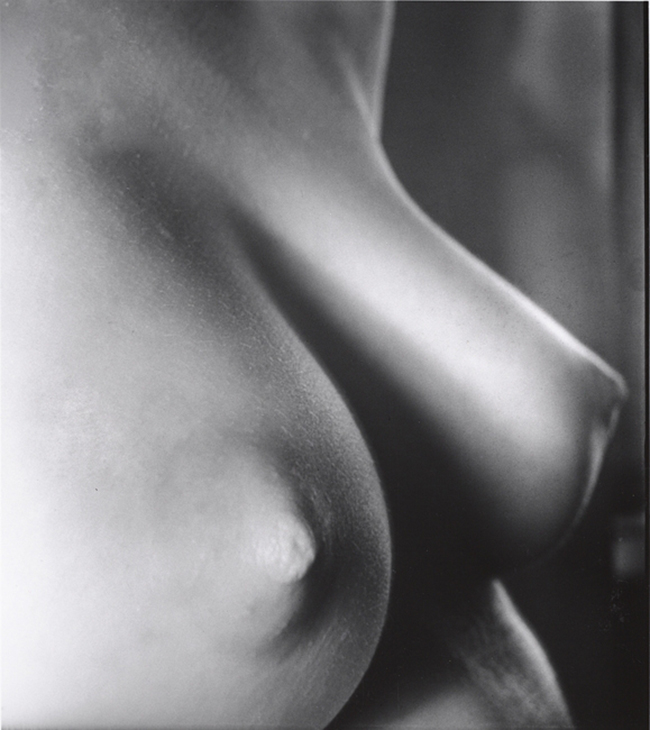
John Gutmann-Close- up, 1935 1

John Gutmann-Close- up, 1935 © Arizona Board of Regents

John Gutmann-Web of Light (Akiko), 1934

John Gutmann-Web of Light (Akiko), 1934

John Gutmann - Web of Light, 1934

John Gutmann – Web of Light, 1934 © Arizona Board of Regents

John Gutmann- Face Behind Curtain, 1937 © Arizona Board of Regents

John Gutmann- Face Behind Curtain, 1937 © Arizona Board of Regents

John Gutmann- Double Portrait, 1938-39_

John Gutmann- Double Portrait, 1938-39 © Arizona Board of Regents

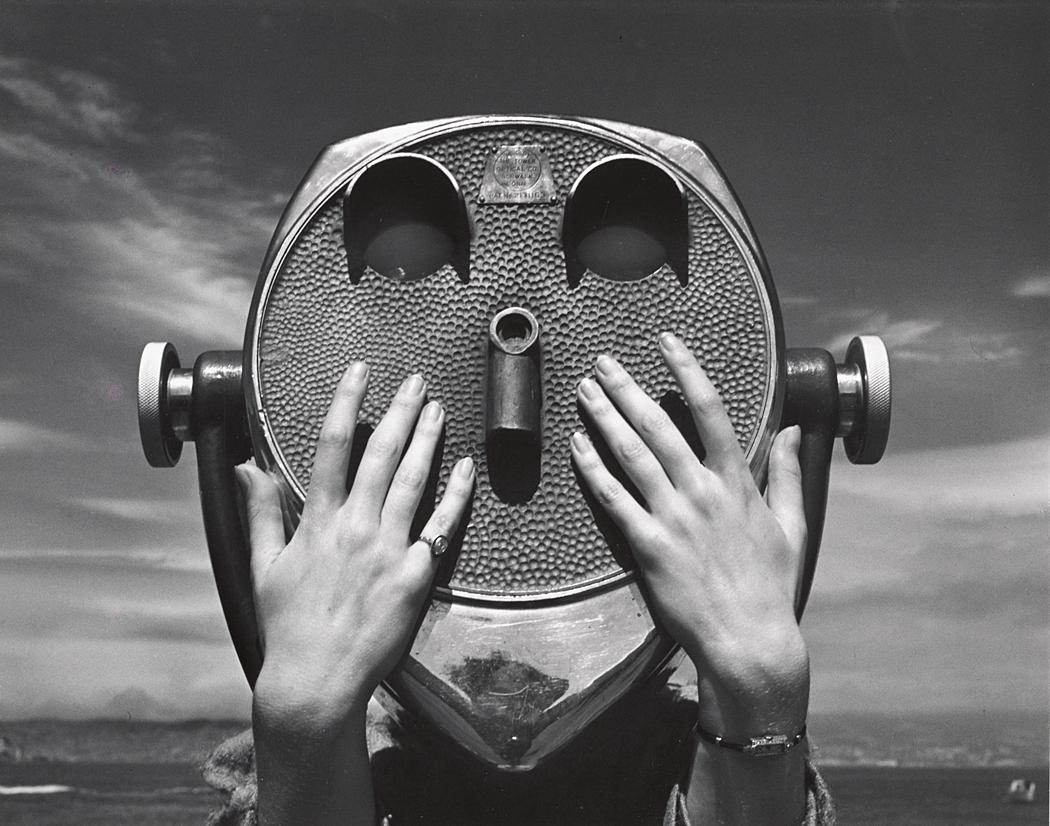
John Gutmann-Hands on Teleface, 1938

John Gutmann-Hands on Teleface, 1938


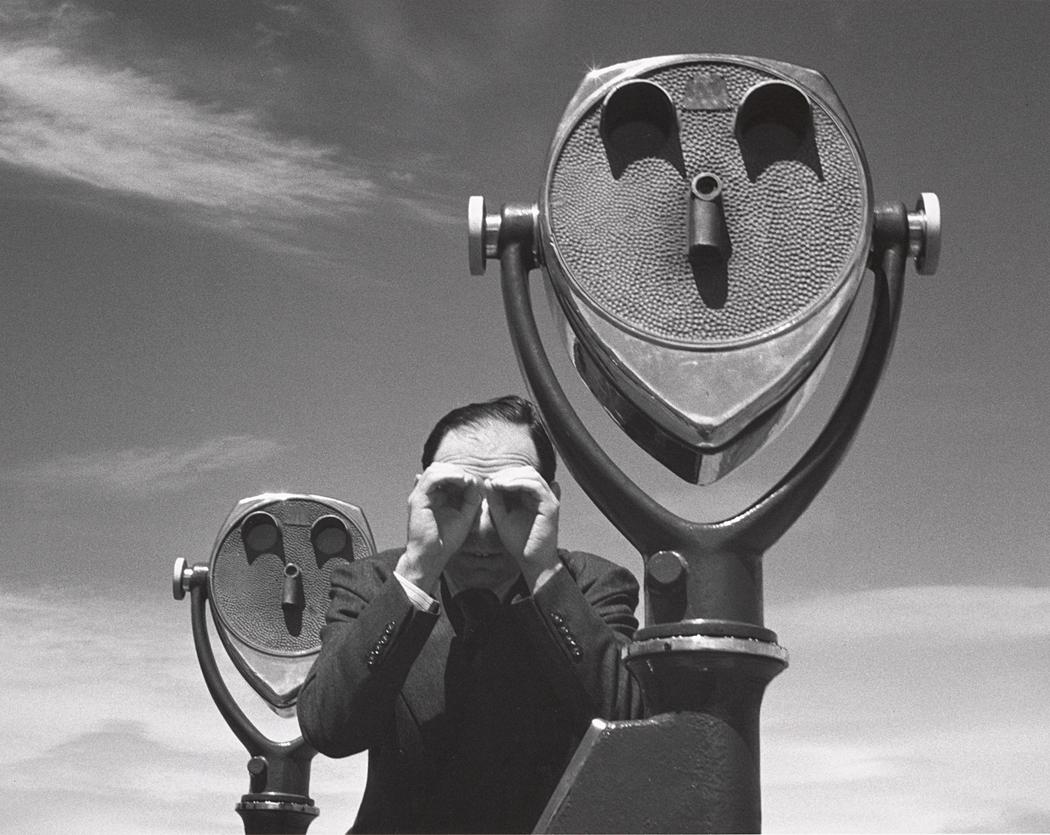
John Gutmann-J.G. Searching for Distant Views, 1938

John Gutmann-J.G. Searching for Distant Views, 1938

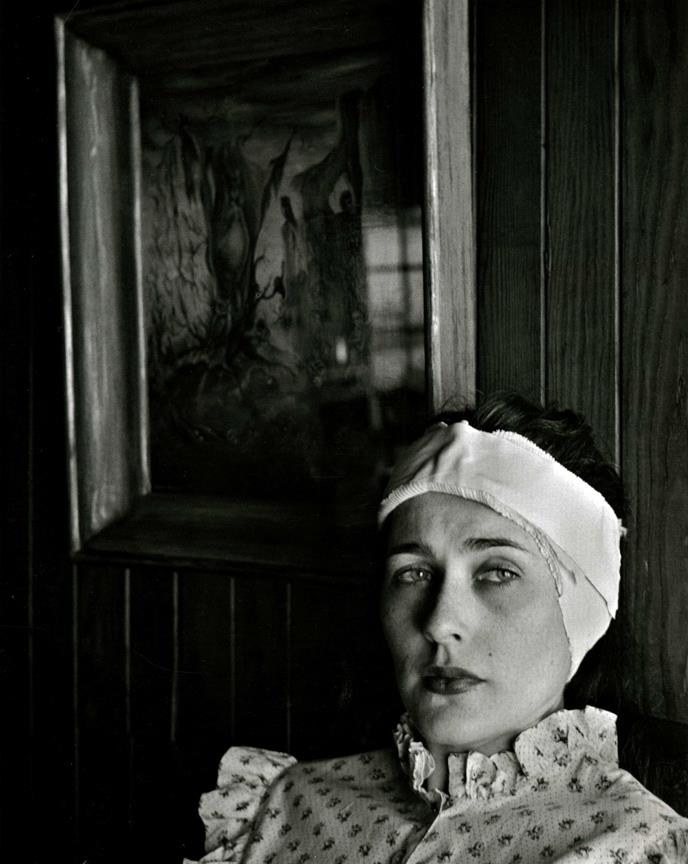
John Gutmann- Post-Surgical Portrait of an Artist, 1952

John Gutmann- Post-Surgical Portrait of an Artist, 1952 [Gerrie von Pribosic- Gutmann , with head wrapped in white bandage, dark framed work in background] © Arizona Board of Regents

John Gutmann, The Cigarette, ( gerrie von pribosic gutmann),1950

John Gutmann, The Cigarette, ( gerrie von pribosic gutmann),1950

John Gutmann - The game , New orleans, 1937

John Gutmann – The game , New orleans, 1937 © Arizona Board of Regents

John Gutmann-Death at the Mardi Gras, New Orleans, 1937

John Gutmann-Death at the Mardi Gras, New Orleans, 1937

John Gutmann-Death with Flowers, New Orleans, 1937

John Gutmann-Death with Flowers, New Orleans, 1937

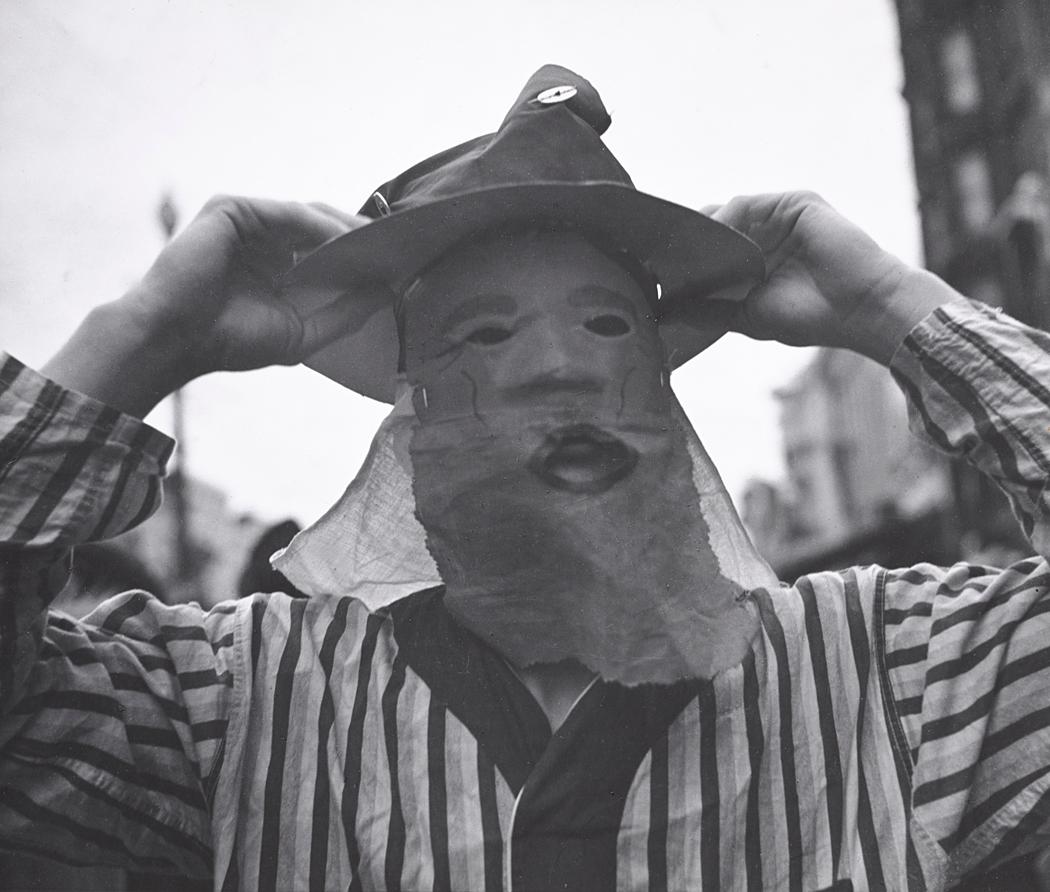
John Gutmann-Man Placing Hat Over Mask, Mardi Gras, New Orleans, 1937

John Gutmann-Man Placing Hat Over Mask, Mardi Gras, New Orleans, 1937


John Gutmann-The Father, New Orleans, 1937

John Gutmann-The Father, New Orleans, 1937

John Gutmann-The trip, 1955

John Gutmann-The trip, 1955 © Arizona Board of Regents

John Gutmann - Out of the pool, 1934

John Gutmann – Out of the pool, 1934 © Arizona Board of Regents

John Gutmann- After Her Dive, Watching a Rival, 1936

John Gutmann- After Her Dive, Watching a Rival, 1936 © Arizona Board of Regents

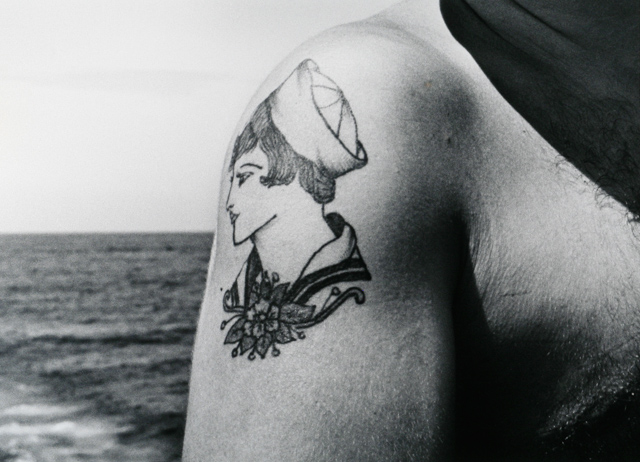
John Gutmann - Sailor girl Tatoo, 1945

John Gutmann – Sailor girl Tatoo, 1945 © Arizona Board of Regents

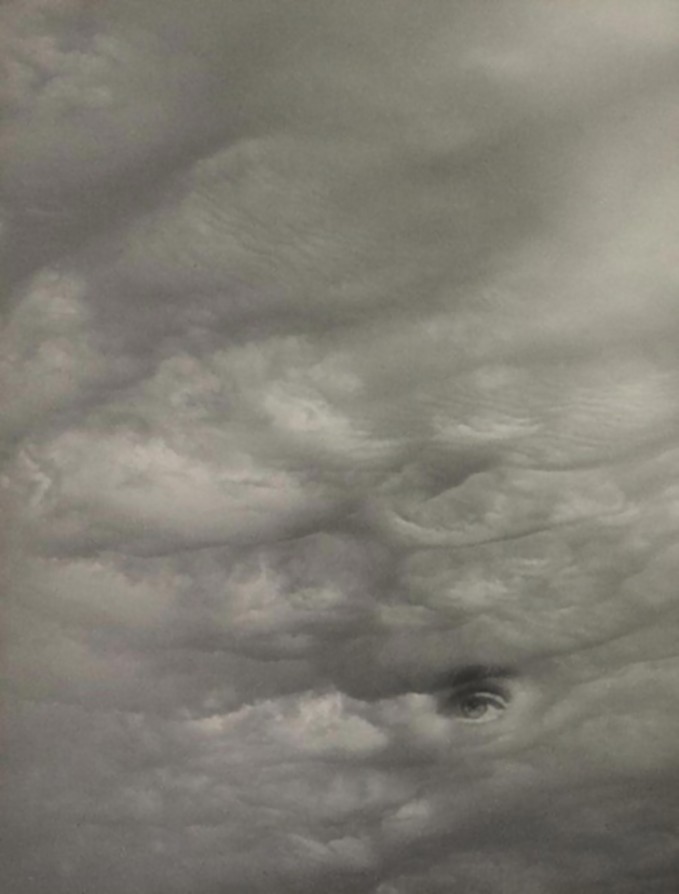
John Gutmann - That Inner Eye, 1940’s

John Gutmann – That Inner Eye, 1940 © Arizona Board of Regents

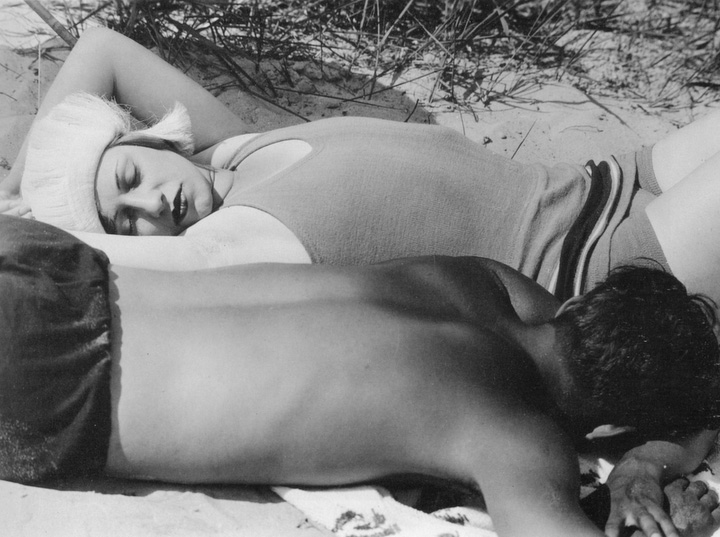
John Gutmann-Self Portrait with Irene, 1940

John Gutmann-Self Portrait with Irene, 1940

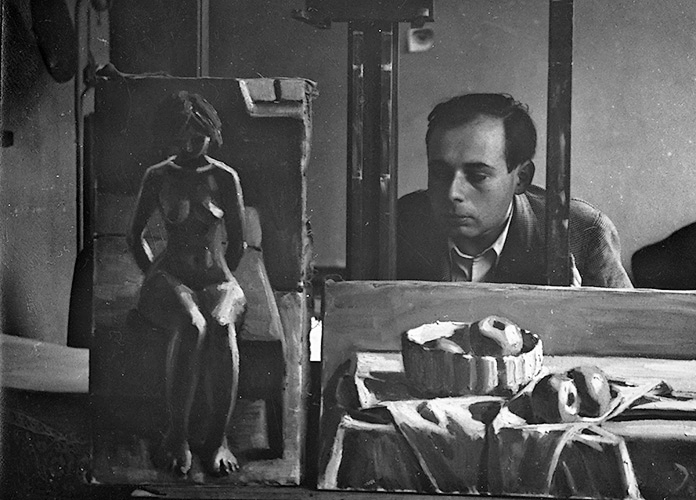
John Gutmann - Self -portrait , with his paintings Nude and Still Life with Apples , 1932

John Gutmann – Self -portrait , with his paintings Nude and Still Life with Apples , 1932 © Arizona Board of Regents

John Gutmann-Self portrait with LoveBird, 1934

John Gutmann-Self portrait with LoveBird, 1934 © Arizona Board of Regents

John Gutmann-Father Doll, 1951

John Gutmann-Father Doll, 1951

John Gutmann-Very Beautiful in Feather Hat, 1951

John Gutmann-Very Beautiful in Feather Hat, 1951

John Gutmann-Gerrie and Circular Drawing 1951

johngutmann.org

Moma Collection


Frédérique Jouval

20131012-110451.jpg
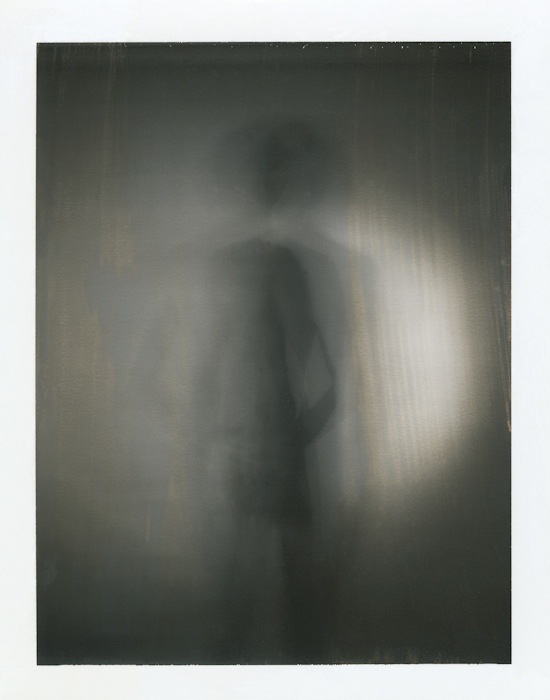
Frédérique Jouval -Apparitions

20131012-110514.jpg
Frédérique Jouval -Apparitions

20131012-110540.jpg
Frédérique Jouval -Apparitions

20131012-110606.jpg
Frédérique Jouval -Apparitions

20131012-110625.jpg
Frédérique Jouval -Apparitions
Son site Frederique Jouval

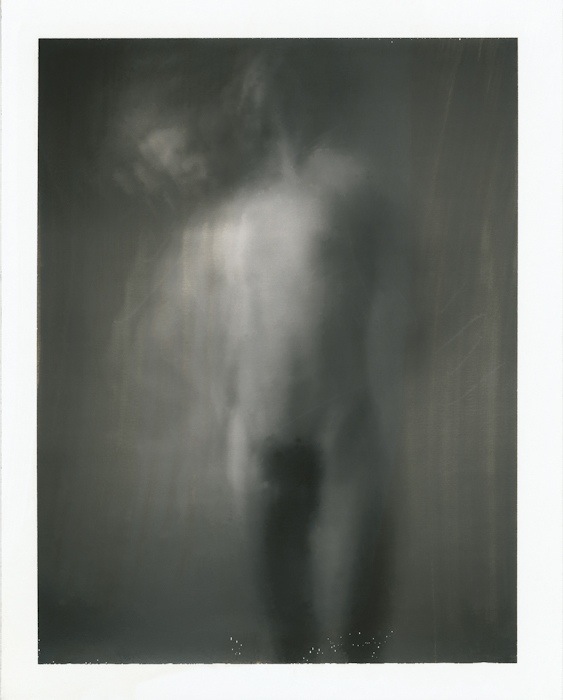
Francesca Woodman, Providence, Rhode Island, 1978

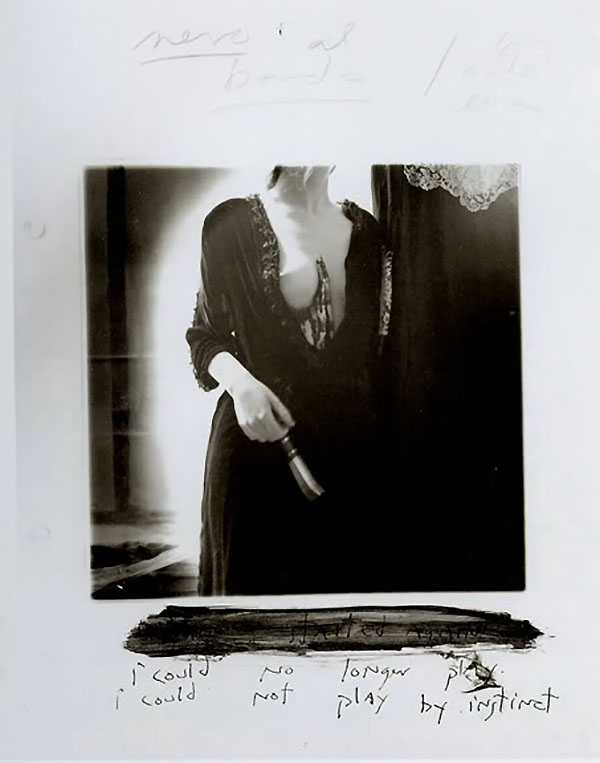
Francesca Woodman- I could no longer play, Providence, Rhode Island 1978

Francesca Woodman- I could no longer play, Providence, Rhode Island 1978

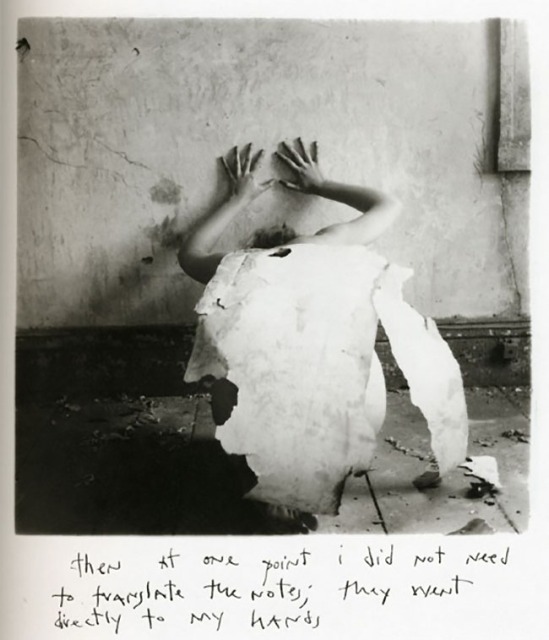
© Francesca Woodman- Then at one point Providence, Rhode Island, 1978

Francesca Woodman-Liza, Providence, Rhode Island 1976

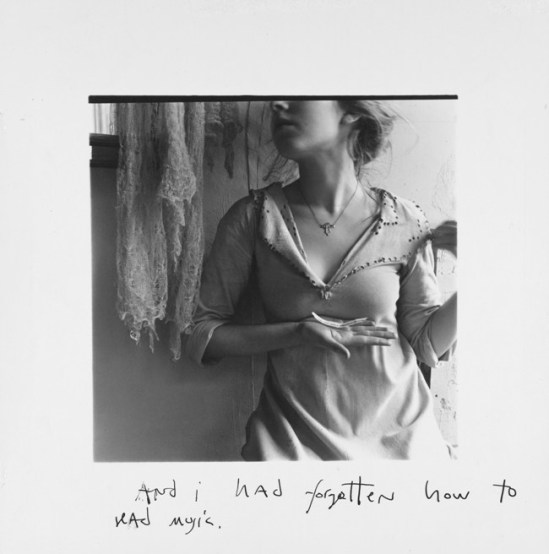
Francesca Woodman “And I had forgotten how to read music”, 1976.

Francesca Woodman, Stop playing the piano, Providence, Rhode Island, 1978

© Francesca Woodman-Selfportrait, talking to vince

© Francesca Woodman- After aaron, Providence, Rhode Island, 1978

Soichi Sunami-The dancer Helen Tamiris

Helen Tamiris was a pioneer of American modern dance.

American choreographer, modern dancer, and teacher, one of the first to make use of jazz, African American spirituals, and social-protest themes in her work.

« Helen Tamiris (1903-1966), a founder of modern dance in the 1920s and 1930s, always kept a foot firmly planted in the commercial theater. She was trained in ballet at the Metropolitan Opera and by Michel Fokine, as well as in natural dancing at New York’s Isadora Duncan Studio. Her early career combined a soloist position in the Bracale Opera Company with appearances in nightclub and Broadway revues. Yet her first recital in 1927 demonstrated a personal expression of abstract movement and frank social analysis. A year later she adopted the Negro spiritual as a métier for life as conflict. Politically active, Tamiris helped to lead development of the Dance Repertory Theatre and dance initiatives under the Works Progress Administration Federal Art Project. She founded and chaired the American Dance Association and helped to set up the Federal Dance Project. Following World War II, she turned to Broadway to attract large audiences for a modern dance aesthetic that aspired to shape consciousness of the people. Tamiris choreographed eighteen musicals between 1943-1957, artfully integrating dance into such productions as Up in Central Park, Annie Get Your Gun, and Fanny. She taught movement to dancers and actors and formed the Tamiris-Nagrin Dance Workshop in 1957 with Daniel Nagrin, who was her husband at the time. » Helen Tamiris, an essay by Elizabeth McPherson.

Soichi Sunami– The dancer Helen Tamiris , 1930’s {from the Dance Division, New York Public Library for the Performing Arts, Astor, Lenox, and Tilden Foundations}

Soichi Sunami -The dancer Helen Tamiris, 1920s
Soichi Sunami -The dancer Helen Tamiris, 1920s

Soichi Sunami- Helen Tamiris , Nd© Soichi Sunami or assignee via ARTEMIS auctions

Soichi Sunami- Helen Tamiris , Nd© Soichi Sunami or assignee via ARTEMIS auctions

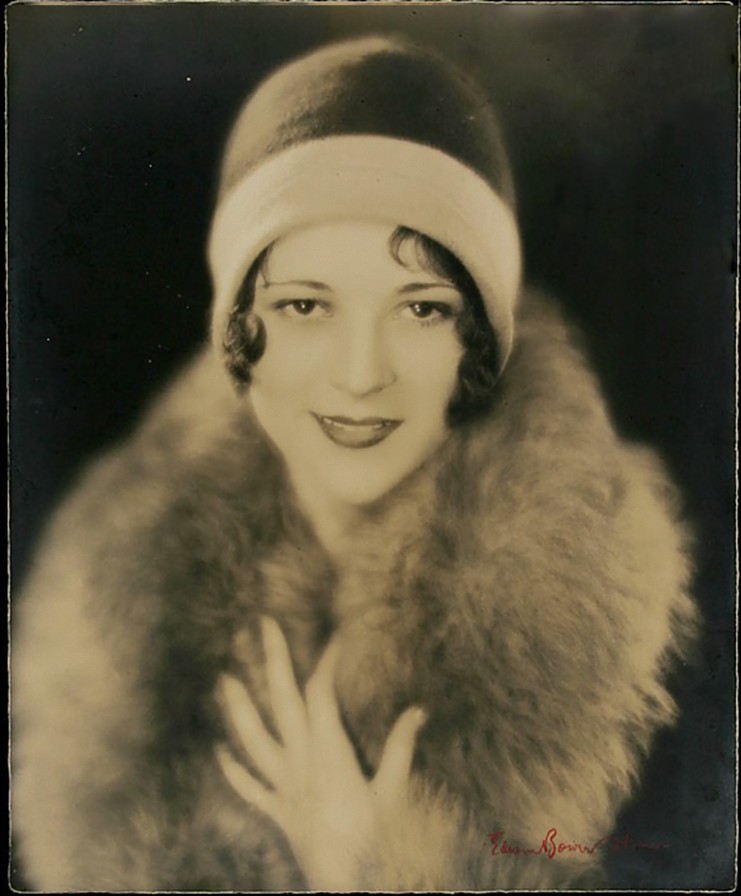
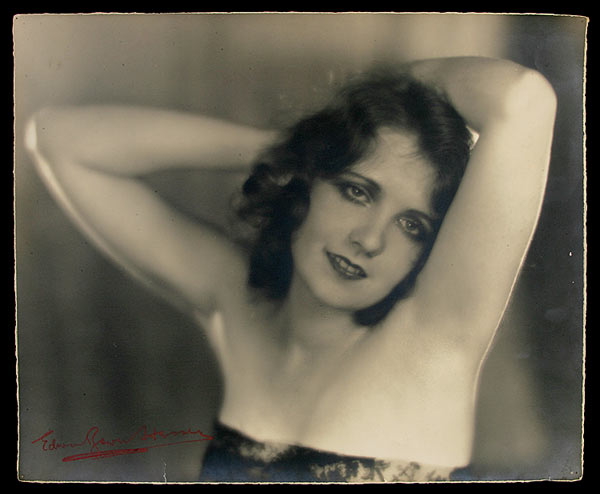
Edwin Bower Hesser (1893-1962)

Edwin Bower Hesser  était un éminent photographe qui a travaillé à New York et Los Angeles pendant l’âge d’or d’Hollywood et mis au point son propre système de photographie couleur appelée Hessercolor. La majeure partie de la collection se compose de matériaux photographiques tels que négatifs, tirages et transparents périodiques présentant les travaux de Hesser. La collection comprend également des documents papier, telles que les divers manuscrits, papiers d’affaires et des revues.

Edwin Bower Hesser  est issue d’une famille d’artistes. Son père etait gérant d’une compagnie de Théatre et sa mère était professeur d’Art.  Il fût donc très tôt impliqué dans le monde théâtreal, mais aussi celui du dessin, sculpture, peinture et de la photographie commerciale. Il sera d’ailleurs lui même directeur d’une troupe de théâtre, mais il ds e tournera rapidement vers le cinéma. En 1913, Hesser présente Roald Admundsen, le premier homme à atteindre le pôle sud, au public de New York,par le biais d’images animées de son voyage .En 1915 en utilisant l’argent de la famille, il fait entrer en bourse  la « Hesser Motion Picture Corporation » et cette même année, il ouvre à  Atlanta  l’école « Hesser Pour Motion Picture intérim ».Hesser a toujours été un homme ayant le besoin de faire grandir sa fortune.

Lors Première Guerre mondiale , Hesser rejoint  l’armée Américaine et  supervise le service de la photographie , Il ecrira et realisera un  scénario composé par « La liberté du monde, » en 1918 (un semi-documentaire pour Goldwyn).

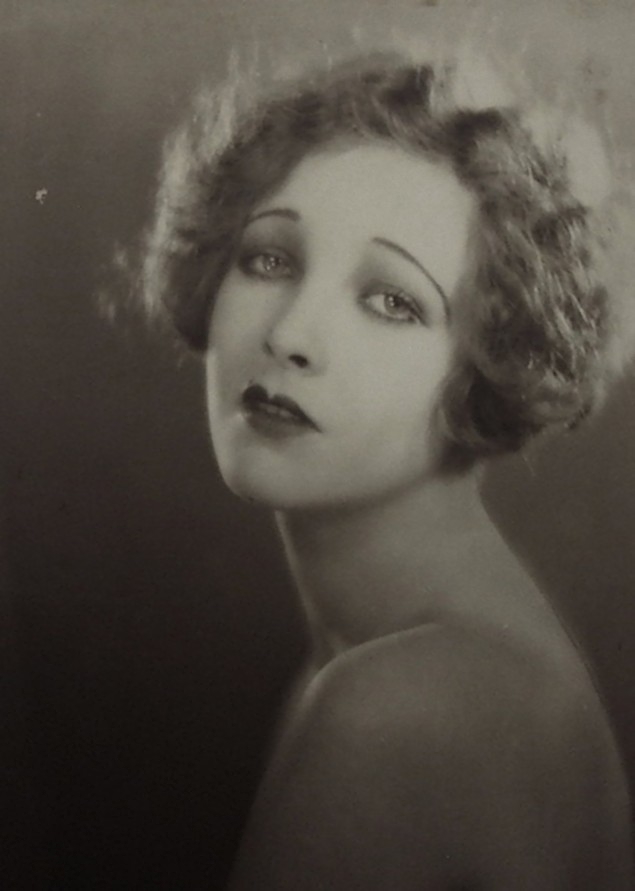
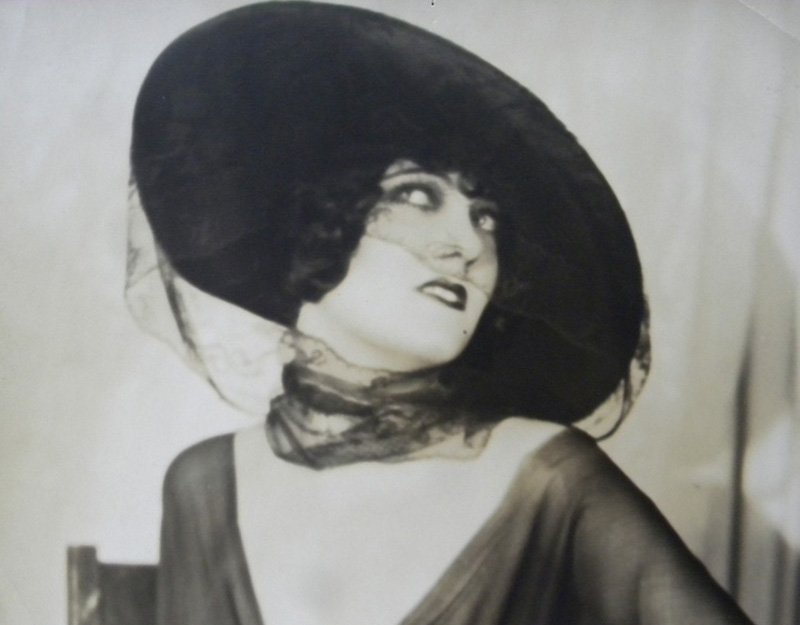
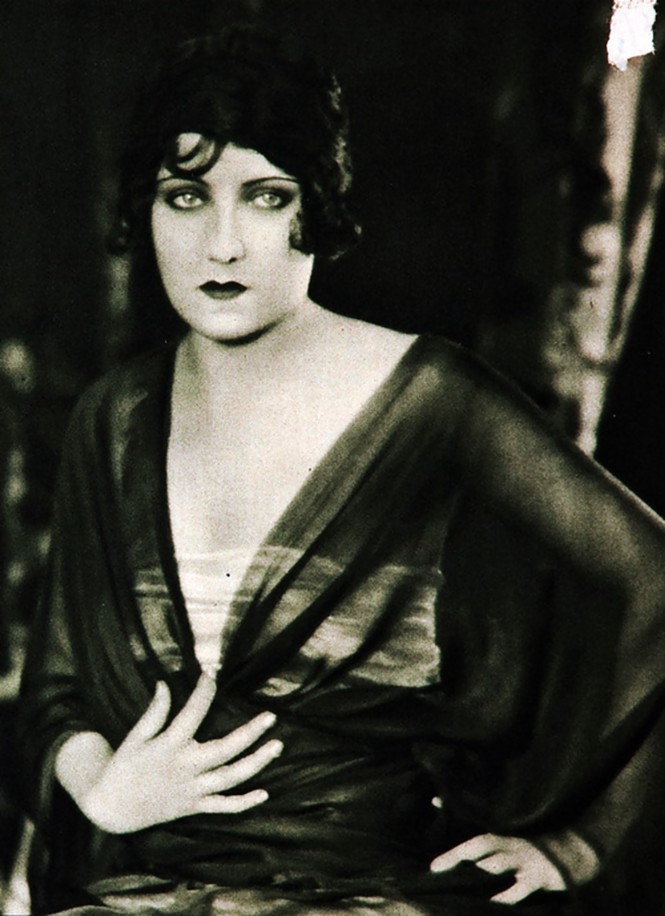
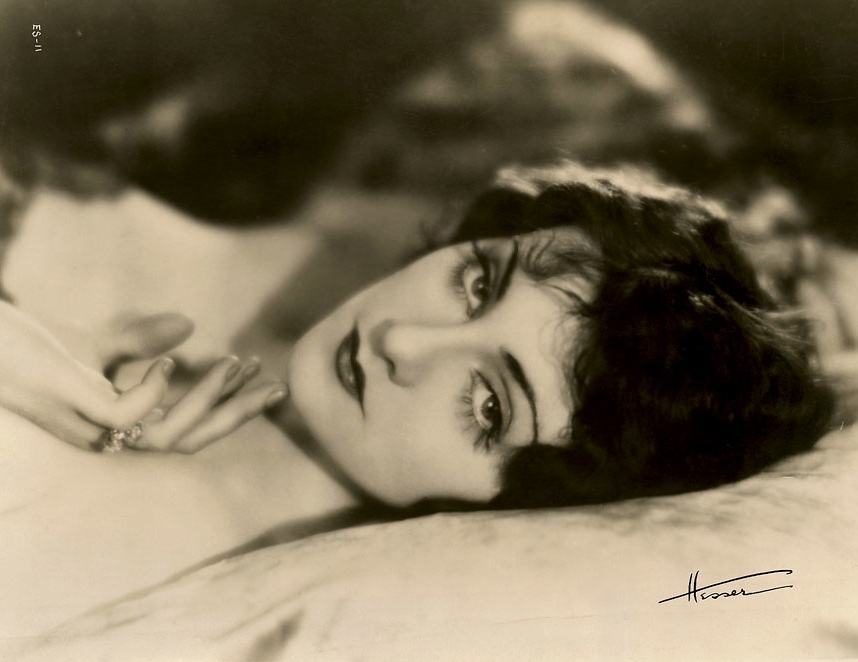
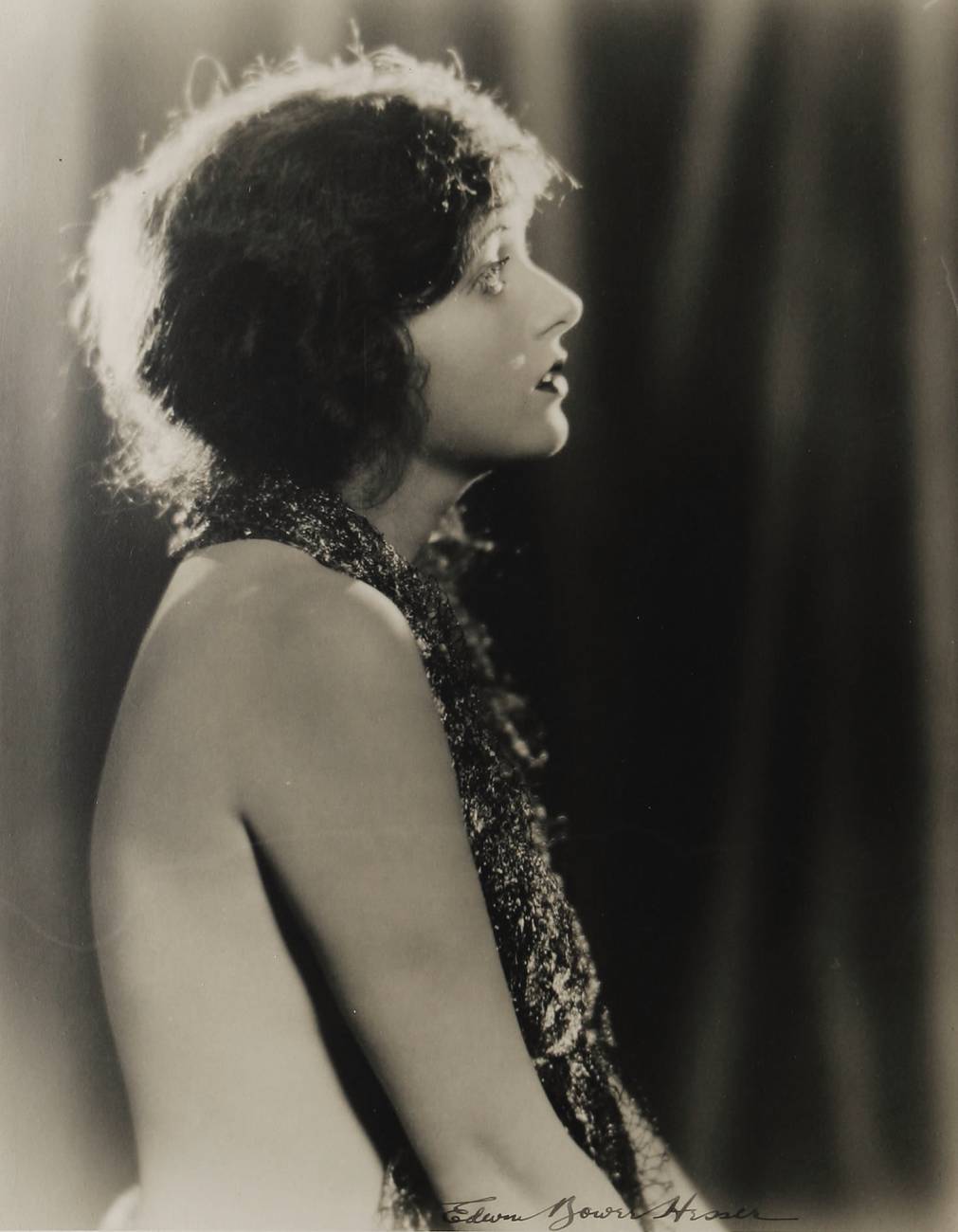
Après la guerre , Hesser ouvre un studio de photographie à Manhattan où il y emploie comme assistant , Nino Vayana. Toujours attiré par le cinéma, il  travaille en tant que photographe contractuel pour les nombres d’étoiles du cinéma muet  basées à New York, en particulier Norma Talmadge, Irene Castle, et Marion Davies . Un incendie en 1922 détruit ses installations  et son stock de début négatifs. A partir de cette époque il  commence à faire des voyages réguliers vers la côte ouest pour des sessions photographiques avec les stars d’Hollywood, et finira par s’y installer. Il sera un grand portraitiste identifiable par sa technique du rétro-éclairage ( les cheveux  de ses modèles semblent bordée de lumière) , qui  donnait à ses modèles une forme d’aura.

En 1923, il réalise qu’un des moyens les plus lucratifs qui existent en faisant de la photographie  réside dans la publication de périodiques. Ainsi tout au long de la fin des années 1920 et jusqu’au milieu des années 30, il a publié  notamment « Arts mensuel de Edwin Bower Hesser », et d’autres titres  ( « Art classic », « Art Studies » , « Camera Art », « Classic Art », « Real Art studies », « Screen art studies », « Studio art studies ») , en exploitant l’association entre l’art et de la nudité, et l’a vendu à un lectorat anonyme d’ étudiants en art . Le magazine Arts mensuel de Edwin Bower Hesser a publié des travaux par Alfred Cheney Johnston , John De Mirjian , George DeBarron , et Strand Studio par exemple.  grâce à ses inombrables clichés publiés dans ces magazine, Hesser est aujourd’hui un grand nom et une référence incontournable de la photographie du nu.

L’exploration de Hesser du monde  de l’édition le conduit au monde pègre d’ Hollywood, ce qui lui valut  quelques déconvenues , puisqu’en 1928, il a fût arrêté pour suspicion de trafic de stupéfiants, et pour s’être fait passé pour un agent de police dans le cadre d’une enquête sur la mort de la  starlette Helen St. Clair Evans. Il fût libéré rapidement, mais la grande  dépression de 1929 , clos la niche qu’il s’était construite avec l’edition.

Heureusement pour lui, ses expériences avec la couleur et son  Hessercolor ainsi que son expérience, lui permettent de trouver grâce  aux yeux du New York Times, qui l’embauche comme technicien.

Il a continuera à pratiquer la photographie jusqu’à la fin des années 1940

Dans ce second volet Je vous propose les portraits d’actrices de danseuses qu’ Hesser à réalisés aussi bien à New -York, qu’à Hollywood. Les plus grandes stars de l’époque sont passés devant son objectif.

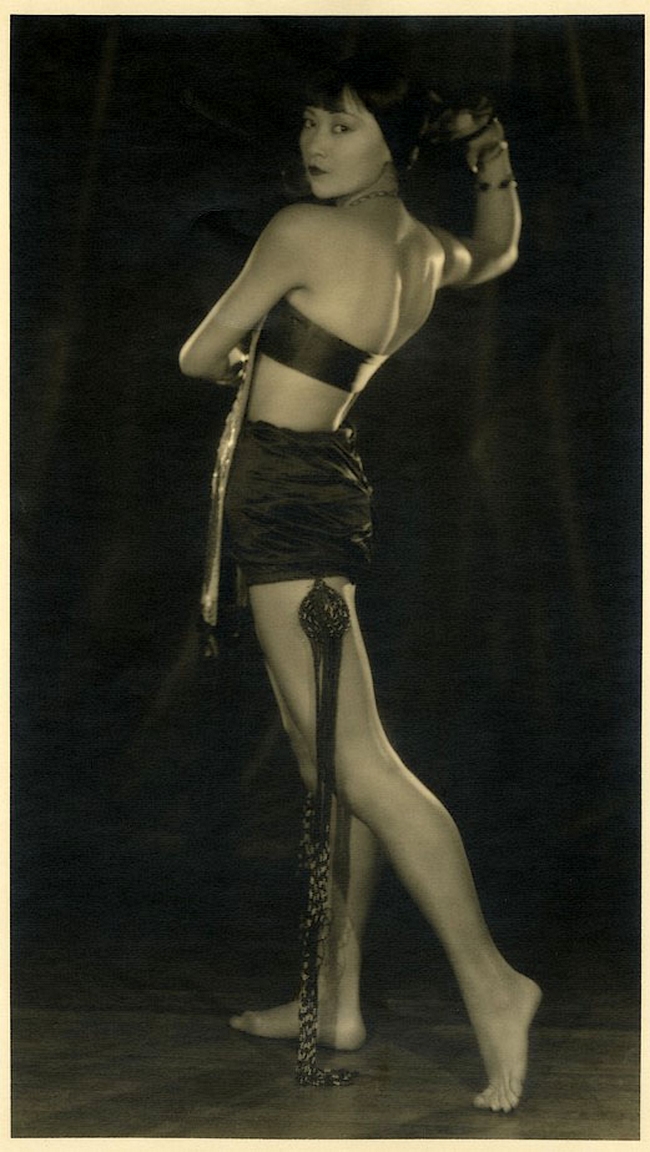
Edwin Bower Hesser -Anna May Wong in a skimpy costume, 1920-1925

Edwin Bower Hesser -Anna May Wong in a skimpy costume, 1920-1925

Edwin Bower Hesser Anna May Wong, 1920-1925

Edwin Bower Hesser Anna May Wong, 1920-1925

Edwin Bower Hesser - portrait Anna May Wong , 1920-1925

Edwin Bower Hesser – portrait Anna May Wong , 1920-1925

Edwin Bower Hesser- Jeanette Loff, 1925-1929

Edwin Bower Hesser- Jeanette Loff, 1925-1929

Edwin Bower Hesser- Jobyna Ralston 1922-25

Edwin Bower Hesser- Jobyna Ralston 1922-25

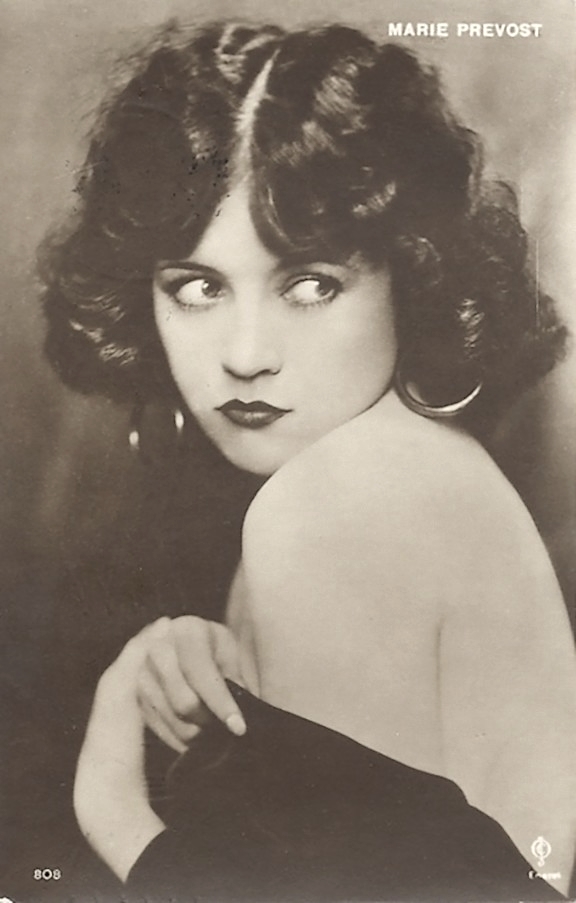
Edwin Bower Hesser- Marie Prevost published in Screenland, 1924

Edwin Bower Hesser- Marie Prevost published in Screenland, 1924

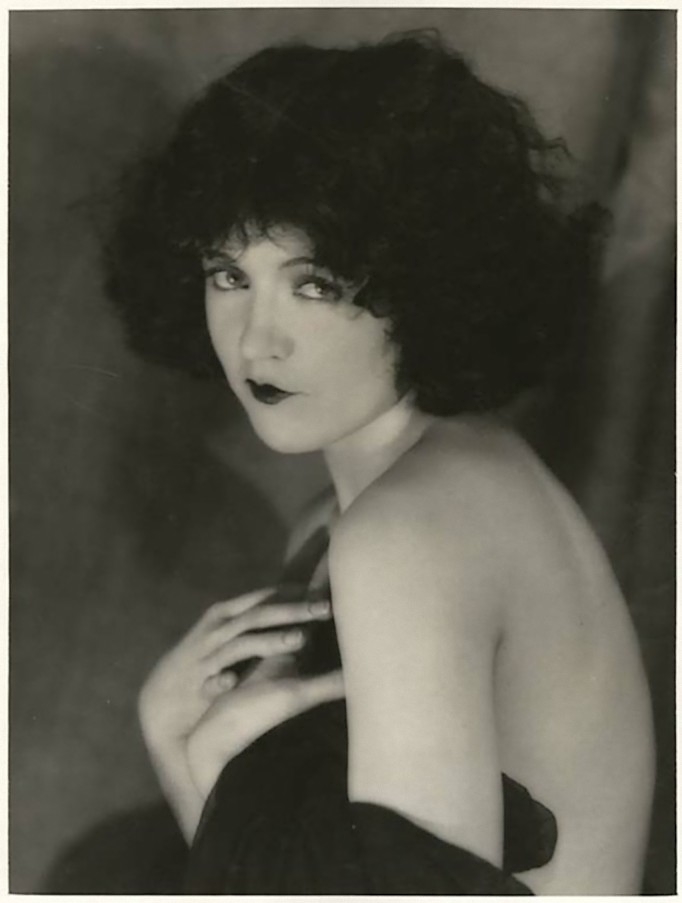
Edwin Bower Hesser- Marie Prevost 1924-25

Edwin Bower Hesser- Marie Prevost 1924-25

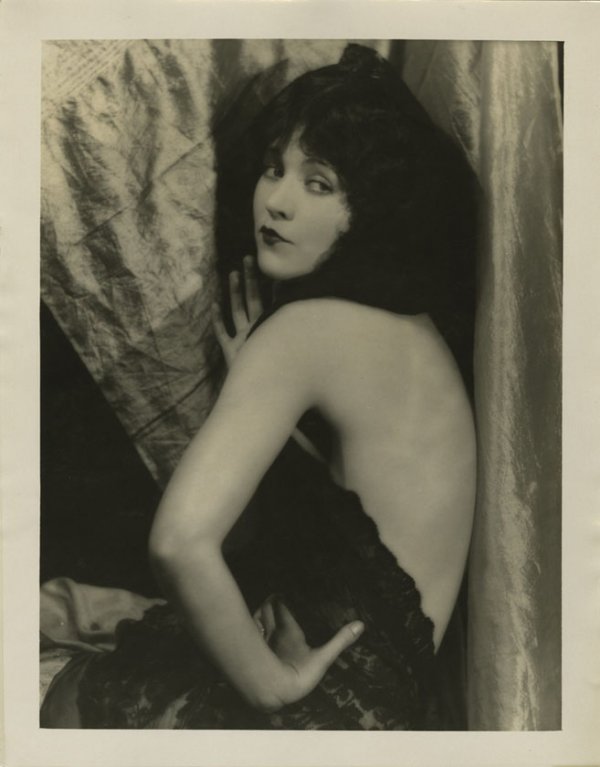
Edwin Bower Hesser - Marie Prevost ,1920-25s

Edwin Bower Hesser – Marie Prevost ,1920-25s

Edwin Bower Hesser - Marie Prevost ,1920-25s

Edwin Bower Hesser – Marie Prevost ,1920-25s

Edwin Bower Hesser or Harold Dean Carsey ( i can't choose !!!beacause it's really similar) - Marie Prevost ,1920-25s 2

Edwin Bower Hesser- Marie Prevost ,1920-25s

Edwin Bower Hesser- Marie Prevost ,1920-25s

Edwin Bower Hesser- Marie Prevost ,1920-25s

Edwin Bower Hesser or Harold Dean Carsey ( i can't choose !!!beacause it's really similar) - Marie Prevost ,1920-25s via live ctionneer

Edwin Bower Hesser -Marie Prevost ,1920-25s via live actionneer Here for the 4

Edward Bower- Clara Bow, 1924 ( published in Motion Picture, 1924)

Edward Bower- Clara Bow, 1924 ( published in Motion Picture, 1924)

Edwin Bower Hesser- Gloria Swanson, -Garden of Girls, November 1925

Edwin Bower Hesser- Gloria Swanson, -Garden of Girls, November 1925

Edwin Bower Hesser – Sally Eilers, (Wampas Baby Star) 1928_e

Edwin Bower Hesser – Sally Eilers, (Wampas Baby Star) 1928

Edwin Bower Hesser -Anita Page, 1920s
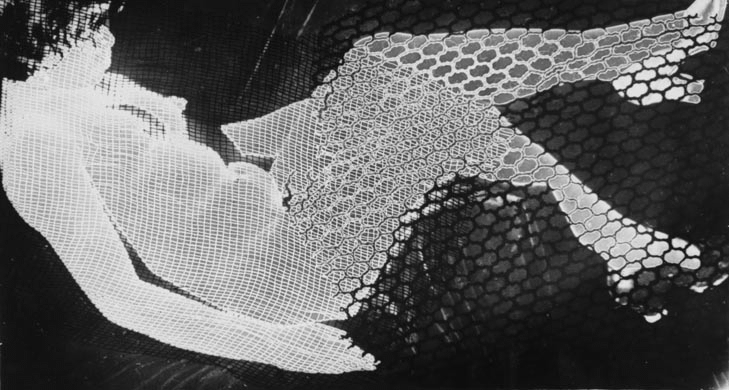
Edwin Bower Hesser -Anita Page, 1920s
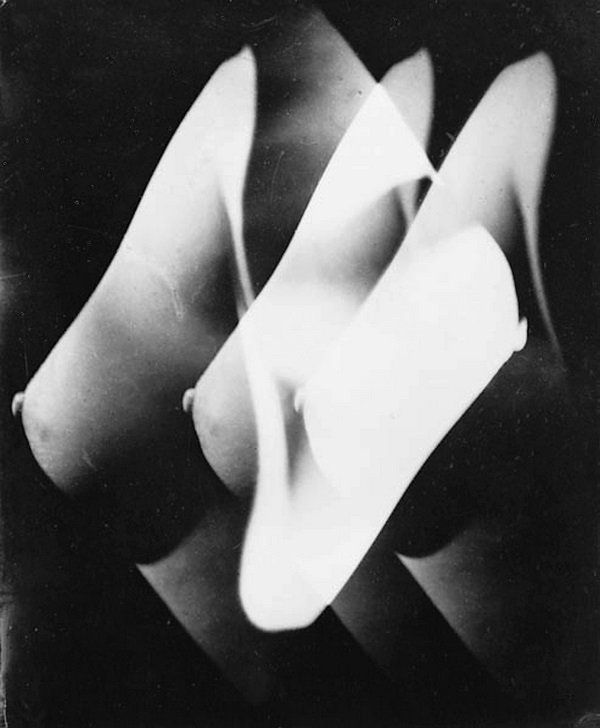
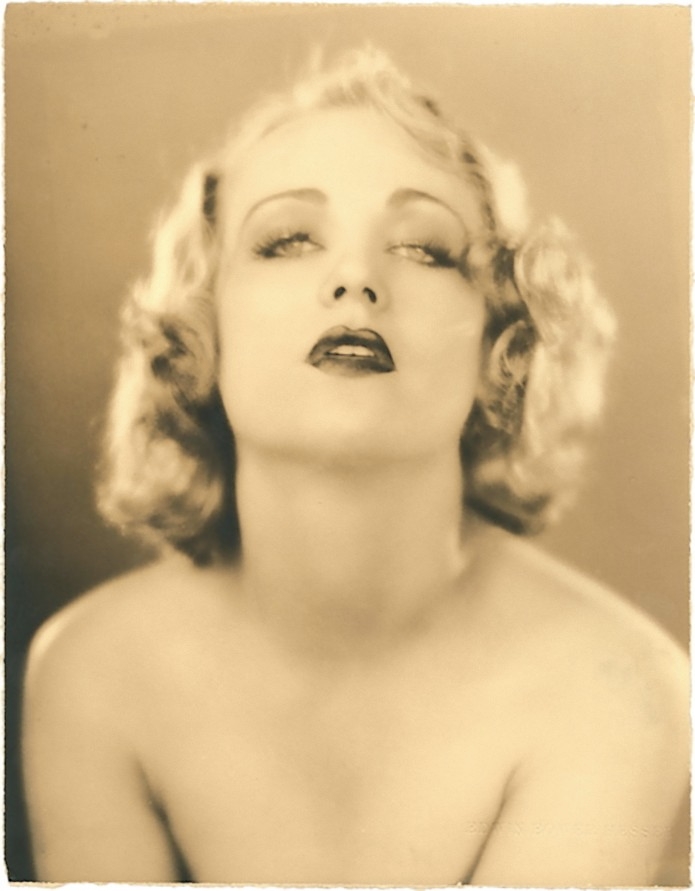
Edwin Bower Hesser -Carol Lombard, 1920s
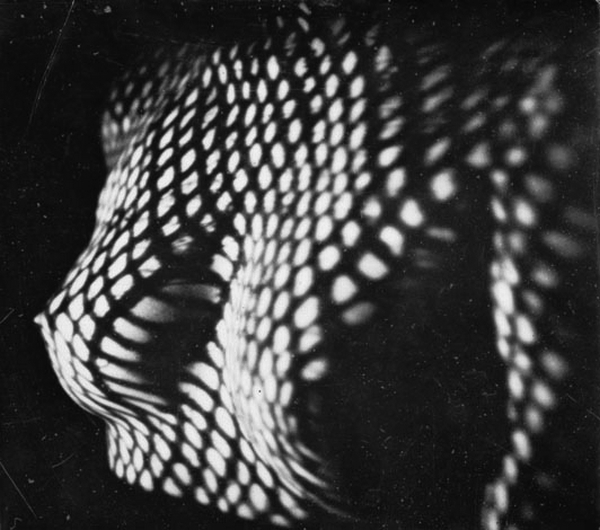
Edwin Bower Hesser -Carol Lombard, 1920s
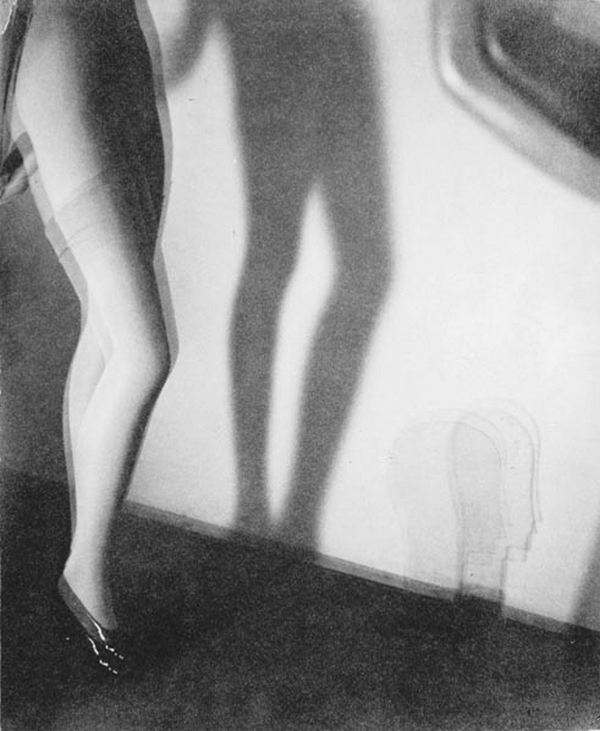
Edwin Bower Hesser -Carol Lombard, 1920s

Edwin Bower Hesser -Carol Lombard, 1920s

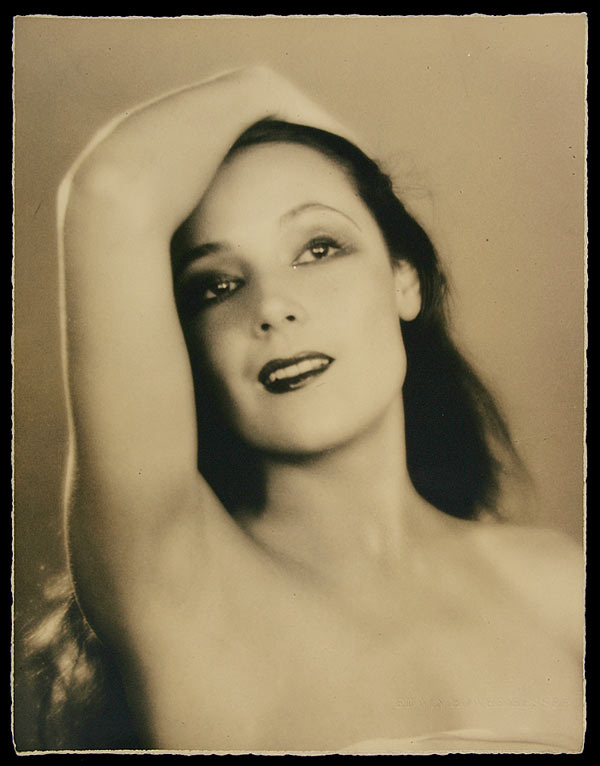
Edwin Bower Hesser – Dolores del Rio, 1920s

Edwin Bower Hesser – Dolores del Rio, 1920s

Edwin Bower Hesser – Dolores del Rio, 1920s 1

Edwin Bower Hesser – Dolores del Rio, 1920s

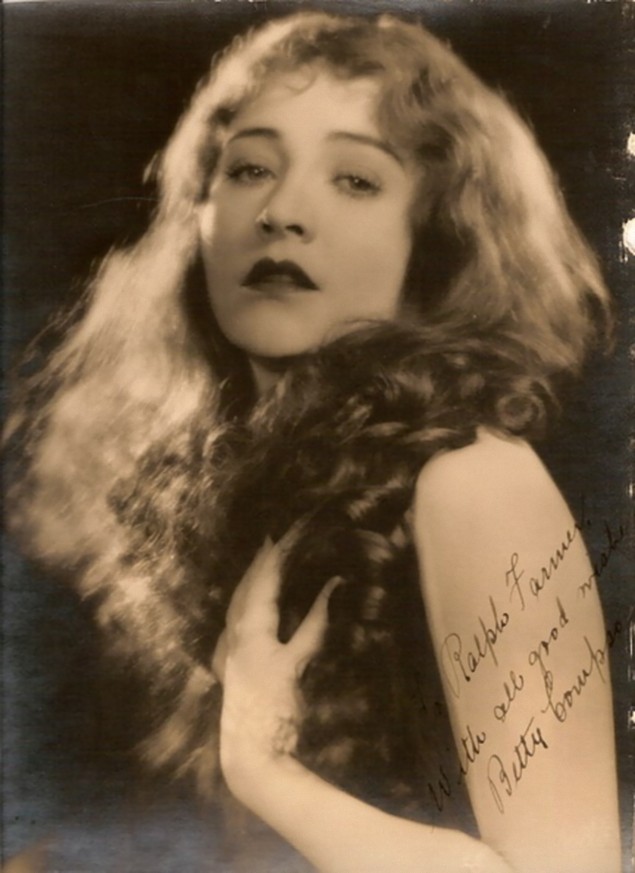
Edward Bower Hesser - Betty Compson, nd

Edwin Bower Hesser – – Betty Compson, shoot for « Picture Play », 1924 and also published in » Screenland », May 1926

Edward Bower Hesser - Betty Compson, 1924

Edwin Bower Hesser – – Betty Compson, 1924

Edwin Bower Hesser- Vera Fokina, 1920-1925

Edwin Bower Hesser- Vera Fokina, 1920-1925

Edwin Bower Hesser -Unfkown model, 1925s

Edwin Bower Hesser -Unfkown model, 1925s

Edward Bower Hesser -The acrobatic dancer,Muriel Garnier,1920-1925

Edward Bower Hesser -The acrobatic dancer,Muriel Garnier,1920-1925

edwin bower hesser -Lucille Ricksen, 1920s (2)
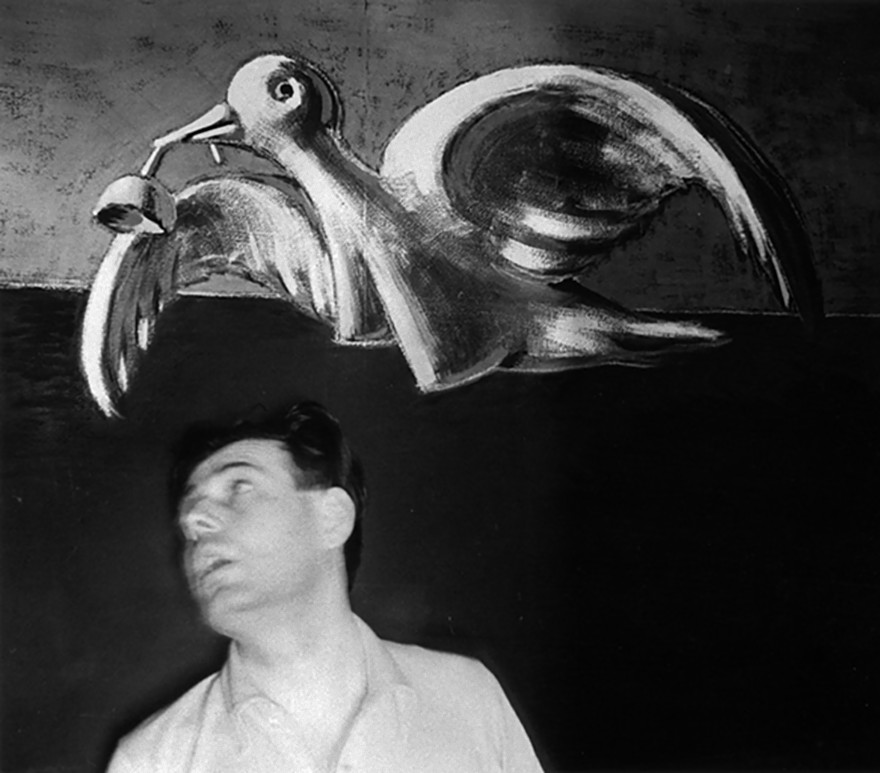
Edwin Bower Hesser –Lucille Ricksen, 1920s

Edwin Bower Hesser- Helen Twelvetrees, 1925

Edwin Bower Hesser- Helen Twelvetrees, 1925

Edwin Bower Hesser -Sylvia Kingsley [for Movie Weekly], 9 December 1922

Edwin Bower Hesser -Sylvia Kingsley [for Movie Weekly], 9 December 1922

Edwin Bower Hesser -Gloria Swanson, 1920

Edwin Bower Hesser -Gloria Swanson, 1920

Edward Bower- Gloria Swanson, 1923

Edward Bower- Gloria Swanson, 1923

Edwin Bower Hesser,Eve Southern, 1925-26

Edwin Bower Hesser,Eve Southern, 1925-26

Edwin Bower Eve Southern, 1925

Edwin Bower Eve Southern, 1925

Edwin Bower Hesser – Corinne Griffith(, Pose#5) , 1925-30

Edwin Bower Hesser – Corinne Griffith(, Pose#5) , 1925-30

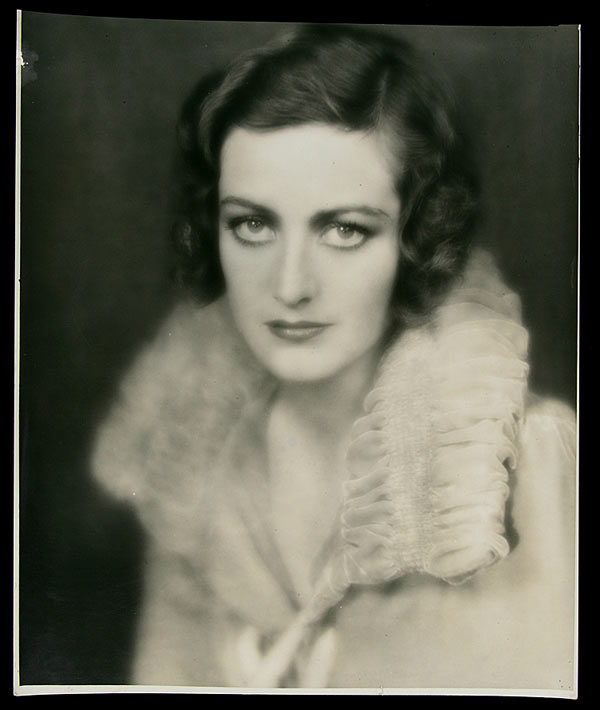
Edwin Bower Hesser – Joan Crawford, 1920s

Edwin Bower Hesser – Joan Crawford, 1920s

Edward Bower Hesser Madge Bellemy, 1920s

Edward Bower Hesser Madge Bellemy, 1920s

Edwin Bower Hesser Jacqueline.Logan , 1920s

Edwin Bower Hesser Jacqueline.Logan , 1920s

Edwin Bower Hesser- Jacqueline Logan 1920s

Edwin Bower Hesser- Jacqueline Logan 1920s

Edwin Bower Hesser hazel keener 1920s

Edwin Bower Hesser Hazel Keener 1920s

Edwin Bower Hesser- -Corinne Griffith, 1920s

Edwin Bower Hesser- -Corinne Griffith, 1920s

Edwin Bower Hesser-Melva Cornell 1925

Edwin Bower Hesser-Melva Cornell 1925

Edwin Bower Hesser- Jean Harlow, 1927, 1928

Edwin Bower Hesser- Jean Harlow, 1927, 1928 ( sorry for the bad quality)

Edward Bower- Mae Busch, 1922

Edward Bower- Mae Busch, 1922

Edward Bower Hesser - Dorothy Dwan, nd

Edward Bower Hesser – Dorothy Dwan, nd ( 1920-1925)

Edwin Bower Hesser -Leatrice Joy, 1920-23_e

Edwin Bower Hesser -Leatrice Joy, 1920-23

Edward Bower Hesser -Carol Sue, 1920s

Edward Bower Hesser -Carol Sue, 1920s

Edward Bower Hesser Grace Kay White for the Geenwich village Follies christmas fund benefit, 1929

Edward Bower Hesser Grace Kay White for the Geenwich village Follies christmas fund benefit, 1929

Edwin Bower Hesser -Anita Page, 1920s

Edwin Bower Hesser -Anita Page, 1920s

Edwin Bower Hesser -Carol Lombard, 1920s

Edwin Bower Hesser -Carol Lombard, 1920s

Edwin Bower Hesser- Kathryn Stanley as Salome , 1926 1

Edwin Bower Hesser- Kathryn Stanley as Salome , 1926 another color on Historical

Source Ici et Ici

Disciple d’Alfred cheney Johnson, toujours sur Historical  Plusieurs photographies superbes dont une qui se trouve dans l’article  (pas besoin de vous les mettre vous les avez avec le lien)

Vous avez un mini site où on ne trouve vraiment pas grand chose, même pas une biographie mais je le cite malgrè tout car j’y ai trouvé pour l’autre article deux photos… donc c’est un minimum…

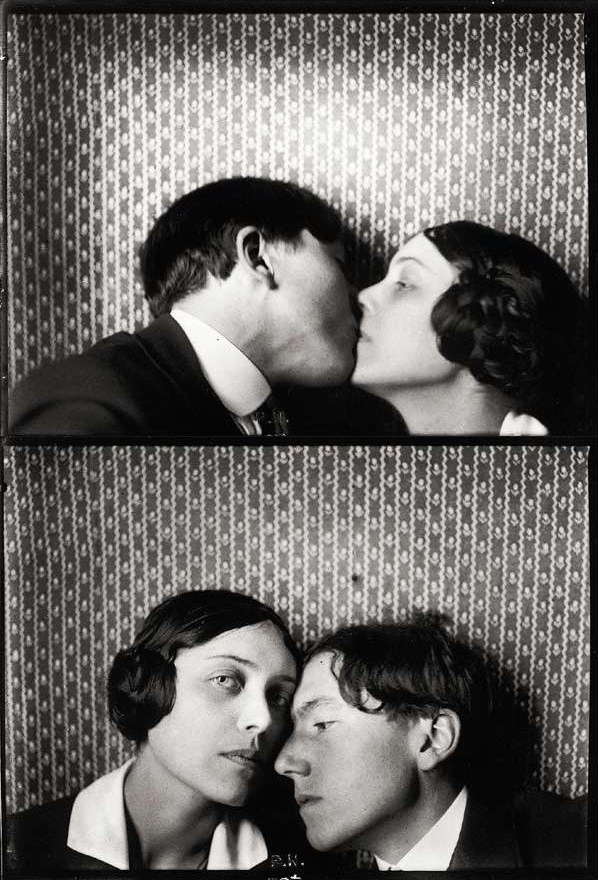
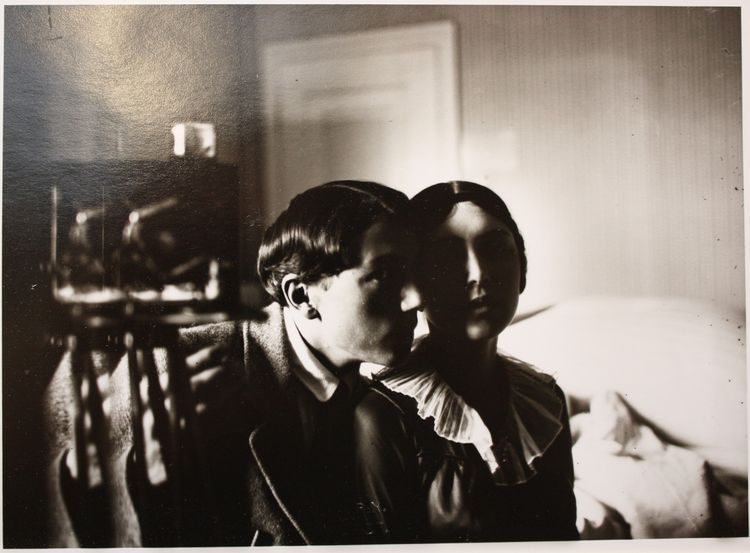
Reutlinger -Autoportrait avec Germaine Schroeder( poètesse ) vers 1913

« Fils, petit-fils et petit-neveu de photographes professionnels parisiens, Jean Reutlinger pratique entre autres la photographie au cours d’une brève existence qui s’achèvera à vingt-trois ans dans les premiers combats de la Grande Guerre. C’est un jeune homme exalté et sensible, cultivant avec ferveur son corps comme son esprit, poète collaborant avec son amie Germaine Schroeder à la revue La Vasque mais aussi champion d’athlétisme, et lié au coureur allemand Hans Braun. Son ouvre photographique, nus, portraits, paysages, est d’un classicisme épuré servi par de beaux tirages aux pigments. Ses portraits évoquent le pictorialisme retenu de Steichen plutôt que celui de l’école française.
Dans une série d’autoportraits avec Germaine Schroeder, dont la BNF ne possède que les négatifs, il explore une voie différente, intime et forte. Cette chronique d’un amour cisaillé par la guerre laisse deviner qu’il aurait été un acteur important du retour à la « photographie pure ». » BNF

John Léo (dit Jean) Reutlinger (1891-22 août 1914) Autoportrait avec Germaine Schroeder( poètessse) [1&2] vers 1913

John Léo (dit Jean) Reutlinger (1891-22 août 1914) -Autoportrait avec Germaine Schroeder( poètesse [1] vers 1913

John Léo (dit Jean) Reutlinger (1891-22 août 1914) -Autoportrait avec Germaine Schroeder( poètesse [1] vers 1913

John Léo (dit Jean) Reutlinger (1891-22 août 1914)Autoportrait avec Germaine Schroeder( poètesse) , vers 1913

John Léo (dit Jean) Reutlinger (1891-22 août 1914)Autoportrait avec Germaine Schroeder( poètesse) , vers 1913

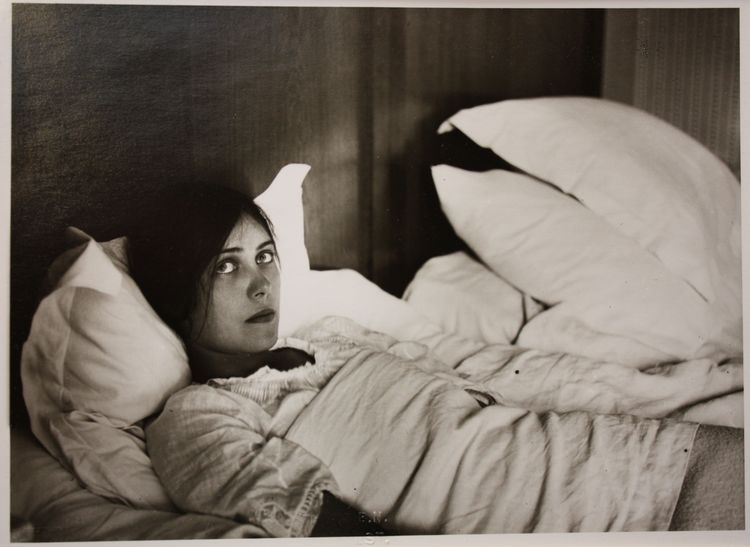
John Léo (dit Jean) Reutlinger (1891-22 août 1914)- Portrait de la poètesse Germaine Schroeder  vers 1913 source bnf exposition

John Léo (dit Jean) Reutlinger (1891-22 août 1914)- Portrait de la poètesse Germaine Schroeder vers 1913 source bnf exposition

John Léo (dit Jean) Reutlinger (1891-22 août 1914)portrait de Germaine Schroeder  vers 1913 source bnf exposition

John Léo (dit Jean) Reutlinger (1891-22 août 1914)portrait de Germaine Schroeder vers 1913 source bnf exposition

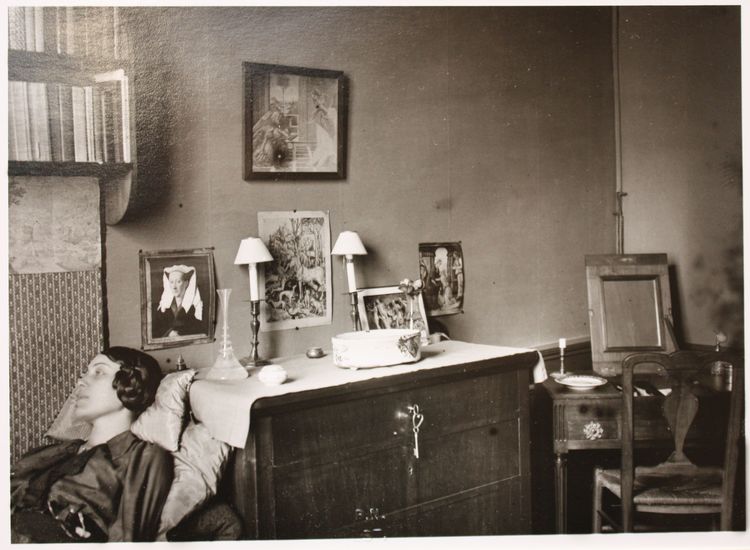
John Léo (dit Jean) Reutlinger (1891-22 août 1914)- Portrait de la poétesse Germaine Schroeder dans son appartement du 52, rue Madame, vers 1913 source bnf exposition

John Léo (dit Jean) Reutlinger (1891-22 août 1914)- Portrait de la poétesse Germaine Schroeder dans son appartement du 52, rue Madame, vers 1913 source bnf exposition

Source Bibliothèque nationale de France, Département des Estampes et de la photographie

Francesca Woodman Boulder Colorado

Francesca Woodman – untitled- Boulder Colorado, 1976.

« Did my mother bring me to this place?
Will others come to take my place?
In total isolation…
Surrounded by crowds…
Too many tears…
From too many clowns… Isolation…
Surrounded by crowds…
When you think on it…
We’re all souls in isolation…. »
Francesca Woodman


Pierre Molinier – Marie-Therese, n.d

Pierre Molinier – Marie-Therese, n.d. from Pierre Molinier by Jean-Luc Mercie, les presses du réel Paris 2010.


Charles Gates Sheldon (American, 1889 – 1960) I

Charles Sheldon était un américain qui au début des années 1900 exerçait son talent comme Illustrateur et ce notamment pour les magazines ( ses illustrations aux pastels qu’il a réalisés entre 1925et 1930, notamment Pour le Magazine Photoplay  ont fait de lui, un des illustrateurs les mieux payés de son époque.

Après des études à l’Art Students League, il vint à Paris pour étudier auprès d’ Alphonse Mucha ( Sheldon est d’ailleurs connu pour sa « touche »  Art Nouveau et son style édouardien cf les photo du second article) . Après ce fructeux apprentissage, il retourne aux USA et a ouvert un studio à New York. En 1918, Sheldon a reçu sa première commande  pour La Vogue lingerie ( voir photographies plus bas) , ce qui le fît connaitre et il enchaina, avec la Fox Shoe Company ( debut des années 20),   puis des couvertures de magazines comme  « The Saturday Evening Post » et surtout  le célèbre « Photoplay ». Non content d’être un très bon illustrateur, Sheldon n’en est pas moins un très bon photographe, et ) partir de 1921 il entame une collaboration avec le grand magazine Theater magazine, qui lui permettrons de photographier toutes les stars de l’époque. Dolores Costello, Clara Bow, Mae West, Jean Harlow,  Mary Nolan, Marie Pickford, Shirley Temple, Les Zegfried Girls , et des centaines d’autres poseront pour lui. Il les photographiera, où en dessinera le portrait, d’ailleurs on retrouve beaucoup de photographies qui ont été, au final,  des supports pour ses dessins,  ( comme ce fut le cas pour beaucoup d’illustrateurs ou dessinateur, cf Mucha par exemple, dont il a appris bcp). En 1929, Il rejoint le très célèbre magazine Screenland ( ou Edwin Bower Hesser a officié par exemple) ainsi  que Motion Picture et Movie Classic.

A la fin des années 30,  la plupart des couvertures de magazines sont en train de changer et la photographie en couleur prend le pas sur  les illustrateurs qui devinrent obsolètes. Sheldon utilisait surtout la photographie pour les compagnes publicitaires , où les portraits en studio et sa perte de vitesse s’amorçât à cette période.

je vous mets le lien Google Charles Gates Sheldon  Illustator ce qui vous permettra d’avoir une idée de son travail d’illustrateur., puis-qu’aujourd’hui c’est bien sûr son travail photographique que je vous présente, la campagne de publicité pour les chaussures car elles sont charmantes…

voir le second Article Ici

Charles Gates Sheldon – For Fox Shoes, 1920

Charles Gates Sheldon – For Fox Shoes, 1920

Charles Gates Sheldon – Photo for the advertising campaign of Fox Shoes. 1920

Charles Gates Sheldon – Photo for the advertising campaign of Fox Shoes. 1920

Charles Gates Sheldon – Photo for the advertising campaign of Fox Shoes. 1920

Charles Gates Sheldon – Photo for the advertising campaign of Fox Shoes. 1920

Charles Gates Sheldon – Photo for the advertising campaign of Fox Shoes. 1920

Charles Gates Sheldon – Photo for the advertising campaign of Fox Shoes. 1920

Charles Gates Sheldon – Photo for the advertising campaign of Fox Shoes. 1920

Charles Gates Sheldon – Photo for the advertising campaign of Fox Shoes. 1920

Charles Gates Sheldon – Photo for the advertising campaign of Fox Shoes. 1920

Charles Gates Sheldon – Photo for the advertising campaign of Fox Shoes. 1920

Charles Gates Sheldon – Photo for the advertising campaign of Fox Shoes. 1920

Charles Gates Sheldon – Photo for the advertising campaign of Fox Shoes. 1920

Charles Gates Sheldon – Photo for the advertising campaign of Fox Shoes. 1920

Charles Gates Sheldon – Photo for the advertising campaign of Fox Shoes. 1920

Charles Gates Sheldon – Photo for the advertising campaign of Fox Shoes. 1920

Charles Gates Sheldon – Photo for the advertising campaign of Fox Shoes. 1920

Charles Gates Sheldon – Photo for the advertising campaign of Fox Shoes. 1920

Charles Gates Sheldon – Photo for the advertising campaign of Fox Shoes. 1920

Charles Gates Sheldon – Photo for the advertising campaign of Fox Shoes. 1920

Charles Gates Sheldon – Photo for the advertising campaign of Fox Shoes. 1920

Charles Gates Sheldon – Photo for the advertising campaign of Fox Shoes. 1920

Charles Gates Sheldon – Photo for the advertising campaign of Fox Shoes. 1920

Charles Gates Sheldon – Photo for the advertising campaign of Fox Shoes. 1920

Charles Gates Sheldon – Photo for the advertising campaign of Fox Shoes. 1920

Charles Gates Sheldon – Photo for the advertising campaign of Fox Shoes. 1920

Charles Gates Sheldon – Photo for the advertising campaign of Fox Shoes. 1920