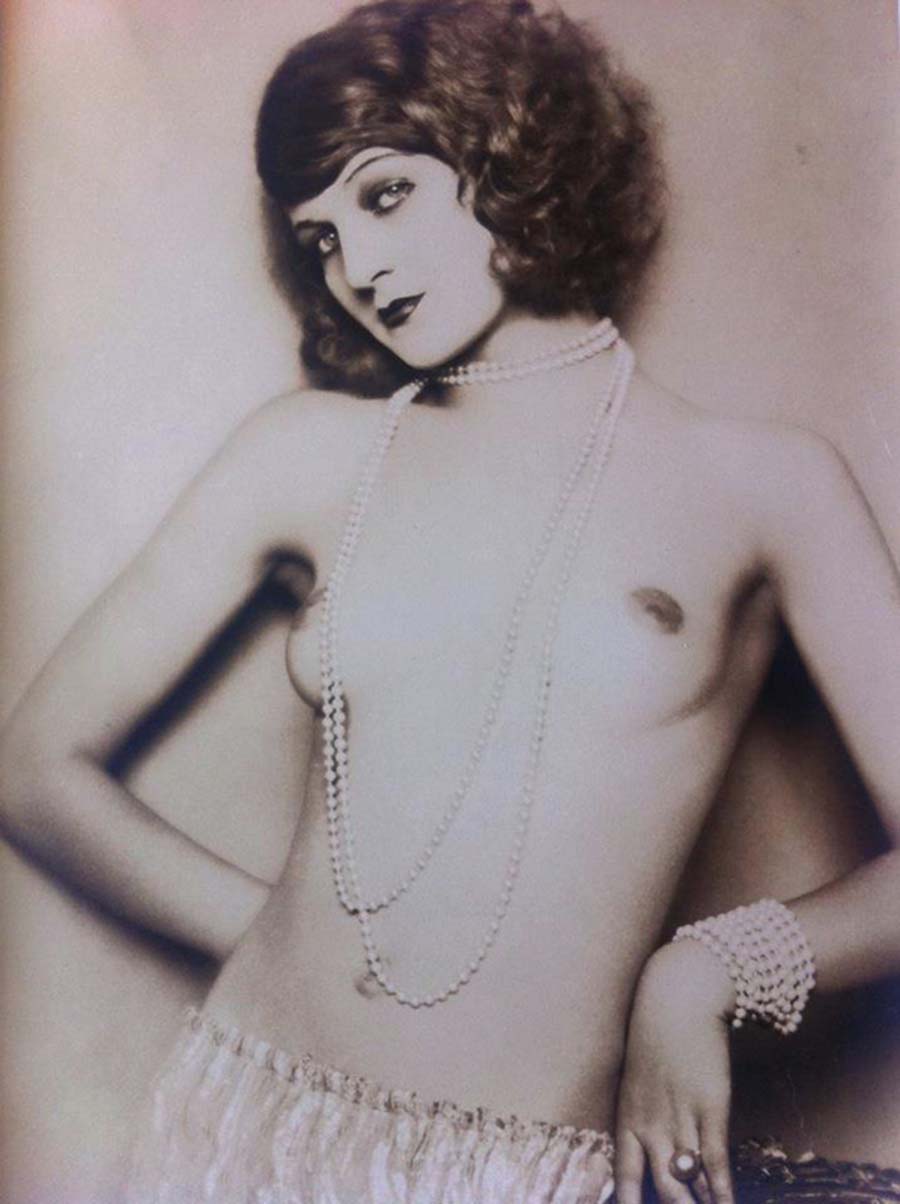
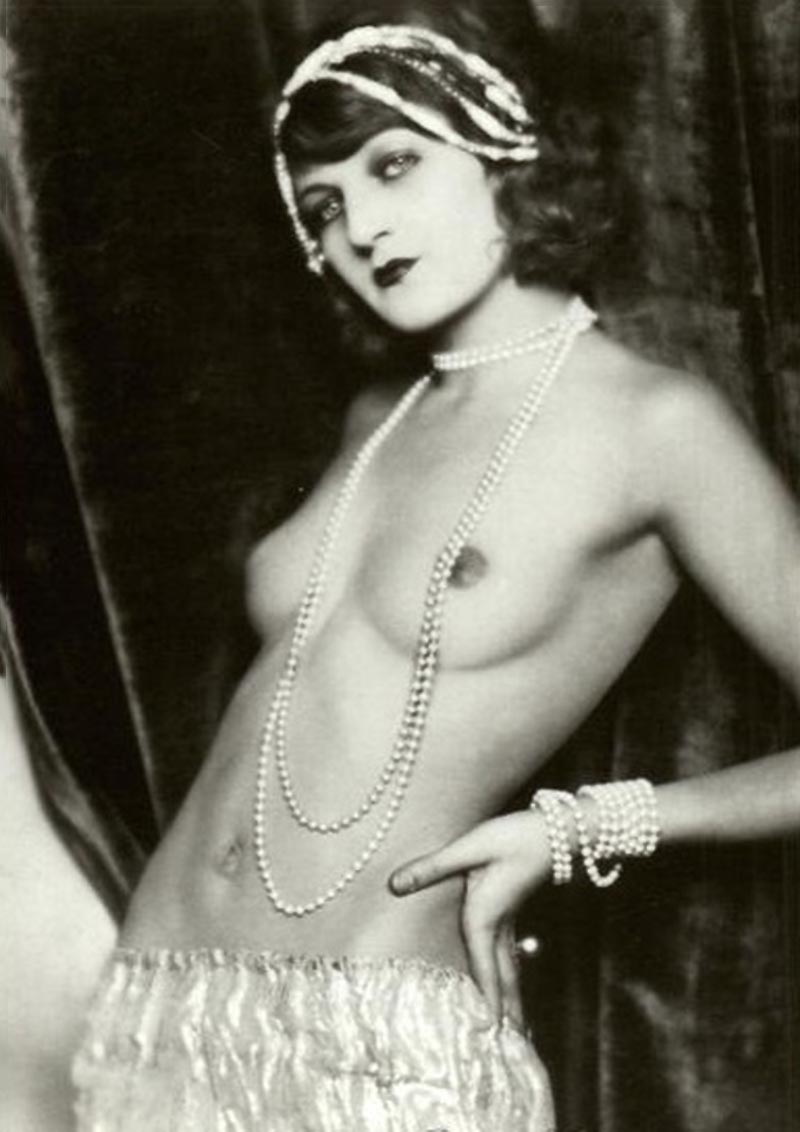
vintage dancer, probably 1920’s

vintage dancer, probably 1920’s

vintage dancer, probably 1920’s


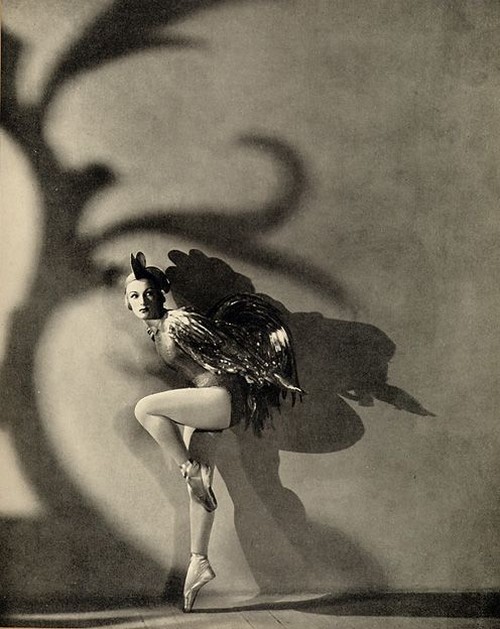
Horst P Horst -Ballets Russes, Tatiana Ryaboushinskaya as Golden Cockerel in 1938

Horst P Horst –Ballets Russes, Tatiana Ryaboushinskaya as Golden Cockerel in 1938

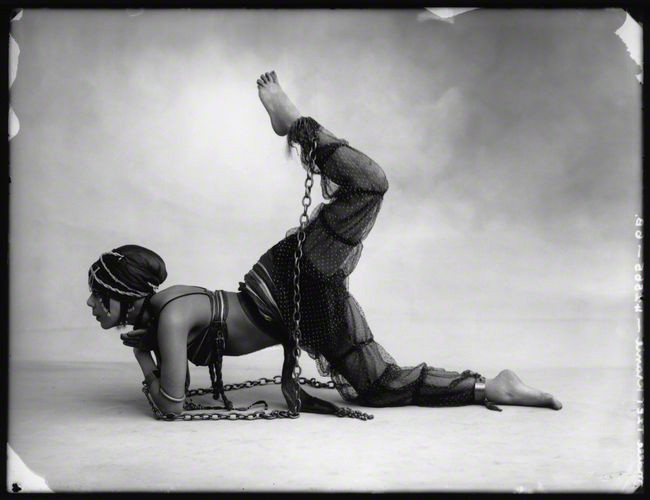
Alexander Bassano- “Tzet Kranil,” 1914

 Alexander Bassano- “Tzet Kranil,” 1914

Alexander Bassano- “Tzet Kranil,” 1914

 Alexander Bassano- “Tzet Kranil,” 1914

Alexander Bassano- “Tzet Kranil,” 1914

 Alexander Bassano- “Tzet Kranil,” 1914

Alexander Bassano- “Tzet Kranil,” 1914

Alexander Bassano- “Tzet Kranil,” 1914

Alexander Bassano- “Tzet Kranil,” 1914

Alexander Bassano- “Tzet Kranil,” 1914


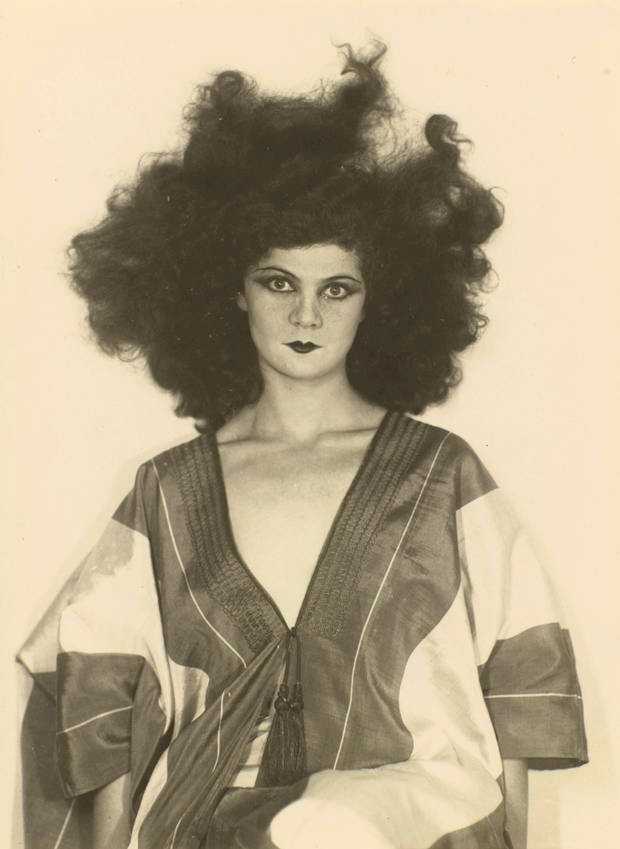
Berenice Abbott – The dancer Lucia Joyce

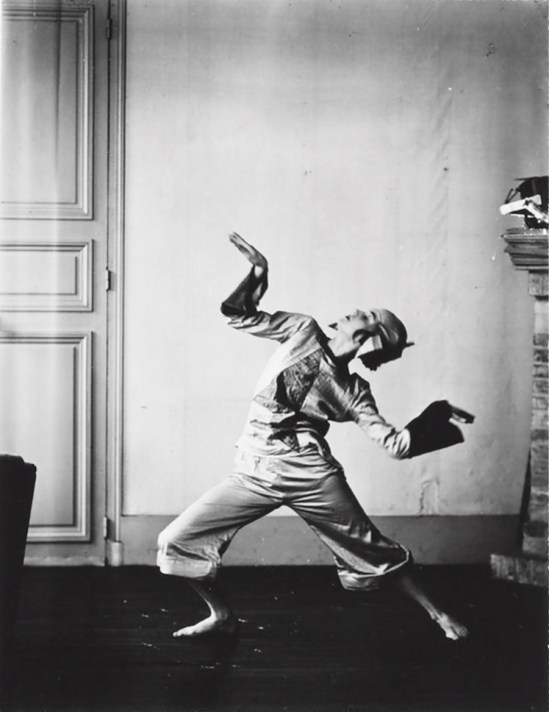
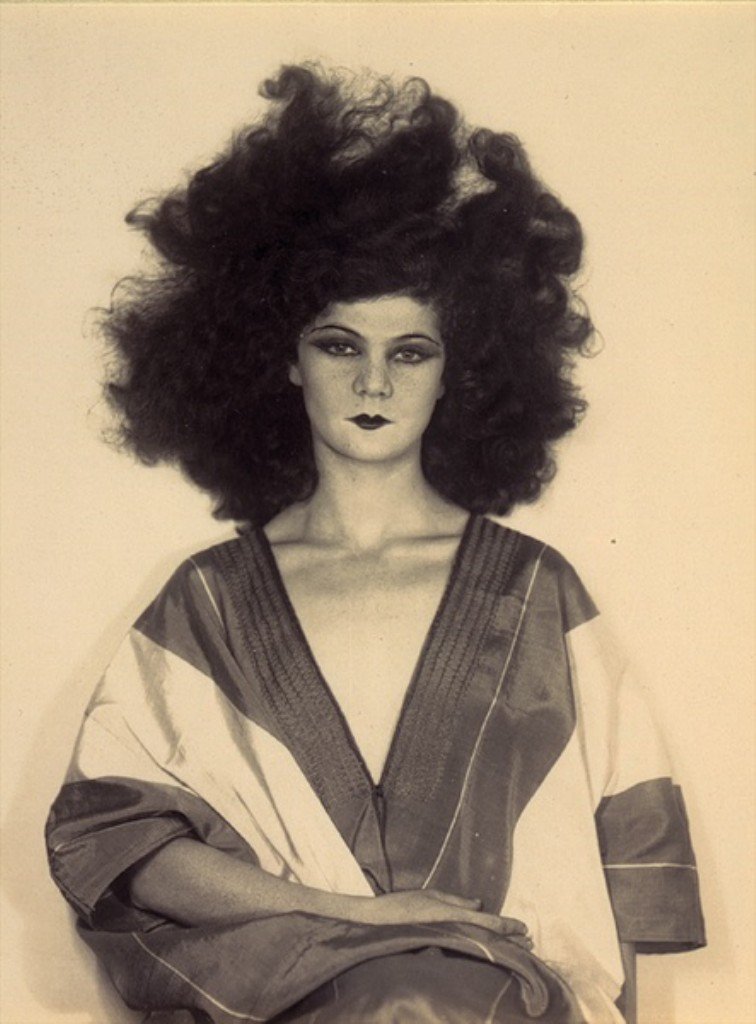
Berenice Abbott- The dancer James Joyce's daughter  Lucia Joyce , 1928

Berenice Abbott- The dancer James Joyce’s daughter Lucia Joyce , 1928

Berenice Abbott- The dancer James Joyce's daughter  Lucia Joyce , 1928

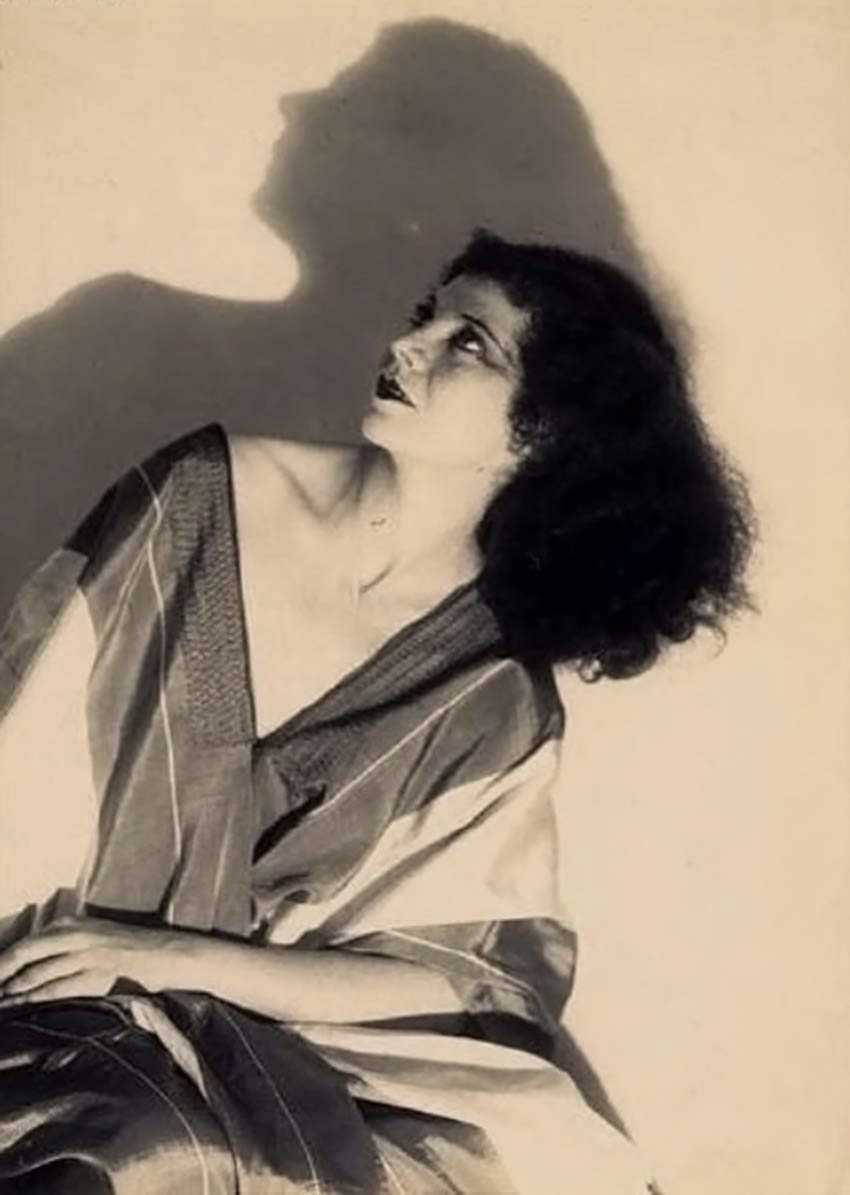
Berenice Abbott- The dancer James Joyce’s daughter Lucia Joyce , 1928

Berenice Abbott- The dancer James Joyce's daughter  Lucia Joyce , 1928

Berenice Abbott- The dancer James Joyce’s daughter Lucia Joyce , 1928

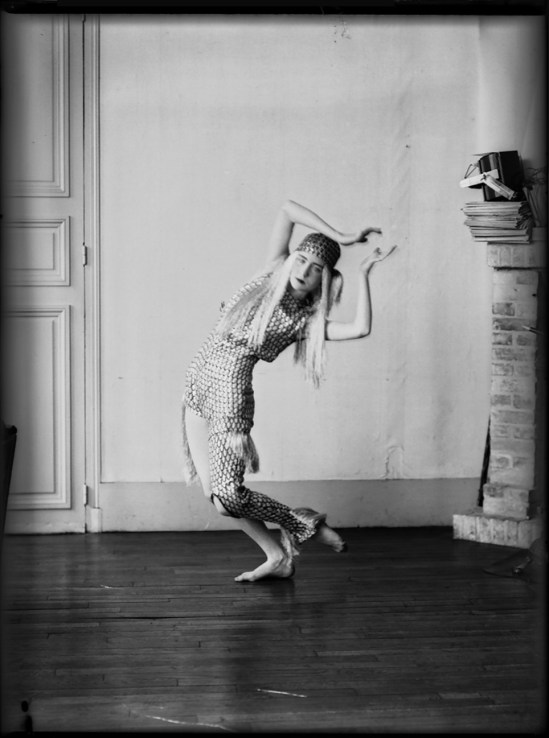
Lucia Joyce ( James Joyce’s daughter)- Bal de Bullier- Paris, 1929. (Lucia Joyce dansant dans un costume fait par elle-même pour une compétition au Bal Bullier à Paris en mai 1929.
Courtesy The Stuart Gilbert Collection, Harry Ransom Center, University of Texas at Austin.Photographe inconnu / but by this serie we can imagine that was Berenice Abbott]


Man Ray- Portrait of the dancer- choregrapher Bronislava Nijinska , 1922

Man Ray – Portrait of the dancer/ choregrapher Bronislava Nijinska, Paris, circa 1922

Man Ray- Portrait of the dancer- choregrapher Bronislava Nijinska , 1922; November 1922 issue; Courtesy Condé Nast Archive

Man Ray- Portrait of the dancer- choregrapher Bronislava Nijinska , 1922; November 1922 issue; Courtesy Condé Nast Archive

Man Ray- Portrait of the dancer- choregrapher Bronislava Nijinska , 1922; November 1922 issue; Courtesy Condé Nast Archive

Man Ray- Portrait of the dancer- choregrapher Bronislava Nijinska , 1922; November 1922 issue; Courtesy Condé Nast Archive

Man Ray – Portrait of the dancer/ choregrapher Bronislava Nijinska, Paris, circa 1922

Man Ray- Portrait of the Dancer Helen Tamiris, 1925

Helen Tamiris was a pioneer of American modern dance.

American choreographer, modern dancer, and teacher, one of the first to make use of jazz, African American spirituals, and social-protest themes in her work.

« Helen Tamiris (1903-1966), a founder of modern dance in the 1920s and 1930s, always kept a foot firmly planted in the commercial theater. She was trained in ballet at the Metropolitan Opera and by Michel Fokine, as well as in natural dancing at New York’s Isadora Duncan Studio. Her early career combined a soloist position in the Bracale Opera Company with appearances in nightclub and Broadway revues. Yet her first recital in 1927 demonstrated a personal expression of abstract movement and frank social analysis. A year later she adopted the Negro spiritual as a métier for life as conflict. Politically active, Tamiris helped to lead development of the Dance Repertory Theatre and dance initiatives under the Works Progress Administration Federal Art Project. She founded and chaired the American Dance Association and helped to set up the Federal Dance Project. Following World War II, she turned to Broadway to attract large audiences for a modern dance aesthetic that aspired to shape consciousness of the people. Tamiris choreographed eighteen musicals between 1943-1957, artfully integrating dance into such productions as Up in Central Park, Annie Get Your Gun, and Fanny. She taught movement to dancers and actors and formed the Tamiris-Nagrin Dance Workshop in 1957 with Daniel Nagrin, who was her husband at the time. » Helen Tamiris, an essay by Elizabeth McPherson.

Man Ray- Portrait of the Dancer Helen Tamiris, 1925-1929


Man Ray- Portrait of the Dancer Helen Tamiris, 1925

Man Ray- Portrait of the Dancer Helen Tamiris, 1925-1929

Man Ray- Portrait of the Dancer Helen Tamiris, 1925

Man Ray- Portrait of the Dancer Helen Tamiris, 1925-1929

Madame D’Ora- The dancer Kaja Marquita , 1920-30

Madame D’Ora- The dancer Kaja Marquita , 1920- 30 via live auctioneers

Madame D’Ora- The dancer Kaja Marquita , 1920′s

Madame D’Ora- The dancer Kaja Marquita , 1920-30

Rudolph Charlotte

Rudolph Charlotte- Le saut de palucca, 1922/23
[black and white version here]

Laurence Le Guay ( Australian 1917-1990)

Le Guay commenced his career during the 1930s with surrealist photography,  and integred Dayne Studios in 1935 at the age of 18. He became a member of the prestigious Sydney Camera Circle and the Contemporary Camera Groupe, in 1938, which included Max Dupain and Olive Cotton, as well as several older photographers including Harold Cazneaux and Cecil Bostock. The Groupe was committed to practising and promoting a modern Australian approach to photography. Le Guay, like Dupain and other members, was interested in European modernism and wanted to find a way to use this style to create uniquely Australian images.

During the second war he was a war photographer for the RAAF. During WWII he was a war photographer for the RAAF.

After opening his studio in George Street, in Sydney , he became a partner with John Nesbett in 1947 and began to focus on fashion photography and other advertising work until the closure of the studio during the early 1970s. Up to this time Le Guay was Sydney’s leading fashion photographer. He then concentrated on publishing books on his photography, editing photographic books and magazines, and giving lectures.

He Awarded the Commonwealth Medal for his contributions towards photography in 1963, prominent Australian photographer   // From Book  by Newton, « Shades of Light » 1998


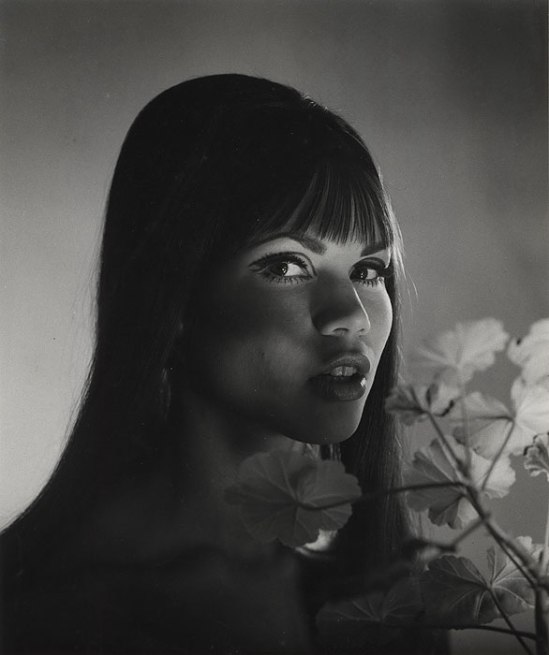
Laurence Le Guay -Model With Spiny Plant,1960s. Vintage silver gelatin print

Laurence Le Guay -Model With Spiny Plant,1960s. Vintage silver gelatin print

Laurence Le Guay- [Future Fashion], 1960s. Vintage silver gelatin print
Laurence Le Guay- [Future Fashion], 1960s. Vintage silver gelatin print

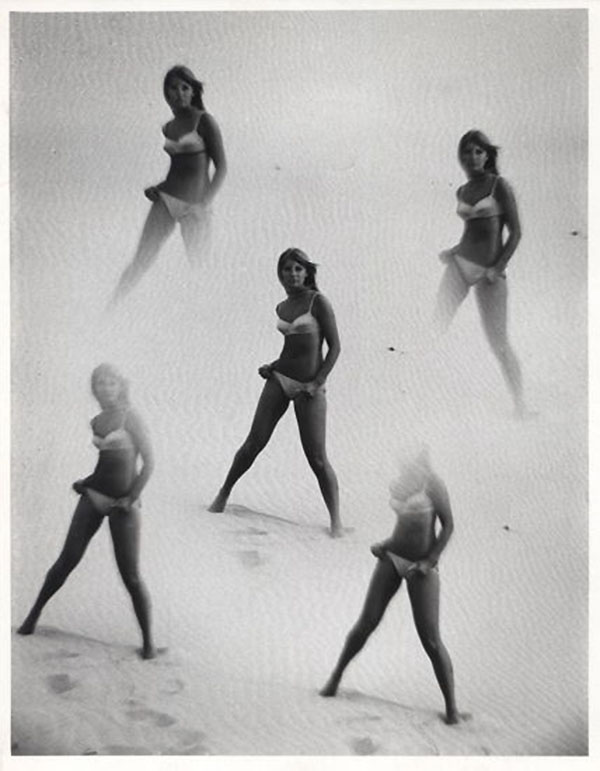
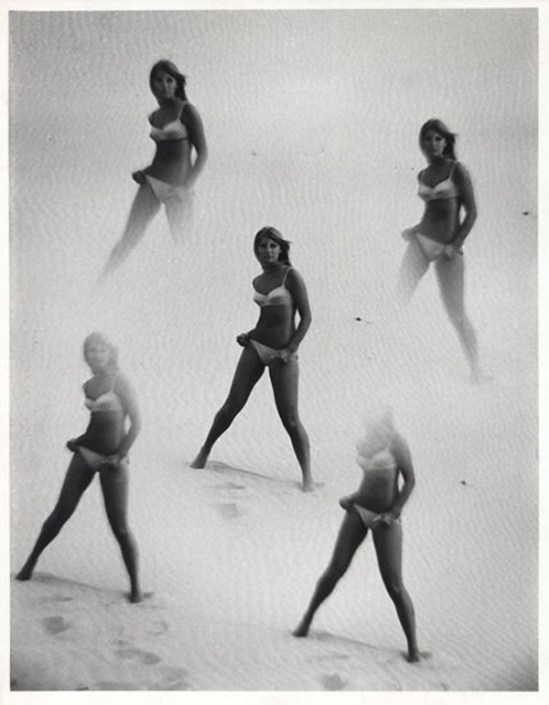
Laurence Le Guay- Quintet Of Bikinis, 1960s. Vintage silver gelatin print.
Laurence Le Guay- Quintet Of Bikinis, 1960s. Vintage silver gelatin print.

Laurence Le Guay- Marietta Nagel, Half-Indonesian Model, c1960s. Vintage silver gelatin

Laurence Le Guay- Marietta Nagel, Half-Indonesian Model, c1960s. Vintage silver gelatin

Laurence Le Guay- Marietta Nagel, Young Lovers In The Grass,1960s. Vintage silver gelatin print

Laurence Le Guay- Marietta Nagel, Young Lovers In The Grass,1960s. Vintage silver gelatin print

Laurence Le Guay- Dance movement , 1946


Laurence Le Guay- No. 2 Nude, 1949

Laurence Le Guay- No. 2 Nude, 1949

Laurence Le Guay- No. 2 Nude, 1949

Laurence Le Guay- No. 2 Nude, 1949

Laurence Le Guay- Sylphides 1940s photomontage, gelatin silver

Laurence Le Guay- Sylphides 1940s photomontage, gelatin silver


‘The progenitors’ is one of a series of montage works that Le Guay produced on the theme of modernism and the human condition. In the image, the nude man and woman are positioned as massive figures within an industrial landscape. The woman looks skyward with one hand pressed to her temple, while the man is seated at her feet and gazes up at her and the factory towers. The pose of the woman echoes the towers of the factory behind her, while the light and cloud suggest the enlightenment of the industrial world. The implication is that the couple are a modern Adam and Eve, with their ability to produce a new Australian race intrinsically linked to the productive capabilities of the modern industrial machines behind them.

« The title of Le Guay’s work potently suggests the complex mix of issues regarding race, heredity and modernity that circulated during the 1930s … A progenitor can mean a spiritual, political or intellectual predecessor and, in this context, the couple offer the viewer the reassuring promise of future prosperity. »  From Isobel Crombie in « Body culture: Max Dupain, photography and Australian culture, 1919–1939″, Peleus Press , 2004
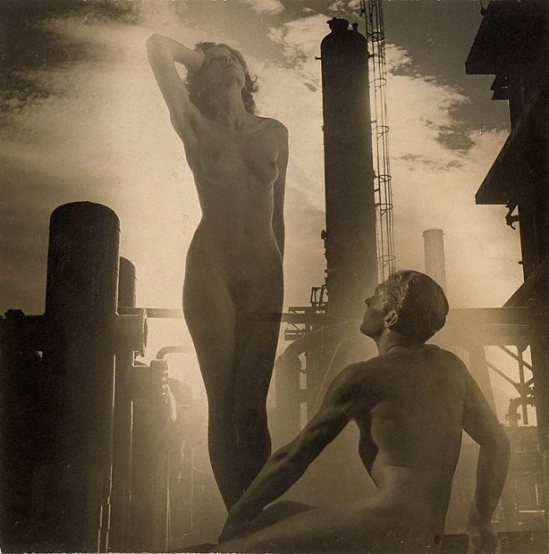
Laurence Le Guay- The progenitors , 1938 gelatin silver photograph, toned montage

Laurence Le Guay- The progenitors , 1938 gelatin silver photograph, toned montage

Laurence Le Guay- No title (War montage with child and soldier) , 1939,gelatin silver photograph
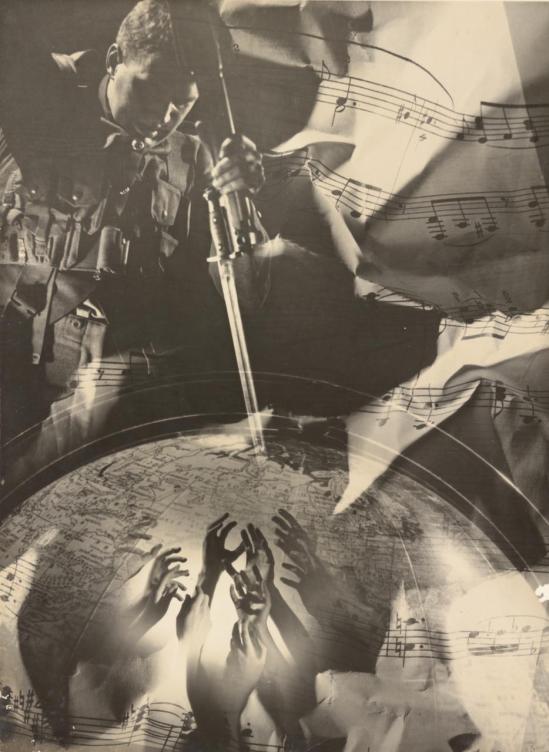
Laurence Le Guay- No title (War montage with child and soldier) , 1939,gelatin silver photograph

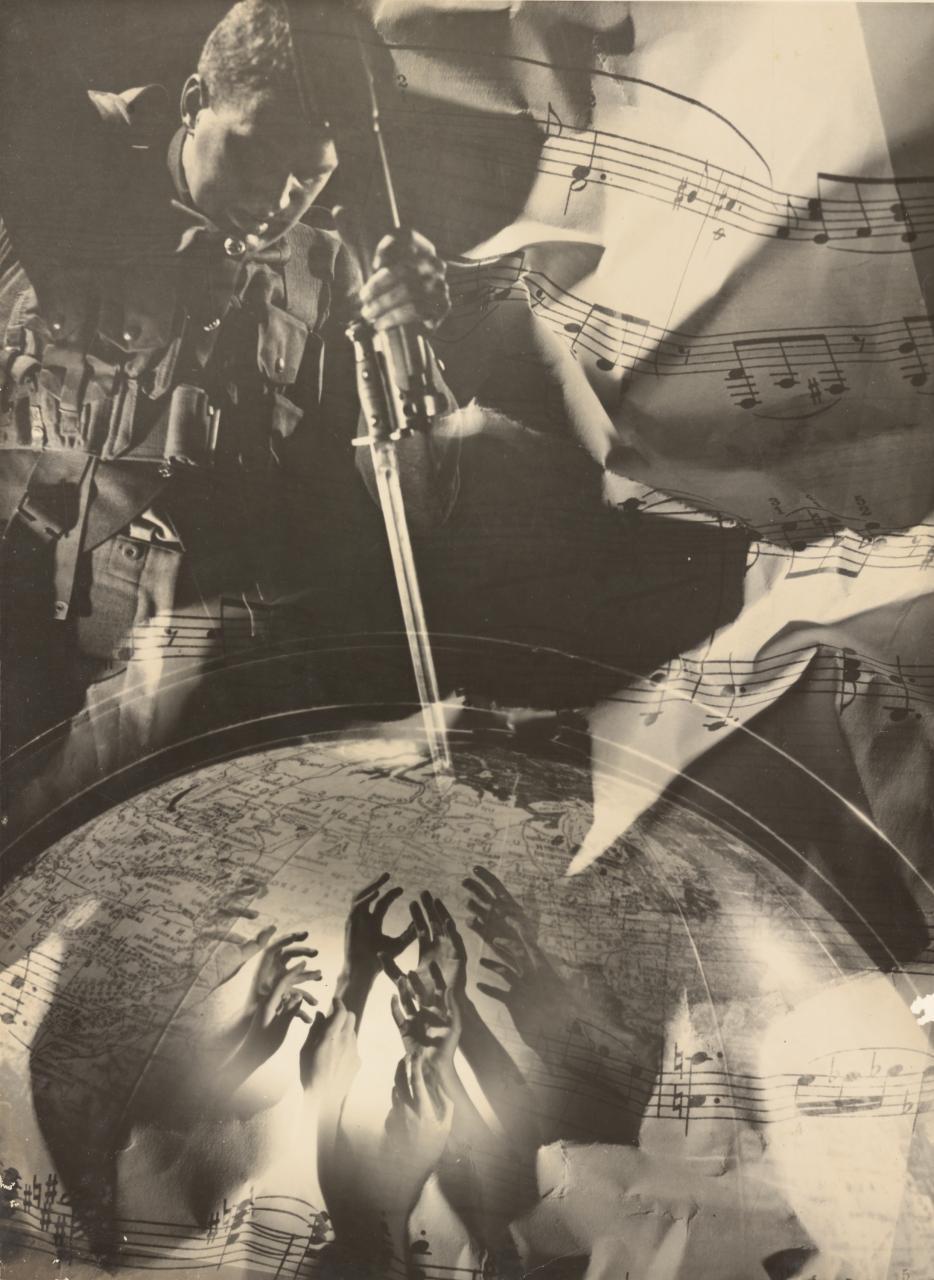
Laurence Le Guay- No title (War montage with globe), 1939 gelatin silver photograph
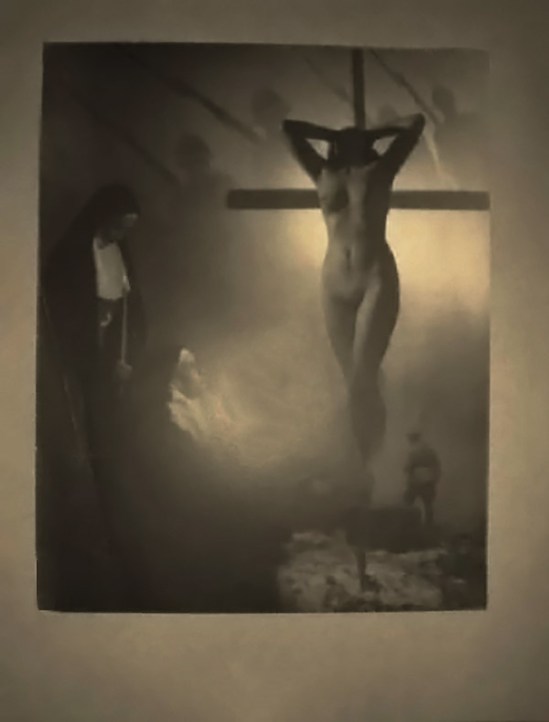
Laurence Le Guay- No title (War montage with globe), 1939 gelatin silver photograph

Laurence Le Guay- Background for Birth, Published in Photograms of the Year 1940

Laurence Le Guay- Background for Birth, Published in Photograms of the Year 1940


Site et Ici et Ici

 

ghost dance by lane cooper with music by Nick Cave and Warren Ellis – Song for Bob.

ghost dance by lane cooper with music by Nick Cave and Warren Ellis – Song for Bob.

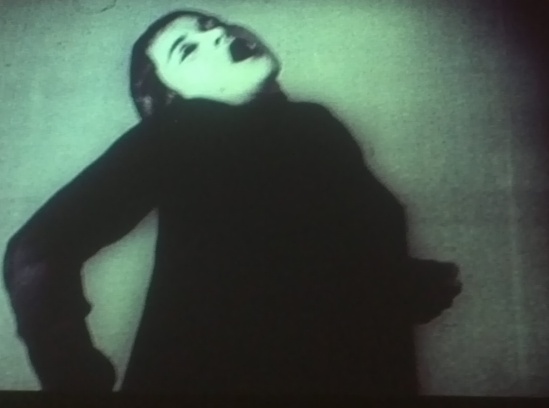
The Jewish cabaret artist Valeska Ger Still from a Weimar Republic era experimental dance film

The Jewish cabaret artist Valeska Ger Still from a Weimar Republic era experimental dance film

The Jewish cabaret artist Valeska Gert Still from a Weimar Republic era experimental dance film


Madame d’Ora – Princesse Leila Bederkhan, danseuse Kourde , 1930

Madame d’Ora - Princesse Leila Bederkhan, danseuse Kourde , 1930

Madame d’Ora – Princesse Leila Bederkhan, , 1930

Princess Leila Bederkhan, daughter of the great Bederkhan, who was Emir of Kurdistan under the reign of the Sultan Abdul Hamid, is causing a sensation on the Continent with her marvellous dancing. She dances solely in the Eastern style and has instituted a new vogue in the artistic circles on the Continent. She has been engaged to make a long tour in America


Lotte Jacobi – La danseuse Claire Bauroff, Berlin, 1928

Lotte Jacobi La danseuse Claire Bauroff, Berlin, 1928.

Lotte Jacobi La danseuse Claire Bauroff, Berlin, 1928.

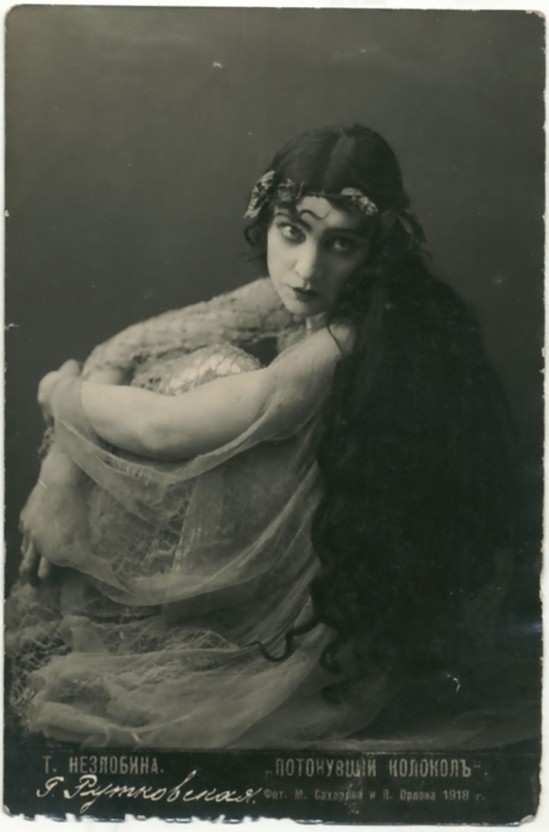
G. Rutkovskaia,

G. Rutkovskaia. 1918. Ballet theater photo postcard