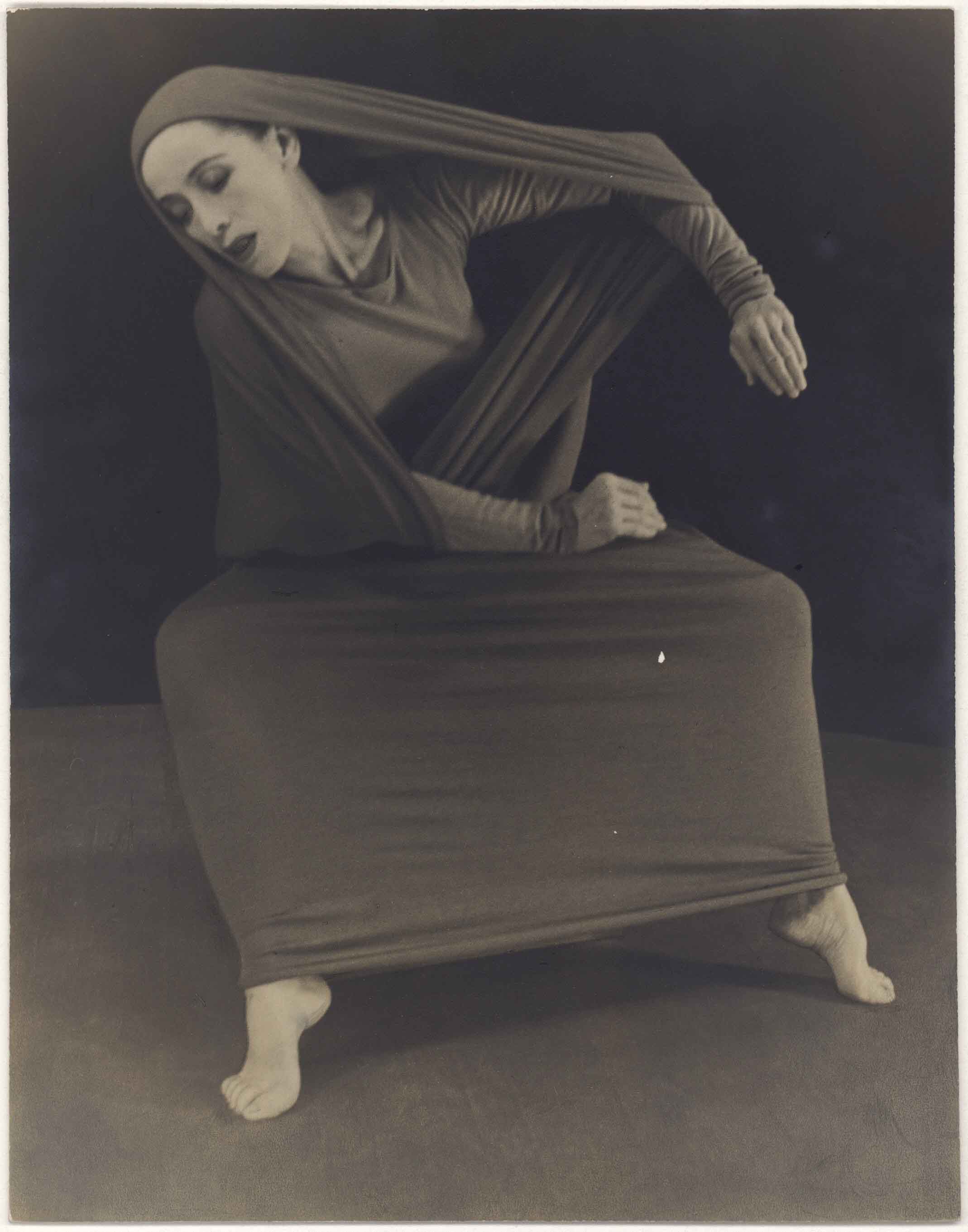
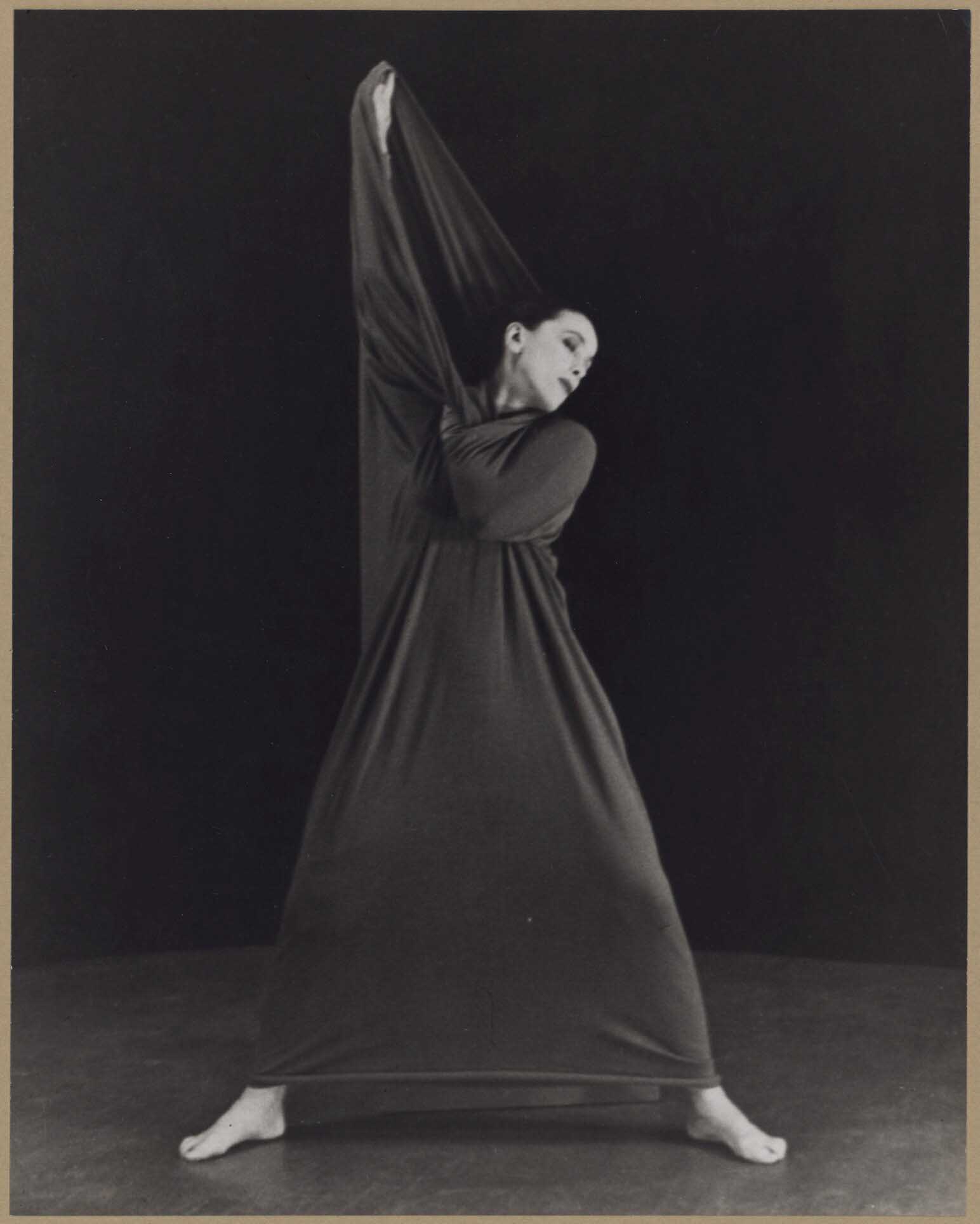
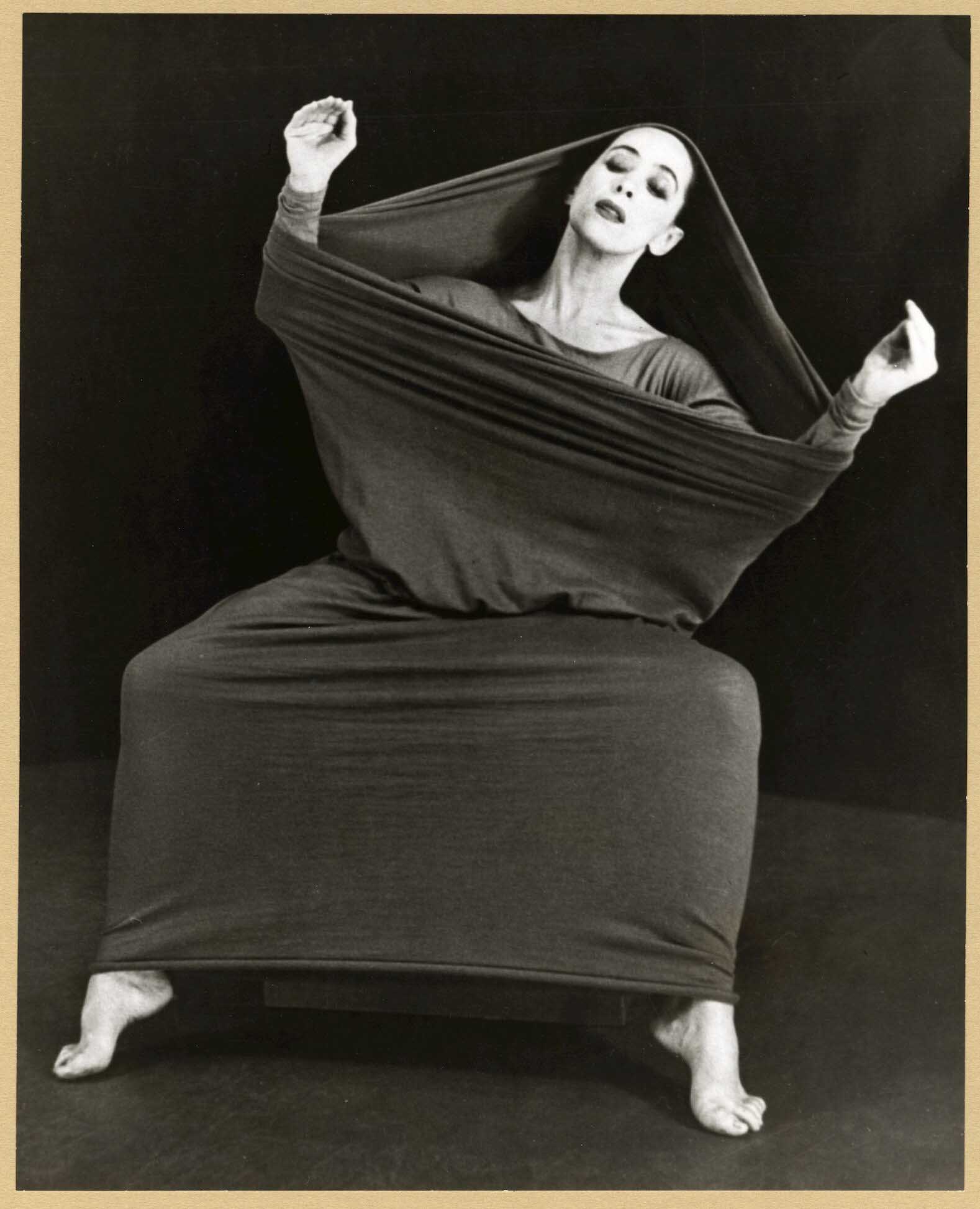
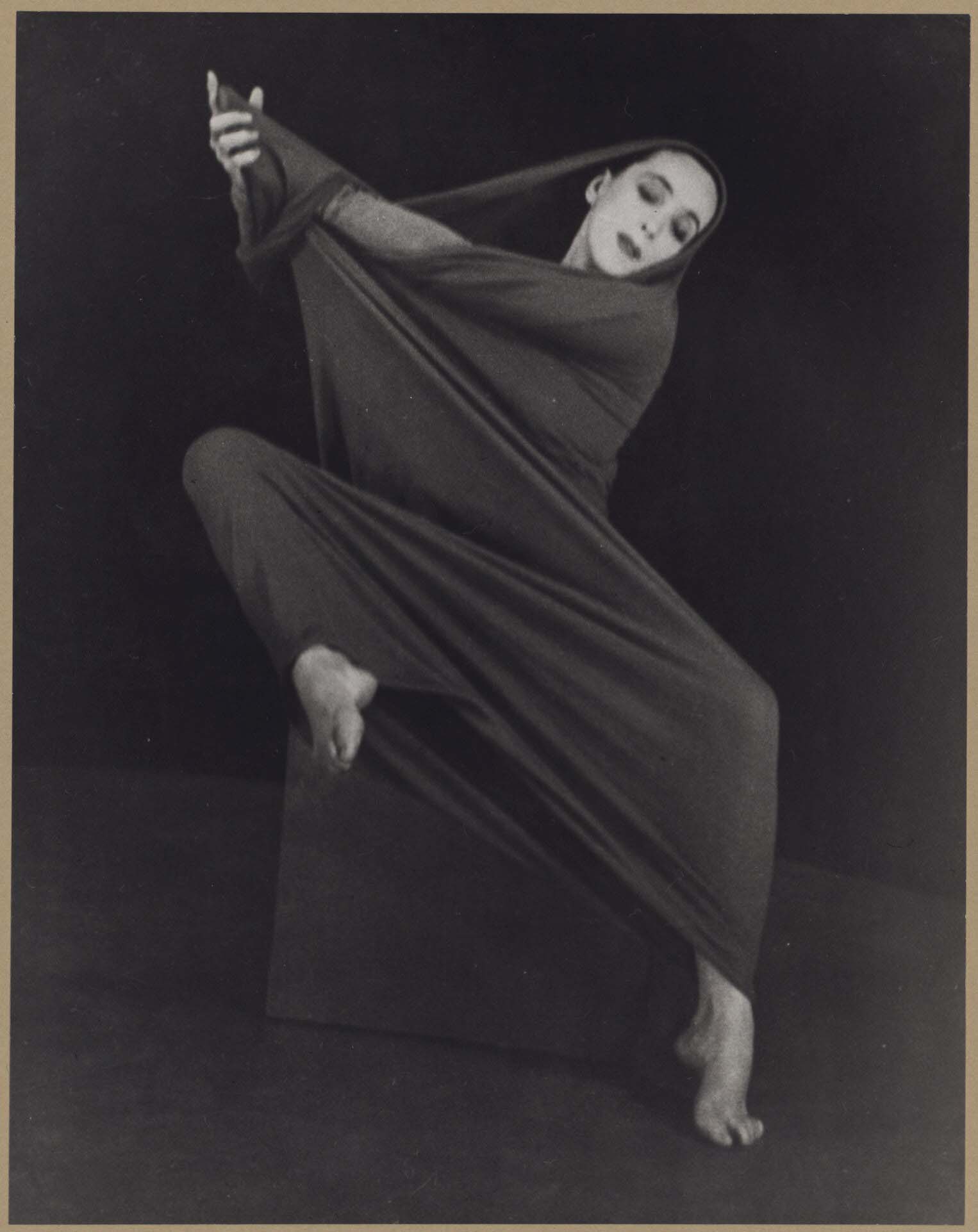
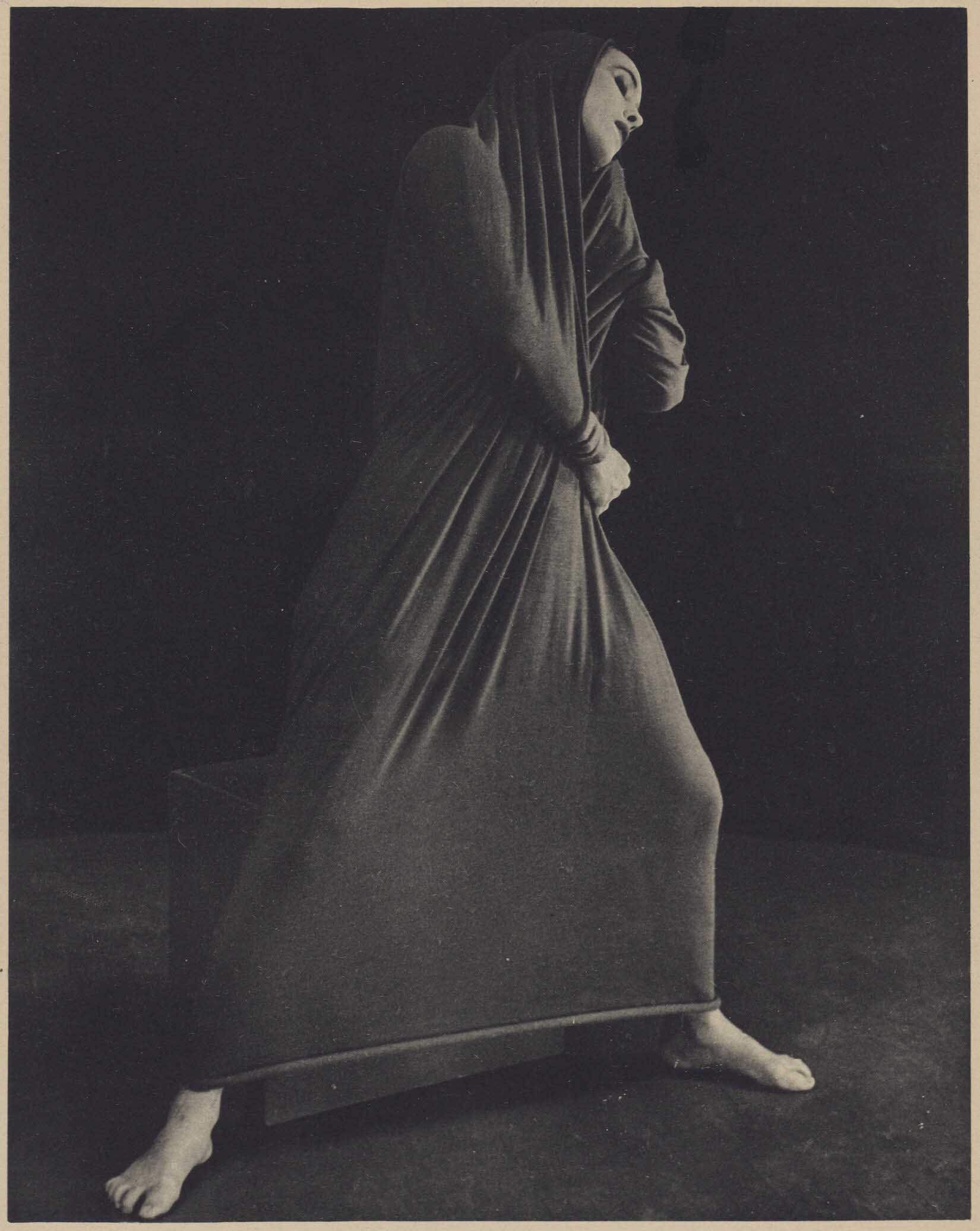
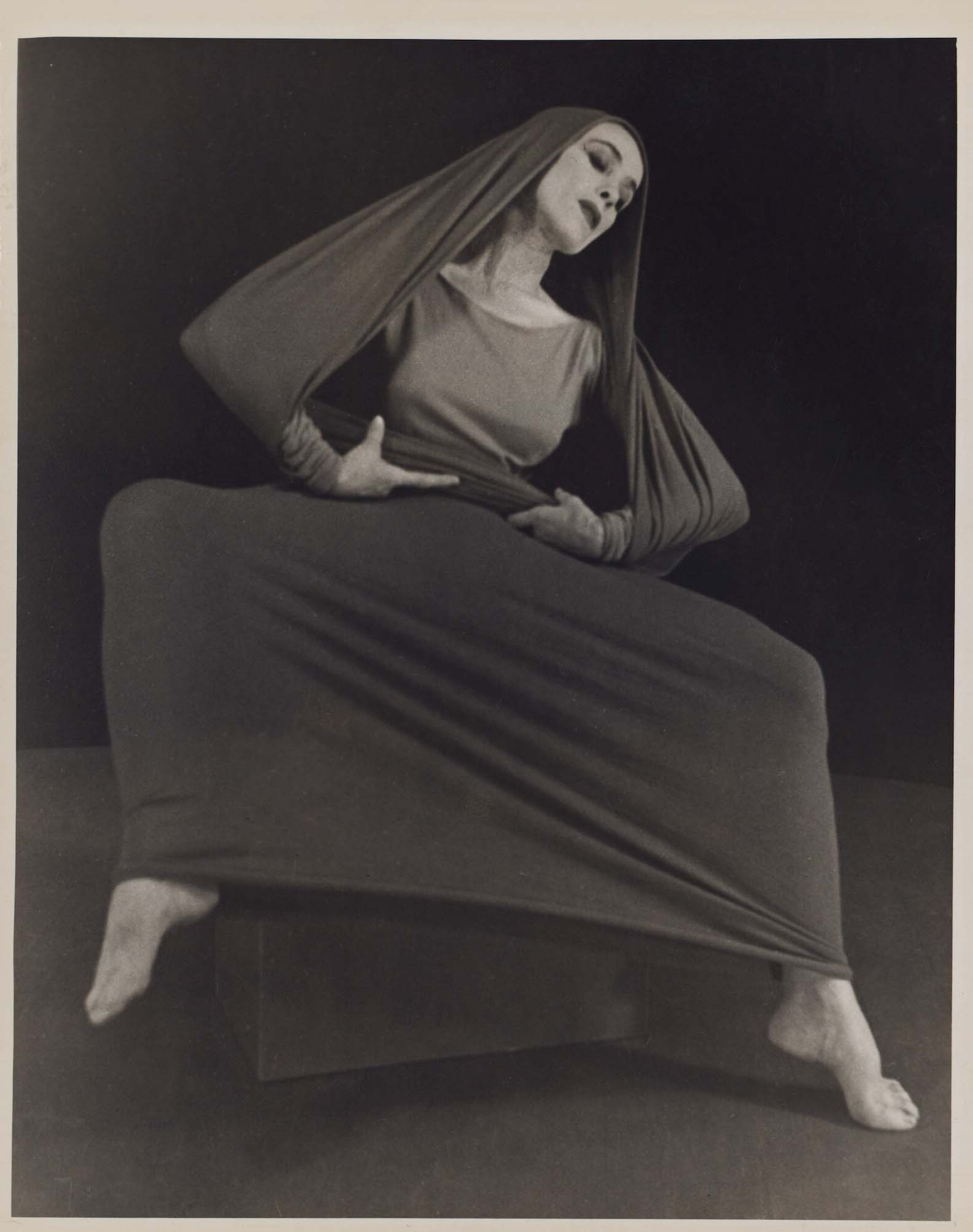
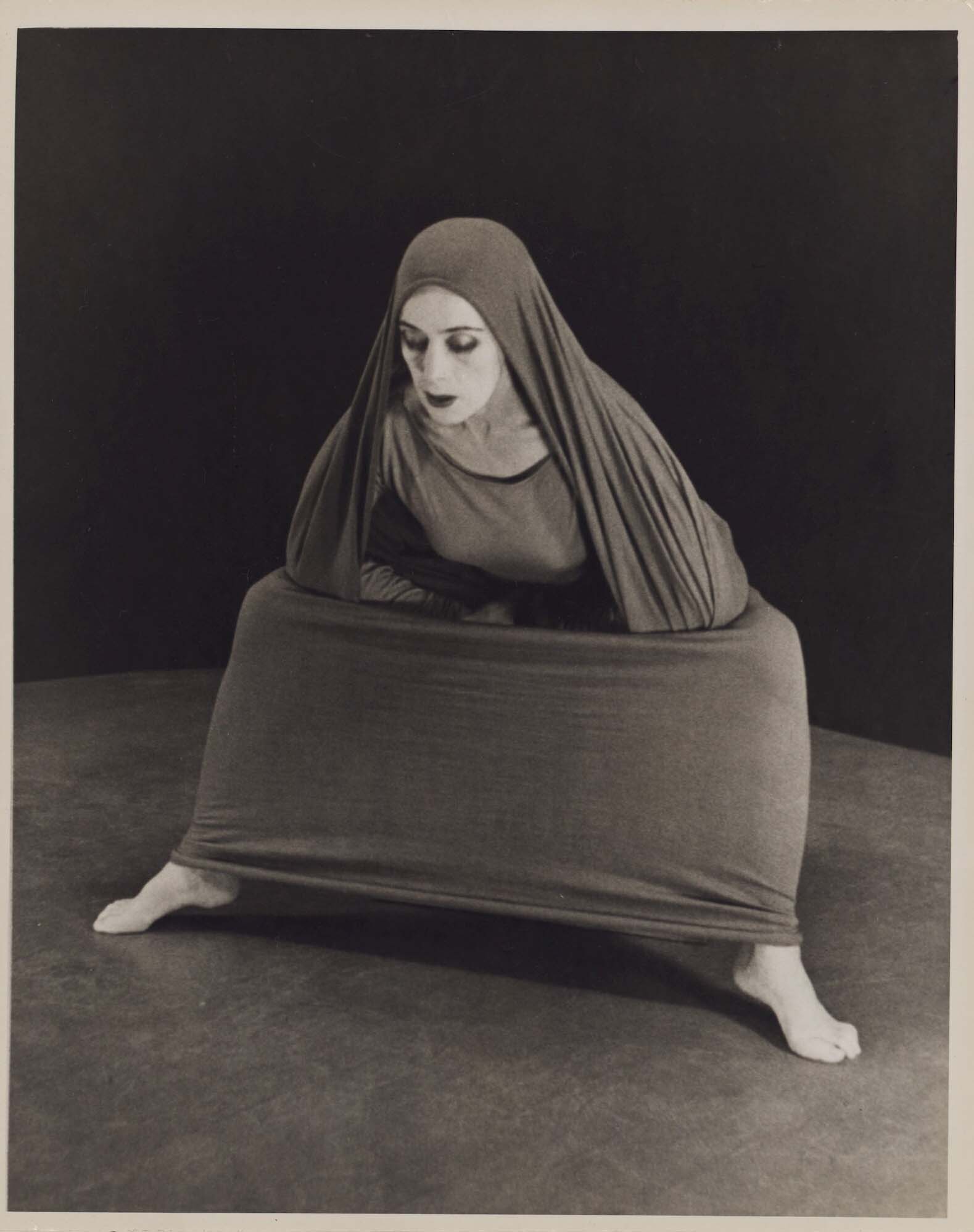
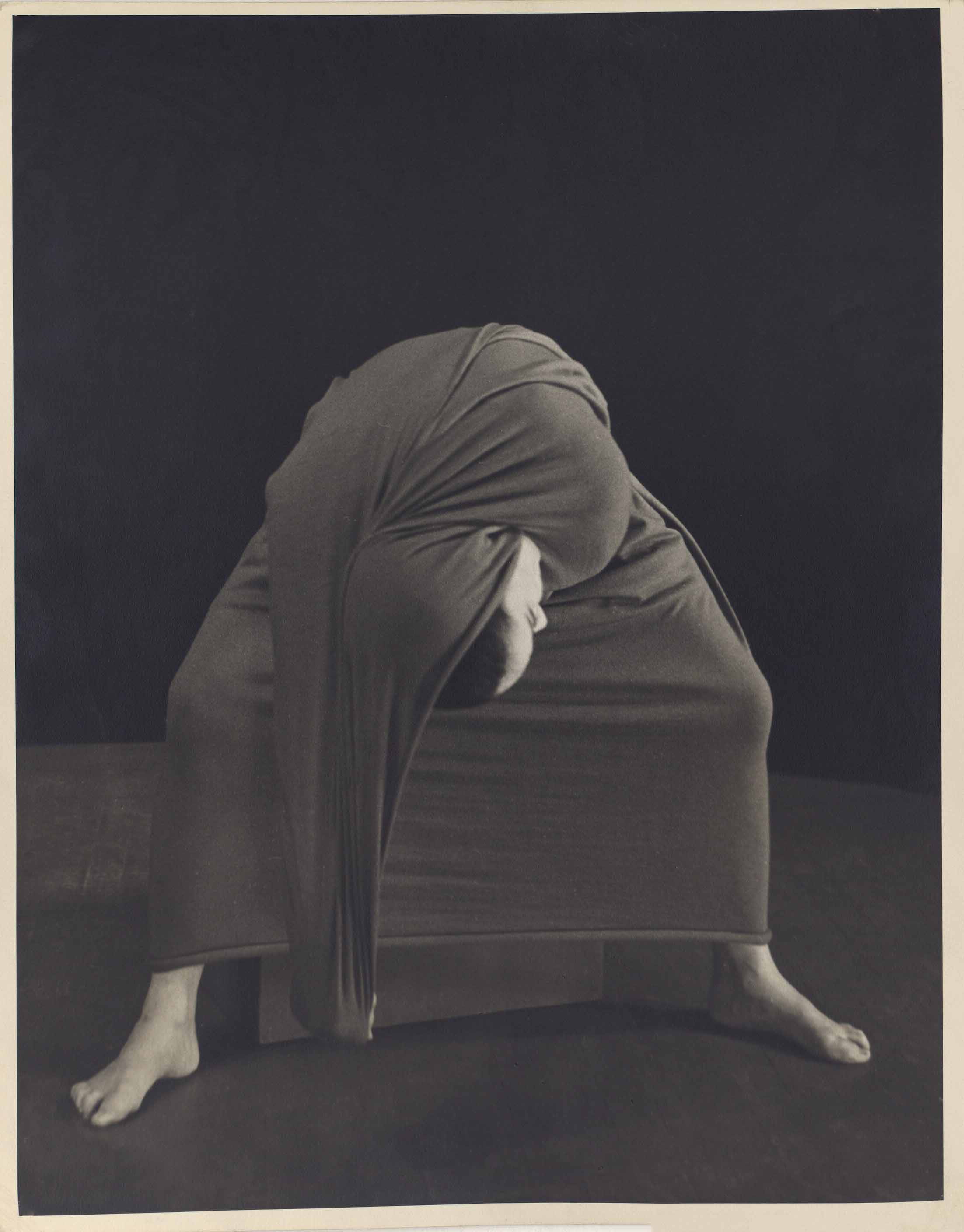
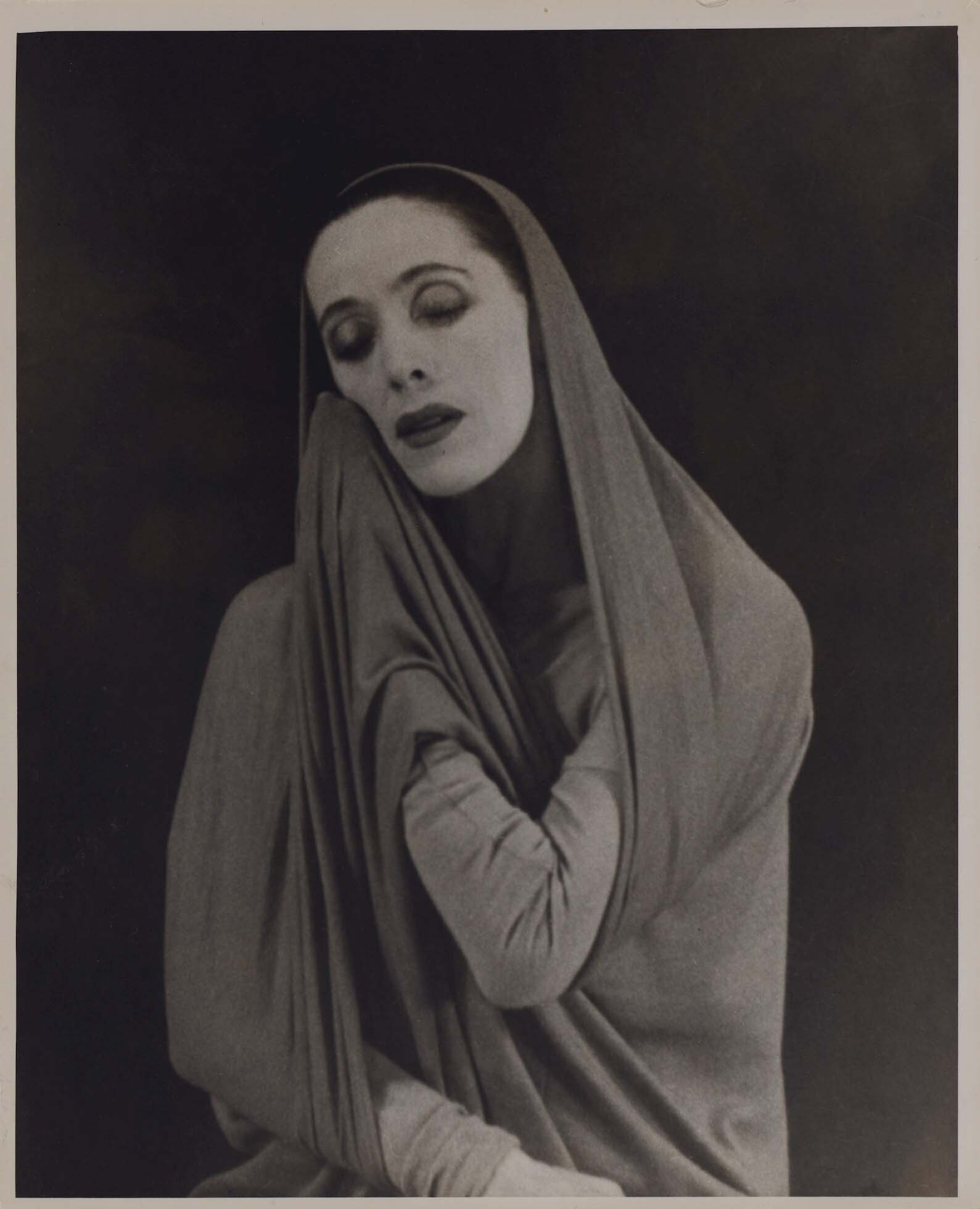
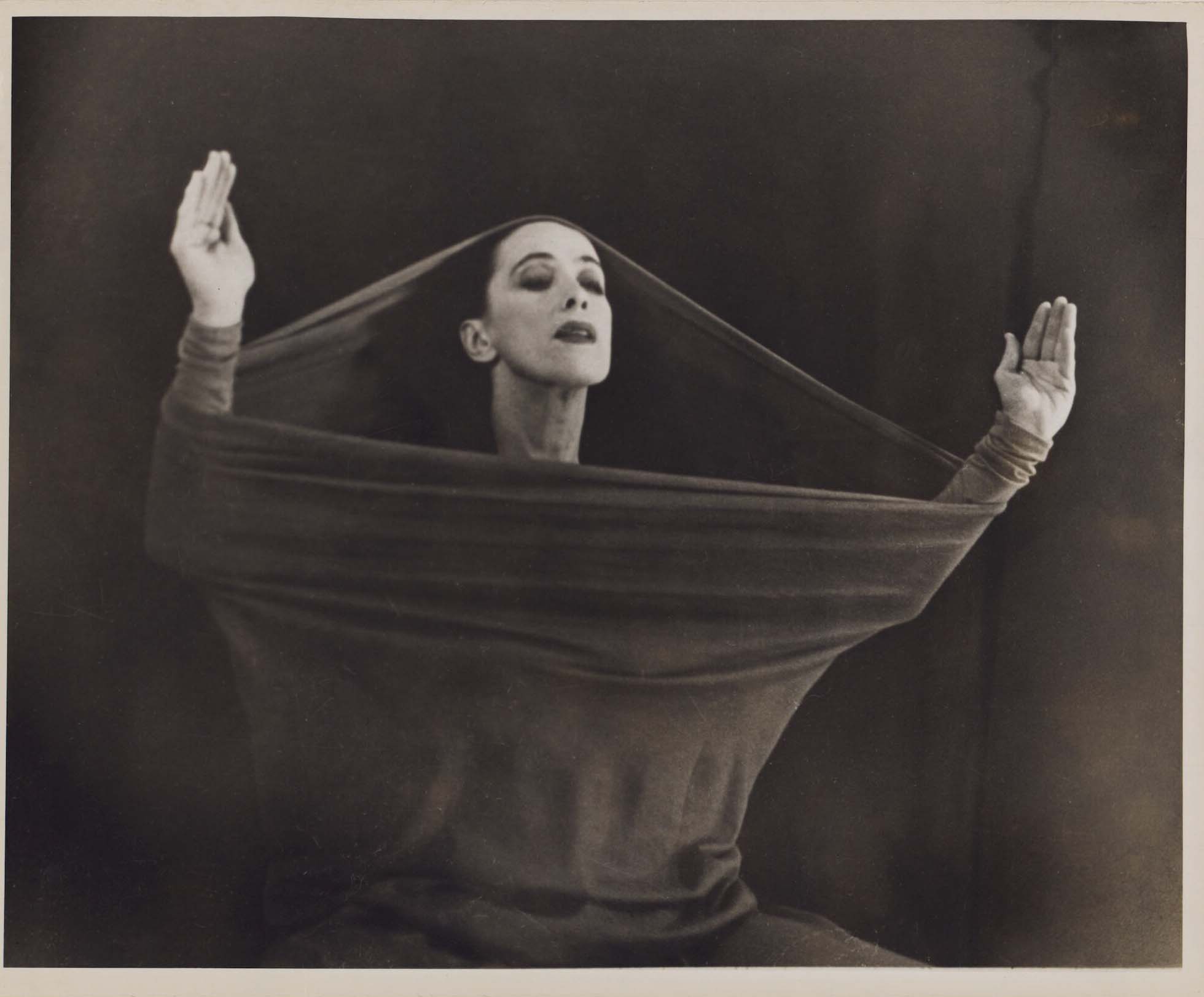
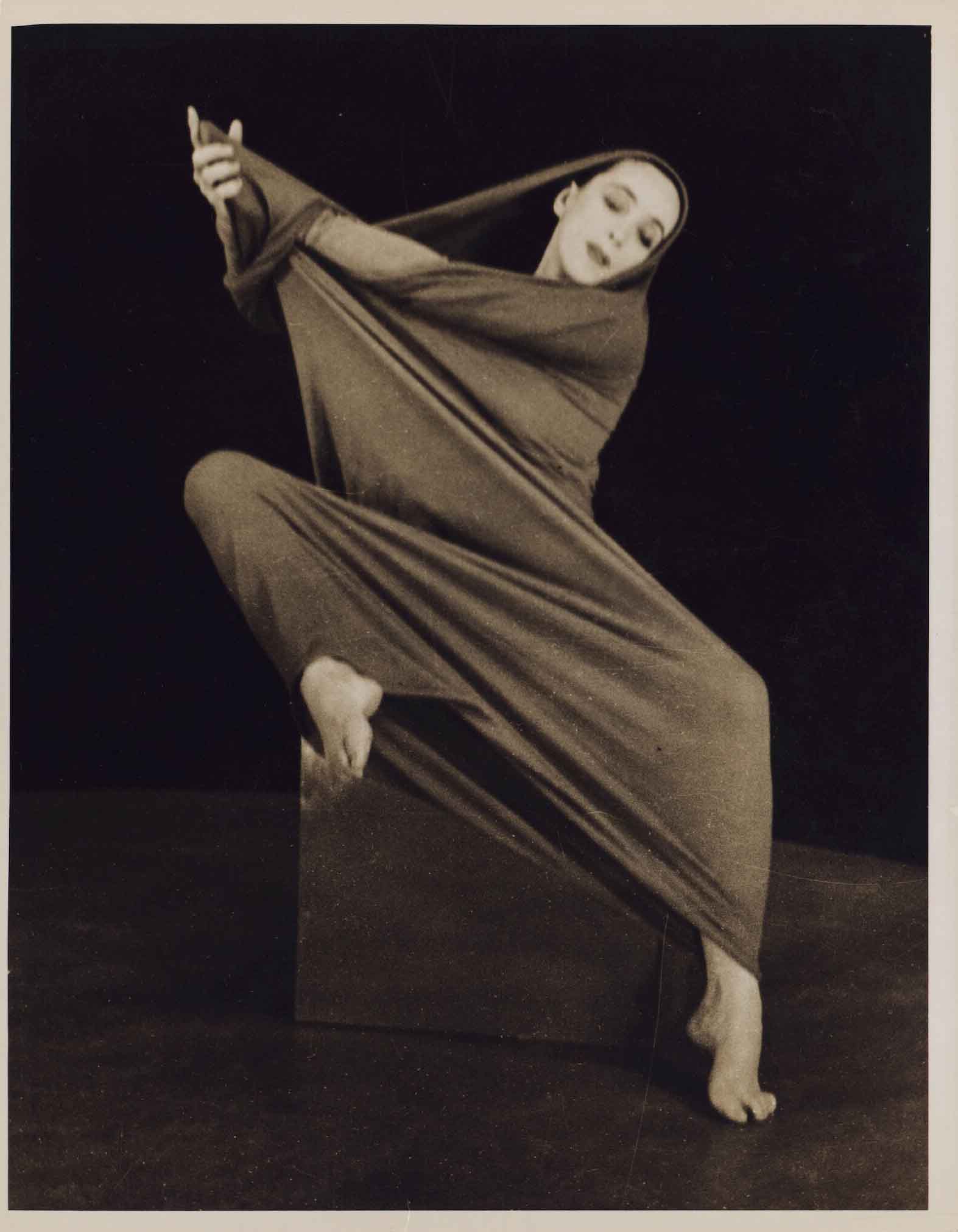
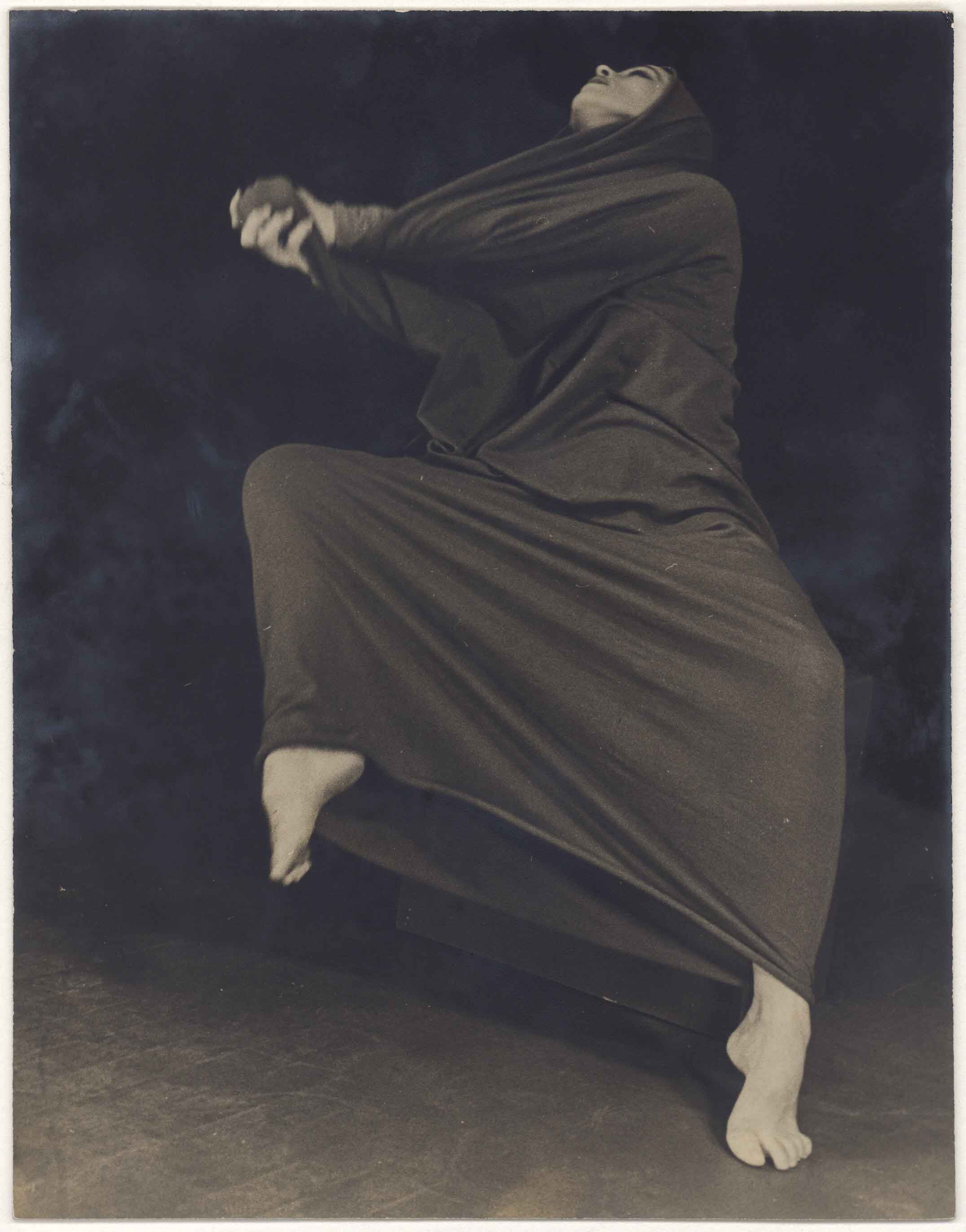
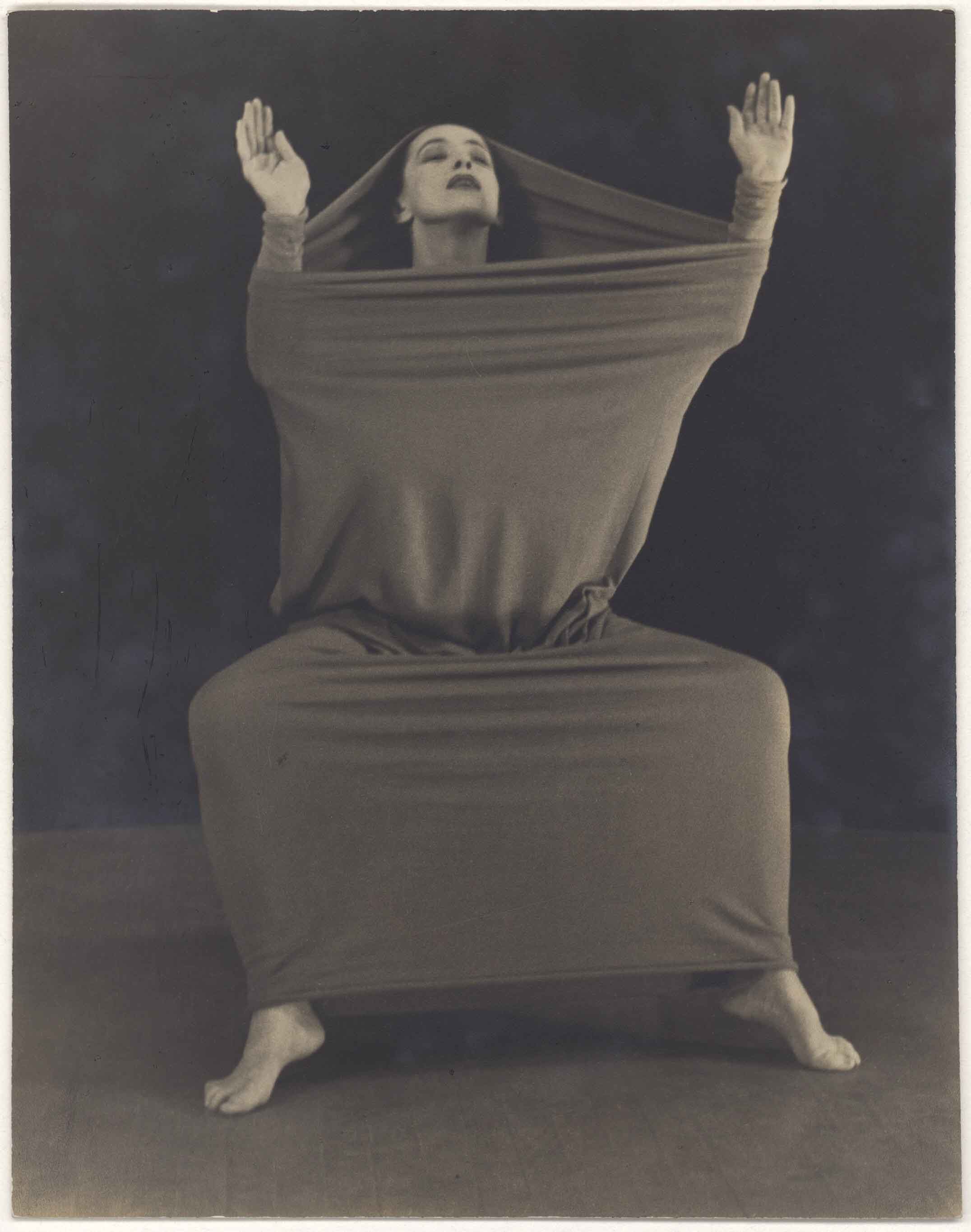
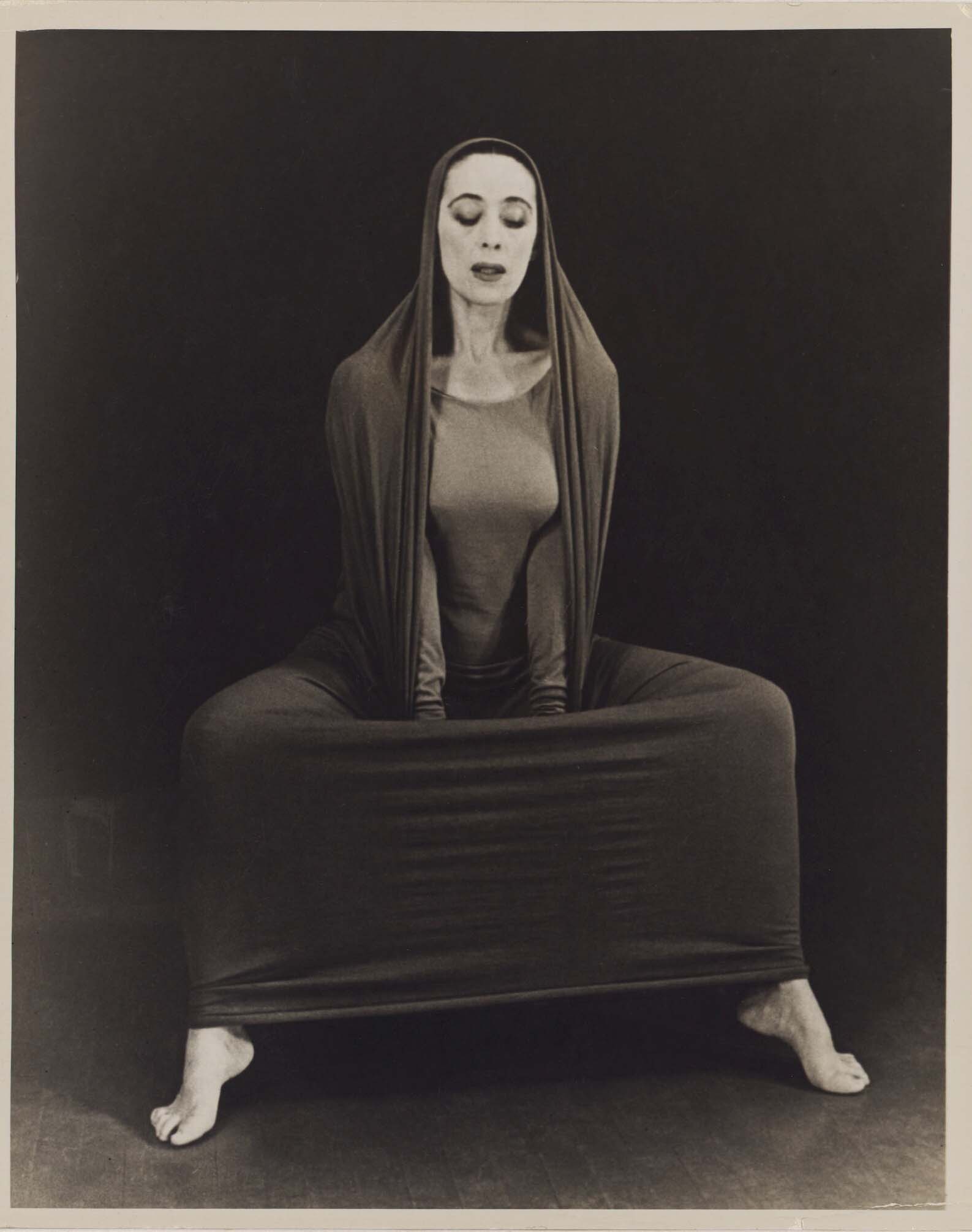
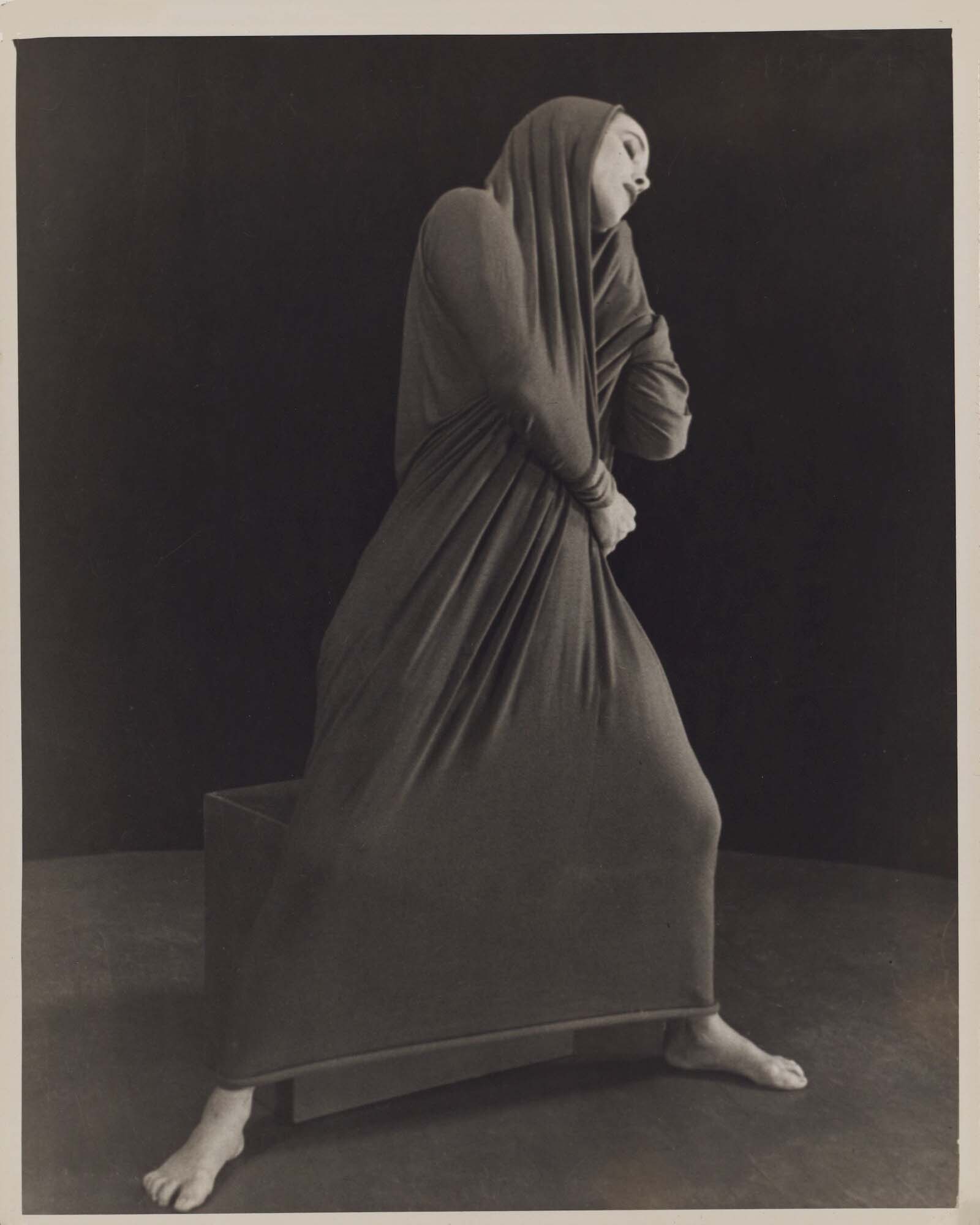
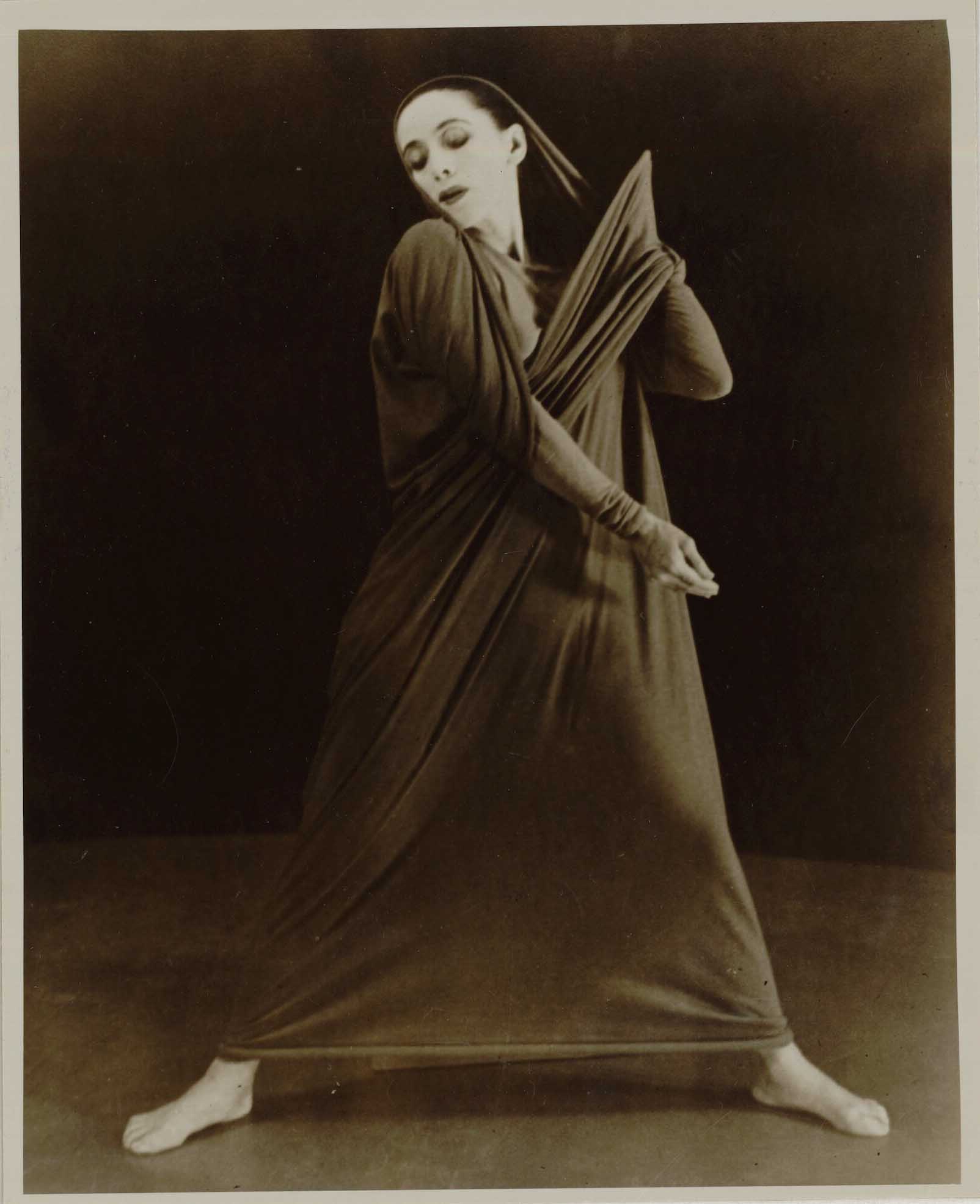
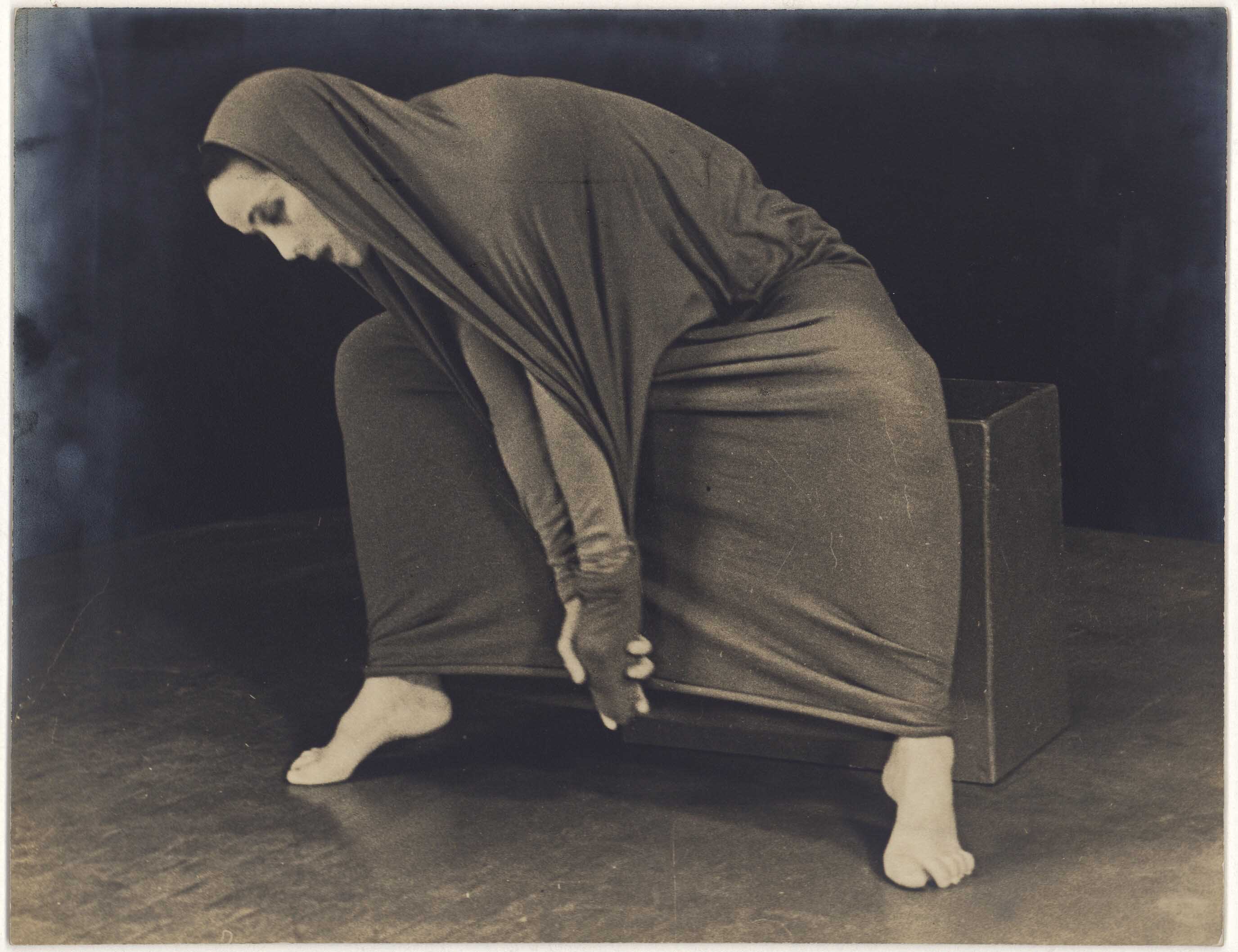
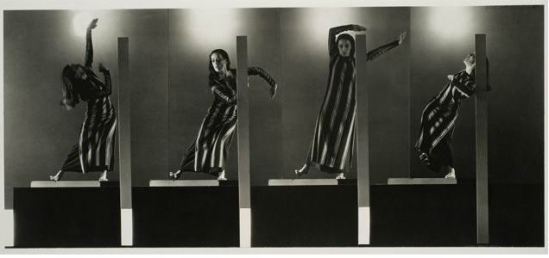
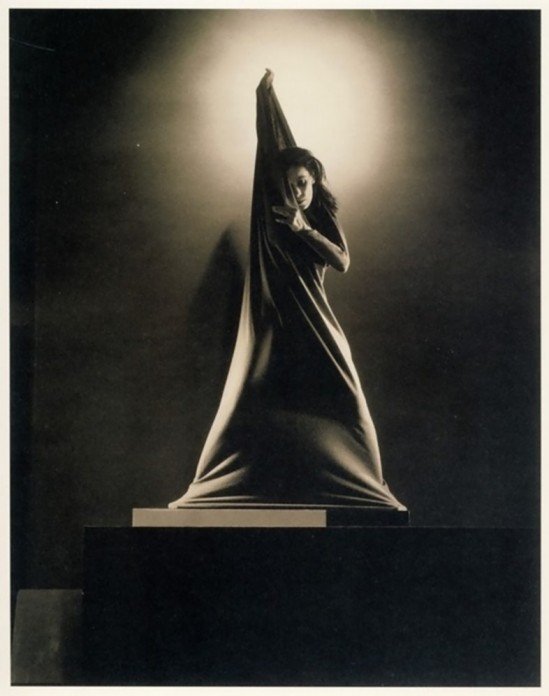
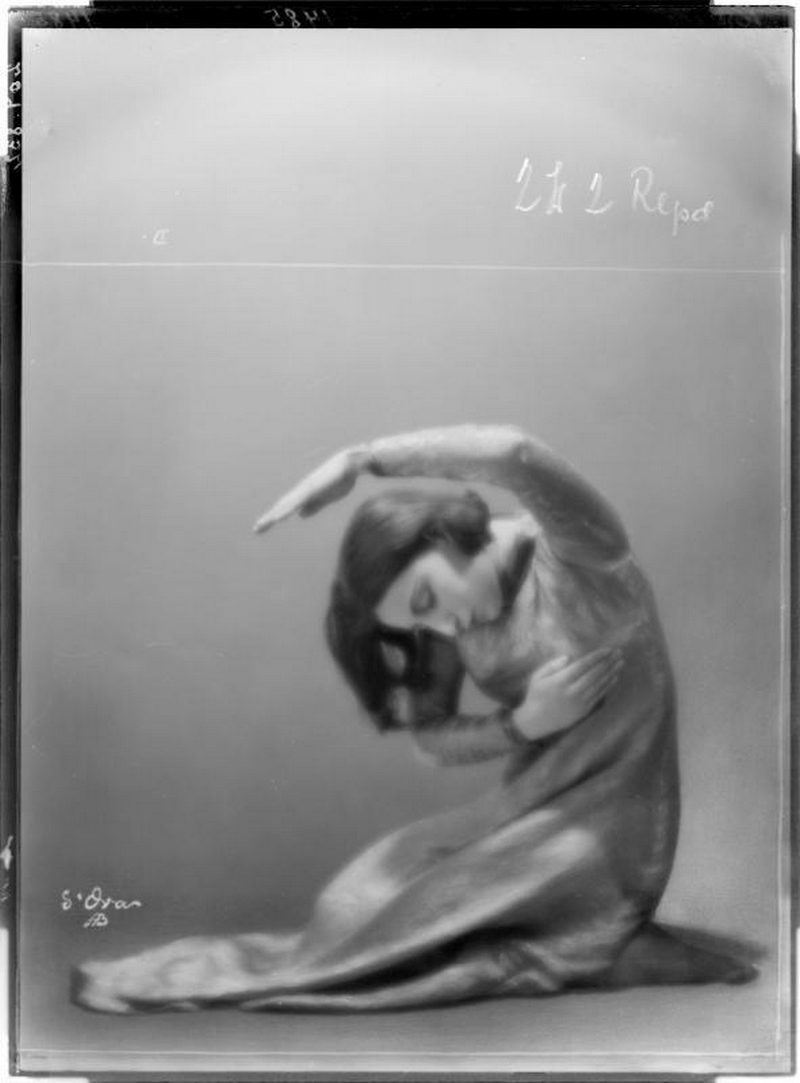
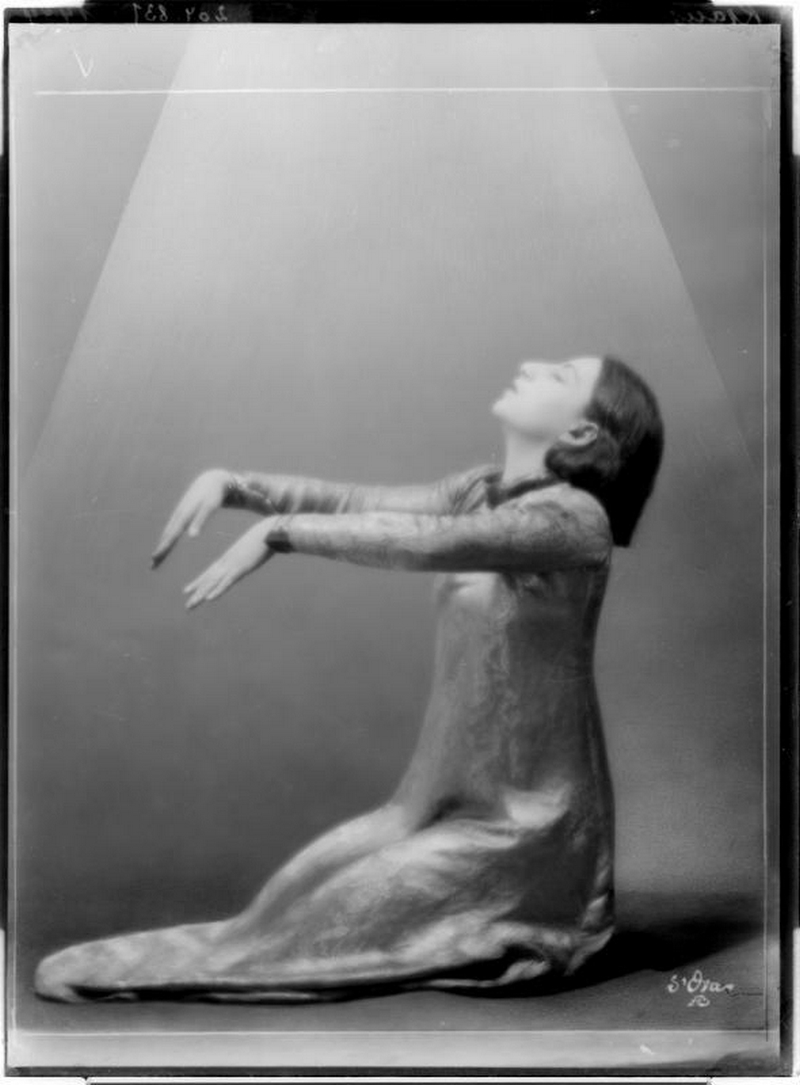
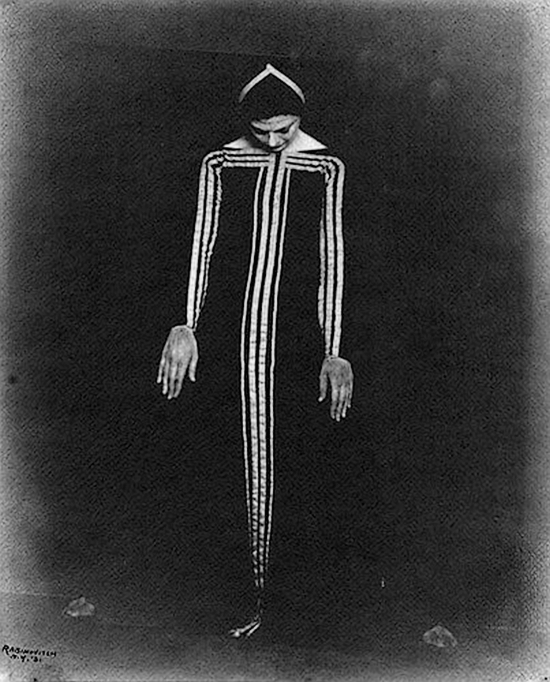
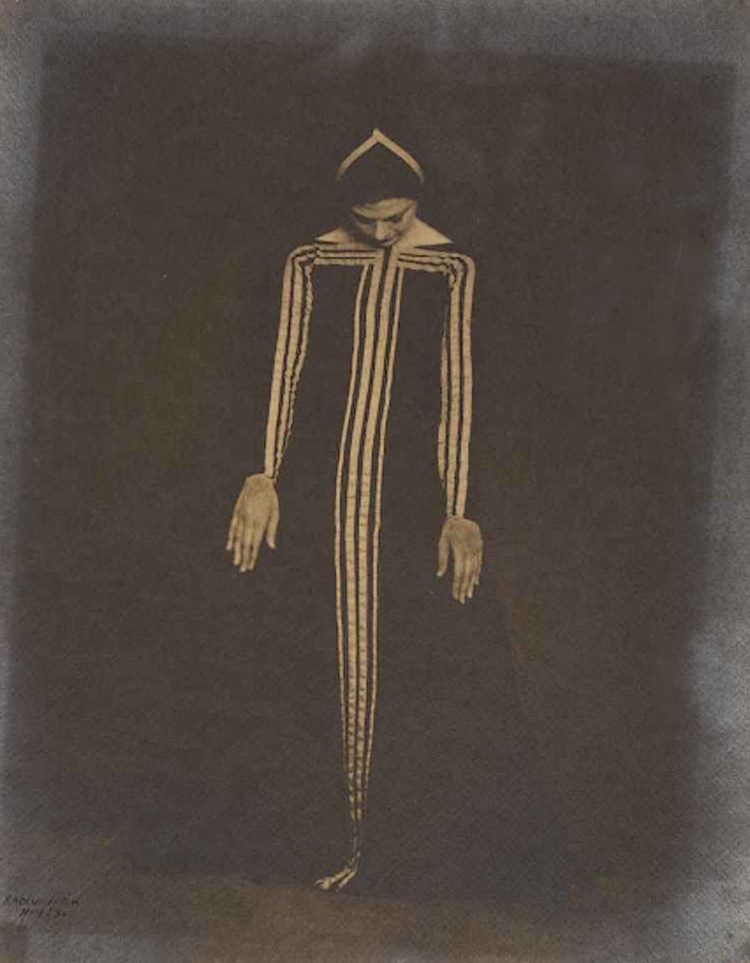
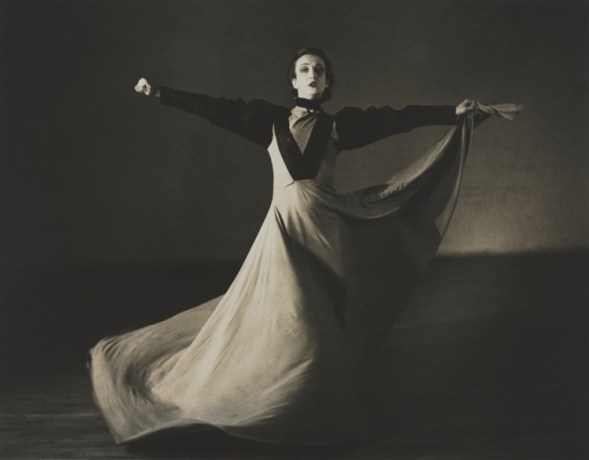
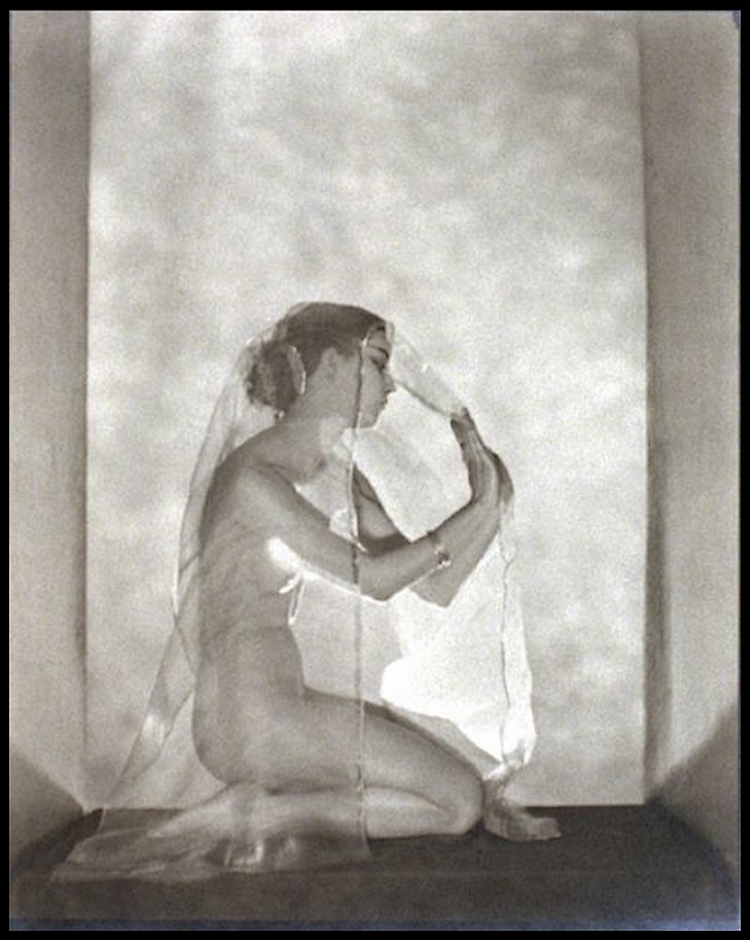
« Lamentation (Ballet choreographed by Martha Graham) Performed to music by Zoltán Kodály, Lamentation premiered on January 8, 1930, at New York’s Maxine Elliott’s Theatre. The solo work was performed by Martha Graham in a concert given by the Dance Repertory Theatre. Graham joined dancer/choreographers Doris Humphrey, Charles Weidman, and [Helen] Tamiris to form the Dance Repertory Theatre. The goal was « to give annually a season of continuous dance programs which will be representative of the art of dance in American and will give native artists an outlet for their creative work. » Dance Magazine (April 1930) noted that the work was « a statuesque composition, which relied for much of its eloquence upon an ingenious and simple costume arrangement. » The November 20, 1932, Record (Philadelphia) reviewed a later performance and noted, « When Miss Graham in her Lamentation depicts the dumb agony of grief she does not droop like a flower or attitudinize like Patience on a monument, she is grief from the first stricken bewildered gropings of her head and torso to the last moment when she averts her covered head with a finality that is pitiful and terrible. »by log
Herta Moselsio Martha Graham in Lamentation, No. 1 coll martha graham
Herta Moselsio Martha Graham in Lamentation, No. 2 coll martha graham
Herta Moselsio Martha Graham in Lamentation, No. 3 coll martha graham
Herta Moselsio Martha Graham in Lamentation, No. 4 coll martha graham
Herta Moselsio Martha Graham in Lamentation, No. 5 coll martha graham
Herta Moselsio Martha Graham in Lamentation, No. 7 coll martha graham
Herta Moselsio Martha Graham in Lamentation, No. 9 coll martha graham
Herta Moselsio Martha Graham in Lamentation, No. 10 coll martha graham
Herta Moselsio Martha Graham in Lamentation, No. 11 coll martha graham
Herta Moselsio Martha Graham in Lamentation, No. 12 coll martha graham
Herta Moselsio Martha Graham in Lamentation, No. 13 coll martha graham
Herta Moselsio Martha Graham in Lamentation, No. 14 coll martha graham
Herta Moselsio Martha Graham in Lamentation, No. 15 coll martha graham
Herta Moselsio Martha Graham in Lamentation, No. 16 coll martha graham
Herta Moselsio Martha Graham in Lamentation, No. 17 coll martha graham
Herta Moselsio Martha Graham in Lamentation, No. 18 coll martha graham
Herta Moselsio Martha Graham in Lamentation, No. 20 coll martha graham
Edward Steichen (1879-1973) -Isadora Duncan sous le portique du Parthénon à Athènes, 1920 Toulon, musée d’Art
Edward est le fils de Jean-Pierre et Marie Kemp Steichen. Sa famille émigre aux États-Unis en 1881 C’est à la Milwaukee’s American Fine Art Company qu’à l’âge de quinze ans Edward apprend l’art et la technique de la lithographie. Dès 1895, il commence alors à photographier son entourage et la campagne environnante, se distinguant déjà par ses compositions d’ambiance, son utilisation poétique de la lumière, son goût pour le clair-obscur romantique. Il est naturalisé américain en 1900 avant de retourner en Europe où il s’installe à Paris.
Edward Steichen se fait connaître comme peintre au tournant du XXe siècle. En 1900, avant de s’installer à Paris, il passe par New-York où il rencontre Alfred Stieglitz.
Lorsqu’il arrive à Paris il arrête ses études de dessin et commence une série de portraits des « Grands Hommes » parmi ceux-ci il y a Anatole France, Richard Strauss, George Bernard Shaw ou encore Henri Matisse.
Il rencontre à ce moment Auguste Rodin Le sculpteur lui ouvre les portes de son atelier de Meudon ; il réalisera plusieurs séries de photographies de lui ainsi que de ses sculptures. Steichen adhère ainsi au mouvement pictorialiste, en devient l’un des maîtres
En 1902, il rejoint Alfred Stieglitz aux États-Unis. Il participe, avec lui, à la création de Photo-Secession, selon Stieglitz c’est un mouvement qui veut « faire sécession avec l’idée convenue de ce que constitue une photographie. » Ensemble, ils éditent en 1903 la revue Camera Work dans laquelle les photos sont mises en valeur. Ils font découvrir aux Américains les artistes d’avant-garde de la photographie française. La même année, il crée sa propre galerie d’art à New York, The Photo-Secession Galleries, ou « 291 ».
En 1911, il réalise ce qui est considéré historiquement comme la première photographie de mode, publiée dans la revue française Art et Décoration de Lucien Vogel.
Après la Première Guerre mondiale, au cours de laquelle, il revient à la « straight photography », il évolue ensuite progressivement vers la photographie de mode. Au début des années 1920, l’éditeur américain Condé Nast le choisit pour devenir le photographe en chef des publications du groupe, imposant ses exigences en matière de photographie : « La distinction, l’élégance et le chic. » Il travaille particulièrement pour Vanity Fair et pour Vogue, magazines pour lesquels il réalise notamment de nombreux portraits de célébrités, démontrant une grande capacité à mettre en valeur ses sujets. Il travaillera également étroitement avec Carmel Snow d’Harper’s Bazaar.
Il photographie Gloria Swanson en 1924, puis l’une de ses photographies de l’actrice Greta Garbo, datant de 1928, parue en couverture du magazine Life le , est considéré comme l’un des portraits inoubliables de l’actrice.
Pendant la Seconde Guerre mondiale, il est directeur de l’Institut photographique naval (Naval Photographic Institute). Son film documentaire, The Fighting Lady, remporte en 1945 l’Oscar du meilleur documentaire.
À partir de 1947 et jusqu’en 1962, Steichen est le directeur du département de la photographie du MoMA, le musée d’art moderne de New York.
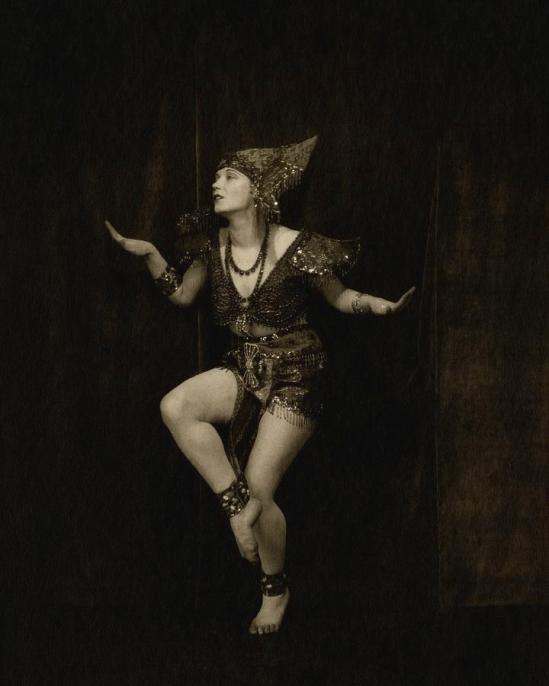
Dancer, Gilda Gray, in character as a Javanese dancer, wearing a dark, beaded costume with bare legs, and standing on one leg, spreading her arms. Edward SteichenPublication in Vanity Fair, 1923
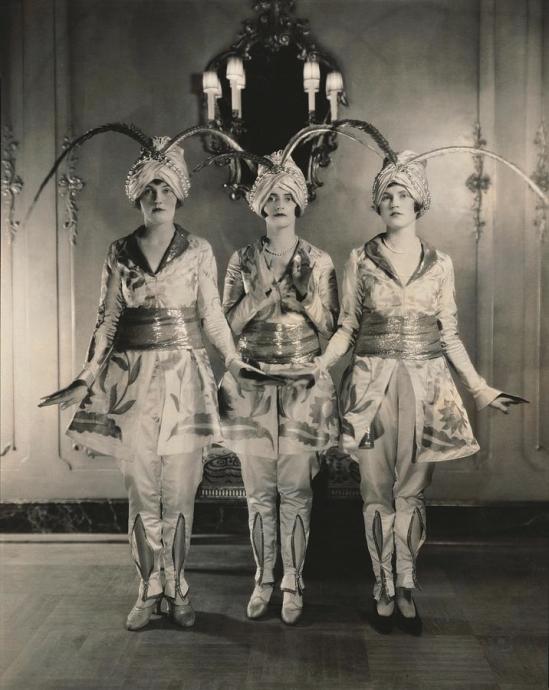
Edward Steichen- Julia Brokow, Barbara Brokow, and Mrs. Adee Bradley in dance costumes by William Weaver.February 15th, 1925
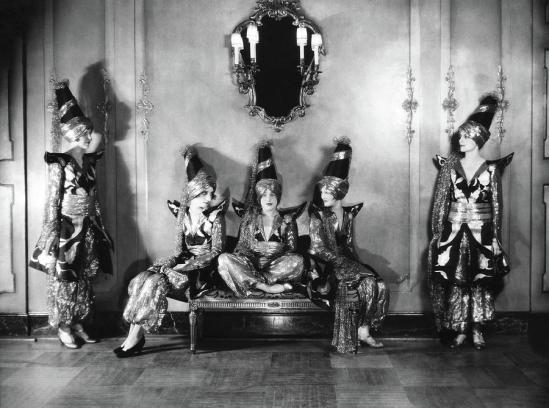
Edward Steichen- Melissa Yuille, Frances Colby, Mrs. M. Dorland Doyle, Mrs. Martin Littleton Jr., and Mrs. Fal de Saint Phalle pose , wearing dance costumes at the Hotel Plaza for the Persian Fete; Costumes designed by William Weave
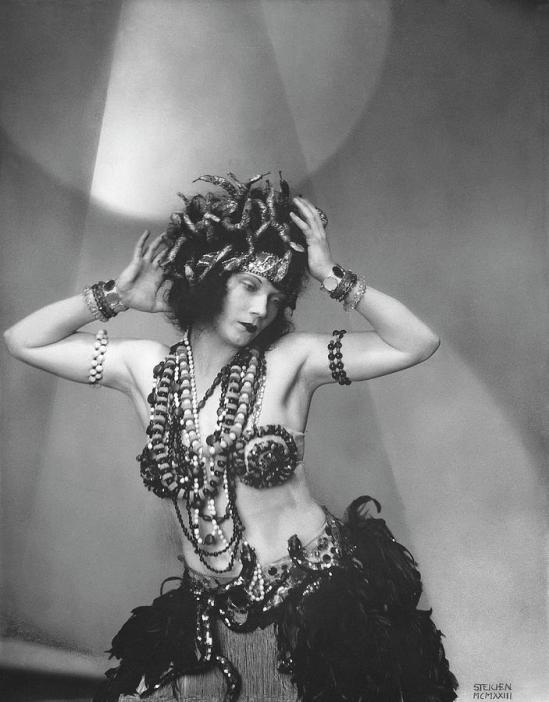
Gilda Gray In Priestess Of Night’s High Mysteries by Edward Steichen , Published in Vanity Fair December 1st, 1923
Edward Steichen – The Isadora Duncan dancers of Moscow,1929
Edward Steichen- Dancer Harriet Hoctor , for Vanity Fair, nd
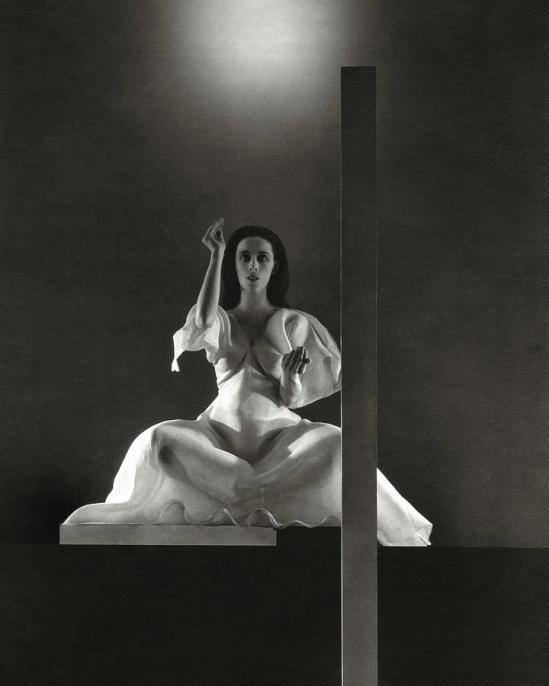
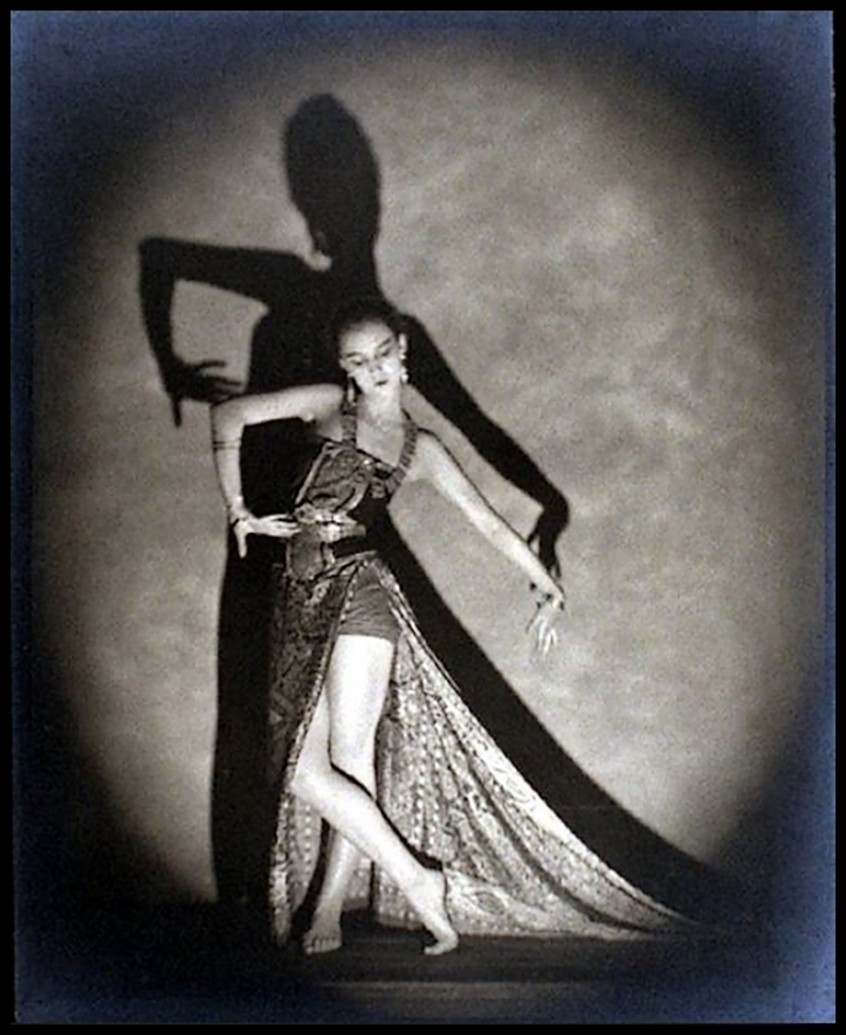
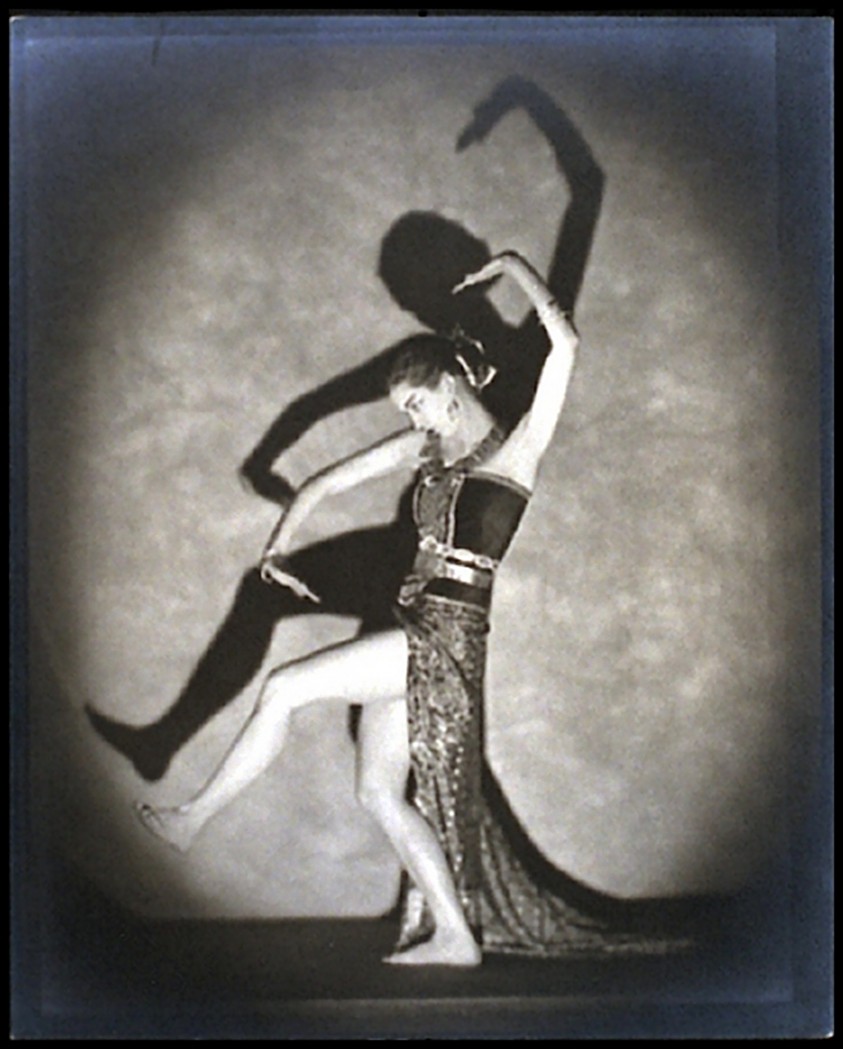
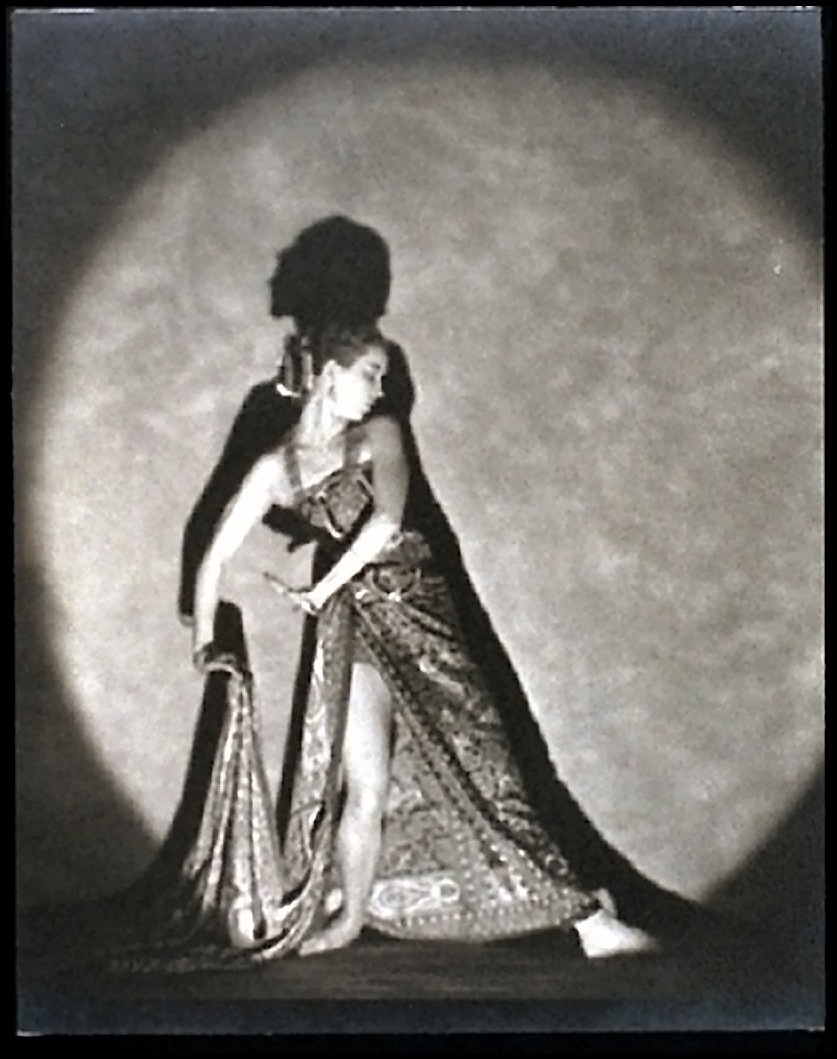
Edward Steichen- Martha Graham 1931
Edward Steichen- The Dancer Martha Graham during a performance of her Primitive Mysteries.February 15th, 1933
Edward Steichen-Martha Graham, NY 1931
Edward Steichen-Cyclamen – Isadora Duncan , Camera Work XLII-XLIII, 1913
Lejaren Hiller Sr. / Lejaren à Hiller / John Hiller (3 July 1880 – 23 May 1969) was an accomplished American illustrator and photographer.
Born as John Hiller in Milwaukee, Wisconsin, he changed his name to Lejaren à Hiller when he moved from New York City. He studied painting and illustration at the Chicago Art Institute and travelled to Paris where he found work in a number of studios. By the early 1900s his attention turned to photography and he was widely regarded as the « creator of American photographic illustration ».
Hiller was known for dramatically staged tableaux. He would spend considerable time and effort in arranging the set and models, while an assistant took the photograph, making Hiller’s contribution more directorial than photographic. He was more interested in the final result than the means used to achieve it and is remembered for saying:
« If a man wants to strangle his wife and throw her in the kitchen sink, let him do it any way he wants to. If he’s doing it awkwardly, or not the way I’d do it, all right — it’s a good job so long as he gets her into the sink, completely strangled.«
From 1927-50 Hiller was commissioned by Davis & Geck to produce the prints for a series of historic advertisements entitled “Sutures in Ancient Surgery,” and published in 1944 as “Surgery through the Ages”. Hiller used elaborate costumes, dramatic backdrops and lighting, and had half-clad models posing as patients. The images depicted a broad range from mediaeval and Aztec surgeons, to surgeons from ancient Egypt and India. The collection was widely acclaimed, and in 1937 won the Edward Bok Award for advertising. The originals of this series were donated to the Art Institute of Chicago.
Hiller also created a series of photographic posters for the US Armed Forces during World War II.














 La Petite Mélancolie
Vous devez être connecté pour poster un commentaire.