
Ralph Gibson- Pharonic Light,1991

Ralph Gibson -Visage, 1987.

Ralph Gibson -Woman’s Face with Shadow (from the portfolio ‘If & (Silk)’), 1974
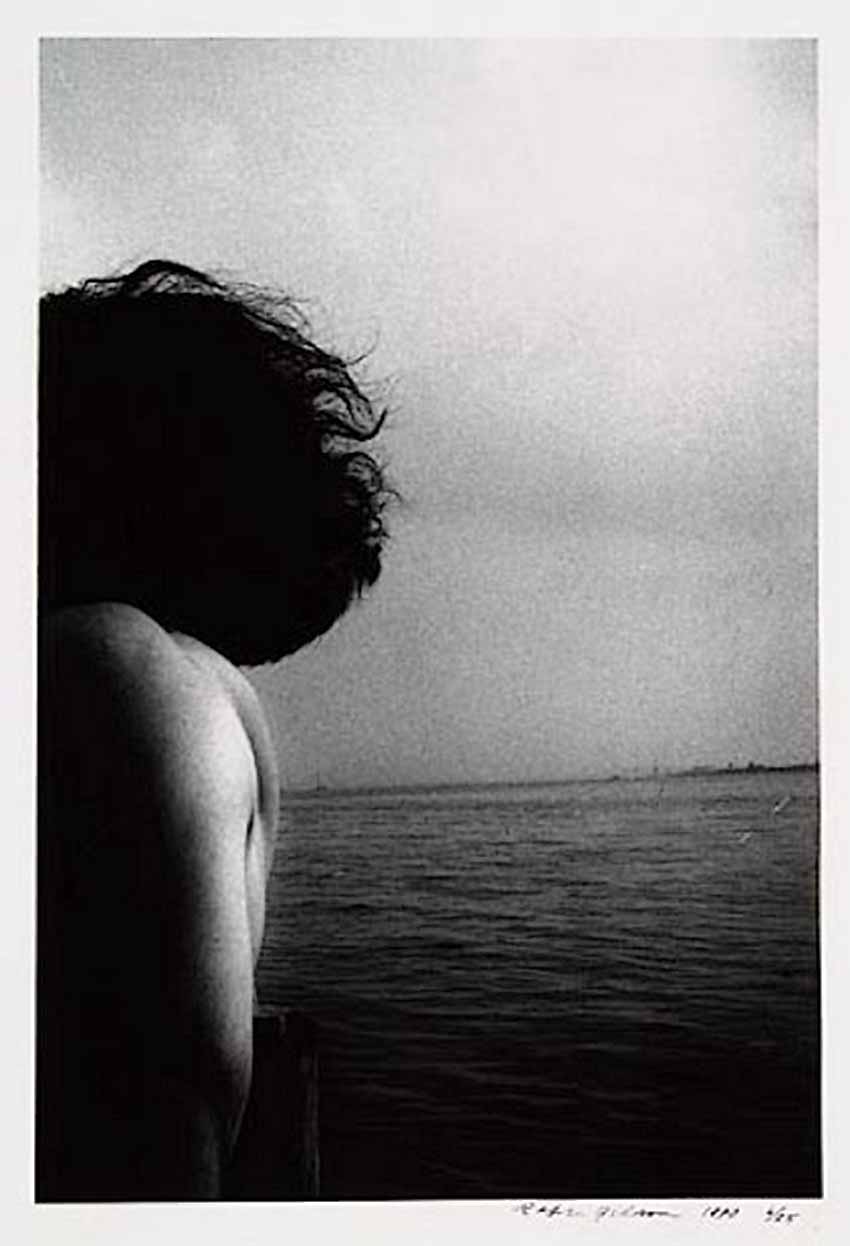
Raph Gibson- Woman by water, from the Deja-Vu series,1972

Ralph Gibson- Pharonic Light,1991
Ralph Gibson -Visage, 1987.
Ralph Gibson -Woman’s Face with Shadow (from the portfolio ‘If & (Silk)’), 1974
Raph Gibson- Woman by water, from the Deja-Vu series,1972
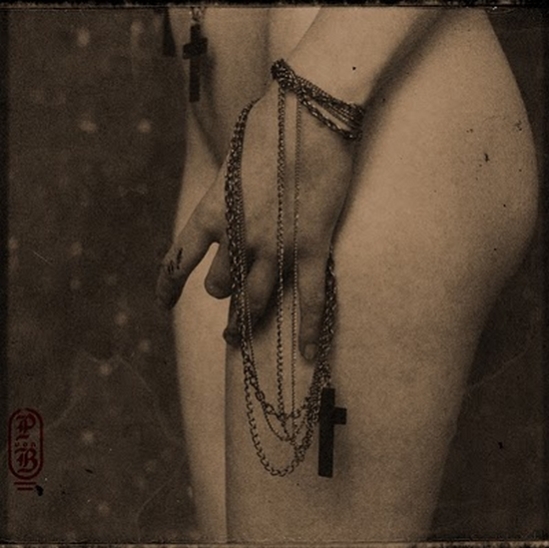
Lizzie Saint Septembre par Paul von Borax, série PolaFu, 2011
Eugene ( Frank Eugene Smith. dit), 1865-1936, est né à New York, de parents d’origine allemande. Il est l’un des rares maîtres de la première génération à avoir concilié le style pictorialiste qui se rapproche de la peinture et le style plus réaliste de la Photo-Secession
« C’est comme divertissement que le jeune Frank Eugene Smith prend ses premières photographies au début des années 1880.
Formé à la Bayrische Akademie der Bildenden Künste à Munich, où il emménage en 1886, il commence sa carrière d’artiste comme dessinateur spécialisé dans les portraits de théâtre.
De retour en Amérique, il expose en 1899, au Camera Club de New York, des photographies sous le nom de Frank Eugene. Il devient l’année suivante membre du Linked Ring et le succès lui sourit alors. Membre fondateur en 1902 de la Photo-Secession aux côtés de son ami Fred Holland Day, il s’installe définitivement en Bavière en 1906 où il est reconnu aussi bien comme peintre que comme photographe.
C’est en 1909 qu’il commence à enseigner la photographie et c’est également à cette date que son intérêt pour cet art devient prédominant dans sa carrière. Il fait partie alors des premiers artistes, avec Alfred Stieglitz et Heinrich Kühn entre autres, à expérimenter l’autochrome mis au point par les frères Lumière. En 1913, une chaire est créée spécialement pour lui à l’Académie Royale d’Art Graphique de Leipzig, premier poste de ce niveau consacré à l’enseignement de la photographie artistique.
Il meurt d’une crise cardiaque à Munich en 1936.
Grand maître parmi les photographes pictorialistes, ses images sont bien souvent considérées comme des photographies » non-photographiques « . Connu pour ses grandes qualités d’expérimentateur, il manipule ses négatifs en les peignant et les égratignant, ce qui leur donne un cachet particulier, facilement reconnaissable. » @ Arago.
[ Rappel pour voir les photographies en taille optimale, ouvrir dans un nouvel onglet ou page ]
Frank Eugene(1865-1936) was born in New York but moved to Munich in his 20s where he studied art and soon became well-established as a portrait painter before he took up photography about 1885. He was elected to the Linked Ring in 1900 and was a founder of the Photo-Secession movement, undoubtedly because of his close personal and professional relationship to Alfred Steiglitz. A biography, The Dream of Beauty, was published in 1955. Eugene was known for his substantial manipulation of his negatives—so much so that the output was often a cross between a graphic work and a photographic print. In that he anticipated a number of contemporary artists and printmakers.
Eugene helped to lay the foundantions of photography at the end of the 19th century. In fact, he was the first person in the world who started teaching photography at university contributing to dilute its perception as a minor art. He was also a pioneer in manipulating negatives, filling his classic images with haze and mistery.
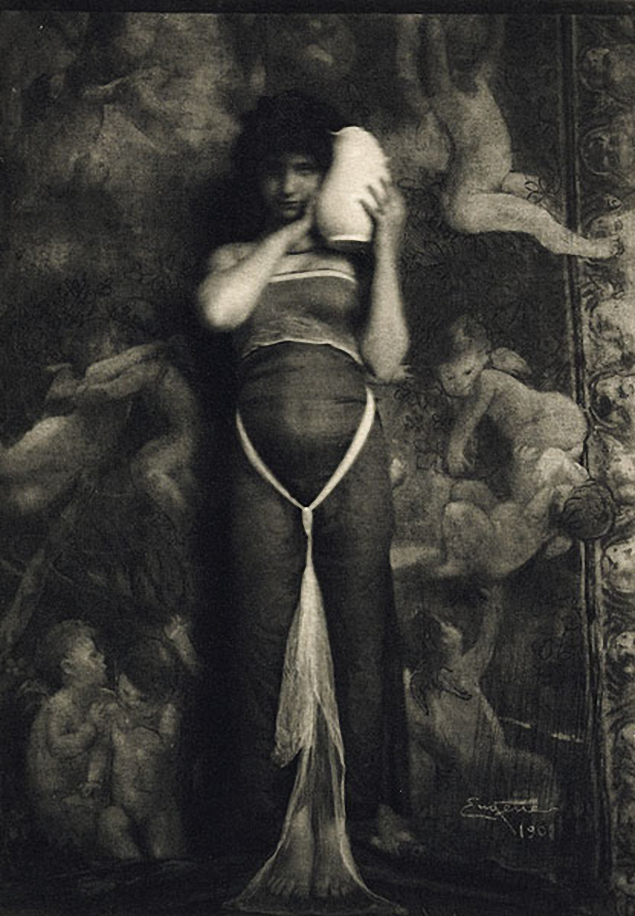
Frank Eugene- Rebeacca, 1910
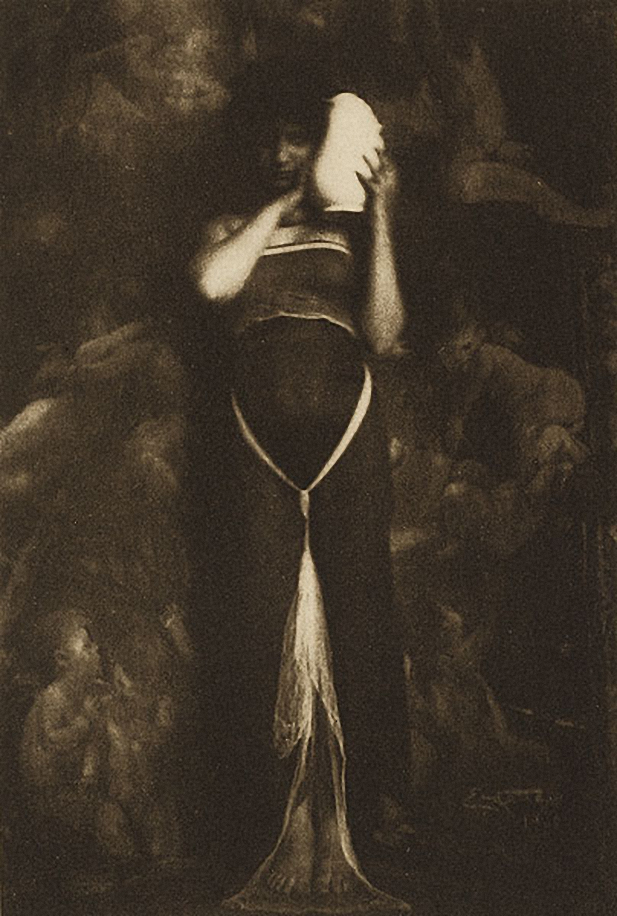
Frank Eugene – Rebeacca, 1910
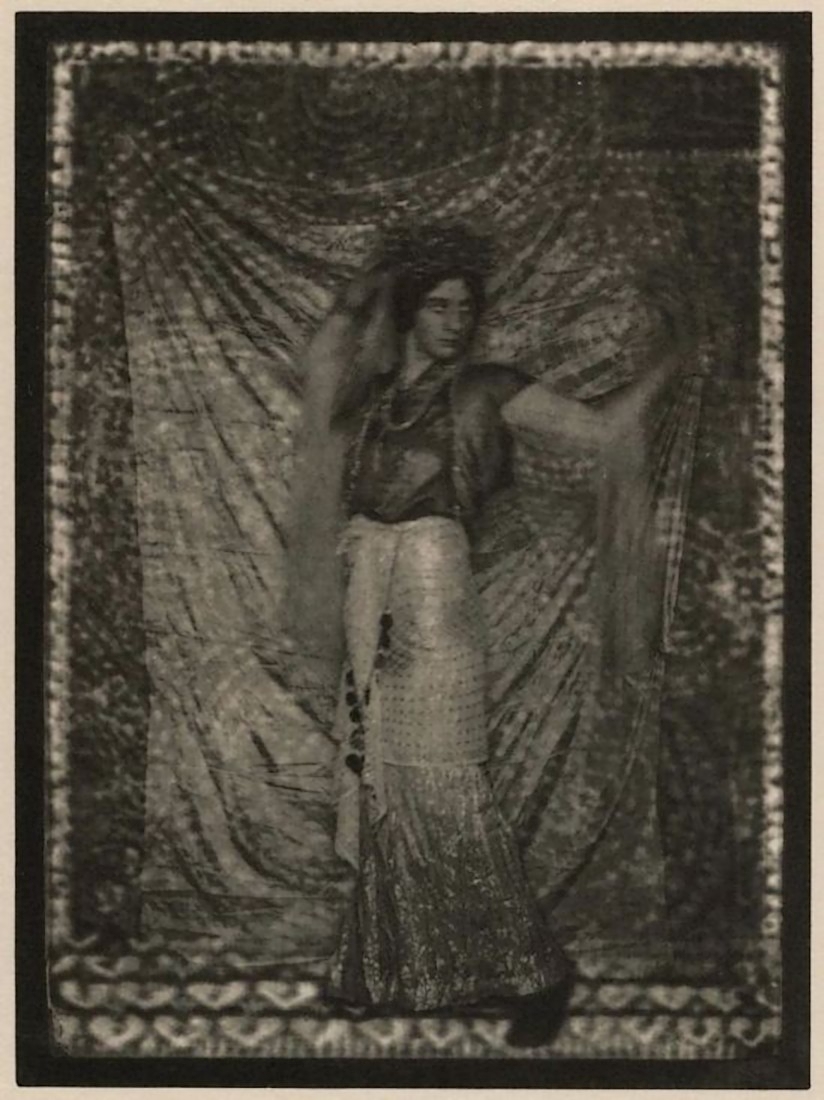
Frank Eugene- Mosaic, Dora G , 1908 publiée dans Camera work, Apr. 1910
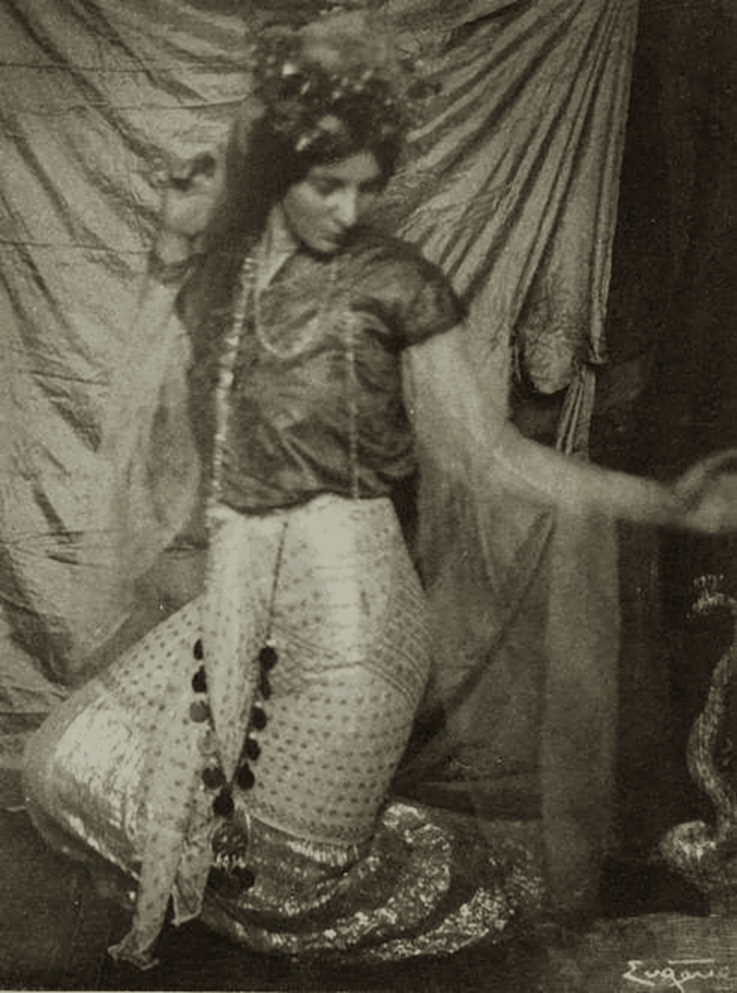
Frank Eugene – The Snake Charmer Dora G , 1908
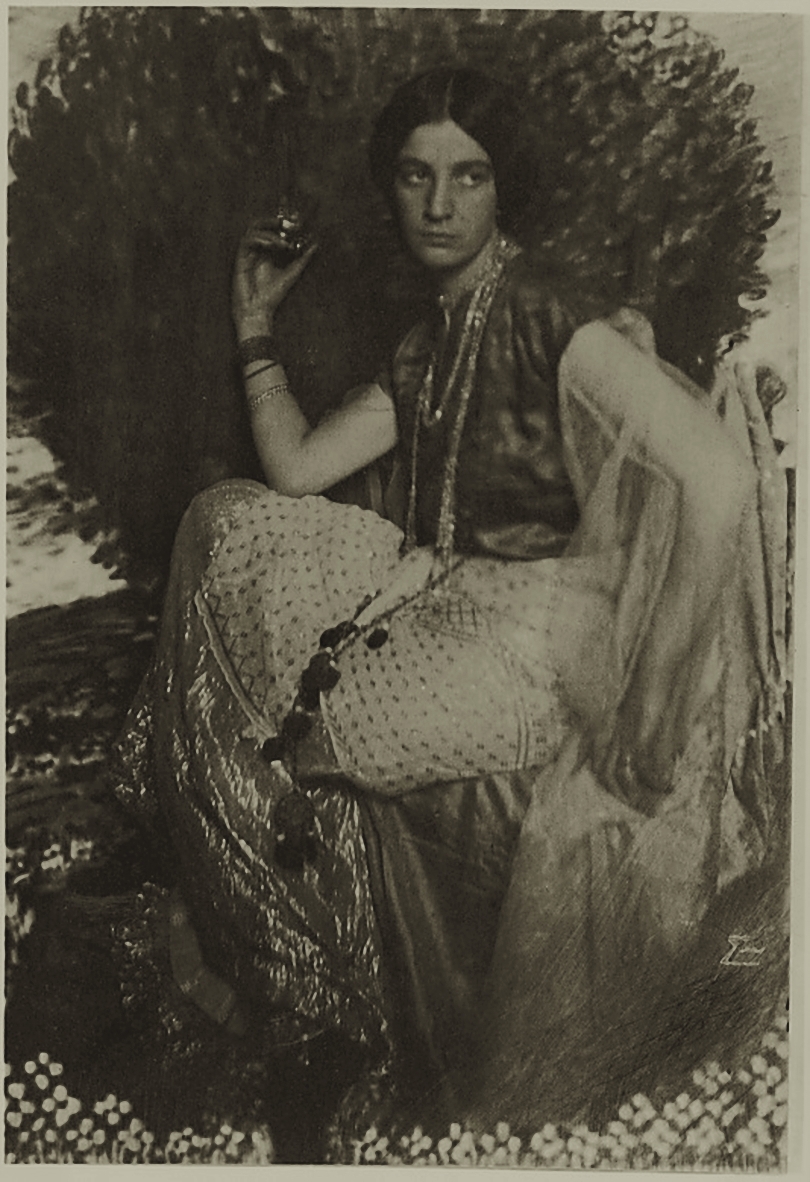
Franck Eugene- Dora G. – The Plakat, 1908
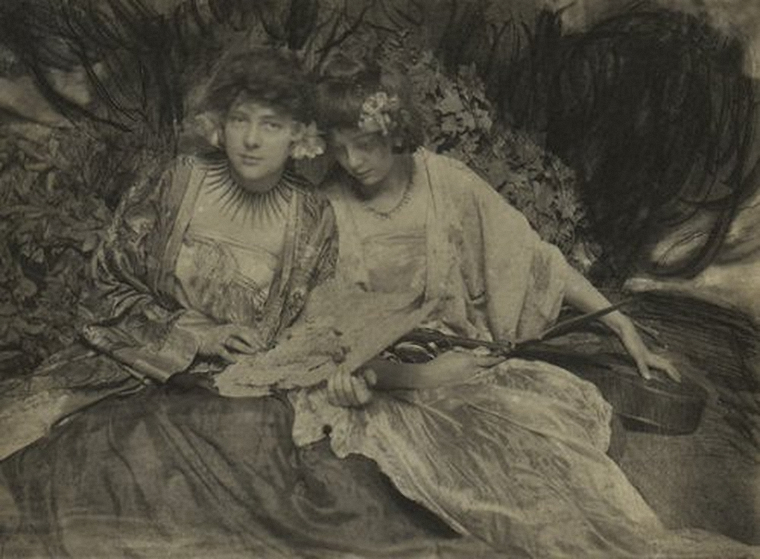
Frank Eugene – The Misses Ide in Samoa , 1908
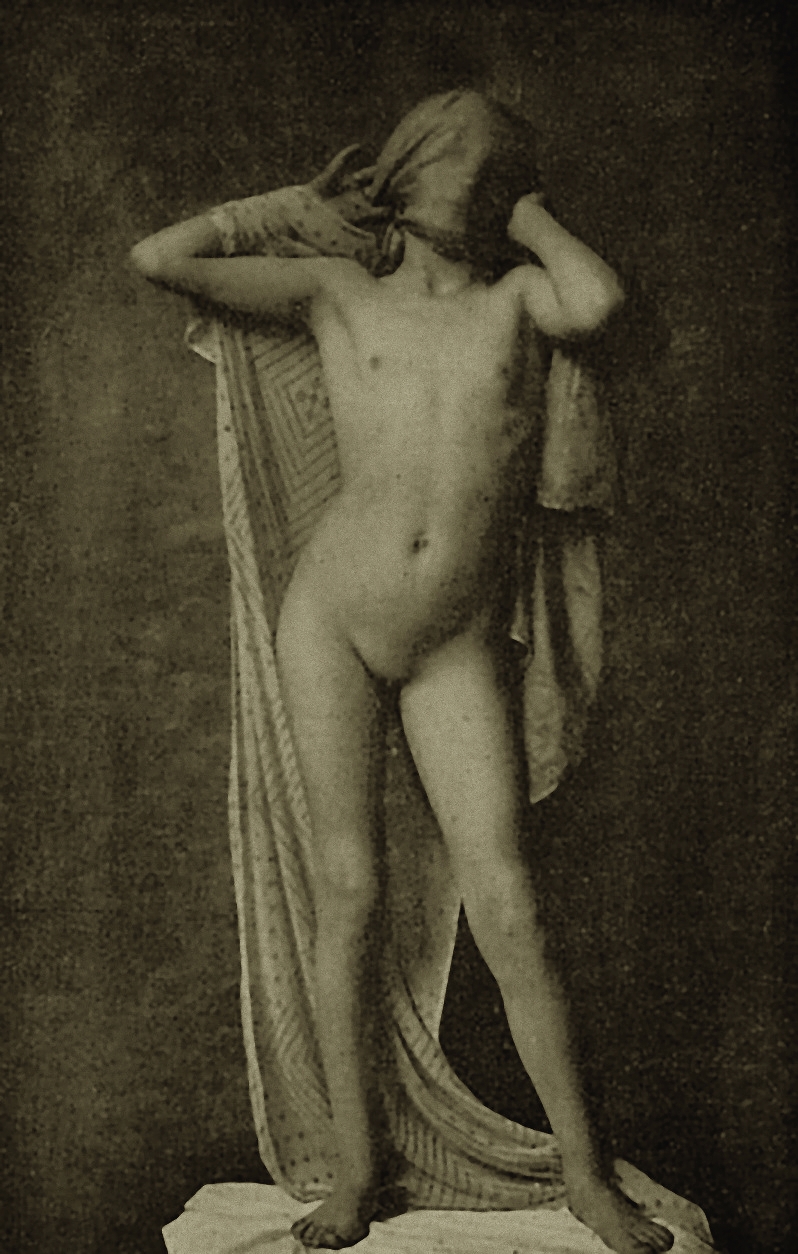
Frank Eugene- Nude study, 1900s
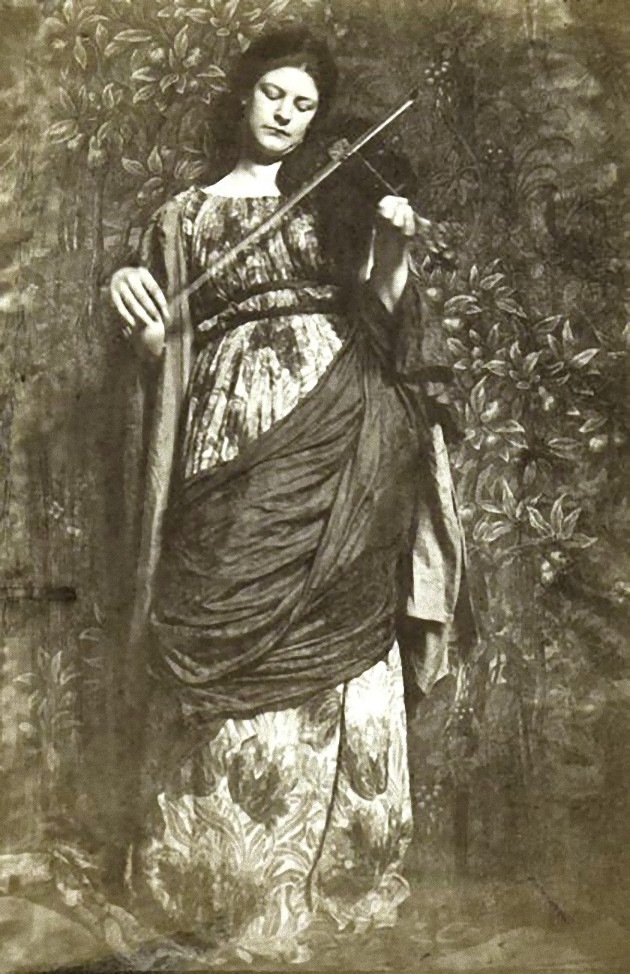
Frank Eugene – The daughter of Joachim. 1899
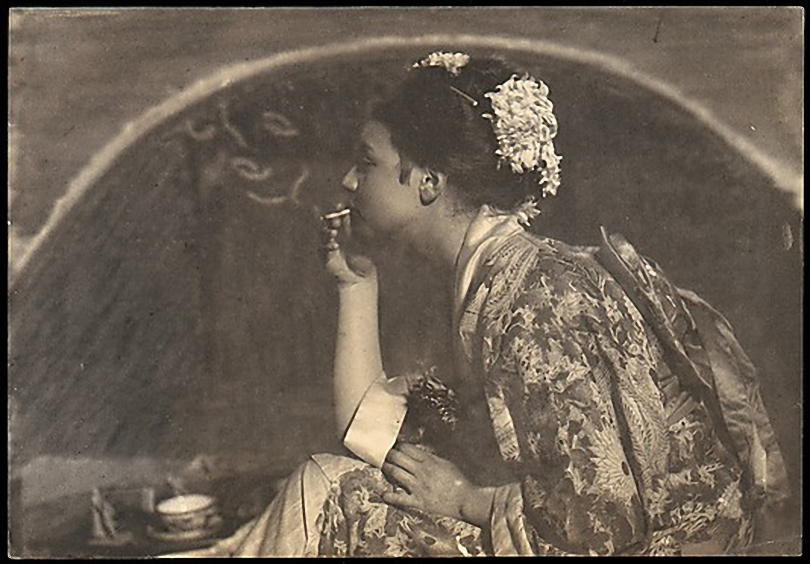
Franck Eugene-Friedel Wearing a Kimono, 1911
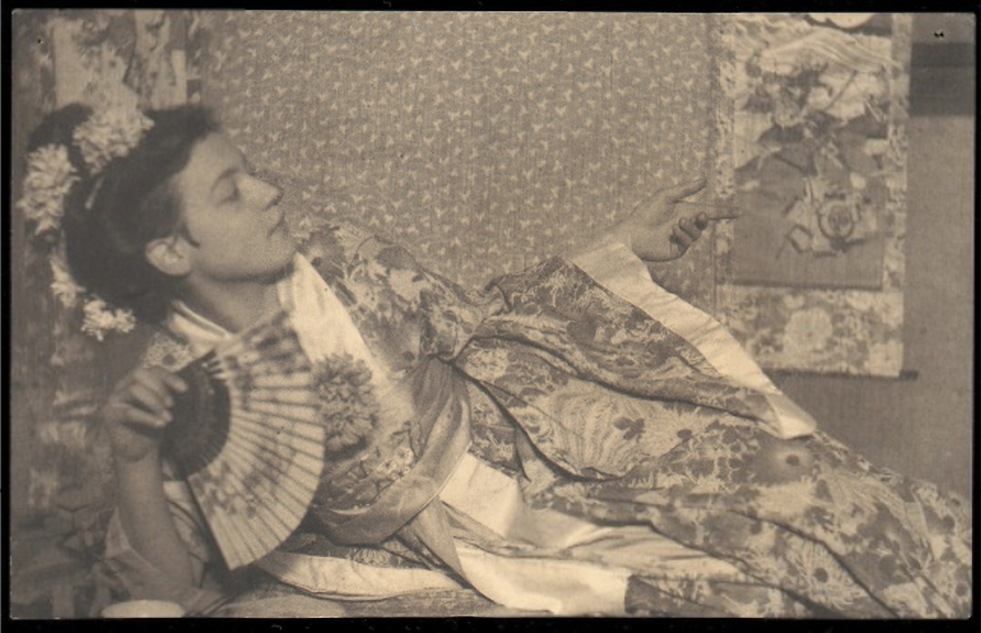
Franck Eugene-Friedel Wearing a Kimono, 1911
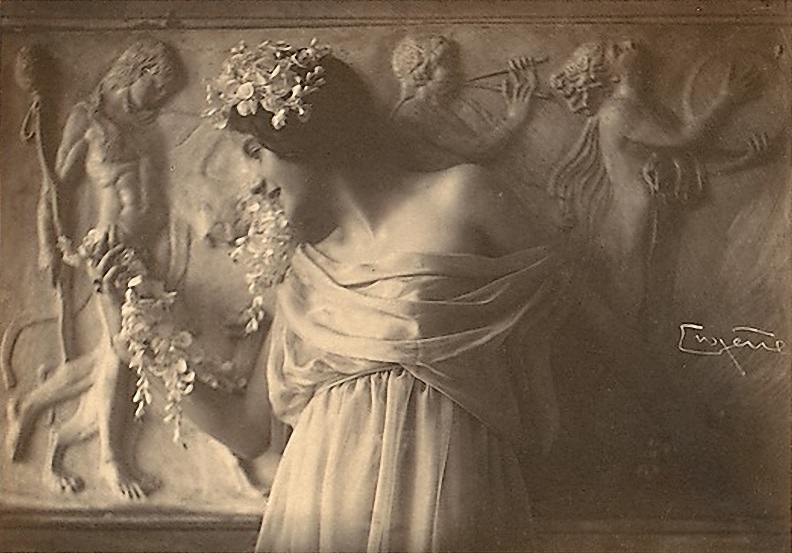
Franck Eugene- Fritzi von Derra – The Greek Dancer – 1900s
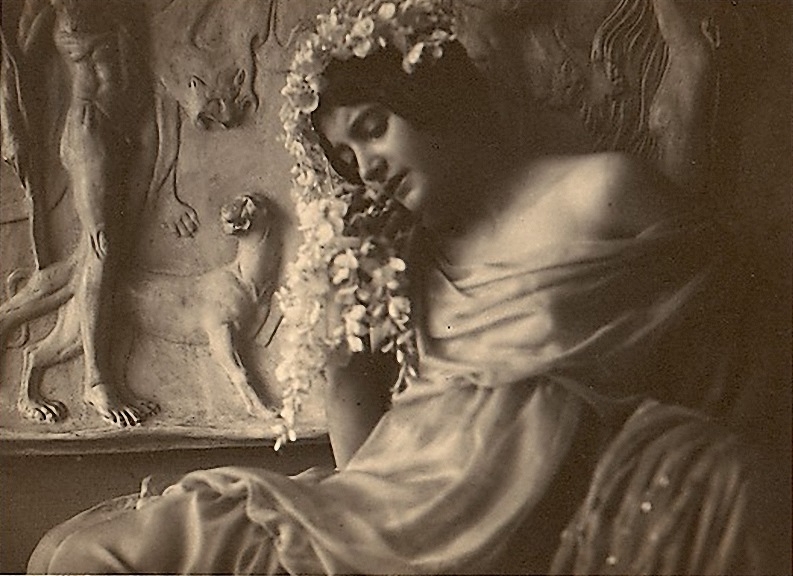
Franck Eugene- Fritzi von Derra – The Greek Dancer – 1900s
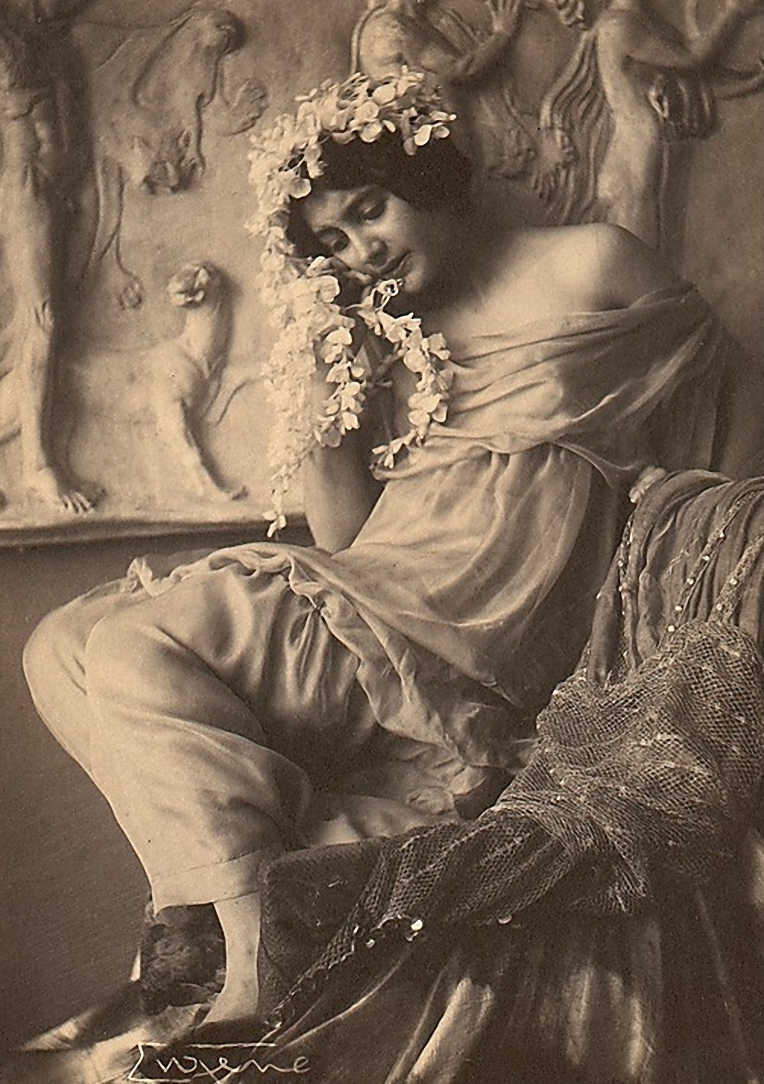
Frank Eugene – Fritzi von Derra, The Greek Dancer, 1900s
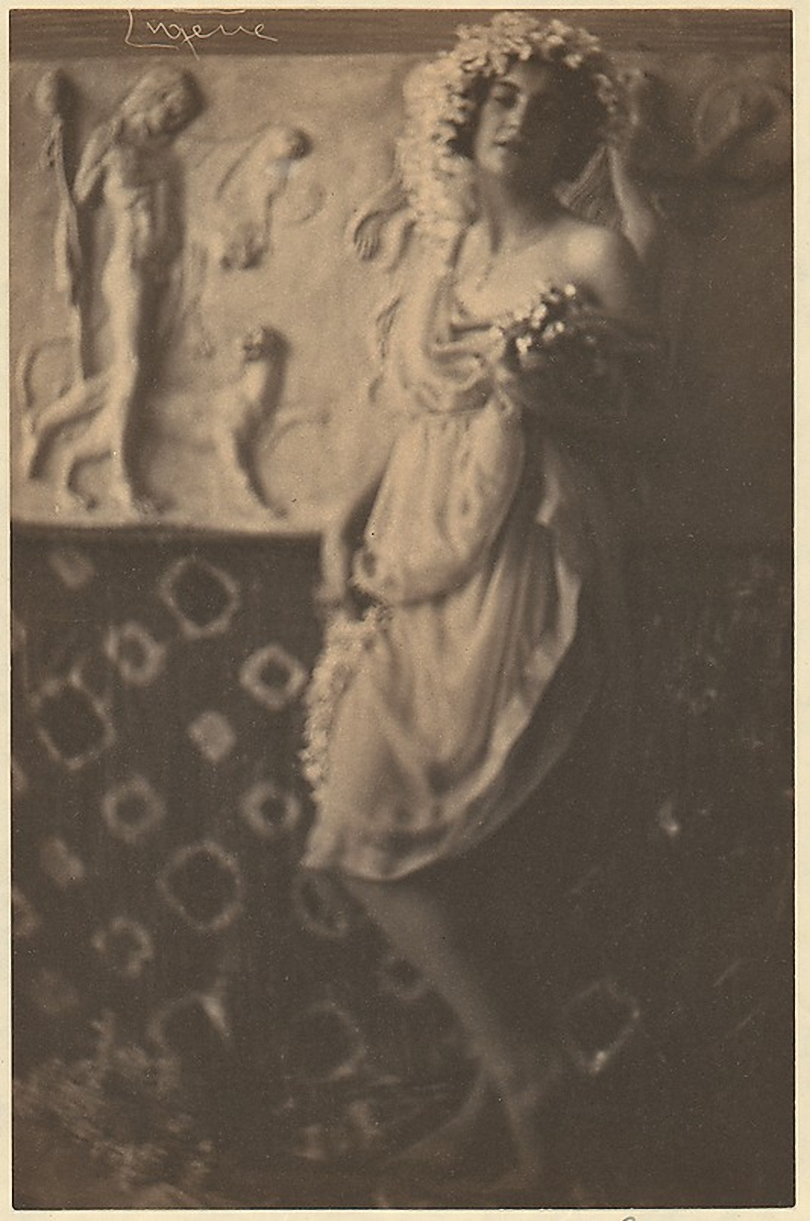
Franck Eugene- Fritzi von Derra – The Greek Dancer , 1900s
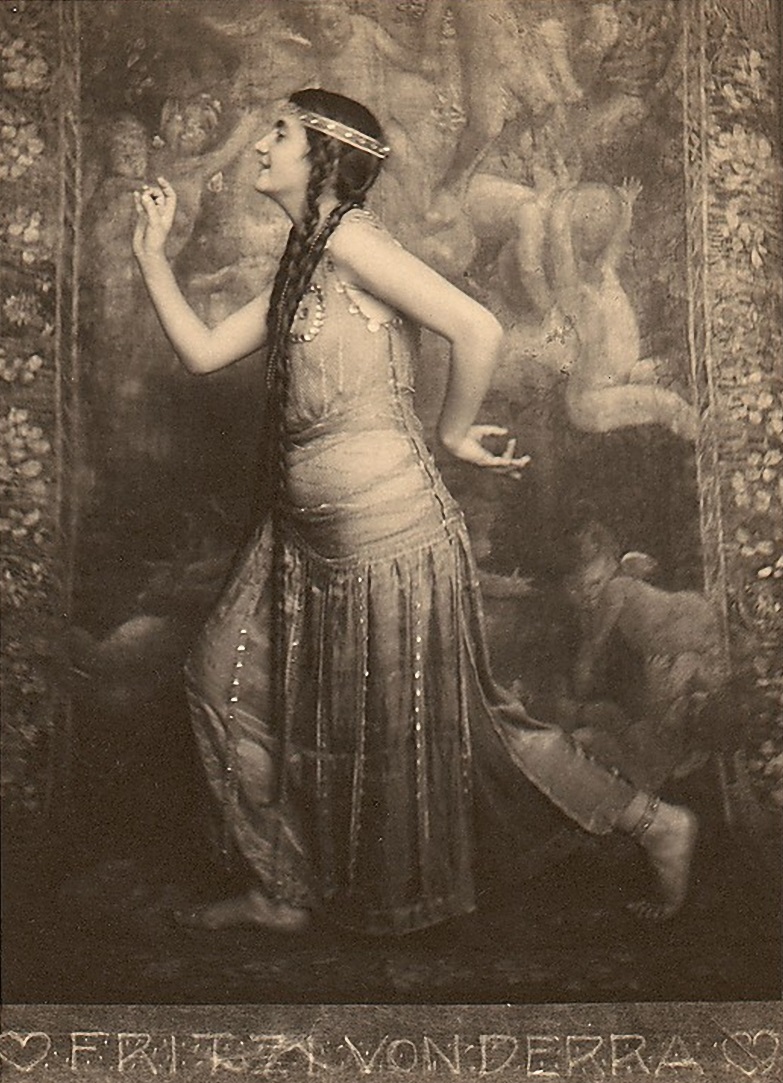
Franck Eugene- Fritzi von Derra – The Greek Dancer – 1900s
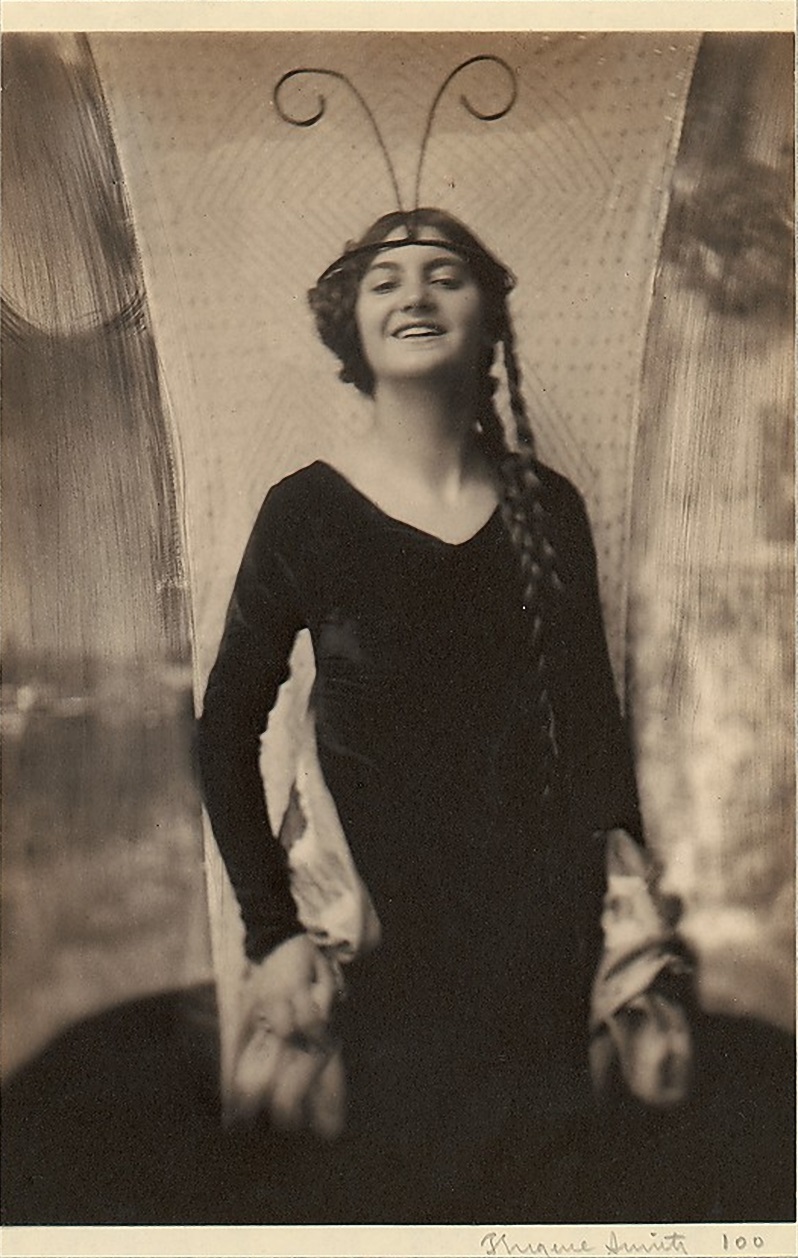
Franck Eugene-Fritzi von Derra – The Exotic Dancer,1900
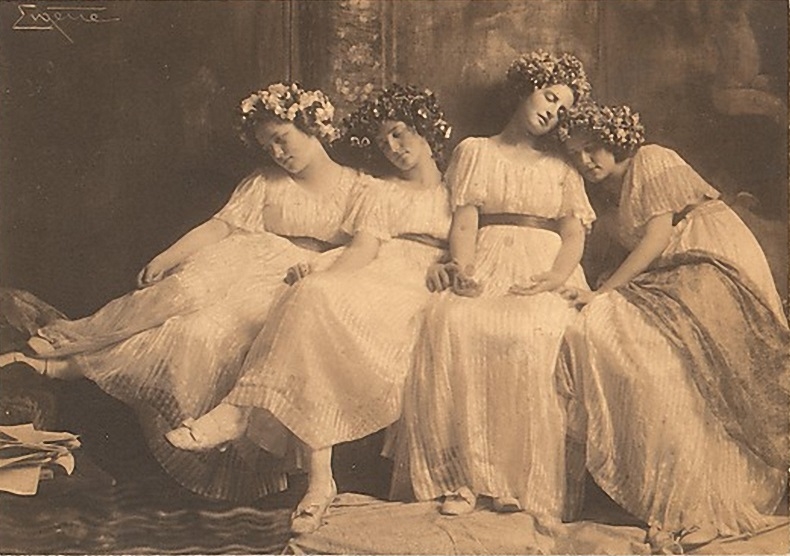
Franck Eugene – Slumbering Maidens ,1900
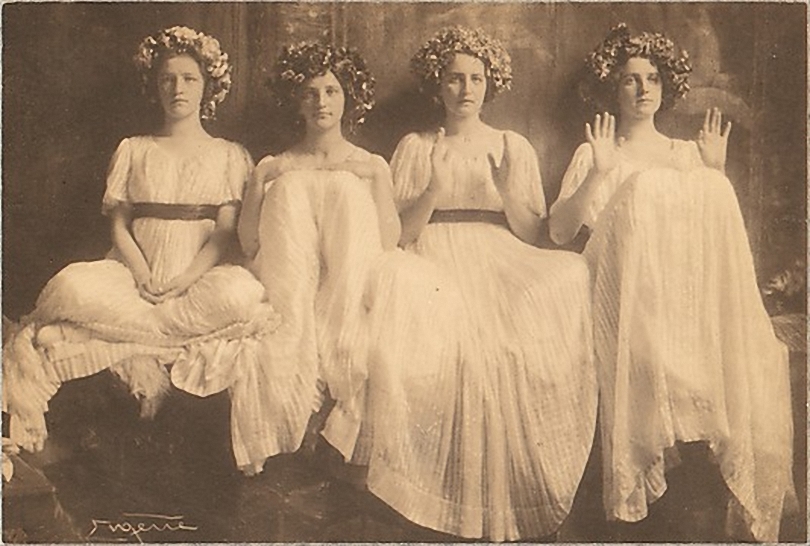
Franck Eugene-Ritual Vestalis 1900
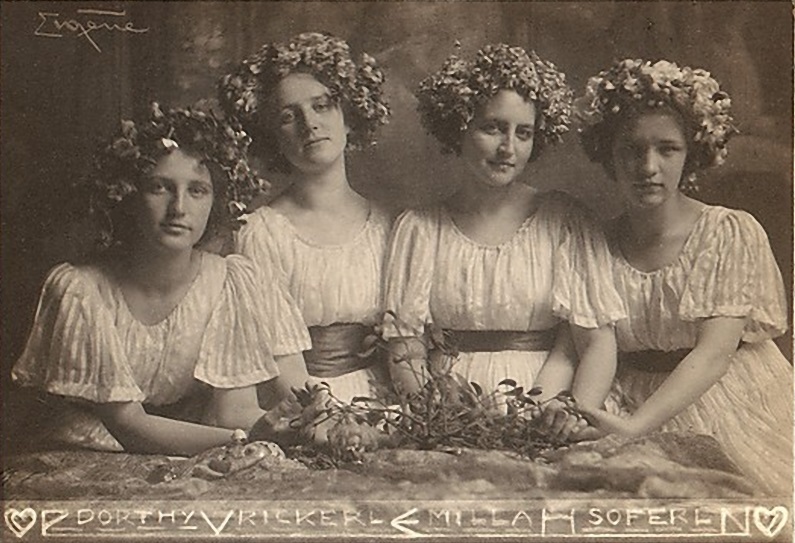
Franck Eugene-Four Sisters 1900
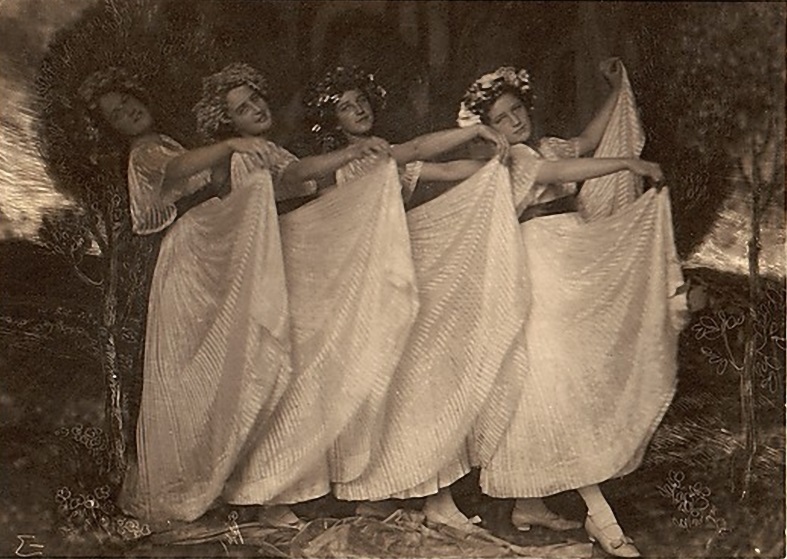
Franck Eugene- Four Sisters 1900
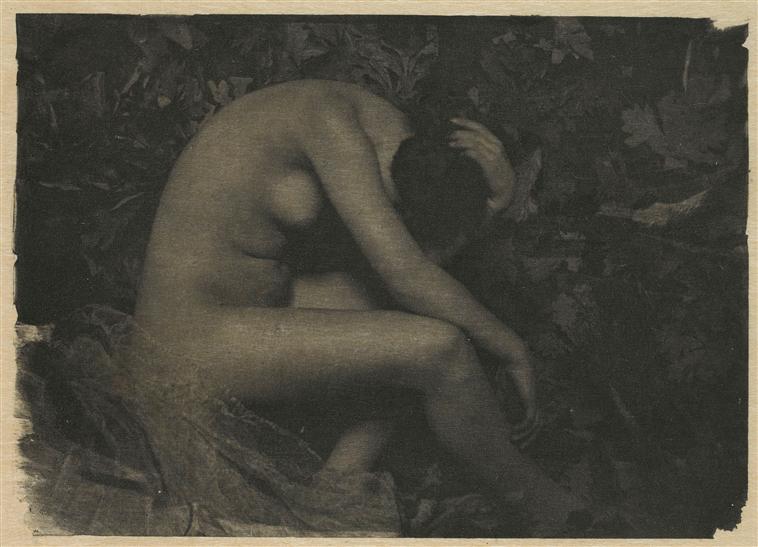
Franck Eugene – La Cigale, 1904
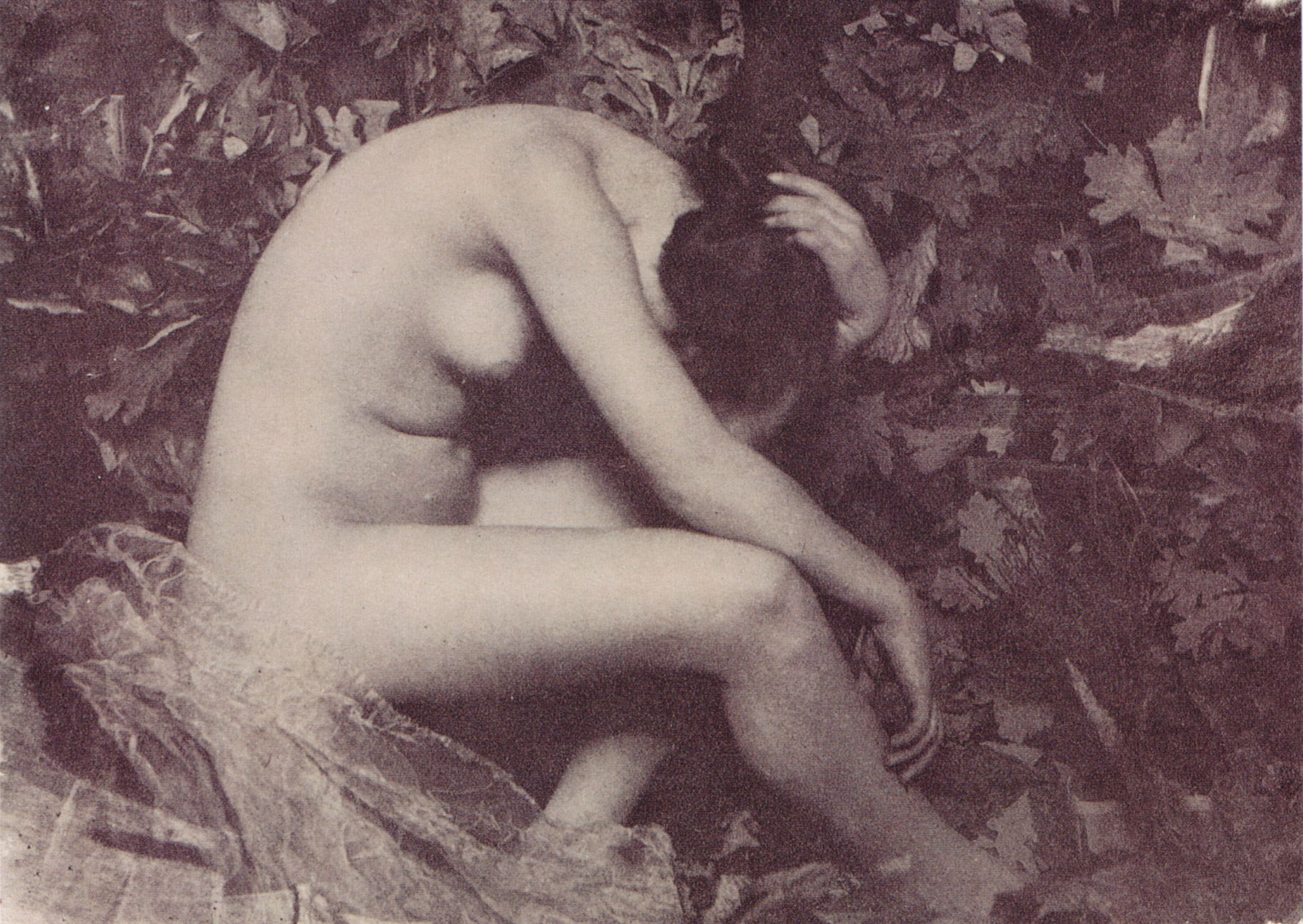
Franck Eugene – La Cigale, 1904
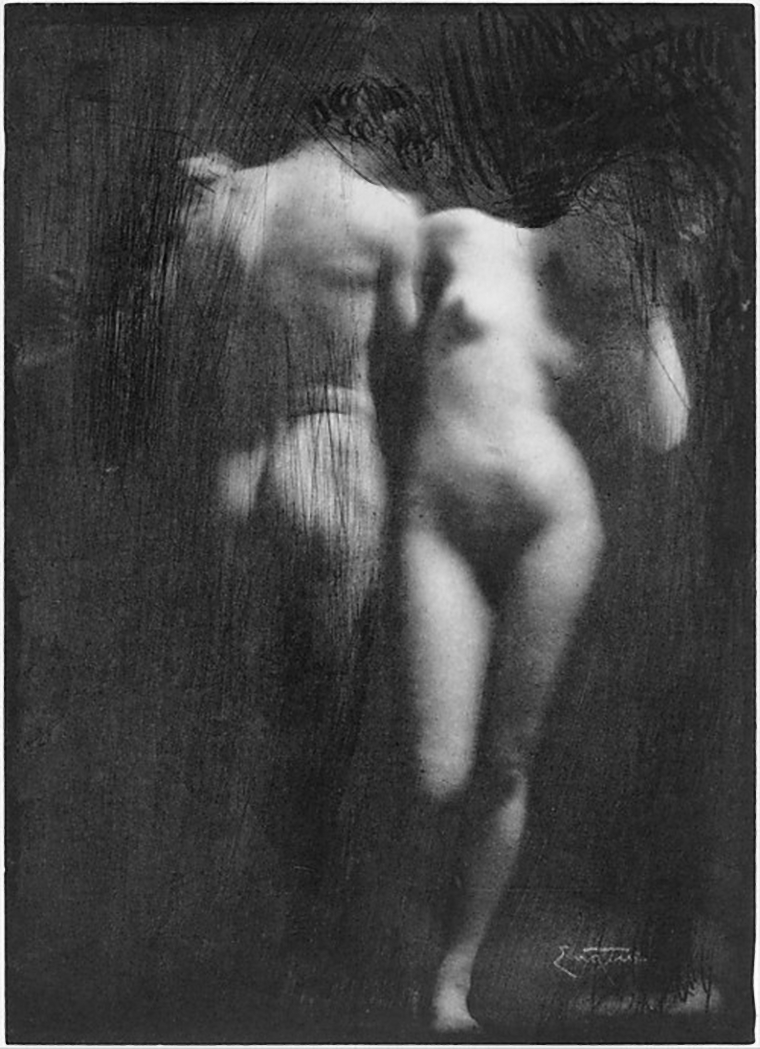
Frank Eugene-Adam and Eve, 1900s, printed 1909; Medium-Photogravure
![Franck Eugene-[Studie]- 1890-98](https://lapetitemelancolie.net/wp-content/uploads/2012/06/franck-eugene-studie-1890-98.jpg)
Franck Eugene-[Studie]- 1890-98
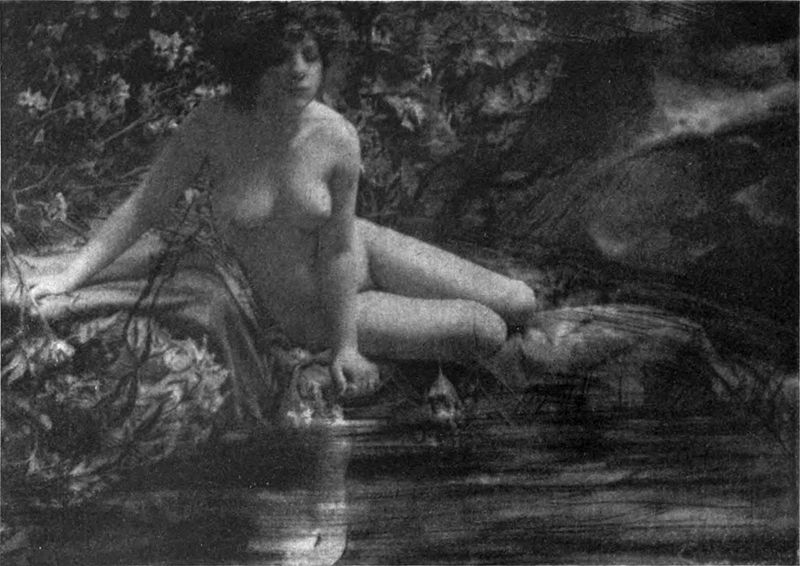
Frank Eugene- Nude waterfront, 1909
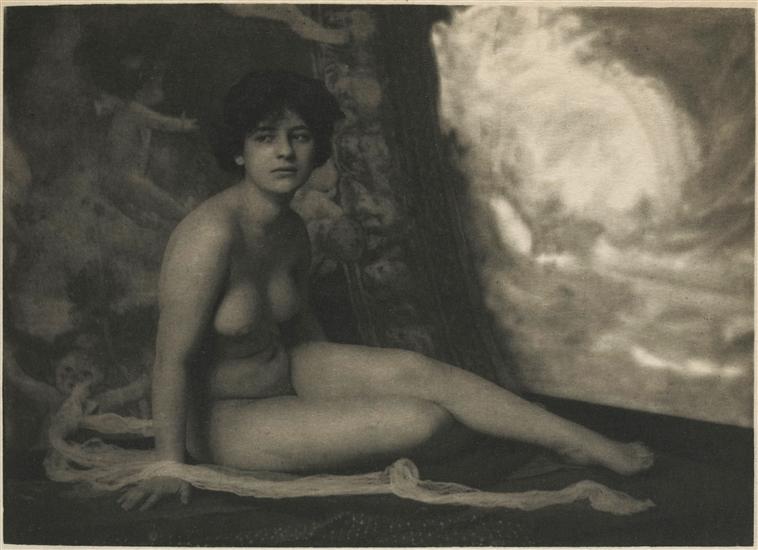
Frank Eugene- Nude study, 1910
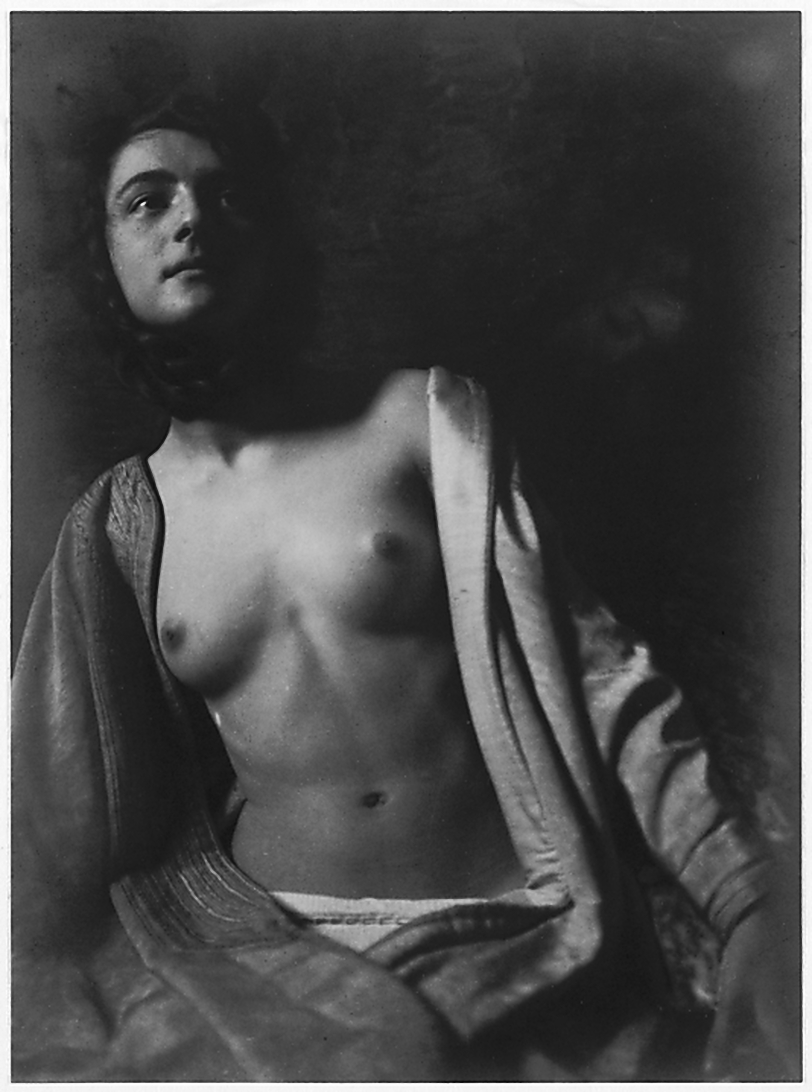
Frank Eugene -Nude Study, 1900s
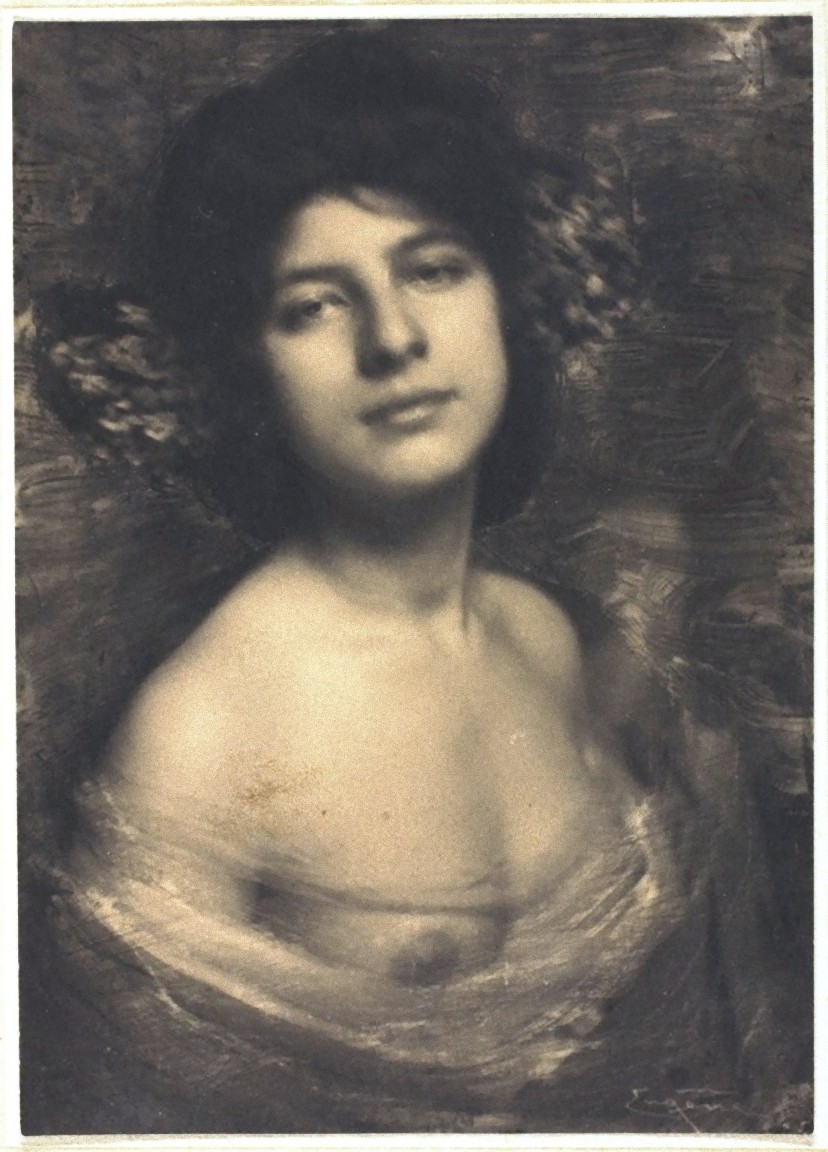
Frank Eugene – Hortensia, 1910
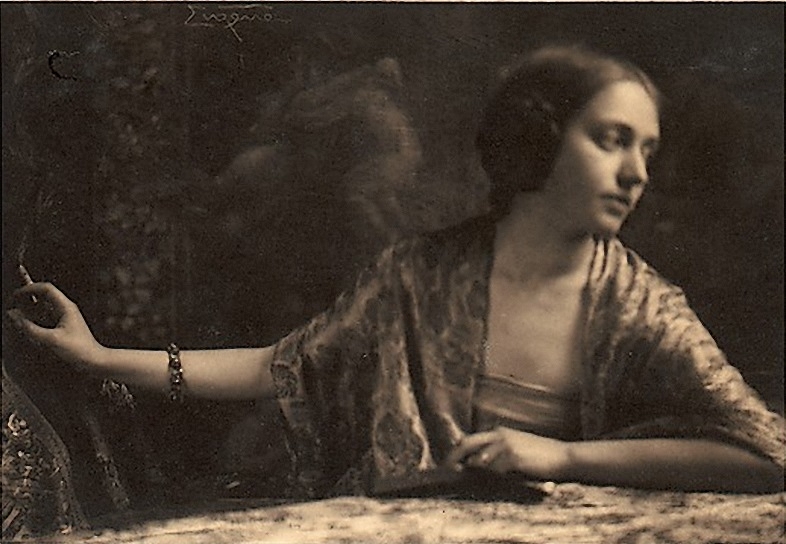
Franck Eugene- Mrs. Wilm- 1911
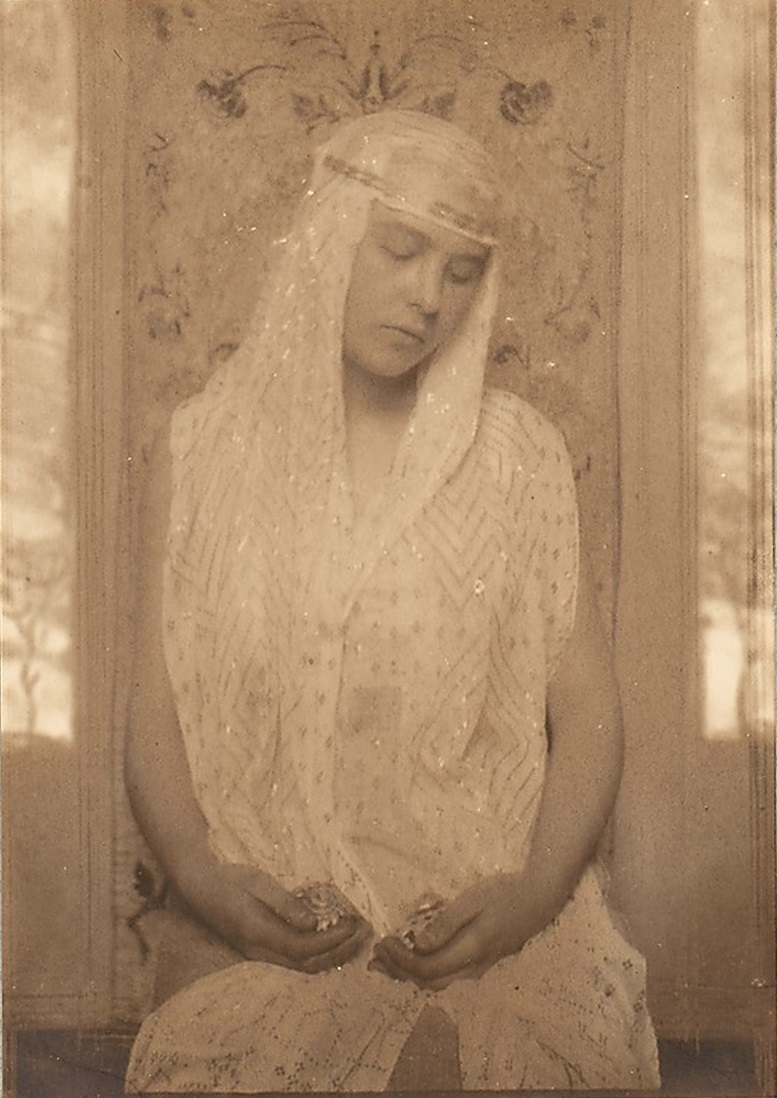
Franck Eugene- The Oriental Bride 1900’s
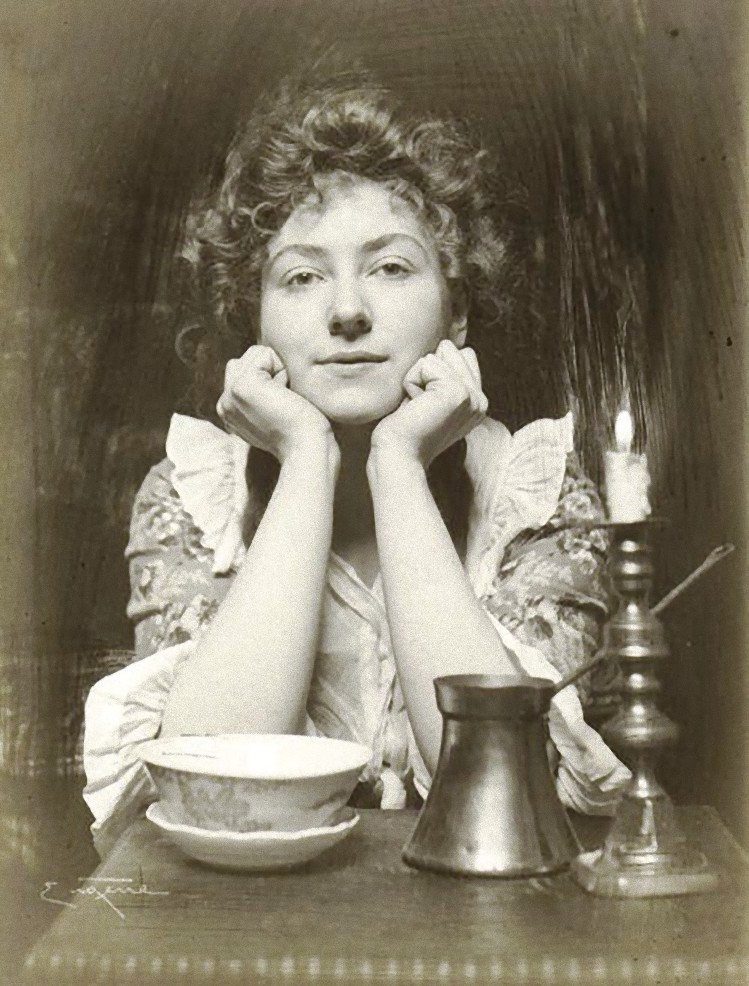
Frank Eugene- Lydia Leslie Lydie et la Chandelle. 1900s
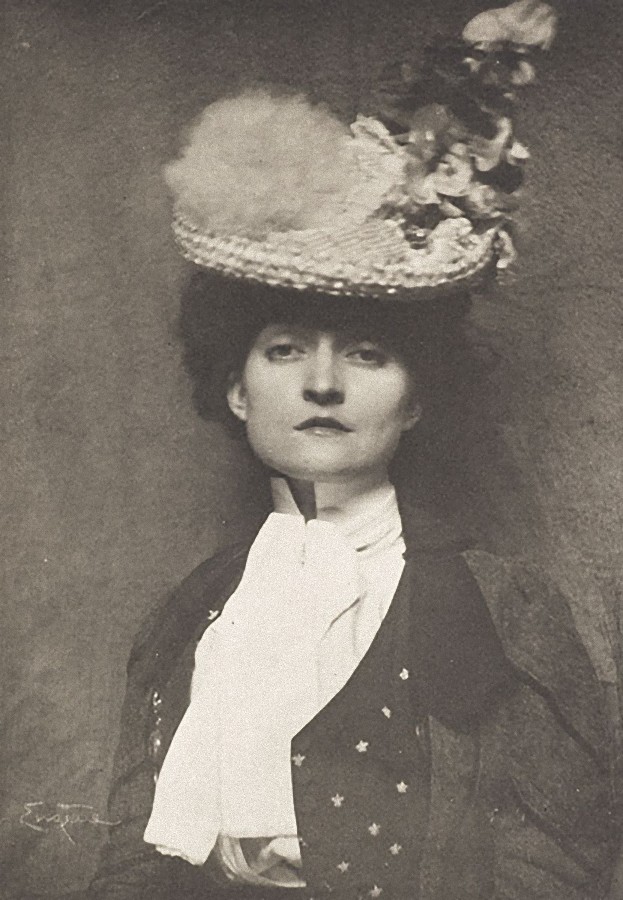
Frank Eugene – Portrait, 1910
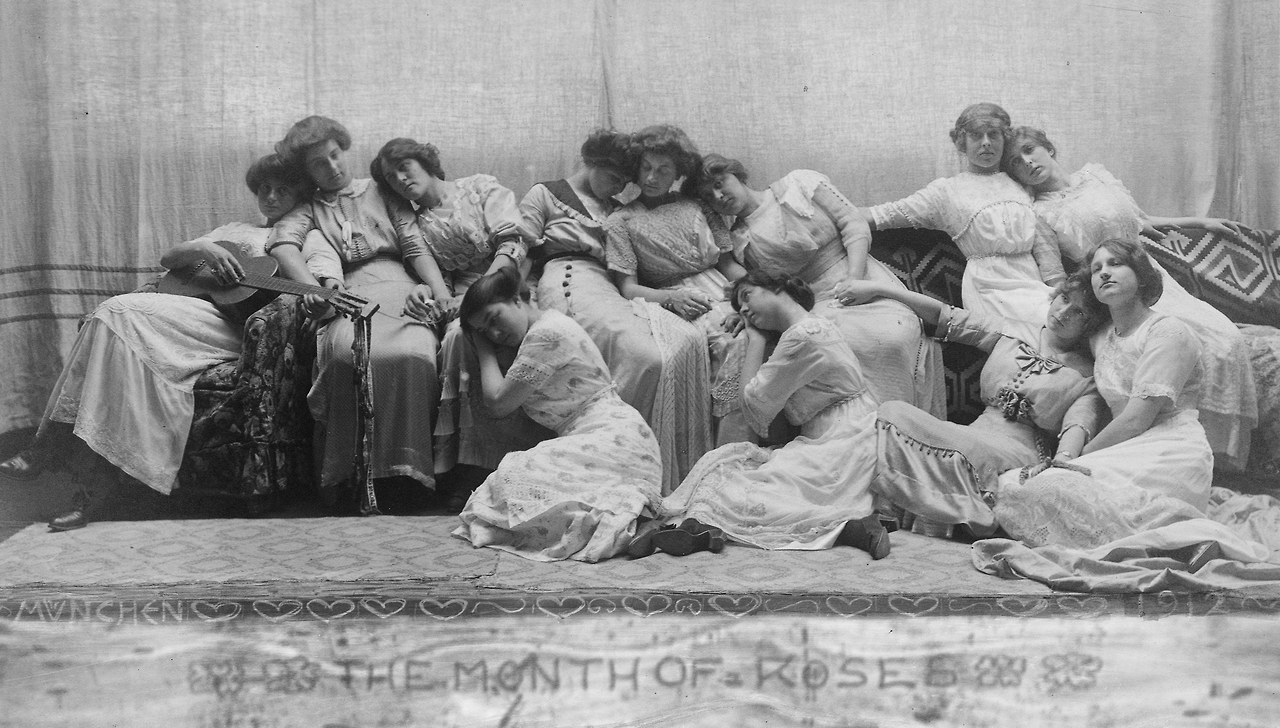
Frank Eugene – Misses Weaver H. Patties’ School for Girls, Munich, Germany, 1912
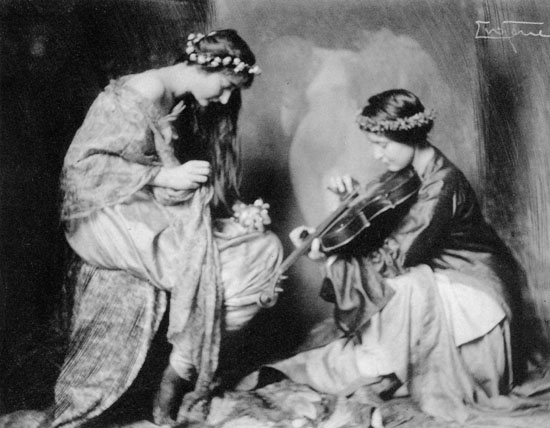
Franck Eugene- Violins 1890-1900
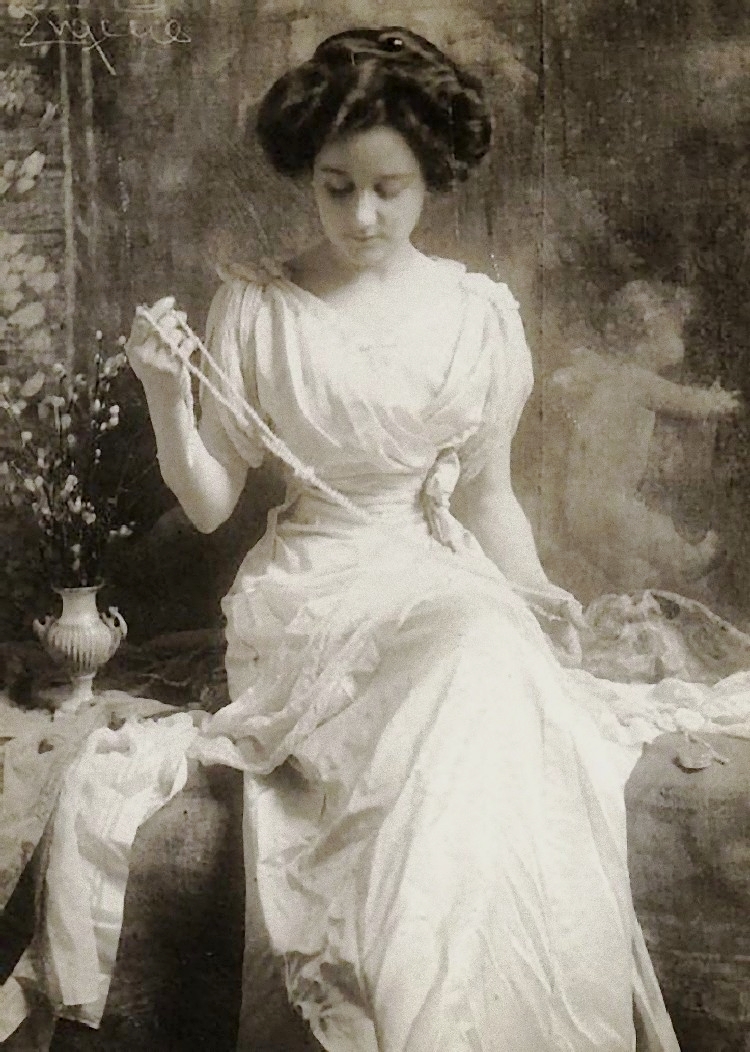
Franck Eugene – The necklace of pearls, 1900s
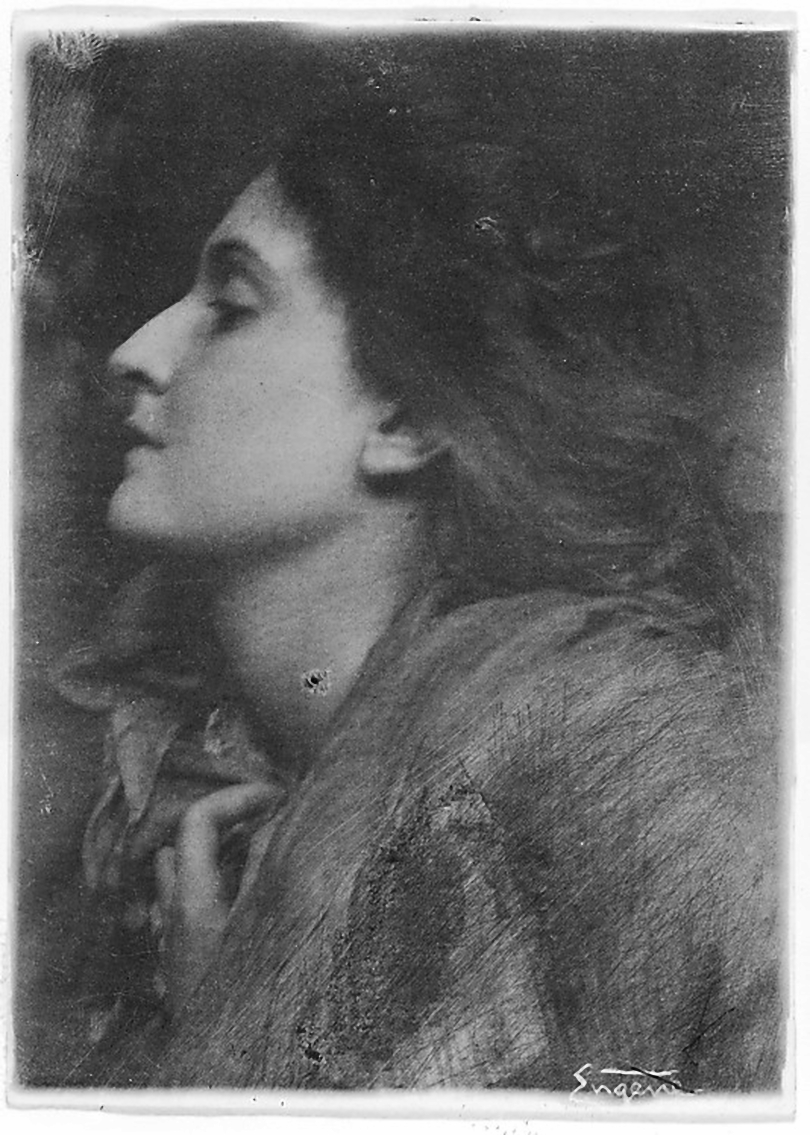
Franck Eugene-Lady of Charlotte,1899
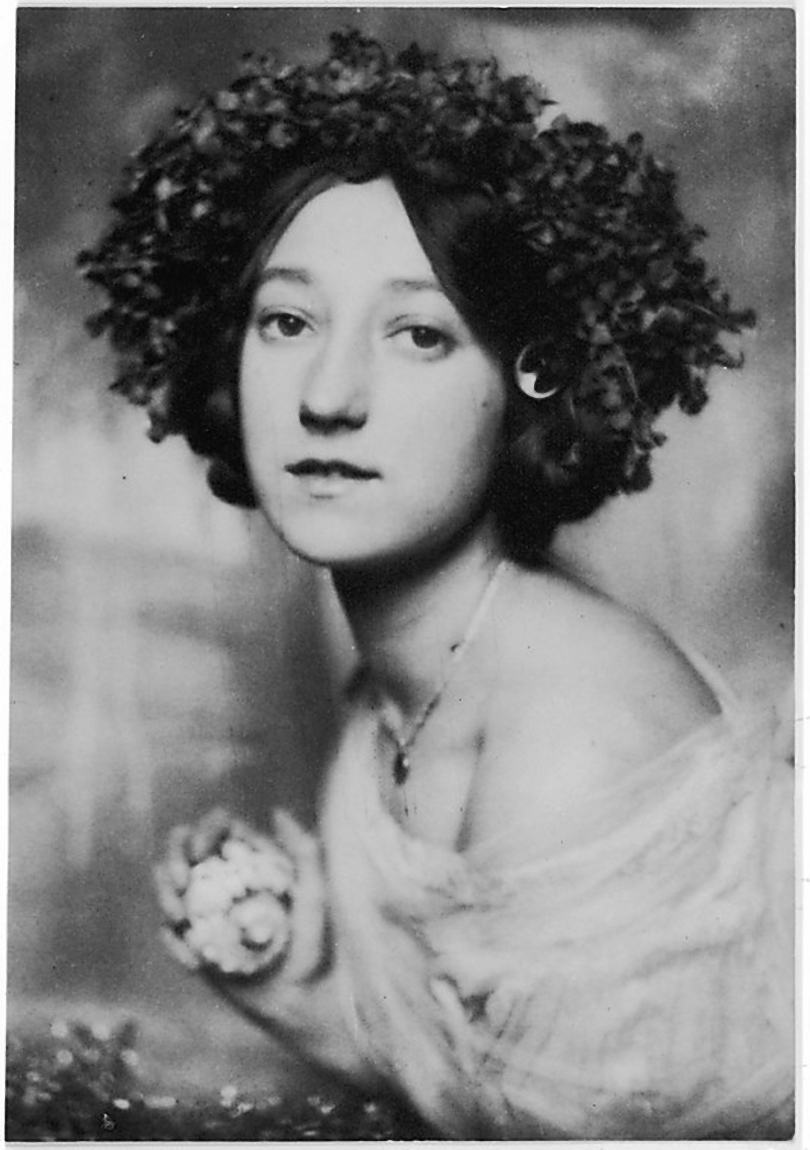
Franck Eugene-Frl. Emmy Geiger, 1900-10908
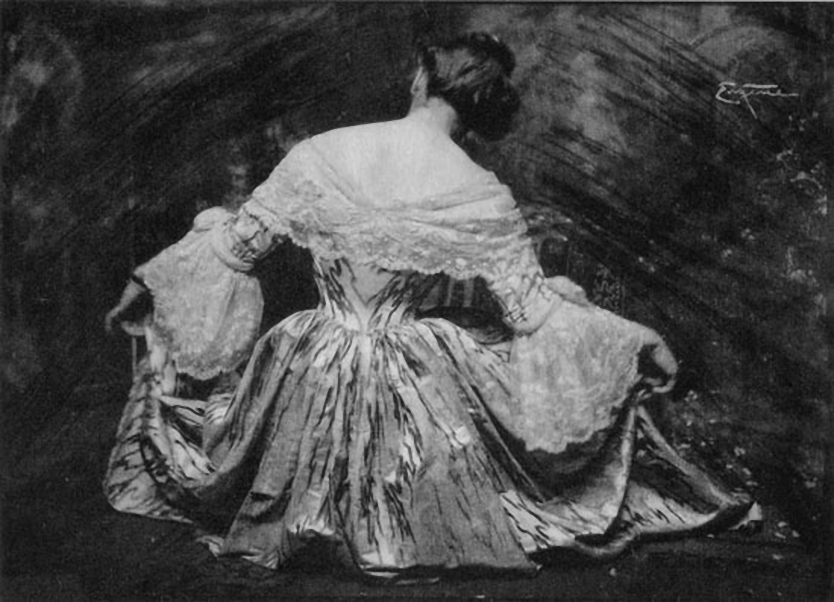
Franck Eugene- Minuet, 1910
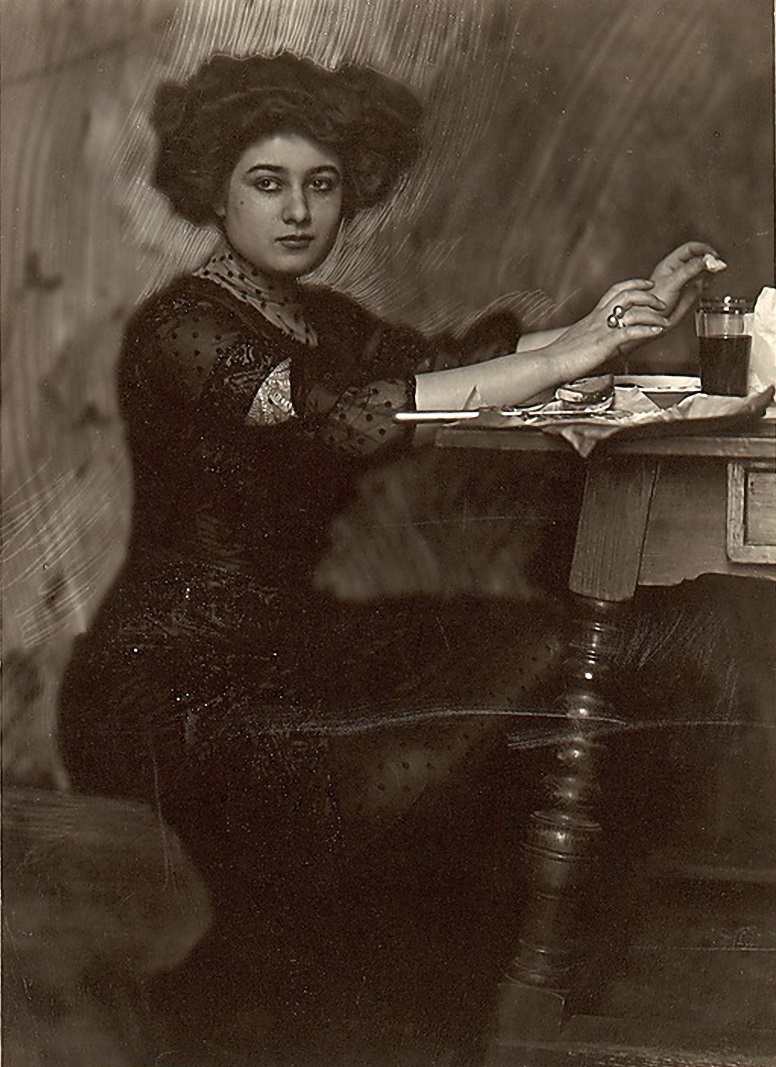
Franck Eugene-The Diva at Home,1900
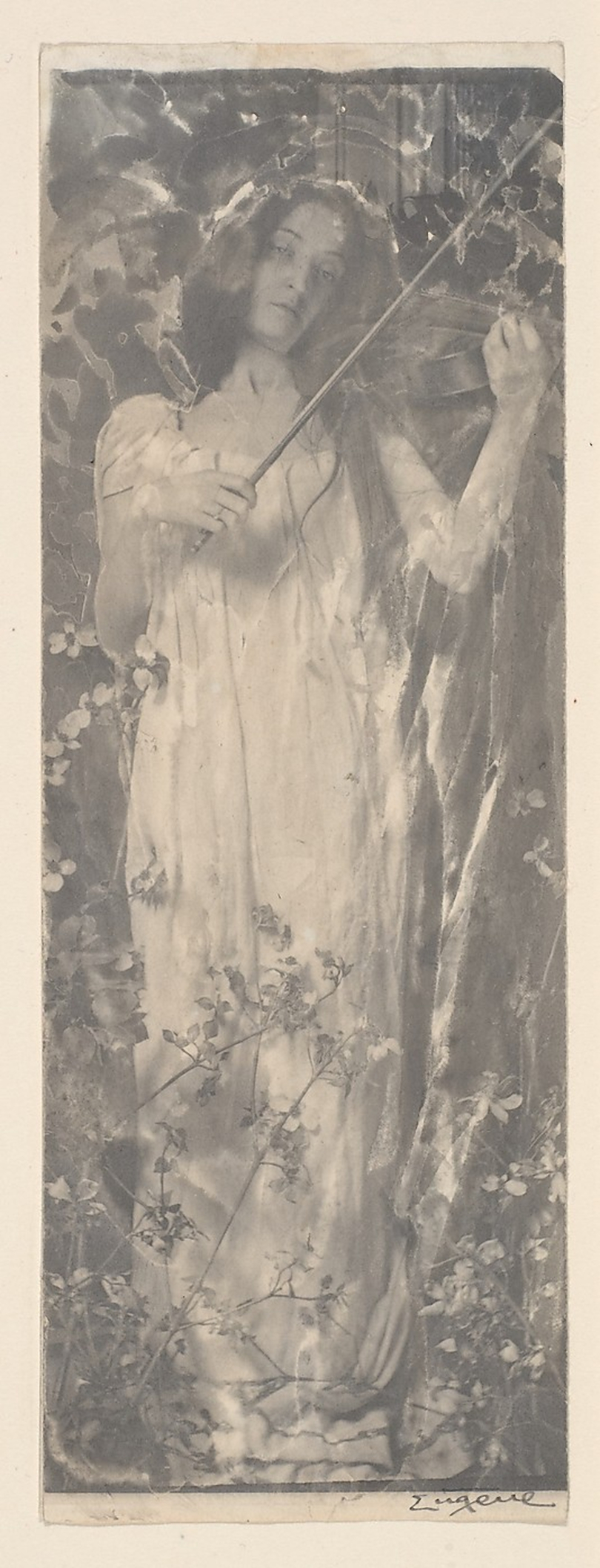
Franck Eugene-Summer, 1998
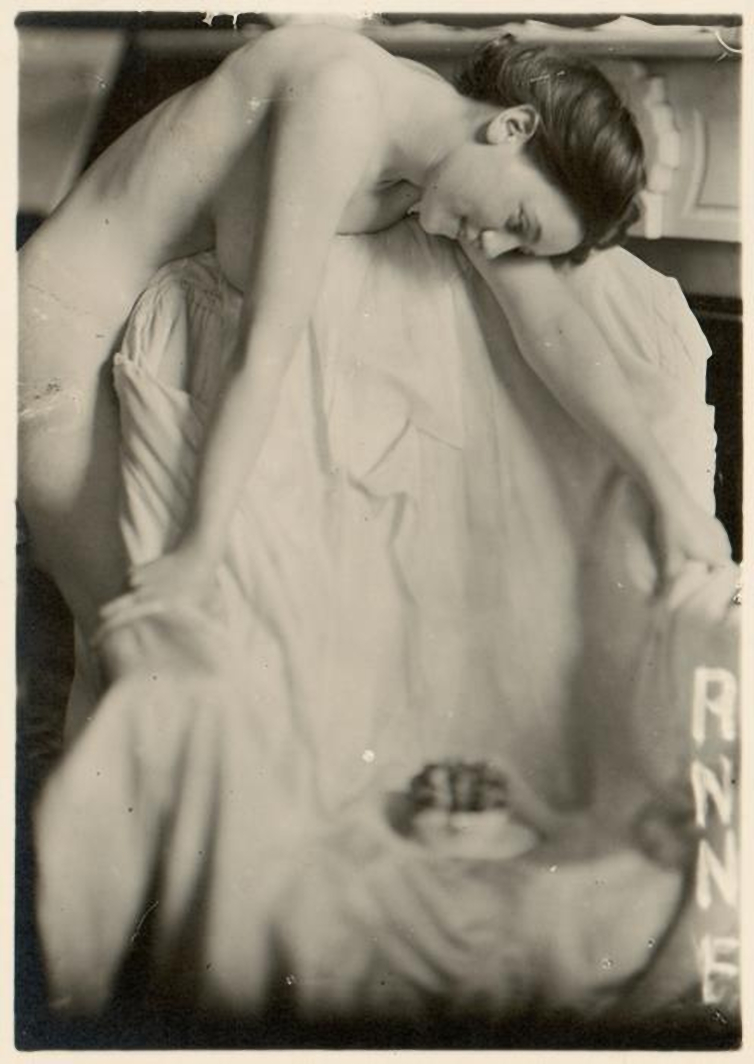
Eugene Franck- Anne Königer Smith, 1912
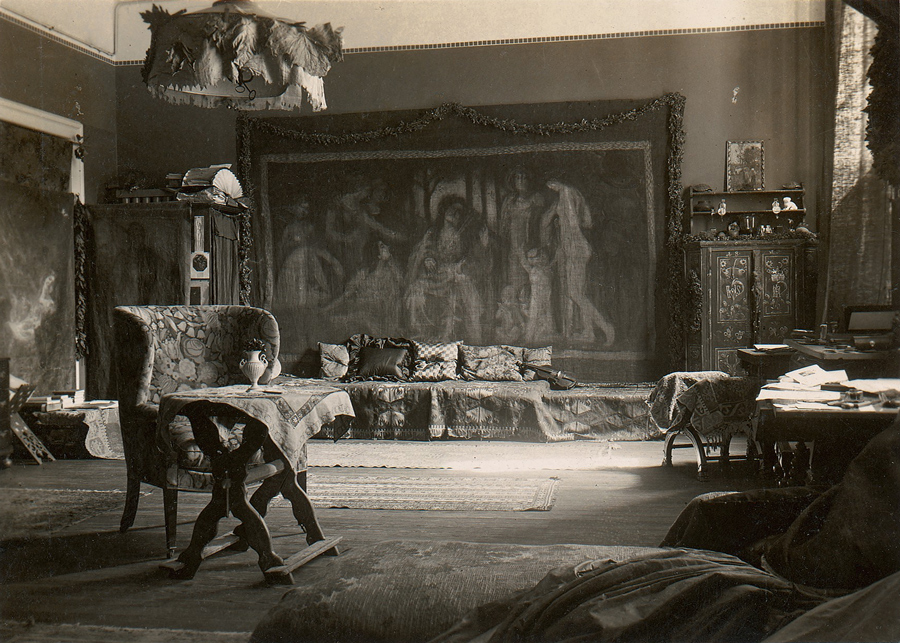
Frank Eugene- The Studio, photograph, platinum print, 1910
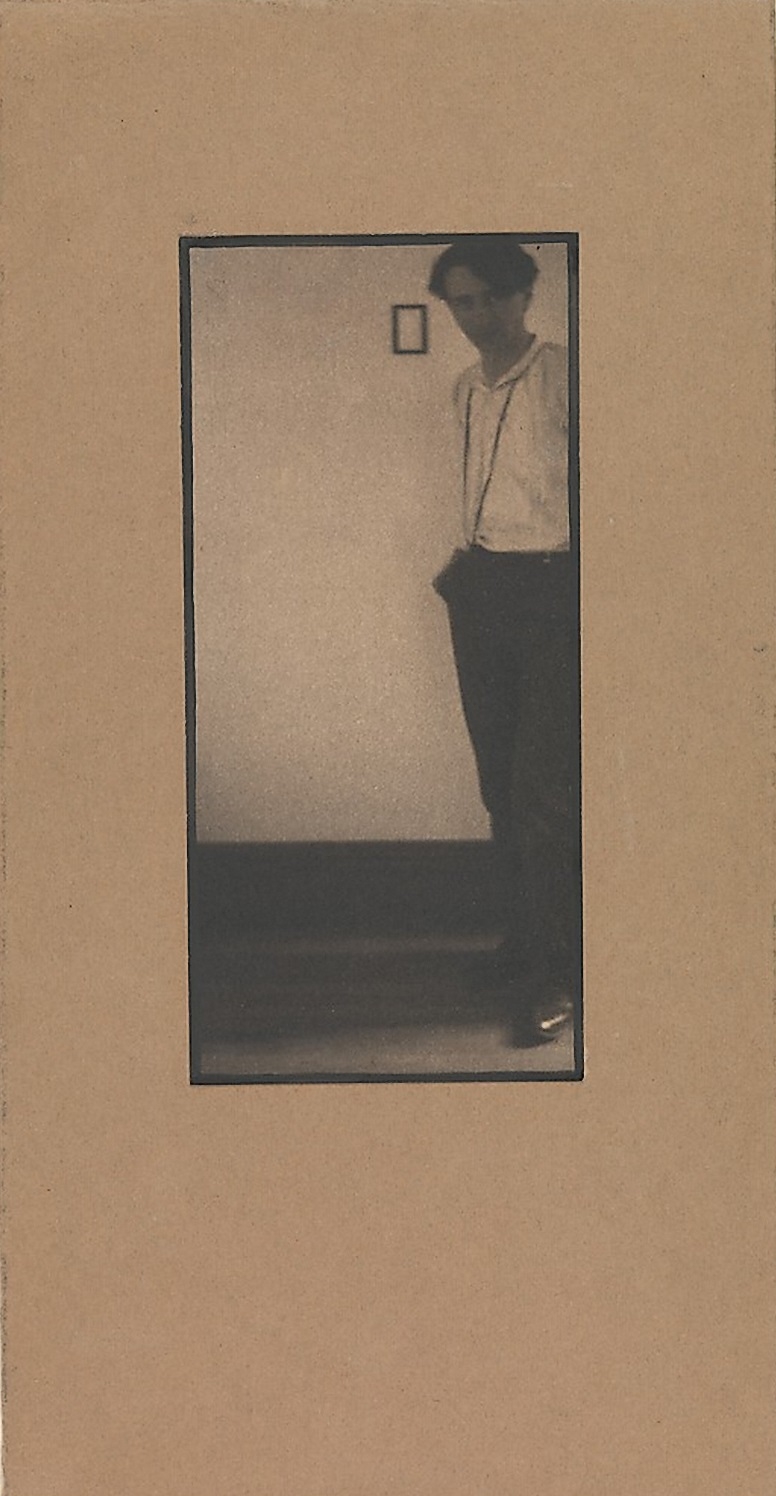
Franck Eugene-Self-portrait, 1899

Christine Elfman- Cabinet Cards (Storydress II), 2008

J. Cornelly- Model unknown, 1920s
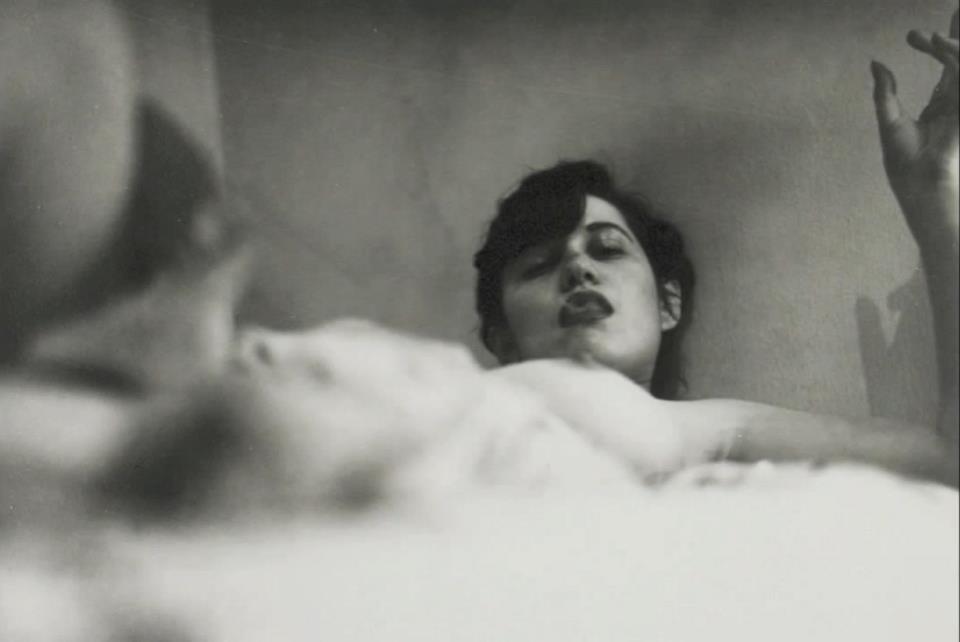
Saul Leiter-Saul Leiter- Barbara (or Margaret), 1955

Saul Leiter- Untitled, 1950

Saul Leiter- The young violinist (Young nude on bed, reflected in mirrors), 1967

Saul Leiter-Test shot for lingerie, Harper’s Bazaar , 1955

Saul Leiter- Jean Pearson, 1948
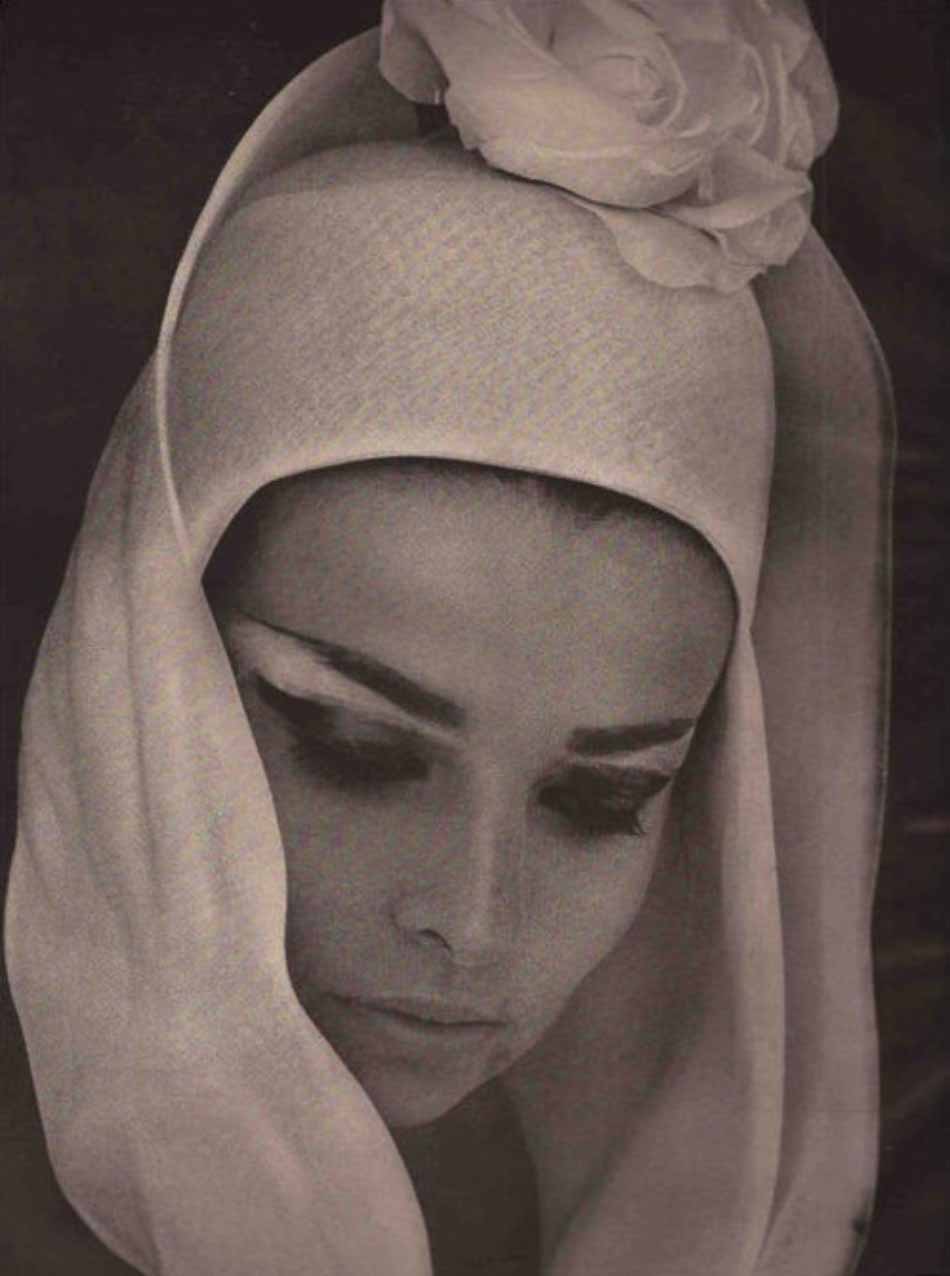
Saul Leiter- Fashion Editorial, 1962
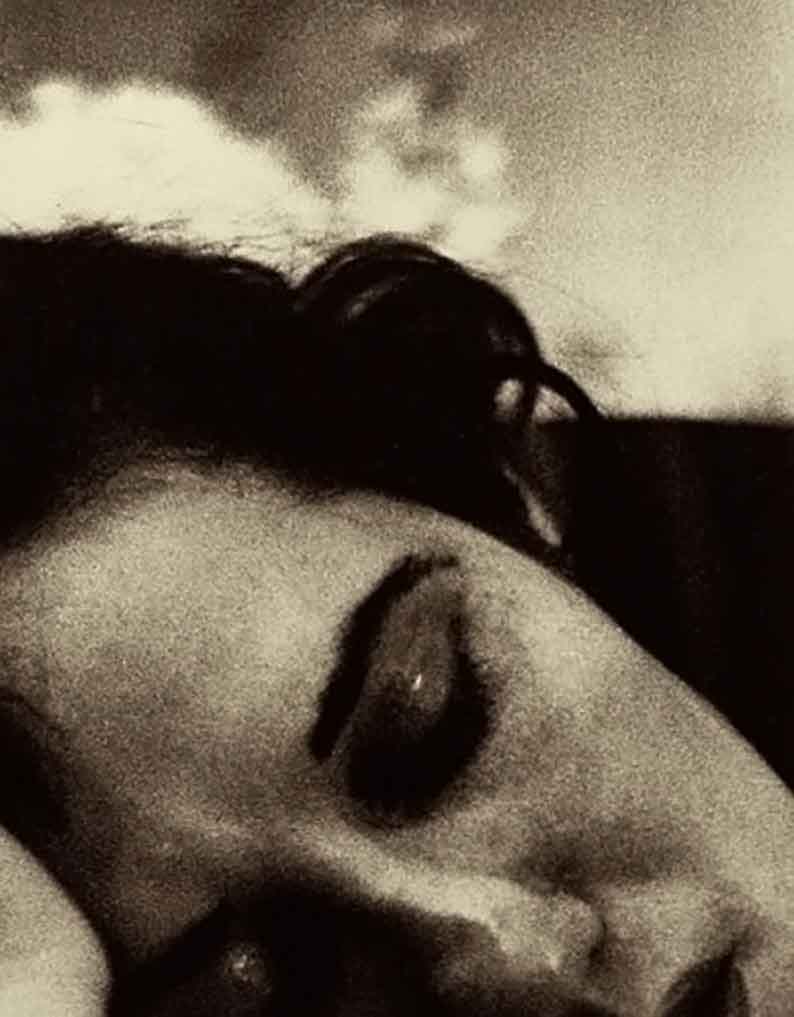
Saul Leiter- Untitled, 1950
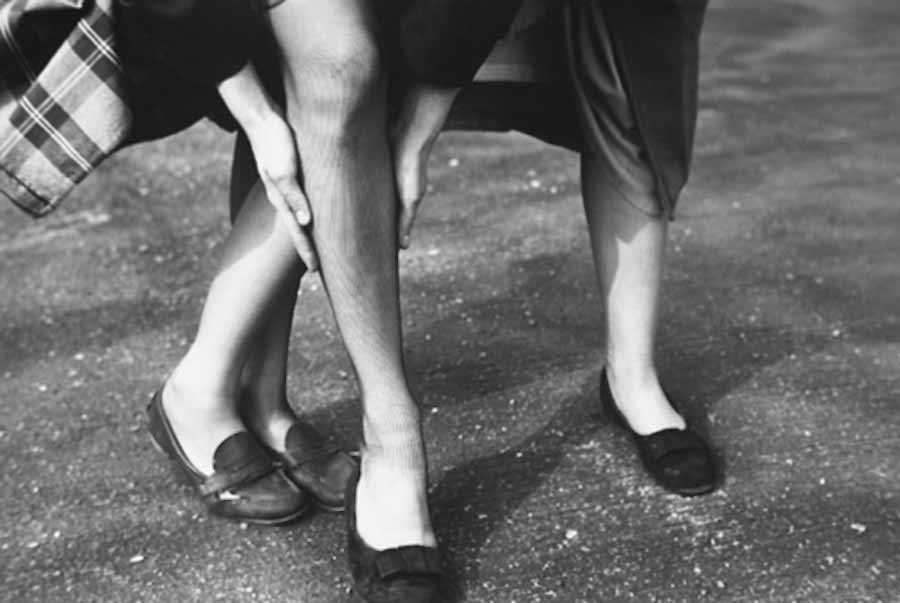
Saul Leiter- Kathy / Gloria,1949

Saul Leiter- Self Portrait, 1950

Edward Steichen- Margaret Severn , 1923
Edward Steichen- Margaret Severn ,1923
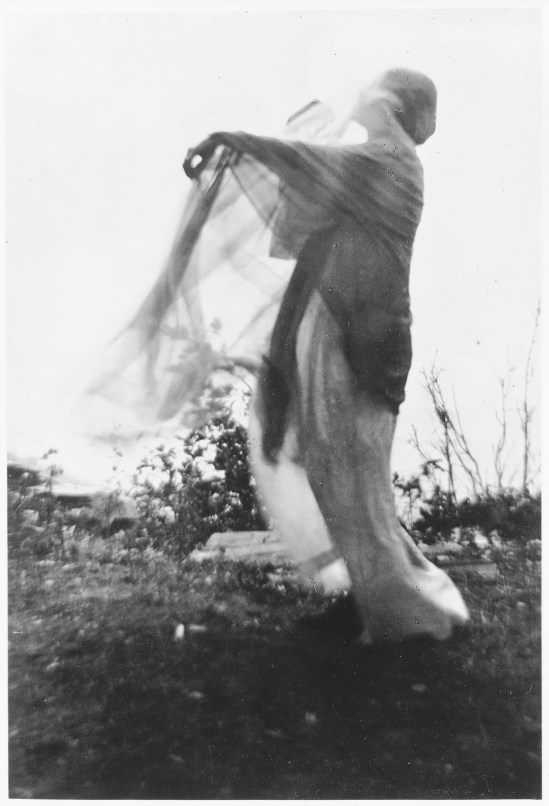
Imogen Cunningham- The Wind, 1910.
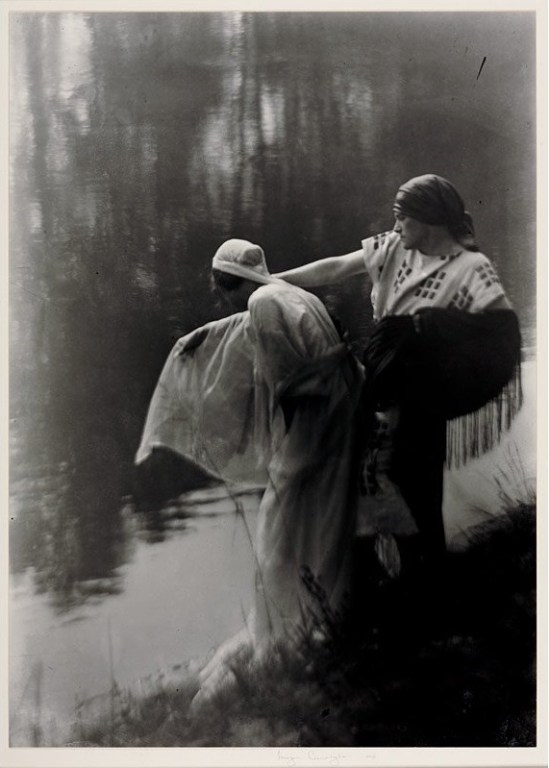
Imogen Cunningham – By the river,1912
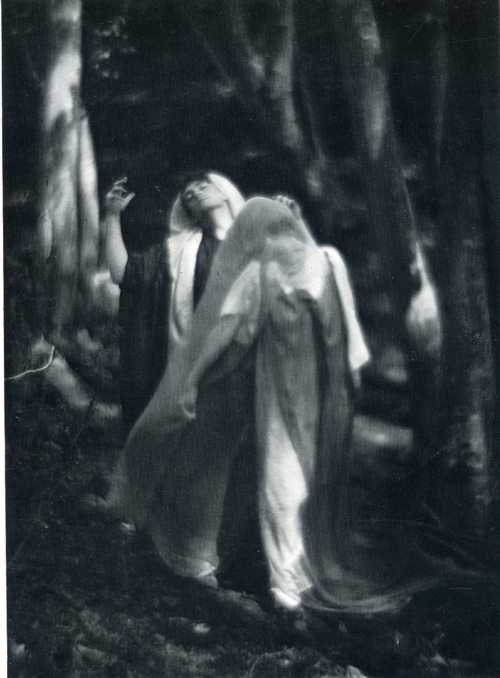
Imogen Cunningham- 1910-12
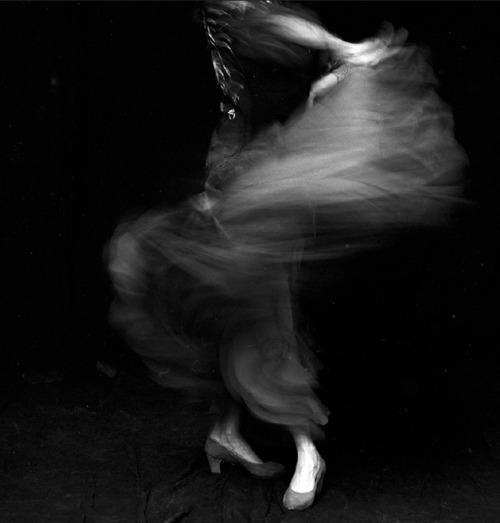
Isabel Muñoz
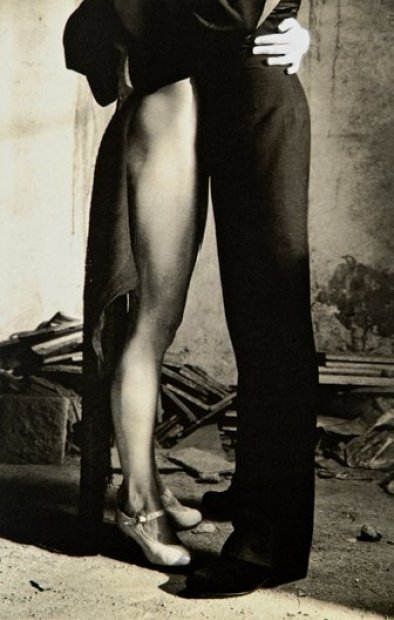
Isabelle Muñoz – En jambes. 1995.
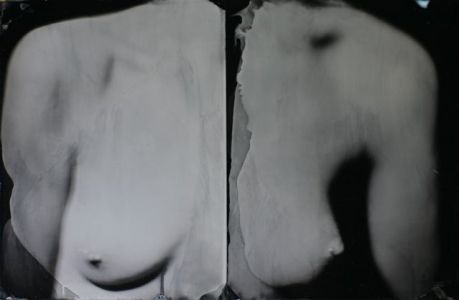
Bart Dorsa-Серия, nd
Bart Dorsa-Серия, nd
« Hailing from Los Angeles, California, Bart Dorsa began his career in visual arts as an independent filmmaker. His directorial debut, Here Lies Lonely and The Invisibles, for which Bart served as an executive producer, received critical acclaim and rave audience reviews. The later won an Audience Award at the German Independence Film festival.
Before the turn of the century, Dorsa took off for the world ’s adventure, seeking inspiration for new artistic endeavors. He was building health clinics and orphanages in Vietnam, meditated with Tibetan monks, engaged Ukrainian twin sisters and immersed himself in Iceland’s art scene before arriving in Moscow in 2003. New business prospects introduced Bart to Moscow ’s fashion scene and Bart began to capture aspiring models on dig ital camera . With this a new project was born, culminating in Dorsa ’s first photo exhibition, Fifteen Minute Fashion, in 2007. It was based around the concept that, in Russia, any girl can be a model if they get to have 15 minutes in front of Dorsa’s camera.
Seeking more out of photography than digitally created and altered images, Bart became an apprentice of the art form at its roots. He traveled around Europe and US, learning a photography method that is extremely rare today. Invented in the 1840s, The Wet Plate Process was the second generation of the photographic technology after the daguerreotype. The process requires the photographer to pour a hand-prepared chemical emulsion over a metal or glass plate which is then placed into a vat of silver nitrate. The mixing of silver nitrate with salts that are in the emulsion makes the surface sensitive to light. A wet, sensitive plate, as it is now called, is then placed into the back of the camera and exposed to the light anywhere from three to thirty seconds depending on the chemistry and light conditions. To freeze an image permanently, acid is poured over the wet plate and then fixed in cyanide after the subject has been captured.
While the process of creating a wet plate is extremely delicate, the camera used is in its simplest form: two lenses positioned inside wooden box, with no shutters or automatic flashes. For each image, the photographer manually adjusts angles of the lenses , covers and uncovers them and times the light exposure. Such a photo shoot can be considered a success if four or five plates are made during a three hour session .
Bart Dorsa debuted with his new technique in November of 2008. The show, titled Soul Stealer, was a dark crossover with a classic , 1940’s Hollywood film noir aura to it. Six months later, riding on the popularity of Stealer, Bart was invited to have a show at Moscow’s esteemed photography gallery, Pobeda, as part of the 7t h International Photography Month in Moscow “Photobiennale 2008”. This exhibit, titled Silver Tongue Devil, displayed images of women, resembling wax figures melting from heat, seemingly afloat in a pitch black gallery. Deep Inside My Doll House is a new exhibition from the latest series of Dorsa’s work. Given full control of Moscow Museum of Modern Art at Tverskoy 9, Bart has transformed the building into a dark asylum, painting it completely black’ – by Yuri Pushkin
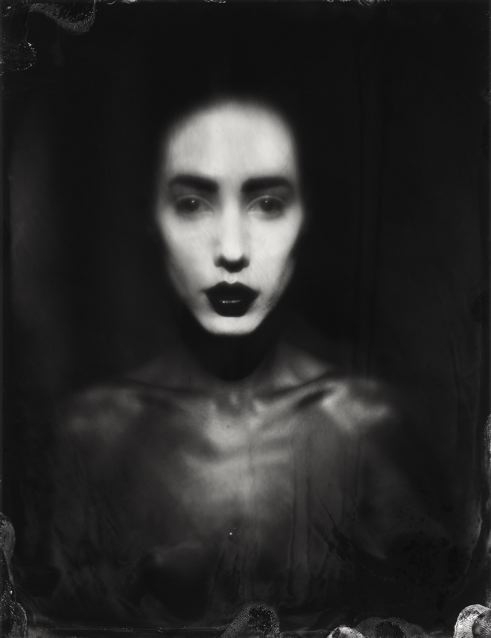
Bart Dorsa -Silver tongue devil, 2009
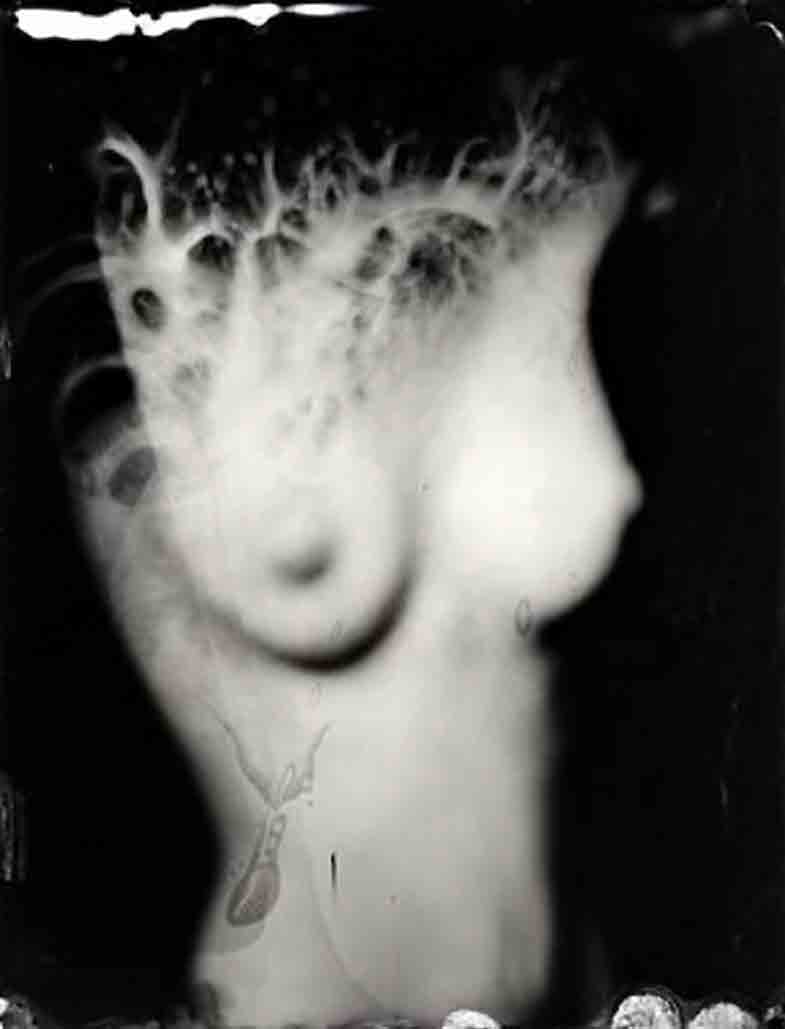
Bart Dorsa- Incendia, #12, 2009
 La Petite Mélancolie
Vous devez être connecté pour poster un commentaire.