Biography in english at the and of the article
Francesca Stern Woodman, photographe américaine née à Denver en 1958, elle plongea par la fenêtre de son appartement, à Manhattan, le 19 janvier 1981.
Elle suit, à Providence, les cours de Rhode Island School of Design, une école des Beaux Arts.Elle lit les auteurs intéressés par la condition de la femme (Virginia Wolf, Colette…) ainsi que les écrits d’André Breton sur le surréalisme. Elle décroche une bourse d’un an à Rome (77-78).Elle connait l’Italie pour y avoir été en voyage avec ses parents (George Woodman, céramiste et photographe, Betty Woodman, céramiste).
Elle termine ses études et s’installe à New York, en 1979, où Francesca Woodman s’installe à East Village, dans un atelier sur la 12e rue. Et se lance dans une série en pleine nature, où,elle s’essaie, encore, à contraindre son corps à devenir transparent, ou autre, pourquoi pas un arbre.
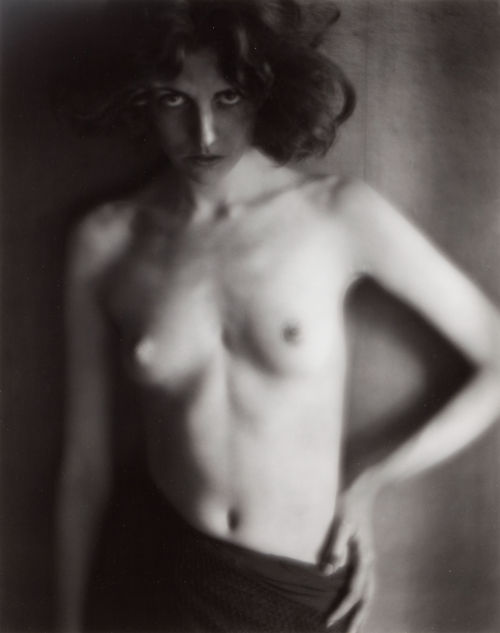
Son style,l’autoportrait y domine, le format carré du 6×6 donne une précision d’image qui lui permet d’exploiter l’esthétique des flous optiques et bougés, dans lesquels planent l’influence du surréalisme.
Disparue prématurément à l’âge de 23 ans, Son travail s’est échelonné sur une courte période de huit ans, et pourtant elle laisse derrière elle un peu plus de huit cents clichés.
Si l’ensemble de son travail tourne autour de l’autoportrait, elle dénie très souvent l’appareil, cachant son visage sous ses cheveux, des objets, des parties de son corps.
Une lecture psychologique de son travail est comme une prémonition de son suicide.
La complexité des intentions qui lui ont été attribuées s’adapte mal à une personne aussi jeune.
“Mes photographies sont tributaires d’un état affectif.”
Francesca ne cherche pas la complaisance mais travaille la représentation du corps féminin, en bousculant l’ordre et les conventions, pour y opposer des images qui font appel aux sensations et à l’imaginaire.
Elle flirte aussi avec le surréalisme pour aménager ses petits mélodrames narcissiques. Elle est d’une intense beauté, mystérieuse, légèrement vénéneuse.
Les cadrages fractionnent un corps-objet torturé, tourmenté.
Autre point à mettre en avant : le contraste permanent entre un arrière-plan fixe et un modèle humain toujours en mouvement, caché, comme insaisissable…Elle est dérangeante et fascinante, elle passe telle une apparition spectrale fragile.
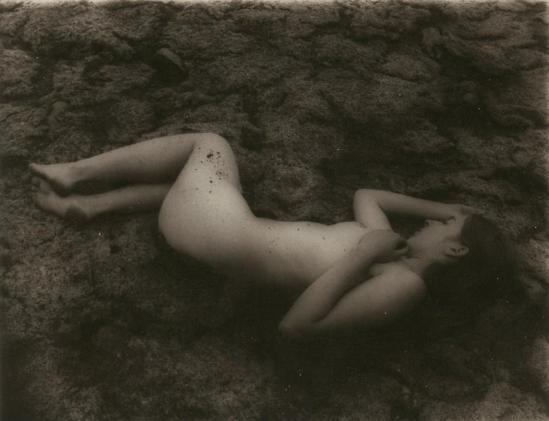
Francesca Woodman- Untitled ,Boulder, Colorado, 1972-1975
Aux questions pourquoi se déshabiller pour poser, pourquoi être son propre modèle ?Elle répondait : “C’est par commodité. Ainsi je suis toujours à portée de main.”
C’est si réussi qu’effectivement on la cherche dans l’image, comme ce portrait dans une baignoire où on n’aperçoit que sa chevelure.
Il y a peu de photographies en extérieur, Woodman préférant affronter les fantômes dans leurs cachettes, entre les murs, sous les portes.
Son univers étrange comme la série de photos où elle disparaît dans les murs dissimulée dans des feuilles de papier peint.
Sur une image elle s’est entourée les jambes d’un ruban de plastique transparent qui fait ressortir la chair là où le ruban ne passe pas, elle a aussi posé un gant sur son sexe, surréaliste…
Nous avons à faire à une jeune fille d’une maturité surprenante pour son âge, qui se met à nu au sens propre du terme.
Elle compose ses images en réalisant au préalable des petits croquis.
Elle se met presque toujours en scène dans ses photos.
On a le sentiment que Francesca Woodman, s’est engagée dans une démarche narcissique de découverte de son corps, qu’elle visite à chaque prise de vue. Ce travail sur soi, ce besoin de se mettre en scène tourne à l’obsession. Ses photos sont intemporelles car le décor ne donne pas d’indice sur l’époque de la prise de vue. Dans les années 70, les codes de la photographies imposaient un certain cadrage, une netteté irréprochable, les photographes faisaient du paysage, du reportage social, de la mode ou du nu, le regard de Francesca Woodman ne rentre dans aucune catégorie.
Peu inconnue à la fin des années 70, elle est considérée comme une artiste majeure de l’art américain des trente dernières années.
Sa notoriété n’est arrivée que post mortem et à son insu.

Francesca Woodman- From Space, 1975-1976

Francesca Woodman- Space 2, Providence, Rhode Island, 1975-1978
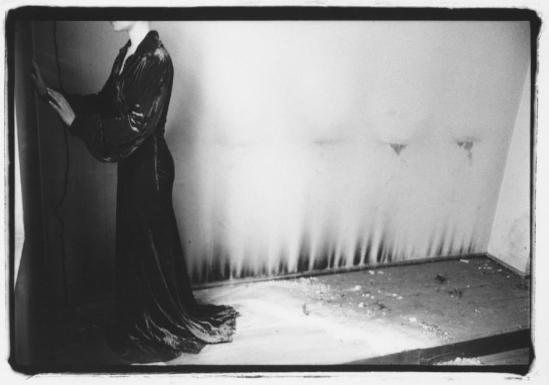
Francesca Woodman Untitled, New York (NF418)), 1979-1980 courtesy of Marian Goodman Gallery
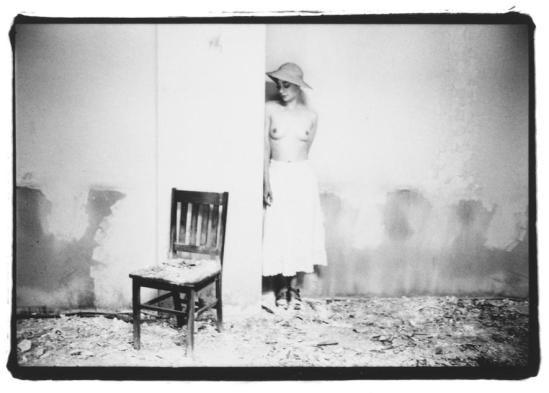
Francesca Woodman Untitled, New York (NF415), 1979-1980 courtesy of Marian Goodman Gallery
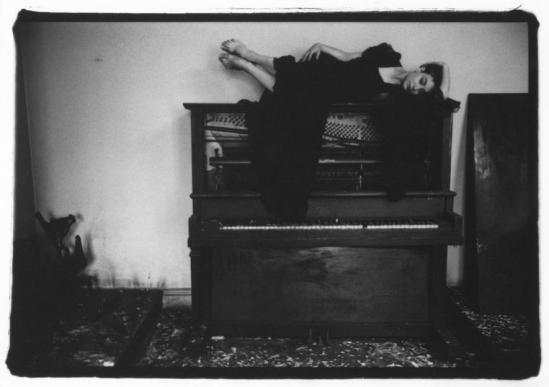
Francesca Woodman Untitled, New York (NF.1161.1), 1979-1980 courtesy of Marian Goodman Gallery
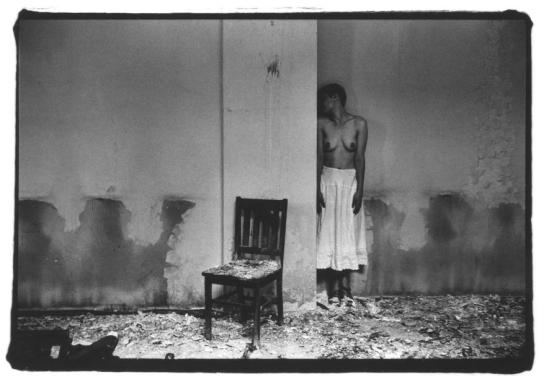
Francesca Woodman Untitled, New York (NF.416), 1979-1980 courtesy of Marian Goodman Gallery
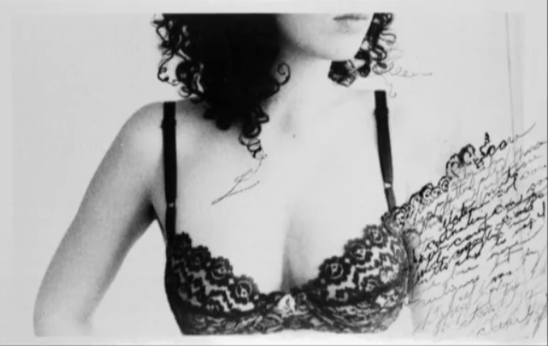
Francesca Woodman – detail A fashion picture Cyanotype Year of Work,1980( art net)
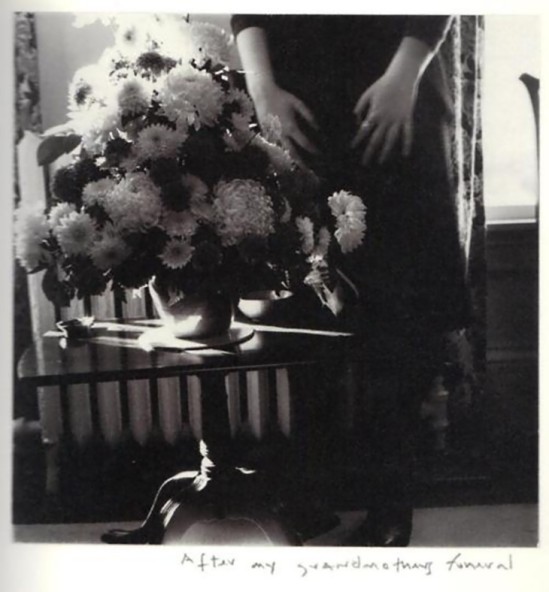
Francesca Woodman – After my grandmother_s funeral, Concord, New Hampshire, 1977
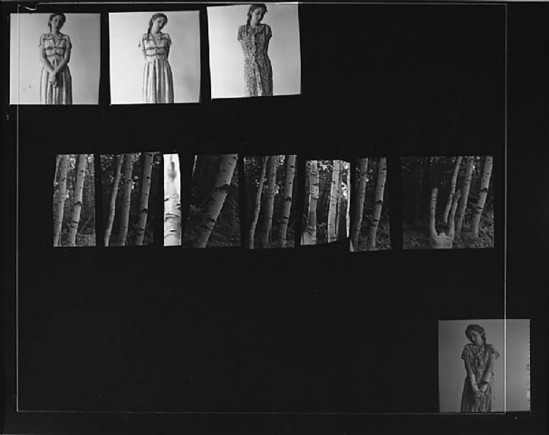
Francesca-Woodman- Untitled, ,1980(GalerieSamsøn)

Francesca Woodman, Untitled, 1979, Courtesy George and Betty Woodman © George and Betty Woodman
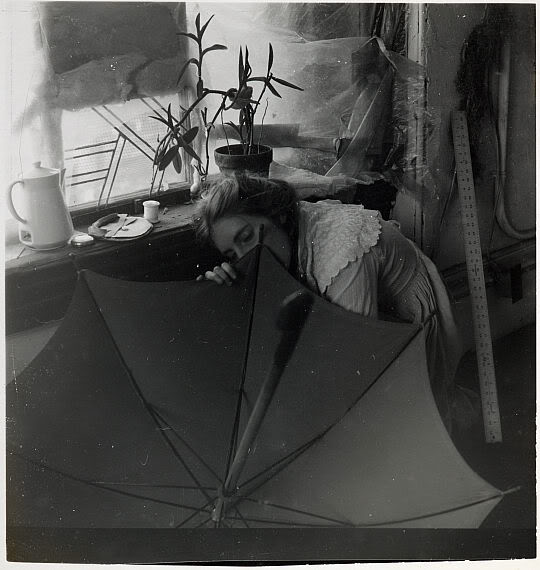
Untitled Francesca Woodman Crouching Behind Umbrella

Francesca Woodman -From ‘A Woman, A Mirror – A Woman is a Mirror for a Man’, 1975-1978
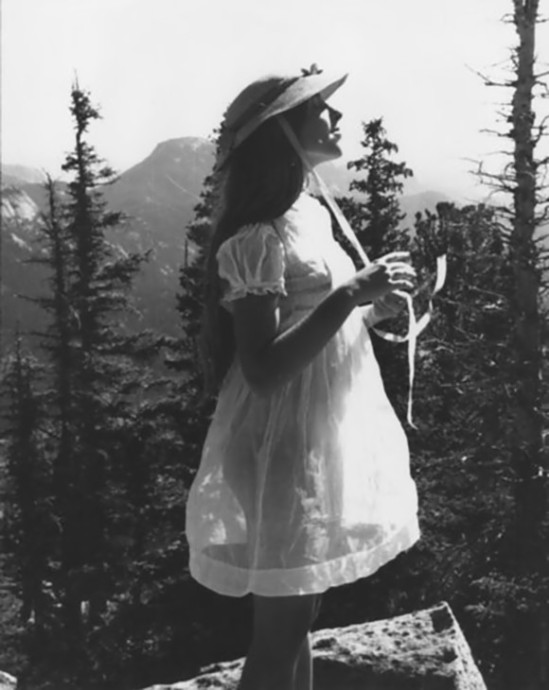
Francesca Woodman -Untitled (Francesca in High School, with Bonnet), 1972-1975 ( Galerie Robert Klein )
Francesca Woodman
Francesca Woodman
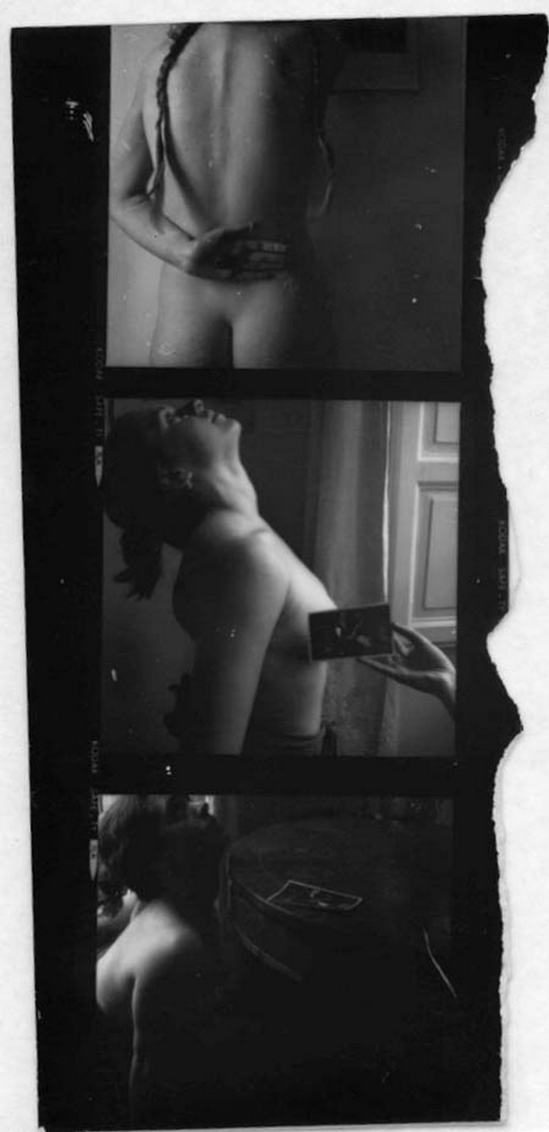
Francesca Woodman.-Donna con cartolina. Rome, 1977-78
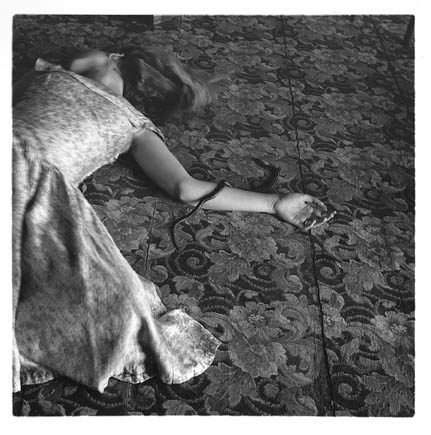
Francesca Woodman, Untitled, Providence, Rhode Island, 1975–78; Courtesy George and Betty Woodman
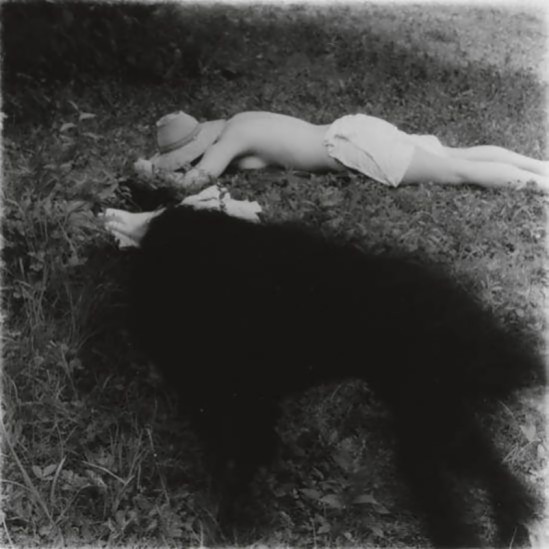
Francesca Woodman – Untitled (square) 1980

Francesca Woodman- Untitled, selfportrait RHode Island, 1975-76
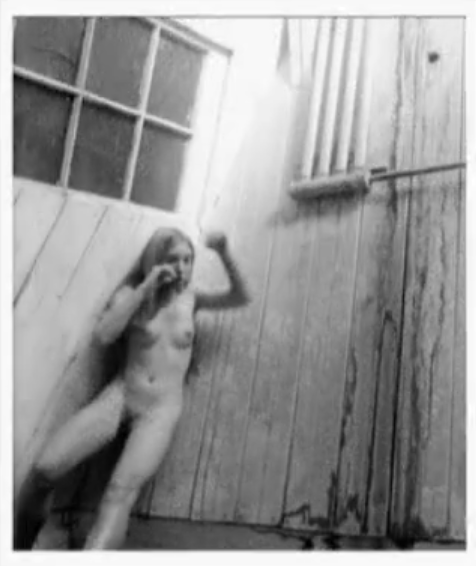
Francesca Woodman
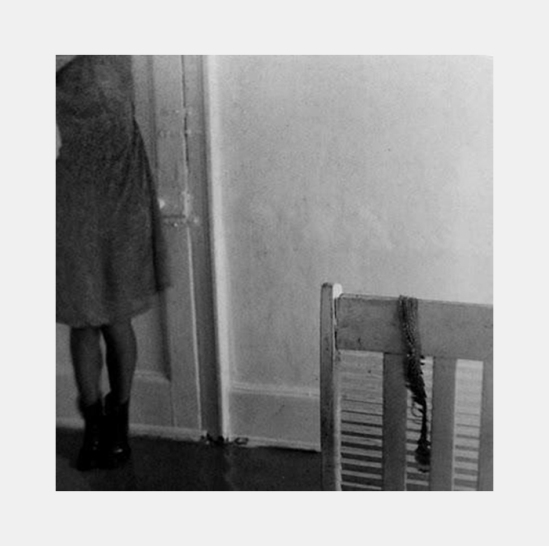
Francesca Woodman
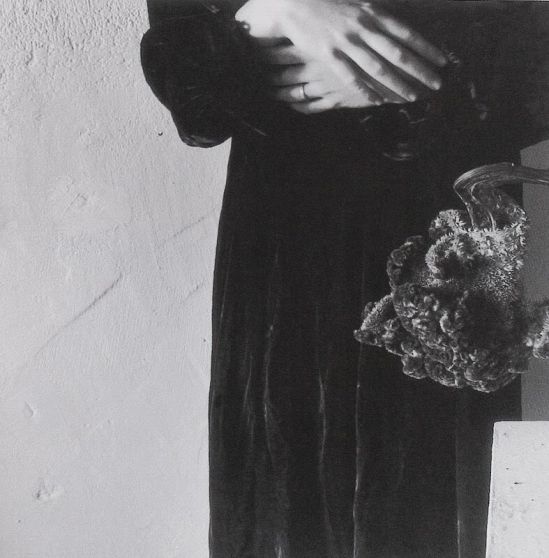
Francesca Woodman
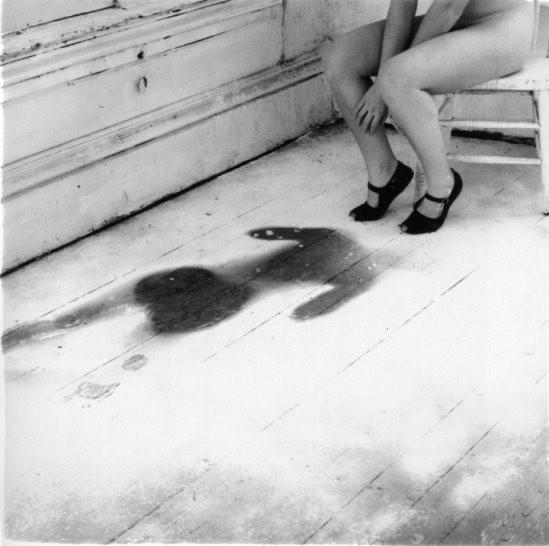
Francesca Woodman
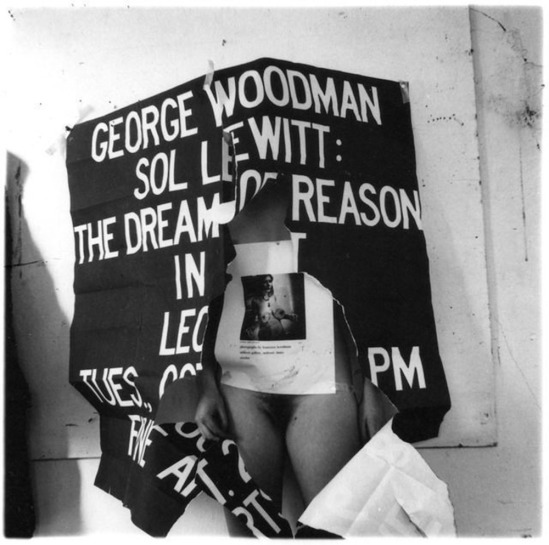
Francesca Woodman – Untitled (George Woodman, Sol Lewitt, Francesca Woodman), ca. 1976
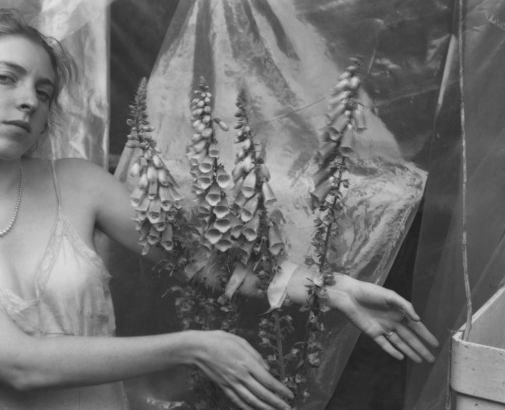
Francesca Woodman
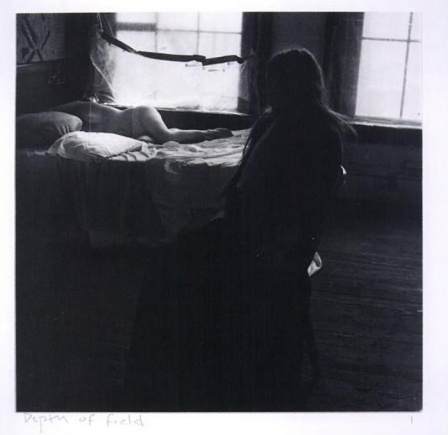
Francesca Woodman
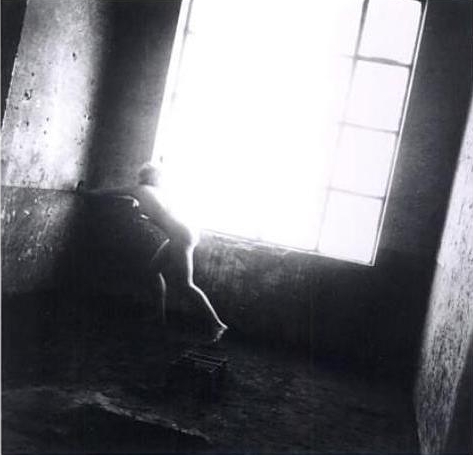
Francesca Woodman
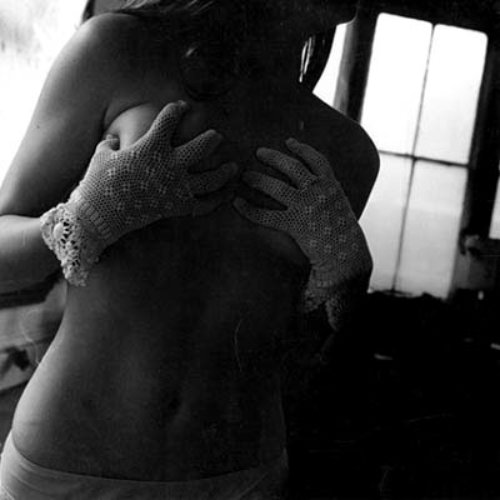
Francesca Woodman
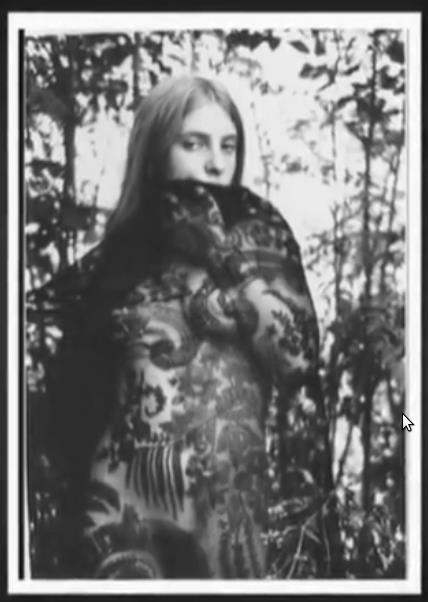
Francesca Woodman
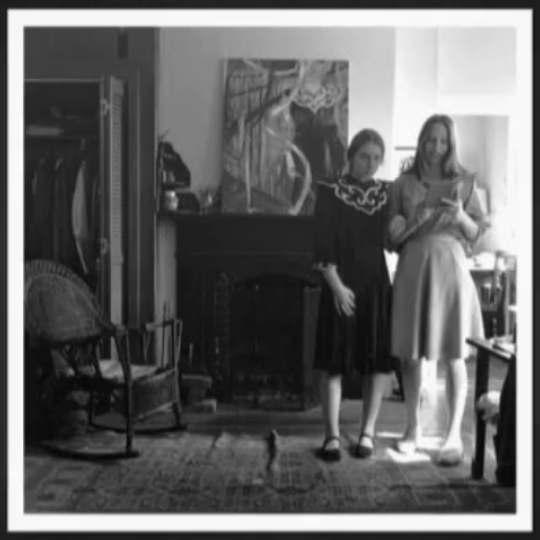
Francesca Woodman
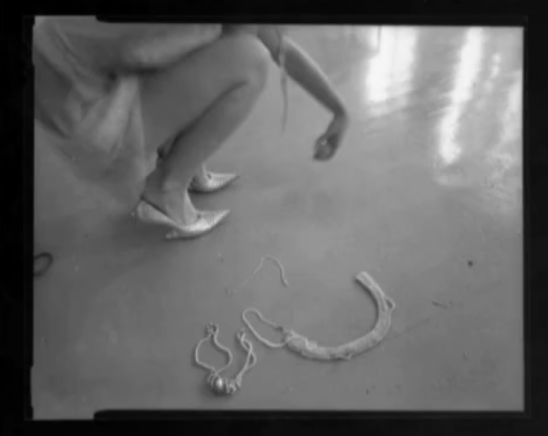
Francesca Woodman
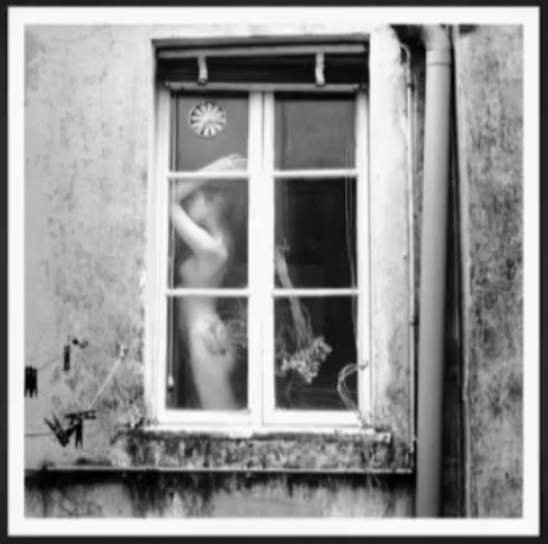
Francesca Woodman
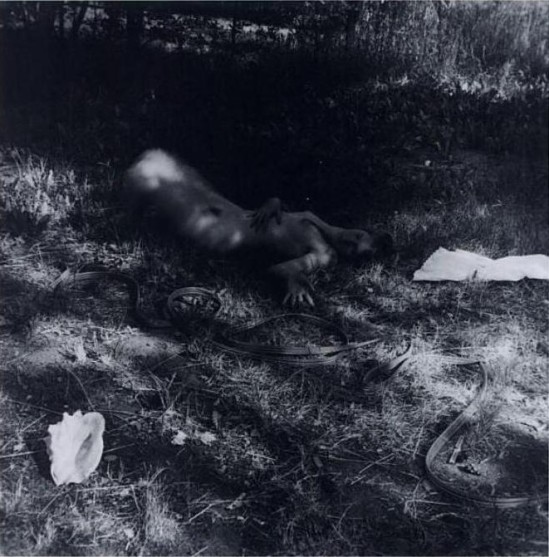
Francesca Woodman
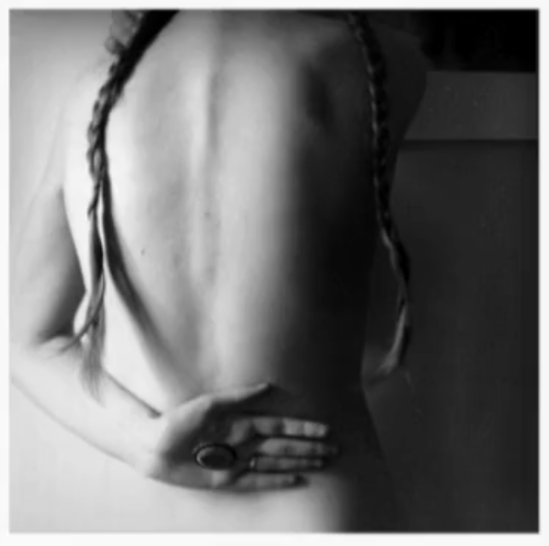
Francesca Woodman
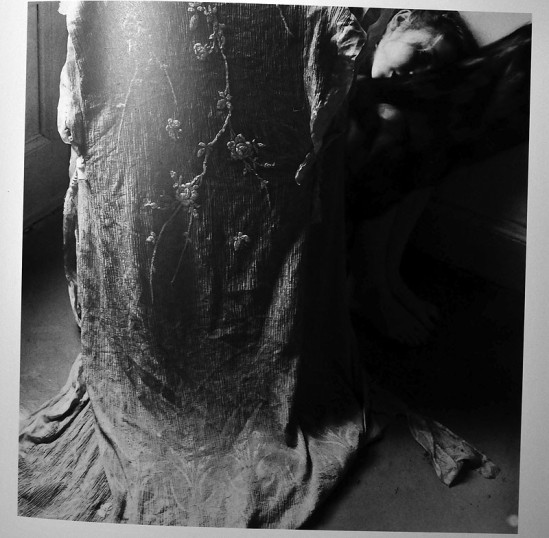
Francesca Woodman
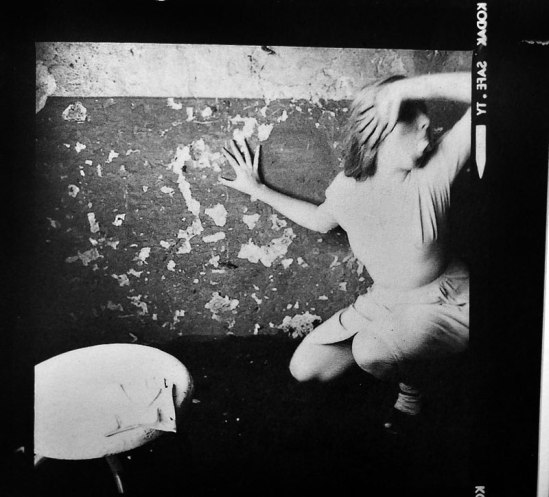
Francesca Woodman
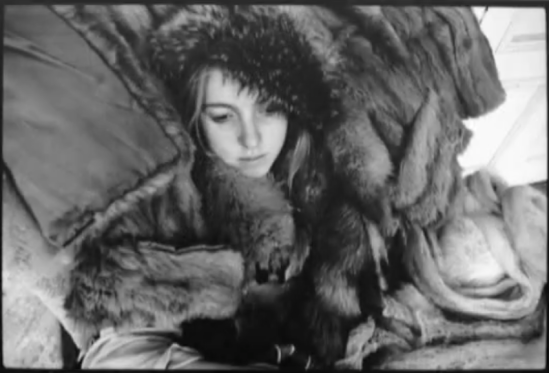
Francesca Woodman
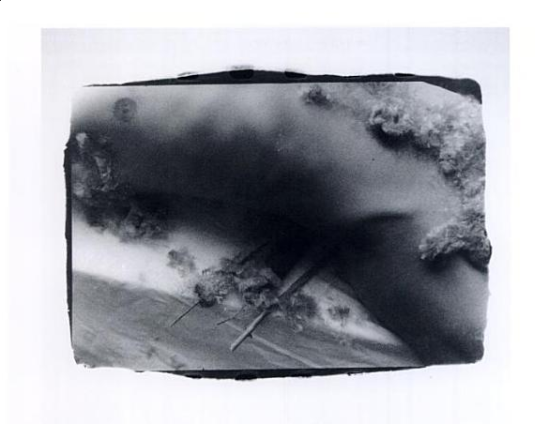
Francesca Woodman
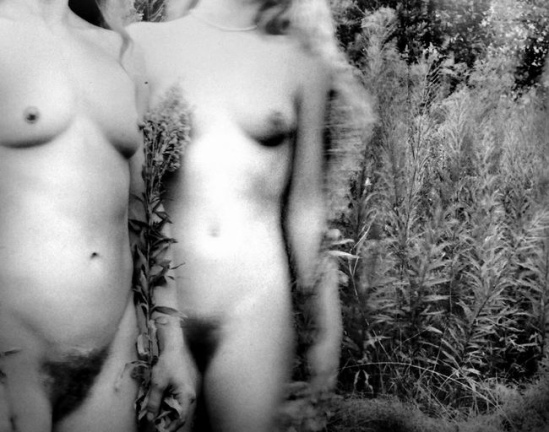
Francesca Woodman
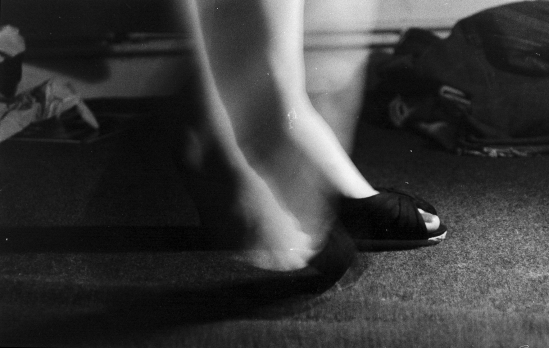
Francesca Woodman
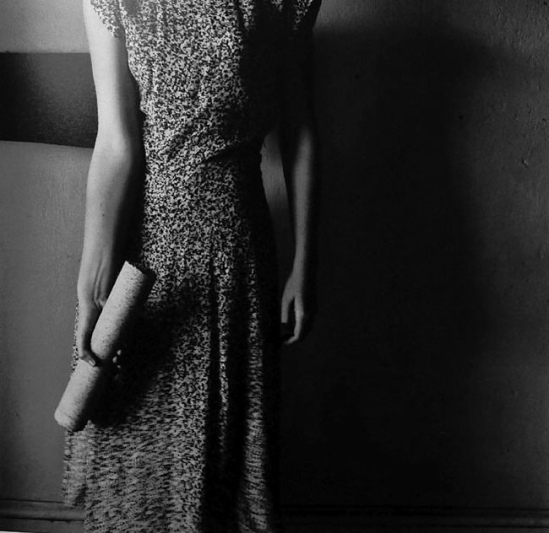
Francesca Woodman
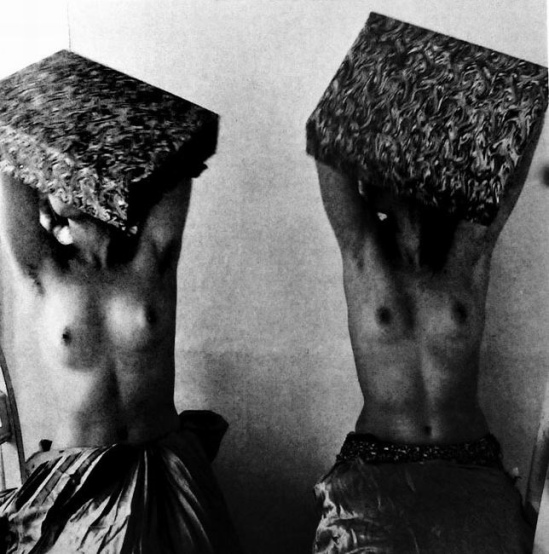
Francesca Woodman
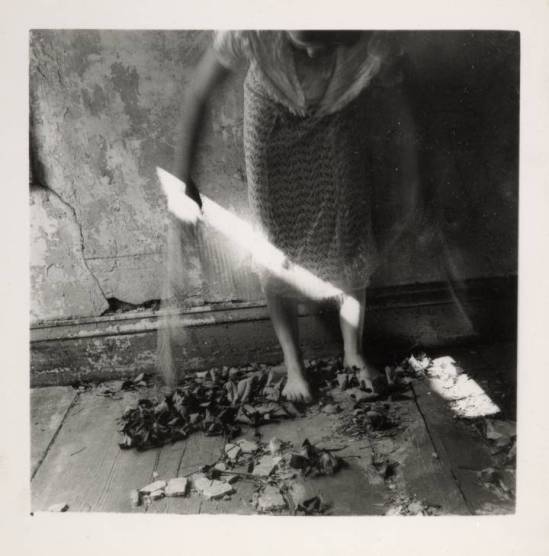
Francesca Woodman
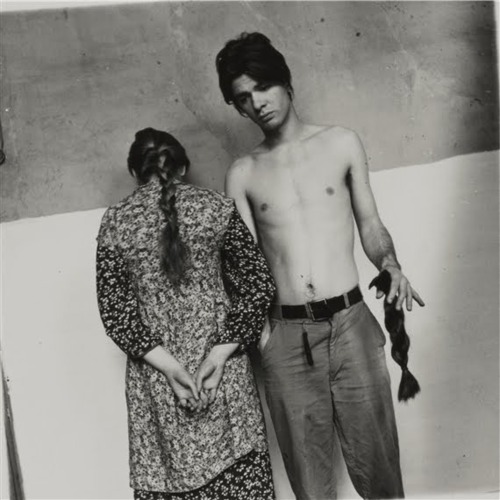
Francesca Woodman
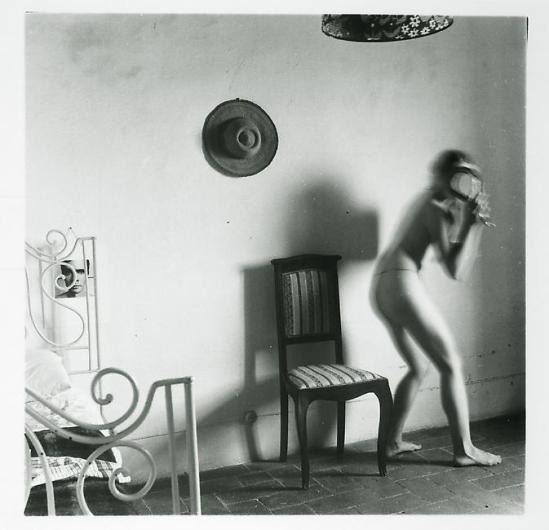
Francesca Woodman- Antella, Italy, 1977-1978
Francesca Woodman was an American photographer best known for her black and white pictures featuring herself and female models. Many of her photographs show young women who are nude, who are blurred (due to movement and long exposure times), who are merging with their surroundings, or whose faces are obscured. Her work continues to be the subject of much attention, years after she committed suicide at the age of 22.
Francesca Woodman was born April 3, 1958, in Denver, Colorado, to well-known artists George Woodman and Betty Woodman. Her older brother Charles later became an associate professor of electronic art. Her mother was Jewish and her father was from a Protestant background.
Woodman attended public school in Boulder, Colorado, between 1963 and 1971 except for second grade in Italy. She began high school in 1972 at the private Massachusetts boarding school Abbot Academy, where she began to develop her photographic skills. Abbot Academy merged with Phillips Academy in 1973; Woodman graduated from the public Boulder High School in 1975. Through 1975, she spent summers with her family in Italy. She spent her time in Italy in the Florentine countryside, where she lived in an old farm with her parents.
Beginning in 1975, Woodman attended the Rhode Island School of Design (RISD) in Providence, Rhode Island. She studied in Rome between 1977 and 1978 in a RISD honors program. As she spoke fluent Italian, she was able to befriend Italian intellectuals and artists. She went back to Rhode Island in late 1978 to graduate from RISD.
Woodman moved to New York City in 1979. After spending the summer of 1979 in Stanwood, Washington, she returned to New York “to make a career in photography.” She sent portfolios of her work to fashion photographers, but “her solicitations did not lead anywhere.” In the summer of 1980 she was an artist-in-residence at the MacDowell Colony in Peterborough, New Hampshire.
In late 1980 Woodman became depressed due to her work and to a broken relationship. She survived a suicide attempt, after which she lived with her parents in Manhattan. On January 19, 1981, she committed suicide by jumping out a loft window in New York. An acquaintance wrote, “things had been bad, there had been therapy, things had gotten better, guard had been let down.” Her father has suggested that Woodman’s suicide was related to an unsuccessful application for funding from the National Endowment for the Arts.
Although Woodman used different cameras and film formats during her career, most of her photographs were taken with medium format cameras producing 2-1/4 by 2-1/4 inch (5.7 by 5.7 cm) square negatives. Woodman created at least 10,000 negatives, which her parents now keep. Woodman’s estate, which is managed by Woodman’s parents and represented by the Marian Goodman Gallery in New York, consists of over 800 prints, of which only around 120 images had been published or exhibited as of 2006. Most of Woodman’s prints are 8 by 10 inches (20 by 25 cm) or smaller, which “works to produce an intimate experience between viewer and photograph”.
Many of Woodman’s images are untitled and are known only by a location and date. The table below contains information on some of Woodman’s most famous photographs. For each photograph, the location, the date, the title and a brief description are given (since multiple images may share the same location, date, and title, and a single image may be assigned multiple locations, dates and titles). The columns on the right contain links to up to four reproductions of the photograph found on the Web, and page numbers of reproductions in five major books.
At RISD, Woodman borrowed a video camera and VTR and created videotapes related to her photographs in which she “methodically whitewashes her own naked body, for instance, or compares her torso to images of classical statuary.” Some of these videos were displayed at the Helsinki City Art Museum in Finland and the Marian Goodman Gallery in New York in 2004 the Cisneros Fontanals Art Foundation in Miami in 2005; the Tate Modern in London in 2007-2008; and the San Francisco Museum of Modern Art in 2011 (in an exhibition which will travel to the Solomon R. Guggenheim Museum in 2012). In the 2011-2012 exhibitions, the selected video works, each 23 seconds to 3 minutes 15 seconds in length, were entitled “‘Francesca’ x 2,” “Sculpture,” “Corner,” “Trace,” and “Mask.”
Woodman created a number of artist’s books, such as Portrait of a Reputation, Quaderno dei Dettati e dei Temi (Notebook of Dictations and Compositions), and Angels, Calendar Notebook; however, the only artist’s book containing Woodman’s photographs that was published during her lifetime was Some Disordered Interior Geometries. Released in January 1981 shortly before Woodman’s death, it is 24 pages in length and is based upon selected pages from an Italian geometry exercise book. On the pages, Woodman had attached 16 photographs and had added handwriting and white correction fluid. A study of the book notes that Woodman occasionally re-drew a form “for emphasis or delight.” A reproduction of the book’s original spreads shows purple-pink covers, pages which vary slightly in color, and traces of pink on several pages. Although the published version of the book has purple-pink covers, the interior pages are printed using only black, white, and shades of gray.
In 1999, a critic was of the opinion that Some Disordered Interior Geometries was “a distinctively bizarre book… a seemingly deranged miasma of mathematical formulae, photographs of herself and scrawled, snaking, handwritten notes.” An acquaintance of Woodman wrote in 2000 that it “was a very peculiar little book indeed,” with “a strangely ironic distance between the soft intimacy of the bodies in the photographs and the angularity of the geometric rules that covered the pages.”A 2006 essay described the book as “a three-way game that plays the text and illustrations for an introduction to Euclid against Woodman’s own text and diagrams, as well as the ‘geometry’ of her formal compositions,” while a 2008 article found the book “poetic and humorous, analytical and reflexive.” A 2010 article on Woodman called the book “original and enigmatic,” and a 2010 review stated of the book that “we are the richer for it.”
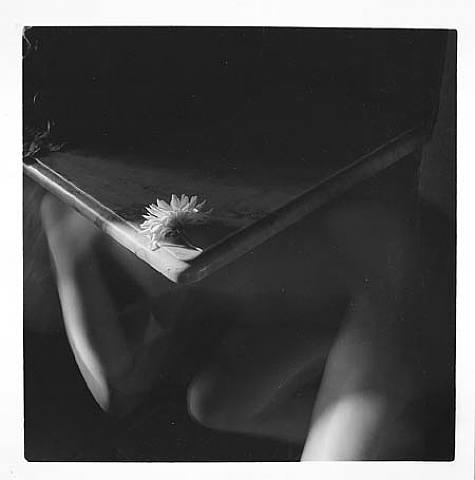
Francesca Woodman
Francesca Woodman
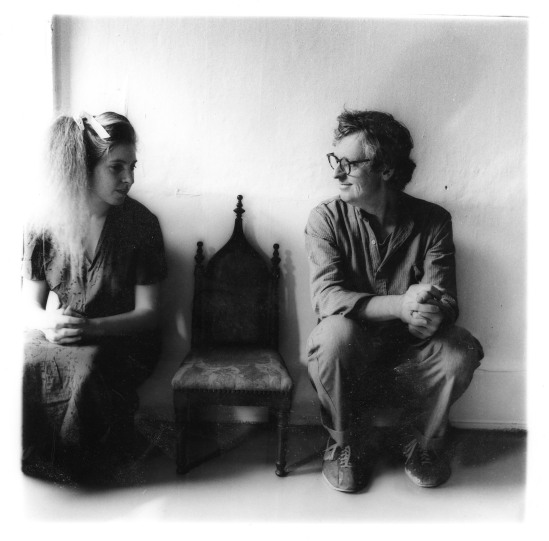
Francesca Woodman and her Father



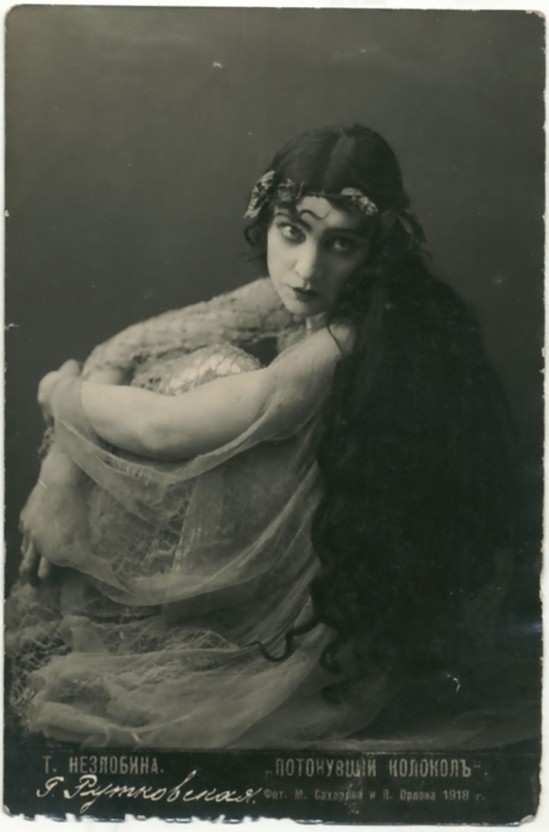




 La Petite Mélancolie
Vous devez être connecté pour poster un commentaire.