K. Tyrsa -Pied de la danseuse Olga Spessivtseva

K. Tyrsa -Pied de la danseuse Olga Spessivtseva, Nd , carte postale

K. Tyrsa -Pied de la danseuse Olga Spessivtseva, Nd , carte postale


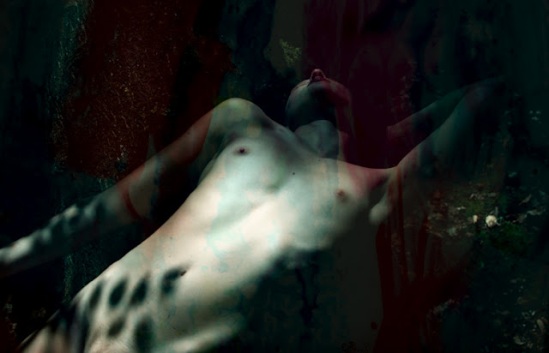
Still from James Sibley Watson’s ’ Fall of the House of Usher , 1928

Still from James Sibley Watson’s ’ Fall of the House of Usher , 1928

Still from James Sibley Watson’s ’ Fall of the House of Usher , 1928


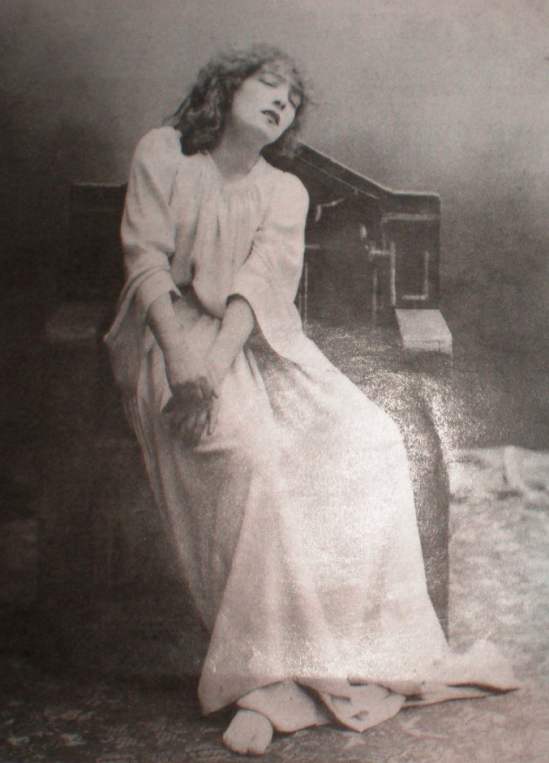
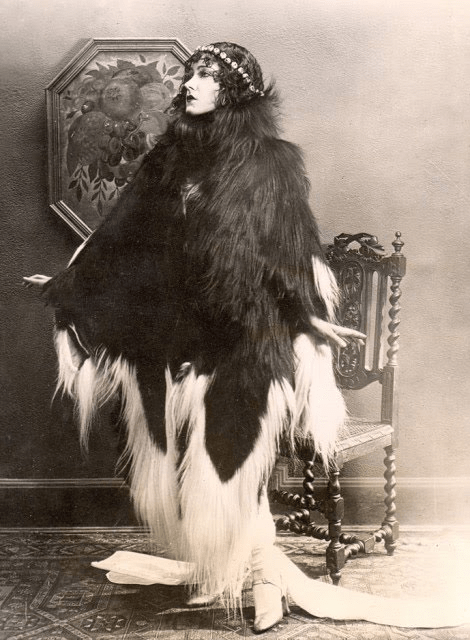
Nadar- Sarah Bernhardt as Lady Macbeth , 1884

Nadar- Sarah Bernhardt as Lady Macbeth -1884

Nadar- Sarah Bernhardt as Lady Macbeth -1884

Nadar- Sarah Bernhardt as Lady Macbeth -1884

Herman Mishkin

Herman Mishkin – Rosa Ponselle in the title role of  The Bellini’s Norma Opera, 1928/29

Bart Dorsa

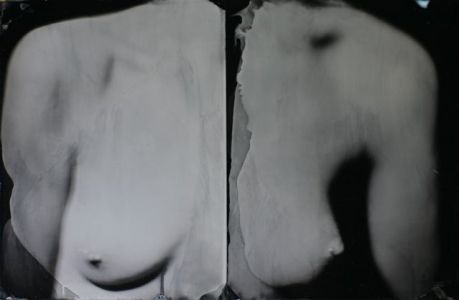
Bart Dorsa-Серия, nd

Bart Dorsa-Серия, nd

Bart Dorsa-Серия, nd

Bart Dorsa

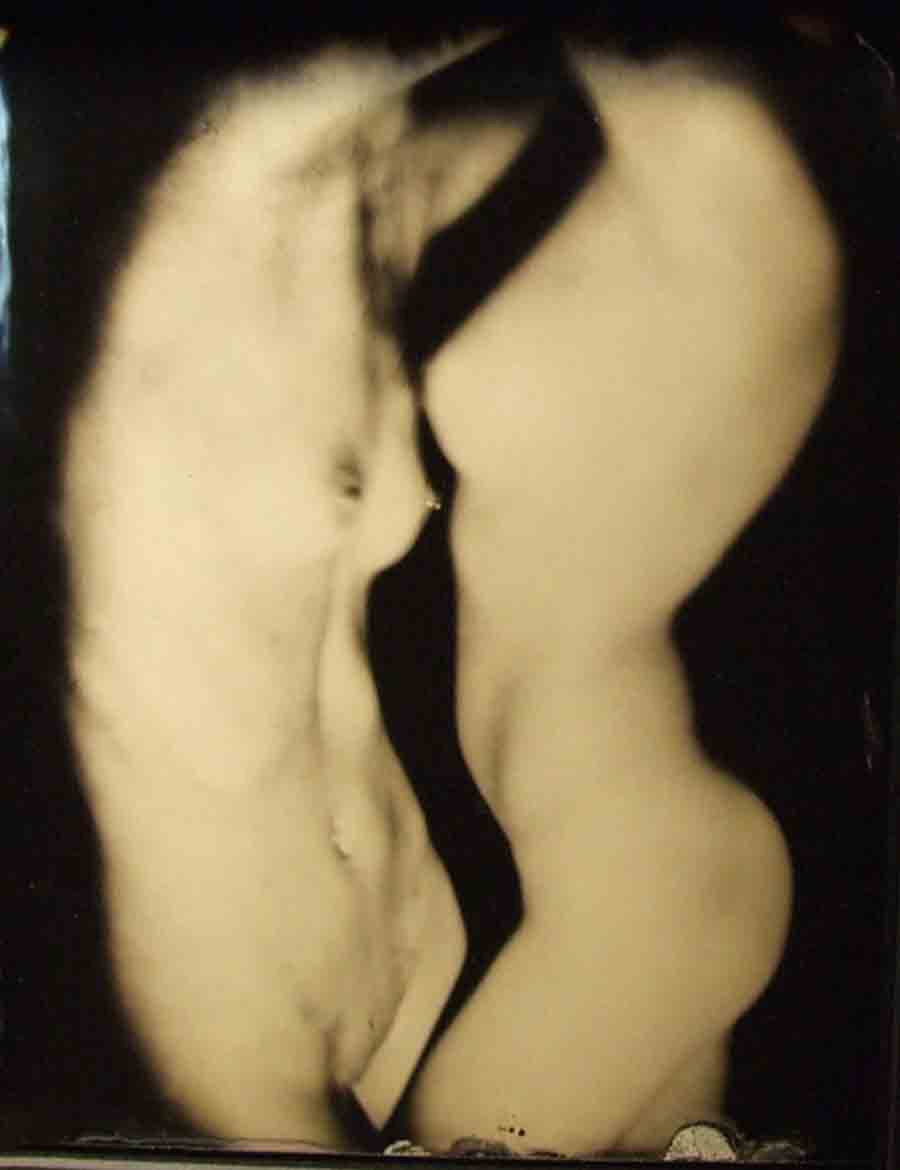
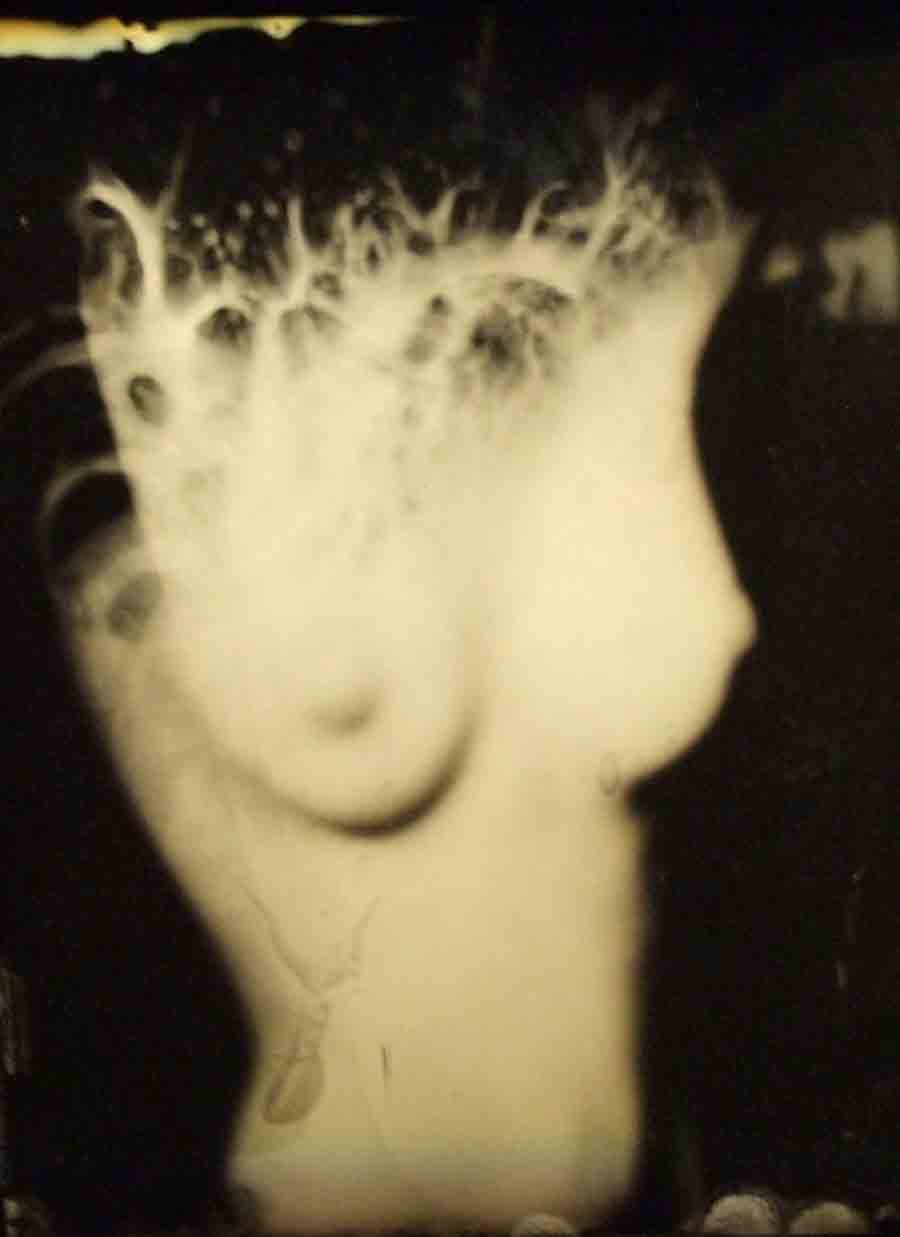
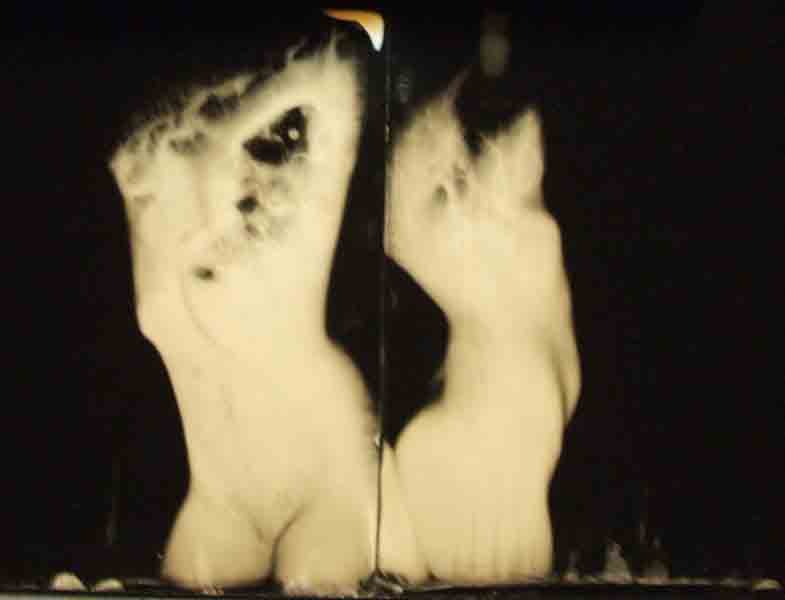
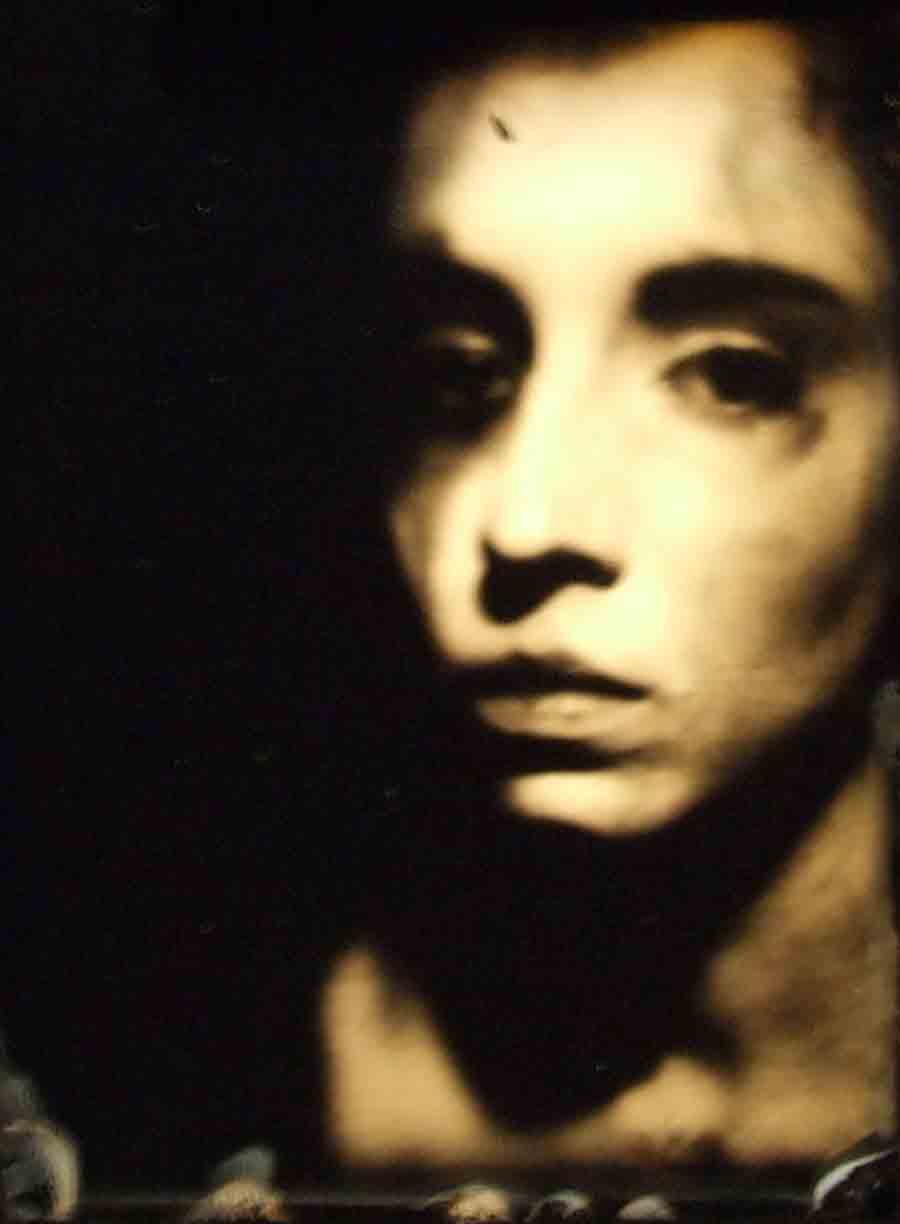
« Hailing from Los Angeles, California, Bart Dorsa began his career in visual arts as an independent filmmaker. His directorial debut, Here Lies Lonely and The Invisibles, for which Bart served as an executive producer, received critical acclaim and rave audience reviews. The later won an Audience Award at the German Independence Film festival.

Before the turn of the century, Dorsa took off for the world ’s adventure, seeking inspiration for new artistic endeavors. He was building health clinics and orphanages in Vietnam, meditated with Tibetan monks, engaged Ukrainian twin sisters and immersed himself in Iceland’s art scene before arriving in Moscow in 2003. New business prospects introduced Bart to Moscow ’s fashion scene and Bart began to capture aspiring models on dig ital camera . With this a new project was born, culminating in Dorsa ’s first photo exhibition, Fifteen Minute Fashion, in 2007. It was based around the concept that, in Russia, any girl can be a model if they get to have 15 minutes in front of Dorsa’s camera.

Seeking more out of photography than digitally created and altered images, Bart became an apprentice of the art form at its roots. He traveled around Europe and US, learning a photography method that is extremely rare today. Invented in the 1840s, The Wet Plate Process was the second generation of the photographic technology after the daguerreotype. The process requires the photographer to pour a hand-prepared chemical emulsion over a metal or glass plate which is then placed into a vat of silver nitrate. The mixing of silver nitrate with salts that are in the emulsion makes the surface sensitive to light. A wet, sensitive plate, as it is now called, is then placed into the back of the camera and exposed to the light anywhere from three to thirty seconds depending on the chemistry and light conditions. To freeze an image permanently, acid is poured over the wet plate and then fixed in cyanide after the subject has been captured.

While the process of creating a wet plate is extremely delicate, the camera used is in its simplest form: two lenses positioned inside wooden box, with no shutters or automatic flashes. For each image, the photographer manually adjusts angles of the lenses , covers and uncovers them and times the light exposure. Such a photo shoot can be considered a success if four or five plates are made during a three hour session .

Bart Dorsa debuted with his new technique in November of 2008. The show, titled Soul Stealer, was a dark crossover with a classic , 1940’s Hollywood film noir aura to it. Six months later, riding on the popularity of Stealer, Bart was invited to have a show at Moscow’s esteemed photography gallery, Pobeda, as part of the 7t h International Photography Month in Moscow “Photobiennale 2008”. This exhibit, titled Silver Tongue Devil, displayed images of women, resembling wax figures melting from heat, seemingly afloat in a pitch black gallery. Deep Inside My Doll House is a new exhibition from the latest series of Dorsa’s work. Given full control of Moscow Museum of Modern Art at Tverskoy 9, Bart has transformed the building into a dark asylum, painting it completely black’ – by Yuri Pushkin

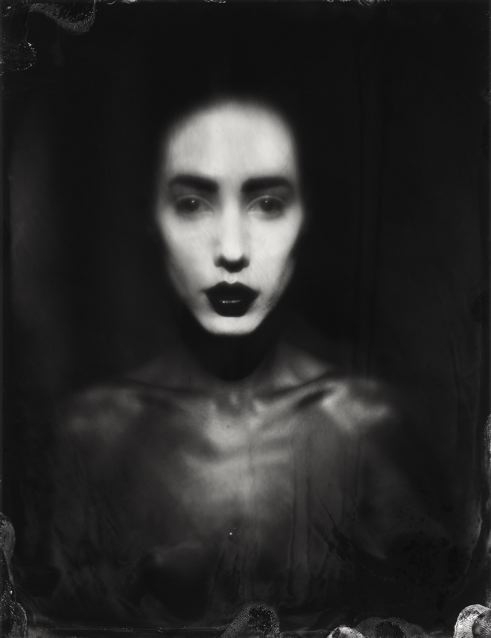
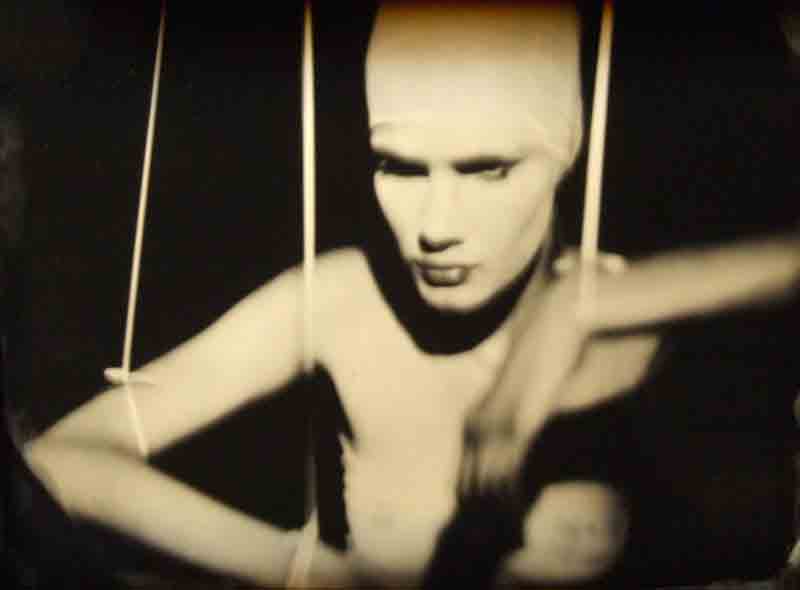
Bart Dorsa -Silver tongue devil, 2009

Bart Dorsa -Silver tongue devil, 2009

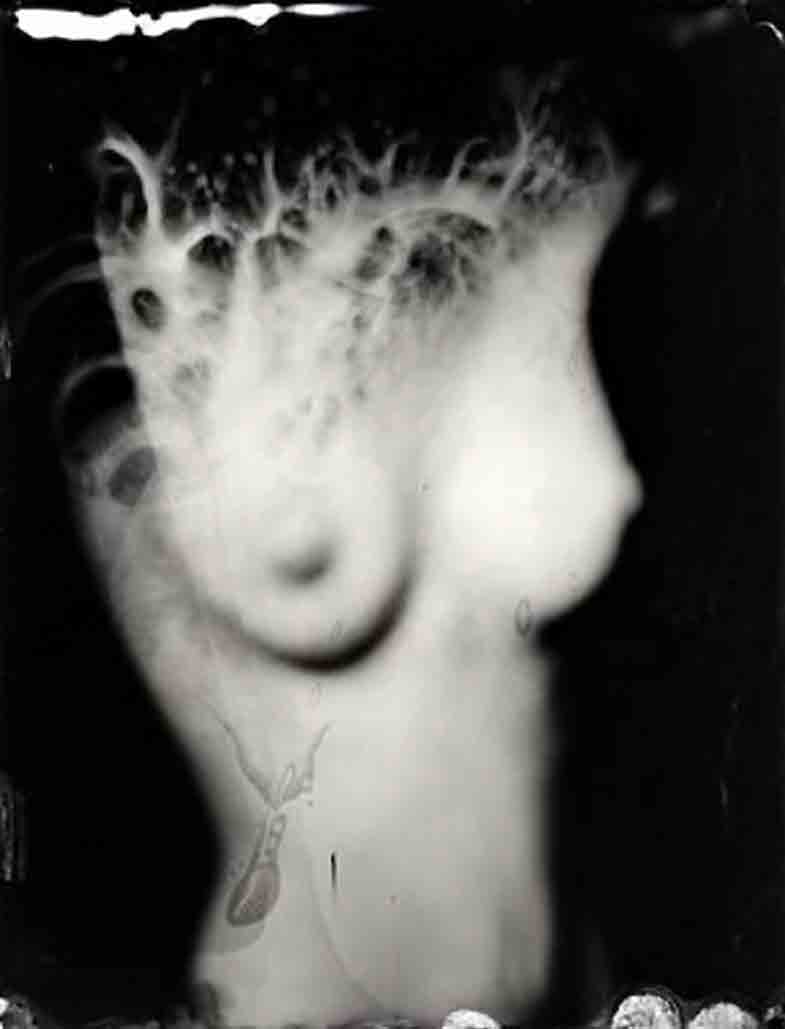
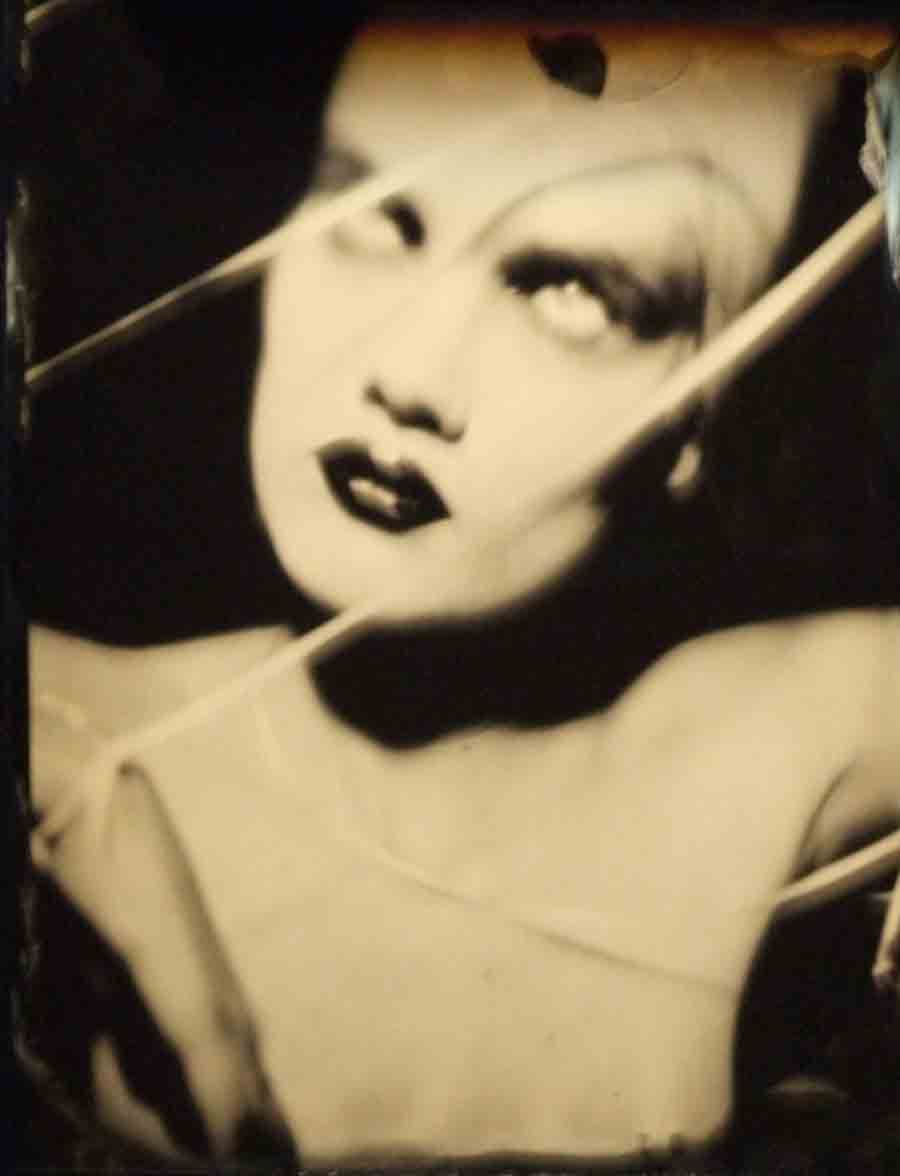
Bart Dorsa- Incendia, #12, 2009

Bart Dorsa- Incendia, #12, 2009


Marguerite Duras in L’Amant

« L’histoire de ma vie n’existe pas. Ca n’existe pas.
Il n’y a jamais de centre. Pas de chemin, pas de ligne.
Il y a de vastes endroits où l’on fait croire qu’il y avait quelqu’un,
ce n’est pas vrai il n’y avait personne.
Je n’ai jamais écrit, croyant le faire, je n’ai jamais aimé, croyant aimer, je n’ai jamais rien fait qu’attendre devant la porte fermée.
Je me suis dit qu’on écrivait toujours sur le corps mort du monde et, de même, sur le corps mort de l’amour. »

M. Duras, in L’Amant

In the Mood for Love

Quizas: In the Mood for Love

Jack Kerouac-Sur la route

« Un jour, toi et moi, on longera les ruelles au coucher du soleil et on ira faire les poubelles. – On finira clodos, tu veux dire ? – Pourquoi pas mec ? Bien sûr qu’on finira clodos si ça nous chante. Y a pas de mal à finir ça. »

Jack Kerouac-Sur la route , 1957 ( Traduit en 1960 pour Gallimard par Jacques Houbard)

Gloria Swanson

Portrait Of Gloria Swanson

Portrait Of Gloria Swanson

Portrait Of Gloria Swanson

Sayaka Maruyama

La pratique de Sayaka Maruyama traverse les médiums de la photographie, le cinéma, les dessins, l’installation et la performance. S’appuyant sur des références classiques japonaises et des motifs surréalistes, son travail explore les interprétations contemporaines contradictoires des notions de la beauté, de deux points de vue l’ occidental et l’oriental.
Maruyama a principalement gagné en notoriété pour sa série Japon d’avant-garde, dans lequel l’artiste entrelaçait numériquement des images manipulées avec des éléments de collage de papier et de la peinture à l’aquarelle pour créer des images complexes, multi-couches, vantant un sens de la beauté.
Maruyama est née au Japon en 1983, et est diplômée de l’Université des arts du Japon en 2005, lorsqu’elle commence son fameux projet « Neon O’Clock Works ». Sa première monographie, intitulée Krageneidechse, a été publié en 2007, l’année où elle a déménagé à Londres. Maruyama a largement exposé à Londres et à Tokyo, et ses images ont été publiées dans de nombreux périodiques. // Sayaka Maruyama’s practice traverses the mediums of photography, film, drawings, installation and performance. Drawing on classical Japanese references and Surrealist motifs, her work explores contradictory contemporary understandings of Japanese notions of beauty, from both Western and Eastern perspectives. Maruyama primarily gained notoriety for her Japan Avant-Garde series, in which the artist intertwined digitally manipulated images with elements of paper collage and watercolour paint to create intricate, multi-layered imagery, extolling a sense of beauty.
Maruyama was born in Japan in 1983, and graduated from the Art University of Japan in 2005, when she began her renowned Neon O’Clock Works project. Her first monograph, entitled Krageneidechse, was published in 2007, the year she moved to London. Maruyama has exhibited widely in London and Tokyo, and her images have been published in periodicals

Sayaka Maruyama -from serie return to natur, nd

© Jolande des Bouvrie

Ce diaporama nécessite JavaScript.


Hilda Doolittle

Hilda Doolittle, plus connue sous sa signature H.D. (née le 10 septembre 1886 à Bethlehem, en Pennsylvanie – morte le 27 septembre 1961 à Zurich), est une romancière et poétesse des États-Unis.
Biographie

Elle étudia le grec ancien à Bryn Mawr College, où elle rencontra les poètes Marianne Moore et William Carlos Williams. En 1913, elle épouse Richard Aldington, un poète imagiste qu’elle quitte en 1918 et dont elle divorce en 1938. Elle fit partie du courant poétique de l’imagisme, et en 1912 Ezra Pound lui trouve sa signature, réduite aux initiales H.D. Elle fait paraître son premier livre, Sea Garden, en 1916. En 1918, elle rencontre un ami de D. H. Lawrence, Cecil Gray, et ils ont une fille.

En 1918, H.D. rencontre la femme de lettres britannique Bryher (Annie Winifred Ellerman), avec qui elle vit jusqu’en 1946. Dans les années 1920, elle écrit plusieurs romans, dont le cycle Madrigal, composé des romans féministes autobiographiques HERmione, Bid Me to Live, Paint It Today et Asphodel.

En 1933, elle part pour Vienne où elle entame une psychanalyse avec Sigmund Freud. Elle publie les mémoires de cette expérience dans  »Writing on the Wall, (1944), le journal de son analyse, réédité en 1956 sous le titre Tribute to Freud. Son récit, très perspicace, est un précieux témoignage de l’atmosphère chaleureuse que Freud pouvait instaurer avec des patients. Elle a ensuite fait une psychothérapie avec Walter Schmideberg, gendre de Mélanie Klein.

Pendant la guerre, elle écrit ses souvenirs d’enfance, The Gift, qui ne seront publiés qu’en 1982. Elle fait paraître une Trilogy de ses recueils de poésie majeurs, sous les titres The Walls do not Fall (1944), Tribute to the Angels (1945) et The Flowering of the Rod (1946).

Après la guerre, elle s’installe en Suisse dans la villa Kenwin où elle a une dépression nerveuse. Son nouveau psychanalyste, Erich Heydt, l’encourage à écrire End of Torment, sur sa relation avec Ezra Pound. Entre 1952 et 1954, elle compose le recueil Helen in Egypt, une déconstruction féministe de la poésie épique, réponse aux Cantos d’Ezra Pound.

Elle meurt d’une attaque en 1961 à Zurich en Suisse. Ses cendres sont rapatriées au caveau familial de Bethlehem.

Hilda « H.D. » Doolittle MORE HERE
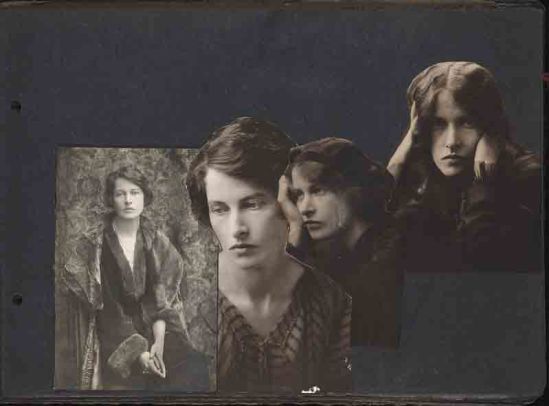
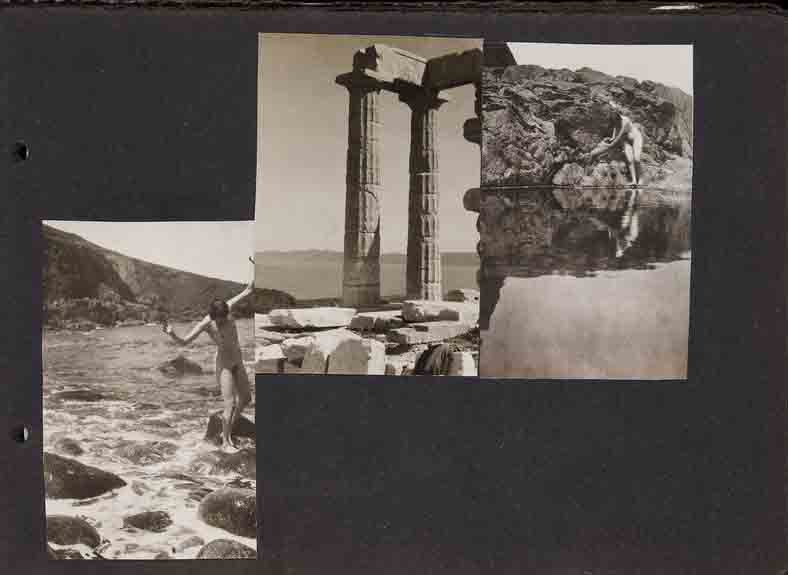
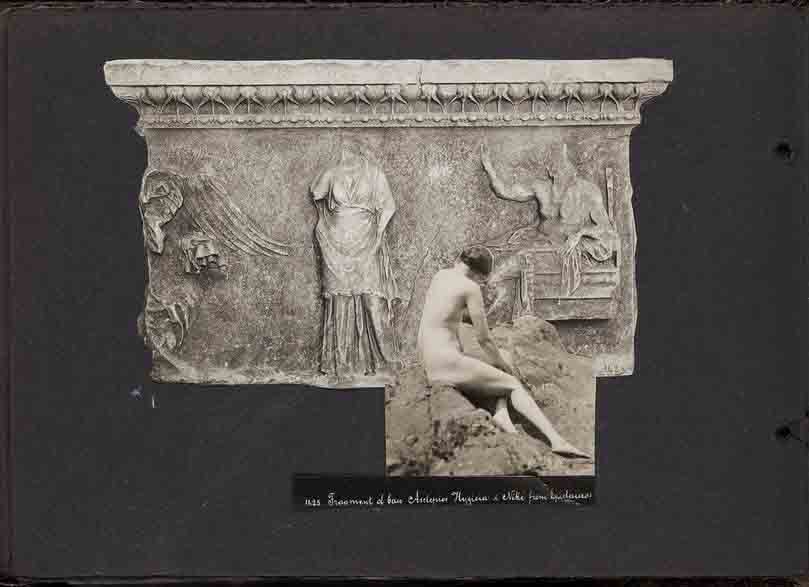
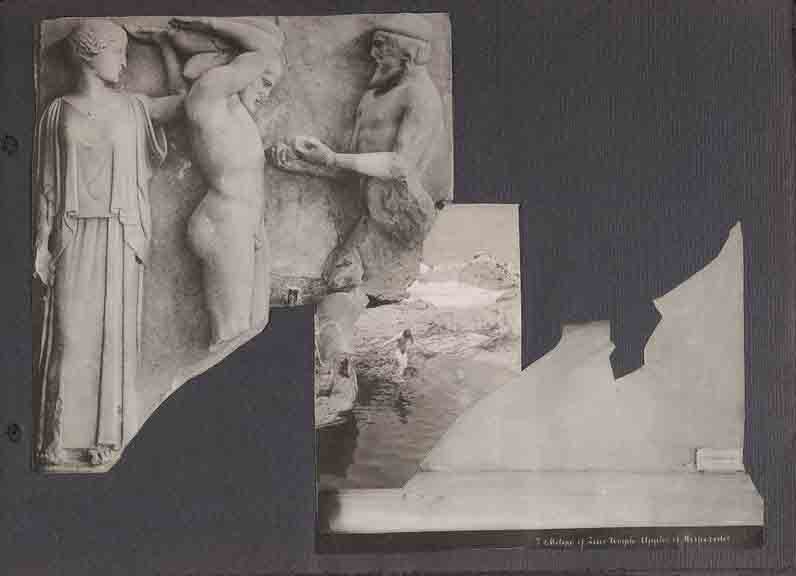
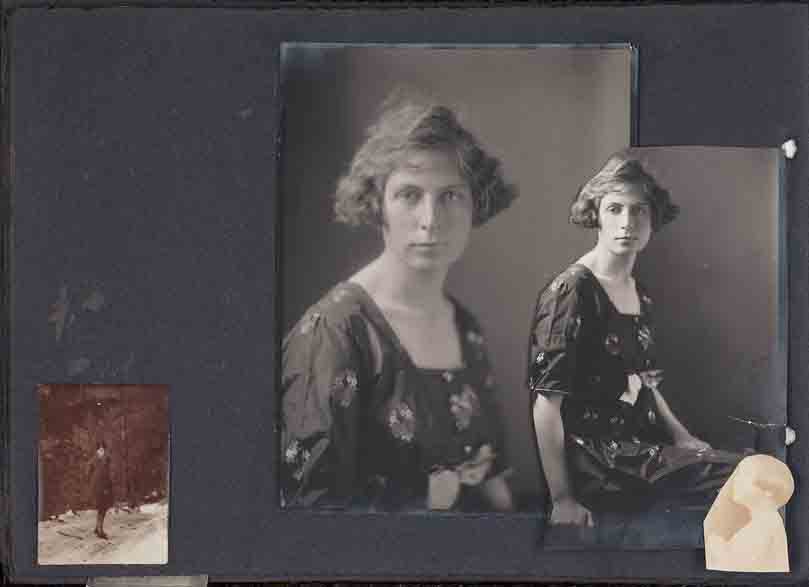
Hilda Doolittle (1886-1961)- Scrapbook, undated
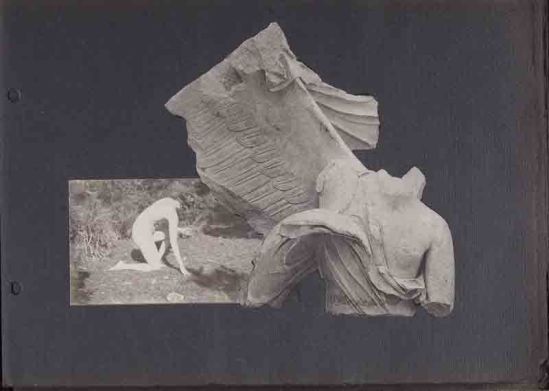
Hilda Doolittle (1886-1961)- Scrapbook, undated
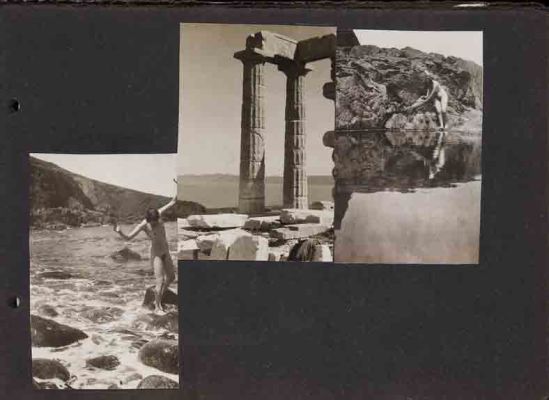
Hilda Doolittle (1886-1961)- Scrapbook, undated

Hilda Doolittle (1886-1961)- Scrapbook, undated
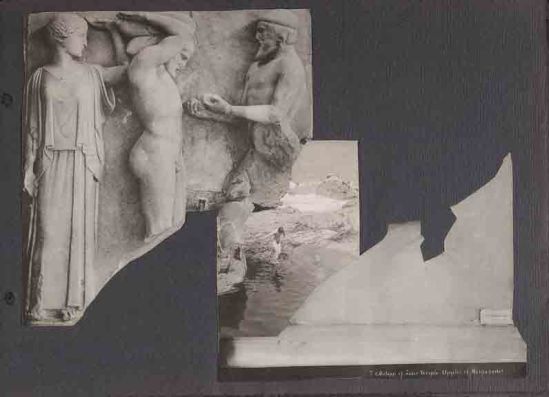
Hilda Doolittle (1886-1961)- Scrapbook, undated

Hilda Doolittle (1886-1961)- Scrapbook, undated

Hilda Doolittle (1886-1961)- Scrapbook, undated

Hilda Doolittle (1886-1961)- Scrapbook, undated

Hilda Doolittle (1886-1961)- Scrapbook, undated

Hilda Doolittle (1886-1961)- Scrapbook, undated

Hilda Doolittle (1886-1961)- Scrapbook, undated

source : Yale Collection of American Literature, Beinecke Rare Book and Manuscript Library

Bart Dorsa. Deep Inside My Dollhouse 2009

Bart Dorsa. Deep Inside My Dollhouse 2009

Bart Dorsa. Deep Inside My Dollhouse 2009

Bart Dorsa. Deep Inside My Dollhouse 2009

Bart Dorsa. Deep Inside My Dollhouse 2009

Bart Dorsa. Deep Inside My Dollhouse 2009

Bart Dorsa. Deep Inside My Dollhouse 2009

Bart Dorsa. Deep Inside My Dollhouse 2009

Bart Dorsa. Deep Inside My Dollhouse 2009

Bart Dorsa. Deep Inside My Dollhouse 2009

Bart Dorsa. Deep Inside My Dollhouse 2009

Bart Dorsa. Deep Inside My Dollhouse 2009

Bart Dorsa. Deep Inside My Dollhouse 2009

Bart Dorsa. Deep Inside My Dollhouse 2009

Bart Dorsa. Deep Inside My Dollhouse 2009

Bart Dorsa. Deep Inside My Dollhouse 2009

Bart Dorsa. Deep Inside My Dollhouse 2009

Bart Dorsa. Deep Inside My Dollhouse 2009

His Blog

A. Artaud, in Le pèse nerf

Ce que vous avez pris pour mes oeuvres n’était que les déchets de moi-même, ces raclures de l’âme que l’homme normal n’accueille pas.

A. Artaud, in Le pèse nerf